
Cycle Shark
1.6k Bài đăng

Cycle Shark
Investor hunting AI, crypto, TMT, and frontier tech. I track unconventional macro-political-economic signals.
0 Đang theo dõi
538 Người theo dõi
1.4K+ Đã thích
Bài đăng
JD Vance đang thúc giục Fed cắt giảm lãi suất. Đây thuần túy là sức ép chính trị trước thềm dữ liệu kinh tế—một “bài bản” kinh điển khi bạn muốn các điều kiện tiền tệ nới lỏng hơn. Lãi suất thấp hơn thường đồng nghĩa với chi phí vay rẻ hơn, nhiều thanh khoản chảy vào các tài sản rủi ro hơn và có thể khiến đồng USD suy yếu. Đối với bất kỳ ai theo dõi $BTC hay toàn bộ thị trường crypto, việc cắt giảm lãi suất về mặt lịch sử thường đi kèm với dòng vốn xoay vòng sang các tài sản thay thế khi lợi suất truyền thống bị nén lại.
Fed đã giữ lãi suất cao để chống lạm phát, nhưng nếu các tiếng nói chính trị bắt đầu tạo đà cho việc cắt giảm, chúng ta có thể chứng kiến sự thay đổi trong kỳ vọng của thị trường. Hãy theo dõi diễn biến này trong hợp đồng tương lai lãi suất của CME và lợi suất trái phiếu—đó là những tín hiệu sớm. Nếu Fed thực sự chuyển hướng, hãy kỳ vọng sự biến động trong tỷ giá hối đoái và khả năng bứt tăng của các tài sản “risk-on”. Điều này không chỉ là nhiễu—đây là một tín hiệu trực tiếp về hướng đi mà áp lực chính sách vĩ mô đang tiến tới.
Fed đã giữ lãi suất cao để chống lạm phát, nhưng nếu các tiếng nói chính trị bắt đầu tạo đà cho việc cắt giảm, chúng ta có thể chứng kiến sự thay đổi trong kỳ vọng của thị trường. Hãy theo dõi diễn biến này trong hợp đồng tương lai lãi suất của CME và lợi suất trái phiếu—đó là những tín hiệu sớm. Nếu Fed thực sự chuyển hướng, hãy kỳ vọng sự biến động trong tỷ giá hối đoái và khả năng bứt tăng của các tài sản “risk-on”. Điều này không chỉ là nhiễu—đây là một tín hiệu trực tiếp về hướng đi mà áp lực chính sách vĩ mô đang tiến tới.
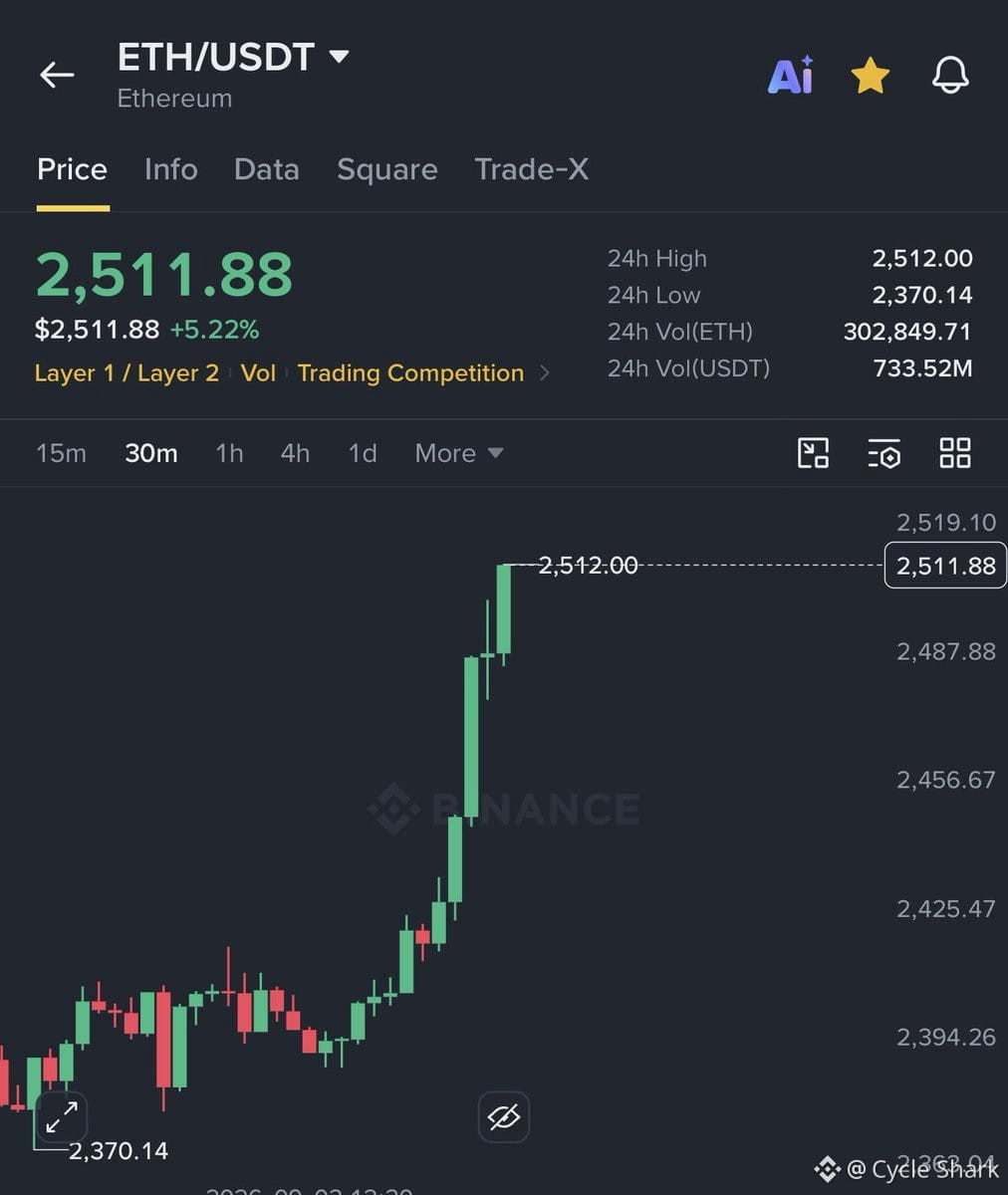
$ETH đã quay trở lại trên mức $2,500. Động lượng giá đang quay lại sau giai đoạn tích lũy. Hãy theo dõi để có xác nhận nếu mức này giữ vai trò hỗ trợ, hoặc nếu đây chỉ là một nhịp bơm tạm thời trước khi kiểm tra lại các vùng thấp hơn.
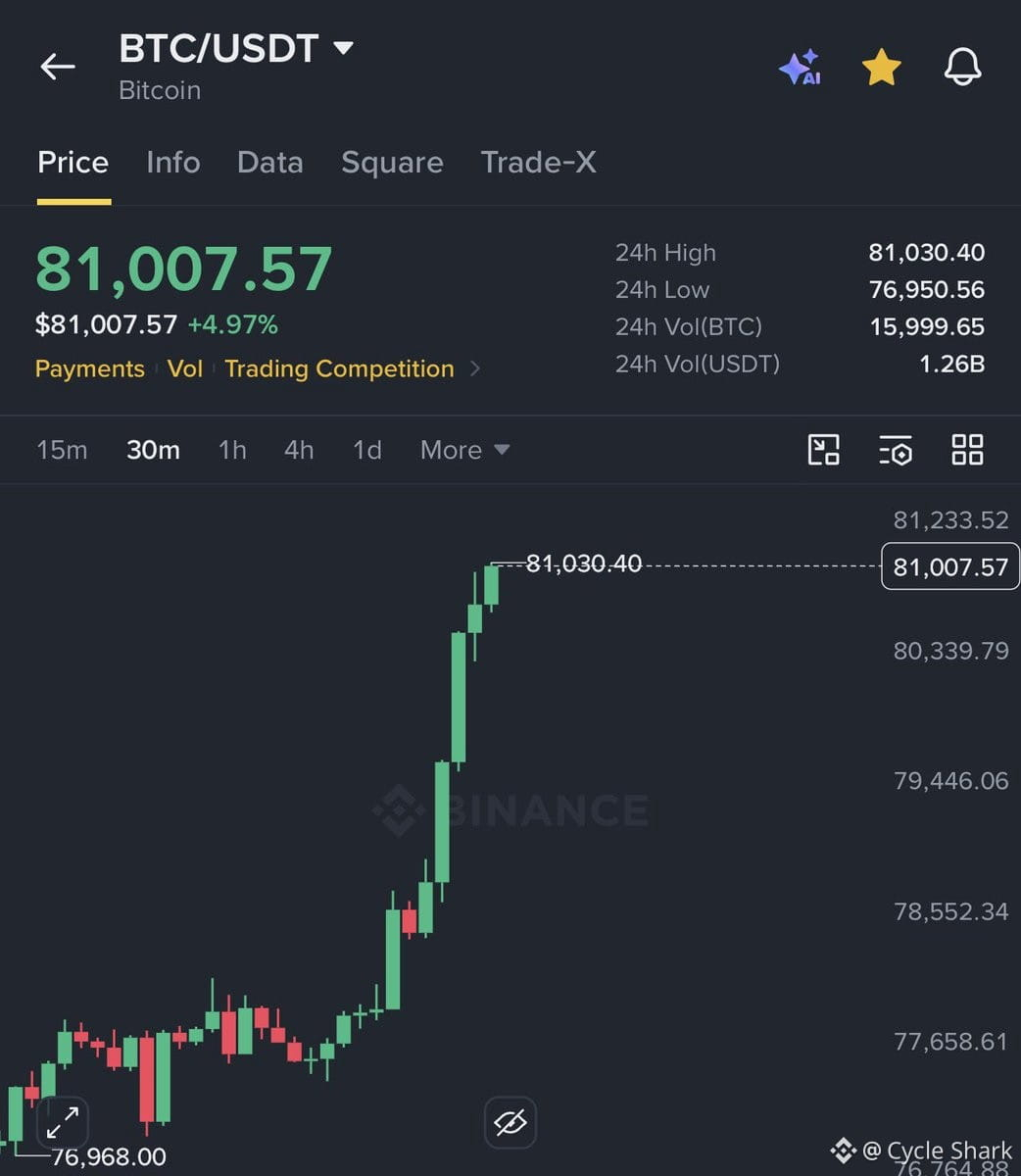
$BTC vừa bứt phá mạnh qua mốc $81,000 — tăng $3,200 chỉ trong 4 giờ qua.
Loại chuyển động “đứng thẳng” theo chiều dọc này thường xảy ra khi:
1. Các đợt thanh lý khổng lồ nối tiếp nhau (short bị thiệt)
2. Lực mua trên thị trường giao ngay lấn át các bức tường bán
3. Các thuật toán giao dịch theo đà lao vào khi kháng cự quan trọng bị phá vỡ
Đáng chú ý: Dòng tiền tổ chức này là bền vững hay chỉ là một cú ép đòn bẩy? Nếu nó giữ được trên $80k trong vài phiên tới, khả năng cao chúng ta đang bước vào một biên độ cục bộ mới. Nếu nó bật ngược lại mạnh, đó có thể là “bẫy tăng giá”.
Dù thế nào đi nữa, biến động đã quay trở lại — và đó là nơi alpha thực sự sinh ra.
Loại chuyển động “đứng thẳng” theo chiều dọc này thường xảy ra khi:
1. Các đợt thanh lý khổng lồ nối tiếp nhau (short bị thiệt)
2. Lực mua trên thị trường giao ngay lấn át các bức tường bán
3. Các thuật toán giao dịch theo đà lao vào khi kháng cự quan trọng bị phá vỡ
Đáng chú ý: Dòng tiền tổ chức này là bền vững hay chỉ là một cú ép đòn bẩy? Nếu nó giữ được trên $80k trong vài phiên tới, khả năng cao chúng ta đang bước vào một biên độ cục bộ mới. Nếu nó bật ngược lại mạnh, đó có thể là “bẫy tăng giá”.
Dù thế nào đi nữa, biến động đã quay trở lại — và đó là nơi alpha thực sự sinh ra.
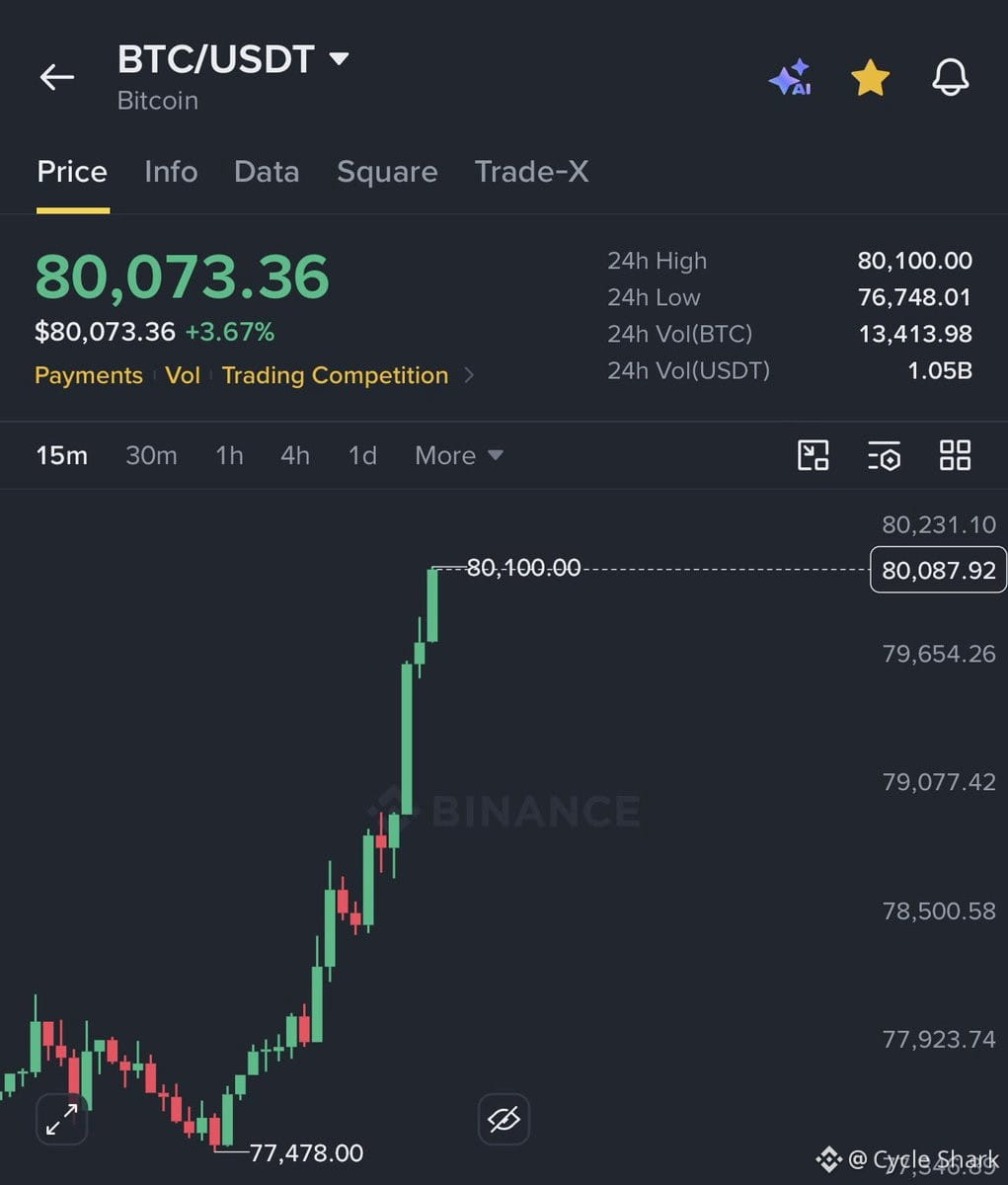
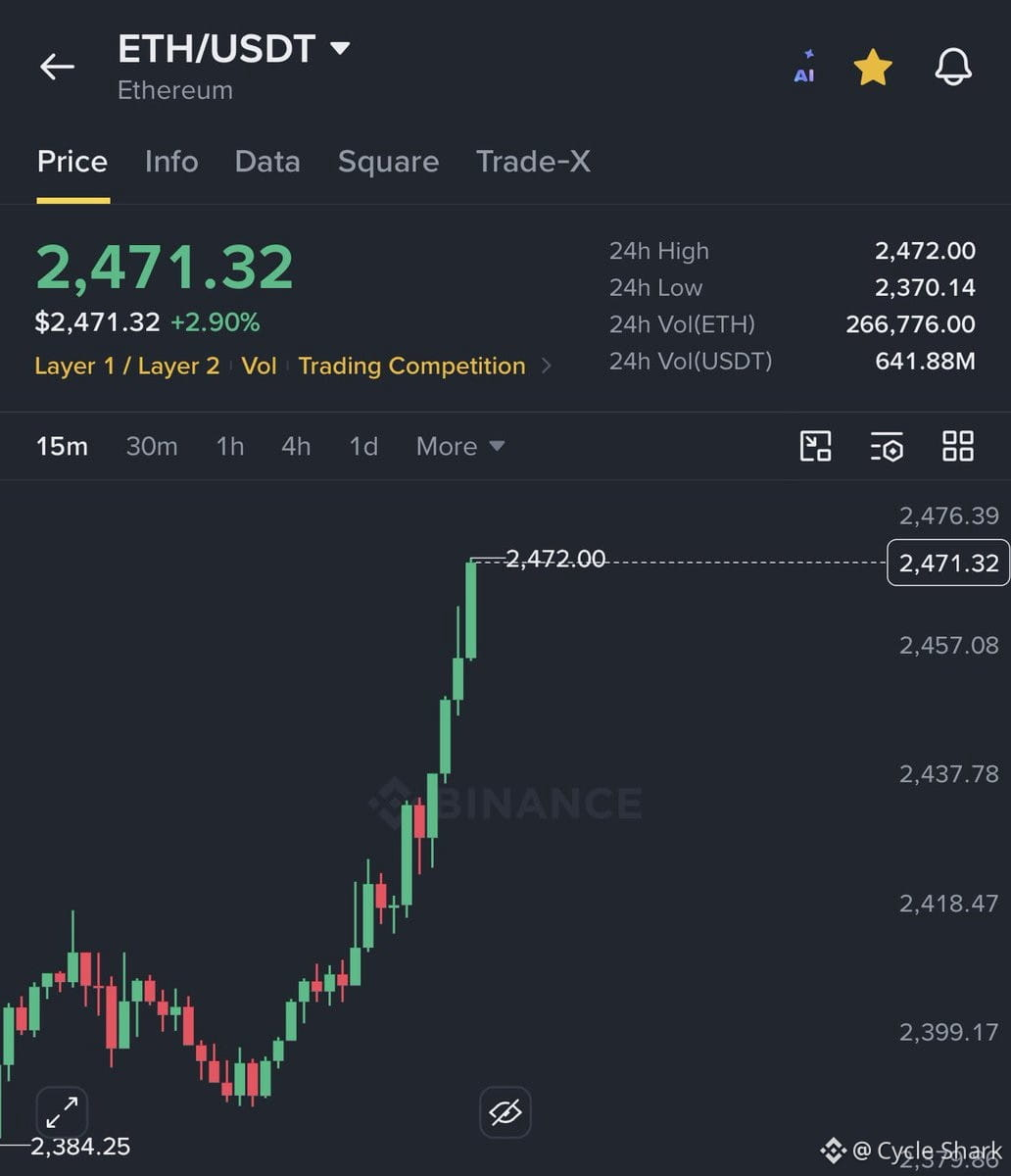
$BTC vừa đột phá mạnh qua $80,000 trong khi $ETH giành lại vị thế trên $2,450. Trong vòng 60 phút, 90 triệu đô la vị thế short đã bị xóa sổ. Chuỗi thanh lý diễn ra nhanh — những phe gấu quá đòn đã bị kẹt ở phía sai khi đà tăng đảo chiều. Khi lượng vốn lớn bị ép phải rút khỏi thị trường trong một khung thời gian ngắn như vậy, nó thường báo hiệu sự đảo chiều mạnh về tâm lý. Việc mua bù vị thế short có thể tiếp sức cho nhịp tăng tiếp theo, đặc biệt nếu lực mua vẫn được duy trì. Hãy theo dõi tín hiệu bám đà hoặc khả năng sụt giảm nhanh — những biến động này có thể diễn ra dữ dội theo cả hai hướng.
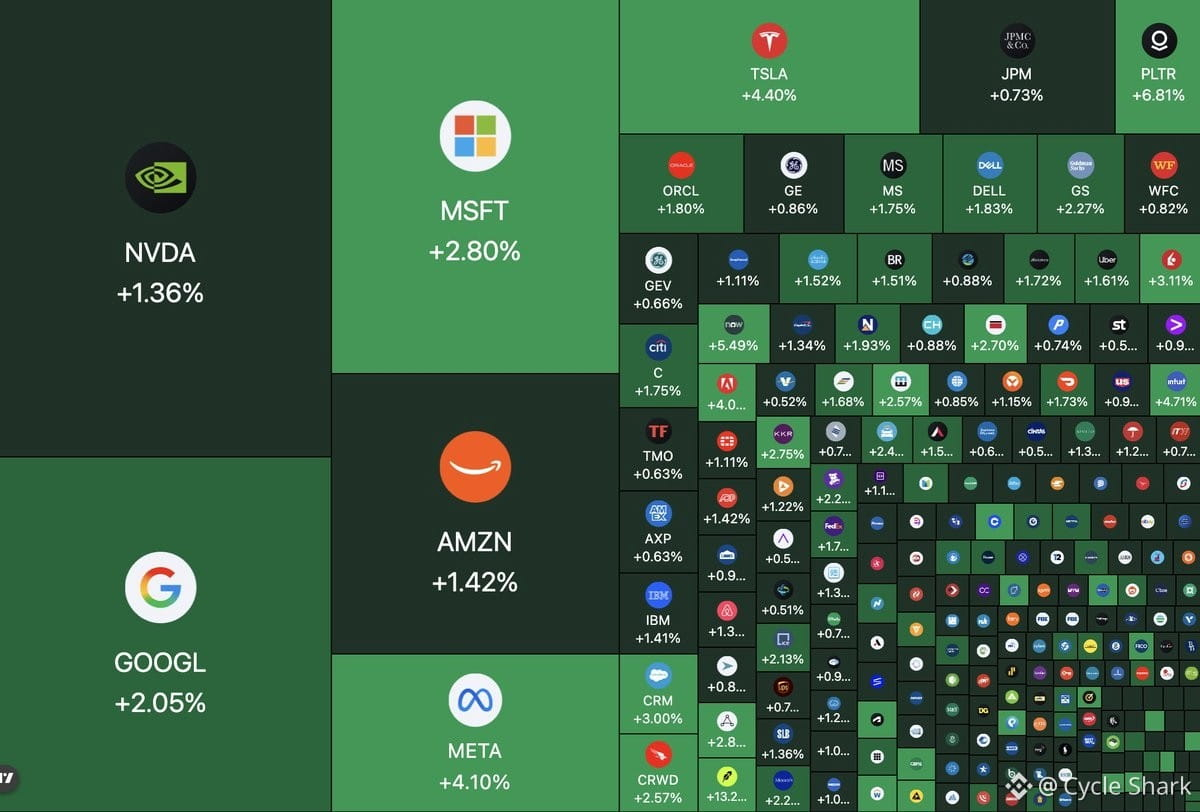
Thị trường chứng khoán Mỹ vừa được “bơm” thêm 500 tỷ USD ngay khi mở cửa. Vì sao? Xác suất tăng lãi suất giảm xuống còn 48%.
Đây là hành vi điển hình của “risk-on” (mạo hiểm hơn). Khi thị trường phát hiện ra thậm chí chỉ có chút khả năng Fed sẽ tạm dừng hoặc nới lỏng, thanh khoản lại nhanh chóng đổ về. Định giá cổ phiếu tăng, biến động giảm, và thế là đột nhiên ai cũng quay lại thành phe tăng giá.
Nhưng vấn đề là: 48% vẫn chỉ là kiểu “đồng xu ngửa - ngửa sấp”. Thị trường đang định giá theo hy vọng, không phải sự chắc chắn. Nếu dữ liệu lạm phát ra nóng hoặc Fed phát tín hiệu rằng họ vẫn chưa dừng lại, thì 500 tỷ USD đó có thể bốc hơi nhanh như vừa xuất hiện.
Hãy theo dõi sát bối cảnh vĩ mô. Thanh khoản quyết định tất cả. Khi kỳ vọng về lãi suất thay đổi, dòng vốn luân chuyển rất nhanh — từ đó chuyển sang cổ phiếu, crypto và các tài sản rủi ro. Nhưng ngay khoảnh khắc những xác suất này lật ngược trở lại trên 50%, hãy kỳ vọng một đợt đảo chiều mạnh.
Đây là “cuộc chơi” hiện tại: giao dịch theo nước đi tiếp theo của Fed, chứ không phải theo các yếu tố nền tảng.
Đây là hành vi điển hình của “risk-on” (mạo hiểm hơn). Khi thị trường phát hiện ra thậm chí chỉ có chút khả năng Fed sẽ tạm dừng hoặc nới lỏng, thanh khoản lại nhanh chóng đổ về. Định giá cổ phiếu tăng, biến động giảm, và thế là đột nhiên ai cũng quay lại thành phe tăng giá.
Nhưng vấn đề là: 48% vẫn chỉ là kiểu “đồng xu ngửa - ngửa sấp”. Thị trường đang định giá theo hy vọng, không phải sự chắc chắn. Nếu dữ liệu lạm phát ra nóng hoặc Fed phát tín hiệu rằng họ vẫn chưa dừng lại, thì 500 tỷ USD đó có thể bốc hơi nhanh như vừa xuất hiện.
Hãy theo dõi sát bối cảnh vĩ mô. Thanh khoản quyết định tất cả. Khi kỳ vọng về lãi suất thay đổi, dòng vốn luân chuyển rất nhanh — từ đó chuyển sang cổ phiếu, crypto và các tài sản rủi ro. Nhưng ngay khoảnh khắc những xác suất này lật ngược trở lại trên 50%, hãy kỳ vọng một đợt đảo chiều mạnh.
Đây là “cuộc chơi” hiện tại: giao dịch theo nước đi tiếp theo của Fed, chứ không phải theo các yếu tố nền tảng.
Đài Loan đang soạn thảo các quy định mới dành riêng cho stablecoin crypto.
Đây là một phần của xu hướng rộng hơn tại châu Á, nơi các chính phủ đang chuyển từ thái độ hoài nghi hoàn toàn sang xây dựng các khuôn khổ thực sự. Thay vì cấm hoặc làm ngơ, họ đang thiết lập các “hàng rào” quản lý.
Điều khiến thông tin này đáng chú ý:
1. Đài Loan không vội sao chép nguyên xi các cách tiếp cận của phương Tây. Họ đang xây dựng các quy định phù hợp với hệ thống tài chính của mình và mối quan hệ với cả ngân hàng truyền thống lẫn sự đổi mới của công nghệ.
2. Việc quản lý stablecoin thường cho thấy chính phủ thừa nhận rằng crypto sẽ không biến mất. Bạn sẽ không viết quy định cho một thứ mà bạn cho rằng nó sẽ không tồn tại.
3. Động lực quản lý ở châu Á đang tăng tốc. Hồng Kông đã mở cửa giao dịch crypto cho nhà đầu tư cá nhân. Nhật Bản đã có cơ chế cấp phép sàn giao dịch trong nhiều năm. Singapore đã tinh chỉnh khuôn khổ của mình. Hàn Quốc đang thúc đẩy việc áp dụng theo hướng tổ chức. Giờ đây, Đài Loan tham gia với trọng tâm là stablecoin.
Sự thay đổi mang tính khu vực này quan trọng vì châu Á có lượng quan tâm lớn từ nhà đầu tư bán lẻ crypto và sở hữu hạ tầng sản xuất/công nghệ đáng kể. Khi nhiều khu vực pháp lý châu Á cùng tạo ra các quy định rõ ràng hơn, điều đó sẽ giảm ma sát cho dòng tiền xuyên biên giới và giúp các tổ chức dễ triển khai vốn hơn.
Stablecoin là “cầu nối” giữa tài chính truyền thống và các đường ray crypto. Làm rõ vấn đề này sẽ mở khóa các trường hợp sử dụng trong thanh toán, chuyển tiền kiều hối và hạ tầng on/off-ramp hoạt động thực sự hiệu quả ở quy mô lớn.
Đây không chỉ là chuyện của riêng một khu vực pháp lý. Đó là về một môi trường quản lý khu vực đang trở nên nhất quán hơn và ít mang tính thù địch hơn. Đây là một “gió thuận” cho việc áp dụng và thanh khoản.
Đây là một phần của xu hướng rộng hơn tại châu Á, nơi các chính phủ đang chuyển từ thái độ hoài nghi hoàn toàn sang xây dựng các khuôn khổ thực sự. Thay vì cấm hoặc làm ngơ, họ đang thiết lập các “hàng rào” quản lý.
Điều khiến thông tin này đáng chú ý:
1. Đài Loan không vội sao chép nguyên xi các cách tiếp cận của phương Tây. Họ đang xây dựng các quy định phù hợp với hệ thống tài chính của mình và mối quan hệ với cả ngân hàng truyền thống lẫn sự đổi mới của công nghệ.
2. Việc quản lý stablecoin thường cho thấy chính phủ thừa nhận rằng crypto sẽ không biến mất. Bạn sẽ không viết quy định cho một thứ mà bạn cho rằng nó sẽ không tồn tại.
3. Động lực quản lý ở châu Á đang tăng tốc. Hồng Kông đã mở cửa giao dịch crypto cho nhà đầu tư cá nhân. Nhật Bản đã có cơ chế cấp phép sàn giao dịch trong nhiều năm. Singapore đã tinh chỉnh khuôn khổ của mình. Hàn Quốc đang thúc đẩy việc áp dụng theo hướng tổ chức. Giờ đây, Đài Loan tham gia với trọng tâm là stablecoin.
Sự thay đổi mang tính khu vực này quan trọng vì châu Á có lượng quan tâm lớn từ nhà đầu tư bán lẻ crypto và sở hữu hạ tầng sản xuất/công nghệ đáng kể. Khi nhiều khu vực pháp lý châu Á cùng tạo ra các quy định rõ ràng hơn, điều đó sẽ giảm ma sát cho dòng tiền xuyên biên giới và giúp các tổ chức dễ triển khai vốn hơn.
Stablecoin là “cầu nối” giữa tài chính truyền thống và các đường ray crypto. Làm rõ vấn đề này sẽ mở khóa các trường hợp sử dụng trong thanh toán, chuyển tiền kiều hối và hạ tầng on/off-ramp hoạt động thực sự hiệu quả ở quy mô lớn.
Đây không chỉ là chuyện của riêng một khu vực pháp lý. Đó là về một môi trường quản lý khu vực đang trở nên nhất quán hơn và ít mang tính thù địch hơn. Đây là một “gió thuận” cho việc áp dụng và thanh khoản.
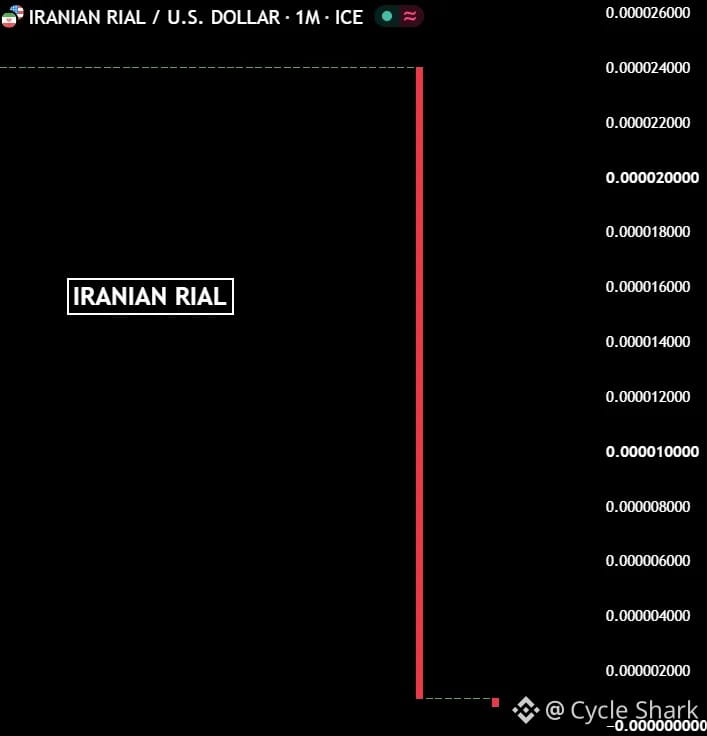
Rial Iran vừa sụp đổ xuống mức thấp kỷ lục — chỉ với 455 USD, giờ đây bạn đã trở thành tỷ phú theo giá trị tiền tệ nội địa.
Đây là siêu lạm phát đang diễn ra ngay trong thời gian thực. Khi một đồng tiền mất giá nhiều như vậy, người ta không thể giữ tài sản bằng đồng tiền đó nữa. Mỗi ngày bạn còn giữ tiền ở Rial, bạn lại càng nghèo đi.
Điều gì sẽ xảy ra tiếp theo:
1. Tốc độ tháo chạy vốn tăng mạnh — bất kỳ ai có khoản tiết kiệm cũng cố gắng chuyển sang USD, crypto hoặc tài sản hữu hình
2. Biến động tỷ giá bùng nổ — tỷ giá chính thức và tỷ giá thị trường chợ đen càng lúc càng chênh lệch
3. Nhu cầu đối với các dịch vụ chuyển đổi tiền tệ và chuyển tiền tăng vọt khi mọi người vội vã chuyển giá trị ra ngoài
4. Các máy ATM tiền mặt gần tôi trở nên không đáng tin cậy — ATM có thể hết tiền hoặc phát ra các mệnh giá gần như vô giá trị
Đây là lý do vì sao người dân ở các nền kinh tế bất ổn lại ám ảnh về tỷ giá euro, tỷ giá euro hôm nay tốt nhất, và tỷ giá euro tốt nhất. Khi đồng tiền địa phương đang sụp đổ, việc nắm được tỷ giá theo thời gian thực không chỉ hữu ích — đó là vấn đề sống còn.
Iran không phải là trường hợp duy nhất. Argentina, Thổ Nhĩ Kỳ, Lebanon — cùng một kịch bản. Khủng hoảng tiền tệ fiat → người dân tìm đường thoát → stablecoin, $BTC, $USDT trở thành phao cứu sinh.
Bài học rút ra: rủi ro tiền tệ là có thật, và khi nó ập đến, việc được tiếp cận với tỷ giá tốt hơn và các bộ chuyển đổi tiền không còn là sự tiện lợi — mà là điều cần thiết.
Đây là siêu lạm phát đang diễn ra ngay trong thời gian thực. Khi một đồng tiền mất giá nhiều như vậy, người ta không thể giữ tài sản bằng đồng tiền đó nữa. Mỗi ngày bạn còn giữ tiền ở Rial, bạn lại càng nghèo đi.
Điều gì sẽ xảy ra tiếp theo:
1. Tốc độ tháo chạy vốn tăng mạnh — bất kỳ ai có khoản tiết kiệm cũng cố gắng chuyển sang USD, crypto hoặc tài sản hữu hình
2. Biến động tỷ giá bùng nổ — tỷ giá chính thức và tỷ giá thị trường chợ đen càng lúc càng chênh lệch
3. Nhu cầu đối với các dịch vụ chuyển đổi tiền tệ và chuyển tiền tăng vọt khi mọi người vội vã chuyển giá trị ra ngoài
4. Các máy ATM tiền mặt gần tôi trở nên không đáng tin cậy — ATM có thể hết tiền hoặc phát ra các mệnh giá gần như vô giá trị
Đây là lý do vì sao người dân ở các nền kinh tế bất ổn lại ám ảnh về tỷ giá euro, tỷ giá euro hôm nay tốt nhất, và tỷ giá euro tốt nhất. Khi đồng tiền địa phương đang sụp đổ, việc nắm được tỷ giá theo thời gian thực không chỉ hữu ích — đó là vấn đề sống còn.
Iran không phải là trường hợp duy nhất. Argentina, Thổ Nhĩ Kỳ, Lebanon — cùng một kịch bản. Khủng hoảng tiền tệ fiat → người dân tìm đường thoát → stablecoin, $BTC, $USDT trở thành phao cứu sinh.
Bài học rút ra: rủi ro tiền tệ là có thật, và khi nó ập đến, việc được tiếp cận với tỷ giá tốt hơn và các bộ chuyển đổi tiền không còn là sự tiện lợi — mà là điều cần thiết.
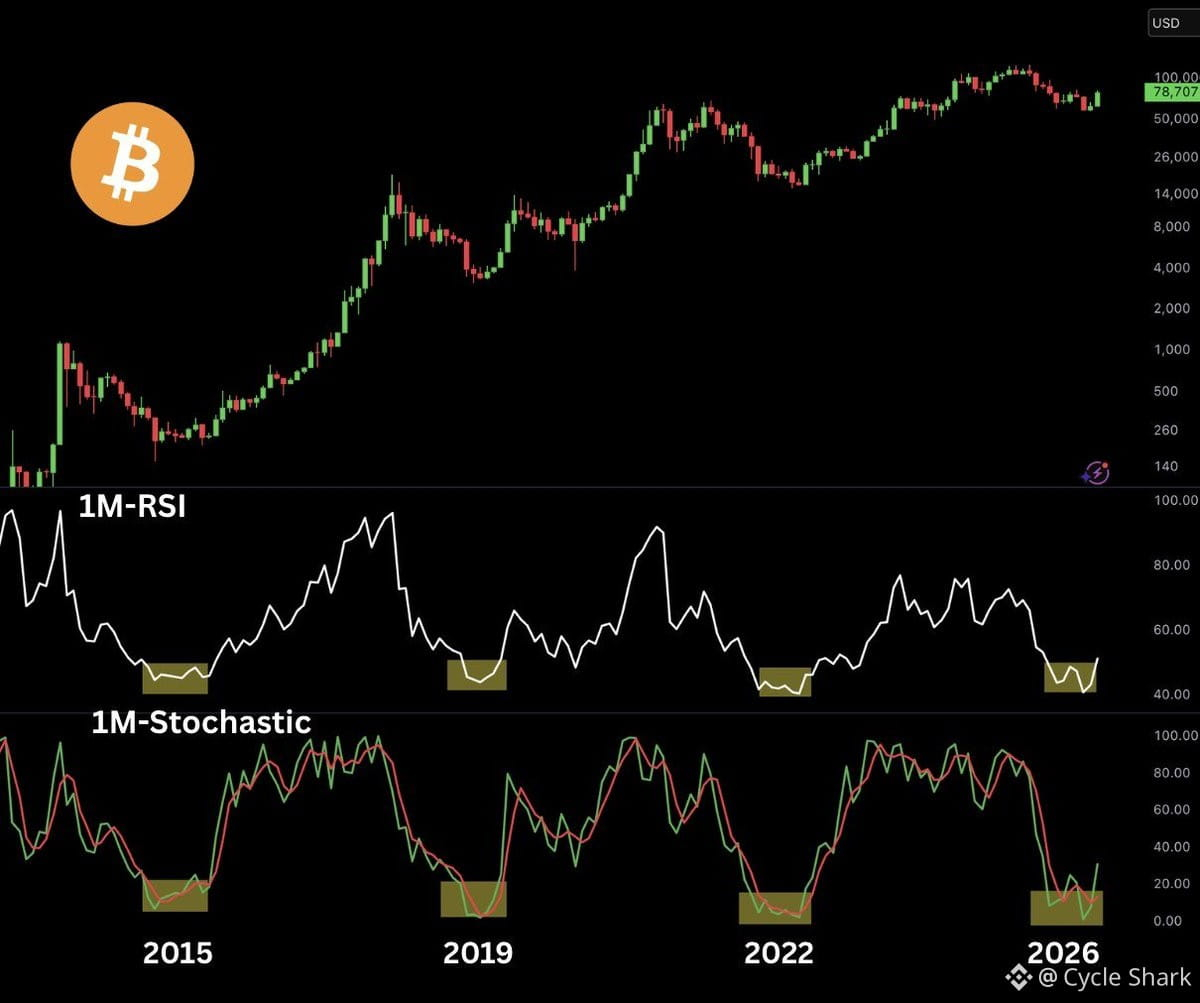
$BTC biểu đồ theo tháng cho thấy một số tín hiệu kỹ thuật đáng chú ý.
Hai chỉ báo quan trọng đang phát tín hiệu:
• RSI theo tháng bật trở lại từ mức 40
• Stoch RSI theo tháng chuyển sang trạng thái tích cực
Về mặt lịch sử, những mẫu hình này thường xuất hiện quanh các đáy chu kỳ lớn. Không khẳng định đáy tại đây, nhưng tỷ lệ rủi ro/lợi nhuận đang chuyển biến.
Mức then chốt cần theo dõi: $81K. Nếu giá vượt lên rõ ràng trên đường MA 50 theo tuần sẽ xác nhận luận điểm đảo chiều tăng. Cho đến lúc đó, chúng ta đang ở trạng thái lửng lơ—đủ để bật lại nhờ đã bị bán quá mức, nhưng vẫn chưa hình thành cấu trúc tăng một cách rõ ràng.
Thời điểm theo chu kỳ rất quan trọng. Nếu điều kiện thanh khoản cải thiện và các trở ngại vĩ mô giảm bớt, các thiết lập kỹ thuật này có thể đánh dấu giai đoạn đầu của nhịp tăng tiếp theo. Nếu không, thị trường có thể đi ngang hoặc quay lại kiểm tra các đáy.
Hãy theo dõi sát $81K.
Hai chỉ báo quan trọng đang phát tín hiệu:
• RSI theo tháng bật trở lại từ mức 40
• Stoch RSI theo tháng chuyển sang trạng thái tích cực
Về mặt lịch sử, những mẫu hình này thường xuất hiện quanh các đáy chu kỳ lớn. Không khẳng định đáy tại đây, nhưng tỷ lệ rủi ro/lợi nhuận đang chuyển biến.
Mức then chốt cần theo dõi: $81K. Nếu giá vượt lên rõ ràng trên đường MA 50 theo tuần sẽ xác nhận luận điểm đảo chiều tăng. Cho đến lúc đó, chúng ta đang ở trạng thái lửng lơ—đủ để bật lại nhờ đã bị bán quá mức, nhưng vẫn chưa hình thành cấu trúc tăng một cách rõ ràng.
Thời điểm theo chu kỳ rất quan trọng. Nếu điều kiện thanh khoản cải thiện và các trở ngại vĩ mô giảm bớt, các thiết lập kỹ thuật này có thể đánh dấu giai đoạn đầu của nhịp tăng tiếp theo. Nếu không, thị trường có thể đi ngang hoặc quay lại kiểm tra các đáy.
Hãy theo dõi sát $81K.
Standard Chartered vừa bật công tắc giao dịch crypto giao ngay (spot) cho các tổ chức tại UAE. Chúng ta đang nói về một “ông lớn” ngân hàng truyền thống trị giá 447 tỷ USD, giờ đây trực tiếp tạo điều kiện cho các tổ chức mua và bán crypto.
Đây không phải là một chương trình thí điểm hay giai đoạn thăm dò — đó là hạ tầng đang hoạt động. UAE tiếp tục định vị mình như cánh cổng crypto dành cho tổ chức, trong khi các cơ quan quản lý ở phương Tây vẫn đang tìm ra lập trường của họ.
Bức tranh lớn hơn: khi các ngân hàng ở quy mô này bắt đầu cung cấp giao dịch spot (không chỉ lưu ký hoặc phái sinh), điều đó cho thấy họ đã hoàn tất đánh giá rủi ro nội bộ, có được sự yên tâm về mặt pháp lý và nhận thấy nhu cầu khách hàng thực sự. Nhu cầu đó không xuất hiện trong một sớm một chiều — nó đã được xây dựng từ trước.
Hãy chú ý hai điều: 1) họ thực sự niêm yết những token nào ngoài $BTC và $ETH, và 2) các ngân hàng lớn khác trong khu vực sẽ làm theo nhanh đến mức nào. Lợi thế người đi đầu rất quan trọng trong hạ tầng tài chính.
Đây không phải là một chương trình thí điểm hay giai đoạn thăm dò — đó là hạ tầng đang hoạt động. UAE tiếp tục định vị mình như cánh cổng crypto dành cho tổ chức, trong khi các cơ quan quản lý ở phương Tây vẫn đang tìm ra lập trường của họ.
Bức tranh lớn hơn: khi các ngân hàng ở quy mô này bắt đầu cung cấp giao dịch spot (không chỉ lưu ký hoặc phái sinh), điều đó cho thấy họ đã hoàn tất đánh giá rủi ro nội bộ, có được sự yên tâm về mặt pháp lý và nhận thấy nhu cầu khách hàng thực sự. Nhu cầu đó không xuất hiện trong một sớm một chiều — nó đã được xây dựng từ trước.
Hãy chú ý hai điều: 1) họ thực sự niêm yết những token nào ngoài $BTC và $ETH, và 2) các ngân hàng lớn khác trong khu vực sẽ làm theo nhanh đến mức nào. Lợi thế người đi đầu rất quan trọng trong hạ tầng tài chính.
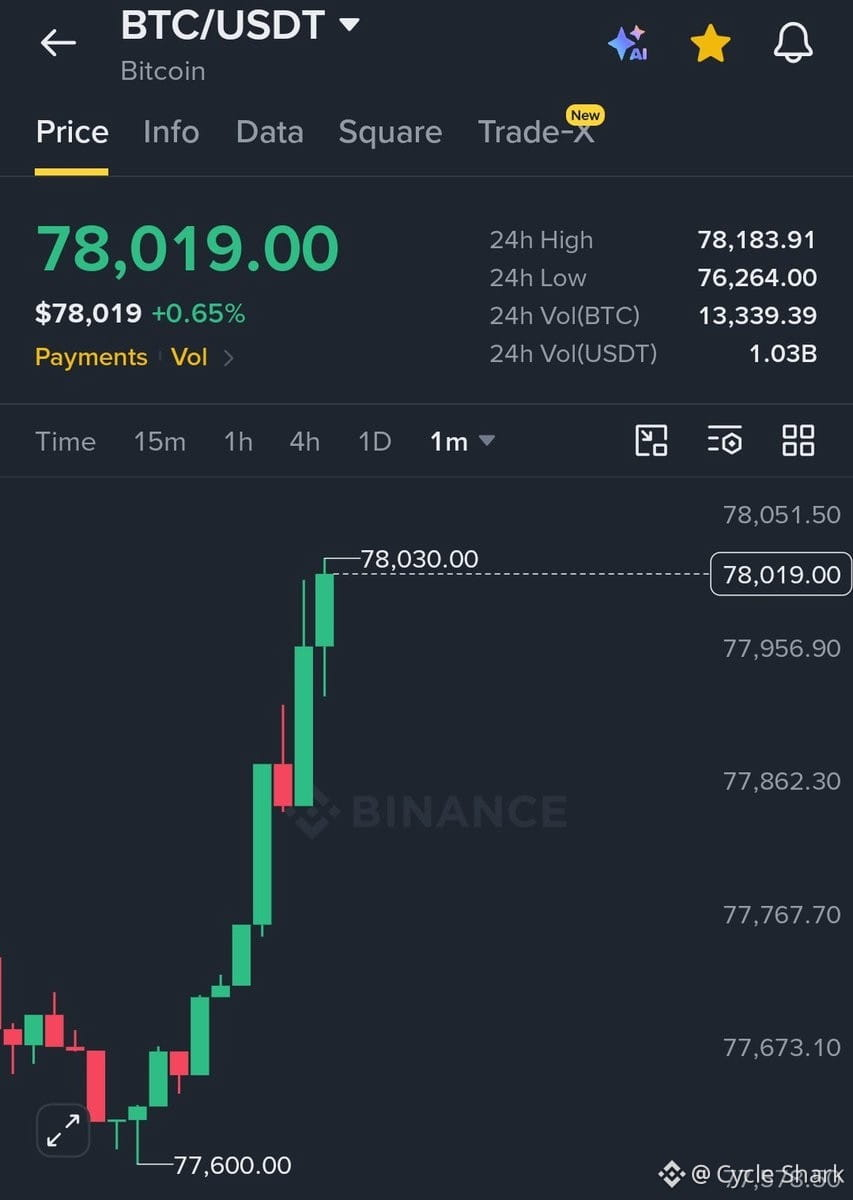
BTC vừa vượt mốc 78k USD. ETH quay trở lại trên 2,4k USD.
Diễn biến này xảy ra ngay sau khi Trump đưa ra ý tưởng chấm dứt căng thẳng với Iran. Đây là phản ứng điển hình “risk-on” — khi bất ổn địa chính trị hạ nhiệt, dòng tiền thường được đẩy nhanh vào các tài sản tăng trưởng.
Thị trường đang định giá mức độ biến động ở Trung Đông thấp hơn = nhiều dư địa hơn cho các dòng vốn mang tính đầu cơ chảy vào crypto. Liệu điều này có được duy trì hay không còn tùy vào mức độ nghiêm túc của sự thay đổi ngoại giao, nhưng hiện tại, tâm lý đã đảo chiều theo hướng lạc quan rất nhanh.
Diễn biến này xảy ra ngay sau khi Trump đưa ra ý tưởng chấm dứt căng thẳng với Iran. Đây là phản ứng điển hình “risk-on” — khi bất ổn địa chính trị hạ nhiệt, dòng tiền thường được đẩy nhanh vào các tài sản tăng trưởng.
Thị trường đang định giá mức độ biến động ở Trung Đông thấp hơn = nhiều dư địa hơn cho các dòng vốn mang tính đầu cơ chảy vào crypto. Liệu điều này có được duy trì hay không còn tùy vào mức độ nghiêm túc của sự thay đổi ngoại giao, nhưng hiện tại, tâm lý đã đảo chiều theo hướng lạc quan rất nhanh.
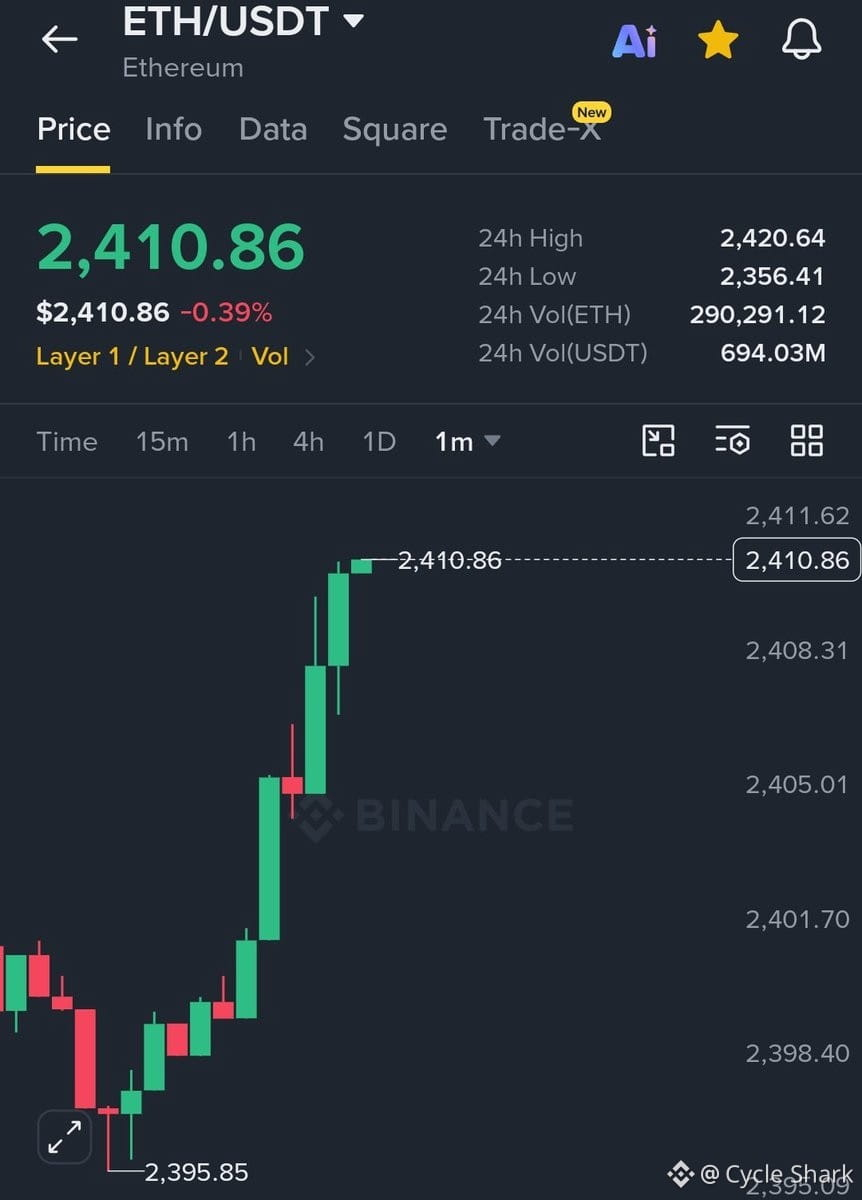
ETF spot $BTC của BlackRock vừa gom được khoảng $115,4M bitcoin chỉ trong một ngày.
Mức độ mua vào từ tổ chức như thế này cho thấy “tiền thông minh” đang định vị ở đâu. Khi nhà quản lý tài sản lớn nhất thế giới đang tích lũy với tốc độ này, thì không còn là suy đoán nữa — đó là phân bổ mang tính chiến lược.
Vỏ bọc ETF đã thay đổi căn bản nhóm nhà đầu tư của bitcoin. Chúng ta đã đi qua giai đoạn người dùng sớm. Giờ đây là các quỹ hưu trí, công ty quản lý tài sản giàu có và các văn phòng gia đình đang xây dựng vị thế thông qua các sản phẩm được quản lý.
$115M có vẻ là rất nhiều, nhưng trong bối cảnh AUM hơn $10 nghìn tỷ của BlackRock thì vẫn còn khá sớm. Câu hỏi thực sự không phải là liệu các tổ chức có đang mua hay không — mà là họ sẽ phân bổ thêm bao nhiêu khi bitcoin trưởng thành thành một tài sản cốt lõi trong danh mục đầu tư.
Theo dõi dữ liệu dòng tiền. Việc các tổ chức tích lũy bền vững như thế này tạo ra một lực mua “cấu trúc” khác hoàn toàn so với các chu kỳ FOMO của nhà bán lẻ.
Mức độ mua vào từ tổ chức như thế này cho thấy “tiền thông minh” đang định vị ở đâu. Khi nhà quản lý tài sản lớn nhất thế giới đang tích lũy với tốc độ này, thì không còn là suy đoán nữa — đó là phân bổ mang tính chiến lược.
Vỏ bọc ETF đã thay đổi căn bản nhóm nhà đầu tư của bitcoin. Chúng ta đã đi qua giai đoạn người dùng sớm. Giờ đây là các quỹ hưu trí, công ty quản lý tài sản giàu có và các văn phòng gia đình đang xây dựng vị thế thông qua các sản phẩm được quản lý.
$115M có vẻ là rất nhiều, nhưng trong bối cảnh AUM hơn $10 nghìn tỷ của BlackRock thì vẫn còn khá sớm. Câu hỏi thực sự không phải là liệu các tổ chức có đang mua hay không — mà là họ sẽ phân bổ thêm bao nhiêu khi bitcoin trưởng thành thành một tài sản cốt lõi trong danh mục đầu tư.
Theo dõi dữ liệu dòng tiền. Việc các tổ chức tích lũy bền vững như thế này tạo ra một lực mua “cấu trúc” khác hoàn toàn so với các chu kỳ FOMO của nhà bán lẻ.
Chủ tịch SEC, Paul Atkins vừa phát hành một tuyên bố gọi đề xuất quy định crypto mới của họ là bước đi lớn nhất hướng tới việc biến nước Mỹ thành trung tâm crypto của thế giới.
Đây không chỉ là tiếng ồn mang tính quản lý. Nếu SEC thực sự đang hướng tới sự rõ ràng thay vì thực thi bằng các vụ kiện, thì chúng ta đang chứng kiến một sự thay đổi mang tính nền tảng trong cách dòng vốn của Mỹ chảy vào các tài sản số.
Điều quan trọng ở đây:
1. Sự rõ ràng về quy định = tiền của các tổ chức cuối cùng có thể di chuyển mà không phải chịu rủi ro pháp lý treo lơ lửng trên từng giao dịch
2. Nếu Mỹ muốn trở thành trung tâm crypto, điều đó đồng nghĩa với việc cạnh tranh với các trung tâm ngoài khơi là có thật — và họ đang chơi để giành chiến thắng
3. Điều này làm thay đổi cục diện đối với $BTC, $ETH, và mọi token đã bị mắc kẹt trong tình trạng “mập mờ pháp lý”
Mỹ đã đứng ngoài cuộc trong khi các khu vực khác viết ra luật. Nếu Atkins thực sự làm được điều này, chúng ta sắp chứng kiến một “cú mở khóa” cực lớn về thanh khoản và tính chính danh.
Sự rõ ràng không chỉ đang đến — đó là chất xúc tác tách chu kỳ này khỏi chu kỳ trước. 🚀
Đây không chỉ là tiếng ồn mang tính quản lý. Nếu SEC thực sự đang hướng tới sự rõ ràng thay vì thực thi bằng các vụ kiện, thì chúng ta đang chứng kiến một sự thay đổi mang tính nền tảng trong cách dòng vốn của Mỹ chảy vào các tài sản số.
Điều quan trọng ở đây:
1. Sự rõ ràng về quy định = tiền của các tổ chức cuối cùng có thể di chuyển mà không phải chịu rủi ro pháp lý treo lơ lửng trên từng giao dịch
2. Nếu Mỹ muốn trở thành trung tâm crypto, điều đó đồng nghĩa với việc cạnh tranh với các trung tâm ngoài khơi là có thật — và họ đang chơi để giành chiến thắng
3. Điều này làm thay đổi cục diện đối với $BTC, $ETH, và mọi token đã bị mắc kẹt trong tình trạng “mập mờ pháp lý”
Mỹ đã đứng ngoài cuộc trong khi các khu vực khác viết ra luật. Nếu Atkins thực sự làm được điều này, chúng ta sắp chứng kiến một “cú mở khóa” cực lớn về thanh khoản và tính chính danh.
Sự rõ ràng không chỉ đang đến — đó là chất xúc tác tách chu kỳ này khỏi chu kỳ trước. 🚀
G20 vừa chốt kế hoạch xây dựng các khuôn khổ pháp lý chính thức cho crypto và stablecoin. Điều này quan trọng hơn hầu hết mọi người nghĩ.
Khi 20 nền kinh tế lớn nhất thế giới phối hợp về bất cứ điều gì, nó sẽ làm thay đổi toàn bộ cuộc chơi. Chúng ta đã rơi vào “vùng pháp lý lưng chừng” suốt nhiều năm — mỗi quốc gia làm theo cách riêng, tạo ra ma sát cho các luồng giao dịch xuyên biên giới và khiến việc các tổ chức tiếp nhận trở nên khó khăn.
Quy định rõ ràng sẽ có nghĩa là:
1. Vốn của các tổ chức được “bật đèn xanh”. Ngân hàng, quỹ hưu trí, quỹ đầu tư nhà nước — họ cần sự rõ ràng về mặt pháp lý trước khi họ triển khai quy mô lớn nghiêm túc. Điều này gỡ bỏ một nút thắt lớn.
2. Hạ tầng stablecoin đi vào dòng chính. Nếu các nước G20 đồng thuận về tiêu chuẩn stablecoin, chúng ta đang nói về các “đường ray thanh toán” toàn cầu hoạt động thực sự. Hãy hình dung $USDC và $USDT trở nên bình thường như các chuyển khoản SWIFT.
3. Crypto trở thành một phần của hệ thống tài chính chính thức. Không phải “ngầm”, không phải “vùng xám” — mà được tích hợp. Đó chính là nơi tạo ra thanh khoản thực sự.
Thời điểm cũng rất đáng chú ý. Nó đến ngay khi Mỹ đang bắt đầu “làm ấm lại” với crypto, và khi các quốc gia nhận ra rằng họ không thể tiếp tục phớt lờ tài sản số nữa. Đây không chỉ là chuyện làm “bình phong tuân thủ” — mà là xây dựng phần “đường ống” cho giai đoạn tiếp theo của tài chính toàn cầu.
Trước đây, quy định từng có cảm giác như một mối đe dọa. Giờ đây, nó bắt đầu trông giống như chìa khóa mở khóa.
Khi 20 nền kinh tế lớn nhất thế giới phối hợp về bất cứ điều gì, nó sẽ làm thay đổi toàn bộ cuộc chơi. Chúng ta đã rơi vào “vùng pháp lý lưng chừng” suốt nhiều năm — mỗi quốc gia làm theo cách riêng, tạo ra ma sát cho các luồng giao dịch xuyên biên giới và khiến việc các tổ chức tiếp nhận trở nên khó khăn.
Quy định rõ ràng sẽ có nghĩa là:
1. Vốn của các tổ chức được “bật đèn xanh”. Ngân hàng, quỹ hưu trí, quỹ đầu tư nhà nước — họ cần sự rõ ràng về mặt pháp lý trước khi họ triển khai quy mô lớn nghiêm túc. Điều này gỡ bỏ một nút thắt lớn.
2. Hạ tầng stablecoin đi vào dòng chính. Nếu các nước G20 đồng thuận về tiêu chuẩn stablecoin, chúng ta đang nói về các “đường ray thanh toán” toàn cầu hoạt động thực sự. Hãy hình dung $USDC và $USDT trở nên bình thường như các chuyển khoản SWIFT.
3. Crypto trở thành một phần của hệ thống tài chính chính thức. Không phải “ngầm”, không phải “vùng xám” — mà được tích hợp. Đó chính là nơi tạo ra thanh khoản thực sự.
Thời điểm cũng rất đáng chú ý. Nó đến ngay khi Mỹ đang bắt đầu “làm ấm lại” với crypto, và khi các quốc gia nhận ra rằng họ không thể tiếp tục phớt lờ tài sản số nữa. Đây không chỉ là chuyện làm “bình phong tuân thủ” — mà là xây dựng phần “đường ống” cho giai đoạn tiếp theo của tài chính toàn cầu.
Trước đây, quy định từng có cảm giác như một mối đe dọa. Giờ đây, nó bắt đầu trông giống như chìa khóa mở khóa.
Bộ trưởng Thương mại Mỹ Lutnick vừa phát đi một tín hiệu đáng chú ý: ông cho rằng lãi suất sẽ được giữ nguyên trong thời gian tới, rồi bắt đầu hạ xuống trong vòng 6 tháng tới.
Điều này quan trọng vì:
1. Cắt giảm lãi suất = tiền rẻ hơn = nhiều thanh khoản hơn chảy vào các tài sản rủi ro
2. Nếu mốc thời gian này được giữ vững, chúng ta có thể kỳ vọng chính sách nới lỏng vào khoảng Q3 2025
3. Về mặt lịch sử, giai đoạn 3-6 tháng trước khi bắt đầu cắt giảm lãi suất thường mạnh đối với cả cổ phiếu và crypto
Cục Dự trữ Liên bang đã giữ lãi suất cao để dập tắt lạm phát, nhưng nếu một Bộ trưởng Thương mại công khai đề cập đến lộ trình 6 tháng cho các đợt cắt giảm, điều đó cho thấy chính quyền đánh giá là nền kinh tế đã hạ nhiệt đủ để có thể bắt đầu nới lỏng.
Với crypto và công nghệ tăng trưởng, đây là tín hiệu tích cực. Lãi suất thấp hơn đồng nghĩa với:
- Định giá tài sản cao hơn (tỷ lệ chiết khấu giảm)
- Nhiều dòng vốn tìm kiếm lợi suất ở các tài sản thay thế
- Áp lực lên đồng USD suy yếu (tốt cho $BTC và tâm lý risk-on)
Thời điểm rất quan trọng. Nếu việc cắt giảm bắt đầu trong 6 tháng, dòng tiền “thông minh” sẽ đi trước, định giá trước từ 2-3 tháng. Hãy theo dõi các tín hiệu về thanh khoản và sự thay đổi về vị thế trong Q2.
Điều này quan trọng vì:
1. Cắt giảm lãi suất = tiền rẻ hơn = nhiều thanh khoản hơn chảy vào các tài sản rủi ro
2. Nếu mốc thời gian này được giữ vững, chúng ta có thể kỳ vọng chính sách nới lỏng vào khoảng Q3 2025
3. Về mặt lịch sử, giai đoạn 3-6 tháng trước khi bắt đầu cắt giảm lãi suất thường mạnh đối với cả cổ phiếu và crypto
Cục Dự trữ Liên bang đã giữ lãi suất cao để dập tắt lạm phát, nhưng nếu một Bộ trưởng Thương mại công khai đề cập đến lộ trình 6 tháng cho các đợt cắt giảm, điều đó cho thấy chính quyền đánh giá là nền kinh tế đã hạ nhiệt đủ để có thể bắt đầu nới lỏng.
Với crypto và công nghệ tăng trưởng, đây là tín hiệu tích cực. Lãi suất thấp hơn đồng nghĩa với:
- Định giá tài sản cao hơn (tỷ lệ chiết khấu giảm)
- Nhiều dòng vốn tìm kiếm lợi suất ở các tài sản thay thế
- Áp lực lên đồng USD suy yếu (tốt cho $BTC và tâm lý risk-on)
Thời điểm rất quan trọng. Nếu việc cắt giảm bắt đầu trong 6 tháng, dòng tiền “thông minh” sẽ đi trước, định giá trước từ 2-3 tháng. Hãy theo dõi các tín hiệu về thanh khoản và sự thay đổi về vị thế trong Q2.
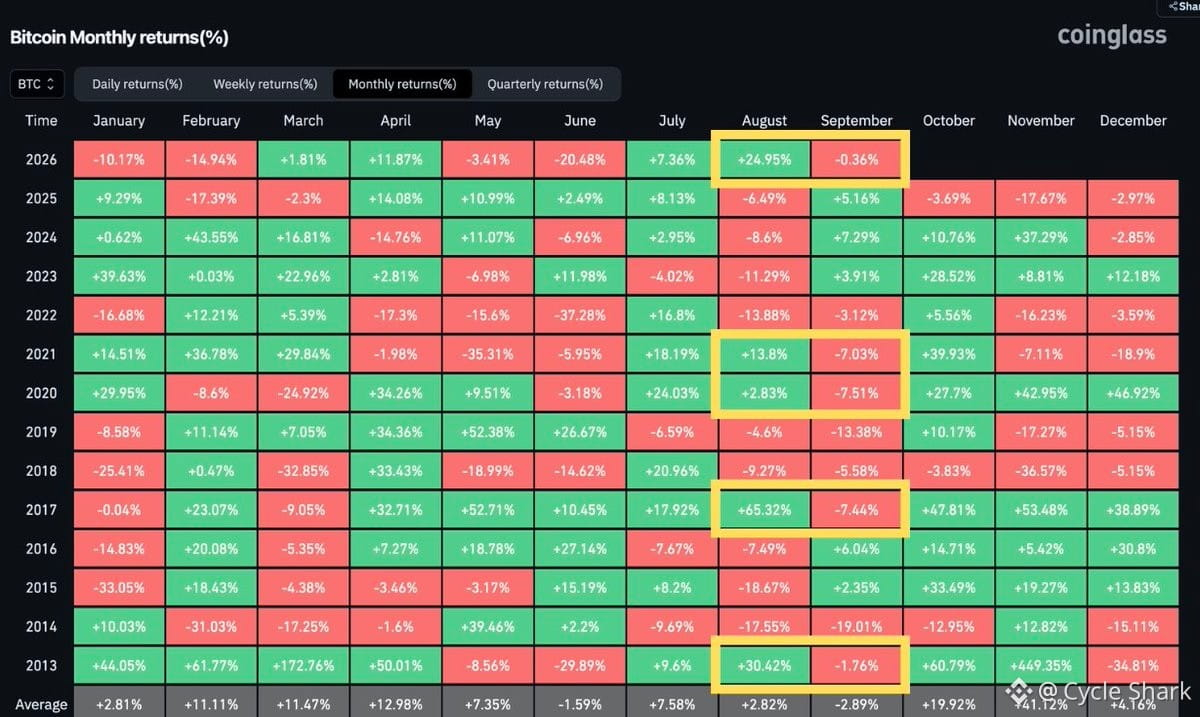
Mẫu hình lịch sử đáng chú ý: cứ mỗi khi $BTC đóng cửa tháng 8 trong sắc xanh, tháng 9 thường đảo chiều sang sắc đỏ.
Nhìn lại các chu kỳ trước đây, mối tương quan này nhìn chung khá ổn định. Tháng 8 xanh → tháng 9 đỏ đã là một mẫu hình theo mùa đáng tin cậy.
Nhưng vấn đề với các mẫu hình lịch sử là chúng chỉ hoạt động cho đến khi không còn đúng nữa. Cấu trúc thị trường thay đổi. Điều kiện vĩ mô dịch chuyển. Dòng tiền từ tổ chức hiện nay vận hành khác đi so với năm 2017 hay 2020.
Vì vậy, câu hỏi thực sự không phải là “lịch sử có lặp lại không” mà là “lần này có gì khác?”
1. Dòng chảy của Spot ETF là một biến số mới, không hề tồn tại trong các chu kỳ trước
2. Quỹ đạo chính sách của Fed quan trọng hơn yếu tố tính theo lịch
3. Điều kiện thanh khoản toàn cầu về cơ bản đã khác
Tháng 9 có thể phá vỡ mẫu hình nếu các thuận lợi từ vĩ mô đủ mạnh. Hoặc nó có thể xác nhận mẫu này nếu áp lực chốt lời chiếm ưu thế sau một tháng 8 xanh.
Dù thế nào đi nữa, giao dịch chỉ dựa trên các mẫu hình theo lịch mà không cân nhắc cấu trúc thị trường hiện tại là cách dễ bị bất ngờ.
Nhìn lại các chu kỳ trước đây, mối tương quan này nhìn chung khá ổn định. Tháng 8 xanh → tháng 9 đỏ đã là một mẫu hình theo mùa đáng tin cậy.
Nhưng vấn đề với các mẫu hình lịch sử là chúng chỉ hoạt động cho đến khi không còn đúng nữa. Cấu trúc thị trường thay đổi. Điều kiện vĩ mô dịch chuyển. Dòng tiền từ tổ chức hiện nay vận hành khác đi so với năm 2017 hay 2020.
Vì vậy, câu hỏi thực sự không phải là “lịch sử có lặp lại không” mà là “lần này có gì khác?”
1. Dòng chảy của Spot ETF là một biến số mới, không hề tồn tại trong các chu kỳ trước
2. Quỹ đạo chính sách của Fed quan trọng hơn yếu tố tính theo lịch
3. Điều kiện thanh khoản toàn cầu về cơ bản đã khác
Tháng 9 có thể phá vỡ mẫu hình nếu các thuận lợi từ vĩ mô đủ mạnh. Hoặc nó có thể xác nhận mẫu này nếu áp lực chốt lời chiếm ưu thế sau một tháng 8 xanh.
Dù thế nào đi nữa, giao dịch chỉ dựa trên các mẫu hình theo lịch mà không cân nhắc cấu trúc thị trường hiện tại là cách dễ bị bất ngờ.
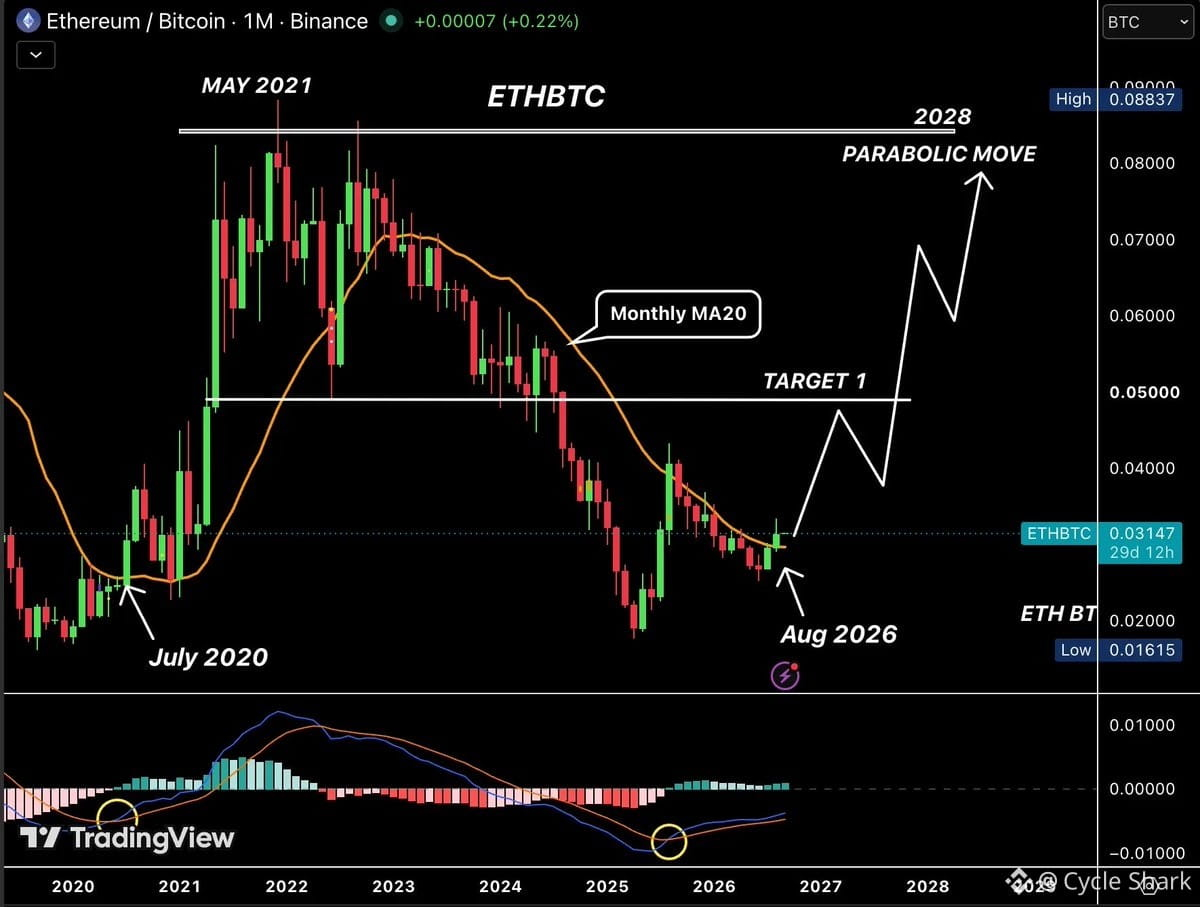
$ETH/$BTC vừa đóng tháng ở trên đường trung bình động 20 tháng. Lần trước nó giành lại mạch lạc mức này là vào tháng 7/2020 — khi đó $ETH/$BTC đã tăng từ 0.0315 lên 0.088, và bản thân $ETH tăng từ $225 lên $4,372.
Tháng 8/2025 đã chạm nhanh MA 20 nhưng không giữ được, rồi lao dốc trở lại về gần các đáy. Vì vậy, việc duy trì ở trên mức này hiện nay là rất quan trọng.
MACD đang quay đầu đi lên từ đúng vùng đáy mà đã diễn ra trước bước bứt phá năm 2020. Nếu đợt giữ này thành công, sẽ xuất hiện hai mục tiêu:
1. 0.050
2. Mục tiêu mở rộng: đỉnh cũ quanh 0.088
ISM đạt 54.6 so với mức kỳ vọng 55.2 — tăng trưởng vẫn mạnh nhưng đang chậm lại, điều này có thể giúp Fed có thêm dư địa để tạm dừng lãi suất.
Kịch bản này cho thấy $ETH có thể cuối cùng đã sẵn sàng để vượt trội hơn $BTC.
Tháng 8/2025 đã chạm nhanh MA 20 nhưng không giữ được, rồi lao dốc trở lại về gần các đáy. Vì vậy, việc duy trì ở trên mức này hiện nay là rất quan trọng.
MACD đang quay đầu đi lên từ đúng vùng đáy mà đã diễn ra trước bước bứt phá năm 2020. Nếu đợt giữ này thành công, sẽ xuất hiện hai mục tiêu:
1. 0.050
2. Mục tiêu mở rộng: đỉnh cũ quanh 0.088
ISM đạt 54.6 so với mức kỳ vọng 55.2 — tăng trưởng vẫn mạnh nhưng đang chậm lại, điều này có thể giúp Fed có thêm dư địa để tạm dừng lãi suất.
Kịch bản này cho thấy $ETH có thể cuối cùng đã sẵn sàng để vượt trội hơn $BTC.
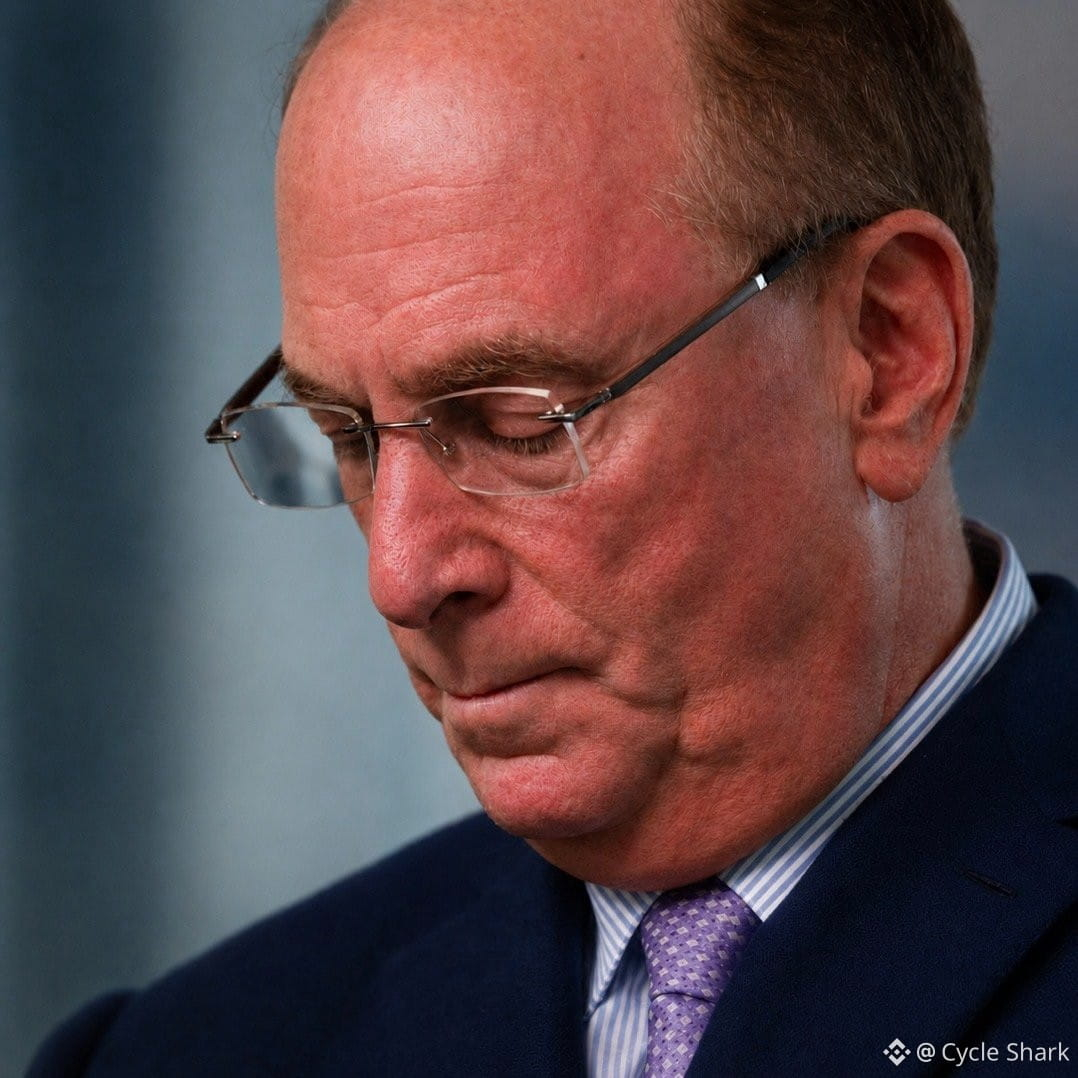
ETF $BTC của BlackRock vừa xả ra số Bitcoin trị giá 202,2 triệu USD.
Đây là dữ liệu dòng tiền đáng chú ý. Khi nhà quản lý tài sản lớn nhất thế giới (quản lý khoảng ~10 nghìn tỷ USD) thực hiện các giao dịch với quy mô như vậy, điều đó phản ánh việc các tổ chức đang định vị vị thế — không phải là hoảng loạn của nhà đầu tư lẻ.
Một vài điểm cần cân nhắc:
1. Dòng chảy ETF là các hoạt động vận hành hằng ngày, không nhất thiết là các cược theo một hướng. BlackRock tái cân bằng dựa trên hoạt động tạo/mua lại (creation/redemption) từ các bên tham gia được ủy quyền. Các dòng tiền rút ra lớn có thể nghĩa là khách hàng đang chuyển vốn sang nơi khác, chốt lời, hoặc tái cân bằng danh mục.
2. Cần đặt trong bối cảnh. 202 triệu USD là con số lớn theo nghĩa tuyệt đối, nhưng so với lượng nắm giữ $BTC tổng thể của BlackRock (khả năng là vài tỷ), thì đây chỉ là một tỷ lệ khiêm tốn. Một ngày bán ra không báo hiệu xu hướng đảo chiều trừ khi việc bán tiếp diễn trong nhiều tuần.
3. Bối cảnh vĩ mô: nếu điều này trùng khớp với tâm lý “risk-off” rộng hơn (lãi suất tăng, đồng USD mạnh lên, cổ phiếu yếu đi), các tổ chức thường giảm mức tiếp xúc với các tài sản biến động như $BTC trước tiên. Hãy kiểm tra diễn biến ở TradFi — trái phiếu có đang tăng giá không? Chỉ số VIX có đang tăng mạnh không?
4. Định vị theo chu kỳ thanh khoản: chúng ta đang ở giai đoạn mà thanh khoản toàn cầu đang bị thắt chặt. Ngân hàng trung ương không in tiền một cách mạnh tay, và điều kiện tín dụng chặt hơn. Trong môi trường này, ngay cả các tài sản mạnh cũng có thể chịu áp lực bán khi vốn trở nên khan hiếm.
5. Đừng phản ứng quá mức với dòng tiền chỉ trong một ngày. Điều quan trọng là xu hướng trong nhiều tuần và nhiều tháng. Nếu BlackRock tiếp tục bán trong khi Fidelity và các bên khác tích lũy, sự phân kỳ đó kể một câu chuyện. Nếu tất cả mọi người đều bán, đó là một tín hiệu khác.
Tóm lại: dòng tiền từ các tổ chức là thông tin, không phải là “lệnh chỉ thị”. Hãy dùng nó để hiểu bức tranh định vị, chứ không phải để đưa ra các lệnh mua/bán bốc đồng.
Đây là dữ liệu dòng tiền đáng chú ý. Khi nhà quản lý tài sản lớn nhất thế giới (quản lý khoảng ~10 nghìn tỷ USD) thực hiện các giao dịch với quy mô như vậy, điều đó phản ánh việc các tổ chức đang định vị vị thế — không phải là hoảng loạn của nhà đầu tư lẻ.
Một vài điểm cần cân nhắc:
1. Dòng chảy ETF là các hoạt động vận hành hằng ngày, không nhất thiết là các cược theo một hướng. BlackRock tái cân bằng dựa trên hoạt động tạo/mua lại (creation/redemption) từ các bên tham gia được ủy quyền. Các dòng tiền rút ra lớn có thể nghĩa là khách hàng đang chuyển vốn sang nơi khác, chốt lời, hoặc tái cân bằng danh mục.
2. Cần đặt trong bối cảnh. 202 triệu USD là con số lớn theo nghĩa tuyệt đối, nhưng so với lượng nắm giữ $BTC tổng thể của BlackRock (khả năng là vài tỷ), thì đây chỉ là một tỷ lệ khiêm tốn. Một ngày bán ra không báo hiệu xu hướng đảo chiều trừ khi việc bán tiếp diễn trong nhiều tuần.
3. Bối cảnh vĩ mô: nếu điều này trùng khớp với tâm lý “risk-off” rộng hơn (lãi suất tăng, đồng USD mạnh lên, cổ phiếu yếu đi), các tổ chức thường giảm mức tiếp xúc với các tài sản biến động như $BTC trước tiên. Hãy kiểm tra diễn biến ở TradFi — trái phiếu có đang tăng giá không? Chỉ số VIX có đang tăng mạnh không?
4. Định vị theo chu kỳ thanh khoản: chúng ta đang ở giai đoạn mà thanh khoản toàn cầu đang bị thắt chặt. Ngân hàng trung ương không in tiền một cách mạnh tay, và điều kiện tín dụng chặt hơn. Trong môi trường này, ngay cả các tài sản mạnh cũng có thể chịu áp lực bán khi vốn trở nên khan hiếm.
5. Đừng phản ứng quá mức với dòng tiền chỉ trong một ngày. Điều quan trọng là xu hướng trong nhiều tuần và nhiều tháng. Nếu BlackRock tiếp tục bán trong khi Fidelity và các bên khác tích lũy, sự phân kỳ đó kể một câu chuyện. Nếu tất cả mọi người đều bán, đó là một tín hiệu khác.
Tóm lại: dòng tiền từ các tổ chức là thông tin, không phải là “lệnh chỉ thị”. Hãy dùng nó để hiểu bức tranh định vị, chứ không phải để đưa ra các lệnh mua/bán bốc đồng.
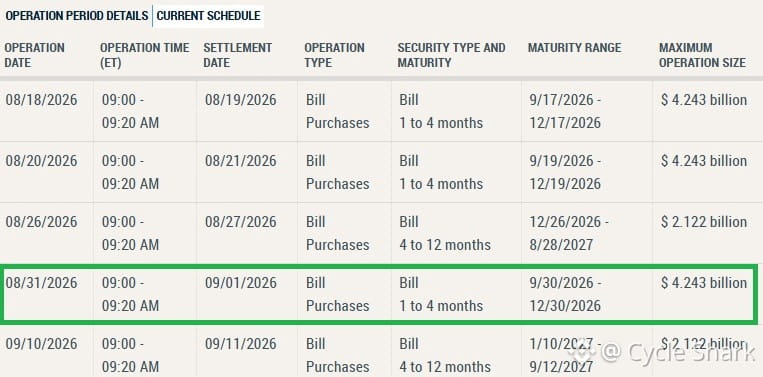
Fed bơm 4,24 tỷ USD vào nền kinh tế ngày hôm nay.
Đây là một phần của các hoạt động cung cấp thanh khoản liên tục. Khi ngân hàng trung ương bổ sung dự trữ cho hệ thống, điều đó thường hỗ trợ các tài sản rủi ro trong ngắn hạn — nhiều đô la hơn đuổi theo cùng một nhóm tài sản đồng nghĩa với áp lực tăng lên giá.
Với crypto và các thị trường “risk-on”, những đợt bơm này rất quan trọng. Chúng cho thấy điều kiện tiền tệ mang tính hỗ trợ (accommodative), và về mặt lịch sử thường tương quan với các đợt tăng giá của $BTC, $ETH và các tài sản số nói chung.
Theo dõi diễn biến của nó trong vài phiên tới. Bơm thanh khoản không đảm bảo ngay lập tức các cú “pump”, nhưng nó tạo tiền đề. Nếu xu hướng này tiếp tục hoặc tăng tốc, chúng tôi đang hướng tới một bối cảnh vĩ mô thuận lợi hơn cho các vị thế mang tính đầu cơ.
Bối cảnh: Các biến động bảng cân đối của Fed và hoạt động repo (tái mua) là các chỉ báo sớm cho thanh khoản thị trường. Khi thanh khoản mở rộng, dòng vốn sẽ chảy vào các tài sản có beta cao hơn. Khi thanh khoản co lại, tài sản rủi ro thường chịu tác động trước.
Đây là một phần của các hoạt động cung cấp thanh khoản liên tục. Khi ngân hàng trung ương bổ sung dự trữ cho hệ thống, điều đó thường hỗ trợ các tài sản rủi ro trong ngắn hạn — nhiều đô la hơn đuổi theo cùng một nhóm tài sản đồng nghĩa với áp lực tăng lên giá.
Với crypto và các thị trường “risk-on”, những đợt bơm này rất quan trọng. Chúng cho thấy điều kiện tiền tệ mang tính hỗ trợ (accommodative), và về mặt lịch sử thường tương quan với các đợt tăng giá của $BTC, $ETH và các tài sản số nói chung.
Theo dõi diễn biến của nó trong vài phiên tới. Bơm thanh khoản không đảm bảo ngay lập tức các cú “pump”, nhưng nó tạo tiền đề. Nếu xu hướng này tiếp tục hoặc tăng tốc, chúng tôi đang hướng tới một bối cảnh vĩ mô thuận lợi hơn cho các vị thế mang tính đầu cơ.
Bối cảnh: Các biến động bảng cân đối của Fed và hoạt động repo (tái mua) là các chỉ báo sớm cho thanh khoản thị trường. Khi thanh khoản mở rộng, dòng vốn sẽ chảy vào các tài sản có beta cao hơn. Khi thanh khoản co lại, tài sản rủi ro thường chịu tác động trước.
$BTC vừa giảm xuống dưới $77k, $ETH giảm xuống dưới $2.400. $60M vị thế long đã bị xóa sổ trong vòng một giờ.
Điều này không phải ngẫu nhiên. Iran đã công bố kế hoạch trả đũa trước các đòn không kích của Mỹ, và các tài sản rủi ro đang bị ảnh hưởng ngay lập tức. Căng thẳng địa chính trị → rút thanh khoản → các vị thế sử dụng đòn bẩy bị thổi bay.
Khi bất ổn vĩ mô tăng cao, crypto thường đóng vai trò như “con chim hoàng yến”. Các trader quá đòn bẩy sẽ bị quét sạch trước, rồi sau đó chúng ta xem liệu vốn thực sự có bước vào hay liệu việc này biến thành đợt giải chấp sâu hơn.
Hãy theo dõi mức độ nhanh chóng thị trường ổn định lại. Nếu bật lại nhanh, đó chỉ là một đợt xả đòn bẩy. Nếu lình xình đi xuống, nỗi sợ vĩ mô đang lan rộng từ crypto sang việc định vị rủi ro trên diện rộng.
Điều này không phải ngẫu nhiên. Iran đã công bố kế hoạch trả đũa trước các đòn không kích của Mỹ, và các tài sản rủi ro đang bị ảnh hưởng ngay lập tức. Căng thẳng địa chính trị → rút thanh khoản → các vị thế sử dụng đòn bẩy bị thổi bay.
Khi bất ổn vĩ mô tăng cao, crypto thường đóng vai trò như “con chim hoàng yến”. Các trader quá đòn bẩy sẽ bị quét sạch trước, rồi sau đó chúng ta xem liệu vốn thực sự có bước vào hay liệu việc này biến thành đợt giải chấp sâu hơn.
Hãy theo dõi mức độ nhanh chóng thị trường ổn định lại. Nếu bật lại nhanh, đó chỉ là một đợt xả đòn bẩy. Nếu lình xình đi xuống, nỗi sợ vĩ mô đang lan rộng từ crypto sang việc định vị rủi ro trên diện rộng.
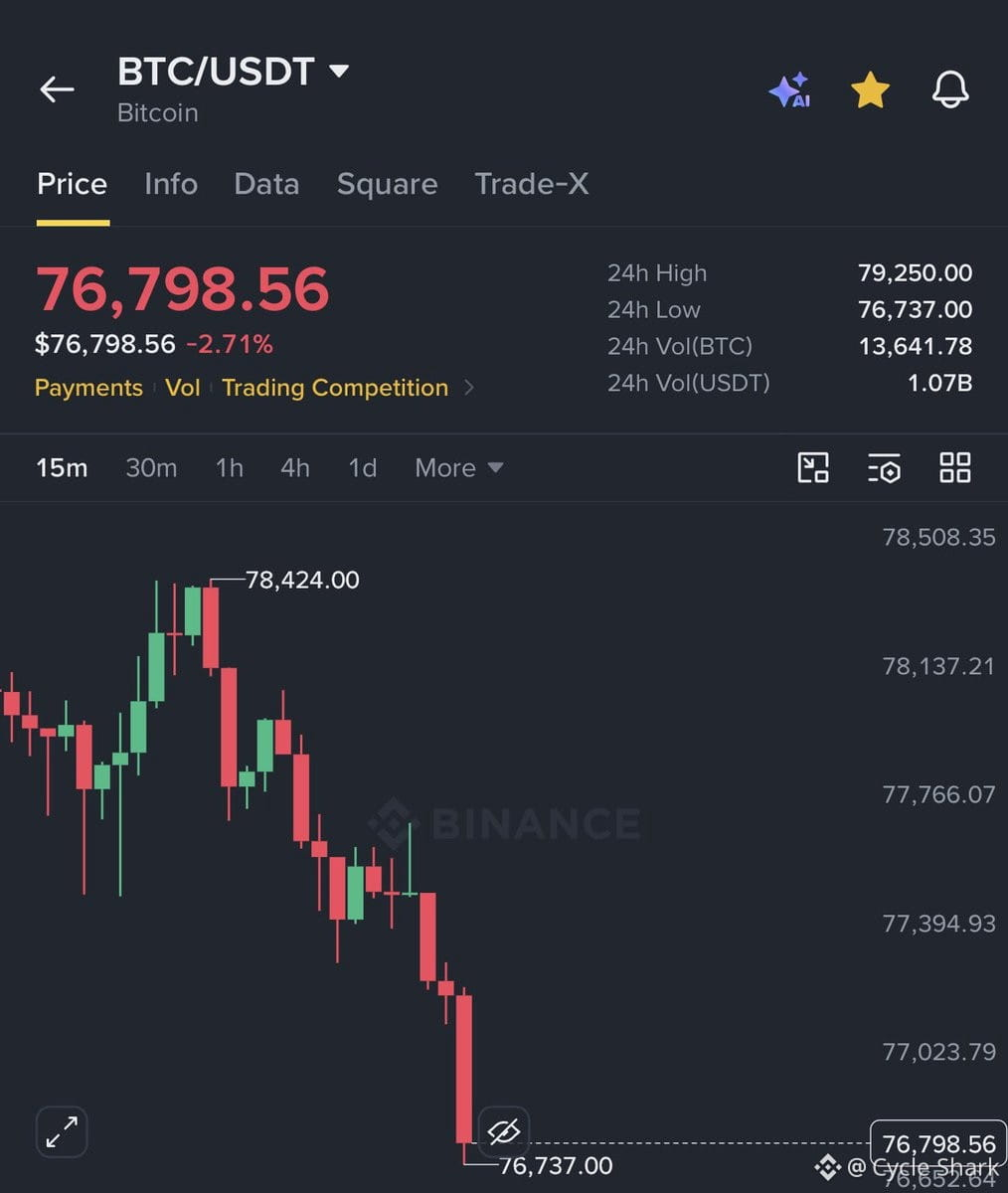
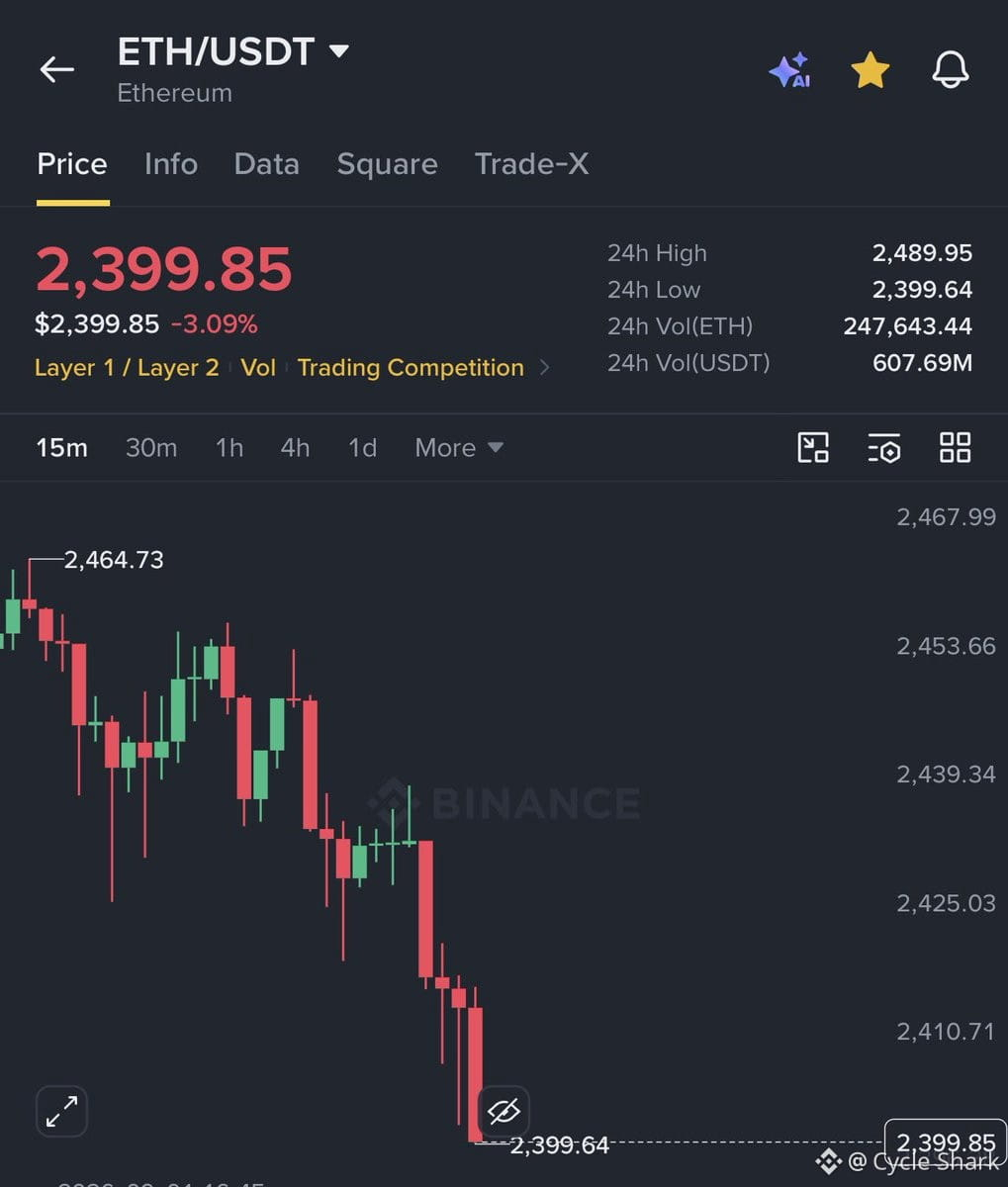
Bitcoin vừa giảm xuống dưới 77.000 USD. $ETH đang trượt về gần 2.400 USD. Chỉ trong một giờ qua thôi, 60 triệu USD vị thế long đã bị thanh lý.
Chuyện gì đã kích hoạt? Tuyên bố của Iran về việc trả đũa các đòn không kích gần đây của Mỹ. Thị trường đang phản ứng trước căng thẳng địa chính trị — kiểu “risk-off” kinh điển. Khi bất định tăng cao, crypto thường chịu cú tác động trước.
Kiểu suy giảm mất đòn bẩy nhanh này cho thấy tâm lý có thể đảo chiều nhanh đến mức nào. Đòn bẩy đã được tích lũy, và giờ nó đang được tháo gỡ rất nhanh. Hãy theo dõi cách giá ổn định (hoặc không) trong vài giờ tới. Nếu nỗi sợ vĩ mô vẫn tiếp diễn, chúng ta có thể còn chứng kiến xu hướng giảm thêm trước khi có bất kỳ nhịp hồi nào.
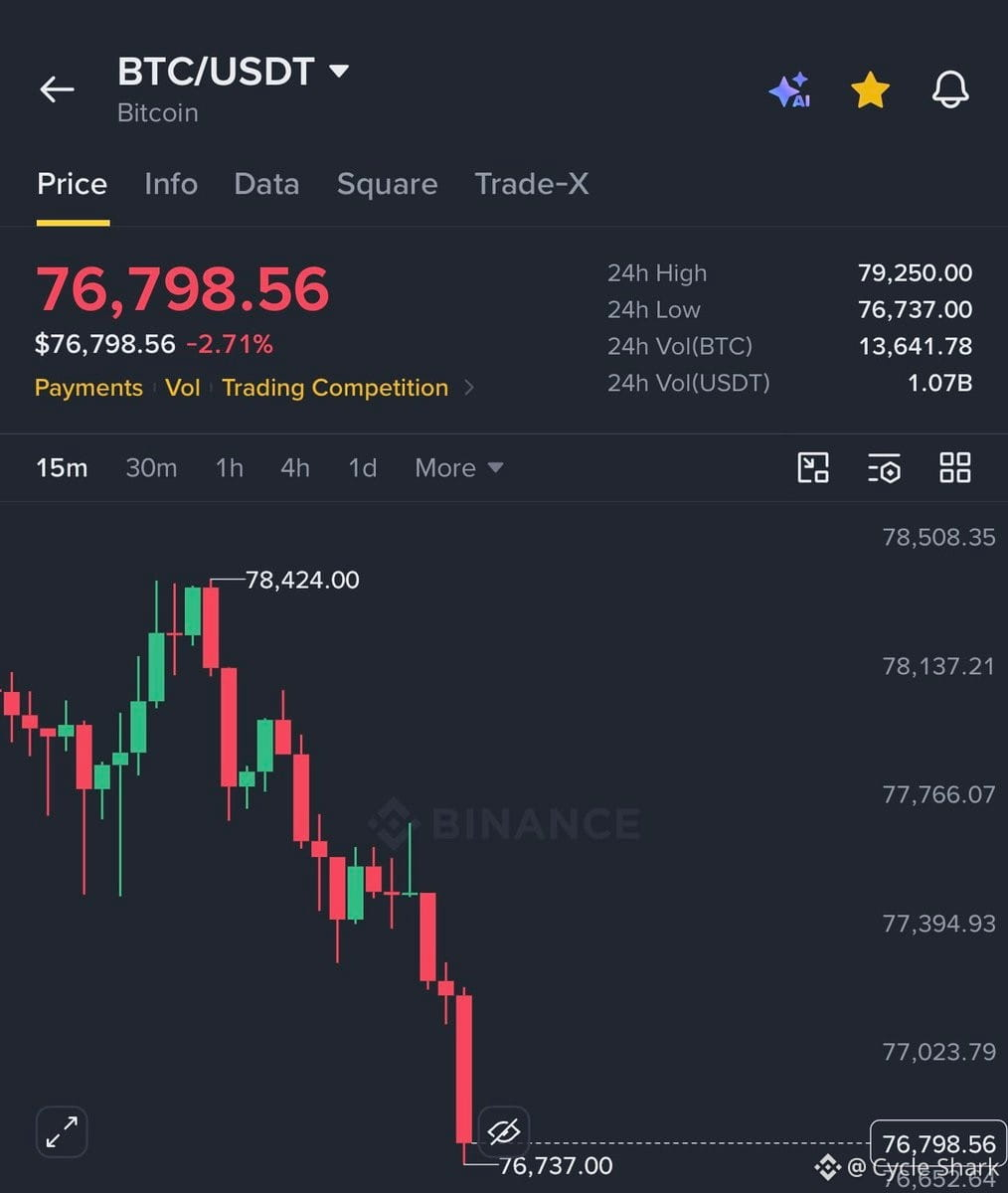
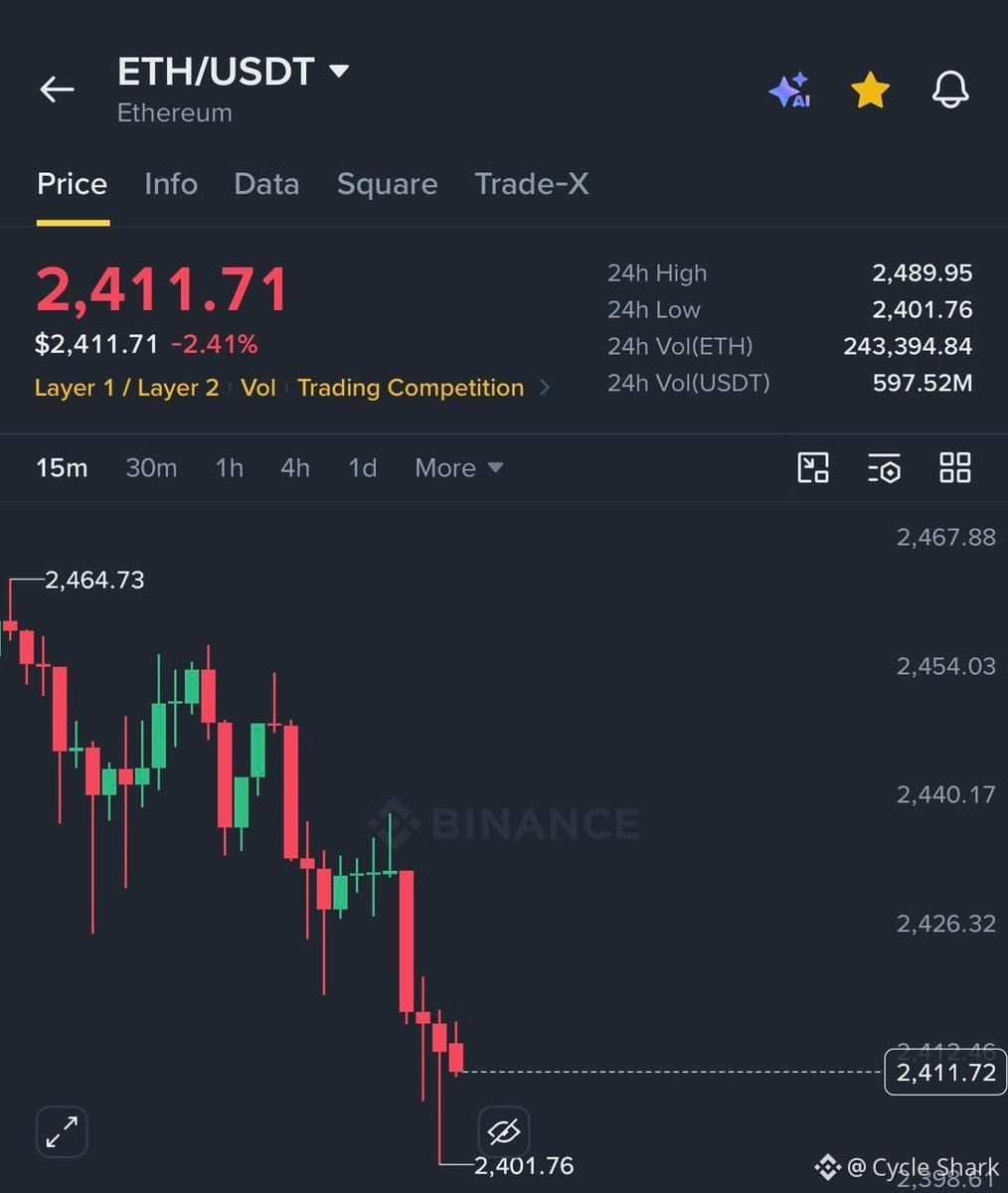
Chuyện gì đã kích hoạt? Tuyên bố của Iran về việc trả đũa các đòn không kích gần đây của Mỹ. Thị trường đang phản ứng trước căng thẳng địa chính trị — kiểu “risk-off” kinh điển. Khi bất định tăng cao, crypto thường chịu cú tác động trước.
Kiểu suy giảm mất đòn bẩy nhanh này cho thấy tâm lý có thể đảo chiều nhanh đến mức nào. Đòn bẩy đã được tích lũy, và giờ nó đang được tháo gỡ rất nhanh. Hãy theo dõi cách giá ổn định (hoặc không) trong vài giờ tới. Nếu nỗi sợ vĩ mô vẫn tiếp diễn, chúng ta có thể còn chứng kiến xu hướng giảm thêm trước khi có bất kỳ nhịp hồi nào.
Đăng nhập để khám phá thêm nội dung