
Crypto Pulse Media
1.9k Bài đăng
Crypto Pulse Media
Báo cáo
Chặn người dùng
Real-Time Crypto Market Intelligence Bitcoin • Altcoins • Web3 • Blockchain Global Coverage | Data-Driven Insights Crypto Pulse Media – Stay Ahead of the Market
734 Đang theo dõi
525 Người theo dõi
609 Đã thích
Bài đăng
Bài viết
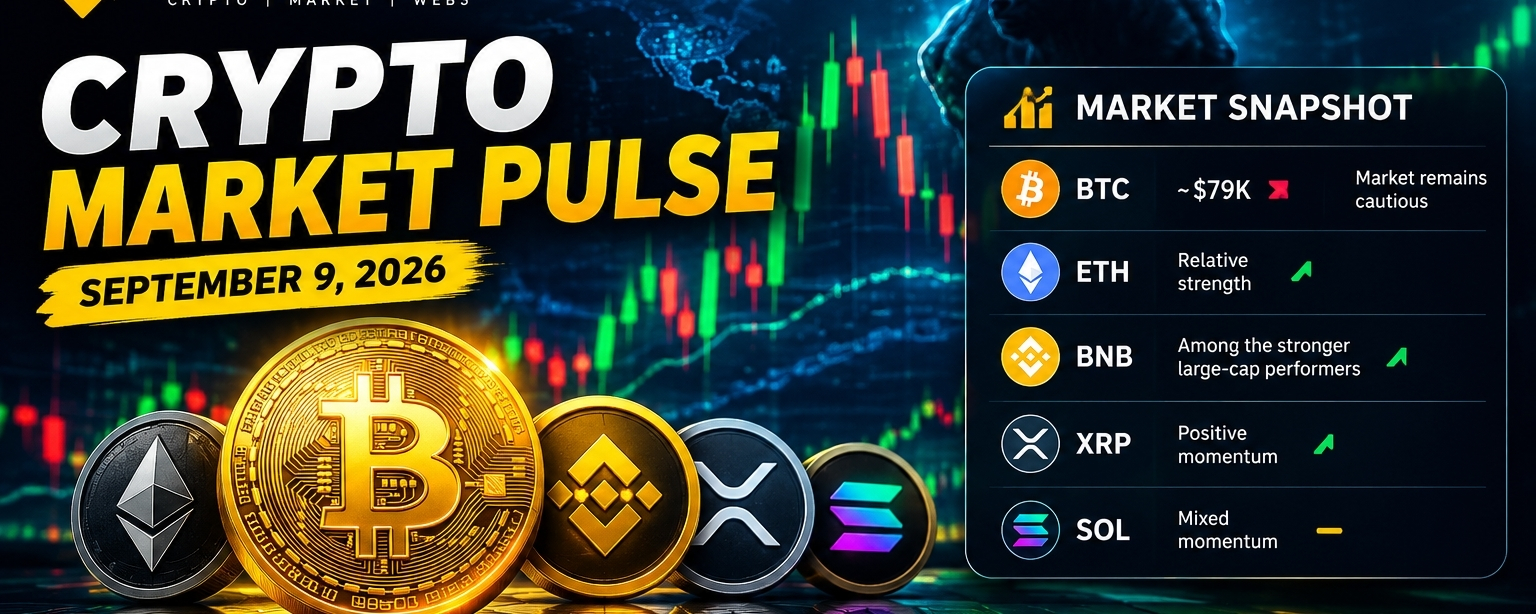
Bitcoin đang cho thấy khả năng chống chịu sau biến động gần đây, với BTC giao dịch quanh **khu vực $79K** tod🚨 **NHỊP ĐIỆU THỊ TRƯỜNG CRYPTO — NGÀY 9 THÁNG 9 NĂM 2026**
📈 **Tổng quan thị trường**
• **BTC:** quanh mốc $79K — thị trường vẫn thận trọng
• **ETH:** cho thấy sức mạnh tương đối
• **BNB:** nằm trong nhóm những mã vốn hóa lớn mạnh hơn
• **XRP:** cũng đang ghi nhận đà tích cực
• **SOL:** giao dịch với động lượng hỗn hợp
🔥 **Điều gì đang thúc đẩy thị trường?**
Thị trường toàn cầu đang theo dõi căng thẳng địa chính trị gia tăng và giá dầu cao hơn, trong khi nhà đầu tư cũng hướng đến **quyết định tiếp theo của Cục Dự trữ Liên bang Mỹ (Fed)** và các dữ liệu lạm phát sắp tới.
Bitcoin đang cho thấy khả năng chống chịu sau biến động gần đây, với BTC giao dịch quanh **khu vực $79K** tod
🚨 **NHỊP ĐIỆU THỊ TRƯỜNG CRYPTO — NGÀY 9 THÁNG 9 NĂM 2026**
📈 **Tổng quan thị trường**
• **BTC:** quanh mốc $79K — thị trường vẫn thận trọng
• **ETH:** cho thấy sức mạnh tương đối
• **BNB:** nằm trong nhóm những mã vốn hóa lớn mạnh hơn
• **XRP:** cũng đang ghi nhận đà tích cực
• **SOL:** giao dịch với động lượng hỗn hợp
🔥 **Điều gì đang thúc đẩy thị trường?**
Thị trường toàn cầu đang theo dõi căng thẳng địa chính trị gia tăng và giá dầu cao hơn, trong khi nhà đầu tư cũng hướng đến **quyết định tiếp theo của Cục Dự trữ Liên bang Mỹ (Fed)** và các dữ liệu lạm phát sắp tới.
📈 **Tổng quan thị trường**
• **BTC:** quanh mốc $79K — thị trường vẫn thận trọng
• **ETH:** cho thấy sức mạnh tương đối
• **BNB:** nằm trong nhóm những mã vốn hóa lớn mạnh hơn
• **XRP:** cũng đang ghi nhận đà tích cực
• **SOL:** giao dịch với động lượng hỗn hợp
🔥 **Điều gì đang thúc đẩy thị trường?**
Thị trường toàn cầu đang theo dõi căng thẳng địa chính trị gia tăng và giá dầu cao hơn, trong khi nhà đầu tư cũng hướng đến **quyết định tiếp theo của Cục Dự trữ Liên bang Mỹ (Fed)** và các dữ liệu lạm phát sắp tới.
2
298
Bài viết
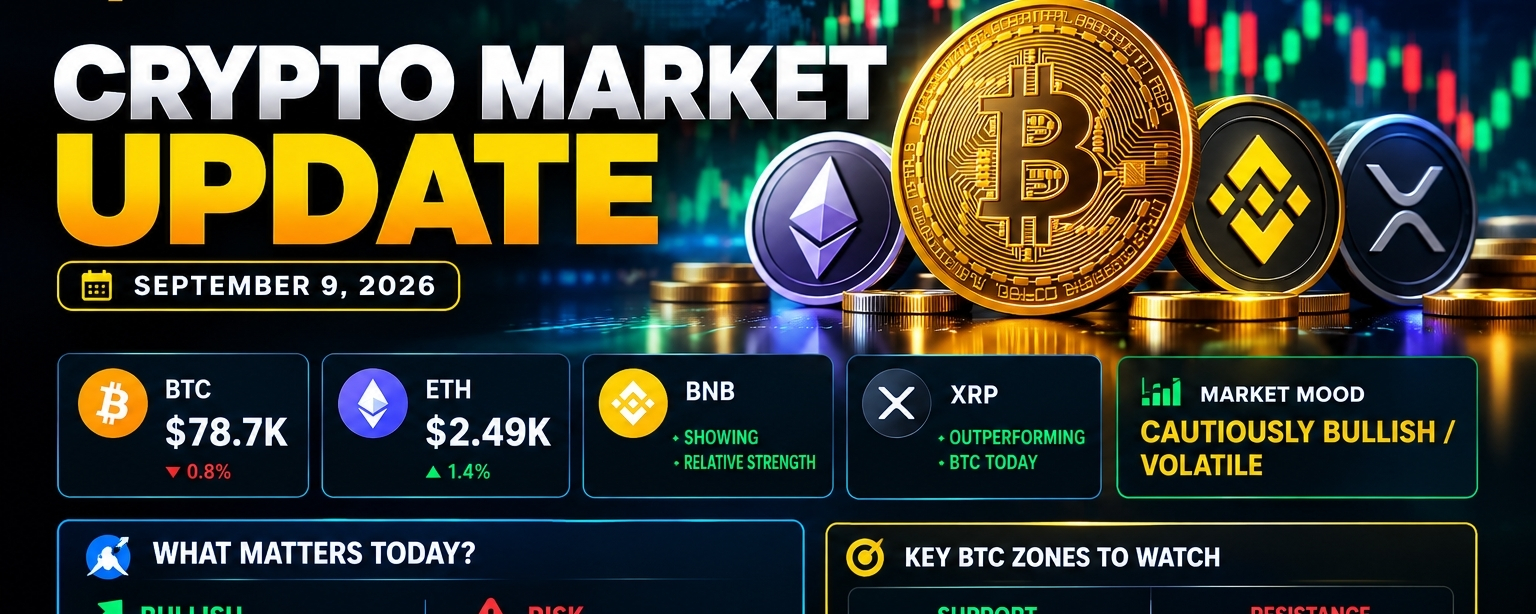
Bitcoin đang giao dịch quanh **$78.5K–$78.8K**, vẫn thấp hơn đỉnh $82K+ gần đây khi các nhà giao dịch tiếp tục duy trì thái độ thận trọng🚨 **CẬP NHẬT THỊ TRƯỜNG CRYPTO — NGÀY 9 THÁNG 9, 2026**
🔹 **BTC:** ~$78.7K
🔹 **ETH:** ~$2.49K
🔹 **BNB:** đang cho thấy sức mạnh tương đối
🔹 **XRP:** cũng đang hoạt động tốt hơn BTC hôm nay
🔹 **Tâm lý thị trường:** Thận trọng nhưng lạc quan / biến động
📌 **Điều gì quan trọng hôm nay?**
Thị trường crypto đang bị kéo theo hai hướng:
➡️ **Lạc quan:** Bitcoin vẫn đang ở trên các mức đã hỗ trợ cho đợt tăng gần đây, trong khi dòng tiền vào các quỹ ETF BTC của tổ chức gần đây cho thấy nhu cầu mạnh. ([The Wall Street Journal][2])
➡️ **Rủi ro:** Giá dầu cao hơn và căng thẳng địa chính trị mới nổi đang làm gia tăng lo ngại lạm phát, điều này có thể gây áp lực lên tài sản rủi ro nếu thị trường kỳ vọng chính sách tiền tệ thắt chặt.
Bitcoin đang giao dịch quanh **$78.5K–$78.8K**, vẫn thấp hơn đỉnh $82K+ gần đây khi các nhà giao dịch tiếp tục duy trì thái độ thận trọng
🚨 **CẬP NHẬT THỊ TRƯỜNG CRYPTO — NGÀY 9 THÁNG 9, 2026**
🔹 **BTC:** ~$78.7K
🔹 **ETH:** ~$2.49K
🔹 **BNB:** đang cho thấy sức mạnh tương đối
🔹 **XRP:** cũng đang hoạt động tốt hơn BTC hôm nay
🔹 **Tâm lý thị trường:** Thận trọng nhưng lạc quan / biến động
📌 **Điều gì quan trọng hôm nay?**
Thị trường crypto đang bị kéo theo hai hướng:
➡️ **Lạc quan:** Bitcoin vẫn đang ở trên các mức đã hỗ trợ cho đợt tăng gần đây, trong khi dòng tiền vào các quỹ ETF BTC của tổ chức gần đây cho thấy nhu cầu mạnh. ([The Wall Street Journal][2])
➡️ **Rủi ro:** Giá dầu cao hơn và căng thẳng địa chính trị mới nổi đang làm gia tăng lo ngại lạm phát, điều này có thể gây áp lực lên tài sản rủi ro nếu thị trường kỳ vọng chính sách tiền tệ thắt chặt.
🔹 **BTC:** ~$78.7K
🔹 **ETH:** ~$2.49K
🔹 **BNB:** đang cho thấy sức mạnh tương đối
🔹 **XRP:** cũng đang hoạt động tốt hơn BTC hôm nay
🔹 **Tâm lý thị trường:** Thận trọng nhưng lạc quan / biến động
📌 **Điều gì quan trọng hôm nay?**
Thị trường crypto đang bị kéo theo hai hướng:
➡️ **Lạc quan:** Bitcoin vẫn đang ở trên các mức đã hỗ trợ cho đợt tăng gần đây, trong khi dòng tiền vào các quỹ ETF BTC của tổ chức gần đây cho thấy nhu cầu mạnh. ([The Wall Street Journal][2])
➡️ **Rủi ro:** Giá dầu cao hơn và căng thẳng địa chính trị mới nổi đang làm gia tăng lo ngại lạm phát, điều này có thể gây áp lực lên tài sản rủi ro nếu thị trường kỳ vọng chính sách tiền tệ thắt chặt.
276
Bài viết
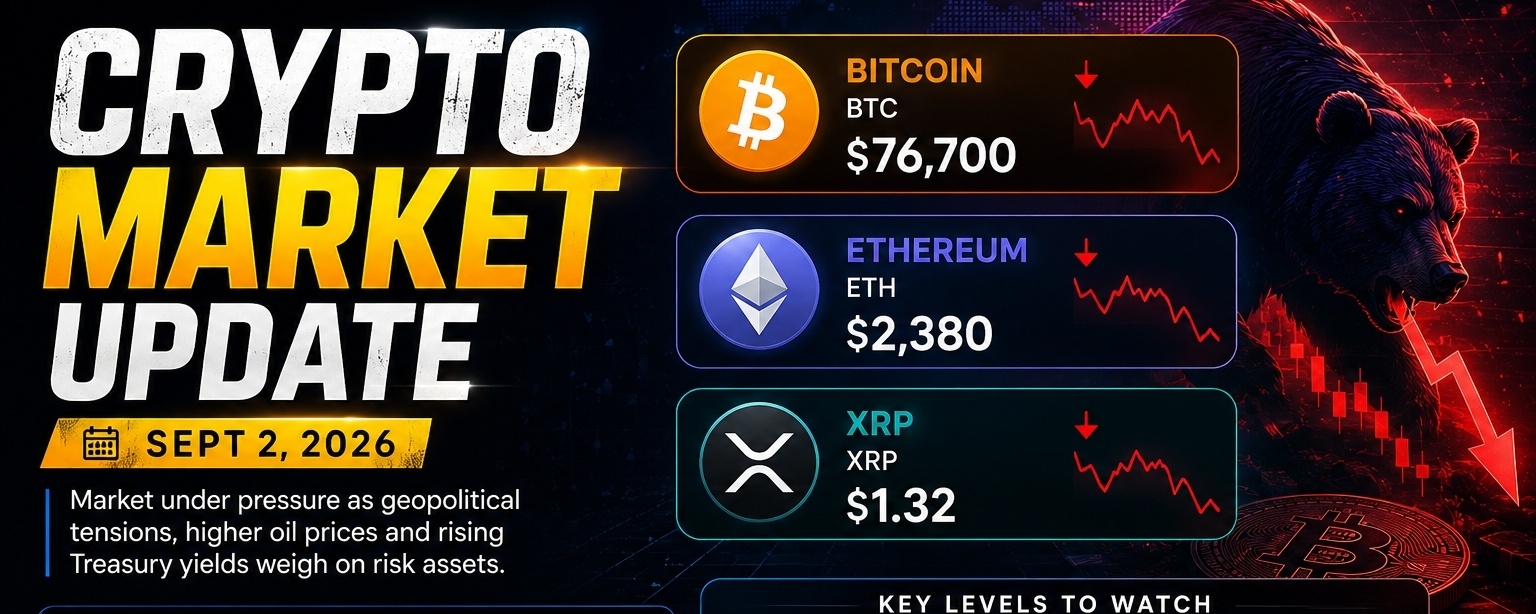
Bitcoin đang phải đối mặt với áp lực bán mới sau đợt tăng mạnh trong tháng 8.BTC: ~76,7K USD
🔷 ETH: ~2,38K USD
💵 XRP: ~1,32 USD
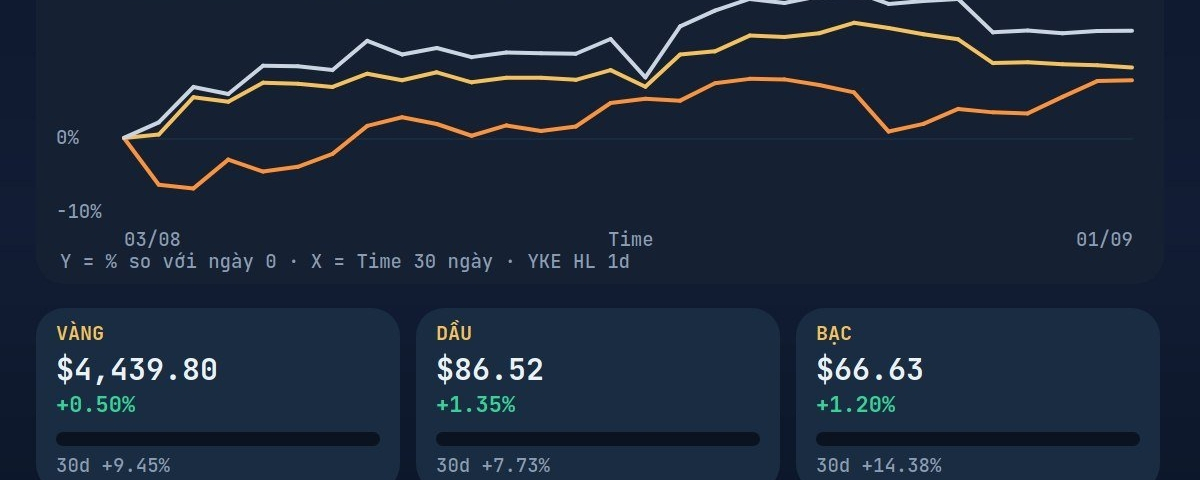
Thị trường đang phản ứng trước căng thẳng địa chính trị gia tăng, giá dầu cao hơn và lợi suất Trái phiếu Kho bạc tăng. Các tài sản rủi ro đang chịu áp lực khi nhà giao dịch xem xét lại kỳ vọng về lãi suất.
📌 Các mốc quan trọng cần theo dõi:
• BTC: vùng hỗ trợ 76K–77K
• Mức kháng cự chính vẫn nằm ở vùng 79K–80K
• ETH cần lấy lại mốc 2,4K+ USD để có đà mạnh hơn
Biến động tháng 9 đã đến. Hãy bình tĩnh, quản lý rủi ro và theo dõi dữ liệu vĩ mô. 👀
#Bitcoin #BTC #Ethereum #ETH #Crypto #CryptoMarket #Altcoins #Web3
Bitcoin đang phải đối mặt với áp lực bán mới sau đợt tăng mạnh trong tháng 8.
BTC: ~76,7K USD
🔷 ETH: ~2,38K USD
💵 XRP: ~1,32 USD
Thị trường đang phản ứng trước căng thẳng địa chính trị gia tăng, giá dầu cao hơn và lợi suất Trái phiếu Kho bạc tăng. Các tài sản rủi ro đang chịu áp lực khi nhà giao dịch xem xét lại kỳ vọng về lãi suất.
📌 Các mốc quan trọng cần theo dõi:
• BTC: vùng hỗ trợ 76K–77K
• Mức kháng cự chính vẫn nằm ở vùng 79K–80K
• ETH cần lấy lại mốc 2,4K+ USD để có đà mạnh hơn
Biến động tháng 9 đã đến. Hãy bình tĩnh, quản lý rủi ro và theo dõi dữ liệu vĩ mô. 👀
#Bitcoin #BTC #Ethereum #ETH #Crypto #CryptoMarket #Altcoins #Web3
🔷 ETH: ~2,38K USD
💵 XRP: ~1,32 USD
Thị trường đang phản ứng trước căng thẳng địa chính trị gia tăng, giá dầu cao hơn và lợi suất Trái phiếu Kho bạc tăng. Các tài sản rủi ro đang chịu áp lực khi nhà giao dịch xem xét lại kỳ vọng về lãi suất.
📌 Các mốc quan trọng cần theo dõi:
• BTC: vùng hỗ trợ 76K–77K
• Mức kháng cự chính vẫn nằm ở vùng 79K–80K
• ETH cần lấy lại mốc 2,4K+ USD để có đà mạnh hơn
Biến động tháng 9 đã đến. Hãy bình tĩnh, quản lý rủi ro và theo dõi dữ liệu vĩ mô. 👀
#Bitcoin #BTC #Ethereum #ETH #Crypto #CryptoMarket #Altcoins #Web3
1
60
Bài viết
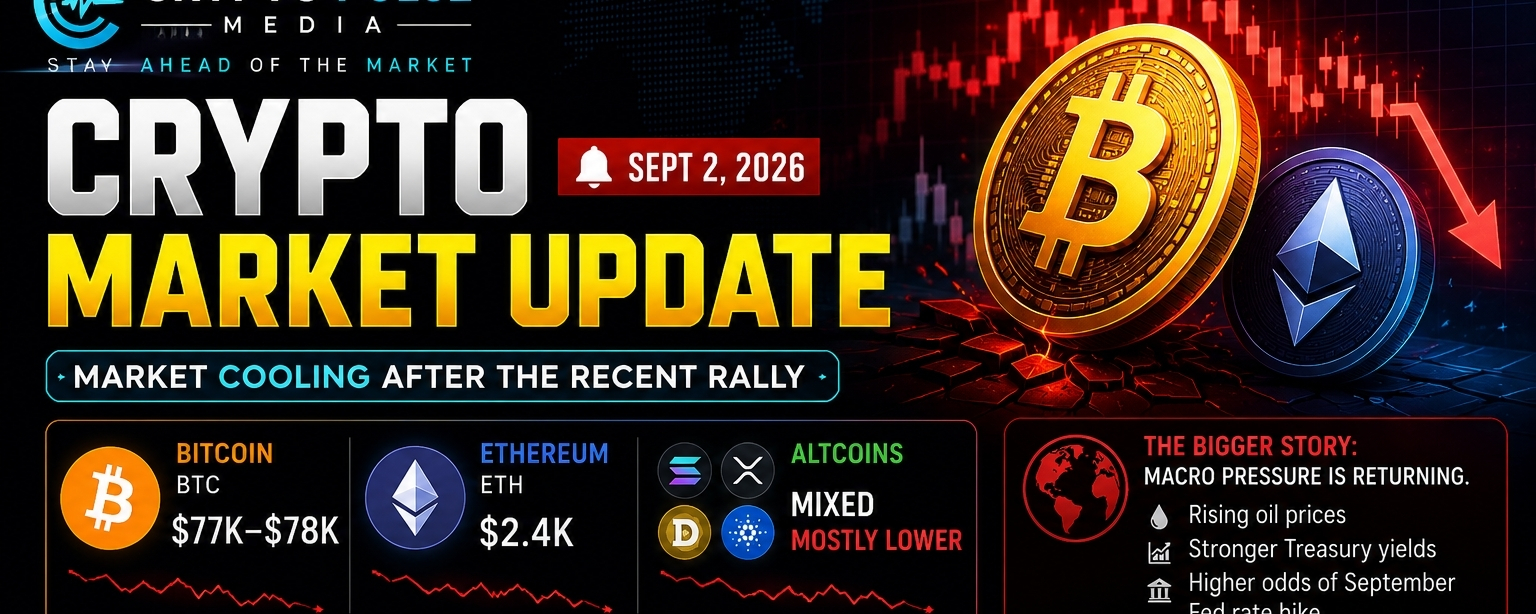
Điều kiện thị trường hiện tại đang cho thấy một chút điểm yếu sau đợt tăng gần đây. Bitcoin đang giao dịch quanhRủi ro vĩ mô cũng quay lại tâm điểm: giá dầu tăng, lợi suất Trái phiếu Kho bạc mạnh hơn và kỳ vọng về việc Fed tăng lãi suất vào tháng 9 đang tạo áp lực lên các tài sản rủi ro, bao gồm cả crypto. ([Reuters][2])
🚨 CẬP NHẬT THỊ TRƯỜNG CRYPTO — NGÀY 2 THÁNG 9 NĂM 2026
Bitcoin đang hạ nhiệt gần vùng $77K–$78K sau đợt tăng gần đây. Ethereum đang được giữ quanh $2,4K, trong khi một số altcoin lớn đang chứng kiến mức điều chỉnh sâu hơn.
🌍 Câu chuyện lớn hơn: áp lực vĩ mô đang quay trở lại.
• BTC: ~$77K–$78K
• ETH: ~$2.4K
• Altcoin: Biến động lẫn lộn → đa số đi xuống
Điều kiện thị trường hiện tại đang cho thấy một chút điểm yếu sau đợt tăng gần đây. Bitcoin đang giao dịch quanh
Rủi ro vĩ mô cũng quay lại tâm điểm: giá dầu tăng, lợi suất Trái phiếu Kho bạc mạnh hơn và kỳ vọng về việc Fed tăng lãi suất vào tháng 9 đang tạo áp lực lên các tài sản rủi ro, bao gồm cả crypto. ([Reuters][2])
🚨 CẬP NHẬT THỊ TRƯỜNG CRYPTO — NGÀY 2 THÁNG 9 NĂM 2026
Bitcoin đang hạ nhiệt gần vùng $77K–$78K sau đợt tăng gần đây. Ethereum đang được giữ quanh $2,4K, trong khi một số altcoin lớn đang chứng kiến mức điều chỉnh sâu hơn.
🌍 Câu chuyện lớn hơn: áp lực vĩ mô đang quay trở lại.
• BTC: ~$77K–$78K
• ETH: ~$2.4K
• Altcoin: Biến động lẫn lộn → đa số đi xuống
🚨 CẬP NHẬT THỊ TRƯỜNG CRYPTO — NGÀY 2 THÁNG 9 NĂM 2026
Bitcoin đang hạ nhiệt gần vùng $77K–$78K sau đợt tăng gần đây. Ethereum đang được giữ quanh $2,4K, trong khi một số altcoin lớn đang chứng kiến mức điều chỉnh sâu hơn.
🌍 Câu chuyện lớn hơn: áp lực vĩ mô đang quay trở lại.
• BTC: ~$77K–$78K
• ETH: ~$2.4K
• Altcoin: Biến động lẫn lộn → đa số đi xuống
84
Bài viết
Thị trường hôm nay đang cho thấy sự suy yếu: Bitcoin ở quanh **$77K–$78K**, trong khi Ethereum ở quanh **$2.4Bitcoin đang phải đối mặt với áp lực bán gia tăng khi BTC gặp khó trong việc giữ vững vùng $78K.
📉 BTC: ~$77K–$78K
📉 ETH: ~$2.4K
📉 SOL: ~$99
📉 XRP: ~$1.35
Câu chuyện lớn hơn: tài sản rủi ro đang chịu áp lực khi thị trường đánh giá lại lộ trình lãi suất của Mỹ.
Tháng 9 trong lịch sử là một tháng khó khăn đối với Bitcoin, vì vậy biến động có thể vẫn ở mức cao.
👀 Những điểm cần theo dõi:
• BTC đang lấy lại mốc $80K
• ETH giữ vững vùng $2.4K
• Kỳ vọng về lãi suất của Mỹ
• Dòng tiền crypto từ tổ chức
• Sức mạnh của altcoin so với BTC
Thị trường hôm nay đang cho thấy sự suy yếu: Bitcoin ở quanh **$77K–$78K**, trong khi Ethereum ở quanh **$2.4
Bitcoin đang phải đối mặt với áp lực bán gia tăng khi BTC gặp khó trong việc giữ vững vùng $78K.
📉 BTC: ~$77K–$78K
📉 ETH: ~$2.4K
📉 SOL: ~$99
📉 XRP: ~$1.35
Câu chuyện lớn hơn: tài sản rủi ro đang chịu áp lực khi thị trường đánh giá lại lộ trình lãi suất của Mỹ.
Tháng 9 trong lịch sử là một tháng khó khăn đối với Bitcoin, vì vậy biến động có thể vẫn ở mức cao.
👀 Những điểm cần theo dõi:
• BTC đang lấy lại mốc $80K
• ETH giữ vững vùng $2.4K
• Kỳ vọng về lãi suất của Mỹ
• Dòng tiền crypto từ tổ chức
• Sức mạnh của altcoin so với BTC
📉 BTC: ~$77K–$78K
📉 ETH: ~$2.4K
📉 SOL: ~$99
📉 XRP: ~$1.35
Câu chuyện lớn hơn: tài sản rủi ro đang chịu áp lực khi thị trường đánh giá lại lộ trình lãi suất của Mỹ.
Tháng 9 trong lịch sử là một tháng khó khăn đối với Bitcoin, vì vậy biến động có thể vẫn ở mức cao.
👀 Những điểm cần theo dõi:
• BTC đang lấy lại mốc $80K
• ETH giữ vững vùng $2.4K
• Kỳ vọng về lãi suất của Mỹ
• Dòng tiền crypto từ tổ chức
• Sức mạnh của altcoin so với BTC
90
Bài viết
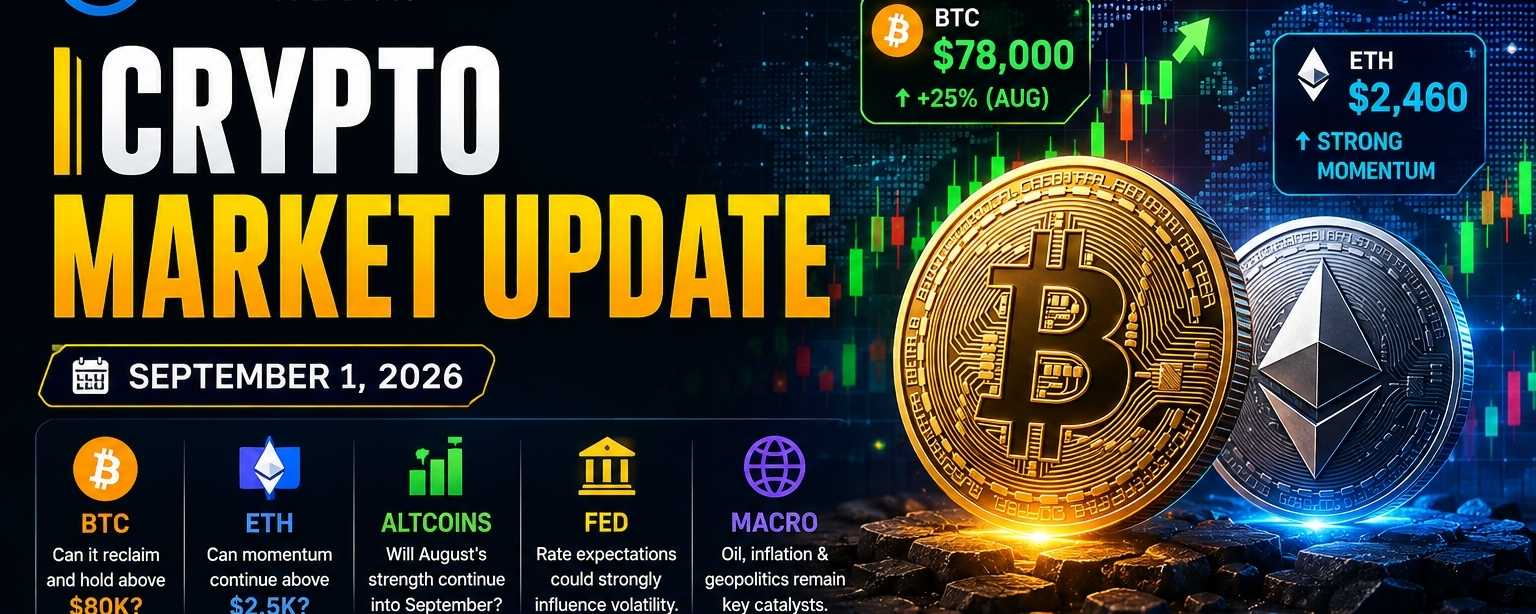
Bitcoin đang giữ quanh **$78K** sau một đợt tăng mạnh vào tháng 8. BTC đã tăng khoảng **25% trong tháng 8**thereum đang giao dịch quanh **$2.45K–$2.46K**, trong khi ETH cũng đã ghi nhận một đợt phục hồi mạnh trong tháng. ([Fortune][2])
Nhưng tháng 9 bắt đầu với một thách thức mới: **giá dầu tăng, lo ngại lạm phát và kỳ vọng ngày càng cao về khả năng Fed sẽ tăng lãi suất** đang tạo áp lực lên toàn bộ các tài sản rủi ro. Kỳ vọng thị trường hiện tại cho thấy xác suất sẽ có một đợt tăng lãi suất vào tháng 9 khoảng **65–66%**.
**Điều các nhà giao dịch nên theo dõi 👀**
* 🟠 BTC: Liệu có thể giành lại và giữ vững trên **$80K** không?
* 🔵 ETH: Liệu động lượng có thể tiếp tục duy trì trên **$2.5K** không?
Bitcoin đang giữ quanh **$78K** sau một đợt tăng mạnh vào tháng 8. BTC đã tăng khoảng **25% trong tháng 8**
thereum đang giao dịch quanh **$2.45K–$2.46K**, trong khi ETH cũng đã ghi nhận một đợt phục hồi mạnh trong tháng. ([Fortune][2])
Nhưng tháng 9 bắt đầu với một thách thức mới: **giá dầu tăng, lo ngại lạm phát và kỳ vọng ngày càng cao về khả năng Fed sẽ tăng lãi suất** đang tạo áp lực lên toàn bộ các tài sản rủi ro. Kỳ vọng thị trường hiện tại cho thấy xác suất sẽ có một đợt tăng lãi suất vào tháng 9 khoảng **65–66%**.
**Điều các nhà giao dịch nên theo dõi 👀**
* 🟠 BTC: Liệu có thể giành lại và giữ vững trên **$80K** không?
* 🔵 ETH: Liệu động lượng có thể tiếp tục duy trì trên **$2.5K** không?
Nhưng tháng 9 bắt đầu với một thách thức mới: **giá dầu tăng, lo ngại lạm phát và kỳ vọng ngày càng cao về khả năng Fed sẽ tăng lãi suất** đang tạo áp lực lên toàn bộ các tài sản rủi ro. Kỳ vọng thị trường hiện tại cho thấy xác suất sẽ có một đợt tăng lãi suất vào tháng 9 khoảng **65–66%**.
**Điều các nhà giao dịch nên theo dõi 👀**
* 🟠 BTC: Liệu có thể giành lại và giữ vững trên **$80K** không?
* 🔵 ETH: Liệu động lượng có thể tiếp tục duy trì trên **$2.5K** không?
21
Bài viết
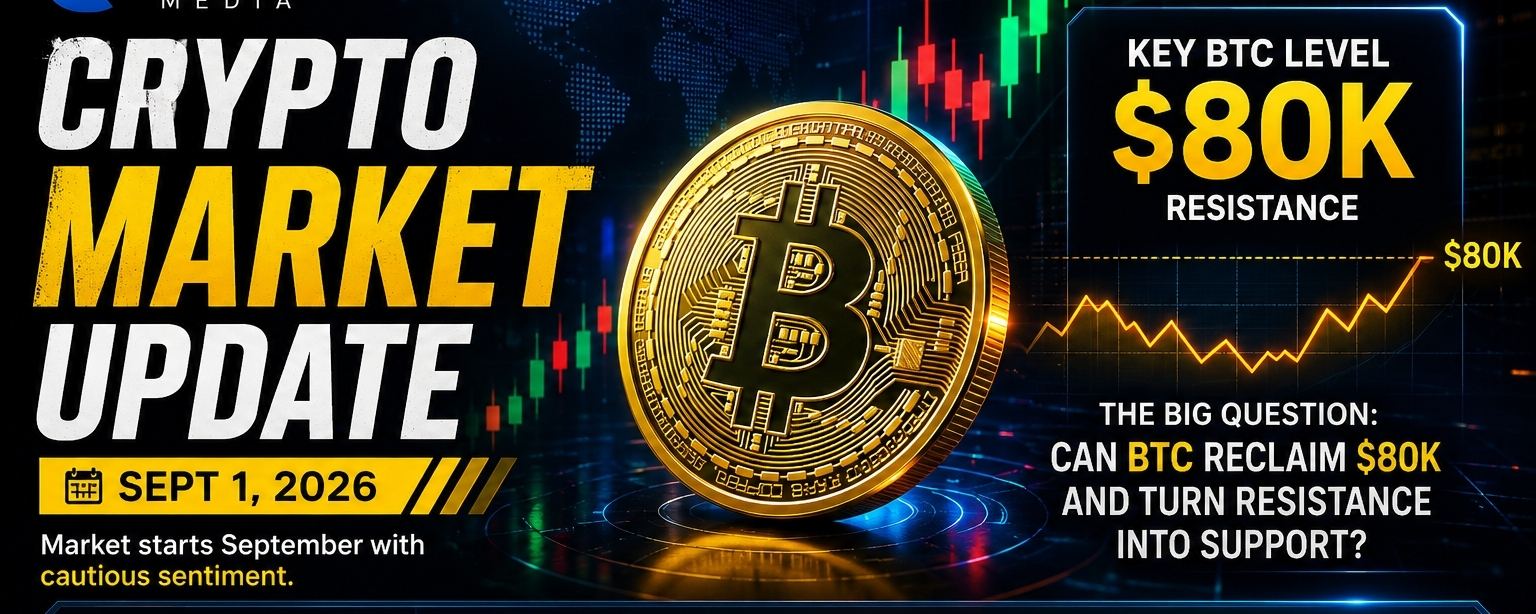
Dữ liệu hiện tại cho thấy BTC ở quanh **78K$**, trong khi ETH ở khoảng **2,45K$**. Bitcoin đang giữ dưới ngưỡng then chốt CẬP NHẬT THỊ TRƯỜNG CRYPTO — NGÀY 1/9/2026
Bitcoin đang lơ lửng quanh vùng 78K$ khi thị trường bắt đầu tháng 9 với tâm lý thận trọng.
📉 BTC: ~78K$
⚡ ETH: ~2,45K$
🎯 Mốc BTC quan trọng: 80K$
🌍 Kỳ vọng vĩ mô + Fed vẫn là các chất xúc tác chính
Câu hỏi lớn: Liệu BTC có thể quay lại mốc 80K$ và biến vùng kháng cự thành hỗ trợ không?
Tháng 9 có thể mang đến một số biến động đáng kể. Hãy cảnh giác. 👀
#Bitcoin #BTC #Ethereum #ETH #Crypto #CryptoMarket #Altcoins
Dữ liệu hiện tại cho thấy BTC ở quanh **78K$**, trong khi ETH ở khoảng **2,45K$**. Bitcoin đang giữ dưới ngưỡng then chốt
CẬP NHẬT THỊ TRƯỜNG CRYPTO — NGÀY 1/9/2026
Bitcoin đang lơ lửng quanh vùng 78K$ khi thị trường bắt đầu tháng 9 với tâm lý thận trọng.
📉 BTC: ~78K$
⚡ ETH: ~2,45K$
🎯 Mốc BTC quan trọng: 80K$
🌍 Kỳ vọng vĩ mô + Fed vẫn là các chất xúc tác chính
Câu hỏi lớn: Liệu BTC có thể quay lại mốc 80K$ và biến vùng kháng cự thành hỗ trợ không?
Tháng 9 có thể mang đến một số biến động đáng kể. Hãy cảnh giác. 👀
#Bitcoin #BTC #Ethereum #ETH #Crypto #CryptoMarket #Altcoins
Bitcoin đang lơ lửng quanh vùng 78K$ khi thị trường bắt đầu tháng 9 với tâm lý thận trọng.
📉 BTC: ~78K$
⚡ ETH: ~2,45K$
🎯 Mốc BTC quan trọng: 80K$
🌍 Kỳ vọng vĩ mô + Fed vẫn là các chất xúc tác chính
Câu hỏi lớn: Liệu BTC có thể quay lại mốc 80K$ và biến vùng kháng cự thành hỗ trợ không?
Tháng 9 có thể mang đến một số biến động đáng kể. Hãy cảnh giác. 👀
#Bitcoin #BTC #Ethereum #ETH #Crypto #CryptoMarket #Altcoins
4
Bài viết
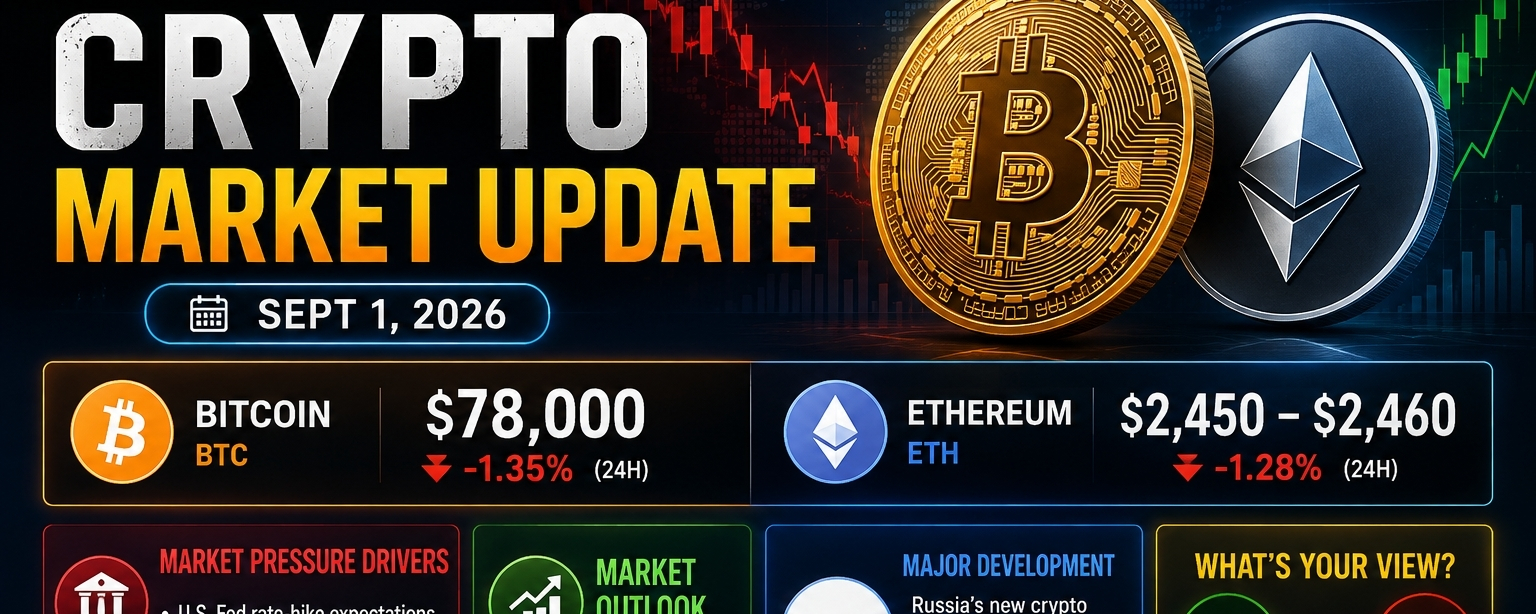
Bitcoin đang giao dịch quanh khu vực **78K USD**, trong khi Ethereum ở khoảng **2,45K–2,46K**. Thị trườngMột diễn biến quan trọng hôm nay: **Các quy định crypto mới của Nga chính thức có hiệu lực**, cho phép BTC, ETH và USDT tham gia vào thị trường tài sản kỹ thuật số được quản lý của nước này.
🚨 CẬP NHẬT THỊ TRƯỜNG CRYPTO | 1/9
Bitcoin đang dao động quanh vùng 78K USD trong khi Ethereum giao dịch quanh 2,45K–2,46K USD.
📉 Áp lực thị trường đang gia tăng khi các nhà giao dịch theo dõi:
• Kỳ vọng tăng lãi suất của Fed Mỹ
• Lạm phát & giá dầu
• Căng thẳng địa chính trị
• Dữ liệu kinh tế quan trọng sắp tới
🇷🇺 Trong khi đó, khung pháp lý crypto mới của Nga hiện đã có hiệu lực, đưa BTC, ETH & USDT tiến sâu hơn vào thị trường tài sản kỹ thuật số được quản lý của nước này.
Bitcoin đang giao dịch quanh khu vực **78K USD**, trong khi Ethereum ở khoảng **2,45K–2,46K**. Thị trường
Một diễn biến quan trọng hôm nay: **Các quy định crypto mới của Nga chính thức có hiệu lực**, cho phép BTC, ETH và USDT tham gia vào thị trường tài sản kỹ thuật số được quản lý của nước này.
🚨 CẬP NHẬT THỊ TRƯỜNG CRYPTO | 1/9
Bitcoin đang dao động quanh vùng 78K USD trong khi Ethereum giao dịch quanh 2,45K–2,46K USD.
📉 Áp lực thị trường đang gia tăng khi các nhà giao dịch theo dõi:
• Kỳ vọng tăng lãi suất của Fed Mỹ
• Lạm phát & giá dầu
• Căng thẳng địa chính trị
• Dữ liệu kinh tế quan trọng sắp tới
🇷🇺 Trong khi đó, khung pháp lý crypto mới của Nga hiện đã có hiệu lực, đưa BTC, ETH & USDT tiến sâu hơn vào thị trường tài sản kỹ thuật số được quản lý của nước này.
🚨 CẬP NHẬT THỊ TRƯỜNG CRYPTO | 1/9
Bitcoin đang dao động quanh vùng 78K USD trong khi Ethereum giao dịch quanh 2,45K–2,46K USD.
📉 Áp lực thị trường đang gia tăng khi các nhà giao dịch theo dõi:
• Kỳ vọng tăng lãi suất của Fed Mỹ
• Lạm phát & giá dầu
• Căng thẳng địa chính trị
• Dữ liệu kinh tế quan trọng sắp tới
🇷🇺 Trong khi đó, khung pháp lý crypto mới của Nga hiện đã có hiệu lực, đưa BTC, ETH & USDT tiến sâu hơn vào thị trường tài sản kỹ thuật số được quản lý của nước này.
6
Bài viết
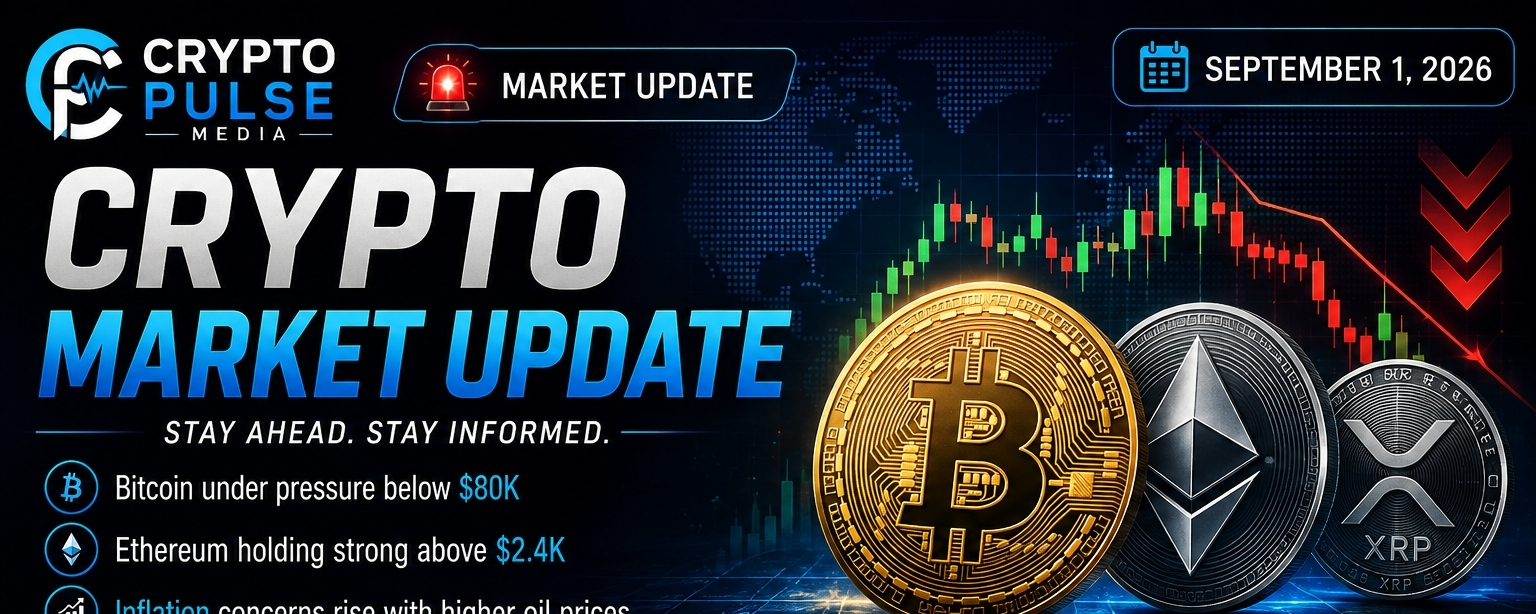
Bitcoin đang bước vào tháng 9 dưới áp lực khi bất ổn kinh tế vĩ mô đè nặng lên các tài sản rủi ro.₿ **BTC:** khoảng 78K USD
🔷 **ETH:** khoảng 2,45K
💵 **XRP:** khoảng 1,38 USD
📉 **Điều gì đang thúc đẩy thị trường?**
• Bitcoin vẫn nằm dưới mốc tâm lý quan trọng 80K USD.
• Ethereum đang giữ vững trên 2,4K USD sau đợt phục hồi mạnh mẽ trong tháng.
• Giá dầu tăng đang làm gia tăng lo ngại về lạm phát.
• Thị trường ngày càng theo dõi khả năng Cục Dự trữ Liên bang Mỹ tăng lãi suất trong tháng này.
• Các nhà giao dịch crypto đang chờ thêm tín hiệu vĩ mô trước khi đưa ra các động thái mạnh tay.
🌍 **Diễn biến pháp lý lớn:** Khung pháp lý tiền mã hóa mới của Nga bắt đầu có hiệu lực hôm nay, cho phép tiếp cận được BTC, ETH và USDT đã được quản lý trong điều kiện nghiêm ngặt.
Bitcoin đang bước vào tháng 9 dưới áp lực khi bất ổn kinh tế vĩ mô đè nặng lên các tài sản rủi ro.
₿ **BTC:** khoảng 78K USD
🔷 **ETH:** khoảng 2,45K
💵 **XRP:** khoảng 1,38 USD
📉 **Điều gì đang thúc đẩy thị trường?**
• Bitcoin vẫn nằm dưới mốc tâm lý quan trọng 80K USD.
• Ethereum đang giữ vững trên 2,4K USD sau đợt phục hồi mạnh mẽ trong tháng.
• Giá dầu tăng đang làm gia tăng lo ngại về lạm phát.
• Thị trường ngày càng theo dõi khả năng Cục Dự trữ Liên bang Mỹ tăng lãi suất trong tháng này.
• Các nhà giao dịch crypto đang chờ thêm tín hiệu vĩ mô trước khi đưa ra các động thái mạnh tay.
🌍 **Diễn biến pháp lý lớn:** Khung pháp lý tiền mã hóa mới của Nga bắt đầu có hiệu lực hôm nay, cho phép tiếp cận được BTC, ETH và USDT đã được quản lý trong điều kiện nghiêm ngặt.
🔷 **ETH:** khoảng 2,45K
💵 **XRP:** khoảng 1,38 USD
📉 **Điều gì đang thúc đẩy thị trường?**
• Bitcoin vẫn nằm dưới mốc tâm lý quan trọng 80K USD.
• Ethereum đang giữ vững trên 2,4K USD sau đợt phục hồi mạnh mẽ trong tháng.
• Giá dầu tăng đang làm gia tăng lo ngại về lạm phát.
• Thị trường ngày càng theo dõi khả năng Cục Dự trữ Liên bang Mỹ tăng lãi suất trong tháng này.
• Các nhà giao dịch crypto đang chờ thêm tín hiệu vĩ mô trước khi đưa ra các động thái mạnh tay.
🌍 **Diễn biến pháp lý lớn:** Khung pháp lý tiền mã hóa mới của Nga bắt đầu có hiệu lực hôm nay, cho phép tiếp cận được BTC, ETH và USDT đã được quản lý trong điều kiện nghiêm ngặt.
15
Bài viết
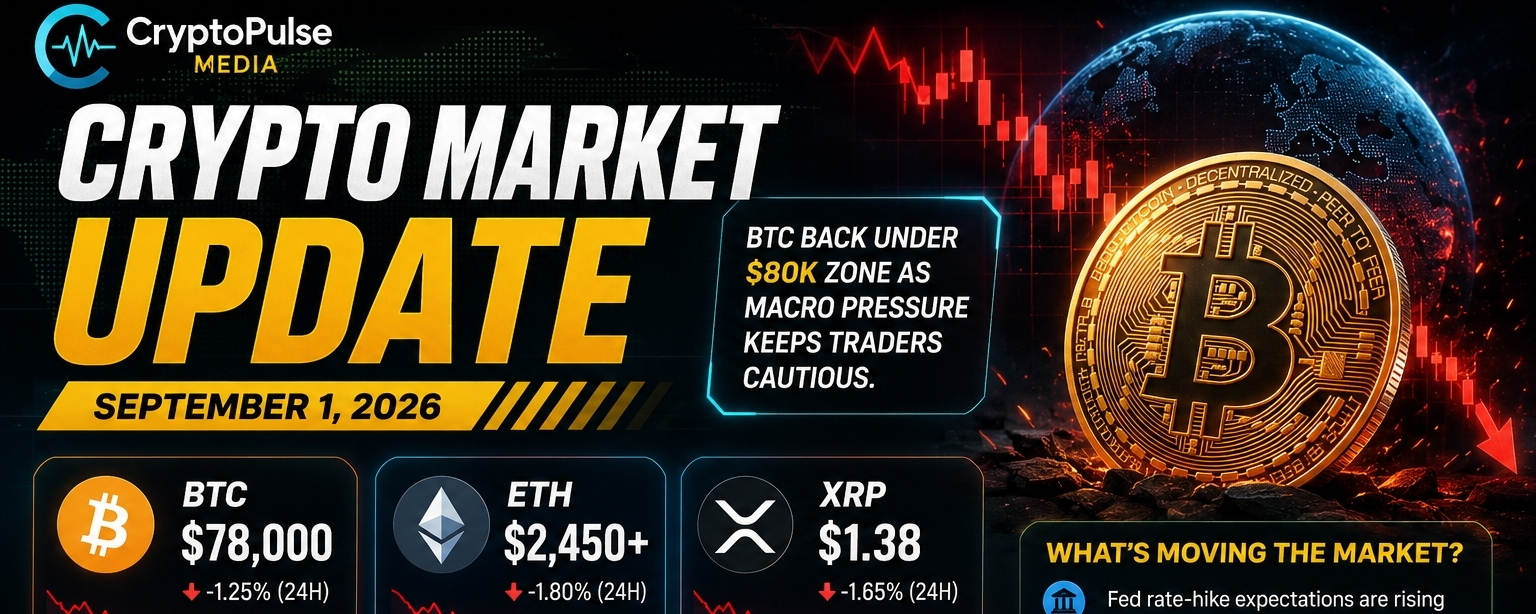
Bitcoin đang giao dịch quanh **$78K**, trong khi Ethereum ở khoảng **$2.45K–$2.46K**. BTC vẫn nằm dưới thCâu chuyện lớn hơn hôm nay là **kỳ vọng về lãi suất**. Thị trường ngày càng định giá khả năng Cục Dự trữ Liên bang Mỹ (Fed) sẽ tăng lãi suất trong tháng này, trong khi giá dầu tăng và căng thẳng địa chính trị lại làm gia tăng lo ngại về lạm phát.
Trong khi đó, **khung pháp lý crypto mới của Nga bắt đầu có hiệu lực từ hôm nay****, với Bitcoin, Ethereum và USDT được xác định vai trò trong khuôn khổ mới.
🚨 CẬP NHẬT THỊ TRƯỜNG CRYPTO | 1 THÁNG 9 NĂM 2026
Bitcoin đã quay trở lại dưới mốc 80 nghìn USD, đang giao dịch quanh 78 nghìn USD khi áp lực vĩ mô khiến các nhà giao dịch crypto thận trọng.
Bitcoin đang giao dịch quanh **$78K**, trong khi Ethereum ở khoảng **$2.45K–$2.46K**. BTC vẫn nằm dưới th
Câu chuyện lớn hơn hôm nay là **kỳ vọng về lãi suất**. Thị trường ngày càng định giá khả năng Cục Dự trữ Liên bang Mỹ (Fed) sẽ tăng lãi suất trong tháng này, trong khi giá dầu tăng và căng thẳng địa chính trị lại làm gia tăng lo ngại về lạm phát.
Trong khi đó, **khung pháp lý crypto mới của Nga bắt đầu có hiệu lực từ hôm nay****, với Bitcoin, Ethereum và USDT được xác định vai trò trong khuôn khổ mới.
🚨 CẬP NHẬT THỊ TRƯỜNG CRYPTO | 1 THÁNG 9 NĂM 2026
Bitcoin đã quay trở lại dưới mốc 80 nghìn USD, đang giao dịch quanh 78 nghìn USD khi áp lực vĩ mô khiến các nhà giao dịch crypto thận trọng.
Trong khi đó, **khung pháp lý crypto mới của Nga bắt đầu có hiệu lực từ hôm nay****, với Bitcoin, Ethereum và USDT được xác định vai trò trong khuôn khổ mới.
🚨 CẬP NHẬT THỊ TRƯỜNG CRYPTO | 1 THÁNG 9 NĂM 2026
Bitcoin đã quay trở lại dưới mốc 80 nghìn USD, đang giao dịch quanh 78 nghìn USD khi áp lực vĩ mô khiến các nhà giao dịch crypto thận trọng.
48
Bài viết
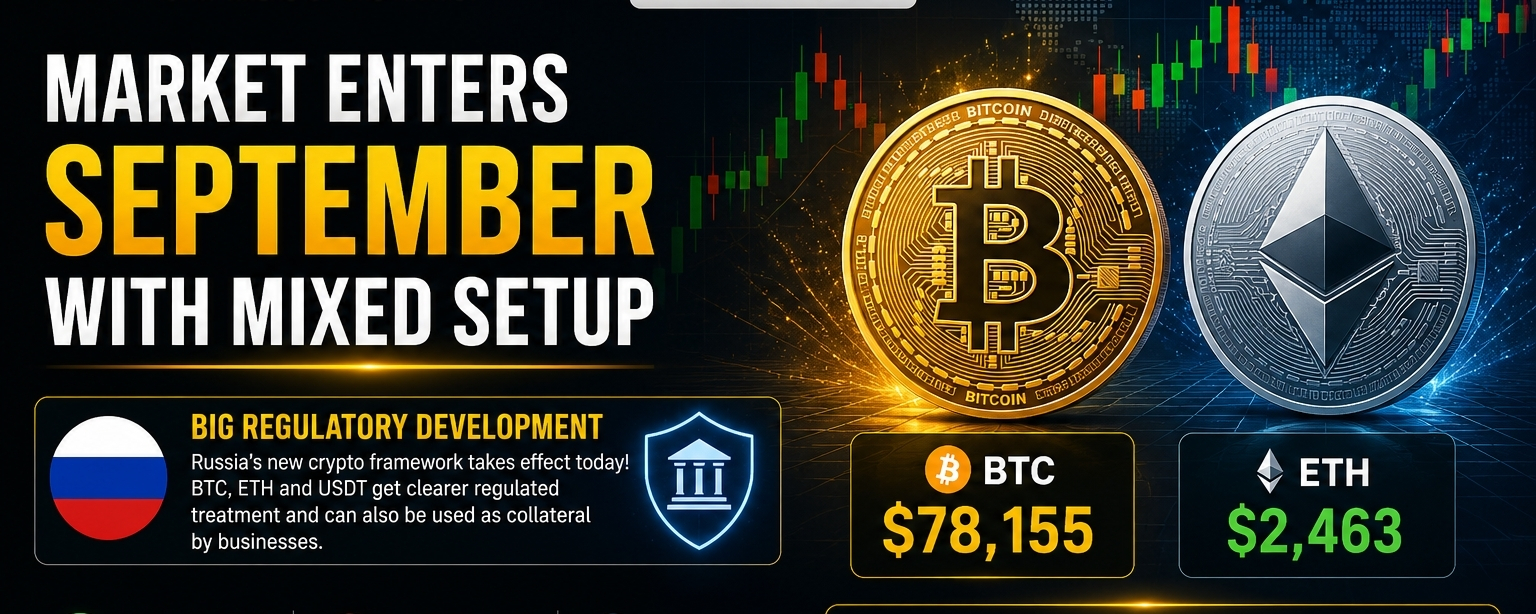
Bitcoin đang bắt đầu tháng 9 quanh **$78K**, trong khi Ethereum đang giao dịch gần **$2,46K**. BTC đang có**Bước phát triển quản lý lớn:** Khung pháp lý tiền mã hóa mới của Nga chính thức có hiệu lực hôm nay, với việc **BTC, ETH và USDT** nhận được cách đối xử rõ ràng hơn cho thị trường được quản lý. BTC, ETH và USDT cũng có thể được dùng làm tài sản thế chấp bởi các doanh nghiệp theo khung mới.
📈 **Theo dõi thị trường**
* ₿ BTC: ~$78,155
* Ξ ETH: ~$2,463
* 🔥 ETH đã tăng mạnh trong tháng qua
* ⚠️ Lo ngại lạm phát vẫn là rủi ro chính đối với thị trường
* 👀 Tháng 9 có thể mang lại biến động cao hơn
**Nhận định nhanh CryptoPulse:**
Thị trường đang bước vào tháng 9 với bối cảnh trái chiều—Bitcoin cần bảo vệ vùng $78K, trong khi Ethereum tiếp tục thu hút sự chú ý. Các diễn biến về quy định cũng có thể trở thành một chất xúc tác quan trọng cho thị trường.
Bitcoin đang bắt đầu tháng 9 quanh **$78K**, trong khi Ethereum đang giao dịch gần **$2,46K**. BTC đang có
**Bước phát triển quản lý lớn:** Khung pháp lý tiền mã hóa mới của Nga chính thức có hiệu lực hôm nay, với việc **BTC, ETH và USDT** nhận được cách đối xử rõ ràng hơn cho thị trường được quản lý. BTC, ETH và USDT cũng có thể được dùng làm tài sản thế chấp bởi các doanh nghiệp theo khung mới.
📈 **Theo dõi thị trường**
* ₿ BTC: ~$78,155
* Ξ ETH: ~$2,463
* 🔥 ETH đã tăng mạnh trong tháng qua
* ⚠️ Lo ngại lạm phát vẫn là rủi ro chính đối với thị trường
* 👀 Tháng 9 có thể mang lại biến động cao hơn
**Nhận định nhanh CryptoPulse:**
Thị trường đang bước vào tháng 9 với bối cảnh trái chiều—Bitcoin cần bảo vệ vùng $78K, trong khi Ethereum tiếp tục thu hút sự chú ý. Các diễn biến về quy định cũng có thể trở thành một chất xúc tác quan trọng cho thị trường.
📈 **Theo dõi thị trường**
* ₿ BTC: ~$78,155
* Ξ ETH: ~$2,463
* 🔥 ETH đã tăng mạnh trong tháng qua
* ⚠️ Lo ngại lạm phát vẫn là rủi ro chính đối với thị trường
* 👀 Tháng 9 có thể mang lại biến động cao hơn
**Nhận định nhanh CryptoPulse:**
Thị trường đang bước vào tháng 9 với bối cảnh trái chiều—Bitcoin cần bảo vệ vùng $78K, trong khi Ethereum tiếp tục thu hút sự chú ý. Các diễn biến về quy định cũng có thể trở thành một chất xúc tác quan trọng cho thị trường.
5
Bài viết
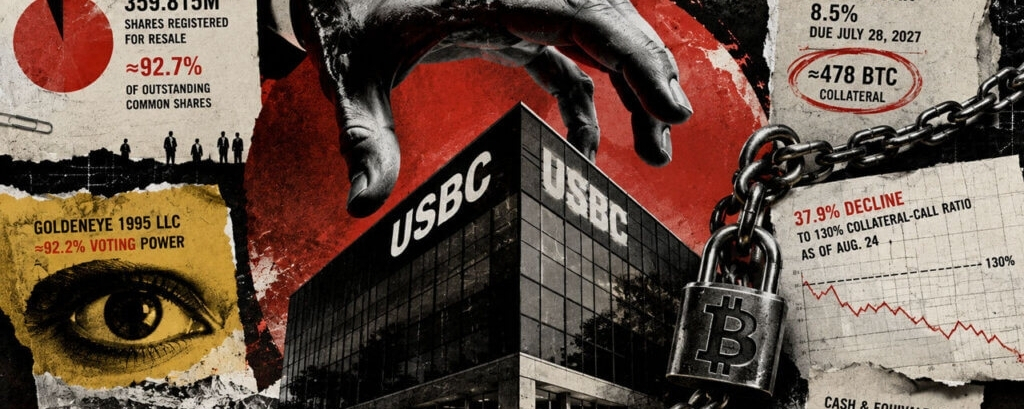
Công ty kho bạc Bitcoin đăng ký để bán lại 93% cổ phiếu và dành một phần ba tài sản crypto vào quyền chọnCác cổ phiếu đã được phát hành và không bao giờ được bán, trong khi các rủi ro về cho vay, trái phiếu và tiền mặt vẫn tồn tại.
SBC đã đăng ký một lô cổ phiếu đã phát hành tương đương với gần như toàn bộ vốn cổ phần phổ thông đang lưu hành của mình để có thể bán lại, tạo ra nguy cơ cung vượt cầu tiềm ẩn trên thị trường bên cạnh một bảng cân đối kế toán phụ thuộc nhiều vào Bitcoin.
Bản cáo bạch sơ bộ đã sửa đổi của công ty ngày 27 tháng 8 bao gồm tối đa 359.815.000 cổ phiếu do các cổ đông bán sở hữu. Con số này tương đương khoảng 92,7% trong tổng số 388.144.429 cổ phiếu phổ thông đang lưu hành tính đến ngày 24 tháng 8. USBC sẽ không nhận được bất kỳ khoản tiền thu nào từ việc bán hay bất kỳ hình thức chuyển nhượng nào khác của các cổ đông đó.
Công ty kho bạc Bitcoin đăng ký để bán lại 93% cổ phiếu và dành một phần ba tài sản crypto vào quyền chọn
Các cổ phiếu đã được phát hành và không bao giờ được bán, trong khi các rủi ro về cho vay, trái phiếu và tiền mặt vẫn tồn tại.
SBC đã đăng ký một lô cổ phiếu đã phát hành tương đương với gần như toàn bộ vốn cổ phần phổ thông đang lưu hành của mình để có thể bán lại, tạo ra nguy cơ cung vượt cầu tiềm ẩn trên thị trường bên cạnh một bảng cân đối kế toán phụ thuộc nhiều vào Bitcoin.
Bản cáo bạch sơ bộ đã sửa đổi của công ty ngày 27 tháng 8 bao gồm tối đa 359.815.000 cổ phiếu do các cổ đông bán sở hữu. Con số này tương đương khoảng 92,7% trong tổng số 388.144.429 cổ phiếu phổ thông đang lưu hành tính đến ngày 24 tháng 8. USBC sẽ không nhận được bất kỳ khoản tiền thu nào từ việc bán hay bất kỳ hình thức chuyển nhượng nào khác của các cổ đông đó.
SBC đã đăng ký một lô cổ phiếu đã phát hành tương đương với gần như toàn bộ vốn cổ phần phổ thông đang lưu hành của mình để có thể bán lại, tạo ra nguy cơ cung vượt cầu tiềm ẩn trên thị trường bên cạnh một bảng cân đối kế toán phụ thuộc nhiều vào Bitcoin.
Bản cáo bạch sơ bộ đã sửa đổi của công ty ngày 27 tháng 8 bao gồm tối đa 359.815.000 cổ phiếu do các cổ đông bán sở hữu. Con số này tương đương khoảng 92,7% trong tổng số 388.144.429 cổ phiếu phổ thông đang lưu hành tính đến ngày 24 tháng 8. USBC sẽ không nhận được bất kỳ khoản tiền thu nào từ việc bán hay bất kỳ hình thức chuyển nhượng nào khác của các cổ đông đó.
21
Bài viết
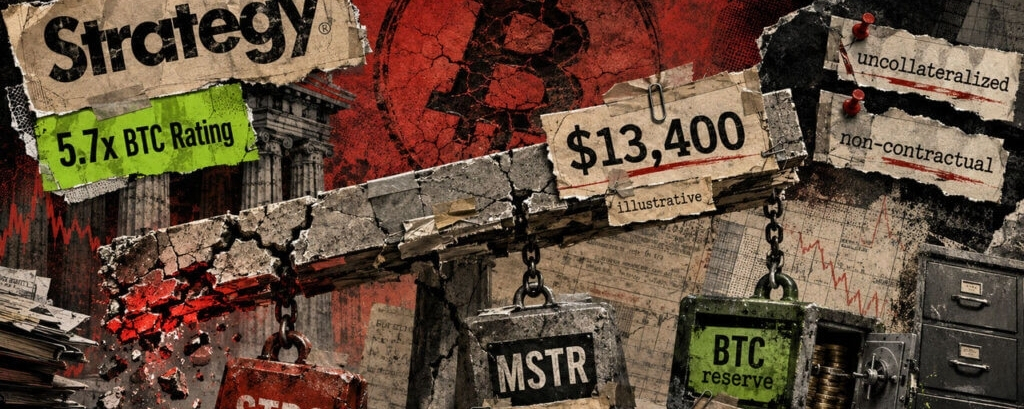
“Sàn Bitcoin” 13.400 USD của Michael Saylor phơi bày chính xác trật tự các khoản lỗ trong nợ của Strategy stacTỷ lệ đã nộp thay đổi theo tiền mặt và các yêu cầu, trong khi sự pha loãng của MSTR và thứ tự ưu tiên pháp lý định hình các khoản lỗ thực tế.
trategy, công ty kho bạc Bitcoin, đang tiếp thị một mức “BTC Floor” khoảng 13.400 USD cho STRC, cổ phiếu ưu đãi tích lũy vĩnh viễn lãi suất biến đổi của công ty. Khi Bitcoin ở gần 78.000 USD, nhãn này nghe như một “tấm đệm” khổng lồ. Bản tóm tắt đã nộp cho SEC lại định nghĩa một thứ hẹp hơn: mức giá Bitcoin mà tại đó tỷ lệ trang trải minh họa của STRC của Strategy đạt 1,0x.
Chỉ số này không đưa ra bất kỳ tuyên bố nào về Bitcoin của Strategy và không mang ý nghĩa về khả năng thanh toán hoặc phục hồi. STRC đóng cửa ở mức 97,33 USD vào ngày 28/8, mang lại cho người nắm giữ lợi suất hiệu quả đơn giản 12,33% so với cổ tức niên hóa hiện tại 12 USD. Bảng điều khiển đã nộp sử dụng giá ngày 21/8 là 96,18 USD và nêu lợi suất 12,48%, giá trị danh nghĩa 9,972 tỷ USD, 59 điểm cơ bản của BTC Credit, 4,68% BTC Risk và -14,61% BTC Floor ARR.
“Sàn Bitcoin” 13.400 USD của Michael Saylor phơi bày chính xác trật tự các khoản lỗ trong nợ của Strategy stac
Tỷ lệ đã nộp thay đổi theo tiền mặt và các yêu cầu, trong khi sự pha loãng của MSTR và thứ tự ưu tiên pháp lý định hình các khoản lỗ thực tế.
trategy, công ty kho bạc Bitcoin, đang tiếp thị một mức “BTC Floor” khoảng 13.400 USD cho STRC, cổ phiếu ưu đãi tích lũy vĩnh viễn lãi suất biến đổi của công ty. Khi Bitcoin ở gần 78.000 USD, nhãn này nghe như một “tấm đệm” khổng lồ. Bản tóm tắt đã nộp cho SEC lại định nghĩa một thứ hẹp hơn: mức giá Bitcoin mà tại đó tỷ lệ trang trải minh họa của STRC của Strategy đạt 1,0x.
Chỉ số này không đưa ra bất kỳ tuyên bố nào về Bitcoin của Strategy và không mang ý nghĩa về khả năng thanh toán hoặc phục hồi. STRC đóng cửa ở mức 97,33 USD vào ngày 28/8, mang lại cho người nắm giữ lợi suất hiệu quả đơn giản 12,33% so với cổ tức niên hóa hiện tại 12 USD. Bảng điều khiển đã nộp sử dụng giá ngày 21/8 là 96,18 USD và nêu lợi suất 12,48%, giá trị danh nghĩa 9,972 tỷ USD, 59 điểm cơ bản của BTC Credit, 4,68% BTC Risk và -14,61% BTC Floor ARR.
trategy, công ty kho bạc Bitcoin, đang tiếp thị một mức “BTC Floor” khoảng 13.400 USD cho STRC, cổ phiếu ưu đãi tích lũy vĩnh viễn lãi suất biến đổi của công ty. Khi Bitcoin ở gần 78.000 USD, nhãn này nghe như một “tấm đệm” khổng lồ. Bản tóm tắt đã nộp cho SEC lại định nghĩa một thứ hẹp hơn: mức giá Bitcoin mà tại đó tỷ lệ trang trải minh họa của STRC của Strategy đạt 1,0x.
Chỉ số này không đưa ra bất kỳ tuyên bố nào về Bitcoin của Strategy và không mang ý nghĩa về khả năng thanh toán hoặc phục hồi. STRC đóng cửa ở mức 97,33 USD vào ngày 28/8, mang lại cho người nắm giữ lợi suất hiệu quả đơn giản 12,33% so với cổ tức niên hóa hiện tại 12 USD. Bảng điều khiển đã nộp sử dụng giá ngày 21/8 là 96,18 USD và nêu lợi suất 12,48%, giá trị danh nghĩa 9,972 tỷ USD, 59 điểm cơ bản của BTC Credit, 4,68% BTC Risk và -14,61% BTC Floor ARR.
29
Bài viết
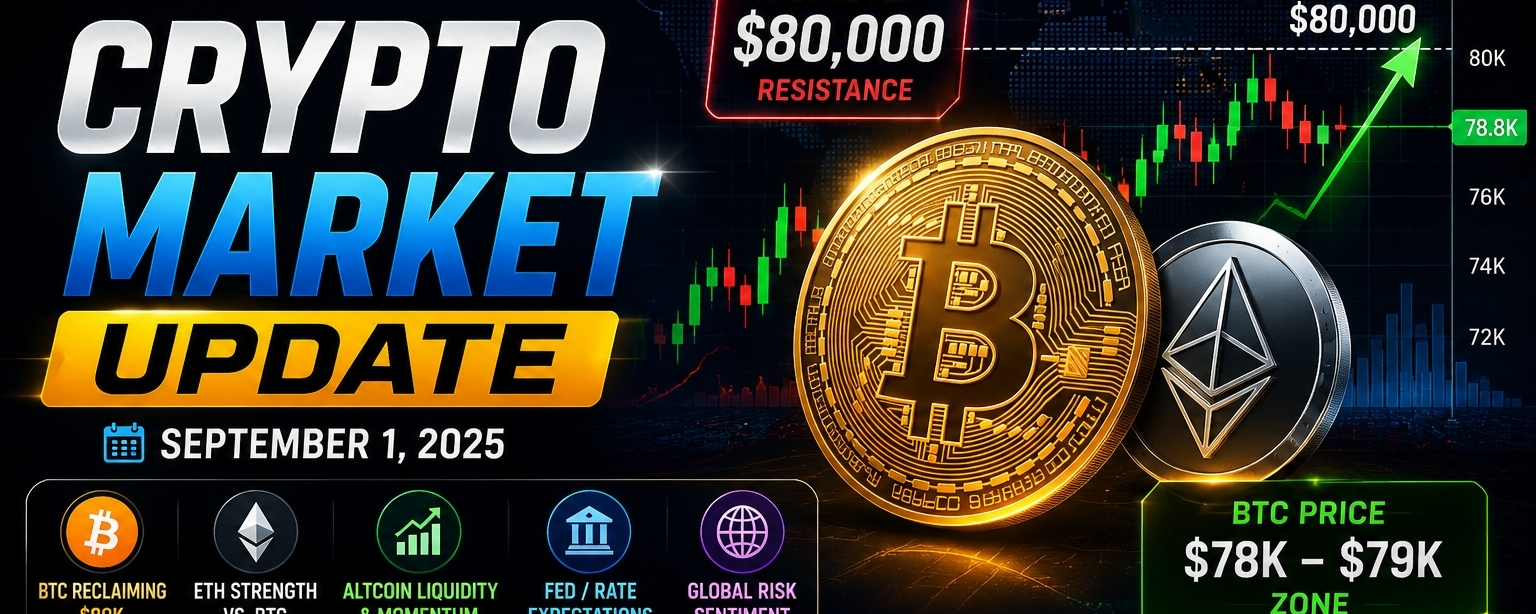
Bức tranh thị trường hôm nay: BTC đang giao dịch quanh khu vực **78K–79K USD**, trong khi thị trường đang theo dõiBitcoin đang bước vào tháng 9 với các nhà giao dịch theo dõi sát một mức độ: **80.000 USD**. 👀
BTC đang lơ lửng quanh **vùng 78K–79K USD**, trong khi áp lực vĩ mô đang gia tăng khi lợi suất trái phiếu toàn cầu và giá dầu tăng.
📌 Những điểm cần theo dõi:
• BTC giành lại mốc 80K USD
• Sức mạnh của ETH so với BTC
• Thanh khoản & đà của altcoin
• Kỳ vọng về lãi suất của Fed
• Tâm lý rủi ro toàn cầu
Tháng 9 có thể mang đến **biến động cao**. Đừng đuổi theo những cây nến xanh—hãy theo dõi diễn biến giá, khối lượng và cấu trúc thị trường.
Bước đi lớn tiếp theo có thể bắt đầu từ Bitcoin. ⚡️
Bức tranh thị trường hôm nay: BTC đang giao dịch quanh khu vực **78K–79K USD**, trong khi thị trường đang theo dõi
Bitcoin đang bước vào tháng 9 với các nhà giao dịch theo dõi sát một mức độ: **80.000 USD**. 👀
BTC đang lơ lửng quanh **vùng 78K–79K USD**, trong khi áp lực vĩ mô đang gia tăng khi lợi suất trái phiếu toàn cầu và giá dầu tăng.
📌 Những điểm cần theo dõi:
• BTC giành lại mốc 80K USD
• Sức mạnh của ETH so với BTC
• Thanh khoản & đà của altcoin
• Kỳ vọng về lãi suất của Fed
• Tâm lý rủi ro toàn cầu
Tháng 9 có thể mang đến **biến động cao**. Đừng đuổi theo những cây nến xanh—hãy theo dõi diễn biến giá, khối lượng và cấu trúc thị trường.
Bước đi lớn tiếp theo có thể bắt đầu từ Bitcoin. ⚡️
BTC đang lơ lửng quanh **vùng 78K–79K USD**, trong khi áp lực vĩ mô đang gia tăng khi lợi suất trái phiếu toàn cầu và giá dầu tăng.
📌 Những điểm cần theo dõi:
• BTC giành lại mốc 80K USD
• Sức mạnh của ETH so với BTC
• Thanh khoản & đà của altcoin
• Kỳ vọng về lãi suất của Fed
• Tâm lý rủi ro toàn cầu
Tháng 9 có thể mang đến **biến động cao**. Đừng đuổi theo những cây nến xanh—hãy theo dõi diễn biến giá, khối lượng và cấu trúc thị trường.
Bước đi lớn tiếp theo có thể bắt đầu từ Bitcoin. ⚡️
66
Bài viết
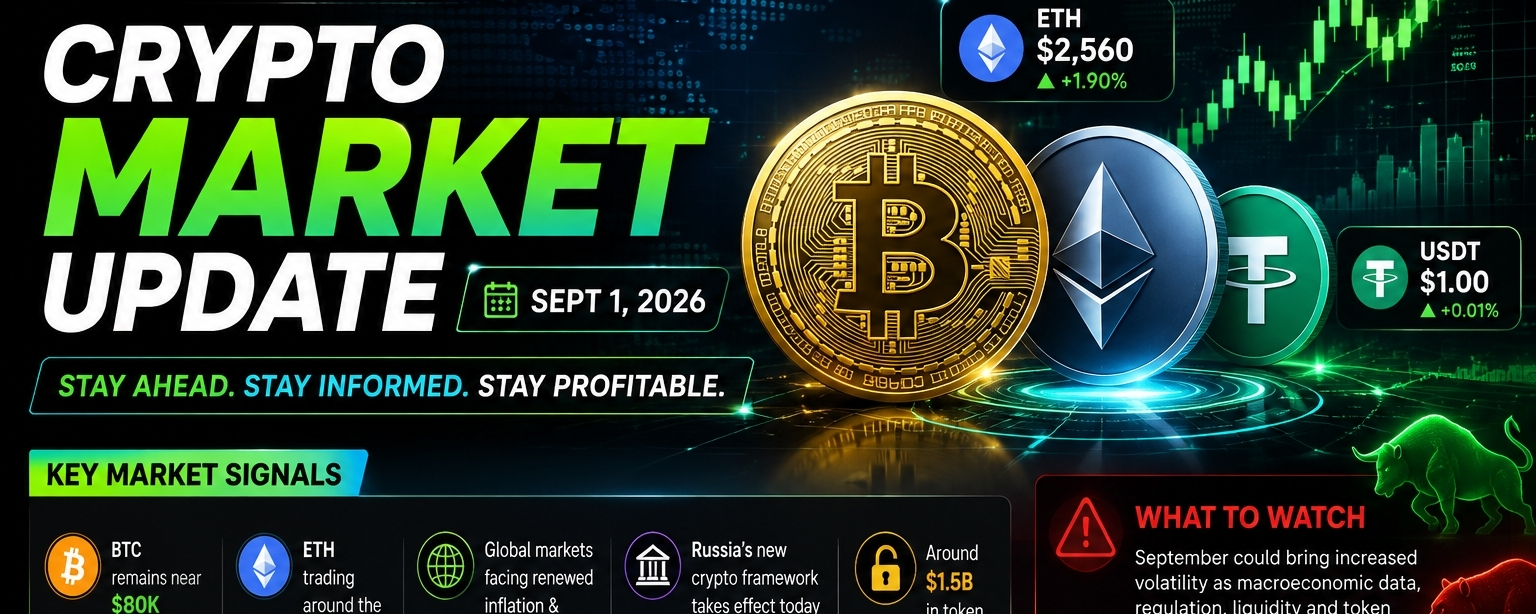
Bitcoin đang bước vào tháng Chín quanh vùng 78.000–80.000 USD, giữ cho các nhà giao dịch tập trung vào việc liệu BTC có thể📊 TÍN HIỆU THỊ TRƯỜNG QUAN TRỌNG:
• BTC vẫn ở gần mốc tâm lý 80.000 USD
• ETH đang giao dịch quanh vùng giữa mức 2.000 USD
• Thị trường toàn cầu đang đối mặt với lạm phát gia tăng trở lại và áp lực địa chính trị
• Khung pháp lý tiền mã hóa mới của Nga bắt đầu có hiệu lực ngay hôm nay, với BTC, ETH và USDT giữ vai trò trung tâm
• Khoảng 1,5B USD token dự kiến sẽ được mở khóa trong tuần đầu tiên của tháng Chín
⚠️ CẦN XEM GÌ:
Tháng Chín có thể mang đến biến động gia tăng khi dữ liệu vĩ mô, quy định, thanh khoản và các sự kiện về nguồn cung token va chạm với nhau.
Bitcoin đang bước vào tháng Chín quanh vùng 78.000–80.000 USD, giữ cho các nhà giao dịch tập trung vào việc liệu BTC có thể
📊 TÍN HIỆU THỊ TRƯỜNG QUAN TRỌNG:
• BTC vẫn ở gần mốc tâm lý 80.000 USD
• ETH đang giao dịch quanh vùng giữa mức 2.000 USD
• Thị trường toàn cầu đang đối mặt với lạm phát gia tăng trở lại và áp lực địa chính trị
• Khung pháp lý tiền mã hóa mới của Nga bắt đầu có hiệu lực ngay hôm nay, với BTC, ETH và USDT giữ vai trò trung tâm
• Khoảng 1,5B USD token dự kiến sẽ được mở khóa trong tuần đầu tiên của tháng Chín
⚠️ CẦN XEM GÌ:
Tháng Chín có thể mang đến biến động gia tăng khi dữ liệu vĩ mô, quy định, thanh khoản và các sự kiện về nguồn cung token va chạm với nhau.
• BTC vẫn ở gần mốc tâm lý 80.000 USD
• ETH đang giao dịch quanh vùng giữa mức 2.000 USD
• Thị trường toàn cầu đang đối mặt với lạm phát gia tăng trở lại và áp lực địa chính trị
• Khung pháp lý tiền mã hóa mới của Nga bắt đầu có hiệu lực ngay hôm nay, với BTC, ETH và USDT giữ vai trò trung tâm
• Khoảng 1,5B USD token dự kiến sẽ được mở khóa trong tuần đầu tiên của tháng Chín
⚠️ CẦN XEM GÌ:
Tháng Chín có thể mang đến biến động gia tăng khi dữ liệu vĩ mô, quy định, thanh khoản và các sự kiện về nguồn cung token va chạm với nhau.
41
Bài viết
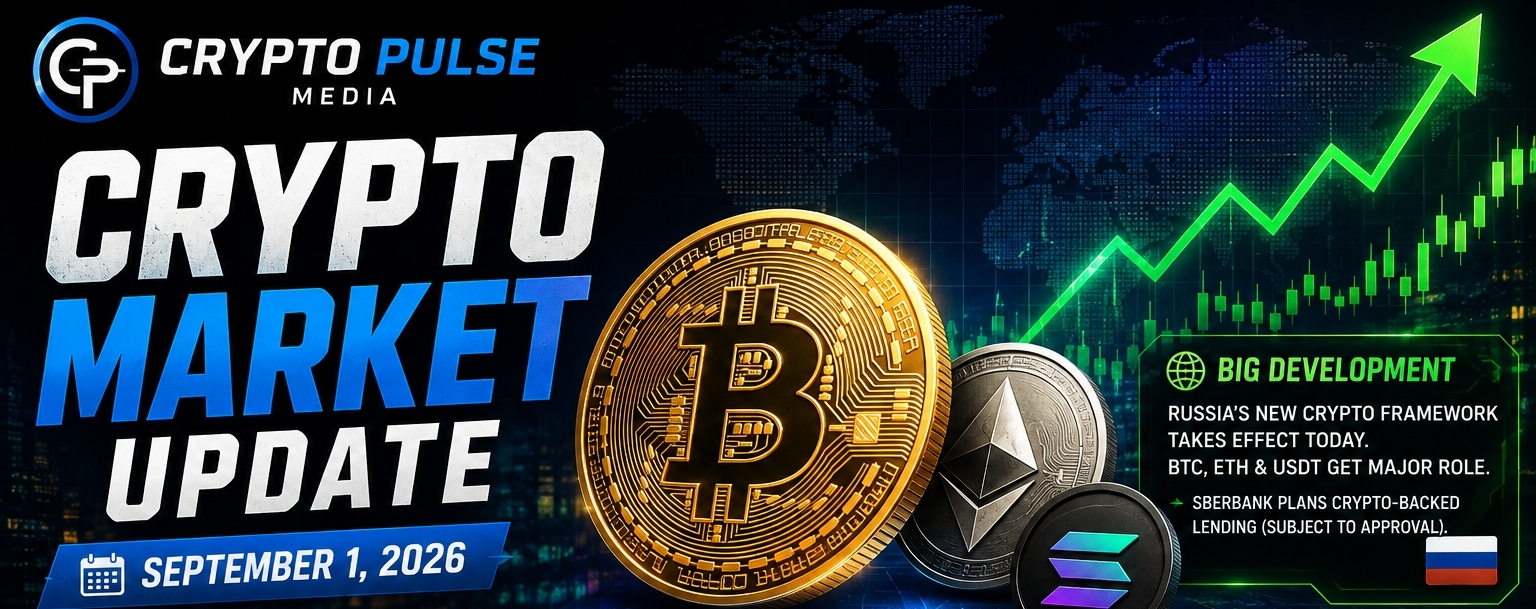
Bitcoin bước vào tháng 9 với đà tăng mạnh sau một cú bứt phá lớn trong tháng 8, nhưng thị trường hiện tại đang📊 Bản tin thị trường:
₿ BTC: vùng ~$78K–$80K
◆ ETH: cho thấy sức mạnh được nối lại
◎ SOL: vẫn là một trong những altcoin vốn hoá lớn mạnh hơn
📈 BTC đã tăng khoảng 24% trong tháng 8
🔥 BƯỚC PHÁT TRIỂN LỚN:
Khung pháp lý tiền mã hoá mới của Nga bắt đầu có hiệu lực hôm nay, với BTC, ETH và USDT đóng vai trò lớn trong thị trường được quản lý. Sberbank cũng đang lên kế hoạch cho vay dựa trên tiền mã hoá, tùy thuộc vào việc phê duyệt của cơ quan quản lý.
⚠️ Trong khi đó, thị trường toàn cầu đang đối mặt với lợi suất trái phiếu tăng, dầu ở mức trên $91 và những lo ngại mới về lạm phát/tăng lãi suất. Điều này có thể khiến biến động vẫn cao trên các tài sản rủi ro, bao gồm cả crypto.
Bitcoin bước vào tháng 9 với đà tăng mạnh sau một cú bứt phá lớn trong tháng 8, nhưng thị trường hiện tại đang
📊 Bản tin thị trường:
₿ BTC: vùng ~$78K–$80K
◆ ETH: cho thấy sức mạnh được nối lại
◎ SOL: vẫn là một trong những altcoin vốn hoá lớn mạnh hơn
📈 BTC đã tăng khoảng 24% trong tháng 8
🔥 BƯỚC PHÁT TRIỂN LỚN:
Khung pháp lý tiền mã hoá mới của Nga bắt đầu có hiệu lực hôm nay, với BTC, ETH và USDT đóng vai trò lớn trong thị trường được quản lý. Sberbank cũng đang lên kế hoạch cho vay dựa trên tiền mã hoá, tùy thuộc vào việc phê duyệt của cơ quan quản lý.
⚠️ Trong khi đó, thị trường toàn cầu đang đối mặt với lợi suất trái phiếu tăng, dầu ở mức trên $91 và những lo ngại mới về lạm phát/tăng lãi suất. Điều này có thể khiến biến động vẫn cao trên các tài sản rủi ro, bao gồm cả crypto.
₿ BTC: vùng ~$78K–$80K
◆ ETH: cho thấy sức mạnh được nối lại
◎ SOL: vẫn là một trong những altcoin vốn hoá lớn mạnh hơn
📈 BTC đã tăng khoảng 24% trong tháng 8
🔥 BƯỚC PHÁT TRIỂN LỚN:
Khung pháp lý tiền mã hoá mới của Nga bắt đầu có hiệu lực hôm nay, với BTC, ETH và USDT đóng vai trò lớn trong thị trường được quản lý. Sberbank cũng đang lên kế hoạch cho vay dựa trên tiền mã hoá, tùy thuộc vào việc phê duyệt của cơ quan quản lý.
⚠️ Trong khi đó, thị trường toàn cầu đang đối mặt với lợi suất trái phiếu tăng, dầu ở mức trên $91 và những lo ngại mới về lạm phát/tăng lãi suất. Điều này có thể khiến biến động vẫn cao trên các tài sản rủi ro, bao gồm cả crypto.
72
Bài viết
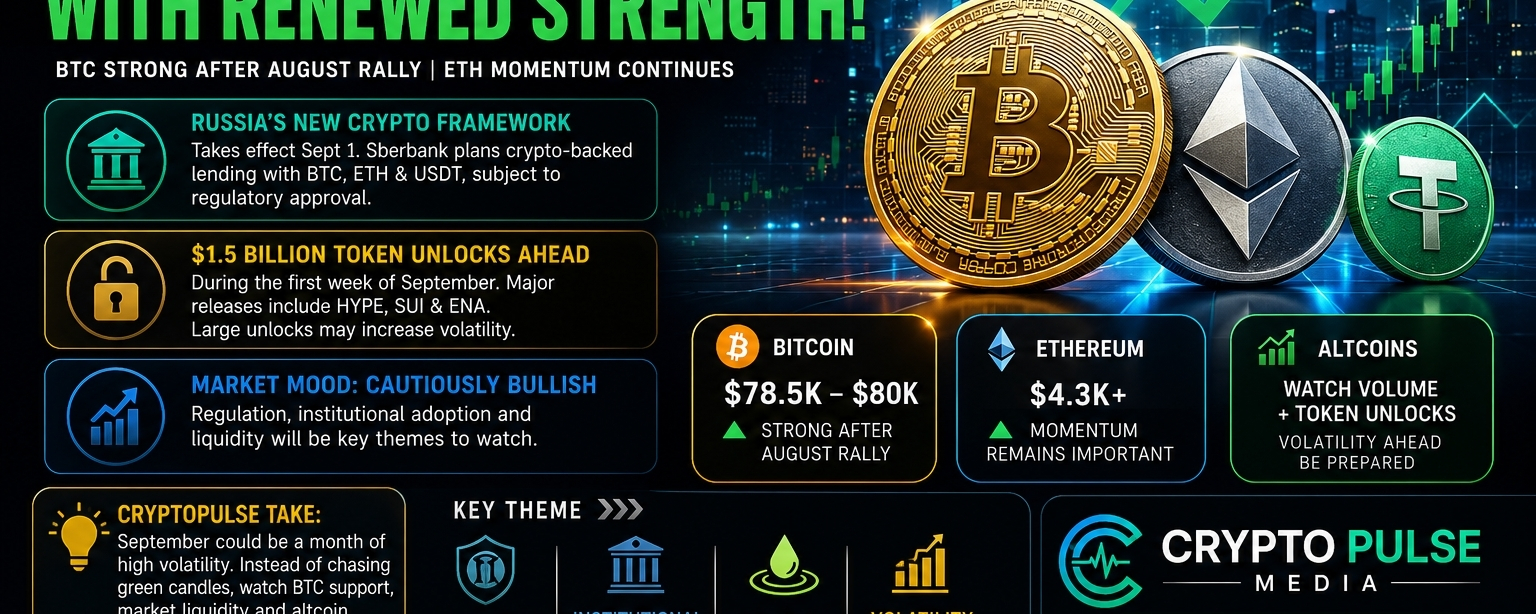
Hãy biến điều này thành một **chuỗi bài gốc hằng ngày của Binance Square** cho CryptoPulse Media—dựa trên o### 📊 CryptoPulse Media — Bản cập nhật thị trường hằng ngày
**Ngày 1 tháng 9 năm 2026**
Bitcoin đang bước vào tháng 9 với đà tăng trở lại sau một đợt rally mạnh mẽ trong tháng 8. Dữ liệu thị trường gần đây cho thấy BTC quanh mức **78,5K–80K USD**, trong khi Ethereum cũng đang cho thấy đà tích cực.
Một diễn biến quan trọng cần theo dõi hôm nay là **khung pháp lý crypto mới của Nga**, chính thức có hiệu lực vào ngày 1 tháng 9. Sberbank đang lên kế hoạch cho các khoản vay được hỗ trợ bằng crypto, liên quan đến **BTC, ETH và USDT**, tùy thuộc vào phê duyệt của cơ quan quản lý.
Trong khi đó, các nhà giao dịch nên chú ý đến thị trường altcoin. Khoảng **1,5 tỷ USD token sẽ được mở khóa** dự kiến diễn ra trong tuần đầu tiên của tháng 9, với các đợt phát hành lớn bao gồm HYPE, SUI và ENA. Các lần mở khóa lớn có thể làm gia tăng áp lực bán ngắn hạn và biến động.
Hãy biến điều này thành một **chuỗi bài gốc hằng ngày của Binance Square** cho CryptoPulse Media—dựa trên o
### 📊 CryptoPulse Media — Bản cập nhật thị trường hằng ngày
**Ngày 1 tháng 9 năm 2026**
Bitcoin đang bước vào tháng 9 với đà tăng trở lại sau một đợt rally mạnh mẽ trong tháng 8. Dữ liệu thị trường gần đây cho thấy BTC quanh mức **78,5K–80K USD**, trong khi Ethereum cũng đang cho thấy đà tích cực.
Một diễn biến quan trọng cần theo dõi hôm nay là **khung pháp lý crypto mới của Nga**, chính thức có hiệu lực vào ngày 1 tháng 9. Sberbank đang lên kế hoạch cho các khoản vay được hỗ trợ bằng crypto, liên quan đến **BTC, ETH và USDT**, tùy thuộc vào phê duyệt của cơ quan quản lý.
Trong khi đó, các nhà giao dịch nên chú ý đến thị trường altcoin. Khoảng **1,5 tỷ USD token sẽ được mở khóa** dự kiến diễn ra trong tuần đầu tiên của tháng 9, với các đợt phát hành lớn bao gồm HYPE, SUI và ENA. Các lần mở khóa lớn có thể làm gia tăng áp lực bán ngắn hạn và biến động.
**Ngày 1 tháng 9 năm 2026**
Bitcoin đang bước vào tháng 9 với đà tăng trở lại sau một đợt rally mạnh mẽ trong tháng 8. Dữ liệu thị trường gần đây cho thấy BTC quanh mức **78,5K–80K USD**, trong khi Ethereum cũng đang cho thấy đà tích cực.
Một diễn biến quan trọng cần theo dõi hôm nay là **khung pháp lý crypto mới của Nga**, chính thức có hiệu lực vào ngày 1 tháng 9. Sberbank đang lên kế hoạch cho các khoản vay được hỗ trợ bằng crypto, liên quan đến **BTC, ETH và USDT**, tùy thuộc vào phê duyệt của cơ quan quản lý.
Trong khi đó, các nhà giao dịch nên chú ý đến thị trường altcoin. Khoảng **1,5 tỷ USD token sẽ được mở khóa** dự kiến diễn ra trong tuần đầu tiên của tháng 9, với các đợt phát hành lớn bao gồm HYPE, SUI và ENA. Các lần mở khóa lớn có thể làm gia tăng áp lực bán ngắn hạn và biến động.
94

Bài viết
Sự đồng thuận XRPL bị đóng băng sau khi loại bỏ chỉ 12% nút trung tâm – nhưng một tinh chỉnh đơn giản nhân gấp ba… XRP defỞ mức tham gia 60%, hai liên kết ngẫu nhiên đã nâng ngưỡng giả lập về thất bại đạt ngưỡng (quorum) từ 11% lên 38% và từ 12% lên 33%.
Nghiên cứu mới về Sổ cái XRP cho biết hai hoặc ba kết nối ngang hàng bổ sung trên mỗi nút tham gia có thể làm tăng đáng kể số lượng nút mà một cuộc tấn công nhắm mục tiêu phải loại bỏ để làm gián đoạn sự đồng thuận được mô phỏng.
Sự đồng thuận của XRPL phụ thuộc vào việc đủ các trình xác thực tin cậy nhận được thông điệp của nhau. Một mạng ngang hàng (peer-to-peer) riêng chịu trách nhiệm chuyển các thông điệp đó giữa các máy chủ, vì vậy các tuyến đường bổ sung có thể giúp lưu lượng truy cập của trình xác thực vẫn tiếp tục chạy nếu một cuộc tấn công làm vô hiệu hóa các trung tâm bận rộn nhất của mạng.
Sự đồng thuận XRPL bị đóng băng sau khi loại bỏ chỉ 12% nút trung tâm – nhưng một tinh chỉnh đơn giản nhân gấp ba… XRP def
Ở mức tham gia 60%, hai liên kết ngẫu nhiên đã nâng ngưỡng giả lập về thất bại đạt ngưỡng (quorum) từ 11% lên 38% và từ 12% lên 33%.
Nghiên cứu mới về Sổ cái XRP cho biết hai hoặc ba kết nối ngang hàng bổ sung trên mỗi nút tham gia có thể làm tăng đáng kể số lượng nút mà một cuộc tấn công nhắm mục tiêu phải loại bỏ để làm gián đoạn sự đồng thuận được mô phỏng.
Sự đồng thuận của XRPL phụ thuộc vào việc đủ các trình xác thực tin cậy nhận được thông điệp của nhau. Một mạng ngang hàng (peer-to-peer) riêng chịu trách nhiệm chuyển các thông điệp đó giữa các máy chủ, vì vậy các tuyến đường bổ sung có thể giúp lưu lượng truy cập của trình xác thực vẫn tiếp tục chạy nếu một cuộc tấn công làm vô hiệu hóa các trung tâm bận rộn nhất của mạng.
Nghiên cứu mới về Sổ cái XRP cho biết hai hoặc ba kết nối ngang hàng bổ sung trên mỗi nút tham gia có thể làm tăng đáng kể số lượng nút mà một cuộc tấn công nhắm mục tiêu phải loại bỏ để làm gián đoạn sự đồng thuận được mô phỏng.
Sự đồng thuận của XRPL phụ thuộc vào việc đủ các trình xác thực tin cậy nhận được thông điệp của nhau. Một mạng ngang hàng (peer-to-peer) riêng chịu trách nhiệm chuyển các thông điệp đó giữa các máy chủ, vì vậy các tuyến đường bổ sung có thể giúp lưu lượng truy cập của trình xác thực vẫn tiếp tục chạy nếu một cuộc tấn công làm vô hiệu hóa các trung tâm bận rộn nhất của mạng.
94
Bài viết
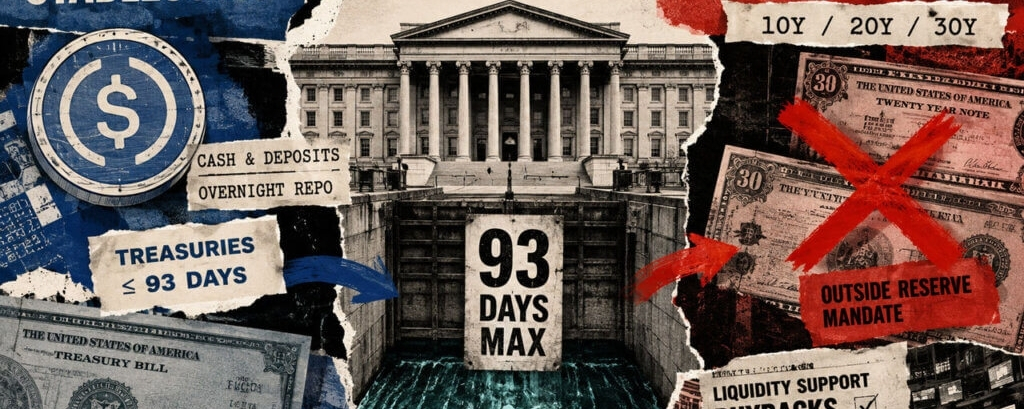
Kho bạc Mỹ dựa vào stablecoin để tài trợ cho nợ ngắn hạn, nhưng chúng không thể khắc phục khoản $28B của trái phiếu dài hạnDự trữ GENIUS chỉ dừng ở 93 ngày trong khi Kho bạc mở rộng các đợt mua lại hỗ trợ thanh khoản trên nợ kỳ hạn 10–30 năm.
Nhu cầu về stablecoin đang trở nên đáng kể trong thị trường nợ công của Mỹ, nhưng kỳ hạn của nhu cầu đó quan trọng hơn nhiều so với tổng số được nêu trên tiêu đề.
Washington hiện có hai câu chuyện về thị trường nợ đang diễn ra cùng lúc. Khung liên bang cho phép các kênh thanh toán stablecoin chuyển các khoản dự trữ vào các công cụ mang tính tương tự tiền mặt và Tín phiếu/Bills kho bạc (Treasuries) với thời hạn còn lại không quá 93 ngày. Xa hơn trên đường cong, Bộ Tài chính cho biết vào ngày 19/8 rằng họ sẽ ít nhất gấp đôi quy mô tối đa của các đợt mua lại nhằm hỗ trợ thanh khoản trong các mảng danh nghĩa kỳ hạn 10–20 năm và 20–30 năm, bắt đầu từ ngày 9/9.
Kho bạc Mỹ dựa vào stablecoin để tài trợ cho nợ ngắn hạn, nhưng chúng không thể khắc phục khoản $28B của trái phiếu dài hạn
Dự trữ GENIUS chỉ dừng ở 93 ngày trong khi Kho bạc mở rộng các đợt mua lại hỗ trợ thanh khoản trên nợ kỳ hạn 10–30 năm.
Nhu cầu về stablecoin đang trở nên đáng kể trong thị trường nợ công của Mỹ, nhưng kỳ hạn của nhu cầu đó quan trọng hơn nhiều so với tổng số được nêu trên tiêu đề.
Washington hiện có hai câu chuyện về thị trường nợ đang diễn ra cùng lúc. Khung liên bang cho phép các kênh thanh toán stablecoin chuyển các khoản dự trữ vào các công cụ mang tính tương tự tiền mặt và Tín phiếu/Bills kho bạc (Treasuries) với thời hạn còn lại không quá 93 ngày. Xa hơn trên đường cong, Bộ Tài chính cho biết vào ngày 19/8 rằng họ sẽ ít nhất gấp đôi quy mô tối đa của các đợt mua lại nhằm hỗ trợ thanh khoản trong các mảng danh nghĩa kỳ hạn 10–20 năm và 20–30 năm, bắt đầu từ ngày 9/9.
Nhu cầu về stablecoin đang trở nên đáng kể trong thị trường nợ công của Mỹ, nhưng kỳ hạn của nhu cầu đó quan trọng hơn nhiều so với tổng số được nêu trên tiêu đề.
Washington hiện có hai câu chuyện về thị trường nợ đang diễn ra cùng lúc. Khung liên bang cho phép các kênh thanh toán stablecoin chuyển các khoản dự trữ vào các công cụ mang tính tương tự tiền mặt và Tín phiếu/Bills kho bạc (Treasuries) với thời hạn còn lại không quá 93 ngày. Xa hơn trên đường cong, Bộ Tài chính cho biết vào ngày 19/8 rằng họ sẽ ít nhất gấp đôi quy mô tối đa của các đợt mua lại nhằm hỗ trợ thanh khoản trong các mảng danh nghĩa kỳ hạn 10–20 năm và 20–30 năm, bắt đầu từ ngày 9/9.
6
Bài viết
Tin tức
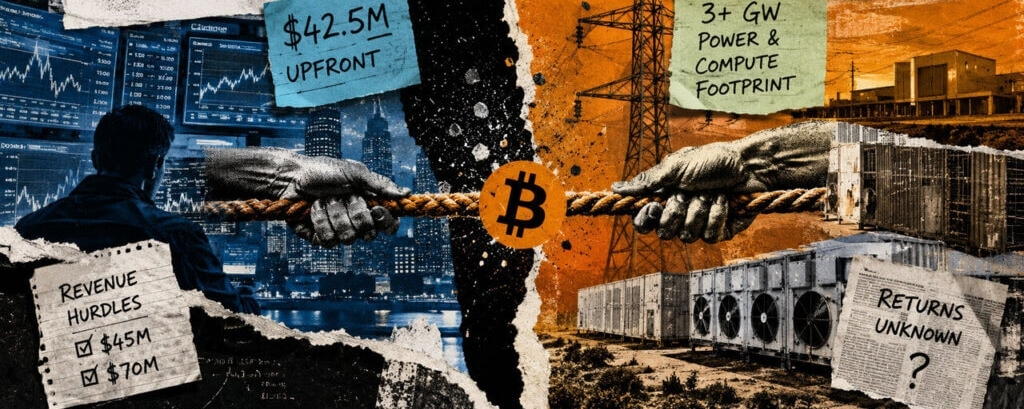
BitGo và NYDIG kéo căng hai đầu dây thừng liên quan đến Bitcoin, đối chiếu những rào cản về doanh thu với aThỏa thuận BitGo NYDIG mang lại khoảng 42,5 triệu USD thanh toán ban đầu so với dấu ấn về năng lực “điện năng và điện toán” mà NYDIG tuyên bố đạt từ 3+ GW, trong khi tính sinh lời vẫn chưa được chứng minh ở cả hai phía.
Thỏa thuận NYDIG của itGo chuyển mảng giao dịch tổ chức của mình sang nhà cung cấp hạ tầng lưu ký và giao dịch tài sản kỹ thuật số, đồng thời NYDIG nói rằng họ đang tập trung nguồn lực vào điện năng, khai thác Bitcoin và các trung tâm dữ liệu điện toán hiệu năng cao.
Các điều khoản đóng cửa được BitGo công bố cho thấy khoảng 42,5 triệu USD giá trị xem xét được chi trả ngay từ đầu. BitGo đang bổ sung một đội ngũ tổ chức, các mối quan hệ khách hàng và các sản phẩm tài chính xung quanh nền tảng lưu ký và thanh toán của mình. NYDIG đang tập trung vào một dấu ấn về điện năng và điện toán theo mô tả của công ty, vượt quá 3 GW.
Tin tức BitGo và NYDIG kéo căng hai đầu dây thừng liên quan đến Bitcoin, đối chiếu những rào cản về doanh thu với a
Thỏa thuận BitGo NYDIG mang lại khoảng 42,5 triệu USD thanh toán ban đầu so với dấu ấn về năng lực “điện năng và điện toán” mà NYDIG tuyên bố đạt từ 3+ GW, trong khi tính sinh lời vẫn chưa được chứng minh ở cả hai phía.
Thỏa thuận NYDIG của itGo chuyển mảng giao dịch tổ chức của mình sang nhà cung cấp hạ tầng lưu ký và giao dịch tài sản kỹ thuật số, đồng thời NYDIG nói rằng họ đang tập trung nguồn lực vào điện năng, khai thác Bitcoin và các trung tâm dữ liệu điện toán hiệu năng cao.
Các điều khoản đóng cửa được BitGo công bố cho thấy khoảng 42,5 triệu USD giá trị xem xét được chi trả ngay từ đầu. BitGo đang bổ sung một đội ngũ tổ chức, các mối quan hệ khách hàng và các sản phẩm tài chính xung quanh nền tảng lưu ký và thanh toán của mình. NYDIG đang tập trung vào một dấu ấn về điện năng và điện toán theo mô tả của công ty, vượt quá 3 GW.
Thỏa thuận NYDIG của itGo chuyển mảng giao dịch tổ chức của mình sang nhà cung cấp hạ tầng lưu ký và giao dịch tài sản kỹ thuật số, đồng thời NYDIG nói rằng họ đang tập trung nguồn lực vào điện năng, khai thác Bitcoin và các trung tâm dữ liệu điện toán hiệu năng cao.
Các điều khoản đóng cửa được BitGo công bố cho thấy khoảng 42,5 triệu USD giá trị xem xét được chi trả ngay từ đầu. BitGo đang bổ sung một đội ngũ tổ chức, các mối quan hệ khách hàng và các sản phẩm tài chính xung quanh nền tảng lưu ký và thanh toán của mình. NYDIG đang tập trung vào một dấu ấn về điện năng và điện toán theo mô tả của công ty, vượt quá 3 GW.
33
Đăng nhập để khám phá thêm nội dung
Tham gia cùng người dùng tiền mã hóa toàn cầu trên Binance Square
⚡️ Nhận thông tin mới nhất và hữu ích về tiền mã hóa.
💬 Được tin cậy bởi sàn giao dịch tiền mã hóa lớn nhất thế giới.
👍 Khám phá những thông tin chuyên sâu thực tế từ những nhà sáng tạo đã xác minh.
Email / Số điện thoại
Chủ đề thịnh hành
TinFed
77,920 lượt xem
370 đang thảo luận
BofA: Fed có thể tăng lãi suất trên 5%, nhà đầu tư nên chuẩn bị tinh thần.
Các chiến lược gia ngân hàng Bank of America cho rằng nhà đầu tư nên chuẩn bị cho khả năng Fed nâng lãi suất lên trên 5%, trong bối cảnh thị trường hiện mới dự đoán thêm 3 đợt tăng 0,25 điểm phần trăm. Thị trường hiện dự đoán Fed sẽ tăng thêm 3 lần, mỗi lần 0,25 điểm phần trăm. Nếu kịch bản này xảy ra, lãi suất quỹ liên bang có thể tiến tới khoảng 4,5% - 4,75%.
Tuy nhiên, các chiến lược gia BofA cho rằng lãi suất chuẩn có khả năng trở lại mức cao từng ghi nhận trong chu kỳ tăng lãi suất 2022-2023. Khi đó, Fed từng nâng biên độ lãi suất lên 5,25% - 5,5% vào tháng 7/2023. Theo thước đo mà BofA sử dụng, quy tắc này cho thấy lãi suất quỹ liên bang nên ở khoảng 5,3%.
$BTC $AKE $RAYSOL
#TinFed
Auto Tp
·0 lượt thích
·97 lượt xem
45NgayTuDoTaiChinh
916,181 lượt xem
3,142 đang thảo luận
TheoDõiFOMC
84,940 lượt xem
559 đang thảo luận