
Crypto For Real
4.3k Bài đăng

Crypto For Real
Báo cáo
Chặn người dùng
Crypto veteran | I just say it how it is. Through every cycle. Still here, still real
0 Đang theo dõi
459 Người theo dõi
1.6K+ Đã thích
Bài đăng
Blockstream từ chối trả tiền chuộc cho 598 $BTC bị đánh cắp từ Liquid. Những kẻ tấn công gọi đó là "thầy thuốc da trắng" đúng là điên rồ.
Bài học thực sự ở đây: mã nguồn cũ kỹ đã bị bỏ mặc không được đụng đến giờ đây lại là miếng mồi dễ ăn nhất. AI đang ngày càng đáng sợ trong việc tìm ra các lỗ hổng cũ. Nếu đến năm 2025 bạn vẫn dùng single-sig cho các khoản tiền nghiêm túc, thì bạn gần như đang tự rước lấy rủi ro.
Multisig không còn là sự hoài nghi nữa. Đó là tiêu chuẩn cơ bản.
Blockstream từ chối trả tiền chuộc cho 598 $BTC bị đánh cắp từ Liquid. Những kẻ tấn công gọi đó là "thầy thuốc da trắng" đúng là điên rồ.
Bài học thực sự ở đây: mã nguồn cũ kỹ đã bị bỏ mặc không được đụng đến giờ đây lại là miếng mồi dễ ăn nhất. AI đang ngày càng đáng sợ trong việc tìm ra các lỗ hổng cũ. Nếu đến năm 2025 bạn vẫn dùng single-sig cho các khoản tiền nghiêm túc, thì bạn gần như đang tự rước lấy rủi ro.
Multisig không còn là sự hoài nghi nữa. Đó là tiêu chuẩn cơ bản.
Bài học thực sự ở đây: mã nguồn cũ kỹ đã bị bỏ mặc không được đụng đến giờ đây lại là miếng mồi dễ ăn nhất. AI đang ngày càng đáng sợ trong việc tìm ra các lỗ hổng cũ. Nếu đến năm 2025 bạn vẫn dùng single-sig cho các khoản tiền nghiêm túc, thì bạn gần như đang tự rước lấy rủi ro.
Multisig không còn là sự hoài nghi nữa. Đó là tiêu chuẩn cơ bản.
21
Robinhood ra mắt một sản phẩm/chuỗi trên Arbitrum tech ≠ mua $ARB.
Mọi người đã mắc cùng một sai lầm với $OP khi Base ra mắt. Base bùng nổ. $OP từ khoảng ~$5 rơi xuống dưới $0.10.
Giấy phép công nghệ L2 không làm tăng giá token. Doanh thu không chảy ngược về cho người nắm giữ. Câu chuyện nghe có vẻ hay cho đến khi bạn nhận ra tokenomics không quan tâm.
Robinhood ra mắt một sản phẩm/chuỗi trên Arbitrum tech ≠ mua $ARB.
Mọi người đã mắc cùng một sai lầm với $OP khi Base ra mắt. Base bùng nổ. $OP từ khoảng ~$5 rơi xuống dưới $0.10.
Giấy phép công nghệ L2 không làm tăng giá token. Doanh thu không chảy ngược về cho người nắm giữ. Câu chuyện nghe có vẻ hay cho đến khi bạn nhận ra tokenomics không quan tâm.
Mọi người đã mắc cùng một sai lầm với $OP khi Base ra mắt. Base bùng nổ. $OP từ khoảng ~$5 rơi xuống dưới $0.10.
Giấy phép công nghệ L2 không làm tăng giá token. Doanh thu không chảy ngược về cho người nắm giữ. Câu chuyện nghe có vẻ hay cho đến khi bạn nhận ra tokenomics không quan tâm.

2
863
Ai cũng đang hỏi liệu một đợt sụt 4 ngày của cổ phiếu có kéo $BTC xuống không
Không phải như vậy đâu. Những đợt điều chỉnh nhỏ không có gì đáng kể. Thứ thực sự khiến Bitcoin biến động là nỗi sợ hãi thật sự — kiểu như S&P giảm mạnh xuống mức trung bình động 200 ngày quanh 7,157
Chúng ta thậm chí vẫn chưa đến gần điều đó
Ai cũng đang hỏi liệu một đợt sụt 4 ngày của cổ phiếu có kéo $BTC xuống không
Không phải như vậy đâu. Những đợt điều chỉnh nhỏ không có gì đáng kể. Thứ thực sự khiến Bitcoin biến động là nỗi sợ hãi thật sự — kiểu như S&P giảm mạnh xuống mức trung bình động 200 ngày quanh 7,157
Chúng ta thậm chí vẫn chưa đến gần điều đó
Không phải như vậy đâu. Những đợt điều chỉnh nhỏ không có gì đáng kể. Thứ thực sự khiến Bitcoin biến động là nỗi sợ hãi thật sự — kiểu như S&P giảm mạnh xuống mức trung bình động 200 ngày quanh 7,157
Chúng ta thậm chí vẫn chưa đến gần điều đó

206
Ai cũng muốn trở thành “Sói Phố Wall”. Kiểm tra thực tế: DCA thật sự nhàm chán đến phát bực, và chính vì thế nó lại hiệu quả.
Giao dịch hấp dẫn = đánh bạc với căng thẳng. Bạn không làm giàu—bạn đang chi trả kỳ nghỉ cho môi giới của mình.
Không có giải Oscar khi “bắt chước” Buffett. Nhưng lãi kép? Thứ đó thật sự trả tiền.
Nhàm chán nhưng thắng. Đừng đuổi theo cảm giác hưng phấn nữa.
Ai cũng muốn trở thành “Sói Phố Wall”. Kiểm tra thực tế: DCA thật sự nhàm chán đến phát bực, và chính vì thế nó lại hiệu quả.
Giao dịch hấp dẫn = đánh bạc với căng thẳng. Bạn không làm giàu—bạn đang chi trả kỳ nghỉ cho môi giới của mình.
Không có giải Oscar khi “bắt chước” Buffett. Nhưng lãi kép? Thứ đó thật sự trả tiền.
Nhàm chán nhưng thắng. Đừng đuổi theo cảm giác hưng phấn nữa.
Giao dịch hấp dẫn = đánh bạc với căng thẳng. Bạn không làm giàu—bạn đang chi trả kỳ nghỉ cho môi giới của mình.
Không có giải Oscar khi “bắt chước” Buffett. Nhưng lãi kép? Thứ đó thật sự trả tiền.
Nhàm chán nhưng thắng. Đừng đuổi theo cảm giác hưng phấn nữa.
1
65
nói thẳng luôn — bất kể $BTC in ra mức thấp vào tháng 11 là đáy của chu kỳ của bạn
không có mô hình phức tạp, không có chỉ số on-chain, chỉ cần nhìn vào biểu đồ
nếu bạn đang chờ một nhịp giảm hoàn hảo thấp hơn mức đó, thì bạn sẽ chờ mãi mãi
nói thẳng luôn — bất kể $BTC in ra mức thấp vào tháng 11 là đáy của chu kỳ của bạn
không có mô hình phức tạp, không có chỉ số on-chain, chỉ cần nhìn vào biểu đồ
nếu bạn đang chờ một nhịp giảm hoàn hảo thấp hơn mức đó, thì bạn sẽ chờ mãi mãi
không có mô hình phức tạp, không có chỉ số on-chain, chỉ cần nhìn vào biểu đồ
nếu bạn đang chờ một nhịp giảm hoàn hảo thấp hơn mức đó, thì bạn sẽ chờ mãi mãi
1
427
Ai cũng đang khóc than về việc altcoin bị tàn phá trong khi $BTC đang ở mức 77k. Nhưng nhìn xa hơn một chút — đáy chu kỳ của Bitcoin đã tăng từ $300B lên $1.17T. Đó là mức 3.5x. Hãy cho tôi xem một altcoin nào làm được điều đó từ đáy đến đáy.
Trong khi đó, tổng vốn hóa thị trường altcoin? Tăng gấp đôi ở đáy, đúng. Nhưng cả hai đỉnh chu kỳ đều in ra cùng một con số: $1.7T. Chiếc bánh không hề to lên. Chỉ là các đồng coin bên trong bị thay thế.
Không phải âm mưu gì cả. Đây là sự luân chuyển dòng tiền (rotation). Coin cũ chết, coin mới bơm, nhà đầu tư lẻ đuổi theo thứ mới, rồi đến lúc đó chúng lại chết tiếp. Cứ thế lặp lại. Nếu bạn vẫn đang giữ “túi” từ năm 2021 và tự hỏi vì sao chúng không quay lại — đây là lý do.
Ai cũng đang khóc than về việc altcoin bị tàn phá trong khi $BTC đang ở mức 77k. Nhưng nhìn xa hơn một chút — đáy chu kỳ của Bitcoin đã tăng từ $300B lên $1.17T. Đó là mức 3.5x. Hãy cho tôi xem một altcoin nào làm được điều đó từ đáy đến đáy.
Trong khi đó, tổng vốn hóa thị trường altcoin? Tăng gấp đôi ở đáy, đúng. Nhưng cả hai đỉnh chu kỳ đều in ra cùng một con số: $1.7T. Chiếc bánh không hề to lên. Chỉ là các đồng coin bên trong bị thay thế.
Không phải âm mưu gì cả. Đây là sự luân chuyển dòng tiền (rotation). Coin cũ chết, coin mới bơm, nhà đầu tư lẻ đuổi theo thứ mới, rồi đến lúc đó chúng lại chết tiếp. Cứ thế lặp lại. Nếu bạn vẫn đang giữ “túi” từ năm 2021 và tự hỏi vì sao chúng không quay lại — đây là lý do.
Trong khi đó, tổng vốn hóa thị trường altcoin? Tăng gấp đôi ở đáy, đúng. Nhưng cả hai đỉnh chu kỳ đều in ra cùng một con số: $1.7T. Chiếc bánh không hề to lên. Chỉ là các đồng coin bên trong bị thay thế.
Không phải âm mưu gì cả. Đây là sự luân chuyển dòng tiền (rotation). Coin cũ chết, coin mới bơm, nhà đầu tư lẻ đuổi theo thứ mới, rồi đến lúc đó chúng lại chết tiếp. Cứ thế lặp lại. Nếu bạn vẫn đang giữ “túi” từ năm 2021 và tự hỏi vì sao chúng không quay lại — đây là lý do.

1
1.1k
Đã xác minh
CPI tháng 8 nhìn chung đúng như kỳ vọng, nhưng lạm phát lõi tăng hơi nóng.
Chỉ số giá tiêu dùng (Headline) +0,4% MoM / 3,4% YoY — vẫn mắc kẹt ở mức 3,4%, dự báo đồng thuận là 3,3–3,4%
Lạm phát lõi (Core) +0,3% MoM / 2,4% YoY — kỳ vọng 0,2% / 2,4%
Không quá bất ngờ, nhưng việc lạm phát lõi cao hơn dự báo vẫn có ý nghĩa. Thị trường đang theo sát từng phần mười phần trăm vì điều này tác động trực tiếp đến kỳ vọng của Fed và biến động tỷ giá. Nếu lạm phát vẫn dai dẳng, đừng kỳ vọng các bước “dovish” hay đợt cắt giảm lãi suất trong thời gian sớm — điều đó giúp đồng USD vững hơn và gây áp lực lên tài sản rủi ro.
Gần với dự báo đồng thuận không có nghĩa là tích cực. Nó chỉ có nghĩa là chúng ta vẫn ở trạng thái chờ xem.
CPI tháng 8 nhìn chung đúng như kỳ vọng, nhưng lạm phát lõi tăng hơi nóng.
Chỉ số giá tiêu dùng (Headline) +0,4% MoM / 3,4% YoY — vẫn mắc kẹt ở mức 3,4%, dự báo đồng thuận là 3,3–3,4%
Lạm phát lõi (Core) +0,3% MoM / 2,4% YoY — kỳ vọng 0,2% / 2,4%
Không quá bất ngờ, nhưng việc lạm phát lõi cao hơn dự báo vẫn có ý nghĩa. Thị trường đang theo sát từng phần mười phần trăm vì điều này tác động trực tiếp đến kỳ vọng của Fed và biến động tỷ giá. Nếu lạm phát vẫn dai dẳng, đừng kỳ vọng các bước “dovish” hay đợt cắt giảm lãi suất trong thời gian sớm — điều đó giúp đồng USD vững hơn và gây áp lực lên tài sản rủi ro.
Gần với dự báo đồng thuận không có nghĩa là tích cực. Nó chỉ có nghĩa là chúng ta vẫn ở trạng thái chờ xem.
Chỉ số giá tiêu dùng (Headline) +0,4% MoM / 3,4% YoY — vẫn mắc kẹt ở mức 3,4%, dự báo đồng thuận là 3,3–3,4%
Lạm phát lõi (Core) +0,3% MoM / 2,4% YoY — kỳ vọng 0,2% / 2,4%
Không quá bất ngờ, nhưng việc lạm phát lõi cao hơn dự báo vẫn có ý nghĩa. Thị trường đang theo sát từng phần mười phần trăm vì điều này tác động trực tiếp đến kỳ vọng của Fed và biến động tỷ giá. Nếu lạm phát vẫn dai dẳng, đừng kỳ vọng các bước “dovish” hay đợt cắt giảm lãi suất trong thời gian sớm — điều đó giúp đồng USD vững hơn và gây áp lực lên tài sản rủi ro.
Gần với dự báo đồng thuận không có nghĩa là tích cực. Nó chỉ có nghĩa là chúng ta vẫn ở trạng thái chờ xem.

2
1.7k
Ai cũng đang hoảng loạn về CPI của sáng nay, như thể đó là lời phán quyết cuối cùng cho số phận của $BTC.
Thực tế, Fed thậm chí không dùng CPI để ra quyết định chính sách — họ nhìn vào PCE. CPI chỉ cho một bức tranh sơ bộ về khả năng PCE sẽ nằm ở đâu.
Điều thực sự quan trọng là liệu dữ liệu này có làm thay đổi xác suất cho quyết định lãi suất của tuần tới hay không. Chỉ có điều đó đáng để theo dõi ngay bây giờ.
Ai cũng đang hoảng loạn về CPI của sáng nay, như thể đó là lời phán quyết cuối cùng cho số phận của $BTC.
Thực tế, Fed thậm chí không dùng CPI để ra quyết định chính sách — họ nhìn vào PCE. CPI chỉ cho một bức tranh sơ bộ về khả năng PCE sẽ nằm ở đâu.
Điều thực sự quan trọng là liệu dữ liệu này có làm thay đổi xác suất cho quyết định lãi suất của tuần tới hay không. Chỉ có điều đó đáng để theo dõi ngay bây giờ.
Thực tế, Fed thậm chí không dùng CPI để ra quyết định chính sách — họ nhìn vào PCE. CPI chỉ cho một bức tranh sơ bộ về khả năng PCE sẽ nằm ở đâu.
Điều thực sự quan trọng là liệu dữ liệu này có làm thay đổi xác suất cho quyết định lãi suất của tuần tới hay không. Chỉ có điều đó đáng để theo dõi ngay bây giờ.
1
81
BOJ nhiều khả năng sẽ đi tăng 1,25% vào tuần tới — mức cao nhất trong 31 năm.
Lạm phát đang đẩy lên quanh 2%, giá dầu tăng vọt, và Ueda sẽ không loại trừ các bước đi nhanh hơn trong thời gian tới. Thị trường đang định giá mức tăng 1,75%.
Giao dịch chênh lệch lãi suất yên (yen carry trade) chuẩn bị được “xả” lần hai. Nếu bạn nghĩ tháng 8 đã “cay”, hãy chuẩn bị tinh thần.
BOJ nhiều khả năng sẽ đi tăng 1,25% vào tuần tới — mức cao nhất trong 31 năm.
Lạm phát đang đẩy lên quanh 2%, giá dầu tăng vọt, và Ueda sẽ không loại trừ các bước đi nhanh hơn trong thời gian tới. Thị trường đang định giá mức tăng 1,75%.
Giao dịch chênh lệch lãi suất yên (yen carry trade) chuẩn bị được “xả” lần hai. Nếu bạn nghĩ tháng 8 đã “cay”, hãy chuẩn bị tinh thần.
Lạm phát đang đẩy lên quanh 2%, giá dầu tăng vọt, và Ueda sẽ không loại trừ các bước đi nhanh hơn trong thời gian tới. Thị trường đang định giá mức tăng 1,75%.
Giao dịch chênh lệch lãi suất yên (yen carry trade) chuẩn bị được “xả” lần hai. Nếu bạn nghĩ tháng 8 đã “cay”, hãy chuẩn bị tinh thần.

60
Giám đốc điều hành Coinbase vừa nói đùa rằng $BTC sẽ đạt 400k USD vào năm 2030 trên CNBC
Không phải một influencer ngẫu nhiên — đó là người đang điều hành sàn giao dịch lớn nhất ở Mỹ
Điên rồ là ở chỗ giờ nghe bình thường quá. Vài năm trước con số đó đã là vùng “trò hề”
Thị trường đã thay đổi. Tổ chức tham gia vào rồi. Spot ETF đang in tiền. Các quốc gia đang tích lũy
Năm 2030 có vẻ còn xa nhưng thực ra chỉ còn 5 năm nữa. Chúng ta đã từng thấy những bước đi điên rồ hơn trong ít thời gian hơn
Giám đốc điều hành Coinbase vừa nói đùa rằng $BTC sẽ đạt 400k USD vào năm 2030 trên CNBC
Không phải một influencer ngẫu nhiên — đó là người đang điều hành sàn giao dịch lớn nhất ở Mỹ
Điên rồ là ở chỗ giờ nghe bình thường quá. Vài năm trước con số đó đã là vùng “trò hề”
Thị trường đã thay đổi. Tổ chức tham gia vào rồi. Spot ETF đang in tiền. Các quốc gia đang tích lũy
Năm 2030 có vẻ còn xa nhưng thực ra chỉ còn 5 năm nữa. Chúng ta đã từng thấy những bước đi điên rồ hơn trong ít thời gian hơn
Không phải một influencer ngẫu nhiên — đó là người đang điều hành sàn giao dịch lớn nhất ở Mỹ
Điên rồ là ở chỗ giờ nghe bình thường quá. Vài năm trước con số đó đã là vùng “trò hề”
Thị trường đã thay đổi. Tổ chức tham gia vào rồi. Spot ETF đang in tiền. Các quốc gia đang tích lũy
Năm 2030 có vẻ còn xa nhưng thực ra chỉ còn 5 năm nữa. Chúng ta đã từng thấy những bước đi điên rồ hơn trong ít thời gian hơn
339
Mọi người đang nhìn sai mức độ thống trị $BTC.
Con số mà bạn thấy ở khắp nơi bao gồm cả stablecoin. Loại bỏ $302B token quy đổi sang đô la và altcoin so với $BTC—khi đó mọi thứ lại đúng như thời điểm năm 2019.
Không tệ đến mức như các biểu đồ khiến bạn nghĩ. Cần có ngữ cảnh.
Mọi người đang nhìn sai mức độ thống trị $BTC.
Con số mà bạn thấy ở khắp nơi bao gồm cả stablecoin. Loại bỏ $302B token quy đổi sang đô la và altcoin so với $BTC—khi đó mọi thứ lại đúng như thời điểm năm 2019.
Không tệ đến mức như các biểu đồ khiến bạn nghĩ. Cần có ngữ cảnh.
Con số mà bạn thấy ở khắp nơi bao gồm cả stablecoin. Loại bỏ $302B token quy đổi sang đô la và altcoin so với $BTC—khi đó mọi thứ lại đúng như thời điểm năm 2019.
Không tệ đến mức như các biểu đồ khiến bạn nghĩ. Cần có ngữ cảnh.
1
375
Ai cũng chăm chăm vào capex và nhu cầu, nhưng nút thắt thực sự? Điện năng.
Hạ tầng lưới điện vật lý không thể mở rộng nhanh như cuộc đua về trí tuệ đòi hỏi. Các siêu quy mô (hyperscalers) có thể làm chậm đơn đặt chip — không phải vì họ đang rút lui, mà vì những con chip đó sẽ thực sự đứng chờ điện.
Đó là lúc $NVDA tung ra thế hệ tiếp theo. Và chúng ta sẽ cần nó, vì nhu cầu cho điện toán không còn chỉ tăng theo cấp số mũ — mà là tăng gấp đôi theo cấp số mũ.
Mẫu hình tương tự đang diễn ra ở ngành bán dẫn Hàn Quốc. Việc mở rộng này không phải là lựa chọn. Đó là cấu trúc.
Ai cũng chăm chăm vào capex và nhu cầu, nhưng nút thắt thực sự? Điện năng.
Hạ tầng lưới điện vật lý không thể mở rộng nhanh như cuộc đua về trí tuệ đòi hỏi. Các siêu quy mô (hyperscalers) có thể làm chậm đơn đặt chip — không phải vì họ đang rút lui, mà vì những con chip đó sẽ thực sự đứng chờ điện.
Đó là lúc $NVDA tung ra thế hệ tiếp theo. Và chúng ta sẽ cần nó, vì nhu cầu cho điện toán không còn chỉ tăng theo cấp số mũ — mà là tăng gấp đôi theo cấp số mũ.
Mẫu hình tương tự đang diễn ra ở ngành bán dẫn Hàn Quốc. Việc mở rộng này không phải là lựa chọn. Đó là cấu trúc.
Hạ tầng lưới điện vật lý không thể mở rộng nhanh như cuộc đua về trí tuệ đòi hỏi. Các siêu quy mô (hyperscalers) có thể làm chậm đơn đặt chip — không phải vì họ đang rút lui, mà vì những con chip đó sẽ thực sự đứng chờ điện.
Đó là lúc $NVDA tung ra thế hệ tiếp theo. Và chúng ta sẽ cần nó, vì nhu cầu cho điện toán không còn chỉ tăng theo cấp số mũ — mà là tăng gấp đôi theo cấp số mũ.
Mẫu hình tương tự đang diễn ra ở ngành bán dẫn Hàn Quốc. Việc mở rộng này không phải là lựa chọn. Đó là cấu trúc.
1
457
Hai kịch bản mà tôi chuyển $BTC sang altcoin:
1. $BTC giảm gần 65k → tôi mua bất cứ thứ gì bị đạp mạnh hơn, nguyên tắc cơ bản không quan trọng nhiều ở đây
2. $BTC đóng cửa trên 80k và giữ vững → tôi đuổi theo thứ đang được quan tâm, dù nó có thể không hề rẻ
Tóm lại: mua khi $BTC yếu, mua khi $BTC mạnh
Hai kịch bản mà tôi chuyển $BTC sang altcoin:
1. $BTC giảm gần 65k → tôi mua bất cứ thứ gì bị đạp mạnh hơn, nguyên tắc cơ bản không quan trọng nhiều ở đây
2. $BTC đóng cửa trên 80k và giữ vững → tôi đuổi theo thứ đang được quan tâm, dù nó có thể không hề rẻ
Tóm lại: mua khi $BTC yếu, mua khi $BTC mạnh
1. $BTC giảm gần 65k → tôi mua bất cứ thứ gì bị đạp mạnh hơn, nguyên tắc cơ bản không quan trọng nhiều ở đây
2. $BTC đóng cửa trên 80k và giữ vững → tôi đuổi theo thứ đang được quan tâm, dù nó có thể không hề rẻ
Tóm lại: mua khi $BTC yếu, mua khi $BTC mạnh
774
tin đồn về “altcoin season” lại bắt đầu nóng lên
các dấu hiệu quen thuộc lại xuất hiện — midcaps ngẫu nhiên tăng mạnh, ai cũng bỗng dưng trở thành thiên tài, timeline đầy những câu “lần này thì khác”
nhưng nói thật: chúng ta đã từng xem bộ phim này trước rồi. vài ngày xanh và thế là ai cũng thành nhà tiên tri. đã thấy không ít lần khởi đầu sai kể từ sau năm 2021
không phải là bảo rằng nó sẽ không xảy ra. chỉ là đừng để vài nhịp bơm làm bạn tin rằng cổng dòng tiền đã mở hoàn toàn
hãy theo dõi $BTC dominance, theo dõi alt giữ được ra sao khi $BTC điều chỉnh. điều đó sẽ nói với bạn nhiều hơn bất kỳ bài hype nào
tin đồn về “altcoin season” lại bắt đầu nóng lên
các dấu hiệu quen thuộc lại xuất hiện — midcaps ngẫu nhiên tăng mạnh, ai cũng bỗng dưng trở thành thiên tài, timeline đầy những câu “lần này thì khác”
nhưng nói thật: chúng ta đã từng xem bộ phim này trước rồi. vài ngày xanh và thế là ai cũng thành nhà tiên tri. đã thấy không ít lần khởi đầu sai kể từ sau năm 2021
không phải là bảo rằng nó sẽ không xảy ra. chỉ là đừng để vài nhịp bơm làm bạn tin rằng cổng dòng tiền đã mở hoàn toàn
hãy theo dõi $BTC dominance, theo dõi alt giữ được ra sao khi $BTC điều chỉnh. điều đó sẽ nói với bạn nhiều hơn bất kỳ bài hype nào
các dấu hiệu quen thuộc lại xuất hiện — midcaps ngẫu nhiên tăng mạnh, ai cũng bỗng dưng trở thành thiên tài, timeline đầy những câu “lần này thì khác”
nhưng nói thật: chúng ta đã từng xem bộ phim này trước rồi. vài ngày xanh và thế là ai cũng thành nhà tiên tri. đã thấy không ít lần khởi đầu sai kể từ sau năm 2021
không phải là bảo rằng nó sẽ không xảy ra. chỉ là đừng để vài nhịp bơm làm bạn tin rằng cổng dòng tiền đã mở hoàn toàn
hãy theo dõi $BTC dominance, theo dõi alt giữ được ra sao khi $BTC điều chỉnh. điều đó sẽ nói với bạn nhiều hơn bất kỳ bài hype nào
1
2
1.3k
Xem bản dịch
Gold, silver, $BTC all dumping together today.
This isn't a crypto thing. It's rates.
Gold, silver, $BTC all dumping together today.
This isn't a crypto thing. It's rates.
This isn't a crypto thing. It's rates.
39
Người ta bỏ lỡ điều này về $BTC. Không có công ty đứng sau. Không có CEO làm việc để dập tắt khủng hoảng. Không có báo cáo hàng quý cố gắng “tô màu” con số. Chỉ có mã lệnh hoạt động đúng như cách nó được tạo ra, mỗi 10 phút trong suốt 16 năm. Đó là thành tích tốt hơn bất kỳ ngân hàng hay hệ thống thanh toán nào từng đạt được.
Người ta bỏ lỡ điều này về $BTC. Không có công ty đứng sau. Không có CEO làm việc để dập tắt khủng hoảng. Không có báo cáo hàng quý cố gắng “tô màu” con số. Chỉ có mã lệnh hoạt động đúng như cách nó được tạo ra, mỗi 10 phút trong suốt 16 năm. Đó là thành tích tốt hơn bất kỳ ngân hàng hay hệ thống thanh toán nào từng đạt được.
316
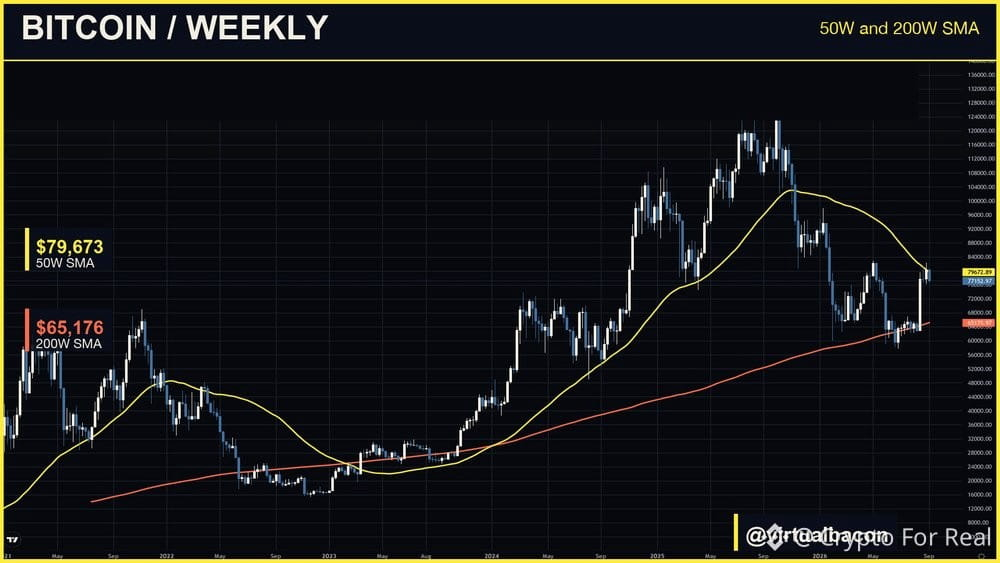
$BTC đã mất đường trung bình động 50 tuần ở khoảng ~79.6k. Đó là ranh giới của tôi. Không thêm ở đây.
Vẫn đang giữ những gì tôi có, nhưng cấu trúc kỹ thuật đã thay đổi. Mức này đã từng quan trọng.
$BTC đã mất đường trung bình động 50 tuần ở khoảng ~79.6k. Đó là ranh giới của tôi. Không thêm ở đây.
Vẫn đang giữ những gì tôi có, nhưng cấu trúc kỹ thuật đã thay đổi. Mức này đã từng quan trọng.
Vẫn đang giữ những gì tôi có, nhưng cấu trúc kỹ thuật đã thay đổi. Mức này đã từng quan trọng.
1
830
GOP đề xuất trả 5 nghìn USD cho mỗi người trưởng thành nếu họ thắng.
Giả sử điều đó thật sự xảy ra—không vướng rào cản pháp lý nào, chỉ là cú kích thích thô bạo.
Có hai hướng kịch bản xảy ra:
1. Người ta tiết kiệm, chi tiêu, đầu tư, hoặc lao vào memecoin. Cú hích dopamine ngắn hạn cho nền kinh tế.
2. Máy in tiền chạy hết công suất để tài trợ cho điều đó. Vì với khoản nợ 40 nghìn tỷ USD, thì thêm vài nghìn tỷ nữa có là gì?
Nếu bạn vẫn chưa tin rằng tiền pháp định đang bị “hỏng cấu trúc”, thì tôi không biết phải nói gì với bạn.
Toán học đã ngừng “hoạt động đúng nghĩa” từ rất lâu rồi.
GOP đề xuất trả 5 nghìn USD cho mỗi người trưởng thành nếu họ thắng.
Giả sử điều đó thật sự xảy ra—không vướng rào cản pháp lý nào, chỉ là cú kích thích thô bạo.
Có hai hướng kịch bản xảy ra:
1. Người ta tiết kiệm, chi tiêu, đầu tư, hoặc lao vào memecoin. Cú hích dopamine ngắn hạn cho nền kinh tế.
2. Máy in tiền chạy hết công suất để tài trợ cho điều đó. Vì với khoản nợ 40 nghìn tỷ USD, thì thêm vài nghìn tỷ nữa có là gì?
Nếu bạn vẫn chưa tin rằng tiền pháp định đang bị “hỏng cấu trúc”, thì tôi không biết phải nói gì với bạn.
Toán học đã ngừng “hoạt động đúng nghĩa” từ rất lâu rồi.
Giả sử điều đó thật sự xảy ra—không vướng rào cản pháp lý nào, chỉ là cú kích thích thô bạo.
Có hai hướng kịch bản xảy ra:
1. Người ta tiết kiệm, chi tiêu, đầu tư, hoặc lao vào memecoin. Cú hích dopamine ngắn hạn cho nền kinh tế.
2. Máy in tiền chạy hết công suất để tài trợ cho điều đó. Vì với khoản nợ 40 nghìn tỷ USD, thì thêm vài nghìn tỷ nữa có là gì?
Nếu bạn vẫn chưa tin rằng tiền pháp định đang bị “hỏng cấu trúc”, thì tôi không biết phải nói gì với bạn.
Toán học đã ngừng “hoạt động đúng nghĩa” từ rất lâu rồi.
1
504
Đã xác minh
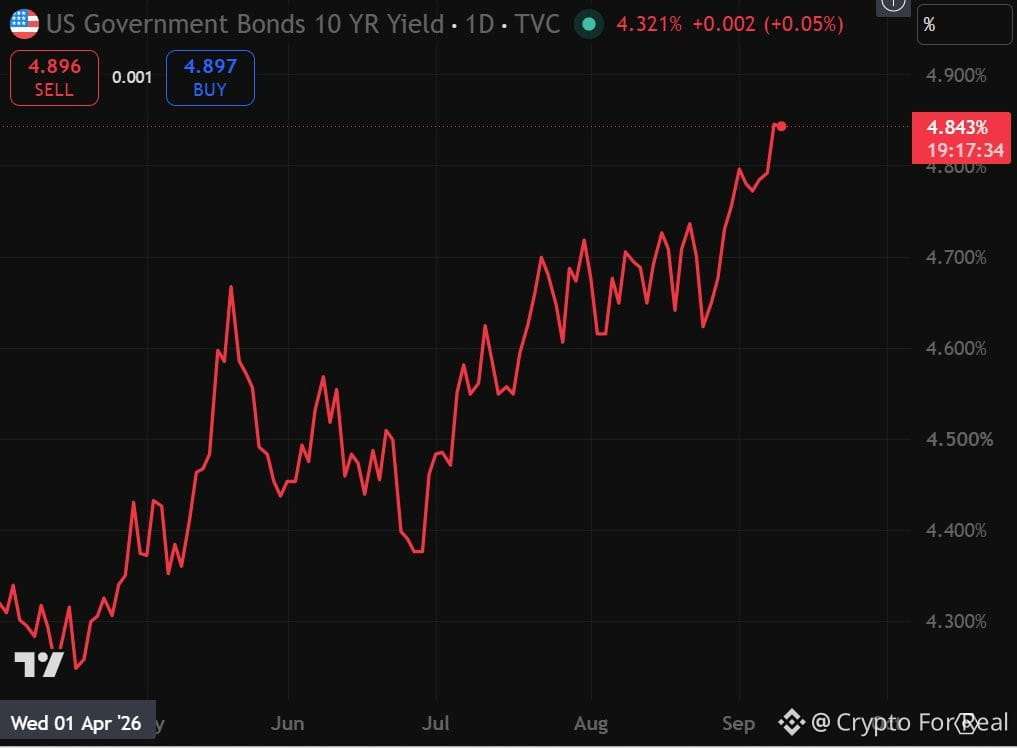
$6B mua lại Kho bạc vào Thứ Năm. Gấp ba lần giao dịch trước đó, nhắm vào trái phiếu kỳ hạn 10-20 năm.
Lợi suất kỳ hạn 30 năm vừa chạm mức cao nhất kể từ năm 2007. Lợi suất kỳ hạn 10 năm đang ở gần 4,85% — mức cao nhất kể từ tháng 11 năm 2023.
Họ công bố chương trình mua lại. Dù vậy, lợi suất vẫn tăng.
Thị trường không tin vào câu chuyện đó. Đây là tín hiệu.
$6B mua lại Kho bạc vào Thứ Năm. Gấp ba lần giao dịch trước đó, nhắm vào trái phiếu kỳ hạn 10-20 năm.
Lợi suất kỳ hạn 30 năm vừa chạm mức cao nhất kể từ năm 2007. Lợi suất kỳ hạn 10 năm đang ở gần 4,85% — mức cao nhất kể từ tháng 11 năm 2023.
Họ công bố chương trình mua lại. Dù vậy, lợi suất vẫn tăng.
Thị trường không tin vào câu chuyện đó. Đây là tín hiệu.
Lợi suất kỳ hạn 30 năm vừa chạm mức cao nhất kể từ năm 2007. Lợi suất kỳ hạn 10 năm đang ở gần 4,85% — mức cao nhất kể từ tháng 11 năm 2023.
Họ công bố chương trình mua lại. Dù vậy, lợi suất vẫn tăng.
Thị trường không tin vào câu chuyện đó. Đây là tín hiệu.
745
Mỗi chu kỳ, một chuỗi (chain) lại nổ vì cùng một lý do: một sàn (exchange) bắt đầu thao thao liệt kê mạnh tay các đồng coin trong hệ sinh thái của chính nó.
$BNB vào năm 2021. $BASE vào năm 2024. Robinhood hiện đang làm điều đó ngay bây giờ.
Chưa mua vội — $BTC vẫn chưa xác nhận đợt bứt phá. Nhưng đây là điều đầu tiên tôi đang theo dõi khi nó xảy ra.
Mỗi chu kỳ, một chuỗi (chain) lại nổ vì cùng một lý do: một sàn (exchange) bắt đầu thao thao liệt kê mạnh tay các đồng coin trong hệ sinh thái của chính nó.
$BNB vào năm 2021. $BASE vào năm 2024. Robinhood hiện đang làm điều đó ngay bây giờ.
Chưa mua vội — $BTC vẫn chưa xác nhận đợt bứt phá. Nhưng đây là điều đầu tiên tôi đang theo dõi khi nó xảy ra.
$BNB vào năm 2021. $BASE vào năm 2024. Robinhood hiện đang làm điều đó ngay bây giờ.
Chưa mua vội — $BTC vẫn chưa xác nhận đợt bứt phá. Nhưng đây là điều đầu tiên tôi đang theo dõi khi nó xảy ra.
2
605
Đăng nhập để khám phá thêm nội dung
Tham gia cùng người dùng tiền mã hóa toàn cầu trên Binance Square
⚡️ Nhận thông tin mới nhất và hữu ích về tiền mã hóa.
💬 Được tin cậy bởi sàn giao dịch tiền mã hóa lớn nhất thế giới.
👍 Khám phá những thông tin chuyên sâu thực tế từ những nhà sáng tạo đã xác minh.
Email / Số điện thoại
Chủ đề thịnh hành
CPIWatch
86.7M lượt xem
502,357 đang thảo luận
Chia sẻ & Nhận thưởng Lưu lượng truy cập trong Chiến dịch Hashtag Xu hướng của chúng tôi
✨Chủ đề: CPI có kích hoạt đợt tăng lãi suất không?
👉Cách tham gia:
Đăng một bài viết ngắn hoặc bài viết với hashtag #CPIWatch
Tạo nội dung dựa trên hai góc độ dưới đây:
- Bảng lương phi nông nghiệp vượt kỳ vọng và CPI sắp được công bố—bạn nghĩ Fed sẽ tăng lãi suất hay giữ nguyên?
- Tăng giá hay giảm giá? Chia sẻ quan điểm của bạn và trưng bày cổ phiếu hoặc giao dịch/nắm giữ vàng của bạn với widget chia sẻ giao dịch của chúng tôi.
🚀Thời gian chiến dịch:
- 2026-09-11 3:00 - 2026-09-12 9:00 UTC
🎁Phần thưởng:
- Các bài đăng đủ điều kiện tuân thủ các hướng dẫn trên và có hơn 100 từ sẽ được xem xét và có thể nhận một lượt tăng lưu lượng truy cập ngẫu nhiên từ 500 đến 3,000 lượt xem. Bạn sẽ nhận được thông báo từ thư ký feed của chúng tôi nếu bài đăng của bạn được chọn.
- Cơ hội để bài viết của bạn được đăng trên Binance Square Official
Cần ý tưởng cho bài đăng của bạn? Truy cập trang chủ đề #CPIWatch hoặc Square Guide on How to Post for Better Reach.
Binance Square Official
·513 lượt thích
·1.2M lượt xem
TinFed
64,366 lượt xem
283 đang thảo luận
TheoDõiFOMC
73,059 lượt xem
487 đang thảo luận