

Shahid Hasan 1
31 Bài đăng

Shahid Hasan 1
Báo cáo
Chặn người dùng
🌍 Web3 Enthusiast | Community Manager 🎯 Strategist | Growth & Engagement 🛡 Ambassador & Moderator 📩 DM for Collab 🔗 More details & experience on X: @ShahidHasan866
0 Đang theo dõi
2 Người theo dõi
7 Đã thích
Bài đăng
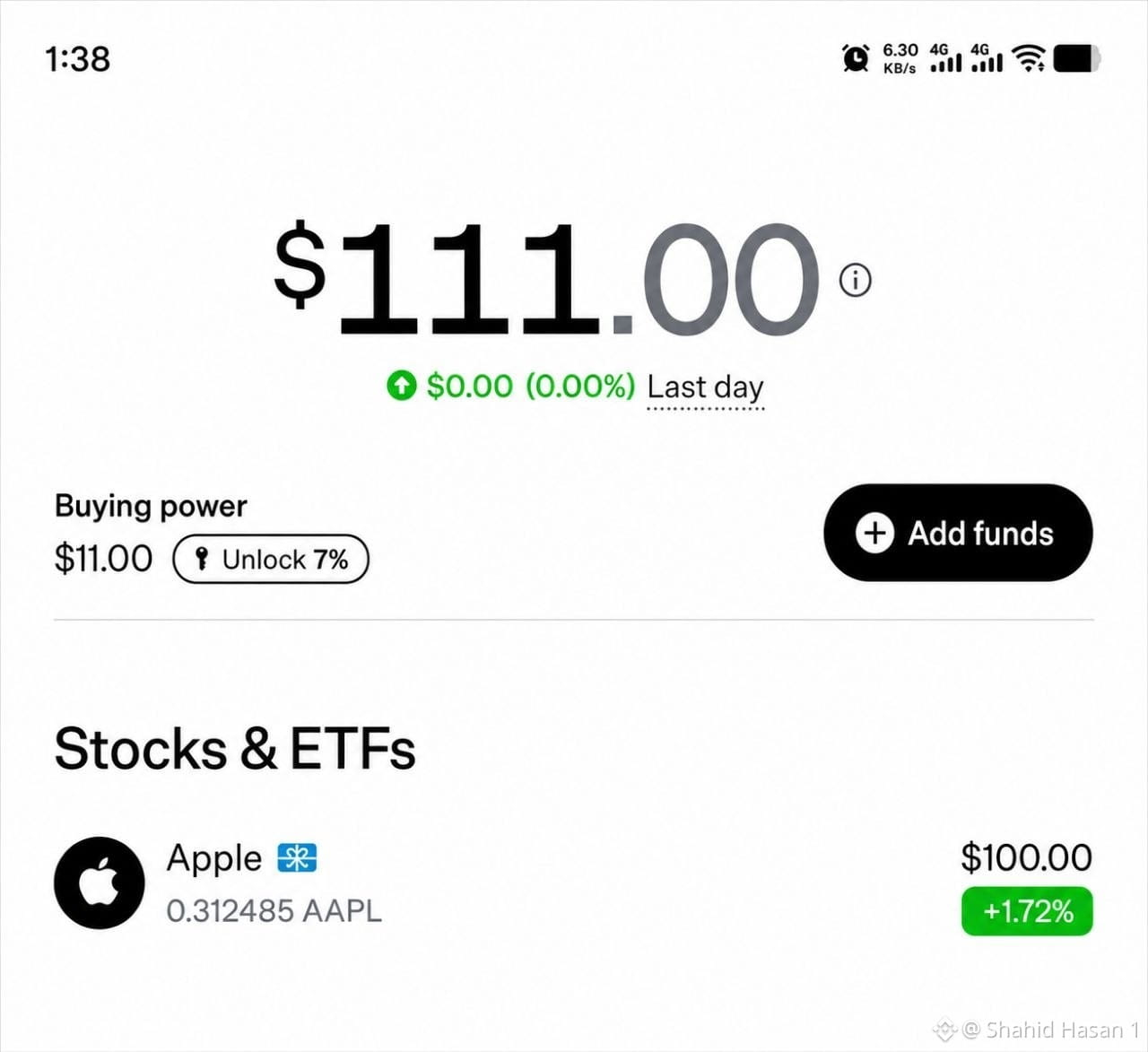
🎁 NHẬN THƯỞNG CỔ PHIẾU TRỊ GIÁ 100$ MỖI TÀI KHOẢN!
Berry đang tặng người dùng mới 100$ Tiền thưởng Cổ phiếu 📈
🔗 Đăng ký tại đây:
https://berry.app/r/shahid-229c0a225
🎟️ Mã giới thiệu: shahid
📝 Cách nhận:
✅ Đăng ký
✅ Hoàn tất KYC
💰 Nạp 10$ USDT
🎁 Nhận Tiền thưởng Cổ phiếu 100$
📈 Chọn một mã cổ phiếu đủ điều kiện
💸 Rút khoản tiền nạp 10$
💡 Tiền thưởng 100$ hoạt động như thế nào?
⚠️ 100$ không thể rút trực tiếp.
Nó được dùng như một vị thế cổ phiếu mô phỏng.
📈 Nếu mã cổ phiếu bạn chọn tăng giá trị, vị thế của bạn có thể tạo ra lợi nhuận và lợi nhuận đó có thể đủ điều kiện để được chi trả.
📉 Nếu mã cổ phiếu giảm, bạn có thể không nhận được bất kỳ lợi nhuận nào.
🎁 NHẬN THƯỞNG CỔ PHIẾU TRỊ GIÁ 100$ MỖI TÀI KHOẢN!
Berry đang tặng người dùng mới 100$ Tiền thưởng Cổ phiếu 📈
🔗 Đăng ký tại đây:
https://berry.app/r/shahid-229c0a225
🎟️ Mã giới thiệu: shahid
📝 Cách nhận:
✅ Đăng ký
✅ Hoàn tất KYC
💰 Nạp 10$ USDT
🎁 Nhận Tiền thưởng Cổ phiếu 100$
📈 Chọn một mã cổ phiếu đủ điều kiện
💸 Rút khoản tiền nạp 10$
💡 Tiền thưởng 100$ hoạt động như thế nào?
⚠️ 100$ không thể rút trực tiếp.
Nó được dùng như một vị thế cổ phiếu mô phỏng.
📈 Nếu mã cổ phiếu bạn chọn tăng giá trị, vị thế của bạn có thể tạo ra lợi nhuận và lợi nhuận đó có thể đủ điều kiện để được chi trả.
📉 Nếu mã cổ phiếu giảm, bạn có thể không nhận được bất kỳ lợi nhuận nào.
Berry đang tặng người dùng mới 100$ Tiền thưởng Cổ phiếu 📈
🔗 Đăng ký tại đây:
https://berry.app/r/shahid-229c0a225
🎟️ Mã giới thiệu: shahid
📝 Cách nhận:
✅ Đăng ký
✅ Hoàn tất KYC
💰 Nạp 10$ USDT
🎁 Nhận Tiền thưởng Cổ phiếu 100$
📈 Chọn một mã cổ phiếu đủ điều kiện
💸 Rút khoản tiền nạp 10$
💡 Tiền thưởng 100$ hoạt động như thế nào?
⚠️ 100$ không thể rút trực tiếp.
Nó được dùng như một vị thế cổ phiếu mô phỏng.
📈 Nếu mã cổ phiếu bạn chọn tăng giá trị, vị thế của bạn có thể tạo ra lợi nhuận và lợi nhuận đó có thể đủ điều kiện để được chi trả.
📉 Nếu mã cổ phiếu giảm, bạn có thể không nhận được bất kỳ lợi nhuận nào.
Quan điểm của tôi về $BTC → Liệu các tiêu đề có đang đơn giản hóa quá mức nguyên nhân thực sự gây ra sự giảm giá?
Khi Bitcoin trải qua một đợt điều chỉnh mạnh, thị trường ngay lập tức bắt đầu tìm kiếm một cá nhân hoặc sự kiện duy nhất để đổ lỗi.
Lần này, sự chú ý nhanh chóng chuyển hướng về Michael Saylor sau khi có báo cáo về một đợt bán nhỏ tiếp theo là một lần mua lớn hơn nhiều. Nhưng những con số tự nó lại kể một câu chuyện khác.
Bán 32 BTC trong một thị trường giao dịch hàng tỷ đô la hàng ngày khó có thể giải thích cho một động thái lớn như sự giảm giá hướng tới 60K. Thực tế, lần mua lớn hơn sau đó cho thấy câu chuyện ngược lại - niềm tin tiếp tục hơn là phân phối.
Thực tế là các đợt điều chỉnh lớn của thị trường hiếm khi do một cá nhân duy nhất gây ra.
Thay vào đó, chúng thường xuất phát từ sự kết hợp của nhiều yếu tố:
• Dòng vốn ETF ra khỏi thị trường làm giảm nhu cầu
• Chốt lời sau những đợt tăng giá mạnh
• Các đợt thanh lý sử dụng đòn bẩy tăng tốc giảm giá
• Sự không chắc chắn vĩ mô ảnh hưởng đến tài sản rủi ro
• Thay đổi trong tâm lý thị trường
Khi những lực lượng này kết hợp lại, giá có thể di chuyển nhanh hơn nhiều so với những gì mà các yếu tố cơ bản chỉ ra.
Đó là lý do tại sao việc tập trung vào một tiêu đề có thể đôi khi che giấu bức tranh lớn hơn.
Thị trường có xu hướng tìm kiếm những lời giải thích đơn giản, nhưng Bitcoin thường di chuyển do thanh khoản, vị trí và hành vi tập thể chứ không phải vì một giao dịch.
Câu hỏi thú vị hơn không phải là ai đã bán.
Mà là liệu sự giảm giá gần đây có phản ánh một sự kiện thanh khoản tạm thời hay một sự thay đổi sâu sắc trong niềm tin của thị trường.
Quan điểm của tôi về $BTC → Liệu các tiêu đề có đang đơn giản hóa quá mức nguyên nhân thực sự gây ra sự giảm giá?
Khi Bitcoin trải qua một đợt điều chỉnh mạnh, thị trường ngay lập tức bắt đầu tìm kiếm một cá nhân hoặc sự kiện duy nhất để đổ lỗi.
Lần này, sự chú ý nhanh chóng chuyển hướng về Michael Saylor sau khi có báo cáo về một đợt bán nhỏ tiếp theo là một lần mua lớn hơn nhiều. Nhưng những con số tự nó lại kể một câu chuyện khác.
Bán 32 BTC trong một thị trường giao dịch hàng tỷ đô la hàng ngày khó có thể giải thích cho một động thái lớn như sự giảm giá hướng tới 60K. Thực tế, lần mua lớn hơn sau đó cho thấy câu chuyện ngược lại - niềm tin tiếp tục hơn là phân phối.
Thực tế là các đợt điều chỉnh lớn của thị trường hiếm khi do một cá nhân duy nhất gây ra.
Thay vào đó, chúng thường xuất phát từ sự kết hợp của nhiều yếu tố:
• Dòng vốn ETF ra khỏi thị trường làm giảm nhu cầu
• Chốt lời sau những đợt tăng giá mạnh
• Các đợt thanh lý sử dụng đòn bẩy tăng tốc giảm giá
• Sự không chắc chắn vĩ mô ảnh hưởng đến tài sản rủi ro
• Thay đổi trong tâm lý thị trường
Khi những lực lượng này kết hợp lại, giá có thể di chuyển nhanh hơn nhiều so với những gì mà các yếu tố cơ bản chỉ ra.
Đó là lý do tại sao việc tập trung vào một tiêu đề có thể đôi khi che giấu bức tranh lớn hơn.
Thị trường có xu hướng tìm kiếm những lời giải thích đơn giản, nhưng Bitcoin thường di chuyển do thanh khoản, vị trí và hành vi tập thể chứ không phải vì một giao dịch.
Câu hỏi thú vị hơn không phải là ai đã bán.
Mà là liệu sự giảm giá gần đây có phản ánh một sự kiện thanh khoản tạm thời hay một sự thay đổi sâu sắc trong niềm tin của thị trường.
Khi Bitcoin trải qua một đợt điều chỉnh mạnh, thị trường ngay lập tức bắt đầu tìm kiếm một cá nhân hoặc sự kiện duy nhất để đổ lỗi.
Lần này, sự chú ý nhanh chóng chuyển hướng về Michael Saylor sau khi có báo cáo về một đợt bán nhỏ tiếp theo là một lần mua lớn hơn nhiều. Nhưng những con số tự nó lại kể một câu chuyện khác.
Bán 32 BTC trong một thị trường giao dịch hàng tỷ đô la hàng ngày khó có thể giải thích cho một động thái lớn như sự giảm giá hướng tới 60K. Thực tế, lần mua lớn hơn sau đó cho thấy câu chuyện ngược lại - niềm tin tiếp tục hơn là phân phối.
Thực tế là các đợt điều chỉnh lớn của thị trường hiếm khi do một cá nhân duy nhất gây ra.
Thay vào đó, chúng thường xuất phát từ sự kết hợp của nhiều yếu tố:
• Dòng vốn ETF ra khỏi thị trường làm giảm nhu cầu
• Chốt lời sau những đợt tăng giá mạnh
• Các đợt thanh lý sử dụng đòn bẩy tăng tốc giảm giá
• Sự không chắc chắn vĩ mô ảnh hưởng đến tài sản rủi ro
• Thay đổi trong tâm lý thị trường
Khi những lực lượng này kết hợp lại, giá có thể di chuyển nhanh hơn nhiều so với những gì mà các yếu tố cơ bản chỉ ra.
Đó là lý do tại sao việc tập trung vào một tiêu đề có thể đôi khi che giấu bức tranh lớn hơn.
Thị trường có xu hướng tìm kiếm những lời giải thích đơn giản, nhưng Bitcoin thường di chuyển do thanh khoản, vị trí và hành vi tập thể chứ không phải vì một giao dịch.
Câu hỏi thú vị hơn không phải là ai đã bán.
Mà là liệu sự giảm giá gần đây có phản ánh một sự kiện thanh khoản tạm thời hay một sự thay đổi sâu sắc trong niềm tin của thị trường.
70
Một trong những điều thú vị nhất về thị trường crypto là những điểm xoay chuyển lớn thường xuất hiện khi đám đông trở nên cực kỳ tự tin vào một hướng đi.
Hiện tại, nhiều trader đang công khai thảo luận về khả năng $BTC quay lại mức thấp hơn. Nỗi sợ hãi đang gia tăng, tâm lý đang yếu đi, và các mục tiêu giảm giá đang trở nên phổ biến hơn trên các nền tảng xã hội.
Nhưng thị trường hiếm khi thưởng cho số đông lâu dài.
Đó là lý do tại sao các chỉ báo trái chiều thu hút nhiều sự chú ý. Khi kỳ vọng trở nên nghiêng hẳn về một phía, thị trường thường trở nên dễ bị tổn thương với một cú đảo chiều theo hướng ngược lại.
Điều đó không có nghĩa là mọi dự đoán giảm giá đều sai.
Đôi khi đám đông cũng đúng.
Tuy nhiên, lịch sử cho thấy rằng sự bi quan cực đoan thường xuất hiện gần các đáy quan trọng của thị trường, cũng như sự lạc quan cực đoan thường xuất hiện gần các đỉnh địa phương.
Giá trị thực sự của tâm lý không phải là dự đoán tương lai — mà là tiết lộ cách các trader đang được định vị hôm nay.
Nếu hầu hết các thành viên tham gia đã kỳ vọng giá sẽ giảm, một phần lớn áp lực bán tiềm năng có thể đã được phản ánh trong thị trường.
Đây là điều làm cho tâm lý trở thành một tín hiệu mạnh mẽ.
Không phải vì nó cho chúng ta biết giá sẽ đi đâu tiếp theo, mà vì nó cho thấy khi nào kỳ vọng trở nên quá đông đúc.
Đối với $BTC , cuộc tranh luận hiện tại có thể ít hơn về việc 50K có khả thi hay không và nhiều hơn về việc thị trường đã trở nên quá tin tưởng rằng điều đó phải xảy ra.
Một trong những điều thú vị nhất về thị trường crypto là những điểm xoay chuyển lớn thường xuất hiện khi đám đông trở nên cực kỳ tự tin vào một hướng đi.
Hiện tại, nhiều trader đang công khai thảo luận về khả năng $BTC quay lại mức thấp hơn. Nỗi sợ hãi đang gia tăng, tâm lý đang yếu đi, và các mục tiêu giảm giá đang trở nên phổ biến hơn trên các nền tảng xã hội.
Nhưng thị trường hiếm khi thưởng cho số đông lâu dài.
Đó là lý do tại sao các chỉ báo trái chiều thu hút nhiều sự chú ý. Khi kỳ vọng trở nên nghiêng hẳn về một phía, thị trường thường trở nên dễ bị tổn thương với một cú đảo chiều theo hướng ngược lại.
Điều đó không có nghĩa là mọi dự đoán giảm giá đều sai.
Đôi khi đám đông cũng đúng.
Tuy nhiên, lịch sử cho thấy rằng sự bi quan cực đoan thường xuất hiện gần các đáy quan trọng của thị trường, cũng như sự lạc quan cực đoan thường xuất hiện gần các đỉnh địa phương.
Giá trị thực sự của tâm lý không phải là dự đoán tương lai — mà là tiết lộ cách các trader đang được định vị hôm nay.
Nếu hầu hết các thành viên tham gia đã kỳ vọng giá sẽ giảm, một phần lớn áp lực bán tiềm năng có thể đã được phản ánh trong thị trường.
Đây là điều làm cho tâm lý trở thành một tín hiệu mạnh mẽ.
Không phải vì nó cho chúng ta biết giá sẽ đi đâu tiếp theo, mà vì nó cho thấy khi nào kỳ vọng trở nên quá đông đúc.
Đối với $BTC , cuộc tranh luận hiện tại có thể ít hơn về việc 50K có khả thi hay không và nhiều hơn về việc thị trường đã trở nên quá tin tưởng rằng điều đó phải xảy ra.
Hiện tại, nhiều trader đang công khai thảo luận về khả năng $BTC quay lại mức thấp hơn. Nỗi sợ hãi đang gia tăng, tâm lý đang yếu đi, và các mục tiêu giảm giá đang trở nên phổ biến hơn trên các nền tảng xã hội.
Nhưng thị trường hiếm khi thưởng cho số đông lâu dài.
Đó là lý do tại sao các chỉ báo trái chiều thu hút nhiều sự chú ý. Khi kỳ vọng trở nên nghiêng hẳn về một phía, thị trường thường trở nên dễ bị tổn thương với một cú đảo chiều theo hướng ngược lại.
Điều đó không có nghĩa là mọi dự đoán giảm giá đều sai.
Đôi khi đám đông cũng đúng.
Tuy nhiên, lịch sử cho thấy rằng sự bi quan cực đoan thường xuất hiện gần các đáy quan trọng của thị trường, cũng như sự lạc quan cực đoan thường xuất hiện gần các đỉnh địa phương.
Giá trị thực sự của tâm lý không phải là dự đoán tương lai — mà là tiết lộ cách các trader đang được định vị hôm nay.
Nếu hầu hết các thành viên tham gia đã kỳ vọng giá sẽ giảm, một phần lớn áp lực bán tiềm năng có thể đã được phản ánh trong thị trường.
Đây là điều làm cho tâm lý trở thành một tín hiệu mạnh mẽ.
Không phải vì nó cho chúng ta biết giá sẽ đi đâu tiếp theo, mà vì nó cho thấy khi nào kỳ vọng trở nên quá đông đúc.
Đối với $BTC , cuộc tranh luận hiện tại có thể ít hơn về việc 50K có khả thi hay không và nhiều hơn về việc thị trường đã trở nên quá tin tưởng rằng điều đó phải xảy ra.
62
Cảm nhận của tôi về $ZEC → Một lỗi ẩn trong 4 năm cho chúng ta biết gì về an ninh crypto?
Việc phát hiện ra một lỗi tồn tại lâu dài trong Zcash đang thu hút sự chú ý không chỉ vì lỗ hổng mà còn vì nó được cho là đã không được phát hiện trong nhiều năm.
Điều đặc biệt thú vị là phân tích hỗ trợ bởi AI đã giúp xác định một vấn đề mà các đánh giá truyền thống đã bỏ lỡ.
Điều này làm nổi bật một sự chuyển mình ngày càng tăng trong an ninh mạng.
Khi các hệ thống blockchain trở nên phức tạp hơn, AI ngày càng được sử dụng để phân tích những mã nguồn khổng lồ, phát hiện các mẫu bất thường và phát hiện ra những điểm yếu mà có thể khó khăn cho những người đánh giá bằng mắt thường phát hiện.
Tuy nhiên, việc tìm ra một lỗi không tự động có nghĩa là đã xảy ra thiệt hại quy mô lớn.
Câu hỏi thực sự là liệu lỗ hổng đó có bị khai thác một cách tích cực không, tác động nghiêm trọng đến đâu và liệu quỹ của người dùng hoặc tính toàn vẹn của mạng có bao giờ bị rủi ro hay không.
Trong nhiều trường hợp, việc phát hiện một lỗ hổng thực sự là bằng chứng cho thấy quy trình an ninh đang cải thiện chứ không phải là thất bại.
Đối với các dự án như $ZEC , tốc độ công bố, vá lỗi và tính minh bạch thường quan trọng hơn cả sự tồn tại của lỗi đó.
Điều mà tình huống này thực sự làm nổi bật là tương lai của an ninh blockchain.
Cuộc trò chuyện không còn chỉ xoay quanh việc tìm kiếm lỗ hổng nữa — mà là liệu AI có thể giúp xác định các rủi ro nghiêm trọng nhanh hơn bao giờ hết, có khả năng thay đổi cách mà các mạng crypto tự bảo vệ mình trước những mối đe dọa ngày càng tinh vi.
Cảm nhận của tôi về $ZEC → Một lỗi ẩn trong 4 năm cho chúng ta biết gì về an ninh crypto?
Việc phát hiện ra một lỗi tồn tại lâu dài trong Zcash đang thu hút sự chú ý không chỉ vì lỗ hổng mà còn vì nó được cho là đã không được phát hiện trong nhiều năm.
Điều đặc biệt thú vị là phân tích hỗ trợ bởi AI đã giúp xác định một vấn đề mà các đánh giá truyền thống đã bỏ lỡ.
Điều này làm nổi bật một sự chuyển mình ngày càng tăng trong an ninh mạng.
Khi các hệ thống blockchain trở nên phức tạp hơn, AI ngày càng được sử dụng để phân tích những mã nguồn khổng lồ, phát hiện các mẫu bất thường và phát hiện ra những điểm yếu mà có thể khó khăn cho những người đánh giá bằng mắt thường phát hiện.
Tuy nhiên, việc tìm ra một lỗi không tự động có nghĩa là đã xảy ra thiệt hại quy mô lớn.
Câu hỏi thực sự là liệu lỗ hổng đó có bị khai thác một cách tích cực không, tác động nghiêm trọng đến đâu và liệu quỹ của người dùng hoặc tính toàn vẹn của mạng có bao giờ bị rủi ro hay không.
Trong nhiều trường hợp, việc phát hiện một lỗ hổng thực sự là bằng chứng cho thấy quy trình an ninh đang cải thiện chứ không phải là thất bại.
Đối với các dự án như $ZEC , tốc độ công bố, vá lỗi và tính minh bạch thường quan trọng hơn cả sự tồn tại của lỗi đó.
Điều mà tình huống này thực sự làm nổi bật là tương lai của an ninh blockchain.
Cuộc trò chuyện không còn chỉ xoay quanh việc tìm kiếm lỗ hổng nữa — mà là liệu AI có thể giúp xác định các rủi ro nghiêm trọng nhanh hơn bao giờ hết, có khả năng thay đổi cách mà các mạng crypto tự bảo vệ mình trước những mối đe dọa ngày càng tinh vi.
Việc phát hiện ra một lỗi tồn tại lâu dài trong Zcash đang thu hút sự chú ý không chỉ vì lỗ hổng mà còn vì nó được cho là đã không được phát hiện trong nhiều năm.
Điều đặc biệt thú vị là phân tích hỗ trợ bởi AI đã giúp xác định một vấn đề mà các đánh giá truyền thống đã bỏ lỡ.
Điều này làm nổi bật một sự chuyển mình ngày càng tăng trong an ninh mạng.
Khi các hệ thống blockchain trở nên phức tạp hơn, AI ngày càng được sử dụng để phân tích những mã nguồn khổng lồ, phát hiện các mẫu bất thường và phát hiện ra những điểm yếu mà có thể khó khăn cho những người đánh giá bằng mắt thường phát hiện.
Tuy nhiên, việc tìm ra một lỗi không tự động có nghĩa là đã xảy ra thiệt hại quy mô lớn.
Câu hỏi thực sự là liệu lỗ hổng đó có bị khai thác một cách tích cực không, tác động nghiêm trọng đến đâu và liệu quỹ của người dùng hoặc tính toàn vẹn của mạng có bao giờ bị rủi ro hay không.
Trong nhiều trường hợp, việc phát hiện một lỗ hổng thực sự là bằng chứng cho thấy quy trình an ninh đang cải thiện chứ không phải là thất bại.
Đối với các dự án như $ZEC , tốc độ công bố, vá lỗi và tính minh bạch thường quan trọng hơn cả sự tồn tại của lỗi đó.
Điều mà tình huống này thực sự làm nổi bật là tương lai của an ninh blockchain.
Cuộc trò chuyện không còn chỉ xoay quanh việc tìm kiếm lỗ hổng nữa — mà là liệu AI có thể giúp xác định các rủi ro nghiêm trọng nhanh hơn bao giờ hết, có khả năng thay đổi cách mà các mạng crypto tự bảo vệ mình trước những mối đe dọa ngày càng tinh vi.
75
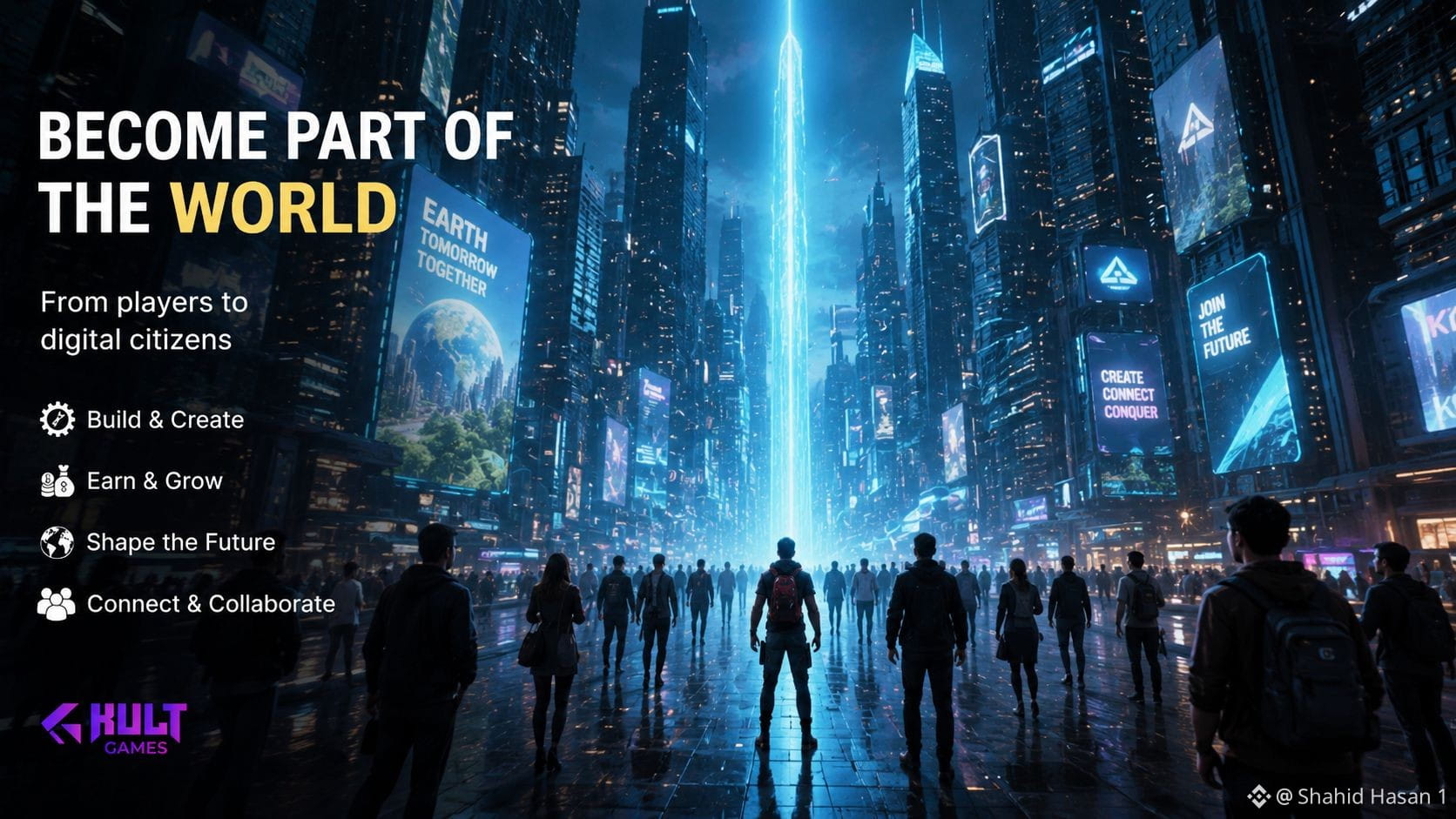
Vai trò của game thủ đã tiến hóa đáng kể trong thập kỷ qua.
Người chơi không còn bị giới hạn chỉ tham gia vào các trò chơi.
Ngày nay, nhiều game thủ:
• Tạo nội dung
• Xây dựng cộng đồng
• Cạnh tranh chuyên nghiệp
• Đóng góp vào nền kinh tế ảo
• Ảnh hưởng đến sự phát triển của các hệ sinh thái game
Sự tiến hóa này đặt ra một câu hỏi thú vị...
Liệu game thông minh có thể biến đổi mối quan hệ giữa người dùng và các thế giới số như thế nào?
Những khái niệm mới nổi trong game thông minh bao gồm:
• Danh tính số liên tục
• Hệ thống uy tín phát triển theo thời gian
• Cá nhân hóa do AI điều khiển
• Môi trường động phản ứng với hành vi của người chơi
• Tính liên tục lớn hơn trong các trải nghiệm game
Trong những hệ sinh thái như vậy, lịch sử, thành tích và tương tác của một người chơi có thể trở thành phần có ý nghĩa hơn trong trải nghiệm tổng thể.
Thay vì xem game như những môi trường tách biệt, game thông minh khám phá ý tưởng tham gia lâu dài trong các hệ sinh thái số liên kết.
Các dự án như @KultGames đang xem xét cách AI, danh tính người chơi và trải nghiệm kết nối có thể góp phần vào tương lai của game.
Khi các công nghệ này tiếp tục phát triển, khái niệm về danh tính số trong game có thể trở thành một chủ đề ngày càng quan trọng cho ngành công nghiệp.
$0G #KultGames #GameThôngMinh #GameAI #GameWeb3 #DanhTínhSố
Vai trò của game thủ đã tiến hóa đáng kể trong thập kỷ qua.
Người chơi không còn bị giới hạn chỉ tham gia vào các trò chơi.
Ngày nay, nhiều game thủ:
• Tạo nội dung
• Xây dựng cộng đồng
• Cạnh tranh chuyên nghiệp
• Đóng góp vào nền kinh tế ảo
• Ảnh hưởng đến sự phát triển của các hệ sinh thái game
Sự tiến hóa này đặt ra một câu hỏi thú vị...
Liệu game thông minh có thể biến đổi mối quan hệ giữa người dùng và các thế giới số như thế nào?
Những khái niệm mới nổi trong game thông minh bao gồm:
• Danh tính số liên tục
• Hệ thống uy tín phát triển theo thời gian
• Cá nhân hóa do AI điều khiển
• Môi trường động phản ứng với hành vi của người chơi
• Tính liên tục lớn hơn trong các trải nghiệm game
Trong những hệ sinh thái như vậy, lịch sử, thành tích và tương tác của một người chơi có thể trở thành phần có ý nghĩa hơn trong trải nghiệm tổng thể.
Thay vì xem game như những môi trường tách biệt, game thông minh khám phá ý tưởng tham gia lâu dài trong các hệ sinh thái số liên kết.
Các dự án như @KultGames đang xem xét cách AI, danh tính người chơi và trải nghiệm kết nối có thể góp phần vào tương lai của game.
Khi các công nghệ này tiếp tục phát triển, khái niệm về danh tính số trong game có thể trở thành một chủ đề ngày càng quan trọng cho ngành công nghiệp.
$0G #KultGames #GameThôngMinh #GameAI #GameWeb3 #DanhTínhSố
Người chơi không còn bị giới hạn chỉ tham gia vào các trò chơi.
Ngày nay, nhiều game thủ:
• Tạo nội dung
• Xây dựng cộng đồng
• Cạnh tranh chuyên nghiệp
• Đóng góp vào nền kinh tế ảo
• Ảnh hưởng đến sự phát triển của các hệ sinh thái game
Sự tiến hóa này đặt ra một câu hỏi thú vị...
Liệu game thông minh có thể biến đổi mối quan hệ giữa người dùng và các thế giới số như thế nào?
Những khái niệm mới nổi trong game thông minh bao gồm:
• Danh tính số liên tục
• Hệ thống uy tín phát triển theo thời gian
• Cá nhân hóa do AI điều khiển
• Môi trường động phản ứng với hành vi của người chơi
• Tính liên tục lớn hơn trong các trải nghiệm game
Trong những hệ sinh thái như vậy, lịch sử, thành tích và tương tác của một người chơi có thể trở thành phần có ý nghĩa hơn trong trải nghiệm tổng thể.
Thay vì xem game như những môi trường tách biệt, game thông minh khám phá ý tưởng tham gia lâu dài trong các hệ sinh thái số liên kết.
Các dự án như @KultGames đang xem xét cách AI, danh tính người chơi và trải nghiệm kết nối có thể góp phần vào tương lai của game.
Khi các công nghệ này tiếp tục phát triển, khái niệm về danh tính số trong game có thể trở thành một chủ đề ngày càng quan trọng cho ngành công nghiệp.
$0G #KultGames #GameThôngMinh #GameAI #GameWeb3 #DanhTínhSố
85
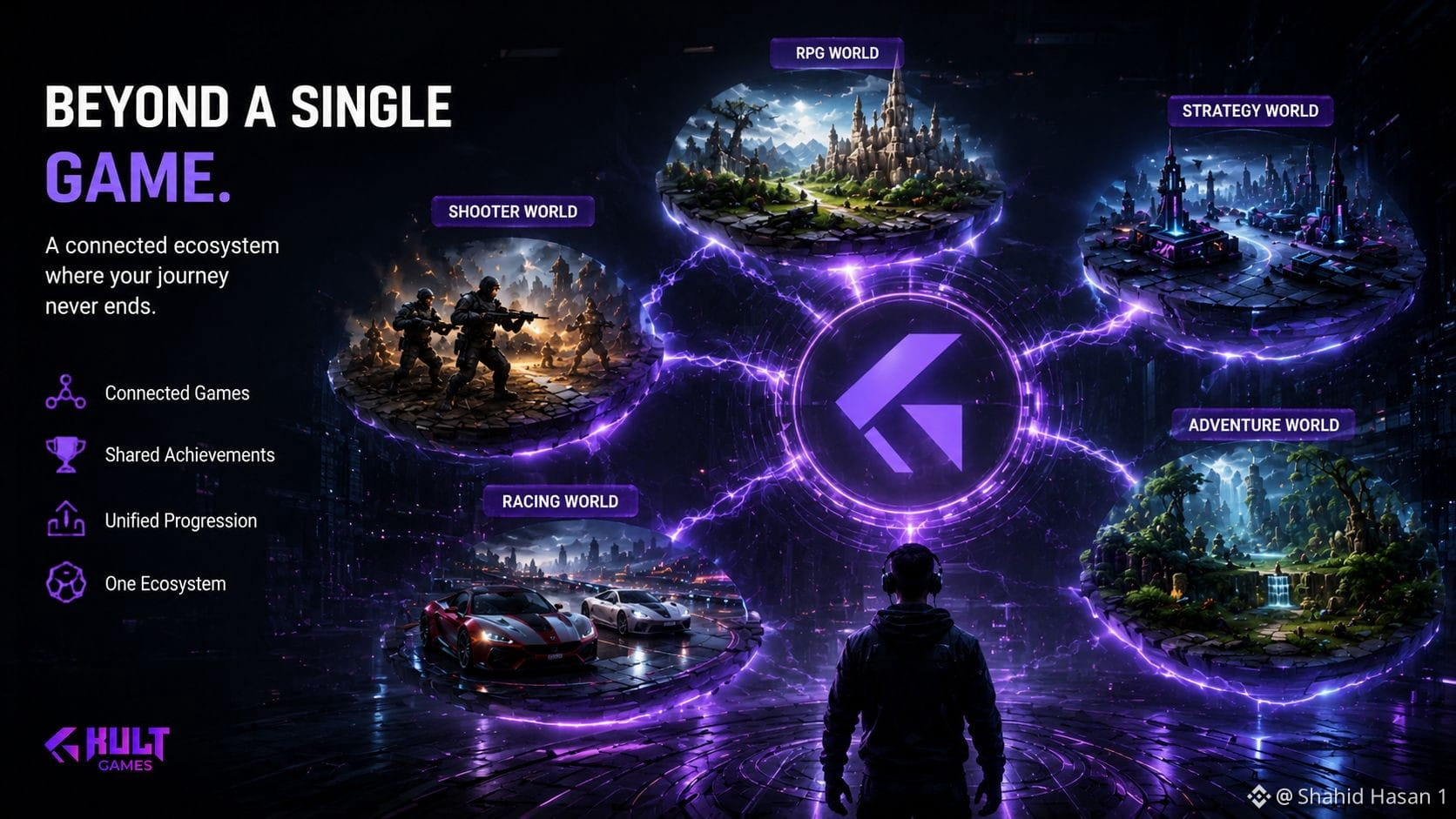
Hầu hết các trò chơi hoạt động như những trải nghiệm tách biệt.
Người chơi xây dựng tiến bộ, mở khóa thành tựu và phát triển danh tính trong trò chơi của họ, nhưng giá trị đó thường chỉ giới hạn trong một tựa game.
Khi hệ sinh thái game phát triển, một cuộc thảo luận ngày càng tăng xoay quanh khả năng tương tác và những trải nghiệm kết nối đang diễn ra.
Điều gì sẽ xảy ra nếu thành tựu và tiến trình của người chơi được công nhận trên nhiều trò chơi trong cùng một hệ sinh thái?
Những lợi ích tiềm năng có thể bao gồm:
• Thành tựu chung giữa các trải nghiệm
• Tiến trình người chơi bền vững
• Danh tính số mạnh mẽ hơn
• Môi trường game kết nối hơn
• Sự tham gia lâu dài hơn
Thay vì coi mỗi trò chơi như một điểm đến riêng lẻ, các hệ sinh thái kết nối nhằm tạo ra sự liên tục giữa các trải nghiệm khác nhau.
Khái niệm này chuyển trọng tâm từ các trò chơi cá nhân sang các mạng lưới game rộng lớn hơn, nơi lịch sử và thành tích của người chơi giữ giá trị theo thời gian.
Các dự án như @KultGames đang khám phá những ý tưởng liên quan đến các hệ sinh thái game kết nối và trải nghiệm người chơi bền vững.
Khi ngành công nghiệp game tiếp tục đổi mới, khả năng tương tác và thiết kế dựa trên hệ sinh thái có thể trở thành những xu hướng quan trọng cần theo dõi trong những năm tới.
$0G #KultGames #Web3Gaming #GamingEcosystem #AIGaming #FutureOfGaming
Hầu hết các trò chơi hoạt động như những trải nghiệm tách biệt.
Người chơi xây dựng tiến bộ, mở khóa thành tựu và phát triển danh tính trong trò chơi của họ, nhưng giá trị đó thường chỉ giới hạn trong một tựa game.
Khi hệ sinh thái game phát triển, một cuộc thảo luận ngày càng tăng xoay quanh khả năng tương tác và những trải nghiệm kết nối đang diễn ra.
Điều gì sẽ xảy ra nếu thành tựu và tiến trình của người chơi được công nhận trên nhiều trò chơi trong cùng một hệ sinh thái?
Những lợi ích tiềm năng có thể bao gồm:
• Thành tựu chung giữa các trải nghiệm
• Tiến trình người chơi bền vững
• Danh tính số mạnh mẽ hơn
• Môi trường game kết nối hơn
• Sự tham gia lâu dài hơn
Thay vì coi mỗi trò chơi như một điểm đến riêng lẻ, các hệ sinh thái kết nối nhằm tạo ra sự liên tục giữa các trải nghiệm khác nhau.
Khái niệm này chuyển trọng tâm từ các trò chơi cá nhân sang các mạng lưới game rộng lớn hơn, nơi lịch sử và thành tích của người chơi giữ giá trị theo thời gian.
Các dự án như @KultGames đang khám phá những ý tưởng liên quan đến các hệ sinh thái game kết nối và trải nghiệm người chơi bền vững.
Khi ngành công nghiệp game tiếp tục đổi mới, khả năng tương tác và thiết kế dựa trên hệ sinh thái có thể trở thành những xu hướng quan trọng cần theo dõi trong những năm tới.
$0G #KultGames #Web3Gaming #GamingEcosystem #AIGaming #FutureOfGaming
Người chơi xây dựng tiến bộ, mở khóa thành tựu và phát triển danh tính trong trò chơi của họ, nhưng giá trị đó thường chỉ giới hạn trong một tựa game.
Khi hệ sinh thái game phát triển, một cuộc thảo luận ngày càng tăng xoay quanh khả năng tương tác và những trải nghiệm kết nối đang diễn ra.
Điều gì sẽ xảy ra nếu thành tựu và tiến trình của người chơi được công nhận trên nhiều trò chơi trong cùng một hệ sinh thái?
Những lợi ích tiềm năng có thể bao gồm:
• Thành tựu chung giữa các trải nghiệm
• Tiến trình người chơi bền vững
• Danh tính số mạnh mẽ hơn
• Môi trường game kết nối hơn
• Sự tham gia lâu dài hơn
Thay vì coi mỗi trò chơi như một điểm đến riêng lẻ, các hệ sinh thái kết nối nhằm tạo ra sự liên tục giữa các trải nghiệm khác nhau.
Khái niệm này chuyển trọng tâm từ các trò chơi cá nhân sang các mạng lưới game rộng lớn hơn, nơi lịch sử và thành tích của người chơi giữ giá trị theo thời gian.
Các dự án như @KultGames đang khám phá những ý tưởng liên quan đến các hệ sinh thái game kết nối và trải nghiệm người chơi bền vững.
Khi ngành công nghiệp game tiếp tục đổi mới, khả năng tương tác và thiết kế dựa trên hệ sinh thái có thể trở thành những xu hướng quan trọng cần theo dõi trong những năm tới.
$0G #KultGames #Web3Gaming #GamingEcosystem #AIGaming #FutureOfGaming
63
Gaming đã phát triển qua nhiều đổi mới lớn trong những năm qua.
Multiplayer trực tuyến mở rộng kết nối người chơi.
Game trên di động tăng cường khả năng tiếp cận.
Esports đã biến gaming thành một ngành công nghiệp cạnh tranh toàn cầu.
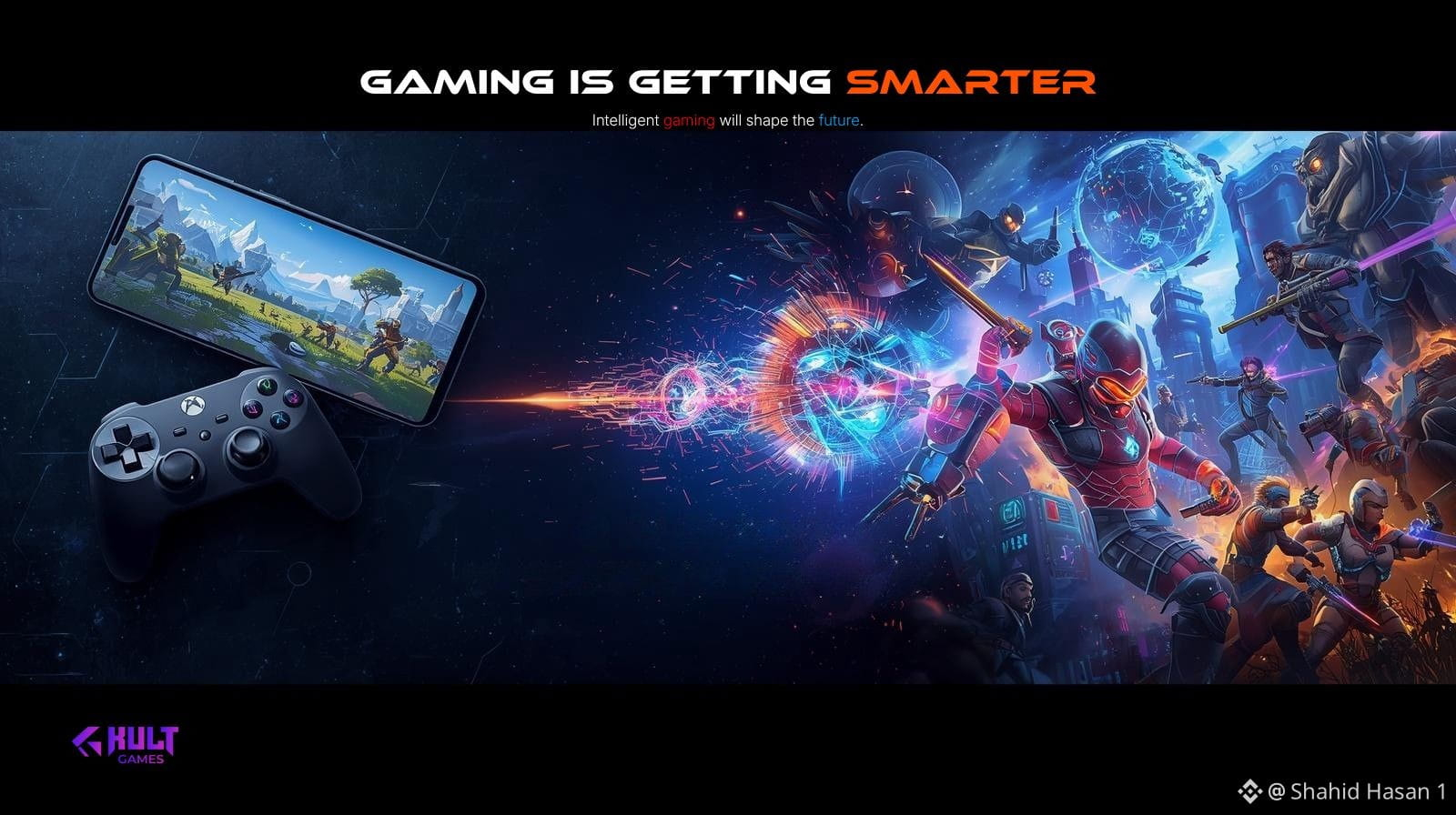
Hôm nay, một khái niệm khác đang thu hút sự chú ý: Gaming Thông Minh.
Ý tưởng không chỉ đơn giản là thêm nhiều tính năng vào game, mà là tạo ra những trải nghiệm có thể trở nên thích ứng và cá nhân hóa hơn.
Các đặc điểm tiềm năng của gaming thông minh bao gồm:
• Cá nhân hóa dựa trên AI
• Hệ sinh thái game kết nối
• Tiến trình và thành tựu kéo dài qua các trải nghiệm
• Gameplay động được ảnh hưởng bởi hành vi của người chơi
Khi kỳ vọng của người chơi tiếp tục phát triển, sự cá nhân hóa có thể trở thành một phần ngày càng quan trọng trong thiết kế game.
Xu hướng này làm nổi bật một sự chuyển dịch rộng lớn hơn từ những trải nghiệm tĩnh sang những môi trường phản hồi và tập trung vào người chơi hơn.
Các dự án như @KultGames đang khám phá các khái niệm liên quan đến gaming thông minh và hệ sinh thái kỹ thuật số kết nối.
Thật thú vị khi xem AI, khả năng tương tác và danh tính người chơi sẽ định hình giai đoạn tiếp theo của đổi mới gaming như thế nào.
$0G #KultGames #GamingThôngMinh #AIGaming #Web3 #Gaming
Gaming đã phát triển qua nhiều đổi mới lớn trong những năm qua.
Multiplayer trực tuyến mở rộng kết nối người chơi.
Game trên di động tăng cường khả năng tiếp cận.
Esports đã biến gaming thành một ngành công nghiệp cạnh tranh toàn cầu.
Hôm nay, một khái niệm khác đang thu hút sự chú ý: Gaming Thông Minh.
Ý tưởng không chỉ đơn giản là thêm nhiều tính năng vào game, mà là tạo ra những trải nghiệm có thể trở nên thích ứng và cá nhân hóa hơn.
Các đặc điểm tiềm năng của gaming thông minh bao gồm:
• Cá nhân hóa dựa trên AI
• Hệ sinh thái game kết nối
• Tiến trình và thành tựu kéo dài qua các trải nghiệm
• Gameplay động được ảnh hưởng bởi hành vi của người chơi
Khi kỳ vọng của người chơi tiếp tục phát triển, sự cá nhân hóa có thể trở thành một phần ngày càng quan trọng trong thiết kế game.
Xu hướng này làm nổi bật một sự chuyển dịch rộng lớn hơn từ những trải nghiệm tĩnh sang những môi trường phản hồi và tập trung vào người chơi hơn.
Các dự án như @KultGames đang khám phá các khái niệm liên quan đến gaming thông minh và hệ sinh thái kỹ thuật số kết nối.
Thật thú vị khi xem AI, khả năng tương tác và danh tính người chơi sẽ định hình giai đoạn tiếp theo của đổi mới gaming như thế nào.
$0G #KultGames #GamingThôngMinh #AIGaming #Web3 #Gaming
Multiplayer trực tuyến mở rộng kết nối người chơi.
Game trên di động tăng cường khả năng tiếp cận.
Esports đã biến gaming thành một ngành công nghiệp cạnh tranh toàn cầu.
Hôm nay, một khái niệm khác đang thu hút sự chú ý: Gaming Thông Minh.
Ý tưởng không chỉ đơn giản là thêm nhiều tính năng vào game, mà là tạo ra những trải nghiệm có thể trở nên thích ứng và cá nhân hóa hơn.
Các đặc điểm tiềm năng của gaming thông minh bao gồm:
• Cá nhân hóa dựa trên AI
• Hệ sinh thái game kết nối
• Tiến trình và thành tựu kéo dài qua các trải nghiệm
• Gameplay động được ảnh hưởng bởi hành vi của người chơi
Khi kỳ vọng của người chơi tiếp tục phát triển, sự cá nhân hóa có thể trở thành một phần ngày càng quan trọng trong thiết kế game.
Xu hướng này làm nổi bật một sự chuyển dịch rộng lớn hơn từ những trải nghiệm tĩnh sang những môi trường phản hồi và tập trung vào người chơi hơn.
Các dự án như @KultGames đang khám phá các khái niệm liên quan đến gaming thông minh và hệ sinh thái kỹ thuật số kết nối.
Thật thú vị khi xem AI, khả năng tương tác và danh tính người chơi sẽ định hình giai đoạn tiếp theo của đổi mới gaming như thế nào.
$0G #KultGames #GamingThôngMinh #AIGaming #Web3 #Gaming
79
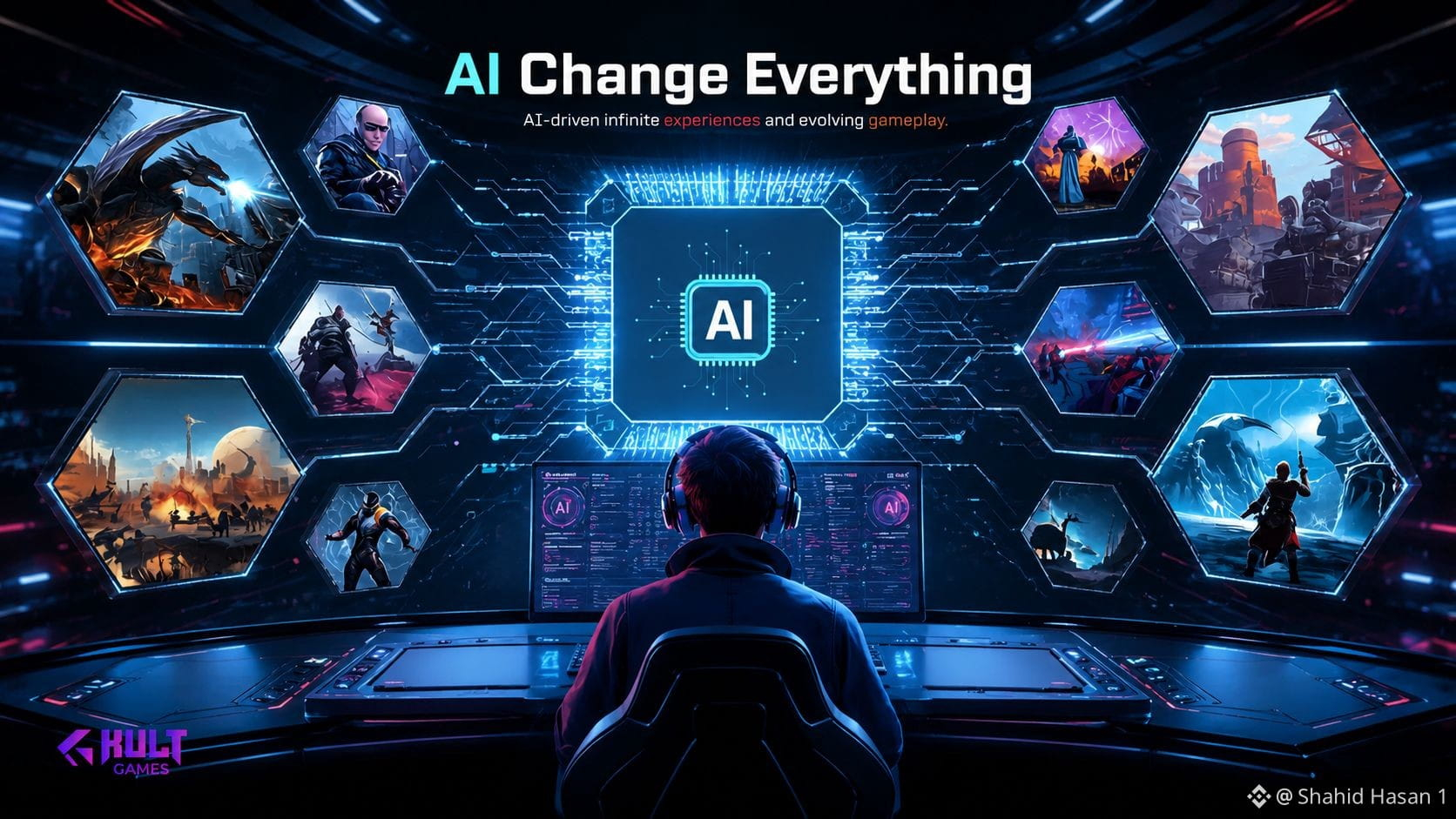
Trí tuệ nhân tạo đang chuyển mình các ngành công nghiệp như giáo dục, năng suất và sáng tạo nội dung.
Lĩnh vực game có thể là một trong những ngành tiếp theo trải qua sự thay đổi lớn.
Các trò chơi truyền thống thường được xây dựng xung quanh cơ chế cố định, cốt truyện đã được định sẵn và hệ thống tiến trình có thể đoán trước.
Game sử dụng AI mang đến một khái niệm khác:
• Lối chơi thích ứng với hành vi của người chơi
• Trải nghiệm cá nhân hóa dựa trên sở thích
• Môi trường động phát triển theo thời gian
• Những cuộc chơi độc đáo được hình thành từ quyết định cá nhân
Khi công nghệ AI tiếp tục phát triển, các trò chơi có thể trở nên nhạy bén và thích ứng hơn bao giờ hết.
Điều này đặt ra những câu hỏi thú vị về tương lai của việc gắn kết người chơi, cá nhân hóa và trải nghiệm game lâu dài.
Thay vì mang đến cùng một hành trình cho mọi người chơi, game thông minh nhằm tạo ra những trải nghiệm cảm giác cá nhân hóa và đang phát triển.
Các dự án như @KultGames đang khám phá cách mà AI và game có thể giao thoa để tạo ra những hình thức giải trí tương tác mới.
Xu hướng rộng lớn này đáng để theo dõi khi AI tiếp tục ảnh hưởng đến thế hệ game tiếp theo.
Trí tuệ nhân tạo đang chuyển mình các ngành công nghiệp như giáo dục, năng suất và sáng tạo nội dung.
Lĩnh vực game có thể là một trong những ngành tiếp theo trải qua sự thay đổi lớn.
Các trò chơi truyền thống thường được xây dựng xung quanh cơ chế cố định, cốt truyện đã được định sẵn và hệ thống tiến trình có thể đoán trước.
Game sử dụng AI mang đến một khái niệm khác:
• Lối chơi thích ứng với hành vi của người chơi
• Trải nghiệm cá nhân hóa dựa trên sở thích
• Môi trường động phát triển theo thời gian
• Những cuộc chơi độc đáo được hình thành từ quyết định cá nhân
Khi công nghệ AI tiếp tục phát triển, các trò chơi có thể trở nên nhạy bén và thích ứng hơn bao giờ hết.
Điều này đặt ra những câu hỏi thú vị về tương lai của việc gắn kết người chơi, cá nhân hóa và trải nghiệm game lâu dài.
Thay vì mang đến cùng một hành trình cho mọi người chơi, game thông minh nhằm tạo ra những trải nghiệm cảm giác cá nhân hóa và đang phát triển.
Các dự án như @KultGames đang khám phá cách mà AI và game có thể giao thoa để tạo ra những hình thức giải trí tương tác mới.
Xu hướng rộng lớn này đáng để theo dõi khi AI tiếp tục ảnh hưởng đến thế hệ game tiếp theo.
Lĩnh vực game có thể là một trong những ngành tiếp theo trải qua sự thay đổi lớn.
Các trò chơi truyền thống thường được xây dựng xung quanh cơ chế cố định, cốt truyện đã được định sẵn và hệ thống tiến trình có thể đoán trước.
Game sử dụng AI mang đến một khái niệm khác:
• Lối chơi thích ứng với hành vi của người chơi
• Trải nghiệm cá nhân hóa dựa trên sở thích
• Môi trường động phát triển theo thời gian
• Những cuộc chơi độc đáo được hình thành từ quyết định cá nhân
Khi công nghệ AI tiếp tục phát triển, các trò chơi có thể trở nên nhạy bén và thích ứng hơn bao giờ hết.
Điều này đặt ra những câu hỏi thú vị về tương lai của việc gắn kết người chơi, cá nhân hóa và trải nghiệm game lâu dài.
Thay vì mang đến cùng một hành trình cho mọi người chơi, game thông minh nhằm tạo ra những trải nghiệm cảm giác cá nhân hóa và đang phát triển.
Các dự án như @KultGames đang khám phá cách mà AI và game có thể giao thoa để tạo ra những hình thức giải trí tương tác mới.
Xu hướng rộng lớn này đáng để theo dõi khi AI tiếp tục ảnh hưởng đến thế hệ game tiếp theo.
54
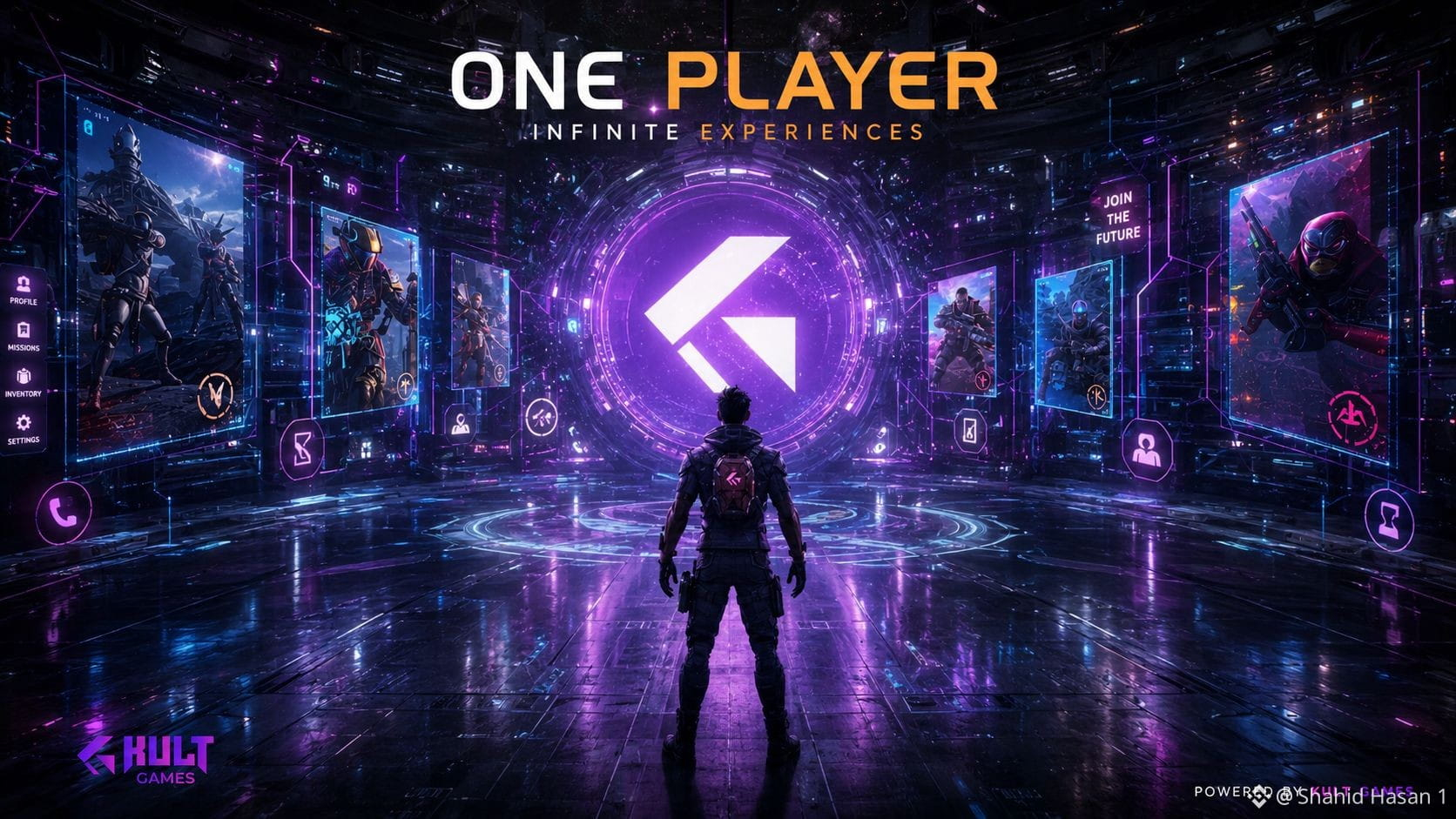
Hầu hết các trò chơi truyền thống tạo ra những danh tính người chơi tách biệt.
Mỗi trò chơi mới thường có nghĩa là:
• Một tài khoản mới
• Một hồ sơ mới
• Bắt đầu tiến trình từ con số không
Khi hệ sinh thái game phát triển, một câu hỏi thú vị xuất hiện:
Liệu danh tính, thành tựu và kinh nghiệm của người chơi có thể mở rộng ra ngoài một trò chơi duy nhất không?
Khái niệm game thông minh khám phá những khả năng như:
• Cá nhân hóa dựa trên hành vi người chơi được hỗ trợ bởi AI
• Những thành tựu và danh tiếng bền vững
• Danh tính kết nối qua nhiều môi trường game khác nhau
Thay vì coi mỗi trò chơi là một trải nghiệm tách biệt, các hệ sinh thái game trong tương lai có thể trở nên liên kết hơn và tập trung vào người chơi hơn.
Sự chuyển mình này có thể định nghĩa lại cách mà người chơi xây dựng và mang theo danh tính kỹ thuật số của họ theo thời gian.
Các dự án như @KultGames đang khám phá những ý tưởng về trải nghiệm game kết nối và danh tính người chơi thông minh.
Cuộc thảo luận không còn chỉ về những trò chơi thông minh hơn.
Nó cũng về cách mà danh tính người chơi có thể phát triển trong thế hệ hệ sinh thái kỹ thuật số tiếp theo.
$0G #KultGames #GameThôngMinh #Web3Gaming #AIGaming #GameFi
Hầu hết các trò chơi truyền thống tạo ra những danh tính người chơi tách biệt.
Mỗi trò chơi mới thường có nghĩa là:
• Một tài khoản mới
• Một hồ sơ mới
• Bắt đầu tiến trình từ con số không
Khi hệ sinh thái game phát triển, một câu hỏi thú vị xuất hiện:
Liệu danh tính, thành tựu và kinh nghiệm của người chơi có thể mở rộng ra ngoài một trò chơi duy nhất không?
Khái niệm game thông minh khám phá những khả năng như:
• Cá nhân hóa dựa trên hành vi người chơi được hỗ trợ bởi AI
• Những thành tựu và danh tiếng bền vững
• Danh tính kết nối qua nhiều môi trường game khác nhau
Thay vì coi mỗi trò chơi là một trải nghiệm tách biệt, các hệ sinh thái game trong tương lai có thể trở nên liên kết hơn và tập trung vào người chơi hơn.
Sự chuyển mình này có thể định nghĩa lại cách mà người chơi xây dựng và mang theo danh tính kỹ thuật số của họ theo thời gian.
Các dự án như @KultGames đang khám phá những ý tưởng về trải nghiệm game kết nối và danh tính người chơi thông minh.
Cuộc thảo luận không còn chỉ về những trò chơi thông minh hơn.
Nó cũng về cách mà danh tính người chơi có thể phát triển trong thế hệ hệ sinh thái kỹ thuật số tiếp theo.
$0G #KultGames #GameThôngMinh #Web3Gaming #AIGaming #GameFi
Mỗi trò chơi mới thường có nghĩa là:
• Một tài khoản mới
• Một hồ sơ mới
• Bắt đầu tiến trình từ con số không
Khi hệ sinh thái game phát triển, một câu hỏi thú vị xuất hiện:
Liệu danh tính, thành tựu và kinh nghiệm của người chơi có thể mở rộng ra ngoài một trò chơi duy nhất không?
Khái niệm game thông minh khám phá những khả năng như:
• Cá nhân hóa dựa trên hành vi người chơi được hỗ trợ bởi AI
• Những thành tựu và danh tiếng bền vững
• Danh tính kết nối qua nhiều môi trường game khác nhau
Thay vì coi mỗi trò chơi là một trải nghiệm tách biệt, các hệ sinh thái game trong tương lai có thể trở nên liên kết hơn và tập trung vào người chơi hơn.
Sự chuyển mình này có thể định nghĩa lại cách mà người chơi xây dựng và mang theo danh tính kỹ thuật số của họ theo thời gian.
Các dự án như @KultGames đang khám phá những ý tưởng về trải nghiệm game kết nối và danh tính người chơi thông minh.
Cuộc thảo luận không còn chỉ về những trò chơi thông minh hơn.
Nó cũng về cách mà danh tính người chơi có thể phát triển trong thế hệ hệ sinh thái kỹ thuật số tiếp theo.
$0G #KultGames #GameThôngMinh #Web3Gaming #AIGaming #GameFi
45
Việc thấy một tỷ lệ lớn các holder Bitcoin rơi vào thua lỗ chưa thực hiện thường tạo ra nỗi sợ hãi vì điều này nhắc nhở các nhà đầu tư về các giai đoạn thị trường gấu trước đây.
Nhưng bối cảnh thị trường thì quan trọng.
Trong mỗi đợt điều chỉnh lớn, một phần các holder cuối cùng sẽ rơi vào vùng đỏ. Điều xác định xem liệu nó có trở thành một thị trường gấu hoàn toàn hay không không phải là con số mà là cách mà thị trường phản ứng sau đó.
Khi thua lỗ bắt đầu gia tăng, những tay yếu thường bán ra để tránh bị thua lỗ thêm. Cùng lúc đó, những holder dài hạn và các tổ chức thường theo dõi các dấu hiệu của sự capitulation và các vùng giá tiềm năng.
Điều này tạo ra một cuộc chiến giữa nỗi sợ và niềm tin.
Thú vị là Bitcoin hôm nay hoạt động trong một môi trường rất khác so với năm 2022. Sự tham gia của ETF, sự tiếp xúc của các tổ chức, và sự chấp nhận rộng rãi hơn của thị trường đã giới thiệu những nguồn cầu mới chưa từng có ở quy mô tương tự trong các đợt giảm giá trước.
Điều đó không loại bỏ rủi ro, nhưng nó thay đổi cấu trúc của thị trường.
Một tỷ lệ ngày càng tăng của các holder trong vùng đỏ có thể báo hiệu căng thẳng, nhưng nó cũng có thể đánh dấu các khoảng thời gian mà tâm lý trở nên không còn kết nối với các yếu tố cơ bản dài hạn.
Chìa khóa không phải là có bao nhiêu holder đang thua lỗ hôm nay.
Mà là liệu thị trường có tiếp tục mất niềm tin vào ngày mai không.
Bởi vì trong crypto, giá thường theo sau tâm lý trước và các yếu tố cơ bản sau. $BTC
Việc thấy một tỷ lệ lớn các holder Bitcoin rơi vào thua lỗ chưa thực hiện thường tạo ra nỗi sợ hãi vì điều này nhắc nhở các nhà đầu tư về các giai đoạn thị trường gấu trước đây.
Nhưng bối cảnh thị trường thì quan trọng.
Trong mỗi đợt điều chỉnh lớn, một phần các holder cuối cùng sẽ rơi vào vùng đỏ. Điều xác định xem liệu nó có trở thành một thị trường gấu hoàn toàn hay không không phải là con số mà là cách mà thị trường phản ứng sau đó.
Khi thua lỗ bắt đầu gia tăng, những tay yếu thường bán ra để tránh bị thua lỗ thêm. Cùng lúc đó, những holder dài hạn và các tổ chức thường theo dõi các dấu hiệu của sự capitulation và các vùng giá tiềm năng.
Điều này tạo ra một cuộc chiến giữa nỗi sợ và niềm tin.
Thú vị là Bitcoin hôm nay hoạt động trong một môi trường rất khác so với năm 2022. Sự tham gia của ETF, sự tiếp xúc của các tổ chức, và sự chấp nhận rộng rãi hơn của thị trường đã giới thiệu những nguồn cầu mới chưa từng có ở quy mô tương tự trong các đợt giảm giá trước.
Điều đó không loại bỏ rủi ro, nhưng nó thay đổi cấu trúc của thị trường.
Một tỷ lệ ngày càng tăng của các holder trong vùng đỏ có thể báo hiệu căng thẳng, nhưng nó cũng có thể đánh dấu các khoảng thời gian mà tâm lý trở nên không còn kết nối với các yếu tố cơ bản dài hạn.
Chìa khóa không phải là có bao nhiêu holder đang thua lỗ hôm nay.
Mà là liệu thị trường có tiếp tục mất niềm tin vào ngày mai không.
Bởi vì trong crypto, giá thường theo sau tâm lý trước và các yếu tố cơ bản sau. $BTC
Nhưng bối cảnh thị trường thì quan trọng.
Trong mỗi đợt điều chỉnh lớn, một phần các holder cuối cùng sẽ rơi vào vùng đỏ. Điều xác định xem liệu nó có trở thành một thị trường gấu hoàn toàn hay không không phải là con số mà là cách mà thị trường phản ứng sau đó.
Khi thua lỗ bắt đầu gia tăng, những tay yếu thường bán ra để tránh bị thua lỗ thêm. Cùng lúc đó, những holder dài hạn và các tổ chức thường theo dõi các dấu hiệu của sự capitulation và các vùng giá tiềm năng.
Điều này tạo ra một cuộc chiến giữa nỗi sợ và niềm tin.
Thú vị là Bitcoin hôm nay hoạt động trong một môi trường rất khác so với năm 2022. Sự tham gia của ETF, sự tiếp xúc của các tổ chức, và sự chấp nhận rộng rãi hơn của thị trường đã giới thiệu những nguồn cầu mới chưa từng có ở quy mô tương tự trong các đợt giảm giá trước.
Điều đó không loại bỏ rủi ro, nhưng nó thay đổi cấu trúc của thị trường.
Một tỷ lệ ngày càng tăng của các holder trong vùng đỏ có thể báo hiệu căng thẳng, nhưng nó cũng có thể đánh dấu các khoảng thời gian mà tâm lý trở nên không còn kết nối với các yếu tố cơ bản dài hạn.
Chìa khóa không phải là có bao nhiêu holder đang thua lỗ hôm nay.
Mà là liệu thị trường có tiếp tục mất niềm tin vào ngày mai không.
Bởi vì trong crypto, giá thường theo sau tâm lý trước và các yếu tố cơ bản sau. $BTC
51
Khi một người nổi tiếng về việc giữ Bitcoin qua nhiều chu kỳ thị trường quyết định bán, thị trường tự nhiên sẽ chú ý.
Nhưng phần thú vị không phải là việc bán mà là thời điểm.
Nhiều nhà đầu tư giả định rằng việc bán sau nhiều năm tích lũy có nghĩa là mất niềm tin. Thực tế là, những người nắm giữ lớn thường đưa ra quyết định dựa trên nhu cầu thanh khoản, quản lý danh mục, kiểm soát rủi ro, hoặc lập kế hoạch chiến lược hơn là một sự thay đổi trong cái nhìn dài hạn của họ.
Thị trường có xu hướng phản ứng một cách cảm xúc với những tiêu đề này vì chúng thách thức một câu chuyện quen thuộc: mua, giữ, và không bao giờ bán.
Tuy nhiên, những nhà đầu tư trưởng thành hiếm khi hoạt động theo cách tuyệt đối.
Ngay cả những người tin tưởng mạnh mẽ vào $BTC cũng có thể chọn cách giảm mức độ tiếp xúc trong các giai đoạn không chắc chắn, tái cân bằng vị thế sau những khoản lãi đáng kể, hoặc chuẩn bị cho những cơ hội trong tương lai.
Điều làm cho tình huống này đặc biệt thú vị là nó xảy ra gần một đợt điều chỉnh thị trường.
Điều đó tự nhiên tạo ra sự suy đoán về việc liệu việc bán có dự đoán sự yếu kém hay chỉ đơn giản là xảy ra trước khi sự biến động tăng lên.
Thực tế là một giao dịch hiếm khi xác định được hướng đi của một thị trường lớn như Bitcoin.
Câu hỏi quan trọng hơn là thị trường sẽ phản ứng như thế nào sau khi bán.
Nếu nhu cầu vẫn mạnh và thanh khoản hấp thụ được nguồn cung, sự kiện này sẽ trở thành một ghi chú nhỏ. Nếu tâm lý yếu đi và áp lực bán lan rộng, nó có thể trở thành một phần của sự thay đổi câu chuyện lớn hơn.
Cuối cùng, những người nắm giữ lớn có thể ảnh hưởng đến tâm lý, nhưng hướng đi của thị trường dài hạn thường được xác định bởi sự cân bằng giữa cung, cầu, và niềm tin trong toàn bộ hệ sinh thái.
Khi một người nổi tiếng về việc giữ Bitcoin qua nhiều chu kỳ thị trường quyết định bán, thị trường tự nhiên sẽ chú ý.
Nhưng phần thú vị không phải là việc bán mà là thời điểm.
Nhiều nhà đầu tư giả định rằng việc bán sau nhiều năm tích lũy có nghĩa là mất niềm tin. Thực tế là, những người nắm giữ lớn thường đưa ra quyết định dựa trên nhu cầu thanh khoản, quản lý danh mục, kiểm soát rủi ro, hoặc lập kế hoạch chiến lược hơn là một sự thay đổi trong cái nhìn dài hạn của họ.
Thị trường có xu hướng phản ứng một cách cảm xúc với những tiêu đề này vì chúng thách thức một câu chuyện quen thuộc: mua, giữ, và không bao giờ bán.
Tuy nhiên, những nhà đầu tư trưởng thành hiếm khi hoạt động theo cách tuyệt đối.
Ngay cả những người tin tưởng mạnh mẽ vào $BTC cũng có thể chọn cách giảm mức độ tiếp xúc trong các giai đoạn không chắc chắn, tái cân bằng vị thế sau những khoản lãi đáng kể, hoặc chuẩn bị cho những cơ hội trong tương lai.
Điều làm cho tình huống này đặc biệt thú vị là nó xảy ra gần một đợt điều chỉnh thị trường.
Điều đó tự nhiên tạo ra sự suy đoán về việc liệu việc bán có dự đoán sự yếu kém hay chỉ đơn giản là xảy ra trước khi sự biến động tăng lên.
Thực tế là một giao dịch hiếm khi xác định được hướng đi của một thị trường lớn như Bitcoin.
Câu hỏi quan trọng hơn là thị trường sẽ phản ứng như thế nào sau khi bán.
Nếu nhu cầu vẫn mạnh và thanh khoản hấp thụ được nguồn cung, sự kiện này sẽ trở thành một ghi chú nhỏ. Nếu tâm lý yếu đi và áp lực bán lan rộng, nó có thể trở thành một phần của sự thay đổi câu chuyện lớn hơn.
Cuối cùng, những người nắm giữ lớn có thể ảnh hưởng đến tâm lý, nhưng hướng đi của thị trường dài hạn thường được xác định bởi sự cân bằng giữa cung, cầu, và niềm tin trong toàn bộ hệ sinh thái.
Nhưng phần thú vị không phải là việc bán mà là thời điểm.
Nhiều nhà đầu tư giả định rằng việc bán sau nhiều năm tích lũy có nghĩa là mất niềm tin. Thực tế là, những người nắm giữ lớn thường đưa ra quyết định dựa trên nhu cầu thanh khoản, quản lý danh mục, kiểm soát rủi ro, hoặc lập kế hoạch chiến lược hơn là một sự thay đổi trong cái nhìn dài hạn của họ.
Thị trường có xu hướng phản ứng một cách cảm xúc với những tiêu đề này vì chúng thách thức một câu chuyện quen thuộc: mua, giữ, và không bao giờ bán.
Tuy nhiên, những nhà đầu tư trưởng thành hiếm khi hoạt động theo cách tuyệt đối.
Ngay cả những người tin tưởng mạnh mẽ vào $BTC cũng có thể chọn cách giảm mức độ tiếp xúc trong các giai đoạn không chắc chắn, tái cân bằng vị thế sau những khoản lãi đáng kể, hoặc chuẩn bị cho những cơ hội trong tương lai.
Điều làm cho tình huống này đặc biệt thú vị là nó xảy ra gần một đợt điều chỉnh thị trường.
Điều đó tự nhiên tạo ra sự suy đoán về việc liệu việc bán có dự đoán sự yếu kém hay chỉ đơn giản là xảy ra trước khi sự biến động tăng lên.
Thực tế là một giao dịch hiếm khi xác định được hướng đi của một thị trường lớn như Bitcoin.
Câu hỏi quan trọng hơn là thị trường sẽ phản ứng như thế nào sau khi bán.
Nếu nhu cầu vẫn mạnh và thanh khoản hấp thụ được nguồn cung, sự kiện này sẽ trở thành một ghi chú nhỏ. Nếu tâm lý yếu đi và áp lực bán lan rộng, nó có thể trở thành một phần của sự thay đổi câu chuyện lớn hơn.
Cuối cùng, những người nắm giữ lớn có thể ảnh hưởng đến tâm lý, nhưng hướng đi của thị trường dài hạn thường được xác định bởi sự cân bằng giữa cung, cầu, và niềm tin trong toàn bộ hệ sinh thái.
71
Cảm nhận của tôi về $BTC và $SPACEX Liệu thị trường có bước vào một kỷ nguyên mới của các tài sản được dẫn dắt bởi câu chuyện không?
Ý tưởng về một tài sản liên quan đến SpaceX thu hút sự chú ý trước khi có khả năng IPO cho thấy cách nhanh chóng mà các câu chuyện thị trường có thể phát triển trong crypto.
Điều làm cho điều này thú vị không chỉ là việc niêm yết bản thân, mà còn là sự so sánh giữa Elon Musk và những nhân vật như Michael Saylor - những người đã giúp biến câu chuyện thành động lực thị trường thông qua sự tin tưởng lâu dài và ảnh hưởng công chúng.
Trong các thị trường crypto, nhận thức thường di chuyển nhanh như các yếu tố cơ bản.
Khi các nhân vật mạnh mẽ, thương hiệu công nghệ và vốn đầu cơ kết hợp, sự chú ý có thể chuyển hướng nhanh chóng giữa các hệ sinh thái và tài sản liên quan đến những câu chuyện đó.
Cùng lúc đó, động lực dẫn dắt bởi câu chuyện không phải lúc nào cũng chuyển hóa thành giá trị bền vững.
Các thị trường thường phản ứng mạnh mẽ với sự liên kết, thương hiệu và kỳ vọng tương lai rất lâu trước khi việc áp dụng thực tế hoặc tiện ích trở nên rõ ràng.
Đó là lý do tại sao tình huống này cảm thấy ít giống như một sự kiện niêm yết truyền thống và hơn như một bài kiểm tra về sức mạnh của vốn câu chuyện đã trở nên như thế nào trong các thị trường hiện đại.
Hiện tại, câu chuyện lớn hơn có thể không phải là liệu một nhân vật nào đó trở thành “Saylor tiếp theo” mà là sức ảnh hưởng của sự tin tưởng công chúng và thương hiệu đang trở nên như thế nào trong việc định hình tính thanh khoản và hành vi của nhà đầu tư trên cả thị trường crypto và truyền thống.
Cảm nhận của tôi về $BTC và $SPACEX Liệu thị trường có bước vào một kỷ nguyên mới của các tài sản được dẫn dắt bởi câu chuyện không?
Ý tưởng về một tài sản liên quan đến SpaceX thu hút sự chú ý trước khi có khả năng IPO cho thấy cách nhanh chóng mà các câu chuyện thị trường có thể phát triển trong crypto.
Điều làm cho điều này thú vị không chỉ là việc niêm yết bản thân, mà còn là sự so sánh giữa Elon Musk và những nhân vật như Michael Saylor - những người đã giúp biến câu chuyện thành động lực thị trường thông qua sự tin tưởng lâu dài và ảnh hưởng công chúng.
Trong các thị trường crypto, nhận thức thường di chuyển nhanh như các yếu tố cơ bản.
Khi các nhân vật mạnh mẽ, thương hiệu công nghệ và vốn đầu cơ kết hợp, sự chú ý có thể chuyển hướng nhanh chóng giữa các hệ sinh thái và tài sản liên quan đến những câu chuyện đó.
Cùng lúc đó, động lực dẫn dắt bởi câu chuyện không phải lúc nào cũng chuyển hóa thành giá trị bền vững.
Các thị trường thường phản ứng mạnh mẽ với sự liên kết, thương hiệu và kỳ vọng tương lai rất lâu trước khi việc áp dụng thực tế hoặc tiện ích trở nên rõ ràng.
Đó là lý do tại sao tình huống này cảm thấy ít giống như một sự kiện niêm yết truyền thống và hơn như một bài kiểm tra về sức mạnh của vốn câu chuyện đã trở nên như thế nào trong các thị trường hiện đại.
Hiện tại, câu chuyện lớn hơn có thể không phải là liệu một nhân vật nào đó trở thành “Saylor tiếp theo” mà là sức ảnh hưởng của sự tin tưởng công chúng và thương hiệu đang trở nên như thế nào trong việc định hình tính thanh khoản và hành vi của nhà đầu tư trên cả thị trường crypto và truyền thống.
Ý tưởng về một tài sản liên quan đến SpaceX thu hút sự chú ý trước khi có khả năng IPO cho thấy cách nhanh chóng mà các câu chuyện thị trường có thể phát triển trong crypto.
Điều làm cho điều này thú vị không chỉ là việc niêm yết bản thân, mà còn là sự so sánh giữa Elon Musk và những nhân vật như Michael Saylor - những người đã giúp biến câu chuyện thành động lực thị trường thông qua sự tin tưởng lâu dài và ảnh hưởng công chúng.
Trong các thị trường crypto, nhận thức thường di chuyển nhanh như các yếu tố cơ bản.
Khi các nhân vật mạnh mẽ, thương hiệu công nghệ và vốn đầu cơ kết hợp, sự chú ý có thể chuyển hướng nhanh chóng giữa các hệ sinh thái và tài sản liên quan đến những câu chuyện đó.
Cùng lúc đó, động lực dẫn dắt bởi câu chuyện không phải lúc nào cũng chuyển hóa thành giá trị bền vững.
Các thị trường thường phản ứng mạnh mẽ với sự liên kết, thương hiệu và kỳ vọng tương lai rất lâu trước khi việc áp dụng thực tế hoặc tiện ích trở nên rõ ràng.
Đó là lý do tại sao tình huống này cảm thấy ít giống như một sự kiện niêm yết truyền thống và hơn như một bài kiểm tra về sức mạnh của vốn câu chuyện đã trở nên như thế nào trong các thị trường hiện đại.
Hiện tại, câu chuyện lớn hơn có thể không phải là liệu một nhân vật nào đó trở thành “Saylor tiếp theo” mà là sức ảnh hưởng của sự tin tưởng công chúng và thương hiệu đang trở nên như thế nào trong việc định hình tính thanh khoản và hành vi của nhà đầu tư trên cả thị trường crypto và truyền thống.
1
452
Ngày Pizza BTC thường thu hút sự chú ý trở lại lịch sử của Bitcoin, nhưng lần này, ánh đèn dường như đang chuyển sang các altcoin.
Khi $BTC chậm lại gần các mức quan trọng, một phần của thị trường bắt đầu chuyển sang các hệ sinh thái có rủi ro cao hơn và biến động cao hơn. Đó là nơi mà các trader thường bắt đầu tìm kiếm tiềm năng tăng giá mạnh hơn.
Điều làm cho giai đoạn này thú vị là các altcoin khác nhau đang di chuyển vì những lý do hoàn toàn khác nhau.
Một số đang tăng đột biến nhờ vào sự phát triển của hệ sinh thái.
Những cái khác thì từ các câu chuyện AI, hoạt động DeFi, game, hoặc dòng thanh khoản được hồi phục.
Nhưng không phải cuộc tăng giá nào cũng chuyển thành xu hướng bền vững.
Trong hầu hết các chu kỳ, các altcoin tiếp tục vượt trội thường là những cái thu hút được hoạt động thực sự sau khi sự phấn khích giảm đi - người dùng, nhà phát triển, thanh khoản và sự phát triển liên tục trên chuỗi.
Ngay bây giờ, thị trường cảm thấy ít tập trung vào "liệu altcoin có di chuyển" và nhiều hơn vào việc những câu chuyện nào có thể thực sự duy trì sự chú ý lâu dài.
Đó là lý do tại sao giai đoạn này trở nên quan trọng.
Các giai đoạn xoay vòng thường tiết lộ nơi mà sóng suy đoán tiếp theo và tiềm năng tăng trưởng dài hạn bắt đầu hình thành.
Ngày Pizza BTC thường thu hút sự chú ý trở lại lịch sử của Bitcoin, nhưng lần này, ánh đèn dường như đang chuyển sang các altcoin.
Khi $BTC chậm lại gần các mức quan trọng, một phần của thị trường bắt đầu chuyển sang các hệ sinh thái có rủi ro cao hơn và biến động cao hơn. Đó là nơi mà các trader thường bắt đầu tìm kiếm tiềm năng tăng giá mạnh hơn.
Điều làm cho giai đoạn này thú vị là các altcoin khác nhau đang di chuyển vì những lý do hoàn toàn khác nhau.
Một số đang tăng đột biến nhờ vào sự phát triển của hệ sinh thái.
Những cái khác thì từ các câu chuyện AI, hoạt động DeFi, game, hoặc dòng thanh khoản được hồi phục.
Nhưng không phải cuộc tăng giá nào cũng chuyển thành xu hướng bền vững.
Trong hầu hết các chu kỳ, các altcoin tiếp tục vượt trội thường là những cái thu hút được hoạt động thực sự sau khi sự phấn khích giảm đi - người dùng, nhà phát triển, thanh khoản và sự phát triển liên tục trên chuỗi.
Ngay bây giờ, thị trường cảm thấy ít tập trung vào "liệu altcoin có di chuyển" và nhiều hơn vào việc những câu chuyện nào có thể thực sự duy trì sự chú ý lâu dài.
Đó là lý do tại sao giai đoạn này trở nên quan trọng.
Các giai đoạn xoay vòng thường tiết lộ nơi mà sóng suy đoán tiếp theo và tiềm năng tăng trưởng dài hạn bắt đầu hình thành.
Khi $BTC chậm lại gần các mức quan trọng, một phần của thị trường bắt đầu chuyển sang các hệ sinh thái có rủi ro cao hơn và biến động cao hơn. Đó là nơi mà các trader thường bắt đầu tìm kiếm tiềm năng tăng giá mạnh hơn.
Điều làm cho giai đoạn này thú vị là các altcoin khác nhau đang di chuyển vì những lý do hoàn toàn khác nhau.
Một số đang tăng đột biến nhờ vào sự phát triển của hệ sinh thái.
Những cái khác thì từ các câu chuyện AI, hoạt động DeFi, game, hoặc dòng thanh khoản được hồi phục.
Nhưng không phải cuộc tăng giá nào cũng chuyển thành xu hướng bền vững.
Trong hầu hết các chu kỳ, các altcoin tiếp tục vượt trội thường là những cái thu hút được hoạt động thực sự sau khi sự phấn khích giảm đi - người dùng, nhà phát triển, thanh khoản và sự phát triển liên tục trên chuỗi.
Ngay bây giờ, thị trường cảm thấy ít tập trung vào "liệu altcoin có di chuyển" và nhiều hơn vào việc những câu chuyện nào có thể thực sự duy trì sự chú ý lâu dài.
Đó là lý do tại sao giai đoạn này trở nên quan trọng.
Các giai đoạn xoay vòng thường tiết lộ nơi mà sóng suy đoán tiếp theo và tiềm năng tăng trưởng dài hạn bắt đầu hình thành.
74
Luật CLARITY đang bắt đầu thu hút sự chú ý từ nhiều hệ sinh thái crypto khác nhau vì quy định không còn là một vấn đề xa vời mà trở thành một phần của cấu trúc thị trường. Điều gì làm cho điều này khác biệt so với những cuộc thảo luận quy định trước đây là sự chú trọng vào việc xác định cách mà tài sản số nên được phân loại và xử lý. Điều này quan trọng vì những quy tắc rõ ràng hơn có thể thay đổi cách mà các tổ chức, sàn giao dịch và các nhà phát triển tương tác với thị trường. Đối với một số hệ sinh thái, điều này có thể giảm bớt sự không chắc chắn và cải thiện niềm tin lâu dài. Đối với những cái khác, nó có thể gia tăng cạnh tranh khi vốn bắt đầu chảy vào các dự án được xem là bền vững hơn hoặc thân thiện với quy định. Đồng thời, quy định hiếm khi tạo ra người chiến thắng ngay lập tức. Thị trường thường phản ứng theo từng giai đoạn: đầu tiên thông qua câu chuyện, sau đó qua thanh khoản, và cuối cùng là thông qua việc áp dụng. Đây là lý do tại sao tác động lớn hơn của Luật CLARITY có thể không phải là hành động giá ngắn hạn mà là cách nó định hình lại vị trí trong các hệ sinh thái crypto lớn theo thời gian. Cuối cùng, quy định không chỉ ảnh hưởng đến sự tuân thủ. Nó ảnh hưởng đến nơi mà niềm tin, thanh khoản và vốn lâu dài quyết định định cư.
Luật CLARITY đang bắt đầu thu hút sự chú ý từ nhiều hệ sinh thái crypto khác nhau vì quy định không còn là một vấn đề xa vời mà trở thành một phần của cấu trúc thị trường. Điều gì làm cho điều này khác biệt so với những cuộc thảo luận quy định trước đây là sự chú trọng vào việc xác định cách mà tài sản số nên được phân loại và xử lý. Điều này quan trọng vì những quy tắc rõ ràng hơn có thể thay đổi cách mà các tổ chức, sàn giao dịch và các nhà phát triển tương tác với thị trường. Đối với một số hệ sinh thái, điều này có thể giảm bớt sự không chắc chắn và cải thiện niềm tin lâu dài. Đối với những cái khác, nó có thể gia tăng cạnh tranh khi vốn bắt đầu chảy vào các dự án được xem là bền vững hơn hoặc thân thiện với quy định. Đồng thời, quy định hiếm khi tạo ra người chiến thắng ngay lập tức. Thị trường thường phản ứng theo từng giai đoạn: đầu tiên thông qua câu chuyện, sau đó qua thanh khoản, và cuối cùng là thông qua việc áp dụng. Đây là lý do tại sao tác động lớn hơn của Luật CLARITY có thể không phải là hành động giá ngắn hạn mà là cách nó định hình lại vị trí trong các hệ sinh thái crypto lớn theo thời gian. Cuối cùng, quy định không chỉ ảnh hưởng đến sự tuân thủ. Nó ảnh hưởng đến nơi mà niềm tin, thanh khoản và vốn lâu dài quyết định định cư.
69
Mỗi chu kỳ, Bitcoin cuối cùng cũng quay về một mức mà thị trường theo dõi nhiều hơn hầu hết mọi thứ khác: đường trung bình động 200 tuần.
Bây giờ khi gấu đang chỉ vào khu vực 61K một lần nữa, cuộc trò chuyện đang chuyển từ "BTC có thể lên cao bao nhiêu?" sang "hỗ trợ dài hạn thực sự bắt đầu từ đâu?"
Điều làm cho MA 200W trở nên quan trọng là lịch sử của nó.
Trong các chu kỳ trước, mức này thường hoạt động như một khu vực reset lớn — không chỉ về mặt kỹ thuật, mà còn về mặt tâm lý. Đây là nơi mà nỗi lo lắng thường đạt đỉnh, những người mua dài hạn xuất hiện lại, và thị trường bắt đầu định nghĩa lại giá trị.
Nhưng cấu trúc xung quanh $BTC bây giờ thì khác.
ETF giao ngay, sự tham gia của tổ chức và nguồn cung lưu thông chặt chẽ hơn đã thay đổi cách mà thị trường phản ứng so với các chu kỳ trước. Điều đó có nghĩa là một cú dịch chuyển về phía MA 200W sẽ không tự động ám chỉ cùng một loại sụp đổ như đã thấy trong các thị trường gấu trước đây.
Thay vào đó, nó có thể đại diện cho một bài kiểm tra căng thẳng cho niềm tin.
Nếu giá tiếp cận mức đó trong khi nhu cầu vẫn còn hoạt động, thị trường có thể hiểu nó như giá trị dài hạn thay vì điểm yếu. Nhưng nếu thanh khoản thu hẹp và áp lực vĩ mô tăng lên, các khu vực hỗ trợ trở nên khó bảo vệ hơn rất nhiều.
Phần thú vị là các đáy thị trường lớn hiếm khi cảm thấy an toàn trong thời gian thực.
Và đó chính xác là lý do tại sao những mức như MA 200W vẫn tiếp tục quan trọng không phải vì chúng đảm bảo sự đảo chiều, mà vì chúng tiết lộ sức mạnh của nhu cầu dài hạn thực sự là như thế nào.
Mỗi chu kỳ, Bitcoin cuối cùng cũng quay về một mức mà thị trường theo dõi nhiều hơn hầu hết mọi thứ khác: đường trung bình động 200 tuần.
Bây giờ khi gấu đang chỉ vào khu vực 61K một lần nữa, cuộc trò chuyện đang chuyển từ "BTC có thể lên cao bao nhiêu?" sang "hỗ trợ dài hạn thực sự bắt đầu từ đâu?"
Điều làm cho MA 200W trở nên quan trọng là lịch sử của nó.
Trong các chu kỳ trước, mức này thường hoạt động như một khu vực reset lớn — không chỉ về mặt kỹ thuật, mà còn về mặt tâm lý. Đây là nơi mà nỗi lo lắng thường đạt đỉnh, những người mua dài hạn xuất hiện lại, và thị trường bắt đầu định nghĩa lại giá trị.
Nhưng cấu trúc xung quanh $BTC bây giờ thì khác.
ETF giao ngay, sự tham gia của tổ chức và nguồn cung lưu thông chặt chẽ hơn đã thay đổi cách mà thị trường phản ứng so với các chu kỳ trước. Điều đó có nghĩa là một cú dịch chuyển về phía MA 200W sẽ không tự động ám chỉ cùng một loại sụp đổ như đã thấy trong các thị trường gấu trước đây.
Thay vào đó, nó có thể đại diện cho một bài kiểm tra căng thẳng cho niềm tin.
Nếu giá tiếp cận mức đó trong khi nhu cầu vẫn còn hoạt động, thị trường có thể hiểu nó như giá trị dài hạn thay vì điểm yếu. Nhưng nếu thanh khoản thu hẹp và áp lực vĩ mô tăng lên, các khu vực hỗ trợ trở nên khó bảo vệ hơn rất nhiều.
Phần thú vị là các đáy thị trường lớn hiếm khi cảm thấy an toàn trong thời gian thực.
Và đó chính xác là lý do tại sao những mức như MA 200W vẫn tiếp tục quan trọng không phải vì chúng đảm bảo sự đảo chiều, mà vì chúng tiết lộ sức mạnh của nhu cầu dài hạn thực sự là như thế nào.
Bây giờ khi gấu đang chỉ vào khu vực 61K một lần nữa, cuộc trò chuyện đang chuyển từ "BTC có thể lên cao bao nhiêu?" sang "hỗ trợ dài hạn thực sự bắt đầu từ đâu?"
Điều làm cho MA 200W trở nên quan trọng là lịch sử của nó.
Trong các chu kỳ trước, mức này thường hoạt động như một khu vực reset lớn — không chỉ về mặt kỹ thuật, mà còn về mặt tâm lý. Đây là nơi mà nỗi lo lắng thường đạt đỉnh, những người mua dài hạn xuất hiện lại, và thị trường bắt đầu định nghĩa lại giá trị.
Nhưng cấu trúc xung quanh $BTC bây giờ thì khác.
ETF giao ngay, sự tham gia của tổ chức và nguồn cung lưu thông chặt chẽ hơn đã thay đổi cách mà thị trường phản ứng so với các chu kỳ trước. Điều đó có nghĩa là một cú dịch chuyển về phía MA 200W sẽ không tự động ám chỉ cùng một loại sụp đổ như đã thấy trong các thị trường gấu trước đây.
Thay vào đó, nó có thể đại diện cho một bài kiểm tra căng thẳng cho niềm tin.
Nếu giá tiếp cận mức đó trong khi nhu cầu vẫn còn hoạt động, thị trường có thể hiểu nó như giá trị dài hạn thay vì điểm yếu. Nhưng nếu thanh khoản thu hẹp và áp lực vĩ mô tăng lên, các khu vực hỗ trợ trở nên khó bảo vệ hơn rất nhiều.
Phần thú vị là các đáy thị trường lớn hiếm khi cảm thấy an toàn trong thời gian thực.
Và đó chính xác là lý do tại sao những mức như MA 200W vẫn tiếp tục quan trọng không phải vì chúng đảm bảo sự đảo chiều, mà vì chúng tiết lộ sức mạnh của nhu cầu dài hạn thực sự là như thế nào.
2
468
Cấu trúc lịch sử của Bitcoin luôn thu hút sự chú ý vì những đợt tăng giá lớn thường xuất hiện sau các giai đoạn tích lũy và hợp nhất dài.
Hiện tại, một số nhà phân tích đang một lần nữa so sánh hành vi thị trường hiện tại với các mẫu chu kỳ trước đó đã dẫn đến các mức cao kỷ lục mới.
Điều làm cho câu chuyện này thú vị không chỉ là mục tiêu giá - mà còn là lập luận xác suất đứng sau nó.
Ý tưởng là nếu hành vi chu kỳ lịch sử tiếp tục lặp lại, Bitcoin có thể vẫn đang ở trong một giai đoạn mở rộng rộng lớn hơn thay vì gần kết thúc một chu kỳ nào đó.
Đồng thời, phân tích chu kỳ chưa bao giờ hoàn hảo.
Các điều kiện vĩ mô, dòng ETF, sự tham gia của các tổ chức, và thanh khoản toàn cầu hiện nay ảnh hưởng đến $BTC nhiều hơn so với các chu kỳ trước. Điều đó có nghĩa là các mẫu lịch sử có thể vẫn quan trọng, nhưng chúng không còn hoạt động một cách riêng lẻ.
Thị trường cũng đang trở nên nhạy cảm hơn với kỳ vọng.
Dự đoán tăng giá mạnh hơn thì hành động giá càng nhạy cảm hơn khi động lực chậm lại.
Tuy nhiên, cấu trúc dài hạn vẫn là một trong những tín hiệu được theo dõi nhiều nhất trong crypto vì các đột phá lớn thường bắt đầu trong các giai đoạn khi tâm lý hỗn hợp và niềm tin thấp.
Ngay bây giờ, câu hỏi lớn hơn có thể không phải là liệu mục tiêu như 160K có vẻ thực tế hay không mà liệu môi trường thị trường rộng lớn hơn có thể hỗ trợ một chu kỳ mở rộng đầy đủ khác cho $BTC.
Cấu trúc lịch sử của Bitcoin luôn thu hút sự chú ý vì những đợt tăng giá lớn thường xuất hiện sau các giai đoạn tích lũy và hợp nhất dài.
Hiện tại, một số nhà phân tích đang một lần nữa so sánh hành vi thị trường hiện tại với các mẫu chu kỳ trước đó đã dẫn đến các mức cao kỷ lục mới.
Điều làm cho câu chuyện này thú vị không chỉ là mục tiêu giá - mà còn là lập luận xác suất đứng sau nó.
Ý tưởng là nếu hành vi chu kỳ lịch sử tiếp tục lặp lại, Bitcoin có thể vẫn đang ở trong một giai đoạn mở rộng rộng lớn hơn thay vì gần kết thúc một chu kỳ nào đó.
Đồng thời, phân tích chu kỳ chưa bao giờ hoàn hảo.
Các điều kiện vĩ mô, dòng ETF, sự tham gia của các tổ chức, và thanh khoản toàn cầu hiện nay ảnh hưởng đến $BTC nhiều hơn so với các chu kỳ trước. Điều đó có nghĩa là các mẫu lịch sử có thể vẫn quan trọng, nhưng chúng không còn hoạt động một cách riêng lẻ.
Thị trường cũng đang trở nên nhạy cảm hơn với kỳ vọng.
Dự đoán tăng giá mạnh hơn thì hành động giá càng nhạy cảm hơn khi động lực chậm lại.
Tuy nhiên, cấu trúc dài hạn vẫn là một trong những tín hiệu được theo dõi nhiều nhất trong crypto vì các đột phá lớn thường bắt đầu trong các giai đoạn khi tâm lý hỗn hợp và niềm tin thấp.
Ngay bây giờ, câu hỏi lớn hơn có thể không phải là liệu mục tiêu như 160K có vẻ thực tế hay không mà liệu môi trường thị trường rộng lớn hơn có thể hỗ trợ một chu kỳ mở rộng đầy đủ khác cho $BTC.
Hiện tại, một số nhà phân tích đang một lần nữa so sánh hành vi thị trường hiện tại với các mẫu chu kỳ trước đó đã dẫn đến các mức cao kỷ lục mới.
Điều làm cho câu chuyện này thú vị không chỉ là mục tiêu giá - mà còn là lập luận xác suất đứng sau nó.
Ý tưởng là nếu hành vi chu kỳ lịch sử tiếp tục lặp lại, Bitcoin có thể vẫn đang ở trong một giai đoạn mở rộng rộng lớn hơn thay vì gần kết thúc một chu kỳ nào đó.
Đồng thời, phân tích chu kỳ chưa bao giờ hoàn hảo.
Các điều kiện vĩ mô, dòng ETF, sự tham gia của các tổ chức, và thanh khoản toàn cầu hiện nay ảnh hưởng đến $BTC nhiều hơn so với các chu kỳ trước. Điều đó có nghĩa là các mẫu lịch sử có thể vẫn quan trọng, nhưng chúng không còn hoạt động một cách riêng lẻ.
Thị trường cũng đang trở nên nhạy cảm hơn với kỳ vọng.
Dự đoán tăng giá mạnh hơn thì hành động giá càng nhạy cảm hơn khi động lực chậm lại.
Tuy nhiên, cấu trúc dài hạn vẫn là một trong những tín hiệu được theo dõi nhiều nhất trong crypto vì các đột phá lớn thường bắt đầu trong các giai đoạn khi tâm lý hỗn hợp và niềm tin thấp.
Ngay bây giờ, câu hỏi lớn hơn có thể không phải là liệu mục tiêu như 160K có vẻ thực tế hay không mà liệu môi trường thị trường rộng lớn hơn có thể hỗ trợ một chu kỳ mở rộng đầy đủ khác cho $BTC.
1
2
546
Quan điểm của tôi về $BTC → Tại sao dòng chảy ETF lại quan trọng hơn những biến động giá ngắn hạn
Bitcoin đang phản ứng với làn sóng dòng chảy ETF lớn nhất kể từ tháng Giêng, điều này thu hút sự chú ý vì nó phản ánh nhiều hơn chỉ là sự biến động, mà còn là sự thay đổi trong hành vi vốn.
Dòng chảy ETF đã trở thành một trong những tín hiệu rõ ràng nhất về vị trí của các tổ chức trong chu kỳ này. Khi dòng tiền vào tăng, thị trường thường hiểu đây là sự tự tin dài hạn. Nhưng khi có dòng chảy lớn ra ngoài, tâm lý có thể thay đổi rất nhanh chóng.
Điều làm cho tình huống này thú vị là sự yếu kém về giá đang diễn ra cùng lúc với việc vốn rời khỏi các sản phẩm ETF giao ngay.
Điều này đặt ra hai câu hỏi quan trọng:
Đây có phải chỉ là chốt lời sau một đợt tăng giá mạnh không?
Hay là sự thèm muốn của các tổ chức đang bắt đầu chậm lại?
Trong các giai đoạn trước, nhu cầu ETF đã đóng vai trò như một lớp hỗ trợ lớn cho $BTC. Dòng tiền vào mạnh đã hấp thụ áp lực bán và giúp ổn định động lượng trong những thời kỳ không chắc chắn.
Bây giờ thị trường đang thử nghiệm kịch bản ngược lại.
Nếu dòng chảy ra tiếp tục trong khi thanh khoản vẫn chặt chẽ, BTC có thể phải đối mặt với áp lực mạnh hơn quanh các mức quan trọng. Nhưng nếu thị trường hấp thụ những lần rút lui này mà không có sự sụt giảm lớn, điều đó có thể báo hiệu rằng nhu cầu cơ bản vẫn mạnh hơn mong đợi.
Đó là lý do tại sao dữ liệu ETF lại quan trọng như vậy vào lúc này.
Sự di chuyển giá cho thấy phản ứng.
Dòng chảy ETF cho thấy niềm tin.
Và vào lúc này, thị trường đang theo dõi chặt chẽ để xem liệu đây có phải là một sự điều chỉnh tạm thời hay là khởi đầu cho một sự thay đổi vị trí rộng lớn hơn.
Quan điểm của tôi về $BTC → Tại sao dòng chảy ETF lại quan trọng hơn những biến động giá ngắn hạn
Bitcoin đang phản ứng với làn sóng dòng chảy ETF lớn nhất kể từ tháng Giêng, điều này thu hút sự chú ý vì nó phản ánh nhiều hơn chỉ là sự biến động, mà còn là sự thay đổi trong hành vi vốn.
Dòng chảy ETF đã trở thành một trong những tín hiệu rõ ràng nhất về vị trí của các tổ chức trong chu kỳ này. Khi dòng tiền vào tăng, thị trường thường hiểu đây là sự tự tin dài hạn. Nhưng khi có dòng chảy lớn ra ngoài, tâm lý có thể thay đổi rất nhanh chóng.
Điều làm cho tình huống này thú vị là sự yếu kém về giá đang diễn ra cùng lúc với việc vốn rời khỏi các sản phẩm ETF giao ngay.
Điều này đặt ra hai câu hỏi quan trọng:
Đây có phải chỉ là chốt lời sau một đợt tăng giá mạnh không?
Hay là sự thèm muốn của các tổ chức đang bắt đầu chậm lại?
Trong các giai đoạn trước, nhu cầu ETF đã đóng vai trò như một lớp hỗ trợ lớn cho $BTC. Dòng tiền vào mạnh đã hấp thụ áp lực bán và giúp ổn định động lượng trong những thời kỳ không chắc chắn.
Bây giờ thị trường đang thử nghiệm kịch bản ngược lại.
Nếu dòng chảy ra tiếp tục trong khi thanh khoản vẫn chặt chẽ, BTC có thể phải đối mặt với áp lực mạnh hơn quanh các mức quan trọng. Nhưng nếu thị trường hấp thụ những lần rút lui này mà không có sự sụt giảm lớn, điều đó có thể báo hiệu rằng nhu cầu cơ bản vẫn mạnh hơn mong đợi.
Đó là lý do tại sao dữ liệu ETF lại quan trọng như vậy vào lúc này.
Sự di chuyển giá cho thấy phản ứng.
Dòng chảy ETF cho thấy niềm tin.
Và vào lúc này, thị trường đang theo dõi chặt chẽ để xem liệu đây có phải là một sự điều chỉnh tạm thời hay là khởi đầu cho một sự thay đổi vị trí rộng lớn hơn.
Bitcoin đang phản ứng với làn sóng dòng chảy ETF lớn nhất kể từ tháng Giêng, điều này thu hút sự chú ý vì nó phản ánh nhiều hơn chỉ là sự biến động, mà còn là sự thay đổi trong hành vi vốn.
Dòng chảy ETF đã trở thành một trong những tín hiệu rõ ràng nhất về vị trí của các tổ chức trong chu kỳ này. Khi dòng tiền vào tăng, thị trường thường hiểu đây là sự tự tin dài hạn. Nhưng khi có dòng chảy lớn ra ngoài, tâm lý có thể thay đổi rất nhanh chóng.
Điều làm cho tình huống này thú vị là sự yếu kém về giá đang diễn ra cùng lúc với việc vốn rời khỏi các sản phẩm ETF giao ngay.
Điều này đặt ra hai câu hỏi quan trọng:
Đây có phải chỉ là chốt lời sau một đợt tăng giá mạnh không?
Hay là sự thèm muốn của các tổ chức đang bắt đầu chậm lại?
Trong các giai đoạn trước, nhu cầu ETF đã đóng vai trò như một lớp hỗ trợ lớn cho $BTC. Dòng tiền vào mạnh đã hấp thụ áp lực bán và giúp ổn định động lượng trong những thời kỳ không chắc chắn.
Bây giờ thị trường đang thử nghiệm kịch bản ngược lại.
Nếu dòng chảy ra tiếp tục trong khi thanh khoản vẫn chặt chẽ, BTC có thể phải đối mặt với áp lực mạnh hơn quanh các mức quan trọng. Nhưng nếu thị trường hấp thụ những lần rút lui này mà không có sự sụt giảm lớn, điều đó có thể báo hiệu rằng nhu cầu cơ bản vẫn mạnh hơn mong đợi.
Đó là lý do tại sao dữ liệu ETF lại quan trọng như vậy vào lúc này.
Sự di chuyển giá cho thấy phản ứng.
Dòng chảy ETF cho thấy niềm tin.
Và vào lúc này, thị trường đang theo dõi chặt chẽ để xem liệu đây có phải là một sự điều chỉnh tạm thời hay là khởi đầu cho một sự thay đổi vị trí rộng lớn hơn.
1
2
534
Cảm nhận của tôi về quy định crypto → Tại sao Đạo luật CLARITY có thể định hình lại vị thế thị trường. Đạo luật CLARITY đang trở thành một trong những cuộc thảo luận quy định được theo dõi chặt chẽ nhất vì tác động của nó vượt xa một dự án đơn lẻ. Không giống như những câu chuyện trước đây tập trung hoàn toàn vào việc thực thi, cuộc thảo luận này chủ yếu liên quan đến phân loại, cấu trúc và cách mà các tài sản crypto khác nhau có thể được đối xử trong tương lai. Đó là lý do tại sao sự chú ý đang chuyển hướng đến những token có khả năng hưởng lợi từ vị thế quy định rõ ràng hơn. Một số hệ sinh thái có thể được hưởng lợi từ sự tự tin được cải thiện của các tổ chức. Những hệ sinh thái khác có thể hưởng lợi từ sự giảm bớt không chắc chắn xung quanh việc niêm yết trên sàn giao dịch, khả năng tiếp cận thanh khoản hoặc phát triển dài hạn. Điều làm cho điều này thú vị là quy định không ảnh hưởng đến mọi tài sản một cách đồng đều. Các mạng lưới vốn hóa lớn với hạ tầng mạnh mẽ, hệ sinh thái năng động và sự chấp nhận rộng rãi có thể phản ứng rất khác so với các dự án đầu cơ nhỏ hơn. Đồng thời, những quy tắc rõ ràng hơn cũng có thể thúc đẩy sự cạnh tranh giữa các hệ sinh thái khi vốn quay vòng về phía các tài sản được coi là tuân thủ hơn hoặc hấp dẫn đối với các tổ chức. Điều này biến quy định thành một chủ đề không chỉ là pháp lý mà còn trở thành một chất xúc tác cho cấu trúc thị trường. Hiện tại, câu chuyện lớn hơn có thể không phải là token nào tăng giá trước, mà là hệ sinh thái nào được định vị để hưởng lợi nhiều nhất nếu sự rõ ràng quy định thực sự được cải thiện theo thời gian.
Cảm nhận của tôi về quy định crypto → Tại sao Đạo luật CLARITY có thể định hình lại vị thế thị trường. Đạo luật CLARITY đang trở thành một trong những cuộc thảo luận quy định được theo dõi chặt chẽ nhất vì tác động của nó vượt xa một dự án đơn lẻ. Không giống như những câu chuyện trước đây tập trung hoàn toàn vào việc thực thi, cuộc thảo luận này chủ yếu liên quan đến phân loại, cấu trúc và cách mà các tài sản crypto khác nhau có thể được đối xử trong tương lai. Đó là lý do tại sao sự chú ý đang chuyển hướng đến những token có khả năng hưởng lợi từ vị thế quy định rõ ràng hơn. Một số hệ sinh thái có thể được hưởng lợi từ sự tự tin được cải thiện của các tổ chức. Những hệ sinh thái khác có thể hưởng lợi từ sự giảm bớt không chắc chắn xung quanh việc niêm yết trên sàn giao dịch, khả năng tiếp cận thanh khoản hoặc phát triển dài hạn. Điều làm cho điều này thú vị là quy định không ảnh hưởng đến mọi tài sản một cách đồng đều. Các mạng lưới vốn hóa lớn với hạ tầng mạnh mẽ, hệ sinh thái năng động và sự chấp nhận rộng rãi có thể phản ứng rất khác so với các dự án đầu cơ nhỏ hơn. Đồng thời, những quy tắc rõ ràng hơn cũng có thể thúc đẩy sự cạnh tranh giữa các hệ sinh thái khi vốn quay vòng về phía các tài sản được coi là tuân thủ hơn hoặc hấp dẫn đối với các tổ chức. Điều này biến quy định thành một chủ đề không chỉ là pháp lý mà còn trở thành một chất xúc tác cho cấu trúc thị trường. Hiện tại, câu chuyện lớn hơn có thể không phải là token nào tăng giá trước, mà là hệ sinh thái nào được định vị để hưởng lợi nhiều nhất nếu sự rõ ràng quy định thực sự được cải thiện theo thời gian.
2
1
566
Cảm nhận của tôi về $BTC → Liệu việc bán tiềm năng từ những người nắm giữ lớn có thực sự thay đổi thị trường?
Mỗi khi những người nắm giữ Bitcoin lớn gợi ý về khả năng bán, thị trường phản ứng nhanh chóng không phải lúc nào cũng vì áp lực bán thực tế, mà vì điều đó có thể có nghĩa gì cho tâm lý.
Các thực thể lớn nắm giữ một lượng lớn $BTC tự nhiên ảnh hưởng đến tâm lý của thị trường. Ngay cả những cuộc thảo luận xung quanh việc giảm lượng nắm giữ cũng có thể tạo ra sự không chắc chắn, đặc biệt là trong số các nhà đầu tư bán lẻ, những người theo dõi sát sao hành vi của các tổ chức.
Nhưng có một sự phân biệt quan trọng giữa "có quyền bán" và "phân phối chủ động".
Trong nhiều trường hợp, những người nắm giữ lớn duy trì tính linh hoạt cho việc quản lý quỹ, truy cập thanh khoản, hoặc định vị chiến lược mà không làm ảnh hưởng ngay lập tức đến cấu trúc thị trường.
Điều quan trọng hơn là liệu thị trường có thể hấp thụ nguồn cung tiềm năng nếu nó cuối cùng xuất hiện hay không.
Hiện tại, nhu cầu từ các tổ chức thông qua ETFs và những người nắm giữ dài hạn tiếp tục đóng vai trò chính trong việc cân bằng áp lực thị trường. Đó là lý do tại sao những tiêu đề đơn lẻ không phải lúc nào cũng chuyển thành giảm giá bền vững.
Đồng thời, rủi ro tập trung vẫn là một chủ đề thực tế khi nhiều nguồn cung chuyển vào tay ít người hơn.
Bức tranh lớn hơn có thể không phải là về một người bán tiềm năng — mà là về việc thị trường $BTC đã trở nên kiên cường như thế nào khi sự tham gia của các tổ chức tiếp tục gia tăng.
Cảm nhận của tôi về $BTC → Liệu việc bán tiềm năng từ những người nắm giữ lớn có thực sự thay đổi thị trường?
Mỗi khi những người nắm giữ Bitcoin lớn gợi ý về khả năng bán, thị trường phản ứng nhanh chóng không phải lúc nào cũng vì áp lực bán thực tế, mà vì điều đó có thể có nghĩa gì cho tâm lý.
Các thực thể lớn nắm giữ một lượng lớn $BTC tự nhiên ảnh hưởng đến tâm lý của thị trường. Ngay cả những cuộc thảo luận xung quanh việc giảm lượng nắm giữ cũng có thể tạo ra sự không chắc chắn, đặc biệt là trong số các nhà đầu tư bán lẻ, những người theo dõi sát sao hành vi của các tổ chức.
Nhưng có một sự phân biệt quan trọng giữa "có quyền bán" và "phân phối chủ động".
Trong nhiều trường hợp, những người nắm giữ lớn duy trì tính linh hoạt cho việc quản lý quỹ, truy cập thanh khoản, hoặc định vị chiến lược mà không làm ảnh hưởng ngay lập tức đến cấu trúc thị trường.
Điều quan trọng hơn là liệu thị trường có thể hấp thụ nguồn cung tiềm năng nếu nó cuối cùng xuất hiện hay không.
Hiện tại, nhu cầu từ các tổ chức thông qua ETFs và những người nắm giữ dài hạn tiếp tục đóng vai trò chính trong việc cân bằng áp lực thị trường. Đó là lý do tại sao những tiêu đề đơn lẻ không phải lúc nào cũng chuyển thành giảm giá bền vững.
Đồng thời, rủi ro tập trung vẫn là một chủ đề thực tế khi nhiều nguồn cung chuyển vào tay ít người hơn.
Bức tranh lớn hơn có thể không phải là về một người bán tiềm năng — mà là về việc thị trường $BTC đã trở nên kiên cường như thế nào khi sự tham gia của các tổ chức tiếp tục gia tăng.
Mỗi khi những người nắm giữ Bitcoin lớn gợi ý về khả năng bán, thị trường phản ứng nhanh chóng không phải lúc nào cũng vì áp lực bán thực tế, mà vì điều đó có thể có nghĩa gì cho tâm lý.
Các thực thể lớn nắm giữ một lượng lớn $BTC tự nhiên ảnh hưởng đến tâm lý của thị trường. Ngay cả những cuộc thảo luận xung quanh việc giảm lượng nắm giữ cũng có thể tạo ra sự không chắc chắn, đặc biệt là trong số các nhà đầu tư bán lẻ, những người theo dõi sát sao hành vi của các tổ chức.
Nhưng có một sự phân biệt quan trọng giữa "có quyền bán" và "phân phối chủ động".
Trong nhiều trường hợp, những người nắm giữ lớn duy trì tính linh hoạt cho việc quản lý quỹ, truy cập thanh khoản, hoặc định vị chiến lược mà không làm ảnh hưởng ngay lập tức đến cấu trúc thị trường.
Điều quan trọng hơn là liệu thị trường có thể hấp thụ nguồn cung tiềm năng nếu nó cuối cùng xuất hiện hay không.
Hiện tại, nhu cầu từ các tổ chức thông qua ETFs và những người nắm giữ dài hạn tiếp tục đóng vai trò chính trong việc cân bằng áp lực thị trường. Đó là lý do tại sao những tiêu đề đơn lẻ không phải lúc nào cũng chuyển thành giảm giá bền vững.
Đồng thời, rủi ro tập trung vẫn là một chủ đề thực tế khi nhiều nguồn cung chuyển vào tay ít người hơn.
Bức tranh lớn hơn có thể không phải là về một người bán tiềm năng — mà là về việc thị trường $BTC đã trở nên kiên cường như thế nào khi sự tham gia của các tổ chức tiếp tục gia tăng.
41
Cảm nhận của tôi về $BTC và $ETH → Liệu các mức mục tiêu cực đoan có trở nên thực tế một lần nữa không?
Dự đoán $BTC đạt 200K và $ETH hướng tới 12K đang khơi lại các cuộc thảo luận về việc chu kỳ này có thể đi xa đến đâu.
Nhìn thoáng qua, những con số này nghe có vẻ quá khích. Nhưng trong crypto, các mục tiêu lớn thường xuất phát từ một giả định cốt lõi: thanh khoản mở rộng.
Nếu điều kiện vĩ mô cuối cùng chuyển hướng về lãi suất thấp hơn và dòng vốn mạnh mẽ quay trở lại, các tài sản như $BTC và $ETH có thể hưởng lợi nhiều nhất nhờ vào vị thế tổ chức và sự thống trị của thị trường.
Điều làm cho chu kỳ này trở nên khác biệt là mức độ tham gia của các tổ chức đã có sẵn. ETFs giao ngay, tích lũy dài hạn, và sự tích hợp ngày càng tăng với tài chính truyền thống đã thay đổi cách mà cả hai tài sản được nhìn nhận so với các chu kỳ trước đó.
Đồng thời, các kỳ vọng cao như vậy cũng tăng cường độ nhạy cảm của thị trường. Càng mạnh mẽ, câu chuyện tăng giá càng trở nên có khả năng khiến phản ứng trở nên biến động hơn mỗi khi đà giảm lại.
Đối với $ETH đặc biệt, các câu chuyện xoay quanh staking, sự phát triển của hệ sinh thái, và các kỳ vọng ETF tiếp tục củng cố vị thế của nó bên cạnh $BTC thay vì đứng sau.
Hiện tại, thị trường dường như bị kẹt giữa hai lực lượng:
sự không chắc chắn vĩ mô ngắn hạn và kỳ vọng mở rộng dài hạn.
Di chuyển lớn tiếp theo có thể phụ thuộc ít hơn vào sự cường điệu và nhiều hơn vào việc liệu điều kiện thanh khoản có thực sự bắt đầu hỗ trợ cho những dự báo lớn hơn này hay không.
Cảm nhận của tôi về $BTC và $ETH → Liệu các mức mục tiêu cực đoan có trở nên thực tế một lần nữa không?
Dự đoán $BTC đạt 200K và $ETH hướng tới 12K đang khơi lại các cuộc thảo luận về việc chu kỳ này có thể đi xa đến đâu.
Nhìn thoáng qua, những con số này nghe có vẻ quá khích. Nhưng trong crypto, các mục tiêu lớn thường xuất phát từ một giả định cốt lõi: thanh khoản mở rộng.
Nếu điều kiện vĩ mô cuối cùng chuyển hướng về lãi suất thấp hơn và dòng vốn mạnh mẽ quay trở lại, các tài sản như $BTC và $ETH có thể hưởng lợi nhiều nhất nhờ vào vị thế tổ chức và sự thống trị của thị trường.
Điều làm cho chu kỳ này trở nên khác biệt là mức độ tham gia của các tổ chức đã có sẵn. ETFs giao ngay, tích lũy dài hạn, và sự tích hợp ngày càng tăng với tài chính truyền thống đã thay đổi cách mà cả hai tài sản được nhìn nhận so với các chu kỳ trước đó.
Đồng thời, các kỳ vọng cao như vậy cũng tăng cường độ nhạy cảm của thị trường. Càng mạnh mẽ, câu chuyện tăng giá càng trở nên có khả năng khiến phản ứng trở nên biến động hơn mỗi khi đà giảm lại.
Đối với $ETH đặc biệt, các câu chuyện xoay quanh staking, sự phát triển của hệ sinh thái, và các kỳ vọng ETF tiếp tục củng cố vị thế của nó bên cạnh $BTC thay vì đứng sau.
Hiện tại, thị trường dường như bị kẹt giữa hai lực lượng:
sự không chắc chắn vĩ mô ngắn hạn và kỳ vọng mở rộng dài hạn.
Di chuyển lớn tiếp theo có thể phụ thuộc ít hơn vào sự cường điệu và nhiều hơn vào việc liệu điều kiện thanh khoản có thực sự bắt đầu hỗ trợ cho những dự báo lớn hơn này hay không.
Dự đoán $BTC đạt 200K và $ETH hướng tới 12K đang khơi lại các cuộc thảo luận về việc chu kỳ này có thể đi xa đến đâu.
Nhìn thoáng qua, những con số này nghe có vẻ quá khích. Nhưng trong crypto, các mục tiêu lớn thường xuất phát từ một giả định cốt lõi: thanh khoản mở rộng.
Nếu điều kiện vĩ mô cuối cùng chuyển hướng về lãi suất thấp hơn và dòng vốn mạnh mẽ quay trở lại, các tài sản như $BTC và $ETH có thể hưởng lợi nhiều nhất nhờ vào vị thế tổ chức và sự thống trị của thị trường.
Điều làm cho chu kỳ này trở nên khác biệt là mức độ tham gia của các tổ chức đã có sẵn. ETFs giao ngay, tích lũy dài hạn, và sự tích hợp ngày càng tăng với tài chính truyền thống đã thay đổi cách mà cả hai tài sản được nhìn nhận so với các chu kỳ trước đó.
Đồng thời, các kỳ vọng cao như vậy cũng tăng cường độ nhạy cảm của thị trường. Càng mạnh mẽ, câu chuyện tăng giá càng trở nên có khả năng khiến phản ứng trở nên biến động hơn mỗi khi đà giảm lại.
Đối với $ETH đặc biệt, các câu chuyện xoay quanh staking, sự phát triển của hệ sinh thái, và các kỳ vọng ETF tiếp tục củng cố vị thế của nó bên cạnh $BTC thay vì đứng sau.
Hiện tại, thị trường dường như bị kẹt giữa hai lực lượng:
sự không chắc chắn vĩ mô ngắn hạn và kỳ vọng mở rộng dài hạn.
Di chuyển lớn tiếp theo có thể phụ thuộc ít hơn vào sự cường điệu và nhiều hơn vào việc liệu điều kiện thanh khoản có thực sự bắt đầu hỗ trợ cho những dự báo lớn hơn này hay không.
62
Đăng nhập để khám phá thêm nội dung
Tham gia cùng người dùng tiền mã hóa toàn cầu trên Binance Square
⚡️ Nhận thông tin mới nhất và hữu ích về tiền mã hóa.
💬 Được tin cậy bởi sàn giao dịch tiền mã hóa lớn nhất thế giới.
👍 Khám phá những thông tin chuyên sâu thực tế từ những nhà sáng tạo đã xác minh.
Email / Số điện thoại
Chủ đề thịnh hành
TinFed
138,028 lượt xem
514 đang thảo luận
Bối cảnh FED quyết định tăng lãi suất thêm 0.25 điểm tháng 10
Lạm phát Mỹ: CPI toàn phần tháng 8 đạt khoảng 3,7%, PCE lõi 3,4%, cao hơn dự báo trước đó. FED dự báo lạm phát chỉ quay về mức mục tiêu 2% vào năm 2029.
Thị trường lao động: Tỷ lệ thất nghiệp duy trì ở mức 4,1%, số việc làm mới tăng mạnh, cho thấy nền kinh tế đủ sức chịu đựng lãi suất cao hơn.
Áp lực năng lượng: Giá dầu và năng lượng leo thang do xung đột Trung Đông và chiến sự với Iran, làm gia tăng nguy cơ “hiệu ứng vòng hai” lên chi phí vận tải, hàng hóa, dịch vụ.#TinFed #Nikkei225Jumps2.5%ToThreeMonthHigh
VỀBỜĐỔITÊN12
·3 lượt thích
·11k lượt xem
TheoDõiFOMC
147,920 lượt xem
710 đang thảo luận
BinanceLaunchesBinanceIntelligence
790,748 lượt xem
4,967 đang thảo luận