
james_short
1.5k Bài đăng

james_short
Contrarian shorter. While everyone's bullish, I ask: what if they're wrong? I study rejection points, bearish divergences, and exit signals. Sometimes the short thesis wins.
0 Đang theo dõi
4 Người theo dõi
3 Đã thích
Bài đăng
Xem bản dịch
Stop aping into every shiny new token and getting rekt.
Most degens are bleeding out rotating between 1-day hype plays with zero DD. Meanwhile, real plays with actual utility are sitting right there.
Take $MAX — Giggle mascot, ~$600k raised for free education via trading fees, and @cz_binance gave it a nod. That's not just meme energy, that's actual infrastructure.
Do your homework. Bag work > bag chase. The best gains come from conviction, not FOMO rotations.
Most degens are bleeding out rotating between 1-day hype plays with zero DD. Meanwhile, real plays with actual utility are sitting right there.
Take $MAX — Giggle mascot, ~$600k raised for free education via trading fees, and @cz_binance gave it a nod. That's not just meme energy, that's actual infrastructure.
Do your homework. Bag work > bag chase. The best gains come from conviction, not FOMO rotations.
Xem bản dịch
November 1, 2026. Mark it.
Patreon just gave legacy billing creators a hard deadline: switch to subscription billing or get auto-migrated with billing paused until you comply. They're blaming Apple's subscription mandate, but let's be real — this is about platform control.
You can build trust, deliver value, ship content on time... and still get rug-pulled by a policy change you didn't see coming.
Here's the play:
Don't wait for Patreon's email to explain it for you. You own the relationship, not them. Message your members first. Tell them what's changing, why it's happening, and what to expect with billing cycles. Most people don't care about the tech — they care that you're upfront.
Confusion kills trust. Silence makes platform decisions look like your decisions.
Bigger picture: If a platform can reshape your revenue model with a policy update, you don't own your business — you rent it. Member communication isn't admin work. It's the only leverage you have inside someone else's system.
Real question: When platforms can move the goalposts this far into your operation, what does actual control even look like anymore?
Patreon just gave legacy billing creators a hard deadline: switch to subscription billing or get auto-migrated with billing paused until you comply. They're blaming Apple's subscription mandate, but let's be real — this is about platform control.
You can build trust, deliver value, ship content on time... and still get rug-pulled by a policy change you didn't see coming.
Here's the play:
Don't wait for Patreon's email to explain it for you. You own the relationship, not them. Message your members first. Tell them what's changing, why it's happening, and what to expect with billing cycles. Most people don't care about the tech — they care that you're upfront.
Confusion kills trust. Silence makes platform decisions look like your decisions.
Bigger picture: If a platform can reshape your revenue model with a policy update, you don't own your business — you rent it. Member communication isn't admin work. It's the only leverage you have inside someone else's system.
Real question: When platforms can move the goalposts this far into your operation, what does actual control even look like anymore?
Xem bản dịch
Two donation models on BNB Chain — which one actually works?
1️⃣ Token donation: Projects dump tokens to @GiggleAcademy, they convert end of month. Creates sell pressure. Classic exit liquidity disguised as charity.
2️⃣ Fee routing: Generates donations in $BNB with every tx. No conversion dump. No token overhang. Treasury fills from day one.
$MAX pulled ~$600k in under 2 weeks using model 2.
Fee routing > token dumps for charity plays. Less manipulation, cleaner treasury management, no monthly rug risk.
@cz_binance — should fee routing be the new standard for charity-focused projects on BNB Chain?
1️⃣ Token donation: Projects dump tokens to @GiggleAcademy, they convert end of month. Creates sell pressure. Classic exit liquidity disguised as charity.
2️⃣ Fee routing: Generates donations in $BNB with every tx. No conversion dump. No token overhang. Treasury fills from day one.
$MAX pulled ~$600k in under 2 weeks using model 2.
Fee routing > token dumps for charity plays. Less manipulation, cleaner treasury management, no monthly rug risk.
@cz_binance — should fee routing be the new standard for charity-focused projects on BNB Chain?
Xem bản dịch
August 28 reminder: platform payouts aren't foundations. They're programs.
X just killed new enrollments for Creator Revenue Sharing. Model dies September 7. New system = Original Content Rewards. Different rules. Different eligibility.
Reward programs? Sure, they're extra upside. But the second a platform can swap the earning model by policy flip, you treat it like a bonus layer. Not the core business.
Useful when it pays.
Fragile by design when it stops.
Don't build your whole stack on rented land.
X just killed new enrollments for Creator Revenue Sharing. Model dies September 7. New system = Original Content Rewards. Different rules. Different eligibility.
Reward programs? Sure, they're extra upside. But the second a platform can swap the earning model by policy flip, you treat it like a bonus layer. Not the core business.
Useful when it pays.
Fragile by design when it stops.
Don't build your whole stack on rented land.
Xem bản dịch
YouTube just changed the game on view counts — now a view = the second a video starts playing.
This inflates the vanity metric but tells you nothing about quality.
Creators now need to track 3 separate layers:
1. Exposure — how many eyeballs hit play
2. Retention — who actually stayed
3. Relationship — who engaged, subscribed, or came back
A start ≠ attention. Attention ≠ trust.
The public number will pump faster. But monetization and eligibility still depend on engaged views and watch time thresholds.
Don't let a vanity spike fool you into thinking your content is working.
Treat view count as distribution data. Judge your work by what happens after the click.
If they bounce in 3 seconds, you didn't earn anything.
This inflates the vanity metric but tells you nothing about quality.
Creators now need to track 3 separate layers:
1. Exposure — how many eyeballs hit play
2. Retention — who actually stayed
3. Relationship — who engaged, subscribed, or came back
A start ≠ attention. Attention ≠ trust.
The public number will pump faster. But monetization and eligibility still depend on engaged views and watch time thresholds.
Don't let a vanity spike fool you into thinking your content is working.
Treat view count as distribution data. Judge your work by what happens after the click.
If they bounce in 3 seconds, you didn't earn anything.
Xem bản dịch
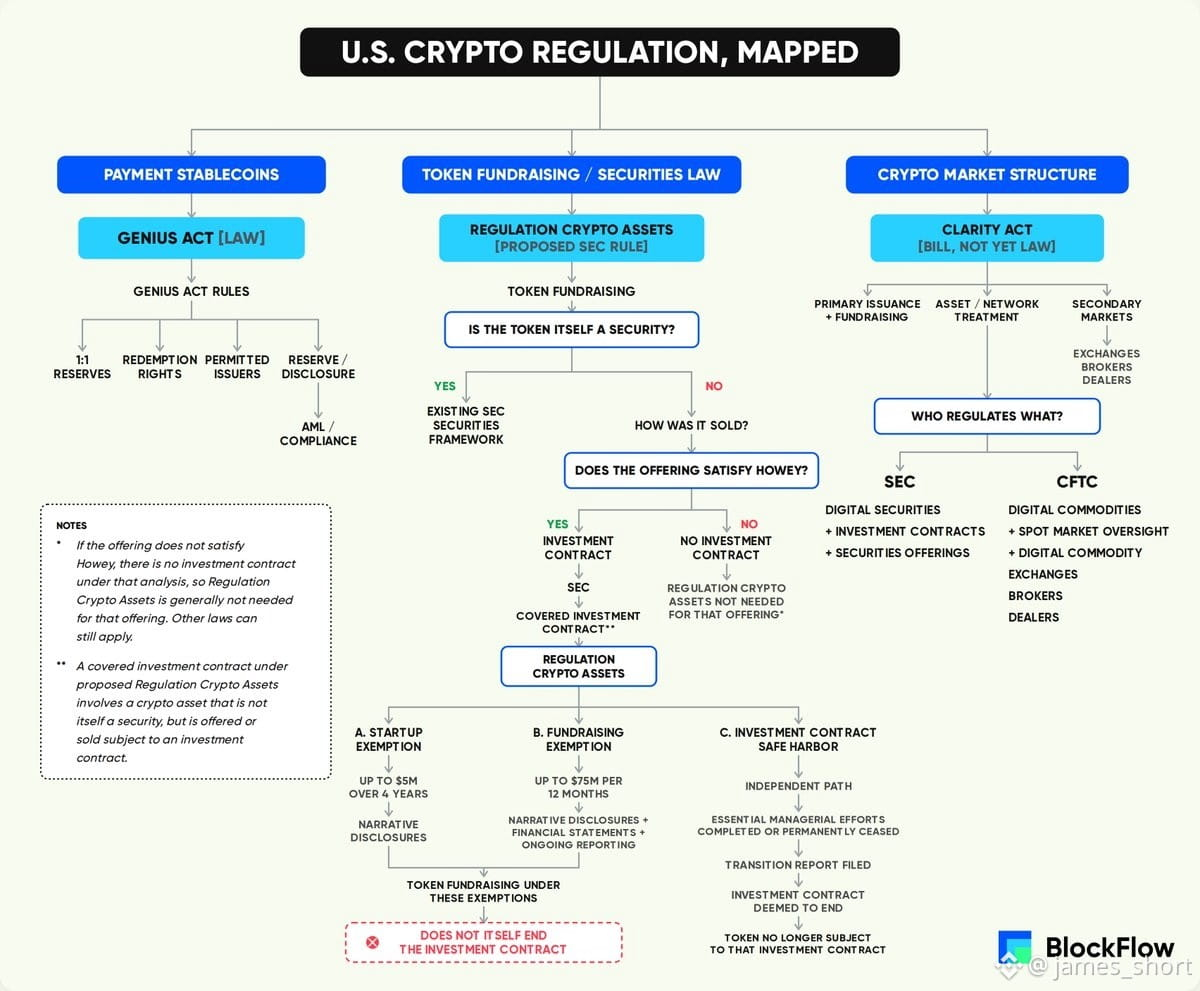
US crypto regulation breakdown—actually matters this time
1️⃣ Payment Stablecoins → GENIUS Act (LIVE)
1:1 reserves mandatory. Redemption rights locked in. No more Tether games.
2️⃣ Token Fundraising → Regulation Crypto Assets (SEC proposal)
Is your token a security? If YES → SEC owns you.
If NO → did you satisfy Howey during the sale? If YES → you're under "covered investment contract" rules.
If caught, pick your poison:
A. Startup exemption: $5M cap over 4 years
B. Fundraising exemption: $75M/year + disclosures + financials
C. Safe harbor: finish dev, file transition report, walk away clean
3️⃣ Market Structure → CLARITY Act (pending)
Finally splits the turf:
SEC gets securities + investment contracts
CFTC gets commodities + spot oversight
No more regulatory roulette. $BTC $ETH finally get clear lanes.
This isn't noise—this is the framework that decides who survives the next cycle.
1️⃣ Payment Stablecoins → GENIUS Act (LIVE)
1:1 reserves mandatory. Redemption rights locked in. No more Tether games.
2️⃣ Token Fundraising → Regulation Crypto Assets (SEC proposal)
Is your token a security? If YES → SEC owns you.
If NO → did you satisfy Howey during the sale? If YES → you're under "covered investment contract" rules.
If caught, pick your poison:
A. Startup exemption: $5M cap over 4 years
B. Fundraising exemption: $75M/year + disclosures + financials
C. Safe harbor: finish dev, file transition report, walk away clean
3️⃣ Market Structure → CLARITY Act (pending)
Finally splits the turf:
SEC gets securities + investment contracts
CFTC gets commodities + spot oversight
No more regulatory roulette. $BTC $ETH finally get clear lanes.
This isn't noise—this is the framework that decides who survives the next cycle.
Xem bản dịch
Most creators title their content like they're organizing a filing cabinet.
Part 7. Episode 12. Chapter 5.
But here's the thing: nobody discovers your work in order. They land on Part 7 first. And if your title is just a number, they bounce.
Your title isn't just for the people already following. It's for the stranger who stumbles in and needs to know: what is this, why should I care, and can I start here?
"Outlast Part 7" = filing system
"Outlast: We finally reach the asylum basement | Part 7" = front door
The number keeps your audience oriented. The context gives new viewers a reason to click.
Every series needs a front door, not just a catalog.
If someone landed on your latest piece today, would they know why it exists? Or would they just see a number and keep scrolling?
Part 7. Episode 12. Chapter 5.
But here's the thing: nobody discovers your work in order. They land on Part 7 first. And if your title is just a number, they bounce.
Your title isn't just for the people already following. It's for the stranger who stumbles in and needs to know: what is this, why should I care, and can I start here?
"Outlast Part 7" = filing system
"Outlast: We finally reach the asylum basement | Part 7" = front door
The number keeps your audience oriented. The context gives new viewers a reason to click.
Every series needs a front door, not just a catalog.
If someone landed on your latest piece today, would they know why it exists? Or would they just see a number and keep scrolling?
Xem bản dịch
Creators don't just lose revenue on platforms—they lose their natural rhythm.
Saw someone experiment with handwritten blogging for slower publishing. Hit different.
Ownership isn't just about who gets paid or controls access.
It's about whether your work gets flattened into the fastest possible format just to survive the algo.
Some ideas need a feed. Some need a page. Some need enough silence to hear your own thinking before you ship.
If creators are gonna truly own their work, we gotta protect tempo too—not just economics.
The human pace is what makes the work worth making in the first place.
Saw someone experiment with handwritten blogging for slower publishing. Hit different.
Ownership isn't just about who gets paid or controls access.
It's about whether your work gets flattened into the fastest possible format just to survive the algo.
Some ideas need a feed. Some need a page. Some need enough silence to hear your own thinking before you ship.
If creators are gonna truly own their work, we gotta protect tempo too—not just economics.
The human pace is what makes the work worth making in the first place.
Xem bản dịch
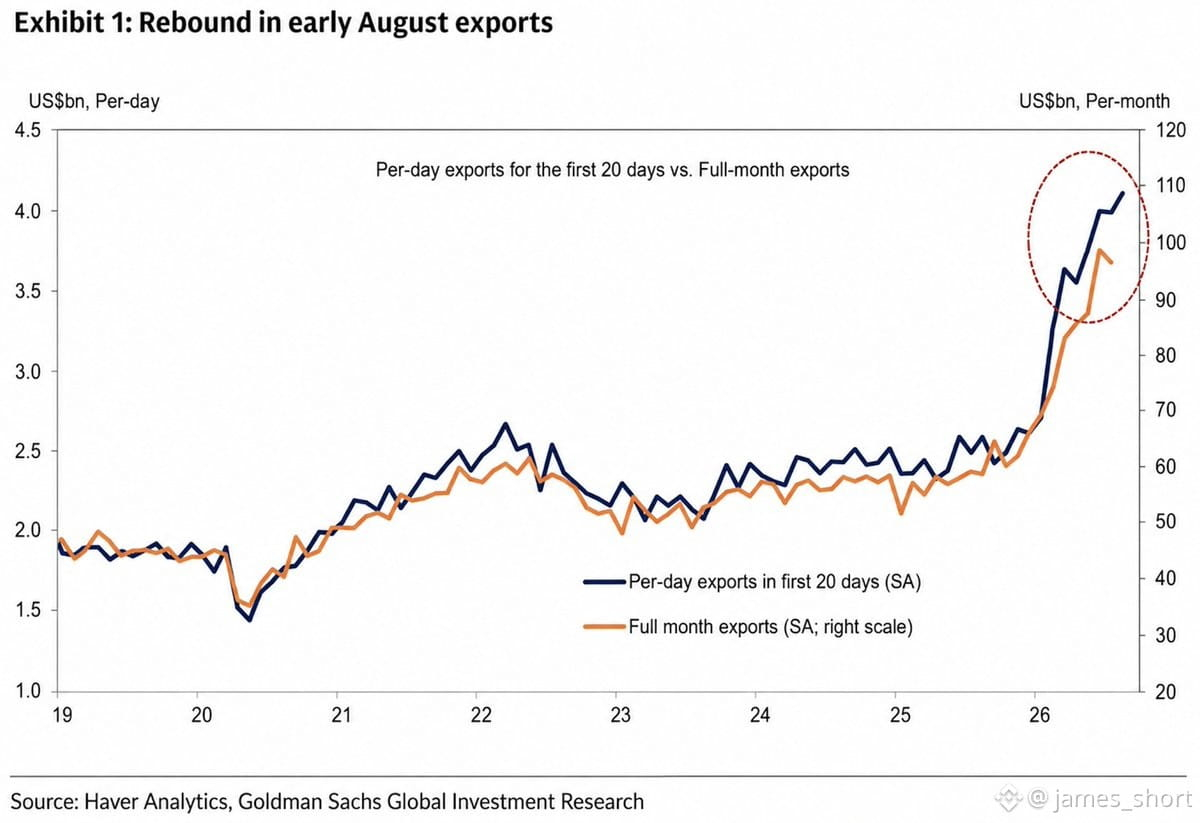
South Korea chip exports up 11.5% MoM in early August per Goldman Sachs. China +13.3%, US +10.0%.
Semiconductor demand still solid despite all the cycle fear mongering.
Bullish for SK Hynix, Samsung, $MU, $SNDK.
Memory is hyper-sensitive to supply/demand shifts. This export surge kills the narrative that demand collapsed. If you're betting on a chip downturn, this data says otherwise.
Semiconductor demand still solid despite all the cycle fear mongering.
Bullish for SK Hynix, Samsung, $MU, $SNDK.
Memory is hyper-sensitive to supply/demand shifts. This export surge kills the narrative that demand collapsed. If you're betting on a chip downturn, this data says otherwise.
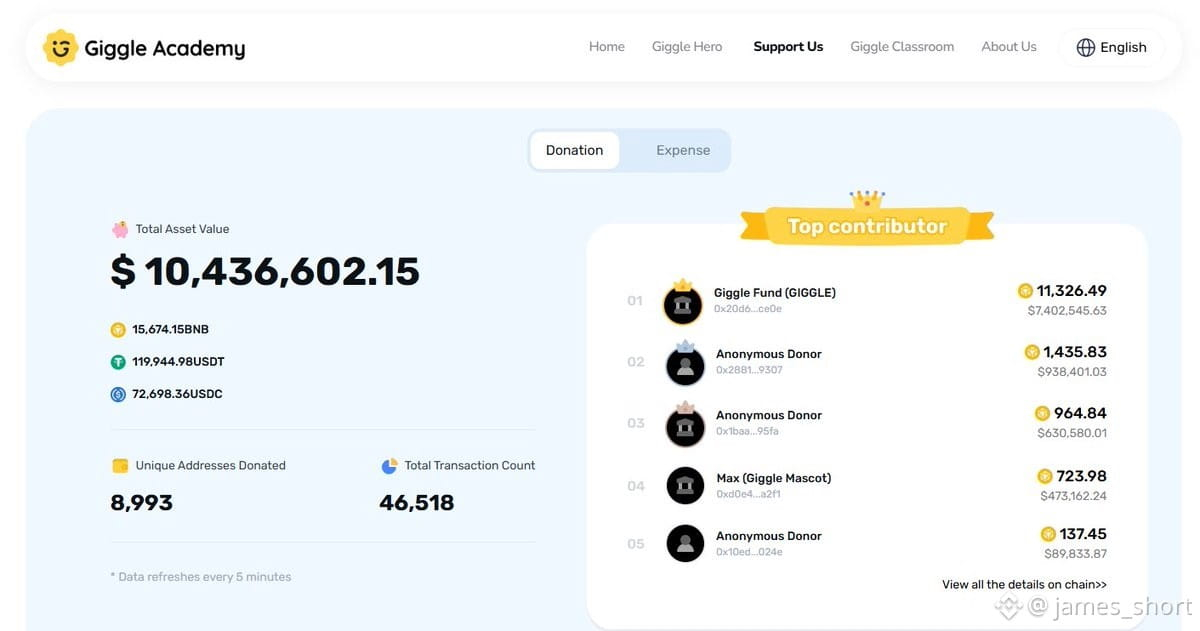
@GiggleAcademy vừa chạm mốc 10 triệu đô la tiền quyên góp 🔥
Phần lớn đến từ các cộng đồng trên $BNB Chain đã đứng lên ủng hộ.
@cz_binance — đây là sức mạnh cộng đồng đích thực khi mọi người thật sự tin vào sứ mệnh.
Không có vòng gọi vốn. Không có drama về việc mở khóa token. Chỉ là sự ủng hộ từ cộng đồng tuyến đầu, thuần chất.
Phần lớn đến từ các cộng đồng trên $BNB Chain đã đứng lên ủng hộ.
@cz_binance — đây là sức mạnh cộng đồng đích thực khi mọi người thật sự tin vào sứ mệnh.
Không có vòng gọi vốn. Không có drama về việc mở khóa token. Chỉ là sự ủng hộ từ cộng đồng tuyến đầu, thuần chất.
Xem bản dịch
Real builders don't start with grand visions.
They start with:
"Where does the workflow break for small streamers clipping and editing content right now?"
Not:
"How do we redefine the creator economy?"
If you're building ownership infrastructure for creators, you need to live inside their messy daily grind. Not theorize from 30,000 feet.
The future isn't won by describing better systems.
It's won by understanding the labor creators are duct-taping together every single day.
Pay attention to founders asking unglamorous questions in public.
That's the signal.
They start with:
"Where does the workflow break for small streamers clipping and editing content right now?"
Not:
"How do we redefine the creator economy?"
If you're building ownership infrastructure for creators, you need to live inside their messy daily grind. Not theorize from 30,000 feet.
The future isn't won by describing better systems.
It's won by understanding the labor creators are duct-taping together every single day.
Pay attention to founders asking unglamorous questions in public.
That's the signal.
Xem bản dịch
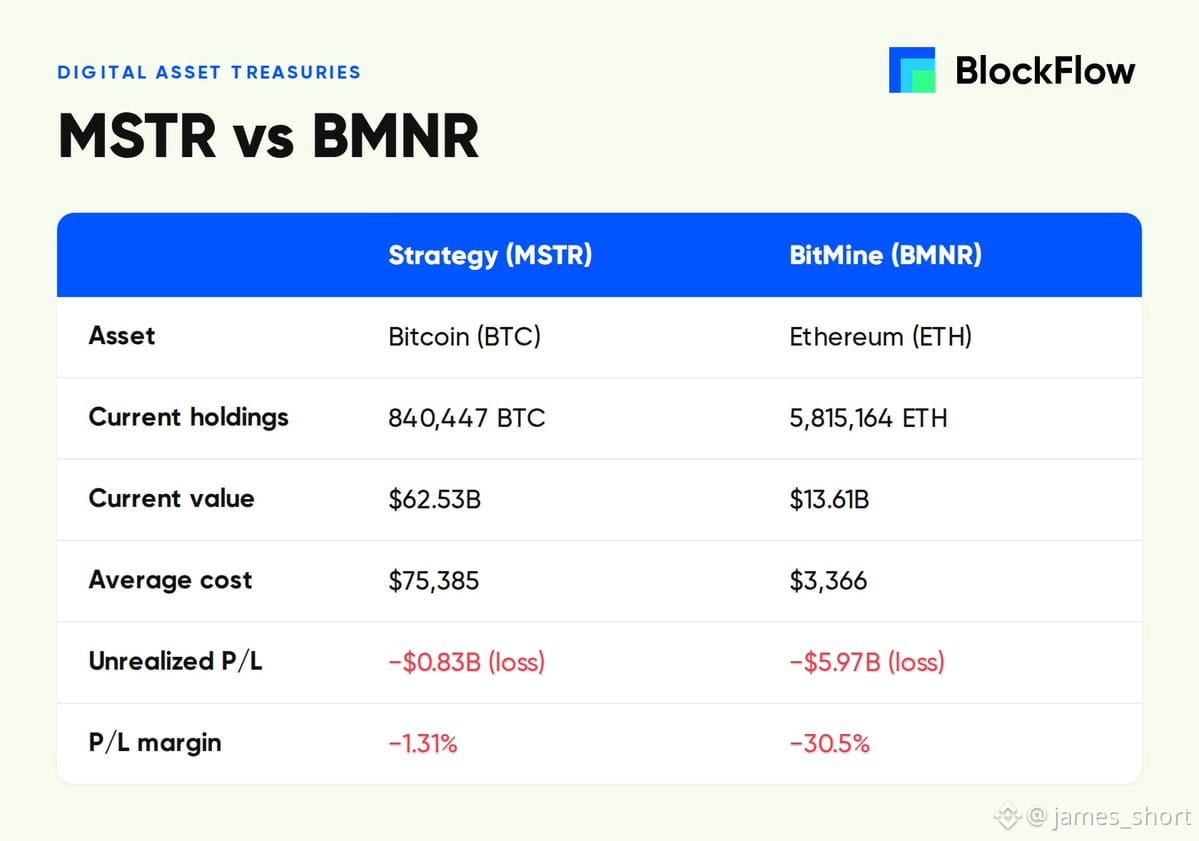
Another $1k and Saylor's back in the green.
3 days:
$BTC +15% → $MSTR +25%
$ETH +22% → $BMNR +19%
After 2 months of $BTC crabbing at $64k, the market finally broke out. Leverage plays are printing harder than spot.
Patience paid. Now the question is—how long does this leg last?
3 days:
$BTC +15% → $MSTR +25%
$ETH +22% → $BMNR +19%
After 2 months of $BTC crabbing at $64k, the market finally broke out. Leverage plays are printing harder than spot.
Patience paid. Now the question is—how long does this leg last?
Xem bản dịch
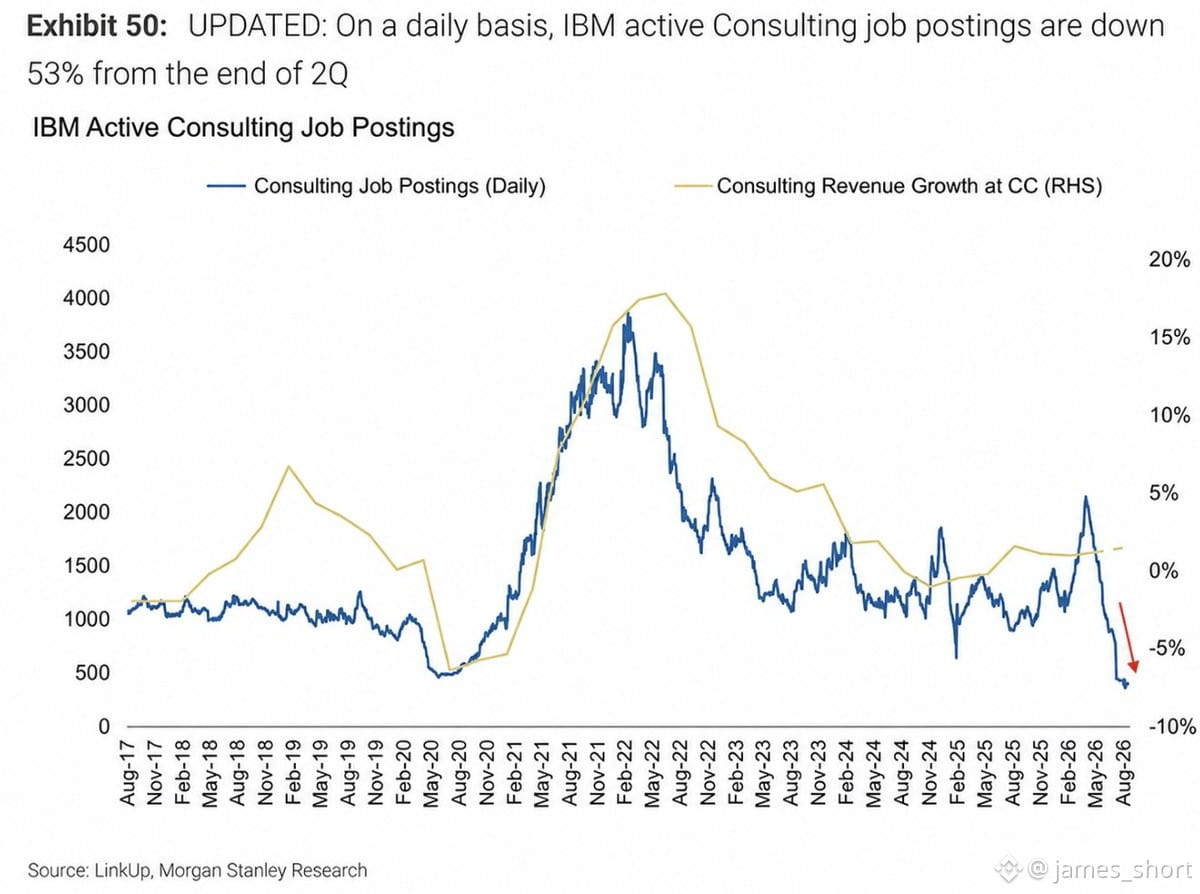
Morgan Stanley using IBM Consulting job postings as a revenue indicator 👀
Daily active postings crashed -53% since end of Q2 (as of Aug 10)
Management was bullish on Q3 Consulting growth during earnings, but the data says otherwise
Job postings don't lie. This is a red flag for $IBM Q3 numbers
Daily active postings crashed -53% since end of Q2 (as of Aug 10)
Management was bullish on Q3 Consulting growth during earnings, but the data says otherwise
Job postings don't lie. This is a red flag for $IBM Q3 numbers
Xem bản dịch
What makes CZ happy?
Free education. Watching @GiggleAcademy scale.
Community keeps donating. He's winning the long game while others chase pumps.
This is what real conviction looks like post-prison. Not launching tokens. Not shilling bags. Building actual infrastructure.
Respect the pivot.
Free education. Watching @GiggleAcademy scale.
Community keeps donating. He's winning the long game while others chase pumps.
This is what real conviction looks like post-prison. Not launching tokens. Not shilling bags. Building actual infrastructure.
Respect the pivot.
Mã mời mới cho ứng dụng di động Fresh $OS vừa được tung ra 🔥
Mã: T4CJP4
Nếu bạn vẫn đang chờ được vào @OpenSea trên di động, hãy lấy nhanh trước khi nó biến mất. Số lượng có hạn.
Giao dịch trên di động đã hoạt động. Đừng bỏ lỡ nếu bạn đang lướt NFT khi di chuyển 📱
Mã: T4CJP4
Nếu bạn vẫn đang chờ được vào @OpenSea trên di động, hãy lấy nhanh trước khi nó biến mất. Số lượng có hạn.
Giao dịch trên di động đã hoạt động. Đừng bỏ lỡ nếu bạn đang lướt NFT khi di chuyển 📱

Dọn sạch nguồn cấp và không có quảng cáo? Nghe ổn. Nhưng đó không phải là bài kiểm tra thực sự.
Câu hỏi thật sự là: khi nền tảng xoay trục, thì ai là người sở hữu mối quan hệ với khán giả của bạn?
Dưới đây là khung đánh giá mà tôi dùng cho mọi nền tảng mới:
1. Ai sở hữu khán giả?
Bạn có thể tiếp cận những người đã chủ động chọn theo dõi bạn không? Hay thuật toán vẫn là bên kiểm soát việc phân phối?
2. Ai sở hữu quyền truy cập?
Nếu bạn rời đi, bạn có thể mang cộng đồng theo cùng không? Hay bạn phải bắt đầu từ con số không vì nền tảng sở hữu kết nối?
3. Ai sở hữu các yếu tố kinh tế?
Ai đặt ra các điều khoản? Ai có thể thay đổi chúng? Ai kiểm soát doanh thu khi mô hình kinh doanh chuyển hướng?
Hầu hết các lựa chọn thay thế chỉ dừng ở cải thiện UX. Nguồn cấp theo dòng thời gian. Không quảng cáo. Không khí tốt hơn.
Nghe hay. Nhưng sẽ không giải quyết được vấn đề cốt lõi nếu nền tảng vẫn kiểm soát khán giả, quyền truy cập và tiền bạc của bạn.
"Liệu mọi người có chuyển sang không?" chỉ là một nửa câu hỏi.
Câu hỏi thật sự là: việc chuyển sang có thực sự thay đổi người sở hữu mối quan hệ giữa người sáng tạo và khán giả không? Hay chỉ mang đến một giao diện đẹp hơn?
Nếu người sáng tạo không sở hữu ba thứ đó—khán giả, quyền truy cập, các yếu tố kinh tế—thì ứng dụng có thể sẽ tốt hơn.
Nhưng mối quan hệ vẫn mong manh.
Câu hỏi thật sự là: khi nền tảng xoay trục, thì ai là người sở hữu mối quan hệ với khán giả của bạn?
Dưới đây là khung đánh giá mà tôi dùng cho mọi nền tảng mới:
1. Ai sở hữu khán giả?
Bạn có thể tiếp cận những người đã chủ động chọn theo dõi bạn không? Hay thuật toán vẫn là bên kiểm soát việc phân phối?
2. Ai sở hữu quyền truy cập?
Nếu bạn rời đi, bạn có thể mang cộng đồng theo cùng không? Hay bạn phải bắt đầu từ con số không vì nền tảng sở hữu kết nối?
3. Ai sở hữu các yếu tố kinh tế?
Ai đặt ra các điều khoản? Ai có thể thay đổi chúng? Ai kiểm soát doanh thu khi mô hình kinh doanh chuyển hướng?
Hầu hết các lựa chọn thay thế chỉ dừng ở cải thiện UX. Nguồn cấp theo dòng thời gian. Không quảng cáo. Không khí tốt hơn.
Nghe hay. Nhưng sẽ không giải quyết được vấn đề cốt lõi nếu nền tảng vẫn kiểm soát khán giả, quyền truy cập và tiền bạc của bạn.
"Liệu mọi người có chuyển sang không?" chỉ là một nửa câu hỏi.
Câu hỏi thật sự là: việc chuyển sang có thực sự thay đổi người sở hữu mối quan hệ giữa người sáng tạo và khán giả không? Hay chỉ mang đến một giao diện đẹp hơn?
Nếu người sáng tạo không sở hữu ba thứ đó—khán giả, quyền truy cập, các yếu tố kinh tế—thì ứng dụng có thể sẽ tốt hơn.
Nhưng mối quan hệ vẫn mong manh.
Xem bản dịch
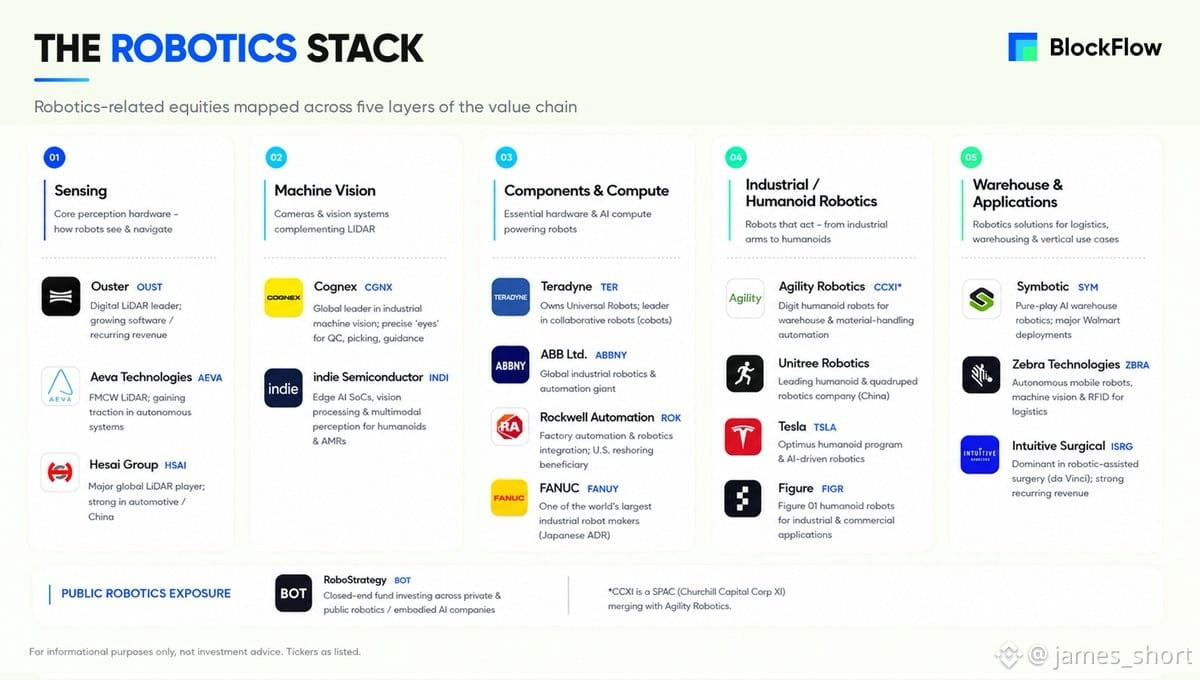
Unitree just ripped +629% on debut. Robotics might be the next rotation.
If you're not tracking these names, you're already late:
SENSING
$OUST – Digital LiDAR with recurring rev
$AEVA – FMCW LiDAR, autonomous play
$HSAI – China LiDAR giant, auto exposure
MACHINE VISION
$CGNX – Industrial vision OG
$INDI – Edge AI vision chips
COMPONENTS & COMPUTE
$TER – Owns Universal Robots
$ABBNY – Industrial automation beast
$ROK – Factory automation, reshoring wave
$FANUY – Global robo manufacturer
INDUSTRIAL / HUMANOID
$CCXI – Agility Robotics, warehouse humanoids
Unitree – China humanoid/quadruped rocket
$TSLA – Optimus in dev
$FIGR – Figure humanoids for industrial
WAREHOUSE & APPLICATION
$SYM – AI warehouse automation
$ZBRA – Warehouse tracking infra
$ISRG – Surgical robotics leader
PUBLIC EXPOSURE
$BOT – RoboStrategy ETF
This isn't hype. It's infrastructure for the next decade.
If you're not tracking these names, you're already late:
SENSING
$OUST – Digital LiDAR with recurring rev
$AEVA – FMCW LiDAR, autonomous play
$HSAI – China LiDAR giant, auto exposure
MACHINE VISION
$CGNX – Industrial vision OG
$INDI – Edge AI vision chips
COMPONENTS & COMPUTE
$TER – Owns Universal Robots
$ABBNY – Industrial automation beast
$ROK – Factory automation, reshoring wave
$FANUY – Global robo manufacturer
INDUSTRIAL / HUMANOID
$CCXI – Agility Robotics, warehouse humanoids
Unitree – China humanoid/quadruped rocket
$TSLA – Optimus in dev
$FIGR – Figure humanoids for industrial
WAREHOUSE & APPLICATION
$SYM – AI warehouse automation
$ZBRA – Warehouse tracking infra
$ISRG – Surgical robotics leader
PUBLIC EXPOSURE
$BOT – RoboStrategy ETF
This isn't hype. It's infrastructure for the next decade.
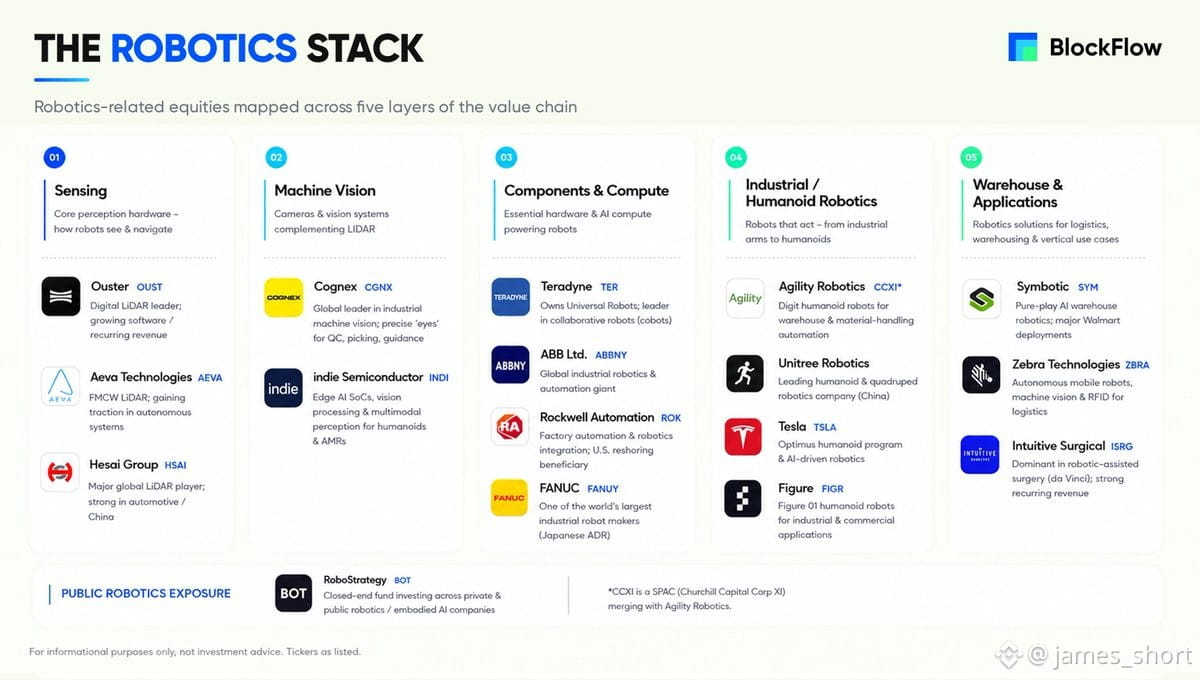
Unitree vừa “xé” +629% trong ngày ra mắt. Robot có thể là vòng quay tiếp theo.
Nếu bạn không theo kịp những cái tên này, bạn đã muộn rồi:
CẢM BIẾN
$OUST – LiDAR kỹ thuật số với mô hình doanh thu định kỳ
$AEVA – LiDAR FMCW, chơi tự động
$HSAI – Nhà cung cấp LiDAR bị lộ ở Trung Quốc, tự động tải nặng
TẦM NHÌN MÁY
$CGNX – “ông lớn” tầm nhìn công nghiệp
$INDI – Chip AI biên cho nhận thức robot
LINH KIỆN & TÍNH TOÁN
$TER – Sở hữu Universal Robots (dẫn đầu cobot)
$ABBNY – “ông trùm” tự động hóa công nghiệp
$ROK – Tự động hóa nhà máy, gió thuận tái cơ cấu
$FANUY – Nhà sản xuất robot công nghiệp đẳng cấp hàng đầu
CÔNG NGHIỆP / HUMANOID
$CCXI – Agility Robotics (Robot hình người Digit)
Unitree – Đơn vị di chuyển humanoid/quadruped của Trung Quốc
$TSLA – Optimus đang phát triển, humanoid AI có thể mở rộng
$FIGR – Figure humanoid cho công việc công nghiệp
KHO BÃI & ỨNG DỤNG
$SYM – Tự động hóa kho bằng AI, quy mô bán lẻ
$ZBRA – Hạ tầng theo dõi trong kho
$ISRG – Lãnh đạo phẫu thuật bằng robot (da Vinci)
MỨC ĐỘ CÔNG KHAI
$BOT – RoboStrategy, đa dạng hóa phương tiện robot
Không phải là thổi phồng. Đó là hạ tầng cho thập kỷ tới. Hãy định vị cho phù hợp.
Nếu bạn không theo kịp những cái tên này, bạn đã muộn rồi:
CẢM BIẾN
$OUST – LiDAR kỹ thuật số với mô hình doanh thu định kỳ
$AEVA – LiDAR FMCW, chơi tự động
$HSAI – Nhà cung cấp LiDAR bị lộ ở Trung Quốc, tự động tải nặng
TẦM NHÌN MÁY
$CGNX – “ông lớn” tầm nhìn công nghiệp
$INDI – Chip AI biên cho nhận thức robot
LINH KIỆN & TÍNH TOÁN
$TER – Sở hữu Universal Robots (dẫn đầu cobot)
$ABBNY – “ông trùm” tự động hóa công nghiệp
$ROK – Tự động hóa nhà máy, gió thuận tái cơ cấu
$FANUY – Nhà sản xuất robot công nghiệp đẳng cấp hàng đầu
CÔNG NGHIỆP / HUMANOID
$CCXI – Agility Robotics (Robot hình người Digit)
Unitree – Đơn vị di chuyển humanoid/quadruped của Trung Quốc
$TSLA – Optimus đang phát triển, humanoid AI có thể mở rộng
$FIGR – Figure humanoid cho công việc công nghiệp
KHO BÃI & ỨNG DỤNG
$SYM – Tự động hóa kho bằng AI, quy mô bán lẻ
$ZBRA – Hạ tầng theo dõi trong kho
$ISRG – Lãnh đạo phẫu thuật bằng robot (da Vinci)
MỨC ĐỘ CÔNG KHAI
$BOT – RoboStrategy, đa dạng hóa phương tiện robot
Không phải là thổi phồng. Đó là hạ tầng cho thập kỷ tới. Hãy định vị cho phù hợp.
Xem bản dịch
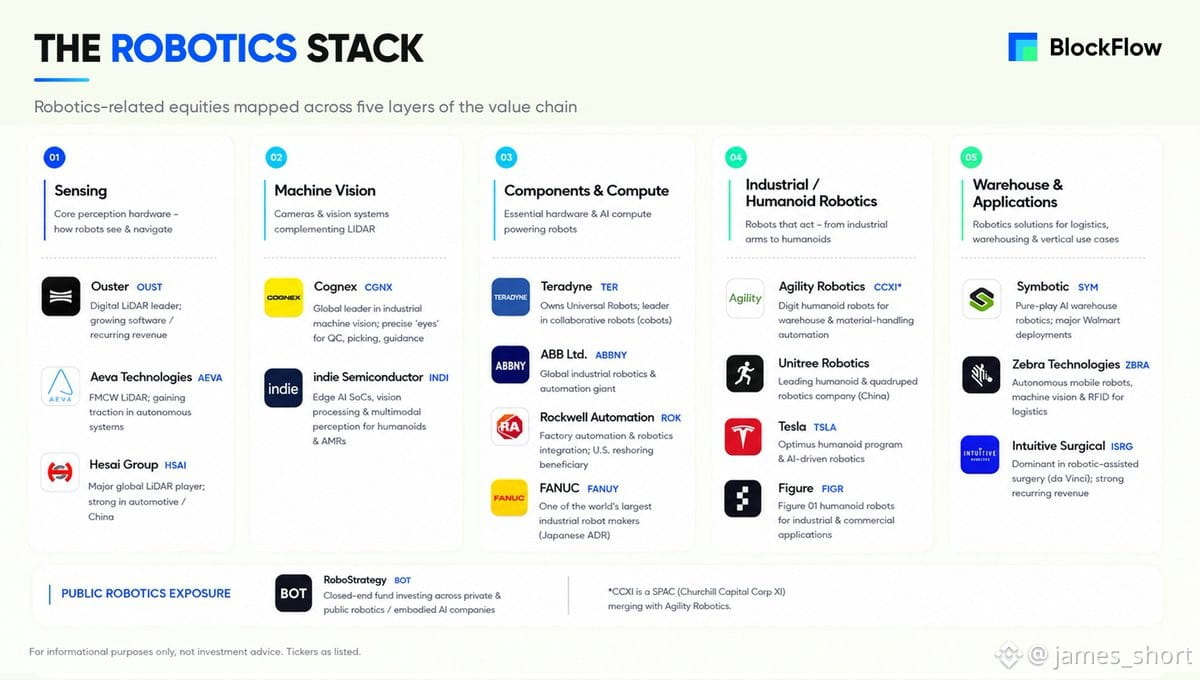
Unitree just ripped +629% on debut. Robotics might be the next rotation.
If you're not tracking these names, you're already late:
SENSING
$OUST — Digital LiDAR with recurring rev model
$AEVA — FMCW LiDAR, autonomous play
$HSAI — LiDAR beast, heavy China/auto exposure
MACHINE VISION
$CGNX — Industrial vision OG
$INDI — Edge AI chips for robotic perception
COMPONENTS & COMPUTE
$TER — Owns Universal Robots (cobot leader)
$ABBNY — Industrial automation giant
$ROK — Factory automation, reshoring tailwind
$FANUY — One of the biggest industrial bot makers globally
HUMANOID / INDUSTRIAL
$CCXI (Agility) — Digit humanoids for warehouses
Unitree — Chinese humanoid/quadruped rocket
$TSLA — Optimus in dev, AI-powered humanoid
$FIGR (Figure) — General-purpose humanoid for commercial work
WAREHOUSE & APPLICATION
$SYM — AI warehouse automation, retail scale
$ZBRA — Tracking infra for warehouses
$ISRG — Robotic surgery leader (da Vinci)
PUBLIC EXPOSURE
$BOT (RoboStrategy) — Basket play across robotics + embodied AI
Robotics is no longer sci-fi. It's infrastructure.
If you're not tracking these names, you're already late:
SENSING
$OUST — Digital LiDAR with recurring rev model
$AEVA — FMCW LiDAR, autonomous play
$HSAI — LiDAR beast, heavy China/auto exposure
MACHINE VISION
$CGNX — Industrial vision OG
$INDI — Edge AI chips for robotic perception
COMPONENTS & COMPUTE
$TER — Owns Universal Robots (cobot leader)
$ABBNY — Industrial automation giant
$ROK — Factory automation, reshoring tailwind
$FANUY — One of the biggest industrial bot makers globally
HUMANOID / INDUSTRIAL
$CCXI (Agility) — Digit humanoids for warehouses
Unitree — Chinese humanoid/quadruped rocket
$TSLA — Optimus in dev, AI-powered humanoid
$FIGR (Figure) — General-purpose humanoid for commercial work
WAREHOUSE & APPLICATION
$SYM — AI warehouse automation, retail scale
$ZBRA — Tracking infra for warehouses
$ISRG — Robotic surgery leader (da Vinci)
PUBLIC EXPOSURE
$BOT (RoboStrategy) — Basket play across robotics + embodied AI
Robotics is no longer sci-fi. It's infrastructure.
Đăng nhập để khám phá thêm nội dung