

#tmx
tmx
188,400 views
1,405 Discussing
Hot
Latest

·
--
Bullish
$TMX
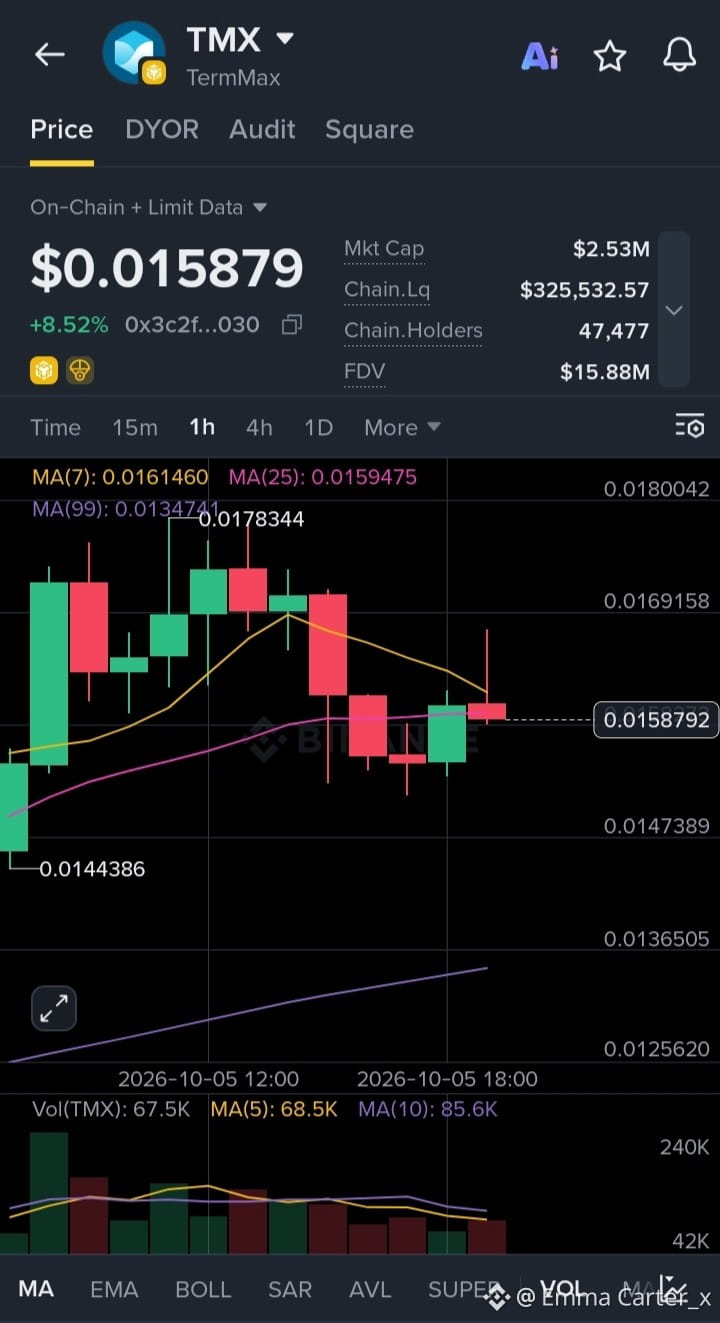
TMX is building positive momentum after its recent move. Holding the current zone keeps the short-term bullish setup intact.
EP: 0.01640
TP: 0.01740 / 0.01850 / 0.0200
SL: 0.01545
#EthereumValidatorExitQueueJumps392% #TMX
{alpha}(560x3c2f61f2e27c865981d2e7aaf6b2cdf823030039)
$TMX
TMX is building positive momentum after its recent move. Holding the current zone keeps the short-term bullish setup intact.
EP: 0.01640
TP: 0.01740 / 0.01850 / 0.0200
SL: 0.01545
#EthereumValidatorExitQueueJumps392% #TMX
TMX is building positive momentum after its recent move. Holding the current zone keeps the short-term bullish setup intact.
EP: 0.01640
TP: 0.01740 / 0.01850 / 0.0200
SL: 0.01545
#EthereumValidatorExitQueueJumps392% #TMX
10

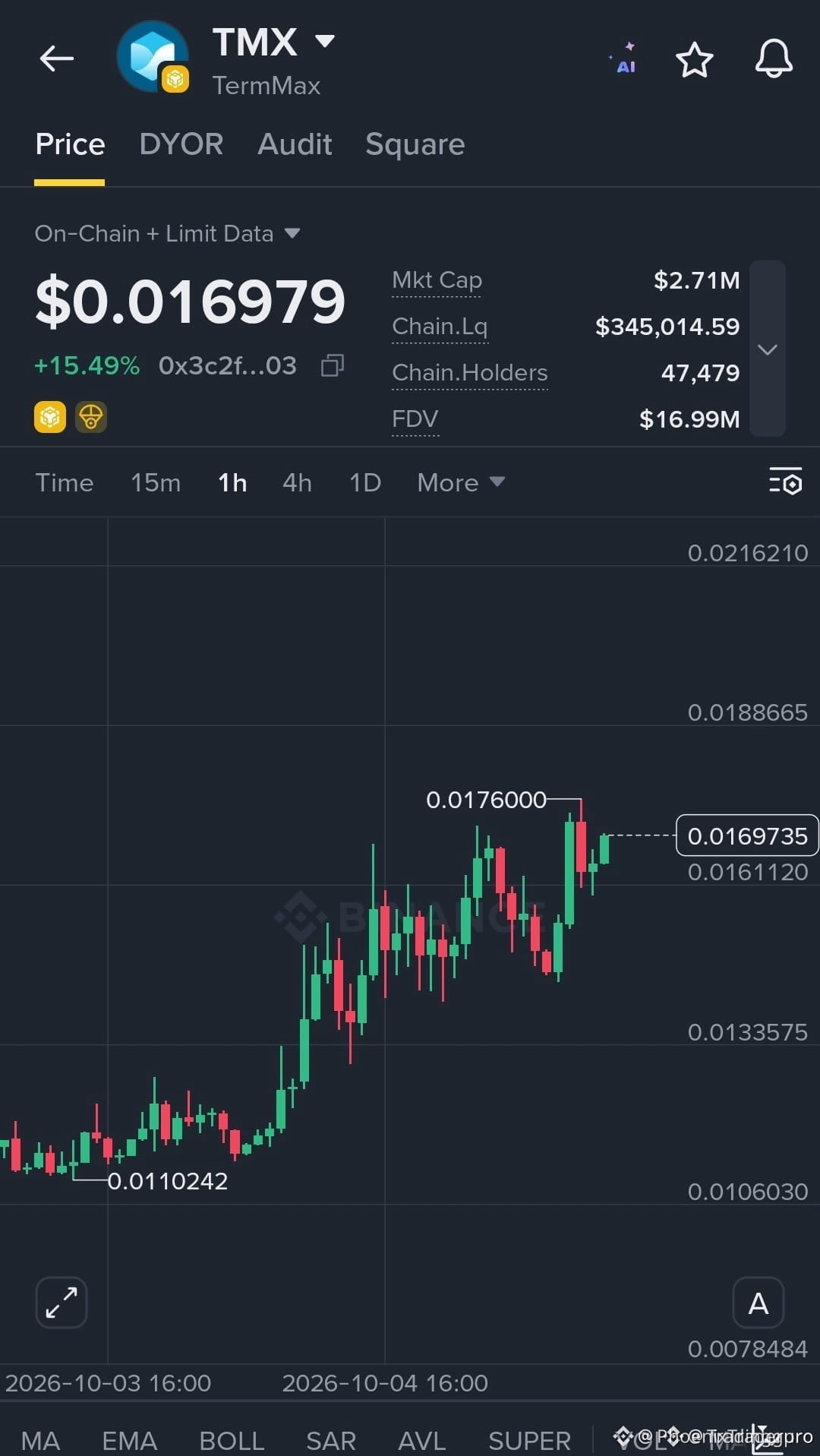
⚡ $TMX ABSORBS SELLER PRESSURE AT SUPPORT PREPARING FOR EXPLOSIVE BREAKOUT! 💥
Entry: $0.0165 - $0.0170 ⚡
Target: $0.0176 - $0.0200 🚀
Stop Loss: $0.0158 ⚠️
Buyers defended the $0.0161 demand floor with sharp aggression, swallowing sell orders and fueling a swift recovery back toward the critical $0.0176 resistance wall. 📌 Volume is building steadily on the lower timeframes, signaling institutional accumulation before the next momentum expansion. 📊
A clean break and daily close above resistance unlocks clear skies toward higher liquidity pools at $0.0188 and $0.0200. ⚡ Order flow remains heavily tilted toward upside continuation as supply thins out rapidly. 💡
💬 Are you loading your bids on this retest, or waiting for a confirmed breakout above resistance? 👇
⚠️ Not financial advice. Always manage your risk. 🛡️
🏷️ #TMX #LongSetup #Breakout #Crypto #Altcoins
🔥 💎
⚡ $TMX ABSORBS SELLER PRESSURE AT SUPPORT PREPARING FOR EXPLOSIVE BREAKOUT! 💥
Entry: $0.0165 - $0.0170 ⚡
Target: $0.0176 - $0.0200 🚀
Stop Loss: $0.0158 ⚠️
Buyers defended the $0.0161 demand floor with sharp aggression, swallowing sell orders and fueling a swift recovery back toward the critical $0.0176 resistance wall. 📌 Volume is building steadily on the lower timeframes, signaling institutional accumulation before the next momentum expansion. 📊
A clean break and daily close above resistance unlocks clear skies toward higher liquidity pools at $0.0188 and $0.0200. ⚡ Order flow remains heavily tilted toward upside continuation as supply thins out rapidly. 💡
💬 Are you loading your bids on this retest, or waiting for a confirmed breakout above resistance? 👇
⚠️ Not financial advice. Always manage your risk. 🛡️
🏷️ #TMX #LongSetup #Breakout #Crypto #Altcoins
🔥 💎
Entry: $0.0165 - $0.0170 ⚡
Target: $0.0176 - $0.0200 🚀
Stop Loss: $0.0158 ⚠️
Buyers defended the $0.0161 demand floor with sharp aggression, swallowing sell orders and fueling a swift recovery back toward the critical $0.0176 resistance wall. 📌 Volume is building steadily on the lower timeframes, signaling institutional accumulation before the next momentum expansion. 📊
A clean break and daily close above resistance unlocks clear skies toward higher liquidity pools at $0.0188 and $0.0200. ⚡ Order flow remains heavily tilted toward upside continuation as supply thins out rapidly. 💡
💬 Are you loading your bids on this retest, or waiting for a confirmed breakout above resistance? 👇
⚠️ Not financial advice. Always manage your risk. 🛡️
🏷️ #TMX #LongSetup #Breakout #Crypto #Altcoins
🔥 💎
23

·
--
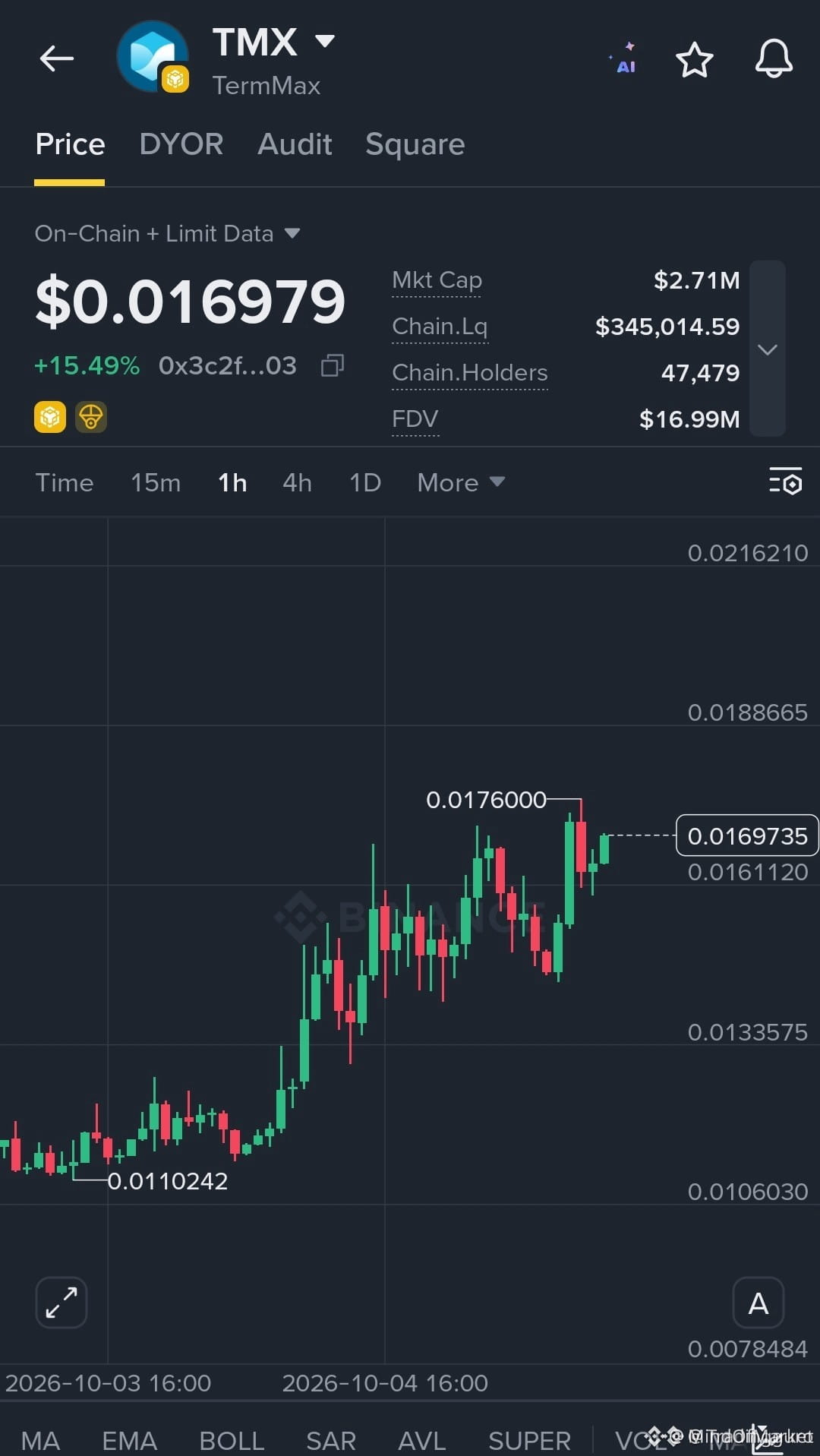
💥 $TMX RECLAIMS DEMAND ZONE AS INSTITUTIONAL LIQUIDITY ABSORPTION FUELS EXPANSION UPWARD! 📈
Entry: 0.0165 - 0.0170 ⚡
Target: 0.0176 - 0.0200 🚀
Stop Loss: 0.0158 ⚠️
Smart money defended the 0.0161 structural demand block, sweeping sell-side liquidity before driving price back toward the 0.0176 inefficiency zone. 📊 Buying interest is accelerating cleanly off lower timeframes as order flow shifts back into balance.
📌 A confirmed daily acceptance above 0.0176 clears the path toward the upper fair value gaps at 0.0188 and 0.0200. 🔍 With risk defined cleanly below the recent swing low, institutional structure favors continuation. 💬 Will buyers lock in this reclaim or present another sweep before the breakout? 👇
⚠️ Not financial advice. Always manage your risk. 🛡️
🏷️ #TMX #LongSetup #MarketStructure #Crypto
🔥 💎
💥 $TMX RECLAIMS DEMAND ZONE AS INSTITUTIONAL LIQUIDITY ABSORPTION FUELS EXPANSION UPWARD! 📈
Entry: 0.0165 - 0.0170 ⚡
Target: 0.0176 - 0.0200 🚀
Stop Loss: 0.0158 ⚠️
Smart money defended the 0.0161 structural demand block, sweeping sell-side liquidity before driving price back toward the 0.0176 inefficiency zone. 📊 Buying interest is accelerating cleanly off lower timeframes as order flow shifts back into balance.
📌 A confirmed daily acceptance above 0.0176 clears the path toward the upper fair value gaps at 0.0188 and 0.0200. 🔍 With risk defined cleanly below the recent swing low, institutional structure favors continuation. 💬 Will buyers lock in this reclaim or present another sweep before the breakout? 👇
⚠️ Not financial advice. Always manage your risk. 🛡️
🏷️ #TMX #LongSetup #MarketStructure #Crypto
🔥 💎
Entry: 0.0165 - 0.0170 ⚡
Target: 0.0176 - 0.0200 🚀
Stop Loss: 0.0158 ⚠️
Smart money defended the 0.0161 structural demand block, sweeping sell-side liquidity before driving price back toward the 0.0176 inefficiency zone. 📊 Buying interest is accelerating cleanly off lower timeframes as order flow shifts back into balance.
📌 A confirmed daily acceptance above 0.0176 clears the path toward the upper fair value gaps at 0.0188 and 0.0200. 🔍 With risk defined cleanly below the recent swing low, institutional structure favors continuation. 💬 Will buyers lock in this reclaim or present another sweep before the breakout? 👇
⚠️ Not financial advice. Always manage your risk. 🛡️
🏷️ #TMX #LongSetup #MarketStructure #Crypto
🔥 💎
37

·
--
$TMX +37.43% | $LYN +34.10% | $SIGMA +22.73%
#TMX on BSC nudged to $0.0166, climbing +37.43% with $2.3 M traded. Its market cap sits at $2.6 M, so the jump feels significant on a modest base.
LYN on BSC is now $0.0352, up +34.10% on $1.4 M volume. At $9.0 M market cap the token shows strong buying pressure, though the upside is still limited by its size.
SIGMA on BSC slipped to $0.0103, gaining +22.73% despite only $19.1 K volume. With a $2.2 M market cap, the thin liquidity means even a small sell‑off could erase today’s rally ⚡️.
Watch the order‑book depth on SIGMA; its low volume makes the recent surge especially vulnerable.
#BinanceAlpha #TopGainers #Write2Earn #Binance
$TMX +37.43% | $LYN +34.10% | $SIGMA +22.73%
#TMX on BSC nudged to $0.0166, climbing +37.43% with $2.3 M traded. Its market cap sits at $2.6 M, so the jump feels significant on a modest base.
LYN on BSC is now $0.0352, up +34.10% on $1.4 M volume. At $9.0 M market cap the token shows strong buying pressure, though the upside is still limited by its size.
SIGMA on BSC slipped to $0.0103, gaining +22.73% despite only $19.1 K volume. With a $2.2 M market cap, the thin liquidity means even a small sell‑off could erase today’s rally ⚡️.
Watch the order‑book depth on SIGMA; its low volume makes the recent surge especially vulnerable.
#BinanceAlpha #TopGainers #Write2Earn #Binance
#TMX on BSC nudged to $0.0166, climbing +37.43% with $2.3 M traded. Its market cap sits at $2.6 M, so the jump feels significant on a modest base.
LYN on BSC is now $0.0352, up +34.10% on $1.4 M volume. At $9.0 M market cap the token shows strong buying pressure, though the upside is still limited by its size.
SIGMA on BSC slipped to $0.0103, gaining +22.73% despite only $19.1 K volume. With a $2.2 M market cap, the thin liquidity means even a small sell‑off could erase today’s rally ⚡️.
Watch the order‑book depth on SIGMA; its low volume makes the recent surge especially vulnerable.
#BinanceAlpha #TopGainers #Write2Earn #Binance
11
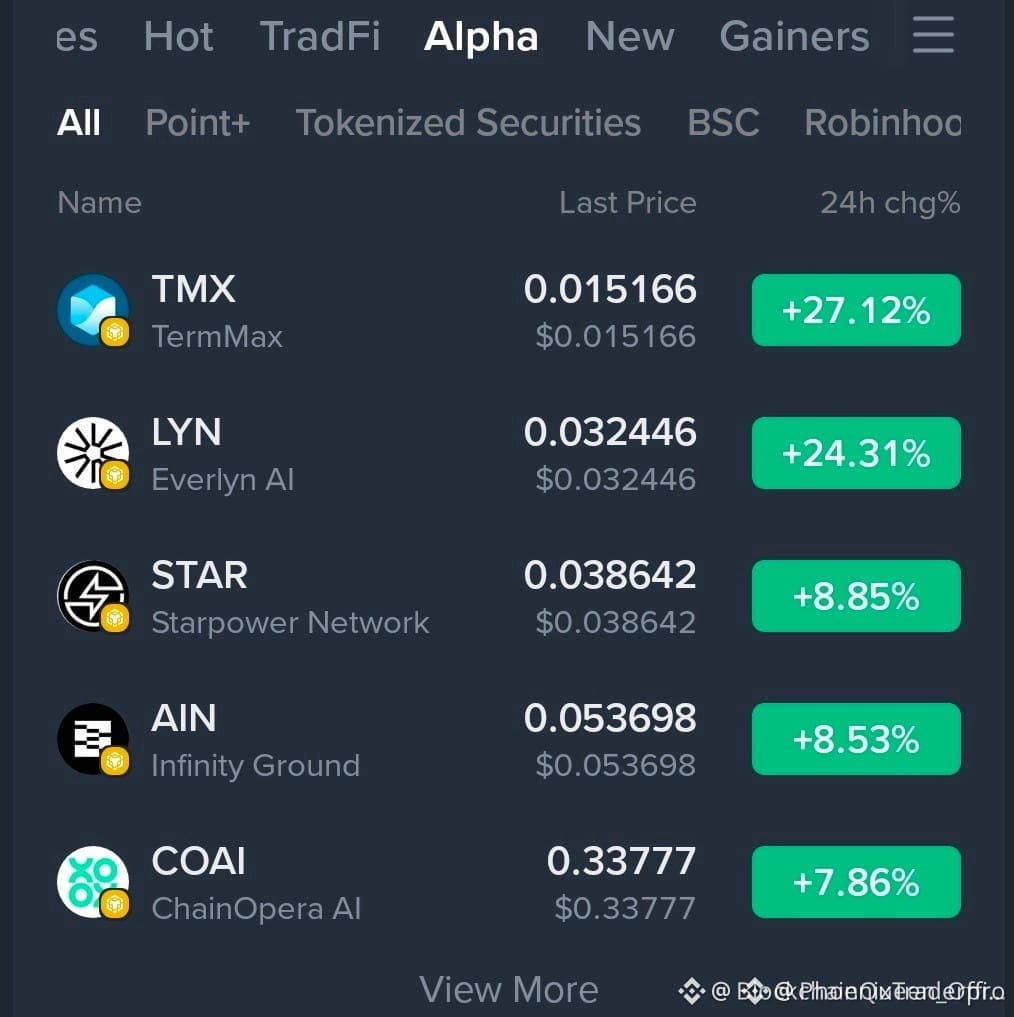
🚨 $TMX AND $LYN IGNITE MOMENTUM RALLY AS BUYERS CONSUME LIQUIDITY! 🚀
💥 Capital is aggressively rotating into high-velocity alphacoins today, led by $TMX surging +27.12% and $LYN pumping +24.31%. Order flow shows buyers systematically eating through sell walls while volume expands on lower timeframes. 📊
💡 Secondary runners like $STAR are building solid momentum structures with clean higher lows forming above key intraday support. 📌 When order book depth thins out, breakout continuation often unfolds much faster than retail expects.
💬 Which of these momentum leaders is on your radar for the next leg up? 👇
⚠️ Not financial advice. Always manage your risk. 🛡️
🏷️ #TMX #LYN #STAR #Breakout #Altcoins
🔥 ⚡
🚨 $TMX AND $LYN IGNITE MOMENTUM RALLY AS BUYERS CONSUME LIQUIDITY! 🚀
💥 Capital is aggressively rotating into high-velocity alphacoins today, led by $TMX surging +27.12% and $LYN pumping +24.31%. Order flow shows buyers systematically eating through sell walls while volume expands on lower timeframes. 📊
💡 Secondary runners like $STAR are building solid momentum structures with clean higher lows forming above key intraday support. 📌 When order book depth thins out, breakout continuation often unfolds much faster than retail expects.
💬 Which of these momentum leaders is on your radar for the next leg up? 👇
⚠️ Not financial advice. Always manage your risk. 🛡️
🏷️ #TMX #LYN #STAR #Breakout #Altcoins
🔥 ⚡
💥 Capital is aggressively rotating into high-velocity alphacoins today, led by $TMX surging +27.12% and $LYN pumping +24.31%. Order flow shows buyers systematically eating through sell walls while volume expands on lower timeframes. 📊
💡 Secondary runners like $STAR are building solid momentum structures with clean higher lows forming above key intraday support. 📌 When order book depth thins out, breakout continuation often unfolds much faster than retail expects.
💬 Which of these momentum leaders is on your radar for the next leg up? 👇
⚠️ Not financial advice. Always manage your risk. 🛡️
🏷️ #TMX #LYN #STAR #Breakout #Altcoins
🔥 ⚡
95

·
--
$TMX is showing impressive market strength, climbing higher with strong momentum and growing attention. The current price action is creating an interesting setup for traders watching the next move.
This is more than just a short-term rise—it’s a market worth keeping on the radar. 📈🔥
#TMX #Crypto #Binance #MarketMomentum
{alpha}(560x3c2f61f2e27c865981d2e7aaf6b2cdf823030039)
$TMX is showing impressive market strength, climbing higher with strong momentum and growing attention. The current price action is creating an interesting setup for traders watching the next move.
This is more than just a short-term rise—it’s a market worth keeping on the radar. 📈🔥
#TMX #Crypto #Binance #MarketMomentum
This is more than just a short-term rise—it’s a market worth keeping on the radar. 📈🔥
#TMX #Crypto #Binance #MarketMomentum
3
463

·
--
🚀 $TMX Showing Strong Bullish Rebound! 📈
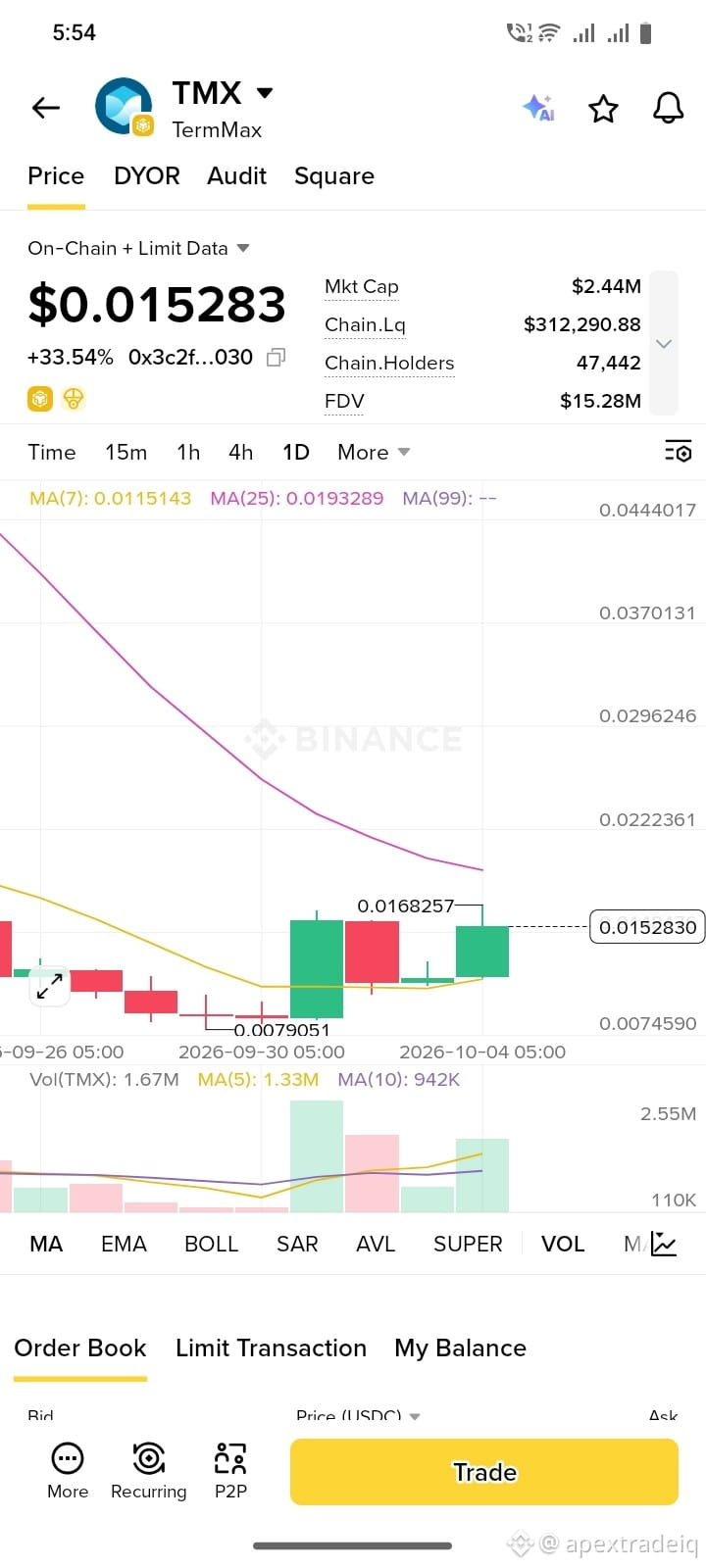
$TMX (TermMax) is gaining momentum, up +33.54% and trading at $0.015283 after bouncing back from its recent low of $0.007905. With a green candle reclaiming key levels above the short-term moving average, buying volume is picking up. Will $TMX push past its recent resistance around $0.0168, or are we heading into a consolidation phase? Always remember to DYOR before opening new positions! 💎✨
#TMX #BinanceSquare #CryptoTrading #TermMax
{alpha}(560x3c2f61f2e27c865981d2e7aaf6b2cdf823030039)
🚀 $TMX Showing Strong Bullish Rebound! 📈
$TMX (TermMax) is gaining momentum, up +33.54% and trading at $0.015283 after bouncing back from its recent low of $0.007905. With a green candle reclaiming key levels above the short-term moving average, buying volume is picking up. Will $TMX push past its recent resistance around $0.0168, or are we heading into a consolidation phase? Always remember to DYOR before opening new positions! 💎✨
#TMX #BinanceSquare #CryptoTrading #TermMax
$TMX (TermMax) is gaining momentum, up +33.54% and trading at $0.015283 after bouncing back from its recent low of $0.007905. With a green candle reclaiming key levels above the short-term moving average, buying volume is picking up. Will $TMX push past its recent resistance around $0.0168, or are we heading into a consolidation phase? Always remember to DYOR before opening new positions! 💎✨
#TMX #BinanceSquare #CryptoTrading #TermMax
425

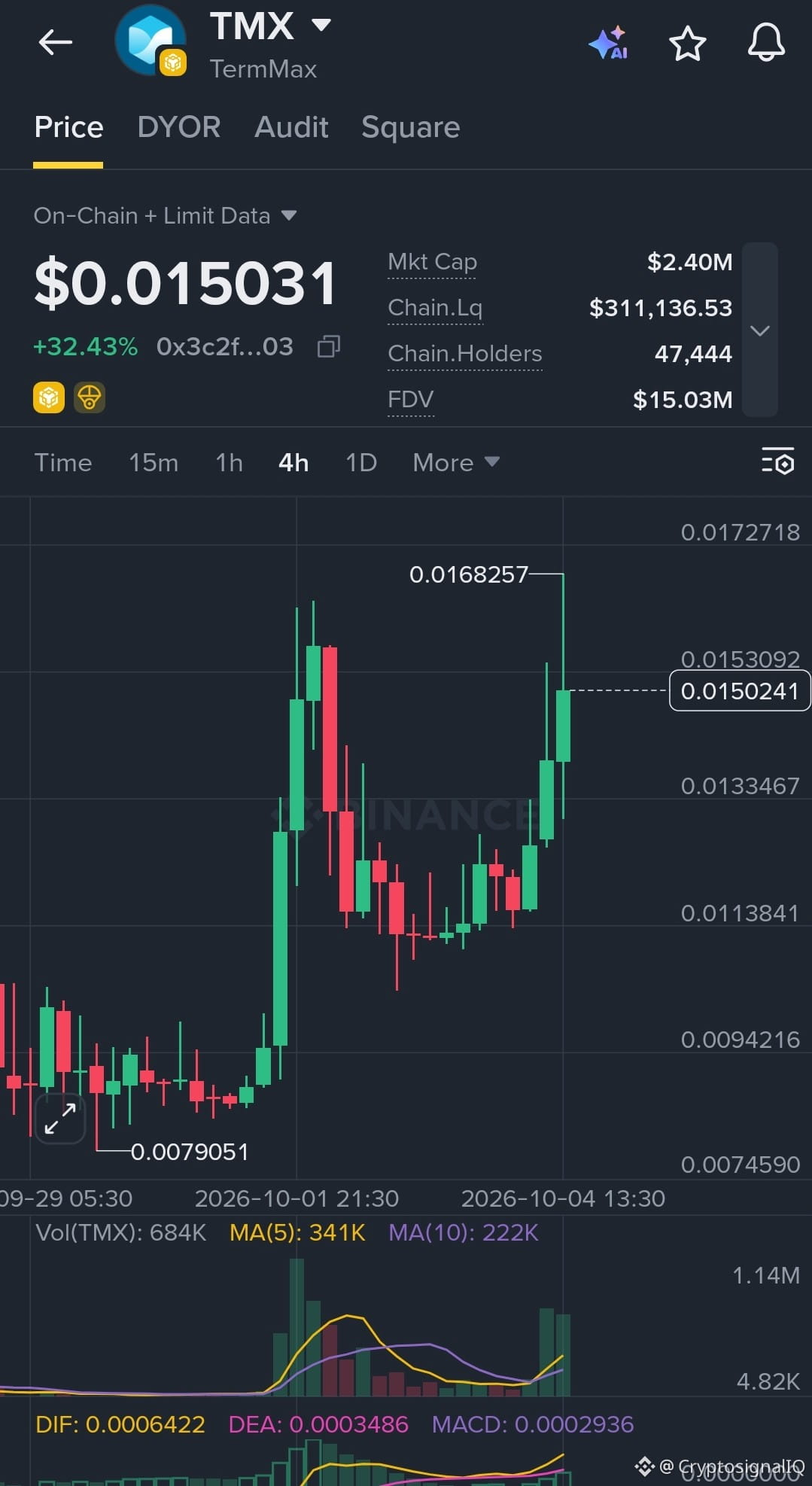
$TMX — Strong breakout from consolidation, followed by a clean reclaim of the 0.0150 area as momentum returns.
TMX/USDT
EP: 0.0145 – 0.0152
TP: • TP1: 0.0168
• TP2: 0.0185
• TP3: 0.0200
SL: 0.0135
After a sharp impulse move and healthy cooldown, buyers stepped back in aggressively from the 0.0110 base. Volume is expanding again and price is approaching the previous high at 0.0168. A breakout above that level could trigger another strong expansion phase. 📈🔥
Trade #TMX here
{alpha}(560x3c2f61f2e27c865981d2e7aaf6b2cdf823030039)
$AIN
{future}(AINUSDT)
$BEAMX
{future}(BEAMXUSDT)
$TMX — Strong breakout from consolidation, followed by a clean reclaim of the 0.0150 area as momentum returns.
TMX/USDT
EP: 0.0145 – 0.0152
TP: • TP1: 0.0168
• TP2: 0.0185
• TP3: 0.0200
SL: 0.0135
After a sharp impulse move and healthy cooldown, buyers stepped back in aggressively from the 0.0110 base. Volume is expanding again and price is approaching the previous high at 0.0168. A breakout above that level could trigger another strong expansion phase. 📈🔥
Trade #TMX here
$AIN
$BEAMX
TMX/USDT
EP: 0.0145 – 0.0152
TP: • TP1: 0.0168
• TP2: 0.0185
• TP3: 0.0200
SL: 0.0135
After a sharp impulse move and healthy cooldown, buyers stepped back in aggressively from the 0.0110 base. Volume is expanding again and price is approaching the previous high at 0.0168. A breakout above that level could trigger another strong expansion phase. 📈🔥
Trade #TMX here
$AIN
$BEAMX
1
242

·
--
🚨 FIRST-MOVER LIQUIDITY ALERT FOR $TMX AHEAD OF AUGUST 25 DEBUT! ⚡
📌 Early structural access unfolds on August 25 as $TMX makes its premiere debut on a top-tier exchange platform. Qualified participants holding platform points can claim their allocation directly on the event portal the moment trading liquidity opens. 📊
💡 Initial listing events often spark violent price discovery as early airdrop distribution gets absorbed by institutional order flow. Tracking how the initial order book digests this token unlock will reveal whether smart money is accumulating or letting retail fight over early volatility spikes. 🔍
💬 Are you planning to claim your $TMX allocation instantly at open, or wait for market structure to print a defined demand block? 👇
⚠️ Not financial advice. Always manage your risk. 🛡️
🏷️ #TMX #Airdrop #TokenLaunch #Crypto #MarketStructure
🎯 🦈
🚨 FIRST-MOVER LIQUIDITY ALERT FOR $TMX AHEAD OF AUGUST 25 DEBUT! ⚡
📌 Early structural access unfolds on August 25 as $TMX makes its premiere debut on a top-tier exchange platform. Qualified participants holding platform points can claim their allocation directly on the event portal the moment trading liquidity opens. 📊
💡 Initial listing events often spark violent price discovery as early airdrop distribution gets absorbed by institutional order flow. Tracking how the initial order book digests this token unlock will reveal whether smart money is accumulating or letting retail fight over early volatility spikes. 🔍
💬 Are you planning to claim your $TMX allocation instantly at open, or wait for market structure to print a defined demand block? 👇
⚠️ Not financial advice. Always manage your risk. 🛡️
🏷️ #TMX #Airdrop #TokenLaunch #Crypto #MarketStructure
🎯 🦈
📌 Early structural access unfolds on August 25 as $TMX makes its premiere debut on a top-tier exchange platform. Qualified participants holding platform points can claim their allocation directly on the event portal the moment trading liquidity opens. 📊
💡 Initial listing events often spark violent price discovery as early airdrop distribution gets absorbed by institutional order flow. Tracking how the initial order book digests this token unlock will reveal whether smart money is accumulating or letting retail fight over early volatility spikes. 🔍
💬 Are you planning to claim your $TMX allocation instantly at open, or wait for market structure to print a defined demand block? 👇
⚠️ Not financial advice. Always manage your risk. 🛡️
🏷️ #TMX #Airdrop #TokenLaunch #Crypto #MarketStructure
🎯 🦈

1
492

⚡ $TMX SURGES ONTO TOP-TIER PLATFORMS AS EARLY LIQUIDITY BLOCKS FORM 🔍
The initial trading debut for $TMX is introducing fresh liquidity into the order book, creating immediate price discovery across early timeframes. 📊 As distribution tokens hit the market, institutional order flow will be closely watching how quickly sell-side pressure gets absorbed around primary demand zones.
🔍 Initial launch spikes often lead to a rapid liquidity sweep before establishing a structural range, making patience essential for strategic execution. 💡 Watching how smart money defends early key support levels will reveal whether this launch transitions into sustained mark-up structure.
💬 Did you lock in allocation during the initial launchpad distribution, or are you waiting for price structure to mature? 👇
⚠️ Not financial advice. Always manage your risk. 🛡️
🏷️ #TMX #MarketStructure #Liquidity #TokenLaunch #Crypto
🎯 🦈
⚡ $TMX SURGES ONTO TOP-TIER PLATFORMS AS EARLY LIQUIDITY BLOCKS FORM 🔍
The initial trading debut for $TMX is introducing fresh liquidity into the order book, creating immediate price discovery across early timeframes. 📊 As distribution tokens hit the market, institutional order flow will be closely watching how quickly sell-side pressure gets absorbed around primary demand zones.
🔍 Initial launch spikes often lead to a rapid liquidity sweep before establishing a structural range, making patience essential for strategic execution. 💡 Watching how smart money defends early key support levels will reveal whether this launch transitions into sustained mark-up structure.
💬 Did you lock in allocation during the initial launchpad distribution, or are you waiting for price structure to mature? 👇
⚠️ Not financial advice. Always manage your risk. 🛡️
🏷️ #TMX #MarketStructure #Liquidity #TokenLaunch #Crypto
🎯 🦈
The initial trading debut for $TMX is introducing fresh liquidity into the order book, creating immediate price discovery across early timeframes. 📊 As distribution tokens hit the market, institutional order flow will be closely watching how quickly sell-side pressure gets absorbed around primary demand zones.
🔍 Initial launch spikes often lead to a rapid liquidity sweep before establishing a structural range, making patience essential for strategic execution. 💡 Watching how smart money defends early key support levels will reveal whether this launch transitions into sustained mark-up structure.
💬 Did you lock in allocation during the initial launchpad distribution, or are you waiting for price structure to mature? 👇
⚠️ Not financial advice. Always manage your risk. 🛡️
🏷️ #TMX #MarketStructure #Liquidity #TokenLaunch #Crypto
🎯 🦈
15
💥 INSTITUTIONAL LIQUIDITY FLOWS INTO $TMX FOLLOWING CREATORPAD CAMPAIGN INCENTIVES 🦈
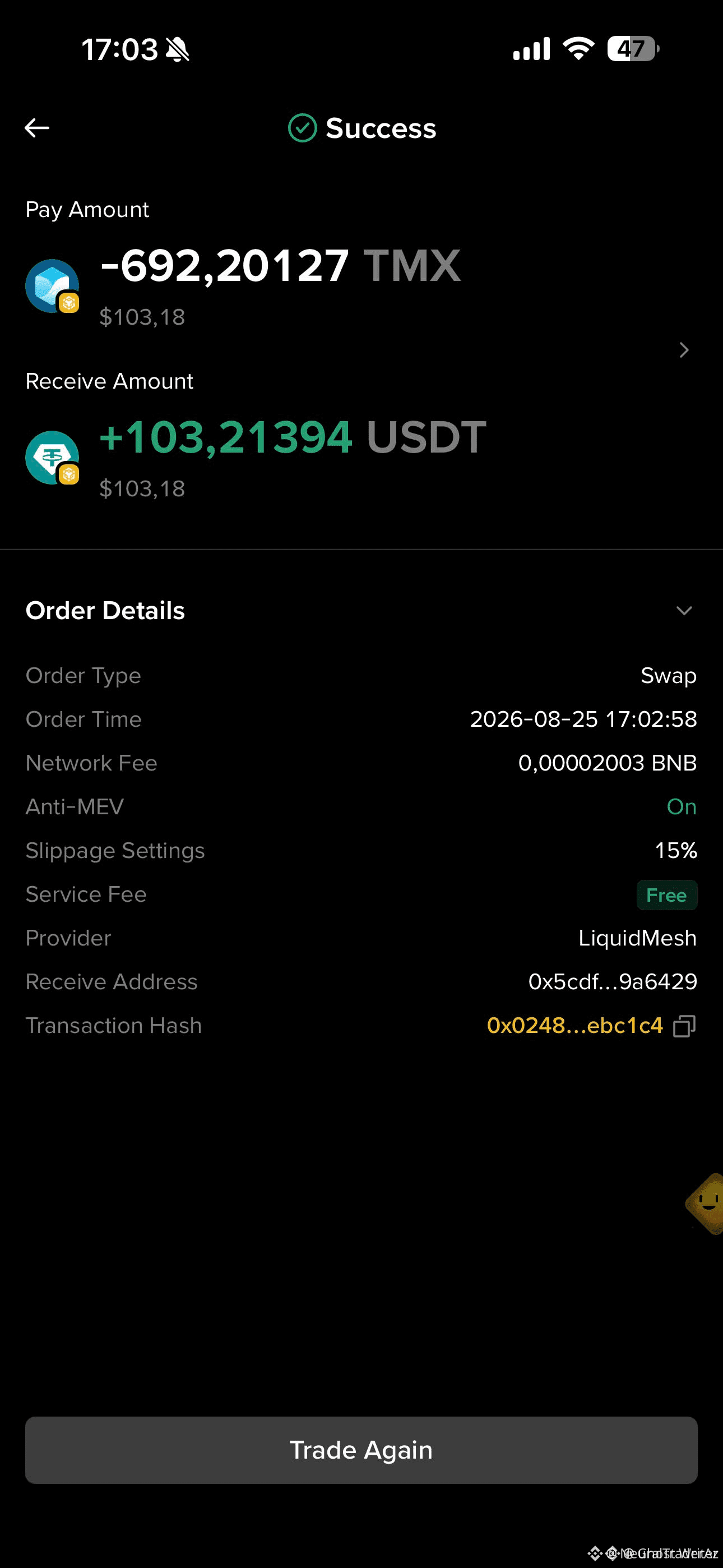
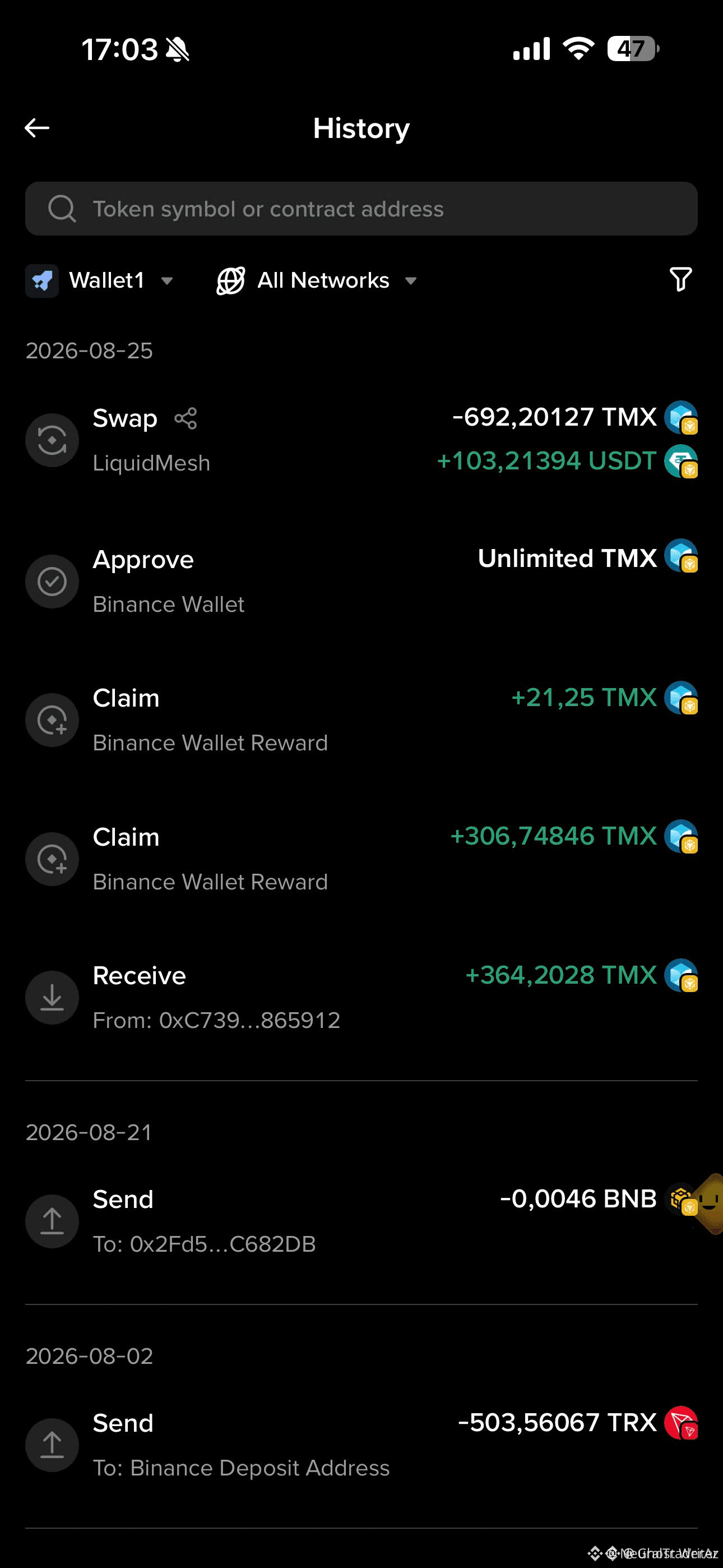
The structural value expansion around $TMX continues to manifest as campaign allocations hit secondary circulation, with 692 $TMX pricing near 103 USDT. 📊 Early liquidity distribution of this nature typically tests immediate order book depth before establishing a definitive institutional floor.
🔍 As creator incentives unlock across ecosystem channels, watch for absorption behavior around these initial liquidity prints rather than impulsive chasing. 💡 Structural reclaims usually confirm whether Smart Money is accumulating structural supply or allowing secondary rebalancing. 💬 Did you secure your $TMX allocation, or are you waiting for price discovery to settle? 👇
⚠️ Not financial advice. Always manage your risk. 🛡️
🏷️ #TMX #Termmax #Crypto #MarketStructure
🎯 🦈
💥 INSTITUTIONAL LIQUIDITY FLOWS INTO $TMX FOLLOWING CREATORPAD CAMPAIGN INCENTIVES 🦈
The structural value expansion around $TMX continues to manifest as campaign allocations hit secondary circulation, with 692 $TMX pricing near 103 USDT. 📊 Early liquidity distribution of this nature typically tests immediate order book depth before establishing a definitive institutional floor.
🔍 As creator incentives unlock across ecosystem channels, watch for absorption behavior around these initial liquidity prints rather than impulsive chasing. 💡 Structural reclaims usually confirm whether Smart Money is accumulating structural supply or allowing secondary rebalancing. 💬 Did you secure your $TMX allocation, or are you waiting for price discovery to settle? 👇
⚠️ Not financial advice. Always manage your risk. 🛡️
🏷️ #TMX #Termmax #Crypto #MarketStructure
🎯 🦈
The structural value expansion around $TMX continues to manifest as campaign allocations hit secondary circulation, with 692 $TMX pricing near 103 USDT. 📊 Early liquidity distribution of this nature typically tests immediate order book depth before establishing a definitive institutional floor.
🔍 As creator incentives unlock across ecosystem channels, watch for absorption behavior around these initial liquidity prints rather than impulsive chasing. 💡 Structural reclaims usually confirm whether Smart Money is accumulating structural supply or allowing secondary rebalancing. 💬 Did you secure your $TMX allocation, or are you waiting for price discovery to settle? 👇
⚠️ Not financial advice. Always manage your risk. 🛡️
🏷️ #TMX #Termmax #Crypto #MarketStructure
🎯 🦈

16

·
--
Bullish
The strongest rising coins on Binance Alpha
The market is moving, and some Alpha coins have started recording strong gains within the last 24 hours 👀📈
🥇 TMX +34.55% 🚀
🥈 BTW +30.94% 🔥
🥉 AIN +20.22% ⚡
⭐ STAR +18.25%
🟢 COLLECT +7.80%
The question now: will the momentum continue, or will profit-taking begin? 👀
Watch trading volume and price structure before entering, and don’t chase the coin after a strong surge.
⚠️ For monitoring and analysis only—this is not a buy recommendation.
#TMX #BTW #AIN #star #collect
The strongest rising coins on Binance Alpha
The market is moving, and some Alpha coins have started recording strong gains within the last 24 hours 👀📈
🥇 TMX +34.55% 🚀
🥈 BTW +30.94% 🔥
🥉 AIN +20.22% ⚡
⭐ STAR +18.25%
🟢 COLLECT +7.80%
The question now: will the momentum continue, or will profit-taking begin? 👀
Watch trading volume and price structure before entering, and don’t chase the coin after a strong surge.
⚠️ For monitoring and analysis only—this is not a buy recommendation.
#TMX #BTW #AIN #star #collect
The market is moving, and some Alpha coins have started recording strong gains within the last 24 hours 👀📈
🥇 TMX +34.55% 🚀
🥈 BTW +30.94% 🔥
🥉 AIN +20.22% ⚡
⭐ STAR +18.25%
🟢 COLLECT +7.80%
The question now: will the momentum continue, or will profit-taking begin? 👀
Watch trading volume and price structure before entering, and don’t chase the coin after a strong surge.
⚠️ For monitoring and analysis only—this is not a buy recommendation.
#TMX #BTW #AIN #star #collect

1
1
5
1.3k

·
--
🦈 $TMX WALLET BOOSTER AIRDROP LANDS AS INSTITUTIONAL LIQUIDITY BUILDS! 💰
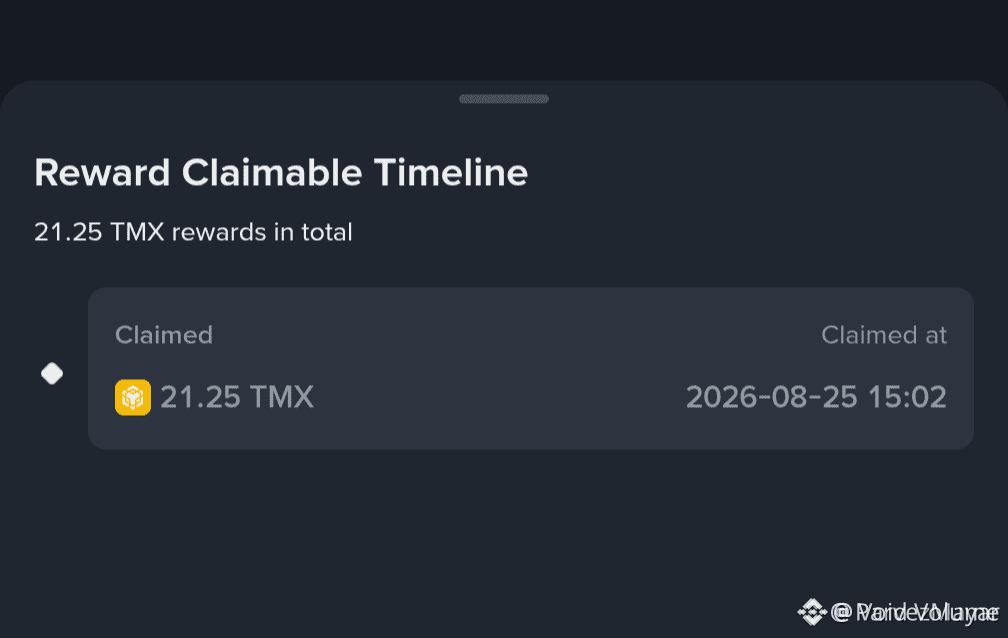
The wallet campaign distributions for $TMX are officially settling, shifting tokens from passive promotional pools into active circulating supply. 📊 Smart money is watching how order flow absorbs this fresh liquidity around key structural pivot zones.
When promotional rewards drop, initial retail distribution often sweeps local demand levels before institutional bids establish a firm baseline. 💡 Watching price action closely to see if buyers defend this structural accumulation floor or allow a deeper retest of lower inefficiencies. 💬 How many $TMX tokens hit your wallet during this distribution round? 👇
⚠️ Not financial advice. Always manage your risk. 🛡️
🏷️ #TMX #Airdrop #Crypto #Web3 #MarketStructure
⚡ 🎯
🦈 $TMX WALLET BOOSTER AIRDROP LANDS AS INSTITUTIONAL LIQUIDITY BUILDS! 💰
The wallet campaign distributions for $TMX are officially settling, shifting tokens from passive promotional pools into active circulating supply. 📊 Smart money is watching how order flow absorbs this fresh liquidity around key structural pivot zones.
When promotional rewards drop, initial retail distribution often sweeps local demand levels before institutional bids establish a firm baseline. 💡 Watching price action closely to see if buyers defend this structural accumulation floor or allow a deeper retest of lower inefficiencies. 💬 How many $TMX tokens hit your wallet during this distribution round? 👇
⚠️ Not financial advice. Always manage your risk. 🛡️
🏷️ #TMX #Airdrop #Crypto #Web3 #MarketStructure
⚡ 🎯
The wallet campaign distributions for $TMX are officially settling, shifting tokens from passive promotional pools into active circulating supply. 📊 Smart money is watching how order flow absorbs this fresh liquidity around key structural pivot zones.
When promotional rewards drop, initial retail distribution often sweeps local demand levels before institutional bids establish a firm baseline. 💡 Watching price action closely to see if buyers defend this structural accumulation floor or allow a deeper retest of lower inefficiencies. 💬 How many $TMX tokens hit your wallet during this distribution round? 👇
⚠️ Not financial advice. Always manage your risk. 🛡️
🏷️ #TMX #Airdrop #Crypto #Web3 #MarketStructure
⚡ 🎯
23

·
--
Bullish
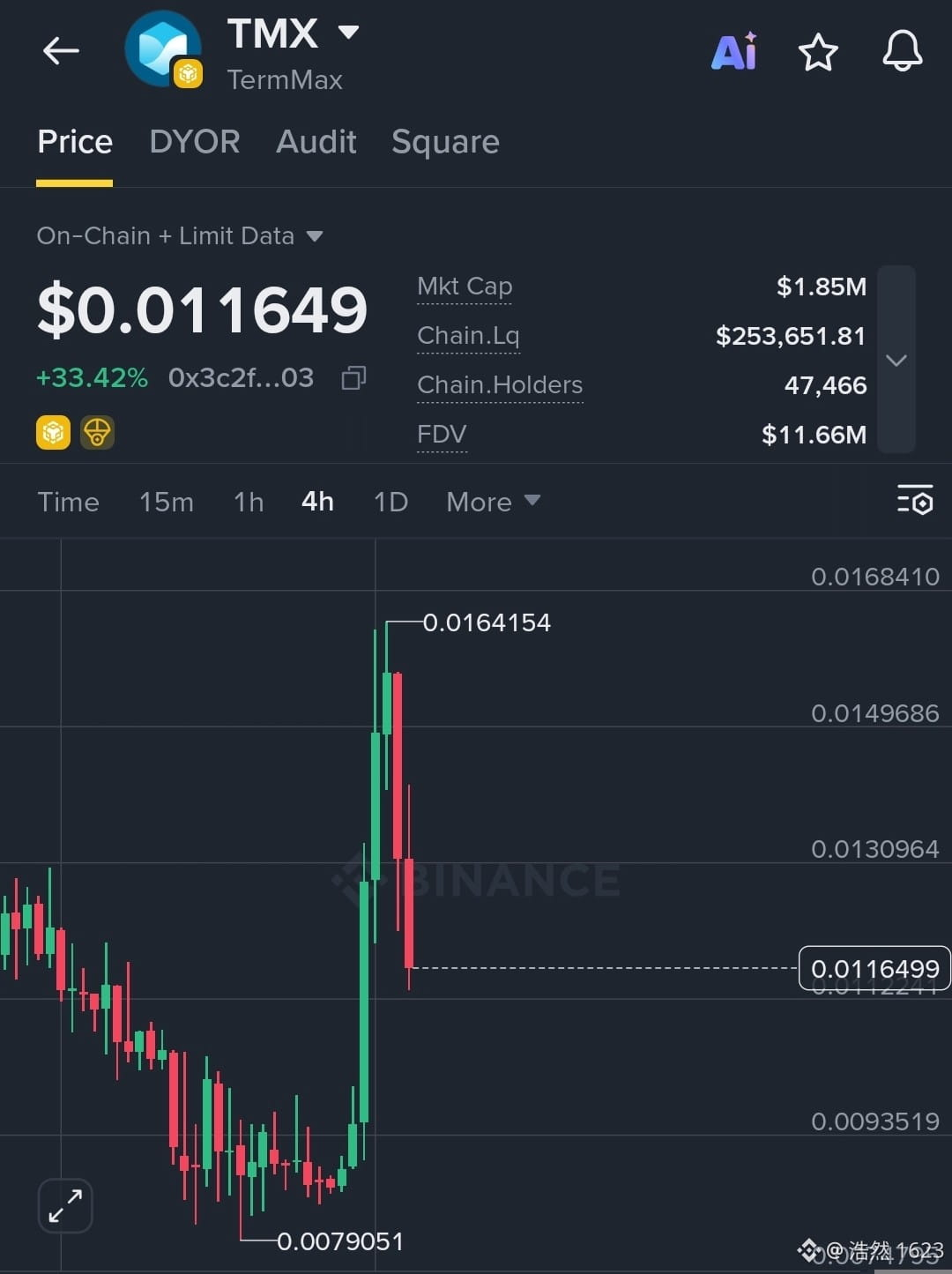
$TMX is showing extreme volatility after local peak around 0.0164, retracing sharply to test support near the 0.0116 level. If price consolidates above this key zone, buyers could attempt a quick recovery back toward previous highs.
Target 1: 0.01300 Target 2: 0.01490 Target 3: 0.01640
#TMX #TermMax #Crypto
$ZEC
{future}(ZECUSDT)
$MOVR
{future}(MOVRUSDT)
{alpha}(560x3c2f61f2e27c865981d2e7aaf6b2cdf823030039)
$TMX is showing extreme volatility after local peak around 0.0164, retracing sharply to test support near the 0.0116 level. If price consolidates above this key zone, buyers could attempt a quick recovery back toward previous highs.
Target 1: 0.01300 Target 2: 0.01490 Target 3: 0.01640
#TMX #TermMax #Crypto
$ZEC
$MOVR
Target 1: 0.01300 Target 2: 0.01490 Target 3: 0.01640
#TMX #TermMax #Crypto
$ZEC
$MOVR
233
·
--
$TMX +28.41% | $UAI +28.41% | $US +23.97%
#TMX on BSC nudged up to $0.0115, climbing +28.41% with $2.8 M of 24‑hour volume. Its market cap sits at just $1.8 M, so the rally could be fragile.
UAI on BSC rose to $0.3790, also up +28.41% on a solid $4.2 M volume. With a $135.5 M market cap the move feels a bit more anchored 🚀.
US on Sui ticked higher to $0.0282, gaining +23.97% backed by $6.7 M in volume and a $92.1 M market cap. The Sui ecosystem activity may be fueling the bounce.
The thin liquidity on TMX means its sharp gain could reverse quickly.
#BinanceAlpha #TopGainers #Write2Earn #Binance
$TMX +28.41% | $UAI +28.41% | $US +23.97%
#TMX on BSC nudged up to $0.0115, climbing +28.41% with $2.8 M of 24‑hour volume. Its market cap sits at just $1.8 M, so the rally could be fragile.
UAI on BSC rose to $0.3790, also up +28.41% on a solid $4.2 M volume. With a $135.5 M market cap the move feels a bit more anchored 🚀.
US on Sui ticked higher to $0.0282, gaining +23.97% backed by $6.7 M in volume and a $92.1 M market cap. The Sui ecosystem activity may be fueling the bounce.
The thin liquidity on TMX means its sharp gain could reverse quickly.
#BinanceAlpha #TopGainers #Write2Earn #Binance
#TMX on BSC nudged up to $0.0115, climbing +28.41% with $2.8 M of 24‑hour volume. Its market cap sits at just $1.8 M, so the rally could be fragile.
UAI on BSC rose to $0.3790, also up +28.41% on a solid $4.2 M volume. With a $135.5 M market cap the move feels a bit more anchored 🚀.
US on Sui ticked higher to $0.0282, gaining +23.97% backed by $6.7 M in volume and a $92.1 M market cap. The Sui ecosystem activity may be fueling the bounce.
The thin liquidity on TMX means its sharp gain could reverse quickly.
#BinanceAlpha #TopGainers #Write2Earn #Binance
82
·
--
INSTITUTIONAL LIQUIDITY EXPANDS ACROSS TOP ALPHA GAINERS LED BY $TMX 🦈 📊
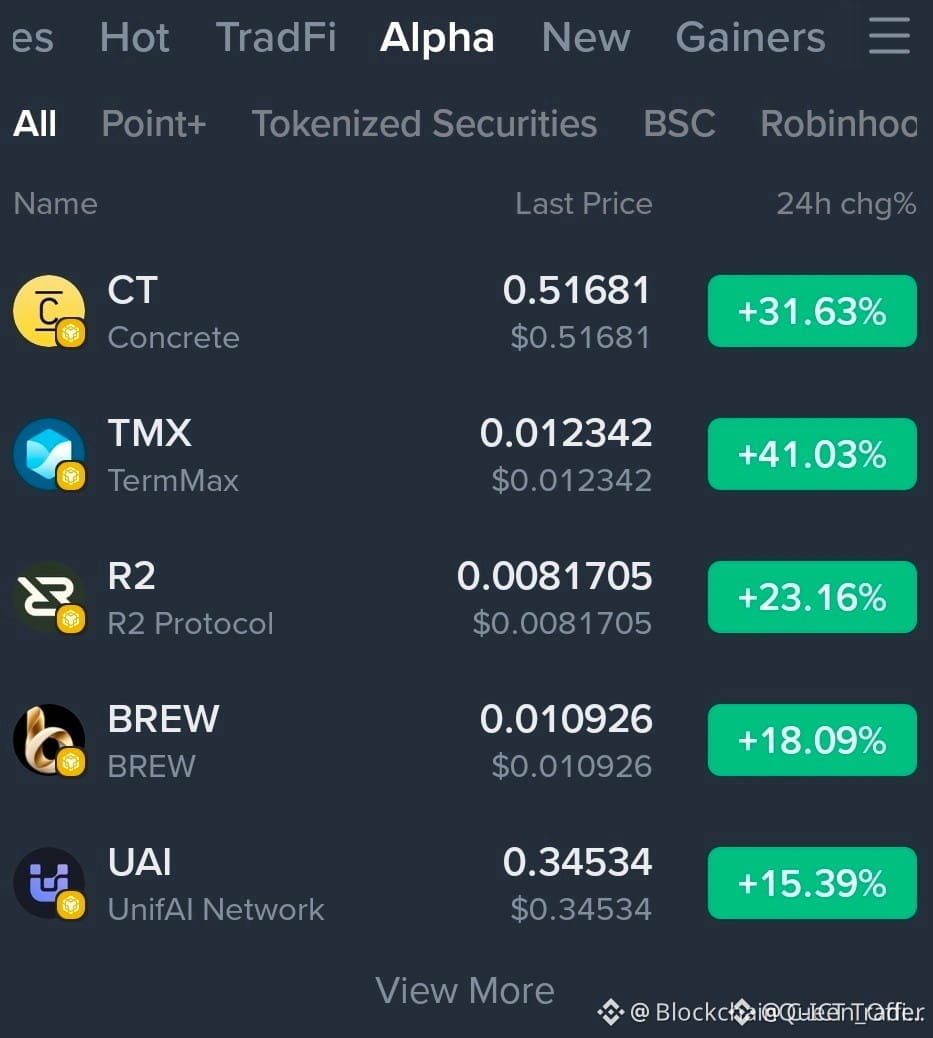
Aggressive smart money expansion is fueling double-digit momentum across today's top alpha sector, led by $TMX scaling over 41% alongside significant structural upside in $CT and $R2 . 📊 High-velocity moves of this scale point to order flow imbalance and concentrated demand taking control of market depth.
However, rapid vertical expansion into overhead premium zones often invites immediate mean reversion to sweep trailing retail liquidity. 🔍 Savvy traders must monitor volume distribution and local market structure for clean consolidation before committing capital. 🤔 Which of these high-momentum tokens shows the cleanest order block retest on your charts? 👇
⚠️ Not financial advice. Always manage your risk. 🛡️
🏷️ #TMX #Crypto #AlphaCoins #MarketStructure #Trading
🦈 🎯
INSTITUTIONAL LIQUIDITY EXPANDS ACROSS TOP ALPHA GAINERS LED BY $TMX 🦈 📊
Aggressive smart money expansion is fueling double-digit momentum across today's top alpha sector, led by $TMX scaling over 41% alongside significant structural upside in $CT and $R2 . 📊 High-velocity moves of this scale point to order flow imbalance and concentrated demand taking control of market depth.
However, rapid vertical expansion into overhead premium zones often invites immediate mean reversion to sweep trailing retail liquidity. 🔍 Savvy traders must monitor volume distribution and local market structure for clean consolidation before committing capital. 🤔 Which of these high-momentum tokens shows the cleanest order block retest on your charts? 👇
⚠️ Not financial advice. Always manage your risk. 🛡️
🏷️ #TMX #Crypto #AlphaCoins #MarketStructure #Trading
🦈 🎯
Aggressive smart money expansion is fueling double-digit momentum across today's top alpha sector, led by $TMX scaling over 41% alongside significant structural upside in $CT and $R2 . 📊 High-velocity moves of this scale point to order flow imbalance and concentrated demand taking control of market depth.
However, rapid vertical expansion into overhead premium zones often invites immediate mean reversion to sweep trailing retail liquidity. 🔍 Savvy traders must monitor volume distribution and local market structure for clean consolidation before committing capital. 🤔 Which of these high-momentum tokens shows the cleanest order block retest on your charts? 👇
⚠️ Not financial advice. Always manage your risk. 🛡️
🏷️ #TMX #Crypto #AlphaCoins #MarketStructure #Trading
🦈 🎯
131
·
--
🚨 HEAVY AUTOMATED LIQUIDITY SYNDICATES ARE DOMINATING THE EARLY $TMX ALLOCATION! 🦈
Industrial-scale farming clusters and automated scripts are sweeping up allocation pools for $TMX . Smart money automation is building massive structural inventory ahead of public market depth. 📊
When concentrated liquidity pools get absorbed by sophisticated automated networks, retail order flow faces severe execution friction upon initial open. 🔍 This heavy supply consolidation at the base layer completely reshapes early distribution dynamics.
💬 Do you try to outpace automated syndicates on launch day, or wait for structural price discovery to settle first? 👇
⚠️ Not financial advice. Always manage your risk. 🛡️
🏷️ #TMX #SmartMoney #Crypto #Tokenomics #Liquidity
🦈 🔍
🚨 HEAVY AUTOMATED LIQUIDITY SYNDICATES ARE DOMINATING THE EARLY $TMX ALLOCATION! 🦈
Industrial-scale farming clusters and automated scripts are sweeping up allocation pools for $TMX . Smart money automation is building massive structural inventory ahead of public market depth. 📊
When concentrated liquidity pools get absorbed by sophisticated automated networks, retail order flow faces severe execution friction upon initial open. 🔍 This heavy supply consolidation at the base layer completely reshapes early distribution dynamics.
💬 Do you try to outpace automated syndicates on launch day, or wait for structural price discovery to settle first? 👇
⚠️ Not financial advice. Always manage your risk. 🛡️
🏷️ #TMX #SmartMoney #Crypto #Tokenomics #Liquidity
🦈 🔍
Industrial-scale farming clusters and automated scripts are sweeping up allocation pools for $TMX . Smart money automation is building massive structural inventory ahead of public market depth. 📊
When concentrated liquidity pools get absorbed by sophisticated automated networks, retail order flow faces severe execution friction upon initial open. 🔍 This heavy supply consolidation at the base layer completely reshapes early distribution dynamics.
💬 Do you try to outpace automated syndicates on launch day, or wait for structural price discovery to settle first? 👇
⚠️ Not financial advice. Always manage your risk. 🛡️
🏷️ #TMX #SmartMoney #Crypto #Tokenomics #Liquidity
🦈 🔍

312
·
--
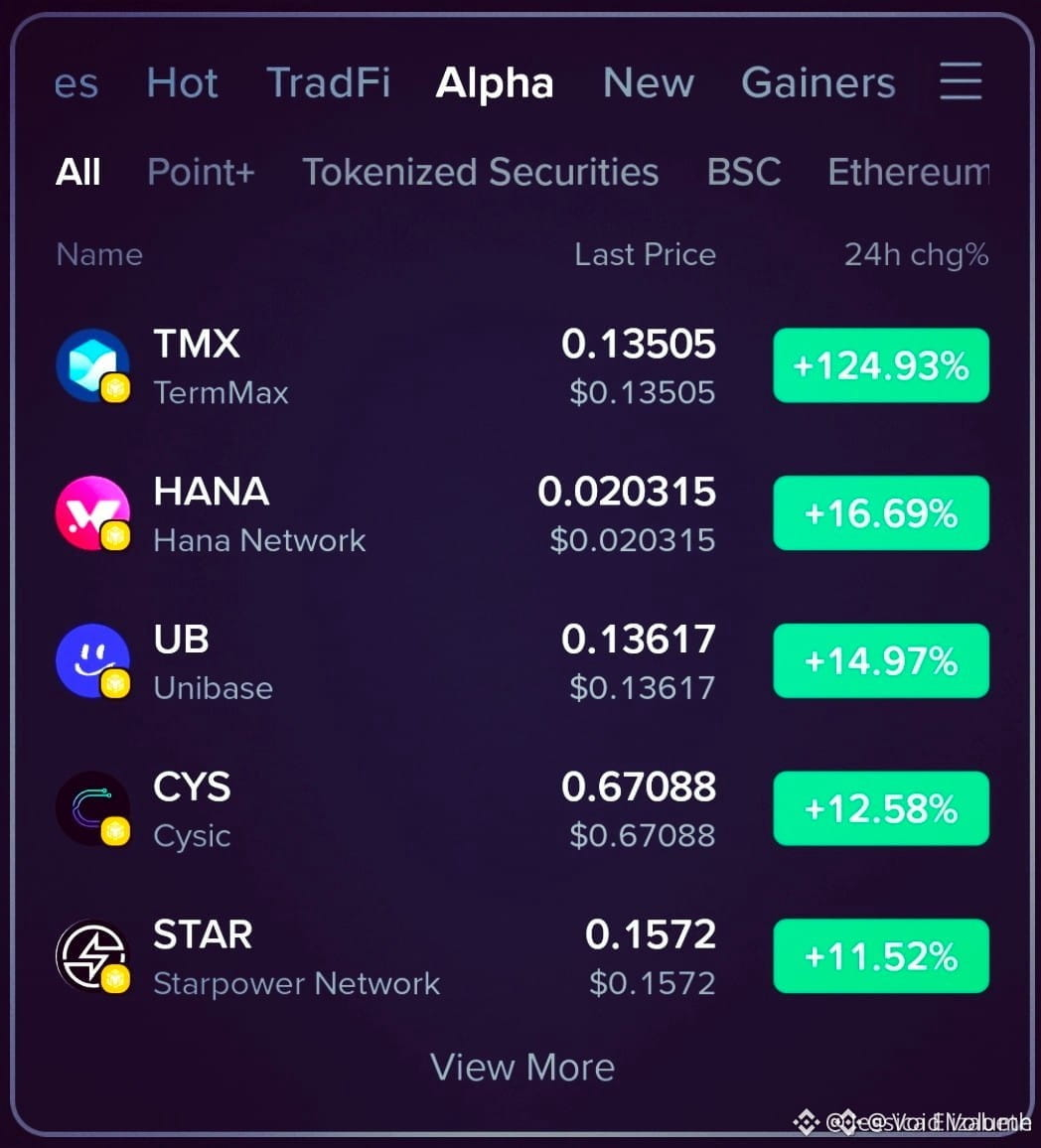
🚨 INSTITUTIONAL ACCUMULATION SIGNS DETECTED ACROSS $TMX $UB AND $CYS 💥
📌 Order flow dynamics across $TMX , $UB , and $CYS are displaying subtle structural shifts, indicating institutional positioning within key demand blocks. 📊 Lower-timeframe inefficiency fills suggest smart money is absorbing overhead sell-side liquidity before the next volatility expansion.
💡 When low-cap assets compress inside tight consolidation ranges like this, volume divergence often precedes structural breakouts. 🔍 Are you tracking these liquidity sweeps or waiting for a confirmed market structure break above resistance? 👇
⚠️ Not financial advice. Always manage your risk. 🛡️
🏷️ #TMX #UB #CYS #MarketStructure #Crypto
🎯 🦈
🚨 INSTITUTIONAL ACCUMULATION SIGNS DETECTED ACROSS $TMX $UB AND $CYS 💥
📌 Order flow dynamics across $TMX , $UB , and $CYS are displaying subtle structural shifts, indicating institutional positioning within key demand blocks. 📊 Lower-timeframe inefficiency fills suggest smart money is absorbing overhead sell-side liquidity before the next volatility expansion.
💡 When low-cap assets compress inside tight consolidation ranges like this, volume divergence often precedes structural breakouts. 🔍 Are you tracking these liquidity sweeps or waiting for a confirmed market structure break above resistance? 👇
⚠️ Not financial advice. Always manage your risk. 🛡️
🏷️ #TMX #UB #CYS #MarketStructure #Crypto
🎯 🦈
📌 Order flow dynamics across $TMX , $UB , and $CYS are displaying subtle structural shifts, indicating institutional positioning within key demand blocks. 📊 Lower-timeframe inefficiency fills suggest smart money is absorbing overhead sell-side liquidity before the next volatility expansion.
💡 When low-cap assets compress inside tight consolidation ranges like this, volume divergence often precedes structural breakouts. 🔍 Are you tracking these liquidity sweeps or waiting for a confirmed market structure break above resistance? 👇
⚠️ Not financial advice. Always manage your risk. 🛡️
🏷️ #TMX #UB #CYS #MarketStructure #Crypto
🎯 🦈
2
·
--
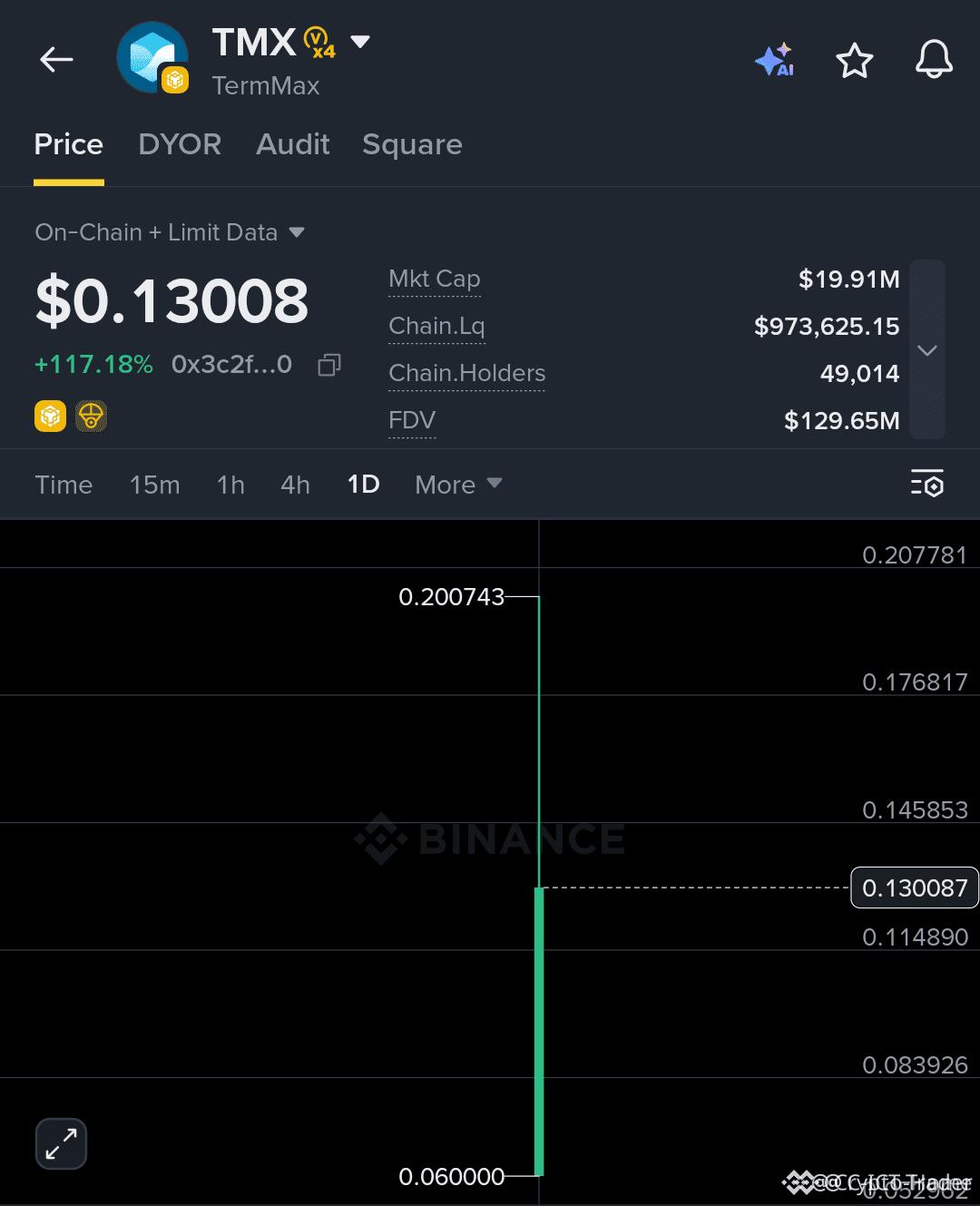
📈 $TMX EXPANDS OVER 100% AS INSTITUTIONAL DEMAND ABSORBS SELLER OVERHEAD ⚡
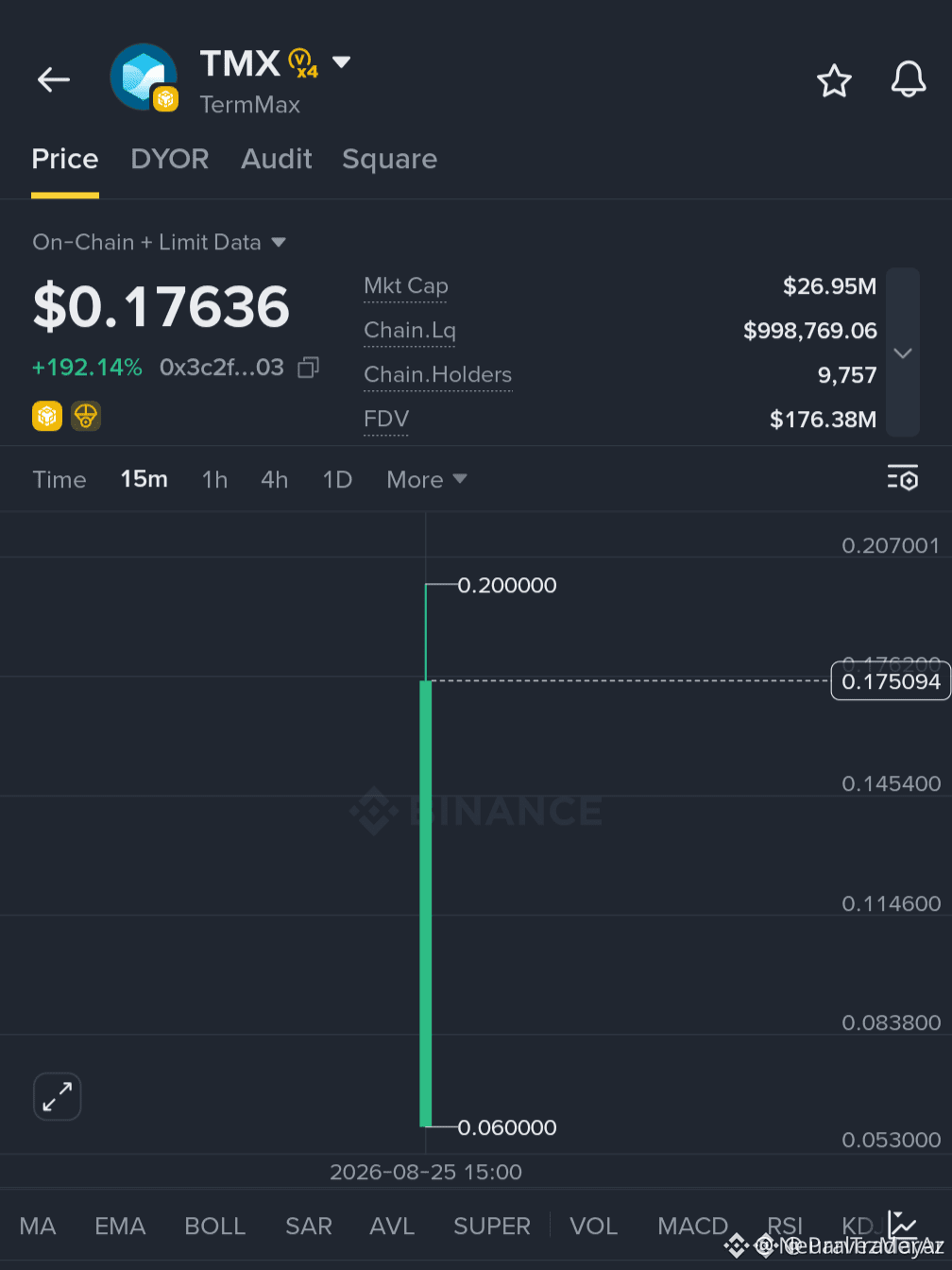
$TMX has executed a sharp market structure shift, driving price from the $0.06 accumulation range past $0.13. 📊 This strong impulse move indicates heavy smart money absorption, sweeping overhead retail liquidity pools with substantial volume expansion.
🔍 As price establishes new highs, the primary focus shifts to order flow defense around the freshly printed imbalance zone. Sustainable continuation will depend on whether buyers defend this expansion block on any prospective retest. 💬 Are you waiting for a structural retest before entering or tracking higher targets? 👇
⚠️ Not financial advice. Always manage your risk. 🛡️
🏷️ #TMX #Crypto #Breakout #MarketStructure #Altcoins
⚡ 🎯
📈 $TMX EXPANDS OVER 100% AS INSTITUTIONAL DEMAND ABSORBS SELLER OVERHEAD ⚡
$TMX has executed a sharp market structure shift, driving price from the $0.06 accumulation range past $0.13. 📊 This strong impulse move indicates heavy smart money absorption, sweeping overhead retail liquidity pools with substantial volume expansion.
🔍 As price establishes new highs, the primary focus shifts to order flow defense around the freshly printed imbalance zone. Sustainable continuation will depend on whether buyers defend this expansion block on any prospective retest. 💬 Are you waiting for a structural retest before entering or tracking higher targets? 👇
⚠️ Not financial advice. Always manage your risk. 🛡️
🏷️ #TMX #Crypto #Breakout #MarketStructure #Altcoins
⚡ 🎯
$TMX has executed a sharp market structure shift, driving price from the $0.06 accumulation range past $0.13. 📊 This strong impulse move indicates heavy smart money absorption, sweeping overhead retail liquidity pools with substantial volume expansion.
🔍 As price establishes new highs, the primary focus shifts to order flow defense around the freshly printed imbalance zone. Sustainable continuation will depend on whether buyers defend this expansion block on any prospective retest. 💬 Are you waiting for a structural retest before entering or tracking higher targets? 👇
⚠️ Not financial advice. Always manage your risk. 🛡️
🏷️ #TMX #Crypto #Breakout #MarketStructure #Altcoins
⚡ 🎯
31

·
--
Bullish
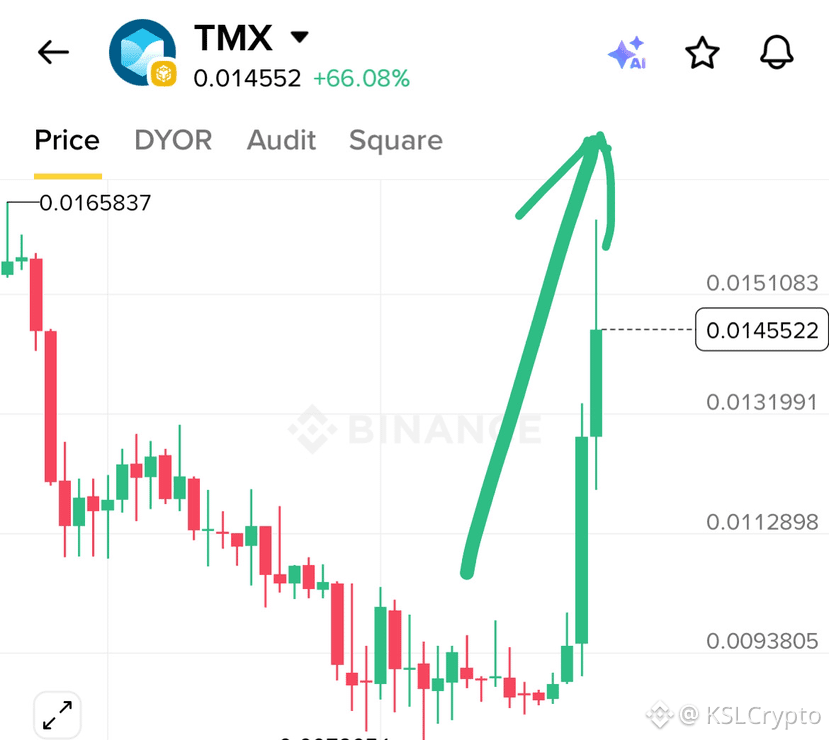
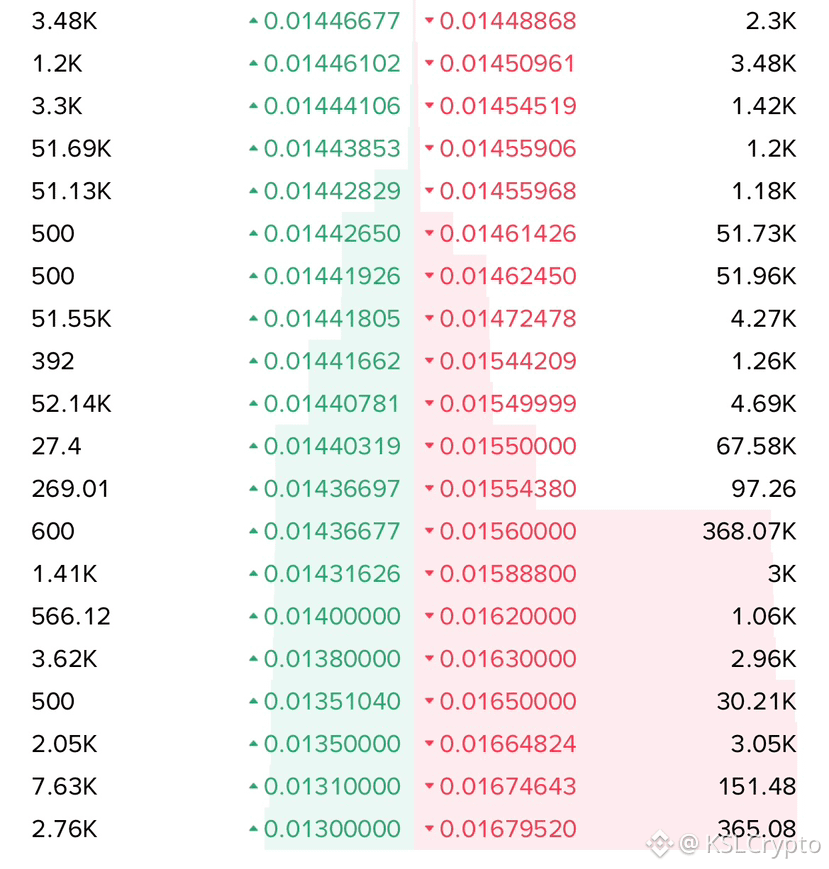
**$TMX (TermMax) — BIG PUMP ALERT*
**+64.61%**
Price: **$0.0144**
Strong 4H upward move with a sharp breakout from the recent range.
**$TMX is definitely one to watch right now.**
#TMX #TermMax #Crypto #Binance
{alpha}(560x3c2f61f2e27c865981d2e7aaf6b2cdf823030039)
**$TMX (TermMax) — BIG PUMP ALERT*
**+64.61%**
Price: **$0.0144**
Strong 4H upward move with a sharp breakout from the recent range.
**$TMX is definitely one to watch right now.**
#TMX #TermMax #Crypto #Binance
**+64.61%**
Price: **$0.0144**
Strong 4H upward move with a sharp breakout from the recent range.
**$TMX is definitely one to watch right now.**
#TMX #TermMax #Crypto #Binance
6
994
Log in to explore more content
Join global crypto users on Binance Square
⚡️ Get latest and useful information about crypto.
💬 Trusted by the world’s largest crypto exchange.
👍 Discover real insights from verified creators.
Email / Phone number
Trending Topics
1
#ADAGains10%Above$0.27
899 views
47 Discussing
2
#ETHUp70%InQ3ButLiquidityFalls
13,805 views
246 Discussing
3
#EthStakingExitQueueHits2026High
5,157 views
265 Discussing
4
#FedOctoberHoldOdds82.3%
7,969 views
254 Discussing
5
#Nikkei225Jumps2.5%ToThreeMonthHigh
42,048 views
673 Discussing
6
#CircleMints$2.75BUSDCOnSolanaIn7Days
352 views
17 Discussing
7
#DriftHackVictimsBeginClaims
120,394 views
1,324 Discussing
8
#SolanaTokenizedStockVolumeTops$4.4BInSeptember
10,567 views
124 Discussing
9
#BitcoinSpotETFsDraw$6.34BInflowsInQ3
38,645 views
238 Discussing
10
#EthereumValidatorExitQueueJumps392%
253,723 views
2,252 Discussing