
#openledge
openledge
60,284 views
1,952 Discussing
Hot
Latest

·
--
Why OpenLedger Could Be the Missing Link for AI and BlockchainOpenLedger is building what I think is one of the most practical intersections between AI and Web3 right now. Instead of treating data as locked in silos, OpenLedger creates infrastructure that lets data, AI models, and autonomous agents become tradable and monetizable on-chain.
The core idea is simple but powerful: give builders and data contributors a way to earn directly when their work is used. For years, AI development has been dominated by big tech because of the cost of data and compute. OpenLedger flips that by creating a decentralized marketplace where smaller teams and individuals can contribute valuable datasets and models, and get rewarded transparently through the $OPEN token economy.
What stands out to me is the focus on agents. Most blockchains aren’t designed for AI agents to interact, transact, and prove their actions. OpenLedger’s architecture is built with that in mind, which could unlock new use cases like automated DeFi strategies, AI-driven analytics, and on-chain research tools that actually pay their creators.
If you’re interested in where AI and crypto are heading, this is a project worth watching. I’m curious to see how the ecosystem develops over the next few months.
$OPEN @Openledger
Why OpenLedger Could Be the Missing Link for AI and Blockchain
OpenLedger is building what I think is one of the most practical intersections between AI and Web3 right now. Instead of treating data as locked in silos, OpenLedger creates infrastructure that lets data, AI models, and autonomous agents become tradable and monetizable on-chain.
The core idea is simple but powerful: give builders and data contributors a way to earn directly when their work is used. For years, AI development has been dominated by big tech because of the cost of data and compute. OpenLedger flips that by creating a decentralized marketplace where smaller teams and individuals can contribute valuable datasets and models, and get rewarded transparently through the $OPEN token economy.
What stands out to me is the focus on agents. Most blockchains aren’t designed for AI agents to interact, transact, and prove their actions. OpenLedger’s architecture is built with that in mind, which could unlock new use cases like automated DeFi strategies, AI-driven analytics, and on-chain research tools that actually pay their creators.
If you’re interested in where AI and crypto are heading, this is a project worth watching. I’m curious to see how the ecosystem develops over the next few months.
$OPEN @Openledger
The core idea is simple but powerful: give builders and data contributors a way to earn directly when their work is used. For years, AI development has been dominated by big tech because of the cost of data and compute. OpenLedger flips that by creating a decentralized marketplace where smaller teams and individuals can contribute valuable datasets and models, and get rewarded transparently through the $OPEN token economy.
What stands out to me is the focus on agents. Most blockchains aren’t designed for AI agents to interact, transact, and prove their actions. OpenLedger’s architecture is built with that in mind, which could unlock new use cases like automated DeFi strategies, AI-driven analytics, and on-chain research tools that actually pay their creators.
If you’re interested in where AI and crypto are heading, this is a project worth watching. I’m curious to see how the ecosystem develops over the next few months.
$OPEN @Openledger
1

$OPEN ACTION LOGS ARE NOT THE WHOLE TRUTH ⚡
OpenLedger’s OctoClaw can prove the move happened, but the real alpha sits deeper in the stack. Execution is clean onchain; judgment is distributed across Datanets, RAG, ModelFactory, OpenLoRA, and PoA traces.
This is the critical split traders need to track. The receipt shows action. The path shows context. The edge is knowing that a clean log does not automatically explain why the agent made the move. $OPEN sits right on that tension between verifiable execution and messy machine judgment.
Not financial advice. Manage your risk.
#OpenLedge #OPEN #Crypto #DeFi #Aİ
🦅
{future}(OPENUSDT)
$OPEN ACTION LOGS ARE NOT THE WHOLE TRUTH ⚡
OpenLedger’s OctoClaw can prove the move happened, but the real alpha sits deeper in the stack. Execution is clean onchain; judgment is distributed across Datanets, RAG, ModelFactory, OpenLoRA, and PoA traces.
This is the critical split traders need to track. The receipt shows action. The path shows context. The edge is knowing that a clean log does not automatically explain why the agent made the move. $OPEN sits right on that tension between verifiable execution and messy machine judgment.
Not financial advice. Manage your risk.
#OpenLedge #OPEN #Crypto #DeFi #Aİ
🦅
OpenLedger’s OctoClaw can prove the move happened, but the real alpha sits deeper in the stack. Execution is clean onchain; judgment is distributed across Datanets, RAG, ModelFactory, OpenLoRA, and PoA traces.
This is the critical split traders need to track. The receipt shows action. The path shows context. The edge is knowing that a clean log does not automatically explain why the agent made the move. $OPEN sits right on that tension between verifiable execution and messy machine judgment.
Not financial advice. Manage your risk.
#OpenLedge #OPEN #Crypto #DeFi #Aİ
🦅
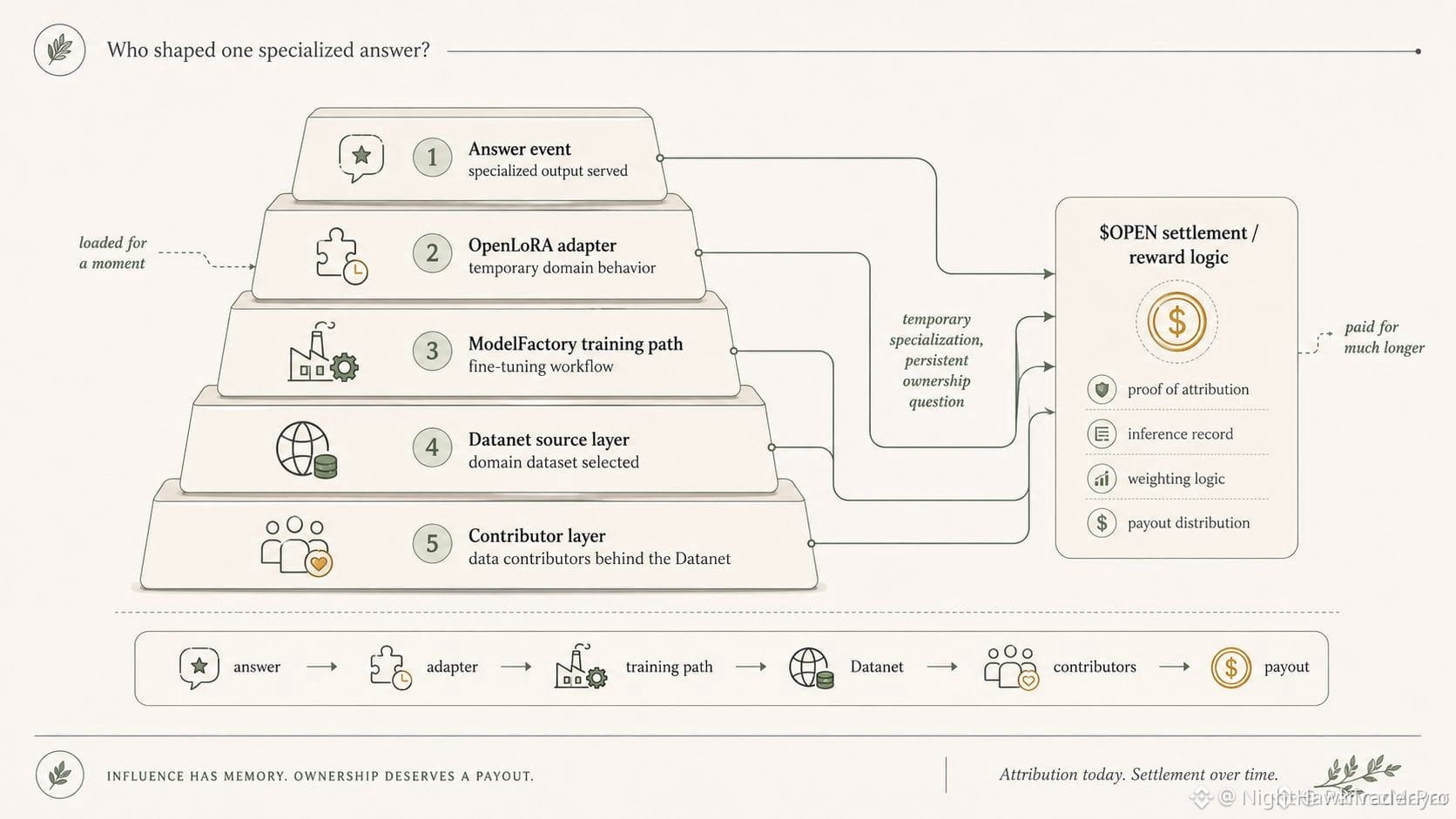
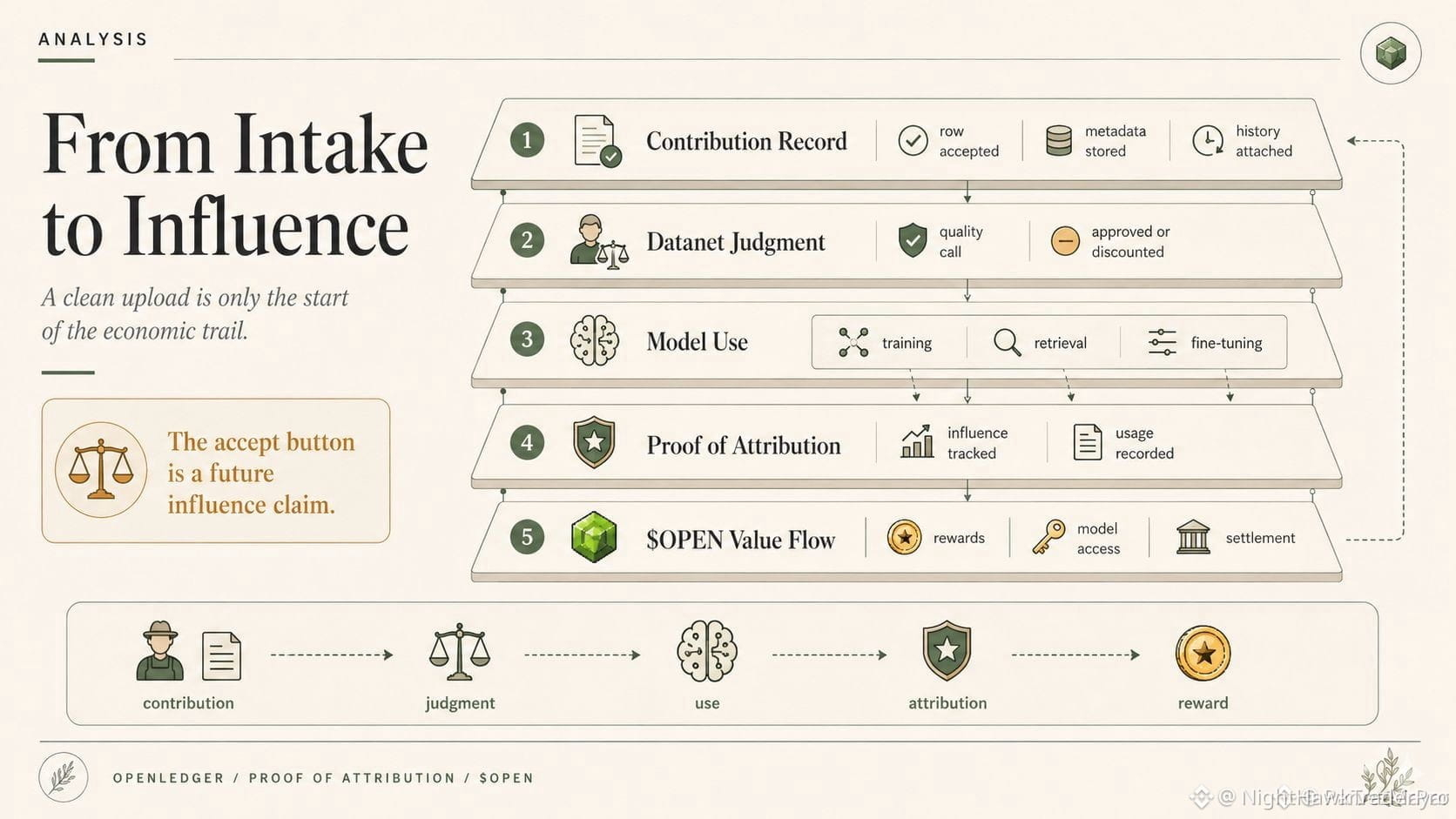
59

·
--
good article by openledgerArtificial intelligence is rapidly becoming one of the most powerful technologies in the world, but the current AI landscape is still heavily centralized. A small number of corporations control massive datasets, computing infrastructure, and advanced AI models, while ordinary users and contributors receive very little value in return. This is exactly why decentralized AI projects are attracting so much attention, and @Openledger is one of the projects that stands out the most in this growing sector.
What makes OpenLedger interesting is its vision of creating an open and transparent ecosystem for AI development powered by blockchain technology. Instead of relying on centralized companies to own everything, OpenLedger aims to build a network where developers, data providers, researchers, and users can all contribute and benefit fairly from the growth of AI systems. This idea could completely change the relationship between AI and the broader community.
One of the biggest issues in modern AI is data ownership and attribution. Many people contribute data online every day without knowing how their information is being used or monetized. OpenLedger introduces a more transparent structure where contributions can be verified on-chain. This creates a system where value distribution becomes more fair and traceable. In the long term, this could encourage higher-quality datasets and stronger collaboration between communities and developers.
Another reason why OpenLedger has strong potential is its focus on verifiable AI. Trust is becoming a critical issue in artificial intelligence because users often do not know how outputs are generated or whether information can be trusted. Blockchain technology can help solve part of this problem by improving transparency and accountability. Combining decentralized infrastructure with AI verification tools could become extremely valuable as adoption increases globally.
The role of $OPEN inside the ecosystem is also important. Tokens are not only about speculation; they can create utility within decentralized networks. The $OPEN token may support governance participation, staking mechanisms, ecosystem rewards, and access to AI-related services. Strong utility is one of the key elements that can help a blockchain project build long-term sustainability instead of depending purely on market hype.
I also think timing matters a lot. AI and Web3 are currently two of the most discussed sectors in technology. Projects that successfully combine both industries in a practical way may have significant opportunities in the future. While many projects simply add “AI” to their branding, OpenLedger appears focused on building infrastructure that could support real decentralized AI applications and data economies.
Community growth will also play a major role in the success of OpenLedger. Decentralized ecosystems become stronger when users actively participate, share ideas, test products, and contribute to network expansion. The more developers and communities engage with OpenLedger, the more valuable the ecosystem can become over time.
Overall, I believe @Openledger r is a project worth following closely because it represents more than just another crypto narrative. It touches on important discussions about ownership, transparency, incentives, and the future direction of artificial intelligence. As blockchain and AI continue to evolve together, projects like OpenLedger may help define how decentralized intelligence systems operate in the future.
#OpenLedge r #AI #Web3 #Blockchain $OPEN
good article by openledger
Artificial intelligence is rapidly becoming one of the most powerful technologies in the world, but the current AI landscape is still heavily centralized. A small number of corporations control massive datasets, computing infrastructure, and advanced AI models, while ordinary users and contributors receive very little value in return. This is exactly why decentralized AI projects are attracting so much attention, and @OpenLedger is one of the projects that stands out the most in this growing sector.
What makes OpenLedger interesting is its vision of creating an open and transparent ecosystem for AI development powered by blockchain technology. Instead of relying on centralized companies to own everything, OpenLedger aims to build a network where developers, data providers, researchers, and users can all contribute and benefit fairly from the growth of AI systems. This idea could completely change the relationship between AI and the broader community.
One of the biggest issues in modern AI is data ownership and attribution. Many people contribute data online every day without knowing how their information is being used or monetized. OpenLedger introduces a more transparent structure where contributions can be verified on-chain. This creates a system where value distribution becomes more fair and traceable. In the long term, this could encourage higher-quality datasets and stronger collaboration between communities and developers.
Another reason why OpenLedger has strong potential is its focus on verifiable AI. Trust is becoming a critical issue in artificial intelligence because users often do not know how outputs are generated or whether information can be trusted. Blockchain technology can help solve part of this problem by improving transparency and accountability. Combining decentralized infrastructure with AI verification tools could become extremely valuable as adoption increases globally.
The role of $OPEN inside the ecosystem is also important. Tokens are not only about speculation; they can create utility within decentralized networks. The $OPEN token may support governance participation, staking mechanisms, ecosystem rewards, and access to AI-related services. Strong utility is one of the key elements that can help a blockchain project build long-term sustainability instead of depending purely on market hype.
I also think timing matters a lot. AI and Web3 are currently two of the most discussed sectors in technology. Projects that successfully combine both industries in a practical way may have significant opportunities in the future. While many projects simply add “AI” to their branding, OpenLedger appears focused on building infrastructure that could support real decentralized AI applications and data economies.
Community growth will also play a major role in the success of OpenLedger. Decentralized ecosystems become stronger when users actively participate, share ideas, test products, and contribute to network expansion. The more developers and communities engage with OpenLedger, the more valuable the ecosystem can become over time.
Overall, I believe @OpenLedger r is a project worth following closely because it represents more than just another crypto narrative. It touches on important discussions about ownership, transparency, incentives, and the future direction of artificial intelligence. As blockchain and AI continue to evolve together, projects like OpenLedger may help define how decentralized intelligence systems operate in the future.
#OpenLedge r #AI #Web3 #Blockchain $OPEN
What makes OpenLedger interesting is its vision of creating an open and transparent ecosystem for AI development powered by blockchain technology. Instead of relying on centralized companies to own everything, OpenLedger aims to build a network where developers, data providers, researchers, and users can all contribute and benefit fairly from the growth of AI systems. This idea could completely change the relationship between AI and the broader community.
One of the biggest issues in modern AI is data ownership and attribution. Many people contribute data online every day without knowing how their information is being used or monetized. OpenLedger introduces a more transparent structure where contributions can be verified on-chain. This creates a system where value distribution becomes more fair and traceable. In the long term, this could encourage higher-quality datasets and stronger collaboration between communities and developers.
Another reason why OpenLedger has strong potential is its focus on verifiable AI. Trust is becoming a critical issue in artificial intelligence because users often do not know how outputs are generated or whether information can be trusted. Blockchain technology can help solve part of this problem by improving transparency and accountability. Combining decentralized infrastructure with AI verification tools could become extremely valuable as adoption increases globally.
The role of $OPEN inside the ecosystem is also important. Tokens are not only about speculation; they can create utility within decentralized networks. The $OPEN token may support governance participation, staking mechanisms, ecosystem rewards, and access to AI-related services. Strong utility is one of the key elements that can help a blockchain project build long-term sustainability instead of depending purely on market hype.
I also think timing matters a lot. AI and Web3 are currently two of the most discussed sectors in technology. Projects that successfully combine both industries in a practical way may have significant opportunities in the future. While many projects simply add “AI” to their branding, OpenLedger appears focused on building infrastructure that could support real decentralized AI applications and data economies.
Community growth will also play a major role in the success of OpenLedger. Decentralized ecosystems become stronger when users actively participate, share ideas, test products, and contribute to network expansion. The more developers and communities engage with OpenLedger, the more valuable the ecosystem can become over time.
Overall, I believe @OpenLedger r is a project worth following closely because it represents more than just another crypto narrative. It touches on important discussions about ownership, transparency, incentives, and the future direction of artificial intelligence. As blockchain and AI continue to evolve together, projects like OpenLedger may help define how decentralized intelligence systems operate in the future.
#OpenLedge r #AI #Web3 #Blockchain $OPEN
52


Article
OpenLedger ($OPEN): The AI-Powered Crypto Project Gaining AttentionThe crypto market continues to evolve beyond simple payment systems and meme coins. One of the latest projects attracting attention is OpenLedger and its native token, $OPEN. As artificial intelligence and decentralized technologies continue to merge, OpenLedger is positioning itself as a project that aims to connect AI development with blockchain transparency and incentives.
What is OpenLedger?
OpenLedger is an AI-focused blockchain ecosystem designed to support decentralized AI applications, data contribution, and AI model development. The project’s vision revolves around creating an open economy where developers, contributors, and users can collaborate without relying on centralized AI corporations.
In simple terms, OpenLedger wants to become a decentralized infrastructure layer for artificial intelligence. Instead of a few large companies controlling AI models and data, OpenLedger promotes a system where communities can contribute data, train models, and receive rewards through blockchain technology.
The $OPEN token acts as the utility and governance token within the ecosystem. It may be used for:
Network participationStaking and rewardsGovernance votingAI service paymentsIncentives for data and model contributors
This concept has gained attention because AI remains one of the hottest sectors in both technology and crypto markets.
Why is OpenLedger Getting Attention?
The rise of AI-focused crypto projects has created strong investor interest. Projects connected to decentralized AI, machine learning, and data infrastructure are becoming increasingly popular because many investors believe AI will dominate the next generation of digital innovation.
OpenLedger stands out because it focuses on:
Decentralized AI infrastructureCommunity-driven participationTransparent data contributionBlockchain verification for AI systemsIncentive-based ecosystem growth
Many traders are now searching for “the next big AI token,” and $OPEN has entered that conversation.
Credibility of OpenLedger
Credibility is one of the most important factors in crypto investing. A project can have great marketing, but long-term success depends on transparency, development progress, partnerships, and real utility.
Positive Factors
1. AI Narrative Strength
AI remains one of the strongest narratives in global markets. From tech companies to blockchain startups, AI-related projects are receiving huge attention. OpenLedger benefits from this trend directly.
2. Real-World Utility Vision
Unlike purely speculative meme coins, OpenLedger attempts to solve a technological problem by combining AI with decentralized systems. This gives the project stronger long-term potential if execution remains solid.
3. Community Growth
The project has been gaining visibility among crypto communities, especially among users interested in AI ecosystems. Strong community engagement often helps new projects grow faster.
4. Early-Stage Potential
Many investors look for projects before they become mainstream. Since OpenLedger is still growing, supporters believe early adoption could provide significant upside if the ecosystem expands successfully.
Risks and Concerns
Despite the excitement, investors should remain cautious.
1. High Competition
The AI crypto sector is becoming crowded. Projects like $ETH Bittensor, Render, and Fetch.ai already have strong market positions. OpenLedger must compete with established ecosystems.
2. Execution Risk
Many crypto projects promise revolutionary technology but fail to deliver real adoption. OpenLedger’s future depends heavily on development consistency and ecosystem growth.
3. Market Volatility
Crypto markets remain extremely volatile. Even strong projects can experience major price corrections during bearish market conditions.
4. Regulatory Uncertainty
AI and crypto are both industries facing increasing regulation worldwide. Future government policies could impact growth.
Future Scope of $OPEN
The future potential of OpenLedger largely depends on whether decentralized AI becomes a major industry trend.
If OpenLedger successfully builds:
Active developer communitiesAI tools with real-world demandStrategic partnershipsScalable blockchain infrastructureReliable token utility
then OPEN could become a recognized AI ecosystem token in the coming years.
The next crypto bull market may also play a huge role. Historically, strong narratives such as DeFi, NFTs, gaming, and meme coins have experienced explosive growth cycles. AI could become the dominant narrative of the next cycle, and OpenLedger may benefit if market momentum continues.
However, investors should avoid blind hype. Research, risk management, and project monitoring remain essential.
Final Thoughts
OpenLedger is an ambitious project aiming to merge artificial intelligence with blockchain decentralization. Its AI-focused vision, growing community, and early-stage positioning make it an interesting project to watch.
Still, the project remains in a competitive and high-risk sector. Success will depend on technology delivery, adoption, and market trust over time.
For long-term crypto investors interested in AI narratives, Open coin could be a promising watchlist project — but like all emerging crypto assets, it should be approached with careful research and realistic expectations.
@Openledger
#OpenLedge
#Open
OpenLedger ($OPEN): The AI-Powered Crypto Project Gaining Attention
The crypto market continues to evolve beyond simple payment systems and meme coins. One of the latest projects attracting attention is OpenLedger and its native token, $OPEN . As artificial intelligence and decentralized technologies continue to merge, OpenLedger is positioning itself as a project that aims to connect AI development with blockchain transparency and incentives.
What is OpenLedger?
OpenLedger is an AI-focused blockchain ecosystem designed to support decentralized AI applications, data contribution, and AI model development. The project’s vision revolves around creating an open economy where developers, contributors, and users can collaborate without relying on centralized AI corporations.
In simple terms, OpenLedger wants to become a decentralized infrastructure layer for artificial intelligence. Instead of a few large companies controlling AI models and data, OpenLedger promotes a system where communities can contribute data, train models, and receive rewards through blockchain technology.
The $OPEN token acts as the utility and governance token within the ecosystem. It may be used for:
Network participationStaking and rewardsGovernance votingAI service paymentsIncentives for data and model contributors
This concept has gained attention because AI remains one of the hottest sectors in both technology and crypto markets.
Why is OpenLedger Getting Attention?
The rise of AI-focused crypto projects has created strong investor interest. Projects connected to decentralized AI, machine learning, and data infrastructure are becoming increasingly popular because many investors believe AI will dominate the next generation of digital innovation.
OpenLedger stands out because it focuses on:
Decentralized AI infrastructureCommunity-driven participationTransparent data contributionBlockchain verification for AI systemsIncentive-based ecosystem growth
Many traders are now searching for “the next big AI token,” and $OPEN has entered that conversation.
Credibility of OpenLedger
Credibility is one of the most important factors in crypto investing. A project can have great marketing, but long-term success depends on transparency, development progress, partnerships, and real utility.
Positive Factors
1. AI Narrative Strength
AI remains one of the strongest narratives in global markets. From tech companies to blockchain startups, AI-related projects are receiving huge attention. OpenLedger benefits from this trend directly.
2. Real-World Utility Vision
Unlike purely speculative meme coins, OpenLedger attempts to solve a technological problem by combining AI with decentralized systems. This gives the project stronger long-term potential if execution remains solid.
3. Community Growth
The project has been gaining visibility among crypto communities, especially among users interested in AI ecosystems. Strong community engagement often helps new projects grow faster.
4. Early-Stage Potential
Many investors look for projects before they become mainstream. Since OpenLedger is still growing, supporters believe early adoption could provide significant upside if the ecosystem expands successfully.
Risks and Concerns
Despite the excitement, investors should remain cautious.
1. High Competition
The AI crypto sector is becoming crowded. Projects like $ETH Bittensor, Render, and Fetch.ai already have strong market positions. OpenLedger must compete with established ecosystems.
2. Execution Risk
Many crypto projects promise revolutionary technology but fail to deliver real adoption. OpenLedger’s future depends heavily on development consistency and ecosystem growth.
3. Market Volatility
Crypto markets remain extremely volatile. Even strong projects can experience major price corrections during bearish market conditions.
4. Regulatory Uncertainty
AI and crypto are both industries facing increasing regulation worldwide. Future government policies could impact growth.
Future Scope of $OPEN
The future potential of OpenLedger largely depends on whether decentralized AI becomes a major industry trend.
If OpenLedger successfully builds:
Active developer communitiesAI tools with real-world demandStrategic partnershipsScalable blockchain infrastructureReliable token utility
then OPEN could become a recognized AI ecosystem token in the coming years.
The next crypto bull market may also play a huge role. Historically, strong narratives such as DeFi, NFTs, gaming, and meme coins have experienced explosive growth cycles. AI could become the dominant narrative of the next cycle, and OpenLedger may benefit if market momentum continues.
However, investors should avoid blind hype. Research, risk management, and project monitoring remain essential.
Final Thoughts
OpenLedger is an ambitious project aiming to merge artificial intelligence with blockchain decentralization. Its AI-focused vision, growing community, and early-stage positioning make it an interesting project to watch.
Still, the project remains in a competitive and high-risk sector. Success will depend on technology delivery, adoption, and market trust over time.
For long-term crypto investors interested in AI narratives, Open coin could be a promising watchlist project — but like all emerging crypto assets, it should be approached with careful research and realistic expectations.
@OpenLedger
#OpenLedge
#Open
What is OpenLedger?
OpenLedger is an AI-focused blockchain ecosystem designed to support decentralized AI applications, data contribution, and AI model development. The project’s vision revolves around creating an open economy where developers, contributors, and users can collaborate without relying on centralized AI corporations.
In simple terms, OpenLedger wants to become a decentralized infrastructure layer for artificial intelligence. Instead of a few large companies controlling AI models and data, OpenLedger promotes a system where communities can contribute data, train models, and receive rewards through blockchain technology.
The $OPEN token acts as the utility and governance token within the ecosystem. It may be used for:
Network participationStaking and rewardsGovernance votingAI service paymentsIncentives for data and model contributors
This concept has gained attention because AI remains one of the hottest sectors in both technology and crypto markets.
Why is OpenLedger Getting Attention?
The rise of AI-focused crypto projects has created strong investor interest. Projects connected to decentralized AI, machine learning, and data infrastructure are becoming increasingly popular because many investors believe AI will dominate the next generation of digital innovation.
OpenLedger stands out because it focuses on:
Decentralized AI infrastructureCommunity-driven participationTransparent data contributionBlockchain verification for AI systemsIncentive-based ecosystem growth
Many traders are now searching for “the next big AI token,” and $OPEN has entered that conversation.
Credibility of OpenLedger
Credibility is one of the most important factors in crypto investing. A project can have great marketing, but long-term success depends on transparency, development progress, partnerships, and real utility.
Positive Factors
1. AI Narrative Strength
AI remains one of the strongest narratives in global markets. From tech companies to blockchain startups, AI-related projects are receiving huge attention. OpenLedger benefits from this trend directly.
2. Real-World Utility Vision
Unlike purely speculative meme coins, OpenLedger attempts to solve a technological problem by combining AI with decentralized systems. This gives the project stronger long-term potential if execution remains solid.
3. Community Growth
The project has been gaining visibility among crypto communities, especially among users interested in AI ecosystems. Strong community engagement often helps new projects grow faster.
4. Early-Stage Potential
Many investors look for projects before they become mainstream. Since OpenLedger is still growing, supporters believe early adoption could provide significant upside if the ecosystem expands successfully.
Risks and Concerns
Despite the excitement, investors should remain cautious.
1. High Competition
The AI crypto sector is becoming crowded. Projects like $ETH Bittensor, Render, and Fetch.ai already have strong market positions. OpenLedger must compete with established ecosystems.
2. Execution Risk
Many crypto projects promise revolutionary technology but fail to deliver real adoption. OpenLedger’s future depends heavily on development consistency and ecosystem growth.
3. Market Volatility
Crypto markets remain extremely volatile. Even strong projects can experience major price corrections during bearish market conditions.
4. Regulatory Uncertainty
AI and crypto are both industries facing increasing regulation worldwide. Future government policies could impact growth.
Future Scope of $OPEN
The future potential of OpenLedger largely depends on whether decentralized AI becomes a major industry trend.
If OpenLedger successfully builds:
Active developer communitiesAI tools with real-world demandStrategic partnershipsScalable blockchain infrastructureReliable token utility
then OPEN could become a recognized AI ecosystem token in the coming years.
The next crypto bull market may also play a huge role. Historically, strong narratives such as DeFi, NFTs, gaming, and meme coins have experienced explosive growth cycles. AI could become the dominant narrative of the next cycle, and OpenLedger may benefit if market momentum continues.
However, investors should avoid blind hype. Research, risk management, and project monitoring remain essential.
Final Thoughts
OpenLedger is an ambitious project aiming to merge artificial intelligence with blockchain decentralization. Its AI-focused vision, growing community, and early-stage positioning make it an interesting project to watch.
Still, the project remains in a competitive and high-risk sector. Success will depend on technology delivery, adoption, and market trust over time.
For long-term crypto investors interested in AI narratives, Open coin could be a promising watchlist project — but like all emerging crypto assets, it should be approached with careful research and realistic expectations.
@OpenLedger
#OpenLedge
#Open
77
5
77

·
--

Article
“Between TPS and Trust: A Field Note from OpenLedger”I keep coming back to the same entry in the internal logs.
Not the outages. Not the latency spikes. Not even the validator drift we patched at 2:07 a.m. after a routine upgrade turned slightly non-routine.
It’s the assumption underneath everything: that faster chains are safer chains.
They are not.
At OpenLedger (OPEN), I’ve learned that speed is the easiest metric to optimize—and the hardest one to trust. The real failures rarely announce themselves as performance issues. They arrive quietly, in permission graphs that were too generous, in keys that were too widely scoped, in approvals that made sense at 9 a.m. and looked reckless by midnight.
The incident review board still argues about it. Risk committee meetings don’t end so much as they decay into silence.
We don’t write “TPS” in bold anymore.
We underline “access.”
OpenLedger runs as a high-performance SVM-based Layer 1, but that description feels increasingly incomplete, almost cosmetic. The execution layer is modular—fast, parallel, expressive—but it sits above something deliberately conservative: a settlement layer that refuses to be rushed into certainty.
That tension is the point. Not maximum speed. Controlled finality.
We learned early that optimization without constraint becomes exposure.
And exposure is where systems fail.
Most people outside the system imagine failure as congestion. Inside, it looks like over-permissioned delegation. A wallet signing something it shouldn’t. A session that never expired. A key reused in a context it was never meant for.
At 2 a.m., nobody asks about throughput. They ask who still has authority.
OpenLedger Sessions exist because of that question.
They are enforced, time-bound, scope-bound delegation units. Nothing persists longer than it should. Nothing acts beyond its defined boundary. A session is not trust—it is temporary permission with an expiration date that the system actually enforces.
We debated this for months in design reviews. Engineers wanted flexibility. Auditors wanted predictability. The compromise was neither.
It was restriction.
And restriction, in practice, is what makes automation survivable.
“Scoped delegation + fewer signatures is the next wave of on-chain UX.”
That line appeared in a security memo first. Then it showed up in a product doc. Now it circulates internally like something we discovered rather than designed.
We didn’t optimize for convenience. We optimized for failure containment.
Because in distributed systems, the worst incidents are not crashes—they are silent continuations of authority after intent has ended.
EVM compatibility exists in the stack, but only as a translation layer. A reduction of friction, not a philosophical center. We don’t treat it as identity. It is just tooling continuity for developers who need it.
The system’s real identity is modular execution over conservative settlement. Fast where it can be. Strict where it must be. Always aware that speed without boundaries is just accelerated risk propagation.
There is a token, of course. There always is.
Internally, we describe it plainly: security fuel.
It powers staking, but staking here is not passive yield logic. It is responsibility made economic. Validators are not just participants—they are accountable actors absorbing part of the system’s trust load. The chain doesn’t just reward them; it implicates them.
We stopped calling it “incentive alignment” in documentation. It sounded too clean.
Nothing about distributed risk is clean.
I still remember a meeting where someone asked if we could “optimize away” approval delays. The room went quiet in that familiar way engineers recognize: the moment before someone realizes a question is technically possible but operationally dangerous.
We didn’t optimize it away.
We constrained it instead.
Because speed is easy to sell. Safety is harder to measure. And almost impossible to recover once it’s lost.
The incident report ends, as always, with mitigation steps. But the philosophical appendix—the one no one officially requests but everyone reads—says something else:
Systems don’t fail because they are slow.
They fail because they forget what they were allowed to do.
@Openledger #OpenLedge $OPEN
{future}(OPENUSDT)
“Between TPS and Trust: A Field Note from OpenLedger”
I keep coming back to the same entry in the internal logs.
Not the outages. Not the latency spikes. Not even the validator drift we patched at 2:07 a.m. after a routine upgrade turned slightly non-routine.
It’s the assumption underneath everything: that faster chains are safer chains.
They are not.
At OpenLedger (OPEN), I’ve learned that speed is the easiest metric to optimize—and the hardest one to trust. The real failures rarely announce themselves as performance issues. They arrive quietly, in permission graphs that were too generous, in keys that were too widely scoped, in approvals that made sense at 9 a.m. and looked reckless by midnight.
The incident review board still argues about it. Risk committee meetings don’t end so much as they decay into silence.
We don’t write “TPS” in bold anymore.
We underline “access.”
OpenLedger runs as a high-performance SVM-based Layer 1, but that description feels increasingly incomplete, almost cosmetic. The execution layer is modular—fast, parallel, expressive—but it sits above something deliberately conservative: a settlement layer that refuses to be rushed into certainty.
That tension is the point. Not maximum speed. Controlled finality.
We learned early that optimization without constraint becomes exposure.
And exposure is where systems fail.
Most people outside the system imagine failure as congestion. Inside, it looks like over-permissioned delegation. A wallet signing something it shouldn’t. A session that never expired. A key reused in a context it was never meant for.
At 2 a.m., nobody asks about throughput. They ask who still has authority.
OpenLedger Sessions exist because of that question.
They are enforced, time-bound, scope-bound delegation units. Nothing persists longer than it should. Nothing acts beyond its defined boundary. A session is not trust—it is temporary permission with an expiration date that the system actually enforces.
We debated this for months in design reviews. Engineers wanted flexibility. Auditors wanted predictability. The compromise was neither.
It was restriction.
And restriction, in practice, is what makes automation survivable.
“Scoped delegation + fewer signatures is the next wave of on-chain UX.”
That line appeared in a security memo first. Then it showed up in a product doc. Now it circulates internally like something we discovered rather than designed.
We didn’t optimize for convenience. We optimized for failure containment.
Because in distributed systems, the worst incidents are not crashes—they are silent continuations of authority after intent has ended.
EVM compatibility exists in the stack, but only as a translation layer. A reduction of friction, not a philosophical center. We don’t treat it as identity. It is just tooling continuity for developers who need it.
The system’s real identity is modular execution over conservative settlement. Fast where it can be. Strict where it must be. Always aware that speed without boundaries is just accelerated risk propagation.
There is a token, of course. There always is.
Internally, we describe it plainly: security fuel.
It powers staking, but staking here is not passive yield logic. It is responsibility made economic. Validators are not just participants—they are accountable actors absorbing part of the system’s trust load. The chain doesn’t just reward them; it implicates them.
We stopped calling it “incentive alignment” in documentation. It sounded too clean.
Nothing about distributed risk is clean.
I still remember a meeting where someone asked if we could “optimize away” approval delays. The room went quiet in that familiar way engineers recognize: the moment before someone realizes a question is technically possible but operationally dangerous.
We didn’t optimize it away.
We constrained it instead.
Because speed is easy to sell. Safety is harder to measure. And almost impossible to recover once it’s lost.
The incident report ends, as always, with mitigation steps. But the philosophical appendix—the one no one officially requests but everyone reads—says something else:
Systems don’t fail because they are slow.
They fail because they forget what they were allowed to do.
@OpenLedger #OpenLedge $OPEN
Not the outages. Not the latency spikes. Not even the validator drift we patched at 2:07 a.m. after a routine upgrade turned slightly non-routine.
It’s the assumption underneath everything: that faster chains are safer chains.
They are not.
At OpenLedger (OPEN), I’ve learned that speed is the easiest metric to optimize—and the hardest one to trust. The real failures rarely announce themselves as performance issues. They arrive quietly, in permission graphs that were too generous, in keys that were too widely scoped, in approvals that made sense at 9 a.m. and looked reckless by midnight.
The incident review board still argues about it. Risk committee meetings don’t end so much as they decay into silence.
We don’t write “TPS” in bold anymore.
We underline “access.”
OpenLedger runs as a high-performance SVM-based Layer 1, but that description feels increasingly incomplete, almost cosmetic. The execution layer is modular—fast, parallel, expressive—but it sits above something deliberately conservative: a settlement layer that refuses to be rushed into certainty.
That tension is the point. Not maximum speed. Controlled finality.
We learned early that optimization without constraint becomes exposure.
And exposure is where systems fail.
Most people outside the system imagine failure as congestion. Inside, it looks like over-permissioned delegation. A wallet signing something it shouldn’t. A session that never expired. A key reused in a context it was never meant for.
At 2 a.m., nobody asks about throughput. They ask who still has authority.
OpenLedger Sessions exist because of that question.
They are enforced, time-bound, scope-bound delegation units. Nothing persists longer than it should. Nothing acts beyond its defined boundary. A session is not trust—it is temporary permission with an expiration date that the system actually enforces.
We debated this for months in design reviews. Engineers wanted flexibility. Auditors wanted predictability. The compromise was neither.
It was restriction.
And restriction, in practice, is what makes automation survivable.
“Scoped delegation + fewer signatures is the next wave of on-chain UX.”
That line appeared in a security memo first. Then it showed up in a product doc. Now it circulates internally like something we discovered rather than designed.
We didn’t optimize for convenience. We optimized for failure containment.
Because in distributed systems, the worst incidents are not crashes—they are silent continuations of authority after intent has ended.
EVM compatibility exists in the stack, but only as a translation layer. A reduction of friction, not a philosophical center. We don’t treat it as identity. It is just tooling continuity for developers who need it.
The system’s real identity is modular execution over conservative settlement. Fast where it can be. Strict where it must be. Always aware that speed without boundaries is just accelerated risk propagation.
There is a token, of course. There always is.
Internally, we describe it plainly: security fuel.
It powers staking, but staking here is not passive yield logic. It is responsibility made economic. Validators are not just participants—they are accountable actors absorbing part of the system’s trust load. The chain doesn’t just reward them; it implicates them.
We stopped calling it “incentive alignment” in documentation. It sounded too clean.
Nothing about distributed risk is clean.
I still remember a meeting where someone asked if we could “optimize away” approval delays. The room went quiet in that familiar way engineers recognize: the moment before someone realizes a question is technically possible but operationally dangerous.
We didn’t optimize it away.
We constrained it instead.
Because speed is easy to sell. Safety is harder to measure. And almost impossible to recover once it’s lost.
The incident report ends, as always, with mitigation steps. But the philosophical appendix—the one no one officially requests but everyone reads—says something else:
Systems don’t fail because they are slow.
They fail because they forget what they were allowed to do.
@OpenLedger #OpenLedge $OPEN
2
3
107

#openledger $OPEN
$OPEN tokens can be traded on centralized crypto exchanges. The most popular exchange to buy and trade OpenLedger is , where the most active trading pair OPEN/USDT has a trading volume of $8,206,969 in the last 24 hours. Other popular options include.
While market conditions can change quickly, long-term success in crypto often comes from strong fundamentals, active communities, and continuous development. Investors and blockchain enthusiasts are increasingly looking beyond short-term price action and focusing on projects with sustainable growth potential. Every crypto project carries risk, so always conduct your own research before making investment decisions. However, Open Token is certainly a project that many in the Web3 community are keeping on their radar.
#OpenLedge $OPEN @Openledger
{future}(OPENUSDT)
#openledger $OPEN
$OPEN tokens can be traded on centralized crypto exchanges. The most popular exchange to buy and trade OpenLedger is , where the most active trading pair OPEN/USDT has a trading volume of $8,206,969 in the last 24 hours. Other popular options include.
While market conditions can change quickly, long-term success in crypto often comes from strong fundamentals, active communities, and continuous development. Investors and blockchain enthusiasts are increasingly looking beyond short-term price action and focusing on projects with sustainable growth potential. Every crypto project carries risk, so always conduct your own research before making investment decisions. However, Open Token is certainly a project that many in the Web3 community are keeping on their radar.
#OpenLedge $OPEN @OpenLedger
$OPEN tokens can be traded on centralized crypto exchanges. The most popular exchange to buy and trade OpenLedger is , where the most active trading pair OPEN/USDT has a trading volume of $8,206,969 in the last 24 hours. Other popular options include.
While market conditions can change quickly, long-term success in crypto often comes from strong fundamentals, active communities, and continuous development. Investors and blockchain enthusiasts are increasingly looking beyond short-term price action and focusing on projects with sustainable growth potential. Every crypto project carries risk, so always conduct your own research before making investment decisions. However, Open Token is certainly a project that many in the Web3 community are keeping on their radar.
#OpenLedge $OPEN @OpenLedger
59

The vision of @Openledger r stands out in the growing AI and blockchain ecosystem. By focusing on decentralized data infrastructure and transparent AI development, OpenLedger is creating real utility for builders and users. I'm excited to follow the progress of $OPEN and see how the network expands its impact across Web3. #OpenLedge r $OPEN
#openledger $OPEN
The vision of @OpenLedger r stands out in the growing AI and blockchain ecosystem. By focusing on decentralized data infrastructure and transparent AI development, OpenLedger is creating real utility for builders and users. I'm excited to follow the progress of $OPEN and see how the network expands its impact across Web3. #OpenLedge r $OPEN
#openledger $OPEN
#openledger $OPEN
65

$OPEN BRIDGE NARRATIVE JUST WENT LIVE ⚡
OpenLedger launched its EVM Bridge connecting Ethereum with the OpenLedger Network, built around native transfers, decentralized design, no custodians, and no external contracts. The LayerZero integration expands potential asset flow across 130+ chains, giving $OPEN a stronger shot at pulling DeFi liquidity into the AI agent stack.
This is not just bridge noise.
This is infrastructure positioning.
If the bridge stays stable, cheap, and secure, capital gets a cleaner route into OpenLedger’s AI ecosystem. But bridge risk is real. Code, consensus, and protection layers matter. Watch adoption, liquidity depth, and developer traction closely.
Not financial advice. Manage your risk.
#OpenLedge #Crypto #DeFi #Aİ #BinanceSquar
🚀
{future}(OPENUSDT)
$OPEN BRIDGE NARRATIVE JUST WENT LIVE ⚡
OpenLedger launched its EVM Bridge connecting Ethereum with the OpenLedger Network, built around native transfers, decentralized design, no custodians, and no external contracts. The LayerZero integration expands potential asset flow across 130+ chains, giving $OPEN a stronger shot at pulling DeFi liquidity into the AI agent stack.
This is not just bridge noise.
This is infrastructure positioning.
If the bridge stays stable, cheap, and secure, capital gets a cleaner route into OpenLedger’s AI ecosystem. But bridge risk is real. Code, consensus, and protection layers matter. Watch adoption, liquidity depth, and developer traction closely.
Not financial advice. Manage your risk.
#OpenLedge #Crypto #DeFi #Aİ #BinanceSquar
🚀
OpenLedger launched its EVM Bridge connecting Ethereum with the OpenLedger Network, built around native transfers, decentralized design, no custodians, and no external contracts. The LayerZero integration expands potential asset flow across 130+ chains, giving $OPEN a stronger shot at pulling DeFi liquidity into the AI agent stack.
This is not just bridge noise.
This is infrastructure positioning.
If the bridge stays stable, cheap, and secure, capital gets a cleaner route into OpenLedger’s AI ecosystem. But bridge risk is real. Code, consensus, and protection layers matter. Watch adoption, liquidity depth, and developer traction closely.
Not financial advice. Manage your risk.
#OpenLedge #Crypto #DeFi #Aİ #BinanceSquar
🚀
9

·
--
$OPEN VISION IS STARTING TO LOOK BIGGER 🚨
OpenLedger is being framed less like a single-product play and more like a coordination layer for AI-driven value flow. Trading agents, Octoclaw, EVM bridges, cloud configs, and liquidity layers all point toward a broader connected environment.
This is the kind of structure whales watch early: not hype from one feature, but ecosystem gravity forming across multiple layers. Still early. Still unproven. But the direction is clear enough to track closely.
Not financial advice. Manage your risk.
#OpenLedge #OPEN #Aİ #Crypto #Web3
⚡
{future}(OPENUSDT)
$OPEN VISION IS STARTING TO LOOK BIGGER 🚨
OpenLedger is being framed less like a single-product play and more like a coordination layer for AI-driven value flow. Trading agents, Octoclaw, EVM bridges, cloud configs, and liquidity layers all point toward a broader connected environment.
This is the kind of structure whales watch early: not hype from one feature, but ecosystem gravity forming across multiple layers. Still early. Still unproven. But the direction is clear enough to track closely.
Not financial advice. Manage your risk.
#OpenLedge #OPEN #Aİ #Crypto #Web3
⚡
OpenLedger is being framed less like a single-product play and more like a coordination layer for AI-driven value flow. Trading agents, Octoclaw, EVM bridges, cloud configs, and liquidity layers all point toward a broader connected environment.
This is the kind of structure whales watch early: not hype from one feature, but ecosystem gravity forming across multiple layers. Still early. Still unproven. But the direction is clear enough to track closely.
Not financial advice. Manage your risk.
#OpenLedge #OPEN #Aİ #Crypto #Web3
⚡
1
17

openledger🌐 OpenLedger — The future of transparent blockchain has arrived!
In the volatile crypto world, the most crucial factors are transparency and trust. That's exactly what $OPEN and @OpenLedger are bringing to the community!
OpenLedger is building a decentralized ledger platform where every transaction can be publicly verified, with no one able to tamper with or falsify the data. This is a significant leap forward compared to traditional financial systems that lack transparency.
openledger
🌐 OpenLedger — The future of transparent blockchain has arrived!
In the volatile crypto world, the most crucial factors are transparency and trust. That's exactly what $OPEN and @OpenLedger are bringing to the community!
OpenLedger is building a decentralized ledger platform where every transaction can be publicly verified, with no one able to tamper with or falsify the data. This is a significant leap forward compared to traditional financial systems that lack transparency.
In the volatile crypto world, the most crucial factors are transparency and trust. That's exactly what $OPEN and @OpenLedger are bringing to the community!
OpenLedger is building a decentralized ledger platform where every transaction can be publicly verified, with no one able to tamper with or falsify the data. This is a significant leap forward compared to traditional financial systems that lack transparency.
43
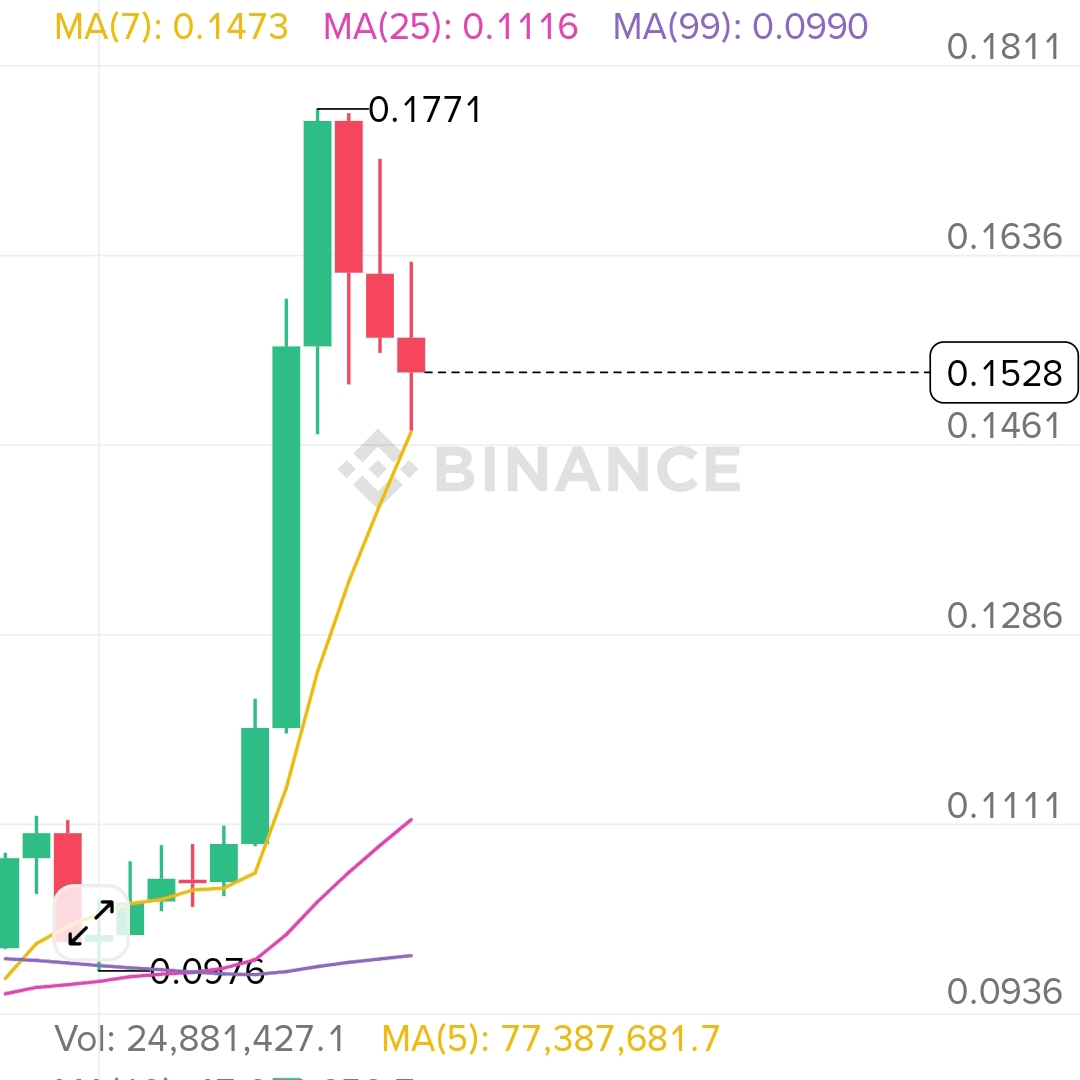
Smart Agents and Liquid Vaults: The Technical Pillars of OpenLedgerThe Fusion of DeFi Mechanics and Autonomous Agents
Title: Smart Agents and Liquid Vaults: The Technical Pillars of OpenLedger
The intersection of Web3 and Artificial Intelligence is evolving past basic data storage. Today, the focus is on creating autonomous, on-chain economies. @Openledger is leading this charge by introducing unique developer tools and smart financial primitives specifically engineered for AI workflows.
A standout feature of the network is its integration of the ERC-4626 standard—tokenized yield-bearing vaults—combined with an EVM bridge. This connects traditional decentralized finance (DeFi) liquidity directly with AI compute needs, allowing users to secure and monetize data assets efficiently. On top of this financial layer sits the developer ecosystem, highlighted by "Vibecoding" design models and Octoclaw smart agents. These agents are capable of executing complex, automated workflows in real-time without relying on centralized cloud providers.
For developers and creators, the network utility token, $OPEN , acts as the fuel. It powers the smart agents, pays for computational execution, and secures the underlying Layer 2 chain. By combining decentralized finance with practical AI automation tools, #OpenLedge r is building a comprehensive sandbox for the next generation of decentralized applications.
Smart Agents and Liquid Vaults: The Technical Pillars of OpenLedger
The Fusion of DeFi Mechanics and Autonomous Agents
Title: Smart Agents and Liquid Vaults: The Technical Pillars of OpenLedger
The intersection of Web3 and Artificial Intelligence is evolving past basic data storage. Today, the focus is on creating autonomous, on-chain economies. @OpenLedger is leading this charge by introducing unique developer tools and smart financial primitives specifically engineered for AI workflows.
A standout feature of the network is its integration of the ERC-4626 standard—tokenized yield-bearing vaults—combined with an EVM bridge. This connects traditional decentralized finance (DeFi) liquidity directly with AI compute needs, allowing users to secure and monetize data assets efficiently. On top of this financial layer sits the developer ecosystem, highlighted by "Vibecoding" design models and Octoclaw smart agents. These agents are capable of executing complex, automated workflows in real-time without relying on centralized cloud providers.
For developers and creators, the network utility token, $OPEN , acts as the fuel. It powers the smart agents, pays for computational execution, and secures the underlying Layer 2 chain. By combining decentralized finance with practical AI automation tools, #OpenLedge r is building a comprehensive sandbox for the next generation of decentralized applications.
Title: Smart Agents and Liquid Vaults: The Technical Pillars of OpenLedger
The intersection of Web3 and Artificial Intelligence is evolving past basic data storage. Today, the focus is on creating autonomous, on-chain economies. @OpenLedger is leading this charge by introducing unique developer tools and smart financial primitives specifically engineered for AI workflows.
A standout feature of the network is its integration of the ERC-4626 standard—tokenized yield-bearing vaults—combined with an EVM bridge. This connects traditional decentralized finance (DeFi) liquidity directly with AI compute needs, allowing users to secure and monetize data assets efficiently. On top of this financial layer sits the developer ecosystem, highlighted by "Vibecoding" design models and Octoclaw smart agents. These agents are capable of executing complex, automated workflows in real-time without relying on centralized cloud providers.
For developers and creators, the network utility token, $OPEN , acts as the fuel. It powers the smart agents, pays for computational execution, and secures the underlying Layer 2 chain. By combining decentralized finance with practical AI automation tools, #OpenLedge r is building a comprehensive sandbox for the next generation of decentralized applications.
60

·
--
Article
OpenLedger Global Leaderboard CampaignBinance Square has officially launched an exciting new campaign on CreatorPad featuring OpenLedger (OPEN), a data-focused blockchain network optimized for Artificial Intelligence. The initiative offers verified Web3 creators a major opportunity to claim a share of a massive 50,000 USDC reward pool.
To join, eligible participants must complete key community tasks to accumulate points and climb the global leaderboard. Requirements include creating original content about OpenLedger with a minimum of 100 characters, tracking the $OPEN token, using the #OpenLedger hashtag, and completing a minimum trade of $10 equivalent in $OPEN.
The campaign runs from May 19, 2026, until June 2, 2026. The final rewards will be split evenly, with 25,000 USDC allocated to the top 300 creators on the Global Project Leaderboard, and another 25,000 USDC dedicated to the top 300 Chinese creators. With thousands of users already participating, this event stands as a highly competitive drive for AI-blockchain innovat
[(https://www.binance.com/en/square/profile/openledger](https://www.binance.com/en/square/profile/openledger)$
#OpenLedge
#AI
@Openledger
$OPEN
{spot}(OPENUSDT)
OpenLedger Global Leaderboard Campaign
Binance Square has officially launched an exciting new campaign on CreatorPad featuring OpenLedger (OPEN), a data-focused blockchain network optimized for Artificial Intelligence. The initiative offers verified Web3 creators a major opportunity to claim a share of a massive 50,000 USDC reward pool.
To join, eligible participants must complete key community tasks to accumulate points and climb the global leaderboard. Requirements include creating original content about OpenLedger with a minimum of 100 characters, tracking the $OPEN token, using the #OpenLedger hashtag, and completing a minimum trade of $10 equivalent in $OPEN .
The campaign runs from May 19, 2026, until June 2, 2026. The final rewards will be split evenly, with 25,000 USDC allocated to the top 300 creators on the Global Project Leaderboard, and another 25,000 USDC dedicated to the top 300 Chinese creators. With thousands of users already participating, this event stands as a highly competitive drive for AI-blockchain innovat
(https://www.binance.com/en/square/profile/openledger$
#OpenLedge
#AI
@OpenLedger
$OPEN
To join, eligible participants must complete key community tasks to accumulate points and climb the global leaderboard. Requirements include creating original content about OpenLedger with a minimum of 100 characters, tracking the $OPEN token, using the #OpenLedger hashtag, and completing a minimum trade of $10 equivalent in $OPEN .
The campaign runs from May 19, 2026, until June 2, 2026. The final rewards will be split evenly, with 25,000 USDC allocated to the top 300 creators on the Global Project Leaderboard, and another 25,000 USDC dedicated to the top 300 Chinese creators. With thousands of users already participating, this event stands as a highly competitive drive for AI-blockchain innovat
(https://www.binance.com/en/square/profile/openledger$
#OpenLedge
#AI
@OpenLedger
$OPEN
35

·
--
Bullish
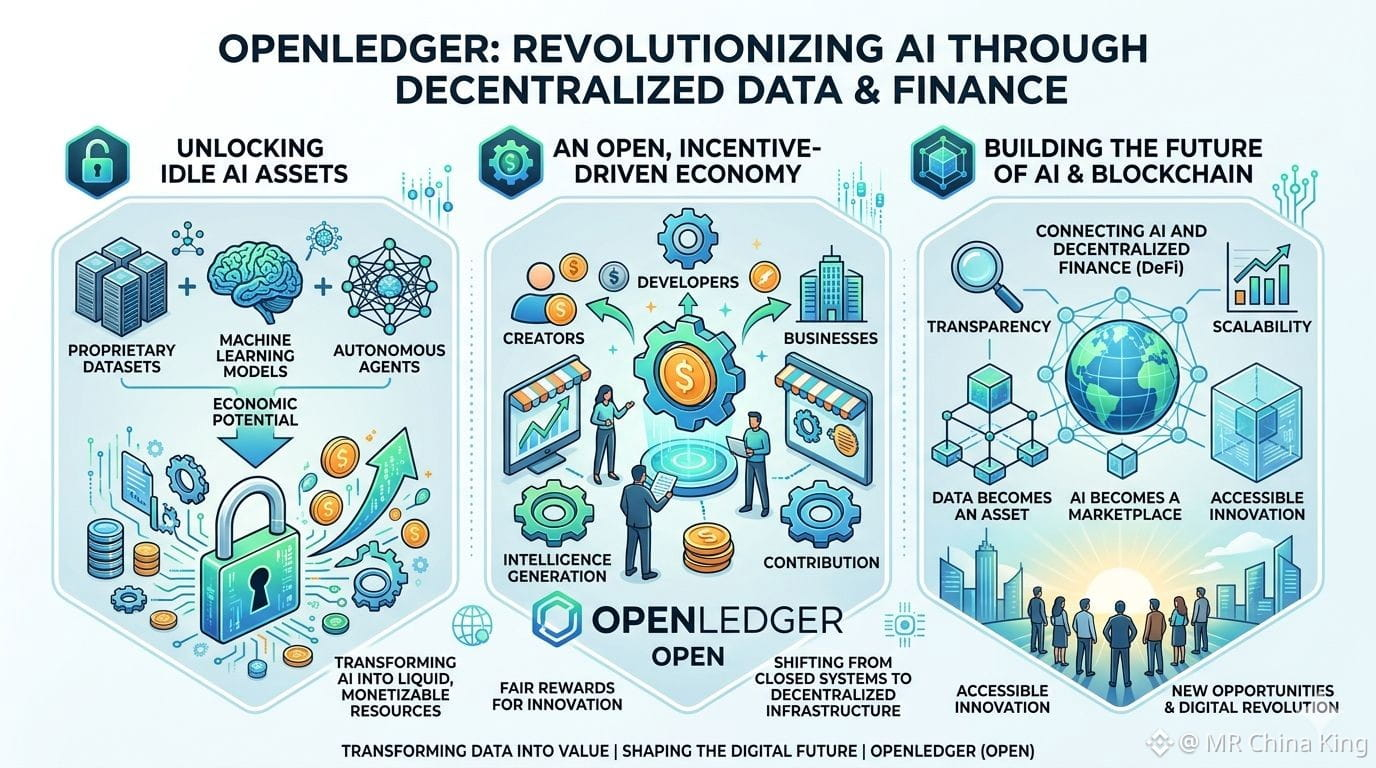
I’m always looking for projects that push the boundaries of AI and blockchain, and OpenLedger (OPEN) stands out as a game-changer. Instead of letting valuable data, AI models, and autonomous agents sit idle, I can now participate in an ecosystem designed to unlock their true economic potential.
What excites me most about OpenLedger is its vision of transforming AI assets into liquid, monetizable resources. Whether it’s proprietary datasets, machine learning models, or intelligent agents, OpenLedger creates a framework where I can contribute, collaborate, and earn value from the assets I help build. This shifts AI from a closed system into an open, incentive-driven economy.
The combination of decentralized infrastructure and AI innovation opens doors to new opportunities. I see a future where creators, developers, and businesses are rewarded fairly for the intelligence they generate, while users gain access to a transparent and scalable ecosystem. OpenLedger is building the foundation for that future by aligning incentives across all participants.
For me, OpenLedger isn’t just another blockchain project—it’s a step toward a world where data becomes an asset, AI becomes a marketplace, and innovation becomes more accessible. As the demand for intelligent systems continues to grow, I believe platforms that connect AI and decentralized finance will play a major role in shaping the next digital revolution.
@Openledger #OpenLedge
$OPEN
I’m always looking for projects that push the boundaries of AI and blockchain, and OpenLedger (OPEN) stands out as a game-changer. Instead of letting valuable data, AI models, and autonomous agents sit idle, I can now participate in an ecosystem designed to unlock their true economic potential.
What excites me most about OpenLedger is its vision of transforming AI assets into liquid, monetizable resources. Whether it’s proprietary datasets, machine learning models, or intelligent agents, OpenLedger creates a framework where I can contribute, collaborate, and earn value from the assets I help build. This shifts AI from a closed system into an open, incentive-driven economy.
The combination of decentralized infrastructure and AI innovation opens doors to new opportunities. I see a future where creators, developers, and businesses are rewarded fairly for the intelligence they generate, while users gain access to a transparent and scalable ecosystem. OpenLedger is building the foundation for that future by aligning incentives across all participants.
For me, OpenLedger isn’t just another blockchain project—it’s a step toward a world where data becomes an asset, AI becomes a marketplace, and innovation becomes more accessible. As the demand for intelligent systems continues to grow, I believe platforms that connect AI and decentralized finance will play a major role in shaping the next digital revolution.
@OpenLedger #OpenLedge
$OPEN
What excites me most about OpenLedger is its vision of transforming AI assets into liquid, monetizable resources. Whether it’s proprietary datasets, machine learning models, or intelligent agents, OpenLedger creates a framework where I can contribute, collaborate, and earn value from the assets I help build. This shifts AI from a closed system into an open, incentive-driven economy.
The combination of decentralized infrastructure and AI innovation opens doors to new opportunities. I see a future where creators, developers, and businesses are rewarded fairly for the intelligence they generate, while users gain access to a transparent and scalable ecosystem. OpenLedger is building the foundation for that future by aligning incentives across all participants.
For me, OpenLedger isn’t just another blockchain project—it’s a step toward a world where data becomes an asset, AI becomes a marketplace, and innovation becomes more accessible. As the demand for intelligent systems continues to grow, I believe platforms that connect AI and decentralized finance will play a major role in shaping the next digital revolution.
@OpenLedger #OpenLedge
$OPEN
1
94

·
--
$OPEN ATTRIBUTION RISK MOVES INTO FINANCIAL INFRASTRUCTURE ⚠️
OpenLedger’s core debate is not only AI performance, but whether attribution can remain credible as models become larger, layered, and economically connected. If attribution shifts from exact tracing to scalable estimation, institutional users will likely focus on transparency, governance controls, and incentive design.
For traders, the key setup is narrative depth versus execution risk. $OPEN sits in a sector where traceable AI could matter for DeFi, agents, and data monetization, but adoption depends on proving attribution can scale without weakening reliability or efficiency.
Not financial advice. Manage your risk.
#OpenLedge #AI #Crypto #DeFi #BinanceSquare
⚡
{future}(OPENUSDT)
$OPEN ATTRIBUTION RISK MOVES INTO FINANCIAL INFRASTRUCTURE ⚠️
OpenLedger’s core debate is not only AI performance, but whether attribution can remain credible as models become larger, layered, and economically connected. If attribution shifts from exact tracing to scalable estimation, institutional users will likely focus on transparency, governance controls, and incentive design.
For traders, the key setup is narrative depth versus execution risk. $OPEN sits in a sector where traceable AI could matter for DeFi, agents, and data monetization, but adoption depends on proving attribution can scale without weakening reliability or efficiency.
Not financial advice. Manage your risk.
#OpenLedge #AI #Crypto #DeFi #BinanceSquare
⚡
OpenLedger’s core debate is not only AI performance, but whether attribution can remain credible as models become larger, layered, and economically connected. If attribution shifts from exact tracing to scalable estimation, institutional users will likely focus on transparency, governance controls, and incentive design.
For traders, the key setup is narrative depth versus execution risk. $OPEN sits in a sector where traceable AI could matter for DeFi, agents, and data monetization, but adoption depends on proving attribution can scale without weakening reliability or efficiency.
Not financial advice. Manage your risk.
#OpenLedge #AI #Crypto #DeFi #BinanceSquare
⚡
16

The Future of Decentralized AI Data:The Future of Decentralized AI Data: Why OpenLedger Changes Everything
The AI revolution is only as good as the data powering it — and right now, that data is controlled by a handful of centralized giants. @Openledger is flipping that script entirely.
OpenLedger is building a decentralized data layer for AI, where contributors are fairly compensated and data provenance is transparent and verifiable on-chain. Instead of big tech harvesting your data for free, OpenLedger ensures that the people and communities generating valuable data actually own a stake in the intelligence it creates.
The $OPEN token sits at the heart of this ecosystem — aligning incentives between data providers, AI developers, and end users. It's not just another token; it's the coordination mechanism for a fairer, open AI economy.
What excites me most is the timing. As AI demand for high-quality training data explodes, OpenLedger positions itself as critical infrastructure — not just a speculative play. Projects that solve real bottlenecks in the AI pipeline are the ones worth watching closely.
If you believe in AI but worry about who controls it, OpenLedger deserves a spot on your radar.
#OpenLedge #open #DecentralizedAI #Web3 #AIDataEconomy
The Future of Decentralized AI Data:
The Future of Decentralized AI Data: Why OpenLedger Changes Everything
The AI revolution is only as good as the data powering it — and right now, that data is controlled by a handful of centralized giants. @OpenLedger is flipping that script entirely.
OpenLedger is building a decentralized data layer for AI, where contributors are fairly compensated and data provenance is transparent and verifiable on-chain. Instead of big tech harvesting your data for free, OpenLedger ensures that the people and communities generating valuable data actually own a stake in the intelligence it creates.
The $OPEN token sits at the heart of this ecosystem — aligning incentives between data providers, AI developers, and end users. It's not just another token; it's the coordination mechanism for a fairer, open AI economy.
What excites me most is the timing. As AI demand for high-quality training data explodes, OpenLedger positions itself as critical infrastructure — not just a speculative play. Projects that solve real bottlenecks in the AI pipeline are the ones worth watching closely.
If you believe in AI but worry about who controls it, OpenLedger deserves a spot on your radar.
#OpenLedge #open #DecentralizedAI #Web3 #AIDataEconomy
The AI revolution is only as good as the data powering it — and right now, that data is controlled by a handful of centralized giants. @OpenLedger is flipping that script entirely.
OpenLedger is building a decentralized data layer for AI, where contributors are fairly compensated and data provenance is transparent and verifiable on-chain. Instead of big tech harvesting your data for free, OpenLedger ensures that the people and communities generating valuable data actually own a stake in the intelligence it creates.
The $OPEN token sits at the heart of this ecosystem — aligning incentives between data providers, AI developers, and end users. It's not just another token; it's the coordination mechanism for a fairer, open AI economy.
What excites me most is the timing. As AI demand for high-quality training data explodes, OpenLedger positions itself as critical infrastructure — not just a speculative play. Projects that solve real bottlenecks in the AI pipeline are the ones worth watching closely.
If you believe in AI but worry about who controls it, OpenLedger deserves a spot on your radar.
#OpenLedge #open #DecentralizedAI #Web3 #AIDataEconomy
93

·
--
Article
OpenLedger: The Rising Power of AI and Blockchain in Web3@Openledger The Rising Power of AI and Blockchain in Web3
The world of cryptocurrency is constantly evolving, and new technologies are shaping the future of digital finance every day. Among the latest trends attracting attention across the crypto industry is the combination of Artificial Intelligence (AI) and blockchain technology. One project that is rapidly gaining popularity in this sector is OpenLedger. The platform is positioning itself as an innovative AI-powered blockchain ecosystem focused on data ownership, decentralized AI development, and community-driven rewards.
OpenLedger is designed to create a bridge between AI models and blockchain infrastructure. In simple words, the platform aims to allow users, creators, and developers to monetize valuable data, AI tools, and digital contributions through decentralized technology. This concept has become increasingly important because AI systems require huge amounts of quality data and computational support. OpenLedger wants to build an ecosystem where contributors are rewarded fairly for helping improve AI networks.
One of the main reasons OpenLedger has become popular recently is its growing online community and reward campaigns. Crypto users across platforms like Binance Square, X (Twitter), and Telegram are actively discussing the project and participating in various community activities. Many users believe early participation could provide long-term benefits if the project continues to expand successfully.
The rise of AI-focused cryptocurrencies has created a major trend in the market. Investors are now searching for projects that combine real utility with future technology. OpenLedger fits perfectly into this narrative because it connects two of the most powerful innovations of modern times: blockchain and artificial intelligence. Analysts believe the AI crypto sector could become one of the fastest-growing categories in Web3 during the next few years.
Another important aspect of OpenLedger is decentralization. Traditional AI systems are usually controlled by large companies with centralized data ownership. OpenLedger aims to give more control back to users by creating transparent and decentralized AI infrastructure. This allows contributors to maintain ownership of their data while also earning rewards from ecosystem participation.
The platform’s reward-based ecosystem has also increased user engagement. Community members often complete tasks, create content, share updates, and participate in social campaigns to gain leaderboard points and unlock potential rewards. This strategy has helped OpenLedger gain visibility among crypto traders and influencers.
As the crypto market continues evolving, projects with strong innovation and real-world utility are likely to attract the most attention. OpenLedger is still developing, but its focus on AI integration and decentralized technology gives it strong potential within the growing Web3 economy. Whether it becomes a major blockchain platform in the future will depend on adoption, partnerships, and ecosystem growth, but for now, it remains one of the most discussed AI blockchain projects in the market.
#OpenLedge #AI #Blockchain #Crypto #Web3 #AIBlockchain n #Bitcoin #BinanceSquare #Ethereum #Trending #Altcoins 🚀$OPEN
{spot}(OPENUSDT)
OpenLedger: The Rising Power of AI and Blockchain in Web3
@OpenLedger The Rising Power of AI and Blockchain in Web3
The world of cryptocurrency is constantly evolving, and new technologies are shaping the future of digital finance every day. Among the latest trends attracting attention across the crypto industry is the combination of Artificial Intelligence (AI) and blockchain technology. One project that is rapidly gaining popularity in this sector is OpenLedger. The platform is positioning itself as an innovative AI-powered blockchain ecosystem focused on data ownership, decentralized AI development, and community-driven rewards.
OpenLedger is designed to create a bridge between AI models and blockchain infrastructure. In simple words, the platform aims to allow users, creators, and developers to monetize valuable data, AI tools, and digital contributions through decentralized technology. This concept has become increasingly important because AI systems require huge amounts of quality data and computational support. OpenLedger wants to build an ecosystem where contributors are rewarded fairly for helping improve AI networks.
One of the main reasons OpenLedger has become popular recently is its growing online community and reward campaigns. Crypto users across platforms like Binance Square, X (Twitter), and Telegram are actively discussing the project and participating in various community activities. Many users believe early participation could provide long-term benefits if the project continues to expand successfully.
The rise of AI-focused cryptocurrencies has created a major trend in the market. Investors are now searching for projects that combine real utility with future technology. OpenLedger fits perfectly into this narrative because it connects two of the most powerful innovations of modern times: blockchain and artificial intelligence. Analysts believe the AI crypto sector could become one of the fastest-growing categories in Web3 during the next few years.
Another important aspect of OpenLedger is decentralization. Traditional AI systems are usually controlled by large companies with centralized data ownership. OpenLedger aims to give more control back to users by creating transparent and decentralized AI infrastructure. This allows contributors to maintain ownership of their data while also earning rewards from ecosystem participation.
The platform’s reward-based ecosystem has also increased user engagement. Community members often complete tasks, create content, share updates, and participate in social campaigns to gain leaderboard points and unlock potential rewards. This strategy has helped OpenLedger gain visibility among crypto traders and influencers.
As the crypto market continues evolving, projects with strong innovation and real-world utility are likely to attract the most attention. OpenLedger is still developing, but its focus on AI integration and decentralized technology gives it strong potential within the growing Web3 economy. Whether it becomes a major blockchain platform in the future will depend on adoption, partnerships, and ecosystem growth, but for now, it remains one of the most discussed AI blockchain projects in the market.
#OpenLedge #AI #Blockchain #Crypto #Web3 #AIBlockchain n #Bitcoin #BinanceSquare #Ethereum #Trending #Altcoins 🚀$OPEN
The world of cryptocurrency is constantly evolving, and new technologies are shaping the future of digital finance every day. Among the latest trends attracting attention across the crypto industry is the combination of Artificial Intelligence (AI) and blockchain technology. One project that is rapidly gaining popularity in this sector is OpenLedger. The platform is positioning itself as an innovative AI-powered blockchain ecosystem focused on data ownership, decentralized AI development, and community-driven rewards.
OpenLedger is designed to create a bridge between AI models and blockchain infrastructure. In simple words, the platform aims to allow users, creators, and developers to monetize valuable data, AI tools, and digital contributions through decentralized technology. This concept has become increasingly important because AI systems require huge amounts of quality data and computational support. OpenLedger wants to build an ecosystem where contributors are rewarded fairly for helping improve AI networks.
One of the main reasons OpenLedger has become popular recently is its growing online community and reward campaigns. Crypto users across platforms like Binance Square, X (Twitter), and Telegram are actively discussing the project and participating in various community activities. Many users believe early participation could provide long-term benefits if the project continues to expand successfully.
The rise of AI-focused cryptocurrencies has created a major trend in the market. Investors are now searching for projects that combine real utility with future technology. OpenLedger fits perfectly into this narrative because it connects two of the most powerful innovations of modern times: blockchain and artificial intelligence. Analysts believe the AI crypto sector could become one of the fastest-growing categories in Web3 during the next few years.
Another important aspect of OpenLedger is decentralization. Traditional AI systems are usually controlled by large companies with centralized data ownership. OpenLedger aims to give more control back to users by creating transparent and decentralized AI infrastructure. This allows contributors to maintain ownership of their data while also earning rewards from ecosystem participation.
The platform’s reward-based ecosystem has also increased user engagement. Community members often complete tasks, create content, share updates, and participate in social campaigns to gain leaderboard points and unlock potential rewards. This strategy has helped OpenLedger gain visibility among crypto traders and influencers.
As the crypto market continues evolving, projects with strong innovation and real-world utility are likely to attract the most attention. OpenLedger is still developing, but its focus on AI integration and decentralized technology gives it strong potential within the growing Web3 economy. Whether it becomes a major blockchain platform in the future will depend on adoption, partnerships, and ecosystem growth, but for now, it remains one of the most discussed AI blockchain projects in the market.
#OpenLedge #AI #Blockchain #Crypto #Web3 #AIBlockchain n #Bitcoin #BinanceSquare #Ethereum #Trending #Altcoins 🚀$OPEN
1
1
25

Open data is becoming one of the most valuable resources in the AI era, and @OpenLedger is buildingOpen data is becoming one of the most valuable resources in the AI era, and @Openledger is building infrastructure that helps unlock this value in a transparent and decentralized way. Rather than relying on closed systems controlled by a few large organizations, OpenLedger creates an ecosystem where data contributors, developers, and AI builders can participate in a more open economy.
What stands out to me is the project's focus on connecting high-quality datasets with AI applications while rewarding contributors fairly. As demand for trustworthy AI models continues to grow, platforms that can verify, organize, and distribute valuable data efficiently may play an increasingly important role in the industry.
The $OPEN token is a key component of this ecosystem, helping facilitate participation, incentives, and network activity. By aligning incentives between data providers and AI developers, OpenLedger aims to create a sustainable foundation for decentralized AI innovation.
I will be watching closely to see how the ecosystem expands, attracts new contributors, and supports real-world AI use cases in the future. The intersection of blockchain and artificial intelligence remains one of the most exciting sectors in technology today, and OpenLedger is positioning itself as a project worth following.
#OpenLedge $OPEN
Open data is becoming one of the most valuable resources in the AI era, and @OpenLedger is building
Open data is becoming one of the most valuable resources in the AI era, and @OpenLedger is building infrastructure that helps unlock this value in a transparent and decentralized way. Rather than relying on closed systems controlled by a few large organizations, OpenLedger creates an ecosystem where data contributors, developers, and AI builders can participate in a more open economy.
What stands out to me is the project's focus on connecting high-quality datasets with AI applications while rewarding contributors fairly. As demand for trustworthy AI models continues to grow, platforms that can verify, organize, and distribute valuable data efficiently may play an increasingly important role in the industry.
The $OPEN token is a key component of this ecosystem, helping facilitate participation, incentives, and network activity. By aligning incentives between data providers and AI developers, OpenLedger aims to create a sustainable foundation for decentralized AI innovation.
I will be watching closely to see how the ecosystem expands, attracts new contributors, and supports real-world AI use cases in the future. The intersection of blockchain and artificial intelligence remains one of the most exciting sectors in technology today, and OpenLedger is positioning itself as a project worth following.
#OpenLedge $OPEN
What stands out to me is the project's focus on connecting high-quality datasets with AI applications while rewarding contributors fairly. As demand for trustworthy AI models continues to grow, platforms that can verify, organize, and distribute valuable data efficiently may play an increasingly important role in the industry.
The $OPEN token is a key component of this ecosystem, helping facilitate participation, incentives, and network activity. By aligning incentives between data providers and AI developers, OpenLedger aims to create a sustainable foundation for decentralized AI innovation.
I will be watching closely to see how the ecosystem expands, attracts new contributors, and supports real-world AI use cases in the future. The intersection of blockchain and artificial intelligence remains one of the most exciting sectors in technology today, and OpenLedger is positioning itself as a project worth following.
#OpenLedge $OPEN
42
OpenLedger:Changing The GameOpenLedger: Shifting Data Ownership in the Age of AI
The rapid expansion of artificial intelligence relies entirely on a single, indispensable resource: high-quality data. However, the existing AI economy is fundamentally extractive. While massive tech conglomerates scrape the internet to train multi-billion-dollar models, the actual creators, domain experts, and daily internet users receive zero compensation for their invisible labor. OpenLedger emerges as a decentralized infrastructure designed to fix this economic imbalance. Built on the robust OP Stack, OpenLedger transforms data, AI models, and autonomous agents from static corporate property into liquid, composable, and community-owned Web3 assets.
+-------------------------------------------------------------+
| OPENLEDGER L2 |
+-------------------------------------------------------------+
^ | ^
| Data Hash | OPEN Payout | Gas / Fee
| v |
+--------------+ +--------------+ +--------------+
| DATANETS | | CONTRIBUTORS | | MODELFACTORY |
| (Niche Data) | | (Everyday) | | (No-Code) |
+--------------+ +--------------+ +--------------+
The Power of Proof of Attribution
At the core of OpenLedger's architecture sits its most notable technological breakthrough: the Proof of Attribution protocol. Traditional AI models function like opaque "black boxes," making it impossible to trace why a machine generated a specific answer. OpenLedger reconstructs this process on-chain.
When specialized datasets are gathered across the platform, they are hashed, timestamped, and organized into community-run networks called Datanets. When a developer leverages these Datanets via the ModelFactory to fine-tune or query a specialized AI model, the network mathematically calculates the exact impact that specific data points had on the final intelligence output.
This guarantees a permanently verifiable audit trail of AI model provenance, introducing several major real-world benefits:
True Originality: Creators can cryptographically prove their work stems from ethically sourced, legally compliant training pipelines.Enterprise Auditing: Corporate entities can track AI answers back to specific, verified data sources.Targeted Retraining: If a dataset is flagged for errors or copyright violations, enterprises can easily isolate and remove the corrupted data to retrain the model smoothly.
Sustaining the Ecosystem with the OPEN Token
Every component of this "Payable AI" ecosystem is kept in harmony by OpenLedger's native utility asset, the OPEN token. With a fixed total supply of 1 billion tokens, OPEN functions as the essential network gas, access currency, and incentive mechanism.
[ OPEN Token ]
|
+--------------------+-----------+-----------+--------------------+
| | | |
v v v v
[ L2 Gas Fees ] [ AI Marketplace ] [ Staking & Slashing ] [ Payout Rewards ]
Reduces ETH-drift Accesses models & APIs Enforces agent honesty Distributed to data
for AI micro-tasks for enterprise scaling via economic penalties contributors natively
When an automated AI agent or a developer triggers a model inference, the transaction fee is paid in OPEN. The network instantly route these micro-licensing fees directly back to the data creators and node hosts responsible for generating the intelligence.
Furthermore, the ecosystem protects itself through agent staking. Autonomous AI applications must lock up a specific threshold of OPEN to operate on-chain. If an agent underperforms, delivers malicious outputs, or acts corruptly, its staked tokens are slashed, forcing economic accountability directly onto algorithmic software.
A Foundation for Specialized Intelligence
The generalized AI market is dominated by centralized giants, but the next evolution of technology demands hyper-specialized accuracy. OpenLedger bridges this gap by accommodating independent, vertical-specific developers. Real-world projects built on OpenLedger include medical groups organizing global health data to construct specialized sleep models, environmental apps monitoring regional air quality, and tech teams engineering advanced Web3 coding assistance. Supported by strategic capital via programs like OpenCircle and robust security integrations with restaking networks like Ether.fi, OpenLedger effectively changes the narrative of AI development. It shifts machine intelligence away from isolated, extractive practices and anchors it onto a fair, community-owned, and transparent blockchain ledger #OpenLedge #openledger
OpenLedger:Changing The Game
OpenLedger: Shifting Data Ownership in the Age of AI
The rapid expansion of artificial intelligence relies entirely on a single, indispensable resource: high-quality data. However, the existing AI economy is fundamentally extractive. While massive tech conglomerates scrape the internet to train multi-billion-dollar models, the actual creators, domain experts, and daily internet users receive zero compensation for their invisible labor. OpenLedger emerges as a decentralized infrastructure designed to fix this economic imbalance. Built on the robust OP Stack, OpenLedger transforms data, AI models, and autonomous agents from static corporate property into liquid, composable, and community-owned Web3 assets.
+-------------------------------------------------------------+
| OPENLEDGER L2 |
+-------------------------------------------------------------+
^ | ^
| Data Hash | OPEN Payout | Gas / Fee
| v |
+--------------+ +--------------+ +--------------+
| DATANETS | | CONTRIBUTORS | | MODELFACTORY |
| (Niche Data) | | (Everyday) | | (No-Code) |
+--------------+ +--------------+ +--------------+
The Power of Proof of Attribution
At the core of OpenLedger's architecture sits its most notable technological breakthrough: the Proof of Attribution protocol. Traditional AI models function like opaque "black boxes," making it impossible to trace why a machine generated a specific answer. OpenLedger reconstructs this process on-chain.
When specialized datasets are gathered across the platform, they are hashed, timestamped, and organized into community-run networks called Datanets. When a developer leverages these Datanets via the ModelFactory to fine-tune or query a specialized AI model, the network mathematically calculates the exact impact that specific data points had on the final intelligence output.
This guarantees a permanently verifiable audit trail of AI model provenance, introducing several major real-world benefits:
True Originality: Creators can cryptographically prove their work stems from ethically sourced, legally compliant training pipelines.Enterprise Auditing: Corporate entities can track AI answers back to specific, verified data sources.Targeted Retraining: If a dataset is flagged for errors or copyright violations, enterprises can easily isolate and remove the corrupted data to retrain the model smoothly.
Sustaining the Ecosystem with the OPEN Token
Every component of this "Payable AI" ecosystem is kept in harmony by OpenLedger's native utility asset, the OPEN token. With a fixed total supply of 1 billion tokens, OPEN functions as the essential network gas, access currency, and incentive mechanism.
[ OPEN Token ]
|
+--------------------+-----------+-----------+--------------------+
| | | |
v v v v
[ L2 Gas Fees ] [ AI Marketplace ] [ Staking & Slashing ] [ Payout Rewards ]
Reduces ETH-drift Accesses models & APIs Enforces agent honesty Distributed to data
for AI micro-tasks for enterprise scaling via economic penalties contributors natively
When an automated AI agent or a developer triggers a model inference, the transaction fee is paid in OPEN. The network instantly route these micro-licensing fees directly back to the data creators and node hosts responsible for generating the intelligence.
Furthermore, the ecosystem protects itself through agent staking. Autonomous AI applications must lock up a specific threshold of OPEN to operate on-chain. If an agent underperforms, delivers malicious outputs, or acts corruptly, its staked tokens are slashed, forcing economic accountability directly onto algorithmic software.
A Foundation for Specialized Intelligence
The generalized AI market is dominated by centralized giants, but the next evolution of technology demands hyper-specialized accuracy. OpenLedger bridges this gap by accommodating independent, vertical-specific developers. Real-world projects built on OpenLedger include medical groups organizing global health data to construct specialized sleep models, environmental apps monitoring regional air quality, and tech teams engineering advanced Web3 coding assistance. Supported by strategic capital via programs like OpenCircle and robust security integrations with restaking networks like Ether.fi, OpenLedger effectively changes the narrative of AI development. It shifts machine intelligence away from isolated, extractive practices and anchors it onto a fair, community-owned, and transparent blockchain ledger #OpenLedge #openledger
The rapid expansion of artificial intelligence relies entirely on a single, indispensable resource: high-quality data. However, the existing AI economy is fundamentally extractive. While massive tech conglomerates scrape the internet to train multi-billion-dollar models, the actual creators, domain experts, and daily internet users receive zero compensation for their invisible labor. OpenLedger emerges as a decentralized infrastructure designed to fix this economic imbalance. Built on the robust OP Stack, OpenLedger transforms data, AI models, and autonomous agents from static corporate property into liquid, composable, and community-owned Web3 assets.
+-------------------------------------------------------------+
| OPENLEDGER L2 |
+-------------------------------------------------------------+
^ | ^
| Data Hash | OPEN Payout | Gas / Fee
| v |
+--------------+ +--------------+ +--------------+
| DATANETS | | CONTRIBUTORS | | MODELFACTORY |
| (Niche Data) | | (Everyday) | | (No-Code) |
+--------------+ +--------------+ +--------------+
The Power of Proof of Attribution
At the core of OpenLedger's architecture sits its most notable technological breakthrough: the Proof of Attribution protocol. Traditional AI models function like opaque "black boxes," making it impossible to trace why a machine generated a specific answer. OpenLedger reconstructs this process on-chain.
When specialized datasets are gathered across the platform, they are hashed, timestamped, and organized into community-run networks called Datanets. When a developer leverages these Datanets via the ModelFactory to fine-tune or query a specialized AI model, the network mathematically calculates the exact impact that specific data points had on the final intelligence output.
This guarantees a permanently verifiable audit trail of AI model provenance, introducing several major real-world benefits:
True Originality: Creators can cryptographically prove their work stems from ethically sourced, legally compliant training pipelines.Enterprise Auditing: Corporate entities can track AI answers back to specific, verified data sources.Targeted Retraining: If a dataset is flagged for errors or copyright violations, enterprises can easily isolate and remove the corrupted data to retrain the model smoothly.
Sustaining the Ecosystem with the OPEN Token
Every component of this "Payable AI" ecosystem is kept in harmony by OpenLedger's native utility asset, the OPEN token. With a fixed total supply of 1 billion tokens, OPEN functions as the essential network gas, access currency, and incentive mechanism.
[ OPEN Token ]
|
+--------------------+-----------+-----------+--------------------+
| | | |
v v v v
[ L2 Gas Fees ] [ AI Marketplace ] [ Staking & Slashing ] [ Payout Rewards ]
Reduces ETH-drift Accesses models & APIs Enforces agent honesty Distributed to data
for AI micro-tasks for enterprise scaling via economic penalties contributors natively
When an automated AI agent or a developer triggers a model inference, the transaction fee is paid in OPEN. The network instantly route these micro-licensing fees directly back to the data creators and node hosts responsible for generating the intelligence.
Furthermore, the ecosystem protects itself through agent staking. Autonomous AI applications must lock up a specific threshold of OPEN to operate on-chain. If an agent underperforms, delivers malicious outputs, or acts corruptly, its staked tokens are slashed, forcing economic accountability directly onto algorithmic software.
A Foundation for Specialized Intelligence
The generalized AI market is dominated by centralized giants, but the next evolution of technology demands hyper-specialized accuracy. OpenLedger bridges this gap by accommodating independent, vertical-specific developers. Real-world projects built on OpenLedger include medical groups organizing global health data to construct specialized sleep models, environmental apps monitoring regional air quality, and tech teams engineering advanced Web3 coding assistance. Supported by strategic capital via programs like OpenCircle and robust security integrations with restaking networks like Ether.fi, OpenLedger effectively changes the narrative of AI development. It shifts machine intelligence away from isolated, extractive practices and anchors it onto a fair, community-owned, and transparent blockchain ledger #OpenLedge #openledger
62

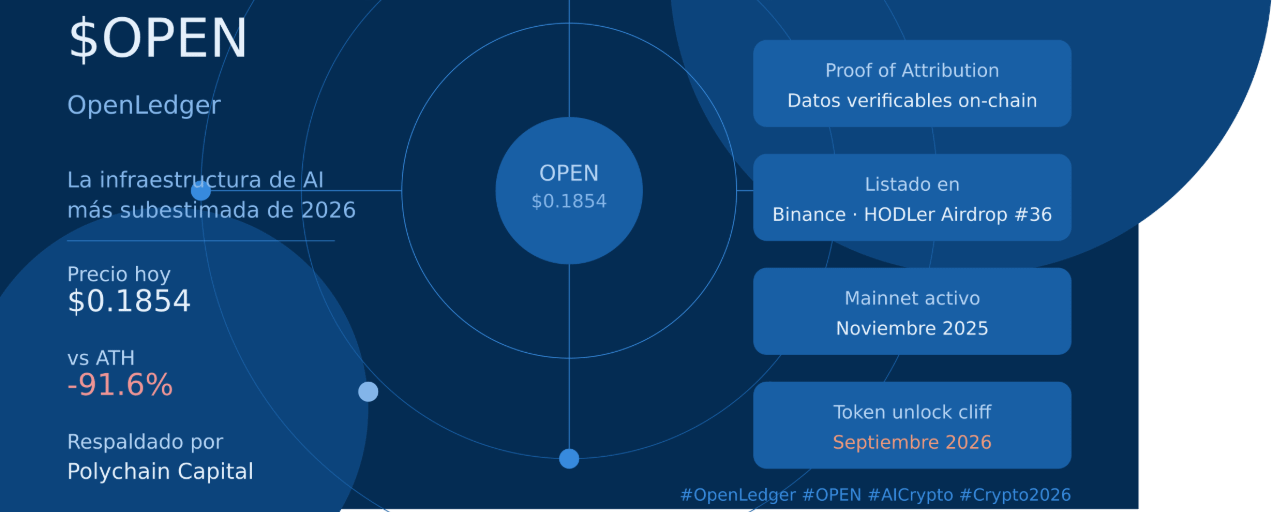
Article
$OPEN — The most underrated AI infrastructure of 2026?Most of the market chases AI hype. $OPEN is building something different: the layer of verifiable data that makes decentralized AI possible.
🔍 What exactly is OpenLedger?
OpenLedger is the first native AI blockchain. Unlike chains designed for DeFi or NFTs, OpenLedger makes every step of the AI lifecycle — data contribution, model training, inference, and deployment — transparent and rewarding. Its core innovation is Proof of Attribution (PoA): it tracks how data influences model outputs and automatically distributes rewards. In simple terms: if you contribute data to train an AI model, $OPEN pays you for it. On-chain. Verifiable. No intermediaries.
$OPEN — The most underrated AI infrastructure of 2026?
Most of the market chases AI hype. $OPEN is building something different: the layer of verifiable data that makes decentralized AI possible.
🔍 What exactly is OpenLedger?
OpenLedger is the first native AI blockchain. Unlike chains designed for DeFi or NFTs, OpenLedger makes every step of the AI lifecycle — data contribution, model training, inference, and deployment — transparent and rewarding. Its core innovation is Proof of Attribution (PoA): it tracks how data influences model outputs and automatically distributes rewards. In simple terms: if you contribute data to train an AI model, $OPEN pays you for it. On-chain. Verifiable. No intermediaries.
🔍 What exactly is OpenLedger?
OpenLedger is the first native AI blockchain. Unlike chains designed for DeFi or NFTs, OpenLedger makes every step of the AI lifecycle — data contribution, model training, inference, and deployment — transparent and rewarding. Its core innovation is Proof of Attribution (PoA): it tracks how data influences model outputs and automatically distributes rewards. In simple terms: if you contribute data to train an AI model, $OPEN pays you for it. On-chain. Verifiable. No intermediaries.
137

·
--
$OPEN TRACEABILITY GAP DEMANDS ATTENTION ⚠️
OpenLedger’s proof trail can clarify what entered the retrieval path, but it does not fully resolve what was missed before inference. For institutional users, the key risk is not visible attribution, but invisible omission that can still influence model quality, payout logic, and audit confidence.
Clean provenance is valuable, but it should not be mistaken for complete truth. If a critical source never enters context, lineage may look accurate while the decision path remains flawed. Traders should separate narrative strength from system-level execution risk.
Not financial advice. Manage your risk.
#OpenLedge #CryptoAI #Altcoins #BinanceSquare
🛡️
{future}(OPENUSDT)
$OPEN TRACEABILITY GAP DEMANDS ATTENTION ⚠️
OpenLedger’s proof trail can clarify what entered the retrieval path, but it does not fully resolve what was missed before inference. For institutional users, the key risk is not visible attribution, but invisible omission that can still influence model quality, payout logic, and audit confidence.
Clean provenance is valuable, but it should not be mistaken for complete truth. If a critical source never enters context, lineage may look accurate while the decision path remains flawed. Traders should separate narrative strength from system-level execution risk.
Not financial advice. Manage your risk.
#OpenLedge #CryptoAI #Altcoins #BinanceSquare
🛡️
OpenLedger’s proof trail can clarify what entered the retrieval path, but it does not fully resolve what was missed before inference. For institutional users, the key risk is not visible attribution, but invisible omission that can still influence model quality, payout logic, and audit confidence.
Clean provenance is valuable, but it should not be mistaken for complete truth. If a critical source never enters context, lineage may look accurate while the decision path remains flawed. Traders should separate narrative strength from system-level execution risk.
Not financial advice. Manage your risk.
#OpenLedge #CryptoAI #Altcoins #BinanceSquare
🛡️
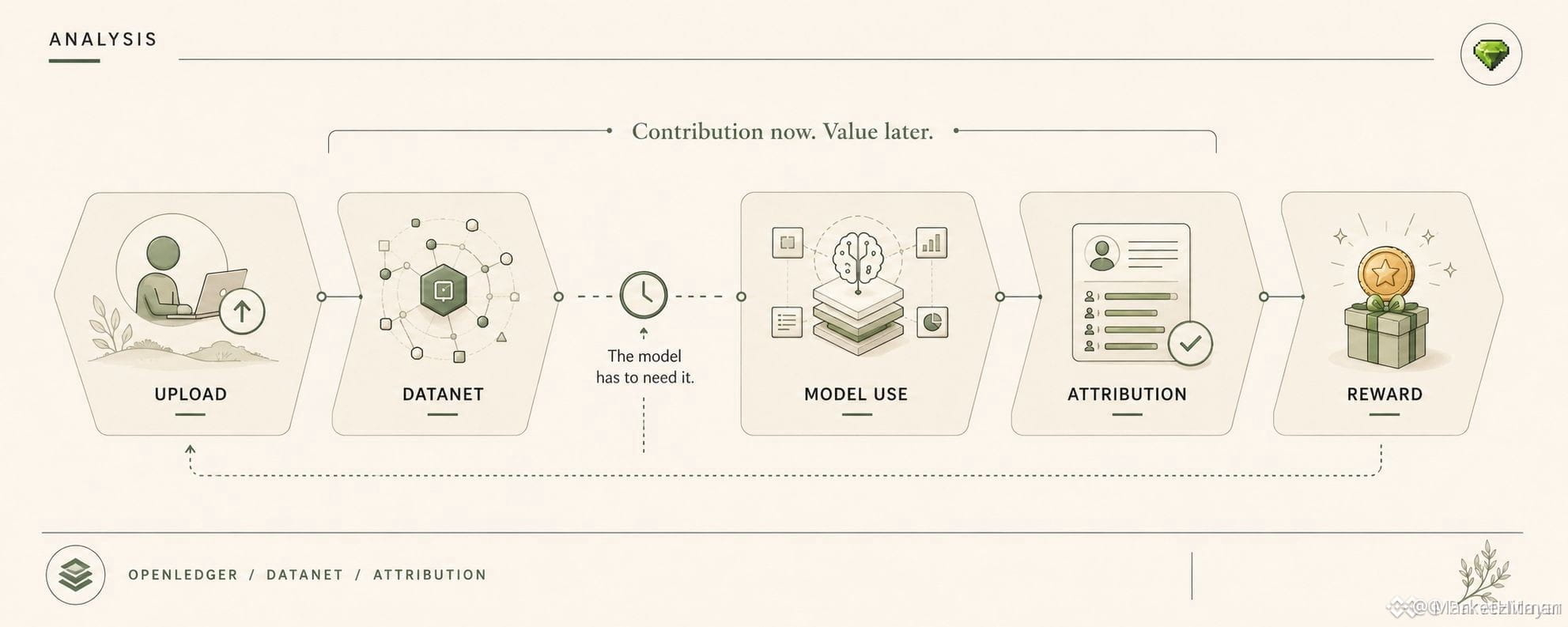
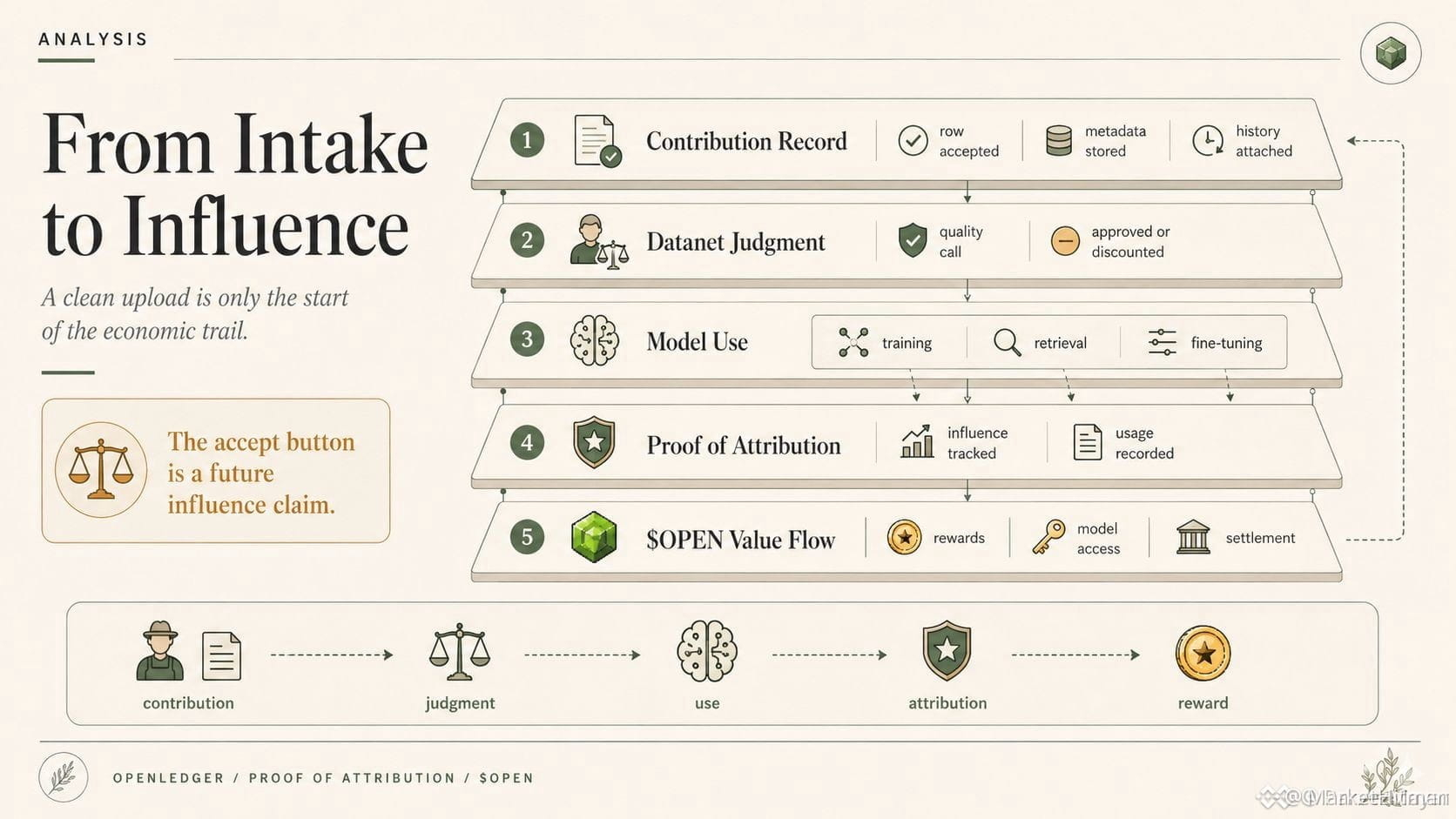
4
Log in to explore more content
Join global crypto users on Binance Square
⚡️ Get latest and useful information about crypto.
💬 Trusted by the world’s largest crypto exchange.
👍 Discover real insights from verified creators.
Email / Phone number
Trending Topics
1
#ZECHitsANewAllTimeHigh
48,728 views
512 Discussing
2
#LululemonTumbles20%OnWeakGuidance
33,205 views
501 Discussing
3
#BitcoinETFsBiggestDailyInflowSinceJanuary
28,726 views
591 Discussing
4
#USAugustJobGrowthNearlyTriplesForecast
38,466 views
501 Discussing
5
#USAugustAvgHourlyEarningsRise3.1%
37,613 views
467 Discussing
6
#USAugustNonfarmPayrollsDueToday
38,158 views
501 Discussing
7
#BitcoinEthereumHitMultiMonthHighs
55,479 views
965 Discussing
8
#AdobeSharesFall3%OnCEOTransition
20,179 views
451 Discussing
9
#BTCTops$80K
120,403 views
557 Discussing
10
#USWeeklyInitialJoblessClaimsRiseTo206000
182,242 views
2,495 Discussing