
#metals
metals
110,377 views
412 Discussing
Hot
Latest

·
--
Bullish
Metals week Aug 31–Sep 6: Gold tracks the Fed while copper extends its winning streak
🥇 Gold ended the week around $4,420–4,430/oz after a volatile sequence driven largely by U.S. rate expectations. Prices fell early in the week despite rising Iran–Hormuz tensions, rebounded more than 2% after Christopher Waller struck a softer tone, then came under pressure again following a +162,000 NFP print. The move suggests gold traded more as a proxy for Fed expectations than as a sustained geopolitical safe haven.
🥈 Silver moved with higher beta but finished around $66/oz, roughly flat to slightly higher on the week. Platinum was also little changed near $1,810–1,830/oz. Precious metals overall remained highly sensitive to real yields and the dollar, while geopolitical risk offered only intermittent support.
🟠 Copper moved in the opposite direction. LME copper extended its advance to a 10th consecutive week, trading near $14,400/tonne and close to record highs. It is the longest weekly winning streak since 1994. SHFE copper inventories fell about 13% to roughly 63,000 tonnes, while metal continued to be drawn toward the U.S. ahead of a possible tariff on refined copper.
🏭 Copper’s support is not coming from inventories alone. Global mine output fell about 1.1% in the first half of the year, while Chile and several major operations continued to face disruptions. China’s manufacturing PMI at 49.8 still points to soft demand, but constrained supply has helped copper remain resilient despite weaker growth signals.
📊 Next week, gold will remain focused on U.S. PPI, CPI and FOMC expectations, with the $4,360–4,530/oz area in focus. Copper retains a neutral-to-positive near-term bias while inventories stay tight, but risks would rise if Chinese demand disappoints or U.S. refined-copper tariff policy shifts. The divergence remains clear: precious metals are pricing the Fed, while copper is pricing supply and inventories.
#Metals $XAU $XAG $COPPER
Metals week Aug 31–Sep 6: Gold tracks the Fed while copper extends its winning streak
🥇 Gold ended the week around $4,420–4,430/oz after a volatile sequence driven largely by U.S. rate expectations. Prices fell early in the week despite rising Iran–Hormuz tensions, rebounded more than 2% after Christopher Waller struck a softer tone, then came under pressure again following a +162,000 NFP print. The move suggests gold traded more as a proxy for Fed expectations than as a sustained geopolitical safe haven.
🥈 Silver moved with higher beta but finished around $66/oz, roughly flat to slightly higher on the week. Platinum was also little changed near $1,810–1,830/oz. Precious metals overall remained highly sensitive to real yields and the dollar, while geopolitical risk offered only intermittent support.
🟠 Copper moved in the opposite direction. LME copper extended its advance to a 10th consecutive week, trading near $14,400/tonne and close to record highs. It is the longest weekly winning streak since 1994. SHFE copper inventories fell about 13% to roughly 63,000 tonnes, while metal continued to be drawn toward the U.S. ahead of a possible tariff on refined copper.
🏭 Copper’s support is not coming from inventories alone. Global mine output fell about 1.1% in the first half of the year, while Chile and several major operations continued to face disruptions. China’s manufacturing PMI at 49.8 still points to soft demand, but constrained supply has helped copper remain resilient despite weaker growth signals.
📊 Next week, gold will remain focused on U.S. PPI, CPI and FOMC expectations, with the $4,360–4,530/oz area in focus. Copper retains a neutral-to-positive near-term bias while inventories stay tight, but risks would rise if Chinese demand disappoints or U.S. refined-copper tariff policy shifts. The divergence remains clear: precious metals are pricing the Fed, while copper is pricing supply and inventories.
#Metals $XAU $XAG $COPPER
🥇 Gold ended the week around $4,420–4,430/oz after a volatile sequence driven largely by U.S. rate expectations. Prices fell early in the week despite rising Iran–Hormuz tensions, rebounded more than 2% after Christopher Waller struck a softer tone, then came under pressure again following a +162,000 NFP print. The move suggests gold traded more as a proxy for Fed expectations than as a sustained geopolitical safe haven.
🥈 Silver moved with higher beta but finished around $66/oz, roughly flat to slightly higher on the week. Platinum was also little changed near $1,810–1,830/oz. Precious metals overall remained highly sensitive to real yields and the dollar, while geopolitical risk offered only intermittent support.
🟠 Copper moved in the opposite direction. LME copper extended its advance to a 10th consecutive week, trading near $14,400/tonne and close to record highs. It is the longest weekly winning streak since 1994. SHFE copper inventories fell about 13% to roughly 63,000 tonnes, while metal continued to be drawn toward the U.S. ahead of a possible tariff on refined copper.
🏭 Copper’s support is not coming from inventories alone. Global mine output fell about 1.1% in the first half of the year, while Chile and several major operations continued to face disruptions. China’s manufacturing PMI at 49.8 still points to soft demand, but constrained supply has helped copper remain resilient despite weaker growth signals.
📊 Next week, gold will remain focused on U.S. PPI, CPI and FOMC expectations, with the $4,360–4,530/oz area in focus. Copper retains a neutral-to-positive near-term bias while inventories stay tight, but risks would rise if Chinese demand disappoints or U.S. refined-copper tariff policy shifts. The divergence remains clear: precious metals are pricing the Fed, while copper is pricing supply and inventories.
#Metals $XAU $XAG $COPPER
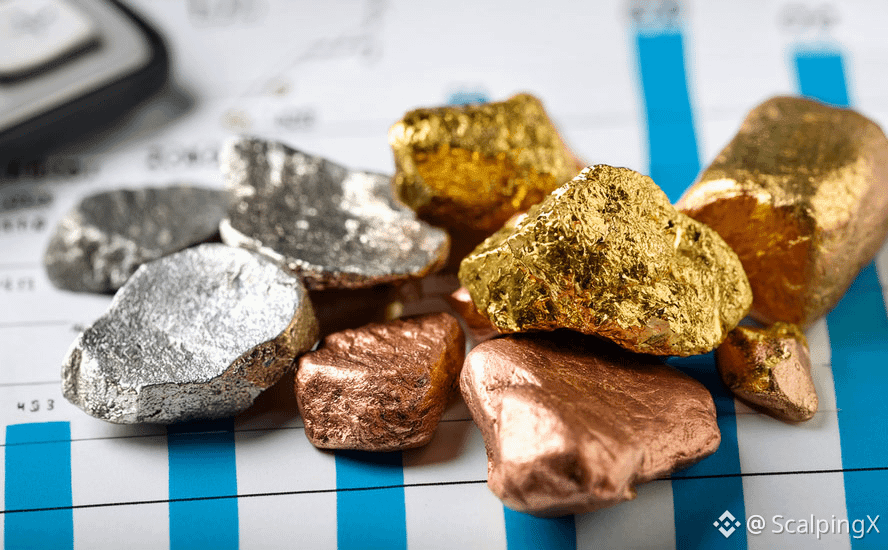
150
·
--
Bullish
Metals Market Overview, Aug. 24–29: Gold and Silver Fall as Copper and Zinc Remain Resilient
🥇 Gold ended the week down around 3% after briefly reaching about $4,696, its highest level in more than three months. On Aug. 28, hawkish remarks from Fed Chair Kevin Warsh pushed the U.S. 2-year Treasury yield toward 4.35%, triggering gold’s sharpest drop in roughly six weeks. Silver fell even more, losing about 3.5–4.3% on Friday.
📉 Despite the selloff, gold remained up around 11% in August. The move therefore looked more like a repricing of the U.S. rate outlook, amplified by crowded speculative positioning, rather than a full reversal of the broader precious-metals trend.
🏭 Copper held up better as physical-market tightness remained supportive. Available LME inventories fell to around 107,050 tonnes, while SHFE stocks dropped 19.1% to 72,428 tonnes. COMEX copper declined only modestly on Friday, showing that inventory and metal-flow dynamics were still outweighing rate pressure.
⚙️ Zinc was the standout among base metals, with LME prices reaching their highest level since May 2022. Available inventories fell to roughly 75,600 tonnes, equal to about two days of global consumption, while backwardation continued to signal tight nearby supply.
🔄 Palladium also diverged, rising more than 5% on Aug. 28 while gold and silver fell. Short covering and its stronger industrial profile likely contributed to the move.
📊 The week highlighted two different drivers across metals. Gold and silver remained sensitive to rates, yields and the dollar, while copper and zinc were driven more by inventories and physical supply. U.S. payrolls will be key for precious metals next week, while LME and SHFE stocks remain central for copper and zinc.
#Metals $XAU $XAG $COPPER
Metals Market Overview, Aug. 24–29: Gold and Silver Fall as Copper and Zinc Remain Resilient
🥇 Gold ended the week down around 3% after briefly reaching about $4,696, its highest level in more than three months. On Aug. 28, hawkish remarks from Fed Chair Kevin Warsh pushed the U.S. 2-year Treasury yield toward 4.35%, triggering gold’s sharpest drop in roughly six weeks. Silver fell even more, losing about 3.5–4.3% on Friday.
📉 Despite the selloff, gold remained up around 11% in August. The move therefore looked more like a repricing of the U.S. rate outlook, amplified by crowded speculative positioning, rather than a full reversal of the broader precious-metals trend.
🏭 Copper held up better as physical-market tightness remained supportive. Available LME inventories fell to around 107,050 tonnes, while SHFE stocks dropped 19.1% to 72,428 tonnes. COMEX copper declined only modestly on Friday, showing that inventory and metal-flow dynamics were still outweighing rate pressure.
⚙️ Zinc was the standout among base metals, with LME prices reaching their highest level since May 2022. Available inventories fell to roughly 75,600 tonnes, equal to about two days of global consumption, while backwardation continued to signal tight nearby supply.
🔄 Palladium also diverged, rising more than 5% on Aug. 28 while gold and silver fell. Short covering and its stronger industrial profile likely contributed to the move.
📊 The week highlighted two different drivers across metals. Gold and silver remained sensitive to rates, yields and the dollar, while copper and zinc were driven more by inventories and physical supply. U.S. payrolls will be key for precious metals next week, while LME and SHFE stocks remain central for copper and zinc.
#Metals $XAU $XAG $COPPER
🥇 Gold ended the week down around 3% after briefly reaching about $4,696, its highest level in more than three months. On Aug. 28, hawkish remarks from Fed Chair Kevin Warsh pushed the U.S. 2-year Treasury yield toward 4.35%, triggering gold’s sharpest drop in roughly six weeks. Silver fell even more, losing about 3.5–4.3% on Friday.
📉 Despite the selloff, gold remained up around 11% in August. The move therefore looked more like a repricing of the U.S. rate outlook, amplified by crowded speculative positioning, rather than a full reversal of the broader precious-metals trend.
🏭 Copper held up better as physical-market tightness remained supportive. Available LME inventories fell to around 107,050 tonnes, while SHFE stocks dropped 19.1% to 72,428 tonnes. COMEX copper declined only modestly on Friday, showing that inventory and metal-flow dynamics were still outweighing rate pressure.
⚙️ Zinc was the standout among base metals, with LME prices reaching their highest level since May 2022. Available inventories fell to roughly 75,600 tonnes, equal to about two days of global consumption, while backwardation continued to signal tight nearby supply.
🔄 Palladium also diverged, rising more than 5% on Aug. 28 while gold and silver fell. Short covering and its stronger industrial profile likely contributed to the move.
📊 The week highlighted two different drivers across metals. Gold and silver remained sensitive to rates, yields and the dollar, while copper and zinc were driven more by inventories and physical supply. U.S. payrolls will be key for precious metals next week, while LME and SHFE stocks remain central for copper and zinc.
#Metals $XAU $XAG $COPPER
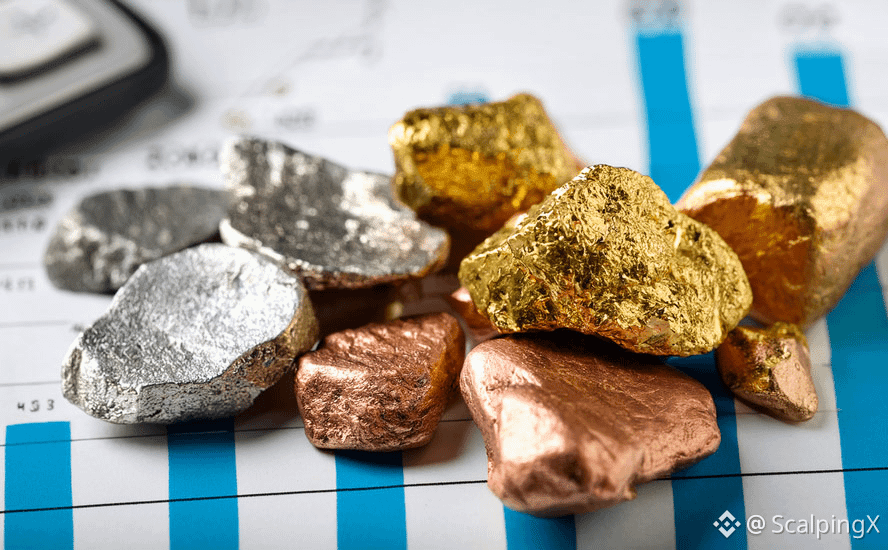
187


·
--
Bullish
Verified
Global metals market overview for the week of 29 June – 4 July 2026 shows a clear split between base metals and precious metals.
🌐 Base metals such as copper, aluminium, zinc and nickel mostly traded in a narrow range as the market balanced tighter supply expectations, falling inventories and uneven industrial demand. In contrast, precious metals outperformed, with gold and silver leading the move.
⚡ The main catalyst was weaker-than-expected US June jobs data, which lifted expectations for a more dovish Fed. As yields and the US dollar came under pressure, gold moved above the 4,100 USD/oz area, while silver climbed toward the 60–62 USD/oz range.
🟠 Copper has not fully broken out in the short term, partly because prices are already elevated and China’s demand outlook remains mixed. Still, the longer-term setup remains supported by tight mine supply, lower LME inventories and disruption risks in key producing regions.
🏗️ Aluminium cooled after its earlier rally, but low physical inventories and supply risks continue to provide support. Nickel and lead remained weaker due to oversupply pressure, while tin stayed relatively firm on its structural deficit story.
🔌 A key medium-term theme is rising metals demand from AI, data centers and power grid upgrades. Copper and aluminium are the clearest beneficiaries as investment in electricity infrastructure, renewable energy and electric vehicles continues to expand.
📉 The divergence was also visible in iron ore and steel, which remained under pressure from new supply and weak Chinese property demand. This separates non-ferrous metals with stronger supply-demand support from ferrous metals that still lack a strong growth catalyst.
🔎 In the near term, markets will watch US inflation data, Fed signals, Middle East negotiations, US copper tariff decisions and China’s industrial data. The longer-term outlook for copper, aluminium, tin, gold and silver remains constructive, but volatility may stay high.
#Metals $XAU $XAG $COPPER
Global metals market overview for the week of 29 June – 4 July 2026 shows a clear split between base metals and precious metals.
🌐 Base metals such as copper, aluminium, zinc and nickel mostly traded in a narrow range as the market balanced tighter supply expectations, falling inventories and uneven industrial demand. In contrast, precious metals outperformed, with gold and silver leading the move.
⚡ The main catalyst was weaker-than-expected US June jobs data, which lifted expectations for a more dovish Fed. As yields and the US dollar came under pressure, gold moved above the 4,100 USD/oz area, while silver climbed toward the 60–62 USD/oz range.
🟠 Copper has not fully broken out in the short term, partly because prices are already elevated and China’s demand outlook remains mixed. Still, the longer-term setup remains supported by tight mine supply, lower LME inventories and disruption risks in key producing regions.
🏗️ Aluminium cooled after its earlier rally, but low physical inventories and supply risks continue to provide support. Nickel and lead remained weaker due to oversupply pressure, while tin stayed relatively firm on its structural deficit story.
🔌 A key medium-term theme is rising metals demand from AI, data centers and power grid upgrades. Copper and aluminium are the clearest beneficiaries as investment in electricity infrastructure, renewable energy and electric vehicles continues to expand.
📉 The divergence was also visible in iron ore and steel, which remained under pressure from new supply and weak Chinese property demand. This separates non-ferrous metals with stronger supply-demand support from ferrous metals that still lack a strong growth catalyst.
🔎 In the near term, markets will watch US inflation data, Fed signals, Middle East negotiations, US copper tariff decisions and China’s industrial data. The longer-term outlook for copper, aluminium, tin, gold and silver remains constructive, but volatility may stay high.
#Metals $XAU $XAG $COPPER
🌐 Base metals such as copper, aluminium, zinc and nickel mostly traded in a narrow range as the market balanced tighter supply expectations, falling inventories and uneven industrial demand. In contrast, precious metals outperformed, with gold and silver leading the move.
⚡ The main catalyst was weaker-than-expected US June jobs data, which lifted expectations for a more dovish Fed. As yields and the US dollar came under pressure, gold moved above the 4,100 USD/oz area, while silver climbed toward the 60–62 USD/oz range.
🟠 Copper has not fully broken out in the short term, partly because prices are already elevated and China’s demand outlook remains mixed. Still, the longer-term setup remains supported by tight mine supply, lower LME inventories and disruption risks in key producing regions.
🏗️ Aluminium cooled after its earlier rally, but low physical inventories and supply risks continue to provide support. Nickel and lead remained weaker due to oversupply pressure, while tin stayed relatively firm on its structural deficit story.
🔌 A key medium-term theme is rising metals demand from AI, data centers and power grid upgrades. Copper and aluminium are the clearest beneficiaries as investment in electricity infrastructure, renewable energy and electric vehicles continues to expand.
📉 The divergence was also visible in iron ore and steel, which remained under pressure from new supply and weak Chinese property demand. This separates non-ferrous metals with stronger supply-demand support from ferrous metals that still lack a strong growth catalyst.
🔎 In the near term, markets will watch US inflation data, Fed signals, Middle East negotiations, US copper tariff decisions and China’s industrial data. The longer-term outlook for copper, aluminium, tin, gold and silver remains constructive, but volatility may stay high.
#Metals $XAU $XAG $COPPER
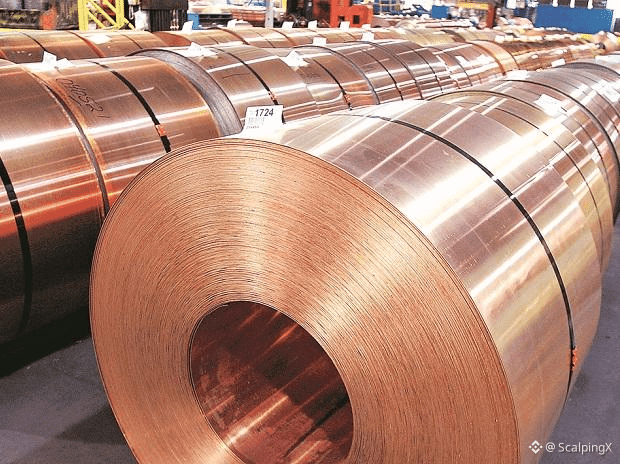
2
945

·
--
Bearish
🔴 $COPPER
{future}(COPPERUSDT)
Long Liquidation Alert
💰 Liquidated Amount:
$1.4506K
📍 Liquidation Price:
6.75 (BINANCE)
━━━━━━━━━━━━━━
📊 Trade Outlook
🎯 Target:
6.63
📥 Entry Zone:
6.71
📈 Take Profit:
6.66
🛑 Stop Loss:
6.82
━━━━━━━━━━━━━━
⚡ ELITE TRADE INSIGHT ⚡
Long liquidations reflect increasing selling pressure as price moves through downside liquidity. Waiting for bearish confirmation before entering may reduce false signals, while maintaining disciplined stop-loss levels helps protect against sudden rebounds.
#Copper #commodities #Metals
🔴 $COPPER
Long Liquidation Alert
💰 Liquidated Amount:
$1.4506K
📍 Liquidation Price:
6.75 (BINANCE)
━━━━━━━━━━━━━━
📊 Trade Outlook
🎯 Target:
6.63
📥 Entry Zone:
6.71
📈 Take Profit:
6.66
🛑 Stop Loss:
6.82
━━━━━━━━━━━━━━
⚡ ELITE TRADE INSIGHT ⚡
Long liquidations reflect increasing selling pressure as price moves through downside liquidity. Waiting for bearish confirmation before entering may reduce false signals, while maintaining disciplined stop-loss levels helps protect against sudden rebounds.
#Copper #commodities #Metals
Long Liquidation Alert
💰 Liquidated Amount:
$1.4506K
📍 Liquidation Price:
6.75 (BINANCE)
━━━━━━━━━━━━━━
📊 Trade Outlook
🎯 Target:
6.63
📥 Entry Zone:
6.71
📈 Take Profit:
6.66
🛑 Stop Loss:
6.82
━━━━━━━━━━━━━━
⚡ ELITE TRADE INSIGHT ⚡
Long liquidations reflect increasing selling pressure as price moves through downside liquidity. Waiting for bearish confirmation before entering may reduce false signals, while maintaining disciplined stop-loss levels helps protect against sudden rebounds.
#Copper #commodities #Metals
3

·
--
Bullish
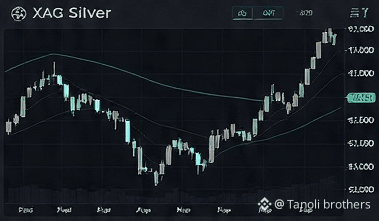
$XAG /USDT | SILVER | UPDATE
Price: *$58.68 | +1.09%*
$XAG +1% while $XAU dipped. Silver is leading
*$59 BREAK = $60 NEXT*.
Key Levels: Support $58 | Resistance $59 → $60
Note: $1.43B volume. Industrial + Safe haven demand.
*TARGET: $60+ LOADING*
Silver outperforms Gold in rallies
#Silver #XAGUSTD #Metals #Macro
$XAG /USDT | SILVER | UPDATE
Price: *$58.68 | +1.09%*
$XAG +1% while $XAU dipped. Silver is leading
*$59 BREAK = $60 NEXT*.
Key Levels: Support $58 | Resistance $59 → $60
Note: $1.43B volume. Industrial + Safe haven demand.
*TARGET: $60+ LOADING*
Silver outperforms Gold in rallies
#Silver #XAGUSTD #Metals #Macro
Price: *$58.68 | +1.09%*
$XAG +1% while $XAU dipped. Silver is leading
*$59 BREAK = $60 NEXT*.
Key Levels: Support $58 | Resistance $59 → $60
Note: $1.43B volume. Industrial + Safe haven demand.
*TARGET: $60+ LOADING*
Silver outperforms Gold in rallies
#Silver #XAGUSTD #Metals #Macro
244
·
--
Bullish
Global metals split as gold faces Fed pressure while copper holds firm on tight supply
📉 The metals market diverged this week. Precious metals weakened as stronger U.S. data lifted the dollar and Treasury yields, pushing markets to price in a more hawkish Fed for longer.
🟡 Gold still found some support from U.S.-Iran tensions, but geopolitics was not enough to offset macro pressure. With inflation and labor data still hot, the opportunity cost of holding gold increased, making rebounds look more technical than trend-driven.
⚪ Silver held up slightly better thanks to its dual monetary and industrial role, but it remained tied to the broader pressure on precious metals. Platinum and palladium stayed weaker as the EV transition continued to weigh on auto-catalyst demand.
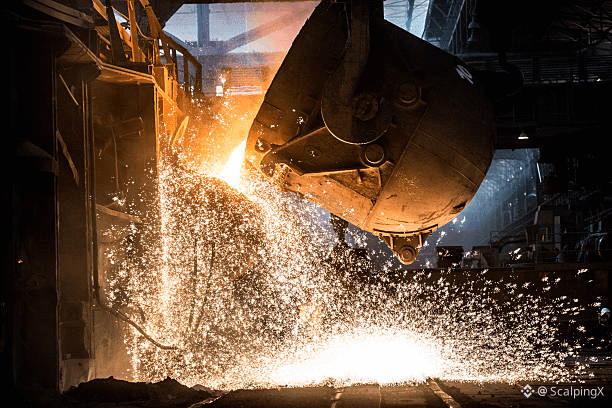
🔶 Copper was the key outlier. Despite macro volatility, prices were supported by tighter physical signals, falling LME inventories, higher cancelled warrants and metal flows moving toward the U.S. ahead of potential tariff changes.
🏗️ Supply risks also strengthened copper’s case. Disruptions at major mines such as Grasberg make a quick 2026 rebalance less likely, while demand from AI data centers, power grids and electrification continues to support the long-term outlook.
🌍 Iran and Hormuz remain key risks, but the impact is two-sided. Tensions may support gold short term, while higher energy and logistics costs can add inflation pressure. For copper and nickel, supply-chain risks may create extra premium if disruptions last longer.
📌 Overall, precious metals remain sensitive to the Fed, dollar and yields, while copper has stronger support from inventories, supply constraints and industrial demand. Next week, markets will watch U.S. policy signals, Hormuz, LME/COMEX stocks and U.S. copper tariff updates.
#Metals $XAU $XAG $COPPER
Global metals split as gold faces Fed pressure while copper holds firm on tight supply
📉 The metals market diverged this week. Precious metals weakened as stronger U.S. data lifted the dollar and Treasury yields, pushing markets to price in a more hawkish Fed for longer.
🟡 Gold still found some support from U.S.-Iran tensions, but geopolitics was not enough to offset macro pressure. With inflation and labor data still hot, the opportunity cost of holding gold increased, making rebounds look more technical than trend-driven.
⚪ Silver held up slightly better thanks to its dual monetary and industrial role, but it remained tied to the broader pressure on precious metals. Platinum and palladium stayed weaker as the EV transition continued to weigh on auto-catalyst demand.
🔶 Copper was the key outlier. Despite macro volatility, prices were supported by tighter physical signals, falling LME inventories, higher cancelled warrants and metal flows moving toward the U.S. ahead of potential tariff changes.
🏗️ Supply risks also strengthened copper’s case. Disruptions at major mines such as Grasberg make a quick 2026 rebalance less likely, while demand from AI data centers, power grids and electrification continues to support the long-term outlook.
🌍 Iran and Hormuz remain key risks, but the impact is two-sided. Tensions may support gold short term, while higher energy and logistics costs can add inflation pressure. For copper and nickel, supply-chain risks may create extra premium if disruptions last longer.
📌 Overall, precious metals remain sensitive to the Fed, dollar and yields, while copper has stronger support from inventories, supply constraints and industrial demand. Next week, markets will watch U.S. policy signals, Hormuz, LME/COMEX stocks and U.S. copper tariff updates.
#Metals $XAU $XAG $COPPER
📉 The metals market diverged this week. Precious metals weakened as stronger U.S. data lifted the dollar and Treasury yields, pushing markets to price in a more hawkish Fed for longer.
🟡 Gold still found some support from U.S.-Iran tensions, but geopolitics was not enough to offset macro pressure. With inflation and labor data still hot, the opportunity cost of holding gold increased, making rebounds look more technical than trend-driven.
⚪ Silver held up slightly better thanks to its dual monetary and industrial role, but it remained tied to the broader pressure on precious metals. Platinum and palladium stayed weaker as the EV transition continued to weigh on auto-catalyst demand.
🔶 Copper was the key outlier. Despite macro volatility, prices were supported by tighter physical signals, falling LME inventories, higher cancelled warrants and metal flows moving toward the U.S. ahead of potential tariff changes.
🏗️ Supply risks also strengthened copper’s case. Disruptions at major mines such as Grasberg make a quick 2026 rebalance less likely, while demand from AI data centers, power grids and electrification continues to support the long-term outlook.
🌍 Iran and Hormuz remain key risks, but the impact is two-sided. Tensions may support gold short term, while higher energy and logistics costs can add inflation pressure. For copper and nickel, supply-chain risks may create extra premium if disruptions last longer.
📌 Overall, precious metals remain sensitive to the Fed, dollar and yields, while copper has stronger support from inventories, supply constraints and industrial demand. Next week, markets will watch U.S. policy signals, Hormuz, LME/COMEX stocks and U.S. copper tariff updates.
#Metals $XAU $XAG $COPPER
3.3k
·
--
Bullish
Metals diverge as gold trades the Fed, copper trades U.S. tariffs, and iron ore–lithium trade China
🥇 Spot gold fell around 2–2.5% this week, while silver lost roughly 3–4% as U.S. inflation data reinforced expectations of further Fed tightening. Yields near 5% outweighed safe-haven demand from Hormuz tensions, leaving gold with a third consecutive weekly decline despite a Friday rebound as oil eased.
📉 Longer-term positioning has not shown a clear reversal. Global gold ETF holdings remain near record levels and speculative positioning is still heavily long, suggesting the decline is driven mainly by real yields and funding costs rather than broad liquidation.
🟠 Copper was the standout move among base metals. After COMEX and LME reached record highs, prices fell sharply as reports said the White House had not decided on tariffs for refined copper. COMEX lost more than 5% on Thursday, while the LME cash structure shifted from premium to discount, signaling reduced near-term tightness.
⛏️ Mine supply remains constrained. Treatment charges have fallen to zero or negative levels as Chile, Grasberg and Kamoa-Kakula face production pressure. Concentrate is still tight even as U.S. cathode inventories remain elevated after heavy inflows into COMEX.
🏗️ Iron ore briefly moved above 100 USD/t before retreating toward 97 USD as Chinese steel margins weakened. Lithium also remained pressured by oversupply and inventories, keeping both markets tied mainly to China-specific demand.
📆 For September 14–18, gold and silver will focus on the Fed, copper on U.S. tariff signals, while iron ore and lithium remain tied to Chinese industrial conditions.
#Metals $XAU $XAG $COPPER
Metals diverge as gold trades the Fed, copper trades U.S. tariffs, and iron ore–lithium trade China
🥇 Spot gold fell around 2–2.5% this week, while silver lost roughly 3–4% as U.S. inflation data reinforced expectations of further Fed tightening. Yields near 5% outweighed safe-haven demand from Hormuz tensions, leaving gold with a third consecutive weekly decline despite a Friday rebound as oil eased.
📉 Longer-term positioning has not shown a clear reversal. Global gold ETF holdings remain near record levels and speculative positioning is still heavily long, suggesting the decline is driven mainly by real yields and funding costs rather than broad liquidation.
🟠 Copper was the standout move among base metals. After COMEX and LME reached record highs, prices fell sharply as reports said the White House had not decided on tariffs for refined copper. COMEX lost more than 5% on Thursday, while the LME cash structure shifted from premium to discount, signaling reduced near-term tightness.
⛏️ Mine supply remains constrained. Treatment charges have fallen to zero or negative levels as Chile, Grasberg and Kamoa-Kakula face production pressure. Concentrate is still tight even as U.S. cathode inventories remain elevated after heavy inflows into COMEX.
🏗️ Iron ore briefly moved above 100 USD/t before retreating toward 97 USD as Chinese steel margins weakened. Lithium also remained pressured by oversupply and inventories, keeping both markets tied mainly to China-specific demand.
📆 For September 14–18, gold and silver will focus on the Fed, copper on U.S. tariff signals, while iron ore and lithium remain tied to Chinese industrial conditions.
#Metals $XAU $XAG $COPPER
🥇 Spot gold fell around 2–2.5% this week, while silver lost roughly 3–4% as U.S. inflation data reinforced expectations of further Fed tightening. Yields near 5% outweighed safe-haven demand from Hormuz tensions, leaving gold with a third consecutive weekly decline despite a Friday rebound as oil eased.
📉 Longer-term positioning has not shown a clear reversal. Global gold ETF holdings remain near record levels and speculative positioning is still heavily long, suggesting the decline is driven mainly by real yields and funding costs rather than broad liquidation.
🟠 Copper was the standout move among base metals. After COMEX and LME reached record highs, prices fell sharply as reports said the White House had not decided on tariffs for refined copper. COMEX lost more than 5% on Thursday, while the LME cash structure shifted from premium to discount, signaling reduced near-term tightness.
⛏️ Mine supply remains constrained. Treatment charges have fallen to zero or negative levels as Chile, Grasberg and Kamoa-Kakula face production pressure. Concentrate is still tight even as U.S. cathode inventories remain elevated after heavy inflows into COMEX.
🏗️ Iron ore briefly moved above 100 USD/t before retreating toward 97 USD as Chinese steel margins weakened. Lithium also remained pressured by oversupply and inventories, keeping both markets tied mainly to China-specific demand.
📆 For September 14–18, gold and silver will focus on the Fed, copper on U.S. tariff signals, while iron ore and lithium remain tied to Chinese industrial conditions.
#Metals $XAU $XAG $COPPER

263
·
--
Bullish
Global Metals Market Overview for August 17–22, 2026: Gold and silver lead gains while base metals remain mixed
🥇 Gold rose about 5% over the week, briefly reaching the $4,624–4,632/oz area, its highest level in more than three months. The advance was supported by a weaker USD, easing U.S. yields and renewed fiscal concerns following the Treasury’s expansion of long-dated bond buybacks.
🥈 Silver also posted strong gains, climbing toward $69.5–69.9/oz, its highest level in roughly two months. The metal benefited from both a supportive macro environment for safe-haven assets and relatively stable industrial demand expectations.
🏦 Investment demand continued to provide a solid foundation for precious metals. Physically backed gold ETFs recorded strong inflows in recent weeks, while central bank purchases remained elevated, reinforcing demand beyond short-term speculative positioning.
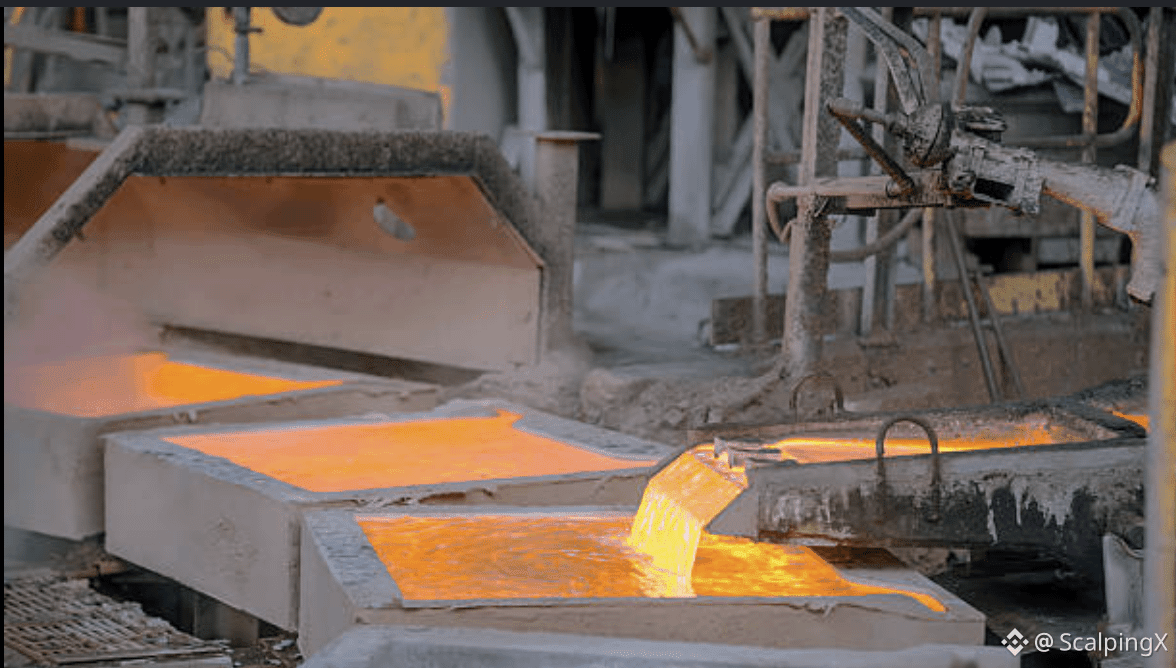
🟠 Copper traded around $14,000–14,200 per tonne but showed a less consistent trend. LME inventories had previously fallen sharply and pushed spot premiums higher, before rebounding more than 17% from the low and easing near-term supply tightness.
🏭 Softer Chinese economic data continued to weigh on industrial metals. In contrast, aluminum and zinc remained supported by relatively low LME inventories, highlighting a clear divergence in physical supply conditions across base metals.
⛏️ Iron ore held near $95–96 per tonne. Chinese imports remained relatively stable, but weak steel demand and elevated port inventories continued to limit the potential for a sustained upward move.
📊 Looking ahead, markets are likely to focus on USD moves, Fed policy signals, U.S. PCE data, daily LME inventory changes and Chinese demand indicators. Precious metals remain highly sensitive to macro conditions, while copper and other base metals may continue to react strongly to inventory flows and the global growth outlook.
#Metals $XAUT $XAG $COPPER
Global Metals Market Overview for August 17–22, 2026: Gold and silver lead gains while base metals remain mixed
🥇 Gold rose about 5% over the week, briefly reaching the $4,624–4,632/oz area, its highest level in more than three months. The advance was supported by a weaker USD, easing U.S. yields and renewed fiscal concerns following the Treasury’s expansion of long-dated bond buybacks.
🥈 Silver also posted strong gains, climbing toward $69.5–69.9/oz, its highest level in roughly two months. The metal benefited from both a supportive macro environment for safe-haven assets and relatively stable industrial demand expectations.
🏦 Investment demand continued to provide a solid foundation for precious metals. Physically backed gold ETFs recorded strong inflows in recent weeks, while central bank purchases remained elevated, reinforcing demand beyond short-term speculative positioning.
🟠 Copper traded around $14,000–14,200 per tonne but showed a less consistent trend. LME inventories had previously fallen sharply and pushed spot premiums higher, before rebounding more than 17% from the low and easing near-term supply tightness.
🏭 Softer Chinese economic data continued to weigh on industrial metals. In contrast, aluminum and zinc remained supported by relatively low LME inventories, highlighting a clear divergence in physical supply conditions across base metals.
⛏️ Iron ore held near $95–96 per tonne. Chinese imports remained relatively stable, but weak steel demand and elevated port inventories continued to limit the potential for a sustained upward move.
📊 Looking ahead, markets are likely to focus on USD moves, Fed policy signals, U.S. PCE data, daily LME inventory changes and Chinese demand indicators. Precious metals remain highly sensitive to macro conditions, while copper and other base metals may continue to react strongly to inventory flows and the global growth outlook.
#Metals $XAUT $XAG $COPPER
🥇 Gold rose about 5% over the week, briefly reaching the $4,624–4,632/oz area, its highest level in more than three months. The advance was supported by a weaker USD, easing U.S. yields and renewed fiscal concerns following the Treasury’s expansion of long-dated bond buybacks.
🥈 Silver also posted strong gains, climbing toward $69.5–69.9/oz, its highest level in roughly two months. The metal benefited from both a supportive macro environment for safe-haven assets and relatively stable industrial demand expectations.
🏦 Investment demand continued to provide a solid foundation for precious metals. Physically backed gold ETFs recorded strong inflows in recent weeks, while central bank purchases remained elevated, reinforcing demand beyond short-term speculative positioning.
🟠 Copper traded around $14,000–14,200 per tonne but showed a less consistent trend. LME inventories had previously fallen sharply and pushed spot premiums higher, before rebounding more than 17% from the low and easing near-term supply tightness.
🏭 Softer Chinese economic data continued to weigh on industrial metals. In contrast, aluminum and zinc remained supported by relatively low LME inventories, highlighting a clear divergence in physical supply conditions across base metals.
⛏️ Iron ore held near $95–96 per tonne. Chinese imports remained relatively stable, but weak steel demand and elevated port inventories continued to limit the potential for a sustained upward move.
📊 Looking ahead, markets are likely to focus on USD moves, Fed policy signals, U.S. PCE data, daily LME inventory changes and Chinese demand indicators. Precious metals remain highly sensitive to macro conditions, while copper and other base metals may continue to react strongly to inventory flows and the global growth outlook.
#Metals $XAUT $XAG $COPPER
109
·
--
Bullish
Global Metals Market Overview for August 10–15: Gold Extends Recovery as Copper Leads Base Metals
🟡 Metals markets showed clear divergence over the past week, with precious metals supported by a softer U.S. dollar and lower Treasury yields, while base metals responded more strongly to inventory conditions and supply risks. Relatively thin summer liquidity kept overall volatility contained.
🥇 Gold extended its recovery and briefly reached its highest level in nearly two months before consolidating toward the end of the week. Softer Fed expectations following U.S. data, ETF inflows and lingering geopolitical risks continued to provide support. Silver outperformed on a relative basis, benefiting from both gold’s strength and industrial demand.
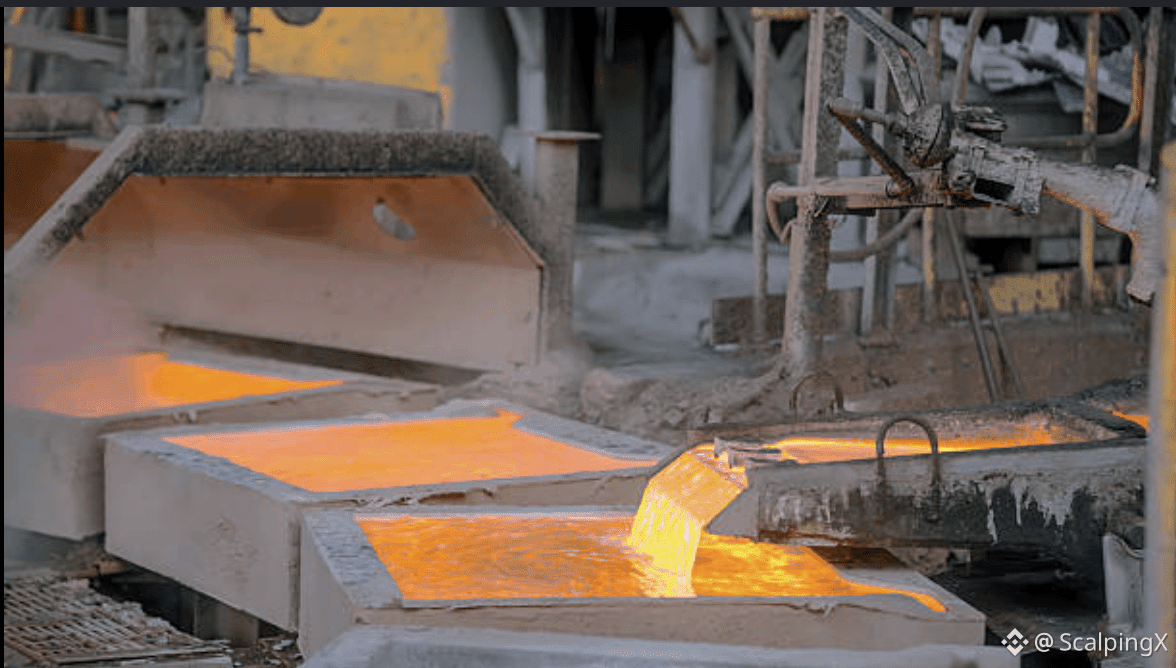
🔶 Copper remained the standout performer among base metals, with prices holding near elevated levels. LME inventories continued to decline while COMEX stocks increased as metal flowed into the U.S., tightening availability outside the country. Antofagasta lowered its production guidance following disruptions at Los Pelambres, while smelting issues in Indonesia added to broader supply concerns.
🏭 Zinc and aluminium also found support from low inventories and production risks. Nickel lagged as markets assessed the possibility of higher Indonesian ore supply. Iron ore, steel and battery metals remained comparatively softer as traditional industrial demand showed limited improvement.
📊 Overall, gold and copper remain the key metals to watch, with gold driven mainly by macro conditions and copper supported more directly by physical market tightness. Next week, the U.S. dollar, Treasury yields, Chinese data, Jackson Hole and supply developments in Chile and Indonesia could remain important market drivers.
#Metals $XAU $XAG $COPPER
Global Metals Market Overview for August 10–15: Gold Extends Recovery as Copper Leads Base Metals
🟡 Metals markets showed clear divergence over the past week, with precious metals supported by a softer U.S. dollar and lower Treasury yields, while base metals responded more strongly to inventory conditions and supply risks. Relatively thin summer liquidity kept overall volatility contained.
🥇 Gold extended its recovery and briefly reached its highest level in nearly two months before consolidating toward the end of the week. Softer Fed expectations following U.S. data, ETF inflows and lingering geopolitical risks continued to provide support. Silver outperformed on a relative basis, benefiting from both gold’s strength and industrial demand.
🔶 Copper remained the standout performer among base metals, with prices holding near elevated levels. LME inventories continued to decline while COMEX stocks increased as metal flowed into the U.S., tightening availability outside the country. Antofagasta lowered its production guidance following disruptions at Los Pelambres, while smelting issues in Indonesia added to broader supply concerns.
🏭 Zinc and aluminium also found support from low inventories and production risks. Nickel lagged as markets assessed the possibility of higher Indonesian ore supply. Iron ore, steel and battery metals remained comparatively softer as traditional industrial demand showed limited improvement.
📊 Overall, gold and copper remain the key metals to watch, with gold driven mainly by macro conditions and copper supported more directly by physical market tightness. Next week, the U.S. dollar, Treasury yields, Chinese data, Jackson Hole and supply developments in Chile and Indonesia could remain important market drivers.
#Metals $XAU $XAG $COPPER
🟡 Metals markets showed clear divergence over the past week, with precious metals supported by a softer U.S. dollar and lower Treasury yields, while base metals responded more strongly to inventory conditions and supply risks. Relatively thin summer liquidity kept overall volatility contained.
🥇 Gold extended its recovery and briefly reached its highest level in nearly two months before consolidating toward the end of the week. Softer Fed expectations following U.S. data, ETF inflows and lingering geopolitical risks continued to provide support. Silver outperformed on a relative basis, benefiting from both gold’s strength and industrial demand.
🔶 Copper remained the standout performer among base metals, with prices holding near elevated levels. LME inventories continued to decline while COMEX stocks increased as metal flowed into the U.S., tightening availability outside the country. Antofagasta lowered its production guidance following disruptions at Los Pelambres, while smelting issues in Indonesia added to broader supply concerns.
🏭 Zinc and aluminium also found support from low inventories and production risks. Nickel lagged as markets assessed the possibility of higher Indonesian ore supply. Iron ore, steel and battery metals remained comparatively softer as traditional industrial demand showed limited improvement.
📊 Overall, gold and copper remain the key metals to watch, with gold driven mainly by macro conditions and copper supported more directly by physical market tightness. Next week, the U.S. dollar, Treasury yields, Chinese data, Jackson Hole and supply developments in Chile and Indonesia could remain important market drivers.
#Metals $XAU $XAG $COPPER
95
·
--
Bullish
Global Metals Market Overview: July 6–11, 2026
🌍 Global metals markets experienced sharp volatility this week as US–Iran tensions, developments around the Strait of Hormuz and movements in the US dollar shaped sentiment. Aluminum outperformed the base-metals complex, while copper faced pressure from risk aversion and concerns over global growth.
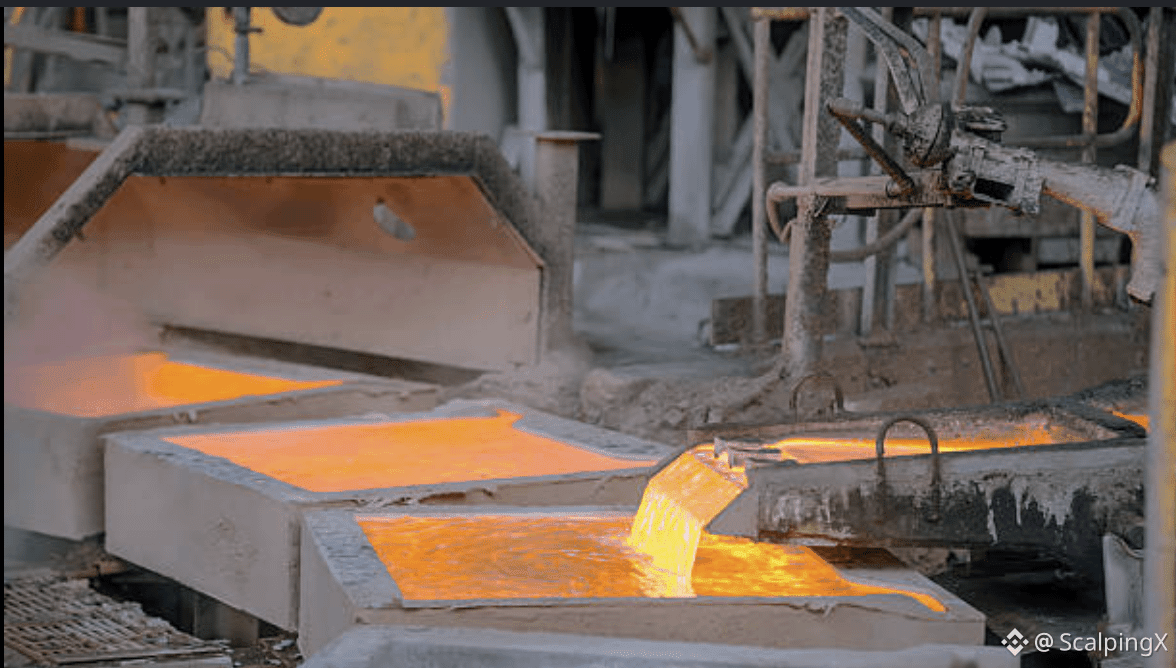
🏗️ LME aluminum rose from around $3,105 to $3,141–$3,159 per tonne. The advance was supported by potential disruptions to Middle Eastern supply, elevated energy and shipping costs, and inventory replenishment in China. LME stocks fell to their lowest level since 2022, while Chinese inventories declined by roughly 25% from their April peak.
🔌 Copper traded between approximately $13,160 and $13,400 per tonne, falling sharply on July 8 as geopolitical tensions triggered a broader risk-off move. However, declining inventories across the LME and China, higher Shanghai premiums, and long-term demand from AI, data centers, electric vehicles and infrastructure continued to provide underlying support.
🛡️ Gold recovered from around $4,076 to above $4,120 per ounce as Middle East tensions intensified again. Silver showed greater volatility and gained approximately 3.1% in the final session of the week. Continued central-bank buying also helped establish a stronger floor for precious metals.
📈 A broad recovery emerged on July 10, with copper gaining 1.71%, aluminum 2.29%, zinc 2.49% and gold 1.23%. The move suggested that physical demand and tight supply conditions could continue to limit downside pressure when market sentiment stabilizes.
🔎 In the near term, metals are likely to remain sensitive to developments around Hormuz, oil prices, Chinese economic data and LME inventory trends. Aluminum currently has the clearest supportive fundamentals, copper may remain volatile in both directions, while gold and silver continue to serve as geopolitical risk hedges.
#Metals $XAU $XAG $COPPER
Global Metals Market Overview: July 6–11, 2026
🌍 Global metals markets experienced sharp volatility this week as US–Iran tensions, developments around the Strait of Hormuz and movements in the US dollar shaped sentiment. Aluminum outperformed the base-metals complex, while copper faced pressure from risk aversion and concerns over global growth.
🏗️ LME aluminum rose from around $3,105 to $3,141–$3,159 per tonne. The advance was supported by potential disruptions to Middle Eastern supply, elevated energy and shipping costs, and inventory replenishment in China. LME stocks fell to their lowest level since 2022, while Chinese inventories declined by roughly 25% from their April peak.
🔌 Copper traded between approximately $13,160 and $13,400 per tonne, falling sharply on July 8 as geopolitical tensions triggered a broader risk-off move. However, declining inventories across the LME and China, higher Shanghai premiums, and long-term demand from AI, data centers, electric vehicles and infrastructure continued to provide underlying support.
🛡️ Gold recovered from around $4,076 to above $4,120 per ounce as Middle East tensions intensified again. Silver showed greater volatility and gained approximately 3.1% in the final session of the week. Continued central-bank buying also helped establish a stronger floor for precious metals.
📈 A broad recovery emerged on July 10, with copper gaining 1.71%, aluminum 2.29%, zinc 2.49% and gold 1.23%. The move suggested that physical demand and tight supply conditions could continue to limit downside pressure when market sentiment stabilizes.
🔎 In the near term, metals are likely to remain sensitive to developments around Hormuz, oil prices, Chinese economic data and LME inventory trends. Aluminum currently has the clearest supportive fundamentals, copper may remain volatile in both directions, while gold and silver continue to serve as geopolitical risk hedges.
#Metals $XAU $XAG $COPPER
🌍 Global metals markets experienced sharp volatility this week as US–Iran tensions, developments around the Strait of Hormuz and movements in the US dollar shaped sentiment. Aluminum outperformed the base-metals complex, while copper faced pressure from risk aversion and concerns over global growth.
🏗️ LME aluminum rose from around $3,105 to $3,141–$3,159 per tonne. The advance was supported by potential disruptions to Middle Eastern supply, elevated energy and shipping costs, and inventory replenishment in China. LME stocks fell to their lowest level since 2022, while Chinese inventories declined by roughly 25% from their April peak.
🔌 Copper traded between approximately $13,160 and $13,400 per tonne, falling sharply on July 8 as geopolitical tensions triggered a broader risk-off move. However, declining inventories across the LME and China, higher Shanghai premiums, and long-term demand from AI, data centers, electric vehicles and infrastructure continued to provide underlying support.
🛡️ Gold recovered from around $4,076 to above $4,120 per ounce as Middle East tensions intensified again. Silver showed greater volatility and gained approximately 3.1% in the final session of the week. Continued central-bank buying also helped establish a stronger floor for precious metals.
📈 A broad recovery emerged on July 10, with copper gaining 1.71%, aluminum 2.29%, zinc 2.49% and gold 1.23%. The move suggested that physical demand and tight supply conditions could continue to limit downside pressure when market sentiment stabilizes.
🔎 In the near term, metals are likely to remain sensitive to developments around Hormuz, oil prices, Chinese economic data and LME inventory trends. Aluminum currently has the clearest supportive fundamentals, copper may remain volatile in both directions, while gold and silver continue to serve as geopolitical risk hedges.
#Metals $XAU $XAG $COPPER
192
·
--
Bullish
Global metals market overview for June 15–20: gold cools after a strong rebound, while copper keeps its supply-driven story intact
🟡 Metals were volatile this week as U.S.–Iran developments eased concerns around the Strait of Hormuz and pulled oil away from recent stress levels. This created a mixed setup for precious metals: softer energy inflation supported hopes for a less hawkish Fed, while lower geopolitical risk reduced short-term safe-haven demand.
⚪ Gold and silver gained in the early and middle parts of the week as traders reacted to Fed expectations, dollar sensitivity, and easing inflation pressure. Toward the end of the week, fading risk premium and profit-taking weighed on both markets, with gold pulling back and silver retreating after its earlier strength.
🔵 Silver remained notable because it carries both monetary and industrial drivers. Unlike gold, which was mainly shaped by the dollar, Fed outlook, and defensive flows, silver also gained support from solar energy, electrification, and manufacturing demand. This helped it show relative strength at times, though volatility stayed high.
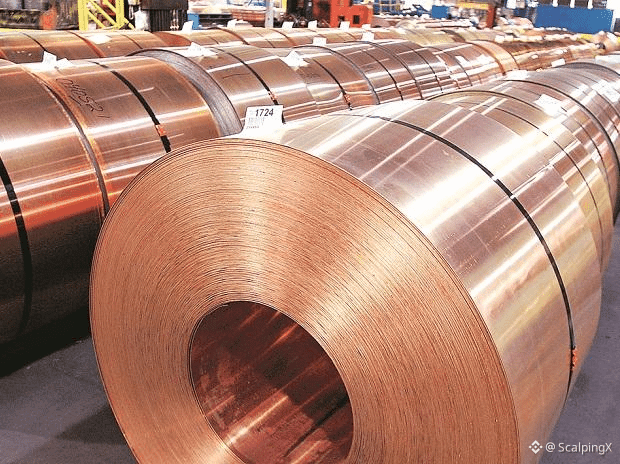
🟠 In base metals, copper continued to stand out. Prices held near elevated levels as tight supply, lower inventories, and disruption risks at major mines reinforced long-term demand from power grids, electric vehicles, and green infrastructure.
⚙️ Aluminium, platinum, and other industrial metals also found support from structural supply-demand factors, but the market remained uneven. Platinum has a clearer deficit story, while metals tied more closely to China’s construction cycle still require caution.
📌 Overall, June 15–20 highlighted a clear split across metals. Gold and silver were driven mainly by macro flows and the unwinding of geopolitical premium, while copper and selected base metals stayed supported by supply constraints, inventory trends, and energy-transition demand.
#Metals $XAU $XAG $COPPER
Global metals market overview for June 15–20: gold cools after a strong rebound, while copper keeps its supply-driven story intact
🟡 Metals were volatile this week as U.S.–Iran developments eased concerns around the Strait of Hormuz and pulled oil away from recent stress levels. This created a mixed setup for precious metals: softer energy inflation supported hopes for a less hawkish Fed, while lower geopolitical risk reduced short-term safe-haven demand.
⚪ Gold and silver gained in the early and middle parts of the week as traders reacted to Fed expectations, dollar sensitivity, and easing inflation pressure. Toward the end of the week, fading risk premium and profit-taking weighed on both markets, with gold pulling back and silver retreating after its earlier strength.
🔵 Silver remained notable because it carries both monetary and industrial drivers. Unlike gold, which was mainly shaped by the dollar, Fed outlook, and defensive flows, silver also gained support from solar energy, electrification, and manufacturing demand. This helped it show relative strength at times, though volatility stayed high.
🟠 In base metals, copper continued to stand out. Prices held near elevated levels as tight supply, lower inventories, and disruption risks at major mines reinforced long-term demand from power grids, electric vehicles, and green infrastructure.
⚙️ Aluminium, platinum, and other industrial metals also found support from structural supply-demand factors, but the market remained uneven. Platinum has a clearer deficit story, while metals tied more closely to China’s construction cycle still require caution.
📌 Overall, June 15–20 highlighted a clear split across metals. Gold and silver were driven mainly by macro flows and the unwinding of geopolitical premium, while copper and selected base metals stayed supported by supply constraints, inventory trends, and energy-transition demand.
#Metals $XAU $XAG $COPPER
🟡 Metals were volatile this week as U.S.–Iran developments eased concerns around the Strait of Hormuz and pulled oil away from recent stress levels. This created a mixed setup for precious metals: softer energy inflation supported hopes for a less hawkish Fed, while lower geopolitical risk reduced short-term safe-haven demand.
⚪ Gold and silver gained in the early and middle parts of the week as traders reacted to Fed expectations, dollar sensitivity, and easing inflation pressure. Toward the end of the week, fading risk premium and profit-taking weighed on both markets, with gold pulling back and silver retreating after its earlier strength.
🔵 Silver remained notable because it carries both monetary and industrial drivers. Unlike gold, which was mainly shaped by the dollar, Fed outlook, and defensive flows, silver also gained support from solar energy, electrification, and manufacturing demand. This helped it show relative strength at times, though volatility stayed high.
🟠 In base metals, copper continued to stand out. Prices held near elevated levels as tight supply, lower inventories, and disruption risks at major mines reinforced long-term demand from power grids, electric vehicles, and green infrastructure.
⚙️ Aluminium, platinum, and other industrial metals also found support from structural supply-demand factors, but the market remained uneven. Platinum has a clearer deficit story, while metals tied more closely to China’s construction cycle still require caution.
📌 Overall, June 15–20 highlighted a clear split across metals. Gold and silver were driven mainly by macro flows and the unwinding of geopolitical premium, while copper and selected base metals stayed supported by supply constraints, inventory trends, and energy-transition demand.
#Metals $XAU $XAG $COPPER
675
·
--
Bullish
Global Metals Market Overview: August 3–8, 2026
🥇 Precious metals ended the week with strong gains, led by gold and silver. Gold rose more than 7% over the week, marking one of its strongest weekly performances in months, while silver outperformed and briefly advanced into the $63–64/oz range.
📉 The main catalyst emerged late in the week after weaker-than-expected U.S. employment data. July payrolls fell by 23,000, while previous figures were also revised sharply lower, reducing expectations for another Fed rate hike in September. Treasury yields and the U.S. dollar declined following the release, providing direct support for gold and silver.
🏦 Central-bank demand continued to provide structural support for gold. China added around 20 tonnes of gold to its reserves in July, equivalent to roughly 640,000 ounces and the largest monthly increase since late 2023. The PBOC has now extended its gold-buying streak to 21 consecutive months.
⚙️ Platinum and palladium also advanced in the final session of the week, although their gains were more modest than those of gold and silver. Among base metals, copper remained supported by tight physical inventories and supply risks, though price action was less pronounced than in precious metals.
📊 After the sharp rally, attention next week will shift to U.S. CPI data on August 12. Softer-than-expected inflation could maintain pressure on the dollar and Treasury yields, preserving a supportive environment for precious metals. Conversely, stronger inflation could trigger profit-taking following the strong weekly advance.
#Metals $XAU $XAG $COPPER
Global Metals Market Overview: August 3–8, 2026
🥇 Precious metals ended the week with strong gains, led by gold and silver. Gold rose more than 7% over the week, marking one of its strongest weekly performances in months, while silver outperformed and briefly advanced into the $63–64/oz range.
📉 The main catalyst emerged late in the week after weaker-than-expected U.S. employment data. July payrolls fell by 23,000, while previous figures were also revised sharply lower, reducing expectations for another Fed rate hike in September. Treasury yields and the U.S. dollar declined following the release, providing direct support for gold and silver.
🏦 Central-bank demand continued to provide structural support for gold. China added around 20 tonnes of gold to its reserves in July, equivalent to roughly 640,000 ounces and the largest monthly increase since late 2023. The PBOC has now extended its gold-buying streak to 21 consecutive months.
⚙️ Platinum and palladium also advanced in the final session of the week, although their gains were more modest than those of gold and silver. Among base metals, copper remained supported by tight physical inventories and supply risks, though price action was less pronounced than in precious metals.
📊 After the sharp rally, attention next week will shift to U.S. CPI data on August 12. Softer-than-expected inflation could maintain pressure on the dollar and Treasury yields, preserving a supportive environment for precious metals. Conversely, stronger inflation could trigger profit-taking following the strong weekly advance.
#Metals $XAU $XAG $COPPER
🥇 Precious metals ended the week with strong gains, led by gold and silver. Gold rose more than 7% over the week, marking one of its strongest weekly performances in months, while silver outperformed and briefly advanced into the $63–64/oz range.
📉 The main catalyst emerged late in the week after weaker-than-expected U.S. employment data. July payrolls fell by 23,000, while previous figures were also revised sharply lower, reducing expectations for another Fed rate hike in September. Treasury yields and the U.S. dollar declined following the release, providing direct support for gold and silver.
🏦 Central-bank demand continued to provide structural support for gold. China added around 20 tonnes of gold to its reserves in July, equivalent to roughly 640,000 ounces and the largest monthly increase since late 2023. The PBOC has now extended its gold-buying streak to 21 consecutive months.
⚙️ Platinum and palladium also advanced in the final session of the week, although their gains were more modest than those of gold and silver. Among base metals, copper remained supported by tight physical inventories and supply risks, though price action was less pronounced than in precious metals.
📊 After the sharp rally, attention next week will shift to U.S. CPI data on August 12. Softer-than-expected inflation could maintain pressure on the dollar and Treasury yields, preserving a supportive environment for precious metals. Conversely, stronger inflation could trigger profit-taking following the strong weekly advance.
#Metals $XAU $XAG $COPPER

98
·
--
Bullish
Global Metals Market Overview for 22–27 June 2026 – Correction deepens, but long-term fundamentals remain intact
📉 The global metals market saw a sharp correction last week, especially around midweek, before a partial technical rebound into the end of the period. A stronger USD, hotter US inflation data and broader risk-off sentiment allowed macro pressure to dominate short-term supply-demand narratives.
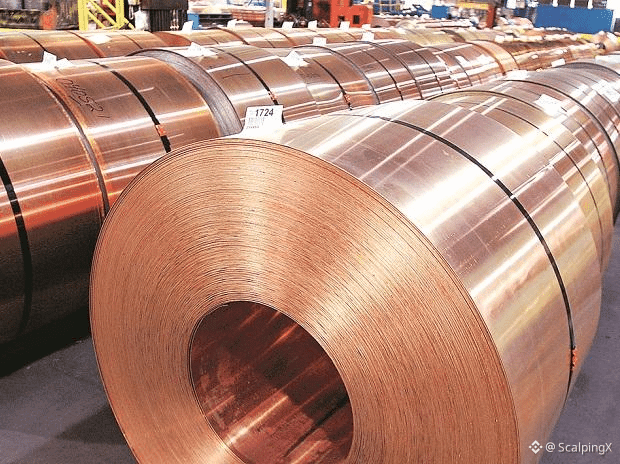
⚙️ Industrial metals came under pressure as speculative positioning was unwound after the previous strong rally. Copper remained the key metal to watch, as its medium- to long-term outlook is still supported by supply deficits, electrification, grid expansion and AI/data center demand.
🏗️ Aluminum was among the weaker performers after breaking below an important support area. This reflected the market’s sensitivity to global growth expectations, especially as demand signals from China have yet to improve meaningfully.
🪙 In precious metals, gold briefly tested the psychological 4,000 USD/oz area before recovering toward the end of the week. However, a strong USD, higher real yields and expectations of a more hawkish Fed continue to limit short-term upside.
🥈 Silver clearly underperformed gold due to its higher industrial exposure and weaker risk appetite. While the long-term deficit story remains supportive, the sharp weekly decline shows silver can be more vulnerable during macro-driven sell-offs.
📊 Physical market signals still do not suggest a clearly loose metals market. Lower registered LME inventories and rising off-warrant stocks indicate the sell-off was likely driven more by macro pressure and positioning than by a full breakdown in long-term fundamentals.
🔎 In the near term, metals will remain sensitive to the USD, US yields, upcoming labor and inflation data, and policy signals from China. Volatility may stay high, but metals with stronger supply-deficit stories, especially copper, still hold a more constructive medium-term foundation.
#Metals $XAU $XAG $COPPER
Global Metals Market Overview for 22–27 June 2026 – Correction deepens, but long-term fundamentals remain intact
📉 The global metals market saw a sharp correction last week, especially around midweek, before a partial technical rebound into the end of the period. A stronger USD, hotter US inflation data and broader risk-off sentiment allowed macro pressure to dominate short-term supply-demand narratives.
⚙️ Industrial metals came under pressure as speculative positioning was unwound after the previous strong rally. Copper remained the key metal to watch, as its medium- to long-term outlook is still supported by supply deficits, electrification, grid expansion and AI/data center demand.
🏗️ Aluminum was among the weaker performers after breaking below an important support area. This reflected the market’s sensitivity to global growth expectations, especially as demand signals from China have yet to improve meaningfully.
🪙 In precious metals, gold briefly tested the psychological 4,000 USD/oz area before recovering toward the end of the week. However, a strong USD, higher real yields and expectations of a more hawkish Fed continue to limit short-term upside.
🥈 Silver clearly underperformed gold due to its higher industrial exposure and weaker risk appetite. While the long-term deficit story remains supportive, the sharp weekly decline shows silver can be more vulnerable during macro-driven sell-offs.
📊 Physical market signals still do not suggest a clearly loose metals market. Lower registered LME inventories and rising off-warrant stocks indicate the sell-off was likely driven more by macro pressure and positioning than by a full breakdown in long-term fundamentals.
🔎 In the near term, metals will remain sensitive to the USD, US yields, upcoming labor and inflation data, and policy signals from China. Volatility may stay high, but metals with stronger supply-deficit stories, especially copper, still hold a more constructive medium-term foundation.
#Metals $XAU $XAG $COPPER
📉 The global metals market saw a sharp correction last week, especially around midweek, before a partial technical rebound into the end of the period. A stronger USD, hotter US inflation data and broader risk-off sentiment allowed macro pressure to dominate short-term supply-demand narratives.
⚙️ Industrial metals came under pressure as speculative positioning was unwound after the previous strong rally. Copper remained the key metal to watch, as its medium- to long-term outlook is still supported by supply deficits, electrification, grid expansion and AI/data center demand.
🏗️ Aluminum was among the weaker performers after breaking below an important support area. This reflected the market’s sensitivity to global growth expectations, especially as demand signals from China have yet to improve meaningfully.
🪙 In precious metals, gold briefly tested the psychological 4,000 USD/oz area before recovering toward the end of the week. However, a strong USD, higher real yields and expectations of a more hawkish Fed continue to limit short-term upside.
🥈 Silver clearly underperformed gold due to its higher industrial exposure and weaker risk appetite. While the long-term deficit story remains supportive, the sharp weekly decline shows silver can be more vulnerable during macro-driven sell-offs.
📊 Physical market signals still do not suggest a clearly loose metals market. Lower registered LME inventories and rising off-warrant stocks indicate the sell-off was likely driven more by macro pressure and positioning than by a full breakdown in long-term fundamentals.
🔎 In the near term, metals will remain sensitive to the USD, US yields, upcoming labor and inflation data, and policy signals from China. Volatility may stay high, but metals with stronger supply-deficit stories, especially copper, still hold a more constructive medium-term foundation.
#Metals $XAU $XAG $COPPER
1
5.9k

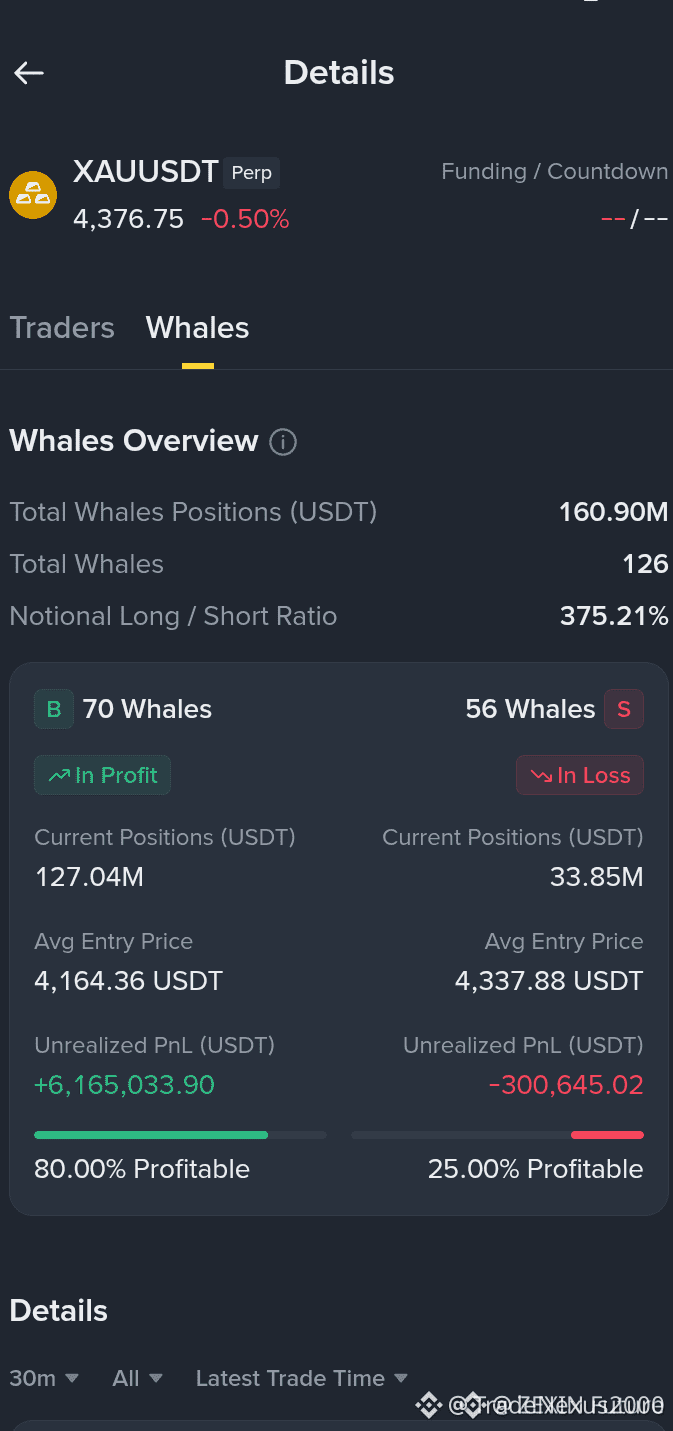
⚡ $XAU LONG IN PLAY AS SMART MONEY SHIELDS THE DEMAND ZONE! 🚀
Target: 4460.00 🚀
Stop Loss: 4345.00 ⚠️
📌 Gold just confirmed its resilience again — price defended the 4345 shelf while institutions quietly absorbed the shakeout liquidity beneath it. 📊 That stop-raid followed by an instant reclaim is textbook accumulation: trapped sellers underneath, fresh fuel stacked above.
💡 With invalidation parked at 4345 and 4460 sitting above clean liquidity, the path of least resistance leans north. These zones tend to get defended with precision once the footprint confirms. 💬 Are you riding the structure, or waiting for one final purge before you add size? 👇
⚠️ Not financial advice. Always manage your risk. 🛡️
🏷️ #XAU #GoldLong #SmartMoney #Metals #Breakout
🦈 🎯
⚡ $XAU LONG IN PLAY AS SMART MONEY SHIELDS THE DEMAND ZONE! 🚀
Target: 4460.00 🚀
Stop Loss: 4345.00 ⚠️
📌 Gold just confirmed its resilience again — price defended the 4345 shelf while institutions quietly absorbed the shakeout liquidity beneath it. 📊 That stop-raid followed by an instant reclaim is textbook accumulation: trapped sellers underneath, fresh fuel stacked above.
💡 With invalidation parked at 4345 and 4460 sitting above clean liquidity, the path of least resistance leans north. These zones tend to get defended with precision once the footprint confirms. 💬 Are you riding the structure, or waiting for one final purge before you add size? 👇
⚠️ Not financial advice. Always manage your risk. 🛡️
🏷️ #XAU #GoldLong #SmartMoney #Metals #Breakout
🦈 🎯
Target: 4460.00 🚀
Stop Loss: 4345.00 ⚠️
📌 Gold just confirmed its resilience again — price defended the 4345 shelf while institutions quietly absorbed the shakeout liquidity beneath it. 📊 That stop-raid followed by an instant reclaim is textbook accumulation: trapped sellers underneath, fresh fuel stacked above.
💡 With invalidation parked at 4345 and 4460 sitting above clean liquidity, the path of least resistance leans north. These zones tend to get defended with precision once the footprint confirms. 💬 Are you riding the structure, or waiting for one final purge before you add size? 👇
⚠️ Not financial advice. Always manage your risk. 🛡️
🏷️ #XAU #GoldLong #SmartMoney #Metals #Breakout
🦈 🎯
98

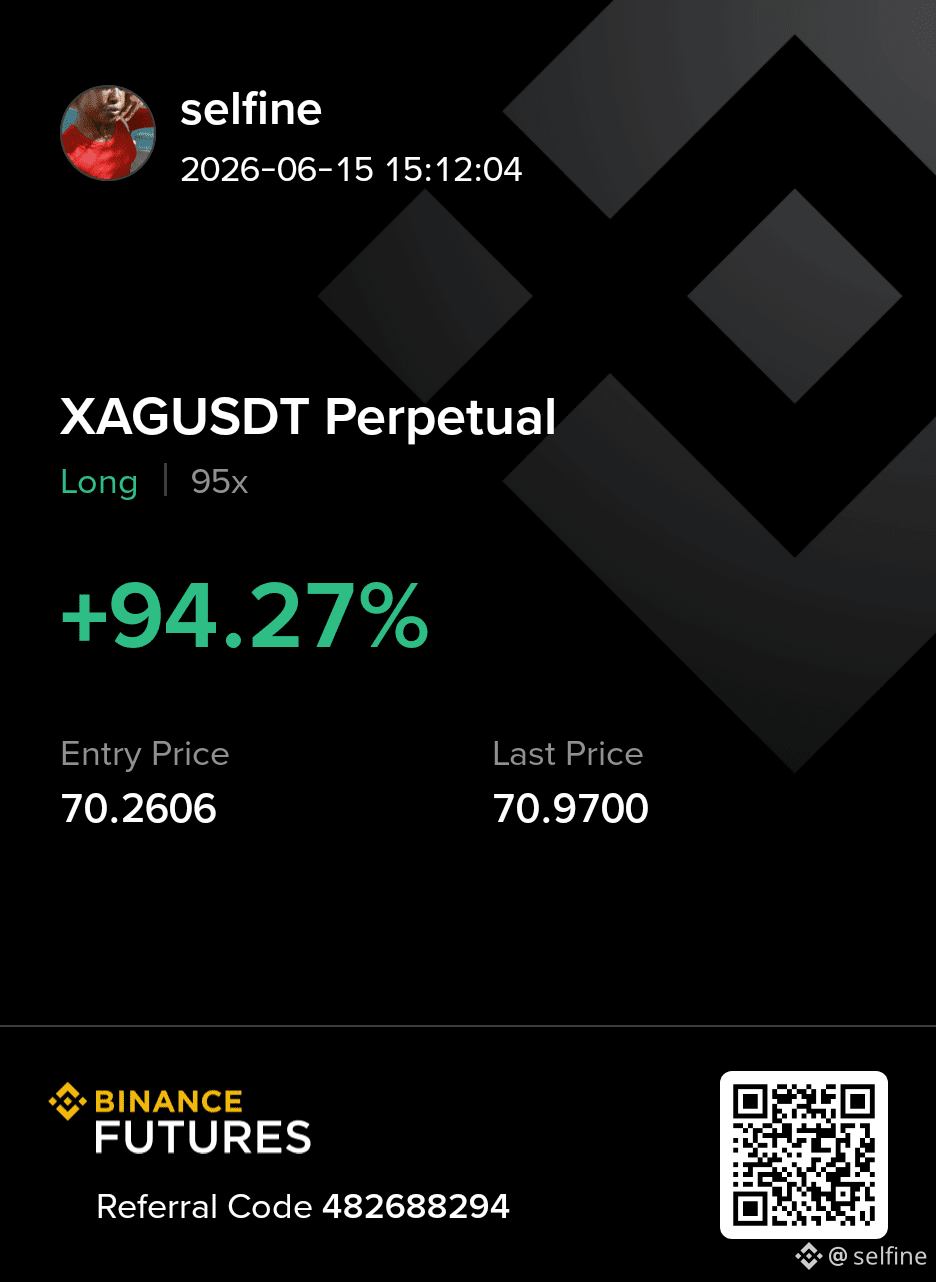
$XAG tightens into a decisive breakout zone as supply shock and physical demand overpower higher yields 🥈
Entry: 76.9 🔥
Target: 95 🚀
Stop Loss: 70 ⚠️
Silver is extending its advance as a 12% decline in oil improves the broader commodity tape and a reported 3.4 million ounces of annual output from Glencore’s Kazzinc facility is taken offline. The market is already running a projected 215 million ounce deficit in 2026, while COMEX deliveries of 24.645 million ounces in May underscore persistent physical demand. Price remains above the $70 base, and the eight-week compression between roughly $70 and $80 continues to narrow into the wedge apex.
What the market is missing is that this is no longer just a chart story. Retail ETF selling may be creating visible outflows, but the underlying order flow still reflects supply absorption on dips, not distribution. With yields elevated, silver should have been weaker. The fact that it is not suggests institutional buyers are leaning into scarcity rather than chasing momentum. A clean break above $80 would likely force systematic re-hedging and short covering, opening the path toward the $95 to $104 band faster than most expect.
Not financial advice. For informational purposes only.
#Silver #XAG #Comex #Metals
{future}(XAGUSDT)
$XAG tightens into a decisive breakout zone as supply shock and physical demand overpower higher yields 🥈
Entry: 76.9 🔥
Target: 95 🚀
Stop Loss: 70 ⚠️
Silver is extending its advance as a 12% decline in oil improves the broader commodity tape and a reported 3.4 million ounces of annual output from Glencore’s Kazzinc facility is taken offline. The market is already running a projected 215 million ounce deficit in 2026, while COMEX deliveries of 24.645 million ounces in May underscore persistent physical demand. Price remains above the $70 base, and the eight-week compression between roughly $70 and $80 continues to narrow into the wedge apex.
What the market is missing is that this is no longer just a chart story. Retail ETF selling may be creating visible outflows, but the underlying order flow still reflects supply absorption on dips, not distribution. With yields elevated, silver should have been weaker. The fact that it is not suggests institutional buyers are leaning into scarcity rather than chasing momentum. A clean break above $80 would likely force systematic re-hedging and short covering, opening the path toward the $95 to $104 band faster than most expect.
Not financial advice. For informational purposes only.
#Silver #XAG #Comex #Metals
Entry: 76.9 🔥
Target: 95 🚀
Stop Loss: 70 ⚠️
Silver is extending its advance as a 12% decline in oil improves the broader commodity tape and a reported 3.4 million ounces of annual output from Glencore’s Kazzinc facility is taken offline. The market is already running a projected 215 million ounce deficit in 2026, while COMEX deliveries of 24.645 million ounces in May underscore persistent physical demand. Price remains above the $70 base, and the eight-week compression between roughly $70 and $80 continues to narrow into the wedge apex.
What the market is missing is that this is no longer just a chart story. Retail ETF selling may be creating visible outflows, but the underlying order flow still reflects supply absorption on dips, not distribution. With yields elevated, silver should have been weaker. The fact that it is not suggests institutional buyers are leaning into scarcity rather than chasing momentum. A clean break above $80 would likely force systematic re-hedging and short covering, opening the path toward the $95 to $104 band faster than most expect.
Not financial advice. For informational purposes only.
#Silver #XAG #Comex #Metals
246

🔶 Commodities Spotlight | Copper Breaks Records in 2025
Copper has emerged as one of the strongest-performing commodities of 2025, driven by the accelerating global energy transition and infrastructure expansion.
📈 Key highlights:
Copper prices are up over 30% in 2025
Prices surpassed $12,000 per ton in December, marking the largest annual gain since 2009
Demand is being fueled by renewable energy projects, electrification, and AI data center construction
🧠 Expert insights:
Natalie Scott-Gray of StoneX warns that persistently high prices could push manufacturers to seek substitutes, dampening demand in non-essential uses.
Alastair Munro from Marex says markets are increasingly pricing in a structural copper shortage starting in 2026.
Albert Mackenzie at Benchmark Mineral Intelligence highlights concerns as U.S. copper inflows push COMEX inventories to record highs.
Alice Fox of Macquarie Group expects elevated copper prices to persist into 2026.
🌍 Regional imbalance:
U.S. inventories surge amid tariff-driven inflows
**London Metal Exchange inventories in Europe fall below 20,000 tons, tightening regional supply
🔮 Outlook:
With green energy, AI infrastructure, and electrification all competing for supply, copper’s strategic importance is growing fast—and the market appears to be entering a new long-term cycle.
#Copper #Commodities #RenewableEnergy #AIInfrastructure #GlobalMarkets #Metals
🔶 Commodities Spotlight | Copper Breaks Records in 2025
Copper has emerged as one of the strongest-performing commodities of 2025, driven by the accelerating global energy transition and infrastructure expansion.
📈 Key highlights:
Copper prices are up over 30% in 2025
Prices surpassed $12,000 per ton in December, marking the largest annual gain since 2009
Demand is being fueled by renewable energy projects, electrification, and AI data center construction
🧠 Expert insights:
Natalie Scott-Gray of StoneX warns that persistently high prices could push manufacturers to seek substitutes, dampening demand in non-essential uses.
Alastair Munro from Marex says markets are increasingly pricing in a structural copper shortage starting in 2026.
Albert Mackenzie at Benchmark Mineral Intelligence highlights concerns as U.S. copper inflows push COMEX inventories to record highs.
Alice Fox of Macquarie Group expects elevated copper prices to persist into 2026.
🌍 Regional imbalance:
U.S. inventories surge amid tariff-driven inflows
**London Metal Exchange inventories in Europe fall below 20,000 tons, tightening regional supply
🔮 Outlook:
With green energy, AI infrastructure, and electrification all competing for supply, copper’s strategic importance is growing fast—and the market appears to be entering a new long-term cycle.
#Copper #Commodities #RenewableEnergy #AIInfrastructure #GlobalMarkets #Metals
Copper has emerged as one of the strongest-performing commodities of 2025, driven by the accelerating global energy transition and infrastructure expansion.
📈 Key highlights:
Copper prices are up over 30% in 2025
Prices surpassed $12,000 per ton in December, marking the largest annual gain since 2009
Demand is being fueled by renewable energy projects, electrification, and AI data center construction
🧠 Expert insights:
Natalie Scott-Gray of StoneX warns that persistently high prices could push manufacturers to seek substitutes, dampening demand in non-essential uses.
Alastair Munro from Marex says markets are increasingly pricing in a structural copper shortage starting in 2026.
Albert Mackenzie at Benchmark Mineral Intelligence highlights concerns as U.S. copper inflows push COMEX inventories to record highs.
Alice Fox of Macquarie Group expects elevated copper prices to persist into 2026.
🌍 Regional imbalance:
U.S. inventories surge amid tariff-driven inflows
**London Metal Exchange inventories in Europe fall below 20,000 tons, tightening regional supply
🔮 Outlook:
With green energy, AI infrastructure, and electrification all competing for supply, copper’s strategic importance is growing fast—and the market appears to be entering a new long-term cycle.
#Copper #Commodities #RenewableEnergy #AIInfrastructure #GlobalMarkets #Metals
1
253

$XAG tightens into a decisive breakout zone as supply shock and physical demand overpower higher yields 🥈
Entry: 76.9 🔥
Target: 95 🚀
Stop Loss: 70 ⚠️
Silver is extending its advance as a 12% decline in oil improves the broader commodity tape and a reported 3.4 million ounces of annual output from Glencore’s Kazzinc facility is taken offline. The market is already running a projected 215 million ounce deficit in 2026, while COMEX deliveries of 24.645 million ounces in May underscore persistent physical demand. Price remains above the $70 base, and the eight-week compression between roughly $70 and $80 continues to narrow into the wedge apex.
What the market is missing is that this is no longer just a chart story. Retail ETF selling may be creating visible outflows, but the underlying order flow still reflects supply absorption on dips, not distribution. With yields elevated, silver should have been weaker. The fact that it is not suggests institutional buyers are leaning into scarcity rather than chasing momentum. A clean break above $80 would likely force systematic re-hedging and short covering, opening the path toward the $95 to $104 band faster than most expect.
Not financial advice. For informational purposes only.
#Silver #XAG #Comex #Metals
{future}(XAGUSDT)
$XAG tightens into a decisive breakout zone as supply shock and physical demand overpower higher yields 🥈
Entry: 76.9 🔥
Target: 95 🚀
Stop Loss: 70 ⚠️
Silver is extending its advance as a 12% decline in oil improves the broader commodity tape and a reported 3.4 million ounces of annual output from Glencore’s Kazzinc facility is taken offline. The market is already running a projected 215 million ounce deficit in 2026, while COMEX deliveries of 24.645 million ounces in May underscore persistent physical demand. Price remains above the $70 base, and the eight-week compression between roughly $70 and $80 continues to narrow into the wedge apex.
What the market is missing is that this is no longer just a chart story. Retail ETF selling may be creating visible outflows, but the underlying order flow still reflects supply absorption on dips, not distribution. With yields elevated, silver should have been weaker. The fact that it is not suggests institutional buyers are leaning into scarcity rather than chasing momentum. A clean break above $80 would likely force systematic re-hedging and short covering, opening the path toward the $95 to $104 band faster than most expect.
Not financial advice. For informational purposes only.
#Silver #XAG #Comex #Metals
Entry: 76.9 🔥
Target: 95 🚀
Stop Loss: 70 ⚠️
Silver is extending its advance as a 12% decline in oil improves the broader commodity tape and a reported 3.4 million ounces of annual output from Glencore’s Kazzinc facility is taken offline. The market is already running a projected 215 million ounce deficit in 2026, while COMEX deliveries of 24.645 million ounces in May underscore persistent physical demand. Price remains above the $70 base, and the eight-week compression between roughly $70 and $80 continues to narrow into the wedge apex.
What the market is missing is that this is no longer just a chart story. Retail ETF selling may be creating visible outflows, but the underlying order flow still reflects supply absorption on dips, not distribution. With yields elevated, silver should have been weaker. The fact that it is not suggests institutional buyers are leaning into scarcity rather than chasing momentum. A clean break above $80 would likely force systematic re-hedging and short covering, opening the path toward the $95 to $104 band faster than most expect.
Not financial advice. For informational purposes only.
#Silver #XAG #Comex #Metals
164

·
--
Bullish
🌎 The Metals and Mining ETF (XME) is gaining momentum. As the demand for metals keeps ramping up, this exchange-traded fund is catching significant attention from investors.
XME focuses on companies involved in the extraction and production of metals ($XAU $XAG ), positioning itself as a key player in the growing market.
For more info, follow. $ALLO
{future}(XAUTUSDT)
{spot}(ALLOUSDT)
{future}(XAGUSDT)
#ETFs #Metals #GENIUSBinanceHODLer #bullish #$9BillionBitcoinOptionsExpireToday
🌎 The Metals and Mining ETF (XME) is gaining momentum. As the demand for metals keeps ramping up, this exchange-traded fund is catching significant attention from investors.
XME focuses on companies involved in the extraction and production of metals ($XAU $XAG ), positioning itself as a key player in the growing market.
For more info, follow. $ALLO
#ETFs #Metals #GENIUSBinanceHODLer #bullish #$9BillionBitcoinOptionsExpireToday
XME focuses on companies involved in the extraction and production of metals ($XAU $XAG ), positioning itself as a key player in the growing market.
For more info, follow. $ALLO
#ETFs #Metals #GENIUSBinanceHODLer #bullish #$9BillionBitcoinOptionsExpireToday
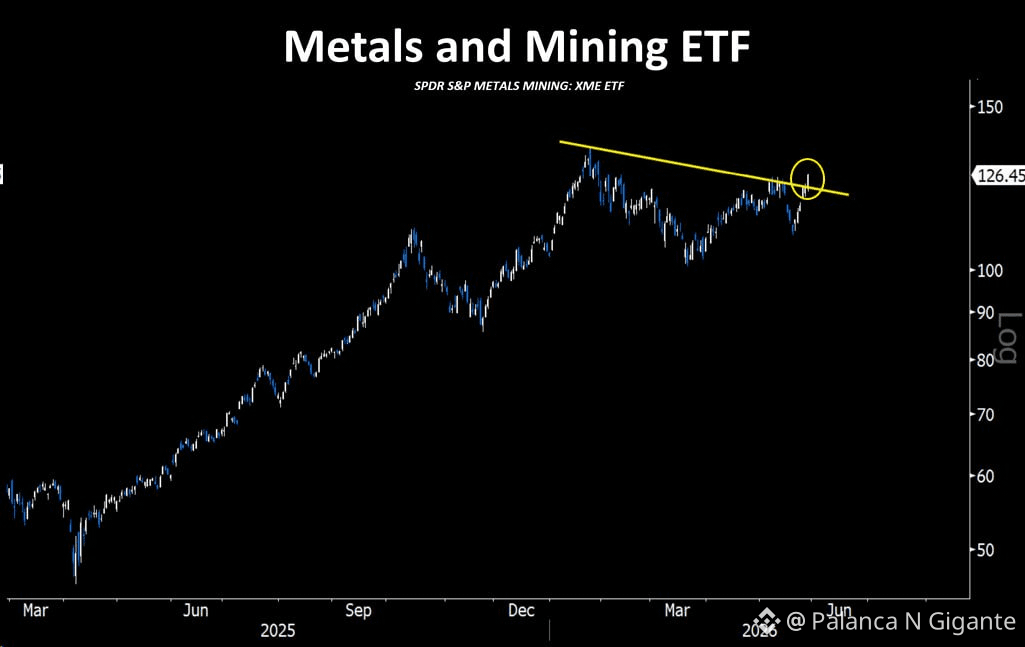
133
Log in to explore more content
Join global crypto users on Binance Square
⚡️ Get latest and useful information about crypto.
💬 Trusted by the world’s largest crypto exchange.
👍 Discover real insights from verified creators.
Email / Phone number
Trending Topics
1
#AnthropicCEOCallsForAISlowdown
33,068 views
496 Discussing
2
#AnthropicChoosesNasdaqForPotentialIPO
11,775 views
178 Discussing
3
#SECReceivesGrayscaleLitecoinTrustETFFiling
157,210 views
1,940 Discussing
4
#ClarityActFacesProceduralVoteSept15
304,330 views
2,829 Discussing
5
#US10YearTreasuryYieldNears5%
115,917 views
1,588 Discussing
6
#CryptoLiquidations$674MIn24H
28,544 views
230 Discussing
7
#TokenizedStockHoldersUp619.1%
83,723 views
1,275 Discussing
8
#RevolutConfirmsFakeGovEmailDataBreach
129,126 views
1,563 Discussing
9
#CanadaOSFISaysTokenizedDepositsEqualTraditionalDeposits
6,576 views
129 Discussing
10
#USBankCompletesCrossBorderPaymentPilotOnStellar
96,460 views
1,340 Discussing