
#ipfs
ipfs
436,647 views
252 Discussing
Hot
Latest

Verified
IPFS key maintenance team Shipyard will end operations! How much will it affect Filecoin? #Filecoin ipfs #ipfs fil #fil $FIL
Shipyard announced that due to Protocol Labs no longer renewing funding, they will end their IPFS-related engineering, maintenance, and infrastructure work on September 30, 2026. Over the past two years, Shipyard has contributed to projects such as Kubo, Helia, Boxo, and other public infrastructure including ipfs. Going forward, they will stop new feature development, bug fixes, and specification maintenance!
IPFS key maintenance team Shipyard will end operations! How much will it affect Filecoin? #Filecoin ipfs #ipfs fil #fil $FIL
Shipyard announced that due to Protocol Labs no longer renewing funding, they will end their IPFS-related engineering, maintenance, and infrastructure work on September 30, 2026. Over the past two years, Shipyard has contributed to projects such as Kubo, Helia, Boxo, and other public infrastructure including ipfs. Going forward, they will stop new feature development, bug fixes, and specification maintenance!
Shipyard announced that due to Protocol Labs no longer renewing funding, they will end their IPFS-related engineering, maintenance, and infrastructure work on September 30, 2026. Over the past two years, Shipyard has contributed to projects such as Kubo, Helia, Boxo, and other public infrastructure including ipfs. Going forward, they will stop new feature development, bug fixes, and specification maintenance!

2
765

·
--
Turkey's presidential communications office has registered the ENS domain cbiletisim.eth and published official materials to IPFS, referencing them through the ENS name.
The highlight here isn't just that a government agency is using a Web3 domain, but rather that the method of public information dissemination is starting to gain on-chain verifiability: in the future, users can directly verify content sources and retrieve publications, reducing reliance on a single centralized entry point.
If more public institutions adopt a similar framework, ENS/IPFS could transition from a crypto circle tool into areas like governmental information, record keeping, and public transparency.
#ENS #IPFS #Web3
Turkey's presidential communications office has registered the ENS domain cbiletisim.eth and published official materials to IPFS, referencing them through the ENS name.
The highlight here isn't just that a government agency is using a Web3 domain, but rather that the method of public information dissemination is starting to gain on-chain verifiability: in the future, users can directly verify content sources and retrieve publications, reducing reliance on a single centralized entry point.
If more public institutions adopt a similar framework, ENS/IPFS could transition from a crypto circle tool into areas like governmental information, record keeping, and public transparency.
#ENS #IPFS #Web3
The highlight here isn't just that a government agency is using a Web3 domain, but rather that the method of public information dissemination is starting to gain on-chain verifiability: in the future, users can directly verify content sources and retrieve publications, reducing reliance on a single centralized entry point.
If more public institutions adopt a similar framework, ENS/IPFS could transition from a crypto circle tool into areas like governmental information, record keeping, and public transparency.
#ENS #IPFS #Web3
49


Article
Holochain vs IPFS: A Practical Comparison in 2026Both Holochain and IPFS are decentralized technologies that aim to reduce reliance on centralized servers, but they solve very different problems and work in fundamentally different ways.
Here’s my honest, personal breakdown:
Core Philosophy
• IPFS is a decentralized file system. It’s designed to store and distribute static content (files, images, websites, videos, NFTs, etc.) using content addressing (CIDs).
• Holochain is an agent-centric application framework. It’s built for running full decentralized applications where each user maintains their own data and validates according to shared rules.
Key Differences
• Primary Purpose: IPFS focuses on file storage & distribution, while Holochain is built for running decentralized applications (hApps).
• Data Model: IPFS uses content-addressed immutable files. Holochain uses an agent-centric model with personal Source Chains + DHT.
• Validation: IPFS has no built-in validation. Holochain has strong DNA-based validation rules.
• Data Ownership: In IPFS you pin what you want. In Holochain, each user owns their personal Source Chain.
• Computation: IPFS has no smart contract logic. Holochain supports full application logic through Integrity and Coordinator Zomes.
• Scalability: IPFS is excellent for static content. Holochain is designed for high-scale interactive apps.
• Censorship Resistance: Both are strong, but Holochain achieves it through agent sovereignty.
Strengths & Use Cases
IPFS shines when you need:
• Permanent, immutable file storage
• Decentralized websites (via IPFS + ENS)
• NFT metadata and media storage
• Large file distribution (videos, datasets)
Holochain shines when you need:
• User-owned social applications
• Collaborative tools and marketplaces
• Applications with strong data sovereignty
• Scalable peer-to-peer apps without global consensus overhead
My Personal View
IPFS is like a global decentralized hard drive — fantastic for storing and sharing files reliably. Many projects (including Holochain itself) actually use IPFS for hosting large static assets.
Holochain, on the other hand, is more like a decentralized operating system for applications. It gives users true ownership of their data and actions while still allowing secure peer-to-peer interaction.
I see them as complementary rather than competitors. In fact, many Holochain hApps use IPFS for heavy file storage while using Holochain’s agent-centric model for dynamic data, validation, and user interactions.
Bottom line:
If you want to store and share files → IPFS
If you want to build scalable, user-sovereign applications → Holochain
What about you?
Have you used IPFS or Holochain before?
Do you see them working together or competing in the future? Drop your thoughts below 🔥
We Analyze. We HODL. We Win.
This is not financial advice. Always do your own research (DYOR).
#Holochain #IPFS #HOT #Decentralization
Holochain vs IPFS: A Practical Comparison in 2026
Both Holochain and IPFS are decentralized technologies that aim to reduce reliance on centralized servers, but they solve very different problems and work in fundamentally different ways.
Here’s my honest, personal breakdown:
Core Philosophy
• IPFS is a decentralized file system. It’s designed to store and distribute static content (files, images, websites, videos, NFTs, etc.) using content addressing (CIDs).
• Holochain is an agent-centric application framework. It’s built for running full decentralized applications where each user maintains their own data and validates according to shared rules.
Key Differences
• Primary Purpose: IPFS focuses on file storage & distribution, while Holochain is built for running decentralized applications (hApps).
• Data Model: IPFS uses content-addressed immutable files. Holochain uses an agent-centric model with personal Source Chains + DHT.
• Validation: IPFS has no built-in validation. Holochain has strong DNA-based validation rules.
• Data Ownership: In IPFS you pin what you want. In Holochain, each user owns their personal Source Chain.
• Computation: IPFS has no smart contract logic. Holochain supports full application logic through Integrity and Coordinator Zomes.
• Scalability: IPFS is excellent for static content. Holochain is designed for high-scale interactive apps.
• Censorship Resistance: Both are strong, but Holochain achieves it through agent sovereignty.
Strengths & Use Cases
IPFS shines when you need:
• Permanent, immutable file storage
• Decentralized websites (via IPFS + ENS)
• NFT metadata and media storage
• Large file distribution (videos, datasets)
Holochain shines when you need:
• User-owned social applications
• Collaborative tools and marketplaces
• Applications with strong data sovereignty
• Scalable peer-to-peer apps without global consensus overhead
My Personal View
IPFS is like a global decentralized hard drive — fantastic for storing and sharing files reliably. Many projects (including Holochain itself) actually use IPFS for hosting large static assets.
Holochain, on the other hand, is more like a decentralized operating system for applications. It gives users true ownership of their data and actions while still allowing secure peer-to-peer interaction.
I see them as complementary rather than competitors. In fact, many Holochain hApps use IPFS for heavy file storage while using Holochain’s agent-centric model for dynamic data, validation, and user interactions.
Bottom line:
If you want to store and share files → IPFS
If you want to build scalable, user-sovereign applications → Holochain
What about you?
Have you used IPFS or Holochain before?
Do you see them working together or competing in the future? Drop your thoughts below 🔥
We Analyze. We HODL. We Win.
This is not financial advice. Always do your own research (DYOR).
#Holochain #IPFS #HOT #Decentralization
Here’s my honest, personal breakdown:
Core Philosophy
• IPFS is a decentralized file system. It’s designed to store and distribute static content (files, images, websites, videos, NFTs, etc.) using content addressing (CIDs).
• Holochain is an agent-centric application framework. It’s built for running full decentralized applications where each user maintains their own data and validates according to shared rules.
Key Differences
• Primary Purpose: IPFS focuses on file storage & distribution, while Holochain is built for running decentralized applications (hApps).
• Data Model: IPFS uses content-addressed immutable files. Holochain uses an agent-centric model with personal Source Chains + DHT.
• Validation: IPFS has no built-in validation. Holochain has strong DNA-based validation rules.
• Data Ownership: In IPFS you pin what you want. In Holochain, each user owns their personal Source Chain.
• Computation: IPFS has no smart contract logic. Holochain supports full application logic through Integrity and Coordinator Zomes.
• Scalability: IPFS is excellent for static content. Holochain is designed for high-scale interactive apps.
• Censorship Resistance: Both are strong, but Holochain achieves it through agent sovereignty.
Strengths & Use Cases
IPFS shines when you need:
• Permanent, immutable file storage
• Decentralized websites (via IPFS + ENS)
• NFT metadata and media storage
• Large file distribution (videos, datasets)
Holochain shines when you need:
• User-owned social applications
• Collaborative tools and marketplaces
• Applications with strong data sovereignty
• Scalable peer-to-peer apps without global consensus overhead
My Personal View
IPFS is like a global decentralized hard drive — fantastic for storing and sharing files reliably. Many projects (including Holochain itself) actually use IPFS for hosting large static assets.
Holochain, on the other hand, is more like a decentralized operating system for applications. It gives users true ownership of their data and actions while still allowing secure peer-to-peer interaction.
I see them as complementary rather than competitors. In fact, many Holochain hApps use IPFS for heavy file storage while using Holochain’s agent-centric model for dynamic data, validation, and user interactions.
Bottom line:
If you want to store and share files → IPFS
If you want to build scalable, user-sovereign applications → Holochain
What about you?
Have you used IPFS or Holochain before?
Do you see them working together or competing in the future? Drop your thoughts below 🔥
We Analyze. We HODL. We Win.
This is not financial advice. Always do your own research (DYOR).
#Holochain #IPFS #HOT #Decentralization
2
144

The Turkish Presidential Communication Directorate registered the ENS domain cbiletisim.eth and plans to publish official documents to IPFS, referencing them via the ENS name.
The highlight of this move isn't just that the government is using a Web3 domain, but that public information dissemination is starting to explore on-chain verifiable paths: users will be able to directly verify the source and content of publications in the future, reducing reliance on a single website or centralized storage. For ENS/IPFS, this is a significant adoption signal in the realm of governmental use cases.
Stay tuned to see if more public institutions upgrade their 'official releases' to 'verifiable releases'. #ENS #IPFS $ETH
The Turkish Presidential Communication Directorate registered the ENS domain cbiletisim.eth and plans to publish official documents to IPFS, referencing them via the ENS name.
The highlight of this move isn't just that the government is using a Web3 domain, but that public information dissemination is starting to explore on-chain verifiable paths: users will be able to directly verify the source and content of publications in the future, reducing reliance on a single website or centralized storage. For ENS/IPFS, this is a significant adoption signal in the realm of governmental use cases.
Stay tuned to see if more public institutions upgrade their 'official releases' to 'verifiable releases'. #ENS #IPFS $ETH
The highlight of this move isn't just that the government is using a Web3 domain, but that public information dissemination is starting to explore on-chain verifiable paths: users will be able to directly verify the source and content of publications in the future, reducing reliance on a single website or centralized storage. For ENS/IPFS, this is a significant adoption signal in the realm of governmental use cases.
Stay tuned to see if more public institutions upgrade their 'official releases' to 'verifiable releases'. #ENS #IPFS $ETH
37
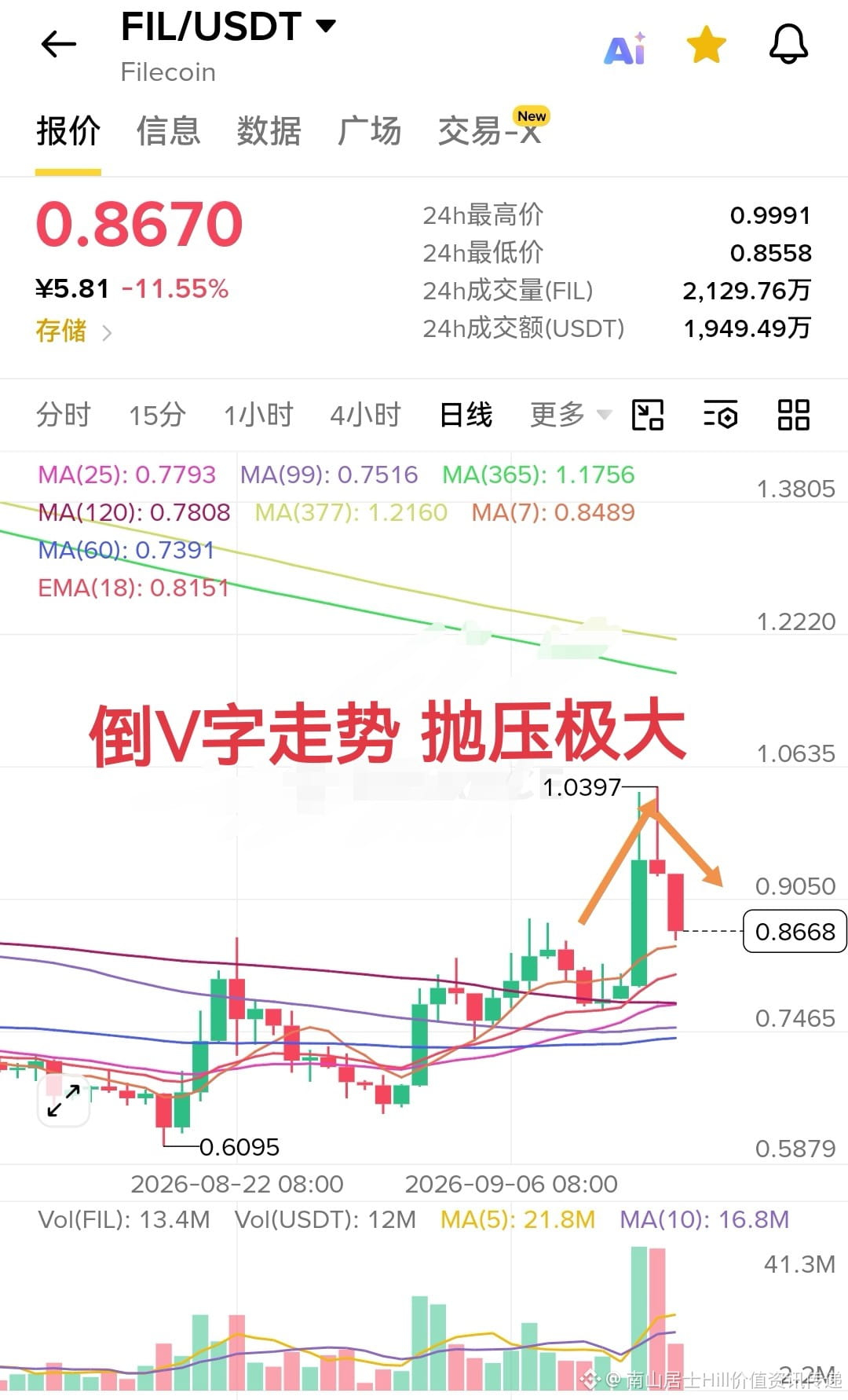
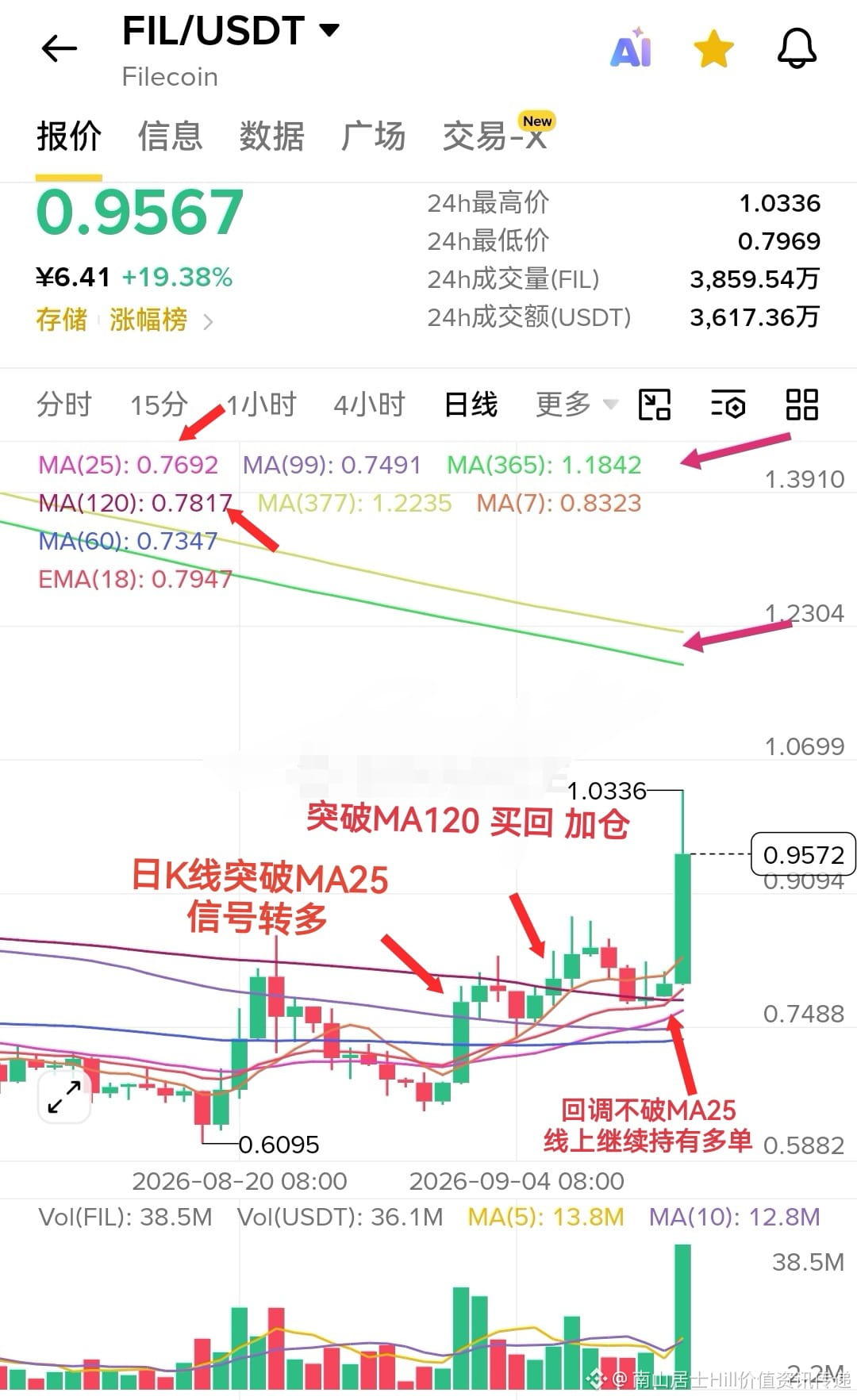
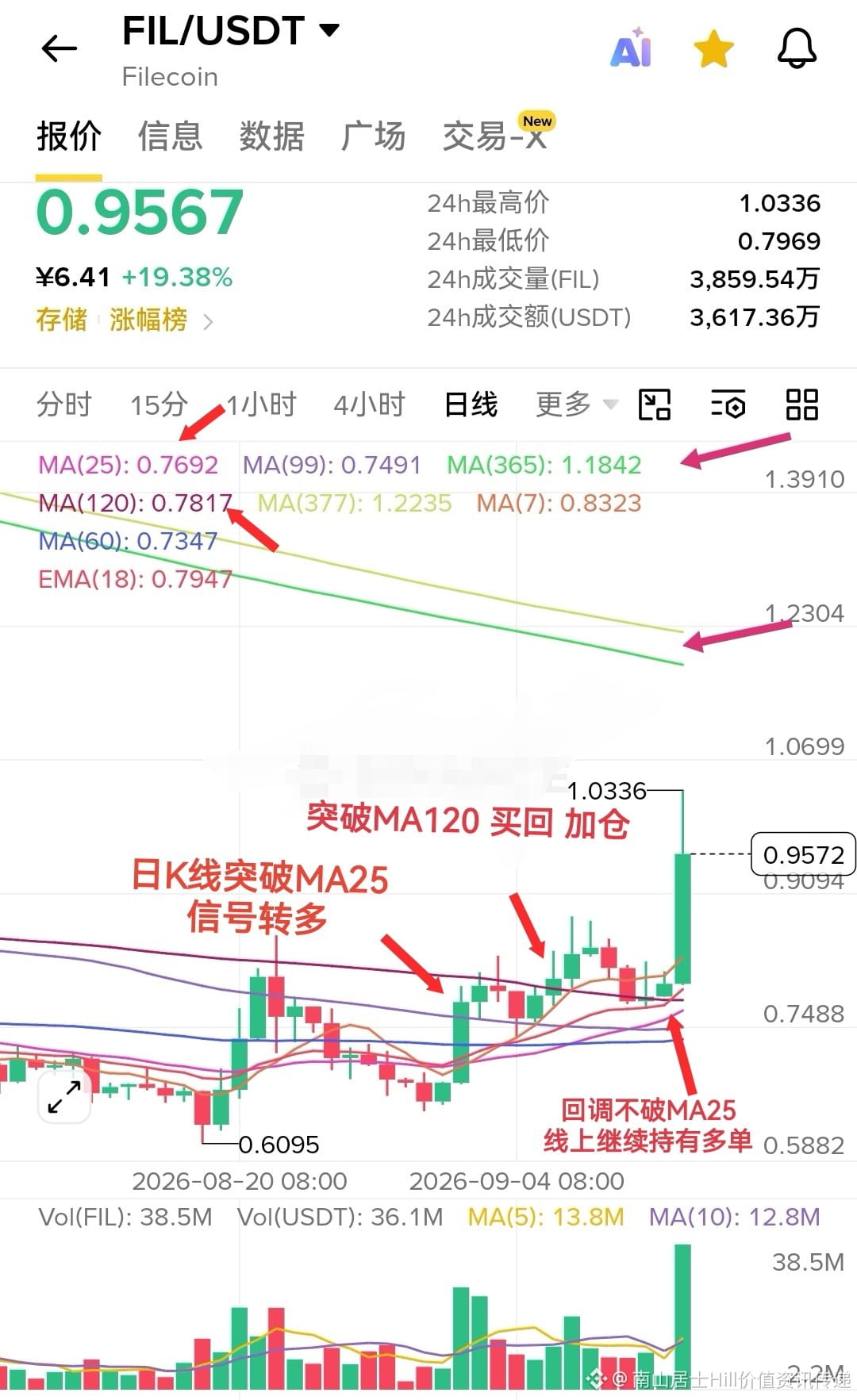
FIL surges sharply—will MA365 act as resistance above? How to use 【moving average trading strategy】 to capture the trend
According to the 【moving average trading strategy】, on September 1st, the daily K-line broke above the MA25 moving average, turning the signal to bullish. On September 6th, after breaking above the MA120, you add to your position and buy back. After that, there was a pullback for a time. As long as the daily K-line close does not break below MA25, the trend on the line remains bullish. Currently, the key resistance above is MA365—let’s see whether it can continue to rise!
filecoin #Filecoin ipfs #ipfs fil #fil $FIL
FIL surges sharply—will MA365 act as resistance above? How to use 【moving average trading strategy】 to capture the trend
According to the 【moving average trading strategy】, on September 1st, the daily K-line broke above the MA25 moving average, turning the signal to bullish. On September 6th, after breaking above the MA120, you add to your position and buy back. After that, there was a pullback for a time. As long as the daily K-line close does not break below MA25, the trend on the line remains bullish. Currently, the key resistance above is MA365—let’s see whether it can continue to rise!
filecoin #Filecoin ipfs #ipfs fil #fil $FIL
According to the 【moving average trading strategy】, on September 1st, the daily K-line broke above the MA25 moving average, turning the signal to bullish. On September 6th, after breaking above the MA120, you add to your position and buy back. After that, there was a pullback for a time. As long as the daily K-line close does not break below MA25, the trend on the line remains bullish. Currently, the key resistance above is MA365—let’s see whether it can continue to rise!
filecoin #Filecoin ipfs #ipfs fil #fil $FIL
2
1.8k
南山居士Hill价值资讯传递
·
--
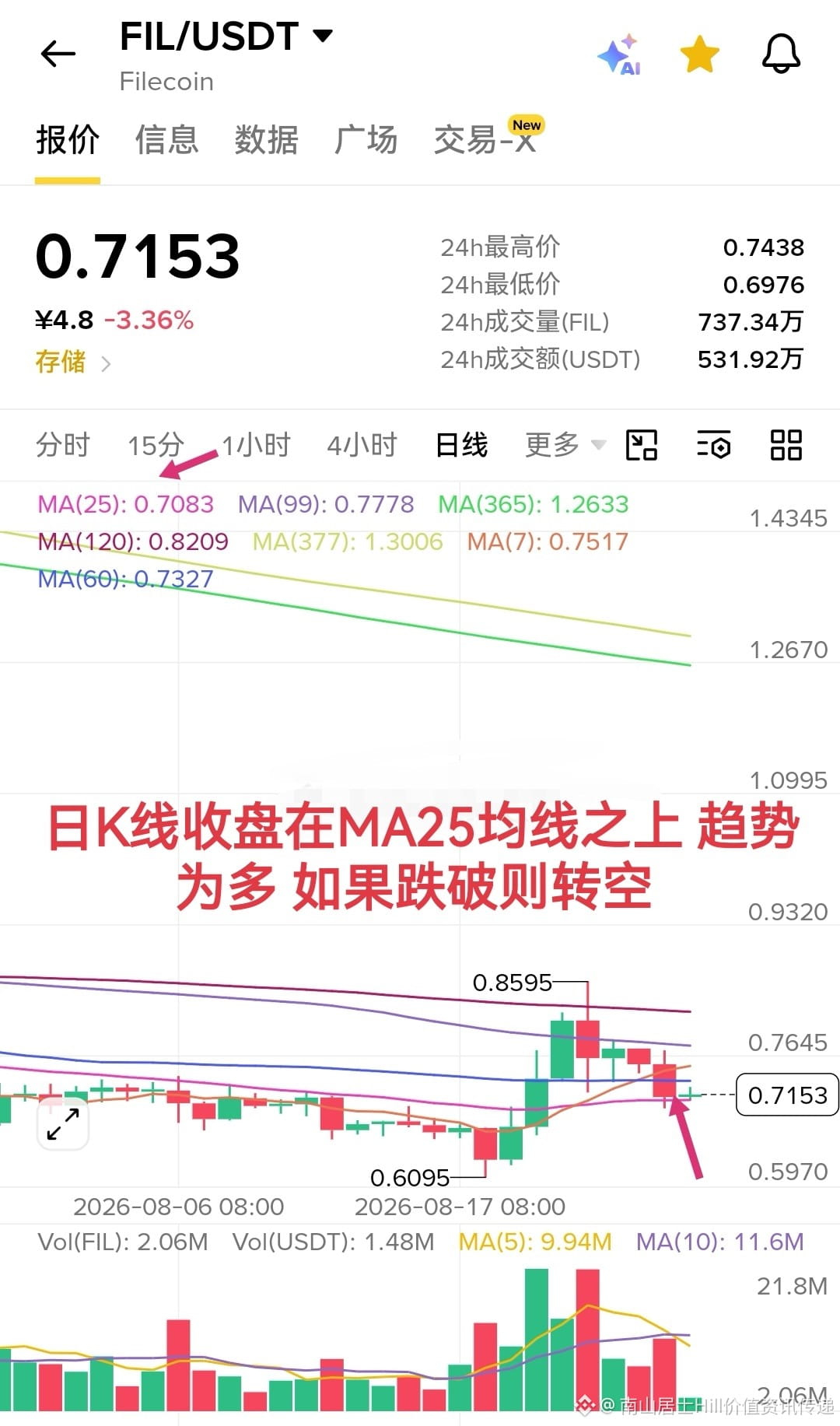
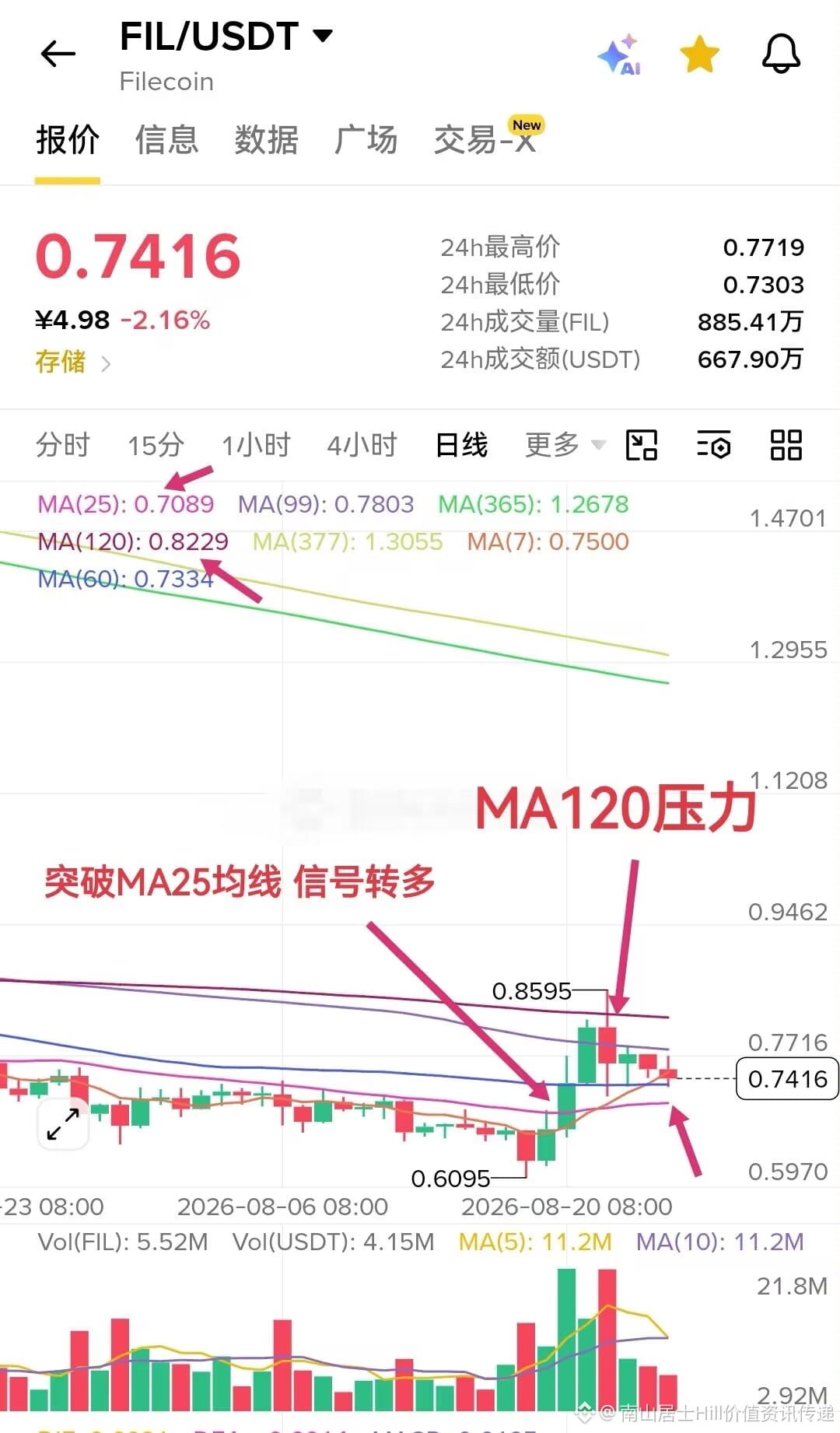
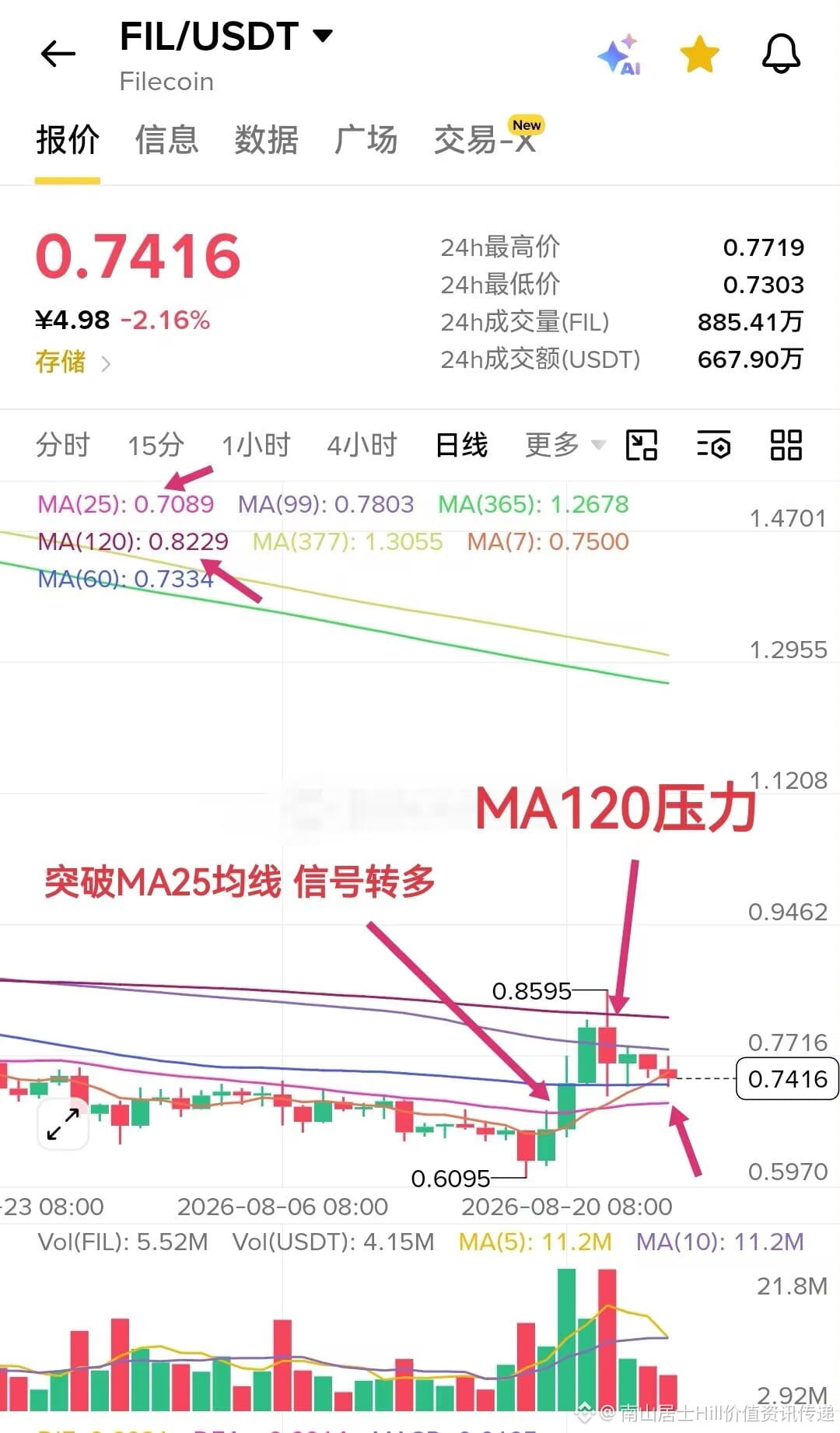
There is MA120 resistance above FIL!
According to the 【Moving Average Trading Strategy】, FIL broke above the MA25 moving average at the close on August 20, turning the trend bullish (if it falls below MA25, it turns bearish). There is currently MA120 resistance above (theoretically, the resistance level is the position to reduce; buy back only after the breakout). Do not chase the price!
filecoin #Filecoin ipfs #ipfs fil #fil
$FIL
According to the 【Moving Average Trading Strategy】, FIL broke above the MA25 moving average at the close on August 20, turning the trend bullish (if it falls below MA25, it turns bearish). There is currently MA120 resistance above (theoretically, the resistance level is the position to reduce; buy back only after the breakout). Do not chase the price!
filecoin #Filecoin ipfs #ipfs fil #fil
$FIL
1
668
Only when computing power increases does it mean that storage may have increased; only then does staking have a chance to increase, and only then does liquidity have a chance to decrease! Then the price may have a chance to improve! (Or, raise the price first—then computing power can increase, because currently the added computing power is losing money.) Otherwise... you know what I mean.
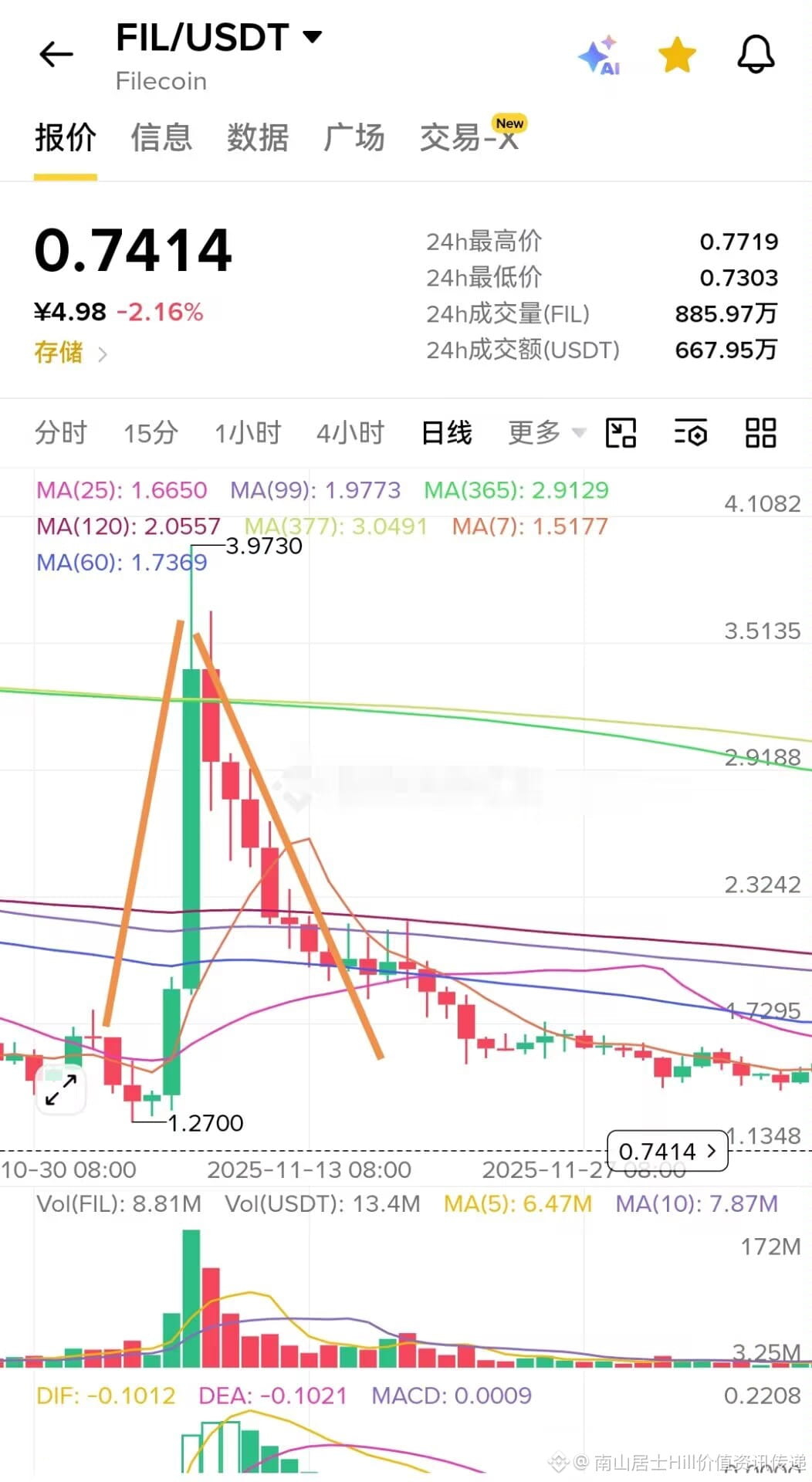
When computing power keeps declining and staking keeps getting released into tradable supply, waiting to be sold—who would dare to push the market up? The moment someone tries, a large amount of sell-side orders will immediately dump and crash the price. That’s why you’ll see that whenever there are consecutive big surges, a V-shaped reversal and sharp drop follows immediately (for example, the two-day big rally on Nov 6 and 7, 2025, followed by consecutive declines back to the original level). Unless computing power shows consecutive, substantial increases, it’s very hard for the market to change!
#Filecoin ipfs #ipfs fil #fil $FIL
Only when computing power increases does it mean that storage may have increased; only then does staking have a chance to increase, and only then does liquidity have a chance to decrease! Then the price may have a chance to improve! (Or, raise the price first—then computing power can increase, because currently the added computing power is losing money.) Otherwise... you know what I mean.
When computing power keeps declining and staking keeps getting released into tradable supply, waiting to be sold—who would dare to push the market up? The moment someone tries, a large amount of sell-side orders will immediately dump and crash the price. That’s why you’ll see that whenever there are consecutive big surges, a V-shaped reversal and sharp drop follows immediately (for example, the two-day big rally on Nov 6 and 7, 2025, followed by consecutive declines back to the original level). Unless computing power shows consecutive, substantial increases, it’s very hard for the market to change!
#Filecoin ipfs #ipfs fil #fil $FIL
When computing power keeps declining and staking keeps getting released into tradable supply, waiting to be sold—who would dare to push the market up? The moment someone tries, a large amount of sell-side orders will immediately dump and crash the price. That’s why you’ll see that whenever there are consecutive big surges, a V-shaped reversal and sharp drop follows immediately (for example, the two-day big rally on Nov 6 and 7, 2025, followed by consecutive declines back to the original level). Unless computing power shows consecutive, substantial increases, it’s very hard for the market to change!
#Filecoin ipfs #ipfs fil #fil $FIL
1
622

Shipyard has just announced that it will halt all IPFS development activities starting from 30/9/2026 due to Protocol Labs cutting off funding. This is causing a real wave of concern as a number of core tools such as Kubo, Helia and gateway services like ipfs.io or dweb.link face the risk of disruption.
From a trader’s perspective, this is not merely a technical story. Unstable storage infrastructure will hit directly at investors’ risk-averse sentiment. At this time, $BTC is still in a tug-of-war around 79.021 USD (+1.10% over the past 24 hours at the time of writing), while $ETH is trading around 2,474.4 USD (-0.42%). Selling pressure hasn’t erupted yet, but the hidden risk is something not to take lightly.
During this period, I prioritize staying calm, setting tight stop-losses, and absolutely not rushing to predict the bottom when the infrastructure picture is still unclear.
Let’s check out the chart for $BTC below and see how the buying and selling pressure looks! 👇
#IPFS #Bitcoin #BTC #Web3 #Crypto
Shipyard has just announced that it will halt all IPFS development activities starting from 30/9/2026 due to Protocol Labs cutting off funding. This is causing a real wave of concern as a number of core tools such as Kubo, Helia and gateway services like ipfs.io or dweb.link face the risk of disruption.
From a trader’s perspective, this is not merely a technical story. Unstable storage infrastructure will hit directly at investors’ risk-averse sentiment. At this time, $BTC is still in a tug-of-war around 79.021 USD (+1.10% over the past 24 hours at the time of writing), while $ETH is trading around 2,474.4 USD (-0.42%). Selling pressure hasn’t erupted yet, but the hidden risk is something not to take lightly.
During this period, I prioritize staying calm, setting tight stop-losses, and absolutely not rushing to predict the bottom when the infrastructure picture is still unclear.
Let’s check out the chart for $BTC below and see how the buying and selling pressure looks! 👇
#IPFS #Bitcoin #BTC #Web3 #Crypto
From a trader’s perspective, this is not merely a technical story. Unstable storage infrastructure will hit directly at investors’ risk-averse sentiment. At this time, $BTC is still in a tug-of-war around 79.021 USD (+1.10% over the past 24 hours at the time of writing), while $ETH is trading around 2,474.4 USD (-0.42%). Selling pressure hasn’t erupted yet, but the hidden risk is something not to take lightly.
During this period, I prioritize staying calm, setting tight stop-losses, and absolutely not rushing to predict the bottom when the infrastructure picture is still unclear.
Let’s check out the chart for $BTC below and see how the buying and selling pressure looks! 👇
#IPFS #Bitcoin #BTC #Web3 #Crypto

224
There is MA120 resistance above FIL!
According to the 【Moving Average Trading Strategy】, FIL broke above the MA25 moving average at the close on August 20, turning the trend bullish (if it falls below MA25, it turns bearish). There is currently MA120 resistance above (theoretically, the resistance level is the position to reduce; buy back only after the breakout). Do not chase the price!
filecoin #Filecoin ipfs #ipfs fil #fil
{spot}(FILUSDT)
$FIL
There is MA120 resistance above FIL!
According to the 【Moving Average Trading Strategy】, FIL broke above the MA25 moving average at the close on August 20, turning the trend bullish (if it falls below MA25, it turns bearish). There is currently MA120 resistance above (theoretically, the resistance level is the position to reduce; buy back only after the breakout). Do not chase the price!
filecoin #Filecoin ipfs #ipfs fil #fil
$FIL
According to the 【Moving Average Trading Strategy】, FIL broke above the MA25 moving average at the close on August 20, turning the trend bullish (if it falls below MA25, it turns bearish). There is currently MA120 resistance above (theoretically, the resistance level is the position to reduce; buy back only after the breakout). Do not chase the price!
filecoin #Filecoin ipfs #ipfs fil #fil
$FIL
1
473
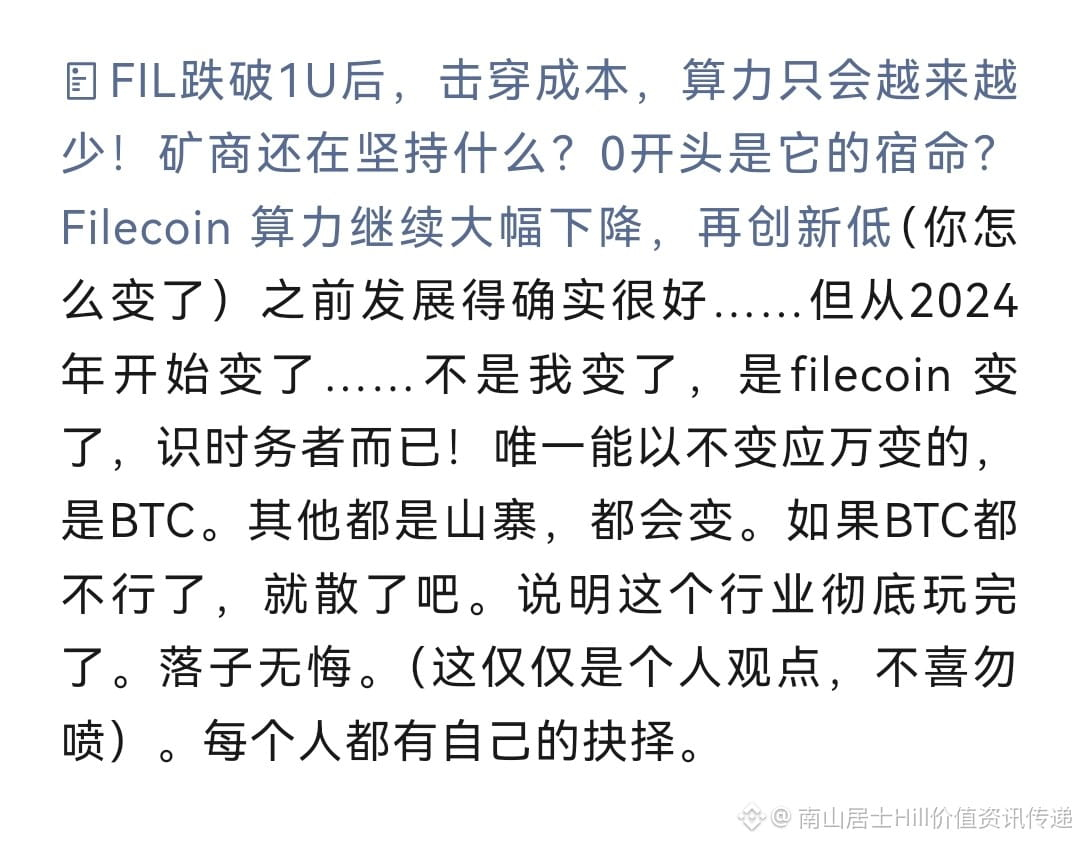
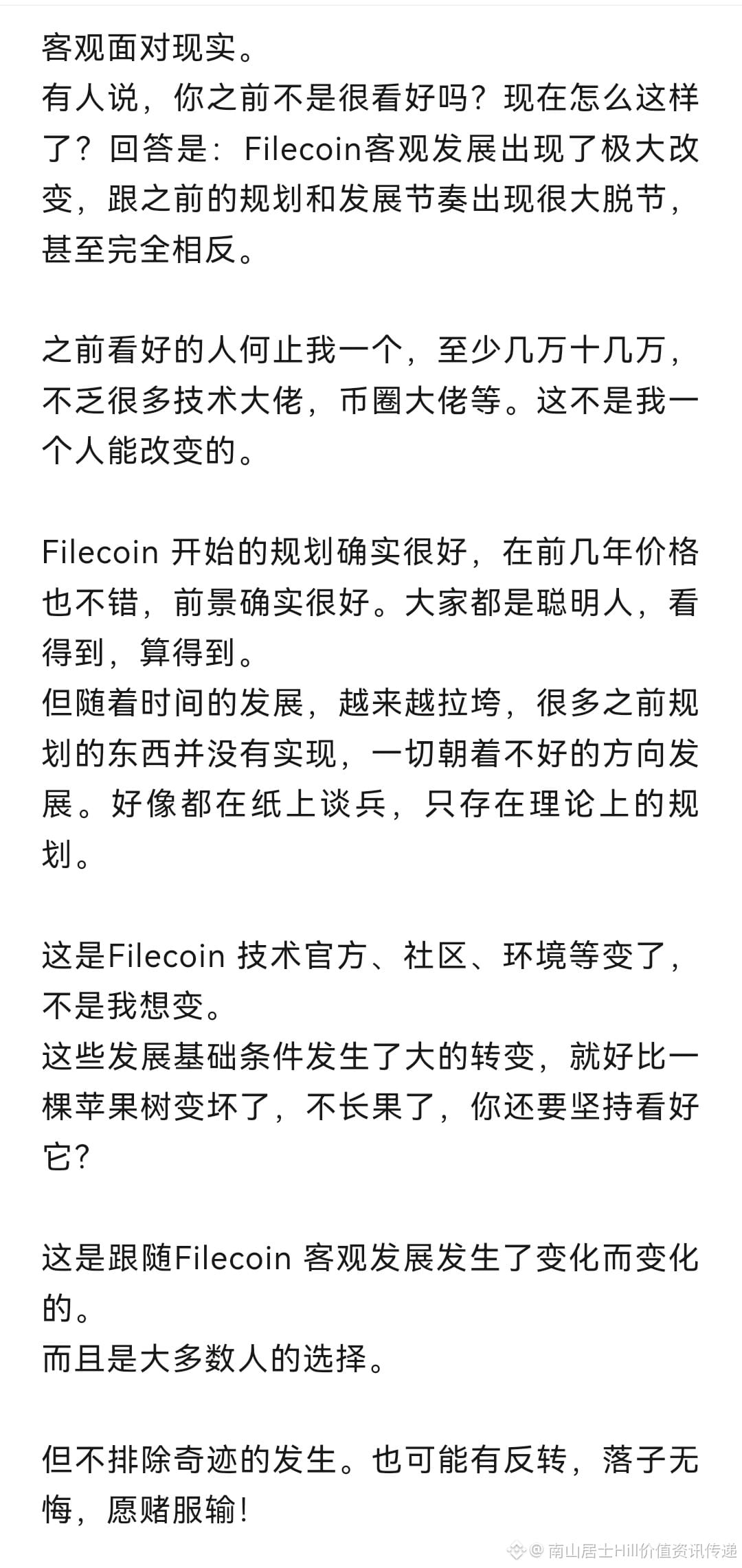
Does Filecoin have hope? The only standard for a future: computing power! How did you change?! #filecoin ipfs #ipfs #fil $FIL
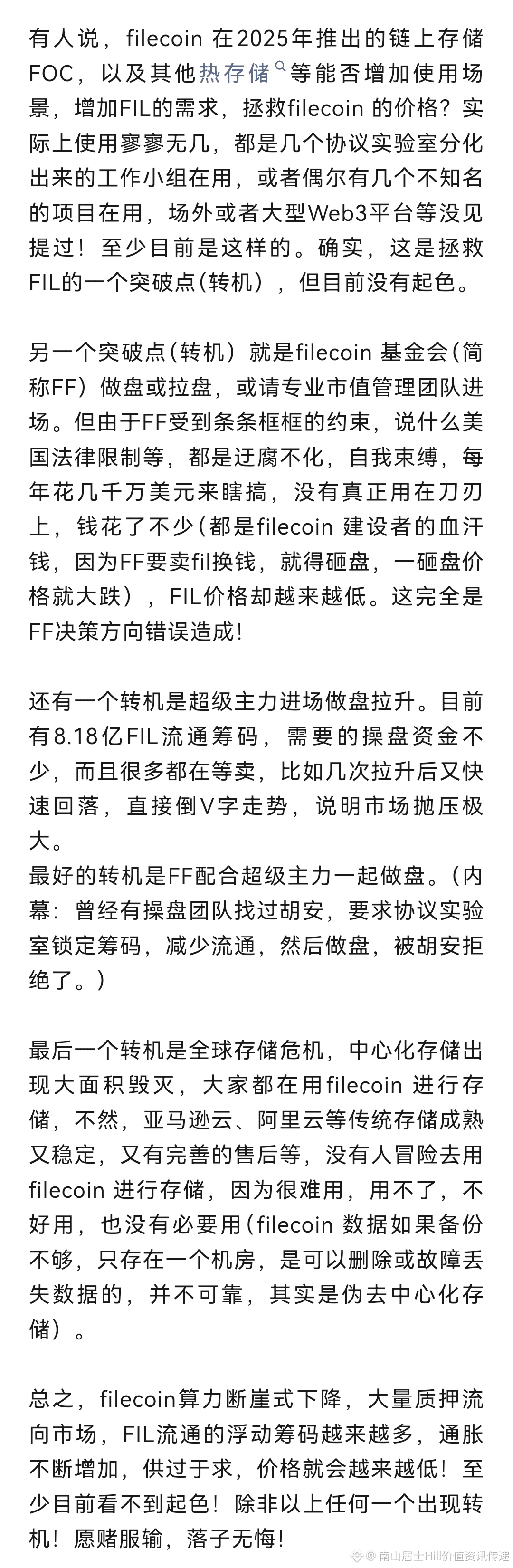
Only if computing power increases does it indicate storage has increased; only then could staking potentially increase, and only then could circulating supply potentially decrease! Only then could prices improve! (Or put prices up first; then computing power could increase, because currently new computing power additions are at a loss.) Otherwise… you know what I mean!
Everyone has their own reasons to keep going or to give up. Other people’s viewpoints are only one of the bases for your choice. In the end, place your bet without regret—win or lose and accept it. Time can change everything; no one is definitely right or wrong. If you extend the timeline….
Does Filecoin have hope? The only standard for a future: computing power! How did you change?! #filecoin ipfs #ipfs #fil $FIL
Only if computing power increases does it indicate storage has increased; only then could staking potentially increase, and only then could circulating supply potentially decrease! Only then could prices improve! (Or put prices up first; then computing power could increase, because currently new computing power additions are at a loss.) Otherwise… you know what I mean!
Everyone has their own reasons to keep going or to give up. Other people’s viewpoints are only one of the bases for your choice. In the end, place your bet without regret—win or lose and accept it. Time can change everything; no one is definitely right or wrong. If you extend the timeline….
Only if computing power increases does it indicate storage has increased; only then could staking potentially increase, and only then could circulating supply potentially decrease! Only then could prices improve! (Or put prices up first; then computing power could increase, because currently new computing power additions are at a loss.) Otherwise… you know what I mean!
Everyone has their own reasons to keep going or to give up. Other people’s viewpoints are only one of the bases for your choice. In the end, place your bet without regret—win or lose and accept it. Time can change everything; no one is definitely right or wrong. If you extend the timeline….
1.4k

·
--
Turkey's Presidential Communication Directorate has registered the ENS domain cbiletisim.eth, and published official materials to IPFS, referencing it through the ENS name.
The key takeaway here isn't just that the government is using a Web3 domain, but rather that the way public information is being published is gradually shifting from centralized web pages to a verifiable and traceable on-chain indexing structure. In the future, users will be able to directly verify the source and integrity of publications through on-chain records, reducing the risk of tampering and forgery.
For the crypto industry, this is another signal that foundational infrastructures like ENS and IPFS are entering the realm of public governance. The focus is: Will on-chain indexing of official information become a standard configuration for more institutions?
$ENS #ENS #Web3 #IPFS
Turkey's Presidential Communication Directorate has registered the ENS domain cbiletisim.eth, and published official materials to IPFS, referencing it through the ENS name.
The key takeaway here isn't just that the government is using a Web3 domain, but rather that the way public information is being published is gradually shifting from centralized web pages to a verifiable and traceable on-chain indexing structure. In the future, users will be able to directly verify the source and integrity of publications through on-chain records, reducing the risk of tampering and forgery.
For the crypto industry, this is another signal that foundational infrastructures like ENS and IPFS are entering the realm of public governance. The focus is: Will on-chain indexing of official information become a standard configuration for more institutions?
$ENS #ENS #Web3 #IPFS
The key takeaway here isn't just that the government is using a Web3 domain, but rather that the way public information is being published is gradually shifting from centralized web pages to a verifiable and traceable on-chain indexing structure. In the future, users will be able to directly verify the source and integrity of publications through on-chain records, reducing the risk of tampering and forgery.
For the crypto industry, this is another signal that foundational infrastructures like ENS and IPFS are entering the realm of public governance. The focus is: Will on-chain indexing of official information become a standard configuration for more institutions?
$ENS #ENS #Web3 #IPFS
23
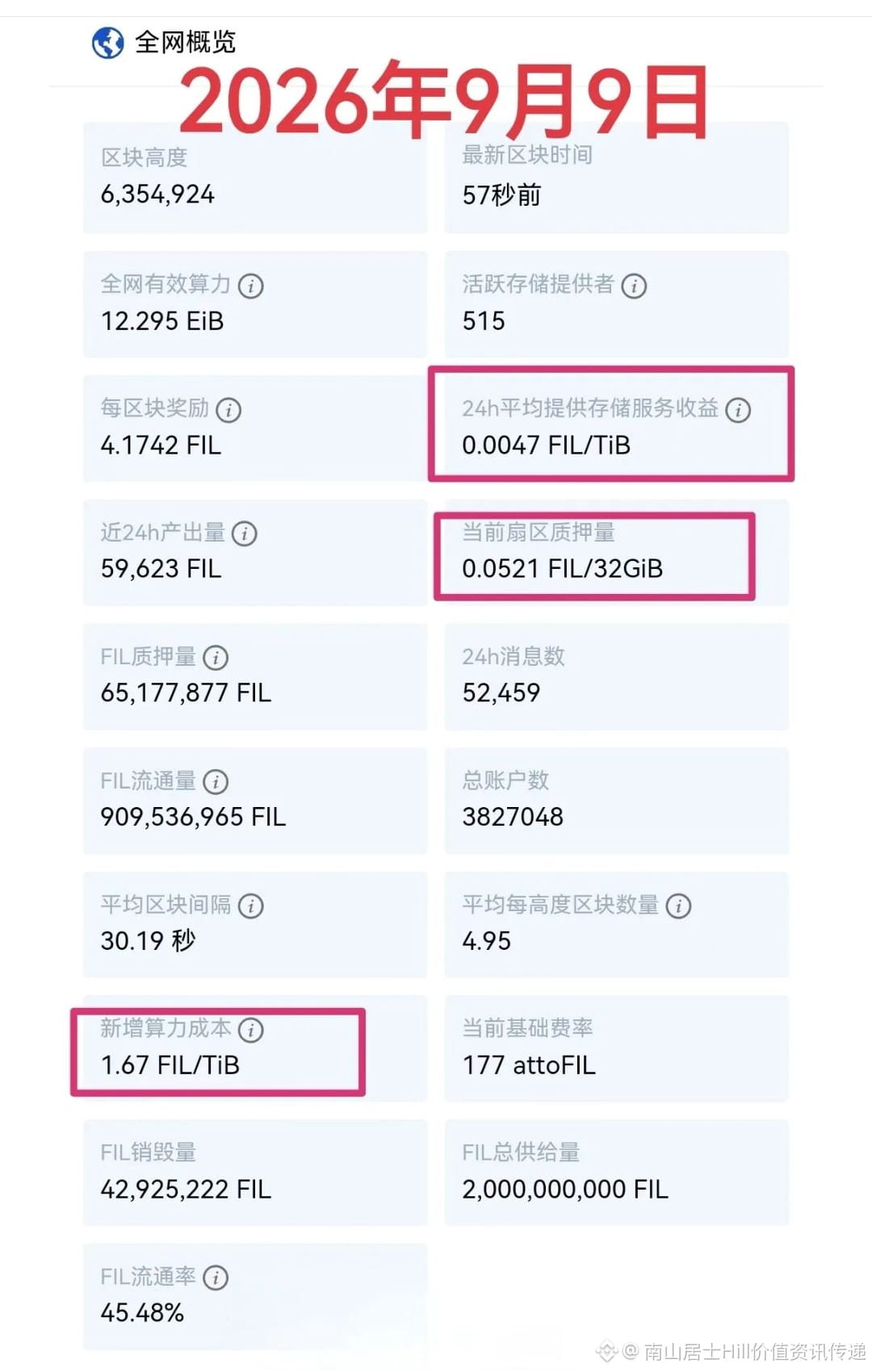
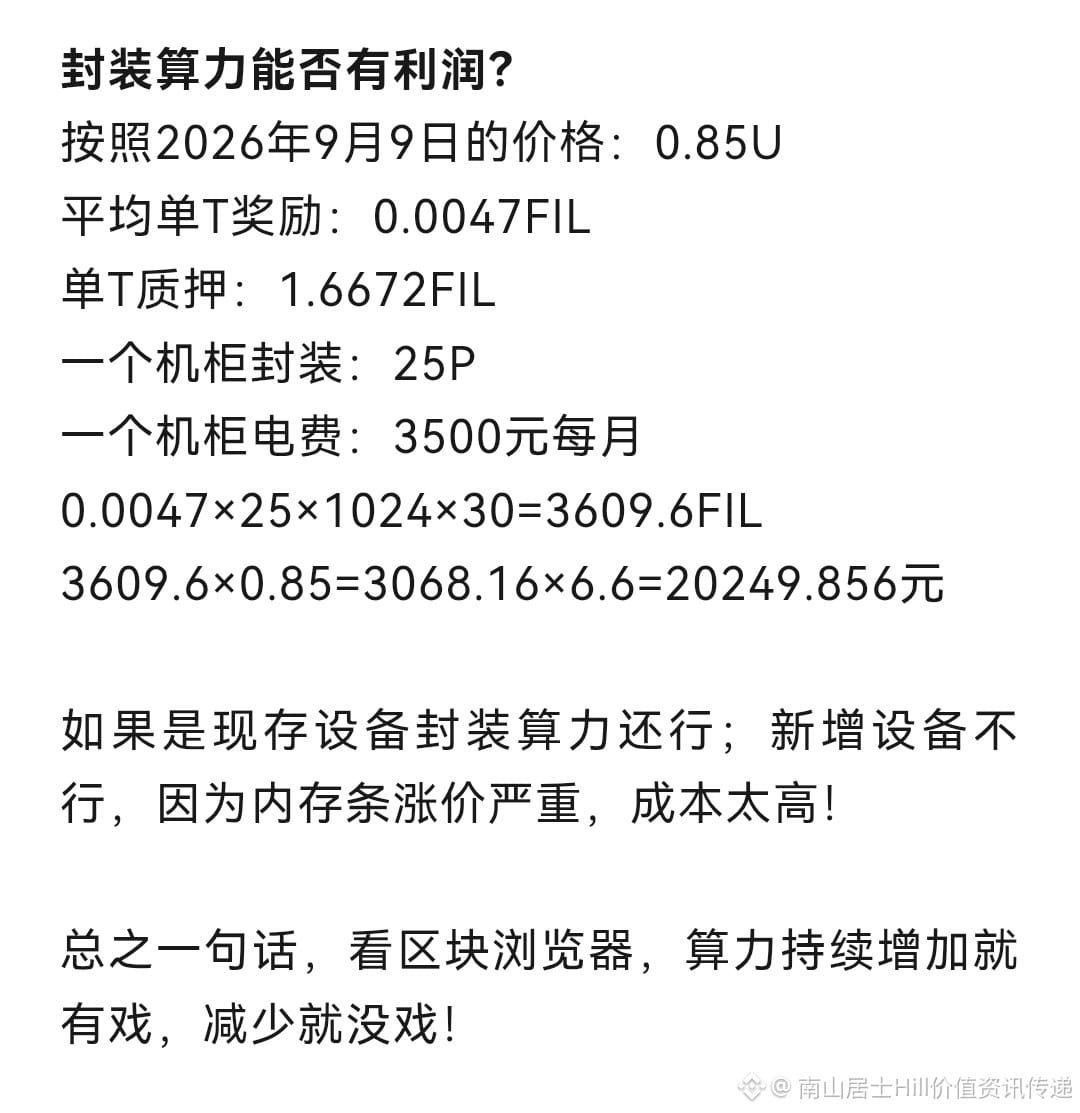
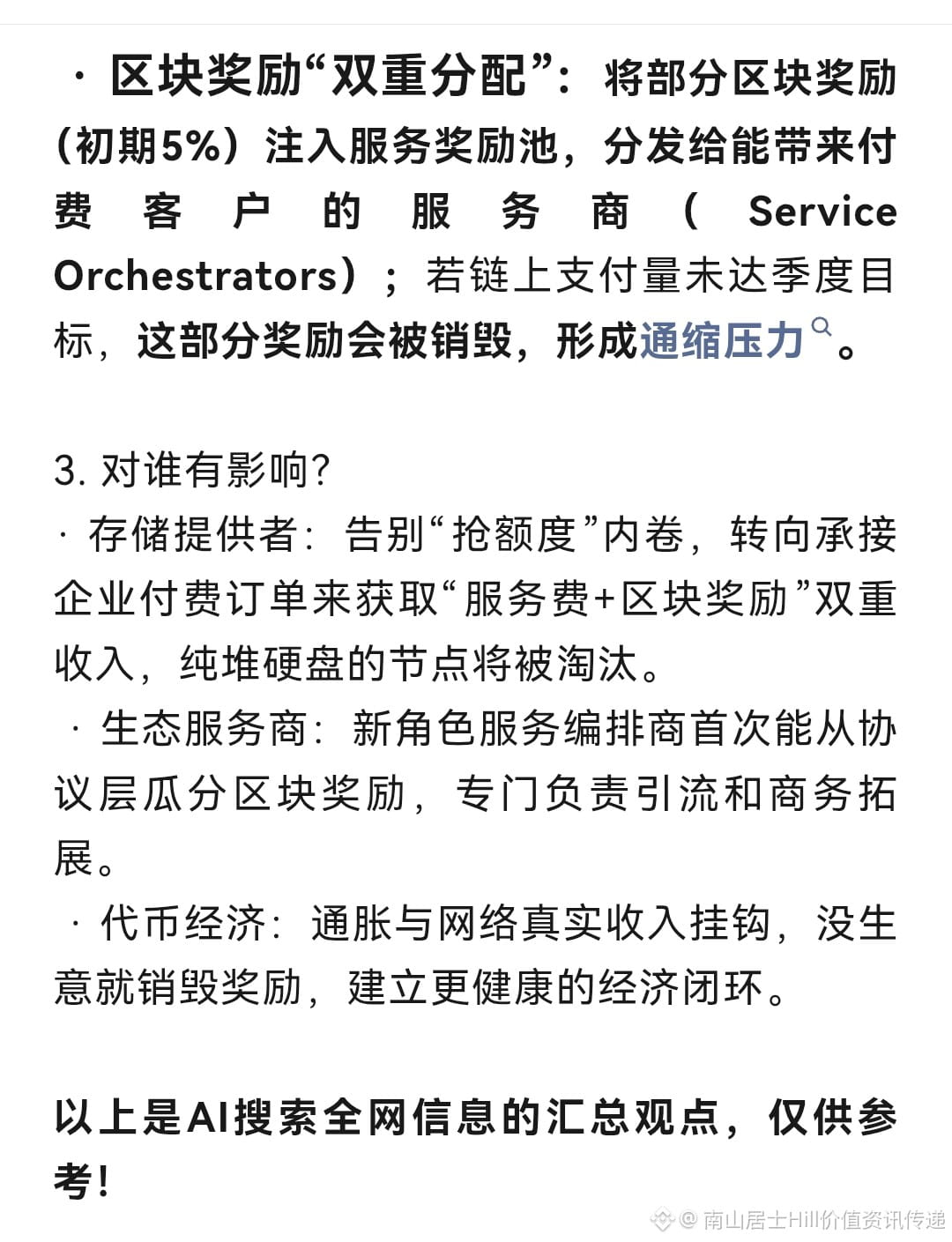
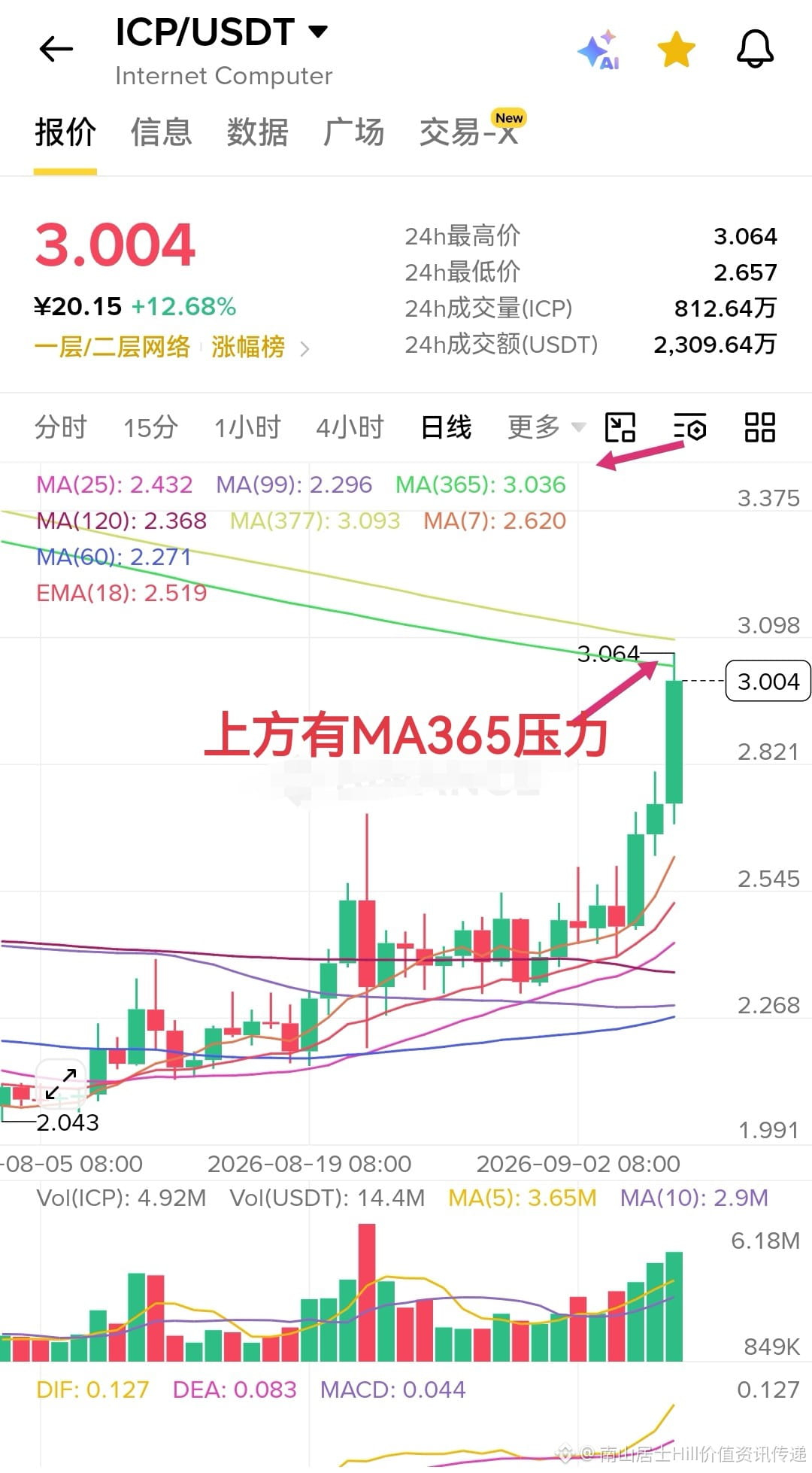
FIL breaks through MA120 pressure, ICP surges
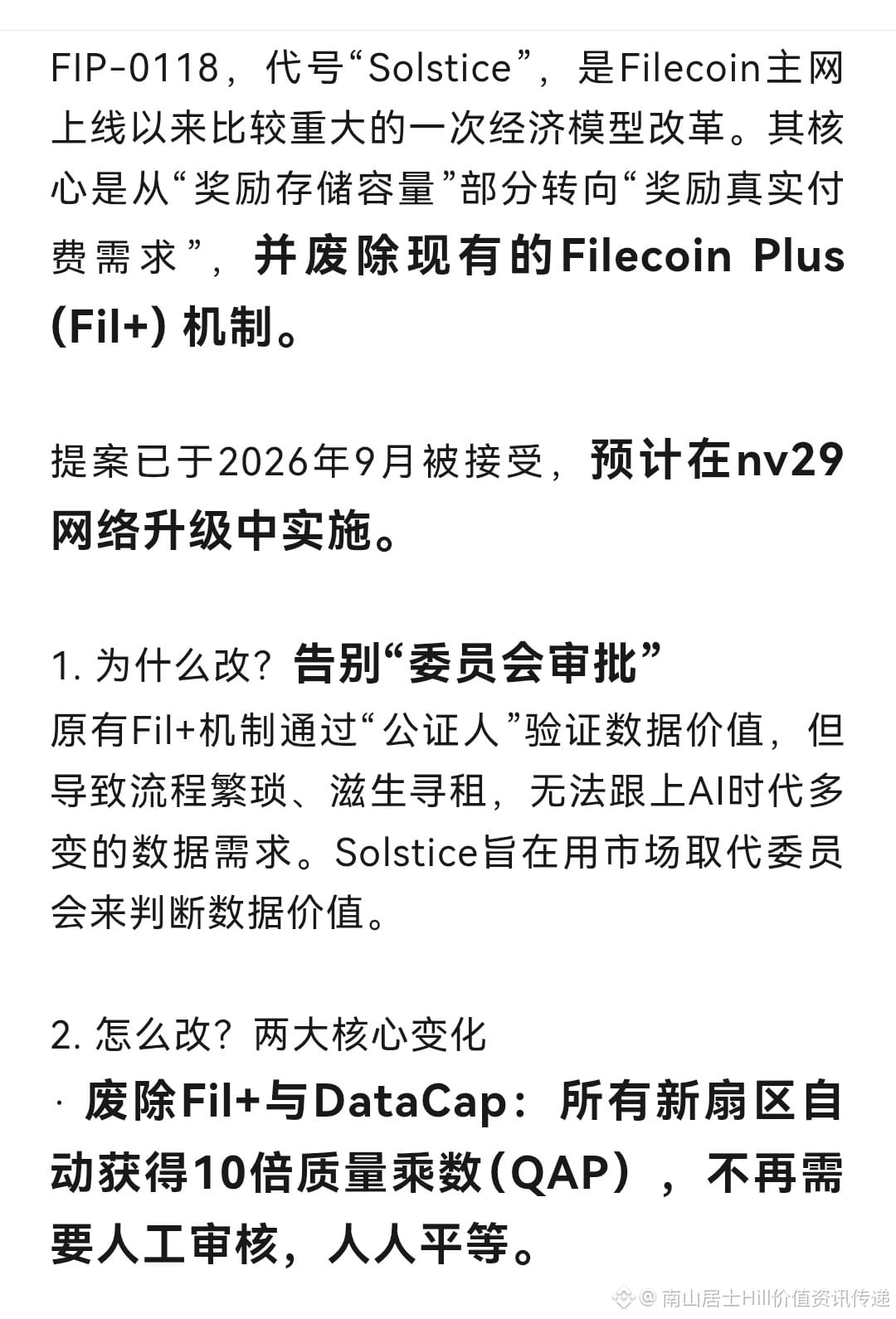
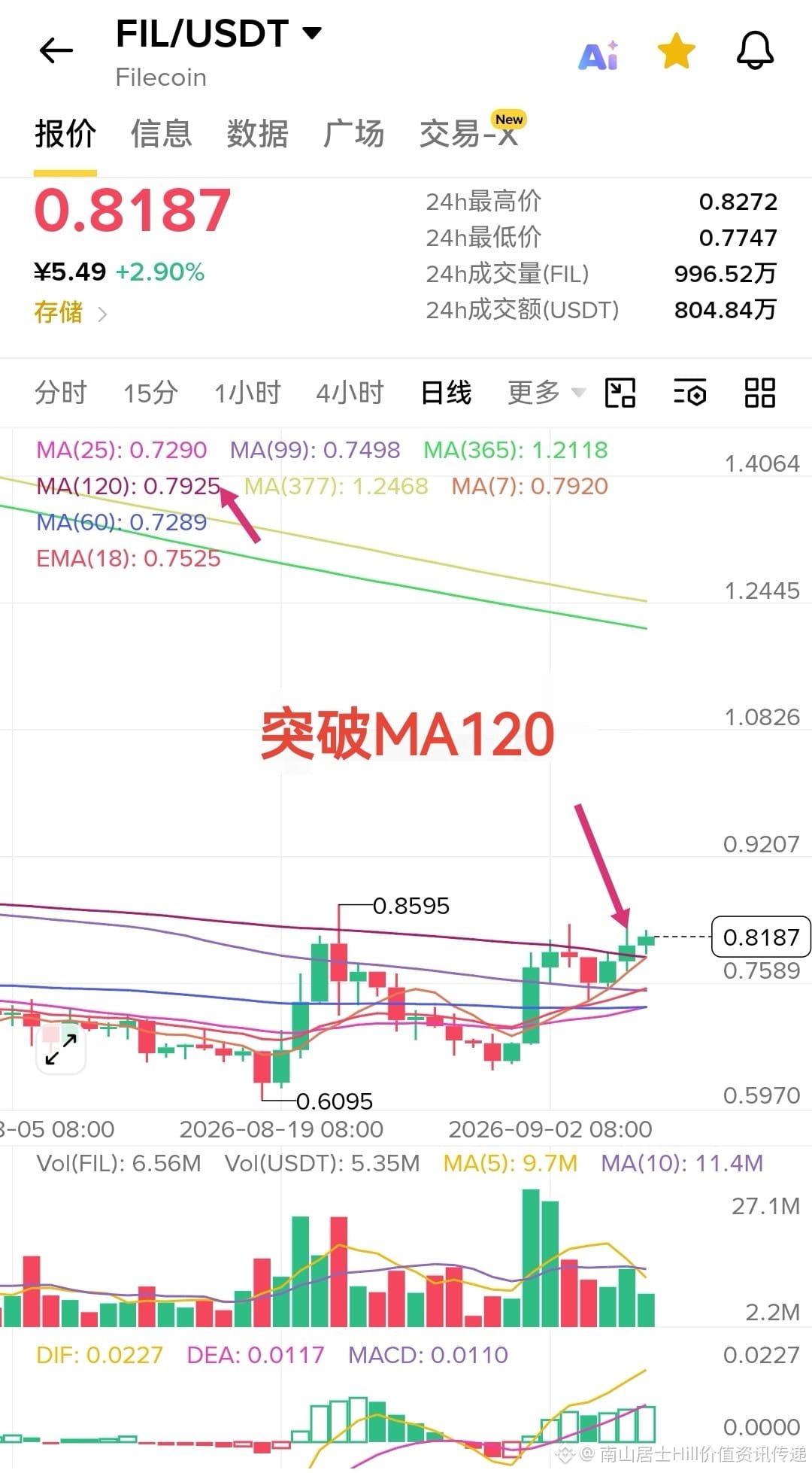
On September 6, FIL closed above the MA120 resistance—let’s see if it can keep bouncing! ICP surges to MA365 resistance (theoretically, the resistance level is where you take profit; if it breaks through, you buy back). Historically, this tends to pull FIL along. $ICP #ICP filecoin #Filecoin ipfs #ipfs #fil $FIL
FIL breaks through MA120 pressure, ICP surges
On September 6, FIL closed above the MA120 resistance—let’s see if it can keep bouncing! ICP surges to MA365 resistance (theoretically, the resistance level is where you take profit; if it breaks through, you buy back). Historically, this tends to pull FIL along. $ICP #ICP filecoin #Filecoin ipfs #ipfs #fil $FIL
On September 6, FIL closed above the MA120 resistance—let’s see if it can keep bouncing! ICP surges to MA365 resistance (theoretically, the resistance level is where you take profit; if it breaks through, you buy back). Historically, this tends to pull FIL along. $ICP #ICP filecoin #Filecoin ipfs #ipfs #fil $FIL
3
1
1.6k
“File One” so-called S3 compatibility has existed long ago and isn’t new at all—packaging it as “AI” is just riding the trend! The lack of any reaction in the secondary market prices says everything! #filecoin ipfs #ipfs fil #fil $FIL
1. The so-called “FIL ONE” that supposedly supports S3—this was already available much earlier and isn’t novel. It only adds AI services, and it’s purely just hopping on the hype.
If it could have taken off before, it would have already. There was basically no one using it to store data.
2. Considering the fluctuations in FIL’s price today: if it were good news, it should have surged. But it didn’t. This shows the market has no real reaction at all.
“File One” so-called S3 compatibility has existed long ago and isn’t new at all—packaging it as “AI” is just riding the trend! The lack of any reaction in the secondary market prices says everything! #filecoin ipfs #ipfs fil #fil $FIL
1. The so-called “FIL ONE” that supposedly supports S3—this was already available much earlier and isn’t novel. It only adds AI services, and it’s purely just hopping on the hype.
If it could have taken off before, it would have already. There was basically no one using it to store data.
2. Considering the fluctuations in FIL’s price today: if it were good news, it should have surged. But it didn’t. This shows the market has no real reaction at all.
1. The so-called “FIL ONE” that supposedly supports S3—this was already available much earlier and isn’t novel. It only adds AI services, and it’s purely just hopping on the hype.
If it could have taken off before, it would have already. There was basically no one using it to store data.
2. Considering the fluctuations in FIL’s price today: if it were good news, it should have surged. But it didn’t. This shows the market has no real reaction at all.

1
1.4k
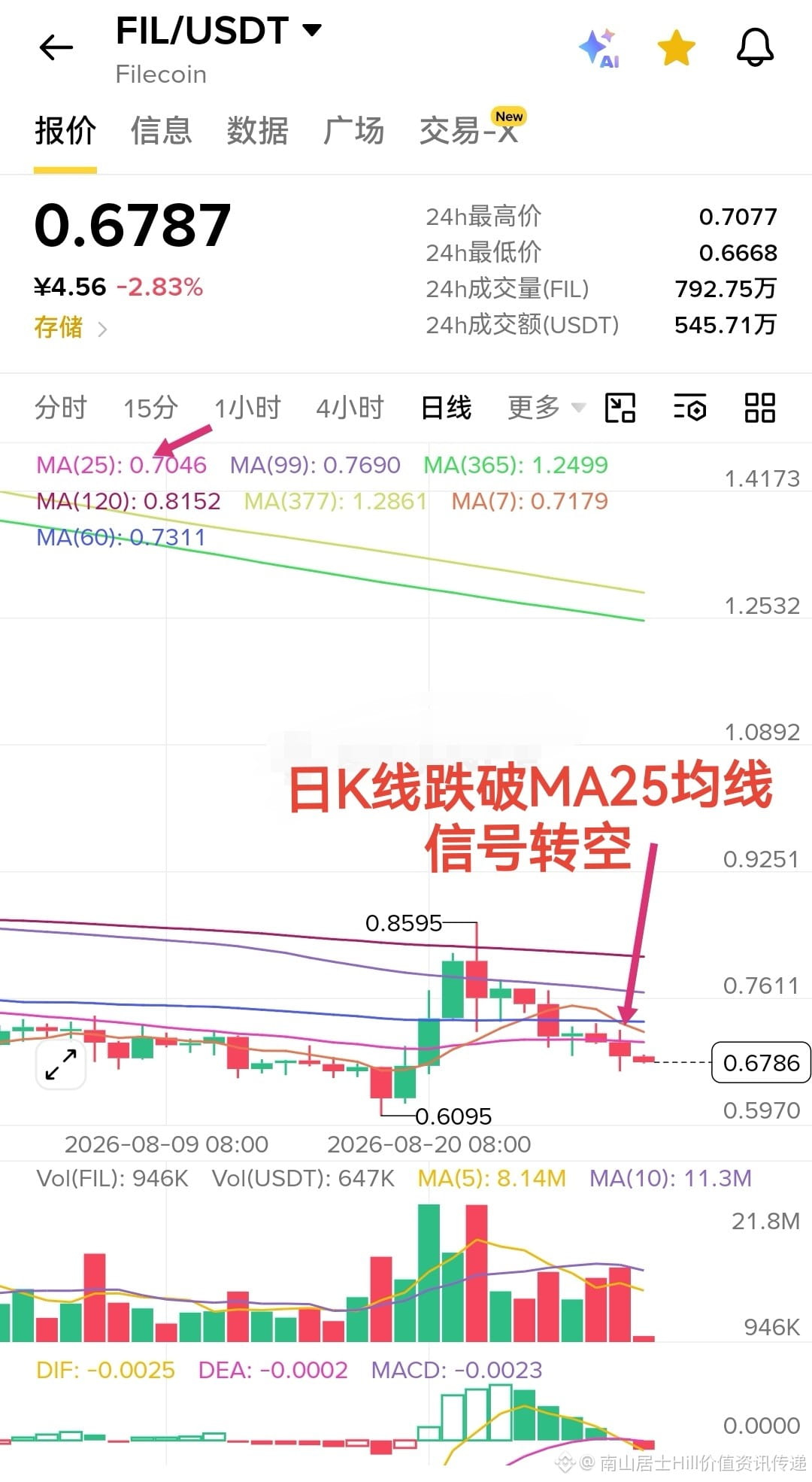
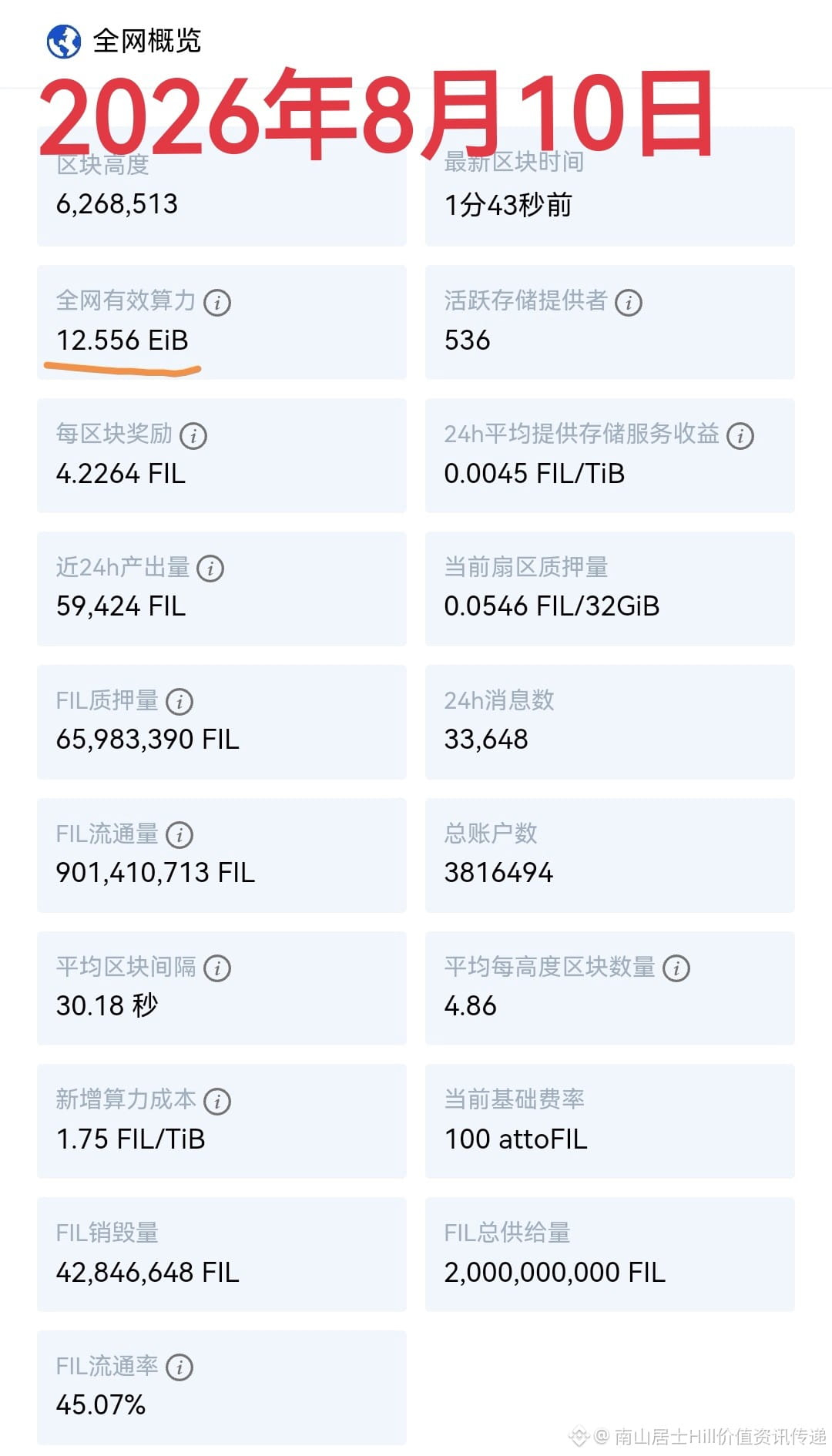
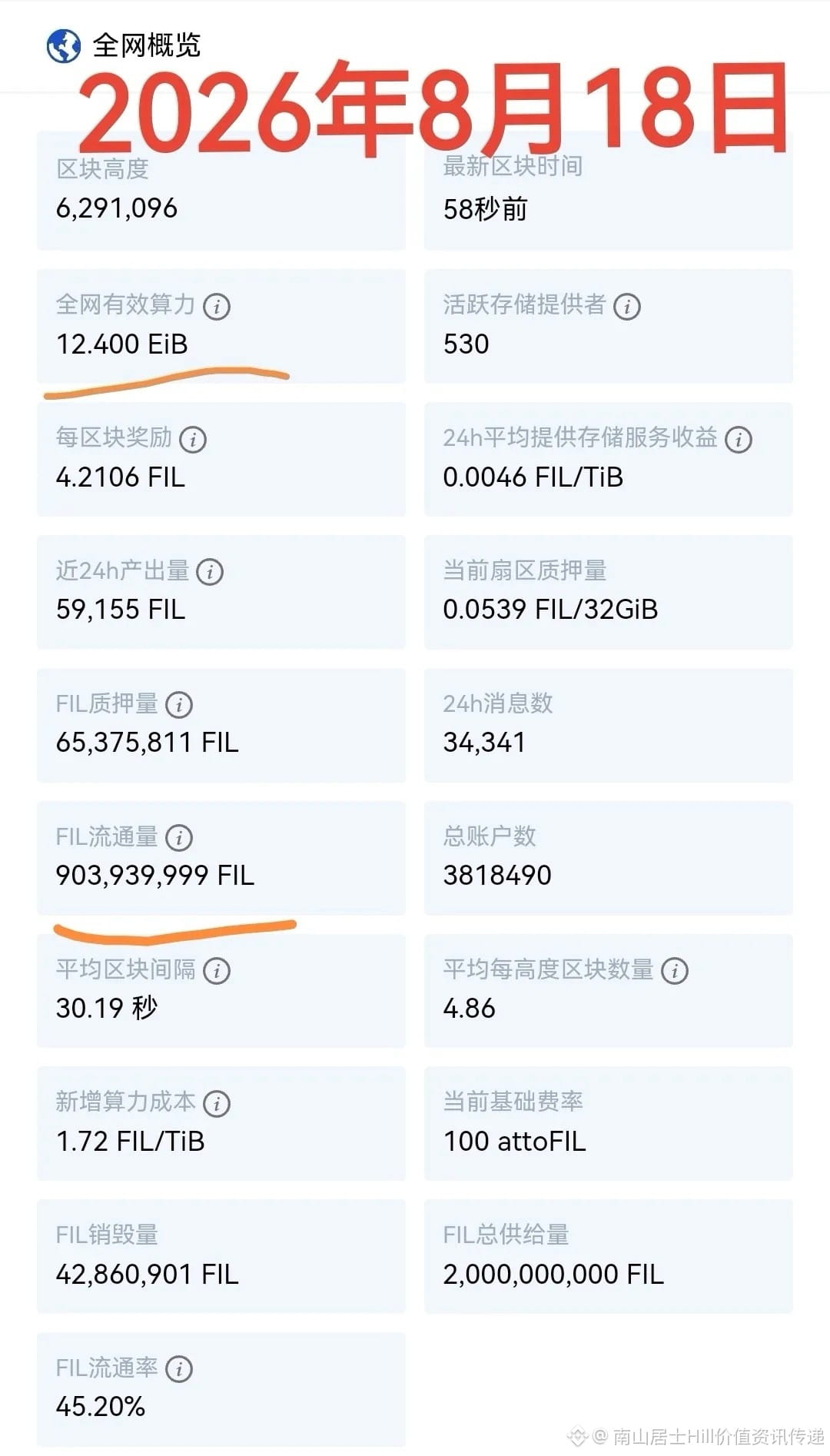
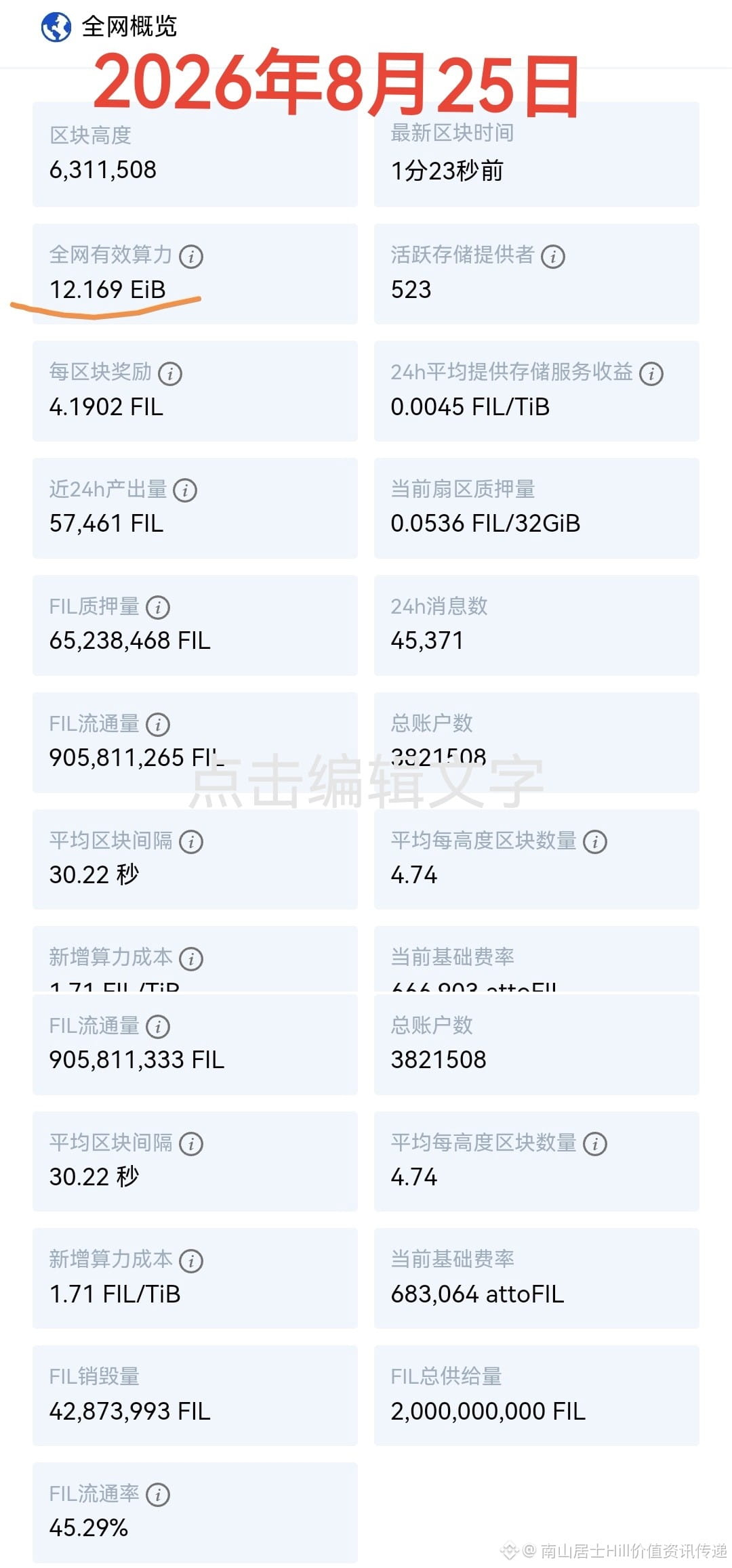
August 25, 2026 Filecoin total network computing power 12.169EiB; over 7 days it decreased by 0.231EiB (236.544PiB), an all-time low! The price rebounded along with the broader market but remains weaker! There is MA120 resistance overhead! If it breaks through, then watch for a move up by one more level! #filecoin ipfs #ipfs fil #fil $FIL
August 25, 2026 Filecoin total network computing power 12.169EiB; over 7 days it decreased by 0.231EiB (236.544PiB), an all-time low! The price rebounded along with the broader market but remains weaker! There is MA120 resistance overhead! If it breaks through, then watch for a move up by one more level! #filecoin ipfs #ipfs fil #fil $FIL
452

Article
FIL price hits a new low, compute innovation hits a new low! Is compute the only yardstick to measure whether there is hope?FIL price hits a new low, compute innovation hits a new low! Is compute the only yardstick to measure whether there is hope?!#Filecoin ipfs #ipfs fil #fil $FIL
Whether it’s cold storage or hot storage, whether it’s free storage—such as block rewards, subsidies, or DC verification data—or paid storage—such as the FOC ecosystem or any other paid products—if everything is stored or backed up on the Filecoin chain, it must be wrapped in compute power. This will all be reflected in the Filecoin mainnet compute power, and you can see the increases or decreases on a block explorer.
Therefore, the only core criterion for determining whether Filecoin has hope is the increase or decrease of compute power on the Filecoin mainnet!
FIL price hits a new low, compute innovation hits a new low! Is compute the only yardstick to measure whether there is hope?
FIL price hits a new low, compute innovation hits a new low! Is compute the only yardstick to measure whether there is hope?!#Filecoin ipfs #ipfs fil #fil $FIL
Whether it’s cold storage or hot storage, whether it’s free storage—such as block rewards, subsidies, or DC verification data—or paid storage—such as the FOC ecosystem or any other paid products—if everything is stored or backed up on the Filecoin chain, it must be wrapped in compute power. This will all be reflected in the Filecoin mainnet compute power, and you can see the increases or decreases on a block explorer.
Therefore, the only core criterion for determining whether Filecoin has hope is the increase or decrease of compute power on the Filecoin mainnet!
Whether it’s cold storage or hot storage, whether it’s free storage—such as block rewards, subsidies, or DC verification data—or paid storage—such as the FOC ecosystem or any other paid products—if everything is stored or backed up on the Filecoin chain, it must be wrapped in compute power. This will all be reflected in the Filecoin mainnet compute power, and you can see the increases or decreases on a block explorer.
Therefore, the only core criterion for determining whether Filecoin has hope is the increase or decrease of compute power on the Filecoin mainnet!
536
Log in to explore more content
Join global crypto users on Binance Square
⚡️ Get latest and useful information about crypto.
💬 Trusted by the world’s largest crypto exchange.
👍 Discover real insights from verified creators.
Email / Phone number
Trending Topics
1
#FedRateWatch
1.2M views
5,571 Discussing
2
#ZcashRises6%
6,898 views
170 Discussing
3
#XRPSinks10%
3,531 views
111 Discussing
4
#BitcoinETFsShed$450M
520 views
31 Discussing
5
#CircleOpensArcMainnet
2,432 views
70 Discussing
6
#ZcashHoldersBackNU7Upgrade
11,183 views
237 Discussing
7
#MSTRTradingVolumeSurpassesMorganStanley
13,926 views
428 Discussing
8
#BitcoinFalls4%
30,633 views
706 Discussing
9
#SKHynixInTalksToMakeMemoryChipsInUS
14,445 views
295 Discussing
10
#OpenAIDiscussesNewFundingAt$1.2TValuation
3,298 views
49 Discussing