
#bitcoinreclaims
bitcoinreclaims
2,593 views
94 Discussing
Hot
Latest

·
--
📰 Oil Crisis Pushes BTC Back to 81K? Why This Bond Selloff Turned Around Matters So Much for Crypto?
On Friday at the U.S. stock market open, the price of Bitcoin suddenly surged, briefly breaking through $81,000. This happened at the same time as U.S. 30-year Treasury yields rebounded, with the trigger for the yield rise being renewed volatility in global oil prices. Bitcoin investors partly attributed the move to a return of safe-haven capital to traditional markets.
Why is this news important?
U.S. Treasury yields are seen as a global benchmark for asset pricing—especially long-term 30-year Treasuries, which reflect the market’s long-term expectations for inflation and monetary policy. While this yield rebound was triggered by the oil crisis, what matters more is that it suggests the Fed’s rate-hiking cycle may be nearing its end. That’s because persistently high oil prices force the Fed to reconsider its tightening plans. As “digital gold,” Bitcoin is highly sensitive to the Fed’s policy direction, so changes in Treasury yields often become a gauge of market sentiment.
For BTC, this means the market is reassessing how to allocate risk assets. Money may shift between traditional safe-haven assets and crypto safe-haven assets. If inflation expectations continue to run out of control, in theory, both gold and Bitcoin could rise together. The key difference is that gold has physical reserves, whereas Bitcoin’s “safe-haven” characteristics are largely the result of market consensus.
Market impact
In the short term, Bitcoin’s rise may be more of a spillover effect—money flowing back into traditional safe-haven assets such as bonds. But if the Fed truly slows its rate hikes due to oil prices, this positive signal could spread from the bond market to a wider range of asset classes, including cryptocurrencies. Historically, when the Fed shifts toward easier monetary policy, Bitcoin’s rallies often last for several weeks.
Over the long term, this event could reshape investors’ understanding of crypto: no longer purely a speculative product, but to a certain extent possessing “macroeconomic asset” characteristics. This depends on how long the oil crisis lasts. If high oil prices become the norm, the continued presence of inflation expectations would support risk assets, including Bitcoin.
Trading/investment approach
I believe this Bitcoin rally has a solid foundation. If the Fed truly starts moving toward easing, Bitcoin could stabilize above $82,000. But that view depends on oil prices not continuing to surge out of control. If OPEC+ cuts production again (the market currently expects a cut in November), inflation expectations could be further suppressed, and Bitcoin’s upside would be limited by the strength of traditional safe-haven assets.
$BTC $ETH #BTC #ETH
This article has no project sponsor, and the author does not hold any of the assets mentioned in the text.
⚠️ This does not constitute investment advice; predictions are for reference only
#Bitcoinreclaims$80,000
📰 Oil Crisis Pushes BTC Back to 81K? Why This Bond Selloff Turned Around Matters So Much for Crypto?
On Friday at the U.S. stock market open, the price of Bitcoin suddenly surged, briefly breaking through $81,000. This happened at the same time as U.S. 30-year Treasury yields rebounded, with the trigger for the yield rise being renewed volatility in global oil prices. Bitcoin investors partly attributed the move to a return of safe-haven capital to traditional markets.
Why is this news important?
U.S. Treasury yields are seen as a global benchmark for asset pricing—especially long-term 30-year Treasuries, which reflect the market’s long-term expectations for inflation and monetary policy. While this yield rebound was triggered by the oil crisis, what matters more is that it suggests the Fed’s rate-hiking cycle may be nearing its end. That’s because persistently high oil prices force the Fed to reconsider its tightening plans. As “digital gold,” Bitcoin is highly sensitive to the Fed’s policy direction, so changes in Treasury yields often become a gauge of market sentiment.
For BTC, this means the market is reassessing how to allocate risk assets. Money may shift between traditional safe-haven assets and crypto safe-haven assets. If inflation expectations continue to run out of control, in theory, both gold and Bitcoin could rise together. The key difference is that gold has physical reserves, whereas Bitcoin’s “safe-haven” characteristics are largely the result of market consensus.
Market impact
In the short term, Bitcoin’s rise may be more of a spillover effect—money flowing back into traditional safe-haven assets such as bonds. But if the Fed truly slows its rate hikes due to oil prices, this positive signal could spread from the bond market to a wider range of asset classes, including cryptocurrencies. Historically, when the Fed shifts toward easier monetary policy, Bitcoin’s rallies often last for several weeks.
Over the long term, this event could reshape investors’ understanding of crypto: no longer purely a speculative product, but to a certain extent possessing “macroeconomic asset” characteristics. This depends on how long the oil crisis lasts. If high oil prices become the norm, the continued presence of inflation expectations would support risk assets, including Bitcoin.
Trading/investment approach
I believe this Bitcoin rally has a solid foundation. If the Fed truly starts moving toward easing, Bitcoin could stabilize above $82,000. But that view depends on oil prices not continuing to surge out of control. If OPEC+ cuts production again (the market currently expects a cut in November), inflation expectations could be further suppressed, and Bitcoin’s upside would be limited by the strength of traditional safe-haven assets.
$BTC $ETH #BTC #ETH
This article has no project sponsor, and the author does not hold any of the assets mentioned in the text.
⚠️ This does not constitute investment advice; predictions are for reference only
#Bitcoinreclaims$80,000
On Friday at the U.S. stock market open, the price of Bitcoin suddenly surged, briefly breaking through $81,000. This happened at the same time as U.S. 30-year Treasury yields rebounded, with the trigger for the yield rise being renewed volatility in global oil prices. Bitcoin investors partly attributed the move to a return of safe-haven capital to traditional markets.
Why is this news important?
U.S. Treasury yields are seen as a global benchmark for asset pricing—especially long-term 30-year Treasuries, which reflect the market’s long-term expectations for inflation and monetary policy. While this yield rebound was triggered by the oil crisis, what matters more is that it suggests the Fed’s rate-hiking cycle may be nearing its end. That’s because persistently high oil prices force the Fed to reconsider its tightening plans. As “digital gold,” Bitcoin is highly sensitive to the Fed’s policy direction, so changes in Treasury yields often become a gauge of market sentiment.
For BTC, this means the market is reassessing how to allocate risk assets. Money may shift between traditional safe-haven assets and crypto safe-haven assets. If inflation expectations continue to run out of control, in theory, both gold and Bitcoin could rise together. The key difference is that gold has physical reserves, whereas Bitcoin’s “safe-haven” characteristics are largely the result of market consensus.
Market impact
In the short term, Bitcoin’s rise may be more of a spillover effect—money flowing back into traditional safe-haven assets such as bonds. But if the Fed truly slows its rate hikes due to oil prices, this positive signal could spread from the bond market to a wider range of asset classes, including cryptocurrencies. Historically, when the Fed shifts toward easier monetary policy, Bitcoin’s rallies often last for several weeks.
Over the long term, this event could reshape investors’ understanding of crypto: no longer purely a speculative product, but to a certain extent possessing “macroeconomic asset” characteristics. This depends on how long the oil crisis lasts. If high oil prices become the norm, the continued presence of inflation expectations would support risk assets, including Bitcoin.
Trading/investment approach
I believe this Bitcoin rally has a solid foundation. If the Fed truly starts moving toward easing, Bitcoin could stabilize above $82,000. But that view depends on oil prices not continuing to surge out of control. If OPEC+ cuts production again (the market currently expects a cut in November), inflation expectations could be further suppressed, and Bitcoin’s upside would be limited by the strength of traditional safe-haven assets.
$BTC $ETH #BTC #ETH
This article has no project sponsor, and the author does not hold any of the assets mentioned in the text.
⚠️ This does not constitute investment advice; predictions are for reference only
#Bitcoinreclaims$80,000

388

·
--
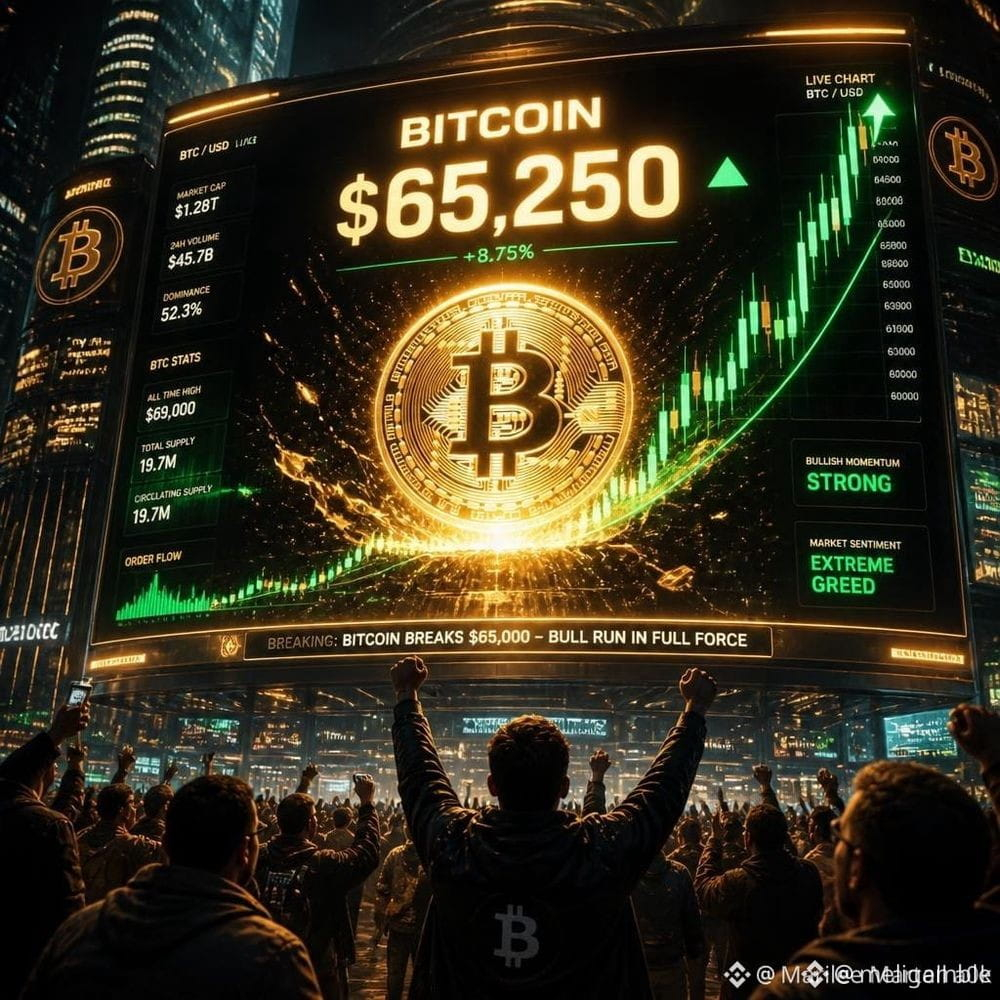
Three tests determine whether Bitcoin's $65K reclaim has follow-through$BTC reclaimed $65,000, but the useful question is whether the level becomes support. My Asia-session checklist:
1. Acceptance - repeated closes above $65,000 matter more than a brief wick.
2. Participation - $ETH at $1,914.66 and $SOL at $78.09 are gaining 2.223% and 1.905%, both ahead of BTC's 1.499%. Broad participation strengthens the move.
3. Leverage - BTC funding is only 0.004446%, so the reclaim is not paired with obviously aggressive long positioning.
My rule: acceptance plus breadth beats a headline alone.
#BitcoinReclaims$65K #KOSPINasdaqCorrelationNearsTwoYearHigh #MediatorsPropose10DayIranUSCeasefire
Three tests determine whether Bitcoin's $65K reclaim has follow-through
$BTC reclaimed $65,000, but the useful question is whether the level becomes support. My Asia-session checklist:
1. Acceptance - repeated closes above $65,000 matter more than a brief wick.
2. Participation - $ETH at $1,914.66 and $SOL at $78.09 are gaining 2.223% and 1.905%, both ahead of BTC's 1.499%. Broad participation strengthens the move.
3. Leverage - BTC funding is only 0.004446%, so the reclaim is not paired with obviously aggressive long positioning.
My rule: acceptance plus breadth beats a headline alone.
#BitcoinReclaims$65K #KOSPINasdaqCorrelationNearsTwoYearHigh #MediatorsPropose10DayIranUSCeasefire
1. Acceptance - repeated closes above $65,000 matter more than a brief wick.
2. Participation - $ETH at $1,914.66 and $SOL at $78.09 are gaining 2.223% and 1.905%, both ahead of BTC's 1.499%. Broad participation strengthens the move.
3. Leverage - BTC funding is only 0.004446%, so the reclaim is not paired with obviously aggressive long positioning.
My rule: acceptance plus breadth beats a headline alone.
#BitcoinReclaims$65K #KOSPINasdaqCorrelationNearsTwoYearHigh #MediatorsPropose10DayIranUSCeasefire
92

·
--
If you're still chasing every $BTC reclaim candle like it owes you rent, stop now.
The fastest way to turn a clean breakout into emotional damage is buying the headline after the move and pretending it was “conviction.” Traders get wrecked not because Bitcoin reclaims levels, but because they forget to ask who is still left to buy.
This $BTC reclaim feels very different from the euphoric runs where everyone was screaming victory before the weekly close. Fear & Greed sitting around Neutral tells you the market is not exactly drunk on hopium yet, which is probably healthier than the usual top-signal circus.
The comparison I’m watching is the ETF-driven grind earlier this year versus the classic 2021 fakeout pumps. If inflows keep supporting spot demand, this can become a slow squeeze higher. If not, $ETH and even stablecoin parking in $USDT will tell us traders are still treating this as a rental, not a new home.
So is this Bitcoin reclaim the start of another sustained leg up, or just the market baiting late longs before the next reset? #BitcoinReclaims #BitcoinETFsPostLongestInflowStreakSinceMay #FedSeenHoldingRatesJuly29
If you're still chasing every $BTC reclaim candle like it owes you rent, stop now.
The fastest way to turn a clean breakout into emotional damage is buying the headline after the move and pretending it was “conviction.” Traders get wrecked not because Bitcoin reclaims levels, but because they forget to ask who is still left to buy.
This $BTC reclaim feels very different from the euphoric runs where everyone was screaming victory before the weekly close. Fear & Greed sitting around Neutral tells you the market is not exactly drunk on hopium yet, which is probably healthier than the usual top-signal circus.
The comparison I’m watching is the ETF-driven grind earlier this year versus the classic 2021 fakeout pumps. If inflows keep supporting spot demand, this can become a slow squeeze higher. If not, $ETH and even stablecoin parking in $USDT will tell us traders are still treating this as a rental, not a new home.
So is this Bitcoin reclaim the start of another sustained leg up, or just the market baiting late longs before the next reset? #BitcoinReclaims #BitcoinETFsPostLongestInflowStreakSinceMay #FedSeenHoldingRatesJuly29
The fastest way to turn a clean breakout into emotional damage is buying the headline after the move and pretending it was “conviction.” Traders get wrecked not because Bitcoin reclaims levels, but because they forget to ask who is still left to buy.
This $BTC reclaim feels very different from the euphoric runs where everyone was screaming victory before the weekly close. Fear & Greed sitting around Neutral tells you the market is not exactly drunk on hopium yet, which is probably healthier than the usual top-signal circus.
The comparison I’m watching is the ETF-driven grind earlier this year versus the classic 2021 fakeout pumps. If inflows keep supporting spot demand, this can become a slow squeeze higher. If not, $ETH and even stablecoin parking in $USDT will tell us traders are still treating this as a rental, not a new home.
So is this Bitcoin reclaim the start of another sustained leg up, or just the market baiting late longs before the next reset? #BitcoinReclaims #BitcoinETFsPostLongestInflowStreakSinceMay #FedSeenHoldingRatesJuly29
10
·
--
$BTC Day 24 grade: hit - the lowest completed 1H close was $66,207.95, so yesterday's call for no hourly close below $65,000 held.
The lesson: once reclaimed resistance survives a full session, the burden shifts from buyers proving the breakout to sellers proving rejection. BTC is now $66,356.13 after reaching $66,956.15.
#BitcoinHits$66500OneMonthHigh #BitcoinReclaims$65K #BitcoinETFsPostLongestInflowStreakSinceMay
Today's call: BTC records at least one completed 1H close above $67,000 before tomorrow's morning grade.
$BTC Day 24 grade: hit - the lowest completed 1H close was $66,207.95, so yesterday's call for no hourly close below $65,000 held.
The lesson: once reclaimed resistance survives a full session, the burden shifts from buyers proving the breakout to sellers proving rejection. BTC is now $66,356.13 after reaching $66,956.15.
#BitcoinHits$66500OneMonthHigh #BitcoinReclaims$65K #BitcoinETFsPostLongestInflowStreakSinceMay
Today's call: BTC records at least one completed 1H close above $67,000 before tomorrow's morning grade.
The lesson: once reclaimed resistance survives a full session, the burden shifts from buyers proving the breakout to sellers proving rejection. BTC is now $66,356.13 after reaching $66,956.15.
#BitcoinHits$66500OneMonthHigh #BitcoinReclaims$65K #BitcoinETFsPostLongestInflowStreakSinceMay
Today's call: BTC records at least one completed 1H close above $67,000 before tomorrow's morning grade.
1
79

·
--
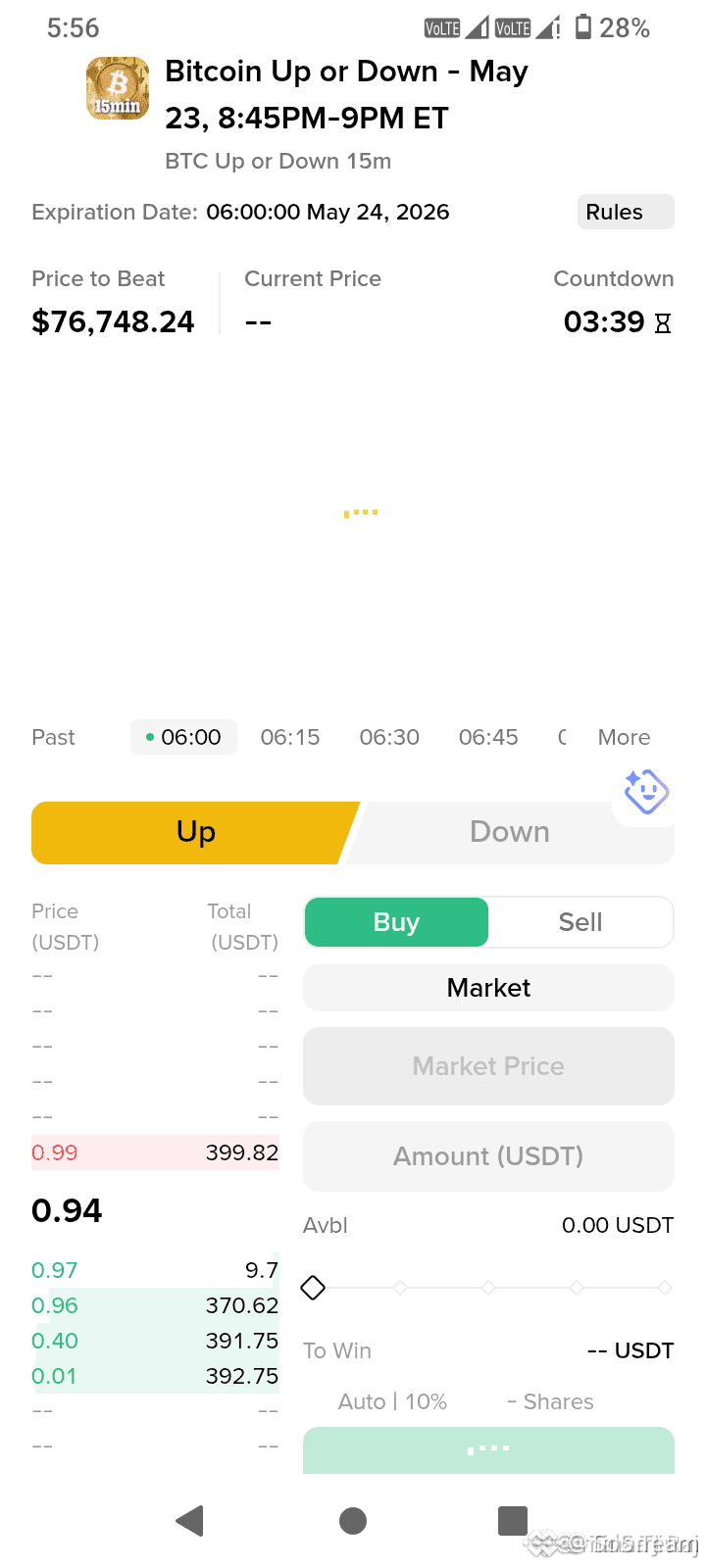
Have you noticed how every time $BTC “reclaims” a key level, people suddenly act like the hard part is over?
That’s exactly where traders get trapped. They buy the headline, ignore the retest, then panic when the market does what markets always do: shake out late entries.
My hot take: a reclaim is not a buy signal by itself. It’s only useful if price holds above the level, volume confirms, and $USDT pairs don’t show obvious rotation into safer positions. With Fear & Greed still around neutral, this doesn’t look like blind euphoria yet, which means patience may beat chasing.
Here’s the cleaner play: mark the reclaimed level, wait for a pullback, watch whether buyers defend it, then decide. If $ETH starts lagging badly while $BTC runs, be careful with alt exposure. If both move together and liquidity expands, that’s a stronger risk-on signal.
The mainstream narrative says “Bitcoin is back.” I’d rather say Bitcoin is testing whether buyers are serious. Where do you think this goes from here? #BitcoinReclaims #BitcoinETFsPostLongestInflowStreakSinceMay #FedSeenHoldingRatesJuly29
Have you noticed how every time $BTC “reclaims” a key level, people suddenly act like the hard part is over?
That’s exactly where traders get trapped. They buy the headline, ignore the retest, then panic when the market does what markets always do: shake out late entries.
My hot take: a reclaim is not a buy signal by itself. It’s only useful if price holds above the level, volume confirms, and $USDT pairs don’t show obvious rotation into safer positions. With Fear & Greed still around neutral, this doesn’t look like blind euphoria yet, which means patience may beat chasing.
Here’s the cleaner play: mark the reclaimed level, wait for a pullback, watch whether buyers defend it, then decide. If $ETH starts lagging badly while $BTC runs, be careful with alt exposure. If both move together and liquidity expands, that’s a stronger risk-on signal.
The mainstream narrative says “Bitcoin is back.” I’d rather say Bitcoin is testing whether buyers are serious. Where do you think this goes from here? #BitcoinReclaims #BitcoinETFsPostLongestInflowStreakSinceMay #FedSeenHoldingRatesJuly29
That’s exactly where traders get trapped. They buy the headline, ignore the retest, then panic when the market does what markets always do: shake out late entries.
My hot take: a reclaim is not a buy signal by itself. It’s only useful if price holds above the level, volume confirms, and $USDT pairs don’t show obvious rotation into safer positions. With Fear & Greed still around neutral, this doesn’t look like blind euphoria yet, which means patience may beat chasing.
Here’s the cleaner play: mark the reclaimed level, wait for a pullback, watch whether buyers defend it, then decide. If $ETH starts lagging badly while $BTC runs, be careful with alt exposure. If both move together and liquidity expands, that’s a stronger risk-on signal.
The mainstream narrative says “Bitcoin is back.” I’d rather say Bitcoin is testing whether buyers are serious. Where do you think this goes from here? #BitcoinReclaims #BitcoinETFsPostLongestInflowStreakSinceMay #FedSeenHoldingRatesJuly29
9

·
--
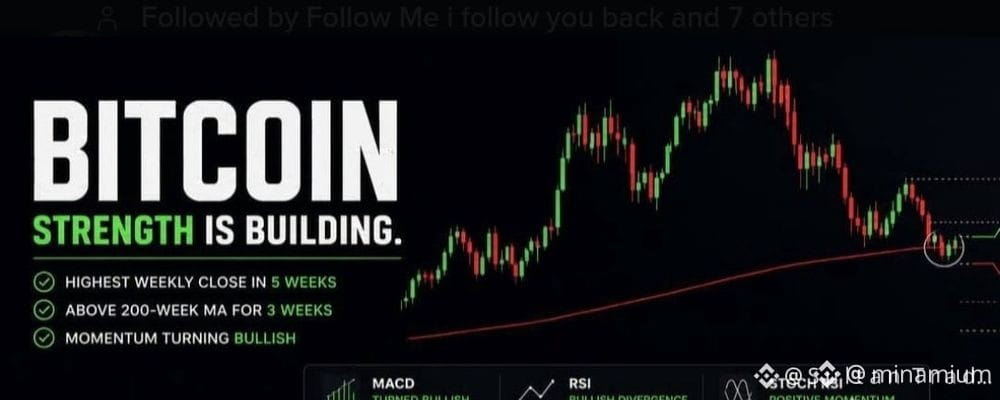
Everyone thinks a $BTC reclaim means the road is clear, but actually it’s often the moment traders get trapped by their own excitement.
The painful part is buying the first green candle, then watching price retest the level you thought was “confirmed.” In a neutral market, especially with many traders parked in $USDT and watching $ETH too, fake confidence can be expensive.
Here are 3 mistakes to avoid: 1) Treating a reclaim like a guaranteed breakout. Think of it like someone stepping back into a house during a storm. Being inside is good, but you still check if the roof is leaking. For Bitcoin, that means watching whether the reclaimed level holds on retest, not just whether price briefly moves above it.
2) Ignoring volume and liquidity. A reclaim with weak volume is like a car rolling downhill with no engine power. It can move fast, but it may not last. If $BTC pushes up while liquidity is thin, late longs can become fuel for a quick flush.
3) Forgetting your invalidation before entry. If you only decide where you’re wrong after price moves against you, you’re already emotionally trapped. A clean setup should have a clear “if this level fails, I’m out” plan before you click buy.
A reclaim can be bullish, but it’s not a permission slip to abandon patience. Are you buying the breakout, waiting for the retest, or staying in $USDT until the market proves itself? #BitcoinReclaims #BitcoinETFsPostLongestInflowStreakSinceMay #FedSeenHoldingRatesJuly29
Everyone thinks a $BTC reclaim means the road is clear, but actually it’s often the moment traders get trapped by their own excitement.
The painful part is buying the first green candle, then watching price retest the level you thought was “confirmed.” In a neutral market, especially with many traders parked in $USDT and watching $ETH too, fake confidence can be expensive.
Here are 3 mistakes to avoid: 1) Treating a reclaim like a guaranteed breakout. Think of it like someone stepping back into a house during a storm. Being inside is good, but you still check if the roof is leaking. For Bitcoin, that means watching whether the reclaimed level holds on retest, not just whether price briefly moves above it.
2) Ignoring volume and liquidity. A reclaim with weak volume is like a car rolling downhill with no engine power. It can move fast, but it may not last. If $BTC pushes up while liquidity is thin, late longs can become fuel for a quick flush.
3) Forgetting your invalidation before entry. If you only decide where you’re wrong after price moves against you, you’re already emotionally trapped. A clean setup should have a clear “if this level fails, I’m out” plan before you click buy.
A reclaim can be bullish, but it’s not a permission slip to abandon patience. Are you buying the breakout, waiting for the retest, or staying in $USDT until the market proves itself? #BitcoinReclaims #BitcoinETFsPostLongestInflowStreakSinceMay #FedSeenHoldingRatesJuly29
The painful part is buying the first green candle, then watching price retest the level you thought was “confirmed.” In a neutral market, especially with many traders parked in $USDT and watching $ETH too, fake confidence can be expensive.
Here are 3 mistakes to avoid: 1) Treating a reclaim like a guaranteed breakout. Think of it like someone stepping back into a house during a storm. Being inside is good, but you still check if the roof is leaking. For Bitcoin, that means watching whether the reclaimed level holds on retest, not just whether price briefly moves above it.
2) Ignoring volume and liquidity. A reclaim with weak volume is like a car rolling downhill with no engine power. It can move fast, but it may not last. If $BTC pushes up while liquidity is thin, late longs can become fuel for a quick flush.
3) Forgetting your invalidation before entry. If you only decide where you’re wrong after price moves against you, you’re already emotionally trapped. A clean setup should have a clear “if this level fails, I’m out” plan before you click buy.
A reclaim can be bullish, but it’s not a permission slip to abandon patience. Are you buying the breakout, waiting for the retest, or staying in $USDT until the market proves itself? #BitcoinReclaims #BitcoinETFsPostLongestInflowStreakSinceMay #FedSeenHoldingRatesJuly29
11

Analytical & Informative (Best for credibility
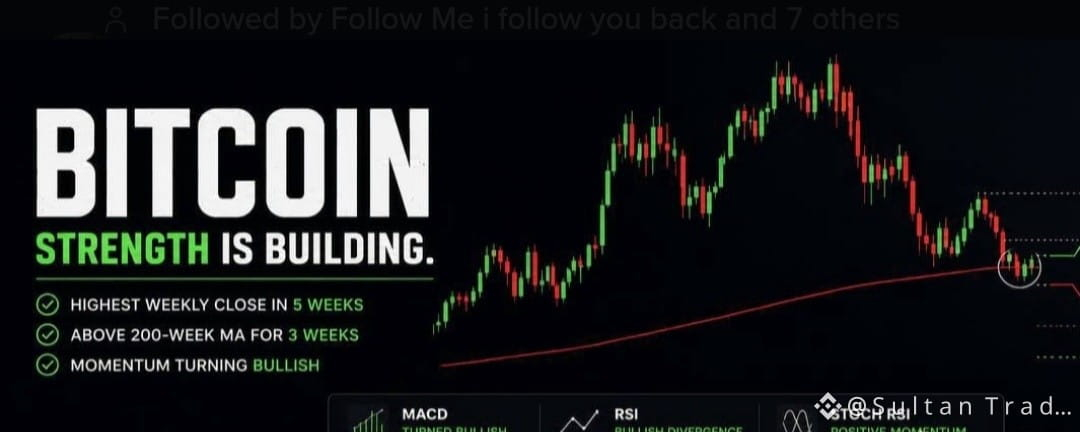
Title: The Bulls Aren’t Done Yet: $BTC Holds Key Support
Just three weeks ago, the market was panicking about lower lows. Today, $BTC just gave us its highest weekly close in five weeks. 📈
Here is why this matters:
✅ 3 Weeks in a Row: Bitcoin has officially held above the crucial 200-week Moving Average for three consecutive weeks.
✅ Historic Strength: Reclaiming and defending this level has historically been a sign that the market is rebuilding strength.
✅ Lesson Learned: Don’t get too emotional. This market has a habit of making both bulls and bears look silly.
The number is nice, but where we closed is what really counts. The market is slowly rebuilding. Are you bullish? 🔥
#BTC #altcoins #BitcoinReclaims
Analytical & Informative (Best for credibility
Title: The Bulls Aren’t Done Yet: $BTC Holds Key Support
Just three weeks ago, the market was panicking about lower lows. Today, $BTC just gave us its highest weekly close in five weeks. 📈
Here is why this matters:
✅ 3 Weeks in a Row: Bitcoin has officially held above the crucial 200-week Moving Average for three consecutive weeks.
✅ Historic Strength: Reclaiming and defending this level has historically been a sign that the market is rebuilding strength.
✅ Lesson Learned: Don’t get too emotional. This market has a habit of making both bulls and bears look silly.
The number is nice, but where we closed is what really counts. The market is slowly rebuilding. Are you bullish? 🔥
#BTC #altcoins #BitcoinReclaims
Title: The Bulls Aren’t Done Yet: $BTC Holds Key Support
Just three weeks ago, the market was panicking about lower lows. Today, $BTC just gave us its highest weekly close in five weeks. 📈
Here is why this matters:
✅ 3 Weeks in a Row: Bitcoin has officially held above the crucial 200-week Moving Average for three consecutive weeks.
✅ Historic Strength: Reclaiming and defending this level has historically been a sign that the market is rebuilding strength.
✅ Lesson Learned: Don’t get too emotional. This market has a habit of making both bulls and bears look silly.
The number is nice, but where we closed is what really counts. The market is slowly rebuilding. Are you bullish? 🔥
#BTC #altcoins #BitcoinReclaims
78

·
--
#BitcoinReclaims $BTC 65K
🚀 Bitcoin is taking off! It’s time to celebrate this surge! 📈
The $BTC shatters barriers and reaches new highs! Whether you held your positions through the dips or watched from afar, the market energy is electric right now. ⚡
🔥 What’s happening?
Bullish momentum: The charts turn green and buying volume intensifies.
Key levels broken: Resistance levels turn into solid support.
Market sentiment: Extreme optimism is back!
💡 Quick reminder for traders:
Protect your gains: Consider securing your profits or adjusting your “Stop-Loss” orders.
Avoid FOMO: Stick to your trading plan and manage your risks wisely.
Stay informed: Monitor order book depth and major resistance zones.
👇 Join the conversation!
Are you keeping your assets, taking your profits, or buying more? Tell us in the comments below! 💬
#Bitcoin #BTC #Crypto
#BitcoinReclaims $BTC 65K
🚀 Bitcoin is taking off! It’s time to celebrate this surge! 📈
The $BTC shatters barriers and reaches new highs! Whether you held your positions through the dips or watched from afar, the market energy is electric right now. ⚡
🔥 What’s happening?
Bullish momentum: The charts turn green and buying volume intensifies.
Key levels broken: Resistance levels turn into solid support.
Market sentiment: Extreme optimism is back!
💡 Quick reminder for traders:
Protect your gains: Consider securing your profits or adjusting your “Stop-Loss” orders.
Avoid FOMO: Stick to your trading plan and manage your risks wisely.
Stay informed: Monitor order book depth and major resistance zones.
👇 Join the conversation!
Are you keeping your assets, taking your profits, or buying more? Tell us in the comments below! 💬
#Bitcoin #BTC #Crypto
🚀 Bitcoin is taking off! It’s time to celebrate this surge! 📈
The $BTC shatters barriers and reaches new highs! Whether you held your positions through the dips or watched from afar, the market energy is electric right now. ⚡
🔥 What’s happening?
Bullish momentum: The charts turn green and buying volume intensifies.
Key levels broken: Resistance levels turn into solid support.
Market sentiment: Extreme optimism is back!
💡 Quick reminder for traders:
Protect your gains: Consider securing your profits or adjusting your “Stop-Loss” orders.
Avoid FOMO: Stick to your trading plan and manage your risks wisely.
Stay informed: Monitor order book depth and major resistance zones.
👇 Join the conversation!
Are you keeping your assets, taking your profits, or buying more? Tell us in the comments below! 💬
#Bitcoin #BTC #Crypto
29
·
--
If you're still buying every $BTC reclaim like it guarantees a straight moonshot, stop now.
Traders get wrecked in moments like this because the candle feels like confirmation, but the exit liquidity often hides right above obvious resistance. With Fear & Greed sitting at 37, the market is still nervous, and that makes both breakouts and fakeouts sharper.
The bullish case is clear: Bitcoin reclaiming key levels usually pulls attention back into majors, especially $ETH, while sidelined capital starts questioning whether it waited too long. If momentum holds, the market could rotate out of defensive plays like $USDT and back into risk.
But the bearish side has a point too. A reclaim without volume, follow-through, and stable macro conditions can turn into a trap fast. My take: this move is worth respecting, but not blindly chasing. The smart trade is watching whether $BTC can hold the reclaimed zone after the hype cools.
Is this the start of a real trend reversal, or just another liquidity sweep before the next shakeout? #BitcoinReclaims #KOSPINasdaqCorrelationNearsTwoYearHigh #SouthKoreaPreparesSecondCBDCPhase
If you're still buying every $BTC reclaim like it guarantees a straight moonshot, stop now.
Traders get wrecked in moments like this because the candle feels like confirmation, but the exit liquidity often hides right above obvious resistance. With Fear & Greed sitting at 37, the market is still nervous, and that makes both breakouts and fakeouts sharper.
The bullish case is clear: Bitcoin reclaiming key levels usually pulls attention back into majors, especially $ETH , while sidelined capital starts questioning whether it waited too long. If momentum holds, the market could rotate out of defensive plays like $USDT and back into risk.
But the bearish side has a point too. A reclaim without volume, follow-through, and stable macro conditions can turn into a trap fast. My take: this move is worth respecting, but not blindly chasing. The smart trade is watching whether $BTC can hold the reclaimed zone after the hype cools.
Is this the start of a real trend reversal, or just another liquidity sweep before the next shakeout? #BitcoinReclaims #KOSPINasdaqCorrelationNearsTwoYearHigh #SouthKoreaPreparesSecondCBDCPhase
Traders get wrecked in moments like this because the candle feels like confirmation, but the exit liquidity often hides right above obvious resistance. With Fear & Greed sitting at 37, the market is still nervous, and that makes both breakouts and fakeouts sharper.
The bullish case is clear: Bitcoin reclaiming key levels usually pulls attention back into majors, especially $ETH , while sidelined capital starts questioning whether it waited too long. If momentum holds, the market could rotate out of defensive plays like $USDT and back into risk.
But the bearish side has a point too. A reclaim without volume, follow-through, and stable macro conditions can turn into a trap fast. My take: this move is worth respecting, but not blindly chasing. The smart trade is watching whether $BTC can hold the reclaimed zone after the hype cools.
Is this the start of a real trend reversal, or just another liquidity sweep before the next shakeout? #BitcoinReclaims #KOSPINasdaqCorrelationNearsTwoYearHigh #SouthKoreaPreparesSecondCBDCPhase
1
92
·
--
Here’s what happened when $BTC reclaimed a key level and everyone suddenly forgot the market was still in Fear.
The painful part is that reclaim candles feel safe after the move has already happened. Traders chase the confirmation, place stops too close, then get shaken out when liquidity gets swept.
The case study is simple: Bitcoin pushes back above a watched zone, sentiment improves fast, and sidelined money rushes in because nobody wants to miss the next leg. But with the Fear & Greed Index still around 37, this is not full conviction yet. It’s a market that wants proof, not promises.
What most people missed is the role of stablecoin positioning. When searches for $USDT and $ETH rise alongside $BTC, it often means traders are preparing to rotate, hedge, or chase. That can fuel continuation, but it can also create crowded entries where one sharp pullback flushes late buyers before the real direction becomes clear.
The lesson: a reclaim is not the same as a confirmed trend. Watch whether Bitcoin holds the level after the excitement fades, not just whether it breaks above it. Where do you think this goes from here? #BitcoinReclaims #KOSPINasdaqCorrelationNearsTwoYearHigh #SouthKoreaPreparesSecondCBDCPhase
Here’s what happened when $BTC reclaimed a key level and everyone suddenly forgot the market was still in Fear.
The painful part is that reclaim candles feel safe after the move has already happened. Traders chase the confirmation, place stops too close, then get shaken out when liquidity gets swept.
The case study is simple: Bitcoin pushes back above a watched zone, sentiment improves fast, and sidelined money rushes in because nobody wants to miss the next leg. But with the Fear & Greed Index still around 37, this is not full conviction yet. It’s a market that wants proof, not promises.
What most people missed is the role of stablecoin positioning. When searches for $USDT and $ETH rise alongside $BTC , it often means traders are preparing to rotate, hedge, or chase. That can fuel continuation, but it can also create crowded entries where one sharp pullback flushes late buyers before the real direction becomes clear.
The lesson: a reclaim is not the same as a confirmed trend. Watch whether Bitcoin holds the level after the excitement fades, not just whether it breaks above it. Where do you think this goes from here? #BitcoinReclaims #KOSPINasdaqCorrelationNearsTwoYearHigh #SouthKoreaPreparesSecondCBDCPhase
The painful part is that reclaim candles feel safe after the move has already happened. Traders chase the confirmation, place stops too close, then get shaken out when liquidity gets swept.
The case study is simple: Bitcoin pushes back above a watched zone, sentiment improves fast, and sidelined money rushes in because nobody wants to miss the next leg. But with the Fear & Greed Index still around 37, this is not full conviction yet. It’s a market that wants proof, not promises.
What most people missed is the role of stablecoin positioning. When searches for $USDT and $ETH rise alongside $BTC , it often means traders are preparing to rotate, hedge, or chase. That can fuel continuation, but it can also create crowded entries where one sharp pullback flushes late buyers before the real direction becomes clear.
The lesson: a reclaim is not the same as a confirmed trend. Watch whether Bitcoin holds the level after the excitement fades, not just whether it breaks above it. Where do you think this goes from here? #BitcoinReclaims #KOSPINasdaqCorrelationNearsTwoYearHigh #SouthKoreaPreparesSecondCBDCPhase

73
·
--
Most failed breakouts look strongest right after $BTC “reclaims” a key level.
That’s where a lot of traders get trapped: they buy the headline, not the structure. Then price wicks up, late longs pile in, funding flips, and the market quietly dumps back into the range.
A reclaim only matters if buyers defend it after the excitement fades. For $BTC, I’m watching whether price can hold above the reclaimed zone on retests, not just spike through it for a few candles. Real strength usually shows up as higher lows, rising spot volume, and less aggressive leverage chasing the move.
With the Fear & Greed Index sitting in fear territory, the setup is tricky. Fear can fuel strong reversals, but it can also mean liquidity is thin and stop hunts get nastier. If $ETH and major pairs follow with clean structure while $USDT flows stay steady, the reclaim has more weight. If alts pump randomly while Bitcoin stalls, that’s often a warning sign.
The lesson: a reclaim is not a green light by itself. It’s a test. The market is basically asking, “Can bulls turn old resistance into support, or was this just a liquidity grab?”
Are you treating this $BTC reclaim as confirmation, or waiting for the retest first? #BitcoinReclaims #KOSPINasdaqCorrelationNearsTwoYearHigh
Most failed breakouts look strongest right after $BTC “reclaims” a key level.
That’s where a lot of traders get trapped: they buy the headline, not the structure. Then price wicks up, late longs pile in, funding flips, and the market quietly dumps back into the range.
A reclaim only matters if buyers defend it after the excitement fades. For $BTC , I’m watching whether price can hold above the reclaimed zone on retests, not just spike through it for a few candles. Real strength usually shows up as higher lows, rising spot volume, and less aggressive leverage chasing the move.
With the Fear & Greed Index sitting in fear territory, the setup is tricky. Fear can fuel strong reversals, but it can also mean liquidity is thin and stop hunts get nastier. If $ETH and major pairs follow with clean structure while $USDT flows stay steady, the reclaim has more weight. If alts pump randomly while Bitcoin stalls, that’s often a warning sign.
The lesson: a reclaim is not a green light by itself. It’s a test. The market is basically asking, “Can bulls turn old resistance into support, or was this just a liquidity grab?”
Are you treating this $BTC reclaim as confirmation, or waiting for the retest first? #BitcoinReclaims #KOSPINasdaqCorrelationNearsTwoYearHigh
That’s where a lot of traders get trapped: they buy the headline, not the structure. Then price wicks up, late longs pile in, funding flips, and the market quietly dumps back into the range.
A reclaim only matters if buyers defend it after the excitement fades. For $BTC , I’m watching whether price can hold above the reclaimed zone on retests, not just spike through it for a few candles. Real strength usually shows up as higher lows, rising spot volume, and less aggressive leverage chasing the move.
With the Fear & Greed Index sitting in fear territory, the setup is tricky. Fear can fuel strong reversals, but it can also mean liquidity is thin and stop hunts get nastier. If $ETH and major pairs follow with clean structure while $USDT flows stay steady, the reclaim has more weight. If alts pump randomly while Bitcoin stalls, that’s often a warning sign.
The lesson: a reclaim is not a green light by itself. It’s a test. The market is basically asking, “Can bulls turn old resistance into support, or was this just a liquidity grab?”
Are you treating this $BTC reclaim as confirmation, or waiting for the retest first? #BitcoinReclaims #KOSPINasdaqCorrelationNearsTwoYearHigh

75
·
--
Why is nobody talking about how $BTC hitting a one-month high during “Fear” is more important than the price itself?
Most traders lose money here because they wait for confidence to return, then buy the candle everyone else already chased. The painful part is that the best entries often look uncomfortable, while the obvious ones come when risk is already higher.
This move is a useful case study. Fear & Greed sitting around 38 tells you the market still doesn’t fully trust the bounce, yet Bitcoin is already reclaiming levels. That gap matters. When price rises before sentiment flips, it often means stronger hands were positioning while retail was still hiding in $USDT.
The mainstream take is “Bitcoin is up, so the market is bullish again.” I think that’s too lazy. A one-month high only becomes meaningful if $BTC holds support on the retest and $ETH starts confirming risk appetite instead of lagging. Otherwise, this can still turn into a liquidity grab dressed up as a breakout.
So the real question isn’t whether Bitcoin pumped. It’s whether the market is quietly rotating from fear into accumulation before most people notice. Where do you think $BTC goes from here? #BitcoinHitsOneMonthHigh #BitcoinReclaims #KOSPINasdaqCorrelationNearsTwoYearHigh
Why is nobody talking about how $BTC hitting a one-month high during “Fear” is more important than the price itself?
Most traders lose money here because they wait for confidence to return, then buy the candle everyone else already chased. The painful part is that the best entries often look uncomfortable, while the obvious ones come when risk is already higher.
This move is a useful case study. Fear & Greed sitting around 38 tells you the market still doesn’t fully trust the bounce, yet Bitcoin is already reclaiming levels. That gap matters. When price rises before sentiment flips, it often means stronger hands were positioning while retail was still hiding in $USDT.
The mainstream take is “Bitcoin is up, so the market is bullish again.” I think that’s too lazy. A one-month high only becomes meaningful if $BTC holds support on the retest and $ETH starts confirming risk appetite instead of lagging. Otherwise, this can still turn into a liquidity grab dressed up as a breakout.
So the real question isn’t whether Bitcoin pumped. It’s whether the market is quietly rotating from fear into accumulation before most people notice. Where do you think $BTC goes from here? #BitcoinHitsOneMonthHigh #BitcoinReclaims #KOSPINasdaqCorrelationNearsTwoYearHigh
Most traders lose money here because they wait for confidence to return, then buy the candle everyone else already chased. The painful part is that the best entries often look uncomfortable, while the obvious ones come when risk is already higher.
This move is a useful case study. Fear & Greed sitting around 38 tells you the market still doesn’t fully trust the bounce, yet Bitcoin is already reclaiming levels. That gap matters. When price rises before sentiment flips, it often means stronger hands were positioning while retail was still hiding in $USDT.
The mainstream take is “Bitcoin is up, so the market is bullish again.” I think that’s too lazy. A one-month high only becomes meaningful if $BTC holds support on the retest and $ETH starts confirming risk appetite instead of lagging. Otherwise, this can still turn into a liquidity grab dressed up as a breakout.
So the real question isn’t whether Bitcoin pumped. It’s whether the market is quietly rotating from fear into accumulation before most people notice. Where do you think $BTC goes from here? #BitcoinHitsOneMonthHigh #BitcoinReclaims #KOSPINasdaqCorrelationNearsTwoYearHigh
14

Behind every drop or technical bounce there’s a key concept: stacked liquidity.
When Bitcoin reclaims a level (like the recent $65K), it’s not just psychology. It’s that beneath that price, stop-loss orders from shorts and liquidations from leveraged bearish traders had accumulated. Price swept through them, generated volume, and found fresh buyers.
This is Wyckoff applied: the market seeks liquidity before it decides direction. A low with stacked stops underneath is a magnet; if price sweeps them and then reclaims, the likelihood that it’s a genuine bottom increases.
Why does this matter? Because it helps you read the move beyond the headline. It’s not that “Bitcoin went up for no reason”; it went up because it collected liquidity, validated demand, and left behind those betting against it.
If you want to trade with an edge, start by looking at where liquidity is stacked. Round levels, prior swing highs/lows, and areas with high open interest are clues. Price always goes looking for them.
Follow for more technical context—no fluff.
#BitcoinReclaims$65K
Behind every drop or technical bounce there’s a key concept: stacked liquidity.
When Bitcoin reclaims a level (like the recent $65K), it’s not just psychology. It’s that beneath that price, stop-loss orders from shorts and liquidations from leveraged bearish traders had accumulated. Price swept through them, generated volume, and found fresh buyers.
This is Wyckoff applied: the market seeks liquidity before it decides direction. A low with stacked stops underneath is a magnet; if price sweeps them and then reclaims, the likelihood that it’s a genuine bottom increases.
Why does this matter? Because it helps you read the move beyond the headline. It’s not that “Bitcoin went up for no reason”; it went up because it collected liquidity, validated demand, and left behind those betting against it.
If you want to trade with an edge, start by looking at where liquidity is stacked. Round levels, prior swing highs/lows, and areas with high open interest are clues. Price always goes looking for them.
Follow for more technical context—no fluff.
#BitcoinReclaims$65K
When Bitcoin reclaims a level (like the recent $65K), it’s not just psychology. It’s that beneath that price, stop-loss orders from shorts and liquidations from leveraged bearish traders had accumulated. Price swept through them, generated volume, and found fresh buyers.
This is Wyckoff applied: the market seeks liquidity before it decides direction. A low with stacked stops underneath is a magnet; if price sweeps them and then reclaims, the likelihood that it’s a genuine bottom increases.
Why does this matter? Because it helps you read the move beyond the headline. It’s not that “Bitcoin went up for no reason”; it went up because it collected liquidity, validated demand, and left behind those betting against it.
If you want to trade with an edge, start by looking at where liquidity is stacked. Round levels, prior swing highs/lows, and areas with high open interest are clues. Price always goes looking for them.
Follow for more technical context—no fluff.
#BitcoinReclaims$65K
57
·
--
Here’s what happened when $BTC quietly pushed to a one-month high while most traders were still sitting in “wait and see” mode.
The hard part in markets like this is that the move looks obvious only after the candle closes. Buy too early and you get chopped up, buy too late and you’re chasing the same breakout everyone is suddenly talking about.
Case study: this Bitcoin move feels less like a euphoric melt-up and more like a positioning reset. Fear is still in the air, with the Fear & Greed Index sitting at 38, yet $BTC is climbing while traders keep searching for safety names like $USDT and large caps like $ETH. That mix matters. It suggests many people are not fully convinced, which is exactly when short squeezes and cautious spot accumulation can create clean upside.
We’ve seen this before. In past Bitcoin recoveries, the first one-month high often did not mark the “easy money” phase. It marked the moment the market started separating strong hands from reactionary traders. Compare it with previous ETF-driven rallies or post-selloff rebounds: the real confirmation usually came when Bitcoin held higher levels after the initial excitement faded.
The lesson is simple but uncomfortable. A breakout is not automatically a bull market, and fear is not automatically a buy signal. The better question is whether $BTC can hold the reclaimed range while liquidity rotates back into majors instead of just one quick headline pump.
With #BitcoinHitsOneMonthHigh and #BitcoinReclaims back in the conversation, do you think this is the start of a broader trend or just another trap before the next flush?
Here’s what happened when $BTC quietly pushed to a one-month high while most traders were still sitting in “wait and see” mode.
The hard part in markets like this is that the move looks obvious only after the candle closes. Buy too early and you get chopped up, buy too late and you’re chasing the same breakout everyone is suddenly talking about.
Case study: this Bitcoin move feels less like a euphoric melt-up and more like a positioning reset. Fear is still in the air, with the Fear & Greed Index sitting at 38, yet $BTC is climbing while traders keep searching for safety names like $USDT and large caps like $ETH . That mix matters. It suggests many people are not fully convinced, which is exactly when short squeezes and cautious spot accumulation can create clean upside.
We’ve seen this before. In past Bitcoin recoveries, the first one-month high often did not mark the “easy money” phase. It marked the moment the market started separating strong hands from reactionary traders. Compare it with previous ETF-driven rallies or post-selloff rebounds: the real confirmation usually came when Bitcoin held higher levels after the initial excitement faded.
The lesson is simple but uncomfortable. A breakout is not automatically a bull market, and fear is not automatically a buy signal. The better question is whether $BTC can hold the reclaimed range while liquidity rotates back into majors instead of just one quick headline pump.
With #BitcoinHitsOneMonthHigh and #BitcoinReclaims back in the conversation, do you think this is the start of a broader trend or just another trap before the next flush?
The hard part in markets like this is that the move looks obvious only after the candle closes. Buy too early and you get chopped up, buy too late and you’re chasing the same breakout everyone is suddenly talking about.
Case study: this Bitcoin move feels less like a euphoric melt-up and more like a positioning reset. Fear is still in the air, with the Fear & Greed Index sitting at 38, yet $BTC is climbing while traders keep searching for safety names like $USDT and large caps like $ETH . That mix matters. It suggests many people are not fully convinced, which is exactly when short squeezes and cautious spot accumulation can create clean upside.
We’ve seen this before. In past Bitcoin recoveries, the first one-month high often did not mark the “easy money” phase. It marked the moment the market started separating strong hands from reactionary traders. Compare it with previous ETF-driven rallies or post-selloff rebounds: the real confirmation usually came when Bitcoin held higher levels after the initial excitement faded.
The lesson is simple but uncomfortable. A breakout is not automatically a bull market, and fear is not automatically a buy signal. The better question is whether $BTC can hold the reclaimed range while liquidity rotates back into majors instead of just one quick headline pump.
With #BitcoinHitsOneMonthHigh and #BitcoinReclaims back in the conversation, do you think this is the start of a broader trend or just another trap before the next flush?

14
·
--
Most traders feel safest buying $BTC after it breaks a one-month high, but historically that’s often where the market starts testing your discipline the hardest.
I’ve watched this cycle repeat for years: fear turns into relief, relief turns into FOMO, and suddenly people who were too scared to buy lower are chasing green candles with oversized positions. With the Fear & Greed Index still sitting in fear territory, this move is less about euphoria and more about whether buyers can finally hold conviction.
A one-month high matters because it tells us demand has absorbed recent selling pressure. But it does not mean a straight line up. In past cycles, $BTC often reclaimed key short-term levels, pulled back to shake out late entries, then either confirmed strength or exposed the breakout as a trap. The reaction after the breakout is usually more important than the headline itself.
Watch how capital rotates too. If $BTC holds firm, traders often start looking at $ETH and higher-beta names, while sidelined money sits in $USDT waiting for a “perfect” entry that may never come. The lesson I paid for the hard way: don’t confuse excitement with a plan. Know your invalidation before the candle decides it for you.
Are you treating this Bitcoin move as the start of strength, or just another liquidity sweep before a pullback? #BitcoinHitsOneMonthHigh #BitcoinReclaims #KOSPINasdaqCorrelationNearsTwoYearHigh
Most traders feel safest buying $BTC after it breaks a one-month high, but historically that’s often where the market starts testing your discipline the hardest.
I’ve watched this cycle repeat for years: fear turns into relief, relief turns into FOMO, and suddenly people who were too scared to buy lower are chasing green candles with oversized positions. With the Fear & Greed Index still sitting in fear territory, this move is less about euphoria and more about whether buyers can finally hold conviction.
A one-month high matters because it tells us demand has absorbed recent selling pressure. But it does not mean a straight line up. In past cycles, $BTC often reclaimed key short-term levels, pulled back to shake out late entries, then either confirmed strength or exposed the breakout as a trap. The reaction after the breakout is usually more important than the headline itself.
Watch how capital rotates too. If $BTC holds firm, traders often start looking at $ETH and higher-beta names, while sidelined money sits in $USDT waiting for a “perfect” entry that may never come. The lesson I paid for the hard way: don’t confuse excitement with a plan. Know your invalidation before the candle decides it for you.
Are you treating this Bitcoin move as the start of strength, or just another liquidity sweep before a pullback? #BitcoinHitsOneMonthHigh #BitcoinReclaims #KOSPINasdaqCorrelationNearsTwoYearHigh
I’ve watched this cycle repeat for years: fear turns into relief, relief turns into FOMO, and suddenly people who were too scared to buy lower are chasing green candles with oversized positions. With the Fear & Greed Index still sitting in fear territory, this move is less about euphoria and more about whether buyers can finally hold conviction.
A one-month high matters because it tells us demand has absorbed recent selling pressure. But it does not mean a straight line up. In past cycles, $BTC often reclaimed key short-term levels, pulled back to shake out late entries, then either confirmed strength or exposed the breakout as a trap. The reaction after the breakout is usually more important than the headline itself.
Watch how capital rotates too. If $BTC holds firm, traders often start looking at $ETH and higher-beta names, while sidelined money sits in $USDT waiting for a “perfect” entry that may never come. The lesson I paid for the hard way: don’t confuse excitement with a plan. Know your invalidation before the candle decides it for you.
Are you treating this Bitcoin move as the start of strength, or just another liquidity sweep before a pullback? #BitcoinHitsOneMonthHigh #BitcoinReclaims #KOSPINasdaqCorrelationNearsTwoYearHigh

17

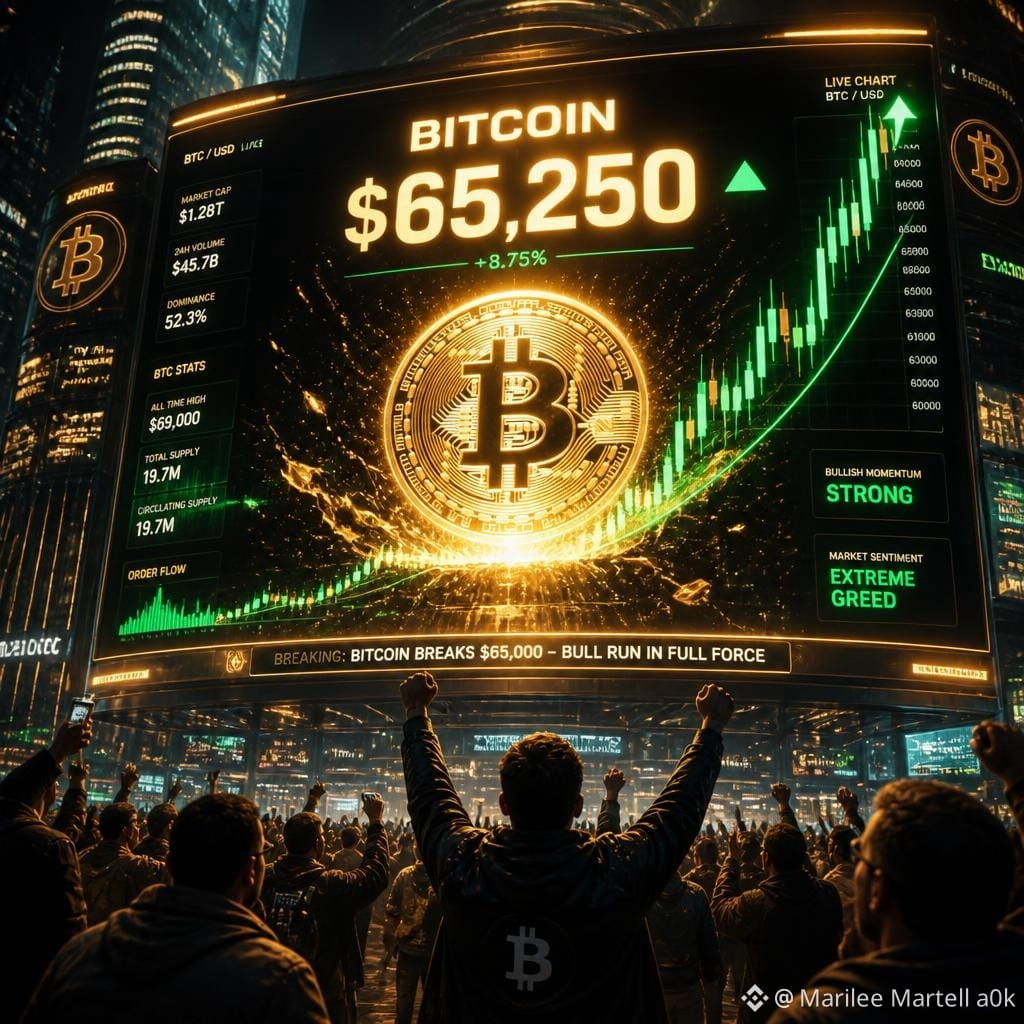
Bitcoin has officially reclaimed $65K, and bulls are wasting no time calling this a momentum shift.
After days of hesitation, $BTC pushing back above this key psychological level is putting traders on high alert for the next breakout move.
What makes this level important?
$65K is a major sentiment trigger
Reclaiming it strengthens bullish structure
Altcoins could start reacting if $BTC holds steady above it
Traders are now watching for continuation toward the next resistance zone
But here’s the real question:
Is this the start of the next leg up, or just a clean liquidity sweep before volatility returns?
One thing is clear — when Bitcoin retakes a major level like this, the whole market pays attention.
Are you expecting continuation above $65K, or a pullback first?
#Bitcoin #Crypto #BinanceSquare
{spot}(BTCUSDT)
#CryptoNews #BitcoinReclaims
Bitcoin has officially reclaimed $65K, and bulls are wasting no time calling this a momentum shift.
After days of hesitation, $BTC pushing back above this key psychological level is putting traders on high alert for the next breakout move.
What makes this level important?
$65K is a major sentiment trigger
Reclaiming it strengthens bullish structure
Altcoins could start reacting if $BTC holds steady above it
Traders are now watching for continuation toward the next resistance zone
But here’s the real question:
Is this the start of the next leg up, or just a clean liquidity sweep before volatility returns?
One thing is clear — when Bitcoin retakes a major level like this, the whole market pays attention.
Are you expecting continuation above $65K, or a pullback first?
#Bitcoin #Crypto #BinanceSquare
#CryptoNews #BitcoinReclaims
After days of hesitation, $BTC pushing back above this key psychological level is putting traders on high alert for the next breakout move.
What makes this level important?
$65K is a major sentiment trigger
Reclaiming it strengthens bullish structure
Altcoins could start reacting if $BTC holds steady above it
Traders are now watching for continuation toward the next resistance zone
But here’s the real question:
Is this the start of the next leg up, or just a clean liquidity sweep before volatility returns?
One thing is clear — when Bitcoin retakes a major level like this, the whole market pays attention.
Are you expecting continuation above $65K, or a pullback first?
#Bitcoin #Crypto #BinanceSquare
#CryptoNews #BitcoinReclaims
87

·
--
Bullish
#BitcoinReclaims $65K Can Bitcoin Be Volatile? Understanding the Ups and Downs and the Recovery Path 🚀📉
The crypto market never rests, and Bitcoin keeps reminding us with its usual price fluctuations. After periods of correction and strong moves in the last few weeks, the question everyone is asking is: How do you recover and consolidate key levels?
Key factors for $BTC’s recovery:
Support and Resistance: Keeping the main support levels is crucial to consolidate a solid base before trying to break key resistance levels toward new highs.
Market Volume: A sustainable recovery requires consistent buying volume, driven by both small investors and the inflow of institutional capital.
Overall Sentiment (FGD Index): Overcoming macroeconomic uncertainty and short-term fear is essential to reignite bullish momentum.
💡 Risk management tip: In times of high volatility, patience and progressive accumulation strategies (like DCA) are often great allies against emotional decisions.
#BitcoinReclaims $65K Can Bitcoin Be Volatile? Understanding the Ups and Downs and the Recovery Path 🚀📉
The crypto market never rests, and Bitcoin keeps reminding us with its usual price fluctuations. After periods of correction and strong moves in the last few weeks, the question everyone is asking is: How do you recover and consolidate key levels?
Key factors for $BTC’s recovery:
Support and Resistance: Keeping the main support levels is crucial to consolidate a solid base before trying to break key resistance levels toward new highs.
Market Volume: A sustainable recovery requires consistent buying volume, driven by both small investors and the inflow of institutional capital.
Overall Sentiment (FGD Index): Overcoming macroeconomic uncertainty and short-term fear is essential to reignite bullish momentum.
💡 Risk management tip: In times of high volatility, patience and progressive accumulation strategies (like DCA) are often great allies against emotional decisions.
The crypto market never rests, and Bitcoin keeps reminding us with its usual price fluctuations. After periods of correction and strong moves in the last few weeks, the question everyone is asking is: How do you recover and consolidate key levels?
Key factors for $BTC’s recovery:
Support and Resistance: Keeping the main support levels is crucial to consolidate a solid base before trying to break key resistance levels toward new highs.
Market Volume: A sustainable recovery requires consistent buying volume, driven by both small investors and the inflow of institutional capital.
Overall Sentiment (FGD Index): Overcoming macroeconomic uncertainty and short-term fear is essential to reignite bullish momentum.
💡 Risk management tip: In times of high volatility, patience and progressive accumulation strategies (like DCA) are often great allies against emotional decisions.
90
·
--
Four checks separate a clean breakout from a crowded chase$BTC is 3.368% higher at $66,220, above the trending $65K reclaim. I use four checks before calling this kind of extension healthy:
1. Acceptance - completed hourly candles hold above the reclaimed level.
2. Leverage - funding stays restrained. It is currently 0.009894%.
3. Participation - $ETH confirms breadth. It is up 4.231%, ahead of Bitcoin.
4. Pullback quality - sellers fail to erase the breakout impulse.
Today passes leverage and participation. Acceptance above $65,000 still needs time, especially after the intraday high reached $66,354.
Keepable rule: price starts the breakout, but acceptance, leverage and breadth grade it.
#BitcoinReclaims$65K #BitcoinHitsOneMonthHigh$65700ThenPullsBack #KoreanTradersCutLeverageToThreeMonthLow
Four checks separate a clean breakout from a crowded chase
$BTC is 3.368% higher at $66,220, above the trending $65K reclaim. I use four checks before calling this kind of extension healthy:
1. Acceptance - completed hourly candles hold above the reclaimed level.
2. Leverage - funding stays restrained. It is currently 0.009894%.
3. Participation - $ETH confirms breadth. It is up 4.231%, ahead of Bitcoin.
4. Pullback quality - sellers fail to erase the breakout impulse.
Today passes leverage and participation. Acceptance above $65,000 still needs time, especially after the intraday high reached $66,354.
Keepable rule: price starts the breakout, but acceptance, leverage and breadth grade it.
#BitcoinReclaims$65K #BitcoinHitsOneMonthHigh$65700ThenPullsBack #KoreanTradersCutLeverageToThreeMonthLow
1. Acceptance - completed hourly candles hold above the reclaimed level.
2. Leverage - funding stays restrained. It is currently 0.009894%.
3. Participation - $ETH confirms breadth. It is up 4.231%, ahead of Bitcoin.
4. Pullback quality - sellers fail to erase the breakout impulse.
Today passes leverage and participation. Acceptance above $65,000 still needs time, especially after the intraday high reached $66,354.
Keepable rule: price starts the breakout, but acceptance, leverage and breadth grade it.
#BitcoinReclaims$65K #BitcoinHitsOneMonthHigh$65700ThenPullsBack #KoreanTradersCutLeverageToThreeMonthLow
61
·
--
CFTC said it was going to approach Congress the other day—now it’s directly contacting the White House? Crypto regulation this time looks like it’s going to be for real.
Two major U.S. regulators are accelerating their moves, but with a congressional bill stalled, the market is first looking for a bounce.
Just the other day, they said the CFTC would go stir things up on Capitol Hill. Now, it’s already gone straight to the White House to communicate. According to The Block, while no specific progress was disclosed, the posture is already set—no matter what happens with the Clarity bill in Congress, the SEC and the CFTC’s own rulemaking is still being pushed aggressively. As you can see, no matter how legislation gets jammed, enforcement at the execution level definitely won’t sit idle. Bitcoin has just held steady at $80,000. Meanwhile, SOL and Hyperliquid are actually rising rapidly. This move suggests everyone may care more about practical, on-the-ground rules than the bill getting stuck in the Senate.
Market impact
- Short term: Capital is clearly seeking safety, but it’s heading in the wrong direction. Earlier, people thought regulators would come for them, so everyone rushed to run and buy USDC. Now that the concrete actions are rulemaking, the market is actually daring to go up again. At the $80,000 level for BTC, even though there’s short-term volatility, $82,000 is still viewed as bullish support/resistance. ETH is rallying like it’s flying—up 4.9%—showing that there’s still strong follow-through capacity behind Bitcoin.
- Medium term: The industry landscape depends on how regulators draw the lines. If the rules are too strict, many small exchanges and small projects will basically be GG immediately, while big players like Binance and Coinbase may be the ones laughing last. At the moment, regulators still seem to be testing the waters, so it’s unlikely they’ll immediately go in with heavy-handed measures.
My take
This regulatory move looks like the classic “deal first, ask later”—run first and figure it out after. Turning bullish on the $80,000 level, with $82,000 as the key resistance. But honestly, I’d give it a 70% chance of playing out this way; the remaining 30% depends on how the market reacts. After all, since the Clarity bill hasn’t passed, regulators suddenly pushing harder could also just be a short-term sentiment reaction.
🎯 Predicted impact
- Coins: BTC / ETH
- Direction: Bullish 📈 predicting a rise
- Duration: BTC 12 hours / ETH 24 hours
$BTC $ETH #BTC #ETH
⚠️ Not investment advice
#Bitcoinreclaims$80,000,SolanaandHyperliquidrallyascryptomarketsshrugoffClaritysetback
CFTC said it was going to approach Congress the other day—now it’s directly contacting the White House? Crypto regulation this time looks like it’s going to be for real.
Two major U.S. regulators are accelerating their moves, but with a congressional bill stalled, the market is first looking for a bounce.
Just the other day, they said the CFTC would go stir things up on Capitol Hill. Now, it’s already gone straight to the White House to communicate. According to The Block, while no specific progress was disclosed, the posture is already set—no matter what happens with the Clarity bill in Congress, the SEC and the CFTC’s own rulemaking is still being pushed aggressively. As you can see, no matter how legislation gets jammed, enforcement at the execution level definitely won’t sit idle. Bitcoin has just held steady at $80,000. Meanwhile, SOL and Hyperliquid are actually rising rapidly. This move suggests everyone may care more about practical, on-the-ground rules than the bill getting stuck in the Senate.
Market impact
- Short term: Capital is clearly seeking safety, but it’s heading in the wrong direction. Earlier, people thought regulators would come for them, so everyone rushed to run and buy USDC. Now that the concrete actions are rulemaking, the market is actually daring to go up again. At the $80,000 level for BTC, even though there’s short-term volatility, $82,000 is still viewed as bullish support/resistance. ETH is rallying like it’s flying—up 4.9%—showing that there’s still strong follow-through capacity behind Bitcoin.
- Medium term: The industry landscape depends on how regulators draw the lines. If the rules are too strict, many small exchanges and small projects will basically be GG immediately, while big players like Binance and Coinbase may be the ones laughing last. At the moment, regulators still seem to be testing the waters, so it’s unlikely they’ll immediately go in with heavy-handed measures.
My take
This regulatory move looks like the classic “deal first, ask later”—run first and figure it out after. Turning bullish on the $80,000 level, with $82,000 as the key resistance. But honestly, I’d give it a 70% chance of playing out this way; the remaining 30% depends on how the market reacts. After all, since the Clarity bill hasn’t passed, regulators suddenly pushing harder could also just be a short-term sentiment reaction.
🎯 Predicted impact
- Coins: BTC / ETH
- Direction: Bullish 📈 predicting a rise
- Duration: BTC 12 hours / ETH 24 hours
$BTC $ETH #BTC #ETH
⚠️ Not investment advice
#Bitcoinreclaims$80,000,SolanaandHyperliquidrallyascryptomarketsshrugoffClaritysetback
Two major U.S. regulators are accelerating their moves, but with a congressional bill stalled, the market is first looking for a bounce.
Just the other day, they said the CFTC would go stir things up on Capitol Hill. Now, it’s already gone straight to the White House to communicate. According to The Block, while no specific progress was disclosed, the posture is already set—no matter what happens with the Clarity bill in Congress, the SEC and the CFTC’s own rulemaking is still being pushed aggressively. As you can see, no matter how legislation gets jammed, enforcement at the execution level definitely won’t sit idle. Bitcoin has just held steady at $80,000. Meanwhile, SOL and Hyperliquid are actually rising rapidly. This move suggests everyone may care more about practical, on-the-ground rules than the bill getting stuck in the Senate.
Market impact
- Short term: Capital is clearly seeking safety, but it’s heading in the wrong direction. Earlier, people thought regulators would come for them, so everyone rushed to run and buy USDC. Now that the concrete actions are rulemaking, the market is actually daring to go up again. At the $80,000 level for BTC, even though there’s short-term volatility, $82,000 is still viewed as bullish support/resistance. ETH is rallying like it’s flying—up 4.9%—showing that there’s still strong follow-through capacity behind Bitcoin.
- Medium term: The industry landscape depends on how regulators draw the lines. If the rules are too strict, many small exchanges and small projects will basically be GG immediately, while big players like Binance and Coinbase may be the ones laughing last. At the moment, regulators still seem to be testing the waters, so it’s unlikely they’ll immediately go in with heavy-handed measures.
My take
This regulatory move looks like the classic “deal first, ask later”—run first and figure it out after. Turning bullish on the $80,000 level, with $82,000 as the key resistance. But honestly, I’d give it a 70% chance of playing out this way; the remaining 30% depends on how the market reacts. After all, since the Clarity bill hasn’t passed, regulators suddenly pushing harder could also just be a short-term sentiment reaction.
🎯 Predicted impact
- Coins: BTC / ETH
- Direction: Bullish 📈 predicting a rise
- Duration: BTC 12 hours / ETH 24 hours
$BTC $ETH #BTC #ETH
⚠️ Not investment advice
#Bitcoinreclaims$80,000,SolanaandHyperliquidrallyascryptomarketsshrugoffClaritysetback

513

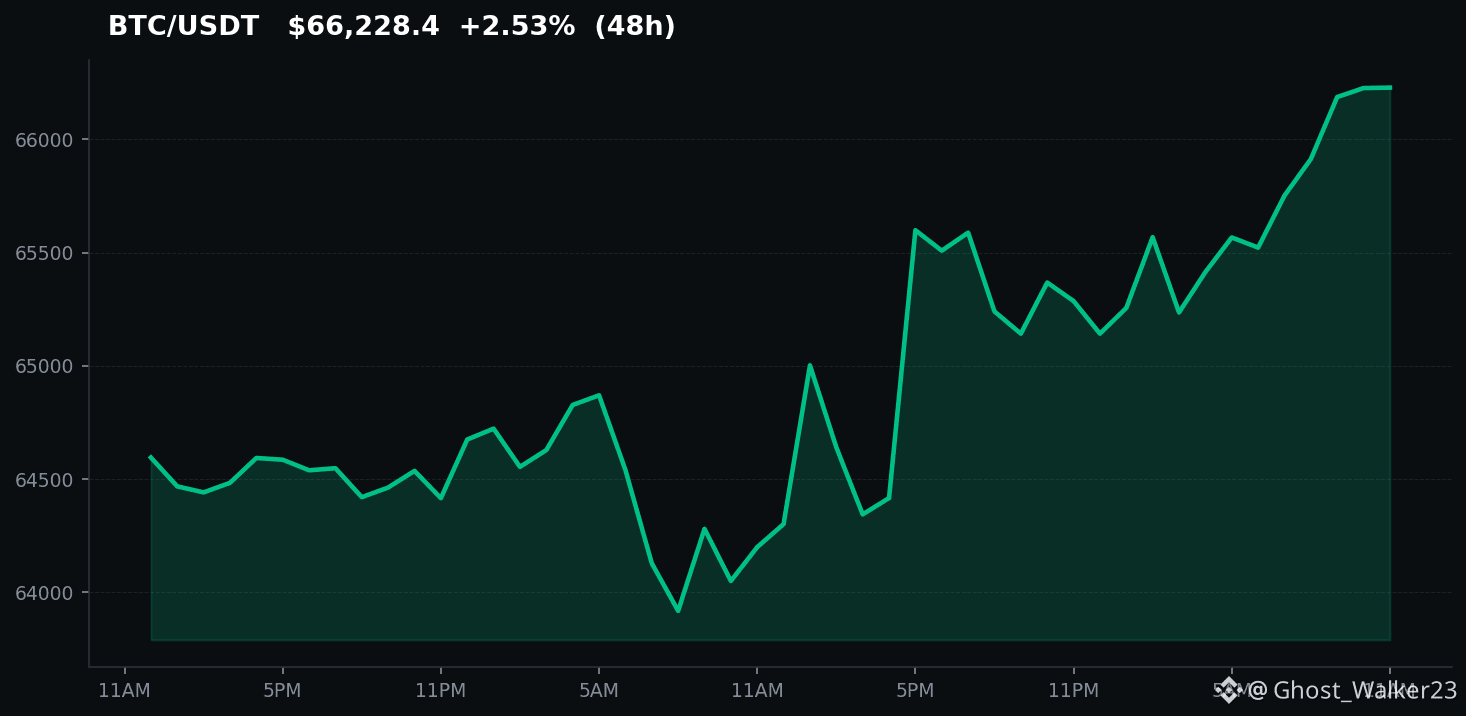
🚀 Bitcoin's back and stronger than ever as it reclaims $65K! This surge isn't just hype—it's a beacon of resilience amidst market volatility. With trending coins like #ONDO and powerful gainers, are we witnessing the start of a new bull run? 🐂 #BitcoinReclaims$65K
🚀 Bitcoin's back and stronger than ever as it reclaims $65K! This surge isn't just hype—it's a beacon of resilience amidst market volatility. With trending coins like #ONDO and powerful gainers, are we witnessing the start of a new bull run? 🐂 #BitcoinReclaims$65K
30
Log in to explore more content
Join global crypto users on Binance Square
⚡️ Get latest and useful information about crypto.
💬 Trusted by the world’s largest crypto exchange.
👍 Discover real insights from verified creators.
Email / Phone number
Trending Topics
1
#SolanaCutsTargetSlotTimeTo250ms
345 views
50 Discussing
2
#EthereumSurpasses$2700
5,078 views
136 Discussing
3
#CanaryFilesSecondAmendmentForStakedSEIETF
21,905 views
504 Discussing
4
#SaylorHintsStrategyBitcoinBuy
2.3M views
13,261 Discussing
5
#BOJRaisesRatesTo31YearHigh
321,225 views
3,752 Discussing
6
#BuffettStepsDownAsBerkshireChairman
155,069 views
2,060 Discussing
7
#XRPExchangeReservesHitSevenYearLow
177,730 views
1,873 Discussing
8
#HKCompletesFirstHKDStablecoinUseCase
178,974 views
2,101 Discussing
9
#VietnamPlansFirstCryptoLicensesIn2026
116,383 views
1,412 Discussing
10
#BTCBreaks80K
594,274 views
6,092 Discussing