
#stablrdepegsafterattack
stablrdepegsafterattack
277,999 views
1,592 Discussing
Hot
Latest

Article
Another lesson🤔#StablRDepegsAfterAttack
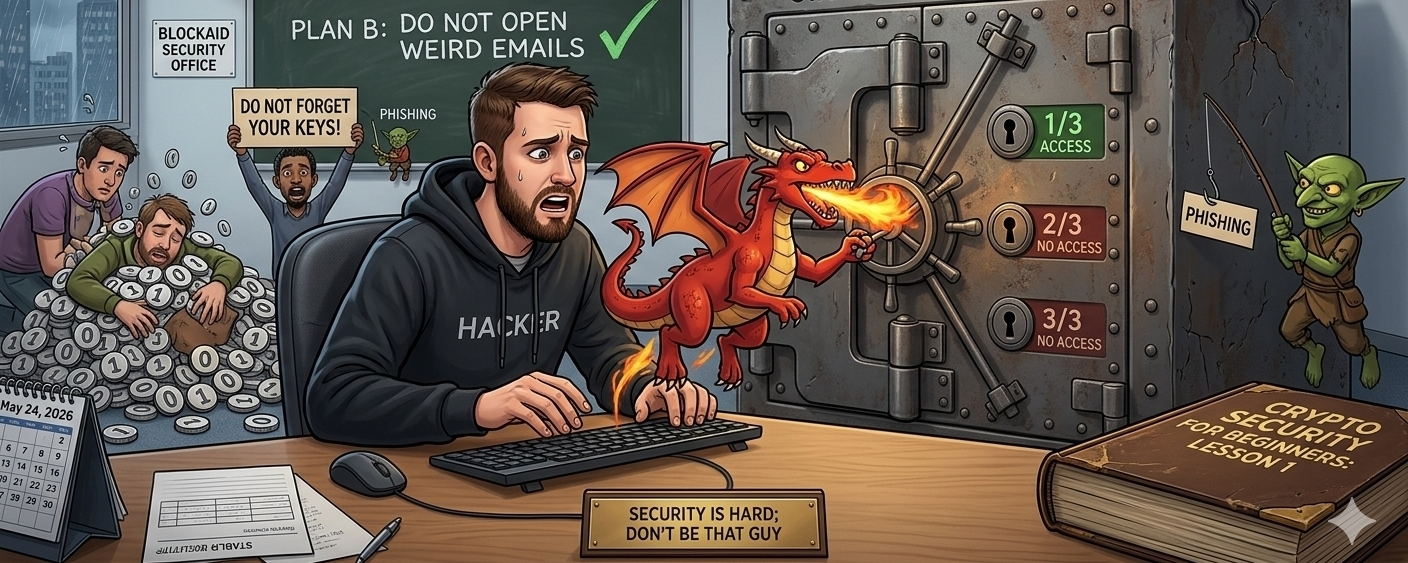
The attack on StablR isn't just a straightforward technical exploit of a vulnerability in the code (like we often see with DeFi protocols); it's more about a mismanagement of key governance.
1. An architectural hole in the multisig setup.
To manage the issuance of StablR tokens, they utilized a multisig wallet. Typically, in the industry, it's considered standard practice to use a scheme like 3 of 5 or 4 of 7, where a majority of key holders must consent to approve a transaction.
Another lesson🤔
#StablRDepegsAfterAttack
The attack on StablR isn't just a straightforward technical exploit of a vulnerability in the code (like we often see with DeFi protocols); it's more about a mismanagement of key governance.
1. An architectural hole in the multisig setup.
To manage the issuance of StablR tokens, they utilized a multisig wallet. Typically, in the industry, it's considered standard practice to use a scheme like 3 of 5 or 4 of 7, where a majority of key holders must consent to approve a transaction.
The attack on StablR isn't just a straightforward technical exploit of a vulnerability in the code (like we often see with DeFi protocols); it's more about a mismanagement of key governance.
1. An architectural hole in the multisig setup.
To manage the issuance of StablR tokens, they utilized a multisig wallet. Typically, in the industry, it's considered standard practice to use a scheme like 3 of 5 or 4 of 7, where a majority of key holders must consent to approve a transaction.
1
450

·
--
Bullish
💥💥Stablecoin keeps sounding like risk-free cash, but incidents like this show the peg is only as strong as the issuer’s operational security.
🔥What reportedly happened with stablr.com wasn’t a classic smart-contract bug. According to multiple reports citing
🔥 Blockchain security firm Blockaid, an attacker allegedly compromised a private key tied to StablR’s minting multisig wallet. The bigger issue: the system reportedly used a weak 1-of-3 multisig threshold, meaning a single compromised signer was enough to take control.
From there, the attacker allegedly:
🔥Added themselves as a signer
🔥Replaced existing owners
🔥Minted unbacked stablecoins
🔥Dumped them into thin liquidity pools for ETH
🔥Reportedly minted:
🔥~8.35M USDR.
🔥~4.5M EURR.
⭐Then swapped for roughly 1,115 ETH 🔥(~$2.8M realized extraction).
🔥The market reaction was brutal:
🔥USDR fell to around $0.70
🔥EURR dropped near $0.88
The key lesson is that “fully backed” reserves don’t matter much if the minting controls can be bypassed. StablR publicly markets both tokens as fully collateralized and regulated, with reserves held in segregated accounts.
But once users believe unauthorized minting is possible, confidence evaporates immediately.
⭐This is becoming a recurring pattern in crypto infrastructure:
🔥Weak governance or key management
Unlimited or poorly constrained mint authority
🔥Panic selling.
🔥Stablecoin depeg.
🔥Liquidity death spiral.
And unlike traditional banks, there’s often no lender of last resort or guaranteed redemption window to stop the panic.
The scary part is that this wasn’t some exotic zero-day exploit. If reports are accurate, it was mostly:
🔥poor multisig configuration,
🔥weak operational security,
and excessive trust concentrated in a single signer.
That’s basic treasury hygiene failure at the infrastructure layer.
{spot}(BTCUSDT)
{future}(ETHUSDT)
{future}(BNBUSDT)
$BTC $ETH $BNB #StablRDepegsAfterAttack #OpenLedger #PostonTradFi #BinanceSquareFamily #BinanceSquareTalks
💥💥Stablecoin keeps sounding like risk-free cash, but incidents like this show the peg is only as strong as the issuer’s operational security.
🔥What reportedly happened with stablr.com wasn’t a classic smart-contract bug. According to multiple reports citing
🔥 Blockchain security firm Blockaid, an attacker allegedly compromised a private key tied to StablR’s minting multisig wallet. The bigger issue: the system reportedly used a weak 1-of-3 multisig threshold, meaning a single compromised signer was enough to take control.
From there, the attacker allegedly:
🔥Added themselves as a signer
🔥Replaced existing owners
🔥Minted unbacked stablecoins
🔥Dumped them into thin liquidity pools for ETH
🔥Reportedly minted:
🔥~8.35M USDR.
🔥~4.5M EURR.
⭐Then swapped for roughly 1,115 ETH 🔥(~$2.8M realized extraction).
🔥The market reaction was brutal:
🔥USDR fell to around $0.70
🔥EURR dropped near $0.88
The key lesson is that “fully backed” reserves don’t matter much if the minting controls can be bypassed. StablR publicly markets both tokens as fully collateralized and regulated, with reserves held in segregated accounts.
But once users believe unauthorized minting is possible, confidence evaporates immediately.
⭐This is becoming a recurring pattern in crypto infrastructure:
🔥Weak governance or key management
Unlimited or poorly constrained mint authority
🔥Panic selling.
🔥Stablecoin depeg.
🔥Liquidity death spiral.
And unlike traditional banks, there’s often no lender of last resort or guaranteed redemption window to stop the panic.
The scary part is that this wasn’t some exotic zero-day exploit. If reports are accurate, it was mostly:
🔥poor multisig configuration,
🔥weak operational security,
and excessive trust concentrated in a single signer.
That’s basic treasury hygiene failure at the infrastructure layer.
$BTC $ETH $BNB #StablRDepegsAfterAttack #OpenLedger #PostonTradFi #BinanceSquareFamily #BinanceSquareTalks
🔥What reportedly happened with stablr.com wasn’t a classic smart-contract bug. According to multiple reports citing
🔥 Blockchain security firm Blockaid, an attacker allegedly compromised a private key tied to StablR’s minting multisig wallet. The bigger issue: the system reportedly used a weak 1-of-3 multisig threshold, meaning a single compromised signer was enough to take control.
From there, the attacker allegedly:
🔥Added themselves as a signer
🔥Replaced existing owners
🔥Minted unbacked stablecoins
🔥Dumped them into thin liquidity pools for ETH
🔥Reportedly minted:
🔥~8.35M USDR.
🔥~4.5M EURR.
⭐Then swapped for roughly 1,115 ETH 🔥(~$2.8M realized extraction).
🔥The market reaction was brutal:
🔥USDR fell to around $0.70
🔥EURR dropped near $0.88
The key lesson is that “fully backed” reserves don’t matter much if the minting controls can be bypassed. StablR publicly markets both tokens as fully collateralized and regulated, with reserves held in segregated accounts.
But once users believe unauthorized minting is possible, confidence evaporates immediately.
⭐This is becoming a recurring pattern in crypto infrastructure:
🔥Weak governance or key management
Unlimited or poorly constrained mint authority
🔥Panic selling.
🔥Stablecoin depeg.
🔥Liquidity death spiral.
And unlike traditional banks, there’s often no lender of last resort or guaranteed redemption window to stop the panic.
The scary part is that this wasn’t some exotic zero-day exploit. If reports are accurate, it was mostly:
🔥poor multisig configuration,
🔥weak operational security,
and excessive trust concentrated in a single signer.
That’s basic treasury hygiene failure at the infrastructure layer.
$BTC $ETH $BNB #StablRDepegsAfterAttack #OpenLedger #PostonTradFi #BinanceSquareFamily #BinanceSquareTalks
129

·
--
💥 The Incident:
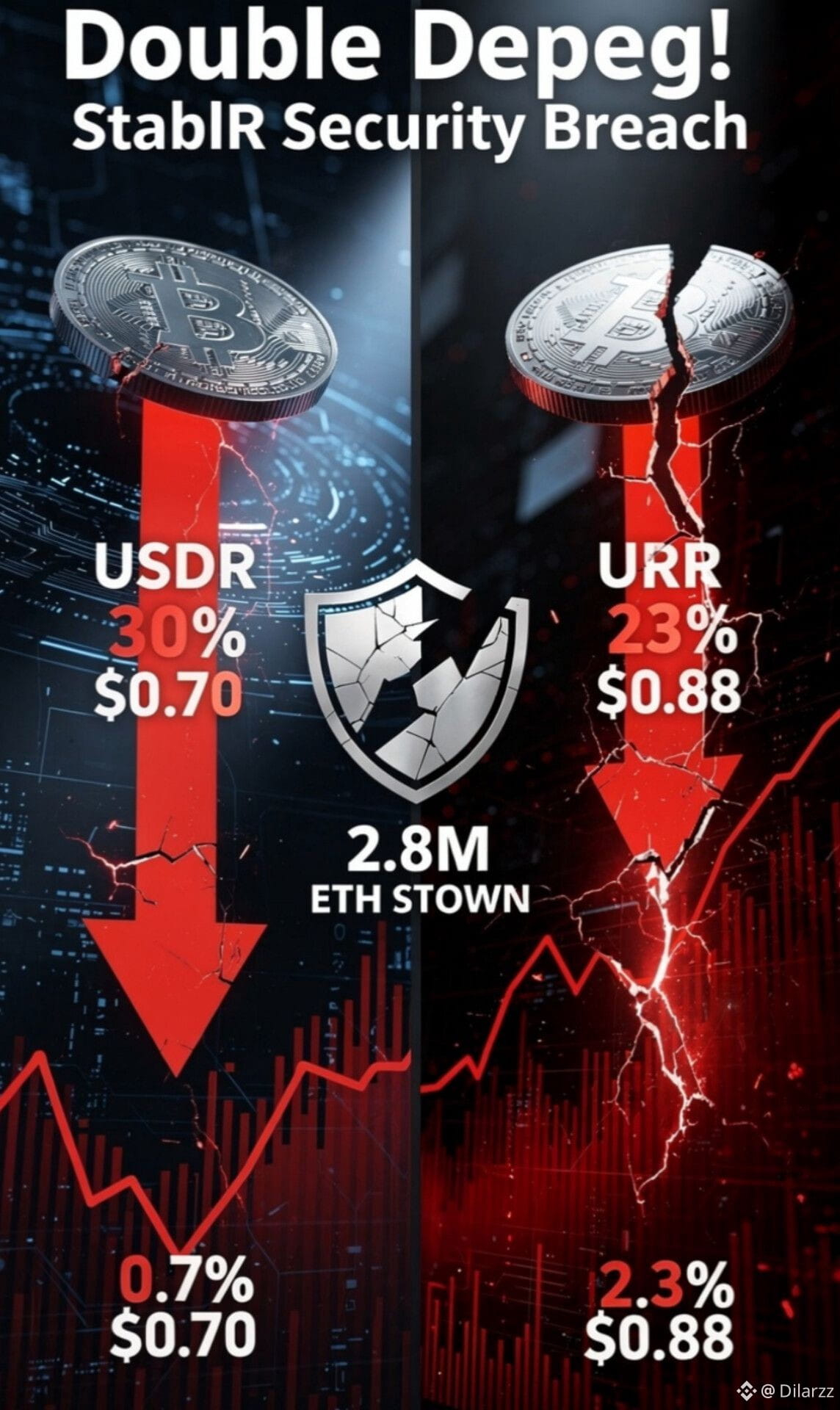
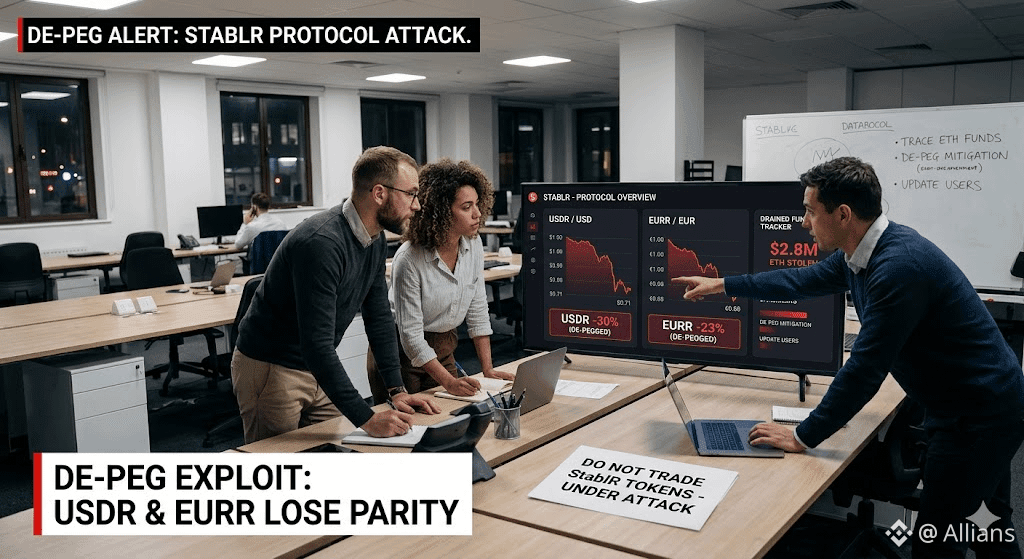
#StablR —a compliant stablecoin issuer known for its Euro-pegged EURR and Dollar-pegged USDR tokens—suffered an isolated, aggressive exploit. A malicious actor managed to bypass core security parameters, compromising the protocol and draining $2.8 million worth of Ethereum ($ETH ).
Unlike minor liquidity pool imbalances, this breach represented a direct failure in basic security management, letting the attacker manipulate underlying assets and triggering sudden panic among holders.
📉 The Double De-Peg
Because the protocol's backing was compromised during the drain, both of StablR's flagship stablecoins fell into an absolute freefall, completely losing their 1:1 fiat pegs:
USDR (USD Peg): Crashed 30%, plunging as low as $0.70.
EURR (Euro Peg): Plunged 23%, dropping down to €0.88.
⚙️ Broader Crypto Market Impact:
Bitcoin & Ethereum Rise: Driven by concurrent news of U.S.-Iran peace framework breakthroughs (#TrumpSaysIranDealLargelyNegotiated , Bitcoin ($BTC ) confidently broke past key resistance at $77k, while Ethereum ($ETH) gained over 4.5% to trade securely above its local correction zones.
A Reminder of $DEFI Risk: While majors are rallying, analysts are using the StablR exploit to remind traders of the structural vulnerabilities inherent in newer or smaller third-party stablecoin ecosystems compared to deeply collateralized giants like USDT or USDC.
Security firms and the StablR team are actively tracking the stolen $ETH, but users are strongly advised to exercise caution when interacting with the protocol's smart contracts until an official post-mortem and restoration plan are finalized.
#BitcoinBreaksBelow75KAsWarshTakesFedHelm
#StablRDepegsAfterAttack
#RussiaExpandsMinerInfoRequirements
💥 The Incident:
#StablR —a compliant stablecoin issuer known for its Euro-pegged EURR and Dollar-pegged USDR tokens—suffered an isolated, aggressive exploit. A malicious actor managed to bypass core security parameters, compromising the protocol and draining $2.8 million worth of Ethereum ($ETH ).
Unlike minor liquidity pool imbalances, this breach represented a direct failure in basic security management, letting the attacker manipulate underlying assets and triggering sudden panic among holders.
📉 The Double De-Peg
Because the protocol's backing was compromised during the drain, both of StablR's flagship stablecoins fell into an absolute freefall, completely losing their 1:1 fiat pegs:
USDR (USD Peg): Crashed 30%, plunging as low as $0.70.
EURR (Euro Peg): Plunged 23%, dropping down to €0.88.
⚙️ Broader Crypto Market Impact:
Bitcoin & Ethereum Rise: Driven by concurrent news of U.S.-Iran peace framework breakthroughs (#TrumpSaysIranDealLargelyNegotiated , Bitcoin ($BTC ) confidently broke past key resistance at $77k, while Ethereum ($ETH ) gained over 4.5% to trade securely above its local correction zones.
A Reminder of $DEFI Risk: While majors are rallying, analysts are using the StablR exploit to remind traders of the structural vulnerabilities inherent in newer or smaller third-party stablecoin ecosystems compared to deeply collateralized giants like USDT or USDC.
Security firms and the StablR team are actively tracking the stolen $ETH , but users are strongly advised to exercise caution when interacting with the protocol's smart contracts until an official post-mortem and restoration plan are finalized.
#BitcoinBreaksBelow75KAsWarshTakesFedHelm
#StablRDepegsAfterAttack
#RussiaExpandsMinerInfoRequirements
#StablR —a compliant stablecoin issuer known for its Euro-pegged EURR and Dollar-pegged USDR tokens—suffered an isolated, aggressive exploit. A malicious actor managed to bypass core security parameters, compromising the protocol and draining $2.8 million worth of Ethereum ($ETH ).
Unlike minor liquidity pool imbalances, this breach represented a direct failure in basic security management, letting the attacker manipulate underlying assets and triggering sudden panic among holders.
📉 The Double De-Peg
Because the protocol's backing was compromised during the drain, both of StablR's flagship stablecoins fell into an absolute freefall, completely losing their 1:1 fiat pegs:
USDR (USD Peg): Crashed 30%, plunging as low as $0.70.
EURR (Euro Peg): Plunged 23%, dropping down to €0.88.
⚙️ Broader Crypto Market Impact:
Bitcoin & Ethereum Rise: Driven by concurrent news of U.S.-Iran peace framework breakthroughs (#TrumpSaysIranDealLargelyNegotiated , Bitcoin ($BTC ) confidently broke past key resistance at $77k, while Ethereum ($ETH ) gained over 4.5% to trade securely above its local correction zones.
A Reminder of $DEFI Risk: While majors are rallying, analysts are using the StablR exploit to remind traders of the structural vulnerabilities inherent in newer or smaller third-party stablecoin ecosystems compared to deeply collateralized giants like USDT or USDC.
Security firms and the StablR team are actively tracking the stolen $ETH , but users are strongly advised to exercise caution when interacting with the protocol's smart contracts until an official post-mortem and restoration plan are finalized.
#BitcoinBreaksBelow75KAsWarshTakesFedHelm
#StablRDepegsAfterAttack
#RussiaExpandsMinerInfoRequirements
111

#StablRDepegsAfterAttack
Prediction
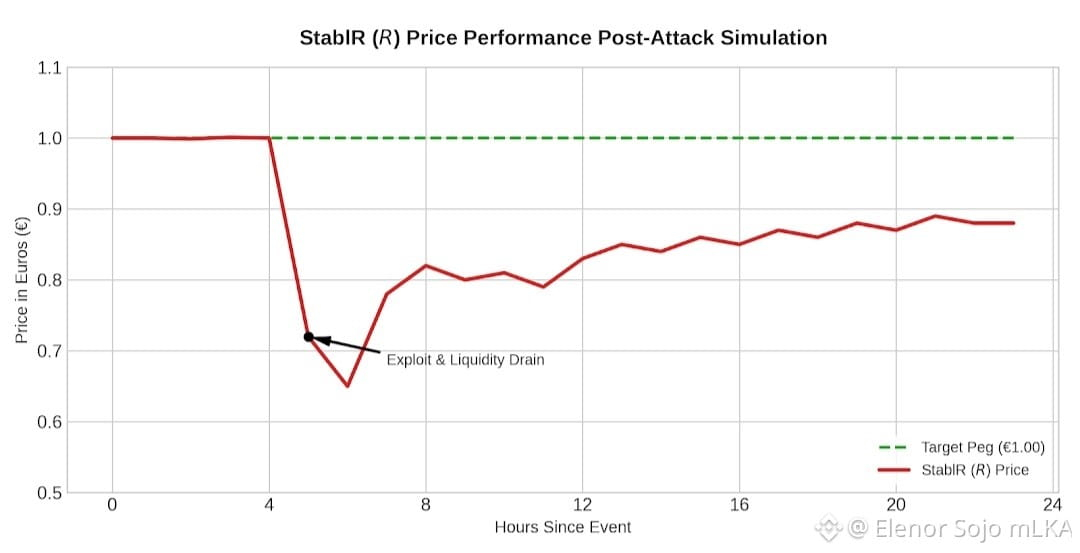
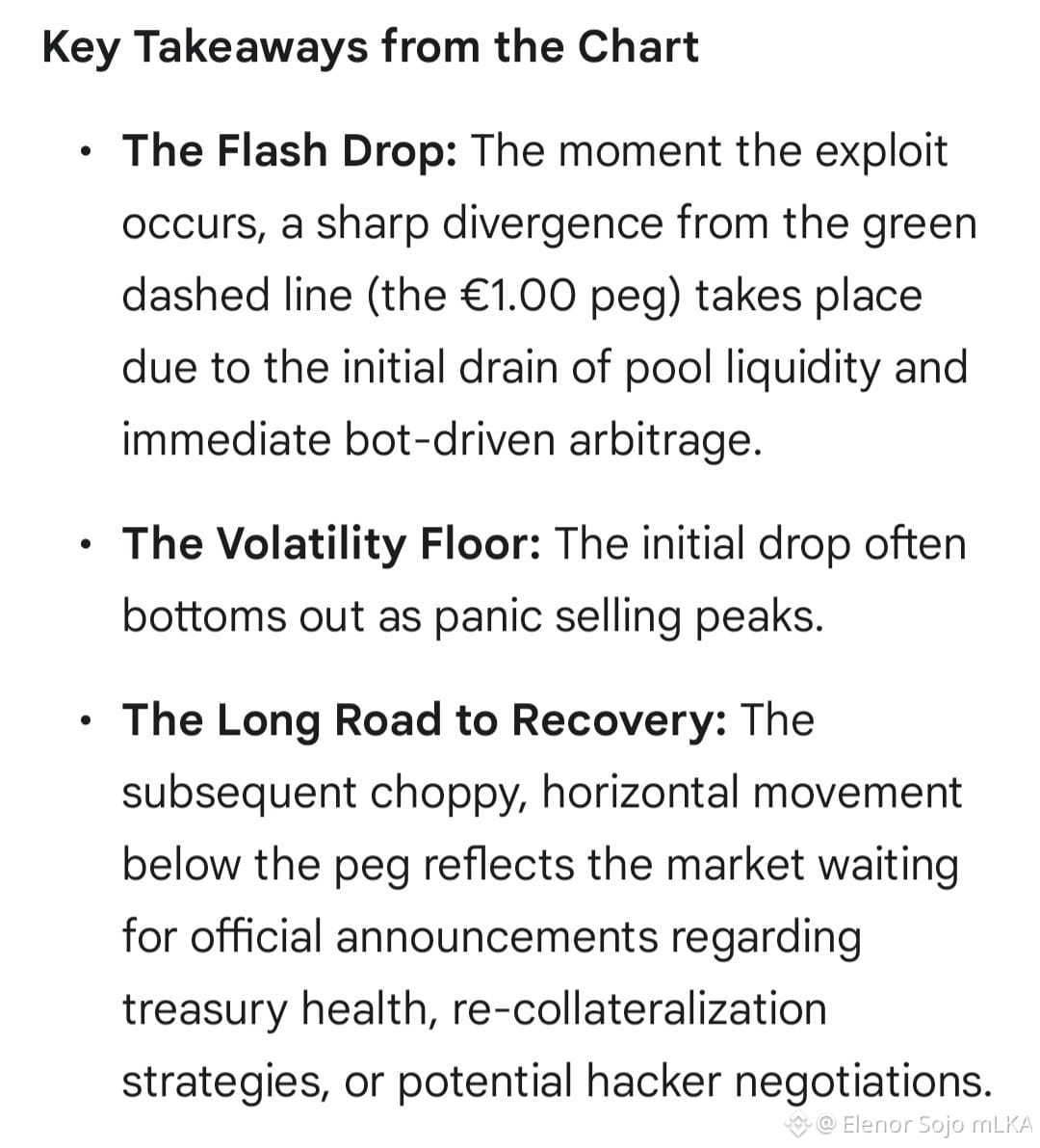
Prediction: The StablR Euro (R) stablecoin will likely struggle to regain its exact 1.00 Euro peg in the short term. Expect a prolonged recovery period where the project must secure external backing or implement a protocol-wide restructuring to restore user trust and liquidity.
Explained: What Actually Happened?
To understand where this is going, it helps to look at the mechanics of the attack and why it caused a depeg.
1. The Vulnerability & The Attack
StablR operates as a stablecoin issuer (primarily dealing with Euro-pegged assets like R). In an exploit or "attack," malicious actors usually target a flaw in the smart contracts—often related to liquidity pools, minting functions, or price oracles.
When an attacker successfully drains funds or manipulates the pool, they disrupt the collateral ratio.
2. Why it "Depegs"
A stablecoin maintains its value (e.g., €1.00) because users trust that every 1 token can be swapped for 1 Real-World Euro (or equivalent collateral).
The Panic: Once the attack occurs, liquidity dries up.
The Bank Run: Holders rush to sell their tokens before the value drops further.
The Result: The massive selling pressure, combined with missing collateral, causes the price to break below its peg (e.g., dropping to €0.90 or lower).
What to Watch For Next
Whether StablR recovers depends entirely on three factors:
Collateral Restoration: Can the team recover the stolen funds or secure a bailout from venture capitalists to back the token 1:1 again?
Protocol Pauses: The team will likely pause minting and redeeming functions to stop the bleeding while they patch the exploit.
Community Trust: Even if fixed, stablecoins rely heavily on reputation. If users lose faith, volume will permanently shift to competitors (like EURC or EURT).
If you are holding assets in the ecosystem, it is wise to monitor their official communication channels closely for compensation plans or snapshot announcements.
#StablRDepegsAfterAttack
Prediction
Prediction: The StablR Euro (R) stablecoin will likely struggle to regain its exact 1.00 Euro peg in the short term. Expect a prolonged recovery period where the project must secure external backing or implement a protocol-wide restructuring to restore user trust and liquidity.
Explained: What Actually Happened?
To understand where this is going, it helps to look at the mechanics of the attack and why it caused a depeg.
1. The Vulnerability & The Attack
StablR operates as a stablecoin issuer (primarily dealing with Euro-pegged assets like R). In an exploit or "attack," malicious actors usually target a flaw in the smart contracts—often related to liquidity pools, minting functions, or price oracles.
When an attacker successfully drains funds or manipulates the pool, they disrupt the collateral ratio.
2. Why it "Depegs"
A stablecoin maintains its value (e.g., €1.00) because users trust that every 1 token can be swapped for 1 Real-World Euro (or equivalent collateral).
The Panic: Once the attack occurs, liquidity dries up.
The Bank Run: Holders rush to sell their tokens before the value drops further.
The Result: The massive selling pressure, combined with missing collateral, causes the price to break below its peg (e.g., dropping to €0.90 or lower).
What to Watch For Next
Whether StablR recovers depends entirely on three factors:
Collateral Restoration: Can the team recover the stolen funds or secure a bailout from venture capitalists to back the token 1:1 again?
Protocol Pauses: The team will likely pause minting and redeeming functions to stop the bleeding while they patch the exploit.
Community Trust: Even if fixed, stablecoins rely heavily on reputation. If users lose faith, volume will permanently shift to competitors (like EURC or EURT).
If you are holding assets in the ecosystem, it is wise to monitor their official communication channels closely for compensation plans or snapshot announcements.
Prediction
Prediction: The StablR Euro (R) stablecoin will likely struggle to regain its exact 1.00 Euro peg in the short term. Expect a prolonged recovery period where the project must secure external backing or implement a protocol-wide restructuring to restore user trust and liquidity.
Explained: What Actually Happened?
To understand where this is going, it helps to look at the mechanics of the attack and why it caused a depeg.
1. The Vulnerability & The Attack
StablR operates as a stablecoin issuer (primarily dealing with Euro-pegged assets like R). In an exploit or "attack," malicious actors usually target a flaw in the smart contracts—often related to liquidity pools, minting functions, or price oracles.
When an attacker successfully drains funds or manipulates the pool, they disrupt the collateral ratio.
2. Why it "Depegs"
A stablecoin maintains its value (e.g., €1.00) because users trust that every 1 token can be swapped for 1 Real-World Euro (or equivalent collateral).
The Panic: Once the attack occurs, liquidity dries up.
The Bank Run: Holders rush to sell their tokens before the value drops further.
The Result: The massive selling pressure, combined with missing collateral, causes the price to break below its peg (e.g., dropping to €0.90 or lower).
What to Watch For Next
Whether StablR recovers depends entirely on three factors:
Collateral Restoration: Can the team recover the stolen funds or secure a bailout from venture capitalists to back the token 1:1 again?
Protocol Pauses: The team will likely pause minting and redeeming functions to stop the bleeding while they patch the exploit.
Community Trust: Even if fixed, stablecoins rely heavily on reputation. If users lose faith, volume will permanently shift to competitors (like EURC or EURT).
If you are holding assets in the ecosystem, it is wise to monitor their official communication channels closely for compensation plans or snapshot announcements.
2
142

·
--
Bearish
#StablRDepegsAfterAttack
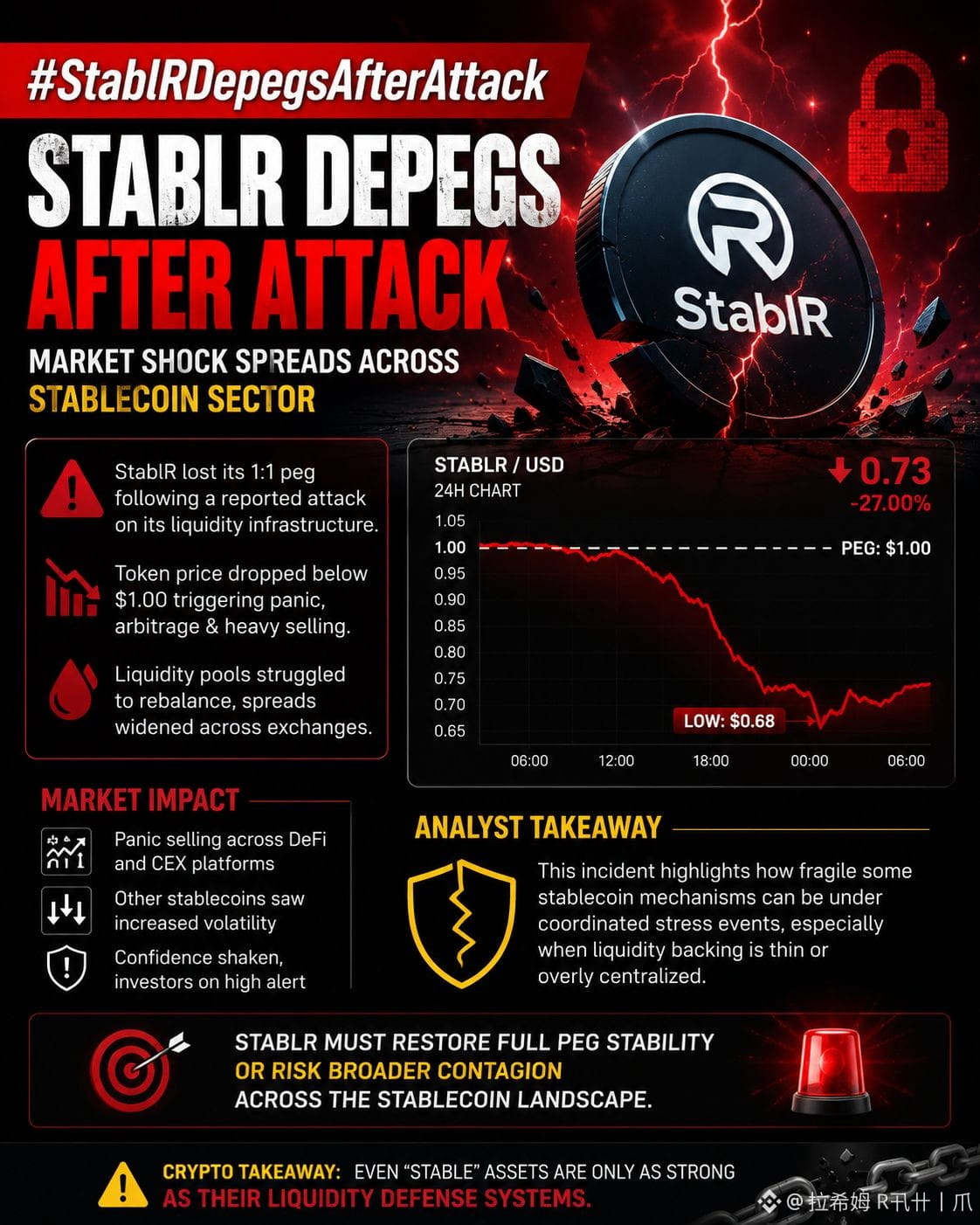
Market Shock Spreads Across Stablecoin Sector
A sharp wave of volatility hit the crypto market after StablR experienced a sudden depeg event following a reported attack on its liquidity infrastructure.
According to early market data, the token briefly lost its 1:1 peg, triggering panic exits and arbitrage pressure across exchanges. Traders reported widening spreads as liquidity pools struggled to rebalance in real time.
Analysts say the incident highlights once again how fragile some stablecoin mechanisms can be under coordinated stress events, especially when liquidity backing is thin or overly centralized.
While partial recovery attempts were seen within hours, confidence remains shaky as on-chain flows continue to show elevated outflows.
Market participants are now watching whether StablR can restore full peg stability or if this event triggers broader contagion across similar assets.
Crypto takeaway: even “stable” assets are only as strong as their liquidity defense systems.
If you want, I can turn this into a viral-style Twitter/X post or a graphic poster.$ETH
{future}(ETHUSDT)
$BNB
{future}(BNBUSDT)
#StablRDepegsAfterAttack
Market Shock Spreads Across Stablecoin Sector
A sharp wave of volatility hit the crypto market after StablR experienced a sudden depeg event following a reported attack on its liquidity infrastructure.
According to early market data, the token briefly lost its 1:1 peg, triggering panic exits and arbitrage pressure across exchanges. Traders reported widening spreads as liquidity pools struggled to rebalance in real time.
Analysts say the incident highlights once again how fragile some stablecoin mechanisms can be under coordinated stress events, especially when liquidity backing is thin or overly centralized.
While partial recovery attempts were seen within hours, confidence remains shaky as on-chain flows continue to show elevated outflows.
Market participants are now watching whether StablR can restore full peg stability or if this event triggers broader contagion across similar assets.
Crypto takeaway: even “stable” assets are only as strong as their liquidity defense systems.
If you want, I can turn this into a viral-style Twitter/X post or a graphic poster.$ETH
$BNB
Market Shock Spreads Across Stablecoin Sector
A sharp wave of volatility hit the crypto market after StablR experienced a sudden depeg event following a reported attack on its liquidity infrastructure.
According to early market data, the token briefly lost its 1:1 peg, triggering panic exits and arbitrage pressure across exchanges. Traders reported widening spreads as liquidity pools struggled to rebalance in real time.
Analysts say the incident highlights once again how fragile some stablecoin mechanisms can be under coordinated stress events, especially when liquidity backing is thin or overly centralized.
While partial recovery attempts were seen within hours, confidence remains shaky as on-chain flows continue to show elevated outflows.
Market participants are now watching whether StablR can restore full peg stability or if this event triggers broader contagion across similar assets.
Crypto takeaway: even “stable” assets are only as strong as their liquidity defense systems.
If you want, I can turn this into a viral-style Twitter/X post or a graphic poster.$ETH
$BNB
106

·
--
Article
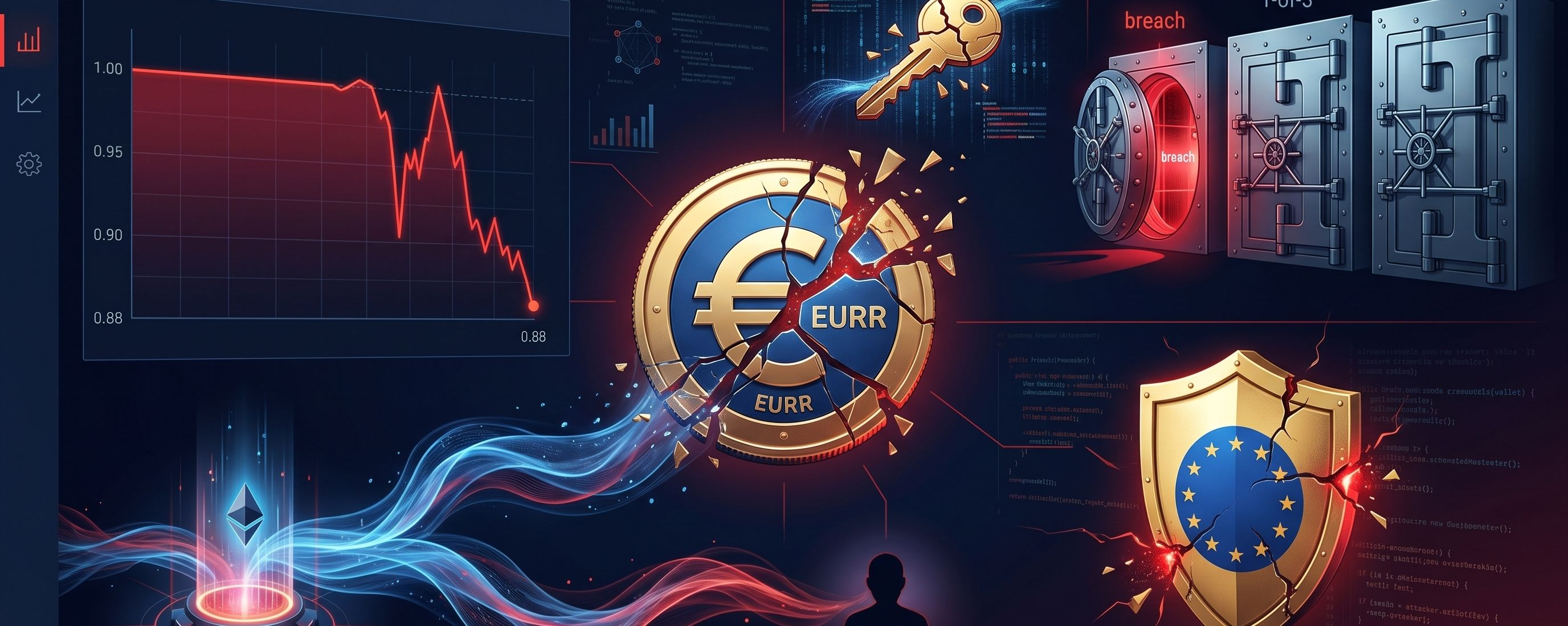
🚨 StablR Exploited Licensed Euro Stablecoin Crashes 22% in Minutes#StablRDepegsAfterAttack
On May 24, 2026, blockchain security firm Blockaid detected an active exploit targeting StablR's issuance system, tracing the breach to a private key compromise on a minting multisig that operated with a dangerously weak 1-of-3 signature threshold.
📊 The damage in numbers:
The attacker added their own address as an owner, expelled the two legitimate signers, and proceeded to mint 8.35 million USDR and 4.5 million EURR a combined face value of approximately $10.4 million at peg.
The attacker swapped those freshly minted tokens on decentralized exchanges for just 1,115 ETH roughly $2.8 million because thin liquidity absorbed most of the slippage, meaning the attacker minted $10.4M in theoretical value but extracted only $2.8M in real losses to the protocol. (BeInCrypto) EURR collapsed to approximately $0.88 and USDR fell to around $0.70 firmly into depeg territory within minutes of the unauthorized minting.
📌 The pattern this fits:
Compromised private keys have become the defining attack vector of 2026's DeFi exploit wave Volo Vault, Wasabi Perps, Echo Bridge, and Polymarket were all hit with admin key exploits over the past two months.
What makes StablR distinctive is its regulatory standing: the company holds an Electronic Money Institution (EMI) license from Malta's financial regulator and operates under the EU's MiCA framework creating an uncomfortable precedent where a fully regulated stablecoin issuer depeg due to an operational security failure, not a regulatory gap.
💡 Beginner's Corner Why Does a 1-of-3 Multisig Make a Stablecoin Catastrophically Vulnerable?
A 1-of-3 multisig threshold means a single compromised private key grants complete, unilateral control over minting requiring no consensus from the other two authorized signers to issue unlimited tokens with zero collateral.
Blockaid was explicit:
This is not a smart contract bug it's a key management and governance failure." That distinction matters because code bugs can be patched in hours, while governance culture and key management practices take far longer to genuinely reform across an organization.
💬 If a MiCA-licensed stablecoin can depeg due to a 1-of-3 multisig failure should EU regulators mandate minimum multisig thresholds, hardware security modules, and mandatory key rotation schedules as technical licensing requirements, or is operational security best left to the issuer's discretion?
#StablRDepegsAfterAttack #StablecoinSecurity #Ethereum #MiCA #CryptoSecurity
DYOR | Educational content only | Not financial advice
$ETH
🚨 StablR Exploited Licensed Euro Stablecoin Crashes 22% in Minutes
#StablRDepegsAfterAttack
On May 24, 2026, blockchain security firm Blockaid detected an active exploit targeting StablR's issuance system, tracing the breach to a private key compromise on a minting multisig that operated with a dangerously weak 1-of-3 signature threshold.
📊 The damage in numbers:
The attacker added their own address as an owner, expelled the two legitimate signers, and proceeded to mint 8.35 million USDR and 4.5 million EURR a combined face value of approximately $10.4 million at peg.
The attacker swapped those freshly minted tokens on decentralized exchanges for just 1,115 ETH roughly $2.8 million because thin liquidity absorbed most of the slippage, meaning the attacker minted $10.4M in theoretical value but extracted only $2.8M in real losses to the protocol. (BeInCrypto) EURR collapsed to approximately $0.88 and USDR fell to around $0.70 firmly into depeg territory within minutes of the unauthorized minting.
📌 The pattern this fits:
Compromised private keys have become the defining attack vector of 2026's DeFi exploit wave Volo Vault, Wasabi Perps, Echo Bridge, and Polymarket were all hit with admin key exploits over the past two months.
What makes StablR distinctive is its regulatory standing: the company holds an Electronic Money Institution (EMI) license from Malta's financial regulator and operates under the EU's MiCA framework creating an uncomfortable precedent where a fully regulated stablecoin issuer depeg due to an operational security failure, not a regulatory gap.
💡 Beginner's Corner Why Does a 1-of-3 Multisig Make a Stablecoin Catastrophically Vulnerable?
A 1-of-3 multisig threshold means a single compromised private key grants complete, unilateral control over minting requiring no consensus from the other two authorized signers to issue unlimited tokens with zero collateral.
Blockaid was explicit:
This is not a smart contract bug it's a key management and governance failure." That distinction matters because code bugs can be patched in hours, while governance culture and key management practices take far longer to genuinely reform across an organization.
💬 If a MiCA-licensed stablecoin can depeg due to a 1-of-3 multisig failure should EU regulators mandate minimum multisig thresholds, hardware security modules, and mandatory key rotation schedules as technical licensing requirements, or is operational security best left to the issuer's discretion?
#StablRDepegsAfterAttack #StablecoinSecurity #Ethereum #MiCA #CryptoSecurity
DYOR | Educational content only | Not financial advice
$ETH
On May 24, 2026, blockchain security firm Blockaid detected an active exploit targeting StablR's issuance system, tracing the breach to a private key compromise on a minting multisig that operated with a dangerously weak 1-of-3 signature threshold.
📊 The damage in numbers:
The attacker added their own address as an owner, expelled the two legitimate signers, and proceeded to mint 8.35 million USDR and 4.5 million EURR a combined face value of approximately $10.4 million at peg.
The attacker swapped those freshly minted tokens on decentralized exchanges for just 1,115 ETH roughly $2.8 million because thin liquidity absorbed most of the slippage, meaning the attacker minted $10.4M in theoretical value but extracted only $2.8M in real losses to the protocol. (BeInCrypto) EURR collapsed to approximately $0.88 and USDR fell to around $0.70 firmly into depeg territory within minutes of the unauthorized minting.
📌 The pattern this fits:
Compromised private keys have become the defining attack vector of 2026's DeFi exploit wave Volo Vault, Wasabi Perps, Echo Bridge, and Polymarket were all hit with admin key exploits over the past two months.
What makes StablR distinctive is its regulatory standing: the company holds an Electronic Money Institution (EMI) license from Malta's financial regulator and operates under the EU's MiCA framework creating an uncomfortable precedent where a fully regulated stablecoin issuer depeg due to an operational security failure, not a regulatory gap.
💡 Beginner's Corner Why Does a 1-of-3 Multisig Make a Stablecoin Catastrophically Vulnerable?
A 1-of-3 multisig threshold means a single compromised private key grants complete, unilateral control over minting requiring no consensus from the other two authorized signers to issue unlimited tokens with zero collateral.
Blockaid was explicit:
This is not a smart contract bug it's a key management and governance failure." That distinction matters because code bugs can be patched in hours, while governance culture and key management practices take far longer to genuinely reform across an organization.
💬 If a MiCA-licensed stablecoin can depeg due to a 1-of-3 multisig failure should EU regulators mandate minimum multisig thresholds, hardware security modules, and mandatory key rotation schedules as technical licensing requirements, or is operational security best left to the issuer's discretion?
#StablRDepegsAfterAttack #StablecoinSecurity #Ethereum #MiCA #CryptoSecurity
DYOR | Educational content only | Not financial advice
$ETH
95

·
--
Bullish
Verified
StablR coin loses its peg to the dollar after a confidence-shaking attack ⚠️
The StablR stablecoin experienced a shocking event in the market after facing intense pressure that led to a loss of its peg to its underlying value (depeg), following what is suspected to be an attack that exploited vulnerabilities in liquidity or stabilization mechanisms.
Typically, stablecoins rely on maintaining a fixed value (often $1), but in this case, a strong sell-off or a system glitch broke this connection, causing a rapid decline in confidence within the market.
This type of event brings to light the risks associated with less established stablecoins compared to major players in the market like USDT and USDC, which enjoy relatively stronger liquidity support and regulation.
The immediate results were:
Price and liquidity turmoil
Increased panic among investors
Renewed questions about protection mechanisms in DeFi projects
The most important lesson from this event remains that stability in the stablecoin market is not always guaranteed, especially in emerging projects or those with limited liquidity.
#StablRDepegsAfterAttack
{spot}(USDCUSDT)
StablR coin loses its peg to the dollar after a confidence-shaking attack ⚠️
The StablR stablecoin experienced a shocking event in the market after facing intense pressure that led to a loss of its peg to its underlying value (depeg), following what is suspected to be an attack that exploited vulnerabilities in liquidity or stabilization mechanisms.
Typically, stablecoins rely on maintaining a fixed value (often $1), but in this case, a strong sell-off or a system glitch broke this connection, causing a rapid decline in confidence within the market.
This type of event brings to light the risks associated with less established stablecoins compared to major players in the market like USDT and USDC, which enjoy relatively stronger liquidity support and regulation.
The immediate results were:
Price and liquidity turmoil
Increased panic among investors
Renewed questions about protection mechanisms in DeFi projects
The most important lesson from this event remains that stability in the stablecoin market is not always guaranteed, especially in emerging projects or those with limited liquidity.
#StablRDepegsAfterAttack
The StablR stablecoin experienced a shocking event in the market after facing intense pressure that led to a loss of its peg to its underlying value (depeg), following what is suspected to be an attack that exploited vulnerabilities in liquidity or stabilization mechanisms.
Typically, stablecoins rely on maintaining a fixed value (often $1), but in this case, a strong sell-off or a system glitch broke this connection, causing a rapid decline in confidence within the market.
This type of event brings to light the risks associated with less established stablecoins compared to major players in the market like USDT and USDC, which enjoy relatively stronger liquidity support and regulation.
The immediate results were:
Price and liquidity turmoil
Increased panic among investors
Renewed questions about protection mechanisms in DeFi projects
The most important lesson from this event remains that stability in the stablecoin market is not always guaranteed, especially in emerging projects or those with limited liquidity.
#StablRDepegsAfterAttack

3
873

#StablRDepegsAfterAttack For Binance traders, there's a concerning pattern to note: May 2026 has set a record for hacks on DeFi protocols, including attacks on THORChain, Verus Bridge, and now StablR..
Coincidence? Doesn't seem like it. The uptick in attacks using stolen private keys and compromised "bridge contracts" suggests a tactical shift: attackers are no longer wasting time looking for complex code vulnerabilities but are going straight for human administrators and signature infrastructure.
This incident should prompt more scrutiny from centralized exchanges and security teams. For the everyday user, the advice remains the same: when doubts about an asset's stability arise, shift to more stablecoins (like USDT or USDC) that have proven security profiles over time.
The risk of "depeg" won't vanish, but with stricter signature management and better security education, these episodes can be mitigated.
#StablRDepegsAfterAttack For Binance traders, there's a concerning pattern to note: May 2026 has set a record for hacks on DeFi protocols, including attacks on THORChain, Verus Bridge, and now StablR..
Coincidence? Doesn't seem like it. The uptick in attacks using stolen private keys and compromised "bridge contracts" suggests a tactical shift: attackers are no longer wasting time looking for complex code vulnerabilities but are going straight for human administrators and signature infrastructure.
This incident should prompt more scrutiny from centralized exchanges and security teams. For the everyday user, the advice remains the same: when doubts about an asset's stability arise, shift to more stablecoins (like USDT or USDC) that have proven security profiles over time.
The risk of "depeg" won't vanish, but with stricter signature management and better security education, these episodes can be mitigated.
Coincidence? Doesn't seem like it. The uptick in attacks using stolen private keys and compromised "bridge contracts" suggests a tactical shift: attackers are no longer wasting time looking for complex code vulnerabilities but are going straight for human administrators and signature infrastructure.
This incident should prompt more scrutiny from centralized exchanges and security teams. For the everyday user, the advice remains the same: when doubts about an asset's stability arise, shift to more stablecoins (like USDT or USDC) that have proven security profiles over time.
The risk of "depeg" won't vanish, but with stricter signature management and better security education, these episodes can be mitigated.
1
163

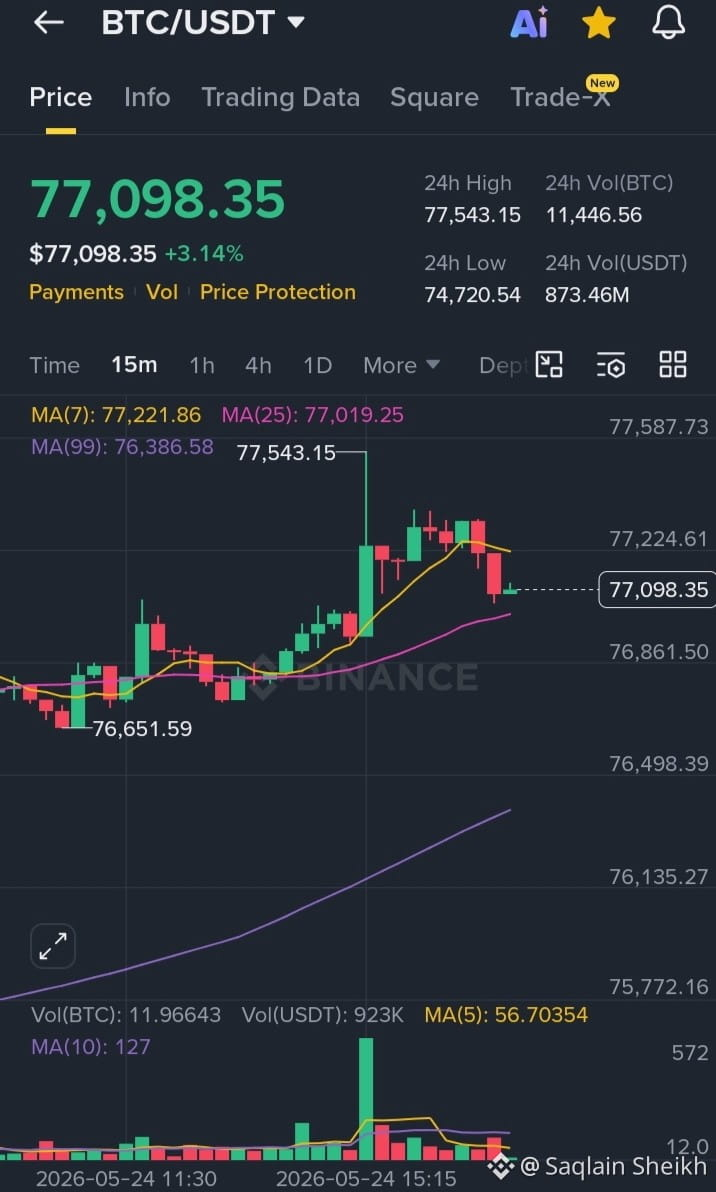
$BTC
{spot}(BTCUSDT)
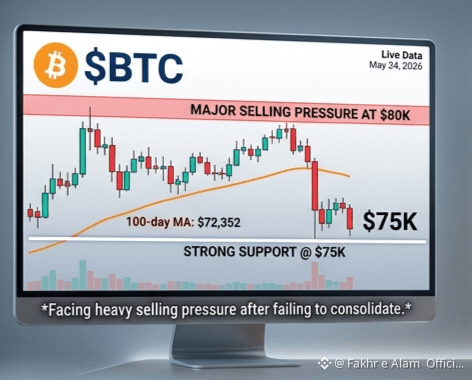
* **Step 1:** BTC is currently facing heavy selling pressure after failing to consolidate above the major $80,000 psychological zone.
* **Step 2:** Aggressive institutional whale distribution via on-chain OTC desks is causing a short-term supply imbalance in spot markets.
* **Step 3:** Immediate downside support is strongly established at $75,000, while the 100-day Moving Average at $72,352 acts as the ultimate bullish threshold.
* **Step 4:** A clean daily close back above $78,500 is mandatory to invalidate the current bearish pullback and reopen targets toward $84,000.
#TrumpSaysIranDealLargelyNegotiated #BitcoinRisesOnIranPeaceDeal #RussiaExpandsMinerInfoRequirements #StablRDepegsAfterAttack #BitcoinBreaksBelow75KAsWarshTakesFedHelm
$BTC
* **Step 1:** BTC is currently facing heavy selling pressure after failing to consolidate above the major $80,000 psychological zone.
* **Step 2:** Aggressive institutional whale distribution via on-chain OTC desks is causing a short-term supply imbalance in spot markets.
* **Step 3:** Immediate downside support is strongly established at $75,000, while the 100-day Moving Average at $72,352 acts as the ultimate bullish threshold.
* **Step 4:** A clean daily close back above $78,500 is mandatory to invalidate the current bearish pullback and reopen targets toward $84,000.
#TrumpSaysIranDealLargelyNegotiated #BitcoinRisesOnIranPeaceDeal #RussiaExpandsMinerInfoRequirements #StablRDepegsAfterAttack #BitcoinBreaksBelow75KAsWarshTakesFedHelm
* **Step 1:** BTC is currently facing heavy selling pressure after failing to consolidate above the major $80,000 psychological zone.
* **Step 2:** Aggressive institutional whale distribution via on-chain OTC desks is causing a short-term supply imbalance in spot markets.
* **Step 3:** Immediate downside support is strongly established at $75,000, while the 100-day Moving Average at $72,352 acts as the ultimate bullish threshold.
* **Step 4:** A clean daily close back above $78,500 is mandatory to invalidate the current bearish pullback and reopen targets toward $84,000.
#TrumpSaysIranDealLargelyNegotiated #BitcoinRisesOnIranPeaceDeal #RussiaExpandsMinerInfoRequirements #StablRDepegsAfterAttack #BitcoinBreaksBelow75KAsWarshTakesFedHelm
92

$BTC
{spot}(BTCUSDT)
Bitcoin (BTC)
Bitcoin was built for people
who had the courage to think differently from the system
When the world was doubting
a few people kept believing
Today
that belief has become history
BTC is not just about price movement
it is a mindset
A mindset of patience
conviction
and understanding the future before everyone else
The market tests everyone
But time always rewards those
who can still see the vision even during fear.
#TrumpSaysIranDealLargelyNegotiated #BitcoinRisesOnIranPeaceDeal #RussiaExpandsMinerInfoRequirements #StablRDepegsAfterAttack #BTC
$BTC
Bitcoin (BTC)
Bitcoin was built for people
who had the courage to think differently from the system
When the world was doubting
a few people kept believing
Today
that belief has become history
BTC is not just about price movement
it is a mindset
A mindset of patience
conviction
and understanding the future before everyone else
The market tests everyone
But time always rewards those
who can still see the vision even during fear.
#TrumpSaysIranDealLargelyNegotiated #BitcoinRisesOnIranPeaceDeal #RussiaExpandsMinerInfoRequirements #StablRDepegsAfterAttack #BTC
Bitcoin (BTC)
Bitcoin was built for people
who had the courage to think differently from the system
When the world was doubting
a few people kept believing
Today
that belief has become history
BTC is not just about price movement
it is a mindset
A mindset of patience
conviction
and understanding the future before everyone else
The market tests everyone
But time always rewards those
who can still see the vision even during fear.
#TrumpSaysIranDealLargelyNegotiated #BitcoinRisesOnIranPeaceDeal #RussiaExpandsMinerInfoRequirements #StablRDepegsAfterAttack #BTC
16

·
--
Bullish
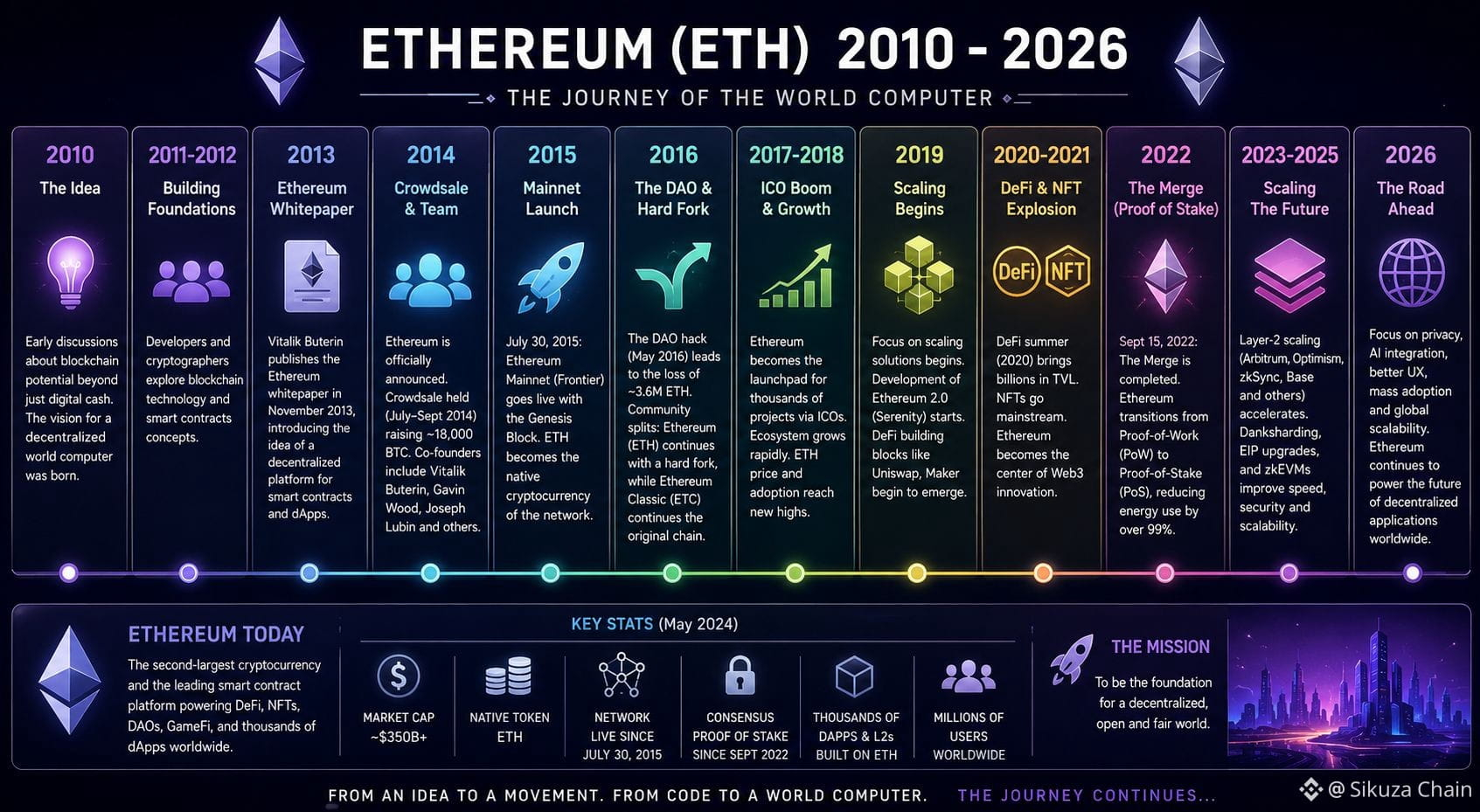
Ethereum is the second-largest cryptocurrency after Bitcoin and is widely used for smart contracts, NFTs, and decentralized applications (dApps). Binance remains one of the largest exchanges for Ethereum trading volume worldwide.$ETH
{spot}(ETHUSDT)
#TrumpSaysIranDealLargelyNegotiated #BitcoinRisesOnIranPeaceDeal #StablRDepegsAfterAttack
Ethereum is the second-largest cryptocurrency after Bitcoin and is widely used for smart contracts, NFTs, and decentralized applications (dApps). Binance remains one of the largest exchanges for Ethereum trading volume worldwide.$ETH
#TrumpSaysIranDealLargelyNegotiated #BitcoinRisesOnIranPeaceDeal #StablRDepegsAfterAttack
#TrumpSaysIranDealLargelyNegotiated #BitcoinRisesOnIranPeaceDeal #StablRDepegsAfterAttack
114

·
--
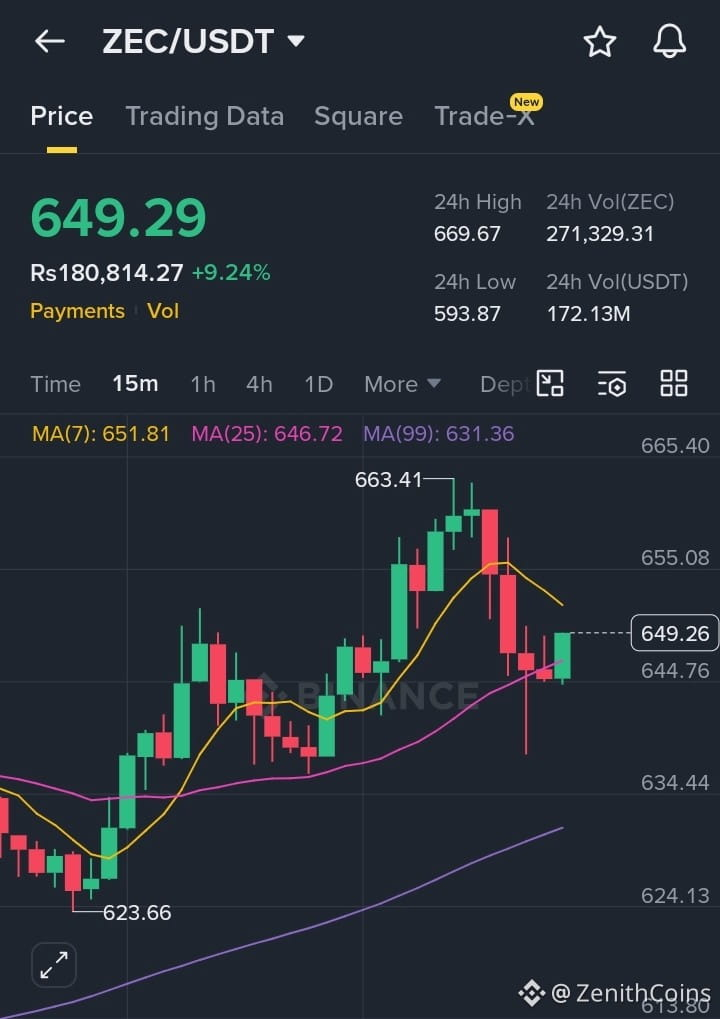
$ZEC is still showing bullish strength after a strong move toward the 663 zone. Right now, I’m watching the 644–646 support area closely because buyers are trying to defend it well. If momentum returns and volume increases again, ZEC could retest 660+ in the next move. Overall, the trend still looks positive while price stays above the major moving averages, but short-term volatility is expected before the next breakout. 📈🔥
{spot}(ZECUSDT)
#TrumpSaysIranDealLargelyNegotiated #BitcoinRisesOnIranPeaceDeal #StablRDepegsAfterAttack
$ZEC is still showing bullish strength after a strong move toward the 663 zone. Right now, I’m watching the 644–646 support area closely because buyers are trying to defend it well. If momentum returns and volume increases again, ZEC could retest 660+ in the next move. Overall, the trend still looks positive while price stays above the major moving averages, but short-term volatility is expected before the next breakout. 📈🔥
#TrumpSaysIranDealLargelyNegotiated #BitcoinRisesOnIranPeaceDeal #StablRDepegsAfterAttack
#TrumpSaysIranDealLargelyNegotiated #BitcoinRisesOnIranPeaceDeal #StablRDepegsAfterAttack
147


·
--
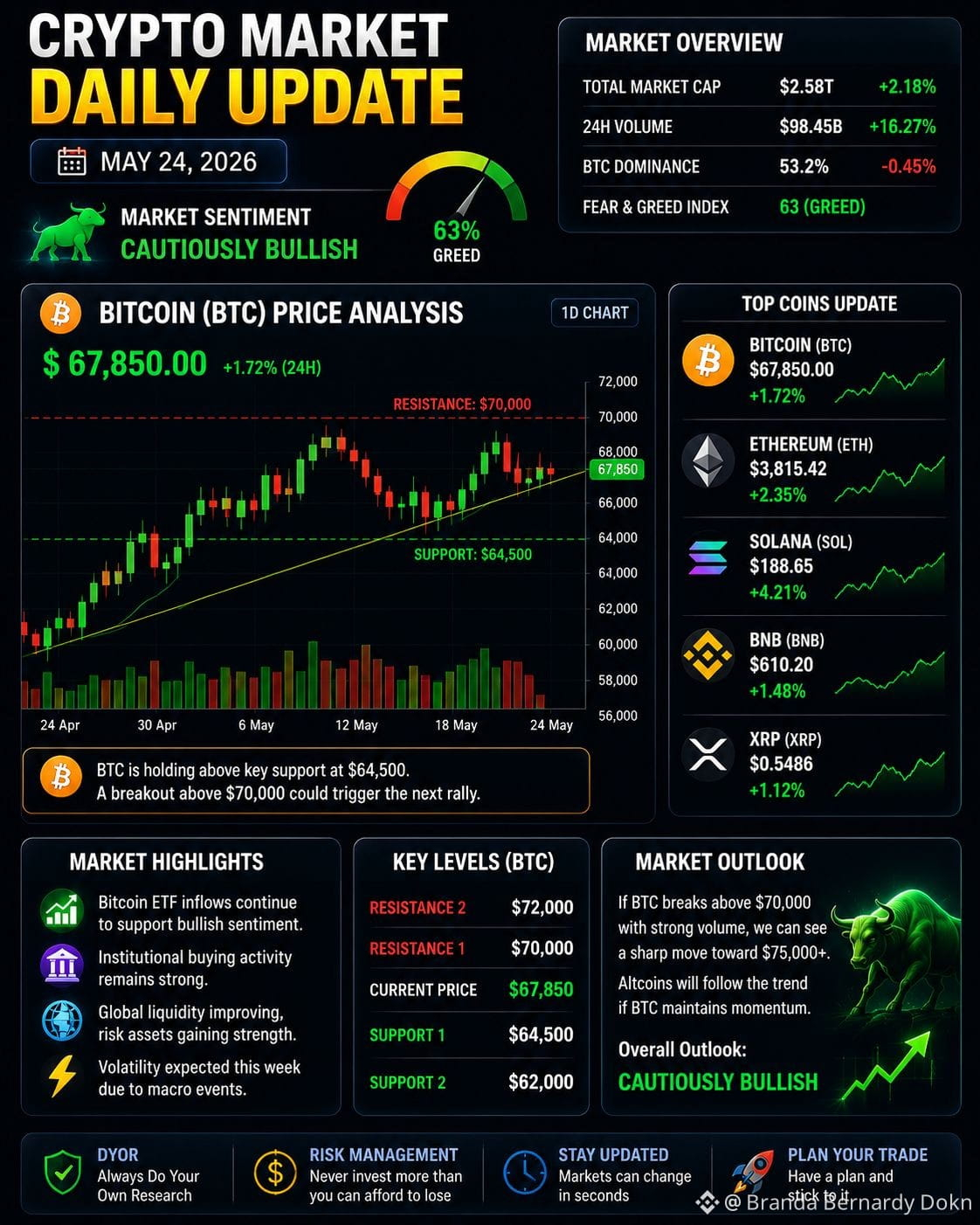
🚨 Crypto Market Update — May 24, 2026
$BTC
Bitcoin is holding strong near key resistance while altcoins like SOL and ETH continue showing momentum. 📈
• BTC needs a clean breakout for the next rally
• SOL ecosystem remains one of the strongest
• ETF inflows still support bullish sentiment
• Market volatility expected this week ⚡
Overall outlook: Cautiously Bullish 🚀
#TrumpSaysIranDealLargelyNegotiated #BitcoinRisesOnIranPeaceDeal #RussiaExpandsMinerInfoRequirements #StablRDepegsAfterAttack
{spot}(BTCUSDT)
🚨 Crypto Market Update — May 24, 2026
$BTC
Bitcoin is holding strong near key resistance while altcoins like SOL and ETH continue showing momentum. 📈
• BTC needs a clean breakout for the next rally
• SOL ecosystem remains one of the strongest
• ETF inflows still support bullish sentiment
• Market volatility expected this week ⚡
Overall outlook: Cautiously Bullish 🚀
#TrumpSaysIranDealLargelyNegotiated #BitcoinRisesOnIranPeaceDeal #RussiaExpandsMinerInfoRequirements #StablRDepegsAfterAttack
$BTC
Bitcoin is holding strong near key resistance while altcoins like SOL and ETH continue showing momentum. 📈
• BTC needs a clean breakout for the next rally
• SOL ecosystem remains one of the strongest
• ETF inflows still support bullish sentiment
• Market volatility expected this week ⚡
Overall outlook: Cautiously Bullish 🚀
#TrumpSaysIranDealLargelyNegotiated #BitcoinRisesOnIranPeaceDeal #RussiaExpandsMinerInfoRequirements #StablRDepegsAfterAttack
1
58

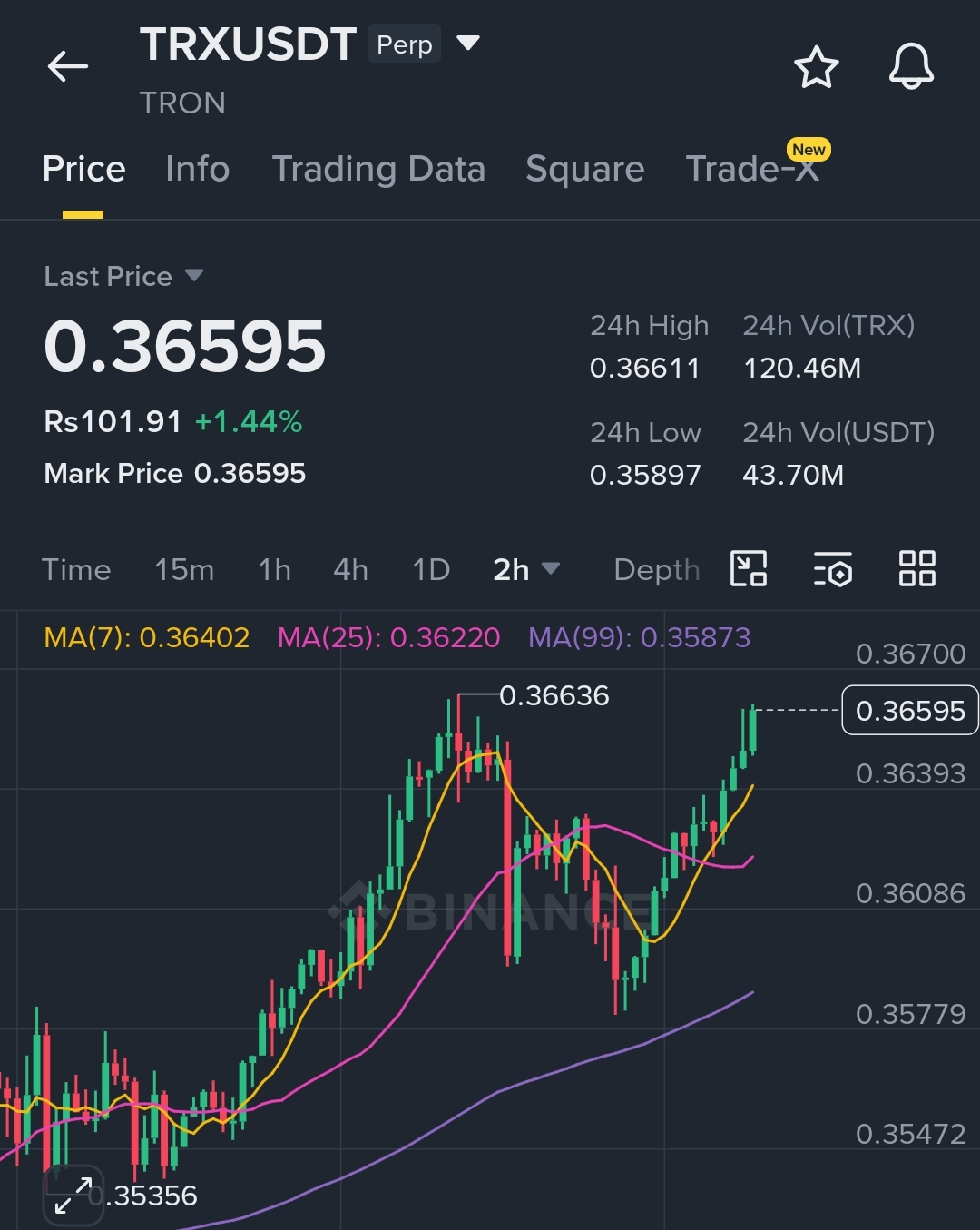
$TRX /USDT Long Trade Setup with 35x Leverage Max ....
• Entry: $0.3650 - $0.3665
• TP1: $0.3700
• TP2: $0.3750
• TP3: $0.3820
• SL: $0.3590
{future}(TRXUSDT)
#TrumpSaysIranDealLargelyNegotiated #BitcoinRisesOnIranPeaceDeal #StablRDepegsAfterAttack
$TRX /USDT Long Trade Setup with 35x Leverage Max ....
• Entry: $0.3650 - $0.3665
• TP1: $0.3700
• TP2: $0.3750
• TP3: $0.3820
• SL: $0.3590
#TrumpSaysIranDealLargelyNegotiated #BitcoinRisesOnIranPeaceDeal #StablRDepegsAfterAttack
• Entry: $0.3650 - $0.3665
• TP1: $0.3700
• TP2: $0.3750
• TP3: $0.3820
• SL: $0.3590
#TrumpSaysIranDealLargelyNegotiated #BitcoinRisesOnIranPeaceDeal #StablRDepegsAfterAttack
15
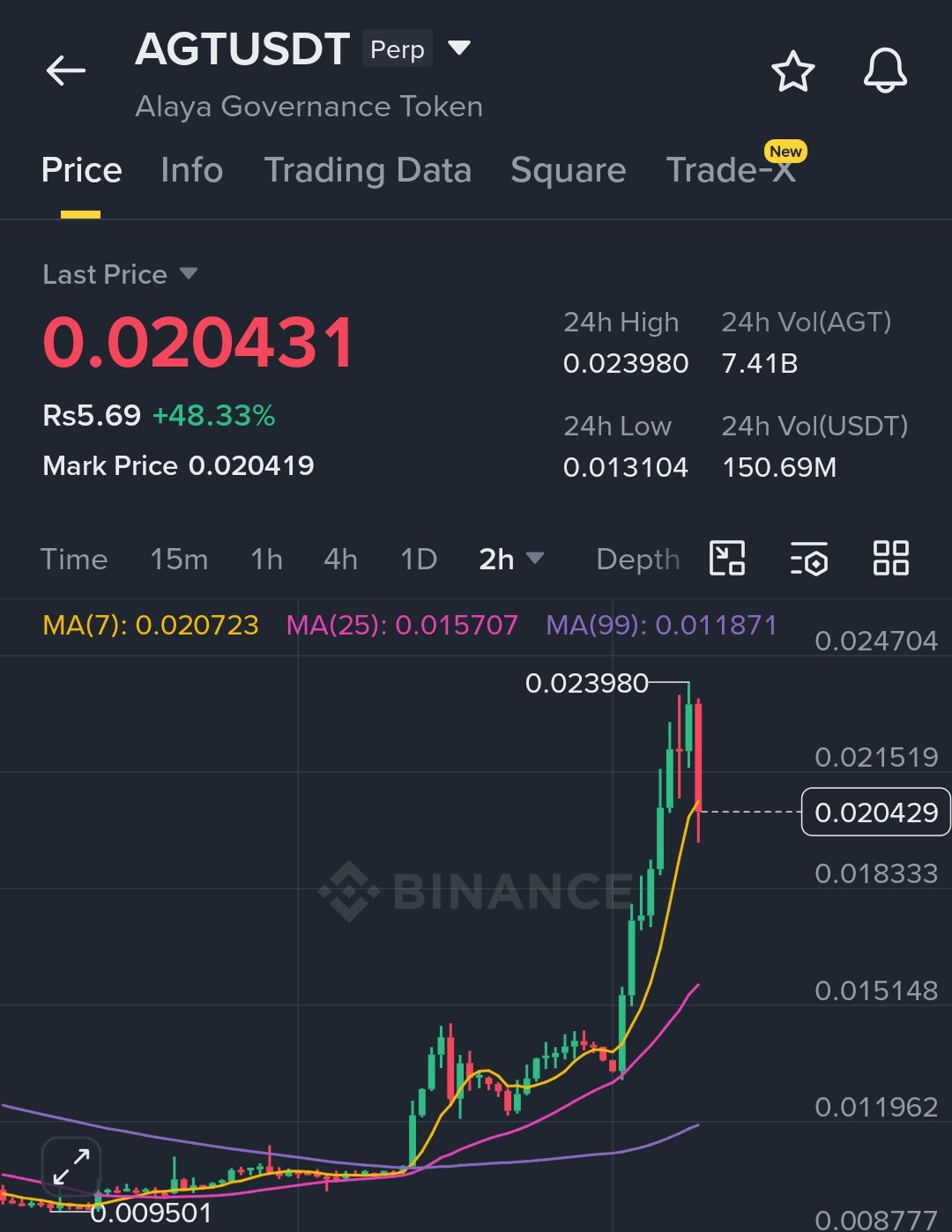
$AGT /USDT Long Trade Setup 6X Leverage Max ....
📍 Entry: 0.0198 – 0.0205
🛑 SL: 0.0182
🎯 Targets:
0.0220 → 0.0239 → 0.0265
{future}(AGTUSDT)
#TrumpSaysIranDealLargelyNegotiated #BitcoinRisesOnIranPeaceDeal #RussiaExpandsMinerInfoRequirements #StablRDepegsAfterAttack
$AGT /USDT Long Trade Setup 6X Leverage Max ....
📍 Entry: 0.0198 – 0.0205
🛑 SL: 0.0182
🎯 Targets:
0.0220 → 0.0239 → 0.0265
#TrumpSaysIranDealLargelyNegotiated #BitcoinRisesOnIranPeaceDeal #RussiaExpandsMinerInfoRequirements #StablRDepegsAfterAttack
📍 Entry: 0.0198 – 0.0205
🛑 SL: 0.0182
🎯 Targets:
0.0220 → 0.0239 → 0.0265
#TrumpSaysIranDealLargelyNegotiated #BitcoinRisesOnIranPeaceDeal #RussiaExpandsMinerInfoRequirements #StablRDepegsAfterAttack
11

·
--
Bullish
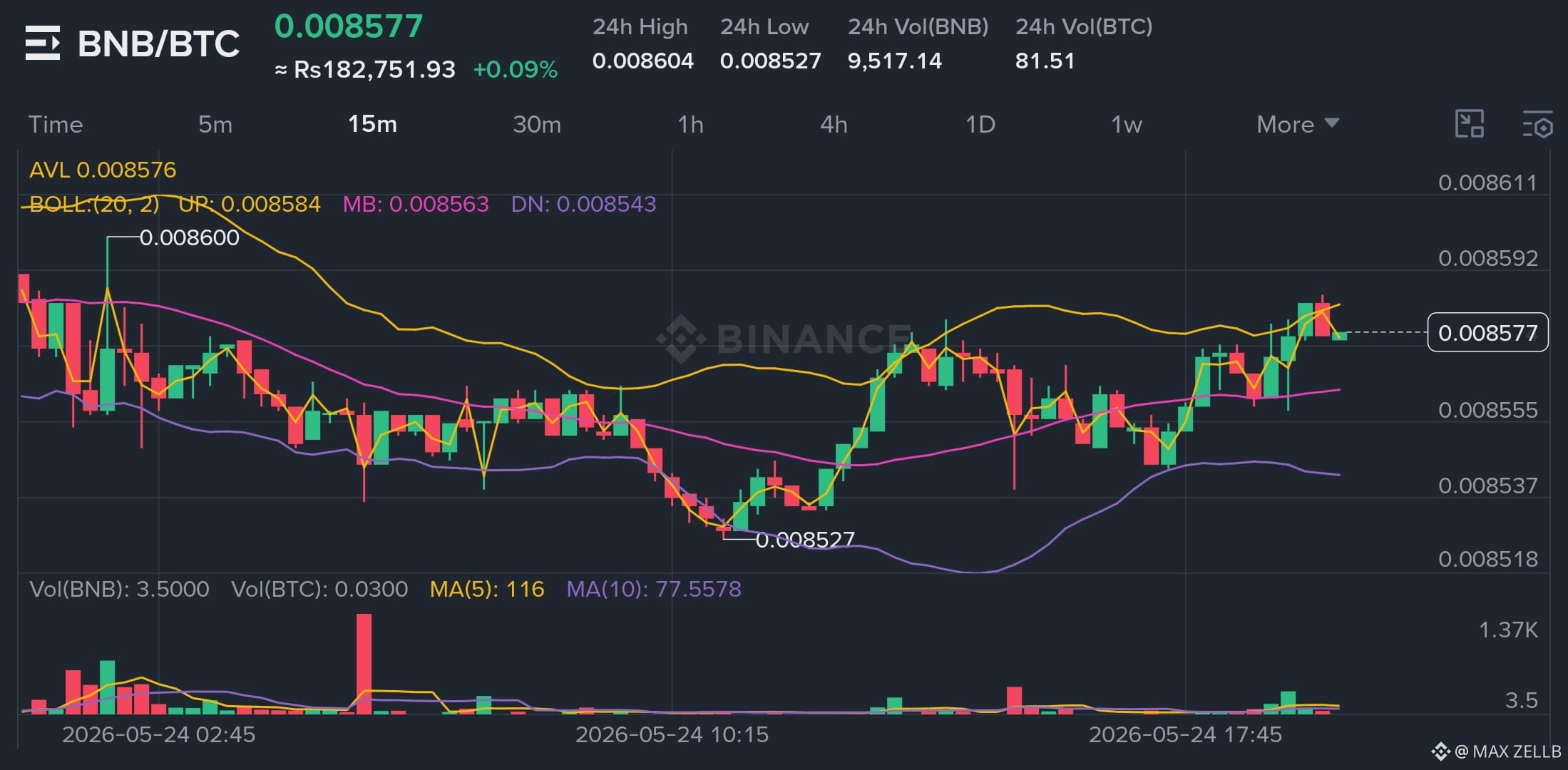
$BNB isn’t screaming for attention…
it’s quietly becoming too big to ignore. 🟡⚡
Every cycle changes narratives.
BNB keeps building through all of them. 🚀
{future}(BNBUSDT)
#ARMABillIntroducedWith20YrLockup #FenwickWestSettlesFTXFor54M #SECHaltsInnovationExemption #ARMABillIntroducedWith20YrLockup #StablRDepegsAfterAttack
$BNB isn’t screaming for attention…
it’s quietly becoming too big to ignore. 🟡⚡
Every cycle changes narratives.
BNB keeps building through all of them. 🚀
#ARMABillIntroducedWith20YrLockup #FenwickWestSettlesFTXFor54M #SECHaltsInnovationExemption #ARMABillIntroducedWith20YrLockup #StablRDepegsAfterAttack
it’s quietly becoming too big to ignore. 🟡⚡
Every cycle changes narratives.
BNB keeps building through all of them. 🚀
#ARMABillIntroducedWith20YrLockup #FenwickWestSettlesFTXFor54M #SECHaltsInnovationExemption #ARMABillIntroducedWith20YrLockup #StablRDepegsAfterAttack
73

·
--
Bullish
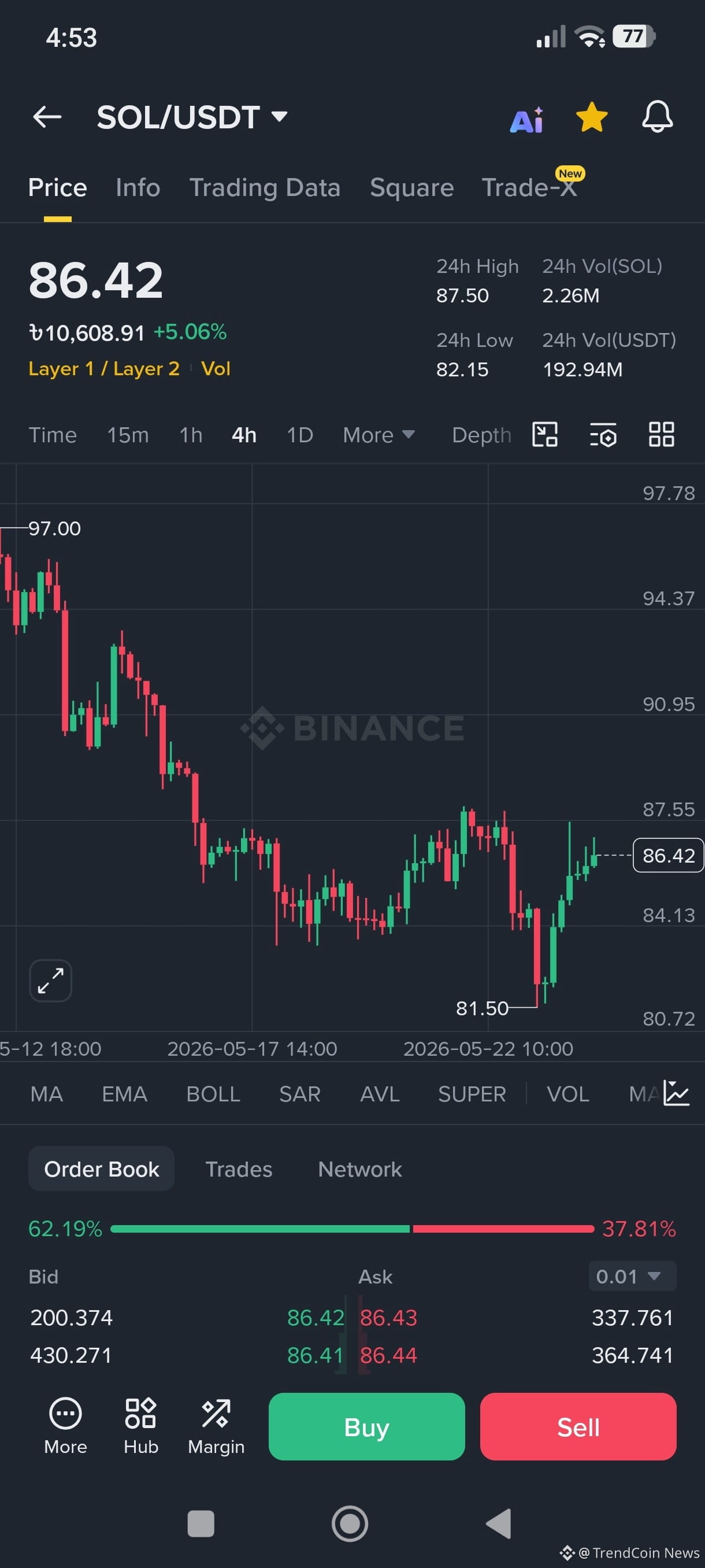
🚩 I AM TELLING YOU GUYS, $SOL WILL REACH $90 SOON 💪🚀
Current Price: $86.42 (+5.06%)
🎯 Targets: $88 → $89 → $90
$BTC $ETH 🔥
Trade here 🔻
{future}(SOLUSDT)
#sol #solana #TrumpSaysIranDealLargelyNegotiated #RussiaExpandsMinerInfoRequirements #StablRDepegsAfterAttack
🚩 I AM TELLING YOU GUYS, $SOL WILL REACH $90 SOON 💪🚀
Current Price: $86.42 (+5.06%)
🎯 Targets: $88 → $89 → $90
$BTC $ETH 🔥
Trade here 🔻
#sol #solana #TrumpSaysIranDealLargelyNegotiated #RussiaExpandsMinerInfoRequirements #StablRDepegsAfterAttack
Current Price: $86.42 (+5.06%)
🎯 Targets: $88 → $89 → $90
$BTC $ETH 🔥
Trade here 🔻
#sol #solana #TrumpSaysIranDealLargelyNegotiated #RussiaExpandsMinerInfoRequirements #StablRDepegsAfterAttack
1
50

·
--
$BNB doing what $BNB does. quiet, steady, inevitable. 🐂
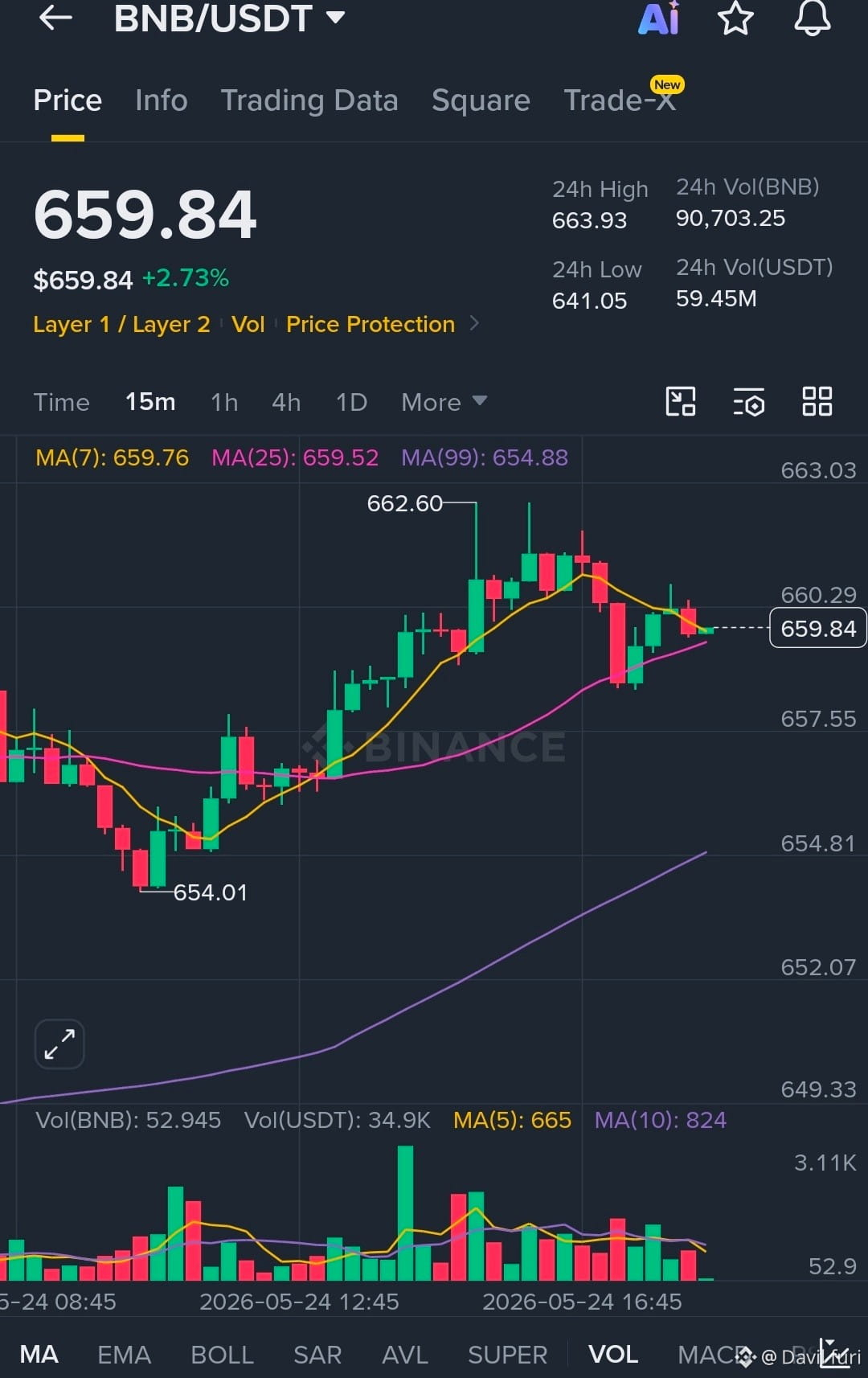
started the day rough around $654 like it was setting a trap. then midday just… decided to go. climbed all the way to $662.60 with clean green candles and real volume behind it.
now cooling at $659.84 and honestly? this is the healthiest looking pullback I've seen all day. MA7 and MA25 basically kissing price right now. MA99 curling up from below like a ramp being built. 📐
+2.73% sounds boring for BNB. it's not boring. on a $660 asset that's real dollars moving through real hands. $59M USDT volume today says this wasn't retail noise.
the range is tight. 654 held as support this morning. 663 is the ceiling that hasn't cracked yet.
BNB doesn't scream. it just shows up. every time. 🔶
{spot}(BNBUSDT)
#TrumpSaysIranDealLargelyNegotiated
#BitcoinRisesOnIranPeaceDeal
#RussiaExpandsMinerInfoRequirements
#StablRDepegsAfterAttack
#BitcoinBreaksBelow75KAsWarshTakesFedHelm
$BNB doing what $BNB does. quiet, steady, inevitable. 🐂
started the day rough around $654 like it was setting a trap. then midday just… decided to go. climbed all the way to $662.60 with clean green candles and real volume behind it.
now cooling at $659.84 and honestly? this is the healthiest looking pullback I've seen all day. MA7 and MA25 basically kissing price right now. MA99 curling up from below like a ramp being built. 📐
+2.73% sounds boring for BNB. it's not boring. on a $660 asset that's real dollars moving through real hands. $59M USDT volume today says this wasn't retail noise.
the range is tight. 654 held as support this morning. 663 is the ceiling that hasn't cracked yet.
BNB doesn't scream. it just shows up. every time. 🔶
#TrumpSaysIranDealLargelyNegotiated
#BitcoinRisesOnIranPeaceDeal
#RussiaExpandsMinerInfoRequirements
#StablRDepegsAfterAttack
#BitcoinBreaksBelow75KAsWarshTakesFedHelm
started the day rough around $654 like it was setting a trap. then midday just… decided to go. climbed all the way to $662.60 with clean green candles and real volume behind it.
now cooling at $659.84 and honestly? this is the healthiest looking pullback I've seen all day. MA7 and MA25 basically kissing price right now. MA99 curling up from below like a ramp being built. 📐
+2.73% sounds boring for BNB. it's not boring. on a $660 asset that's real dollars moving through real hands. $59M USDT volume today says this wasn't retail noise.
the range is tight. 654 held as support this morning. 663 is the ceiling that hasn't cracked yet.
BNB doesn't scream. it just shows up. every time. 🔶
#TrumpSaysIranDealLargelyNegotiated
#BitcoinRisesOnIranPeaceDeal
#RussiaExpandsMinerInfoRequirements
#StablRDepegsAfterAttack
#BitcoinBreaksBelow75KAsWarshTakesFedHelm
47

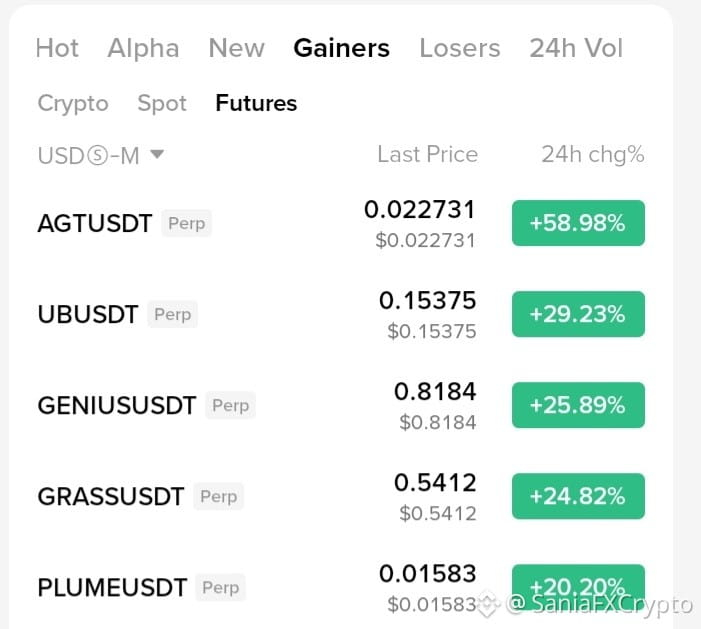
Top gainer in #FutureTarding
$AGT
{future}(AGTUSDT)
$GRASS
{future}(GRASSUSDT)
$UB
{future}(UBUSDT)
#BitcoinRisesOnIranPeaceDeal #TrumpSaysIranDealLargelyNegotiated #StablRDepegsAfterAttack #RussiaExpandsMinerInfoRequirements
Top gainer in #FutureTarding
$AGT
$GRASS
$UB
#BitcoinRisesOnIranPeaceDeal #TrumpSaysIranDealLargelyNegotiated #StablRDepegsAfterAttack #RussiaExpandsMinerInfoRequirements
$AGT
$GRASS
$UB
#BitcoinRisesOnIranPeaceDeal #TrumpSaysIranDealLargelyNegotiated #StablRDepegsAfterAttack #RussiaExpandsMinerInfoRequirements
340
Log in to explore more content
Join global crypto users on Binance Square
⚡️ Get latest and useful information about crypto.
💬 Trusted by the world’s largest crypto exchange.
👍 Discover real insights from verified creators.
Email / Phone number
Trending Topics
1
#AnthropicCEOCallsForAISlowdown
59,346 views
777 Discussing
2
#BitcoinThirdSingleBlockReorgInFourWeeks
335 views
31 Discussing
3
#LSKSurgesOver515%In24Hours
449 views
23 Discussing
4
#EURequiresWalletMakersReportFlawsIn24Hours
0 views
0 Discussing
5
#ZcashNU7VoteEndsSeptember14
299 views
15 Discussing
6
#AnthropicChoosesNasdaqForPotentialIPO
28,806 views
341 Discussing
7
#SECReceivesGrayscaleLitecoinTrustETFFiling
189,697 views
2,095 Discussing
8
#ClarityActFacesProceduralVoteSept15
358,345 views
2,981 Discussing
9
#US10YearTreasuryYieldNears5%
133,444 views
1,678 Discussing
10
#CryptoLiquidations$674MIn24H
32,013 views
241 Discussing