
#seastock
seastock
778 views
55 Discussing
Hot
Latest

·
--

Article
From Bitcoin to Apple: How Crypto Users Can Explore Stocks and bStocks on BinanceIf you already understand Bitcoin, Ethereum, or other crypto assets, you might think you understand investing.
Then you look at a stock such as Apple, Nvidia, or Tesla and suddenly the questions change.
What exactly am I buying? Why does the price move? What is P/E? What are earnings? Why does the market close? And how is owning a stock different from holding a cryptocurrency?
This is where the journey from crypto to stocks becomes interesting.
As a crypto user, I’m used to watching charts move 24/7. I’m familiar with volatility, market sentiment, narratives, liquidity, and the impact of major news. But stocks introduce another layer: companies, financial performance, earnings, economic conditions, and the underlying business itself.
Crypto and Stocks: Similar Market, Different Story
At first glance, crypto and stocks can look surprisingly similar.
Both have prices that move up and down. Both have buyers and sellers. Both can be traded through online platforms. Both can be affected by market sentiment and global events.
But the story behind the asset can be very different.
When you buy a stock, you are generally buying an ownership interest in a company. The company’s revenue, profits, growth expectations, competitive position, management decisions, and broader economic environment can all influence how investors value it.
Crypto assets work differently. Their value can be influenced by factors such as adoption, network activity, token economics, liquidity, technology, market sentiment, and broader crypto cycles.
That means a crypto user entering the stock market needs to learn a slightly different way of looking at charts.
A chart tells you what happened to the price.
The business can help explain why the market may value that stock the way it does.
From “What’s Trending?” to “What’s the Business?”
One of the biggest mindset changes is moving beyond price action.
In crypto, it is common to see an asset become popular because of a new narrative, ecosystem trend, technological development, or community attention.
In stocks, company fundamentals can play a much more direct role in how investors evaluate an opportunity.
For example, beginners may encounter terms such as:
Revenue — the money a company generates from its business.
Earnings — a measure related to the company’s profit after expenses.
EPS — earnings per share.
P/E ratio — a valuation measure comparing a company’s share price with its earnings per share.
Dividend — a distribution that some companies make to shareholders.
These terms may sound complicated at first, but they are simply tools that investors can use to understand a company and its valuation.
What About BStocks?
For crypto-native users, BStocks can make the transition into the world of stocks particularly interesting.
Instead of thinking of Stocks and Crypto as completely separate worlds, Binance provides an environment where users can explore different types of financial assets within the broader Binance ecosystem.
For someone who has spent years looking at crypto charts, learning about stocks through Binance can feel like adding another chapter to an existing investment education journey.
But accessibility does not remove risk.
A familiar interface does not mean every asset behaves the same way. Before trading or investing, users should understand the product, fees, trading conditions, market hours, risks, and applicable restrictions.
The Beginner’s Checklist
If you are a crypto user considering learning about US Stocks or BStocks, here is a simple starting checklist:
1. Understand what you are buying.
Know whether you are dealing with a stock, a BStock product, or another type of asset.
2. Learn the basic financial terms.
Revenue, earnings, EPS, P/E, market capitalization, dividends, and volatility are useful starting points.
3. Look beyond the chart.
Ask what the company actually does and what factors could affect its business.
4. Understand market hours.
Unlike crypto, traditional US stock markets do not operate continuously 24/7.
5. Consider risk before returns.
Past performance does not guarantee future results. Every investment can involve losses.
6. Start with education.
You do not need to understand everything on day one. Learning progressively can be more useful than jumping into a position because a stock is trending.
From Crypto Trader to Multi-Asset Learner
The most interesting part of moving from crypto to stocks is not choosing one market over the other.
It is learning how different markets work.
Crypto can teach you about volatility, market cycles, liquidity, narratives, and rapidly changing technology.
Stocks can teach you about businesses, financial statements, valuation, earnings, dividends, and the relationship between companies and the wider economy.
Learning both can broaden the way you think about markets.
And perhaps that is the real opportunity.
You don’t have to stop being a crypto user to learn about stocks.
You can simply become a more informed market participant.
For me, the journey is not really “Crypto versus Stocks.”
It is:
Crypto → Stocks → More knowledge → Better questions.
Because the goal of investing education isn’t to predict every price movement.
It is to understand what you are buying, know the risks you are taking, and make decisions based on your own goals and circumstances.
If you are a crypto user who has always wondered what happens on the other side of the market, maybe this is the time to open the next chapter.
From Bitcoin to Apple. From tokens to companies. From one market to many.
The journey starts with learning.
#SEABstock #SEAstock
From Bitcoin to Apple: How Crypto Users Can Explore Stocks and bStocks on Binance
If you already understand Bitcoin, Ethereum, or other crypto assets, you might think you understand investing.
Then you look at a stock such as Apple, Nvidia, or Tesla and suddenly the questions change.
What exactly am I buying? Why does the price move? What is P/E? What are earnings? Why does the market close? And how is owning a stock different from holding a cryptocurrency?
This is where the journey from crypto to stocks becomes interesting.
As a crypto user, I’m used to watching charts move 24/7. I’m familiar with volatility, market sentiment, narratives, liquidity, and the impact of major news. But stocks introduce another layer: companies, financial performance, earnings, economic conditions, and the underlying business itself.
Crypto and Stocks: Similar Market, Different Story
At first glance, crypto and stocks can look surprisingly similar.
Both have prices that move up and down. Both have buyers and sellers. Both can be traded through online platforms. Both can be affected by market sentiment and global events.
But the story behind the asset can be very different.
When you buy a stock, you are generally buying an ownership interest in a company. The company’s revenue, profits, growth expectations, competitive position, management decisions, and broader economic environment can all influence how investors value it.
Crypto assets work differently. Their value can be influenced by factors such as adoption, network activity, token economics, liquidity, technology, market sentiment, and broader crypto cycles.
That means a crypto user entering the stock market needs to learn a slightly different way of looking at charts.
A chart tells you what happened to the price.
The business can help explain why the market may value that stock the way it does.
From “What’s Trending?” to “What’s the Business?”
One of the biggest mindset changes is moving beyond price action.
In crypto, it is common to see an asset become popular because of a new narrative, ecosystem trend, technological development, or community attention.
In stocks, company fundamentals can play a much more direct role in how investors evaluate an opportunity.
For example, beginners may encounter terms such as:
Revenue — the money a company generates from its business.
Earnings — a measure related to the company’s profit after expenses.
EPS — earnings per share.
P/E ratio — a valuation measure comparing a company’s share price with its earnings per share.
Dividend — a distribution that some companies make to shareholders.
These terms may sound complicated at first, but they are simply tools that investors can use to understand a company and its valuation.
What About BStocks?
For crypto-native users, BStocks can make the transition into the world of stocks particularly interesting.
Instead of thinking of Stocks and Crypto as completely separate worlds, Binance provides an environment where users can explore different types of financial assets within the broader Binance ecosystem.
For someone who has spent years looking at crypto charts, learning about stocks through Binance can feel like adding another chapter to an existing investment education journey.
But accessibility does not remove risk.
A familiar interface does not mean every asset behaves the same way. Before trading or investing, users should understand the product, fees, trading conditions, market hours, risks, and applicable restrictions.
The Beginner’s Checklist
If you are a crypto user considering learning about US Stocks or BStocks, here is a simple starting checklist:
1. Understand what you are buying.
Know whether you are dealing with a stock, a BStock product, or another type of asset.
2. Learn the basic financial terms.
Revenue, earnings, EPS, P/E, market capitalization, dividends, and volatility are useful starting points.
3. Look beyond the chart.
Ask what the company actually does and what factors could affect its business.
4. Understand market hours.
Unlike crypto, traditional US stock markets do not operate continuously 24/7.
5. Consider risk before returns.
Past performance does not guarantee future results. Every investment can involve losses.
6. Start with education.
You do not need to understand everything on day one. Learning progressively can be more useful than jumping into a position because a stock is trending.
From Crypto Trader to Multi-Asset Learner
The most interesting part of moving from crypto to stocks is not choosing one market over the other.
It is learning how different markets work.
Crypto can teach you about volatility, market cycles, liquidity, narratives, and rapidly changing technology.
Stocks can teach you about businesses, financial statements, valuation, earnings, dividends, and the relationship between companies and the wider economy.
Learning both can broaden the way you think about markets.
And perhaps that is the real opportunity.
You don’t have to stop being a crypto user to learn about stocks.
You can simply become a more informed market participant.
For me, the journey is not really “Crypto versus Stocks.”
It is:
Crypto → Stocks → More knowledge → Better questions.
Because the goal of investing education isn’t to predict every price movement.
It is to understand what you are buying, know the risks you are taking, and make decisions based on your own goals and circumstances.
If you are a crypto user who has always wondered what happens on the other side of the market, maybe this is the time to open the next chapter.
From Bitcoin to Apple. From tokens to companies. From one market to many.
The journey starts with learning.
#SEABstock #SEAstock
Then you look at a stock such as Apple, Nvidia, or Tesla and suddenly the questions change.
What exactly am I buying? Why does the price move? What is P/E? What are earnings? Why does the market close? And how is owning a stock different from holding a cryptocurrency?
This is where the journey from crypto to stocks becomes interesting.
As a crypto user, I’m used to watching charts move 24/7. I’m familiar with volatility, market sentiment, narratives, liquidity, and the impact of major news. But stocks introduce another layer: companies, financial performance, earnings, economic conditions, and the underlying business itself.
Crypto and Stocks: Similar Market, Different Story
At first glance, crypto and stocks can look surprisingly similar.
Both have prices that move up and down. Both have buyers and sellers. Both can be traded through online platforms. Both can be affected by market sentiment and global events.
But the story behind the asset can be very different.
When you buy a stock, you are generally buying an ownership interest in a company. The company’s revenue, profits, growth expectations, competitive position, management decisions, and broader economic environment can all influence how investors value it.
Crypto assets work differently. Their value can be influenced by factors such as adoption, network activity, token economics, liquidity, technology, market sentiment, and broader crypto cycles.
That means a crypto user entering the stock market needs to learn a slightly different way of looking at charts.
A chart tells you what happened to the price.
The business can help explain why the market may value that stock the way it does.
From “What’s Trending?” to “What’s the Business?”
One of the biggest mindset changes is moving beyond price action.
In crypto, it is common to see an asset become popular because of a new narrative, ecosystem trend, technological development, or community attention.
In stocks, company fundamentals can play a much more direct role in how investors evaluate an opportunity.
For example, beginners may encounter terms such as:
Revenue — the money a company generates from its business.
Earnings — a measure related to the company’s profit after expenses.
EPS — earnings per share.
P/E ratio — a valuation measure comparing a company’s share price with its earnings per share.
Dividend — a distribution that some companies make to shareholders.
These terms may sound complicated at first, but they are simply tools that investors can use to understand a company and its valuation.
What About BStocks?
For crypto-native users, BStocks can make the transition into the world of stocks particularly interesting.
Instead of thinking of Stocks and Crypto as completely separate worlds, Binance provides an environment where users can explore different types of financial assets within the broader Binance ecosystem.
For someone who has spent years looking at crypto charts, learning about stocks through Binance can feel like adding another chapter to an existing investment education journey.
But accessibility does not remove risk.
A familiar interface does not mean every asset behaves the same way. Before trading or investing, users should understand the product, fees, trading conditions, market hours, risks, and applicable restrictions.
The Beginner’s Checklist
If you are a crypto user considering learning about US Stocks or BStocks, here is a simple starting checklist:
1. Understand what you are buying.
Know whether you are dealing with a stock, a BStock product, or another type of asset.
2. Learn the basic financial terms.
Revenue, earnings, EPS, P/E, market capitalization, dividends, and volatility are useful starting points.
3. Look beyond the chart.
Ask what the company actually does and what factors could affect its business.
4. Understand market hours.
Unlike crypto, traditional US stock markets do not operate continuously 24/7.
5. Consider risk before returns.
Past performance does not guarantee future results. Every investment can involve losses.
6. Start with education.
You do not need to understand everything on day one. Learning progressively can be more useful than jumping into a position because a stock is trending.
From Crypto Trader to Multi-Asset Learner
The most interesting part of moving from crypto to stocks is not choosing one market over the other.
It is learning how different markets work.
Crypto can teach you about volatility, market cycles, liquidity, narratives, and rapidly changing technology.
Stocks can teach you about businesses, financial statements, valuation, earnings, dividends, and the relationship between companies and the wider economy.
Learning both can broaden the way you think about markets.
And perhaps that is the real opportunity.
You don’t have to stop being a crypto user to learn about stocks.
You can simply become a more informed market participant.
For me, the journey is not really “Crypto versus Stocks.”
It is:
Crypto → Stocks → More knowledge → Better questions.
Because the goal of investing education isn’t to predict every price movement.
It is to understand what you are buying, know the risks you are taking, and make decisions based on your own goals and circumstances.
If you are a crypto user who has always wondered what happens on the other side of the market, maybe this is the time to open the next chapter.
From Bitcoin to Apple. From tokens to companies. From one market to many.
The journey starts with learning.
#SEABstock #SEAstock
DR-BETA:
Good 👍
2
2
1
239

Article
BSTOCK"From Crypto to Stocks: Expanding Your Investment Horizon with BStocks"
In the fast-paced world of digital finance, most of us started our journey with Cryptocurrency. The allure of 24/7 markets, high volatility, and the decentralized nature of blockchain technology is undeniably exciting. However, as we mature as investors, we often look for ways to diversify our portfolios and seek stability alongside growth. This is where the integration of US Stocks via BStocks on Binance becomes a game-changer.
" The Shift: Why Add Stocks to Your Portfolio?"
Many crypto enthusiasts view Stocks as "traditional" or "slow." While it is true that the stock market operates differently than the crypto market, it offers something equally valuable: **institutional-grade stability**. When you invest in US Stocks, you are buying a piece of companies that shape the global economy—companies like Apple, NVIDIA, Tesla, or Microsoft.
Unlike the speculative nature of many tokens, stock prices are often driven by quarterly earnings, technological advancements, and tangible infrastructure. By adding stocks to your crypto-heavy portfolio, you create a hedge. When the crypto market enters a period of high volatility, blue-chip stocks often provide a stabilizing effect.
"Understanding BStocks: The Bridge"
The biggest hurdle for many crypto users when entering the stock market is the complexity of traditional brokerage accounts. This is where **BStocks** excels. Binance has bridged the gap, allowing users to access US stock markets directly through the familiar Binance ecosystem.
**Key benefits include:**
1. **Convenience:** You no longer need to navigate foreign bank accounts or complex verification processes on traditional trading platforms. Your Binance account acts as your gateway.
2. **Seamless Asset Management:** Monitoring your stocks and your crypto in one place provides a holistic view of your net worth, making it easier to rebalance your portfolio.
3. **Education First:** Binance provides resources that help beginners understand the fundamental differences between trading volatile crypto assets and long-term equity investing.
"Stocks vs. Crypto: Key Differences You Should Know"
If you are moving from crypto to stocks, there are a few mindset shifts required:
* **Market Hours:** Unlike crypto, the stock market has specific opening and closing hours. Understanding these "sessions" is crucial for executing trades.
* **Volatility:** While stocks can be volatile, they generally do not experience the 20-50% daily swings common in the crypto market. Your risk management strategies need to be adjusted accordingly.
* **Fundamental Analysis:** In crypto, you might look at whitepapers and community sentiment. In stocks, you must look at P/E ratios, dividend yields, and balance sheets.
"Getting Started: A Checklist for Beginners"
1. **Define Your Strategy:** Are you looking for dividends (passive income) or growth (long-term appreciation)?
2. **Do Your Research:** Never buy a stock just because it is popular. Read the company’s recent earnings reports and understand their business model.
3. **Start Small:** Just like your first crypto investment, start with an amount you are comfortable with. Consistency is more important than the initial lump sum.
4. **Monitor the News:** Economic data, such as interest rate decisions from the Federal Reserve, has a direct impact on the US stock market. Stay updated via Binance Square.
"The Future of Your Financial Journey"
Expanding into stocks is not about abandoning crypto; it is about maturing as an investor. By utilizing BStocks, you are essentially "leveling up." You are taking the tech-savviness you developed in the Web3 space and applying it to the pillars of the global financial system.
As you explore this new territory, remember that education is your greatest asset. Use the tools provided on Binance to track market trends, learn from other community members, and refine your strategy. Whether you are a long-term hodler or an active day trader, the inclusion of stocks offers a new dimension of opportunity to grow your wealth.
What is your experience so far? Have you started your journey into BStocks, or are you still researching? Let’s keep the conversation going in the comments below!
#SEABstock
#SEAstock
@BinanceBurmese
#BinanceAcademy
BSTOCK
"From Crypto to Stocks: Expanding Your Investment Horizon with BStocks"
In the fast-paced world of digital finance, most of us started our journey with Cryptocurrency. The allure of 24/7 markets, high volatility, and the decentralized nature of blockchain technology is undeniably exciting. However, as we mature as investors, we often look for ways to diversify our portfolios and seek stability alongside growth. This is where the integration of US Stocks via BStocks on Binance becomes a game-changer.
" The Shift: Why Add Stocks to Your Portfolio?"
Many crypto enthusiasts view Stocks as "traditional" or "slow." While it is true that the stock market operates differently than the crypto market, it offers something equally valuable: **institutional-grade stability**. When you invest in US Stocks, you are buying a piece of companies that shape the global economy—companies like Apple, NVIDIA, Tesla, or Microsoft.
Unlike the speculative nature of many tokens, stock prices are often driven by quarterly earnings, technological advancements, and tangible infrastructure. By adding stocks to your crypto-heavy portfolio, you create a hedge. When the crypto market enters a period of high volatility, blue-chip stocks often provide a stabilizing effect.
"Understanding BStocks: The Bridge"
The biggest hurdle for many crypto users when entering the stock market is the complexity of traditional brokerage accounts. This is where **BStocks** excels. Binance has bridged the gap, allowing users to access US stock markets directly through the familiar Binance ecosystem.
**Key benefits include:**
1. **Convenience:** You no longer need to navigate foreign bank accounts or complex verification processes on traditional trading platforms. Your Binance account acts as your gateway.
2. **Seamless Asset Management:** Monitoring your stocks and your crypto in one place provides a holistic view of your net worth, making it easier to rebalance your portfolio.
3. **Education First:** Binance provides resources that help beginners understand the fundamental differences between trading volatile crypto assets and long-term equity investing.
"Stocks vs. Crypto: Key Differences You Should Know"
If you are moving from crypto to stocks, there are a few mindset shifts required:
* **Market Hours:** Unlike crypto, the stock market has specific opening and closing hours. Understanding these "sessions" is crucial for executing trades.
* **Volatility:** While stocks can be volatile, they generally do not experience the 20-50% daily swings common in the crypto market. Your risk management strategies need to be adjusted accordingly.
* **Fundamental Analysis:** In crypto, you might look at whitepapers and community sentiment. In stocks, you must look at P/E ratios, dividend yields, and balance sheets.
"Getting Started: A Checklist for Beginners"
1. **Define Your Strategy:** Are you looking for dividends (passive income) or growth (long-term appreciation)?
2. **Do Your Research:** Never buy a stock just because it is popular. Read the company’s recent earnings reports and understand their business model.
3. **Start Small:** Just like your first crypto investment, start with an amount you are comfortable with. Consistency is more important than the initial lump sum.
4. **Monitor the News:** Economic data, such as interest rate decisions from the Federal Reserve, has a direct impact on the US stock market. Stay updated via Binance Square.
"The Future of Your Financial Journey"
Expanding into stocks is not about abandoning crypto; it is about maturing as an investor. By utilizing BStocks, you are essentially "leveling up." You are taking the tech-savviness you developed in the Web3 space and applying it to the pillars of the global financial system.
As you explore this new territory, remember that education is your greatest asset. Use the tools provided on Binance to track market trends, learn from other community members, and refine your strategy. Whether you are a long-term hodler or an active day trader, the inclusion of stocks offers a new dimension of opportunity to grow your wealth.
What is your experience so far? Have you started your journey into BStocks, or are you still researching? Let’s keep the conversation going in the comments below!
#SEABstock
#SEAstock
@Binance Burmese
#BinanceAcademy
In the fast-paced world of digital finance, most of us started our journey with Cryptocurrency. The allure of 24/7 markets, high volatility, and the decentralized nature of blockchain technology is undeniably exciting. However, as we mature as investors, we often look for ways to diversify our portfolios and seek stability alongside growth. This is where the integration of US Stocks via BStocks on Binance becomes a game-changer.
" The Shift: Why Add Stocks to Your Portfolio?"
Many crypto enthusiasts view Stocks as "traditional" or "slow." While it is true that the stock market operates differently than the crypto market, it offers something equally valuable: **institutional-grade stability**. When you invest in US Stocks, you are buying a piece of companies that shape the global economy—companies like Apple, NVIDIA, Tesla, or Microsoft.
Unlike the speculative nature of many tokens, stock prices are often driven by quarterly earnings, technological advancements, and tangible infrastructure. By adding stocks to your crypto-heavy portfolio, you create a hedge. When the crypto market enters a period of high volatility, blue-chip stocks often provide a stabilizing effect.
"Understanding BStocks: The Bridge"
The biggest hurdle for many crypto users when entering the stock market is the complexity of traditional brokerage accounts. This is where **BStocks** excels. Binance has bridged the gap, allowing users to access US stock markets directly through the familiar Binance ecosystem.
**Key benefits include:**
1. **Convenience:** You no longer need to navigate foreign bank accounts or complex verification processes on traditional trading platforms. Your Binance account acts as your gateway.
2. **Seamless Asset Management:** Monitoring your stocks and your crypto in one place provides a holistic view of your net worth, making it easier to rebalance your portfolio.
3. **Education First:** Binance provides resources that help beginners understand the fundamental differences between trading volatile crypto assets and long-term equity investing.
"Stocks vs. Crypto: Key Differences You Should Know"
If you are moving from crypto to stocks, there are a few mindset shifts required:
* **Market Hours:** Unlike crypto, the stock market has specific opening and closing hours. Understanding these "sessions" is crucial for executing trades.
* **Volatility:** While stocks can be volatile, they generally do not experience the 20-50% daily swings common in the crypto market. Your risk management strategies need to be adjusted accordingly.
* **Fundamental Analysis:** In crypto, you might look at whitepapers and community sentiment. In stocks, you must look at P/E ratios, dividend yields, and balance sheets.
"Getting Started: A Checklist for Beginners"
1. **Define Your Strategy:** Are you looking for dividends (passive income) or growth (long-term appreciation)?
2. **Do Your Research:** Never buy a stock just because it is popular. Read the company’s recent earnings reports and understand their business model.
3. **Start Small:** Just like your first crypto investment, start with an amount you are comfortable with. Consistency is more important than the initial lump sum.
4. **Monitor the News:** Economic data, such as interest rate decisions from the Federal Reserve, has a direct impact on the US stock market. Stay updated via Binance Square.
"The Future of Your Financial Journey"
Expanding into stocks is not about abandoning crypto; it is about maturing as an investor. By utilizing BStocks, you are essentially "leveling up." You are taking the tech-savviness you developed in the Web3 space and applying it to the pillars of the global financial system.
As you explore this new territory, remember that education is your greatest asset. Use the tools provided on Binance to track market trends, learn from other community members, and refine your strategy. Whether you are a long-term hodler or an active day trader, the inclusion of stocks offers a new dimension of opportunity to grow your wealth.
What is your experience so far? Have you started your journey into BStocks, or are you still researching? Let’s keep the conversation going in the comments below!
#SEABstock
#SEAstock
@Binance Burmese
#BinanceAcademy
88

·
--
🚀 From Crypto to Stocks: What Beginners Should Know About BStocks📈 From Crypto to Stocks/BStocks: What Beginners Should Know
For many crypto users, the traditional stock market may feel completely different from what they are already familiar with. Crypto markets are generally known for 24/7 trading, high volatility, and blockchain-based assets. Stocks, on the other hand, represent ownership or economic interests connected to companies and operate within a more traditional financial market structure.
With the growing connection between blockchain and traditional finance, Binance users may also come across Stocks and BStocks. For crypto users who want to expand their knowledge beyond cryptocurrencies, understanding how these products work can be an interesting part of their investment education.
🇺🇸 What are BStocks?
In simple terms, BStocks are tokenized securities designed to provide exposure to certain underlying stocks through a blockchain-based structure. This means users can interact with a representation of an underlying stock through a digital token rather than using a traditional stock brokerage account.
However, beginners should understand one important point: holding a BStock should not automatically be considered the same as directly holding the underlying company's shares.
Before using any financial product, it is important to understand its structure, terms, risks, and availability in your own jurisdiction.
⏰ Why is 24/7 access interesting?
One major difference between crypto and traditional stock markets is trading availability.
Crypto markets operate around the clock, while traditional stock exchanges generally have specific trading hours. For someone who is already familiar with the crypto environment, a blockchain-based stock product can provide a more familiar digital experience.
However, 24/7 access does not mean 24/7 profit opportunities or lower risk.
The price of a tokenized stock can still be affected by the performance of the underlying company, market sentiment, economic data, company announcements, interest-rate expectations, and major financial news.
Therefore, having access to a market at any time should not be confused with having less risk.
🔍 Stocks vs Crypto: What is the difference?
Crypto and stocks can both experience price increases and decreases, but they have very different structures.
A stock is connected to a company and its equity. Investors may study factors such as revenue, earnings, business growth, valuation, competition, and future expectations when researching a company.
Crypto assets can have very different use cases and structures depending on the project. Their prices can also be highly volatile and may be influenced by market liquidity, adoption, narratives, technology developments, and broader crypto market sentiment.
BStocks introduce another concept: tokenization.
Instead of thinking of a BStock simply as “another crypto coin,” beginners should ask:
• What underlying asset does it represent?
• How does the tokenization structure work?
• What rights does the holder actually have?
• What fees or limitations apply?
• Is the product available in my country or region?
• What risks should I understand before using it?
These questions can help prevent misunderstandings.
📚 A Simple Checklist for Beginners
If you are coming from crypto and want to learn about Stocks or BStocks, you do not need to understand everything at once.
Start with the basics.
1. Learn about the underlying company
If you are interested in a particular stock, research what the company actually does. Look at its products, business model, revenue sources, competitors, and recent developments.
2. Understand the product
Do not buy something simply because its price is moving. Learn whether you are dealing with a traditional stock, a tokenized security, or another type of financial product.
3. Follow financial news
Company earnings, economic data, interest-rate decisions, inflation reports, and major corporate announcements can all affect stock prices.
4. Understand volatility
Stocks can fall as well as rise. Crypto markets can also experience significant price movements. Past performance does not guarantee future results.
5. Check availability
Financial products are not necessarily available to everyone everywhere. Before using Stocks or BStocks, check Binance's latest information and confirm whether the product is available and suitable for your location and account eligibility.
🧠 Why Learn Stocks as a Crypto User?
Learning about stocks does not necessarily mean leaving crypto behind.
Instead, it can help crypto users understand a wider financial environment.
The relationship between traditional finance and blockchain technology continues to develop. Tokenization is one area where these two worlds can meet, allowing people who are already comfortable with digital assets to explore new financial concepts.
For me, the most useful approach for beginners is not simply asking, “Which asset will go up?”
A better learning process is:
Learn → Research → Understand → Manage Risk → Make Your Own Decision
Understanding what you are buying is more important than simply following a trend.
Whether someone is interested in technology companies, semiconductor stocks, consumer brands, or other sectors, learning the fundamentals can help them make more informed decisions.
For crypto users, Stocks and BStocks can also provide an opportunity to learn how different financial markets work and how traditional assets can interact with blockchain technology.
The financial market is much bigger than a single asset class. Learning about different markets, understanding their differences, and developing good research habits can be valuable for anyone who wants to improve their financial knowledge.
If you are a beginner, start slowly, research carefully, and never invest more than you can afford to lose.
🇲🇲 @BinanceBurmese
#SEABstock #SEAstock #BStocks #stockmarket #FinancialEducation
$BNB
{future}(BNBUSDT)
🚀 From Crypto to Stocks: What Beginners Should Know About BStocks
📈 From Crypto to Stocks/BStocks: What Beginners Should Know
For many crypto users, the traditional stock market may feel completely different from what they are already familiar with. Crypto markets are generally known for 24/7 trading, high volatility, and blockchain-based assets. Stocks, on the other hand, represent ownership or economic interests connected to companies and operate within a more traditional financial market structure.
With the growing connection between blockchain and traditional finance, Binance users may also come across Stocks and BStocks. For crypto users who want to expand their knowledge beyond cryptocurrencies, understanding how these products work can be an interesting part of their investment education.
🇺🇸 What are BStocks?
In simple terms, BStocks are tokenized securities designed to provide exposure to certain underlying stocks through a blockchain-based structure. This means users can interact with a representation of an underlying stock through a digital token rather than using a traditional stock brokerage account.
However, beginners should understand one important point: holding a BStock should not automatically be considered the same as directly holding the underlying company's shares.
Before using any financial product, it is important to understand its structure, terms, risks, and availability in your own jurisdiction.
⏰ Why is 24/7 access interesting?
One major difference between crypto and traditional stock markets is trading availability.
Crypto markets operate around the clock, while traditional stock exchanges generally have specific trading hours. For someone who is already familiar with the crypto environment, a blockchain-based stock product can provide a more familiar digital experience.
However, 24/7 access does not mean 24/7 profit opportunities or lower risk.
The price of a tokenized stock can still be affected by the performance of the underlying company, market sentiment, economic data, company announcements, interest-rate expectations, and major financial news.
Therefore, having access to a market at any time should not be confused with having less risk.
🔍 Stocks vs Crypto: What is the difference?
Crypto and stocks can both experience price increases and decreases, but they have very different structures.
A stock is connected to a company and its equity. Investors may study factors such as revenue, earnings, business growth, valuation, competition, and future expectations when researching a company.
Crypto assets can have very different use cases and structures depending on the project. Their prices can also be highly volatile and may be influenced by market liquidity, adoption, narratives, technology developments, and broader crypto market sentiment.
BStocks introduce another concept: tokenization.
Instead of thinking of a BStock simply as “another crypto coin,” beginners should ask:
• What underlying asset does it represent?
• How does the tokenization structure work?
• What rights does the holder actually have?
• What fees or limitations apply?
• Is the product available in my country or region?
• What risks should I understand before using it?
These questions can help prevent misunderstandings.
📚 A Simple Checklist for Beginners
If you are coming from crypto and want to learn about Stocks or BStocks, you do not need to understand everything at once.
Start with the basics.
1. Learn about the underlying company
If you are interested in a particular stock, research what the company actually does. Look at its products, business model, revenue sources, competitors, and recent developments.
2. Understand the product
Do not buy something simply because its price is moving. Learn whether you are dealing with a traditional stock, a tokenized security, or another type of financial product.
3. Follow financial news
Company earnings, economic data, interest-rate decisions, inflation reports, and major corporate announcements can all affect stock prices.
4. Understand volatility
Stocks can fall as well as rise. Crypto markets can also experience significant price movements. Past performance does not guarantee future results.
5. Check availability
Financial products are not necessarily available to everyone everywhere. Before using Stocks or BStocks, check Binance's latest information and confirm whether the product is available and suitable for your location and account eligibility.
🧠 Why Learn Stocks as a Crypto User?
Learning about stocks does not necessarily mean leaving crypto behind.
Instead, it can help crypto users understand a wider financial environment.
The relationship between traditional finance and blockchain technology continues to develop. Tokenization is one area where these two worlds can meet, allowing people who are already comfortable with digital assets to explore new financial concepts.
For me, the most useful approach for beginners is not simply asking, “Which asset will go up?”
A better learning process is:
Learn → Research → Understand → Manage Risk → Make Your Own Decision
Understanding what you are buying is more important than simply following a trend.
Whether someone is interested in technology companies, semiconductor stocks, consumer brands, or other sectors, learning the fundamentals can help them make more informed decisions.
For crypto users, Stocks and BStocks can also provide an opportunity to learn how different financial markets work and how traditional assets can interact with blockchain technology.
The financial market is much bigger than a single asset class. Learning about different markets, understanding their differences, and developing good research habits can be valuable for anyone who wants to improve their financial knowledge.
If you are a beginner, start slowly, research carefully, and never invest more than you can afford to lose.
🇲🇲 @Binance Burmese
#SEABstock #SEAstock #BStocks #stockmarket #FinancialEducation
$BNB
For many crypto users, the traditional stock market may feel completely different from what they are already familiar with. Crypto markets are generally known for 24/7 trading, high volatility, and blockchain-based assets. Stocks, on the other hand, represent ownership or economic interests connected to companies and operate within a more traditional financial market structure.
With the growing connection between blockchain and traditional finance, Binance users may also come across Stocks and BStocks. For crypto users who want to expand their knowledge beyond cryptocurrencies, understanding how these products work can be an interesting part of their investment education.
🇺🇸 What are BStocks?
In simple terms, BStocks are tokenized securities designed to provide exposure to certain underlying stocks through a blockchain-based structure. This means users can interact with a representation of an underlying stock through a digital token rather than using a traditional stock brokerage account.
However, beginners should understand one important point: holding a BStock should not automatically be considered the same as directly holding the underlying company's shares.
Before using any financial product, it is important to understand its structure, terms, risks, and availability in your own jurisdiction.
⏰ Why is 24/7 access interesting?
One major difference between crypto and traditional stock markets is trading availability.
Crypto markets operate around the clock, while traditional stock exchanges generally have specific trading hours. For someone who is already familiar with the crypto environment, a blockchain-based stock product can provide a more familiar digital experience.
However, 24/7 access does not mean 24/7 profit opportunities or lower risk.
The price of a tokenized stock can still be affected by the performance of the underlying company, market sentiment, economic data, company announcements, interest-rate expectations, and major financial news.
Therefore, having access to a market at any time should not be confused with having less risk.
🔍 Stocks vs Crypto: What is the difference?
Crypto and stocks can both experience price increases and decreases, but they have very different structures.
A stock is connected to a company and its equity. Investors may study factors such as revenue, earnings, business growth, valuation, competition, and future expectations when researching a company.
Crypto assets can have very different use cases and structures depending on the project. Their prices can also be highly volatile and may be influenced by market liquidity, adoption, narratives, technology developments, and broader crypto market sentiment.
BStocks introduce another concept: tokenization.
Instead of thinking of a BStock simply as “another crypto coin,” beginners should ask:
• What underlying asset does it represent?
• How does the tokenization structure work?
• What rights does the holder actually have?
• What fees or limitations apply?
• Is the product available in my country or region?
• What risks should I understand before using it?
These questions can help prevent misunderstandings.
📚 A Simple Checklist for Beginners
If you are coming from crypto and want to learn about Stocks or BStocks, you do not need to understand everything at once.
Start with the basics.
1. Learn about the underlying company
If you are interested in a particular stock, research what the company actually does. Look at its products, business model, revenue sources, competitors, and recent developments.
2. Understand the product
Do not buy something simply because its price is moving. Learn whether you are dealing with a traditional stock, a tokenized security, or another type of financial product.
3. Follow financial news
Company earnings, economic data, interest-rate decisions, inflation reports, and major corporate announcements can all affect stock prices.
4. Understand volatility
Stocks can fall as well as rise. Crypto markets can also experience significant price movements. Past performance does not guarantee future results.
5. Check availability
Financial products are not necessarily available to everyone everywhere. Before using Stocks or BStocks, check Binance's latest information and confirm whether the product is available and suitable for your location and account eligibility.
🧠 Why Learn Stocks as a Crypto User?
Learning about stocks does not necessarily mean leaving crypto behind.
Instead, it can help crypto users understand a wider financial environment.
The relationship between traditional finance and blockchain technology continues to develop. Tokenization is one area where these two worlds can meet, allowing people who are already comfortable with digital assets to explore new financial concepts.
For me, the most useful approach for beginners is not simply asking, “Which asset will go up?”
A better learning process is:
Learn → Research → Understand → Manage Risk → Make Your Own Decision
Understanding what you are buying is more important than simply following a trend.
Whether someone is interested in technology companies, semiconductor stocks, consumer brands, or other sectors, learning the fundamentals can help them make more informed decisions.
For crypto users, Stocks and BStocks can also provide an opportunity to learn how different financial markets work and how traditional assets can interact with blockchain technology.
The financial market is much bigger than a single asset class. Learning about different markets, understanding their differences, and developing good research habits can be valuable for anyone who wants to improve their financial knowledge.
If you are a beginner, start slowly, research carefully, and never invest more than you can afford to lose.
🇲🇲 @Binance Burmese
#SEABstock #SEAstock #BStocks #stockmarket #FinancialEducation
$BNB
71

·
--

Article
2026 Tragedy of Tencent: Anatomy of Market misstep and what traders can learnThe year 2026 was poised to be a period of consolidation and steady growth for Tencent Holdings (HKG: 0700). However, the narrative took a sharp and unexpected turn in the second half of the year, leading to what market historians now label the "2026 Tragedy." What began with robust quarterly earnings and a multi-year high in share price quickly devolved into a crisis of confidence. This downturn was not triggered by a single catastrophic event, but rather by a perfect storm of data misinterpretations, a tectonic shift in capital allocation toward artificial intelligence hardware, and cooling domestic consumer sentiment. The result was a dramatic valuation reset that caught even the most seasoned analysts off guard.
The Spark: The Sensor Tower Misreading
In mid-2026, the catalyst for the initial sell-off arrived in the form of a quarterly report from the third-party tracking firm Sensor Tower. The data suggested a double-digit drop in iOS receipts for Tencent’s top-grossing mobile titles. Panicked retail and institutional investors immediately extrapolated this as a fundamental collapse in core gaming revenue, the crown jewel of Tencent's ecosystem.
However, this was a critical misreading of the underlying mechanics. The decline in iOS receipts reflected a strategic pivot by Tencent toward its own proprietary payment channels and the "WeChat Mini-Game" ecosystem, which bypasses traditional app store commissions. By the time analysts could issue detailed clarifications explaining that total cross-platform grossing remained stable, the damage was done. The initial wave of panic selling triggered algorithmic stop-losses, leading to a cascade of profit-taking that wiped billions off the company's market capitalization in a matter of days.
The Macro Shift: Rotation into AI Hardware
Simultaneously, a broader thematic shift was unfolding within Asian capital markets. The "software-as-a-service" and legacy internet conglomerate narrative, which had dominated for over a decade, found itself eclipsed by the "AI Hardware Supercycle."
Capital began a massive rotation away from platforms like Tencent and Alibaba and into:
High-growth AI hardware manufacturers.Advanced semiconductor supply chain participants.Emerging Hong Kong-based AI startups seeking fresh listings.
Investors increasingly viewed Tencent as a "cash cow" with limited upside compared to the explosive growth potential of the firms building the physical infrastructure of the AI era. This drain on liquidity left Tencent’s stock vulnerable, as the buyers of last resort were no longer looking for platform stability, but for hardware-driven volatility.
Institutional Retreat: Quiet Profit-Taking
As the mid-summer rally began to falter, major domestic and regional mutual funds executed a tactical retreat. Sensing the shift in market momentum, several high-profile fund managers utilized the tail end of the early-2026 surge to lock in multi-year gains.
This quiet reduction in exposure occurred behind the scenes, further draining the stock’s liquidity. When the Sensor Tower data hit the newsfeeds, the lack of institutional support meant there was no floor to the price drop. The "quiet exit" of the big players signaled to the broader market that the era of aggressive Tencent accumulation had come to a close.
Macroeconomic Headwinds: Consumer Sentiment & Monetization Bottlenecks
While technical data and market rotations provided the spark, the underlying dry timber was a persistent sluggishness in Chinese domestic consumer spending. Throughout 2026, the expected "revenge spending" in the digital sector failed to fully materialize.
Several monetization bottlenecks emerged:
Digital Advertising: SMBs (Small and Medium Businesses) scaled back budgets as conversion rates plateaued.Mobile Gaming: A saturated market led to higher User Acquisition (UA) costs, squeezing margins on even the most successful titles.Fintech: Transaction volumes on WeChat Pay saw a deceleration in growth as consumers prioritized high-yield savings over discretionary digital purchases.
These macroeconomic pressures meant that even when Tencent’s operations were efficient, the ceiling for growth was lower than historical models had predicted.
The 2026 sell-off of Tencent Holdings serves as a stark reminder of the fragility of market sentiment. It highlights how easily a narrative can shift when data misunderstandings, sector rotations, and macroeconomic headwinds align. For Tencent, the "Tragedy" was not one of fundamental failure, but of a mismatch between a massive company’s steady performance and an impatient market's desire for the next technological frontier.
Though, $TENCENT is primarily listed on Hong Kong Stock Exchange (HKSE) and only available on #Binance Perpetual contract, there are lessons Stock Traders can learn from the situation. In US, you can find tech conglomerate like Meta Platforms ($META ), Alphabet Inc. ($GOOGL ) and Microsoft ($MSFT ), though no single US company can match the scope of Tencent. We can learn that when you are navigating volatile tech landscapes:
Verify Third-Party Data Before Acting: Third-party estimates (like app store tracking) can be misleading when business models shift toward direct channels or proprietary payment ecosystems.Respect Macro Sector Rotations: Market trends (like the AI hardware supercycle) can drain liquidity from fundamental powerhouses regardless of earnings quality.Track Institutional Flows & Smart Money: Pay attention to quiet position trimming by major funds following prolonged rallies.Distinguish Between Narrative Shifts and Fundamental Failures: Temporary sentiment drops driven by external noise present different trading risks than core operational declines.
#Tencent remains a cash-flow powerhouse with an unparalleled social moat, yet it must now navigate a landscape where it is no longer the default proxy for Chinese tech growth. The lesson of 2026 is clear: in the modern market, even a giant can be humbled when its story is no longer the one investors want to hear.
#Write2Earn #SEAStock #SEABstock
2026 Tragedy of Tencent: Anatomy of Market misstep and what traders can learn
The year 2026 was poised to be a period of consolidation and steady growth for Tencent Holdings (HKG: 0700). However, the narrative took a sharp and unexpected turn in the second half of the year, leading to what market historians now label the "2026 Tragedy." What began with robust quarterly earnings and a multi-year high in share price quickly devolved into a crisis of confidence. This downturn was not triggered by a single catastrophic event, but rather by a perfect storm of data misinterpretations, a tectonic shift in capital allocation toward artificial intelligence hardware, and cooling domestic consumer sentiment. The result was a dramatic valuation reset that caught even the most seasoned analysts off guard.
The Spark: The Sensor Tower Misreading
In mid-2026, the catalyst for the initial sell-off arrived in the form of a quarterly report from the third-party tracking firm Sensor Tower. The data suggested a double-digit drop in iOS receipts for Tencent’s top-grossing mobile titles. Panicked retail and institutional investors immediately extrapolated this as a fundamental collapse in core gaming revenue, the crown jewel of Tencent's ecosystem.
However, this was a critical misreading of the underlying mechanics. The decline in iOS receipts reflected a strategic pivot by Tencent toward its own proprietary payment channels and the "WeChat Mini-Game" ecosystem, which bypasses traditional app store commissions. By the time analysts could issue detailed clarifications explaining that total cross-platform grossing remained stable, the damage was done. The initial wave of panic selling triggered algorithmic stop-losses, leading to a cascade of profit-taking that wiped billions off the company's market capitalization in a matter of days.
The Macro Shift: Rotation into AI Hardware
Simultaneously, a broader thematic shift was unfolding within Asian capital markets. The "software-as-a-service" and legacy internet conglomerate narrative, which had dominated for over a decade, found itself eclipsed by the "AI Hardware Supercycle."
Capital began a massive rotation away from platforms like Tencent and Alibaba and into:
High-growth AI hardware manufacturers.Advanced semiconductor supply chain participants.Emerging Hong Kong-based AI startups seeking fresh listings.
Investors increasingly viewed Tencent as a "cash cow" with limited upside compared to the explosive growth potential of the firms building the physical infrastructure of the AI era. This drain on liquidity left Tencent’s stock vulnerable, as the buyers of last resort were no longer looking for platform stability, but for hardware-driven volatility.
Institutional Retreat: Quiet Profit-Taking
As the mid-summer rally began to falter, major domestic and regional mutual funds executed a tactical retreat. Sensing the shift in market momentum, several high-profile fund managers utilized the tail end of the early-2026 surge to lock in multi-year gains.
This quiet reduction in exposure occurred behind the scenes, further draining the stock’s liquidity. When the Sensor Tower data hit the newsfeeds, the lack of institutional support meant there was no floor to the price drop. The "quiet exit" of the big players signaled to the broader market that the era of aggressive Tencent accumulation had come to a close.
Macroeconomic Headwinds: Consumer Sentiment & Monetization Bottlenecks
While technical data and market rotations provided the spark, the underlying dry timber was a persistent sluggishness in Chinese domestic consumer spending. Throughout 2026, the expected "revenge spending" in the digital sector failed to fully materialize.
Several monetization bottlenecks emerged:
Digital Advertising: SMBs (Small and Medium Businesses) scaled back budgets as conversion rates plateaued.Mobile Gaming: A saturated market led to higher User Acquisition (UA) costs, squeezing margins on even the most successful titles.Fintech: Transaction volumes on WeChat Pay saw a deceleration in growth as consumers prioritized high-yield savings over discretionary digital purchases.
These macroeconomic pressures meant that even when Tencent’s operations were efficient, the ceiling for growth was lower than historical models had predicted.
The 2026 sell-off of Tencent Holdings serves as a stark reminder of the fragility of market sentiment. It highlights how easily a narrative can shift when data misunderstandings, sector rotations, and macroeconomic headwinds align. For Tencent, the "Tragedy" was not one of fundamental failure, but of a mismatch between a massive company’s steady performance and an impatient market's desire for the next technological frontier.
Though, $TENCENT is primarily listed on Hong Kong Stock Exchange (HKSE) and only available on #Binance Perpetual contract, there are lessons Stock Traders can learn from the situation. In US, you can find tech conglomerate like Meta Platforms ($META ), Alphabet Inc. ($GOOGL ) and Microsoft ($MSFT ), though no single US company can match the scope of Tencent. We can learn that when you are navigating volatile tech landscapes:
Verify Third-Party Data Before Acting: Third-party estimates (like app store tracking) can be misleading when business models shift toward direct channels or proprietary payment ecosystems.Respect Macro Sector Rotations: Market trends (like the AI hardware supercycle) can drain liquidity from fundamental powerhouses regardless of earnings quality.Track Institutional Flows & Smart Money: Pay attention to quiet position trimming by major funds following prolonged rallies.Distinguish Between Narrative Shifts and Fundamental Failures: Temporary sentiment drops driven by external noise present different trading risks than core operational declines.
#Tencent remains a cash-flow powerhouse with an unparalleled social moat, yet it must now navigate a landscape where it is no longer the default proxy for Chinese tech growth. The lesson of 2026 is clear: in the modern market, even a giant can be humbled when its story is no longer the one investors want to hear.
#Write2Earn #SEAStock #SEABstock
The Spark: The Sensor Tower Misreading
In mid-2026, the catalyst for the initial sell-off arrived in the form of a quarterly report from the third-party tracking firm Sensor Tower. The data suggested a double-digit drop in iOS receipts for Tencent’s top-grossing mobile titles. Panicked retail and institutional investors immediately extrapolated this as a fundamental collapse in core gaming revenue, the crown jewel of Tencent's ecosystem.
However, this was a critical misreading of the underlying mechanics. The decline in iOS receipts reflected a strategic pivot by Tencent toward its own proprietary payment channels and the "WeChat Mini-Game" ecosystem, which bypasses traditional app store commissions. By the time analysts could issue detailed clarifications explaining that total cross-platform grossing remained stable, the damage was done. The initial wave of panic selling triggered algorithmic stop-losses, leading to a cascade of profit-taking that wiped billions off the company's market capitalization in a matter of days.
The Macro Shift: Rotation into AI Hardware
Simultaneously, a broader thematic shift was unfolding within Asian capital markets. The "software-as-a-service" and legacy internet conglomerate narrative, which had dominated for over a decade, found itself eclipsed by the "AI Hardware Supercycle."
Capital began a massive rotation away from platforms like Tencent and Alibaba and into:
High-growth AI hardware manufacturers.Advanced semiconductor supply chain participants.Emerging Hong Kong-based AI startups seeking fresh listings.
Investors increasingly viewed Tencent as a "cash cow" with limited upside compared to the explosive growth potential of the firms building the physical infrastructure of the AI era. This drain on liquidity left Tencent’s stock vulnerable, as the buyers of last resort were no longer looking for platform stability, but for hardware-driven volatility.
Institutional Retreat: Quiet Profit-Taking
As the mid-summer rally began to falter, major domestic and regional mutual funds executed a tactical retreat. Sensing the shift in market momentum, several high-profile fund managers utilized the tail end of the early-2026 surge to lock in multi-year gains.
This quiet reduction in exposure occurred behind the scenes, further draining the stock’s liquidity. When the Sensor Tower data hit the newsfeeds, the lack of institutional support meant there was no floor to the price drop. The "quiet exit" of the big players signaled to the broader market that the era of aggressive Tencent accumulation had come to a close.
Macroeconomic Headwinds: Consumer Sentiment & Monetization Bottlenecks
While technical data and market rotations provided the spark, the underlying dry timber was a persistent sluggishness in Chinese domestic consumer spending. Throughout 2026, the expected "revenge spending" in the digital sector failed to fully materialize.
Several monetization bottlenecks emerged:
Digital Advertising: SMBs (Small and Medium Businesses) scaled back budgets as conversion rates plateaued.Mobile Gaming: A saturated market led to higher User Acquisition (UA) costs, squeezing margins on even the most successful titles.Fintech: Transaction volumes on WeChat Pay saw a deceleration in growth as consumers prioritized high-yield savings over discretionary digital purchases.
These macroeconomic pressures meant that even when Tencent’s operations were efficient, the ceiling for growth was lower than historical models had predicted.
The 2026 sell-off of Tencent Holdings serves as a stark reminder of the fragility of market sentiment. It highlights how easily a narrative can shift when data misunderstandings, sector rotations, and macroeconomic headwinds align. For Tencent, the "Tragedy" was not one of fundamental failure, but of a mismatch between a massive company’s steady performance and an impatient market's desire for the next technological frontier.
Though, $TENCENT is primarily listed on Hong Kong Stock Exchange (HKSE) and only available on #Binance Perpetual contract, there are lessons Stock Traders can learn from the situation. In US, you can find tech conglomerate like Meta Platforms ($META ), Alphabet Inc. ($GOOGL ) and Microsoft ($MSFT ), though no single US company can match the scope of Tencent. We can learn that when you are navigating volatile tech landscapes:
Verify Third-Party Data Before Acting: Third-party estimates (like app store tracking) can be misleading when business models shift toward direct channels or proprietary payment ecosystems.Respect Macro Sector Rotations: Market trends (like the AI hardware supercycle) can drain liquidity from fundamental powerhouses regardless of earnings quality.Track Institutional Flows & Smart Money: Pay attention to quiet position trimming by major funds following prolonged rallies.Distinguish Between Narrative Shifts and Fundamental Failures: Temporary sentiment drops driven by external noise present different trading risks than core operational declines.
#Tencent remains a cash-flow powerhouse with an unparalleled social moat, yet it must now navigate a landscape where it is no longer the default proxy for Chinese tech growth. The lesson of 2026 is clear: in the modern market, even a giant can be humbled when its story is no longer the one investors want to hear.
#Write2Earn #SEAStock #SEABstock
220

Stocks & BStocks 101: A Beginner’s Guide to Understanding the Stock MarketInvesting in stocks can seem complicated when you are just getting started. You may hear terms like shares, dividends, market capitalization, volatility, and BStocks, but what do they actually mean? In this post, I want to explain the basics in a simple way for beginners who want to learn more about Stocks and BStocks.
🧩 What is a Stock?
A stock represents ownership in a company. When someone buys a share of a company, they own a very small portion of that business. The value of a stock can change depending on many factors, including the company’s performance, investor expectations, economic conditions, industry news, and overall market sentiment.
For example, imagine a company has 1,000 shares available. If you own 10 shares, you own a small fraction of that company. If the company performs well and investors become more optimistic about its future, demand for its shares may increase. However, the opposite can also happen, which is why stock prices can move both up and down.
💡 What are BStocks?
BStocks are designed to give users a way to learn about and access stock-related exposure through the Binance ecosystem. For beginners, the important point is to understand what the product represents, how it works, and what risks are involved before making any decisions.
BStocks should not simply be viewed as a way to make quick money. Like other financial products, their value can change and there can be risks. Learning first is an important part of becoming a more informed participant.
📊 Why Do Stock Prices Change?
One of the most important things for beginners to understand is that prices do not stay fixed.
Some factors that can affect stock prices include:
• Company earnings and financial results
• New products or business developments
• Economic conditions
• Interest-rate expectations
• Industry trends
• Investor sentiment
• Important company or market news
This means that even a well-known company can experience price movements. Past performance also does not guarantee future results.
🔎 Stocks vs Crypto: What’s Different?
Stocks and cryptocurrencies are different types of assets.
Stocks represent ownership in companies and operate within established financial markets and regulatory frameworks. Crypto assets use blockchain technology and can have different structures, purposes, and risks.
Another difference beginners should understand is market behavior. Crypto markets can be highly volatile, while stock markets also experience volatility but operate under different market structures and trading schedules.
Understanding these differences can help beginners avoid treating every financial asset as if it works in exactly the same way.
⚠️ Risk Management Matters
Learning about potential returns is only one part of investing. Understanding risk is equally important.
Before considering any investment, beginners should learn about volatility, diversification, liquidity, fees, and the possibility of losing money. It is also important not to make financial decisions based only on social-media hype or short-term price movements.
A useful habit is to research the asset first and understand what you are buying. If something is difficult to explain in simple words, that is often a sign that more research is needed.
🌱 My Takeaway as a Beginner
The biggest lesson I have learned while exploring Stocks and BStocks is that knowledge should come before decisions.
Instead of focusing only on “How much can I make?”, beginners can start with questions such as:
What exactly am I buying?
How does it work?
What factors can affect its value?
What are the risks?
What fees or conditions should I understand?
These questions may sound simple, but they can make learning about financial markets much easier.
The stock market can look complicated at first, but breaking the topic into smaller parts makes it easier to understand. Start with the basics, learn the terminology, follow reliable information, and take time to understand the risks.
Whether you are interested in traditional Stocks, BStocks, or simply want to expand your financial knowledge, continuous learning is one of the most useful steps a beginner can take.
Learn first. Understand the risks. Make informed decisions. 📚📈
—
Binance Burmese: @BinanceBurmese
#SEABStock #SEAStock #BinanceSquare #Stocks #BStocks
Stocks & BStocks 101: A Beginner’s Guide to Understanding the Stock Market
Investing in stocks can seem complicated when you are just getting started. You may hear terms like shares, dividends, market capitalization, volatility, and BStocks, but what do they actually mean? In this post, I want to explain the basics in a simple way for beginners who want to learn more about Stocks and BStocks.
🧩 What is a Stock?
A stock represents ownership in a company. When someone buys a share of a company, they own a very small portion of that business. The value of a stock can change depending on many factors, including the company’s performance, investor expectations, economic conditions, industry news, and overall market sentiment.
For example, imagine a company has 1,000 shares available. If you own 10 shares, you own a small fraction of that company. If the company performs well and investors become more optimistic about its future, demand for its shares may increase. However, the opposite can also happen, which is why stock prices can move both up and down.
💡 What are BStocks?
BStocks are designed to give users a way to learn about and access stock-related exposure through the Binance ecosystem. For beginners, the important point is to understand what the product represents, how it works, and what risks are involved before making any decisions.
BStocks should not simply be viewed as a way to make quick money. Like other financial products, their value can change and there can be risks. Learning first is an important part of becoming a more informed participant.
📊 Why Do Stock Prices Change?
One of the most important things for beginners to understand is that prices do not stay fixed.
Some factors that can affect stock prices include:
• Company earnings and financial results
• New products or business developments
• Economic conditions
• Interest-rate expectations
• Industry trends
• Investor sentiment
• Important company or market news
This means that even a well-known company can experience price movements. Past performance also does not guarantee future results.
🔎 Stocks vs Crypto: What’s Different?
Stocks and cryptocurrencies are different types of assets.
Stocks represent ownership in companies and operate within established financial markets and regulatory frameworks. Crypto assets use blockchain technology and can have different structures, purposes, and risks.
Another difference beginners should understand is market behavior. Crypto markets can be highly volatile, while stock markets also experience volatility but operate under different market structures and trading schedules.
Understanding these differences can help beginners avoid treating every financial asset as if it works in exactly the same way.
⚠️ Risk Management Matters
Learning about potential returns is only one part of investing. Understanding risk is equally important.
Before considering any investment, beginners should learn about volatility, diversification, liquidity, fees, and the possibility of losing money. It is also important not to make financial decisions based only on social-media hype or short-term price movements.
A useful habit is to research the asset first and understand what you are buying. If something is difficult to explain in simple words, that is often a sign that more research is needed.
🌱 My Takeaway as a Beginner
The biggest lesson I have learned while exploring Stocks and BStocks is that knowledge should come before decisions.
Instead of focusing only on “How much can I make?”, beginners can start with questions such as:
What exactly am I buying?
How does it work?
What factors can affect its value?
What are the risks?
What fees or conditions should I understand?
These questions may sound simple, but they can make learning about financial markets much easier.
The stock market can look complicated at first, but breaking the topic into smaller parts makes it easier to understand. Start with the basics, learn the terminology, follow reliable information, and take time to understand the risks.
Whether you are interested in traditional Stocks, BStocks, or simply want to expand your financial knowledge, continuous learning is one of the most useful steps a beginner can take.
Learn first. Understand the risks. Make informed decisions. 📚📈
—
Binance Burmese: @Binance Burmese
#SEABStock #SEAStock #BinanceSquare #Stocks #BStocks
🧩 What is a Stock?
A stock represents ownership in a company. When someone buys a share of a company, they own a very small portion of that business. The value of a stock can change depending on many factors, including the company’s performance, investor expectations, economic conditions, industry news, and overall market sentiment.
For example, imagine a company has 1,000 shares available. If you own 10 shares, you own a small fraction of that company. If the company performs well and investors become more optimistic about its future, demand for its shares may increase. However, the opposite can also happen, which is why stock prices can move both up and down.
💡 What are BStocks?
BStocks are designed to give users a way to learn about and access stock-related exposure through the Binance ecosystem. For beginners, the important point is to understand what the product represents, how it works, and what risks are involved before making any decisions.
BStocks should not simply be viewed as a way to make quick money. Like other financial products, their value can change and there can be risks. Learning first is an important part of becoming a more informed participant.
📊 Why Do Stock Prices Change?
One of the most important things for beginners to understand is that prices do not stay fixed.
Some factors that can affect stock prices include:
• Company earnings and financial results
• New products or business developments
• Economic conditions
• Interest-rate expectations
• Industry trends
• Investor sentiment
• Important company or market news
This means that even a well-known company can experience price movements. Past performance also does not guarantee future results.
🔎 Stocks vs Crypto: What’s Different?
Stocks and cryptocurrencies are different types of assets.
Stocks represent ownership in companies and operate within established financial markets and regulatory frameworks. Crypto assets use blockchain technology and can have different structures, purposes, and risks.
Another difference beginners should understand is market behavior. Crypto markets can be highly volatile, while stock markets also experience volatility but operate under different market structures and trading schedules.
Understanding these differences can help beginners avoid treating every financial asset as if it works in exactly the same way.
⚠️ Risk Management Matters
Learning about potential returns is only one part of investing. Understanding risk is equally important.
Before considering any investment, beginners should learn about volatility, diversification, liquidity, fees, and the possibility of losing money. It is also important not to make financial decisions based only on social-media hype or short-term price movements.
A useful habit is to research the asset first and understand what you are buying. If something is difficult to explain in simple words, that is often a sign that more research is needed.
🌱 My Takeaway as a Beginner
The biggest lesson I have learned while exploring Stocks and BStocks is that knowledge should come before decisions.
Instead of focusing only on “How much can I make?”, beginners can start with questions such as:
What exactly am I buying?
How does it work?
What factors can affect its value?
What are the risks?
What fees or conditions should I understand?
These questions may sound simple, but they can make learning about financial markets much easier.
The stock market can look complicated at first, but breaking the topic into smaller parts makes it easier to understand. Start with the basics, learn the terminology, follow reliable information, and take time to understand the risks.
Whether you are interested in traditional Stocks, BStocks, or simply want to expand your financial knowledge, continuous learning is one of the most useful steps a beginner can take.
Learn first. Understand the risks. Make informed decisions. 📚📈
—
Binance Burmese: @Binance Burmese
#SEABStock #SEAStock #BinanceSquare #Stocks #BStocks
1
67

·
--
Article
From Crypto to Stocks: How BStocks Opened New Financial Opportunities for My PortfolioAs an active crypto enthusiast who has spent years navigating the high-volatility swings of Digital Assets, Bitcoin, and various Altcoins, I have always recognized the paramount importance of strategic portfolio diversification. However, stepping outside the Web3 ecosystem into traditional financial markets—specifically the US Stock Market—always felt unnecessarily complex and cumbersome. High brokerage fees, complex identity verification processes, strict geographic restrictions, and traditional banking payment barriers frequently prevented international retail investors from accessing traditional equities easily.
That dynamic completely changed when I discovered BStocks on Binance. The integration of stock-backed tokens into the global Binance platform has seamlessly bridged the historical gap between Web3 liquidity and traditional finance, making exposure to major US stock price movements as simple as trading standard cryptocurrency pairs. Here is my comprehensive personal guide, key observations, and analytical breakdown of how BStocks function and why every modern crypto trader should explore this opportunity.
What Are BStocks and How Do They Work?
BStocks are innovative digital tokens designed to mirror and track the price performance of underlying real-world US stocks or major corporate equity indices. Instead of opening a separate traditional brokerage account, Binance users can directly trade these stock-backed tokens within their existing exchange interface.
The primary breakthrough here is frictionless accessibility. Traditional stock exchanges operate on rigid, traditional market schedules (typically 9:30 AM to 4:00 PM EST) and rely heavily on legacy banking channels. BStocks allow global crypto users to gain financial exposure to top-tier international corporations using their existing Binance accounts and stablecoin balances, consolidating portfolio management into a single, highly efficient dashboard.
Crypto vs. BStocks: Risk Management and Growth Opportunities
Trading cryptocurrencies offers incredible upside potential and dynamic rapid returns, but it naturally carries significant downside risk during broader market pullbacks. Traditional US stocks, conversely, represent mature corporate entities backed by consistent earnings reports, physical assets, regular dividend distributions, and established macroeconomic fundamentals.
Integrating BStocks into your existing trading methodology provides several fundamental strategic benefits:
Hedged Stability During Volatility: Allocating a portion of your realized trading profits into stock-backed tokens during uncertain crypto market cycles lets you lock in capital pegged to established revenue-generating equities.
Fractional Ownership Accessibility: Investors no longer require thousands of dollars to purchase whole shares of high-priced technology stocks. Tokenization enables fractional exposure, allowing users to allocate exact, custom dollar amounts.
Unified Asset Management: Managing both crypto portfolios and traditional market exposures under a single platform eliminates the complex hassle of constantly transferring funds back and forth between crypto exchanges and legacy banking accounts.
Essential Rules for Beginners Before Trading
While BStocks provide a powerful, user-friendly entry point, practicing prudent risk management requires understanding a few core factors:
Market Hours and Volatility Dynamics: Although the crypto market operates 24/7, underlying stock price movements and liquidity remain closely anchored to traditional equity trading hours and key macroeconomic indicators (such as Federal Reserve interest rate announcements and corporate earnings reports).
Comprehensive Risk Evaluation: Stock market instruments carry systematic risks tied to inflation trends, geopolitical shifts, and global trade regulations. Always perform rigorous personal research before committing significant capital.
Platform Mechanics: Spend time thoroughly exploring the Binance interface, monitoring token price tracking accuracy, and reviewing all official documentation before placing active trades.
My Personal Perspective
For me, trading BStocks is not about replacing cryptocurrency—it is about expanding holistic financial freedom. Possessing the flexibility to balance high-upside crypto holdings with mature equity exposure inside a familiar Web3 environment gives modern investors far greater control over their financial destination.
#SEABstock
#SEAstock
@BinanceBurmese
From Crypto to Stocks: How BStocks Opened New Financial Opportunities for My Portfolio
As an active crypto enthusiast who has spent years navigating the high-volatility swings of Digital Assets, Bitcoin, and various Altcoins, I have always recognized the paramount importance of strategic portfolio diversification. However, stepping outside the Web3 ecosystem into traditional financial markets—specifically the US Stock Market—always felt unnecessarily complex and cumbersome. High brokerage fees, complex identity verification processes, strict geographic restrictions, and traditional banking payment barriers frequently prevented international retail investors from accessing traditional equities easily.
That dynamic completely changed when I discovered BStocks on Binance. The integration of stock-backed tokens into the global Binance platform has seamlessly bridged the historical gap between Web3 liquidity and traditional finance, making exposure to major US stock price movements as simple as trading standard cryptocurrency pairs. Here is my comprehensive personal guide, key observations, and analytical breakdown of how BStocks function and why every modern crypto trader should explore this opportunity.
What Are BStocks and How Do They Work?
BStocks are innovative digital tokens designed to mirror and track the price performance of underlying real-world US stocks or major corporate equity indices. Instead of opening a separate traditional brokerage account, Binance users can directly trade these stock-backed tokens within their existing exchange interface.
The primary breakthrough here is frictionless accessibility. Traditional stock exchanges operate on rigid, traditional market schedules (typically 9:30 AM to 4:00 PM EST) and rely heavily on legacy banking channels. BStocks allow global crypto users to gain financial exposure to top-tier international corporations using their existing Binance accounts and stablecoin balances, consolidating portfolio management into a single, highly efficient dashboard.
Crypto vs. BStocks: Risk Management and Growth Opportunities
Trading cryptocurrencies offers incredible upside potential and dynamic rapid returns, but it naturally carries significant downside risk during broader market pullbacks. Traditional US stocks, conversely, represent mature corporate entities backed by consistent earnings reports, physical assets, regular dividend distributions, and established macroeconomic fundamentals.
Integrating BStocks into your existing trading methodology provides several fundamental strategic benefits:
Hedged Stability During Volatility: Allocating a portion of your realized trading profits into stock-backed tokens during uncertain crypto market cycles lets you lock in capital pegged to established revenue-generating equities.
Fractional Ownership Accessibility: Investors no longer require thousands of dollars to purchase whole shares of high-priced technology stocks. Tokenization enables fractional exposure, allowing users to allocate exact, custom dollar amounts.
Unified Asset Management: Managing both crypto portfolios and traditional market exposures under a single platform eliminates the complex hassle of constantly transferring funds back and forth between crypto exchanges and legacy banking accounts.
Essential Rules for Beginners Before Trading
While BStocks provide a powerful, user-friendly entry point, practicing prudent risk management requires understanding a few core factors:
Market Hours and Volatility Dynamics: Although the crypto market operates 24/7, underlying stock price movements and liquidity remain closely anchored to traditional equity trading hours and key macroeconomic indicators (such as Federal Reserve interest rate announcements and corporate earnings reports).
Comprehensive Risk Evaluation: Stock market instruments carry systematic risks tied to inflation trends, geopolitical shifts, and global trade regulations. Always perform rigorous personal research before committing significant capital.
Platform Mechanics: Spend time thoroughly exploring the Binance interface, monitoring token price tracking accuracy, and reviewing all official documentation before placing active trades.
My Personal Perspective
For me, trading BStocks is not about replacing cryptocurrency—it is about expanding holistic financial freedom. Possessing the flexibility to balance high-upside crypto holdings with mature equity exposure inside a familiar Web3 environment gives modern investors far greater control over their financial destination.
#SEABstock
#SEAstock
@Binance Burmese
That dynamic completely changed when I discovered BStocks on Binance. The integration of stock-backed tokens into the global Binance platform has seamlessly bridged the historical gap between Web3 liquidity and traditional finance, making exposure to major US stock price movements as simple as trading standard cryptocurrency pairs. Here is my comprehensive personal guide, key observations, and analytical breakdown of how BStocks function and why every modern crypto trader should explore this opportunity.
What Are BStocks and How Do They Work?
BStocks are innovative digital tokens designed to mirror and track the price performance of underlying real-world US stocks or major corporate equity indices. Instead of opening a separate traditional brokerage account, Binance users can directly trade these stock-backed tokens within their existing exchange interface.
The primary breakthrough here is frictionless accessibility. Traditional stock exchanges operate on rigid, traditional market schedules (typically 9:30 AM to 4:00 PM EST) and rely heavily on legacy banking channels. BStocks allow global crypto users to gain financial exposure to top-tier international corporations using their existing Binance accounts and stablecoin balances, consolidating portfolio management into a single, highly efficient dashboard.
Crypto vs. BStocks: Risk Management and Growth Opportunities
Trading cryptocurrencies offers incredible upside potential and dynamic rapid returns, but it naturally carries significant downside risk during broader market pullbacks. Traditional US stocks, conversely, represent mature corporate entities backed by consistent earnings reports, physical assets, regular dividend distributions, and established macroeconomic fundamentals.
Integrating BStocks into your existing trading methodology provides several fundamental strategic benefits:
Hedged Stability During Volatility: Allocating a portion of your realized trading profits into stock-backed tokens during uncertain crypto market cycles lets you lock in capital pegged to established revenue-generating equities.
Fractional Ownership Accessibility: Investors no longer require thousands of dollars to purchase whole shares of high-priced technology stocks. Tokenization enables fractional exposure, allowing users to allocate exact, custom dollar amounts.
Unified Asset Management: Managing both crypto portfolios and traditional market exposures under a single platform eliminates the complex hassle of constantly transferring funds back and forth between crypto exchanges and legacy banking accounts.
Essential Rules for Beginners Before Trading
While BStocks provide a powerful, user-friendly entry point, practicing prudent risk management requires understanding a few core factors:
Market Hours and Volatility Dynamics: Although the crypto market operates 24/7, underlying stock price movements and liquidity remain closely anchored to traditional equity trading hours and key macroeconomic indicators (such as Federal Reserve interest rate announcements and corporate earnings reports).
Comprehensive Risk Evaluation: Stock market instruments carry systematic risks tied to inflation trends, geopolitical shifts, and global trade regulations. Always perform rigorous personal research before committing significant capital.
Platform Mechanics: Spend time thoroughly exploring the Binance interface, monitoring token price tracking accuracy, and reviewing all official documentation before placing active trades.
My Personal Perspective
For me, trading BStocks is not about replacing cryptocurrency—it is about expanding holistic financial freedom. Possessing the flexibility to balance high-upside crypto holdings with mature equity exposure inside a familiar Web3 environment gives modern investors far greater control over their financial destination.
#SEABstock
#SEAstock
@Binance Burmese
66

·
--
BStocks vs Traditional Stocks: Why Crypto Investors Should CareAs the crypto market continues to evolve, investors are constantly seeking ways to diversify their portfolios and hedge against market volatility. One of the most seamless ways to achieve this today is through BStocks (Binance Stocks).
What is BStocks?
BStocks allows crypto users to gain exposure to traditional US stock markets—such as Apple, Tesla, Nvidia, and Microsoft—directly through their Binance account using crypto assets.
Key Benefits for Investors:
1 Simplified Access: You don't need a foreign traditional bank account or complex brokerage applications to invest in global companies.
2 Portfolio Diversification: Balancing high-risk crypto assets with traditional equities helps create a more resilient investment strategy.
3 Unified Management: Manage both your digital assets and stock exposure under one single platform.
Essential Tips for Beginners:
Do Your Own Research (DYOR): Always analyze fundamental business metrics before buying any stock token.
Risk Management: Never put all your funds into a single sector. Spread your capital wisely between crypto and equities.
Expand your investment strategy today and explore the traditional stock market with Binance!
@BinanceKhmer #SEABstock #SEAstock
BStocks vs Traditional Stocks: Why Crypto Investors Should Care
As the crypto market continues to evolve, investors are constantly seeking ways to diversify their portfolios and hedge against market volatility. One of the most seamless ways to achieve this today is through BStocks (Binance Stocks).
What is BStocks?
BStocks allows crypto users to gain exposure to traditional US stock markets—such as Apple, Tesla, Nvidia, and Microsoft—directly through their Binance account using crypto assets.
Key Benefits for Investors:
1 Simplified Access: You don't need a foreign traditional bank account or complex brokerage applications to invest in global companies.
2 Portfolio Diversification: Balancing high-risk crypto assets with traditional equities helps create a more resilient investment strategy.
3 Unified Management: Manage both your digital assets and stock exposure under one single platform.
Essential Tips for Beginners:
Do Your Own Research (DYOR): Always analyze fundamental business metrics before buying any stock token.
Risk Management: Never put all your funds into a single sector. Spread your capital wisely between crypto and equities.
Expand your investment strategy today and explore the traditional stock market with Binance!
@Binance Khmer #SEABstock #SEAstock
What is BStocks?
BStocks allows crypto users to gain exposure to traditional US stock markets—such as Apple, Tesla, Nvidia, and Microsoft—directly through their Binance account using crypto assets.
Key Benefits for Investors:
1 Simplified Access: You don't need a foreign traditional bank account or complex brokerage applications to invest in global companies.
2 Portfolio Diversification: Balancing high-risk crypto assets with traditional equities helps create a more resilient investment strategy.
3 Unified Management: Manage both your digital assets and stock exposure under one single platform.
Essential Tips for Beginners:
Do Your Own Research (DYOR): Always analyze fundamental business metrics before buying any stock token.
Risk Management: Never put all your funds into a single sector. Spread your capital wisely between crypto and equities.
Expand your investment strategy today and explore the traditional stock market with Binance!
@Binance Khmer #SEABstock #SEAstock
74

·
--
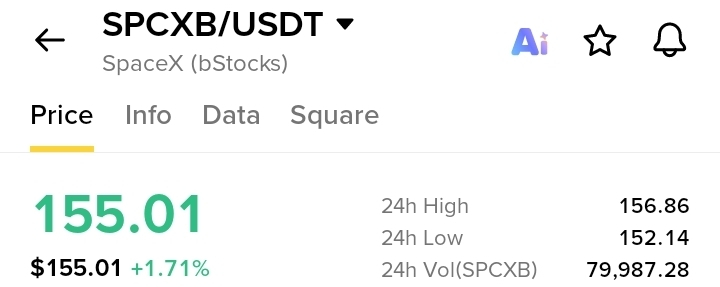
Article
Why SPXC BStocks on Binance is a Game-Changer for Modern InvestorsThe financial world is evolving rapidly, and the boundaries between traditional finance and cryptocurrency are blurring faster than ever. For a long time, traditional stock trading and crypto investing existed in two completely different ecosystems. If you wanted to invest in the US stock market, you had to go throug$h traditional brokers, deal with high wire transfer fees, complex onboarding processes, and geographical restrictions. However, Binance has revolutionized this landscape with the introduction of BStocks, specifically targeting major indices like the SPXC (S&P 500 Index). This innovation is a true game-changer for modern investors, bridging the gap between digital assets and the world's most resilient stock markets.To understand why this is a game-changer, we must first look at what SPXC represents. The S&P 500 is widely regarded as one of the best representations of the US stock market, tracking 500 of the largest publicly traded companies in the United States. Historically, investing in the S&P 500 has been the ultimate strategy for long-term wealth creation and stability, offering exposure to tech giants, healthcare leaders, and financial powerhouses. By bringing SPXC into the Binance ecosystem through BStocks, crypto users can now gain direct exposure to traditional equities without ever leaving the blockchain environment.One of the biggest advantages of trading SPXC BStocks on Binance is fractional trading. In the traditional market, buying shares of expensive companies or high-value index funds requires significant capital. For beginners or retail investors with limited budgets, this poses a massive barrier to entry. Binance solves this problem by allowing fractional ownership. This means you do not need to buy a whole share; you can invest with whatever amount you feel comfortable with, whether it is $10 or $100. This democratizes investing, making premium financial assets accessible to everyone regardless of their financial background.Furthermore, portfolio diversification is crucial for surviving market volatility. Cryptocurrency is known for its massive growth potential, but it is also highly volatile. By allocating a portion of your capital into SPXC BStocks via Binance, you can easily balance your portfolio. When the crypto market experiences a downturn, having exposure to the top 500 US companies provides a reliable safety net. The seamless transition between crypto assets and traditional stocks within a single app saves time, reduces conversion fees, and simplifies asset management for modern investors.However, like any investment opportunity, it is important to understand the risks involved. While the US stock market is generally less volatile than crypto, it is still subject to macroeconomic factors, inflation rates, and geopolitical events. Additionally, users must educate themselves on how BStocks operate on the platform, understanding that these are tokenized versions reflecting the price movements of the underlying assets. Binance provides excellent educational resources, and beginners should always do their own research before committing their capital.In conclusion, the integration of SPXC BStocks on Binance offers an unparalleled opportunity for investors worldwide. It breaks down geographical barriers, eliminates high entry costs through fractional trading, and allows for seamless portfolio diversification. The future of finance is unified, and Binance is leading the way. If you are looking to expand your investment journey from crypto to traditional equities, exploring SPXC on Binance Square is the perfect place to start.
@BinanceBurmese
#SEABstock #SEAstock
Why SPXC BStocks on Binance is a Game-Changer for Modern Investors
The financial world is evolving rapidly, and the boundaries between traditional finance and cryptocurrency are blurring faster than ever. For a long time, traditional stock trading and crypto investing existed in two completely different ecosystems. If you wanted to invest in the US stock market, you had to go throug$h traditional brokers, deal with high wire transfer fees, complex onboarding processes, and geographical restrictions. However, Binance has revolutionized this landscape with the introduction of BStocks, specifically targeting major indices like the SPXC (S&P 500 Index). This innovation is a true game-changer for modern investors, bridging the gap between digital assets and the world's most resilient stock markets.To understand why this is a game-changer, we must first look at what SPXC represents. The S&P 500 is widely regarded as one of the best representations of the US stock market, tracking 500 of the largest publicly traded companies in the United States. Historically, investing in the S&P 500 has been the ultimate strategy for long-term wealth creation and stability, offering exposure to tech giants, healthcare leaders, and financial powerhouses. By bringing SPXC into the Binance ecosystem through BStocks, crypto users can now gain direct exposure to traditional equities without ever leaving the blockchain environment.One of the biggest advantages of trading SPXC BStocks on Binance is fractional trading. In the traditional market, buying shares of expensive companies or high-value index funds requires significant capital. For beginners or retail investors with limited budgets, this poses a massive barrier to entry. Binance solves this problem by allowing fractional ownership. This means you do not need to buy a whole share; you can invest with whatever amount you feel comfortable with, whether it is $10 or $100. This democratizes investing, making premium financial assets accessible to everyone regardless of their financial background.Furthermore, portfolio diversification is crucial for surviving market volatility. Cryptocurrency is known for its massive growth potential, but it is also highly volatile. By allocating a portion of your capital into SPXC BStocks via Binance, you can easily balance your portfolio. When the crypto market experiences a downturn, having exposure to the top 500 US companies provides a reliable safety net. The seamless transition between crypto assets and traditional stocks within a single app saves time, reduces conversion fees, and simplifies asset management for modern investors.However, like any investment opportunity, it is important to understand the risks involved. While the US stock market is generally less volatile than crypto, it is still subject to macroeconomic factors, inflation rates, and geopolitical events. Additionally, users must educate themselves on how BStocks operate on the platform, understanding that these are tokenized versions reflecting the price movements of the underlying assets. Binance provides excellent educational resources, and beginners should always do their own research before committing their capital.In conclusion, the integration of SPXC BStocks on Binance offers an unparalleled opportunity for investors worldwide. It breaks down geographical barriers, eliminates high entry costs through fractional trading, and allows for seamless portfolio diversification. The future of finance is unified, and Binance is leading the way. If you are looking to expand your investment journey from crypto to traditional equities, exploring SPXC on Binance Square is the perfect place to start.
@Binance Burmese
#SEABstock #SEAstock
@Binance Burmese
#SEABstock #SEAstock
95
·
--

Article
How are Stocks different from Crypto? Differences, risks, and opportunitiesThe global investment environment has expanded dramatically over the past decade, driven by technological breakthroughs and shifts in investor psychology. Today, individuals looking to grow their wealth are often presented with two major paths: traditional stocks and cryptocurrency. While both asset classes offer distinct vehicles for capital appreciation, they operate on completely different mechanisms, historical baselines, and structural rules. For anyone building a modern financial portfolio, understanding the fundamental differences, risks, and unique opportunities of both markets is essential to making informed, strategic financial decisions.
To begin with, the fundamental nature of these assets is entirely different. Traditional stocks represent fractional ownership in a real-world, legally registered corporation. When you buy a share of a company like Apple or Tesla, you own a piece of a business that possesses physical assets, employees, corporate revenues, and legal obligations. The value of a stock is structurally tied to the company's financial performance, quarterly earnings, and macroeconomic conditions. In stark contrast, cryptocurrency operates on decentralized blockchain technology. Most crypto tokens do not represent ownership in a corporation. Instead, their value is driven purely by network utility, technological adoption, community speculation, and the basic economic laws of supply and demand.
When evaluating these markets, risk assessment is another critical factor where they diverge significantly. The cryptocurrency market is famous for its extreme volatility, operating twenty-four hours a day, seven days a week, with no centralized regulatory oversight to halt trading. It is not uncommon for a crypto asset to gain or lose thirty percent of its value within a single day. This environment offers high rewards but carries a substantial risk of total capital loss. Traditional stock markets, conversely, operate within strict regulatory frameworks established by government bodies. Stock exchanges have designated trading hours and structural circuit breakers designed to halt trading during extreme market panics, offering a more controlled and protective environment for retail investors.
Despite these differences, both ecosystems present phenomenal financial opportunities. The stock market provides a long-term, time-tested vehicle for compounding wealth, often supplemented by regular dividend payments that provide passive income regardless of price movements. Cryptocurrency, on the other hand, offers unparalleled growth potential and access to early-stage technological innovations, such as decentralized finance and smart contract applications. By understanding how these two worlds interact, an investor does not have to choose one over the other. Instead, they can capture the explosive growth potential of crypto while securing the foundational stability and historical resilience of global corporate stocks.
In conclusion, stocks and crypto should not be viewed as competing enemies, but rather as complementary tools in a mature investor’s toolkit. Stocks offer tangible backing, corporate earnings, and regulatory protection, while crypto provides high-speed innovation, global liquidity, and exponential upside potential. Navigating the modern financial landscape successfully requires balancing the stability of traditional equities with the dynamic energy of digital assets. By diversifying across both markets, you mitigate your risks, protect your capital, and position yourself to capture the best opportunities that the global financial system has to offer. #SEABstock #SEAstock @BinanceBurmese
$TSMB
{spot}(TSMBUSDT)
$AMZNB
{spot}(AMZNBUSDT)
How are Stocks different from Crypto? Differences, risks, and opportunities
The global investment environment has expanded dramatically over the past decade, driven by technological breakthroughs and shifts in investor psychology. Today, individuals looking to grow their wealth are often presented with two major paths: traditional stocks and cryptocurrency. While both asset classes offer distinct vehicles for capital appreciation, they operate on completely different mechanisms, historical baselines, and structural rules. For anyone building a modern financial portfolio, understanding the fundamental differences, risks, and unique opportunities of both markets is essential to making informed, strategic financial decisions.
To begin with, the fundamental nature of these assets is entirely different. Traditional stocks represent fractional ownership in a real-world, legally registered corporation. When you buy a share of a company like Apple or Tesla, you own a piece of a business that possesses physical assets, employees, corporate revenues, and legal obligations. The value of a stock is structurally tied to the company's financial performance, quarterly earnings, and macroeconomic conditions. In stark contrast, cryptocurrency operates on decentralized blockchain technology. Most crypto tokens do not represent ownership in a corporation. Instead, their value is driven purely by network utility, technological adoption, community speculation, and the basic economic laws of supply and demand.
When evaluating these markets, risk assessment is another critical factor where they diverge significantly. The cryptocurrency market is famous for its extreme volatility, operating twenty-four hours a day, seven days a week, with no centralized regulatory oversight to halt trading. It is not uncommon for a crypto asset to gain or lose thirty percent of its value within a single day. This environment offers high rewards but carries a substantial risk of total capital loss. Traditional stock markets, conversely, operate within strict regulatory frameworks established by government bodies. Stock exchanges have designated trading hours and structural circuit breakers designed to halt trading during extreme market panics, offering a more controlled and protective environment for retail investors.
Despite these differences, both ecosystems present phenomenal financial opportunities. The stock market provides a long-term, time-tested vehicle for compounding wealth, often supplemented by regular dividend payments that provide passive income regardless of price movements. Cryptocurrency, on the other hand, offers unparalleled growth potential and access to early-stage technological innovations, such as decentralized finance and smart contract applications. By understanding how these two worlds interact, an investor does not have to choose one over the other. Instead, they can capture the explosive growth potential of crypto while securing the foundational stability and historical resilience of global corporate stocks.
In conclusion, stocks and crypto should not be viewed as competing enemies, but rather as complementary tools in a mature investor’s toolkit. Stocks offer tangible backing, corporate earnings, and regulatory protection, while crypto provides high-speed innovation, global liquidity, and exponential upside potential. Navigating the modern financial landscape successfully requires balancing the stability of traditional equities with the dynamic energy of digital assets. By diversifying across both markets, you mitigate your risks, protect your capital, and position yourself to capture the best opportunities that the global financial system has to offer. #SEABstock #SEAstock @Binance Burmese
$TSMB
$AMZNB
To begin with, the fundamental nature of these assets is entirely different. Traditional stocks represent fractional ownership in a real-world, legally registered corporation. When you buy a share of a company like Apple or Tesla, you own a piece of a business that possesses physical assets, employees, corporate revenues, and legal obligations. The value of a stock is structurally tied to the company's financial performance, quarterly earnings, and macroeconomic conditions. In stark contrast, cryptocurrency operates on decentralized blockchain technology. Most crypto tokens do not represent ownership in a corporation. Instead, their value is driven purely by network utility, technological adoption, community speculation, and the basic economic laws of supply and demand.
When evaluating these markets, risk assessment is another critical factor where they diverge significantly. The cryptocurrency market is famous for its extreme volatility, operating twenty-four hours a day, seven days a week, with no centralized regulatory oversight to halt trading. It is not uncommon for a crypto asset to gain or lose thirty percent of its value within a single day. This environment offers high rewards but carries a substantial risk of total capital loss. Traditional stock markets, conversely, operate within strict regulatory frameworks established by government bodies. Stock exchanges have designated trading hours and structural circuit breakers designed to halt trading during extreme market panics, offering a more controlled and protective environment for retail investors.
Despite these differences, both ecosystems present phenomenal financial opportunities. The stock market provides a long-term, time-tested vehicle for compounding wealth, often supplemented by regular dividend payments that provide passive income regardless of price movements. Cryptocurrency, on the other hand, offers unparalleled growth potential and access to early-stage technological innovations, such as decentralized finance and smart contract applications. By understanding how these two worlds interact, an investor does not have to choose one over the other. Instead, they can capture the explosive growth potential of crypto while securing the foundational stability and historical resilience of global corporate stocks.
In conclusion, stocks and crypto should not be viewed as competing enemies, but rather as complementary tools in a mature investor’s toolkit. Stocks offer tangible backing, corporate earnings, and regulatory protection, while crypto provides high-speed innovation, global liquidity, and exponential upside potential. Navigating the modern financial landscape successfully requires balancing the stability of traditional equities with the dynamic energy of digital assets. By diversifying across both markets, you mitigate your risks, protect your capital, and position yourself to capture the best opportunities that the global financial system has to offer. #SEABstock #SEAstock @Binance Burmese
$TSMB
$AMZNB
45
·
--
Getting Started with Investing in US Stocks: A Checklist for BeginnersEntering the world of traditional finance can feel like stepping into an entirely foreign territory, especially if your primary experience has been within the fast-paced cryptocurrency markets. The US stock market represents the largest and most influential financial ecosystem in the world, housing massive corporations that drive global innovation and consumer habits. For beginners looking to expand their wealth, investing in US stocks offers a time-tested path toward financial growth and portfolio stability. However, diving in without a structured plan can lead to costly mistakes. To ensure a smooth transition and maximize your potential for success, here is a comprehensive checklist designed specifically for beginners getting started with US stocks.
The very first step on your checklist must be establishing a clear financial foundation. Before spending a single dollar on equities, ensure you have an independent emergency fund that covers at least three to six months of living expenses. This guarantees that you will never be forced to sell your stocks at a loss during a sudden market downturn just because you need immediate cash. Additionally, clear any high-interest personal debt before investing. The stock market historically yields an average annual return of about eight to ten percent, which means paying off a credit card with a high interest rate delivers a much higher and guaranteed financial return than buying any stock.
Once your foundations are secure, the next checklist item is selecting the right platform and completing your regulatory setup. Historically, accessing US equities required complex international brokerage accounts, high minimum deposits, and heavy paperwork. Today, modern digital ecosystems have simplified this process significantly. When choosing where to start, prioritize platforms that offer robust security, low trading fees, and extensive educational resources. Ensure that your personal profile is fully verified through Identity Verification (KYC) compliance. Having a verified and secure account is essential to protect your capital and ensure that your investment journey remains compliant with international financial standards.
The final and most exciting phase of the checklist involves investment strategy and continuous education. As a beginner, avoid the temptation to day-trade or pick individual volatile stocks based on social media trends. Instead, focus on building a well-diversified portfolio. Consider starting with broad-market Exchange-Traded Funds (ETFs) that track major indices like the S&P 500, allowing you to own a small piece of hundreds of top companies simultaneously with a single trade. Furthermore, commit to learning how to analyze core financial metrics, such as a company’s revenue growth and earnings reports. Combining this structural knowledge with a long-term mindset will allow you to navigate the financial markets with confidence and build lasting wealth.
In conclusion, embarking on your US stock market journey is one of the best financial decisions you can make. By systematically checking off these foundational steps—securing your personal finances, verifying your platform accounts, and adopting a diversified investment strategy—you transform from a speculative trader into a disciplined investor. The global economy is constantly evolving, and having a stake in the world's leading companies provides a powerful vehicle for your personal financial freedom. Take your time, stay consistent, and use the tools available to you to begin checking off your investment goals today.
#SEABstock #SEAstock
@BinanceBurmese $NVDAB $AAPLB $MSFTB
Getting Started with Investing in US Stocks: A Checklist for Beginners
Entering the world of traditional finance can feel like stepping into an entirely foreign territory, especially if your primary experience has been within the fast-paced cryptocurrency markets. The US stock market represents the largest and most influential financial ecosystem in the world, housing massive corporations that drive global innovation and consumer habits. For beginners looking to expand their wealth, investing in US stocks offers a time-tested path toward financial growth and portfolio stability. However, diving in without a structured plan can lead to costly mistakes. To ensure a smooth transition and maximize your potential for success, here is a comprehensive checklist designed specifically for beginners getting started with US stocks.
The very first step on your checklist must be establishing a clear financial foundation. Before spending a single dollar on equities, ensure you have an independent emergency fund that covers at least three to six months of living expenses. This guarantees that you will never be forced to sell your stocks at a loss during a sudden market downturn just because you need immediate cash. Additionally, clear any high-interest personal debt before investing. The stock market historically yields an average annual return of about eight to ten percent, which means paying off a credit card with a high interest rate delivers a much higher and guaranteed financial return than buying any stock.
Once your foundations are secure, the next checklist item is selecting the right platform and completing your regulatory setup. Historically, accessing US equities required complex international brokerage accounts, high minimum deposits, and heavy paperwork. Today, modern digital ecosystems have simplified this process significantly. When choosing where to start, prioritize platforms that offer robust security, low trading fees, and extensive educational resources. Ensure that your personal profile is fully verified through Identity Verification (KYC) compliance. Having a verified and secure account is essential to protect your capital and ensure that your investment journey remains compliant with international financial standards.
The final and most exciting phase of the checklist involves investment strategy and continuous education. As a beginner, avoid the temptation to day-trade or pick individual volatile stocks based on social media trends. Instead, focus on building a well-diversified portfolio. Consider starting with broad-market Exchange-Traded Funds (ETFs) that track major indices like the S&P 500, allowing you to own a small piece of hundreds of top companies simultaneously with a single trade. Furthermore, commit to learning how to analyze core financial metrics, such as a company’s revenue growth and earnings reports. Combining this structural knowledge with a long-term mindset will allow you to navigate the financial markets with confidence and build lasting wealth.
In conclusion, embarking on your US stock market journey is one of the best financial decisions you can make. By systematically checking off these foundational steps—securing your personal finances, verifying your platform accounts, and adopting a diversified investment strategy—you transform from a speculative trader into a disciplined investor. The global economy is constantly evolving, and having a stake in the world's leading companies provides a powerful vehicle for your personal financial freedom. Take your time, stay consistent, and use the tools available to you to begin checking off your investment goals today.
#SEABstock #SEAstock
@Binance Burmese $NVDAB $AAPLB $MSFTB
The very first step on your checklist must be establishing a clear financial foundation. Before spending a single dollar on equities, ensure you have an independent emergency fund that covers at least three to six months of living expenses. This guarantees that you will never be forced to sell your stocks at a loss during a sudden market downturn just because you need immediate cash. Additionally, clear any high-interest personal debt before investing. The stock market historically yields an average annual return of about eight to ten percent, which means paying off a credit card with a high interest rate delivers a much higher and guaranteed financial return than buying any stock.
Once your foundations are secure, the next checklist item is selecting the right platform and completing your regulatory setup. Historically, accessing US equities required complex international brokerage accounts, high minimum deposits, and heavy paperwork. Today, modern digital ecosystems have simplified this process significantly. When choosing where to start, prioritize platforms that offer robust security, low trading fees, and extensive educational resources. Ensure that your personal profile is fully verified through Identity Verification (KYC) compliance. Having a verified and secure account is essential to protect your capital and ensure that your investment journey remains compliant with international financial standards.
The final and most exciting phase of the checklist involves investment strategy and continuous education. As a beginner, avoid the temptation to day-trade or pick individual volatile stocks based on social media trends. Instead, focus on building a well-diversified portfolio. Consider starting with broad-market Exchange-Traded Funds (ETFs) that track major indices like the S&P 500, allowing you to own a small piece of hundreds of top companies simultaneously with a single trade. Furthermore, commit to learning how to analyze core financial metrics, such as a company’s revenue growth and earnings reports. Combining this structural knowledge with a long-term mindset will allow you to navigate the financial markets with confidence and build lasting wealth.
In conclusion, embarking on your US stock market journey is one of the best financial decisions you can make. By systematically checking off these foundational steps—securing your personal finances, verifying your platform accounts, and adopting a diversified investment strategy—you transform from a speculative trader into a disciplined investor. The global economy is constantly evolving, and having a stake in the world's leading companies provides a powerful vehicle for your personal financial freedom. Take your time, stay consistent, and use the tools available to you to begin checking off your investment goals today.
#SEABstock #SEAstock
@Binance Burmese $NVDAB $AAPLB $MSFTB
1
72
·
--
BStocks 101: How to access US Stocks through Binance?The global financial landscape is undergoing a massive transformation, driven by technology and the rise of digital asset ecosystems. For a long time, traditional stock markets and cryptocurrency platforms operated in completely separate worlds. If you wanted to invest in top American companies, you had to go through traditional stockbrokers, deal with international bank transfers, and face strict geographic limitations. Fortunately, platforms like Binance are breaking down these walls. Through BStocks products, investors now have a unique opportunity to bridge the gap between digital finance and traditional markets. This guide covers everything you need to know about accessing US stocks through the Binance ecosystem and why it is a game-changer for modern investors.
To understand BStocks, one must first understand what makes the US stock market so attractive. It is home to global giants like Apple, Tesla, Amazon, and Microsoft—companies that drive the world economy. For retail investors outside the United States, however, entering this market can be incredibly difficult due to high paperwork requirements, high fee structures, and the inability to buy fractionally. BStocks products aim to solve these issues by introducing financial literacy and structured tools that simplify how everyday users understand and approach corporate equities. By leveraging a familiar crypto dashboard, users can learn to navigate the stock market without having to jump through the usual bureaucratic hoops.
Accessing this feature within the Binance ecosystem is designed to be as seamless as possible. First, you need to ensure your account is fully verified through the standard Identity Verification (KYC) process. Once your account is secure, you can explore the dedicated sections on Binance Square and the Binance platform that focus on traditional asset insights. Through integrated market trackers, news feeds, and educational content, you can easily monitor the real-time performance of major US indices and individual stock variations. This setup allows you to keep an eye on both your favorite crypto tokens and major global stocks within a single, unified interface.
One of the biggest advantages of exploring BStocks via Binance is the educational empowerment it provides. The platform offers comprehensive resources that explain stock market fundamentals, corporate earnings, and dividend distributions in simple terms. This is particularly valuable for crypto-native users who are used to analyzing tokenomics but may not be as familiar with traditional price-to-earnings (P/E) ratios or balance sheets. By combining the technical analysis skills learned from trading crypto with the fundamental analysis concepts provided by stock education, you can develop a much more mature and balanced investment strategy.
In conclusion, BStocks serves as an essential bridge for anyone wanting to diversify their wealth and gain exposure to the world’s most powerful corporate entities. Binance has successfully simplified the process of learning about and accessing US stocks, making it accessible to a global audience. Whether you want to hedge your crypto risks or simply expand your knowledge, exploring this option is a smart step forward. Start your journey today, utilize the tools provided by Binance, and take your financial portfolio to new heights.
#SEABstock @BinanceBurmese $NVDAB
#SEAstock
BStocks 101: How to access US Stocks through Binance?
The global financial landscape is undergoing a massive transformation, driven by technology and the rise of digital asset ecosystems. For a long time, traditional stock markets and cryptocurrency platforms operated in completely separate worlds. If you wanted to invest in top American companies, you had to go through traditional stockbrokers, deal with international bank transfers, and face strict geographic limitations. Fortunately, platforms like Binance are breaking down these walls. Through BStocks products, investors now have a unique opportunity to bridge the gap between digital finance and traditional markets. This guide covers everything you need to know about accessing US stocks through the Binance ecosystem and why it is a game-changer for modern investors.
To understand BStocks, one must first understand what makes the US stock market so attractive. It is home to global giants like Apple, Tesla, Amazon, and Microsoft—companies that drive the world economy. For retail investors outside the United States, however, entering this market can be incredibly difficult due to high paperwork requirements, high fee structures, and the inability to buy fractionally. BStocks products aim to solve these issues by introducing financial literacy and structured tools that simplify how everyday users understand and approach corporate equities. By leveraging a familiar crypto dashboard, users can learn to navigate the stock market without having to jump through the usual bureaucratic hoops.
Accessing this feature within the Binance ecosystem is designed to be as seamless as possible. First, you need to ensure your account is fully verified through the standard Identity Verification (KYC) process. Once your account is secure, you can explore the dedicated sections on Binance Square and the Binance platform that focus on traditional asset insights. Through integrated market trackers, news feeds, and educational content, you can easily monitor the real-time performance of major US indices and individual stock variations. This setup allows you to keep an eye on both your favorite crypto tokens and major global stocks within a single, unified interface.
One of the biggest advantages of exploring BStocks via Binance is the educational empowerment it provides. The platform offers comprehensive resources that explain stock market fundamentals, corporate earnings, and dividend distributions in simple terms. This is particularly valuable for crypto-native users who are used to analyzing tokenomics but may not be as familiar with traditional price-to-earnings (P/E) ratios or balance sheets. By combining the technical analysis skills learned from trading crypto with the fundamental analysis concepts provided by stock education, you can develop a much more mature and balanced investment strategy.
In conclusion, BStocks serves as an essential bridge for anyone wanting to diversify their wealth and gain exposure to the world’s most powerful corporate entities. Binance has successfully simplified the process of learning about and accessing US stocks, making it accessible to a global audience. Whether you want to hedge your crypto risks or simply expand your knowledge, exploring this option is a smart step forward. Start your journey today, utilize the tools provided by Binance, and take your financial portfolio to new heights.
#SEABstock @Binance Burmese $NVDAB
#SEAstock
To understand BStocks, one must first understand what makes the US stock market so attractive. It is home to global giants like Apple, Tesla, Amazon, and Microsoft—companies that drive the world economy. For retail investors outside the United States, however, entering this market can be incredibly difficult due to high paperwork requirements, high fee structures, and the inability to buy fractionally. BStocks products aim to solve these issues by introducing financial literacy and structured tools that simplify how everyday users understand and approach corporate equities. By leveraging a familiar crypto dashboard, users can learn to navigate the stock market without having to jump through the usual bureaucratic hoops.
Accessing this feature within the Binance ecosystem is designed to be as seamless as possible. First, you need to ensure your account is fully verified through the standard Identity Verification (KYC) process. Once your account is secure, you can explore the dedicated sections on Binance Square and the Binance platform that focus on traditional asset insights. Through integrated market trackers, news feeds, and educational content, you can easily monitor the real-time performance of major US indices and individual stock variations. This setup allows you to keep an eye on both your favorite crypto tokens and major global stocks within a single, unified interface.
One of the biggest advantages of exploring BStocks via Binance is the educational empowerment it provides. The platform offers comprehensive resources that explain stock market fundamentals, corporate earnings, and dividend distributions in simple terms. This is particularly valuable for crypto-native users who are used to analyzing tokenomics but may not be as familiar with traditional price-to-earnings (P/E) ratios or balance sheets. By combining the technical analysis skills learned from trading crypto with the fundamental analysis concepts provided by stock education, you can develop a much more mature and balanced investment strategy.
In conclusion, BStocks serves as an essential bridge for anyone wanting to diversify their wealth and gain exposure to the world’s most powerful corporate entities. Binance has successfully simplified the process of learning about and accessing US stocks, making it accessible to a global audience. Whether you want to hedge your crypto risks or simply expand your knowledge, exploring this option is a smart step forward. Start your journey today, utilize the tools provided by Binance, and take your financial portfolio to new heights.
#SEABstock @Binance Burmese $NVDAB
#SEAstock
1
72

·
--
Article
Bstock market🚀 BStocks 101: How to Get Started with US Stocks on Binance
If you’ve ever wanted to invest in US stocks but didn’t know where to begin, BStocks on Binance make it easier than ever! 📈 Through Binance’s ecosystem, you can gain exposure to major US companies without needing a traditional brokerage account.
🔹 What are BStocks?
BStocks (Blockchain Stocks) are tokenized representations of real-world stocks. They allow you to trade popular US equities in a crypto-friendly environment, combining the flexibility of blockchain with the value of traditional markets.
🔹 How to get started:
Create and verify your Binance accountDeposit funds (USDT or other supported assets)Explore available BStocks pairsStart small and learn market movementsUse charts, news, and risk management tools
🔹 Why learn US stocks through Binance?
Easy access for global users 🌍Trade anytime with crypto convenience ⏱️Diversify beyond crypto into traditional marketsGreat for beginners learning price action and fundamentals
💡 Tip: Start by following big names like tech or energy stocks and observe how global news impacts prices. Learning this connection will level up your trading skills fast. Trading BStocks is not just about profit—it’s about understanding how global markets work. Start your journey today and grow step by step!
@BinanceKhmer
#Bstock #BStock
#SEAstock
Bstock market
🚀 BStocks 101: How to Get Started with US Stocks on Binance
If you’ve ever wanted to invest in US stocks but didn’t know where to begin, BStocks on Binance make it easier than ever! 📈 Through Binance’s ecosystem, you can gain exposure to major US companies without needing a traditional brokerage account.
🔹 What are BStocks?
BStocks (Blockchain Stocks) are tokenized representations of real-world stocks. They allow you to trade popular US equities in a crypto-friendly environment, combining the flexibility of blockchain with the value of traditional markets.
🔹 How to get started:
Create and verify your Binance accountDeposit funds (USDT or other supported assets)Explore available BStocks pairsStart small and learn market movementsUse charts, news, and risk management tools
🔹 Why learn US stocks through Binance?
Easy access for global users 🌍Trade anytime with crypto convenience ⏱️Diversify beyond crypto into traditional marketsGreat for beginners learning price action and fundamentals
💡 Tip: Start by following big names like tech or energy stocks and observe how global news impacts prices. Learning this connection will level up your trading skills fast. Trading BStocks is not just about profit—it’s about understanding how global markets work. Start your journey today and grow step by step!
@Binance Khmer
#Bstock #BStock
#SEAstock
If you’ve ever wanted to invest in US stocks but didn’t know where to begin, BStocks on Binance make it easier than ever! 📈 Through Binance’s ecosystem, you can gain exposure to major US companies without needing a traditional brokerage account.
🔹 What are BStocks?
BStocks (Blockchain Stocks) are tokenized representations of real-world stocks. They allow you to trade popular US equities in a crypto-friendly environment, combining the flexibility of blockchain with the value of traditional markets.
🔹 How to get started:
Create and verify your Binance accountDeposit funds (USDT or other supported assets)Explore available BStocks pairsStart small and learn market movementsUse charts, news, and risk management tools
🔹 Why learn US stocks through Binance?
Easy access for global users 🌍Trade anytime with crypto convenience ⏱️Diversify beyond crypto into traditional marketsGreat for beginners learning price action and fundamentals
💡 Tip: Start by following big names like tech or energy stocks and observe how global news impacts prices. Learning this connection will level up your trading skills fast. Trading BStocks is not just about profit—it’s about understanding how global markets work. Start your journey today and grow step by step!
@Binance Khmer
#Bstock #BStock
#SEAstock
79

·
--
Article
BStockBStocks 101: How to Start Investing in US Stocks (Beginner Checklist)
Are you new to investing and curious about US stocks? With Binance BStocks, getting started is easier than ever. Here’s a simple checklist to guide beginners step by step. 👇
✅ 1. Understand the Basics
Learn what stocks are, how companies like Apple or Tesla grow, and why stock prices move. Focus on long-term value, not just short-term hype.
✅ 2. Set Your Investment Goal
Ask yourself: Are you investing for long-term growth, passive income, or short-term trading? Clear goals help you choose the right strategy.
✅ 3. Create & Verify Your Binance Account
Sign up and complete KYC verification. This unlocks access to BStocks and ensures your account is secure.
✅ 4. Start Small & Manage Risk
Don’t invest all your money at once. Start with an amount you can afford to lose and diversify your portfolio.
✅ 5. Research Before You Buy
Check company earnings, news, and industry trends. Avoid investing based only on social media hype.
✅ 6. Think Long-Term
The US stock market rewards patience. Strong companies tend to grow over time, even if prices fluctuate in the short term.
✅ 7. Keep Learning
Markets change constantly. Follow updates, learn from experience, and improve your strategy step by step.
💡 Final Tip: Discipline and consistency matter more than quick profits. Start smart, stay patient, and build your portfolio gradually.
@BinanceKhmer
#SEAstock #SEABstock
BStock
BStocks 101: How to Start Investing in US Stocks (Beginner Checklist)
Are you new to investing and curious about US stocks? With Binance BStocks, getting started is easier than ever. Here’s a simple checklist to guide beginners step by step. 👇
✅ 1. Understand the Basics
Learn what stocks are, how companies like Apple or Tesla grow, and why stock prices move. Focus on long-term value, not just short-term hype.
✅ 2. Set Your Investment Goal
Ask yourself: Are you investing for long-term growth, passive income, or short-term trading? Clear goals help you choose the right strategy.
✅ 3. Create & Verify Your Binance Account
Sign up and complete KYC verification. This unlocks access to BStocks and ensures your account is secure.
✅ 4. Start Small & Manage Risk
Don’t invest all your money at once. Start with an amount you can afford to lose and diversify your portfolio.
✅ 5. Research Before You Buy
Check company earnings, news, and industry trends. Avoid investing based only on social media hype.
✅ 6. Think Long-Term
The US stock market rewards patience. Strong companies tend to grow over time, even if prices fluctuate in the short term.
✅ 7. Keep Learning
Markets change constantly. Follow updates, learn from experience, and improve your strategy step by step.
💡 Final Tip: Discipline and consistency matter more than quick profits. Start smart, stay patient, and build your portfolio gradually.
@Binance Khmer
#SEAstock #SEABstock
Are you new to investing and curious about US stocks? With Binance BStocks, getting started is easier than ever. Here’s a simple checklist to guide beginners step by step. 👇
✅ 1. Understand the Basics
Learn what stocks are, how companies like Apple or Tesla grow, and why stock prices move. Focus on long-term value, not just short-term hype.
✅ 2. Set Your Investment Goal
Ask yourself: Are you investing for long-term growth, passive income, or short-term trading? Clear goals help you choose the right strategy.
✅ 3. Create & Verify Your Binance Account
Sign up and complete KYC verification. This unlocks access to BStocks and ensures your account is secure.
✅ 4. Start Small & Manage Risk
Don’t invest all your money at once. Start with an amount you can afford to lose and diversify your portfolio.
✅ 5. Research Before You Buy
Check company earnings, news, and industry trends. Avoid investing based only on social media hype.
✅ 6. Think Long-Term
The US stock market rewards patience. Strong companies tend to grow over time, even if prices fluctuate in the short term.
✅ 7. Keep Learning
Markets change constantly. Follow updates, learn from experience, and improve your strategy step by step.
💡 Final Tip: Discipline and consistency matter more than quick profits. Start smart, stay patient, and build your portfolio gradually.
@Binance Khmer
#SEAstock #SEABstock
81

·
--
Here is an original, long-form post written specifically for the Binance Square ArticleBeyond the Hype: Building a Sustainable Crypto Portfolio with Effective Risk ManagementHere is an original, long-form post written specifically for the Binance Square Article Editor:@BinanceLaotian
**Title:** Beyond the Hype: Building a Sustainable Crypto Portfolio with Effective Risk Management
Navigating the cryptocurrency market can often feel like riding a rollercoaster blindfolded. With market sentiment shifting rapidly between extreme greed and intense fear, many traders focus solely on potential gains while completely ignoring downside risk. However, long-term success in Web3 isn’t determined by how much you make during a bull run—it’s defined by how much capital you preserve during market downturns.
**1. The Foundation: Capital Preservation First**
Before chasing 10x returns on low-cap altcoins, ensure your core portfolio rests on strong foundations. Allocating a significant portion of your capital to major assets like Bitcoin (BTC) and Ethereum (ETH) provides stability. These assets generally experience lower volatility compared to micro-cap tokens, helping buffer your total portfolio during sudden market sell-offs.
**2. Smart Diversification vs. Over-Diversification**
Holding 50 different tokens isn't effective diversification; it’s manageable chaos. Focus on strategic sector allocation across distinct narratives:
* **Layer 1 / Layer 2 Infrastructure:** The core settlement and scaling layers.
* **DeFi Protocols:** Yield, lending, and decentralized exchange liquidity providers.
* **Real-World Assets (RWA) & Privacy:** Emerging sectors bridging traditional finance and blockchain compliance.
**3. Implement Rigid Risk Parameters**
Never enter a trade or position without a predetermined exit plan:
* **Position Sizing:** Never risk more than 1–2% of your total portfolio on a single high-risk altcoin trade.
* **Use Stop-Losses:** Take emotion out of trading. Set mechanical stop-loss orders to automatically invalidate a trade setup if the market turns against you.
* **Take-Profit Discipline:** Taking profits incrementally on the way up (Dollar-Cost Selling) secures realized gains and prevents turning winning trades into losses.
**4. Beware of Common Pitfalls**
The most dangerous risks in crypto aren't just technical—they are psychological and operational. Beware of social engineering tactics, phishing links, and deceptive high-yield farm schemes. Always verify smart contract audits, test new protocols with small amounts first, and revoke unused token allowances regularly using security tools.
Market conditions will always fluctuate, but a disciplined strategy rooted in risk management, sector diversification, and continuous learning will keep you in the game for the long haul.
#SEABstock #SEAstock
Here is an original, long-form post written specifically for the Binance Square Article
Beyond the Hype: Building a Sustainable Crypto Portfolio with Effective Risk ManagementHere is an original, long-form post written specifically for the Binance Square Article Editor:@Binance Laotian
**Title:** Beyond the Hype: Building a Sustainable Crypto Portfolio with Effective Risk Management
Navigating the cryptocurrency market can often feel like riding a rollercoaster blindfolded. With market sentiment shifting rapidly between extreme greed and intense fear, many traders focus solely on potential gains while completely ignoring downside risk. However, long-term success in Web3 isn’t determined by how much you make during a bull run—it’s defined by how much capital you preserve during market downturns.
**1. The Foundation: Capital Preservation First**
Before chasing 10x returns on low-cap altcoins, ensure your core portfolio rests on strong foundations. Allocating a significant portion of your capital to major assets like Bitcoin (BTC) and Ethereum (ETH) provides stability. These assets generally experience lower volatility compared to micro-cap tokens, helping buffer your total portfolio during sudden market sell-offs.
**2. Smart Diversification vs. Over-Diversification**
Holding 50 different tokens isn't effective diversification; it’s manageable chaos. Focus on strategic sector allocation across distinct narratives:
* **Layer 1 / Layer 2 Infrastructure:** The core settlement and scaling layers.
* **DeFi Protocols:** Yield, lending, and decentralized exchange liquidity providers.
* **Real-World Assets (RWA) & Privacy:** Emerging sectors bridging traditional finance and blockchain compliance.
**3. Implement Rigid Risk Parameters**
Never enter a trade or position without a predetermined exit plan:
* **Position Sizing:** Never risk more than 1–2% of your total portfolio on a single high-risk altcoin trade.
* **Use Stop-Losses:** Take emotion out of trading. Set mechanical stop-loss orders to automatically invalidate a trade setup if the market turns against you.
* **Take-Profit Discipline:** Taking profits incrementally on the way up (Dollar-Cost Selling) secures realized gains and prevents turning winning trades into losses.
**4. Beware of Common Pitfalls**
The most dangerous risks in crypto aren't just technical—they are psychological and operational. Beware of social engineering tactics, phishing links, and deceptive high-yield farm schemes. Always verify smart contract audits, test new protocols with small amounts first, and revoke unused token allowances regularly using security tools.
Market conditions will always fluctuate, but a disciplined strategy rooted in risk management, sector diversification, and continuous learning will keep you in the game for the long haul.
#SEABstock #SEAstock
**Title:** Beyond the Hype: Building a Sustainable Crypto Portfolio with Effective Risk Management
Navigating the cryptocurrency market can often feel like riding a rollercoaster blindfolded. With market sentiment shifting rapidly between extreme greed and intense fear, many traders focus solely on potential gains while completely ignoring downside risk. However, long-term success in Web3 isn’t determined by how much you make during a bull run—it’s defined by how much capital you preserve during market downturns.
**1. The Foundation: Capital Preservation First**
Before chasing 10x returns on low-cap altcoins, ensure your core portfolio rests on strong foundations. Allocating a significant portion of your capital to major assets like Bitcoin (BTC) and Ethereum (ETH) provides stability. These assets generally experience lower volatility compared to micro-cap tokens, helping buffer your total portfolio during sudden market sell-offs.
**2. Smart Diversification vs. Over-Diversification**
Holding 50 different tokens isn't effective diversification; it’s manageable chaos. Focus on strategic sector allocation across distinct narratives:
* **Layer 1 / Layer 2 Infrastructure:** The core settlement and scaling layers.
* **DeFi Protocols:** Yield, lending, and decentralized exchange liquidity providers.
* **Real-World Assets (RWA) & Privacy:** Emerging sectors bridging traditional finance and blockchain compliance.
**3. Implement Rigid Risk Parameters**
Never enter a trade or position without a predetermined exit plan:
* **Position Sizing:** Never risk more than 1–2% of your total portfolio on a single high-risk altcoin trade.
* **Use Stop-Losses:** Take emotion out of trading. Set mechanical stop-loss orders to automatically invalidate a trade setup if the market turns against you.
* **Take-Profit Discipline:** Taking profits incrementally on the way up (Dollar-Cost Selling) secures realized gains and prevents turning winning trades into losses.
**4. Beware of Common Pitfalls**
The most dangerous risks in crypto aren't just technical—they are psychological and operational. Beware of social engineering tactics, phishing links, and deceptive high-yield farm schemes. Always verify smart contract audits, test new protocols with small amounts first, and revoke unused token allowances regularly using security tools.
Market conditions will always fluctuate, but a disciplined strategy rooted in risk management, sector diversification, and continuous learning will keep you in the game for the long haul.
#SEABstock #SEAstock
54

·
--
Navigating Modern Markets: A Beginner’s Guide to Stocks, Crypto, and BStocksThe financial world is evolving rapidly. For years, retail investors were strictly divided into two camps: traditional stock market investors who analyzed balance sheets and earnings reports, and crypto traders who navigated 24/7 decentralized networks. Today, platforms like Binance are bridging this gap, making it easier than ever for users to explore both asset classes under one umbrella.
Whether you are looking to diversify your portfolio or step into equity markets for the first time, understanding how traditional stocks differ from crypto—and how products like BStocks fit in—is crucial for making informed financial decisions.
Understanding the Basics: Traditional Stocks vs. Crypto
To build a balanced strategy, you first need to understand the fundamental differences between traditional equities and digital assets:
Underlying Asset Value:Stocks represent fractional ownership in a publicly traded corporation (such as Apple, Tesla, or Microsoft). A stock's value is generally tied to corporate earnings, revenue growth, assets, and overall business performance.Crypto assets (like Bitcoin or Ethereum) are native tokens of decentralized blockchain networks. Their value is driven by network utility, protocol adoption, supply-demand dynamics, and technological innovation.Market Hours:Traditional Stock Markets operate during fixed business hours (e.g., standard US trading hours, Monday through Friday, excluding public holidays).Crypto Markets operate 24 hours a day, 7 days a week, 365 days a year globally without downtime.Risk Profile & Volatility:Stocks generally experience lower short-term price volatility compared to crypto, though market risks remain.Crypto is known for high volatility, offering potential high yield alongside elevated risk exposure.
What are BStocks and How Do They Work?
For crypto-native investors, transitioning into traditional equities often meant opening accounts with traditional brokers, dealing with fiat conversions, and managing multiple apps. BStocks solve this friction by bringing exposure to top-tier equities directly into the crypto ecosystem.
Fractional Exposure: You don't need thousands of dollars to invest in high-priced shares. BStocks allow users to buy fractional amounts, making global equities accessible to small-budget investors.Unified Portfolio Management: Instead of juggling different platforms, you can monitor your digital assets and stock exposure side by side within a familiar environment.Liquidity & Convenience: BStocks allow seamless integration with your existing stablecoin holdings, reducing the steps needed to convert funds back and forth.
A Checklist for Beginners
If you are ready to expand your investment journey into stocks and BStocks, follow this simple step-by-step checklist:
Step 1: Define Your Financial Goals. Determine whether you are looking for long-term capital preservation, dividend income, or growth.Step 2: Start Small & Diversify. Avoid putting all your capital into a single asset class or sector. Combining blue-chip stocks with balanced crypto holdings can help smooth out portfolio volatility.Step 3: Conduct Fundamental Research. Look into company fundamentals—understand what the business does, its revenue model, and its market position before taking a position.Step 4: Manage Your Risks. Never invest more than you can afford to lose. Use proper position sizing and keep a portion of your funds in stable assets.Step 5: Stay Informed. Financial markets move on macroeconomic news, interest rate changes, and sector trends. Make continuous learning a habit.
Final Thoughts
Expanding beyond crypto into traditional stocks or BStocks is one of the smartest ways to mature as an investor. By understanding the core mechanics of each asset class, you can build a versatile portfolio designed to withstand different market cycles.
Disclaimer: This article is for educational purposes only and should not be considered financial advice. Always perform your own research (DYOR) before making any investment decisions.
@BinanceBurmese #SEAstock
Navigating Modern Markets: A Beginner’s Guide to Stocks, Crypto, and BStocks
The financial world is evolving rapidly. For years, retail investors were strictly divided into two camps: traditional stock market investors who analyzed balance sheets and earnings reports, and crypto traders who navigated 24/7 decentralized networks. Today, platforms like Binance are bridging this gap, making it easier than ever for users to explore both asset classes under one umbrella.
Whether you are looking to diversify your portfolio or step into equity markets for the first time, understanding how traditional stocks differ from crypto—and how products like BStocks fit in—is crucial for making informed financial decisions.
Understanding the Basics: Traditional Stocks vs. Crypto
To build a balanced strategy, you first need to understand the fundamental differences between traditional equities and digital assets:
Underlying Asset Value:Stocks represent fractional ownership in a publicly traded corporation (such as Apple, Tesla, or Microsoft). A stock's value is generally tied to corporate earnings, revenue growth, assets, and overall business performance.Crypto assets (like Bitcoin or Ethereum) are native tokens of decentralized blockchain networks. Their value is driven by network utility, protocol adoption, supply-demand dynamics, and technological innovation.Market Hours:Traditional Stock Markets operate during fixed business hours (e.g., standard US trading hours, Monday through Friday, excluding public holidays).Crypto Markets operate 24 hours a day, 7 days a week, 365 days a year globally without downtime.Risk Profile & Volatility:Stocks generally experience lower short-term price volatility compared to crypto, though market risks remain.Crypto is known for high volatility, offering potential high yield alongside elevated risk exposure.
What are BStocks and How Do They Work?
For crypto-native investors, transitioning into traditional equities often meant opening accounts with traditional brokers, dealing with fiat conversions, and managing multiple apps. BStocks solve this friction by bringing exposure to top-tier equities directly into the crypto ecosystem.
Fractional Exposure: You don't need thousands of dollars to invest in high-priced shares. BStocks allow users to buy fractional amounts, making global equities accessible to small-budget investors.Unified Portfolio Management: Instead of juggling different platforms, you can monitor your digital assets and stock exposure side by side within a familiar environment.Liquidity & Convenience: BStocks allow seamless integration with your existing stablecoin holdings, reducing the steps needed to convert funds back and forth.
A Checklist for Beginners
If you are ready to expand your investment journey into stocks and BStocks, follow this simple step-by-step checklist:
Step 1: Define Your Financial Goals. Determine whether you are looking for long-term capital preservation, dividend income, or growth.Step 2: Start Small & Diversify. Avoid putting all your capital into a single asset class or sector. Combining blue-chip stocks with balanced crypto holdings can help smooth out portfolio volatility.Step 3: Conduct Fundamental Research. Look into company fundamentals—understand what the business does, its revenue model, and its market position before taking a position.Step 4: Manage Your Risks. Never invest more than you can afford to lose. Use proper position sizing and keep a portion of your funds in stable assets.Step 5: Stay Informed. Financial markets move on macroeconomic news, interest rate changes, and sector trends. Make continuous learning a habit.
Final Thoughts
Expanding beyond crypto into traditional stocks or BStocks is one of the smartest ways to mature as an investor. By understanding the core mechanics of each asset class, you can build a versatile portfolio designed to withstand different market cycles.
Disclaimer: This article is for educational purposes only and should not be considered financial advice. Always perform your own research (DYOR) before making any investment decisions.
@Binance Burmese #SEAstock
Whether you are looking to diversify your portfolio or step into equity markets for the first time, understanding how traditional stocks differ from crypto—and how products like BStocks fit in—is crucial for making informed financial decisions.
Understanding the Basics: Traditional Stocks vs. Crypto
To build a balanced strategy, you first need to understand the fundamental differences between traditional equities and digital assets:
Underlying Asset Value:Stocks represent fractional ownership in a publicly traded corporation (such as Apple, Tesla, or Microsoft). A stock's value is generally tied to corporate earnings, revenue growth, assets, and overall business performance.Crypto assets (like Bitcoin or Ethereum) are native tokens of decentralized blockchain networks. Their value is driven by network utility, protocol adoption, supply-demand dynamics, and technological innovation.Market Hours:Traditional Stock Markets operate during fixed business hours (e.g., standard US trading hours, Monday through Friday, excluding public holidays).Crypto Markets operate 24 hours a day, 7 days a week, 365 days a year globally without downtime.Risk Profile & Volatility:Stocks generally experience lower short-term price volatility compared to crypto, though market risks remain.Crypto is known for high volatility, offering potential high yield alongside elevated risk exposure.
What are BStocks and How Do They Work?
For crypto-native investors, transitioning into traditional equities often meant opening accounts with traditional brokers, dealing with fiat conversions, and managing multiple apps. BStocks solve this friction by bringing exposure to top-tier equities directly into the crypto ecosystem.
Fractional Exposure: You don't need thousands of dollars to invest in high-priced shares. BStocks allow users to buy fractional amounts, making global equities accessible to small-budget investors.Unified Portfolio Management: Instead of juggling different platforms, you can monitor your digital assets and stock exposure side by side within a familiar environment.Liquidity & Convenience: BStocks allow seamless integration with your existing stablecoin holdings, reducing the steps needed to convert funds back and forth.
A Checklist for Beginners
If you are ready to expand your investment journey into stocks and BStocks, follow this simple step-by-step checklist:
Step 1: Define Your Financial Goals. Determine whether you are looking for long-term capital preservation, dividend income, or growth.Step 2: Start Small & Diversify. Avoid putting all your capital into a single asset class or sector. Combining blue-chip stocks with balanced crypto holdings can help smooth out portfolio volatility.Step 3: Conduct Fundamental Research. Look into company fundamentals—understand what the business does, its revenue model, and its market position before taking a position.Step 4: Manage Your Risks. Never invest more than you can afford to lose. Use proper position sizing and keep a portion of your funds in stable assets.Step 5: Stay Informed. Financial markets move on macroeconomic news, interest rate changes, and sector trends. Make continuous learning a habit.
Final Thoughts
Expanding beyond crypto into traditional stocks or BStocks is one of the smartest ways to mature as an investor. By understanding the core mechanics of each asset class, you can build a versatile portfolio designed to withstand different market cycles.
Disclaimer: This article is for educational purposes only and should not be considered financial advice. Always perform your own research (DYOR) before making any investment decisions.
@Binance Burmese #SEAstock
76

·
--
Article
Stocks & BStocks 101: A Beginner’s Guide to Understanding the Stock Market📈 From Crypto to Stocks: Expanding Your Investment Journey with Binance
The world of investing is constantly changing, and today investors have more opportunities than ever to learn about different types of financial markets. Many people first discover investing through cryptocurrency, but as they gain more experience, they may also become interested in traditional stocks and the U.S. stock market.
For crypto users, learning about Stocks and BStocks can be an interesting way to expand financial knowledge and understand how different markets work. Binance provides an opportunity for users to explore new financial concepts while continuing to learn within the Binance ecosystem.
🏦 What Are Stocks and BStocks?
Stocks represent ownership in a company. When someone buys a stock, they are purchasing a small share of that company. The value of a stock can rise or fall depending on many factors, including company performance, economic conditions, investor sentiment, interest rates, industry developments, and important news.
BStocks provide another way for users to learn about and access stock-related products through Binance. For beginners, understanding how these products work is an important first step before considering any trading or investment decision.
Crypto and stocks may both involve market price movements, but they have important differences. Cryptocurrency markets can operate 24/7, while traditional stock markets generally operate during specific trading hours. Stocks are also closely connected to companies, earnings reports, economic data, and broader financial markets.
🔍 How Are Stocks Different From Crypto?
One of the most important things for beginners to understand is that every financial market has its own characteristics, risks, and opportunities.
Crypto assets can experience significant price movements within a short period of time. Stocks can also be volatile, especially individual companies, but their prices are influenced by different factors such as earnings, business growth, management decisions, economic conditions, and industry trends.
This means that learning about stocks should not simply be about moving from crypto to another market. It should be about developing a broader understanding of how financial markets work.
📚 Getting Started With U.S. Stocks
For someone who is completely new to stocks, starting with education is important. Before trading or investing, beginners can learn basic concepts such as:
• What a stock represents
• How stock prices move
• Market capitalization
• Dividends
• Earnings and company performance
• Risk management
• Market orders and limit orders
• The relationship between economic news and stock prices
• The difference between investing and short-term trading
Understanding these basic concepts can help beginners make more informed decisions and avoid entering a market simply because of short-term price movements.
🌎 From Crypto to Stocks
For many crypto users, learning about stocks can be a natural extension of their financial education. Someone who already understands concepts such as market capitalization, volatility, liquidity, and risk may find it interesting to compare those ideas with traditional stock investing.
At the same time, beginners should remember that past performance does not guarantee future results. No investment is completely risk-free, and every financial product should be understood before using it.
Personally, I think one of the most valuable parts of exploring Stocks and BStocks is the opportunity to learn. Instead of focusing only on potential profits, investors can use the experience to understand different markets, research companies, follow financial news, and develop better financial knowledge.
📰 Why Financial News Matters
Stock investors should also pay attention to important market events. Company earnings, interest-rate decisions, inflation data, employment reports, industry developments, and major economic announcements can all influence market sentiment.
Learning how to read and understand financial news is therefore an important skill for anyone interested in stocks.
💡 My Advice for Beginners
If you are new to Stocks or BStocks, don't rush into trading just because you see a stock moving quickly.
Start by learning.
Understand the product.
Research the market.
Learn about risk.
Understand how orders work.
Follow important news.
And only make financial decisions after you understand what you are doing.
For crypto users, this can also be a great opportunity to expand beyond cryptocurrency and learn about traditional financial markets.
🚀 Binance and the Future of Financial Education
The financial world is becoming increasingly connected. Crypto, stocks, and other financial markets can all be part of a person's financial education journey.
Whether you are a crypto user, a beginner interested in U.S. stocks, or simply someone who wants to understand how Stocks and BStocks work, continuing to learn is one of the most valuable steps you can take.
The goal should not be to chase every opportunity. The goal should be to understand the opportunity, understand the risks, and make informed decisions.
I am excited to continue learning about Stocks and BStocks through Binance and to share useful information with the Binance community.
If you are also learning about Stocks or BStocks, what is the first thing you would like to understand—how stocks work, how to access U.S. stocks, the differences between stocks and crypto, or the risks involved?
Let's learn and grow together. 📚📈
Note: This post is for educational purposes only and should not be considered financial advice. Always do your own research and understand the risks before making any investment or trading decision.
@BinanceBurmese
#SEABstock #SEAstock #BinanceSquare #Stocks #BStocks #StockMarket #Investing #CryptoEducation #FinancialEducation #Binance
Stocks & BStocks 101: A Beginner’s Guide to Understanding the Stock Market
📈 From Crypto to Stocks: Expanding Your Investment Journey with Binance
The world of investing is constantly changing, and today investors have more opportunities than ever to learn about different types of financial markets. Many people first discover investing through cryptocurrency, but as they gain more experience, they may also become interested in traditional stocks and the U.S. stock market.
For crypto users, learning about Stocks and BStocks can be an interesting way to expand financial knowledge and understand how different markets work. Binance provides an opportunity for users to explore new financial concepts while continuing to learn within the Binance ecosystem.
🏦 What Are Stocks and BStocks?
Stocks represent ownership in a company. When someone buys a stock, they are purchasing a small share of that company. The value of a stock can rise or fall depending on many factors, including company performance, economic conditions, investor sentiment, interest rates, industry developments, and important news.
BStocks provide another way for users to learn about and access stock-related products through Binance. For beginners, understanding how these products work is an important first step before considering any trading or investment decision.
Crypto and stocks may both involve market price movements, but they have important differences. Cryptocurrency markets can operate 24/7, while traditional stock markets generally operate during specific trading hours. Stocks are also closely connected to companies, earnings reports, economic data, and broader financial markets.
🔍 How Are Stocks Different From Crypto?
One of the most important things for beginners to understand is that every financial market has its own characteristics, risks, and opportunities.
Crypto assets can experience significant price movements within a short period of time. Stocks can also be volatile, especially individual companies, but their prices are influenced by different factors such as earnings, business growth, management decisions, economic conditions, and industry trends.
This means that learning about stocks should not simply be about moving from crypto to another market. It should be about developing a broader understanding of how financial markets work.
📚 Getting Started With U.S. Stocks
For someone who is completely new to stocks, starting with education is important. Before trading or investing, beginners can learn basic concepts such as:
• What a stock represents
• How stock prices move
• Market capitalization
• Dividends
• Earnings and company performance
• Risk management
• Market orders and limit orders
• The relationship between economic news and stock prices
• The difference between investing and short-term trading
Understanding these basic concepts can help beginners make more informed decisions and avoid entering a market simply because of short-term price movements.
🌎 From Crypto to Stocks
For many crypto users, learning about stocks can be a natural extension of their financial education. Someone who already understands concepts such as market capitalization, volatility, liquidity, and risk may find it interesting to compare those ideas with traditional stock investing.
At the same time, beginners should remember that past performance does not guarantee future results. No investment is completely risk-free, and every financial product should be understood before using it.
Personally, I think one of the most valuable parts of exploring Stocks and BStocks is the opportunity to learn. Instead of focusing only on potential profits, investors can use the experience to understand different markets, research companies, follow financial news, and develop better financial knowledge.
📰 Why Financial News Matters
Stock investors should also pay attention to important market events. Company earnings, interest-rate decisions, inflation data, employment reports, industry developments, and major economic announcements can all influence market sentiment.
Learning how to read and understand financial news is therefore an important skill for anyone interested in stocks.
💡 My Advice for Beginners
If you are new to Stocks or BStocks, don't rush into trading just because you see a stock moving quickly.
Start by learning.
Understand the product.
Research the market.
Learn about risk.
Understand how orders work.
Follow important news.
And only make financial decisions after you understand what you are doing.
For crypto users, this can also be a great opportunity to expand beyond cryptocurrency and learn about traditional financial markets.
🚀 Binance and the Future of Financial Education
The financial world is becoming increasingly connected. Crypto, stocks, and other financial markets can all be part of a person's financial education journey.
Whether you are a crypto user, a beginner interested in U.S. stocks, or simply someone who wants to understand how Stocks and BStocks work, continuing to learn is one of the most valuable steps you can take.
The goal should not be to chase every opportunity. The goal should be to understand the opportunity, understand the risks, and make informed decisions.
I am excited to continue learning about Stocks and BStocks through Binance and to share useful information with the Binance community.
If you are also learning about Stocks or BStocks, what is the first thing you would like to understand—how stocks work, how to access U.S. stocks, the differences between stocks and crypto, or the risks involved?
Let's learn and grow together. 📚📈
Note: This post is for educational purposes only and should not be considered financial advice. Always do your own research and understand the risks before making any investment or trading decision.
@Binance Burmese
#SEABstock #SEAstock #BinanceSquare #Stocks #BStocks #StockMarket #Investing #CryptoEducation #FinancialEducation #Binance
The world of investing is constantly changing, and today investors have more opportunities than ever to learn about different types of financial markets. Many people first discover investing through cryptocurrency, but as they gain more experience, they may also become interested in traditional stocks and the U.S. stock market.
For crypto users, learning about Stocks and BStocks can be an interesting way to expand financial knowledge and understand how different markets work. Binance provides an opportunity for users to explore new financial concepts while continuing to learn within the Binance ecosystem.
🏦 What Are Stocks and BStocks?
Stocks represent ownership in a company. When someone buys a stock, they are purchasing a small share of that company. The value of a stock can rise or fall depending on many factors, including company performance, economic conditions, investor sentiment, interest rates, industry developments, and important news.
BStocks provide another way for users to learn about and access stock-related products through Binance. For beginners, understanding how these products work is an important first step before considering any trading or investment decision.
Crypto and stocks may both involve market price movements, but they have important differences. Cryptocurrency markets can operate 24/7, while traditional stock markets generally operate during specific trading hours. Stocks are also closely connected to companies, earnings reports, economic data, and broader financial markets.
🔍 How Are Stocks Different From Crypto?
One of the most important things for beginners to understand is that every financial market has its own characteristics, risks, and opportunities.
Crypto assets can experience significant price movements within a short period of time. Stocks can also be volatile, especially individual companies, but their prices are influenced by different factors such as earnings, business growth, management decisions, economic conditions, and industry trends.
This means that learning about stocks should not simply be about moving from crypto to another market. It should be about developing a broader understanding of how financial markets work.
📚 Getting Started With U.S. Stocks
For someone who is completely new to stocks, starting with education is important. Before trading or investing, beginners can learn basic concepts such as:
• What a stock represents
• How stock prices move
• Market capitalization
• Dividends
• Earnings and company performance
• Risk management
• Market orders and limit orders
• The relationship between economic news and stock prices
• The difference between investing and short-term trading
Understanding these basic concepts can help beginners make more informed decisions and avoid entering a market simply because of short-term price movements.
🌎 From Crypto to Stocks
For many crypto users, learning about stocks can be a natural extension of their financial education. Someone who already understands concepts such as market capitalization, volatility, liquidity, and risk may find it interesting to compare those ideas with traditional stock investing.
At the same time, beginners should remember that past performance does not guarantee future results. No investment is completely risk-free, and every financial product should be understood before using it.
Personally, I think one of the most valuable parts of exploring Stocks and BStocks is the opportunity to learn. Instead of focusing only on potential profits, investors can use the experience to understand different markets, research companies, follow financial news, and develop better financial knowledge.
📰 Why Financial News Matters
Stock investors should also pay attention to important market events. Company earnings, interest-rate decisions, inflation data, employment reports, industry developments, and major economic announcements can all influence market sentiment.
Learning how to read and understand financial news is therefore an important skill for anyone interested in stocks.
💡 My Advice for Beginners
If you are new to Stocks or BStocks, don't rush into trading just because you see a stock moving quickly.
Start by learning.
Understand the product.
Research the market.
Learn about risk.
Understand how orders work.
Follow important news.
And only make financial decisions after you understand what you are doing.
For crypto users, this can also be a great opportunity to expand beyond cryptocurrency and learn about traditional financial markets.
🚀 Binance and the Future of Financial Education
The financial world is becoming increasingly connected. Crypto, stocks, and other financial markets can all be part of a person's financial education journey.
Whether you are a crypto user, a beginner interested in U.S. stocks, or simply someone who wants to understand how Stocks and BStocks work, continuing to learn is one of the most valuable steps you can take.
The goal should not be to chase every opportunity. The goal should be to understand the opportunity, understand the risks, and make informed decisions.
I am excited to continue learning about Stocks and BStocks through Binance and to share useful information with the Binance community.
If you are also learning about Stocks or BStocks, what is the first thing you would like to understand—how stocks work, how to access U.S. stocks, the differences between stocks and crypto, or the risks involved?
Let's learn and grow together. 📚📈
Note: This post is for educational purposes only and should not be considered financial advice. Always do your own research and understand the risks before making any investment or trading decision.
@Binance Burmese
#SEABstock #SEAstock #BinanceSquare #Stocks #BStocks #StockMarket #Investing #CryptoEducation #FinancialEducation #Binance
1
74

·
--
📈 Exploring BStocks Spot Grid on Binance
My investment journey started with Crypto, but recently I became more interested in exploring Stocks and BStocks. While learning about BStocks, I also discovered Spot Grid as an interesting way to understand market movements and trading strategies.
What I like most is the opportunity to learn something new while staying within the Binance ecosystem. Spot Grid can help organize buy and sell orders around a selected price range, but it is important to understand how it works and remember that market prices can move outside the expected range.
For me, the most important part is learning before trading. I’m still exploring BStocks and improving my knowledge step by step. 📊
@BinanceBurmese
#SEABstock #SEAstock #BStocks
#Stocks #Binance
📈 Exploring BStocks Spot Grid on Binance
My investment journey started with Crypto, but recently I became more interested in exploring Stocks and BStocks. While learning about BStocks, I also discovered Spot Grid as an interesting way to understand market movements and trading strategies.
What I like most is the opportunity to learn something new while staying within the Binance ecosystem. Spot Grid can help organize buy and sell orders around a selected price range, but it is important to understand how it works and remember that market prices can move outside the expected range.
For me, the most important part is learning before trading. I’m still exploring BStocks and improving my knowledge step by step. 📊
@Binance Burmese
#SEABstock #SEAstock #BStocks
#Stocks #Binance
My investment journey started with Crypto, but recently I became more interested in exploring Stocks and BStocks. While learning about BStocks, I also discovered Spot Grid as an interesting way to understand market movements and trading strategies.
What I like most is the opportunity to learn something new while staying within the Binance ecosystem. Spot Grid can help organize buy and sell orders around a selected price range, but it is important to understand how it works and remember that market prices can move outside the expected range.
For me, the most important part is learning before trading. I’m still exploring BStocks and improving my knowledge step by step. 📊
@Binance Burmese
#SEABstock #SEAstock #BStocks
#Stocks #Binance
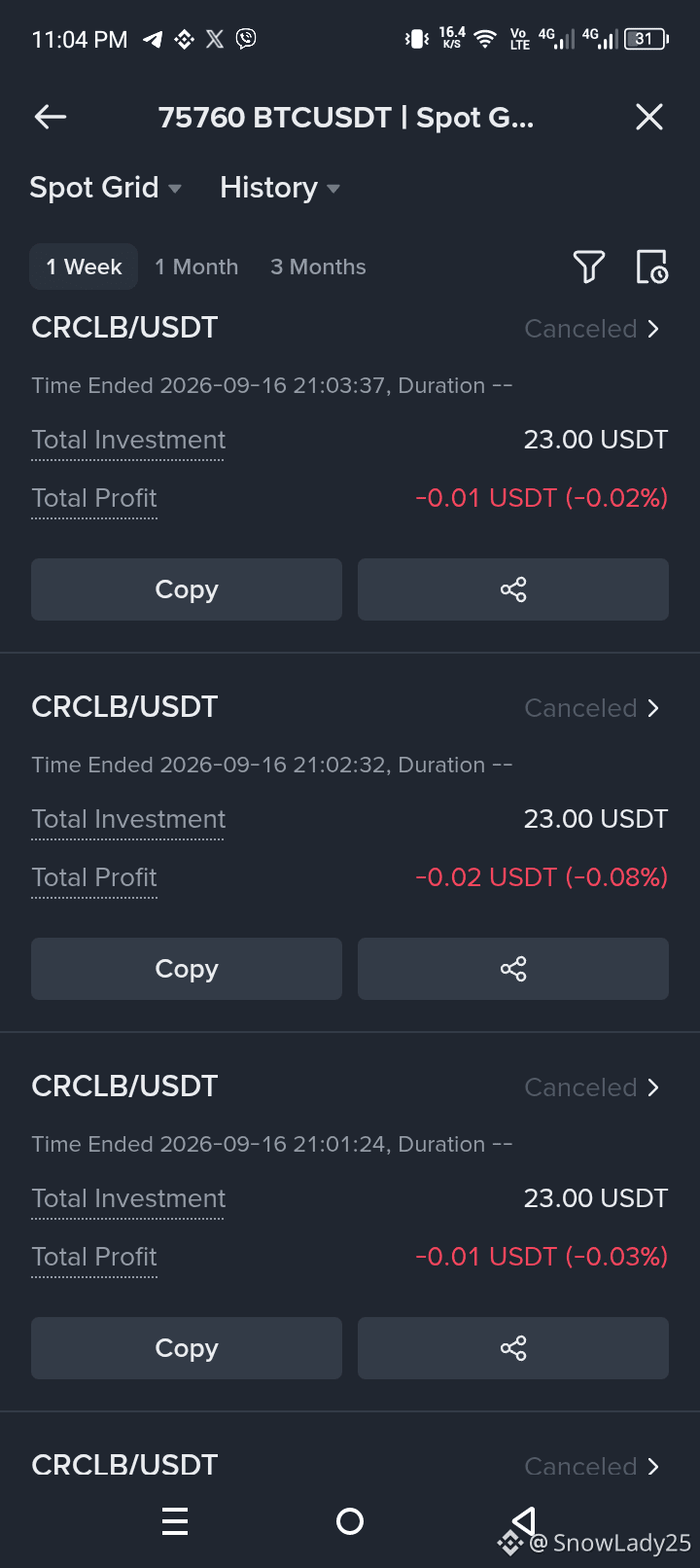
117

·
--
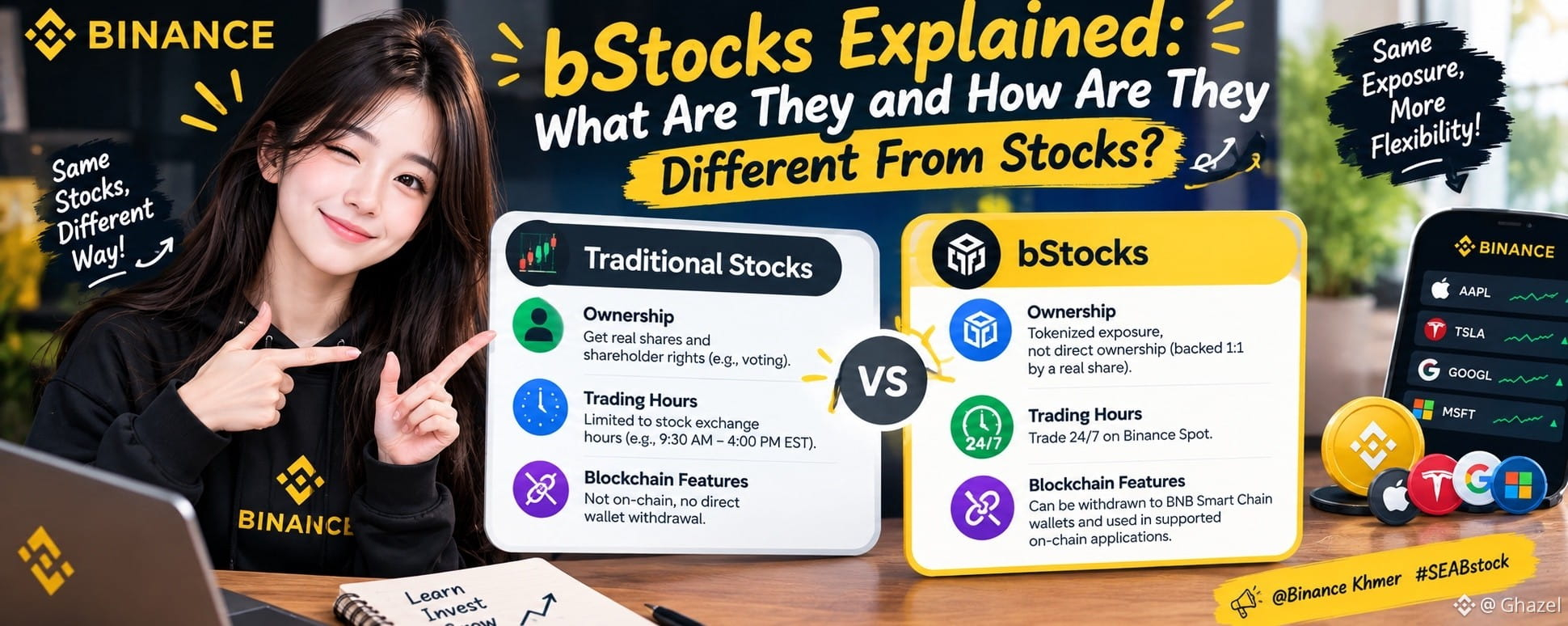
Article
bStocks Explained: What Are They and How Are They Different From Stocks?bStocks are tokenized securities that give users exposure to the price performance of selected US stocks through blockchain technology. Each bStock is backed 1:1 by a corresponding US share held with a regulated custodian.
1. Traditional Stocks
When you buy a traditional stock, you receive beneficial ownership of shares and may have shareholder rights such as voting.
2. bStocks
bStocks represent tokenized exposure to an underlying stock. They are not direct ownership of the company, but they are backed 1:1 by the corresponding share.
3. Trading
Traditional stocks follow stock-market trading hours, while bStocks can be traded on Binance Spot 24/7.
4. Blockchain Features
bStocks can be withdrawn to compatible BNB Smart Chain wallets and may be used with supported on-chain applications.
Understanding these differences is important before deciding which type of investment exposure fits your goals. Always research the product and understand the risks first. @BinanceKhmer #SEAstock $GOOGL.US $NVDAB
{spot}(NVDABUSDT)
bStocks Explained: What Are They and How Are They Different From Stocks?
bStocks are tokenized securities that give users exposure to the price performance of selected US stocks through blockchain technology. Each bStock is backed 1:1 by a corresponding US share held with a regulated custodian.
1. Traditional Stocks
When you buy a traditional stock, you receive beneficial ownership of shares and may have shareholder rights such as voting.
2. bStocks
bStocks represent tokenized exposure to an underlying stock. They are not direct ownership of the company, but they are backed 1:1 by the corresponding share.
3. Trading
Traditional stocks follow stock-market trading hours, while bStocks can be traded on Binance Spot 24/7.
4. Blockchain Features
bStocks can be withdrawn to compatible BNB Smart Chain wallets and may be used with supported on-chain applications.
Understanding these differences is important before deciding which type of investment exposure fits your goals. Always research the product and understand the risks first. @Binance Khmer #SEAstock $GOOGL.US $NVDAB
1. Traditional Stocks
When you buy a traditional stock, you receive beneficial ownership of shares and may have shareholder rights such as voting.
2. bStocks
bStocks represent tokenized exposure to an underlying stock. They are not direct ownership of the company, but they are backed 1:1 by the corresponding share.
3. Trading
Traditional stocks follow stock-market trading hours, while bStocks can be traded on Binance Spot 24/7.
4. Blockchain Features
bStocks can be withdrawn to compatible BNB Smart Chain wallets and may be used with supported on-chain applications.
Understanding these differences is important before deciding which type of investment exposure fits your goals. Always research the product and understand the risks first. @Binance Khmer #SEAstock $GOOGL.US $NVDAB
NVDAB-0.05%
GOOGLUS+1.37%
2
216

·
--

Article
From Crypto to US Stocks: What Changes When You Start Exploring BStocks on Binance?I used to think stocks and crypto were two completely separate worlds.
When I started learning about crypto, everything felt digital — wallets, tokens, stablecoins, trading pairs and price charts. Stocks felt different. I usually associated them with traditional brokers, market opening hours and financial terms that seemed complicated for someone who was more familiar with crypto.
Then I came across BStocks.
The first question that came to my mind was pretty simple: if someone already understands crypto, can that knowledge help them start learning about US stocks?
That question made me look at BStocks from a different perspective.
What Are BStocks?
The easiest way I can explain BStocks is to think of them as blockchain-based representations connected to traditional stocks. They are designed to give users access to stock-related exposure in a digital environment rather than making the experience feel completely separate from the crypto world.
For example, many people already know companies such as Apple, Tesla and Microsoft. We see their products, follow their business news and hear about their stock prices all the time. But knowing a company doesn't automatically mean understanding how its stock works.
That's an important distinction.
A BStock should not simply be thought of as “a crypto version of Apple” or “another token that follows a stock price.” The structure behind the product matters. The specific backing, rights, fees, trading conditions and availability depend on the product and the user's region, so checking the official information before trading is important.
Why Is This Interesting for Crypto Users?
This is probably the part that caught my attention most.
If you are already comfortable using a crypto exchange, looking at stock-related assets through a familiar digital platform may make the idea of learning about stocks feel less intimidating.
Imagine someone who has been trading BTC or using USDT but has never bought a stock before. They might already understand how to search for an asset, look at a price chart and place a trade. What they still need to learn is the part behind the asset.
What does the company actually do?
How does it make money?
What affects its stock price?
Why do earnings reports matter?
Those questions are just as important as knowing how to place an order.
Stocks and Crypto Are Different
There is another thing I think beginners should understand before getting too excited about the idea of BStocks.
Being able to access stock-related assets through a crypto platform doesn't make stocks and crypto the same thing.
They have different characteristics and risks.
With a traditional stock, the value is connected to a company and can be affected by things such as business performance, earnings, economic conditions, interest rates, industry developments and investor expectations.
Crypto has a different market structure and its own set of risks. Crypto prices can also move very quickly because of market sentiment, liquidity, adoption, regulation and other factors.
So, knowing how to trade crypto doesn't automatically mean you understand stocks.
For me, BStocks are more interesting as a bridge for learning than as a shortcut.
How Can a Beginner Explore BStocks on Binance?
If BStocks or supported stock-related products are available for your Binance account and region, the first thing I would do is check the Binance platform itself.
Search for the stock or product you are interested in and look at the available information before doing anything else.
Check the trading pair. Check the price. Check the product details. Most importantly, understand what you are actually buying.
Depending on the product and the features available in your region, Binance may provide different ways to access or trade supported assets. But it is better not to assume that every US stock is available or that every user has the same features.
Availability and product conditions can change, so the official Binance information should be your reference before making a transaction.
What Should Beginners Think About Before Buying?
This is where DYOR becomes important.
“Do Your Own Research” sounds like a phrase we hear everywhere in crypto, but it is useful for stocks too.
Before buying something simply because you recognize the company name, take a little time to learn about it.
I would personally start with these questions:
• What does the company actually do?
• How does it make money?
• What has been happening with the company recently?
• What could cause the stock price to fall?
• What fees or trading conditions apply?
• What exactly does the BStock represent?
• Is the product available in my country or region?
You don't need to become a professional investor before learning the basics. But you should understand the product before putting your money into it.
One thing I would especially avoid is looking at a rising chart and assuming that the price will continue going up. A familiar company can still have a falling stock price, and a digital trading experience doesn't remove investment risk.
From Crypto to Stocks
What I find interesting about BStocks is the connection between two areas that many people normally think about separately.
Crypto users already understand digital assets and blockchain-based platforms. Traditional stocks, on the other hand, give investors exposure to companies and businesses.
BStocks can make that difference easier to explore from a digital-asset environment.
But I don't think the main lesson should be “stocks are easier now.”
The better lesson is that financial products are becoming more connected, and that makes financial education even more important.
If someone is interested in US stocks but feels more comfortable starting from the crypto world, learning about BStocks could be a useful way to understand how these two markets can connect.
Still, accessibility should never be confused with guaranteed profit.
Markets can move in either direction. Companies can perform differently from expectations. And every product comes with its own terms and risks.
So before making a trade, I would keep it simple:
Learn what you are buying.
Check the details.
Understand the risks.
And don't invest money you cannot afford to lose.
For me, that's the most useful takeaway from exploring BStocks. It isn't about choosing stocks over crypto, or crypto over stocks. It's about understanding what each type of asset is and making an informed decision.
If you're a crypto user who has been curious about US stocks, maybe this is a good time to start learning about the other side of the market.
@BinanceBurmese #SEAstock #SEABstock
From Crypto to US Stocks: What Changes When You Start Exploring BStocks on Binance?
I used to think stocks and crypto were two completely separate worlds.
When I started learning about crypto, everything felt digital — wallets, tokens, stablecoins, trading pairs and price charts. Stocks felt different. I usually associated them with traditional brokers, market opening hours and financial terms that seemed complicated for someone who was more familiar with crypto.
Then I came across BStocks.
The first question that came to my mind was pretty simple: if someone already understands crypto, can that knowledge help them start learning about US stocks?
That question made me look at BStocks from a different perspective.
What Are BStocks?
The easiest way I can explain BStocks is to think of them as blockchain-based representations connected to traditional stocks. They are designed to give users access to stock-related exposure in a digital environment rather than making the experience feel completely separate from the crypto world.
For example, many people already know companies such as Apple, Tesla and Microsoft. We see their products, follow their business news and hear about their stock prices all the time. But knowing a company doesn't automatically mean understanding how its stock works.
That's an important distinction.
A BStock should not simply be thought of as “a crypto version of Apple” or “another token that follows a stock price.” The structure behind the product matters. The specific backing, rights, fees, trading conditions and availability depend on the product and the user's region, so checking the official information before trading is important.
Why Is This Interesting for Crypto Users?
This is probably the part that caught my attention most.
If you are already comfortable using a crypto exchange, looking at stock-related assets through a familiar digital platform may make the idea of learning about stocks feel less intimidating.
Imagine someone who has been trading BTC or using USDT but has never bought a stock before. They might already understand how to search for an asset, look at a price chart and place a trade. What they still need to learn is the part behind the asset.
What does the company actually do?
How does it make money?
What affects its stock price?
Why do earnings reports matter?
Those questions are just as important as knowing how to place an order.
Stocks and Crypto Are Different
There is another thing I think beginners should understand before getting too excited about the idea of BStocks.
Being able to access stock-related assets through a crypto platform doesn't make stocks and crypto the same thing.
They have different characteristics and risks.
With a traditional stock, the value is connected to a company and can be affected by things such as business performance, earnings, economic conditions, interest rates, industry developments and investor expectations.
Crypto has a different market structure and its own set of risks. Crypto prices can also move very quickly because of market sentiment, liquidity, adoption, regulation and other factors.
So, knowing how to trade crypto doesn't automatically mean you understand stocks.
For me, BStocks are more interesting as a bridge for learning than as a shortcut.
How Can a Beginner Explore BStocks on Binance?
If BStocks or supported stock-related products are available for your Binance account and region, the first thing I would do is check the Binance platform itself.
Search for the stock or product you are interested in and look at the available information before doing anything else.
Check the trading pair. Check the price. Check the product details. Most importantly, understand what you are actually buying.
Depending on the product and the features available in your region, Binance may provide different ways to access or trade supported assets. But it is better not to assume that every US stock is available or that every user has the same features.
Availability and product conditions can change, so the official Binance information should be your reference before making a transaction.
What Should Beginners Think About Before Buying?
This is where DYOR becomes important.
“Do Your Own Research” sounds like a phrase we hear everywhere in crypto, but it is useful for stocks too.
Before buying something simply because you recognize the company name, take a little time to learn about it.
I would personally start with these questions:
• What does the company actually do?
• How does it make money?
• What has been happening with the company recently?
• What could cause the stock price to fall?
• What fees or trading conditions apply?
• What exactly does the BStock represent?
• Is the product available in my country or region?
You don't need to become a professional investor before learning the basics. But you should understand the product before putting your money into it.
One thing I would especially avoid is looking at a rising chart and assuming that the price will continue going up. A familiar company can still have a falling stock price, and a digital trading experience doesn't remove investment risk.
From Crypto to Stocks
What I find interesting about BStocks is the connection between two areas that many people normally think about separately.
Crypto users already understand digital assets and blockchain-based platforms. Traditional stocks, on the other hand, give investors exposure to companies and businesses.
BStocks can make that difference easier to explore from a digital-asset environment.
But I don't think the main lesson should be “stocks are easier now.”
The better lesson is that financial products are becoming more connected, and that makes financial education even more important.
If someone is interested in US stocks but feels more comfortable starting from the crypto world, learning about BStocks could be a useful way to understand how these two markets can connect.
Still, accessibility should never be confused with guaranteed profit.
Markets can move in either direction. Companies can perform differently from expectations. And every product comes with its own terms and risks.
So before making a trade, I would keep it simple:
Learn what you are buying.
Check the details.
Understand the risks.
And don't invest money you cannot afford to lose.
For me, that's the most useful takeaway from exploring BStocks. It isn't about choosing stocks over crypto, or crypto over stocks. It's about understanding what each type of asset is and making an informed decision.
If you're a crypto user who has been curious about US stocks, maybe this is a good time to start learning about the other side of the market.
@Binance Burmese #SEAstock #SEABstock
When I started learning about crypto, everything felt digital — wallets, tokens, stablecoins, trading pairs and price charts. Stocks felt different. I usually associated them with traditional brokers, market opening hours and financial terms that seemed complicated for someone who was more familiar with crypto.
Then I came across BStocks.
The first question that came to my mind was pretty simple: if someone already understands crypto, can that knowledge help them start learning about US stocks?
That question made me look at BStocks from a different perspective.
What Are BStocks?
The easiest way I can explain BStocks is to think of them as blockchain-based representations connected to traditional stocks. They are designed to give users access to stock-related exposure in a digital environment rather than making the experience feel completely separate from the crypto world.
For example, many people already know companies such as Apple, Tesla and Microsoft. We see their products, follow their business news and hear about their stock prices all the time. But knowing a company doesn't automatically mean understanding how its stock works.
That's an important distinction.
A BStock should not simply be thought of as “a crypto version of Apple” or “another token that follows a stock price.” The structure behind the product matters. The specific backing, rights, fees, trading conditions and availability depend on the product and the user's region, so checking the official information before trading is important.
Why Is This Interesting for Crypto Users?
This is probably the part that caught my attention most.
If you are already comfortable using a crypto exchange, looking at stock-related assets through a familiar digital platform may make the idea of learning about stocks feel less intimidating.
Imagine someone who has been trading BTC or using USDT but has never bought a stock before. They might already understand how to search for an asset, look at a price chart and place a trade. What they still need to learn is the part behind the asset.
What does the company actually do?
How does it make money?
What affects its stock price?
Why do earnings reports matter?
Those questions are just as important as knowing how to place an order.
Stocks and Crypto Are Different
There is another thing I think beginners should understand before getting too excited about the idea of BStocks.
Being able to access stock-related assets through a crypto platform doesn't make stocks and crypto the same thing.
They have different characteristics and risks.
With a traditional stock, the value is connected to a company and can be affected by things such as business performance, earnings, economic conditions, interest rates, industry developments and investor expectations.
Crypto has a different market structure and its own set of risks. Crypto prices can also move very quickly because of market sentiment, liquidity, adoption, regulation and other factors.
So, knowing how to trade crypto doesn't automatically mean you understand stocks.
For me, BStocks are more interesting as a bridge for learning than as a shortcut.
How Can a Beginner Explore BStocks on Binance?
If BStocks or supported stock-related products are available for your Binance account and region, the first thing I would do is check the Binance platform itself.
Search for the stock or product you are interested in and look at the available information before doing anything else.
Check the trading pair. Check the price. Check the product details. Most importantly, understand what you are actually buying.
Depending on the product and the features available in your region, Binance may provide different ways to access or trade supported assets. But it is better not to assume that every US stock is available or that every user has the same features.
Availability and product conditions can change, so the official Binance information should be your reference before making a transaction.
What Should Beginners Think About Before Buying?
This is where DYOR becomes important.
“Do Your Own Research” sounds like a phrase we hear everywhere in crypto, but it is useful for stocks too.
Before buying something simply because you recognize the company name, take a little time to learn about it.
I would personally start with these questions:
• What does the company actually do?
• How does it make money?
• What has been happening with the company recently?
• What could cause the stock price to fall?
• What fees or trading conditions apply?
• What exactly does the BStock represent?
• Is the product available in my country or region?
You don't need to become a professional investor before learning the basics. But you should understand the product before putting your money into it.
One thing I would especially avoid is looking at a rising chart and assuming that the price will continue going up. A familiar company can still have a falling stock price, and a digital trading experience doesn't remove investment risk.
From Crypto to Stocks
What I find interesting about BStocks is the connection between two areas that many people normally think about separately.
Crypto users already understand digital assets and blockchain-based platforms. Traditional stocks, on the other hand, give investors exposure to companies and businesses.
BStocks can make that difference easier to explore from a digital-asset environment.
But I don't think the main lesson should be “stocks are easier now.”
The better lesson is that financial products are becoming more connected, and that makes financial education even more important.
If someone is interested in US stocks but feels more comfortable starting from the crypto world, learning about BStocks could be a useful way to understand how these two markets can connect.
Still, accessibility should never be confused with guaranteed profit.
Markets can move in either direction. Companies can perform differently from expectations. And every product comes with its own terms and risks.
So before making a trade, I would keep it simple:
Learn what you are buying.
Check the details.
Understand the risks.
And don't invest money you cannot afford to lose.
For me, that's the most useful takeaway from exploring BStocks. It isn't about choosing stocks over crypto, or crypto over stocks. It's about understanding what each type of asset is and making an informed decision.
If you're a crypto user who has been curious about US stocks, maybe this is a good time to start learning about the other side of the market.
@Binance Burmese #SEAstock #SEABstock
38

·
--
Article
📚 BStocks 101: How to Access US Stocks Through Binance?When most people hear the word “Binance,” they probably think about crypto first. Bitcoin, stablecoins, trading charts, and digital assets are usually the things that come to mind.
But the financial world is changing. The gap between traditional finance and the blockchain industry is becoming smaller, and products such as bStocks are an interesting example of that connection.
For someone who already understands crypto but knows very little about stocks, bStocks can be a good topic to start learning from. So, in this article, let’s keep things simple and look at what bStocks are, how they work, and what beginners should know before getting started.
🔎 So, What Exactly Are bStocks?
In simple terms, bStocks are digital assets designed to represent the value and economic benefits associated with traditional stocks.
Instead of thinking about them as “just another crypto token,” it is better to think of bStocks as a way of bringing stock exposure into a blockchain-based environment.
For example, a user who is interested in well-known US companies such as Tesla, Apple, or Microsoft may come across stock-related digital assets representing these companies, depending on what is currently available in their region and on Binance.
One important part of the concept is the backing structure. bStocks are designed around a 1:1 backing model with corresponding underlying shares, with the underlying assets held through a custodian structure.
That distinction matters. A token connected to a traditional asset is not exactly the same thing as directly owning a conventional stock through a traditional brokerage account. Before buying, it is always worth checking the specific product terms, ownership rights, fees, and availability.
💡 Why Would a Crypto User Be Interested?
This is probably the part I find most interesting about bStocks.
Someone who is already comfortable navigating a crypto platform may find the experience of exploring stock-related assets more familiar than starting from scratch with a traditional investment platform.
Another interesting feature is fractional exposure. Instead of necessarily needing enough money to purchase one entire share of a high-priced company, supported products may allow users to gain exposure to a fraction of a share.
There is also the convenience of having stock-related assets within a digital-asset ecosystem.
However, convenience should not be confused with lower risk. A stock can still lose value, and the underlying company’s performance, economic conditions, market sentiment, and unexpected news can all affect its price.
🛒 How Can Beginners Access bStocks on Binance?
If bStocks are available for your account and region, the first step is simply to check Binance for the specific product and trading pair you want.
You can search for the relevant stock symbol through the Binance trading interface and check whether it is currently supported. If a trading pair is available, you can review the price and market information before deciding whether to place an order.
Depending on the asset and the features currently available in your region, Binance may also provide conversion or other ways to access supported assets.
One thing beginners should remember is that availability and product features can change. So, rather than assuming that every US stock is available through bStocks, check the current Binance platform and the official product information before making a transaction.
⚠️ What Should You Know Before Buying?
This is where DYOR comes in.
DYOR means “Do Your Own Research,” and I think it is especially important when moving from crypto into stocks.
Before buying a stock-related asset, ask yourself a few simple questions:
• What does this company actually do?
• How has the company been performing?
• Why am I interested in this particular stock?
• What could cause its price to go down?
• What fees and trading conditions apply?
• Do I understand what the bStock represents and what rights come with it?
You don’t need to become a professional investor overnight. Even taking a little time to understand the company and the product can make a big difference.
🌱 From Crypto to Stocks
For me, the most interesting part of bStocks is not simply being able to see stock names alongside crypto assets.
It is the idea of making different parts of the financial world easier to explore from one digital environment.
Crypto users who have never seriously looked into stocks can use concepts they already understand—digital assets, trading interfaces, market prices, and blockchain technology—as a starting point for learning about traditional companies and markets.
At the same time, beginners should remember that easy access does not mean guaranteed returns. Every investment carries risk, and understanding that risk is just as important as understanding how to buy an asset.
If you’re curious about US stocks but don’t know where to begin, learning the basics of bStocks could be one interesting starting point.
Learn first. Check the details. Understand the risks. Then make your own decision.
That is probably the most important lesson I would take from exploring bStocks.
📌 Follow @BinanceBurmese for more educational content about Binance, Stocks, and BStocks.
#SEAstock #SEABstock
📚 BStocks 101: How to Access US Stocks Through Binance?
When most people hear the word “Binance,” they probably think about crypto first. Bitcoin, stablecoins, trading charts, and digital assets are usually the things that come to mind.
But the financial world is changing. The gap between traditional finance and the blockchain industry is becoming smaller, and products such as bStocks are an interesting example of that connection.
For someone who already understands crypto but knows very little about stocks, bStocks can be a good topic to start learning from. So, in this article, let’s keep things simple and look at what bStocks are, how they work, and what beginners should know before getting started.
🔎 So, What Exactly Are bStocks?
In simple terms, bStocks are digital assets designed to represent the value and economic benefits associated with traditional stocks.
Instead of thinking about them as “just another crypto token,” it is better to think of bStocks as a way of bringing stock exposure into a blockchain-based environment.
For example, a user who is interested in well-known US companies such as Tesla, Apple, or Microsoft may come across stock-related digital assets representing these companies, depending on what is currently available in their region and on Binance.
One important part of the concept is the backing structure. bStocks are designed around a 1:1 backing model with corresponding underlying shares, with the underlying assets held through a custodian structure.
That distinction matters. A token connected to a traditional asset is not exactly the same thing as directly owning a conventional stock through a traditional brokerage account. Before buying, it is always worth checking the specific product terms, ownership rights, fees, and availability.
💡 Why Would a Crypto User Be Interested?
This is probably the part I find most interesting about bStocks.
Someone who is already comfortable navigating a crypto platform may find the experience of exploring stock-related assets more familiar than starting from scratch with a traditional investment platform.
Another interesting feature is fractional exposure. Instead of necessarily needing enough money to purchase one entire share of a high-priced company, supported products may allow users to gain exposure to a fraction of a share.
There is also the convenience of having stock-related assets within a digital-asset ecosystem.
However, convenience should not be confused with lower risk. A stock can still lose value, and the underlying company’s performance, economic conditions, market sentiment, and unexpected news can all affect its price.
🛒 How Can Beginners Access bStocks on Binance?
If bStocks are available for your account and region, the first step is simply to check Binance for the specific product and trading pair you want.
You can search for the relevant stock symbol through the Binance trading interface and check whether it is currently supported. If a trading pair is available, you can review the price and market information before deciding whether to place an order.
Depending on the asset and the features currently available in your region, Binance may also provide conversion or other ways to access supported assets.
One thing beginners should remember is that availability and product features can change. So, rather than assuming that every US stock is available through bStocks, check the current Binance platform and the official product information before making a transaction.
⚠️ What Should You Know Before Buying?
This is where DYOR comes in.
DYOR means “Do Your Own Research,” and I think it is especially important when moving from crypto into stocks.
Before buying a stock-related asset, ask yourself a few simple questions:
• What does this company actually do?
• How has the company been performing?
• Why am I interested in this particular stock?
• What could cause its price to go down?
• What fees and trading conditions apply?
• Do I understand what the bStock represents and what rights come with it?
You don’t need to become a professional investor overnight. Even taking a little time to understand the company and the product can make a big difference.
🌱 From Crypto to Stocks
For me, the most interesting part of bStocks is not simply being able to see stock names alongside crypto assets.
It is the idea of making different parts of the financial world easier to explore from one digital environment.
Crypto users who have never seriously looked into stocks can use concepts they already understand—digital assets, trading interfaces, market prices, and blockchain technology—as a starting point for learning about traditional companies and markets.
At the same time, beginners should remember that easy access does not mean guaranteed returns. Every investment carries risk, and understanding that risk is just as important as understanding how to buy an asset.
If you’re curious about US stocks but don’t know where to begin, learning the basics of bStocks could be one interesting starting point.
Learn first. Check the details. Understand the risks. Then make your own decision.
That is probably the most important lesson I would take from exploring bStocks.
📌 Follow @Binance Burmese for more educational content about Binance, Stocks, and BStocks.
#SEAstock #SEABstock
But the financial world is changing. The gap between traditional finance and the blockchain industry is becoming smaller, and products such as bStocks are an interesting example of that connection.
For someone who already understands crypto but knows very little about stocks, bStocks can be a good topic to start learning from. So, in this article, let’s keep things simple and look at what bStocks are, how they work, and what beginners should know before getting started.
🔎 So, What Exactly Are bStocks?
In simple terms, bStocks are digital assets designed to represent the value and economic benefits associated with traditional stocks.
Instead of thinking about them as “just another crypto token,” it is better to think of bStocks as a way of bringing stock exposure into a blockchain-based environment.
For example, a user who is interested in well-known US companies such as Tesla, Apple, or Microsoft may come across stock-related digital assets representing these companies, depending on what is currently available in their region and on Binance.
One important part of the concept is the backing structure. bStocks are designed around a 1:1 backing model with corresponding underlying shares, with the underlying assets held through a custodian structure.
That distinction matters. A token connected to a traditional asset is not exactly the same thing as directly owning a conventional stock through a traditional brokerage account. Before buying, it is always worth checking the specific product terms, ownership rights, fees, and availability.
💡 Why Would a Crypto User Be Interested?
This is probably the part I find most interesting about bStocks.
Someone who is already comfortable navigating a crypto platform may find the experience of exploring stock-related assets more familiar than starting from scratch with a traditional investment platform.
Another interesting feature is fractional exposure. Instead of necessarily needing enough money to purchase one entire share of a high-priced company, supported products may allow users to gain exposure to a fraction of a share.
There is also the convenience of having stock-related assets within a digital-asset ecosystem.
However, convenience should not be confused with lower risk. A stock can still lose value, and the underlying company’s performance, economic conditions, market sentiment, and unexpected news can all affect its price.
🛒 How Can Beginners Access bStocks on Binance?
If bStocks are available for your account and region, the first step is simply to check Binance for the specific product and trading pair you want.
You can search for the relevant stock symbol through the Binance trading interface and check whether it is currently supported. If a trading pair is available, you can review the price and market information before deciding whether to place an order.
Depending on the asset and the features currently available in your region, Binance may also provide conversion or other ways to access supported assets.
One thing beginners should remember is that availability and product features can change. So, rather than assuming that every US stock is available through bStocks, check the current Binance platform and the official product information before making a transaction.
⚠️ What Should You Know Before Buying?
This is where DYOR comes in.
DYOR means “Do Your Own Research,” and I think it is especially important when moving from crypto into stocks.
Before buying a stock-related asset, ask yourself a few simple questions:
• What does this company actually do?
• How has the company been performing?
• Why am I interested in this particular stock?
• What could cause its price to go down?
• What fees and trading conditions apply?
• Do I understand what the bStock represents and what rights come with it?
You don’t need to become a professional investor overnight. Even taking a little time to understand the company and the product can make a big difference.
🌱 From Crypto to Stocks
For me, the most interesting part of bStocks is not simply being able to see stock names alongside crypto assets.
It is the idea of making different parts of the financial world easier to explore from one digital environment.
Crypto users who have never seriously looked into stocks can use concepts they already understand—digital assets, trading interfaces, market prices, and blockchain technology—as a starting point for learning about traditional companies and markets.
At the same time, beginners should remember that easy access does not mean guaranteed returns. Every investment carries risk, and understanding that risk is just as important as understanding how to buy an asset.
If you’re curious about US stocks but don’t know where to begin, learning the basics of bStocks could be one interesting starting point.
Learn first. Check the details. Understand the risks. Then make your own decision.
That is probably the most important lesson I would take from exploring bStocks.
📌 Follow @Binance Burmese for more educational content about Binance, Stocks, and BStocks.
#SEAstock #SEABstock
37
Log in to explore more content
Join global crypto users on Binance Square
⚡️ Get latest and useful information about crypto.
💬 Trusted by the world’s largest crypto exchange.
👍 Discover real insights from verified creators.
Email / Phone number
Trending Topics
1
#BTCBreaks80K
39,935 views
1,044 Discussing
2
#BuffettBecomesBerkshireChairmanEmeritus
6,606 views
321 Discussing
3
#ZcashSpotETFTops$230MMonthlyInflow
2,206 views
57 Discussing
4
#HYPEJumpsOver11%
44,502 views
905 Discussing
5
#ZcashDevelopersTargetNU7MainnetActivationNov5
18,493 views
403 Discussing
6
#BitcoinSpotETFsNetInflow$159M
16,067 views
94 Discussing
7
#HKMAPlansWholesaleCBDCByYearEnd
35,910 views
845 Discussing
8
#NEARSurges26%Past$3.45
18,756 views
145 Discussing
9
#BOJHikesRatesTo31YearHigh
63,324 views
1,204 Discussing
10
#EvernorthRaises$30MToBuyXRP
2,043 views
38 Discussing