
#optimjack
optimjack
758 views
7 Discussing
Hot
Latest

Article
OPTIMJACK Hits 186+ Sites: How to Protect Your Crypto🚨 Wallet addresses were swapped on major sites for hours. Here is what's confirmed and how to stay safe.
Copying a wallet address and pasting it is a habit most of us never think twice about. 🤔 On Monday, that habit was the attack.
📊 What Happened?
On November 16, researcher Scott Helme and his team at Report URI found malicious code inside scripts hosted by Optimizely, a platform many websites use for A/B testing. Counts vary by source: at least 178 organizations, with 186 sites and 188 infected script files reported. Sites named include CNN, BBC, Zoom, Fox News, Salesforce and GitLab. The campaign is called OPTIMJACK.
🔧 What the Code Did
Swapped wallet addresses a visitor copied with one controlled by the attacker (a "clipper")Skimmed card numbers from checkout formsLoaded a second stage on iPhones and iPads. Researchers say that's delivery, not proof that devices were compromised.
StepSecurity noted it couldn't read payment fields isolated in third-party payment frames.
⏱️ Timeline
The first injected code appeared around 04:21 UTC on Nov 16. Optimizely's cleanup ran from about 20:40 to 21:10 UTC, and by 21:52 UTC only one of the 188 files still held malicious code. That's roughly 13-16 hours of exposure, depending on the site.
🛠️ What Optimizely Says
In a notice at 01:02 UTC on Nov 17, Optimizely confirmed an attacker exploited a vulnerability in its Experimentation product, reported to be the account signup flow. It says it patched the flaw, removed the injected code, ended sessions, revoked tokens and reset access for affected accounts.
🛑 What We Still Don't Know
How the attacker got write access to so many unrelated customer projects hasn't been explained, and nobody knows how many visitors were exposed. Reported crypto losses are small, about $6,600 to $7,040, but that's early data from individual trackers, not a final tally.
🛡️ Four Habits That Protect You
Check the address after pasting. Compare the first and last several characters with the source.Send a small test first on any large transfer.Confirm on your hardware wallet's screen, not only in the browser.Check your history. If you sent funds on Nov 16 after copying an address from a website, look at the recipient address in your wallet record.
⚠️ The Risk Scenario
A clipper only works if you don't look at what you pasted. The scripts came from Optimizely's own trusted domain, so even careful sites were hit, and the same technique can return through any third-party script.
👀 Three Things to Watch Next
Optimizely's full explanation of how the attacker got inAny confirmed user losses or newly named sitesWhether sites move to stricter script controls
💡 The Takeaway
The weak point wasn't a wallet or an exchange. It was a script on sites people trust. I'd treat every pasted address as unverified until I've checked it myself.
Do you verify addresses before sending, or trust the paste? And did you copy a crypto address from a website yesterday? I'd like to hear. 👇
That is the part worth watching.
This post is for informational and educational purposes only and is not financial advice. Crypto markets are volatile. Always conduct your own research before making financial decisions.
#BinanceSquare #CryptoSecurity #OPTIMJACK #CryptoNews
{spot}(BTCUSDT)
{spot}(ETHUSDT)
OPTIMJACK Hits 186+ Sites: How to Protect Your Crypto
🚨 Wallet addresses were swapped on major sites for hours. Here is what's confirmed and how to stay safe.
Copying a wallet address and pasting it is a habit most of us never think twice about. 🤔 On Monday, that habit was the attack.
📊 What Happened?
On November 16, researcher Scott Helme and his team at Report URI found malicious code inside scripts hosted by Optimizely, a platform many websites use for A/B testing. Counts vary by source: at least 178 organizations, with 186 sites and 188 infected script files reported. Sites named include CNN, BBC, Zoom, Fox News, Salesforce and GitLab. The campaign is called OPTIMJACK.
🔧 What the Code Did
Swapped wallet addresses a visitor copied with one controlled by the attacker (a "clipper")Skimmed card numbers from checkout formsLoaded a second stage on iPhones and iPads. Researchers say that's delivery, not proof that devices were compromised.
StepSecurity noted it couldn't read payment fields isolated in third-party payment frames.
⏱️ Timeline
The first injected code appeared around 04:21 UTC on Nov 16. Optimizely's cleanup ran from about 20:40 to 21:10 UTC, and by 21:52 UTC only one of the 188 files still held malicious code. That's roughly 13-16 hours of exposure, depending on the site.
🛠️ What Optimizely Says
In a notice at 01:02 UTC on Nov 17, Optimizely confirmed an attacker exploited a vulnerability in its Experimentation product, reported to be the account signup flow. It says it patched the flaw, removed the injected code, ended sessions, revoked tokens and reset access for affected accounts.
🛑 What We Still Don't Know
How the attacker got write access to so many unrelated customer projects hasn't been explained, and nobody knows how many visitors were exposed. Reported crypto losses are small, about $6,600 to $7,040, but that's early data from individual trackers, not a final tally.
🛡️ Four Habits That Protect You
Check the address after pasting. Compare the first and last several characters with the source.Send a small test first on any large transfer.Confirm on your hardware wallet's screen, not only in the browser.Check your history. If you sent funds on Nov 16 after copying an address from a website, look at the recipient address in your wallet record.
⚠️ The Risk Scenario
A clipper only works if you don't look at what you pasted. The scripts came from Optimizely's own trusted domain, so even careful sites were hit, and the same technique can return through any third-party script.
👀 Three Things to Watch Next
Optimizely's full explanation of how the attacker got inAny confirmed user losses or newly named sitesWhether sites move to stricter script controls
💡 The Takeaway
The weak point wasn't a wallet or an exchange. It was a script on sites people trust. I'd treat every pasted address as unverified until I've checked it myself.
Do you verify addresses before sending, or trust the paste? And did you copy a crypto address from a website yesterday? I'd like to hear. 👇
That is the part worth watching.
This post is for informational and educational purposes only and is not financial advice. Crypto markets are volatile. Always conduct your own research before making financial decisions.
#BinanceSquare #CryptoSecurity #OPTIMJACK #CryptoNews
1
1
60

·
--
A script on CNN, BBC and Zoom pages could swap the wallet address you copied.
That's OPTIMJACK, and here is what it means for anyone holding $BTC or $ETH.
What happened: on Nov 16, a vendor-hosted script file (served from Optimizely's CDN) was altered, and security researcher Scott Helme counted 186 infected sites. The code replaced crypto addresses on the page and in the clipboard, and also tried to skim card numbers (StepSecurity).
How bad was it? Galaxy's Alex Thorn traced the chain data: about $2,266 actually sent by victims across 19 transactions, versus the roughly $7,040 first reported, which included the attacker's own funds. Only ~$600 came from Bitcoin victims.
Why it still matters: the site's own code was clean. The swap happened in a third-party file, so a trusted page was enough. Low losses likely say more about luck and timing than about the attacker's reach.
What holders can do: compare the first and last characters of a pasted address with the one on your wallet or hardware-wallet screen before you confirm any transfer.
Did you check addresses on-device before today, or only after a story like this?
#CryptoSecurity #OPTIMJACK
Disclosure: I may earn Write to Earn commissions if you trade via cashtags here.
A script on CNN, BBC and Zoom pages could swap the wallet address you copied.
That's OPTIMJACK, and here is what it means for anyone holding $BTC or $ETH .
What happened: on Nov 16, a vendor-hosted script file (served from Optimizely's CDN) was altered, and security researcher Scott Helme counted 186 infected sites. The code replaced crypto addresses on the page and in the clipboard, and also tried to skim card numbers (StepSecurity).
How bad was it? Galaxy's Alex Thorn traced the chain data: about $2,266 actually sent by victims across 19 transactions, versus the roughly $7,040 first reported, which included the attacker's own funds. Only ~$600 came from Bitcoin victims.
Why it still matters: the site's own code was clean. The swap happened in a third-party file, so a trusted page was enough. Low losses likely say more about luck and timing than about the attacker's reach.
What holders can do: compare the first and last characters of a pasted address with the one on your wallet or hardware-wallet screen before you confirm any transfer.
Did you check addresses on-device before today, or only after a story like this?
#CryptoSecurity #OPTIMJACK
Disclosure: I may earn Write to Earn commissions if you trade via cashtags here.
21

·
--
Yesterday, there was some pretty alarming security news: according to security researchers cited by Cointelegraph, a malicious script called Optimjack spread through scripts hosted by Optimizely, affecting 178 organizations. Ledger, IKEA, BBC, and CNN were all on the list. It secretly replaces the wallet address you copy with an attacker’s address, and can also steal credit card information.
1️⃣ Always check every character of an address before making a transfer. The same goes for $BTC and $BNB —don’t just check the beginning and end.
2️⃣ Google’s Threat Intelligence team says it has found attackers using AI agents to automatically discover vulnerabilities and write exploit code for the first time. The window to install patches is getting shorter.
3️⃣ A Chainalysis report says crypto activity in Eastern Europe fell 7.9% over the year, but Ukraine received about $12 billion in stablecoins.
In the markets, $BTC is currently around $64,400, while $BNB is around $592 (according to Cointelegraph quotes). Both are down slightly.
#加密安全 #Optimjack #BTC #BNB
82

·
--
Ledger and the BBC helped spread crypto address-swapping malware — through their own websites.
The facts: On Monday, Nov. 16, a compromised Optimizely script used by 178 organizations was injected with malicious code as part of the “Optimjack” campaign (Cointelegraph, Nov. 17; Report URI research; independently confirmed by BleepingComputer). Those affected included Ledger, OANDA/Coinpass and IG, as well as IKEA, Salesforce, Zoom, the BBC and CNN. The malware replaced wallet addresses you copied and pasted with the attackers’ addresses, and siphoned card data from forms. The BBC was first observed at 04:21 UTC; most of the code had been removed by Monday night, and Optimizely said the vulnerability had been patched.
My take: The dangerous part isn’t the amount stolen — only about US$7,100 in crypto has reached associated wallets so far, and some of it may even have been the attackers’ own funds. The danger is the method: trusted websites acting as couriers. The Ledger hardware wallets themselves weren’t compromised; the script on its website was.
What I’m watching next: whether there’s a second wave through other third-party script providers, and how much card data actually got out — that’s still unclear.
I’ve always double-checked pasted addresses character by character before sending. Copy-pasting alone isn’t enough anymore.
Do you already double-check addresses before sending, or do you still trust your clipboard completely?
Not financial advice — always DYOR.
#KeamananKripto #Optimjack
3

·
--
🚨 $BTC BETRAYAL: 178 SITES, INCLUDING LEDGER, SERVED YOU MALWARE
Ledger, the BBC, CNN, HSBC, Zoom, and Salesforce served malware to their own visitors on Monday: an attack on the Optimizely platform swapped crypto wallet addresses for the attacker’s. To me, this is the most serious story of the day because the danger wasn’t in the blockchain or your wallet—it was on the page you opened to copy an address. Ledger has confirmed that its devices and private keys were not affected.
Here’s the detail nobody seems to be noticing:
→ 178 organizations and 188 infected scripts out of 1,611 reviewed: the code came from Optimizely’s own server, with its certificate, so it looked legitimate, and it was active for about 19 hours.
→ It changed addresses for 8 cryptocurrencies—BTC, ETH, SOL, TRON, TON, LTC, BCH, and DOGE—in text, in forms, and even on the clipboard when copying and pasting.
→ Only about $7,000 in crypto reached the attacker’s wallets (0.0853 BTC, with one victim sending about $4,900), but the same code stole credit card details, cookies, and screenshots, and redirected iPhones to exploits.
Do you check the address twice before sending, or trust what you copy? 👇
$BTC $ETH $SOL
#Optimjack #Ciberseguridad #HackeoCrypto

1
1.2k

·
--
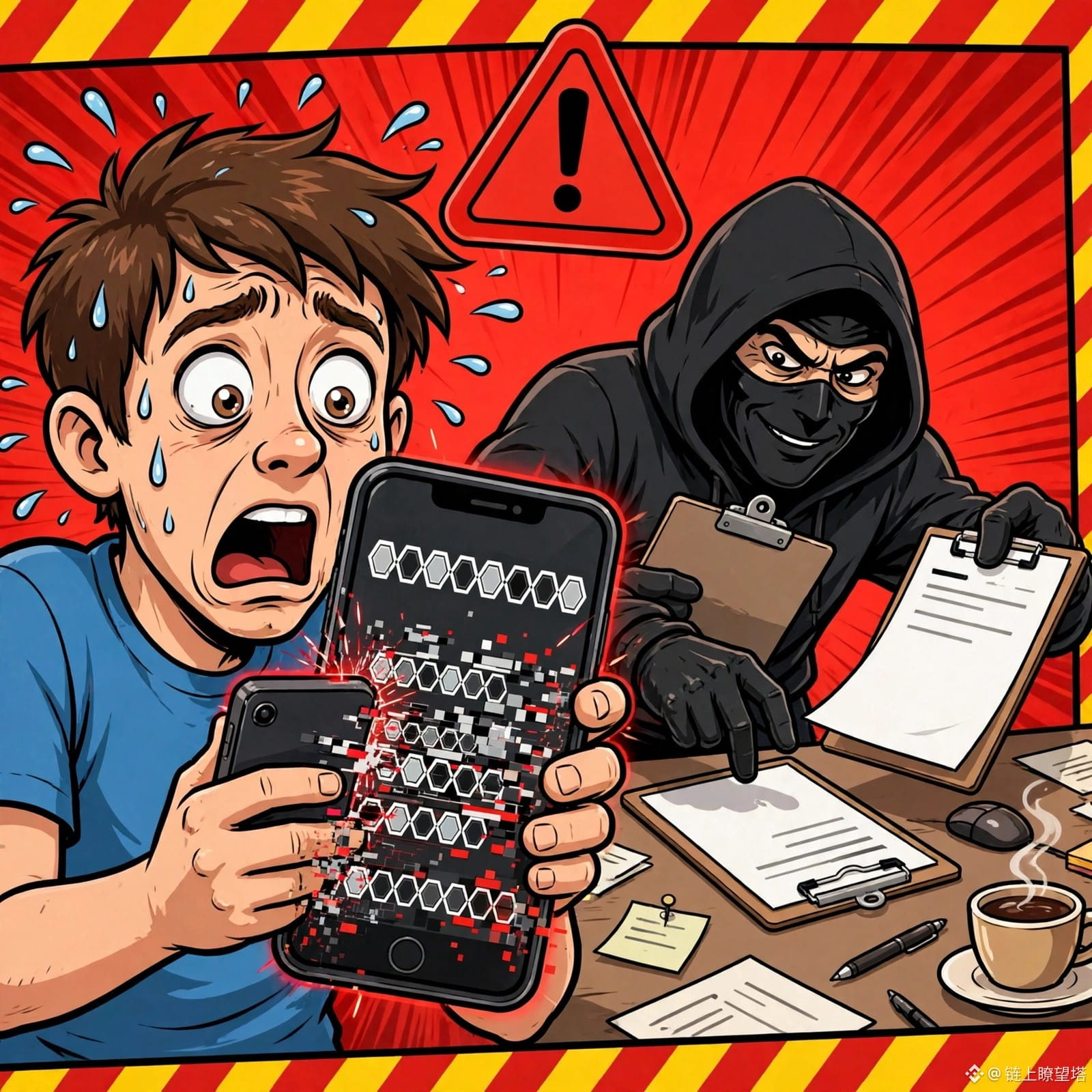
This is outrageous: In just one day yesterday, major sites like BBC, CNN, Ledger, HSBC, and IKEA were all compromised by hackers exploiting Optimizely. 178 organizations and 188 scripts were affected. You could copy a wallet address, paste it, and find it had already been replaced with the hackers’ address. Credit card details, cookies, and screenshots were also stolen. $7,040 in transactions had been confirmed by last night. Fortunately, 187 scripts were cleaned up that evening, leaving just one. Did you visit any of these websites yesterday? Always double-check the address before making a transfer!
#黑客攻击 #Optimjack #Ledger #加密货币安全 #WalletSecurity
#黑客攻击 #Optimjack #Ledger #加密货币安全 #WalletSecurity
HSBCUS+0.91%
Log in to explore more content
Join global crypto users on Binance Square
⚡️ Get latest and useful information about crypto.
💬 Trusted by the world’s largest crypto exchange.
👍 Discover real insights from verified creators.
Email / Phone number
Trending Topics
1
#BTCRemainsUnderPressureAfterHawkishFOMCMinutes
57,463 views
890 Discussing
2
#AnthropicToDebutAfter$83IPOPricing
15,333 views
96 Discussing
3
#NvidiaBoardReportedlySplitOverHuang’sReturn
19,065 views
414 Discussing
4
#CanGTA6'sLaunchLiftTTWOShares?
10,661 views
311 Discussing
5
#CapitalGroupAdds1264500StrategyShares
0 views
2 Discussing
6
#FOMCMinutesHighlightAIDebtRisks
19,609 views
368 Discussing
7
#SouthKoreaPlansToLet3500ListedFirmsBuyBitcoin
19,559 views
372 Discussing
8
#AnthropicGrayMarketSharesPointTo22%To26%Gains
4,729 views
91 Discussing
9
#BitcoinSpotETFsSee$306MNetOutflows
155 views
9 Discussing
10
#TrumpAdministrationLaunchesProjectToCombatCybercrime
75 views
13 Discussing