
#militarytechnology
militarytechnology
3,426 views
14 Discussing
Hot
Latest

🚨 Russia’s Iskander-M Missile Upgrade Raises New Questions About Air Defense Effectiveness 🚨
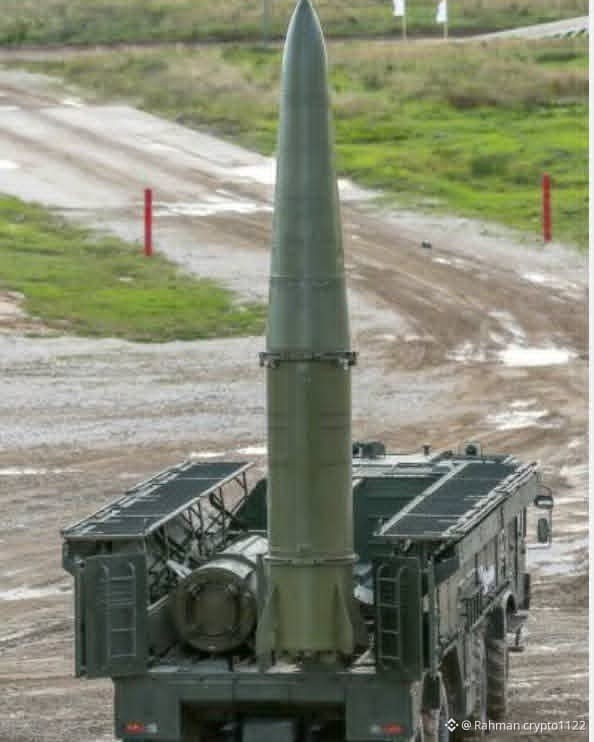
A growing debate in military circles centers on reports that Russia has upgraded the software and guidance algorithms of its Iskander-M ballistic missile, potentially improving its ability to perform evasive maneuvers during the terminal phase of flight.
Key points being discussed:
⚡ Enhanced Maneuverability: Analysts report that the missile can execute rapid and unpredictable course adjustments in the final moments before impact, making interception more challenging.
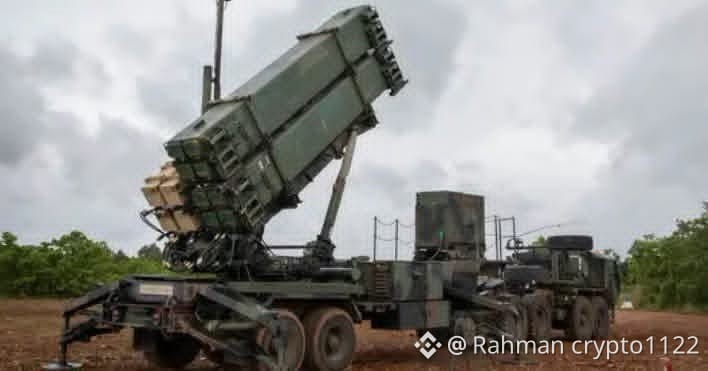
💻 Challenge for Interceptors: Modern air defense systems such as the U.S.-made Patriot rely on predicting a missile’s future position. Sudden trajectory changes can complicate interception calculations and reduce engagement effectiveness.
🔄 Software-Driven Modernization: Rather than requiring an entirely new missile design, software and guidance updates can significantly enhance performance, highlighting the growing importance of digital warfare technologies.
🌐 Changing Battlefield Dynamics: The development underscores how advances in software, sensors, and electronic warfare are increasingly shaping the balance between offensive missiles and defensive systems.
However, it is important to note that claims regarding the effectiveness of any missile system against Patriot defenses are difficult to verify independently during wartime. Military analysts continue to assess the real-world impact of these reported upgrades based on battlefield evidence and official data.
📚 References:
• Missile Threat (CSIS) – Iskander-M missile system overview.
• U.S. Army and Raytheon information on the Patriot air defense system.
• Reuters and defense-industry reporting on missile-defense developments in the Russia–Ukraine conflict.
• International Institute for Strategic Studies (IISS) assessments of modern missile and air-defense technologies.
#IskanderM #PatriotMissile #MissileDefense #MilitaryTechnology #RussiaUkraineWar
$AAPL.US $GOOGL.US $SOL
🚨 Russia’s Iskander-M Missile Upgrade Raises New Questions About Air Defense Effectiveness 🚨
A growing debate in military circles centers on reports that Russia has upgraded the software and guidance algorithms of its Iskander-M ballistic missile, potentially improving its ability to perform evasive maneuvers during the terminal phase of flight.
Key points being discussed:
⚡ Enhanced Maneuverability: Analysts report that the missile can execute rapid and unpredictable course adjustments in the final moments before impact, making interception more challenging.
💻 Challenge for Interceptors: Modern air defense systems such as the U.S.-made Patriot rely on predicting a missile’s future position. Sudden trajectory changes can complicate interception calculations and reduce engagement effectiveness.
🔄 Software-Driven Modernization: Rather than requiring an entirely new missile design, software and guidance updates can significantly enhance performance, highlighting the growing importance of digital warfare technologies.
🌐 Changing Battlefield Dynamics: The development underscores how advances in software, sensors, and electronic warfare are increasingly shaping the balance between offensive missiles and defensive systems.
However, it is important to note that claims regarding the effectiveness of any missile system against Patriot defenses are difficult to verify independently during wartime. Military analysts continue to assess the real-world impact of these reported upgrades based on battlefield evidence and official data.
📚 References:
• Missile Threat (CSIS) – Iskander-M missile system overview.
• U.S. Army and Raytheon information on the Patriot air defense system.
• Reuters and defense-industry reporting on missile-defense developments in the Russia–Ukraine conflict.
• International Institute for Strategic Studies (IISS) assessments of modern missile and air-defense technologies.
#IskanderM #PatriotMissile #MissileDefense #MilitaryTechnology #RussiaUkraineWar
$AAPL.US $GOOGL.US $SOL
A growing debate in military circles centers on reports that Russia has upgraded the software and guidance algorithms of its Iskander-M ballistic missile, potentially improving its ability to perform evasive maneuvers during the terminal phase of flight.
Key points being discussed:
⚡ Enhanced Maneuverability: Analysts report that the missile can execute rapid and unpredictable course adjustments in the final moments before impact, making interception more challenging.
💻 Challenge for Interceptors: Modern air defense systems such as the U.S.-made Patriot rely on predicting a missile’s future position. Sudden trajectory changes can complicate interception calculations and reduce engagement effectiveness.
🔄 Software-Driven Modernization: Rather than requiring an entirely new missile design, software and guidance updates can significantly enhance performance, highlighting the growing importance of digital warfare technologies.
🌐 Changing Battlefield Dynamics: The development underscores how advances in software, sensors, and electronic warfare are increasingly shaping the balance between offensive missiles and defensive systems.
However, it is important to note that claims regarding the effectiveness of any missile system against Patriot defenses are difficult to verify independently during wartime. Military analysts continue to assess the real-world impact of these reported upgrades based on battlefield evidence and official data.
📚 References:
• Missile Threat (CSIS) – Iskander-M missile system overview.
• U.S. Army and Raytheon information on the Patriot air defense system.
• Reuters and defense-industry reporting on missile-defense developments in the Russia–Ukraine conflict.
• International Institute for Strategic Studies (IISS) assessments of modern missile and air-defense technologies.
#IskanderM #PatriotMissile #MissileDefense #MilitaryTechnology #RussiaUkraineWar
$AAPL.US $GOOGL.US $SOL

29
🚀🇮🇷 Iran’s Kheibar Shekan Ballistic Missile Is Becoming an Even Greater Challenge for Air Defenses
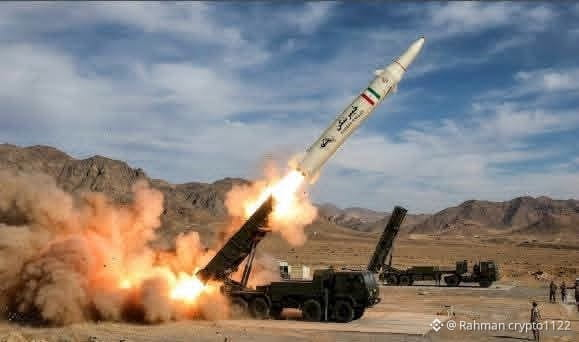
According to a recent report by The Wall Street Journal, Iran is increasingly integrating its advanced Kheibar Shekan ballistic missile with drones and other strike assets in coordinated, multi-directional attacks.
This approach is designed to complicate interception efforts by overwhelming and confusing enemy air-defense systems.
🔹 Key Reported Features of the Kheibar Shekan:
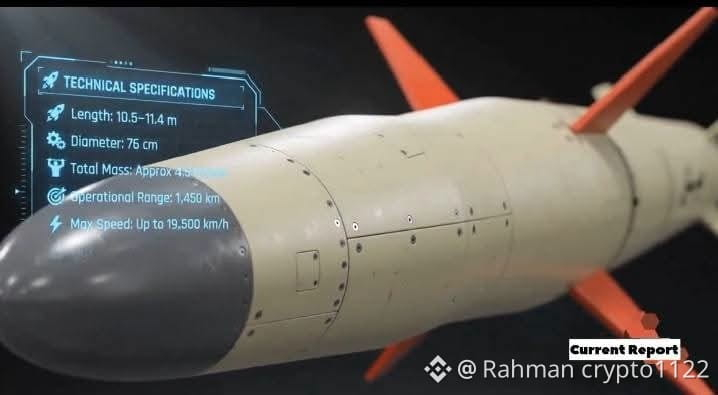
• Range: Approximately 1,450 km (900 miles)
• High-speed terminal flight profile
• Mobile, pre-fueled launch capability
• Rapid deployment and launch readiness
• Maneuverable warhead designed to adjust its trajectory during the final phase of flight
Defense analysts note that the missile’s mobility, accuracy, and ability to operate alongside drone swarms make it a significant component of Iran’s evolving missile strategy.
The Wall Street Journal reports that Iran has used Kheibar Shekan missiles in combination with attack drones and other weapons in complex, multi-vector operations intended to challenge modern air-defense networks.
Source: The Wall Street Journal – “Cheap, Accurate and Lethal: Iran's Best Missile Is Getting More Dangerous” (July 2026).
#Iran #KheibarShekan #BallisticMissile #MilitaryTechnology #MiddleEast
$BNB $BTC $ETH
🚀🇮🇷 Iran’s Kheibar Shekan Ballistic Missile Is Becoming an Even Greater Challenge for Air Defenses
According to a recent report by The Wall Street Journal, Iran is increasingly integrating its advanced Kheibar Shekan ballistic missile with drones and other strike assets in coordinated, multi-directional attacks.
This approach is designed to complicate interception efforts by overwhelming and confusing enemy air-defense systems.
🔹 Key Reported Features of the Kheibar Shekan:
• Range: Approximately 1,450 km (900 miles)
• High-speed terminal flight profile
• Mobile, pre-fueled launch capability
• Rapid deployment and launch readiness
• Maneuverable warhead designed to adjust its trajectory during the final phase of flight
Defense analysts note that the missile’s mobility, accuracy, and ability to operate alongside drone swarms make it a significant component of Iran’s evolving missile strategy.
The Wall Street Journal reports that Iran has used Kheibar Shekan missiles in combination with attack drones and other weapons in complex, multi-vector operations intended to challenge modern air-defense networks.
Source: The Wall Street Journal – “Cheap, Accurate and Lethal: Iran's Best Missile Is Getting More Dangerous” (July 2026).
#Iran #KheibarShekan #BallisticMissile #MilitaryTechnology #MiddleEast
$BNB $BTC $ETH
According to a recent report by The Wall Street Journal, Iran is increasingly integrating its advanced Kheibar Shekan ballistic missile with drones and other strike assets in coordinated, multi-directional attacks.
This approach is designed to complicate interception efforts by overwhelming and confusing enemy air-defense systems.
🔹 Key Reported Features of the Kheibar Shekan:
• Range: Approximately 1,450 km (900 miles)
• High-speed terminal flight profile
• Mobile, pre-fueled launch capability
• Rapid deployment and launch readiness
• Maneuverable warhead designed to adjust its trajectory during the final phase of flight
Defense analysts note that the missile’s mobility, accuracy, and ability to operate alongside drone swarms make it a significant component of Iran’s evolving missile strategy.
The Wall Street Journal reports that Iran has used Kheibar Shekan missiles in combination with attack drones and other weapons in complex, multi-vector operations intended to challenge modern air-defense networks.
Source: The Wall Street Journal – “Cheap, Accurate and Lethal: Iran's Best Missile Is Getting More Dangerous” (July 2026).
#Iran #KheibarShekan #BallisticMissile #MilitaryTechnology #MiddleEast
$BNB $BTC $ETH

27
Log in to explore more content
Join global crypto users on Binance Square
⚡️ Get latest and useful information about crypto.
💬 Trusted by the world’s largest crypto exchange.
👍 Discover real insights from verified creators.
Email / Phone number
Trending Topics
1
#SECReceivesGrayscaleLitecoinTrustETFFiling
83 views
34 Discussing
2
#ClarityActFacesProceduralVoteSept15
78,015 views
999 Discussing
3
#US10YearTreasuryYieldNears5%
28,167 views
504 Discussing
4
#CryptoLiquidations$674MIn24H
8,498 views
99 Discussing
5
#TokenizedStockHoldersUp619.1%
31,487 views
492 Discussing
6
#RevolutConfirmsFakeGovEmailDataBreach
54,368 views
769 Discussing
7
#CanadaOSFISaysTokenizedDepositsEqualTraditionalDeposits
2,427 views
72 Discussing
8
#USBankCompletesCrossBorderPaymentPilotOnStellar
52,165 views
904 Discussing
9
#NvidiaInTalksToInvestUpTo$10BInAnthropicIPO
4,025 views
74 Discussing
10
#EtherRalliesAsBearishBetsLiquidate
74,553 views
1,144 Discussing