
#iranmandateshormuzshipinsurance
iranmandateshormuzshipinsurance
457,976 views
1,094 Discussing
Hot
Latest

Iran is requiring ships passing through the Strait of Hormuz to carry Iran-approved insurance. The policy is free during the initial transition period, but fees could come later. Markets and shipping companies are keeping a close eye on the move because Hormuz remains one of the world's most important trade routes.
#IranMandatesHormuzShipInsurance
Iran is requiring ships passing through the Strait of Hormuz to carry Iran-approved insurance. The policy is free during the initial transition period, but fees could come later. Markets and shipping companies are keeping a close eye on the move because Hormuz remains one of the world's most important trade routes.
#IranMandatesHormuzShipInsurance
#IranMandatesHormuzShipInsurance
52

·
--
#IranMandatesHormuzShipInsurance
Iran has announced a new requirement for vessels transiting the strategically vital Strait of Hormuz: all ships must carry insurance approved by Iran's newly established Persian Gulf Strait Authority (PGSA). While the insurance is currently being provided without charge during a 60-day transition period, Iranian authorities have indicated that insurance-related fees could be introduced afterward.
The move is being viewed by many shipping and energy market observers as an effort by Tehran to expand its regulatory influence over one of the world's most important maritime trade routes. The Strait of Hormuz handles a significant portion of global oil and gas shipments, making any new transit requirements closely watched by governments, traders, and shipping companies worldwide.
Industry groups have raised concerns that mandatory Iran-approved insurance, advance transit registration, and potential future fees could increase operational costs and create new uncertainties for global shipping. Supporters argue the measures are intended to improve navigation safety and coordination in a region that has experienced heightened security risks throughout 2026. As negotiations continue, the future impact of these regulations on global energy markets and maritime trade remains a key focus for investors and policymakers. 🚢⚓📈
#StraitOfHormuz #Iran #ShippingNews #GlobalTrade #OilMarket #EnergyMarkets #MaritimeIndustry #CryptoNews #breakingnews #MUBI110
#IranMandatesHormuzShipInsurance
Iran has announced a new requirement for vessels transiting the strategically vital Strait of Hormuz: all ships must carry insurance approved by Iran's newly established Persian Gulf Strait Authority (PGSA). While the insurance is currently being provided without charge during a 60-day transition period, Iranian authorities have indicated that insurance-related fees could be introduced afterward.
The move is being viewed by many shipping and energy market observers as an effort by Tehran to expand its regulatory influence over one of the world's most important maritime trade routes. The Strait of Hormuz handles a significant portion of global oil and gas shipments, making any new transit requirements closely watched by governments, traders, and shipping companies worldwide.
Industry groups have raised concerns that mandatory Iran-approved insurance, advance transit registration, and potential future fees could increase operational costs and create new uncertainties for global shipping. Supporters argue the measures are intended to improve navigation safety and coordination in a region that has experienced heightened security risks throughout 2026. As negotiations continue, the future impact of these regulations on global energy markets and maritime trade remains a key focus for investors and policymakers. 🚢⚓📈
#StraitOfHormuz #Iran #ShippingNews #GlobalTrade #OilMarket #EnergyMarkets #MaritimeIndustry #CryptoNews #breakingnews #MUBI110
Iran has announced a new requirement for vessels transiting the strategically vital Strait of Hormuz: all ships must carry insurance approved by Iran's newly established Persian Gulf Strait Authority (PGSA). While the insurance is currently being provided without charge during a 60-day transition period, Iranian authorities have indicated that insurance-related fees could be introduced afterward.
The move is being viewed by many shipping and energy market observers as an effort by Tehran to expand its regulatory influence over one of the world's most important maritime trade routes. The Strait of Hormuz handles a significant portion of global oil and gas shipments, making any new transit requirements closely watched by governments, traders, and shipping companies worldwide.
Industry groups have raised concerns that mandatory Iran-approved insurance, advance transit registration, and potential future fees could increase operational costs and create new uncertainties for global shipping. Supporters argue the measures are intended to improve navigation safety and coordination in a region that has experienced heightened security risks throughout 2026. As negotiations continue, the future impact of these regulations on global energy markets and maritime trade remains a key focus for investors and policymakers. 🚢⚓📈
#StraitOfHormuz #Iran #ShippingNews #GlobalTrade #OilMarket #EnergyMarkets #MaritimeIndustry #CryptoNews #breakingnews #MUBI110
47
·
--
Article
Strait of Hormuz Crisis Update: Partial Shipping Flow Continues Amid Iran’s New Mandatory Insurance#IranMandatesHormuzShipInsurance
The Strait of Hormuz remains one of the most strategically sensitive maritime chokepoints in the world, and recent developments have once again pushed it into global focus. While reports of heightened tensions and policy changes have circulated widely, the actual situation on the ground remains complex rather than absolute.
The Strait of Hormuz is not fully closed, despite claims of complete shutdown in some narratives. Commercial shipping activity continues, although vessels are operating under significantly increased caution due to elevated regional risks and geopolitical uncertainty.
At the same time, the Strait is not functioning under normal conditions either. International shipping firms and naval monitoring agencies confirm that maritime traffic is being disrupted by security concerns, insurance pressures, and intermittent operational restrictions.
A key development in this evolving situation is Iran’s reported introduction of a new maritime policy requiring vessels passing through the Strait to carry Iran-approved insurance. This move represents a notable shift in how maritime control and regulation may be exercised in the region.
Under this policy, the insurance requirement is said to be free for an initial period of 60 days. After that, there is the possibility that fees or additional conditions could be introduced, potentially creating a long-term regulatory mechanism over shipping activity.
Analysts view this measure as an attempt to increase strategic leverage over one of the world’s most important energy corridors. The Strait of Hormuz handles a significant portion of global oil shipments, making it a critical route for international energy security.
Despite these developments, vessels continue to pass through the Strait, although many shipping companies are reportedly adjusting routes, increasing insurance coverage, or delaying transit where possible due to heightened uncertainty.
Insurance premiums for ships operating in or near the region have reportedly risen, reflecting the perceived risk of escalation. This has added financial pressure on global shipping and energy supply chains, even without a complete closure of the waterway.
The situation is further complicated by ongoing military sensitivity in the region, including concerns about surveillance interference, navigation risks, and potential escalation between regional and international actors. These factors contribute to an unstable operating environment.
Overall, the Strait of Hormuz remains open in a limited and conditional sense rather than fully closed or fully normal. It continues to function as a critical global shipping route, but under heightened tension, regulatory shifts, and persistent geopolitical risk.
Strait of Hormuz Crisis Update: Partial Shipping Flow Continues Amid Iran’s New Mandatory Insurance
#IranMandatesHormuzShipInsurance
The Strait of Hormuz remains one of the most strategically sensitive maritime chokepoints in the world, and recent developments have once again pushed it into global focus. While reports of heightened tensions and policy changes have circulated widely, the actual situation on the ground remains complex rather than absolute.
The Strait of Hormuz is not fully closed, despite claims of complete shutdown in some narratives. Commercial shipping activity continues, although vessels are operating under significantly increased caution due to elevated regional risks and geopolitical uncertainty.
At the same time, the Strait is not functioning under normal conditions either. International shipping firms and naval monitoring agencies confirm that maritime traffic is being disrupted by security concerns, insurance pressures, and intermittent operational restrictions.
A key development in this evolving situation is Iran’s reported introduction of a new maritime policy requiring vessels passing through the Strait to carry Iran-approved insurance. This move represents a notable shift in how maritime control and regulation may be exercised in the region.
Under this policy, the insurance requirement is said to be free for an initial period of 60 days. After that, there is the possibility that fees or additional conditions could be introduced, potentially creating a long-term regulatory mechanism over shipping activity.
Analysts view this measure as an attempt to increase strategic leverage over one of the world’s most important energy corridors. The Strait of Hormuz handles a significant portion of global oil shipments, making it a critical route for international energy security.
Despite these developments, vessels continue to pass through the Strait, although many shipping companies are reportedly adjusting routes, increasing insurance coverage, or delaying transit where possible due to heightened uncertainty.
Insurance premiums for ships operating in or near the region have reportedly risen, reflecting the perceived risk of escalation. This has added financial pressure on global shipping and energy supply chains, even without a complete closure of the waterway.
The situation is further complicated by ongoing military sensitivity in the region, including concerns about surveillance interference, navigation risks, and potential escalation between regional and international actors. These factors contribute to an unstable operating environment.
Overall, the Strait of Hormuz remains open in a limited and conditional sense rather than fully closed or fully normal. It continues to function as a critical global shipping route, but under heightened tension, regulatory shifts, and persistent geopolitical risk.
The Strait of Hormuz remains one of the most strategically sensitive maritime chokepoints in the world, and recent developments have once again pushed it into global focus. While reports of heightened tensions and policy changes have circulated widely, the actual situation on the ground remains complex rather than absolute.
The Strait of Hormuz is not fully closed, despite claims of complete shutdown in some narratives. Commercial shipping activity continues, although vessels are operating under significantly increased caution due to elevated regional risks and geopolitical uncertainty.
At the same time, the Strait is not functioning under normal conditions either. International shipping firms and naval monitoring agencies confirm that maritime traffic is being disrupted by security concerns, insurance pressures, and intermittent operational restrictions.
A key development in this evolving situation is Iran’s reported introduction of a new maritime policy requiring vessels passing through the Strait to carry Iran-approved insurance. This move represents a notable shift in how maritime control and regulation may be exercised in the region.
Under this policy, the insurance requirement is said to be free for an initial period of 60 days. After that, there is the possibility that fees or additional conditions could be introduced, potentially creating a long-term regulatory mechanism over shipping activity.
Analysts view this measure as an attempt to increase strategic leverage over one of the world’s most important energy corridors. The Strait of Hormuz handles a significant portion of global oil shipments, making it a critical route for international energy security.
Despite these developments, vessels continue to pass through the Strait, although many shipping companies are reportedly adjusting routes, increasing insurance coverage, or delaying transit where possible due to heightened uncertainty.
Insurance premiums for ships operating in or near the region have reportedly risen, reflecting the perceived risk of escalation. This has added financial pressure on global shipping and energy supply chains, even without a complete closure of the waterway.
The situation is further complicated by ongoing military sensitivity in the region, including concerns about surveillance interference, navigation risks, and potential escalation between regional and international actors. These factors contribute to an unstable operating environment.
Overall, the Strait of Hormuz remains open in a limited and conditional sense rather than fully closed or fully normal. It continues to function as a critical global shipping route, but under heightened tension, regulatory shifts, and persistent geopolitical risk.
56

#IranMandatesHormuzShipInsurance #IranMandatesHormuzShipInsurance
Iran has made it mandatory for all commercial ships passing through the Strait of Hormuz to have Iran-approved insurance. According to the new rules, every vessel must hold coverage approved by the Persian Gulf Strait Authority (PGSA). Currently, this insurance is free during a 60-day transition period, but Iran has signaled that insurance fees may be applied later.
This move has raised concerns in the shipping industry as the Strait of Hormuz is one of the world's most critical energy chokepoints. Analysts suggest that mandatory insurance and potential future fees could increase global shipping costs and oil transportation expenses.
Iran also stated that during the 60-day negotiation period, insurance and transit-related fees are being waived, but vessels will need to make advance transit requests and coordinate their routes.
Market Impact
Compliance costs for shipping companies may rise.
There could be pressure on the costs of oil and LNG cargo transport.
Maritime insurers and shipowners are evaluating the legal and regulatory implications.
Energy markets are closely monitoring the situation in the Strait of Hormuz.
Short:
Iran's mandatory Hormuz insurance rule is seen as an attempt to strengthen regional shipping control. If insurance fees are imposed after 60 days, we could witness additional cost pressure on global shipping and energy markets.
#IranMandatesHormuzShipInsurance #IranMandatesHormuzShipInsurance
Iran has made it mandatory for all commercial ships passing through the Strait of Hormuz to have Iran-approved insurance. According to the new rules, every vessel must hold coverage approved by the Persian Gulf Strait Authority (PGSA). Currently, this insurance is free during a 60-day transition period, but Iran has signaled that insurance fees may be applied later.
This move has raised concerns in the shipping industry as the Strait of Hormuz is one of the world's most critical energy chokepoints. Analysts suggest that mandatory insurance and potential future fees could increase global shipping costs and oil transportation expenses.
Iran also stated that during the 60-day negotiation period, insurance and transit-related fees are being waived, but vessels will need to make advance transit requests and coordinate their routes.
Market Impact
Compliance costs for shipping companies may rise.
There could be pressure on the costs of oil and LNG cargo transport.
Maritime insurers and shipowners are evaluating the legal and regulatory implications.
Energy markets are closely monitoring the situation in the Strait of Hormuz.
Short:
Iran's mandatory Hormuz insurance rule is seen as an attempt to strengthen regional shipping control. If insurance fees are imposed after 60 days, we could witness additional cost pressure on global shipping and energy markets.
Iran has made it mandatory for all commercial ships passing through the Strait of Hormuz to have Iran-approved insurance. According to the new rules, every vessel must hold coverage approved by the Persian Gulf Strait Authority (PGSA). Currently, this insurance is free during a 60-day transition period, but Iran has signaled that insurance fees may be applied later.
This move has raised concerns in the shipping industry as the Strait of Hormuz is one of the world's most critical energy chokepoints. Analysts suggest that mandatory insurance and potential future fees could increase global shipping costs and oil transportation expenses.
Iran also stated that during the 60-day negotiation period, insurance and transit-related fees are being waived, but vessels will need to make advance transit requests and coordinate their routes.
Market Impact
Compliance costs for shipping companies may rise.
There could be pressure on the costs of oil and LNG cargo transport.
Maritime insurers and shipowners are evaluating the legal and regulatory implications.
Energy markets are closely monitoring the situation in the Strait of Hormuz.
Short:
Iran's mandatory Hormuz insurance rule is seen as an attempt to strengthen regional shipping control. If insurance fees are imposed after 60 days, we could witness additional cost pressure on global shipping and energy markets.
71

·
--
Article
iran’s hormuz insurance mandate could reshape global shipping$20 trillion worth of trade doesn't move because governments make speeches.
It moves because ships keep sailing.
And now one of the world's most important shipping routes has a new gatekeeper.
Iran's decision to require ships transiting the Strait of Hormuz to carry Iran-approved insurance may sound like a technical maritime policy. In reality, it could become one of the most important developments in global trade, energy markets, and geopolitics this year.
why the strait of hormuz matters?
The Strait of Hormuz is one of the most strategically important waterways on Earth.
Roughly one-fifth of global seaborne oil and gas exports move through this narrow passage connecting the Persian Gulf to the Gulf of Oman and the Arabian Sea. Countries including Saudi Arabia, the UAE, Kuwait, Iraq, and Qatar depend on it to reach global markets. Any disruption immediately affects energy prices, shipping costs, and investor sentiment worldwide.
For decades, the world worried about one scenario:
What happens if Iran closes Hormuz?
But the bigger question today may be different:
What happens if Iran doesn't close it, but instead controls it?
the new insurance requirement
Following a ceasefire agreement and broader negotiations surrounding Gulf security, Iran's newly established Persian Gulf Strait Authority announced that vessels using Hormuz must obtain approved insurance coverage and transit authorization. While the insurance is currently available during a grace period, officials have indicated that fees may be introduced later.
At first glance, that sounds reasonable.
Ports charge fees.
Canals charge fees.
Governments regulate shipping.
Yet many shipowners, insurers, and maritime lawyers see this differently.
The concern is that Iran may be attempting to establish a new regulatory framework over what much of the world considers an international waterway. If successful, Tehran could gain long-term leverage over a route that powers the global economy.
why shipping companies are worried
Shipping is built on predictability.
A tanker owner wants to know exactly what regulations apply before committing a vessel worth hundreds of millions of dollars to a voyage.
Iran's insurance mandate introduces uncertainty.
Questions immediately emerge:
- Who determines acceptable coverage?
- What happens if a ship refuses?
- Who settles disputes?
- Will fees increase over time?
- Could passage rights become tied to political negotiations?
These concerns are arriving at a moment when shipping companies are already dealing with elevated war-risk premiums, security threats, and lingering disruption from regional conflict.
For shipowners, uncertainty often matters as much as cost.
the insurance market is already under pressure
Even before the latest policy announcement, insurers had dramatically increased premiums for vessels operating near Hormuz.
During periods of heightened conflict, war-risk insurance costs surged multiple times above normal levels. In some cases, coverage costs rose to several percent of a vessel's value, potentially adding millions of dollars to a single voyage.
The result is simple.
Higher insurance costs lead to higher transportation costs.
Higher transportation costs eventually lead to higher energy and commodity prices.
Those costs rarely stay within the shipping industry. They eventually reach businesses and consumers worldwide.
a shift from military power to economic power
Historically, discussions about Iran and Hormuz focused on military threats.
Missiles.
Naval patrols.
Potential blockades.
The insurance mandate signals something different.
Instead of physically stopping ships, Iran may be exploring ways to influence traffic through regulation, administration, and economic requirements. Critics describe it as a form of leverage over international commerce, while supporters argue that states bordering strategic waterways deserve a greater role in managing security and transit.
Either way, the conversation is changing.
Control is no longer just about who can deploy naval assets.
It's increasingly about who can write the rules.
what happens next
The immediate impact may be limited.
Traffic through Hormuz has already started recovering after the ceasefire, and major energy exporters are gradually increasing shipments again. Several tankers have resumed transit, suggesting that commercial activity is returning despite ongoing concerns.
The long-term consequences, however, remain unclear.
If Iran successfully institutionalizes insurance requirements and transit approvals, other countries may challenge the move diplomatically or legally.
If shipowners refuse compliance, tensions could escalate.
If fees rise significantly, energy markets could react.
And if other strategic waterways adopt similar approaches, the precedent could extend far beyond the Middle East.
the bigger picture
The story isn't really about insurance.
It's about control.
The Strait of Hormuz has always been one of the world's most important chokepoints. What is changing today is the method through which influence is exercised.
For decades, the fear was that Hormuz would be closed.
Now the possibility is that it remains open—but under new terms.
And for global shipping, energy markets, and international trade, that distinction could prove just as important.
Let me know your thoughts guys ❤️
To the Moon 🌙
#IranMandatesHormuzShipInsurance
{future}(BTCUSDT)
iran’s hormuz insurance mandate could reshape global shipping
$20 trillion worth of trade doesn't move because governments make speeches.
It moves because ships keep sailing.
And now one of the world's most important shipping routes has a new gatekeeper.
Iran's decision to require ships transiting the Strait of Hormuz to carry Iran-approved insurance may sound like a technical maritime policy. In reality, it could become one of the most important developments in global trade, energy markets, and geopolitics this year.
why the strait of hormuz matters?
The Strait of Hormuz is one of the most strategically important waterways on Earth.
Roughly one-fifth of global seaborne oil and gas exports move through this narrow passage connecting the Persian Gulf to the Gulf of Oman and the Arabian Sea. Countries including Saudi Arabia, the UAE, Kuwait, Iraq, and Qatar depend on it to reach global markets. Any disruption immediately affects energy prices, shipping costs, and investor sentiment worldwide.
For decades, the world worried about one scenario:
What happens if Iran closes Hormuz?
But the bigger question today may be different:
What happens if Iran doesn't close it, but instead controls it?
the new insurance requirement
Following a ceasefire agreement and broader negotiations surrounding Gulf security, Iran's newly established Persian Gulf Strait Authority announced that vessels using Hormuz must obtain approved insurance coverage and transit authorization. While the insurance is currently available during a grace period, officials have indicated that fees may be introduced later.
At first glance, that sounds reasonable.
Ports charge fees.
Canals charge fees.
Governments regulate shipping.
Yet many shipowners, insurers, and maritime lawyers see this differently.
The concern is that Iran may be attempting to establish a new regulatory framework over what much of the world considers an international waterway. If successful, Tehran could gain long-term leverage over a route that powers the global economy.
why shipping companies are worried
Shipping is built on predictability.
A tanker owner wants to know exactly what regulations apply before committing a vessel worth hundreds of millions of dollars to a voyage.
Iran's insurance mandate introduces uncertainty.
Questions immediately emerge:
- Who determines acceptable coverage?
- What happens if a ship refuses?
- Who settles disputes?
- Will fees increase over time?
- Could passage rights become tied to political negotiations?
These concerns are arriving at a moment when shipping companies are already dealing with elevated war-risk premiums, security threats, and lingering disruption from regional conflict.
For shipowners, uncertainty often matters as much as cost.
the insurance market is already under pressure
Even before the latest policy announcement, insurers had dramatically increased premiums for vessels operating near Hormuz.
During periods of heightened conflict, war-risk insurance costs surged multiple times above normal levels. In some cases, coverage costs rose to several percent of a vessel's value, potentially adding millions of dollars to a single voyage.
The result is simple.
Higher insurance costs lead to higher transportation costs.
Higher transportation costs eventually lead to higher energy and commodity prices.
Those costs rarely stay within the shipping industry. They eventually reach businesses and consumers worldwide.
a shift from military power to economic power
Historically, discussions about Iran and Hormuz focused on military threats.
Missiles.
Naval patrols.
Potential blockades.
The insurance mandate signals something different.
Instead of physically stopping ships, Iran may be exploring ways to influence traffic through regulation, administration, and economic requirements. Critics describe it as a form of leverage over international commerce, while supporters argue that states bordering strategic waterways deserve a greater role in managing security and transit.
Either way, the conversation is changing.
Control is no longer just about who can deploy naval assets.
It's increasingly about who can write the rules.
what happens next
The immediate impact may be limited.
Traffic through Hormuz has already started recovering after the ceasefire, and major energy exporters are gradually increasing shipments again. Several tankers have resumed transit, suggesting that commercial activity is returning despite ongoing concerns.
The long-term consequences, however, remain unclear.
If Iran successfully institutionalizes insurance requirements and transit approvals, other countries may challenge the move diplomatically or legally.
If shipowners refuse compliance, tensions could escalate.
If fees rise significantly, energy markets could react.
And if other strategic waterways adopt similar approaches, the precedent could extend far beyond the Middle East.
the bigger picture
The story isn't really about insurance.
It's about control.
The Strait of Hormuz has always been one of the world's most important chokepoints. What is changing today is the method through which influence is exercised.
For decades, the fear was that Hormuz would be closed.
Now the possibility is that it remains open—but under new terms.
And for global shipping, energy markets, and international trade, that distinction could prove just as important.
Let me know your thoughts guys ❤️
To the Moon 🌙
#IranMandatesHormuzShipInsurance
It moves because ships keep sailing.
And now one of the world's most important shipping routes has a new gatekeeper.
Iran's decision to require ships transiting the Strait of Hormuz to carry Iran-approved insurance may sound like a technical maritime policy. In reality, it could become one of the most important developments in global trade, energy markets, and geopolitics this year.
why the strait of hormuz matters?
The Strait of Hormuz is one of the most strategically important waterways on Earth.
Roughly one-fifth of global seaborne oil and gas exports move through this narrow passage connecting the Persian Gulf to the Gulf of Oman and the Arabian Sea. Countries including Saudi Arabia, the UAE, Kuwait, Iraq, and Qatar depend on it to reach global markets. Any disruption immediately affects energy prices, shipping costs, and investor sentiment worldwide.
For decades, the world worried about one scenario:
What happens if Iran closes Hormuz?
But the bigger question today may be different:
What happens if Iran doesn't close it, but instead controls it?
the new insurance requirement
Following a ceasefire agreement and broader negotiations surrounding Gulf security, Iran's newly established Persian Gulf Strait Authority announced that vessels using Hormuz must obtain approved insurance coverage and transit authorization. While the insurance is currently available during a grace period, officials have indicated that fees may be introduced later.
At first glance, that sounds reasonable.
Ports charge fees.
Canals charge fees.
Governments regulate shipping.
Yet many shipowners, insurers, and maritime lawyers see this differently.
The concern is that Iran may be attempting to establish a new regulatory framework over what much of the world considers an international waterway. If successful, Tehran could gain long-term leverage over a route that powers the global economy.
why shipping companies are worried
Shipping is built on predictability.
A tanker owner wants to know exactly what regulations apply before committing a vessel worth hundreds of millions of dollars to a voyage.
Iran's insurance mandate introduces uncertainty.
Questions immediately emerge:
- Who determines acceptable coverage?
- What happens if a ship refuses?
- Who settles disputes?
- Will fees increase over time?
- Could passage rights become tied to political negotiations?
These concerns are arriving at a moment when shipping companies are already dealing with elevated war-risk premiums, security threats, and lingering disruption from regional conflict.
For shipowners, uncertainty often matters as much as cost.
the insurance market is already under pressure
Even before the latest policy announcement, insurers had dramatically increased premiums for vessels operating near Hormuz.
During periods of heightened conflict, war-risk insurance costs surged multiple times above normal levels. In some cases, coverage costs rose to several percent of a vessel's value, potentially adding millions of dollars to a single voyage.
The result is simple.
Higher insurance costs lead to higher transportation costs.
Higher transportation costs eventually lead to higher energy and commodity prices.
Those costs rarely stay within the shipping industry. They eventually reach businesses and consumers worldwide.
a shift from military power to economic power
Historically, discussions about Iran and Hormuz focused on military threats.
Missiles.
Naval patrols.
Potential blockades.
The insurance mandate signals something different.
Instead of physically stopping ships, Iran may be exploring ways to influence traffic through regulation, administration, and economic requirements. Critics describe it as a form of leverage over international commerce, while supporters argue that states bordering strategic waterways deserve a greater role in managing security and transit.
Either way, the conversation is changing.
Control is no longer just about who can deploy naval assets.
It's increasingly about who can write the rules.
what happens next
The immediate impact may be limited.
Traffic through Hormuz has already started recovering after the ceasefire, and major energy exporters are gradually increasing shipments again. Several tankers have resumed transit, suggesting that commercial activity is returning despite ongoing concerns.
The long-term consequences, however, remain unclear.
If Iran successfully institutionalizes insurance requirements and transit approvals, other countries may challenge the move diplomatically or legally.
If shipowners refuse compliance, tensions could escalate.
If fees rise significantly, energy markets could react.
And if other strategic waterways adopt similar approaches, the precedent could extend far beyond the Middle East.
the bigger picture
The story isn't really about insurance.
It's about control.
The Strait of Hormuz has always been one of the world's most important chokepoints. What is changing today is the method through which influence is exercised.
For decades, the fear was that Hormuz would be closed.
Now the possibility is that it remains open—but under new terms.
And for global shipping, energy markets, and international trade, that distinction could prove just as important.
Let me know your thoughts guys ❤️
To the Moon 🌙
#IranMandatesHormuzShipInsurance
75

·
--
#IranMandatesHormuzShipInsurance
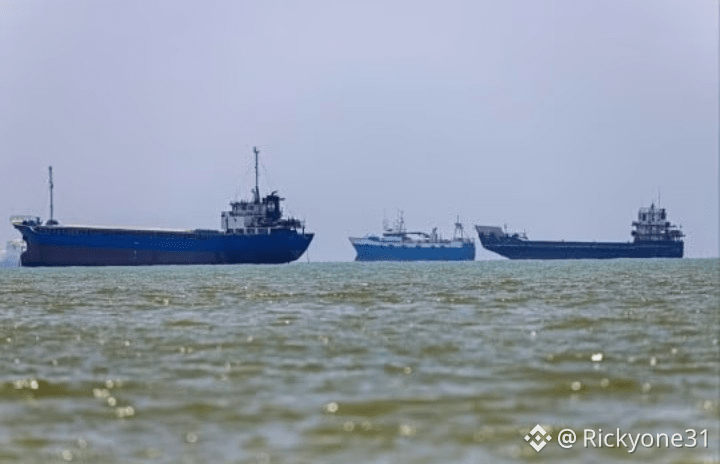
Iran 🇮🇷 has rolled out mandatory insurance for all ships 🚢🚢🚢 passing through the Strait of Hormuz.
Super Tankers 🚢🚢🚢 must get insurance approved by the newly established Persian Gulf Strait Administration (PGSA), based in Tehran, which is initially free.
This move, detailed in a document from PGSA obtained by Lloyd’s List, effectively sidesteps the agreement recently signed between the United States 🇺🇸 and Iran 🇮🇷, which guarantees free passage for merchant vessels for 60 days. Now, guys, while the Iranian insurance 🇮🇷 is free for the first 60 days, Tehran has confirmed that fees 💲 could apply afterward. $CVX
{future}(CVXUSDT)
#IranMandatesHormuzShipInsurance
Iran 🇮🇷 has rolled out mandatory insurance for all ships 🚢🚢🚢 passing through the Strait of Hormuz.
Super Tankers 🚢🚢🚢 must get insurance approved by the newly established Persian Gulf Strait Administration (PGSA), based in Tehran, which is initially free.
This move, detailed in a document from PGSA obtained by Lloyd’s List, effectively sidesteps the agreement recently signed between the United States 🇺🇸 and Iran 🇮🇷, which guarantees free passage for merchant vessels for 60 days. Now, guys, while the Iranian insurance 🇮🇷 is free for the first 60 days, Tehran has confirmed that fees 💲 could apply afterward. $CVX
Iran 🇮🇷 has rolled out mandatory insurance for all ships 🚢🚢🚢 passing through the Strait of Hormuz.
Super Tankers 🚢🚢🚢 must get insurance approved by the newly established Persian Gulf Strait Administration (PGSA), based in Tehran, which is initially free.
This move, detailed in a document from PGSA obtained by Lloyd’s List, effectively sidesteps the agreement recently signed between the United States 🇺🇸 and Iran 🇮🇷, which guarantees free passage for merchant vessels for 60 days. Now, guys, while the Iranian insurance 🇮🇷 is free for the first 60 days, Tehran has confirmed that fees 💲 could apply afterward. $CVX
4
389

·
--
The hashtag #IranMandatesHormuzShipInsurance refers to a major shipping and geopolitical development involving Iran asserting new control over the Strait of Hormuz, one of the world’s most critical oil routes.
What Iran is doing
Recent reports confirm that Iran has introduced a system requiring ships passing through the Strait of Hormuz to:
Obtain Iran-approved maritime insurance before transit
Use a framework managed by a newly created authority (often referred to as the Persian Gulf Strait Authority)
Comply with routing and registration requirements set by Iran
Key details of the policy
The insurance is initially free for a limited period (about 60 days)
After that, Iran may introduce mandatory insurance fees or “insurance charges”
Ships may be required to follow Iran-approved routes as part of coverage conditions
The move is linked to a broader effort by Iran to regulate or effectively control maritime traffic through the strait
Why this matters
The Strait of Hormuz carries a huge share of global energy trade, so even small regulatory changes have big effects:
It could significantly increase shipping costs and war-risk insurance premiums
Some estimates already show insurance costs in the region have risen many times above normal levels due to conflict risk
It gives Iran a financial and political lever without formally blocking the waterway
Conflicting interpretations
Iran’s position: This is a legitimate safety and insurance framework for navigation
Western shipping/insurance industry: It is seen as a form of de facto control or “soft blockade” that pressures global trade routes
The U.S. and allies continue to argue the strait must remain open and internationally governed
Bottom line
#IranMandatesHormuzShipInsurance = Iran introducing mandatory insurance rules for ships crossing the Strait of Hormuz, signaling a shift toward tighter control over one of the world’s most important oil chokepoints.
The hashtag #IranMandatesHormuzShipInsurance refers to a major shipping and geopolitical development involving Iran asserting new control over the Strait of Hormuz, one of the world’s most critical oil routes.
What Iran is doing
Recent reports confirm that Iran has introduced a system requiring ships passing through the Strait of Hormuz to:
Obtain Iran-approved maritime insurance before transit
Use a framework managed by a newly created authority (often referred to as the Persian Gulf Strait Authority)
Comply with routing and registration requirements set by Iran
Key details of the policy
The insurance is initially free for a limited period (about 60 days)
After that, Iran may introduce mandatory insurance fees or “insurance charges”
Ships may be required to follow Iran-approved routes as part of coverage conditions
The move is linked to a broader effort by Iran to regulate or effectively control maritime traffic through the strait
Why this matters
The Strait of Hormuz carries a huge share of global energy trade, so even small regulatory changes have big effects:
It could significantly increase shipping costs and war-risk insurance premiums
Some estimates already show insurance costs in the region have risen many times above normal levels due to conflict risk
It gives Iran a financial and political lever without formally blocking the waterway
Conflicting interpretations
Iran’s position: This is a legitimate safety and insurance framework for navigation
Western shipping/insurance industry: It is seen as a form of de facto control or “soft blockade” that pressures global trade routes
The U.S. and allies continue to argue the strait must remain open and internationally governed
Bottom line
#IranMandatesHormuzShipInsurance = Iran introducing mandatory insurance rules for ships crossing the Strait of Hormuz, signaling a shift toward tighter control over one of the world’s most important oil chokepoints.
What Iran is doing
Recent reports confirm that Iran has introduced a system requiring ships passing through the Strait of Hormuz to:
Obtain Iran-approved maritime insurance before transit
Use a framework managed by a newly created authority (often referred to as the Persian Gulf Strait Authority)
Comply with routing and registration requirements set by Iran
Key details of the policy
The insurance is initially free for a limited period (about 60 days)
After that, Iran may introduce mandatory insurance fees or “insurance charges”
Ships may be required to follow Iran-approved routes as part of coverage conditions
The move is linked to a broader effort by Iran to regulate or effectively control maritime traffic through the strait
Why this matters
The Strait of Hormuz carries a huge share of global energy trade, so even small regulatory changes have big effects:
It could significantly increase shipping costs and war-risk insurance premiums
Some estimates already show insurance costs in the region have risen many times above normal levels due to conflict risk
It gives Iran a financial and political lever without formally blocking the waterway
Conflicting interpretations
Iran’s position: This is a legitimate safety and insurance framework for navigation
Western shipping/insurance industry: It is seen as a form of de facto control or “soft blockade” that pressures global trade routes
The U.S. and allies continue to argue the strait must remain open and internationally governed
Bottom line
#IranMandatesHormuzShipInsurance = Iran introducing mandatory insurance rules for ships crossing the Strait of Hormuz, signaling a shift toward tighter control over one of the world’s most important oil chokepoints.
33
#IranMandatesHormuzShipInsurance
🚢 The Hormuz toll comes with a 60-day "grace period"
Iran has imposed a new mandatory insurance and permit system for all vessels wanting to transit the Strait of Hormuz. The measure, published by the Persian Gulf Authority (PGSA), states that no ship can pass without an insurance policy approved by Iran and a permit requested 48 hours in advance.
⏳ The 60-day trap
Iran signed an agreement with the U.S. committing to not charge fees for 60 days in exchange for reopening the strait. However, the new system lays the groundwork for a permanent toll:
· Now: insurance is free, covered by the Iranian government.
· Starting mid-August: the PGSA reserves the right to introduce insurance fees.
"The MoU is clear: 60 days without fees... after that, a new framework will be defined that will likely include charges," stated an Iranian official.
⚔️ Who accepts the toll?
· The U.S. and the UK reject it. The U.S. Central Command recommends an alternative route along the coast of Oman.
· The shipping industry is divided. Greek magnate Marinakis prefers to pay the toll: "I would rather pay a toll than much higher war insurance premiums."
· Oman is the key player: the strait passes through its waters, and its cooperation would provide legal coverage for the toll.
🛢️ Impact on oil and crypto
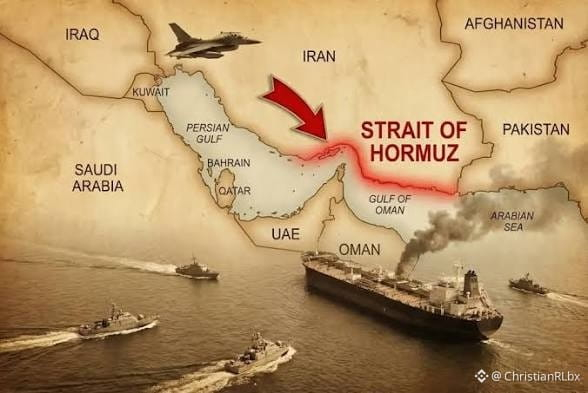
The Strait of Hormuz handles 20% of the world's oil. Any uncertainty raises the risk premium on crude. If Iran imposes the toll, the geopolitical premium will remain high, pushing oil and inflation upwards. For the crypto sector, this means less liquidity and a less favorable macro environment for Bitcoin.
In summary: peace in Hormuz may have arrived, but its price —literally— is still to be defined.
Do you think Iran will manage to impose the toll, or will international pressure hold it back? 👇
#iran #GeopoliticalUncertainty #MacroEconomia $BTC $CL $BZ
#IranMandatesHormuzShipInsurance
🚢 The Hormuz toll comes with a 60-day "grace period"
Iran has imposed a new mandatory insurance and permit system for all vessels wanting to transit the Strait of Hormuz. The measure, published by the Persian Gulf Authority (PGSA), states that no ship can pass without an insurance policy approved by Iran and a permit requested 48 hours in advance.
⏳ The 60-day trap
Iran signed an agreement with the U.S. committing to not charge fees for 60 days in exchange for reopening the strait. However, the new system lays the groundwork for a permanent toll:
· Now: insurance is free, covered by the Iranian government.
· Starting mid-August: the PGSA reserves the right to introduce insurance fees.
"The MoU is clear: 60 days without fees... after that, a new framework will be defined that will likely include charges," stated an Iranian official.
⚔️ Who accepts the toll?
· The U.S. and the UK reject it. The U.S. Central Command recommends an alternative route along the coast of Oman.
· The shipping industry is divided. Greek magnate Marinakis prefers to pay the toll: "I would rather pay a toll than much higher war insurance premiums."
· Oman is the key player: the strait passes through its waters, and its cooperation would provide legal coverage for the toll.
🛢️ Impact on oil and crypto
The Strait of Hormuz handles 20% of the world's oil. Any uncertainty raises the risk premium on crude. If Iran imposes the toll, the geopolitical premium will remain high, pushing oil and inflation upwards. For the crypto sector, this means less liquidity and a less favorable macro environment for Bitcoin.
In summary: peace in Hormuz may have arrived, but its price —literally— is still to be defined.
Do you think Iran will manage to impose the toll, or will international pressure hold it back? 👇
#iran #GeopoliticalUncertainty #MacroEconomia $BTC $CL $BZ
🚢 The Hormuz toll comes with a 60-day "grace period"
Iran has imposed a new mandatory insurance and permit system for all vessels wanting to transit the Strait of Hormuz. The measure, published by the Persian Gulf Authority (PGSA), states that no ship can pass without an insurance policy approved by Iran and a permit requested 48 hours in advance.
⏳ The 60-day trap
Iran signed an agreement with the U.S. committing to not charge fees for 60 days in exchange for reopening the strait. However, the new system lays the groundwork for a permanent toll:
· Now: insurance is free, covered by the Iranian government.
· Starting mid-August: the PGSA reserves the right to introduce insurance fees.
"The MoU is clear: 60 days without fees... after that, a new framework will be defined that will likely include charges," stated an Iranian official.
⚔️ Who accepts the toll?
· The U.S. and the UK reject it. The U.S. Central Command recommends an alternative route along the coast of Oman.
· The shipping industry is divided. Greek magnate Marinakis prefers to pay the toll: "I would rather pay a toll than much higher war insurance premiums."
· Oman is the key player: the strait passes through its waters, and its cooperation would provide legal coverage for the toll.
🛢️ Impact on oil and crypto
The Strait of Hormuz handles 20% of the world's oil. Any uncertainty raises the risk premium on crude. If Iran imposes the toll, the geopolitical premium will remain high, pushing oil and inflation upwards. For the crypto sector, this means less liquidity and a less favorable macro environment for Bitcoin.
In summary: peace in Hormuz may have arrived, but its price —literally— is still to be defined.
Do you think Iran will manage to impose the toll, or will international pressure hold it back? 👇
#iran #GeopoliticalUncertainty #MacroEconomia $BTC $CL $BZ
1
261
·
--
Discussion Post.
#IranMandatesHormuzShipInsurance 🚢
Iran is reportedly moving toward mandatory insurance rules for ships passing through the Strait of Hormuz, one of the world’s most important oil routes.
This could reshape global shipping costs, insurance systems, and energy supply chains.
While Iran calls it “regulated transit management,” global analysts see it as a major geopolitical leverage tool.
Markets are watching closely as even small changes in Hormuz rules can trigger global oil price volatility.
🌍 The world now waits: stability or escalation?
Discussion Post.
#IranMandatesHormuzShipInsurance 🚢
Iran is reportedly moving toward mandatory insurance rules for ships passing through the Strait of Hormuz, one of the world’s most important oil routes.
This could reshape global shipping costs, insurance systems, and energy supply chains.
While Iran calls it “regulated transit management,” global analysts see it as a major geopolitical leverage tool.
Markets are watching closely as even small changes in Hormuz rules can trigger global oil price volatility.
🌍 The world now waits: stability or escalation?
#IranMandatesHormuzShipInsurance 🚢
Iran is reportedly moving toward mandatory insurance rules for ships passing through the Strait of Hormuz, one of the world’s most important oil routes.
This could reshape global shipping costs, insurance systems, and energy supply chains.
While Iran calls it “regulated transit management,” global analysts see it as a major geopolitical leverage tool.
Markets are watching closely as even small changes in Hormuz rules can trigger global oil price volatility.
🌍 The world now waits: stability or escalation?
56

·
--
Article
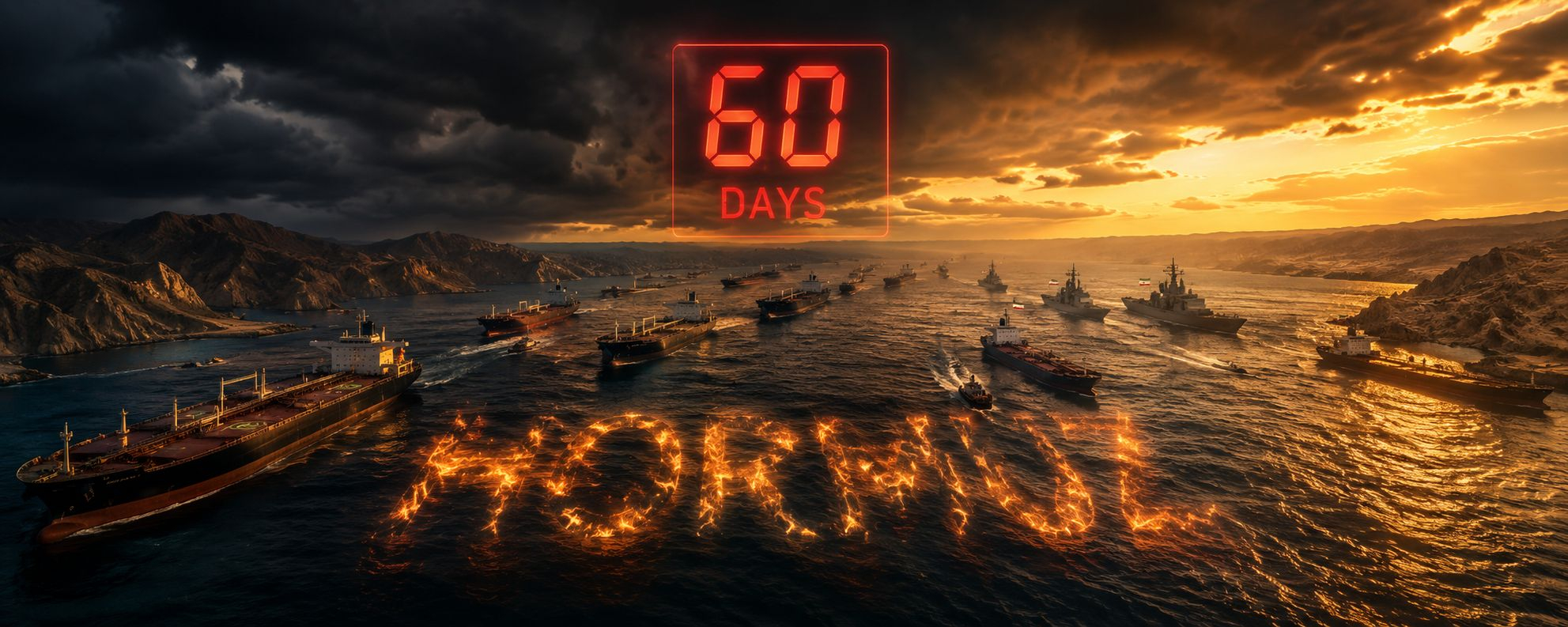
The Peace Deal Has a Hidden Tax. And Nobody Is Talking About What Happens on Day 61#IranMandatesHormuzShipInsurance
I want to walk you through something that happened in the last 48 hours that most traders haven't connected yet - because the people who understand this trade before Monday have a significant edge over everyone else reading the same Bloomberg headlines.
Here's the surface story: Iran and the US signed a peace deal. The Hormuz blockade was lifted. Trump declared victory. Oil fell. Markets pumped. Done, right?
Wrong.
Less than 48 hours after the peace deal ink dried, Iran's newly created Persian Gulf Strait Authority published a sweeping new set of rules governing every commercial vessel that wants to use the world's most critical shipping lane. Passage permits. Designated routes closer to Iranian coastlines than international standards require. And mandatory insurance - approved exclusively by Tehran's own authority.
Let me explain what just happened - in plain language.
Iran Didn't Reopen Hormuz. Iran Took Ownership of It
The MOU Trump signed guarantees toll-free passage for 60 days. That part is real. But the Persian Gulf Strait Authority's own document reserves the right to introduce insurance fees once that 60-day window closes. "The PGSA reserves the right to introduce insurance fees in the future. Owners will then be required to purchase and renew coverage accordingly."
The peace deal says: toll-free for 60 days.
The PGSA document says: we'll tell you what it costs after day 60.
These are not compatible. They are a slow-motion collision happening in real time - and the collision lands on approximately August 17, 2026.
Here's where it gets legally catastrophic for the entire shipping industry: the PGSA itself - the Iranian authority collecting insurance compliance - was designated by the US Office of Foreign Assets Control on May 27 as an IRGC-linked Specially Designated National. That designation means any payment to the PGSA constitutes a prohibited transaction under US sanctions law.
Read that again slowly.
Iran is requiring mandatory insurance from its own IRGC-linked authority. The US government has already designated that authority as a sanctioned entity. When fees are introduced after day 60, any Western shipping company paying those fees commits a US federal sanctions violation.
What the Tanker Operators Are Staring At Right Now
20 ships quietly transited overnight via a route along Oman's coast. But vessel tracking data shows the number of ships crossing with their signals on actually dropped after that initial surge. Then reports emerged of a mine spotted near Oman's coast.
The shipping industry isn't waiting for permission. They're running the math:
Transit through Hormuz with Iranian PGSA insurance = sanctions exposure risk for Western operators.
Transit without PGSA insurance = violating Iran's new mandatory requirement.
Reroute around the Cape of Good Hope = 10-14 extra days per voyage minimum.
Shipping lawyers and tanker operators are already calling the mandate a direct violation of UNCLOS - the international law of the sea that guarantees innocent passage through straits used for international navigation. The IMO secretary-general confirmed receipt of the PGSA document and said discussions are ongoing - diplomatic language for "we have no idea how to resolve this."
There is no clean answer. Every option has a cost.
The Trade Everyone Is Missing
Markets spent this week pricing in a clean peace dividend: Hormuz opens, oil falls, inflation dies, rate cuts return, crypto pumps.
That clean narrative just got a mandatory Iranian insurance policy written into it.
The real situation is messier than a single headline can capture. The deal is signed. 20 ships transited. Oil fell. But:
Shippers and oil producers are increasingly concerned that Iran will toll the strait the moment the 60-day MOU window closes. The mandatory insurance requirement - free now, fees later - is the mechanism for that toll collection.
Every tanker operator currently negotiating charter rates for August and September deliveries is pricing in that uncertainty. Every energy trader modeling Q3 2026 oil prices is modeling two scenarios simultaneously - Hormuz functioning normally, and Hormuz reverting to constrained access after August 17.
The spread between those two scenarios is enormous. Crude models that assume free Hormuz access price oil at $70-75 through year end. Models that price in Iranian insurance fees and potential restrictions price oil at $90-100.
The market is currently trading the optimistic scenario. The PGSA document is building the infrastructure for the pessimistic one.
What History Says About Chokepoint Control Grabs
This is not unprecedented. This is actually a well-documented playbook.
Egypt nationalized the Suez Canal in 1956 and immediately began charging transit fees. The initial reaction was international outrage. Within two years it was accepted as standard practice. Today Suez generates approximately $9 billion annually for Egypt.
Iran just did the same thing to Hormuz. They signed a temporary peace deal that keeps the lanes open. They simultaneously created a legal and administrative architecture for permanent control and fee collection. The 60-day window is the transition period between those two realities.
In 1956, nobody believed Egypt would actually charge fees permanently. They were wrong.
In 2026, markets are pricing a clean Hormuz reopening. The PGSA document says otherwise.
The Numbers That Should Concern Every Trader
20% of global oil supply transits Hormuz. 12% of global trade passes through the strait. If Iran successfully establishes a fee structure - even $1 per barrel of oil - that's approximately $7-10 billion annually in revenue from the world's most important energy chokepoint.
That revenue is worth more to Iran than any compliance-based asset release under the MOU. It's self-renewing, permanent, and survives any future sanctions regime because the infrastructure is already built and the precedent is already set.
The MOU expires. The PGSA doesn't.
The Three Scenarios for August 17
Scenario 1 — Clean Resolution: The 60-day nuclear negotiation succeeds, a final deal is reached, PGSA insurance becomes a standard international compliance mechanism, fees are set at levels Western operators can absorb without triggering sanctions conflicts. Markets reprice upward on final deal confirmation. This is the 60% scenario.
Scenario 2 — Managed Ambiguity: The 60-day window closes without a final deal, PGSA introduces fees, Western operators face a compliance gray zone, shipping costs rise modestly, oil moves back toward $85-90, but no military confrontation resumes. Markets digest it slowly. This is the 30% scenario.
Scenario 3 — Full Collapse: Iran introduces fees, Western operators refuse to pay a sanctioned entity, IRGC enforces its new rules against non-compliant vessels, US responds militarily, the war resumes at full scale. Oil spikes past $120. Crypto dumps alongside all risk assets before recovering violently on any ceasefire signal. This is the 10% scenario.
Polymarket has the deal collapse probability at 5%. The PGSA document just added structural justification to that tail risk that wasn't there 48 hours ago.
What You Should Do Before Monday
The position I'm holding right now is built around one principle: the 60-day window is the most important countdown in global markets.
If you're long oil — the PGSA document is your best friend. Iran just built the regulatory architecture for sustained oil price support regardless of what the MOU says.
If you're long crypto — understand that Bitcoin responds to macro fear before it responds to macro relief. If the Scenario 3 tail risk becomes Scenario 2 probability, the initial reaction is red before the recovery is green.
If you're holding leverage anywhere — August 17 is the date that matters. Not today. Not next week. August 17, when 60 days of grace period expires and Iran's Persian Gulf Strait Authority gets to announce what compliance actually costs.
The peace deal bought 60 days. Iran spent 48 hours of those 60 days building the infrastructure to monetize those same shipping lanes permanently.
That's not a bug in the deal architecture. That's Iran playing the long game better than any Western analyst predicted.
The peace trade is real. The 60-day trade is real. But the August 17 trade is the one that separates the traders who read the fine print from the traders who traded the headline.
You just read the fine print.
#Write2Earn #BTC $BTC
{future}(BTCUSDT)
$CL
{future}(CLUSDT)
$BNB
{future}(BNBUSDT)
The Peace Deal Has a Hidden Tax. And Nobody Is Talking About What Happens on Day 61
#IranMandatesHormuzShipInsurance
I want to walk you through something that happened in the last 48 hours that most traders haven't connected yet - because the people who understand this trade before Monday have a significant edge over everyone else reading the same Bloomberg headlines.
Here's the surface story: Iran and the US signed a peace deal. The Hormuz blockade was lifted. Trump declared victory. Oil fell. Markets pumped. Done, right?
Wrong.
Less than 48 hours after the peace deal ink dried, Iran's newly created Persian Gulf Strait Authority published a sweeping new set of rules governing every commercial vessel that wants to use the world's most critical shipping lane. Passage permits. Designated routes closer to Iranian coastlines than international standards require. And mandatory insurance - approved exclusively by Tehran's own authority.
Let me explain what just happened - in plain language.
Iran Didn't Reopen Hormuz. Iran Took Ownership of It
The MOU Trump signed guarantees toll-free passage for 60 days. That part is real. But the Persian Gulf Strait Authority's own document reserves the right to introduce insurance fees once that 60-day window closes. "The PGSA reserves the right to introduce insurance fees in the future. Owners will then be required to purchase and renew coverage accordingly."
The peace deal says: toll-free for 60 days.
The PGSA document says: we'll tell you what it costs after day 60.
These are not compatible. They are a slow-motion collision happening in real time - and the collision lands on approximately August 17, 2026.
Here's where it gets legally catastrophic for the entire shipping industry: the PGSA itself - the Iranian authority collecting insurance compliance - was designated by the US Office of Foreign Assets Control on May 27 as an IRGC-linked Specially Designated National. That designation means any payment to the PGSA constitutes a prohibited transaction under US sanctions law.
Read that again slowly.
Iran is requiring mandatory insurance from its own IRGC-linked authority. The US government has already designated that authority as a sanctioned entity. When fees are introduced after day 60, any Western shipping company paying those fees commits a US federal sanctions violation.
What the Tanker Operators Are Staring At Right Now
20 ships quietly transited overnight via a route along Oman's coast. But vessel tracking data shows the number of ships crossing with their signals on actually dropped after that initial surge. Then reports emerged of a mine spotted near Oman's coast.
The shipping industry isn't waiting for permission. They're running the math:
Transit through Hormuz with Iranian PGSA insurance = sanctions exposure risk for Western operators.
Transit without PGSA insurance = violating Iran's new mandatory requirement.
Reroute around the Cape of Good Hope = 10-14 extra days per voyage minimum.
Shipping lawyers and tanker operators are already calling the mandate a direct violation of UNCLOS - the international law of the sea that guarantees innocent passage through straits used for international navigation. The IMO secretary-general confirmed receipt of the PGSA document and said discussions are ongoing - diplomatic language for "we have no idea how to resolve this."
There is no clean answer. Every option has a cost.
The Trade Everyone Is Missing
Markets spent this week pricing in a clean peace dividend: Hormuz opens, oil falls, inflation dies, rate cuts return, crypto pumps.
That clean narrative just got a mandatory Iranian insurance policy written into it.
The real situation is messier than a single headline can capture. The deal is signed. 20 ships transited. Oil fell. But:
Shippers and oil producers are increasingly concerned that Iran will toll the strait the moment the 60-day MOU window closes. The mandatory insurance requirement - free now, fees later - is the mechanism for that toll collection.
Every tanker operator currently negotiating charter rates for August and September deliveries is pricing in that uncertainty. Every energy trader modeling Q3 2026 oil prices is modeling two scenarios simultaneously - Hormuz functioning normally, and Hormuz reverting to constrained access after August 17.
The spread between those two scenarios is enormous. Crude models that assume free Hormuz access price oil at $70-75 through year end. Models that price in Iranian insurance fees and potential restrictions price oil at $90-100.
The market is currently trading the optimistic scenario. The PGSA document is building the infrastructure for the pessimistic one.
What History Says About Chokepoint Control Grabs
This is not unprecedented. This is actually a well-documented playbook.
Egypt nationalized the Suez Canal in 1956 and immediately began charging transit fees. The initial reaction was international outrage. Within two years it was accepted as standard practice. Today Suez generates approximately $9 billion annually for Egypt.
Iran just did the same thing to Hormuz. They signed a temporary peace deal that keeps the lanes open. They simultaneously created a legal and administrative architecture for permanent control and fee collection. The 60-day window is the transition period between those two realities.
In 1956, nobody believed Egypt would actually charge fees permanently. They were wrong.
In 2026, markets are pricing a clean Hormuz reopening. The PGSA document says otherwise.
The Numbers That Should Concern Every Trader
20% of global oil supply transits Hormuz. 12% of global trade passes through the strait. If Iran successfully establishes a fee structure - even $1 per barrel of oil - that's approximately $7-10 billion annually in revenue from the world's most important energy chokepoint.
That revenue is worth more to Iran than any compliance-based asset release under the MOU. It's self-renewing, permanent, and survives any future sanctions regime because the infrastructure is already built and the precedent is already set.
The MOU expires. The PGSA doesn't.
The Three Scenarios for August 17
Scenario 1 — Clean Resolution: The 60-day nuclear negotiation succeeds, a final deal is reached, PGSA insurance becomes a standard international compliance mechanism, fees are set at levels Western operators can absorb without triggering sanctions conflicts. Markets reprice upward on final deal confirmation. This is the 60% scenario.
Scenario 2 — Managed Ambiguity: The 60-day window closes without a final deal, PGSA introduces fees, Western operators face a compliance gray zone, shipping costs rise modestly, oil moves back toward $85-90, but no military confrontation resumes. Markets digest it slowly. This is the 30% scenario.
Scenario 3 — Full Collapse: Iran introduces fees, Western operators refuse to pay a sanctioned entity, IRGC enforces its new rules against non-compliant vessels, US responds militarily, the war resumes at full scale. Oil spikes past $120. Crypto dumps alongside all risk assets before recovering violently on any ceasefire signal. This is the 10% scenario.
Polymarket has the deal collapse probability at 5%. The PGSA document just added structural justification to that tail risk that wasn't there 48 hours ago.
What You Should Do Before Monday
The position I'm holding right now is built around one principle: the 60-day window is the most important countdown in global markets.
If you're long oil — the PGSA document is your best friend. Iran just built the regulatory architecture for sustained oil price support regardless of what the MOU says.
If you're long crypto — understand that Bitcoin responds to macro fear before it responds to macro relief. If the Scenario 3 tail risk becomes Scenario 2 probability, the initial reaction is red before the recovery is green.
If you're holding leverage anywhere — August 17 is the date that matters. Not today. Not next week. August 17, when 60 days of grace period expires and Iran's Persian Gulf Strait Authority gets to announce what compliance actually costs.
The peace deal bought 60 days. Iran spent 48 hours of those 60 days building the infrastructure to monetize those same shipping lanes permanently.
That's not a bug in the deal architecture. That's Iran playing the long game better than any Western analyst predicted.
The peace trade is real. The 60-day trade is real. But the August 17 trade is the one that separates the traders who read the fine print from the traders who traded the headline.
You just read the fine print.
#Write2Earn #BTC $BTC
$CL
$BNB
I want to walk you through something that happened in the last 48 hours that most traders haven't connected yet - because the people who understand this trade before Monday have a significant edge over everyone else reading the same Bloomberg headlines.
Here's the surface story: Iran and the US signed a peace deal. The Hormuz blockade was lifted. Trump declared victory. Oil fell. Markets pumped. Done, right?
Wrong.
Less than 48 hours after the peace deal ink dried, Iran's newly created Persian Gulf Strait Authority published a sweeping new set of rules governing every commercial vessel that wants to use the world's most critical shipping lane. Passage permits. Designated routes closer to Iranian coastlines than international standards require. And mandatory insurance - approved exclusively by Tehran's own authority.
Let me explain what just happened - in plain language.
Iran Didn't Reopen Hormuz. Iran Took Ownership of It
The MOU Trump signed guarantees toll-free passage for 60 days. That part is real. But the Persian Gulf Strait Authority's own document reserves the right to introduce insurance fees once that 60-day window closes. "The PGSA reserves the right to introduce insurance fees in the future. Owners will then be required to purchase and renew coverage accordingly."
The peace deal says: toll-free for 60 days.
The PGSA document says: we'll tell you what it costs after day 60.
These are not compatible. They are a slow-motion collision happening in real time - and the collision lands on approximately August 17, 2026.
Here's where it gets legally catastrophic for the entire shipping industry: the PGSA itself - the Iranian authority collecting insurance compliance - was designated by the US Office of Foreign Assets Control on May 27 as an IRGC-linked Specially Designated National. That designation means any payment to the PGSA constitutes a prohibited transaction under US sanctions law.
Read that again slowly.
Iran is requiring mandatory insurance from its own IRGC-linked authority. The US government has already designated that authority as a sanctioned entity. When fees are introduced after day 60, any Western shipping company paying those fees commits a US federal sanctions violation.
What the Tanker Operators Are Staring At Right Now
20 ships quietly transited overnight via a route along Oman's coast. But vessel tracking data shows the number of ships crossing with their signals on actually dropped after that initial surge. Then reports emerged of a mine spotted near Oman's coast.
The shipping industry isn't waiting for permission. They're running the math:
Transit through Hormuz with Iranian PGSA insurance = sanctions exposure risk for Western operators.
Transit without PGSA insurance = violating Iran's new mandatory requirement.
Reroute around the Cape of Good Hope = 10-14 extra days per voyage minimum.
Shipping lawyers and tanker operators are already calling the mandate a direct violation of UNCLOS - the international law of the sea that guarantees innocent passage through straits used for international navigation. The IMO secretary-general confirmed receipt of the PGSA document and said discussions are ongoing - diplomatic language for "we have no idea how to resolve this."
There is no clean answer. Every option has a cost.
The Trade Everyone Is Missing
Markets spent this week pricing in a clean peace dividend: Hormuz opens, oil falls, inflation dies, rate cuts return, crypto pumps.
That clean narrative just got a mandatory Iranian insurance policy written into it.
The real situation is messier than a single headline can capture. The deal is signed. 20 ships transited. Oil fell. But:
Shippers and oil producers are increasingly concerned that Iran will toll the strait the moment the 60-day MOU window closes. The mandatory insurance requirement - free now, fees later - is the mechanism for that toll collection.
Every tanker operator currently negotiating charter rates for August and September deliveries is pricing in that uncertainty. Every energy trader modeling Q3 2026 oil prices is modeling two scenarios simultaneously - Hormuz functioning normally, and Hormuz reverting to constrained access after August 17.
The spread between those two scenarios is enormous. Crude models that assume free Hormuz access price oil at $70-75 through year end. Models that price in Iranian insurance fees and potential restrictions price oil at $90-100.
The market is currently trading the optimistic scenario. The PGSA document is building the infrastructure for the pessimistic one.
What History Says About Chokepoint Control Grabs
This is not unprecedented. This is actually a well-documented playbook.
Egypt nationalized the Suez Canal in 1956 and immediately began charging transit fees. The initial reaction was international outrage. Within two years it was accepted as standard practice. Today Suez generates approximately $9 billion annually for Egypt.
Iran just did the same thing to Hormuz. They signed a temporary peace deal that keeps the lanes open. They simultaneously created a legal and administrative architecture for permanent control and fee collection. The 60-day window is the transition period between those two realities.
In 1956, nobody believed Egypt would actually charge fees permanently. They were wrong.
In 2026, markets are pricing a clean Hormuz reopening. The PGSA document says otherwise.
The Numbers That Should Concern Every Trader
20% of global oil supply transits Hormuz. 12% of global trade passes through the strait. If Iran successfully establishes a fee structure - even $1 per barrel of oil - that's approximately $7-10 billion annually in revenue from the world's most important energy chokepoint.
That revenue is worth more to Iran than any compliance-based asset release under the MOU. It's self-renewing, permanent, and survives any future sanctions regime because the infrastructure is already built and the precedent is already set.
The MOU expires. The PGSA doesn't.
The Three Scenarios for August 17
Scenario 1 — Clean Resolution: The 60-day nuclear negotiation succeeds, a final deal is reached, PGSA insurance becomes a standard international compliance mechanism, fees are set at levels Western operators can absorb without triggering sanctions conflicts. Markets reprice upward on final deal confirmation. This is the 60% scenario.
Scenario 2 — Managed Ambiguity: The 60-day window closes without a final deal, PGSA introduces fees, Western operators face a compliance gray zone, shipping costs rise modestly, oil moves back toward $85-90, but no military confrontation resumes. Markets digest it slowly. This is the 30% scenario.
Scenario 3 — Full Collapse: Iran introduces fees, Western operators refuse to pay a sanctioned entity, IRGC enforces its new rules against non-compliant vessels, US responds militarily, the war resumes at full scale. Oil spikes past $120. Crypto dumps alongside all risk assets before recovering violently on any ceasefire signal. This is the 10% scenario.
Polymarket has the deal collapse probability at 5%. The PGSA document just added structural justification to that tail risk that wasn't there 48 hours ago.
What You Should Do Before Monday
The position I'm holding right now is built around one principle: the 60-day window is the most important countdown in global markets.
If you're long oil — the PGSA document is your best friend. Iran just built the regulatory architecture for sustained oil price support regardless of what the MOU says.
If you're long crypto — understand that Bitcoin responds to macro fear before it responds to macro relief. If the Scenario 3 tail risk becomes Scenario 2 probability, the initial reaction is red before the recovery is green.
If you're holding leverage anywhere — August 17 is the date that matters. Not today. Not next week. August 17, when 60 days of grace period expires and Iran's Persian Gulf Strait Authority gets to announce what compliance actually costs.
The peace deal bought 60 days. Iran spent 48 hours of those 60 days building the infrastructure to monetize those same shipping lanes permanently.
That's not a bug in the deal architecture. That's Iran playing the long game better than any Western analyst predicted.
The peace trade is real. The 60-day trade is real. But the August 17 trade is the one that separates the traders who read the fine print from the traders who traded the headline.
You just read the fine print.
#Write2Earn #BTC $BTC
$CL
$BNB
2
163

·
--
Bullish
$BICO ACABADO DE CHEGAR:
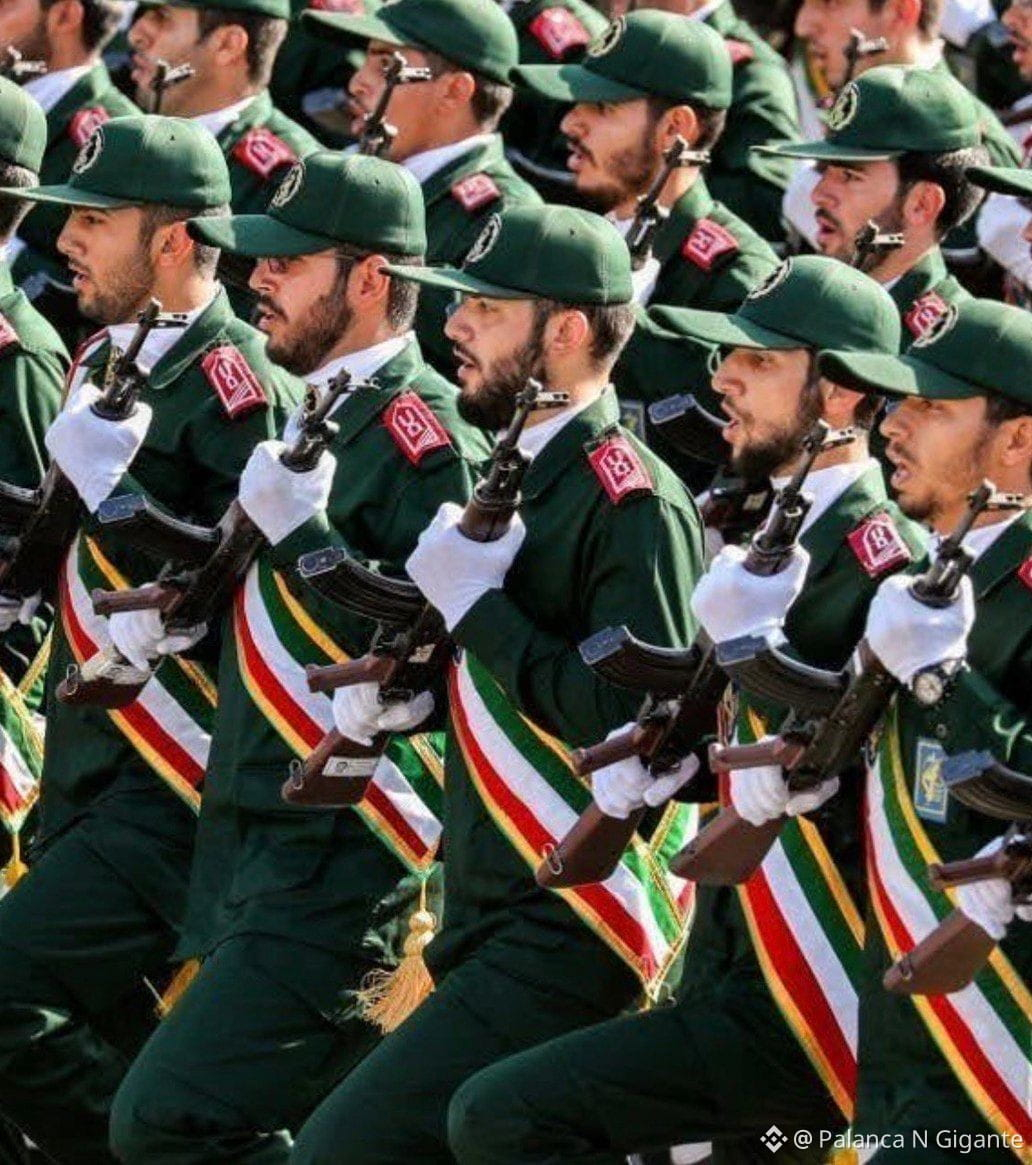
$ALICE Iran's IRGC officially declares the Strait of Hormuz closed to all vessels, warning that ships approaching face a "security risk". $BTW 🇮🇷
{future}(BTWUSDT)
{spot}(BICOUSDT)
{spot}(ALICEUSDT)
#news #IranMandatesHormuzShipInsurance #IRGC #IranAnnouncesStraitOfHormuzClosure #bullish
$BICO ACABADO DE CHEGAR:
$ALICE Iran's IRGC officially declares the Strait of Hormuz closed to all vessels, warning that ships approaching face a "security risk". $BTW 🇮🇷
#news #IranMandatesHormuzShipInsurance #IRGC #IranAnnouncesStraitOfHormuzClosure #bullish
$ALICE Iran's IRGC officially declares the Strait of Hormuz closed to all vessels, warning that ships approaching face a "security risk". $BTW 🇮🇷
#news #IranMandatesHormuzShipInsurance #IRGC #IranAnnouncesStraitOfHormuzClosure #bullish
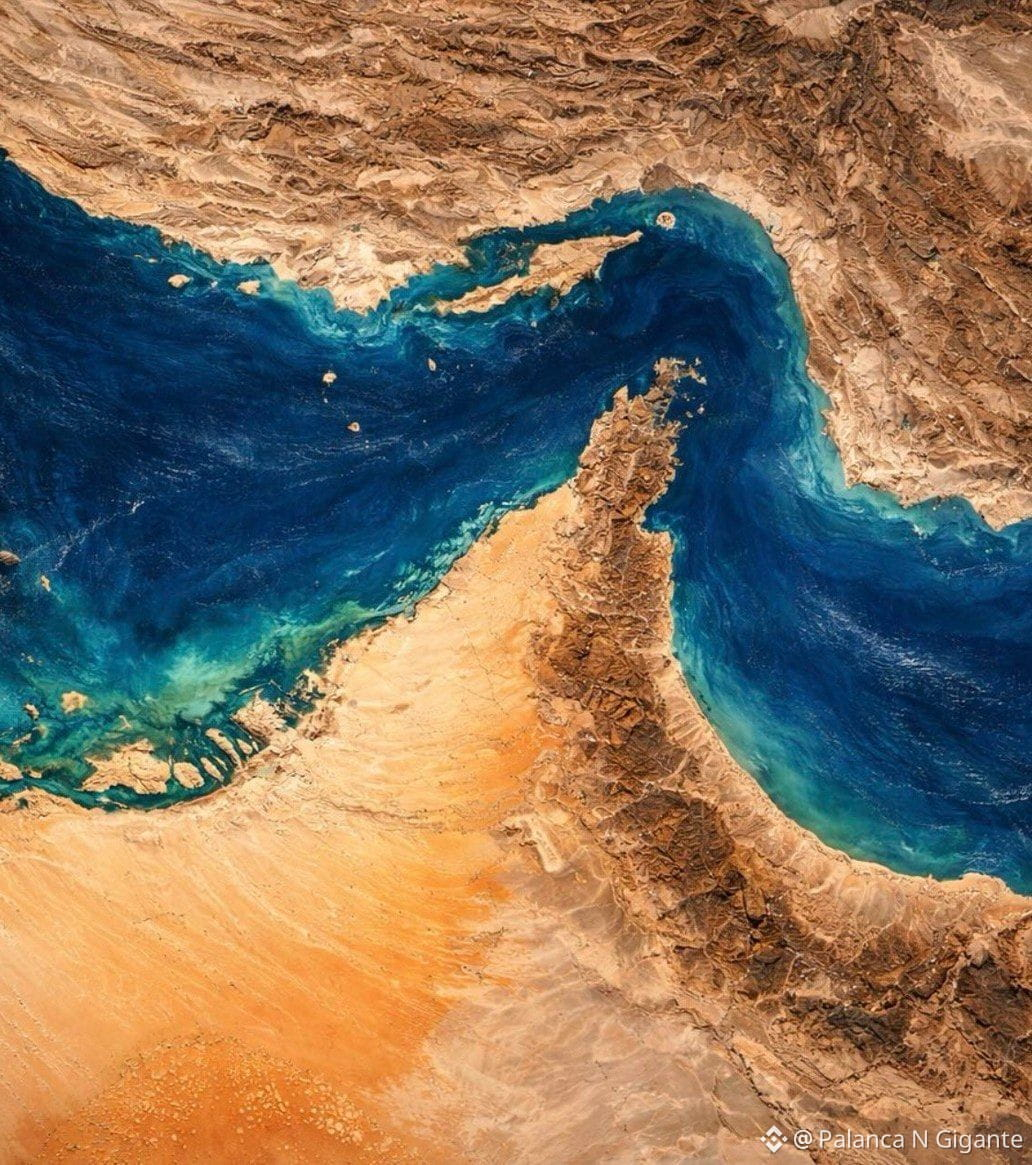
Palanca N Gigante
·
--
BullishBREAKING: $BICO
The Iranian army has announced the closure of the Strait of Hormuz to all vessel traffic, according to Mehr. $BEL
This move is being described as a first step, with Tehran warning that further actions will come if what they call "aggression" continues.$SLX
#news #IRGC #lebanonisrael #CeasefireNow #Hormuz
The Iranian army has announced the closure of the Strait of Hormuz to all vessel traffic, according to Mehr. $BEL
This move is being described as a first step, with Tehran warning that further actions will come if what they call "aggression" continues.$SLX
#news #IRGC #lebanonisrael #CeasefireNow #Hormuz
2
633

##IranMandatesHormuzShipInsurance
Iranian authorities have announced mandatory insurance for all commercial vessels passing through the Strait of Hormuz via the new "Arabian Gulf Strait Authority." This decision raises widespread concerns about it potentially evolving into a permanent toll, which could spike global shipping costs and impact energy markets. 🚢🌐
#IranMandatesHormuzShipInsurance #Hormuz #OilMarkets
##IranMandatesHormuzShipInsurance
Iranian authorities have announced mandatory insurance for all commercial vessels passing through the Strait of Hormuz via the new "Arabian Gulf Strait Authority." This decision raises widespread concerns about it potentially evolving into a permanent toll, which could spike global shipping costs and impact energy markets. 🚢🌐
#IranMandatesHormuzShipInsurance #Hormuz #OilMarkets
Iranian authorities have announced mandatory insurance for all commercial vessels passing through the Strait of Hormuz via the new "Arabian Gulf Strait Authority." This decision raises widespread concerns about it potentially evolving into a permanent toll, which could spike global shipping costs and impact energy markets. 🚢🌐
#IranMandatesHormuzShipInsurance #Hormuz #OilMarkets
102

·
--
# Iran's New Hormuz Insurance Requirement Has Markets TalkingI've noticed more people discussing the Strait of Hormuz after reports that Iran is introducing new insurance requirements for ships using the route.
On the surface, it doesn't sound like the kind of news that should move markets. But when you remember how important Hormuz is for global oil shipments, it's easy to see why traders are paying attention.
There doesn't seem to be any major disruption to shipping. The bigger question is whether these new requirements could make operations more expensive or create additional hurdles for companies moving through the region.
I think it's one of those stories that's worth watching but probably not worth panicking over. Markets have a habit of reacting to headlines first and sorting out the details later. Until we know more, it's hard to say whether this will have a meaningful impact or simply fade from the spotlight.
For now, I'm keeping an eye on how oil markets respond over the next few days. That will probably tell us more than the headlines themselves.
What's your take on it? Is this a development that deserves attention, or are markets making more of it than they should?
#IranMandatesHormuzShipInsurance #Hormuz #OilMarket #GlobalTrade #EnergyMarkets #BinanceSquare
#IranMandatesHormuzShipInsurance
# Iran's New Hormuz Insurance Requirement Has Markets Talking
I've noticed more people discussing the Strait of Hormuz after reports that Iran is introducing new insurance requirements for ships using the route.
On the surface, it doesn't sound like the kind of news that should move markets. But when you remember how important Hormuz is for global oil shipments, it's easy to see why traders are paying attention.
There doesn't seem to be any major disruption to shipping. The bigger question is whether these new requirements could make operations more expensive or create additional hurdles for companies moving through the region.
I think it's one of those stories that's worth watching but probably not worth panicking over. Markets have a habit of reacting to headlines first and sorting out the details later. Until we know more, it's hard to say whether this will have a meaningful impact or simply fade from the spotlight.
For now, I'm keeping an eye on how oil markets respond over the next few days. That will probably tell us more than the headlines themselves.
What's your take on it? Is this a development that deserves attention, or are markets making more of it than they should?
#IranMandatesHormuzShipInsurance #Hormuz #OilMarket #GlobalTrade #EnergyMarkets #BinanceSquare
#IranMandatesHormuzShipInsurance
On the surface, it doesn't sound like the kind of news that should move markets. But when you remember how important Hormuz is for global oil shipments, it's easy to see why traders are paying attention.
There doesn't seem to be any major disruption to shipping. The bigger question is whether these new requirements could make operations more expensive or create additional hurdles for companies moving through the region.
I think it's one of those stories that's worth watching but probably not worth panicking over. Markets have a habit of reacting to headlines first and sorting out the details later. Until we know more, it's hard to say whether this will have a meaningful impact or simply fade from the spotlight.
For now, I'm keeping an eye on how oil markets respond over the next few days. That will probably tell us more than the headlines themselves.
What's your take on it? Is this a development that deserves attention, or are markets making more of it than they should?
#IranMandatesHormuzShipInsurance #Hormuz #OilMarket #GlobalTrade #EnergyMarkets #BinanceSquare
#IranMandatesHormuzShipInsurance
4
111
·
--
#iranmandateshormuzshipinsurance 🛢️ Iran Mandates Hormuz Ship Insurance
Iran has imposed a requirement for vessels transiting the Strait of Hormuz to carry Iran-approved insurance. Reports indicate the policy is initially free for 60 days, while potential fees and longer-term rules remain under discussion. (Lloyd's List)
Key Highlights
🚢 Iran-approved insurance required for transit
📋 Ship operators may also face registration and route requirements
⏳ Initial 60-day no-charge period reported
💰 Future insurance fees could raise shipping costs
🛢️ Oil and LNG flows remain highly sensitive to the rule changes (Lloyd's List)
Why It Matters
The mandate adds another operational hurdle for shipowners using one of the world’s most important energy corridors. Even if vessels can transit, insurance, compliance, and war-risk costs could keep freight rates elevated and slow the return of normal shipping volumes. (Lloyd's List)
Social Media Post
🚨 Iran Mandates Ship Insurance for Hormuz Transit
Iran now requires vessels crossing the Strait of Hormuz to carry Iran-approved insurance, adding a new compliance layer for global shipping.
🚢 Mandatory insurance introduced
📋 Registration and routing rules in focus
⏳ 60-day free period reported
💰 Future shipping costs may rise
🛢️ Oil markets watch closely
The move could keep freight and war-risk costs elevated even as commercial traffic attempts to resume.
#Iran #Hormuz #Shipping #Oil #Energy #Tankers #Insurance #Commodities #Markets 🛢️🚢📊
#iranmandateshormuzshipinsurance 🛢️ Iran Mandates Hormuz Ship Insurance
Iran has imposed a requirement for vessels transiting the Strait of Hormuz to carry Iran-approved insurance. Reports indicate the policy is initially free for 60 days, while potential fees and longer-term rules remain under discussion. (Lloyd's List)
Key Highlights
🚢 Iran-approved insurance required for transit
📋 Ship operators may also face registration and route requirements
⏳ Initial 60-day no-charge period reported
💰 Future insurance fees could raise shipping costs
🛢️ Oil and LNG flows remain highly sensitive to the rule changes (Lloyd's List)
Why It Matters
The mandate adds another operational hurdle for shipowners using one of the world’s most important energy corridors. Even if vessels can transit, insurance, compliance, and war-risk costs could keep freight rates elevated and slow the return of normal shipping volumes. (Lloyd's List)
Social Media Post
🚨 Iran Mandates Ship Insurance for Hormuz Transit
Iran now requires vessels crossing the Strait of Hormuz to carry Iran-approved insurance, adding a new compliance layer for global shipping.
🚢 Mandatory insurance introduced
📋 Registration and routing rules in focus
⏳ 60-day free period reported
💰 Future shipping costs may rise
🛢️ Oil markets watch closely
The move could keep freight and war-risk costs elevated even as commercial traffic attempts to resume.
#Iran #Hormuz #Shipping #Oil #Energy #Tankers #Insurance #Commodities #Markets 🛢️🚢📊
Iran has imposed a requirement for vessels transiting the Strait of Hormuz to carry Iran-approved insurance. Reports indicate the policy is initially free for 60 days, while potential fees and longer-term rules remain under discussion. (Lloyd's List)
Key Highlights
🚢 Iran-approved insurance required for transit
📋 Ship operators may also face registration and route requirements
⏳ Initial 60-day no-charge period reported
💰 Future insurance fees could raise shipping costs
🛢️ Oil and LNG flows remain highly sensitive to the rule changes (Lloyd's List)
Why It Matters
The mandate adds another operational hurdle for shipowners using one of the world’s most important energy corridors. Even if vessels can transit, insurance, compliance, and war-risk costs could keep freight rates elevated and slow the return of normal shipping volumes. (Lloyd's List)
Social Media Post
🚨 Iran Mandates Ship Insurance for Hormuz Transit
Iran now requires vessels crossing the Strait of Hormuz to carry Iran-approved insurance, adding a new compliance layer for global shipping.
🚢 Mandatory insurance introduced
📋 Registration and routing rules in focus
⏳ 60-day free period reported
💰 Future shipping costs may rise
🛢️ Oil markets watch closely
The move could keep freight and war-risk costs elevated even as commercial traffic attempts to resume.
#Iran #Hormuz #Shipping #Oil #Energy #Tankers #Insurance #Commodities #Markets 🛢️🚢📊
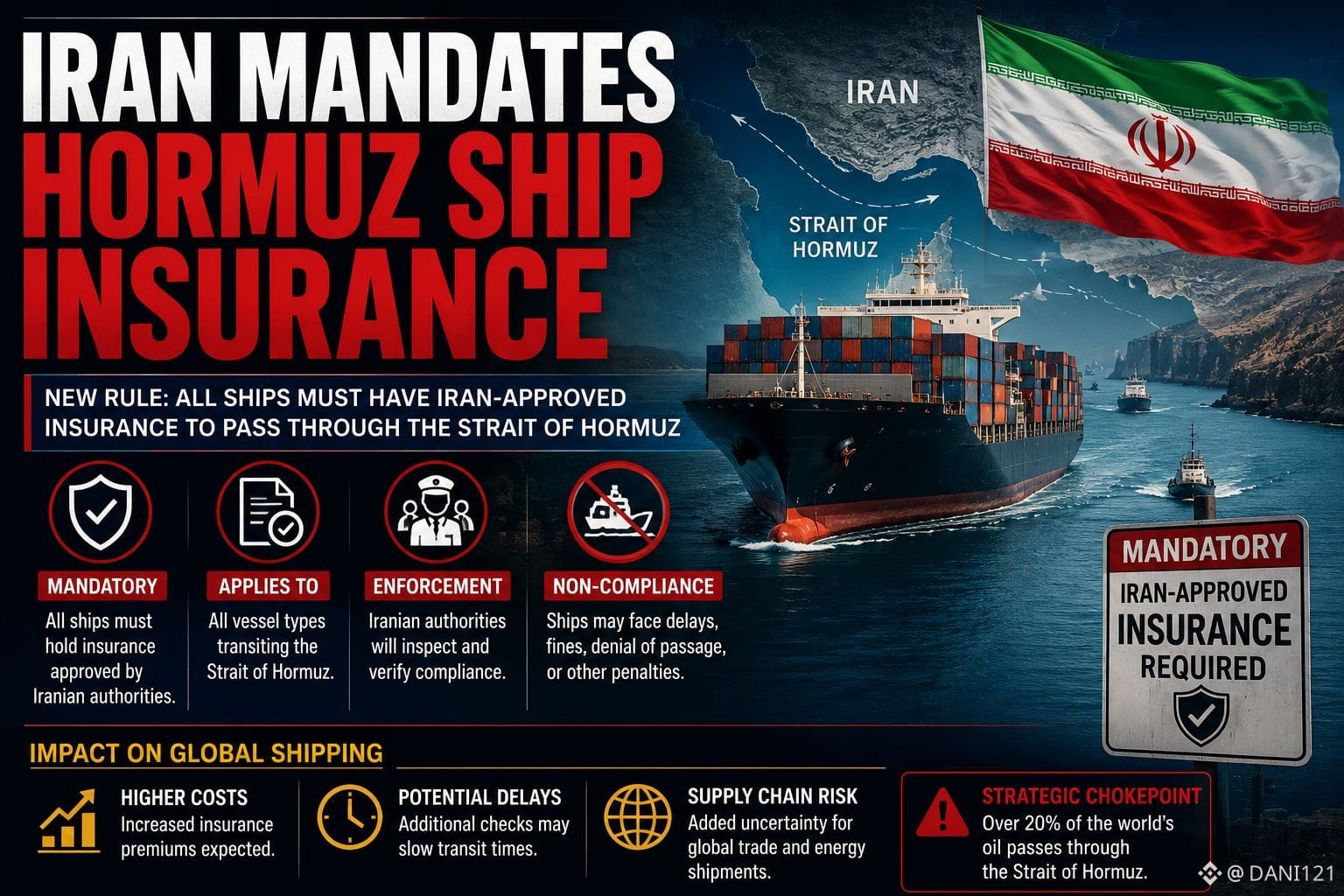
9
134
·
--
#iranmandateshormuzshipinsurance 🚨 BREAKING: Iran’s Hormuz Insurance Move Shakes Global Shipping.$CL
Iran has announced that vessels transiting the Strait of Hormuz must obtain Iran-approved transit insurance through its newly established Persian Gulf Strait Authority. While fees are reportedly waived during an initial 60-day period, shipping companies are increasingly concerned about what comes next.$SOL
🌍 Why This Matters.
Roughly 20% of global oil trade moves through Hormuz. Any new fees, insurance requirements, or transit restrictions could increase shipping costs and energy prices. Tanker operators now face additional regulatory uncertainty in one of the world's most critical trade routes.$BTC
⚠️ Markets Are Watching
This isn't just about insurance. It's about who controls access to one of the most important maritime chokepoints on Earth. Iran says the measures are about safety and transit management, while critics argue they resemble a de facto toll system that could pressure global shipping firms.
📈 Potential Impact
• Higher shipping costs
• Increased oil price volatility
• More geopolitical tension between Iran and Western powers
• Greater uncertainty for energy and commodity markets
The big question: Will global shipping companies comply, negotiate, or challenge the new framework?
💬 Is this a legitimate sovereign security measure or economic pressure disguised as regulation?#Iran #Hormuz #OilMarkets #Shipping
{spot}(SOLUSDT)
{future}(CLUSDT)
{spot}(BTCUSDT)
#iranmandateshormuzshipinsurance 🚨 BREAKING: Iran’s Hormuz Insurance Move Shakes Global Shipping.$CL
Iran has announced that vessels transiting the Strait of Hormuz must obtain Iran-approved transit insurance through its newly established Persian Gulf Strait Authority. While fees are reportedly waived during an initial 60-day period, shipping companies are increasingly concerned about what comes next.$SOL
🌍 Why This Matters.
Roughly 20% of global oil trade moves through Hormuz. Any new fees, insurance requirements, or transit restrictions could increase shipping costs and energy prices. Tanker operators now face additional regulatory uncertainty in one of the world's most critical trade routes.$BTC
⚠️ Markets Are Watching
This isn't just about insurance. It's about who controls access to one of the most important maritime chokepoints on Earth. Iran says the measures are about safety and transit management, while critics argue they resemble a de facto toll system that could pressure global shipping firms.
📈 Potential Impact
• Higher shipping costs
• Increased oil price volatility
• More geopolitical tension between Iran and Western powers
• Greater uncertainty for energy and commodity markets
The big question: Will global shipping companies comply, negotiate, or challenge the new framework?
💬 Is this a legitimate sovereign security measure or economic pressure disguised as regulation?#Iran #Hormuz #OilMarkets #Shipping
Iran has announced that vessels transiting the Strait of Hormuz must obtain Iran-approved transit insurance through its newly established Persian Gulf Strait Authority. While fees are reportedly waived during an initial 60-day period, shipping companies are increasingly concerned about what comes next.$SOL
🌍 Why This Matters.
Roughly 20% of global oil trade moves through Hormuz. Any new fees, insurance requirements, or transit restrictions could increase shipping costs and energy prices. Tanker operators now face additional regulatory uncertainty in one of the world's most critical trade routes.$BTC
⚠️ Markets Are Watching
This isn't just about insurance. It's about who controls access to one of the most important maritime chokepoints on Earth. Iran says the measures are about safety and transit management, while critics argue they resemble a de facto toll system that could pressure global shipping firms.
📈 Potential Impact
• Higher shipping costs
• Increased oil price volatility
• More geopolitical tension between Iran and Western powers
• Greater uncertainty for energy and commodity markets
The big question: Will global shipping companies comply, negotiate, or challenge the new framework?
💬 Is this a legitimate sovereign security measure or economic pressure disguised as regulation?#Iran #Hormuz #OilMarkets #Shipping
2
7
26.4k

·
--
🛢️ The Strait of Hormuz is once again becoming a major focal point for global markets.
Iran announced new measures to regulate maritime transit in the area, including prior authorizations for vessels and a potential fee scheme once the current negotiation period concludes.
The significance of this move goes far beyond geopolitics. Approximately 20% of the world's oil and a substantial portion of global energy trade pass through this strategic corridor daily.
Meanwhile, tensions continue between Iran and the U.S. regarding the operational future of the strait, increasing uncertainty for shipping companies, insurers, and energy operators.
📌 Higher transportation costs.
📌 Marine insurance under pressure.
📌 Increased sensitivity in oil prices.
📌 Risk of volatility in global markets.
For traders, the focus isn't solely on the Middle East. Any shift in Hormuz can have direct effects on crude, inflation, commodities, and the appetite for risk assets like $BTC .
For now, markets remain alert to upcoming announcements, as any additional restrictions on one of the world's most critical energy routes could quickly become a catalyst for global volatility.
#iranmandateshormuzshipinsurance
#iran #EnergyMarkets #BTC #macroeconomic
🛢️ The Strait of Hormuz is once again becoming a major focal point for global markets.
Iran announced new measures to regulate maritime transit in the area, including prior authorizations for vessels and a potential fee scheme once the current negotiation period concludes.
The significance of this move goes far beyond geopolitics. Approximately 20% of the world's oil and a substantial portion of global energy trade pass through this strategic corridor daily.
Meanwhile, tensions continue between Iran and the U.S. regarding the operational future of the strait, increasing uncertainty for shipping companies, insurers, and energy operators.
📌 Higher transportation costs.
📌 Marine insurance under pressure.
📌 Increased sensitivity in oil prices.
📌 Risk of volatility in global markets.
For traders, the focus isn't solely on the Middle East. Any shift in Hormuz can have direct effects on crude, inflation, commodities, and the appetite for risk assets like $BTC .
For now, markets remain alert to upcoming announcements, as any additional restrictions on one of the world's most critical energy routes could quickly become a catalyst for global volatility.
#iranmandateshormuzshipinsurance
#iran #EnergyMarkets #BTC #macroeconomic
Iran announced new measures to regulate maritime transit in the area, including prior authorizations for vessels and a potential fee scheme once the current negotiation period concludes.
The significance of this move goes far beyond geopolitics. Approximately 20% of the world's oil and a substantial portion of global energy trade pass through this strategic corridor daily.
Meanwhile, tensions continue between Iran and the U.S. regarding the operational future of the strait, increasing uncertainty for shipping companies, insurers, and energy operators.
📌 Higher transportation costs.
📌 Marine insurance under pressure.
📌 Increased sensitivity in oil prices.
📌 Risk of volatility in global markets.
For traders, the focus isn't solely on the Middle East. Any shift in Hormuz can have direct effects on crude, inflation, commodities, and the appetite for risk assets like $BTC .
For now, markets remain alert to upcoming announcements, as any additional restrictions on one of the world's most critical energy routes could quickly become a catalyst for global volatility.
#iranmandateshormuzshipinsurance
#iran #EnergyMarkets #BTC #macroeconomic
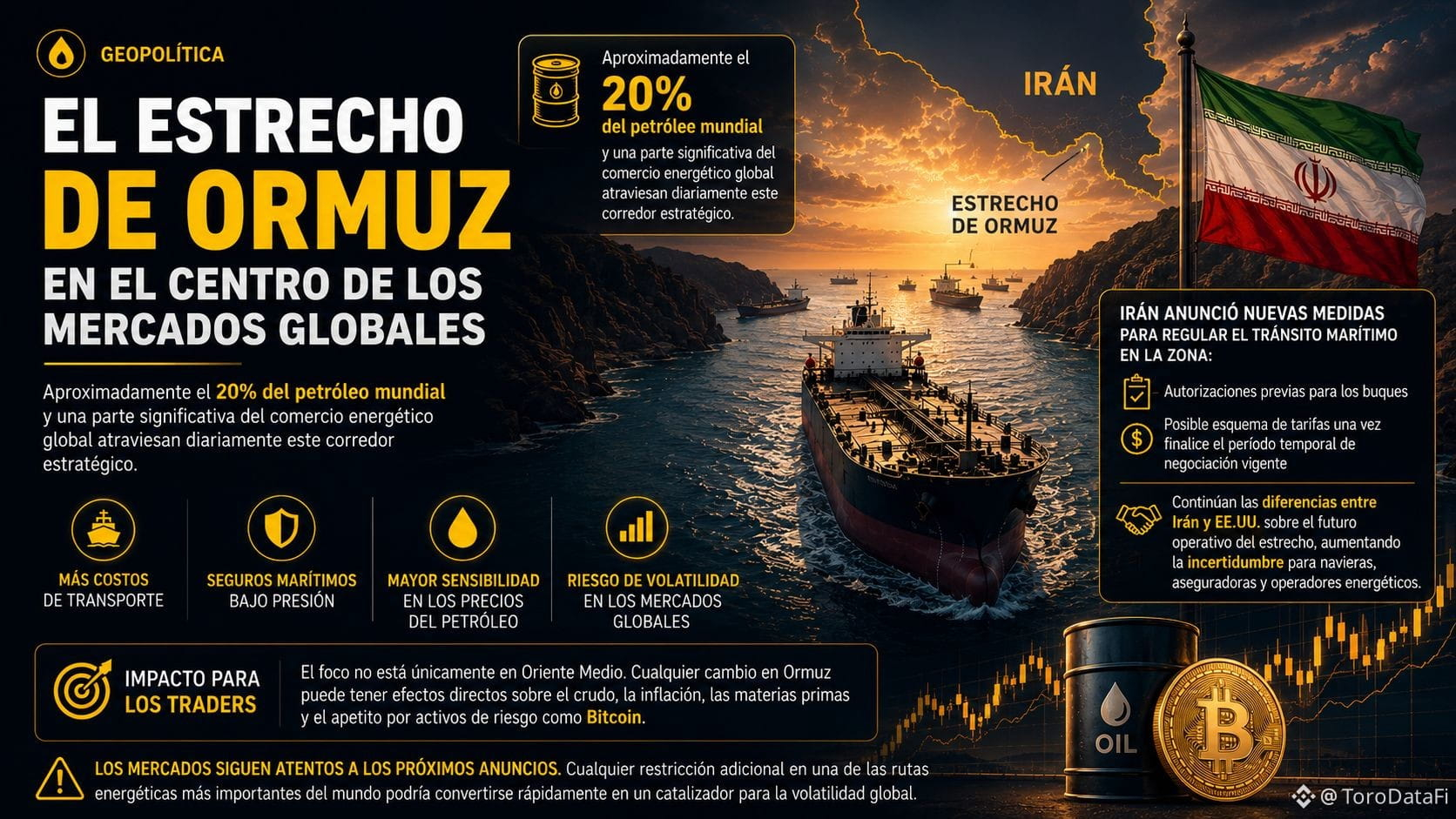
1
557

·
--
Bullish
#iranmandateshormuzshipinsurance
⚡ The Strait of Hormuz is "pumping up" again, folks! 🛳️
Iran just issued a decree: vessels passing through must have "approved insurance" from them. Right now, it’s "free" for 60 days thanks to a deal with the U.S., but after that, who knows if they'll start charging... it’s a gamble (and the odds aren’t great). Avoiding international law to rake in cash is some next-level play!
With tension in the Strait, oil prices are bound to spike. This time, the market is gearing up for a shake-up.
What should investors do?
Tighten up your portfolio, stack some stablecoins and wait for the right moment. If you see movement in the oil and energy sectors, consider your options, but don’t fall for blind FOMO.
Sign up for Binance using code VINHTOCDO to ride the waves with me! 🚀
⚠️ This is not financial advice!
#hormuzopen #MiddleEast #OilPrice #VINHTOCDO $CL $BZ $BTC
{future}(BTCUSDT)
{future}(BZUSDT)
{future}(CLUSDT)
#iranmandateshormuzshipinsurance
⚡ The Strait of Hormuz is "pumping up" again, folks! 🛳️
Iran just issued a decree: vessels passing through must have "approved insurance" from them. Right now, it’s "free" for 60 days thanks to a deal with the U.S., but after that, who knows if they'll start charging... it’s a gamble (and the odds aren’t great). Avoiding international law to rake in cash is some next-level play!
With tension in the Strait, oil prices are bound to spike. This time, the market is gearing up for a shake-up.
What should investors do?
Tighten up your portfolio, stack some stablecoins and wait for the right moment. If you see movement in the oil and energy sectors, consider your options, but don’t fall for blind FOMO.
Sign up for Binance using code VINHTOCDO to ride the waves with me! 🚀
⚠️ This is not financial advice!
#hormuzopen #MiddleEast #OilPrice #VINHTOCDO $CL $BZ $BTC
⚡ The Strait of Hormuz is "pumping up" again, folks! 🛳️
Iran just issued a decree: vessels passing through must have "approved insurance" from them. Right now, it’s "free" for 60 days thanks to a deal with the U.S., but after that, who knows if they'll start charging... it’s a gamble (and the odds aren’t great). Avoiding international law to rake in cash is some next-level play!
With tension in the Strait, oil prices are bound to spike. This time, the market is gearing up for a shake-up.
What should investors do?
Tighten up your portfolio, stack some stablecoins and wait for the right moment. If you see movement in the oil and energy sectors, consider your options, but don’t fall for blind FOMO.
Sign up for Binance using code VINHTOCDO to ride the waves with me! 🚀
⚠️ This is not financial advice!
#hormuzopen #MiddleEast #OilPrice #VINHTOCDO $CL $BZ $BTC
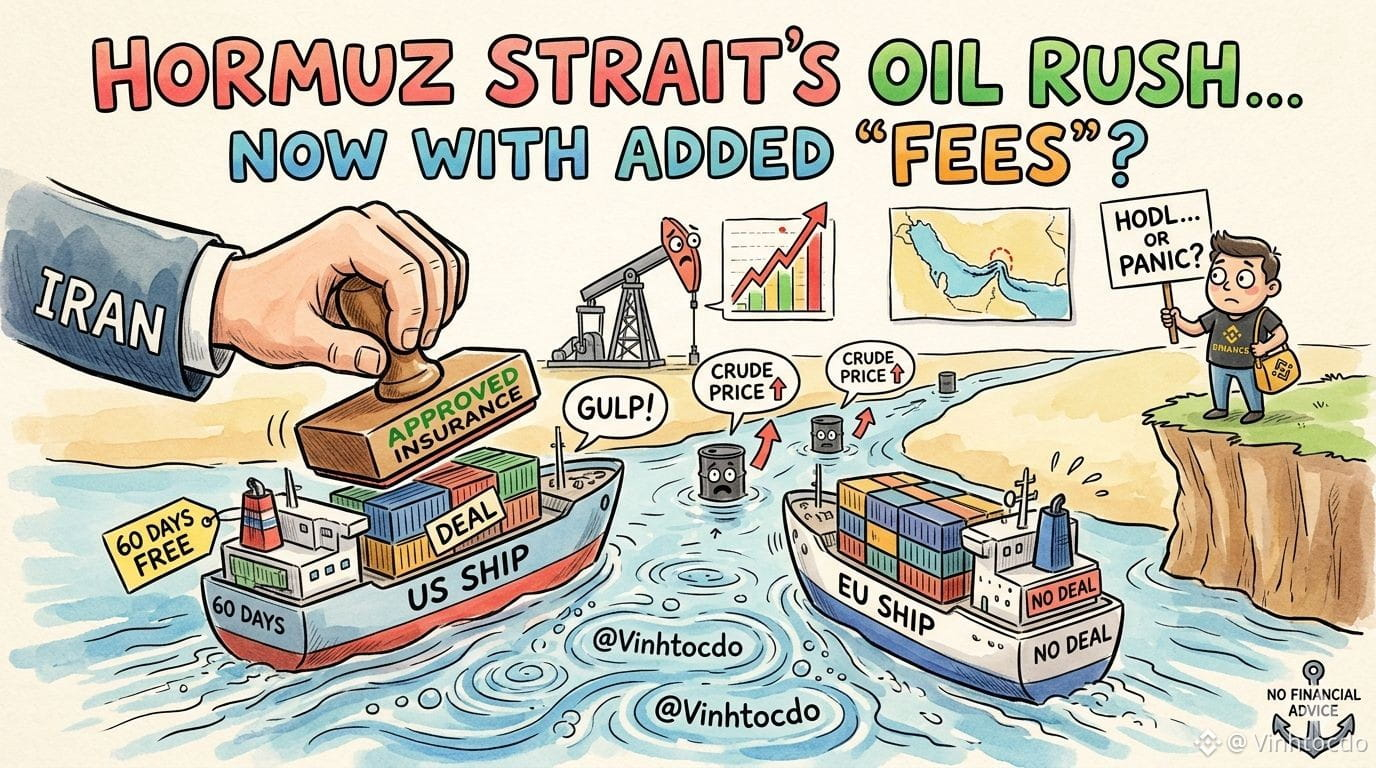
10
12.6k
·
--
#iranmandateshormuzshipinsurance Iran's decision to require insurance for vessels in the Strait of Hormuz marks a new chapter in global maritime security. This move could directly impact shipping costs and the stability of energy trade. Keep an eye on how this strategic scenario unfolds $BLESS #SpaceXPremarketFalls4.6%
#iranmandateshormuzshipinsurance Iran's decision to require insurance for vessels in the Strait of Hormuz marks a new chapter in global maritime security. This move could directly impact shipping costs and the stability of energy trade. Keep an eye on how this strategic scenario unfolds $BLESS #SpaceXPremarketFalls4.6%
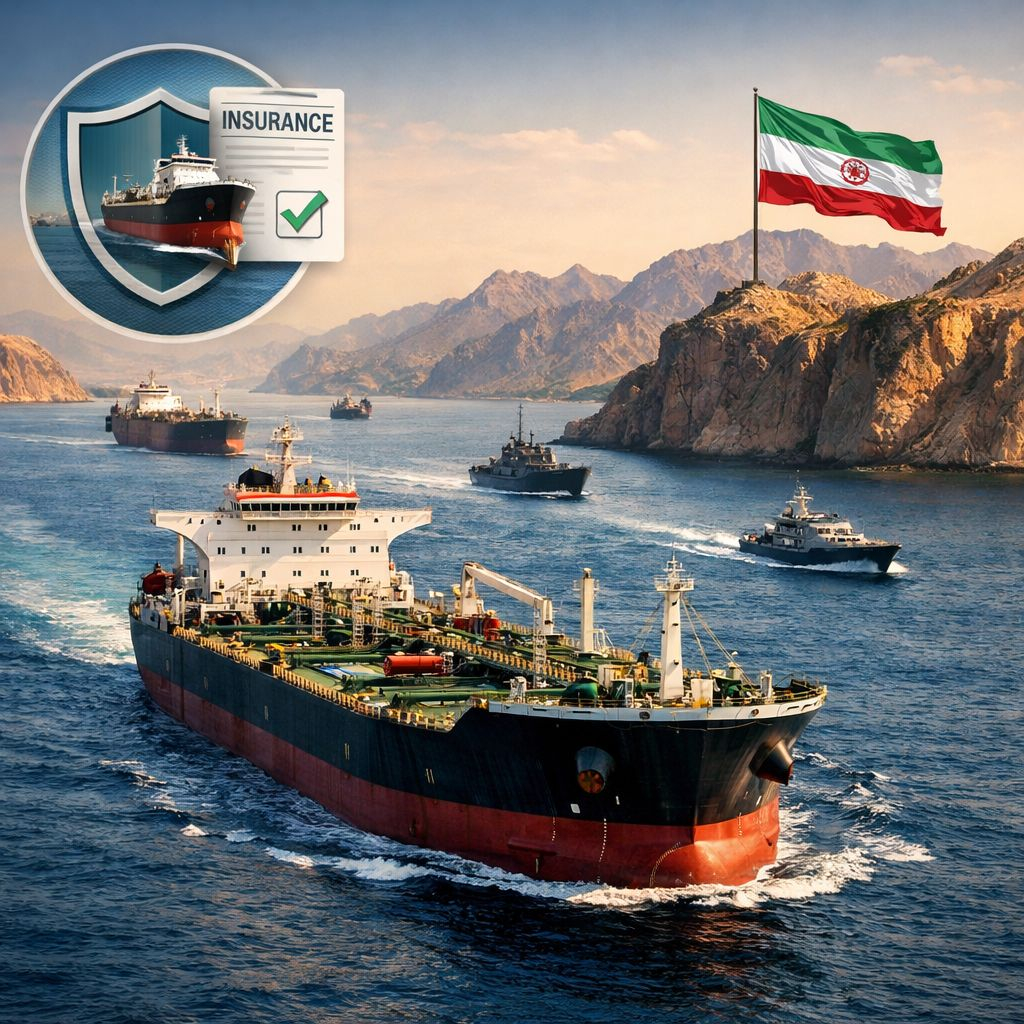
1
367

#iranmandateshormuzshipinsurance
Iran Mandates New Shipping Rules for Strait of Hormuz.
Tehran just completely upended maritime transit rules in the world's most critical energy chokepoint.
If you are tracking geopolitical risk or oil markets, pay close attention to this.
#iranmandateshormuzshipinsurance
Iran Mandates New Shipping Rules for Strait of Hormuz.
Tehran just completely upended maritime transit rules in the world's most critical energy chokepoint.
If you are tracking geopolitical risk or oil markets, pay close attention to this.
Iran Mandates New Shipping Rules for Strait of Hormuz.
Tehran just completely upended maritime transit rules in the world's most critical energy chokepoint.
If you are tracking geopolitical risk or oil markets, pay close attention to this.
1
17
228

·
--
Article
Why Has Iran Mandated Insurance Requirements for Ships Transiting the Strait of Hormuz?Iran's decision to require ships transiting the Strait of Hormuz to obtain approved insurance coverage marks a significant development for one of the world's most strategically important maritime routes. The Strait of Hormuz connects the Persian Gulf to global markets and serves as a vital corridor for oil, liquefied natural gas (LNG), and commercial trade. Roughly one-fifth of the world's oil supply typically passes through this narrow waterway, making any policy change in the region a matter of global concern.
According to recent reports, Iran's newly established Persian Gulf Strait Authority (PGSA) has introduced rules requiring vessels to comply with new transit procedures, including mandatory insurance arrangements and advance transit notifications. Iranian officials argue that the measures are designed to improve safety, manage maritime risks, and ensure orderly navigation in a region that has experienced military tensions, security threats, and disruptions to shipping traffic.$BTC
The move comes after months of instability in the Strait of Hormuz. Maritime authorities have cited concerns ranging from naval mines and security incidents to increased risks for commercial vessels. By requiring insurance coverage, Iran aims to create a framework that it says can provide compensation mechanisms and greater oversight of ships operating in the waterway. Reports indicate that the insurance requirement is currently being offered without fees during a temporary transition period, although charges could be introduced later.$BNB
For the global shipping industry, the new policy could increase operational costs and administrative burdens. Shipping companies may need to secure additional coverage, submit more documentation, and coordinate closely with Iranian authorities before transit. These requirements could lengthen voyage planning and increase compliance expenses, particularly for tanker operators and cargo carriers that frequently use the route.
Energy markets are also watching developments closely. Because the Strait of Hormuz is a critical export route for major oil-producing countries in the Gulf, any increase in shipping costs could ultimately be reflected in higher transportation expenses for crude oil and LNG shipments. Traders often react quickly to signs of disruption in the region, and uncertainty surrounding transit rules can contribute to price volatility in global energy markets.
Another concern is the potential impact on maritime insurance premiums. Even before the latest rules, insurers had raised war-risk premiums due to regional tensions. Additional insurance requirements or transit fees could further increase the cost of moving cargo through the strait, affecting both exporters and importers.$USDC
Despite these concerns, supporters of the policy argue that a structured insurance system could improve accountability and provide clearer procedures for vessels operating in a high-risk environment. If implemented transparently and efficiently, it could help restore confidence among shipping companies following recent disruptions.
Ultimately, Iran's insurance mandate reflects its effort to exert greater control over a critical maritime chokepoint. Whether the policy enhances stability or creates additional friction for global trade will depend on how it is implemented and how the international shipping community responds. Given the Strait of Hormuz's central role in global energy flows, the outcome could have far-reaching implications for shipping costs, oil prices, and international commerce.
#IranMandatesHormuzShipInsurance
{spot}(XRPUSDT)
{spot}(SOLUSDT)
{spot}(TRXUSDT)
Why Has Iran Mandated Insurance Requirements for Ships Transiting the Strait of Hormuz?
Iran's decision to require ships transiting the Strait of Hormuz to obtain approved insurance coverage marks a significant development for one of the world's most strategically important maritime routes. The Strait of Hormuz connects the Persian Gulf to global markets and serves as a vital corridor for oil, liquefied natural gas (LNG), and commercial trade. Roughly one-fifth of the world's oil supply typically passes through this narrow waterway, making any policy change in the region a matter of global concern.
According to recent reports, Iran's newly established Persian Gulf Strait Authority (PGSA) has introduced rules requiring vessels to comply with new transit procedures, including mandatory insurance arrangements and advance transit notifications. Iranian officials argue that the measures are designed to improve safety, manage maritime risks, and ensure orderly navigation in a region that has experienced military tensions, security threats, and disruptions to shipping traffic.$BTC
The move comes after months of instability in the Strait of Hormuz. Maritime authorities have cited concerns ranging from naval mines and security incidents to increased risks for commercial vessels. By requiring insurance coverage, Iran aims to create a framework that it says can provide compensation mechanisms and greater oversight of ships operating in the waterway. Reports indicate that the insurance requirement is currently being offered without fees during a temporary transition period, although charges could be introduced later.$BNB
For the global shipping industry, the new policy could increase operational costs and administrative burdens. Shipping companies may need to secure additional coverage, submit more documentation, and coordinate closely with Iranian authorities before transit. These requirements could lengthen voyage planning and increase compliance expenses, particularly for tanker operators and cargo carriers that frequently use the route.
Energy markets are also watching developments closely. Because the Strait of Hormuz is a critical export route for major oil-producing countries in the Gulf, any increase in shipping costs could ultimately be reflected in higher transportation expenses for crude oil and LNG shipments. Traders often react quickly to signs of disruption in the region, and uncertainty surrounding transit rules can contribute to price volatility in global energy markets.
Another concern is the potential impact on maritime insurance premiums. Even before the latest rules, insurers had raised war-risk premiums due to regional tensions. Additional insurance requirements or transit fees could further increase the cost of moving cargo through the strait, affecting both exporters and importers.$USDC
Despite these concerns, supporters of the policy argue that a structured insurance system could improve accountability and provide clearer procedures for vessels operating in a high-risk environment. If implemented transparently and efficiently, it could help restore confidence among shipping companies following recent disruptions.
Ultimately, Iran's insurance mandate reflects its effort to exert greater control over a critical maritime chokepoint. Whether the policy enhances stability or creates additional friction for global trade will depend on how it is implemented and how the international shipping community responds. Given the Strait of Hormuz's central role in global energy flows, the outcome could have far-reaching implications for shipping costs, oil prices, and international commerce.
#IranMandatesHormuzShipInsurance
According to recent reports, Iran's newly established Persian Gulf Strait Authority (PGSA) has introduced rules requiring vessels to comply with new transit procedures, including mandatory insurance arrangements and advance transit notifications. Iranian officials argue that the measures are designed to improve safety, manage maritime risks, and ensure orderly navigation in a region that has experienced military tensions, security threats, and disruptions to shipping traffic.$BTC
The move comes after months of instability in the Strait of Hormuz. Maritime authorities have cited concerns ranging from naval mines and security incidents to increased risks for commercial vessels. By requiring insurance coverage, Iran aims to create a framework that it says can provide compensation mechanisms and greater oversight of ships operating in the waterway. Reports indicate that the insurance requirement is currently being offered without fees during a temporary transition period, although charges could be introduced later.$BNB
For the global shipping industry, the new policy could increase operational costs and administrative burdens. Shipping companies may need to secure additional coverage, submit more documentation, and coordinate closely with Iranian authorities before transit. These requirements could lengthen voyage planning and increase compliance expenses, particularly for tanker operators and cargo carriers that frequently use the route.
Energy markets are also watching developments closely. Because the Strait of Hormuz is a critical export route for major oil-producing countries in the Gulf, any increase in shipping costs could ultimately be reflected in higher transportation expenses for crude oil and LNG shipments. Traders often react quickly to signs of disruption in the region, and uncertainty surrounding transit rules can contribute to price volatility in global energy markets.
Another concern is the potential impact on maritime insurance premiums. Even before the latest rules, insurers had raised war-risk premiums due to regional tensions. Additional insurance requirements or transit fees could further increase the cost of moving cargo through the strait, affecting both exporters and importers.$USDC
Despite these concerns, supporters of the policy argue that a structured insurance system could improve accountability and provide clearer procedures for vessels operating in a high-risk environment. If implemented transparently and efficiently, it could help restore confidence among shipping companies following recent disruptions.
Ultimately, Iran's insurance mandate reflects its effort to exert greater control over a critical maritime chokepoint. Whether the policy enhances stability or creates additional friction for global trade will depend on how it is implemented and how the international shipping community responds. Given the Strait of Hormuz's central role in global energy flows, the outcome could have far-reaching implications for shipping costs, oil prices, and international commerce.
#IranMandatesHormuzShipInsurance
90
Log in to explore more content
Join global crypto users on Binance Square
⚡️ Get latest and useful information about crypto.
💬 Trusted by the world’s largest crypto exchange.
👍 Discover real insights from verified creators.
Email / Phone number
Trending Topics
1
#AIStocksWhatNext
898,610 views
6,692 Discussing
2
#BitcoinRejectedAt$87,300Twice
0 views
0 Discussing
3
#BCHJumps28%OnCMEFuturesListing
12,688 views
552 Discussing
4
#WallStreetEarningsRevisionsTurnBearish
9,228 views
403 Discussing
5
#DollarIndexReclaims101
7,473 views
348 Discussing
6
#21SharesLaunchesEuropesFirstZcashETP
43,281 views
1,135 Discussing
7
#CardanoJoinsX402PaymentStandard
27,020 views
801 Discussing
8
#BitcoinTops$87KAtEightMonthHigh
12,771 views
134 Discussing
9
#ZECBreaksAbove$1600AtRecordHigh
8,982 views
108 Discussing
10
#BitwiseNEARStakingETPAssetsTop$100M
42,897 views
108 Discussing