
#futurescopytrading
futurescopytrading
2,995 views
198 Discussing
Hot
Latest

📺 Lead Traders: Win from 15,000 USDT Prize Pool!
Binance Square is calling all Lead Traders:
Timeline:
Register: Aug 27 - Sep 3, 2026
Challenge: Sep 7 - Sep 21, 2026
Requirements: 50+ copiers, 7 days active, positive Copier PnL
Top 1 Prize: Up to 2,500 USDT
Go live on Square, grow your community, and get paid for it.
Are you joining as a Lead Trader or Copier? 👀
#FuturesCopyTrading #BinanceSquare #TradingCompetition
Binance Square is calling all Lead Traders:
Timeline:
Register: Aug 27 - Sep 3, 2026
Challenge: Sep 7 - Sep 21, 2026
Requirements: 50+ copiers, 7 days active, positive Copier PnL
Top 1 Prize: Up to 2,500 USDT
Go live on Square, grow your community, and get paid for it.
Are you joining as a Lead Trader or Copier? 👀
#FuturesCopyTrading #BinanceSquare #TradingCompetition



A Lead Trader's historical ROI reflects what already happened, not what will happen next.
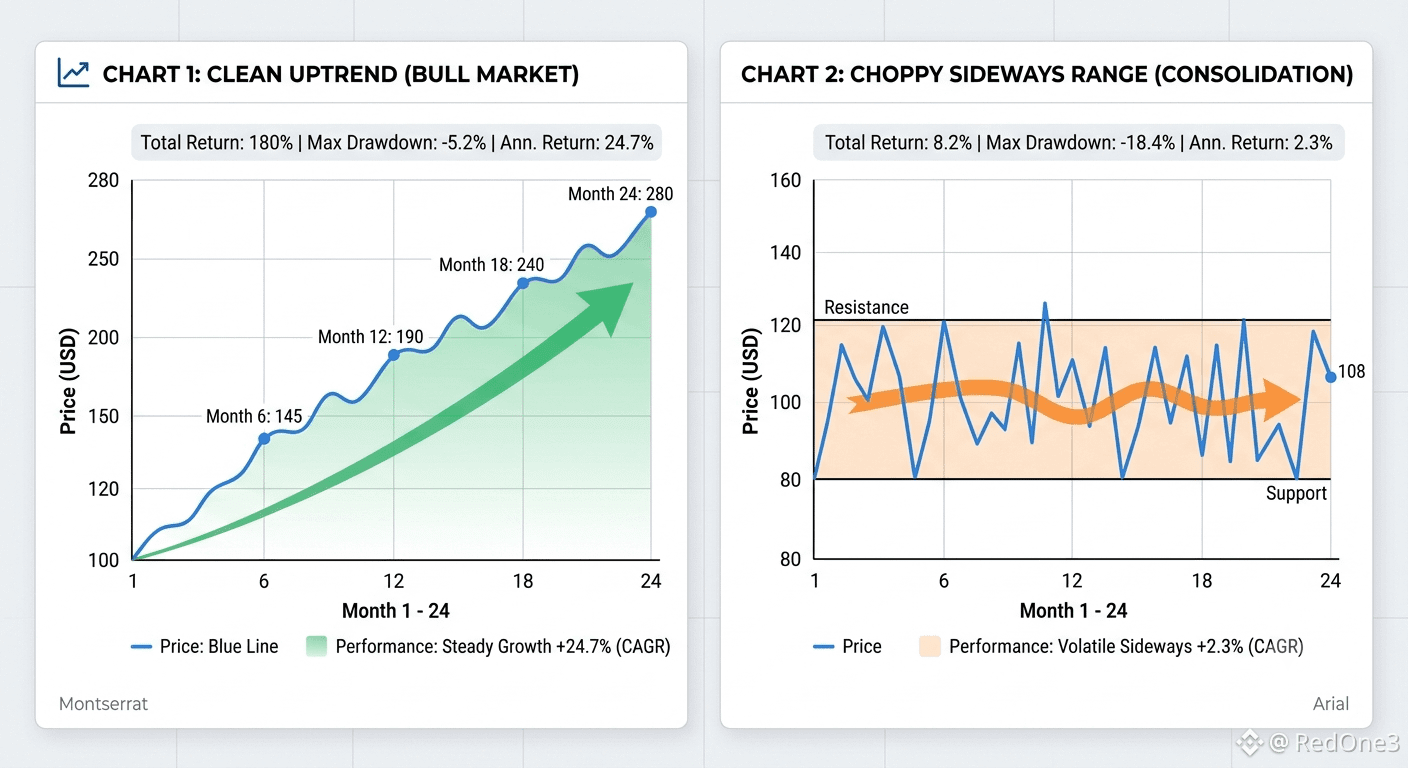
Market conditions change, and a strategy that worked well in a trending market may struggle in a choppy one.
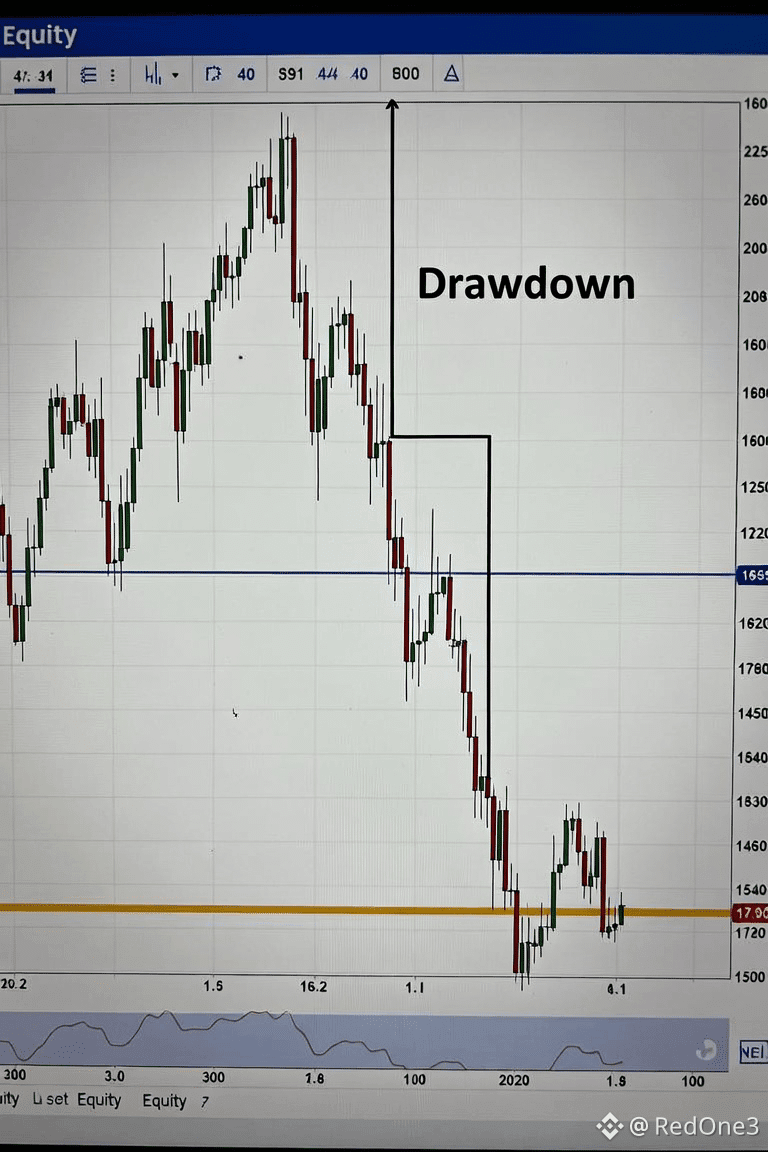
Check drawdown history carefully - it shows how much you could lose before any recovery, which matters more than headline returns.
#FuturesCopyTrading #DYOR .
Market conditions change, and a strategy that worked well in a trending market may struggle in a choppy one.
Check drawdown history carefully - it shows how much you could lose before any recovery, which matters more than headline returns.
#FuturesCopyTrading #DYOR .
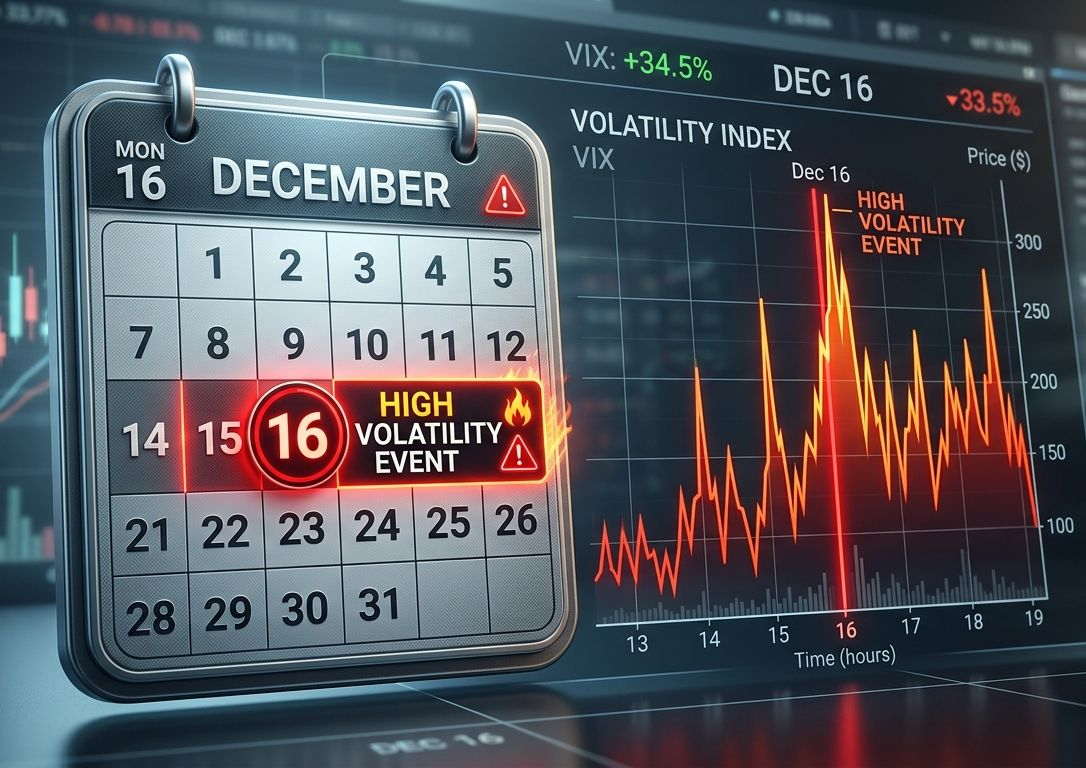
Copy Trading During High-Volatility Events
Around major economic data releases or sudden news, futures markets can move sharply, and a Lead Trader's positions may see fast, large swings.
Being aware of upcoming high-volatility windows helps set expectations for what a rough day in a copied account might look like.
#FuturesCopyTrading #DYOR .
Around major economic data releases or sudden news, futures markets can move sharply, and a Lead Trader's positions may see fast, large swings.
Being aware of upcoming high-volatility windows helps set expectations for what a rough day in a copied account might look like.
#FuturesCopyTrading #DYOR .
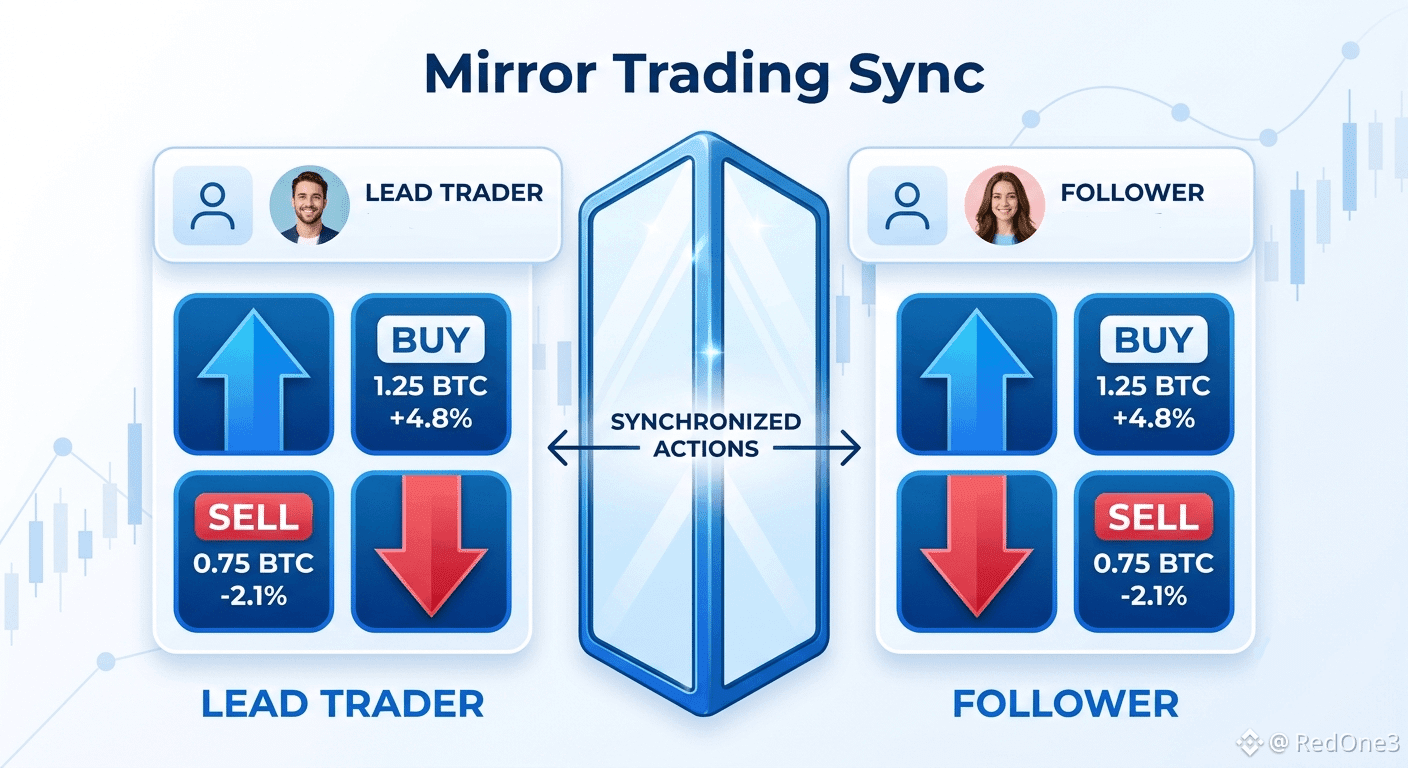
Copy Trading lets you automatically mirror a Lead Trader's futures positions without placing trades yourself. Steps: go to Trade > Copy Trading > Futures, filter portfolios by ROI, Max Drawdown, and Sharpe Ratio, then choose Fixed Amount or Fixed Ratio to set your stake. Once set, every entry, exit, stop-loss, and take-profit the lead trader makes mirrors onto your account in real time. Past performance is not a guarantee — check drawdown history, not just ROI, before you commit funds.
#FuturesCopyTrading
#DYOR
#FuturesCopyTrading
#DYOR
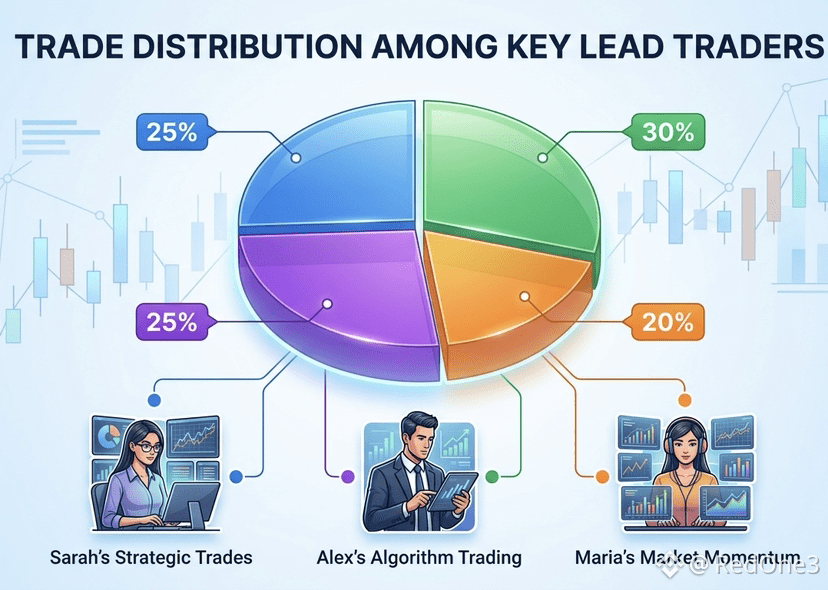
Following a single Lead Trader concentrates your results around one person's strategy and risk tolerance.
Spreading allocation across several Lead Traders with different strategies (trend-following, range-trading, etc.) can smooth out the impact of any one trader's rough patch, similar to diversification in any portfolio.
#FuturesCopyTrading #DYOR .
Spreading allocation across several Lead Traders with different strategies (trend-following, range-trading, etc.) can smooth out the impact of any one trader's rough patch, similar to diversification in any portfolio.
#FuturesCopyTrading #DYOR .
Үоu Іnhеrіt thе Тrаԁеr'ѕ Rіѕk, Nоt Јuѕt Тhеіr Gаіnѕ
Copying a Lead Trader means mirroring their losses as precisely as their wins.
If they use high leverage or concentrated positions, your mirrored account reflects that same risk profile at whatever stake you set.
Review a trader's typical 𝐥𝐞𝐯𝐞𝐫𝐚𝐠𝐞 and position sizing, not just their profit numbers.
#FuturesCopyTrading
#DYOR .
Copying a Lead Trader means mirroring their losses as precisely as their wins.
If they use high leverage or concentrated positions, your mirrored account reflects that same risk profile at whatever stake you set.
Review a trader's typical 𝐥𝐞𝐯𝐞𝐫𝐚𝐠𝐞 and position sizing, not just their profit numbers.
#FuturesCopyTrading
#DYOR .
Why ROI Alone Isn't Enough 🤔🤔
A high ROI can come from a few lucky trades or from consistently sound risk management - the number alone doesn't tell you which. Pairing ROI with Max Drawdown and Sharpe Ratio gives a fuller picture of how a Lead Trader performs across different market conditions, not just their best moments.
#FuturesCopyTrading #DYOR
A high ROI can come from a few lucky trades or from consistently sound risk management - the number alone doesn't tell you which. Pairing ROI with Max Drawdown and Sharpe Ratio gives a fuller picture of how a Lead Trader performs across different market conditions, not just their best moments.
#FuturesCopyTrading #DYOR
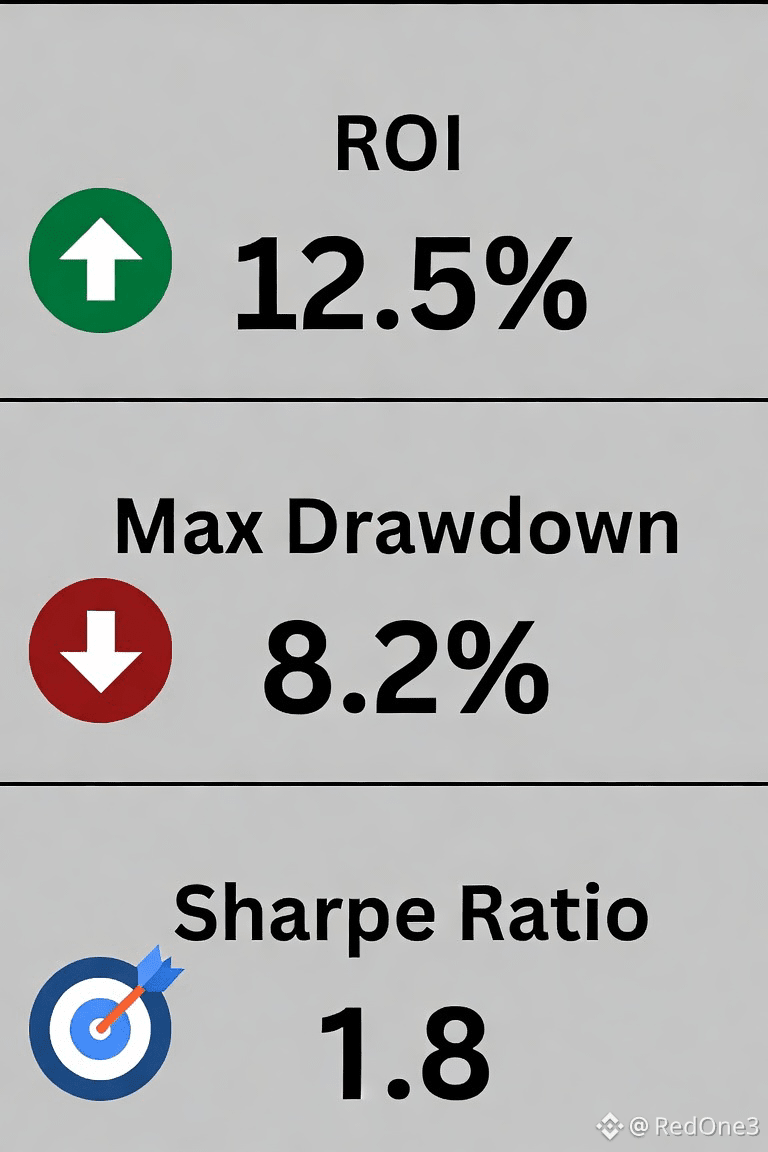
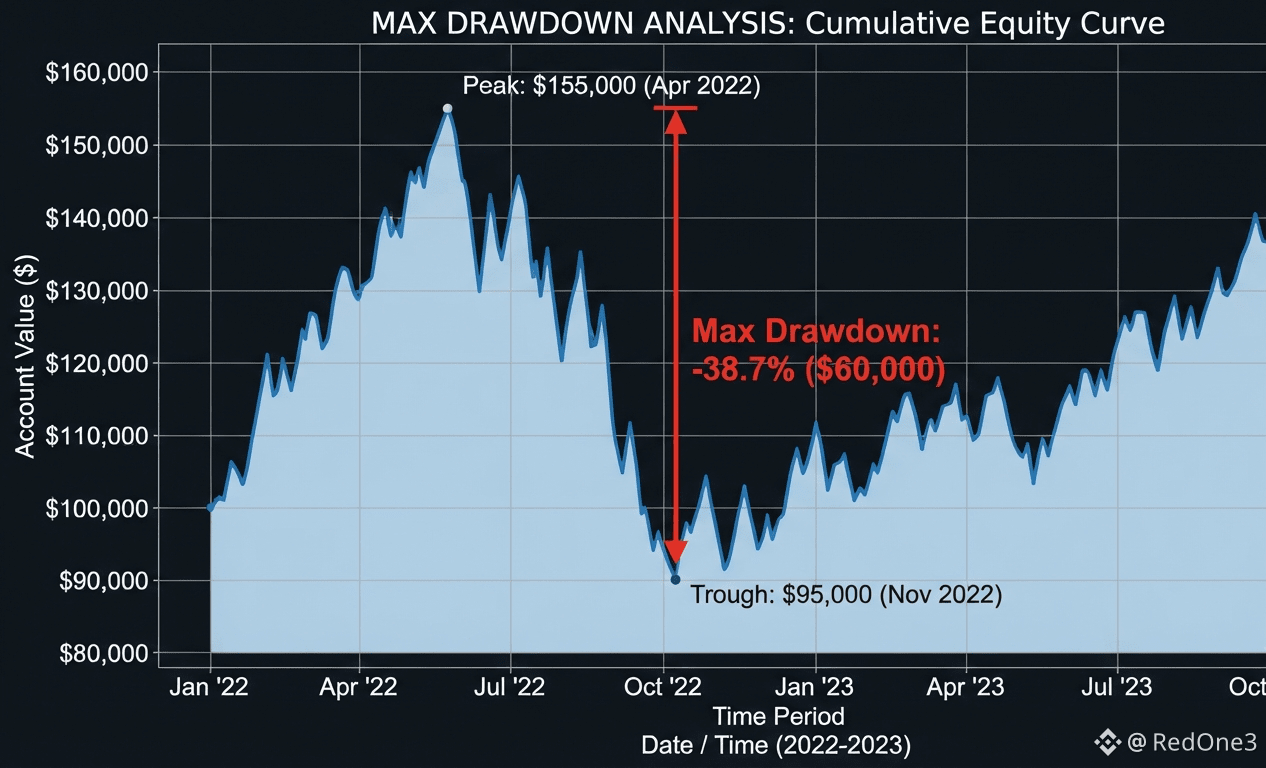
Max Drawdown is the largest peak-to-trough decline in a Lead Trader's account history.
It tells you the worst-case dip an existing copier experienced at some point - useful context for deciding whether you're comfortable with a similar dip happening to your own copied stake.
#FuturesCopyTrading #DYOR .
It tells you the worst-case dip an existing copier experienced at some point - useful context for deciding whether you're comfortable with a similar dip happening to your own copied stake.
#FuturesCopyTrading #DYOR .
How to Filter Lead Traders 🤔
Binance lets you filter Copy Trading portfolios by metrics like ROI, Max Drawdown, Sharpe Ratio, and AUM (assets under management).
Sorting by Max Drawdown ascending, rather than ROI descending, surfaces traders who may have delivered steadier, lower-volatility results even if their headline return looks smaller.
#FuturesCopyTrading #DYOR .
Binance lets you filter Copy Trading portfolios by metrics like ROI, Max Drawdown, Sharpe Ratio, and AUM (assets under management).
Sorting by Max Drawdown ascending, rather than ROI descending, surfaces traders who may have delivered steadier, lower-volatility results even if their headline return looks smaller.
#FuturesCopyTrading #DYOR .
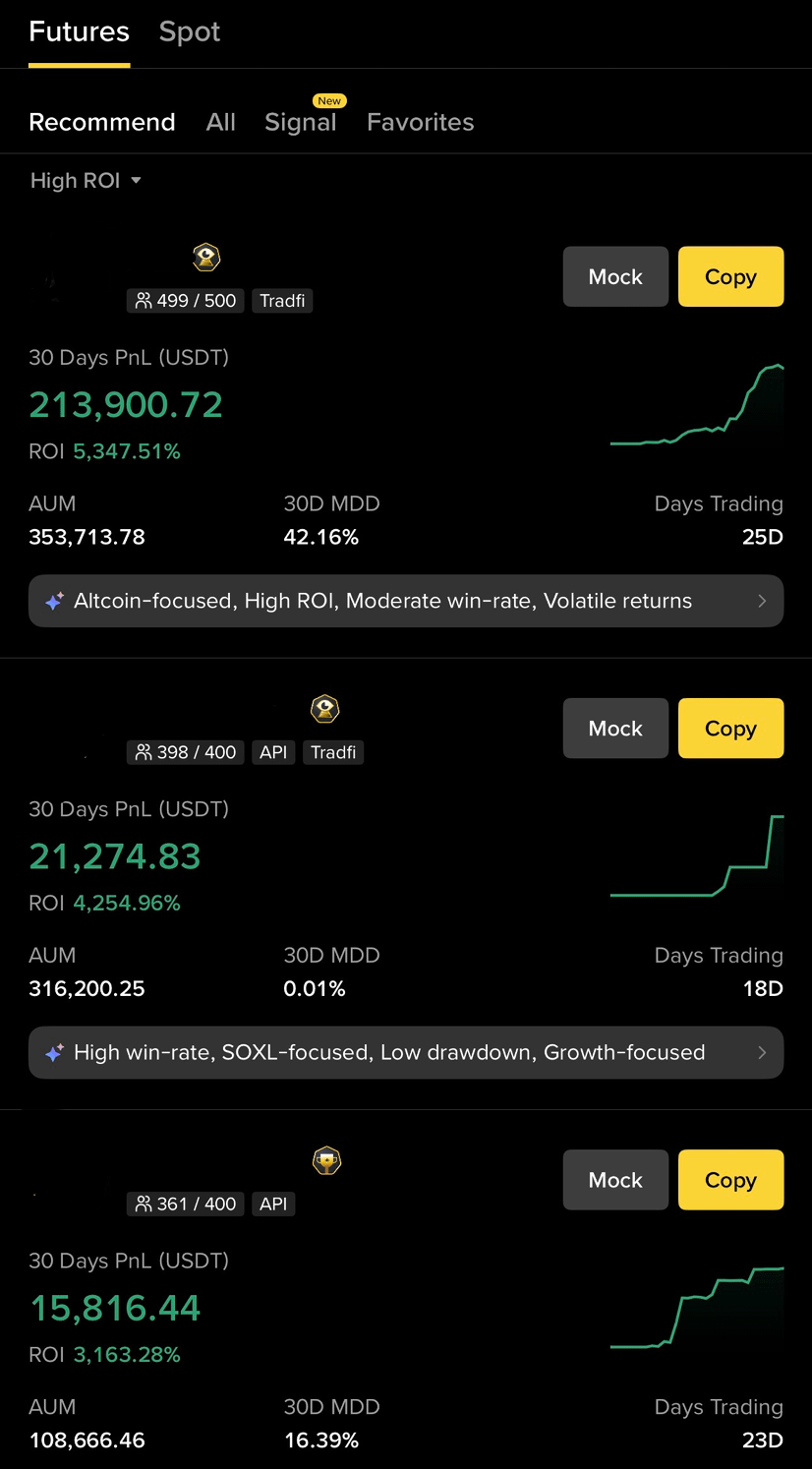

Imagine a user named Ali who understands that futures trading is risky but does not yet have a clear strategy of his own. Instead of opening positions manually, he explores Binance Futures Copy Trading and reviews several lead-trader portfolios.
He does not immediately select the trader showing the highest recent return. He first examines the trader’s performance history, profit and loss, return on investment, maximum drawdown, trading frequency, and overall risk-taking style. After choosing a portfolio, he decides how much capital to allocate and reviews the available copy-trading settings.
When the selected lead trader opens or closes an eligible futures position, the system attempts to copy that action automatically according to Ali’s settings and available balance.
However, Ali’s result may not be exactly the same as the lead trader’s result. Entry prices, rapid market movements, slippage, trading fees, available margin, and order limits can create differences between the original and copied positions.
This example shows the main convenience of Futures Copy Trading: it can automate the execution of another trader’s strategy. But it does not remove responsibility or reduce futures trading to a guaranteed formula.
If the lead trader uses high leverage, enters a poor position, or experiences a large drawdown, the follower may also lose money. A strong historical record provides useful information, but it cannot predict future performance.
A responsible user should compare multiple portfolios, understand every copy setting, allocate only an amount they can afford to risk, and continue monitoring positions after copying begins.
Explore Futures Copy Trading to understand how different traders approach the market, but always study their risk management before following any strategy.
This content is for educational purposes only and does not constitute financial advice.
$AKE $1000XEC $ZEC
#FuturesCopyTrading #BinanceSquare #RiskEducation
He does not immediately select the trader showing the highest recent return. He first examines the trader’s performance history, profit and loss, return on investment, maximum drawdown, trading frequency, and overall risk-taking style. After choosing a portfolio, he decides how much capital to allocate and reviews the available copy-trading settings.
When the selected lead trader opens or closes an eligible futures position, the system attempts to copy that action automatically according to Ali’s settings and available balance.
However, Ali’s result may not be exactly the same as the lead trader’s result. Entry prices, rapid market movements, slippage, trading fees, available margin, and order limits can create differences between the original and copied positions.
This example shows the main convenience of Futures Copy Trading: it can automate the execution of another trader’s strategy. But it does not remove responsibility or reduce futures trading to a guaranteed formula.
If the lead trader uses high leverage, enters a poor position, or experiences a large drawdown, the follower may also lose money. A strong historical record provides useful information, but it cannot predict future performance.
A responsible user should compare multiple portfolios, understand every copy setting, allocate only an amount they can afford to risk, and continue monitoring positions after copying begins.
Explore Futures Copy Trading to understand how different traders approach the market, but always study their risk management before following any strategy.
This content is for educational purposes only and does not constitute financial advice.
$AKE $1000XEC $ZEC
#FuturesCopyTrading #BinanceSquare #RiskEducation
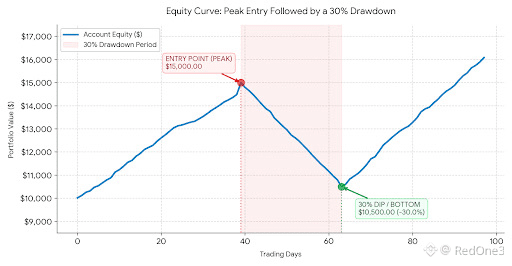
Following a Lead Trader Through a Drawdown
Suppose a Lead Trader has a strong ROI but a recent 30% drawdown period baked into their history.
A copier who joined at the peak before that drawdown would have experienced the full decline in their own account, even though the trader's long-term numbers still look good on paper.
#FuturesCopyTrading #DYOR .
Suppose a Lead Trader has a strong ROI but a recent 30% drawdown period baked into their history.
A copier who joined at the peak before that drawdown would have experienced the full decline in their own account, even though the trader's long-term numbers still look good on paper.
#FuturesCopyTrading #DYOR .
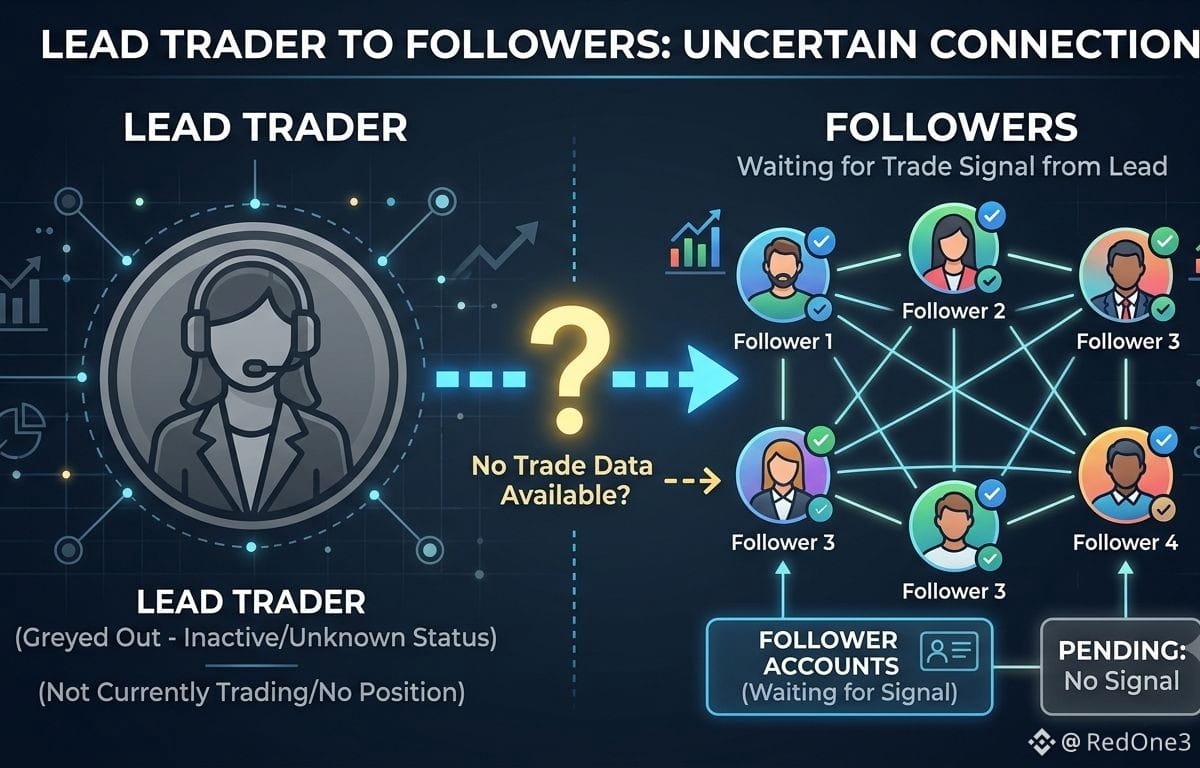
What Happens If a Lead Trader Stops Trading 🤔
If a Lead Trader closes their account or pauses activity, your copied positions don't automatically get a new strategy behind them. Understand the platform's rules for what happens to open mirrored positions in that scenario before you commit significant capital to a single Lead Trader.
#FuturesCopyTrading #DYOR .
If a Lead Trader closes their account or pauses activity, your copied positions don't automatically get a new strategy behind them. Understand the platform's rules for what happens to open mirrored positions in that scenario before you commit significant capital to a single Lead Trader.
#FuturesCopyTrading #DYOR .
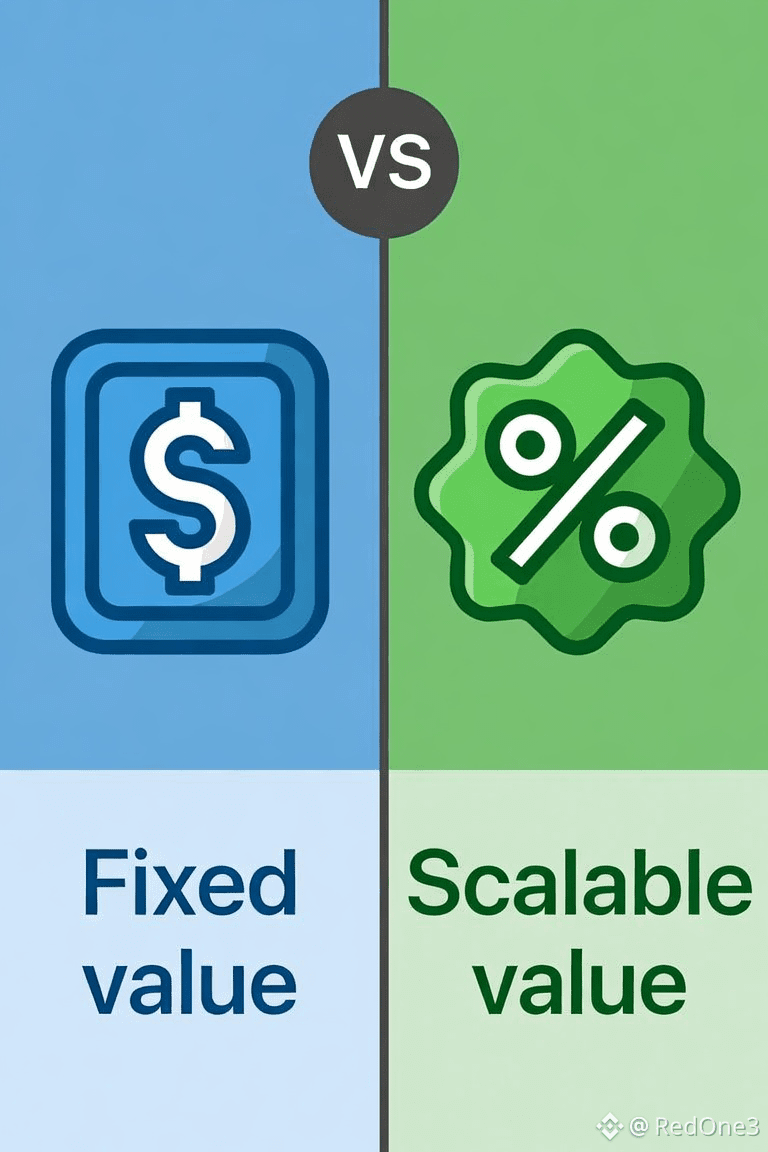
Fixed Amount vs Fixed Ratio
Fixed Amount copies trades using a set dollar amount regardless of your account size, giving predictable position sizing.
Fixed Ratio scales trades proportionally to your account, keeping your exposure aligned with the Lead Trader's own position sizing relative to their account. Choose based on whether you want fixed risk per trade or proportional exposure.
#FuturesCopyTrading #DYOR .
Fixed Amount copies trades using a set dollar amount regardless of your account size, giving predictable position sizing.
Fixed Ratio scales trades proportionally to your account, keeping your exposure aligned with the Lead Trader's own position sizing relative to their account. Choose based on whether you want fixed risk per trade or proportional exposure.
#FuturesCopyTrading #DYOR .
A Lead Trader whose strategy relies on trend-following may show strong results in trending markets but underperform in sideways, choppy conditions.
Understanding the current market regime - and whether it matches the conditions that produced a trader's best historical results - is part of evaluating any Lead Trader.
#FuturesCopyTrading #DYOR .
Understanding the current market regime - and whether it matches the conditions that produced a trader's best historical results - is part of evaluating any Lead Trader.
#FuturesCopyTrading #DYOR .
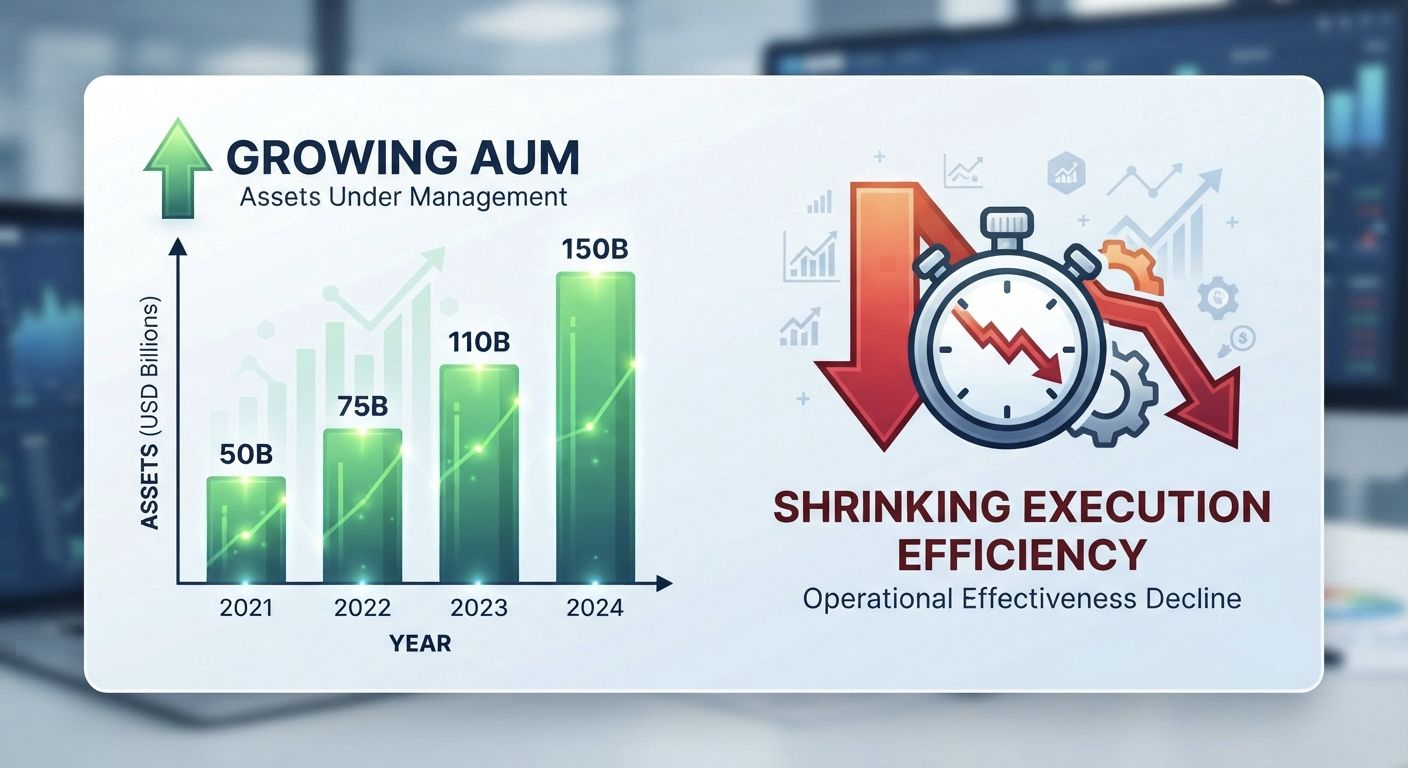
A Lead Trader managing a large amount of copied capital (AUM) may face slippage or capacity constraints executing the same strategy at scale that they didn't face when their AUM was smaller. Rapid AUM growth is worth watching as a factor that could affect future performance versus past results.
#FuturesCopyTrading #DYOR .
#FuturesCopyTrading #DYOR .
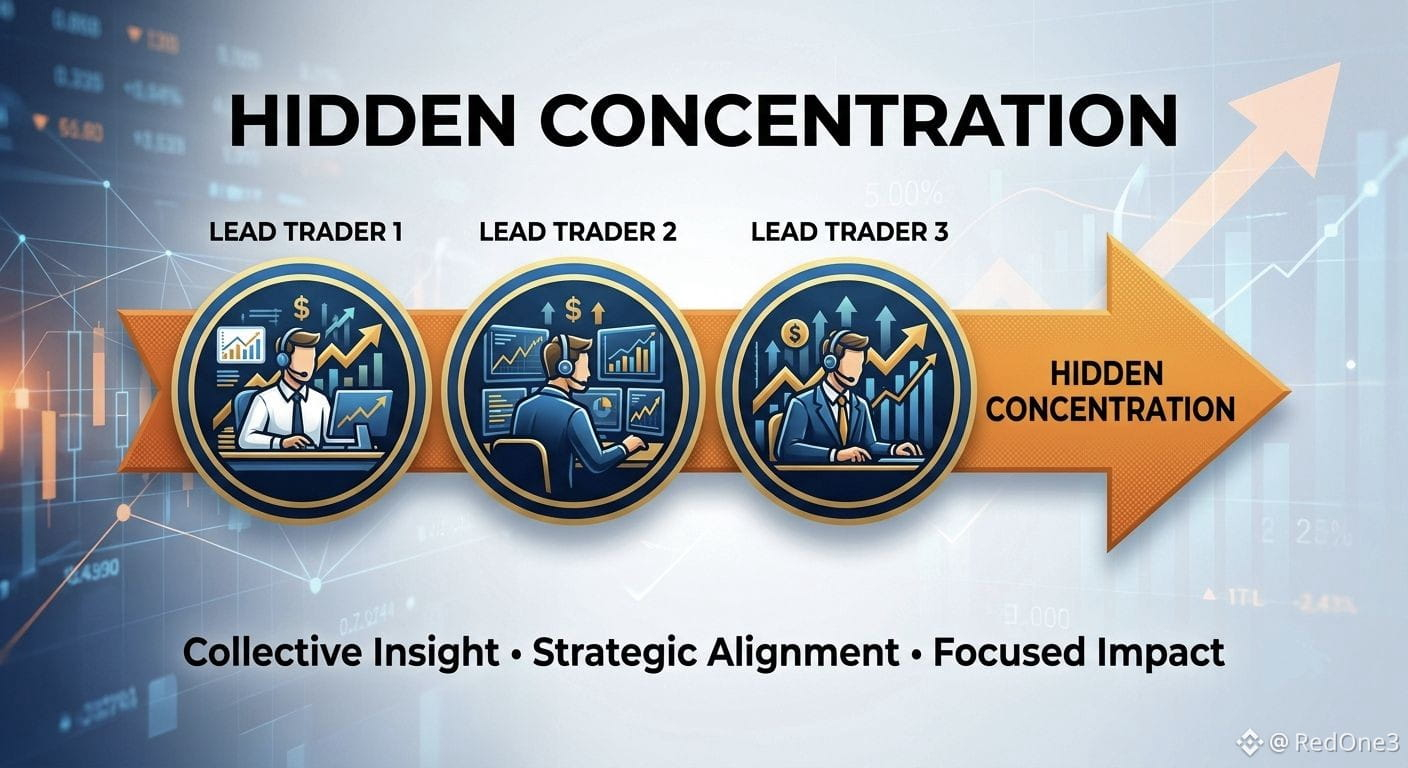
Diversify Your Risk, Not Just Your Traders
Even when following multiple Lead Traders, if they all trade the same asset in the same direction, your risk isn't actually diversified - it's concentrated in one market view held by several people.
Check for overlap in what traders are actually holding, not just how many you follow.
#FuturesCopyTrading #DYOR .
Even when following multiple Lead Traders, if they all trade the same asset in the same direction, your risk isn't actually diversified - it's concentrated in one market view held by several people.
Check for overlap in what traders are actually holding, not just how many you follow.
#FuturesCopyTrading #DYOR .
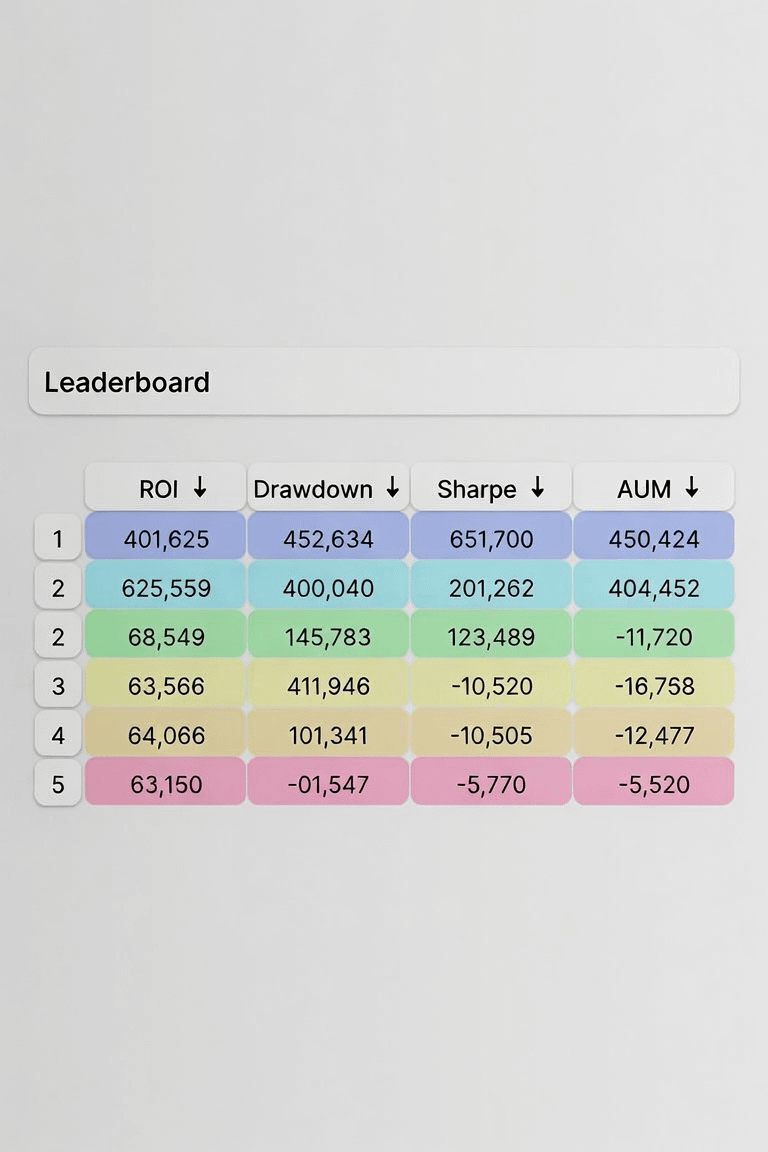
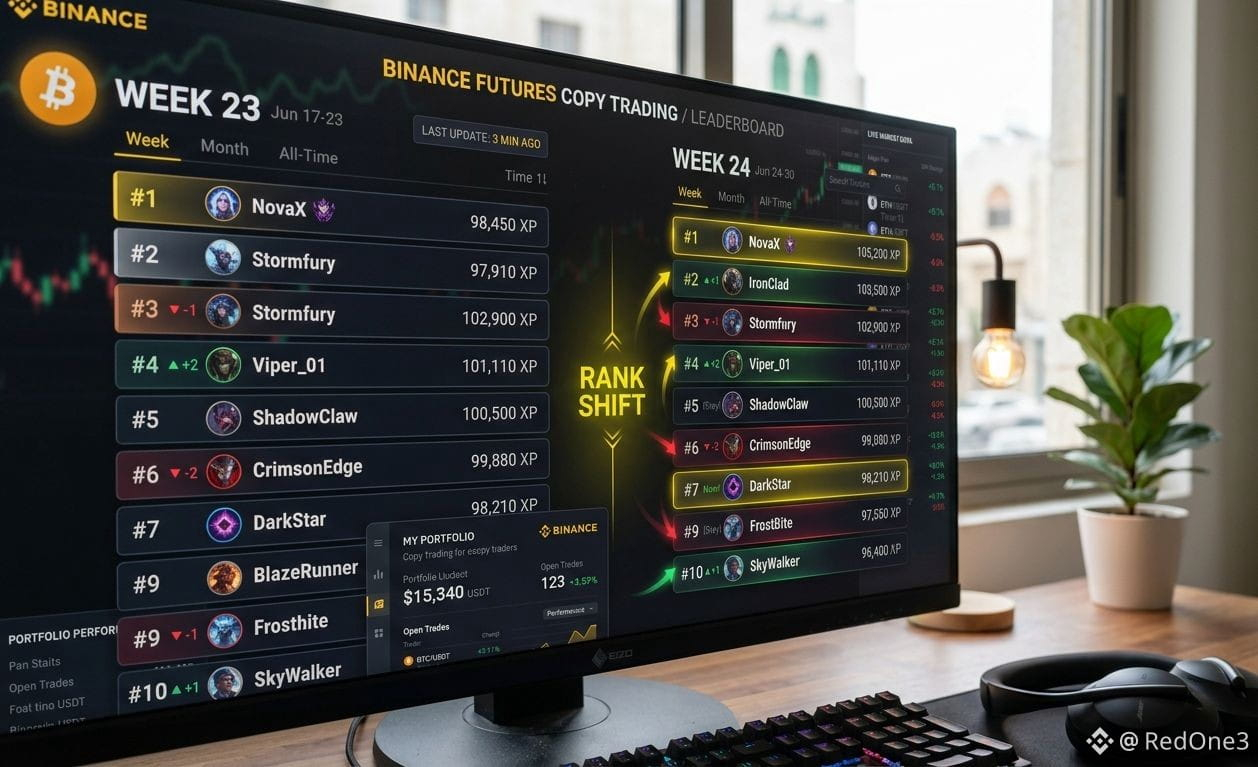
Lead Trader leaderboards change as market conditions shift - a trader ranked highly during a strong trend may drop in ranking during a choppy period, and vice versa.
Rankings are a snapshot, not a fixed hierarchy, so periodic re-checking matters if you're following based on leaderboard position.
#FuturesCopyTrading #DYOR .
Rankings are a snapshot, not a fixed hierarchy, so periodic re-checking matters if you're following based on leaderboard position.
#FuturesCopyTrading #DYOR .
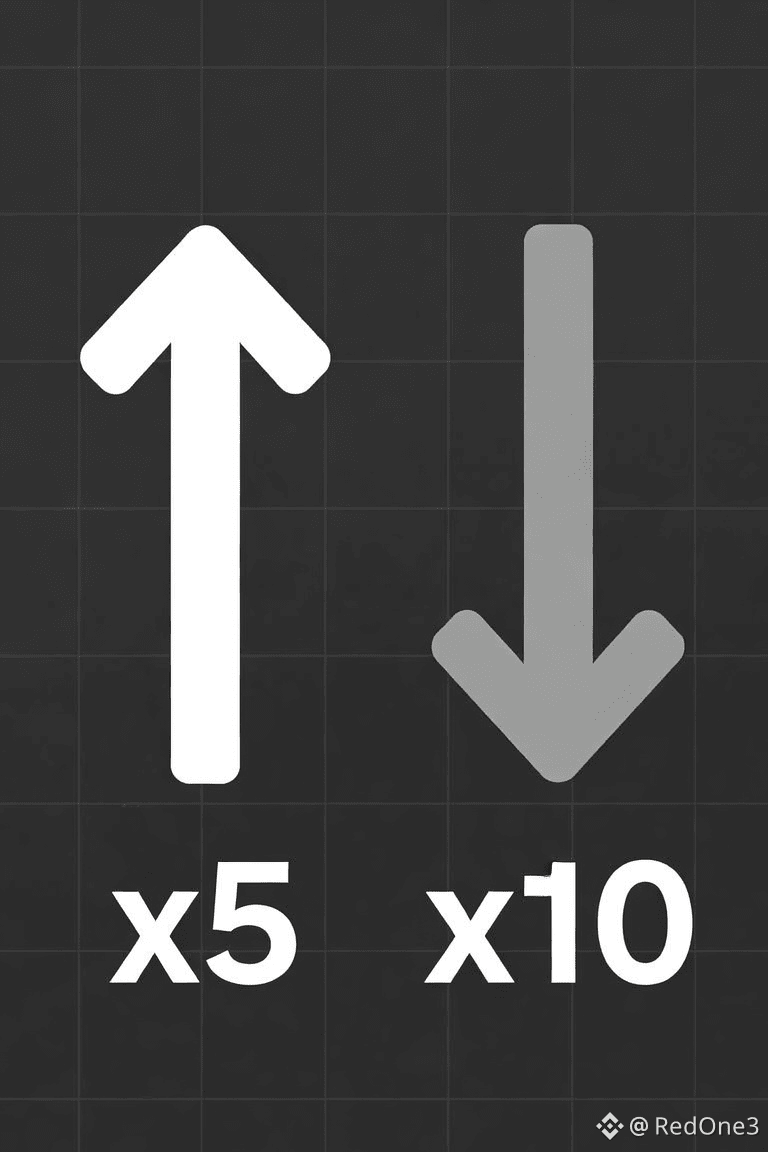
If a Lead Trader uses meaningful leverage on futures positions, both gains and losses are amplified in the mirrored account. Check a trader's typical leverage usage, not just their ROI, since the same percentage move in the underlying asset produces a much larger swing in a leveraged position.
#FuturesCopyTrading #DYOR .
#FuturesCopyTrading #DYOR .
Log in to explore more content