
#eyesonbtc
eyesonbtc
8.7M views
2,586 Discussing
Bitcoin dominates the market today as it climbs to $96K! How does BTC’s performance influence your market strategy? Share your thoughts and join the conversation!
Hot
Latest


·
--
Article
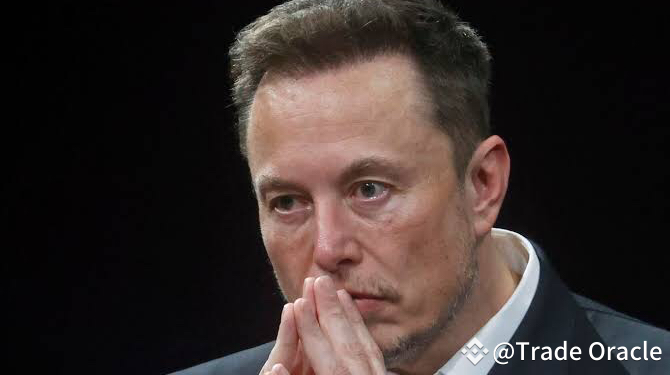
🚨Elon Musk Alerts U.S. on Looming Bankruptcy Crisis Without Dogecoin-Based Financial Solution 💥🚨🔶 Elon Musk, the billionaire entrepreneur behind Tesla, SpaceX, and Twitter, has once again sparked headlines with his bold commentary on the state of the U.S. economy. Speaking to a gathering of financial analysts and tech innovators, Musk issued a stark warning: the United States is heading toward a potential bankruptcy "super fast," and the solution may lie in a financial overhaul inspired by the principles behind Dogecoin.
Musk’s remarks reflect a growing concern over the U.S. debt crisis and its unsustainable trajectory. The country’s national debt has soared past $33 trillion, and with rising interest rates and ongoing fiscal deficits, Musk fears that the current system is reaching its breaking point. In his view, traditional economic strategies are no longer sufficient to address the mounting financial pressure, and he suggests an unconventional solution based on the digital currency Dogecoin.
🔶 The Debt Crisis: A Ticking Time Bomb
The U.S. has been grappling with a ballooning national debt for decades, with spending outpacing revenues and a lack of political will to implement significant fiscal reforms. The recent COVID-19 pandemic accelerated this trend, pushing the country into even deeper financial instability. Now, with interest payments on the national debt exceeding $600 billion annually, Musk believes that the U.S. government is headed toward insolvency if drastic changes aren’t made.
Musk’s comments come at a time when many economists and political leaders are warning of a potential fiscal catastrophe. While the situation has been years in the making, Musk’s dire prediction — that bankruptcy could arrive "super fast" — has drawn attention due to his track record of unconventional thinking and his influence in both the tech and finance worlds.
🔶 A Symbol of Financial Innovation?
So, why Dogecoin? Known as a meme cryptocurrency that was initially created as a joke, Dogecoin has evolved into a digital asset with a sizable market capitalization and a passionate following. Musk, a vocal supporter of the cryptocurrency, has frequently praised Dogecoin for its efficiency and ease of use. He has even referred to Dogecoin as “the people's crypto,” signaling his belief in its potential to challenge traditional financial systems.
In a recent interview, Musk explained that Dogecoin’s simple, decentralized structure could provide a model for reinventing the U.S. financial system. “If the U.S. economy were to adopt a financial framework similar to Dogecoin, with a fixed, predictable supply and minimal inflation, we could fix many of the problems plaguing the dollar today,” Musk suggested.
The essence of Dogecoin’s appeal lies in its low transaction fees, fast confirmation times, and its focus on being accessible to everyday people. Musk envisions a digital currency-based system that could streamline government payments, reduce reliance on centralized banking institutions, and ultimately stabilize the economy by controlling inflation in a way that fiat currencies struggle to do.
🔶 A Bold Idea for a Broken System
Musk’s suggestion might seem outlandish to some, but it’s rooted in a broader conversation about the potential of digital currencies to reshape global finance. Central bank digital currencies (CBDCs) have already been explored by several countries, including China and the European Union, as a way to modernize national currencies and reduce dependence on traditional financial institutions.
However, Musk’s vision goes a step further by emphasizing the decentralized nature of Dogecoin. Unlike central bank digital currencies, which are controlled by government entities, Dogecoin operates on a peer-to-peer network with no central authority overseeing it. Musk’s idea is that a more open and transparent system, based on principles of decentralization and innovation, could be the key to solving the U.S.’s fiscal problems.
🔶 Can Dogecoin Save the U.S. Economy?
The question of whether Dogecoin or any digital currency can truly "save" the U.S. economy is still up for debate. Critics argue that the volatility and speculative nature of cryptocurrencies make them ill-suited to replacing traditional fiat currencies. Furthermore, transitioning to a digital currency-based economy would require massive infrastructure changes, not to mention overcoming political and regulatory hurdles.
However, Musk’s call for a financial reset taps into a larger conversation about the limitations of current economic systems. The U.S. faces significant challenges, from rising national debt to income inequality and stagnating wage growth. While Musk’s proposal may be provocative, it underscores a broader concern: that the U.S. must embrace bold and innovative solutions to avoid economic collapse.
In the end, Musk’s warning about U.S. bankruptcy may be a catalyst for much-needed discussions on fiscal reform. Whether Dogecoin itself becomes part of the solution is uncertain, but Musk’s ideas are fueling a new wave of thinking about the future of money and the economy. As the U.S. struggles with its financial challenges, it’s clear that, for Musk, the time for change is now — and the fix may just lie in the unexpected world of cryptocurrency.#ElonMuskUpdates #BTCBreaks100K? #EyesOnBTC
🚨Elon Musk Alerts U.S. on Looming Bankruptcy Crisis Without Dogecoin-Based Financial Solution 💥🚨
🔶 Elon Musk, the billionaire entrepreneur behind Tesla, SpaceX, and Twitter, has once again sparked headlines with his bold commentary on the state of the U.S. economy. Speaking to a gathering of financial analysts and tech innovators, Musk issued a stark warning: the United States is heading toward a potential bankruptcy "super fast," and the solution may lie in a financial overhaul inspired by the principles behind Dogecoin.
Musk’s remarks reflect a growing concern over the U.S. debt crisis and its unsustainable trajectory. The country’s national debt has soared past $33 trillion, and with rising interest rates and ongoing fiscal deficits, Musk fears that the current system is reaching its breaking point. In his view, traditional economic strategies are no longer sufficient to address the mounting financial pressure, and he suggests an unconventional solution based on the digital currency Dogecoin.
🔶 The Debt Crisis: A Ticking Time Bomb
The U.S. has been grappling with a ballooning national debt for decades, with spending outpacing revenues and a lack of political will to implement significant fiscal reforms. The recent COVID-19 pandemic accelerated this trend, pushing the country into even deeper financial instability. Now, with interest payments on the national debt exceeding $600 billion annually, Musk believes that the U.S. government is headed toward insolvency if drastic changes aren’t made.
Musk’s comments come at a time when many economists and political leaders are warning of a potential fiscal catastrophe. While the situation has been years in the making, Musk’s dire prediction — that bankruptcy could arrive "super fast" — has drawn attention due to his track record of unconventional thinking and his influence in both the tech and finance worlds.
🔶 A Symbol of Financial Innovation?
So, why Dogecoin? Known as a meme cryptocurrency that was initially created as a joke, Dogecoin has evolved into a digital asset with a sizable market capitalization and a passionate following. Musk, a vocal supporter of the cryptocurrency, has frequently praised Dogecoin for its efficiency and ease of use. He has even referred to Dogecoin as “the people's crypto,” signaling his belief in its potential to challenge traditional financial systems.
In a recent interview, Musk explained that Dogecoin’s simple, decentralized structure could provide a model for reinventing the U.S. financial system. “If the U.S. economy were to adopt a financial framework similar to Dogecoin, with a fixed, predictable supply and minimal inflation, we could fix many of the problems plaguing the dollar today,” Musk suggested.
The essence of Dogecoin’s appeal lies in its low transaction fees, fast confirmation times, and its focus on being accessible to everyday people. Musk envisions a digital currency-based system that could streamline government payments, reduce reliance on centralized banking institutions, and ultimately stabilize the economy by controlling inflation in a way that fiat currencies struggle to do.
🔶 A Bold Idea for a Broken System
Musk’s suggestion might seem outlandish to some, but it’s rooted in a broader conversation about the potential of digital currencies to reshape global finance. Central bank digital currencies (CBDCs) have already been explored by several countries, including China and the European Union, as a way to modernize national currencies and reduce dependence on traditional financial institutions.
However, Musk’s vision goes a step further by emphasizing the decentralized nature of Dogecoin. Unlike central bank digital currencies, which are controlled by government entities, Dogecoin operates on a peer-to-peer network with no central authority overseeing it. Musk’s idea is that a more open and transparent system, based on principles of decentralization and innovation, could be the key to solving the U.S.’s fiscal problems.
🔶 Can Dogecoin Save the U.S. Economy?
The question of whether Dogecoin or any digital currency can truly "save" the U.S. economy is still up for debate. Critics argue that the volatility and speculative nature of cryptocurrencies make them ill-suited to replacing traditional fiat currencies. Furthermore, transitioning to a digital currency-based economy would require massive infrastructure changes, not to mention overcoming political and regulatory hurdles.
However, Musk’s call for a financial reset taps into a larger conversation about the limitations of current economic systems. The U.S. faces significant challenges, from rising national debt to income inequality and stagnating wage growth. While Musk’s proposal may be provocative, it underscores a broader concern: that the U.S. must embrace bold and innovative solutions to avoid economic collapse.
In the end, Musk’s warning about U.S. bankruptcy may be a catalyst for much-needed discussions on fiscal reform. Whether Dogecoin itself becomes part of the solution is uncertain, but Musk’s ideas are fueling a new wave of thinking about the future of money and the economy. As the U.S. struggles with its financial challenges, it’s clear that, for Musk, the time for change is now — and the fix may just lie in the unexpected world of cryptocurrency.#ElonMuskUpdates #BTCBreaks100K? #EyesOnBTC
Musk’s remarks reflect a growing concern over the U.S. debt crisis and its unsustainable trajectory. The country’s national debt has soared past $33 trillion, and with rising interest rates and ongoing fiscal deficits, Musk fears that the current system is reaching its breaking point. In his view, traditional economic strategies are no longer sufficient to address the mounting financial pressure, and he suggests an unconventional solution based on the digital currency Dogecoin.
🔶 The Debt Crisis: A Ticking Time Bomb
The U.S. has been grappling with a ballooning national debt for decades, with spending outpacing revenues and a lack of political will to implement significant fiscal reforms. The recent COVID-19 pandemic accelerated this trend, pushing the country into even deeper financial instability. Now, with interest payments on the national debt exceeding $600 billion annually, Musk believes that the U.S. government is headed toward insolvency if drastic changes aren’t made.
Musk’s comments come at a time when many economists and political leaders are warning of a potential fiscal catastrophe. While the situation has been years in the making, Musk’s dire prediction — that bankruptcy could arrive "super fast" — has drawn attention due to his track record of unconventional thinking and his influence in both the tech and finance worlds.
🔶 A Symbol of Financial Innovation?
So, why Dogecoin? Known as a meme cryptocurrency that was initially created as a joke, Dogecoin has evolved into a digital asset with a sizable market capitalization and a passionate following. Musk, a vocal supporter of the cryptocurrency, has frequently praised Dogecoin for its efficiency and ease of use. He has even referred to Dogecoin as “the people's crypto,” signaling his belief in its potential to challenge traditional financial systems.
In a recent interview, Musk explained that Dogecoin’s simple, decentralized structure could provide a model for reinventing the U.S. financial system. “If the U.S. economy were to adopt a financial framework similar to Dogecoin, with a fixed, predictable supply and minimal inflation, we could fix many of the problems plaguing the dollar today,” Musk suggested.
The essence of Dogecoin’s appeal lies in its low transaction fees, fast confirmation times, and its focus on being accessible to everyday people. Musk envisions a digital currency-based system that could streamline government payments, reduce reliance on centralized banking institutions, and ultimately stabilize the economy by controlling inflation in a way that fiat currencies struggle to do.
🔶 A Bold Idea for a Broken System
Musk’s suggestion might seem outlandish to some, but it’s rooted in a broader conversation about the potential of digital currencies to reshape global finance. Central bank digital currencies (CBDCs) have already been explored by several countries, including China and the European Union, as a way to modernize national currencies and reduce dependence on traditional financial institutions.
However, Musk’s vision goes a step further by emphasizing the decentralized nature of Dogecoin. Unlike central bank digital currencies, which are controlled by government entities, Dogecoin operates on a peer-to-peer network with no central authority overseeing it. Musk’s idea is that a more open and transparent system, based on principles of decentralization and innovation, could be the key to solving the U.S.’s fiscal problems.
🔶 Can Dogecoin Save the U.S. Economy?
The question of whether Dogecoin or any digital currency can truly "save" the U.S. economy is still up for debate. Critics argue that the volatility and speculative nature of cryptocurrencies make them ill-suited to replacing traditional fiat currencies. Furthermore, transitioning to a digital currency-based economy would require massive infrastructure changes, not to mention overcoming political and regulatory hurdles.
However, Musk’s call for a financial reset taps into a larger conversation about the limitations of current economic systems. The U.S. faces significant challenges, from rising national debt to income inequality and stagnating wage growth. While Musk’s proposal may be provocative, it underscores a broader concern: that the U.S. must embrace bold and innovative solutions to avoid economic collapse.
In the end, Musk’s warning about U.S. bankruptcy may be a catalyst for much-needed discussions on fiscal reform. Whether Dogecoin itself becomes part of the solution is uncertain, but Musk’s ideas are fueling a new wave of thinking about the future of money and the economy. As the U.S. struggles with its financial challenges, it’s clear that, for Musk, the time for change is now — and the fix may just lie in the unexpected world of cryptocurrency.#ElonMuskUpdates #BTCBreaks100K? #EyesOnBTC
55
11
382
704k
·
--

Article
🔥🚀Bitcoin Surges to $100,000 as US Spot ETF Assets Soar Beyond $100 Billion 🔥💥💎 The cryptocurrency world has just witnessed a monumental moment. Bitcoin (BTC), the world’s most valuable digital asset, has officially reached the $100,000 milestone, a figure that seemed almost unfathomable just a few years ago. But that's not all—this explosive price rally coincides with another major milestone: the total assets under management (AUM) in U.S.-based spot Bitcoin exchange-traded funds (ETFs) have surpassed the $100 billion mark. These twin achievements are a testament to Bitcoin’s growing institutional acceptance and its continued march toward mainstream financial recognition.
🔶 Bitcoin Breaks the $100,000 Barrier: What’s Driving the Surge?
Bitcoin’s journey to $100,000 is the result of a confluence of factors, from macroeconomic shifts to increased adoption by both retail and institutional investors. For years, Bitcoin has been viewed as a speculative asset, but the narrative is evolving.
One key driver is the continued institutional interest in digital assets. Large financial firms and hedge funds are increasingly looking at Bitcoin as a store of value, especially in light of persistent inflationary concerns and the uncertain global economic climate. Bitcoin’s scarcity, capped at 21 million coins, makes it an attractive alternative to traditional fiat currencies, which can be devalued by excessive money printing.
Another significant factor behind Bitcoin’s price surge is the growing mainstream adoption of blockchain technology and cryptocurrencies. Companies like Tesla, MicroStrategy, and Square (now Block) have not only purchased large amounts of Bitcoin but have also integrated it into their business operations. Institutional investors, traditionally more cautious, are increasingly adding Bitcoin to their portfolios, recognizing its potential as a hedge against inflation and a diversification tool.
Moreover, Bitcoin’s recognition as a legitimate asset class has been reinforced by regulatory developments. Countries like the U.S. and the EU are gradually introducing clear regulations, which reduce the uncertainty surrounding the digital asset space. This regulatory clarity is a critical factor in attracting larger investors, particularly those from traditional financial institutions, who are now more confident in entering the market.
🔶 The Role of US Spot Bitcoin ETFs in Bitcoin’s Rise
The launch and growth of U.S. spot Bitcoin ETFs have also played a crucial role in Bitcoin’s recent price rally. Unlike futures-based Bitcoin ETFs, spot Bitcoin ETFs directly hold Bitcoin, offering investors exposure to the cryptocurrency without the need for complicated custody arrangements. This creates a more straightforward investment vehicle for both retail and institutional investors, which is essential for attracting capital to the market.
The total net assets under management in U.S. spot Bitcoin ETFs have recently surpassed the $100 billion threshold, an unprecedented milestone. This reflects a massive surge in demand for Bitcoin exposure via traditional financial markets. In particular, funds like Grayscale’s Bitcoin Trust (GBTC) and the newly launched Bitcoin ETFs have become go-to vehicles for investors seeking easy, regulated access to Bitcoin. The increased inflows into these products have provided the liquidity and momentum needed to propel Bitcoin’s price past the $100,000 mark.
Institutional investors, in particular, are flocking to these ETFs. These products provide a convenient and regulatory-compliant method for gaining exposure to Bitcoin, without the complexities of self-custody or direct purchase of the digital asset. The integration of Bitcoin ETFs into traditional investment portfolios allows institutional players to hedge their portfolios against market volatility, while also gaining from Bitcoin’s long-term growth potential.
🔶 The $100 Billion Milestone: A Major Validation for Bitcoin’s Legitimacy
Reaching $100 billion in assets under management in Bitcoin ETFs is a significant moment for the digital asset ecosystem. This milestone provides further validation for Bitcoin as an institutional-grade asset class. It signals to the market that Bitcoin is no longer a niche asset but a legitimate part of the global financial system.
This development also puts increased pressure on other asset managers and financial firms to offer Bitcoin-related investment products to stay competitive. As more financial institutions add Bitcoin ETFs to their offerings, the continued growth in AUM is almost assured. This institutional involvement further strengthens the case for Bitcoin as an alternative asset class, potentially reducing its correlation with traditional financial markets and adding to its appeal as a hedge against market downturns.
🔶 What’s Next for Bitcoin?
As Bitcoin has now broken the $100,000 barrier and spot Bitcoin ETFs see increasing adoption, the next frontier for Bitcoin will likely involve even more regulatory clarity and institutional involvement. The approval of Bitcoin spot ETFs in other global markets could spark further growth, as well as new innovative products such as Bitcoin futures options and tokenized Bitcoin.
The combination of Bitcoin’s price surge and growing institutional adoption suggests that we may not have seen the full extent of Bitcoin’s potential. Whether Bitcoin continues to rise or consolidates at these levels, the momentum of the past few years points to a bright future for the leading cryptocurrency.
🔶 Conclusion: A New Era for Bitcoin
Reaching the $100,000 mark and surpassing $100 billion in U.S. spot ETF assets is a defining moment in Bitcoin’s evolution. The digital asset is no longer a fringe investment; it has firmly entered the mainstream. As institutional interest, regulatory clarity, and the growing adoption of Bitcoin continue to propel the market forward, Bitcoin’s rise to the $100,000 milestone may just be the beginning of an even larger bull run in the years to come.
#SOLHitsATH #AltcoinNextMove #EyesOnBTC #BTCBreaks100K?
🔥🚀Bitcoin Surges to $100,000 as US Spot ETF Assets Soar Beyond $100 Billion 🔥💥
💎 The cryptocurrency world has just witnessed a monumental moment. Bitcoin (BTC), the world’s most valuable digital asset, has officially reached the $100,000 milestone, a figure that seemed almost unfathomable just a few years ago. But that's not all—this explosive price rally coincides with another major milestone: the total assets under management (AUM) in U.S.-based spot Bitcoin exchange-traded funds (ETFs) have surpassed the $100 billion mark. These twin achievements are a testament to Bitcoin’s growing institutional acceptance and its continued march toward mainstream financial recognition.
🔶 Bitcoin Breaks the $100,000 Barrier: What’s Driving the Surge?
Bitcoin’s journey to $100,000 is the result of a confluence of factors, from macroeconomic shifts to increased adoption by both retail and institutional investors. For years, Bitcoin has been viewed as a speculative asset, but the narrative is evolving.
One key driver is the continued institutional interest in digital assets. Large financial firms and hedge funds are increasingly looking at Bitcoin as a store of value, especially in light of persistent inflationary concerns and the uncertain global economic climate. Bitcoin’s scarcity, capped at 21 million coins, makes it an attractive alternative to traditional fiat currencies, which can be devalued by excessive money printing.
Another significant factor behind Bitcoin’s price surge is the growing mainstream adoption of blockchain technology and cryptocurrencies. Companies like Tesla, MicroStrategy, and Square (now Block) have not only purchased large amounts of Bitcoin but have also integrated it into their business operations. Institutional investors, traditionally more cautious, are increasingly adding Bitcoin to their portfolios, recognizing its potential as a hedge against inflation and a diversification tool.
Moreover, Bitcoin’s recognition as a legitimate asset class has been reinforced by regulatory developments. Countries like the U.S. and the EU are gradually introducing clear regulations, which reduce the uncertainty surrounding the digital asset space. This regulatory clarity is a critical factor in attracting larger investors, particularly those from traditional financial institutions, who are now more confident in entering the market.
🔶 The Role of US Spot Bitcoin ETFs in Bitcoin’s Rise
The launch and growth of U.S. spot Bitcoin ETFs have also played a crucial role in Bitcoin’s recent price rally. Unlike futures-based Bitcoin ETFs, spot Bitcoin ETFs directly hold Bitcoin, offering investors exposure to the cryptocurrency without the need for complicated custody arrangements. This creates a more straightforward investment vehicle for both retail and institutional investors, which is essential for attracting capital to the market.
The total net assets under management in U.S. spot Bitcoin ETFs have recently surpassed the $100 billion threshold, an unprecedented milestone. This reflects a massive surge in demand for Bitcoin exposure via traditional financial markets. In particular, funds like Grayscale’s Bitcoin Trust (GBTC) and the newly launched Bitcoin ETFs have become go-to vehicles for investors seeking easy, regulated access to Bitcoin. The increased inflows into these products have provided the liquidity and momentum needed to propel Bitcoin’s price past the $100,000 mark.
Institutional investors, in particular, are flocking to these ETFs. These products provide a convenient and regulatory-compliant method for gaining exposure to Bitcoin, without the complexities of self-custody or direct purchase of the digital asset. The integration of Bitcoin ETFs into traditional investment portfolios allows institutional players to hedge their portfolios against market volatility, while also gaining from Bitcoin’s long-term growth potential.
🔶 The $100 Billion Milestone: A Major Validation for Bitcoin’s Legitimacy
Reaching $100 billion in assets under management in Bitcoin ETFs is a significant moment for the digital asset ecosystem. This milestone provides further validation for Bitcoin as an institutional-grade asset class. It signals to the market that Bitcoin is no longer a niche asset but a legitimate part of the global financial system.
This development also puts increased pressure on other asset managers and financial firms to offer Bitcoin-related investment products to stay competitive. As more financial institutions add Bitcoin ETFs to their offerings, the continued growth in AUM is almost assured. This institutional involvement further strengthens the case for Bitcoin as an alternative asset class, potentially reducing its correlation with traditional financial markets and adding to its appeal as a hedge against market downturns.
🔶 What’s Next for Bitcoin?
As Bitcoin has now broken the $100,000 barrier and spot Bitcoin ETFs see increasing adoption, the next frontier for Bitcoin will likely involve even more regulatory clarity and institutional involvement. The approval of Bitcoin spot ETFs in other global markets could spark further growth, as well as new innovative products such as Bitcoin futures options and tokenized Bitcoin.
The combination of Bitcoin’s price surge and growing institutional adoption suggests that we may not have seen the full extent of Bitcoin’s potential. Whether Bitcoin continues to rise or consolidates at these levels, the momentum of the past few years points to a bright future for the leading cryptocurrency.
🔶 Conclusion: A New Era for Bitcoin
Reaching the $100,000 mark and surpassing $100 billion in U.S. spot ETF assets is a defining moment in Bitcoin’s evolution. The digital asset is no longer a fringe investment; it has firmly entered the mainstream. As institutional interest, regulatory clarity, and the growing adoption of Bitcoin continue to propel the market forward, Bitcoin’s rise to the $100,000 milestone may just be the beginning of an even larger bull run in the years to come.
#SOLHitsATH #AltcoinNextMove #EyesOnBTC #BTCBreaks100K?
🔶 Bitcoin Breaks the $100,000 Barrier: What’s Driving the Surge?
Bitcoin’s journey to $100,000 is the result of a confluence of factors, from macroeconomic shifts to increased adoption by both retail and institutional investors. For years, Bitcoin has been viewed as a speculative asset, but the narrative is evolving.
One key driver is the continued institutional interest in digital assets. Large financial firms and hedge funds are increasingly looking at Bitcoin as a store of value, especially in light of persistent inflationary concerns and the uncertain global economic climate. Bitcoin’s scarcity, capped at 21 million coins, makes it an attractive alternative to traditional fiat currencies, which can be devalued by excessive money printing.
Another significant factor behind Bitcoin’s price surge is the growing mainstream adoption of blockchain technology and cryptocurrencies. Companies like Tesla, MicroStrategy, and Square (now Block) have not only purchased large amounts of Bitcoin but have also integrated it into their business operations. Institutional investors, traditionally more cautious, are increasingly adding Bitcoin to their portfolios, recognizing its potential as a hedge against inflation and a diversification tool.
Moreover, Bitcoin’s recognition as a legitimate asset class has been reinforced by regulatory developments. Countries like the U.S. and the EU are gradually introducing clear regulations, which reduce the uncertainty surrounding the digital asset space. This regulatory clarity is a critical factor in attracting larger investors, particularly those from traditional financial institutions, who are now more confident in entering the market.
🔶 The Role of US Spot Bitcoin ETFs in Bitcoin’s Rise
The launch and growth of U.S. spot Bitcoin ETFs have also played a crucial role in Bitcoin’s recent price rally. Unlike futures-based Bitcoin ETFs, spot Bitcoin ETFs directly hold Bitcoin, offering investors exposure to the cryptocurrency without the need for complicated custody arrangements. This creates a more straightforward investment vehicle for both retail and institutional investors, which is essential for attracting capital to the market.
The total net assets under management in U.S. spot Bitcoin ETFs have recently surpassed the $100 billion threshold, an unprecedented milestone. This reflects a massive surge in demand for Bitcoin exposure via traditional financial markets. In particular, funds like Grayscale’s Bitcoin Trust (GBTC) and the newly launched Bitcoin ETFs have become go-to vehicles for investors seeking easy, regulated access to Bitcoin. The increased inflows into these products have provided the liquidity and momentum needed to propel Bitcoin’s price past the $100,000 mark.
Institutional investors, in particular, are flocking to these ETFs. These products provide a convenient and regulatory-compliant method for gaining exposure to Bitcoin, without the complexities of self-custody or direct purchase of the digital asset. The integration of Bitcoin ETFs into traditional investment portfolios allows institutional players to hedge their portfolios against market volatility, while also gaining from Bitcoin’s long-term growth potential.
🔶 The $100 Billion Milestone: A Major Validation for Bitcoin’s Legitimacy
Reaching $100 billion in assets under management in Bitcoin ETFs is a significant moment for the digital asset ecosystem. This milestone provides further validation for Bitcoin as an institutional-grade asset class. It signals to the market that Bitcoin is no longer a niche asset but a legitimate part of the global financial system.
This development also puts increased pressure on other asset managers and financial firms to offer Bitcoin-related investment products to stay competitive. As more financial institutions add Bitcoin ETFs to their offerings, the continued growth in AUM is almost assured. This institutional involvement further strengthens the case for Bitcoin as an alternative asset class, potentially reducing its correlation with traditional financial markets and adding to its appeal as a hedge against market downturns.
🔶 What’s Next for Bitcoin?
As Bitcoin has now broken the $100,000 barrier and spot Bitcoin ETFs see increasing adoption, the next frontier for Bitcoin will likely involve even more regulatory clarity and institutional involvement. The approval of Bitcoin spot ETFs in other global markets could spark further growth, as well as new innovative products such as Bitcoin futures options and tokenized Bitcoin.
The combination of Bitcoin’s price surge and growing institutional adoption suggests that we may not have seen the full extent of Bitcoin’s potential. Whether Bitcoin continues to rise or consolidates at these levels, the momentum of the past few years points to a bright future for the leading cryptocurrency.
🔶 Conclusion: A New Era for Bitcoin
Reaching the $100,000 mark and surpassing $100 billion in U.S. spot ETF assets is a defining moment in Bitcoin’s evolution. The digital asset is no longer a fringe investment; it has firmly entered the mainstream. As institutional interest, regulatory clarity, and the growing adoption of Bitcoin continue to propel the market forward, Bitcoin’s rise to the $100,000 milestone may just be the beginning of an even larger bull run in the years to come.
#SOLHitsATH #AltcoinNextMove #EyesOnBTC #BTCBreaks100K?
4
1.1k
·
--
🔥💥 After these Coins Which Coins Will Pump 🔥💥 ??????
🔶 $DOGE
🔶 $Shib
🔶 $PEPE
🔶 $BONK
🔶 $FLOKI
🔥💥WHO IS NEXT 🤔🤔
#100x #memecoin
🔶 IN NEXT #bullrun ??#EyesOnBTC
🔥💥 After these Coins Which Coins Will Pump 🔥💥 ??????
🔶 $DOGE
🔶 $Shib
🔶 $PEPE
🔶 $BONK
🔶 $FLOKI
🔥💥WHO IS NEXT 🤔🤔
#100x #memecoin
🔶 IN NEXT #bullrun ??#EyesOnBTC
🔶 $DOGE
🔶 $Shib
🔶 $PEPE
🔶 $BONK
🔶 $FLOKI
🔥💥WHO IS NEXT 🤔🤔
#100x #memecoin
🔶 IN NEXT #bullrun ??#EyesOnBTC
2
7
3k
·
--
Article
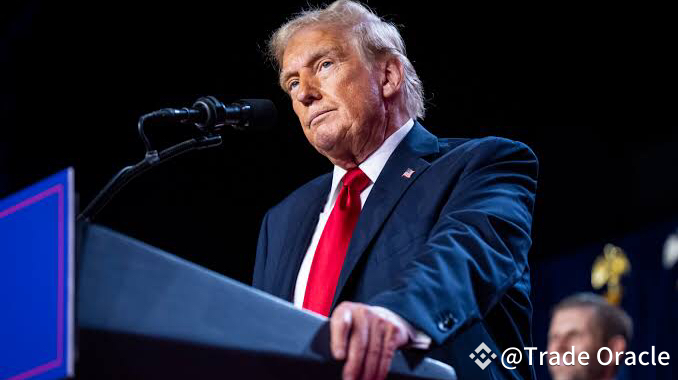
🚨Trump's Commerce Nominee Investigates Financial Ties to Tether: Potential Conflict of Interest? 🔥🔶 As President Donald Trump’s administration continues to face scrutiny over financial dealings and potential conflicts of interest, a new revelation has emerged regarding the president’s nominee for Secretary of Commerce. This time, the focus is on Tether, a prominent cryptocurrency, and its financial relationship with Wilbur Ross, Trump's pick for the critical cabinet position. Tether, known for its role in the rapidly expanding digital asset market, has faced multiple investigations into its transparency and ties to various financial players.
🔶 This situation has raised red flags, as the Commerce Secretary’s office is tasked with overseeing a range of industries, including trade, technology, and financial markets. Understanding Ross's ties to Tether—and how they might affect his future decision-making—has become an important issue for both policymakers and cryptocurrency enthusiasts alike.
🔶 Who is Wilbur Ross and Why Are His Financial Ties Under Scrutiny?
Wilbur Ross, a billionaire investor and veteran of the finance industry, has garnered attention for his significant wealth and involvement in high-profile restructuring deals. However, it is his role as a financial powerbroker and his apparent connections to the cryptocurrency space that have recently drawn the spotlight.
Tether is a stablecoin, a type of cryptocurrency designed to maintain a stable value by being pegged to a real-world asset, typically the U.S. dollar. The company behind Tether, iFinex, also operates the Bitfinex cryptocurrency exchange, which has faced multiple allegations of market manipulation, fraud, and failing to back its Tether issuance with adequate reserves.
Ross's investment firm, WL Ross & Co., has been reported to have financial ties with Tether and its parent company, and questions have arisen about whether these relationships could pose a conflict of interest. Ross has not publicly disclosed the full extent of these connections, leading some to call for greater transparency.
🔶 Tether's Controversial Reputation
Tether’s reputation in the cryptocurrency market is far from pristine. Since its creation in 2014, Tether has been dogged by concerns over the legitimacy of its financial backing. In 2021, it was revealed that Tether had not maintained the full dollar backing it claimed for its stablecoin, leading to regulatory investigations by authorities, including the U.S. Commodity Futures Trading Commission (CFTC).
These investigations focus on whether Tether misrepresented its reserves and if it played a role in the manipulation of cryptocurrency prices. Despite Tether’s claims that its stablecoin is fully backed by fiat currency, the company has yet to provide detailed and verifiable proof of its reserves, making it a subject of skepticism in both the financial and regulatory communities.
Given the increasing significance of stablecoins in the global financial system, any potential involvement of a high-ranking government official like Wilbur Ross with Tether is bound to raise concerns. If Ross holds financial interests in Tether or other cryptocurrency-related entities, there are questions about his ability to make impartial decisions regarding regulation and oversight of the digital asset market.
🔶 Potential Impact on Regulatory Oversight of Cryptocurrencies
The role of the Commerce Secretary is crucial in shaping U.S. economic policy, particularly as it pertains to emerging technologies and sectors like cryptocurrency. If Ross has financial interests in Tether, this could compromise his ability to take an unbiased stance when it comes to regulating cryptocurrencies, a sector that is currently facing increasing government scrutiny.
Cryptocurrency regulation remains a hot-button issue in the U.S., with lawmakers debating how to create a legal framework that can both protect investors and allow innovation to thrive. The involvement of a top government official with financial stakes in a major cryptocurrency could influence both the direction of policy and public perception.
There are also concerns about the broader implications for global trade. As the Commerce Secretary, Ross would have significant influence over international economic policies, including those related to digital currencies and their role in cross-border transactions. Any undue influence from Tether or other cryptocurrency firms could result in regulatory favoritism or the creation of policies that disproportionately benefit certain market players over others.
🔶 What’s Next for Wilbur Ross and Tether?
The confirmation process for Wilbur Ross’s appointment as Commerce Secretary will likely include further questioning about his financial ties to Tether. Senators and regulators are expected to press him for more transparency regarding his holdings and whether these interests could pose any conflicts of interest in his role as a key government official.
As the investigation continues into Tether’s business practices, it is becoming increasingly clear that the growing intersection between traditional finance and cryptocurrency will require greater scrutiny. Whether or not Ross’s connections to Tether are a significant issue remains to be seen, but one thing is certain: the scrutiny over financial transparency and potential conflicts of interest in the Trump administration is far from over.
🔶 Conclusion: A High-Stakes Crossroads for Crypto and Government
The ongoing investigations into Tether, coupled with Wilbur Ross’s potential conflicts of interest, highlight the increasingly blurry lines between traditional finance and the fast-evolving world of cryptocurrency. As the U.S. government continues to navigate this complex landscape, the need for clear regulations and impartial oversight becomes more pressing.
For now, all eyes will be on Wilbur Ross and how he responds to questions about his financial ties to Tether. His confirmation as Secretary of Commerce may well hinge on his ability to prove that he can separate his personal financial interests from his public duties.
#Trump #USBitcoinBill #EyesOnBTC #ADAHits1USDT #GaryGenslerResignation
🚨Trump's Commerce Nominee Investigates Financial Ties to Tether: Potential Conflict of Interest? 🔥
🔶 As President Donald Trump’s administration continues to face scrutiny over financial dealings and potential conflicts of interest, a new revelation has emerged regarding the president’s nominee for Secretary of Commerce. This time, the focus is on Tether, a prominent cryptocurrency, and its financial relationship with Wilbur Ross, Trump's pick for the critical cabinet position. Tether, known for its role in the rapidly expanding digital asset market, has faced multiple investigations into its transparency and ties to various financial players.
🔶 This situation has raised red flags, as the Commerce Secretary’s office is tasked with overseeing a range of industries, including trade, technology, and financial markets. Understanding Ross's ties to Tether—and how they might affect his future decision-making—has become an important issue for both policymakers and cryptocurrency enthusiasts alike.
🔶 Who is Wilbur Ross and Why Are His Financial Ties Under Scrutiny?
Wilbur Ross, a billionaire investor and veteran of the finance industry, has garnered attention for his significant wealth and involvement in high-profile restructuring deals. However, it is his role as a financial powerbroker and his apparent connections to the cryptocurrency space that have recently drawn the spotlight.
Tether is a stablecoin, a type of cryptocurrency designed to maintain a stable value by being pegged to a real-world asset, typically the U.S. dollar. The company behind Tether, iFinex, also operates the Bitfinex cryptocurrency exchange, which has faced multiple allegations of market manipulation, fraud, and failing to back its Tether issuance with adequate reserves.
Ross's investment firm, WL Ross & Co., has been reported to have financial ties with Tether and its parent company, and questions have arisen about whether these relationships could pose a conflict of interest. Ross has not publicly disclosed the full extent of these connections, leading some to call for greater transparency.
🔶 Tether's Controversial Reputation
Tether’s reputation in the cryptocurrency market is far from pristine. Since its creation in 2014, Tether has been dogged by concerns over the legitimacy of its financial backing. In 2021, it was revealed that Tether had not maintained the full dollar backing it claimed for its stablecoin, leading to regulatory investigations by authorities, including the U.S. Commodity Futures Trading Commission (CFTC).
These investigations focus on whether Tether misrepresented its reserves and if it played a role in the manipulation of cryptocurrency prices. Despite Tether’s claims that its stablecoin is fully backed by fiat currency, the company has yet to provide detailed and verifiable proof of its reserves, making it a subject of skepticism in both the financial and regulatory communities.
Given the increasing significance of stablecoins in the global financial system, any potential involvement of a high-ranking government official like Wilbur Ross with Tether is bound to raise concerns. If Ross holds financial interests in Tether or other cryptocurrency-related entities, there are questions about his ability to make impartial decisions regarding regulation and oversight of the digital asset market.
🔶 Potential Impact on Regulatory Oversight of Cryptocurrencies
The role of the Commerce Secretary is crucial in shaping U.S. economic policy, particularly as it pertains to emerging technologies and sectors like cryptocurrency. If Ross has financial interests in Tether, this could compromise his ability to take an unbiased stance when it comes to regulating cryptocurrencies, a sector that is currently facing increasing government scrutiny.
Cryptocurrency regulation remains a hot-button issue in the U.S., with lawmakers debating how to create a legal framework that can both protect investors and allow innovation to thrive. The involvement of a top government official with financial stakes in a major cryptocurrency could influence both the direction of policy and public perception.
There are also concerns about the broader implications for global trade. As the Commerce Secretary, Ross would have significant influence over international economic policies, including those related to digital currencies and their role in cross-border transactions. Any undue influence from Tether or other cryptocurrency firms could result in regulatory favoritism or the creation of policies that disproportionately benefit certain market players over others.
🔶 What’s Next for Wilbur Ross and Tether?
The confirmation process for Wilbur Ross’s appointment as Commerce Secretary will likely include further questioning about his financial ties to Tether. Senators and regulators are expected to press him for more transparency regarding his holdings and whether these interests could pose any conflicts of interest in his role as a key government official.
As the investigation continues into Tether’s business practices, it is becoming increasingly clear that the growing intersection between traditional finance and cryptocurrency will require greater scrutiny. Whether or not Ross’s connections to Tether are a significant issue remains to be seen, but one thing is certain: the scrutiny over financial transparency and potential conflicts of interest in the Trump administration is far from over.
🔶 Conclusion: A High-Stakes Crossroads for Crypto and Government
The ongoing investigations into Tether, coupled with Wilbur Ross’s potential conflicts of interest, highlight the increasingly blurry lines between traditional finance and the fast-evolving world of cryptocurrency. As the U.S. government continues to navigate this complex landscape, the need for clear regulations and impartial oversight becomes more pressing.
For now, all eyes will be on Wilbur Ross and how he responds to questions about his financial ties to Tether. His confirmation as Secretary of Commerce may well hinge on his ability to prove that he can separate his personal financial interests from his public duties.
#Trump #USBitcoinBill #EyesOnBTC #ADAHits1USDT #GaryGenslerResignation
🔶 This situation has raised red flags, as the Commerce Secretary’s office is tasked with overseeing a range of industries, including trade, technology, and financial markets. Understanding Ross's ties to Tether—and how they might affect his future decision-making—has become an important issue for both policymakers and cryptocurrency enthusiasts alike.
🔶 Who is Wilbur Ross and Why Are His Financial Ties Under Scrutiny?
Wilbur Ross, a billionaire investor and veteran of the finance industry, has garnered attention for his significant wealth and involvement in high-profile restructuring deals. However, it is his role as a financial powerbroker and his apparent connections to the cryptocurrency space that have recently drawn the spotlight.
Tether is a stablecoin, a type of cryptocurrency designed to maintain a stable value by being pegged to a real-world asset, typically the U.S. dollar. The company behind Tether, iFinex, also operates the Bitfinex cryptocurrency exchange, which has faced multiple allegations of market manipulation, fraud, and failing to back its Tether issuance with adequate reserves.
Ross's investment firm, WL Ross & Co., has been reported to have financial ties with Tether and its parent company, and questions have arisen about whether these relationships could pose a conflict of interest. Ross has not publicly disclosed the full extent of these connections, leading some to call for greater transparency.
🔶 Tether's Controversial Reputation
Tether’s reputation in the cryptocurrency market is far from pristine. Since its creation in 2014, Tether has been dogged by concerns over the legitimacy of its financial backing. In 2021, it was revealed that Tether had not maintained the full dollar backing it claimed for its stablecoin, leading to regulatory investigations by authorities, including the U.S. Commodity Futures Trading Commission (CFTC).
These investigations focus on whether Tether misrepresented its reserves and if it played a role in the manipulation of cryptocurrency prices. Despite Tether’s claims that its stablecoin is fully backed by fiat currency, the company has yet to provide detailed and verifiable proof of its reserves, making it a subject of skepticism in both the financial and regulatory communities.
Given the increasing significance of stablecoins in the global financial system, any potential involvement of a high-ranking government official like Wilbur Ross with Tether is bound to raise concerns. If Ross holds financial interests in Tether or other cryptocurrency-related entities, there are questions about his ability to make impartial decisions regarding regulation and oversight of the digital asset market.
🔶 Potential Impact on Regulatory Oversight of Cryptocurrencies
The role of the Commerce Secretary is crucial in shaping U.S. economic policy, particularly as it pertains to emerging technologies and sectors like cryptocurrency. If Ross has financial interests in Tether, this could compromise his ability to take an unbiased stance when it comes to regulating cryptocurrencies, a sector that is currently facing increasing government scrutiny.
Cryptocurrency regulation remains a hot-button issue in the U.S., with lawmakers debating how to create a legal framework that can both protect investors and allow innovation to thrive. The involvement of a top government official with financial stakes in a major cryptocurrency could influence both the direction of policy and public perception.
There are also concerns about the broader implications for global trade. As the Commerce Secretary, Ross would have significant influence over international economic policies, including those related to digital currencies and their role in cross-border transactions. Any undue influence from Tether or other cryptocurrency firms could result in regulatory favoritism or the creation of policies that disproportionately benefit certain market players over others.
🔶 What’s Next for Wilbur Ross and Tether?
The confirmation process for Wilbur Ross’s appointment as Commerce Secretary will likely include further questioning about his financial ties to Tether. Senators and regulators are expected to press him for more transparency regarding his holdings and whether these interests could pose any conflicts of interest in his role as a key government official.
As the investigation continues into Tether’s business practices, it is becoming increasingly clear that the growing intersection between traditional finance and cryptocurrency will require greater scrutiny. Whether or not Ross’s connections to Tether are a significant issue remains to be seen, but one thing is certain: the scrutiny over financial transparency and potential conflicts of interest in the Trump administration is far from over.
🔶 Conclusion: A High-Stakes Crossroads for Crypto and Government
The ongoing investigations into Tether, coupled with Wilbur Ross’s potential conflicts of interest, highlight the increasingly blurry lines between traditional finance and the fast-evolving world of cryptocurrency. As the U.S. government continues to navigate this complex landscape, the need for clear regulations and impartial oversight becomes more pressing.
For now, all eyes will be on Wilbur Ross and how he responds to questions about his financial ties to Tether. His confirmation as Secretary of Commerce may well hinge on his ability to prove that he can separate his personal financial interests from his public duties.
#Trump #USBitcoinBill #EyesOnBTC #ADAHits1USDT #GaryGenslerResignation
6
949
·
--
Article
🔶 How to Earn $10 Daily on Binance Without Any Upfront Investment 🧐🔶 In today's digital world, cryptocurrency trading is becoming an increasingly popular way to earn passive income. One platform that stands out is Binance, the world's leading cryptocurrency exchange. While many associate Binance with active trading, there are ways to earn money daily without any upfront investment. If you’re looking to start earning a steady $10 daily on Binance, here’s a guide on how to do it with little to no initial capital.
1. Leverage Binance’s Earning Programs
One of the simplest and safest ways to earn money on Binance without any investment is by participating in Binance Earn. This platform allows you to earn interest on your cryptocurrency holdings, even if you don’t actively trade.
- Savings: Binance offers flexible and locked savings products, where you can deposit certain cryptocurrencies and earn daily interest. For example, if you hold stablecoins like USDT or BNB, you can earn an annual percentage yield (APY) on your holdings. Even a small deposit can yield daily returns, and over time, you can grow your earnings.
- Staking: Staking on Binance is another excellent way to earn passive income. Many cryptocurrencies, such as ADA, BNB, and ETH 2.0, allow you to stake your coins and receive rewards. By staking, you participate in the network’s operations and earn rewards in the form of more coins. If you’re new to crypto, this might take some time to understand, but it’s a great way to earn without trading.
2. Binance’s Referral Program: A Hidden Goldmine
If you don’t have funds to invest, consider using Binance’s Referral Program. This program lets you earn a commission every time someone you refer makes a trade. It’s one of the easiest and most effective ways to start generating passive income without any upfront capital.
- How It Works: Binance gives you a unique referral link. You can share this link on social media, blogs, forums, or with friends and family. When someone signs up and makes a trade using your link, you receive a percentage of their trading fees.
- Commissions: Binance offers a tiered referral program. The more people you refer, the higher your commission. By referring just a few active users, it’s entirely possible to generate $10 a day in commissions, especially if you’re able to refer traders who actively use the platform.
3. Take Advantage of Binance Launchpool
Another lucrative way to earn without investing upfront is through Binance Launchpool. Binance Launchpool is a platform that allows users to participate in new token offerings by staking Binance Coin (BNB), Binance USD (BUSD), or other tokens. You can earn new tokens as rewards for staking, and these tokens can be sold or held for potential profits.
- How to Earn: To start, you'll need to stake tokens in the designated pool for a project. The more you stake, the more rewards you can earn. While some projects require a minimal investment, you can often start with small amounts. Keep an eye on the latest projects in Binance Launchpool to maximize your returns.
4. Earn from Binance P2P Trading
Binance’s Peer-to-Peer (P2P) trading platform is another way to earn money without making an upfront investment. P2P trading allows you to buy and sell cryptocurrencies directly with other users, bypassing traditional exchange fees.
- How to Profit: By using Binance’s P2P platform, you can earn a profit by acting as an intermediary between buyers and sellers. Often, this involves buying crypto at a lower price and selling it at a higher price to make a profit. The key is to identify favorable price discrepancies and execute trades quickly. This can be a highly profitable venture if you have a good understanding of market trends.
5. Binance Earn Through Competitions and Giveaways
Binance often runs contests and giveaways, where users can earn cryptocurrency prizes simply by participating. Whether it’s trading competitions, quiz contests, or prediction games, these events can be a fun way to earn cryptocurrency with no initial investment.
- How to Participate: Keep an eye on Binance’s official announcements and social media channels for upcoming competitions and giveaways. Many of these events require little more than your time and attention to participate, and there’s no risk of losing money.
6. Use Binance for Micro-Earnings
Finally, Binance allows users to earn micro-payments through small tasks and activities. From participating in educational programs and quizzes on Binance Academy to using Binance’s promotional events, these activities can net you small daily earnings.
- Learning Rewards: Binance has a unique initiative called Binance Academy, which rewards users with cryptocurrency for completing educational courses. By learning about blockchain and crypto basics, you can earn small amounts of crypto with minimal effort.
🔶 Conclusion: Earning $10 Daily on Binance is Possible
There’s no need to spend a fortune or make large investments to start earning on Binance. Through the referral program, Binance Earn, staking, P2P trading, and competitions, you can begin generating income with little to no upfront capital. While these methods may not make you rich overnight, they offer a reliable way to earn a steady $10 daily, providing an excellent introduction to the world of cryptocurrency.
#BTCBreaks100K? #XRPAndSECShift #EyesOnBTC
🔶 How to Earn $10 Daily on Binance Without Any Upfront Investment 🧐
🔶 In today's digital world, cryptocurrency trading is becoming an increasingly popular way to earn passive income. One platform that stands out is Binance, the world's leading cryptocurrency exchange. While many associate Binance with active trading, there are ways to earn money daily without any upfront investment. If you’re looking to start earning a steady $10 daily on Binance, here’s a guide on how to do it with little to no initial capital.
1. Leverage Binance’s Earning Programs
One of the simplest and safest ways to earn money on Binance without any investment is by participating in Binance Earn. This platform allows you to earn interest on your cryptocurrency holdings, even if you don’t actively trade.
- Savings: Binance offers flexible and locked savings products, where you can deposit certain cryptocurrencies and earn daily interest. For example, if you hold stablecoins like USDT or BNB, you can earn an annual percentage yield (APY) on your holdings. Even a small deposit can yield daily returns, and over time, you can grow your earnings.
- Staking: Staking on Binance is another excellent way to earn passive income. Many cryptocurrencies, such as ADA, BNB, and ETH 2.0, allow you to stake your coins and receive rewards. By staking, you participate in the network’s operations and earn rewards in the form of more coins. If you’re new to crypto, this might take some time to understand, but it’s a great way to earn without trading.
2. Binance’s Referral Program: A Hidden Goldmine
If you don’t have funds to invest, consider using Binance’s Referral Program. This program lets you earn a commission every time someone you refer makes a trade. It’s one of the easiest and most effective ways to start generating passive income without any upfront capital.
- How It Works: Binance gives you a unique referral link. You can share this link on social media, blogs, forums, or with friends and family. When someone signs up and makes a trade using your link, you receive a percentage of their trading fees.
- Commissions: Binance offers a tiered referral program. The more people you refer, the higher your commission. By referring just a few active users, it’s entirely possible to generate $10 a day in commissions, especially if you’re able to refer traders who actively use the platform.
3. Take Advantage of Binance Launchpool
Another lucrative way to earn without investing upfront is through Binance Launchpool. Binance Launchpool is a platform that allows users to participate in new token offerings by staking Binance Coin (BNB), Binance USD (BUSD), or other tokens. You can earn new tokens as rewards for staking, and these tokens can be sold or held for potential profits.
- How to Earn: To start, you'll need to stake tokens in the designated pool for a project. The more you stake, the more rewards you can earn. While some projects require a minimal investment, you can often start with small amounts. Keep an eye on the latest projects in Binance Launchpool to maximize your returns.
4. Earn from Binance P2P Trading
Binance’s Peer-to-Peer (P2P) trading platform is another way to earn money without making an upfront investment. P2P trading allows you to buy and sell cryptocurrencies directly with other users, bypassing traditional exchange fees.
- How to Profit: By using Binance’s P2P platform, you can earn a profit by acting as an intermediary between buyers and sellers. Often, this involves buying crypto at a lower price and selling it at a higher price to make a profit. The key is to identify favorable price discrepancies and execute trades quickly. This can be a highly profitable venture if you have a good understanding of market trends.
5. Binance Earn Through Competitions and Giveaways
Binance often runs contests and giveaways, where users can earn cryptocurrency prizes simply by participating. Whether it’s trading competitions, quiz contests, or prediction games, these events can be a fun way to earn cryptocurrency with no initial investment.
- How to Participate: Keep an eye on Binance’s official announcements and social media channels for upcoming competitions and giveaways. Many of these events require little more than your time and attention to participate, and there’s no risk of losing money.
6. Use Binance for Micro-Earnings
Finally, Binance allows users to earn micro-payments through small tasks and activities. From participating in educational programs and quizzes on Binance Academy to using Binance’s promotional events, these activities can net you small daily earnings.
- Learning Rewards: Binance has a unique initiative called Binance Academy, which rewards users with cryptocurrency for completing educational courses. By learning about blockchain and crypto basics, you can earn small amounts of crypto with minimal effort.
🔶 Conclusion: Earning $10 Daily on Binance is Possible
There’s no need to spend a fortune or make large investments to start earning on Binance. Through the referral program, Binance Earn, staking, P2P trading, and competitions, you can begin generating income with little to no upfront capital. While these methods may not make you rich overnight, they offer a reliable way to earn a steady $10 daily, providing an excellent introduction to the world of cryptocurrency.
#BTCBreaks100K? #XRPAndSECShift #EyesOnBTC
1. Leverage Binance’s Earning Programs
One of the simplest and safest ways to earn money on Binance without any investment is by participating in Binance Earn. This platform allows you to earn interest on your cryptocurrency holdings, even if you don’t actively trade.
- Savings: Binance offers flexible and locked savings products, where you can deposit certain cryptocurrencies and earn daily interest. For example, if you hold stablecoins like USDT or BNB, you can earn an annual percentage yield (APY) on your holdings. Even a small deposit can yield daily returns, and over time, you can grow your earnings.
- Staking: Staking on Binance is another excellent way to earn passive income. Many cryptocurrencies, such as ADA, BNB, and ETH 2.0, allow you to stake your coins and receive rewards. By staking, you participate in the network’s operations and earn rewards in the form of more coins. If you’re new to crypto, this might take some time to understand, but it’s a great way to earn without trading.
2. Binance’s Referral Program: A Hidden Goldmine
If you don’t have funds to invest, consider using Binance’s Referral Program. This program lets you earn a commission every time someone you refer makes a trade. It’s one of the easiest and most effective ways to start generating passive income without any upfront capital.
- How It Works: Binance gives you a unique referral link. You can share this link on social media, blogs, forums, or with friends and family. When someone signs up and makes a trade using your link, you receive a percentage of their trading fees.
- Commissions: Binance offers a tiered referral program. The more people you refer, the higher your commission. By referring just a few active users, it’s entirely possible to generate $10 a day in commissions, especially if you’re able to refer traders who actively use the platform.
3. Take Advantage of Binance Launchpool
Another lucrative way to earn without investing upfront is through Binance Launchpool. Binance Launchpool is a platform that allows users to participate in new token offerings by staking Binance Coin (BNB), Binance USD (BUSD), or other tokens. You can earn new tokens as rewards for staking, and these tokens can be sold or held for potential profits.
- How to Earn: To start, you'll need to stake tokens in the designated pool for a project. The more you stake, the more rewards you can earn. While some projects require a minimal investment, you can often start with small amounts. Keep an eye on the latest projects in Binance Launchpool to maximize your returns.
4. Earn from Binance P2P Trading
Binance’s Peer-to-Peer (P2P) trading platform is another way to earn money without making an upfront investment. P2P trading allows you to buy and sell cryptocurrencies directly with other users, bypassing traditional exchange fees.
- How to Profit: By using Binance’s P2P platform, you can earn a profit by acting as an intermediary between buyers and sellers. Often, this involves buying crypto at a lower price and selling it at a higher price to make a profit. The key is to identify favorable price discrepancies and execute trades quickly. This can be a highly profitable venture if you have a good understanding of market trends.
5. Binance Earn Through Competitions and Giveaways
Binance often runs contests and giveaways, where users can earn cryptocurrency prizes simply by participating. Whether it’s trading competitions, quiz contests, or prediction games, these events can be a fun way to earn cryptocurrency with no initial investment.
- How to Participate: Keep an eye on Binance’s official announcements and social media channels for upcoming competitions and giveaways. Many of these events require little more than your time and attention to participate, and there’s no risk of losing money.
6. Use Binance for Micro-Earnings
Finally, Binance allows users to earn micro-payments through small tasks and activities. From participating in educational programs and quizzes on Binance Academy to using Binance’s promotional events, these activities can net you small daily earnings.
- Learning Rewards: Binance has a unique initiative called Binance Academy, which rewards users with cryptocurrency for completing educational courses. By learning about blockchain and crypto basics, you can earn small amounts of crypto with minimal effort.
🔶 Conclusion: Earning $10 Daily on Binance is Possible
There’s no need to spend a fortune or make large investments to start earning on Binance. Through the referral program, Binance Earn, staking, P2P trading, and competitions, you can begin generating income with little to no upfront capital. While these methods may not make you rich overnight, they offer a reliable way to earn a steady $10 daily, providing an excellent introduction to the world of cryptocurrency.
#BTCBreaks100K? #XRPAndSECShift #EyesOnBTC
1
1
4
1.7k
·
--
Article
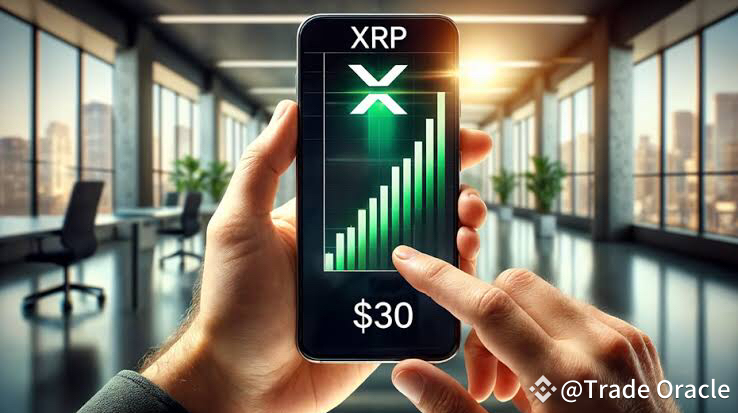
💥🔥 Expert Predicts XRP’s Meteoric Rise from $5 to $30: What’s Behind the Surge? 🔥💥💎 Cryptocurrency markets are known for their volatility, and XRP (Ripple) is no exception. However, recent predictions suggest that the digital asset could experience a remarkable surge, potentially skyrocketing from its current value of $5 to as high as $30. This optimistic forecast has sparked widespread interest, as both investors and enthusiasts speculate on the factors that could drive such a significant rise.
🔶 The Roadmap to $30: A Bold Prediction
The bold prediction, made by a leading cryptocurrency expert, is based on several key factors, including Ripple's ongoing legal battles, increased adoption of blockchain technology, and growing use cases for XRP. According to the expert, the journey to a $30 XRP price is likely to take place within the next two to three years, provided that the conditions in the market remain favorable.
A key part of this analysis revolves around the resolution of Ripple’s legal case with the U.S. Securities and Exchange Commission (SEC), a long-running battle that has created uncertainty in the market. The outcome of this case could significantly impact the value of XRP, especially if Ripple is successful in proving that XRP is not a security. If this happens, it could lead to widespread institutional adoption, boosting XRP’s price dramatically.
🔶 Legal Victory: Catalyst for Massive Growth?
The legal showdown between Ripple Labs and the SEC has been one of the most closely followed events in the crypto space. Ripple, the company behind XRP, has consistently argued that the cryptocurrency is a digital asset and not a security, which would exempt it from SEC regulation. The SEC, on the other hand, claims that XRP is a security and should be subject to its oversight, which has hindered institutional investments in the asset.
If Ripple wins or reaches a favorable settlement with the SEC, the impact on XRP’s price could be transformative. Many market analysts believe that a positive resolution would eliminate the regulatory uncertainties surrounding XRP and lead to increased institutional and retail adoption. With fewer legal hurdles, financial institutions could be more willing to integrate XRP into their systems, leading to greater liquidity and upward price momentum.
🔶 Increasing Adoption and Use Cases for XRP
One of the primary drivers behind XRP’s potential rise to $30 is its growing adoption in the global financial system. XRP is designed to facilitate fast, low-cost international money transfers, and it has already found significant use in the remittance industry. Ripple’s partnerships with banks and financial institutions have helped solidify XRP’s position as a reliable payment solution for cross-border transactions.
As more institutions integrate XRP into their payment systems, demand for the cryptocurrency could increase, driving up its value. Ripple has also been working on expanding its use cases beyond remittances, focusing on areas like decentralized finance (DeFi) and non-fungible tokens (NFTs). This diversification of use cases could position XRP as a key player in the evolving cryptocurrency landscape, further boosting its price.
🔶 Technical Indicators and Market Sentiment
Beyond the fundamental factors, technical indicators also point to strong bullish potential for XRP. According to the expert’s analysis, the cryptocurrency is currently in a strong upward trend, with key support levels holding steady. Should XRP maintain its momentum and break through certain resistance levels, it could set the stage for a price surge towards $30.
Market sentiment is another crucial factor in determining XRP’s future price trajectory. The growing interest in cryptocurrencies as an asset class, coupled with increasing mainstream adoption, has already led to a surge in the value of many digital currencies. XRP stands to benefit from this broader trend, as more investors look for established projects with real-world utility.
🔶 Is $30 Realistic?
While the forecast of a $30 XRP is undeniably ambitious, many experts believe it is within the realm of possibility. Given the current trajectory of Ripple’s business, its growing adoption, and the potential for a legal victory over the SEC, XRP could see significant price appreciation in the coming years.
However, it’s important to remember that the cryptocurrency market is notoriously volatile. Price fluctuations are common, and unforeseen events—such as regulatory crackdowns or technological failures—could derail the bullish outlook. Still, for investors willing to take on the risk, XRP presents a compelling opportunity for long-term growth.
🔶 Conclusion: A Promising Future for XRP?
The prediction of XRP reaching $30 may seem like a bold one, but it’s not without merit. If Ripple can successfully navigate its legal challenges, expand its use cases, and capitalize on the increasing adoption of blockchain technology, the cryptocurrency could see substantial growth in the coming years. While the road to $30 may not be without obstacles, XRP's potential to become a key player in the global financial system makes it an intriguing asset for investors looking to take advantage of the next big opportunity in the crypto space.
#XRPAndSECShift #BTCBreaks100K?
#EyesOnBTC $XRP
💥🔥 Expert Predicts XRP’s Meteoric Rise from $5 to $30: What’s Behind the Surge? 🔥💥
💎 Cryptocurrency markets are known for their volatility, and XRP (Ripple) is no exception. However, recent predictions suggest that the digital asset could experience a remarkable surge, potentially skyrocketing from its current value of $5 to as high as $30. This optimistic forecast has sparked widespread interest, as both investors and enthusiasts speculate on the factors that could drive such a significant rise.
🔶 The Roadmap to $30: A Bold Prediction
The bold prediction, made by a leading cryptocurrency expert, is based on several key factors, including Ripple's ongoing legal battles, increased adoption of blockchain technology, and growing use cases for XRP. According to the expert, the journey to a $30 XRP price is likely to take place within the next two to three years, provided that the conditions in the market remain favorable.
A key part of this analysis revolves around the resolution of Ripple’s legal case with the U.S. Securities and Exchange Commission (SEC), a long-running battle that has created uncertainty in the market. The outcome of this case could significantly impact the value of XRP, especially if Ripple is successful in proving that XRP is not a security. If this happens, it could lead to widespread institutional adoption, boosting XRP’s price dramatically.
🔶 Legal Victory: Catalyst for Massive Growth?
The legal showdown between Ripple Labs and the SEC has been one of the most closely followed events in the crypto space. Ripple, the company behind XRP, has consistently argued that the cryptocurrency is a digital asset and not a security, which would exempt it from SEC regulation. The SEC, on the other hand, claims that XRP is a security and should be subject to its oversight, which has hindered institutional investments in the asset.
If Ripple wins or reaches a favorable settlement with the SEC, the impact on XRP’s price could be transformative. Many market analysts believe that a positive resolution would eliminate the regulatory uncertainties surrounding XRP and lead to increased institutional and retail adoption. With fewer legal hurdles, financial institutions could be more willing to integrate XRP into their systems, leading to greater liquidity and upward price momentum.
🔶 Increasing Adoption and Use Cases for XRP
One of the primary drivers behind XRP’s potential rise to $30 is its growing adoption in the global financial system. XRP is designed to facilitate fast, low-cost international money transfers, and it has already found significant use in the remittance industry. Ripple’s partnerships with banks and financial institutions have helped solidify XRP’s position as a reliable payment solution for cross-border transactions.
As more institutions integrate XRP into their payment systems, demand for the cryptocurrency could increase, driving up its value. Ripple has also been working on expanding its use cases beyond remittances, focusing on areas like decentralized finance (DeFi) and non-fungible tokens (NFTs). This diversification of use cases could position XRP as a key player in the evolving cryptocurrency landscape, further boosting its price.
🔶 Technical Indicators and Market Sentiment
Beyond the fundamental factors, technical indicators also point to strong bullish potential for XRP. According to the expert’s analysis, the cryptocurrency is currently in a strong upward trend, with key support levels holding steady. Should XRP maintain its momentum and break through certain resistance levels, it could set the stage for a price surge towards $30.
Market sentiment is another crucial factor in determining XRP’s future price trajectory. The growing interest in cryptocurrencies as an asset class, coupled with increasing mainstream adoption, has already led to a surge in the value of many digital currencies. XRP stands to benefit from this broader trend, as more investors look for established projects with real-world utility.
🔶 Is $30 Realistic?
While the forecast of a $30 XRP is undeniably ambitious, many experts believe it is within the realm of possibility. Given the current trajectory of Ripple’s business, its growing adoption, and the potential for a legal victory over the SEC, XRP could see significant price appreciation in the coming years.
However, it’s important to remember that the cryptocurrency market is notoriously volatile. Price fluctuations are common, and unforeseen events—such as regulatory crackdowns or technological failures—could derail the bullish outlook. Still, for investors willing to take on the risk, XRP presents a compelling opportunity for long-term growth.
🔶 Conclusion: A Promising Future for XRP?
The prediction of XRP reaching $30 may seem like a bold one, but it’s not without merit. If Ripple can successfully navigate its legal challenges, expand its use cases, and capitalize on the increasing adoption of blockchain technology, the cryptocurrency could see substantial growth in the coming years. While the road to $30 may not be without obstacles, XRP's potential to become a key player in the global financial system makes it an intriguing asset for investors looking to take advantage of the next big opportunity in the crypto space.
#XRPAndSECShift #BTCBreaks100K?
#EyesOnBTC $XRP
🔶 The Roadmap to $30: A Bold Prediction
The bold prediction, made by a leading cryptocurrency expert, is based on several key factors, including Ripple's ongoing legal battles, increased adoption of blockchain technology, and growing use cases for XRP. According to the expert, the journey to a $30 XRP price is likely to take place within the next two to three years, provided that the conditions in the market remain favorable.
A key part of this analysis revolves around the resolution of Ripple’s legal case with the U.S. Securities and Exchange Commission (SEC), a long-running battle that has created uncertainty in the market. The outcome of this case could significantly impact the value of XRP, especially if Ripple is successful in proving that XRP is not a security. If this happens, it could lead to widespread institutional adoption, boosting XRP’s price dramatically.
🔶 Legal Victory: Catalyst for Massive Growth?
The legal showdown between Ripple Labs and the SEC has been one of the most closely followed events in the crypto space. Ripple, the company behind XRP, has consistently argued that the cryptocurrency is a digital asset and not a security, which would exempt it from SEC regulation. The SEC, on the other hand, claims that XRP is a security and should be subject to its oversight, which has hindered institutional investments in the asset.
If Ripple wins or reaches a favorable settlement with the SEC, the impact on XRP’s price could be transformative. Many market analysts believe that a positive resolution would eliminate the regulatory uncertainties surrounding XRP and lead to increased institutional and retail adoption. With fewer legal hurdles, financial institutions could be more willing to integrate XRP into their systems, leading to greater liquidity and upward price momentum.
🔶 Increasing Adoption and Use Cases for XRP
One of the primary drivers behind XRP’s potential rise to $30 is its growing adoption in the global financial system. XRP is designed to facilitate fast, low-cost international money transfers, and it has already found significant use in the remittance industry. Ripple’s partnerships with banks and financial institutions have helped solidify XRP’s position as a reliable payment solution for cross-border transactions.
As more institutions integrate XRP into their payment systems, demand for the cryptocurrency could increase, driving up its value. Ripple has also been working on expanding its use cases beyond remittances, focusing on areas like decentralized finance (DeFi) and non-fungible tokens (NFTs). This diversification of use cases could position XRP as a key player in the evolving cryptocurrency landscape, further boosting its price.
🔶 Technical Indicators and Market Sentiment
Beyond the fundamental factors, technical indicators also point to strong bullish potential for XRP. According to the expert’s analysis, the cryptocurrency is currently in a strong upward trend, with key support levels holding steady. Should XRP maintain its momentum and break through certain resistance levels, it could set the stage for a price surge towards $30.
Market sentiment is another crucial factor in determining XRP’s future price trajectory. The growing interest in cryptocurrencies as an asset class, coupled with increasing mainstream adoption, has already led to a surge in the value of many digital currencies. XRP stands to benefit from this broader trend, as more investors look for established projects with real-world utility.
🔶 Is $30 Realistic?
While the forecast of a $30 XRP is undeniably ambitious, many experts believe it is within the realm of possibility. Given the current trajectory of Ripple’s business, its growing adoption, and the potential for a legal victory over the SEC, XRP could see significant price appreciation in the coming years.
However, it’s important to remember that the cryptocurrency market is notoriously volatile. Price fluctuations are common, and unforeseen events—such as regulatory crackdowns or technological failures—could derail the bullish outlook. Still, for investors willing to take on the risk, XRP presents a compelling opportunity for long-term growth.
🔶 Conclusion: A Promising Future for XRP?
The prediction of XRP reaching $30 may seem like a bold one, but it’s not without merit. If Ripple can successfully navigate its legal challenges, expand its use cases, and capitalize on the increasing adoption of blockchain technology, the cryptocurrency could see substantial growth in the coming years. While the road to $30 may not be without obstacles, XRP's potential to become a key player in the global financial system makes it an intriguing asset for investors looking to take advantage of the next big opportunity in the crypto space.
#XRPAndSECShift #BTCBreaks100K?
#EyesOnBTC $XRP
14
4.9k

·
--
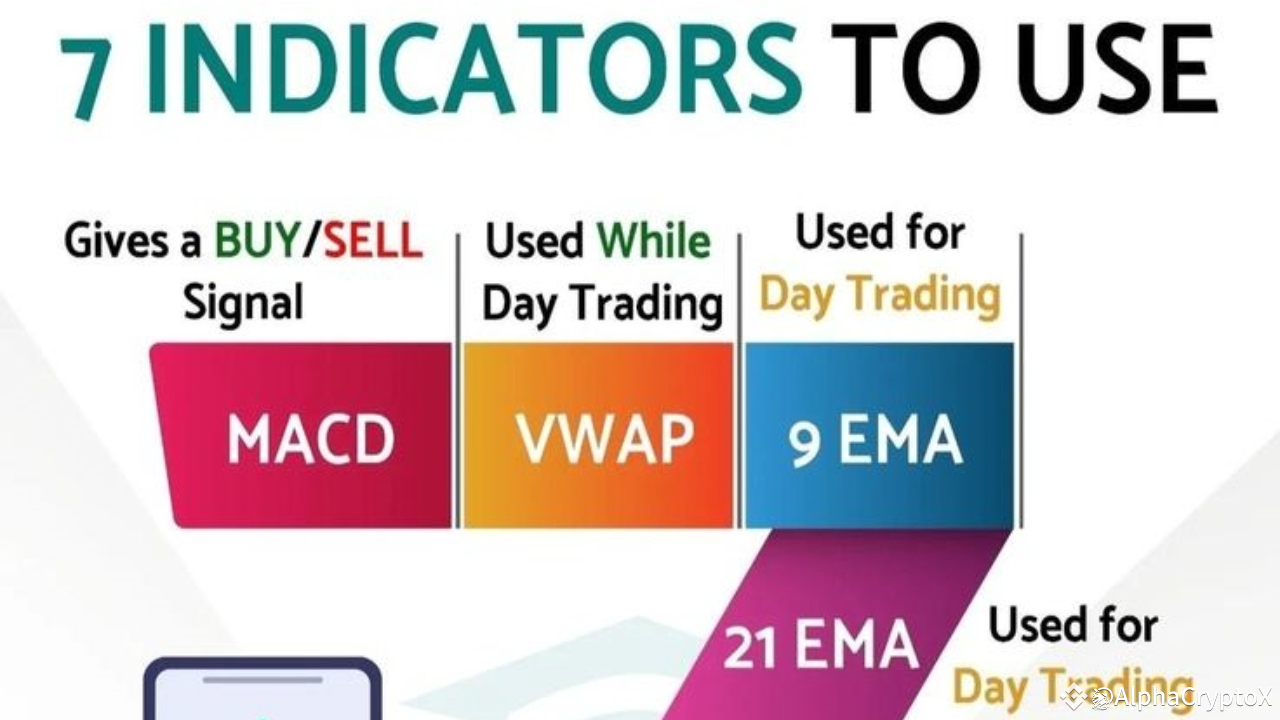
Article
7 Indicators Every Trader Should Master for Day Trading and Long-Term Success7 Indicators Every Trader Should Master for Day Trading and Long-Term Success
In the ever-evolving world of trading, having the right tools at your disposal can make all the difference. Indicators act as your compass, helping you navigate market trends, identify potential entry and exit points, and manage risks effectively. Among countless indicators available, seven stand out for their reliability and versatility across different trading strategies. Here’s an exclusive look at these indispensable tools and how you can leverage them to elevate your trading game.
1. MACD (Moving Average Convergence Divergence)
The MACD is a powerhouse indicator that provides BUY/SELL signals based on the relationship between moving averages. By identifying shifts in momentum, the MACD helps traders catch trend reversals early.
How to Use:Look for the MACD line crossing above the signal line to indicate a buy signal.A sell signal occurs when the MACD line crosses below the signal line.Combine MACD with volume analysis for more reliable setups.Pro Tip: Avoid using MACD in highly volatile, sideways markets—it performs best in trending conditions.
2. VWAP (Volume Weighted Average Price)
VWAP is the go-to indicator for day traders. It blends price and volume to determine the average price a security has traded at throughout the day.
Why It’s Powerful:VWAP helps traders determine whether a price is overvalued or undervalued.Acts as a support/resistance level for intraday trading.How to Use:If the price is above the VWAP, it indicates bullish momentum. Below the VWAP suggests bearish pressure.Use VWAP for scalping strategies or during market openings when volatility is high.
3. 9 EMA (Exponential Moving Average)
The 9 EMA is a fast-moving average, perfect for short-term trades, especially in day trading setups.
Application:Often used to confirm trends. If the price is above the 9 EMA, it signals bullish momentum; if below, bearish.Traders use the 9 EMA to place tight stop-losses for momentum trades.Pro Tip: Combine the 9 EMA with the 21 EMA for a powerful crossover strategy.
4. 21 EMA
Another dynamic indicator, the 21 EMA smooths price action and is a reliable choice for swing traders and day traders.
Key Insights:Offers a medium-term perspective on price trends.Frequently used to determine pullback levels in trending markets.Best Practice: Use the 21 EMA as dynamic support or resistance, depending on market direction.
5. 50 EMA
The 50 EMA is a versatile indicator, commonly used for analysis across different timeframes.
Why You Need It:Acts as a trend filter—if the price is above the 50 EMA, it indicates an uptrend, and vice versa.Provides traders with areas of interest for re-entering trades during retracements.Pro Tip: Pair it with the RSI to confirm overbought or oversold conditions before acting on price movements.
6. 200 EMA
The 200 EMA is crucial for long-term traders and investors, providing a long-term view of market trends.
Key Uses:Helps identify the overall market trend.Institutional traders often watch the 200 EMA to make decisions.How to Use:When the price is above the 200 EMA, it suggests a strong bullish trend. A break below signals potential weakness.Long-term traders can use this to time entries or exits.
7. RSI (Relative Strength Index)
The RSI is an essential tool to gauge whether an asset is overbought or oversold.
How It Works:RSI values range from 0 to 100. A value above 70 indicates overbought conditions (potential reversal), while below 30 suggests oversold conditions.Divergences between RSI and price action often hint at potential trend reversals.Pro Tip: Use RSI in conjunction with other indicators like the MACD to confirm your signals and avoid false alarms.
Combining Indicators for Maximum Effect
Indicators are most effective when used together to confirm signals and build confidence in your trades. Here’s how you can strategically combine these tools:
Short-Term Trades (Day Trading):
Combine the 9 EMA, VWAP, and RSI for quick momentum trades during volatile sessions.Swing Trades:
Use the 21 EMA, 50 EMA, and MACD to identify trends and pullbacks for strategic entries.Long-Term Positions:
Rely on the 200 EMA and RSI to determine the broader trend and avoid poor timing on entries or exits.
Final Words: Mastering the Market with Precision
Trading is an art as much as it is a science, and mastering these seven indicators will give you an edge in this competitive arena. Remember, no single indicator guarantees success—it’s your ability to combine, interpret, and apply these tools in sync with market conditions that will define your trading journey.
Take the time to backtest strategies, refine your approach, and stay disciplined. Whether you’re a day trader or a long-term investor, these indicators are your roadmap to navigating the ever-dynamic world of trading. Let the charts be your playground and the indicators your arsenal—success is just one well-informed trade away!
#COSSocialFiRevolution #BTC100KToday? #BTC97KNewATH #EyesOnBTC #AltcoinNextMove
{future}(BTCUSDT)
{future}(SOLUSDT)
{future}(ETHUSDT)
7 Indicators Every Trader Should Master for Day Trading and Long-Term Success
7 Indicators Every Trader Should Master for Day Trading and Long-Term Success
In the ever-evolving world of trading, having the right tools at your disposal can make all the difference. Indicators act as your compass, helping you navigate market trends, identify potential entry and exit points, and manage risks effectively. Among countless indicators available, seven stand out for their reliability and versatility across different trading strategies. Here’s an exclusive look at these indispensable tools and how you can leverage them to elevate your trading game.
1. MACD (Moving Average Convergence Divergence)
The MACD is a powerhouse indicator that provides BUY/SELL signals based on the relationship between moving averages. By identifying shifts in momentum, the MACD helps traders catch trend reversals early.
How to Use:Look for the MACD line crossing above the signal line to indicate a buy signal.A sell signal occurs when the MACD line crosses below the signal line.Combine MACD with volume analysis for more reliable setups.Pro Tip: Avoid using MACD in highly volatile, sideways markets—it performs best in trending conditions.
2. VWAP (Volume Weighted Average Price)
VWAP is the go-to indicator for day traders. It blends price and volume to determine the average price a security has traded at throughout the day.
Why It’s Powerful:VWAP helps traders determine whether a price is overvalued or undervalued.Acts as a support/resistance level for intraday trading.How to Use:If the price is above the VWAP, it indicates bullish momentum. Below the VWAP suggests bearish pressure.Use VWAP for scalping strategies or during market openings when volatility is high.
3. 9 EMA (Exponential Moving Average)
The 9 EMA is a fast-moving average, perfect for short-term trades, especially in day trading setups.
Application:Often used to confirm trends. If the price is above the 9 EMA, it signals bullish momentum; if below, bearish.Traders use the 9 EMA to place tight stop-losses for momentum trades.Pro Tip: Combine the 9 EMA with the 21 EMA for a powerful crossover strategy.
4. 21 EMA
Another dynamic indicator, the 21 EMA smooths price action and is a reliable choice for swing traders and day traders.
Key Insights:Offers a medium-term perspective on price trends.Frequently used to determine pullback levels in trending markets.Best Practice: Use the 21 EMA as dynamic support or resistance, depending on market direction.
5. 50 EMA
The 50 EMA is a versatile indicator, commonly used for analysis across different timeframes.
Why You Need It:Acts as a trend filter—if the price is above the 50 EMA, it indicates an uptrend, and vice versa.Provides traders with areas of interest for re-entering trades during retracements.Pro Tip: Pair it with the RSI to confirm overbought or oversold conditions before acting on price movements.
6. 200 EMA
The 200 EMA is crucial for long-term traders and investors, providing a long-term view of market trends.
Key Uses:Helps identify the overall market trend.Institutional traders often watch the 200 EMA to make decisions.How to Use:When the price is above the 200 EMA, it suggests a strong bullish trend. A break below signals potential weakness.Long-term traders can use this to time entries or exits.
7. RSI (Relative Strength Index)
The RSI is an essential tool to gauge whether an asset is overbought or oversold.
How It Works:RSI values range from 0 to 100. A value above 70 indicates overbought conditions (potential reversal), while below 30 suggests oversold conditions.Divergences between RSI and price action often hint at potential trend reversals.Pro Tip: Use RSI in conjunction with other indicators like the MACD to confirm your signals and avoid false alarms.
Combining Indicators for Maximum Effect
Indicators are most effective when used together to confirm signals and build confidence in your trades. Here’s how you can strategically combine these tools:
Short-Term Trades (Day Trading):
Combine the 9 EMA, VWAP, and RSI for quick momentum trades during volatile sessions.Swing Trades:
Use the 21 EMA, 50 EMA, and MACD to identify trends and pullbacks for strategic entries.Long-Term Positions:
Rely on the 200 EMA and RSI to determine the broader trend and avoid poor timing on entries or exits.
Final Words: Mastering the Market with Precision
Trading is an art as much as it is a science, and mastering these seven indicators will give you an edge in this competitive arena. Remember, no single indicator guarantees success—it’s your ability to combine, interpret, and apply these tools in sync with market conditions that will define your trading journey.
Take the time to backtest strategies, refine your approach, and stay disciplined. Whether you’re a day trader or a long-term investor, these indicators are your roadmap to navigating the ever-dynamic world of trading. Let the charts be your playground and the indicators your arsenal—success is just one well-informed trade away!
#COSSocialFiRevolution #BTC100KToday? #BTC97KNewATH #EyesOnBTC #AltcoinNextMove
In the ever-evolving world of trading, having the right tools at your disposal can make all the difference. Indicators act as your compass, helping you navigate market trends, identify potential entry and exit points, and manage risks effectively. Among countless indicators available, seven stand out for their reliability and versatility across different trading strategies. Here’s an exclusive look at these indispensable tools and how you can leverage them to elevate your trading game.
1. MACD (Moving Average Convergence Divergence)
The MACD is a powerhouse indicator that provides BUY/SELL signals based on the relationship between moving averages. By identifying shifts in momentum, the MACD helps traders catch trend reversals early.
How to Use:Look for the MACD line crossing above the signal line to indicate a buy signal.A sell signal occurs when the MACD line crosses below the signal line.Combine MACD with volume analysis for more reliable setups.Pro Tip: Avoid using MACD in highly volatile, sideways markets—it performs best in trending conditions.
2. VWAP (Volume Weighted Average Price)
VWAP is the go-to indicator for day traders. It blends price and volume to determine the average price a security has traded at throughout the day.
Why It’s Powerful:VWAP helps traders determine whether a price is overvalued or undervalued.Acts as a support/resistance level for intraday trading.How to Use:If the price is above the VWAP, it indicates bullish momentum. Below the VWAP suggests bearish pressure.Use VWAP for scalping strategies or during market openings when volatility is high.
3. 9 EMA (Exponential Moving Average)
The 9 EMA is a fast-moving average, perfect for short-term trades, especially in day trading setups.
Application:Often used to confirm trends. If the price is above the 9 EMA, it signals bullish momentum; if below, bearish.Traders use the 9 EMA to place tight stop-losses for momentum trades.Pro Tip: Combine the 9 EMA with the 21 EMA for a powerful crossover strategy.
4. 21 EMA
Another dynamic indicator, the 21 EMA smooths price action and is a reliable choice for swing traders and day traders.
Key Insights:Offers a medium-term perspective on price trends.Frequently used to determine pullback levels in trending markets.Best Practice: Use the 21 EMA as dynamic support or resistance, depending on market direction.
5. 50 EMA
The 50 EMA is a versatile indicator, commonly used for analysis across different timeframes.
Why You Need It:Acts as a trend filter—if the price is above the 50 EMA, it indicates an uptrend, and vice versa.Provides traders with areas of interest for re-entering trades during retracements.Pro Tip: Pair it with the RSI to confirm overbought or oversold conditions before acting on price movements.
6. 200 EMA
The 200 EMA is crucial for long-term traders and investors, providing a long-term view of market trends.
Key Uses:Helps identify the overall market trend.Institutional traders often watch the 200 EMA to make decisions.How to Use:When the price is above the 200 EMA, it suggests a strong bullish trend. A break below signals potential weakness.Long-term traders can use this to time entries or exits.
7. RSI (Relative Strength Index)
The RSI is an essential tool to gauge whether an asset is overbought or oversold.
How It Works:RSI values range from 0 to 100. A value above 70 indicates overbought conditions (potential reversal), while below 30 suggests oversold conditions.Divergences between RSI and price action often hint at potential trend reversals.Pro Tip: Use RSI in conjunction with other indicators like the MACD to confirm your signals and avoid false alarms.
Combining Indicators for Maximum Effect
Indicators are most effective when used together to confirm signals and build confidence in your trades. Here’s how you can strategically combine these tools:
Short-Term Trades (Day Trading):
Combine the 9 EMA, VWAP, and RSI for quick momentum trades during volatile sessions.Swing Trades:
Use the 21 EMA, 50 EMA, and MACD to identify trends and pullbacks for strategic entries.Long-Term Positions:
Rely on the 200 EMA and RSI to determine the broader trend and avoid poor timing on entries or exits.
Final Words: Mastering the Market with Precision
Trading is an art as much as it is a science, and mastering these seven indicators will give you an edge in this competitive arena. Remember, no single indicator guarantees success—it’s your ability to combine, interpret, and apply these tools in sync with market conditions that will define your trading journey.
Take the time to backtest strategies, refine your approach, and stay disciplined. Whether you’re a day trader or a long-term investor, these indicators are your roadmap to navigating the ever-dynamic world of trading. Let the charts be your playground and the indicators your arsenal—success is just one well-informed trade away!
#COSSocialFiRevolution #BTC100KToday? #BTC97KNewATH #EyesOnBTC #AltcoinNextMove
2
1.8k
Log in to explore more content
Join global crypto users on Binance Square
⚡️ Get latest and useful information about crypto.
💬 Trusted by the world’s largest crypto exchange.
👍 Discover real insights from verified creators.
Email / Phone number
Trending Topics
1
#BTCTops$80K
38,393 views
201 Discussing
2
#USWeeklyInitialJoblessClaimsRiseTo206000
67,245 views
1,025 Discussing
3
#NvidiaToAcquireHuggingFaceFor$12.9B
6,427 views
65 Discussing
4
#SnowflakeSurges24%OnEarningsBeat
14,522 views
351 Discussing
5
#USISMServicesRisesTo55.4InAugust
15,742 views
298 Discussing
6
#SECNewCryptoRulesAimToBringFirmsBackToUS
26,590 views
469 Discussing
7
#USGainsControlOfVenezuelanOilFields
31,509 views
548 Discussing
8
#CFTCScrutinizesPredictionMarketAffiliates
33,107 views
555 Discussing
9
#EtherXRPETFInflowStreaksEnd
48,637 views
682 Discussing
10
#PredictionMarketsPutCLARITYAct2026OddsAt15%
35,953 views
563 Discussing