
Shaheen Star
9.2k Публикации

Shaheen Star
370 подписок(и/а)
22.3K+ подписчиков(а)
7.5K+ понравилось
Посты
Все
Цитирования
Активно
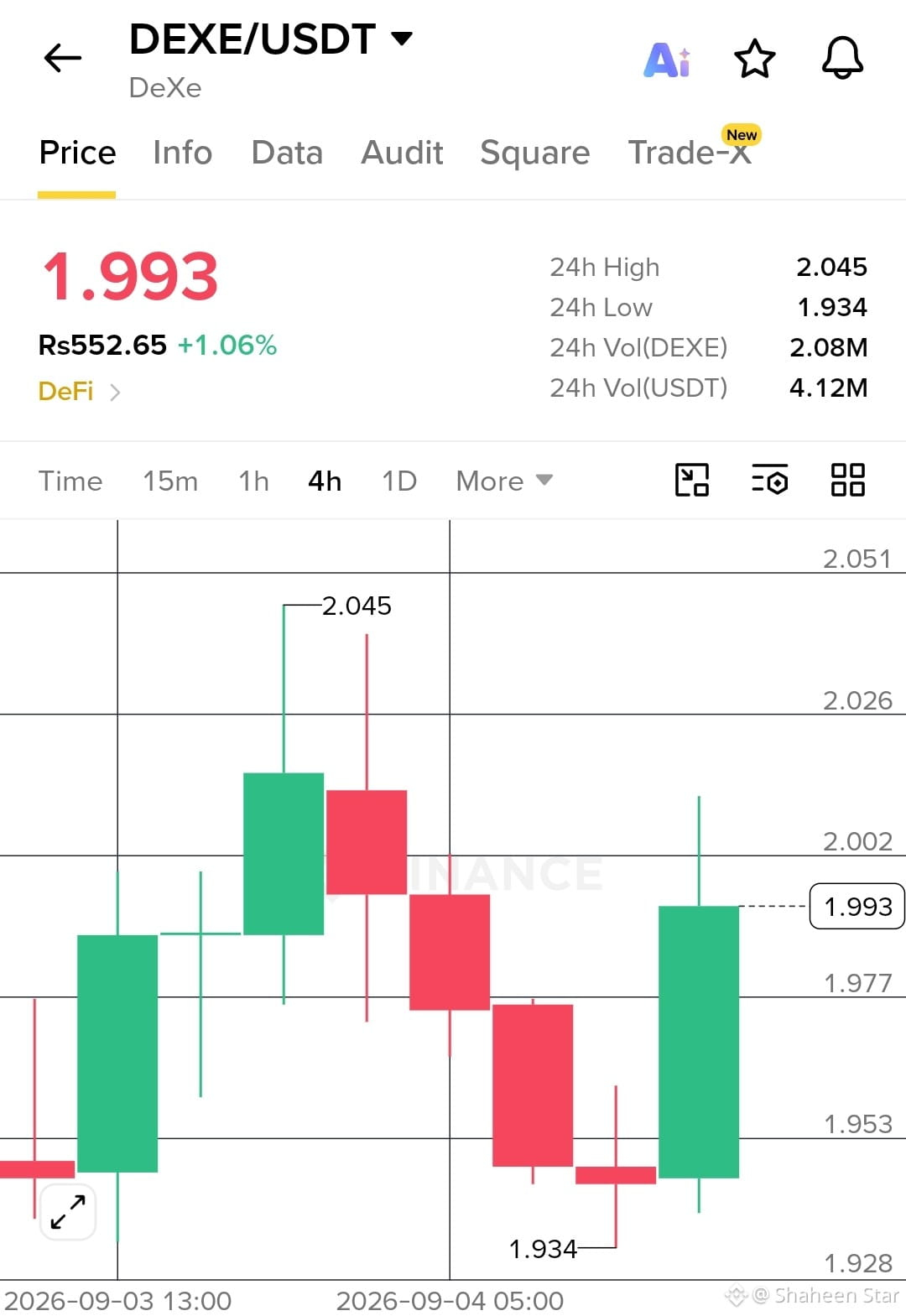
🚨 $DEXE ПРОРЫВ СКОРО! 🔥
$DEXE пробивает ключевое сопротивление $2.000 вверх! Если покупатели удержат этот уровень, следующие цели роста могут быть достигнуты быстро. 📈⚡️
🟢 Вход: $1.995–$2.010
🎯 TP1: $2.030
🎯 TP2: $2.060
🎯 TP3: $2.100
🛡️ SL: $1.960
💥 Удержание выше $2.000 = бычий сценарий продолжения!
Покупайте и торгуйте $DEXE — будьте начеку! 👀🚀
⚠️ NFA. DYOR. Управляйте своим риском.
#DEXE #Crypto #Altcoins #Trading #Breakout #CryptoTrading
$DEXE пробивает ключевое сопротивление $2.000 вверх! Если покупатели удержат этот уровень, следующие цели роста могут быть достигнуты быстро. 📈⚡️
🟢 Вход: $1.995–$2.010
🎯 TP1: $2.030
🎯 TP2: $2.060
🎯 TP3: $2.100
🛡️ SL: $1.960
💥 Удержание выше $2.000 = бычий сценарий продолжения!
Покупайте и торгуйте $DEXE — будьте начеку! 👀🚀
⚠️ NFA. DYOR. Управляйте своим риском.
#DEXE #Crypto #Altcoins #Trading #Breakout #CryptoTrading
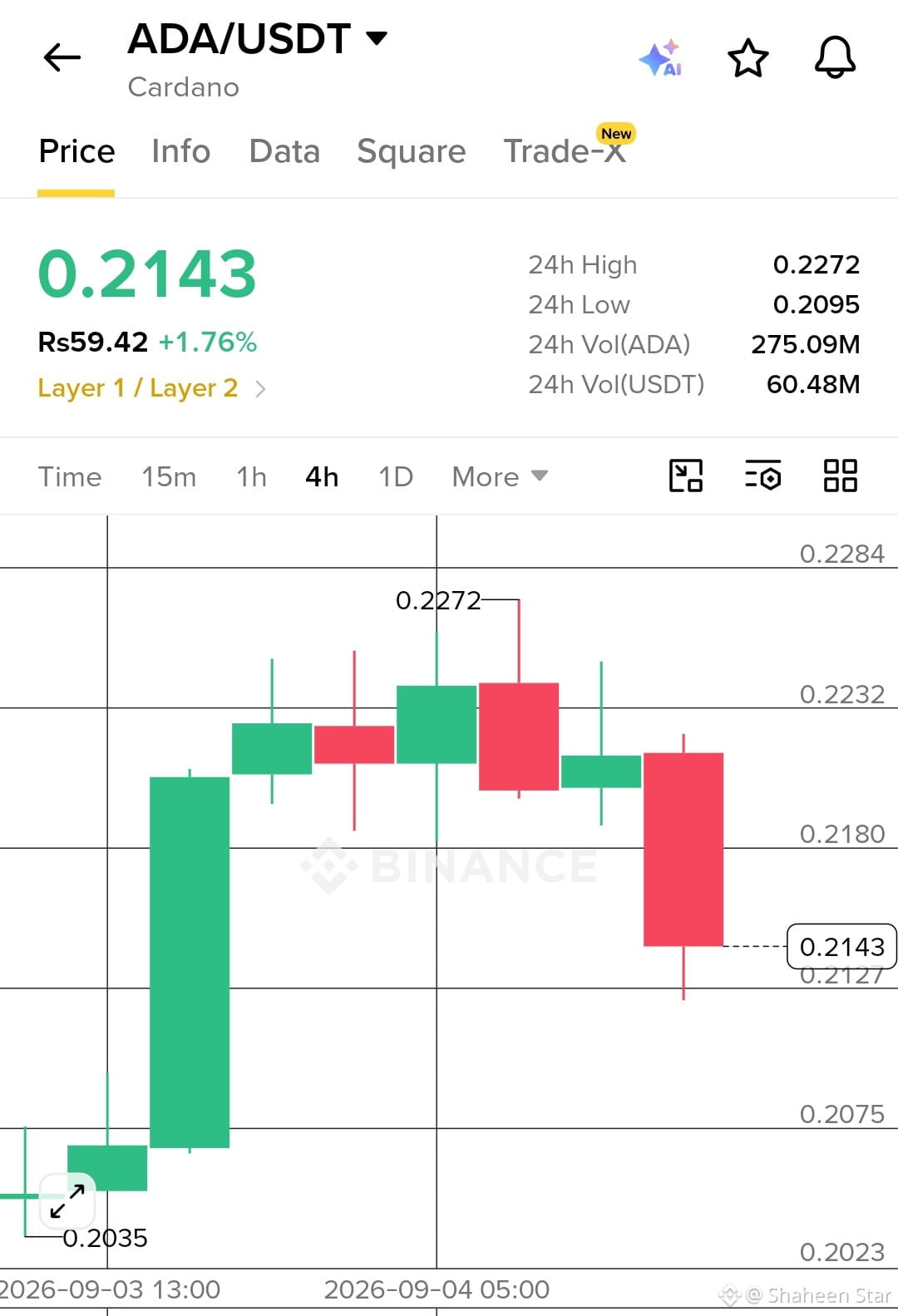
🚨 СЛУШАЙТЕ ВНИМАТЕЛЬНО, РЕБЯТА! 🔥
Здесь есть возможность для скальпинга по $ADA ! 💯
🟢 Позиция: LONG $ADA
⚡ Плечо: 125x
🎯 Риск: 1%
🛡️ SL: Будет следовать за ценой, как только сделка уйдёт в прибыль
План прост: защищать капитал, фиксировать прибыль и дать импульсу работать. 👀📈
Кто со мной едет в этот $ADA long? 🚀
⚠️ Не является финансовой рекомендацией. DYOR. Высокое плечо = высокий риск.
#ADA #Cardano #Crypto #Scalping #Futures #Trading
Здесь есть возможность для скальпинга по $ADA ! 💯
🟢 Позиция: LONG $ADA
⚡ Плечо: 125x
🎯 Риск: 1%
🛡️ SL: Будет следовать за ценой, как только сделка уйдёт в прибыль
План прост: защищать капитал, фиксировать прибыль и дать импульсу работать. 👀📈
Кто со мной едет в этот $ADA long? 🚀
⚠️ Не является финансовой рекомендацией. DYOR. Высокое плечо = высокий риск.
#ADA #Cardano #Crypto #Scalping #Futures #Trading
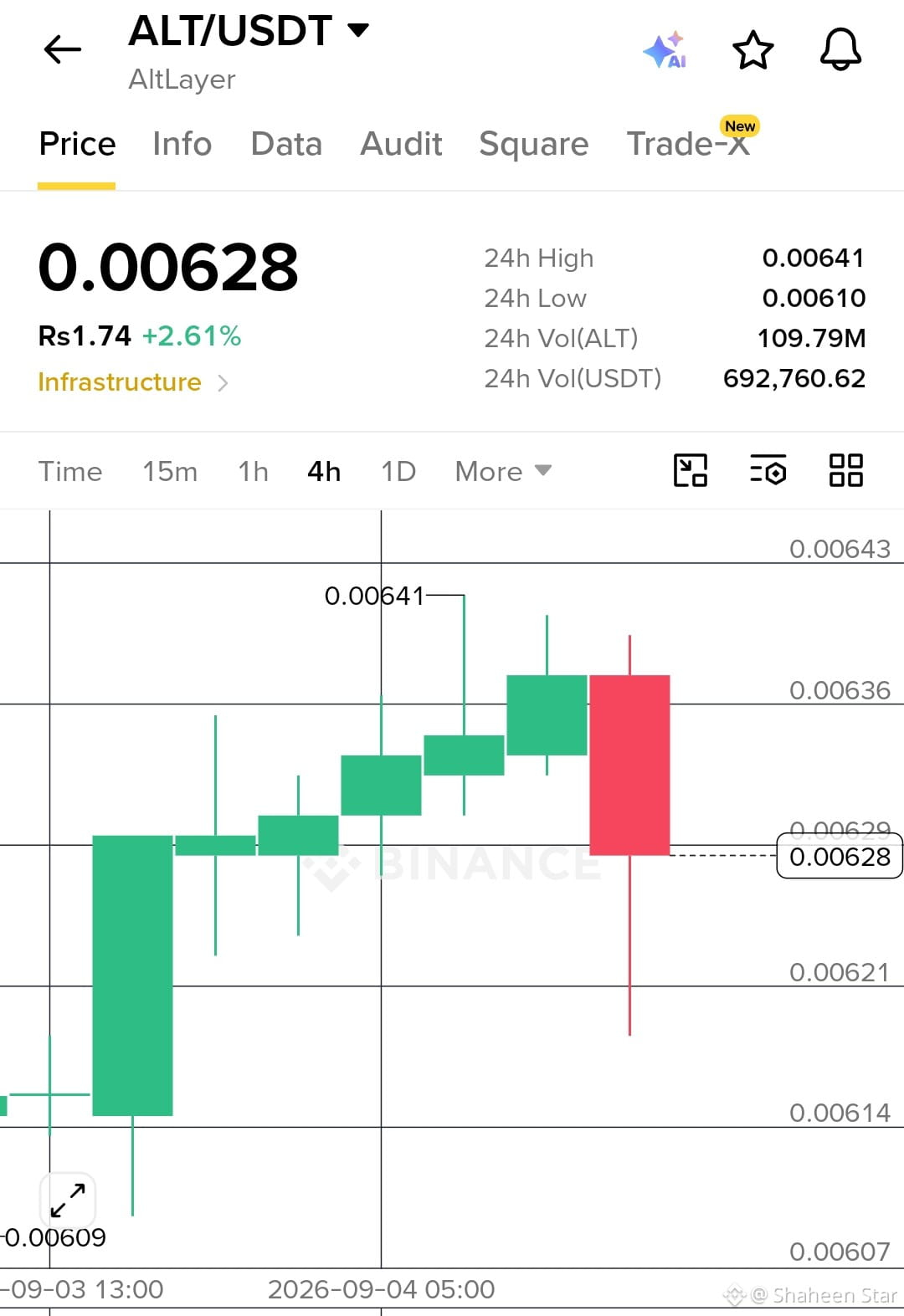
🚨 $ALT ПРОСЫПАЕТСЯ! 🔥
$ALT сжимается внутри нисходящей структуры и теперь движется к потенциальному пробою! Импульс нарастает, и покупатели начинают заходить. 👀
🎯 Цель 1: $0.00634
🚀 Цель 2: $0.00660
Чистый пробой + продолжение движения могут спровоцировать сильный рост. ⚡️
$ALT может достичь этих верхних целей уже скоро — держите его под наблюдением! 👁️
#ALT #Crypto #Altcoins #Trading #CryptoTrading #Breakout
$ALT сжимается внутри нисходящей структуры и теперь движется к потенциальному пробою! Импульс нарастает, и покупатели начинают заходить. 👀
🎯 Цель 1: $0.00634
🚀 Цель 2: $0.00660
Чистый пробой + продолжение движения могут спровоцировать сильный рост. ⚡️
$ALT может достичь этих верхних целей уже скоро — держите его под наблюдением! 👁️
#ALT #Crypto #Altcoins #Trading #CryptoTrading #Breakout
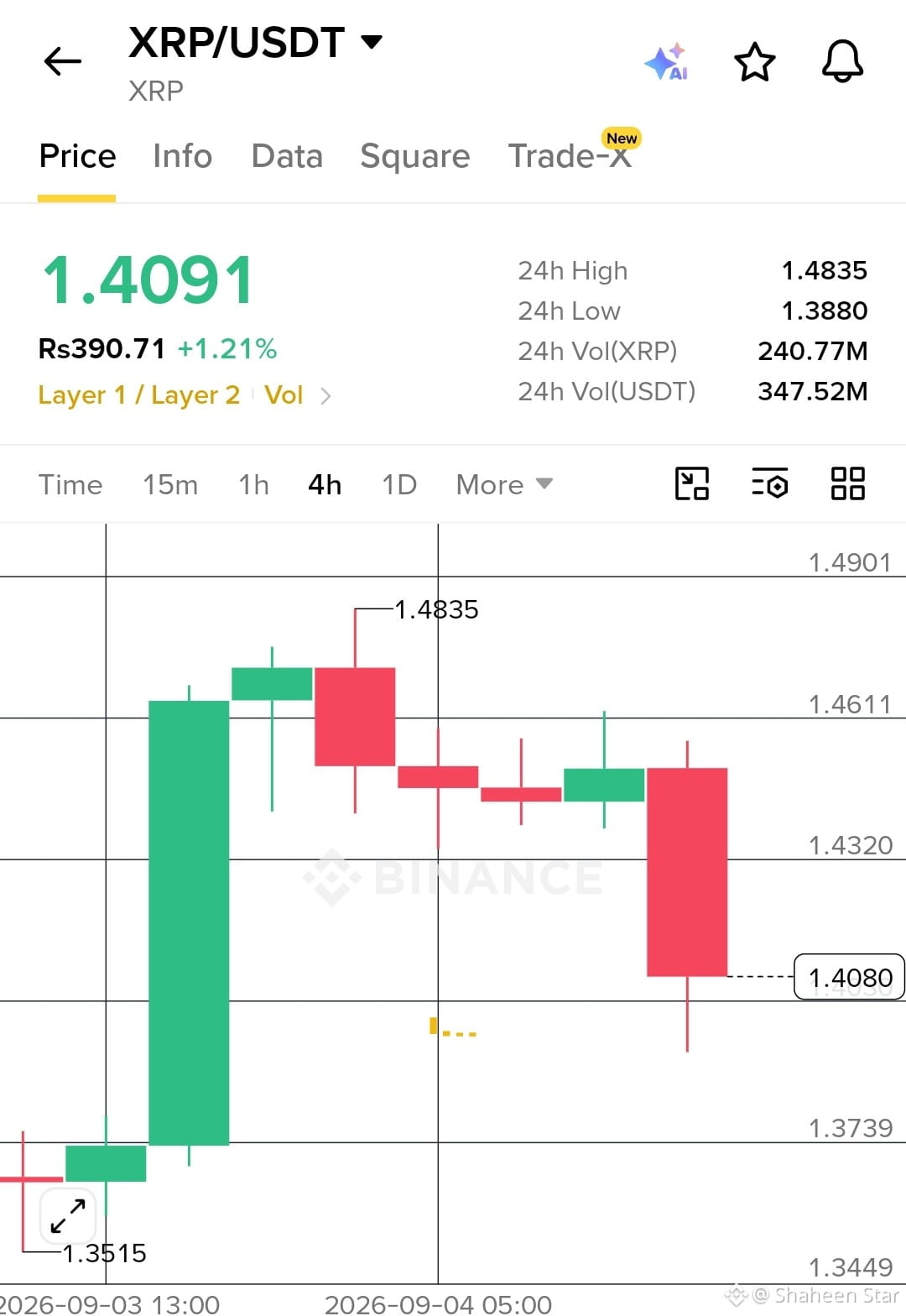
🚨 $XRP СИГНАЛ О СЛОМЕ! ⚡️
$XRP резко упал с ~$1.45 и сейчас тестирует критическую зону поддержки $1.40–$1.41. 👀
🔻 Медвежий сценарий:
Если $XRP не сможет вернуть $1.42–$1.43, продавцы могут нацелиться на:
🎯 $1.40 → $1.39 → $1.38
🔄 Бычье возвращение:
Сильный возврат выше $1.43+ может ослабить медвежью структуру и отправить XRP обратно к $1.45.
⚠️ Не гонитесь за сливом! Дайте цене отреагировать на поддержке и дождитесь подтверждения перед следующим движением.
#XRP #Crypto #XRPArmy #Trading #Altcoins #CryptoTrading
$XRP резко упал с ~$1.45 и сейчас тестирует критическую зону поддержки $1.40–$1.41. 👀
🔻 Медвежий сценарий:
Если $XRP не сможет вернуть $1.42–$1.43, продавцы могут нацелиться на:
🎯 $1.40 → $1.39 → $1.38
🔄 Бычье возвращение:
Сильный возврат выше $1.43+ может ослабить медвежью структуру и отправить XRP обратно к $1.45.
⚠️ Не гонитесь за сливом! Дайте цене отреагировать на поддержке и дождитесь подтверждения перед следующим движением.
#XRP #Crypto #XRPArmy #Trading #Altcoins #CryptoTrading
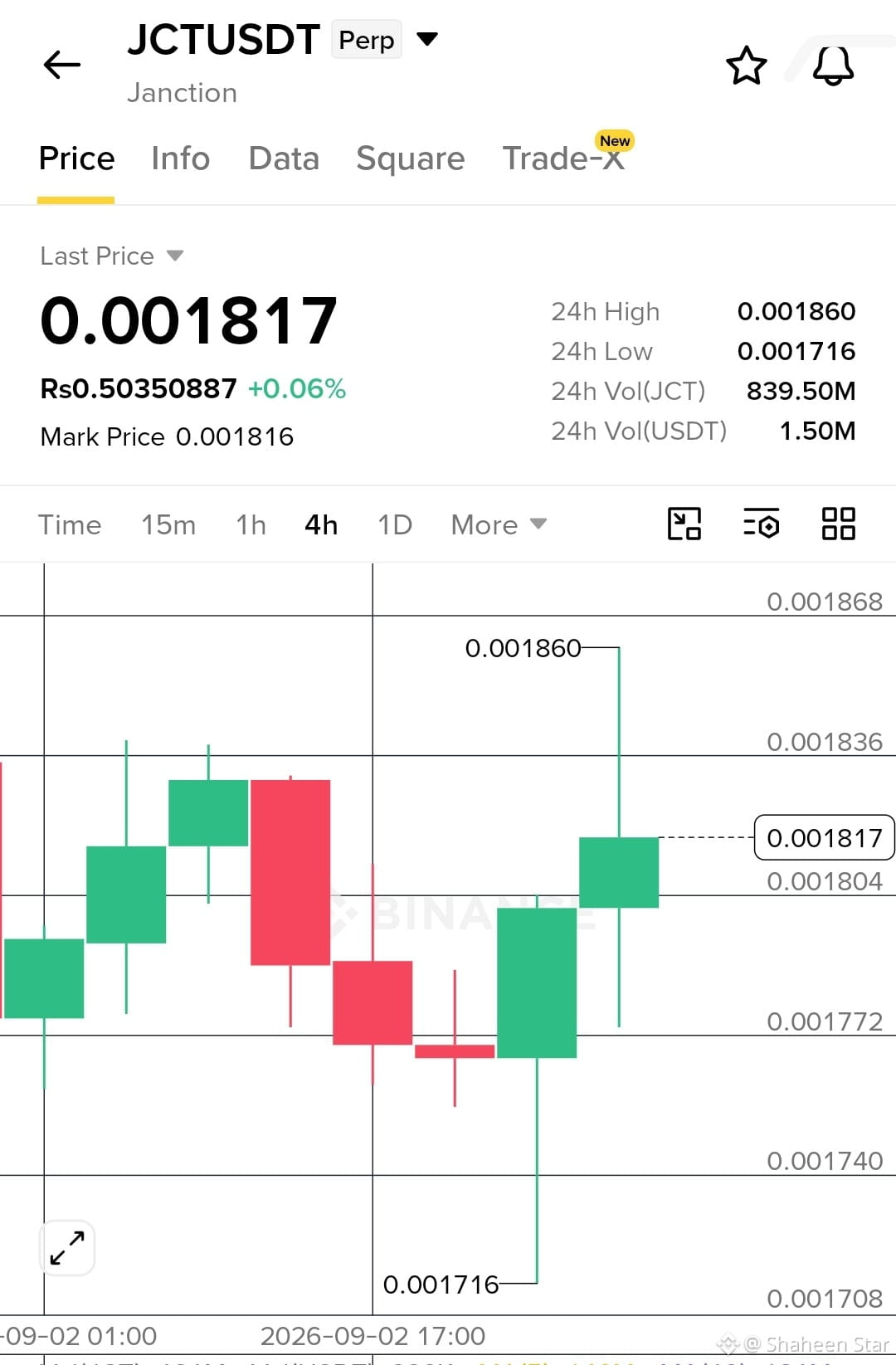
🚨 $JCT /USDT — СИЛЬНЫЙ СЕТАП ДЛИННОЙ СДЕЛКИ С ОТСКОКОМ 📈🔥
⏱️ Таймфрейм: 4H
💰 Вход: $0.00180–$0.00185
🛑 SL: $0.00168
🎯 TP1: $0.00200
🎯 TP2: $0.00225
🎯 TP3: $0.00255
💥 После жесткого дампа из зоны $0.005, $JCT сейчас удерживает ключевую зону спроса примерно около $0.0018. Продавцы теряют импульс, поскольку покупатели поглощают давление. 🟢
🔥 Удерживайте $0.00180 = потенциал отскока с облегчением в сторону $0.00200 → $0.00255!
⚠️ Ниже $0.00168 = сетап недействителен.
👉 Торгуй Здесь: $JCT
NFA | DYOR ⚠️
#JCT #JCTUSDT #Крипто #Long #Фьючерсы #Трейдинг
⏱️ Таймфрейм: 4H
💰 Вход: $0.00180–$0.00185
🛑 SL: $0.00168
🎯 TP1: $0.00200
🎯 TP2: $0.00225
🎯 TP3: $0.00255
💥 После жесткого дампа из зоны $0.005, $JCT сейчас удерживает ключевую зону спроса примерно около $0.0018. Продавцы теряют импульс, поскольку покупатели поглощают давление. 🟢
🔥 Удерживайте $0.00180 = потенциал отскока с облегчением в сторону $0.00200 → $0.00255!
⚠️ Ниже $0.00168 = сетап недействителен.
👉 Торгуй Здесь: $JCT
NFA | DYOR ⚠️
#JCT #JCTUSDT #Крипто #Long #Фьючерсы #Трейдинг
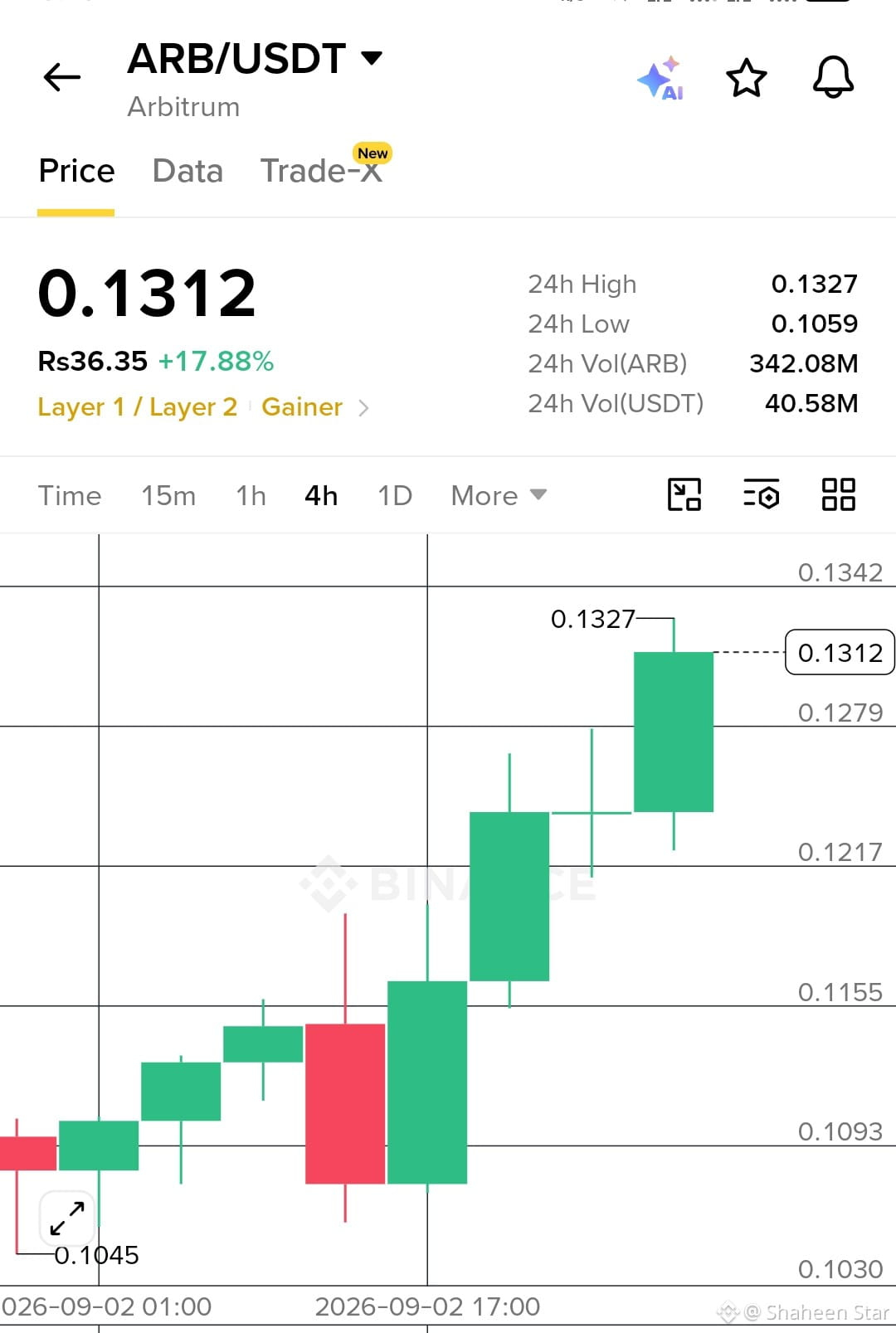
🚀 $ARB /USDT БЫЧЬИЙ ПРОРЫВ-НАСТРОЙКА 🔥📈
💰 Вход: $0.1240–$0.1300
🎯 TP1: $0.1360
🎯 TP2: $0.1430
🎯 TP3: $0.1520
🛑 SL: $0.1175
🔥 Сильное покупательское давление + огромный объём!
⚡ Цена удерживается рядом с максимумом за 24ч, что сигнализирует о продолжающейся силе покупателей.
🚀 Ключевой пробой: $0.1326
Чистый пробой & удержание выше $0.1326 может ускорить следующий бычий импульс к $0.1430 → $0.1520 💥
⚠️ Потеря $0.1175 = сценарий недействителен.
NFA | DYOR 🔥
#ARB #ARBUSDT #Crypto #Breakout #Long #Futures #Trading
💰 Вход: $0.1240–$0.1300
🎯 TP1: $0.1360
🎯 TP2: $0.1430
🎯 TP3: $0.1520
🛑 SL: $0.1175
🔥 Сильное покупательское давление + огромный объём!
⚡ Цена удерживается рядом с максимумом за 24ч, что сигнализирует о продолжающейся силе покупателей.
🚀 Ключевой пробой: $0.1326
Чистый пробой & удержание выше $0.1326 может ускорить следующий бычий импульс к $0.1430 → $0.1520 💥
⚠️ Потеря $0.1175 = сценарий недействителен.
NFA | DYOR 🔥
#ARB #ARBUSDT #Crypto #Breakout #Long #Futures #Trading
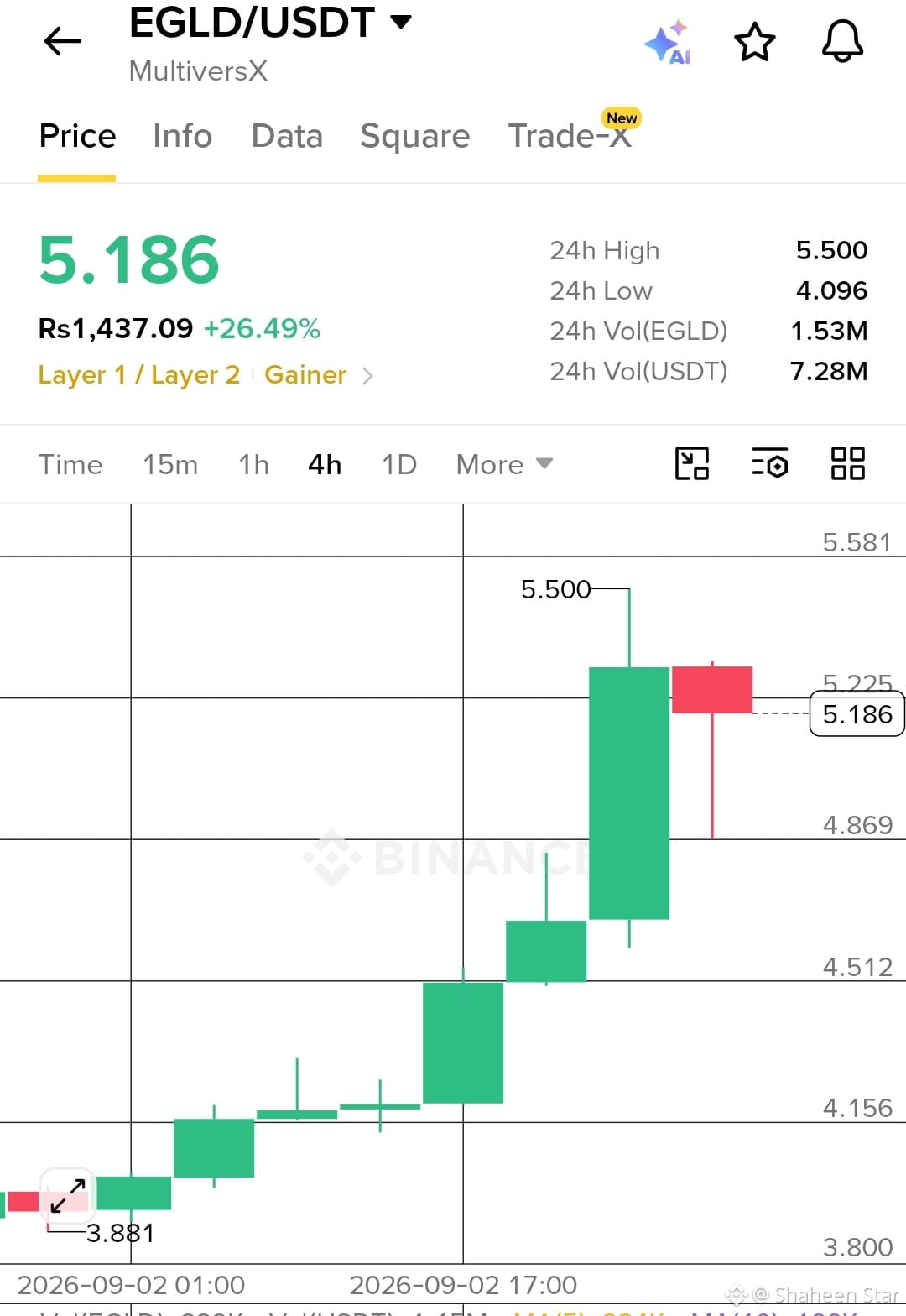
🚀 $EGLD /USDT ДЛИННЫЙ СИГНАЛ 🔥📈
⚡ 10X ЛЕВЕРИДЖ
💰 Вход: $5.00–$5.20
🎯 TP1: $5.30
🎯 TP2: $5.40
🎯 TP3: $5.50
🎯 TP4: $5.70
🛑 SL: $4.80
🔥 EGLDUSDT: $5.157 | +26.05%
📌 Ключевой вход: $5.10
💪 Удержание выше $5.00 сохраняет бычью структуру!
Импульс нарастает… 🚀💥
Продолжение пробоя может отправить EGLD к $5.70!
👇 Нажмите ниже и заключайте сделку прямо сейчас!
⚠️ NFA | DYOR | Управляйте рисками
#EGLD #EGLDUSDT #Крипто #Long #Futures #Trading
⚡ 10X ЛЕВЕРИДЖ
💰 Вход: $5.00–$5.20
🎯 TP1: $5.30
🎯 TP2: $5.40
🎯 TP3: $5.50
🎯 TP4: $5.70
🛑 SL: $4.80
🔥 EGLDUSDT: $5.157 | +26.05%
📌 Ключевой вход: $5.10
💪 Удержание выше $5.00 сохраняет бычью структуру!
Импульс нарастает… 🚀💥
Продолжение пробоя может отправить EGLD к $5.70!
👇 Нажмите ниже и заключайте сделку прямо сейчас!
⚠️ NFA | DYOR | Управляйте рисками
#EGLD #EGLDUSDT #Крипто #Long #Futures #Trading
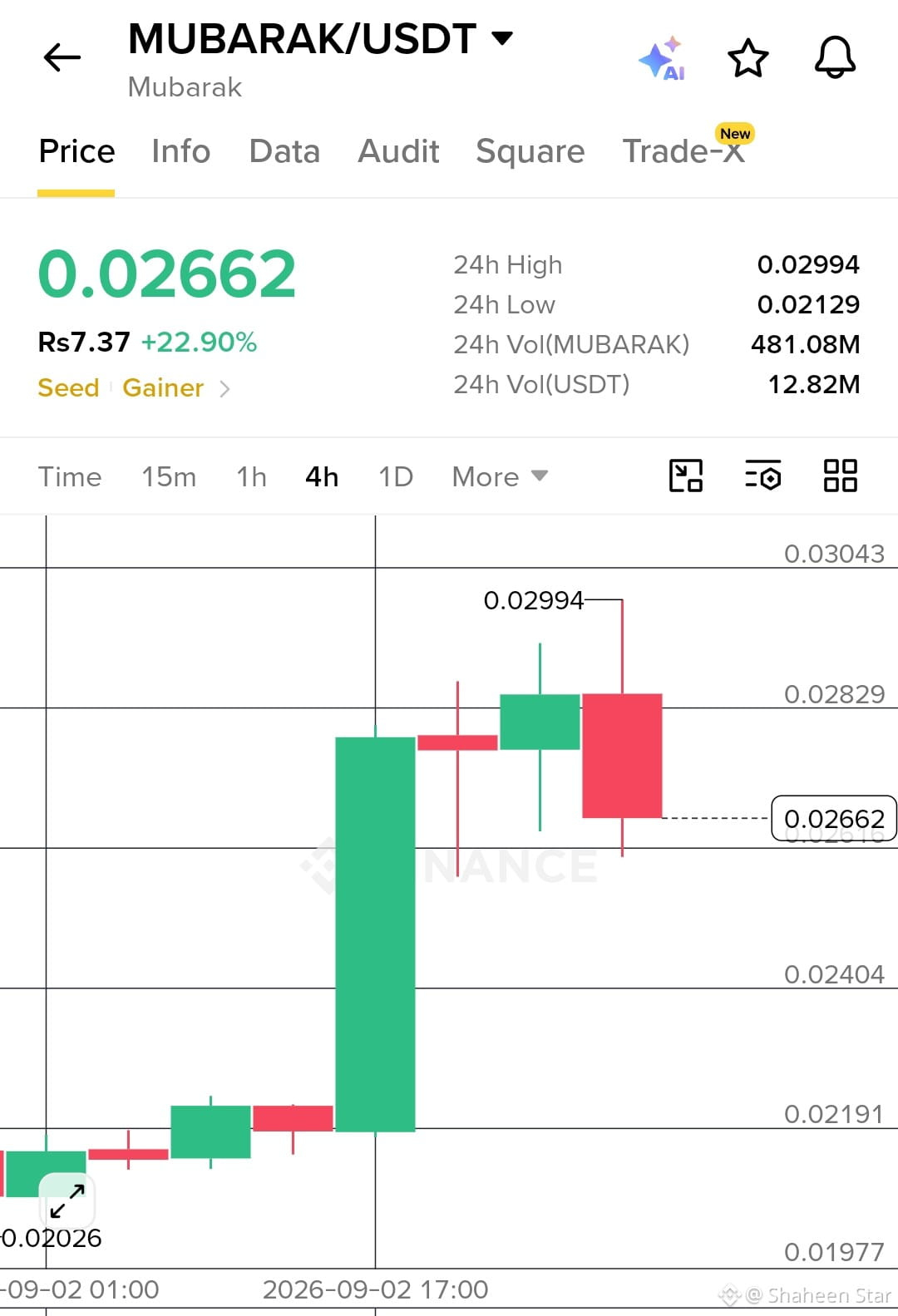
🚀 $MUBARAK /USDT СИГНАЛ НА LONG 📈🔥
💰 Вход: $0.02850–$0.02920
🎯 TP1: $0.03000
🎯 TP2: $0.03200
🎯 TP3: $0.03500
🛑 SL: $0.02680
🔥 +37.27% Моментум | 💵 Объём $92.54M
⚡ 3.43B $MUBARAK проторговано — серьёзная активность на рынке!
Чёткий пробой & удержание выше $0.03000 может разжечь следующее движение к $0.03200 → $0.03500 🚀
❌ Потеря $0.02680 = сценарий недействителен.
NFA | DYOR ⚠️
#MUBARAK #USDT #Crypto #Long #Futures #Trading
💰 Вход: $0.02850–$0.02920
🎯 TP1: $0.03000
🎯 TP2: $0.03200
🎯 TP3: $0.03500
🛑 SL: $0.02680
🔥 +37.27% Моментум | 💵 Объём $92.54M
⚡ 3.43B $MUBARAK проторговано — серьёзная активность на рынке!
Чёткий пробой & удержание выше $0.03000 может разжечь следующее движение к $0.03200 → $0.03500 🚀
❌ Потеря $0.02680 = сценарий недействителен.
NFA | DYOR ⚠️
#MUBARAK #USDT #Crypto #Long #Futures #Trading
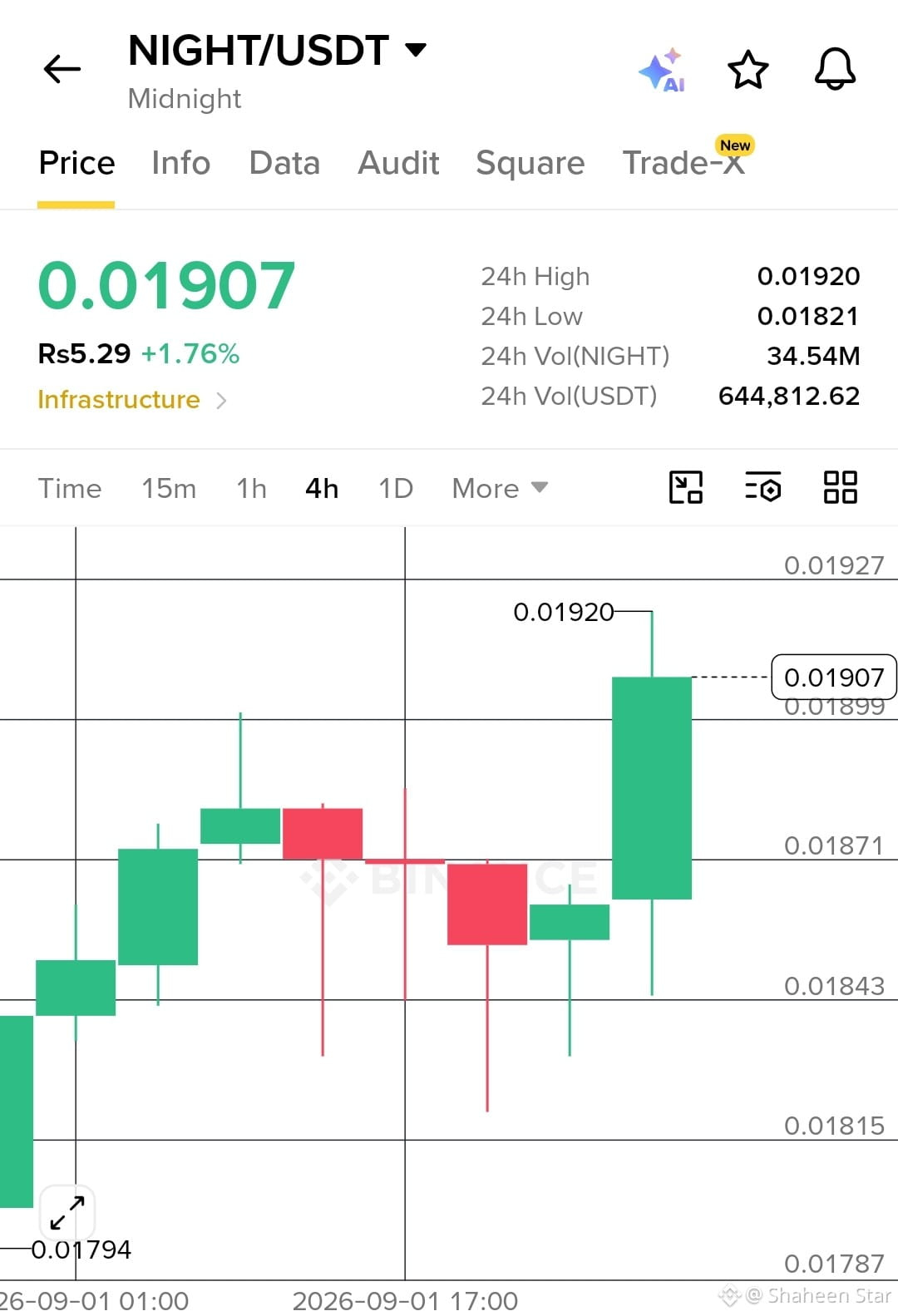
🚀🔥 $NIGHT $ СИГНАЛ BREAKOUT!
$NIGHT выходит из диапазона, так как быки возвращают 0.01900 после отскока от 0.01800. Покупатели уже тестируют ключевое сопротивление 0.01920! 👀
🟢 Вход: 0.01900–0.01915
🎯 TP1: 0.01930
🎯 TP2: 0.01945
🎯 TP3: 0.01960
🛑 SL: 0.01875
⚡ Чистый пробой 0.01920 → следующая волна вверх может воспламенить! 🚀
NFA. DYOR & управляйте риском.
#NIGHT #Crypto #Altcoins #Trading #Futures $ACE
$NIGHT выходит из диапазона, так как быки возвращают 0.01900 после отскока от 0.01800. Покупатели уже тестируют ключевое сопротивление 0.01920! 👀
🟢 Вход: 0.01900–0.01915
🎯 TP1: 0.01930
🎯 TP2: 0.01945
🎯 TP3: 0.01960
🛑 SL: 0.01875
⚡ Чистый пробой 0.01920 → следующая волна вверх может воспламенить! 🚀
NFA. DYOR & управляйте риском.
#NIGHT #Crypto #Altcoins #Trading #Futures $ACE
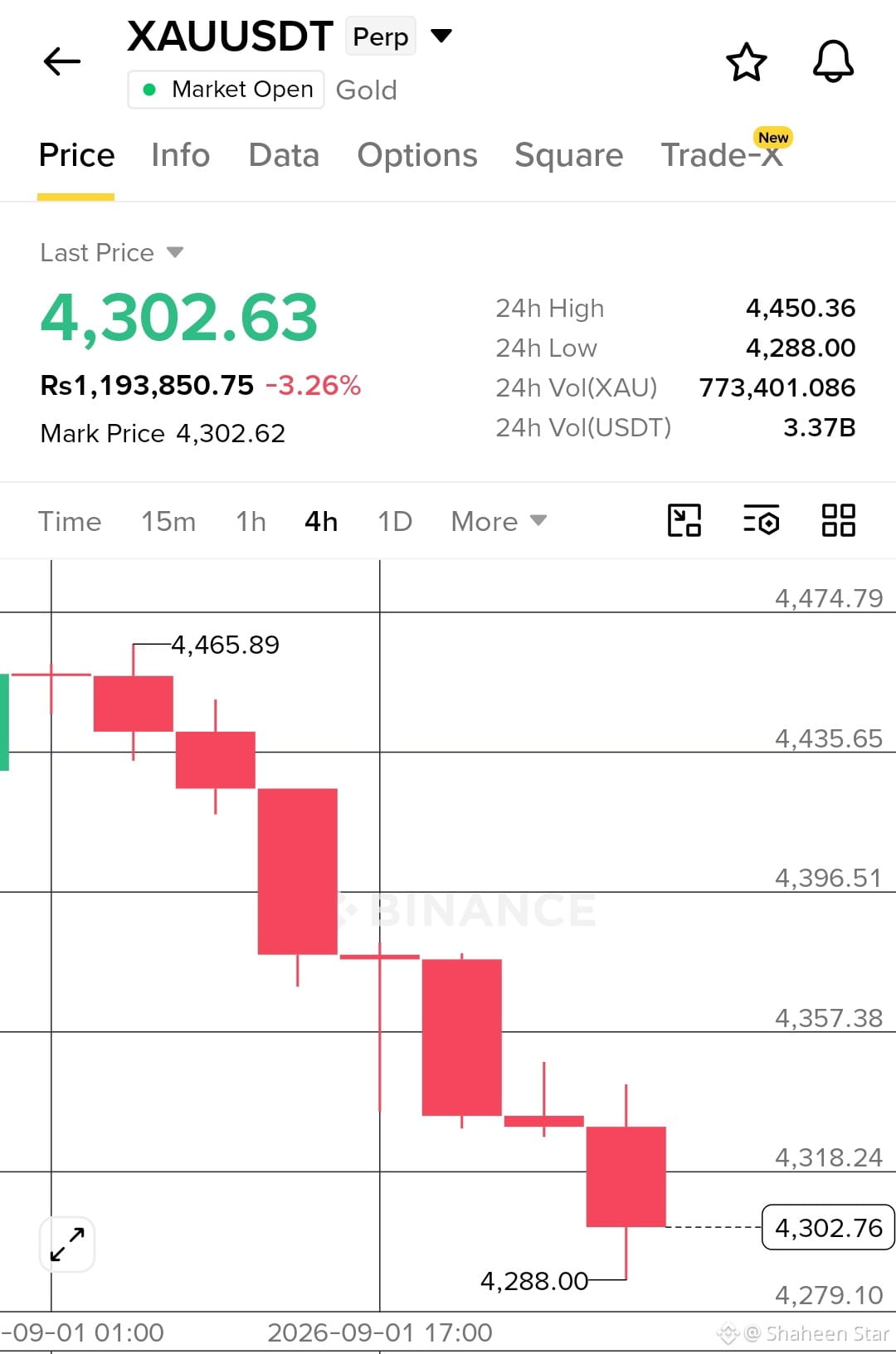
🔥 $XAU / USDT PERP — ПОКУПАТЕЛИ, СМОТРИТЕ ЭТУ ЗОНУ! 👀
Золото откатывается на 3,1% и торгуется возле 4,307.01, но похоже, что распродажа замедляется в районе ключевой зоны поддержки. 📉➡️📈
🟢 Вход: 4,295–4,315
🎯 TP1: 4,380
🎯 TP2: 4,440
🎯 TP3: 4,500
🛑 SL: 4,250
⚡ Если покупатели войдут с сильным объёмом, $XAU сможет восстановиться к недавним максимумам. Подтверждение важно — не гонись.
NFA. DYOR и управляйте рисками.
#XAU #XAUUSDT #Gold #Perp #Trading #Crypto
Золото откатывается на 3,1% и торгуется возле 4,307.01, но похоже, что распродажа замедляется в районе ключевой зоны поддержки. 📉➡️📈
🟢 Вход: 4,295–4,315
🎯 TP1: 4,380
🎯 TP2: 4,440
🎯 TP3: 4,500
🛑 SL: 4,250
⚡ Если покупатели войдут с сильным объёмом, $XAU сможет восстановиться к недавним максимумам. Подтверждение важно — не гонись.
NFA. DYOR и управляйте рисками.
#XAU #XAUUSDT #Gold #Perp #Trading #Crypto
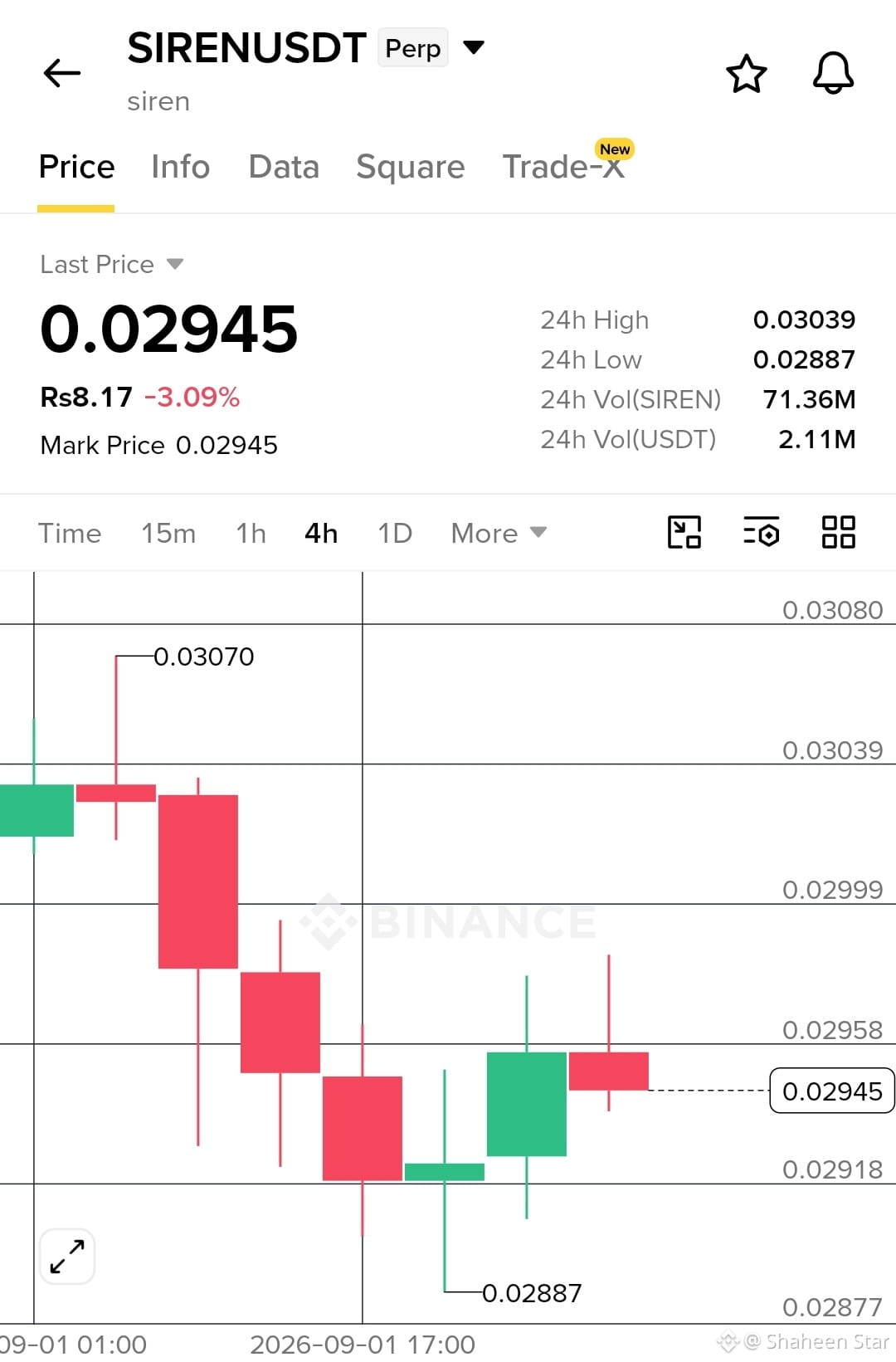
🚨👀 $SIREN ОБНОВЛЕНИЕ ТРЕЙДА!
Все еще внимательно следим за $SIREN ! 🔥
💰 Текущая цена: ~$0.0294
🎯 Цель: еще на 5 USDT 😂💸
Без FOMO. ❌
Не гонись за пампами. ❌
Просто ждем правильный вход + подтверждение по объему. 📊⚡
$SIREN по-прежнему твердо в списке наблюдения. 👀
Терпение сейчас… возможность позже! 🚀
ПРОВЕДИ СВОЙ АНАЛИЗ (DYOR) и управляй рисками.
#SIREN #Crypto #Altcoins #Trading
Все еще внимательно следим за $SIREN ! 🔥
💰 Текущая цена: ~$0.0294
🎯 Цель: еще на 5 USDT 😂💸
Без FOMO. ❌
Не гонись за пампами. ❌
Просто ждем правильный вход + подтверждение по объему. 📊⚡
$SIREN по-прежнему твердо в списке наблюдения. 👀
Терпение сейчас… возможность позже! 🚀
ПРОВЕДИ СВОЙ АНАЛИЗ (DYOR) и управляй рисками.
#SIREN #Crypto #Altcoins #Trading
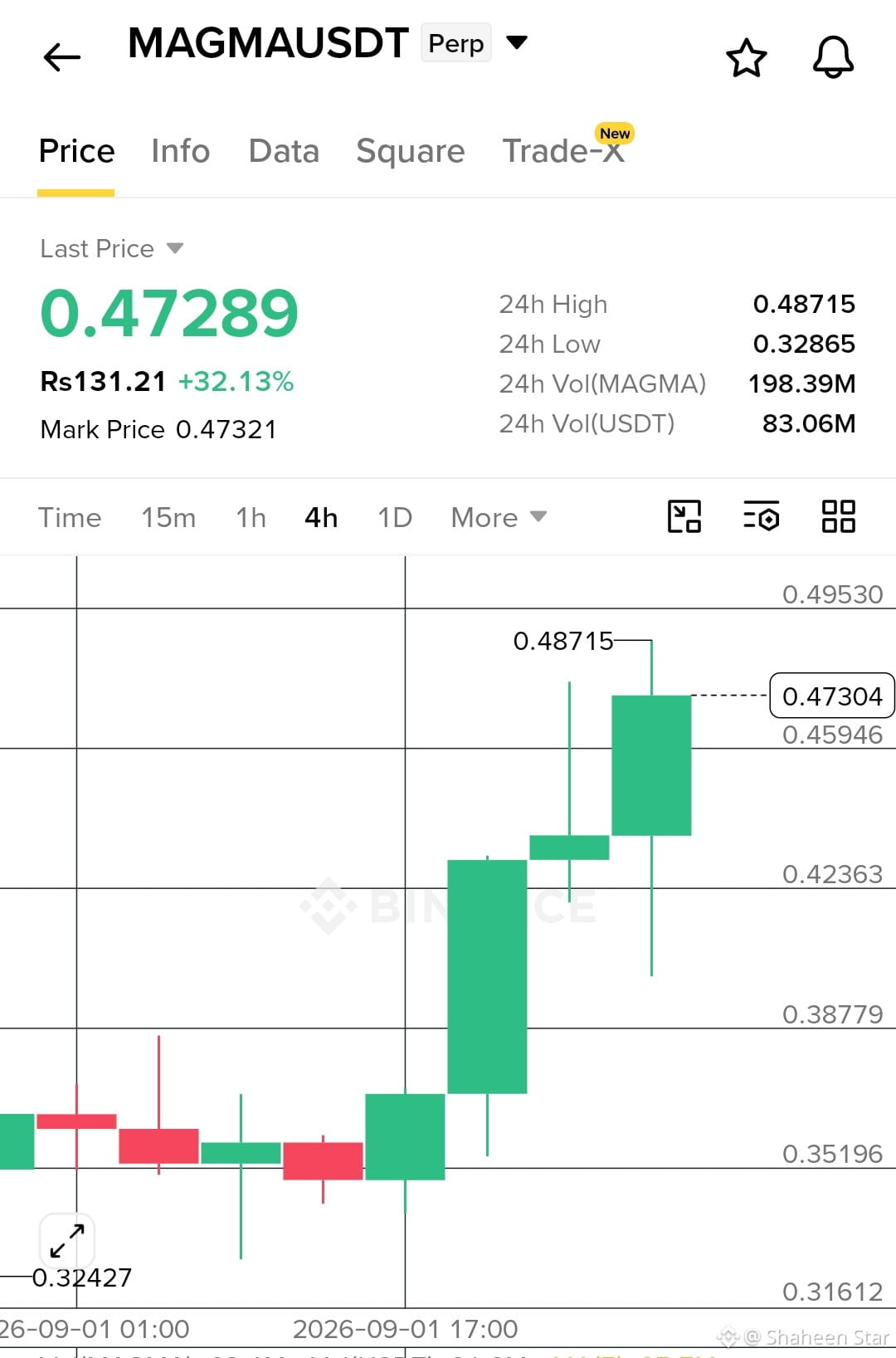
🔥🚨 3 ДЛИННЫХ СДЕЛКИ. 3 ЦЕЛИ. КТО ДВИГАЕТСЯ ПЕРВЫМ? 👀
🟠 $MAGMA → 🎯 $0.75
🟣 $UNI → 🎯 $6.50
🔵 $UAI → 🎯 $0.65
Три разных сетапа, но одна и та же миссия: ЛОВИТЬ ИМПУЛЬС! 🚀
Если покупатели будут удерживать давление, эти цели могут быстро оказаться в игре. ⚡
👀 Какая достигнет TP ПЕРВОЙ?
$MAGMA , $UNI или $UAI ?
NFA. DYOR.
#Crypto #MAGMA #UNI #UAI #Altcoins #Trading
🟠 $MAGMA → 🎯 $0.75
🟣 $UNI → 🎯 $6.50
🔵 $UAI → 🎯 $0.65
Три разных сетапа, но одна и та же миссия: ЛОВИТЬ ИМПУЛЬС! 🚀
Если покупатели будут удерживать давление, эти цели могут быстро оказаться в игре. ⚡
👀 Какая достигнет TP ПЕРВОЙ?
$MAGMA , $UNI или $UAI ?
NFA. DYOR.
#Crypto #MAGMA #UNI #UAI #Altcoins #Trading
🔥🚨 САМЫЕ ТРЕНДОВЫЕ МОНЕТЫ СЕГОДНЯ — СПИСОК НАБЛЮДЕНИЯ РАСКАЛЁН! 👀
Рынок прямо сейчас активно обсуждает эти имена:
🥇 $UAI
🥈 $HYPER
🥉 $ARB
4️⃣ $BTC
5️⃣ $UP
6️⃣ $USELESS
7️⃣ $ETH
8️⃣ $LIT
9️⃣ $CASHCAT
🔟 $PENGU
1️⃣1️⃣ $HYPE
1️⃣2️⃣ $UNI
1️⃣3️⃣ $ZEC
1️⃣4️⃣ $PUMP
1️⃣5️⃣ $ENA
⚡ Тренд = Внимание → Внимание = Волатильность!
Одна из этих монет может готовиться к СЛЕДУЮЩЕМУ БОЛЬШОМУ ДВИЖЕНИЮ. 🚀🔥
👀 Какую монету вы смотрите? Напишите свой выбор ниже!
НФА. ДЙОР.
#Crypto #Trending #Altcoins #BTC #ETH #Trading
Рынок прямо сейчас активно обсуждает эти имена:
🥇 $UAI
🥈 $HYPER
🥉 $ARB
4️⃣ $BTC
5️⃣ $UP
6️⃣ $USELESS
7️⃣ $ETH
8️⃣ $LIT
9️⃣ $CASHCAT
🔟 $PENGU
1️⃣1️⃣ $HYPE
1️⃣2️⃣ $UNI
1️⃣3️⃣ $ZEC
1️⃣4️⃣ $PUMP
1️⃣5️⃣ $ENA
⚡ Тренд = Внимание → Внимание = Волатильность!
Одна из этих монет может готовиться к СЛЕДУЮЩЕМУ БОЛЬШОМУ ДВИЖЕНИЮ. 🚀🔥
👀 Какую монету вы смотрите? Напишите свой выбор ниже!
НФА. ДЙОР.
#Crypto #Trending #Altcoins #BTC #ETH #Trading
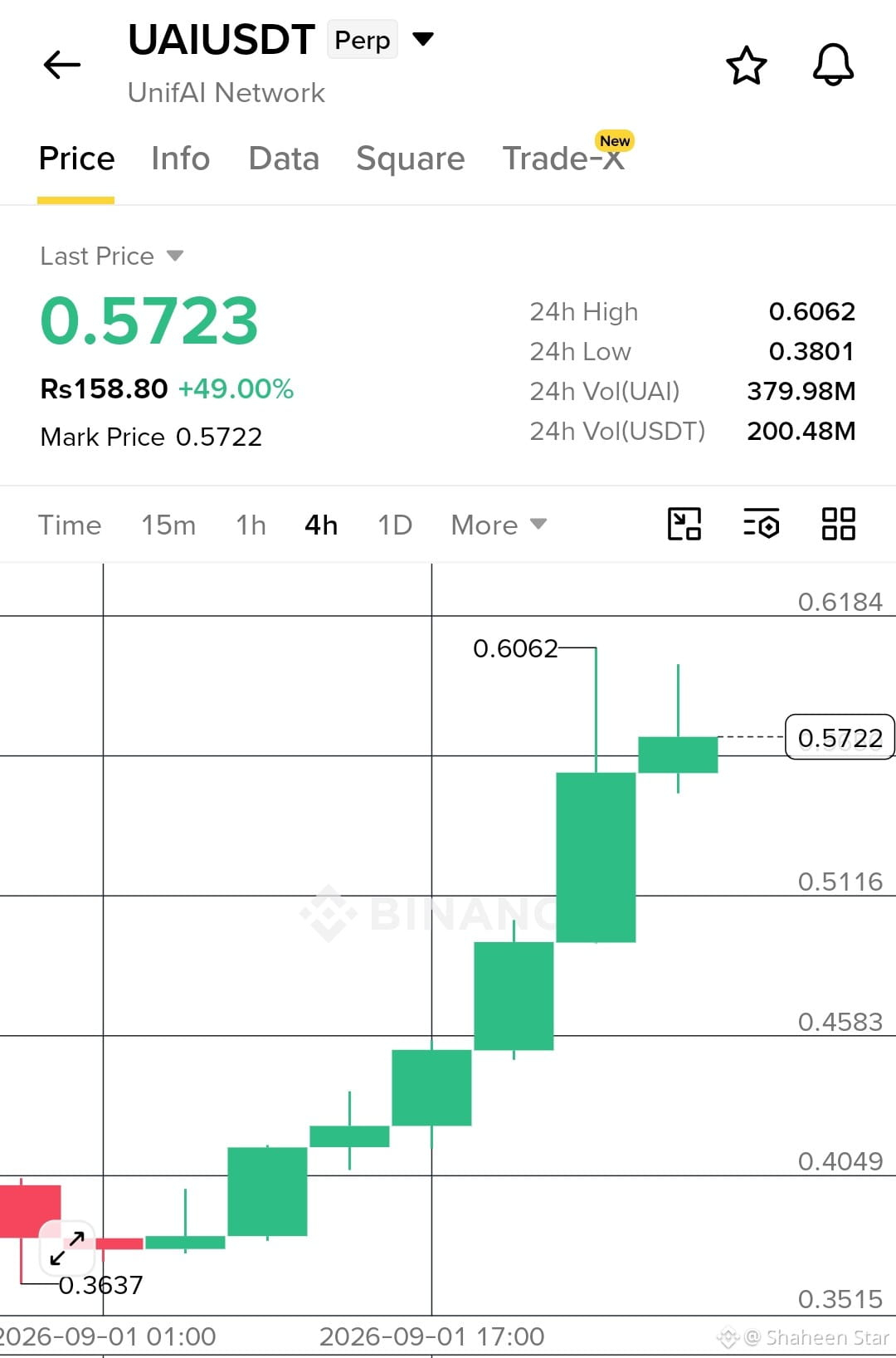
🚀 $AR БЫКИ ВНОВЬ В КОНТРОЛЕ! 🔥
$AR резко отскочили от 2.18 и вернули зону пробоя, нацелившись обратно на 2.26. Структура на 1H сохраняет бычий настрой, поскольку покупатели удерживают откат. 💪
📍 Вход: 2.250–2.275
🎯 TP1: 2.290
🎯 TP2: 2.320
🎯 TP3: 2.350
🛑 SL: 2.210
⚡ Чистый пробой выше 2.30 может запустить очередной импульс к недавнему максимуму!
Не финсовет. Проверьте сами. 🚨
#AR #Crypto #Altcoins #Trading #Futures
$AR резко отскочили от 2.18 и вернули зону пробоя, нацелившись обратно на 2.26. Структура на 1H сохраняет бычий настрой, поскольку покупатели удерживают откат. 💪
📍 Вход: 2.250–2.275
🎯 TP1: 2.290
🎯 TP2: 2.320
🎯 TP3: 2.350
🛑 SL: 2.210
⚡ Чистый пробой выше 2.30 может запустить очередной импульс к недавнему максимуму!
Не финсовет. Проверьте сами. 🚨
#AR #Crypto #Altcoins #Trading #Futures
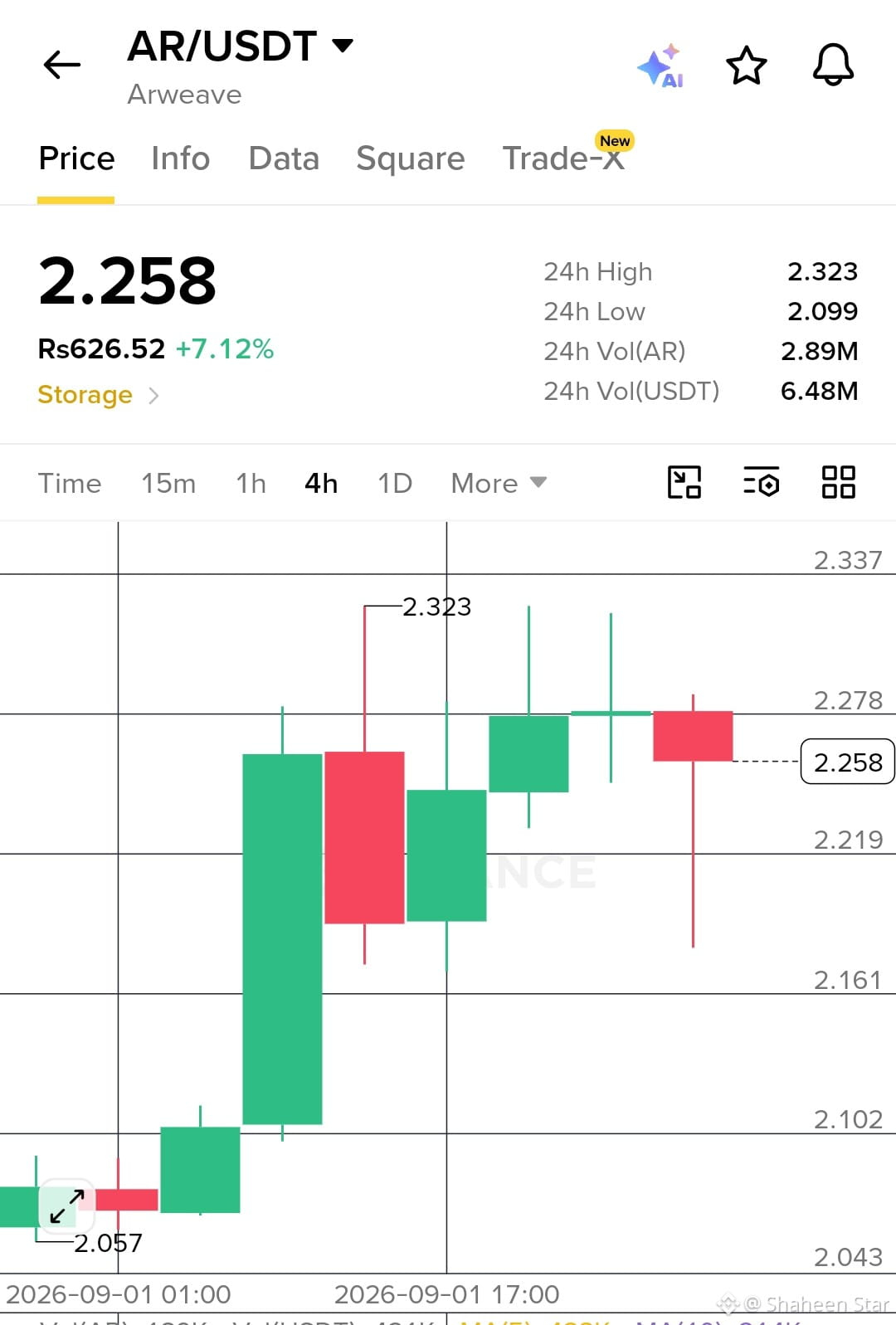
🚨🐻 $ZKC МЕДВЕДИ БЕРУТ КОНТРОЛЬ! 🔥📉
После пампа $ZKC продолжает формировать более низкие максимумы, показывая растущее давление продавцов. Отбой от зоны входа может спровоцировать ещё один импульс вниз! ⚠️
🔴 ШОРТ ВХОД: $0.0565 – $0.0580
🎯 TP1: $0.0530
🎯 TP2: $0.0500
🎯 TP3: $0.0475
🛑 СТОП-ЛОСС: $0.0615
💥 Ключевой триггер: Пробой зоны $0.0565–$0.0580 может ускорить коррекцию.
🐻 Будьте внимательны. Управляйте рисками. Защищайте свой капитал!
NFA | DYOR
#ZKC #Crypto #Short #Futures #Trading #Altcoins
После пампа $ZKC продолжает формировать более низкие максимумы, показывая растущее давление продавцов. Отбой от зоны входа может спровоцировать ещё один импульс вниз! ⚠️
🔴 ШОРТ ВХОД: $0.0565 – $0.0580
🎯 TP1: $0.0530
🎯 TP2: $0.0500
🎯 TP3: $0.0475
🛑 СТОП-ЛОСС: $0.0615
💥 Ключевой триггер: Пробой зоны $0.0565–$0.0580 может ускорить коррекцию.
🐻 Будьте внимательны. Управляйте рисками. Защищайте свой капитал!
NFA | DYOR
#ZKC #Crypto #Short #Futures #Trading #Altcoins
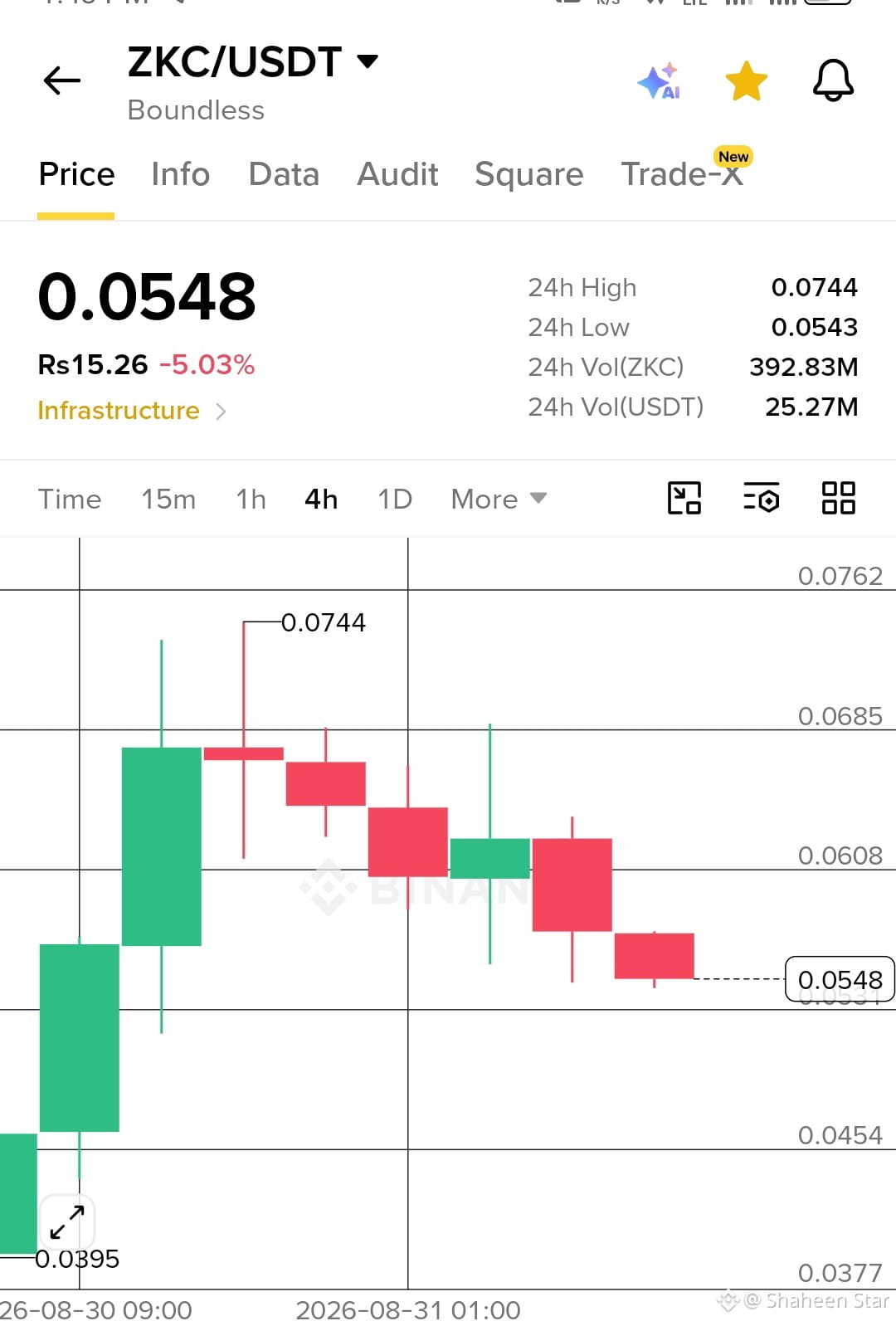
🚨🔥 ПРЕДУПРЕЖДЕНИЕ ALPHA TRADER — ТОП-3 ВЫБОРА! 👹🚀
🌕 РЕЖИМ ALPHA MONSTER ВКЛЮЧЕН!
Эти монеты отслеживаются как потенциальная возможность движения 2X–3X. 💥 Держись крепче и следи за импульсом!
🟢 БЫСТРАЯ СПИСКОМ ДЛЯ ПОКУПКИ:
🔥 $CYS
🔥 $CLO
🔥 $UAI
⚡ — Импульс Alpha на радаре! 🚀
🎯 Потенциал: 2X → 3X
💎 Стратегия: покупай с умом • держи крепко • фиксируй прибыль по ходу
🚨 Высокий риск, высокая волатильность — DYOR & защитите свой капитал!
#CYS #CLO #UAI #Alpha #Crypto #Altcoins #Trading #2X #3X
🌕 РЕЖИМ ALPHA MONSTER ВКЛЮЧЕН!
Эти монеты отслеживаются как потенциальная возможность движения 2X–3X. 💥 Держись крепче и следи за импульсом!
🟢 БЫСТРАЯ СПИСКОМ ДЛЯ ПОКУПКИ:
🔥 $CYS
🔥 $CLO
🔥 $UAI
⚡ — Импульс Alpha на радаре! 🚀
🎯 Потенциал: 2X → 3X
💎 Стратегия: покупай с умом • держи крепко • фиксируй прибыль по ходу
🚨 Высокий риск, высокая волатильность — DYOR & защитите свой капитал!
#CYS #CLO #UAI #Alpha #Crypto #Altcoins #Trading #2X #3X
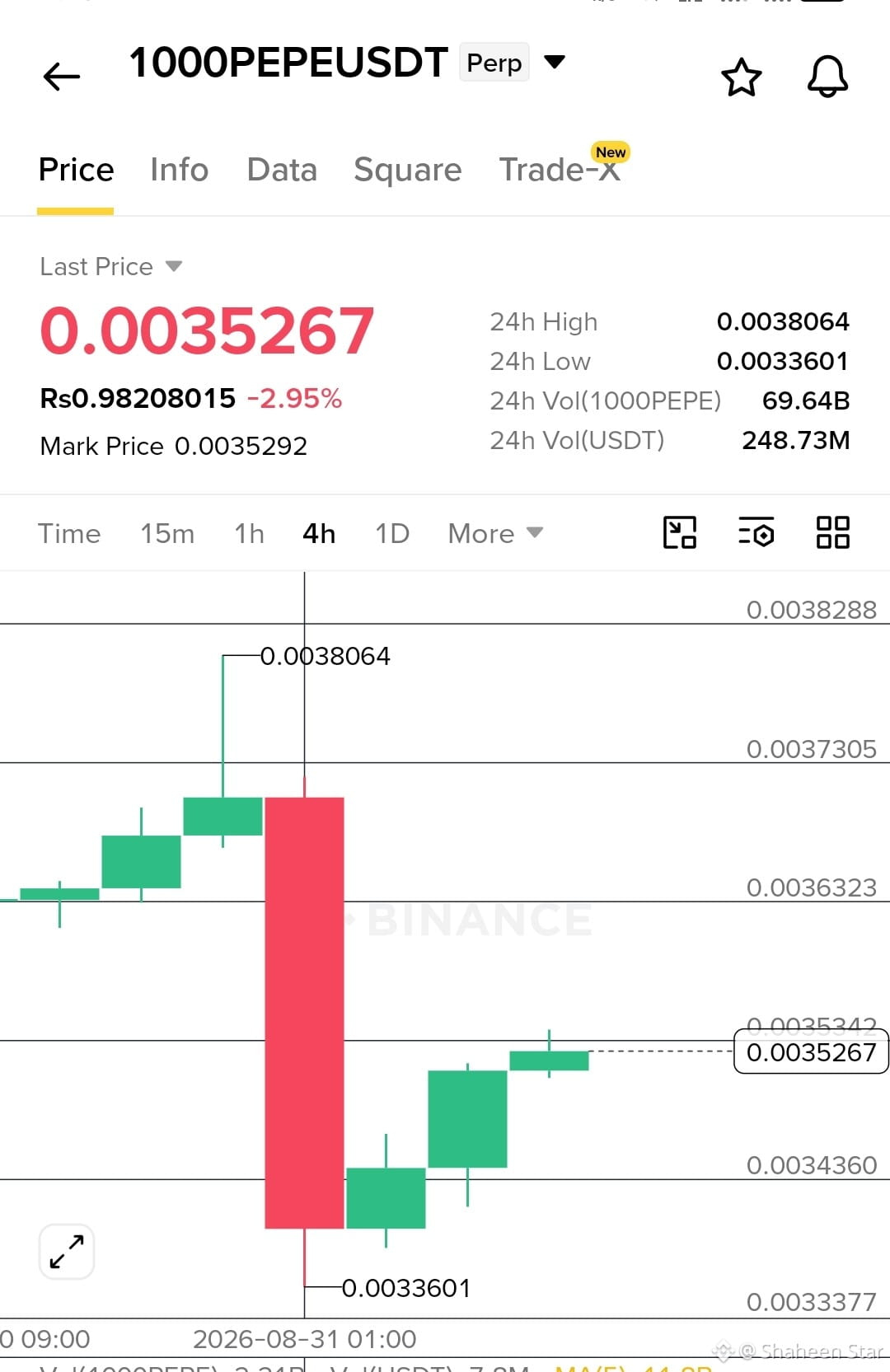
🐸🔥 $1000PEPE НАСТРОЙКА ДЛЯ ОТБOЯ! 📈
После резкого распродажного движения $1000PEPE сильно реагирует на зоне поддержки 0.00336–0.00340. Покупатели пытаются совершить краткосрочное восстановление! 🚀
🟢 ЛОНГ-ВХОД: 0.00350 – 0.00354
🎯 TP1: 0.00358
🎯 TP2: 0.00362
🎯 TP3: 0.00367
🛑 СТОП-ЛОСС: 0.00342
⚡ Ключевой уровень: Устойчивое удержание выше 0.00350 сохраняет отскок. Возврат к 0.00355 может усилить давление со стороны покупателей!
💰 Торгуйте разумно. Берегите свой капитал.
NFA | DYOR
#1000PEPE #PEPE #Crypto #Trading #Long #Altcoins
После резкого распродажного движения $1000PEPE сильно реагирует на зоне поддержки 0.00336–0.00340. Покупатели пытаются совершить краткосрочное восстановление! 🚀
🟢 ЛОНГ-ВХОД: 0.00350 – 0.00354
🎯 TP1: 0.00358
🎯 TP2: 0.00362
🎯 TP3: 0.00367
🛑 СТОП-ЛОСС: 0.00342
⚡ Ключевой уровень: Устойчивое удержание выше 0.00350 сохраняет отскок. Возврат к 0.00355 может усилить давление со стороны покупателей!
💰 Торгуйте разумно. Берегите свой капитал.
NFA | DYOR
#1000PEPE #PEPE #Crypto #Trading #Long #Altcoins
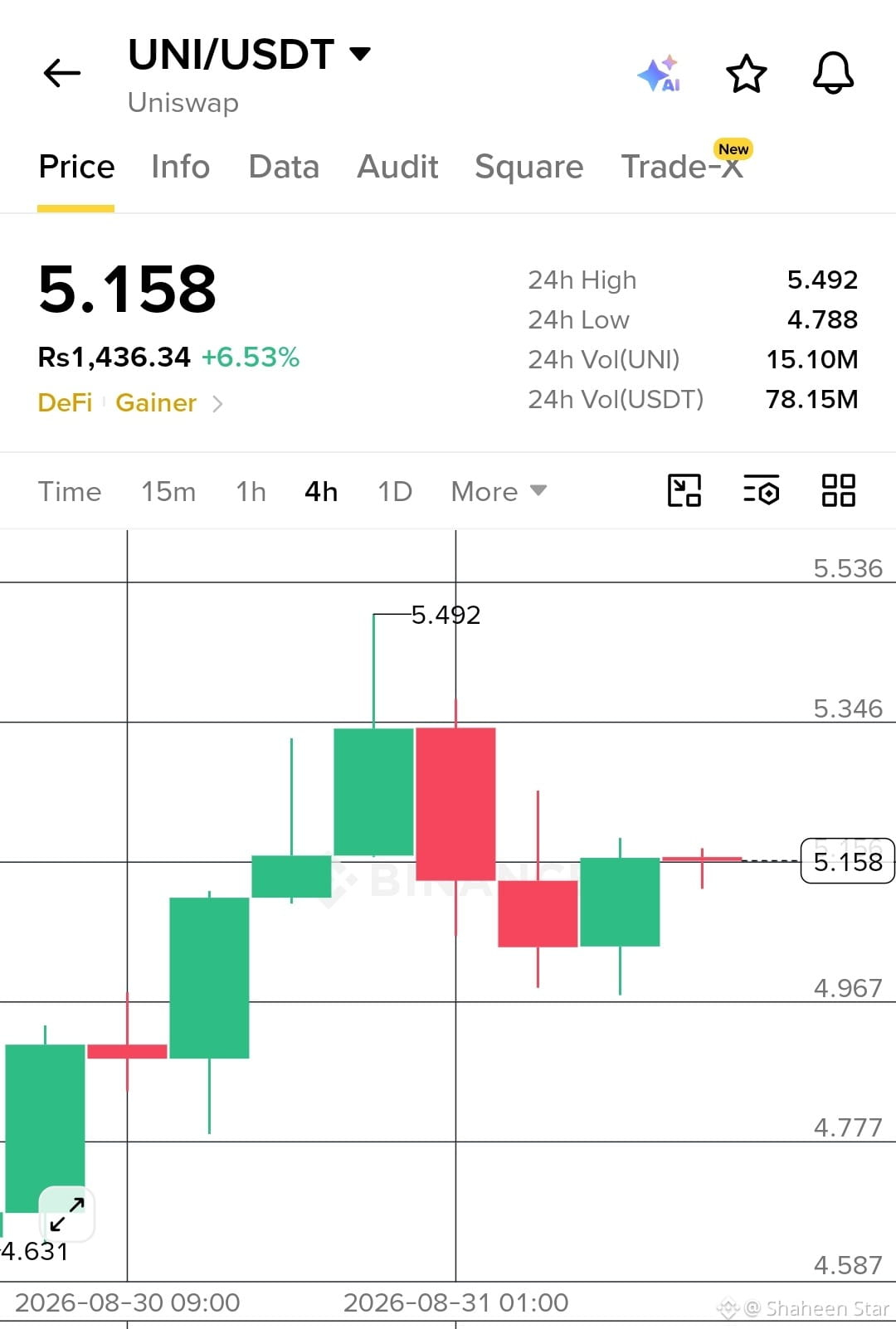
🚀 $UNI BOUNCE IS READY! 🔥📈
$UNI отскакивает от ключевой поддержки, а покупатели снова заходят в позицию! Удержание выше $5.10 может зажечь следующее движение вверх. ⚡
🟢 ВХОД: $5.10 – $5.17
🎯 TP1: $5.30
🎯 TP2: $5.45
🎯 TP3: $5.60
🛑 SL: $4.98
🔥 Ключевой уровень: Удержание выше $5.10 = потенциал продолжения бычьего тренда!
NFA | DYOR
#UNI #Crypto #Trading #Altcoins #Futures
$UNI отскакивает от ключевой поддержки, а покупатели снова заходят в позицию! Удержание выше $5.10 может зажечь следующее движение вверх. ⚡
🟢 ВХОД: $5.10 – $5.17
🎯 TP1: $5.30
🎯 TP2: $5.45
🎯 TP3: $5.60
🛑 SL: $4.98
🔥 Ключевой уровень: Удержание выше $5.10 = потенциал продолжения бычьего тренда!
NFA | DYOR
#UNI #Crypto #Trading #Altcoins #Futures
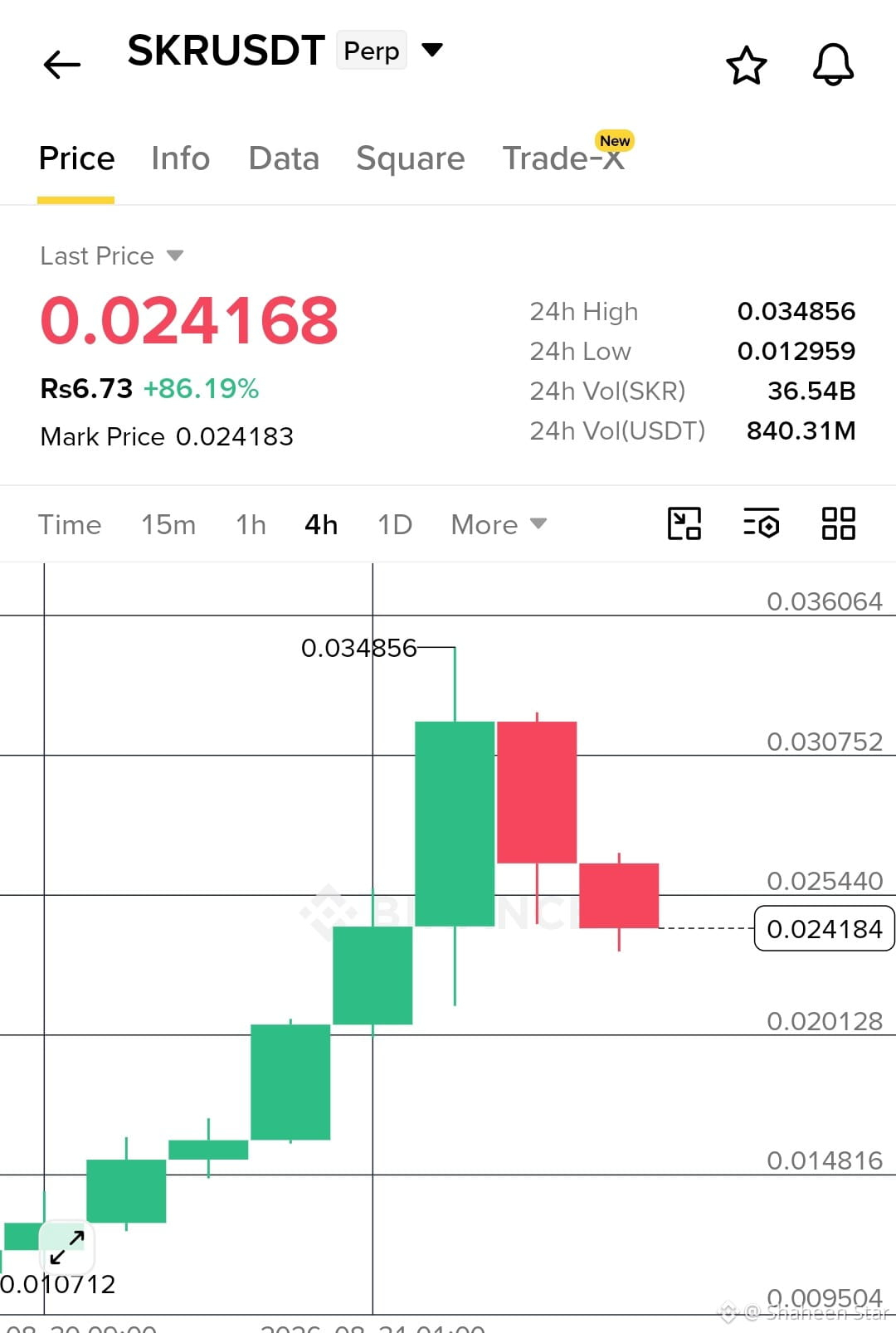
🚨 КОРОТКАЯ ПОЗИЦИЯ $SKR СЕЙЧАС! 🛑🔥
$SKR только что взорвалось почти на 100%, достигнув дневного максимума 0.034856, после чего было отвергнуто. Сейчас торгуется около 0.02577 — продавцы включаются, а риск фиксации прибыли быстро растёт! ⚠️
📉 ВХОД В ШОРТ: 0.02700 – 0.03000 (после отката)
🎯 ЦЕЛИ:
TP1: 0.02400
TP2: 0.02000
TP3: 0.01500 💥
🛑 СТОП-ЛОСС: 0.03200
🔻 Медвежий сценарий ниже 0.03000
❌ Сильный пробой & удержание выше 0.03200 отменяют сетап.
⚡ Моментум перегрет — дождитесь подтверждения отклонения перед входом!
NFA | DYOR
#SKR #Crypto #Short #Futures #Trading #Altcoins
$SKR только что взорвалось почти на 100%, достигнув дневного максимума 0.034856, после чего было отвергнуто. Сейчас торгуется около 0.02577 — продавцы включаются, а риск фиксации прибыли быстро растёт! ⚠️
📉 ВХОД В ШОРТ: 0.02700 – 0.03000 (после отката)
🎯 ЦЕЛИ:
TP1: 0.02400
TP2: 0.02000
TP3: 0.01500 💥
🛑 СТОП-ЛОСС: 0.03200
🔻 Медвежий сценарий ниже 0.03000
❌ Сильный пробой & удержание выше 0.03200 отменяют сетап.
⚡ Моментум перегрет — дождитесь подтверждения отклонения перед входом!
NFA | DYOR
#SKR #Crypto #Short #Futures #Trading #Altcoins
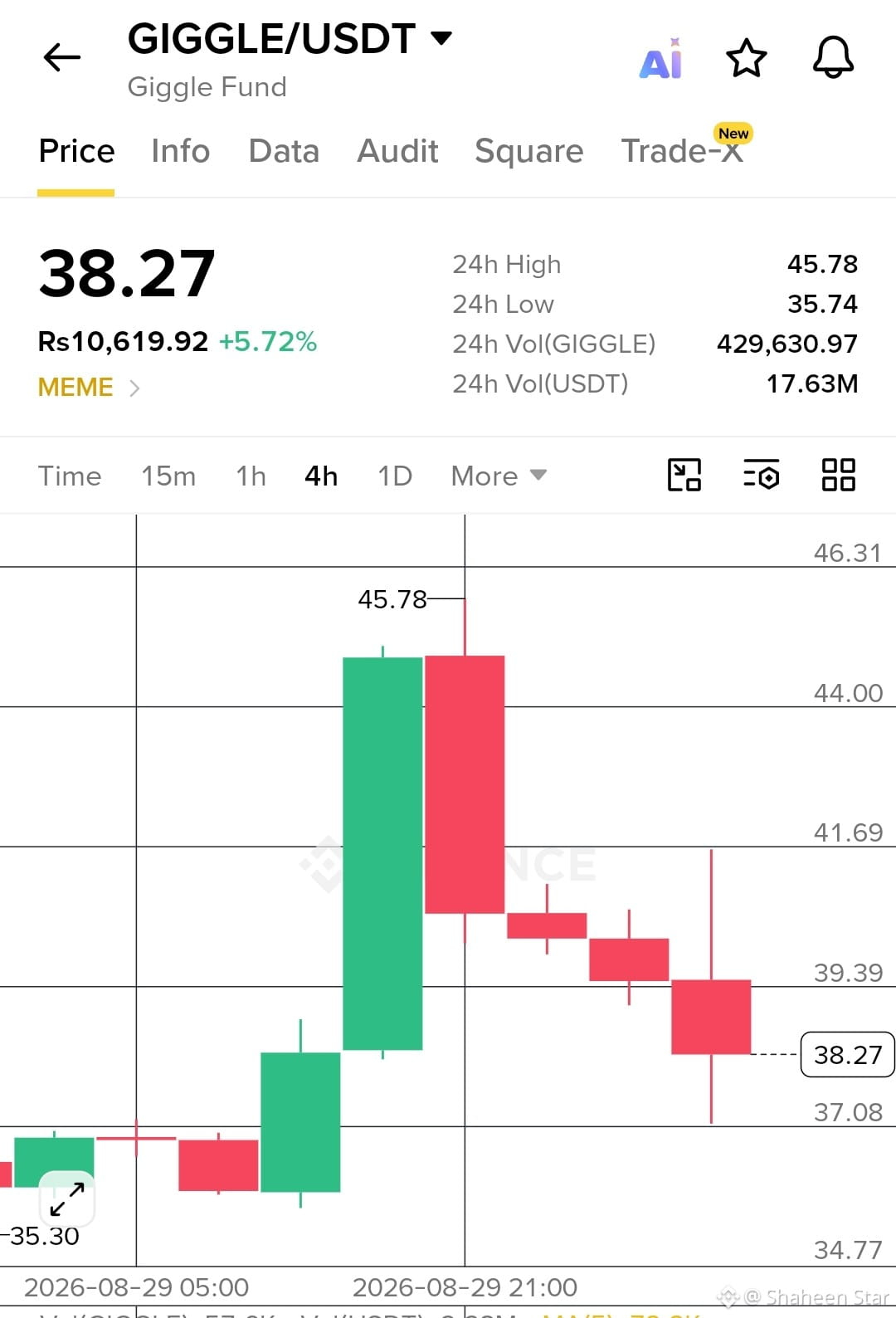
🚨 $GIGGLE ГОТОВЫ К ЕЩЕ ОДНОМУ РЫВКУ! 🔥🚀
идет стабилизация после того взрывного движения! Чистая фиксация выше уровня поддержки может запустить следующий бычий импульс 📈⚡
🟢 Вход: $39.80–$40.20
🎯 TP1: $41.60–$44.00
🎯 TP2: $45.80
🛑 SL: $38.70
🔥 Держите поддержку → быки могут снова атаковать!
ПРОЙДИТЕ СВОЕ ИССЛЕДОВАНИЕ • НЕ ФИНАНСОВЫЙ СОВЕТ
$PROM
$4
идет стабилизация после того взрывного движения! Чистая фиксация выше уровня поддержки может запустить следующий бычий импульс 📈⚡
🟢 Вход: $39.80–$40.20
🎯 TP1: $41.60–$44.00
🎯 TP2: $45.80
🛑 SL: $38.70
🔥 Держите поддержку → быки могут снова атаковать!
ПРОЙДИТЕ СВОЕ ИССЛЕДОВАНИЕ • НЕ ФИНАНСОВЫЙ СОВЕТ
$PROM
$4
Войдите, чтобы посмотреть больше материала