
#defi
defi
Просмотров: 56.3M
292,987 обсуждают
Популярные
Новые

·
--
Толпа списала LST со счетов, а они тихо забрали $52.6B TVL! 🔥
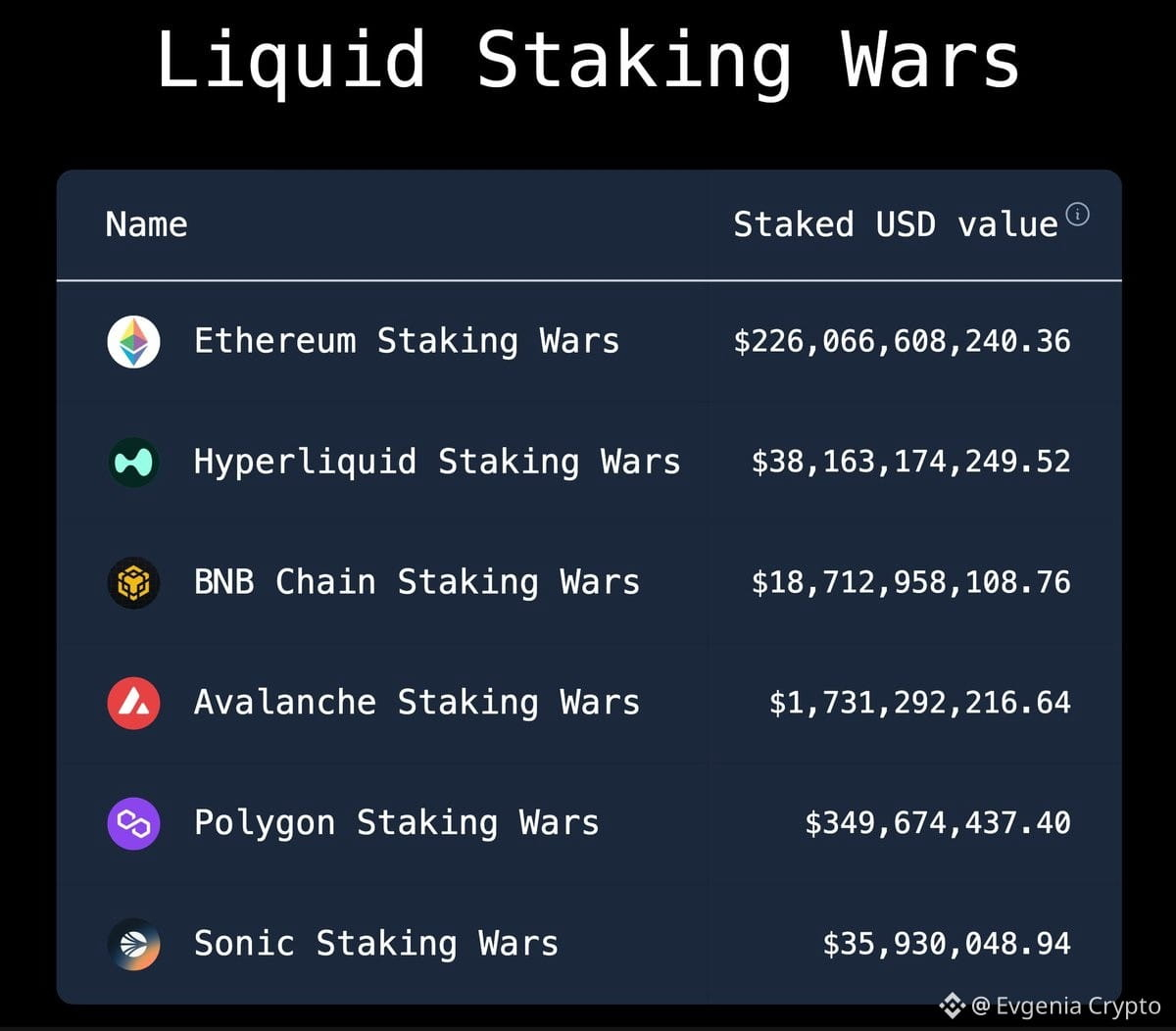
$226B застейкано на $ETH , $38B+ на @Square-Creator-7d40a5e9fdb2 . @Square-Creator-7b7da89c01a3 добавляет поддержку @LidoFinance-1 , а кастодиалы скупают wstETH.
Соревнование за APY ушло в прошлое — теперь рулит интеграция в лендинги и эффективность капитала.
Пока вы ищете хайп, гиганты строят вокруг LST новую финансовую систему! 🚀 #Ethereum #Lido #Hyperliquid #DeFi
Толпа списала LST со счетов, а они тихо забрали $52.6B TVL! 🔥
$226B застейкано на $ETH , $38B+ на @hyperliquidx . @AnchorageBB добавляет поддержку @LidoFinance , а кастодиалы скупают wstETH.
Соревнование за APY ушло в прошлое — теперь рулит интеграция в лендинги и эффективность капитала.
Пока вы ищете хайп, гиганты строят вокруг LST новую финансовую систему! 🚀 #Ethereum #Lido #Hyperliquid #DeFi
$226B застейкано на $ETH , $38B+ на @hyperliquidx . @AnchorageBB добавляет поддержку @LidoFinance , а кастодиалы скупают wstETH.
Соревнование за APY ушло в прошлое — теперь рулит интеграция в лендинги и эффективность капитала.
Пока вы ищете хайп, гиганты строят вокруг LST новую финансовую систему! 🚀 #Ethereum #Lido #Hyperliquid #DeFi
1
240

·
--
📰 Arc 主网上线首日热度很猛,但真正接住这波流量的还是 Uniswap。9 月 16 日,Uniswap 在 Arc 上的交易额超过 4.1 亿美元,远高于此前 Robinhood Chain 主网上线首日约 7050 万美元的交易额。
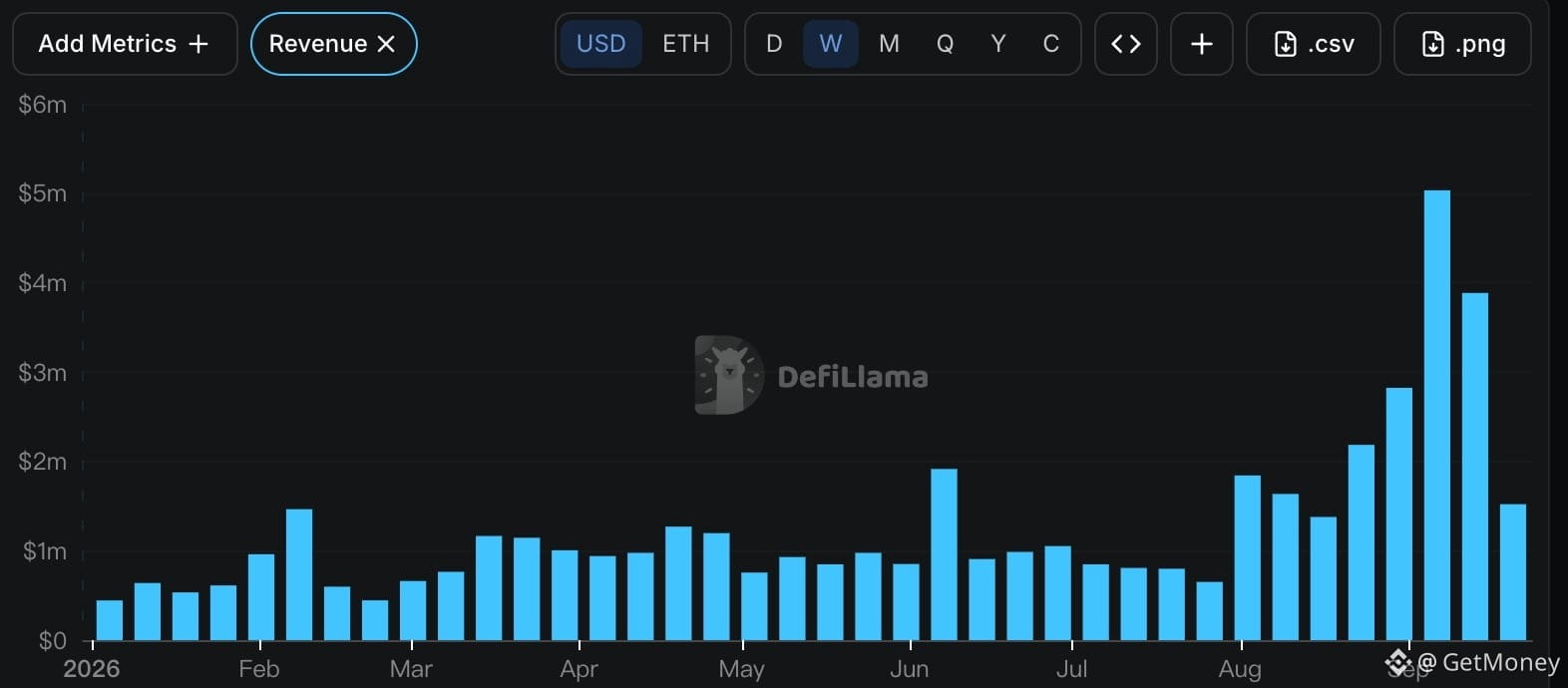
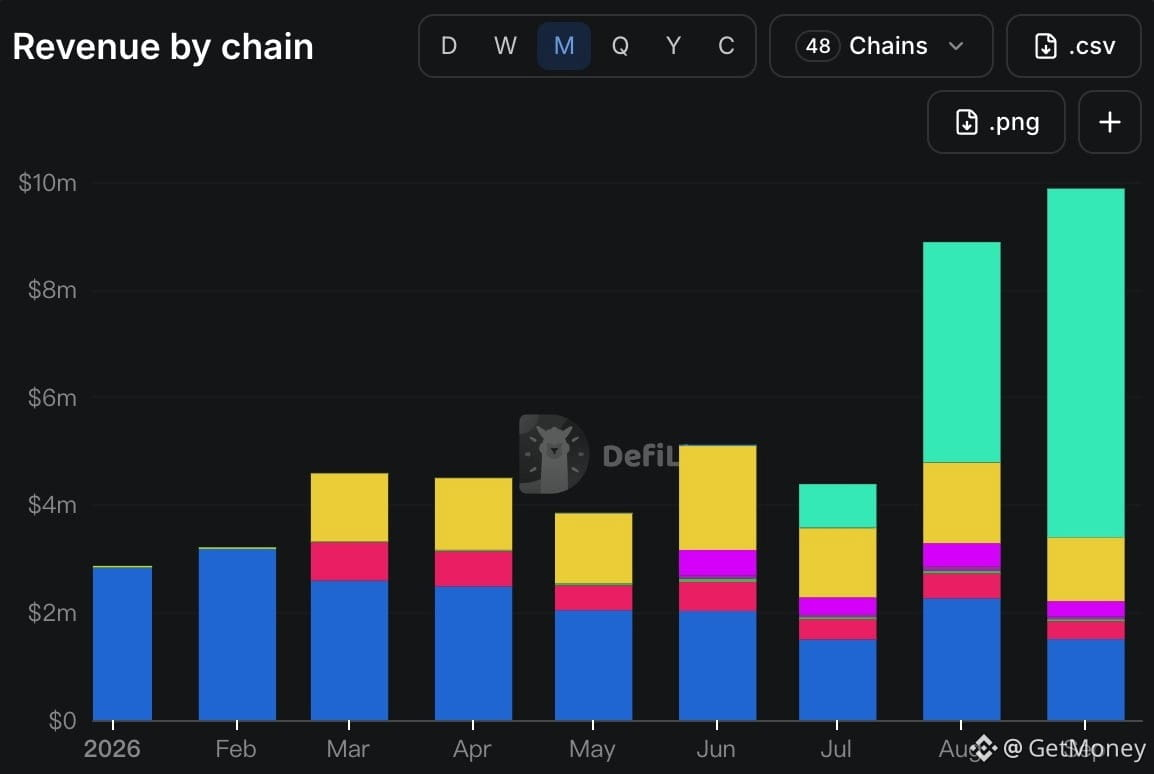
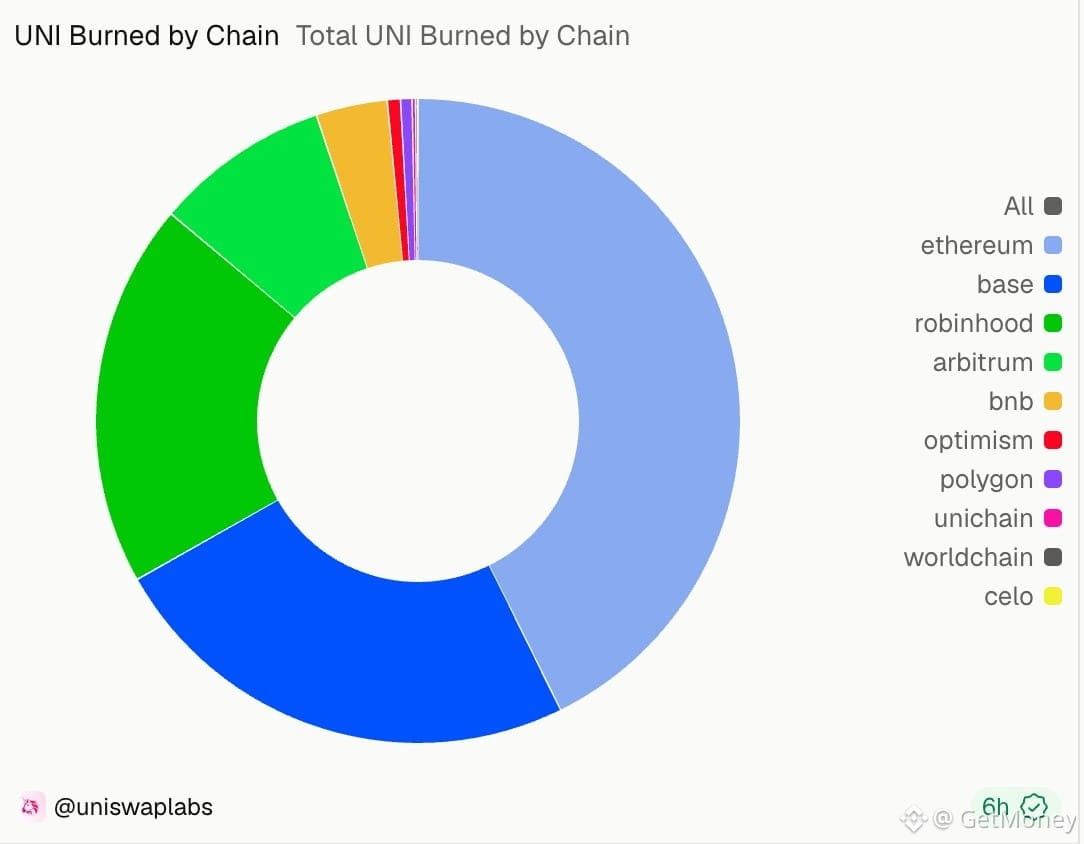
🔥 Robinhood Chain 已经证明,新链流量确实能变成收入。9 月至今,它为 Uniswap 贡献约 648 万美元协议收入,占同期总收入的 65.5%;费用开关激活不到两个月,贡献的 UNI 销毁量也占到总销毁量的 19.3%。
不过 Arc 目前还没激活费用开关,交易再热闹,也暂时不能转成 UNI 销毁。加上 Arc 生态代币回撤、链上流动性下降,这波到底是一日游,还是能沉淀成长期交易量,现在还真不好下结论。
💡 另一条线是 v4 正在追赶 v3。最新周度交易额占比分别达到 48% 和 52%,Hook 相关交易占 v4 的比例也从此前个位数升至 44%。说实话,这个增长速度挺夸张,但麻烦也跟着来了。
⚠️ 0x 分析了 6 条链上的 84,163 个 Hooks,仅 19.4% 被判断为安全,54.2% 被归类为恶意。部分 Hook 会在报价时给出好价格,结算时再改执行结果,用户实际收到的资产价值最多可能比报价低 50%。你在用 v4 池交易时,会专门核对最终到账和报价差异吗?
#Uniswap #UNI #DeFi #链上安全
📰 Arc 主网上线首日热度很猛,但真正接住这波流量的还是 Uniswap。9 月 16 日,Uniswap 在 Arc 上的交易额超过 4.1 亿美元,远高于此前 Robinhood Chain 主网上线首日约 7050 万美元的交易额。
🔥 Robinhood Chain 已经证明,新链流量确实能变成收入。9 月至今,它为 Uniswap 贡献约 648 万美元协议收入,占同期总收入的 65.5%;费用开关激活不到两个月,贡献的 UNI 销毁量也占到总销毁量的 19.3%。
不过 Arc 目前还没激活费用开关,交易再热闹,也暂时不能转成 UNI 销毁。加上 Arc 生态代币回撤、链上流动性下降,这波到底是一日游,还是能沉淀成长期交易量,现在还真不好下结论。
💡 另一条线是 v4 正在追赶 v3。最新周度交易额占比分别达到 48% 和 52%,Hook 相关交易占 v4 的比例也从此前个位数升至 44%。说实话,这个增长速度挺夸张,但麻烦也跟着来了。
⚠️ 0x 分析了 6 条链上的 84,163 个 Hooks,仅 19.4% 被判断为安全,54.2% 被归类为恶意。部分 Hook 会在报价时给出好价格,结算时再改执行结果,用户实际收到的资产价值最多可能比报价低 50%。你在用 v4 池交易时,会专门核对最终到账和报价差异吗?
#Uniswap #UNI #DeFi #链上安全
🔥 Robinhood Chain 已经证明,新链流量确实能变成收入。9 月至今,它为 Uniswap 贡献约 648 万美元协议收入,占同期总收入的 65.5%;费用开关激活不到两个月,贡献的 UNI 销毁量也占到总销毁量的 19.3%。
不过 Arc 目前还没激活费用开关,交易再热闹,也暂时不能转成 UNI 销毁。加上 Arc 生态代币回撤、链上流动性下降,这波到底是一日游,还是能沉淀成长期交易量,现在还真不好下结论。
💡 另一条线是 v4 正在追赶 v3。最新周度交易额占比分别达到 48% 和 52%,Hook 相关交易占 v4 的比例也从此前个位数升至 44%。说实话,这个增长速度挺夸张,但麻烦也跟着来了。
⚠️ 0x 分析了 6 条链上的 84,163 个 Hooks,仅 19.4% 被判断为安全,54.2% 被归类为恶意。部分 Hook 会在报价时给出好价格,结算时再改执行结果,用户实际收到的资产价值最多可能比报价低 50%。你在用 v4 池交易时,会专门核对最终到账和报价差异吗?
#Uniswap #UNI #DeFi #链上安全
313



·
--
ПОЧЕМУ РАСХОДЫ НА КРОСС-ЧЕЙН СВАП МОГУТ СИЛЬНО ОТЛИЧАТЬСЯ? 🤔
Задавались вопросом, почему похожая кросс-чейн-транзакция может иметь разную стоимость на $ETH, Base или Polygon?
Дело в том, как каждая сеть обрабатывает транзакции и какие сейчас условия в сети.
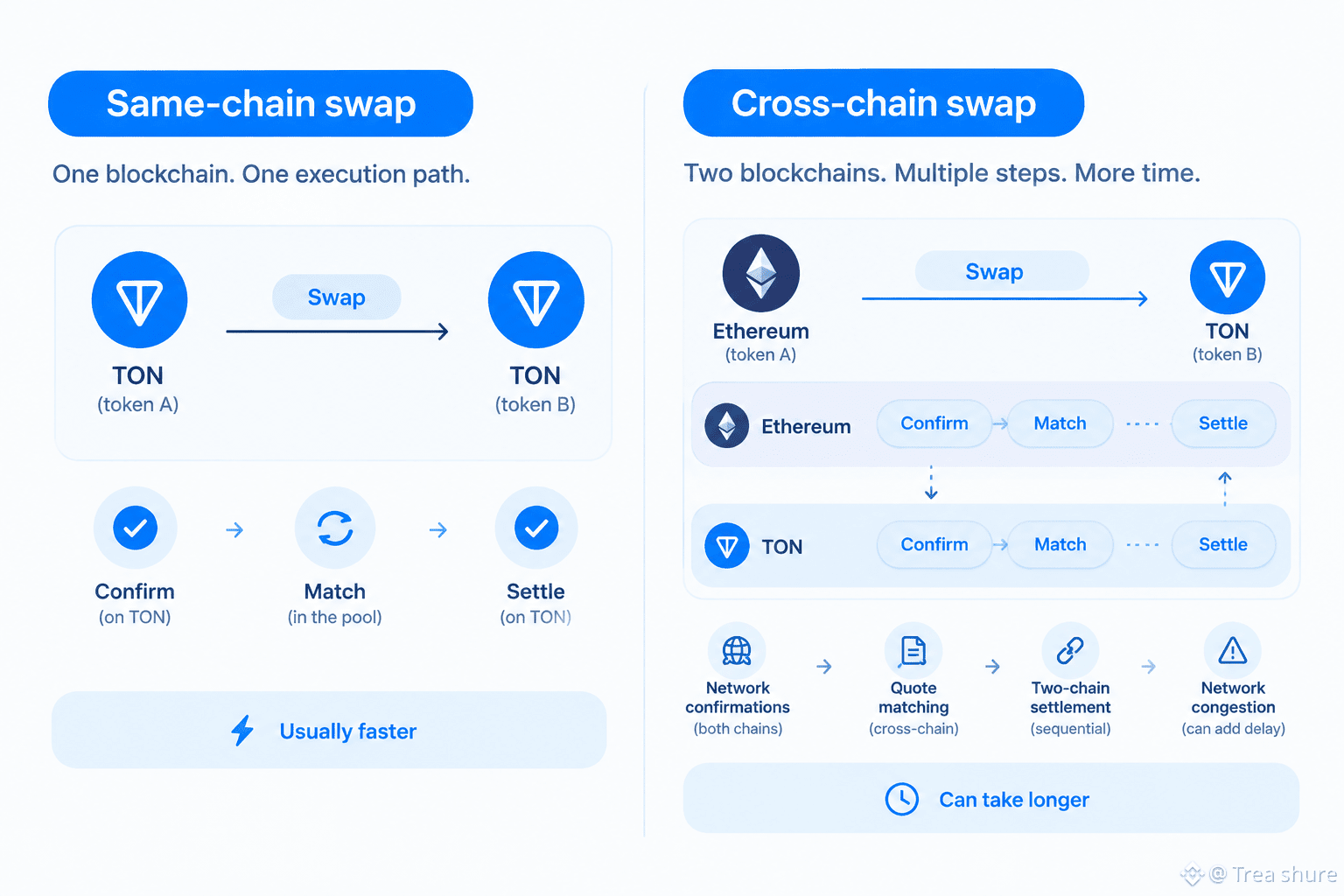
Кросс-чейн свап может включать несколько разных компонентов:
⛽ СЕТЕВОЙ GAS — стоимость обработки блокчейн-транзакции.
⚙️ РАСХОДЫ НА ИСПОЛНЕНИЕ — условия, связанные с завершением кросс-чейн маршрута.
🌐 РАСХОДЫ В ПУНКТЕ НАЗНАЧЕНИЯ — в зависимости от того, как выполняется маршрут.
📉 PRICE IMPACT — влияние размера вашей транзакции на доступную ликвидность.
И вот важный момент:
FEE ≠ PRICE IMPACT ≠ SLIPPAGE
Например, маршрут Ethereum / USDC → TON / USDT — это не просто поиск одного «комиссионного» параметра.
Перед подтверждением проверьте полный котировочный расчет:
AMOUNT SENT → EXPECTED OUTPUT → FEES → PRICE IMPACT → MINIMUM RECEIVED
STON.fi позволяет пользователям просматривать котировку и детали транзакции до подтверждения.
Условия сети и доступная ликвидность могут меняться, поэтому старый скриншот может не отражать актуальную котировку.
Всегда проверяйте актуальные детали перед подтверждением транзакции.
$TON $ETH $USDC $ZEC
#TON #DeFi #Crypto
https://linktr.ee/ston.fi
ПОЧЕМУ РАСХОДЫ НА КРОСС-ЧЕЙН СВАП МОГУТ СИЛЬНО ОТЛИЧАТЬСЯ? 🤔
Задавались вопросом, почему похожая кросс-чейн-транзакция может иметь разную стоимость на $ETH , Base или Polygon?
Дело в том, как каждая сеть обрабатывает транзакции и какие сейчас условия в сети.
Кросс-чейн свап может включать несколько разных компонентов:
⛽ СЕТЕВОЙ GAS — стоимость обработки блокчейн-транзакции.
⚙️ РАСХОДЫ НА ИСПОЛНЕНИЕ — условия, связанные с завершением кросс-чейн маршрута.
🌐 РАСХОДЫ В ПУНКТЕ НАЗНАЧЕНИЯ — в зависимости от того, как выполняется маршрут.
📉 PRICE IMPACT — влияние размера вашей транзакции на доступную ликвидность.
И вот важный момент:
FEE ≠ PRICE IMPACT ≠ SLIPPAGE
Например, маршрут Ethereum / USDC → TON / USDT — это не просто поиск одного «комиссионного» параметра.
Перед подтверждением проверьте полный котировочный расчет:
AMOUNT SENT → EXPECTED OUTPUT → FEES → PRICE IMPACT → MINIMUM RECEIVED
STON.fi позволяет пользователям просматривать котировку и детали транзакции до подтверждения.
Условия сети и доступная ликвидность могут меняться, поэтому старый скриншот может не отражать актуальную котировку.
Всегда проверяйте актуальные детали перед подтверждением транзакции.
$TON $ETH $USDC $ZEC
#TON #DeFi #Crypto
https://linktr.ee/ston.fi
Задавались вопросом, почему похожая кросс-чейн-транзакция может иметь разную стоимость на $ETH , Base или Polygon?
Дело в том, как каждая сеть обрабатывает транзакции и какие сейчас условия в сети.
Кросс-чейн свап может включать несколько разных компонентов:
⛽ СЕТЕВОЙ GAS — стоимость обработки блокчейн-транзакции.
⚙️ РАСХОДЫ НА ИСПОЛНЕНИЕ — условия, связанные с завершением кросс-чейн маршрута.
🌐 РАСХОДЫ В ПУНКТЕ НАЗНАЧЕНИЯ — в зависимости от того, как выполняется маршрут.
📉 PRICE IMPACT — влияние размера вашей транзакции на доступную ликвидность.
И вот важный момент:
FEE ≠ PRICE IMPACT ≠ SLIPPAGE
Например, маршрут Ethereum / USDC → TON / USDT — это не просто поиск одного «комиссионного» параметра.
Перед подтверждением проверьте полный котировочный расчет:
AMOUNT SENT → EXPECTED OUTPUT → FEES → PRICE IMPACT → MINIMUM RECEIVED
STON.fi позволяет пользователям просматривать котировку и детали транзакции до подтверждения.
Условия сети и доступная ликвидность могут меняться, поэтому старый скриншот может не отражать актуальную котировку.
Всегда проверяйте актуальные детали перед подтверждением транзакции.
$TON $ETH $USDC $ZEC
#TON #DeFi #Crypto
https://linktr.ee/ston.fi
65

·
--
См. перевод
let’s take a different angle this time: why building financial products onchain matters.
one thing i like about DeFi is that the infrastructure is still being figured out.
we’re not just copying traditional finance onto a blockchain.
people are experimenting with how financial products can work differently when they’re:
→ onchain
→ programmable
→ composable
→ non-custodial
that’s why i’ve been paying attention to Ithaca.
it’s not just about having another place to trade options.
the bigger idea is building options as part of an open onchain ecosystem.
i’m still learning the deeper mechanics, but this is the part of Web3 i enjoy most:
seeing old financial ideas get rebuilt with new infrastructure.
still watching. still learning.
#Ithaca #defi #Web3 #Onchain
let’s take a different angle this time: why building financial products onchain matters.
one thing i like about DeFi is that the infrastructure is still being figured out.
we’re not just copying traditional finance onto a blockchain.
people are experimenting with how financial products can work differently when they’re:
→ onchain
→ programmable
→ composable
→ non-custodial
that’s why i’ve been paying attention to Ithaca.
it’s not just about having another place to trade options.
the bigger idea is building options as part of an open onchain ecosystem.
i’m still learning the deeper mechanics, but this is the part of Web3 i enjoy most:
seeing old financial ideas get rebuilt with new infrastructure.
still watching. still learning.
#Ithaca #defi #Web3 #Onchain
one thing i like about DeFi is that the infrastructure is still being figured out.
we’re not just copying traditional finance onto a blockchain.
people are experimenting with how financial products can work differently when they’re:
→ onchain
→ programmable
→ composable
→ non-custodial
that’s why i’ve been paying attention to Ithaca.
it’s not just about having another place to trade options.
the bigger idea is building options as part of an open onchain ecosystem.
i’m still learning the deeper mechanics, but this is the part of Web3 i enjoy most:
seeing old financial ideas get rebuilt with new infrastructure.
still watching. still learning.
#Ithaca #defi #Web3 #Onchain

1
47

·
--
См. перевод
Polymarket创始人亲口承认——链上这块被我们冷落太久了!一条招聘推文,直接把公司战略摆到台面上了!
事情起因是Shayne Coplan宣布Jacob Horne加入,话里话外承认了公司在冲刺美国市场这段时间,链上这一块确实被放慢了,这不是简单的招聘公告,是创始人主动承认问题存在,这个态度本身就值得记一笔。
广场上分成了几派——建设者觉得这是真机会,老用户觉得这是危机公关,交易者到处找能买的标的,一堆优质账号跟着转发,但真正的重点不是"要不要买某个代币",是"DeFi重新被排进了优先级"这件事本身。
得说清楚Polymarket现在的架构——订单撮合在链下,结算在链上,走Polygon合约,配合API和builder路由,这次说的"重返DeFi"不是要把所有东西重新搬上链,是要让钱包、终端、机器人能够真正接入订单流,配合Builder Program和费用分成机制,让外部生态变成真正的合作伙伴而不是局外人。
真正该盯的是这个人事变动能不能变成真实的增长渠道——建设者可以趁规则还没完全定型先卡位做集成和工具,追热点买流动性代理标的的交易者大概率是晚了,因为压根没有一个干净对应的代币可以买,长线的基础设施持有者应该等API调用量、路由交易量、钱包接入这些真实数据出来再判断。
"CT喜欢预测市场所以这是利好"这种说法直接可以忽略,注意力这东西消退得很快,除非它真正变成实际的交易量和开发者活动。
#Polymarket #DeFi
Polymarket创始人亲口承认——链上这块被我们冷落太久了!一条招聘推文,直接把公司战略摆到台面上了!
事情起因是Shayne Coplan宣布Jacob Horne加入,话里话外承认了公司在冲刺美国市场这段时间,链上这一块确实被放慢了,这不是简单的招聘公告,是创始人主动承认问题存在,这个态度本身就值得记一笔。
广场上分成了几派——建设者觉得这是真机会,老用户觉得这是危机公关,交易者到处找能买的标的,一堆优质账号跟着转发,但真正的重点不是"要不要买某个代币",是"DeFi重新被排进了优先级"这件事本身。
得说清楚Polymarket现在的架构——订单撮合在链下,结算在链上,走Polygon合约,配合API和builder路由,这次说的"重返DeFi"不是要把所有东西重新搬上链,是要让钱包、终端、机器人能够真正接入订单流,配合Builder Program和费用分成机制,让外部生态变成真正的合作伙伴而不是局外人。
真正该盯的是这个人事变动能不能变成真实的增长渠道——建设者可以趁规则还没完全定型先卡位做集成和工具,追热点买流动性代理标的的交易者大概率是晚了,因为压根没有一个干净对应的代币可以买,长线的基础设施持有者应该等API调用量、路由交易量、钱包接入这些真实数据出来再判断。
"CT喜欢预测市场所以这是利好"这种说法直接可以忽略,注意力这东西消退得很快,除非它真正变成实际的交易量和开发者活动。
#Polymarket #DeFi
事情起因是Shayne Coplan宣布Jacob Horne加入,话里话外承认了公司在冲刺美国市场这段时间,链上这一块确实被放慢了,这不是简单的招聘公告,是创始人主动承认问题存在,这个态度本身就值得记一笔。
广场上分成了几派——建设者觉得这是真机会,老用户觉得这是危机公关,交易者到处找能买的标的,一堆优质账号跟着转发,但真正的重点不是"要不要买某个代币",是"DeFi重新被排进了优先级"这件事本身。
得说清楚Polymarket现在的架构——订单撮合在链下,结算在链上,走Polygon合约,配合API和builder路由,这次说的"重返DeFi"不是要把所有东西重新搬上链,是要让钱包、终端、机器人能够真正接入订单流,配合Builder Program和费用分成机制,让外部生态变成真正的合作伙伴而不是局外人。
真正该盯的是这个人事变动能不能变成真实的增长渠道——建设者可以趁规则还没完全定型先卡位做集成和工具,追热点买流动性代理标的的交易者大概率是晚了,因为压根没有一个干净对应的代币可以买,长线的基础设施持有者应该等API调用量、路由交易量、钱包接入这些真实数据出来再判断。
"CT喜欢预测市场所以这是利好"这种说法直接可以忽略,注意力这东西消退得很快,除非它真正变成实际的交易量和开发者活动。
#Polymarket #DeFi
13

·
--
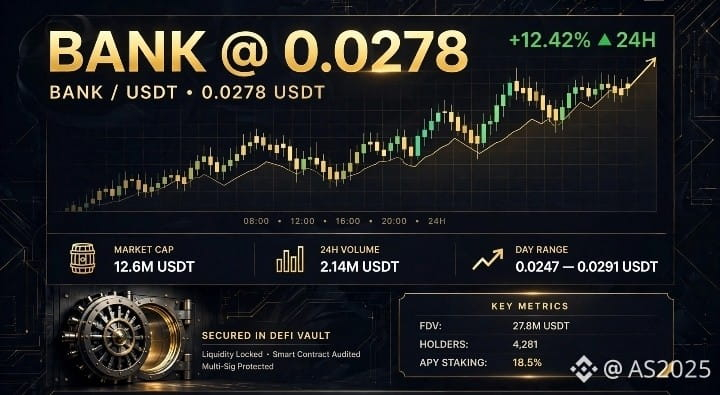
$BANK График показывает организованный банковский рост с 08:00 до 24H — уважаемый восходящий тренд с лёгкими коррекциями и сильным отскоком.
*📍 Уровни*
- *Сопротивление:* *0.0291$* — максимум дня
- *Поддержка:* *0.0247$*
- *Security:* Liquidity Locked • Smart Contract Audited • Multi-Sig Protected
*📌 Прогноз по торговле*
*Сценарий LONG (Bank Vault Long)*
- *🎯 Вход:* 0.0265$ — 0.0278$
- *📈 TP1:* 0.0291$ (макс.) +4.6% 💰
- *🚀 TP2:* 0.032$ +15%
- *🔥 TP3:* 0.038$ — 0.04$ +43%, если DeFi-история вернётся
- *⛔ SL:* ниже 0.025$
*Сценарий SHORT*
- *🎯 Вход:* отбой от 0.0291$
- *📉 TP:* 0.027$, затем 0.025$
- *⛔ SL:* выше 0.0305$
*⚠️ Управление рисками*
1. Маленький FDV 27.8M — шанс на иксы
2. APY 18.5% привлекает холдеров
3. 4,281 холдер — небольшое растущее сообщество
4. Безопасный сейф, но плечо 3x-5x достаточно
*🔥 Итог*
$BANK в *DEFI VAULT SECURED* — серьёзный банковский протокол Lorenzo, безопасный сейф с Multi-Sig + аудит + зафиксированной ликвидностью, капитализация всего 12.6M.
Закрепление выше *0.0278$* = прямой пробой *0.0291$*.
Пробой 0.0291$ = *0.032$*, затем *0.04$*.
Банк печатает 🏦⚡
{future}(BANKUSDT)
#MemeWatch2024 #meme板块关注热点 #BTC #LorenzoProtocolBANKToke #DeFi
$BANK График показывает организованный банковский рост с 08:00 до 24H — уважаемый восходящий тренд с лёгкими коррекциями и сильным отскоком.
*📍 Уровни*
- *Сопротивление:* *0.0291$* — максимум дня
- *Поддержка:* *0.0247$*
- *Security:* Liquidity Locked • Smart Contract Audited • Multi-Sig Protected
*📌 Прогноз по торговле*
*Сценарий LONG (Bank Vault Long)*
- *🎯 Вход:* 0.0265$ — 0.0278$
- *📈 TP1:* 0.0291$ (макс.) +4.6% 💰
- *🚀 TP2:* 0.032$ +15%
- *🔥 TP3:* 0.038$ — 0.04$ +43%, если DeFi-история вернётся
- *⛔ SL:* ниже 0.025$
*Сценарий SHORT*
- *🎯 Вход:* отбой от 0.0291$
- *📉 TP:* 0.027$, затем 0.025$
- *⛔ SL:* выше 0.0305$
*⚠️ Управление рисками*
1. Маленький FDV 27.8M — шанс на иксы
2. APY 18.5% привлекает холдеров
3. 4,281 холдер — небольшое растущее сообщество
4. Безопасный сейф, но плечо 3x-5x достаточно
*🔥 Итог*
$BANK в *DEFI VAULT SECURED* — серьёзный банковский протокол Lorenzo, безопасный сейф с Multi-Sig + аудит + зафиксированной ликвидностью, капитализация всего 12.6M.
Закрепление выше *0.0278$* = прямой пробой *0.0291$*.
Пробой 0.0291$ = *0.032$*, затем *0.04$*.
Банк печатает 🏦⚡
#MemeWatch2024 #meme板块关注热点 #BTC #LorenzoProtocolBANKToke #DeFi
*📍 Уровни*
- *Сопротивление:* *0.0291$* — максимум дня
- *Поддержка:* *0.0247$*
- *Security:* Liquidity Locked • Smart Contract Audited • Multi-Sig Protected
*📌 Прогноз по торговле*
*Сценарий LONG (Bank Vault Long)*
- *🎯 Вход:* 0.0265$ — 0.0278$
- *📈 TP1:* 0.0291$ (макс.) +4.6% 💰
- *🚀 TP2:* 0.032$ +15%
- *🔥 TP3:* 0.038$ — 0.04$ +43%, если DeFi-история вернётся
- *⛔ SL:* ниже 0.025$
*Сценарий SHORT*
- *🎯 Вход:* отбой от 0.0291$
- *📉 TP:* 0.027$, затем 0.025$
- *⛔ SL:* выше 0.0305$
*⚠️ Управление рисками*
1. Маленький FDV 27.8M — шанс на иксы
2. APY 18.5% привлекает холдеров
3. 4,281 холдер — небольшое растущее сообщество
4. Безопасный сейф, но плечо 3x-5x достаточно
*🔥 Итог*
$BANK в *DEFI VAULT SECURED* — серьёзный банковский протокол Lorenzo, безопасный сейф с Multi-Sig + аудит + зафиксированной ликвидностью, капитализация всего 12.6M.
Закрепление выше *0.0278$* = прямой пробой *0.0291$*.
Пробой 0.0291$ = *0.032$*, затем *0.04$*.
Банк печатает 🏦⚡
#MemeWatch2024 #meme板块关注热点 #BTC #LorenzoProtocolBANKToke #DeFi
1
107

·
--
Дезагрегация DEX — самая тонкая революция в крипто
Нарратив вокруг децентрализованных бирж годами крутится вокруг «низких комиссий» и «лучшей ликвидности». Реальный структурный сдвиг куда глубже: DEX разъединяют на три отдельных слоя — выражение намерения, маршрутизацию и исполнение — и каждый из них превращается в собственный рынок.
Архитектуры на основе намерений (UniswapX, CoW Protocol, 1inch Fusion) позволяют трейдерам выразить, чего они хотят (например: «обменять 10 ETH минимум на 26 500 USDC к блоку N»), не указывая, как именно это будет выполнено. Сеть солверов конкурирует за то, чтобы выполнить это намерение. Солвер с лучшим маршрутом исполнения получает ордер — а избыток (MEV, который раньше уходил анонимным поисковикам) возвращается пользователю в виде улучшения цены.
Это перераспределение MEV как инфраструктуры.
Следствия накапливаются: интеллект маршрутизации уходит с ончейна в инфраструктуру солверов, ончейн-расчёты становятся проще (для крупных ордеров вместо AMM-кривых используются батч-аукционы), а конкурентный ров смещается с глубины ликвидности на изощрённость солверов.
Для токенов, которые обеспечивают эти сети солверов — $ETH as база расчётов, $SOL as низколатентная площадка исполнения, $BNB as газ для маршрутизирующего слоя — извлечение ценности носит структурный, а не спекулятивный характер.
DEX не «обновили». Его разложили на части. И эти части стоят больше, чем целое.
#DeFi #MEV #DEX #Ethereum #Web3
Дезагрегация DEX — самая тонкая революция в крипто
Нарратив вокруг децентрализованных бирж годами крутится вокруг «низких комиссий» и «лучшей ликвидности». Реальный структурный сдвиг куда глубже: DEX разъединяют на три отдельных слоя — выражение намерения, маршрутизацию и исполнение — и каждый из них превращается в собственный рынок.
Архитектуры на основе намерений (UniswapX, CoW Protocol, 1inch Fusion) позволяют трейдерам выразить, чего они хотят (например: «обменять 10 ETH минимум на 26 500 USDC к блоку N»), не указывая, как именно это будет выполнено. Сеть солверов конкурирует за то, чтобы выполнить это намерение. Солвер с лучшим маршрутом исполнения получает ордер — а избыток (MEV, который раньше уходил анонимным поисковикам) возвращается пользователю в виде улучшения цены.
Это перераспределение MEV как инфраструктуры.
Следствия накапливаются: интеллект маршрутизации уходит с ончейна в инфраструктуру солверов, ончейн-расчёты становятся проще (для крупных ордеров вместо AMM-кривых используются батч-аукционы), а конкурентный ров смещается с глубины ликвидности на изощрённость солверов.
Для токенов, которые обеспечивают эти сети солверов — $ETH as база расчётов, $SOL as низколатентная площадка исполнения, $BNB as газ для маршрутизирующего слоя — извлечение ценности носит структурный, а не спекулятивный характер.
DEX не «обновили». Его разложили на части. И эти части стоят больше, чем целое.
#DeFi #MEV #DEX #Ethereum #Web3
Нарратив вокруг децентрализованных бирж годами крутится вокруг «низких комиссий» и «лучшей ликвидности». Реальный структурный сдвиг куда глубже: DEX разъединяют на три отдельных слоя — выражение намерения, маршрутизацию и исполнение — и каждый из них превращается в собственный рынок.
Архитектуры на основе намерений (UniswapX, CoW Protocol, 1inch Fusion) позволяют трейдерам выразить, чего они хотят (например: «обменять 10 ETH минимум на 26 500 USDC к блоку N»), не указывая, как именно это будет выполнено. Сеть солверов конкурирует за то, чтобы выполнить это намерение. Солвер с лучшим маршрутом исполнения получает ордер — а избыток (MEV, который раньше уходил анонимным поисковикам) возвращается пользователю в виде улучшения цены.
Это перераспределение MEV как инфраструктуры.
Следствия накапливаются: интеллект маршрутизации уходит с ончейна в инфраструктуру солверов, ончейн-расчёты становятся проще (для крупных ордеров вместо AMM-кривых используются батч-аукционы), а конкурентный ров смещается с глубины ликвидности на изощрённость солверов.
Для токенов, которые обеспечивают эти сети солверов — $ETH as база расчётов, $SOL as низколатентная площадка исполнения, $BNB as газ для маршрутизирующего слоя — извлечение ценности носит структурный, а не спекулятивный характер.
DEX не «обновили». Его разложили на части. И эти части стоят больше, чем целое.
#DeFi #MEV #DEX #Ethereum #Web3
14

·
--
Рост
См. перевод
Why Permissionless Swapping Matters in DeFi
One of the important ideas behind decentralized finance is permissionless access.
In traditional financial systems, users may need to create an account, meet specific requirements, or depend on an institution before accessing certain services.
DeFi takes a different approach. With a compatible wallet and the required assets, users can interact directly with decentralized protocols without needing individual approval from a central authority.
For token swapping, this means users can access available decentralized markets through a DEX rather than depending entirely on a centralized exchange.
STON.fi brings this model to the TON ecosystem by providing decentralized token-swapping infrastructure. Users can connect their wallets and interact with supported assets directly on-chain.
Permissionless access can also be useful for developers and communities. Open protocols allow people to build, experiment, and create new applications around existing blockchain infrastructure.
However, permissionless does not mean risk-free. Users still need to verify tokens, understand transaction details, protect their wallets, and consider the risks involved before signing transactions.
The real value of permissionless DeFi is giving users more direct access and control, while putting greater responsibility in their hands.
As blockchain adoption grows, accessible and permissionless financial infrastructure could become an important part of the broader digital economy.
DeFi is not just about removing intermediaries. It is also about giving users the ability to participate directly.
#STONfi #STONbassadors #TON #DeFi
Why Permissionless Swapping Matters in DeFi
One of the important ideas behind decentralized finance is permissionless access.
In traditional financial systems, users may need to create an account, meet specific requirements, or depend on an institution before accessing certain services.
DeFi takes a different approach. With a compatible wallet and the required assets, users can interact directly with decentralized protocols without needing individual approval from a central authority.
For token swapping, this means users can access available decentralized markets through a DEX rather than depending entirely on a centralized exchange.
STON.fi brings this model to the TON ecosystem by providing decentralized token-swapping infrastructure. Users can connect their wallets and interact with supported assets directly on-chain.
Permissionless access can also be useful for developers and communities. Open protocols allow people to build, experiment, and create new applications around existing blockchain infrastructure.
However, permissionless does not mean risk-free. Users still need to verify tokens, understand transaction details, protect their wallets, and consider the risks involved before signing transactions.
The real value of permissionless DeFi is giving users more direct access and control, while putting greater responsibility in their hands.
As blockchain adoption grows, accessible and permissionless financial infrastructure could become an important part of the broader digital economy.
DeFi is not just about removing intermediaries. It is also about giving users the ability to participate directly.
#STONfi #STONbassadors #TON #DeFi
One of the important ideas behind decentralized finance is permissionless access.
In traditional financial systems, users may need to create an account, meet specific requirements, or depend on an institution before accessing certain services.
DeFi takes a different approach. With a compatible wallet and the required assets, users can interact directly with decentralized protocols without needing individual approval from a central authority.
For token swapping, this means users can access available decentralized markets through a DEX rather than depending entirely on a centralized exchange.
STON.fi brings this model to the TON ecosystem by providing decentralized token-swapping infrastructure. Users can connect their wallets and interact with supported assets directly on-chain.
Permissionless access can also be useful for developers and communities. Open protocols allow people to build, experiment, and create new applications around existing blockchain infrastructure.
However, permissionless does not mean risk-free. Users still need to verify tokens, understand transaction details, protect their wallets, and consider the risks involved before signing transactions.
The real value of permissionless DeFi is giving users more direct access and control, while putting greater responsibility in their hands.
As blockchain adoption grows, accessible and permissionless financial infrastructure could become an important part of the broader digital economy.
DeFi is not just about removing intermediaries. It is also about giving users the ability to participate directly.
#STONfi #STONbassadors #TON #DeFi

41

См. перевод
The CFTC just widened regulatory breathing room for passive trading software, potentially letting everyday crypto wallets and dApps integrate derivatives and prediction markets without the heavy burden of introducing broker registration. This is a massive win for decentralized UI builders and DeFi UX. By clearing up compliance hurdles for non-custodial and passive tools, we could see a massive wave of integrated prediction and leverage products go mainstream directly inside user wallets. Innovation finally gets some legal runway. #CFTC #DeFi #Regulation
The CFTC just widened regulatory breathing room for passive trading software, potentially letting everyday crypto wallets and dApps integrate derivatives and prediction markets without the heavy burden of introducing broker registration. This is a massive win for decentralized UI builders and DeFi UX. By clearing up compliance hurdles for non-custodial and passive tools, we could see a massive wave of integrated prediction and leverage products go mainstream directly inside user wallets. Innovation finally gets some legal runway. #CFTC #DeFi #Regulation

·
--
Рост
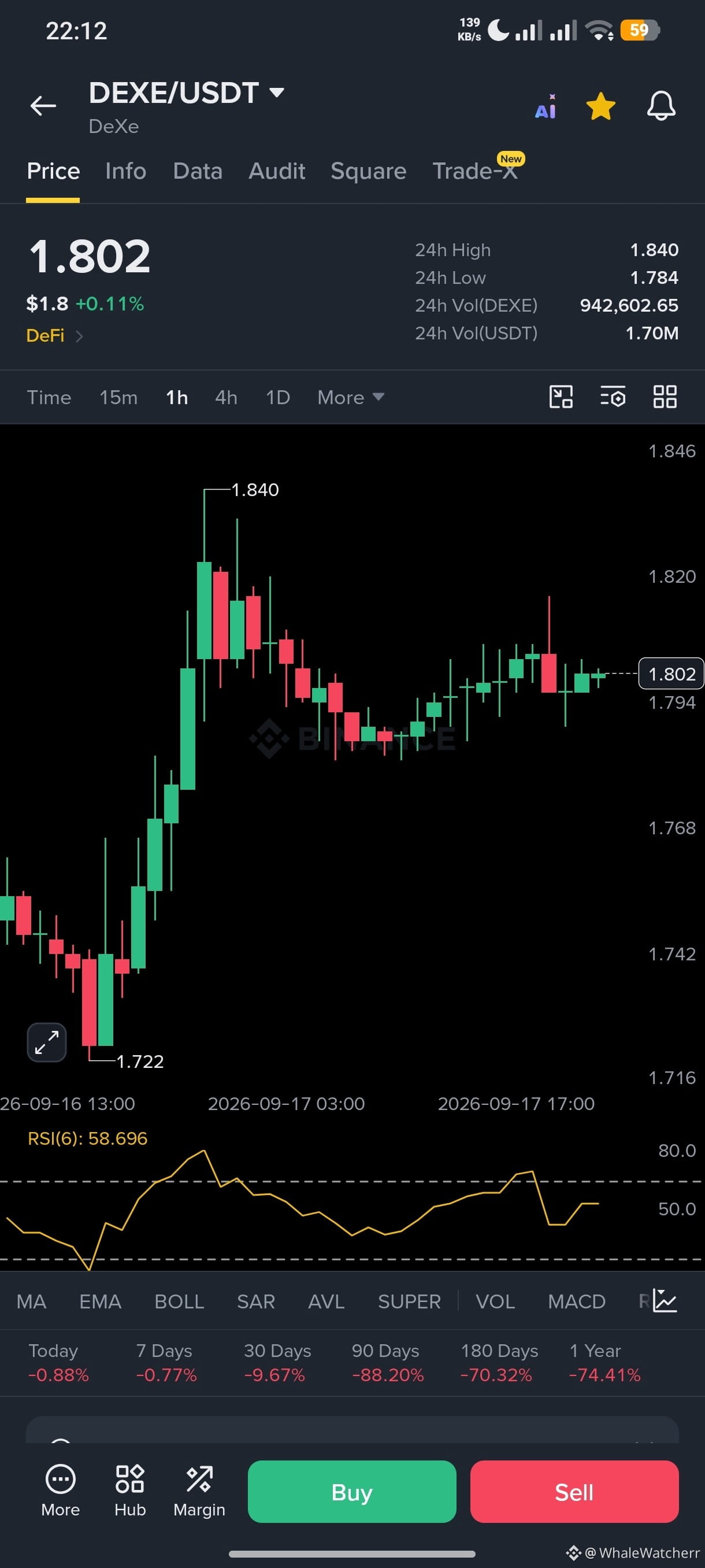
$DEXE подскакивает с $1.72, импульс меняется! 💎🚀
DeXe торгуется на $1.802, рост +0.11%, уверенно восстанавливаясь после минимума $1.722 — чистые зелёные свечи толкают цену обратно к максимуму $1.840. RSI(6) на 58.70 — бычий импульс уверенно набирает обороты, а объём 1.70M+ USDT показывает активный интерес. 📈
Этот DeFi-бриллиант уже доказывал, что умеет быстро двигаться от этих минимумов — накапливайте до следующего рывка вверх. 👑🔥
$DEXE
{spot}(DEXEUSDT)
#DEXE/USDT #dexe #defi #crypto #BinanceSquare
$DEXE подскакивает с $1.72, импульс меняется! 💎🚀
DeXe торгуется на $1.802, рост +0.11%, уверенно восстанавливаясь после минимума $1.722 — чистые зелёные свечи толкают цену обратно к максимуму $1.840. RSI(6) на 58.70 — бычий импульс уверенно набирает обороты, а объём 1.70M+ USDT показывает активный интерес. 📈
Этот DeFi-бриллиант уже доказывал, что умеет быстро двигаться от этих минимумов — накапливайте до следующего рывка вверх. 👑🔥
$DEXE
#DEXE/USDT #dexe #defi #crypto #BinanceSquare
DeXe торгуется на $1.802, рост +0.11%, уверенно восстанавливаясь после минимума $1.722 — чистые зелёные свечи толкают цену обратно к максимуму $1.840. RSI(6) на 58.70 — бычий импульс уверенно набирает обороты, а объём 1.70M+ USDT показывает активный интерес. 📈
Этот DeFi-бриллиант уже доказывал, что умеет быстро двигаться от этих минимумов — накапливайте до следующего рывка вверх. 👑🔥
$DEXE
#DEXE/USDT #dexe #defi #crypto #BinanceSquare
159

🚨 SEC открывает новый канал для токенизированной торговли акциями в США 📈 Выгодоприобретатели 🧠
📊 | $BTC | $ETH | $BNB |
- Следите, ставьте лайк и делитесь своим мнением 📈
- SEC одобрила пятилетний пилотный проект, позволяющий в США осуществлять торговлю токенизированными акциями
- Платформы DeFi, токенизационные компании и поставщики ликвидности могут через этот канал предоставлять услуги
- Пилотный проект не охватывает синтетические токены акций, они по-прежнему находятся в «серой зоне» регулирования 🔥
- Этот пилотный проект, вероятно, привлечет институциональных и розничных инвесторов на рынок токенизированных акций, увеличив объем торгов
- Если регулирование будет дополнительно уточнено, синтетические токены акций могут быть включены в рамки, а конкуренция в отрасли усилится
- В краткосрочной перспективе рыночные настроения, по прогнозам, останутся на уровне боковика; поведение «китов» — нейтральное, влияние на цену ограничено
- Если поставщики ликвидности будут активно выстраивать позиции, ликвидность токенизированных акций может возрасти
- Как, по-вашему, регулирование токенизированных акций повлияет на инвестиционную стратегию?
- Подписывайтесь на этот аккаунт, чтобы получать больше углубленного анализа крипторынка и делиться комментариями
- #DeFi #ETF #Whales #Trading #Crypto
🚨 SEC открывает новый канал для токенизированной торговли акциями в США 📈 Выгодоприобретатели 🧠
📊 | $BTC | $ETH | $BNB |
- Следите, ставьте лайк и делитесь своим мнением 📈
- SEC одобрила пятилетний пилотный проект, позволяющий в США осуществлять торговлю токенизированными акциями
- Платформы DeFi, токенизационные компании и поставщики ликвидности могут через этот канал предоставлять услуги
- Пилотный проект не охватывает синтетические токены акций, они по-прежнему находятся в «серой зоне» регулирования 🔥
- Этот пилотный проект, вероятно, привлечет институциональных и розничных инвесторов на рынок токенизированных акций, увеличив объем торгов
- Если регулирование будет дополнительно уточнено, синтетические токены акций могут быть включены в рамки, а конкуренция в отрасли усилится
- В краткосрочной перспективе рыночные настроения, по прогнозам, останутся на уровне боковика; поведение «китов» — нейтральное, влияние на цену ограничено
- Если поставщики ликвидности будут активно выстраивать позиции, ликвидность токенизированных акций может возрасти
- Как, по-вашему, регулирование токенизированных акций повлияет на инвестиционную стратегию?
- Подписывайтесь на этот аккаунт, чтобы получать больше углубленного анализа крипторынка и делиться комментариями
- #DeFi #ETF #Whales #Trading #Crypto
📊 | $BTC | $ETH | $BNB |
- Следите, ставьте лайк и делитесь своим мнением 📈
- SEC одобрила пятилетний пилотный проект, позволяющий в США осуществлять торговлю токенизированными акциями
- Платформы DeFi, токенизационные компании и поставщики ликвидности могут через этот канал предоставлять услуги
- Пилотный проект не охватывает синтетические токены акций, они по-прежнему находятся в «серой зоне» регулирования 🔥
- Этот пилотный проект, вероятно, привлечет институциональных и розничных инвесторов на рынок токенизированных акций, увеличив объем торгов
- Если регулирование будет дополнительно уточнено, синтетические токены акций могут быть включены в рамки, а конкуренция в отрасли усилится
- В краткосрочной перспективе рыночные настроения, по прогнозам, останутся на уровне боковика; поведение «китов» — нейтральное, влияние на цену ограничено
- Если поставщики ликвидности будут активно выстраивать позиции, ликвидность токенизированных акций может возрасти
- Как, по-вашему, регулирование токенизированных акций повлияет на инвестиционную стратегию?
- Подписывайтесь на этот аккаунт, чтобы получать больше углубленного анализа крипторынка и делиться комментариями
- #DeFi #ETF #Whales #Trading #Crypto
187

Токенизированный DeFi TVL вырос на 1 960,8% за год, достигнув 247,8 млн долларов. 📈
Рост обеспечивают ликвидность и кредитование — но по-прежнему важны риски смарт-контрактов, ликвидности и цены.
$TMX
#defi #TokenizedStocks #crypto
{alpha}(560x3c2f61f2e27c865981d2e7aaf6b2cdf823030039)
Токенизированный DeFi TVL вырос на 1 960,8% за год, достигнув 247,8 млн долларов. 📈
Рост обеспечивают ликвидность и кредитование — но по-прежнему важны риски смарт-контрактов, ликвидности и цены.
$TMX
#defi #TokenizedStocks #crypto
Рост обеспечивают ликвидность и кредитование — но по-прежнему важны риски смарт-контрактов, ликвидности и цены.
$TMX
#defi #TokenizedStocks #crypto
1
197

·
--
Рост
См. перевод
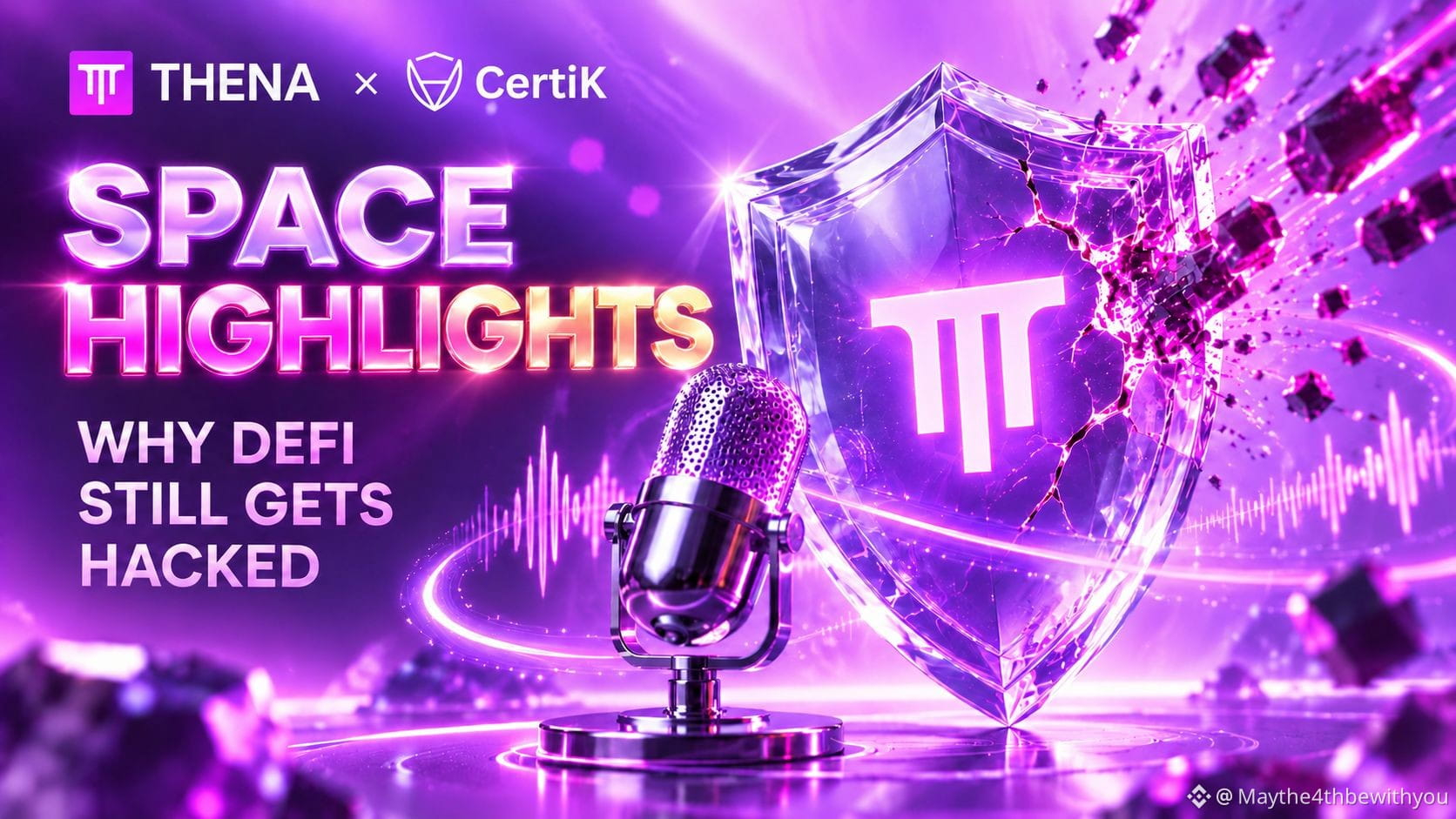
WHY DOES #defi STILL GET HACKED AFTER AN AUDIT?
In the #THENA × #CertiK Space, the team explained why reviewing smart contracts only covers part of the risk.
Phishing, compromised wallets and front-end security need attention too.
Old contracts aren't safe just because nobody has hacked them yet.
CertiK explained that #AI helps attackers search through older contracts faster and more cheaply.
The code may stay the same while the tools used to find its weaknesses improve.
Using AI to write code? That code still needs checking.
CertiK discussed risks from unverified AI-generated code and malicious packages installed during development.
Moving faster can create expensive problems when security checks get skipped.
When should a protocol get another audit?
CertiK recommends looking at what changed:
▹ assets
▹ dependencies
▹ settings or features.
A hack at a similar protocol is another reason to review your own system. The calendar alone shouldn't decide.
An AI agent that can move money creates a new target.
CertiK discussed agents that choose routes, prepare transactions and even sign them.
The speaker described an attack using instructions hidden in Morse code. Security models are still catching up.
What should teams have beyond an #Audit ?
CertiK highlighted multisigs, timelocks, transaction checks and live monitoring. They also stressed having an incident response plan ready.
When something goes wrong, the team should already know what to do.
WHY DOES #defi STILL GET HACKED AFTER AN AUDIT?
In the #THENA × #CertiK Space, the team explained why reviewing smart contracts only covers part of the risk.
Phishing, compromised wallets and front-end security need attention too.
Old contracts aren't safe just because nobody has hacked them yet.
CertiK explained that #AI helps attackers search through older contracts faster and more cheaply.
The code may stay the same while the tools used to find its weaknesses improve.
Using AI to write code? That code still needs checking.
CertiK discussed risks from unverified AI-generated code and malicious packages installed during development.
Moving faster can create expensive problems when security checks get skipped.
When should a protocol get another audit?
CertiK recommends looking at what changed:
▹ assets
▹ dependencies
▹ settings or features.
A hack at a similar protocol is another reason to review your own system. The calendar alone shouldn't decide.
An AI agent that can move money creates a new target.
CertiK discussed agents that choose routes, prepare transactions and even sign them.
The speaker described an attack using instructions hidden in Morse code. Security models are still catching up.
What should teams have beyond an #Audit ?
CertiK highlighted multisigs, timelocks, transaction checks and live monitoring. They also stressed having an incident response plan ready.
When something goes wrong, the team should already know what to do.
In the #THENA × #CertiK Space, the team explained why reviewing smart contracts only covers part of the risk.
Phishing, compromised wallets and front-end security need attention too.
Old contracts aren't safe just because nobody has hacked them yet.
CertiK explained that #AI helps attackers search through older contracts faster and more cheaply.
The code may stay the same while the tools used to find its weaknesses improve.
Using AI to write code? That code still needs checking.
CertiK discussed risks from unverified AI-generated code and malicious packages installed during development.
Moving faster can create expensive problems when security checks get skipped.
When should a protocol get another audit?
CertiK recommends looking at what changed:
▹ assets
▹ dependencies
▹ settings or features.
A hack at a similar protocol is another reason to review your own system. The calendar alone shouldn't decide.
An AI agent that can move money creates a new target.
CertiK discussed agents that choose routes, prepare transactions and even sign them.
The speaker described an attack using instructions hidden in Morse code. Security models are still catching up.
What should teams have beyond an #Audit ?
CertiK highlighted multisigs, timelocks, transaction checks and live monitoring. They also stressed having an incident response plan ready.
When something goes wrong, the team should already know what to do.
29

·
--
Представьте: вы перебрасываете активы через три сети, платите комиссии за газ на каждом шаге и в итоге получаете фрагментированные балансы, которые простаивают.
Большинство пользователей DeFi знают, как это раздражает: постоянно жонглировать несвязанными мостами и молиться, чтобы ликвидность не застряла в пути. Бесконечная гонка за изолированными наградами в несопоставимых dApps обычно сжигает больше капитала на сетевых комиссиях, чем возвращает.
Мы увидели это во время более ранних «войн ликвидности», когда автономные мосты вроде $STG боролись за объём строго за счёт скорости передачи. Новая инициатива One Swap Across Chains смотрит на задачу заметно иначе: превращает обычный мост в экосистему партнёрского сотрудничества. Вместо того чтобы просто перенести $BNB через сети и уйти, пользователи теперь выполняют согласованные миссии партнёрской команды, которые позволяют тестировать реальные возможности протоколов, накапливая «мили» в одном цельном процессе.
Если сравнивать с наследием кампаний на платформах вроде $UNI , где удержание пользователей резко падает, как только исчезают первоначальные стимулы, совместные квестовые архитектуры формируют гораздо более «цепкое» ончейн-взаимодействие. Согласование межсетевой полезности с вехами партнёров превращает рутинный объём в настоящее исследование пользователями, а не в набеги «наёмного» капитала.
Как вы думаете, партнёрские миссии на уровне всей экосистемы заменят стандартную модель стимулирования моста?
#CrossChain #DeFi #Web3
Представьте: вы перебрасываете активы через три сети, платите комиссии за газ на каждом шаге и в итоге получаете фрагментированные балансы, которые простаивают.
Большинство пользователей DeFi знают, как это раздражает: постоянно жонглировать несвязанными мостами и молиться, чтобы ликвидность не застряла в пути. Бесконечная гонка за изолированными наградами в несопоставимых dApps обычно сжигает больше капитала на сетевых комиссиях, чем возвращает.
Мы увидели это во время более ранних «войн ликвидности», когда автономные мосты вроде $STG боролись за объём строго за счёт скорости передачи. Новая инициатива One Swap Across Chains смотрит на задачу заметно иначе: превращает обычный мост в экосистему партнёрского сотрудничества. Вместо того чтобы просто перенести $BNB через сети и уйти, пользователи теперь выполняют согласованные миссии партнёрской команды, которые позволяют тестировать реальные возможности протоколов, накапливая «мили» в одном цельном процессе.
Если сравнивать с наследием кампаний на платформах вроде $UNI , где удержание пользователей резко падает, как только исчезают первоначальные стимулы, совместные квестовые архитектуры формируют гораздо более «цепкое» ончейн-взаимодействие. Согласование межсетевой полезности с вехами партнёров превращает рутинный объём в настоящее исследование пользователями, а не в набеги «наёмного» капитала.
Как вы думаете, партнёрские миссии на уровне всей экосистемы заменят стандартную модель стимулирования моста?
#CrossChain #DeFi #Web3
Большинство пользователей DeFi знают, как это раздражает: постоянно жонглировать несвязанными мостами и молиться, чтобы ликвидность не застряла в пути. Бесконечная гонка за изолированными наградами в несопоставимых dApps обычно сжигает больше капитала на сетевых комиссиях, чем возвращает.
Мы увидели это во время более ранних «войн ликвидности», когда автономные мосты вроде $STG боролись за объём строго за счёт скорости передачи. Новая инициатива One Swap Across Chains смотрит на задачу заметно иначе: превращает обычный мост в экосистему партнёрского сотрудничества. Вместо того чтобы просто перенести $BNB через сети и уйти, пользователи теперь выполняют согласованные миссии партнёрской команды, которые позволяют тестировать реальные возможности протоколов, накапливая «мили» в одном цельном процессе.
Если сравнивать с наследием кампаний на платформах вроде $UNI , где удержание пользователей резко падает, как только исчезают первоначальные стимулы, совместные квестовые архитектуры формируют гораздо более «цепкое» ончейн-взаимодействие. Согласование межсетевой полезности с вехами партнёров превращает рутинный объём в настоящее исследование пользователями, а не в набеги «наёмного» капитала.
Как вы думаете, партнёрские миссии на уровне всей экосистемы заменят стандартную модель стимулирования моста?
#CrossChain #DeFi #Web3

1
26

·
--
Почему никто не говорит о том, что большинство кроссчейн-мостов продолжают «утекать» пользовательский капитал из‑за фрагментированной ликвидности и скрытых комиссий за маршрутизацию?
Каждый цикл трейдеры наблюдают, как их прибыль исчезает в процессе передачи между разрозненными сетями, или оказываются в ловушке медленных контрактов моста при переводе активов между экосистемами вроде $ETH и $SOL. Мы продолжаем мириться с громоздкой инфраструктурой и высоким проскальзыванием как с неизбежными издержками при перемещении ликвидности.
Текущая инициатива «One Swap. Across Chains» показывает, как кроссчейн-механики смещаются от простого токен-мостинга к глубоко интегрированной маршрутизации по экосистемам. Вместо того чтобы изолировать пользователей в одном своп-интерфейсе, кампания запускает миссии партнерской команды в рамках участвующих проектов, поощряя активные взаимодействия между сетями «милями».
Если посмотреть на то, как маршруты ликвидности проходят через активы вроде $BNB во время этих скоординированных партнерских интеграций, становится очевидно: многоэкосистемное сотрудничество полностью заменит изолированные мосты. Протоколы, которые вынуждают пользователей в жесткие односторонние переводы, быстро становятся устаревшими по сравнению с многоступенчатыми кроссчейн-экосистемами, которые вознаграждают реальное использование протоколов.
Куда, по вашему мнению, дальше будет развиваться кроссчейн-совместимость?
#CrossChain #DeFi #Interoperability
Почему никто не говорит о том, что большинство кроссчейн-мостов продолжают «утекать» пользовательский капитал из‑за фрагментированной ликвидности и скрытых комиссий за маршрутизацию?
Каждый цикл трейдеры наблюдают, как их прибыль исчезает в процессе передачи между разрозненными сетями, или оказываются в ловушке медленных контрактов моста при переводе активов между экосистемами вроде $ETH и $SOL . Мы продолжаем мириться с громоздкой инфраструктурой и высоким проскальзыванием как с неизбежными издержками при перемещении ликвидности.
Текущая инициатива «One Swap. Across Chains» показывает, как кроссчейн-механики смещаются от простого токен-мостинга к глубоко интегрированной маршрутизации по экосистемам. Вместо того чтобы изолировать пользователей в одном своп-интерфейсе, кампания запускает миссии партнерской команды в рамках участвующих проектов, поощряя активные взаимодействия между сетями «милями».
Если посмотреть на то, как маршруты ликвидности проходят через активы вроде $BNB во время этих скоординированных партнерских интеграций, становится очевидно: многоэкосистемное сотрудничество полностью заменит изолированные мосты. Протоколы, которые вынуждают пользователей в жесткие односторонние переводы, быстро становятся устаревшими по сравнению с многоступенчатыми кроссчейн-экосистемами, которые вознаграждают реальное использование протоколов.
Куда, по вашему мнению, дальше будет развиваться кроссчейн-совместимость?
#CrossChain #DeFi #Interoperability
Каждый цикл трейдеры наблюдают, как их прибыль исчезает в процессе передачи между разрозненными сетями, или оказываются в ловушке медленных контрактов моста при переводе активов между экосистемами вроде $ETH и $SOL . Мы продолжаем мириться с громоздкой инфраструктурой и высоким проскальзыванием как с неизбежными издержками при перемещении ликвидности.
Текущая инициатива «One Swap. Across Chains» показывает, как кроссчейн-механики смещаются от простого токен-мостинга к глубоко интегрированной маршрутизации по экосистемам. Вместо того чтобы изолировать пользователей в одном своп-интерфейсе, кампания запускает миссии партнерской команды в рамках участвующих проектов, поощряя активные взаимодействия между сетями «милями».
Если посмотреть на то, как маршруты ликвидности проходят через активы вроде $BNB во время этих скоординированных партнерских интеграций, становится очевидно: многоэкосистемное сотрудничество полностью заменит изолированные мосты. Протоколы, которые вынуждают пользователей в жесткие односторонние переводы, быстро становятся устаревшими по сравнению с многоступенчатыми кроссчейн-экосистемами, которые вознаграждают реальное использование протоколов.
Куда, по вашему мнению, дальше будет развиваться кроссчейн-совместимость?
#CrossChain #DeFi #Interoperability

19

·
--
Частичная правда
#memelaunchpads82%ofarcdayonevolume
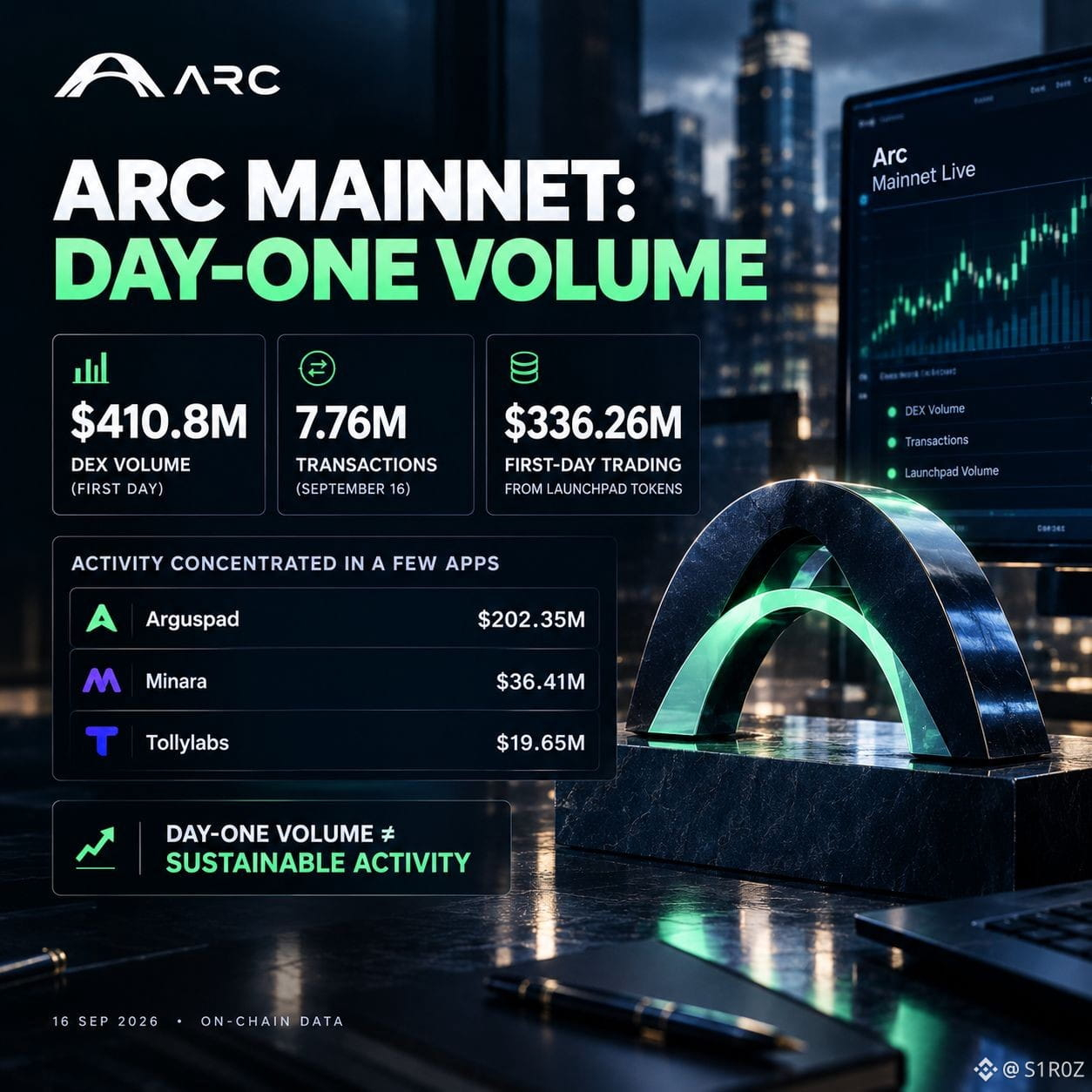
🚨 На основной сети Arc уже наблюдается серьёзный объём.
Публичная основная сеть Arc запущена вчера, официальный мост открыт, и первый день активности уже начинает проявляться.
📊 Около $300M объёма в DEX за 24 часа
🔄 2.6M транзакций
💰 Примерно $336M общий объём по данным за 16 сентября
Но вот что я внимательно отслеживаю 👀
Большая часть этой активности сосредоточена всего в нескольких приложениях:
• Arguspad: ~$202.35M
• Minara: ~$36.41M
• Tollylabs: ~$19.65M
• Radardex: ~$13.11M
• DYORSwap: ~$12.59M
Так что заголовочный объём выглядит впечатляюще, но главный вопрос — насколько он закрепится.
Какие платформы могут привлечь реальных пользователей? Какие лаунчпады способны удерживать объём? И где действительно начинают появляться первые сильные проекты?
Объём в первый день — это интересно. Следующее — это устойчивость активности.
#defi #CryptoMarkets
#memelaunchpads82%ofarcdayonevolume
🚨 На основной сети Arc уже наблюдается серьёзный объём.
Публичная основная сеть Arc запущена вчера, официальный мост открыт, и первый день активности уже начинает проявляться.
📊 Около $300M объёма в DEX за 24 часа
🔄 2.6M транзакций
💰 Примерно $336M общий объём по данным за 16 сентября
Но вот что я внимательно отслеживаю 👀
Большая часть этой активности сосредоточена всего в нескольких приложениях:
• Arguspad: ~$202.35M
• Minara: ~$36.41M
• Tollylabs: ~$19.65M
• Radardex: ~$13.11M
• DYORSwap: ~$12.59M
Так что заголовочный объём выглядит впечатляюще, но главный вопрос — насколько он закрепится.
Какие платформы могут привлечь реальных пользователей? Какие лаунчпады способны удерживать объём? И где действительно начинают появляться первые сильные проекты?
Объём в первый день — это интересно. Следующее — это устойчивость активности.
#defi #CryptoMarkets
🚨 На основной сети Arc уже наблюдается серьёзный объём.
Публичная основная сеть Arc запущена вчера, официальный мост открыт, и первый день активности уже начинает проявляться.
📊 Около $300M объёма в DEX за 24 часа
🔄 2.6M транзакций
💰 Примерно $336M общий объём по данным за 16 сентября
Но вот что я внимательно отслеживаю 👀
Большая часть этой активности сосредоточена всего в нескольких приложениях:
• Arguspad: ~$202.35M
• Minara: ~$36.41M
• Tollylabs: ~$19.65M
• Radardex: ~$13.11M
• DYORSwap: ~$12.59M
Так что заголовочный объём выглядит впечатляюще, но главный вопрос — насколько он закрепится.
Какие платформы могут привлечь реальных пользователей? Какие лаунчпады способны удерживать объём? И где действительно начинают появляться первые сильные проекты?
Объём в первый день — это интересно. Следующее — это устойчивость активности.
#defi #CryptoMarkets
21
См. перевод
Bond (BOND) posts steady volume, reflecting growing investor confidence. Power Ledger (POWR) harnesses its green ledger to attract institutional traders, enhancing liquidity. OMG Network (OMG) leverages Layer 2 scaling, forming order blocks that signal momentum. Together, their ecosystem growth drives broader adoption, painting a bullish picture for the DeFi landscape. 🚀📈 #Crypto #DeFi #Blockchain
Bond (BOND) posts steady volume, reflecting growing investor confidence. Power Ledger (POWR) harnesses its green ledger to attract institutional traders, enhancing liquidity. OMG Network (OMG) leverages Layer 2 scaling, forming order blocks that signal momentum. Together, their ecosystem growth drives broader adoption, painting a bullish picture for the DeFi landscape. 🚀📈 #Crypto #DeFi #Blockchain
34
Войдите, чтобы посмотреть больше материала
Присоединяйтесь к пользователям криптовалют по всему миру на Binance Square
⚡️ Получайте новейшую и полезную информацию о криптоактивах.
💬 Нам доверяет крупнейшая в мире криптобиржа.
👍 Получите достоверные аналитические данные от верифицированных создателей контента.
Эл. почта/номер телефона
В тренде
1
#fomcотслеживание
Просмотров: 29,092
301 обсуждают
2
#ПротоколFOMC
Просмотров: 23,953
98 обсуждают
3
#BitcoinSurpasses$77000
Просмотров: 15,782
217 обсуждают
4
#ParadigmDisclosesZECHolding
Просмотров: 62,180
981 обсуждают
5
#BitcoinETFsShed$450M
Просмотров: 24,976
216 обсуждают
6
#USWeeklyJoblessClaimsFallTo196K
Просмотров: 33,945
569 обсуждают
7
#ArkhamSaysBlackRockBuys$1.5BInETH
Просмотров: 6,115
69 обсуждают
8
#ElSalvadorBTCHoldingsRiseTo7777
Просмотров: 62,836
849 обсуждают
9
#MemeLaunchpads82%OfArcDayOneVolume
Просмотров: 62,993
1,019 обсуждают
10
#OstiumLoanDisputeHearingSetInNYFederalCourt
Просмотров: 49,696
721 обсуждают