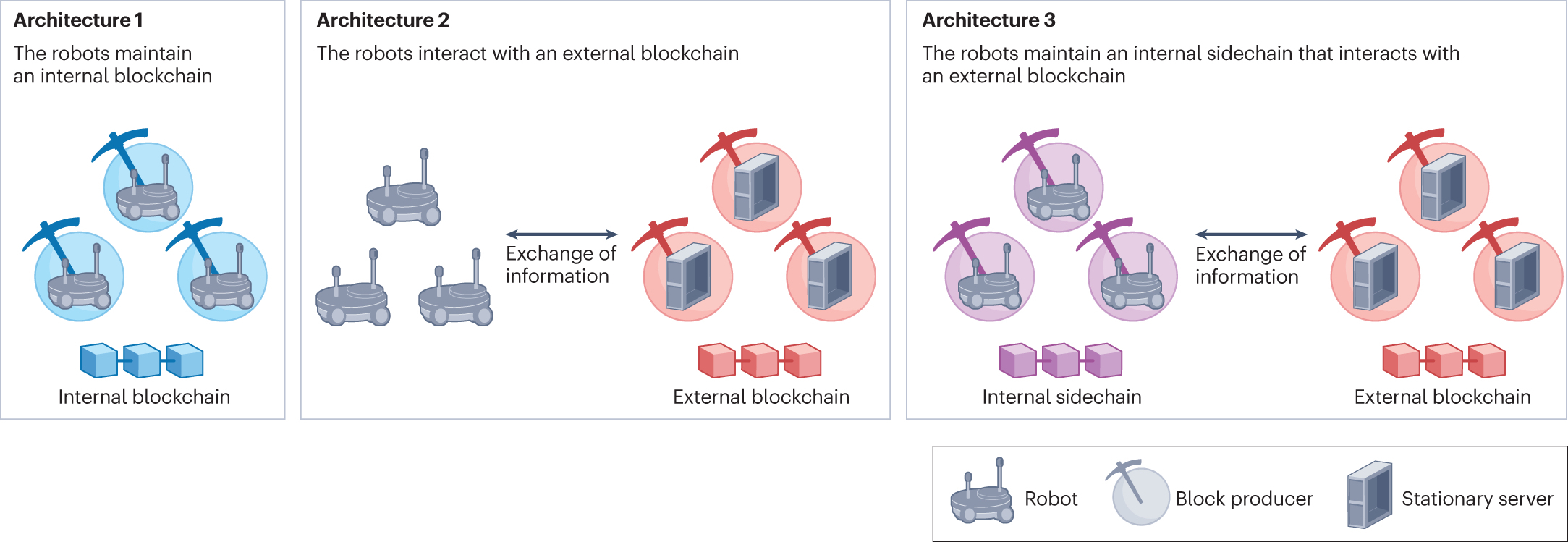
 When I look at @Fabric Foundation , I don’t see humanoid robots or sci-fi automation headlines. I see a structural constraint that most people ignore: robots can perform tasks, but they cannot participate in economic systems without human intermediaries.
That limitation becomes critical the moment machines begin handling logistics, mobility, manufacturing, or autonomous services. If every action still requires a human wallet, human approval, or centralized clearinghouse, then autonomy is artificial. It is performance without sovereignty.
Fabric’s approach is simple in theory: give machines the primitives of economic agency. On-chain identity. Native wallets. A payment layer denominated in $ROBO. A coordination mechanism that allows decentralised activation and governance.
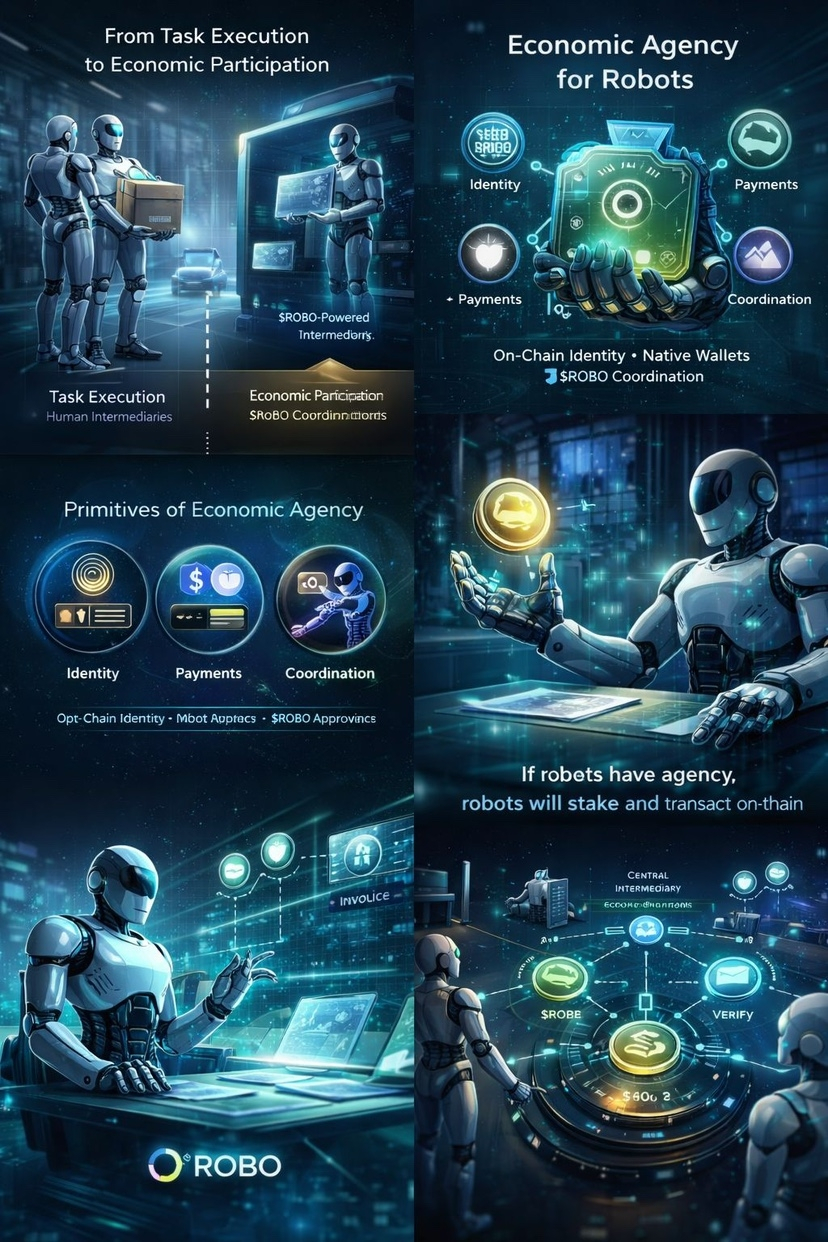
The mental model I use is this:
Robots today are like contractors without bank accounts. They can work, but they cannot invoice. They can operate, but they cannot settle.
$ROBO becomes the settlement rail.
But this introduces tension. Economic agency implies accountability. If robots transact independently, who governs behavior? Who resolves disputes? Fabric attempts to solve this through verifiable computation and public ledger transparency, yet the governance layer must mature alongside adoption.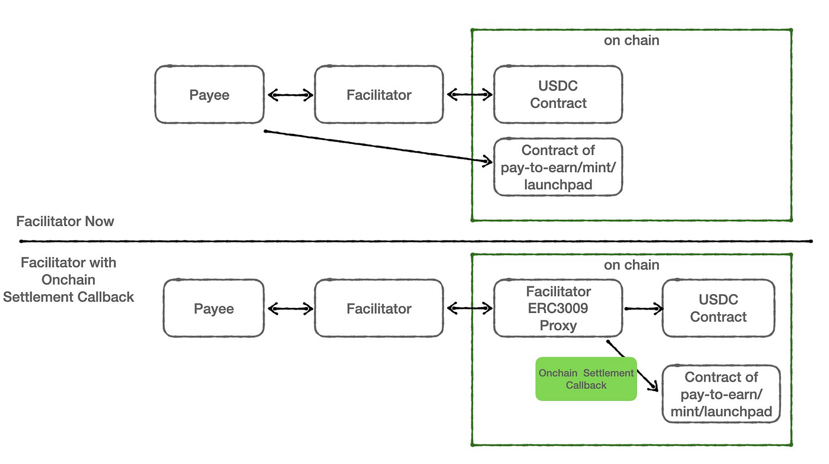
If this works, success won’t mean headlines about robot dominance. It will mean something quieter: autonomous systems settling payments, staking participation, and coordinating tasks without centralized bottlenecks. That would mark the beginning of machines participating in open markets not as tools, but as actors.
That is a larger shift than most people are pricing in.