
Thebitcoin537
914 Publicações

Thebitcoin537
We post more trades - Twitter @Thebitcoin537
1 A seguir
766 Seguidores
1.2K+ Gostaram
Publicações
Tudo
Cotações
Vídeos
PINNED
Thebitcoin537
·
--
Em Alta$PENGU
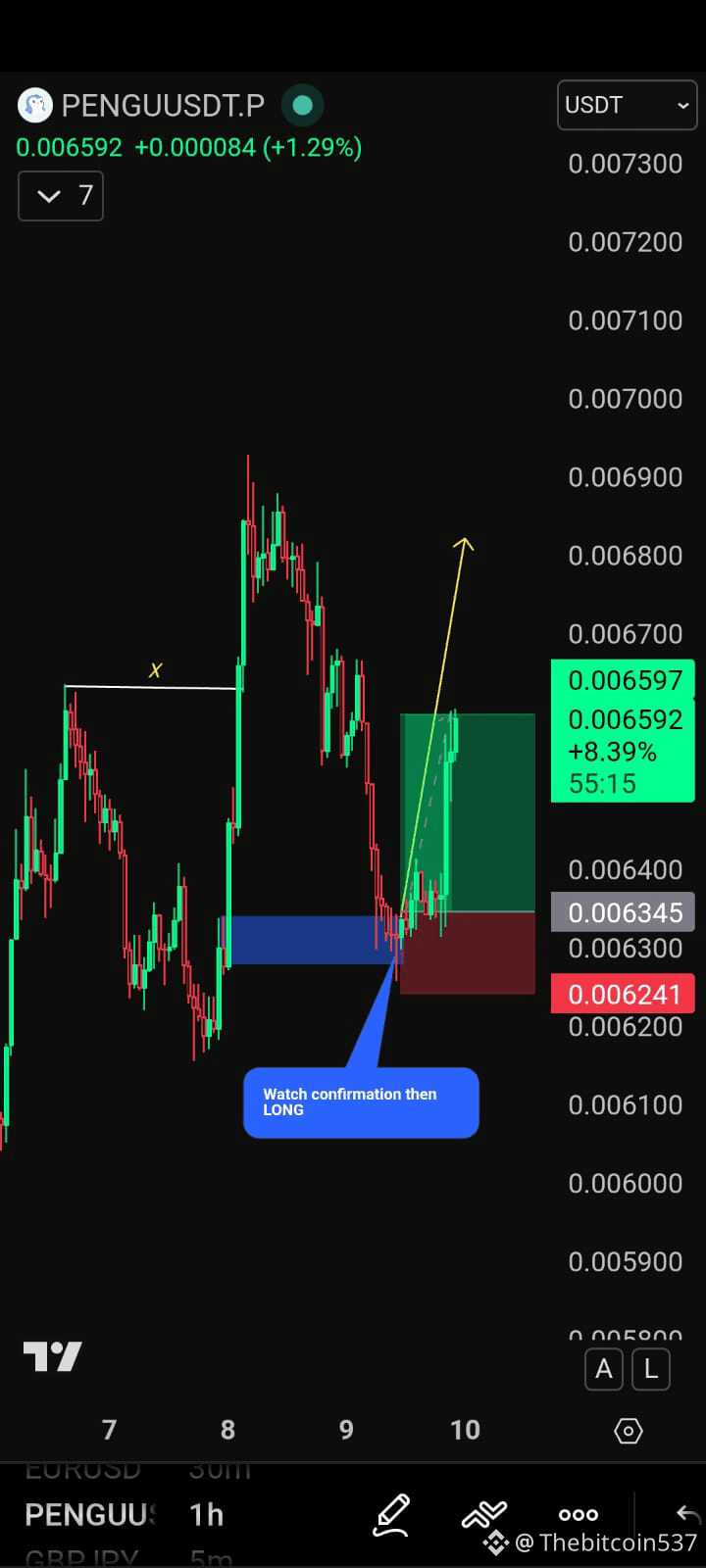
PENGUUSDT – Atualização 1H
Preço tocando a demanda após a correção.
Observando a demanda / POI (≈0.00620–0.00635) 🔵
🔎 Plano:
• Aguardar confirmação na zona
• Procurar por reação de alta
• Se segurar → mover em direção a 0.00680+
#pengu #thebitcoin537
PENGUUSDT – Atualização 1H
Preço tocando a demanda após a correção.
Observando a demanda / POI (≈0.00620–0.00635) 🔵
🔎 Plano:
• Aguardar confirmação na zona
• Procurar por reação de alta
• Se segurar → mover em direção a 0.00680+
#pengu #thebitcoin537
Thebitcoin537
·
--
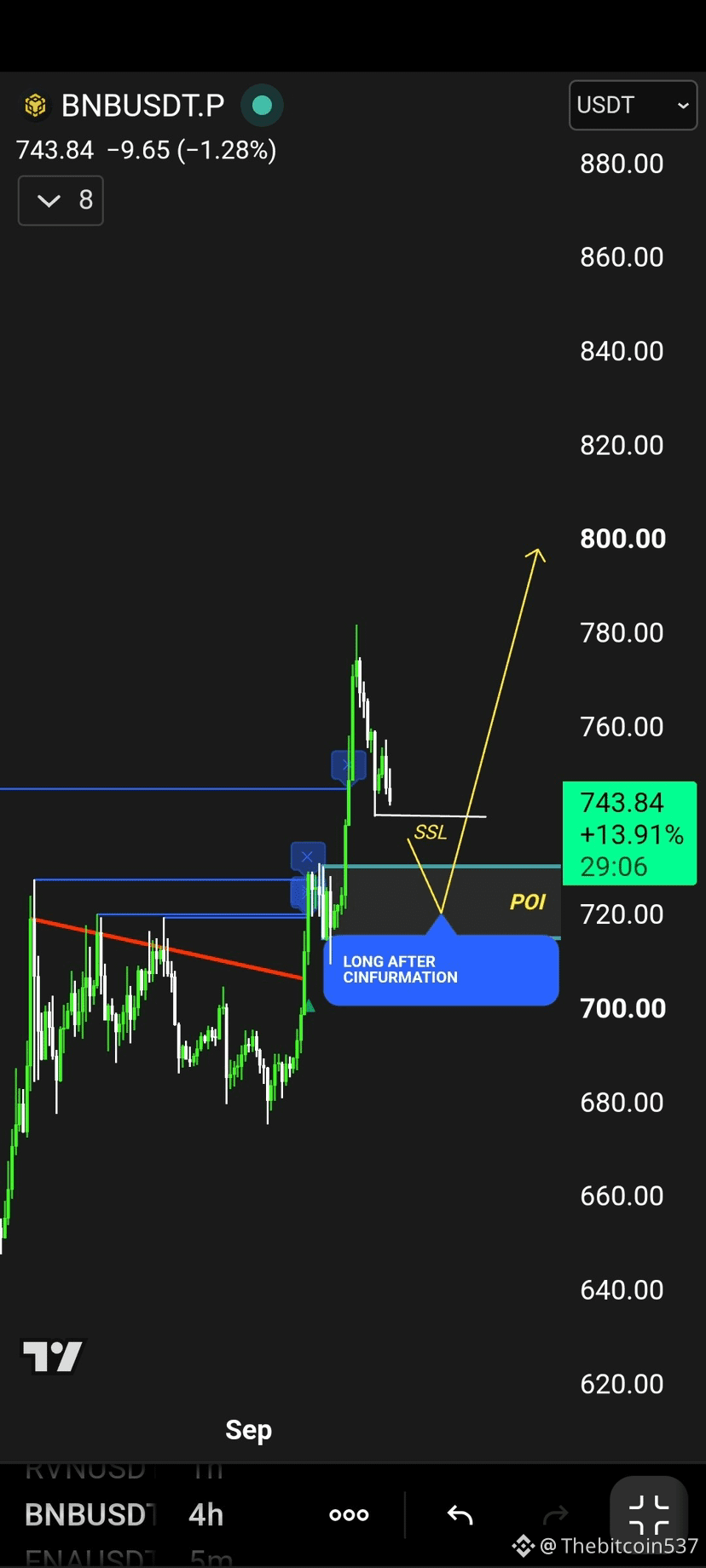
Em Alta$BNB
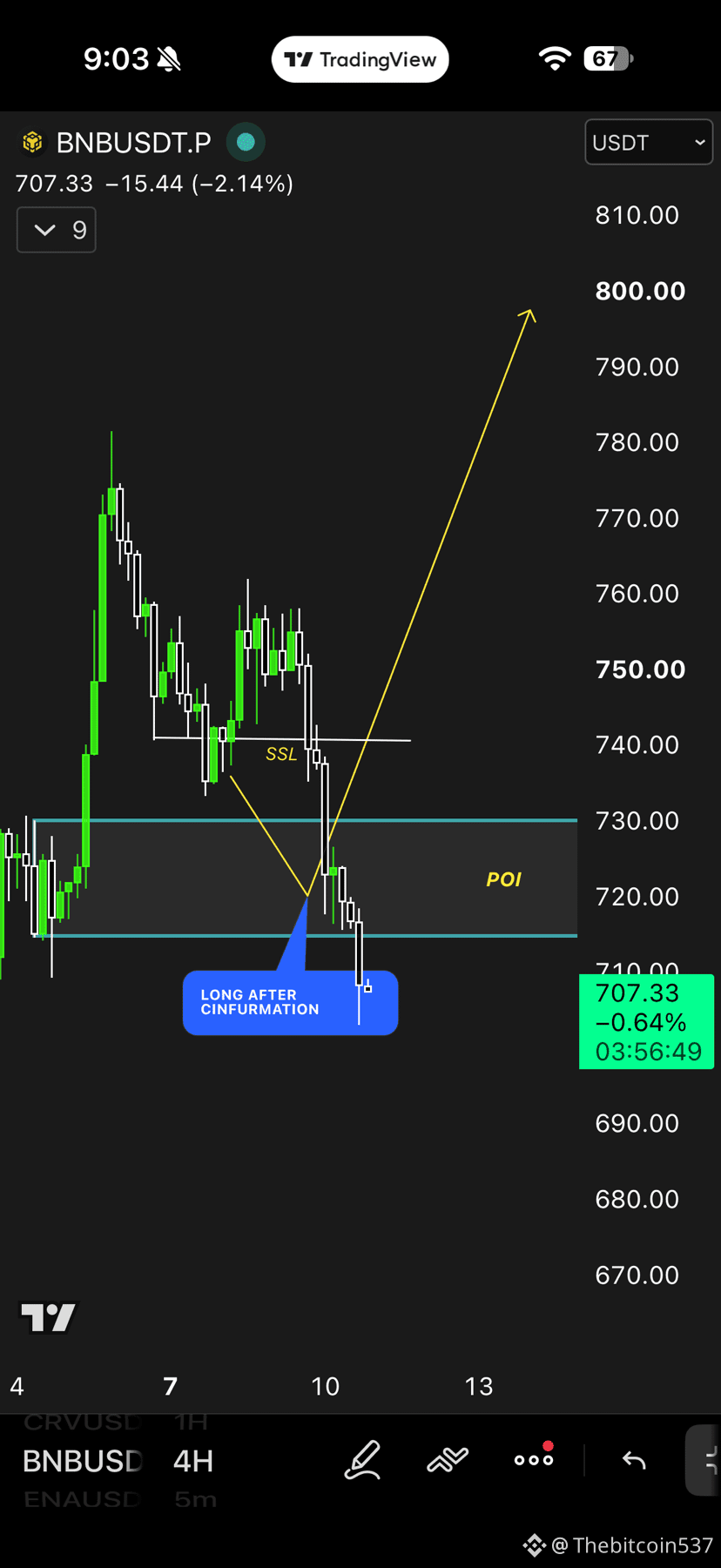
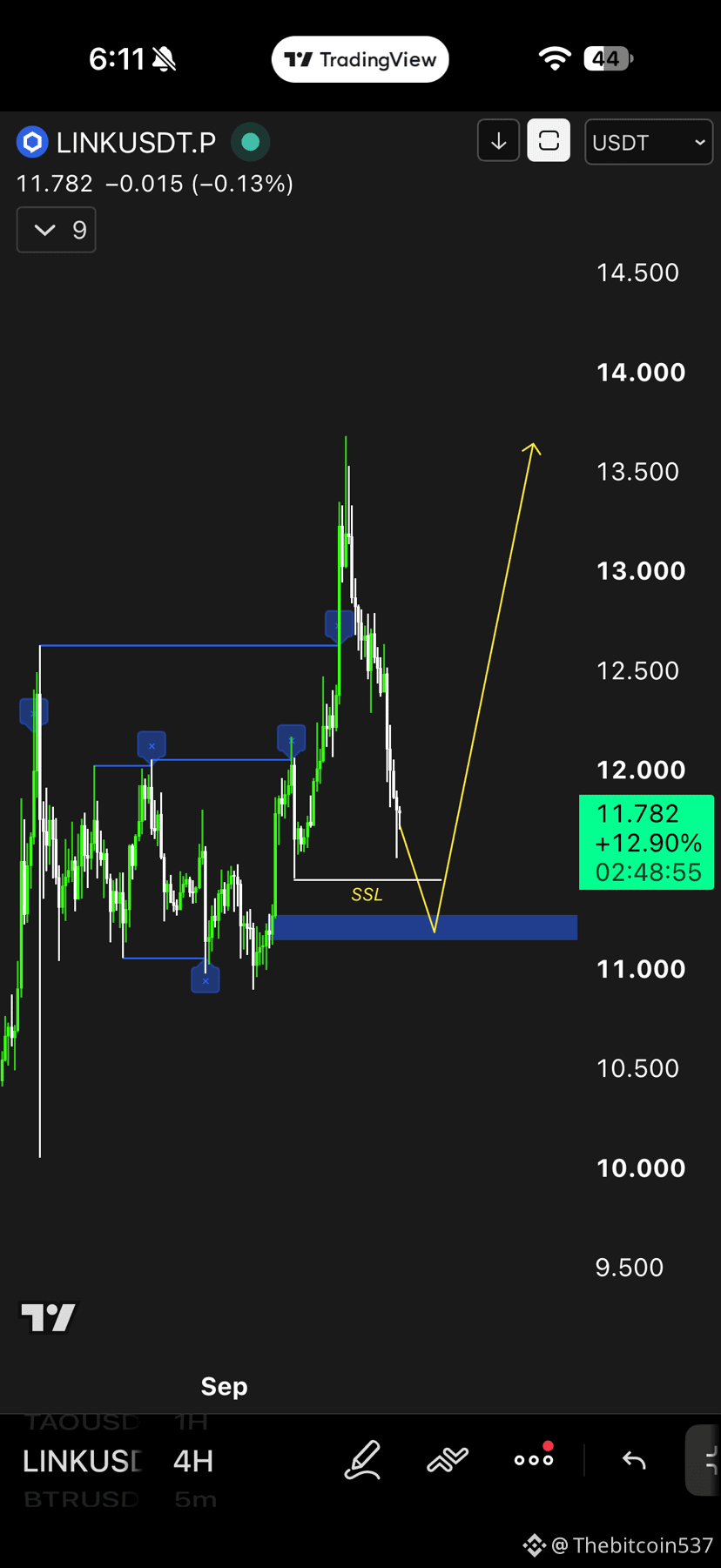
O preço está em tendência de alta e agora está fazendo uma retração. Vamos esperar o preço pegar SSL (Liquidity do lado vendedor) e entrar na POI marcada (ponto de interesse); então podemos comprar após a confirmação.
#Bnb #BNB_Market_Update #IMFSaysElSalvadorBTCNoPublicFunds #thebitcoin537
O preço está em tendência de alta e agora está fazendo uma retração. Vamos esperar o preço pegar SSL (Liquidity do lado vendedor) e entrar na POI marcada (ponto de interesse); então podemos comprar após a confirmação.
#Bnb #BNB_Market_Update #IMFSaysElSalvadorBTCNoPublicFunds #thebitcoin537
Thebitcoin537
·
--
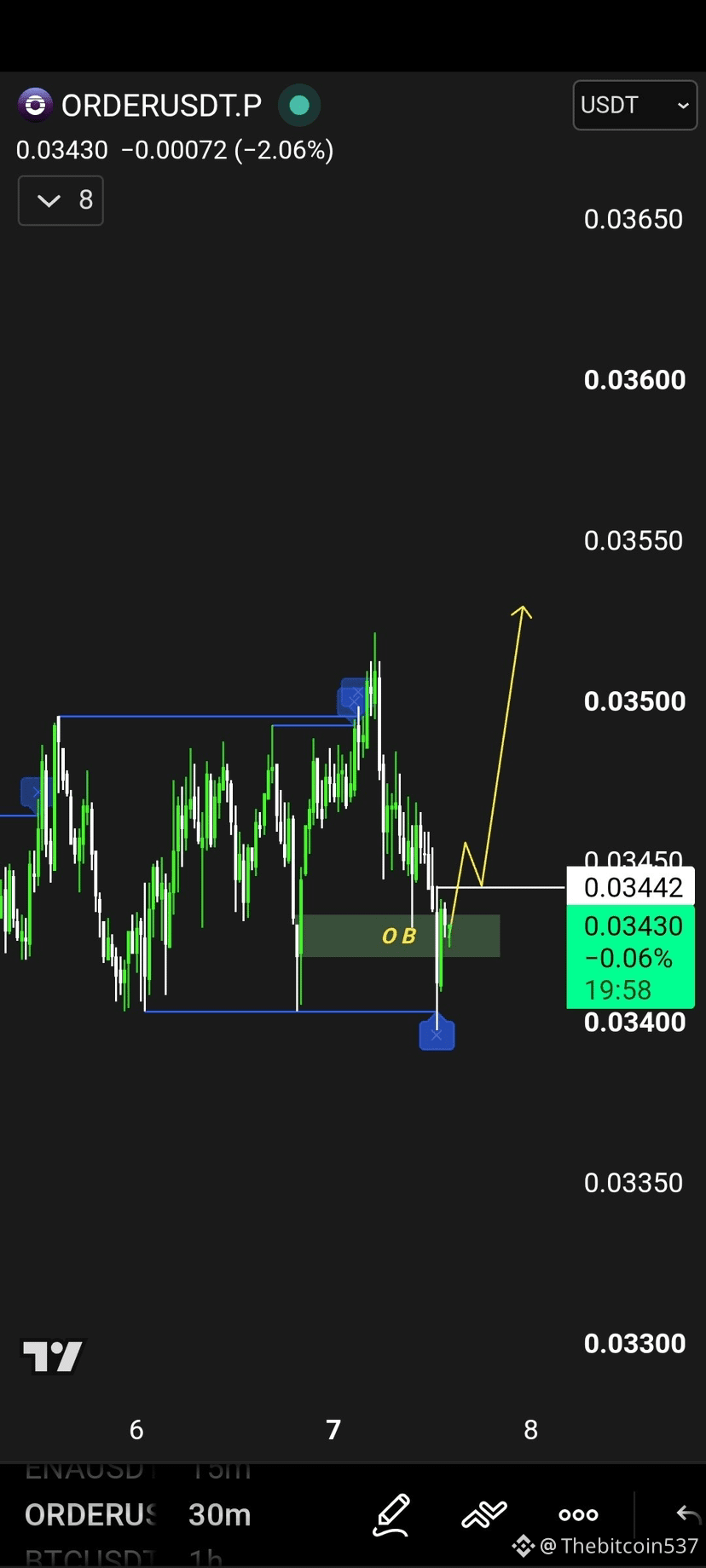
Em Alta$ORDER
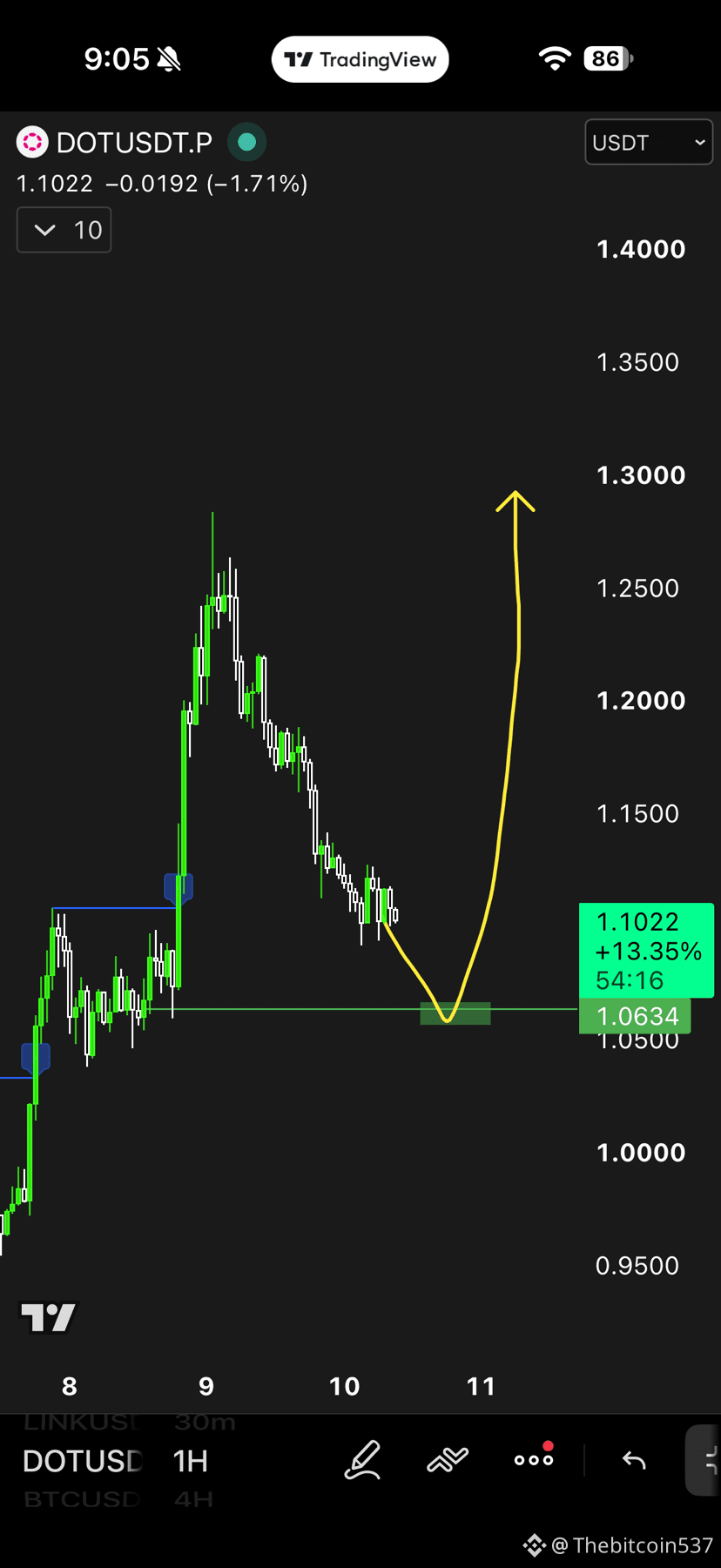
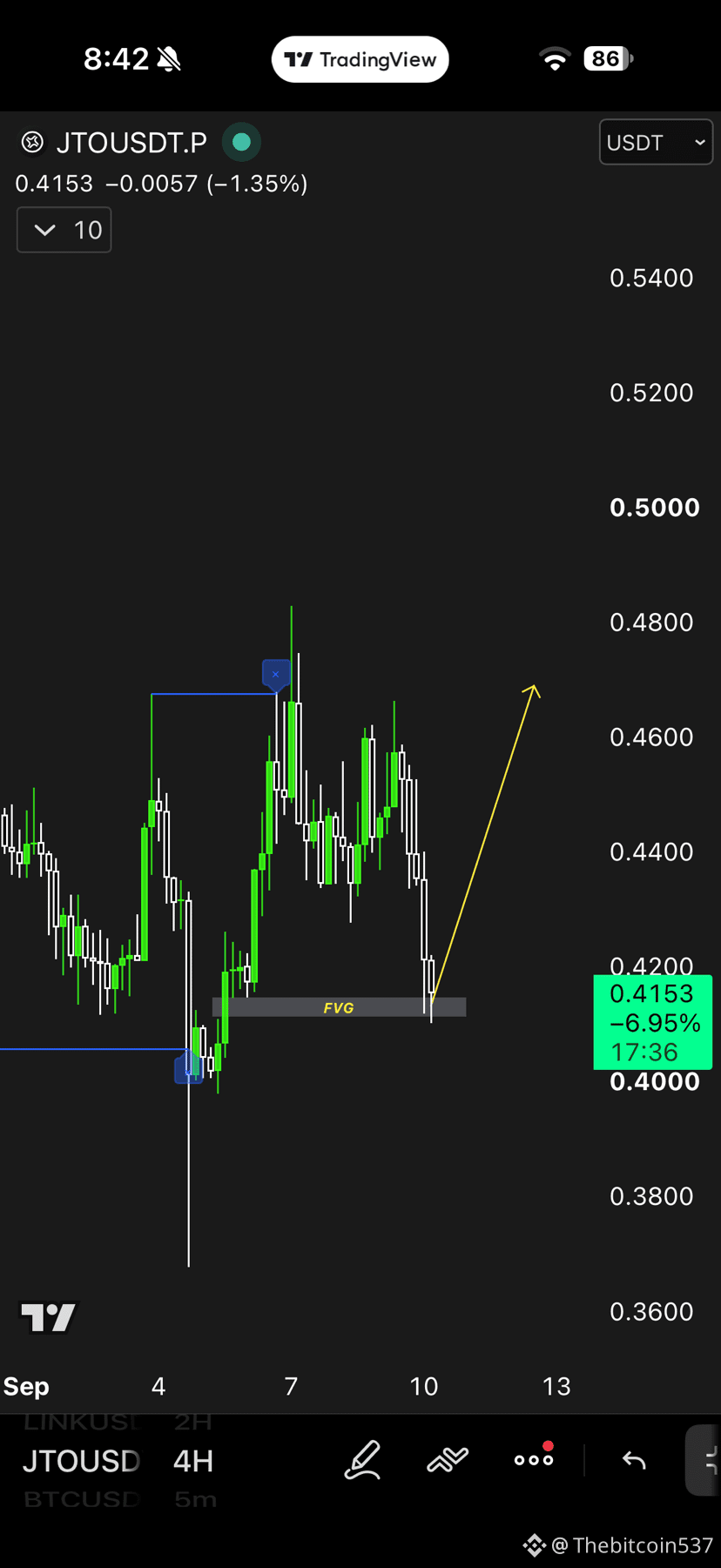
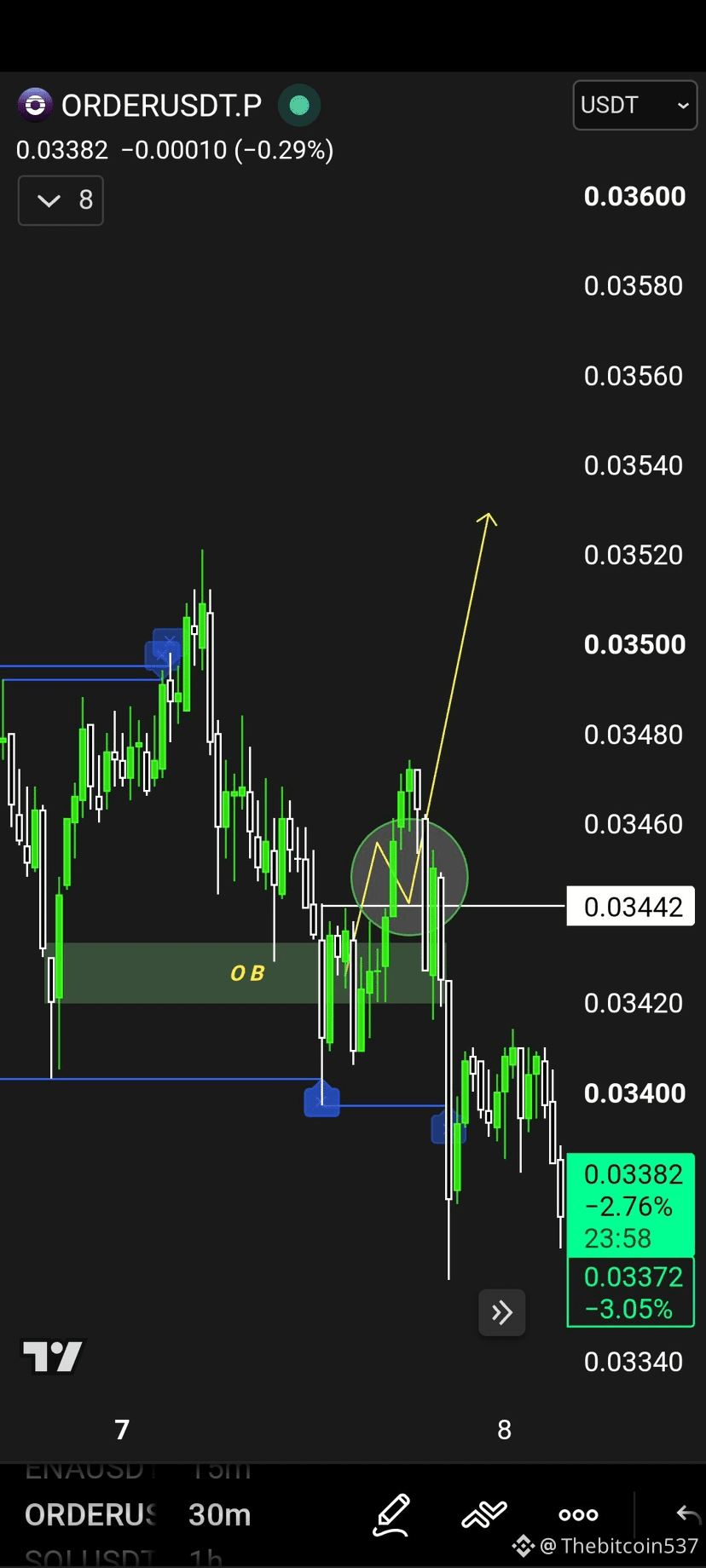
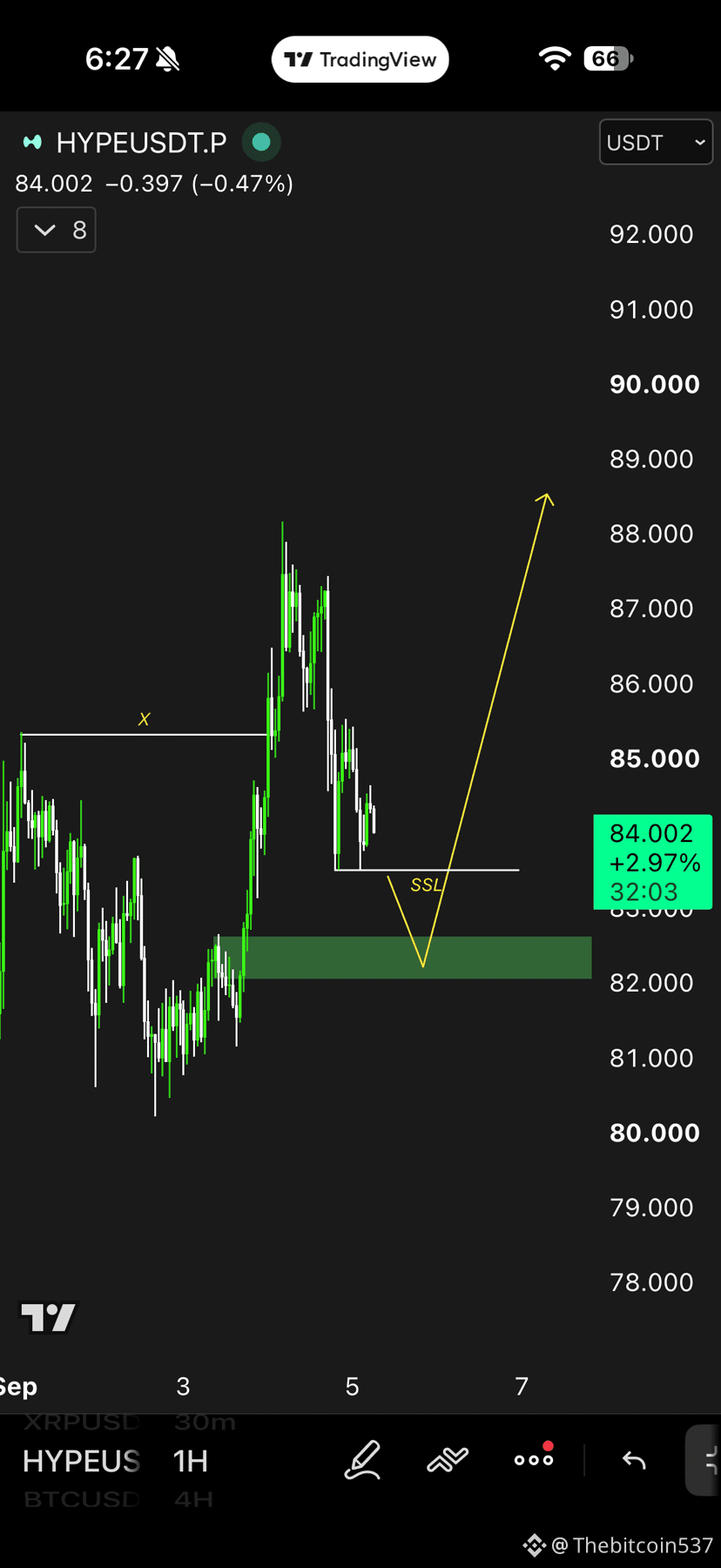
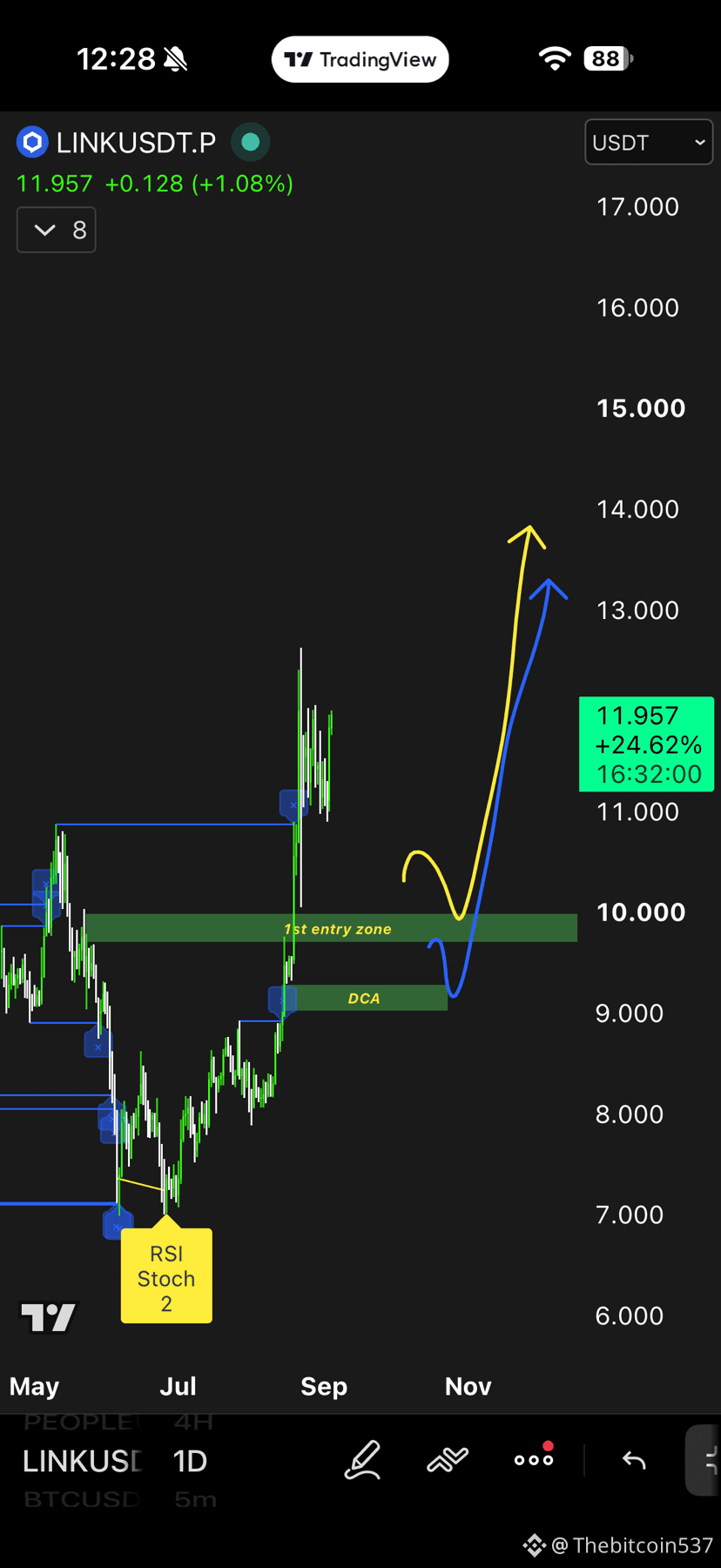
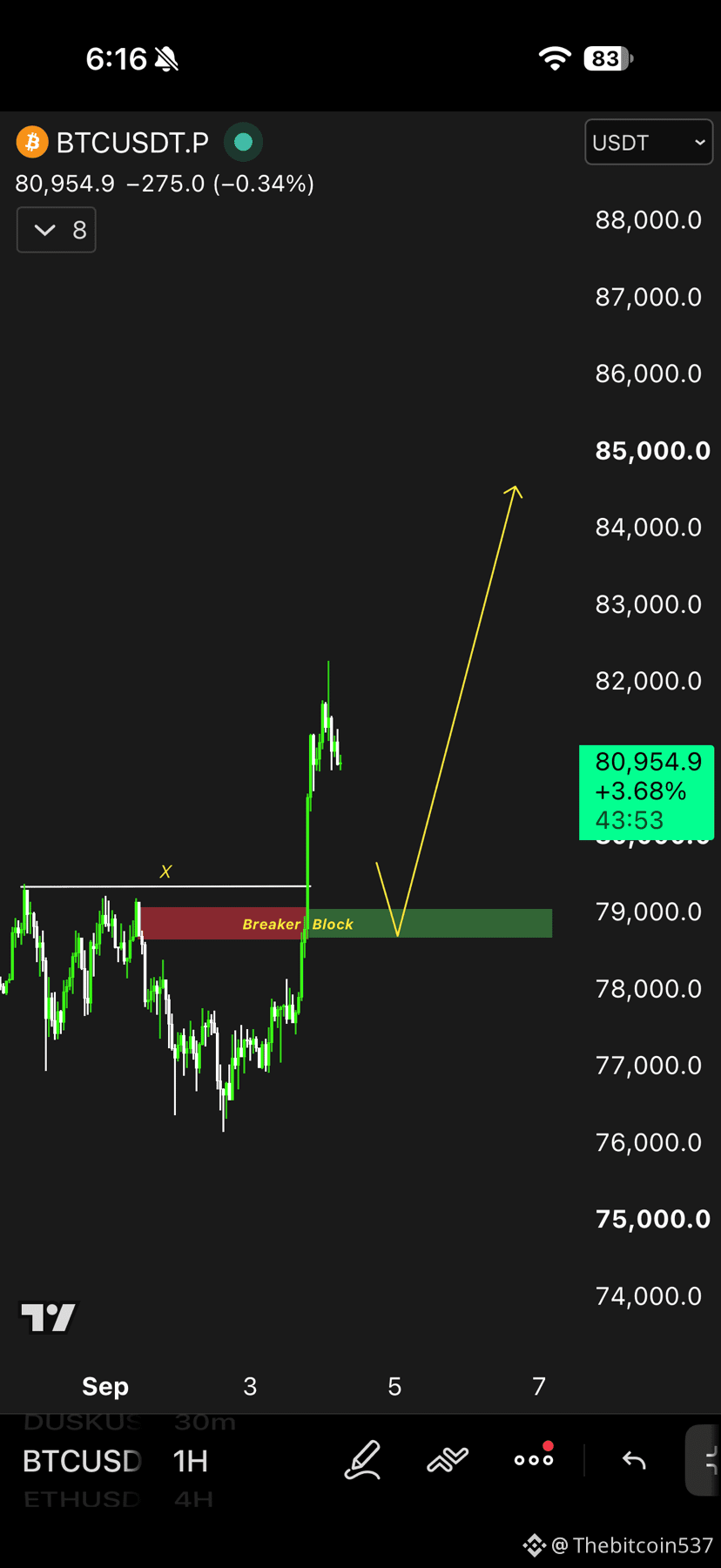
Lower liquidity sweeps com pavio e o preço também está na área OB. Se formarmos uma candle de alta fechando acima daquela linha horizontal branca marcada, então podemos comprar a alta.
Lower liquidity sweeps com pavio e o preço também está na área OB. Se formarmos uma candle de alta fechando acima daquela linha horizontal branca marcada, então podemos comprar a alta.
Thebitcoin537
·
--
Em Alta$BTC
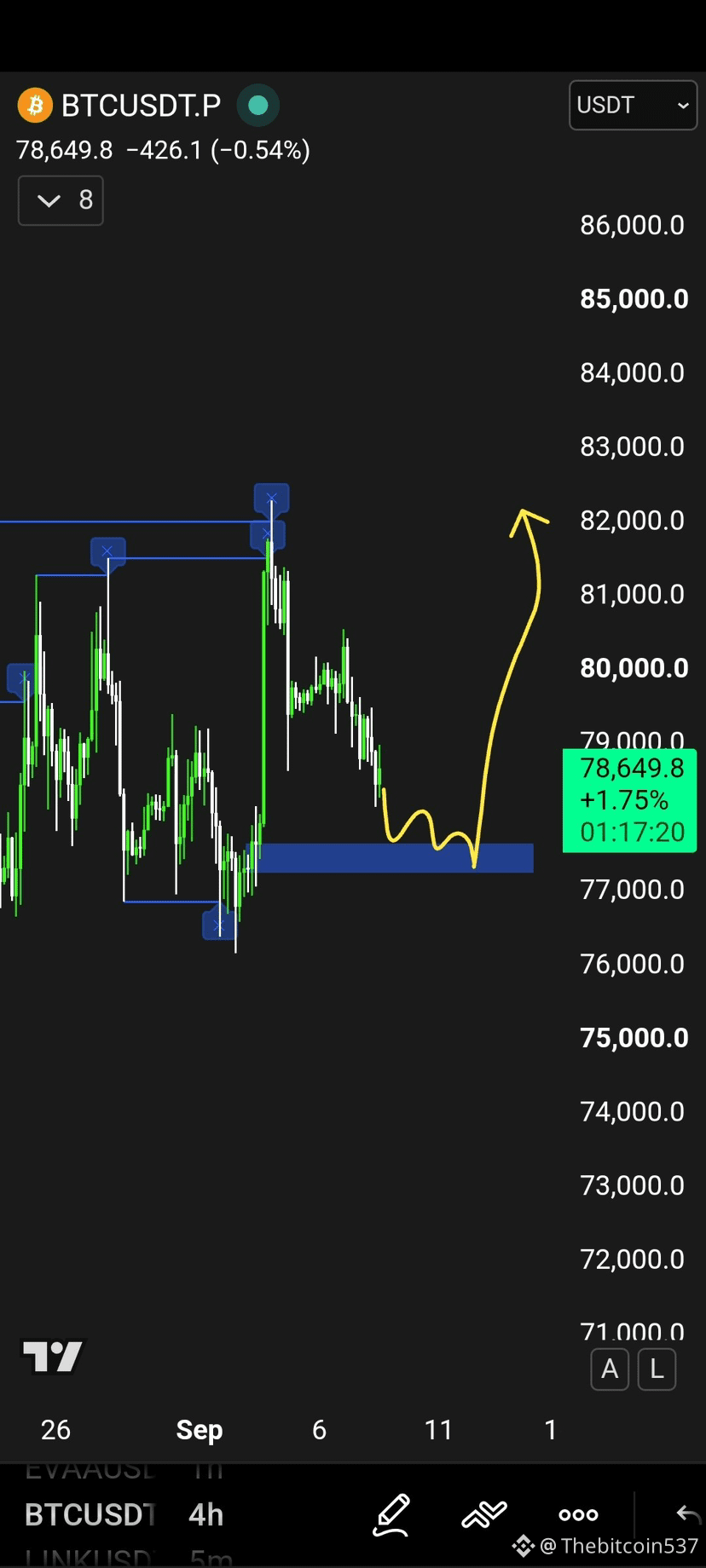
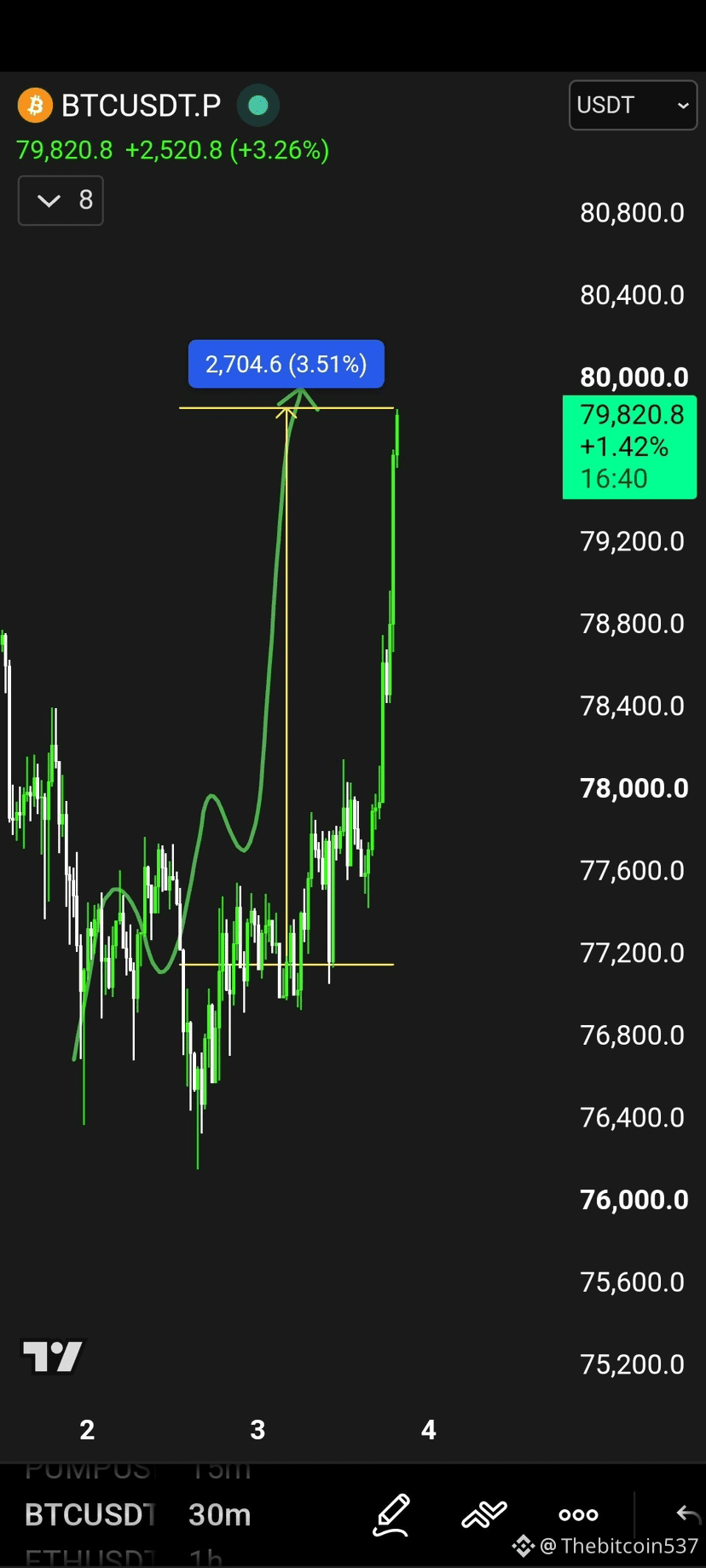
O preço varreu a liquidez com a pavada. Agora podemos ver um movimento de 1000$-2000$ de acordo com os gráficos e também o Trump está dormindo agora 😂.
#USStrikesTwoIranianTankers #btc
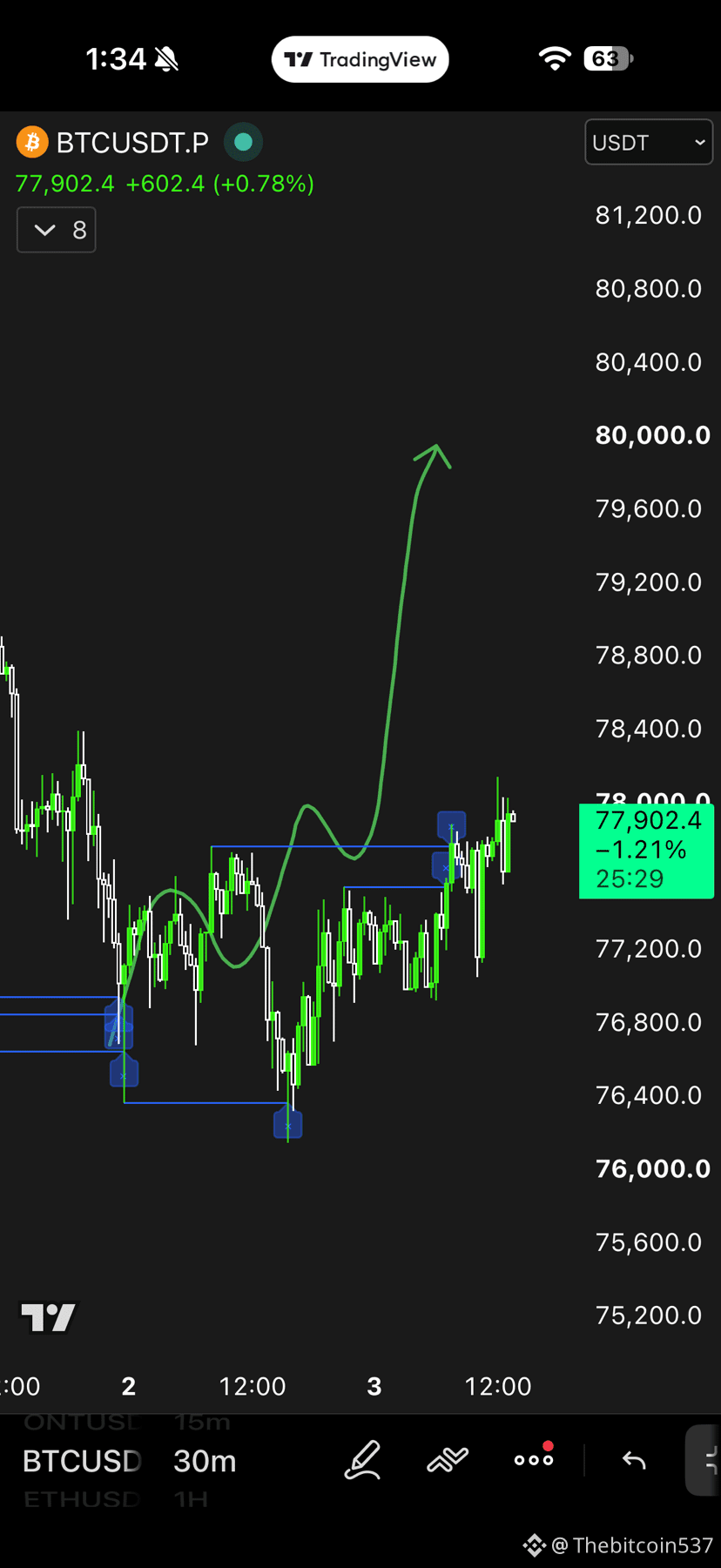
O preço varreu a liquidez com a pavada. Agora podemos ver um movimento de 1000$-2000$ de acordo com os gráficos e também o Trump está dormindo agora 😂.
#USStrikesTwoIranianTankers #btc
Thebitcoin537
·
--
Em Alta$BTC
O preço varreu a liquidez com a pavada. Agora podemos ver um movimento de 1000$-2000$ de acordo com os gráficos e também o Trump está dormindo agora 😂.
#USStrikesTwoIranianTankers #btc
O preço varreu a liquidez com a pavada. Agora podemos ver um movimento de 1000$-2000$ de acordo com os gráficos e também o Trump está dormindo agora 😂.
#USStrikesTwoIranianTankers #btc
Inicia sessão para explorar mais conteúdos