Binance Square

NAZMUL BNB-

image
Criador verificado
Aberto ao trading
Detentor de SOL
Detentor de SOL
Trader Frequente
1.1 ano(s)
MARKET ANALYST | CRYPTO INVESTOR | MONEY AND FUN
285 A seguir
34.6K+ Seguidores
16.1K+ Gostaram
1.4K+ Partilharam
Todos os Conteúdos
Portfólio
--
Ver original
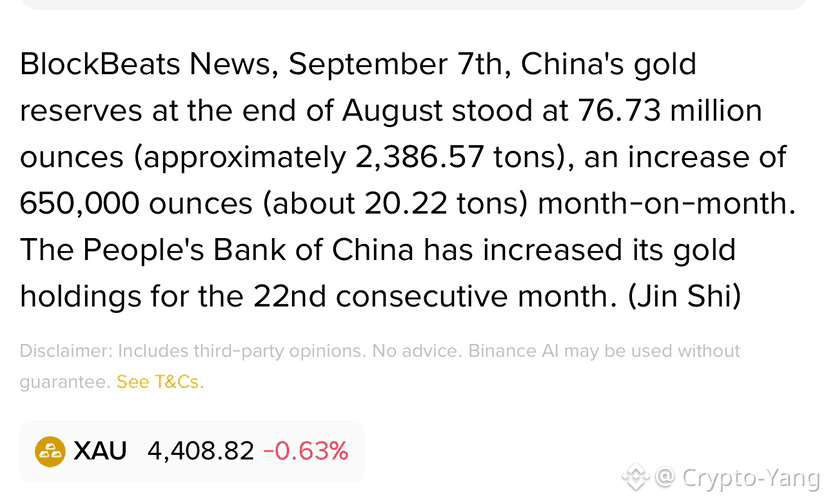
OS PREÇOS DO OURO ATINGIRAM UM NOVO MÁXIMO HISTÓRICO ACIMA DE $4,550 PELA PRIMEIRA VEZ.
Traduzir
Falcon Finance and the Missing Layer Between Holding and Selling AssetsThere is a quiet frustration most crypto users eventually experience, even if they never put it into words. You believe in an asset. You hold it through noise, cycles, and doubt. But the moment you actually need liquidity, the system gives you only one real option. Sell. Sell your conviction. Sell your time horizon. Sell the thing you did the work to hold. Crypto talks endlessly about freedom, yet liquidity often comes with a kind of surrender. This is the “I don’t want to sell” problem. It is not dramatic. It is not exciting. But it is deeply human. And surprisingly, very few systems try to solve it properly. This is where Falcon Finance begins to feel different. Not louder. Not faster. Just more aware of how people actually behave. Falcon does not start by asking how to maximize returns or attract attention. It starts with a simpler question: what if ownership and usability did not have to be opposites? Most financial systems, both traditional and crypto-native, force a tradeoff. You either hold an asset and wait, or you sell it to unlock value. Holding feels patient but passive. Selling feels useful but final. Over time, this shapes behavior. People overtrade. They chase short-term moves. They exit positions earlier than they want to, not because their belief changed, but because their needs did. Falcon reframes this entire dynamic. It treats assets not as static things you lock away, but as living tools you can use without giving them up. At the center of this idea is USDf. And it is important to say what USDf is not. It is not designed to be exciting. It does not promise innovation for its own sake. It is meant to be dependable. USDf is a dollar-pegged stable asset that users mint by depositing collateral they already own. Instead of selling your asset to get dollars, you place it as collateral and mint USDf against it. Your exposure remains. Your liquidity returns. For a beginner, think of it like this. If you own a house and need cash, you do not usually sell the house immediately. You use it as collateral. You unlock value without losing ownership. Falcon brings that same logic on-chain, but in a way that is designed to stay cautious rather than aggressive. This distinction matters more than it sounds. When people can access liquidity without selling, their behavior changes. They become less reactive. They stop treating every price movement as a reason to exit. They think longer-term. This is not just a financial shift. It is a psychological one. Of course, this only works if risk is taken seriously. Universal collateralization is a powerful idea, but it can become dangerous if handled carelessly. Falcon’s design leans into restraint. Assets are overcollateralized, not stretched thin. Liquidation rules exist not to punish users, but to protect the system’s stability. The goal is not to squeeze maximum efficiency from every dollar, but to ensure the dollar remains what it claims to be. That philosophy shows maturity. Many platforms advertise flexibility but quietly hide fragility underneath. Falcon does the opposite. It limits itself deliberately. Not every asset qualifies. Not every risk is accepted. That discipline is what allows USDf to behave like infrastructure rather than an experiment. And infrastructure is the right word here. What makes Falcon feel different is not any single feature, but how the pieces fit together. USDf is not just a stable unit you hold. It can also be placed into a yield-bearing form, allowing it to grow without demanding constant attention. The yield is positioned as operational, not promotional. It comes from structured strategies rather than inflated incentives. This matters for trust. In crypto, yield often feels like a marketing tool. It pulls users in, but rarely explains where returns actually come from. Falcon approaches yield as something that should be understandable, even if it is not glamorous. The message is quiet but clear: sustainability is more important than spectacle. This is also where the CeDeFi angle becomes relevant. Large institutions do not care about hype. They care about custody, clarity, and predictable behavior. They want systems that resemble familiar financial logic while still offering on-chain transparency. Falcon’s structure speaks that language. Assets remain visible. Collateralization is measurable. Rules are enforced by design, not discretion. For institutional capital, this kind of setup is not exciting. It is reassuring. And reassurance is what serious money looks for. That does not mean Falcon is risk-free. No financial system is. Collateral values can fall. Markets can stress. Stable assets can be tested during periods of panic. Falcon does not pretend otherwise. Instead of hiding these realities, it designs around them. This honesty is part of what makes it feel brand-safe and adult. The deeper impact of Falcon is not about borrowing. It is about changing how people relate to their assets. When liquidity no longer requires abandonment, ownership becomes calmer. Holding stops feeling like being stuck. Assets regain their role as long-term positions rather than short-term chips. This shift might sound subtle, but over time, it reshapes ecosystems. Fewer forced sells. Less panic-driven movement. More thoughtful participation. Falcon is not trying to redefine finance overnight. It is doing something quieter and arguably more important. It is restoring a basic promise: that believing in something should not trap you. My simple take is this. Falcon Finance feels like infrastructure built for people who already learned the hard lessons of crypto. It respects caution. It assumes users want options, not pressure. It does not confuse activity with progress. In a space that often rewards noise, Falcon chooses steadiness. And in the long run, that choice tends to age well. Not because it is exciting. But because it is usable. @falcon_finance #falconfinance $FF {spot}(FFUSDT)

Falcon Finance and the Missing Layer Between Holding and Selling Assets

There is a quiet frustration most crypto users eventually experience, even if they never put it into words.
You believe in an asset.
You hold it through noise, cycles, and doubt.
But the moment you actually need liquidity, the system gives you only one real option.
Sell.
Sell your conviction.
Sell your time horizon.
Sell the thing you did the work to hold.
Crypto talks endlessly about freedom, yet liquidity often comes with a kind of surrender. This is the “I don’t want to sell” problem. It is not dramatic. It is not exciting. But it is deeply human. And surprisingly, very few systems try to solve it properly.
This is where Falcon Finance begins to feel different. Not louder. Not faster. Just more aware of how people actually behave.
Falcon does not start by asking how to maximize returns or attract attention. It starts with a simpler question: what if ownership and usability did not have to be opposites?
Most financial systems, both traditional and crypto-native, force a tradeoff. You either hold an asset and wait, or you sell it to unlock value. Holding feels patient but passive. Selling feels useful but final. Over time, this shapes behavior. People overtrade. They chase short-term moves. They exit positions earlier than they want to, not because their belief changed, but because their needs did.
Falcon reframes this entire dynamic. It treats assets not as static things you lock away, but as living tools you can use without giving them up.
At the center of this idea is USDf. And it is important to say what USDf is not. It is not designed to be exciting. It does not promise innovation for its own sake. It is meant to be dependable.
USDf is a dollar-pegged stable asset that users mint by depositing collateral they already own. Instead of selling your asset to get dollars, you place it as collateral and mint USDf against it. Your exposure remains. Your liquidity returns.
For a beginner, think of it like this. If you own a house and need cash, you do not usually sell the house immediately. You use it as collateral. You unlock value without losing ownership. Falcon brings that same logic on-chain, but in a way that is designed to stay cautious rather than aggressive.
This distinction matters more than it sounds.
When people can access liquidity without selling, their behavior changes. They become less reactive. They stop treating every price movement as a reason to exit. They think longer-term. This is not just a financial shift. It is a psychological one.
Of course, this only works if risk is taken seriously. Universal collateralization is a powerful idea, but it can become dangerous if handled carelessly. Falcon’s design leans into restraint. Assets are overcollateralized, not stretched thin. Liquidation rules exist not to punish users, but to protect the system’s stability. The goal is not to squeeze maximum efficiency from every dollar, but to ensure the dollar remains what it claims to be.
That philosophy shows maturity.
Many platforms advertise flexibility but quietly hide fragility underneath. Falcon does the opposite. It limits itself deliberately. Not every asset qualifies. Not every risk is accepted. That discipline is what allows USDf to behave like infrastructure rather than an experiment.
And infrastructure is the right word here.
What makes Falcon feel different is not any single feature, but how the pieces fit together. USDf is not just a stable unit you hold. It can also be placed into a yield-bearing form, allowing it to grow without demanding constant attention. The yield is positioned as operational, not promotional. It comes from structured strategies rather than inflated incentives.
This matters for trust.
In crypto, yield often feels like a marketing tool. It pulls users in, but rarely explains where returns actually come from. Falcon approaches yield as something that should be understandable, even if it is not glamorous. The message is quiet but clear: sustainability is more important than spectacle.
This is also where the CeDeFi angle becomes relevant.
Large institutions do not care about hype. They care about custody, clarity, and predictable behavior. They want systems that resemble familiar financial logic while still offering on-chain transparency. Falcon’s structure speaks that language. Assets remain visible. Collateralization is measurable. Rules are enforced by design, not discretion.
For institutional capital, this kind of setup is not exciting. It is reassuring. And reassurance is what serious money looks for.
That does not mean Falcon is risk-free. No financial system is. Collateral values can fall. Markets can stress. Stable assets can be tested during periods of panic. Falcon does not pretend otherwise. Instead of hiding these realities, it designs around them.
This honesty is part of what makes it feel brand-safe and adult.
The deeper impact of Falcon is not about borrowing. It is about changing how people relate to their assets. When liquidity no longer requires abandonment, ownership becomes calmer. Holding stops feeling like being stuck. Assets regain their role as long-term positions rather than short-term chips.
This shift might sound subtle, but over time, it reshapes ecosystems. Fewer forced sells. Less panic-driven movement. More thoughtful participation.
Falcon is not trying to redefine finance overnight. It is doing something quieter and arguably more important. It is restoring a basic promise: that believing in something should not trap you.
My simple take is this.
Falcon Finance feels like infrastructure built for people who already learned the hard lessons of crypto. It respects caution. It assumes users want options, not pressure. It does not confuse activity with progress.
In a space that often rewards noise, Falcon chooses steadiness. And in the long run, that choice tends to age well.
Not because it is exciting.
But because it is usable.
@Falcon Finance #falconfinance
$FF
Traduzir
When Software Learns to Earn, Trust Becomes the Real InfrastructureThere is a quiet change happening in technology, and most people haven’t named it yet. For years, software has lived behind screens. You open an app. You click a button. Something happens for you. The software helps, but it waits. It never acts unless a human tells it to. Now that line is starting to blur. AI systems are no longer just tools. They are beginning to behave more like workers. They search. They negotiate. They decide. They even coordinate with other software. And once software starts doing real work, a simple question appears. How does it get paid? This is where most conversations about AI quietly fall apart. We talk about intelligence, automation, and speed. But we avoid the uncomfortable part. Money. Identity. Trust. Accountability. This is the space where Kite AI starts to make sense. Not as hype. Not as another “AI chain.” But as an attempt to answer a very practical problem that beginners can understand instantly. If software is going to act on its own, it needs the same basics a human worker needs. A way to prove who it is. A way to get paid. And a way to build trust over time. The idea behind Kite is often described as an “Open Agent Economy.” That sounds complex. In reality, it’s a very human idea. It’s the shift from apps to agents that trade services. Think about how apps work today. An app is static. It waits for you. It does exactly what it was programmed to do, and nothing more. Even when it uses AI, the AI usually lives inside the app, controlled by rules set by a company and triggered by a user. Agents are different. An agent can decide when to act. It can look for opportunities. It can hire another agent to help it. And crucially, it can pay for that help. Once you see this, you realize the challenge is not intelligence. It’s coordination. A marketplace of digital workers sounds exciting. But it only works if a few uncomfortable problems are solved first. The first problem is identity. In the human world, identity is boring but essential. You show an ID to open a bank account. You build a reputation by showing up and doing your job. People trust you not because you are smart, but because you are consistent. In the software world, identity is fragile. Code can be copied. Names can be reused. Without a reliable way to know who an agent really is, any marketplace becomes a guessing game. Kite treats identity as a foundation, not a feature. Agents are given verifiable identities. Not just a wallet address, but an identity that can be linked to actions over time. This allows something important to emerge naturally. Reputation. Reputation is an underrated idea in crypto. Most systems focus on price, yield, or speed. But in real economies, reputation is often more valuable than money. A contractor with a strong track record gets better jobs. A business with good reviews attracts customers without advertising. Trust compounds quietly. In an agent economy, reputation becomes the real currency. An agent that consistently delivers good work becomes more valuable. Other agents prefer to work with it. Marketplaces can rank it. Systems can give it more freedom. Without identity, reputation is impossible. Without reputation, trust never forms. Kite’s design puts this relationship front and center. Then comes payments. This is where many AI projects get distracted. They treat payments as a gimmick. A token for speculation. A reward system bolted on later. Kite does the opposite. It treats payments like rails. In simple terms, rails are the boring infrastructure that makes everything else possible. Roads are rails for cars. Internet cables are rails for data. You don’t notice them until they break. For agents, payments need to be instant, predictable, and stable. An agent paying another agent for data, compute, or a task cannot wait minutes or worry about price swings. Volatility breaks coordination. That is why Kite emphasizes stable, machine-friendly payments. The goal is not to impress traders. It is to let agents transact smoothly, the way software expects systems to behave. Once payments work, coordination becomes possible. This is where the idea moves beyond automation. Automation is about repeating tasks faster. Coordination is about independent actors working together without central control. Imagine a simple example. You have an AI agent that manages online ads. It notices performance dropping. Instead of waiting for a human, it hires another agent that specializes in copywriting. That agent hires a data agent to test headlines. Payments move automatically. Each agent is paid for its contribution. The system adapts in real time. This is not science fiction. The intelligence already exists. What’s missing is the economic layer that lets this happen safely. Kite positions itself as that layer. Importantly, it does not try to make the KITE token the center of everything. This is a subtle but mature design choice. The token has a role. It helps secure the network. It aligns incentives. It participates in governance. But it is not forced into every transaction. This matters. When a token is pushed into every action, the system becomes fragile. Users and agents start optimizing for the token instead of the work. Speculation replaces utility. By allowing stable payments for day-to-day activity and keeping the token focused on alignment and security, Kite avoids that trap. The token supports the system instead of dominating it. For beginners, the philosophy is easy to grasp. Money should help work happen. Not get in the way. There is also a deeper, more philosophical layer here. As software becomes more autonomous, humans will not supervise every decision. That is not scalable. Instead, we will design boundaries. Spending limits. Permission scopes. Clear rules about what an agent can and cannot do. Kite treats these constraints as part of the system. Not as an afterthought. This creates a healthier relationship between humans and machines. Humans set goals and limits. Agents operate freely within those limits. Accountability is built into the infrastructure, not enforced emotionally after something goes wrong. This approach feels quieter than most AI narratives. There are no bold promises of replacing humans. No claims of guaranteed efficiency. Just an acknowledgment that if machines are going to act, they need grown-up systems around them. Of course, this future is not guaranteed. Building infrastructure is hard. Convincing developers to build agent-native applications takes time. Regulation around autonomous payments is still evolving. Reputation systems can be gamed if designed poorly. Kite does not eliminate these risks. What it does is acknowledge them. That alone sets it apart from projects that sell certainty in an uncertain world. What makes Kite worth paying attention to is not that it claims to have solved everything. It’s that it asks the right questions first. How do we let software work without losing control? How do we create trust without constant supervision? How do we make money feel stable when machines are the ones moving it? These are not flashy questions. But they are the questions that matter once the excitement fades. In many ways, the Open Agent Economy is not about AI at all. It’s about coordination. It’s about building systems that respect how value is actually created. Work happens. Trust accumulates. Payments follow. Kite’s bet is simple. If you design for that order, the rest can grow naturally. It feels early. But it also feels necessary. And as software slowly learns not just how to think, but how to earn, the infrastructure that supports that shift will matter more than any headline. That is where Kite quietly stands. @GoKiteAI #Kite $KITE {spot}(KITEUSDT)

When Software Learns to Earn, Trust Becomes the Real Infrastructure

There is a quiet change happening in technology, and most people haven’t named it yet.
For years, software has lived behind screens. You open an app. You click a button. Something happens for you. The software helps, but it waits. It never acts unless a human tells it to.
Now that line is starting to blur.
AI systems are no longer just tools. They are beginning to behave more like workers. They search. They negotiate. They decide. They even coordinate with other software. And once software starts doing real work, a simple question appears.
How does it get paid?
This is where most conversations about AI quietly fall apart. We talk about intelligence, automation, and speed. But we avoid the uncomfortable part. Money. Identity. Trust. Accountability.
This is the space where Kite AI starts to make sense. Not as hype. Not as another “AI chain.” But as an attempt to answer a very practical problem that beginners can understand instantly.
If software is going to act on its own, it needs the same basics a human worker needs. A way to prove who it is. A way to get paid. And a way to build trust over time.
The idea behind Kite is often described as an “Open Agent Economy.” That sounds complex. In reality, it’s a very human idea.
It’s the shift from apps to agents that trade services.
Think about how apps work today. An app is static. It waits for you. It does exactly what it was programmed to do, and nothing more. Even when it uses AI, the AI usually lives inside the app, controlled by rules set by a company and triggered by a user.
Agents are different.
An agent can decide when to act. It can look for opportunities. It can hire another agent to help it. And crucially, it can pay for that help.
Once you see this, you realize the challenge is not intelligence. It’s coordination.
A marketplace of digital workers sounds exciting. But it only works if a few uncomfortable problems are solved first.
The first problem is identity.
In the human world, identity is boring but essential. You show an ID to open a bank account. You build a reputation by showing up and doing your job. People trust you not because you are smart, but because you are consistent.
In the software world, identity is fragile. Code can be copied. Names can be reused. Without a reliable way to know who an agent really is, any marketplace becomes a guessing game.
Kite treats identity as a foundation, not a feature. Agents are given verifiable identities. Not just a wallet address, but an identity that can be linked to actions over time. This allows something important to emerge naturally.
Reputation.
Reputation is an underrated idea in crypto. Most systems focus on price, yield, or speed. But in real economies, reputation is often more valuable than money.
A contractor with a strong track record gets better jobs. A business with good reviews attracts customers without advertising. Trust compounds quietly.
In an agent economy, reputation becomes the real currency. An agent that consistently delivers good work becomes more valuable. Other agents prefer to work with it. Marketplaces can rank it. Systems can give it more freedom.
Without identity, reputation is impossible. Without reputation, trust never forms. Kite’s design puts this relationship front and center.
Then comes payments.
This is where many AI projects get distracted. They treat payments as a gimmick. A token for speculation. A reward system bolted on later.
Kite does the opposite. It treats payments like rails.
In simple terms, rails are the boring infrastructure that makes everything else possible. Roads are rails for cars. Internet cables are rails for data. You don’t notice them until they break.
For agents, payments need to be instant, predictable, and stable. An agent paying another agent for data, compute, or a task cannot wait minutes or worry about price swings. Volatility breaks coordination.
That is why Kite emphasizes stable, machine-friendly payments. The goal is not to impress traders. It is to let agents transact smoothly, the way software expects systems to behave.
Once payments work, coordination becomes possible.
This is where the idea moves beyond automation.
Automation is about repeating tasks faster. Coordination is about independent actors working together without central control.
Imagine a simple example.
You have an AI agent that manages online ads. It notices performance dropping. Instead of waiting for a human, it hires another agent that specializes in copywriting. That agent hires a data agent to test headlines. Payments move automatically. Each agent is paid for its contribution. The system adapts in real time.
This is not science fiction. The intelligence already exists. What’s missing is the economic layer that lets this happen safely.
Kite positions itself as that layer.
Importantly, it does not try to make the KITE token the center of everything. This is a subtle but mature design choice.
The token has a role. It helps secure the network. It aligns incentives. It participates in governance. But it is not forced into every transaction.
This matters.
When a token is pushed into every action, the system becomes fragile. Users and agents start optimizing for the token instead of the work. Speculation replaces utility.
By allowing stable payments for day-to-day activity and keeping the token focused on alignment and security, Kite avoids that trap. The token supports the system instead of dominating it.
For beginners, the philosophy is easy to grasp.
Money should help work happen. Not get in the way.
There is also a deeper, more philosophical layer here.
As software becomes more autonomous, humans will not supervise every decision. That is not scalable. Instead, we will design boundaries. Spending limits. Permission scopes. Clear rules about what an agent can and cannot do.
Kite treats these constraints as part of the system. Not as an afterthought.
This creates a healthier relationship between humans and machines. Humans set goals and limits. Agents operate freely within those limits. Accountability is built into the infrastructure, not enforced emotionally after something goes wrong.
This approach feels quieter than most AI narratives. There are no bold promises of replacing humans. No claims of guaranteed efficiency. Just an acknowledgment that if machines are going to act, they need grown-up systems around them.
Of course, this future is not guaranteed.
Building infrastructure is hard. Convincing developers to build agent-native applications takes time. Regulation around autonomous payments is still evolving. Reputation systems can be gamed if designed poorly.
Kite does not eliminate these risks. What it does is acknowledge them.
That alone sets it apart from projects that sell certainty in an uncertain world.
What makes Kite worth paying attention to is not that it claims to have solved everything. It’s that it asks the right questions first.
How do we let software work without losing control?
How do we create trust without constant supervision?
How do we make money feel stable when machines are the ones moving it?
These are not flashy questions. But they are the questions that matter once the excitement fades.
In many ways, the Open Agent Economy is not about AI at all. It’s about coordination. It’s about building systems that respect how value is actually created.
Work happens. Trust accumulates. Payments follow.
Kite’s bet is simple. If you design for that order, the rest can grow naturally.
It feels early. But it also feels necessary.
And as software slowly learns not just how to think, but how to earn, the infrastructure that supports that shift will matter more than any headline.
That is where Kite quietly stands.
@KITE AI #Kite
$KITE
Ver original
A BINANCE DOMINA AS PARTICIPAÇÕES DE ATIVOS DOS USUÁRIOS DE 2025 O relatório da CoinGlass mostra que a Binance controla mais de 72% da participação de mercado, com $163,9B em ativos médios diários sob custódia e um pico anual próximo a $214,3B.
A BINANCE DOMINA AS PARTICIPAÇÕES DE ATIVOS DOS USUÁRIOS DE 2025

O relatório da CoinGlass mostra que a Binance controla mais de 72% da participação de mercado, com $163,9B em ativos médios diários sob custódia e um pico anual próximo a $214,3B.
Ver original
AS MOEDAS ESTÁVEIS SUBIRAM 50% ESTE ANO Dados on-chain mostram que a oferta total está próxima de $310B até meados de dezembro, um aumento de mais de 50% em relação a $205 BILHÕES no início do ano. As moedas estáveis terminaram 2025 muito maiores e mais barulhentas do que a maioria esperava.
AS MOEDAS ESTÁVEIS SUBIRAM 50% ESTE ANO

Dados on-chain mostram que a oferta total está próxima de $310B até meados de dezembro, um aumento de mais de 50% em relação a $205 BILHÕES no início do ano.

As moedas estáveis terminaram 2025 muito maiores e mais barulhentas do que a maioria esperava.
Ver original
KITE: Quando a Inteligência Aprende a Agir, a Responsabilidade Deve SeguirHá um momento silencioso que toda nova tecnologia atinge. Não quando se torna mais inteligente. Mas quando começa a agir por conta própria. A inteligência artificial está alcançando esse momento agora. Estamos passando de ferramentas que assistem os humanos para sistemas que podem decidir, transacionar e operar de forma independente. Agentes de IA estão começando a reservar serviços, comprar dados, pagar por computação e coordenar com outro software. E, no entanto, a maioria dos sistemas financeiros ainda se comporta como se uma mão humana estivesse sempre presente. Alguém para clicar em “aprovar.” Alguém para assumir a responsabilidade se algo der errado.

KITE: Quando a Inteligência Aprende a Agir, a Responsabilidade Deve Seguir

Há um momento silencioso que toda nova tecnologia atinge.
Não quando se torna mais inteligente.
Mas quando começa a agir por conta própria.
A inteligência artificial está alcançando esse momento agora.
Estamos passando de ferramentas que assistem os humanos para sistemas que podem decidir, transacionar e operar de forma independente. Agentes de IA estão começando a reservar serviços, comprar dados, pagar por computação e coordenar com outro software. E, no entanto, a maioria dos sistemas financeiros ainda se comporta como se uma mão humana estivesse sempre presente. Alguém para clicar em “aprovar.” Alguém para assumir a responsabilidade se algo der errado.
Ver original
Quando a Liquidez Para de Exigir Urgência e Começa a Oferecer SuporteHá uma sensação silenciosa que a maioria das pessoas reconhece, mesmo que raramente a nomeiem. É a tensão que aparece no momento em que o dinheiro precisa se mover. No mundo das criptomoedas, essa tensão se tornou familiar. Você quer flexibilidade, mas a flexibilidade muitas vezes vem com pressão. Você quer liquidez, mas liquidez geralmente significa vender algo em que você acredita. Você quer participar, mas a participação pode parecer uma corrida que você não concordou em correr. Com o tempo, isso molda o comportamento. As pessoas se movem mais rápido do que deveriam. Elas reagem em vez de planejar. Elas tratam cada momento do mercado como um ponto de decisão que não pode ser adiado. E lentamente, as finanças começam a parecer menos como uma ferramenta e mais como uma fonte de estresse.

Quando a Liquidez Para de Exigir Urgência e Começa a Oferecer Suporte

Há uma sensação silenciosa que a maioria das pessoas reconhece, mesmo que raramente a nomeiem.
É a tensão que aparece no momento em que o dinheiro precisa se mover.
No mundo das criptomoedas, essa tensão se tornou familiar. Você quer flexibilidade, mas a flexibilidade muitas vezes vem com pressão. Você quer liquidez, mas liquidez geralmente significa vender algo em que você acredita. Você quer participar, mas a participação pode parecer uma corrida que você não concordou em correr.
Com o tempo, isso molda o comportamento. As pessoas se movem mais rápido do que deveriam. Elas reagem em vez de planejar. Elas tratam cada momento do mercado como um ponto de decisão que não pode ser adiado. E lentamente, as finanças começam a parecer menos como uma ferramenta e mais como uma fonte de estresse.
Ver original
O ex-contratado de inteligência da Agência de Segurança Nacional (NSA), Edward Snowden, diz "O ouro é apenas Bitcoin que não pode ser enviado pela internet."
Ver original
Capitalização total do mercado cripto: $3 trilhões Liquidações totais apenas em 2025: $150 bilhões
Capitalização total do mercado cripto: $3 trilhões
Liquidações totais apenas em 2025: $150 bilhões
Ver original
🎄IMPORTANTE: Toque a grama. Os mercados podem esperar. O tempo em família não pode. Toque a grama e passe o Natal com seus entes queridos.
🎄IMPORTANTE: Toque a grama.

Os mercados podem esperar. O tempo em família não pode. Toque a grama e passe o Natal com seus entes queridos.
Ver original
Falcon Finance Value Stops Sitting Still and Starts Working Quietly Há um momento que todo detentor de longo prazo eventualmente reconhece. Você não está perdendo dinheiro. Você não está em pânico. Mas você se sente preso. Seus ativos estão ali, intocados. Eles podem subir no futuro. Eles podem não subir. De qualquer forma, eles não estão te ajudando hoje. Esse sentimento é mais comum do que as pessoas admitem. No crypto, somos ensinados que segurar é paciência e vender é fraqueza. Portanto, a maioria dos sistemas é construída em torno de uma suposição: se você quer flexibilidade, deve sair. Se você quer liquidez, deve abrir mão de algo.

Falcon Finance Value Stops Sitting Still and Starts Working Quietly

Há um momento que todo detentor de longo prazo eventualmente reconhece.
Você não está perdendo dinheiro.
Você não está em pânico.
Mas você se sente preso.
Seus ativos estão ali, intocados.
Eles podem subir no futuro.
Eles podem não subir.
De qualquer forma, eles não estão te ajudando hoje.
Esse sentimento é mais comum do que as pessoas admitem. No crypto, somos ensinados que segurar é paciência e vender é fraqueza. Portanto, a maioria dos sistemas é construída em torno de uma suposição: se você quer flexibilidade, deve sair. Se você quer liquidez, deve abrir mão de algo.
Ver original
ÚLTIMAS: Houve $8.6 bilhões em fusões e aquisições de criptomoedas em 267 negócios este ano, um aumento de 18% no volume de transações e um aumento de 300% no valor em relação ao ano passado.
Ver original
Kite AI: Quando as Máquinas Começam a Lidar com Dinheiro, a Infraestrutura Precisa CrescerHá uma mudança silenciosa acontecendo sob o ruído de novos tokens, cadeias mais rápidas e ferramentas mais inteligentes. Não se trata de velocidade. Não se trata de hype. Trata-se de responsabilidade. Pela primeira vez, o software está começando a agir por conta própria. Não apenas calculando ou sugerindo, mas decidindo, executando e gerando valor. Quando as máquinas começam a lidar com dinheiro, algo fundamental precisa mudar. Os sistemas que construímos para humanos nunca foram projetados para comportamento autônomo. E fingir o contrário está se tornando arriscado.

Kite AI: Quando as Máquinas Começam a Lidar com Dinheiro, a Infraestrutura Precisa Crescer

Há uma mudança silenciosa acontecendo sob o ruído de novos tokens, cadeias mais rápidas e ferramentas mais inteligentes. Não se trata de velocidade. Não se trata de hype. Trata-se de responsabilidade.
Pela primeira vez, o software está começando a agir por conta própria. Não apenas calculando ou sugerindo, mas decidindo, executando e gerando valor. Quando as máquinas começam a lidar com dinheiro, algo fundamental precisa mudar. Os sistemas que construímos para humanos nunca foram projetados para comportamento autônomo. E fingir o contrário está se tornando arriscado.
Ver original
Quando éramos crianças, costumávamos acreditar que o Papai Noel viria no Natal. Agora, como adultos, acreditamos na Altseason.
Quando éramos crianças, costumávamos acreditar que o Papai Noel viria no Natal.

Agora, como adultos, acreditamos na Altseason.
Ver original
🚨ONDO PARA LANÇAR AÇÕES E ETFs TOKENIZADOS DOS EUA NA SOLANA A Ondo Finance planeja lançar ações e ETFs tokenizados respaldados por custódia dos EUA na Solana no início de 2026, permitindo transferências on-chain 24/7 e acesso contínuo, nativo da blockchain, a ativos financeiros tradicionais.
🚨ONDO PARA LANÇAR AÇÕES E ETFs TOKENIZADOS DOS EUA NA SOLANA

A Ondo Finance planeja lançar ações e ETFs tokenizados respaldados por custódia dos EUA na Solana no início de 2026, permitindo transferências on-chain 24/7 e acesso contínuo, nativo da blockchain, a ativos financeiros tradicionais.
Ver original
Quando a Inteligência Para de Impressionar e a Estabilidade Começa a Importar Há uma fase que toda tecnologia de rápido avanço passa. No início, tudo parece empolgante. Sistemas mais inteligentes. Ferramentas mais rápidas. Promessas maiores. Crypto viveu nessa fase por anos. Perseguimos a velocidade. Então automação. Então inteligência. Mas em algum momento ao longo do caminho, muitos usuários mudaram silenciosamente a pergunta que estavam fazendo. Não quão inteligente é este protocolo? Mas posso confiar que isso se comportará quando as coisas ficarem entediantes, lentas ou estressantes? Essa mudança de mentalidade é onde a Kite AI começa a fazer sentido. Não porque é mais alto que os outros.

Quando a Inteligência Para de Impressionar e a Estabilidade Começa a Importar

Há uma fase que toda tecnologia de rápido avanço passa.
No início, tudo parece empolgante.
Sistemas mais inteligentes. Ferramentas mais rápidas. Promessas maiores.
Crypto viveu nessa fase por anos.
Perseguimos a velocidade.
Então automação.
Então inteligência.
Mas em algum momento ao longo do caminho, muitos usuários mudaram silenciosamente a pergunta que estavam fazendo.
Não quão inteligente é este protocolo?
Mas posso confiar que isso se comportará quando as coisas ficarem entediantes, lentas ou estressantes?
Essa mudança de mentalidade é onde a Kite AI começa a fazer sentido.
Não porque é mais alto que os outros.
Ver original
Falcon Finance: Quando a Liquidez Para de Pedir que Você Deixe IrNo crypto, a maioria das pessoas aprende a mesma lição cedo. Se você quer liquidez, geralmente tem que vender algo. Você vende seu token para obter stablecoins. Você sai de uma posição para desbloquear capital. Você troca a crença de longo prazo por flexibilidade de curto prazo. Este hábito moldou a maneira como as pessoas se comportam na cadeia. Isso incentiva a impaciência. Isso recompensa o movimento constante. E isso ensina silenciosamente aos usuários que manter e liquidez não podem existir ao mesmo tempo. Falcon Finance começa a partir de uma observação diferente. E se a liquidez não exigisse entrega?

Falcon Finance: Quando a Liquidez Para de Pedir que Você Deixe Ir

No crypto, a maioria das pessoas aprende a mesma lição cedo.
Se você quer liquidez, geralmente tem que vender algo.
Você vende seu token para obter stablecoins.
Você sai de uma posição para desbloquear capital.
Você troca a crença de longo prazo por flexibilidade de curto prazo.
Este hábito moldou a maneira como as pessoas se comportam na cadeia.
Isso incentiva a impaciência.
Isso recompensa o movimento constante.
E isso ensina silenciosamente aos usuários que manter e liquidez não podem existir ao mesmo tempo.
Falcon Finance começa a partir de uma observação diferente.
E se a liquidez não exigisse entrega?
Ver original
ÚLTIMAS: ⚡️ Os acionistas da Metaplanet aprovaram propostas relacionadas ao capital que ajudarão a empresa a levantar capital para compras adicionais #BTC enquanto trabalha para atingir sua meta de possuir 210.000 $BTC até o final de 2027. {spot}(BTCUSDT)
ÚLTIMAS: ⚡️ Os acionistas da Metaplanet aprovaram propostas relacionadas ao capital que ajudarão a empresa a levantar capital para compras adicionais #BTC enquanto trabalha para atingir sua meta de possuir 210.000 $BTC até o final de 2027.
Ver original
URGENTE: A baleia deposita em #Binance um mergulho de quase 50% de $7,9B para $3,9B.
Ver original
ÚLTIMO: 🔷 Offchain Labs comprou mais tokens ARB sob um plano de compra aprovado, enquanto a Arbitrum ultrapassa $20 bilhões em valor total garantido, com Offchain Labs afirmando que continua comprometida em fazer crescer o ecossistema.
Inicia sessão para explorares mais conteúdos
Fica a saber as últimas notícias sobre criptomoedas
⚡️ Participa nas mais recentes discussões sobre criptomoedas
💬 Interage com os teus criadores preferidos
👍 Desfruta de conteúdos que sejam do teu interesse
E-mail/Número de telefone

Últimas Notícias

--
Ver Mais
Mapa do sítio
Preferências de cookies
Termos e Condições da Plataforma