
Michael_Leo
23.6k Publicações

Michael_Leo
 Square verificado+
Crypto Trader || BNB || BTC || ETH || Mindset for Crypto || Web3 content Writer || Binanace KoL
Aberto ao trading
Trader Frequente
1.7 ano(s)
5 A seguir
35.6K+ Seguidores
24.3K+ Gostaram
Publicações
Portfólio
Tudo
Cotações
Em direto
🚨 $BOB — ATENÇÃO PARA O BREAKOUT
BOB acabou de explodir +48% com um momentum agressivo, avançando para a zona de US$ 0.0060 depois de registrar uma máxima perto de US$ 0.00727.
EP
US$ 0.00570 – US$ 0.00600
TP
US$ 0.00670
US$ 0.00727
US$ 0.00800
SL
US$ 0.00525
Dica: Não corra atrás do candle verde. Observe uma retração e uma forte sustentação acima de US$ 0.00570–US$ 0.00600. Se os compradores defenderem essa zona, uma nova expansão na direção da máxima anterior fica interessante.
O momentum está QUENTE — mas a confirmação importa.
Vamos observar $BOB de perto. 🔥
$BTR
BOB acabou de explodir +48% com um momentum agressivo, avançando para a zona de US$ 0.0060 depois de registrar uma máxima perto de US$ 0.00727.
EP
US$ 0.00570 – US$ 0.00600
TP
US$ 0.00670
US$ 0.00727
US$ 0.00800
SL
US$ 0.00525
Dica: Não corra atrás do candle verde. Observe uma retração e uma forte sustentação acima de US$ 0.00570–US$ 0.00600. Se os compradores defenderem essa zona, uma nova expansão na direção da máxima anterior fica interessante.
O momentum está QUENTE — mas a confirmação importa.
Vamos observar $BOB de perto. 🔥
$BTR
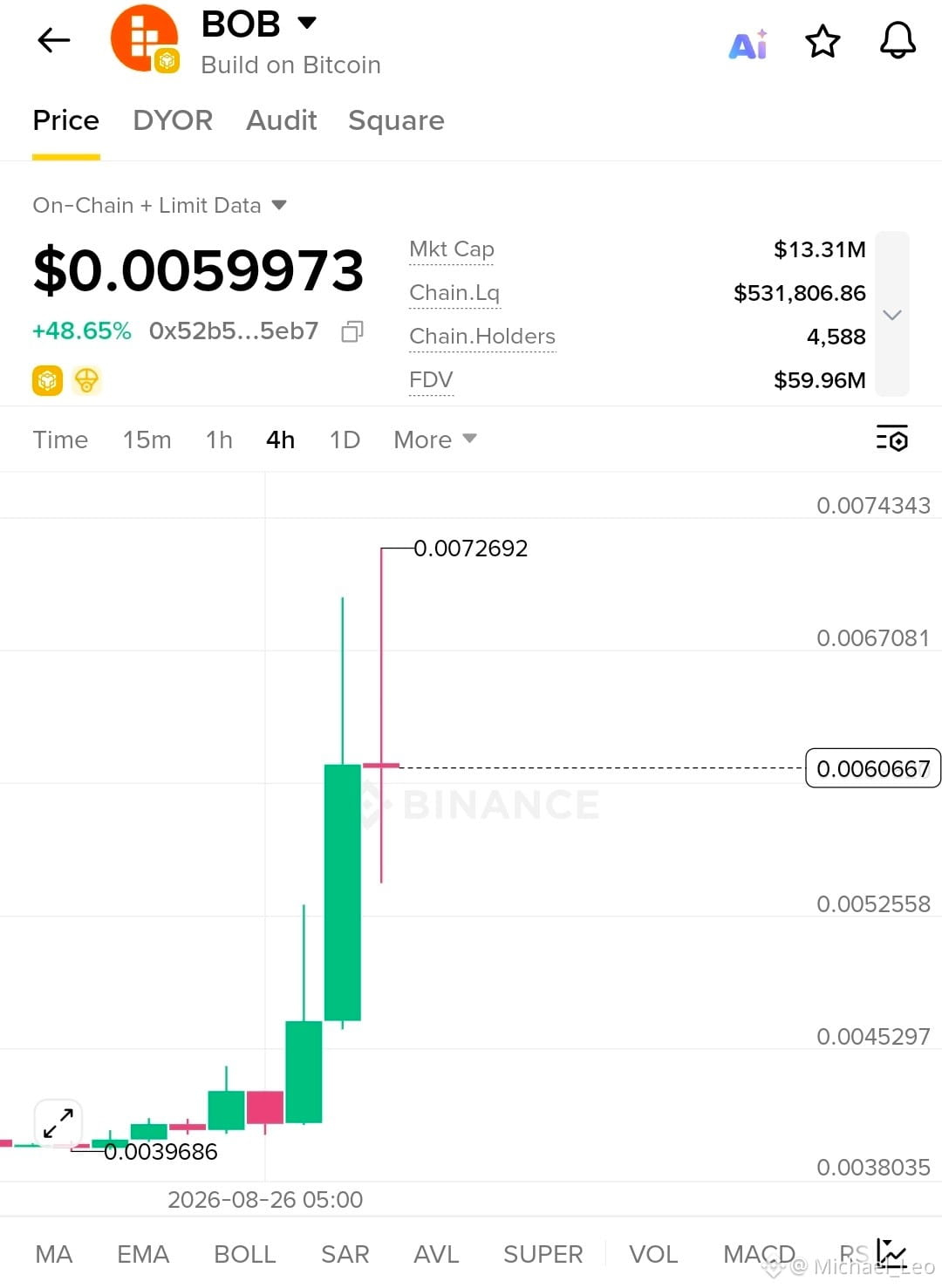
🚨 $TMX PRONTA DE COMPRA 🚨
TMX está esfriando após uma forte ruptura, mas a estrutura de 1H ainda está em alta. O preço está se mantendo acima da zona de ruptura anterior, com US$ 0.2057 como a resistência-chave.
🟢 EP: US$ 0.168 – US$ 0.173
🎯 TP1: US$ 0.181
🎯 TP2: US$ 0.195
🎯 TP3: US$ 0.205
🔴 SL: US$ 0.158
⚡ Dica: Não corra atrás do candle verde. Uma retração/reteste limpo e manutenção na região do EP oferece uma entrada bem mais forte.
O momentum ainda está vivo — recupere US$ 0.181 e o TMX pode acelerar em direção à máxima recente.
#TMX #Crypto #TradeSetup #cryptosignals
$BTR
$DEBIT
#USIranReportedlyReachCeasefireConsensus
TMX está esfriando após uma forte ruptura, mas a estrutura de 1H ainda está em alta. O preço está se mantendo acima da zona de ruptura anterior, com US$ 0.2057 como a resistência-chave.
🟢 EP: US$ 0.168 – US$ 0.173
🎯 TP1: US$ 0.181
🎯 TP2: US$ 0.195
🎯 TP3: US$ 0.205
🔴 SL: US$ 0.158
⚡ Dica: Não corra atrás do candle verde. Uma retração/reteste limpo e manutenção na região do EP oferece uma entrada bem mais forte.
O momentum ainda está vivo — recupere US$ 0.181 e o TMX pode acelerar em direção à máxima recente.
#TMX #Crypto #TradeSetup #cryptosignals
$BTR
$DEBIT
#USIranReportedlyReachCeasefireConsensus
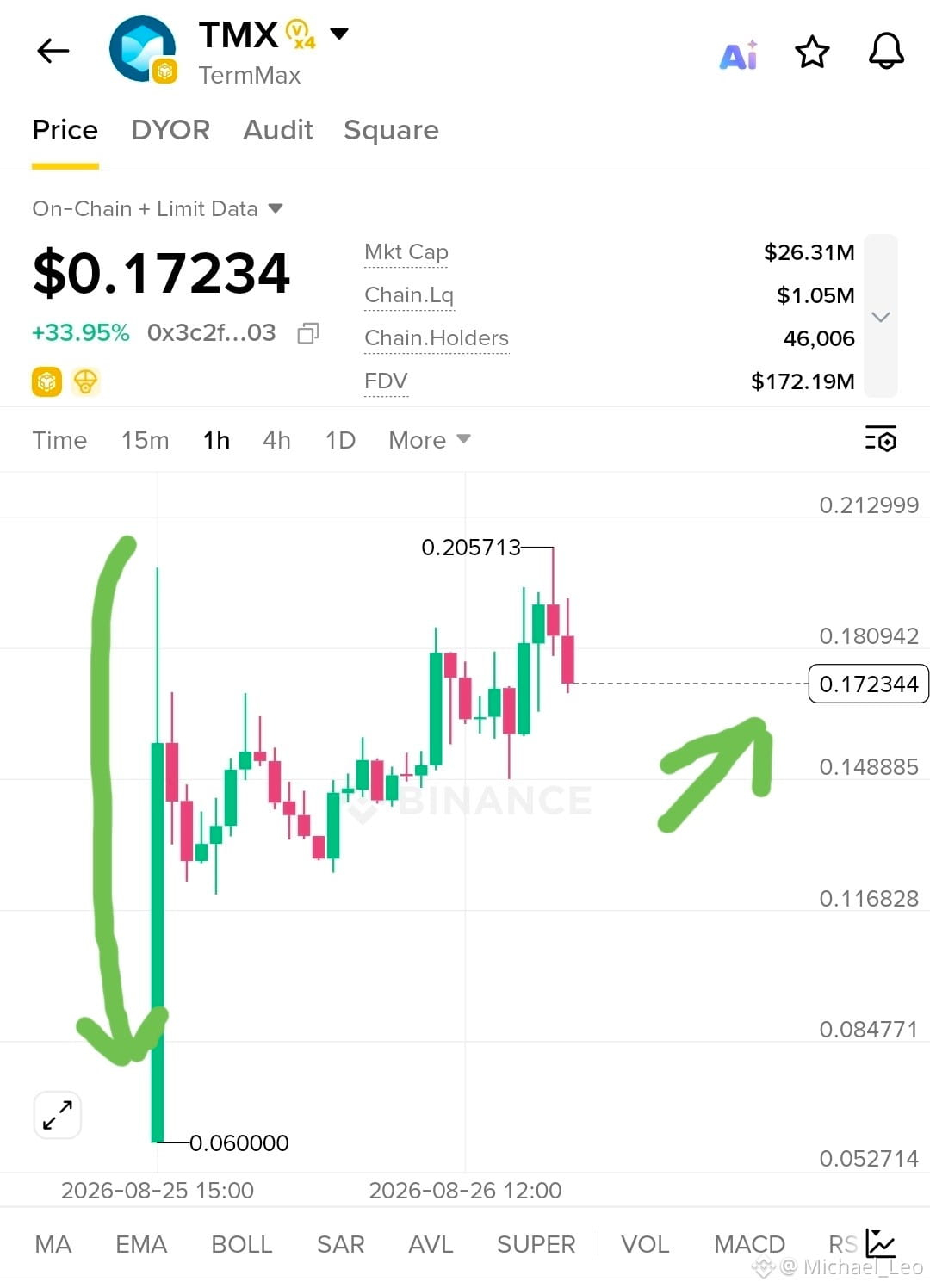
$DEBIT
DEBIT entregou uma grande ruptura, disparando mais de 150% e agora consolidando em torno de US$ 1,12 após rejeitar a região de US$ 1,50. O ponto-chave é saber se os compradores conseguem defender a zona de demanda atual e recuperar a resistência próxima.
EP: US$ 1,05–US$ 1,13
TP1: US$ 1,32
TP2: US$ 1,50
TP3: US$ 1,65+
SL: US$ 0,98
Dica Profissional: Não corra atrás da vela vertical. Espere por uma correção até a zona de entrada e procure confirmação antes de entrar. Uma forte recuperação acima de US$ 1,32 pode abrir caminho em direção à máxima anterior de US$ 1,50.
O momentum está forte, mas a volatilidade é extremamente alta. Gerencie o risco e deixe a configuração vir até você.
$DEBIT
$BTR
#USIranReportedlyReachCeasefireConsensus #OpenAIReportedlyCompletesBelModelPretraining
DEBIT entregou uma grande ruptura, disparando mais de 150% e agora consolidando em torno de US$ 1,12 após rejeitar a região de US$ 1,50. O ponto-chave é saber se os compradores conseguem defender a zona de demanda atual e recuperar a resistência próxima.
EP: US$ 1,05–US$ 1,13
TP1: US$ 1,32
TP2: US$ 1,50
TP3: US$ 1,65+
SL: US$ 0,98
Dica Profissional: Não corra atrás da vela vertical. Espere por uma correção até a zona de entrada e procure confirmação antes de entrar. Uma forte recuperação acima de US$ 1,32 pode abrir caminho em direção à máxima anterior de US$ 1,50.
O momentum está forte, mas a volatilidade é extremamente alta. Gerencie o risco e deixe a configuração vir até você.
$DEBIT
$BTR
#USIranReportedlyReachCeasefireConsensus #OpenAIReportedlyCompletesBelModelPretraining
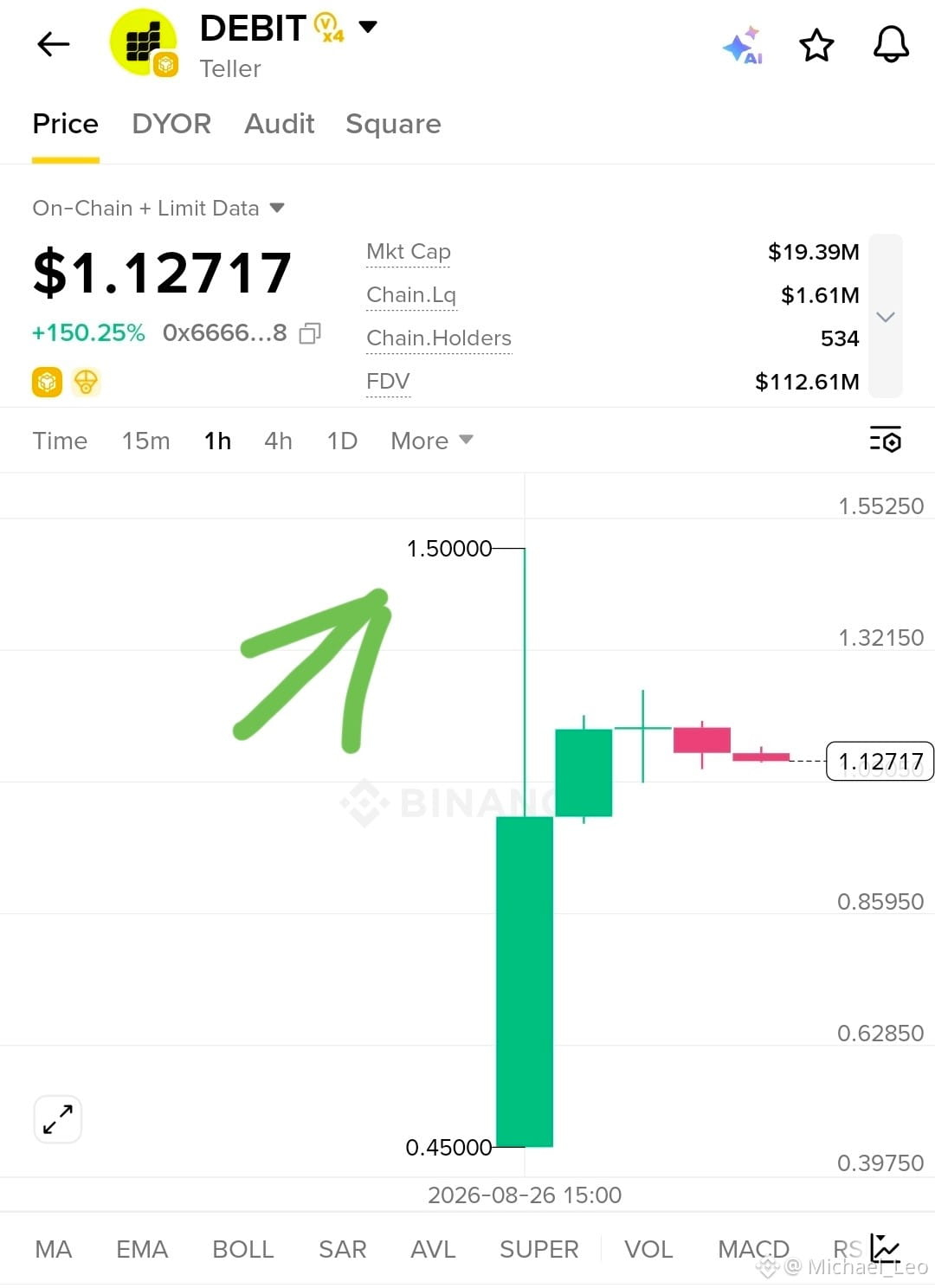
$BTR
O BTR está mostrando um impulso explosivo, mas após uma grande ruptura, perseguir o topo é arriscado. O preço está se mantendo acima da zona de suporte 0.1267, enquanto 0.1460 é a resistência imediata. Uma retração (reteste) limpa na zona de demanda pode oferecer a próxima configuração forte de continuação.
EP: 0.1270 – 0.1330
TP1: 0.1460
TP2: 0.1580
TP3: 0.1750
SL: 0.1190
Dica Profissional: Não caia na FOMO perto da resistência. Espere por uma correção até a zona do EP e procure confirmação de suporte antes de entrar.
Enquanto o BTR sustentar a zona de suporte 0.1267–0.1270, o momentum permanece altista e uma nova tentativa de rompimento em direção a níveis mais altos é possível.$BTR
#USIranReportedlyReachCeasefireConsensus #OpenAIReportedlyCompletesBelModelPretraining
O BTR está mostrando um impulso explosivo, mas após uma grande ruptura, perseguir o topo é arriscado. O preço está se mantendo acima da zona de suporte 0.1267, enquanto 0.1460 é a resistência imediata. Uma retração (reteste) limpa na zona de demanda pode oferecer a próxima configuração forte de continuação.
EP: 0.1270 – 0.1330
TP1: 0.1460
TP2: 0.1580
TP3: 0.1750
SL: 0.1190
Dica Profissional: Não caia na FOMO perto da resistência. Espere por uma correção até a zona do EP e procure confirmação de suporte antes de entrar.
Enquanto o BTR sustentar a zona de suporte 0.1267–0.1270, o momentum permanece altista e uma nova tentativa de rompimento em direção a níveis mais altos é possível.$BTR
#USIranReportedlyReachCeasefireConsensus #OpenAIReportedlyCompletesBelModelPretraining
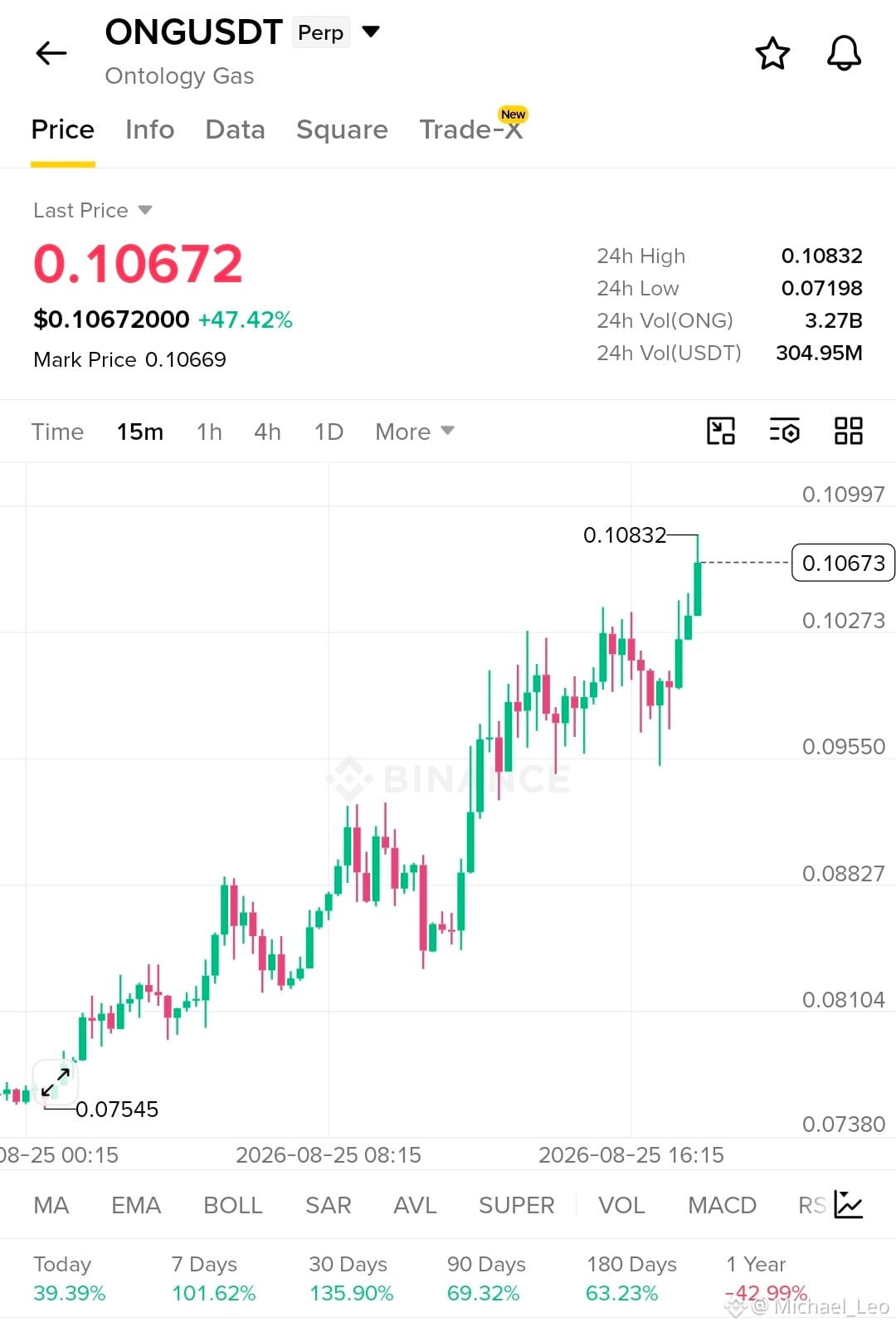
$ONG
ONG está mostrando a estrutura mais forte entre as três, subindo de forma constante com máximas e mínimas mais altas. Agora, o preço está pressionando perto da resistência de US$ 0.10832, e uma ruptura limpa pode impulsionar o momentum para a próxima zona de expansão.
EP: US$ 0.101 – US$ 0.106
TP1: US$ 0.110
TP2: US$ 0.118
TP3: US$ 0.125
SL: US$ 0.097
Dica de Profissional: Evite correr atrás diretamente na resistência. Uma nova testagem controlada em torno de US$ 0.102–$0.104 pode oferecer uma configuração de risco-benefício mais limpa.
Enquanto a zona de demanda de US$ 0.095–$0.102 permanecer protegida, a estrutura de alta continua intacta. Uma quebra decisiva acima de US$ 0.10832 pode destravar o próximo movimento para cima.
$ONG
ONG está mostrando a estrutura mais forte entre as três, subindo de forma constante com máximas e mínimas mais altas. Agora, o preço está pressionando perto da resistência de US$ 0.10832, e uma ruptura limpa pode impulsionar o momentum para a próxima zona de expansão.
EP: US$ 0.101 – US$ 0.106
TP1: US$ 0.110
TP2: US$ 0.118
TP3: US$ 0.125
SL: US$ 0.097
Dica de Profissional: Evite correr atrás diretamente na resistência. Uma nova testagem controlada em torno de US$ 0.102–$0.104 pode oferecer uma configuração de risco-benefício mais limpa.
Enquanto a zona de demanda de US$ 0.095–$0.102 permanecer protegida, a estrutura de alta continua intacta. Uma quebra decisiva acima de US$ 0.10832 pode destravar o próximo movimento para cima.
$ONG
$TAC
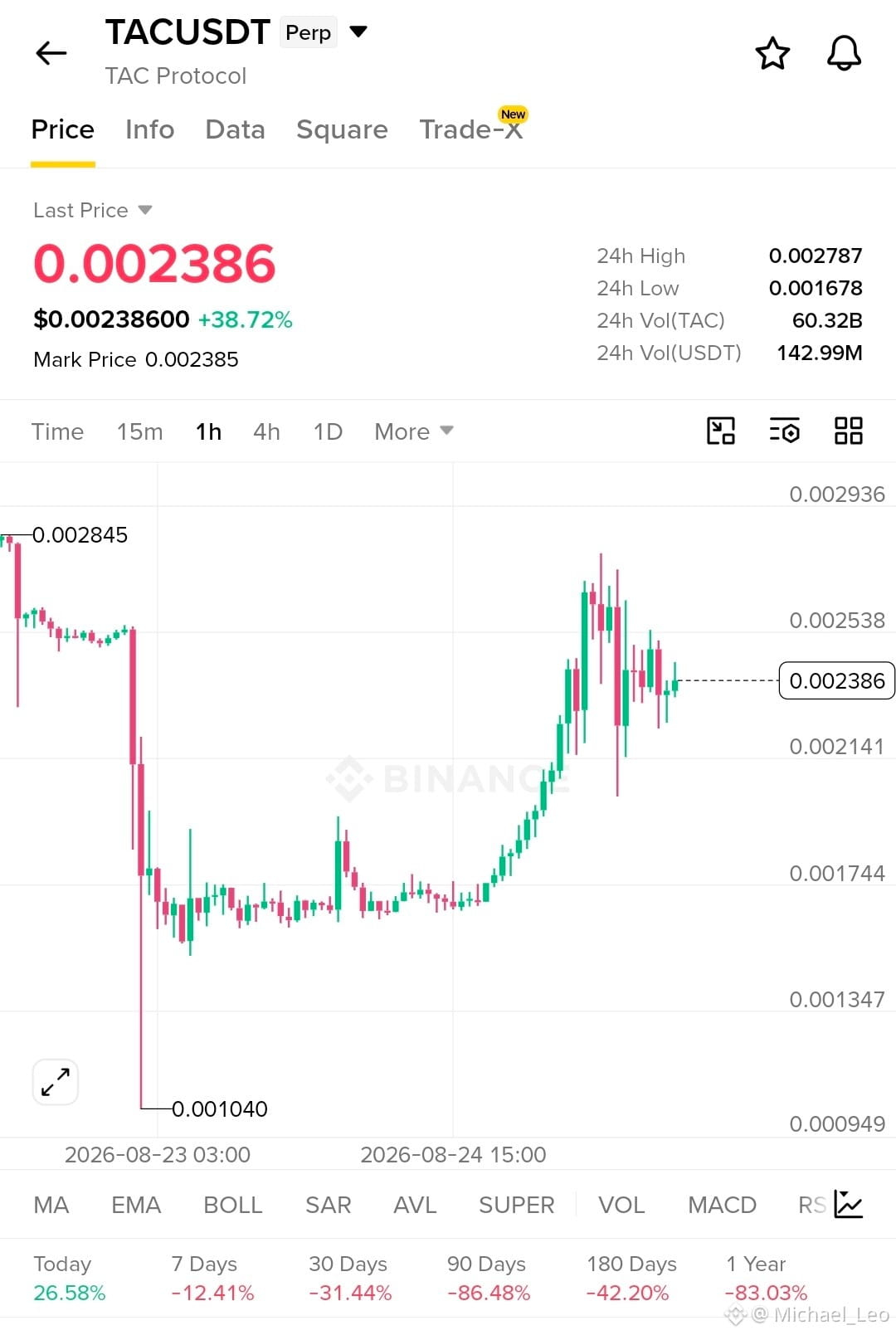
A TAC entregou uma ruptura forte e agora está consolidando acima da zona de suporte de US$ 0.00214. Os touros estão defendendo níveis mais altos, enquanto uma ruptura acima de US$ 0.00254 pode desencadear outra expansão de momentum.
EP: US$ 0.00228 – US$ 0.00240
TP1: US$ 0.00254
TP2: US$ 0.00275
TP3: US$ 0.00300
SL: US$ 0.00212
Dica Profissional: Observe de perto o suporte de US$ 0.00214. Uma retest bem-sucedida seguida por uma quebra de US$ 0.00254 forneceria uma confirmação mais forte para a continuação.
O momentum está claramente elevado, mas é importante ter paciência após um movimento de 38%. Mantenha acima da demanda e a TAC pode continuar avançando em direção aos próximos níveis de resistência.
#KOSPI200NightFuturesFall1.77% #ZECBreaksKeyResistanceUp75.5% #OilHoldsLosses
A TAC entregou uma ruptura forte e agora está consolidando acima da zona de suporte de US$ 0.00214. Os touros estão defendendo níveis mais altos, enquanto uma ruptura acima de US$ 0.00254 pode desencadear outra expansão de momentum.
EP: US$ 0.00228 – US$ 0.00240
TP1: US$ 0.00254
TP2: US$ 0.00275
TP3: US$ 0.00300
SL: US$ 0.00212
Dica Profissional: Observe de perto o suporte de US$ 0.00214. Uma retest bem-sucedida seguida por uma quebra de US$ 0.00254 forneceria uma confirmação mais forte para a continuação.
O momentum está claramente elevado, mas é importante ter paciência após um movimento de 38%. Mantenha acima da demanda e a TAC pode continuar avançando em direção aos próximos níveis de resistência.
#KOSPI200NightFuturesFall1.77% #ZECBreaksKeyResistanceUp75.5% #OilHoldsLosses
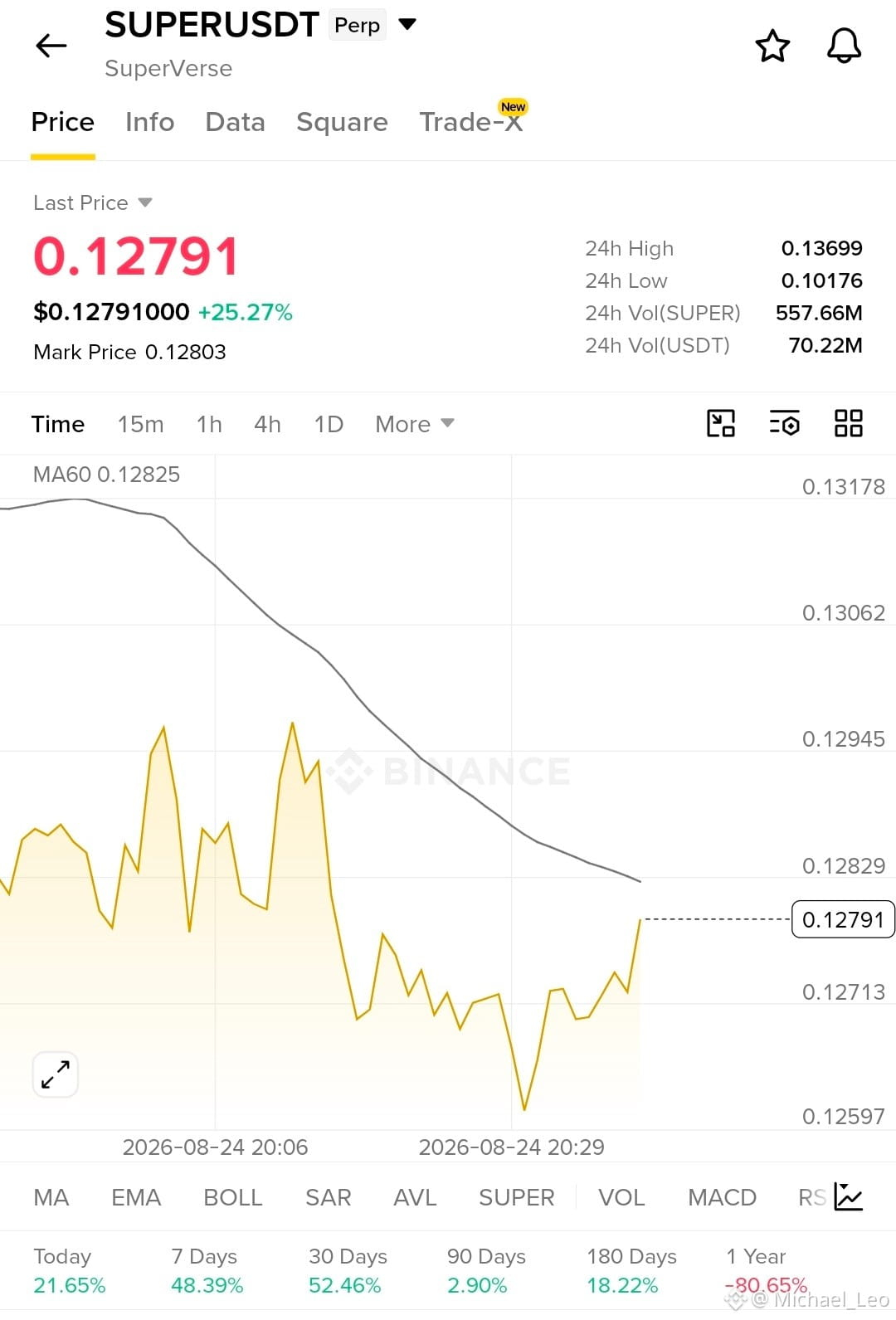
$SUPER está se recuperando da faixa de US$ 0.1260 e voltou na direção de US$ 0.1280, mas o preço ainda permanece ligeiramente abaixo da MA60 perto de US$ 0.12825. Isso torna o próximo nível de rompimento especialmente importante.
Suporte: US$ 0.1271–US$ 0.1260
Resistência: US$ 0.1283–US$ 0.1295
Próximo Objetivo: US$ 0.1320 → US$ 0.1370
Uma retomada limpa de US$ 0.1295 pode confirmar uma nova força de curto prazo e trazer o recente topo de US$ 0.13699 de volta ao foco. Se não conseguir retomar a resistência, o preço pode voltar em direção ao suporte de US$ 0.1270.
A estrutura está tentando uma recuperação de alta, mas é necessário confirmação antes de esperar continuação.
$SUPER
$EVAA
Suporte: US$ 0.1271–US$ 0.1260
Resistência: US$ 0.1283–US$ 0.1295
Próximo Objetivo: US$ 0.1320 → US$ 0.1370
Uma retomada limpa de US$ 0.1295 pode confirmar uma nova força de curto prazo e trazer o recente topo de US$ 0.13699 de volta ao foco. Se não conseguir retomar a resistência, o preço pode voltar em direção ao suporte de US$ 0.1270.
A estrutura está tentando uma recuperação de alta, mas é necessário confirmação antes de esperar continuação.
$SUPER
$EVAA
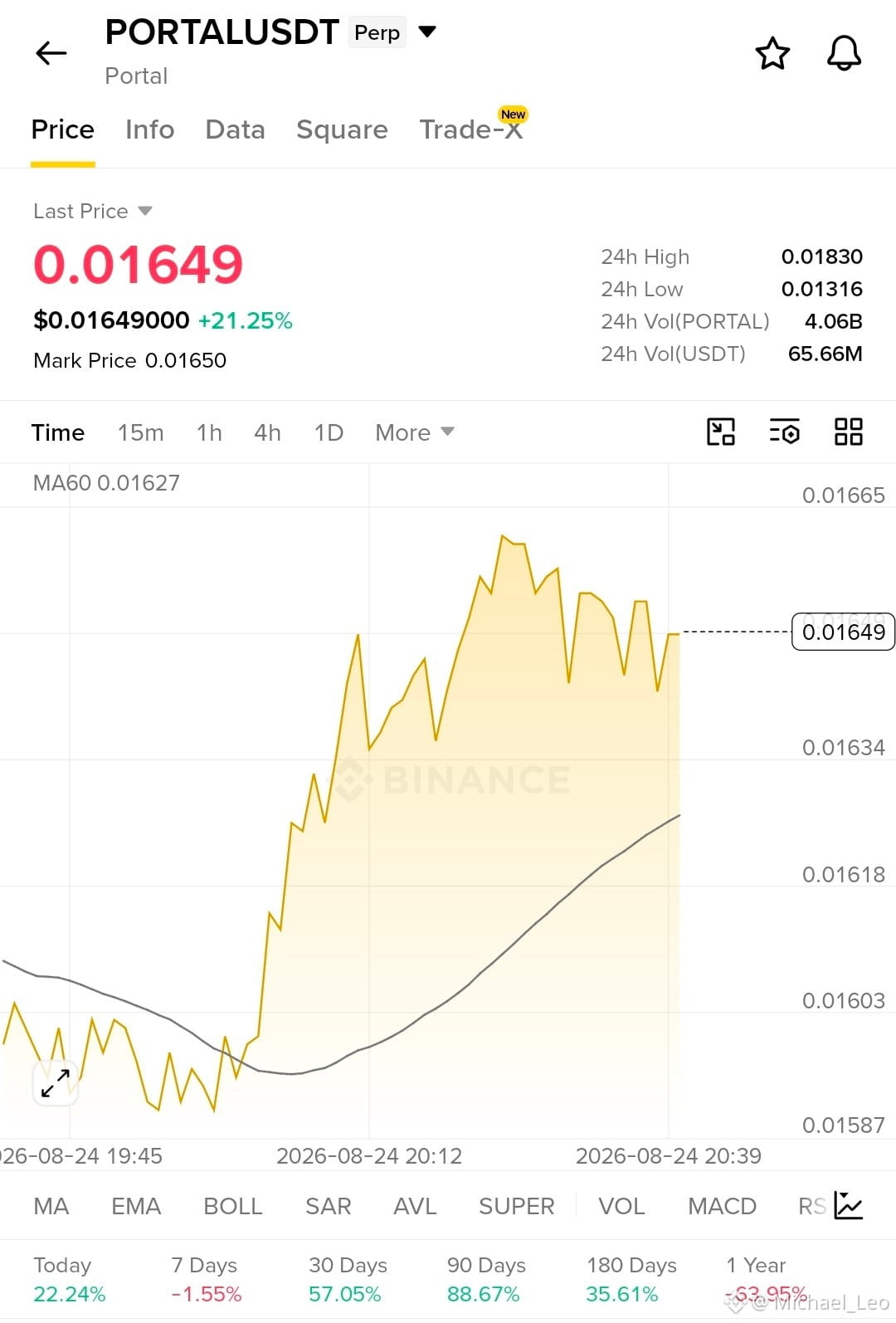
$PORTAL está mostrando forte impulso após recuperar sua MA60 em torno de US$ 0.01627. O preço está consolidando perto de US$ 0.01649, sugerindo que compradores estão tentando construir uma base abaixo da máxima recente.
Suporte: US$ 0.01625–US$ 0.01630
Resistência: US$ 0.01830
Próximo Objetivo: US$ 0.01950 → US$ 0.02050
Uma quebra decisiva acima de US$ 0.01830 fortaleceria a estrutura de alta e poderia disparar mais uma perna de impulso. Se o preço recuar, manter US$ 0.01625 pode manter o cenário construtivo.
A tendência atual favorece os compradores, mas após um movimento diário de 20%+ a volatilidade pode aumentar rapidamente. Espere por confirmação em vez de perseguir candles estendidos.
#SamsungFalls8.97%DraggingKospiDown3.24% #BrentDrops1.87% #SP500FuturesFall
$PORTAL
$PYTH
Suporte: US$ 0.01625–US$ 0.01630
Resistência: US$ 0.01830
Próximo Objetivo: US$ 0.01950 → US$ 0.02050
Uma quebra decisiva acima de US$ 0.01830 fortaleceria a estrutura de alta e poderia disparar mais uma perna de impulso. Se o preço recuar, manter US$ 0.01625 pode manter o cenário construtivo.
A tendência atual favorece os compradores, mas após um movimento diário de 20%+ a volatilidade pode aumentar rapidamente. Espere por confirmação em vez de perseguir candles estendidos.
#SamsungFalls8.97%DraggingKospiDown3.24% #BrentDrops1.87% #SP500FuturesFall
$PORTAL
$PYTH
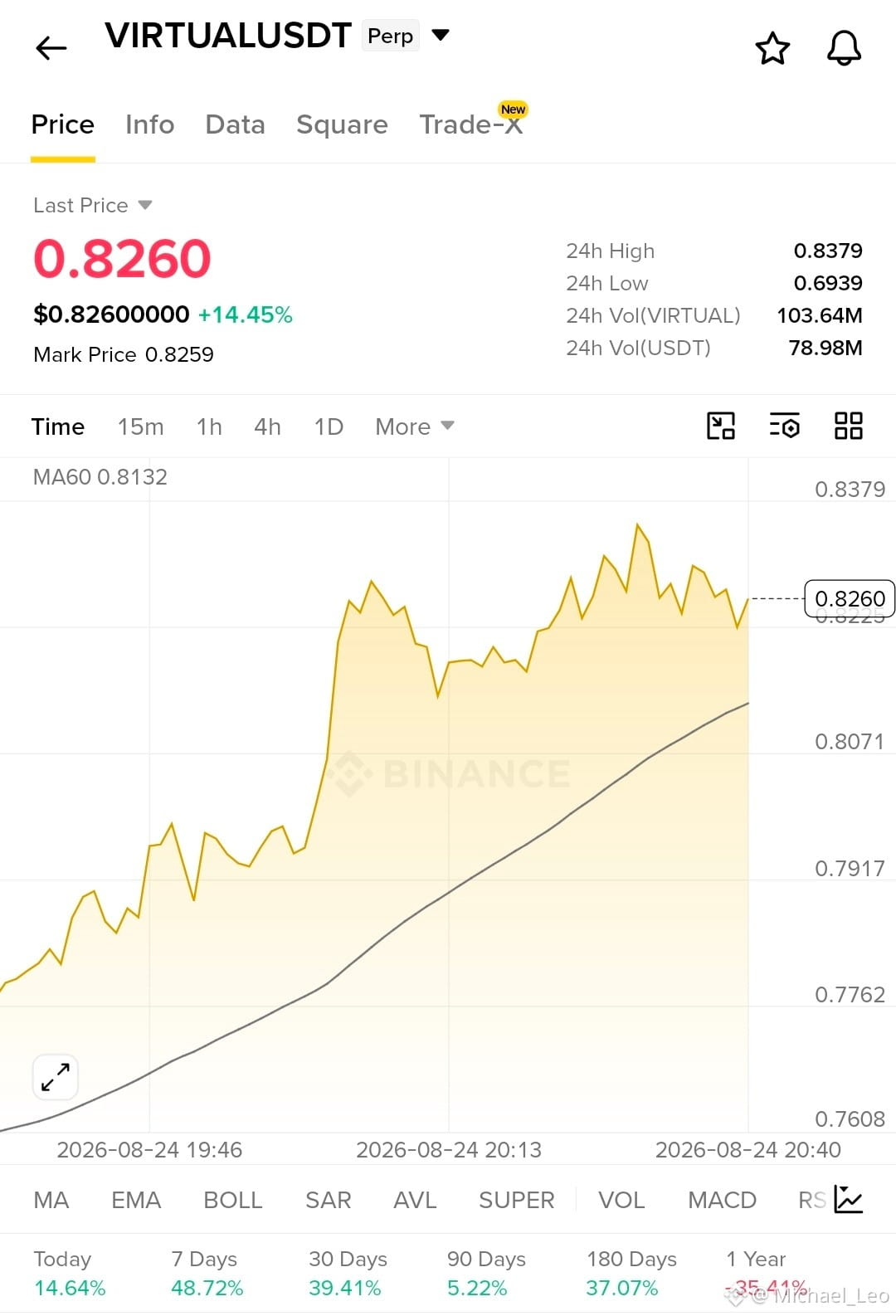
$VIRTUAL está segurando firmemente acima da sua MA60 em alta perto de US$ 0.8132 após uma forte expansão intraday. O preço está atualmente em torno de US$ 0.8260, mostrando que os compradores ainda estão defendendo a faixa mais alta.
Suporte: US$ 0.8130–US$ 0.8180
Resistência: US$ 0.8379
Próximo Objetivo: US$ 0.8500 → US$ 0.8700
Uma ruptura limpa e fechamento no 15M acima de US$ 0.8379 pode abrir caminho para os próximos níveis psicológicos. Se a resistência rejeitar o preço, a região de US$ 0.8130 se torna a zona-chave a observar para um reteste saudável.
O momentum segue bullish enquanto o preço se mantiver acima do suporte. Gerencie a alavancagem com cuidado após o movimento acentuado.
$VIRTUAL
$LAB
#SamsungFalls8.97%DraggingKospiDown3.24% #BrentDrops1.87% #SP500FuturesFall
Suporte: US$ 0.8130–US$ 0.8180
Resistência: US$ 0.8379
Próximo Objetivo: US$ 0.8500 → US$ 0.8700
Uma ruptura limpa e fechamento no 15M acima de US$ 0.8379 pode abrir caminho para os próximos níveis psicológicos. Se a resistência rejeitar o preço, a região de US$ 0.8130 se torna a zona-chave a observar para um reteste saudável.
O momentum segue bullish enquanto o preço se mantiver acima do suporte. Gerencie a alavancagem com cuidado após o movimento acentuado.
$VIRTUAL
$LAB
#SamsungFalls8.97%DraggingKospiDown3.24% #BrentDrops1.87% #SP500FuturesFall
$UAI I
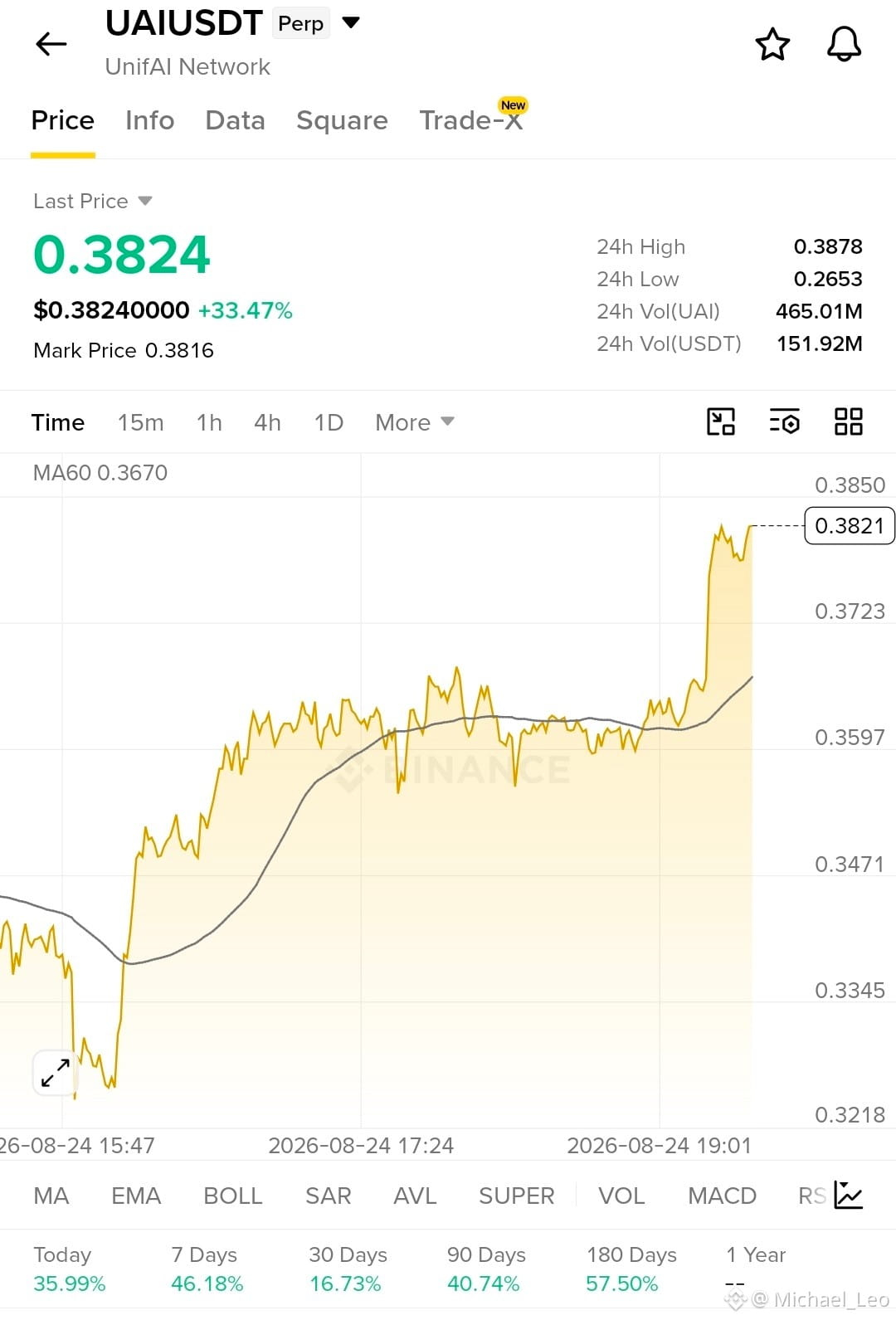
A UAI está a manter-se acima da zona de rompimento após um forte movimento de momentum. A área de 0.367–0.375 é agora a zona de procura principal, enquanto 0.388 é a resistência imediata.
EP: 0.370–0.376
TP:
0.395
0.410
0.425
SL: 0.358
Melhor sinal: espere por uma retração e por confirmação na zona de procura, em vez de perseguir o pico. Uma retoma limpa de 0.388 pode abrir caminho para alvos mais elevados.
Bullish acima de 0.367.$UAI
#BrentDrops1.87% #SP500FuturesFall $LAB
A UAI está a manter-se acima da zona de rompimento após um forte movimento de momentum. A área de 0.367–0.375 é agora a zona de procura principal, enquanto 0.388 é a resistência imediata.
EP: 0.370–0.376
TP:
0.395
0.410
0.425
SL: 0.358
Melhor sinal: espere por uma retração e por confirmação na zona de procura, em vez de perseguir o pico. Uma retoma limpa de 0.388 pode abrir caminho para alvos mais elevados.
Bullish acima de 0.367.$UAI
#BrentDrops1.87% #SP500FuturesFall $LAB
Vou ser honesto: Dusk chamou minha atenção porque privacidade em uma blockchain não é apenas sobre esconder saldos.
Para aplicações financeiras, expor todas as posições e transações pode criar um problema sério. Traders, instituições e empresas nem sempre querem que suas estratégias fiquem à vista do público.
É aí que o foco da Dusk em contratos inteligentes confidenciais se torna interessante. Eu vejo isso menos como “mais uma blockchain de privacidade” e mais como infraestrutura tentando tornar as finanças on-chain utilizáveis sem tornar tudo transparente por padrão.
Essa diferença pode importar ainda mais à medida que a atividade financeira real continua migrando para on-chain.
@Dusk
#dusk
$DUSK
#GrayscaleFilesFifthZECETFAmendment #SandboxSANDSuspectedInfiniteMintFlawOnBase #USCanadaTradeTalksCollapseCanadaVowsRetaliation #BSTREndsCantorSPACGoPublicPlan
$TUT
$GRAM
Para aplicações financeiras, expor todas as posições e transações pode criar um problema sério. Traders, instituições e empresas nem sempre querem que suas estratégias fiquem à vista do público.
É aí que o foco da Dusk em contratos inteligentes confidenciais se torna interessante. Eu vejo isso menos como “mais uma blockchain de privacidade” e mais como infraestrutura tentando tornar as finanças on-chain utilizáveis sem tornar tudo transparente por padrão.
Essa diferença pode importar ainda mais à medida que a atividade financeira real continua migrando para on-chain.
@Dusk
#dusk
$DUSK
#GrayscaleFilesFifthZECETFAmendment #SandboxSANDSuspectedInfiniteMintFlawOnBase #USCanadaTradeTalksCollapseCanadaVowsRetaliation #BSTREndsCantorSPACGoPublicPlan
$TUT
$GRAM
DUSK NETWORK
0%
Blockchain
0%
0 Votos • Votação encerrada
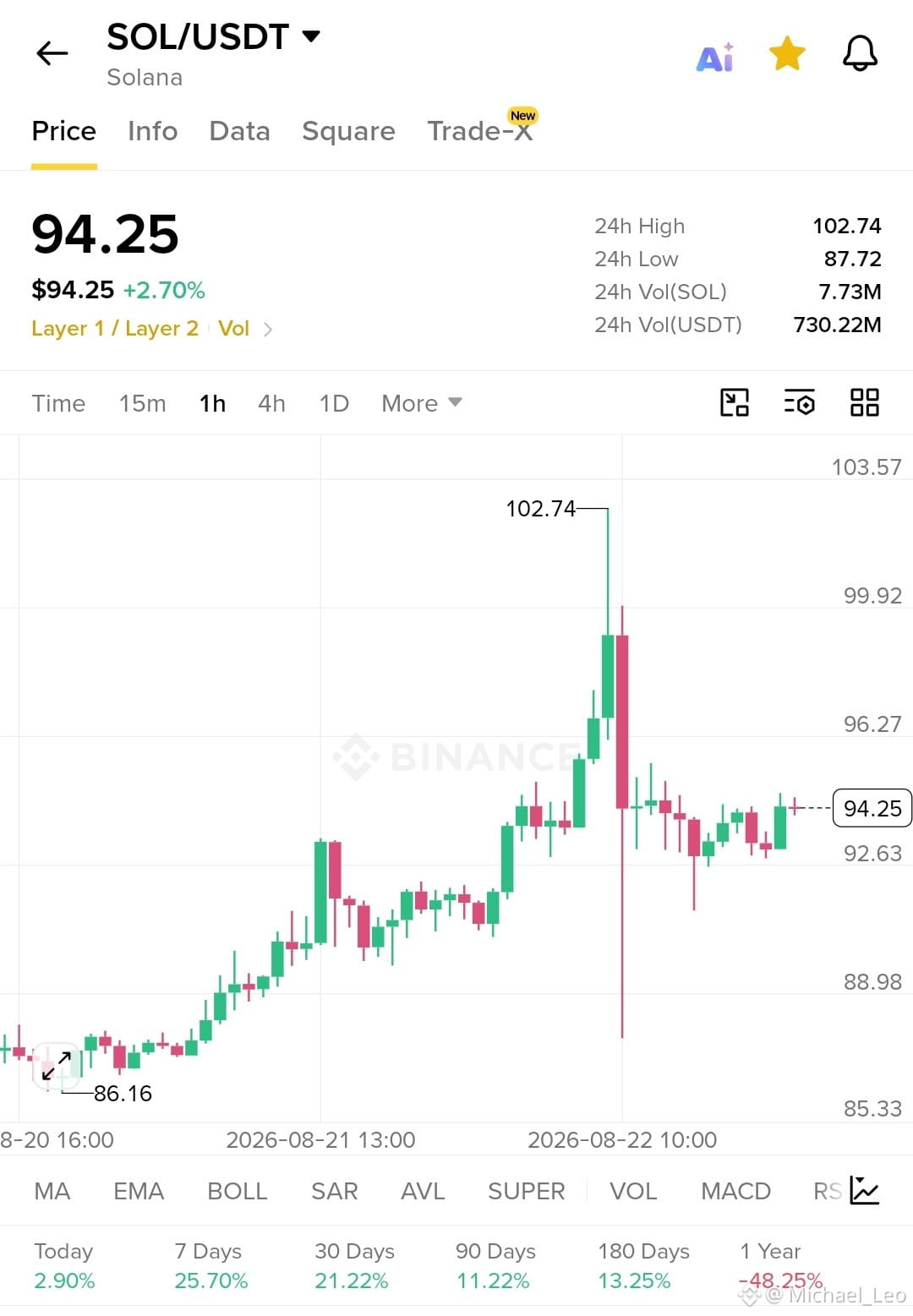
$SOL consolidando perto do suporte após a correção.
A demanda continua sustentando a atual ação do preço.
EP
93,20–94,50
TP
96,30
99,90
102,70
SL
90,80
O preço permanece acima de uma área-chave de suporte apesar da recente fraqueza. Uma retomada da resistência de 96,30 poderia desencadear expansão em direção às metas mais altas.
Vamos lá $SOL
A demanda continua sustentando a atual ação do preço.
EP
93,20–94,50
TP
96,30
99,90
102,70
SL
90,80
O preço permanece acima de uma área-chave de suporte apesar da recente fraqueza. Uma retomada da resistência de 96,30 poderia desencadear expansão em direção às metas mais altas.
Vamos lá $SOL
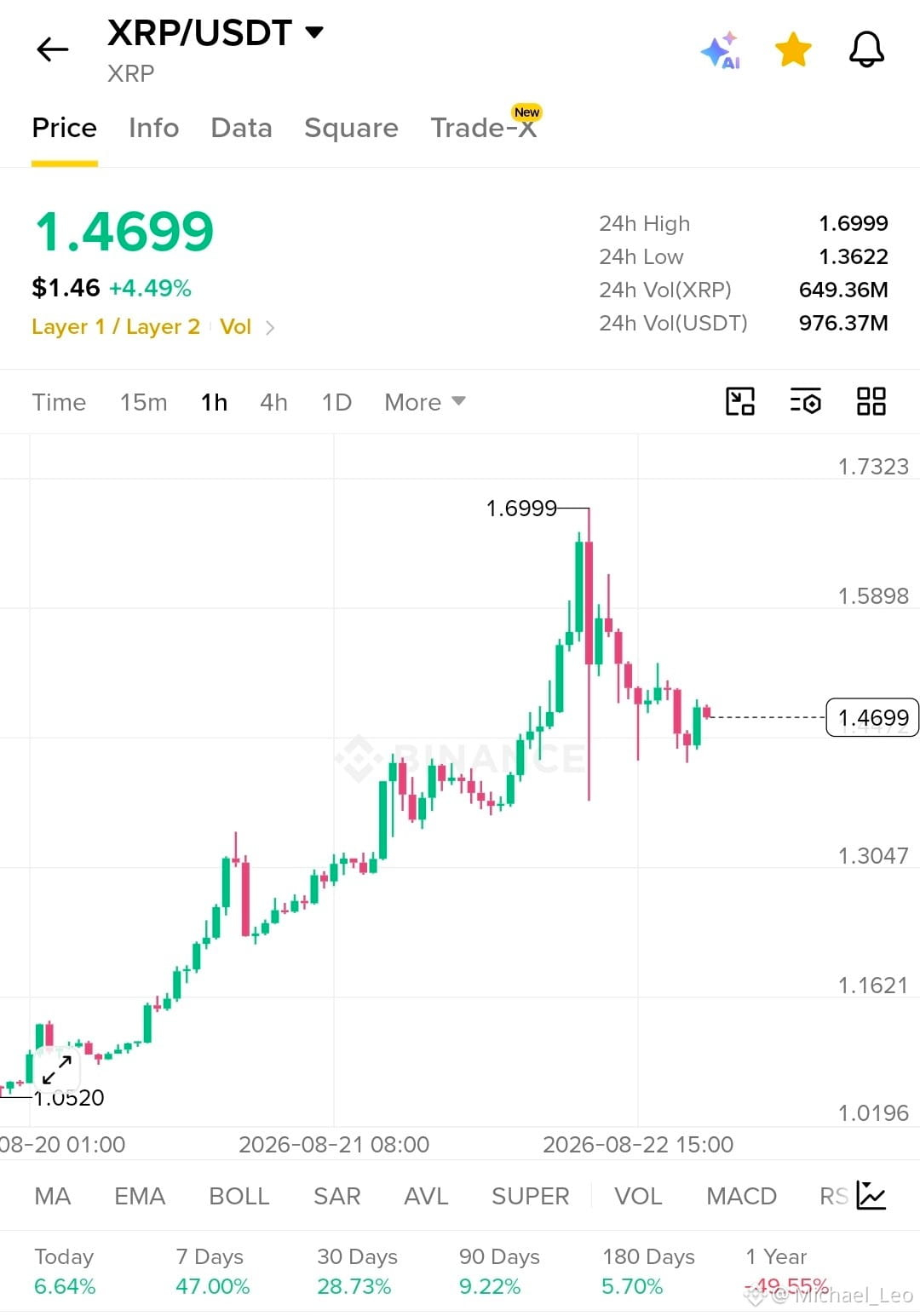
$XRP consolidando acima da zona de demanda após uma correção acentuada.
O momentum permanece construtivo enquanto o preço mantiver a área de suporte de 1,42–1,45.
EP
1,44–1,48
TP
1,53
1,60
1,69
SL
1,39
O preço está sustentando acima do suporte-chave após a retração. Uma ruptura e reconquista de 1,53 podem abrir caminho para níveis de resistência mais elevados.
Vamos $XRP
O momentum permanece construtivo enquanto o preço mantiver a área de suporte de 1,42–1,45.
EP
1,44–1,48
TP
1,53
1,60
1,69
SL
1,39
O preço está sustentando acima do suporte-chave após a retração. Uma ruptura e reconquista de 1,53 podem abrir caminho para níveis de resistência mais elevados.
Vamos $XRP
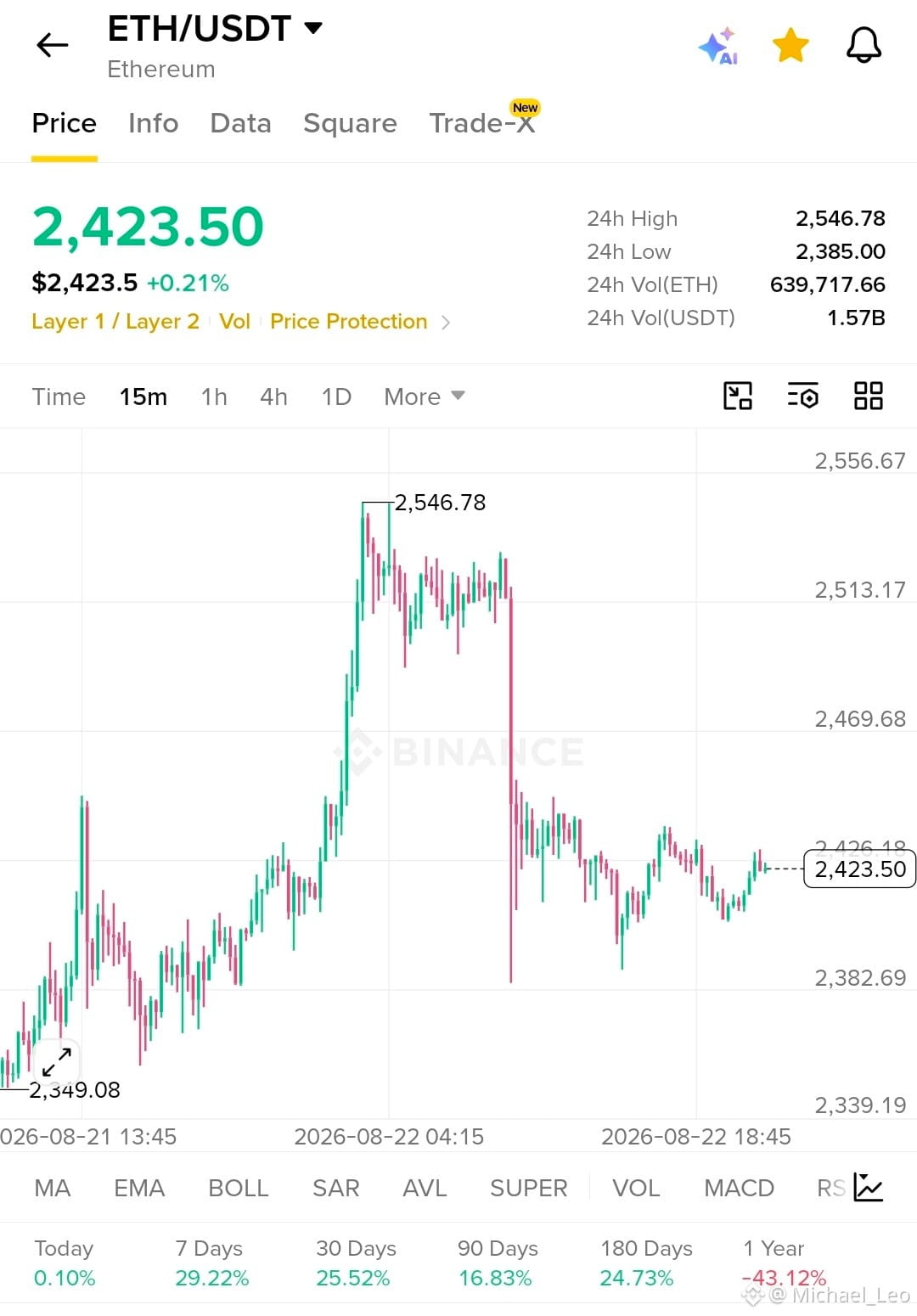
$ETH consolidando perto do suporte após rejeitar a máxima recente.
A demanda em torno de 2,400 está mantendo a estrutura de curto prazo intacta.
EP
2,405–2,430
TP
2,468
2,513
2,546
SL
2,368
O preço permanece acima da zona-chave de demanda apesar da fraqueza recente. A retomada da resistência em 2,468 pode trazer um novo impulso de alta em direção à máxima recente.
Vamos $ETH
A demanda em torno de 2,400 está mantendo a estrutura de curto prazo intacta.
EP
2,405–2,430
TP
2,468
2,513
2,546
SL
2,368
O preço permanece acima da zona-chave de demanda apesar da fraqueza recente. A retomada da resistência em 2,468 pode trazer um novo impulso de alta em direção à máxima recente.
Vamos $ETH
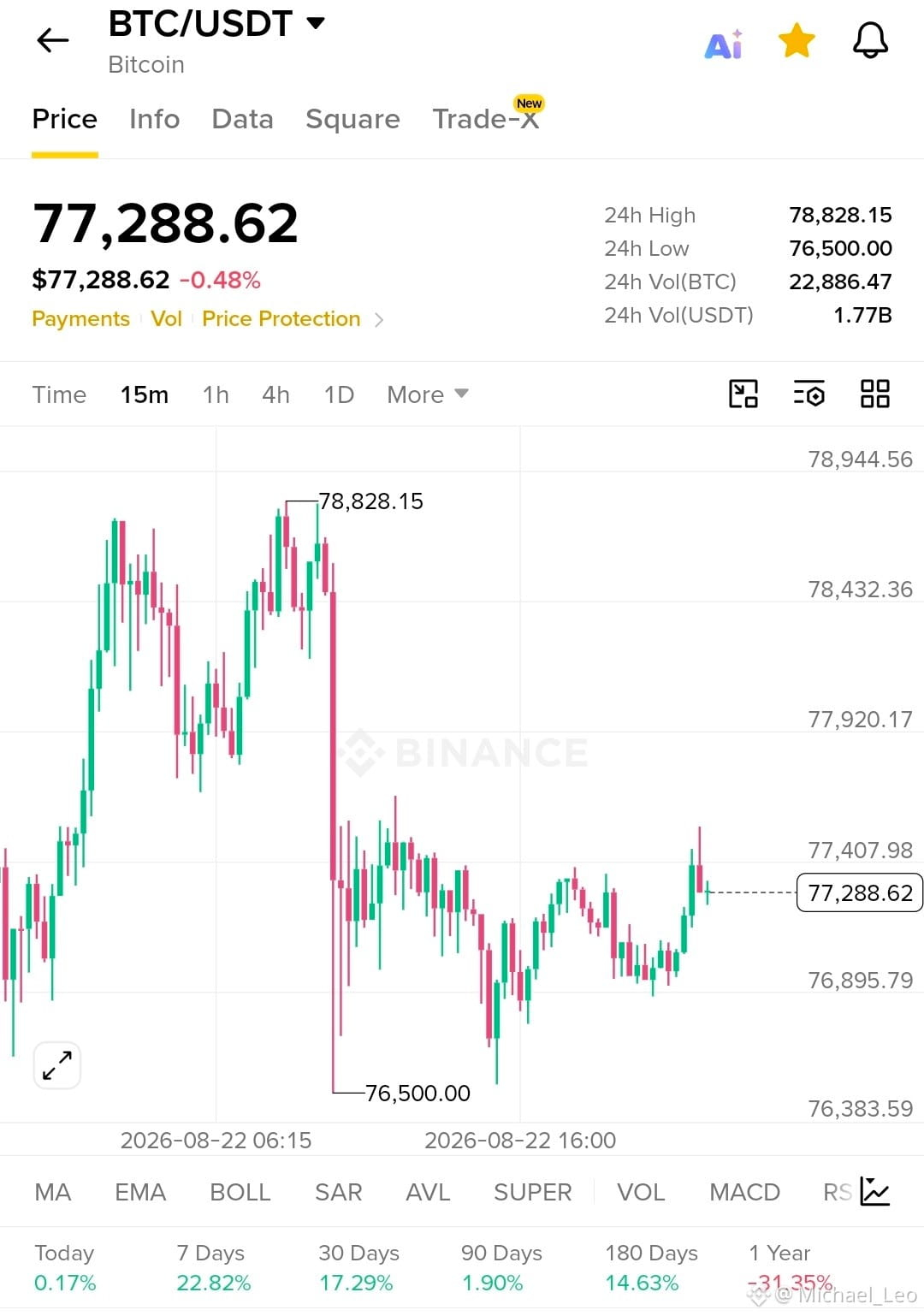
$BTC consolidando acima da zona de suporte de 76.900 após uma correção acentuada.
Os compradores estão defendendo a área de demanda e reconstruindo o impulso de curto prazo.
EP
76.950–77.350
TP
77.920
78.430
78.820
SL
76.280
O preço permanece acima do suporte-chave apesar da volatilidade recente. Uma ruptura e a recuperação de 77.920 podem acionar uma expansão em direção à máxima anterior.
Vamos lá $BTC
#Bitcoin❗
Os compradores estão defendendo a área de demanda e reconstruindo o impulso de curto prazo.
EP
76.950–77.350
TP
77.920
78.430
78.820
SL
76.280
O preço permanece acima do suporte-chave apesar da volatilidade recente. Uma ruptura e a recuperação de 77.920 podem acionar uma expansão em direção à máxima anterior.
Vamos lá $BTC
#Bitcoin❗
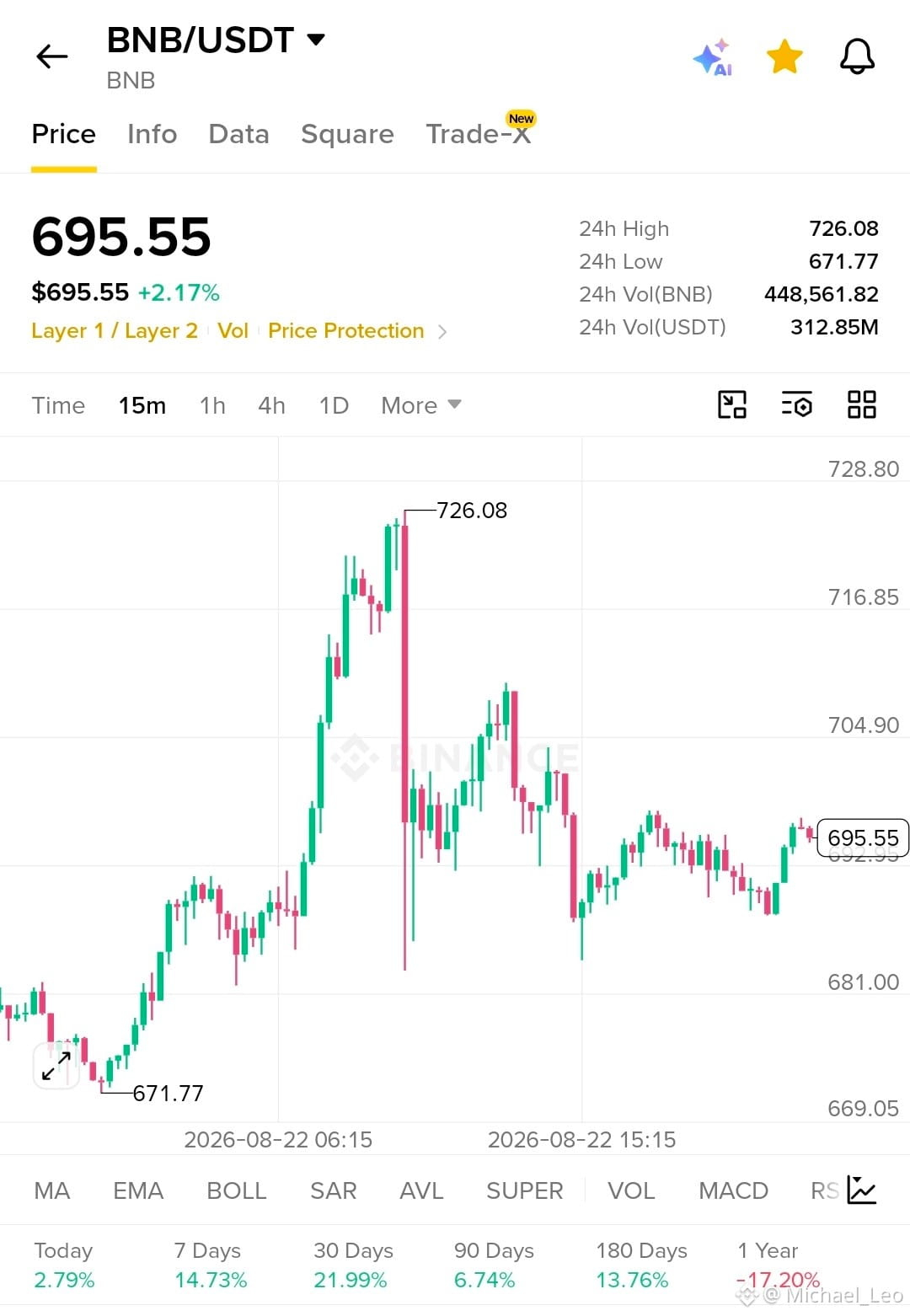
$BNB consolidando perto do suporte após o recuo recente.
A demanda em torno de 690–693 está sustentando o preço enquanto o momentum melhora gradualmente.
EP
690–697
TP
705
717
726
SL
684
O preço permanece acima da zona de demanda-chave. Um rompimento e retomada da resistência de 705 poderia acelerar o momentum em direção às metas de 717 e 726.
Vamos lá $BNB
A demanda em torno de 690–693 está sustentando o preço enquanto o momentum melhora gradualmente.
EP
690–697
TP
705
717
726
SL
684
O preço permanece acima da zona de demanda-chave. Um rompimento e retomada da resistência de 705 poderia acelerar o momentum em direção às metas de 717 e 726.
Vamos lá $BNB
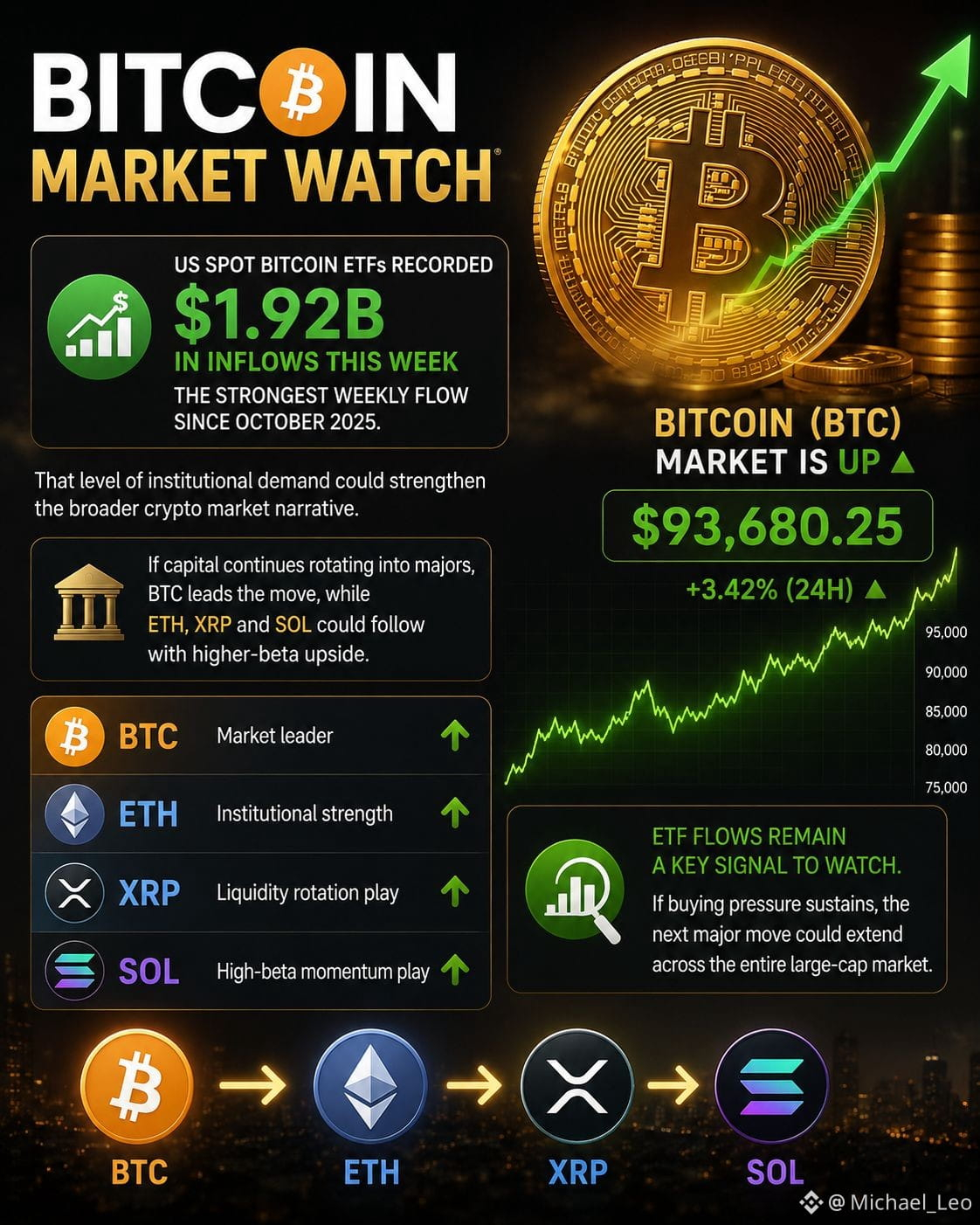
BITCOIN MARKET WATCH
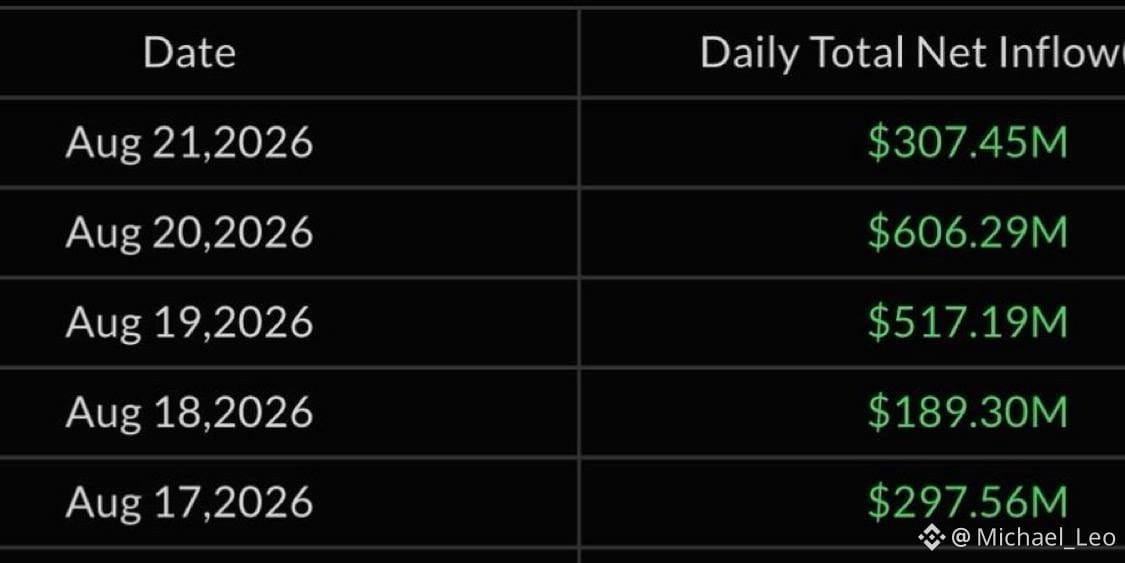
Os ETFs de Bitcoin spot (EUA) registraram US$ 1,92B em entradas esta semana, o maior fluxo semanal desde outubro de 2025. Esse nível de demanda institucional pode fortalecer o panorama mais amplo do mercado de cripto.
#ETH #xrp #sol #BTC
#bitcoin
Se o capital continuar migrando para os principais ativos, o BTC lidera o movimento, enquanto ETH, XRP e SOL podem seguir com potencial de alta maior (beta mais alto).
BTC: Líder do mercado
ETH: Força institucional
XRP: Estratégia de rotação de liquidez
SOL: Momento de alta com beta elevado
Os fluxos dos ETFs continuam sendo um sinal importante a observar. Se a pressão de compra se mantiver, o próximo grande movimento pode se estender por todo o mercado de large-caps.
BTC → ETH → XRP → SOL
Os ETFs de Bitcoin spot (EUA) registraram US$ 1,92B em entradas esta semana, o maior fluxo semanal desde outubro de 2025. Esse nível de demanda institucional pode fortalecer o panorama mais amplo do mercado de cripto.
#ETH #xrp #sol #BTC
#bitcoin
Se o capital continuar migrando para os principais ativos, o BTC lidera o movimento, enquanto ETH, XRP e SOL podem seguir com potencial de alta maior (beta mais alto).
BTC: Líder do mercado
ETH: Força institucional
XRP: Estratégia de rotação de liquidez
SOL: Momento de alta com beta elevado
Os fluxos dos ETFs continuam sendo um sinal importante a observar. Se a pressão de compra se mantiver, o próximo grande movimento pode se estender por todo o mercado de large-caps.
BTC → ETH → XRP → SOL
🚨 $BTC Trade Setup
$HAPPY
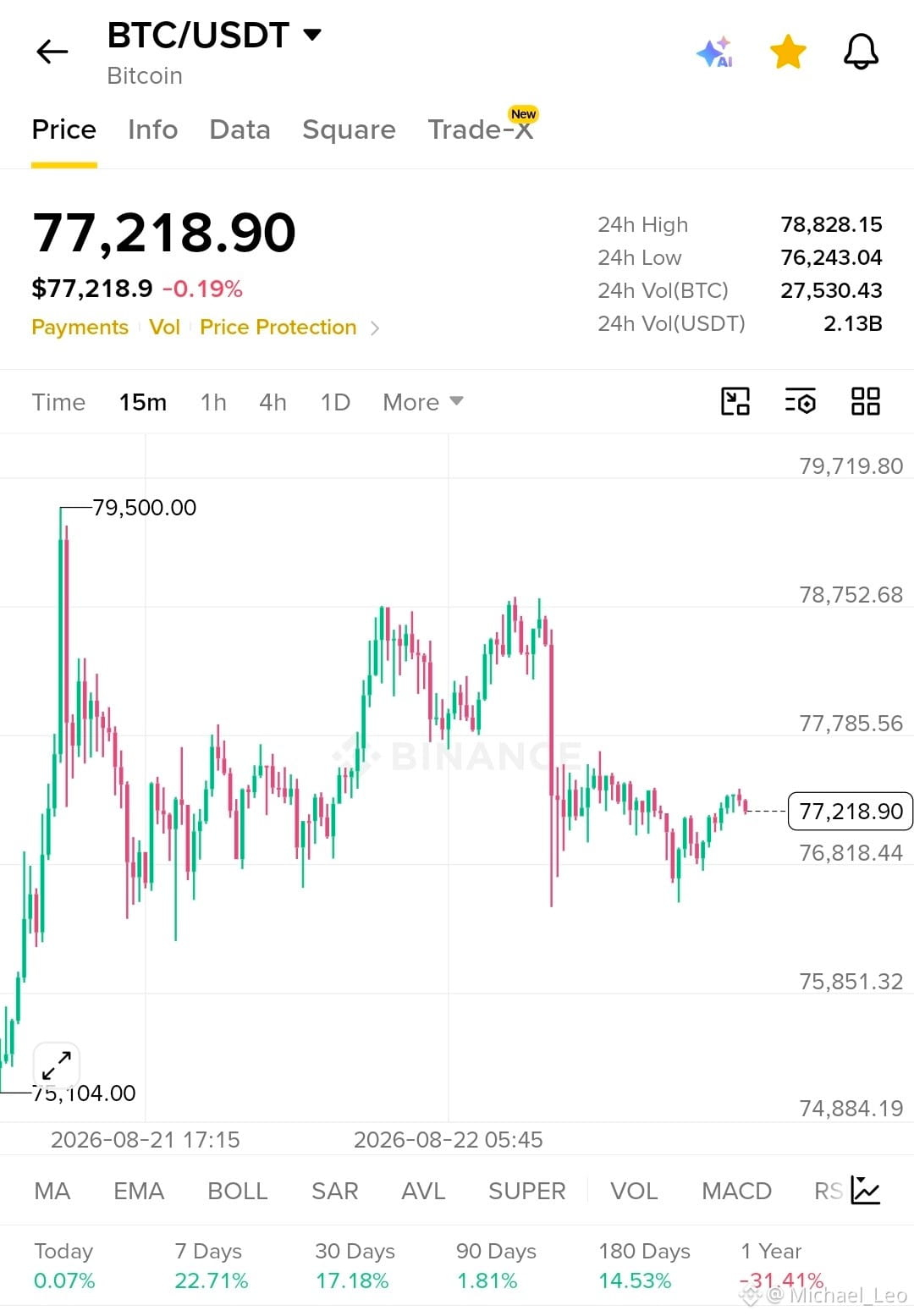
📌 Moeda: BTC/USDT
$ETH
🟢 ENTRADA COMPRA: 76,850–77,050
🎯 Objetivo 1: 77,750
🎯 Objetivo 2: 78,500
🔴 Stop Loss: 76,350
🔻 ENTRADA VENDA: 78,300–78,700
🎯 Objetivo 1: 77,500
🎯 Objetivo 2: 76,850
🔴 Stop Loss: 79,050
📊 Análise: O BTC está consolidando após uma rejeição forte da região de 78,7K. 76,8K é o suporte-chave intraday, enquanto 78,3K–78,7K continua como forte resistência. Compre perto do suporte ou venda apenas após rejeição na resistência; evite perseguir o meio.
⚠️ Risco: Médio
A paciência compensa. Aguarde a confirmação e gerencie o risco.👇
binance
#BTC #cryptosignals #bitcoin
$HAPPY
📌 Moeda: BTC/USDT
$ETH
🟢 ENTRADA COMPRA: 76,850–77,050
🎯 Objetivo 1: 77,750
🎯 Objetivo 2: 78,500
🔴 Stop Loss: 76,350
🔻 ENTRADA VENDA: 78,300–78,700
🎯 Objetivo 1: 77,500
🎯 Objetivo 2: 76,850
🔴 Stop Loss: 79,050
📊 Análise: O BTC está consolidando após uma rejeição forte da região de 78,7K. 76,8K é o suporte-chave intraday, enquanto 78,3K–78,7K continua como forte resistência. Compre perto do suporte ou venda apenas após rejeição na resistência; evite perseguir o meio.
⚠️ Risco: Médio
A paciência compensa. Aguarde a confirmação e gerencie o risco.👇
binance
#BTC #cryptosignals #bitcoin
Vou ser honesto: eu não dei muita atenção ao $TRUMP $ZEC DuskNetwork no começo. “Blockchain de privacidade para finanças” soou como mais uma narrativa que chamaria atenção por algumas semanas e depois sumiria. Mas quanto mais eu pensava sobre para onde o cripto está indo, mais a ideia começava a fazer sentido.
Todo mundo está falando sobre RWAs, tokenização, stablecoins e instituições movendo ativos na cadeia. Mas há um problema escondido por trás de toda essa empolgação: o que acontece quando uma atividade financeira séria se torna completamente transparente?
Eu vi isso acontecer no trading. Quando suas posições e movimentos ficam visíveis, sua vantagem pode desaparecer rapidamente. Alguém pode rastrear a carteira, entender o padrão, copiar a estratégia ou negociar contra ela. Transparência é ótima para verificação, mas nem sempre é ótima para a concorrência.
Por isso, o Dusk parece diferente para mim. Ele não está apenas tentando esconder transações. A ideia maior é tornar a atividade financeira verificável sem expor cada detalhe sensível para todo o mercado.
E se as finanças tokenizadas realmente se tornarem mainstream, essa distinção pode importar enormemente.
Talvez a próxima corrida de blockchains não seja sobre quem consegue tornar as finanças mais transparentes.
Talvez seja sobre quem consegue tornar as finanças privadas o suficiente para funcionar, enquanto permanece transparente o bastante para gerar confiança.
É aí que o Dusk fica interessante.
@Dusk #dusk $DUSK
Todo mundo está falando sobre RWAs, tokenização, stablecoins e instituições movendo ativos na cadeia. Mas há um problema escondido por trás de toda essa empolgação: o que acontece quando uma atividade financeira séria se torna completamente transparente?
Eu vi isso acontecer no trading. Quando suas posições e movimentos ficam visíveis, sua vantagem pode desaparecer rapidamente. Alguém pode rastrear a carteira, entender o padrão, copiar a estratégia ou negociar contra ela. Transparência é ótima para verificação, mas nem sempre é ótima para a concorrência.
Por isso, o Dusk parece diferente para mim. Ele não está apenas tentando esconder transações. A ideia maior é tornar a atividade financeira verificável sem expor cada detalhe sensível para todo o mercado.
E se as finanças tokenizadas realmente se tornarem mainstream, essa distinção pode importar enormemente.
Talvez a próxima corrida de blockchains não seja sobre quem consegue tornar as finanças mais transparentes.
Talvez seja sobre quem consegue tornar as finanças privadas o suficiente para funcionar, enquanto permanece transparente o bastante para gerar confiança.
É aí que o Dusk fica interessante.
@Dusk #dusk $DUSK
Pessoa rápida, para ser honesto, eu não prestei muita atenção na Dusk Network no início. “Blockchain de privacidade para finanças” parecia mais uma narrativa cripto competindo por atenção. Mas quanto mais eu pensava sobre isso, mais eu percebia que o problema que a Dusk está tentando resolver é muito maior do que privacidade.
Eu passei tempo suficiente acompanhando mercados para entender o quanto a informação pode se tornar valiosa. Se todo mundo consegue ver sua posição, sua execução e seu próximo movimento, a transparência pode rapidamente virar uma desvantagem. Mercados on-chain tornam esse problema ainda mais evidente porque as transações podem ser rastreadas, analisadas, copiadas e, às vezes, exploradas.
É isso que torna a Dusk interessante para mim.
Ela não é simplesmente mais uma ferramenta de negociação, um painel ou um produto de IA. Está construindo infraestrutura financeira onde contratos inteligentes podem operar enquanto informações sensíveis não precisam se tornar totalmente públicas.
Pense em instituições administrando grandes posições ou ativos tokenizados. Elas realmente iriam querer concorrentes observando cada movimento?
Provavelmente não.
A narrativa maior pode ser que a adoção de blockchain não precisa apenas de liquidação mais rápida ou mais liquidez. Ela precisa de confidencialidade sem abrir mão da verificação.
Se isso se tornar essencial, a Dusk pode estar resolvendo um problema de estrutura de mercado muito antes de a multidão perceber.
@Dusk #dusk $DUSK
$BOME
$TUT
Eu passei tempo suficiente acompanhando mercados para entender o quanto a informação pode se tornar valiosa. Se todo mundo consegue ver sua posição, sua execução e seu próximo movimento, a transparência pode rapidamente virar uma desvantagem. Mercados on-chain tornam esse problema ainda mais evidente porque as transações podem ser rastreadas, analisadas, copiadas e, às vezes, exploradas.
É isso que torna a Dusk interessante para mim.
Ela não é simplesmente mais uma ferramenta de negociação, um painel ou um produto de IA. Está construindo infraestrutura financeira onde contratos inteligentes podem operar enquanto informações sensíveis não precisam se tornar totalmente públicas.
Pense em instituições administrando grandes posições ou ativos tokenizados. Elas realmente iriam querer concorrentes observando cada movimento?
Provavelmente não.
A narrativa maior pode ser que a adoção de blockchain não precisa apenas de liquidação mais rápida ou mais liquidez. Ela precisa de confidencialidade sem abrir mão da verificação.
Se isso se tornar essencial, a Dusk pode estar resolvendo um problema de estrutura de mercado muito antes de a multidão perceber.
@Dusk #dusk $DUSK
$BOME
$TUT
Bullish 💚
71%
Bearish ❤️
29%
7 Votos • Votação encerrada
Inicia sessão para explorar mais conteúdos