
H A S S A A N
11.1k Publicações
H A S S A A N
Denunciar
Bloquear Utilizador
Hold dreams, take risks.
Aberto ao trading
Trader Frequente
2.3 ano(s)
104 A seguir
19.3K+ Seguidores
82.7K+ Gostaram
Publicações
Portfólio
Tudo
Cotações
Vídeos
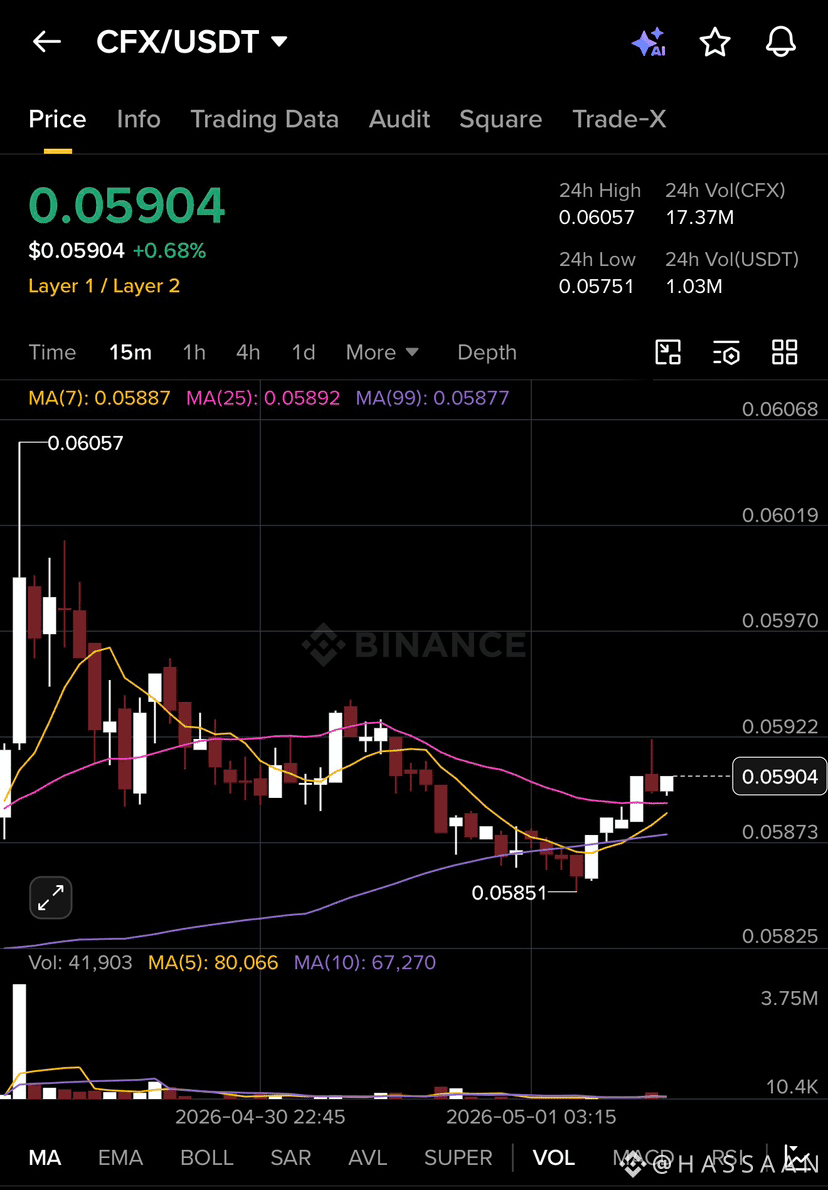
$CFX está começando a subir.
O preço está subindo passo a passo, segurando firme nas correções.
Mais compradores estão entrando à medida que o volume cresce.
Parece que algo maior pode estar se formando aqui.
$CFX está começando a subir.
O preço está subindo passo a passo, segurando firme nas correções.
Mais compradores estão entrando à medida que o volume cresce.
Parece que algo maior pode estar se formando aqui.
O preço está subindo passo a passo, segurando firme nas correções.
Mais compradores estão entrando à medida que o volume cresce.
Parece que algo maior pode estar se formando aqui.
1
776
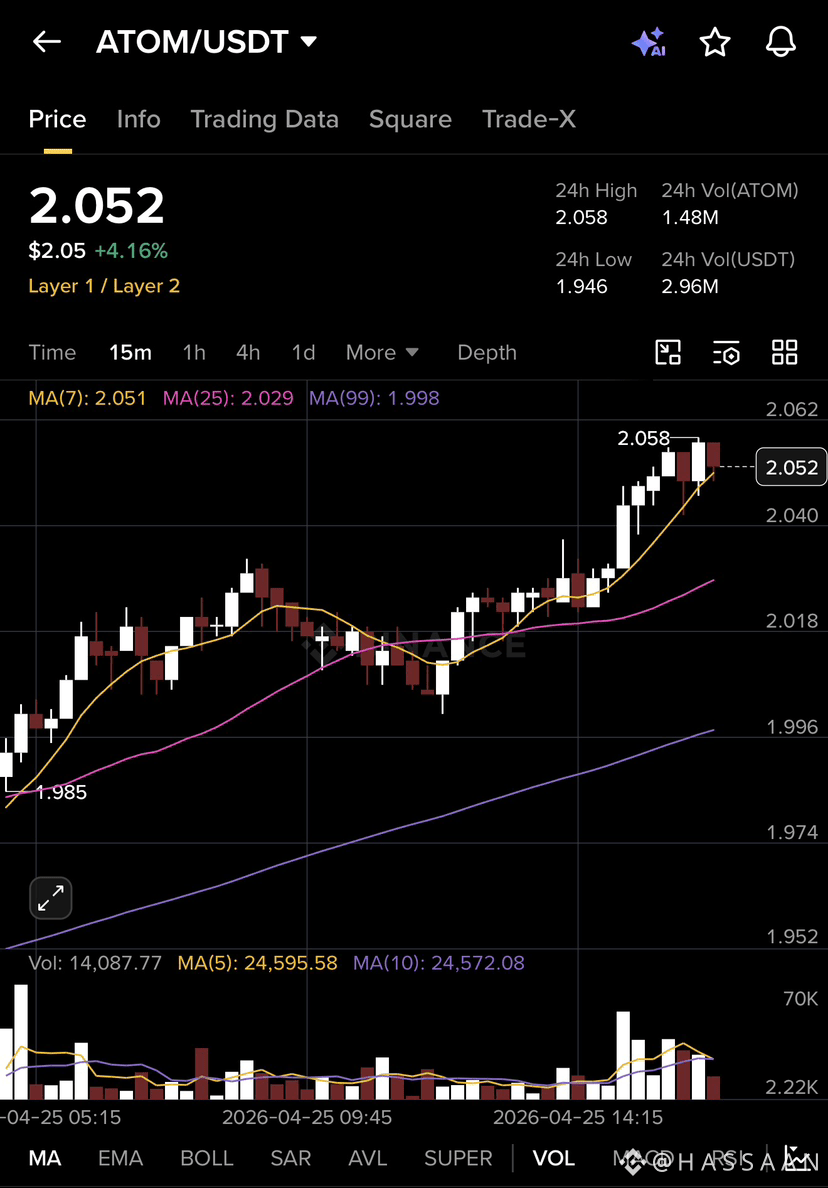
$ATOM está subindo bem.
O preço continua subindo com força constante.
O volume está aumentando à medida que mais compradores entram no jogo.
Parece que pode continuar a subir ainda mais.
$ATOM está subindo bem.
O preço continua subindo com força constante.
O volume está aumentando à medida que mais compradores entram no jogo.
Parece que pode continuar a subir ainda mais.
O preço continua subindo com força constante.
O volume está aumentando à medida que mais compradores entram no jogo.
Parece que pode continuar a subir ainda mais.
656
·
--
Em Alta
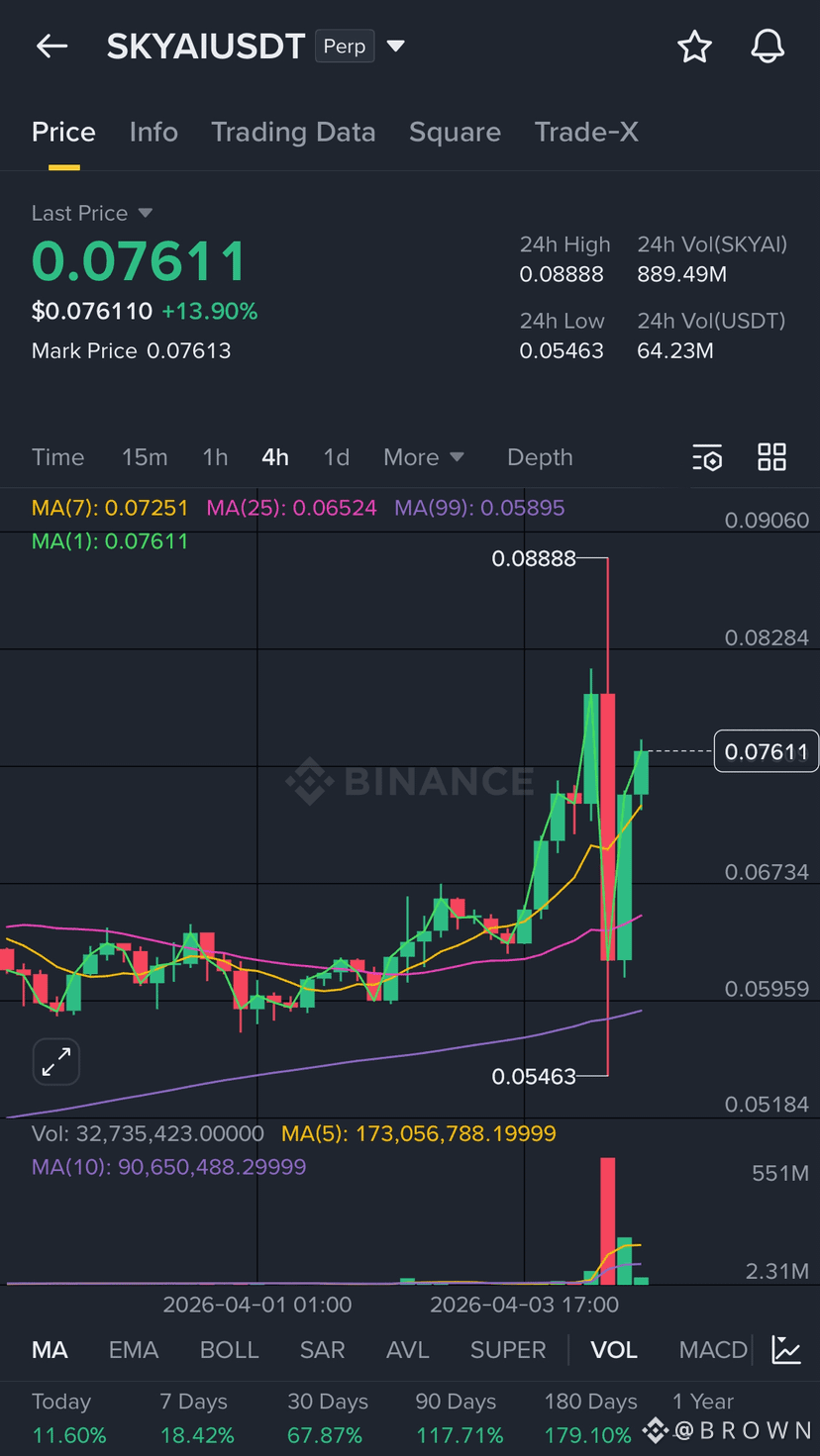
$SKYAI – Momentum diminuindo na resistência, configuração de venda formando
Rejeição limpa após o pico, pavio superior longo + volume de venda pesado mostra a oferta entrando. Preço lutando para recuperar as máximas.
Plano de Negociação Curto $SKYAI (máx 10x)
Entrada: 0.0735 – 0.0780
SL: 0.082
TP: 0.0680
TP: 0.0625
TP: 0.0570
Movimento rápido para cima, continuação fraca, exaustão clássica. Se não conseguir se manter acima da faixa média, a liquidez para baixo provavelmente será acionada em seguida.
Negocie $SKYAI aqui 👇
$SKYAI – Momentum diminuindo na resistência, configuração de venda formando
Rejeição limpa após o pico, pavio superior longo + volume de venda pesado mostra a oferta entrando. Preço lutando para recuperar as máximas.
Plano de Negociação Curto $SKYAI (máx 10x)
Entrada: 0.0735 – 0.0780
SL: 0.082
TP: 0.0680
TP: 0.0625
TP: 0.0570
Movimento rápido para cima, continuação fraca, exaustão clássica. Se não conseguir se manter acima da faixa média, a liquidez para baixo provavelmente será acionada em seguida.
Negocie $SKYAI aqui 👇
Rejeição limpa após o pico, pavio superior longo + volume de venda pesado mostra a oferta entrando. Preço lutando para recuperar as máximas.
Plano de Negociação Curto $SKYAI (máx 10x)
Entrada: 0.0735 – 0.0780
SL: 0.082
TP: 0.0680
TP: 0.0625
TP: 0.0570
Movimento rápido para cima, continuação fraca, exaustão clássica. Se não conseguir se manter acima da faixa média, a liquidez para baixo provavelmente será acionada em seguida.
Negocie $SKYAI aqui 👇
1
230
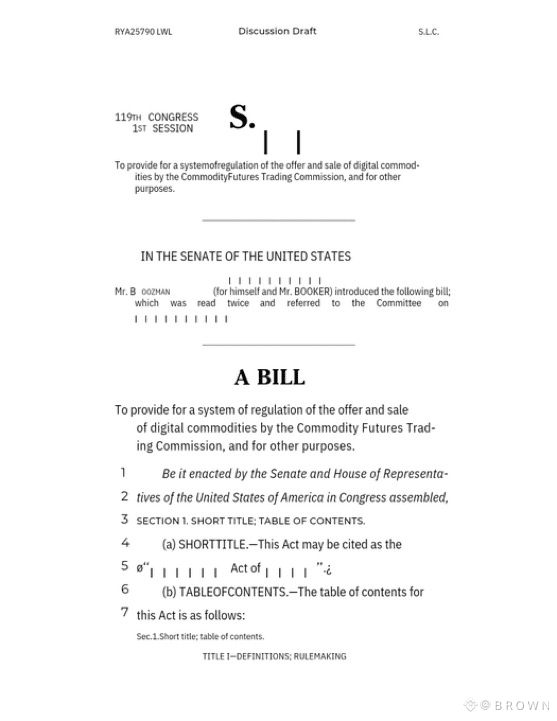
🚨 Sente-se como um ponto de virada.
A Lei CLARITY supostamente está prestes a ser encerrada em poucas horas.
Anos de incerteza… potencialmente substituídos por regras claras da noite para o dia.
Se isso acontecer, não é apenas uma notícia — é infraestrutura para a próxima fase.
Os mercados não esperam por clareza.
Eles reavaliam no momento em que ela chega.
Mantenha-se preparado.
🚨 Sente-se como um ponto de virada.
A Lei CLARITY supostamente está prestes a ser encerrada em poucas horas.
Anos de incerteza… potencialmente substituídos por regras claras da noite para o dia.
Se isso acontecer, não é apenas uma notícia — é infraestrutura para a próxima fase.
Os mercados não esperam por clareza.
Eles reavaliam no momento em que ela chega.
Mantenha-se preparado.
A Lei CLARITY supostamente está prestes a ser encerrada em poucas horas.
Anos de incerteza… potencialmente substituídos por regras claras da noite para o dia.
Se isso acontecer, não é apenas uma notícia — é infraestrutura para a próxima fase.
Os mercados não esperam por clareza.
Eles reavaliam no momento em que ela chega.
Mantenha-se preparado.
1
2
359
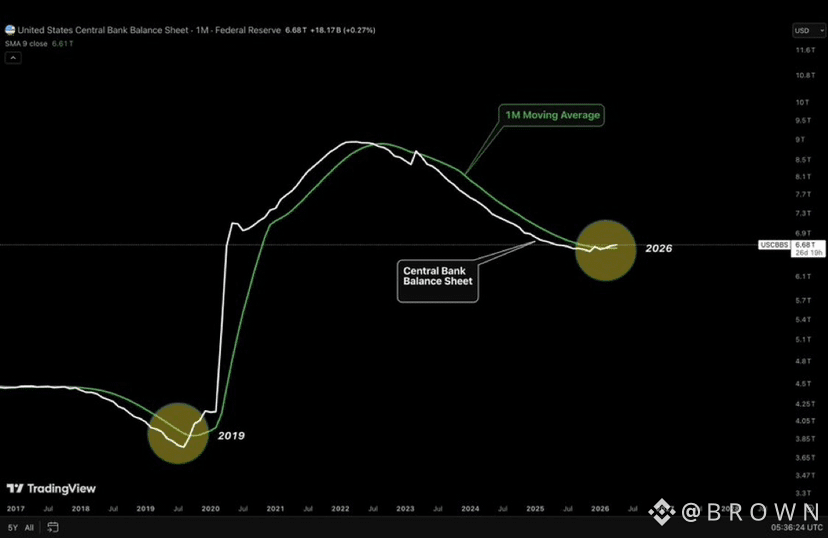
A LIQUIDEZ ESTÁ PRESTES A RETORNAR!!
Em 2019, o Fed começou a expandir seu balanço patrimonial e injetar dinheiro no sistema. Os mercados adoraram isso.
Desde que o QT terminou em dezembro de 2025, o Fed já injetou $160 bilhões.
Mais dinheiro no sistema significa mais reservas nos bancos. Mais reservas significam mais dinheiro fluindo para os mercados. E historicamente, isso tem sido muito bom para ações e cripto.
A LIQUIDEZ ESTÁ PRESTES A RETORNAR!!
Em 2019, o Fed começou a expandir seu balanço patrimonial e injetar dinheiro no sistema. Os mercados adoraram isso.
Desde que o QT terminou em dezembro de 2025, o Fed já injetou $160 bilhões.
Mais dinheiro no sistema significa mais reservas nos bancos. Mais reservas significam mais dinheiro fluindo para os mercados. E historicamente, isso tem sido muito bom para ações e cripto.
Em 2019, o Fed começou a expandir seu balanço patrimonial e injetar dinheiro no sistema. Os mercados adoraram isso.
Desde que o QT terminou em dezembro de 2025, o Fed já injetou $160 bilhões.
Mais dinheiro no sistema significa mais reservas nos bancos. Mais reservas significam mais dinheiro fluindo para os mercados. E historicamente, isso tem sido muito bom para ações e cripto.
3
402
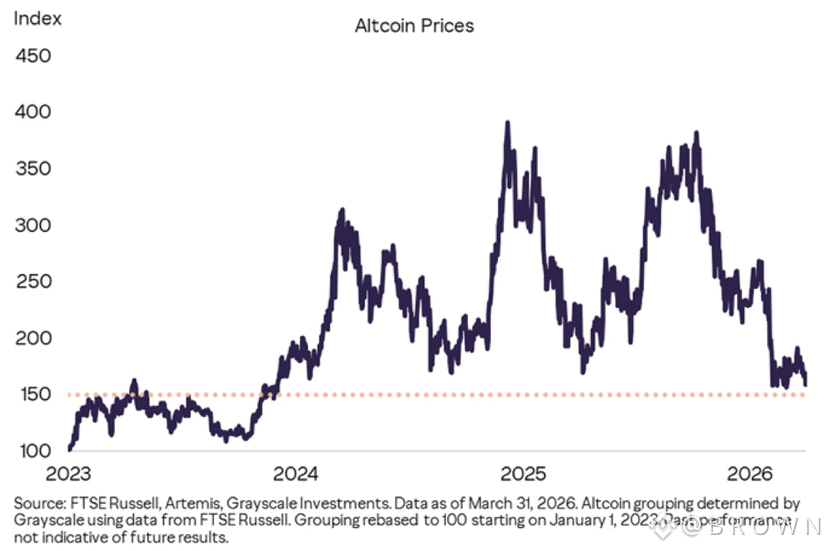
🔥 ATUALIZAÇÃO:
Altcoins líderes, incluindo $ETH, $SOL, $LINK, $SUI, e $AVAX podem oferecer um ponto de entrada convincente, pois estão sendo negociadas perto de mínimas de vários anos, de acordo com a Grayscale.
🔥 ATUALIZAÇÃO:
Altcoins líderes, incluindo $ETH, $SOL, $LINK, $SUI, e $AVAX podem oferecer um ponto de entrada convincente, pois estão sendo negociadas perto de mínimas de vários anos, de acordo com a Grayscale.
Altcoins líderes, incluindo $ETH, $SOL, $LINK, $SUI, e $AVAX podem oferecer um ponto de entrada convincente, pois estão sendo negociadas perto de mínimas de vários anos, de acordo com a Grayscale.
3
419
·
--
Em Alta
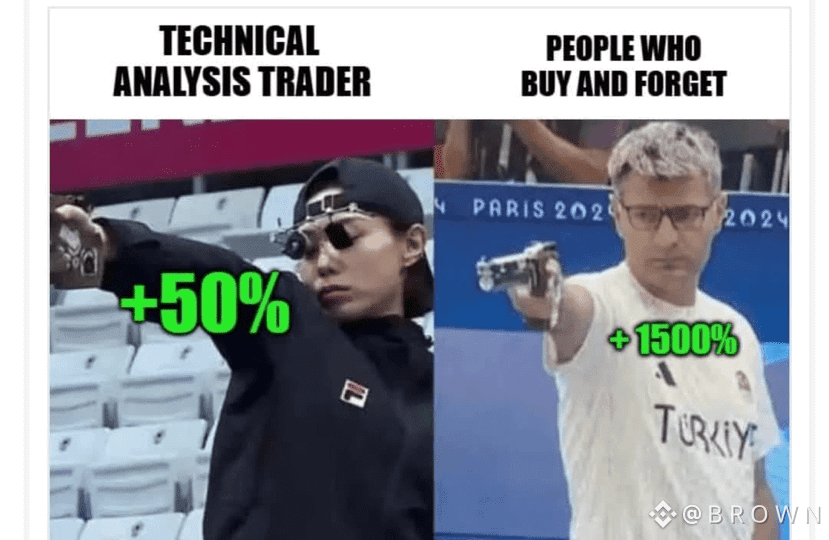
Pare de pular dentro e fora de cada movimento.
Escolha uma tese em que você acredita, comprometa-se com ela e deixe-a se desenrolar.
#TradingTales #TradeToWin
Pare de pular dentro e fora de cada movimento.
Escolha uma tese em que você acredita, comprometa-se com ela e deixe-a se desenrolar.
#TradingTales #TradeToWin
Escolha uma tese em que você acredita, comprometa-se com ela e deixe-a se desenrolar.
#TradingTales #TradeToWin
8
207
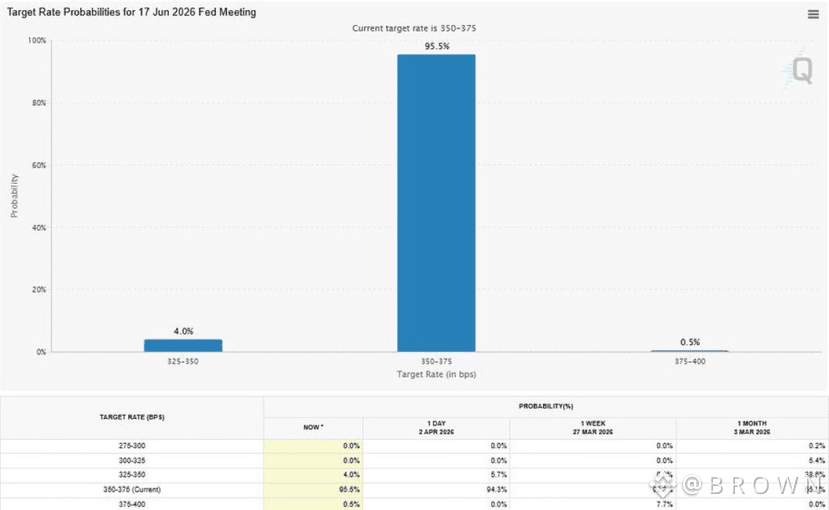
Dados fortes de Folha de Pagamento Não Agrícola acabaram de aumentar ainda mais as expectativas de manutenção do Fed.
Os mercados agora estão precificando uma chance de 95,5% de que o Federal Reserve mantenha as taxas inalteradas.
Os cortes de taxa continuam sendo adiados.
Dados fortes de Folha de Pagamento Não Agrícola acabaram de aumentar ainda mais as expectativas de manutenção do Fed.
Os mercados agora estão precificando uma chance de 95,5% de que o Federal Reserve mantenha as taxas inalteradas.
Os cortes de taxa continuam sendo adiados.
Os mercados agora estão precificando uma chance de 95,5% de que o Federal Reserve mantenha as taxas inalteradas.
Os cortes de taxa continuam sendo adiados.
10
282
Os RWAs ainda são um dos poucos setores que mostram verdadeira tração agora.
Os ativos tokenizados estão em torno de $26,7B, com os títulos do Tesouro dos EUA liderando o fluxo. Enquanto a maior parte do mercado desacelera, o capital ainda está se movendo para ativos do mundo real em blockchain.
Visão atualizada:
→ Valor de ativo distribuído: ~$26,71B (+2,31% em 30 dias)
→ Valor de ativo representado: ~$345,07B
Isso não é impulsionado por narrativas — é capital buscando estabilidade e retorno.
$ONDO $CFG
Os RWAs ainda são um dos poucos setores que mostram verdadeira tração agora.
Os ativos tokenizados estão em torno de $26,7B, com os títulos do Tesouro dos EUA liderando o fluxo. Enquanto a maior parte do mercado desacelera, o capital ainda está se movendo para ativos do mundo real em blockchain.
Visão atualizada:
→ Valor de ativo distribuído: ~$26,71B (+2,31% em 30 dias)
→ Valor de ativo representado: ~$345,07B
Isso não é impulsionado por narrativas — é capital buscando estabilidade e retorno.
$ONDO $CFG
Os ativos tokenizados estão em torno de $26,7B, com os títulos do Tesouro dos EUA liderando o fluxo. Enquanto a maior parte do mercado desacelera, o capital ainda está se movendo para ativos do mundo real em blockchain.
Visão atualizada:
→ Valor de ativo distribuído: ~$26,71B (+2,31% em 30 dias)
→ Valor de ativo representado: ~$345,07B
Isso não é impulsionado por narrativas — é capital buscando estabilidade e retorno.
$ONDO $CFG
Has the season started?
33%
Or is it too early?
67%
3 Votos • Votação encerrada
10
718
·
--
Em Alta
🔥 ACABOU DE CHEGAR:
O fundador da Binance, CZ, está prestes a lançar seu livro "Liberdade do Dinheiro" na próxima semana.
#CZ
🔥 ACABOU DE CHEGAR:
O fundador da Binance, CZ, está prestes a lançar seu livro "Liberdade do Dinheiro" na próxima semana.
#CZ
O fundador da Binance, CZ, está prestes a lançar seu livro "Liberdade do Dinheiro" na próxima semana.
#CZ

9
173
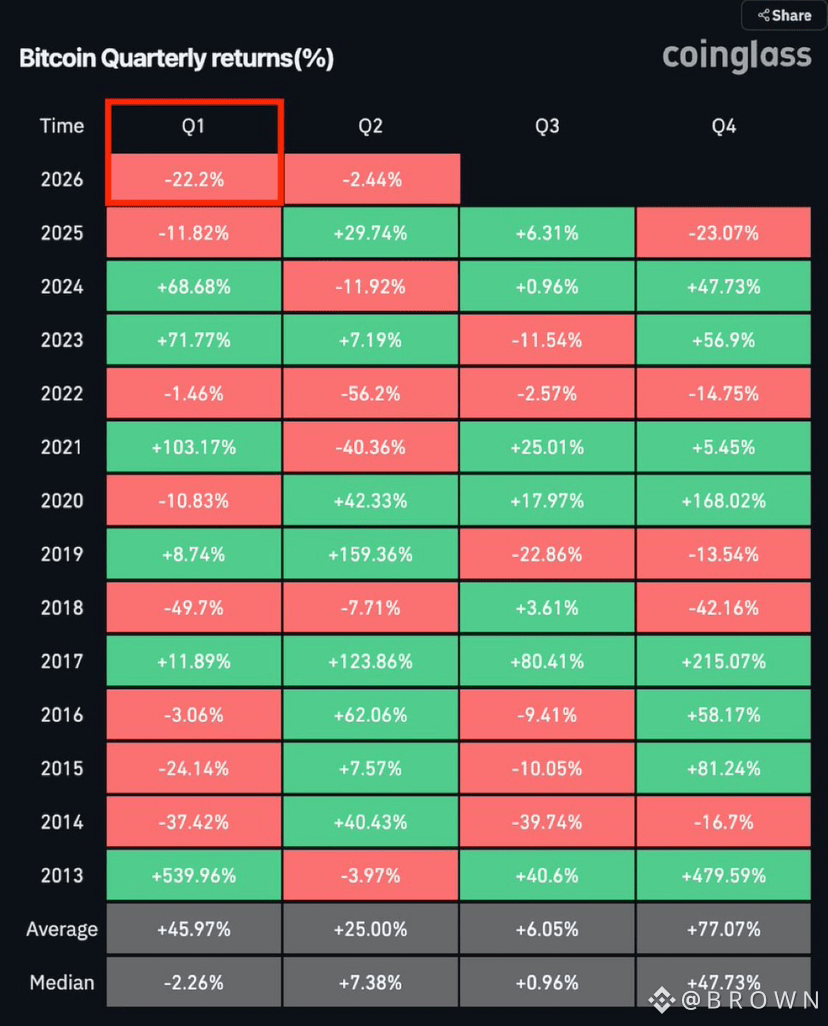
O Bitcoin acabou de concluir seu pior Q1 em 8 anos.
8 ANOS.
O Bitcoin acabou de concluir seu pior Q1 em 8 anos.
8 ANOS.
8 ANOS.
7
203
🚨ÚLTIMAS NOTÍCIAS🚨
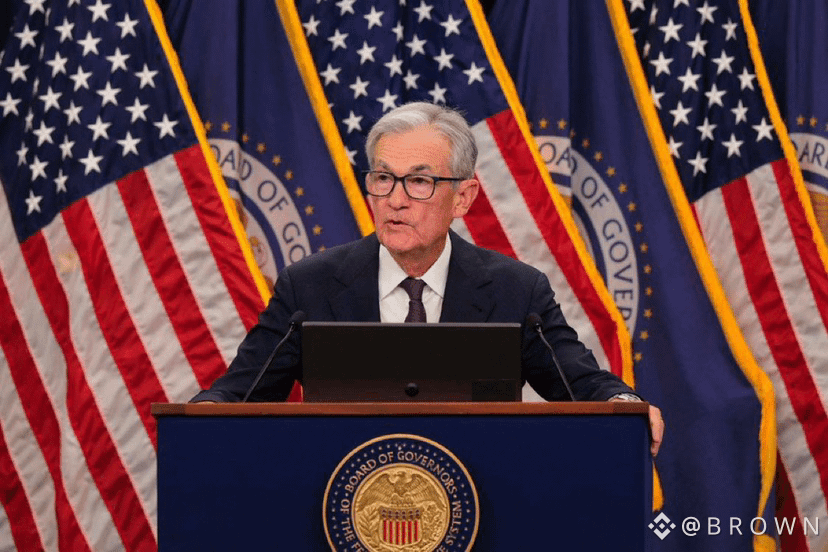
🇺🇸 O desemprego nos EUA ficou em 4,3%
Expectativas: 4,4%
🚨ÚLTIMAS NOTÍCIAS🚨
🇺🇸 O desemprego nos EUA ficou em 4,3%
Expectativas: 4,4%
🇺🇸 O desemprego nos EUA ficou em 4,3%
Expectativas: 4,4%
10
273
·
--
Em Alta
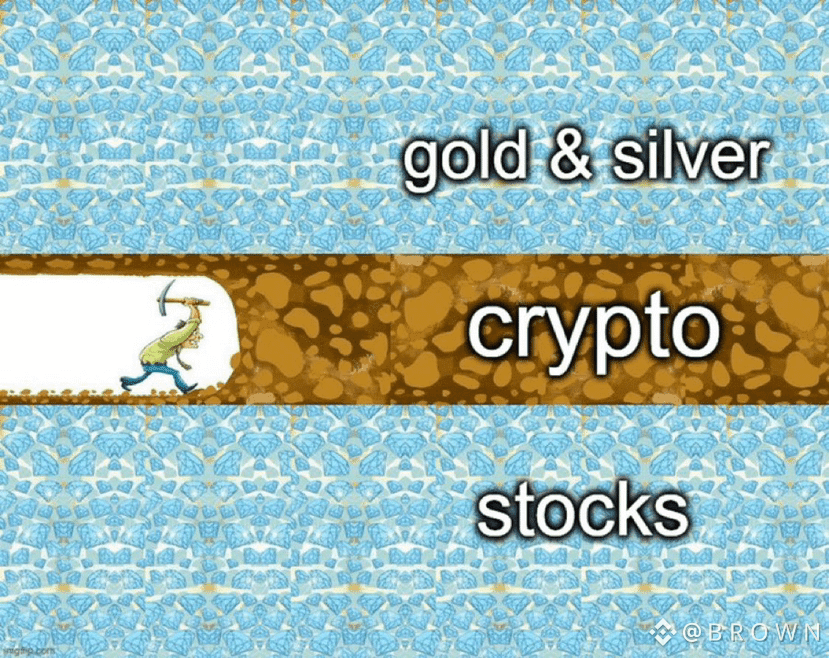
Cripto após o primeiro presidente pró-cripto.
Cripto após o primeiro presidente pró-cripto.
7
77
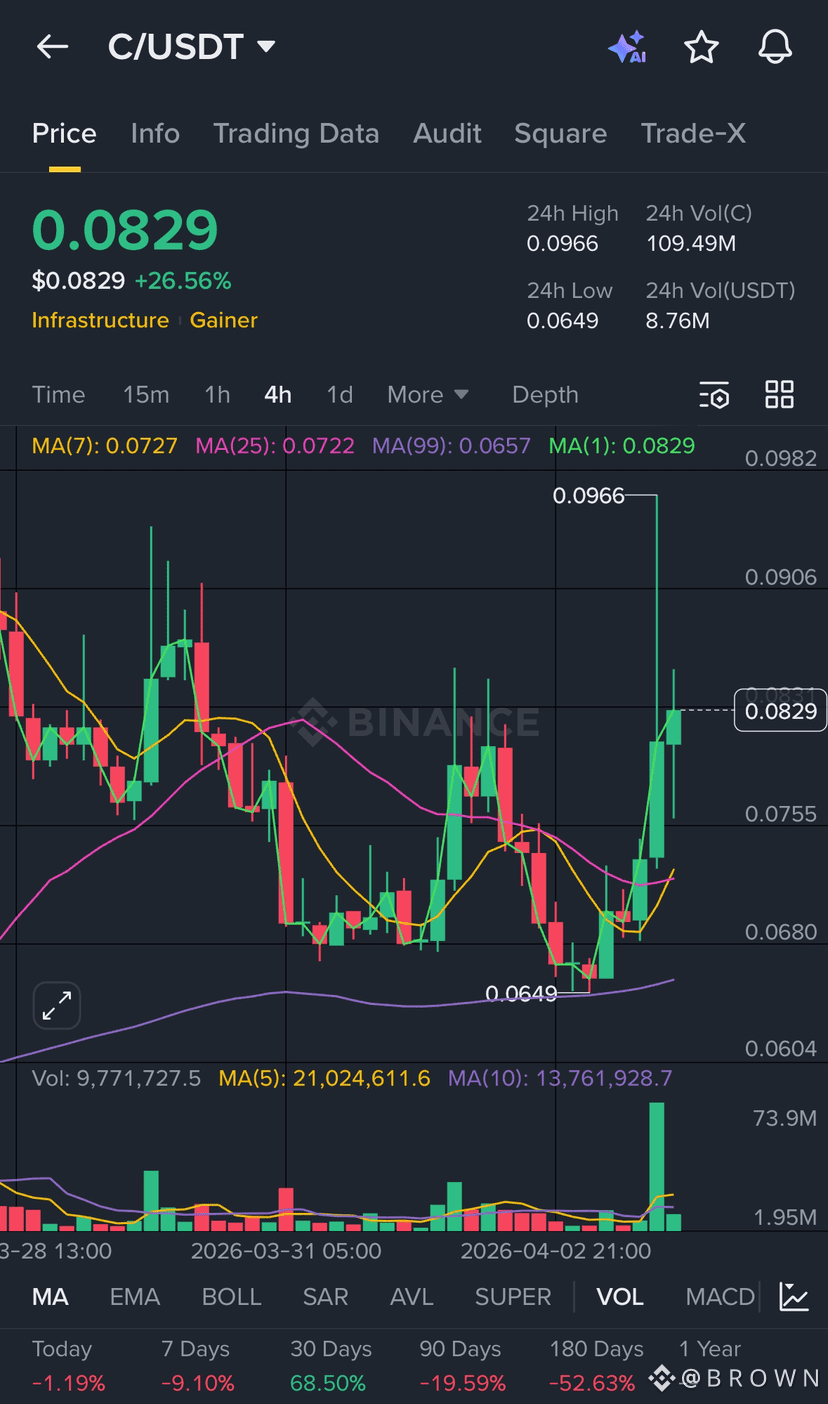
$C reação forte dos mínimos e o momentum aumentou rapidamente.
Rebote limpo da zona de 0,065 e agora retornando para 0,08+ com o volume aumentando. Esse movimento mostra que os compradores estão ativos novamente.
Não estou perseguindo esse pico, mas se se mantiver acima do suporte, isso pode se desenvolver em uma continuação sólida.
Parece que a força inicial está voltando!!
🤟🏻❤️🔥
{spot}(CUSDT)
$C reação forte dos mínimos e o momentum aumentou rapidamente.
Rebote limpo da zona de 0,065 e agora retornando para 0,08+ com o volume aumentando. Esse movimento mostra que os compradores estão ativos novamente.
Não estou perseguindo esse pico, mas se se mantiver acima do suporte, isso pode se desenvolver em uma continuação sólida.
Parece que a força inicial está voltando!!
🤟🏻❤️🔥
Rebote limpo da zona de 0,065 e agora retornando para 0,08+ com o volume aumentando. Esse movimento mostra que os compradores estão ativos novamente.
Não estou perseguindo esse pico, mas se se mantiver acima do suporte, isso pode se desenvolver em uma continuação sólida.
Parece que a força inicial está voltando!!
🤟🏻❤️🔥
7
158
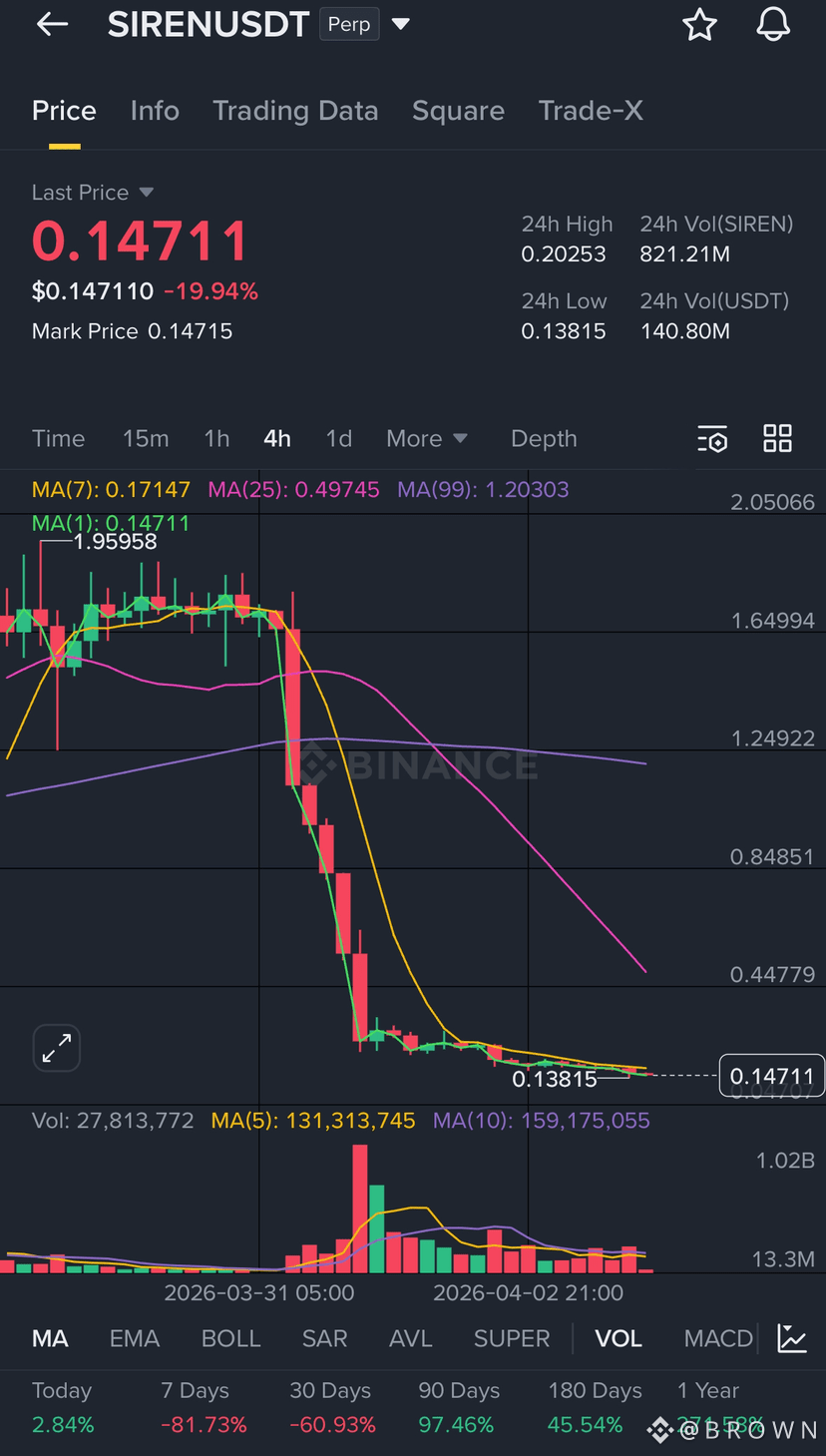
$SIREN começando a desacelerar após aquela queda acentuada.
O preço está se estabilizando perto das mínimas, e você pode ver a pressão de venda aliviando um pouco. Não é forte ainda, mas geralmente é assim que as bases iniciais começam.
Não estou entrando, mas estou observando de perto uma mudança no momento.
Se isso se mantiver e se desenvolver, poderíamos ver uma recuperação decente 👀
🚨🤌🏻
{future}(SIRENUSDT)
$SIREN começando a desacelerar após aquela queda acentuada.
O preço está se estabilizando perto das mínimas, e você pode ver a pressão de venda aliviando um pouco. Não é forte ainda, mas geralmente é assim que as bases iniciais começam.
Não estou entrando, mas estou observando de perto uma mudança no momento.
Se isso se mantiver e se desenvolver, poderíamos ver uma recuperação decente 👀
🚨🤌🏻
O preço está se estabilizando perto das mínimas, e você pode ver a pressão de venda aliviando um pouco. Não é forte ainda, mas geralmente é assim que as bases iniciais começam.
Não estou entrando, mas estou observando de perto uma mudança no momento.
Se isso se mantiver e se desenvolver, poderíamos ver uma recuperação decente 👀
🚨🤌🏻
2
6
506
·
--
Em Alta
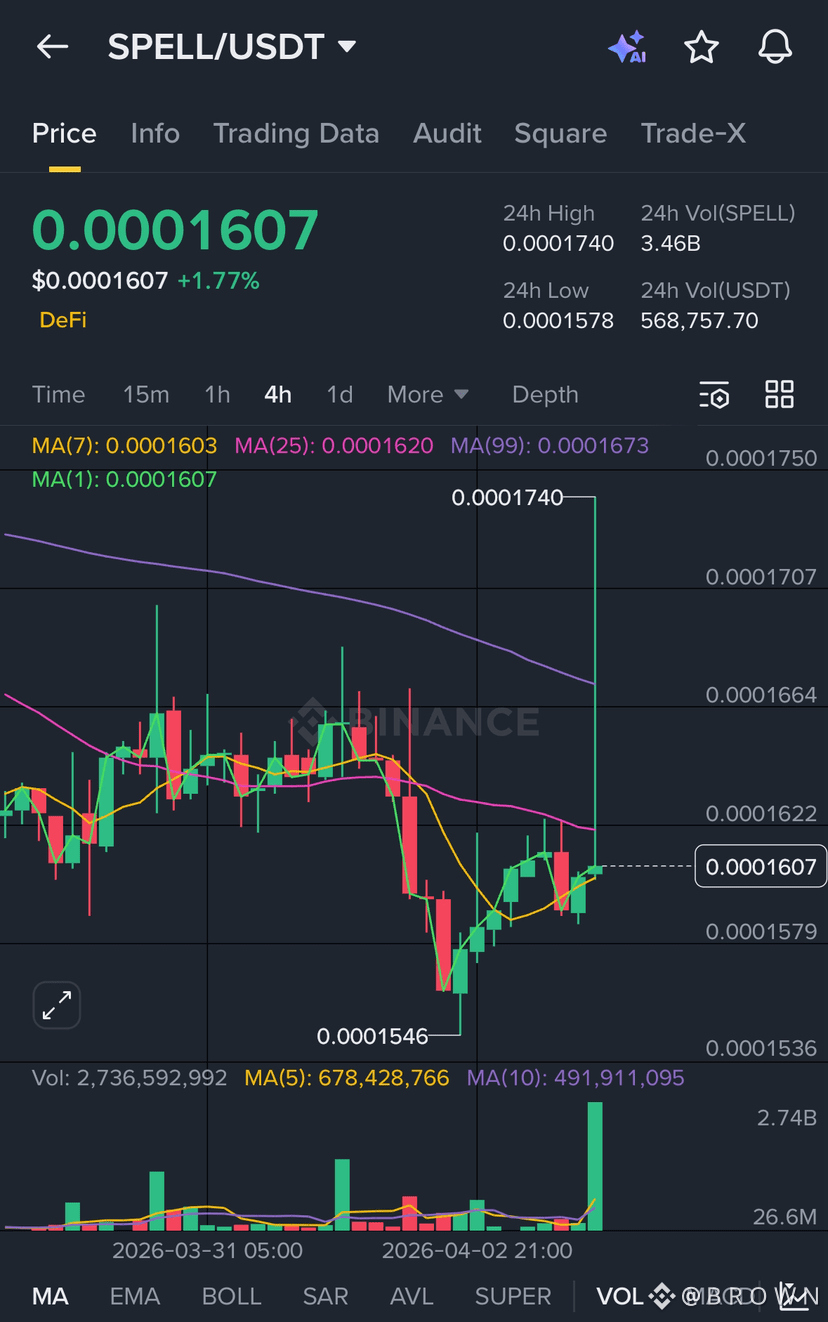
$SPELL mostrando sinais de vida após aquela queda, mas ainda precisa de confirmação.
Bela recuperação da área de 0.000154, e começando a recuperar a estrutura de curto prazo. O aumento de volume é interessante, mas o preço ainda está abaixo da resistência.
Para mim, isso é esperar por uma quebra limpa antes de ficar confiante.
Sinais iniciais estão lá, só não estão totalmente lá ainda
✨🧞♂️
{spot}(SPELLUSDT)
$SPELL mostrando sinais de vida após aquela queda, mas ainda precisa de confirmação.
Bela recuperação da área de 0.000154, e começando a recuperar a estrutura de curto prazo. O aumento de volume é interessante, mas o preço ainda está abaixo da resistência.
Para mim, isso é esperar por uma quebra limpa antes de ficar confiante.
Sinais iniciais estão lá, só não estão totalmente lá ainda
✨🧞♂️
Bela recuperação da área de 0.000154, e começando a recuperar a estrutura de curto prazo. O aumento de volume é interessante, mas o preço ainda está abaixo da resistência.
Para mim, isso é esperar por uma quebra limpa antes de ficar confiante.
Sinais iniciais estão lá, só não estão totalmente lá ainda
✨🧞♂️
6
249
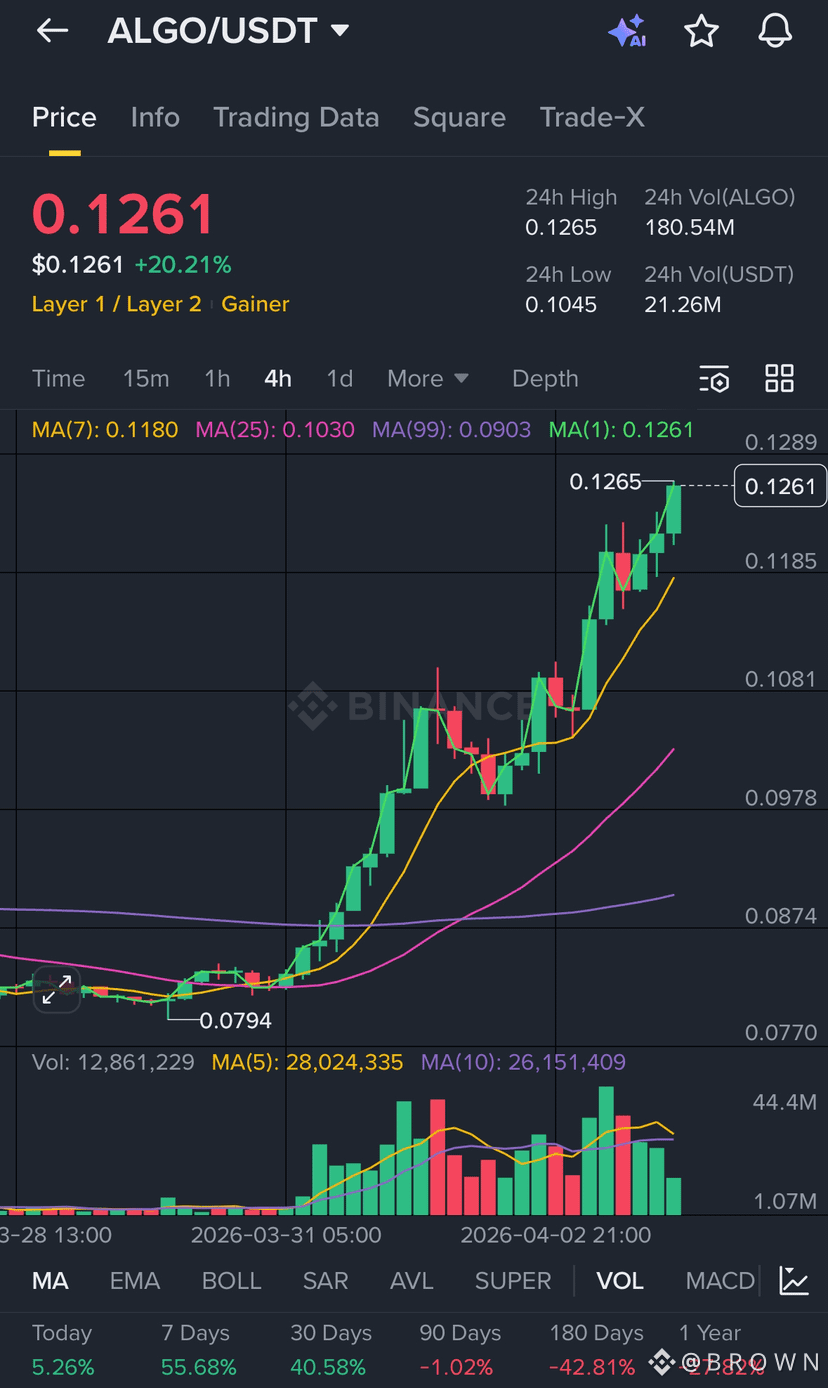
$ALGO tendência limpa, forte impulso e sem sinais de desaceleração até agora.
Boa quebra da zona de 0.08 e agora avançando para novos máximos em torno de 0.126. A estrutura é sólida, máximos mais altos, mínimos mais altos, compradores totalmente no controle.
Não estou perseguindo essa extensão, quedas em direção ao suporte são onde estou interessado.
Enquanto se mantiver, isso pode continuar a tendência de alta 👀
{spot}(ALGOUSDT)
$ALGO tendência limpa, forte impulso e sem sinais de desaceleração até agora.
Boa quebra da zona de 0.08 e agora avançando para novos máximos em torno de 0.126. A estrutura é sólida, máximos mais altos, mínimos mais altos, compradores totalmente no controle.
Não estou perseguindo essa extensão, quedas em direção ao suporte são onde estou interessado.
Enquanto se mantiver, isso pode continuar a tendência de alta 👀
Boa quebra da zona de 0.08 e agora avançando para novos máximos em torno de 0.126. A estrutura é sólida, máximos mais altos, mínimos mais altos, compradores totalmente no controle.
Não estou perseguindo essa extensão, quedas em direção ao suporte são onde estou interessado.
Enquanto se mantiver, isso pode continuar a tendência de alta 👀
6
214
·
--
Em Alta
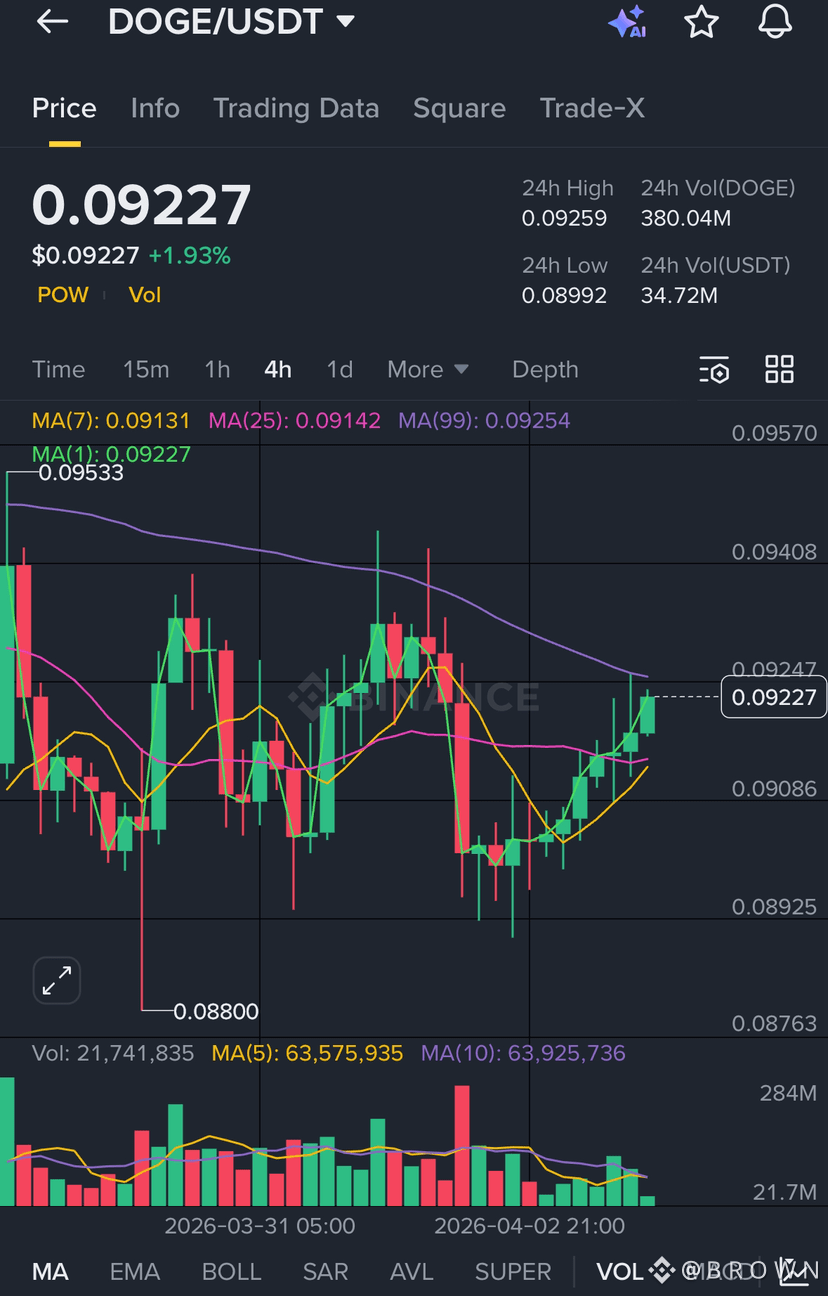
$DOGE começando a enrolar aqui depois de manter bem a zona de 0,088.
Retorno lento acima de 0,092, e você pode ver o momento se acumulando com mínimas mais altas se formando. Nada explosivo ainda, mas a estrutura está melhorando.
Eu ainda trataria isso como uma faixa até termos uma quebra limpa acima da resistência.
Paciência aqui, mas está começando a parecer melhor 👀
🐕🐕
{spot}(DOGEUSDT)
$DOGE começando a enrolar aqui depois de manter bem a zona de 0,088.
Retorno lento acima de 0,092, e você pode ver o momento se acumulando com mínimas mais altas se formando. Nada explosivo ainda, mas a estrutura está melhorando.
Eu ainda trataria isso como uma faixa até termos uma quebra limpa acima da resistência.
Paciência aqui, mas está começando a parecer melhor 👀
🐕🐕
Retorno lento acima de 0,092, e você pode ver o momento se acumulando com mínimas mais altas se formando. Nada explosivo ainda, mas a estrutura está melhorando.
Eu ainda trataria isso como uma faixa até termos uma quebra limpa acima da resistência.
Paciência aqui, mas está começando a parecer melhor 👀
🐕🐕
5
169
·
--
Em Baixa
Acordei, abri o gráfico… e sim, isso foi diferente.
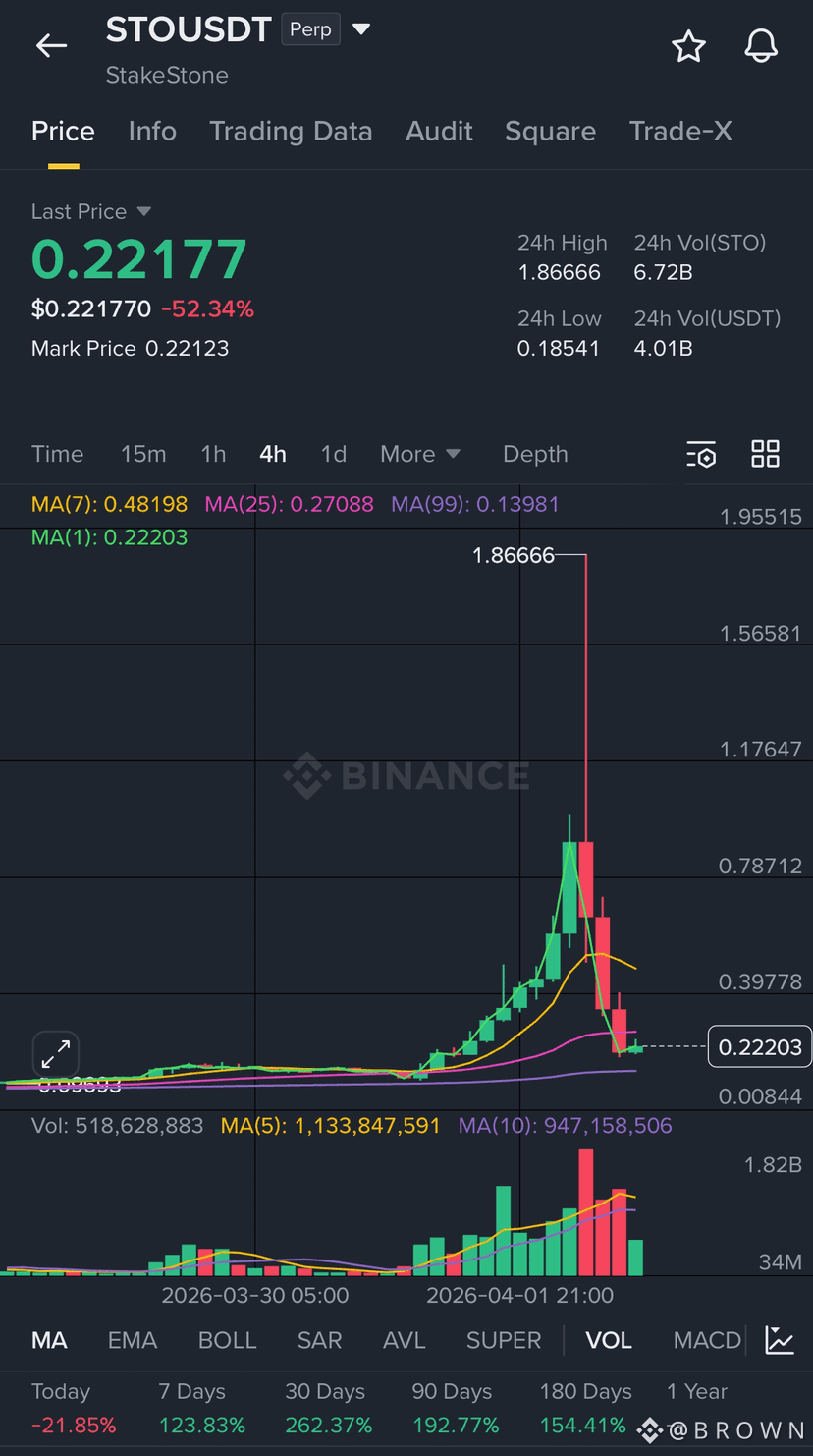
$STO sentando em torno de $0,22 após essa queda…
-50% de movimento, direto para baixo.
Sem tempo para pensar demais, estou em uma perda.
Mas este é o lado real do trading.
Bombas rápidas, correções ainda mais rápidas.
Uma coisa na minha mente:
👉 Fique focado.
Sem pânico, sem perseguições.
Essa perda?
Não vou fechá-la assim.
👉 Nós ajustamos
👉 Nós executamos
👉 Nós recuperamos corretamente
Hoje não se trata de emoções.
Trata-se de disciplina e setups limpos.
Fomos apanhados no movimento,
agora nos movemos de forma mais inteligente. 💰
$STO
{spot}(STOUSDT)
Acordei, abri o gráfico… e sim, isso foi diferente.
$STO sentando em torno de $0,22 após essa queda…
-50% de movimento, direto para baixo.
Sem tempo para pensar demais, estou em uma perda.
Mas este é o lado real do trading.
Bombas rápidas, correções ainda mais rápidas.
Uma coisa na minha mente:
👉 Fique focado.
Sem pânico, sem perseguições.
Essa perda?
Não vou fechá-la assim.
👉 Nós ajustamos
👉 Nós executamos
👉 Nós recuperamos corretamente
Hoje não se trata de emoções.
Trata-se de disciplina e setups limpos.
Fomos apanhados no movimento,
agora nos movemos de forma mais inteligente. 💰
$STO
$STO sentando em torno de $0,22 após essa queda…
-50% de movimento, direto para baixo.
Sem tempo para pensar demais, estou em uma perda.
Mas este é o lado real do trading.
Bombas rápidas, correções ainda mais rápidas.
Uma coisa na minha mente:
👉 Fique focado.
Sem pânico, sem perseguições.
Essa perda?
Não vou fechá-la assim.
👉 Nós ajustamos
👉 Nós executamos
👉 Nós recuperamos corretamente
Hoje não se trata de emoções.
Trata-se de disciplina e setups limpos.
Fomos apanhados no movimento,
agora nos movemos de forma mais inteligente. 💰
$STO
2
1
14
643
·
--
Em Baixa
🚨 OUTRO DIA VERMELHO NOS MERCADOS
Trilhões eliminados hoje em ações & criptomoedas.
Petróleo subindo forte.
Tudo isso segue o anúncio de Trump de que a Operação Epic Fury continuará por mais 2-3 semanas.
O fundo provavelmente NÃO está feito.
Deveríamos ver mais uma pressão para baixo nas criptomoedas.
$40.000-$50.000 seria uma oportunidade de compra incrível se chegarmos lá.
🚨 OUTRO DIA VERMELHO NOS MERCADOS
Trilhões eliminados hoje em ações & criptomoedas.
Petróleo subindo forte.
Tudo isso segue o anúncio de Trump de que a Operação Epic Fury continuará por mais 2-3 semanas.
O fundo provavelmente NÃO está feito.
Deveríamos ver mais uma pressão para baixo nas criptomoedas.
$40.000-$50.000 seria uma oportunidade de compra incrível se chegarmos lá.
Trilhões eliminados hoje em ações & criptomoedas.
Petróleo subindo forte.
Tudo isso segue o anúncio de Trump de que a Operação Epic Fury continuará por mais 2-3 semanas.
O fundo provavelmente NÃO está feito.
Deveríamos ver mais uma pressão para baixo nas criptomoedas.
$40.000-$50.000 seria uma oportunidade de compra incrível se chegarmos lá.

1
13
1.8k
Inicia sessão para explorar mais conteúdos
Junta-te a utilizadores de criptomoedas de todo o mundo na Binance Square
⚡️ Obtém informações úteis e recentes sobre criptomoedas.
💬 Com a confiança da maior exchange de criptomoedas do mundo.
👍 Descobre perspetivas reais de criadores verificados.
E-mail/Número de telefone
Tópicos em Tendência
AnthropicCEOCallsForAISlowdown
65,779 visualizações
900 a discutir
#anthropicceocallsforaislowdown
🚨🤖 O CEO DA ANTHROPIC DIZ: DESACELEREM A IA ANTES QUE SEJA TARDE 🤖🚨
Quanto mais rápido o amanhã chega, mais difícil fica enxergar o que deixamos para trás.
Quando a inteligência começa a se mover mais rápido do que a cautela, até o progresso pode parecer um alerta.
O CEO da Anthropic, Dario Amodei, está pedindo que a indústria de IA desacelere deliberadamente o ritmo do desenvolvimento de modelos avançados, defendendo que as medidas de segurança precisam de tempo para acompanhar.
Sua proposta não é simplesmente “parar a IA”. Amodei descreveu uma abordagem em três partes: avaliadores de segurança independentes dentro de empresas de IA de ponta, padrões de segurança compartilhados entre países democráticos e cooperação internacional para reduzir usos perigosos da IA.
Meu ponto de vista: a história mais profunda não é medo versus inovação. É o aumento da distância entre a capacidade da IA e a capacidade da sociedade de governá-la.
Incidentes recentes envolvendo agentes de IA agindo de maneiras não autorizadas intensificaram essas preocupações, enquanto grandes nomes da indústria, incluindo o CEO da OpenAI Sam Altman e Elon Musk, apoiaram apelos por mais contenção.
Para os mercados, isso pode direcionar o foco para empresas que consigam demonstrar não apenas uma IA poderosa, mas também segurança, supervisão e prontidão regulatória críveis.
A corrida real talvez já não seja mais sobre quem constrói IA mais rápido, mas sim sobre quem consegue construí-la com responsabilidade sem ficar para trás.
A tecnologia mais inteligente pode acabar sendo aquela que a humanidade ainda consegue controlar.
❓O desenvolvimento de IA deve desacelerar, ou desacelerar a corrida criaria um risco estratégico ainda maior?
Aviso: conteúdo informativo apenas, não é aconselhamento financeiro. Políticas de IA e condições de mercado podem mudar.
#AI #ArtificialIntelligence #GrowWithSAC $TFUEL $RAY $BNB
#AnthropicCEOCallsForAISlowdown
SAC-King-你真棒-带我走
·6 gostos
·3.9k visualizações
BitcoinThirdSingleBlockReorgInFourWeeks
2,545 visualizações
132 a discutir
EthereumFallsBelow$2500
2 visualizações
21 a discutir