
Mavis Evan
31.6k Publicações

Mavis Evan
 Square verificado+
Denunciar
Bloquear Utilizador
Dream_1M Followers 🧠 Read the market, not the noise💧Liquidity shows intent 📊 Discipline turns analysis into profit X__Mavis054
47 A seguir
52.3K+ Seguidores
68.5K+ Gostaram
Publicações
Tudo
Cotações
Vídeos
Em direto
·
--
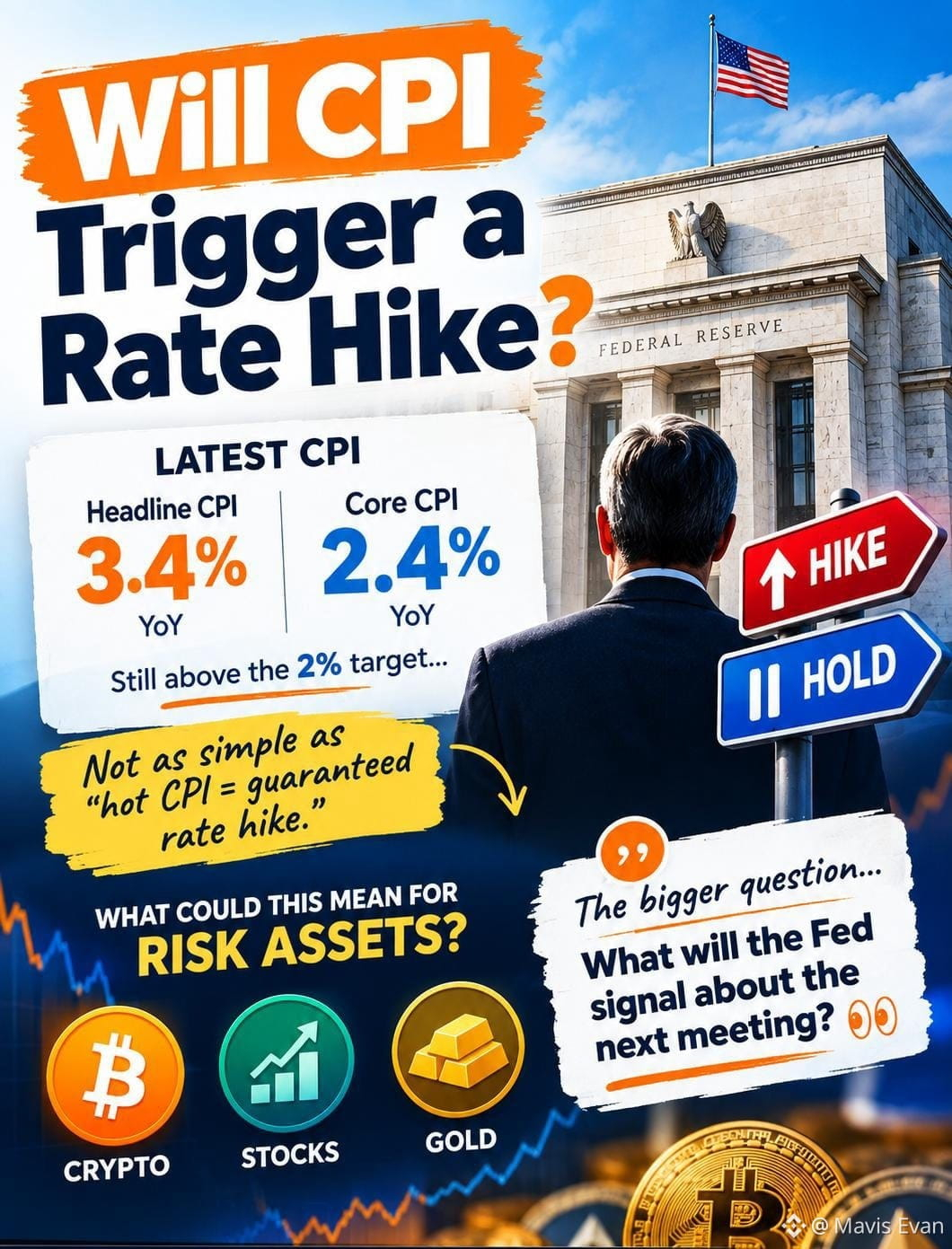
O CPI vai levar a um aumento da taxa?
É aqui que as coisas ficam interessantes.
Os dados mais recentes do CPI não foram exatamente o que o mercado queria ver, mas eu não acho que a história seja tão simples como “CPI quente = aumento de taxa garantido.”
O CPI headline veio a 3,4% YoY, enquanto o CPI core chegou a 2,4%. Sim, a inflação ainda está acima da meta de 2% do Fed, mas parte da pressão recente vem dos preços de energia, enquanto alguns segmentos da inflação dos bens do núcleo continuam relativamente fracos.
Reuters +1
E é por isso que estou observando a reação do Fed com muita atenção.
O mercado de trabalho mostrou alguma resiliência, mas o Fed também precisa considerar como taxas mais altas afetam consumidores, empresas e o crescimento.
Minha leitura?
Eu não estou sendo cegamente pessimista.
Se o Fed mantiver, os mercados podem interpretar isso como um sinal de que os formuladores de política ainda acreditam que a inflação pode desacelerar sem outra medida agressiva.
Isso poderia provocar uma forte reação em ativos de risco.
Cripto, ações e ouro poderiam ficar bem interessantes, dependendo do tom do Fed.
Para mim, a pergunta maior não é simplesmente “aumenta ou mantém?”
É:
O que o Fed vai sinalizar sobre a próxima reunião?
#CPIWatch #Bitcoin #Crypto #Fed #Inflation
O CPI vai levar a um aumento da taxa?
É aqui que as coisas ficam interessantes.
Os dados mais recentes do CPI não foram exatamente o que o mercado queria ver, mas eu não acho que a história seja tão simples como “CPI quente = aumento de taxa garantido.”
O CPI headline veio a 3,4% YoY, enquanto o CPI core chegou a 2,4%. Sim, a inflação ainda está acima da meta de 2% do Fed, mas parte da pressão recente vem dos preços de energia, enquanto alguns segmentos da inflação dos bens do núcleo continuam relativamente fracos.
Reuters +1
E é por isso que estou observando a reação do Fed com muita atenção.
O mercado de trabalho mostrou alguma resiliência, mas o Fed também precisa considerar como taxas mais altas afetam consumidores, empresas e o crescimento.
Minha leitura?
Eu não estou sendo cegamente pessimista.
Se o Fed mantiver, os mercados podem interpretar isso como um sinal de que os formuladores de política ainda acreditam que a inflação pode desacelerar sem outra medida agressiva.
Isso poderia provocar uma forte reação em ativos de risco.
Cripto, ações e ouro poderiam ficar bem interessantes, dependendo do tom do Fed.
Para mim, a pergunta maior não é simplesmente “aumenta ou mantém?”
É:
O que o Fed vai sinalizar sobre a próxima reunião?
#CPIWatch #Bitcoin #Crypto #Fed #Inflation
É aqui que as coisas ficam interessantes.
Os dados mais recentes do CPI não foram exatamente o que o mercado queria ver, mas eu não acho que a história seja tão simples como “CPI quente = aumento de taxa garantido.”
O CPI headline veio a 3,4% YoY, enquanto o CPI core chegou a 2,4%. Sim, a inflação ainda está acima da meta de 2% do Fed, mas parte da pressão recente vem dos preços de energia, enquanto alguns segmentos da inflação dos bens do núcleo continuam relativamente fracos.
Reuters +1
E é por isso que estou observando a reação do Fed com muita atenção.
O mercado de trabalho mostrou alguma resiliência, mas o Fed também precisa considerar como taxas mais altas afetam consumidores, empresas e o crescimento.
Minha leitura?
Eu não estou sendo cegamente pessimista.
Se o Fed mantiver, os mercados podem interpretar isso como um sinal de que os formuladores de política ainda acreditam que a inflação pode desacelerar sem outra medida agressiva.
Isso poderia provocar uma forte reação em ativos de risco.
Cripto, ações e ouro poderiam ficar bem interessantes, dependendo do tom do Fed.
Para mim, a pergunta maior não é simplesmente “aumenta ou mantém?”
É:
O que o Fed vai sinalizar sobre a próxima reunião?
#CPIWatch #Bitcoin #Crypto #Fed #Inflation
549
·
--
$ETH , $BTC , $BNB e $ZEC estão mostrando o mesmo padrão de preço agora.
Movimento forte para cima → varredura de liquidez → rejeição → recuo.
A parte interessante é que todos os quatro gráficos estão imprimindo uma estrutura bem semelhante no timeframe de 1H.
Isso não significa automaticamente queda.
Significa que o mercado está testando se esses níveis de rompimento conseguem se sustentar após o primeiro movimento mais agressivo.
Se os compradores defenderem o recuo, outra perna para cima pode vir rapidamente.
Se o suporte romper, todo aquele pico pode virar uma captura de liquidez.
Estou observando a reação depois do recuo, não perseguindo o candle.
$BTC
$ETH
$BNB
$ZEC
Mesmo setup. Moedas diferentes.
#CPIWatch #BNBTops730USDT
$ETH , $BTC , $BNB e $ZEC estão mostrando o mesmo padrão de preço agora.
Movimento forte para cima → varredura de liquidez → rejeição → recuo.
A parte interessante é que todos os quatro gráficos estão imprimindo uma estrutura bem semelhante no timeframe de 1H.
Isso não significa automaticamente queda.
Significa que o mercado está testando se esses níveis de rompimento conseguem se sustentar após o primeiro movimento mais agressivo.
Se os compradores defenderem o recuo, outra perna para cima pode vir rapidamente.
Se o suporte romper, todo aquele pico pode virar uma captura de liquidez.
Estou observando a reação depois do recuo, não perseguindo o candle.
$BTC
$ETH
$BNB
$ZEC
Mesmo setup. Moedas diferentes.
#CPIWatch #BNBTops730USDT
Movimento forte para cima → varredura de liquidez → rejeição → recuo.
A parte interessante é que todos os quatro gráficos estão imprimindo uma estrutura bem semelhante no timeframe de 1H.
Isso não significa automaticamente queda.
Significa que o mercado está testando se esses níveis de rompimento conseguem se sustentar após o primeiro movimento mais agressivo.
Se os compradores defenderem o recuo, outra perna para cima pode vir rapidamente.
Se o suporte romper, todo aquele pico pode virar uma captura de liquidez.
Estou observando a reação depois do recuo, não perseguindo o candle.
$BTC
$ETH
$BNB
$ZEC
Mesmo setup. Moedas diferentes.
#CPIWatch #BNBTops730USDT


2
5
1.3k
·
--
Em Alta
Trading de $ZEC de 30 dias no valor de 96.7 USDT
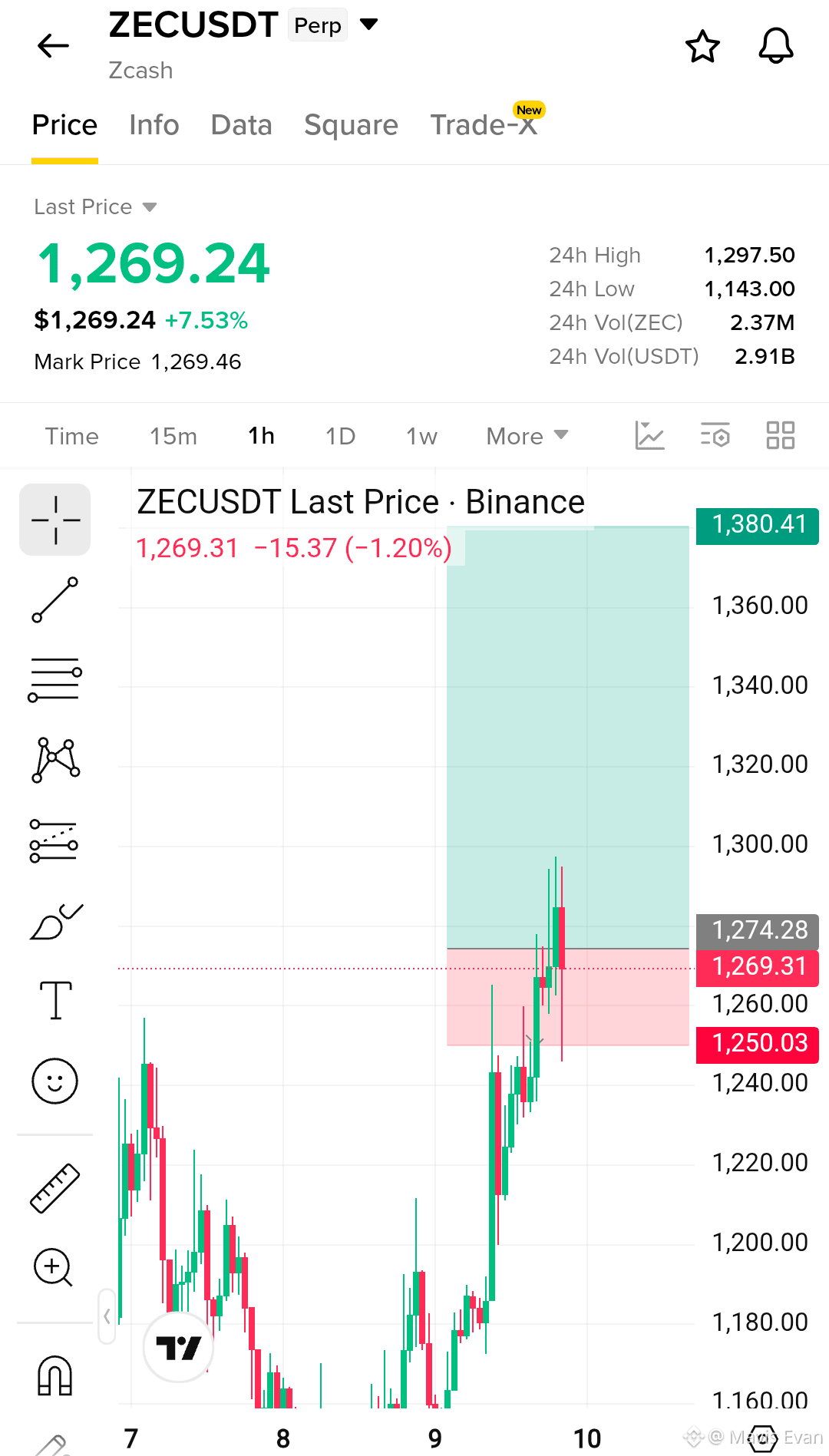
$ZEC LONG
ZEC está a mostrar um forte momentum após romper a consolidação anterior. O preço agora está a segurar perto de US$ 1.090, então esta zona é importante.
Entrada: US$ 1.090–US$ 1.110
SL: US$ 775
TP1: US$ 1.400
TP2: US$ 1.600
TP3: US$ 2.000
TP4: US$ 2.400+
Se o ZEC continuar a segurar acima de US$ 1.090, o próximo movimento para cima pode ficar agressivo.
A configuração continua otimista enquanto a resistência-chave mantiver.
Gerencie o risco. Não persiga candles verdes. 📈
#zec #zcash #crypto #Trading #Altcoins
$ZEC
{future}(ZECUSDT)
$ZEC LONG
ZEC está a mostrar um forte momentum após romper a consolidação anterior. O preço agora está a segurar perto de US$ 1.090, então esta zona é importante.
Entrada: US$ 1.090–US$ 1.110
SL: US$ 775
TP1: US$ 1.400
TP2: US$ 1.600
TP3: US$ 2.000
TP4: US$ 2.400+
Se o ZEC continuar a segurar acima de US$ 1.090, o próximo movimento para cima pode ficar agressivo.
A configuração continua otimista enquanto a resistência-chave mantiver.
Gerencie o risco. Não persiga candles verdes. 📈
#zec #zcash #crypto #Trading #Altcoins
$ZEC
ZEC está a mostrar um forte momentum após romper a consolidação anterior. O preço agora está a segurar perto de US$ 1.090, então esta zona é importante.
Entrada: US$ 1.090–US$ 1.110
SL: US$ 775
TP1: US$ 1.400
TP2: US$ 1.600
TP3: US$ 2.000
TP4: US$ 2.400+
Se o ZEC continuar a segurar acima de US$ 1.090, o próximo movimento para cima pode ficar agressivo.
A configuração continua otimista enquanto a resistência-chave mantiver.
Gerencie o risco. Não persiga candles verdes. 📈
#zec #zcash #crypto #Trading #Altcoins
$ZEC

3
541
·
--
Em Alta
Posição longa de $ETH no valor de 662.9 USDT
$ETH LONG
O ETH está segurando a região de US$ 2.460 após um forte movimento de alta. A estrutura diária ainda parece bullish enquanto o suporte marcado se mantiver.
Entrada: US$ 2.460–US$ 2.470
SL: US$ 2.310
TP1: US$ 2.600
TP2: US$ 2.800
TP3: US$ 3.000
TP4: US$ 3.200+
Se o ETH recuperar US$ 2.600 com força, eu esperaria que o impulso acelerasse.
Invalidação: rompimento diário abaixo de US$ 2.310.
Faça a operação com base nesse setup e gerencie o risco.
#ETH #Ethereum #ETHUSDT #crypto #Trading
$ETH
$ETH LONG
O ETH está segurando a região de US$ 2.460 após um forte movimento de alta. A estrutura diária ainda parece bullish enquanto o suporte marcado se mantiver.
Entrada: US$ 2.460–US$ 2.470
SL: US$ 2.310
TP1: US$ 2.600
TP2: US$ 2.800
TP3: US$ 3.000
TP4: US$ 3.200+
Se o ETH recuperar US$ 2.600 com força, eu esperaria que o impulso acelerasse.
Invalidação: rompimento diário abaixo de US$ 2.310.
Faça a operação com base nesse setup e gerencie o risco.
#ETH #Ethereum #ETHUSDT #crypto #Trading
$ETH
O ETH está segurando a região de US$ 2.460 após um forte movimento de alta. A estrutura diária ainda parece bullish enquanto o suporte marcado se mantiver.
Entrada: US$ 2.460–US$ 2.470
SL: US$ 2.310
TP1: US$ 2.600
TP2: US$ 2.800
TP3: US$ 3.000
TP4: US$ 3.200+
Se o ETH recuperar US$ 2.600 com força, eu esperaria que o impulso acelerasse.
Invalidação: rompimento diário abaixo de US$ 2.310.
Faça a operação com base nesse setup e gerencie o risco.
#ETH #Ethereum #ETHUSDT #crypto #Trading
$ETH

6
1.2k
·
--
Em Alta
$BTC LONG
O Bitcoin está a sustentar a zona de suporte-chave em torno de US$ 72,7K–US$ 77K, e a estrutura está começando a ficar interessante.
Se o BTC continuar defendendo essa área e romper acima da resistência recente, o próximo grande movimento poderá mirar:
TP1: US$ 84K
TP2: US$ 92K
TP3: US$ 100K
TP4: US$ 105,6K
Anulação (invalidação): abaixo de US$ 72,7K
Estou observando esse cenário de perto. Uma ruptura limpa poderia enviar o BTC bem mais alto.
#BTC #Bitcoin #crypto #Trading
{future}(BTCUSDT)
$BTC LONG
O Bitcoin está a sustentar a zona de suporte-chave em torno de US$ 72,7K–US$ 77K, e a estrutura está começando a ficar interessante.
Se o BTC continuar defendendo essa área e romper acima da resistência recente, o próximo grande movimento poderá mirar:
TP1: US$ 84K
TP2: US$ 92K
TP3: US$ 100K
TP4: US$ 105,6K
Anulação (invalidação): abaixo de US$ 72,7K
Estou observando esse cenário de perto. Uma ruptura limpa poderia enviar o BTC bem mais alto.
#BTC #Bitcoin #crypto #Trading
O Bitcoin está a sustentar a zona de suporte-chave em torno de US$ 72,7K–US$ 77K, e a estrutura está começando a ficar interessante.
Se o BTC continuar defendendo essa área e romper acima da resistência recente, o próximo grande movimento poderá mirar:
TP1: US$ 84K
TP2: US$ 92K
TP3: US$ 100K
TP4: US$ 105,6K
Anulação (invalidação): abaixo de US$ 72,7K
Estou observando esse cenário de perto. Uma ruptura limpa poderia enviar o BTC bem mais alto.
#BTC #Bitcoin #crypto #Trading

4
899
·
--
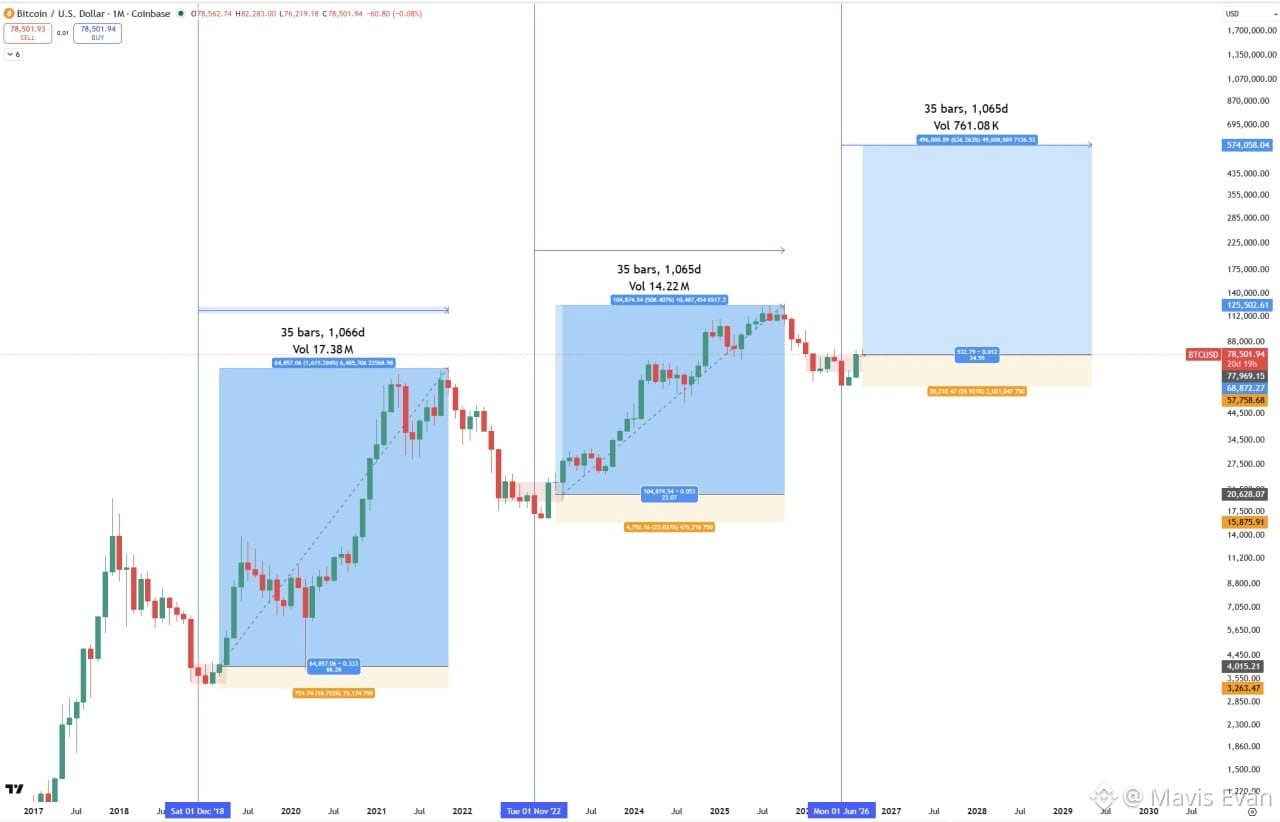
BITCOIN: PODEMOS ESTAR ENTRANDO EM OUTRA CORRIDA EM TOURO DE 1.000 DIAS
Olhe para a estrutura, não para o ruído.
Este gráfico está mostrando algo interessante.
As principais pernas do mercado de alta do Bitcoin duraram aproximadamente 1.065 dias.
🔹 2018 → 2021
🔹 2022 → 2025
🔹 E a projeção atual está seguindo uma estrutura de tempo semelhante.
O padrão no gráfico está quase dizendo:
35 barras mensais ≈ 1.065 dias.
Se a história rimar de novo, este ciclo poderia ter uma “pista” muito mais longa do que a maioria das pessoas espera.
E a alta projetada é agressiva.
🎯 Alvo potencial: ~$574.000 BTC
Isso não significa que o Bitcoin esteja garantido a chegar a US$ 574K.
Os mercados não se movem porque um gráfico diz.
Mas a parte interessante é a simetria temporal.
Talvez não estejamos olhando para um impulso curto de 3–6 meses.
Podemos estar vendo uma fase de expansão de vários anos, em que cada correção faz as pessoas acreditarem que o mercado de alta acabou, apenas para o BTC continuar avançando, aos poucos.
O maior erro seria assumir:
"$BTC já disparou, então o ciclo está encerrado."
Talvez não.
Se essa estrutura histórica de timing continuar, 2026–2029 pode se tornar o verdadeiro teste de paciência.
US$ 78K hoje podem parecer muito diferentes de US$ 78K três anos a partir de agora.
Mais de 1.000 dias de estrutura de alta.
Essa é a tese.
Agora observe a estrutura.
Não as emoções.
#Bitcoin #BTC #Crypto #BullMarket #BTCUSD
BITCOIN: PODEMOS ESTAR ENTRANDO EM OUTRA CORRIDA EM TOURO DE 1.000 DIAS
Olhe para a estrutura, não para o ruído.
Este gráfico está mostrando algo interessante.
As principais pernas do mercado de alta do Bitcoin duraram aproximadamente 1.065 dias.
🔹 2018 → 2021
🔹 2022 → 2025
🔹 E a projeção atual está seguindo uma estrutura de tempo semelhante.
O padrão no gráfico está quase dizendo:
35 barras mensais ≈ 1.065 dias.
Se a história rimar de novo, este ciclo poderia ter uma “pista” muito mais longa do que a maioria das pessoas espera.
E a alta projetada é agressiva.
🎯 Alvo potencial: ~$574.000 BTC
Isso não significa que o Bitcoin esteja garantido a chegar a US$ 574K.
Os mercados não se movem porque um gráfico diz.
Mas a parte interessante é a simetria temporal.
Talvez não estejamos olhando para um impulso curto de 3–6 meses.
Podemos estar vendo uma fase de expansão de vários anos, em que cada correção faz as pessoas acreditarem que o mercado de alta acabou, apenas para o BTC continuar avançando, aos poucos.
O maior erro seria assumir:
"$BTC já disparou, então o ciclo está encerrado."
Talvez não.
Se essa estrutura histórica de timing continuar, 2026–2029 pode se tornar o verdadeiro teste de paciência.
US$ 78K hoje podem parecer muito diferentes de US$ 78K três anos a partir de agora.
Mais de 1.000 dias de estrutura de alta.
Essa é a tese.
Agora observe a estrutura.
Não as emoções.
#Bitcoin #BTC #Crypto #BullMarket #BTCUSD
Olhe para a estrutura, não para o ruído.
Este gráfico está mostrando algo interessante.
As principais pernas do mercado de alta do Bitcoin duraram aproximadamente 1.065 dias.
🔹 2018 → 2021
🔹 2022 → 2025
🔹 E a projeção atual está seguindo uma estrutura de tempo semelhante.
O padrão no gráfico está quase dizendo:
35 barras mensais ≈ 1.065 dias.
Se a história rimar de novo, este ciclo poderia ter uma “pista” muito mais longa do que a maioria das pessoas espera.
E a alta projetada é agressiva.
🎯 Alvo potencial: ~$574.000 BTC
Isso não significa que o Bitcoin esteja garantido a chegar a US$ 574K.
Os mercados não se movem porque um gráfico diz.
Mas a parte interessante é a simetria temporal.
Talvez não estejamos olhando para um impulso curto de 3–6 meses.
Podemos estar vendo uma fase de expansão de vários anos, em que cada correção faz as pessoas acreditarem que o mercado de alta acabou, apenas para o BTC continuar avançando, aos poucos.
O maior erro seria assumir:
"$BTC já disparou, então o ciclo está encerrado."
Talvez não.
Se essa estrutura histórica de timing continuar, 2026–2029 pode se tornar o verdadeiro teste de paciência.
US$ 78K hoje podem parecer muito diferentes de US$ 78K três anos a partir de agora.
Mais de 1.000 dias de estrutura de alta.
Essa é a tese.
Agora observe a estrutura.
Não as emoções.
#Bitcoin #BTC #Crypto #BullMarket #BTCUSD
2
3
1.2k
·
--
Trading de $ZEC de 30 dias no valor de 96.7 USDT
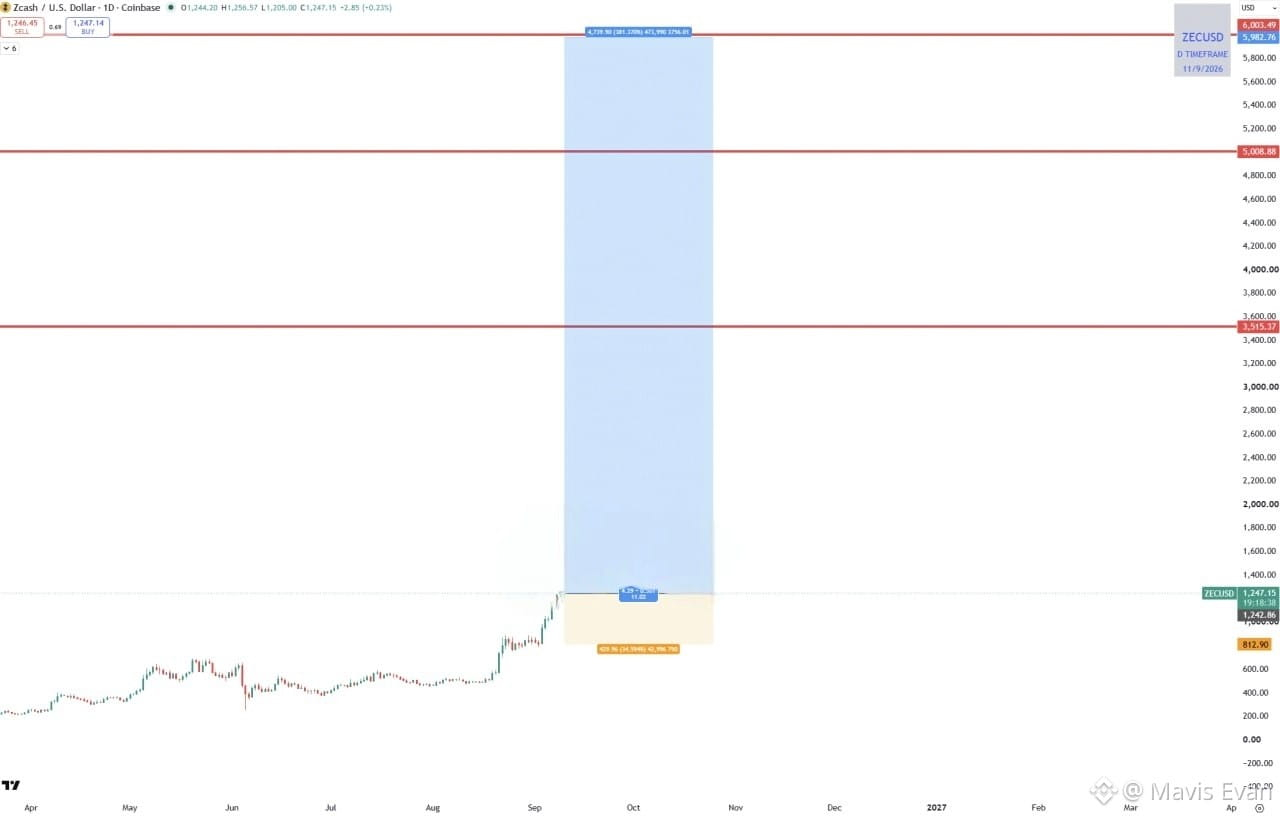
$ZEC ADD MORE LONG
Se você tem esperado pela movimentação, talvez não tenha muito tempo restante.
O gráfico está mostrando um potencial de alta considerável, com metas maiores bem acima dos níveis atuais.
Viés Longo em ZEC 🎯 TP1: $3,515 🎯 TP2: $5,008 🚀 Meta extrema: $5,982+
Isso não é um sinal para perseguir candles às cegas. Gerencie seu risco, dimensione corretamente e deixe a configuração se desenrolar.
ZEC está acordando.
DYOR. Não é aconselhamento financeiro.
$ZEC
{future}(ZECUSDT)
$ZEC ADD MORE LONG
Se você tem esperado pela movimentação, talvez não tenha muito tempo restante.
O gráfico está mostrando um potencial de alta considerável, com metas maiores bem acima dos níveis atuais.
Viés Longo em ZEC 🎯 TP1: $3,515 🎯 TP2: $5,008 🚀 Meta extrema: $5,982+
Isso não é um sinal para perseguir candles às cegas. Gerencie seu risco, dimensione corretamente e deixe a configuração se desenrolar.
ZEC está acordando.
DYOR. Não é aconselhamento financeiro.
$ZEC
Se você tem esperado pela movimentação, talvez não tenha muito tempo restante.
O gráfico está mostrando um potencial de alta considerável, com metas maiores bem acima dos níveis atuais.
Viés Longo em ZEC 🎯 TP1: $3,515 🎯 TP2: $5,008 🚀 Meta extrema: $5,982+
Isso não é um sinal para perseguir candles às cegas. Gerencie seu risco, dimensione corretamente e deixe a configuração se desenrolar.
ZEC está acordando.
DYOR. Não é aconselhamento financeiro.
$ZEC
2
5
1.4k
·
--
Em Alta
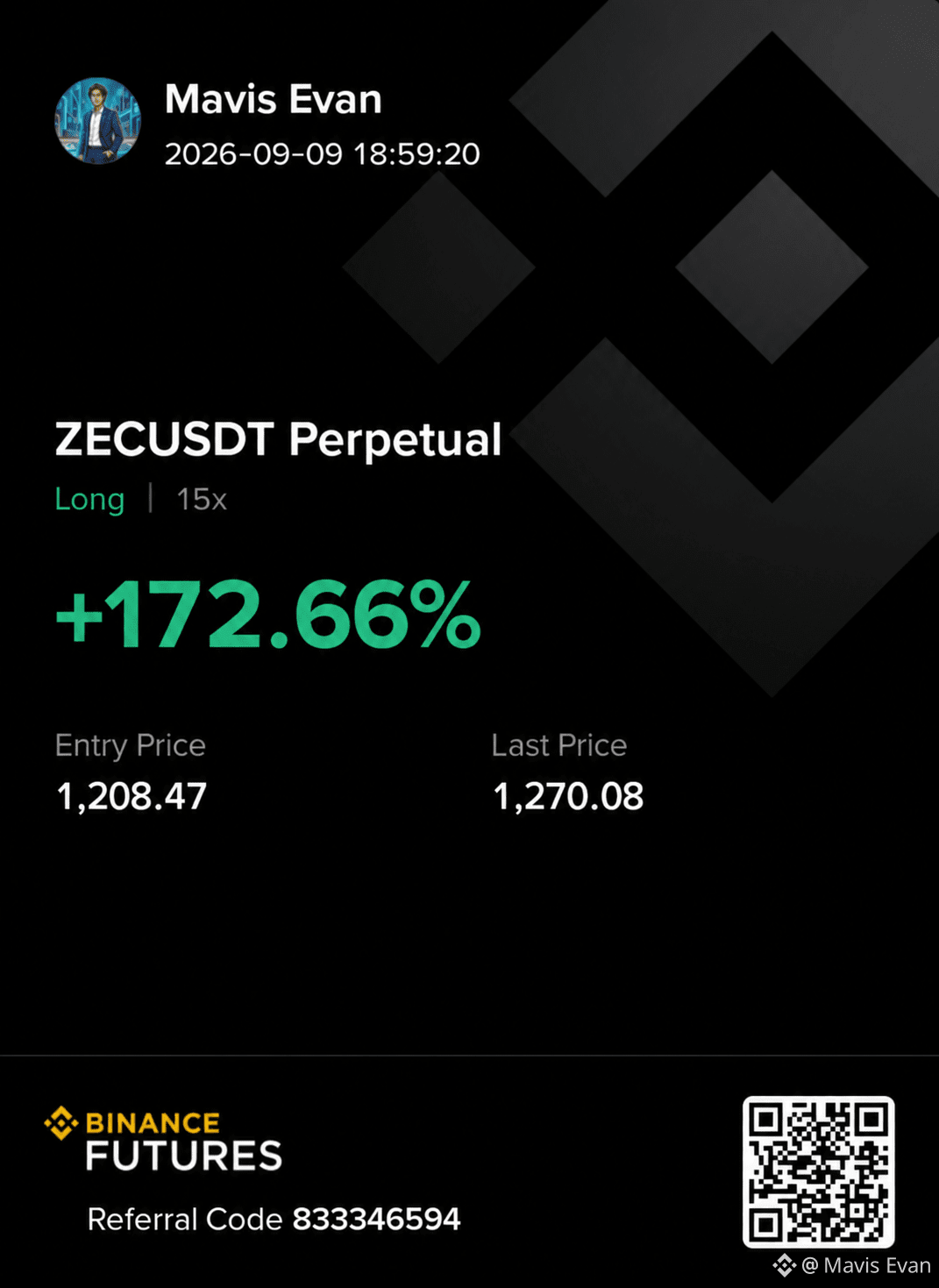
$ZEC | A configuração de longo prazo está ficando interessante
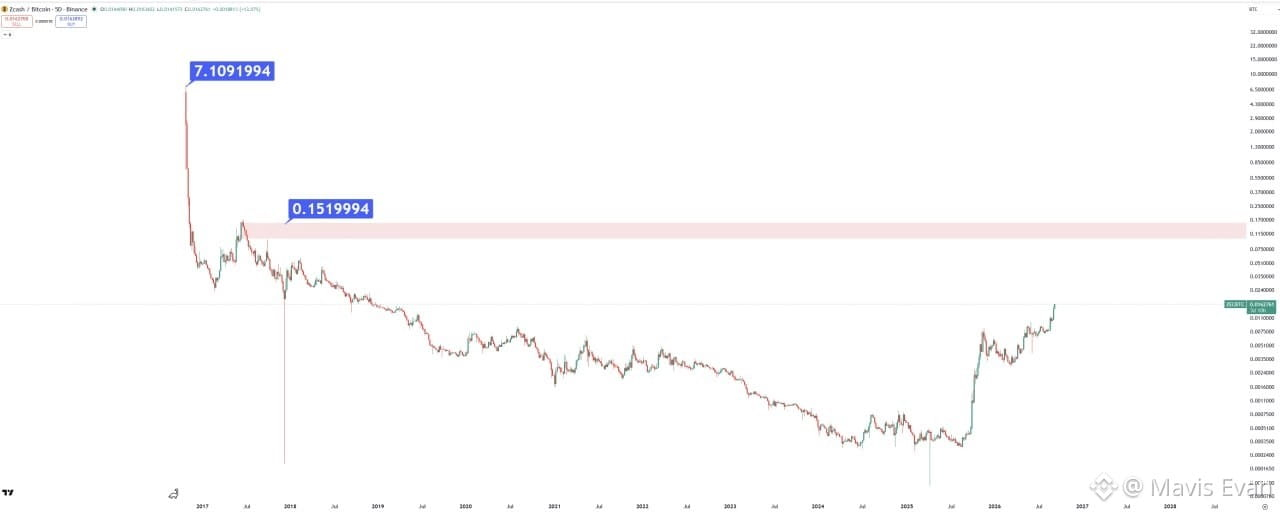
A ZEC passou por um ciclo brutal, mas o gráfico mostra algo que vale a pena observar.
A principal zona histórica de resistência fica em torno de 0,1 BTC por ZEC. Se a ZEC conseguir recuperar e sustentar essa área, a narrativa de alta fica bem mais interessante.
🎯 TP1: 1 ZEC = 0,1 BTC
🚀 TP2: 1 ZEC = 7 BTC
Esses não são alvos de curto prazo. São níveis de longo prazo, com alta convicção, baseados no gráfico cotado em BTC.
O movimento para 7 BTC seria absolutamente gigantesco, então trate isso como um cenário de “moonshot” (grande aposta), e não como um resultado garantido.
A ZEC não precisa se mover hoje.
Ela só precisa continuar construindo. 🛡️📈
#zcash #Crypto #BTC #Altcoins #cryptotrading
$ZEC
$ZEC | A configuração de longo prazo está ficando interessante
A ZEC passou por um ciclo brutal, mas o gráfico mostra algo que vale a pena observar.
A principal zona histórica de resistência fica em torno de 0,1 BTC por ZEC. Se a ZEC conseguir recuperar e sustentar essa área, a narrativa de alta fica bem mais interessante.
🎯 TP1: 1 ZEC = 0,1 BTC
🚀 TP2: 1 ZEC = 7 BTC
Esses não são alvos de curto prazo. São níveis de longo prazo, com alta convicção, baseados no gráfico cotado em BTC.
O movimento para 7 BTC seria absolutamente gigantesco, então trate isso como um cenário de “moonshot” (grande aposta), e não como um resultado garantido.
A ZEC não precisa se mover hoje.
Ela só precisa continuar construindo. 🛡️📈
#zcash #Crypto #BTC #Altcoins #cryptotrading
$ZEC
A ZEC passou por um ciclo brutal, mas o gráfico mostra algo que vale a pena observar.
A principal zona histórica de resistência fica em torno de 0,1 BTC por ZEC. Se a ZEC conseguir recuperar e sustentar essa área, a narrativa de alta fica bem mais interessante.
🎯 TP1: 1 ZEC = 0,1 BTC
🚀 TP2: 1 ZEC = 7 BTC
Esses não são alvos de curto prazo. São níveis de longo prazo, com alta convicção, baseados no gráfico cotado em BTC.
O movimento para 7 BTC seria absolutamente gigantesco, então trate isso como um cenário de “moonshot” (grande aposta), e não como um resultado garantido.
A ZEC não precisa se mover hoje.
Ela só precisa continuar construindo. 🛡️📈
#zcash #Crypto #BTC #Altcoins #cryptotrading
$ZEC
2
835
·
--
Em Alta
🚀 $USELESS — ADICIONE MAIS
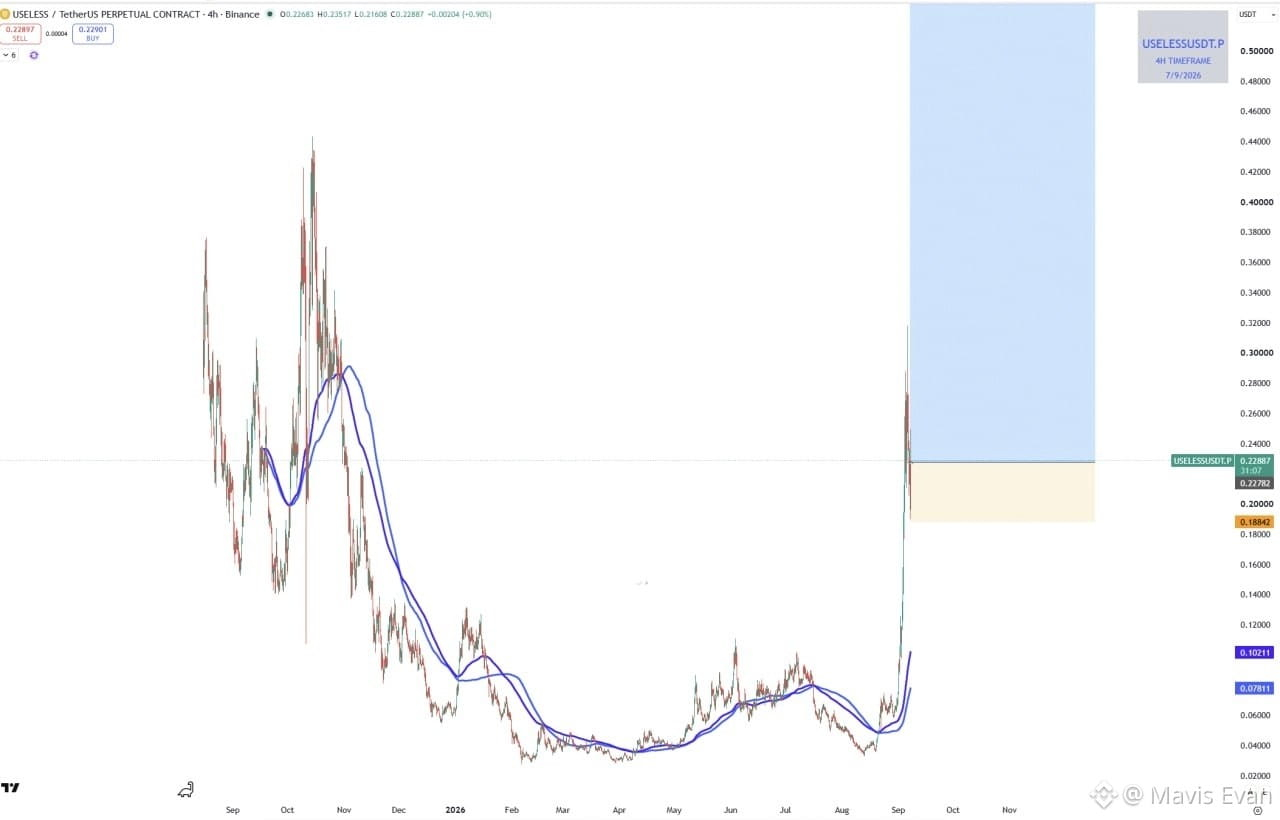
Segunda-feira está trabalhando para $USELESS apenas. O gráfico está mostrando um forte momentum após uma grande ruptura, com o preço se mantendo bem acima da faixa anterior.
Setup: 🟢 Viés: Bullish 💰 Atual: ~$0.2288 📌 Zona de entrada: $0.22 – $0.20 🎯 TP1: $0.25 🎯 TP2: $0.28 🎯 TP3: $0.32+ 🛑 Invalidação: Abaixo de $0.188
O movimento já está forte, então não corra atrás de velas verdes. Se o preço fizer um pullback limpo e cair na zona de entrada, é aí que eu olharia para construir mais.
Segunda-feira pertence a $USELESS. 🔥
$USELESS
{future}(USELESSUSDT)
🚀 $USELESS — ADICIONE MAIS
Segunda-feira está trabalhando para $USELESS apenas. O gráfico está mostrando um forte momentum após uma grande ruptura, com o preço se mantendo bem acima da faixa anterior.
Setup: 🟢 Viés: Bullish 💰 Atual: ~$0.2288 📌 Zona de entrada: $0.22 – $0.20 🎯 TP1: $0.25 🎯 TP2: $0.28 🎯 TP3: $0.32+ 🛑 Invalidação: Abaixo de $0.188
O movimento já está forte, então não corra atrás de velas verdes. Se o preço fizer um pullback limpo e cair na zona de entrada, é aí que eu olharia para construir mais.
Segunda-feira pertence a $USELESS . 🔥
$USELESS
Segunda-feira está trabalhando para $USELESS apenas. O gráfico está mostrando um forte momentum após uma grande ruptura, com o preço se mantendo bem acima da faixa anterior.
Setup: 🟢 Viés: Bullish 💰 Atual: ~$0.2288 📌 Zona de entrada: $0.22 – $0.20 🎯 TP1: $0.25 🎯 TP2: $0.28 🎯 TP3: $0.32+ 🛑 Invalidação: Abaixo de $0.188
O movimento já está forte, então não corra atrás de velas verdes. Se o preço fizer um pullback limpo e cair na zona de entrada, é aí que eu olharia para construir mais.
Segunda-feira pertence a $USELESS . 🔥
$USELESS
1
5
608
·
--
Em Baixa
$JUP /USDT SHORT
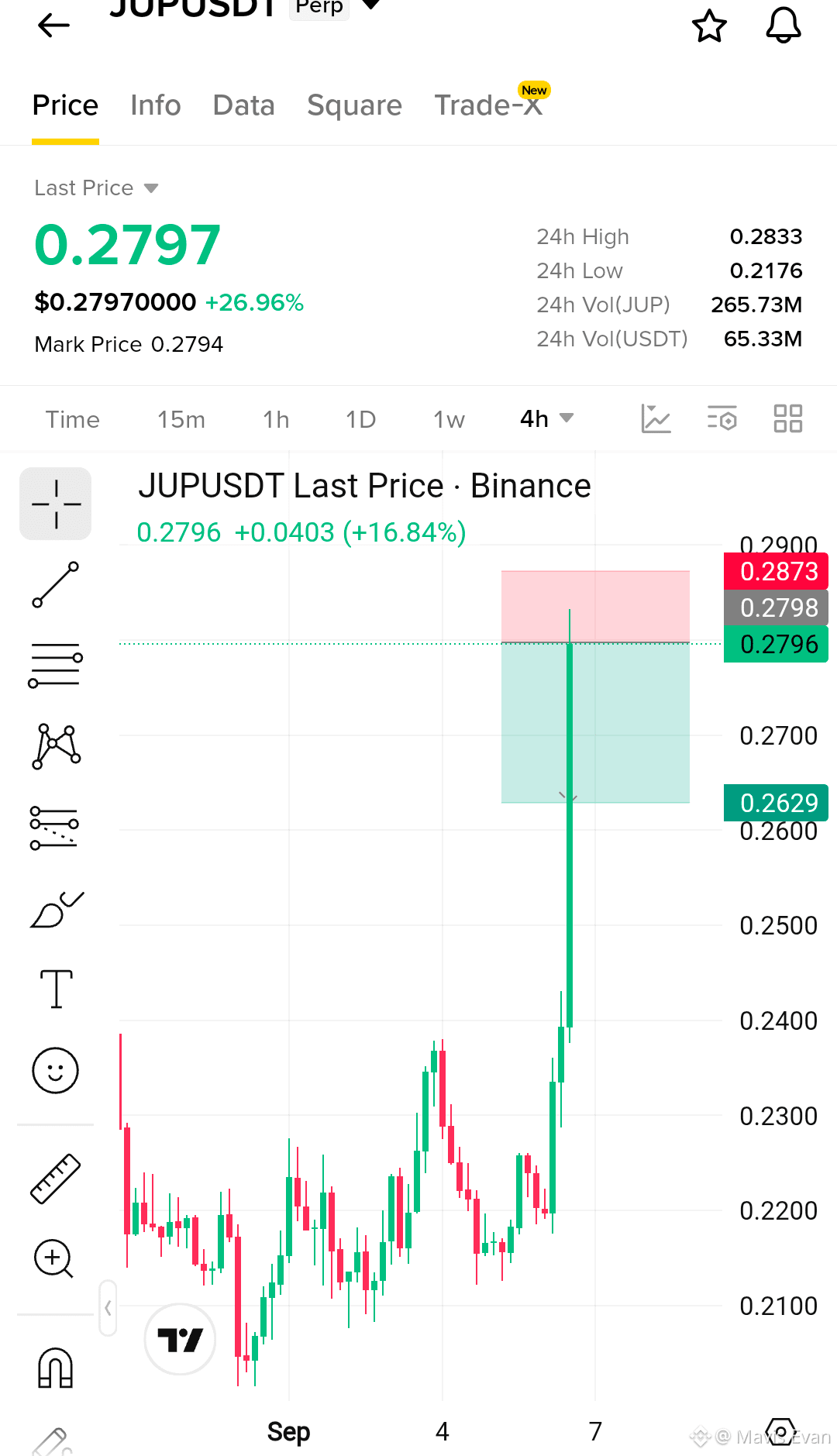
Procurando uma venda a descoberto a partir do preço de mercado atual.
Entrada: Mercado
Take Profit: 0.27
Leverage: 35x
A configuração é simples: momentum de baixa com 0.27 como principal alvo de queda.
⚠️ Alavancagem de 35x é agressiva, então mantenha a posição pequena e gerencie cuidadosamente o risco de liquidação.
DYOR. Negocie a configuração, não a emoção.
$JUP /USDT SHORT
Procurando uma venda a descoberto a partir do preço de mercado atual.
Entrada: Mercado
Take Profit: 0.27
Leverage: 35x
A configuração é simples: momentum de baixa com 0.27 como principal alvo de queda.
⚠️ Alavancagem de 35x é agressiva, então mantenha a posição pequena e gerencie cuidadosamente o risco de liquidação.
DYOR. Negocie a configuração, não a emoção.
Procurando uma venda a descoberto a partir do preço de mercado atual.
Entrada: Mercado
Take Profit: 0.27
Leverage: 35x
A configuração é simples: momentum de baixa com 0.27 como principal alvo de queda.
⚠️ Alavancagem de 35x é agressiva, então mantenha a posição pequena e gerencie cuidadosamente o risco de liquidação.
DYOR. Negocie a configuração, não a emoção.
5
268
·
--
Em Alta
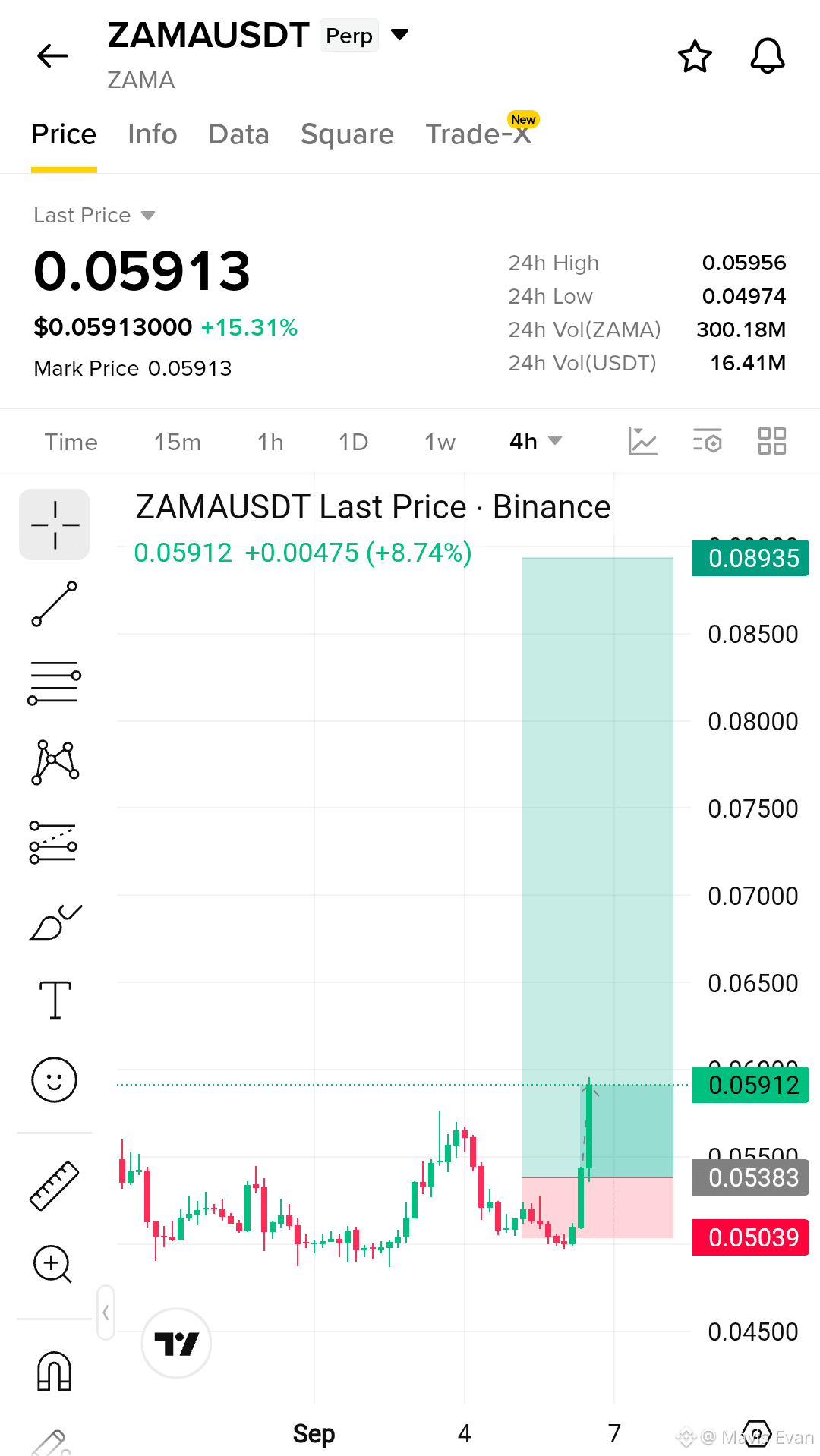
$ZAMA BULLISH
No setor de privacidade,
Se $ZEC é o bitcoin da privacidade, então #ZAMA é o ethereum da privacidade
$ZAMA BULLISH
No setor de privacidade,
Se $ZEC é o bitcoin da privacidade, então #ZAMA é o ethereum da privacidade
No setor de privacidade,
Se $ZEC é o bitcoin da privacidade, então #ZAMA é o ethereum da privacidade
Mavis Evan
·
--
Em Alta$ZAMA /USDT — CONFIGURAÇÃO ALTISTA
ZAMA está mostrando uma estrutura altista forte no gráfico de 1D após romper acima da linha de tendência descendente. O preço agora está se consolidando em torno da zona de rompimento, que pode atuar como suporte se os compradores entrarem.
Entrada: $0.0552
Take Profit: $2.06
Stop Loss: $0.0392
Uma manutenção bem-sucedida acima da área de $0.055 pode abrir caminho para um movimento de continuação muito maior. O ponto-chave é a zona de rompimento: se o preço perder o nível de invalidação em $0.0392, a configuração altista deixa de ser válida.
ZAMA está mostrando uma estrutura altista forte no gráfico de 1D após romper acima da linha de tendência descendente. O preço agora está se consolidando em torno da zona de rompimento, que pode atuar como suporte se os compradores entrarem.
Entrada: $0.0552
Take Profit: $2.06
Stop Loss: $0.0392
Uma manutenção bem-sucedida acima da área de $0.055 pode abrir caminho para um movimento de continuação muito maior. O ponto-chave é a zona de rompimento: se o preço perder o nível de invalidação em $0.0392, a configuração altista deixa de ser válida.
6
669
·
--
Em Alta
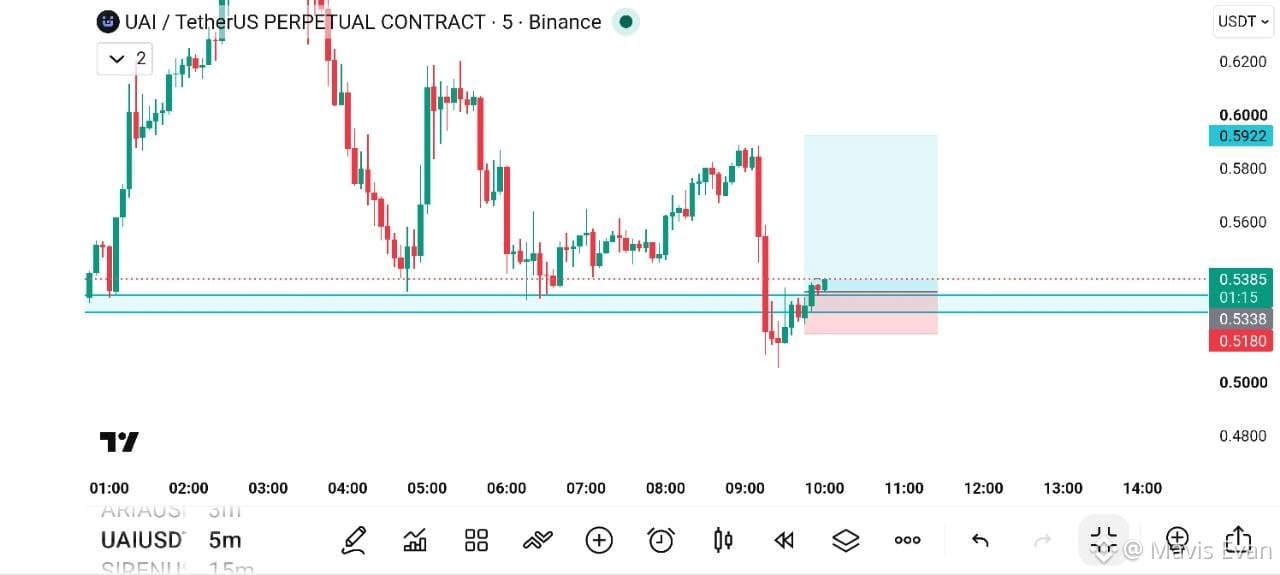
$UAI /USDT CONFIGURAÇÃO LONG
O UAI acabou de sofrer uma queda brusca até a zona de suporte de $0.5180 e agora está se recuperando em direção à área de $0.538. Os compradores estão começando a recuperar o nível de rompimento.
Entrada: $0.5338–$0.5385
TP1: $0.5600
TP2: $0.5800
TP3: $0.5922
SL: $0.5180
Configuração: Long na recuperação e manutenção acima de $0.5338. Se o momentum continuar, a próxima resistência fica por volta de $0.56–$0.59.
Mantenha o risco controlado. Invalidação abaixo de $0.5180. DYOR.
$UAI
{future}(UAIUSDT)
$UAI /USDT CONFIGURAÇÃO LONG
O UAI acabou de sofrer uma queda brusca até a zona de suporte de $0.5180 e agora está se recuperando em direção à área de $0.538. Os compradores estão começando a recuperar o nível de rompimento.
Entrada: $0.5338–$0.5385
TP1: $0.5600
TP2: $0.5800
TP3: $0.5922
SL: $0.5180
Configuração: Long na recuperação e manutenção acima de $0.5338. Se o momentum continuar, a próxima resistência fica por volta de $0.56–$0.59.
Mantenha o risco controlado. Invalidação abaixo de $0.5180. DYOR.
$UAI
O UAI acabou de sofrer uma queda brusca até a zona de suporte de $0.5180 e agora está se recuperando em direção à área de $0.538. Os compradores estão começando a recuperar o nível de rompimento.
Entrada: $0.5338–$0.5385
TP1: $0.5600
TP2: $0.5800
TP3: $0.5922
SL: $0.5180
Configuração: Long na recuperação e manutenção acima de $0.5338. Se o momentum continuar, a próxima resistência fica por volta de $0.56–$0.59.
Mantenha o risco controlado. Invalidação abaixo de $0.5180. DYOR.
$UAI
6
419
·
--
Em Alta
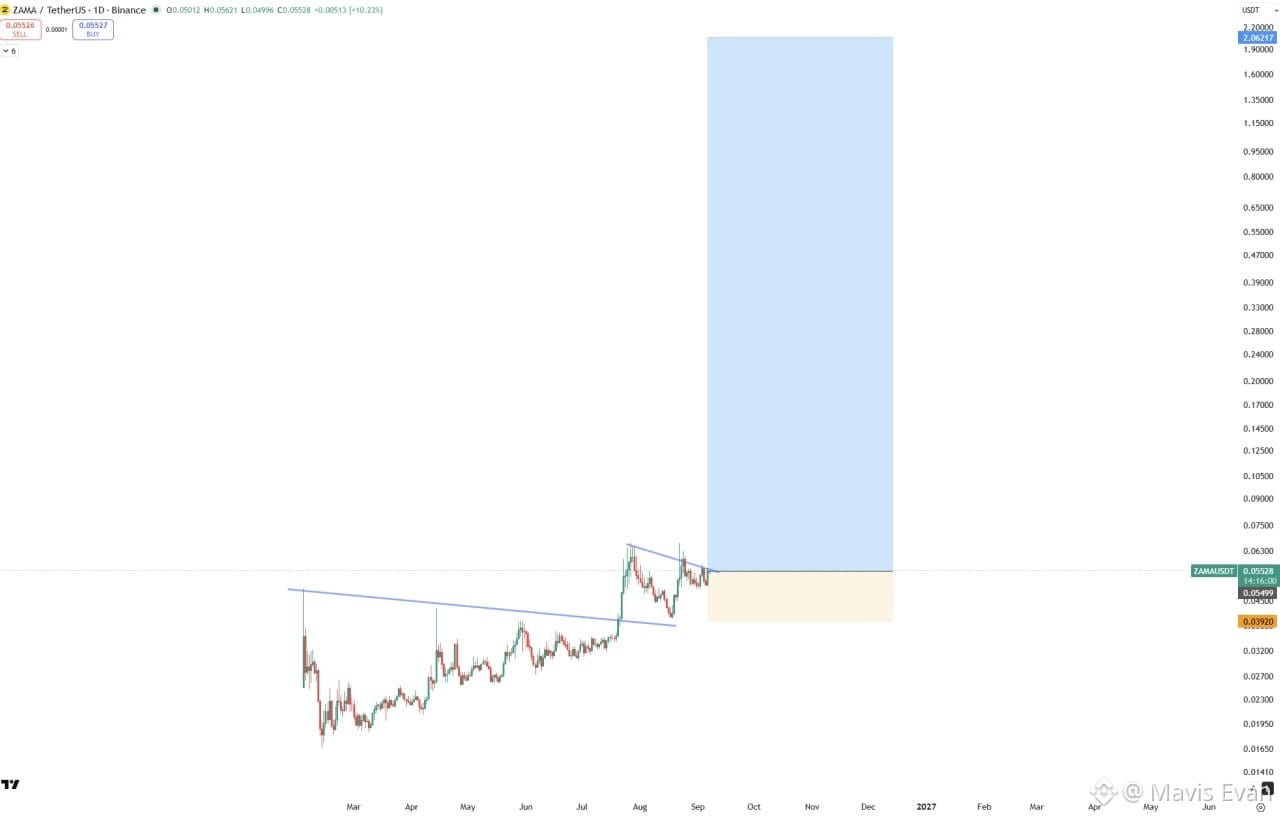
$ZAMA /USDT — CONFIGURAÇÃO ALTISTA
ZAMA está mostrando uma estrutura altista forte no gráfico de 1D após romper acima da linha de tendência descendente. O preço agora está se consolidando em torno da zona de rompimento, que pode atuar como suporte se os compradores entrarem.
Entrada: $0.0552
Take Profit: $2.06
Stop Loss: $0.0392
Uma manutenção bem-sucedida acima da área de $0.055 pode abrir caminho para um movimento de continuação muito maior. O ponto-chave é a zona de rompimento: se o preço perder o nível de invalidação em $0.0392, a configuração altista deixa de ser válida.
{future}(ZAMAUSDT)
$ZAMA /USDT — CONFIGURAÇÃO ALTISTA
ZAMA está mostrando uma estrutura altista forte no gráfico de 1D após romper acima da linha de tendência descendente. O preço agora está se consolidando em torno da zona de rompimento, que pode atuar como suporte se os compradores entrarem.
Entrada: $0.0552
Take Profit: $2.06
Stop Loss: $0.0392
Uma manutenção bem-sucedida acima da área de $0.055 pode abrir caminho para um movimento de continuação muito maior. O ponto-chave é a zona de rompimento: se o preço perder o nível de invalidação em $0.0392, a configuração altista deixa de ser válida.
ZAMA está mostrando uma estrutura altista forte no gráfico de 1D após romper acima da linha de tendência descendente. O preço agora está se consolidando em torno da zona de rompimento, que pode atuar como suporte se os compradores entrarem.
Entrada: $0.0552
Take Profit: $2.06
Stop Loss: $0.0392
Uma manutenção bem-sucedida acima da área de $0.055 pode abrir caminho para um movimento de continuação muito maior. O ponto-chave é a zona de rompimento: se o preço perder o nível de invalidação em $0.0392, a configuração altista deixa de ser válida.
2
5
609
·
--
Em Baixa
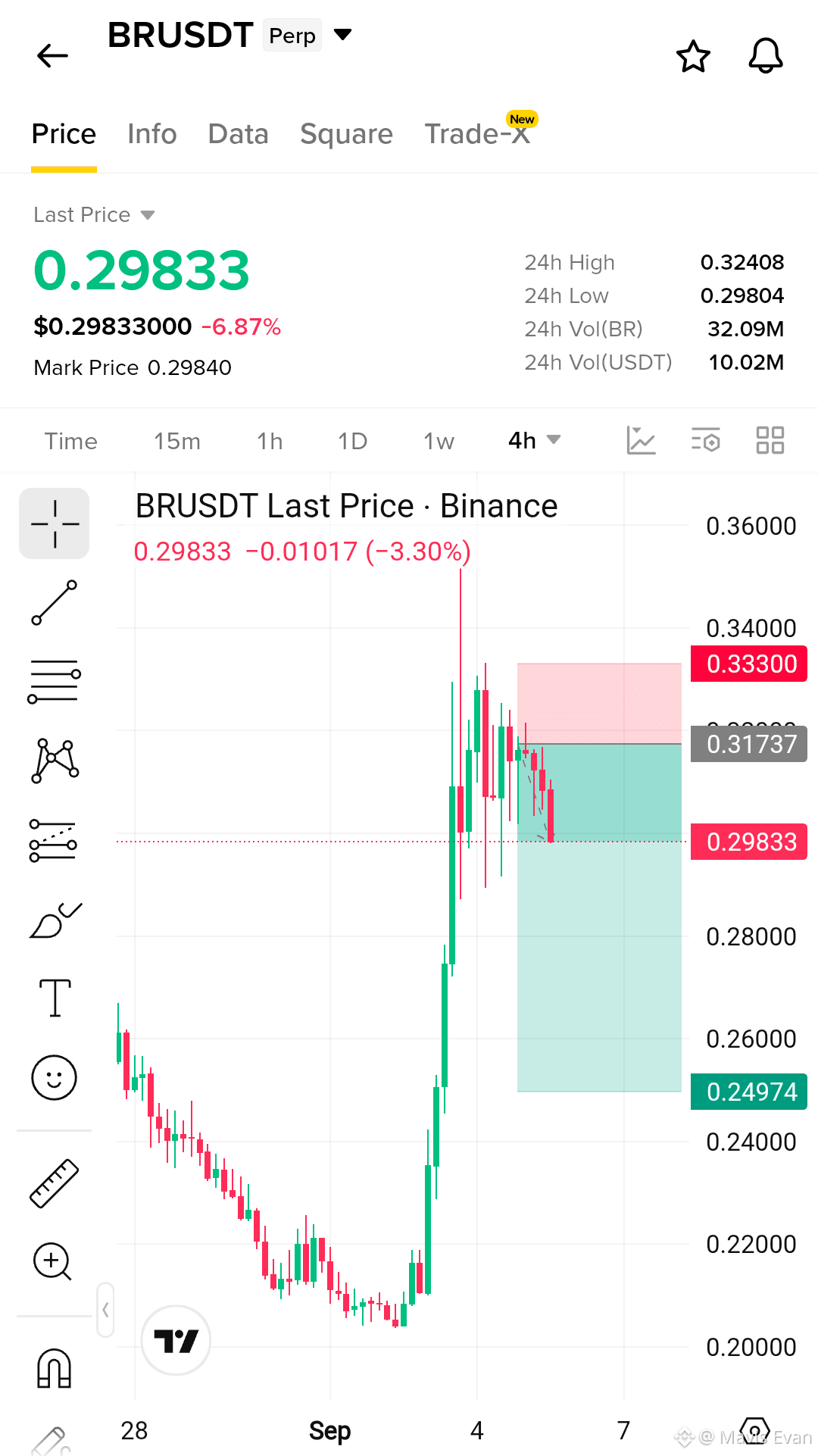
$BR USDT CONFIGURAÇÃO SHORT
BR está mostrando fraqueza após o recente pump forte, com os vendedores assumindo o controle na área de 0.31–0.32.
Entrada: Preço de mercado atual / 0.298–0.305
Take Profit: 0.245
Stop Loss: 0.321
A ideia é simples: se BR permanecer abaixo da zona de resistência de 0.32, a continuação da queda em direção a 0.275 continua em jogo.
Mantenha a alavancagem razoável e gerencie o risco. Não persiga o movimento se o preço começar a recuperar 0.321.
$BR
{future}(BRUSDT)
$BR USDT CONFIGURAÇÃO SHORT
BR está mostrando fraqueza após o recente pump forte, com os vendedores assumindo o controle na área de 0.31–0.32.
Entrada: Preço de mercado atual / 0.298–0.305
Take Profit: 0.245
Stop Loss: 0.321
A ideia é simples: se BR permanecer abaixo da zona de resistência de 0.32, a continuação da queda em direção a 0.275 continua em jogo.
Mantenha a alavancagem razoável e gerencie o risco. Não persiga o movimento se o preço começar a recuperar 0.321.
$BR
BR está mostrando fraqueza após o recente pump forte, com os vendedores assumindo o controle na área de 0.31–0.32.
Entrada: Preço de mercado atual / 0.298–0.305
Take Profit: 0.245
Stop Loss: 0.321
A ideia é simples: se BR permanecer abaixo da zona de resistência de 0.32, a continuação da queda em direção a 0.275 continua em jogo.
Mantenha a alavancagem razoável e gerencie o risco. Não persiga o movimento se o preço começar a recuperar 0.321.
$BR
4
226
·
--
Em Baixa
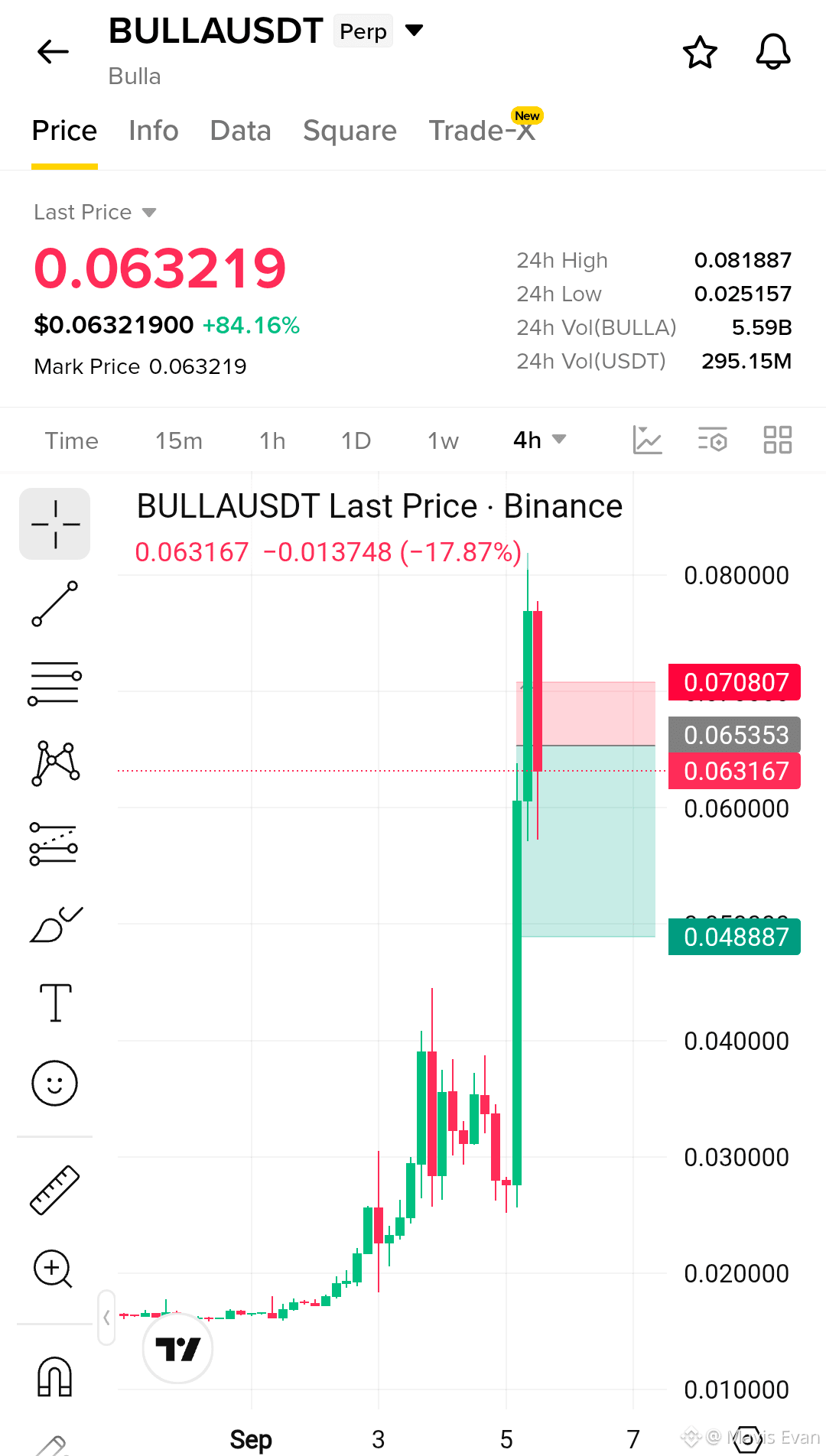
$BULLA /USDT — Setup de SHORT
BULLA está mostrando uma potencial oportunidade de short na zona de entrada de 0.06122–0.06200.
A ideia é vender nessa área e buscar um movimento gradual de queda. Mantenha o stop apertado em 0.06443 e evite perseguir o preço depois que o movimento começar.
Entrada: 0.06122–0.06200
Stop Loss: 0.06443
Take Profit:
1. 0.059565
2. 0.058228
3. 0.05565
4. 0.05345
5. 0.04977
Alavancagem: 10X
Negocie o setup, não o ruído. Gerencie seu risco e proteja seu capital. DYOR.
$BULLA
{future}(BULLAUSDT)
$BULLA /USDT — Setup de SHORT
BULLA está mostrando uma potencial oportunidade de short na zona de entrada de 0.06122–0.06200.
A ideia é vender nessa área e buscar um movimento gradual de queda. Mantenha o stop apertado em 0.06443 e evite perseguir o preço depois que o movimento começar.
Entrada: 0.06122–0.06200
Stop Loss: 0.06443
Take Profit:
1. 0.059565
2. 0.058228
3. 0.05565
4. 0.05345
5. 0.04977
Alavancagem: 10X
Negocie o setup, não o ruído. Gerencie seu risco e proteja seu capital. DYOR.
$BULLA
BULLA está mostrando uma potencial oportunidade de short na zona de entrada de 0.06122–0.06200.
A ideia é vender nessa área e buscar um movimento gradual de queda. Mantenha o stop apertado em 0.06443 e evite perseguir o preço depois que o movimento começar.
Entrada: 0.06122–0.06200
Stop Loss: 0.06443
Take Profit:
1. 0.059565
2. 0.058228
3. 0.05565
4. 0.05345
5. 0.04977
Alavancagem: 10X
Negocie o setup, não o ruído. Gerencie seu risco e proteja seu capital. DYOR.
$BULLA
3
230
·
--
Em Alta
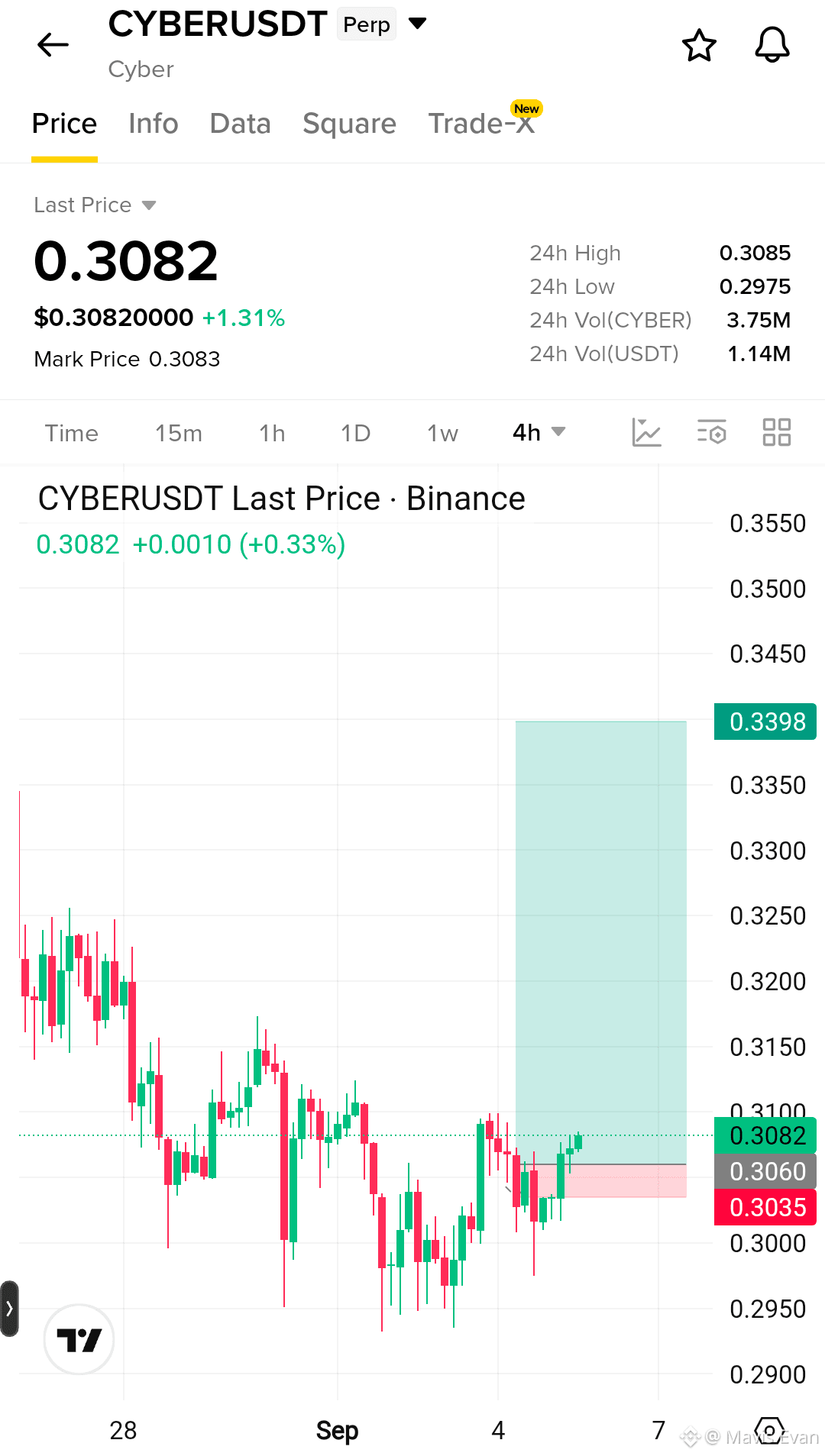
$CYBER /USDT 4H — Configuração LONG
CYBER está tentando construir uma base em torno de $0.300–$0.305 após a recente liquidação. O preço agora está avançando de volta em direção à zona de resistência de $0.314–$0.317, que é o principal nível a observar.
Uma ruptura limpa no 4H acima de $0.317 pode confirmar um movimento altista e abrir caminho em direção a $0.3168+, com espaço para uma extensão mais forte se o momentum continuar.
Plano de Trade
Direção: LONG
Entrada: $0.305–$0.310
TP1: $0.3168
TP2: $0.3250
TP3: $0.3400
Stop Loss: $0.2950
A chave é ter paciência perto da resistência. Se CYBER romper $0.317 e sustentá-lo em um reteste, a configuração se torna muito mais limpa.
Se o preço perder $0.295 de forma decisiva, a configuração de alta é invalidada.
$CYBER
{future}(CYBERUSDT)
$CYBER /USDT 4H — Configuração LONG
CYBER está tentando construir uma base em torno de $0.300–$0.305 após a recente liquidação. O preço agora está avançando de volta em direção à zona de resistência de $0.314–$0.317, que é o principal nível a observar.
Uma ruptura limpa no 4H acima de $0.317 pode confirmar um movimento altista e abrir caminho em direção a $0.3168+, com espaço para uma extensão mais forte se o momentum continuar.
Plano de Trade
Direção: LONG
Entrada: $0.305–$0.310
TP1: $0.3168
TP2: $0.3250
TP3: $0.3400
Stop Loss: $0.2950
A chave é ter paciência perto da resistência. Se CYBER romper $0.317 e sustentá-lo em um reteste, a configuração se torna muito mais limpa.
Se o preço perder $0.295 de forma decisiva, a configuração de alta é invalidada.
$CYBER
CYBER está tentando construir uma base em torno de $0.300–$0.305 após a recente liquidação. O preço agora está avançando de volta em direção à zona de resistência de $0.314–$0.317, que é o principal nível a observar.
Uma ruptura limpa no 4H acima de $0.317 pode confirmar um movimento altista e abrir caminho em direção a $0.3168+, com espaço para uma extensão mais forte se o momentum continuar.
Plano de Trade
Direção: LONG
Entrada: $0.305–$0.310
TP1: $0.3168
TP2: $0.3250
TP3: $0.3400
Stop Loss: $0.2950
A chave é ter paciência perto da resistência. Se CYBER romper $0.317 e sustentá-lo em um reteste, a configuração se torna muito mais limpa.
Se o preço perder $0.295 de forma decisiva, a configuração de alta é invalidada.
$CYBER
2
533
·
--
Em Alta
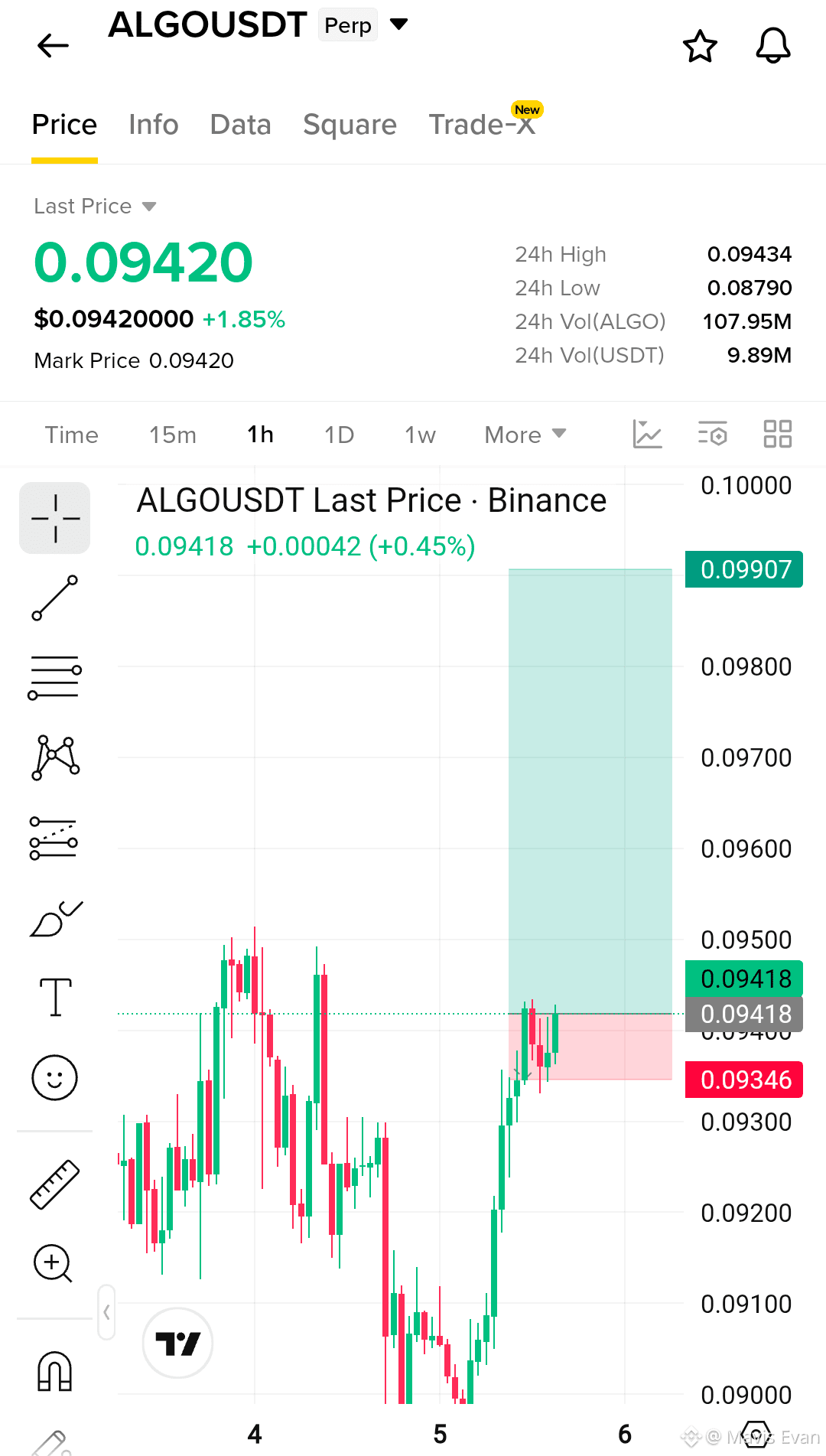
$ALGO /USDT 1H — Configuração de LONG
ALGO está voltando para a zona de resistência de $0.0940–$0.0950 após uma forte recuperação a partir da área de $0.084.
A parte importante agora é o rompimento. Se ALGO fizer um fechamento limpo de 1H acima de $0.0950 e mantiver esse nível em um reteste, o próximo movimento pode mirar $0.0952 e potencialmente se estender mais alto.
Plano de Trade
Direção: LONG
Entrada: $0.0938–$0.0945
TP1: $0.0952
TP2: $0.0970
TP3: $0.0990
Stop Loss: $0.0910
Não persiga uma sombra até a resistência. A melhor entrada é um rompimento confirmado ou um reteste limpo da área de $0.0940.
Se $0.0910 romper de forma decisiva, a configuração de long será invalidada.
$ALGO
{future}(ALGOUSDT)
$ALGO /USDT 1H — Configuração de LONG
ALGO está voltando para a zona de resistência de $0.0940–$0.0950 após uma forte recuperação a partir da área de $0.084.
A parte importante agora é o rompimento. Se ALGO fizer um fechamento limpo de 1H acima de $0.0950 e mantiver esse nível em um reteste, o próximo movimento pode mirar $0.0952 e potencialmente se estender mais alto.
Plano de Trade
Direção: LONG
Entrada: $0.0938–$0.0945
TP1: $0.0952
TP2: $0.0970
TP3: $0.0990
Stop Loss: $0.0910
Não persiga uma sombra até a resistência. A melhor entrada é um rompimento confirmado ou um reteste limpo da área de $0.0940.
Se $0.0910 romper de forma decisiva, a configuração de long será invalidada.
$ALGO
ALGO está voltando para a zona de resistência de $0.0940–$0.0950 após uma forte recuperação a partir da área de $0.084.
A parte importante agora é o rompimento. Se ALGO fizer um fechamento limpo de 1H acima de $0.0950 e mantiver esse nível em um reteste, o próximo movimento pode mirar $0.0952 e potencialmente se estender mais alto.
Plano de Trade
Direção: LONG
Entrada: $0.0938–$0.0945
TP1: $0.0952
TP2: $0.0970
TP3: $0.0990
Stop Loss: $0.0910
Não persiga uma sombra até a resistência. A melhor entrada é um rompimento confirmado ou um reteste limpo da área de $0.0940.
Se $0.0910 romper de forma decisiva, a configuração de long será invalidada.
$ALGO
1
189
·
--
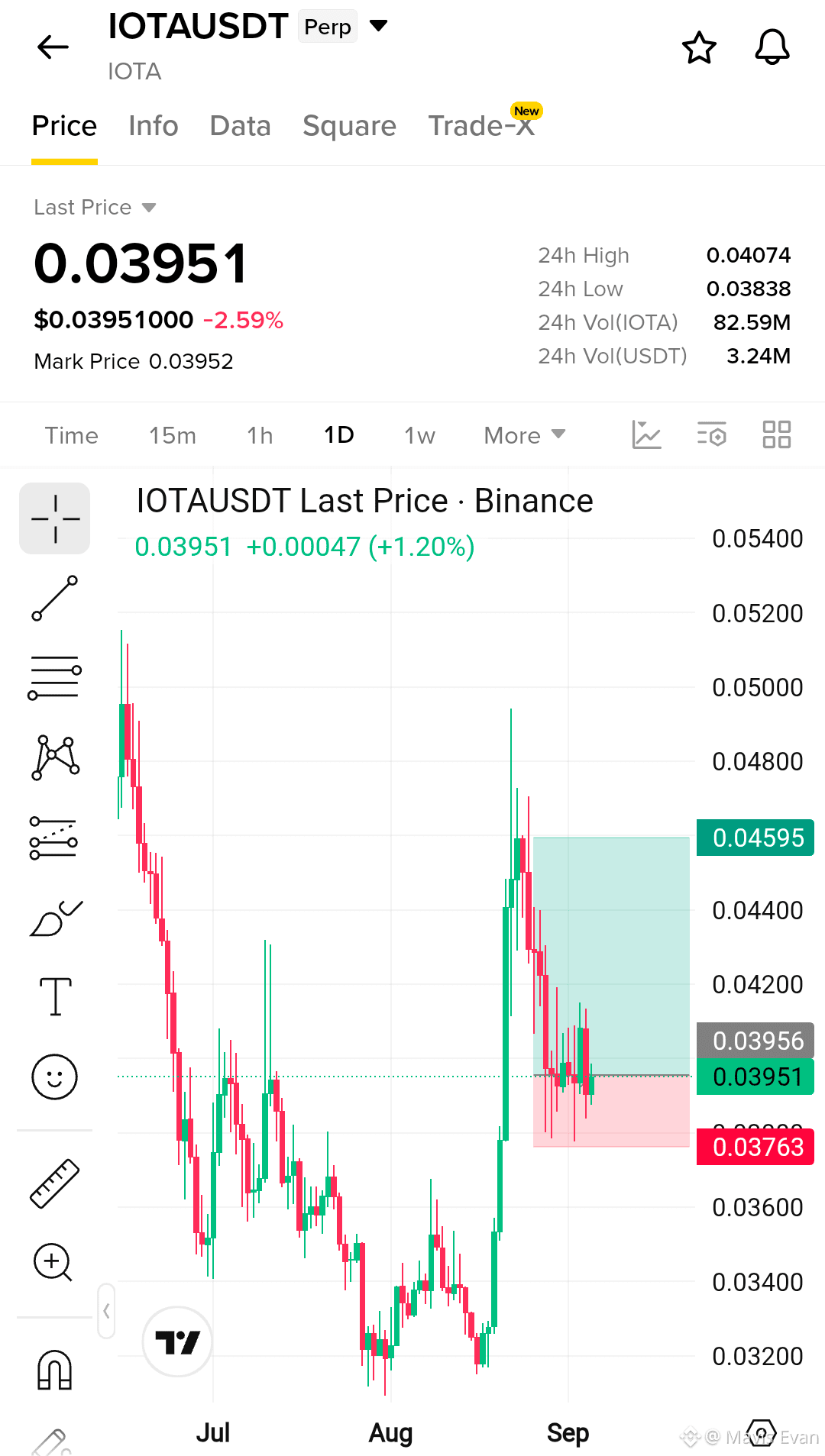
$IOTA /USDT 1H — Configuração LONG
IOTA está se consolidando na área de $0.0395–$0.0400 após manter o suporte recente de $0.0385.
O nível-chave a observar é $0.0418–$0.0422. Um rompimento limpo no 1H e reteste dessa resistência pode abrir caminho em direção a $0.0422 e potencialmente mais alto.
Plano de Trade
Direção: LONG
Entrada: $0.0395–$0.0400
Alvo 1: $0.0410
Alvo 2: $0.0438
Alvo 3: $0.0452
Stop Loss: $0.0384
A configuração permanece válida enquanto a IOTA mantiver o suporte recente. Não persiga o movimento se o preço avançar diretamente para a zona de resistência de $0.0418–$0.0422. Aguarde confirmação.
$IOTA
{future}(IOTAUSDT)
$IOTA /USDT 1H — Configuração LONG
IOTA está se consolidando na área de $0.0395–$0.0400 após manter o suporte recente de $0.0385.
O nível-chave a observar é $0.0418–$0.0422. Um rompimento limpo no 1H e reteste dessa resistência pode abrir caminho em direção a $0.0422 e potencialmente mais alto.
Plano de Trade
Direção: LONG
Entrada: $0.0395–$0.0400
Alvo 1: $0.0410
Alvo 2: $0.0438
Alvo 3: $0.0452
Stop Loss: $0.0384
A configuração permanece válida enquanto a IOTA mantiver o suporte recente. Não persiga o movimento se o preço avançar diretamente para a zona de resistência de $0.0418–$0.0422. Aguarde confirmação.
$IOTA
IOTA está se consolidando na área de $0.0395–$0.0400 após manter o suporte recente de $0.0385.
O nível-chave a observar é $0.0418–$0.0422. Um rompimento limpo no 1H e reteste dessa resistência pode abrir caminho em direção a $0.0422 e potencialmente mais alto.
Plano de Trade
Direção: LONG
Entrada: $0.0395–$0.0400
Alvo 1: $0.0410
Alvo 2: $0.0438
Alvo 3: $0.0452
Stop Loss: $0.0384
A configuração permanece válida enquanto a IOTA mantiver o suporte recente. Não persiga o movimento se o preço avançar diretamente para a zona de resistência de $0.0418–$0.0422. Aguarde confirmação.
$IOTA
1
164
·
--
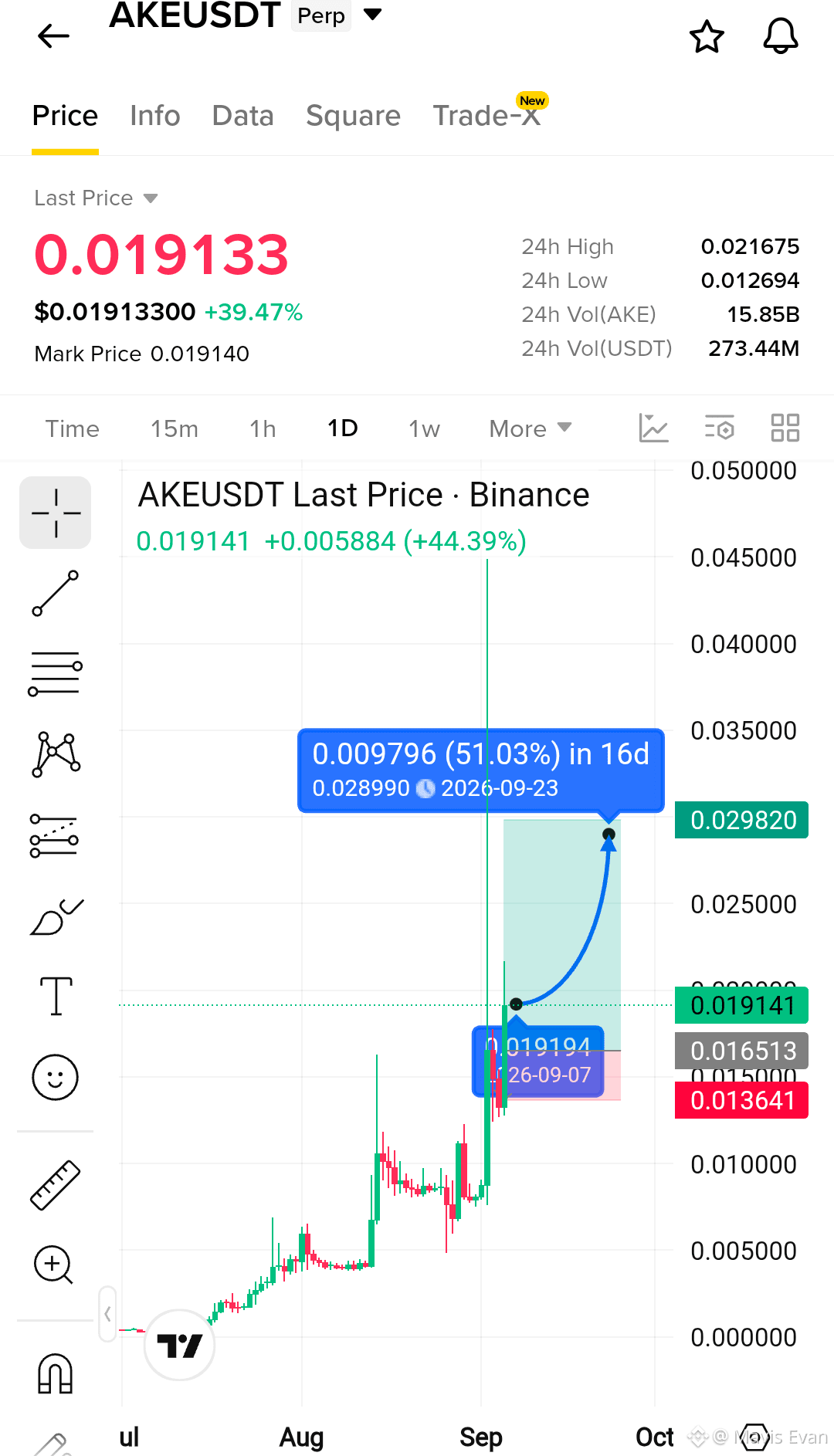
Trading de $AKE de 30 dias no valor de 182.2 USDT
$AKE /USDT LONG
Buscando um repique a partir desta área.
Alavancagem: 50x
Entrada: 0.01943
2ª Entrada: 0.01900
Realização de lucro:
TP1: 0.01990
TP2: 0.02080
TP3 0.02200
Stop Loss: 0.01830
O preço precisa se manter na zona de entrada e ganhar momentum. Se a segunda entrada for executada, gerencie a posição com cuidado e não exagere na alavancagem da operação.
$AKE
{future}(AKEUSDT)
#ZECHitsANewAllTimeHigh
$AKE /USDT LONG
Buscando um repique a partir desta área.
Alavancagem: 50x
Entrada: 0.01943
2ª Entrada: 0.01900
Realização de lucro:
TP1: 0.01990
TP2: 0.02080
TP3 0.02200
Stop Loss: 0.01830
O preço precisa se manter na zona de entrada e ganhar momentum. Se a segunda entrada for executada, gerencie a posição com cuidado e não exagere na alavancagem da operação.
$AKE
#ZECHitsANewAllTimeHigh
Buscando um repique a partir desta área.
Alavancagem: 50x
Entrada: 0.01943
2ª Entrada: 0.01900
Realização de lucro:
TP1: 0.01990
TP2: 0.02080
TP3 0.02200
Stop Loss: 0.01830
O preço precisa se manter na zona de entrada e ganhar momentum. Se a segunda entrada for executada, gerencie a posição com cuidado e não exagere na alavancagem da operação.
$AKE
#ZECHitsANewAllTimeHigh
1
287
·
--
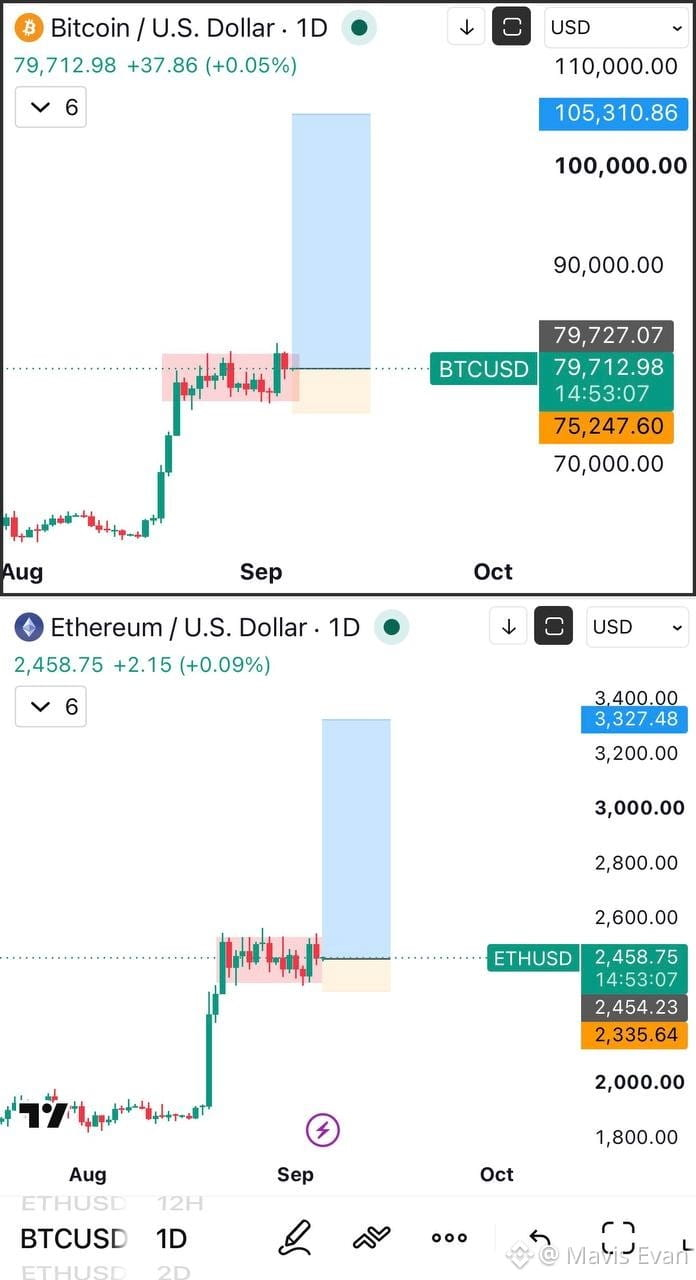
$BTC & $ETH Long Setup
Tanto BTC quanto ETH têm se movimentado lateralmente por cerca de 10 dias após o forte movimento no dia 18.
Esse tipo de consolidação pode ser uma boa configuração para a próxima expansão se os compradores conseguirem empurrar o preço para fora da faixa.
BTC: Um rompimento pode abrir caminho em direção a US$ 100 mil+, com o gráfico apontando para cerca de US$ 105 mil.
ETH: Manter a faixa atual e romper para cima pode levá-lo a US$ 3.000–US$ 3.300.
A chave agora é simples: faixa se mantém → rompimento → momento.
{future}(ETHUSDT)
{future}(BTCUSDT)
$BTC & $ETH Long Setup
Tanto BTC quanto ETH têm se movimentado lateralmente por cerca de 10 dias após o forte movimento no dia 18.
Esse tipo de consolidação pode ser uma boa configuração para a próxima expansão se os compradores conseguirem empurrar o preço para fora da faixa.
BTC: Um rompimento pode abrir caminho em direção a US$ 100 mil+, com o gráfico apontando para cerca de US$ 105 mil.
ETH: Manter a faixa atual e romper para cima pode levá-lo a US$ 3.000–US$ 3.300.
A chave agora é simples: faixa se mantém → rompimento → momento.
Tanto BTC quanto ETH têm se movimentado lateralmente por cerca de 10 dias após o forte movimento no dia 18.
Esse tipo de consolidação pode ser uma boa configuração para a próxima expansão se os compradores conseguirem empurrar o preço para fora da faixa.
BTC: Um rompimento pode abrir caminho em direção a US$ 100 mil+, com o gráfico apontando para cerca de US$ 105 mil.
ETH: Manter a faixa atual e romper para cima pode levá-lo a US$ 3.000–US$ 3.300.
A chave agora é simples: faixa se mantém → rompimento → momento.
2
208
Inicia sessão para explorar mais conteúdos
Junta-te a utilizadores de criptomoedas de todo o mundo na Binance Square
⚡️ Obtém informações úteis e recentes sobre criptomoedas.
💬 Com a confiança da maior exchange de criptomoedas do mundo.
👍 Descobre perspetivas reais de criadores verificados.
E-mail/Número de telefone
Tópicos em Tendência
BitcoinSurpasses$77000
11,261 visualizações
169 a discutir
$BTC está disparando para cima apesar de tudo. 🚀
Hoje marcou o primeiro aumento de taxa em mais de 3 anos, enquanto o CLARITY Act voltou a emperrar ontem.
Prepare-se para um setup longo e grande de novo - me agradeça depois
Entrada : $75500 - $76500
Stoploss : $74900
Take profit : $77000 - $78000
Prepare-se para um ciclo de crescimento maluco. 🔥
TF_bnb
·16 gostos
·6.8k visualizações
ParadigmDisclosesZECHolding
43,955 visualizações
814 a discutir
BitcoinETFsShed$450M
21,227 visualizações
187 a discutir