
ARIA_BNB
22.8k Publicações

ARIA_BNB
1 A seguir
33.5K+ Seguidores
28.1K+ Gostaram
Publicações
Portfólio
Tudo
Cotações
Em direto
#dusk $DUSK @Dusk
A Revolução Silenciosa nas Finanças: Por que a Dusk Network importa
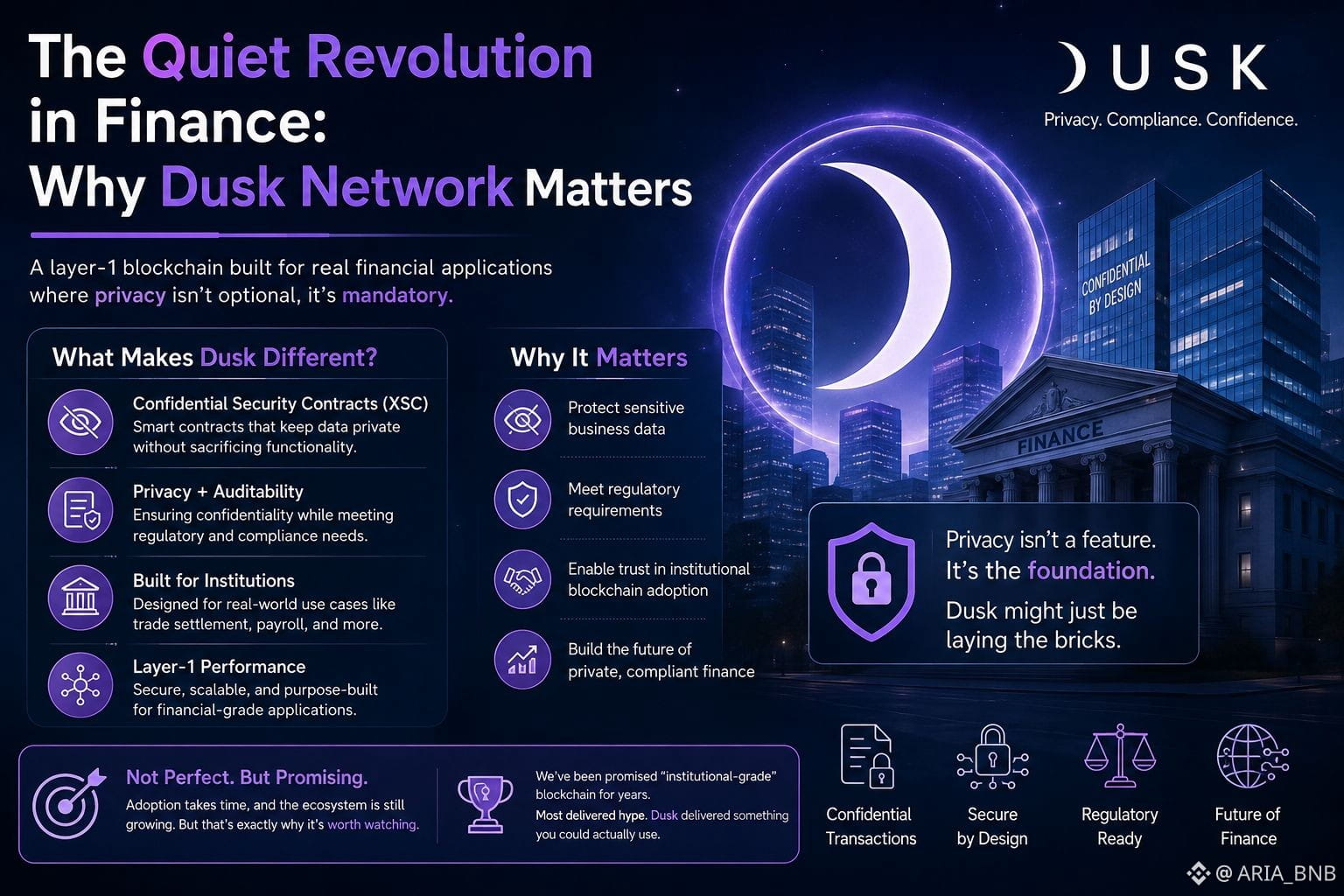
Você sabe o que não me deixa dormir à noite? Não é a volatilidade. Não são os reguladores. É o fato de que a maioria das blockchains “privadas” é tão confidencial quanto uma casa de vidro.
Conheça a Dusk Network.
Eles estão fazendo algo genuinamente diferente. Uma camada 1 construída do zero para aplicações financeiras — não para “DeFi bros” apostando em memecoins, mas para casos de uso reais e institucionais em que a privacidade não é opcional, é obrigatória.
O que me pega: o padrão Confidential Security Contract (XSC). Contratos inteligentes que realmente mantêm a boca fechada. Transações que não gritam seus dados para cada nó da rede.
Pense bem. Quando uma empresa liquida uma negociação ou um banco processa o pagamento de salários, eles querem isso em um livro-razão público para que concorrentes analisem? Claro que não.
A Dusk resolve isso sem sacrificar a auditabilidade — o Santo Graal que os reguladores têm perseguido.
A arquitetura é elegante, mas vou poupar você do mergulho profundo na criptografia. O que importa é isto: prometeram blockchain “nível institucional” por anos. Quase tudo foi hype entregue. A Dusk entregou algo que você pode usar de verdade.
É perfeito? Não. A adoção leva tempo, e o ecossistema ainda está crescendo. Mas é exatamente por isso que vale a pena acompanhar.
Privacidade já não é um recurso. É a base. E a Dusk pode estar apenas assentando os tijolos.
#dusk
@Dusk
$DUSK
A Revolução Silenciosa nas Finanças: Por que a Dusk Network importa
Você sabe o que não me deixa dormir à noite? Não é a volatilidade. Não são os reguladores. É o fato de que a maioria das blockchains “privadas” é tão confidencial quanto uma casa de vidro.
Conheça a Dusk Network.
Eles estão fazendo algo genuinamente diferente. Uma camada 1 construída do zero para aplicações financeiras — não para “DeFi bros” apostando em memecoins, mas para casos de uso reais e institucionais em que a privacidade não é opcional, é obrigatória.
O que me pega: o padrão Confidential Security Contract (XSC). Contratos inteligentes que realmente mantêm a boca fechada. Transações que não gritam seus dados para cada nó da rede.
Pense bem. Quando uma empresa liquida uma negociação ou um banco processa o pagamento de salários, eles querem isso em um livro-razão público para que concorrentes analisem? Claro que não.
A Dusk resolve isso sem sacrificar a auditabilidade — o Santo Graal que os reguladores têm perseguido.
A arquitetura é elegante, mas vou poupar você do mergulho profundo na criptografia. O que importa é isto: prometeram blockchain “nível institucional” por anos. Quase tudo foi hype entregue. A Dusk entregou algo que você pode usar de verdade.
É perfeito? Não. A adoção leva tempo, e o ecossistema ainda está crescendo. Mas é exatamente por isso que vale a pena acompanhar.
Privacidade já não é um recurso. É a base. E a Dusk pode estar apenas assentando os tijolos.
#dusk
@Dusk
$DUSK
Verificado
Dusk Network: Privacidade Criada para o Mundo Financeiro
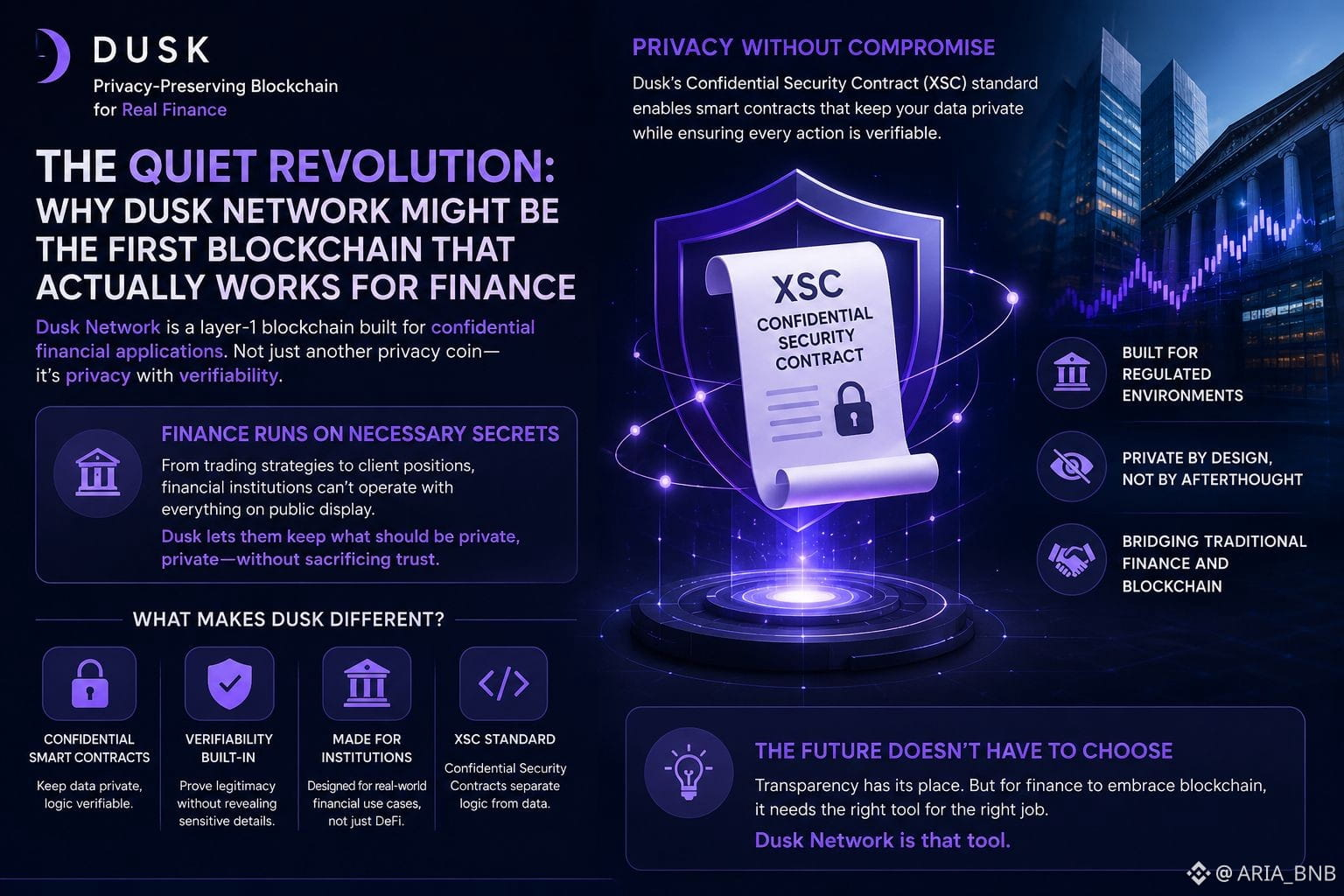
A transparência do blockchain soa bem—até que seu salário, estratégia de investimentos ou situação financeira fique visível para todos.
É aí que a Dusk Network segue um caminho diferente.
Em vez de agir como mais um projeto cripto focado em privacidade, a Dusk está construindo uma blockchain de camada 1 em torno de uma questão mais prática: os sistemas financeiros podem ser transparentes quando necessário, sem expor tudo?
Seu padrão Confidential Security Contract (XSC) oferece suporte a contratos inteligentes confidenciais, permitindo que dados sensíveis permaneçam protegidos enquanto o sistema subjacente ainda consegue aplicar regras e executar transações.
Essa distinção importa.
Imagine títulos tokenizados, negócios privados de investimento ou produtos financeiros regulados. Blockchains públicas podem tornar a liquidação transparente, mas uma transparência completa muitas vezes não combina com as necessidades reais do mercado financeiro. Ninguém quer que concorrentes—ou aleatórios desconhecidos da internet—acompanhem cada movimento financeiro.
A Dusk Network está apostando que privacidade e conformidade não precisam ser inimigas.
A parte interessante não é apenas ocultar dados. É construir infraestrutura financeira em que a confidencialidade vira parte da arquitetura.
Se o blockchain quiser lidar com finanças sérias, talvez a transparência radical nunca tenha sido o destino final.
Talvez seja a transparência seletiva.
#dusk
@Dusk
$DUSK
$ENA
$LAB
A transparência do blockchain soa bem—até que seu salário, estratégia de investimentos ou situação financeira fique visível para todos.
É aí que a Dusk Network segue um caminho diferente.
Em vez de agir como mais um projeto cripto focado em privacidade, a Dusk está construindo uma blockchain de camada 1 em torno de uma questão mais prática: os sistemas financeiros podem ser transparentes quando necessário, sem expor tudo?
Seu padrão Confidential Security Contract (XSC) oferece suporte a contratos inteligentes confidenciais, permitindo que dados sensíveis permaneçam protegidos enquanto o sistema subjacente ainda consegue aplicar regras e executar transações.
Essa distinção importa.
Imagine títulos tokenizados, negócios privados de investimento ou produtos financeiros regulados. Blockchains públicas podem tornar a liquidação transparente, mas uma transparência completa muitas vezes não combina com as necessidades reais do mercado financeiro. Ninguém quer que concorrentes—ou aleatórios desconhecidos da internet—acompanhem cada movimento financeiro.
A Dusk Network está apostando que privacidade e conformidade não precisam ser inimigas.
A parte interessante não é apenas ocultar dados. É construir infraestrutura financeira em que a confidencialidade vira parte da arquitetura.
Se o blockchain quiser lidar com finanças sérias, talvez a transparência radical nunca tenha sido o destino final.
Talvez seja a transparência seletiva.
#dusk
@Dusk
$DUSK
$ENA
$LAB
Parcialmente verdadeiro
A Razão para um DeFi Previsível: Por que o TermMax Importa
O DeFi sempre amou a liberdade. Tome emprestado quando quiser. Empreste quando quiser. Busque rendimento onde ele aparecer.
Mas existe uma coisa que o mercado tem lutado para oferecer: certeza.
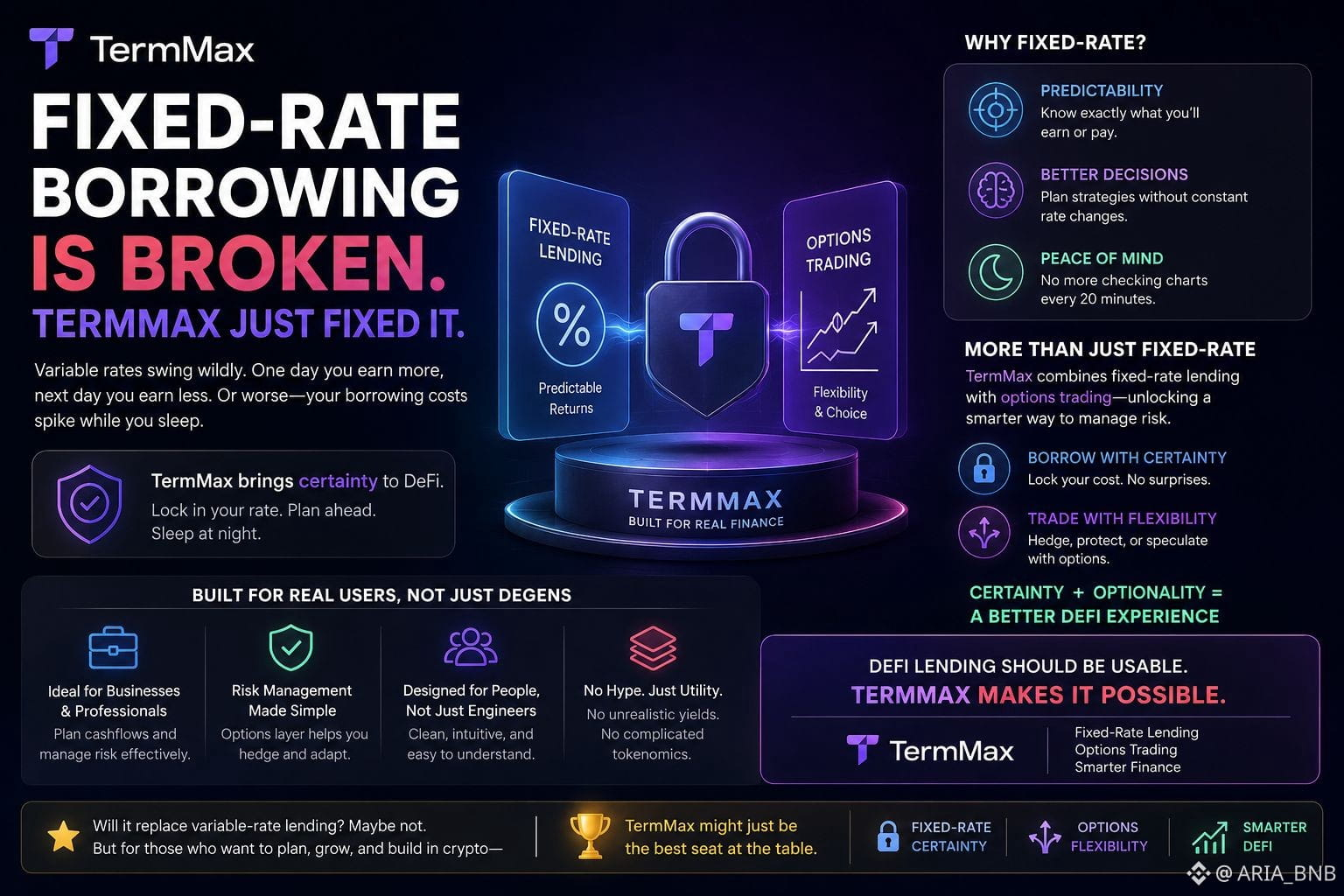
É aí que o TermMax entra em cena. Como um protocolo descentralizado de empréstimo/financiamento com taxa fixa e negociação de opções, ele se concentra em algo surpreendentemente raro no cripto — saber como será a sua posição financeira amanhã.
Taxas Fixas Mudam a Conversa
Imagine tomar capital emprestado a 6% e saber que essa taxa permanecerá em 6% até o vencimento. Sem acordar com um aumento repentino. Sem ficar checando painéis o tempo todo porque a demanda do mercado mudou durante a noite.
Essa previsibilidade importa.
Taxas variáveis podem ser atraentes quando a liquidez é abundante, mas ficam desconfortáveis quando os mercados ficam voláteis. O TermMax introduz uma abordagem mais estruturada ao permitir que os usuários trabalhem com posições de taxa fixa, mantendo a transparência e a composabilidade que as pessoas esperam do DeFi.
Mais do que Apenas Empréstimos
O componente de negociação de opções adiciona mais uma dimensão interessante. Os mercados financeiros raramente são apenas sobre ganhar rendimento; eles também são sobre gerir a incerteza.
E talvez essa seja a verdadeira oportunidade aqui.
O DeFi passou anos provando que o dinheiro pode se mover sem intermediários tradicionais. O próximo desafio pode ser fazer com que as finanças descentralizadas pareçam menos caóticas.
O TermMax aposta que taxas fixas, prazos definidos e produtos financeiros estruturados poderiam ajudar a levar o DeFi nessa direção.
Porque, às vezes, a coisa mais valiosa nas finanças não é buscar o maior retorno.
É saber exatamente com o que você está se comprometendo.
@TermMax #termax
$ONG
$ENA
$LAB
O DeFi sempre amou a liberdade. Tome emprestado quando quiser. Empreste quando quiser. Busque rendimento onde ele aparecer.
Mas existe uma coisa que o mercado tem lutado para oferecer: certeza.
É aí que o TermMax entra em cena. Como um protocolo descentralizado de empréstimo/financiamento com taxa fixa e negociação de opções, ele se concentra em algo surpreendentemente raro no cripto — saber como será a sua posição financeira amanhã.
Taxas Fixas Mudam a Conversa
Imagine tomar capital emprestado a 6% e saber que essa taxa permanecerá em 6% até o vencimento. Sem acordar com um aumento repentino. Sem ficar checando painéis o tempo todo porque a demanda do mercado mudou durante a noite.
Essa previsibilidade importa.
Taxas variáveis podem ser atraentes quando a liquidez é abundante, mas ficam desconfortáveis quando os mercados ficam voláteis. O TermMax introduz uma abordagem mais estruturada ao permitir que os usuários trabalhem com posições de taxa fixa, mantendo a transparência e a composabilidade que as pessoas esperam do DeFi.
Mais do que Apenas Empréstimos
O componente de negociação de opções adiciona mais uma dimensão interessante. Os mercados financeiros raramente são apenas sobre ganhar rendimento; eles também são sobre gerir a incerteza.
E talvez essa seja a verdadeira oportunidade aqui.
O DeFi passou anos provando que o dinheiro pode se mover sem intermediários tradicionais. O próximo desafio pode ser fazer com que as finanças descentralizadas pareçam menos caóticas.
O TermMax aposta que taxas fixas, prazos definidos e produtos financeiros estruturados poderiam ajudar a levar o DeFi nessa direção.
Porque, às vezes, a coisa mais valiosa nas finanças não é buscar o maior retorno.
É saber exatamente com o que você está se comprometendo.
@TermMax #termax
$ONG
$ENA
$LAB
Verificado
Dusk Network: A Privacidade no Blockchain Finalmente Pode Funcionar para as Finanças?
E se o futuro das finanças em blockchain não for sobre tornar tudo visível, mas sobre decidir o que deve permanecer privado?
Essa é a pergunta que a Dusk Network está tentando responder.
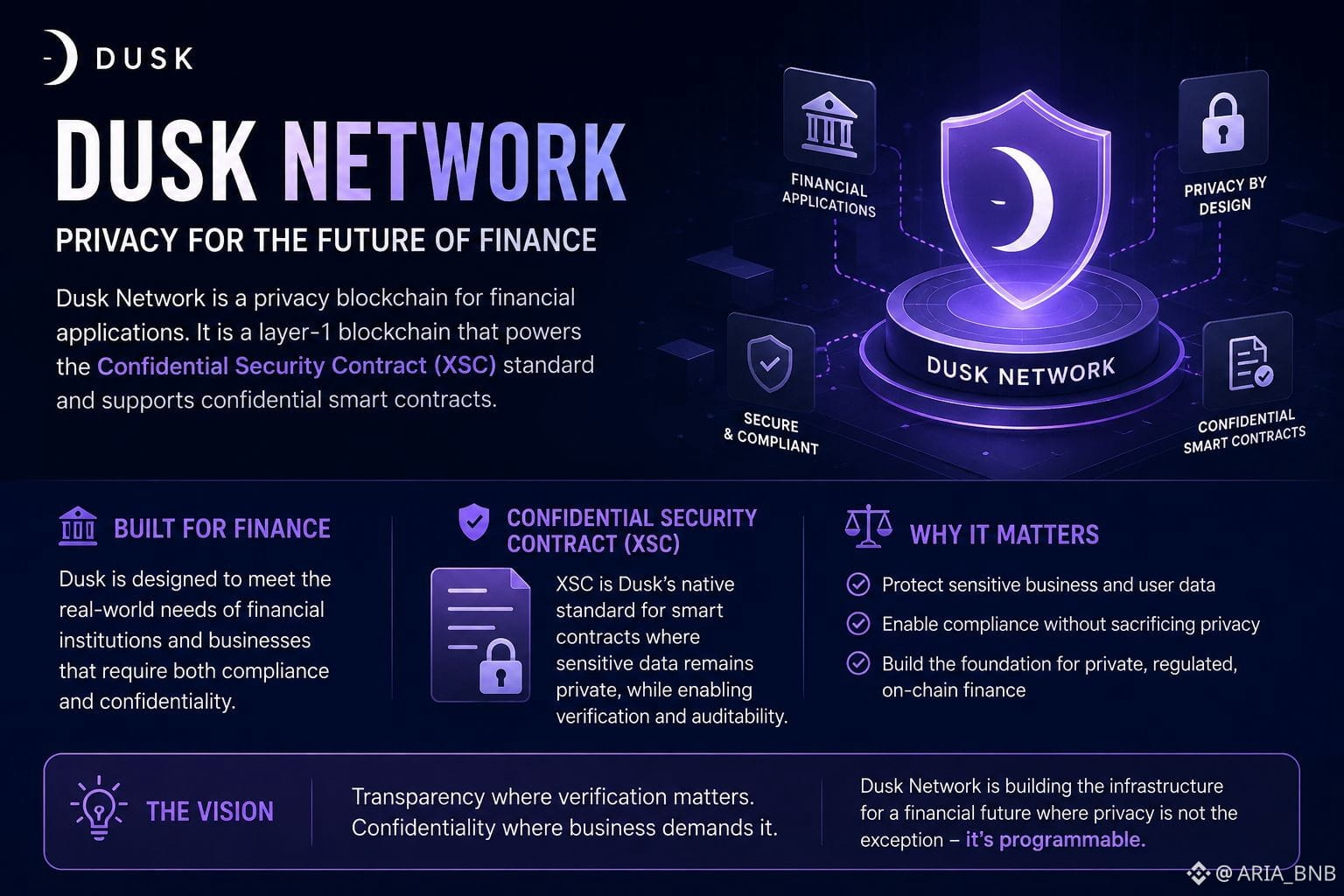
A Dusk é uma blockchain de camada 1 projetada especificamente para aplicações financeiras, com privacidade incorporada na infraestrutura em vez de ser adicionada como um pensamento posterior. O padrão Confidential Security Contract (XSC) suporta contratos inteligentes nos quais informações sensíveis não precisam ser expostas para todos.
E isso importa mais do que parece.
Imagine uma empresa emitindo títulos digitais on-chain. Investidores podem precisar de prova de que a transação é válida, reguladores podem precisar de acesso a certas informações, mas concorrentes provavelmente não precisam ver cada detalhe. Blockchains públicas tradicionalmente lutam com esse equilíbrio.
A Dusk adota uma abordagem diferente: transparência onde a verificação importa, confidencialidade onde o negócio exige.
A parte interessante não é simplesmente “blockchain de privacidade”. É se a privacidade pode se tornar prática o bastante para mercados financeiros reais.
Porque, se o blockchain quer uma adoção institucional séria, talvez o verdadeiro avanço não seja tornar as finanças mais públicas.
Será tornar a privacidade programável.
#dusk
@Dusk
$DUSK
$ONG
$BOME
E se o futuro das finanças em blockchain não for sobre tornar tudo visível, mas sobre decidir o que deve permanecer privado?
Essa é a pergunta que a Dusk Network está tentando responder.
A Dusk é uma blockchain de camada 1 projetada especificamente para aplicações financeiras, com privacidade incorporada na infraestrutura em vez de ser adicionada como um pensamento posterior. O padrão Confidential Security Contract (XSC) suporta contratos inteligentes nos quais informações sensíveis não precisam ser expostas para todos.
E isso importa mais do que parece.
Imagine uma empresa emitindo títulos digitais on-chain. Investidores podem precisar de prova de que a transação é válida, reguladores podem precisar de acesso a certas informações, mas concorrentes provavelmente não precisam ver cada detalhe. Blockchains públicas tradicionalmente lutam com esse equilíbrio.
A Dusk adota uma abordagem diferente: transparência onde a verificação importa, confidencialidade onde o negócio exige.
A parte interessante não é simplesmente “blockchain de privacidade”. É se a privacidade pode se tornar prática o bastante para mercados financeiros reais.
Porque, se o blockchain quer uma adoção institucional séria, talvez o verdadeiro avanço não seja tornar as finanças mais públicas.
Será tornar a privacidade programável.
#dusk
@Dusk
$DUSK
$ONG
$BOME
#termmax @TermMax
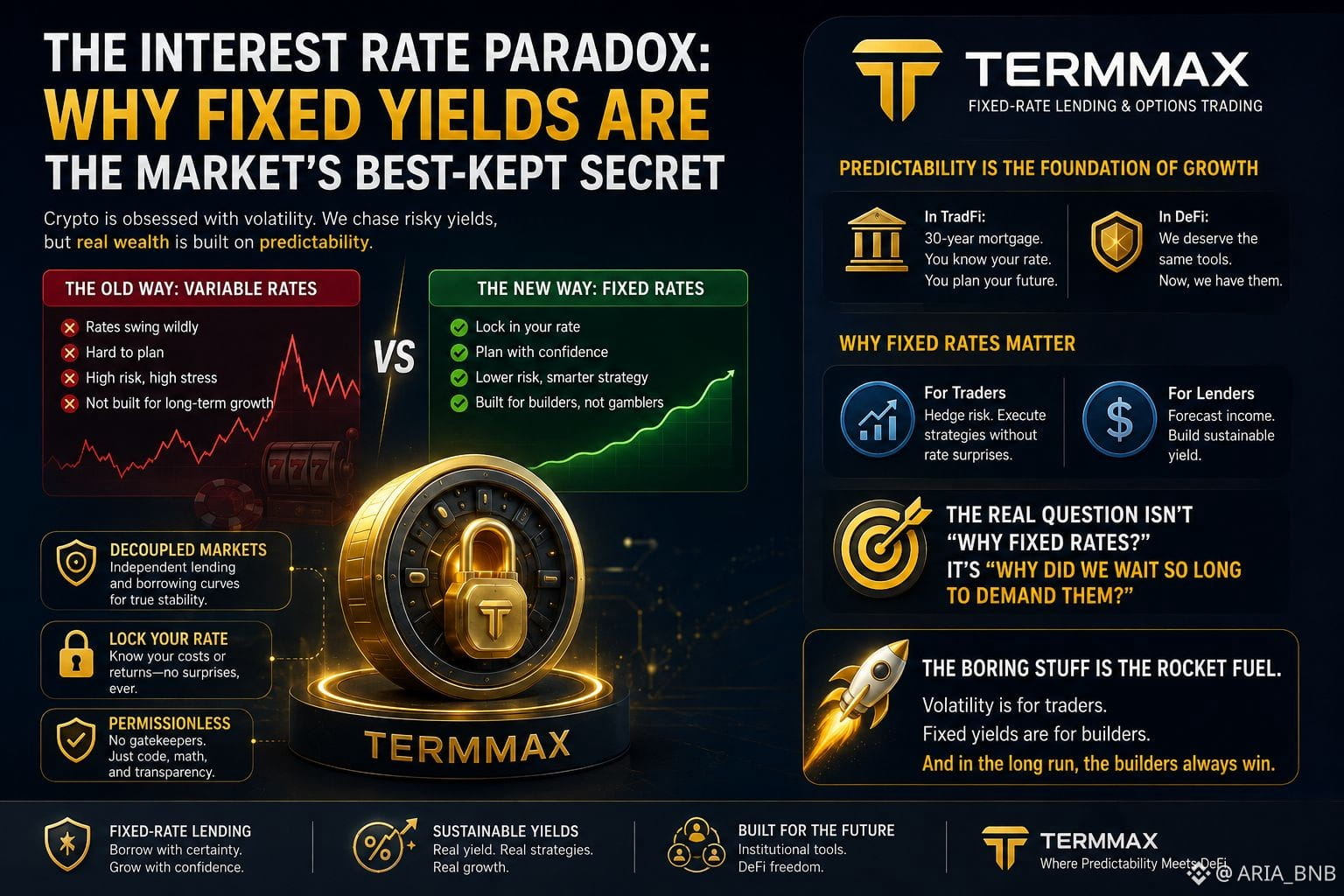
O Paradoxo da Taxa de Juros: Por que Rendas Fixas são o Segredo Melhor Guardado do Mercado
Vamos ser honestos: o mercado cripto é obcecado por volatilidade. Acordamos, checamos os gráficos e entramos em pânico ou comemoramos conforme uma vela verde ou vermelha. Corremos atrás de APYs de 1.000% em alguma “fazenda” que soa como um vegetal, só para ver o principal evaporar mais rápido do que o orvalho da manhã. É uma emoção, sim. Mas também é desgastante. E, mais importante, é um jeito terrível de construir uma riqueza real e sustentável.
Quando foi a última vez que você realmente planejou seu futuro financeiro nesse espaço?
É aqui que entra o conceito de empréstimo e tomada de empréstimos com taxa fixa. E eu não estou falando da “operação” instável e centralizada de “lending” do passado. Estou falando de um sistema sem permissão, como o TermMax, em que você consegue travar uma taxa que não fica sujeita aos caprichos de um flash crash ou de um whale despejando suas bolsas.
Pense nisso. Nas finanças tradicionais, se você quer uma hipoteca, sabe qual será sua taxa por 30 anos. A previsibilidade é a base do crescimento. Já no DeFi, tratamos taxas variáveis como se fossem uma máquina caça-níquel. É um paradoxo: queremos adoção institucional, mas não oferecemos ferramentas institucionais.
O TermMax quebra esse código. Ao desacoplar as curvas de empréstimo e de tomada, eles criaram um ambiente de taxa fixa que parece… civilizado. Finalmente dá para parear rendimento com uma estratégia de verdade. Se você é trader, consegue fazer hedge do seu risco sem ficar rezando para que a taxa de funding não vire contra você. Se você é credor, consegue prever de fato sua renda.
A verdadeira pergunta não é “por que taxas fixas?” É “por que demoramos tanto para exigí-las?”
Quando você vai além da brincadeira do jogo e começa a construir um portfólio que sobrevive aos mercados de baixa e prospera nos de alta, você percebe que o que é “chato” — os rendimentos fixos, os pagamentos previsíveis — é na verdade o combustível do foguete. Volatilidade é para traders; rendas fixas são para construtores. E, a longo prazo, os construtores sempre vencem.
@TermMax #termmax
O Paradoxo da Taxa de Juros: Por que Rendas Fixas são o Segredo Melhor Guardado do Mercado
Vamos ser honestos: o mercado cripto é obcecado por volatilidade. Acordamos, checamos os gráficos e entramos em pânico ou comemoramos conforme uma vela verde ou vermelha. Corremos atrás de APYs de 1.000% em alguma “fazenda” que soa como um vegetal, só para ver o principal evaporar mais rápido do que o orvalho da manhã. É uma emoção, sim. Mas também é desgastante. E, mais importante, é um jeito terrível de construir uma riqueza real e sustentável.
Quando foi a última vez que você realmente planejou seu futuro financeiro nesse espaço?
É aqui que entra o conceito de empréstimo e tomada de empréstimos com taxa fixa. E eu não estou falando da “operação” instável e centralizada de “lending” do passado. Estou falando de um sistema sem permissão, como o TermMax, em que você consegue travar uma taxa que não fica sujeita aos caprichos de um flash crash ou de um whale despejando suas bolsas.
Pense nisso. Nas finanças tradicionais, se você quer uma hipoteca, sabe qual será sua taxa por 30 anos. A previsibilidade é a base do crescimento. Já no DeFi, tratamos taxas variáveis como se fossem uma máquina caça-níquel. É um paradoxo: queremos adoção institucional, mas não oferecemos ferramentas institucionais.
O TermMax quebra esse código. Ao desacoplar as curvas de empréstimo e de tomada, eles criaram um ambiente de taxa fixa que parece… civilizado. Finalmente dá para parear rendimento com uma estratégia de verdade. Se você é trader, consegue fazer hedge do seu risco sem ficar rezando para que a taxa de funding não vire contra você. Se você é credor, consegue prever de fato sua renda.
A verdadeira pergunta não é “por que taxas fixas?” É “por que demoramos tanto para exigí-las?”
Quando você vai além da brincadeira do jogo e começa a construir um portfólio que sobrevive aos mercados de baixa e prospera nos de alta, você percebe que o que é “chato” — os rendimentos fixos, os pagamentos previsíveis — é na verdade o combustível do foguete. Volatilidade é para traders; rendas fixas são para construtores. E, a longo prazo, os construtores sempre vencem.
@TermMax #termmax
Verificado
#dusk $DUSK @Dusk
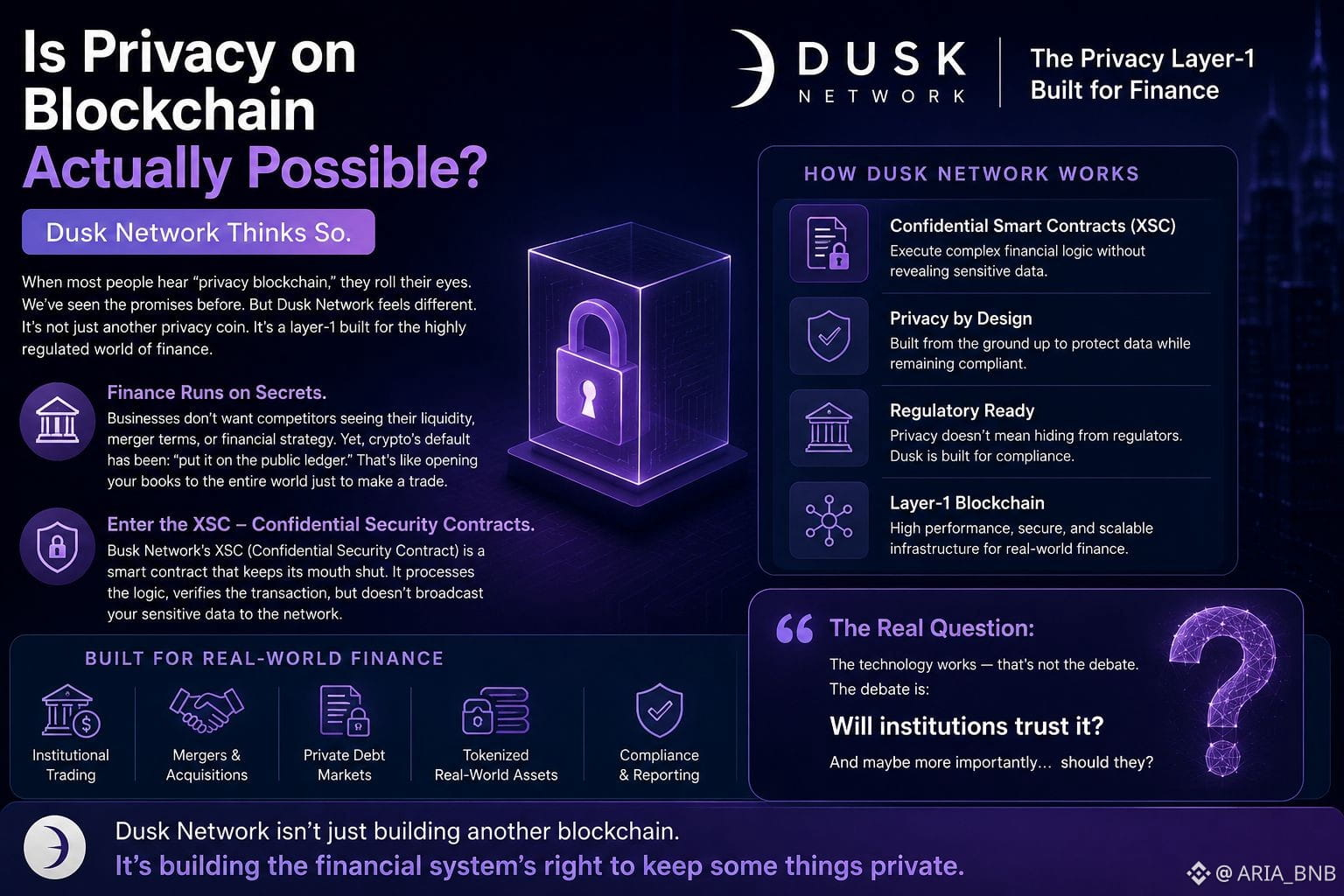
A Privacidade na Blockchain é Realmente Possível? A Dusk Network Acredita que Sim.
Vamos ser honestos por um segundo. Quando a maioria das pessoas ouve “blockchain de privacidade”, elas reviram os olhos. Já vimos essas promessas antes. Já vimos os whitepapers que parecem ter sido escritos por um comitê de robôs. Mas então você se depara com a Dusk Network, e algo parece… diferente. Não é apenas mais uma “moeda de privacidade”. É uma camada-1 especificamente construída para o mundo chato, complicado e altamente regulado das finanças.
E essa é a chave, não é? As finanças funcionam com segredos.
Se você é uma empresa, você não quer que seu concorrente saiba quanto de liquidez você tem. Você não quer que o mundo veja os termos exatos de uma fusão em andamento. Ainda assim, por anos, a resposta padrão no mundo cripto tem sido: “Só coloque isso no livro-razão público”. É como pedir para uma empresa abrir seus livros para o mundo inteiro apenas para fazer um único trade. É insano.
A Dusk Network enfrenta isso de frente com algo que eles chamam de XSC — o Confidential Security Contract (Contrato de Segurança Confidencial). Eu sei, parece jargão tecnológico, mas tire o palavreado e, basicamente, é um smart contract que mantém a boca fechada. Ele processa a lógica sem transmitir os números para toda a rede.
A pergunta real não é se essa tecnologia funciona — ela funciona. A pergunta real é: As instituições vão confiar nela? E talvez ainda mais importante: elas deveriam confiar?
#dusk
@Dusk
$DUSK
A Privacidade na Blockchain é Realmente Possível? A Dusk Network Acredita que Sim.
Vamos ser honestos por um segundo. Quando a maioria das pessoas ouve “blockchain de privacidade”, elas reviram os olhos. Já vimos essas promessas antes. Já vimos os whitepapers que parecem ter sido escritos por um comitê de robôs. Mas então você se depara com a Dusk Network, e algo parece… diferente. Não é apenas mais uma “moeda de privacidade”. É uma camada-1 especificamente construída para o mundo chato, complicado e altamente regulado das finanças.
E essa é a chave, não é? As finanças funcionam com segredos.
Se você é uma empresa, você não quer que seu concorrente saiba quanto de liquidez você tem. Você não quer que o mundo veja os termos exatos de uma fusão em andamento. Ainda assim, por anos, a resposta padrão no mundo cripto tem sido: “Só coloque isso no livro-razão público”. É como pedir para uma empresa abrir seus livros para o mundo inteiro apenas para fazer um único trade. É insano.
A Dusk Network enfrenta isso de frente com algo que eles chamam de XSC — o Confidential Security Contract (Contrato de Segurança Confidencial). Eu sei, parece jargão tecnológico, mas tire o palavreado e, basicamente, é um smart contract que mantém a boca fechada. Ele processa a lógica sem transmitir os números para toda a rede.
A pergunta real não é se essa tecnologia funciona — ela funciona. A pergunta real é: As instituições vão confiar nela? E talvez ainda mais importante: elas deveriam confiar?
#dusk
@Dusk
$DUSK
#termmax @TermMax
A Revolução Oculta: Como a TermMax está Quietamente Reescrevendo as Regras do Empréstimo em DeFi
Eu lembro da primeira vez em que tentei pedir empréstimo usando meus criptoativos como garantia. A ansiedade era palpável — eu seria liquidado durante a noite? Aquela taxa variável de 15% ia disparar para 40% enquanto eu dormia? Parecia menos liberdade financeira e mais um jogo de apostas de alto risco com meu portfólio como colateral.
É isso que torna a abordagem da TermMax tão diferente e refrescante. Eles basicamente perguntaram: E se o empréstimo pudesse ser realmente previsível?
Aqui está a questão sobre o empréstimo com taxa fixa que ninguém fala: isso muda sua psicologia completamente. Quando você sabe exatamente quanto vai pagar pelos próximos três meses, você para de ficar obcecado atualizando os gráficos das taxas. Você planeja de verdade. Você cria estratégias. E dorme melhor.
Mas é aqui que fica interessante — e onde a maioria das pessoas perde o verdadeiro valor. A TermMax não é apenas sobre tomar empréstimos com taxas fixas; é sobre a camada de negociação de opções que fica acima disso. Pense bem: se você consegue travar os custos do empréstimo e, ao mesmo tempo, se proteger contra movimentos de preço, você não está apenas participando do DeFi. Você está gerindo risco como as grandes instituições fazem.
A parte das opções? É onde a mágica acontece para usuários mais sofisticados. Poder combinar empréstimo com taxa fixa com estratégias de opções abre possibilidades de geração de renda (yield) que antes só estavam disponíveis para fundos de hedge com mesas de negociação dedicadas.
O que mais me empolga é ver como isso se desenrola para o usuário comum de DeFi. Estamos saindo do “Velho Oeste” de rendimentos imprevisíveis e indo para algo que realmente faz sentido financeiro.
A questão não é se essa abordagem vai ficar é a rapidez com que o resto do setor vai alcançar.
@TermMax #TermMax $RICE $ACE $BTW
A Revolução Oculta: Como a TermMax está Quietamente Reescrevendo as Regras do Empréstimo em DeFi
Eu lembro da primeira vez em que tentei pedir empréstimo usando meus criptoativos como garantia. A ansiedade era palpável — eu seria liquidado durante a noite? Aquela taxa variável de 15% ia disparar para 40% enquanto eu dormia? Parecia menos liberdade financeira e mais um jogo de apostas de alto risco com meu portfólio como colateral.
É isso que torna a abordagem da TermMax tão diferente e refrescante. Eles basicamente perguntaram: E se o empréstimo pudesse ser realmente previsível?
Aqui está a questão sobre o empréstimo com taxa fixa que ninguém fala: isso muda sua psicologia completamente. Quando você sabe exatamente quanto vai pagar pelos próximos três meses, você para de ficar obcecado atualizando os gráficos das taxas. Você planeja de verdade. Você cria estratégias. E dorme melhor.
Mas é aqui que fica interessante — e onde a maioria das pessoas perde o verdadeiro valor. A TermMax não é apenas sobre tomar empréstimos com taxas fixas; é sobre a camada de negociação de opções que fica acima disso. Pense bem: se você consegue travar os custos do empréstimo e, ao mesmo tempo, se proteger contra movimentos de preço, você não está apenas participando do DeFi. Você está gerindo risco como as grandes instituições fazem.
A parte das opções? É onde a mágica acontece para usuários mais sofisticados. Poder combinar empréstimo com taxa fixa com estratégias de opções abre possibilidades de geração de renda (yield) que antes só estavam disponíveis para fundos de hedge com mesas de negociação dedicadas.
O que mais me empolga é ver como isso se desenrola para o usuário comum de DeFi. Estamos saindo do “Velho Oeste” de rendimentos imprevisíveis e indo para algo que realmente faz sentido financeiro.
A questão não é se essa abordagem vai ficar é a rapidez com que o resto do setor vai alcançar.
@TermMax #TermMax $RICE $ACE $BTW

#dusk $DUSK @Dusk
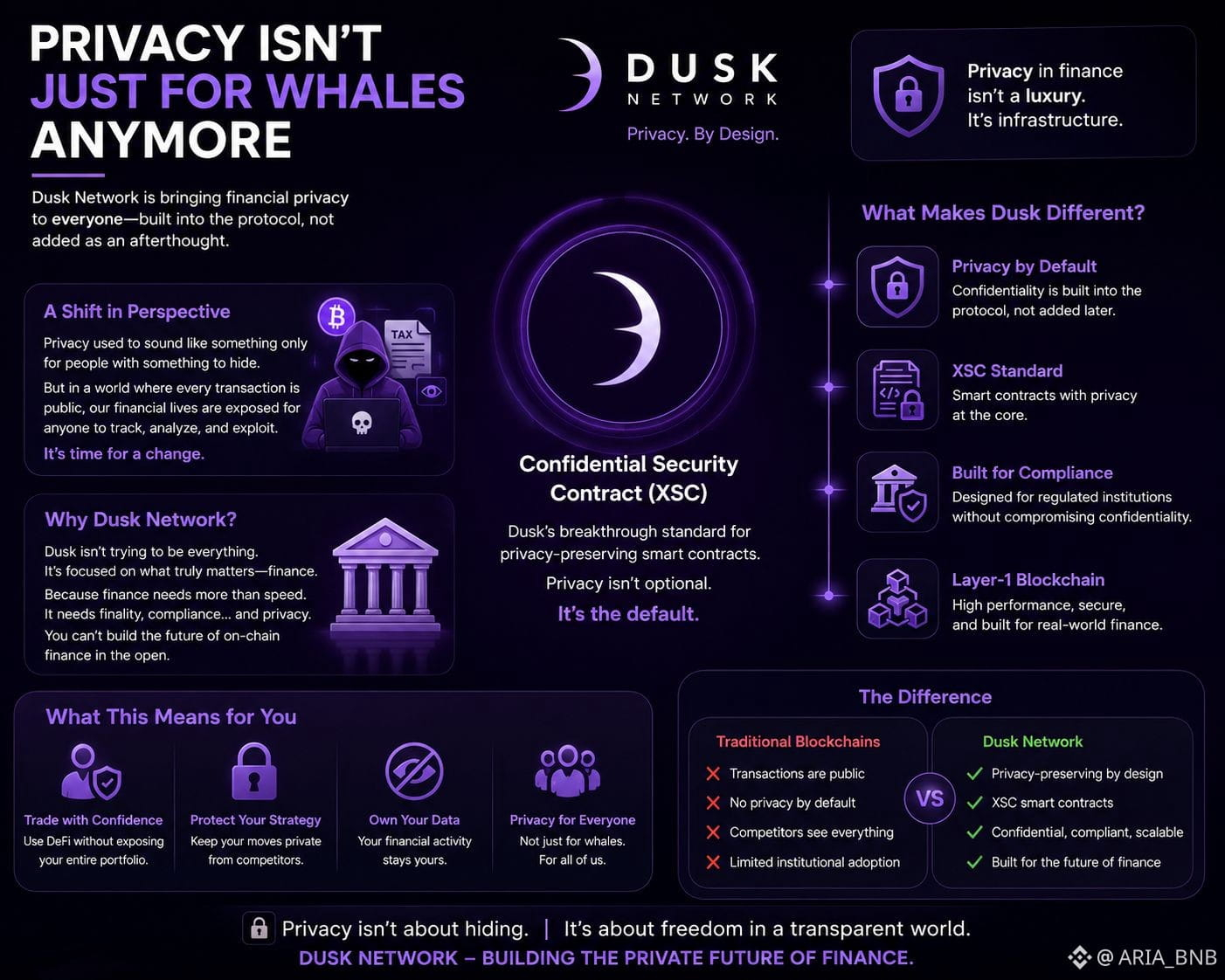
A privacidade não é só para baleias mais
Quando comecei a fuçar o mundo cripto, eu comprei a narrativa de que privacidade era apenas para pessoas com algo a esconder. Você conhece o estereótipo do traficante da dark web, do sonegador de impostos, do maximalista paranóico. Mas depois de alguns anos observando o dinheiro institucional entrar em massa e percebendo que cada transação da minha carteira fica permanentemente “tatuada” em um ledger público, disponível para qualquer um analisar, essa visão mudou bastante.
Conheça a Dusk Network.
É fácil passar por cima de mais um projeto de camada 1 prometendo o mundo, mas o que chamou minha atenção na Dusk é que eles não estão tentando ser “tudo-blockchain”. Eles estão focados, a laser, em finanças. E essa especificidade importa porque finanças têm necessidades muito específicas — finalização de liquidação, conformidade regulatória e, ironicamente, confidencialidade. Você não pode ter uma empresa pública negociando on-chain se seus concorrentes conseguirem ver cada movimento.
A arma secreta da Dusk é o padrão Confidential Security Contract (XSC). É a visão deles para contratos inteligentes, mas com privacidade embutida no nível do protocolo. Não como uma reflexão tardia, não como um complemento opcional, mas como o estado padrão.
O que isso significa, na prática, para você ou para mim? Significa que talvez finalmente consigamos usar DeFi sem sentir que estamos negociando em uma casa de vidro.
#dusk
@Dusk
$DUSK
A privacidade não é só para baleias mais
Quando comecei a fuçar o mundo cripto, eu comprei a narrativa de que privacidade era apenas para pessoas com algo a esconder. Você conhece o estereótipo do traficante da dark web, do sonegador de impostos, do maximalista paranóico. Mas depois de alguns anos observando o dinheiro institucional entrar em massa e percebendo que cada transação da minha carteira fica permanentemente “tatuada” em um ledger público, disponível para qualquer um analisar, essa visão mudou bastante.
Conheça a Dusk Network.
É fácil passar por cima de mais um projeto de camada 1 prometendo o mundo, mas o que chamou minha atenção na Dusk é que eles não estão tentando ser “tudo-blockchain”. Eles estão focados, a laser, em finanças. E essa especificidade importa porque finanças têm necessidades muito específicas — finalização de liquidação, conformidade regulatória e, ironicamente, confidencialidade. Você não pode ter uma empresa pública negociando on-chain se seus concorrentes conseguirem ver cada movimento.
A arma secreta da Dusk é o padrão Confidential Security Contract (XSC). É a visão deles para contratos inteligentes, mas com privacidade embutida no nível do protocolo. Não como uma reflexão tardia, não como um complemento opcional, mas como o estado padrão.
O que isso significa, na prática, para você ou para mim? Significa que talvez finalmente consigamos usar DeFi sem sentir que estamos negociando em uma casa de vidro.
#dusk
@Dusk
$DUSK
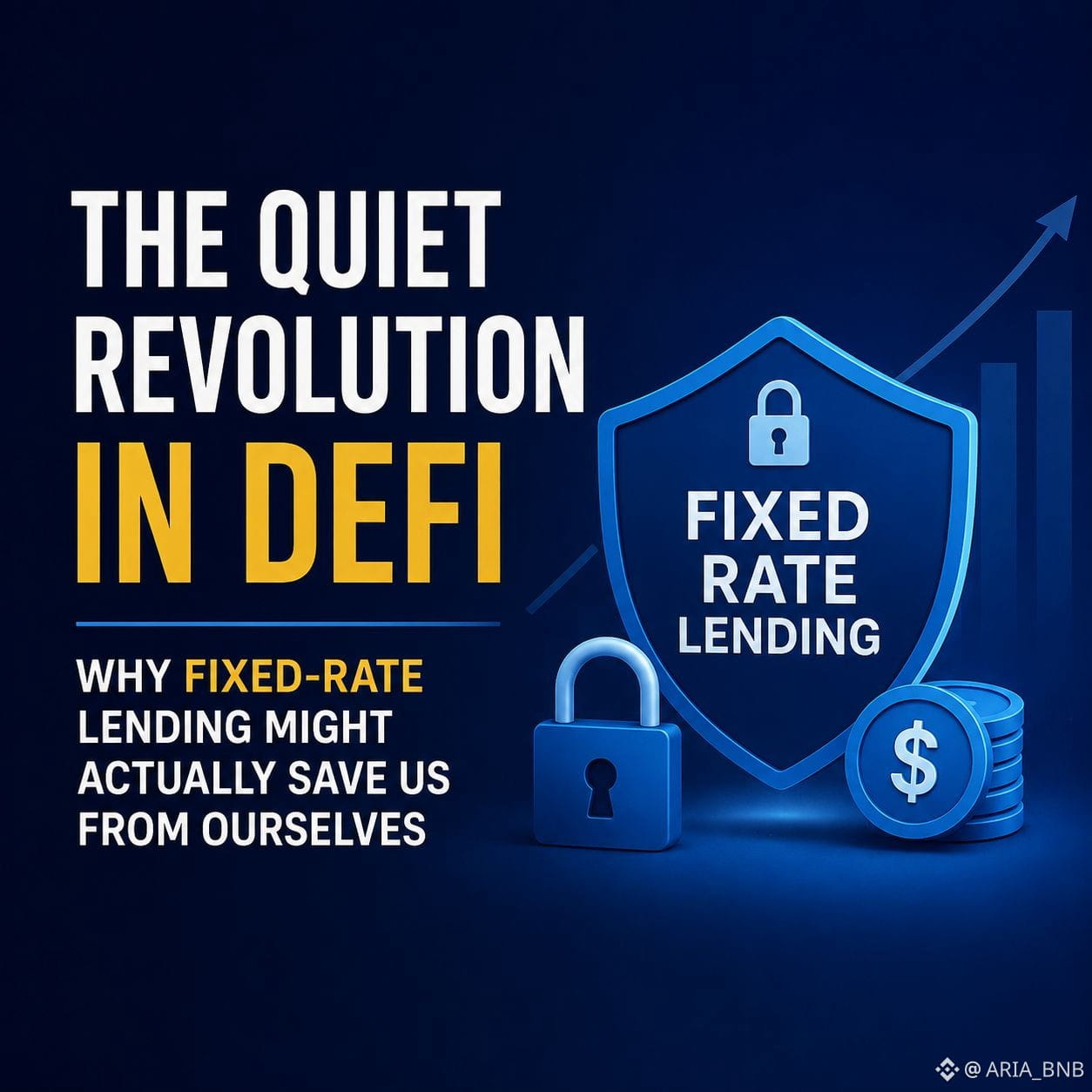
A Revolução Silenciosa no DeFi: Por que o Empréstimo a Taxa Fixa pode nos salvar
E se o maior problema no DeFi não for a volatilidade em si, mas não saber o que ela vai custar para você?
Essa pergunta se torna dolorosamente real quando você toma empréstimos a taxa variável. Você pode começar em 5%, acordar em 9% e, de repente, a estratégia que parecia brilhante ontem passa a parecer imprudente hoje.
É aqui que a TermMax adota uma abordagem interessante: empréstimo a taxa fixa pensado para a previsibilidade.
Isso parece entediante. E, honestamente, é exatamente por isso que importa.
Previsibilidade tem valor
Se você está tomando US$ 50.000 em USDC para financiar um negócio, adivinhar o custo do seu financiamento não é uma estratégia. Um aumento repentino de taxas pode destruir suas margens, atrapalhar o fluxo de caixa e forçar decisões que você nunca planejou tomar.
As finanças tradicionais já entenderam isso há décadas. Empréstimos a taxa fixa existem porque as pessoas precisam se planejar.
O DeFi finalmente está começando a levar essa lição a sério.
A estrutura de mercado isolado da TermMax separa pares de empréstimo e vencimentos, ajudando a impedir que mercados individuais herdem riscos de posições totalmente diferentes. Ela também conecta empréstimos a taxa fixa com opções, criando um conjunto de ferramentas mais completo para gerenciar a volatilidade.
E essa é a ideia maior.
O DeFi não precisa ficar menos emocionante. Ele precisa ficar mais usável.
A próxima onda de adoção provavelmente não virá de outra APY absurda. Ela vai surgir de protocolos que permitem que as pessoas saibam seus custos, administrem seu risco e planejem de verdade seis meses à frente.
Em um mercado viciado em incerteza, a previsibilidade pode se tornar o produto financeiro mais valioso de todos.
#termmax @TermMax
E se o maior problema no DeFi não for a volatilidade em si, mas não saber o que ela vai custar para você?
Essa pergunta se torna dolorosamente real quando você toma empréstimos a taxa variável. Você pode começar em 5%, acordar em 9% e, de repente, a estratégia que parecia brilhante ontem passa a parecer imprudente hoje.
É aqui que a TermMax adota uma abordagem interessante: empréstimo a taxa fixa pensado para a previsibilidade.
Isso parece entediante. E, honestamente, é exatamente por isso que importa.
Previsibilidade tem valor
Se você está tomando US$ 50.000 em USDC para financiar um negócio, adivinhar o custo do seu financiamento não é uma estratégia. Um aumento repentino de taxas pode destruir suas margens, atrapalhar o fluxo de caixa e forçar decisões que você nunca planejou tomar.
As finanças tradicionais já entenderam isso há décadas. Empréstimos a taxa fixa existem porque as pessoas precisam se planejar.
O DeFi finalmente está começando a levar essa lição a sério.
A estrutura de mercado isolado da TermMax separa pares de empréstimo e vencimentos, ajudando a impedir que mercados individuais herdem riscos de posições totalmente diferentes. Ela também conecta empréstimos a taxa fixa com opções, criando um conjunto de ferramentas mais completo para gerenciar a volatilidade.
E essa é a ideia maior.
O DeFi não precisa ficar menos emocionante. Ele precisa ficar mais usável.
A próxima onda de adoção provavelmente não virá de outra APY absurda. Ela vai surgir de protocolos que permitem que as pessoas saibam seus custos, administrem seu risco e planejem de verdade seis meses à frente.
Em um mercado viciado em incerteza, a previsibilidade pode se tornar o produto financeiro mais valioso de todos.
#termmax @TermMax
#dusk $DUSK @Dusk
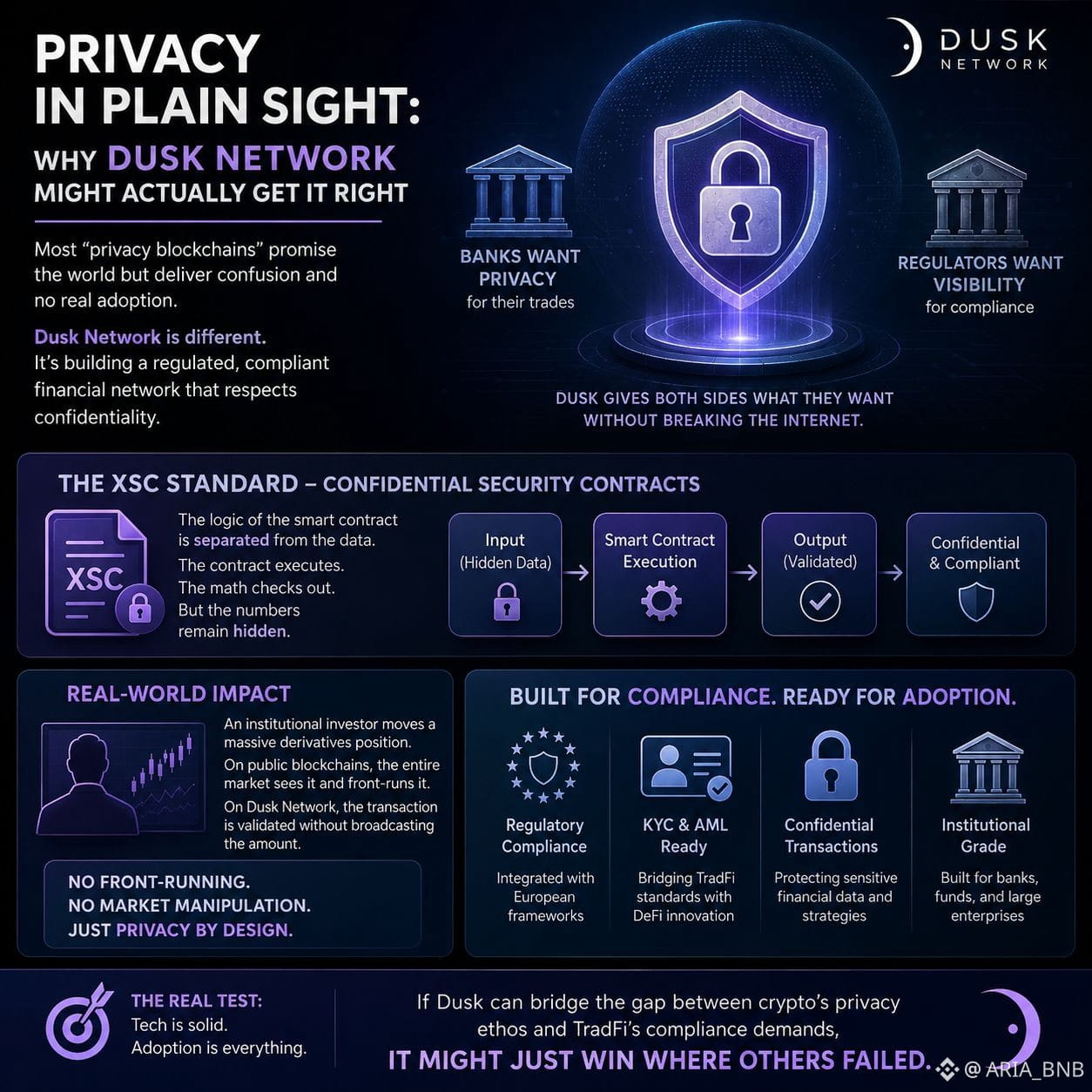
Privacidade à Vista: por que a Dusk Network pode, na verdade, acertar
Vamos ser honestos por um segundo. Quando a maioria das pessoas ouve “blockchain de privacidade”, os olhos apagam. Elas imaginam mercados da dark web ou, pior, mais uma solução layer-1 que promete o céu, mas entrega uma interface de carteira confusa e zero liquidez.
Mas tem uma coisa: o mundo financeiro tem um segredo sujo. Ele adora transparência para nós, mas anseia por opacidade para eles.
Conheça a Dusk Network. Ela não está tentando ser o próximo Bitcoin ou um clone mais rápido do Ethereum. Está tentando ser algo muito mais difícil de fazer: uma rede financeira regulada e em conformidade, que de fato respeita a confidencialidade. Parece um paradoxo, certo? Bancos querem privacidade para suas operações, mas reguladores querem visibilidade. A Dusk essencialmente tenta dar a ambos os lados exatamente o que eles querem sem quebrar a internet.
Ela faz isso usando o padrão XSC de Confidential Security Contracts. É uma forma sofisticada de dizer que a lógica de um contrato inteligente é separada dos dados. O contrato executa, a matemática confere, mas os números permanecem ocultos.
Pense em um investidor institucional movendo uma posição enorme em derivativos. Se essa transação cair em uma blockchain pública como o Ethereum, todo o mercado vê o fluxo de ordens e faz front-running. Isso não é só chato; é financeiramente catastrófico. A Dusk inverte o roteiro. Ela valida a transação sem divulgar o valor.
Ela vai vencer as guerras entre Layer-1? Essa é a pergunta de um milhão de dólares. A tecnologia é sólida, mas o teste real não é o código; é a adoção. A Dusk está apostando alto na conformidade regulatória (ela está fortemente integrada a estruturas europeias). Se conseguir preencher a lacuna entre o ethos anônimo do cripto e os requisitos rígidos de KYC da TradFi, talvez tenha uma chance. Por enquanto, é uma escolha “sleepy” — discreta. Mas num mundo em que seu banco sabe onde você compra seu café, manter a estratégia financeira em sigilo não é luxo. É uma necessidade.
#dusk
@Dusk
$DUSK
Privacidade à Vista: por que a Dusk Network pode, na verdade, acertar
Vamos ser honestos por um segundo. Quando a maioria das pessoas ouve “blockchain de privacidade”, os olhos apagam. Elas imaginam mercados da dark web ou, pior, mais uma solução layer-1 que promete o céu, mas entrega uma interface de carteira confusa e zero liquidez.
Mas tem uma coisa: o mundo financeiro tem um segredo sujo. Ele adora transparência para nós, mas anseia por opacidade para eles.
Conheça a Dusk Network. Ela não está tentando ser o próximo Bitcoin ou um clone mais rápido do Ethereum. Está tentando ser algo muito mais difícil de fazer: uma rede financeira regulada e em conformidade, que de fato respeita a confidencialidade. Parece um paradoxo, certo? Bancos querem privacidade para suas operações, mas reguladores querem visibilidade. A Dusk essencialmente tenta dar a ambos os lados exatamente o que eles querem sem quebrar a internet.
Ela faz isso usando o padrão XSC de Confidential Security Contracts. É uma forma sofisticada de dizer que a lógica de um contrato inteligente é separada dos dados. O contrato executa, a matemática confere, mas os números permanecem ocultos.
Pense em um investidor institucional movendo uma posição enorme em derivativos. Se essa transação cair em uma blockchain pública como o Ethereum, todo o mercado vê o fluxo de ordens e faz front-running. Isso não é só chato; é financeiramente catastrófico. A Dusk inverte o roteiro. Ela valida a transação sem divulgar o valor.
Ela vai vencer as guerras entre Layer-1? Essa é a pergunta de um milhão de dólares. A tecnologia é sólida, mas o teste real não é o código; é a adoção. A Dusk está apostando alto na conformidade regulatória (ela está fortemente integrada a estruturas europeias). Se conseguir preencher a lacuna entre o ethos anônimo do cripto e os requisitos rígidos de KYC da TradFi, talvez tenha uma chance. Por enquanto, é uma escolha “sleepy” — discreta. Mas num mundo em que seu banco sabe onde você compra seu café, manter a estratégia financeira em sigilo não é luxo. É uma necessidade.
#dusk
@Dusk
$DUSK
#dusk @Dusk $DUSK
Vamos ser honestos por um segundo. Quando a maioria das pessoas ouve “privacidade no blockchain”, os olhos já parecem ir para outro lugar. Elas imaginam cypherpunks de moletom ou criminosos tentando esconder dinheiro de drogas. Mas essa é uma visão preguiçosa.
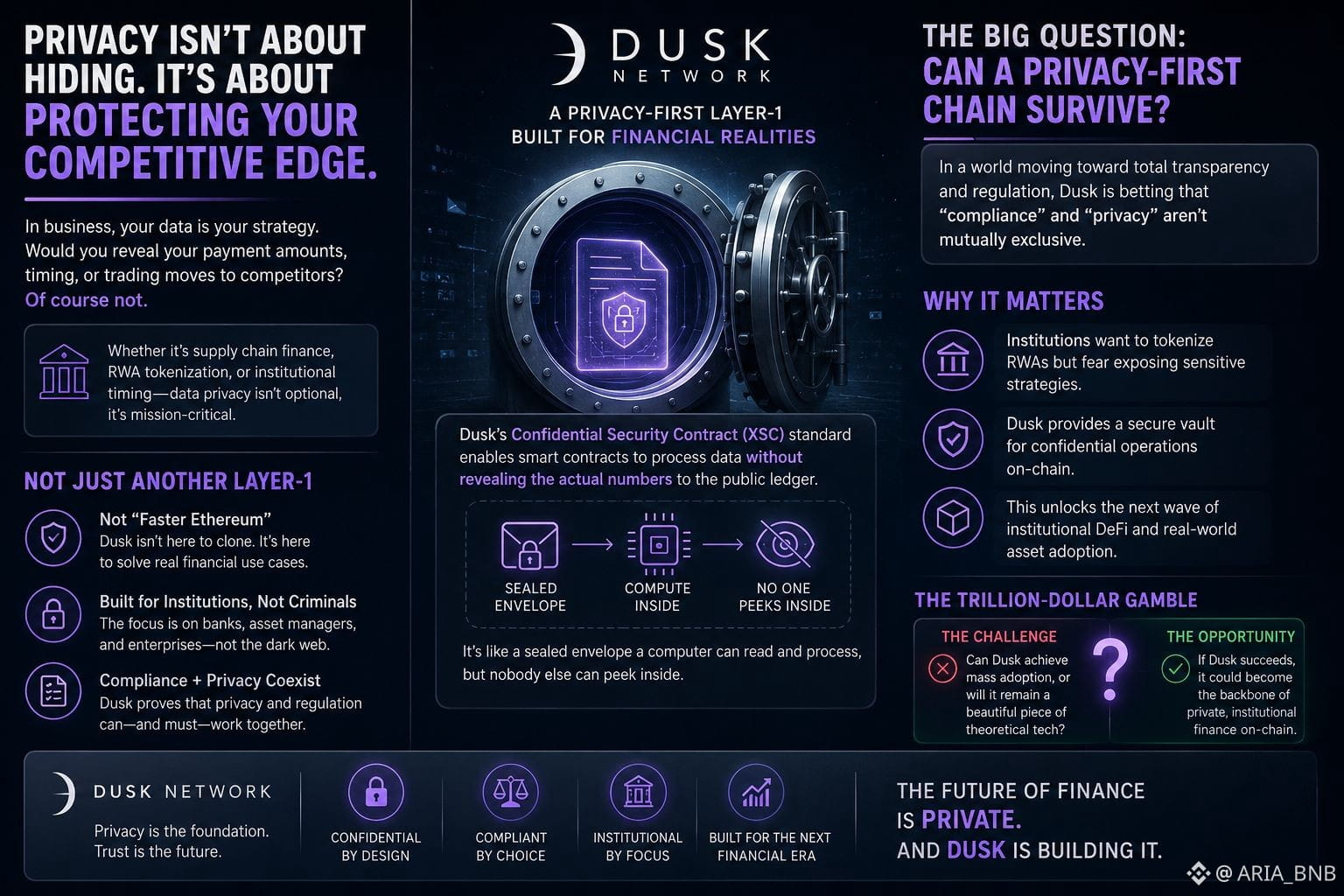
Privacidade não é sobre esconder; é sobre proteger sua vantagem competitiva.
Se você tem um negócio — digamos, uma plataforma de supply chain finance — você quer que seus concorrentes vejam exatamente quanto você paga pelos produtos ou quando você faz esses pagamentos? Claro que não. Você precisa de uma caixa-preta para sua estratégia. E é aí que a Dusk Network entra na conversa.
A Dusk não é apenas mais uma Layer-1 tentando ser “Ethereum mais rápida”. Eles estão reinventando a roda para respeitar as realidades financeiras.
Eles não estão se apoiando nas tradicionais manobras de “privacidade por obscuridade”. Eles criaram o padrão Confidential Security Contract (XSC). Isso não é só um nome sofisticado; é um recurso nativo que permite que contratos inteligentes processem dados sem revelar os números reais para o ledger público. Pense como um envelope lacrado que um computador consegue ler e processar, mas ninguém mais consegue bisbilhotar.
Mas aqui vai a pergunta que não me deixa dormir à noite: num mundo que caminha para transparência total e regulação, uma blockchain com foco em privacidade consegue realmente sobreviver? A Dusk acha que sim. Eles apostam que “compliance” e “privacidade” não são coisas mutuamente exclusivas.
O ponto-chave é que eles não estão construindo para a dark web. Estão construindo para os players institucionais que estão morrendo de vontade de tokenizar ativos do mundo real (RWAs), mas temem (e muito) expor suas estratégias de negociação para o mundo. A Dusk essencialmente oferece a eles um cofre seguro para operar.
Claro, a tecnologia é impressionante, mas o teste real será a adoção. Eles conseguem fazer os grandes bancos e gestores de ativos realmente usarem isso, ou vai continuar sendo uma bela peça de tecnologia teórica?
Esse é o grande jogo de apostas de um trilhão de dólares.
#dusk
@Dusk
$DUSK
Vamos ser honestos por um segundo. Quando a maioria das pessoas ouve “privacidade no blockchain”, os olhos já parecem ir para outro lugar. Elas imaginam cypherpunks de moletom ou criminosos tentando esconder dinheiro de drogas. Mas essa é uma visão preguiçosa.
Privacidade não é sobre esconder; é sobre proteger sua vantagem competitiva.
Se você tem um negócio — digamos, uma plataforma de supply chain finance — você quer que seus concorrentes vejam exatamente quanto você paga pelos produtos ou quando você faz esses pagamentos? Claro que não. Você precisa de uma caixa-preta para sua estratégia. E é aí que a Dusk Network entra na conversa.
A Dusk não é apenas mais uma Layer-1 tentando ser “Ethereum mais rápida”. Eles estão reinventando a roda para respeitar as realidades financeiras.
Eles não estão se apoiando nas tradicionais manobras de “privacidade por obscuridade”. Eles criaram o padrão Confidential Security Contract (XSC). Isso não é só um nome sofisticado; é um recurso nativo que permite que contratos inteligentes processem dados sem revelar os números reais para o ledger público. Pense como um envelope lacrado que um computador consegue ler e processar, mas ninguém mais consegue bisbilhotar.
Mas aqui vai a pergunta que não me deixa dormir à noite: num mundo que caminha para transparência total e regulação, uma blockchain com foco em privacidade consegue realmente sobreviver? A Dusk acha que sim. Eles apostam que “compliance” e “privacidade” não são coisas mutuamente exclusivas.
O ponto-chave é que eles não estão construindo para a dark web. Estão construindo para os players institucionais que estão morrendo de vontade de tokenizar ativos do mundo real (RWAs), mas temem (e muito) expor suas estratégias de negociação para o mundo. A Dusk essencialmente oferece a eles um cofre seguro para operar.
Claro, a tecnologia é impressionante, mas o teste real será a adoção. Eles conseguem fazer os grandes bancos e gestores de ativos realmente usarem isso, ou vai continuar sendo uma bela peça de tecnologia teórica?
Esse é o grande jogo de apostas de um trilhão de dólares.
#dusk
@Dusk
$DUSK
#dusk @Dusk $DUSK
A verdade desconfortável sobre privacidade financeira em cripto
Vamos ser honestos por um segundo. O universo cripto tem uma pequena crise de identidade quando se trata de privacidade. Por um lado, defendemos a descentralização e a ideia de sermos nossos próprios bancos. Por outro, estamos perfeitamente bem em transmitir todo o nosso histórico de transações em um livro-razão público, para qualquer pessoa — incluindo seu vizinho intrometido ou um concorrente corporativo — analisar.
Não faz muito sentido, não faz?
Se você lida com aplicações financeiras, a ideia de "público por padrão" soa menos como inovação e mais como um pesadelo. Ainda assim, a maioria das blockchains opera exatamente assim. Elas prometem liberdade financeira, mas escondem seus dados atrás de uma janela de vidro. Você consegue ver o dinheiro se movendo, mas não consegue tocá-lo. Ou pior: todo mundo consegue ver você movendo.
Conheça a Dusk Network.
A Dusk não está tentando ser a blockchain mais rápida nem a que tem mais memes. Ela está enfrentando o elefante na sala que a maioria dos desenvolvedores prefere ignorar: a Confidencialidade.
Eles construíram uma Layer 1 especificamente para casos de uso financeiros e fizeram isso introduzindo algo chamado padrão Confidential Security Contract (XSC). Se você já se sentiu incomodado com a transparência do Ethereum ou do Bitcoin, isso é o antídoto. Não é apenas sobre esconder seu saldo; é sobre criar um espaço onde instrumentos financeiros complexos possam existir sem expor os mecanismos da negociação para o mundo inteiro. Afinal, francamente, uma empresa não deveria precisar revelar suas estratégias de tesouraria aos concorrentes apenas para usar DeFi.
Isso parece menos um projeto técnico de nicho e mais a peça que faltava para a adoção institucional. A Dusk está tornando a privacidade o padrão, não a exceção
#dusk
@Dusk
$DUSK
A verdade desconfortável sobre privacidade financeira em cripto
Vamos ser honestos por um segundo. O universo cripto tem uma pequena crise de identidade quando se trata de privacidade. Por um lado, defendemos a descentralização e a ideia de sermos nossos próprios bancos. Por outro, estamos perfeitamente bem em transmitir todo o nosso histórico de transações em um livro-razão público, para qualquer pessoa — incluindo seu vizinho intrometido ou um concorrente corporativo — analisar.
Não faz muito sentido, não faz?
Se você lida com aplicações financeiras, a ideia de "público por padrão" soa menos como inovação e mais como um pesadelo. Ainda assim, a maioria das blockchains opera exatamente assim. Elas prometem liberdade financeira, mas escondem seus dados atrás de uma janela de vidro. Você consegue ver o dinheiro se movendo, mas não consegue tocá-lo. Ou pior: todo mundo consegue ver você movendo.
Conheça a Dusk Network.
A Dusk não está tentando ser a blockchain mais rápida nem a que tem mais memes. Ela está enfrentando o elefante na sala que a maioria dos desenvolvedores prefere ignorar: a Confidencialidade.
Eles construíram uma Layer 1 especificamente para casos de uso financeiros e fizeram isso introduzindo algo chamado padrão Confidential Security Contract (XSC). Se você já se sentiu incomodado com a transparência do Ethereum ou do Bitcoin, isso é o antídoto. Não é apenas sobre esconder seu saldo; é sobre criar um espaço onde instrumentos financeiros complexos possam existir sem expor os mecanismos da negociação para o mundo inteiro. Afinal, francamente, uma empresa não deveria precisar revelar suas estratégias de tesouraria aos concorrentes apenas para usar DeFi.
Isso parece menos um projeto técnico de nicho e mais a peça que faltava para a adoção institucional. A Dusk está tornando a privacidade o padrão, não a exceção
#dusk
@Dusk
$DUSK
#dusk @Dusk $DUSK
Privacidade não é um recurso; é a base.
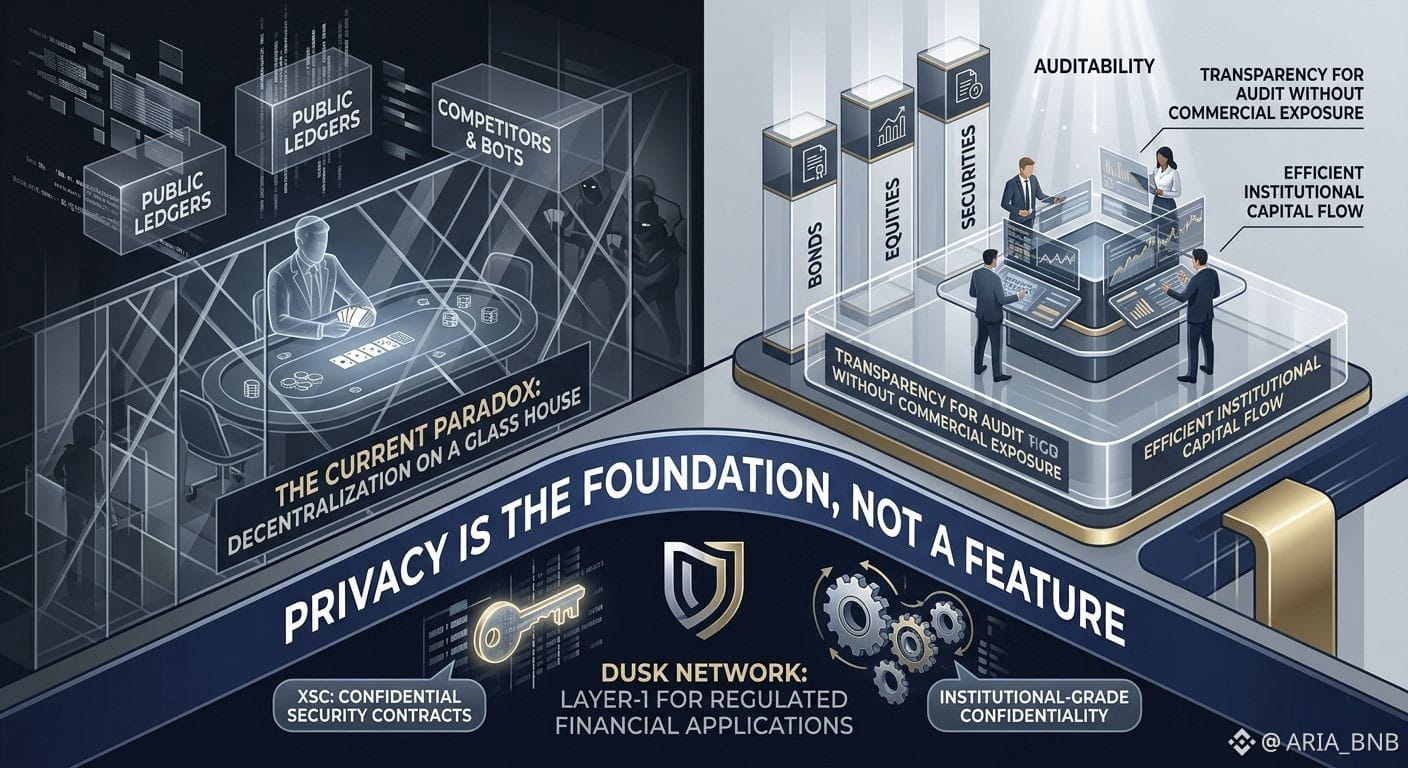
Por anos, o setor cripto operou um paradoxo estranho. Defendemos a descentralização e a soberania financeira, mas transacionamos em registros tão transparentes quanto uma casa de vidro. Cada negociação, cada oferta de liquidez e cada farm de rendimentos ficam expostos para concorrentes, bots e curiosos analisarem. É como entrar em um cassino em que todos podem ver suas cartas — e seu saldo bancário — antes mesmo de você se sentar.
Por isso, a Dusk Network chamou minha atenção: não porque oferece privacidade, mas porque trata a privacidade como pré-requisito para mercados financeiros reais.
A maioria das blockchains é otimizada para colecionáveis e moedas meme. Elas ficam pesadas quando lidam com as exigências regulatórias e de confidencialidade de valores mobiliários, títulos ou ações. A Dusk aborda isso de forma diferente. Eles construíram uma Layer-1 especificamente desenhada para aplicações financeiras — e querem dizer isso. A Dusk Network utiliza o padrão Confidential Security Contract (XSC), que pega o smart contract no estilo Ethereum e o coloca dentro de um envelope seguro.
No mundo financeiro tradicional, uma instituição que negocia um título não anuncia o preço para o salão inteiro antes de executar a operação. Isso seria desastroso. A Dusk traz essa privacidade no padrão institucional para dentro da blockchain. Você obtém a transparência necessária para auditoria, sem expor os dados comerciais sensíveis que fazem os mercados funcionarem. É um equilíbrio delicado, mas é o que precisamos se quisermos ver de verdade o fluxo de capital institucional entrando na infraestrutura descentralizada.
O que acontece quando uma empresa consegue tokenizar ações e negociá-las de forma privada, liquidando instantaneamente em uma blockchain? Os sistemas antigos começam a parecer muito lentos.
#dusk @Dusk $DUSK
Privacidade não é um recurso; é a base.
Por anos, o setor cripto operou um paradoxo estranho. Defendemos a descentralização e a soberania financeira, mas transacionamos em registros tão transparentes quanto uma casa de vidro. Cada negociação, cada oferta de liquidez e cada farm de rendimentos ficam expostos para concorrentes, bots e curiosos analisarem. É como entrar em um cassino em que todos podem ver suas cartas — e seu saldo bancário — antes mesmo de você se sentar.
Por isso, a Dusk Network chamou minha atenção: não porque oferece privacidade, mas porque trata a privacidade como pré-requisito para mercados financeiros reais.
A maioria das blockchains é otimizada para colecionáveis e moedas meme. Elas ficam pesadas quando lidam com as exigências regulatórias e de confidencialidade de valores mobiliários, títulos ou ações. A Dusk aborda isso de forma diferente. Eles construíram uma Layer-1 especificamente desenhada para aplicações financeiras — e querem dizer isso. A Dusk Network utiliza o padrão Confidential Security Contract (XSC), que pega o smart contract no estilo Ethereum e o coloca dentro de um envelope seguro.
No mundo financeiro tradicional, uma instituição que negocia um título não anuncia o preço para o salão inteiro antes de executar a operação. Isso seria desastroso. A Dusk traz essa privacidade no padrão institucional para dentro da blockchain. Você obtém a transparência necessária para auditoria, sem expor os dados comerciais sensíveis que fazem os mercados funcionarem. É um equilíbrio delicado, mas é o que precisamos se quisermos ver de verdade o fluxo de capital institucional entrando na infraestrutura descentralizada.
O que acontece quando uma empresa consegue tokenizar ações e negociá-las de forma privada, liquidando instantaneamente em uma blockchain? Os sistemas antigos começam a parecer muito lentos.
#dusk @Dusk $DUSK
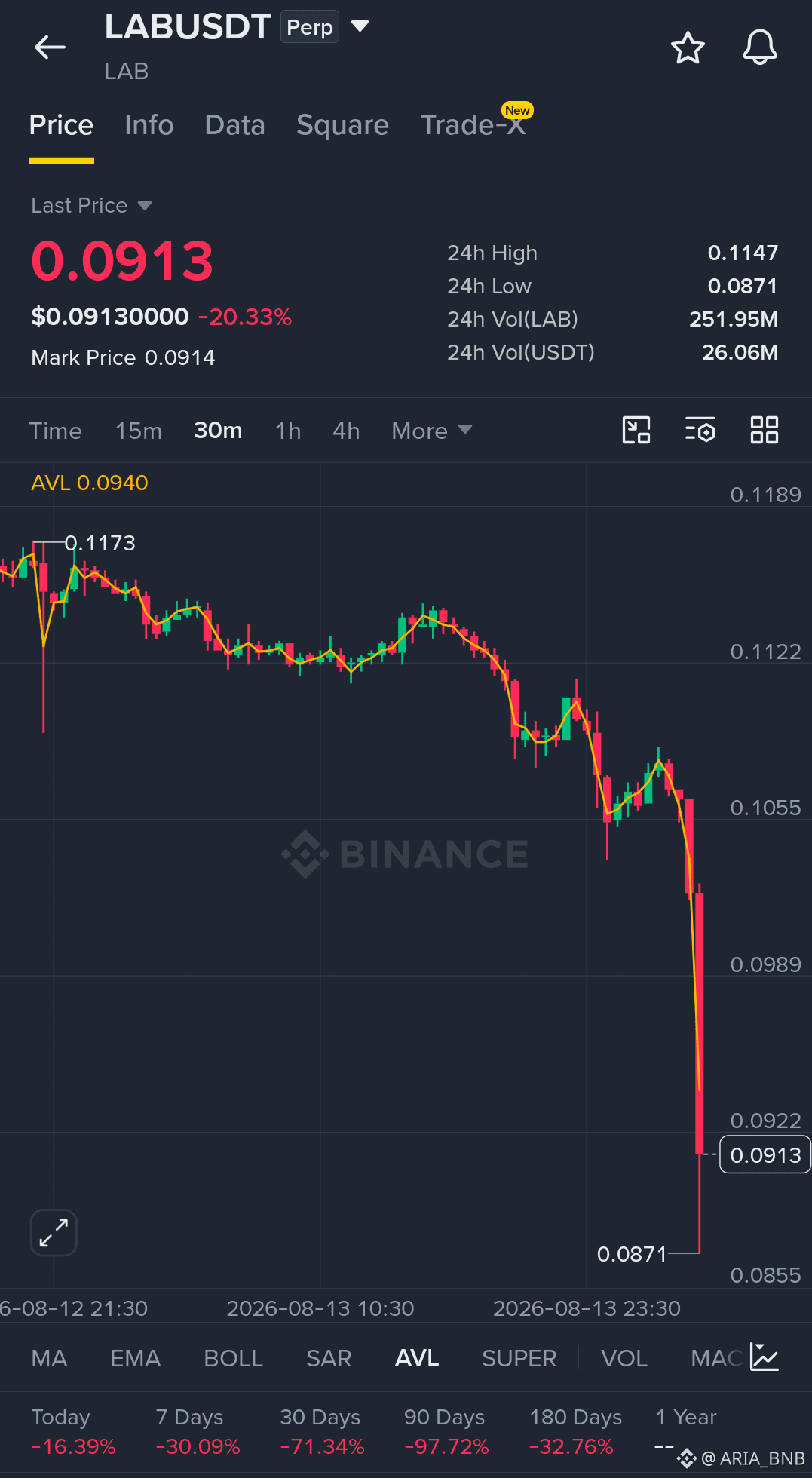
🚨 $LAB LONGS ESTÃO SENDO ZERADOS! 🚨
🔴 Liquidação Long: US$ 13,015K
💰 Preço de Liquidação: US$ 0,09282
🏦 Exchange: BINANCE
⚡ Suporte: US$ 0,0928 — zona crítica de liquidação
🚧 Resistência: US$ 0,0955 → US$ 0,0980
🎯 Próximo Objetivo: US$ 0,1000 se $LAB recuperar US$ 0,0980 com forte volume
🔥 Sinal de Mercado: Uma liquidação de longs acima de US$ 13K pode gerar volatilidade significativa. Se mantiver a região de US$ 0,0928, os compradores podem tentar uma recuperação brusca. Uma ruptura limpa abaixo disso pode disparar outra onda de vendas.
⚠️ Risco: ALTO — movimentos impulsionados por liquidações podem inverter rápido.
💡 Dica: Observe US$ 0,0928 de perto. Não “compre a queda” às cegas; espere uma recuperação confirmada e volume antes de entrar na operação.
$LAB
🔴 Liquidação Long: US$ 13,015K
💰 Preço de Liquidação: US$ 0,09282
🏦 Exchange: BINANCE
⚡ Suporte: US$ 0,0928 — zona crítica de liquidação
🚧 Resistência: US$ 0,0955 → US$ 0,0980
🎯 Próximo Objetivo: US$ 0,1000 se $LAB recuperar US$ 0,0980 com forte volume
🔥 Sinal de Mercado: Uma liquidação de longs acima de US$ 13K pode gerar volatilidade significativa. Se mantiver a região de US$ 0,0928, os compradores podem tentar uma recuperação brusca. Uma ruptura limpa abaixo disso pode disparar outra onda de vendas.
⚠️ Risco: ALTO — movimentos impulsionados por liquidações podem inverter rápido.
💡 Dica: Observe US$ 0,0928 de perto. Não “compre a queda” às cegas; espere uma recuperação confirmada e volume antes de entrar na operação.
$LAB
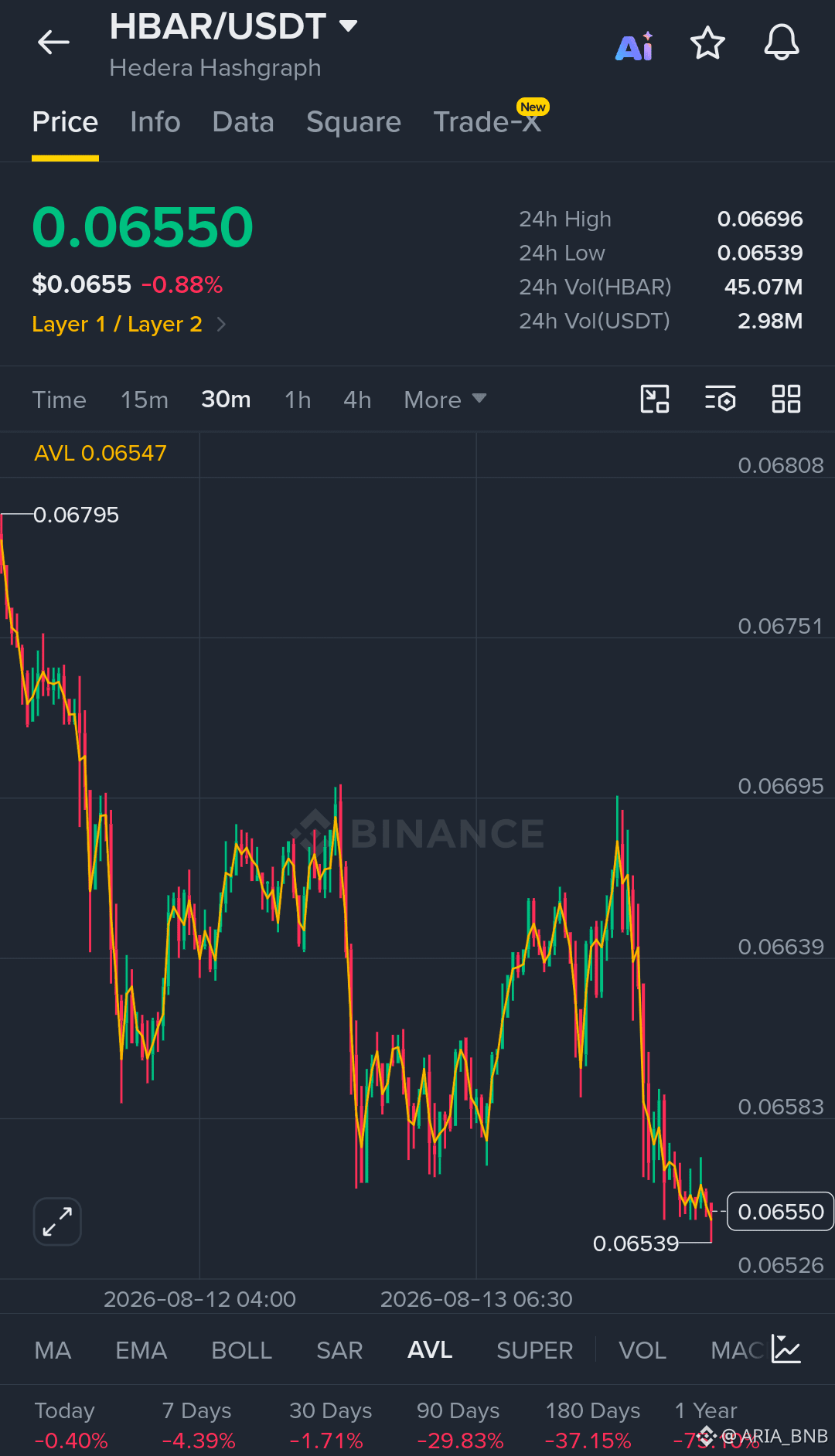
🚨 $HBAR LONGS ACABARAM DE SER LIQUIDADOS! 🚨
🔴 Liquidação Longa: US$ 2,5526K
💰 Preço de Liquidação: US$ 0,06533
🏦 Exchange: BINANCE
⚡ Suporte: US$ 0,0653 — zona crítica de liquidação
🚧 Resistência: US$ 0,0665 → US$ 0,0680
🎯 Próximo Alvo: US$ 0,0680 — rompimento acima disso pode abrir US$ 0,0700 🚀
📉 Sinal de Mercado: O leverage comprado (long) está sendo sacudido e eliminado em torno de US$ 0,0653. Se os compradores defenderem essa zona, o HBAR pode tentar uma recuperação brusca. Mas uma quebra limpa pode disparar mais uma varredura para baixo.
⚠️ Risco: ALTO — zonas de liquidação podem causar reversões rápidas.
💡 Dica: Não tente “pegar a faca caindo”. Espere US$ 0,0653 segurar e procure uma recuperação confirmada de US$ 0,0665 antes de correr atrás do lado positivo.
$HBAR
🔴 Liquidação Longa: US$ 2,5526K
💰 Preço de Liquidação: US$ 0,06533
🏦 Exchange: BINANCE
⚡ Suporte: US$ 0,0653 — zona crítica de liquidação
🚧 Resistência: US$ 0,0665 → US$ 0,0680
🎯 Próximo Alvo: US$ 0,0680 — rompimento acima disso pode abrir US$ 0,0700 🚀
📉 Sinal de Mercado: O leverage comprado (long) está sendo sacudido e eliminado em torno de US$ 0,0653. Se os compradores defenderem essa zona, o HBAR pode tentar uma recuperação brusca. Mas uma quebra limpa pode disparar mais uma varredura para baixo.
⚠️ Risco: ALTO — zonas de liquidação podem causar reversões rápidas.
💡 Dica: Não tente “pegar a faca caindo”. Espere US$ 0,0653 segurar e procure uma recuperação confirmada de US$ 0,0665 antes de correr atrás do lado positivo.
$HBAR
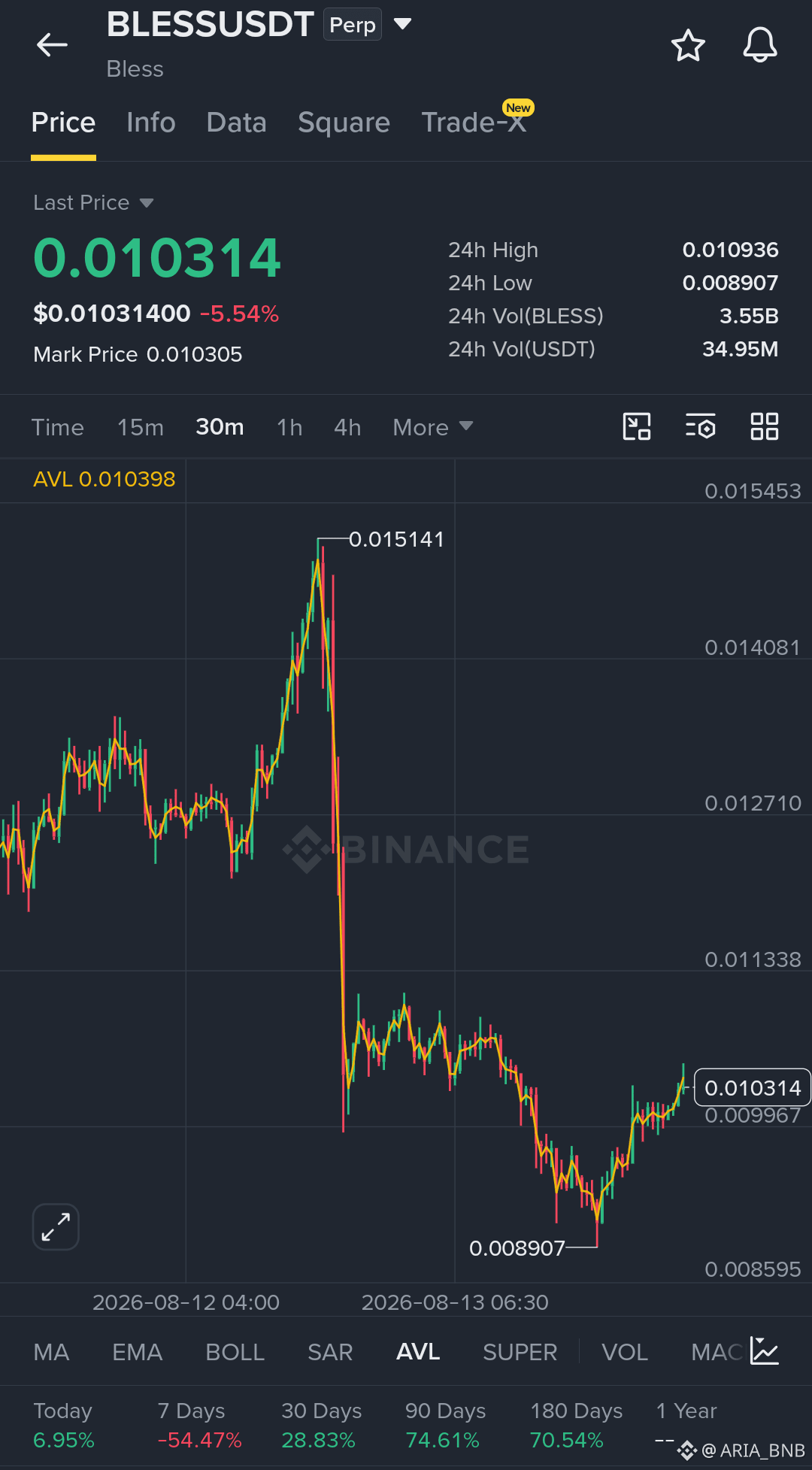
🚨 $BLESS SHORTS FORAM ESMAGADOS! 🚨
🟢 Liquidação de Shorts: US$ 1,1949K
💰 Preço de Liquidação: US$ 0,01046
🏦 Exchange: BINANCE
⚡ Suporte: US$ 0,01020
🚧 Resistência: US$ 0,01060 → US$ 0,01080
🎯 Próximo Objetivo: US$ 0,01080 — e se o momentum explodir acima disso, US$ 0,01120 pode entrar em cena! 🚀
🔥 Sinal de Mercado: Shorts estão sendo pressionados (squeeze) enquanto $BLESS sobe mais. Esta liquidação pode impulsionar ganhos adicionais se os compradores mantiverem o volume e defenderem a zona da ruptura.
⚠️ Risco: ALTO — squeezes de short podem se mover de forma violenta em ambas as direções.
💡 Dica: Não corra atrás da vela verde. Observe US$ 0,01060 para uma ruptura limpa e confirmação antes de entrar. Proteja sua posição com um stop apertado.
$BLESS
🟢 Liquidação de Shorts: US$ 1,1949K
💰 Preço de Liquidação: US$ 0,01046
🏦 Exchange: BINANCE
⚡ Suporte: US$ 0,01020
🚧 Resistência: US$ 0,01060 → US$ 0,01080
🎯 Próximo Objetivo: US$ 0,01080 — e se o momentum explodir acima disso, US$ 0,01120 pode entrar em cena! 🚀
🔥 Sinal de Mercado: Shorts estão sendo pressionados (squeeze) enquanto $BLESS sobe mais. Esta liquidação pode impulsionar ganhos adicionais se os compradores mantiverem o volume e defenderem a zona da ruptura.
⚠️ Risco: ALTO — squeezes de short podem se mover de forma violenta em ambas as direções.
💡 Dica: Não corra atrás da vela verde. Observe US$ 0,01060 para uma ruptura limpa e confirmação antes de entrar. Proteja sua posição com um stop apertado.
$BLESS
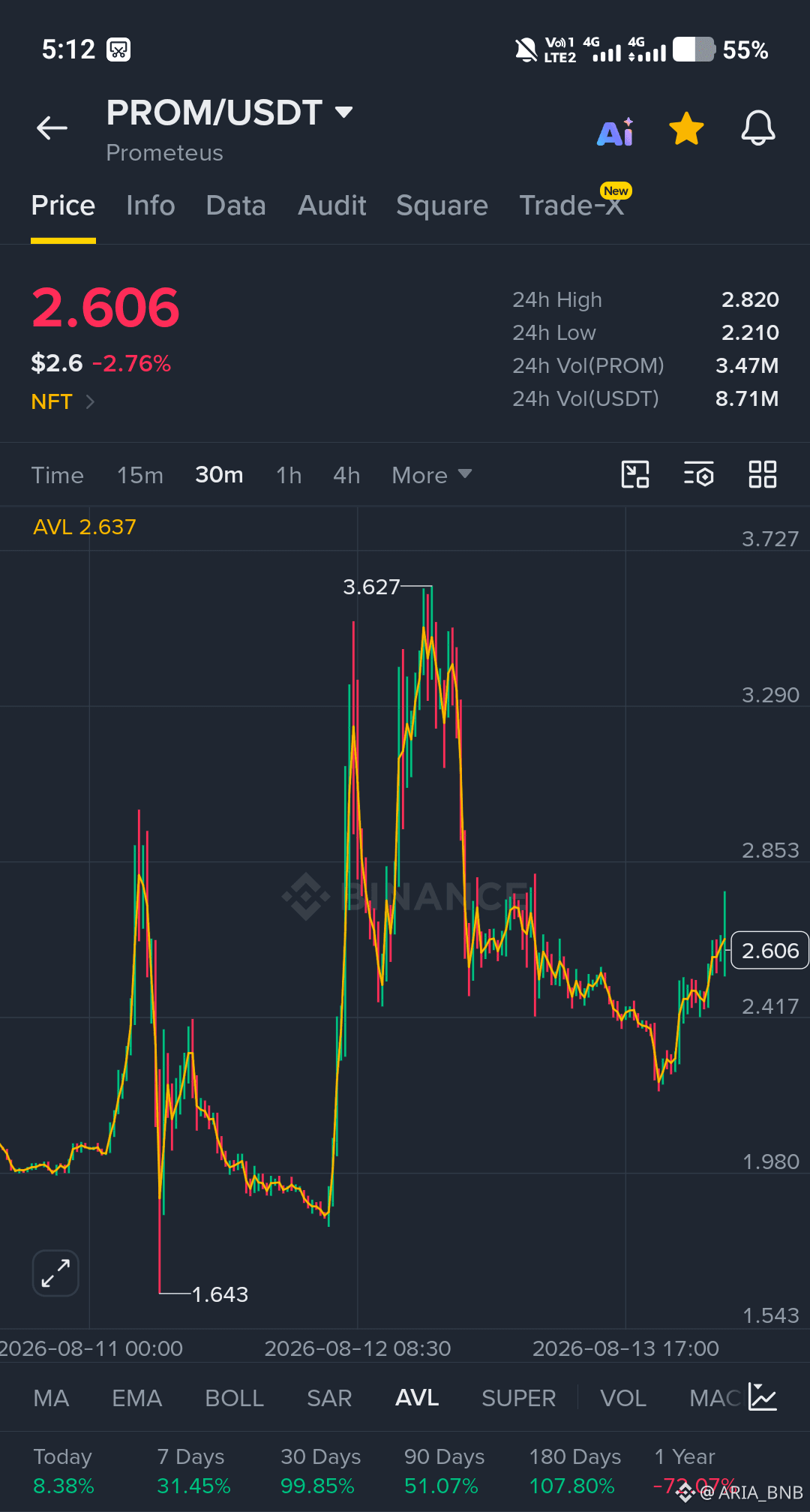
🚨 $PROM POSIÇÕES LONGAS ACABARAM DE SEREM ZERADAS! 🚨
🔴 Liquidação de Longs: US$ 2,5531K
💰 Preço de Liquidação: US$ 2,55312
🏦 Bolsa: BINANCE
⚡ Suporte: US$ 2,55 — zona-chave de liquidação
🚧 Resistência: US$ 2,62 → US$ 2,70
🎯 Próximo Objetivo: US$ 2,70, com US$ 2,80 à vista se os compradores romperem a resistência com forte volume
📉 Sinal do Mercado: uma nova liquidação de long mostra que compradores alavancados estão sob pressão. Se $PROM estabilizar em torno de US$ 2,55, um repique de alívio pode ser acionado. Mas perder essa zona pode abrir espaço para outro “flush”.
⚠️ Risco: ALTO — a volatilidade pode explodir após eventos de liquidação.
💡 Dica: não se apresse no repique. Observe US$ 2,55 para uma boa sustentação e espere US$ 2,62 virar suporte antes de considerar entradas por momentum.
$PROM
🔴 Liquidação de Longs: US$ 2,5531K
💰 Preço de Liquidação: US$ 2,55312
🏦 Bolsa: BINANCE
⚡ Suporte: US$ 2,55 — zona-chave de liquidação
🚧 Resistência: US$ 2,62 → US$ 2,70
🎯 Próximo Objetivo: US$ 2,70, com US$ 2,80 à vista se os compradores romperem a resistência com forte volume
📉 Sinal do Mercado: uma nova liquidação de long mostra que compradores alavancados estão sob pressão. Se $PROM estabilizar em torno de US$ 2,55, um repique de alívio pode ser acionado. Mas perder essa zona pode abrir espaço para outro “flush”.
⚠️ Risco: ALTO — a volatilidade pode explodir após eventos de liquidação.
💡 Dica: não se apresse no repique. Observe US$ 2,55 para uma boa sustentação e espere US$ 2,62 virar suporte antes de considerar entradas por momentum.
$PROM
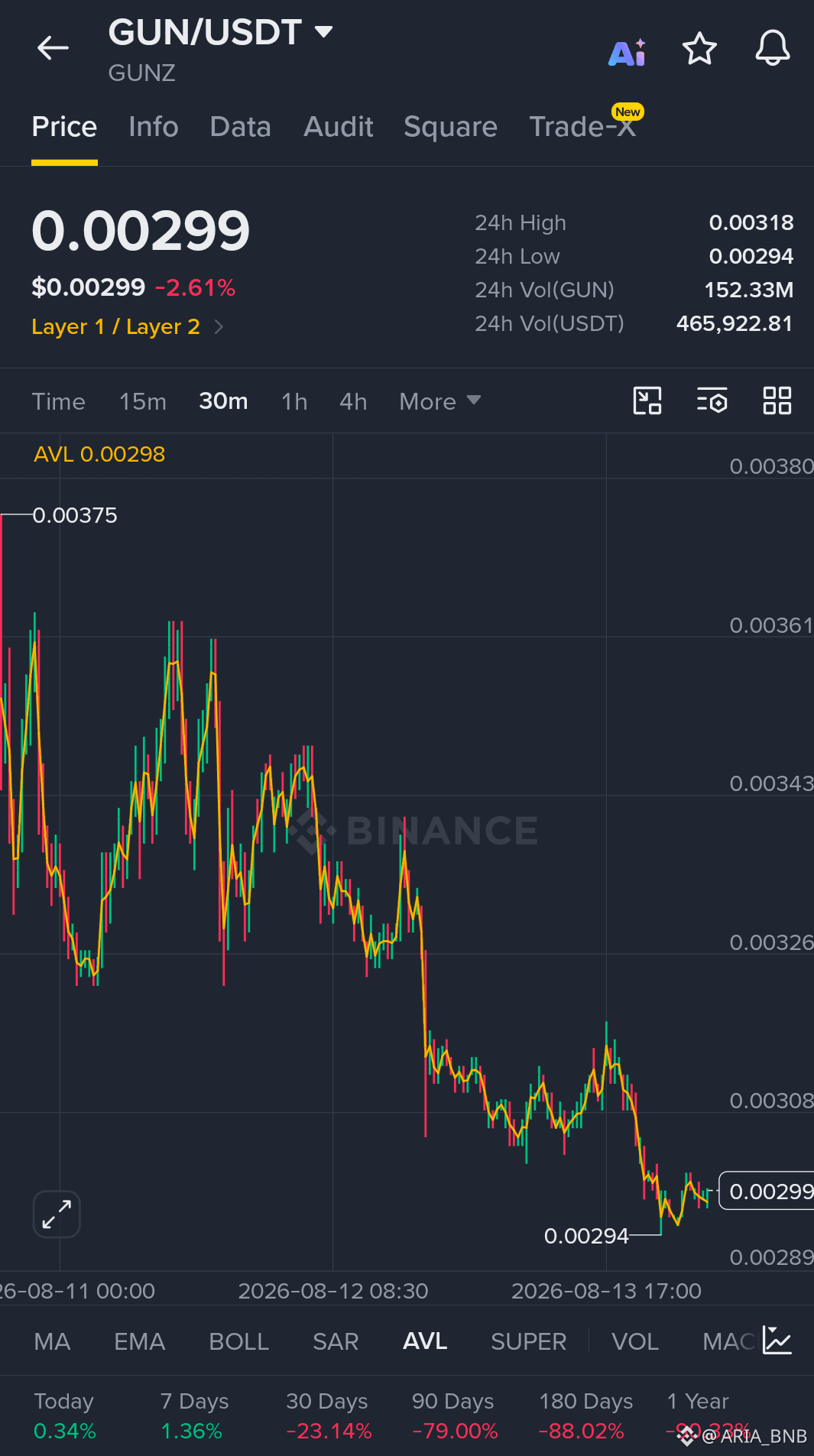
🔥 $GUN ALERTA DE LONG LIQUIDATION — BINANCE 🔥
🔴 Liquidação Long: US$ 1,8616K
💰 Preço da Liquidação: US$ 0,00298
🏦 Exchange: BINANCE
⚠️ Suporte: US$ 0,00298 zona-chave de reação
🚧 Resistência: US$ 0,00315 → US$ 0,00330
🎯 Próximo Alvo: US$ 0,00330 se os compradores recuperarem US$ 0,00315 com volume
📉 A liquidação long mostra compradores alavancados sendo eliminados em um nível crítico. Se $GUN se mantiver acima da zona de liquidação, pode se desenvolver um forte repique de alívio. Mas perder US$ 0,00298 pode expor uma queda mais profunda.
🔥 Risco: ALTO a volatilidade pode se expandir rapidamente após varreduras de liquidação.
💡 Dica: Não corra atrás do primeiro candle após um pico de liquidação. Espere confirmação acima da resistência e observe o volume antes de entrar.
$GUN
🔴 Liquidação Long: US$ 1,8616K
💰 Preço da Liquidação: US$ 0,00298
🏦 Exchange: BINANCE
⚠️ Suporte: US$ 0,00298 zona-chave de reação
🚧 Resistência: US$ 0,00315 → US$ 0,00330
🎯 Próximo Alvo: US$ 0,00330 se os compradores recuperarem US$ 0,00315 com volume
📉 A liquidação long mostra compradores alavancados sendo eliminados em um nível crítico. Se $GUN se mantiver acima da zona de liquidação, pode se desenvolver um forte repique de alívio. Mas perder US$ 0,00298 pode expor uma queda mais profunda.
🔥 Risco: ALTO a volatilidade pode se expandir rapidamente após varreduras de liquidação.
💡 Dica: Não corra atrás do primeiro candle após um pico de liquidação. Espere confirmação acima da resistência e observe o volume antes de entrar.
$GUN
Inicia sessão para explorar mais conteúdos