
Strom Breaker
17.7k Publicações

Strom Breaker
 Square verificado+
Denunciar
Bloquear Utilizador
Web3 Explorer| Pro Crypto Influncer, NFTs & DeFi and crypto 👑.BNB || BTC .Pro Signal | Professional Signal Provider — Clean crypto signals based on price
Aberto ao trading
Trader Frequente
1.8 ano(s)
2 A seguir
30.4K+ Seguidores
24.6K+ Gostaram
Publicações
Portfólio
Tudo
Cotações
Em direto
·
--
Em Alta
Uma coisa que se destacou para mim ao observar a reação do CPI é como é fácil focar no número errado.#CPIWatch
Os 3,4% do indicador principal importam, mas o sinal mais interessante é o que aconteceu com as expectativas de taxa depois. O CPI Core veio mais firme do que o esperado, e os mercados rapidamente aumentaram muito a probabilidade de uma alta de juros do Fed em setembro.
Isso cria uma distinção importante para as criptomoedas: o mercado não negocia o CPI em si. Ele negocia a mudança no caminho esperado da política monetária.
Para o Bitcoin, eu observaria a sequência em vez do título: surpresa do CPI → expectativas do Fed → rendimentos dos Treasuries de 2 anos → força do dólar → liquidez do BTC.
A decisão do FOMC de setembro é apenas parte da história. A questão maior é se os formuladores de política apresentam um movimento de 25 bps como um ajuste único ou como o início de uma trajetória mais restritiva e persistente.
Se os juros subirem, mas o BTC mantiver relativamente bem, isso também seria uma informação útil. Poderia sugerir que o posicionamento e a demanda subjacente estão absorvendo a pressão macro.
Por isso, acho que o próximo sinal útil não é simplesmente “alta de juros ou não”. É como os mercados se comportam à medida que essa alta passa a ser cada vez mais precificada.
#CPIWatch
Uma coisa que se destacou para mim ao observar a reação do CPI é como é fácil focar no número errado.#CPIWatch
Os 3,4% do indicador principal importam, mas o sinal mais interessante é o que aconteceu com as expectativas de taxa depois. O CPI Core veio mais firme do que o esperado, e os mercados rapidamente aumentaram muito a probabilidade de uma alta de juros do Fed em setembro.
Isso cria uma distinção importante para as criptomoedas: o mercado não negocia o CPI em si. Ele negocia a mudança no caminho esperado da política monetária.
Para o Bitcoin, eu observaria a sequência em vez do título: surpresa do CPI → expectativas do Fed → rendimentos dos Treasuries de 2 anos → força do dólar → liquidez do BTC.
A decisão do FOMC de setembro é apenas parte da história. A questão maior é se os formuladores de política apresentam um movimento de 25 bps como um ajuste único ou como o início de uma trajetória mais restritiva e persistente.
Se os juros subirem, mas o BTC mantiver relativamente bem, isso também seria uma informação útil. Poderia sugerir que o posicionamento e a demanda subjacente estão absorvendo a pressão macro.
Por isso, acho que o próximo sinal útil não é simplesmente “alta de juros ou não”. É como os mercados se comportam à medida que essa alta passa a ser cada vez mais precificada.
#CPIWatch
Os 3,4% do indicador principal importam, mas o sinal mais interessante é o que aconteceu com as expectativas de taxa depois. O CPI Core veio mais firme do que o esperado, e os mercados rapidamente aumentaram muito a probabilidade de uma alta de juros do Fed em setembro.
Isso cria uma distinção importante para as criptomoedas: o mercado não negocia o CPI em si. Ele negocia a mudança no caminho esperado da política monetária.
Para o Bitcoin, eu observaria a sequência em vez do título: surpresa do CPI → expectativas do Fed → rendimentos dos Treasuries de 2 anos → força do dólar → liquidez do BTC.
A decisão do FOMC de setembro é apenas parte da história. A questão maior é se os formuladores de política apresentam um movimento de 25 bps como um ajuste único ou como o início de uma trajetória mais restritiva e persistente.
Se os juros subirem, mas o BTC mantiver relativamente bem, isso também seria uma informação útil. Poderia sugerir que o posicionamento e a demanda subjacente estão absorvendo a pressão macro.
Por isso, acho que o próximo sinal útil não é simplesmente “alta de juros ou não”. É como os mercados se comportam à medida que essa alta passa a ser cada vez mais precificada.
#CPIWatch

1
163
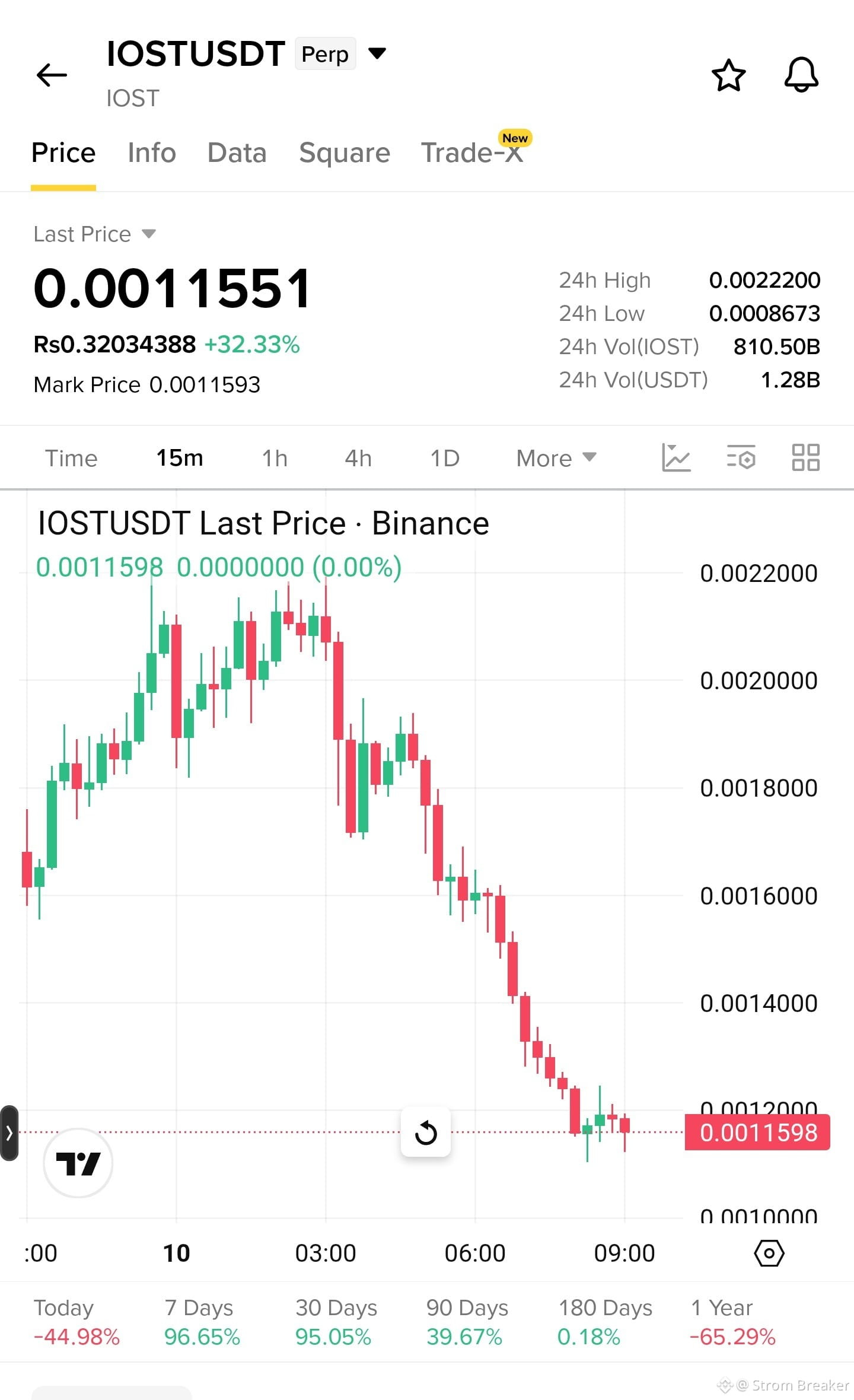
🟢 $IOST /USDT — Configuração LONG
O IOST está se preparando para um possível movimento de alta. A estratégia é buscar entradas na faixa de 0.00119390 – 0.00115808 e gerenciar a posição com um controle de risco adequado.
🎯 TP1: 0.00120075
🎯 TP2: 0.00122569
🎯 TP3: 0.00125063
🎯 TP4: 0.00127558
🛑 Stop Loss: 0.00111868
⚡ Alavancagem: 10x Isolada
Aguarde a zona de entrada e a confirmação — não corra atrás do movimento.
$IOST
{future}(IOSTUSDT)
🟢 $IOST /USDT — Configuração LONG
O IOST está se preparando para um possível movimento de alta. A estratégia é buscar entradas na faixa de 0.00119390 – 0.00115808 e gerenciar a posição com um controle de risco adequado.
🎯 TP1: 0.00120075
🎯 TP2: 0.00122569
🎯 TP3: 0.00125063
🎯 TP4: 0.00127558
🛑 Stop Loss: 0.00111868
⚡ Alavancagem: 10x Isolada
Aguarde a zona de entrada e a confirmação — não corra atrás do movimento.
$IOST
O IOST está se preparando para um possível movimento de alta. A estratégia é buscar entradas na faixa de 0.00119390 – 0.00115808 e gerenciar a posição com um controle de risco adequado.
🎯 TP1: 0.00120075
🎯 TP2: 0.00122569
🎯 TP3: 0.00125063
🎯 TP4: 0.00127558
🛑 Stop Loss: 0.00111868
⚡ Alavancagem: 10x Isolada
Aguarde a zona de entrada e a confirmação — não corra atrás do movimento.
$IOST
215
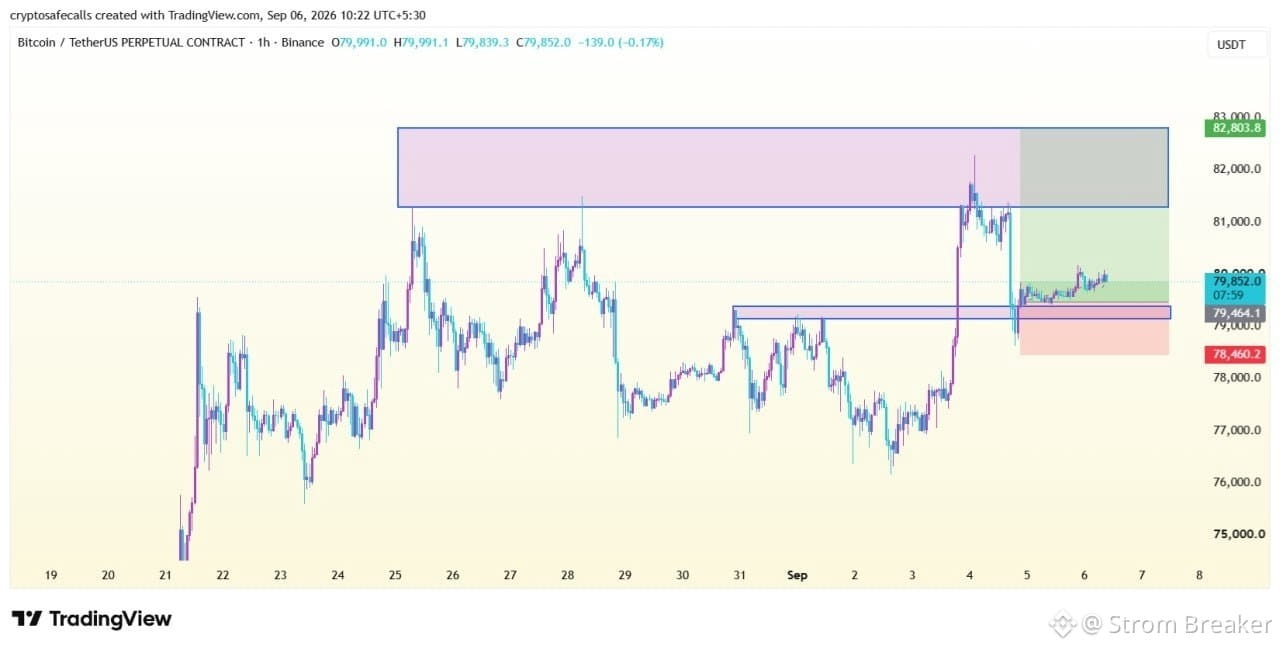
$BTC está mantendo-se acima da zona de suporte/reteste de 79.400–79.600 após a forte ruptura. Até agora, a estrutura permanece otimista (bullish), com compradores defendendo a área da ruptura.
Configuração de Trade LONG: 79.400 – 79.600
TP1: 80.500
TP2: 81.200
TP3: 82.000 – 82.800
SL: 78.460
Enquanto o BTC mantiver a zona de suporte, a configuração otimista continua válida. Uma ruptura limpa acima de 81.500–82.000 pode abrir espaço para mais uma alta.
Ainda está mantendo o Long do BTC?
Deixe um se você está acompanhando esse movimento com a gente!
$BTC
{future}(BTCUSDT)
$BTC está mantendo-se acima da zona de suporte/reteste de 79.400–79.600 após a forte ruptura. Até agora, a estrutura permanece otimista (bullish), com compradores defendendo a área da ruptura.
Configuração de Trade LONG: 79.400 – 79.600
TP1: 80.500
TP2: 81.200
TP3: 82.000 – 82.800
SL: 78.460
Enquanto o BTC mantiver a zona de suporte, a configuração otimista continua válida. Uma ruptura limpa acima de 81.500–82.000 pode abrir espaço para mais uma alta.
Ainda está mantendo o Long do BTC?
Deixe um se você está acompanhando esse movimento com a gente!
$BTC
Configuração de Trade LONG: 79.400 – 79.600
TP1: 80.500
TP2: 81.200
TP3: 82.000 – 82.800
SL: 78.460
Enquanto o BTC mantiver a zona de suporte, a configuração otimista continua válida. Uma ruptura limpa acima de 81.500–82.000 pode abrir espaço para mais uma alta.
Ainda está mantendo o Long do BTC?
Deixe um se você está acompanhando esse movimento com a gente!
$BTC
1
49
·
--
Em Alta
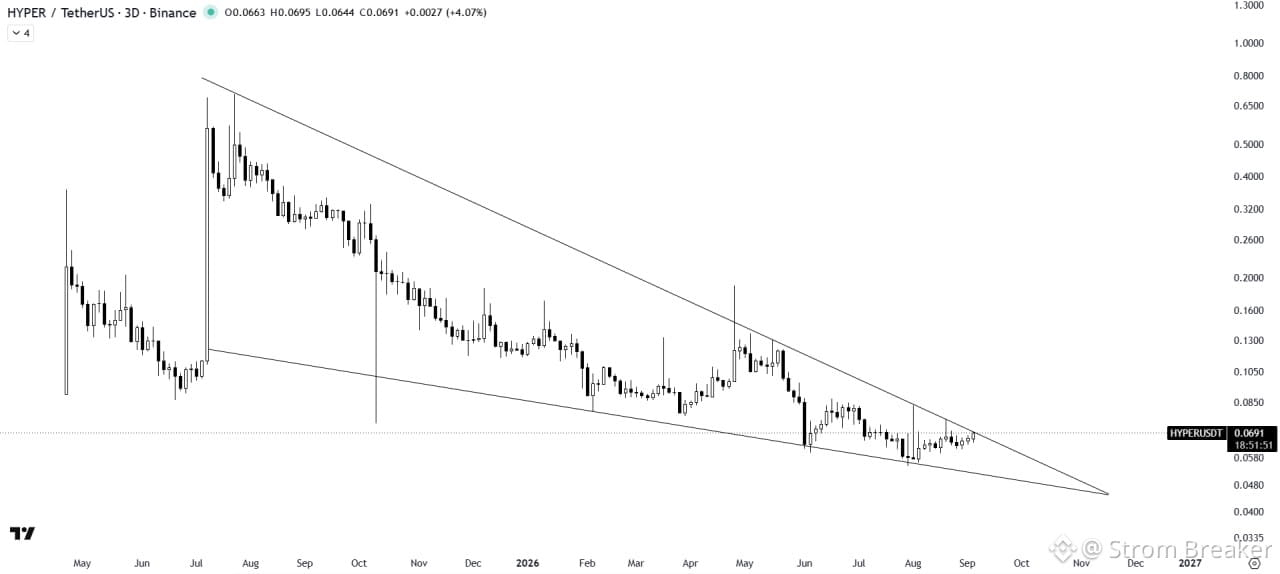
$HYPER ainda está sendo negociado dentro de um grande wedge descendente, e o preço agora está pressionando a linha de tendência de resistência superior.
Esta é a área a observar de perto.
Um rompimento limpo com forte volume, seguido de um reteste bem-sucedido da resistência do wedge, pode sinalizar que a tendência de baixa de longo prazo está perdendo força e que uma reversão maior está começando.
Setup LONG
Entrada: 0.0705 – 0.0730
TP1: 0.0850
TP2: 0.1050
TP3: 0.1300
TP4: 0.1600
Stop Loss: 0.0610
Confirmação: Aguarde o fechamento de uma vela de 3D acima da resistência do wedge e, de preferência, um reteste antes de entrar.
A chave é simples: rompimento + volume + reteste bem-sucedido = confirmação de alta.
Não é सलाह financeira. Negocie com gerenciamento de risco adequado.
$HYPER
{future}(HYPERUSDT)
$HYPER ainda está sendo negociado dentro de um grande wedge descendente, e o preço agora está pressionando a linha de tendência de resistência superior.
Esta é a área a observar de perto.
Um rompimento limpo com forte volume, seguido de um reteste bem-sucedido da resistência do wedge, pode sinalizar que a tendência de baixa de longo prazo está perdendo força e que uma reversão maior está começando.
Setup LONG
Entrada: 0.0705 – 0.0730
TP1: 0.0850
TP2: 0.1050
TP3: 0.1300
TP4: 0.1600
Stop Loss: 0.0610
Confirmação: Aguarde o fechamento de uma vela de 3D acima da resistência do wedge e, de preferência, um reteste antes de entrar.
A chave é simples: rompimento + volume + reteste bem-sucedido = confirmação de alta.
Não é सलाह financeira. Negocie com gerenciamento de risco adequado.
$HYPER
Esta é a área a observar de perto.
Um rompimento limpo com forte volume, seguido de um reteste bem-sucedido da resistência do wedge, pode sinalizar que a tendência de baixa de longo prazo está perdendo força e que uma reversão maior está começando.
Setup LONG
Entrada: 0.0705 – 0.0730
TP1: 0.0850
TP2: 0.1050
TP3: 0.1300
TP4: 0.1600
Stop Loss: 0.0610
Confirmação: Aguarde o fechamento de uma vela de 3D acima da resistência do wedge e, de preferência, um reteste antes de entrar.
A chave é simples: rompimento + volume + reteste bem-sucedido = confirmação de alta.
Não é सलाह financeira. Negocie com gerenciamento de risco adequado.
$HYPER
1
74
·
--
Em Alta
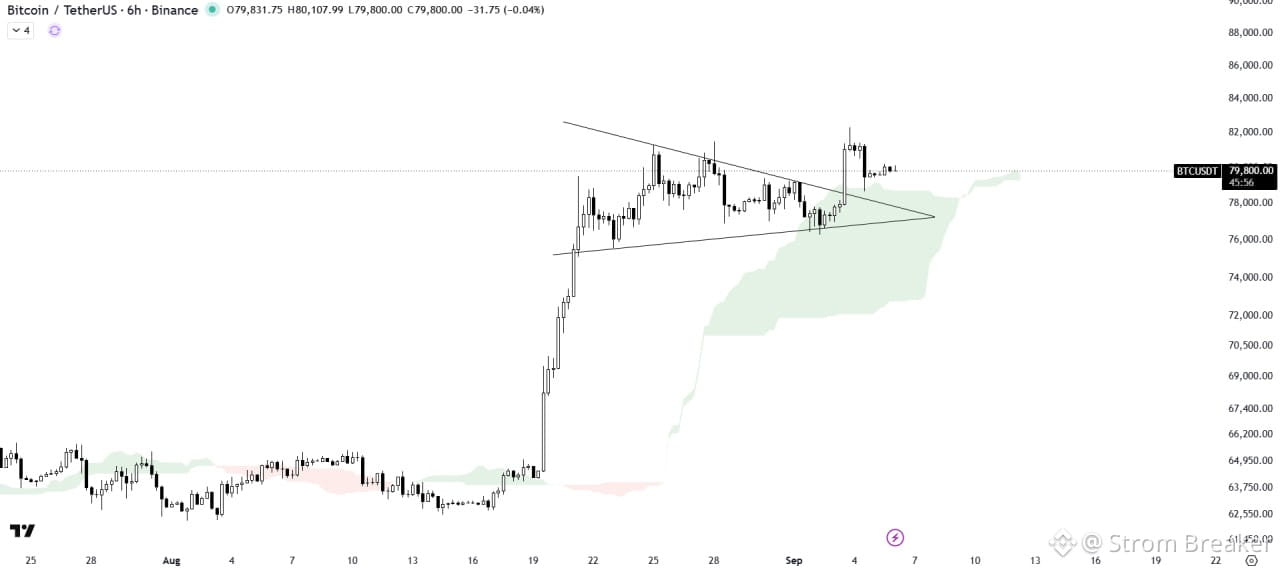
O Bitcoin finalmente rompeu o padrão de consolidação em bandeira, e o movimento veio com forte impulso. Agora $BTC está retestando a área de rompimento — este é o nível que os touros precisam defender.
A Nuvem de Ichimoku está abaixo do preço e atuando como suporte dinâmico, o que mantém a estrutura de curto prazo altista.
Setup LONG
Zona de entrada: $79,000 – $79,600
Confirmação: Manter acima de $79,000 após o reteste
TP1: $80,800
TP2: $82,000
TP3: $83,500
TP4: $85,000
Stop Loss: $77,800
Se o BTC conseguir sustentar com sucesso a zona de rompimento, outro impulso de alta pode seguir. Um movimento limpo acima de $82K fortaleceria o cenário de continuação altista.
Gerencie o risco com cuidado e evite perseguir a vela.
$BTC
{future}(BTCUSDT)
O Bitcoin finalmente rompeu o padrão de consolidação em bandeira, e o movimento veio com forte impulso. Agora $BTC está retestando a área de rompimento — este é o nível que os touros precisam defender.
A Nuvem de Ichimoku está abaixo do preço e atuando como suporte dinâmico, o que mantém a estrutura de curto prazo altista.
Setup LONG
Zona de entrada: $79,000 – $79,600
Confirmação: Manter acima de $79,000 após o reteste
TP1: $80,800
TP2: $82,000
TP3: $83,500
TP4: $85,000
Stop Loss: $77,800
Se o BTC conseguir sustentar com sucesso a zona de rompimento, outro impulso de alta pode seguir. Um movimento limpo acima de $82K fortaleceria o cenário de continuação altista.
Gerencie o risco com cuidado e evite perseguir a vela.
$BTC
A Nuvem de Ichimoku está abaixo do preço e atuando como suporte dinâmico, o que mantém a estrutura de curto prazo altista.
Setup LONG
Zona de entrada: $79,000 – $79,600
Confirmação: Manter acima de $79,000 após o reteste
TP1: $80,800
TP2: $82,000
TP3: $83,500
TP4: $85,000
Stop Loss: $77,800
Se o BTC conseguir sustentar com sucesso a zona de rompimento, outro impulso de alta pode seguir. Um movimento limpo acima de $82K fortaleceria o cenário de continuação altista.
Gerencie o risco com cuidado e evite perseguir a vela.
$BTC
1
31
·
--
Em Alta
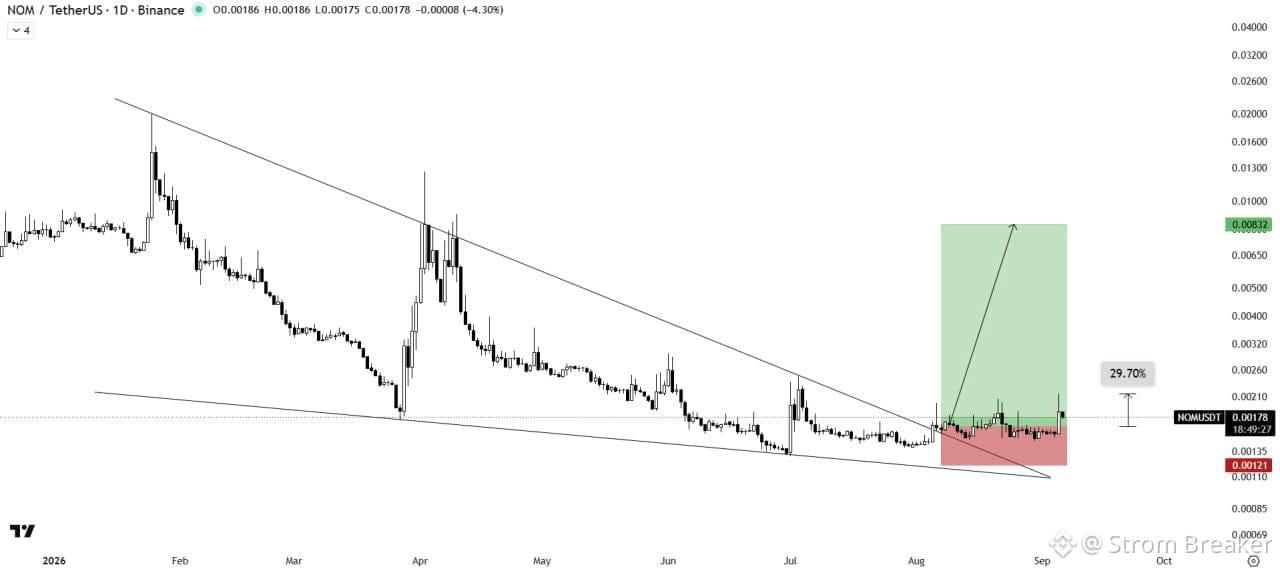
$NOM tem negociado dentro de uma estrutura descendente de longo prazo, mas o preço agora está pressionando a linha de tendência superior enquanto mantém a zona de suporte inferior.
O cenário fica interessante se a NOM romper e se mantiver acima da resistência descendente. Uma ruptura limpa pode sinalizar uma reversão de tendência e abrir espaço para um movimento bem maior.
LONG
Zona de Entrada: 0.00175 – 0.00185
TP1: 0.00210
TP2: 0.00260
TP3: 0.00320
TP4: 0.00500
TP5: 0.00832
Stop Loss: 0.00121
Alavancagem: 5–10x (isolada)
Confirmação: Aguarde uma forte ruptura diária e, de preferência, uma retest/retorno da linha de tendência rompida antes de entrar com mais agressividade.
O ponto principal aqui é paciência — ruptura + retest = confirmação mais forte. Não corra atrás de um candle repentino.
$NOM
{future}(NOMUSDT)
$NOM tem negociado dentro de uma estrutura descendente de longo prazo, mas o preço agora está pressionando a linha de tendência superior enquanto mantém a zona de suporte inferior.
O cenário fica interessante se a NOM romper e se mantiver acima da resistência descendente. Uma ruptura limpa pode sinalizar uma reversão de tendência e abrir espaço para um movimento bem maior.
LONG
Zona de Entrada: 0.00175 – 0.00185
TP1: 0.00210
TP2: 0.00260
TP3: 0.00320
TP4: 0.00500
TP5: 0.00832
Stop Loss: 0.00121
Alavancagem: 5–10x (isolada)
Confirmação: Aguarde uma forte ruptura diária e, de preferência, uma retest/retorno da linha de tendência rompida antes de entrar com mais agressividade.
O ponto principal aqui é paciência — ruptura + retest = confirmação mais forte. Não corra atrás de um candle repentino.
$NOM
O cenário fica interessante se a NOM romper e se mantiver acima da resistência descendente. Uma ruptura limpa pode sinalizar uma reversão de tendência e abrir espaço para um movimento bem maior.
LONG
Zona de Entrada: 0.00175 – 0.00185
TP1: 0.00210
TP2: 0.00260
TP3: 0.00320
TP4: 0.00500
TP5: 0.00832
Stop Loss: 0.00121
Alavancagem: 5–10x (isolada)
Confirmação: Aguarde uma forte ruptura diária e, de preferência, uma retest/retorno da linha de tendência rompida antes de entrar com mais agressividade.
O ponto principal aqui é paciência — ruptura + retest = confirmação mais forte. Não corra atrás de um candle repentino.
$NOM
264
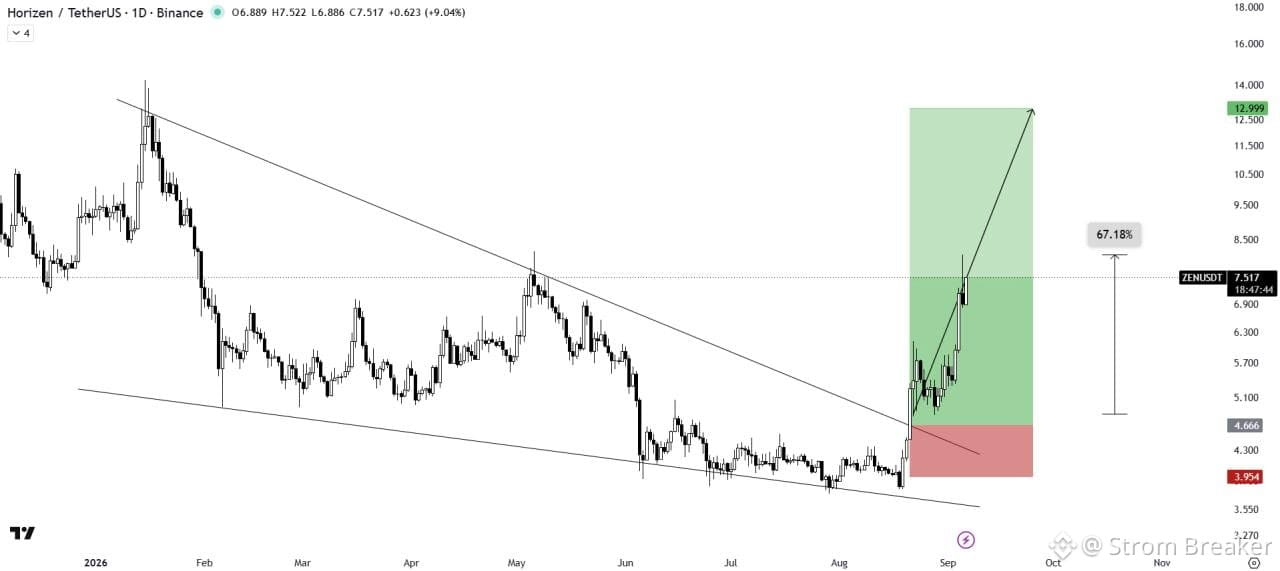
$ZEN está mostrando uma forte estrutura de alta no gráfico diário após romper acima de uma linha de tendência descendente de longo prazo. O preço agora se mantém acima da área de rompimento, o que pode sinalizar uma mudança de momentum de baixa para alta.
CONFIGURAÇÃO DE COMPRA
Zona de Entrada: 4.66 – 5.00
Stop Loss: 3.95
Objetivos de Take Profit:
TP1: 6.90
TP2: 8.50
TP3: 10.50
TP4: 12.99
Potencial: ~67% de alta em direção ao alvo projetado.
O nível-chave a observar é 4.66. Enquanto ZEN se mantiver acima da zona de rompimento, a configuração de alta permanece válida. Um forte fechamento diário acima da linha de tendência acrescentaria mais confirmação.
Gerencie seu risco e evite alavancagem excessiva.
$ZEN
{future}(ZENUSDT)
$ZEN está mostrando uma forte estrutura de alta no gráfico diário após romper acima de uma linha de tendência descendente de longo prazo. O preço agora se mantém acima da área de rompimento, o que pode sinalizar uma mudança de momentum de baixa para alta.
CONFIGURAÇÃO DE COMPRA
Zona de Entrada: 4.66 – 5.00
Stop Loss: 3.95
Objetivos de Take Profit:
TP1: 6.90
TP2: 8.50
TP3: 10.50
TP4: 12.99
Potencial: ~67% de alta em direção ao alvo projetado.
O nível-chave a observar é 4.66. Enquanto ZEN se mantiver acima da zona de rompimento, a configuração de alta permanece válida. Um forte fechamento diário acima da linha de tendência acrescentaria mais confirmação.
Gerencie seu risco e evite alavancagem excessiva.
$ZEN
CONFIGURAÇÃO DE COMPRA
Zona de Entrada: 4.66 – 5.00
Stop Loss: 3.95
Objetivos de Take Profit:
TP1: 6.90
TP2: 8.50
TP3: 10.50
TP4: 12.99
Potencial: ~67% de alta em direção ao alvo projetado.
O nível-chave a observar é 4.66. Enquanto ZEN se mantiver acima da zona de rompimento, a configuração de alta permanece válida. Um forte fechamento diário acima da linha de tendência acrescentaria mais confirmação.
Gerencie seu risco e evite alavancagem excessiva.
$ZEN
129
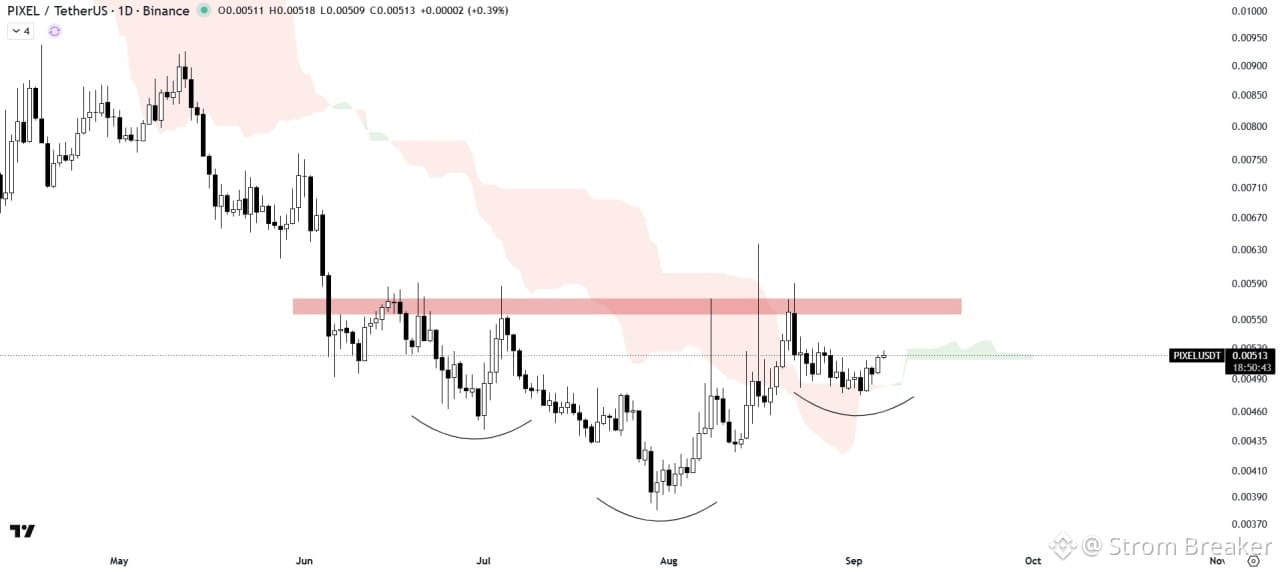
$PIXEL está mostrando uma interessante estrutura de Inverse Head & Shoulders (Cabeça e Ombros Invertidos) no gráfico, com o ombro direito atualmente em formação.
A Nuvem Ichimoku está se sustentando como um suporte dinâmico, o que mantém a estrutura de alta intacta por enquanto. O nível-chave a observar é a linha do pescoço (neckline).
Plano de Trade: Viés: LONG (COMPRA)
Entrada: Aguarde uma ruptura confirmada e um reteste da linha do pescoço
TP1: 0.0180
TP2: 0.0200
TP3: 0.0220
TP4: 0.0240
Stop Loss: Abaixo do nível de invalidação do ombro direito
Alavancagem: 5–10x, isolada
O gatilho principal é simples: um fechamento forte de candle acima da linha do pescoço com volume. Se isso acontecer, o Inverse H&S pode confirmar e abrir caminho para um movimento maior.
Não corra atrás da ruptura. Um reteste e a manutenção da linha do pescoço dariam uma entrada mais limpa.
$PIXEL
{future}(PIXELUSDT)
$PIXEL está mostrando uma interessante estrutura de Inverse Head & Shoulders (Cabeça e Ombros Invertidos) no gráfico, com o ombro direito atualmente em formação.
A Nuvem Ichimoku está se sustentando como um suporte dinâmico, o que mantém a estrutura de alta intacta por enquanto. O nível-chave a observar é a linha do pescoço (neckline).
Plano de Trade: Viés: LONG (COMPRA)
Entrada: Aguarde uma ruptura confirmada e um reteste da linha do pescoço
TP1: 0.0180
TP2: 0.0200
TP3: 0.0220
TP4: 0.0240
Stop Loss: Abaixo do nível de invalidação do ombro direito
Alavancagem: 5–10x, isolada
O gatilho principal é simples: um fechamento forte de candle acima da linha do pescoço com volume. Se isso acontecer, o Inverse H&S pode confirmar e abrir caminho para um movimento maior.
Não corra atrás da ruptura. Um reteste e a manutenção da linha do pescoço dariam uma entrada mais limpa.
$PIXEL
A Nuvem Ichimoku está se sustentando como um suporte dinâmico, o que mantém a estrutura de alta intacta por enquanto. O nível-chave a observar é a linha do pescoço (neckline).
Plano de Trade: Viés: LONG (COMPRA)
Entrada: Aguarde uma ruptura confirmada e um reteste da linha do pescoço
TP1: 0.0180
TP2: 0.0200
TP3: 0.0220
TP4: 0.0240
Stop Loss: Abaixo do nível de invalidação do ombro direito
Alavancagem: 5–10x, isolada
O gatilho principal é simples: um fechamento forte de candle acima da linha do pescoço com volume. Se isso acontecer, o Inverse H&S pode confirmar e abrir caminho para um movimento maior.
Não corra atrás da ruptura. Um reteste e a manutenção da linha do pescoço dariam uma entrada mais limpa.
$PIXEL
152
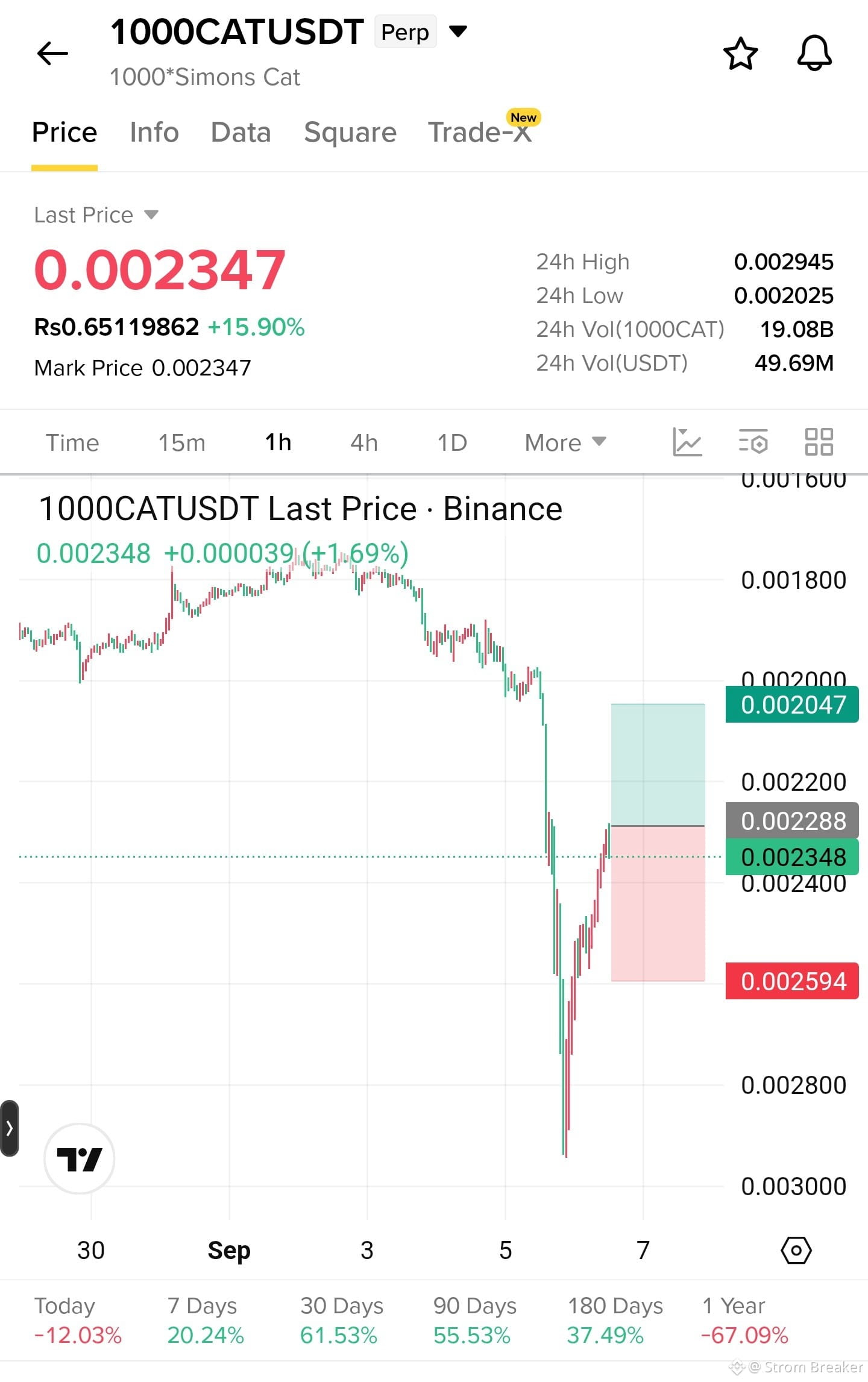
$1000CAT está mostrando uma possível configuração de baixa no período de 15 minutos. Se o preço entrar na zona de entrada e os vendedores mantiverem o controle, poderemos ver uma continuação em direção aos alvos inferiores.
Zona de Entrada: 0.0027531 – 0.0026730
Níveis de Take Profit: 0.0026595
0.0025789
0.0024983
0.0024177
0.0023371
Stop Loss: 0.00286011
Alavancagem: 10x
Gerencie seu risco com cuidado e evite usar alavancagem excessiva. Aguarde a confirmação em torno da zona de entrada em vez de correr atrás do movimento.
$1000CAT
{future}(1000CATUSDT)
$1000CAT está mostrando uma possível configuração de baixa no período de 15 minutos. Se o preço entrar na zona de entrada e os vendedores mantiverem o controle, poderemos ver uma continuação em direção aos alvos inferiores.
Zona de Entrada: 0.0027531 – 0.0026730
Níveis de Take Profit: 0.0026595
0.0025789
0.0024983
0.0024177
0.0023371
Stop Loss: 0.00286011
Alavancagem: 10x
Gerencie seu risco com cuidado e evite usar alavancagem excessiva. Aguarde a confirmação em torno da zona de entrada em vez de correr atrás do movimento.
$1000CAT
Zona de Entrada: 0.0027531 – 0.0026730
Níveis de Take Profit: 0.0026595
0.0025789
0.0024983
0.0024177
0.0023371
Stop Loss: 0.00286011
Alavancagem: 10x
Gerencie seu risco com cuidado e evite usar alavancagem excessiva. Aguarde a confirmação em torno da zona de entrada em vez de correr atrás do movimento.
$1000CAT
169
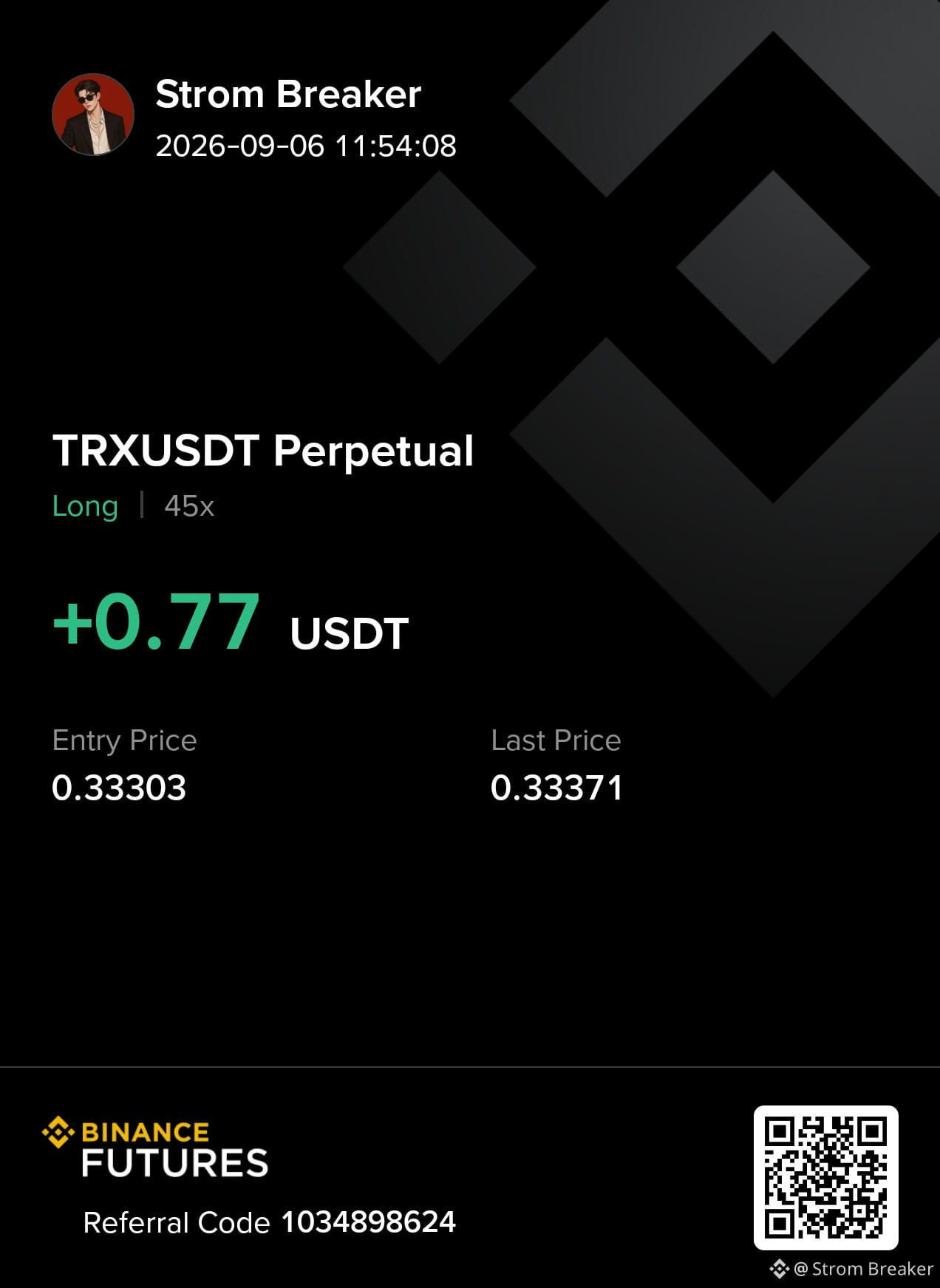
$TRX está mostrando um movimento de alta, com o preço atual em torno de 0.33371 após entrar perto de 0.33303.
Direção: LONG
Entrada: 0.33303
Preço Atual: 0.33371
Alavancagem: 45x
A posição está atualmente em lucro em aproximadamente +0.77 USDT.
Plano de Trade:
• Garanta lucro parcial à medida que o preço subir
• Mova o SL para o ponto de equilíbrio quando o momentum confirmar
• Evite alavancagem excessiva e gerencie o tamanho da posição com cuidado
Gestão de Risco: 45x de alavancagem é extremamente agressivo. Uma pequena variação contra a posição pode acionar liquidação rapidamente. Use um stop-loss rigoroso e nunca arrisque mais do que você pode perder.
$TRX
{future}(TRXUSDT)
$TRX está mostrando um movimento de alta, com o preço atual em torno de 0.33371 após entrar perto de 0.33303.
Direção: LONG
Entrada: 0.33303
Preço Atual: 0.33371
Alavancagem: 45x
A posição está atualmente em lucro em aproximadamente +0.77 USDT.
Plano de Trade:
• Garanta lucro parcial à medida que o preço subir
• Mova o SL para o ponto de equilíbrio quando o momentum confirmar
• Evite alavancagem excessiva e gerencie o tamanho da posição com cuidado
Gestão de Risco: 45x de alavancagem é extremamente agressivo. Uma pequena variação contra a posição pode acionar liquidação rapidamente. Use um stop-loss rigoroso e nunca arrisque mais do que você pode perder.
$TRX
Direção: LONG
Entrada: 0.33303
Preço Atual: 0.33371
Alavancagem: 45x
A posição está atualmente em lucro em aproximadamente +0.77 USDT.
Plano de Trade:
• Garanta lucro parcial à medida que o preço subir
• Mova o SL para o ponto de equilíbrio quando o momentum confirmar
• Evite alavancagem excessiva e gerencie o tamanho da posição com cuidado
Gestão de Risco: 45x de alavancagem é extremamente agressivo. Uma pequena variação contra a posição pode acionar liquidação rapidamente. Use um stop-loss rigoroso e nunca arrisque mais do que você pode perder.
$TRX
86
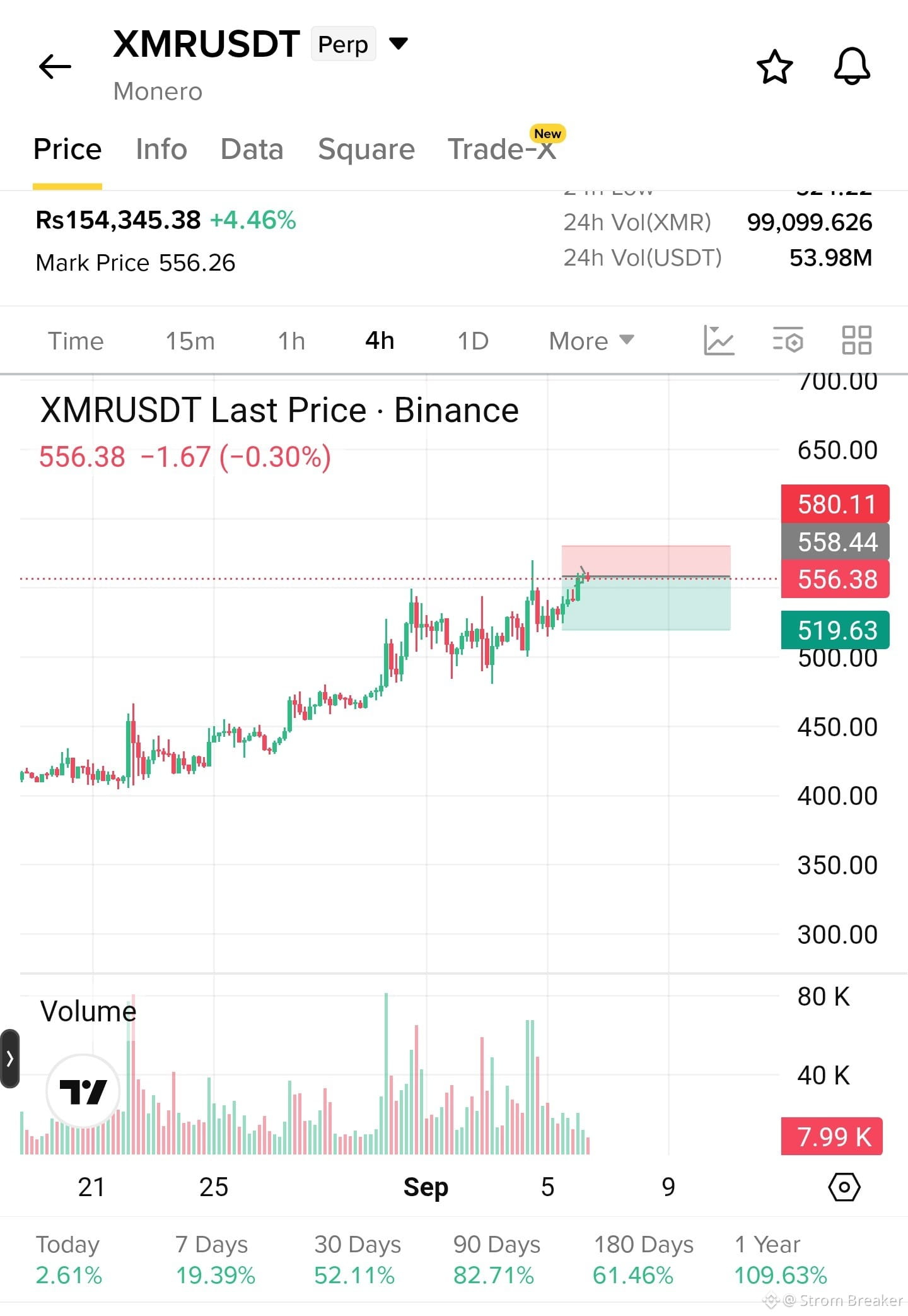
$XMR está mostrando uma configuração de baixa, com a zona de entrada curta posicionada entre 555.40 – 572.06.
Se o preço entrar nesta zona e os vendedores permanecerem no controle, a configuração está mirando um movimento gradual em direção aos níveis mais baixos.
Direção: SHORT
Zona de Entrada: 555.40 – 572.06
Níveis de Take Profit:
552.59
535.84
519.10
502.35
485.61
Stop Loss: 594.278
Alavancagem: 10x
Gerencie sua posição com cuidado e evite se alavancar demais. Considere garantir lucros parciais à medida que cada alvo for atingido.
$XMR
{future}(XMRUSDT)
$XMR está mostrando uma configuração de baixa, com a zona de entrada curta posicionada entre 555.40 – 572.06.
Se o preço entrar nesta zona e os vendedores permanecerem no controle, a configuração está mirando um movimento gradual em direção aos níveis mais baixos.
Direção: SHORT
Zona de Entrada: 555.40 – 572.06
Níveis de Take Profit:
552.59
535.84
519.10
502.35
485.61
Stop Loss: 594.278
Alavancagem: 10x
Gerencie sua posição com cuidado e evite se alavancar demais. Considere garantir lucros parciais à medida que cada alvo for atingido.
$XMR
Se o preço entrar nesta zona e os vendedores permanecerem no controle, a configuração está mirando um movimento gradual em direção aos níveis mais baixos.
Direção: SHORT
Zona de Entrada: 555.40 – 572.06
Níveis de Take Profit:
552.59
535.84
519.10
502.35
485.61
Stop Loss: 594.278
Alavancagem: 10x
Gerencie sua posição com cuidado e evite se alavancar demais. Considere garantir lucros parciais à medida que cada alvo for atingido.
$XMR
97
·
--
Em Baixa
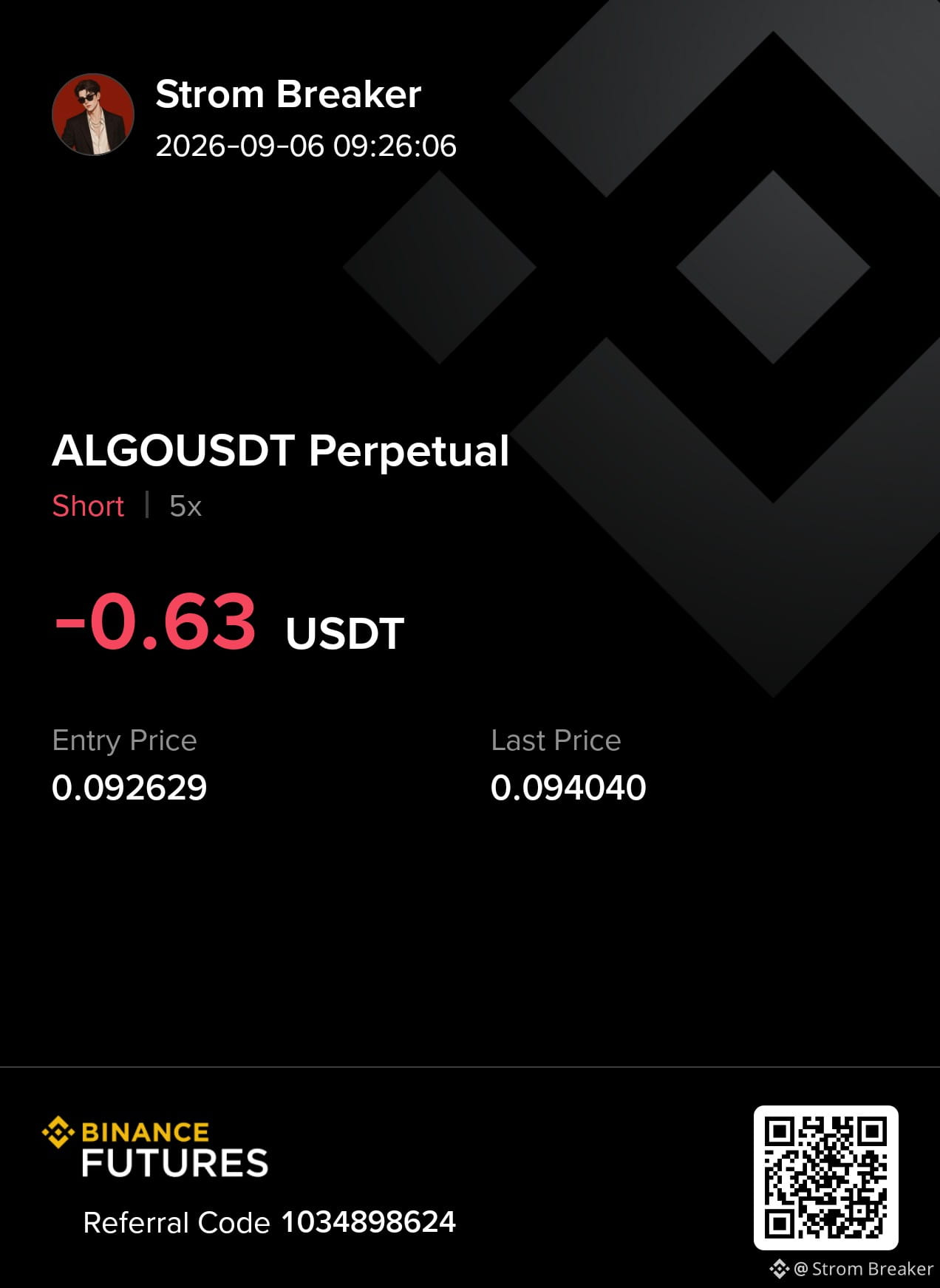
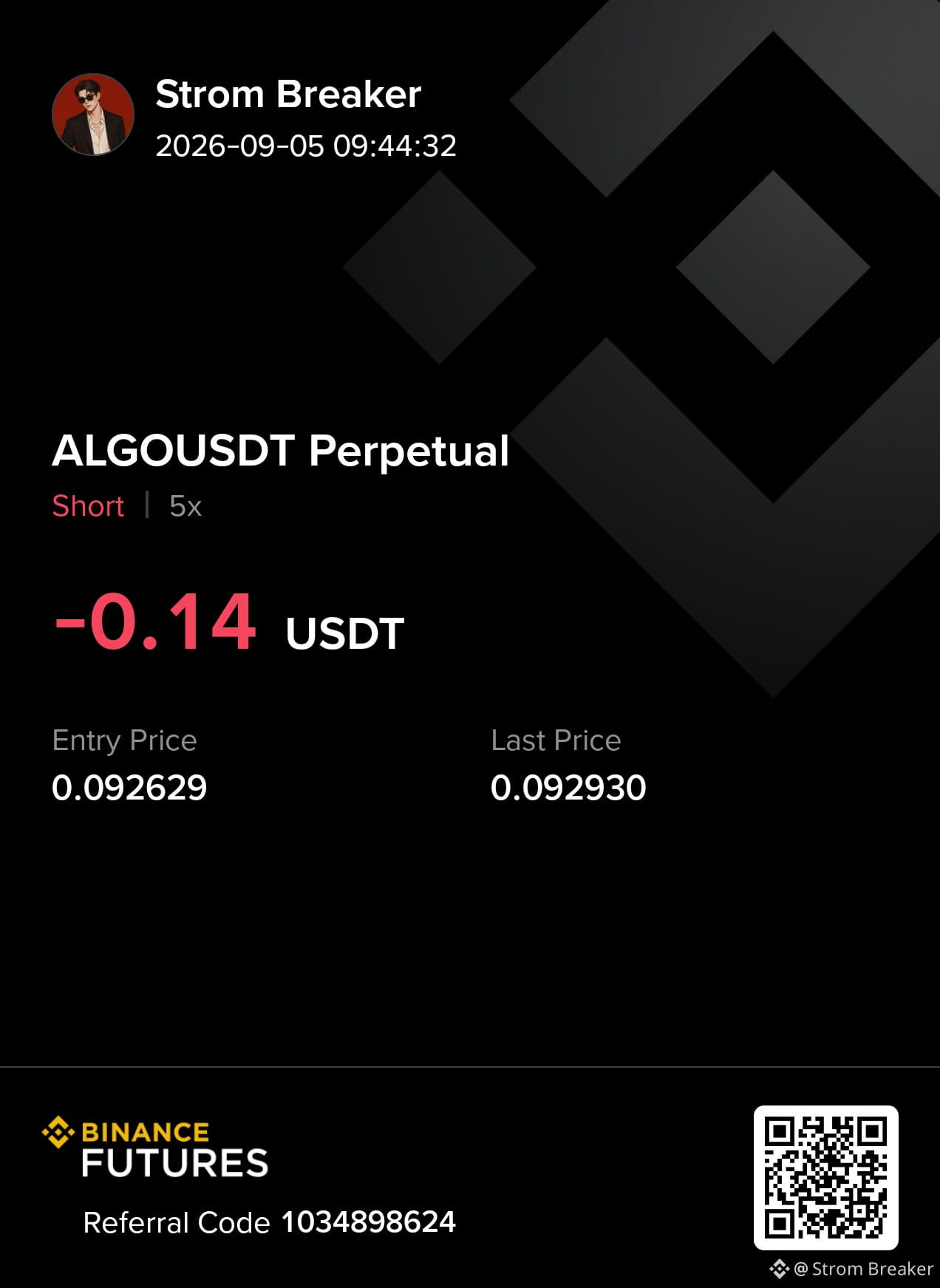
$ALGO está atualmente negociando contra a nossa posição vendida, então a ação do preço aqui requer atenção próxima. A posição foi aberta por volta de 0.092629, enquanto o preço mais recente mostrado é 0.094040.
Direção da operação: SHORT
Entrada: 0.092629 USDT
Preço atual: 0.094040 USDT
Alavancagem: 5x
PnL atual: -0.63 USDT
Plano de negociação:
Se ALGO começar a rejeitar a área atual e voltar para abaixo da entrada, a configuração de short pode recuperar o impulso. Evite adicionar agressivamente enquanto o preço estiver se movendo contra a posição.
Importante: A captura de tela não fornece níveis específicos de Take-Profit ou Stop-Loss, então eles devem ser confirmados antes de gerenciar a operação. Use uma gestão de risco adequada e nunca arrisque mais do que você pode perder.
$ALGO
{future}(ALGOUSDT)
$ALGO está atualmente negociando contra a nossa posição vendida, então a ação do preço aqui requer atenção próxima. A posição foi aberta por volta de 0.092629, enquanto o preço mais recente mostrado é 0.094040.
Direção da operação: SHORT
Entrada: 0.092629 USDT
Preço atual: 0.094040 USDT
Alavancagem: 5x
PnL atual: -0.63 USDT
Plano de negociação:
Se ALGO começar a rejeitar a área atual e voltar para abaixo da entrada, a configuração de short pode recuperar o impulso. Evite adicionar agressivamente enquanto o preço estiver se movendo contra a posição.
Importante: A captura de tela não fornece níveis específicos de Take-Profit ou Stop-Loss, então eles devem ser confirmados antes de gerenciar a operação. Use uma gestão de risco adequada e nunca arrisque mais do que você pode perder.
$ALGO
Direção da operação: SHORT
Entrada: 0.092629 USDT
Preço atual: 0.094040 USDT
Alavancagem: 5x
PnL atual: -0.63 USDT
Plano de negociação:
Se ALGO começar a rejeitar a área atual e voltar para abaixo da entrada, a configuração de short pode recuperar o impulso. Evite adicionar agressivamente enquanto o preço estiver se movendo contra a posição.
Importante: A captura de tela não fornece níveis específicos de Take-Profit ou Stop-Loss, então eles devem ser confirmados antes de gerenciar a operação. Use uma gestão de risco adequada e nunca arrisque mais do que você pode perder.
$ALGO
155
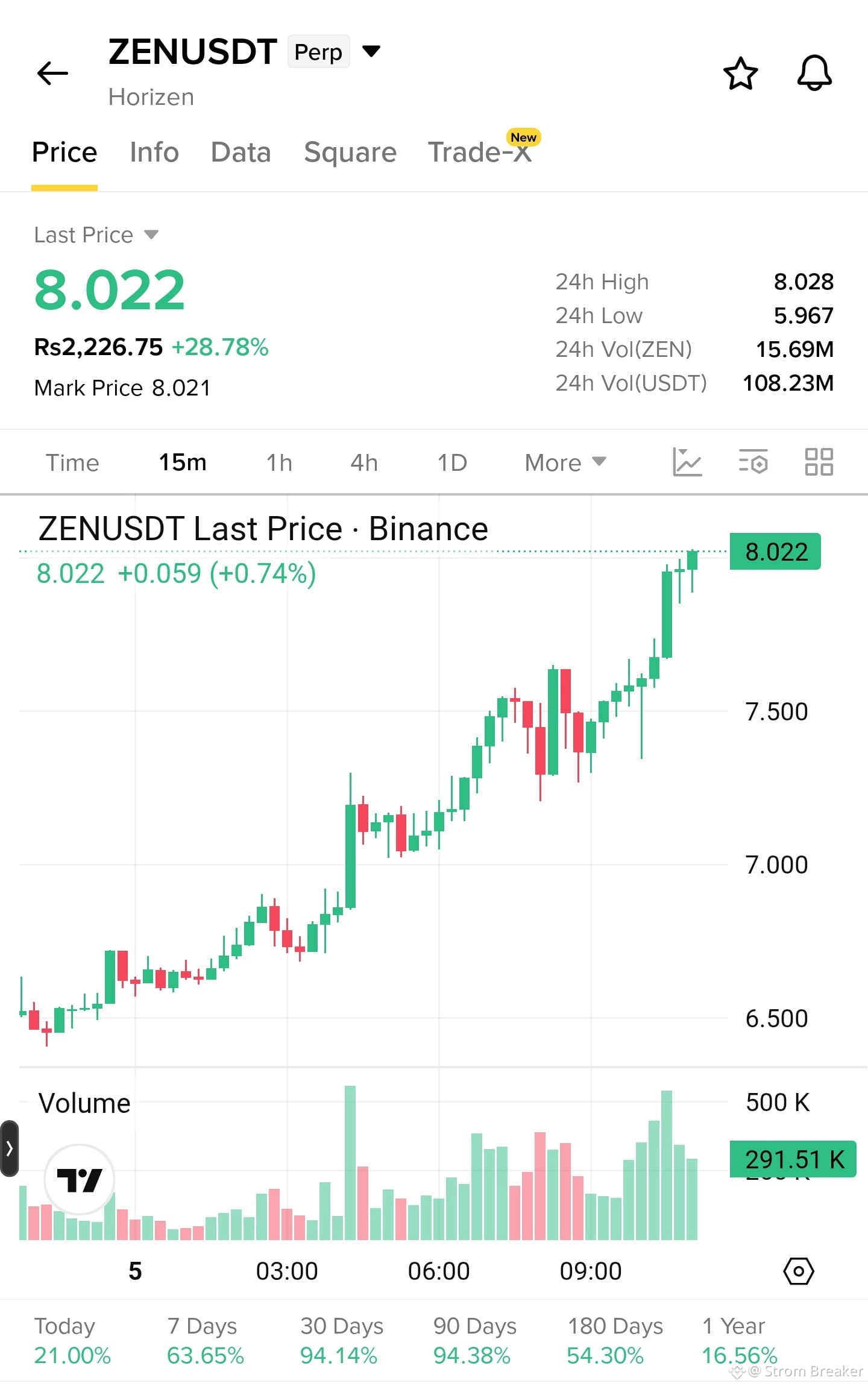
$ZEN /USDT — CONFIGURAÇÃO LONG
O indicador RFD está mostrando uma configuração de alta no período de 15 minutos. O preço está se aproximando da nossa zona de entrada planejada, então fique atento à reação em torno desses níveis.
Direção: LONG
Período: 15M
Zona de Entrada: 6.005 – 6.191
🎯 Níveis de Take Profit: 6.221
6.406
6.591
6.776
6.960
Stop Loss: 5.75763
Alavancagem: 10x
Gerencie sua posição com cuidado e evite arriscar mais do que pode perder. Deixe a operação se confirmar antes de correr atrás do movimento.
$ZEN
{future}(ZENUSDT)
$ZEN /USDT — CONFIGURAÇÃO LONG
O indicador RFD está mostrando uma configuração de alta no período de 15 minutos. O preço está se aproximando da nossa zona de entrada planejada, então fique atento à reação em torno desses níveis.
Direção: LONG
Período: 15M
Zona de Entrada: 6.005 – 6.191
🎯 Níveis de Take Profit: 6.221
6.406
6.591
6.776
6.960
Stop Loss: 5.75763
Alavancagem: 10x
Gerencie sua posição com cuidado e evite arriscar mais do que pode perder. Deixe a operação se confirmar antes de correr atrás do movimento.
$ZEN
O indicador RFD está mostrando uma configuração de alta no período de 15 minutos. O preço está se aproximando da nossa zona de entrada planejada, então fique atento à reação em torno desses níveis.
Direção: LONG
Período: 15M
Zona de Entrada: 6.005 – 6.191
🎯 Níveis de Take Profit: 6.221
6.406
6.591
6.776
6.960
Stop Loss: 5.75763
Alavancagem: 10x
Gerencie sua posição com cuidado e evite arriscar mais do que pode perder. Deixe a operação se confirmar antes de correr atrás do movimento.
$ZEN
1
137
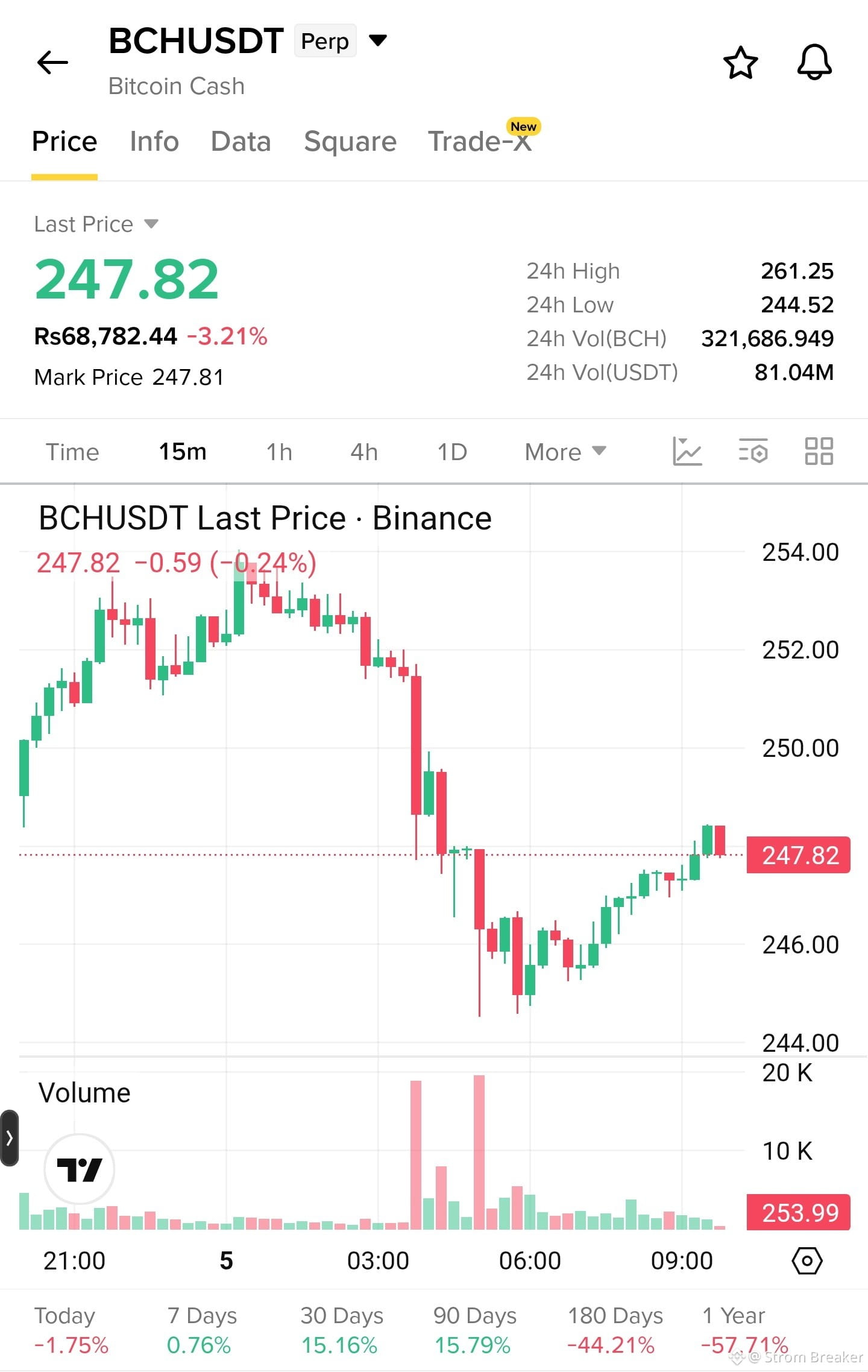
$BCH está mostrando uma possível configuração de alta, com a zona de compra posicionada ao redor da área de suporte-chave. Se o preço mantiver essa zona e os compradores entrarem, podemos ver um movimento em direção aos alvos mais altos.
Zona de Entrada:
• 245.79
• 238.41
Lucro Alvo:
• TP1: 247.20
• TP2: 252.33
• TP3: 257.47
• TP4: 262.60
Stop Loss: 230.30
Alavancagem: 10x Isolada
Gerencie seu risco com cuidado e evite alavancagem excessiva. Deixe o preço confirmar a configuração antes de entrar.
$BCH
$BCH está mostrando uma possível configuração de alta, com a zona de compra posicionada ao redor da área de suporte-chave. Se o preço mantiver essa zona e os compradores entrarem, podemos ver um movimento em direção aos alvos mais altos.
Zona de Entrada:
• 245.79
• 238.41
Lucro Alvo:
• TP1: 247.20
• TP2: 252.33
• TP3: 257.47
• TP4: 262.60
Stop Loss: 230.30
Alavancagem: 10x Isolada
Gerencie seu risco com cuidado e evite alavancagem excessiva. Deixe o preço confirmar a configuração antes de entrar.
$BCH
Zona de Entrada:
• 245.79
• 238.41
Lucro Alvo:
• TP1: 247.20
• TP2: 252.33
• TP3: 257.47
• TP4: 262.60
Stop Loss: 230.30
Alavancagem: 10x Isolada
Gerencie seu risco com cuidado e evite alavancagem excessiva. Deixe o preço confirmar a configuração antes de entrar.
$BCH
2
152
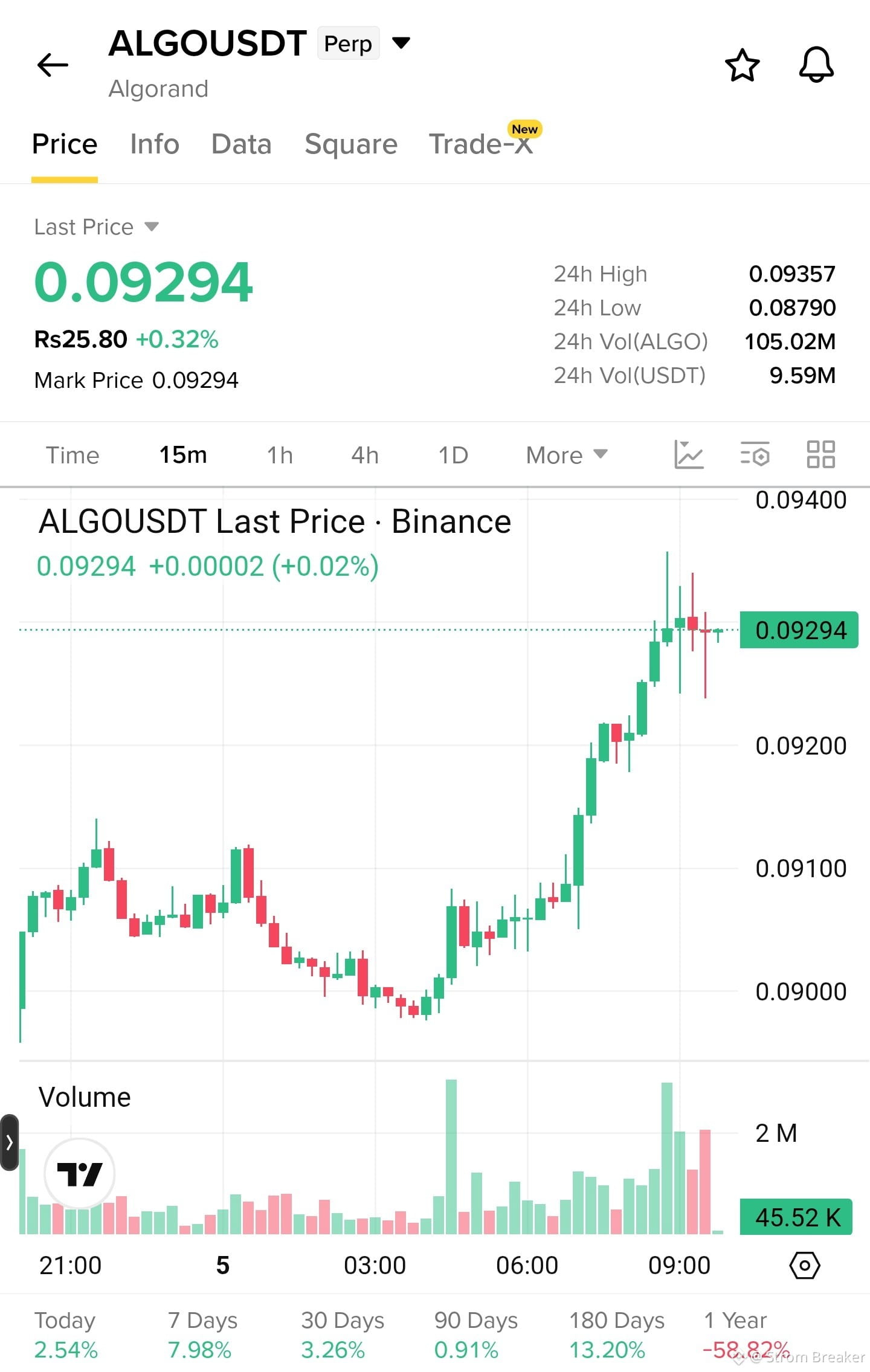
Posição curta de $ALGO no valor de 41.2 USDT
$ALGO está mostrando uma possível configuração de baixa. Estou observando a seguinte zona de entrada para uma posição vendida:
Zona de Entrada:
0.092550
0.095326
Alvos de Lucro:
TP1: 0.092007
TP2: 0.090054
TP3: 0.088100
TP4: 0.086146
Stop Loss: 0.098380
Alavancagem: 10x Isolada
A ideia é entrar apenas se o preço reagir como esperado em torno da zona de entrada. Gerencie seu risco com cuidado e evite usar alavancagem excessiva.
Faça sua própria pesquisa e negocie com responsabilidade.
$ALGO
{future}(ALGOUSDT)
$ALGO está mostrando uma possível configuração de baixa. Estou observando a seguinte zona de entrada para uma posição vendida:
Zona de Entrada:
0.092550
0.095326
Alvos de Lucro:
TP1: 0.092007
TP2: 0.090054
TP3: 0.088100
TP4: 0.086146
Stop Loss: 0.098380
Alavancagem: 10x Isolada
A ideia é entrar apenas se o preço reagir como esperado em torno da zona de entrada. Gerencie seu risco com cuidado e evite usar alavancagem excessiva.
Faça sua própria pesquisa e negocie com responsabilidade.
$ALGO
Zona de Entrada:
0.092550
0.095326
Alvos de Lucro:
TP1: 0.092007
TP2: 0.090054
TP3: 0.088100
TP4: 0.086146
Stop Loss: 0.098380
Alavancagem: 10x Isolada
A ideia é entrar apenas se o preço reagir como esperado em torno da zona de entrada. Gerencie seu risco com cuidado e evite usar alavancagem excessiva.
Faça sua própria pesquisa e negocie com responsabilidade.
$ALGO
1
205
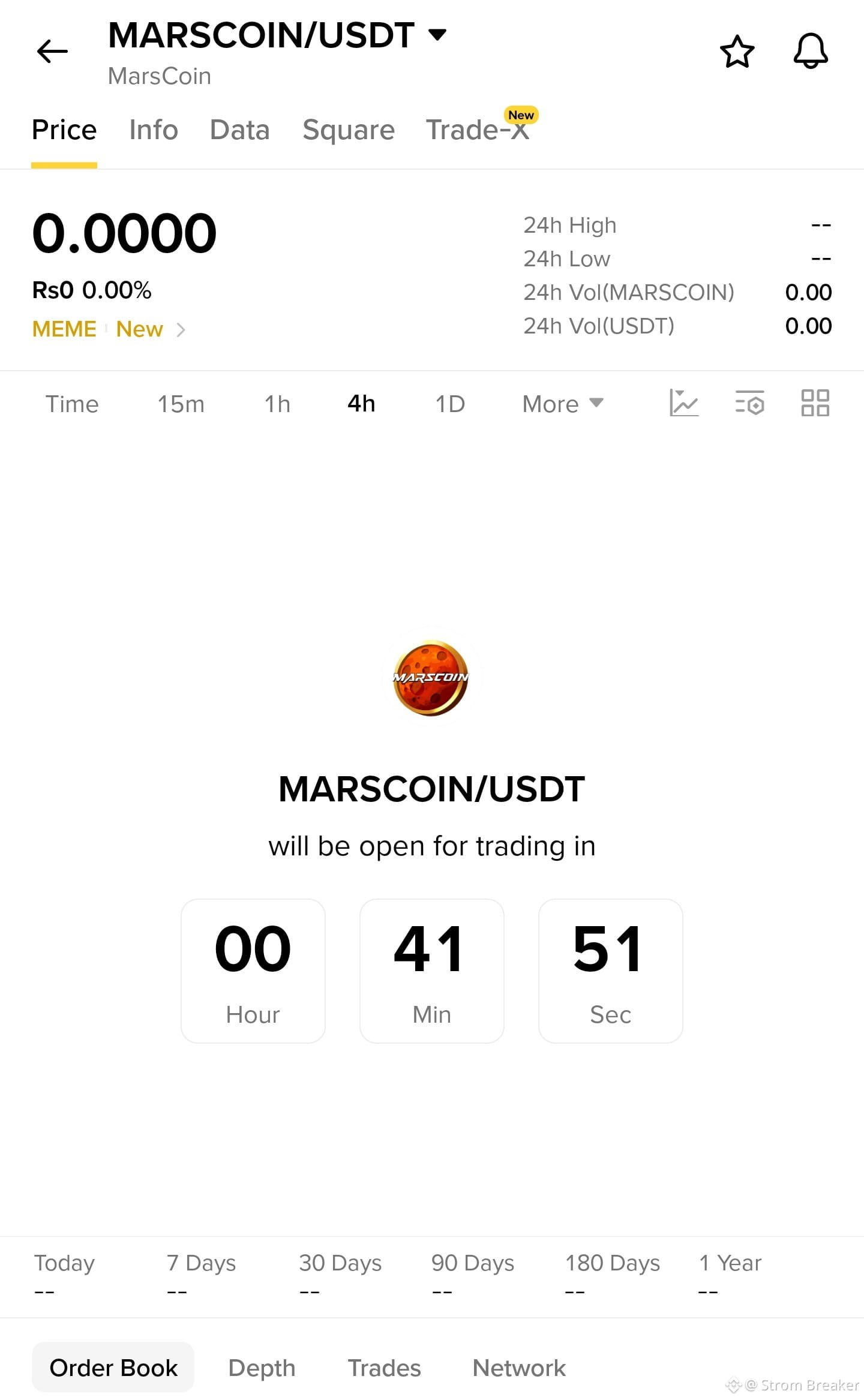
$MARSCOIN está mostrando momento de baixa, e a configuração atual favorece uma posição vendida a partir da zona de entrada marcada.
Zona de Entrada:
0.1938151 – 0.1881700
Níveis de Take Profit:
TP1: 0.1872197
TP2: 0.1815464
TP3: 0.1758730
TP4: 0.1701997
TP5: 0.1645264
Stop Loss: 0.2013419
Alavancagem: 10x
Gerencie seu risco com cuidado e considere realizar lucros parciais à medida que o preço atinge cada alvo.
$MarsCoin
{future}(MARSCOINUSDT)
$MARSCOIN está mostrando momento de baixa, e a configuração atual favorece uma posição vendida a partir da zona de entrada marcada.
Zona de Entrada:
0.1938151 – 0.1881700
Níveis de Take Profit:
TP1: 0.1872197
TP2: 0.1815464
TP3: 0.1758730
TP4: 0.1701997
TP5: 0.1645264
Stop Loss: 0.2013419
Alavancagem: 10x
Gerencie seu risco com cuidado e considere realizar lucros parciais à medida que o preço atinge cada alvo.
$MarsCoin
Zona de Entrada:
0.1938151 – 0.1881700
Níveis de Take Profit:
TP1: 0.1872197
TP2: 0.1815464
TP3: 0.1758730
TP4: 0.1701997
TP5: 0.1645264
Stop Loss: 0.2013419
Alavancagem: 10x
Gerencie seu risco com cuidado e considere realizar lucros parciais à medida que o preço atinge cada alvo.
$MarsCoin
1
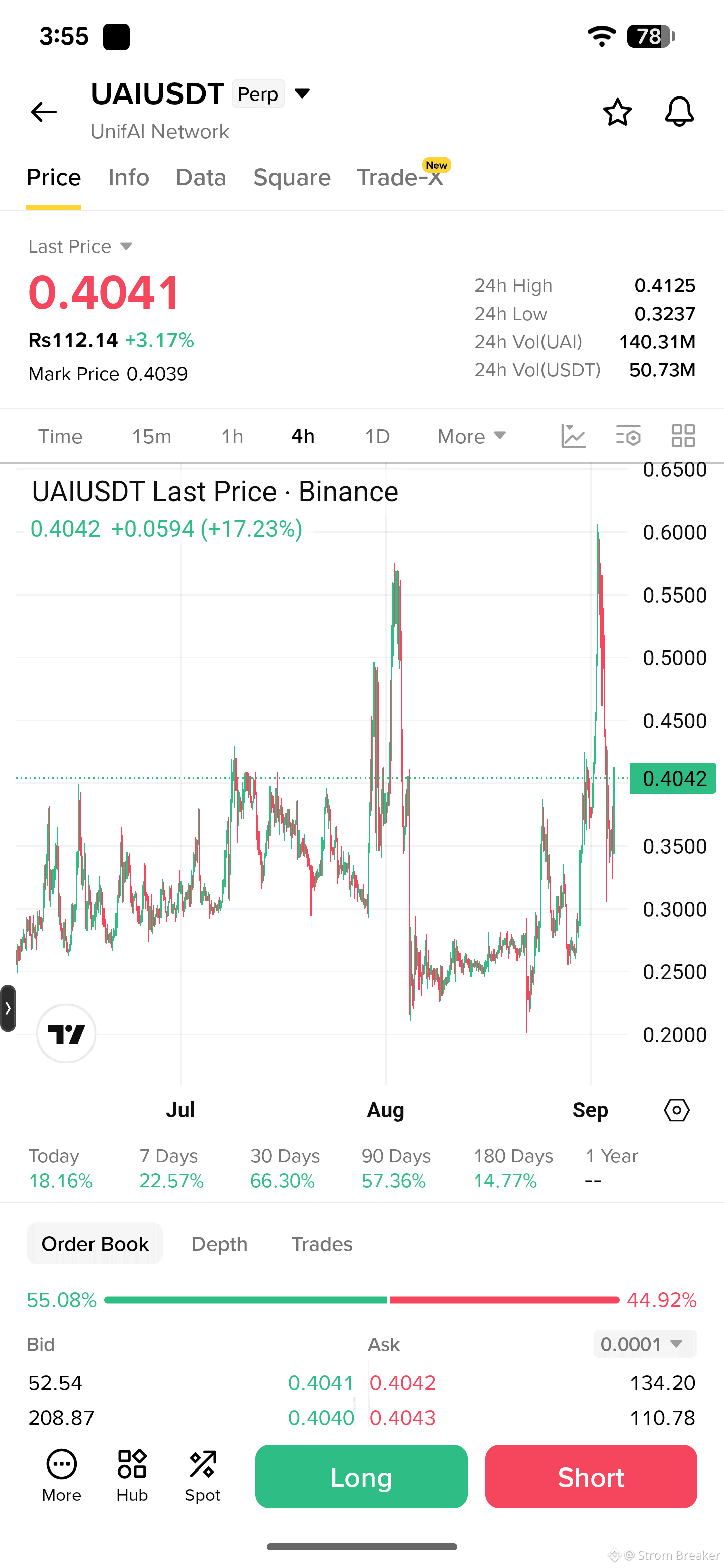
156
$UAI está mostrando uma possível configuração de alta no gráfico de 15 minutos. O preço está se aproximando da zona de entrada, então estou observando uma reação limpa e confirmação antes de entrar.
Direção: LONG
Prazo: 15M
Alavancagem: 10x Isolada
Zona de Entrada:
0.328442 – 0.338600
Níveis de Take Profit:
TP1 — 0.340276
TP2 — 0.3503832
TP3 — 0.3604904
TP4 — 0.3705977
TP5 — 0.3807049
Stop Loss: 0.314898
A ideia é simples: deixar o preço respeitar a zona de entrada e confirmar o momentum de alta. Se a configuração for invalidada, respeite o stop loss e proteja seu capital. Sempre gerencie o risco com cuidado ao usar alavancagem.
$UAI
{future}(UAIUSDT)
$UAI está mostrando uma possível configuração de alta no gráfico de 15 minutos. O preço está se aproximando da zona de entrada, então estou observando uma reação limpa e confirmação antes de entrar.
Direção: LONG
Prazo: 15M
Alavancagem: 10x Isolada
Zona de Entrada:
0.328442 – 0.338600
Níveis de Take Profit:
TP1 — 0.340276
TP2 — 0.3503832
TP3 — 0.3604904
TP4 — 0.3705977
TP5 — 0.3807049
Stop Loss: 0.314898
A ideia é simples: deixar o preço respeitar a zona de entrada e confirmar o momentum de alta. Se a configuração for invalidada, respeite o stop loss e proteja seu capital. Sempre gerencie o risco com cuidado ao usar alavancagem.
$UAI
Direção: LONG
Prazo: 15M
Alavancagem: 10x Isolada
Zona de Entrada:
0.328442 – 0.338600
Níveis de Take Profit:
TP1 — 0.340276
TP2 — 0.3503832
TP3 — 0.3604904
TP4 — 0.3705977
TP5 — 0.3807049
Stop Loss: 0.314898
A ideia é simples: deixar o preço respeitar a zona de entrada e confirmar o momentum de alta. Se a configuração for invalidada, respeite o stop loss e proteja seu capital. Sempre gerencie o risco com cuidado ao usar alavancagem.
$UAI
1
180
🔴🎁 5 SORTEIOS DE PACKET VERMELHO EM SOL! 🎁🔴
Estou sorteando 5 tokens de SOL para vencedores sortudos! 🚀💰
❤️ Curta este post
🔁 Reposte
👤 Me siga
💬 Comente “SOL” abaixo
É isso! Não é necessário endereço de carteira. ✅
🏆 Prêmio total: 5 SOL
🔥 Participe agora e não perca!
Boa sorte a todos! 🍀🚀
#sol #solana #Giveaway #Crypto #redpacket
$SOL
{future}(SOLUSDT)
🔴🎁 5 SORTEIOS DE PACKET VERMELHO EM SOL! 🎁🔴
Estou sorteando 5 tokens de SOL para vencedores sortudos! 🚀💰
❤️ Curta este post
🔁 Reposte
👤 Me siga
💬 Comente “SOL” abaixo
É isso! Não é necessário endereço de carteira. ✅
🏆 Prêmio total: 5 SOL
🔥 Participe agora e não perca!
Boa sorte a todos! 🍀🚀
#sol #solana #Giveaway #Crypto #redpacket
$SOL
Estou sorteando 5 tokens de SOL para vencedores sortudos! 🚀💰
❤️ Curta este post
🔁 Reposte
👤 Me siga
💬 Comente “SOL” abaixo
É isso! Não é necessário endereço de carteira. ✅
🏆 Prêmio total: 5 SOL
🔥 Participe agora e não perca!
Boa sorte a todos! 🍀🚀
#sol #solana #Giveaway #Crypto #redpacket
$SOL
2
2
1
81
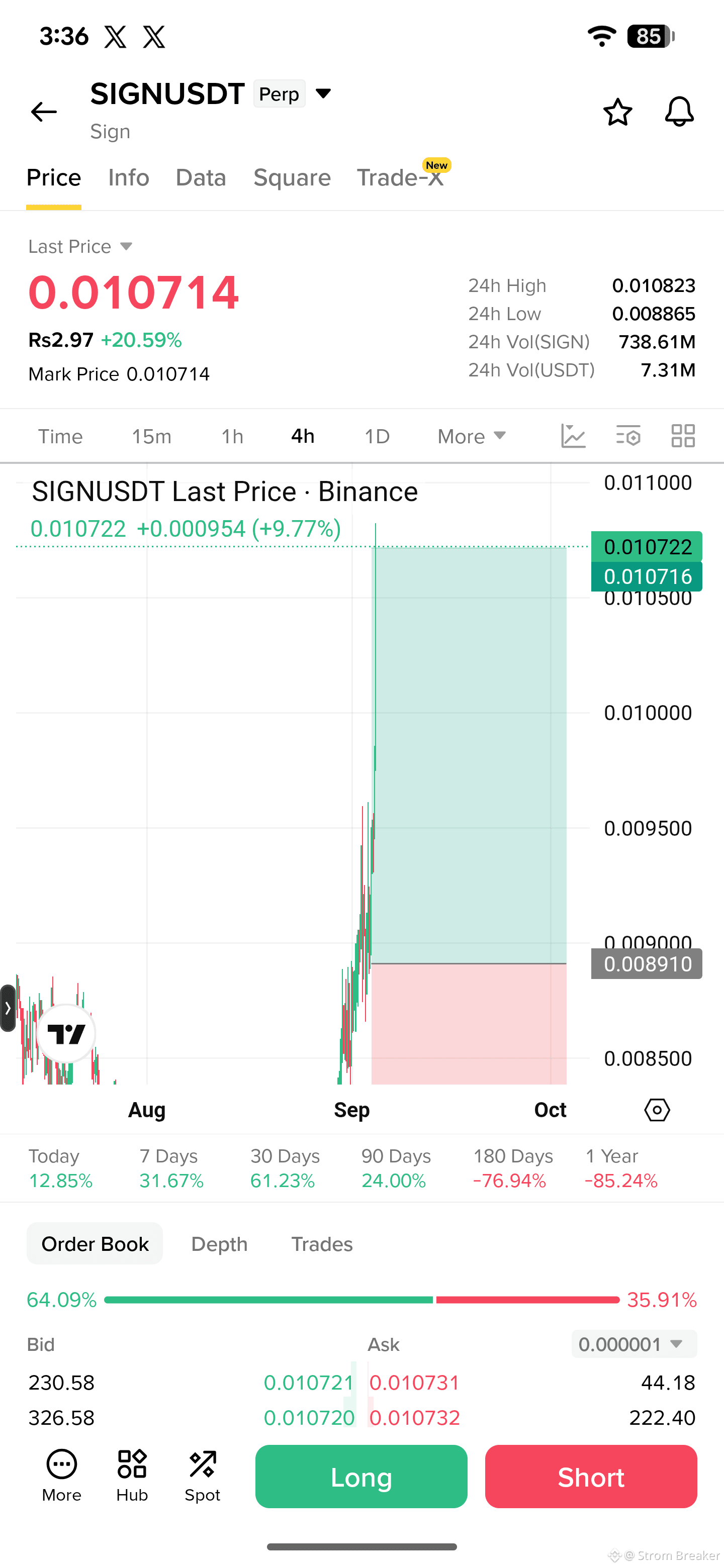
$SIGN /USDT — CONFIGURAÇÃO LONGA
A Ação do Preço: A Thunder Strategy está mostrando uma possível oportunidade de compra (long) em SIGN/USDT.
Zona de Entrada:
0.0087060
0.0084448
Alvos de Take Profit:
TP1 — 0.0087559
TP2 — 0.0089378
TP3 — 0.0091197
TP4 — 0.0093016
Stop Loss: 0.0081575
Alavancagem: 10x Isolada
Planeje a operação com cuidado e gerencie seu risco. Não use alavancagem excessiva só porque a configuração parece atraente.
$SIGN
{future}(SIGNUSDT)
$SIGN /USDT — CONFIGURAÇÃO LONGA
A Ação do Preço: A Thunder Strategy está mostrando uma possível oportunidade de compra (long) em SIGN/USDT.
Zona de Entrada:
0.0087060
0.0084448
Alvos de Take Profit:
TP1 — 0.0087559
TP2 — 0.0089378
TP3 — 0.0091197
TP4 — 0.0093016
Stop Loss: 0.0081575
Alavancagem: 10x Isolada
Planeje a operação com cuidado e gerencie seu risco. Não use alavancagem excessiva só porque a configuração parece atraente.
$SIGN
A Ação do Preço: A Thunder Strategy está mostrando uma possível oportunidade de compra (long) em SIGN/USDT.
Zona de Entrada:
0.0087060
0.0084448
Alvos de Take Profit:
TP1 — 0.0087559
TP2 — 0.0089378
TP3 — 0.0091197
TP4 — 0.0093016
Stop Loss: 0.0081575
Alavancagem: 10x Isolada
Planeje a operação com cuidado e gerencie seu risco. Não use alavancagem excessiva só porque a configuração parece atraente.
$SIGN
1
94
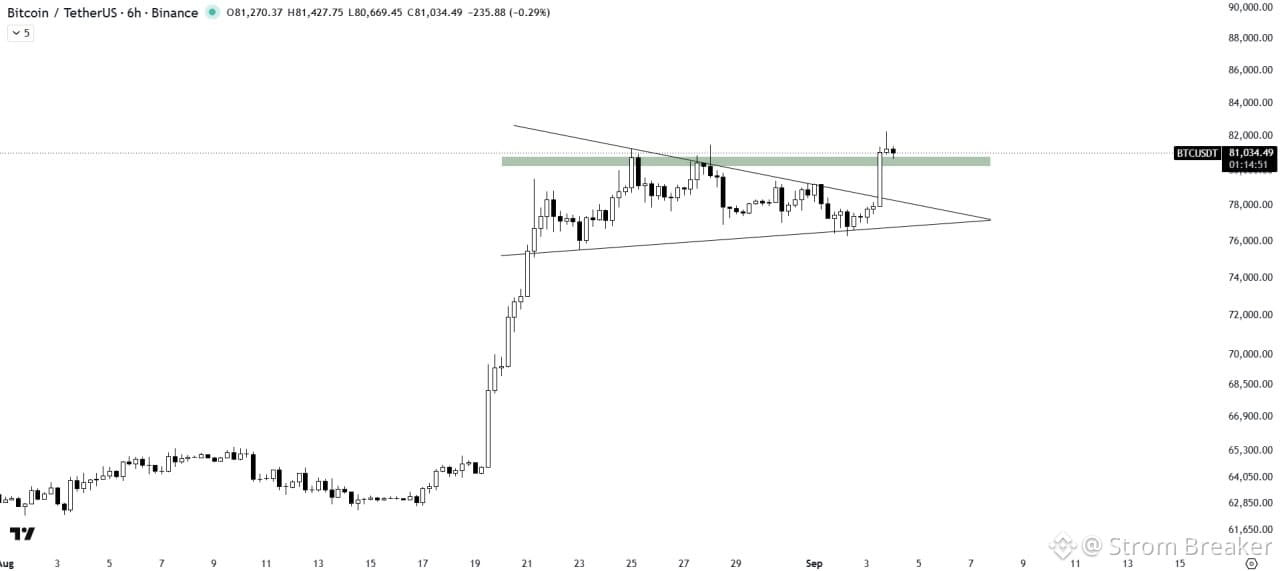
$BTC /USDT Configuração de ruptura de alta
O Bitcoin finalmente rompeu o padrão de bandeira (pennant) com forte volume, o que é um sinal positivo de que os compradores estão entrando.
Agora, o BTC está retestando um nível-chave de suporte/resistência. Esta é a área que vale a pena observar de perto.
Cenário de alta:
Se o BTC se mantiver acima desse nível e confirmar o reteste com forte pressão compradora, isso pode abrir espaço para mais um movimento de alta.
Invalidação:
Se o preço for rejeitado e voltar a cair abaixo da zona de rompimento, a ruptura pode se transformar em uma falsa ruptura (fakeout).
Por enquanto, a estrutura permanece de alta, mas a confirmação é fundamental. Não corra atrás do movimento — espere o reteste e observe como o preço reage.
O BTC está em um ponto de decisão. Fique de olho nas próximas velas.
$BTC
{future}(BTCUSDT)
$BTC /USDT Configuração de ruptura de alta
O Bitcoin finalmente rompeu o padrão de bandeira (pennant) com forte volume, o que é um sinal positivo de que os compradores estão entrando.
Agora, o BTC está retestando um nível-chave de suporte/resistência. Esta é a área que vale a pena observar de perto.
Cenário de alta:
Se o BTC se mantiver acima desse nível e confirmar o reteste com forte pressão compradora, isso pode abrir espaço para mais um movimento de alta.
Invalidação:
Se o preço for rejeitado e voltar a cair abaixo da zona de rompimento, a ruptura pode se transformar em uma falsa ruptura (fakeout).
Por enquanto, a estrutura permanece de alta, mas a confirmação é fundamental. Não corra atrás do movimento — espere o reteste e observe como o preço reage.
O BTC está em um ponto de decisão. Fique de olho nas próximas velas.
$BTC
O Bitcoin finalmente rompeu o padrão de bandeira (pennant) com forte volume, o que é um sinal positivo de que os compradores estão entrando.
Agora, o BTC está retestando um nível-chave de suporte/resistência. Esta é a área que vale a pena observar de perto.
Cenário de alta:
Se o BTC se mantiver acima desse nível e confirmar o reteste com forte pressão compradora, isso pode abrir espaço para mais um movimento de alta.
Invalidação:
Se o preço for rejeitado e voltar a cair abaixo da zona de rompimento, a ruptura pode se transformar em uma falsa ruptura (fakeout).
Por enquanto, a estrutura permanece de alta, mas a confirmação é fundamental. Não corra atrás do movimento — espere o reteste e observe como o preço reage.
O BTC está em um ponto de decisão. Fique de olho nas próximas velas.
$BTC
1
26
Inicia sessão para explorar mais conteúdos
Junta-te a utilizadores de criptomoedas de todo o mundo na Binance Square
⚡️ Obtém informações úteis e recentes sobre criptomoedas.
💬 Com a confiança da maior exchange de criptomoedas do mundo.
👍 Descobre perspetivas reais de criadores verificados.
E-mail/Número de telefone
Tópicos em Tendência
ClarityActFacesProceduralVoteSept15
3,189 visualizações
108 a discutir
#clarityactfacesproceduralvotesept15
🚨 Lei CLARITY enfrenta votação procedimental em 15 de setembro 🚨
O plenário do Senado está em silêncio, mas o mercado de criptomoedas já está de olho no relógio. Em 15 de setembro, uma única votação procedimental pode determinar se um grande projeto de lei de estrutura de mercado de cripto nos EUA terá a chance de avançar.
A Lei CLARITY não está em pauta para aprovação final naquele dia. Espera-se que os senadores votem uma moção para prosseguir, uma etapa procedimental crítica que exige 60 votos para superar o obstáculo no Senado.
Essa distinção importa. Uma votação bem-sucedida não tornaria o projeto lei, mas abriria a porta para novas considerações e negociações no Senado.
As apostas são altas porque a legislação busca estabelecer regras mais claras em torno de ativos digitais e definir como as responsabilidades são divididas entre reguladores dos EUA.
A revisão mais recente, com 630 páginas, também inclui disposições que abordam certos protocolos de negociação não descentralizados, embora vários desentendimentos políticos e regulatórios ainda permaneçam sem solução.
Meu ponto de vista: 15 de setembro deve ser visto menos como um dia de vitória ou derrota e mais como um teste de credibilidade. Superar a barreira procedimental pode fortalecer a confiança de que a legislação de cripto nos EUA está avançando para um quadro mais claro. A falha pode prolongar a incerteza.
Para os mercados de cripto, a clareza regulatória pode influenciar a participação institucional, as decisões de negócios e a forma como os investidores precificam a exposição aos EUA. Mas as expectativas podem se mover mais rápido do que a própria legislação.
O sinal real não é se o setor de cripto terá clareza da noite para o dia, e sim se os legisladores conseguirão, finalmente, construir consenso suficiente para levar o processo adiante.
A votação de 15 de setembro vai se tornar um ponto de virada para a regulação de cripto nos EUA ou mais um atraso?
Aviso: Este artigo é apenas para fins educacionais e não constitui aconselhamento financeiro. Faça sua própria pesquisa e gerencie o risco com cuidado.
#CryptoRegulation #Bitcoin #GrowWithSAC $SUI $NEAR $BNB
#ClarityActFacesProceduralVoteSept15
Sienna Leo-你真棒-带我走
·0 gostos
·260 visualizações
US2YearYieldRisesTo4.61%
9,970 visualizações
243 a discutir
US10YearTreasuryYieldNears5%
5,332 visualizações
141 a discutir