
ISHAQJAN
6k Publicações

ISHAQJAN
The chart speaks, I listen. Every candle has a story Fam, let’s make this journey legendary 💛
Aberto ao trading
Trader de Alta Frequência
11.4 mês(es)
648 A seguir
29.2K+ Seguidores
12.6K+ Gostaram
Publicações
Portfólio
Tudo
Cotações
Em direto
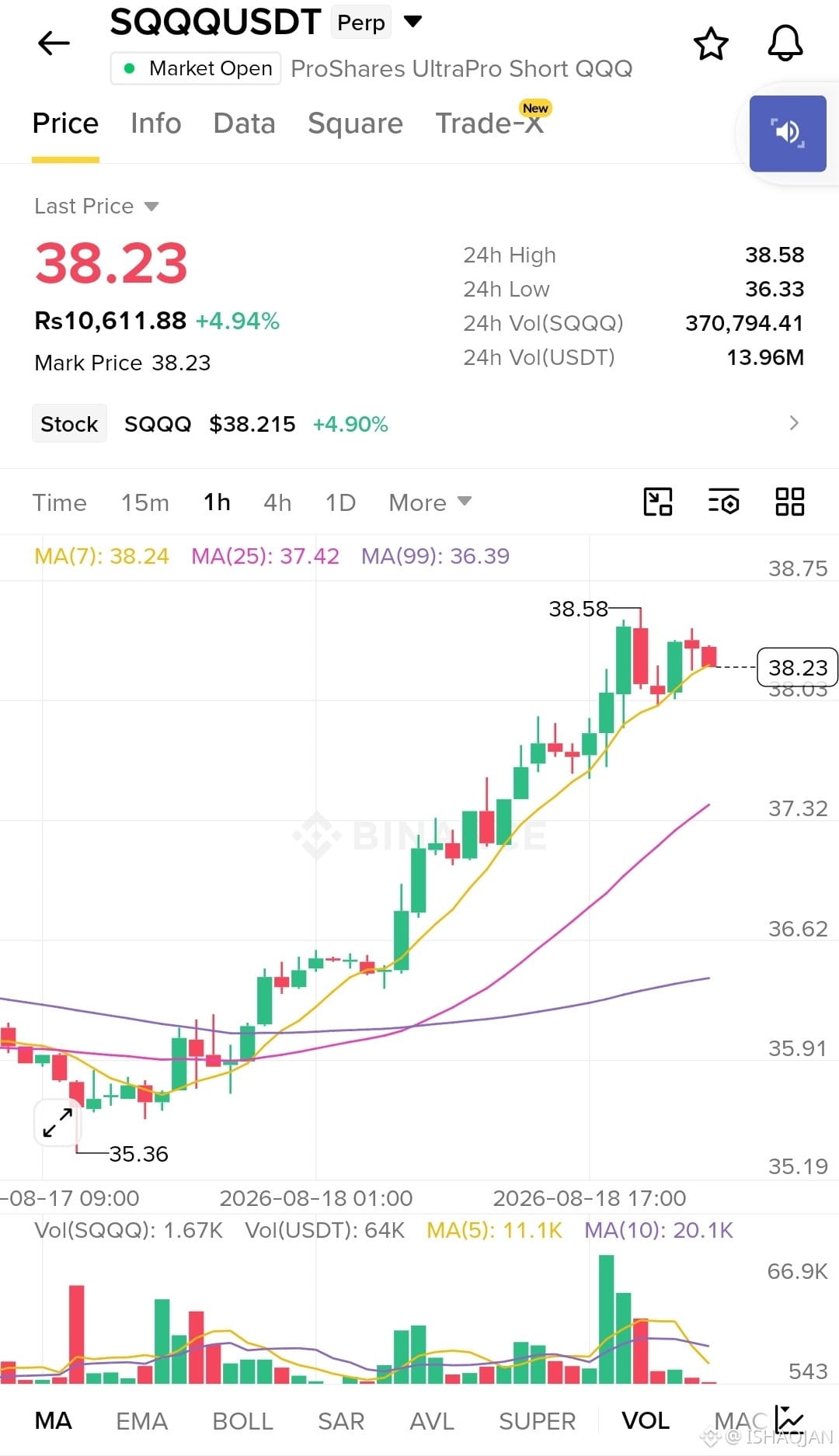
$SQQQ Ainda tem combustível
SQQQUSDT LONG
Entrada: 38.20–38.35
TP: 38.50 / 38.70 / 38.95
SL: 38.05
Alavancagem: 10x
NFA
DYOR
Operar aqui 👇
SQQQUSDT
Perp
38.23
+4.94%
SQQQUSDT LONG
Entrada: 38.20–38.35
TP: 38.50 / 38.70 / 38.95
SL: 38.05
Alavancagem: 10x
NFA
DYOR
Operar aqui 👇
SQQQUSDT
Perp
38.23
+4.94%
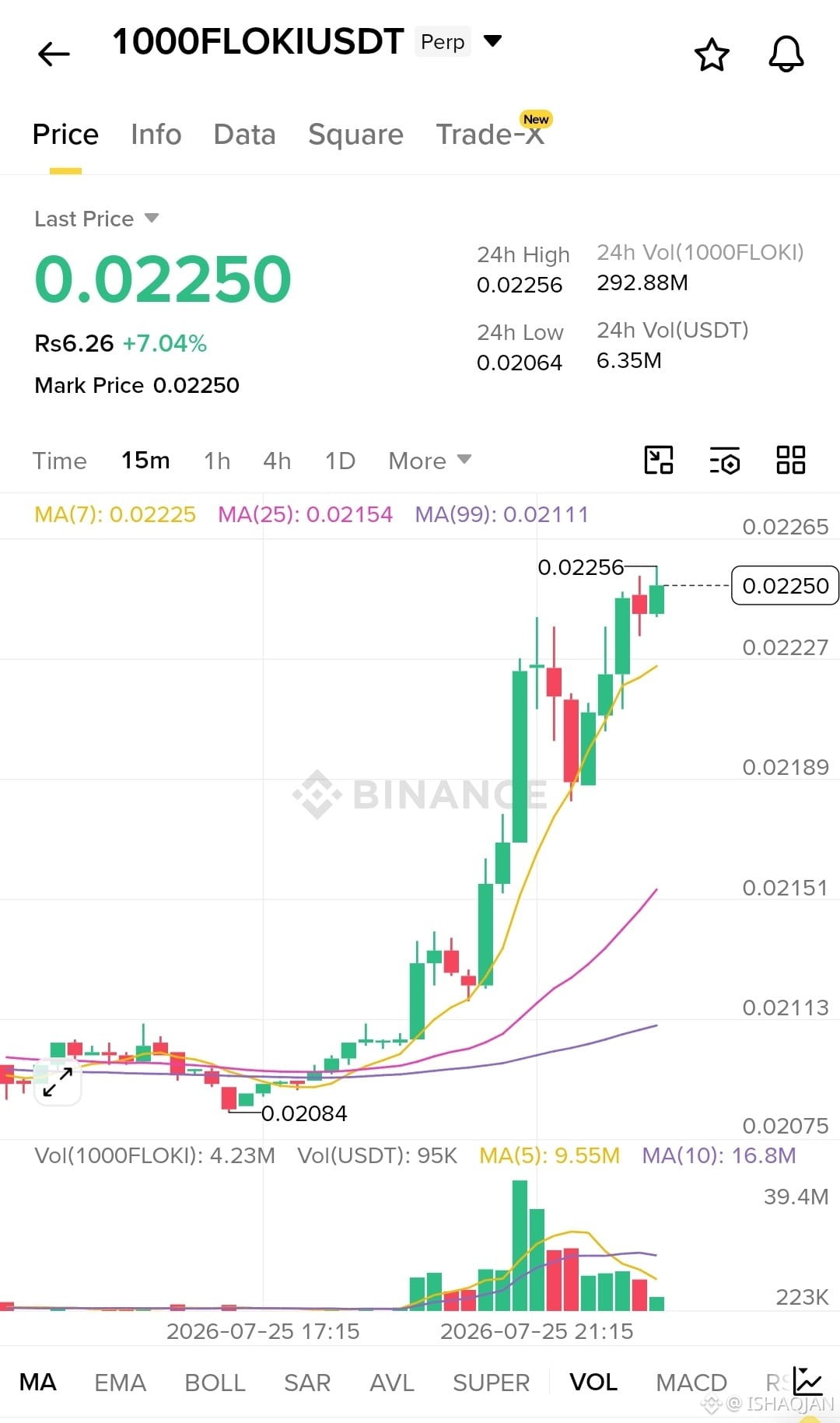
Pessoal, $FLOKI está rompendo uma faixa de acumulação de curto prazo com forte impulso de alta. Se os compradores mantiverem o controle acima do nível de rompimento, o movimento pode se estender em direção a resistências mais altas. 10x de alavancagem.
Configuração de Trade
Zona de Entrada: 0.00002220 – 0.00002250
Objetivo 1: 0.00002320
Objetivo 2: 0.00002420
Objetivo 3: 0.00002550
Stop Loss: 0.00002120
Configuração de Trade
Zona de Entrada: 0.00002220 – 0.00002250
Objetivo 1: 0.00002320
Objetivo 2: 0.00002420
Objetivo 3: 0.00002550
Stop Loss: 0.00002120
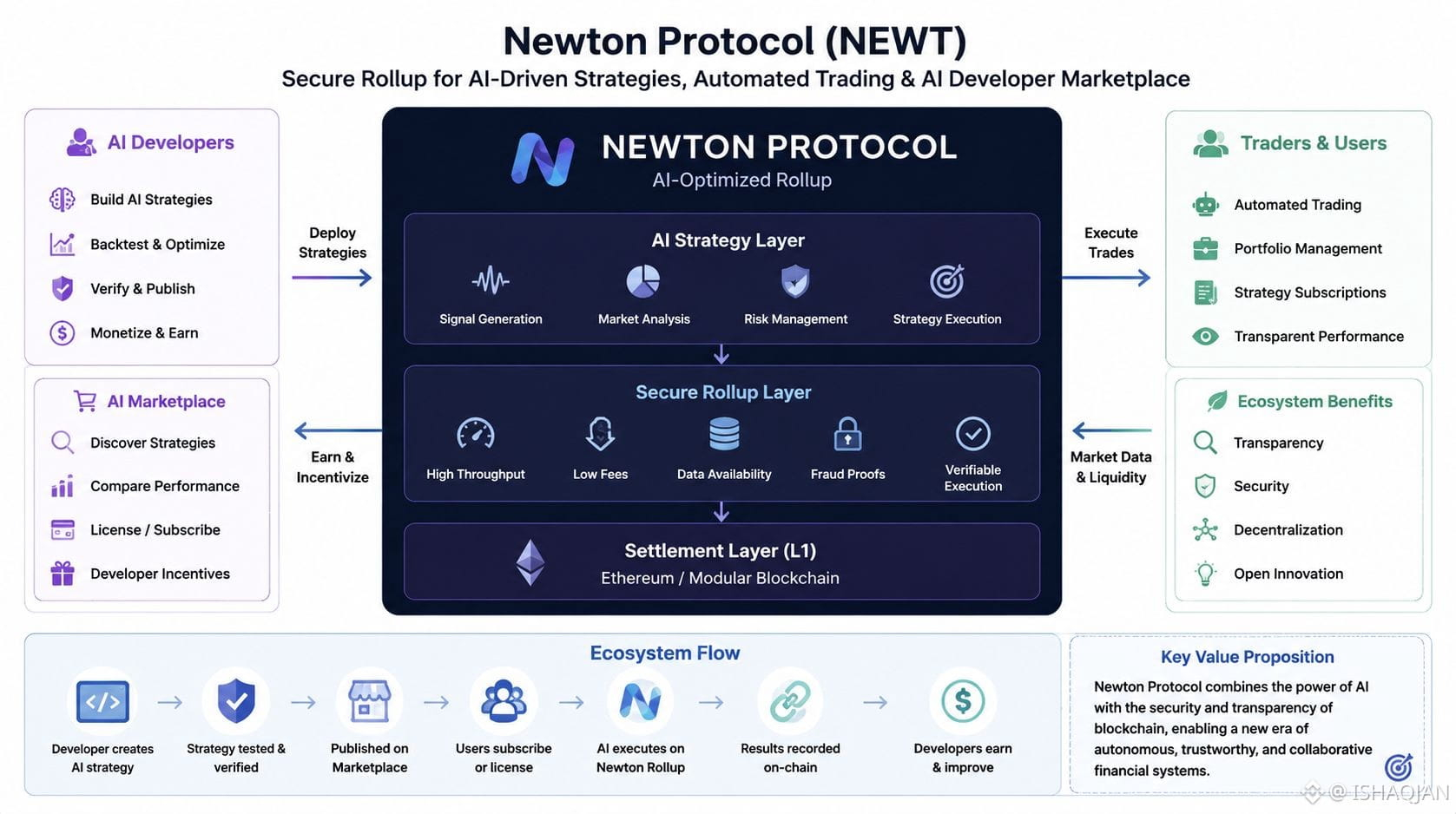
Tenho pensado no Protocolo Newton, não apenas como infraestrutura para automação orientada por IA, mas como um experimento sobre como as pessoas negociam confiança com sistemas que já não observam completamente.
Por muito tempo, a participação financeira exigiu atenção constante. As pessoas clicavam em botões, verificavam gráficos e carregavam o peso psicológico de tomar cada decisão por conta própria. A promessa dos agentes inteligentes muda esse relacionamento. Saímos de agir para especificar intenções, de executar para delegar.
O que me interessa é que essa mudança não elimina a confiança — ela a redistribui.
Projetos como o Newton enfatizam automação verificável, permissões programáveis e garantias criptográficas. De certa forma, eles reconhecem algo profundamente humano: estamos cada vez mais confortáveis em entregar responsabilidade, desde que os limites dessa delegação permaneçam visíveis e sejam passíveis de aplicação. A questão é se a própria transparência se torna uma substituta para o entendimento.
Também há uma tensão interessante no modelo de mercado emergente para desenvolvedores de IA. A abertura convida à inovação, mas também cria novas hierarquias em torno de reputação, incentivos e influência. Se estratégias autônomas se tornarem bens públicos valiosos, quem, no fim das contas, molda as normas que determinam quais formas de automação são recompensadas e quais são desencorajadas?
Talvez a história mais ampla não seja sobre a IA substituindo a agência humana, mas sobre humanos redesenhando a agência em camadas de permissões, políticas e protocolos.
À medida que uma parte maior de nossa atividade econômica se torna baseada em intenções em vez de ações, como realmente fica a participação significativa?
#newt $NEWT @NewtonProtocol
Por muito tempo, a participação financeira exigiu atenção constante. As pessoas clicavam em botões, verificavam gráficos e carregavam o peso psicológico de tomar cada decisão por conta própria. A promessa dos agentes inteligentes muda esse relacionamento. Saímos de agir para especificar intenções, de executar para delegar.
O que me interessa é que essa mudança não elimina a confiança — ela a redistribui.
Projetos como o Newton enfatizam automação verificável, permissões programáveis e garantias criptográficas. De certa forma, eles reconhecem algo profundamente humano: estamos cada vez mais confortáveis em entregar responsabilidade, desde que os limites dessa delegação permaneçam visíveis e sejam passíveis de aplicação. A questão é se a própria transparência se torna uma substituta para o entendimento.
Também há uma tensão interessante no modelo de mercado emergente para desenvolvedores de IA. A abertura convida à inovação, mas também cria novas hierarquias em torno de reputação, incentivos e influência. Se estratégias autônomas se tornarem bens públicos valiosos, quem, no fim das contas, molda as normas que determinam quais formas de automação são recompensadas e quais são desencorajadas?
Talvez a história mais ampla não seja sobre a IA substituindo a agência humana, mas sobre humanos redesenhando a agência em camadas de permissões, políticas e protocolos.
À medida que uma parte maior de nossa atividade econômica se torna baseada em intenções em vez de ações, como realmente fica a participação significativa?
#newt $NEWT @NewtonProtocol
Eu tenho pensado em um padrão que aparece sempre que um novo projeto de infraestrutura surge: frequentemente celebramos a arquitetura muito antes de entendermos a cultura que ela cria.
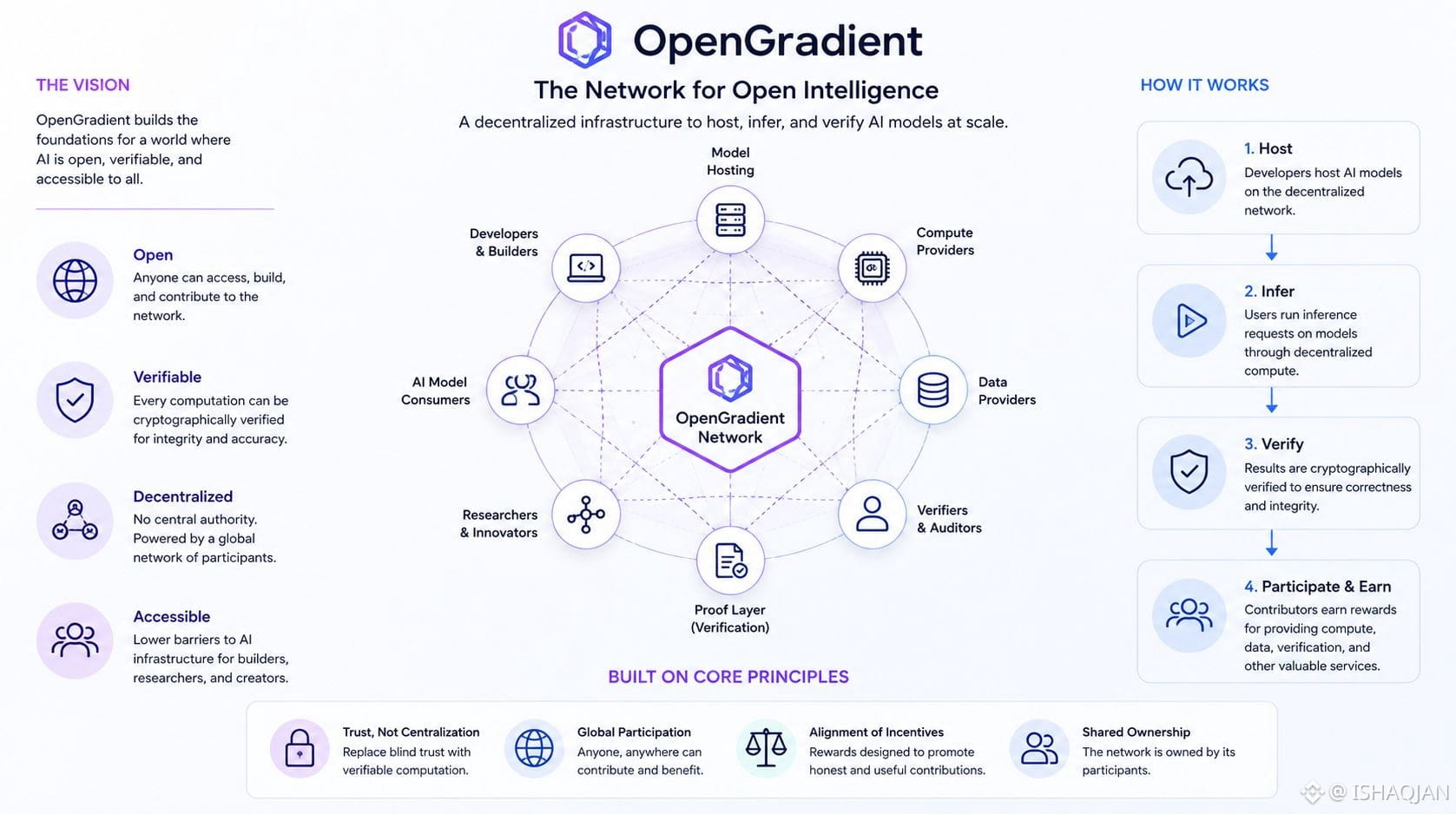
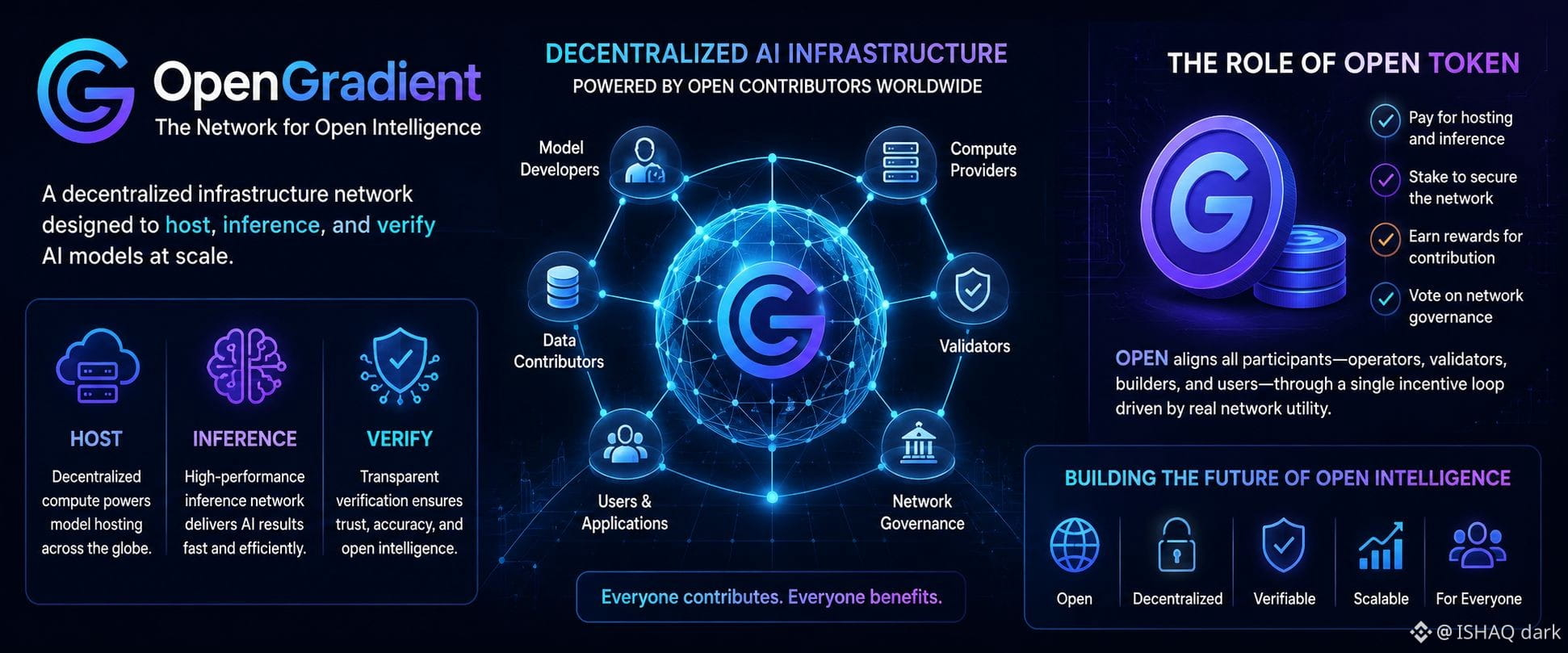
A visão da OpenGradient de uma IA descentralizada e verificável é tecnicamente fascinante. Sugere um futuro onde a inteligência não é apenas consumida, mas auditada, onde a computação pode ser desafiada em vez de aceita por fé, e onde a confiança é gradualmente substituída por provas. No entanto, essa mudança levanta questões que parecem mais sociais do que técnicas.
Se cada decisão da IA se torna verificável, as pessoas se tornam mais responsáveis pelos sistemas que constroem, ou se sentem mais confortáveis em delegar o julgamento porque um registro criptográfico existe? A transparência pode reduzir a incerteza, mas também pode criar a ilusão de que tudo o que é importante foi medido.
Sistemas abertos prometem uma participação mais ampla, mas a própria participação tem incentivos. Alguns contribuintes otimizam por curiosidade, outros por reputação, outros por recompensas. A rede pode ser descentralizada, mas as motivações humanas raramente são. A tarefa difícil pode não ser distribuir a computação—pode ser distribuir a responsabilidade.
Talvez o resultado mais interessante da inteligência aberta não seja que as máquinas se tornam mais fáceis de confiar, mas que os humanos são convidados a redefinir o que a confiança realmente significa. É confiança no código, confiança nas comunidades, ou confiança na disposição de questionar ambos?
À medida que a infraestrutura de IA se torna mais verificável, o que importará mais: as provas que os sistemas geram, ou os valores das pessoas que escolhem acreditar nelas?
#opg $OPG @OpenGradient
A visão da OpenGradient de uma IA descentralizada e verificável é tecnicamente fascinante. Sugere um futuro onde a inteligência não é apenas consumida, mas auditada, onde a computação pode ser desafiada em vez de aceita por fé, e onde a confiança é gradualmente substituída por provas. No entanto, essa mudança levanta questões que parecem mais sociais do que técnicas.
Se cada decisão da IA se torna verificável, as pessoas se tornam mais responsáveis pelos sistemas que constroem, ou se sentem mais confortáveis em delegar o julgamento porque um registro criptográfico existe? A transparência pode reduzir a incerteza, mas também pode criar a ilusão de que tudo o que é importante foi medido.
Sistemas abertos prometem uma participação mais ampla, mas a própria participação tem incentivos. Alguns contribuintes otimizam por curiosidade, outros por reputação, outros por recompensas. A rede pode ser descentralizada, mas as motivações humanas raramente são. A tarefa difícil pode não ser distribuir a computação—pode ser distribuir a responsabilidade.
Talvez o resultado mais interessante da inteligência aberta não seja que as máquinas se tornam mais fáceis de confiar, mas que os humanos são convidados a redefinir o que a confiança realmente significa. É confiança no código, confiança nas comunidades, ou confiança na disposição de questionar ambos?
À medida que a infraestrutura de IA se torna mais verificável, o que importará mais: as provas que os sistemas geram, ou os valores das pessoas que escolhem acreditar nelas?
#opg $OPG @OpenGradient
Eu tenho pensado sobre por que certos projetos ficam na minha mente muito tempo depois que fecho a aba. Normalmente, não é por causa da tecnologia em si, mas por causa do tipo de conversas que isso começa a gerar de forma silenciosa.
Foi isso que aconteceu quando conheci a OpenGradient.
Em vez de me perguntar quão poderosa a IA pode se tornar, me peguei pensando em como as pessoas decidem em quem confiar. Nós nos acostumamos a confiar em sistemas que não conseguimos realmente ver ou verificar, principalmente porque são convenientes. Talvez isso seja normal. Talvez seja apenas a direção em que estamos indo sem perceber.
A ideia de uma rede onde a IA pode ser hospedada e suas saídas verificadas parece uma pequena mudança com implicações maiores. Isso sugere que a confiança nem sempre precisa vir de uma empresa, uma marca ou um nome conhecido — pode vir da abertura e da participação compartilhada.
Mas isso também levanta outro pensamento. Mesmo que a tecnologia se torne transparente, as pessoas ainda trazem seus próprios incentivos, preconceitos e suposições. A verificação pode explicar o que aconteceu, mas não sempre responde por que aconteceu ou quem deve ser responsabilizado.
Talvez o futuro da IA não seja moldado apenas por modelos mais inteligentes ou infraestrutura mais rápida. Talvez seja moldado pelas escolhas cotidianas que as pessoas fazem sobre confiança, cooperação e responsabilidade.
Não tenho certeza de onde isso leva, mas acho que essas perguntas estão se tornando tão importantes quanto a tecnologia em si.
#opg $OPG @OpenGradient
Foi isso que aconteceu quando conheci a OpenGradient.
Em vez de me perguntar quão poderosa a IA pode se tornar, me peguei pensando em como as pessoas decidem em quem confiar. Nós nos acostumamos a confiar em sistemas que não conseguimos realmente ver ou verificar, principalmente porque são convenientes. Talvez isso seja normal. Talvez seja apenas a direção em que estamos indo sem perceber.
A ideia de uma rede onde a IA pode ser hospedada e suas saídas verificadas parece uma pequena mudança com implicações maiores. Isso sugere que a confiança nem sempre precisa vir de uma empresa, uma marca ou um nome conhecido — pode vir da abertura e da participação compartilhada.
Mas isso também levanta outro pensamento. Mesmo que a tecnologia se torne transparente, as pessoas ainda trazem seus próprios incentivos, preconceitos e suposições. A verificação pode explicar o que aconteceu, mas não sempre responde por que aconteceu ou quem deve ser responsabilizado.
Talvez o futuro da IA não seja moldado apenas por modelos mais inteligentes ou infraestrutura mais rápida. Talvez seja moldado pelas escolhas cotidianas que as pessoas fazem sobre confiança, cooperação e responsabilidade.
Não tenho certeza de onde isso leva, mas acho que essas perguntas estão se tornando tão importantes quanto a tecnologia em si.
#opg $OPG @OpenGradient
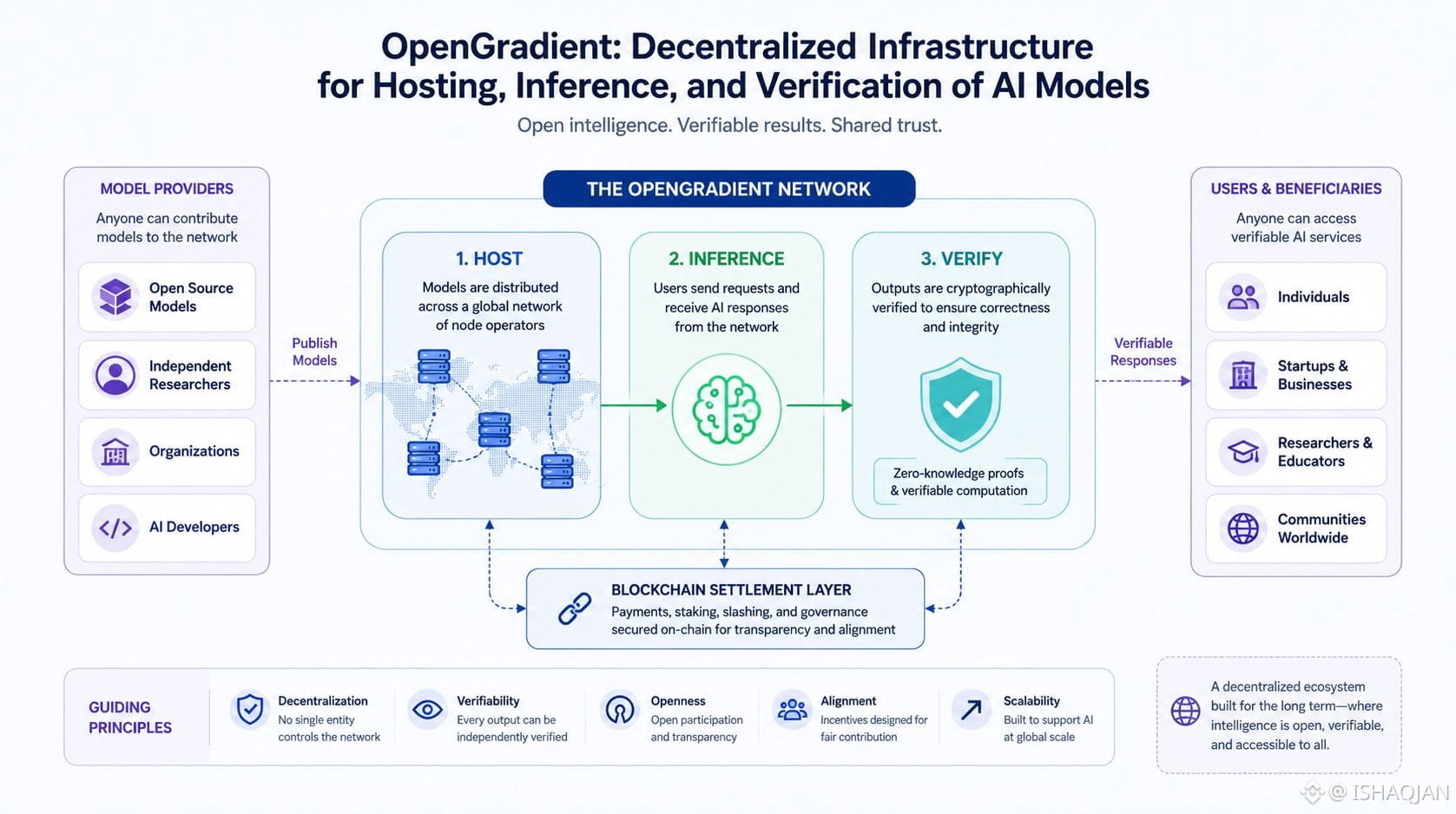
Eu tenho pensado sobre o OpenGradient há um tempo, e o que mantém minha atenção não é a infraestrutura em si—é a mentalidade por trás dela.
A maioria das tecnologias tenta remover a fricção. Fazemos uma pergunta, recebemos uma resposta e seguimos em frente sem nos perguntar como essa resposta surgiu ou quem a moldou. Com o tempo, esse hábito muda silenciosamente a maneira como confiamos nas informações.
Uma rede que torna os modelos de IA abertos, verificáveis e distribuídos introduz um tipo diferente de relacionamento. Em vez de nos pedir para simplesmente acreditar na saída, ela nos convida a examinar o processo. Isso parece menos uma mudança técnica e mais uma mudança cultural.
Mas a abertura não cria automaticamente entendimento. Mais visibilidade pode levar a mais responsabilidade, mas também pode criar a ilusão de que transparência é a mesma coisa que responsabilidade. Se todo mundo pode verificar algo, quem é esperado para questioná-lo? E se a inteligência se tornar um recurso compartilhado, como decidimos quem guia sua direção?
Talvez a parte mais interessante da inteligência aberta não seja a arquitetura ou os próprios modelos. Talvez seja a possibilidade de começarmos a valorizar a participação em vez do consumo passivo e a curiosidade em vez da certeza.
Não tenho certeza de onde isso leva, mas me faz questionar se o futuro da IA será definido por melhores algoritmos—ou por melhores hábitos de confiança.
#opg $OPG @OpenGradient
A maioria das tecnologias tenta remover a fricção. Fazemos uma pergunta, recebemos uma resposta e seguimos em frente sem nos perguntar como essa resposta surgiu ou quem a moldou. Com o tempo, esse hábito muda silenciosamente a maneira como confiamos nas informações.
Uma rede que torna os modelos de IA abertos, verificáveis e distribuídos introduz um tipo diferente de relacionamento. Em vez de nos pedir para simplesmente acreditar na saída, ela nos convida a examinar o processo. Isso parece menos uma mudança técnica e mais uma mudança cultural.
Mas a abertura não cria automaticamente entendimento. Mais visibilidade pode levar a mais responsabilidade, mas também pode criar a ilusão de que transparência é a mesma coisa que responsabilidade. Se todo mundo pode verificar algo, quem é esperado para questioná-lo? E se a inteligência se tornar um recurso compartilhado, como decidimos quem guia sua direção?
Talvez a parte mais interessante da inteligência aberta não seja a arquitetura ou os próprios modelos. Talvez seja a possibilidade de começarmos a valorizar a participação em vez do consumo passivo e a curiosidade em vez da certeza.
Não tenho certeza de onde isso leva, mas me faz questionar se o futuro da IA será definido por melhores algoritmos—ou por melhores hábitos de confiança.
#opg $OPG @OpenGradient
Verificado
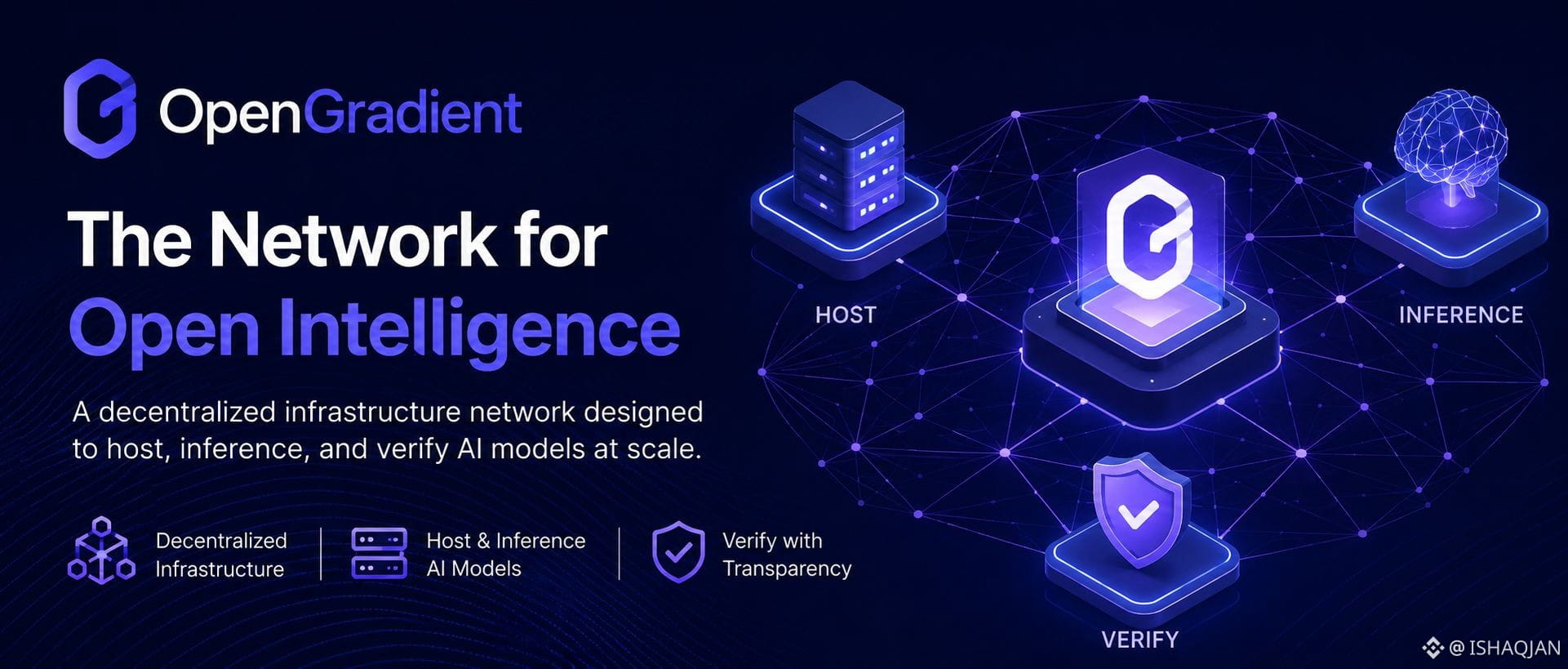
Eu já passei por ciclos de cripto o suficiente para ver o mesmo padrão se repetir. Um novo projeto de IA é lançado, todo mundo fala sobre modelos mais rápidos, melhor desempenho e números maiores. Por um tempo, isso se torna toda a história.
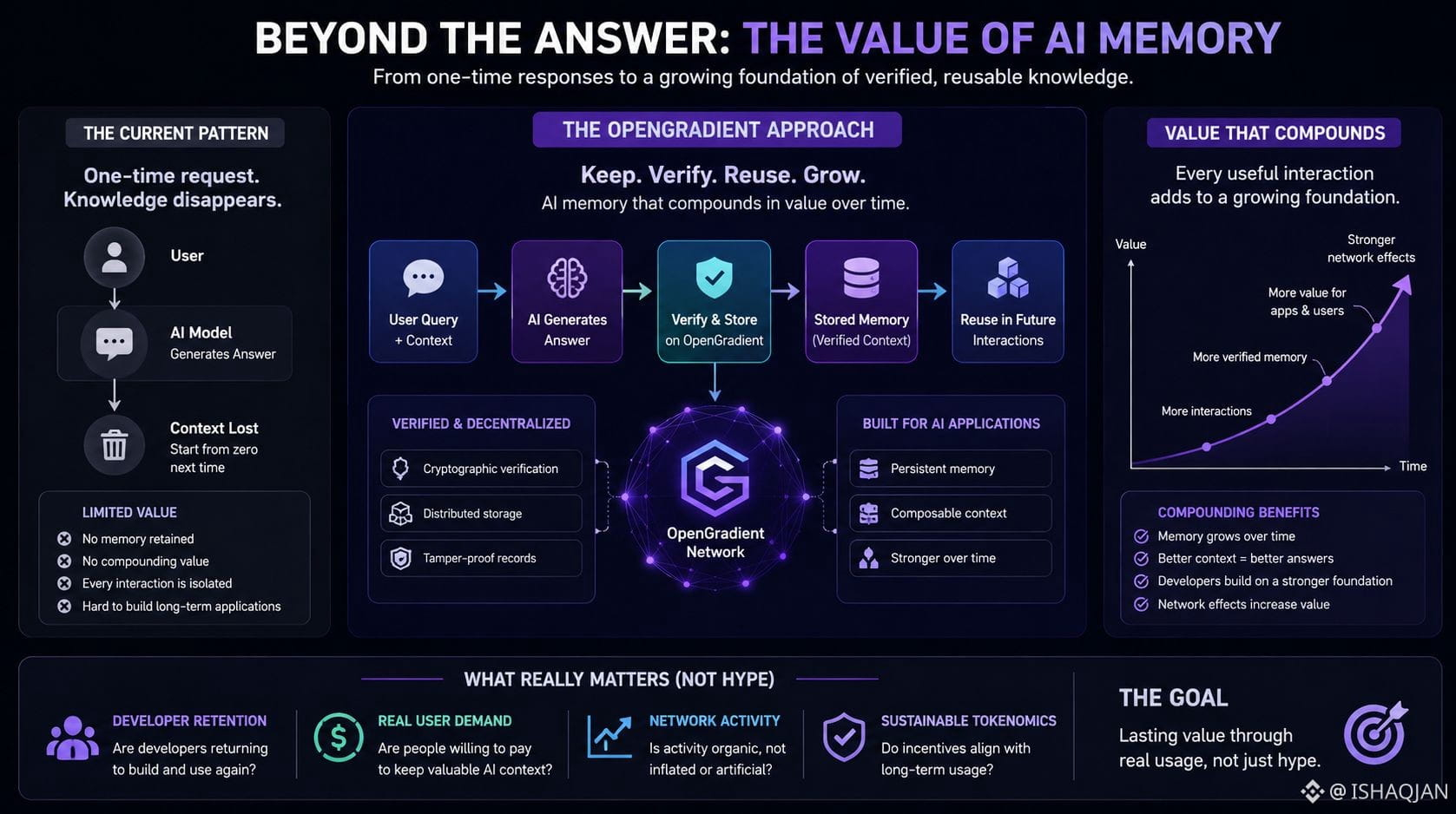
Olhando para a OpenGradient, acabei pensando em algo diferente. Em vez de perguntar quão inteligente uma IA pode ser, comecei a perguntar o que acontece depois que a resposta é gerada. Se uma IA pode manter informações verificadas e usá-las novamente depois, esse conhecimento armazenado pode se tornar tão importante quanto o próprio modelo.
Essa ideia é interessante porque a memória cresce ao longo do tempo. Cada interação útil adiciona mais valor em vez de desaparecer após um pedido. Isso parece menos como um serviço pontual e mais como uma base que as aplicações podem continuar a construir.
Ainda assim, estou cauteloso. Boas ideias nem sempre se tornam bons investimentos. Se usuários reais não estão voltando, se a atividade da rede está inflacionada ou se os incentivos dos tokens criam uma demanda artificial, a narrativa não vai durar. Os mercados de cripto muitas vezes celebram possibilidades muito antes de recompensar o uso real.
Então, não estou focado no hype ou na empolgação das redes sociais. Estou observando coisas simples: Os desenvolvedores estão voltando a usar a rede novamente? As pessoas estão dispostas a pagar para manter o contexto valioso da IA em vez de começar do zero toda vez? Se essas respostas continuarem melhorando, a OpenGradient pode estar criando algo com valor duradouro em vez de apenas mais uma tendência de IA efêmera.
#opg $OPG @OpenGradient
Olhando para a OpenGradient, acabei pensando em algo diferente. Em vez de perguntar quão inteligente uma IA pode ser, comecei a perguntar o que acontece depois que a resposta é gerada. Se uma IA pode manter informações verificadas e usá-las novamente depois, esse conhecimento armazenado pode se tornar tão importante quanto o próprio modelo.
Essa ideia é interessante porque a memória cresce ao longo do tempo. Cada interação útil adiciona mais valor em vez de desaparecer após um pedido. Isso parece menos como um serviço pontual e mais como uma base que as aplicações podem continuar a construir.
Ainda assim, estou cauteloso. Boas ideias nem sempre se tornam bons investimentos. Se usuários reais não estão voltando, se a atividade da rede está inflacionada ou se os incentivos dos tokens criam uma demanda artificial, a narrativa não vai durar. Os mercados de cripto muitas vezes celebram possibilidades muito antes de recompensar o uso real.
Então, não estou focado no hype ou na empolgação das redes sociais. Estou observando coisas simples: Os desenvolvedores estão voltando a usar a rede novamente? As pessoas estão dispostas a pagar para manter o contexto valioso da IA em vez de começar do zero toda vez? Se essas respostas continuarem melhorando, a OpenGradient pode estar criando algo com valor duradouro em vez de apenas mais uma tendência de IA efêmera.
#opg $OPG @OpenGradient
Eu estou nesse espaço tempo suficiente para sentir uma certa fadiga que não vem dos gráficos. Vem das histórias. A cada ciclo, as mesmas palavras são reempacotadas. Privacidade. Escalabilidade. Conformidade. Melhor UX. Os slides ficam mais bonitos, as demonstrações mais suaves, e em algum lugar ao longo do caminho eu paro de ouvir porque já conheço o final. A maior parte se mistura. Você pode assistir a tantos projetos prometendo resolver o mesmo problema antes que tudo comece a soar como música de fundo.
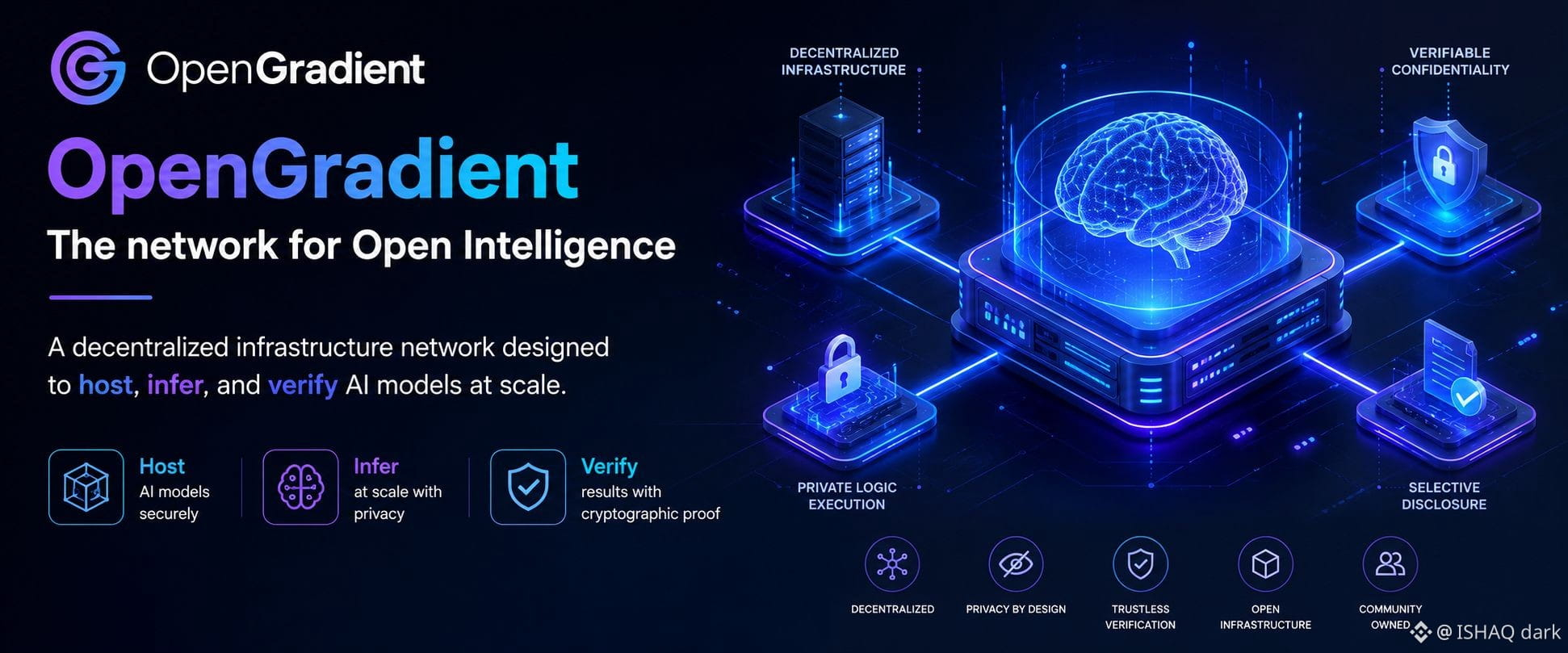
O OpenGradient apareceu no meu feed e eu quase passei direto. Infraestrutura descentralizada para rodar, checar e hospedar modelos de IA. Privacidade embutida. No papel, apenas mais uma linha em uma longa lista. Mas a coisa que me fez pausar não foi a ambição. Foi o quão pouco estava tentando me vender.
Passamos anos fingindo que transparência é uma virtude por si só. Coloque tudo na blockchain, torne público, chame de confiança. Isso é bom até que os dados realmente importem. Coisas médicas, pesos de modelos, o tipo de comportamento do usuário que não deveria estar aberto para qualquer um raspar e revender. O oposto também não é melhor. “Zero-knowledge, confie em nós” é apenas outra maneira de dizer que você não vai saber nada. Reguladores odeiam isso, mercados não funcionam com isso, e usuários acabam com produtos que parecem caixas trancadas.
O que o OpenGradient parece estar fazendo é viver no meio, que é o lugar menos glamouroso para estar. Lógica privada. Divulgação seletiva. Você pode provar que algo funcionou corretamente sem mostrar a todos a coisa toda. Isso não é um slogan. É uma restrição, e restrições são onde a maioria desses projetos desmorona. Porque você pode projetar a arquitetura mais limpa em um testnet e ainda assim perder quando um desenvolvedor real tenta implementar com isso. Faça muito puro e apenas PhDs vão mexer com isso. Faça muito fácil e você volta para um servidor com um adesivo de cripto. Tente agradar a conformidade e a privacidade se transforma em uma performance.
Eu não acho que o OpenGradient resolve isso. Eu não acho que nada resolve, não de uma vez. Mas parece
#opg $OPG @OpenGradient
O OpenGradient apareceu no meu feed e eu quase passei direto. Infraestrutura descentralizada para rodar, checar e hospedar modelos de IA. Privacidade embutida. No papel, apenas mais uma linha em uma longa lista. Mas a coisa que me fez pausar não foi a ambição. Foi o quão pouco estava tentando me vender.
Passamos anos fingindo que transparência é uma virtude por si só. Coloque tudo na blockchain, torne público, chame de confiança. Isso é bom até que os dados realmente importem. Coisas médicas, pesos de modelos, o tipo de comportamento do usuário que não deveria estar aberto para qualquer um raspar e revender. O oposto também não é melhor. “Zero-knowledge, confie em nós” é apenas outra maneira de dizer que você não vai saber nada. Reguladores odeiam isso, mercados não funcionam com isso, e usuários acabam com produtos que parecem caixas trancadas.
O que o OpenGradient parece estar fazendo é viver no meio, que é o lugar menos glamouroso para estar. Lógica privada. Divulgação seletiva. Você pode provar que algo funcionou corretamente sem mostrar a todos a coisa toda. Isso não é um slogan. É uma restrição, e restrições são onde a maioria desses projetos desmorona. Porque você pode projetar a arquitetura mais limpa em um testnet e ainda assim perder quando um desenvolvedor real tenta implementar com isso. Faça muito puro e apenas PhDs vão mexer com isso. Faça muito fácil e você volta para um servidor com um adesivo de cripto. Tente agradar a conformidade e a privacidade se transforma em uma performance.
Eu não acho que o OpenGradient resolve isso. Eu não acho que nada resolve, não de uma vez. Mas parece
#opg $OPG @OpenGradient
Eu estou no mundo cripto há tempo suficiente para ver as mesmas ideias voltarem com roupas diferentes.
Um ciclo é escalabilidade. No próximo, é uma melhor experiência do usuário. Depois vem a conformidade. E então a privacidade de novo. As apresentações ficam mais limpas, a mensagem mais direta, mas depois de um tempo, muitos projetos começam a parecer estranhamente familiares. Não é ruim—só é familiar.
Provavelmente é por isso que a OpenGradient se destacou para mim.
Não porque promete um futuro perfeito, mas porque parece reconhecer uma realidade simples: nem tudo pertence à vista total. O cripto passou anos tratando a transparência como o objetivo supremo, mas dados do mundo real, modelos de IA e informações pessoais não se encaixam perfeitamente nessa filosofia.
A privacidade nem sempre é sobre anonimato. Às vezes, é apenas sobre ter controle sobre o que é compartilhado, quando é compartilhado e com quem.
O que chamou minha atenção foi o foco em ideias como lógica privada, divulgação seletiva e confidencialidade verificável. Elas parecem menos termos de marketing e mais tentativas de resolver um problema real. O equilíbrio é difícil, porém. Mais privacidade pode criar problemas de confiança. Mais transparência pode reduzir a usabilidade. A regulação puxa em uma direção enquanto os usuários frequentemente querem outra.
Nada disso garante adoção. Já vimos muitos sistemas bem projetados lutarem uma vez que saem da fase do whitepaper.
Ainda assim, em um mercado lotado de histórias familiares, é interessante ver um projeto explorando o espaço entre a abertura completa e o segredo total. Se isso vai importar em um ano é a parte que ainda estou observando.
#opg $OPG @OpenGradient
Um ciclo é escalabilidade. No próximo, é uma melhor experiência do usuário. Depois vem a conformidade. E então a privacidade de novo. As apresentações ficam mais limpas, a mensagem mais direta, mas depois de um tempo, muitos projetos começam a parecer estranhamente familiares. Não é ruim—só é familiar.
Provavelmente é por isso que a OpenGradient se destacou para mim.
Não porque promete um futuro perfeito, mas porque parece reconhecer uma realidade simples: nem tudo pertence à vista total. O cripto passou anos tratando a transparência como o objetivo supremo, mas dados do mundo real, modelos de IA e informações pessoais não se encaixam perfeitamente nessa filosofia.
A privacidade nem sempre é sobre anonimato. Às vezes, é apenas sobre ter controle sobre o que é compartilhado, quando é compartilhado e com quem.
O que chamou minha atenção foi o foco em ideias como lógica privada, divulgação seletiva e confidencialidade verificável. Elas parecem menos termos de marketing e mais tentativas de resolver um problema real. O equilíbrio é difícil, porém. Mais privacidade pode criar problemas de confiança. Mais transparência pode reduzir a usabilidade. A regulação puxa em uma direção enquanto os usuários frequentemente querem outra.
Nada disso garante adoção. Já vimos muitos sistemas bem projetados lutarem uma vez que saem da fase do whitepaper.
Ainda assim, em um mercado lotado de histórias familiares, é interessante ver um projeto explorando o espaço entre a abertura completa e o segredo total. Se isso vai importar em um ano é a parte que ainda estou observando.
#opg $OPG @OpenGradient
Estou observando o OpenGradient com interesse cauteloso.
Talvez seja porque passei muito tempo neste mercado, mas muitos projetos de cripto começam a se misturar depois de um tempo. Cada ciclo traz uma nova onda de narrativas "revolucionárias", mas de alguma forma as conversas sempre voltam aos mesmos tópicos—privacidade, escalabilidade, conformidade, melhor experiência do usuário. A embalagem fica melhor, o pitch fica mais suave, mas a história central muitas vezes parece familiar.
O que faz o OpenGradient se destacar para mim não é que ele afirma resolver tudo. É que está fazendo uma pergunta que se torna cada vez mais relevante à medida que a IA cresce: tudo realmente precisa ser totalmente visível o tempo todo?
A indústria tende a tratar privacidade e transparência como opostos, mas a vida real raramente é tão simples. Às vezes, as pessoas precisam de prova sem revelar tudo. Às vezes, a confiança vem da verificação, e não da exposição.
Isso não significa que o OpenGradient ganha automaticamente. Muitos projetos tecnicamente sólidos enfrentam dificuldades quando deixam o whitepaper e entram no mundo real. A adoção geralmente é mais difícil do que a arquitetura.
Ainda assim, em um mercado transbordando de narrativas recicladas, percebo que presto um pouco mais de atenção quando um projeto se concentra em trade-offs práticos em vez de soluções perfeitas. É aí que as ideias mais interessantes geralmente começam.
#opg $OPG @OpenGradient
Talvez seja porque passei muito tempo neste mercado, mas muitos projetos de cripto começam a se misturar depois de um tempo. Cada ciclo traz uma nova onda de narrativas "revolucionárias", mas de alguma forma as conversas sempre voltam aos mesmos tópicos—privacidade, escalabilidade, conformidade, melhor experiência do usuário. A embalagem fica melhor, o pitch fica mais suave, mas a história central muitas vezes parece familiar.
O que faz o OpenGradient se destacar para mim não é que ele afirma resolver tudo. É que está fazendo uma pergunta que se torna cada vez mais relevante à medida que a IA cresce: tudo realmente precisa ser totalmente visível o tempo todo?
A indústria tende a tratar privacidade e transparência como opostos, mas a vida real raramente é tão simples. Às vezes, as pessoas precisam de prova sem revelar tudo. Às vezes, a confiança vem da verificação, e não da exposição.
Isso não significa que o OpenGradient ganha automaticamente. Muitos projetos tecnicamente sólidos enfrentam dificuldades quando deixam o whitepaper e entram no mundo real. A adoção geralmente é mais difícil do que a arquitetura.
Ainda assim, em um mercado transbordando de narrativas recicladas, percebo que presto um pouco mais de atenção quando um projeto se concentra em trade-offs práticos em vez de soluções perfeitas. É aí que as ideias mais interessantes geralmente começam.
#opg $OPG @OpenGradient
Eu percebi que a OpenGradient está tentando resolver um problema que a maioria dos projetos de IA descentralizada acaba enfrentando: fazer com que estranhos com incentivos diferentes contribuam para a mesma rede por motivos além das recompensas. Hospedar modelos, rodar inferências e verificar saídas soa útil, mas utilidade e coordenação sustentável raramente são a mesma coisa.
O que eu continuo me perguntando é se a rede consegue atrair demanda real por serviços de IA ou se a participação cresce principalmente porque os incentivos tornam atraente a presença. Muitos sistemas parecem descentralizados quando as recompensas estão fluindo. O teste mais difícil vem depois, quando operadores, contribuintes e detentores de tokens têm que permanecer engajados porque a rede em si é valiosa, não porque as emissões estão fazendo o trabalho pesado.
O modelo da OpenGradient depende de provedores de infraestrutura, mecanismos de verificação e contribuintes todos se movendo na mesma direção. Isso cria um ciclo de incentivo interessante, mas apenas se a atividade da rede refletir o uso real. Se a oferta de computação continuar se expandindo enquanto a demanda significativa ficar para trás, então as métricas de crescimento podem começar a contar uma história muito diferente da utilidade da rede.
Eu também acho que a concentração merece mais atenção do que a maioria das pessoas dá. À medida que a rede escala, a participação se espalha por um grupo mais amplo de operadores e contribuintes, ou a atividade gradualmente se concentra em um punhado de jogadores dominantes? A descentralização é fácil de reivindicar no início. Mantê-la à medida que os incentivos amadurecem geralmente é onde o desafio começa.
O papel da OPEN parece estar ligado a essa questão. Se a distribuição de recompensas, em última análise, refletir a demanda real de inferência, trabalho de verificação e contribuição de infraestrutura, então o token pode se tornar um sinal de atividade produtiva na rede. Se as recompensas principalmente acompanham liquidez, especulação ou participação em busca de incentivos, então a rede pode acabar medindo crescimento sem medir valor.
Por enquanto, estou observando o crescimento de contribuintes, a distribuição de operadores, a utilização da infraestrutura, a atividade de verificação e se a demanda
@OpenGradient #opg $OPG
O que eu continuo me perguntando é se a rede consegue atrair demanda real por serviços de IA ou se a participação cresce principalmente porque os incentivos tornam atraente a presença. Muitos sistemas parecem descentralizados quando as recompensas estão fluindo. O teste mais difícil vem depois, quando operadores, contribuintes e detentores de tokens têm que permanecer engajados porque a rede em si é valiosa, não porque as emissões estão fazendo o trabalho pesado.
O modelo da OpenGradient depende de provedores de infraestrutura, mecanismos de verificação e contribuintes todos se movendo na mesma direção. Isso cria um ciclo de incentivo interessante, mas apenas se a atividade da rede refletir o uso real. Se a oferta de computação continuar se expandindo enquanto a demanda significativa ficar para trás, então as métricas de crescimento podem começar a contar uma história muito diferente da utilidade da rede.
Eu também acho que a concentração merece mais atenção do que a maioria das pessoas dá. À medida que a rede escala, a participação se espalha por um grupo mais amplo de operadores e contribuintes, ou a atividade gradualmente se concentra em um punhado de jogadores dominantes? A descentralização é fácil de reivindicar no início. Mantê-la à medida que os incentivos amadurecem geralmente é onde o desafio começa.
O papel da OPEN parece estar ligado a essa questão. Se a distribuição de recompensas, em última análise, refletir a demanda real de inferência, trabalho de verificação e contribuição de infraestrutura, então o token pode se tornar um sinal de atividade produtiva na rede. Se as recompensas principalmente acompanham liquidez, especulação ou participação em busca de incentivos, então a rede pode acabar medindo crescimento sem medir valor.
Por enquanto, estou observando o crescimento de contribuintes, a distribuição de operadores, a utilização da infraestrutura, a atividade de verificação e se a demanda
@OpenGradient #opg $OPG
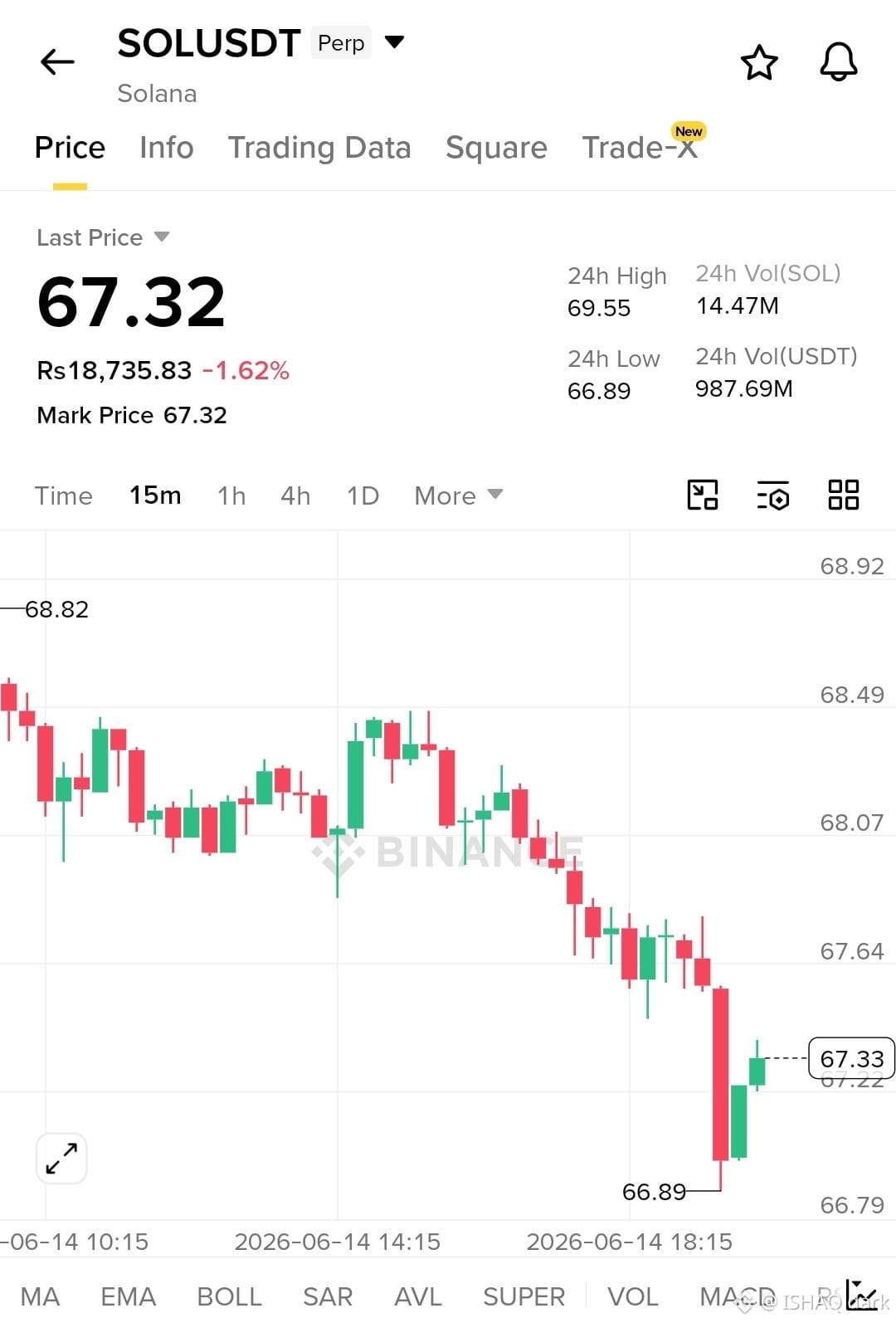
$SOL os touros ainda estão defendendo a estrutura.
Zona de Entrada para Long: $68-$69 Alvos: $72 → $76 → $82 → $90 Stop Loss: $60
O gráfico está mostrando: ✅ Forte suporte em torno de $68 ✅ Máximas mais altas consistentes ✅ Compras agressivas em quedas ✅ Potencial de expansão de momentum acima de $72
Tire lucros parciais ao longo do caminho e proteja o capital. Um bom setup não significa nada sem uma gestão de risco adequada.
Zona de Entrada para Long: $68-$69 Alvos: $72 → $76 → $82 → $90 Stop Loss: $60
O gráfico está mostrando: ✅ Forte suporte em torno de $68 ✅ Máximas mais altas consistentes ✅ Compras agressivas em quedas ✅ Potencial de expansão de momentum acima de $72
Tire lucros parciais ao longo do caminho e proteja o capital. Um bom setup não significa nada sem uma gestão de risco adequada.
Uma queda é a chance para o povo comum virar o jogo, não a alta. Pense bem, depois desse bull run, você sabe que $BNB , $TRX e $HYPE são moedas valiosas que vão bombar pesado em um mercado de alta.
Mas agora os preços estão muito altos.
Se você pensa como eu, que o BNB vai chegar a $10k no próximo bull run, isso é um 18x do preço atual. Se cair para $300, isso é um 33x. Quanto mais cair, mais você pode lucrar. O mesmo vale para outras moedas.
Mas agora os preços estão muito altos.
Se você pensa como eu, que o BNB vai chegar a $10k no próximo bull run, isso é um 18x do preço atual. Se cair para $300, isso é um 33x. Quanto mais cair, mais você pode lucrar. O mesmo vale para outras moedas.

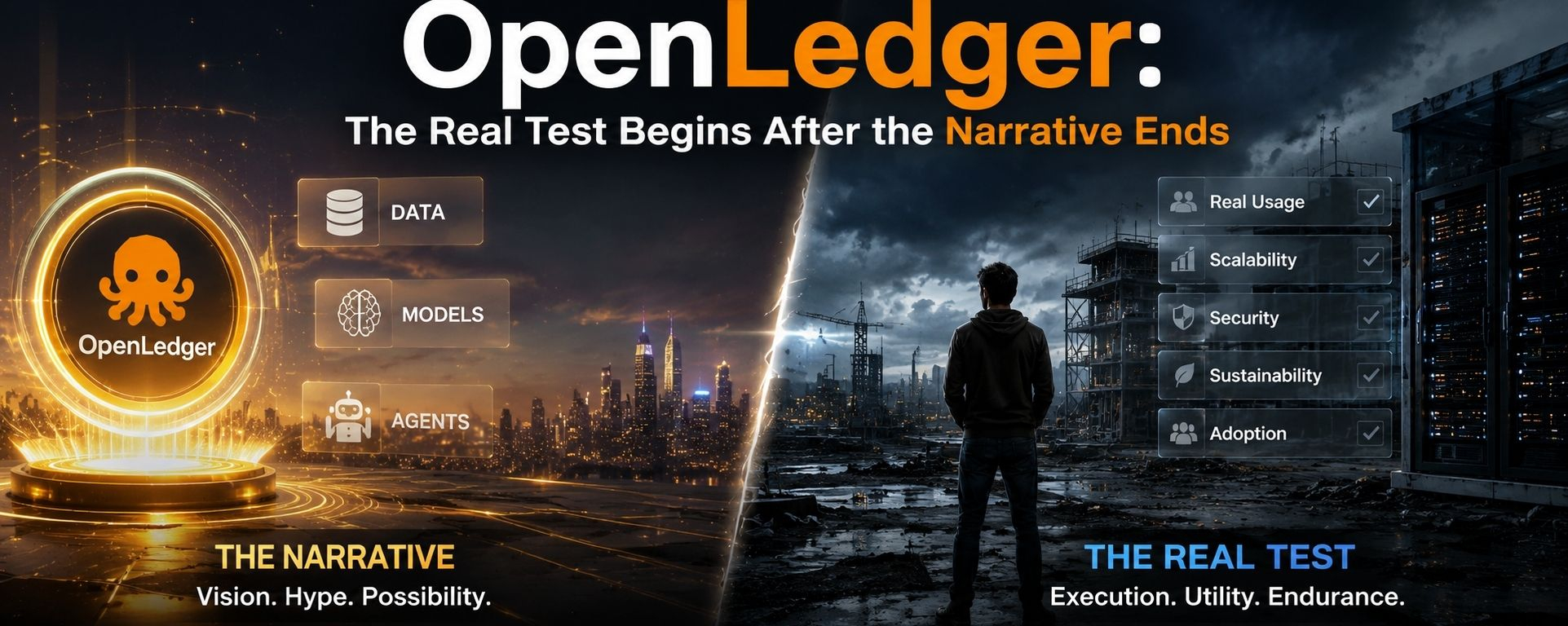
Tenho observado a OpenLedger de perto, e o que se destaca não é a narrativa—é o desafio que se esconde por trás dela.
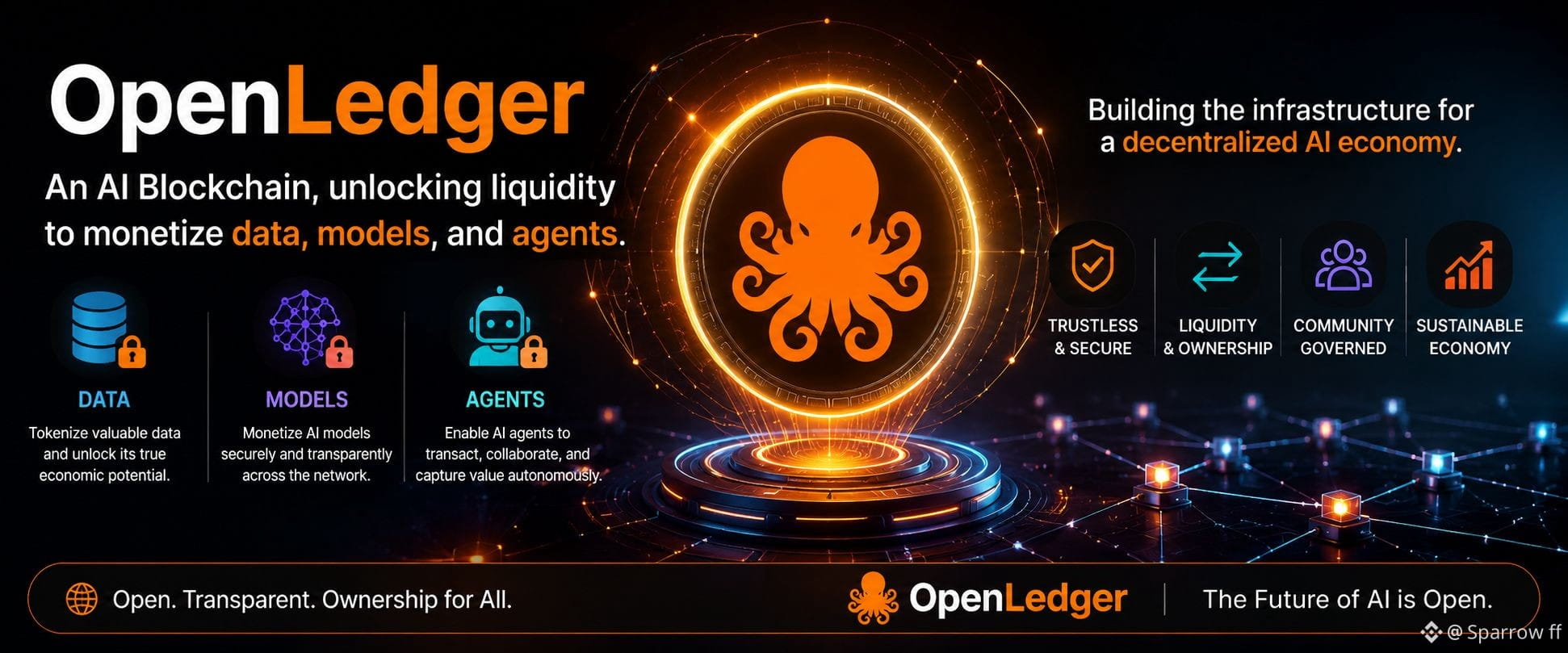
A OpenLedger está construindo em torno de uma ideia poderosa: transformar dados, modelos de IA e agentes autônomos em ativos produtivos que podem ser monetizados através de uma economia baseada em blockchain. No papel, o conceito parece oportuno. A IA está se expandindo rapidamente, os dados estão se tornando cada vez mais valiosos, e os mercados estão buscando maneiras melhores de precificar e distribuir inteligência.
Mas passei tempo suficiente em ciclos tecnológicos para saber que a parte mais difícil começa depois da empolgação.
Criar um marketplace é uma coisa. Criar um marketplace que as pessoas voltem repetidamente é algo completamente diferente.
O verdadeiro teste para a OpenLedger não é se ela pode atrair atenção. É se desenvolvedores, empresas e construtores de IA continuarão usando a rede quando os incentivos se normalizarem e a especulação diminuir. A plataforma pode reduzir a fricção? Pode criar confiança em torno da qualidade dos dados? Pode tornar os recursos de IA mais fáceis de descobrir, implantar e monetizar do que as alternativas existentes?
É aí que a infraestrutura se prova ou desaparece no ruído de fundo da inovação.
O que me torna a OpenLedger interessante é que ela está operando na interseção de duas indústrias que muitas vezes prometem mais do que entregam: IA e blockchain. Se conseguir sobreviver à pressão operacional de ambos os mundos, a adoção se torna possível.
Por enquanto, estou menos focado na história e mais atento aos sinais. Uso. Retenção. Integração. Essas métricas geralmente dizem a verdade muito antes do mercado agir.
@GeniusOfficial #genius $GENIUS
A OpenLedger está construindo em torno de uma ideia poderosa: transformar dados, modelos de IA e agentes autônomos em ativos produtivos que podem ser monetizados através de uma economia baseada em blockchain. No papel, o conceito parece oportuno. A IA está se expandindo rapidamente, os dados estão se tornando cada vez mais valiosos, e os mercados estão buscando maneiras melhores de precificar e distribuir inteligência.
Mas passei tempo suficiente em ciclos tecnológicos para saber que a parte mais difícil começa depois da empolgação.
Criar um marketplace é uma coisa. Criar um marketplace que as pessoas voltem repetidamente é algo completamente diferente.
O verdadeiro teste para a OpenLedger não é se ela pode atrair atenção. É se desenvolvedores, empresas e construtores de IA continuarão usando a rede quando os incentivos se normalizarem e a especulação diminuir. A plataforma pode reduzir a fricção? Pode criar confiança em torno da qualidade dos dados? Pode tornar os recursos de IA mais fáceis de descobrir, implantar e monetizar do que as alternativas existentes?
É aí que a infraestrutura se prova ou desaparece no ruído de fundo da inovação.
O que me torna a OpenLedger interessante é que ela está operando na interseção de duas indústrias que muitas vezes prometem mais do que entregam: IA e blockchain. Se conseguir sobreviver à pressão operacional de ambos os mundos, a adoção se torna possível.
Por enquanto, estou menos focado na história e mais atento aos sinais. Uso. Retenção. Integração. Essas métricas geralmente dizem a verdade muito antes do mercado agir.
@GeniusOfficial #genius $GENIUS
Eu assisti a inúmeras plataformas de cripto prometerem ser o "Terminal Bloomberg do Web3", mas a maioria eventualmente revela a mesma fraqueza: elas ficam entre os usuários e a blockchain, criando novas camadas de confiança onde a confiança deveria desaparecer.
É por isso que o Genius Terminal chamou minha atenção.
O que me destaca não é a narrativa chamativa ou a corrida por atenção. É a ambição de se tornar o primeiro terminal privado e definitivo on-chain—um lugar onde inteligência, execução e propriedade convergem sem intermediários desnecessários.
O mercado está evoluindo além de simples painéis. Traders, desenvolvedores e pesquisadores não querem mais ferramentas fragmentadas espalhadas por múltiplas abas. Eles querem um centro de comando unificado capaz de entender informações, interpretar sinais do mercado e agir diretamente on-chain.
Eu vejo o Genius Terminal se posicionando no centro dessa transição.
Se a próxima fase do cripto é definida por agentes autônomos, inteligência em tempo real e execução sem costura, então os terminais não vão apenas exibir dados—eles se tornarão motores de decisão. Os projetos que entenderem essa mudança cedo podem definir como os usuários interagem com redes descentralizadas por anos.
O desafio, claro, é a execução. Muitos tentaram construir a interface cripto definitiva e falharam. Mas a oportunidade continua enorme.
Da minha perspectiva, o Genius Terminal não está apenas construindo mais um produto. Está fazendo uma aposta audaciosa sobre onde a interação on-chain está indo a seguir, e é exatamente isso que o torna digno de atenção.
@GeniusOfficial #genius $GENIUS
É por isso que o Genius Terminal chamou minha atenção.
O que me destaca não é a narrativa chamativa ou a corrida por atenção. É a ambição de se tornar o primeiro terminal privado e definitivo on-chain—um lugar onde inteligência, execução e propriedade convergem sem intermediários desnecessários.
O mercado está evoluindo além de simples painéis. Traders, desenvolvedores e pesquisadores não querem mais ferramentas fragmentadas espalhadas por múltiplas abas. Eles querem um centro de comando unificado capaz de entender informações, interpretar sinais do mercado e agir diretamente on-chain.
Eu vejo o Genius Terminal se posicionando no centro dessa transição.
Se a próxima fase do cripto é definida por agentes autônomos, inteligência em tempo real e execução sem costura, então os terminais não vão apenas exibir dados—eles se tornarão motores de decisão. Os projetos que entenderem essa mudança cedo podem definir como os usuários interagem com redes descentralizadas por anos.
O desafio, claro, é a execução. Muitos tentaram construir a interface cripto definitiva e falharam. Mas a oportunidade continua enorme.
Da minha perspectiva, o Genius Terminal não está apenas construindo mais um produto. Está fazendo uma aposta audaciosa sobre onde a interação on-chain está indo a seguir, e é exatamente isso que o torna digno de atenção.
@GeniusOfficial #genius $GENIUS

Estou acompanhando de perto a OpenLedger, não por causa da narrativa, mas por causa da pressão que está escolhendo enfrentar.
Todo mundo fala sobre IA. Todo mundo fala sobre dados. Todo mundo fala sobre agentes. Muito poucos projetos estão tentando resolver a pergunta mais difícil: quem realmente captura valor quando esses sistemas começam a operar em escala?
É isso que continua puxando minha atenção de volta para a OpenLedger.
O mercado adora a criação de modelos, mas criar é a parte fácil. O verdadeiro desafio começa após o lançamento. Os dados podem continuar valiosos? Os modelos podem permanecer relevantes? Os agentes conseguem gerar utilidade consistente em vez de uma atividade efêmera?
A maioria das histórias de tecnologia parece mais forte durante as demonstrações. A realidade começa quando os usuários chegam, os custos aparecem e a infraestrutura é testada sob carga.
A tese da OpenLedger é interessante porque está diretamente nessa tensão. Não se trata apenas das capacidades de IA. Trata-se de construir uma camada econômica em torno de dados, modelos e agentes que consiga sobreviver ao uso no mundo real.
Já vi ciclos de mercado suficientes para saber que apenas atenção significa muito pouco. A adoção importa. O uso repetido importa. A durabilidade importa.
Os projetos que sobrevivem raramente são os mais barulhentos. Eles são aqueles que continuam funcionando quando os holofotes se movem para outro lugar.
É por isso que estou menos interessado na empolgação em torno da OpenLedger e mais interessado no que acontece a seguir.
Porque o verdadeiro teste não é se as pessoas estão falando sobre isso hoje.
É se elas ainda estão usando isso anos depois.
@OpenLedger #openledger $OPEN
Todo mundo fala sobre IA. Todo mundo fala sobre dados. Todo mundo fala sobre agentes. Muito poucos projetos estão tentando resolver a pergunta mais difícil: quem realmente captura valor quando esses sistemas começam a operar em escala?
É isso que continua puxando minha atenção de volta para a OpenLedger.
O mercado adora a criação de modelos, mas criar é a parte fácil. O verdadeiro desafio começa após o lançamento. Os dados podem continuar valiosos? Os modelos podem permanecer relevantes? Os agentes conseguem gerar utilidade consistente em vez de uma atividade efêmera?
A maioria das histórias de tecnologia parece mais forte durante as demonstrações. A realidade começa quando os usuários chegam, os custos aparecem e a infraestrutura é testada sob carga.
A tese da OpenLedger é interessante porque está diretamente nessa tensão. Não se trata apenas das capacidades de IA. Trata-se de construir uma camada econômica em torno de dados, modelos e agentes que consiga sobreviver ao uso no mundo real.
Já vi ciclos de mercado suficientes para saber que apenas atenção significa muito pouco. A adoção importa. O uso repetido importa. A durabilidade importa.
Os projetos que sobrevivem raramente são os mais barulhentos. Eles são aqueles que continuam funcionando quando os holofotes se movem para outro lugar.
É por isso que estou menos interessado na empolgação em torno da OpenLedger e mais interessado no que acontece a seguir.
Porque o verdadeiro teste não é se as pessoas estão falando sobre isso hoje.
É se elas ainda estão usando isso anos depois.
@OpenLedger #openledger $OPEN
Inicia sessão para explorar mais conteúdos