
JERRY8_22
6.3k Publicações

JERRY8_22
Blockchain Believer | Investor | Sharing Crypto Knowledge Daily
59 A seguir
21.9K+ Seguidores
11.4K+ Gostaram
Publicações
Tudo
Cotações
Em direto
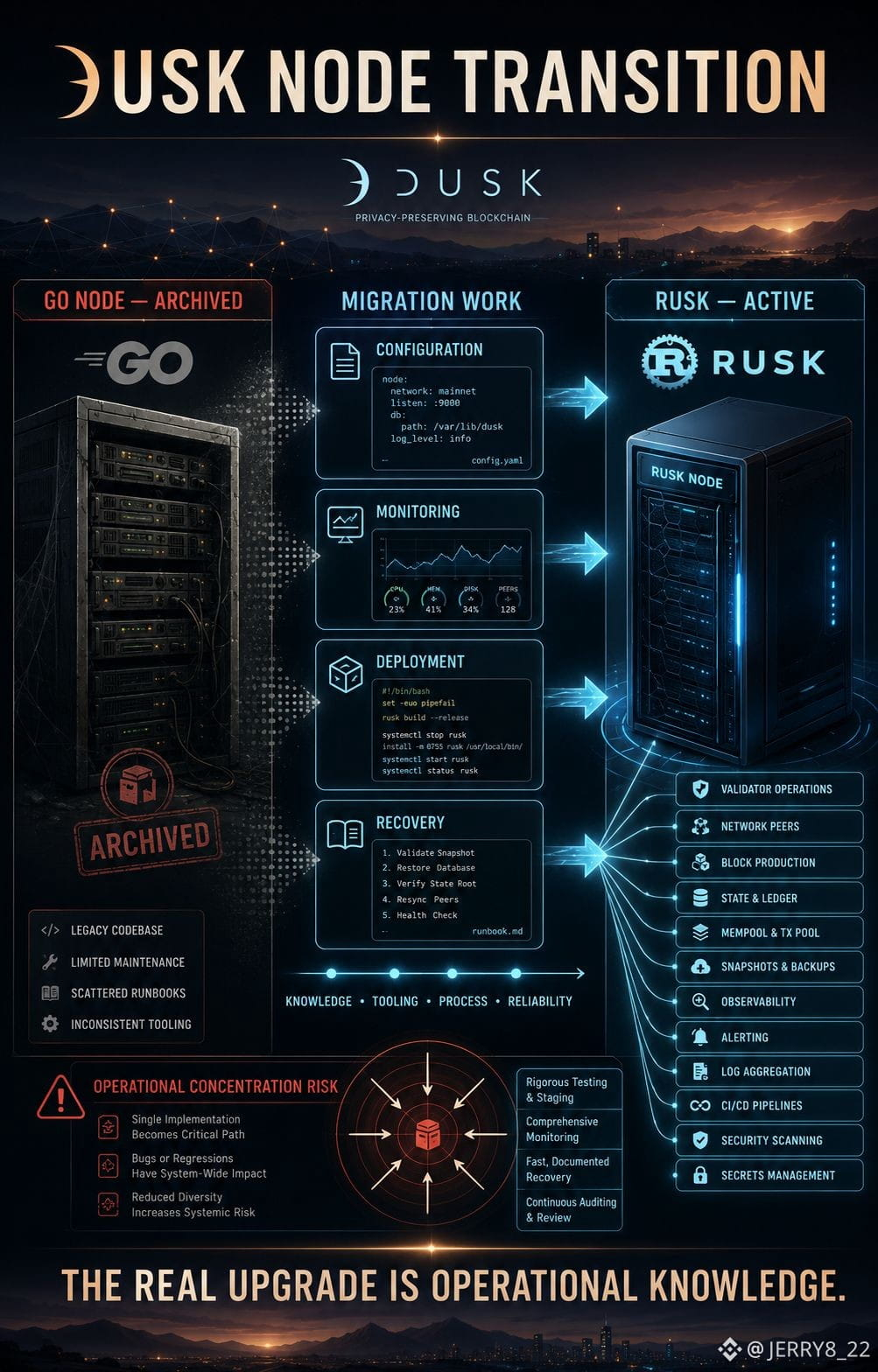
O Dusk arquivou seu repositório original de nó Go em junho de 2025. Após 5.774 commits, o dusk-blockchain agora está somente leitura, enquanto o Rusk se tornou a implementação oficial de nó do projeto.
À primeira vista, isso parece apenas uma rotina de organização técnica. Não é. A Dusk moveu o consenso da rede, o gerenciamento de estado, a execução de contratos e as interfaces do nó para uma base de código Rust ativamente mantida.
Há valor real nessa decisão. Manter duas implementações consome tempo de engenharia e cria o risco de que elas se comportem de maneira diferente nas bordas. Um cliente fornece ao time da Dusk um caminho de desenvolvimento mais claro.
Mas a consolidação também altera o perfil de risco da rede. Operadores que migram do Go precisam atualizar scripts de implantação, painéis de monitoramento, suposições de configuração e procedimentos de recuperação. Quatro sistemas operacionais podem falhar mesmo quando o nó em si compila e executa corretamente.
Quantos operadores da Dusk testaram essa migração durante uma falha real? Integrações antigas dependem de comportamentos que o Rusk não reproduz? Se surgir um bug específico do Rusk, de onde vem a redundância em nível de implementação?
A aposentadoria de software legado muitas vezes é a atitude certa. A tarefa mais difícil é garantir que o conhecimento construído ao seu redor não desapareça.
Para a Dusk, a atualização importante não é Go para Rust. É a experiência não documentada se tornando conhecimento operacional compartilhado.
#dusk @Dusk $DUSK
À primeira vista, isso parece apenas uma rotina de organização técnica. Não é. A Dusk moveu o consenso da rede, o gerenciamento de estado, a execução de contratos e as interfaces do nó para uma base de código Rust ativamente mantida.
Há valor real nessa decisão. Manter duas implementações consome tempo de engenharia e cria o risco de que elas se comportem de maneira diferente nas bordas. Um cliente fornece ao time da Dusk um caminho de desenvolvimento mais claro.
Mas a consolidação também altera o perfil de risco da rede. Operadores que migram do Go precisam atualizar scripts de implantação, painéis de monitoramento, suposições de configuração e procedimentos de recuperação. Quatro sistemas operacionais podem falhar mesmo quando o nó em si compila e executa corretamente.
Quantos operadores da Dusk testaram essa migração durante uma falha real? Integrações antigas dependem de comportamentos que o Rusk não reproduz? Se surgir um bug específico do Rusk, de onde vem a redundância em nível de implementação?
A aposentadoria de software legado muitas vezes é a atitude certa. A tarefa mais difícil é garantir que o conhecimento construído ao seu redor não desapareça.
Para a Dusk, a atualização importante não é Go para Rust. É a experiência não documentada se tornando conhecimento operacional compartilhado.
#dusk @Dusk $DUSK
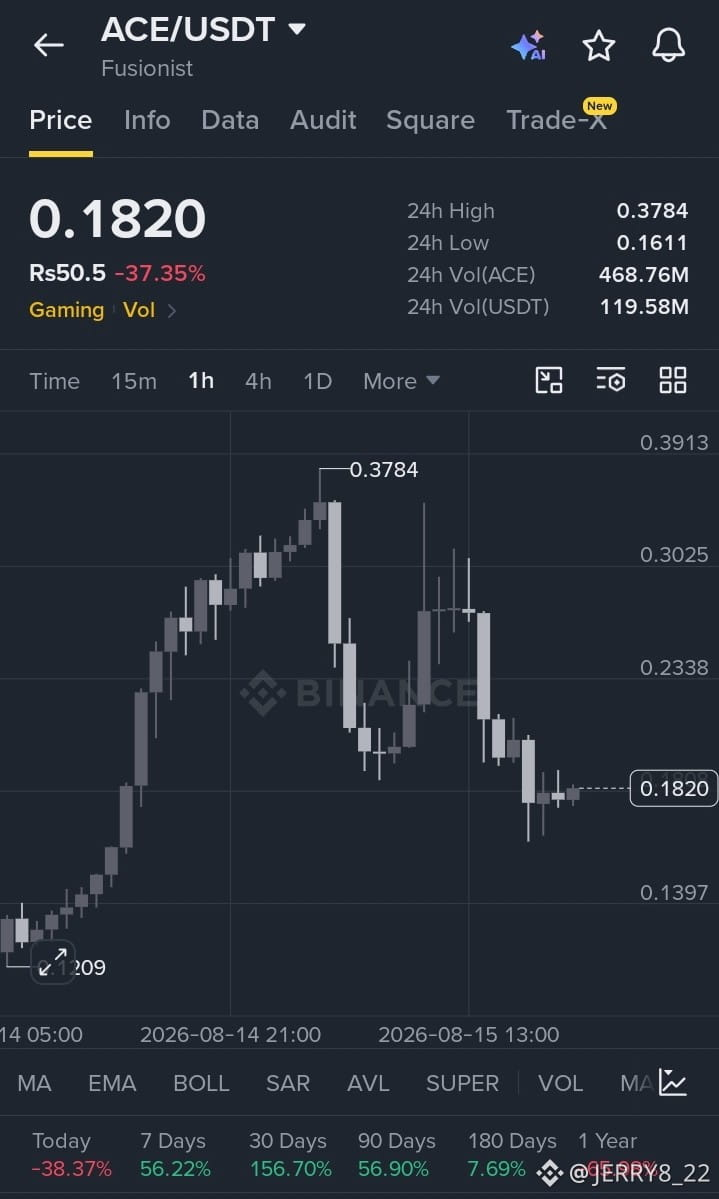
$ACE está construindo uma base após a forte eliminação. Um movimento de alívio daqui poderia acelerar rapidamente.
Zona de EP / Compra: 0.1750–0.1820
TP1: 0.1950
TP2: 0.2120
TP3: 0.2340
SL: 0.1640
A zona de repique está ativa. Vamos lá $ACE
Zona de EP / Compra: 0.1750–0.1820
TP1: 0.1950
TP2: 0.2120
TP3: 0.2340
SL: 0.1640
A zona de repique está ativa. Vamos lá $ACE
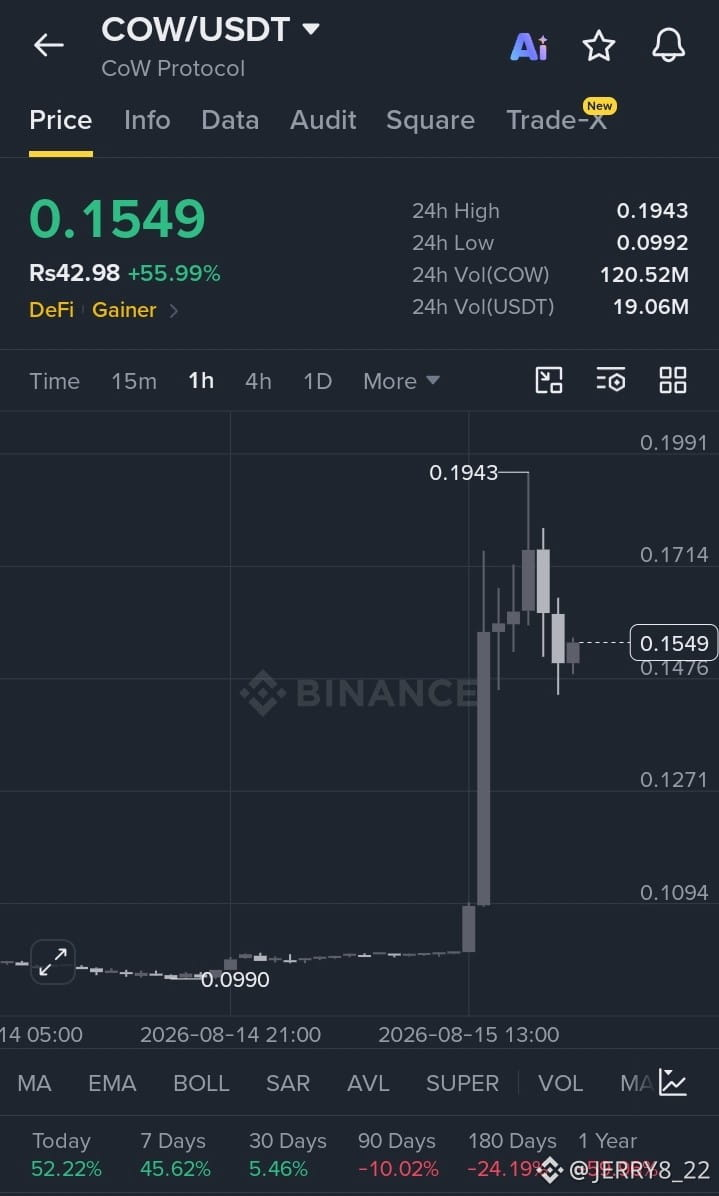
$COW está segurando a ruptura após um movimento explosivo. Os compradores estão defendendo a retração.
EP / Zona de Compra: 0,1480–0,1540
TP1: 0,1620
TP2: 0,1714
TP3: 0,1943
SL: 0,1420
A volatilidade está carregada. Vamos lá $COW
EP / Zona de Compra: 0,1480–0,1540
TP1: 0,1620
TP2: 0,1714
TP3: 0,1943
SL: 0,1420
A volatilidade está carregada. Vamos lá $COW
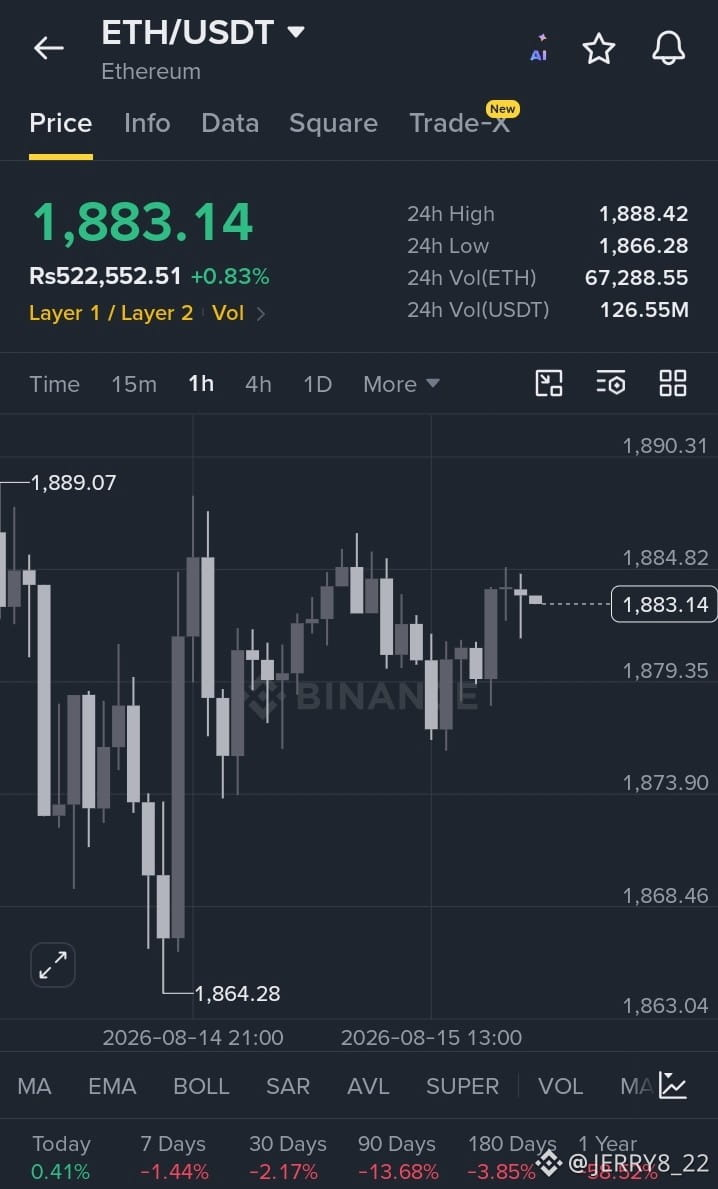
$ETH está pressionando contra a resistência após uma forte recuperação. O próximo rompimento pode se mover rápido.
EP / Zona de Compra: 1.881,50–1.883,50
TP1: 1.885,00
TP2: 1.889,00
TP3: 1.893,50
SL: 1.878,50
O momentum está aumentando. Vamos lá $ETH
EP / Zona de Compra: 1.881,50–1.883,50
TP1: 1.885,00
TP2: 1.889,00
TP3: 1.893,50
SL: 1.878,50
O momentum está aumentando. Vamos lá $ETH
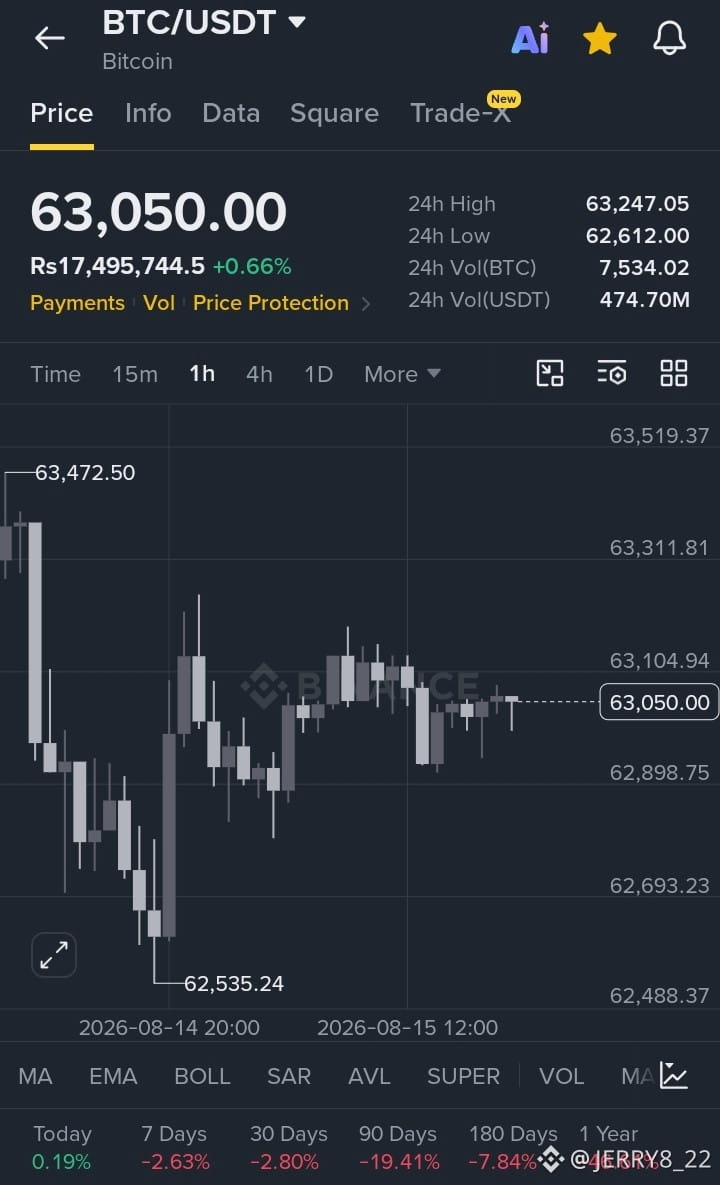
$BTC está apertando acima do suporte. Um único impulso limpo pode acender o próximo movimento.
Zona de Compra / EP: 62,920–63,020
TP1: 63,110
TP2: 63,310
TP3: 63,470
SL: 62,820
A pressão está crescendo. Vamos lá $BTC
Zona de Compra / EP: 62,920–63,020
TP1: 63,110
TP2: 63,310
TP3: 63,470
SL: 62,820
A pressão está crescendo. Vamos lá $BTC
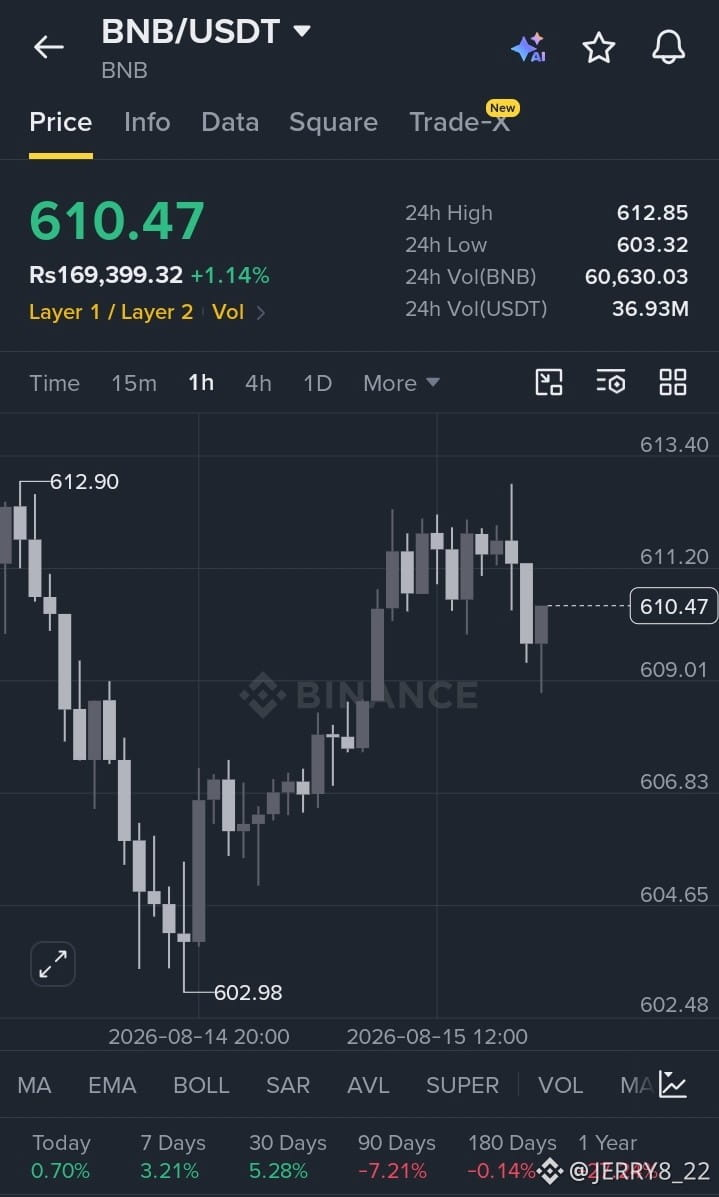
$BNB está aguentando firme após um forte ressalto. A pressão de rompimento está aumentando.
Zona de Compra / EP: 609.20–610.40
TP1: 611.50
TP2: 612.90
TP3: 615.00
SL: 607.80
O momentum está acordando. Vamos lá $BNB
Zona de Compra / EP: 609.20–610.40
TP1: 611.50
TP2: 612.90
TP3: 615.00
SL: 607.80
O momentum está acordando. Vamos lá $BNB
O crepúsculo chamou minha atenção porque o projeto está lidando com um problema real: colocar ativos regulamentados on-chain sem obrigar as instituições a escolher entre privacidade e conformidade. Transações confidenciais, divulgação seletiva e liquidação determinística fazem com que essa direção valha a pena levar a sério.
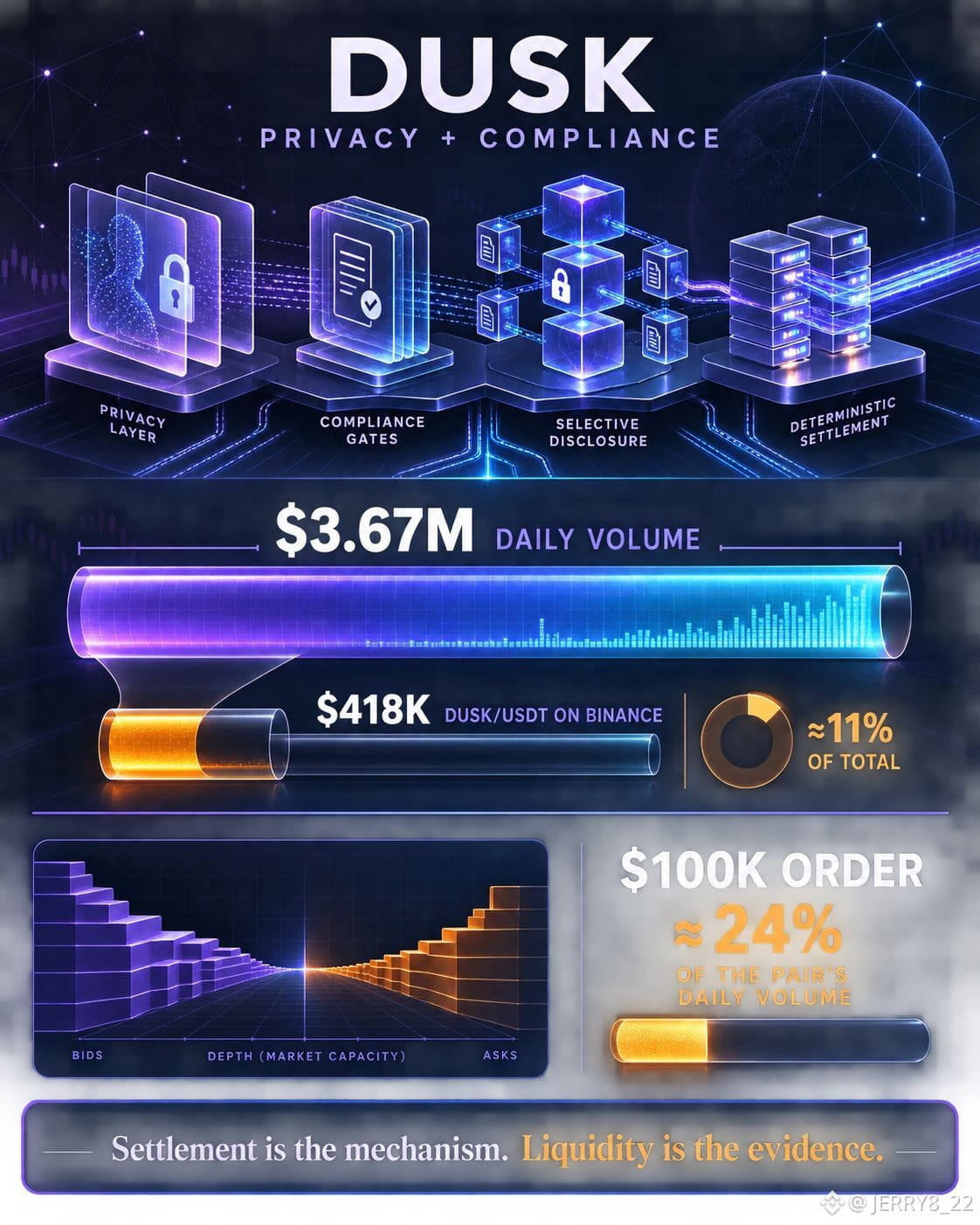
Ainda assim, o mercado ao redor do DUSK conta uma história mais fundamentada. Números recentes indicam um volume diário de cerca de US$ 3,67 milhões, com aproximadamente US$ 418.000 provenientes do DUSK/USDT na Binance. Esse par representa cerca de 11% do volume de negociação reportado. Uma ordem de US$ 100.000 equivaleria a quase um quarto do volume diário.
Isso não significa que uma única operação moveria o preço em 24%; volume e profundidade da ordem de compra/venda são coisas diferentes. Mas levanta questões práticas. O Dusk consegue suportar entradas e saídas institucionais sem um deslizamento significativo? Quem fornece liquidez quando a atenção diminui? Como o Dusk Trade lidará com onboarding, questões de custódia e transferências restritas quando os ativos reais começarem a ser negociados em escala?
A base é cuidadosa, e o Dusk está sendo projetado para fluxos de trabalho financeiros, e não para uma atividade genérica de blockchain. O marco mais difícil é provar esses fluxos sob demanda real. As instituições não vão avaliar o Dusk pela forma como ele consegue liquidar um ativo de maneira elegante, mas sim pela confiabilidade com que esse ativo pode ser comprado, mantido e vendido.
#dusk @Dusk $DUSK
Ainda assim, o mercado ao redor do DUSK conta uma história mais fundamentada. Números recentes indicam um volume diário de cerca de US$ 3,67 milhões, com aproximadamente US$ 418.000 provenientes do DUSK/USDT na Binance. Esse par representa cerca de 11% do volume de negociação reportado. Uma ordem de US$ 100.000 equivaleria a quase um quarto do volume diário.
Isso não significa que uma única operação moveria o preço em 24%; volume e profundidade da ordem de compra/venda são coisas diferentes. Mas levanta questões práticas. O Dusk consegue suportar entradas e saídas institucionais sem um deslizamento significativo? Quem fornece liquidez quando a atenção diminui? Como o Dusk Trade lidará com onboarding, questões de custódia e transferências restritas quando os ativos reais começarem a ser negociados em escala?
A base é cuidadosa, e o Dusk está sendo projetado para fluxos de trabalho financeiros, e não para uma atividade genérica de blockchain. O marco mais difícil é provar esses fluxos sob demanda real. As instituições não vão avaliar o Dusk pela forma como ele consegue liquidar um ativo de maneira elegante, mas sim pela confiabilidade com que esse ativo pode ser comprado, mantido e vendido.
#dusk @Dusk $DUSK
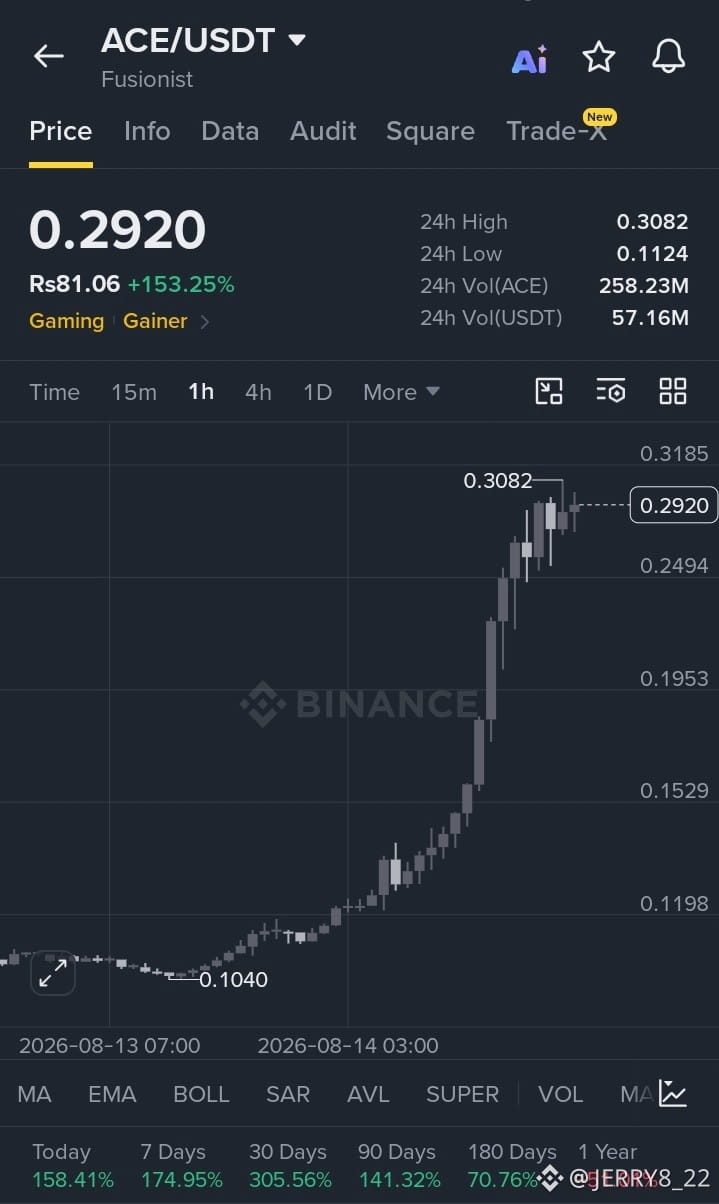
$ACE MOMENTO BULLISH ESTÁ EXPLODINDO
Zona de Compra: 0.2800–0.2920
EP: 0.2880
TP1: 0.3082
TP2: 0.3185
TP3: 0.3350
SL: 0.2670
A pressão está se acumulando abaixo das máximas. Um rompimento pode fazê-lo disparar.
Vamos lá $ACE
Zona de Compra: 0.2800–0.2920
EP: 0.2880
TP1: 0.3082
TP2: 0.3185
TP3: 0.3350
SL: 0.2670
A pressão está se acumulando abaixo das máximas. Um rompimento pode fazê-lo disparar.
Vamos lá $ACE
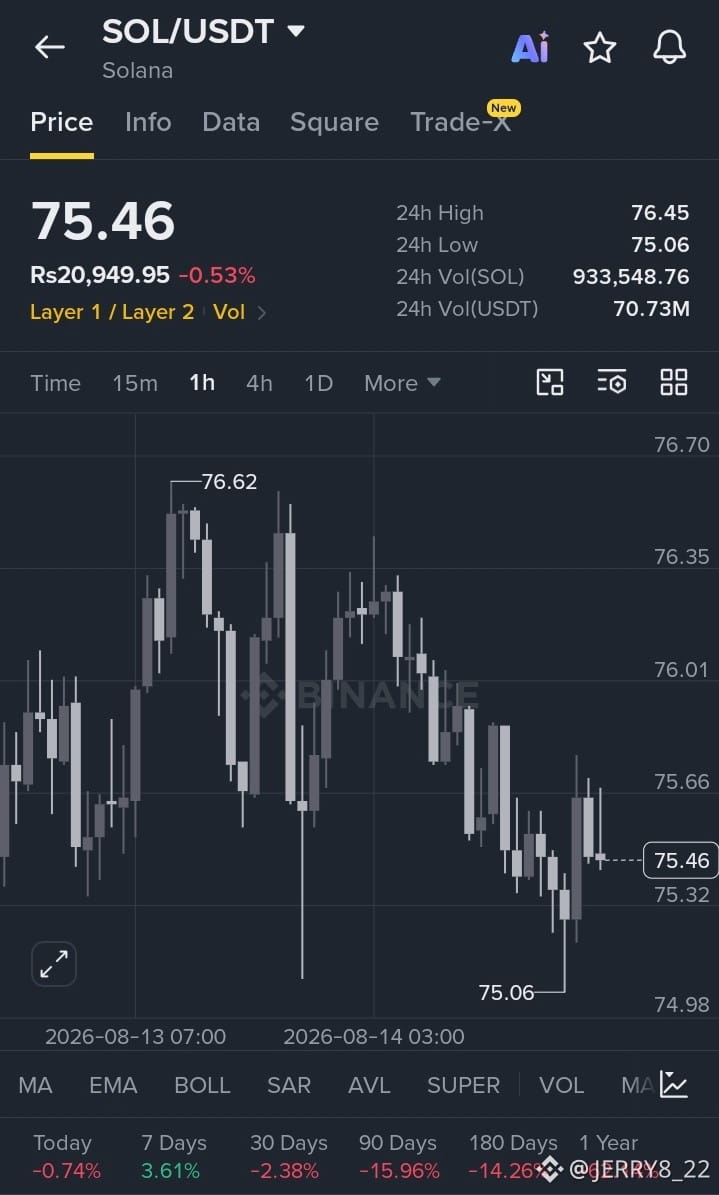
$SOL
Zona de Compra: 75.35–75.50
EP: 75.45
TP1: 75.66
TP2: 76.01
TP3: 76.35
SL: 74.95
Suporte defendido. O momentum pode acender rápido.
Vamos lá $SOL
Zona de Compra: 75.35–75.50
EP: 75.45
TP1: 75.66
TP2: 76.01
TP3: 76.35
SL: 74.95
Suporte defendido. O momentum pode acender rápido.
Vamos lá $SOL
$ETH
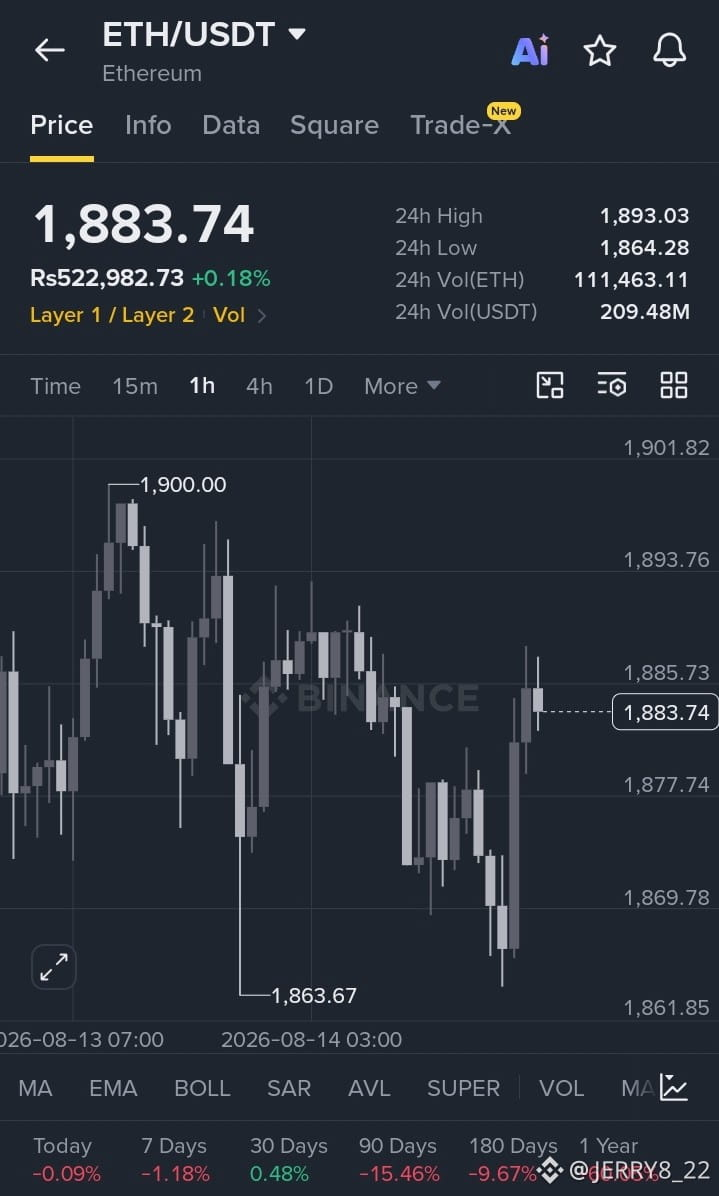
Zona de compra: 1.881–1.884
EP: 1.883
TP1: 1.886
TP2: 1.893
TP3: 1.900
SL: 1.862
Recuperação forte a partir do suporte. Os touros estão pressionando pela ruptura.
Vamos lá $ETH
Zona de compra: 1.881–1.884
EP: 1.883
TP1: 1.886
TP2: 1.893
TP3: 1.900
SL: 1.862
Recuperação forte a partir do suporte. Os touros estão pressionando pela ruptura.
Vamos lá $ETH
$BTC
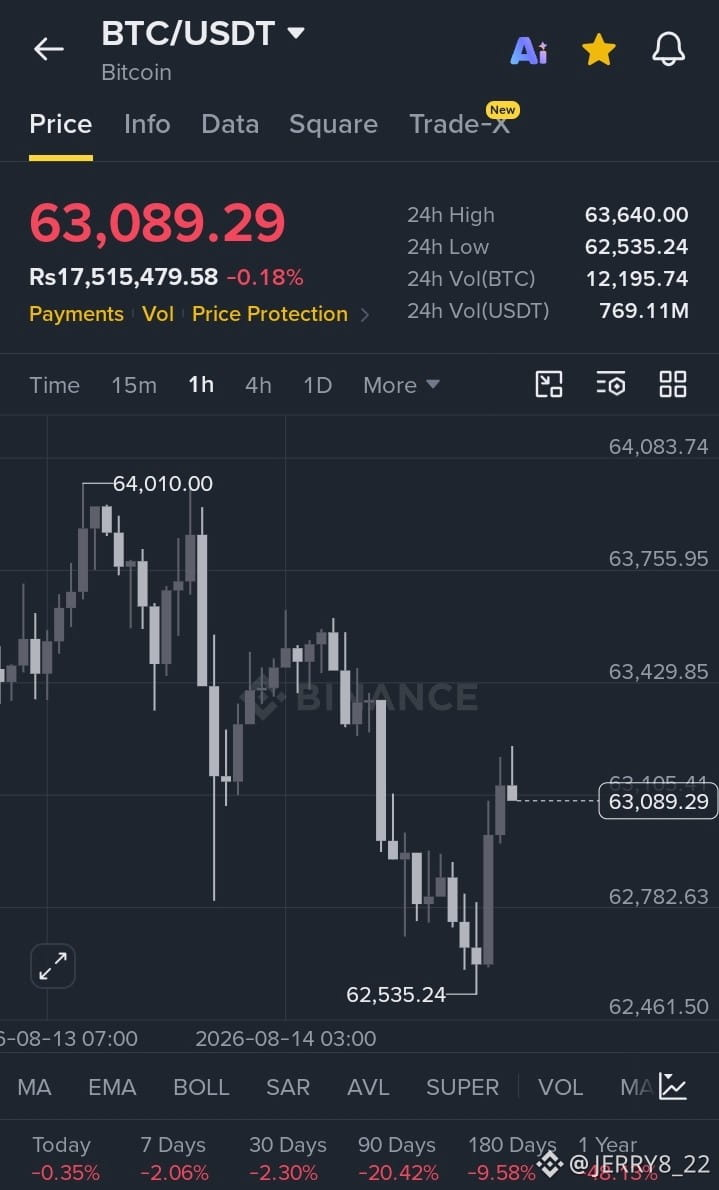
Zona de Compra: 62.900–63.100
EP: 63.050
TP1: 63.430
TP2: 63.750
TP3: 64.010
SL: 62.450
Forte reação a partir do suporte. A pressão para rompimento está aumentando.
Vamos lá $BTC
Zona de Compra: 62.900–63.100
EP: 63.050
TP1: 63.430
TP2: 63.750
TP3: 64.010
SL: 62.450
Forte reação a partir do suporte. A pressão para rompimento está aumentando.
Vamos lá $BTC
$BNB
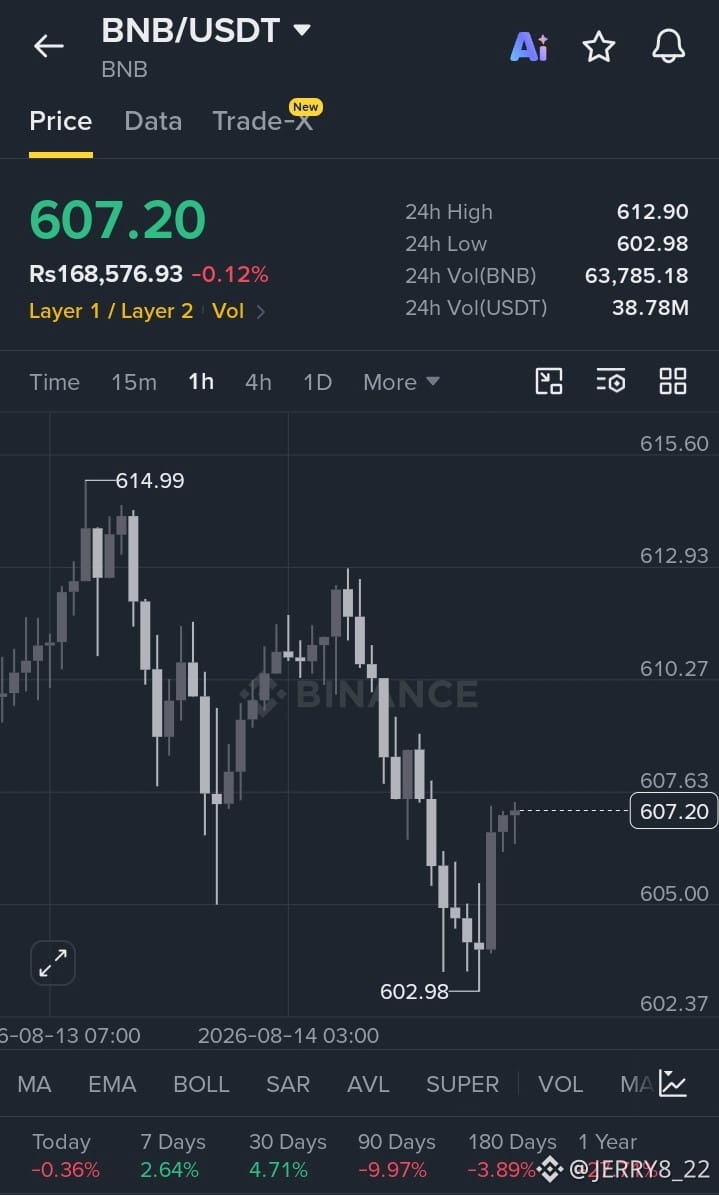
Zona de Compra: 606,50–607,50
EP: 607,20
TP1: 609,80
TP2: 612,90
TP3: 615,00
SL: 602,70
O momentum está voltando de um suporte forte.
Vamos lá $BNB
Zona de Compra: 606,50–607,50
EP: 607,20
TP1: 609,80
TP2: 612,90
TP3: 615,00
SL: 602,70
O momentum está voltando de um suporte forte.
Vamos lá $BNB
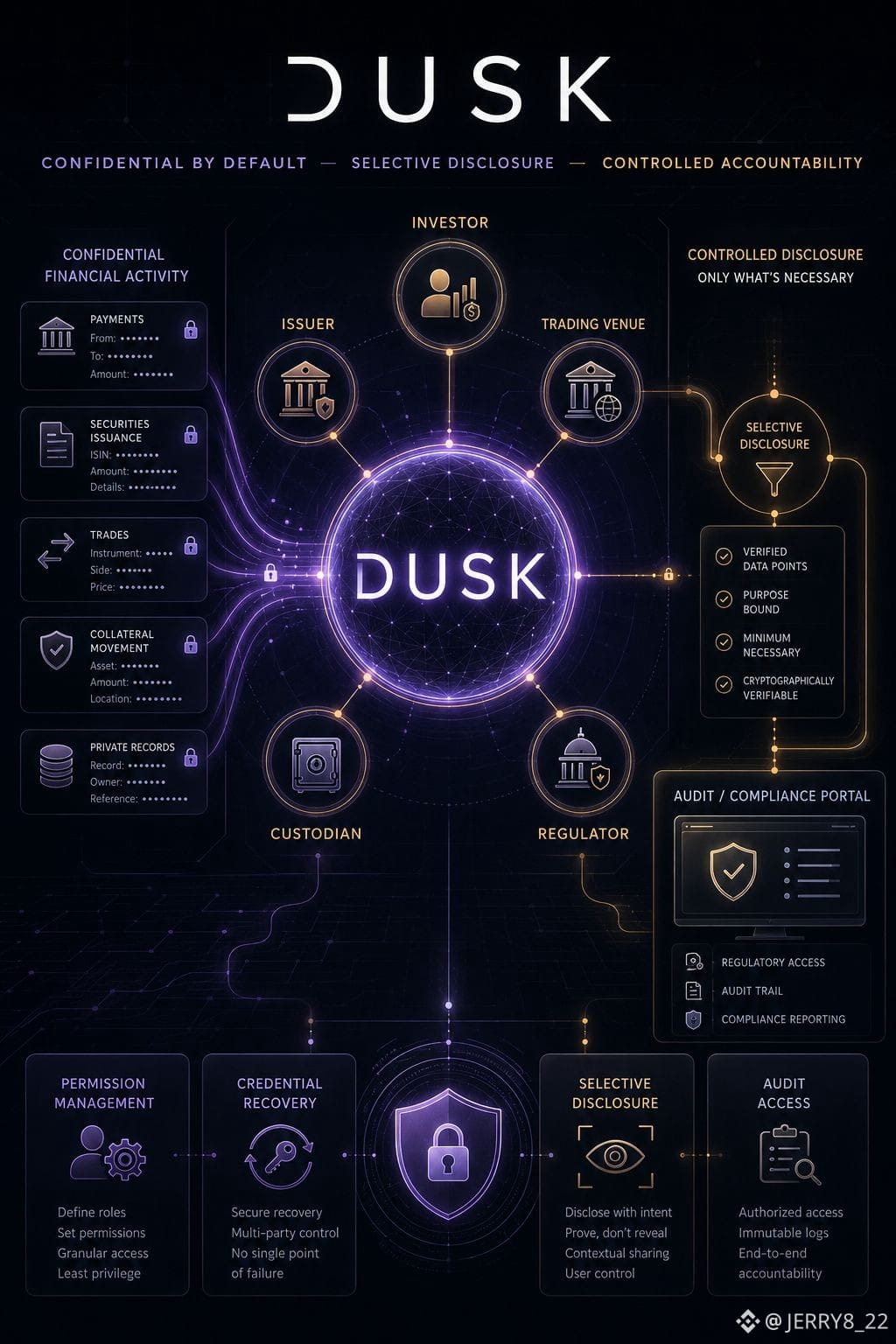
As blockchains públicas são transparentes por design, mas os mercados financeiros não podem operar com cada saldo, posição e acordo visíveis para todos. A Dusk está enfrentando diretamente esse conflito ao construir privacidade e divulgação seletiva em uma rede Layer-1 voltada para o setor financeiro regulado.
Essa direção faz sentido. Bancos, emissores, investidores e reguladores não precisam, necessariamente, de acesso a exatamente a mesma informação. O padrão XSC da Dusk busca manter a atividade financeira confidencial, ao mesmo tempo em que permite que regras sobre identidade, elegibilidade e transferências de ativos sejam aplicadas.
A parte difícil, porém, começa depois que a tecnologia funciona.
Se cinco partes diferentes estiverem envolvidas em uma transação, cada uma pode precisar de uma visão diferente dos dados. Quem decide o que cada parte pode ver? O que acontece quando um funcionário sai ou quando as credenciais de divulgação são perdidas? Um auditor consegue acessar os registros necessários rapidamente sem depender de um único administrador?
Essas são questões humanas e operacionais, não apenas criptográficas.
A Dusk merece crédito por reconhecer que privacidade financeira não pode simplesmente significar esconder tudo. O teste maior é se as instituições conseguem gerenciar divulgação, recuperação e responsabilização sem criar outra camada complicada de administração.
Para a Dusk, o sucesso não será medido por quanto de informação ela consegue ocultar, mas por quão confiavelmente ela revela a informação certa quando isso importa.
#dusk @Dusk $DUSK
Essa direção faz sentido. Bancos, emissores, investidores e reguladores não precisam, necessariamente, de acesso a exatamente a mesma informação. O padrão XSC da Dusk busca manter a atividade financeira confidencial, ao mesmo tempo em que permite que regras sobre identidade, elegibilidade e transferências de ativos sejam aplicadas.
A parte difícil, porém, começa depois que a tecnologia funciona.
Se cinco partes diferentes estiverem envolvidas em uma transação, cada uma pode precisar de uma visão diferente dos dados. Quem decide o que cada parte pode ver? O que acontece quando um funcionário sai ou quando as credenciais de divulgação são perdidas? Um auditor consegue acessar os registros necessários rapidamente sem depender de um único administrador?
Essas são questões humanas e operacionais, não apenas criptográficas.
A Dusk merece crédito por reconhecer que privacidade financeira não pode simplesmente significar esconder tudo. O teste maior é se as instituições conseguem gerenciar divulgação, recuperação e responsabilização sem criar outra camada complicada de administração.
Para a Dusk, o sucesso não será medido por quanto de informação ela consegue ocultar, mas por quão confiavelmente ela revela a informação certa quando isso importa.
#dusk @Dusk $DUSK
$BANK LONG — Alto risco, potencial explosivo!
Entrada: $0.0395–$0.0410
Alvos: $0.0445 / $0.0480 / $0.0525
Stop-loss: $0.0372
Alavancagem: 1–2x isolada
Risco: Máximo 0.5%
Não persiga o pump. Entre apenas em uma retração controlada e com confirmação.
Entrada: $0.0395–$0.0410
Alvos: $0.0445 / $0.0480 / $0.0525
Stop-loss: $0.0372
Alavancagem: 1–2x isolada
Risco: Máximo 0.5%
Não persiga o pump. Entre apenas em uma retração controlada e com confirmação.
$SOL LONG — O Momentum está acordando!
Entrada: $77.20–$78.20
Alvos: $80.50 / $83.20 / $87.00
Stop-loss: $75.40
Alavancagem: 3–4x isolada
Risco: Máximo 1%
Entre após um repique confirmado. Realize lucros parciais — não fique ganancioso.
Entrada: $77.20–$78.20
Alvos: $80.50 / $83.20 / $87.00
Stop-loss: $75.40
Alavancagem: 3–4x isolada
Risco: Máximo 1%
Entre após um repique confirmado. Realize lucros parciais — não fique ganancioso.
$BNB LONG — Um único toque pode incendiar o movimento!
Entrada: US$ 608–US$ 612
Alvos: US$ 620 / US$ 632 / US$ 648
Stop-loss: US$ 599
Alavancagem: 3–5x isolada
Risco: Máximo de 1%
Mantenha acima de US$ 608 para confirmar força. Mova o stop para o ponto de equilíbrio após o TP1.
Entrada: US$ 608–US$ 612
Alvos: US$ 620 / US$ 632 / US$ 648
Stop-loss: US$ 599
Alavancagem: 3–5x isolada
Risco: Máximo de 1%
Mantenha acima de US$ 608 para confirmar força. Mova o stop para o ponto de equilíbrio após o TP1.
$ETH LONG — A pressão de rompimento está aumentando!
Entrada: US$ 1.615–US$ 1.630
Objetivos: US$ 1.660 / US$ 1.710 / US$ 1.780
Stop-loss: US$ 1.585
Alavancagem: 3–5x isolada
Risco: Máximo de 1%
Aguarde confirmação—não entre às cegas. Garanta lucro em cada objetivo.
Entrada: US$ 1.615–US$ 1.630
Objetivos: US$ 1.660 / US$ 1.710 / US$ 1.780
Stop-loss: US$ 1.585
Alavancagem: 3–5x isolada
Risco: Máximo de 1%
Aguarde confirmação—não entre às cegas. Garanta lucro em cada objetivo.
$BTC LONG — Os touros estão carregando!
Entrada: US$ 63.500–US$ 63.900
Alvos: US$ 65.200 / US$ 66.800 / US$ 68.400
Stop-loss: US$ 62.700
Alavancagem: 3–5x isolada
Risco: Máximo de 1%
Entre apenas após o suporte segurar. Mova o stop para a entrada após o TP1.
Entrada: US$ 63.500–US$ 63.900
Alvos: US$ 65.200 / US$ 66.800 / US$ 68.400
Stop-loss: US$ 62.700
Alavancagem: 3–5x isolada
Risco: Máximo de 1%
Entre apenas após o suporte segurar. Mova o stop para a entrada após o TP1.
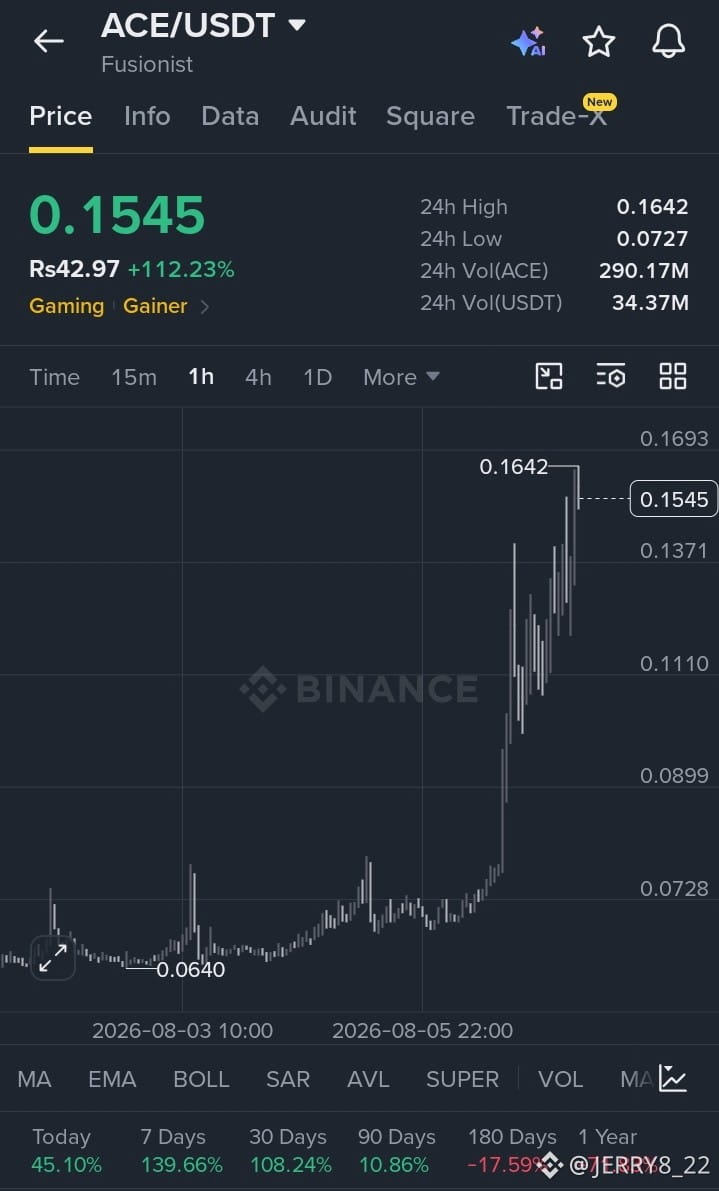
$ACE já bombeou forte da zona inferior e agora está sendo negociado perto de US$ 0,1545 depois de atingir US$ 0,1642. Para mim, este não é um lugar para perseguir cegamente. O gráfico é de alta, mas também está bem aquecido, então eu só consideraria continuação se os compradores romperem o topo novamente.
Meu setup pessoal:
Entrada: Acima de US$ 0,1642
TP1: US$ 0,1690
TP2: US$ 0,1780
TP3: US$ 0,1900
SL: US$ 0,1370
Para mim, a ACE ainda tem momentum, mas o risco é alto após um movimento tão grande. Eu esperaria por um rompimento limpo em vez de entrar no meio do pump.
Meu setup pessoal:
Entrada: Acima de US$ 0,1642
TP1: US$ 0,1690
TP2: US$ 0,1780
TP3: US$ 0,1900
SL: US$ 0,1370
Para mim, a ACE ainda tem momentum, mas o risco é alto após um movimento tão grande. Eu esperaria por um rompimento limpo em vez de entrar no meio do pump.
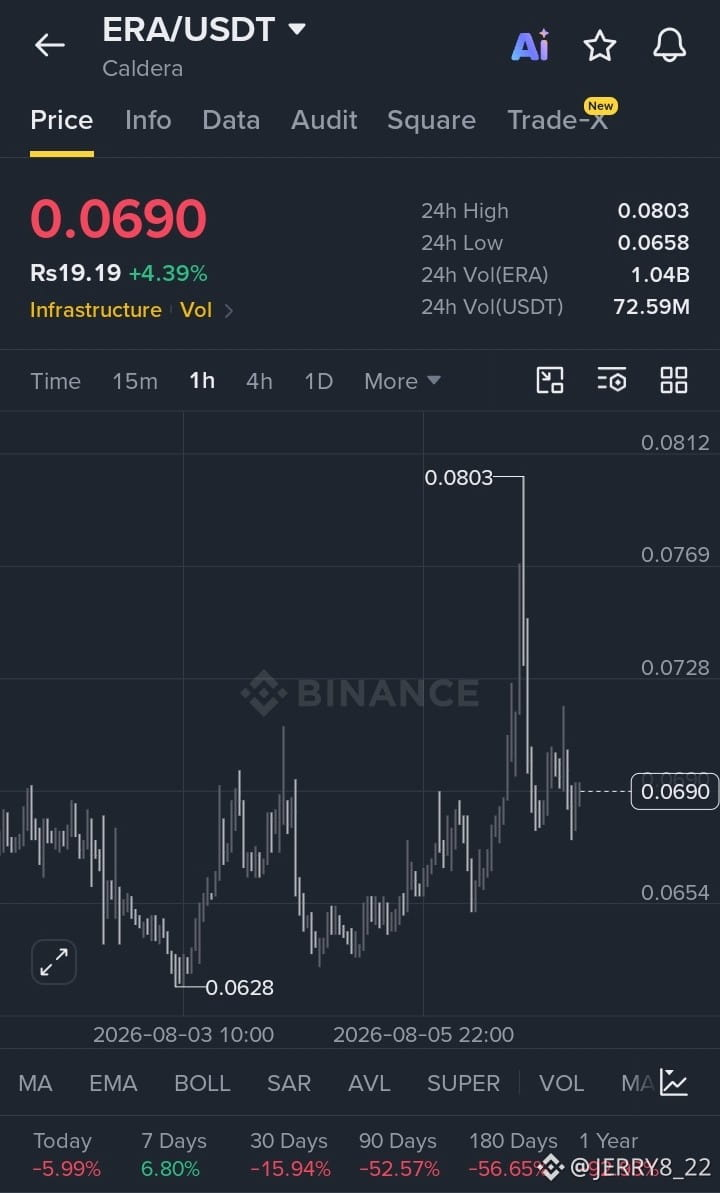
$ERA teve um pico acentuado em direção a US$ 0,0803, mas esse movimento foi rejeitado rapidamente. Agora o preço voltou para perto de US$ 0,0690, e para mim essa área parece ser a zona real de decisão. Se não conseguir se manter aqui, acho que a próxima queda pode vir rapidamente.
Meu setup pessoal:
Entrada: Abaixo de US$ 0,0685
TP1: US$ 0,0654
TP2: US$ 0,0628
TP3: US$ 0,0600
SL: US$ 0,0728
Eu teria um cuidado extra com esta operação porque as velas estão se movendo de forma agressiva. Eu não estou correndo atrás do pico; eu só consideraria se a ruptura confirmar claramente.
Meu setup pessoal:
Entrada: Abaixo de US$ 0,0685
TP1: US$ 0,0654
TP2: US$ 0,0628
TP3: US$ 0,0600
SL: US$ 0,0728
Eu teria um cuidado extra com esta operação porque as velas estão se movendo de forma agressiva. Eu não estou correndo atrás do pico; eu só consideraria se a ruptura confirmar claramente.
Inicia sessão para explorar mais conteúdos