

MiA Satoshi
387 Publicações

MiA Satoshi
Denunciar
Bloquear Utilizador
We Show The Invisible | News | Article | Press | Trading | Meme | Web3 | NFT etc.
268 A seguir
12.0K+ Seguidores
211 Gostaram
Publicações
Tudo
Cotações
Em direto
PINNED
·
--
🇧🇷 PRESIDENTE TRUMP PROVAVELMENTE VAI REJEITAR A MAIS RECENTE PROPOSTA DE PAZ DO IRÃ
Fontes dizem que o acordo inclui a reabertura do Estreito de Ormuz, mas adia decisões chave sobre o programa nuclear do Irã…
⚠️ No entanto — Trump não parece convencido.
🇧🇷 PRESIDENTE TRUMP PROVAVELMENTE VAI REJEITAR A MAIS RECENTE PROPOSTA DE PAZ DO IRÃ
Fontes dizem que o acordo inclui a reabertura do Estreito de Ormuz, mas adia decisões chave sobre o programa nuclear do Irã…
⚠️ No entanto — Trump não parece convencido.
Fontes dizem que o acordo inclui a reabertura do Estreito de Ormuz, mas adia decisões chave sobre o programa nuclear do Irã…
⚠️ No entanto — Trump não parece convencido.

45
2
82
57.4k
·
--
Pessoal da GM,
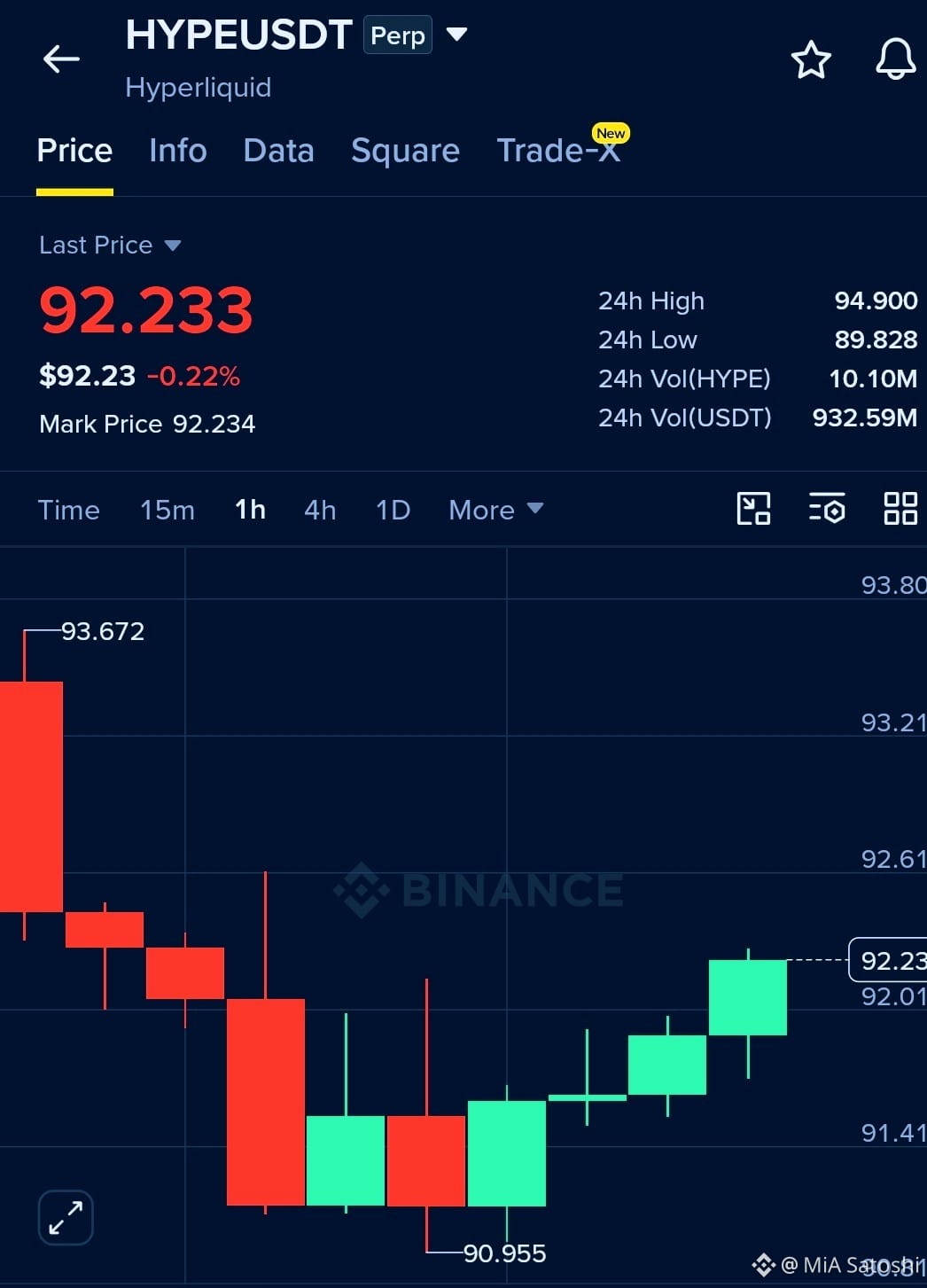
$HYPEUSDT.... Forte recuperação, agora consolidando por volta de $92.23.
🔥 Mantenha $92.60 ➜ momentum em alta
⚠️ Perder $90.95 ➜ cautela
A volatilidade está alta. Gerencie o risco. 📊
$HYPE #HYPE
{future}(HYPEUSDT)
Pessoal da GM,
$HYPEUSDT.... Forte recuperação, agora consolidando por volta de $92.23.
🔥 Mantenha $92.60 ➜ momentum em alta
⚠️ Perder $90.95 ➜ cautela
A volatilidade está alta. Gerencie o risco. 📊
$HYPE #HYPE
$HYPEUSDT.... Forte recuperação, agora consolidando por volta de $92.23.
🔥 Mantenha $92.60 ➜ momentum em alta
⚠️ Perder $90.95 ➜ cautela
A volatilidade está alta. Gerencie o risco. 📊
$HYPE #HYPE
146
·
--
Olá, lindo rapaz,
$HYPE está se movendo agora.....🔥
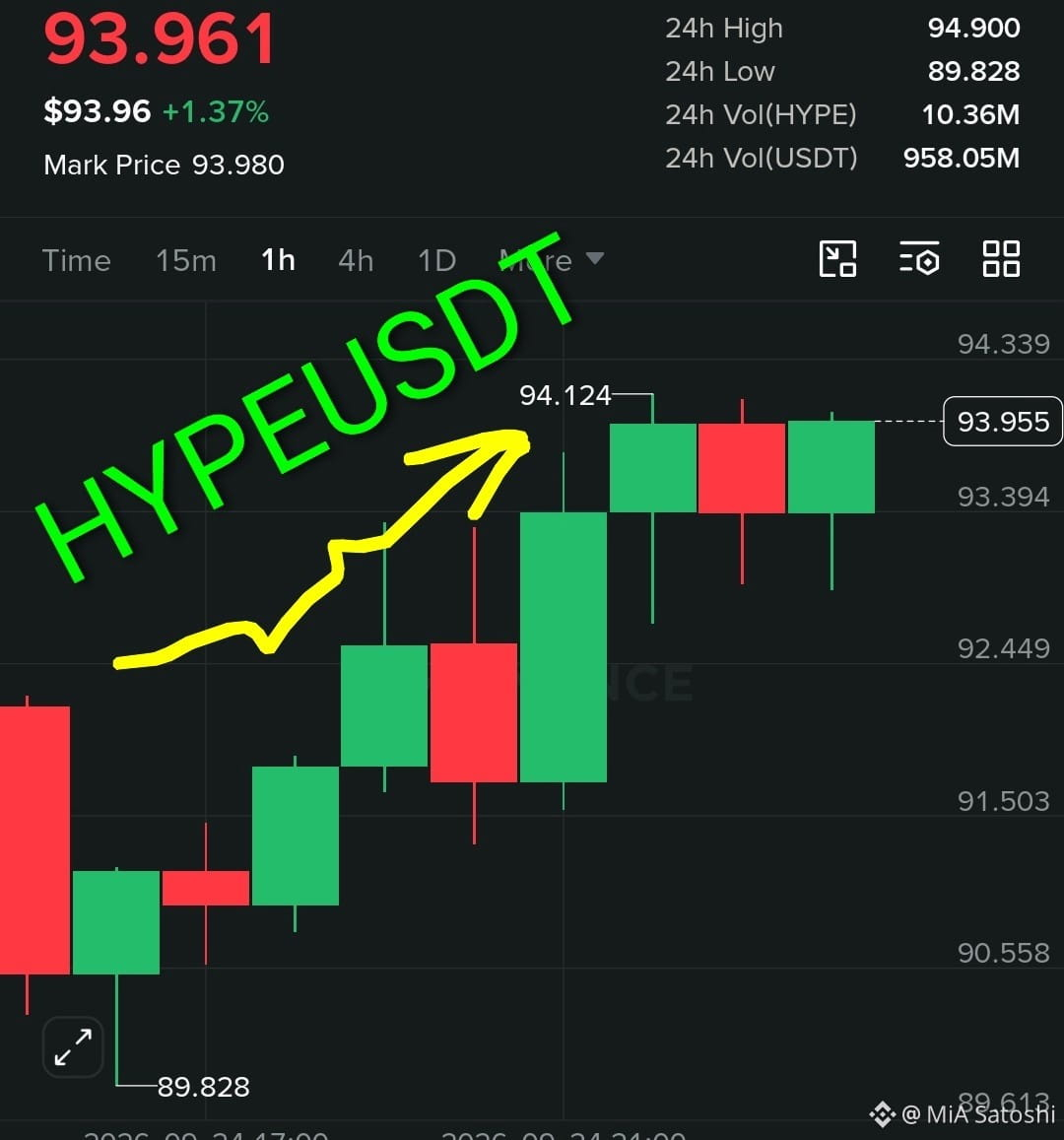
$93,96 (+1,37%) e ainda mantendo firme.
Forte recuperação a partir de US$ 89,83, com várias velas verdes empurrando para cima.
Está perto da resistência de US$ 94 — esta aqui está ficando interessante 👀
$HYPE #BinanceWillListHyperliquid(HYPE)
{future}(HYPEUSDT)
Olá, lindo rapaz,
$HYPE está se movendo agora.....🔥
$93,96 (+1,37%) e ainda mantendo firme.
Forte recuperação a partir de US$ 89,83, com várias velas verdes empurrando para cima.
Está perto da resistência de US$ 94 — esta aqui está ficando interessante 👀
$HYPE #BinanceWillListHyperliquid(HYPE)
$HYPE está se movendo agora.....🔥
$93,96 (+1,37%) e ainda mantendo firme.
Forte recuperação a partir de US$ 89,83, com várias velas verdes empurrando para cima.
Está perto da resistência de US$ 94 — esta aqui está ficando interessante 👀
$HYPE #BinanceWillListHyperliquid(HYPE)
221
·
--
Em Alta
Cara, $PHA está se sustentando bem depois da queda.
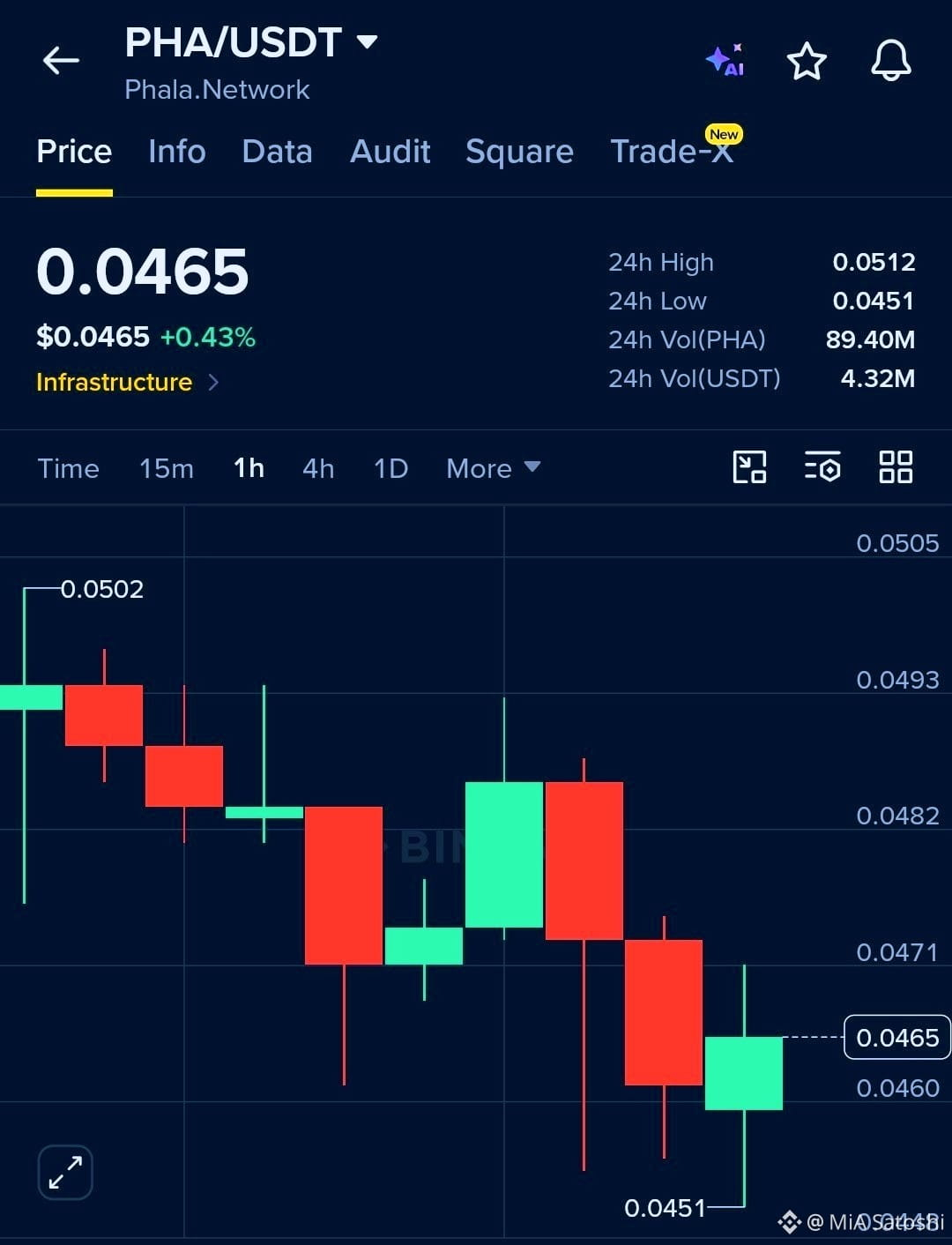
Caiu para 0.0451 e deu uma reagida, agora está em 0.0465.
Estou vendo se consegue recuperar 0.047–0.048.
Se perder 0.045, pode aparecer mais fraqueza.
Por enquanto, estou mantendo a paciência.
Você está comprando a recuperação ou esperando mais baixo?
$PHA #PHAUSDT
{future}(PHAUSDT)
Cara, $PHA está se sustentando bem depois da queda.
Caiu para 0.0451 e deu uma reagida, agora está em 0.0465.
Estou vendo se consegue recuperar 0.047–0.048.
Se perder 0.045, pode aparecer mais fraqueza.
Por enquanto, estou mantendo a paciência.
Você está comprando a recuperação ou esperando mais baixo?
$PHA #PHAUSDT
Caiu para 0.0451 e deu uma reagida, agora está em 0.0465.
Estou vendo se consegue recuperar 0.047–0.048.
Se perder 0.045, pode aparecer mais fraqueza.
Por enquanto, estou mantendo a paciência.
Você está comprando a recuperação ou esperando mais baixo?
$PHA #PHAUSDT
2
1.8k
·
--
Em Alta
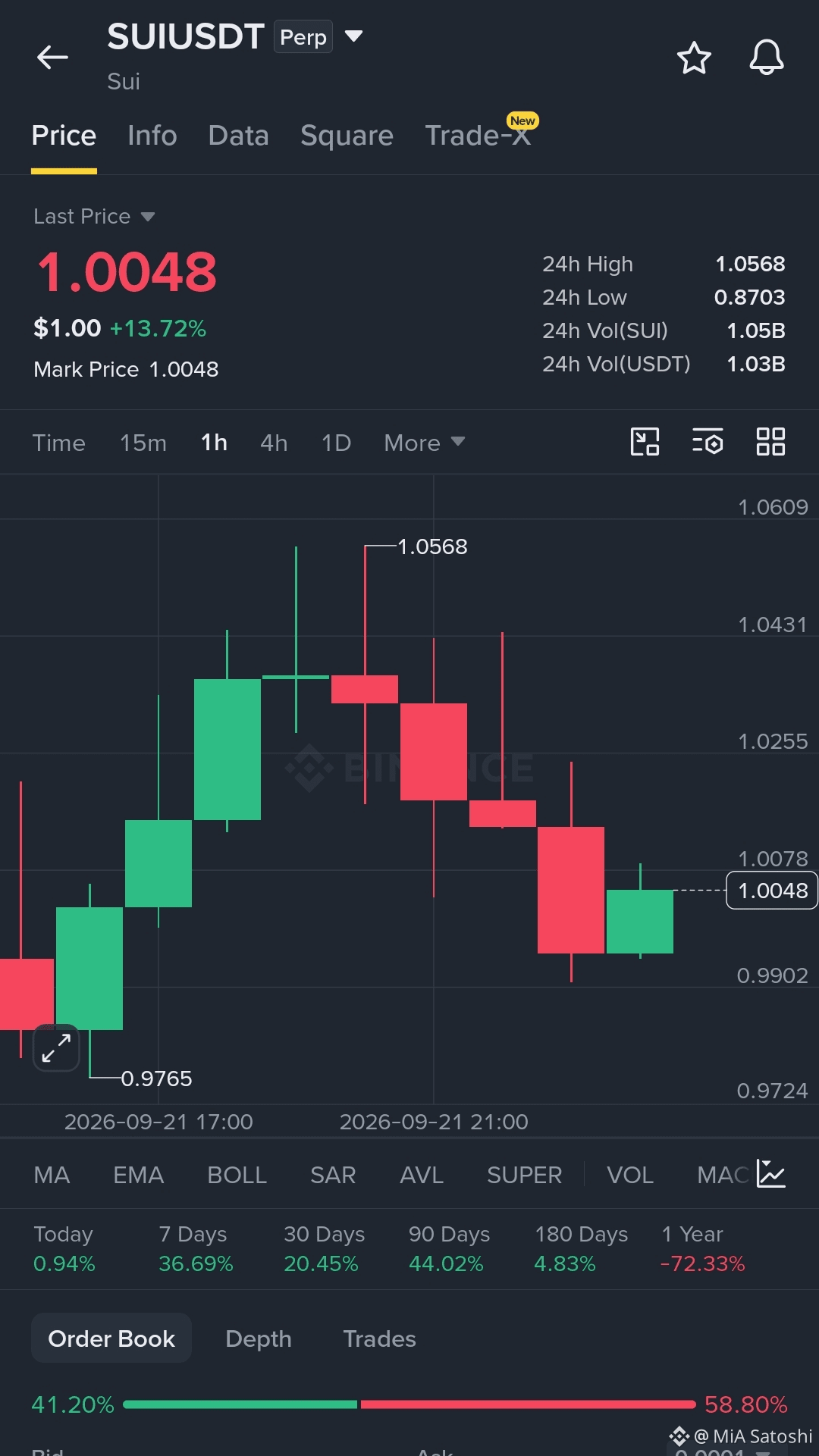
$SUI mantendo o nível de $1 📈
1.0048 (+13,7%) após aquele forte impulso
Recuou um pouco, mas o volume ainda está sólido.
Estou observando de perto 👀
$SUI #SUİ
{future}(SUIUSDT)
$SUI mantendo o nível de $1 📈
1.0048 (+13,7%) após aquele forte impulso
Recuou um pouco, mas o volume ainda está sólido.
Estou observando de perto 👀
$SUI #SUİ
1.0048 (+13,7%) após aquele forte impulso
Recuou um pouco, mas o volume ainda está sólido.
Estou observando de perto 👀
$SUI #SUİ
1
301
·
--
Em Alta
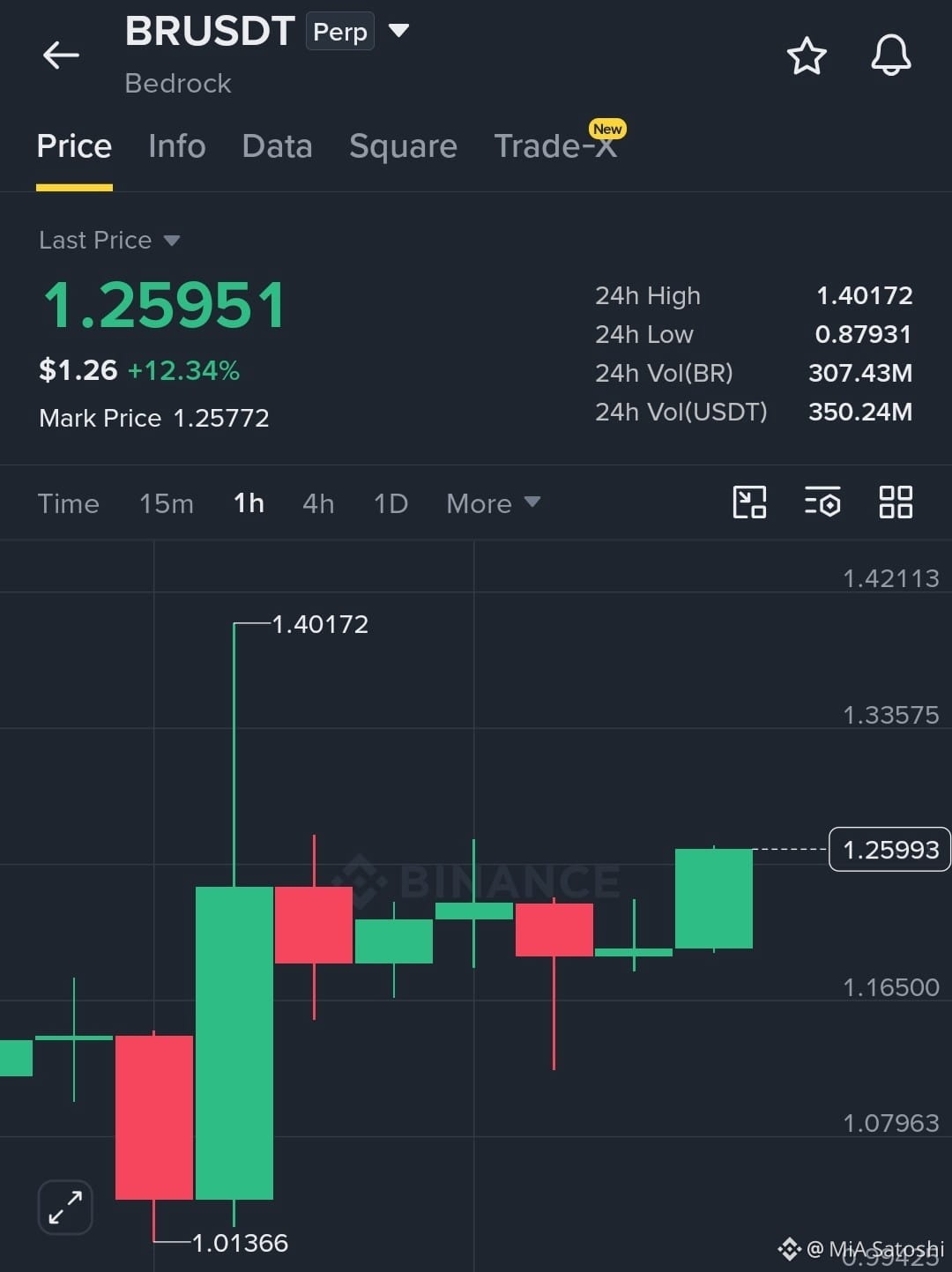
$BR pumping hard 🔥
1.26 (+12%) depois daquela grande vela
Volume ainda forte, segurando bem.
Observando este 👀
$BR #BR
{future}(BRUSDT)
$BR pumping hard 🔥
1.26 (+12%) depois daquela grande vela
Volume ainda forte, segurando bem.
Observando este 👀
$BR #BR
1.26 (+12%) depois daquela grande vela
Volume ainda forte, segurando bem.
Observando este 👀
$BR #BR
443
·
--
Em Alta
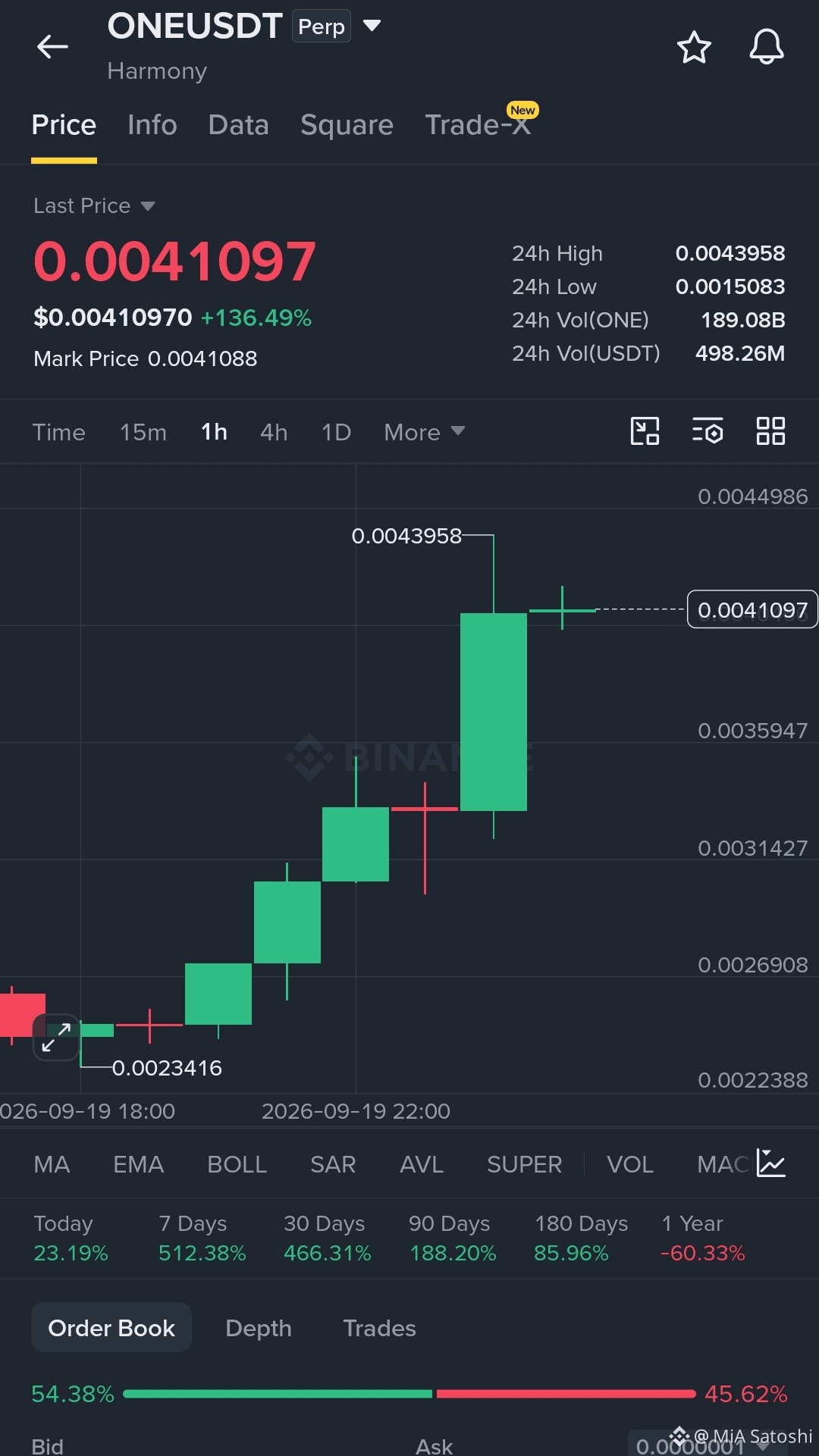
Cara, $ONE parece um pouco pesado hoje.....🚀
Empurrei para 0.0043958 e fui rejeitado; agora estou por volta de 0.0041097.
Estou observando se consegue manter acima de 0.0040.
Se perder essa região, pode ver mais queda.
Por enquanto, vou ficar de fora.
Você está comprado ou vendido aqui?
$ONE #ONE
{future}(ONEUSDT)
Cara, $ONE parece um pouco pesado hoje.....🚀
Empurrei para 0.0043958 e fui rejeitado; agora estou por volta de 0.0041097.
Estou observando se consegue manter acima de 0.0040.
Se perder essa região, pode ver mais queda.
Por enquanto, vou ficar de fora.
Você está comprado ou vendido aqui?
$ONE #ONE
Empurrei para 0.0043958 e fui rejeitado; agora estou por volta de 0.0041097.
Estou observando se consegue manter acima de 0.0040.
Se perder essa região, pode ver mais queda.
Por enquanto, vou ficar de fora.
Você está comprado ou vendido aqui?
$ONE #ONE
302
·
--
Olá pessoal,como estão vocês 👋
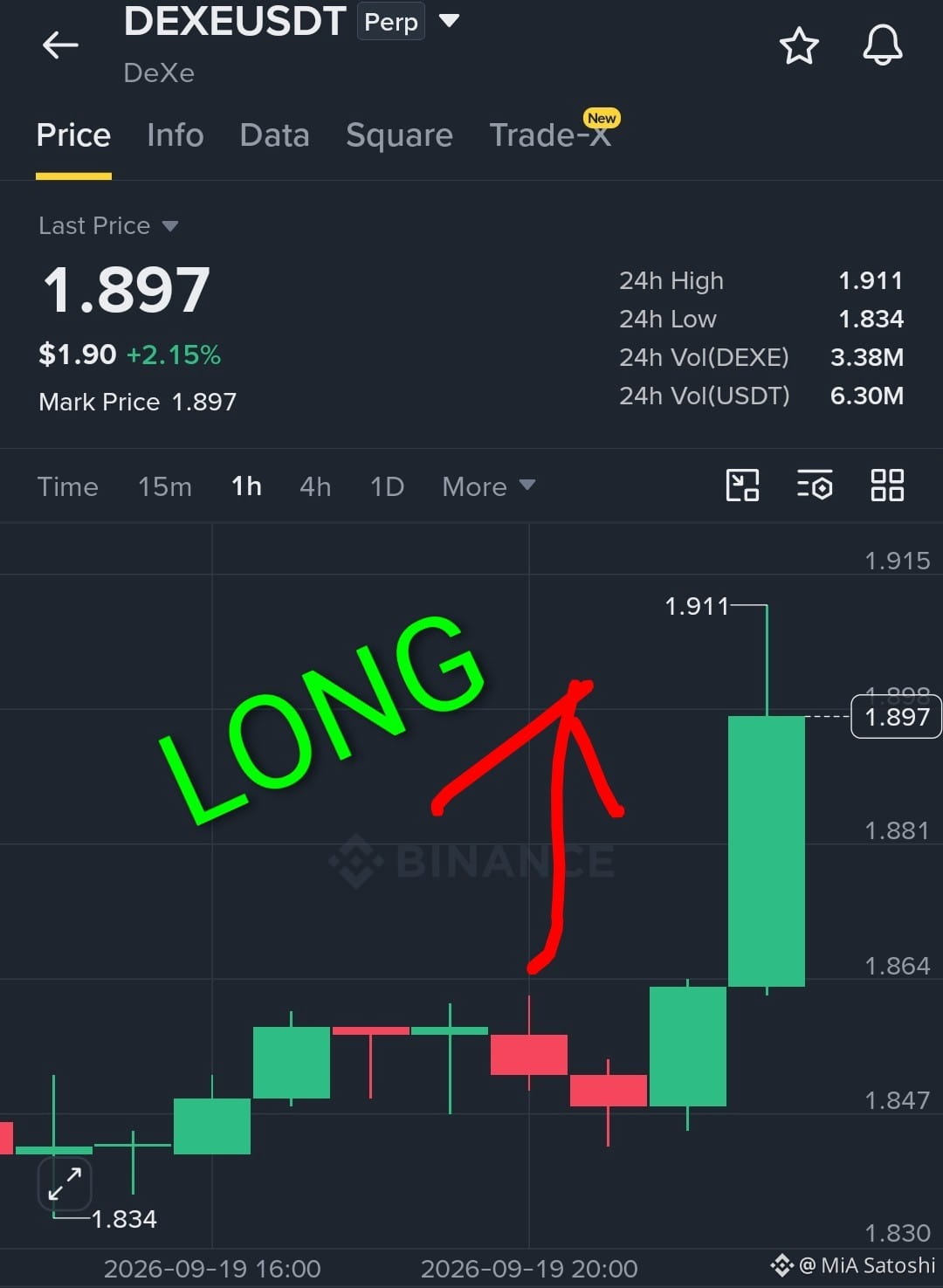
$DEXE está com uma boa cara para um LONG aqui 📈
Alavancagem: 5x
Entrada: 1.875–1.895
TP: 1.920 / 1.950 / 2.000
SL: 1.845
O gráfico de 1H está altista após aquele rompimento forte. Se o preço segurar perto da zona de entrada, estou esperando mais uma subida.
Vou observar a retestagem antes de entrar. Não corra atrás do pump. 👀
$DEXE #DEXE
{future}(DEXEUSDT)
Olá pessoal,como estão vocês 👋
$DEXE está com uma boa cara para um LONG aqui 📈
Alavancagem: 5x
Entrada: 1.875–1.895
TP: 1.920 / 1.950 / 2.000
SL: 1.845
O gráfico de 1H está altista após aquele rompimento forte. Se o preço segurar perto da zona de entrada, estou esperando mais uma subida.
Vou observar a retestagem antes de entrar. Não corra atrás do pump. 👀
$DEXE #DEXE
$DEXE está com uma boa cara para um LONG aqui 📈
Alavancagem: 5x
Entrada: 1.875–1.895
TP: 1.920 / 1.950 / 2.000
SL: 1.845
O gráfico de 1H está altista após aquele rompimento forte. Se o preço segurar perto da zona de entrada, estou esperando mais uma subida.
Vou observar a retestagem antes de entrar. Não corra atrás do pump. 👀
$DEXE #DEXE
479
·
--
Olá, rapazes lindos❤️
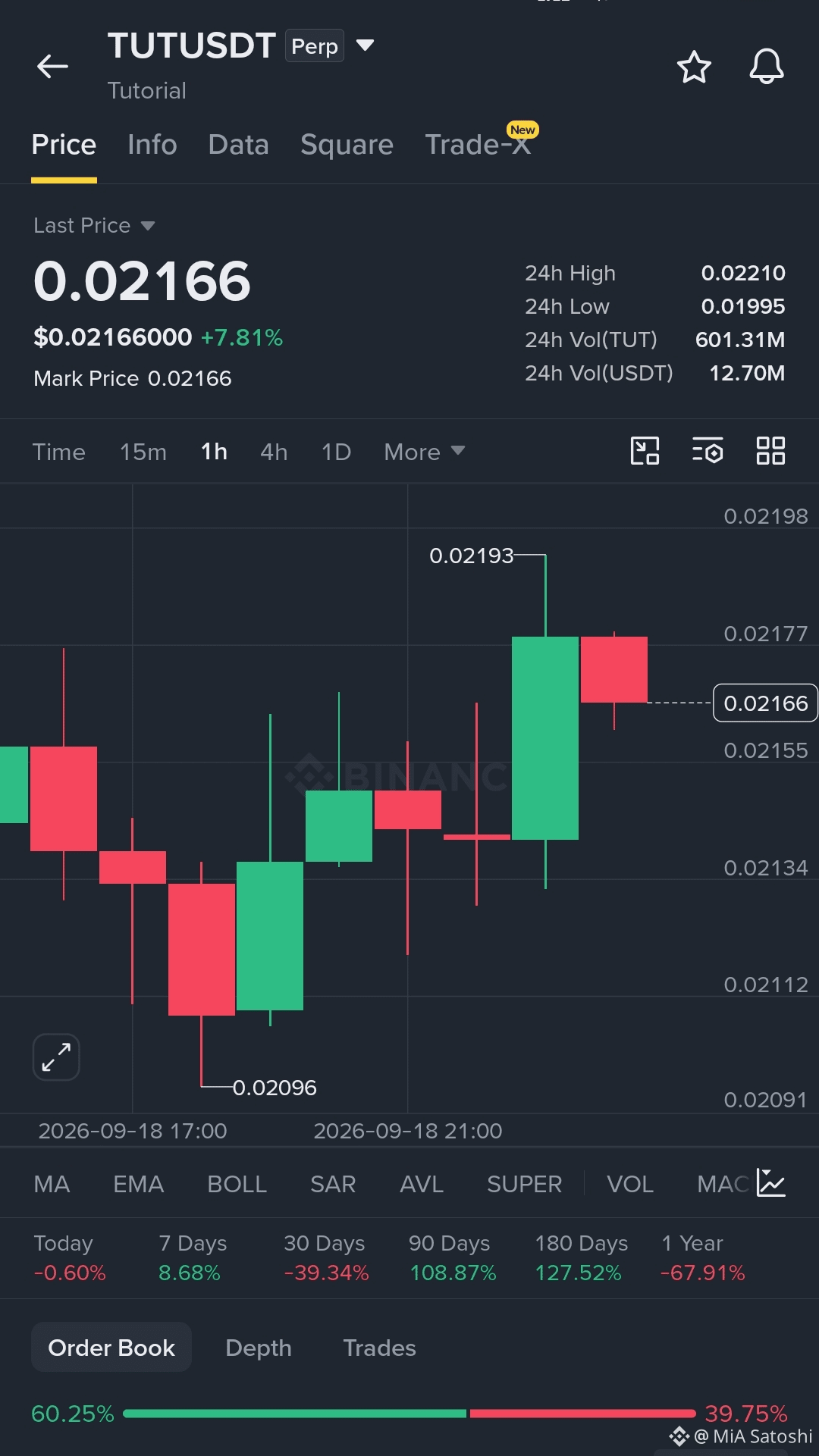
TUTUSDT — Rejeição na Resistência?
Direção: SHORT 📉
Alavancagem: 5x
Zona de Entrada: 0.02165 – 0.02178
Tp1: 0.02145
Tp2: 0.02125
TP3: 0.02105
SL: 0.02205
Por que Short?
O preço está enfrentando resistência em torno de 0.02177–0.02193 após um forte movimento de alta no timeframe de 1H. Se essa zona rejeitar e o preço perder 0.02155, um recuo em direção aos níveis inferiores pode ser um cenário possível.
Risco: a alavancagem 5x pode ampliar perdas—aguarde a confirmação em vez de correr atrás da entrada.
$TUT #TUTUSDT
{future}(TUTUSDT)
Olá, rapazes lindos❤️
TUTUSDT — Rejeição na Resistência?
Direção: SHORT 📉
Alavancagem: 5x
Zona de Entrada: 0.02165 – 0.02178
Tp1: 0.02145
Tp2: 0.02125
TP3: 0.02105
SL: 0.02205
Por que Short?
O preço está enfrentando resistência em torno de 0.02177–0.02193 após um forte movimento de alta no timeframe de 1H. Se essa zona rejeitar e o preço perder 0.02155, um recuo em direção aos níveis inferiores pode ser um cenário possível.
Risco: a alavancagem 5x pode ampliar perdas—aguarde a confirmação em vez de correr atrás da entrada.
$TUT #TUTUSDT
TUTUSDT — Rejeição na Resistência?
Direção: SHORT 📉
Alavancagem: 5x
Zona de Entrada: 0.02165 – 0.02178
Tp1: 0.02145
Tp2: 0.02125
TP3: 0.02105
SL: 0.02205
Por que Short?
O preço está enfrentando resistência em torno de 0.02177–0.02193 após um forte movimento de alta no timeframe de 1H. Se essa zona rejeitar e o preço perder 0.02155, um recuo em direção aos níveis inferiores pode ser um cenário possível.
Risco: a alavancagem 5x pode ampliar perdas—aguarde a confirmação em vez de correr atrás da entrada.
$TUT #TUTUSDT
3
350
·
--
Em Alta
Olá, rapazes lindos,
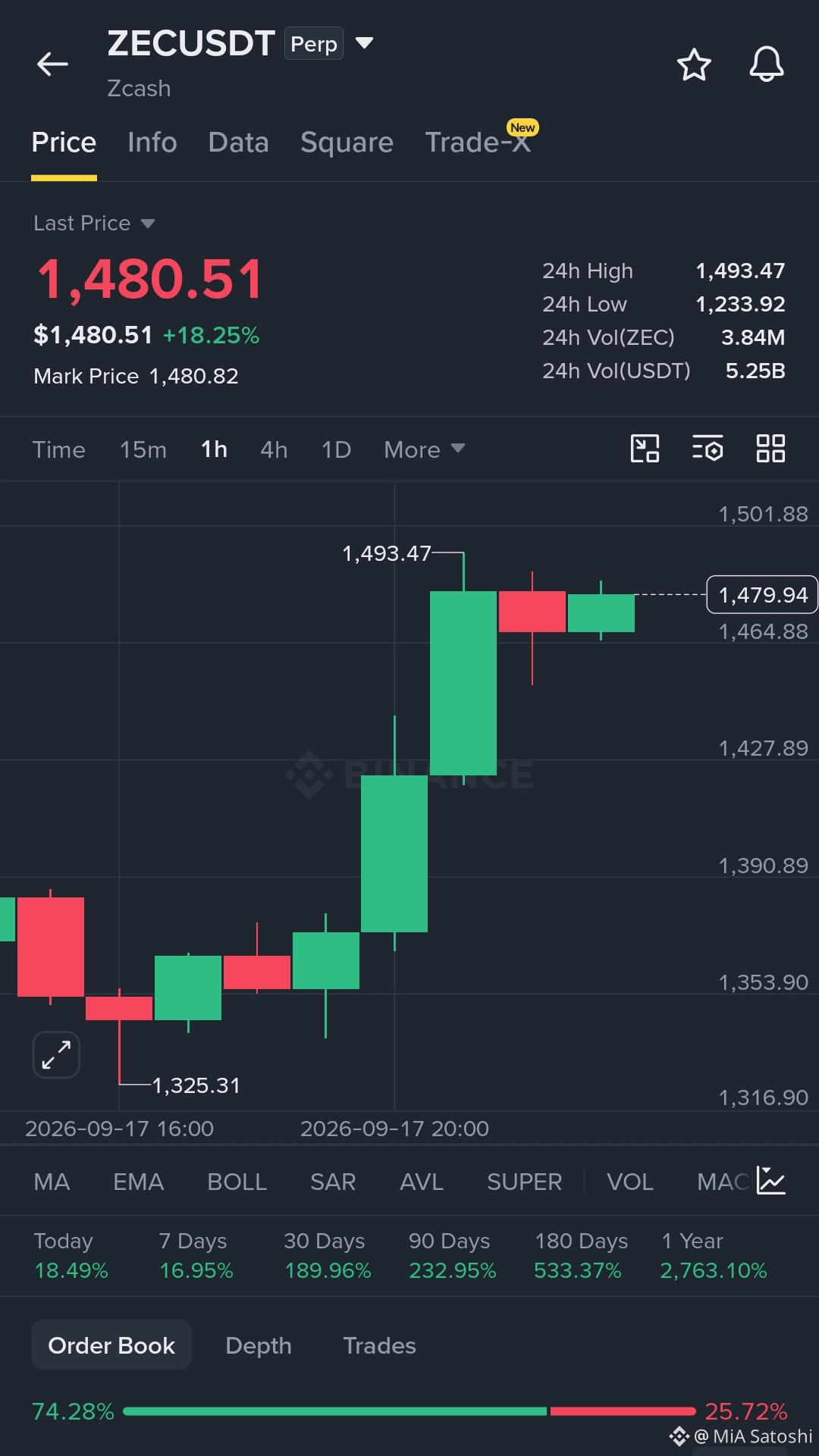
ZEC está enlouquecendo agora.....🔥
1.480 (+18%) e ainda segurando forte.
Velas gigantes, volume explodindo.
Esta aqui está se mexendo 👀
$ZEC #ZECUSDT
Olá, rapazes lindos,
ZEC está enlouquecendo agora.....🔥
1.480 (+18%) e ainda segurando forte.
Velas gigantes, volume explodindo.
Esta aqui está se mexendo 👀
$ZEC #ZECUSDT
ZEC está enlouquecendo agora.....🔥
1.480 (+18%) e ainda segurando forte.
Velas gigantes, volume explodindo.
Esta aqui está se mexendo 👀
$ZEC #ZECUSDT
622
·
--
Em Alta
$ZEC reivindicado US$ 1.200 🔥
Os touros voltaram ao controle. Será que consegue avançar mais?
$ZEC #ZECUSDT
{future}(ZECUSDT)
$ZEC reivindicado US$ 1.200 🔥
Os touros voltaram ao controle. Será que consegue avançar mais?
$ZEC #ZECUSDT
Os touros voltaram ao controle. Será que consegue avançar mais?
$ZEC #ZECUSDT
MiA Satoshi
·
--
$ZEC is moving hard right now 👀
Preço está em torno de US$ 1.132, abaixo da faixa de US$ 1.267.
Os vendedores estão pressionando, mas a zona de US$ 1.100 é o nível que estou observando de perto.
Se conseguirmos manter US$ 1.100, uma nova tentativa na direção de US$ 1.200+ pode fazer sentido.
Se perdermos US$ 1.100 de forma limpa, porém, o momentum pode esfriar bem rápido.
O que vocês acham? 👇
Preço está em torno de US$ 1.132, abaixo da faixa de US$ 1.267.
Os vendedores estão pressionando, mas a zona de US$ 1.100 é o nível que estou observando de perto.
Se conseguirmos manter US$ 1.100, uma nova tentativa na direção de US$ 1.200+ pode fazer sentido.
Se perdermos US$ 1.100 de forma limpa, porém, o momentum pode esfriar bem rápido.
O que vocês acham? 👇
369
·
--
Em Alta
Bom dia, pessoal ❤️
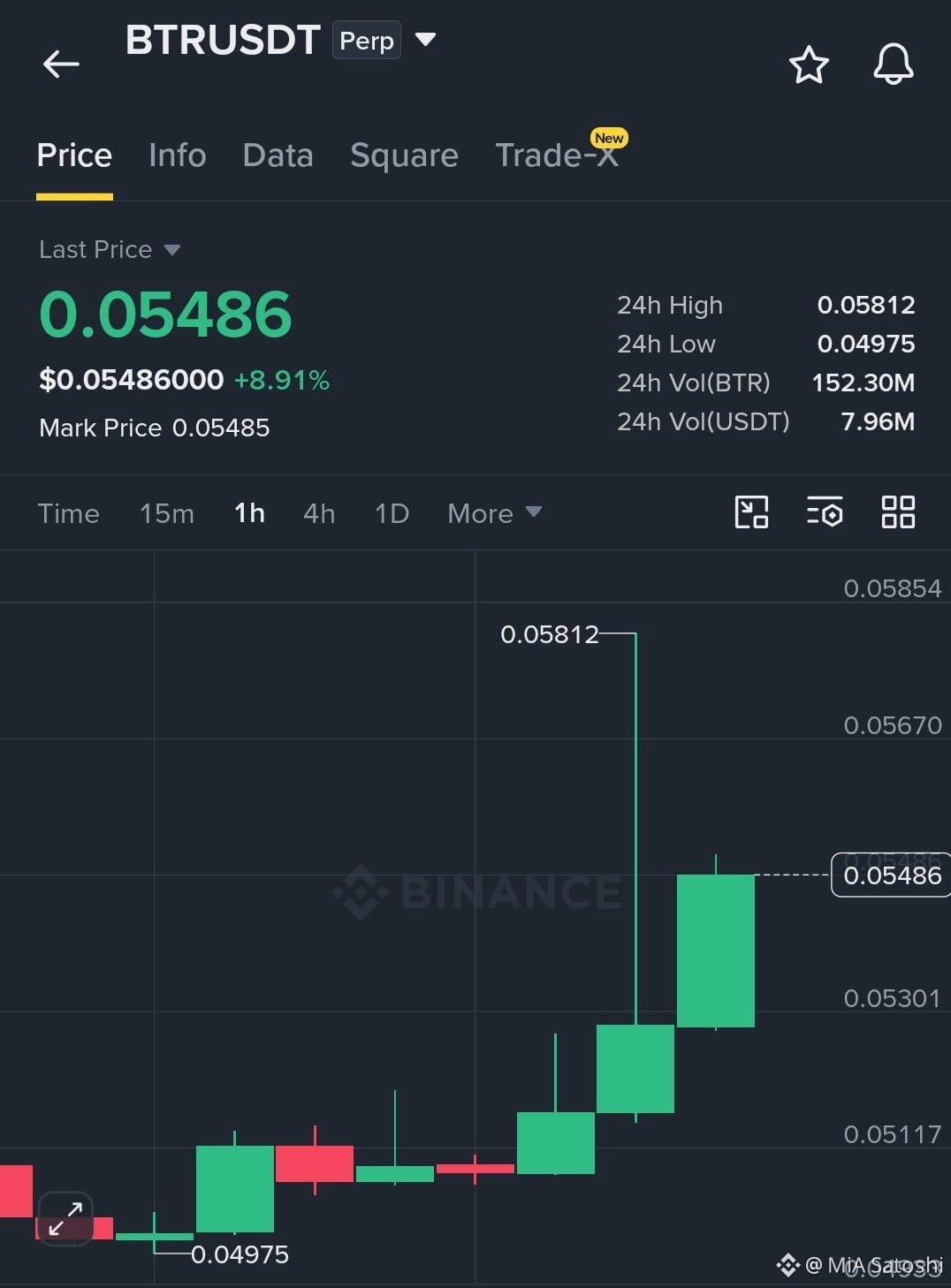
$BTR LONG SETUP 📈
Alavancagem: 5x
Entrada: 0.0540–0.0548
TP: 0.0560–0.0581
SL: 0.0528
Direção: Long $BTR 🚀
Por que Long: Compradores no 1H parecem fortes, e o preço está acima de 0.0530.
$BTR #BTR
{future}(BTRUSDT)
Bom dia, pessoal ❤️
$BTR LONG SETUP 📈
Alavancagem: 5x
Entrada: 0.0540–0.0548
TP: 0.0560–0.0581
SL: 0.0528
Direção: Long $BTR 🚀
Por que Long: Compradores no 1H parecem fortes, e o preço está acima de 0.0530.
$BTR #BTR
$BTR LONG SETUP 📈
Alavancagem: 5x
Entrada: 0.0540–0.0548
TP: 0.0560–0.0581
SL: 0.0528
Direção: Long $BTR 🚀
Por que Long: Compradores no 1H parecem fortes, e o preço está acima de 0.0530.
$BTR #BTR
237
·
--
Rapazes GM Bonitos,
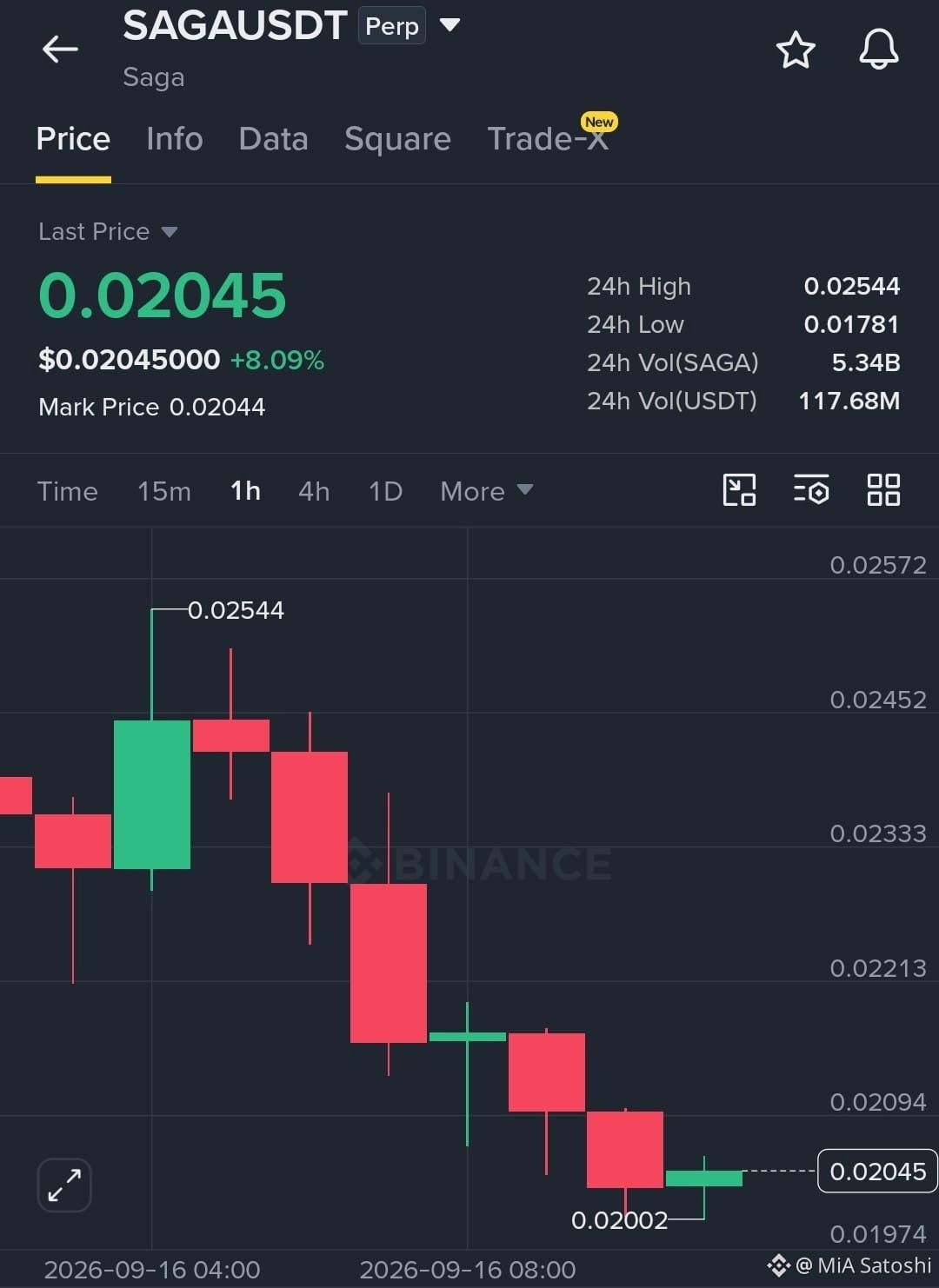
$SAGA está enfrentando forte pressão de baixa 👀
Depois de cair a partir do nível de US$ 0,02544, o preço agora está em torno de US$ 0,02045. No gráfico de 1H, os vendedores ainda estão no controle, enquanto o preço tenta se manter perto da zona de suporte de US$ 0,02000.
Se US$ 0,02000 romper ➡️ o preço pode cair ainda mais.
Se segurar ➡️ poderemos ver uma recuperação em direção a US$ 0,0215–US$ 0,0221.
Estou de olho na zona de US$ 0,02000.👀
Negocie com cuidado e não entre em uma posição com pressa ❤️
$SAGA #SAGA🔥🔥
{future}(SAGAUSDT)
Rapazes GM Bonitos,
$SAGA está enfrentando forte pressão de baixa 👀
Depois de cair a partir do nível de US$ 0,02544, o preço agora está em torno de US$ 0,02045. No gráfico de 1H, os vendedores ainda estão no controle, enquanto o preço tenta se manter perto da zona de suporte de US$ 0,02000.
Se US$ 0,02000 romper ➡️ o preço pode cair ainda mais.
Se segurar ➡️ poderemos ver uma recuperação em direção a US$ 0,0215–US$ 0,0221.
Estou de olho na zona de US$ 0,02000.👀
Negocie com cuidado e não entre em uma posição com pressa ❤️
$SAGA #SAGA🔥🔥
$SAGA está enfrentando forte pressão de baixa 👀
Depois de cair a partir do nível de US$ 0,02544, o preço agora está em torno de US$ 0,02045. No gráfico de 1H, os vendedores ainda estão no controle, enquanto o preço tenta se manter perto da zona de suporte de US$ 0,02000.
Se US$ 0,02000 romper ➡️ o preço pode cair ainda mais.
Se segurar ➡️ poderemos ver uma recuperação em direção a US$ 0,0215–US$ 0,0221.
Estou de olho na zona de US$ 0,02000.👀
Negocie com cuidado e não entre em uma posição com pressa ❤️
$SAGA #SAGA🔥🔥
303
·
--
Em Alta
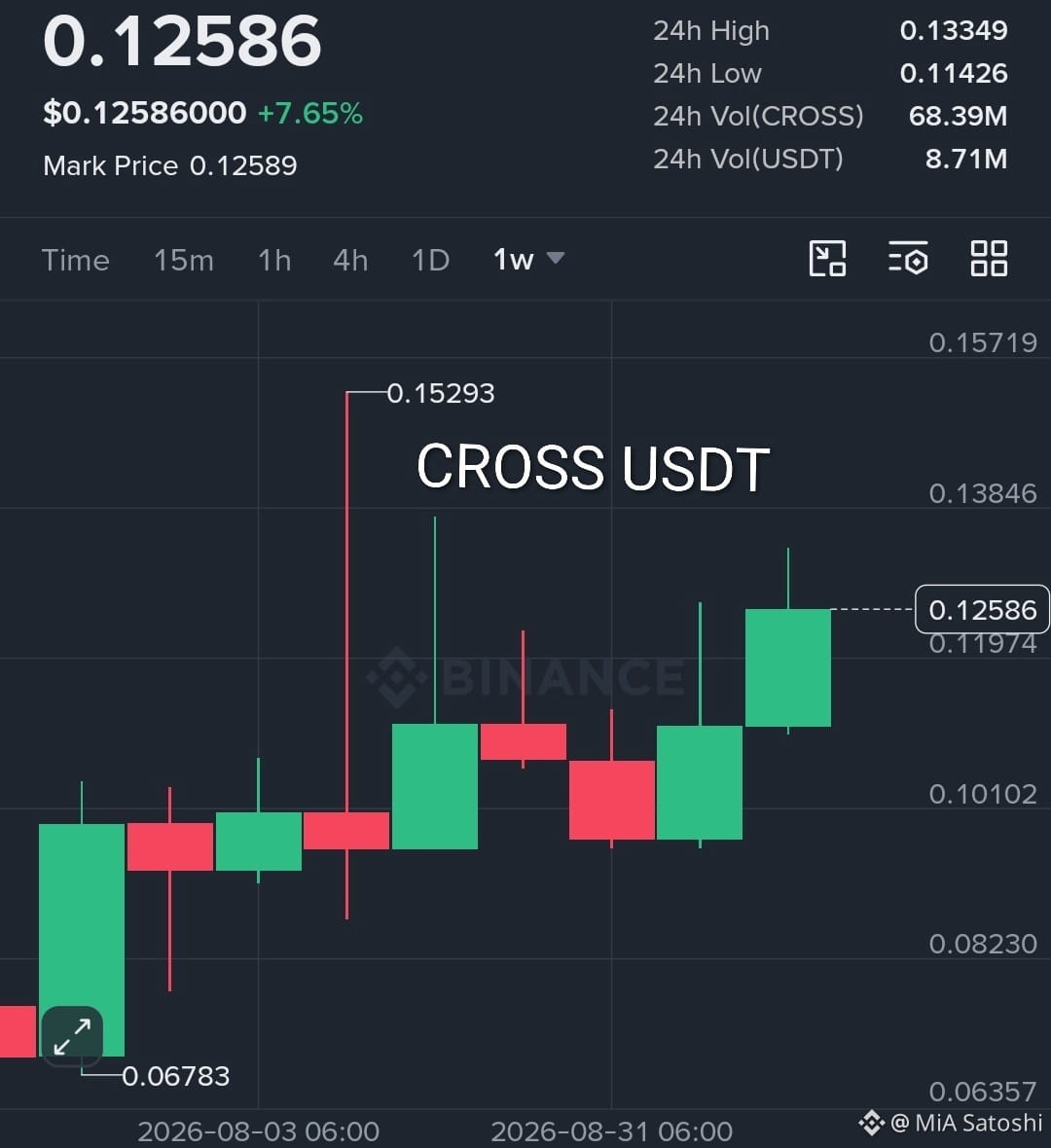
$CROSS looking clean 📈
Sentado(a) em 0.1258 (+7.65%)
Recuperação sólida das mínimas, volume ainda decente.
Estou acompanhando esta de perto 👀
Mas na minha opinião, Long (viés de curto prazo) é melhor.
$CROSS #CROSS
$CROSS looking clean 📈
Sentado(a) em 0.1258 (+7.65%)
Recuperação sólida das mínimas, volume ainda decente.
Estou acompanhando esta de perto 👀
Mas na minha opinião, Long (viés de curto prazo) é melhor.
$CROSS #CROSS
Sentado(a) em 0.1258 (+7.65%)
Recuperação sólida das mínimas, volume ainda decente.
Estou acompanhando esta de perto 👀
Mas na minha opinião, Long (viés de curto prazo) é melhor.
$CROSS #CROSS
206
·
--
Em Alta
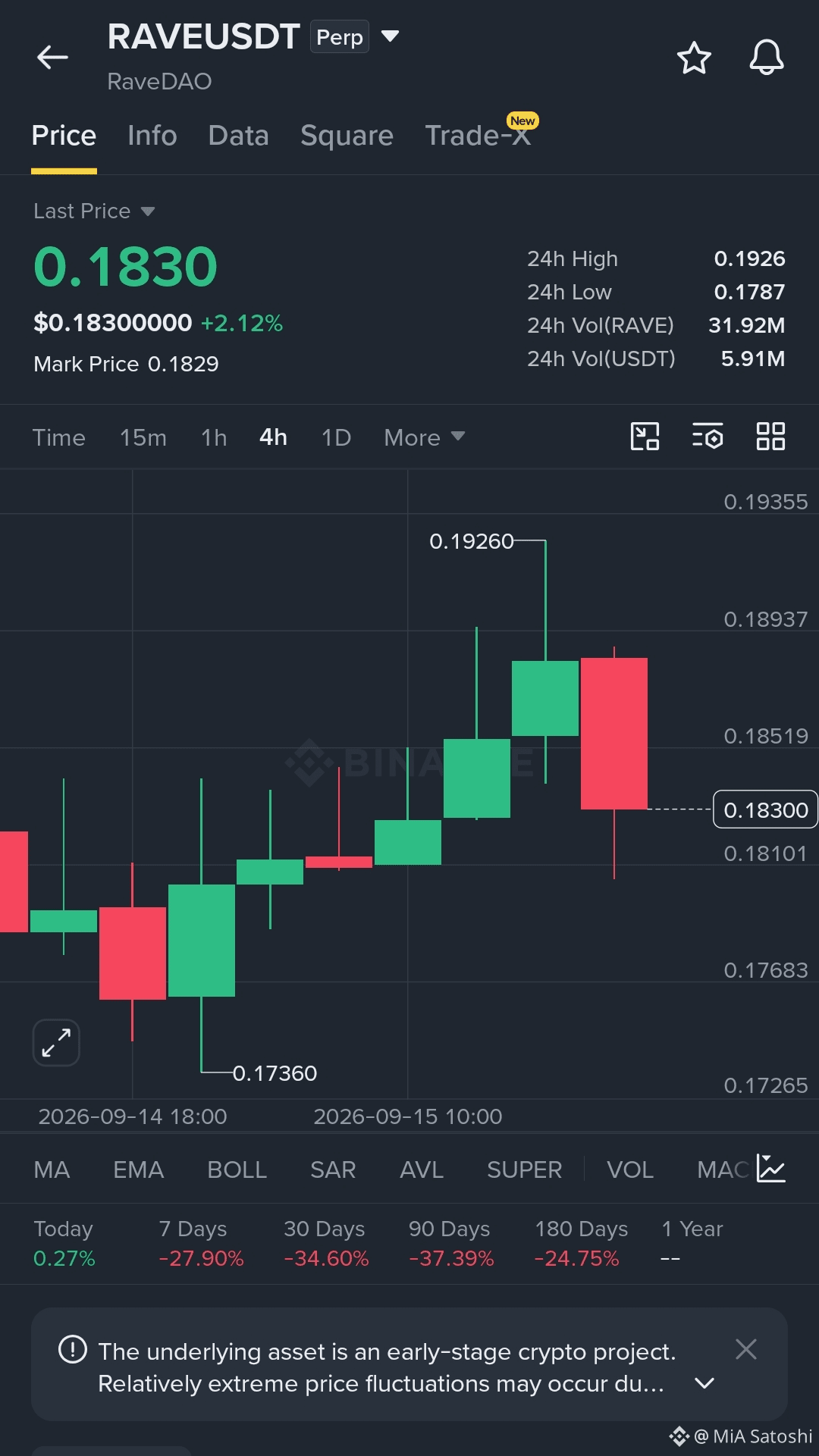
Ei, $RAVE parece um pouco pesado hoje.....
Empurrei para 0.1926 e fui rejeitado; agora estou por volta de 0.1830.
Estou vendo se consegue segurar acima de 0.1800.
Se perder essa região, pode haver mais queda.
Por enquanto, estou de fora.
Você está comprado ou vendido aqui?
$RAVE #rave
{future}(RAVEUSDT)
Ei, $RAVE parece um pouco pesado hoje.....
Empurrei para 0.1926 e fui rejeitado; agora estou por volta de 0.1830.
Estou vendo se consegue segurar acima de 0.1800.
Se perder essa região, pode haver mais queda.
Por enquanto, estou de fora.
Você está comprado ou vendido aqui?
$RAVE #rave
Empurrei para 0.1926 e fui rejeitado; agora estou por volta de 0.1830.
Estou vendo se consegue segurar acima de 0.1800.
Se perder essa região, pode haver mais queda.
Por enquanto, estou de fora.
Você está comprado ou vendido aqui?
$RAVE #rave
2
580
·
--
$BTC cai antes da votação de encerramento da Lei de Clareza no Senado...🗳️
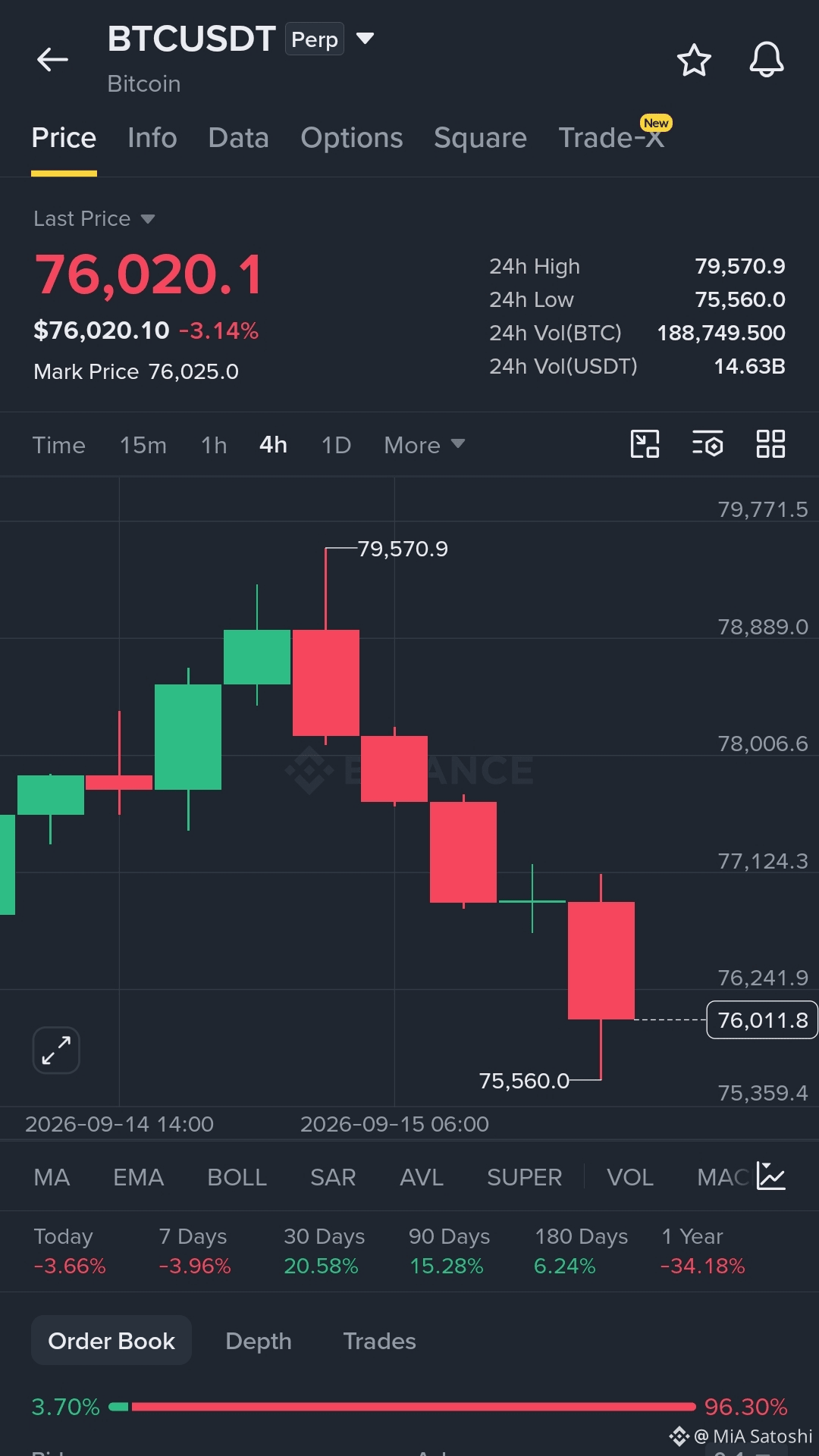
Bitcoin recuou em direção à faixa de US$ 76.000–US$ 77.000 enquanto o Senado se preparava para uma votação processual sobre a Lei de Clareza.
A BTC caiu de acima de US$ 79.000 com o aumento da pressão de venda.
A votação pode provocar uma nova volatilidade em todo o mercado de cripto.....
#bitcoin
$BTC cai antes da votação de encerramento da Lei de Clareza no Senado...🗳️
Bitcoin recuou em direção à faixa de US$ 76.000–US$ 77.000 enquanto o Senado se preparava para uma votação processual sobre a Lei de Clareza.
A BTC caiu de acima de US$ 79.000 com o aumento da pressão de venda.
A votação pode provocar uma nova volatilidade em todo o mercado de cripto.....
#bitcoin
Bitcoin recuou em direção à faixa de US$ 76.000–US$ 77.000 enquanto o Senado se preparava para uma votação processual sobre a Lei de Clareza.
A BTC caiu de acima de US$ 79.000 com o aumento da pressão de venda.
A votação pode provocar uma nova volatilidade em todo o mercado de cripto.....
#bitcoin
114
·
--
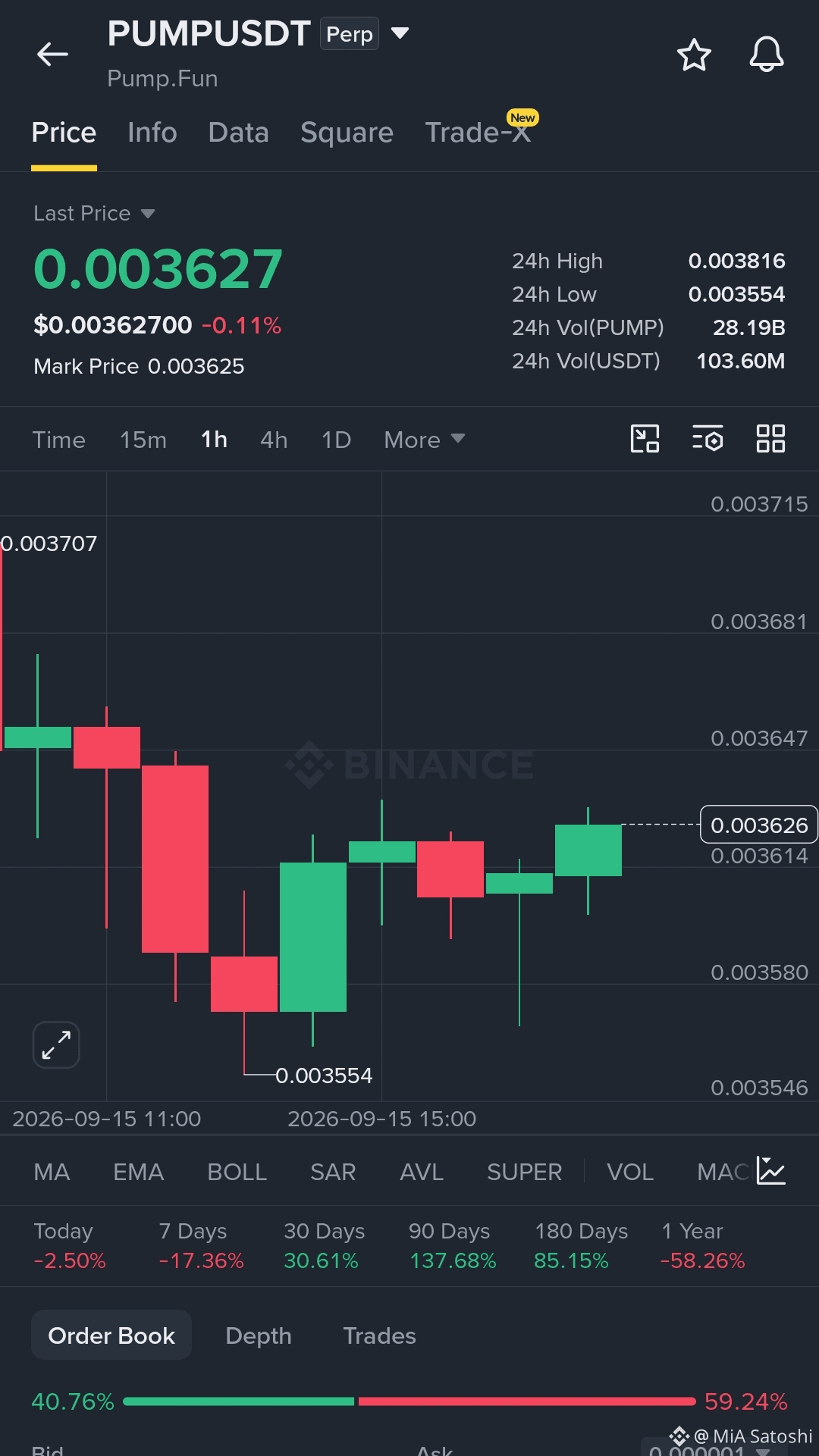
$PUMP ..... Parece que está tentando bombar 🚀
Alavancagem: 5x
Zona de Entrada: US$ 0.00361 – US$ 0.00363
TP: US$ 0.00365 - US$ 0.00368 - US$ 0.00370
SL: US$ 0.00358
Direção: Long
Por que Long: O preço reagiu fortemente de US$ 0.003554 e está formando mínimas mais altas no gráfico de 1H, mostrando sinais de um possível movimento para cima.
#pump
$PUMP ..... Parece que está tentando bombar 🚀
Alavancagem: 5x
Zona de Entrada: US$ 0.00361 – US$ 0.00363
TP: US$ 0.00365 - US$ 0.00368 - US$ 0.00370
SL: US$ 0.00358
Direção: Long
Por que Long: O preço reagiu fortemente de US$ 0.003554 e está formando mínimas mais altas no gráfico de 1H, mostrando sinais de um possível movimento para cima.
#pump
Alavancagem: 5x
Zona de Entrada: US$ 0.00361 – US$ 0.00363
TP: US$ 0.00365 - US$ 0.00368 - US$ 0.00370
SL: US$ 0.00358
Direção: Long
Por que Long: O preço reagiu fortemente de US$ 0.003554 e está formando mínimas mais altas no gráfico de 1H, mostrando sinais de um possível movimento para cima.
#pump
252
·
--
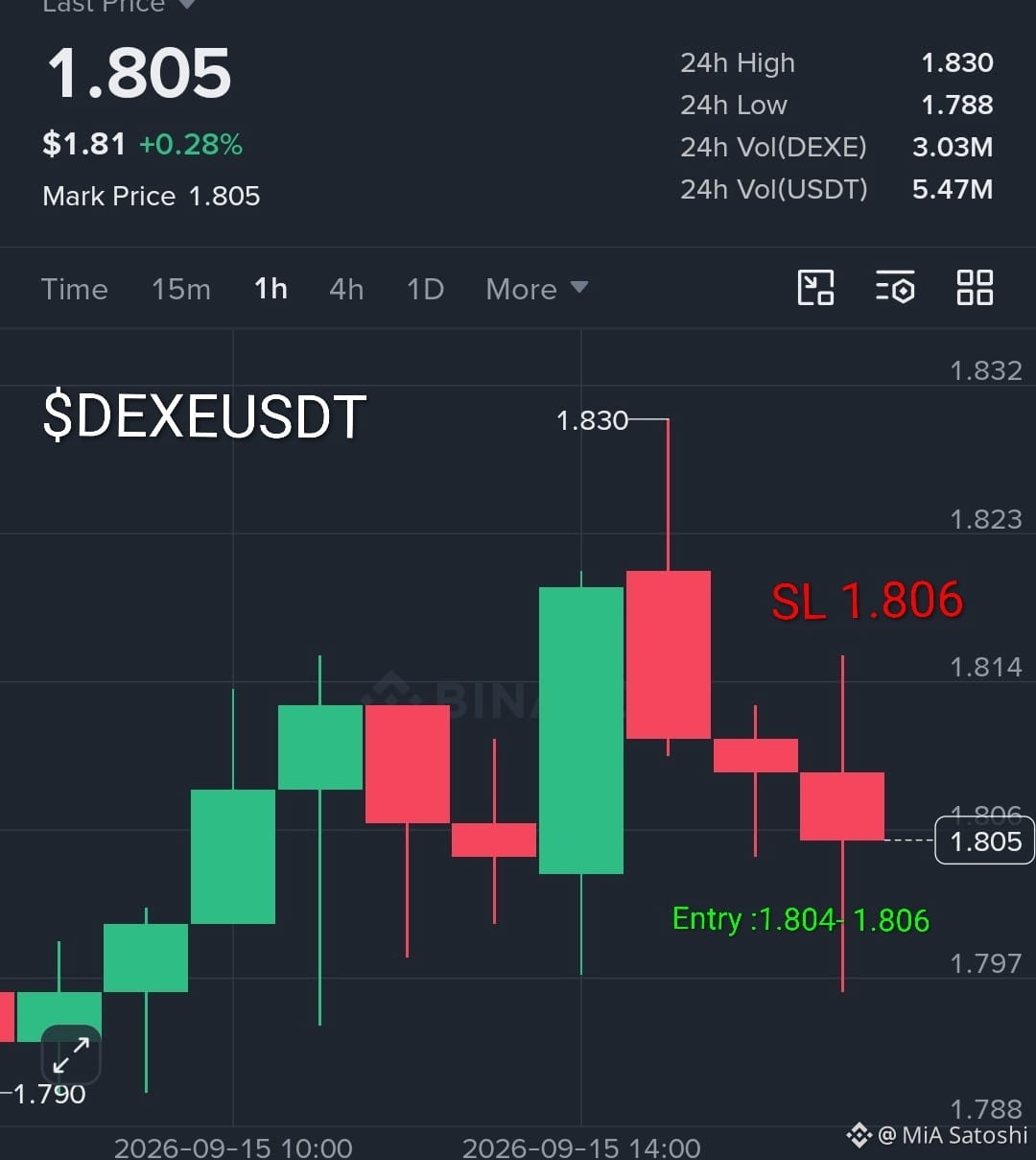
$DEXE — Rejeição Bearish, Setup de Venda 📉
Alavancagem: 5x
Zona de Entrada: US$ 1,804 – US$ 1,806
Alvos (TP): US$ 1,803 → US$ 1,800 → US$ 1,797
Stop (SL): US$ 1,814
Direção: 🔴 Venda
Por que Venda: O preço rejeitou fortemente de US$ 1,830 e está mostrando momentum bearish no gráfico de 1H.
$DEXE #DEXE/USDT
{future}(DEXEUSDT)
$DEXE — Rejeição Bearish, Setup de Venda 📉
Alavancagem: 5x
Zona de Entrada: US$ 1,804 – US$ 1,806
Alvos (TP): US$ 1,803 → US$ 1,800 → US$ 1,797
Stop (SL): US$ 1,814
Direção: 🔴 Venda
Por que Venda: O preço rejeitou fortemente de US$ 1,830 e está mostrando momentum bearish no gráfico de 1H.
$DEXE #DEXE/USDT
Alavancagem: 5x
Zona de Entrada: US$ 1,804 – US$ 1,806
Alvos (TP): US$ 1,803 → US$ 1,800 → US$ 1,797
Stop (SL): US$ 1,814
Direção: 🔴 Venda
Por que Venda: O preço rejeitou fortemente de US$ 1,830 e está mostrando momentum bearish no gráfico de 1H.
$DEXE #DEXE/USDT
343
·
--
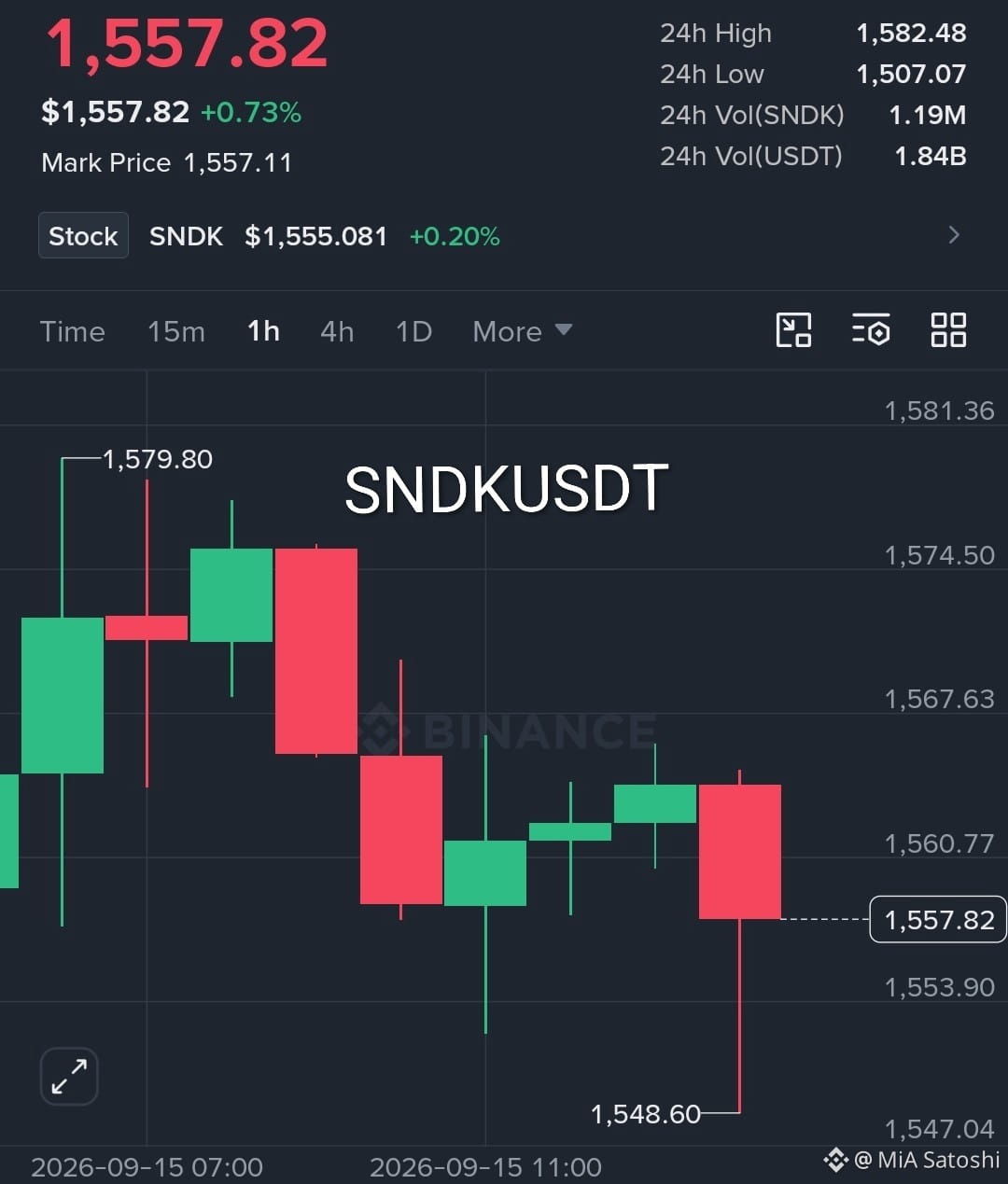
GM Guys,
SNDKUSDT — Setup Baixista 📉
Alavancagem: 5x
Zona de Entrada: US$ 1.558 – US$ 1.562
TP: US$ 1.552 → US$ 1.548 → US$ 1.542
SL: US$ 1.568
Direção: Short (Venda) 📉
Por que Short: O preço está enfrentando uma forte resistência na faixa de US$ 1.560–US$ 1.567, com rejeição baixista no gráfico de 1H....Valeu ❤️
$SNDK #SNDKUSDT
{future}(SNDKUSDT)
GM Guys,
SNDKUSDT — Setup Baixista 📉
Alavancagem: 5x
Zona de Entrada: US$ 1.558 – US$ 1.562
TP: US$ 1.552 → US$ 1.548 → US$ 1.542
SL: US$ 1.568
Direção: Short (Venda) 📉
Por que Short: O preço está enfrentando uma forte resistência na faixa de US$ 1.560–US$ 1.567, com rejeição baixista no gráfico de 1H....Valeu ❤️
$SNDK #SNDKUSDT
SNDKUSDT — Setup Baixista 📉
Alavancagem: 5x
Zona de Entrada: US$ 1.558 – US$ 1.562
TP: US$ 1.552 → US$ 1.548 → US$ 1.542
SL: US$ 1.568
Direção: Short (Venda) 📉
Por que Short: O preço está enfrentando uma forte resistência na faixa de US$ 1.560–US$ 1.567, com rejeição baixista no gráfico de 1H....Valeu ❤️
$SNDK #SNDKUSDT
310
·
--
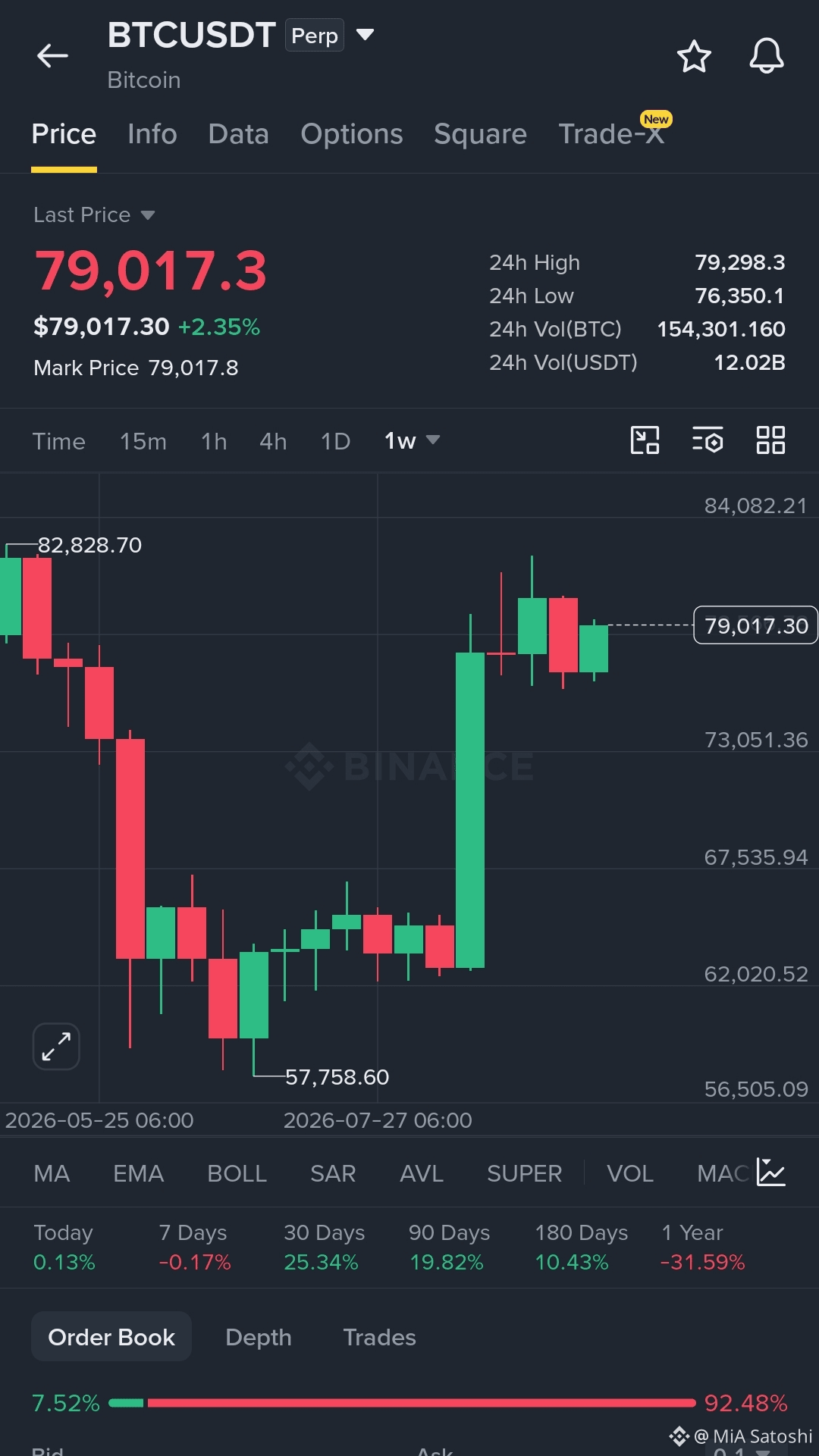
$BTC BREAKS ABOVE $79K 📈
O Bitcoin voltou acima de US$ 79.000 depois que Trump disse que a guerra no Irã pode acabar em breve.
Os mercados estão se movendo rápido 👀📈
#BitcoinCrosses78000
$BTC BREAKS ABOVE $79K 📈
O Bitcoin voltou acima de US$ 79.000 depois que Trump disse que a guerra no Irã pode acabar em breve.
Os mercados estão se movendo rápido 👀📈
#BitcoinCrosses78000
O Bitcoin voltou acima de US$ 79.000 depois que Trump disse que a guerra no Irã pode acabar em breve.
Os mercados estão se movendo rápido 👀📈
#BitcoinCrosses78000
70
Inicia sessão para explorar mais conteúdos
Junta-te a utilizadores de criptomoedas de todo o mundo na Binance Square
⚡️ Obtém informações úteis e recentes sobre criptomoedas.
💬 Com a confiança da maior exchange de criptomoedas do mundo.
👍 Descobre perspetivas reais de criadores verificados.
E-mail/Número de telefone
Tópicos em Tendência
BitwiseFilesFinalNEARSpotETFProspectus
26,692 visualizações
795 a discutir
#bitwisefilesfinalnearspotetfprospectus 🚀
O token NEAR pode atingir US$ 562?$NEAR
A Bitwise está preparando um ETF spot de NEAR, listado sob o ticker NRR na NYSE Arca. O gestor já estava discutindo metas de US$ 155, ou até US$ 562 até 2030.$RESOLV $DASH
Rajo C
·6 gostos
·3.5k visualizações
BitgetHackerMoves$83MStolenXRP
18,790 visualizações
115 a discutir
SOLSpotETFWeeklyInflow$188M
9,943 visualizações
89 a discutir