
Crypto Fortress 1
1.6k Publicações

Crypto Fortress 1
Denunciar
Bloquear Utilizador
Crypto explorer | Building the decentralized future one block at a time | Insights on BTC, ETH, DeFi & beyond | Not financial advice.
0 A seguir
6 Seguidores
20 Gostaram
Publicações
Ver tradução
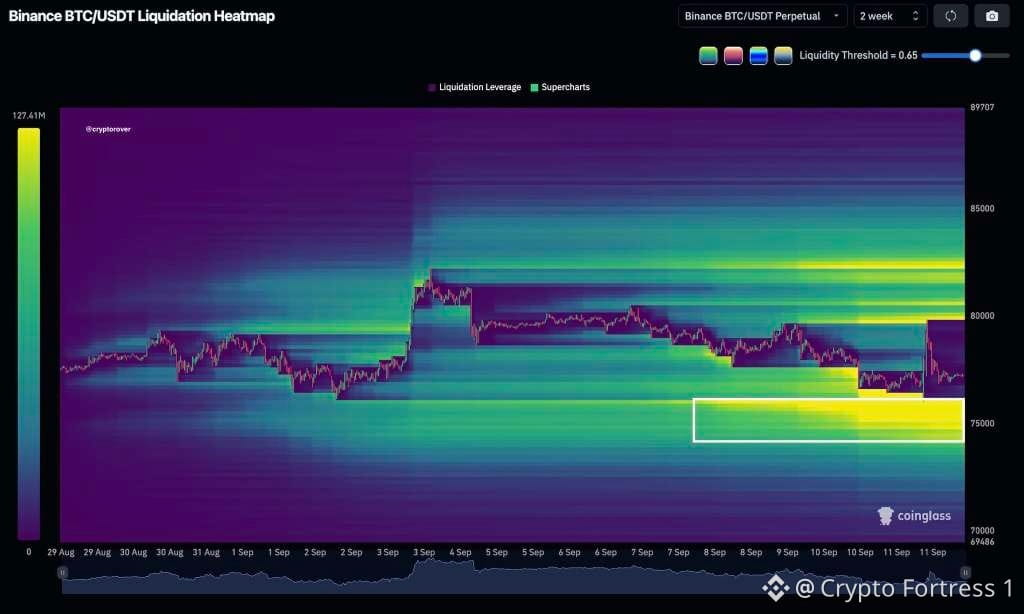
Most of the upside liquidity has already been swept.
That changes the short-term setup for BTC.
When price clears a large amount of liquidity above the market, the easy upside fuel can start drying up. From here, Bitcoin may need fresh spot demand to push meaningfully higher instead of simply continuing to squeeze shorts.
That doesn't mean a reversal is guaranteed.
It means the next move becomes more dependent on real buying pressure and how BTC reacts around key resistance.
After the recent volatility, I'm watching whether buyers can keep absorbing supply.
The liquidity has been taken. Now we see if demand is still there.
#BTC Price Analysis# #BTC Above 60K#
$BTC $ETH
Most of the upside liquidity has already been swept.
That changes the short-term setup for BTC.
When price clears a large amount of liquidity above the market, the easy upside fuel can start drying up. From here, Bitcoin may need fresh spot demand to push meaningfully higher instead of simply continuing to squeeze shorts.
That doesn't mean a reversal is guaranteed.
It means the next move becomes more dependent on real buying pressure and how BTC reacts around key resistance.
After the recent volatility, I'm watching whether buyers can keep absorbing supply.
The liquidity has been taken. Now we see if demand is still there.
#BTC Price Analysis# #BTC Above 60K#
$BTC $ETH
That changes the short-term setup for BTC.
When price clears a large amount of liquidity above the market, the easy upside fuel can start drying up. From here, Bitcoin may need fresh spot demand to push meaningfully higher instead of simply continuing to squeeze shorts.
That doesn't mean a reversal is guaranteed.
It means the next move becomes more dependent on real buying pressure and how BTC reacts around key resistance.
After the recent volatility, I'm watching whether buyers can keep absorbing supply.
The liquidity has been taken. Now we see if demand is still there.
#BTC Price Analysis# #BTC Above 60K#
$BTC $ETH
Ver tradução
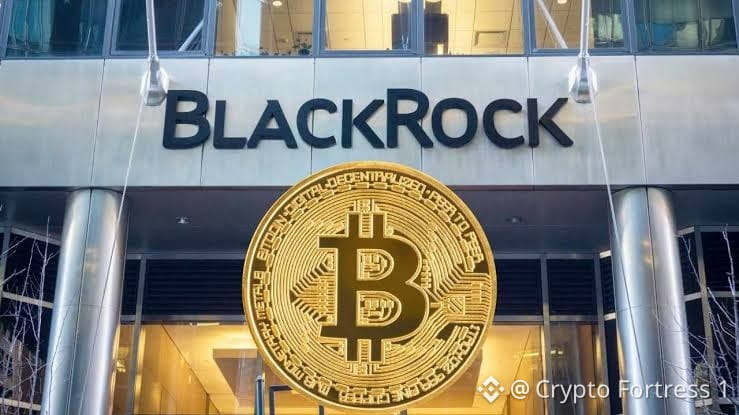
BlackRock's ETH fund really has scooped up about $251 million in $ETH over the last 20 trading days with zero outflows, which is solid institutional buying even while the price chops around.
That doesn't mean Wall Street is ditching $BTC for ETH though, Bitcoin ETFs still dwarf the ETH ones in total size and remain the core "digital gold" allocation for most big players. I think they're just adding ETH exposure for the staking yields and its role as the actual settlement layer for tokenization stuff BlackRock itself is pushing. Smart money is treating them as complementary, not choosing one over the other.
#BTC Price Analysis# #BTC
BlackRock's ETH fund really has scooped up about $251 million in $ETH over the last 20 trading days with zero outflows, which is solid institutional buying even while the price chops around.
That doesn't mean Wall Street is ditching $BTC for ETH though, Bitcoin ETFs still dwarf the ETH ones in total size and remain the core "digital gold" allocation for most big players. I think they're just adding ETH exposure for the staking yields and its role as the actual settlement layer for tokenization stuff BlackRock itself is pushing. Smart money is treating them as complementary, not choosing one over the other.
#BTC Price Analysis# #BTC
That doesn't mean Wall Street is ditching $BTC for ETH though, Bitcoin ETFs still dwarf the ETH ones in total size and remain the core "digital gold" allocation for most big players. I think they're just adding ETH exposure for the staking yields and its role as the actual settlement layer for tokenization stuff BlackRock itself is pushing. Smart money is treating them as complementary, not choosing one over the other.
#BTC Price Analysis# #BTC
24
Ver tradução
$ZEC mining currently generates about four times more revenue per megawatt-hour than bitcoin mining.
$BTC miners bring in roughly $35 million a day in rewards, compared with about $2 million for Zcash miners overall.
On a per-machine basis, though, the gap looks more striking: a typical Zcash mining rig reportedly earns around twice the daily revenue of a comparable bitcoin machine.
#BTC #Zcash #Bitcoin #ZEC #Macro Insights#
$ZEC mining currently generates about four times more revenue per megawatt-hour than bitcoin mining.
$BTC miners bring in roughly $35 million a day in rewards, compared with about $2 million for Zcash miners overall.
On a per-machine basis, though, the gap looks more striking: a typical Zcash mining rig reportedly earns around twice the daily revenue of a comparable bitcoin machine.
#BTC #Zcash #Bitcoin #ZEC #Macro Insights#
$BTC miners bring in roughly $35 million a day in rewards, compared with about $2 million for Zcash miners overall.
On a per-machine basis, though, the gap looks more striking: a typical Zcash mining rig reportedly earns around twice the daily revenue of a comparable bitcoin machine.
#BTC #Zcash #Bitcoin #ZEC #Macro Insights#
23
Ver tradução
Coinbase's latest comments on the Clarity Act show the crypto industry is preparing for multiple regulatory paths. Even if Congress doesn't move forward, the company sees potential routes through the SEC and CFTC.
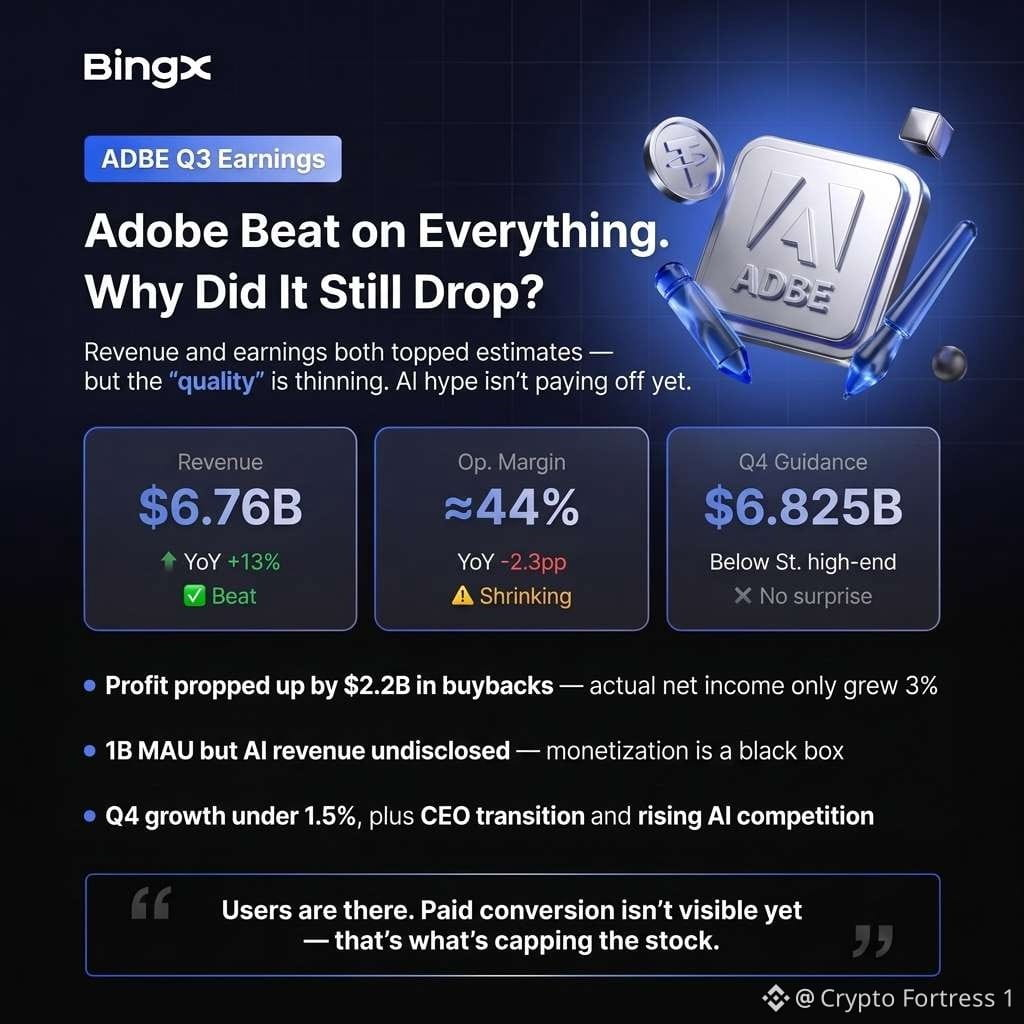
That broader regulatory uncertainty is worth watching alongside Adobe's strong Q3 performance. Revenue reached $6.76B, up 13% YoY, while Al-first ARR surged over 150%, and monthly active users surpassed 1B.
For investors, the bigger question remains monetization for Adobe and regulatory clarity for crypto. With $BTC also closely tied to the policy environment, both stories highlight how expectations can shape market sentiment.
#CMC Quest: Earn Rewards# #BTC Price Analysis# #Macro Insights#
Coinbase's latest comments on the Clarity Act show the crypto industry is preparing for multiple regulatory paths. Even if Congress doesn't move forward, the company sees potential routes through the SEC and CFTC.
That broader regulatory uncertainty is worth watching alongside Adobe's strong Q3 performance. Revenue reached $6.76B, up 13% YoY, while Al-first ARR surged over 150%, and monthly active users surpassed 1B.
For investors, the bigger question remains monetization for Adobe and regulatory clarity for crypto. With $BTC also closely tied to the policy environment, both stories highlight how expectations can shape market sentiment.
#CMC Quest: Earn Rewards# #BTC Price Analysis# #Macro Insights#
That broader regulatory uncertainty is worth watching alongside Adobe's strong Q3 performance. Revenue reached $6.76B, up 13% YoY, while Al-first ARR surged over 150%, and monthly active users surpassed 1B.
For investors, the bigger question remains monetization for Adobe and regulatory clarity for crypto. With $BTC also closely tied to the policy environment, both stories highlight how expectations can shape market sentiment.
#CMC Quest: Earn Rewards# #BTC Price Analysis# #Macro Insights#

38
Ver tradução
RWA MARKET IS MOVING: Tokenized
equity trading volume surged 33x to $7.9B in August.
According to Binance Research, monthly trading volume for tokenized equities exploded to $7.9 billion, showing just how quickly onchain versions of traditional stocks are gaining traction.
But the market is still highly concentrated. bStocks and Robinhood accounted for 87.8% of tracked volume, meaning a large share of this growth is being driven by just two platforms.
That concentration is worth watching.
If more issuers and networks start attracting liquidity, tokenized equities could move from a niche product into a much broader RWA market.
$7.9B in one month is no longer just a narrative. Traders are actually using it.
#BTC Price Analysis# #BNB Chain# $BNB $ETH
RWA MARKET IS MOVING: Tokenized
equity trading volume surged 33x to $7.9B in August.
According to Binance Research, monthly trading volume for tokenized equities exploded to $7.9 billion, showing just how quickly onchain versions of traditional stocks are gaining traction.
But the market is still highly concentrated. bStocks and Robinhood accounted for 87.8% of tracked volume, meaning a large share of this growth is being driven by just two platforms.
That concentration is worth watching.
If more issuers and networks start attracting liquidity, tokenized equities could move from a niche product into a much broader RWA market.
$7.9B in one month is no longer just a narrative. Traders are actually using it.
#BTC Price Analysis# #BNB Chain# $BNB $ETH
equity trading volume surged 33x to $7.9B in August.
According to Binance Research, monthly trading volume for tokenized equities exploded to $7.9 billion, showing just how quickly onchain versions of traditional stocks are gaining traction.
But the market is still highly concentrated. bStocks and Robinhood accounted for 87.8% of tracked volume, meaning a large share of this growth is being driven by just two platforms.
That concentration is worth watching.
If more issuers and networks start attracting liquidity, tokenized equities could move from a niche product into a much broader RWA market.
$7.9B in one month is no longer just a narrative. Traders are actually using it.
#BTC Price Analysis# #BNB Chain# $BNB $ETH


46
Ver tradução
Blockstream is refusing to "pay a ransom" for the 598.5 $BTC still held by the attackers after the Liquid exploit.
3,400 BTC was returned after Blockstream confirmed the affected bridge nodes were patched.
But roughly $47M is still sitting with the people who exploited the bug.
And honestly, this is where the whole "white hat" label gets complicated.
If there was no agreement that allowed the attackers to keep a portion of the funds, what exactly is the $47M?
A bounty? A negotiation? Or simply money they decided to keep after exploiting the system?
Blockstream's position is clear: Bitcoin can't just be minted to make the loss disappear, and users shouldn't have to take the haircut.
Now they're going after the remaining funds work with law enforcement, exchanges and forensic specialists to trace the remaining funds if they are not returned.
The exploit may be patched, but the most interesting part of this story might be what
happens to those 598.5 $BTC next.
Withdrawals to the Bitcoin network still remain disabled.
Blockstream is refusing to "pay a ransom" for the 598.5 $BTC still held by the attackers after the Liquid exploit.
3,400 BTC was returned after Blockstream confirmed the affected bridge nodes were patched.
But roughly $47M is still sitting with the people who exploited the bug.
And honestly, this is where the whole "white hat" label gets complicated.
If there was no agreement that allowed the attackers to keep a portion of the funds, what exactly is the $47M?
A bounty? A negotiation? Or simply money they decided to keep after exploiting the system?
Blockstream's position is clear: Bitcoin can't just be minted to make the loss disappear, and users shouldn't have to take the haircut.
Now they're going after the remaining funds work with law enforcement, exchanges and forensic specialists to trace the remaining funds if they are not returned.
The exploit may be patched, but the most interesting part of this story might be what
happens to those 598.5 $BTC next.
Withdrawals to the Bitcoin network still remain disabled.
3,400 BTC was returned after Blockstream confirmed the affected bridge nodes were patched.
But roughly $47M is still sitting with the people who exploited the bug.
And honestly, this is where the whole "white hat" label gets complicated.
If there was no agreement that allowed the attackers to keep a portion of the funds, what exactly is the $47M?
A bounty? A negotiation? Or simply money they decided to keep after exploiting the system?
Blockstream's position is clear: Bitcoin can't just be minted to make the loss disappear, and users shouldn't have to take the haircut.
Now they're going after the remaining funds work with law enforcement, exchanges and forensic specialists to trace the remaining funds if they are not returned.
The exploit may be patched, but the most interesting part of this story might be what
happens to those 598.5 $BTC next.
Withdrawals to the Bitcoin network still remain disabled.

46
Ver tradução
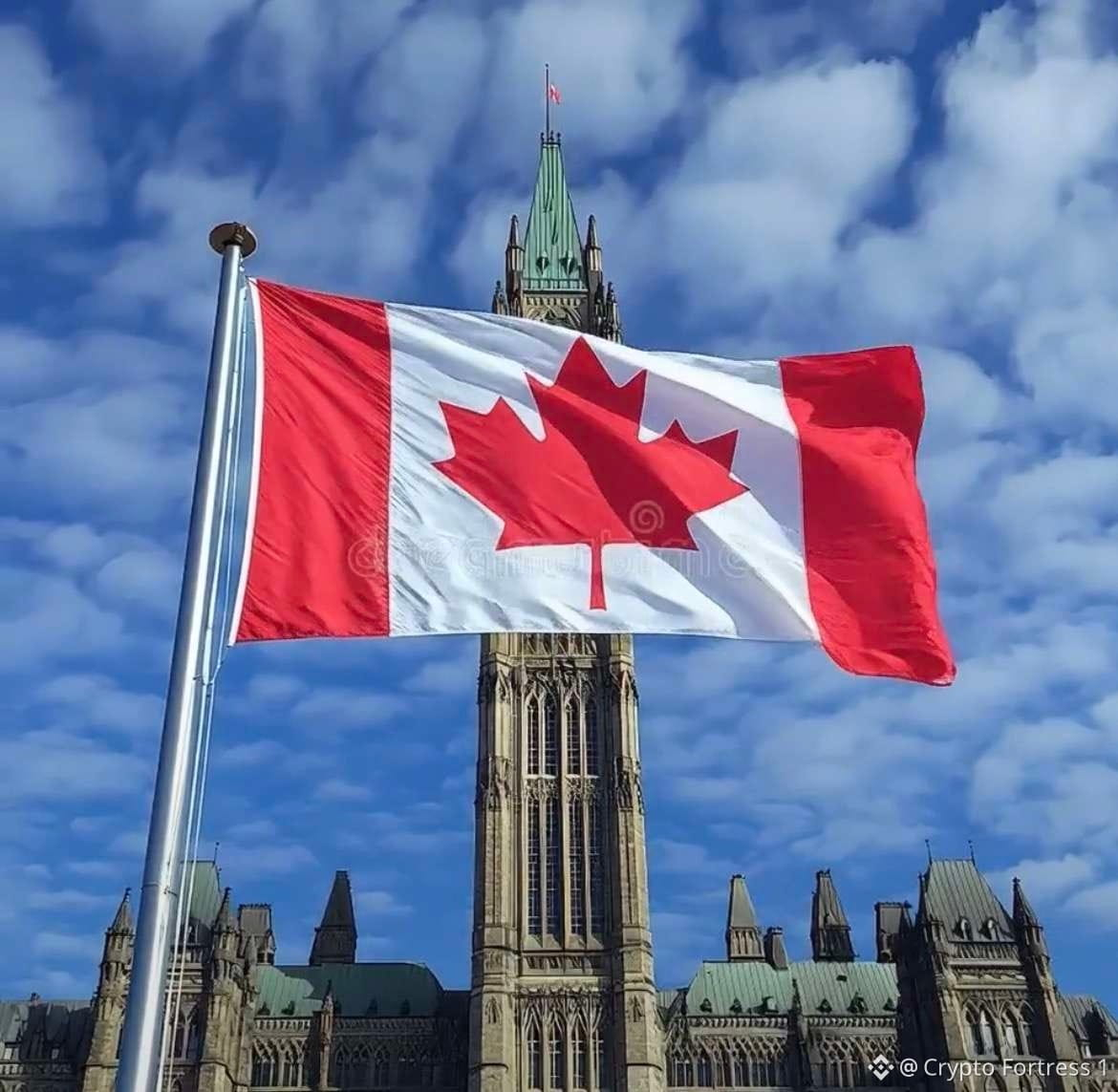
BREAKING: 🇨🇦 CANADA JUST APPROVED
BANKS TO OFFER ON-CHAIN #BITCOIN $BTC AND CRYPTO DEPOSITS
BANKS ARE GOING ALL IN ON BTC
THIS IS HUGE
BREAKING: 🇨🇦 CANADA JUST APPROVED
BANKS TO OFFER ON-CHAIN #BITCOIN $BTC AND CRYPTO DEPOSITS
BANKS ARE GOING ALL IN ON BTC
THIS IS HUGE
BANKS TO OFFER ON-CHAIN #BITCOIN $BTC AND CRYPTO DEPOSITS
BANKS ARE GOING ALL IN ON BTC
THIS IS HUGE
2
Ver tradução
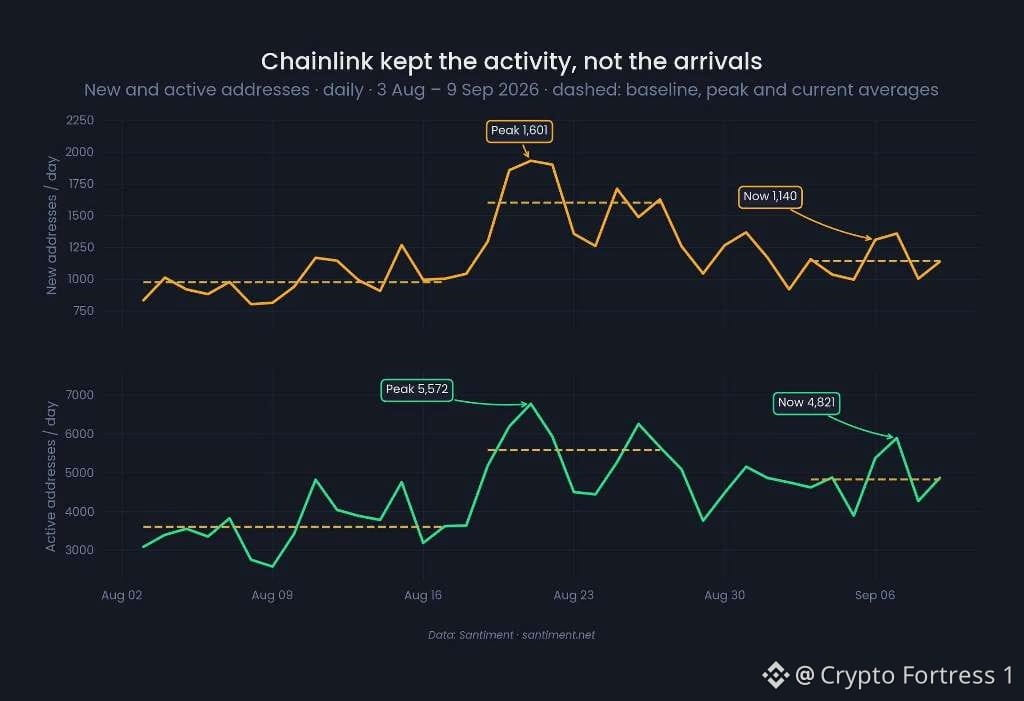
Chainlink's new daily addresses have settled at 1,140 after peaking at 1,601 in late August.
Active addresses remain strong at 4,821, holding most of the recent growth and outperforming $SOL and $ETH.
Sustained onchain activity points to growing network engagement.
#Altcoin Season#
Chainlink's new daily addresses have settled at 1,140 after peaking at 1,601 in late August.
Active addresses remain strong at 4,821, holding most of the recent growth and outperforming $SOL and $ETH.
Sustained onchain activity points to growing network engagement.
#Altcoin Season#
Active addresses remain strong at 4,821, holding most of the recent growth and outperforming $SOL and $ETH.
Sustained onchain activity points to growing network engagement.
#Altcoin Season#
2
Ver tradução
The Coinbase Premium Index of $BTC turns negative, which indicates that demand from US-based participants is weakening or that they are actively selling Bitcoin.
#Bitcoin #BTC
The Coinbase Premium Index of $BTC turns negative, which indicates that demand from US-based participants is weakening or that they are actively selling Bitcoin.
#Bitcoin #BTC
#Bitcoin #BTC
2
Ver tradução
CPI Day vs. Fed Decision: The Macro Setup Facing Crypto
While $BTC remains sensitive to every macro headline, today's August CPI report could decide the market's next move. Headline inflation is expected to stay at 3.4% year over year, but the monthly rate could jump to 0.38% from just 0.07% in July. With the Fed decision only days away, even a small surprise could quickly move stocks, yields and crypto.
The Inflation & Fed Setup:
- Energy Pressure: Energy prices are expected to rebound around 2.5% MoM, with gasoline potentially rising more than 4%. That is the main reason headline CPI could accelerate on a monthly basis.
- Core Cooling: Core CPI is forecast at 2.4% YoY, down from 2.5%, while the monthly reading is expected to remain around 0.22%. Shelter and medical inflation are showing signs of cooling.
- Fed Watch: A hotter-than-expected CPI print could strengthen the case for tighter policy, while a softer number would make a Fed hold more likely and support risk assets.
The key number is 3.4%. A print below that level could bring relief across crypto and equities, while anything above expectations may push yields higher and pressure markets again. An in-line reading would leave traders focused on core inflation and keep the Fed decision firmly in control of the next move.
#BTC Price Analysis#
#Macro Insights#
CPI Day vs. Fed Decision: The Macro Setup Facing Crypto
While $BTC remains sensitive to every macro headline, today's August CPI report could decide the market's next move. Headline inflation is expected to stay at 3.4% year over year, but the monthly rate could jump to 0.38% from just 0.07% in July. With the Fed decision only days away, even a small surprise could quickly move stocks, yields and crypto.
The Inflation & Fed Setup:
- Energy Pressure: Energy prices are expected to rebound around 2.5% MoM, with gasoline potentially rising more than 4%. That is the main reason headline CPI could accelerate on a monthly basis.
- Core Cooling: Core CPI is forecast at 2.4% YoY, down from 2.5%, while the monthly reading is expected to remain around 0.22%. Shelter and medical inflation are showing signs of cooling.
- Fed Watch: A hotter-than-expected CPI print could strengthen the case for tighter policy, while a softer number would make a Fed hold more likely and support risk assets.
The key number is 3.4%. A print below that level could bring relief across crypto and equities, while anything above expectations may push yields higher and pressure markets again. An in-line reading would leave traders focused on core inflation and keep the Fed decision firmly in control of the next move.
#BTC Price Analysis#
#Macro Insights#
While $BTC remains sensitive to every macro headline, today's August CPI report could decide the market's next move. Headline inflation is expected to stay at 3.4% year over year, but the monthly rate could jump to 0.38% from just 0.07% in July. With the Fed decision only days away, even a small surprise could quickly move stocks, yields and crypto.
The Inflation & Fed Setup:
- Energy Pressure: Energy prices are expected to rebound around 2.5% MoM, with gasoline potentially rising more than 4%. That is the main reason headline CPI could accelerate on a monthly basis.
- Core Cooling: Core CPI is forecast at 2.4% YoY, down from 2.5%, while the monthly reading is expected to remain around 0.22%. Shelter and medical inflation are showing signs of cooling.
- Fed Watch: A hotter-than-expected CPI print could strengthen the case for tighter policy, while a softer number would make a Fed hold more likely and support risk assets.
The key number is 3.4%. A print below that level could bring relief across crypto and equities, while anything above expectations may push yields higher and pressure markets again. An in-line reading would leave traders focused on core inflation and keep the Fed decision firmly in control of the next move.
#BTC Price Analysis#
#Macro Insights#
3
Ver tradução
Could $XRP Really Reach $15-$50?
David Schwartz Just Put the Flippening Debate Back in Focus!
Ripple CTO David Schwartz says XRP could eventually overtake $BTC in market value through its own growth, not because Bitcoin collapses. Analyst Zach Rector ran the numbers, and the implied XRP prices get big very quickly.
At a $1.5 trillion valuation, XRP would sit near $23.91 based on today's circulating supply, or around $15 using the full 100 billion token supply. If Bitcoin's market cap eventually reaches $3-$5 trillion and XRP scales with it, Rector's bullish scenario puts XRP above $50.
#XRP #XRPLedger
#BTC Price Analysis#
Could $XRP Really Reach $15-$50?
David Schwartz Just Put the Flippening Debate Back in Focus!
Ripple CTO David Schwartz says XRP could eventually overtake $BTC in market value through its own growth, not because Bitcoin collapses. Analyst Zach Rector ran the numbers, and the implied XRP prices get big very quickly.
At a $1.5 trillion valuation, XRP would sit near $23.91 based on today's circulating supply, or around $15 using the full 100 billion token supply. If Bitcoin's market cap eventually reaches $3-$5 trillion and XRP scales with it, Rector's bullish scenario puts XRP above $50.
#XRP #XRPLedger
#BTC Price Analysis#
David Schwartz Just Put the Flippening Debate Back in Focus!
Ripple CTO David Schwartz says XRP could eventually overtake $BTC in market value through its own growth, not because Bitcoin collapses. Analyst Zach Rector ran the numbers, and the implied XRP prices get big very quickly.
At a $1.5 trillion valuation, XRP would sit near $23.91 based on today's circulating supply, or around $15 using the full 100 billion token supply. If Bitcoin's market cap eventually reaches $3-$5 trillion and XRP scales with it, Rector's bullish scenario puts XRP above $50.
#XRP #XRPLedger
#BTC Price Analysis#
1
Ver tradução
Bitcoin ETFs and Ethereum ETFs Record $312.6 Million in Outflows
$BTC spot ETFs recorded $282.70 million in ouflows, while $ETH spot ETFs recorded $29.90 million in outflows.
#Bitcoin #Ethereum
Bitcoin ETFs and Ethereum ETFs Record $312.6 Million in Outflows
$BTC spot ETFs recorded $282.70 million in ouflows, while $ETH spot ETFs recorded $29.90 million in outflows.
#Bitcoin #Ethereum
$BTC spot ETFs recorded $282.70 million in ouflows, while $ETH spot ETFs recorded $29.90 million in outflows.
#Bitcoin #Ethereum
2
Ver tradução
263K Tokens in One Day: Solana's Launch Boom Has Changed Shape
$SOL just recorded 263,000 new token launches in a single day, the highest daily total reported for the network. What makes the record unusual is that this is not simply another memecoin wave: much of the activity is coming from "reflection" tokens linked to equities, crypto assets, NFTs and perpetual-futures positions.
What is driving the spike? StonkFun has recently overtaken Robinhood's Pons among competing launchpads, PumpFun has introduced custom pairs, and Meteora now allows liquidity pools between virtually any two Solana assets rather than requiring a stablecoin pair. Sunrise has also added 20+ tokenized stocks, giving launchers more real-world assets to build around.
There is an economic layer too. StonkFun reportedly directs $10,000 per $1M of trading volume toward token burns, while other platforms are experimenting with creator revenue sharing and holder distributions.
So 263K launches should not automatically be read as 263K successful new projects.
Many of these assets may disappear quickly, and the connection between a "reflection token" and the asset it references can vary significantly. But the record does show that Solana's token-creation machine is accelerating again - this time around a broader mix of speculation, RWA exposure and new liquidity structures rather than traditional memecoins alone.
#Altcoin Season# #Solana #Ad #SOL
263K Tokens in One Day: Solana's Launch Boom Has Changed Shape
$SOL just recorded 263,000 new token launches in a single day, the highest daily total reported for the network. What makes the record unusual is that this is not simply another memecoin wave: much of the activity is coming from "reflection" tokens linked to equities, crypto assets, NFTs and perpetual-futures positions.
What is driving the spike? StonkFun has recently overtaken Robinhood's Pons among competing launchpads, PumpFun has introduced custom pairs, and Meteora now allows liquidity pools between virtually any two Solana assets rather than requiring a stablecoin pair. Sunrise has also added 20+ tokenized stocks, giving launchers more real-world assets to build around.
There is an economic layer too. StonkFun reportedly directs $10,000 per $1M of trading volume toward token burns, while other platforms are experimenting with creator revenue sharing and holder distributions.
So 263K launches should not automatically be read as 263K successful new projects.
Many of these assets may disappear quickly, and the connection between a "reflection token" and the asset it references can vary significantly. But the record does show that Solana's token-creation machine is accelerating again - this time around a broader mix of speculation, RWA exposure and new liquidity structures rather than traditional memecoins alone.
#Altcoin Season# #Solana #Ad #SOL
$SOL just recorded 263,000 new token launches in a single day, the highest daily total reported for the network. What makes the record unusual is that this is not simply another memecoin wave: much of the activity is coming from "reflection" tokens linked to equities, crypto assets, NFTs and perpetual-futures positions.
What is driving the spike? StonkFun has recently overtaken Robinhood's Pons among competing launchpads, PumpFun has introduced custom pairs, and Meteora now allows liquidity pools between virtually any two Solana assets rather than requiring a stablecoin pair. Sunrise has also added 20+ tokenized stocks, giving launchers more real-world assets to build around.
There is an economic layer too. StonkFun reportedly directs $10,000 per $1M of trading volume toward token burns, while other platforms are experimenting with creator revenue sharing and holder distributions.
So 263K launches should not automatically be read as 263K successful new projects.
Many of these assets may disappear quickly, and the connection between a "reflection token" and the asset it references can vary significantly. But the record does show that Solana's token-creation machine is accelerating again - this time around a broader mix of speculation, RWA exposure and new liquidity structures rather than traditional memecoins alone.
#Altcoin Season# #Solana #Ad #SOL

Ver tradução
The iPhone Became a 15-Year Monetary Experiment!
Forget the "you should've bought $BTC instead of an iPhone" meme. Something stranger happened. In 2016, an iPhone 7 Plus cost roughly 1.23 $BTC. Today, the new $1,199 iPhone 18 Pro costs about 0.015 $BTC. Meanwhile, Apple just raised Pro pricing by $100. That creates a fascinating divergence:
The iPhone became more expensive in dollars while becoming ~99% cheaper in Bitcoin.
Same product category.
Two monetary rulers.
Opposite inflation signals.
And this is where $BTC becomes interesting beyond its USD chart. A currency tells you what something costs today. A monetary benchmark tells you whether your stored economic energy can command more or less of the future. For the last decade, measured in iPhones, Bitcoin's purchasing power didn't merely survive technological inflation. It swallowed it. The next experiment is simple:
Does the iPhone 28 cost 0.001 $BTC or does this relationship eventually break?
That chart may tell us more about Bitcoin as money than another $100K price target ever could.
#BTC Price Analysis# #Bitcoin Price Prediction: What is Bitcoins next move?#
The iPhone Became a 15-Year Monetary Experiment!
Forget the "you should've bought $BTC instead of an iPhone" meme. Something stranger happened. In 2016, an iPhone 7 Plus cost roughly 1.23 $BTC. Today, the new $1,199 iPhone 18 Pro costs about 0.015 $BTC. Meanwhile, Apple just raised Pro pricing by $100. That creates a fascinating divergence:
The iPhone became more expensive in dollars while becoming ~99% cheaper in Bitcoin.
Same product category.
Two monetary rulers.
Opposite inflation signals.
And this is where $BTC becomes interesting beyond its USD chart. A currency tells you what something costs today. A monetary benchmark tells you whether your stored economic energy can command more or less of the future. For the last decade, measured in iPhones, Bitcoin's purchasing power didn't merely survive technological inflation. It swallowed it. The next experiment is simple:
Does the iPhone 28 cost 0.001 $BTC or does this relationship eventually break?
That chart may tell us more about Bitcoin as money than another $100K price target ever could.
#BTC Price Analysis# #Bitcoin Price Prediction: What is Bitcoins next move?#
Forget the "you should've bought $BTC instead of an iPhone" meme. Something stranger happened. In 2016, an iPhone 7 Plus cost roughly 1.23 $BTC. Today, the new $1,199 iPhone 18 Pro costs about 0.015 $BTC. Meanwhile, Apple just raised Pro pricing by $100. That creates a fascinating divergence:
The iPhone became more expensive in dollars while becoming ~99% cheaper in Bitcoin.
Same product category.
Two monetary rulers.
Opposite inflation signals.
And this is where $BTC becomes interesting beyond its USD chart. A currency tells you what something costs today. A monetary benchmark tells you whether your stored economic energy can command more or less of the future. For the last decade, measured in iPhones, Bitcoin's purchasing power didn't merely survive technological inflation. It swallowed it. The next experiment is simple:
Does the iPhone 28 cost 0.001 $BTC or does this relationship eventually break?
That chart may tell us more about Bitcoin as money than another $100K price target ever could.
#BTC Price Analysis# #Bitcoin Price Prediction: What is Bitcoins next move?#

19
Ver tradução
$BTC
White House Executive Director Patrick Witt says substantial progress has been made in negotiations over the CLARITY Act.
Once the CLARITY Act is approved, it will mark the beginning of a new bull season.
#BTC Price Analysis# #Crypto
$BTC
White House Executive Director Patrick Witt says substantial progress has been made in negotiations over the CLARITY Act.
Once the CLARITY Act is approved, it will mark the beginning of a new bull season.
#BTC Price Analysis# #Crypto
White House Executive Director Patrick Witt says substantial progress has been made in negotiations over the CLARITY Act.
Once the CLARITY Act is approved, it will mark the beginning of a new bull season.
#BTC Price Analysis# #Crypto

24
Ver tradução
Bitcoin ETFs And Ethereum ETFs Are Recording Opposite Flows
$BTC spot ETFs recorded $120.20 million in outflows, while $ETH spot ETFs recorded $34.70 million in inflows.
#Bitcoin #Ethereum
Bitcoin ETFs And Ethereum ETFs Are Recording Opposite Flows
$BTC spot ETFs recorded $120.20 million in outflows, while $ETH spot ETFs recorded $34.70 million in inflows.
#Bitcoin #Ethereum
$BTC spot ETFs recorded $120.20 million in outflows, while $ETH spot ETFs recorded $34.70 million in inflows.
#Bitcoin #Ethereum
33
Ver tradução
$XRP Drops 5% - Even as Schwab Reveals $4.8M in XRP ETF Collateral
XRP is trading near $1.36 after falling about 5%, but institutional activity around the token keeps growing. Charles Schwab's Prime Advantage Money Fund has now disclosed roughly $4.8 million in XRP-linked ETF shares used as collateral.
The key detail is that Schwab did not directly buy these ETFs as an investment. The filing shows shares from Canary, Grayscale and Franklin XRP products pledged as collateral in short-term funding arrangements, with Canary making up the biggest portion at about $3.06 million.
And Schwab is not alone. Clear Creek Financial Management, Leisure Capital Management, Beacon Pointe Advisors and Brookstone Capital Management have also reported exposure to XRP-linked ETFs.
That creates an interesting split. U.S. spot XRP ETFs still recorded around $12.25 million in daily net inflows, bringing cumulative inflows to about $1.70 billion, while XRP itself remains roughly 60% below its all-time high. And with $BTC still driving broader crypto sentiment, institutional adoption is clearly expanding -but price needs stronger demand before that story shows up on the chart.
#XRP #BTC Price Analysis#
#Macro Insights#
$XRP Drops 5% - Even as Schwab Reveals $4.8M in XRP ETF Collateral
XRP is trading near $1.36 after falling about 5%, but institutional activity around the token keeps growing. Charles Schwab's Prime Advantage Money Fund has now disclosed roughly $4.8 million in XRP-linked ETF shares used as collateral.
The key detail is that Schwab did not directly buy these ETFs as an investment. The filing shows shares from Canary, Grayscale and Franklin XRP products pledged as collateral in short-term funding arrangements, with Canary making up the biggest portion at about $3.06 million.
And Schwab is not alone. Clear Creek Financial Management, Leisure Capital Management, Beacon Pointe Advisors and Brookstone Capital Management have also reported exposure to XRP-linked ETFs.
That creates an interesting split. U.S. spot XRP ETFs still recorded around $12.25 million in daily net inflows, bringing cumulative inflows to about $1.70 billion, while XRP itself remains roughly 60% below its all-time high. And with $BTC still driving broader crypto sentiment, institutional adoption is clearly expanding -but price needs stronger demand before that story shows up on the chart.
#XRP #BTC Price Analysis#
#Macro Insights#
XRP is trading near $1.36 after falling about 5%, but institutional activity around the token keeps growing. Charles Schwab's Prime Advantage Money Fund has now disclosed roughly $4.8 million in XRP-linked ETF shares used as collateral.
The key detail is that Schwab did not directly buy these ETFs as an investment. The filing shows shares from Canary, Grayscale and Franklin XRP products pledged as collateral in short-term funding arrangements, with Canary making up the biggest portion at about $3.06 million.
And Schwab is not alone. Clear Creek Financial Management, Leisure Capital Management, Beacon Pointe Advisors and Brookstone Capital Management have also reported exposure to XRP-linked ETFs.
That creates an interesting split. U.S. spot XRP ETFs still recorded around $12.25 million in daily net inflows, bringing cumulative inflows to about $1.70 billion, while XRP itself remains roughly 60% below its all-time high. And with $BTC still driving broader crypto sentiment, institutional adoption is clearly expanding -but price needs stronger demand before that story shows up on the chart.
#XRP #BTC Price Analysis#
#Macro Insights#

45
Ver tradução
#Bitcoin gained 24.9% in August, but almost all of it came from just four strong days.
Excluding those sessions, $BTC was up only 0.5%.
The lesson is simple: missing a few big moves can completely change monthly returns.
#BTC Price Analysis# #Bitcoin Price Prediction: What is Bitcoins next move?#
#Bitcoin gained 24.9% in August, but almost all of it came from just four strong days.
Excluding those sessions, $BTC was up only 0.5%.
The lesson is simple: missing a few big moves can completely change monthly returns.
#BTC Price Analysis# #Bitcoin Price Prediction: What is Bitcoins next move?#
Excluding those sessions, $BTC was up only 0.5%.
The lesson is simple: missing a few big moves can completely change monthly returns.
#BTC Price Analysis# #Bitcoin Price Prediction: What is Bitcoins next move?#

52
Ver tradução
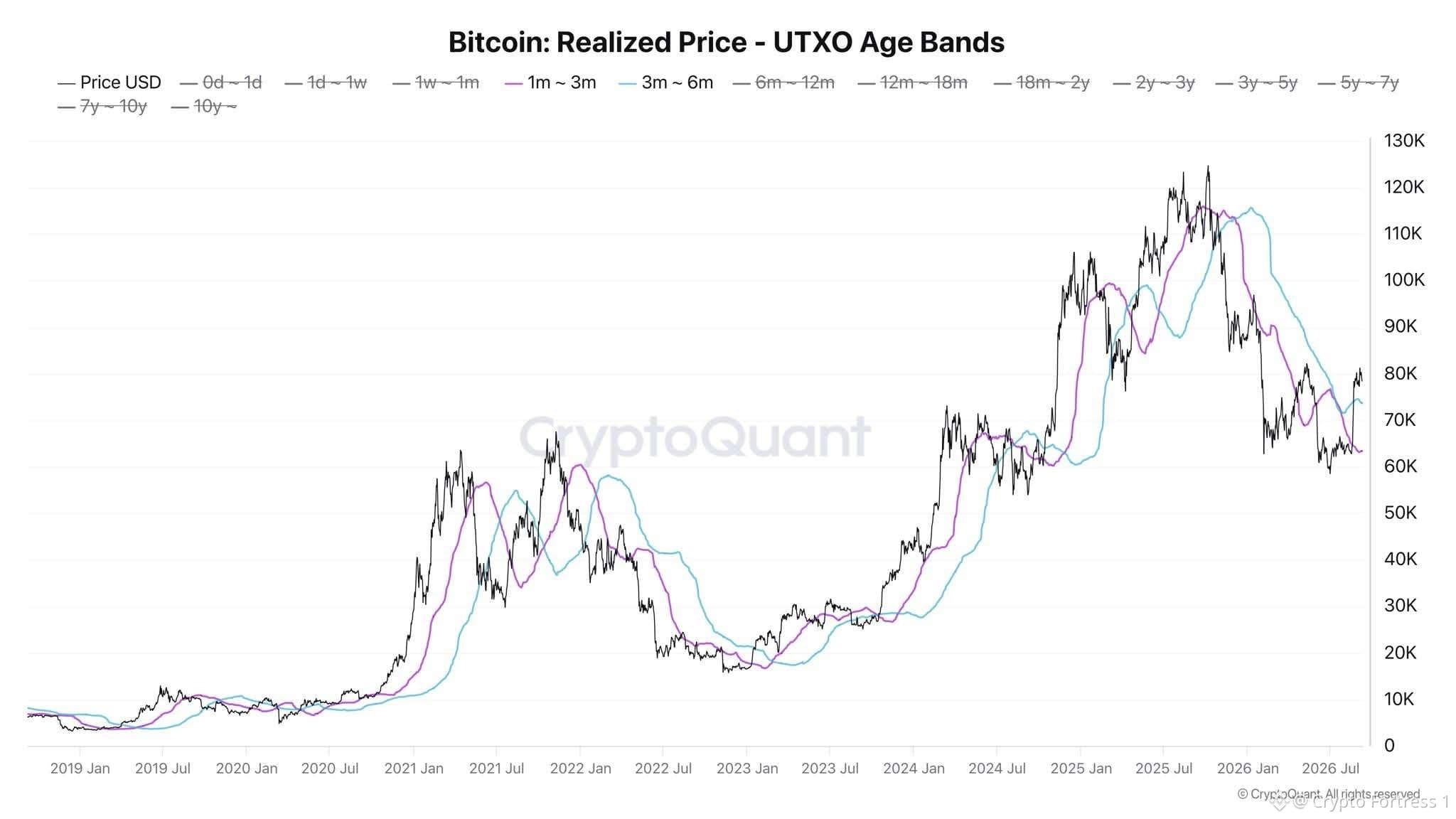
$BTC remains above the cost basis of recent short term holders.
The 1M to 3M cohort sits at $63.4K, while 3M to 6M holders sit at $73.7K, keeping both groups in profit.
If newer holders keep accumulating instead of selling, upside momentum could continue.
#Bitcoin #BTC Price Analysis# #Bitcoin Price Prediction: What is Bitcoins next move?#
$BTC remains above the cost basis of recent short term holders.
The 1M to 3M cohort sits at $63.4K, while 3M to 6M holders sit at $73.7K, keeping both groups in profit.
If newer holders keep accumulating instead of selling, upside momentum could continue.
#Bitcoin #BTC Price Analysis# #Bitcoin Price Prediction: What is Bitcoins next move?#
The 1M to 3M cohort sits at $63.4K, while 3M to 6M holders sit at $73.7K, keeping both groups in profit.
If newer holders keep accumulating instead of selling, upside momentum could continue.
#Bitcoin #BTC Price Analysis# #Bitcoin Price Prediction: What is Bitcoins next move?#
28
Ver tradução
Coinbase CEO Brian Armstrong says crypto could win regardless of what happens with the CLARITY Act.
Armstrong says that if the bill passes, the industry finally gets comprehensive legislation. If it fails, he believes the SEC and CFTC are still prepared to move forward with clearer rules through the regulatory process.
That makes the September 15 Senate vote particularly important, but perhaps not quite as binary as it looks. The CLARITY Act is designed to define which digital assets fall under securities or commodities rules and which federal agency has jurisdiction.
The bigger issue is whether lawmakers can resolve the remaining political disputes.
Ethics provisions surrounding government officials' involvement with digital assets remain one of the major sticking points, while Democrats and some Republicans have raised additional concerns about consumer protection and the banking system.
For the crypto market, Armstrong's argument is simple: regulatory uncertainty may be approaching its expiration date either way.
If Congress delivers legislation, the industry gets a formal framework. If not, traders will be watching the SEC and CFTC for rules that could still reshape the market.
#BTC Price Analysis# #Macro Insights#
$BTC $ETH
Coinbase CEO Brian Armstrong says crypto could win regardless of what happens with the CLARITY Act.
Armstrong says that if the bill passes, the industry finally gets comprehensive legislation. If it fails, he believes the SEC and CFTC are still prepared to move forward with clearer rules through the regulatory process.
That makes the September 15 Senate vote particularly important, but perhaps not quite as binary as it looks. The CLARITY Act is designed to define which digital assets fall under securities or commodities rules and which federal agency has jurisdiction.
The bigger issue is whether lawmakers can resolve the remaining political disputes.
Ethics provisions surrounding government officials' involvement with digital assets remain one of the major sticking points, while Democrats and some Republicans have raised additional concerns about consumer protection and the banking system.
For the crypto market, Armstrong's argument is simple: regulatory uncertainty may be approaching its expiration date either way.
If Congress delivers legislation, the industry gets a formal framework. If not, traders will be watching the SEC and CFTC for rules that could still reshape the market.
#BTC Price Analysis# #Macro Insights#
$BTC $ETH
Armstrong says that if the bill passes, the industry finally gets comprehensive legislation. If it fails, he believes the SEC and CFTC are still prepared to move forward with clearer rules through the regulatory process.
That makes the September 15 Senate vote particularly important, but perhaps not quite as binary as it looks. The CLARITY Act is designed to define which digital assets fall under securities or commodities rules and which federal agency has jurisdiction.
The bigger issue is whether lawmakers can resolve the remaining political disputes.
Ethics provisions surrounding government officials' involvement with digital assets remain one of the major sticking points, while Democrats and some Republicans have raised additional concerns about consumer protection and the banking system.
For the crypto market, Armstrong's argument is simple: regulatory uncertainty may be approaching its expiration date either way.
If Congress delivers legislation, the industry gets a formal framework. If not, traders will be watching the SEC and CFTC for rules that could still reshape the market.
#BTC Price Analysis# #Macro Insights#
$BTC $ETH

28
Inicia sessão para explorar mais conteúdos
Junta-te a utilizadores de criptomoedas de todo o mundo na Binance Square
⚡️ Obtém informações úteis e recentes sobre criptomoedas.
💬 Com a confiança da maior exchange de criptomoedas do mundo.
👍 Descobre perspetivas reais de criadores verificados.
E-mail/Número de telefone
Tópicos em Tendência
ClarityActFacesProceduralVoteSept15
19,170 visualizações
334 a discutir
#clarityactfacesproceduralvotesept15
🚨 Lei CLARITY enfrenta votação procedimental em 15 de setembro 🚨
O plenário do Senado está em silêncio, mas o mercado de criptomoedas já está de olho no relógio. Em 15 de setembro, uma única votação procedimental pode determinar se um grande projeto de lei de estrutura de mercado de cripto nos EUA terá a chance de avançar.
A Lei CLARITY não está em pauta para aprovação final naquele dia. Espera-se que os senadores votem uma moção para prosseguir, uma etapa procedimental crítica que exige 60 votos para superar o obstáculo no Senado.
Essa distinção importa. Uma votação bem-sucedida não tornaria o projeto lei, mas abriria a porta para novas considerações e negociações no Senado.
As apostas são altas porque a legislação busca estabelecer regras mais claras em torno de ativos digitais e definir como as responsabilidades são divididas entre reguladores dos EUA.
A revisão mais recente, com 630 páginas, também inclui disposições que abordam certos protocolos de negociação não descentralizados, embora vários desentendimentos políticos e regulatórios ainda permaneçam sem solução.
Meu ponto de vista: 15 de setembro deve ser visto menos como um dia de vitória ou derrota e mais como um teste de credibilidade. Superar a barreira procedimental pode fortalecer a confiança de que a legislação de cripto nos EUA está avançando para um quadro mais claro. A falha pode prolongar a incerteza.
Para os mercados de cripto, a clareza regulatória pode influenciar a participação institucional, as decisões de negócios e a forma como os investidores precificam a exposição aos EUA. Mas as expectativas podem se mover mais rápido do que a própria legislação.
O sinal real não é se o setor de cripto terá clareza da noite para o dia, e sim se os legisladores conseguirão, finalmente, construir consenso suficiente para levar o processo adiante.
A votação de 15 de setembro vai se tornar um ponto de virada para a regulação de cripto nos EUA ou mais um atraso?
Aviso: Este artigo é apenas para fins educacionais e não constitui aconselhamento financeiro. Faça sua própria pesquisa e gerencie o risco com cuidado.
#CryptoRegulation #Bitcoin #GrowWithSAC $SUI $NEAR $BNB
#ClarityActFacesProceduralVoteSept15
Sienna Leo-你真棒-带我走
·3 gostos
·2.8k visualizações
US2YearYieldRisesTo4.61%
20,738 visualizações
423 a discutir
US10YearTreasuryYieldNears5%
10,712 visualizações
244 a discutir