

ASHFAQ NAEEM
570 Publicações

ASHFAQ NAEEM
Denunciar
Bloquear Utilizador
Market Analyst | Spot Trader | Investor | Passionate About Crypto | ashfaqNaeem45🚀✨🍀
Aberto ao trading

Detentor de ZEN
Trader Frequente
2.3 ano(s)
137 A seguir
1.1K+ Seguidores
1.5K+ Gostaram
Publicações
Portfólio
Tudo
Em direto
·
--
Verificado
Artigo
CHAMADA DE LISTAGEM DA BINANCE: O HYPE ENFRENTA A VOLATILIDADE!
https://images.openai.com/static-rsc-4/f3yfArDJaUx3RjuVqr_a0pa9OIDsCP3ILxxBSkMaa2WeBgXLiwHW1lIvJH4l32PXX-8gSoMEWmYK56anV2nYH2iAvMo9yLPE-dFf7zGbM9V2iJSND5g_j11KipQ8dVmoYvaPjXu1lr5Jk5YZRVBOdzw3AuK7Vuf7ht4FbCzuoHsd_hyvw8CHt6E93LkXLU9q?purpose=fullsize
https://images.openai.com/static-rsc-4/gA3nBjqkquOt-uh1mM2T1ewHmxKZZ8aOVoiF5WTYTargkclfBFlfnl94Heb0PX9f-02OCUn8pQ_YFjzBC1YOnFdvW21Sqb7-GSJ-BFVm7fanvof7gc_Ou5HHfMuGouU77eVqo-tDjFBa03XHX3nb5HaF4OJzQGG4VhGVGd-crILkRyqIxSUC78L8v2jturla?purpose=fullsize
https://images.openai.com/static-rsc-4/VNQim-3VjE2wgxLM_MAAgcjDkFpUO_E2gONEZ4B1eVIQYgh-379hho6Lsh__Gwc878FojHx8vrDHUsrn2bsg63L965L46hHX81N2hNydMSMFdr3riqTdpiMGdc5gn6xns4bdJJvSWOv2mBetxRu_y0i6oQUg6xkFDKDZiK_wW20cQ62sCACbyyqoLtFR-YNL?purpose=fullsize
https://images.openai.com/static-rsc-4/f3yfArDJaUx3RjuVqr_a0pa9OIDsCP3ILxxBSkMaa2WeBgXLiwHW1lIvJH4l32PXX-8gSoMEWmYK56anV2nYH2iAvMo9yLPE-dFf7zGbM9V2iJSND5g_j11KipQ8dVmoYvaPjXu1lr5Jk5YZRVBOdzw3AuK7Vuf7ht4FbCzuoHsd_hyvw8CHt6E93LkXLU9q?purpose=fullsize
https://images.openai.com/static-rsc-4/gA3nBjqkquOt-uh1mM2T1ewHmxKZZ8aOVoiF5WTYTargkclfBFlfnl94Heb0PX9f-02OCUn8pQ_YFjzBC1YOnFdvW21Sqb7-GSJ-BFVm7fanvof7gc_Ou5HHfMuGouU77eVqo-tDjFBa03XHX3nb5HaF4OJzQGG4VhGVGd-crILkRyqIxSUC78L8v2jturla?purpose=fullsize
https://images.openai.com/static-rsc-4/VNQim-3VjE2wgxLM_MAAgcjDkFpUO_E2gONEZ4B1eVIQYgh-379hho6Lsh__Gwc878FojHx8vrDHUsrn2bsg63L965L46hHX81N2hNydMSMFdr3riqTdpiMGdc5gn6xns4bdJJvSWOv2mBetxRu_y0i6oQUg6xkFDKDZiK_wW20cQ62sCACbyyqoLtFR-YNL?purpose=fullsize
CHAMADA DE LISTAGEM DA BINANCE: O HYPE ENFRENTA A VOLATILIDADE!
https://images.openai.com/static-rsc-4/f3yfArDJaUx3RjuVqr_a0pa9OIDsCP3ILxxBSkMaa2WeBgXLiwHW1lIvJH4l32PXX-8gSoMEWmYK56anV2nYH2iAvMo9yLPE-dFf7zGbM9V2iJSND5g_j11KipQ8dVmoYvaPjXu1lr5Jk5YZRVBOdzw3AuK7Vuf7ht4FbCzuoHsd_hyvw8CHt6E93LkXLU9q?purpose=fullsize
https://images.openai.com/static-rsc-4/gA3nBjqkquOt-uh1mM2T1ewHmxKZZ8aOVoiF5WTYTargkclfBFlfnl94Heb0PX9f-02OCUn8pQ_YFjzBC1YOnFdvW21Sqb7-GSJ-BFVm7fanvof7gc_Ou5HHfMuGouU77eVqo-tDjFBa03XHX3nb5HaF4OJzQGG4VhGVGd-crILkRyqIxSUC78L8v2jturla?purpose=fullsize
https://images.openai.com/static-rsc-4/VNQim-3VjE2wgxLM_MAAgcjDkFpUO_E2gONEZ4B1eVIQYgh-379hho6Lsh__Gwc878FojHx8vrDHUsrn2bsg63L965L46hHX81N2hNydMSMFdr3riqTdpiMGdc5gn6xns4bdJJvSWOv2mBetxRu_y0i6oQUg6xkFDKDZiK_wW20cQ62sCACbyyqoLtFR-YNL?purpose=fullsize
26
·
--
Em Alta
Verificado
🚨 USDC de US$500M ACABOU DE ALCANÇAR A SOLANA! 🔥
A Circle adicionou US$500M em liquidez de USDC à Solana — mais um grande sinal de que a atividade de stablecoin na rede está acelerando. 💰⚡
Com a oferta de stablecoins da Solana já em um recorde de ~US$17,3B, a expansão de liquidez está ficando difícil de ignorar. 👀
Mais liquidez → mais poder de negociação → mais potencial de atividade em DeFi.
🔥 A SOL está se preparando para mais um grande movimento?
#sol #USDC #solana #defi #circlemints500musdconsolana
$SOL $USDC
{spot}(USDCUSDT)
{future}(SOLUSDT)
🚨 USDC de US$500M ACABOU DE ALCANÇAR A SOLANA! 🔥
A Circle adicionou US$500M em liquidez de USDC à Solana — mais um grande sinal de que a atividade de stablecoin na rede está acelerando. 💰⚡
Com a oferta de stablecoins da Solana já em um recorde de ~US$17,3B, a expansão de liquidez está ficando difícil de ignorar. 👀
Mais liquidez → mais poder de negociação → mais potencial de atividade em DeFi.
🔥 A SOL está se preparando para mais um grande movimento?
#sol #USDC #solana #defi #circlemints500musdconsolana
$SOL $USDC
A Circle adicionou US$500M em liquidez de USDC à Solana — mais um grande sinal de que a atividade de stablecoin na rede está acelerando. 💰⚡
Com a oferta de stablecoins da Solana já em um recorde de ~US$17,3B, a expansão de liquidez está ficando difícil de ignorar. 👀
Mais liquidez → mais poder de negociação → mais potencial de atividade em DeFi.
🔥 A SOL está se preparando para mais um grande movimento?
#sol #USDC #solana #defi #circlemints500musdconsolana
$SOL $USDC
44
·
--
Em Alta
🚨 APOSTAS DE FALÊNCIA BANCÁRIA ACABARAM DE DISPARAR UM NOVO ALARME! 🏦💥
As pessoas estão APOSTANDO para que GRANDES BANCOS DOS EUA falhem na Polymarket. 👀
E agora essas apostas estão atraindo atenção do FDIC/regulatória. ⚠️
💰 JPMorgan
💰 Wells Fargo
💰 Bank of America
As próprias apostas NÃO significam que esses bancos estejam realmente falindo.
Mas aqui vai a pergunta explosiva:
🔥 Apostas de mercado de previsão podem criar medo ANTES de qualquer crise bancária real aparecer?
Se o sentimento virar de repente, os mercados podem se mover RÁPIDO.
📉 Acompanhe ações bancárias + estresse de crédito + manchetes sobre fluxo de depósitos.
👀 Isso é só especulação… ou um sinal de alerta que traders não deveriam ignorar?
#Polymarket #Banking #FDIC #Finance #polymarketbankfailurebetsdrawfdicconcern
$POL
{future}(POLUSDT)
🚨 APOSTAS DE FALÊNCIA BANCÁRIA ACABARAM DE DISPARAR UM NOVO ALARME! 🏦💥
As pessoas estão APOSTANDO para que GRANDES BANCOS DOS EUA falhem na Polymarket. 👀
E agora essas apostas estão atraindo atenção do FDIC/regulatória. ⚠️
💰 JPMorgan
💰 Wells Fargo
💰 Bank of America
As próprias apostas NÃO significam que esses bancos estejam realmente falindo.
Mas aqui vai a pergunta explosiva:
🔥 Apostas de mercado de previsão podem criar medo ANTES de qualquer crise bancária real aparecer?
Se o sentimento virar de repente, os mercados podem se mover RÁPIDO.
📉 Acompanhe ações bancárias + estresse de crédito + manchetes sobre fluxo de depósitos.
👀 Isso é só especulação… ou um sinal de alerta que traders não deveriam ignorar?
#Polymarket #Banking #FDIC #Finance #polymarketbankfailurebetsdrawfdicconcern
$POL
As pessoas estão APOSTANDO para que GRANDES BANCOS DOS EUA falhem na Polymarket. 👀
E agora essas apostas estão atraindo atenção do FDIC/regulatória. ⚠️
💰 JPMorgan
💰 Wells Fargo
💰 Bank of America
As próprias apostas NÃO significam que esses bancos estejam realmente falindo.
Mas aqui vai a pergunta explosiva:
🔥 Apostas de mercado de previsão podem criar medo ANTES de qualquer crise bancária real aparecer?
Se o sentimento virar de repente, os mercados podem se mover RÁPIDO.
📉 Acompanhe ações bancárias + estresse de crédito + manchetes sobre fluxo de depósitos.
👀 Isso é só especulação… ou um sinal de alerta que traders não deveriam ignorar?
#Polymarket #Banking #FDIC #Finance #polymarketbankfailurebetsdrawfdicconcern
$POL
1
331
·
--
🚨 $QNT ACABOU DE EXPLODIR +39%! 🔥
O momentum está ficando impossível de ignorar. Os compradores estão entrando com tudo — mas depois de um movimento tão explosivo, o próximo passo pode ser tão violento quanto. 👀
🔥 DEBATE: O QNT vai dar mais uma perna de alta, ou os compradores atrasados estão prestes a cair numa armadilha?
TOURO 🐂 ou ARMADILHA 🪤 — QUAL É A SUA APUESTA? 👇
#QNT #Quant #Crypto #Altcoins #QNTRises39%
$QNT
{future}(QNTUSDT)
🚨 $QNT ACABOU DE EXPLODIR +39%! 🔥
O momentum está ficando impossível de ignorar. Os compradores estão entrando com tudo — mas depois de um movimento tão explosivo, o próximo passo pode ser tão violento quanto. 👀
🔥 DEBATE: O QNT vai dar mais uma perna de alta, ou os compradores atrasados estão prestes a cair numa armadilha?
TOURO 🐂 ou ARMADILHA 🪤 — QUAL É A SUA APUESTA? 👇
#QNT #Quant #Crypto #Altcoins #QNTRises39%
$QNT
O momentum está ficando impossível de ignorar. Os compradores estão entrando com tudo — mas depois de um movimento tão explosivo, o próximo passo pode ser tão violento quanto. 👀
🔥 DEBATE: O QNT vai dar mais uma perna de alta, ou os compradores atrasados estão prestes a cair numa armadilha?
TOURO 🐂 ou ARMADILHA 🪤 — QUAL É A SUA APUESTA? 👇
#QNT #Quant #Crypto #Altcoins #QNTRises39%
$QNT

112
·
--
Em Alta
Verificado
🚨 O ETF DE ZCASH ESTÁ QUASE EM $1 BILHÕES! 🤑🔥
O ETF de Zcash da Grayscale (ZCSH) disparou para cerca de US$ 914,5M em ativos líquidos — apenas US$ 85M de distância para chegar a US$ 1B. 📈
⚡ ZEC também explodiu para cima, aproximadamente dobrando desde o lançamento do ETF.
👀 $1 BILHÕES pode ser o próximo grande marco para o Zcash!
#GrayscaleZcashETFHits$1BNetAssets #zcash #etf #Grayscale #BinanceSquare
$ZEC
{future}(ZECUSDT)
🚨 O ETF DE ZCASH ESTÁ QUASE EM $1 BILHÕES! 🤑🔥
O ETF de Zcash da Grayscale (ZCSH) disparou para cerca de US$ 914,5M em ativos líquidos — apenas US$ 85M de distância para chegar a US$ 1B. 📈
⚡ ZEC também explodiu para cima, aproximadamente dobrando desde o lançamento do ETF.
👀 $1 BILHÕES pode ser o próximo grande marco para o Zcash!
#GrayscaleZcashETFHits$1BNetAssets #zcash #etf #Grayscale #BinanceSquare
$ZEC
O ETF de Zcash da Grayscale (ZCSH) disparou para cerca de US$ 914,5M em ativos líquidos — apenas US$ 85M de distância para chegar a US$ 1B. 📈
⚡ ZEC também explodiu para cima, aproximadamente dobrando desde o lançamento do ETF.
👀 $1 BILHÕES pode ser o próximo grande marco para o Zcash!
#GrayscaleZcashETFHits$1BNetAssets #zcash #etf #Grayscale #BinanceSquare
$ZEC
1
271
·
--
🚨 A CFTC ACABOU DE ATUALIZAR SUAS ORIENTAÇÕES SOBRE CRIPTO
Ativos tokenizados + registros de blockchain estão recebendo um tratamento regulatório mais claro nos mercados de derivativos dos EUA. 🔥
A tokenização está se tornando a próxima grande narrativa do cripto? 👀
#Tokenization #CFTCUpdatesGuidanceOnTokenizedAssets
#BinanceWillListHyperliquid(HYPE) $ZEN
🚨 A CFTC ACABOU DE ATUALIZAR SUAS ORIENTAÇÕES SOBRE CRIPTO
Ativos tokenizados + registros de blockchain estão recebendo um tratamento regulatório mais claro nos mercados de derivativos dos EUA. 🔥
A tokenização está se tornando a próxima grande narrativa do cripto? 👀
#Tokenization #CFTCUpdatesGuidanceOnTokenizedAssets
#BinanceWillListHyperliquid(HYPE) $ZEN
Ativos tokenizados + registros de blockchain estão recebendo um tratamento regulatório mais claro nos mercados de derivativos dos EUA. 🔥
A tokenização está se tornando a próxima grande narrativa do cripto? 👀
#Tokenization #CFTCUpdatesGuidanceOnTokenizedAssets
#BinanceWillListHyperliquid(HYPE) $ZEN

323
·
--
Verificado
Artigo
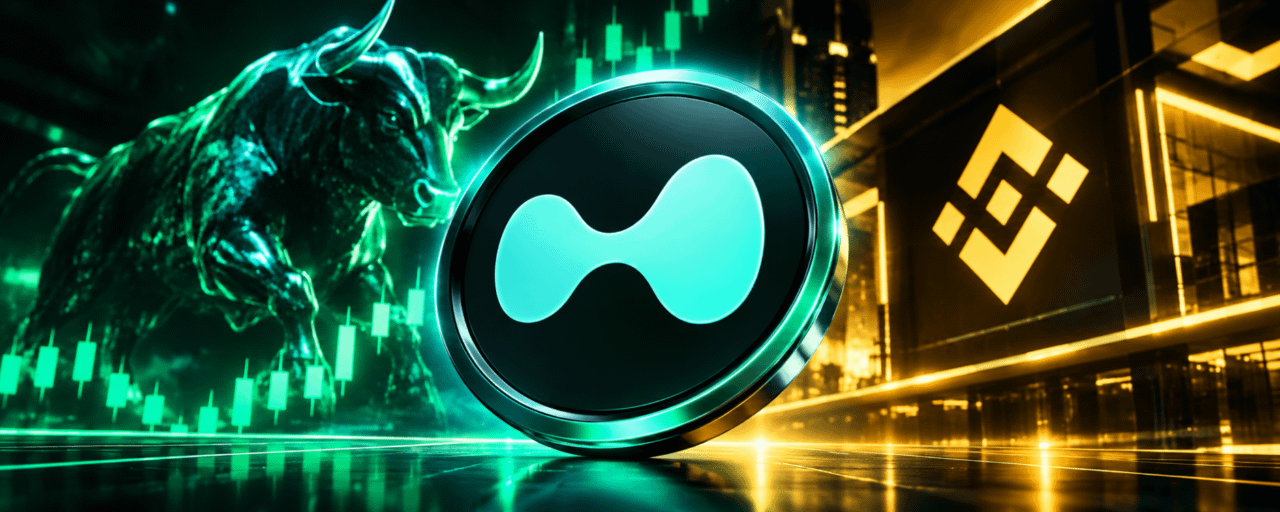
A Binance vai listar a Hyperliquid (HYPE) — Um grande marco para o tokenA Binance anunciou oficialmente a listagem spot da Hyperliquid (HYPE), dando a um dos ecossistemas de trading descentralizado mais proeminentes do mercado cripto acesso ao marketplace global de spot da Binance. A listagem está agendada para 24 de setembro de 2026 às 11:00 UTC (16:00 no horário do Paquistão). A Binance lançará três pares spot: HYPE/USDT, HYPE/USDC e HYPE/TRY. ([Binance](https://www.binance.com/zh-CN/support/announcement/detail/d49de208bb6d4a26b02677d7c3d89b5d?utm_source=chatgpt.com))
🔥 Por que esta listagem é importante
O anúncio de listagem da Binance expande significativamente o número de traders que podem acessar o HYPE por meio de uma grande exchange centralizada. A Hyperliquid construiu seu ecossistema em torno de uma infraestrutura financeira on-chain, especialmente o trading descentralizado de futuros perpétuos, enquanto o HYPE funciona como seu token nativo.
A Binance vai listar a Hyperliquid (HYPE) — Um grande marco para o token
A Binance anunciou oficialmente a listagem spot da Hyperliquid (HYPE), dando a um dos ecossistemas de trading descentralizado mais proeminentes do mercado cripto acesso ao marketplace global de spot da Binance. A listagem está agendada para 24 de setembro de 2026 às 11:00 UTC (16:00 no horário do Paquistão). A Binance lançará três pares spot: HYPE/USDT, HYPE/USDC e HYPE/TRY. (Binance)
🔥 Por que esta listagem é importante
O anúncio de listagem da Binance expande significativamente o número de traders que podem acessar o HYPE por meio de uma grande exchange centralizada. A Hyperliquid construiu seu ecossistema em torno de uma infraestrutura financeira on-chain, especialmente o trading descentralizado de futuros perpétuos, enquanto o HYPE funciona como seu token nativo.
🔥 Por que esta listagem é importante
O anúncio de listagem da Binance expande significativamente o número de traders que podem acessar o HYPE por meio de uma grande exchange centralizada. A Hyperliquid construiu seu ecossistema em torno de uma infraestrutura financeira on-chain, especialmente o trading descentralizado de futuros perpétuos, enquanto o HYPE funciona como seu token nativo.
1
3.5k
·
--
Em Baixa
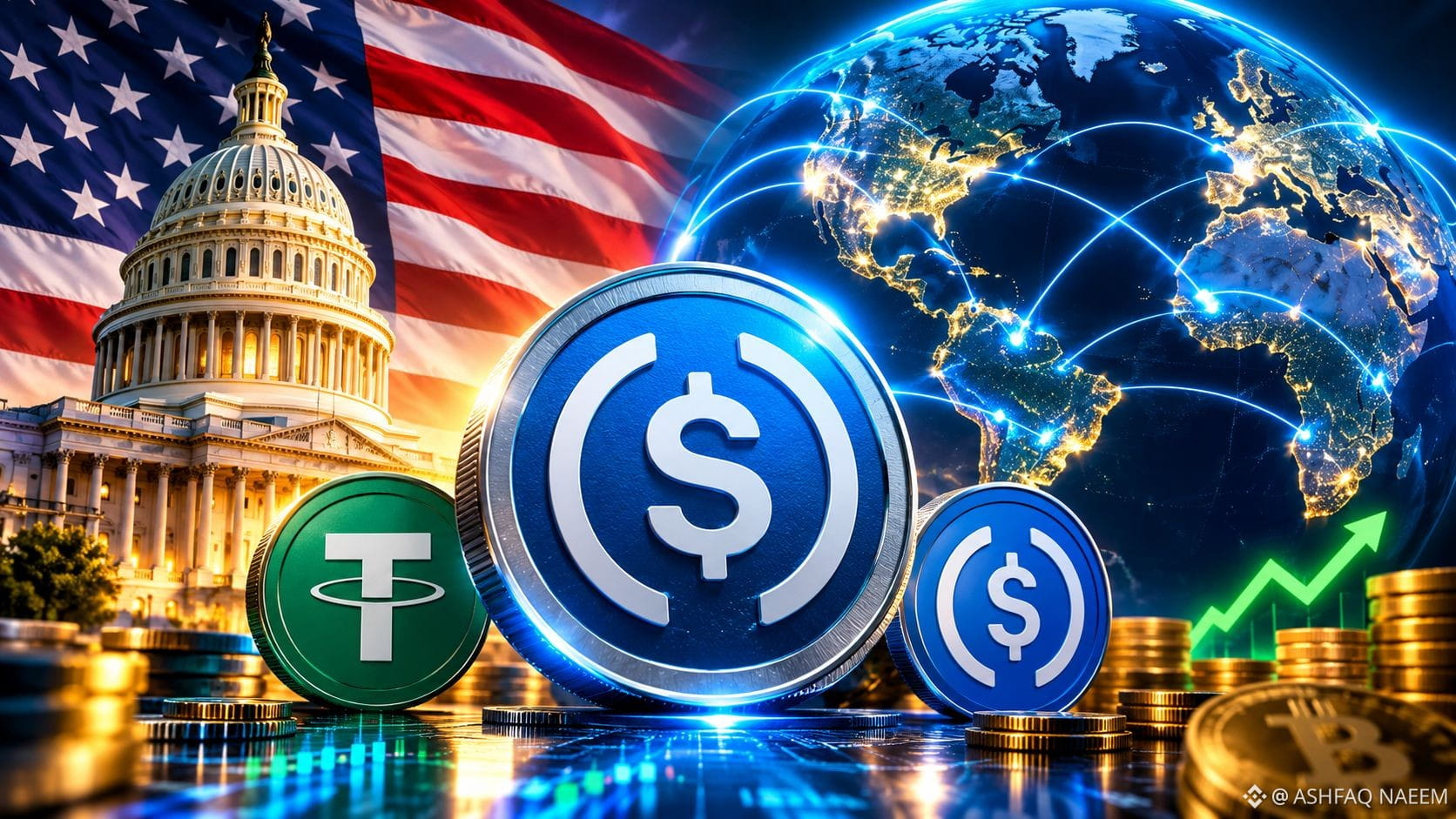
🚨 A PROPULSÃO DO DÓLAR DIGITAL JÁ CHEGOU! 🇺🇸💵
Relatos indicam que os EUA estão explorando formas de promover stablecoins lastreadas em dólar no exterior. 🌎
🔥 Mais stablecoins em USD → mais uso global do dólar
⚡ Mais adoção de stablecoins → potencialmente mais liquidez de cripto
👀 Será que este é o próximo grande catalisador para as criptos?
#Stablecoins #USDT #USDC #usweighspromotingdollarstablecoinsabroad
$BTC
$ETH
$BNB
{future}(BNBUSDT)
🚨 A PROPULSÃO DO DÓLAR DIGITAL JÁ CHEGOU! 🇺🇸💵
Relatos indicam que os EUA estão explorando formas de promover stablecoins lastreadas em dólar no exterior. 🌎
🔥 Mais stablecoins em USD → mais uso global do dólar
⚡ Mais adoção de stablecoins → potencialmente mais liquidez de cripto
👀 Será que este é o próximo grande catalisador para as criptos?
#Stablecoins #USDT #USDC #usweighspromotingdollarstablecoinsabroad
$BTC
$ETH
$BNB
Relatos indicam que os EUA estão explorando formas de promover stablecoins lastreadas em dólar no exterior. 🌎
🔥 Mais stablecoins em USD → mais uso global do dólar
⚡ Mais adoção de stablecoins → potencialmente mais liquidez de cripto
👀 Será que este é o próximo grande catalisador para as criptos?
#Stablecoins #USDT #USDC #usweighspromotingdollarstablecoinsabroad
$BTC
$ETH
$BNB
1
1
706
·
--
🔥 US$ 2,31 BILHÕES ACABARAM DE ENTRAR EM SPOT BITCOIN ETFs EM 4 DIAS!
Wall Street não está apenas observando Bitcoin — o capital está entrando. 💰₿
Os ETFs spot de BTC nos EUA registraram cerca de US$ 2,31B em entradas líquidas ao longo de quatro pregões, incluindo aproximadamente US$ 714,7M na sessão mais recente. O IBIT da BlackRock sozinho atraiu cerca de US$ 350,3M.
A grande pergunta agora: isto é o começo de outra grande onda de acumulação de Bitcoin? 👀
📈 Fluxos de ETFs = OBSERVE
🐋 Demanda institucional = CRESCENDO
₿ Bitcoin = DE VOLTA AO FOCO
Não observe apenas as velas. Observe para onde o dinheiro está indo.
#BitcoinETF #BTCNews
#SpotBitcoinETFsInflow$2.31BInFourDays
$BTC
🔥 US$ 2,31 BILHÕES ACABARAM DE ENTRAR EM SPOT BITCOIN ETFs EM 4 DIAS!
Wall Street não está apenas observando Bitcoin — o capital está entrando. 💰₿
Os ETFs spot de BTC nos EUA registraram cerca de US$ 2,31B em entradas líquidas ao longo de quatro pregões, incluindo aproximadamente US$ 714,7M na sessão mais recente. O IBIT da BlackRock sozinho atraiu cerca de US$ 350,3M.
A grande pergunta agora: isto é o começo de outra grande onda de acumulação de Bitcoin? 👀
📈 Fluxos de ETFs = OBSERVE
🐋 Demanda institucional = CRESCENDO
₿ Bitcoin = DE VOLTA AO FOCO
Não observe apenas as velas. Observe para onde o dinheiro está indo.
#BitcoinETF #BTCNews
#SpotBitcoinETFsInflow$2.31BInFourDays
$BTC
Wall Street não está apenas observando Bitcoin — o capital está entrando. 💰₿
Os ETFs spot de BTC nos EUA registraram cerca de US$ 2,31B em entradas líquidas ao longo de quatro pregões, incluindo aproximadamente US$ 714,7M na sessão mais recente. O IBIT da BlackRock sozinho atraiu cerca de US$ 350,3M.
A grande pergunta agora: isto é o começo de outra grande onda de acumulação de Bitcoin? 👀
📈 Fluxos de ETFs = OBSERVE
🐋 Demanda institucional = CRESCENDO
₿ Bitcoin = DE VOLTA AO FOCO
Não observe apenas as velas. Observe para onde o dinheiro está indo.
#BitcoinETF #BTCNews
#SpotBitcoinETFsInflow$2.31BInFourDays
$BTC

57
·
--
Em Alta
Verificado
🚨 ZCASH ACABOU DE RECEBER UM GRANDE IMPULSO NA EUROPA! 🔥
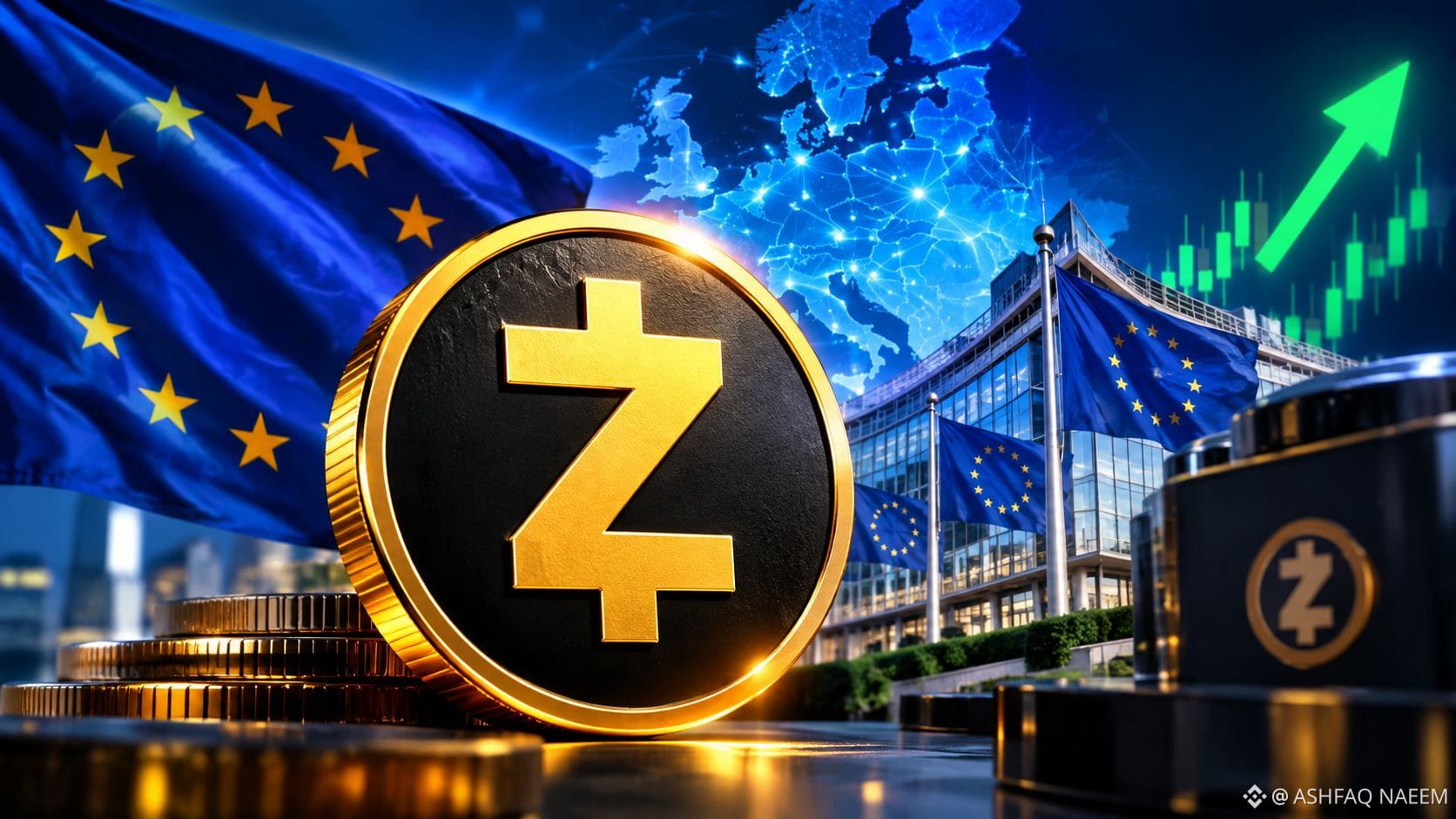
A Europa abriu oficialmente mais uma porta institucional para o Zcash (ZEC). 👀
A 21Shares lançou o primeiro ETP de Zcash europeu, fisicamente lastreado em ZEC e listado na Euronext Amsterdã e na Euronext Paris sob o ticker ZCASH.
⚡ Por que os traders estão de olho:
🏦 Acesso tradicional via corretoras ao ZEC
🔐 Lastreado fisicamente pelo Zcash
💰 Taxa anual de produto de 2,5%
📈 Amplia a exposição em mercados regulados a um ativo cripto com foco em privacidade
Isto é mais do que mais um listamento — coloca o ZEC diretamente diante de um grupo maior de investidores europeus.
👀 Agora, a pergunta real:
O maior acesso institucional se tornará o próximo catalisador para um rompimento do ZEC?
⚠️ Traders: observem de perto volume + rompimentos de resistência. Um pump movido por manchetes sem volume sustentado pode reverter rapidamente.
ZEC está oficialmente no radar institucional da Europa. 🚀
#21shareslauncheseuropesfirstzcashetp
$ZEC
{future}(ZECUSDT)
🚨 ZCASH ACABOU DE RECEBER UM GRANDE IMPULSO NA EUROPA! 🔥
A Europa abriu oficialmente mais uma porta institucional para o Zcash (ZEC). 👀
A 21Shares lançou o primeiro ETP de Zcash europeu, fisicamente lastreado em ZEC e listado na Euronext Amsterdã e na Euronext Paris sob o ticker ZCASH.
⚡ Por que os traders estão de olho:
🏦 Acesso tradicional via corretoras ao ZEC
🔐 Lastreado fisicamente pelo Zcash
💰 Taxa anual de produto de 2,5%
📈 Amplia a exposição em mercados regulados a um ativo cripto com foco em privacidade
Isto é mais do que mais um listamento — coloca o ZEC diretamente diante de um grupo maior de investidores europeus.
👀 Agora, a pergunta real:
O maior acesso institucional se tornará o próximo catalisador para um rompimento do ZEC?
⚠️ Traders: observem de perto volume + rompimentos de resistência. Um pump movido por manchetes sem volume sustentado pode reverter rapidamente.
ZEC está oficialmente no radar institucional da Europa. 🚀
#21shareslauncheseuropesfirstzcashetp
$ZEC
A Europa abriu oficialmente mais uma porta institucional para o Zcash (ZEC). 👀
A 21Shares lançou o primeiro ETP de Zcash europeu, fisicamente lastreado em ZEC e listado na Euronext Amsterdã e na Euronext Paris sob o ticker ZCASH.
⚡ Por que os traders estão de olho:
🏦 Acesso tradicional via corretoras ao ZEC
🔐 Lastreado fisicamente pelo Zcash
💰 Taxa anual de produto de 2,5%
📈 Amplia a exposição em mercados regulados a um ativo cripto com foco em privacidade
Isto é mais do que mais um listamento — coloca o ZEC diretamente diante de um grupo maior de investidores europeus.
👀 Agora, a pergunta real:
O maior acesso institucional se tornará o próximo catalisador para um rompimento do ZEC?
⚠️ Traders: observem de perto volume + rompimentos de resistência. Um pump movido por manchetes sem volume sustentado pode reverter rapidamente.
ZEC está oficialmente no radar institucional da Europa. 🚀
#21shareslauncheseuropesfirstzcashetp
$ZEC
212
·
--
🚨 DOGE ACABOU DE FICAR PARABÓLICO! 🐕🔥 +15% EM UM ÚNICO MOVIMENTO!
Os Shorts estão sendo esmagados — será que o DOGE vai fazer mais um movimento explosivo? 👀🚀
$DOGE — QUEM AINDA TÁ DORMINDO? 🐕💥
$DOGE
#DogecoinRises15%
🚨 DOGE ACABOU DE FICAR PARABÓLICO! 🐕🔥 +15% EM UM ÚNICO MOVIMENTO!
Os Shorts estão sendo esmagados — será que o DOGE vai fazer mais um movimento explosivo? 👀🚀
$DOGE — QUEM AINDA TÁ DORMINDO? 🐕💥
$DOGE
#DogecoinRises15%
Os Shorts estão sendo esmagados — será que o DOGE vai fazer mais um movimento explosivo? 👀🚀
$DOGE — QUEM AINDA TÁ DORMINDO? 🐕💥
$DOGE
#DogecoinRises15%

1
37
·
--

Artigo
AS AÇÕES DE IA ACABARAM DE ENTRAR EM UMA NOVA FASE🚨A AMD ultrapassou, pela primeira vez, a marca de US$ 1 trilhão de valor de mercado.
Mas aqui vai a verdadeira pergunta:
O QUE VEM A SEGUIR PARA AS AÇÕES DE IA? 👀
O trade de IA já não é apenas sobre uma empresa de chips.
🔥 NVIDIA → computação para IA
🔥 AMD → acelerando a infraestrutura de IA
🔥 Broadcom → chips de IA sob medida + redes
🔥 Micron → demanda por memória + próximo catalisador de resultados
🔥 Palantir → IA empresarial e soberana
E a maior mudança?
O mercado está cada vez mais de olho na cadeia completa de infraestrutura de IA, não só nas GPUs.
AS AÇÕES DE IA ACABARAM DE ENTRAR EM UMA NOVA FASE
🚨A AMD ultrapassou, pela primeira vez, a marca de US$ 1 trilhão de valor de mercado.
Mas aqui vai a verdadeira pergunta:
O QUE VEM A SEGUIR PARA AS AÇÕES DE IA? 👀
O trade de IA já não é apenas sobre uma empresa de chips.
🔥 NVIDIA → computação para IA
🔥 AMD → acelerando a infraestrutura de IA
🔥 Broadcom → chips de IA sob medida + redes
🔥 Micron → demanda por memória + próximo catalisador de resultados
🔥 Palantir → IA empresarial e soberana
E a maior mudança?
O mercado está cada vez mais de olho na cadeia completa de infraestrutura de IA, não só nas GPUs.
Mas aqui vai a verdadeira pergunta:
O QUE VEM A SEGUIR PARA AS AÇÕES DE IA? 👀
O trade de IA já não é apenas sobre uma empresa de chips.
🔥 NVIDIA → computação para IA
🔥 AMD → acelerando a infraestrutura de IA
🔥 Broadcom → chips de IA sob medida + redes
🔥 Micron → demanda por memória + próximo catalisador de resultados
🔥 Palantir → IA empresarial e soberana
E a maior mudança?
O mercado está cada vez mais de olho na cadeia completa de infraestrutura de IA, não só nas GPUs.
139
·
--
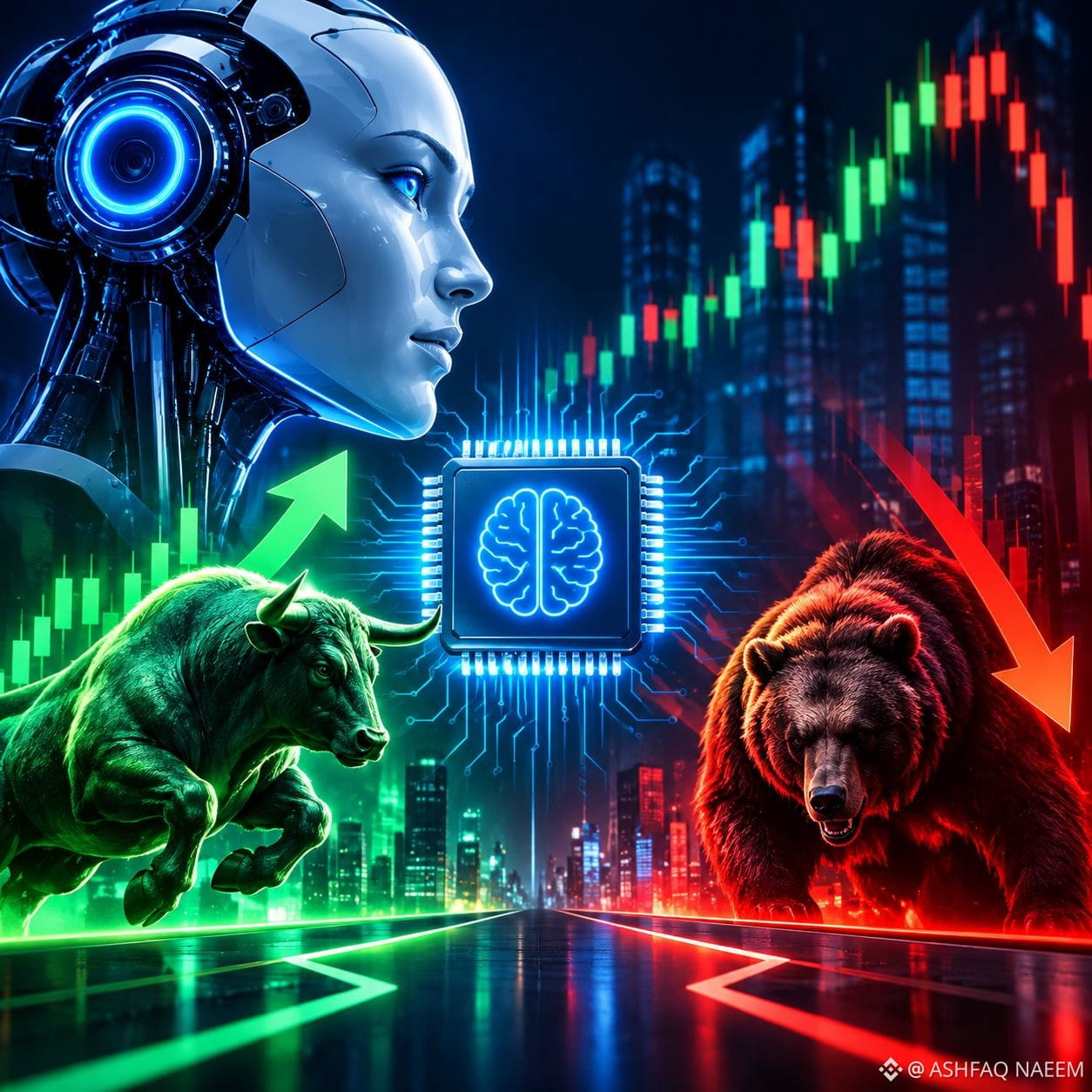
🚨 **AÇÕES DE IA — O QUE VEM A SEGUIR? 👀**
As ações de IA têm se movido rápido, mas a pergunta real é: **o próximo grande rompimento está vindo—ou uma correção forte?**
🔥 Acompanhe de perto **resultados de IA, momentum de tecnologia e liquidez do mercado**.
📈 Rompimento = o impulso pode acelerar.
⚠️ Rejeição = a volatilidade pode atingir forte.
**Operação com IA: é só o começo ou perto do topo? 👇**
#Aİ #aistockswhatnext
$ZEN
🚨 **AÇÕES DE IA — O QUE VEM A SEGUIR? 👀**
As ações de IA têm se movido rápido, mas a pergunta real é: **o próximo grande rompimento está vindo—ou uma correção forte?**
🔥 Acompanhe de perto **resultados de IA, momentum de tecnologia e liquidez do mercado**.
📈 Rompimento = o impulso pode acelerar.
⚠️ Rejeição = a volatilidade pode atingir forte.
**Operação com IA: é só o começo ou perto do topo? 👇**
#Aİ #aistockswhatnext
$ZEN
As ações de IA têm se movido rápido, mas a pergunta real é: **o próximo grande rompimento está vindo—ou uma correção forte?**
🔥 Acompanhe de perto **resultados de IA, momentum de tecnologia e liquidez do mercado**.
📈 Rompimento = o impulso pode acelerar.
⚠️ Rejeição = a volatilidade pode atingir forte.
**Operação com IA: é só o começo ou perto do topo? 👇**
#Aİ #aistockswhatnext
$ZEN
2
1.3k
·
--
Em Alta
Verificado
🚨🚨 A ADA ACABOU DE GANHAR UM GRANDE IMPULSO EM PAGAMENTOS! 🔥
CARDANO ESTÁ ENTRANDO NO FOCO DOS PAGAMENTOS. 👀
⚡ ADA foi adicionada ao Kit x402
💳 Novo potencial para pagamentos com ADA
🌐 Maior narrativa de pagamentos do Web3
E agora a grande pergunta:
🔥 A ADA É A PRÓXIMA MOEDA A FAZER UMA GRANDE MOVIMENTAÇÃO?
Operadores — acompanhem de perto o volume da ADA + os níveis de rompimento. 👀📈
#ADA #Cardano #crypto #BinanceSquare #cardanoaddedtox402kitforadapayments
$ADA
{future}(ADAUSDT)
🚨🚨 A ADA ACABOU DE GANHAR UM GRANDE IMPULSO EM PAGAMENTOS! 🔥
CARDANO ESTÁ ENTRANDO NO FOCO DOS PAGAMENTOS. 👀
⚡ ADA foi adicionada ao Kit x402
💳 Novo potencial para pagamentos com ADA
🌐 Maior narrativa de pagamentos do Web3
E agora a grande pergunta:
🔥 A ADA É A PRÓXIMA MOEDA A FAZER UMA GRANDE MOVIMENTAÇÃO?
Operadores — acompanhem de perto o volume da ADA + os níveis de rompimento. 👀📈
#ADA #Cardano #crypto #BinanceSquare #cardanoaddedtox402kitforadapayments
$ADA
CARDANO ESTÁ ENTRANDO NO FOCO DOS PAGAMENTOS. 👀
⚡ ADA foi adicionada ao Kit x402
💳 Novo potencial para pagamentos com ADA
🌐 Maior narrativa de pagamentos do Web3
E agora a grande pergunta:
🔥 A ADA É A PRÓXIMA MOEDA A FAZER UMA GRANDE MOVIMENTAÇÃO?
Operadores — acompanhem de perto o volume da ADA + os níveis de rompimento. 👀📈
#ADA #Cardano #crypto #BinanceSquare #cardanoaddedtox402kitforadapayments
$ADA

3
1.1k
·
--
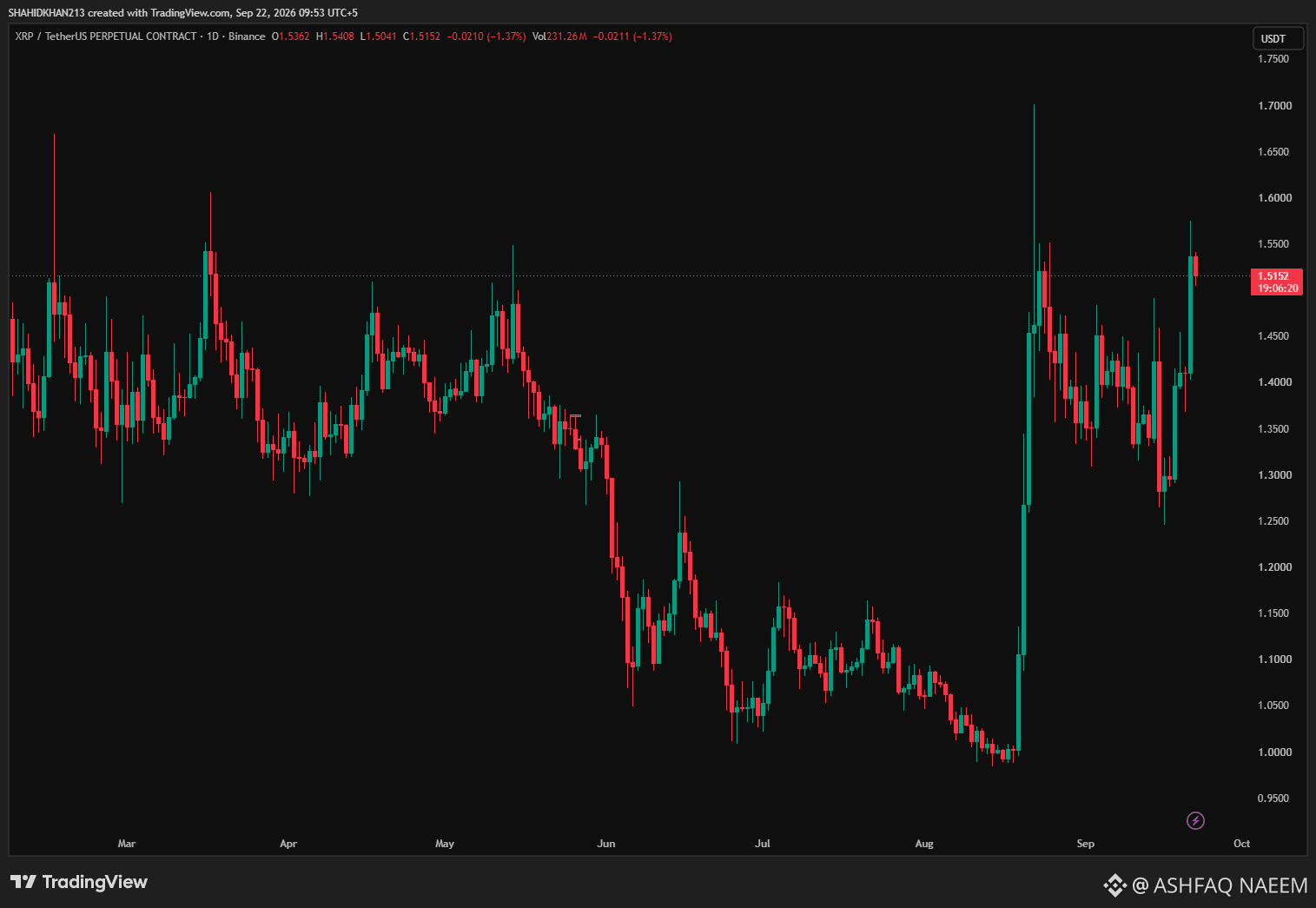
XRP acabou de explodir 8% 🚀, impulsionado por forte acumulação de baleias, liquidações de short e uma renovada dinâmica no mercado de criptomoedas. Os touros agora miram a zona de resistência de US$ 1,50–1,60, enquanto US$ 1,40 e US$ 1,35 continuam sendo suportes fundamentais. Se a pressão de compra continuar, o XRP pode tentar mais uma nova alta. 🔥🐋
#xrprises8% #Xrp🔥🔥 $XRP
{future}(XRPUSDT)
XRP acabou de explodir 8% 🚀, impulsionado por forte acumulação de baleias, liquidações de short e uma renovada dinâmica no mercado de criptomoedas. Os touros agora miram a zona de resistência de US$ 1,50–1,60, enquanto US$ 1,40 e US$ 1,35 continuam sendo suportes fundamentais. Se a pressão de compra continuar, o XRP pode tentar mais uma nova alta. 🔥🐋
#xrprises8% #Xrp🔥🔥 $XRP
#xrprises8% #Xrp🔥🔥 $XRP
5
2.6k
·
--
Em Alta
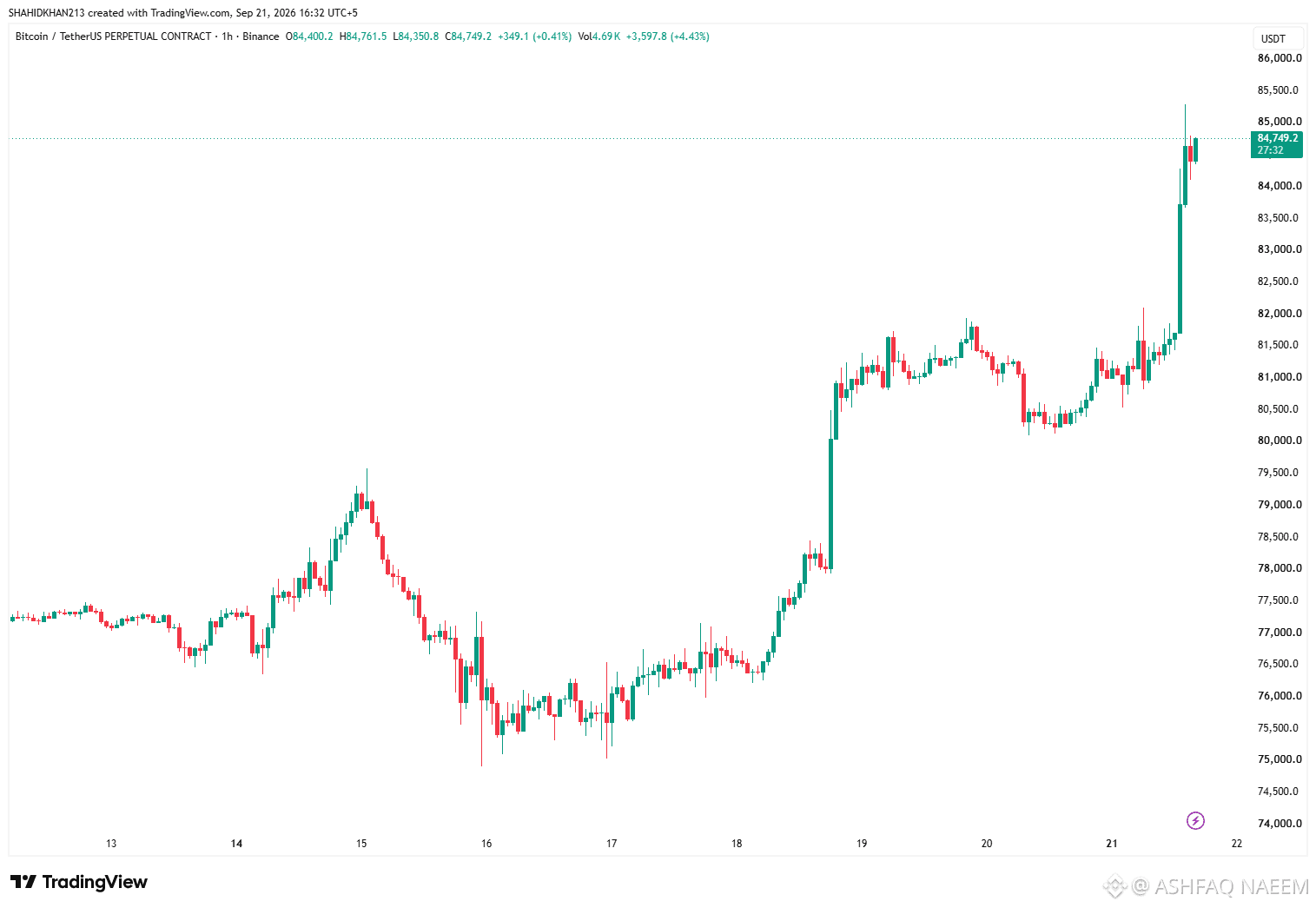
🚨 BITCOIN ACABOU DE ATINGIR US$ 85.000! 🔥
O BTC oficialmente ultrapassou US$ 85K, chegando ao seu nível mais alto em 8 meses. 🚀
Mas aqui está a história de verdade… 👀
💥 US$ 750M+ em liquidações de criptos atingiram em 24 horas, com os vendidos (shorts) levando a maior parte do impacto.
Agora a GRANDE pergunta:
🎯 O BTC consegue segurar US$ 85K e avançar rumo a US$ 90K?
📈 Cenário otimista: Aceitação sustentada acima de US$ 85K → US$ 88K → US$ 90K
⚠️ Risco: Falhar em manter US$ 85K pode provocar uma correção para suportes mais baixos.
🔥 Traders: NÃO corram atrás da vela. Fiquem de olho na retest de US$ 85K.
Se o BTC transformar US$ 85K em suporte, o próximo movimento pode ficar RÁPIDO. 🚀
Estamos indo rumo a US$ 90K agora? 👀👇
#BitcoinHits$85K #BinanceSquare #BTC
$BTC
{future}(BTCUSDT)
🚨 BITCOIN ACABOU DE ATINGIR US$ 85.000! 🔥
O BTC oficialmente ultrapassou US$ 85K, chegando ao seu nível mais alto em 8 meses. 🚀
Mas aqui está a história de verdade… 👀
💥 US$ 750M+ em liquidações de criptos atingiram em 24 horas, com os vendidos (shorts) levando a maior parte do impacto.
Agora a GRANDE pergunta:
🎯 O BTC consegue segurar US$ 85K e avançar rumo a US$ 90K?
📈 Cenário otimista: Aceitação sustentada acima de US$ 85K → US$ 88K → US$ 90K
⚠️ Risco: Falhar em manter US$ 85K pode provocar uma correção para suportes mais baixos.
🔥 Traders: NÃO corram atrás da vela. Fiquem de olho na retest de US$ 85K.
Se o BTC transformar US$ 85K em suporte, o próximo movimento pode ficar RÁPIDO. 🚀
Estamos indo rumo a US$ 90K agora? 👀👇
#BitcoinHits$85K #BinanceSquare #BTC
$BTC
O BTC oficialmente ultrapassou US$ 85K, chegando ao seu nível mais alto em 8 meses. 🚀
Mas aqui está a história de verdade… 👀
💥 US$ 750M+ em liquidações de criptos atingiram em 24 horas, com os vendidos (shorts) levando a maior parte do impacto.
Agora a GRANDE pergunta:
🎯 O BTC consegue segurar US$ 85K e avançar rumo a US$ 90K?
📈 Cenário otimista: Aceitação sustentada acima de US$ 85K → US$ 88K → US$ 90K
⚠️ Risco: Falhar em manter US$ 85K pode provocar uma correção para suportes mais baixos.
🔥 Traders: NÃO corram atrás da vela. Fiquem de olho na retest de US$ 85K.
Se o BTC transformar US$ 85K em suporte, o próximo movimento pode ficar RÁPIDO. 🚀
Estamos indo rumo a US$ 90K agora? 👀👇
#BitcoinHits$85K #BinanceSquare #BTC
$BTC
126
·
--
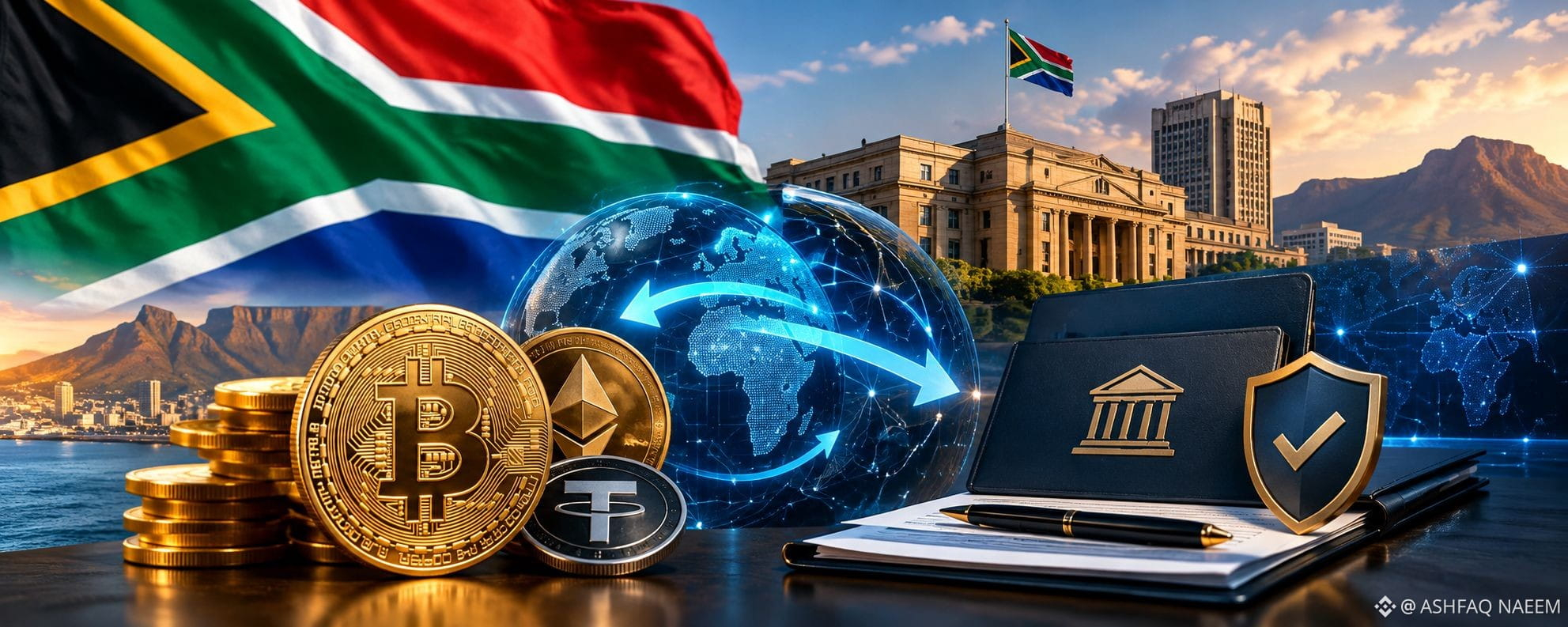
🚨 A ÁFRICA DO SUL ESTÁ SE MOVENDO PARA CONTROLAR FLUXOS DE CRIPTO MOEDA ATRAVÉS DE FRONTEIRAS! 🇿🇦₿
A África do Sul está propondo um novo arcabouço que traria transações de criptoativos transfronteiriças para o seu sistema de controle cambial.
🔥 O rascunho do Manual de Criptoativos foi publicado pelo Banco de Reserva da África do Sul (SARB) e pelo Tesouro Nacional para consulta pública, com envio de contribuições aberto até 30 de setembro de 2026.
O que isso significa? 👇
💰 Transferências de cripto entre países podem enfrentar exigências de reporte e conformidade.
🏦 As autoridades querem maior visibilidade sobre o capital que entra e sai do país.
🛡️ Oficiais dizem que o arcabouço mais amplo tem como objetivo gerenciar riscos, incluindo fluxos financeiros ilícitos, lavagem de dinheiro e a evasão de controles cambiais.
⚠️ Mas a indústria de cripto está se opondo. Uma coalizão que inclui grandes players de cripto da África do Sul alertou que regras excessivamente restritivas podem prejudicar a inovação e a atividade cripto transfronteiriça.
Isso não é uma proibição de cripto. É um arcabouço regulatório proposto, focado especificamente na atividade transfronteiriça.
🌍 A África do Sul pode se tornar um importante caso de teste para ver como governos equilibram inovação em cripto vs. controles de capital.
#SouthAfrica #Regulation #CryptoNews #southafricaproposescryptoexchangecontrols
#zen $ZEN
🚨 A ÁFRICA DO SUL ESTÁ SE MOVENDO PARA CONTROLAR FLUXOS DE CRIPTO MOEDA ATRAVÉS DE FRONTEIRAS! 🇿🇦₿
A África do Sul está propondo um novo arcabouço que traria transações de criptoativos transfronteiriças para o seu sistema de controle cambial.
🔥 O rascunho do Manual de Criptoativos foi publicado pelo Banco de Reserva da África do Sul (SARB) e pelo Tesouro Nacional para consulta pública, com envio de contribuições aberto até 30 de setembro de 2026.
O que isso significa? 👇
💰 Transferências de cripto entre países podem enfrentar exigências de reporte e conformidade.
🏦 As autoridades querem maior visibilidade sobre o capital que entra e sai do país.
🛡️ Oficiais dizem que o arcabouço mais amplo tem como objetivo gerenciar riscos, incluindo fluxos financeiros ilícitos, lavagem de dinheiro e a evasão de controles cambiais.
⚠️ Mas a indústria de cripto está se opondo. Uma coalizão que inclui grandes players de cripto da África do Sul alertou que regras excessivamente restritivas podem prejudicar a inovação e a atividade cripto transfronteiriça.
Isso não é uma proibição de cripto. É um arcabouço regulatório proposto, focado especificamente na atividade transfronteiriça.
🌍 A África do Sul pode se tornar um importante caso de teste para ver como governos equilibram inovação em cripto vs. controles de capital.
#SouthAfrica #Regulation #CryptoNews #southafricaproposescryptoexchangecontrols
#zen $ZEN
A África do Sul está propondo um novo arcabouço que traria transações de criptoativos transfronteiriças para o seu sistema de controle cambial.
🔥 O rascunho do Manual de Criptoativos foi publicado pelo Banco de Reserva da África do Sul (SARB) e pelo Tesouro Nacional para consulta pública, com envio de contribuições aberto até 30 de setembro de 2026.
O que isso significa? 👇
💰 Transferências de cripto entre países podem enfrentar exigências de reporte e conformidade.
🏦 As autoridades querem maior visibilidade sobre o capital que entra e sai do país.
🛡️ Oficiais dizem que o arcabouço mais amplo tem como objetivo gerenciar riscos, incluindo fluxos financeiros ilícitos, lavagem de dinheiro e a evasão de controles cambiais.
⚠️ Mas a indústria de cripto está se opondo. Uma coalizão que inclui grandes players de cripto da África do Sul alertou que regras excessivamente restritivas podem prejudicar a inovação e a atividade cripto transfronteiriça.
Isso não é uma proibição de cripto. É um arcabouço regulatório proposto, focado especificamente na atividade transfronteiriça.
🌍 A África do Sul pode se tornar um importante caso de teste para ver como governos equilibram inovação em cripto vs. controles de capital.
#SouthAfrica #Regulation #CryptoNews #southafricaproposescryptoexchangecontrols
#zen $ZEN
339
·
--
Artigo
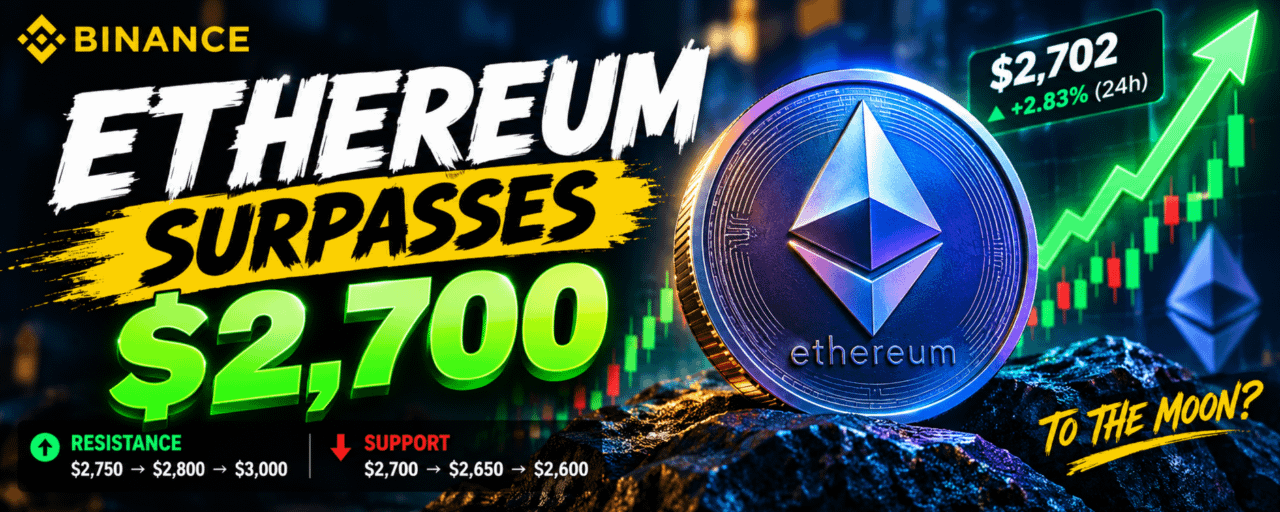
A ETHEREUM ACABOU DE REASSUMIR US$ 2.700!Ethereum oficialmente ultrapassou o nível psicológico de US$ 2.700, sinalizando uma forte recuperação depois que os compradores defenderam a faixa de US$ 2.500–2.600. A ETH chegou a ser negociada brevemente em torno de US$ 2.702, com ganhos nas últimas 24 horas perto de 2,8%.
Agora a grande pergunta: A ETH consegue manter US$ 2.700 e seguir mais alta? 👀
📈 Níveis-chave para observar:
• Resistência: US$ 2.750 → US$ 2.800 → US$ 3.000
• Suporte: US$ 2.700 → US$ 2.650 → US$ 2.600
Um movimento sustentado acima de US$ 2.700 pode manter o impulso altista, enquanto uma rejeição de volta abaixo disso tornaria o rompimento menos convincente.
A ETHEREUM ACABOU DE REASSUMIR US$ 2.700!
Ethereum oficialmente ultrapassou o nível psicológico de US$ 2.700, sinalizando uma forte recuperação depois que os compradores defenderam a faixa de US$ 2.500–2.600. A ETH chegou a ser negociada brevemente em torno de US$ 2.702, com ganhos nas últimas 24 horas perto de 2,8%.
Agora a grande pergunta: A ETH consegue manter US$ 2.700 e seguir mais alta? 👀
📈 Níveis-chave para observar:
• Resistência: US$ 2.750 → US$ 2.800 → US$ 3.000
• Suporte: US$ 2.700 → US$ 2.650 → US$ 2.600
Um movimento sustentado acima de US$ 2.700 pode manter o impulso altista, enquanto uma rejeição de volta abaixo disso tornaria o rompimento menos convincente.
Agora a grande pergunta: A ETH consegue manter US$ 2.700 e seguir mais alta? 👀
📈 Níveis-chave para observar:
• Resistência: US$ 2.750 → US$ 2.800 → US$ 3.000
• Suporte: US$ 2.700 → US$ 2.650 → US$ 2.600
Um movimento sustentado acima de US$ 2.700 pode manter o impulso altista, enquanto uma rejeição de volta abaixo disso tornaria o rompimento menos convincente.
100
·
--
Claro — a distinção-chave é:
Dica: Saylor/Strategy faz uma declaração, publica uma mensagem relacionada ao BTC ou toma uma ação que pode sugerir outra compra. É um sinal, não uma prova.
Confirmação: A Strategy anuncia oficialmente que comprou Bitcoin, incluindo o valor/data (normalmente por meio de sua divulgação oficial).
Então, em vez de dizer “Saylor deu a entender que está comprando”, uma linha mais precisa é: “A atividade da Saylor pode ser interpretada como um sinal, mas não há compra confirmada até que a Strategy anuncie oficialmente.”
#BTC $BTC
#SaylorHintsStrategyBitcoinBuy
Claro — a distinção-chave é:
Dica: Saylor/Strategy faz uma declaração, publica uma mensagem relacionada ao BTC ou toma uma ação que pode sugerir outra compra. É um sinal, não uma prova.
Confirmação: A Strategy anuncia oficialmente que comprou Bitcoin, incluindo o valor/data (normalmente por meio de sua divulgação oficial).
Então, em vez de dizer “Saylor deu a entender que está comprando”, uma linha mais precisa é: “A atividade da Saylor pode ser interpretada como um sinal, mas não há compra confirmada até que a Strategy anuncie oficialmente.”
#BTC $BTC
#SaylorHintsStrategyBitcoinBuy
Dica: Saylor/Strategy faz uma declaração, publica uma mensagem relacionada ao BTC ou toma uma ação que pode sugerir outra compra. É um sinal, não uma prova.
Confirmação: A Strategy anuncia oficialmente que comprou Bitcoin, incluindo o valor/data (normalmente por meio de sua divulgação oficial).
Então, em vez de dizer “Saylor deu a entender que está comprando”, uma linha mais precisa é: “A atividade da Saylor pode ser interpretada como um sinal, mas não há compra confirmada até que a Strategy anuncie oficialmente.”
#BTC $BTC
#SaylorHintsStrategyBitcoinBuy

1
247
·
--
Verificado
Artigo
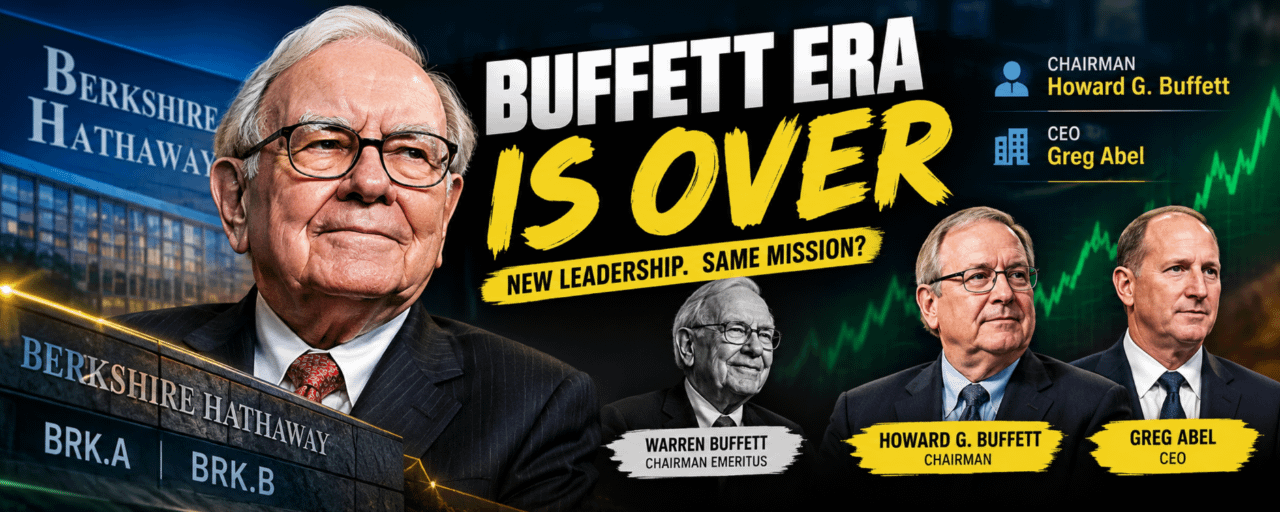
WARREN BUFFETT ACABOU DE ENCERRAR UMA ERA!🚨 A ERA BUFFETT ACABOU.
Warren Buffett oficialmente se afastou do cargo de presidente da Berkshire Hathaway. 🧨
👤 Howard G. Buffett → Presidente
🏦 Greg Abel → CEO
🧓 Warren Buffett → Presidente Emérito
Mas o que importa é isto:
🔥 O homem que construiu a lendária cultura de alocação de capital da Berkshire não está mais comandando a sala da diretoria.
Agora o mercado observa uma coisa:
BERKSHIRE CONSEGUE CONTINUAR “COMO OS BUFFETT” SEM O BUFFETT? 👀
Acompanhe $BRK.A / $BRK.B, reservas de caixa e participações relevantes.
💬 NOVA ERA OU O MESMO MANUAL?
WARREN BUFFETT ACABOU DE ENCERRAR UMA ERA!
🚨 A ERA BUFFETT ACABOU.
Warren Buffett oficialmente se afastou do cargo de presidente da Berkshire Hathaway. 🧨
👤 Howard G. Buffett → Presidente
🏦 Greg Abel → CEO
🧓 Warren Buffett → Presidente Emérito
Mas o que importa é isto:
🔥 O homem que construiu a lendária cultura de alocação de capital da Berkshire não está mais comandando a sala da diretoria.
Agora o mercado observa uma coisa:
BERKSHIRE CONSEGUE CONTINUAR “COMO OS BUFFETT” SEM O BUFFETT? 👀
Acompanhe $BRK.A / $BRK.B, reservas de caixa e participações relevantes.
💬 NOVA ERA OU O MESMO MANUAL?
Warren Buffett oficialmente se afastou do cargo de presidente da Berkshire Hathaway. 🧨
👤 Howard G. Buffett → Presidente
🏦 Greg Abel → CEO
🧓 Warren Buffett → Presidente Emérito
Mas o que importa é isto:
🔥 O homem que construiu a lendária cultura de alocação de capital da Berkshire não está mais comandando a sala da diretoria.
Agora o mercado observa uma coisa:
BERKSHIRE CONSEGUE CONTINUAR “COMO OS BUFFETT” SEM O BUFFETT? 👀
Acompanhe $BRK.A / $BRK.B, reservas de caixa e participações relevantes.
💬 NOVA ERA OU O MESMO MANUAL?
1
1
1.6k
Inicia sessão para explorar mais conteúdos
Junta-te a utilizadores de criptomoedas de todo o mundo na Binance Square
⚡️ Obtém informações úteis e recentes sobre criptomoedas.
💬 Com a confiança da maior exchange de criptomoedas do mundo.
👍 Descobre perspetivas reais de criadores verificados.
E-mail/Número de telefone
Tópicos em Tendência
CircleMints500MUSDCOnSolana
17,187 visualizações
616 a discutir
#circlemints500musdconsolana
🚨 AUMENTO ENORME de Liquidez! A Circle Cunha 500 Milhões de USDC na Solana — Será que uma Grande Corrida DeFi vem aí? 🚀
💵 O que Aconteceu?
Em um grande evento on-chain, o Tesouro do USDC emitiu 500 milhões de USDC diretamente na rede Solana, em duas transações de 250 milhões.
Esse maciço influxo de capital lastreado em dinheiro real destaca um apetite crescente por stablecoins em ecossistemas de alta velocidade e baixo custo.
🔑 Principais Conclusões & Manchetes
Nova Liquidez On-Chain: O USDC recém-cunhado impulsiona pools de liquidez em DEXs baseados na Solana, mercados de empréstimo e protocolos de yield.
$SOL
Sinal Institucional: Como cada USDC é lastreado 1:1 por reservas reais, eventos grandes de cunhagem refletem capital institucional ou comercial de fato entrando no ecossistema.
Expansão da Participação de Mercado da Solana: A Solana continua ganhando uma fatia cada vez maior da circulação total de USDC, ameaçando as distribuições tradicionais de stablecoin.
Contexto Macro & Fed: À medida que traders acompanham desenvolvimentos macroeconômicos globais e a perspectiva das taxas de juros, oportunidades on-chain de alto rendimento atraem capital parado de volta para a Web3.
💡 Por que isso Importa para Traders
Menor Slippage & Melhores Trades: Mais profundidade em stablecoin significa que operações maiores podem ocorrer sem grande impacto no mercado.
Potencial de Yield em DeFi: Reservas maiores de USDC incentivam um aumento do TVL (Total Value Locked) em protocolos de empréstimo e farming na Solana.
Mudança de Sentimento: Injeções massivas de stablecoin historicamente são indicadores de alta para os tokens do ecossistema ($SOL,$JUP, $RAY,$KMNO).
Qual é o seu plano? Você está mantendo dinheiro de lado ou surfando a onda de liquidez da Solana? Deixe suas ideias abaixo! 👇
#BlackRockBuildsTokenizedPortfoliosForOndo #solana #defi
Lily星星
·4 gostos
·2.7k visualizações
PolymarketBankFailureBetsDrawFDICConcern
32,683 visualizações
809 a discutir
BlackRockBuildsTokenizedPortfoliosForOndo
26,440 visualizações
549 a discutir