
Zartasha Gul
13.8k Publicações

Zartasha Gul
 Square verificado+
a little linguistics, a little market madness romanticising web3 charts @aashee7890
Aberto ao trading
Trader Frequente
2.8 ano(s)
158 A seguir
40.9K+ Seguidores
37.6K+ Gostaram
Publicações
Portfólio
Tudo
Cotações
Em direto
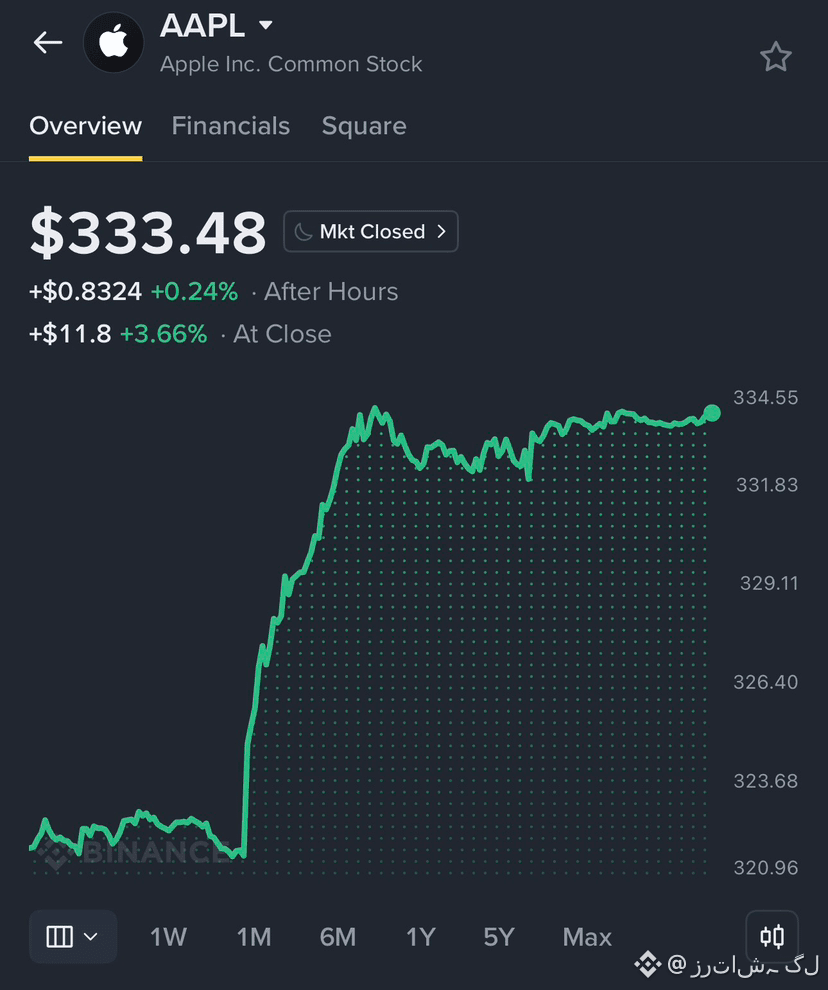
🍎 A Apple ($AAPL ) entra em uma semana decisiva enquanto se inicia a próxima temporada de resultados.
As ações da AAPL subiram 3,57% antes da reunião do Federal Reserve, indicando um renovado interesse dos investidores enquanto o mercado se prepara para um dos relatórios de resultados mais acompanhados do trimestre.
Os resultados da Apple importam muito além de uma única empresa. Os investidores buscam respostas para três grandes perguntas:
• A demanda dos consumidores por iPhones, Macs e serviços continua forte?
• A Apple consegue manter margens de lucro saudáveis em um ambiente econômico desafiador?
• Como a Apple vai se posicionar na crescente corrida da IA?
Com as Big Techs gastando bilhões em infraestrutura de IA, o mercado quer ver retornos reais — não apenas promessas futuras. O forte ecossistema da Apple, seu negócio de serviços e a base fiel de clientes a tornam um importante indicador para o setor de tecnologia como um todo.
A decisão do Federal Reserve desta semana e eventos globais, incluindo desenvolvimentos no mercado de energia, também podem influenciar o sentimento dos investidores e as avaliações de mercado.
Agora, todos os olhos estão no relatório de resultados da Apple e na teleconferência na quinta-feira. O crescimento de receita, o desempenho dos serviços, as recompras de ações e atualizações sobre produtos com IA serão as principais áreas a observar.
Um relatório sólido pode fortalecer a confiança de que os líderes de mega-cap continuam impulsionando os mercados, mesmo quando os investidores reavaliam os gastos com IA no setor.
#Apple #AAPL #stockmarket #TechStocks #AI
As ações da AAPL subiram 3,57% antes da reunião do Federal Reserve, indicando um renovado interesse dos investidores enquanto o mercado se prepara para um dos relatórios de resultados mais acompanhados do trimestre.
Os resultados da Apple importam muito além de uma única empresa. Os investidores buscam respostas para três grandes perguntas:
• A demanda dos consumidores por iPhones, Macs e serviços continua forte?
• A Apple consegue manter margens de lucro saudáveis em um ambiente econômico desafiador?
• Como a Apple vai se posicionar na crescente corrida da IA?
Com as Big Techs gastando bilhões em infraestrutura de IA, o mercado quer ver retornos reais — não apenas promessas futuras. O forte ecossistema da Apple, seu negócio de serviços e a base fiel de clientes a tornam um importante indicador para o setor de tecnologia como um todo.
A decisão do Federal Reserve desta semana e eventos globais, incluindo desenvolvimentos no mercado de energia, também podem influenciar o sentimento dos investidores e as avaliações de mercado.
Agora, todos os olhos estão no relatório de resultados da Apple e na teleconferência na quinta-feira. O crescimento de receita, o desempenho dos serviços, as recompras de ações e atualizações sobre produtos com IA serão as principais áreas a observar.
Um relatório sólido pode fortalecer a confiança de que os líderes de mega-cap continuam impulsionando os mercados, mesmo quando os investidores reavaliam os gastos com IA no setor.
#Apple #AAPL #stockmarket #TechStocks #AI
$SUI Expande para Infraestrutura do Mundo Real à medida que Gorae conecta Carregamento de Veículos Elétricos (EV) à Blockchain
A blockchain está indo além das finanças e entrando na infraestrutura do dia a dia.
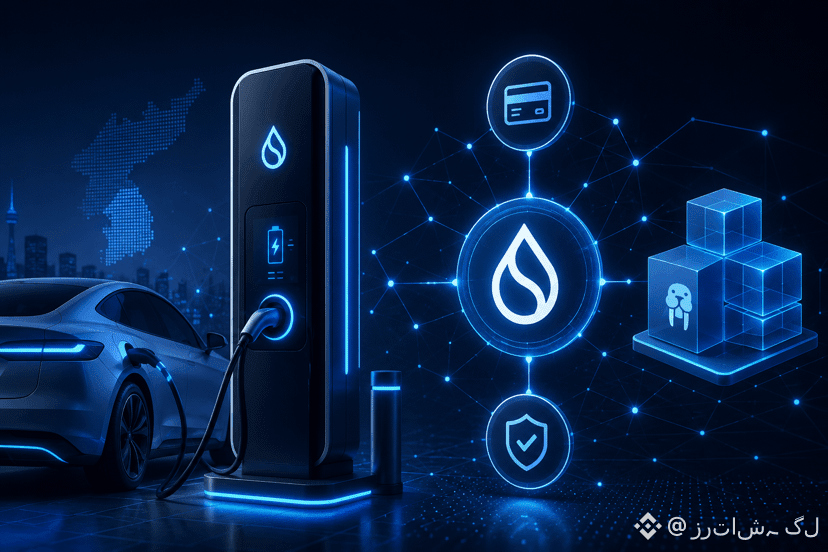
A Gorae anunciou planos para conectar mais de 50.000 estações de carregamento de veículos elétricos (EV) na Coreia do Sul à Rede Sui, com a Walrus fornecendo armazenamento descentralizado para registros de carregamento. O lançamento está previsto para começar no segundo semestre de 2026, com expansão futura planejada por toda a região Ásia-Pacífico, Europa e América do Norte.
Veja por que isso é importante:
⚡ Pagamentos Inteligentes para EV: A rede de alta capacidade de transferência da Sui permite pagamentos rápidos, de baixo custo e liquidação quase instantânea entre usuários, operadores de carregamento e provedores de serviços.
📊 Dados de Carregamento Verificáveis: Cada sessão de carregamento pode ser registrada com segurança e armazenada via Walrus, criando um registro de auditoria imutável para uso de energia, faturamento e dados operacionais.
🌍 Adoção Real de Blockchain: Isso vai além de mais uma parceria Web3. Mostra como a blockchain pode dar suporte à infraestrutura crítica ao melhorar transparência, automação e confiança no crescente ecossistema de EV.
À medida que a adoção de veículos elétricos acelera em todo o mundo, combinar blockchain, IoT e armazenamento descentralizado pode remodelar a forma como as redes de carregamento gerenciam pagamentos, relatórios de carbono, registros de manutenção e interoperabilidade entre fronteiras.
Se for executada com sucesso, essa iniciativa pode se tornar um dos exemplos mais fortes de blockchain entregando valor fora dos mercados tradicionais de cripto.
O que você acha: a blockchain está pronta para se tornar a espinha dorsal da próxima geração de infraestrutura inteligente e mobilidade?
Esta postagem é apenas para fins informativos e não deve ser considerada aconselhamento financeiro ou de investimento. Sempre faça sua própria pesquisa antes de tomar decisões de investimento.
$WAL
$DEXE
@Sui #sui #SUI🔥
A blockchain está indo além das finanças e entrando na infraestrutura do dia a dia.
A Gorae anunciou planos para conectar mais de 50.000 estações de carregamento de veículos elétricos (EV) na Coreia do Sul à Rede Sui, com a Walrus fornecendo armazenamento descentralizado para registros de carregamento. O lançamento está previsto para começar no segundo semestre de 2026, com expansão futura planejada por toda a região Ásia-Pacífico, Europa e América do Norte.
Veja por que isso é importante:
⚡ Pagamentos Inteligentes para EV: A rede de alta capacidade de transferência da Sui permite pagamentos rápidos, de baixo custo e liquidação quase instantânea entre usuários, operadores de carregamento e provedores de serviços.
📊 Dados de Carregamento Verificáveis: Cada sessão de carregamento pode ser registrada com segurança e armazenada via Walrus, criando um registro de auditoria imutável para uso de energia, faturamento e dados operacionais.
🌍 Adoção Real de Blockchain: Isso vai além de mais uma parceria Web3. Mostra como a blockchain pode dar suporte à infraestrutura crítica ao melhorar transparência, automação e confiança no crescente ecossistema de EV.
À medida que a adoção de veículos elétricos acelera em todo o mundo, combinar blockchain, IoT e armazenamento descentralizado pode remodelar a forma como as redes de carregamento gerenciam pagamentos, relatórios de carbono, registros de manutenção e interoperabilidade entre fronteiras.
Se for executada com sucesso, essa iniciativa pode se tornar um dos exemplos mais fortes de blockchain entregando valor fora dos mercados tradicionais de cripto.
O que você acha: a blockchain está pronta para se tornar a espinha dorsal da próxima geração de infraestrutura inteligente e mobilidade?
Esta postagem é apenas para fins informativos e não deve ser considerada aconselhamento financeiro ou de investimento. Sempre faça sua própria pesquisa antes de tomar decisões de investimento.
$WAL
$DEXE
@Sui #sui #SUI🔥
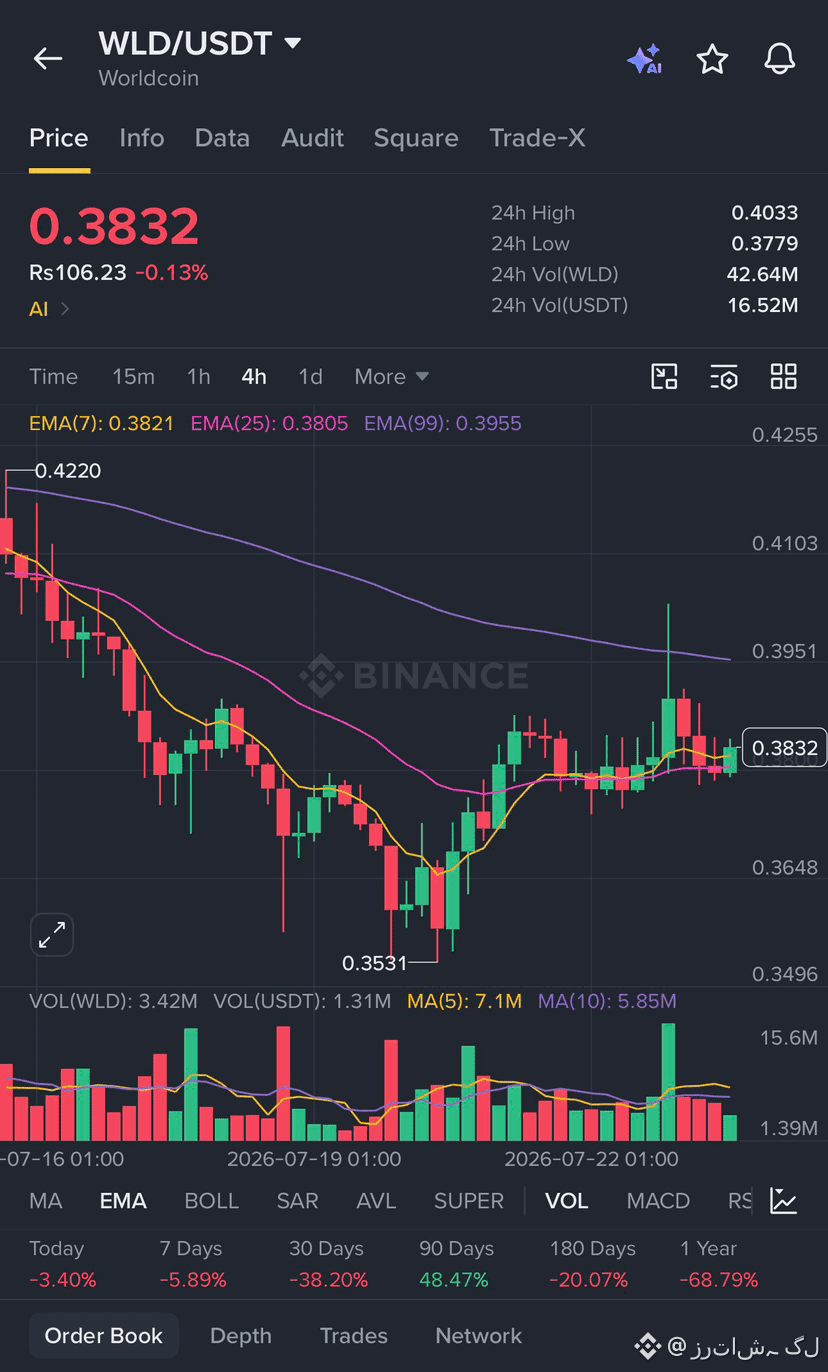
🚨 Worldcoin sob os holofotes
O mais recente relatório da SEC da Grayscale revela que cerca de 90% da oferta em circulação do WLD está nas mãos de apenas 100 carteiras, levantando novas preocupações sobre a concentração do token.
Para um projeto construído em torno da ideia de um “coin para cada ser humano”, esse nível de centralização gerou debates. O relatório também observa que partes importantes da rede, incluindo governança e infraestrutura, ainda dependem de supervisão centralizada, já que a descentralização continua sendo um trabalho em andamento.
Com $WLD ainda sendo negociado bem abaixo de sua máxima histórica, investidores estão se perguntando se a visão de longo prazo do projeto consegue acompanhar sua estrutura atual.
O que importa mais para você: tecnologia inovadora de identidade ou propriedade de token verdadeiramente descentralizada? 👇
Faça sempre sua própria pesquisa. Isto não é aconselhamento financeiro.
#WLD #WLD #WorldToken
O mais recente relatório da SEC da Grayscale revela que cerca de 90% da oferta em circulação do WLD está nas mãos de apenas 100 carteiras, levantando novas preocupações sobre a concentração do token.
Para um projeto construído em torno da ideia de um “coin para cada ser humano”, esse nível de centralização gerou debates. O relatório também observa que partes importantes da rede, incluindo governança e infraestrutura, ainda dependem de supervisão centralizada, já que a descentralização continua sendo um trabalho em andamento.
Com $WLD ainda sendo negociado bem abaixo de sua máxima histórica, investidores estão se perguntando se a visão de longo prazo do projeto consegue acompanhar sua estrutura atual.
O que importa mais para você: tecnologia inovadora de identidade ou propriedade de token verdadeiramente descentralizada? 👇
Faça sempre sua própria pesquisa. Isto não é aconselhamento financeiro.
#WLD #WLD #WorldToken

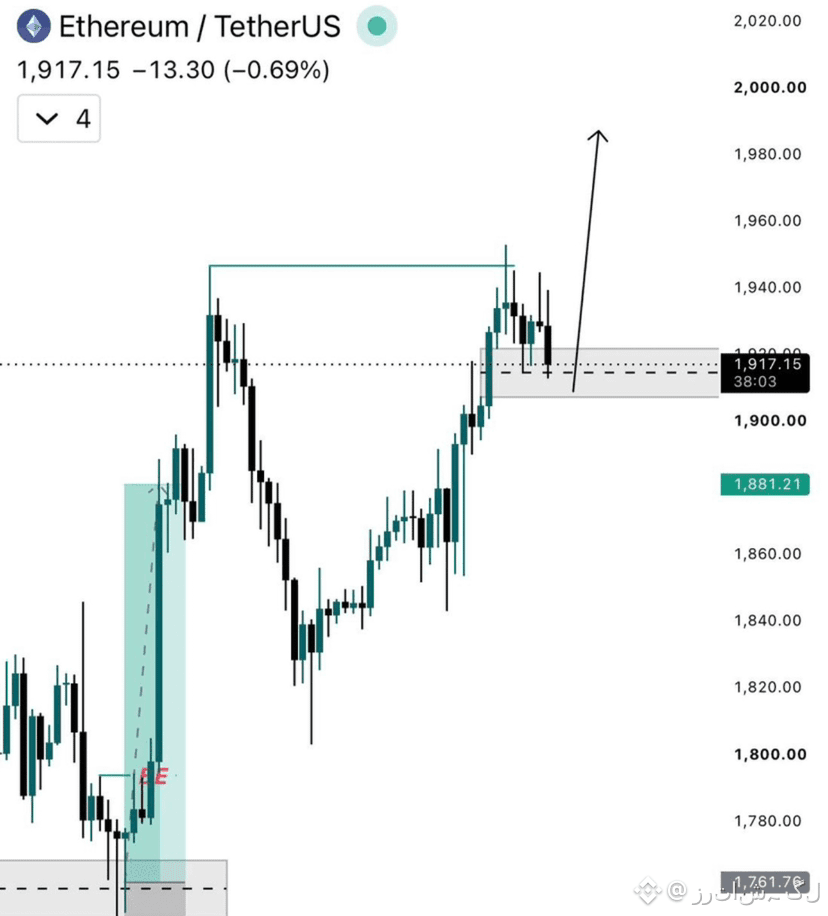
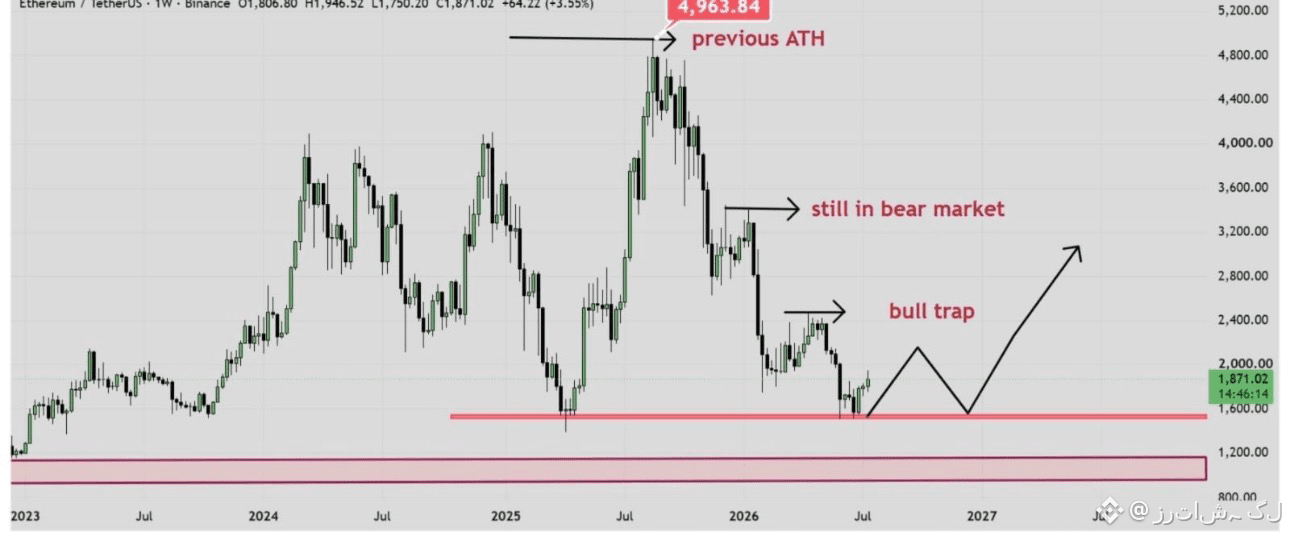
$ETH Atualização
A retração na minha zona de demanda destacada está acontecendo exatamente como eu esperava.
Agora estou aguardando para ver se os compradores defendem esta área. Se aparecer uma confirmação em um timeframe menor, vou procurar uma configuração de compra com US$ 2.000 como primeiro alvo.
Sem pressa, paciência, confirmação e então execução.
Boa noite 🌷💗
#ETH #GulGains
A retração na minha zona de demanda destacada está acontecendo exatamente como eu esperava.
Agora estou aguardando para ver se os compradores defendem esta área. Se aparecer uma confirmação em um timeframe menor, vou procurar uma configuração de compra com US$ 2.000 como primeiro alvo.
Sem pressa, paciência, confirmação e então execução.
Boa noite 🌷💗
#ETH #GulGains

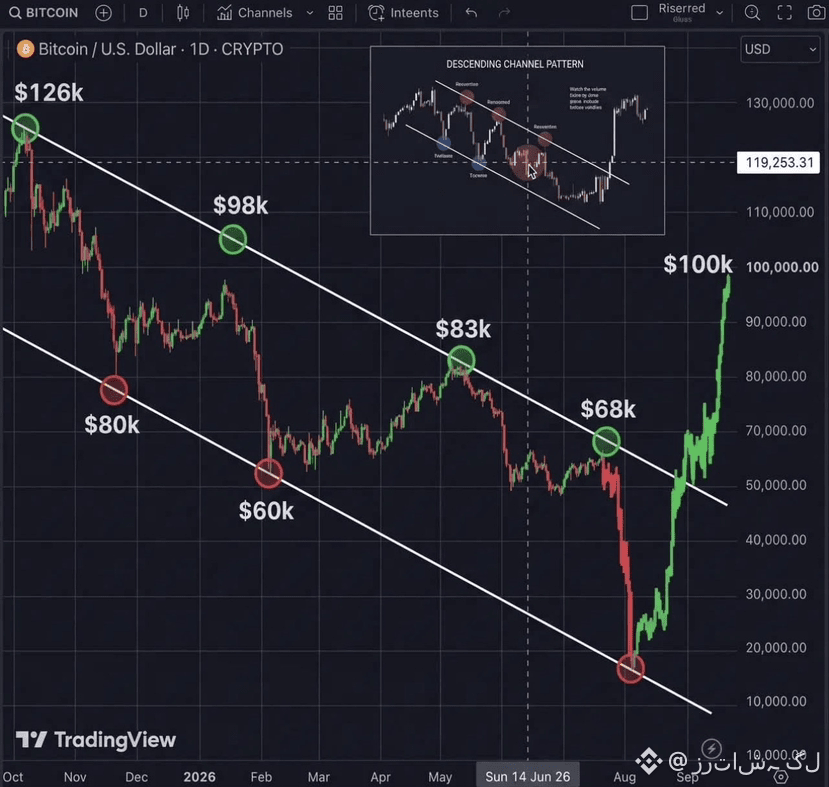
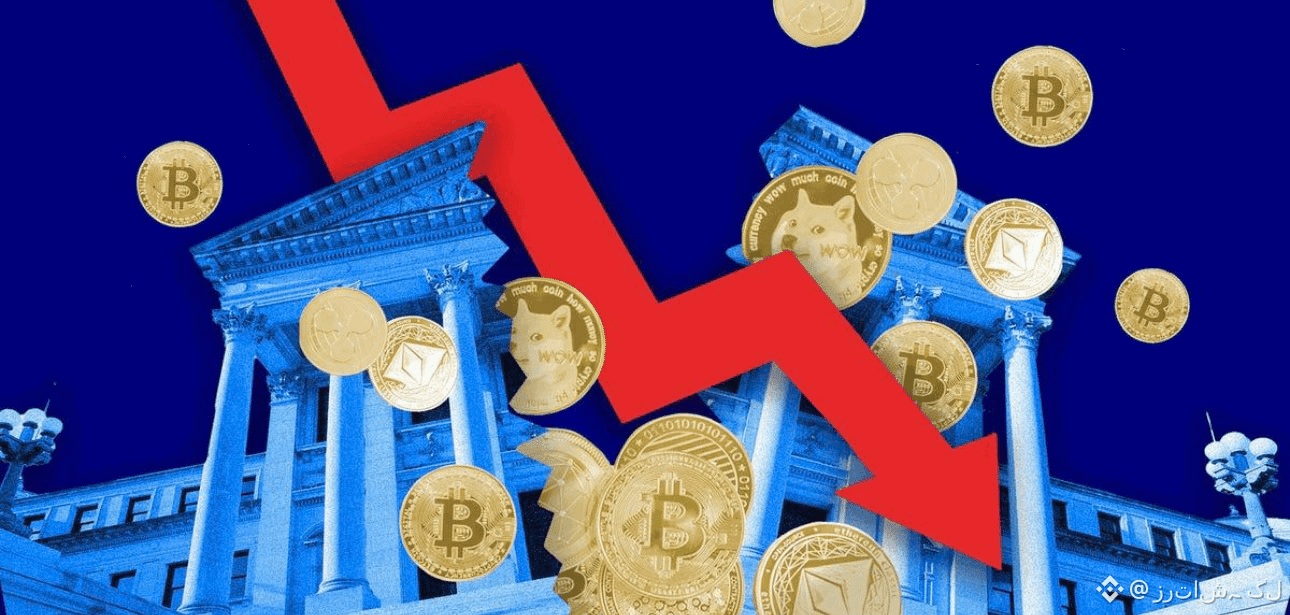
🚨 Uma ousada previsão de Bitcoin está circulando e está desafiando a narrativa atual do mercado.
Um analista de mercado acredita que $BTC poderia passar por vários balanços bruscos antes de o ciclo atingir seu pico, delineando um caminho de:
$83K → $58K → $68K → $40K → $70K → $108K
A ideia é que a volatilidade vai eliminar tanto os touros quanto os ursos antes do próximo grande movimento.
Ninguém sabe se esse cenário vai se concretizar, então trate isso como uma perspectiva, não como uma certeza. Gerencie sempre o risco e faça sua própria pesquisa.
$BTC #bitcoin #Crypto
$DEXE
Um analista de mercado acredita que $BTC poderia passar por vários balanços bruscos antes de o ciclo atingir seu pico, delineando um caminho de:
$83K → $58K → $68K → $40K → $70K → $108K
A ideia é que a volatilidade vai eliminar tanto os touros quanto os ursos antes do próximo grande movimento.
Ninguém sabe se esse cenário vai se concretizar, então trate isso como uma perspectiva, não como uma certeza. Gerencie sempre o risco e faça sua própria pesquisa.
$BTC #bitcoin #Crypto
$DEXE
Parcialmente verdadeiro
🚨 De uma avaliação de US$ 3B à falência em apenas 18 meses.
A Movement Labs, antes um dos projetos da Layer 2 mais comentados, entrou com pedido de falência no Capítulo 11. Os documentos do tribunal mostram passivos superiores aos seus ativos restantes. Enquanto isso, <c-1/>$MOVE perdeu cerca de 94% do valor em relação ao ano passado.
O maior ponto de virada não foi a tecnologia — foi a distribuição de tokens. Uma grande alocação liberada para um market maker gerou forte pressão de venda no início, prejudicando a confiança e tornando a recuperação difícil.
Uma lição se destaca: sempre estude tokenomics antes de investir. Veja quem controla a oferta, quando os tokens são desbloqueados e se os detentores iniciais podem inundar o mercado. Uma tecnologia forte, por si só, não garante um token bem-sucedido.
Qual projeto de cripto mudou a forma como você avalia novos investimentos? 👇
#crypto $BTC $ETH
A Movement Labs, antes um dos projetos da Layer 2 mais comentados, entrou com pedido de falência no Capítulo 11. Os documentos do tribunal mostram passivos superiores aos seus ativos restantes. Enquanto isso, <c-1/>$MOVE perdeu cerca de 94% do valor em relação ao ano passado.
O maior ponto de virada não foi a tecnologia — foi a distribuição de tokens. Uma grande alocação liberada para um market maker gerou forte pressão de venda no início, prejudicando a confiança e tornando a recuperação difícil.
Uma lição se destaca: sempre estude tokenomics antes de investir. Veja quem controla a oferta, quando os tokens são desbloqueados e se os detentores iniciais podem inundar o mercado. Uma tecnologia forte, por si só, não garante um token bem-sucedido.
Qual projeto de cripto mudou a forma como você avalia novos investimentos? 👇
#crypto $BTC $ETH
🇺🇸 Os primeiros Fan Tokens de todos os tempos para o esporte universitário dos EUA já estão aqui, e isso parece um momento definidor para o SportFi.
A Chiliz está transformando sua visão de longo prazo em uma adoção real, aproximando a blockchain de milhões de fãs de esportes apaixonados por meio de grandes programas universitários. Se esse lançamento continuar conforme o planejado, poderá se tornar um dos maiores casos de uso mainstream para Fan Tokens até agora.
#Chiliz #CHZ #SportFi $CHZ
@Chiliz
A Chiliz está transformando sua visão de longo prazo em uma adoção real, aproximando a blockchain de milhões de fãs de esportes apaixonados por meio de grandes programas universitários. Se esse lançamento continuar conforme o planejado, poderá se tornar um dos maiores casos de uso mainstream para Fan Tokens até agora.
#Chiliz #CHZ #SportFi $CHZ
@Chiliz

Chiliz
·
--
Em AltaOs EUA Acabaram de Ganhar Seus Primeiros Fan Tokens. Como a Chiliz está Transformando Sua Visão de 2030 em Realidade.
Há alguns meses, a Chiliz apresentou um manifesto para a próxima fase dos Fan Tokens – ser totalmente omnichain, destravar o mercado dos EUA e transformar as promessas do SportFi em produtos efetivamente entregues.
Esta semana, uma das maiores peças desse plano chega.
A Socios.com, por meio da Fan Token Management (FTM) US (parte do The Chiliz Group), fez parceria com a Playfly Sports para lançar os primeiros Fan Tokens do setor no esporte universitário dos EUA. Cinco programas entram no lançamento: LSU, Maryland, Michigan State, Penn State e Texas A&M.
Trinta departamentos atléticos universitários são o alvo nos próximos 12 meses. É um marco importante para o esporte dos EUA e a prova mais clara até agora de que o roadmap da Chiliz para 2030 não é apenas um deck de slides.
Este é um grande marco, com um potencial enorme.
Leia mais 👇
chiliz.com/chiliz-2030-vision-us-fan-tokens-launch/
$CHZ
Há alguns meses, a Chiliz apresentou um manifesto para a próxima fase dos Fan Tokens – ser totalmente omnichain, destravar o mercado dos EUA e transformar as promessas do SportFi em produtos efetivamente entregues.
Esta semana, uma das maiores peças desse plano chega.
A Socios.com, por meio da Fan Token Management (FTM) US (parte do The Chiliz Group), fez parceria com a Playfly Sports para lançar os primeiros Fan Tokens do setor no esporte universitário dos EUA. Cinco programas entram no lançamento: LSU, Maryland, Michigan State, Penn State e Texas A&M.
Trinta departamentos atléticos universitários são o alvo nos próximos 12 meses. É um marco importante para o esporte dos EUA e a prova mais clara até agora de que o roadmap da Chiliz para 2030 não é apenas um deck de slides.
Este é um grande marco, com um potencial enorme.
Leia mais 👇
chiliz.com/chiliz-2030-vision-us-fan-tokens-launch/
$CHZ

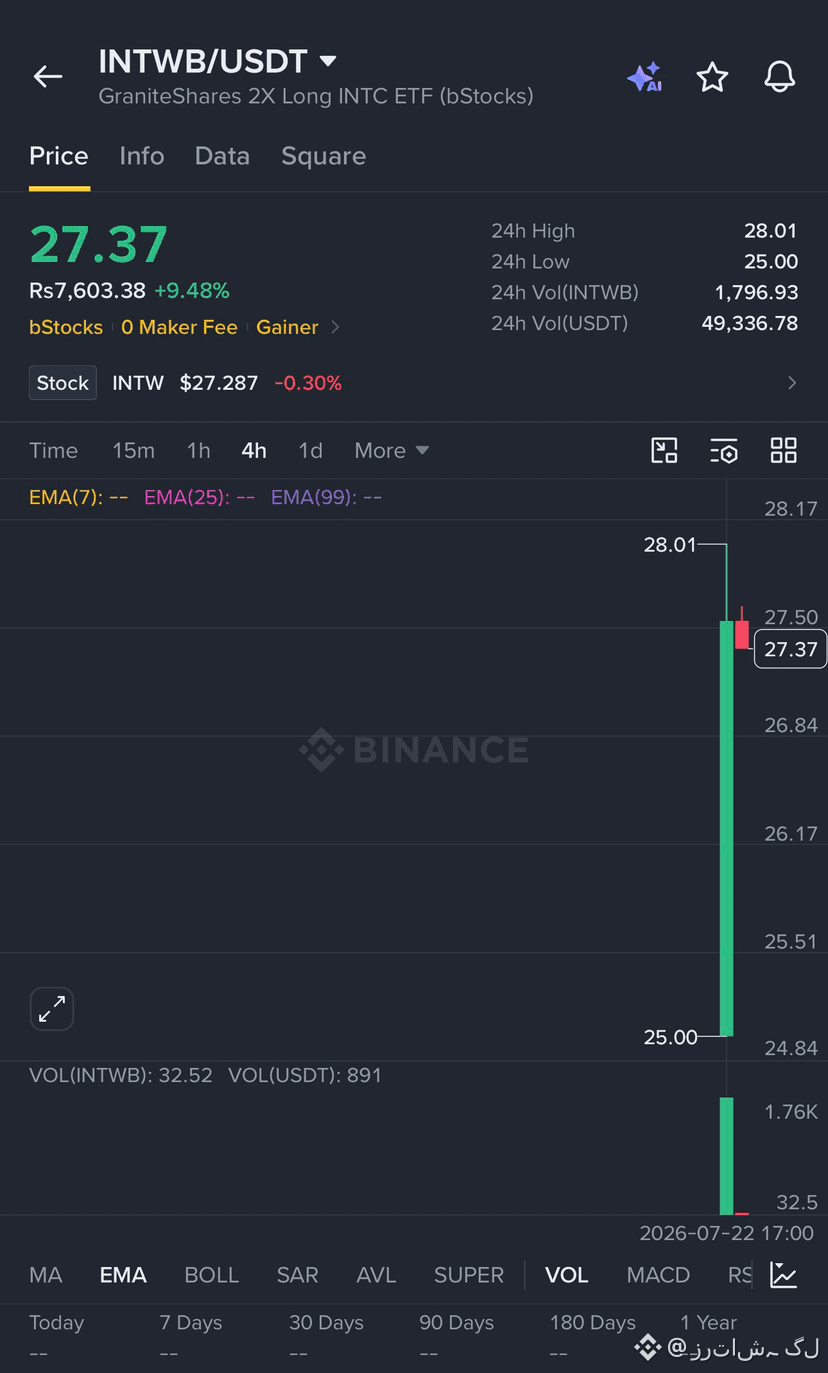
🚨$INTWB está mostrando forte momentum após um rompimento acentuado, ganhando quase 10% e testando US$ 28,01 antes de recuar levemente para US$ 27,37.
Principais Níveis
🟢 Suporte: US$ 27,00 / US$ 25,00
🔴 Resistência: US$ 28,00 / US$ 28,20
Um movimento sustentado acima de US$ 28,00 pode abrir espaço para mais alta, enquanto manter acima de US$ 27,00 mantém a estrutura de alta no curto prazo. Devido ao volume de negociações relativamente baixo, a gestão de risco continua essencial, pois a volatilidade pode permanecer elevada.
#GulGains 🌷
Principais Níveis
🟢 Suporte: US$ 27,00 / US$ 25,00
🔴 Resistência: US$ 28,00 / US$ 28,20
Um movimento sustentado acima de US$ 28,00 pode abrir espaço para mais alta, enquanto manter acima de US$ 27,00 mantém a estrutura de alta no curto prazo. Devido ao volume de negociações relativamente baixo, a gestão de risco continua essencial, pois a volatilidade pode permanecer elevada.
#GulGains 🌷
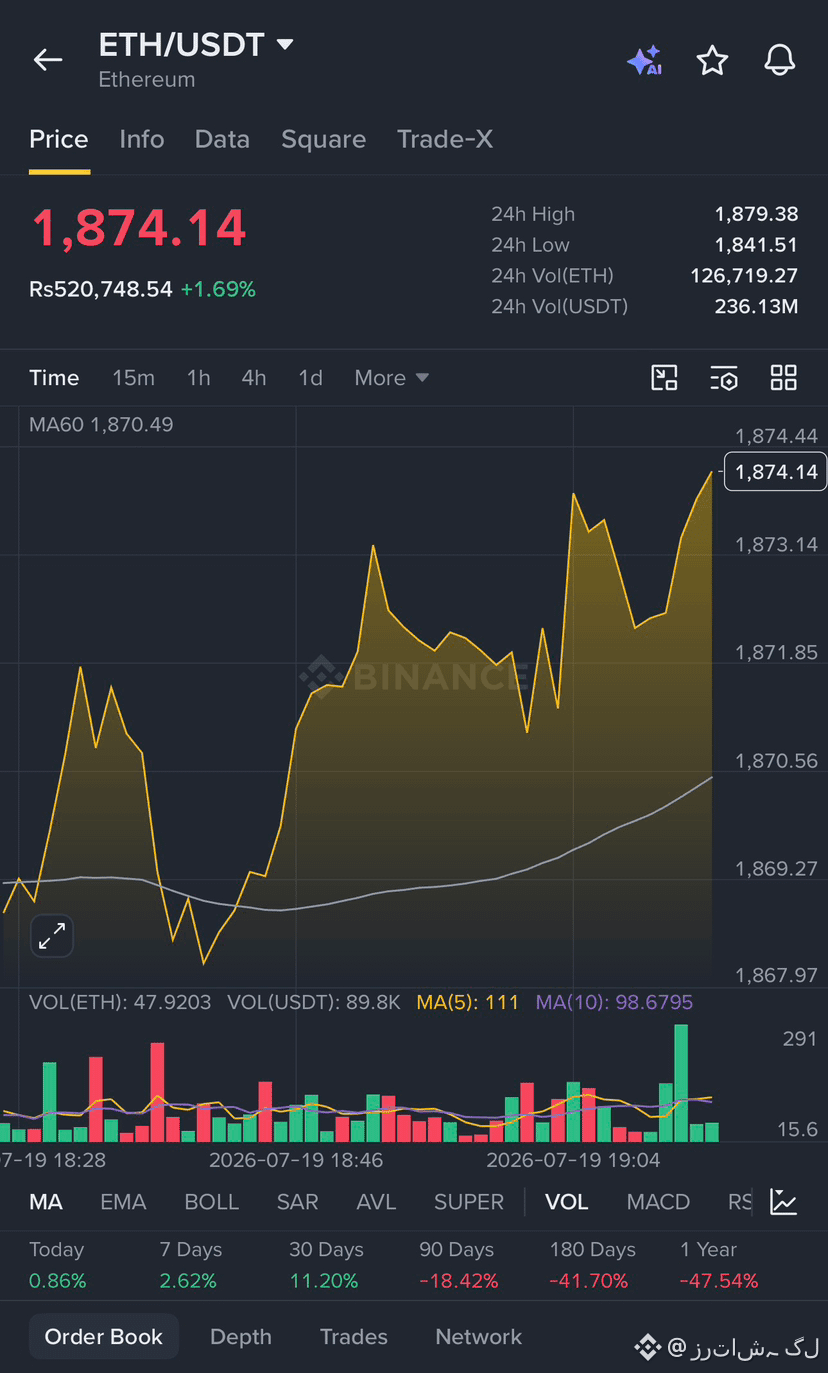
Não seja rápido demais para encurtar $ETH .
Após uma forte correção, o Ethereum está em uma zona-chave de suporte de longo prazo. Ainda podemos ver uma pequena volatilidade/“shakeout”, mas essa área parece que pode se tornar a base para o próximo grande movimento de alta.
Estou de olho na faixa de US$ 2.800–3.200 como o primeiro alvo de recuperação. Se o impulso de compra continuar ganhando força, o potencial de alta pode ir bem além disso.
Qual é a sua opinião?
A próxima alta do ETH começa daqui, ou teremos mais um último mergulho antes do rompimento de verdade? 🚀
#Ethereum #ETH
Após uma forte correção, o Ethereum está em uma zona-chave de suporte de longo prazo. Ainda podemos ver uma pequena volatilidade/“shakeout”, mas essa área parece que pode se tornar a base para o próximo grande movimento de alta.
Estou de olho na faixa de US$ 2.800–3.200 como o primeiro alvo de recuperação. Se o impulso de compra continuar ganhando força, o potencial de alta pode ir bem além disso.
Qual é a sua opinião?
A próxima alta do ETH começa daqui, ou teremos mais um último mergulho antes do rompimento de verdade? 🚀
#Ethereum #ETH
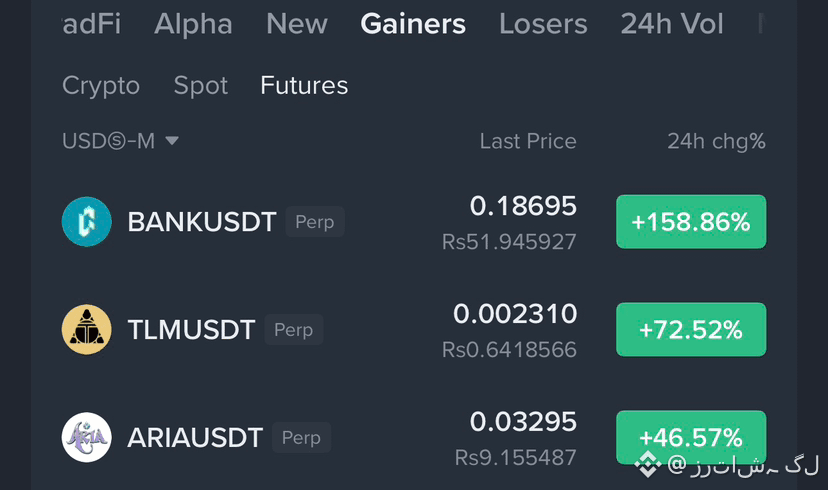
Isso é um top 3 bem apimentado na lista de ganhadores agora 🔥
- $BANK USDT : US$ 0.18695 | +158.86% 24h grande pump
- $TLM USDT : US$ 0.002310 | +72.52% 24h
- $ARIA USDT : US$ 0.03295 | +46.57% 24h
Os 3 estão em Futures Perps USDⓈ-M, então são movimentos alavancados.
1. Grandes movimentos = grande risco . Dias de +150% muitas vezes vêm com notícias, listagens ou baixa liquidez.
2. Futuros : Os ganhos parecem bons, mas o risco de funding + liquidação é real nos perps.
3. DYOR : Veja o que está impulsionando os anúncios de hoje de BANK/TLM/ARIA, volume, ou apenas rotação.
Você está acompanhando algum desses, ou só curtindo as velas verdes? 👀
- $BANK USDT : US$ 0.18695 | +158.86% 24h grande pump
- $TLM USDT : US$ 0.002310 | +72.52% 24h
- $ARIA USDT : US$ 0.03295 | +46.57% 24h
Os 3 estão em Futures Perps USDⓈ-M, então são movimentos alavancados.
1. Grandes movimentos = grande risco . Dias de +150% muitas vezes vêm com notícias, listagens ou baixa liquidez.
2. Futuros : Os ganhos parecem bons, mas o risco de funding + liquidação é real nos perps.
3. DYOR : Veja o que está impulsionando os anúncios de hoje de BANK/TLM/ARIA, volume, ou apenas rotação.
Você está acompanhando algum desses, ou só curtindo as velas verdes? 👀
Solana está entrando em uma nova fase.
Por muito tempo, a maioria das pessoas associou a Solana a memecoins, NFTs e transações rápidas, baratas e de baixo custo.
Mas eu acho que a história está mudando.
Ativos do mundo real estão começando a se tornar uma parte grande do ecossistema.
No 2º trimestre de 2026, a Solana processou cerca de US$ 5,77 bilhões em negociação de ações tokenizadas, representando quase 95% do volume de ações em cadeia. Isso é um salto enorme em relação ao ano passado.
Uma coisa que chamou minha atenção foi ver ações tokenizadas ficarem disponíveis na Solana assim que $SPCXB foi a público. Isso mostra como o blockchain pode tornar o acesso a mercados tradicionais mais rápido e mais aberto.
Também estamos indo além de ativos sintéticos.
Hoje, mais projetos estão trazendo ações tokenizadas totalmente lastreadas, oferecendo aos usuários exposição a ativos reais subjacentes, em vez de apenas acompanhar a variação de preço.
Com taxas baixas e transações rápidas, é fácil entender por que mais de 90.000 carteiras já negociaram ações tokenizadas na Solana.
Para mim, isso não é apenas sobre números maiores.
É um sinal de que o blockchain está lentamente se tornando parte das finanças do dia a dia.
Se isso continuar, a Solana pode ser lembrada não apenas por memecoins, mas como uma das redes que ajuda a levar os mercados financeiros tradicionais para a cadeia.
#solana #sol #spcxb #SpaceXShortInterestHits29%OfFloat
Por muito tempo, a maioria das pessoas associou a Solana a memecoins, NFTs e transações rápidas, baratas e de baixo custo.
Mas eu acho que a história está mudando.
Ativos do mundo real estão começando a se tornar uma parte grande do ecossistema.
No 2º trimestre de 2026, a Solana processou cerca de US$ 5,77 bilhões em negociação de ações tokenizadas, representando quase 95% do volume de ações em cadeia. Isso é um salto enorme em relação ao ano passado.
Uma coisa que chamou minha atenção foi ver ações tokenizadas ficarem disponíveis na Solana assim que $SPCXB foi a público. Isso mostra como o blockchain pode tornar o acesso a mercados tradicionais mais rápido e mais aberto.
Também estamos indo além de ativos sintéticos.
Hoje, mais projetos estão trazendo ações tokenizadas totalmente lastreadas, oferecendo aos usuários exposição a ativos reais subjacentes, em vez de apenas acompanhar a variação de preço.
Com taxas baixas e transações rápidas, é fácil entender por que mais de 90.000 carteiras já negociaram ações tokenizadas na Solana.
Para mim, isso não é apenas sobre números maiores.
É um sinal de que o blockchain está lentamente se tornando parte das finanças do dia a dia.
Se isso continuar, a Solana pode ser lembrada não apenas por memecoins, mas como uma das redes que ajuda a levar os mercados financeiros tradicionais para a cadeia.
#solana #sol #spcxb #SpaceXShortInterestHits29%OfFloat
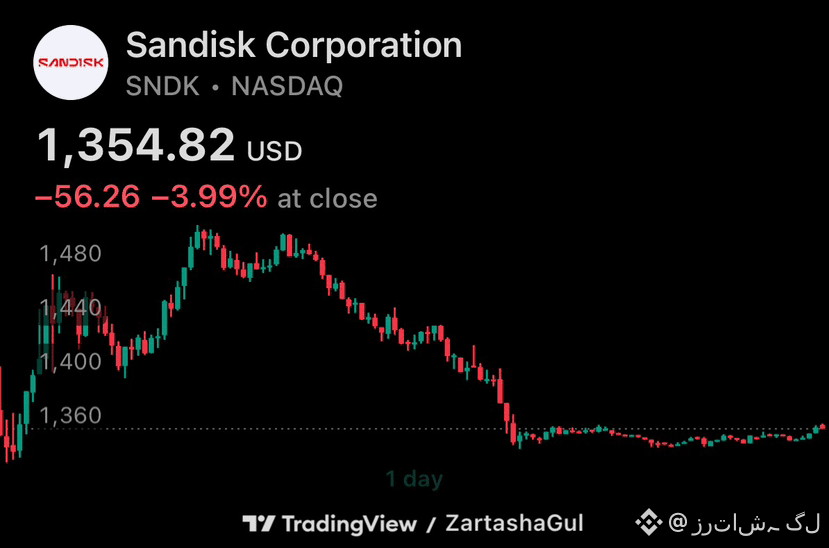
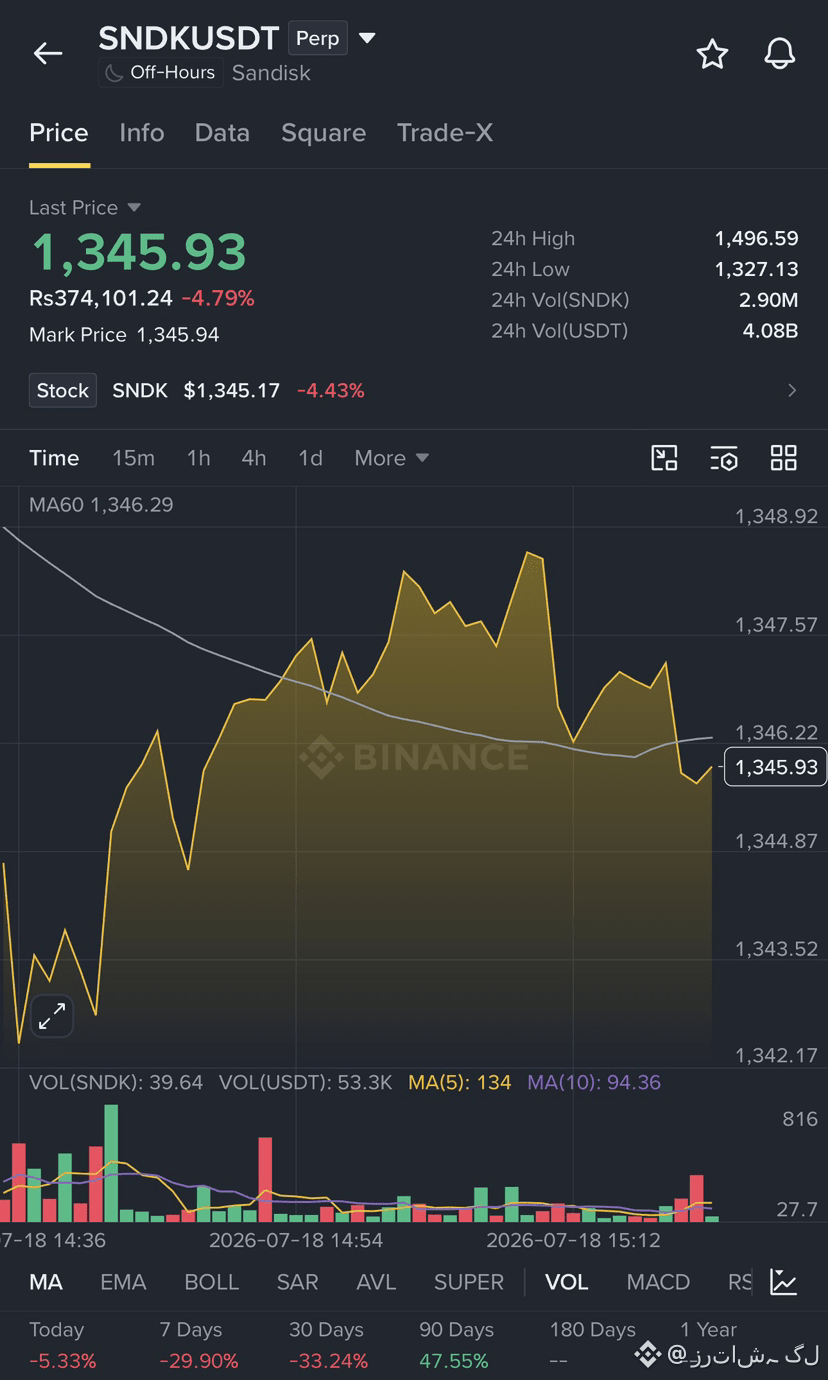
$SNDK realmente testou minha paciência hoje. 🥲
Bem quando parecia que os touros estavam assumindo o controle, o preço caiu direto de volta para onde começou. Agora fiquei pensando… devo comprar a queda (dip), manter a paciência ou me afastar e esperar por uma confirmação?
Alguém mais acompanhando $SNDK ? Eu adoraria saber como vocês estão jogando isso. Compartilhem suas ideias antes que eu faça meu próximo movimento. 👇
#SNDK #NASDAQ
Bem quando parecia que os touros estavam assumindo o controle, o preço caiu direto de volta para onde começou. Agora fiquei pensando… devo comprar a queda (dip), manter a paciência ou me afastar e esperar por uma confirmação?
Alguém mais acompanhando $SNDK ? Eu adoraria saber como vocês estão jogando isso. Compartilhem suas ideias antes que eu faça meu próximo movimento. 👇
#SNDK #NASDAQ
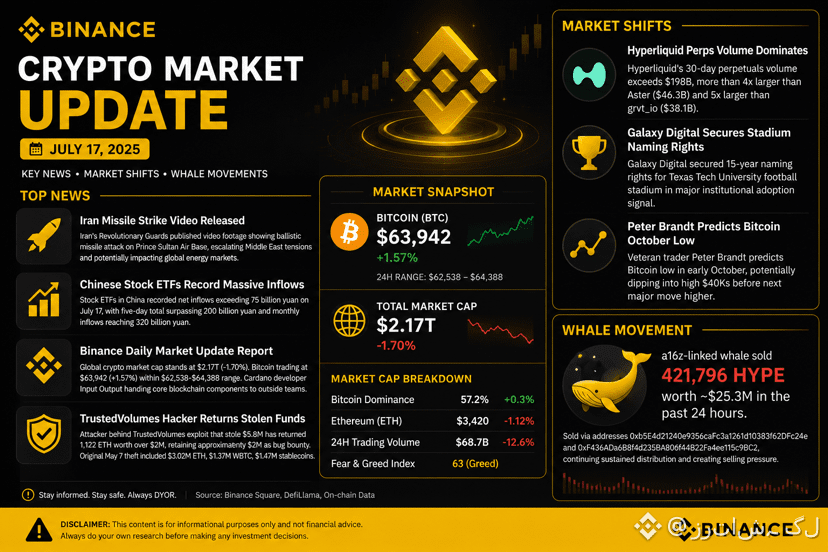
Atualização do Mercado Cripto | O que estou observando hoje
Os mercados continuam cautelosos, já que manchetes macroeconômicas seguem conduzindo o sentimento.
O Bitcoin está sendo negociado por volta de US$ 63,9K, mantendo-se acima de um suporte-chave após uma sessão volátil. A capitalização total do mercado de cripto está perto de US$ 2,17T, mostrando que a disposição ao risco permanece frágil, apesar da resiliência do BTC.
Desdobramentos:
• O Irã divulgou imagens do seu ataque de mísseis à Base Aérea do Príncipe Sultan, mantendo os riscos geopolíticos elevados. Qualquer escalada adicional pode impactar os preços do petróleo e os mercados financeiros mais amplos.
• ETFs de ações chineses atraíram mais de ¥75B em entradas líquidas em 17 de julho, elevando o total de cinco dias acima de ¥200B. Entradas fortes de capital em mercados tradicionais também merecem atenção junto com o cripto.
• A Hyperliquid segue dominando o mercado de perpetuais on-chain, com cerca de US$ 198B em volume de negociação nos últimos 30 dias, destacando a demanda contínua por derivativos descentralizados.
• O atacante por trás do exploit do TrustedVolumes devolveu parte dos fundos roubados, mas reteve uma parcela como um “bug bounty” alegado — mais um lembrete de que a segurança em DeFi continua sendo um foco importante.
🐋 Observação de Baleias
Um endereço ligado à a16z vendeu cerca de 421.796 HYPE (aprox. US$ 25,3M) nas últimas 24 horas. Transferências grandes com vínculo a VCs nem sempre sinalizam uma tendência de baixa, mas podem aumentar a pressão vendedora no curto prazo e a volatilidade.
O mercado está equilibrando agora três forças principais: incerteza geopolítica, participação institucional em crescimento e forte atividade on-chain. A volatilidade de curto prazo provavelmente continuará, mas o capital ainda flui tanto para as finanças tradicionais quanto para a infraestrutura cripto.
Siga sempre a gestão de risco e evite tomar decisões com base em uma única manchete.
#bitcoin #crypto #Hyperliquid #hype #MarketUpdate
Os mercados continuam cautelosos, já que manchetes macroeconômicas seguem conduzindo o sentimento.
O Bitcoin está sendo negociado por volta de US$ 63,9K, mantendo-se acima de um suporte-chave após uma sessão volátil. A capitalização total do mercado de cripto está perto de US$ 2,17T, mostrando que a disposição ao risco permanece frágil, apesar da resiliência do BTC.
Desdobramentos:
• O Irã divulgou imagens do seu ataque de mísseis à Base Aérea do Príncipe Sultan, mantendo os riscos geopolíticos elevados. Qualquer escalada adicional pode impactar os preços do petróleo e os mercados financeiros mais amplos.
• ETFs de ações chineses atraíram mais de ¥75B em entradas líquidas em 17 de julho, elevando o total de cinco dias acima de ¥200B. Entradas fortes de capital em mercados tradicionais também merecem atenção junto com o cripto.
• A Hyperliquid segue dominando o mercado de perpetuais on-chain, com cerca de US$ 198B em volume de negociação nos últimos 30 dias, destacando a demanda contínua por derivativos descentralizados.
• O atacante por trás do exploit do TrustedVolumes devolveu parte dos fundos roubados, mas reteve uma parcela como um “bug bounty” alegado — mais um lembrete de que a segurança em DeFi continua sendo um foco importante.
🐋 Observação de Baleias
Um endereço ligado à a16z vendeu cerca de 421.796 HYPE (aprox. US$ 25,3M) nas últimas 24 horas. Transferências grandes com vínculo a VCs nem sempre sinalizam uma tendência de baixa, mas podem aumentar a pressão vendedora no curto prazo e a volatilidade.
O mercado está equilibrando agora três forças principais: incerteza geopolítica, participação institucional em crescimento e forte atividade on-chain. A volatilidade de curto prazo provavelmente continuará, mas o capital ainda flui tanto para as finanças tradicionais quanto para a infraestrutura cripto.
Siga sempre a gestão de risco e evite tomar decisões com base em uma única manchete.
#bitcoin #crypto #Hyperliquid #hype #MarketUpdate
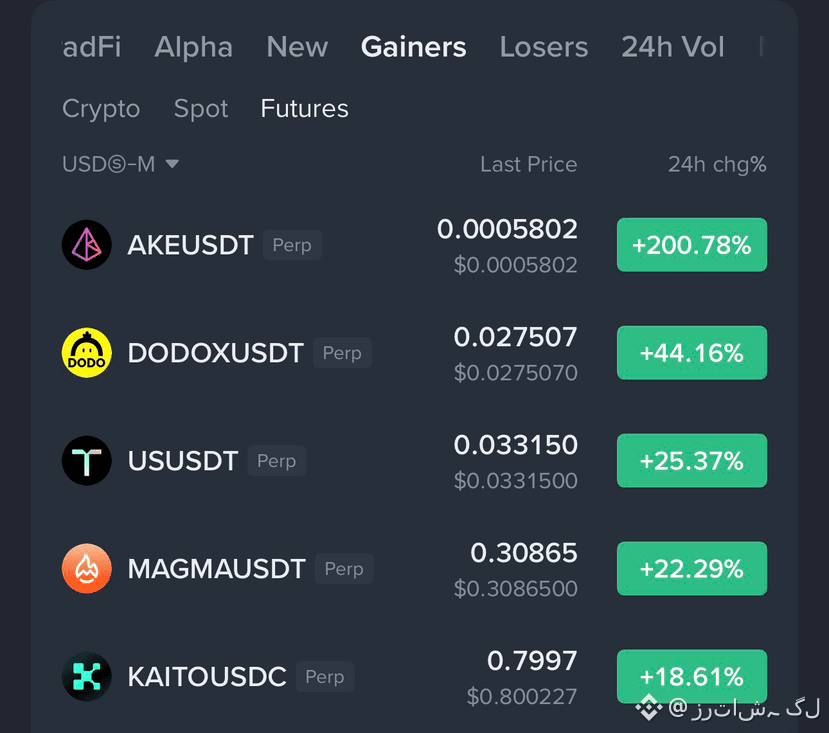
Os principais ganhadores de hoje em Futuros USDⓈ-M exibem baixa volatilidade de baixa capitalização + rotação:
- $AKE USDT +200.78% — Pico massivo. Provavelmente impulsionado por notícias/catalisador. Alto risco, observe uma possível queda.
- $DODOX USDT +44.16% — Ecossistema DODO ganhando momentum. Forte continuidade.
- $US USDT +25.37% & MAGMAUSDT +22.29% — Movimentos de nível intermediário. Rotação para tokens narrativos.
- #KAITO USDC +18.61% — O setor de IA/dados ainda está atraindo entradas.
Sentimento de apetite ao risco em contratos perpétuos. Volume girando para small caps.
A alavancagem amplifica esses movimentos nos dois sentidos, então gerencie o risco.
Conteúdo apenas educacional. Não é aconselhamento financeiro. Faça sua própria pesquisa (DYOR).
- $AKE USDT +200.78% — Pico massivo. Provavelmente impulsionado por notícias/catalisador. Alto risco, observe uma possível queda.
- $DODOX USDT +44.16% — Ecossistema DODO ganhando momentum. Forte continuidade.
- $US USDT +25.37% & MAGMAUSDT +22.29% — Movimentos de nível intermediário. Rotação para tokens narrativos.
- #KAITO USDC +18.61% — O setor de IA/dados ainda está atraindo entradas.
Sentimento de apetite ao risco em contratos perpétuos. Volume girando para small caps.
A alavancagem amplifica esses movimentos nos dois sentidos, então gerencie o risco.
Conteúdo apenas educacional. Não é aconselhamento financeiro. Faça sua própria pesquisa (DYOR).
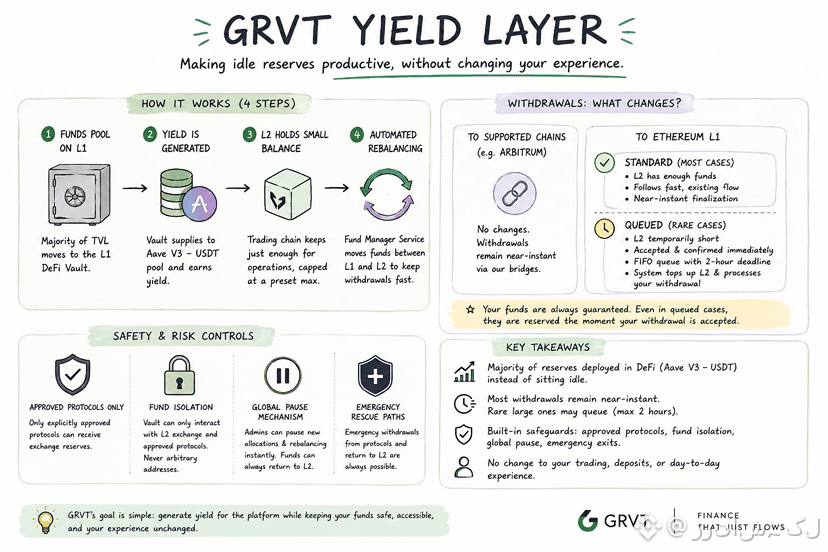
@grvt_io me fez cair em mais uma toca de coelho hoje. Eu abri a nova documentação do Yield Layer esperando uma atualização simples de “ganhar rendimento sobre ativos ociosos”. Em vez disso, uma escolha de design ficou puxando minha atenção de volta: a GRVT está movendo a maior parte das reservas da exchange para o Ethereum DeFi, mantendo deliberadamente apenas um pequeno saldo operacional no seu L2.
Parece arriscado à primeira vista.
Mas a parte interessante não é o rendimento. É como eles desenharam as retiradas em torno disso.
A maior parte das reservas agora fica em um L1 DeFi Vault, rendendo juros via o pool de USDT do Aave V3, enquanto um Fund Manager automatizado faz o reequilíbrio contínuo de liquidez entre o Ethereum e a cadeia Validium da GRVT. O trading não muda, os depósitos não mudam, e a maior parte das retiradas continua próxima de instantânea.
O “porém”?
Retiradas muito grandes podem ocasionalmente entrar em uma fila FIFO com uma janela de processamento máxima garantida de 2 horas, caso o saldo do L2 precise ser completado.
Isso é uma mudança sutil.
A maioria das exchanges mantém reservas ociosas apenas para garantir liquidez instantânea. #grvt está tentando deixar esses ativos produtivos em vez disso—e depois engenheirar o fluxo de retirada para que os usuários raramente percebam a diferença.
O modelo de segurança chamou ainda mais minha atenção do que o rendimento.
O DeFi Vault só pode interagir com protocolos aprovados, começando pelo Aave V3. Ele não pode enviar fundos para carteiras arbitrárias. Há também um mecanismo global de pausa que interrompe novas alocações enquanto ainda permite que os fundos retornem para a exchange, se necessário.
Peguei um café no meio da leitura e fiquei pensando se é aqui que a infraestrutura das exchanges está indo silenciosamente. Em vez de deixar bilhões parados por liquidez, o capital continua trabalhando no DeFi enquanto a automação faz o balanceamento nos bastidores.
Não estou dizendo que toda exchange deva copiar o modelo.
Só percebi que a conversa parece estar mudando de “As exchanges conseguem gerar rendimento?” para “As exchanges conseguem gerar rendimento sem mudar a experiência do usuário?”
Isso parece ser a pergunta mais interessante.
$BSB #grvt
$ALCH
Parece arriscado à primeira vista.
Mas a parte interessante não é o rendimento. É como eles desenharam as retiradas em torno disso.
A maior parte das reservas agora fica em um L1 DeFi Vault, rendendo juros via o pool de USDT do Aave V3, enquanto um Fund Manager automatizado faz o reequilíbrio contínuo de liquidez entre o Ethereum e a cadeia Validium da GRVT. O trading não muda, os depósitos não mudam, e a maior parte das retiradas continua próxima de instantânea.
O “porém”?
Retiradas muito grandes podem ocasionalmente entrar em uma fila FIFO com uma janela de processamento máxima garantida de 2 horas, caso o saldo do L2 precise ser completado.
Isso é uma mudança sutil.
A maioria das exchanges mantém reservas ociosas apenas para garantir liquidez instantânea. #grvt está tentando deixar esses ativos produtivos em vez disso—e depois engenheirar o fluxo de retirada para que os usuários raramente percebam a diferença.
O modelo de segurança chamou ainda mais minha atenção do que o rendimento.
O DeFi Vault só pode interagir com protocolos aprovados, começando pelo Aave V3. Ele não pode enviar fundos para carteiras arbitrárias. Há também um mecanismo global de pausa que interrompe novas alocações enquanto ainda permite que os fundos retornem para a exchange, se necessário.
Peguei um café no meio da leitura e fiquei pensando se é aqui que a infraestrutura das exchanges está indo silenciosamente. Em vez de deixar bilhões parados por liquidez, o capital continua trabalhando no DeFi enquanto a automação faz o balanceamento nos bastidores.
Não estou dizendo que toda exchange deva copiar o modelo.
Só percebi que a conversa parece estar mudando de “As exchanges conseguem gerar rendimento?” para “As exchanges conseguem gerar rendimento sem mudar a experiência do usuário?”
Isso parece ser a pergunta mais interessante.
$BSB #grvt
$ALCH
@NewtonProtocol quick notes. Acabei lendo a documentação do VaultKit em vez de apenas fazer uma leitura rápida da visão geral, e uma coisa continuou aparecendo.
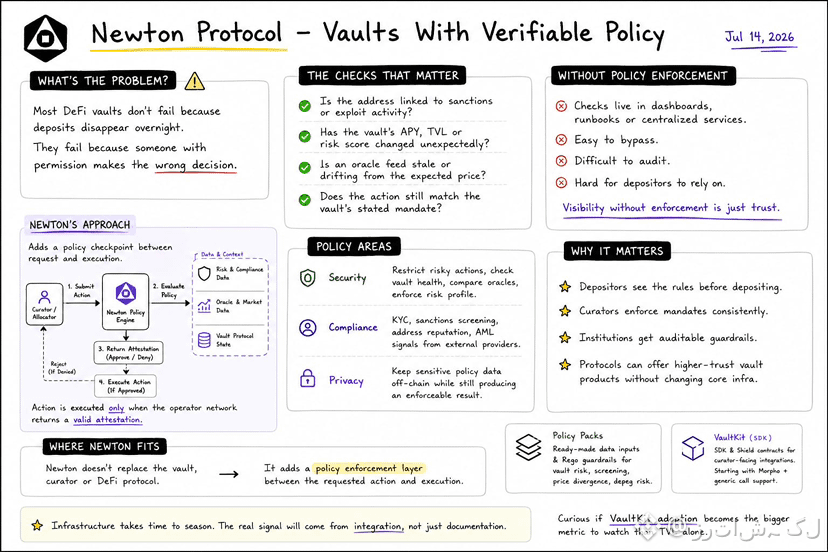
A maioria dos cofres DeFi não falha de verdade porque os depósitos somem durante a noite. Eles falham porque alguém com permissão toma a decisão errada.
A abordagem da Newton é colocar um checkpoint de política entre a solicitação e a execução. Parece simples, mas é um modelo de segurança diferente.
A documentação lista os tipos de verificações que podem acontecer antes de uma ação do cofre ser executada:
• O endereço que faz o depósito está ligado a sanções ou a atividades de exploração?
• O APY, o TVL ou a pontuação de risco do cofre mudaram inesperadamente?
• A alimentação de oráculo está desatualizada ou desviando do preço esperado?
• A ação ainda corresponde ao mandato declarado do cofre?
Sem essa camada, a maior parte dessas decisões fica em dashboards, runbooks internos ou serviços centralizados. Elas podem ser contornadas, e depositantes normalmente não têm visibilidade sobre como isso é aplicado.
A parte interessante é que a Newton não está tentando substituir a infraestrutura existente dos cofres.
Ela fica entre o pedido de ação e a execução, avalia a política, coleta dados de risco ou conformidade fora da cadeia e só retorna uma atestação se as regras forem atendidas.
A documentação também divide a política em categorias práticas, em vez de um único recurso genérico de "segurança":
• Segurança → restringir ações arriscadas do cofre.
• Conformidade → KYC, AML e triagem de sanções.
• Privacidade → manter a lógica sensível da política fora da cadeia, enquanto ainda produz um resultado de autorização aplicável.
Parece menos como mais um produto de rendimento e mais como infraestrutura para tornar decisões de cofres auditáveis.
Ainda está no começo, porém.
Um motor de políticas é tão útil quanto os protocolos que de fato o integram. Fico curioso se a adoção do VaultKit vai se tornar a métrica maior para acompanhar do que apenas TVL.
#Newt #NewtonProtocol $NEWT
$ALCH
$BILL
A maioria dos cofres DeFi não falha de verdade porque os depósitos somem durante a noite. Eles falham porque alguém com permissão toma a decisão errada.
A abordagem da Newton é colocar um checkpoint de política entre a solicitação e a execução. Parece simples, mas é um modelo de segurança diferente.
A documentação lista os tipos de verificações que podem acontecer antes de uma ação do cofre ser executada:
• O endereço que faz o depósito está ligado a sanções ou a atividades de exploração?
• O APY, o TVL ou a pontuação de risco do cofre mudaram inesperadamente?
• A alimentação de oráculo está desatualizada ou desviando do preço esperado?
• A ação ainda corresponde ao mandato declarado do cofre?
Sem essa camada, a maior parte dessas decisões fica em dashboards, runbooks internos ou serviços centralizados. Elas podem ser contornadas, e depositantes normalmente não têm visibilidade sobre como isso é aplicado.
A parte interessante é que a Newton não está tentando substituir a infraestrutura existente dos cofres.
Ela fica entre o pedido de ação e a execução, avalia a política, coleta dados de risco ou conformidade fora da cadeia e só retorna uma atestação se as regras forem atendidas.
A documentação também divide a política em categorias práticas, em vez de um único recurso genérico de "segurança":
• Segurança → restringir ações arriscadas do cofre.
• Conformidade → KYC, AML e triagem de sanções.
• Privacidade → manter a lógica sensível da política fora da cadeia, enquanto ainda produz um resultado de autorização aplicável.
Parece menos como mais um produto de rendimento e mais como infraestrutura para tornar decisões de cofres auditáveis.
Ainda está no começo, porém.
Um motor de políticas é tão útil quanto os protocolos que de fato o integram. Fico curioso se a adoção do VaultKit vai se tornar a métrica maior para acompanhar do que apenas TVL.
#Newt #NewtonProtocol $NEWT
$ALCH
$BILL
Quando olhei com mais atenção, isso mudou a minha visão de GRVT
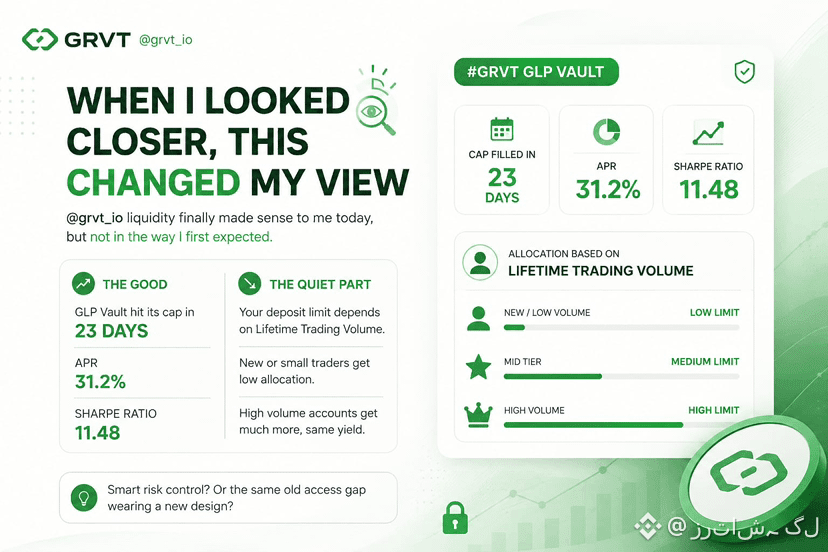
@grvt_io liquidez finalmente fez sentido para mim hoje, mas não do jeito que eu esperava inicialmente.
Eu estava verificando o Vault #grvt GLP enquanto fazia outra tarefa. Os números pareciam ótimos no começo. O vault atingiu o limite em 23 dias, mostra uma APR de 31,2% e uma razão de Sharpe de 11,48. Parece que qualquer um pode entrar.
Então eu notei uma coisa.
O valor que você pode depositar depende do seu Lifetime Trading Volume. Se você é um usuário novo ou negocia menos, o seu limite de depósito fica pequeno. Eu até testei isso e a alocação foi bem menor do que eu esperava.
Pessoas com um histórico de negociação mais longo recebem limites maiores desde o começo. Mesmo vault. Mesmo rendimento. Só que com mais espaço para ganhar.
Terminei meu chá por aqui...
O sistema em si é simples. Ele recompensa os usuários que já estiveram ativos. Isso provavelmente ajuda a manter a liquidez mais estável e reduz o farming de curto prazo. Mas ver isso funcionando na prática me deu uma visão diferente.
Talvez seja um controle inteligente de risco. Ou talvez seja outra forma de oferecer oportunidades maiores para traders que já estavam à frente. Ainda estou pensando nisso.
#grvt
@grvt_io liquidez finalmente fez sentido para mim hoje, mas não do jeito que eu esperava inicialmente.
Eu estava verificando o Vault #grvt GLP enquanto fazia outra tarefa. Os números pareciam ótimos no começo. O vault atingiu o limite em 23 dias, mostra uma APR de 31,2% e uma razão de Sharpe de 11,48. Parece que qualquer um pode entrar.
Então eu notei uma coisa.
O valor que você pode depositar depende do seu Lifetime Trading Volume. Se você é um usuário novo ou negocia menos, o seu limite de depósito fica pequeno. Eu até testei isso e a alocação foi bem menor do que eu esperava.
Pessoas com um histórico de negociação mais longo recebem limites maiores desde o começo. Mesmo vault. Mesmo rendimento. Só que com mais espaço para ganhar.
Terminei meu chá por aqui...
O sistema em si é simples. Ele recompensa os usuários que já estiveram ativos. Isso provavelmente ajuda a manter a liquidez mais estável e reduz o farming de curto prazo. Mas ver isso funcionando na prática me deu uma visão diferente.
Talvez seja um controle inteligente de risco. Ou talvez seja outra forma de oferecer oportunidades maiores para traders que já estavam à frente. Ainda estou pensando nisso.
#grvt
Inicia sessão para explorar mais conteúdos