

#bitcoi
bitcoi
127,106 visualizações
572 a discutir
Popular
Mais recente

·
--
Ver tradução
🚨 BITCOIN TRADERS: WHY DO LIQUIDATIONS HAPPEN? 📉📈
One of the biggest risks in crypto futures trading is LEVERAGE.
You can be right about the long-term direction of Bitcoin and still lose money if your position gets liquidated before the market moves in your favor.
Let's understand how it works. 👇
🔥 1️⃣ WHAT IS A LIQUIDATION?
Liquidation happens when an exchange forcibly closes a leveraged position because its margin is no longer sufficient under the exchange's rules.
It can happen to both LONG and SHORT traders.
📉 2️⃣ HOW CAN A LONG POSITION GET LIQUIDATED?
Imagine you open a leveraged LONG position expecting Bitcoin to rise.
If BTC falls sharply, your losses increase. If your margin becomes insufficient, the exchange may close your position.
📈 3️⃣ WHAT ABOUT SHORT POSITIONS?
A SHORT trader expects the price to fall.
If Bitcoin rises sharply instead, the short position can suffer losses and may also be liquidated.
⚠️ 4️⃣ WHY DOES LEVERAGE INCREASE RISK?
Higher leverage means a smaller price move can have a larger impact on your margin.
For example, with 10x leverage, a 1% adverse move represents roughly 10% of the initial position margin before fees and other factors. Actual liquidation depends on exchange rules, maintenance margin, and position details.
📊 5️⃣ WHAT SHOULD TRADERS WATCH?
✅ BTC price action
✅ Open interest
✅ Funding rates
✅ Liquidation data
✅ Position size and available margin
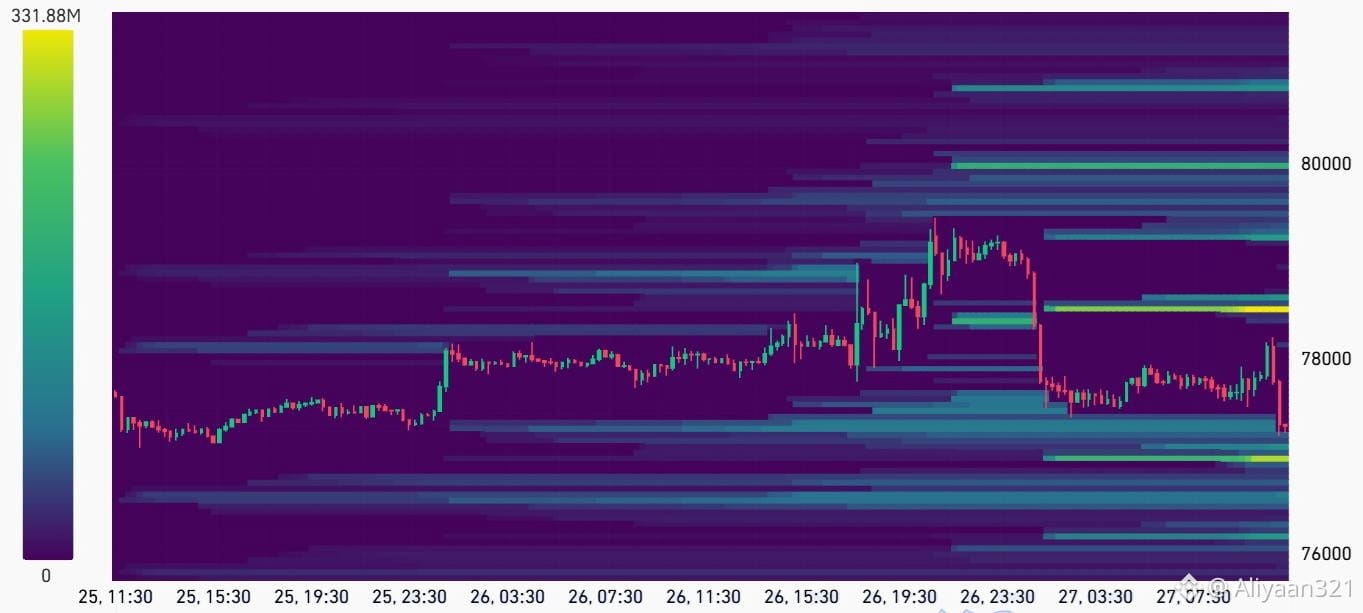
Recent market data for October 19–25 reported substantial liquidations of both long and short positions on Binance. This shows why leveraged trading deserves caution.
🧠 THE BIG LESSON
High liquidation activity does not automatically mean Bitcoin will rise or fall next.
Use data to understand market conditions, not to predict guaranteed profits.
👇 QUESTION FOR TRADERS:
Which do you prefer?
A) Spot trading — no leverage
B) Futures trading — with leverage
C) Still learning before trading
Comment A, B, or C!
📌 Follow for real crypto trading education, market data, and risk-management lessons.
#Bitcoi #BTC
13

·
--
Em Baixa
🚨 ATUALIZAÇÃO DO MERCADO CRIPTO 🚨
📉 Bitcoin testa suporte importante em US$ 80 mil 💸 Mais de US$ 773 milhões saíram dos ETFs spot de BTC em duas sessões ⚠️ Ethereum continua apresentando desempenho inferior ao BTC
👀 O que observar a seguir: • Reação do preço do BTC perto de US$ 80 mil • Entradas versus saídas dos ETFs • Próxima decisão do Federal Reserve dos EUA
O próximo movimento depende de os compradores entrarem em ação ou de a pressão vendedora continuar.
#Bitcoi
{spot}(BTCUSDT)
#Bitcoi #BTC #EthereumNews #CryptoNewss #BinanceSquare
🚨 ATUALIZAÇÃO DO MERCADO CRIPTO 🚨
📉 Bitcoin testa suporte importante em US$ 80 mil 💸 Mais de US$ 773 milhões saíram dos ETFs spot de BTC em duas sessões ⚠️ Ethereum continua apresentando desempenho inferior ao BTC
👀 O que observar a seguir: • Reação do preço do BTC perto de US$ 80 mil • Entradas versus saídas dos ETFs • Próxima decisão do Federal Reserve dos EUA
O próximo movimento depende de os compradores entrarem em ação ou de a pressão vendedora continuar.
#Bitcoi
#Bitcoi #BTC #EthereumNews #CryptoNewss #BinanceSquare

90

·
--
🚨 ALERTA BITCOIN: Grandes Liquidações & Turmoil Global! O $BTC está seguro? ⚠️
🌍 Ondas de choque macro globais estão atingindo os mercados! Com quase US$ 2 trilhões sendo eliminados dos ativos tradicionais e os mercados acionários asiáticos recuando, ativos de risco como o cripto estão sentindo a pressão. Mas, nos bastidores, o Bitcoin está apresentando uma resistência surpreendentemente forte! 🛡️⚡️
📉 US$ 500 Milhões Liquidados em um Instante
Uma queda modesta de US$ 2.000 no Bitcoin foi suficiente para acionar quase US$ 500.000.000 em liquidações nos mercados futuros! 💥 No entanto, como grande parte dessas liquidações eram posições vendidas na alta, o BTC conseguiu evitar um colapso total. Esse amortecedor impediu que os preços despencassem diretamente abaixo do nível crítico de suporte de US$ 80.000. 📊🧲
⏳ O Teste de Verdade Está Apenas Começando!
Embora o Bitcoin esteja segurando a posição por enquanto, a tempestade ainda não acabou. O mercado provavelmente está entrando em uma fase de consolidação para buscar liquidez mais profunda antes de fazer seu próximo grande movimento. Se os mercados financeiros tradicionais enfrentarem uma crise global mais ampla, a volatilidade do cripto vai disparar significativamente. 🌊🌪️
💡 Como Lidar com a Volatilidade do Mercado:
🧘♂️ Tenha Paciência: Não deixe que picos de curto prazo atrapalhem seu plano de longo prazo.
🛡️ Gerencie o Risco: Mantenha a alavancagem baixa para evitar ser pego em varridas súbitas de liquidação.
🔍 Faça Sua Própria Pesquisa (DYOR): Acompanhe de perto as tendências macroeconômicas junto com os gráficos técnicos! 🧠💼
👇 Você acha que $BTC vai se manter firme acima de US$ 80 mil, ou estamos indo mais fundo em uma correção? Compartilhe suas opiniões abaixo! 💬👇
#Bitcoi n #BTC #CryptoNews #BinanceSquare #MarketUpdate #MacroEconomy #DYOR
42

·
--
🚀 INICIANTES EM CRIPTOMOEDAS, VAMOS APRENDER JUNTOS! 💰
Você já se perguntou como o Bitcoin funciona?
₿ O Bitcoin é um ativo digital que opera em uma rede descentralizada chamada blockchain.
📚 Antes de investir, informe-se sempre sobre os riscos, a volatilidade e a segurança das criptomoedas.
💬 Pergunta para todos:
O que você gostaria de aprender a seguir?
A) Noções básicas sobre Bitcoin
B) Blockchain explicada
C) Segurança de carteiras de criptomoedas
Comente A, B ou C abaixo! 👇
#Bitcoi #BTC #cryptoeducation #BinanceSquare

1
81

Artigo
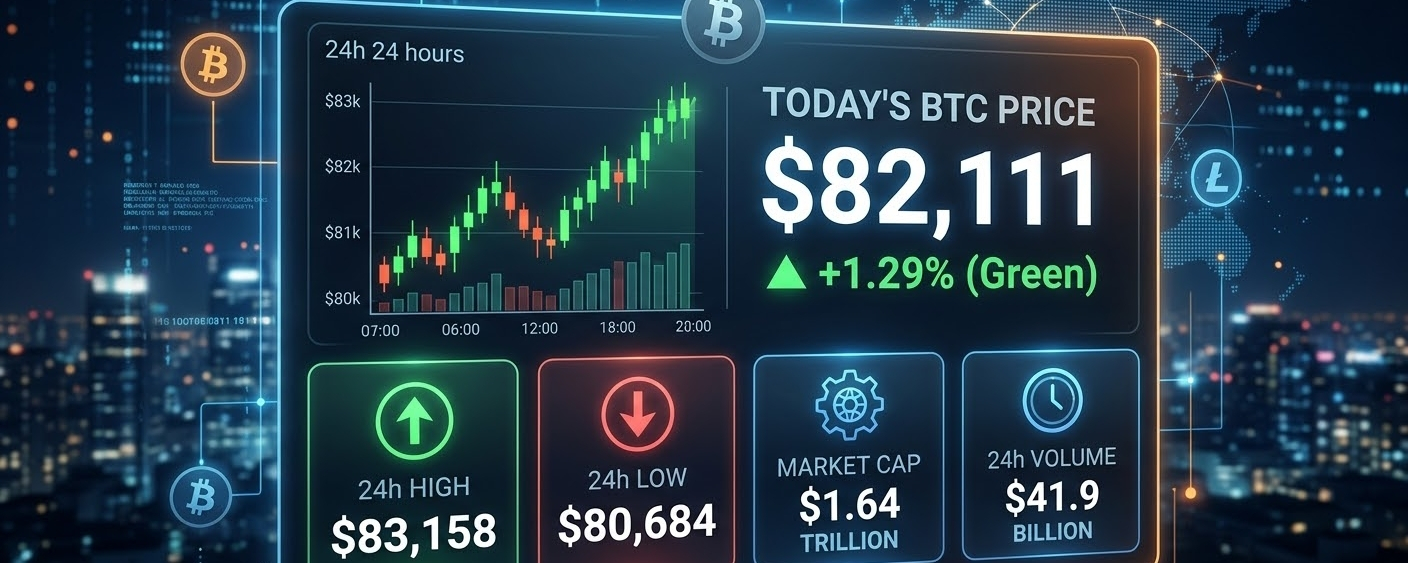
Preço de hoje: $82,111 (+1.29%)
· Máxima em 24h: $83,158
· Mínima em 24h: $80,684
· Capitalização de mercado: $1.64 trilhãoPreço de hoje: $82,111 (+1.29%)
Máxima em 24h:
$83,158
Mínima em 24h:
$80,684
Capitalização de mercado:
$1.64 trilhão
O que aconteceu hoje?O BTC se recuperou da mínima de $80,5 mil até a máxima de $83 mil — forte recuperaçãoAbriu a $81,063 e agora subiu +$1,047 em um dia. Volume de negociação em 24h: $18.18 bilhões. O sentimento ainda está em medo extremo (25), mas o RSI está em 47 — aproximando-se da zona neutra. O Nasdaq e o S&P 500 também dispararam hoje; a recuperação do setor de tecnologia ajudou o BTCO Bitcoin está se mantendo acima do suporte de $81 mil. Se ultrapassar $83,076 (máxima de hoje), o próximo alvo é $84,5 mil. Uma queda abaixo de $80,5 mil pode significar um novo teste dos $79 mil.
Preço de hoje: $82,111 (+1.29%) · Máxima em 24h: $83,158 · Mínima em 24h: $80,684 · Capitalização de mercado: $1.64 trilhão
Preço de hoje: $82,111 (+1.29%)
Máxima em 24h:
$83,158
Mínima em 24h:
$80,684
Capitalização de mercado:
$1.64 trilhão
O que aconteceu hoje?O BTC se recuperou da mínima de $80,5 mil até a máxima de $83 mil — forte recuperaçãoAbriu a $81,063 e agora subiu +$1,047 em um dia. Volume de negociação em 24h: $18.18 bilhões. O sentimento ainda está em medo extremo (25), mas o RSI está em 47 — aproximando-se da zona neutra. O Nasdaq e o S&P 500 também dispararam hoje; a recuperação do setor de tecnologia ajudou o BTCO Bitcoin está se mantendo acima do suporte de $81 mil. Se ultrapassar $83,076 (máxima de hoje), o próximo alvo é $84,5 mil. Uma queda abaixo de $80,5 mil pode significar um novo teste dos $79 mil.
91

Movimento lateral chato do Bitcoin $BTC perto dos níveis de US$ 81.250, depois de tocar com sucesso o suporte dos US$ 81 mil, como alertámos anteriormente. 📉🎯
A estabilidade nestas zonas é crucial para determinar o próximo rumo de #Bitcoi n. Sigam uma gestão de risco e usem um stop-loss, como expliquei no meu artigo anterior.
Esperam uma recuperação a partir deste fundo ou veremos uma queda mais profunda? Partilhem as vossas análises nos comentários! 👇
#BTC $BTC TC #Bitcoin #BinanceSquare
1
114

¿Bitcoin preso pela inflação ou pronto para a recuperação?
O mercado cripto sofreu um forte impacto após o relatório do IPC dos EUA, que veio acima do esperado, fazendo com que $BTC perdesse o patamar dos $81,000 e passasse a ser negociado na faixa dos $80,900. A incerteza sobre se o Federal Reserve vai aumentar as taxas de juros neste mês provocou saídas de mais de $150 milhões dos ETFs spot de Bitcoin em uma única sessão, arrastando a liquidez do mercado de varejo para zonas de suporte crítico.
Minha análise
Serei brutalmente honesto: a maioria dos traders será liquidada nas próximas horas porque opera por instinto, e não com base nos dados reais do livro de ordens. Minha posição em relação ao $BTC é de cautela, com uma tendência moderadamente otimista, exclusivamente se conseguirmos defender o suporte psicológico macro dos $80,000. Tecnicamente, o mercado está sobrevendido no curto prazo devido ao pânico macroeconômico, mas os fluxos institucionais continuam instáveis.
Não compre pensando que o fundo do $BTC C está garantido; neste negócio, não existem certezas. Se o preço romper com força o suporte dos $80,000 com volume de liquidações institucionais, a estrutura será completamente invalidada e buscará os $75,000. Gerencie seu risco, mantenha a alavancagem no mínimo e lembre-se de que aceitar uma pequena perda a tempo é a única maneira de sobreviver para ver a próxima tendência.
{spot}(BTCUSDT)
Siga-me para ver mais conteúdo sobre trading.
#Bitcoi n #crypt o #Trading
¿Bitcoin preso pela inflação ou pronto para a recuperação?
O mercado cripto sofreu um forte impacto após o relatório do IPC dos EUA, que veio acima do esperado, fazendo com que $BTC perdesse o patamar dos $81,000 e passasse a ser negociado na faixa dos $80,900. A incerteza sobre se o Federal Reserve vai aumentar as taxas de juros neste mês provocou saídas de mais de $150 milhões dos ETFs spot de Bitcoin em uma única sessão, arrastando a liquidez do mercado de varejo para zonas de suporte crítico.
Minha análise
Serei brutalmente honesto: a maioria dos traders será liquidada nas próximas horas porque opera por instinto, e não com base nos dados reais do livro de ordens. Minha posição em relação ao $BTC é de cautela, com uma tendência moderadamente otimista, exclusivamente se conseguirmos defender o suporte psicológico macro dos $80,000. Tecnicamente, o mercado está sobrevendido no curto prazo devido ao pânico macroeconômico, mas os fluxos institucionais continuam instáveis.
Não compre pensando que o fundo do $BTC C está garantido; neste negócio, não existem certezas. Se o preço romper com força o suporte dos $80,000 com volume de liquidações institucionais, a estrutura será completamente invalidada e buscará os $75,000. Gerencie seu risco, mantenha a alavancagem no mínimo e lembre-se de que aceitar uma pequena perda a tempo é a única maneira de sobreviver para ver a próxima tendência.
Siga-me para ver mais conteúdo sobre trading.
#Bitcoi n #crypt o #Trading
165

·
--
{spot}(BTCUSDT)
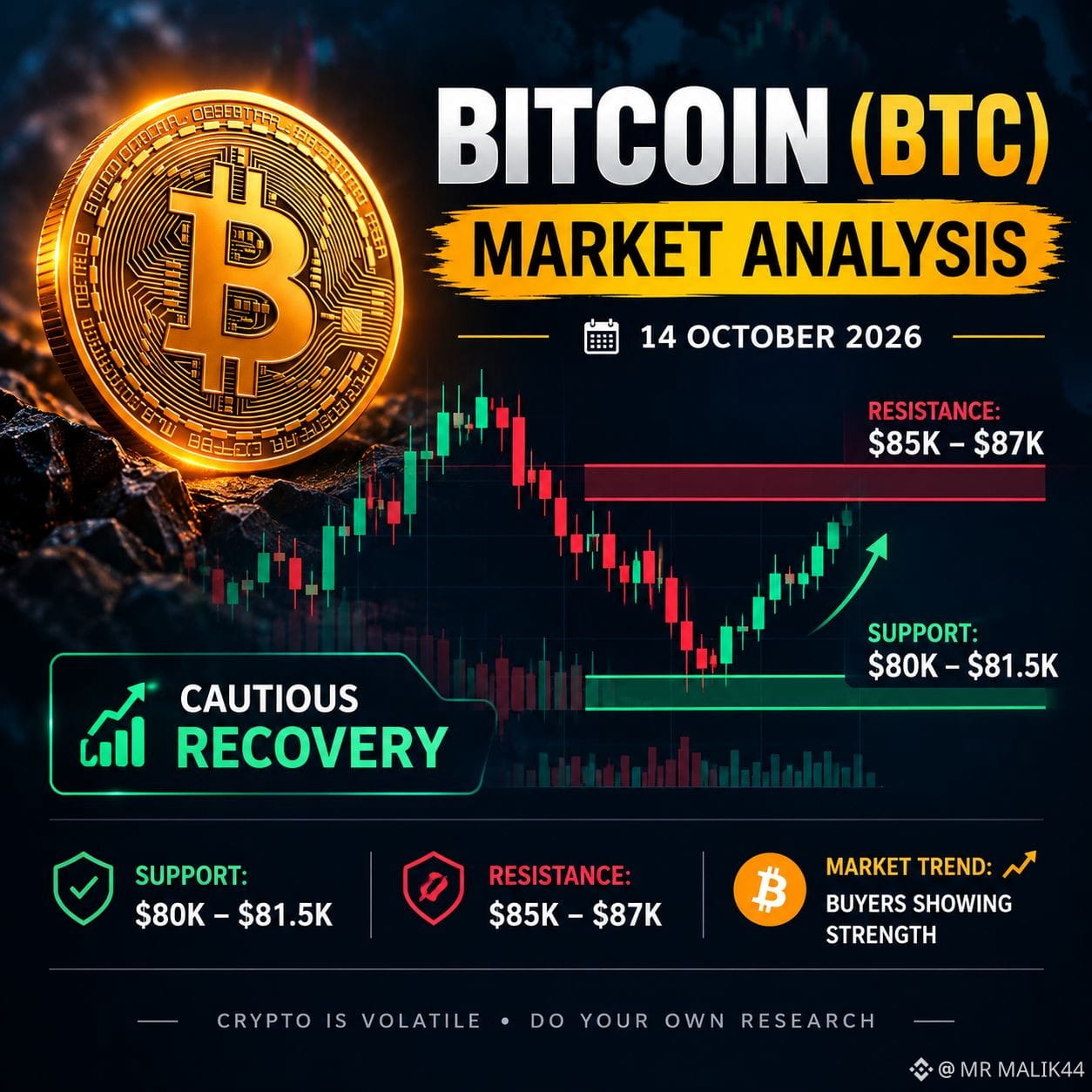
$BTC está mostrando sinais de recuperação após testar a zona de suporte de US$ 81.000.
🔹 Suporte: US$ 80.000–US$ 81.500
🔹 Resistência: US$ 85.000–US$ 87.000
🔹 Perspectiva: Cautelosa — um rompimento acima da resistência pode fortalecer o impulso de alta, enquanto uma queda abaixo do suporte pode levar a novas perdas.
⚠️ Aviso de risco: As criptomoedas são altamente voláteis. Este é um comentário de mercado, não uma recomendação financeira. Sempre faça sua própria pesquisa antes de investir.
#Bitcoi #BTC #CryptoAnalysis #BinanceSquare #CPIWatch
98

📊 #BTC Update Diário: O Mercado sob Pressão Macro
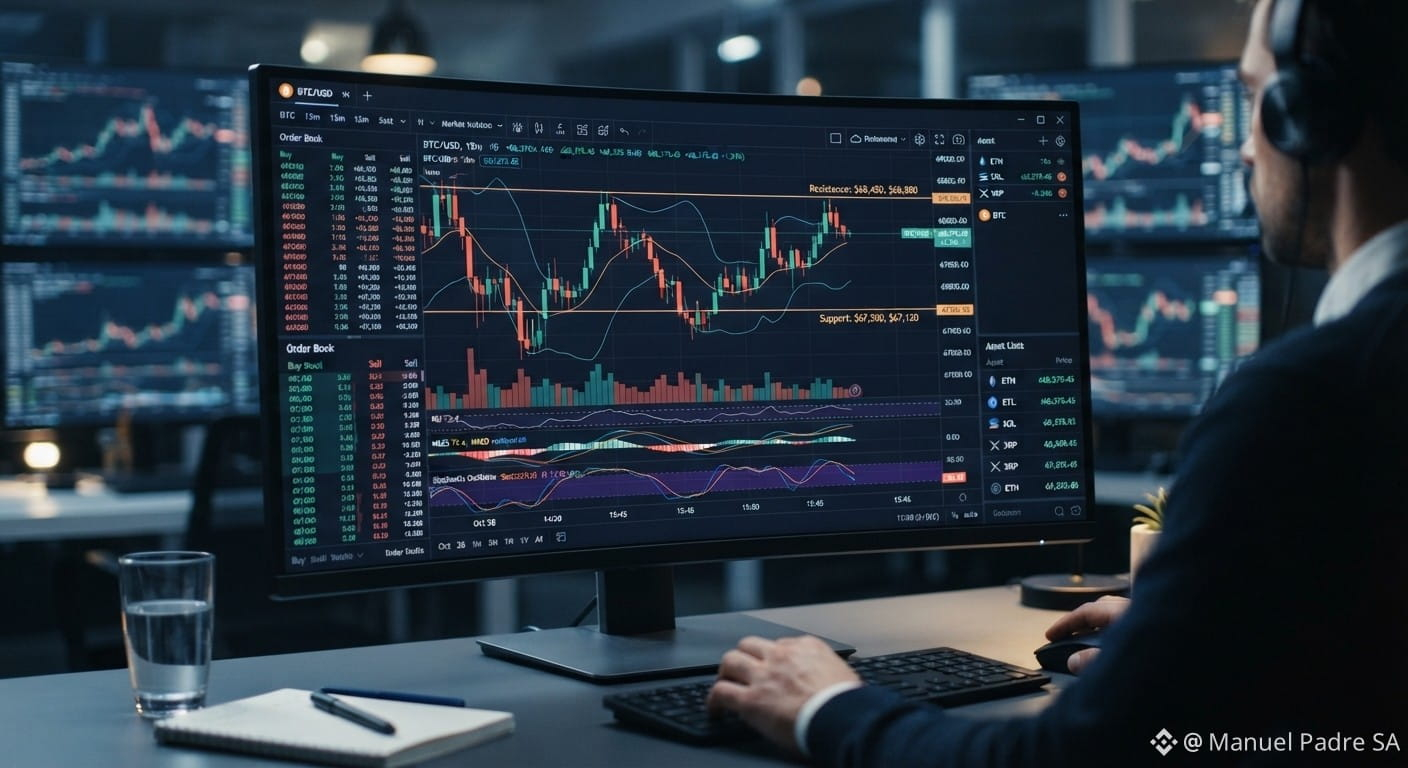
O Bitcoin mantém a sua consolidação e testa regiões importantes de suporte. O cenário macroeconômico segue pressionando os ativos de risco, impulsionado por expectativas de juros e volatilidade nos mercados globais.
O que ficar de olho hoje:
🎯 Resistência Curta: Região dos $83,500 – $84,000 (precisa romper com volume para sustentar alta).
🛡️ Suporte Crítico: Região dos $75,000 – $76,000 (ponto crucial para evitar correções mais fundas).
⚡ Aviso de Risco: Posições alavancadas em altcoins continuam sofrendo liquidações expressivas com a alta dominância do Bitcoin.
💡 Estratégia: Em momentos de incerteza macro, a gestão de risco e o uso de stop-loss são indispensáveis.
Qual o seu movimento hoje: Comprando na baixa ou aguardando confirmação? 👇
#Bitcoi n #CryptoAnalysis #BinanceSquare #Trading
89


Artigo
O teste do Bitcoin a $84.7K: recuperação em direção a $86.6K ou outra armadilha de alta?$BTC
👇👇👇
O Bitcoin está se recuperando, mas os compradores ainda precisam superar um nível importante para que esta recuperação se transforme num movimento de alta mais forte.
Com base no gráfico de 12 de outubro, capturado por volta das 9:43, horário do Paquistão, os futuros perpétuos de BTCUSDT estavam sendo negociados perto de $84,065, com o RSI diário em torno de 55.80.
Minha perspectiva para o curto prazo é cautelosamente otimista enquanto o BTC se mantiver na zona de suporte entre $83,458 e $82,823. O primeiro teste da zona superior fica em torno de $84,677–$84,706. No entanto, uma recuperação até à resistência não confirma automaticamente uma reversão completa da tendência.
O teste do Bitcoin a $84.7K: recuperação em direção a $86.6K ou outra armadilha de alta?
$BTC
👇👇👇
O Bitcoin está se recuperando, mas os compradores ainda precisam superar um nível importante para que esta recuperação se transforme num movimento de alta mais forte.
Com base no gráfico de 12 de outubro, capturado por volta das 9:43, horário do Paquistão, os futuros perpétuos de BTCUSDT estavam sendo negociados perto de $84,065, com o RSI diário em torno de 55.80.
Minha perspectiva para o curto prazo é cautelosamente otimista enquanto o BTC se mantiver na zona de suporte entre $83,458 e $82,823. O primeiro teste da zona superior fica em torno de $84,677–$84,706. No entanto, uma recuperação até à resistência não confirma automaticamente uma reversão completa da tendência.
94

·
--
#RussiaRequiresCryptoMinersToSeekFourthCategoryGridConnections
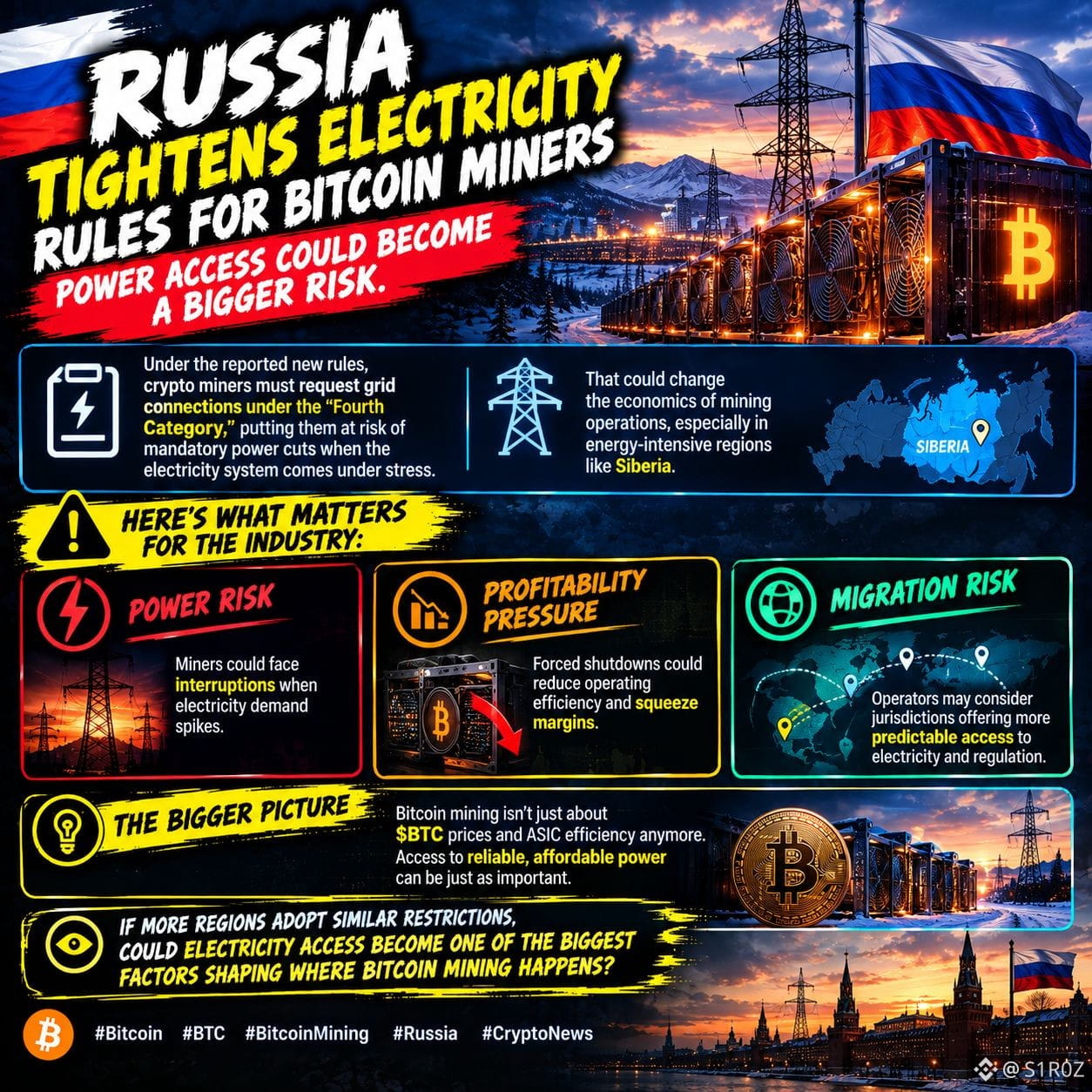
🇷🇺 A Rússia está a apertar as regras de eletricidade para os mineradores de Bitcoin — e o acesso à energia pode tornar-se um risco maior.
Segundo as novas regras divulgadas, os mineradores de criptomoedas têm de solicitar ligações à rede na “Quarta Categoria”, ficando sujeitos a cortes obrigatórios de energia quando o sistema elétrico estiver sob pressão.
Isto pode alterar a economia das operações de mineração, especialmente em regiões com elevado consumo de energia, como a Sibéria.
⚠️ Eis o que importa para o setor:
⚡ Risco energético: os mineradores podem enfrentar interrupções quando a procura de eletricidade aumentar.
📉 Pressão sobre a rentabilidade: os encerramentos forçados podem reduzir a eficiência operacional e apertar as margens.
🌍 Risco de migração: os operadores podem considerar jurisdições que ofereçam acesso à eletricidade e regulamentação mais previsíveis.
O panorama geral? A mineração de Bitcoin já não depende apenas dos preços de $BTC e da eficiência dos ASIC. O acesso a energia fiável e acessível pode ser igualmente importante.
👀 Se mais regiões adotarem restrições semelhantes, o acesso à eletricidade poderá tornar-se um dos principais fatores a determinar onde ocorre a mineração de Bitcoin?
$BTC
{spot}(BTCUSDT)
#Bitcoi #BTC #BitcoinMining #Russia #CryptoNews
#RussiaRequiresCryptoMinersToSeekFourthCategoryGridConnections
🇷🇺 A Rússia está a apertar as regras de eletricidade para os mineradores de Bitcoin — e o acesso à energia pode tornar-se um risco maior.
Segundo as novas regras divulgadas, os mineradores de criptomoedas têm de solicitar ligações à rede na “Quarta Categoria”, ficando sujeitos a cortes obrigatórios de energia quando o sistema elétrico estiver sob pressão.
Isto pode alterar a economia das operações de mineração, especialmente em regiões com elevado consumo de energia, como a Sibéria.
⚠️ Eis o que importa para o setor:
⚡ Risco energético: os mineradores podem enfrentar interrupções quando a procura de eletricidade aumentar.
📉 Pressão sobre a rentabilidade: os encerramentos forçados podem reduzir a eficiência operacional e apertar as margens.
🌍 Risco de migração: os operadores podem considerar jurisdições que ofereçam acesso à eletricidade e regulamentação mais previsíveis.
O panorama geral? A mineração de Bitcoin já não depende apenas dos preços de $BTC e da eficiência dos ASIC. O acesso a energia fiável e acessível pode ser igualmente importante.
👀 Se mais regiões adotarem restrições semelhantes, o acesso à eletricidade poderá tornar-se um dos principais fatores a determinar onde ocorre a mineração de Bitcoin?
$BTC
#Bitcoi #BTC #BitcoinMining #Russia #CryptoNews
119

🚀 O Bitcoin realmente pode chegar a US$ 1M?
Sou otimista com a história do Bitcoin no longo prazo. 🔥
Se outro superciclo poderoso chegar, uma alta rumo a US$ 1M em BTC pode parecer loucura hoje—mas o cripto já nos surpreendeu antes. 📈
Se isso acontecer em um único ciclo ou levar mais tempo, o Bitcoin continua a amadurecer a cada ciclo.
Sem pânico. Sem FOMO.
Pense no longo prazo, gerencie seu risco e, se você acredita no BTC, o DCA pode ser uma estratégia que vale a pena considerar. 🧡
$BTC C #Bitcoi #crypto #BinanceSquare .
90


Artigo
🚨 Título:
Atualização do Mercado do Bitcoin (BTC): Um Grande Movimento Está Chegando em Seguida? 📈🔥O Bitcoin ($BTC ) está atualmente sendo negociado na região de US$ 84K após um forte movimento no início deste mês. Os dados recentes do mercado mostram que a BTC entrou em um período de consolidação, com os traders acompanhando de perto os próximos níveis importantes de preço. �
Binance
📊 Bitcoin ($BTC )
A BTC recentemente ultrapassou US$ 86K antes de voltar em direção à região de US$ 84K. A ação atual do preço mostra um mercado que está fazendo uma pausa após a recente alta.
🔹 Zona atual: Em torno de US$ 84K
🔹 Máxima recente: Em torno de US$ 86.6K
🔹 Área importante para observar: US$ 82K–US$ 83K
🚨 Título: Atualização do Mercado do Bitcoin (BTC): Um Grande Movimento Está Chegando em Seguida? 📈🔥
O Bitcoin ($BTC ) está atualmente sendo negociado na região de US$ 84K após um forte movimento no início deste mês. Os dados recentes do mercado mostram que a BTC entrou em um período de consolidação, com os traders acompanhando de perto os próximos níveis importantes de preço. �
Binance
📊 Bitcoin ($BTC )
A BTC recentemente ultrapassou US$ 86K antes de voltar em direção à região de US$ 84K. A ação atual do preço mostra um mercado que está fazendo uma pausa após a recente alta.
🔹 Zona atual: Em torno de US$ 84K
🔹 Máxima recente: Em torno de US$ 86.6K
🔹 Área importante para observar: US$ 82K–US$ 83K
92

·
--
Verificado
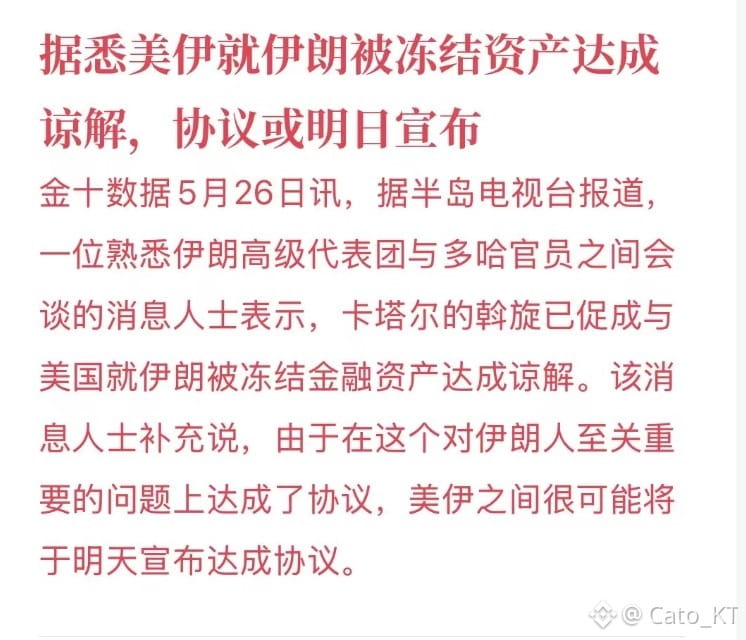
A situação entre os EUA e Irã está trazendo boas novas, se a notícia for confirmada amanhã, será um ponto de virada nesta fase e também um ponto de inflexão para o mercado de risco iniciar seu processo de correção.
Uma vez que as negociações comecem e o estreito seja reaberto para navegação, vamos perceber que, tanto no transporte pelo estreito quanto nos preços de energia, a curto prazo não conseguiremos voltar aos níveis anteriores ao conflito.
Além disso, o mercado financeiro ainda terá que lidar com a pressão das expectativas de inflação e aumento de taxas de juros, enquanto o cessar-fogo de 60 dias entre EUA e Irã, sobre a questão nuclear, provavelmente ainda resultará em constantes "pull and push" entre as partes!
Após a boa notícia de amanhã, é hora de aproveitar para fazer o take profit das posições vendidas em petróleo e se preparar para uma fase de short nas operações #Bitcoi n e #QQQ $BTC .
Cato_KT
·
--
A minha leitura para o movimento do #Bitcoin está alinhada com a dos índices da bolsa americana. Os resultados positivos da situação entre EUA e Irã devem provocar uma onda de recuperação, e eu acredito que a faixa de resistência chave para essa recuperação está entre 78.500 e 78.800.
O que devemos fazer a seguir é bem simples: esperar a confirmação das notícias boas e observar se o preço consegue romper a resistência com volume. Temos que ver se consegue quebrar ou se vai recuar como uma vela de pin.
Se houver uma quebra inválida, não se sustentar e as boas notícias não se concretizarem, podemos esperar que o mercado retorne à sua tendência de correção em movimento de lateralização. Claro, se optar por fazer short, aqui é importante considerar o mercado americano, pois é essencial observar se as ações vão subir depois da abertura na sessão regular para fazer a confirmação final. $BTC #美伊接近达成霍尔木兹海峡重开协议
Na segunda-feira, apesar da bolsa americana estar fechada, a situação entre EUA e Irã está gradualmente se tornando otimista, e os preços da energia estão caindo, aliviando temporariamente a pressão inflacionária. Se essa otimismo se mantiver até a abertura da bolsa amanhã à noite, podemos ver uma nova onda de alta.
Estou planejando fazer short no #BTC e no ETF QQQ assim que as boas notícias da situação entre EUA e Irã forem confirmadas. Atualmente, estou com uma ordem de compra para o BTC a 78.700; vamos ver como as coisas se desenrolam amanhã para ajustar. Para o QQQ, não tenho ordens pendentes, vou me adaptar conforme a situação!
Os dados do mercado, comparados aos de domingo, não mostram grandes mudanças. Fiquei de olho no volume de negociações; em comparação com domingo, o volume geral continua em queda, o que é evidente já que a bolsa americana está fechada, e a atividade no mercado de cripto também está bem baixa, atualmente em um estágio de lateralização com volume reduzido.
Se esta situação entre EUA e Irã se concretizar esta semana, é bem provável que seja um ponto de inflexão na recente tendência de correção, então é hora de ter paciência e observar!
1
3.1k

Estude isto... de ciclo em ciclo.
#Bitcoi tem um histórico de atingir novas máximas históricas (ATH) mais rapidamente a cada grande ciclo de mercado:
• Ciclo 1: 1.190 dias até uma nova ATH
• Ciclo 2: 1.085 dias
• Ciclo 3: 854 dias
Se esta tendência histórica continuar, a próxima ATH do Bitcoin pode chegar entre o 4º trimestre de 2027 e o 1º trimestre de 2028.
A partir do preço atual em torno de US$ 59,2 mil, uma alta para US$ 126 mil representaria um ganho de mais de 110% em aproximadamente 18 meses.
O histórico não garante o futuro, mas o Bitcoin tem recompensado repetidamente a paciência a longo prazo. Os maiores ganhos geralmente vêm para aqueles que continuam investidos, enquanto outros perdem o foco.
#SamsungSKHynixSharesRiseYTD #DowHitsRecordClose
$BTC
{future}(BTCUSDT)
Estude isto... de ciclo em ciclo.
#Bitcoi tem um histórico de atingir novas máximas históricas (ATH) mais rapidamente a cada grande ciclo de mercado:
• Ciclo 1: 1.190 dias até uma nova ATH
• Ciclo 2: 1.085 dias
• Ciclo 3: 854 dias
Se esta tendência histórica continuar, a próxima ATH do Bitcoin pode chegar entre o 4º trimestre de 2027 e o 1º trimestre de 2028.
A partir do preço atual em torno de US$ 59,2 mil, uma alta para US$ 126 mil representaria um ganho de mais de 110% em aproximadamente 18 meses.
O histórico não garante o futuro, mas o Bitcoin tem recompensado repetidamente a paciência a longo prazo. Os maiores ganhos geralmente vêm para aqueles que continuam investidos, enquanto outros perdem o foco.
#SamsungSKHynixSharesRiseYTD #DowHitsRecordClose
$BTC
283


·
--
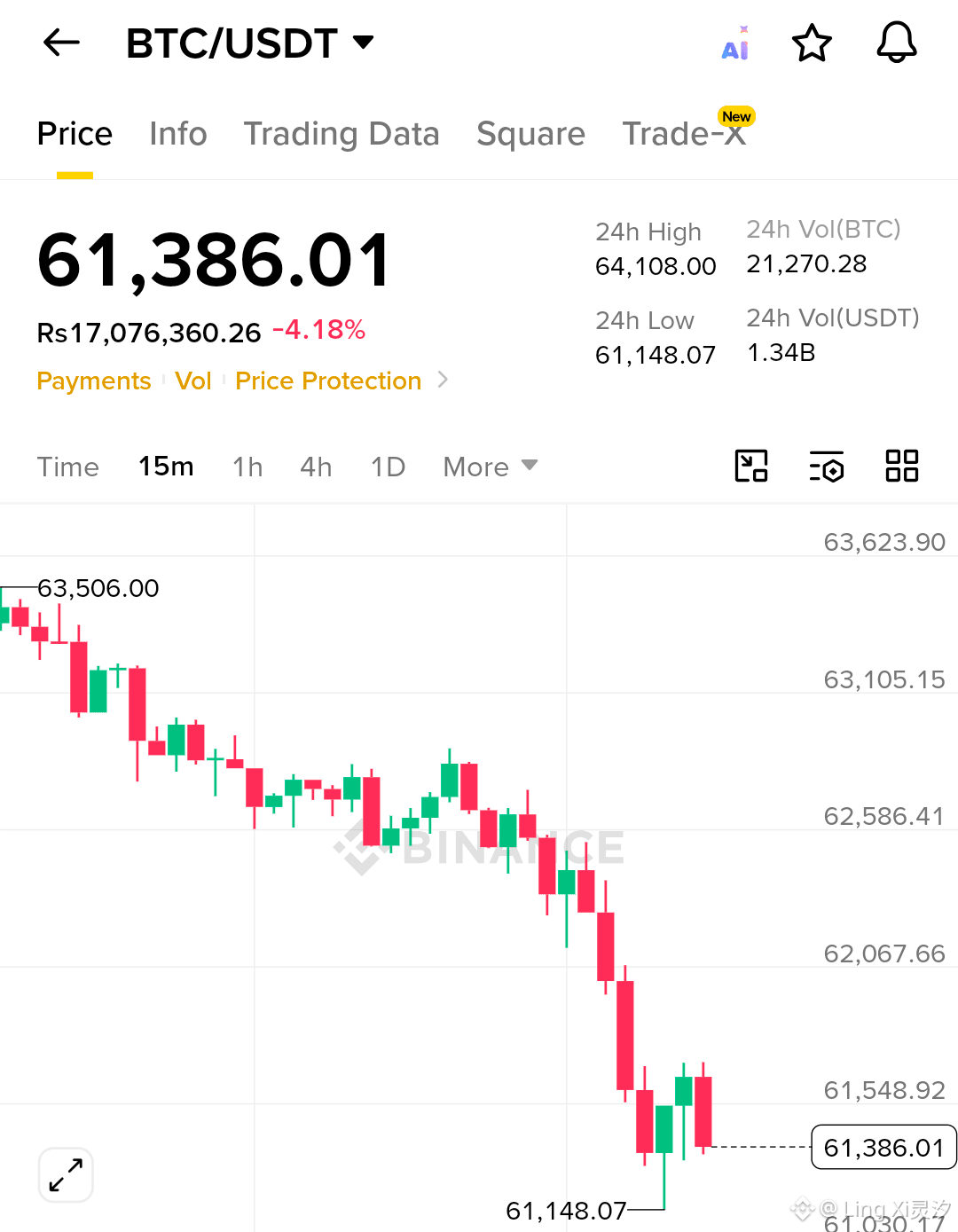
$BTC Atualização de Mercado
💰 Preço: $61,451 | 🔻 -4.06%
📊 Visão Geral do Mercado: O BTC está enfrentando pressão de venda a curto prazo, mas permanece acima de uma zona de suporte chave. A tendência geral ainda é neutra a altista se os compradores defenderem os níveis atuais.
🔑 Suporte: $60,000 | $58,500
🚧 Resistência: $63,000 | $65,000
🎯 Alvos: • TG1: $63,000
• TG2: $65,000
• TG3: $68,000
📈 Próximo Movimento: Um repique de $60K pode desencadear um rali de recuperação. Perder esse nível pode trazer mais desvalorização.
💡 Dica Profissional: Fique de olho no BTC—sua direção provavelmente decidirá o próximo movimento para todo o mercado cripto.
#BTC #crypto #trading #Bitcoi $BTC
{spot}(BTCUSDT)
$BTC Atualização de Mercado
💰 Preço: $61,451 | 🔻 -4.06%
📊 Visão Geral do Mercado: O BTC está enfrentando pressão de venda a curto prazo, mas permanece acima de uma zona de suporte chave. A tendência geral ainda é neutra a altista se os compradores defenderem os níveis atuais.
🔑 Suporte: $60,000 | $58,500
🚧 Resistência: $63,000 | $65,000
🎯 Alvos: • TG1: $63,000
• TG2: $65,000
• TG3: $68,000
📈 Próximo Movimento: Um repique de $60K pode desencadear um rali de recuperação. Perder esse nível pode trazer mais desvalorização.
💡 Dica Profissional: Fique de olho no BTC—sua direção provavelmente decidirá o próximo movimento para todo o mercado cripto.
#BTC #crypto #trading #Bitcoi $BTC
1
304

·
--
Em Alta
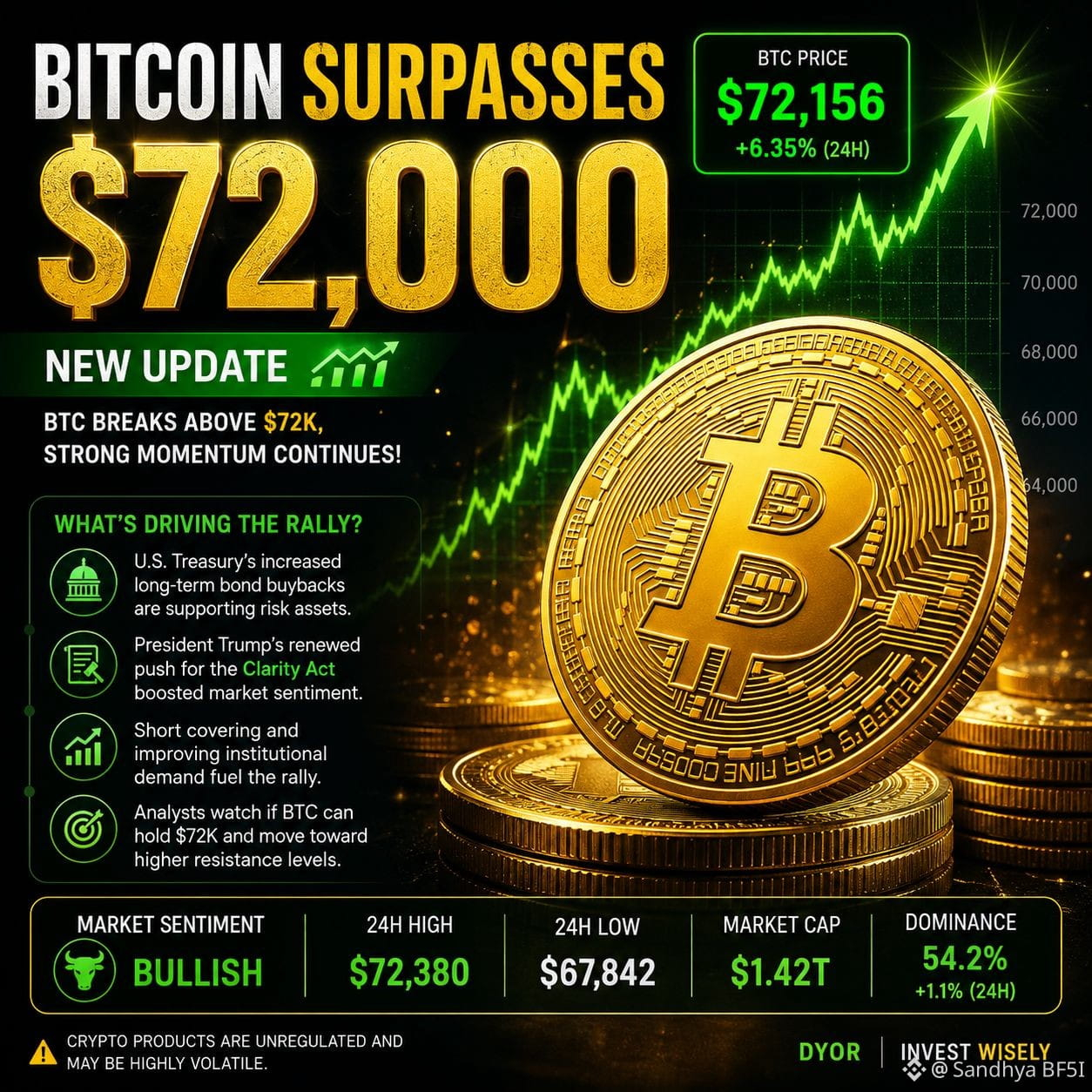
#BTCSurpasses$72000Bitcoin (BTC) rompeu acima do nível de US$ 72K pela primeira vez desde junho, estendendo uma forte alta de cerca de 15% desde segunda-feira. �
CoinDesk +1
O que está impulsionando a alta?
🇺🇸 As recompras/aumentos de títulos de longo prazo do Tesouro dos EUA estão sustentando os ativos de risco.
🏛️ A retomada da pressão do presidente Trump pela Clarity Act impulsionou o sentimento no mercado de cripto. �
Reuters
📈 Cobertura de posições vendidas e melhora da demanda institucional estão adicionando combustível à alta.
🎯 Agora, analistas observam se o BTC consegue manter US$ 72K e ganhar momento rumo a níveis mais altos de resistência.
Clima do mercado: 🟢 Touro — mas, depois de um movimento tão rápido, a volatilidade e as retrações podem ser bruscas.
#Bitcoi #BTC #crypto #BitcoinRally #BTCUSD #CryptoNews $BTC $ETH $BNB
128

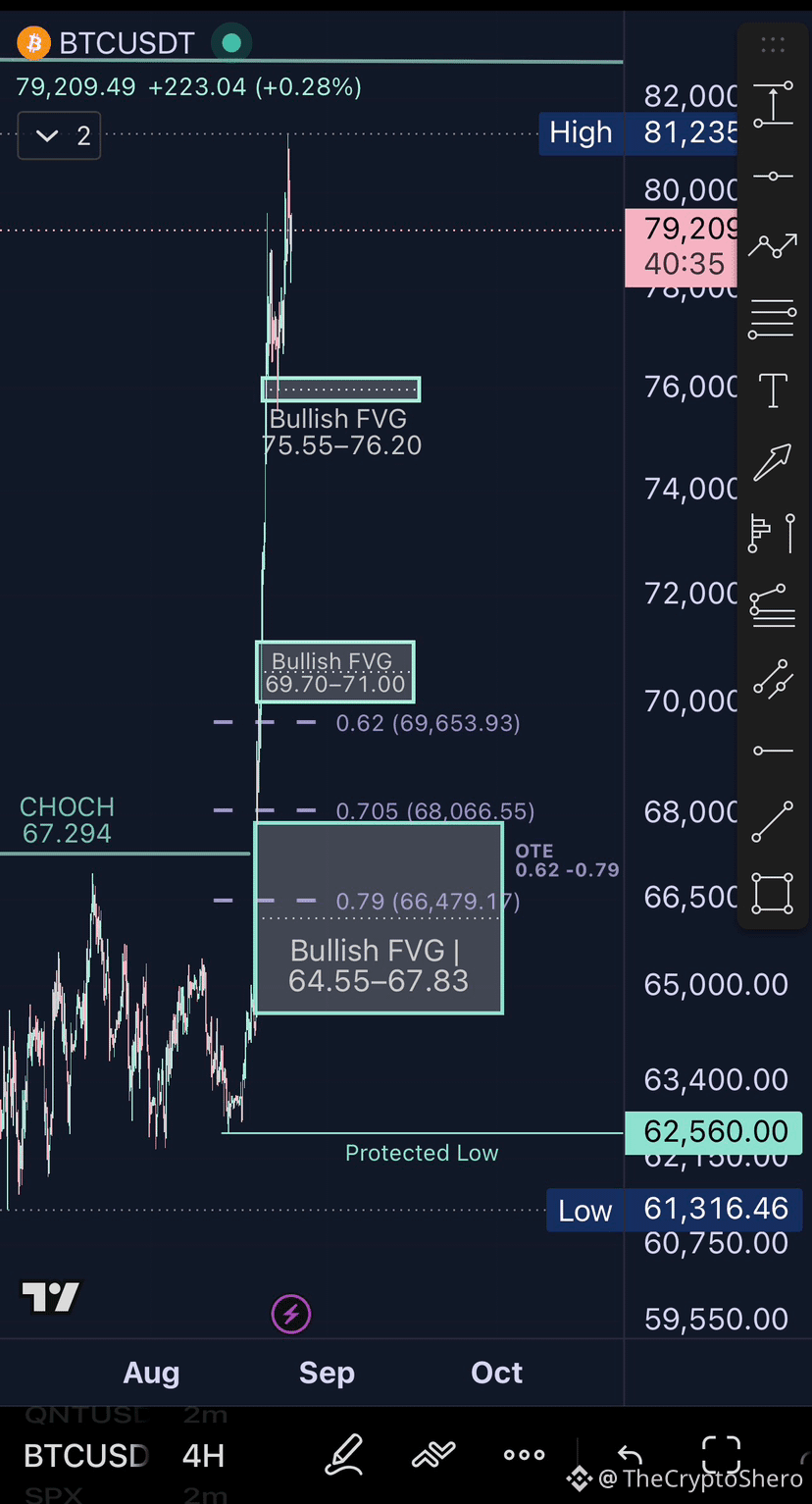
$BTC No timeframe de 4H, a estrutura interna está atualmente em alta após o CHoCH em torno de 67,29K. O forte deslocamento para cima deixou vários Bullish FVGs para trás, que o preço poderia revisitar para reprecificação antes de qualquer possível continuação para cima.
A primeira grande área que estou observando é 69,70–71,00K. Este Bullish FVG se sobrepõe quase perfeitamente ao nível 0,62 do OTE maior em torno de 69,65K, nos dando uma forte zona de confluência se o preço entregar uma retração mais profunda.
Abaixo disso, a faixa de 66,48–68,07K se torna especialmente importante por cobrir a parte 0,705–0,79 do OTE. Ela também se sobrepõe ao Bullish FVG maior em 64,55–67,83K, enquanto o CHoCH anterior em 67,29K está dentro da mesma área geral. Isso nos dá uma confluência mais forte do que apenas um FVG.
Enquanto o preço permanecer acima da mínima Protegida em 62,56K, a estrutura interna bullish de 4H atual permanece intacta. Uma perda decisiva desse nível enfraqueceria o cenário bullish interno e abriria a possibilidade de uma correção mais profunda em direção a 57–58K.
Mesmo uma movimentação em direção a 57,8K não invalidaria automaticamente a possibilidade bullish na estrutura maior. Esse nível representa uma importante mínima e um pool de liquidez, então o preço pode varrer abaixo dele e recuperá-lo.
Ao mesmo tempo, a estrutura semanal continua bearish, e o rally atual ainda pode ser visto como uma retração em direção ao LH semanal. Para mim, um fechamento semanal confirmado acima de 82,85K indicaria um Bullish CHoCH na estrutura maior, enquanto uma quebra e fechamento semanal confirmados abaixo de 57,8K nos daria um Bearish BOS e fortaleceria o cenário para continuação mais para baixo.
Então, neste momento, estou menos preocupado em prever exatamente onde a correção vai terminar e mais focado em como o preço reage ao redor dessas zonas de FVG e OTE. Simplesmente chegar a um FVG não é o suficiente — eu quero ver a reação, o deslocamento e a estrutura que se desenvolve depois.
#Bitcoi #BTC #ict #smc #MarketStructure
1
183

·
--
A ilusão do anonimato em cripto... a gente fala sobre isso?
Antes de começar meu desafio de 30 dias, eu achava que o $BTC era o negócio ultra-secreto dos hackers nos filmes: inrastreável e misterioso.
A realidade? Para abrir minha conta e fazer meu primeiro depósito, eu tive que fornecer meu documento de identidade, fazer um vídeo selfie virando a cabeça e comprovar meu endereço (o famoso KYC). É quase mais rígido do que para abrir uma conta bancária normal!
Eu fiz um pequeno visual para resumir essa desilusão divertida. Isso também te surpreendeu na hora de se cadastrar, ou é só que eu tinha assistido filmes de ficção científica demais? 👇
#kyc #sécurité #EducationCrypto #Bitcoi $BTC
{spot}(BTCUSDT)
A ilusão do anonimato em cripto... a gente fala sobre isso?
Antes de começar meu desafio de 30 dias, eu achava que o $BTC era o negócio ultra-secreto dos hackers nos filmes: inrastreável e misterioso.
A realidade? Para abrir minha conta e fazer meu primeiro depósito, eu tive que fornecer meu documento de identidade, fazer um vídeo selfie virando a cabeça e comprovar meu endereço (o famoso KYC). É quase mais rígido do que para abrir uma conta bancária normal!
Eu fiz um pequeno visual para resumir essa desilusão divertida. Isso também te surpreendeu na hora de se cadastrar, ou é só que eu tinha assistido filmes de ficção científica demais? 👇
#kyc #sécurité #EducationCrypto #Bitcoi $BTC

2
599

·
--

Artigo
Bitcoin $90K Até Quando? Qual é o Seu Alvo? 👇No mercado, a maior pergunta é esta!
Depois dos dados de CPI, o Bitcoin deu um salto de $79K para cima; agora todos estão dizendo que o próximo é $90K.
A minha análise diz que, se o Bitcoin fechar acima de $82K por 1 dia, então $90K vai chegar muito cedo.
O que você acha?
A) Será que nesta semana chega a $90K
B) Até o fim deste mês chega aos $90K
C) Vai voltar para $70K
Comente-me A, B, e C, vamos ver o que a maioria das pessoas está pensando!
#Bitcoi n #Crypto #BTC
Bitcoin $90K Até Quando? Qual é o Seu Alvo? 👇
No mercado, a maior pergunta é esta!
Depois dos dados de CPI, o Bitcoin deu um salto de $79K para cima; agora todos estão dizendo que o próximo é $90K.
A minha análise diz que, se o Bitcoin fechar acima de $82K por 1 dia, então $90K vai chegar muito cedo.
O que você acha?
A) Será que nesta semana chega a $90K
B) Até o fim deste mês chega aos $90K
C) Vai voltar para $70K
Comente-me A, B, e C, vamos ver o que a maioria das pessoas está pensando!
#Bitcoi n #Crypto #BTC
1
78
Inicia sessão para explorar mais conteúdos
Junta-te a utilizadores de criptomoedas de todo o mundo na Binance Square
⚡️ Obtém informações úteis e recentes sobre criptomoedas.
💬 Com a confiança da maior exchange de criptomoedas do mundo.
👍 Descobre perspetivas reais de criadores verificados.
E-mail/Número de telefone
Tópicos em Tendência
1
#CanMicrosoftDeliverOnAI
112,303 visualizações
872 a discutir
2
#CanGoogleDefindItsCore
53,589 visualizações
621 a discutir
3
#FOMCWatch
9.1M visualizações
28,118 a discutir
4
#EthereumDropsBelow$2300
11,863 visualizações
161 a discutir
5
#BitcoinSlipsBelow$80KAgain
33,405 visualizações
130 a discutir
6
#ThailandLaunchesWORPTStablecoinToQRPaymentApp
69,581 visualizações
841 a discutir
7
#StrategySkipsBitcoinPurchasesSpends$205MOnSTRCBuybacks
13,017 visualizações
99 a discutir
8
#BitmineAdds10452ETH
118,445 visualizações
1,264 a discutir
9
#SouthKoreaConsidersEducationTaxOnCryptoExchanges
74,381 visualizações
880 a discutir
10
#OCCUrgesCommunityBanksToEnterStablecoinPayments
47,663 visualizações
620 a discutir