

eyes of 火
11.4k Жариялаулар

eyes of 火
 «Square расталған+» белгісі
Хабарлау
Пайдаланушыны блоктау
Ашық сауда
Жиі сауда жасайтын трейдер
10.7 ай
4 Жазылым
31.0K+ Жазылушылар
10.4K+ лайк басылған
Жазбалар
Портфолио
Барлығы
Тікелей эфир
PINNED
·
--

Мақала
Micron at a Critical Point: What Comes After the AI Memory Boom?Micron Technology $MU has become one of the clearest examples of how AI infrastructure is changing the semiconductor industry.
But as the company approaches its next earnings report, I think the more interesting story is no longer just AI demand.
It is what happens if that demand remains strong while the memory industry moves into its next phase.
A Different Memory Market
For years, memory stocks were heavily influenced by the traditional cycle of oversupply, falling prices, production cuts, and eventual recovery.
AI is adding a new layer to that cycle.
High-bandwidth memory (HBM), advanced DRAM, and data-center memory are becoming increasingly important as AI systems require much greater amounts of high-performance memory.
That gives companies such as Micron an opportunity to benefit from a stronger mix of products rather than depending only on traditional PC and smartphone demand.
The Numbers Are Strong
Micron's recent financial performance shows just how significant the current cycle has become.
Revenue has accelerated sharply, while gross margins have reached levels that would have looked unusual during weaker parts of the previous memory cycles.
The important question now is whether these economics can continue as customers increase their AI infrastructure spending.
A strong quarter would confirm current demand.
But future guidance will tell us much more about the durability of that demand.
Where I See the Uncertainty
The biggest uncertainty is supply.
When an industry experiences strong pricing and attractive margins, manufacturers naturally have an incentive to invest in additional capacity.
That does not necessarily create an immediate problem. Building advanced memory capacity takes time.
However, if supply eventually catches up with demand, pricing power could weaken.
There is also another possibility: AI demand could continue growing quickly enough to absorb new capacity.
That is why the next several quarters may be more important than any single earnings report.
HBM Could Be the Key Variable
I will be paying particular attention to HBM.
If HBM becomes a larger and more profitable part of Micron's business, the company could have a different earnings profile from previous memory cycles.
But investors should also remember that strong demand does not automatically mean unlimited margins.
Competition, manufacturing costs, capital spending, customer concentration, and future capacity all matter.
What I Want to See From Micron
Instead of focusing only on whether the company beats estimates, I want to hear management discuss:
• HBM demand and future production
• Data-center memory growth
• Pricing trends across DRAM and NAND
• Customer commitments
• Capital expenditure plans
• Expected margins over the next few quarters
Those details could help determine whether today's exceptional conditions are becoming more durable.
Final Thoughts
Micron is operating in an unusual environment where AI is creating a major new source of memory demand.
That opportunity is significant, but so is the uncertainty surrounding the next stage of the cycle.
The market will eventually have to answer one question:
Can AI-driven memory demand grow faster than new supply, or will the traditional memory cycle eventually return?
That is the part of the Micron story I will be watching most closely.
#EarningsSeason
Micron at a Critical Point: What Comes After the AI Memory Boom?
Micron Technology $MU has become one of the clearest examples of how AI infrastructure is changing the semiconductor industry.
But as the company approaches its next earnings report, I think the more interesting story is no longer just AI demand.
It is what happens if that demand remains strong while the memory industry moves into its next phase.
A Different Memory Market
For years, memory stocks were heavily influenced by the traditional cycle of oversupply, falling prices, production cuts, and eventual recovery.
AI is adding a new layer to that cycle.
High-bandwidth memory (HBM), advanced DRAM, and data-center memory are becoming increasingly important as AI systems require much greater amounts of high-performance memory.
That gives companies such as Micron an opportunity to benefit from a stronger mix of products rather than depending only on traditional PC and smartphone demand.
The Numbers Are Strong
Micron's recent financial performance shows just how significant the current cycle has become.
Revenue has accelerated sharply, while gross margins have reached levels that would have looked unusual during weaker parts of the previous memory cycles.
The important question now is whether these economics can continue as customers increase their AI infrastructure spending.
A strong quarter would confirm current demand.
But future guidance will tell us much more about the durability of that demand.
Where I See the Uncertainty
The biggest uncertainty is supply.
When an industry experiences strong pricing and attractive margins, manufacturers naturally have an incentive to invest in additional capacity.
That does not necessarily create an immediate problem. Building advanced memory capacity takes time.
However, if supply eventually catches up with demand, pricing power could weaken.
There is also another possibility: AI demand could continue growing quickly enough to absorb new capacity.
That is why the next several quarters may be more important than any single earnings report.
HBM Could Be the Key Variable
I will be paying particular attention to HBM.
If HBM becomes a larger and more profitable part of Micron's business, the company could have a different earnings profile from previous memory cycles.
But investors should also remember that strong demand does not automatically mean unlimited margins.
Competition, manufacturing costs, capital spending, customer concentration, and future capacity all matter.
What I Want to See From Micron
Instead of focusing only on whether the company beats estimates, I want to hear management discuss:
• HBM demand and future production
• Data-center memory growth
• Pricing trends across DRAM and NAND
• Customer commitments
• Capital expenditure plans
• Expected margins over the next few quarters
Those details could help determine whether today's exceptional conditions are becoming more durable.
Final Thoughts
Micron is operating in an unusual environment where AI is creating a major new source of memory demand.
That opportunity is significant, but so is the uncertainty surrounding the next stage of the cycle.
The market will eventually have to answer one question:
Can AI-driven memory demand grow faster than new supply, or will the traditional memory cycle eventually return?
That is the part of the Micron story I will be watching most closely.
#EarningsSeason
But as the company approaches its next earnings report, I think the more interesting story is no longer just AI demand.
It is what happens if that demand remains strong while the memory industry moves into its next phase.
A Different Memory Market
For years, memory stocks were heavily influenced by the traditional cycle of oversupply, falling prices, production cuts, and eventual recovery.
AI is adding a new layer to that cycle.
High-bandwidth memory (HBM), advanced DRAM, and data-center memory are becoming increasingly important as AI systems require much greater amounts of high-performance memory.
That gives companies such as Micron an opportunity to benefit from a stronger mix of products rather than depending only on traditional PC and smartphone demand.
The Numbers Are Strong
Micron's recent financial performance shows just how significant the current cycle has become.
Revenue has accelerated sharply, while gross margins have reached levels that would have looked unusual during weaker parts of the previous memory cycles.
The important question now is whether these economics can continue as customers increase their AI infrastructure spending.
A strong quarter would confirm current demand.
But future guidance will tell us much more about the durability of that demand.
Where I See the Uncertainty
The biggest uncertainty is supply.
When an industry experiences strong pricing and attractive margins, manufacturers naturally have an incentive to invest in additional capacity.
That does not necessarily create an immediate problem. Building advanced memory capacity takes time.
However, if supply eventually catches up with demand, pricing power could weaken.
There is also another possibility: AI demand could continue growing quickly enough to absorb new capacity.
That is why the next several quarters may be more important than any single earnings report.
HBM Could Be the Key Variable
I will be paying particular attention to HBM.
If HBM becomes a larger and more profitable part of Micron's business, the company could have a different earnings profile from previous memory cycles.
But investors should also remember that strong demand does not automatically mean unlimited margins.
Competition, manufacturing costs, capital spending, customer concentration, and future capacity all matter.
What I Want to See From Micron
Instead of focusing only on whether the company beats estimates, I want to hear management discuss:
• HBM demand and future production
• Data-center memory growth
• Pricing trends across DRAM and NAND
• Customer commitments
• Capital expenditure plans
• Expected margins over the next few quarters
Those details could help determine whether today's exceptional conditions are becoming more durable.
Final Thoughts
Micron is operating in an unusual environment where AI is creating a major new source of memory demand.
That opportunity is significant, but so is the uncertainty surrounding the next stage of the cycle.
The market will eventually have to answer one question:
Can AI-driven memory demand grow faster than new supply, or will the traditional memory cycle eventually return?
That is the part of the Micron story I will be watching most closely.
#EarningsSeason
2
4
351
·
--
Жоғары (өспелі)
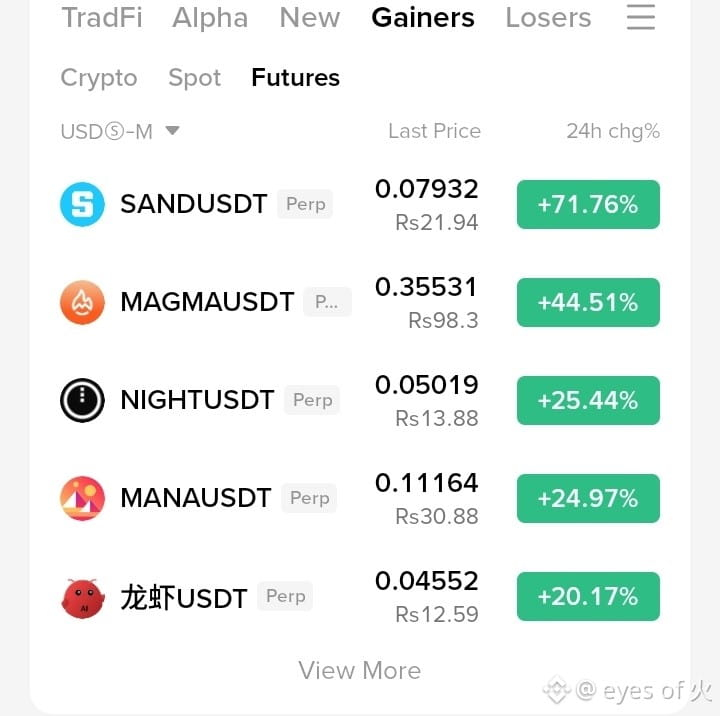
🔥 Top 3 Coins to Watch on Binance Futures 🚀
🌙 $NIGHT USDT — +25.44%
🏜️ $MANA USDT — +24.97%
🐉 $龙虾 USDT — +20.17%
⚡ Strong momentum is building in these 3 futures pairs!
📊 Keep an eye on volume and price action.
🛡️ Always manage your risk when trading leverage.
#SECProposesCryptoCustodyRules #NFPWatch #AnchorageReportedlyCuts17%Workforce #USStocksCloseHigherOnWeakJobsData #ICBASuesOCCOverCryptoBankCharters
🔥 Top 3 Coins to Watch on Binance Futures 🚀
🌙 $NIGHT USDT — +25.44%
🏜️ $MANA USDT — +24.97%
🐉 $龙虾 USDT — +20.17%
⚡ Strong momentum is building in these 3 futures pairs!
📊 Keep an eye on volume and price action.
🛡️ Always manage your risk when trading leverage.
#SECProposesCryptoCustodyRules #NFPWatch #AnchorageReportedlyCuts17%Workforce #USStocksCloseHigherOnWeakJobsData #ICBASuesOCCOverCryptoBankCharters
🌙 $NIGHT USDT — +25.44%
🏜️ $MANA USDT — +24.97%
🐉 $龙虾 USDT — +20.17%
⚡ Strong momentum is building in these 3 futures pairs!
📊 Keep an eye on volume and price action.
🛡️ Always manage your risk when trading leverage.
#SECProposesCryptoCustodyRules #NFPWatch #AnchorageReportedlyCuts17%Workforce #USStocksCloseHigherOnWeakJobsData #ICBASuesOCCOverCryptoBankCharters
130
·
--
Жоғары (өспелі)
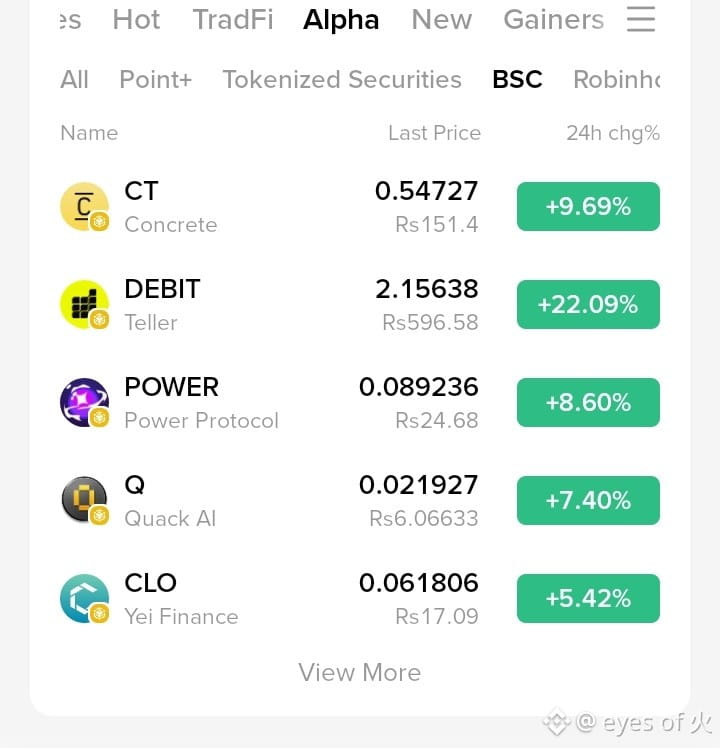
🚀 Binance Alpha Market Update 🚀
Three tokens are catching attention in the Binance Alpha market today! 👀📈
🟡$CT (Concrete) — showing strong momentum with +9.69%.
🟢 $DEBIT (Teller) — leading the move with an impressive +22.09%.
🟣 $POWER (Power Protocol) — also gaining with +8.60%.
These numbers show strong market activity and make these tokens worth watching closely. 🔥📊
💬 Which one are you watching?
❤️ Like, 🔄 share this post, and follow for more Binance Alpha updates!
#BitcoinFundingRateTriplesTo10% #G7PlansToReleaseUpTo100MBarrelsOilDiesel #ICBASuesOCCOverCryptoBankCharters #BlastToGraduallyShutDownItsL2Network #SECProposesCryptoCustodyRules
{alpha}(560x9dc44ae5be187eca9e2a67e33f27a4c91cea1223)
{alpha}(560x66661c7229901f568f16bd1551b3ba826f83ce49)
{alpha}(560x0a092e544da31150b439a1aaa1a3a2214a867f46)
🚀 Binance Alpha Market Update 🚀
Three tokens are catching attention in the Binance Alpha market today! 👀📈
🟡$CT (Concrete) — showing strong momentum with +9.69%.
🟢 $DEBIT (Teller) — leading the move with an impressive +22.09%.
🟣 $POWER (Power Protocol) — also gaining with +8.60%.
These numbers show strong market activity and make these tokens worth watching closely. 🔥📊
💬 Which one are you watching?
❤️ Like, 🔄 share this post, and follow for more Binance Alpha updates!
#BitcoinFundingRateTriplesTo10% #G7PlansToReleaseUpTo100MBarrelsOilDiesel #ICBASuesOCCOverCryptoBankCharters #BlastToGraduallyShutDownItsL2Network #SECProposesCryptoCustodyRules
Three tokens are catching attention in the Binance Alpha market today! 👀📈
🟡$CT (Concrete) — showing strong momentum with +9.69%.
🟢 $DEBIT (Teller) — leading the move with an impressive +22.09%.
🟣 $POWER (Power Protocol) — also gaining with +8.60%.
These numbers show strong market activity and make these tokens worth watching closely. 🔥📊
💬 Which one are you watching?
❤️ Like, 🔄 share this post, and follow for more Binance Alpha updates!
#BitcoinFundingRateTriplesTo10% #G7PlansToReleaseUpTo100MBarrelsOilDiesel #ICBASuesOCCOverCryptoBankCharters #BlastToGraduallyShutDownItsL2Network #SECProposesCryptoCustodyRules
172
·
--
Төмен (кемімелі)
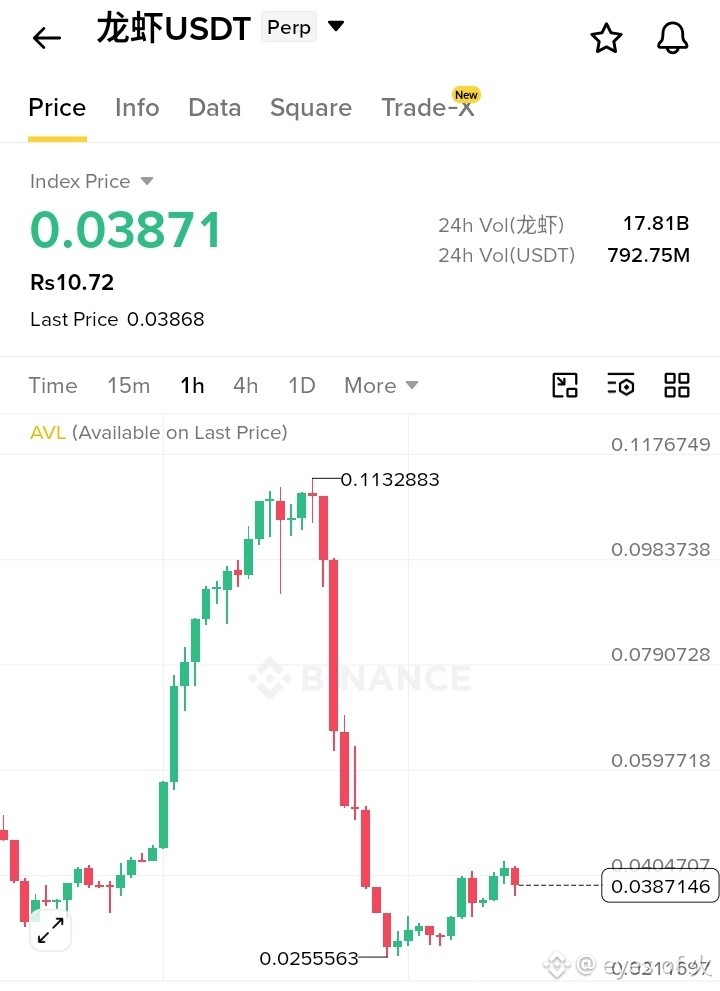
$龙虾 (LONGX) USDT is looking interesting right now 👀
After falling hard from around 0.1133 to 0.0255, the price has started to recover and is now around 0.0387. On the 1H chart, we can see some buying strength coming back, and the MACD is also starting to turn positive.
For me, the 0.040–0.044 area is important. If price can break and hold above it with good volume, the recovery could become stronger. But this coin is extremely volatile, so I’d keep risk management in mind.
Watching closely. DYOR.
#NFPWatch #BitcoinFundingRateTriplesTo10% #ZcashFalls21%FromSeptemberPeak #USSeptemberPayrollsAdd29KUnemploymentRises4.2% #XRPPostsFirstThreeGreenMonthsInQ3
{alpha}(560xeccbb861c0dda7efd964010085488b69317e4444)
$龙虾 (LONGX) USDT is looking interesting right now 👀
After falling hard from around 0.1133 to 0.0255, the price has started to recover and is now around 0.0387. On the 1H chart, we can see some buying strength coming back, and the MACD is also starting to turn positive.
For me, the 0.040–0.044 area is important. If price can break and hold above it with good volume, the recovery could become stronger. But this coin is extremely volatile, so I’d keep risk management in mind.
Watching closely. DYOR.
#NFPWatch #BitcoinFundingRateTriplesTo10% #ZcashFalls21%FromSeptemberPeak #USSeptemberPayrollsAdd29KUnemploymentRises4.2% #XRPPostsFirstThreeGreenMonthsInQ3
After falling hard from around 0.1133 to 0.0255, the price has started to recover and is now around 0.0387. On the 1H chart, we can see some buying strength coming back, and the MACD is also starting to turn positive.
For me, the 0.040–0.044 area is important. If price can break and hold above it with good volume, the recovery could become stronger. But this coin is extremely volatile, so I’d keep risk management in mind.
Watching closely. DYOR.
#NFPWatch #BitcoinFundingRateTriplesTo10% #ZcashFalls21%FromSeptemberPeak #USSeptemberPayrollsAdd29KUnemploymentRises4.2% #XRPPostsFirstThreeGreenMonthsInQ3
161
·
--
Жоғары (өспелі)
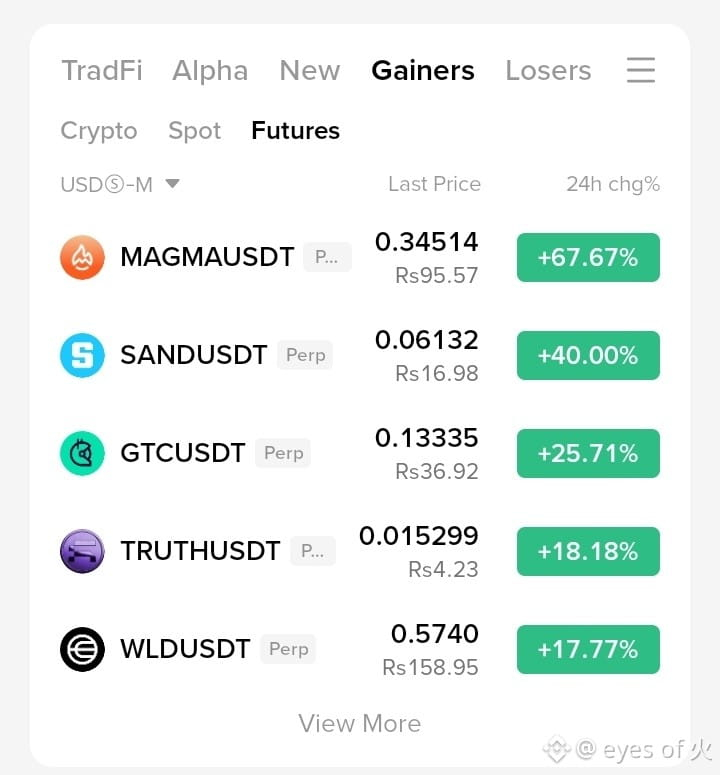
🔥 Top 3 Futures Gainers to Watch! 🚀
📈 1️⃣ MAGMAUSDT — +67.67% 🔥
💎 $MAGMA is leading the gainers with a powerful move in the last 24 hours!
📈 2️⃣ $SAND USDT — +40.00% 🟢
🚀 SAND is showing strong momentum and impressive buying activity.
📈 3️⃣ $GTC USDT — +25.71% ⚡
💥 GTC is also making a notable move, gaining over 25% in 24H.
👀 These are among the biggest current Futures movers — volatility is high, so always manage risk carefully. 🛡️
#NFPWatch #XRPPostsFirstThreeGreenMonthsInQ3 #USSeptemberPayrollsAdd29KUnemploymentRises4.2% #ZcashFalls21%FromSeptemberPeak #BitcoinFundingRateTriplesTo10%
{future}(SANDUSDT)
{future}(GTCUSDT)
{future}(MAGMAUSDT)
🔥 Top 3 Futures Gainers to Watch! 🚀
📈 1️⃣ MAGMAUSDT — +67.67% 🔥
💎 $MAGMA is leading the gainers with a powerful move in the last 24 hours!
📈 2️⃣ $SAND USDT — +40.00% 🟢
🚀 SAND is showing strong momentum and impressive buying activity.
📈 3️⃣ $GTC USDT — +25.71% ⚡
💥 GTC is also making a notable move, gaining over 25% in 24H.
👀 These are among the biggest current Futures movers — volatility is high, so always manage risk carefully. 🛡️
#NFPWatch #XRPPostsFirstThreeGreenMonthsInQ3 #USSeptemberPayrollsAdd29KUnemploymentRises4.2% #ZcashFalls21%FromSeptemberPeak #BitcoinFundingRateTriplesTo10%
📈 1️⃣ MAGMAUSDT — +67.67% 🔥
💎 $MAGMA is leading the gainers with a powerful move in the last 24 hours!
📈 2️⃣ $SAND USDT — +40.00% 🟢
🚀 SAND is showing strong momentum and impressive buying activity.
📈 3️⃣ $GTC USDT — +25.71% ⚡
💥 GTC is also making a notable move, gaining over 25% in 24H.
👀 These are among the biggest current Futures movers — volatility is high, so always manage risk carefully. 🛡️
#NFPWatch #XRPPostsFirstThreeGreenMonthsInQ3 #USSeptemberPayrollsAdd29KUnemploymentRises4.2% #ZcashFalls21%FromSeptemberPeak #BitcoinFundingRateTriplesTo10%
238
·
--
Жоғары (өспелі)
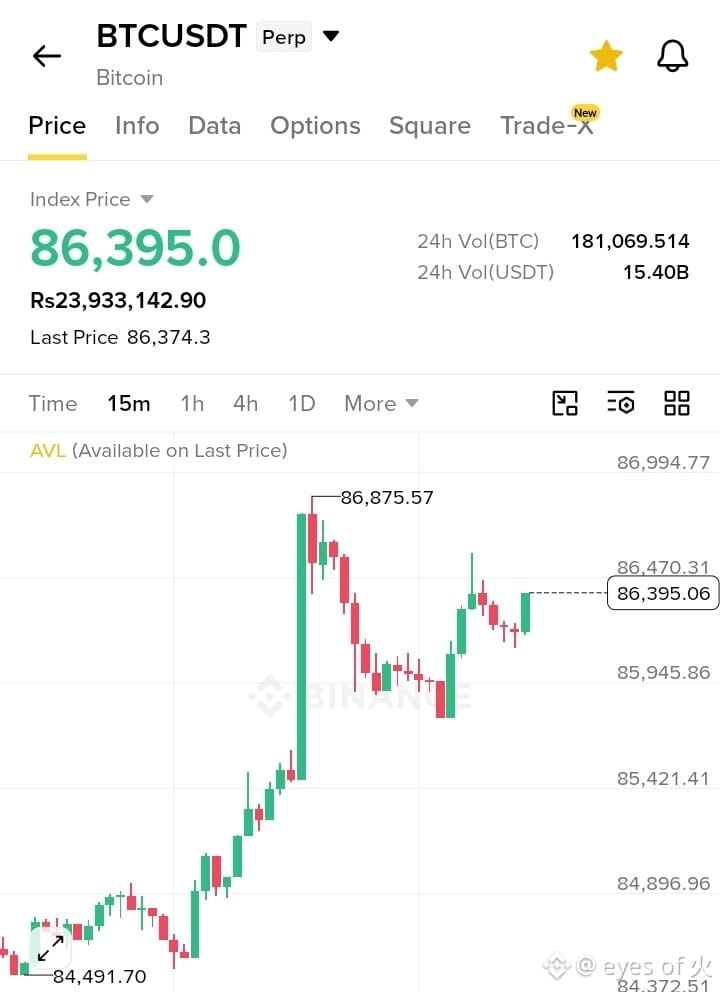
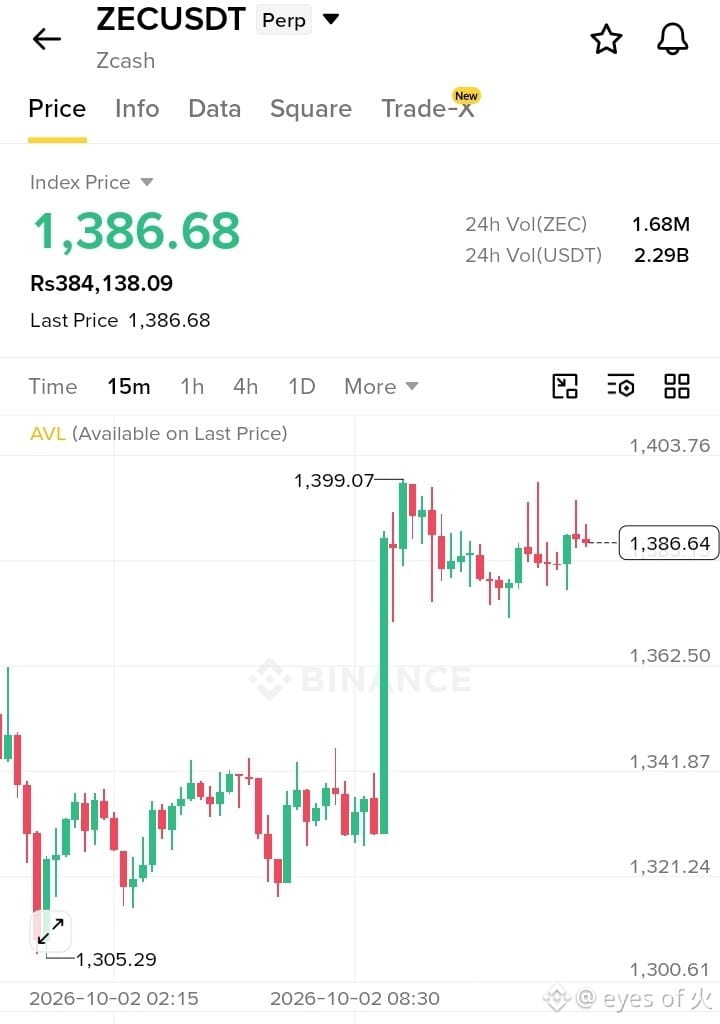
$BTC and $ZEC are both making some interesting moves right now. 👀
BTC is trading around $86.4K, after touching nearly $86.9K, while ZEC is around $1,386 after reaching about $1,399. Both have shown strong buying momentum after the recent pullbacks.
For me, the key now is whether buyers can hold these levels and push higher. The market is moving fast, so I’d avoid chasing sudden pumps and keep risk management in mind.
What are you watching more closely today — BTC or ZEC? 🚀📊
#EtherGains70.9%InQ3 #NFPWatch #AnthropicTargetsIPOAsSoonAsMidNovember #EthereumFoundationLaunchesZkAPIOnMainnet #SECProposesCryptoCustodyFramework
{future}(ZECUSDT)
{future}(BTCUSDT)
$BTC and $ZEC are both making some interesting moves right now. 👀
BTC is trading around $86.4K, after touching nearly $86.9K, while ZEC is around $1,386 after reaching about $1,399. Both have shown strong buying momentum after the recent pullbacks.
For me, the key now is whether buyers can hold these levels and push higher. The market is moving fast, so I’d avoid chasing sudden pumps and keep risk management in mind.
What are you watching more closely today — BTC or ZEC? 🚀📊
#EtherGains70.9%InQ3 #NFPWatch #AnthropicTargetsIPOAsSoonAsMidNovember #EthereumFoundationLaunchesZkAPIOnMainnet #SECProposesCryptoCustodyFramework
BTC is trading around $86.4K, after touching nearly $86.9K, while ZEC is around $1,386 after reaching about $1,399. Both have shown strong buying momentum after the recent pullbacks.
For me, the key now is whether buyers can hold these levels and push higher. The market is moving fast, so I’d avoid chasing sudden pumps and keep risk management in mind.
What are you watching more closely today — BTC or ZEC? 🚀📊
#EtherGains70.9%InQ3 #NFPWatch #AnthropicTargetsIPOAsSoonAsMidNovember #EthereumFoundationLaunchesZkAPIOnMainnet #SECProposesCryptoCustodyFramework
125
·
--
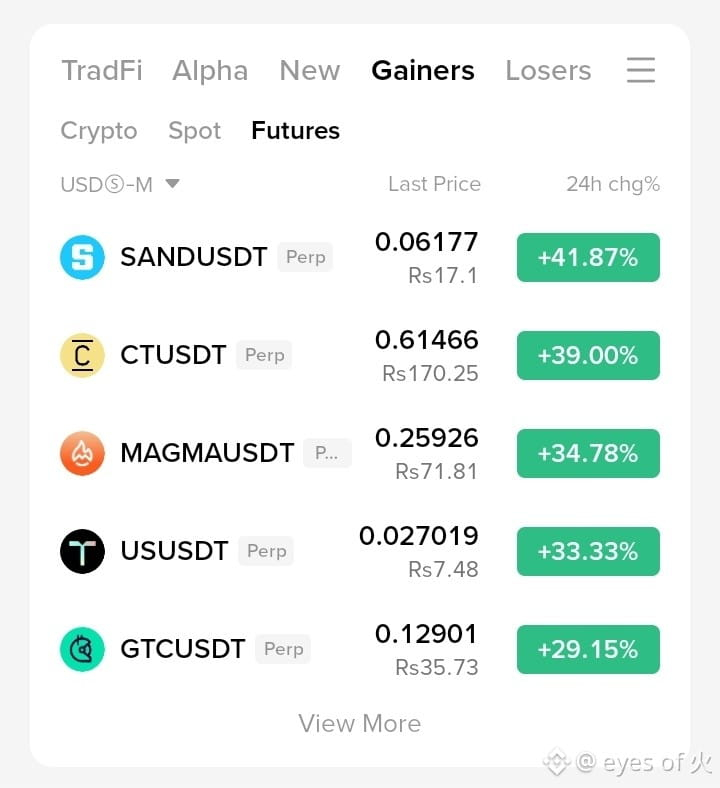
🚀 Top 3 Futures Gainers Today! 📈🔥
The Futures market is showing some serious momentum! 💥 Here are the Top 3 gainers from the list:
🥇 $SAND USDT — 🔥 +41.87%
💰 Price: 0.06177
🥈 $CT USDT — 🚀 +39.00%
💰 Price: 0.61466
🥉 $MAGMA USDT — 📈 +34.78%
💰 Price: 0.25926
⚡ Strong moves, strong momentum!
👀 Keep an eye on volume, volatility, and market structure before entering any trade.
💎 Trade smart. Manage your risk. Stay disciplined.
#EtherGains70.9%InQ3 #NFPWatch #EthereumFoundationLaunchesZkAPIOnMainnet #EvernorthPlansNasdaqListingOct8 #SECProposesCryptoCustodyFramework
🚀 Top 3 Futures Gainers Today! 📈🔥
The Futures market is showing some serious momentum! 💥 Here are the Top 3 gainers from the list:
🥇 $SAND USDT — 🔥 +41.87%
💰 Price: 0.06177
🥈 $CT USDT — 🚀 +39.00%
💰 Price: 0.61466
🥉 $MAGMA USDT — 📈 +34.78%
💰 Price: 0.25926
⚡ Strong moves, strong momentum!
👀 Keep an eye on volume, volatility, and market structure before entering any trade.
💎 Trade smart. Manage your risk. Stay disciplined.
#EtherGains70.9%InQ3 #NFPWatch #EthereumFoundationLaunchesZkAPIOnMainnet #EvernorthPlansNasdaqListingOct8 #SECProposesCryptoCustodyFramework
The Futures market is showing some serious momentum! 💥 Here are the Top 3 gainers from the list:
🥇 $SAND USDT — 🔥 +41.87%
💰 Price: 0.06177
🥈 $CT USDT — 🚀 +39.00%
💰 Price: 0.61466
🥉 $MAGMA USDT — 📈 +34.78%
💰 Price: 0.25926
⚡ Strong moves, strong momentum!
👀 Keep an eye on volume, volatility, and market structure before entering any trade.
💎 Trade smart. Manage your risk. Stay disciplined.
#EtherGains70.9%InQ3 #NFPWatch #EthereumFoundationLaunchesZkAPIOnMainnet #EvernorthPlansNasdaqListingOct8 #SECProposesCryptoCustodyFramework
95
·
--
Жоғары (өспелі)
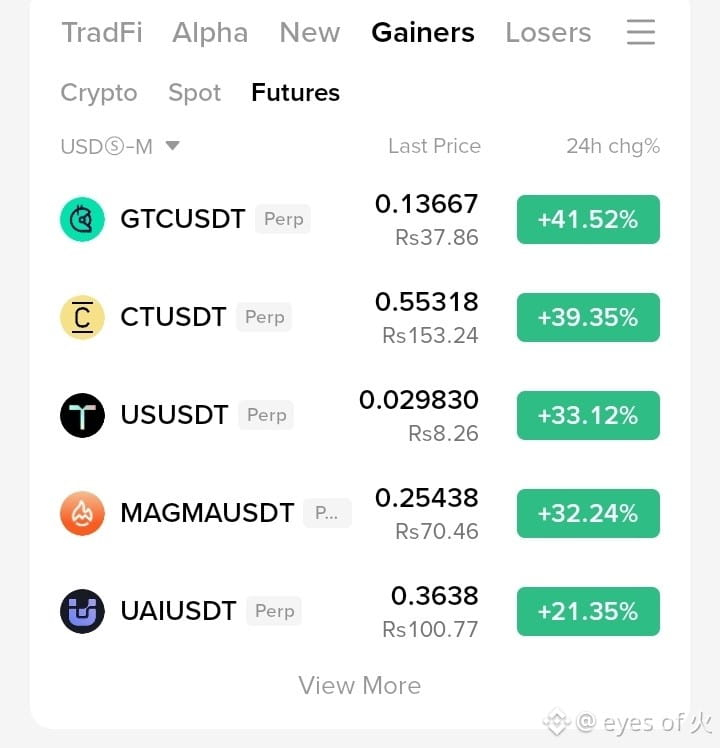
🚀 Crypto is moving today!
Three coins are catching attention on Binance Futures right now 👀📈
🔥 $GTC USDT: +41.52%
🔥 $CT USDT: +39.35%
🔥 $US USDT: +33.12%
That’s some serious movement in just 24 hours! 😮💨🚀
If you’re watching the market, these are definitely worth keeping an eye on. But remember — big pumps can also mean big volatility, so trade smart and manage your risk. 🛡️💰
#US10YearYieldNears5.3% #EthereumFoundationLaunchesZkAPIOnMainnet #EvernorthPlansNasdaqListingOct8 #AnthropicTargetsIPOAsSoonAsMidNovember #US10YearYieldNears5.3%
🚀 Crypto is moving today!
Three coins are catching attention on Binance Futures right now 👀📈
🔥 $GTC USDT: +41.52%
🔥 $CT USDT: +39.35%
🔥 $US USDT: +33.12%
That’s some serious movement in just 24 hours! 😮💨🚀
If you’re watching the market, these are definitely worth keeping an eye on. But remember — big pumps can also mean big volatility, so trade smart and manage your risk. 🛡️💰
#US10YearYieldNears5.3% #EthereumFoundationLaunchesZkAPIOnMainnet #EvernorthPlansNasdaqListingOct8 #AnthropicTargetsIPOAsSoonAsMidNovember #US10YearYieldNears5.3%
Three coins are catching attention on Binance Futures right now 👀📈
🔥 $GTC USDT: +41.52%
🔥 $CT USDT: +39.35%
🔥 $US USDT: +33.12%
That’s some serious movement in just 24 hours! 😮💨🚀
If you’re watching the market, these are definitely worth keeping an eye on. But remember — big pumps can also mean big volatility, so trade smart and manage your risk. 🛡️💰
#US10YearYieldNears5.3% #EthereumFoundationLaunchesZkAPIOnMainnet #EvernorthPlansNasdaqListingOct8 #AnthropicTargetsIPOAsSoonAsMidNovember #US10YearYieldNears5.3%
365
·
--
Жоғары (өспелі)
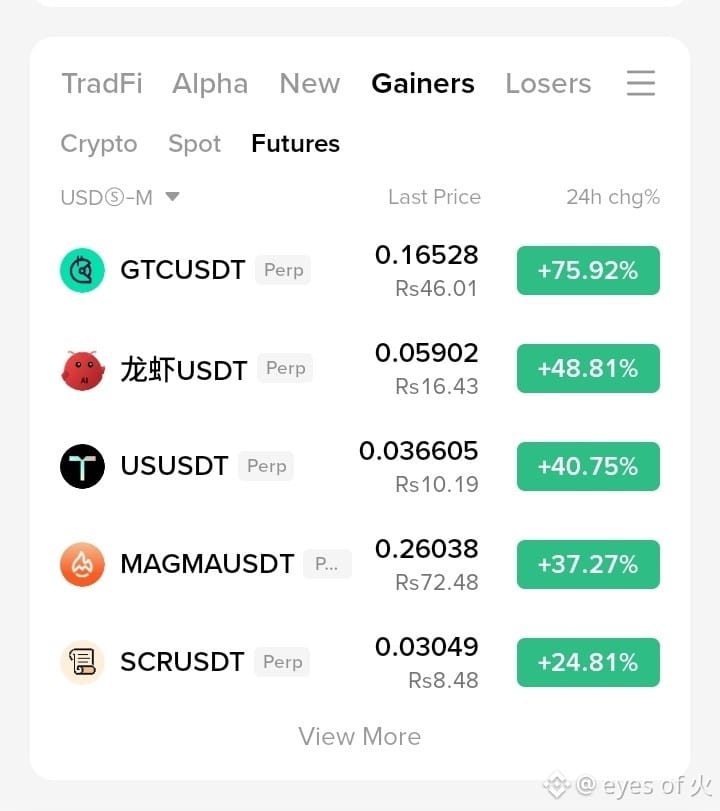
🚀 Top 3 Binance Futures Gainers! 📈🔥
🥇 $GTC USDT — +75.92% 🚀
💰 Price: 0.16528 USDT
🥈 $龙虾 USDT — +48.81% 🔥
💰 Price: 0.05902 USDT
🥉 $US USDT — +40.75% ⚡
💰 Price: 0.036605 USDT
🔥 Strong momentum in the market!
📊 Keep an eye on these top movers and always manage your risk carefully. 🛡️
#USWeeklyJoblessClaimsFallTo197000 #EvernorthPlansNasdaqListingOct8 #US10YearYieldNears5.3% #DollarIndexHitsHighestSinceMay2025 #AnthropicTargetsIPOAsSoonAsMidNovember
🚀 Top 3 Binance Futures Gainers! 📈🔥
🥇 $GTC USDT — +75.92% 🚀
💰 Price: 0.16528 USDT
🥈 $龙虾 USDT — +48.81% 🔥
💰 Price: 0.05902 USDT
🥉 $US USDT — +40.75% ⚡
💰 Price: 0.036605 USDT
🔥 Strong momentum in the market!
📊 Keep an eye on these top movers and always manage your risk carefully. 🛡️
#USWeeklyJoblessClaimsFallTo197000 #EvernorthPlansNasdaqListingOct8 #US10YearYieldNears5.3% #DollarIndexHitsHighestSinceMay2025 #AnthropicTargetsIPOAsSoonAsMidNovember
🥇 $GTC USDT — +75.92% 🚀
💰 Price: 0.16528 USDT
🥈 $龙虾 USDT — +48.81% 🔥
💰 Price: 0.05902 USDT
🥉 $US USDT — +40.75% ⚡
💰 Price: 0.036605 USDT
🔥 Strong momentum in the market!
📊 Keep an eye on these top movers and always manage your risk carefully. 🛡️
#USWeeklyJoblessClaimsFallTo197000 #EvernorthPlansNasdaqListingOct8 #US10YearYieldNears5.3% #DollarIndexHitsHighestSinceMay2025 #AnthropicTargetsIPOAsSoonAsMidNovember
599
·
--
Жоғары (өспелі)
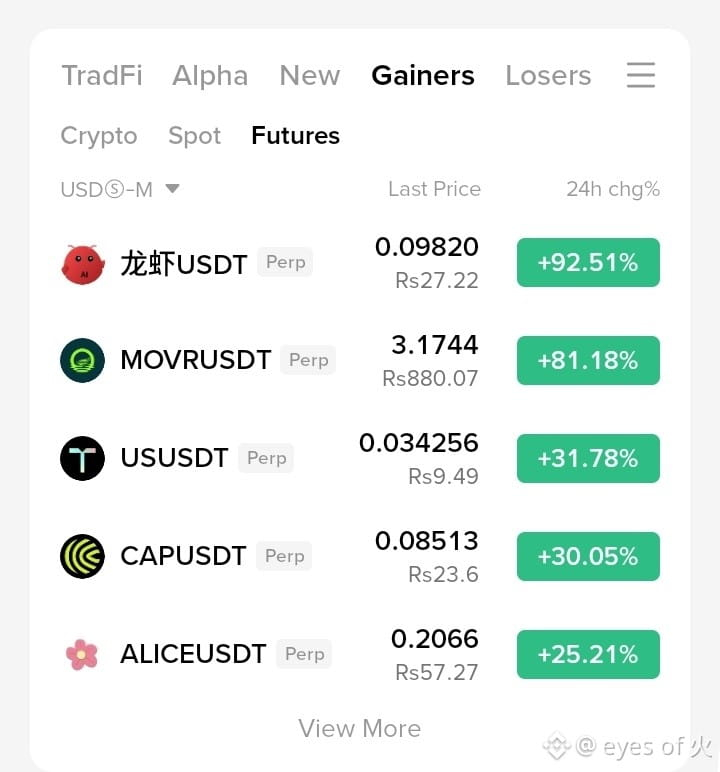
🚀 Top 3 Futures Gainers on Binance Right Now! 🔥
📈 1. $龙虾 USDT — +92.51% 🦞
A massive move today! Momentum is clearly attracting attention. 👀🔥
📈 2. $MOVR USDT — +81.18% 🌙
Another strong performer with impressive price action and rising market interest! 🚀
📈 3. $US USDT — +31.78% 💎
Solid gains and strong momentum as traders keep watching this pair. 📊⚡
🔥 Three coins, three big moves!
The Futures market is heating up, but remember: high volatility means high risk too. Always DYOR and manage your risk. 🛡️
#CFTCSubmitsTwoEventContractRulesToWhiteHouse #MicronBeatsEarningsLiftsGuidance #EtherGains70.9%InQ3 #DollarIndexHitsHighestSinceMay2025 #USWeeklyJoblessClaimsFallTo197000
{future}(龙虾USDT)
{future}(MOVRUSDT)
🚀 Top 3 Futures Gainers on Binance Right Now! 🔥
📈 1. $龙虾 USDT — +92.51% 🦞
A massive move today! Momentum is clearly attracting attention. 👀🔥
📈 2. $MOVR USDT — +81.18% 🌙
Another strong performer with impressive price action and rising market interest! 🚀
📈 3. $US USDT — +31.78% 💎
Solid gains and strong momentum as traders keep watching this pair. 📊⚡
🔥 Three coins, three big moves!
The Futures market is heating up, but remember: high volatility means high risk too. Always DYOR and manage your risk. 🛡️
#CFTCSubmitsTwoEventContractRulesToWhiteHouse #MicronBeatsEarningsLiftsGuidance #EtherGains70.9%InQ3 #DollarIndexHitsHighestSinceMay2025 #USWeeklyJoblessClaimsFallTo197000
📈 1. $龙虾 USDT — +92.51% 🦞
A massive move today! Momentum is clearly attracting attention. 👀🔥
📈 2. $MOVR USDT — +81.18% 🌙
Another strong performer with impressive price action and rising market interest! 🚀
📈 3. $US USDT — +31.78% 💎
Solid gains and strong momentum as traders keep watching this pair. 📊⚡
🔥 Three coins, three big moves!
The Futures market is heating up, but remember: high volatility means high risk too. Always DYOR and manage your risk. 🛡️
#CFTCSubmitsTwoEventContractRulesToWhiteHouse #MicronBeatsEarningsLiftsGuidance #EtherGains70.9%InQ3 #DollarIndexHitsHighestSinceMay2025 #USWeeklyJoblessClaimsFallTo197000
93
·
--
Жоғары (өспелі)
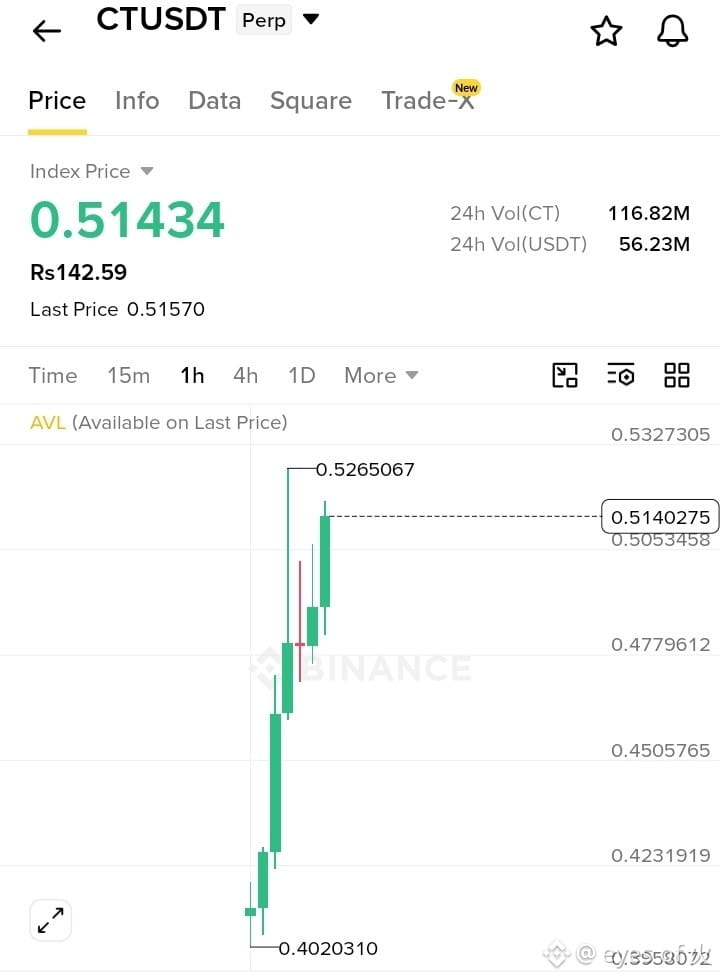
🚀🔥 $CT USDT — BULLISH MOMENTUM IS HERE! 🔥🚀
📈 CT is showing strong upward momentum with several green candles! 💚
💎 CTUSDT LONG WATCH! 🟢
🚀 Bulls are stepping in — keep an eye on the next move!
🔥 Bullish traders, watch this setup!
🎯 Watch resistance near 0.5265
📊 Manage your risk and wait for confirmation before entering.
🏆💚 CTUSDT — LET'S WATCH THE BULLS! 🐂🚀
⚠️ Crypto trading is risky. Always DYOR and use a stop-loss. No guaranteed profits.
#USADPAdds90000JobsInSeptember #US10YearYieldNears5.3% #KoreaProposesTokenizingStocksAndBonds #MetaMaskExitsLidoValidatorsAfterSecurityIncident #AltcoinSeasonIndexHoldsAbove60For5Days
🚀🔥 $CT USDT — BULLISH MOMENTUM IS HERE! 🔥🚀
📈 CT is showing strong upward momentum with several green candles! 💚
💎 CTUSDT LONG WATCH! 🟢
🚀 Bulls are stepping in — keep an eye on the next move!
🔥 Bullish traders, watch this setup!
🎯 Watch resistance near 0.5265
📊 Manage your risk and wait for confirmation before entering.
🏆💚 CTUSDT — LET'S WATCH THE BULLS! 🐂🚀
⚠️ Crypto trading is risky. Always DYOR and use a stop-loss. No guaranteed profits.
#USADPAdds90000JobsInSeptember #US10YearYieldNears5.3% #KoreaProposesTokenizingStocksAndBonds #MetaMaskExitsLidoValidatorsAfterSecurityIncident #AltcoinSeasonIndexHoldsAbove60For5Days
📈 CT is showing strong upward momentum with several green candles! 💚
💎 CTUSDT LONG WATCH! 🟢
🚀 Bulls are stepping in — keep an eye on the next move!
🔥 Bullish traders, watch this setup!
🎯 Watch resistance near 0.5265
📊 Manage your risk and wait for confirmation before entering.
🏆💚 CTUSDT — LET'S WATCH THE BULLS! 🐂🚀
⚠️ Crypto trading is risky. Always DYOR and use a stop-loss. No guaranteed profits.
#USADPAdds90000JobsInSeptember #US10YearYieldNears5.3% #KoreaProposesTokenizingStocksAndBonds #MetaMaskExitsLidoValidatorsAfterSecurityIncident #AltcoinSeasonIndexHoldsAbove60For5Days
152
·
--
Төмен (кемімелі)
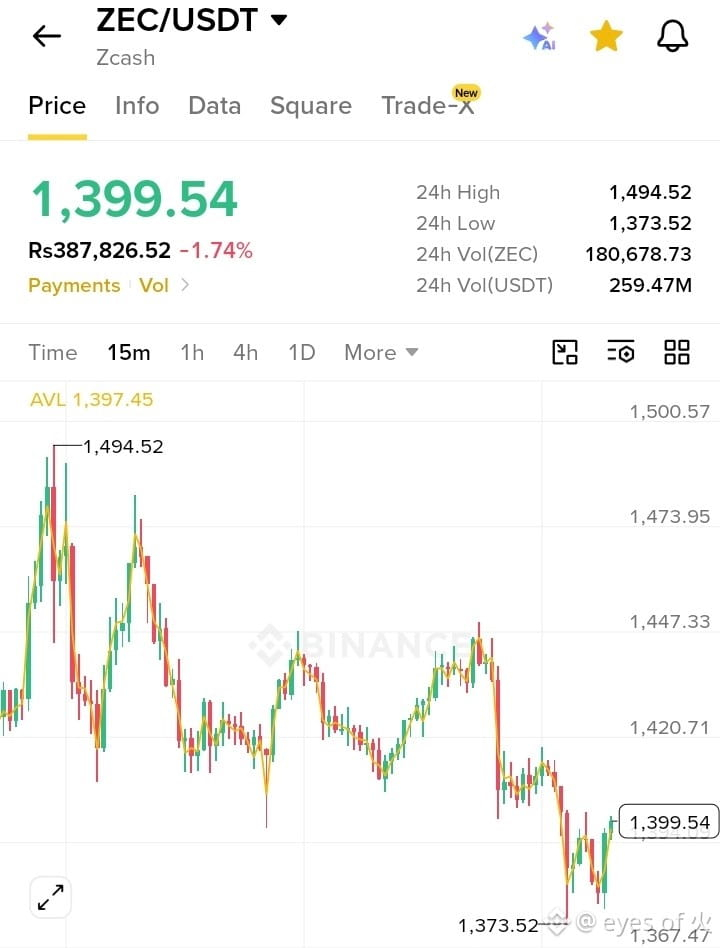
$ZEC /USDT is at 1,399.54 (-1.74%)
📊 24h High: 1,494.52 | Low: 1,373.52
Volume: 259.47M USDT
Privacy king holding strong after rejection from highs!
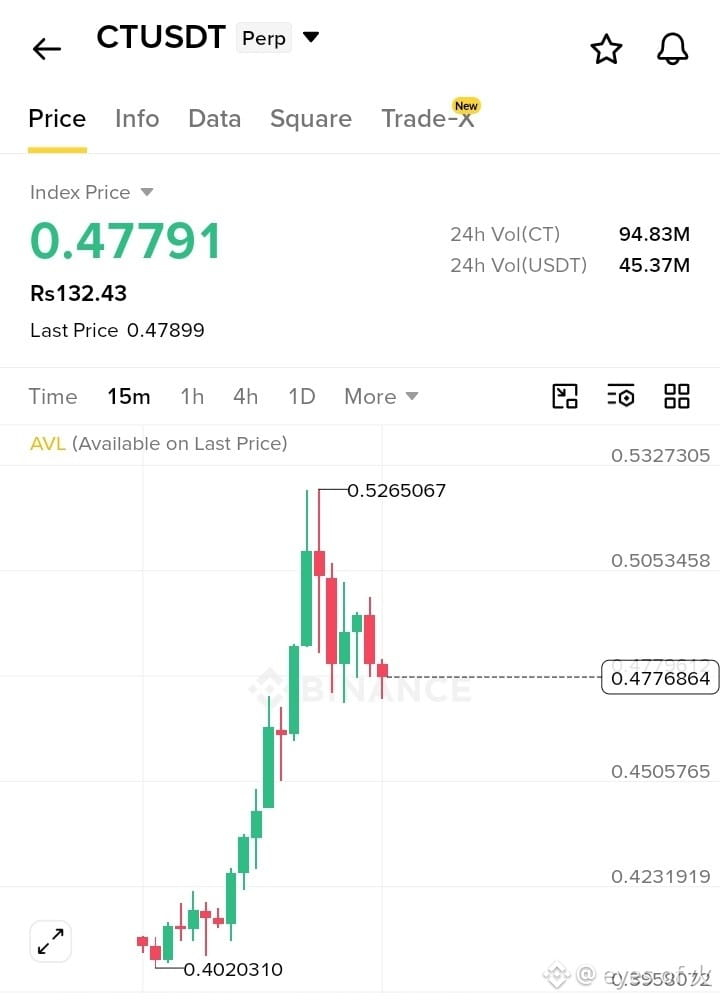
$CT /USDT Perp at 0.47791
🚀 Pumped hard from 0.40 → peaked at 0.5265
Volume: 45.37M USDT
Healthy pullback after massive breakout — bulls still in control!
Two different stories, one market. Who’s watching both? 👀
{future}(ZECUSDT)
#US10YearYieldNears5.3% #USCorePCEEasesTo3%InAugust #USADPAdds90000JobsInSeptember #MicronBeatsEarningsLiftsGuidance #CFTCSubmitsTwoEventContractRulesToWhiteHouse
$ZEC /USDT is at 1,399.54 (-1.74%)
📊 24h High: 1,494.52 | Low: 1,373.52
Volume: 259.47M USDT
Privacy king holding strong after rejection from highs!
$CT /USDT Perp at 0.47791
🚀 Pumped hard from 0.40 → peaked at 0.5265
Volume: 45.37M USDT
Healthy pullback after massive breakout — bulls still in control!
Two different stories, one market. Who’s watching both? 👀
#US10YearYieldNears5.3% #USCorePCEEasesTo3%InAugust #USADPAdds90000JobsInSeptember #MicronBeatsEarningsLiftsGuidance #CFTCSubmitsTwoEventContractRulesToWhiteHouse
📊 24h High: 1,494.52 | Low: 1,373.52
Volume: 259.47M USDT
Privacy king holding strong after rejection from highs!
$CT /USDT Perp at 0.47791
🚀 Pumped hard from 0.40 → peaked at 0.5265
Volume: 45.37M USDT
Healthy pullback after massive breakout — bulls still in control!
Two different stories, one market. Who’s watching both? 👀
#US10YearYieldNears5.3% #USCorePCEEasesTo3%InAugust #USADPAdds90000JobsInSeptember #MicronBeatsEarningsLiftsGuidance #CFTCSubmitsTwoEventContractRulesToWhiteHouse
271
·
--
Жоғары (өспелі)
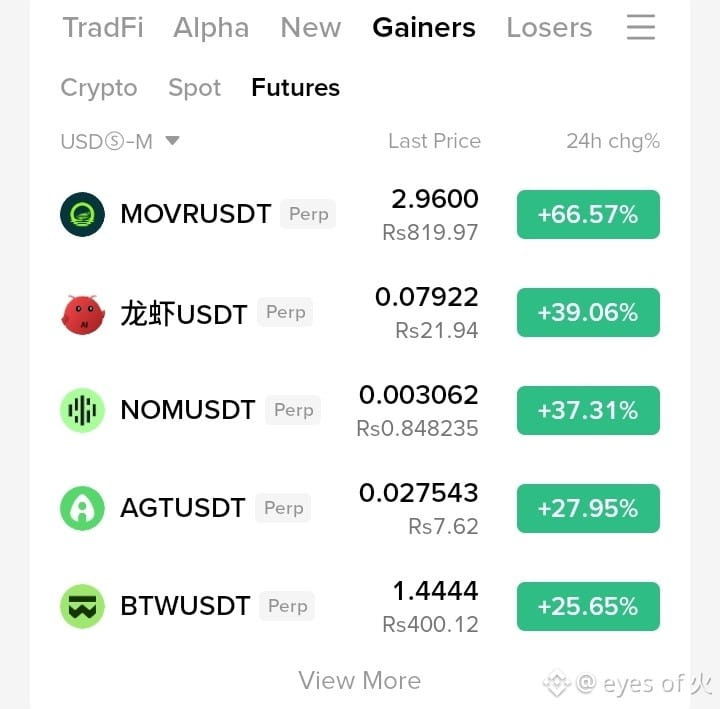
🥇 1. $MOVR /USDT 🚀
💰 Price: $2.9600
📈 Change: +66.57% 🔥
MOVR is leading the list with a powerful upward move! 💎
🥈 2. $龙虾 /USDT 🦞
💰 Price: $0.07922
📈 Change: +39.06% 🚀
Strong momentum has brought this coin into the spotlight! ⚡
🥉 3. $NOM /USDT 💚
💰 Price: $0.003062
📈 Change: +37.31% 📊
NOM is also showing impressive market activity! 🔥
🌟 Stay alert, stay informed, and always DYOR! 🧠📊
⚠️ Remember: Crypto markets are highly volatile. Green candles can turn red quickly, so always manage your risk and trade responsibly. 🛡️
💬 Which coin are you watching today — MOVR, 龙虾, or NOM? 👇🔥
#US10YearYieldNears5.3% #USCorePCEEasesTo3%InAugust #USADPAdds90000JobsInSeptember #AltcoinSeasonIndexHoldsAbove60For5Days #MicronBeatsEarningsLiftsGuidance
{future}(龙虾USDT)
{future}(NOMUSDT)
{future}(MOVRUSDT)
🥇 1. $MOVR /USDT 🚀
💰 Price: $2.9600
📈 Change: +66.57% 🔥
MOVR is leading the list with a powerful upward move! 💎
🥈 2. $龙虾 /USDT 🦞
💰 Price: $0.07922
📈 Change: +39.06% 🚀
Strong momentum has brought this coin into the spotlight! ⚡
🥉 3. $NOM /USDT 💚
💰 Price: $0.003062
📈 Change: +37.31% 📊
NOM is also showing impressive market activity! 🔥
🌟 Stay alert, stay informed, and always DYOR! 🧠📊
⚠️ Remember: Crypto markets are highly volatile. Green candles can turn red quickly, so always manage your risk and trade responsibly. 🛡️
💬 Which coin are you watching today — MOVR, 龙虾, or NOM? 👇🔥
#US10YearYieldNears5.3% #USCorePCEEasesTo3%InAugust #USADPAdds90000JobsInSeptember #AltcoinSeasonIndexHoldsAbove60For5Days #MicronBeatsEarningsLiftsGuidance
💰 Price: $2.9600
📈 Change: +66.57% 🔥
MOVR is leading the list with a powerful upward move! 💎
🥈 2. $龙虾 /USDT 🦞
💰 Price: $0.07922
📈 Change: +39.06% 🚀
Strong momentum has brought this coin into the spotlight! ⚡
🥉 3. $NOM /USDT 💚
💰 Price: $0.003062
📈 Change: +37.31% 📊
NOM is also showing impressive market activity! 🔥
🌟 Stay alert, stay informed, and always DYOR! 🧠📊
⚠️ Remember: Crypto markets are highly volatile. Green candles can turn red quickly, so always manage your risk and trade responsibly. 🛡️
💬 Which coin are you watching today — MOVR, 龙虾, or NOM? 👇🔥
#US10YearYieldNears5.3% #USCorePCEEasesTo3%InAugust #USADPAdds90000JobsInSeptember #AltcoinSeasonIndexHoldsAbove60For5Days #MicronBeatsEarningsLiftsGuidance
388
·
--
Жоғары (өспелі)
🚀 **Top Futures Gainers Alert!** 🔥
The market is heating up and these 3 coins are absolutely flying right now:
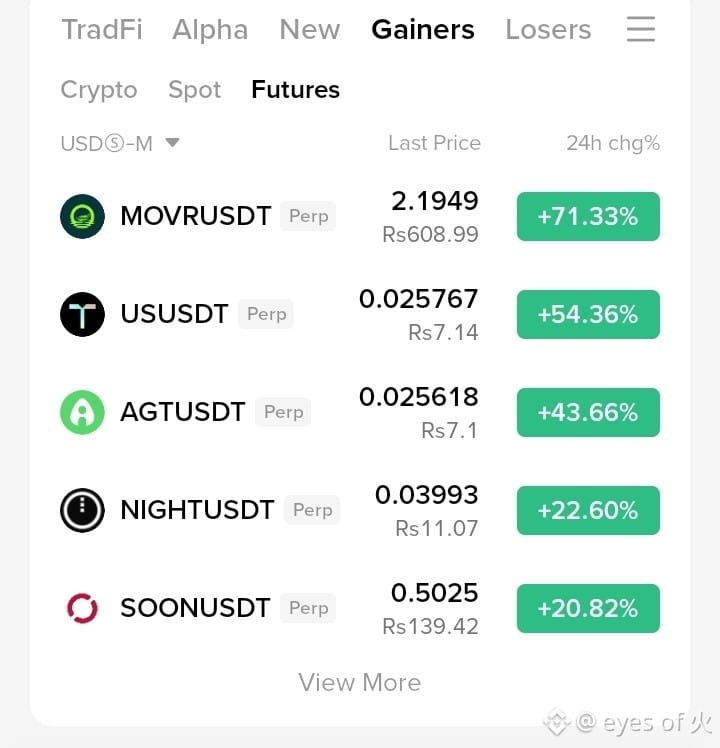
1️⃣ **$MOVR USDT** → **+71.33%** 📈
Price: 2.1949
2️⃣ **$US USDT** → **+54.36%** 💥
Price: 0.025767
3️⃣ **$AGT USDT** → **+43.66%** ⚡
Price: 0.025618
Massive pumps on the futures board! Who’s riding these rockets with me? 👀💰
#JapanMOFStudyGroupOnTokenizedGovtBonds #TrumpSaysLastUSTroopsLeavingIraq #CFTCSubmitsTwoEventContractRulesToWhiteHouse #AltcoinSeasonIndexHoldsAbove60For5Days #USADPAdds90000JobsInSeptember
🚀 **Top Futures Gainers Alert!** 🔥
The market is heating up and these 3 coins are absolutely flying right now:
1️⃣ **$MOVR USDT** → **+71.33%** 📈
Price: 2.1949
2️⃣ **$US USDT** → **+54.36%** 💥
Price: 0.025767
3️⃣ **$AGT USDT** → **+43.66%** ⚡
Price: 0.025618
Massive pumps on the futures board! Who’s riding these rockets with me? 👀💰
#JapanMOFStudyGroupOnTokenizedGovtBonds #TrumpSaysLastUSTroopsLeavingIraq #CFTCSubmitsTwoEventContractRulesToWhiteHouse #AltcoinSeasonIndexHoldsAbove60For5Days #USADPAdds90000JobsInSeptember
The market is heating up and these 3 coins are absolutely flying right now:
1️⃣ **$MOVR USDT** → **+71.33%** 📈
Price: 2.1949
2️⃣ **$US USDT** → **+54.36%** 💥
Price: 0.025767
3️⃣ **$AGT USDT** → **+43.66%** ⚡
Price: 0.025618
Massive pumps on the futures board! Who’s riding these rockets with me? 👀💰
#JapanMOFStudyGroupOnTokenizedGovtBonds #TrumpSaysLastUSTroopsLeavingIraq #CFTCSubmitsTwoEventContractRulesToWhiteHouse #AltcoinSeasonIndexHoldsAbove60For5Days #USADPAdds90000JobsInSeptember
261
·
--
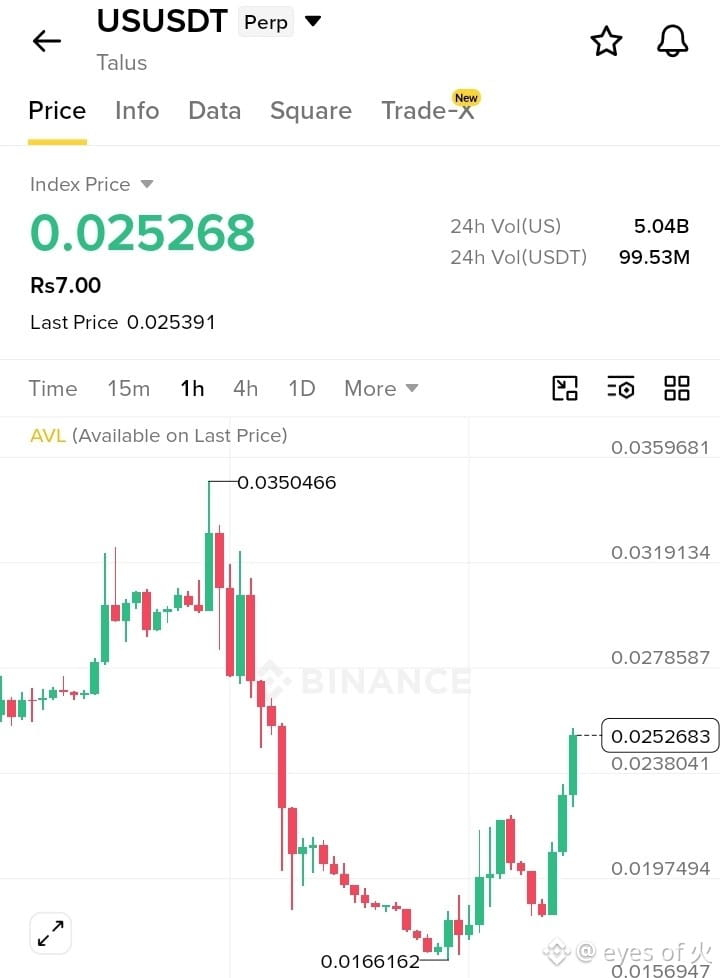
Looking at the 1H chart, Talus ($US USDT) is showing strong recovery. After bottoming near 0.0166, price has bounced hard and is currently trading at 0.025268 (Last: 0.025391).
24h Volume is solid – 5.04B US / 99.53M USDT. The recent green candles and higher lows suggest buyers are stepping in.
I’m going LONG from current levels. Structure looks bullish after the deep correction from 0.035.
Risk managed. Let’s ride this move.
#QNTRises287% #JapanMOFStudyGroupOnTokenizedGovtBonds #UKFCAOpensCryptoFirmAuthorization #USCorePCEEasesTo3%InAugust #AltcoinSeasonIndexHoldsAbove60For5Days
Looking at the 1H chart, Talus ($US USDT) is showing strong recovery. After bottoming near 0.0166, price has bounced hard and is currently trading at 0.025268 (Last: 0.025391).
24h Volume is solid – 5.04B US / 99.53M USDT. The recent green candles and higher lows suggest buyers are stepping in.
I’m going LONG from current levels. Structure looks bullish after the deep correction from 0.035.
Risk managed. Let’s ride this move.
#QNTRises287% #JapanMOFStudyGroupOnTokenizedGovtBonds #UKFCAOpensCryptoFirmAuthorization #USCorePCEEasesTo3%InAugust #AltcoinSeasonIndexHoldsAbove60For5Days
24h Volume is solid – 5.04B US / 99.53M USDT. The recent green candles and higher lows suggest buyers are stepping in.
I’m going LONG from current levels. Structure looks bullish after the deep correction from 0.035.
Risk managed. Let’s ride this move.
#QNTRises287% #JapanMOFStudyGroupOnTokenizedGovtBonds #UKFCAOpensCryptoFirmAuthorization #USCorePCEEasesTo3%InAugust #AltcoinSeasonIndexHoldsAbove60For5Days
1
100
·
--
Жоғары (өспелі)
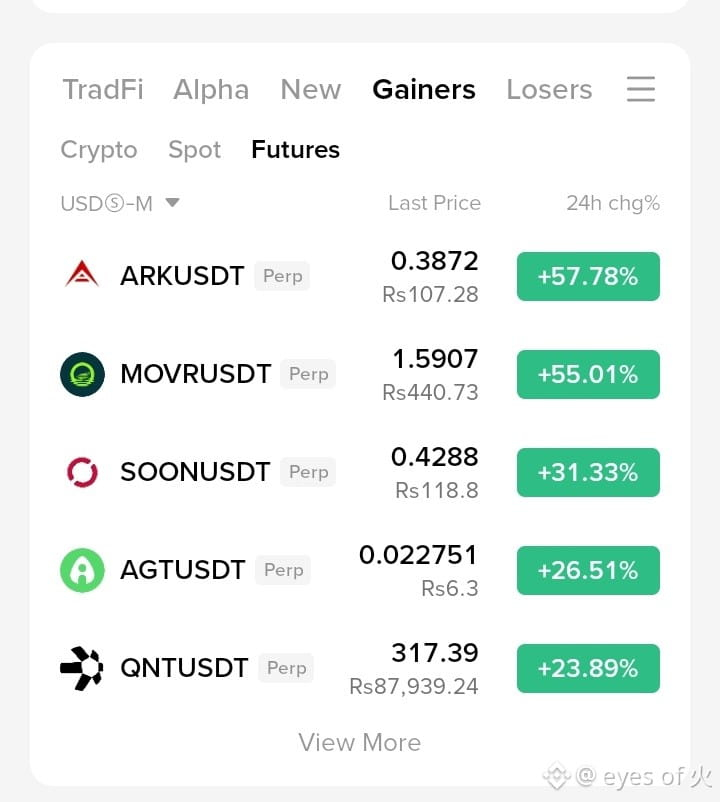
🚀 Top Gainers Alert! 🔥
The market is showing strong bullish momentum today! 📈 Check out these top performers pumping hard:
⚡ $ARK – $0.3872 (+57.78%) 🚀
⚡ $MOVR – $1.5907 (+55.01%) 🔥
⚡ $SOON – $0.4288 (+31.33%) 💎
Massive gains coming in! Are you holding any of these, or is it time to ride the trend? 🤑💰
Drop your thoughts in the comments! 👇
#EarningsSeason #ChainlinkLaunchesBankSWIFTLedgerFramework #OpenAIUnveilsAlwaysOnAgentDots #BitgetHotWalletBreachTiedToThirdPartySecurityFlaw #TrumpRejectsAIRulesForVoluntaryAudits
{future}(SOONUSDT)
{future}(MOVRUSDT)
{future}(ARKUSDT)
🚀 Top Gainers Alert! 🔥
The market is showing strong bullish momentum today! 📈 Check out these top performers pumping hard:
⚡ $ARK – $0.3872 (+57.78%) 🚀
⚡ $MOVR – $1.5907 (+55.01%) 🔥
⚡ $SOON – $0.4288 (+31.33%) 💎
Massive gains coming in! Are you holding any of these, or is it time to ride the trend? 🤑💰
Drop your thoughts in the comments! 👇
#EarningsSeason #ChainlinkLaunchesBankSWIFTLedgerFramework #OpenAIUnveilsAlwaysOnAgentDots #BitgetHotWalletBreachTiedToThirdPartySecurityFlaw #TrumpRejectsAIRulesForVoluntaryAudits
The market is showing strong bullish momentum today! 📈 Check out these top performers pumping hard:
⚡ $ARK – $0.3872 (+57.78%) 🚀
⚡ $MOVR – $1.5907 (+55.01%) 🔥
⚡ $SOON – $0.4288 (+31.33%) 💎
Massive gains coming in! Are you holding any of these, or is it time to ride the trend? 🤑💰
Drop your thoughts in the comments! 👇
#EarningsSeason #ChainlinkLaunchesBankSWIFTLedgerFramework #OpenAIUnveilsAlwaysOnAgentDots #BitgetHotWalletBreachTiedToThirdPartySecurityFlaw #TrumpRejectsAIRulesForVoluntaryAudits
229
·
--
Жоғары (өспелі)
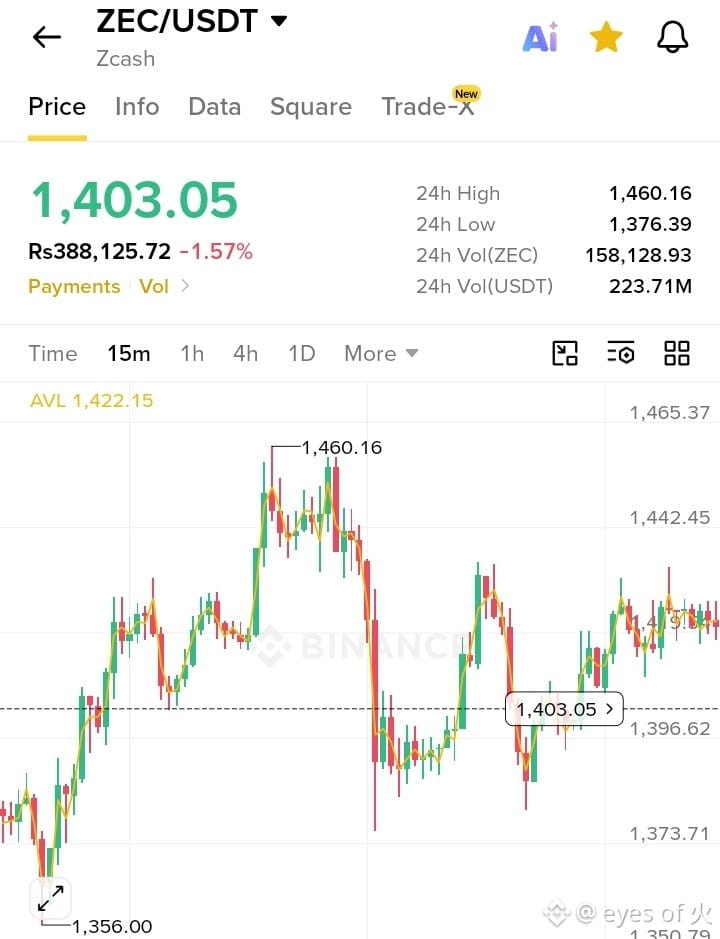
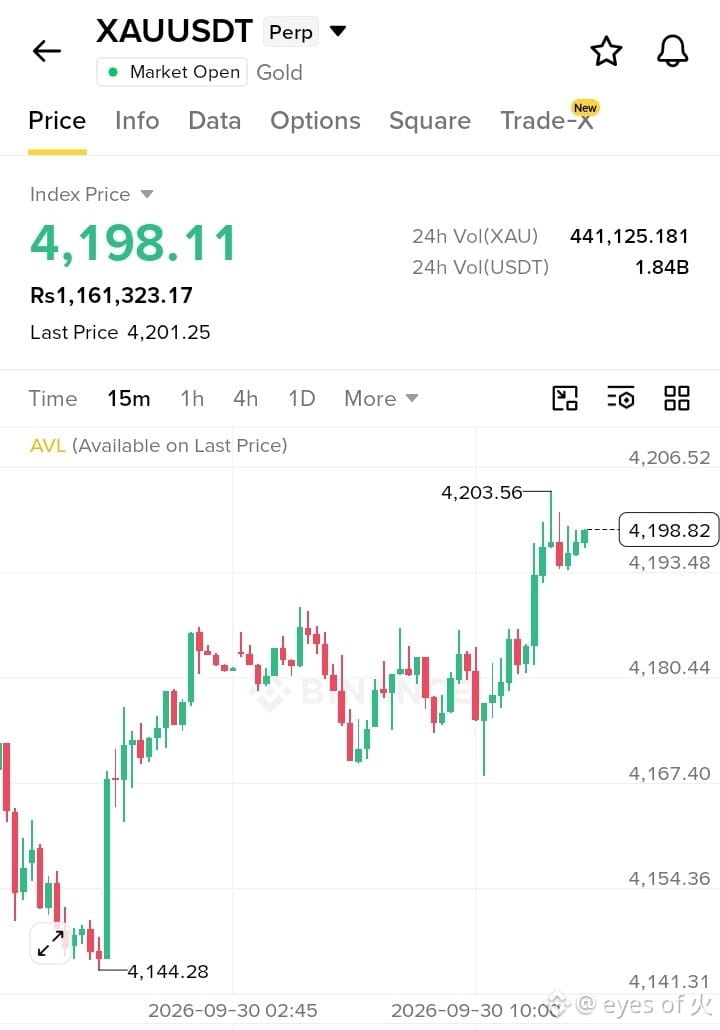
Market Watch – September 30, 2026 🚀
Zcash ($ZEC /USDT) is showing volatile price action, trading around $1,403 after pulling back from the $1,460 area. Traders are watching key support and resistance levels for the next move. 🪙 Meanwhile, Gold ($XAUT USDT) is holding near $4,198 after recovering from an intraday dip toward $4,144, showing renewed buying interest. 🟡 Both markets need confirmation before a clear trend emerges. Keep an eye on volume, momentum, and risk management before making any trading decisions. 📈
#QNTRises287% #EarningsSeason #HSBCNamesStablecoinRedCoinForPhasedLaunch #BitgetHotWalletBreachTiedToThirdPartySecurityFlaw #TrumpRejectsAIRulesForVoluntaryAudits
{future}(ZECUSDT)
{future}(XAUTUSDT)
Market Watch – September 30, 2026 🚀
Zcash ($ZEC /USDT) is showing volatile price action, trading around $1,403 after pulling back from the $1,460 area. Traders are watching key support and resistance levels for the next move. 🪙 Meanwhile, Gold ($XAUT USDT) is holding near $4,198 after recovering from an intraday dip toward $4,144, showing renewed buying interest. 🟡 Both markets need confirmation before a clear trend emerges. Keep an eye on volume, momentum, and risk management before making any trading decisions. 📈
#QNTRises287% #EarningsSeason #HSBCNamesStablecoinRedCoinForPhasedLaunch #BitgetHotWalletBreachTiedToThirdPartySecurityFlaw #TrumpRejectsAIRulesForVoluntaryAudits
Zcash ($ZEC /USDT) is showing volatile price action, trading around $1,403 after pulling back from the $1,460 area. Traders are watching key support and resistance levels for the next move. 🪙 Meanwhile, Gold ($XAUT USDT) is holding near $4,198 after recovering from an intraday dip toward $4,144, showing renewed buying interest. 🟡 Both markets need confirmation before a clear trend emerges. Keep an eye on volume, momentum, and risk management before making any trading decisions. 📈
#QNTRises287% #EarningsSeason #HSBCNamesStablecoinRedCoinForPhasedLaunch #BitgetHotWalletBreachTiedToThirdPartySecurityFlaw #TrumpRejectsAIRulesForVoluntaryAudits
143
·
--
Төмен (кемімелі)
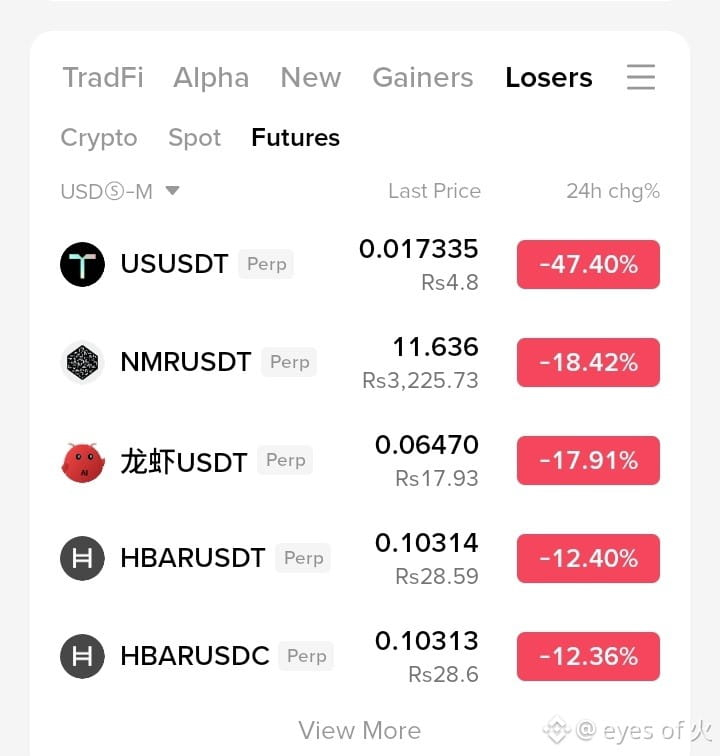
🚨 Top 3 Biggest Losers on Binance Futures Today 📉🔥
The market is showing strong downside moves, with these 3 pairs among the biggest losers:
🥇 $US USDT — 🔻 -47.40%
💰 Price: 0.017335 USDT
🥈 $NMR USDT — 🔻 -18.42%
💰 Price: 11.636 USDT
🥉 $龙虾 USDT (LOBSTER) — 🔻 -17.91%
💰 Price: 0.06470 USDT
⚠️ Big moves = high volatility!
Always manage your risk and do your own research before entering any Futures trade. 📊
#StrategyAdds1666BTCHoldingsReach847666 #EarningsSeason #SECChairWantsStockMarketsOnChain #USJobOpeningsFallToFiveMonthLow #ECBToTestAIAgentsInDigitalEuroPayments
🚨 Top 3 Biggest Losers on Binance Futures Today 📉🔥
The market is showing strong downside moves, with these 3 pairs among the biggest losers:
🥇 $US USDT — 🔻 -47.40%
💰 Price: 0.017335 USDT
🥈 $NMR USDT — 🔻 -18.42%
💰 Price: 11.636 USDT
🥉 $龙虾 USDT (LOBSTER) — 🔻 -17.91%
💰 Price: 0.06470 USDT
⚠️ Big moves = high volatility!
Always manage your risk and do your own research before entering any Futures trade. 📊
#StrategyAdds1666BTCHoldingsReach847666 #EarningsSeason #SECChairWantsStockMarketsOnChain #USJobOpeningsFallToFiveMonthLow #ECBToTestAIAgentsInDigitalEuroPayments
The market is showing strong downside moves, with these 3 pairs among the biggest losers:
🥇 $US USDT — 🔻 -47.40%
💰 Price: 0.017335 USDT
🥈 $NMR USDT — 🔻 -18.42%
💰 Price: 11.636 USDT
🥉 $龙虾 USDT (LOBSTER) — 🔻 -17.91%
💰 Price: 0.06470 USDT
⚠️ Big moves = high volatility!
Always manage your risk and do your own research before entering any Futures trade. 📊
#StrategyAdds1666BTCHoldingsReach847666 #EarningsSeason #SECChairWantsStockMarketsOnChain #USJobOpeningsFallToFiveMonthLow #ECBToTestAIAgentsInDigitalEuroPayments
167
·
--
Жоғары (өспелі)
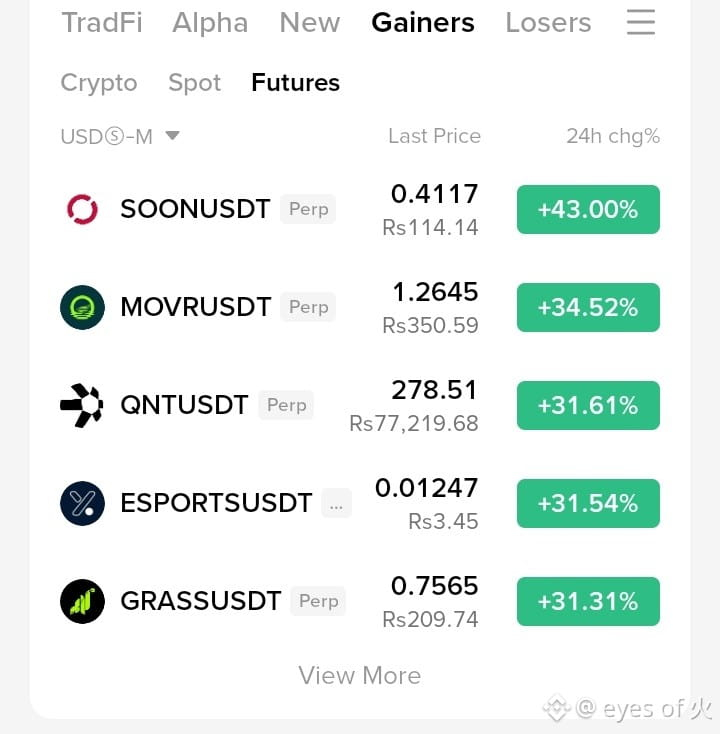
🚀 Top 3 Gainers on Binance Futures 🔥
The market is showing strong momentum today! 📈💰 Here are the first 3 coins catching attention:
🥇 $SOON USDT — +43.00% 🚀
💰 Price: 0.4117 USDT
🥈 $MOVR USDT — +34.52% 🔥
💰 Price: 1.2645 USDT
🥉 $QNT USDT — +31.61% ⚡
💰 Price: 278.51 USDT
📊 Strong moves, but remember: high gains can also come with high volatility. Always manage your risk and do your own research before trading. 🛡️
#StrategyAdds1666BTCHoldingsReach847666 #EarningsSeason #CEARenamesToBNBStandardUnderBNC #BitwiseLaunchesFirstSpotNEARETF #ECBToTestAIAgentsInDigitalEuroPayments
🚀 Top 3 Gainers on Binance Futures 🔥
The market is showing strong momentum today! 📈💰 Here are the first 3 coins catching attention:
🥇 $SOON USDT — +43.00% 🚀
💰 Price: 0.4117 USDT
🥈 $MOVR USDT — +34.52% 🔥
💰 Price: 1.2645 USDT
🥉 $QNT USDT — +31.61% ⚡
💰 Price: 278.51 USDT
📊 Strong moves, but remember: high gains can also come with high volatility. Always manage your risk and do your own research before trading. 🛡️
#StrategyAdds1666BTCHoldingsReach847666 #EarningsSeason #CEARenamesToBNBStandardUnderBNC #BitwiseLaunchesFirstSpotNEARETF #ECBToTestAIAgentsInDigitalEuroPayments
The market is showing strong momentum today! 📈💰 Here are the first 3 coins catching attention:
🥇 $SOON USDT — +43.00% 🚀
💰 Price: 0.4117 USDT
🥈 $MOVR USDT — +34.52% 🔥
💰 Price: 1.2645 USDT
🥉 $QNT USDT — +31.61% ⚡
💰 Price: 278.51 USDT
📊 Strong moves, but remember: high gains can also come with high volatility. Always manage your risk and do your own research before trading. 🛡️
#StrategyAdds1666BTCHoldingsReach847666 #EarningsSeason #CEARenamesToBNBStandardUnderBNC #BitwiseLaunchesFirstSpotNEARETF #ECBToTestAIAgentsInDigitalEuroPayments
122
·
--
Жоғары (өспелі)
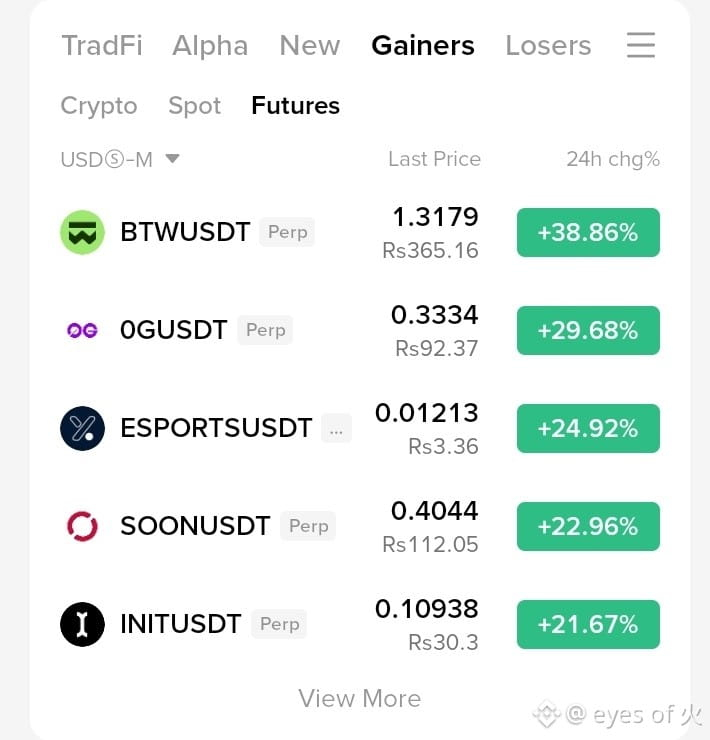
🚀 Top 3 Futures Gainers on Binance Right Now! 📈🔥
The market is showing some serious momentum, and these 3 coins are standing out 👀💰
🥇 $BTW USDT — +38.86% 🚀
🥈 $OG USDT — +29.68% 🔥
🥉 $ESPORTS USDT — +24.92% ⚡
📊 Strong moves, high momentum, and plenty of attention from traders today!
💡 Keep an eye on volume and price action before making any trade.
⚠️ Crypto futures are highly risky — always manage your risk.
#EarningsSeason #OpenAIDelaysGPT6.1OverSafetyIssues #StrategyAdds1666BTCHoldingsReach847666 #BitMineETHHoldingsTop6Million #JapanFSABacksFourthStablecoinTradeSettlementPilot
🚀 Top 3 Futures Gainers on Binance Right Now! 📈🔥
The market is showing some serious momentum, and these 3 coins are standing out 👀💰
🥇 $BTW USDT — +38.86% 🚀
🥈 $OG USDT — +29.68% 🔥
🥉 $ESPORTS USDT — +24.92% ⚡
📊 Strong moves, high momentum, and plenty of attention from traders today!
💡 Keep an eye on volume and price action before making any trade.
⚠️ Crypto futures are highly risky — always manage your risk.
#EarningsSeason #OpenAIDelaysGPT6.1OverSafetyIssues #StrategyAdds1666BTCHoldingsReach847666 #BitMineETHHoldingsTop6Million #JapanFSABacksFourthStablecoinTradeSettlementPilot
The market is showing some serious momentum, and these 3 coins are standing out 👀💰
🥇 $BTW USDT — +38.86% 🚀
🥈 $OG USDT — +29.68% 🔥
🥉 $ESPORTS USDT — +24.92% ⚡
📊 Strong moves, high momentum, and plenty of attention from traders today!
💡 Keep an eye on volume and price action before making any trade.
⚠️ Crypto futures are highly risky — always manage your risk.
#EarningsSeason #OpenAIDelaysGPT6.1OverSafetyIssues #StrategyAdds1666BTCHoldingsReach847666 #BitMineETHHoldingsTop6Million #JapanFSABacksFourthStablecoinTradeSettlementPilot
138
Көбірек контент көру үшін кіріңіз
Binance Square платформасында әлемдік криптоқоғамдастыққа қосылыңыз
⚡️ Криптовалюта туралы ең соңғы және пайдалы ақпаратты алыңыз.
💬 Әлемдегі ең ірі криптобиржаның сеніміне ие.
👍 Расталған авторлардың нақты пікірлерін табыңыз.
Электрондық пошта/телефон нөмірі
Трендтегі тақырыптар
BitcoinParesGainsAfterRallyTo$86.5K
0 рет көрілді
21 адам талқылап жатыр
$BTC sitting right on the knife edge at $86k. Bulls stacked 1,436 BTC defending that level, bears loaded 1,008 BTC as a wall at $86.5k. This is pure liquidation fuel—whoever loses this fight is getting absolutely nuked.
Short-term scalp territory. If bulls punch through $86.5k with volume, we're probably running to $88k fast. If bears hold and push down, $84k is the next stop and longs get flushed.
Watch the tape closely. One side's about to get destroyed, and the move will be violent either way.
AI Market Brief
·3 лайк
·2.8k рет көрілді
CerebrasSinksNearly20%OnReportNvidiaToPowerOpenAI
742 рет көрілді
62 адам талқылап жатыр
SECProposesCryptoCustodyRules
18,436 рет көрілді
208 адам талқылап жатыр