Binance Square

Bit Beacon

image
Расталған автор
Building trust on the blockchain. HODLer since 2017• Let's go!
Ашық сауда
Жиі сауда жасайтын трейдер
1.2 жыл
173 Жазылым
33.6K+ Жазылушылар
38.5K+ лайк басылған
3.7K+ Бөлісу
Контент
Портфолио
--
want to share a deeper look at Walrus because it’s more than just storage. They’re building a decentralized network designed to keep large files private, secure, and verifiable. Instead of copying entire files over and over, Walrus slices them into pieces, adds redundancy using erasure coding, and distributes them across many independent nodes. Even if some nodes go offline the data can be fully recovered. $WAL @WalrusProtocol #WALRUS
want to share a deeper look at Walrus because it’s more than just storage. They’re building a decentralized network designed to keep large files private, secure, and verifiable. Instead of copying entire files over and over, Walrus slices them into pieces, adds redundancy using erasure coding, and distributes them across many independent nodes. Even if some nodes go offline the data can be fully recovered.

$WAL @Walrus 🦭/acc #WALRUS
This makes the network fair and practical for real world use. It also creates opportunities for creators and AI developers to store and monetize data securely. I’m excited about Walrus because it gives people control over their information, rewards contribution, and builds a foundation for a decentralized future where storage is reliable, private, and accessible to everyone $WAL @WalrusProtocol #Walrus
This makes the network fair and practical for real world use. It also creates opportunities for creators and AI developers to store and monetize data securely. I’m excited about Walrus because it gives people control over their information, rewards contribution, and builds a foundation for a decentralized future where storage is reliable, private, and accessible to everyone

$WAL @Walrus 🦭/acc #Walrus
I’m really impressed by what Walrus is building because it solves a problem that affects all of us. Most of our data sits on centralized platforms where a single outage or policy change can make files disappear. Walrus takes a different approach. They split files into pieces, add smart redundancy, and store them across many independent nodes. This means even if some nodes fail your data is still safe and recoverable. $WAL @WalrusProtocol #Walrus
I’m really impressed by what Walrus is building because it solves a problem that affects all of us. Most of our data sits on centralized platforms where a single outage or policy change can make files disappear. Walrus takes a different approach. They split files into pieces, add smart redundancy, and store them across many independent nodes. This means even if some nodes fail your data is still safe and recoverable.

$WAL @Walrus 🦭/acc #Walrus
Walrus A New Way to Protect Your Data and Empower CreatorsI want to share something that I genuinely feel is shaping the future of how we store and manage data. Every day we create more files, videos, audio, images, and massive datasets for AI. Most of this information ends up in centralized systems controlled by a handful of companies. It is convenient but it comes with hidden risks. A server crash, a policy change, or even a pricing spike can make important data disappear or become inaccessible. For creators, small businesses, and developers, this is more than frustrating; it can be a serious setback. Walrus is trying to solve this problem by building a decentralized storage network that protects your data while keeping it private and reliable. Instead of keeping files in a single location, Walrus splits them into smaller pieces, adds smart redundancy, and stores them across multiple independent nodes. Even if some nodes go offline your files remain safe and recoverable. It feels like finally someone is thinking about data security fairness and control in a way that actually works for real people. The system is powered by advanced technology called erasure coding. It might sound complicated but it is really a clever way of ensuring that your data can be rebuilt even if parts of it go missing. It avoids wasting space while keeping files safe and available. On top of that, Walrus runs on the Sui blockchain, which coordinates payments governance and incentives so that everyone who stores or accesses files is treated fairly. This combination of blockchain and storage technology allows the network to be reliable and practical for real world use. The Walrus ecosystem also has its own token called WAL. It is more than just a way to pay for storage. WAL flows to storage providers and stakers who maintain the network, ensuring that everyone who contributes is rewarded. WAL also allows the community to participate in governance by voting on protocol decisions and changes. It becomes more than a token; it is a tool that aligns incentives and builds trust among all participants in the network. What excites me most about Walrus is how it empowers creators and supports innovation. AI and other advanced applications rely on large high quality datasets. Storing and protecting this data is critical. Walrus allows datasets to be stored securely verified for authenticity and even monetized. This opens opportunities for creators and researchers to be fairly rewarded for the value they generate. Instead of being trapped in centralized silos, data can flow freely and fairly across the network. That freedom gives people control and inspires innovation in ways that feel really meaningful. Walrus is also designed to be accessible. Developers can run nodes, contribute storage, and earn WAL while businesses can test the system to see how reliable it is. Even non technical users can benefit by understanding how the system works and choosing to store data in a way that is safer and more resilient. Being part of Walrus, even in a small way, lets you experience a future where people regain control over their own information. I am genuinely inspired by what Walrus is building because it goes beyond technology. It is about fairness, trust, and empowerment. It ensures that creators are rewarded for their work and that businesses have a reliable and predictable system for storing files. It shows a path toward a digital world where data is not just a commodity controlled by a few corporations but a resource that belongs to the people who generate it. We are seeing a shift in how the internet handles data. It is becoming more governable, more transparent, and more aligned with the needs of the users. Walrus is a part of that shift. It is building a foundation that is secure, resilient, and fair. For me, knowing that a project like this exists makes me feel hopeful. It feels like a step toward a future where data can empower people rather than hold them back. It feels like a future where creators, developers, and everyday users can trust that their work, their files, and their information are safe, usable, and valued. $WAL @WalrusProtocol #Walrus

Walrus A New Way to Protect Your Data and Empower Creators

I want to share something that I genuinely feel is shaping the future of how we store and manage data. Every day we create more files, videos, audio, images, and massive datasets for AI. Most of this information ends up in centralized systems controlled by a handful of companies. It is convenient but it comes with hidden risks. A server crash, a policy change, or even a pricing spike can make important data disappear or become inaccessible. For creators, small businesses, and developers, this is more than frustrating; it can be a serious setback.

Walrus is trying to solve this problem by building a decentralized storage network that protects your data while keeping it private and reliable. Instead of keeping files in a single location, Walrus splits them into smaller pieces, adds smart redundancy, and stores them across multiple independent nodes. Even if some nodes go offline your files remain safe and recoverable. It feels like finally someone is thinking about data security fairness and control in a way that actually works for real people.

The system is powered by advanced technology called erasure coding. It might sound complicated but it is really a clever way of ensuring that your data can be rebuilt even if parts of it go missing. It avoids wasting space while keeping files safe and available. On top of that, Walrus runs on the Sui blockchain, which coordinates payments governance and incentives so that everyone who stores or accesses files is treated fairly. This combination of blockchain and storage technology allows the network to be reliable and practical for real world use.

The Walrus ecosystem also has its own token called WAL. It is more than just a way to pay for storage. WAL flows to storage providers and stakers who maintain the network, ensuring that everyone who contributes is rewarded. WAL also allows the community to participate in governance by voting on protocol decisions and changes. It becomes more than a token; it is a tool that aligns incentives and builds trust among all participants in the network.

What excites me most about Walrus is how it empowers creators and supports innovation. AI and other advanced applications rely on large high quality datasets. Storing and protecting this data is critical. Walrus allows datasets to be stored securely verified for authenticity and even monetized. This opens opportunities for creators and researchers to be fairly rewarded for the value they generate. Instead of being trapped in centralized silos, data can flow freely and fairly across the network. That freedom gives people control and inspires innovation in ways that feel really meaningful.

Walrus is also designed to be accessible. Developers can run nodes, contribute storage, and earn WAL while businesses can test the system to see how reliable it is. Even non technical users can benefit by understanding how the system works and choosing to store data in a way that is safer and more resilient. Being part of Walrus, even in a small way, lets you experience a future where people regain control over their own information.

I am genuinely inspired by what Walrus is building because it goes beyond technology. It is about fairness, trust, and empowerment. It ensures that creators are rewarded for their work and that businesses have a reliable and predictable system for storing files. It shows a path toward a digital world where data is not just a commodity controlled by a few corporations but a resource that belongs to the people who generate it.

We are seeing a shift in how the internet handles data. It is becoming more governable, more transparent, and more aligned with the needs of the users. Walrus is a part of that shift. It is building a foundation that is secure, resilient, and fair. For me, knowing that a project like this exists makes me feel hopeful. It feels like a step toward a future where data can empower people rather than hold them back. It feels like a future where creators, developers, and everyday users can trust that their work, their files, and their information are safe, usable, and valued.

$WAL @Walrus 🦭/acc #Walrus
I’m following Dusk because they’re creating a blockchain that truly balances privacy, compliance, and real-world usability. They designed it from the ground up as a layer one blockchain for regulated finance. That means banks, companies, and institutions can tokenize assets, settle trades, and run smart contracts without exposing sensitive information publicly. They’re not just adding privacy on top of existing systems; they built confidential smart contracts and zero knowledge proofs into the core of the blockchain. That makes privacy a natural part of the system while still allowing regulators to audit when needed. $DUSK @Dusk_Foundation @Dusk_Foundation
I’m following Dusk because they’re creating a blockchain that truly balances privacy, compliance, and real-world usability. They designed it from the ground up as a layer one blockchain for regulated finance. That means banks, companies, and institutions can tokenize assets, settle trades, and run smart contracts without exposing sensitive information publicly. They’re not just adding privacy on top of existing systems; they built confidential smart contracts and zero knowledge proofs into the core of the blockchain. That makes privacy a natural part of the system while still allowing regulators to audit when needed.

$DUSK @Dusk @Dusk
I’m really impressed by Dusk because they’re tackling one of the hardest problems in blockchain: how to bring regulated finance onto a public ledger while keeping privacy intact. They’re building a layer one blockchain where confidential smart contracts let companies and banks run operations securely without revealing sensitive data to the world. It becomes possible for tokenized assets like bonds, stocks, or real estate to exist on-chain while still complying with regulations. They’re using zero knowledge proofs and selective disclosure so that only the right parties see what they need to see, including regulators when required. $DUSK @Dusk_Foundation #Dusk
I’m really impressed by Dusk because they’re tackling one of the hardest problems in blockchain: how to bring regulated finance onto a public ledger while keeping privacy intact. They’re building a layer one blockchain where confidential smart contracts let companies and banks run operations securely without revealing sensitive data to the world. It becomes possible for tokenized assets like bonds, stocks, or real estate to exist on-chain while still complying with regulations. They’re using zero knowledge proofs and selective disclosure so that only the right parties see what they need to see, including regulators when required.

$DUSK @Dusk #Dusk
Dusk Foundation The Blockchain That Brings Privacy Trust And Real-World Finance TogetherWhen I first learned about Dusk I felt a sense of hope because here was a project that was not chasing hype or trying to be flashy. They were trying to solve a problem that affects real people real institutions and the future of finance. Dusk is a blockchain built from the ground up for regulated and privacy-focused financial infrastructure. Their mission is to allow companies banks and institutions to use blockchain technology while keeping sensitive data private and still meeting regulatory requirements. It becomes clear that this is not just another crypto project but a bridge between the old world of finance and the new world of blockchain innovation. The problem they are addressing is one that many people overlook when they talk about crypto. Most blockchains are public by default which scares away large institutions. If you are a bank or investment firm you cannot publish sensitive client information to the world. On the other hand if you try to hide everything you risk losing trust and compliance with regulators. Dusk is attempting to solve this tension by creating a system where transparency and privacy can coexist. You can verify that transactions are valid without exposing all the private details. That balance is what makes the project feel human and purposeful. The technology behind Dusk is sophisticated but the idea is simple. They use confidential smart contracts and zero-knowledge proofs to allow transactions and tokenized assets to exist on a public ledger while keeping the details hidden unless the right party needs to see them. Imagine issuing a tokenized bond or managing real estate tokens where nobody can see the ownership details except the authorized parties. Regulators can audit the process when necessary without seeing everything else. It becomes a system where trust privacy and compliance all work together instead of against each other. I’m particularly fascinated by the confidential smart contracts because they change how we think about blockchain. Most contracts are visible to everyone but Dusk contracts execute privately while still proving that the rules are followed. It’s like showing that you are honest and compliant without revealing your secrets. That ability to respect privacy while maintaining trust feels like a breakthrough for institutions that have been hesitant to adopt blockchain technology. We’re seeing real-world applications emerge on the Dusk blockchain. Companies can tokenize assets without exposing investor information. Banks can settle trades faster and more efficiently without revealing client identities. Compliant decentralized finance becomes possible because the system allows selective disclosure where necessary. It becomes clear that Dusk is not theoretical. It is practical and built for adoption by real institutions and real users. The Dusk Foundation itself plays a crucial role in this ecosystem. They are not just a brand or a logo. They are active builders educators and guides. They provide resources to developers and institutions and explain the technology in a way that feels approachable. I’m drawn to this human aspect because it shows the project cares about the people using it not just the technology itself. They are building bridges between communities and institutions with a grounded and human-centered approach. One of the greatest strengths of Dusk is that privacy is baked into the system rather than added later. That makes adoption smoother and more trustworthy because companies do not have to rely on complicated workarounds to protect sensitive data. The modular architecture allows organizations to adopt only the components they need which makes innovation feel less overwhelming. The documentation is thorough yet readable and shows that the team is thinking about both developers and decision-makers. These strengths combine to make Dusk feel like a safe and practical path toward real-world adoption of blockchain technology. Of course, there are challenges. Balancing privacy, compliance, and decentralization is never easy. There are technical risks regulatory uncertainties and market factors that can affect adoption. If you are considering building on Dusk or exploring it for institutional use you must recognize that this is hard work that requires careful planning patience and discipline. Yet what inspires confidence is the honesty of the team. They do not oversell solutions. They acknowledge the difficulties while building tools that are practical and reliable. What makes Dusk feel personal is its human-centered mission. It is not just about code or efficiency. It is about creating systems that respect people and institutions. They are building technology that allows organizations to operate safely and efficiently while respecting privacy and compliance. It becomes emotional because it is rare to see projects that consider human needs as much as technical ones. Dusk is a reminder that blockchain can be human and ethical as well as innovative. Looking toward the future it is clear that Dusk is not just a project but a movement to make blockchain usable for regulated finance. They are showing that privacy and compliance do not have to be opposing forces. Instead, they can exist together in a system that empowers people and institutions alike. It becomes easy to imagine a world where tokenized assets real-time settlements and compliant decentralized finance are the norm and where privacy and trust are respected at every step. In closing Dusk is more than a blockchain. It is a story of vision courage and hope. It is about building technology that respects humans and their needs. It is about creating systems that balance privacy compliance and innovation. When I read about Dusk I feel inspired because it reminds me that true innovation is not just clever code or flashy solutions. True innovation is human it is practical and it is trustworthy. Dusk shows a path where blockchain can empower people institutions and communities without compromising what matters most. It becomes clear that this is a project worth following closely because it is shaping a future where finance and technology serve humanity and not the other way around. $DUSK @Dusk_Foundation #Dusk

Dusk Foundation The Blockchain That Brings Privacy Trust And Real-World Finance Together

When I first learned about Dusk I felt a sense of hope because here was a project that was not chasing hype or trying to be flashy. They were trying to solve a problem that affects real people real institutions and the future of finance. Dusk is a blockchain built from the ground up for regulated and privacy-focused financial infrastructure. Their mission is to allow companies banks and institutions to use blockchain technology while keeping sensitive data private and still meeting regulatory requirements. It becomes clear that this is not just another crypto project but a bridge between the old world of finance and the new world of blockchain innovation.

The problem they are addressing is one that many people overlook when they talk about crypto. Most blockchains are public by default which scares away large institutions. If you are a bank or investment firm you cannot publish sensitive client information to the world. On the other hand if you try to hide everything you risk losing trust and compliance with regulators. Dusk is attempting to solve this tension by creating a system where transparency and privacy can coexist. You can verify that transactions are valid without exposing all the private details. That balance is what makes the project feel human and purposeful.

The technology behind Dusk is sophisticated but the idea is simple. They use confidential smart contracts and zero-knowledge proofs to allow transactions and tokenized assets to exist on a public ledger while keeping the details hidden unless the right party needs to see them. Imagine issuing a tokenized bond or managing real estate tokens where nobody can see the ownership details except the authorized parties. Regulators can audit the process when necessary without seeing everything else. It becomes a system where trust privacy and compliance all work together instead of against each other.

I’m particularly fascinated by the confidential smart contracts because they change how we think about blockchain. Most contracts are visible to everyone but Dusk contracts execute privately while still proving that the rules are followed. It’s like showing that you are honest and compliant without revealing your secrets. That ability to respect privacy while maintaining trust feels like a breakthrough for institutions that have been hesitant to adopt blockchain technology.

We’re seeing real-world applications emerge on the Dusk blockchain. Companies can tokenize assets without exposing investor information. Banks can settle trades faster and more efficiently without revealing client identities. Compliant decentralized finance becomes possible because the system allows selective disclosure where necessary. It becomes clear that Dusk is not theoretical. It is practical and built for adoption by real institutions and real users.

The Dusk Foundation itself plays a crucial role in this ecosystem. They are not just a brand or a logo. They are active builders educators and guides. They provide resources to developers and institutions and explain the technology in a way that feels approachable. I’m drawn to this human aspect because it shows the project cares about the people using it not just the technology itself. They are building bridges between communities and institutions with a grounded and human-centered approach.

One of the greatest strengths of Dusk is that privacy is baked into the system rather than added later. That makes adoption smoother and more trustworthy because companies do not have to rely on complicated workarounds to protect sensitive data. The modular architecture allows organizations to adopt only the components they need which makes innovation feel less overwhelming. The documentation is thorough yet readable and shows that the team is thinking about both developers and decision-makers. These strengths combine to make Dusk feel like a safe and practical path toward real-world adoption of blockchain technology.

Of course, there are challenges. Balancing privacy, compliance, and decentralization is never easy. There are technical risks regulatory uncertainties and market factors that can affect adoption. If you are considering building on Dusk or exploring it for institutional use you must recognize that this is hard work that requires careful planning patience and discipline. Yet what inspires confidence is the honesty of the team. They do not oversell solutions. They acknowledge the difficulties while building tools that are practical and reliable.

What makes Dusk feel personal is its human-centered mission. It is not just about code or efficiency. It is about creating systems that respect people and institutions. They are building technology that allows organizations to operate safely and efficiently while respecting privacy and compliance. It becomes emotional because it is rare to see projects that consider human needs as much as technical ones. Dusk is a reminder that blockchain can be human and ethical as well as innovative.

Looking toward the future it is clear that Dusk is not just a project but a movement to make blockchain usable for regulated finance. They are showing that privacy and compliance do not have to be opposing forces. Instead, they can exist together in a system that empowers people and institutions alike. It becomes easy to imagine a world where tokenized assets real-time settlements and compliant decentralized finance are the norm and where privacy and trust are respected at every step.

In closing Dusk is more than a blockchain. It is a story of vision courage and hope. It is about building technology that respects humans and their needs. It is about creating systems that balance privacy compliance and innovation. When I read about Dusk I feel inspired because it reminds me that true innovation is not just clever code or flashy solutions. True innovation is human it is practical and it is trustworthy. Dusk shows a path where blockchain can empower people institutions and communities without compromising what matters most. It becomes clear that this is a project worth following closely because it is shaping a future where finance and technology serve humanity and not the other way around.

$DUSK @Dusk #Dusk
--
Жоғары (өспелі)
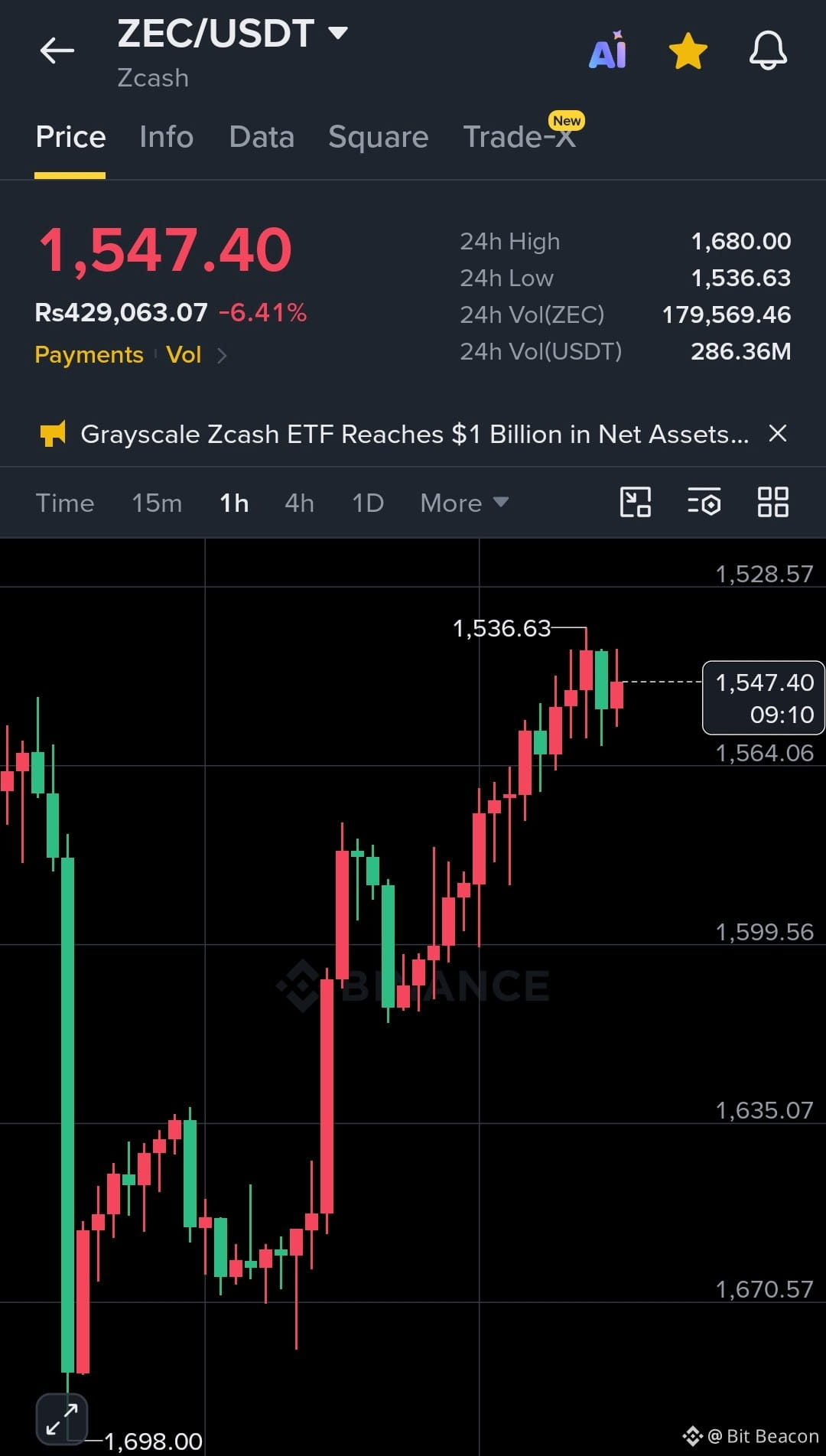
2013 You missed $BTC 2014 You missed $XRP 2015 You missed $ETH 2016 You missed $DOGE 2017 You missed $BNB 2018 You missed $LINK 2019 You missed $MATIC 2020 You missed $SHIB 2021 You missed $AXS 2022 You missed $RLB 2023 You missed $PEPE 2024 You missed $AERO 2025 You missed $ZEC 🟢 In 2026, don’t miss $WAL I’m not saying history repeats, but it always rhymes. Every cycle has one asset people laugh at early, ignore in the middle, and chase when it’s already gone. If you’re reading this now, you’re early enough to think clearly.
2013 You missed $BTC
2014 You missed $XRP
2015 You missed $ETH
2016 You missed $DOGE

2017 You missed $BNB
2018 You missed $LINK
2019 You missed $MATIC
2020 You missed $SHIB
2021 You missed $AXS
2022 You missed $RLB
2023 You missed $PEPE
2024 You missed $AERO
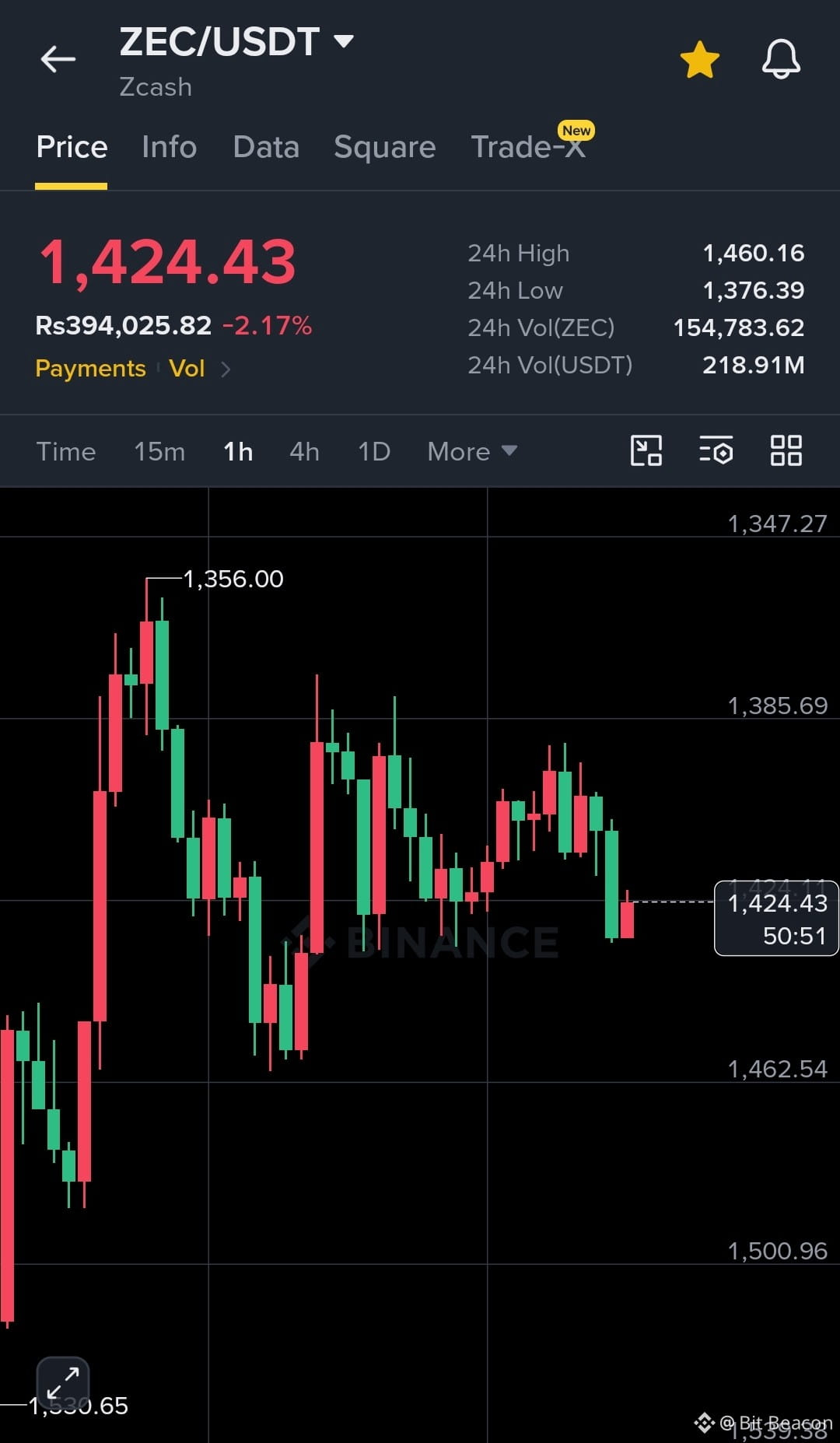
2025 You missed $ZEC

🟢 In 2026, don’t miss $WAL

I’m not saying history repeats, but it always rhymes.
Every cycle has one asset people laugh at early, ignore in the middle, and chase when it’s already gone.
If you’re reading this now, you’re early enough to think clearly.
What I like most is that Walrus doesn’t treat data as a static object. They’re building a system where files can interact with applications and smart contracts, meaning developers can create apps where storage, payments, and workflows are all integrated. WAL, the native token, powers the system by rewarding nodes that store files reliably and covering storage payments. $WAL @WalrusProtocol #Walrus
What I like most is that Walrus doesn’t treat data as a static object. They’re building a system where files can interact with applications and smart contracts, meaning developers can create apps where storage, payments, and workflows are all integrated. WAL, the native token, powers the system by rewarding nodes that store files reliably and covering storage payments.

$WAL @Walrus 🦭/acc #Walrus
I’m always looking for projects that solve real problems, and Walrus caught my attention. They’re building a decentralized storage network on the Sui blockchain that is both private and resilient. Instead of storing files in one central server, they break files into pieces, encrypt them, and distribute them across multiple independent nodes. This ensures that even if some nodes go offline, the data is safe and retrievable. $WAL @WalrusProtocol #Walrus
I’m always looking for projects that solve real problems, and Walrus caught my attention. They’re building a decentralized storage network on the Sui blockchain that is both private and resilient. Instead of storing files in one central server, they break files into pieces, encrypt them, and distribute them across multiple independent nodes. This ensures that even if some nodes go offline, the data is safe and retrievable.

$WAL @Walrus 🦭/acc #Walrus
Walrus: The Quiet Revolution in How We Own and Protect Our DataI want to share something that has genuinely captured my attention and given me hope for the future of digital life. Every day we store our most precious memories, creative work, and professional projects online on servers we do not control. We trust these companies to keep our data safe, to protect our privacy, and to maintain access. But as we have seen, relying on centralized systems can feel fragile and uncertain. What if there was a way to take back control over our digital lives? What if our data could belong to us while still being fully usable, secure, and alive in the digital world? That is exactly what Walrus is building, and it is quietly creating a revolution that many people do not yet notice. Walrus is a decentralized storage protocol built on the Sui blockchain. At first, that might sound complex, but the idea is simple and elegant. Instead of storing your files in a single location, your data is split into pieces, encrypted, and distributed across many independent nodes around the world. If one node goes offline or is compromised, your data is still safe and fully recoverable. It becomes something reliable, tangible, and trustworthy. The system is designed to store even very large files efficiently, so whether you are a developer with terabytes of data, a creative with hundreds of media files, or a company that needs a private archive, it can scale without becoming prohibitively expensive. The way it works is fascinating. Your files are broken into tiny fragments, and each fragment is stored on a different node. No single participant ever has access to the complete file, so your privacy is inherently protected. At the same time, the network constantly monitors the fragments to ensure they are available and intact. It feels almost alive, like the system is actively caring for your data while you can focus on creating or building without worry. But the magic does not stop there. On Walrus, data can interact with applications and smart contracts. This means files can trigger actions, be part of workflows, and even participate in programmable systems. Your data is not just static; it becomes active, useful, and programmable. It is a new way to think about digital ownership. To make all of this possible, Walrus uses its native token, WAL. The token is the fuel that powers the network, allowing users to pay for storage while rewarding the nodes that store and serve files. The network is designed so costs remain relatively stable even if token prices fluctuate. Nodes that reliably hold and serve data are incentivized, creating a self-sustaining ecosystem. The token is more than a currency; it is the heartbeat that keeps the network healthy and resilient. For developers, Walrus opens a world of possibilities. They have built tools, libraries, and guides that make it easy to integrate storage into applications. Imagine a game where every asset a player owns is stored on chain and fully backed by decentralized storage, or an application where users pay automatically to access datasets without relying on a central server. The network treats data as programmable objects that can interact with smart contracts, making storage a functional part of digital systems rather than an afterthought. Developers can create richer, more secure, and more imaginative applications without being constrained by traditional cloud infrastructure. Privacy is at the core of Walrus. Files are encrypted before leaving your device, and only authorized people can access them. Because the data is distributed across many nodes, censorship is nearly impossible. The system also continuously verifies the availability of every file so that when you need your data, it is always there. The combination of encryption, distribution, and active monitoring creates a sense of confidence and peace of mind that is rare in today’s digital world. The implications are profound. In a world where digital ownership is becoming more important than ever, Walrus provides a safe, reliable, and affordable home for creative work, personal archives, and big datasets. It is not just storage—it is freedom. Freedom to create, freedom to protect, and freedom to innovate without relying on centralized authorities. For creators, developers, and individuals, it offers the power to reclaim control over what is rightfully theirs and build on it with confidence. Looking forward, Walrus is laying the foundation for a sustainable and resilient ecosystem. The team behind it is focused on providing governance tools, incentives, and infrastructure that encourage community participation and long-term growth. Anyone can run a node, contribute to the network, and directly see the impact of their efforts. The potential is massive, but it is grounded in practical solutions that solve real problems. It is a quiet revolution, happening behind the scenes, changing the way we think about data, ownership, and trust. What excites me most about Walrus is its approach to human empowerment. It is not just a technology project or a token. It is a movement toward putting control back into the hands of creators, developers, and everyday people. It is about making sure that the digital tools we rely on do not own us but serve us. It is about building a world where privacy, security, and sovereignty are the default. I feel hopeful when I see this project because it reminds me that the internet we have dreamed about—a space where people have real power, choice, and protection—is slowly becoming possible. Walrus is not trying to be the loudest or the flashiest project. Instead, it quietly builds infrastructure that empowers people, protects their creations, and allows for innovation that is safe and sustainable. If you care about your work, your memories, or the future of digital creation, this is something worth paying attention to. It is a small revolution in the way we store, manage, and interact with our digital lives, and it has the potential to change the rules of ownership and trust forever. $WAL @WalrusProtocol @undefined #Walrus

Walrus: The Quiet Revolution in How We Own and Protect Our Data

I want to share something that has genuinely captured my attention and given me hope for the future of digital life. Every day we store our most precious memories, creative work, and professional projects online on servers we do not control. We trust these companies to keep our data safe, to protect our privacy, and to maintain access. But as we have seen, relying on centralized systems can feel fragile and uncertain. What if there was a way to take back control over our digital lives? What if our data could belong to us while still being fully usable, secure, and alive in the digital world? That is exactly what Walrus is building, and it is quietly creating a revolution that many people do not yet notice.

Walrus is a decentralized storage protocol built on the Sui blockchain. At first, that might sound complex, but the idea is simple and elegant. Instead of storing your files in a single location, your data is split into pieces, encrypted, and distributed across many independent nodes around the world. If one node goes offline or is compromised, your data is still safe and fully recoverable. It becomes something reliable, tangible, and trustworthy. The system is designed to store even very large files efficiently, so whether you are a developer with terabytes of data, a creative with hundreds of media files, or a company that needs a private archive, it can scale without becoming prohibitively expensive.

The way it works is fascinating. Your files are broken into tiny fragments, and each fragment is stored on a different node. No single participant ever has access to the complete file, so your privacy is inherently protected. At the same time, the network constantly monitors the fragments to ensure they are available and intact. It feels almost alive, like the system is actively caring for your data while you can focus on creating or building without worry. But the magic does not stop there. On Walrus, data can interact with applications and smart contracts. This means files can trigger actions, be part of workflows, and even participate in programmable systems. Your data is not just static; it becomes active, useful, and programmable. It is a new way to think about digital ownership.

To make all of this possible, Walrus uses its native token, WAL. The token is the fuel that powers the network, allowing users to pay for storage while rewarding the nodes that store and serve files. The network is designed so costs remain relatively stable even if token prices fluctuate. Nodes that reliably hold and serve data are incentivized, creating a self-sustaining ecosystem. The token is more than a currency; it is the heartbeat that keeps the network healthy and resilient.

For developers, Walrus opens a world of possibilities. They have built tools, libraries, and guides that make it easy to integrate storage into applications. Imagine a game where every asset a player owns is stored on chain and fully backed by decentralized storage, or an application where users pay automatically to access datasets without relying on a central server. The network treats data as programmable objects that can interact with smart contracts, making storage a functional part of digital systems rather than an afterthought. Developers can create richer, more secure, and more imaginative applications without being constrained by traditional cloud infrastructure.

Privacy is at the core of Walrus. Files are encrypted before leaving your device, and only authorized people can access them. Because the data is distributed across many nodes, censorship is nearly impossible. The system also continuously verifies the availability of every file so that when you need your data, it is always there. The combination of encryption, distribution, and active monitoring creates a sense of confidence and peace of mind that is rare in today’s digital world.

The implications are profound. In a world where digital ownership is becoming more important than ever, Walrus provides a safe, reliable, and affordable home for creative work, personal archives, and big datasets. It is not just storage—it is freedom. Freedom to create, freedom to protect, and freedom to innovate without relying on centralized authorities. For creators, developers, and individuals, it offers the power to reclaim control over what is rightfully theirs and build on it with confidence.

Looking forward, Walrus is laying the foundation for a sustainable and resilient ecosystem. The team behind it is focused on providing governance tools, incentives, and infrastructure that encourage community participation and long-term growth. Anyone can run a node, contribute to the network, and directly see the impact of their efforts. The potential is massive, but it is grounded in practical solutions that solve real problems. It is a quiet revolution, happening behind the scenes, changing the way we think about data, ownership, and trust.

What excites me most about Walrus is its approach to human empowerment. It is not just a technology project or a token. It is a movement toward putting control back into the hands of creators, developers, and everyday people. It is about making sure that the digital tools we rely on do not own us but serve us. It is about building a world where privacy, security, and sovereignty are the default. I feel hopeful when I see this project because it reminds me that the internet we have dreamed about—a space where people have real power, choice, and protection—is slowly becoming possible.

Walrus is not trying to be the loudest or the flashiest project. Instead, it quietly builds infrastructure that empowers people, protects their creations, and allows for innovation that is safe and sustainable. If you care about your work, your memories, or the future of digital creation, this is something worth paying attention to. It is a small revolution in the way we store, manage, and interact with our digital lives, and it has the potential to change the rules of ownership and trust forever.

$WAL @Walrus 🦭/acc @undefined #Walrus
I’m excited about Plasma because they’re building a blockchain designed to make stablecoins easy and reliable to use. Their system combines full Ethereum compatibility with a fast consensus called PlasmaBFT, which lets payments settle in less than a second. I’m impressed because this is not just about technology, it’s about people. They’re prioritizing stablecoins so that users don’t need extra tokens to pay for transfers, which makes sending money simple for everyday use. $XPL @Plasma #plasma
I’m excited about Plasma because they’re building a blockchain designed to make stablecoins easy and reliable to use. Their system combines full Ethereum compatibility with a fast consensus called PlasmaBFT, which lets payments settle in less than a second. I’m impressed because this is not just about technology, it’s about people. They’re prioritizing stablecoins so that users don’t need extra tokens to pay for transfers, which makes sending money simple for everyday use.

$XPL @Plasma #plasma
Plasma XPL The Blockchain That Makes Stablecoins Feel Like Real MoneyI want to tell you about something that has genuinely caught my attention because it feels different from so many other crypto projects. It is called Plasma, and it is a Layer 1 blockchain built for one simple but powerful purpose: making stablecoins work like real money. I remember the frustration of sending stablecoins and watching fees eat up more than I intended or waiting endlessly for a payment to confirm. That feeling of helplessness is stressful and exhausting. Plasma is designed to solve that problem. They are building a network where sending money is fast simple and predictable. You do not have to worry about learning a new token system or complicated procedures. You just send money and it works. They are creating a world where stablecoins are the main focus, not an afterthought, making everyday payments feel natural effortless and reliable. What excites me most about Plasma is how it treats stablecoins. On this network you can send a USDT style stablecoin without worrying about paying extra gas in advance. That may seem small but in real life it changes everything. For people in countries where stablecoins are used for daily payments, wages, or sending money to family, this can make life easier and more predictable. It becomes simple like handing cash to someone you care about. Payments settle in less than a second thanks to PlasmaBFT, the network’s fast consensus system. You do not have to sit around wondering if your money arrived or stress about confirmations. At the same time, Plasma is fully compatible with Ethereum tools, meaning developers can bring existing smart contracts and apps without rebuilding from scratch. This combination of speed, reliability, and familiarity is rare and makes me believe Plasma has the potential to truly succeed. Security is another area where Plasma stands out. They anchor parts of the network to Bitcoin to increase neutrality and resist censorship. I know it sounds technical, but the idea is simple: they want the system to be fair and trustworthy for everyone. If you are moving money, especially as a business or an institution, that matters a lot. You want your transactions to be safe and Plasma provides an extra layer of comfort and confidence that makes the network feel solid. I also love how Plasma is designed for real people and real businesses. Small shops, online sellers, and remittance services all need fast and reliable payments. Plasma seems built with them in mind. It is not technology for technology’s sake; it is technology that serves people. Sending money to family instantly, getting paid without losing value in fees, or reconciling accounts immediately if you run a business becomes possible. The way the network is designed shows that the team is focused on practical everyday use, which is rare in crypto. The XPL token plays a central role in keeping the network running smoothly. It secures the blockchain, rewards validators, and ensures the system remains sustainable. From what I have observed, the mainnet launch drew attention and people are already testing the network with real stablecoins. That matters because it shows Plasma is not just theoretical. They are building something that is being used in practice and that is exactly how real impact starts. I will be honest, it is not perfect. Gasless transfers need careful management to prevent misuse. Anchoring to Bitcoin adds complexity and new risks. Like any ambitious project, Plasma will face challenges. But what sets it apart is that the team seems committed to solving the hard problems instead of chasing hype. Real success will be measured by how the network performs under pressure and how people actually use it, not by buzz or speculation. For developers, Plasma is designed to be approachable. Ethereum compatibility means you do not need to reinvent the wheel. Existing contracts and apps can be brought over with minimal adjustments. The network provides clear guides for validators, tokenomics, and gas models so developers can plan for real-world usage. This makes it easier to build wallets, apps, and services that allow stablecoins to flow naturally like real money rather than speculative tokens. What excites me the most is that Plasma is trying to solve real problems. They are not building another token for speculation. They are building infrastructure that could change the way money moves for millions of people. Payments could become simple, fair, and instant. Watching Plasma feels like watching the early days of the internet: full of potential, fragile, exciting, and unpredictable. It is not guaranteed to succeed, but it is a project that inspires hope. In a world where sending money is often complicated, Plasma offers a vision where it can feel natural again. Plasma is more than a blockchain. It is a vision of a world where money is easy to send, fair to use, and reliable. It is a promise that payments can be instant, cheap, and accessible for everyone. I am watching closely because I want a world where sending money does not feel stressful. I want a world where payments work as they should and allow people to focus on what matters most. Plasma is reaching for that dream, and that is why it matters to me and could matter to anyone who wants money to feel real again. $XPL @Plasma #plasma

Plasma XPL The Blockchain That Makes Stablecoins Feel Like Real Money

I want to tell you about something that has genuinely caught my attention because it feels different from so many other crypto projects. It is called Plasma, and it is a Layer 1 blockchain built for one simple but powerful purpose: making stablecoins work like real money. I remember the frustration of sending stablecoins and watching fees eat up more than I intended or waiting endlessly for a payment to confirm. That feeling of helplessness is stressful and exhausting. Plasma is designed to solve that problem. They are building a network where sending money is fast simple and predictable. You do not have to worry about learning a new token system or complicated procedures. You just send money and it works. They are creating a world where stablecoins are the main focus, not an afterthought, making everyday payments feel natural effortless and reliable.

What excites me most about Plasma is how it treats stablecoins. On this network you can send a USDT style stablecoin without worrying about paying extra gas in advance. That may seem small but in real life it changes everything. For people in countries where stablecoins are used for daily payments, wages, or sending money to family, this can make life easier and more predictable. It becomes simple like handing cash to someone you care about. Payments settle in less than a second thanks to PlasmaBFT, the network’s fast consensus system. You do not have to sit around wondering if your money arrived or stress about confirmations. At the same time, Plasma is fully compatible with Ethereum tools, meaning developers can bring existing smart contracts and apps without rebuilding from scratch. This combination of speed, reliability, and familiarity is rare and makes me believe Plasma has the potential to truly succeed.

Security is another area where Plasma stands out. They anchor parts of the network to Bitcoin to increase neutrality and resist censorship. I know it sounds technical, but the idea is simple: they want the system to be fair and trustworthy for everyone. If you are moving money, especially as a business or an institution, that matters a lot. You want your transactions to be safe and Plasma provides an extra layer of comfort and confidence that makes the network feel solid.

I also love how Plasma is designed for real people and real businesses. Small shops, online sellers, and remittance services all need fast and reliable payments. Plasma seems built with them in mind. It is not technology for technology’s sake; it is technology that serves people. Sending money to family instantly, getting paid without losing value in fees, or reconciling accounts immediately if you run a business becomes possible. The way the network is designed shows that the team is focused on practical everyday use, which is rare in crypto.

The XPL token plays a central role in keeping the network running smoothly. It secures the blockchain, rewards validators, and ensures the system remains sustainable. From what I have observed, the mainnet launch drew attention and people are already testing the network with real stablecoins. That matters because it shows Plasma is not just theoretical. They are building something that is being used in practice and that is exactly how real impact starts.

I will be honest, it is not perfect. Gasless transfers need careful management to prevent misuse. Anchoring to Bitcoin adds complexity and new risks. Like any ambitious project, Plasma will face challenges. But what sets it apart is that the team seems committed to solving the hard problems instead of chasing hype. Real success will be measured by how the network performs under pressure and how people actually use it, not by buzz or speculation.

For developers, Plasma is designed to be approachable. Ethereum compatibility means you do not need to reinvent the wheel. Existing contracts and apps can be brought over with minimal adjustments. The network provides clear guides for validators, tokenomics, and gas models so developers can plan for real-world usage. This makes it easier to build wallets, apps, and services that allow stablecoins to flow naturally like real money rather than speculative tokens.

What excites me the most is that Plasma is trying to solve real problems. They are not building another token for speculation. They are building infrastructure that could change the way money moves for millions of people. Payments could become simple, fair, and instant. Watching Plasma feels like watching the early days of the internet: full of potential, fragile, exciting, and unpredictable. It is not guaranteed to succeed, but it is a project that inspires hope. In a world where sending money is often complicated, Plasma offers a vision where it can feel natural again.

Plasma is more than a blockchain. It is a vision of a world where money is easy to send, fair to use, and reliable. It is a promise that payments can be instant, cheap, and accessible for everyone. I am watching closely because I want a world where sending money does not feel stressful. I want a world where payments work as they should and allow people to focus on what matters most. Plasma is reaching for that dream, and that is why it matters to me and could matter to anyone who wants money to feel real again.

$XPL @Plasma #plasma
I’m following Dusk because they’re solving practical problems for real people. They’re quietly building a system where privacy, trust, and compliance coexist, making blockchain usable for regulated markets and long term adoption. $DUSK @Dusk_Foundation #Dusk
I’m following Dusk because they’re solving practical problems for real people. They’re quietly building a system where privacy, trust, and compliance coexist, making blockchain usable for regulated markets and long term adoption.

$DUSK @Dusk #Dusk
I’m really intrigued by Dusk because it’s more than just a blockchain. They’re creating a layer one network designed for regulated finance where privacy is built in by design. The system allows banks, exchanges, and other institutions to issue tokenized real world assets and manage financial products without exposing confidential information. They’re balancing privacy with auditability using advanced cryptography and selective disclosure. This means transactions can remain private while regulators and auditors can still verify what is required. $DUSK @Dusk_Foundation #Dusk
I’m really intrigued by Dusk because it’s more than just a blockchain. They’re creating a layer one network designed for regulated finance where privacy is built in by design. The system allows banks, exchanges, and other institutions to issue tokenized real world assets and manage financial products without exposing confidential information. They’re balancing privacy with auditability using advanced cryptography and selective disclosure. This means transactions can remain private while regulators and auditors can still verify what is required.

$DUSK @Dusk #Dusk
Dusk Foundation The Blockchain That Protects Privacy and Builds TrustI remember the first time I learned about Dusk and how it immediately felt different from everything else in the blockchain world. It was not flashy or loud, it was quietly ambitious, focused on solving one of the hardest and most human problems in finance—how to allow people and institutions to interact with value on chain while keeping privacy intact and still respecting the rules. Founded in 2018 Dusk set out to build a layer one blockchain designed specifically for regulated financial markets. Its mission was to create a space where tokenized real world assets could be issued traded and managed without exposing sensitive information or compromising compliance. At its heart this project is about trust and discretion and about making blockchain useful for people who care deeply about security and accountability. Privacy in finance is not just a technical requirement it is a human need. People do not want to share every detail of their finances or their business operations with the world but they still need the systems they use to be auditable and trustworthy. Dusk recognized this early and decided to design a platform that balances these competing needs. By using advanced cryptography and selective disclosure mechanisms the blockchain allows participants to reveal only what is necessary while keeping all other details confidential. It becomes a system where trust is built naturally and where participants can feel safe knowing that their information is protected. This approach feels deeply human because it respects the dignity and discretion of everyone involved. One of the things that sets Dusk apart is the way it approached consensus. They did not take an off the shelf solution but designed their own Segregated Byzantine Agreement or SBA. This consensus mechanism is carefully crafted to balance efficiency security and privacy at the same time. It is not only about finalizing blocks quickly it is about creating a network where confidential transactions can be processed and verified without exposing sensitive data. When you study the mechanism it becomes clear that every design choice was made with intention. The system is built to work for humans and institutions not just algorithms and numbers. Dusk also evolved from a single chain into a modular blockchain with separate layers for consensus execution and privacy. This evolution makes the system practical for real world use. Institutions can integrate only the layers they need developers can build applications without starting from scratch and auditors can access what is required without seeing everything. We are seeing a blockchain that respects how people and organizations work and adapts to their needs rather than forcing them into rigid structures. This modular design is not only efficient it is human centered because it provides flexibility choice and control. The real power of Dusk is in the problems it solves. Banks, exchanges and asset managers can use the platform to issue tokenized securities run compliant decentralized finance applications and operate markets where participants follow the rules without exposing private information. This is not a theory or an experiment it is a real solution for real world problems. It becomes a platform where value can move freely and safely where audits can happen without fear and where financial participants can act with confidence and discretion. Developers are at the center of this ecosystem and Dusk has put significant effort into providing practical tools. The execution layer is designed to be familiar enough for developers to start building applications without being overwhelmed while the privacy layer allows confidential smart contracts and selective computation. For anyone building applications this is a huge advantage because it bridges the gap between research and usable technology. It is not just a protocol it is a complete ecosystem that enables builders to create solutions that solve real problems for real people. The balance Dusk is attempting is incredibly delicate. Too much secrecy risks losing trust from regulators while too much exposure undermines privacy. I am impressed by the way they have walked this tightrope. The platform includes selective disclosure and audit mechanisms that are both practical and robust. This careful design reflects an understanding that privacy and compliance are not just technical challenges but deeply human concerns that impact how people feel about using financial systems. Trust is at the core of everything Dusk does. The team has consistently focused on transparency research and careful engineering. We are seeing a group that does not chase hype or quick wins but quietly builds confidence through steady and thoughtful work. They are earning trust the way it should be earned piece by piece and decision by decision. In a space where privacy and finance often clash this patient and deliberate approach is rare and deeply inspiring. Looking forward the future of Dusk is quietly promising. If the platform succeeds it will do so by enabling financial workflows that were previously impractical by making audits possible without exposing private information and by providing developers with tools to create applications that institutions can actually use. Imagine a world where tokenized securities move seamlessly across institutions audits happen without fear of exposure and builders can work confidently knowing their systems respect privacy and compliance. That is the future Dusk is shaping quietly and intentionally. I am inspired by Dusk because it reminds me that blockchain is not just about technology it is about people. They are solving real problems for real humans balancing privacy compliance and usability in ways that feel natural and deliberate. Watching the project evolve is like watching a craftsman work patient thoughtful and deeply committed to creating something that lasts. For anyone who cares about privacy trust and the future of regulated finance Dusk is a story worth following closely. It is quietly shaping a world where technology serves humanity and where financial systems can finally be both safe and private. $DUSK @Dusk_Foundation #Dusk

Dusk Foundation The Blockchain That Protects Privacy and Builds Trust

I remember the first time I learned about Dusk and how it immediately felt different from everything else in the blockchain world. It was not flashy or loud, it was quietly ambitious, focused on solving one of the hardest and most human problems in finance—how to allow people and institutions to interact with value on chain while keeping privacy intact and still respecting the rules. Founded in 2018 Dusk set out to build a layer one blockchain designed specifically for regulated financial markets. Its mission was to create a space where tokenized real world assets could be issued traded and managed without exposing sensitive information or compromising compliance. At its heart this project is about trust and discretion and about making blockchain useful for people who care deeply about security and accountability.

Privacy in finance is not just a technical requirement it is a human need. People do not want to share every detail of their finances or their business operations with the world but they still need the systems they use to be auditable and trustworthy. Dusk recognized this early and decided to design a platform that balances these competing needs. By using advanced cryptography and selective disclosure mechanisms the blockchain allows participants to reveal only what is necessary while keeping all other details confidential. It becomes a system where trust is built naturally and where participants can feel safe knowing that their information is protected. This approach feels deeply human because it respects the dignity and discretion of everyone involved.

One of the things that sets Dusk apart is the way it approached consensus. They did not take an off the shelf solution but designed their own Segregated Byzantine Agreement or SBA. This consensus mechanism is carefully crafted to balance efficiency security and privacy at the same time. It is not only about finalizing blocks quickly it is about creating a network where confidential transactions can be processed and verified without exposing sensitive data. When you study the mechanism it becomes clear that every design choice was made with intention. The system is built to work for humans and institutions not just algorithms and numbers.

Dusk also evolved from a single chain into a modular blockchain with separate layers for consensus execution and privacy. This evolution makes the system practical for real world use. Institutions can integrate only the layers they need developers can build applications without starting from scratch and auditors can access what is required without seeing everything. We are seeing a blockchain that respects how people and organizations work and adapts to their needs rather than forcing them into rigid structures. This modular design is not only efficient it is human centered because it provides flexibility choice and control.

The real power of Dusk is in the problems it solves. Banks, exchanges and asset managers can use the platform to issue tokenized securities run compliant decentralized finance applications and operate markets where participants follow the rules without exposing private information. This is not a theory or an experiment it is a real solution for real world problems. It becomes a platform where value can move freely and safely where audits can happen without fear and where financial participants can act with confidence and discretion.

Developers are at the center of this ecosystem and Dusk has put significant effort into providing practical tools. The execution layer is designed to be familiar enough for developers to start building applications without being overwhelmed while the privacy layer allows confidential smart contracts and selective computation. For anyone building applications this is a huge advantage because it bridges the gap between research and usable technology. It is not just a protocol it is a complete ecosystem that enables builders to create solutions that solve real problems for real people.

The balance Dusk is attempting is incredibly delicate. Too much secrecy risks losing trust from regulators while too much exposure undermines privacy. I am impressed by the way they have walked this tightrope. The platform includes selective disclosure and audit mechanisms that are both practical and robust. This careful design reflects an understanding that privacy and compliance are not just technical challenges but deeply human concerns that impact how people feel about using financial systems.

Trust is at the core of everything Dusk does. The team has consistently focused on transparency research and careful engineering. We are seeing a group that does not chase hype or quick wins but quietly builds confidence through steady and thoughtful work. They are earning trust the way it should be earned piece by piece and decision by decision. In a space where privacy and finance often clash this patient and deliberate approach is rare and deeply inspiring.

Looking forward the future of Dusk is quietly promising. If the platform succeeds it will do so by enabling financial workflows that were previously impractical by making audits possible without exposing private information and by providing developers with tools to create applications that institutions can actually use. Imagine a world where tokenized securities move seamlessly across institutions audits happen without fear of exposure and builders can work confidently knowing their systems respect privacy and compliance. That is the future Dusk is shaping quietly and intentionally.

I am inspired by Dusk because it reminds me that blockchain is not just about technology it is about people. They are solving real problems for real humans balancing privacy compliance and usability in ways that feel natural and deliberate. Watching the project evolve is like watching a craftsman work patient thoughtful and deeply committed to creating something that lasts. For anyone who cares about privacy trust and the future of regulated finance Dusk is a story worth following closely. It is quietly shaping a world where technology serves humanity and where financial systems can finally be both safe and private.

$DUSK @Dusk #Dusk
😂🤣nice Don’t sleep on $SANTOS Strong bullish momentum holding above 2.25–2.30 support, ready to ride higher. Entry Zone: 2.28 – 2.38 TP1: 2.45 | TP2: 2.65 | TP3: 2.90 Stop: 2.15 Bullish structure intact — book profits smartly! ⚡ {spot}(SANTOSUSDT)
😂🤣nice Don’t sleep on $SANTOS Strong bullish momentum holding above 2.25–2.30 support, ready to ride higher.
Entry Zone: 2.28 – 2.38
TP1: 2.45 | TP2: 2.65 | TP3: 2.90
Stop: 2.15

Bullish structure intact — book profits smartly! ⚡
Басқа контенттерді шолу үшін жүйеге кіріңіз
Криптоәлемдегі соңғы жаңалықтармен танысыңыз
⚡️ Криптовалюта тақырыбындағы соңғы талқылауларға қатысыңыз
💬 Таңдаулы авторларыңызбен әрекеттесіңіз
👍 Өзіңізге қызық контентті тамашалаңыз
Электрондық пошта/телефон нөмірі

Соңғы жаңалықтар

--
Басқаларын көру
Сайт картасы
Cookie параметрлері
Платформаның шарттары мен талаптары