
JOON _RAMBO
7.8k Posting
JOON _RAMBO
Trading Binance markets with precision and discipline.
Perdagangan Terbuka
Pedagang Rutin
11.5 Bulan
1.9K+ Mengikuti
14.8K+ Pengikut
4.1K+ Disukai
Posting
Portofolio
Semua
Kuotasi
Live
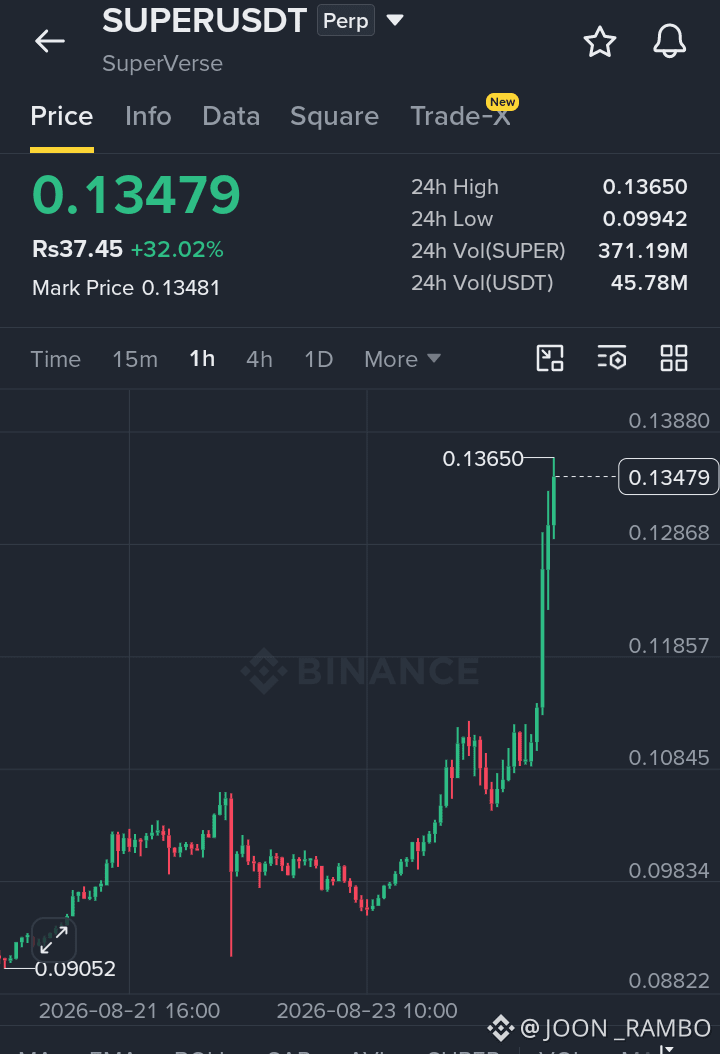
$SUPER baru saja bergerak vertikal 😈 $SUPER
Harga: 0.13479
Entri Awal: 0.1350–0.1365
TP1: 0.1320
TP2: 0.1287
TP3: 0.1240
SL: 0.1388
+32% sudah… mengejar di sini itu minta diajarin. 🎯#BitcoinRises23.6%Weekly #BrentDrops1.87% #BitcoinOpenInterestFallsToTwoMonthLow
Harga: 0.13479
Entri Awal: 0.1350–0.1365
TP1: 0.1320
TP2: 0.1287
TP3: 0.1240
SL: 0.1388
+32% sudah… mengejar di sini itu minta diajarin. 🎯#BitcoinRises23.6%Weekly #BrentDrops1.87% #BitcoinOpenInterestFallsToTwoMonthLow
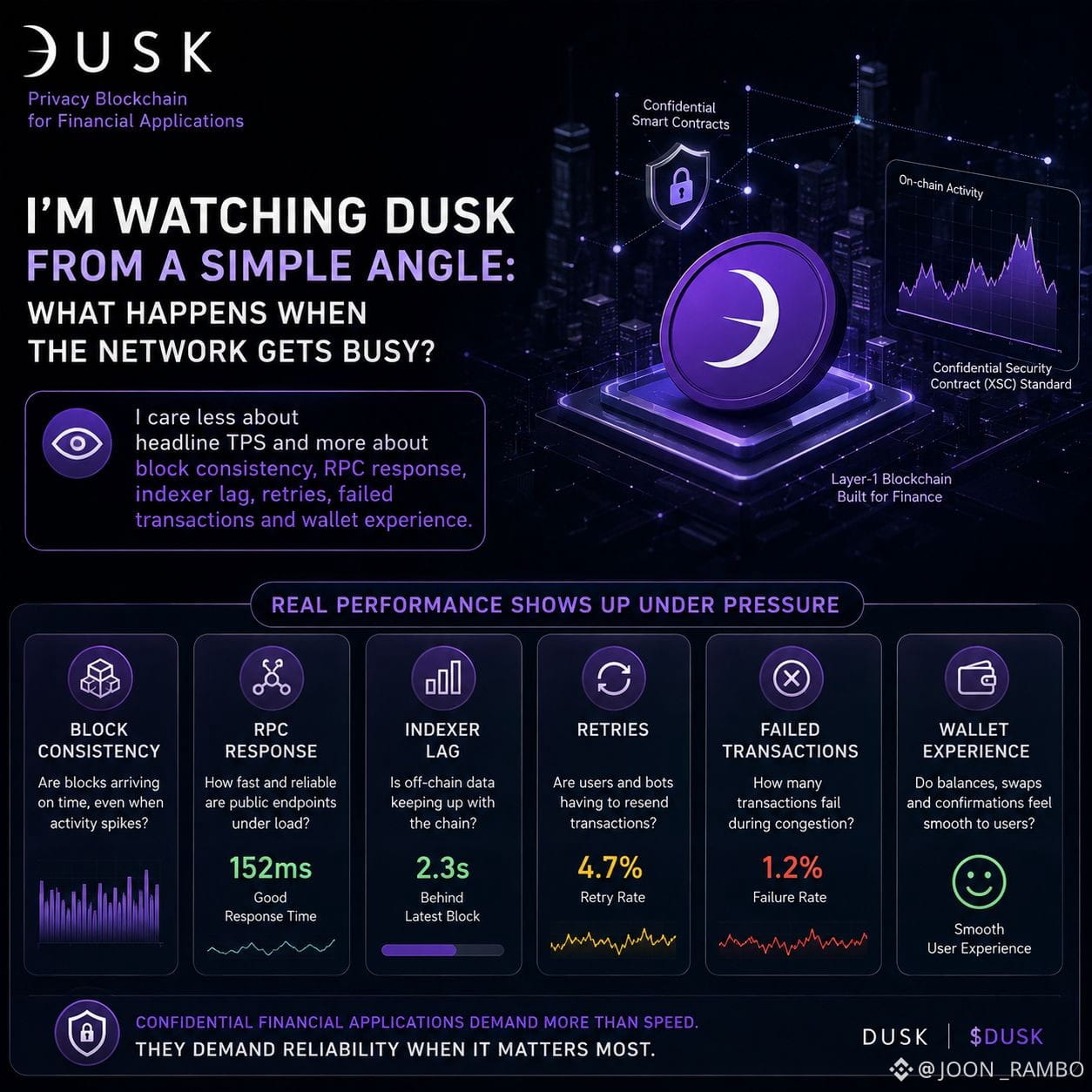
#dusk $DUSK @Dusk Saya sedang menonton Dusk dari sudut yang sederhana: apa yang terjadi saat jaringan menjadi sibuk?
Saya kurang peduli dengan TPS headline dan lebih peduli pada konsistensi blok, respons RPC, keterlambatan indexer, percobaan ulang, transaksi yang gagal, dan pengalaman dompet.
Untuk aplikasi keuangan yang bersifat rahasia, performa nyata terlihat saat situasi menekan—bukan saat semuanya tenang.
@Dusk $DUSK #dusk
Saya kurang peduli dengan TPS headline dan lebih peduli pada konsistensi blok, respons RPC, keterlambatan indexer, percobaan ulang, transaksi yang gagal, dan pengalaman dompet.
Untuk aplikasi keuangan yang bersifat rahasia, performa nyata terlihat saat situasi menekan—bukan saat semuanya tenang.
@Dusk $DUSK #dusk
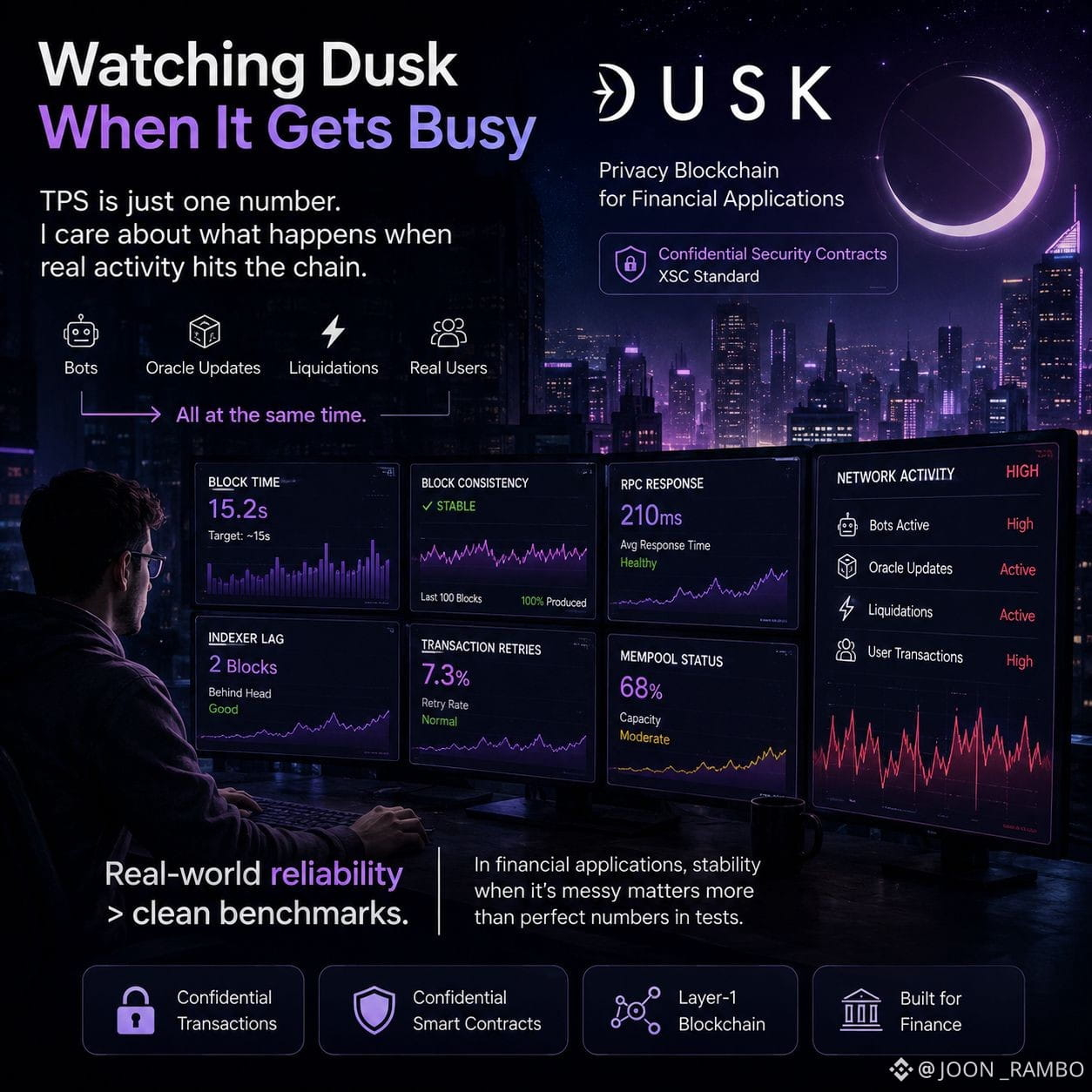
#dusk $DUSK @Dusk Saya telah mengamati Dusk dari sudut yang sederhana: apa yang terjadi ketika jaringan menjadi sibuk?
TPS hanyalah satu bagian dari ceritanya. Saya lebih tertarik pada konsistensi blok, respons RPC, keterlambatan indexer, percobaan ulang transaksi, dan apa yang terjadi ketika bot, pembaruan oracle, serta likuidasi semuanya terjadi pada waktu yang bersamaan.
Dusk sedang membangun untuk aplikasi keuangan yang bersifat rahasia, jadi keandalan di dunia nyata lebih penting bagi saya daripada benchmark yang rapi.
@Dusk $DUSK #dusk
TPS hanyalah satu bagian dari ceritanya. Saya lebih tertarik pada konsistensi blok, respons RPC, keterlambatan indexer, percobaan ulang transaksi, dan apa yang terjadi ketika bot, pembaruan oracle, serta likuidasi semuanya terjadi pada waktu yang bersamaan.
Dusk sedang membangun untuk aplikasi keuangan yang bersifat rahasia, jadi keandalan di dunia nyata lebih penting bagi saya daripada benchmark yang rapi.
@Dusk $DUSK #dusk
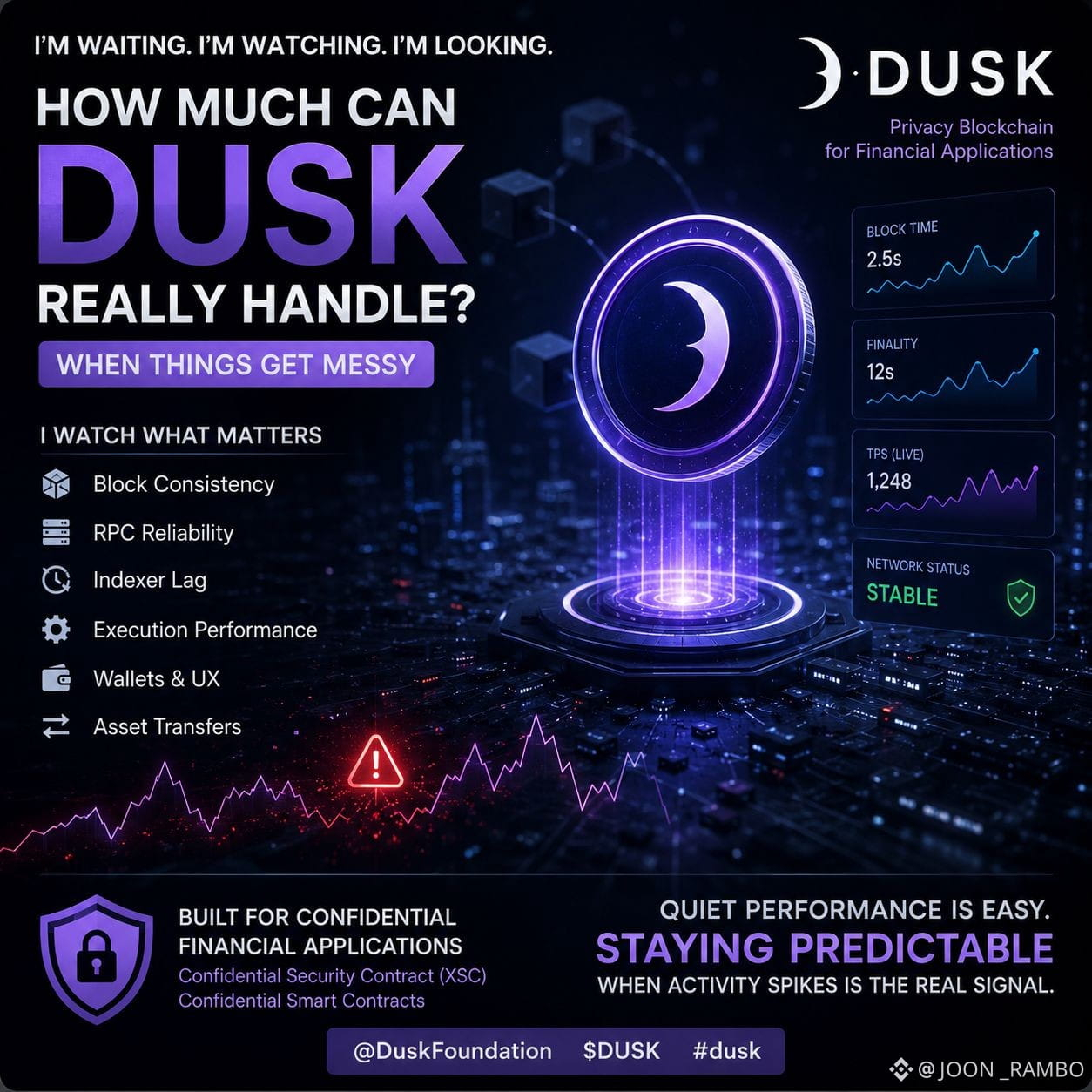
#dusk $DUSK @Dusk Aku sedang menunggu. Aku terus mengawasi. Aku terus melihat. Aku selalu kembali ke pertanyaan yang sama: seberapa banyak Dusk benar-benar bisa menangani ketika semuanya jadi kacau?
Aku kurang peduli dengan headline TPS dan lebih peduli dengan apa yang terjadi di bawah tekanan: konsistensi blok, keandalan RPC, keterlambatan indexer, eksekusi, wallet, dan transfer aset.
Dusk dibangun untuk aplikasi keuangan yang bersifat rahasia, jadi itulah lingkungan yang ingin kulihat diuji. Performa yang tenang itu mudah. Yang menjadi sinyal sesungguhnya adalah tetap dapat diprediksi saat aktivitas melonjak.
@Dusk
#dusk $DUSK
Aku kurang peduli dengan headline TPS dan lebih peduli dengan apa yang terjadi di bawah tekanan: konsistensi blok, keandalan RPC, keterlambatan indexer, eksekusi, wallet, dan transfer aset.
Dusk dibangun untuk aplikasi keuangan yang bersifat rahasia, jadi itulah lingkungan yang ingin kulihat diuji. Performa yang tenang itu mudah. Yang menjadi sinyal sesungguhnya adalah tetap dapat diprediksi saat aktivitas melonjak.
@Dusk
#dusk $DUSK
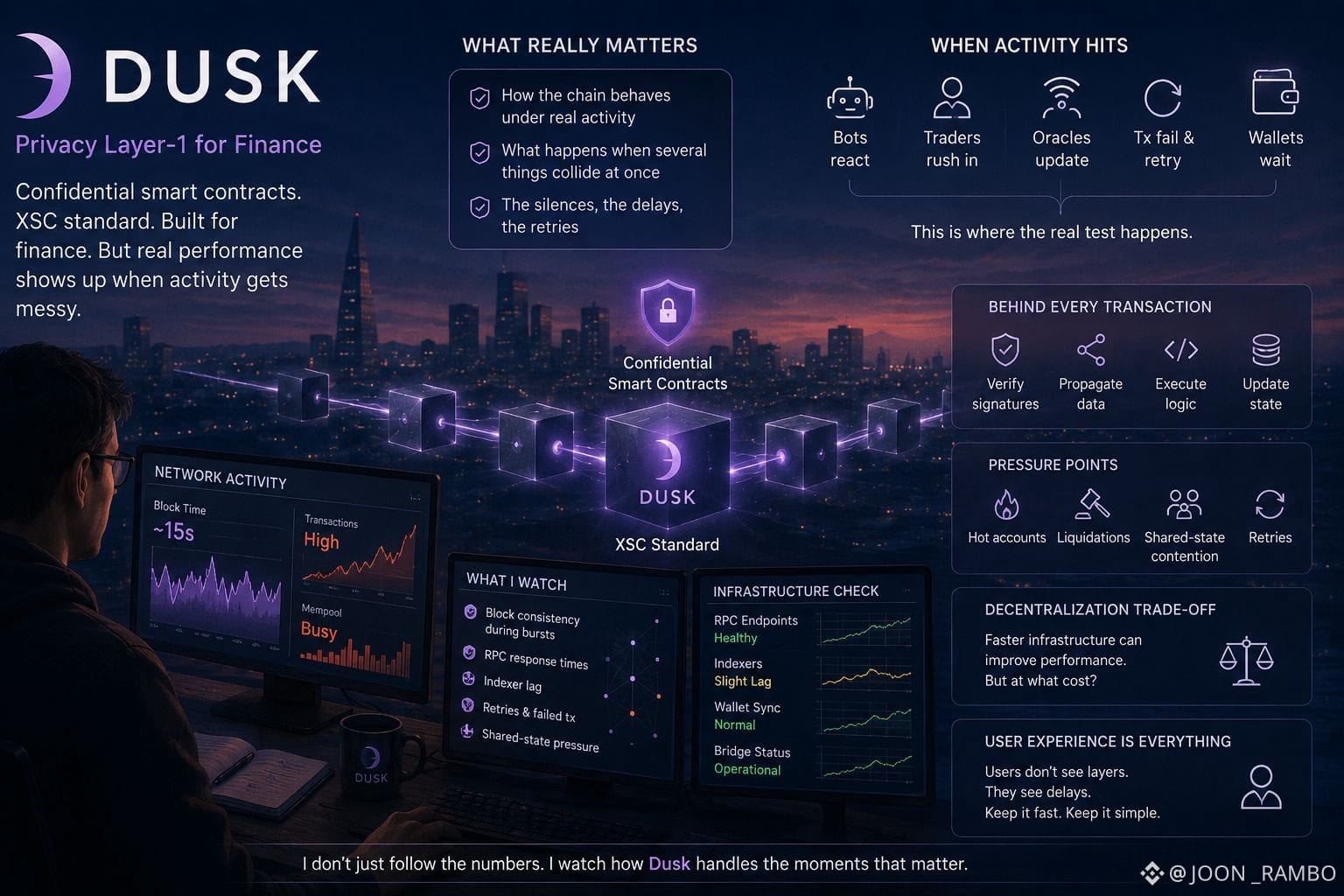
#dusk $DUSK @Dusk Saya sudah lama mengamati Dusk dari sudut itu. Judulnya mudah: Layer 1 yang berfokus pada privasi, dibangun dengan mempertimbangkan aplikasi keuangan. Yang lebih menarik bagi saya adalah apa yang terjadi di bawahnya ketika jaringan harus menangani aktivitas nyata. Dusk dibangun di sekitar smart contract yang bersifat rahasia dan standar XSC, tetapi tidak ada dari itu yang memberi tahu saya seperti apa rasanya rantai ketika beberapa hal terjadi secara bersamaan.
@Dusk #dusk $DUSK
@Dusk #dusk $DUSK
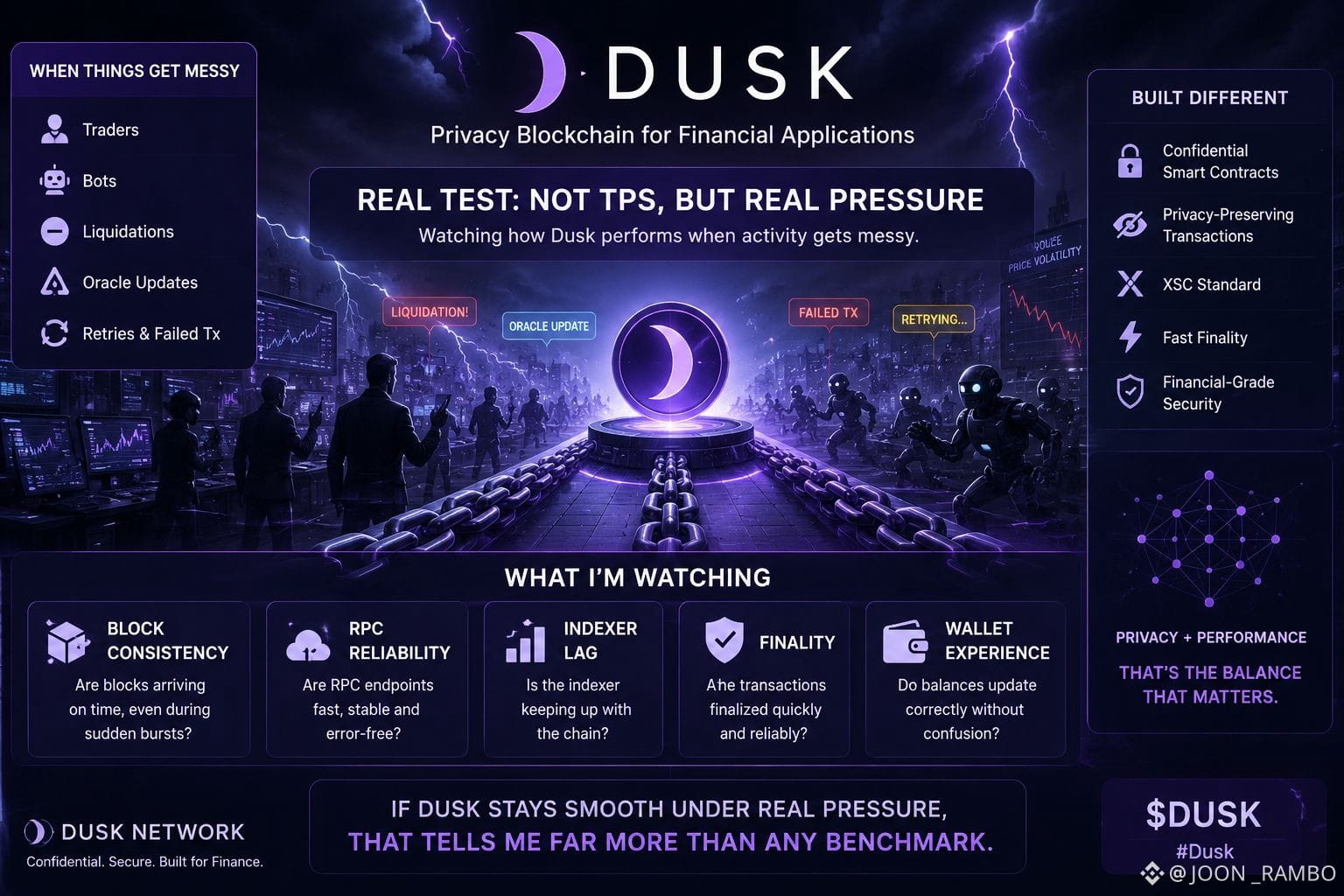
#dusk $DUSK @Dusk Saya mengamati Dusk dari sudut pandang praktis. Ujian sebenarnya bukan angka TPS yang besar, melainkan bagaimana jaringan berperilaku saat aktivitas menjadi kacau—trader, bot, likuidasi, pembaruan oracle, dan percobaan ulang semuanya terjadi sekaligus. Saya melihat konsistensi blok, keandalan RPC, jeda indexer, finalitas, dan pengalaman dompet. Jika Dusk tetap mulus di bawah tekanan nyata, itu memberi tahu saya jauh lebih banyak daripada tolok ukur apa pun. $DUSK #dusk
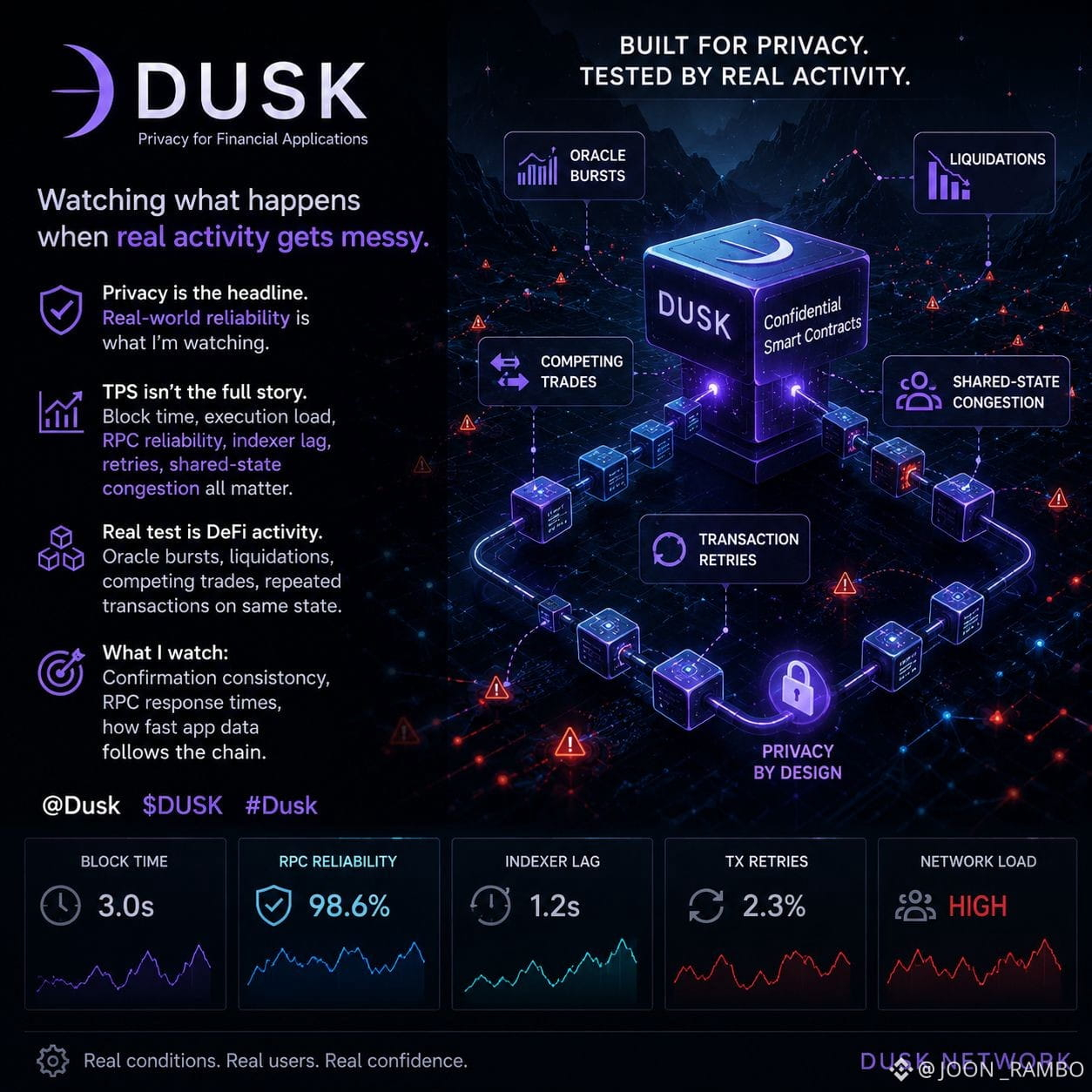
#dusk $DUSK @Dusk Aku sedang mengamati Dusk dari sudut yang sederhana: apa yang terjadi ketika aktivitas nyata jadi berantakan?$DUSK dibangun dengan berfokus pada aplikasi keuangan yang menjaga privasi, tetapi bagian yang paling menarik bagiku adalah bagaimana jaringan bereaksi saat mendapat tekanan. TPS saja tidak menceritakan seluruh kisah. Waktu blok, beban eksekusi, keandalan RPC, keterlambatan indexer, percobaan ulang transaksi, dan kemacetan shared-state semuanya berpengaruh ketika pengguna dan bot mulai menekan rantai secara bersamaan.
Bagiku, pengujian sesungguhnya adalah aktivitas DeFi: lonjakan oracle, likuidasi, transaksi yang saling berebut, dan transaksi berulang yang menyentuh state yang sama. Di situlah benchmark yang rapi bertemu kondisi jaringan yang nyata.
Aku akan memantau konsistensi konfirmasi, waktu respons RPC, serta seberapa cepat data aplikasi mengikuti rantai. Jika Dusk bisa tetap dapat diprediksi selama periode yang menegangkan itu, itu memberitahuku jauh lebih banyak daripada sekadar angka throughput di judul.
Privasi adalah judul besarnya. Keandalan di dunia nyata adalah yang aku pantau.
@Dusk $DUSK #dusk
Bagiku, pengujian sesungguhnya adalah aktivitas DeFi: lonjakan oracle, likuidasi, transaksi yang saling berebut, dan transaksi berulang yang menyentuh state yang sama. Di situlah benchmark yang rapi bertemu kondisi jaringan yang nyata.
Aku akan memantau konsistensi konfirmasi, waktu respons RPC, serta seberapa cepat data aplikasi mengikuti rantai. Jika Dusk bisa tetap dapat diprediksi selama periode yang menegangkan itu, itu memberitahuku jauh lebih banyak daripada sekadar angka throughput di judul.
Privasi adalah judul besarnya. Keandalan di dunia nyata adalah yang aku pantau.
@Dusk $DUSK #dusk
#dusk $DUSK @Dusk also sebaiknya tidak mengabaikan jembatan dan pergerakan antar lingkungan eksekusi yang berbeda. Arsitektur bisa terlihat rapi di diagram, tetapi pengguna tidak berinteraksi dengan diagram. Mereka memindahkan aset. Mereka menghubungkan wallet. Mereka menunggu saldo diperbarui. Mereka memeriksa penjelajah (explorer).
Jika proses itu berjalan mulus, kebanyakan orang bahkan tidak akan memikirkan arsitektur yang mendasarinya.
Persis seperti itulah yang saya anggap seharusnya dirasakan oleh infrastruktur yang baik.
Untuk saat ini, hal-hal yang benar-benar akan saya perhatikan itu cukup sederhana. Pertama, konsistensi blok saat aktivitas meningkat. Kedua, keandalan RPC dan keterlambatan indexer. Ketiga, transaksi yang gagal, diganti, dan dicoba ulang ketika jaringan terpukul oleh lonjakan mendadak.
Sinyal-sinyal itu akan memberi saya informasi jauh lebih banyak daripada angka throughput teoretis lainnya.
Jika Dusk bisa melewati periode yang benar-benar sibuk, dengan trader, bot, aplikasi, dan aktivitas pasar semuanya bersaing memperebutkan sumber daya, sementara blok tetap stabil dan pengguna terus mendapatkan hasil transaksi yang jelas dan tepat waktu, saya akan menganggap itu serius.
Bukan karena itu akan membuktikan bahwa Dusk sempurna. Tidak ada jaringan yang sempurna.
Itu hanya akan menunjukkan bahwa sistem bisa tetap dapat diprediksi ketika situasinya berhenti jadi mudah.
Dan untuk sebuah blockchain yang ditujukan bagi aplikasi keuangan, bagian itulah yang kemungkinan besar paling saya pedulikan. Privasi mendapat perhatian, arsitektur memicu diskusi, dan throughput menjadi headline.
Namun ketika pengguna nyata memindahkan nilai nyata, konsistensi yang akhirnya saya pantau.#dus @Dusk $DUSK
Jika proses itu berjalan mulus, kebanyakan orang bahkan tidak akan memikirkan arsitektur yang mendasarinya.
Persis seperti itulah yang saya anggap seharusnya dirasakan oleh infrastruktur yang baik.
Untuk saat ini, hal-hal yang benar-benar akan saya perhatikan itu cukup sederhana. Pertama, konsistensi blok saat aktivitas meningkat. Kedua, keandalan RPC dan keterlambatan indexer. Ketiga, transaksi yang gagal, diganti, dan dicoba ulang ketika jaringan terpukul oleh lonjakan mendadak.
Sinyal-sinyal itu akan memberi saya informasi jauh lebih banyak daripada angka throughput teoretis lainnya.
Jika Dusk bisa melewati periode yang benar-benar sibuk, dengan trader, bot, aplikasi, dan aktivitas pasar semuanya bersaing memperebutkan sumber daya, sementara blok tetap stabil dan pengguna terus mendapatkan hasil transaksi yang jelas dan tepat waktu, saya akan menganggap itu serius.
Bukan karena itu akan membuktikan bahwa Dusk sempurna. Tidak ada jaringan yang sempurna.
Itu hanya akan menunjukkan bahwa sistem bisa tetap dapat diprediksi ketika situasinya berhenti jadi mudah.
Dan untuk sebuah blockchain yang ditujukan bagi aplikasi keuangan, bagian itulah yang kemungkinan besar paling saya pedulikan. Privasi mendapat perhatian, arsitektur memicu diskusi, dan throughput menjadi headline.
Namun ketika pengguna nyata memindahkan nilai nyata, konsistensi yang akhirnya saya pantau.#dus @Dusk $DUSK
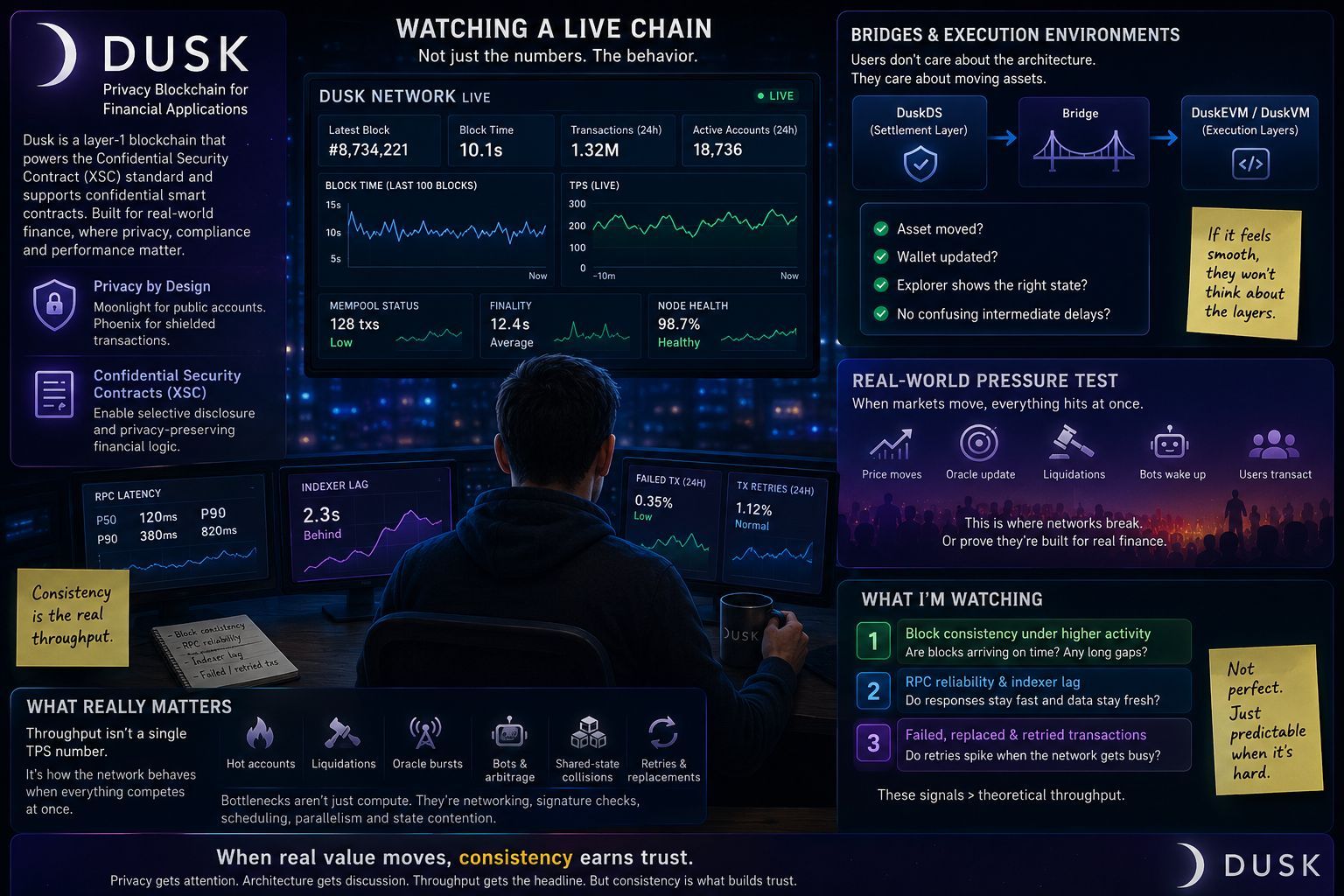
#dusk $DUSK @Dusk Saya telah mengamati Dusk karena sisi privasinya menarik, tetapi itu saja tidak cukup untuk saya. Sebuah blockchain bisa memiliki ide yang bagus dan tetap kesulitan begitu pengguna nyata mulai memberikan tekanan. Dengan Dusk, saya lebih tertarik pada apa yang terjadi ketika aktivitas keuangan meningkat, bot mulai bereaksi, beberapa transaksi saling bersaing untuk kontrak yang sama, dan pengguna begitu saja mengharapkan semuanya berjalan tanpa perlu memikirkan apa yang terjadi di bawahnya.
Saya tidak terlalu mengandalkan satu angka TPS besar. Angka itu bisa terlihat mengesankan dalam pengujian yang terkontrol dan tetap mengatakan sangat sedikit tentang penggunaan sehari-hari. Yang penting bagi saya adalah bagaimana perilaku jaringan saat aktivitas tetap tinggi selama beberapa waktu. Apakah transaksi dimasukkan tanpa penundaan yang terlihat? Apakah blok terus datang secara normal? Apakah RPC tetap responsif? Apakah dompet dan penjelajah (explorer) terus menampilkan saldo dan transaksi yang akurat? Rincian kecil seperti itulah biasanya tempat saya menemukan gambaran yang sebenarnya.#dusk$DUSK @Dusk line
Saya tidak terlalu mengandalkan satu angka TPS besar. Angka itu bisa terlihat mengesankan dalam pengujian yang terkontrol dan tetap mengatakan sangat sedikit tentang penggunaan sehari-hari. Yang penting bagi saya adalah bagaimana perilaku jaringan saat aktivitas tetap tinggi selama beberapa waktu. Apakah transaksi dimasukkan tanpa penundaan yang terlihat? Apakah blok terus datang secara normal? Apakah RPC tetap responsif? Apakah dompet dan penjelajah (explorer) terus menampilkan saldo dan transaksi yang akurat? Rincian kecil seperti itulah biasanya tempat saya menemukan gambaran yang sebenarnya.#dusk$DUSK @Dusk line
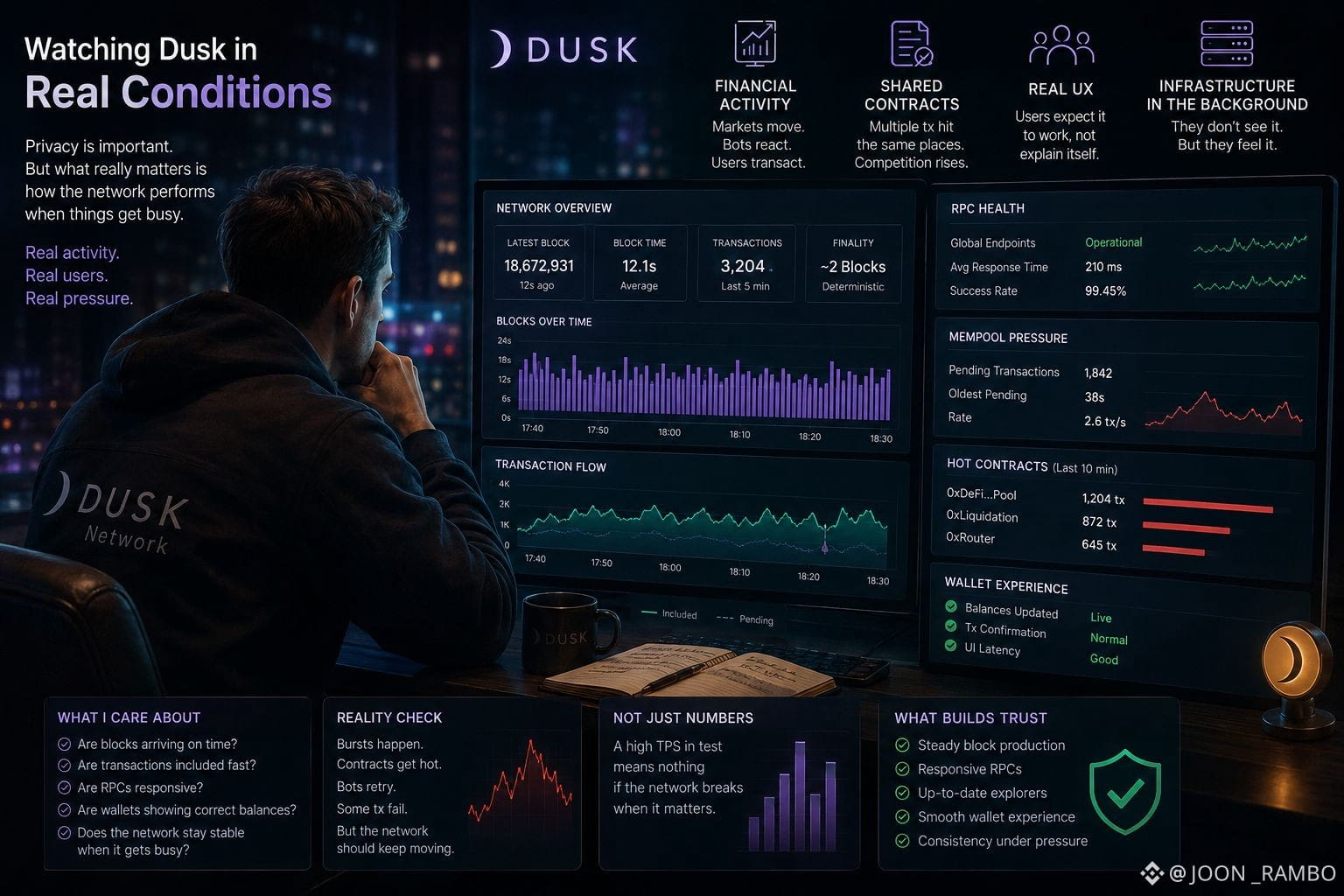
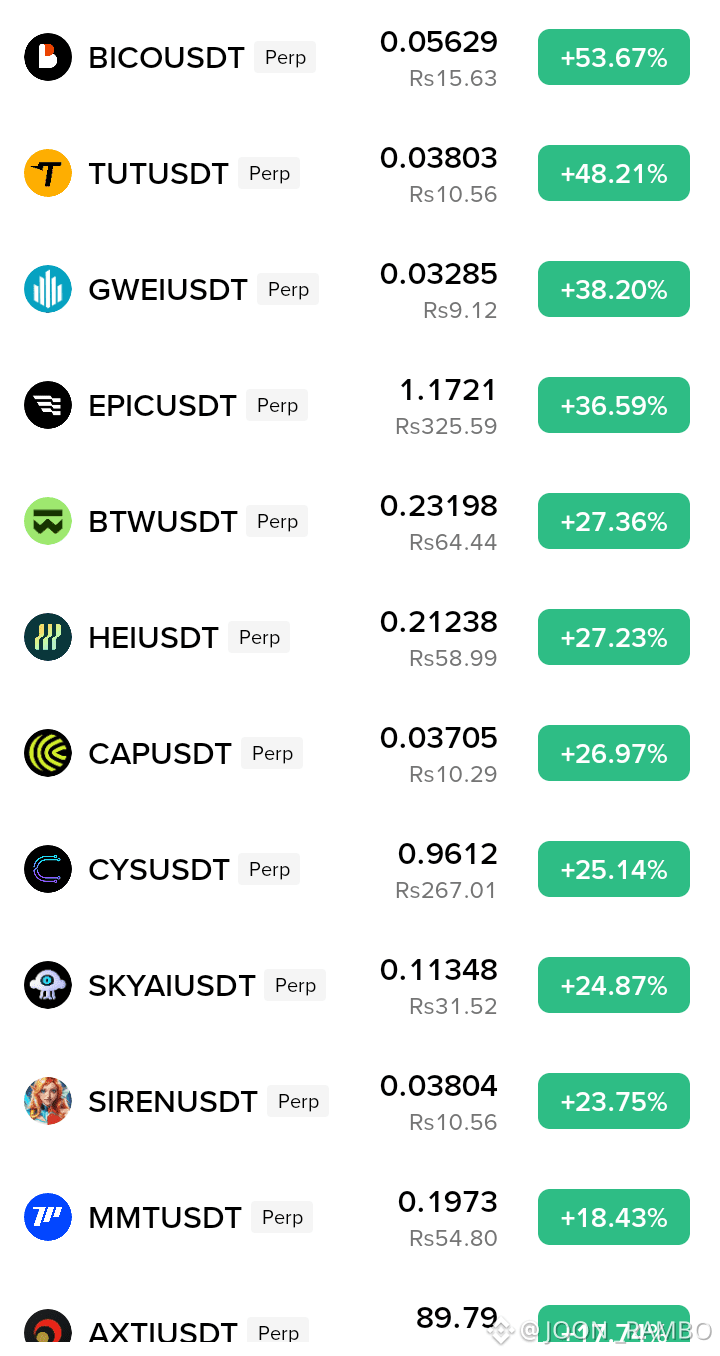
$BICO baru saja melonjak +53,67% dan grafiknya bertindak seperti gravitasi sudah dilikuidasi 😂. Aku tidak akan mengejar candle hijau ini secara membabi buta. Rencana trading: Entry 0,0560–0,0568, TP1 0,0595, TP2 0,0625, TP3 0,0660, SL 0,0530. Kalau harga menembus area entry, aku keluar. Momentum kuat, tapi setelah kenaikan 53%, koreksi bisa datang lebih cepat daripada komentar. Kelola risiko dan jangan FOMO.#DollarSetForBestDayInTwoWeeks #GoldBreaksOutFromJanuaryDowntrend #USJulyJobsUnexpectedlyFall
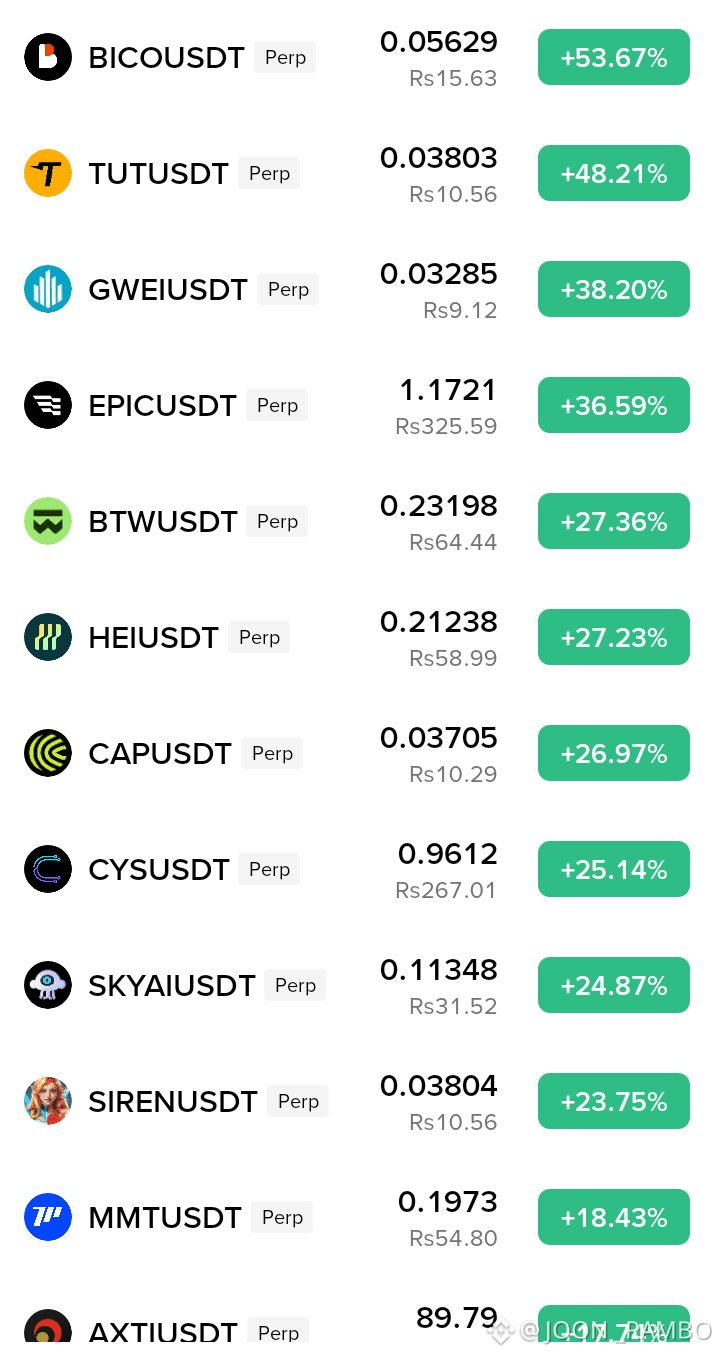
$TUT sedang naik +48,21% dan sepertinya memutuskan tidur itu opsional 😂. Saya sedang memantau breakout-nya, tapi saya tidak akan mengejar candle vertikal. Rencana trading: Entry 0,0377–0,0383, TP1 0,0400, TP2 0,0425, TP3 0,0450, SL 0,0360. Jika area entry bertahan, momentum bisa berlanjut. Jika tembus, saya mundur. +48% saja sudah berarti volatilitas serius, jadi ukuran posisi lebih penting daripada ego di sini.#TSEPlansReReviewForMajorBusinessChanges #SpaceXMayCompleteCursorDealAsEarlyAsNextWeekend #USJulyJobsUnexpectedlyFall
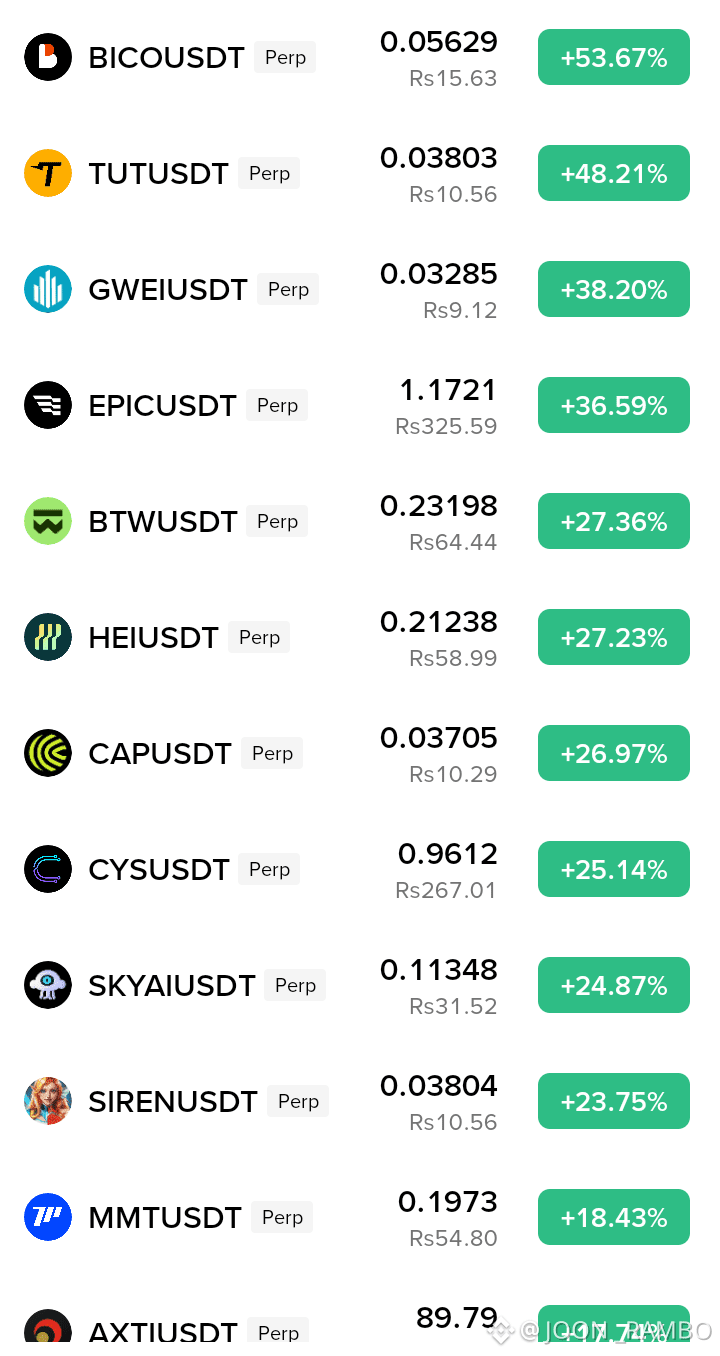
$GWEI baru dicetak +38,20% dan grafiknya terlihat seperti kelewatan lift 😂. Saya tertarik, tapi mengejar pergerakan besar adalah cara trader menjadi exit liquidity. Rencana trading: Entry 0,0324–0,0330, TP1 0,0348, TP2 0,0370, TP3 0,0400, SL 0,0310. Bertahan di atas entry membuat setup tetap hidup. Jika support jebol, setup dibatalkan. Momentum-nya mengesankan, tapi saya menjaga risiko tetap ketat karena #TSEPlansReReviewForMajorBusinessChanges #USJulyJobsUnexpectedlyFall #DollarSetForBestDayInTwoWeeks
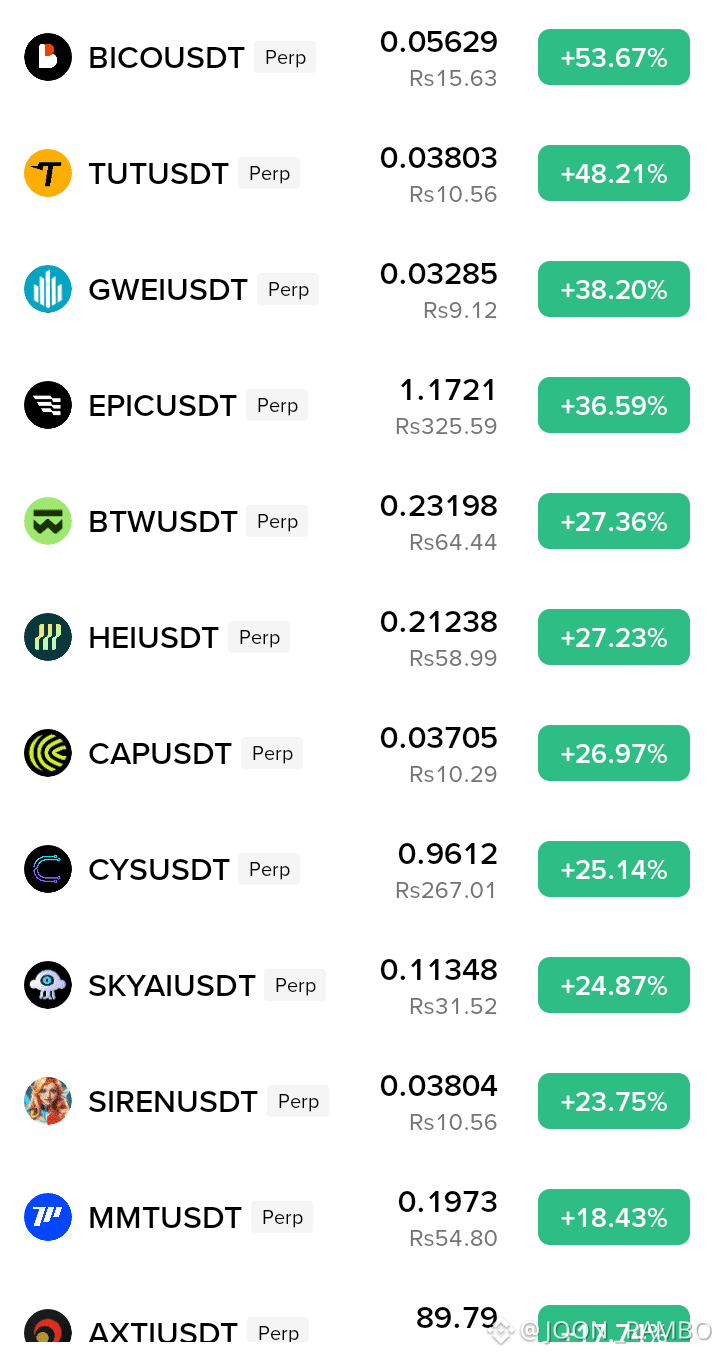
$EPIC sedang naik +36,59% dan rupanya memilih kekerasan terhadap beruang 😂. Aku tidak akan membeli di puncak hanya karena layarnya hijau. Setup trading: Entry 1.155–1.180, TP1 1.215, TP2 1.250, TP3 1.300, SL 1.115. Jika harga konsolidasi dan bertahan di zona entry, aku akan mengawasi kelanjutan. Kalau gagal, aku pergi. Setelah pergerakan 36%, melindungi modal lebih penting daripada mengejar setiap candle terakhir#TSEPlansReReviewForMajorBusinessChanges #USJulyJobsUnexpectedlyFall #SpaceXMayCompleteCursorDealAsEarlyAsNextWeekend
$BTW sedang naik +27,36% dan ticker-nya pada dasarnya bilang “omong-omong, aku sedang terbang” 😂. Aku menunggu kelanjutan yang rapi, bukan entry FOMO. Rencana trading: Entry 0.229–0.233, TP1 0.242, TP2 0.250, TP3 0.260, SL 0.220. Kalau zona tersebut bertahan, bulls tetap menarik. Kalau tembus, setup tidak valid. Kenaikan 27% bisa menghukum pembeli yang terlambat, jadi aku lebih baik kelewatan satu langkah daripada mengejar dengan risiko yang buruk.#SKHynixToInvest19.1TWonInM17Plant #SpaceXMayCompleteCursorDealAsEarlyAsNextWeekend #GoldBreaksOutFromJanuaryDowntrend
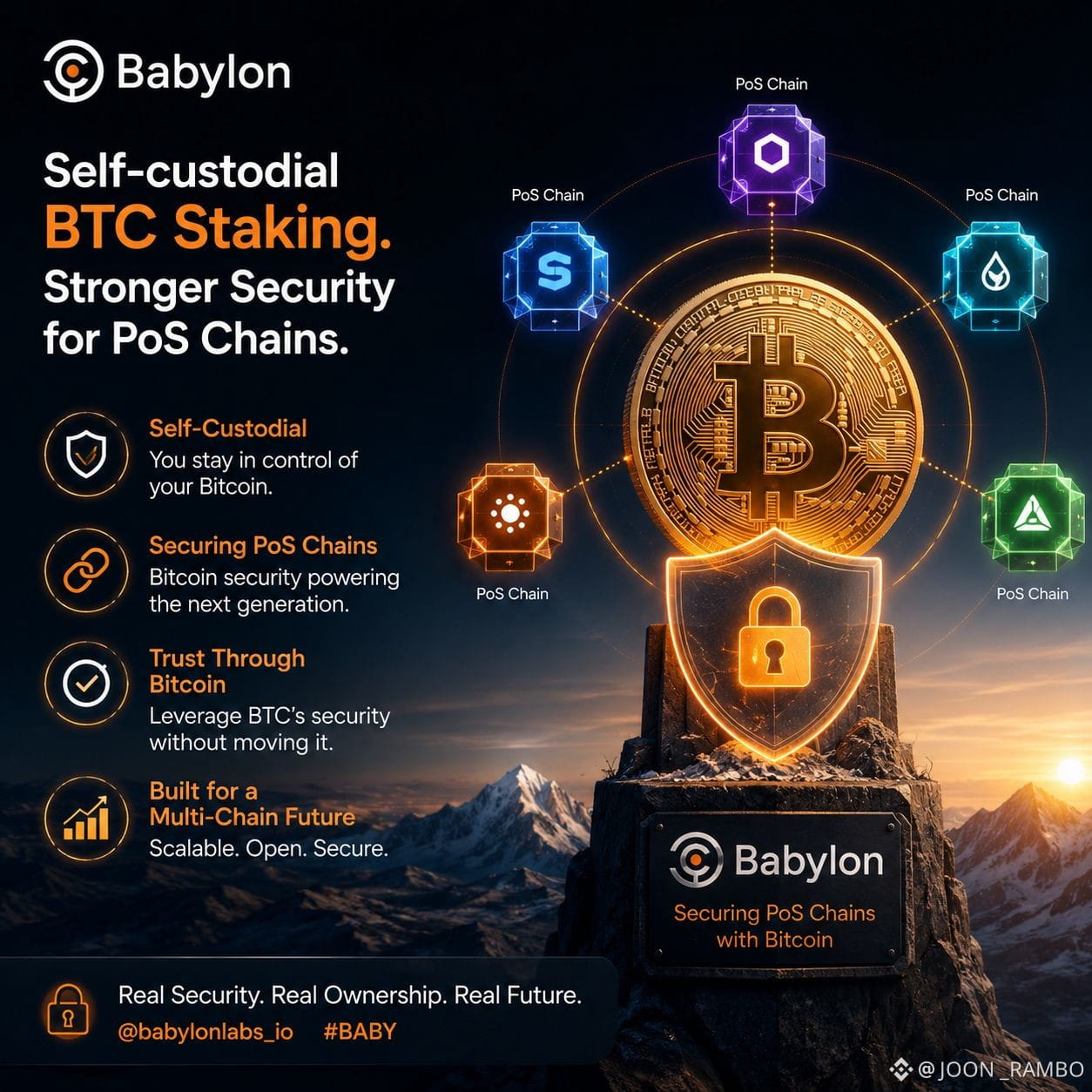
#baby $BABY Saya menonton Babylon karena staking BTC self-custodial hanya membuktikan dirinya saat aktivitas jaringan yang nyata meningkat. Hari-hari yang tenang tidak memberi tahu saya banyak. Saya lebih memperhatikan respons RPC yang konsisten, performa dompet yang mulus, staking yang andal, dan infrastruktur yang tetap terprediksi saat menghadapi tekanan. Jika @BabylonLabs_io ke{?}ps memberikan pengalaman stabil yang sama saat lebih banyak pengguna ikut serta dan semakin banyak chain PoS bergantung pada keamanan berbasis Bitcoin, maka itulah jenis kemajuan yang akan saya percayai dari waktu ke waktu—bukan hype, hanya eksekusi yang stabil. $BABY
#bab @BabylonLabs_io
#bab @BabylonLabs_io
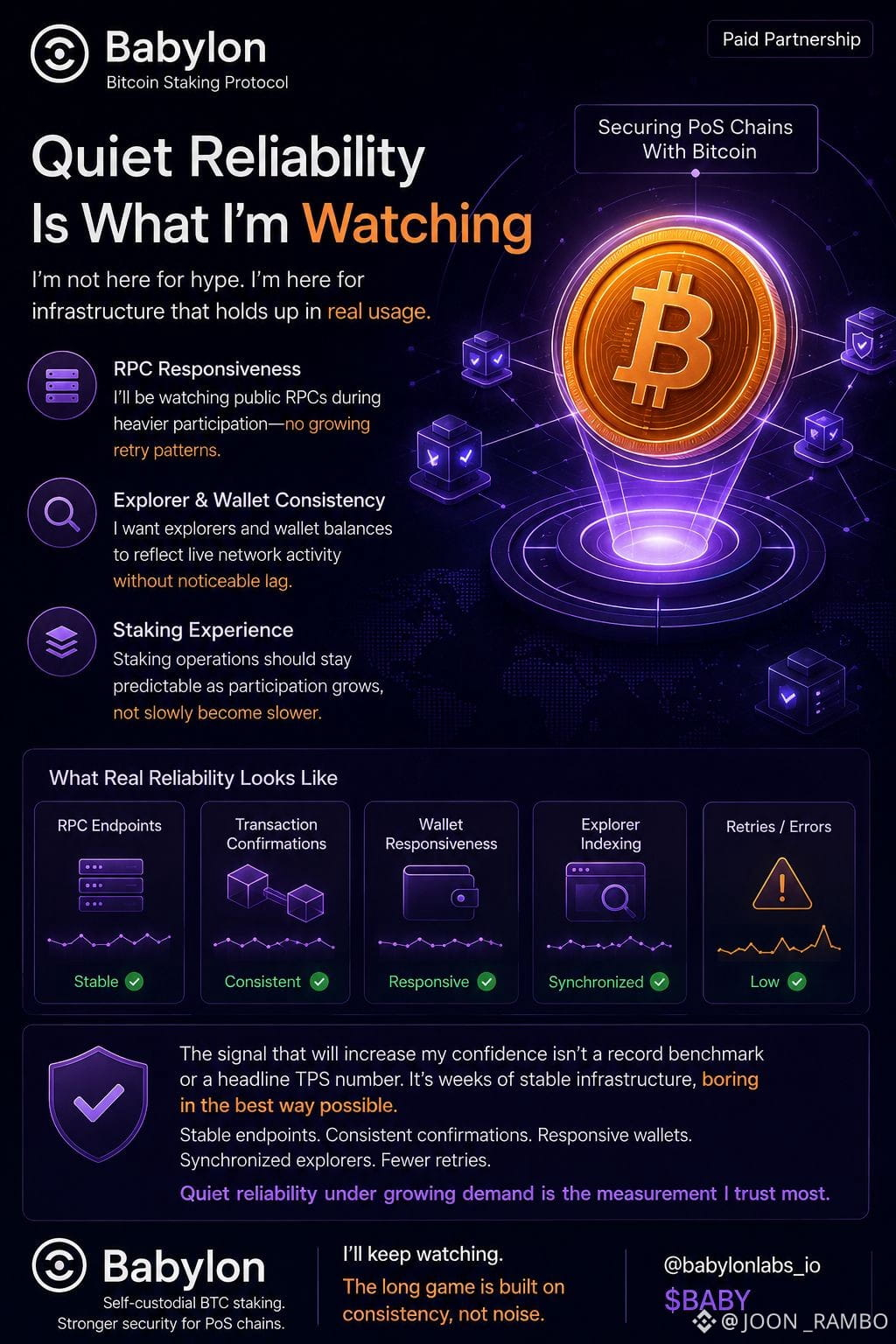
#baby $BABY Dalam beberapa minggu ke depan, saya akan memantau apakah responsivitas RPC publik tetap konsisten selama periode partisipasi yang lebih berat, alih-alih menunjukkan pola retry yang makin meningkat di balik layar. Saya juga akan memantau apakah pengindeksan explorer dan saldo wallet terus mencerminkan aktivitas jaringan tanpa lag yang terasa ketika ekosistem yang terhubung menjadi lebih ramai. Terakhir, saya ingin melihat apakah operasi terkait staking mempertahankan pengalaman yang sama seperti yang dapat diprediksi saat partisipasi meningkat, alih-alih secara bertahap menghadirkan penundaan yang kemudian mulai diterima pengguna sebagai hal yang normal.
Sinyal yang benar-benar dapat meningkatkan kepercayaan saya bukanlah rekor benchmark atau klaim headline tentang throughput. Yang saya maksud adalah beberapa minggu berturut-turut ketika potongan infrastruktur biasa itu tetap membosankan meski aktivitas meningkat. Endpoint yang stabil, perilaku konfirmasi transaksi yang konsisten, wallet yang responsif, explorer yang tersinkron, dan tidak adanya retry yang meluas memberi tahu saya jauh lebih banyak daripada kapasitas teoritis yang mengesankan. Keandalan yang tenang di bawah permintaan yang terus meningkat masih merupakan ukuran yang paling saya percayai, dan itu pula yang akan terus saya pantau.#BAB @BabylonLabs_io $BABY
Sinyal yang benar-benar dapat meningkatkan kepercayaan saya bukanlah rekor benchmark atau klaim headline tentang throughput. Yang saya maksud adalah beberapa minggu berturut-turut ketika potongan infrastruktur biasa itu tetap membosankan meski aktivitas meningkat. Endpoint yang stabil, perilaku konfirmasi transaksi yang konsisten, wallet yang responsif, explorer yang tersinkron, dan tidak adanya retry yang meluas memberi tahu saya jauh lebih banyak daripada kapasitas teoritis yang mengesankan. Keandalan yang tenang di bawah permintaan yang terus meningkat masih merupakan ukuran yang paling saya percayai, dan itu pula yang akan terus saya pantau.#BAB @BabylonLabs_io $BABY
#baby $BABY Saya menonton Babylon karena staking BTC self-custodial hanya penting jika tetap dapat diandalkan ketika aktivitas nyata meningkat. Saya memperhatikan responsivitas staking, keandalan wallet, konsistensi transaksi, dan seberapa mulus keamanan berbasis Bitcoin dapat diskalakan di berbagai rantai PoS yang saling terhubung. Hari-hari yang tenang membuktikan sangat sedikit. Hari-hari yang sibuk mengungkap semuanya. Jika @BabylonLabs_io tetap memberikan performa yang stabil alih-alih sekadar metrik yang mengesankan, itulah sinyal yang akan saya percaya. $BABY #Babylon @BabylonLabs_io

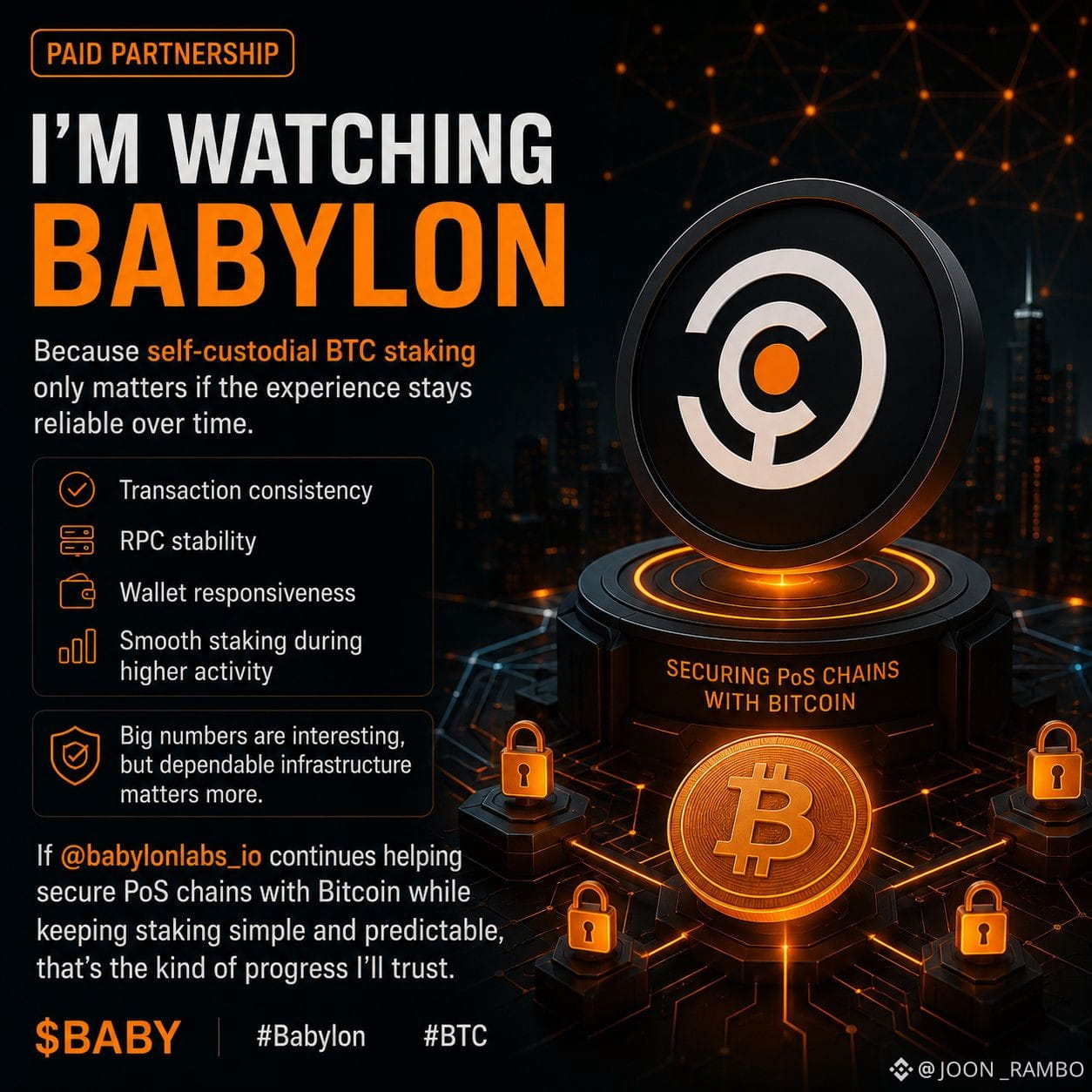
#baby $BABY Saya menonton Babylon karena staking BTC self-custodial hanya penting jika pengalamannya tetap andal dari waktu ke waktu. Saya memperhatikan konsistensi transaksi, stabilitas RPC, responsivitas wallet, dan seberapa lancar proses staking bekerja saat aktivitas meningkat. Angka-angka besar itu menarik, tetapi infrastruktur yang dapat diandalkan lebih penting. Jika @BabylonLabs_io terus membantu mengamankan jaringan PoS dengan Bitcoin sambil menjaga staking tetap sederhana dan dapat diprediksi, maka kemajuan seperti itulah yang akan saya percayai. $BABY #Babylon #BTC @BabylonLabs_io
#baby $BABY Saya menonton Babylon karena staking BTC self-custodial hanya bernilai jika pengalamannya tetap andal dari waktu ke waktu. $BUIsaya memperhatikan konsistensi transaksi, stabilitas $RPC.US , respons dompet, dan seberapa mulus proses staking berjalan saat aktivitas jaringan sedang tinggi. Angka-angka besar itu menarik, tapi infrastruktur yang andal lebih penting. Jika Babylon terus membantu mengamankan chain PoS dengan Bitcoin sambil menjaga proses staking tetap sederhana dan dapat diprediksi, itu akan membangun kepercayaan yang nyata. Saya akan terus mengikuti perilaku jaringan yang benar, bukan euforia jangka pendek, dan melihat bagaimana ekosistem ini matang. @BabylonLabs_io #baby $BABY
#baby
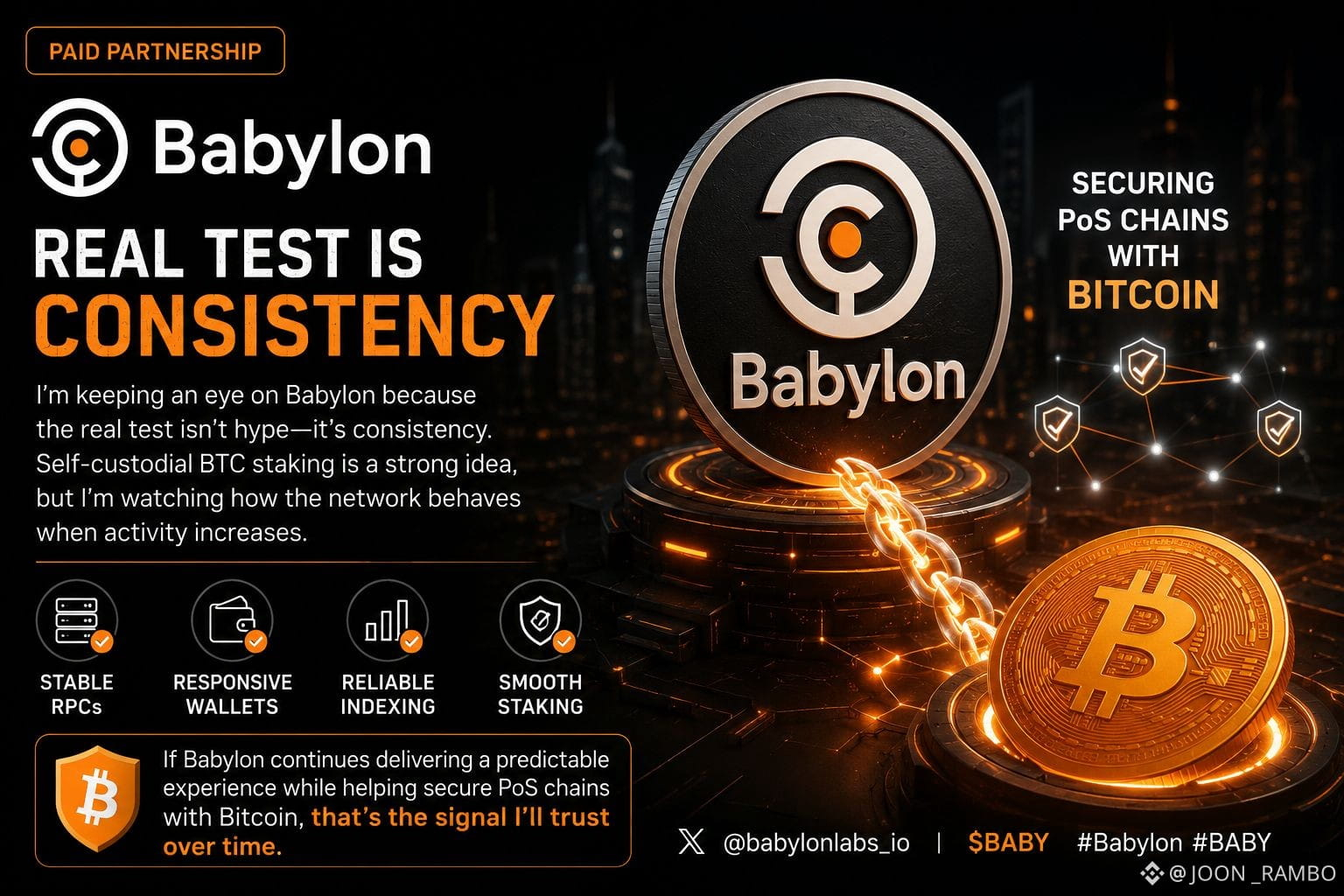
Saya terus mengawasi Babylon karena ujian sebenarnya bukan sekadar hype—melainkan konsistensi. Staking BTC self-custodial adalah gagasan yang kuat, tapi saya memperhatikan bagaimana perilaku jaringan saat aktivitas meningkat. RPC yang stabil, dompet yang responsif, indexing yang andal, dan proses staking yang lancar lebih penting bagi saya daripada angka yang mengesankan. Jika Babylon terus memberikan pengalaman yang dapat diprediksi sambil membantu mengamankan chain PoS dengan Bitcoin, maka itu sinyal yang akan saya percayai dari waktu ke waktu.
@BabylonLabs_io $BABY #Babylon #baby
Saya terus mengawasi Babylon karena ujian sebenarnya bukan sekadar hype—melainkan konsistensi. Staking BTC self-custodial adalah gagasan yang kuat, tapi saya memperhatikan bagaimana perilaku jaringan saat aktivitas meningkat. RPC yang stabil, dompet yang responsif, indexing yang andal, dan proses staking yang lancar lebih penting bagi saya daripada angka yang mengesankan. Jika Babylon terus memberikan pengalaman yang dapat diprediksi sambil membantu mengamankan chain PoS dengan Bitcoin, maka itu sinyal yang akan saya percayai dari waktu ke waktu.
@BabylonLabs_io $BABY #Babylon #baby
Masuk untuk menjelajahi konten lainnya