

Cryptofy 加密飞
3.2k Posting
Cryptofy 加密飞
Laporkan
Blokir Pengguna
Crypto Influencer
460 Mengikuti
25.9K+ Pengikut
9.5K+ Disukai
Posting
Semua
Kuotasi
Video
Live
·
--
Bullish
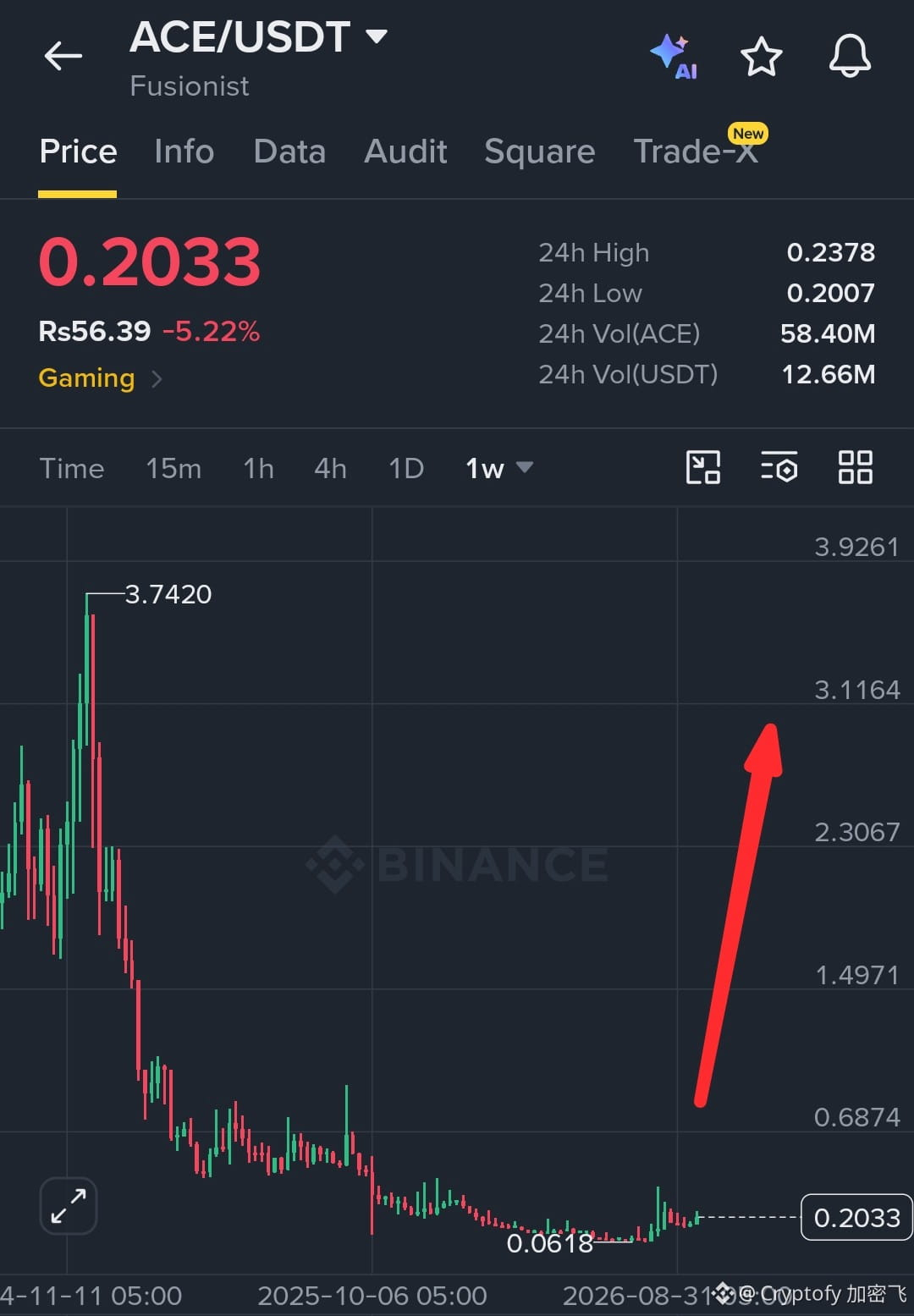
$ACE
Hold adalah Emas. Ini punya Proyek Besar di belakangnya. Tolong lakukan riset.
Harga Saat Ini: 0.2033
Setelah penurunan panjang dari level tertinggi, harga sedang berada dekat bagian bawah dari range. Struktur sedang terbentuk sebagai dasar dan pantulannya sudah mulai.
Zona Entri: 0.1980 – 0.2100
Target:
TP1: 0.30
TP2: 0.45
TP3: $3
Stop / Pembatalan: Di bawah 0.1850 (trader spot cukup menahan saja saat terjadi penurunan kecil)
Tanpa leverage. Hanya akumulasi, bersabar, dan biarkan pemulihannya berjalan.
Hold adalah Emas. Kesabaran adalah keunggulan di sini.
#NFA #DYOR* #ACE $ACE
{spot}(ACEUSDT)
$ACE
Hold adalah Emas. Ini punya Proyek Besar di belakangnya. Tolong lakukan riset.
Harga Saat Ini: 0.2033
Setelah penurunan panjang dari level tertinggi, harga sedang berada dekat bagian bawah dari range. Struktur sedang terbentuk sebagai dasar dan pantulannya sudah mulai.
Zona Entri: 0.1980 – 0.2100
Target:
TP1: 0.30
TP2: 0.45
TP3: $3
Stop / Pembatalan: Di bawah 0.1850 (trader spot cukup menahan saja saat terjadi penurunan kecil)
Tanpa leverage. Hanya akumulasi, bersabar, dan biarkan pemulihannya berjalan.
Hold adalah Emas. Kesabaran adalah keunggulan di sini.
#NFA #DYOR* #ACE $ACE
Hold adalah Emas. Ini punya Proyek Besar di belakangnya. Tolong lakukan riset.
Harga Saat Ini: 0.2033
Setelah penurunan panjang dari level tertinggi, harga sedang berada dekat bagian bawah dari range. Struktur sedang terbentuk sebagai dasar dan pantulannya sudah mulai.
Zona Entri: 0.1980 – 0.2100
Target:
TP1: 0.30
TP2: 0.45
TP3: $3
Stop / Pembatalan: Di bawah 0.1850 (trader spot cukup menahan saja saat terjadi penurunan kecil)
Tanpa leverage. Hanya akumulasi, bersabar, dan biarkan pemulihannya berjalan.
Hold adalah Emas. Kesabaran adalah keunggulan di sini.
#NFA #DYOR* #ACE $ACE
1
3
642
·
--
Bullish
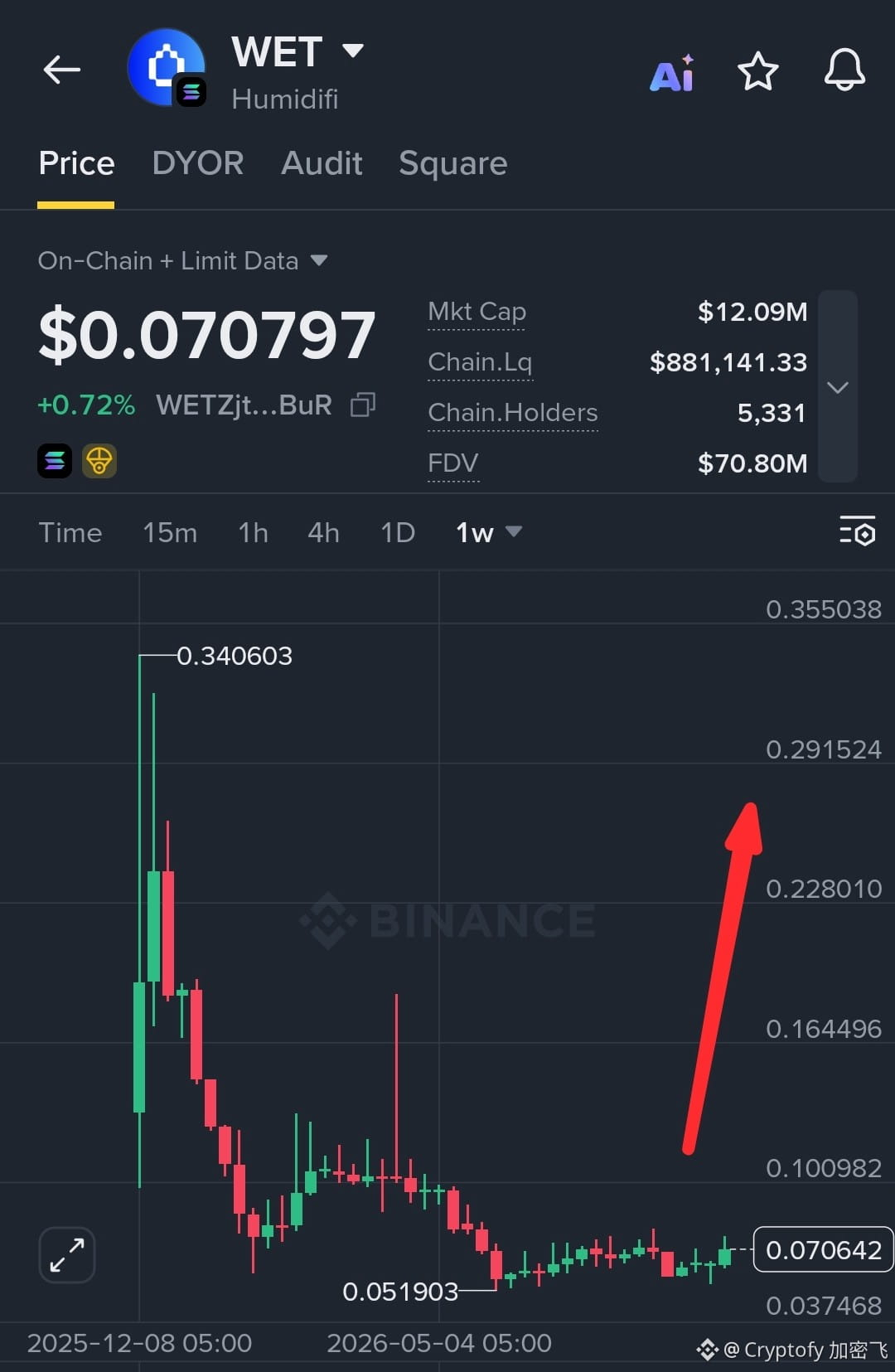
🚀 WET/USDT — LONG TRADE SETUP 🚀
💎 Trader Spot | HOLD adalah EMAS
WET sedang berkonsolidasi di dekat kisaran bawahnya setelah penurunan yang berkepanjangan. Pergerakan berkelanjutan di atas zona resistensi terbaru dapat membuka jalan menuju level historis yang lebih tinggi.
🎯 Target 1: $0.101
🎯 Target 2: $0.164
🎯 Target 3: $0.228
💰 Trader spot: Kesabaran + keyakinan yang kuat = HOLD adalah EMAS.
⚠️ Target adalah level berdasarkan chart, bukan jaminan hasil. Selalu kelola risiko dan DYOR.
#WET #WETUSDT #crypto #altcoins #ALTCOİNS $WET $WET
{alpha}(CT_501WETZjtprkDMCcUxPi9PfWnowMRZkiGGHDb9rABuRZ2U)
🚀 WET/USDT — LONG TRADE SETUP 🚀
💎 Trader Spot | HOLD adalah EMAS
WET sedang berkonsolidasi di dekat kisaran bawahnya setelah penurunan yang berkepanjangan. Pergerakan berkelanjutan di atas zona resistensi terbaru dapat membuka jalan menuju level historis yang lebih tinggi.
🎯 Target 1: $0.101
🎯 Target 2: $0.164
🎯 Target 3: $0.228
💰 Trader spot: Kesabaran + keyakinan yang kuat = HOLD adalah EMAS.
⚠️ Target adalah level berdasarkan chart, bukan jaminan hasil. Selalu kelola risiko dan DYOR.
#WET #WETUSDT #crypto #altcoins #ALTCOİNS $WET $WET
💎 Trader Spot | HOLD adalah EMAS
WET sedang berkonsolidasi di dekat kisaran bawahnya setelah penurunan yang berkepanjangan. Pergerakan berkelanjutan di atas zona resistensi terbaru dapat membuka jalan menuju level historis yang lebih tinggi.
🎯 Target 1: $0.101
🎯 Target 2: $0.164
🎯 Target 3: $0.228
💰 Trader spot: Kesabaran + keyakinan yang kuat = HOLD adalah EMAS.
⚠️ Target adalah level berdasarkan chart, bukan jaminan hasil. Selalu kelola risiko dan DYOR.
#WET #WETUSDT #crypto #altcoins #ALTCOİNS $WET $WET
168
·
--
Bullish
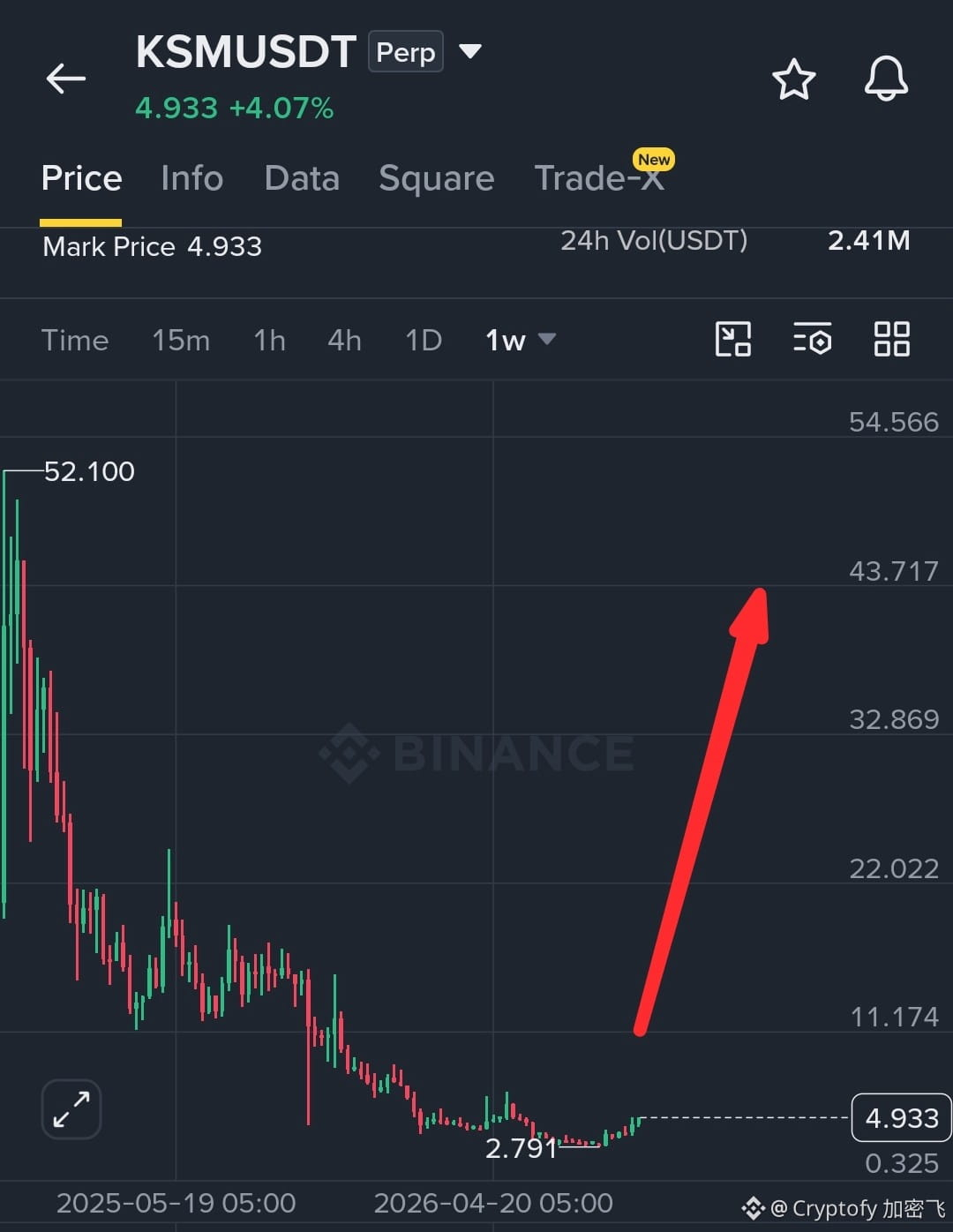
🚀 KSM/USDT — LONG TRADE SETUP 🚀
📈 Trader Spot | HOLD adalah EMAS 🪙
KSM menunjukkan potensi setup pemulihan jangka panjang setelah tren penurunan yang berkepanjangan. Trader spot dapat mempertimbangkan untuk menahan dengan sabar dan menargetkan zona resistance utama.
🎯 Target 1: $11.17
🎯 Target 2: $22.02
🎯 Target 3: $32.87
💎 HOLD adalah EMAS — Kesabaran bisa menjadi kekuatan yang besar.
⚠️ Kelola risiko dan lakukan riset Anda sendiri. Target didasarkan pada level resistance historis pada chart, bukan jaminan hasil.
#KSM #CryptoPatience #altcoins #SpotTrading #dyor $KSM
🚀 KSM/USDT — LONG TRADE SETUP 🚀
📈 Trader Spot | HOLD adalah EMAS 🪙
KSM menunjukkan potensi setup pemulihan jangka panjang setelah tren penurunan yang berkepanjangan. Trader spot dapat mempertimbangkan untuk menahan dengan sabar dan menargetkan zona resistance utama.
🎯 Target 1: $11.17
🎯 Target 2: $22.02
🎯 Target 3: $32.87
💎 HOLD adalah EMAS — Kesabaran bisa menjadi kekuatan yang besar.
⚠️ Kelola risiko dan lakukan riset Anda sendiri. Target didasarkan pada level resistance historis pada chart, bukan jaminan hasil.
#KSM #CryptoPatience #altcoins #SpotTrading #dyor $KSM
📈 Trader Spot | HOLD adalah EMAS 🪙
KSM menunjukkan potensi setup pemulihan jangka panjang setelah tren penurunan yang berkepanjangan. Trader spot dapat mempertimbangkan untuk menahan dengan sabar dan menargetkan zona resistance utama.
🎯 Target 1: $11.17
🎯 Target 2: $22.02
🎯 Target 3: $32.87
💎 HOLD adalah EMAS — Kesabaran bisa menjadi kekuatan yang besar.
⚠️ Kelola risiko dan lakukan riset Anda sendiri. Target didasarkan pada level resistance historis pada chart, bukan jaminan hasil.
#KSM #CryptoPatience #altcoins #SpotTrading #dyor $KSM
1
391
·
--
Dalam Keuntungan
Dalam Keuntungan
Cryptofy 加密飞
·
--
BullishSayang Binancian
Ini adalah Kesempatan..
Tahan adalah Emas.
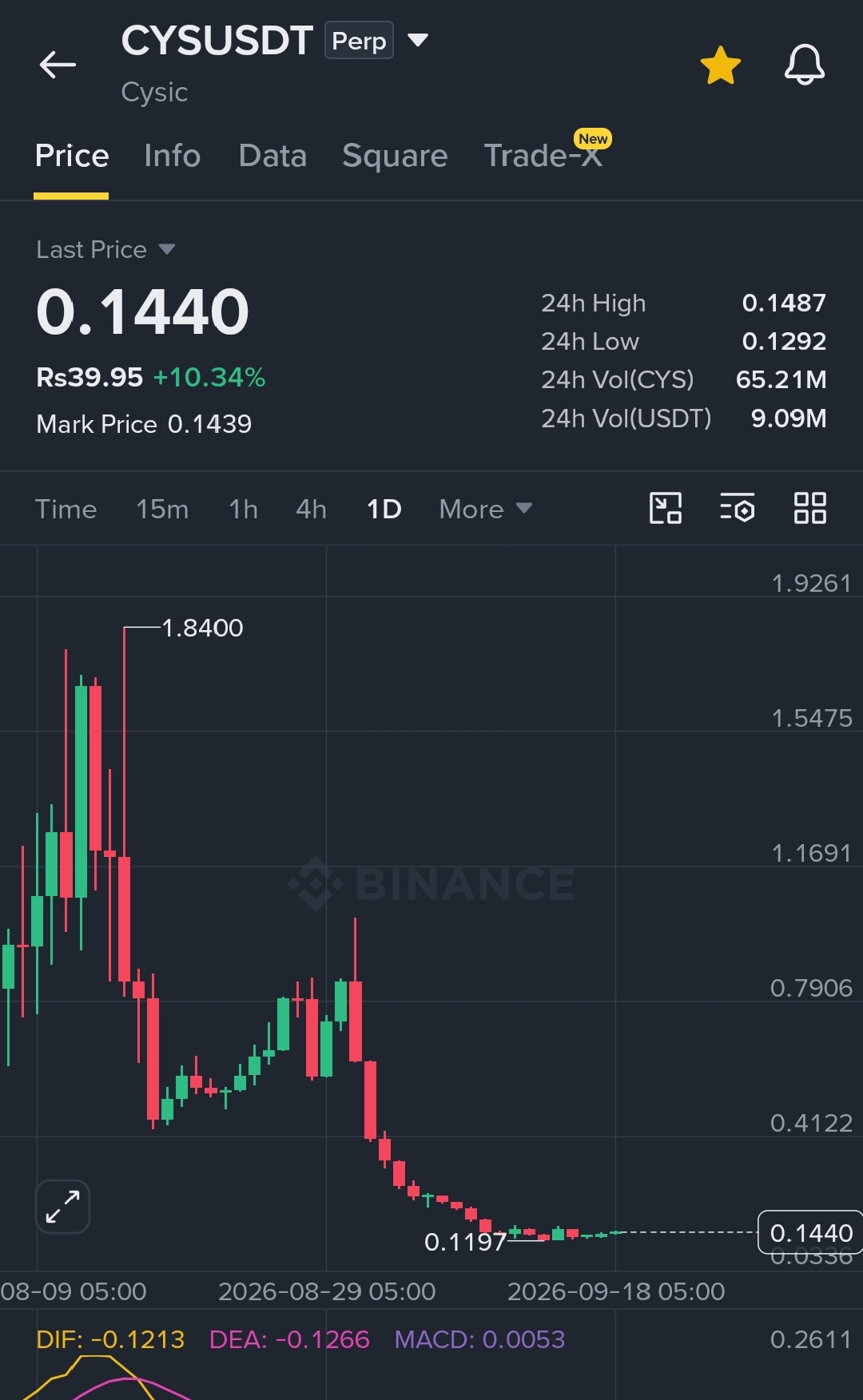
Perdagangan LONG CYSUSDT 🚀 Harga saat ini: 0.1440. Grafik menunjukkan potensi pemulihan dari dasar terbaru, dengan momentum yang membaik. Entri: 0.142–0.145. Target:
🎯 1$
🎯 0.90
🎯 0.80
Stop-loss: 0.1340. Kelola risiko dengan cermat dan hindari overleveraging. Berdaganglah dengan disiplin.
$CYS
Ini adalah Kesempatan..
Tahan adalah Emas.
Perdagangan LONG CYSUSDT 🚀 Harga saat ini: 0.1440. Grafik menunjukkan potensi pemulihan dari dasar terbaru, dengan momentum yang membaik. Entri: 0.142–0.145. Target:
🎯 1$
🎯 0.90
🎯 0.80
Stop-loss: 0.1340. Kelola risiko dengan cermat dan hindari overleveraging. Berdaganglah dengan disiplin.
$CYS
1
58
·
--
Bullish
Sayang Binancian
Ini adalah Kesempatan..
Tahan adalah Emas.
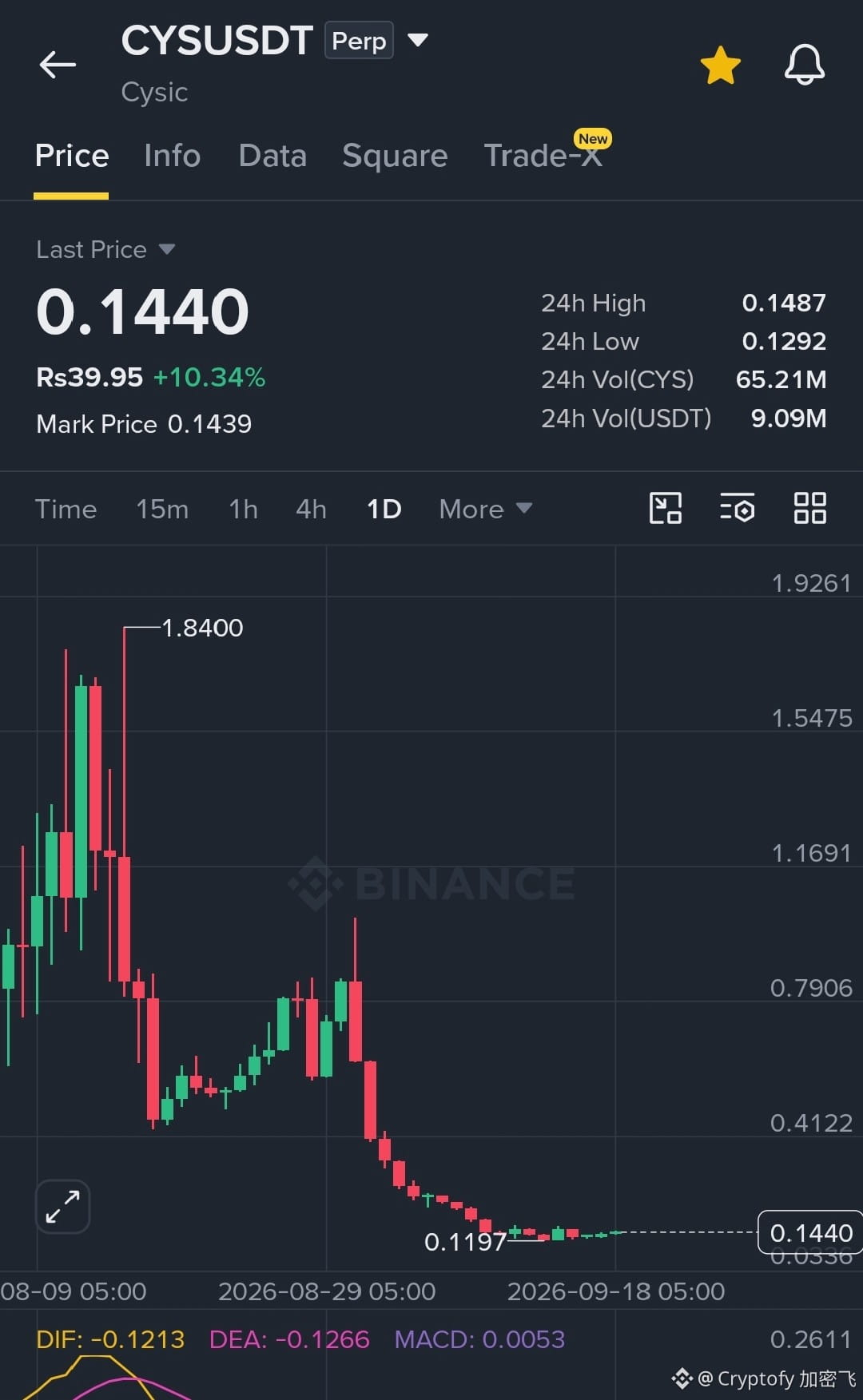
Perdagangan LONG CYSUSDT 🚀 Harga saat ini: 0.1440. Grafik menunjukkan potensi pemulihan dari dasar terbaru, dengan momentum yang membaik. Entri: 0.142–0.145. Target:
🎯 1$
🎯 0.90
🎯 0.80
Stop-loss: 0.1340. Kelola risiko dengan cermat dan hindari overleveraging. Berdaganglah dengan disiplin.
$CYS
Sayang Binancian
Ini adalah Kesempatan..
Tahan adalah Emas.
Perdagangan LONG CYSUSDT 🚀 Harga saat ini: 0.1440. Grafik menunjukkan potensi pemulihan dari dasar terbaru, dengan momentum yang membaik. Entri: 0.142–0.145. Target:
🎯 1$
🎯 0.90
🎯 0.80
Stop-loss: 0.1340. Kelola risiko dengan cermat dan hindari overleveraging. Berdaganglah dengan disiplin.
$CYS
Ini adalah Kesempatan..
Tahan adalah Emas.
Perdagangan LONG CYSUSDT 🚀 Harga saat ini: 0.1440. Grafik menunjukkan potensi pemulihan dari dasar terbaru, dengan momentum yang membaik. Entri: 0.142–0.145. Target:
🎯 1$
🎯 0.90
🎯 0.80
Stop-loss: 0.1340. Kelola risiko dengan cermat dan hindari overleveraging. Berdaganglah dengan disiplin.
$CYS
1
5
501
·
--
🎙️ Obrolan Perkembangan Pasar Kripto; Jawaban untuk Pertanyaan Pendatang Baru ✅ Bangun Bersama Alun-Alun Binance 🦅 Sebarkan Gagasan Kebebasan! Jaga Keseimbangan Ekosistem!

Berakhir
03 j 12 m 00 d
9.8k
22
64
·
--
Bullish
Rekan Trader yang terhormat
$MYX
{alpha}(560xd82544bf0dfe8385ef8fa34d67e6e4940cc63e16)
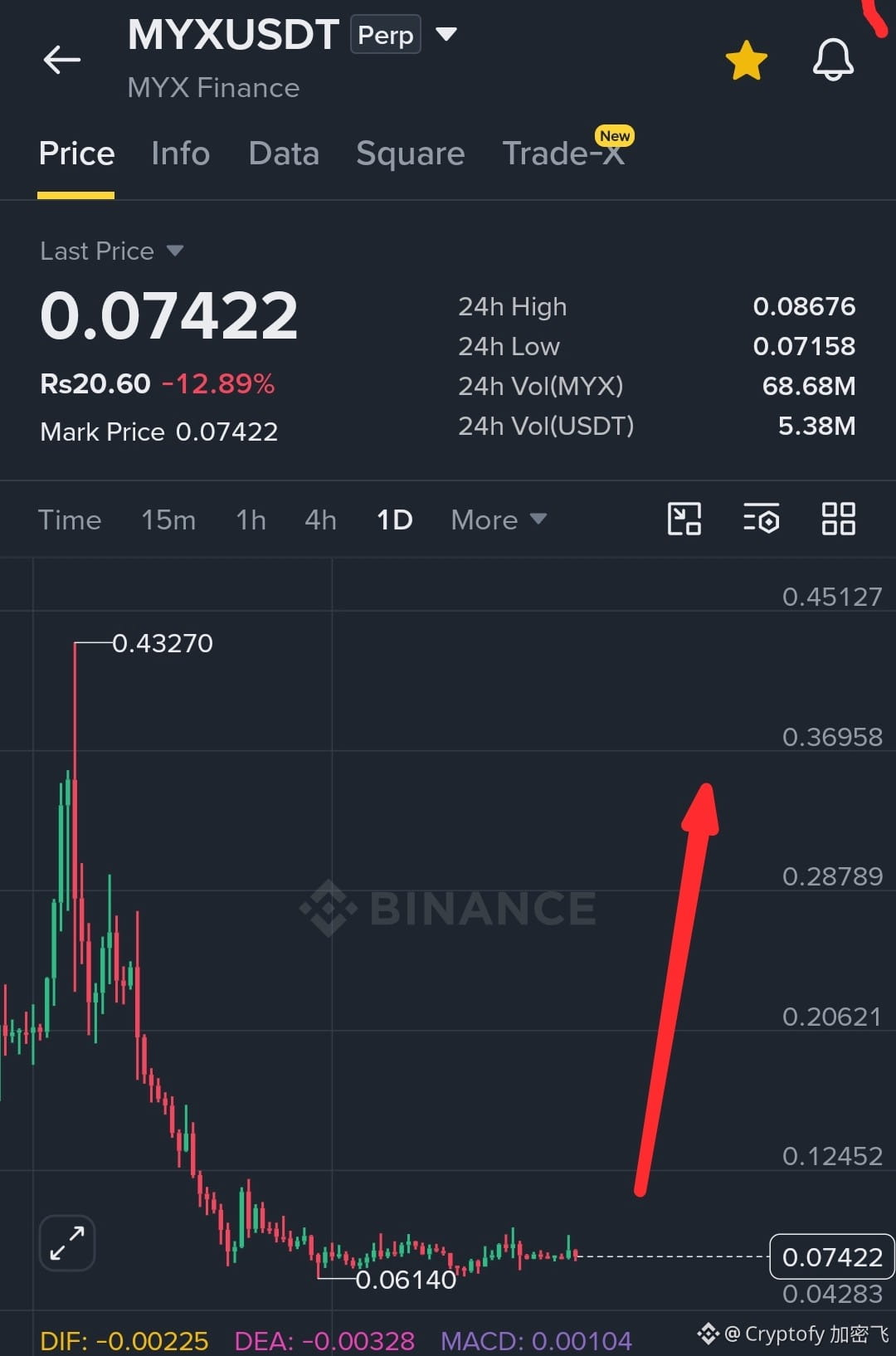
MYX menunjukkan potensi setup akumulasi spot setelah tren penurunan yang panjang.
Zona Long: 0.072–0.078.
Target:
T1 0.100
T2 0.125
T3 0.150.
Trader spot dapat masuk secara bertahap dan menahan untuk konfirmasi. Hindari mengejar lonjakan yang mendadak; kelola risiko dengan bijak, selalu.
Alwasy DYOR
Rekan Trader yang terhormat
$MYX
MYX menunjukkan potensi setup akumulasi spot setelah tren penurunan yang panjang.
Zona Long: 0.072–0.078.
Target:
T1 0.100
T2 0.125
T3 0.150.
Trader spot dapat masuk secara bertahap dan menahan untuk konfirmasi. Hindari mengejar lonjakan yang mendadak; kelola risiko dengan bijak, selalu.
Alwasy DYOR
$MYX
MYX menunjukkan potensi setup akumulasi spot setelah tren penurunan yang panjang.
Zona Long: 0.072–0.078.
Target:
T1 0.100
T2 0.125
T3 0.150.
Trader spot dapat masuk secara bertahap dan menahan untuk konfirmasi. Hindari mengejar lonjakan yang mendadak; kelola risiko dengan bijak, selalu.
Alwasy DYOR
332
·
--
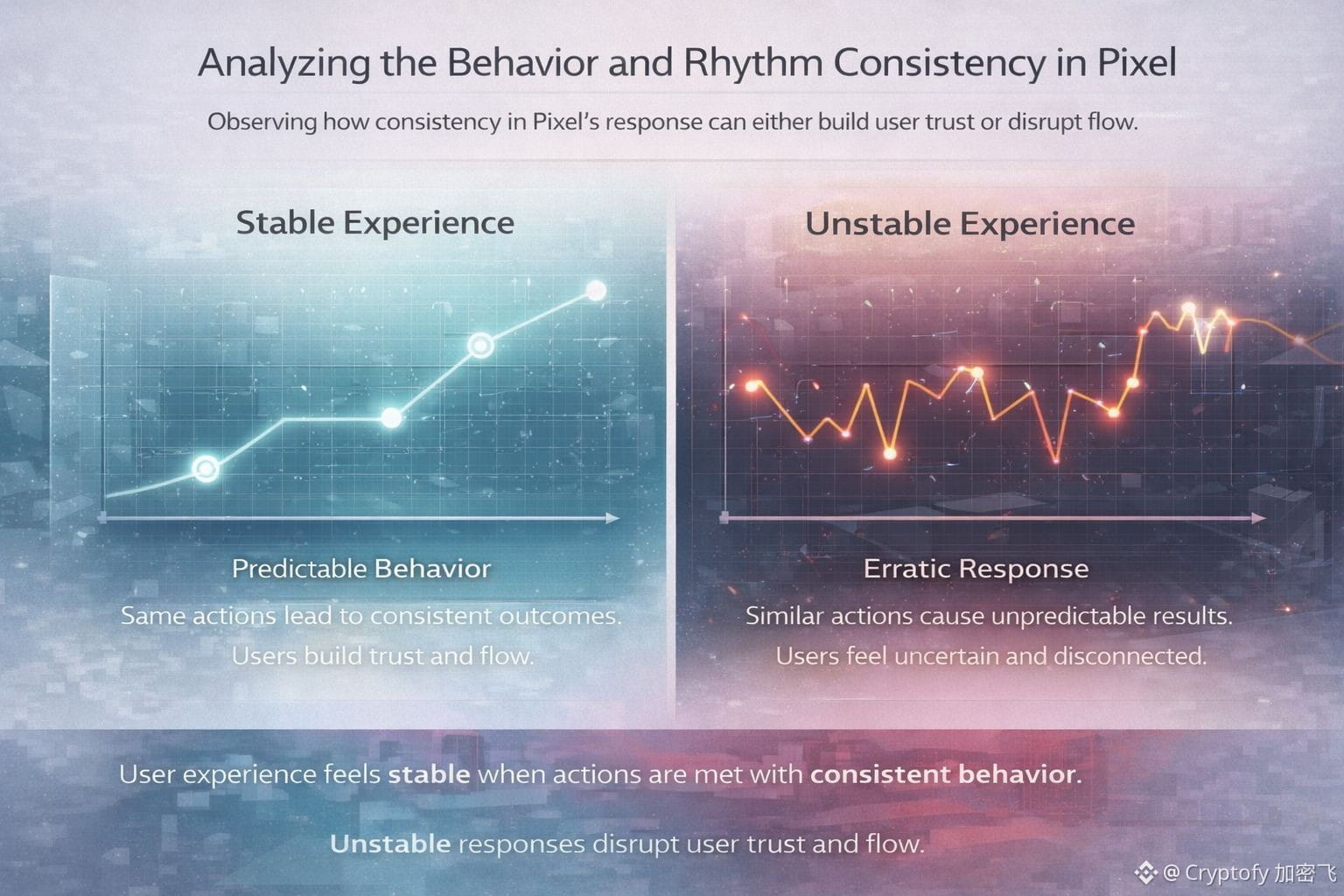
Saya memperhatikan bagaimana konsistensi berperilaku di berbagai bagian Pixel. Saya merasa ketika tindakan merespons dengan cara yang dapat diprediksi, pengguna membangun kepercayaan pada sistem. Jika perilaku berubah terlalu sering, itu mengganggu alur. Saya fokus pada bagaimana stabilnya pengalaman terasa selama interaksi berulang.
@pixels #pixel $PIXEL
{future}(PIXELUSDT)
Saya memperhatikan bagaimana konsistensi berperilaku di berbagai bagian Pixel. Saya merasa ketika tindakan merespons dengan cara yang dapat diprediksi, pengguna membangun kepercayaan pada sistem. Jika perilaku berubah terlalu sering, itu mengganggu alur. Saya fokus pada bagaimana stabilnya pengalaman terasa selama interaksi berulang.
@Pixels #pixel $PIXEL
@Pixels #pixel $PIXEL
1
84
·
--
Saya sedang mengamati bagaimana Pixel mempertahankan konsistensi di berbagai interaksi pengguna.Saya sedang mengamati bagaimana Pixel mempertahankan konsistensi di berbagai interaksi pengguna. Saya tidak fokus pada fitur individual. Saya fokus pada bagaimana sistem berperilaku secara keseluruhan ketika seorang pengguna berpindah dari satu tindakan ke tindakan lain.
Dalam ekosistem permainan mana pun, konsistensi adalah salah satu elemen terpenting. Ini tidak selalu terlihat pada awalnya, tetapi memainkan peran besar dalam membentuk kepercayaan pengguna. Ketika suatu sistem berperilaku dengan cara yang dapat diprediksi, pengguna merasa nyaman. Ketika perilaku berubah secara tidak terduga, pengguna ragu.
Saya sedang mengamati bagaimana Pixel mempertahankan konsistensi di berbagai interaksi pengguna.
Saya sedang mengamati bagaimana Pixel mempertahankan konsistensi di berbagai interaksi pengguna. Saya tidak fokus pada fitur individual. Saya fokus pada bagaimana sistem berperilaku secara keseluruhan ketika seorang pengguna berpindah dari satu tindakan ke tindakan lain.
Dalam ekosistem permainan mana pun, konsistensi adalah salah satu elemen terpenting. Ini tidak selalu terlihat pada awalnya, tetapi memainkan peran besar dalam membentuk kepercayaan pengguna. Ketika suatu sistem berperilaku dengan cara yang dapat diprediksi, pengguna merasa nyaman. Ketika perilaku berubah secara tidak terduga, pengguna ragu.
Dalam ekosistem permainan mana pun, konsistensi adalah salah satu elemen terpenting. Ini tidak selalu terlihat pada awalnya, tetapi memainkan peran besar dalam membentuk kepercayaan pengguna. Ketika suatu sistem berperilaku dengan cara yang dapat diprediksi, pengguna merasa nyaman. Ketika perilaku berubah secara tidak terduga, pengguna ragu.
1
46
·
--
Saya sedang mengamati bagaimana Pixel mengelola ritme antara tindakan di dalam sistem. Saya merasakan ketika tindakan mengalir dengan kecepatan yang tepat, pengguna tetap terlibat tanpa merasa terburu-buru atau bosan. Jika ritme terganggu, pengalaman terasa tidak merata. Saya fokus pada seberapa lancar sistem mengontrol irama ini selama interaksi.
#pixel @pixels $PIXEL
{spot}(PIXELUSDT)
Saya sedang mengamati bagaimana Pixel mengelola ritme antara tindakan di dalam sistem. Saya merasakan ketika tindakan mengalir dengan kecepatan yang tepat, pengguna tetap terlibat tanpa merasa terburu-buru atau bosan. Jika ritme terganggu, pengalaman terasa tidak merata. Saya fokus pada seberapa lancar sistem mengontrol irama ini selama interaksi.
#pixel @Pixels $PIXEL
#pixel @Pixels $PIXEL
76
·
--
Saya menganalisis bagaimana Pixel membangun kebiasaan pengguna melalui pola interaksi yang berulang.Saya menganalisis bagaimana Pixel membangun kebiasaan pengguna melalui pola interaksi yang berulang. Saya tidak fokus pada fitur secara individu. Saya fokus pada bagaimana tindakan yang berulang di dalam sistem perlahan-lahan berubah menjadi perilaku seiring waktu.
Dalam ekosistem permainan apa pun, kebiasaan adalah apa yang menjaga semuanya tetap hidup. Jika pengguna tidak membentuk kebiasaan, mereka tidak kembali secara konsisten. Dan jika mereka tidak kembali, sistem kehilangan kekuatannya.
Itulah mengapa saya sangat memperhatikan bagaimana Pixel menangani pengulangan.
Ketika saya memikirkan kebiasaan, saya tidak memikirkan tentang pengulangan yang dipaksa. Saya memikirkan tentang pengulangan yang alami. Jenis yang terasa halus dan tidak terencana. Jenis di mana pengguna kembali tanpa merasakan tekanan.
Saya menganalisis bagaimana Pixel membangun kebiasaan pengguna melalui pola interaksi yang berulang.
Saya menganalisis bagaimana Pixel membangun kebiasaan pengguna melalui pola interaksi yang berulang. Saya tidak fokus pada fitur secara individu. Saya fokus pada bagaimana tindakan yang berulang di dalam sistem perlahan-lahan berubah menjadi perilaku seiring waktu.
Dalam ekosistem permainan apa pun, kebiasaan adalah apa yang menjaga semuanya tetap hidup. Jika pengguna tidak membentuk kebiasaan, mereka tidak kembali secara konsisten. Dan jika mereka tidak kembali, sistem kehilangan kekuatannya.
Itulah mengapa saya sangat memperhatikan bagaimana Pixel menangani pengulangan.
Ketika saya memikirkan kebiasaan, saya tidak memikirkan tentang pengulangan yang dipaksa. Saya memikirkan tentang pengulangan yang alami. Jenis yang terasa halus dan tidak terencana. Jenis di mana pengguna kembali tanpa merasakan tekanan.
Dalam ekosistem permainan apa pun, kebiasaan adalah apa yang menjaga semuanya tetap hidup. Jika pengguna tidak membentuk kebiasaan, mereka tidak kembali secara konsisten. Dan jika mereka tidak kembali, sistem kehilangan kekuatannya.
Itulah mengapa saya sangat memperhatikan bagaimana Pixel menangani pengulangan.
Ketika saya memikirkan kebiasaan, saya tidak memikirkan tentang pengulangan yang dipaksa. Saya memikirkan tentang pengulangan yang alami. Jenis yang terasa halus dan tidak terencana. Jenis di mana pengguna kembali tanpa merasakan tekanan.
85
·
--
Bagaimana Saya Melihat Pixels Menciptakan Kelangkaan Sumber Daya yang Dipicu Pemain dalam Permainan Web3Ketika saya mulai melihat lebih dalam ke dalam Pixels, saya memutuskan untuk mengabaikan diskusi biasa tentang pertanian, NFT, dan loop permainan. Itu sudah dipahami dengan baik. Sebagai gantinya, saya fokus pada sesuatu yang lebih spesifik.
Ekonomi.
Tidak hanya bagaimana pemain mendapatkan token, tetapi bagaimana sumber daya berperilaku di dalam sistem.
Di situlah saya mulai berpikir tentang kelangkaan yang dipicu pemain.
Dalam kebanyakan permainan, kelangkaan sudah ditentukan sebelumnya. Pengembang memutuskan seberapa banyak sumber daya yang ada. Mereka mengontrol tingkat keluaran dan menentukan batas. Pemain hanya berinteraksi dengan sistem itu.
Bagaimana Saya Melihat Pixels Menciptakan Kelangkaan Sumber Daya yang Dipicu Pemain dalam Permainan Web3
Ketika saya mulai melihat lebih dalam ke dalam Pixels, saya memutuskan untuk mengabaikan diskusi biasa tentang pertanian, NFT, dan loop permainan. Itu sudah dipahami dengan baik. Sebagai gantinya, saya fokus pada sesuatu yang lebih spesifik.
Ekonomi.
Tidak hanya bagaimana pemain mendapatkan token, tetapi bagaimana sumber daya berperilaku di dalam sistem.
Di situlah saya mulai berpikir tentang kelangkaan yang dipicu pemain.
Dalam kebanyakan permainan, kelangkaan sudah ditentukan sebelumnya. Pengembang memutuskan seberapa banyak sumber daya yang ada. Mereka mengontrol tingkat keluaran dan menentukan batas. Pemain hanya berinteraksi dengan sistem itu.
Ekonomi.
Tidak hanya bagaimana pemain mendapatkan token, tetapi bagaimana sumber daya berperilaku di dalam sistem.
Di situlah saya mulai berpikir tentang kelangkaan yang dipicu pemain.
Dalam kebanyakan permainan, kelangkaan sudah ditentukan sebelumnya. Pengembang memutuskan seberapa banyak sumber daya yang ada. Mereka mengontrol tingkat keluaran dan menentukan batas. Pemain hanya berinteraksi dengan sistem itu.
1
1
90
·
--
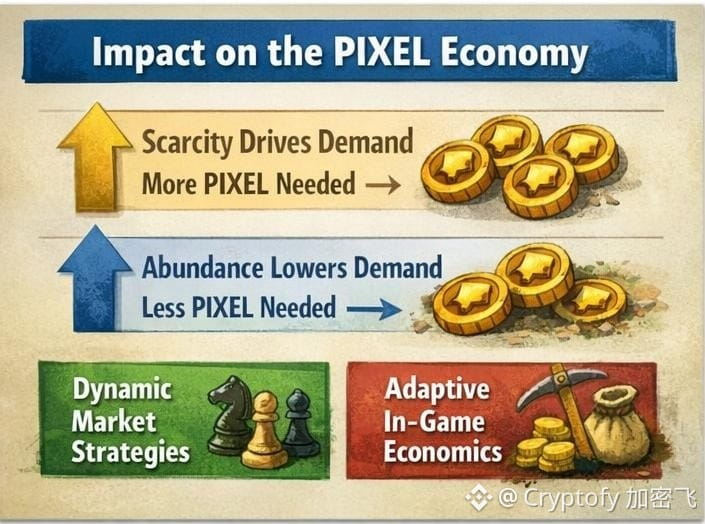
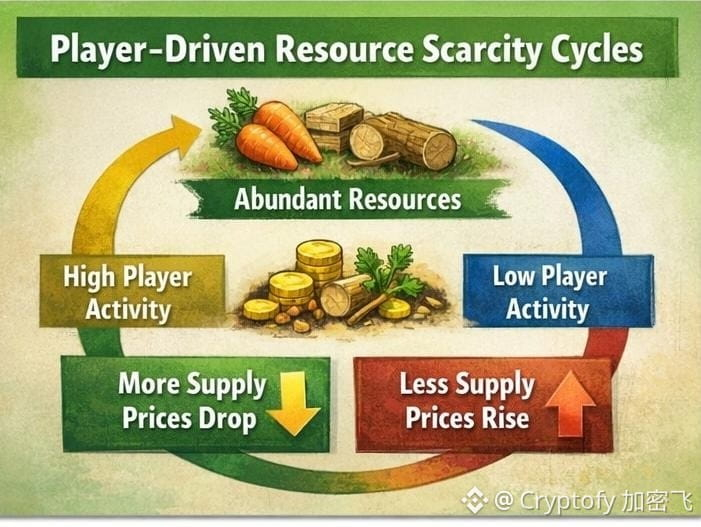
Saya telah menganalisis bagaimana Pixels dapat berkembang melalui siklus kelangkaan sumber daya yang dipimpin oleh pemain. Alih-alih mekanik pasokan tetap, kelangkaan dinamis berdasarkan aktivitas pemain dapat membentuk kembali ekonomi dalam permainan. Saya pikir ini dapat membuat PIXEL lebih responsif dan menciptakan strategi ekonomi yang lebih dalam di dalam gameplay.
#pixel $PIXEL @pixels
Saya telah menganalisis bagaimana Pixels dapat berkembang melalui siklus kelangkaan sumber daya yang dipimpin oleh pemain. Alih-alih mekanik pasokan tetap, kelangkaan dinamis berdasarkan aktivitas pemain dapat membentuk kembali ekonomi dalam permainan. Saya pikir ini dapat membuat PIXEL lebih responsif dan menciptakan strategi ekonomi yang lebih dalam di dalam gameplay.
#pixel $PIXEL @Pixels
#pixel $PIXEL @Pixels
118
·
--
Bullish
$SIREN
{future}(SIRENUSDT)
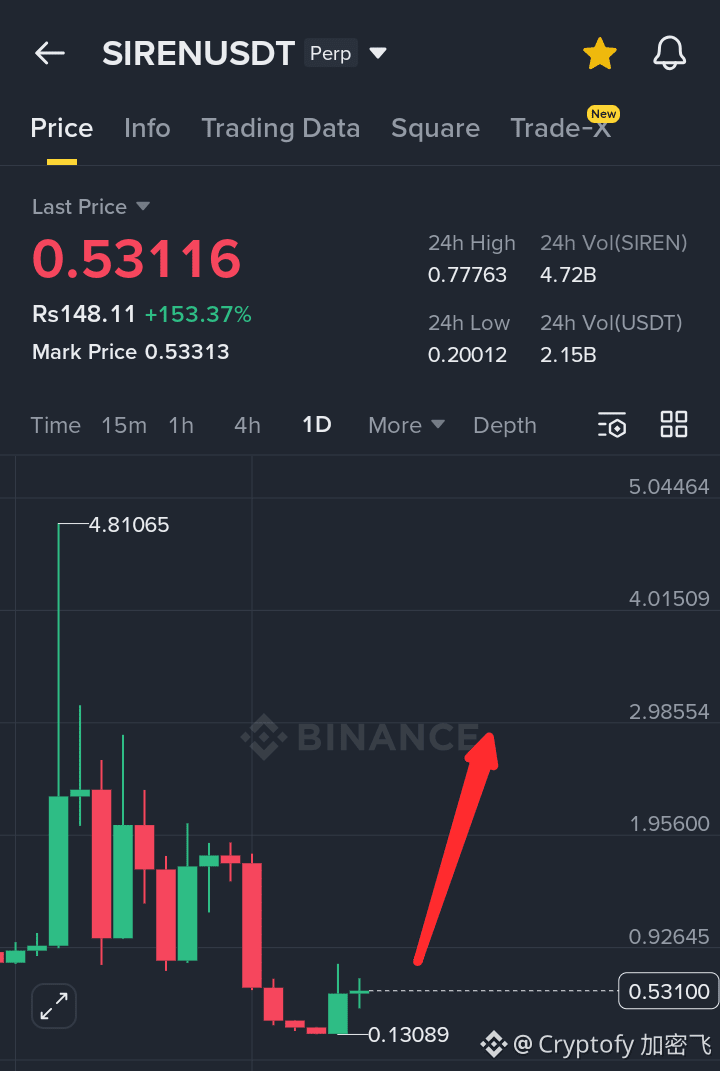
Masuk panjang: 0.50–0.55.
Target:
TP1 0.90
TP2 1.30
TP3 1.95.
Stop-loss: 0.38. Dukungan: 0.50 / 0.38.
Perlawanan: 0.90 / 1.30.
#Siren
$SIREN
Masuk panjang: 0.50–0.55.
Target:
TP1 0.90
TP2 1.30
TP3 1.95.
Stop-loss: 0.38. Dukungan: 0.50 / 0.38.
Perlawanan: 0.90 / 1.30.
#Siren
Masuk panjang: 0.50–0.55.
Target:
TP1 0.90
TP2 1.30
TP3 1.95.
Stop-loss: 0.38. Dukungan: 0.50 / 0.38.
Perlawanan: 0.90 / 1.30.
#Siren
1
119
·
--
Bullish
$BERA
{future}(BERAUSDT)
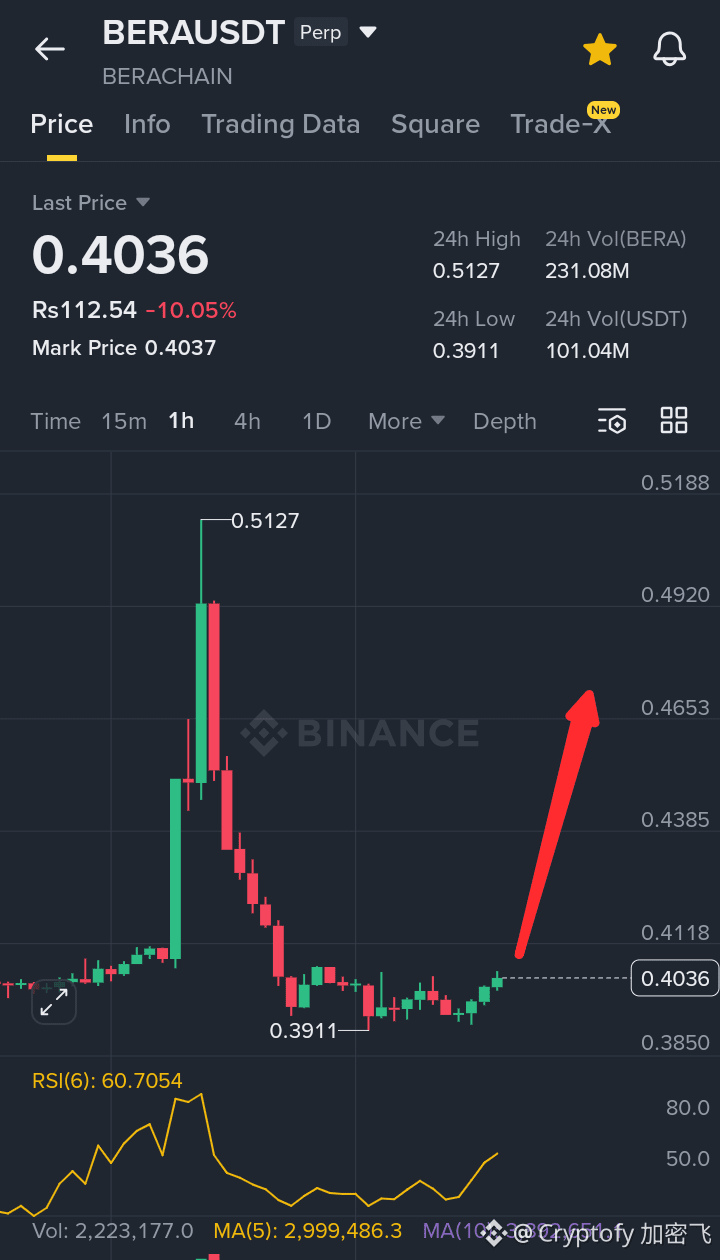
Entry panjang: 0.400–0.405.
Target:
TP1 0.435
TP2 0.465
TP3 0.492.
Stop-loss: 0.385. Support: 0.391 / 0.385.
Resistance: 0.435 / 0.465. RSI naik, momentum membangun, pembeli masuk setelah koreksi.
#BERA
$BERA
Entry panjang: 0.400–0.405.
Target:
TP1 0.435
TP2 0.465
TP3 0.492.
Stop-loss: 0.385. Support: 0.391 / 0.385.
Resistance: 0.435 / 0.465. RSI naik, momentum membangun, pembeli masuk setelah koreksi.
#BERA
Entry panjang: 0.400–0.405.
Target:
TP1 0.435
TP2 0.465
TP3 0.492.
Stop-loss: 0.385. Support: 0.391 / 0.385.
Resistance: 0.435 / 0.465. RSI naik, momentum membangun, pembeli masuk setelah koreksi.
#BERA
1
179
·
--
#night $NIGHT @MidnightNetwork
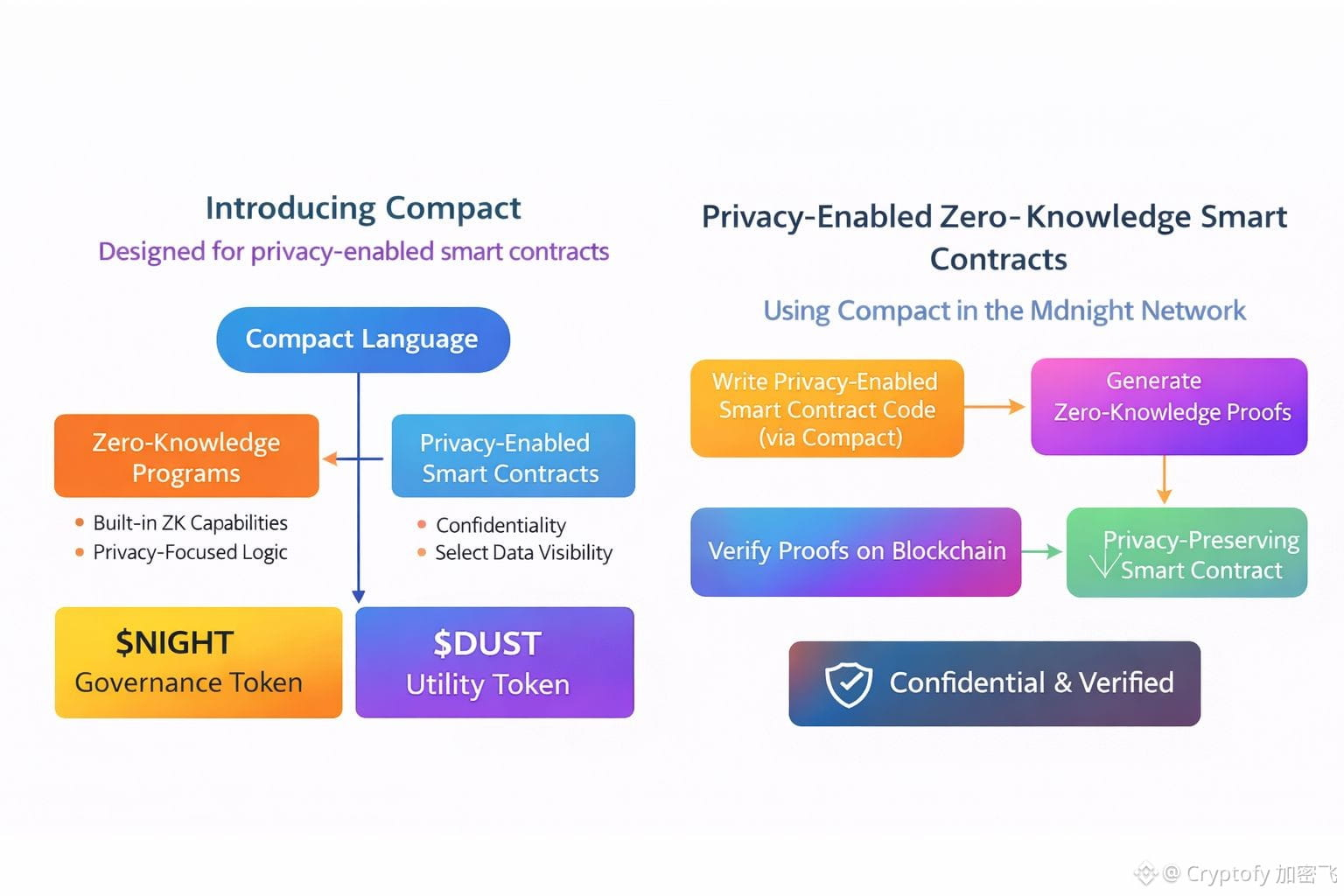
Bahasa pemrograman Midnight’s Compact dirancang untuk membantu pengembang membangun kontrak pintar yang mendukung privasi dengan lebih efisien. Dengan mengintegrasikan logika zero-knowledge langsung ke dalam alat pengembangan, jaringan ini bertujuan untuk menyederhanakan cara aplikasi terdesentralisasi yang kompleks dibuat dan diverifikasi.
#night $NIGHT @MidnightNetwork
Bahasa pemrograman Midnight’s Compact dirancang untuk membantu pengembang membangun kontrak pintar yang mendukung privasi dengan lebih efisien. Dengan mengintegrasikan logika zero-knowledge langsung ke dalam alat pengembangan, jaringan ini bertujuan untuk menyederhanakan cara aplikasi terdesentralisasi yang kompleks dibuat dan diverifikasi.
Bahasa pemrograman Midnight’s Compact dirancang untuk membantu pengembang membangun kontrak pintar yang mendukung privasi dengan lebih efisien. Dengan mengintegrasikan logika zero-knowledge langsung ke dalam alat pengembangan, jaringan ini bertujuan untuk menyederhanakan cara aplikasi terdesentralisasi yang kompleks dibuat dan diverifikasi.
1
75
·
--
#night $NIGHT @MidnightNetwork
Bagian menarik tentang $NIGHT bukan hanya aktivitas listing. Desain Midnight berfokus pada memungkinkan sistem blockchain di mana transaksi dapat diverifikasi melalui bukti kriptografi sambil mempertahankan visibilitas data yang terkendali. Struktur tersebut dapat memperluas penggunaan blockchain di lingkungan yang diatur.
#night $NIGHT @MidnightNetwork
Bagian menarik tentang $NIGHT bukan hanya aktivitas listing. Desain Midnight berfokus pada memungkinkan sistem blockchain di mana transaksi dapat diverifikasi melalui bukti kriptografi sambil mempertahankan visibilitas data yang terkendali. Struktur tersebut dapat memperluas penggunaan blockchain di lingkungan yang diatur.
Bagian menarik tentang $NIGHT bukan hanya aktivitas listing. Desain Midnight berfokus pada memungkinkan sistem blockchain di mana transaksi dapat diverifikasi melalui bukti kriptografi sambil mempertahankan visibilitas data yang terkendali. Struktur tersebut dapat memperluas penggunaan blockchain di lingkungan yang diatur.
1
7
46
·
--
Protokol Midnight: Membangun Jaringan Perusahaan yang Dapat DiverifikasiSaya berpikir bahwa Midnight memposisikan dirinya sebagai kerangka kerja blockchain yang memungkinkan perusahaan untuk berpartisipasi dalam jaringan terdesentralisasi sambil mempertahankan kontrol operasional dan tindakan yang dapat diverifikasi. Arsitekturnya dirancang untuk organisasi yang memerlukan transparansi dan kerahasiaan, memungkinkan mereka untuk menerapkan aplikasi terdesentralisasi tanpa mengekspos detail operasional yang sensitif.
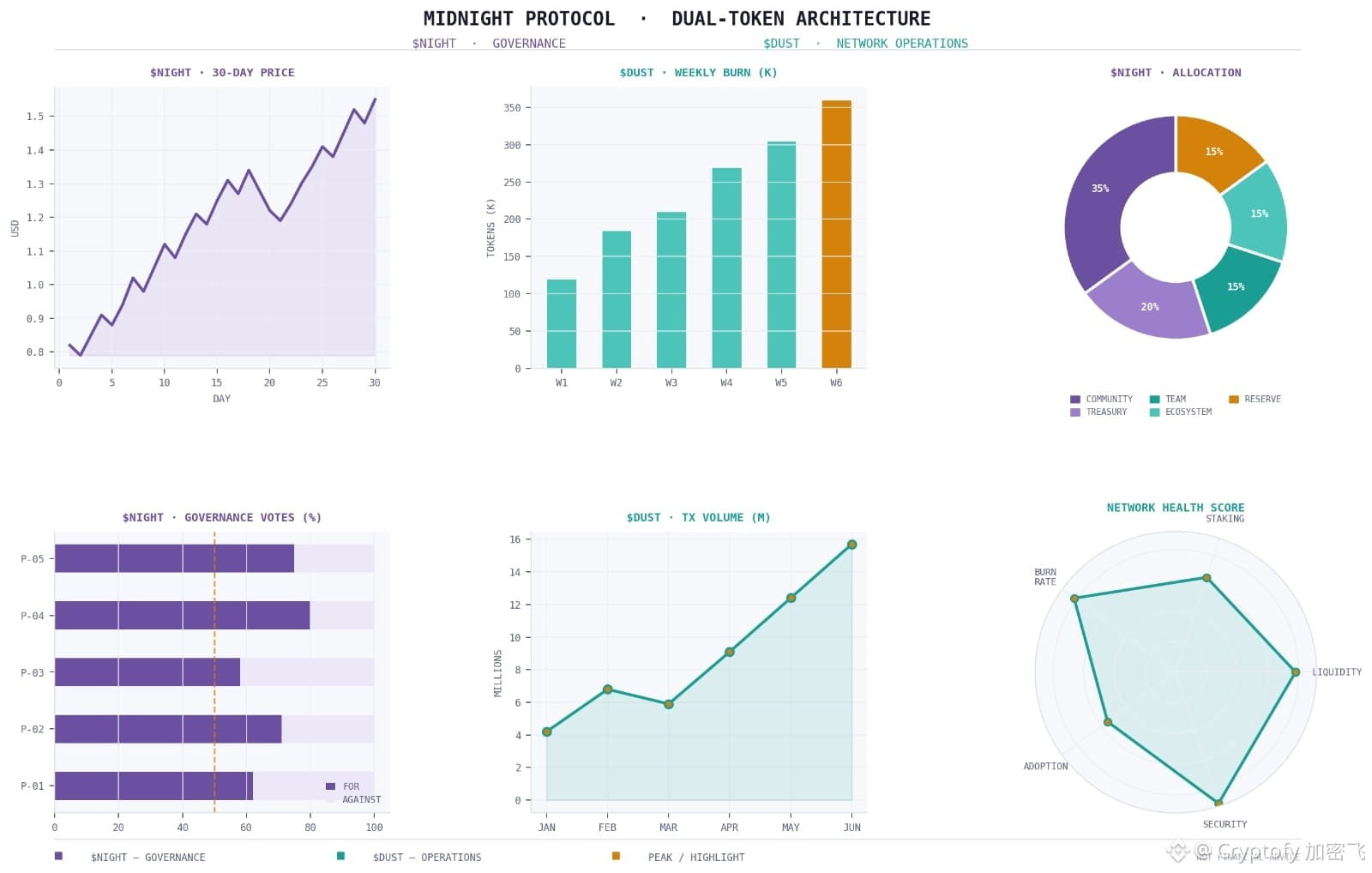
Jaringan beroperasi dengan sistem dua-token: $NIGHT mengatur jaringan dan mendukung keamanan, sementara $DUST menggerakkan eksekusi transaksi dan operasi kontrak pintar. Menggunakan bukti nol-pengetahuan, Midnight memastikan bahwa semua tindakan jaringan dapat diaudit dan diverifikasi, memberikan keseimbangan antara privasi operasional dan akuntabilitas publik.
Protokol Midnight: Membangun Jaringan Perusahaan yang Dapat Diverifikasi
Saya berpikir bahwa Midnight memposisikan dirinya sebagai kerangka kerja blockchain yang memungkinkan perusahaan untuk berpartisipasi dalam jaringan terdesentralisasi sambil mempertahankan kontrol operasional dan tindakan yang dapat diverifikasi. Arsitekturnya dirancang untuk organisasi yang memerlukan transparansi dan kerahasiaan, memungkinkan mereka untuk menerapkan aplikasi terdesentralisasi tanpa mengekspos detail operasional yang sensitif.
Jaringan beroperasi dengan sistem dua-token: $NIGHT mengatur jaringan dan mendukung keamanan, sementara $DUST menggerakkan eksekusi transaksi dan operasi kontrak pintar. Menggunakan bukti nol-pengetahuan, Midnight memastikan bahwa semua tindakan jaringan dapat diaudit dan diverifikasi, memberikan keseimbangan antara privasi operasional dan akuntabilitas publik.
Jaringan beroperasi dengan sistem dua-token: $NIGHT mengatur jaringan dan mendukung keamanan, sementara $DUST menggerakkan eksekusi transaksi dan operasi kontrak pintar. Menggunakan bukti nol-pengetahuan, Midnight memastikan bahwa semua tindakan jaringan dapat diaudit dan diverifikasi, memberikan keseimbangan antara privasi operasional dan akuntabilitas publik.
14
53
Masuk untuk menjelajahi konten lainnya
Bergabunglah dengan pengguna kripto global di Binance Square
⚡️ Dapatkan informasi terbaru dan berguna tentang kripto.
💬 Dipercayai oleh bursa kripto terbesar di dunia.
👍 Temukan wawasan nyata dari kreator terverifikasi.
Email/Nomor Ponsel