
清灵 BNB
6.9k Posting

清灵 BNB
Laporkan
Blokir Pengguna
Crypto Trader | Sharing Market Insights , Trends |
Pedagang Rutin
4.9 Tahun
8 Mengikuti
2.9K+ Pengikut
22.0K+ Disukai
Posting
Semua
Kuotasi
PINNED
PINNED
·
--
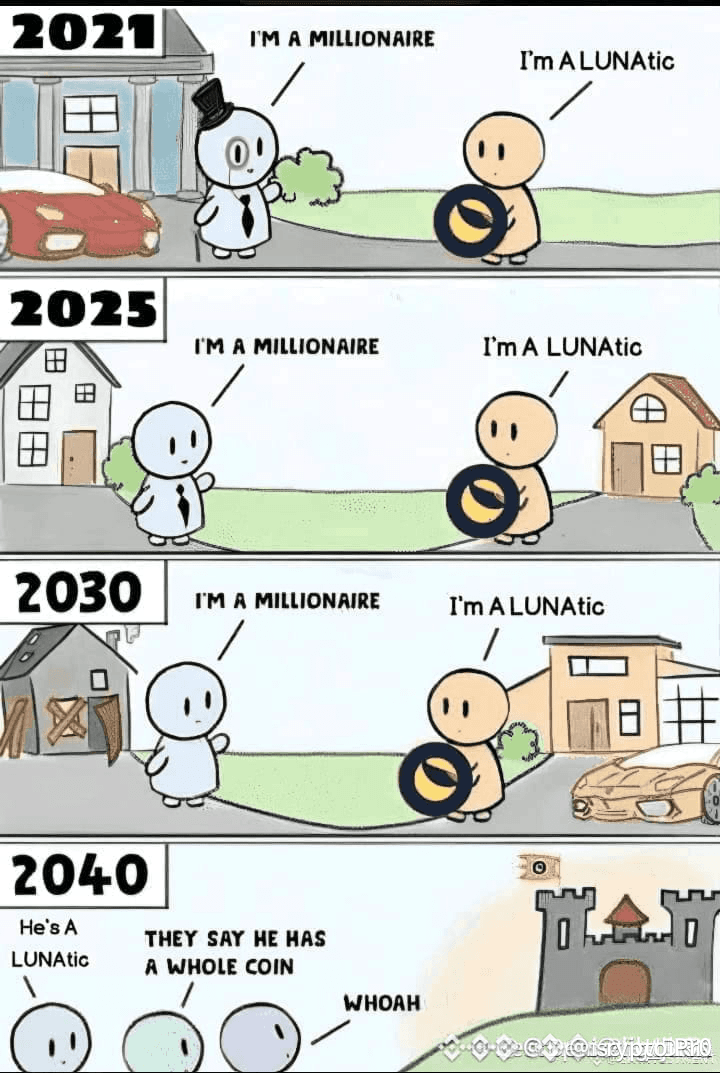
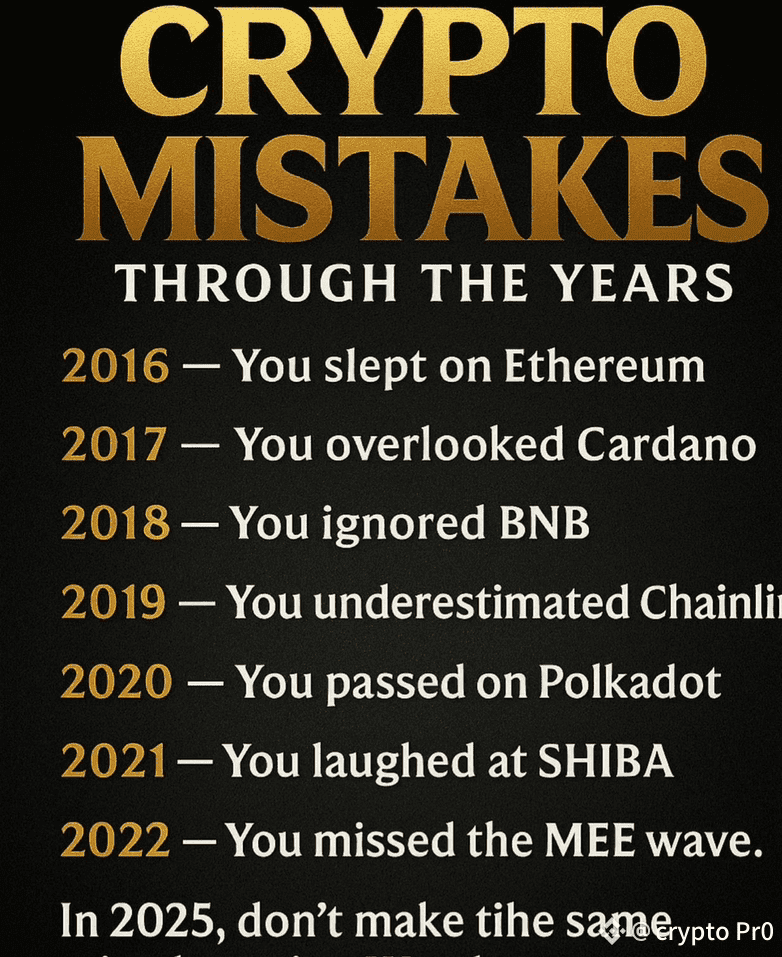
Anda melewatkan ETH di $8 pada tahun 2016.
Mengabaikan #ADA di $0.03 pada tahun 2017.
Melewatkan $BNB di $24 pada tahun 2018.
Tidur pada $LINK di $4.50 pada tahun 2019.
Lewatkan $DOT di bawah $10 pada tahun 2020.
Tertawa pada $SHIB sebelum naik 1000x pada tahun 2021.
Mengabaikan MEE di $0.03 pada tahun 2022.
2025 — Apakah Anda akan melewatkan lagi?
Tetap tajam. Perhatikan dengan seksama.
Anda melewatkan ETH di $8 pada tahun 2016.
Mengabaikan #ADA di $0.03 pada tahun 2017.
Melewatkan $BNB di $24 pada tahun 2018.
Tidur pada $LINK di $4.50 pada tahun 2019.
Lewatkan $DOT di bawah $10 pada tahun 2020.
Tertawa pada $SHIB sebelum naik 1000x pada tahun 2021.
Mengabaikan MEE di $0.03 pada tahun 2022.
2025 — Apakah Anda akan melewatkan lagi?
Tetap tajam. Perhatikan dengan seksama.
Mengabaikan #ADA di $0.03 pada tahun 2017.
Melewatkan $BNB di $24 pada tahun 2018.
Tidur pada $LINK di $4.50 pada tahun 2019.
Lewatkan $DOT di bawah $10 pada tahun 2020.
Tertawa pada $SHIB sebelum naik 1000x pada tahun 2021.
Mengabaikan MEE di $0.03 pada tahun 2022.
2025 — Apakah Anda akan melewatkan lagi?
Tetap tajam. Perhatikan dengan seksama.
201
134
388
840.2k
·
--
Jika altseason benar-benar bangun lagi, 5 ini akan tetap ada di daftar pantauanku. 👀📈
$UNI → $12–$25
$INJ → $12–$18
$ICP → $10–$12
$AVAX → $10–$20
$SUI → $3–$5
Narasi yang berbeda dan ekosistem yang berbeda, tapi masing-masing bisa punya ruang untuk bergerak jika likuiditas segar kembali mengalir ke altcoin.
Yang mana yang akan kamu pilih untuk comeback terkuat? 🔥
#Altcoins #CryptoUniverseOfficial
Jika altseason benar-benar bangun lagi, 5 ini akan tetap ada di daftar pantauanku. 👀📈
$UNI → $12–$25
$INJ → $12–$18
$ICP → $10–$12
$AVAX → $10–$20
$SUI → $3–$5
Narasi yang berbeda dan ekosistem yang berbeda, tapi masing-masing bisa punya ruang untuk bergerak jika likuiditas segar kembali mengalir ke altcoin.
Yang mana yang akan kamu pilih untuk comeback terkuat? 🔥
#Altcoins #CryptoUniverseOfficial
$UNI → $12–$25
$INJ → $12–$18
$ICP → $10–$12
$AVAX → $10–$20
$SUI → $3–$5
Narasi yang berbeda dan ekosistem yang berbeda, tapi masing-masing bisa punya ruang untuk bergerak jika likuiditas segar kembali mengalir ke altcoin.
Yang mana yang akan kamu pilih untuk comeback terkuat? 🔥
#Altcoins #CryptoUniverseOfficial
2
47
·
--
🚨 BERITA TERKINI: RUU CLARITY TERHALANG DI SENAT 🇺🇸
RUU CLARITY dilaporkan mengalami hambatan besar setelah pemungutan suara prosedural di Senat gagal mencapai ambang 60 suara untuk maju.
🏛️ Pemungutan suara yang dilaporkan: 50–49
⚖️ Dorongan struktur pasar kripto kini menghadapi penundaan lain
📈 Para trader memantau dengan cermat reaksi pasar
Dengan ketidakpastian regulasi kembali menjadi sorotan, apakah volatilitas akan segera meningkat lagi? 👀
$SKYAI $BULLA $IOST
#USSenateBlocksClarityAct #CryptoNews #Crypto
🚨 BERITA TERKINI: RUU CLARITY TERHALANG DI SENAT 🇺🇸
RUU CLARITY dilaporkan mengalami hambatan besar setelah pemungutan suara prosedural di Senat gagal mencapai ambang 60 suara untuk maju.
🏛️ Pemungutan suara yang dilaporkan: 50–49
⚖️ Dorongan struktur pasar kripto kini menghadapi penundaan lain
📈 Para trader memantau dengan cermat reaksi pasar
Dengan ketidakpastian regulasi kembali menjadi sorotan, apakah volatilitas akan segera meningkat lagi? 👀
$SKYAI $BULLA $IOST
#USSenateBlocksClarityAct #CryptoNews #Crypto
RUU CLARITY dilaporkan mengalami hambatan besar setelah pemungutan suara prosedural di Senat gagal mencapai ambang 60 suara untuk maju.
🏛️ Pemungutan suara yang dilaporkan: 50–49
⚖️ Dorongan struktur pasar kripto kini menghadapi penundaan lain
📈 Para trader memantau dengan cermat reaksi pasar
Dengan ketidakpastian regulasi kembali menjadi sorotan, apakah volatilitas akan segera meningkat lagi? 👀
$SKYAI $BULLA $IOST
#USSenateBlocksClarityAct #CryptoNews #Crypto
1
42
·
--
🚨 BERITA TERKINI: UU CLARITY GAGAL MENDAPATKAN 60 SUARA
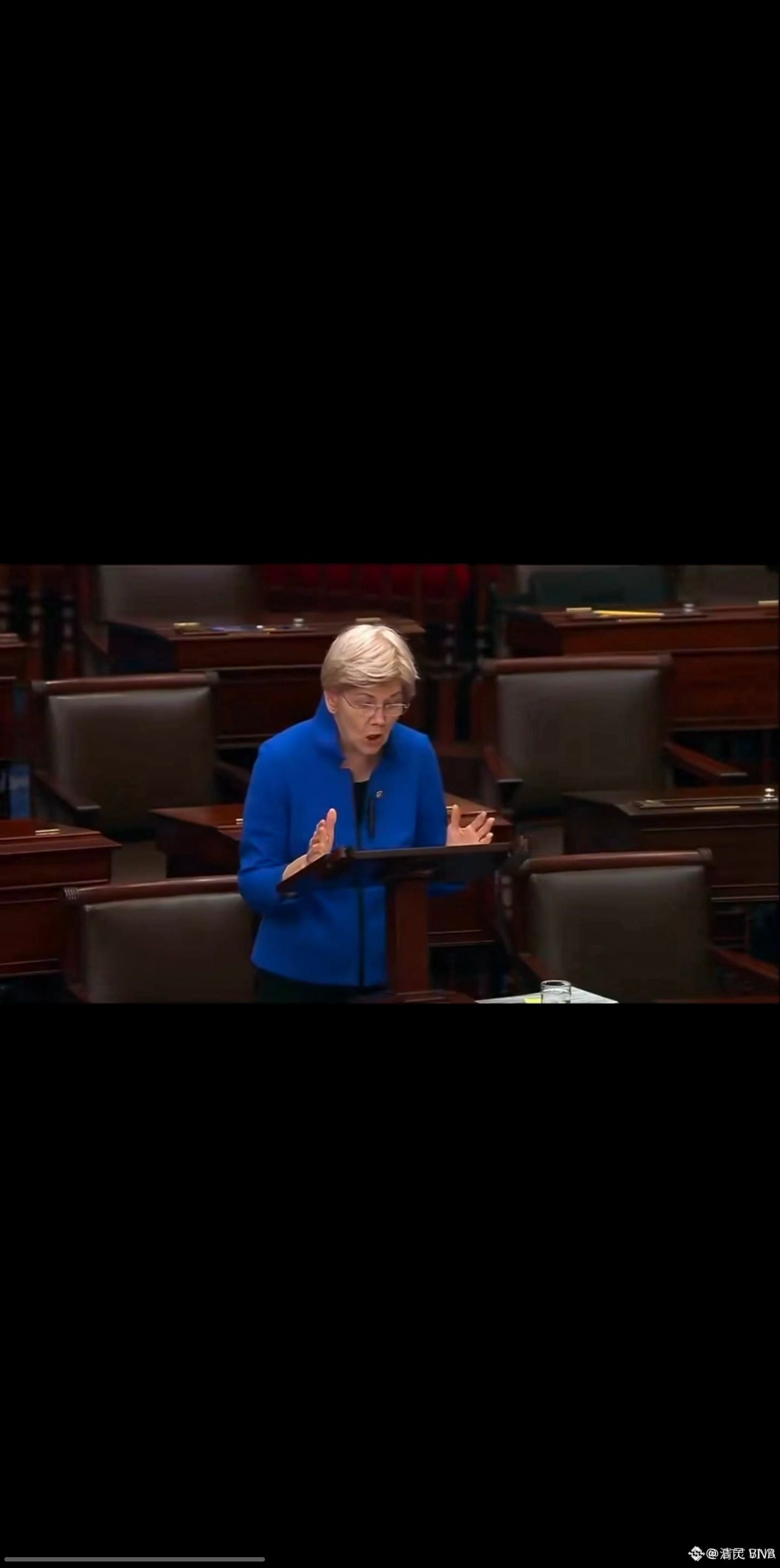
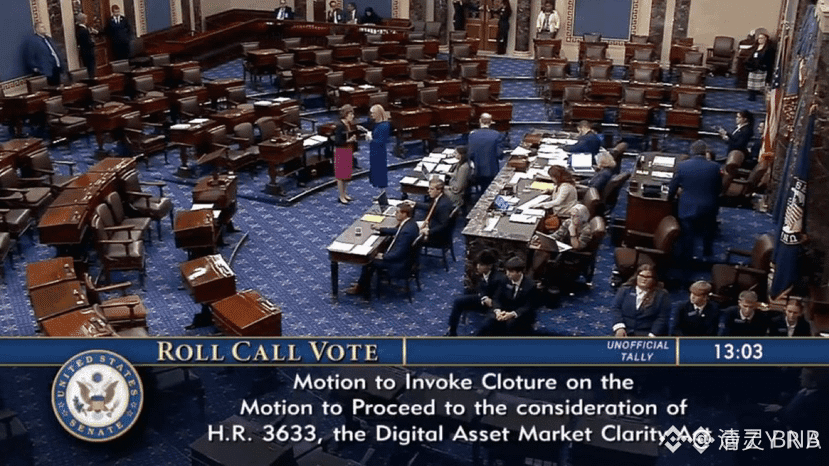
RUU CLARITY tidak memperoleh 60 suara yang diperlukan untuk melewati rintangan prosedural di Senat.
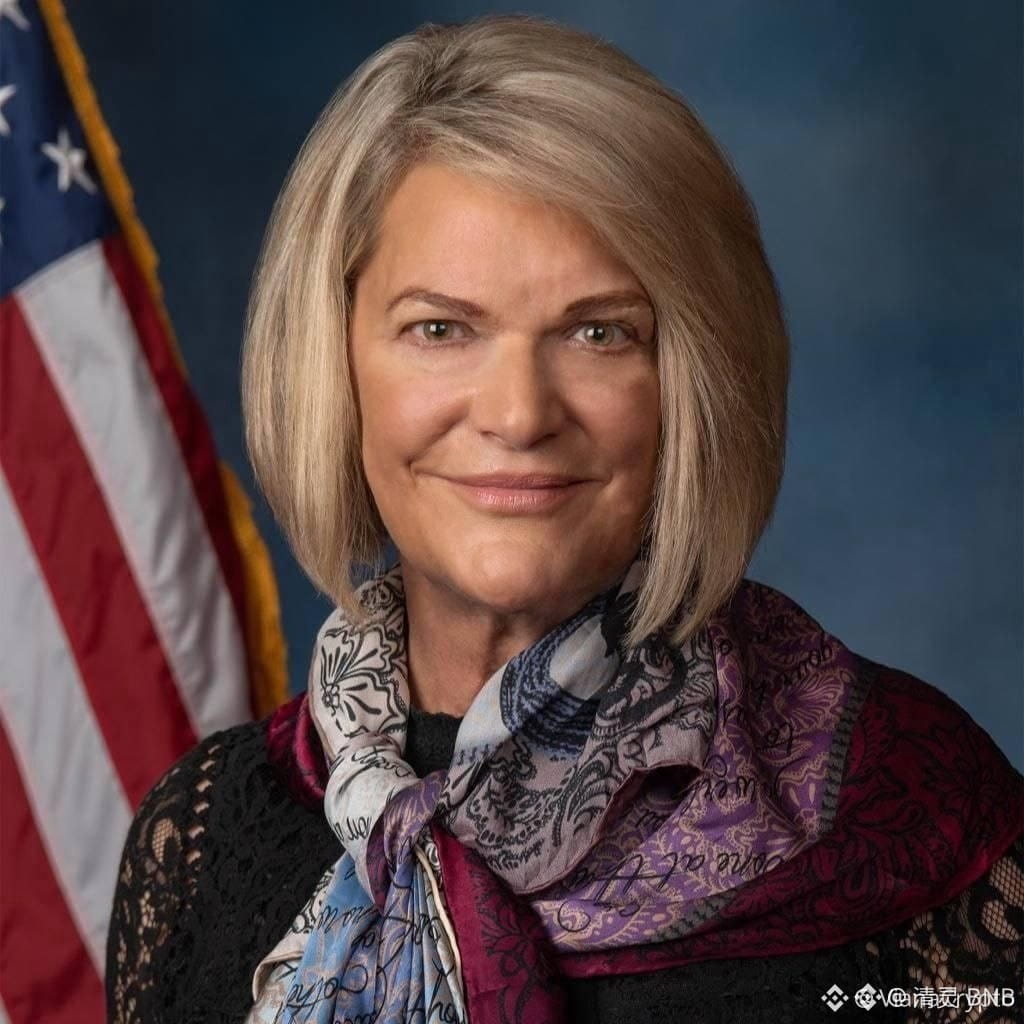
Sen. Elizabeth Warren menentang undang-undang tersebut dan mengangkat kekhawatiran tentang potensi risiko yang diyakininya dapat ditimbulkan bagi sistem keuangan AS.
Kegagalan ini membuat regulasi kripto tetap menjadi sorotan dan menyisakan ketidakpastian mengenai langkah selanjutnya dari rancangan undang-undang tersebut.
$BNB
#USSenateBlocksClarityAct #FedRateWatch #ClarityActOddsHalveOnPolymarket
🚨 BERITA TERKINI: UU CLARITY GAGAL MENDAPATKAN 60 SUARA
RUU CLARITY tidak memperoleh 60 suara yang diperlukan untuk melewati rintangan prosedural di Senat.
Sen. Elizabeth Warren menentang undang-undang tersebut dan mengangkat kekhawatiran tentang potensi risiko yang diyakininya dapat ditimbulkan bagi sistem keuangan AS.
Kegagalan ini membuat regulasi kripto tetap menjadi sorotan dan menyisakan ketidakpastian mengenai langkah selanjutnya dari rancangan undang-undang tersebut.
$BNB
#USSenateBlocksClarityAct #FedRateWatch #ClarityActOddsHalveOnPolymarket
RUU CLARITY tidak memperoleh 60 suara yang diperlukan untuk melewati rintangan prosedural di Senat.
Sen. Elizabeth Warren menentang undang-undang tersebut dan mengangkat kekhawatiran tentang potensi risiko yang diyakininya dapat ditimbulkan bagi sistem keuangan AS.
Kegagalan ini membuat regulasi kripto tetap menjadi sorotan dan menyisakan ketidakpastian mengenai langkah selanjutnya dari rancangan undang-undang tersebut.
$BNB
#USSenateBlocksClarityAct #FedRateWatch #ClarityActOddsHalveOnPolymarket
46
·
--
Undang-Undang CLARITY yang gagal memenuhi ambang 60 suara bukan sekadar penundaan politik lainnya — ia membuat ketidakpastian terus menggantung atas kripto.
Para pembangun masih menunggu aturan yang lebih jelas. Bursa masih belum memiliki jalur yang sepenuhnya didefinisikan, sementara institusi harus mempertimbangkan ketidakpastian regulasi dalam keputusan mereka.
Bagi saya, respons $BTC lebih penting daripada judulnya sendiri.
Jika Bitcoin bertahan di kisaran tersebut, para trader mungkin menganggap ini sebagai penundaan yang membuat frustrasi lainnya. Namun jika support kunci jebol dengan volume yang kuat, berita ini dapat menambah tekanan risiko yang lebih luas (risk-off).
Kisah regulasi kripto belum tentu selesai.
Ini hanya kehilangan lebih banyak waktu — dan di pasar dengan likuiditas tipis, penundaan bisa berarti.
$BTC
#ClarityActOddsHalveOnPolymarket #Bitcoin #FedRateWatch #BitcoinSlidesTo76000
Undang-Undang CLARITY yang gagal memenuhi ambang 60 suara bukan sekadar penundaan politik lainnya — ia membuat ketidakpastian terus menggantung atas kripto.
Para pembangun masih menunggu aturan yang lebih jelas. Bursa masih belum memiliki jalur yang sepenuhnya didefinisikan, sementara institusi harus mempertimbangkan ketidakpastian regulasi dalam keputusan mereka.
Bagi saya, respons $BTC lebih penting daripada judulnya sendiri.
Jika Bitcoin bertahan di kisaran tersebut, para trader mungkin menganggap ini sebagai penundaan yang membuat frustrasi lainnya. Namun jika support kunci jebol dengan volume yang kuat, berita ini dapat menambah tekanan risiko yang lebih luas (risk-off).
Kisah regulasi kripto belum tentu selesai.
Ini hanya kehilangan lebih banyak waktu — dan di pasar dengan likuiditas tipis, penundaan bisa berarti.
$BTC
#ClarityActOddsHalveOnPolymarket #Bitcoin #FedRateWatch #BitcoinSlidesTo76000
Para pembangun masih menunggu aturan yang lebih jelas. Bursa masih belum memiliki jalur yang sepenuhnya didefinisikan, sementara institusi harus mempertimbangkan ketidakpastian regulasi dalam keputusan mereka.
Bagi saya, respons $BTC lebih penting daripada judulnya sendiri.
Jika Bitcoin bertahan di kisaran tersebut, para trader mungkin menganggap ini sebagai penundaan yang membuat frustrasi lainnya. Namun jika support kunci jebol dengan volume yang kuat, berita ini dapat menambah tekanan risiko yang lebih luas (risk-off).
Kisah regulasi kripto belum tentu selesai.
Ini hanya kehilangan lebih banyak waktu — dan di pasar dengan likuiditas tipis, penundaan bisa berarti.
$BTC
#ClarityActOddsHalveOnPolymarket #Bitcoin #FedRateWatch #BitcoinSlidesTo76000
21
·
--
🚨 BERITA TERKINI: UNDANG-UNDANG CLARITY MENGHADAPI PENDAKIAN JALAN TERBARU 🇺🇸
$BTC $BNB $XRP
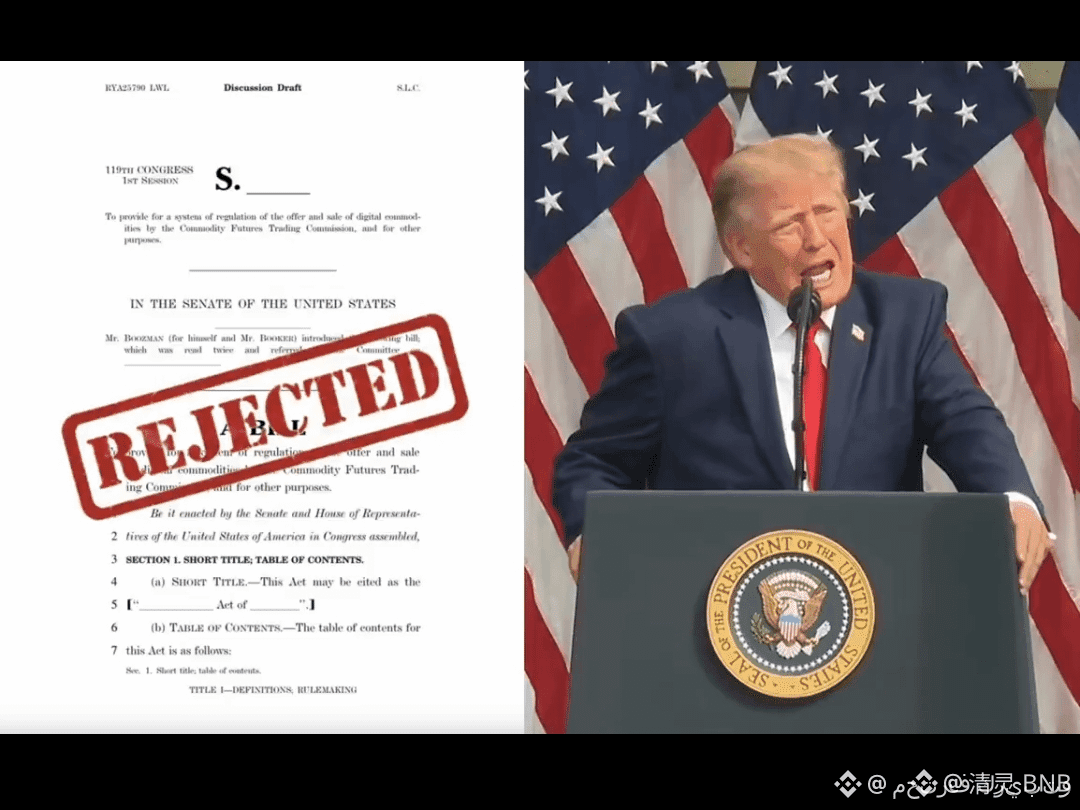
Demokrat dilaporkan menolak untuk mendukung pengesahan Undang-Undang CLARITY sebelum pemungutan suara Senat yang dijadwalkan.
Jika Partai Republik mengantongi sekitar 53 suara, itu tetap saja belum memenuhi 60 suara yang diperlukan untuk melewati hambatan prosedural.
Hal ini menempatkan langkah langsung RUU tersebut di bawah tekanan serius dan menjaga ketidakpastian regulasi kripto AS tetap menjadi sorotan.
Para trader kini mengamati dengan cermat setiap reaksi di seluruh Bitcoin dan pasar kripto yang lebih luas. 👀
#CLARITYAct #CryptoNews
🚨 BERITA TERKINI: UNDANG-UNDANG CLARITY MENGHADAPI PENDAKIAN JALAN TERBARU 🇺🇸
$BTC $BNB $XRP
Demokrat dilaporkan menolak untuk mendukung pengesahan Undang-Undang CLARITY sebelum pemungutan suara Senat yang dijadwalkan.
Jika Partai Republik mengantongi sekitar 53 suara, itu tetap saja belum memenuhi 60 suara yang diperlukan untuk melewati hambatan prosedural.
Hal ini menempatkan langkah langsung RUU tersebut di bawah tekanan serius dan menjaga ketidakpastian regulasi kripto AS tetap menjadi sorotan.
Para trader kini mengamati dengan cermat setiap reaksi di seluruh Bitcoin dan pasar kripto yang lebih luas. 👀
#CLARITYAct #CryptoNews
$BTC $BNB $XRP
Demokrat dilaporkan menolak untuk mendukung pengesahan Undang-Undang CLARITY sebelum pemungutan suara Senat yang dijadwalkan.
Jika Partai Republik mengantongi sekitar 53 suara, itu tetap saja belum memenuhi 60 suara yang diperlukan untuk melewati hambatan prosedural.
Hal ini menempatkan langkah langsung RUU tersebut di bawah tekanan serius dan menjaga ketidakpastian regulasi kripto AS tetap menjadi sorotan.
Para trader kini mengamati dengan cermat setiap reaksi di seluruh Bitcoin dan pasar kripto yang lebih luas. 👀
#CLARITYAct #CryptoNews
43
·
--
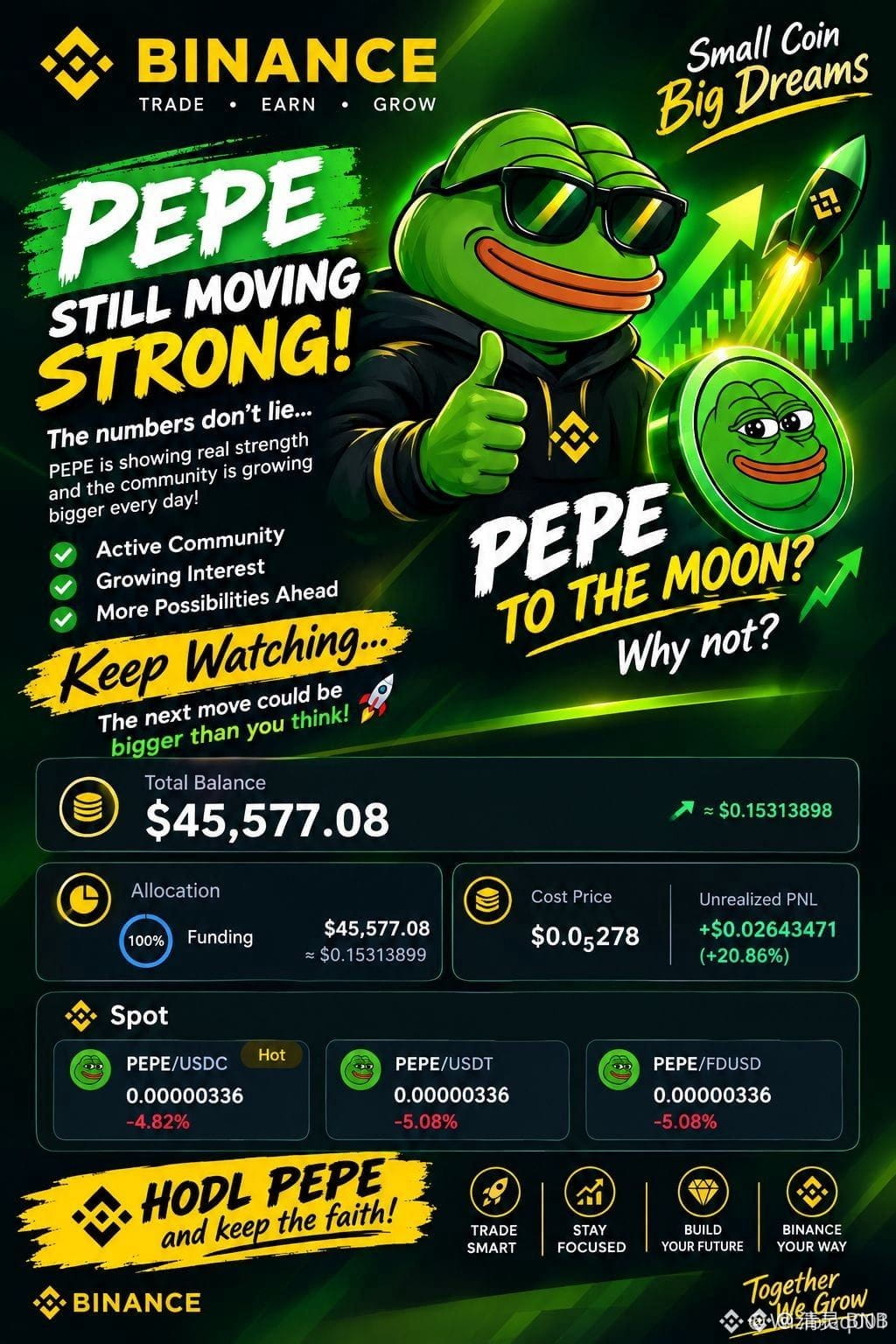
🐸 $PEPE TENANG… TAPI SAMPAI KAPAN? 👀
Pasar mungkin merah hari ini, tapi $PEPE masih menarik perhatian saya. Komunitasnya tetap aktif, dan satu perubahan besar dalam momentum meme-coin bisa dengan cepat mengembalikan sorotan.
Saya mengamati dengan saksama dan tetap sabar. Tidak mengejar — manajemen risiko adalah yang utama.
🔥 $PEPE — katak kecil, mimpi besar.
Menurutmu, apakah PEPE masih punya satu lari besar lagi ke depan? 🐸🚀
#PEPE #Binance #Crypto #MemeCoin #PEPEArmy #CryptoCommunity
🐸 $PEPE TENANG… TAPI SAMPAI KAPAN? 👀
Pasar mungkin merah hari ini, tapi $PEPE masih menarik perhatian saya. Komunitasnya tetap aktif, dan satu perubahan besar dalam momentum meme-coin bisa dengan cepat mengembalikan sorotan.
Saya mengamati dengan saksama dan tetap sabar. Tidak mengejar — manajemen risiko adalah yang utama.
🔥 $PEPE — katak kecil, mimpi besar.
Menurutmu, apakah PEPE masih punya satu lari besar lagi ke depan? 🐸🚀
#PEPE #Binance #Crypto #MemeCoin #PEPEArmy #CryptoCommunity
Pasar mungkin merah hari ini, tapi $PEPE masih menarik perhatian saya. Komunitasnya tetap aktif, dan satu perubahan besar dalam momentum meme-coin bisa dengan cepat mengembalikan sorotan.
Saya mengamati dengan saksama dan tetap sabar. Tidak mengejar — manajemen risiko adalah yang utama.
🔥 $PEPE — katak kecil, mimpi besar.
Menurutmu, apakah PEPE masih punya satu lari besar lagi ke depan? 🐸🚀
#PEPE #Binance #Crypto #MemeCoin #PEPEArmy #CryptoCommunity
1
19
·
--
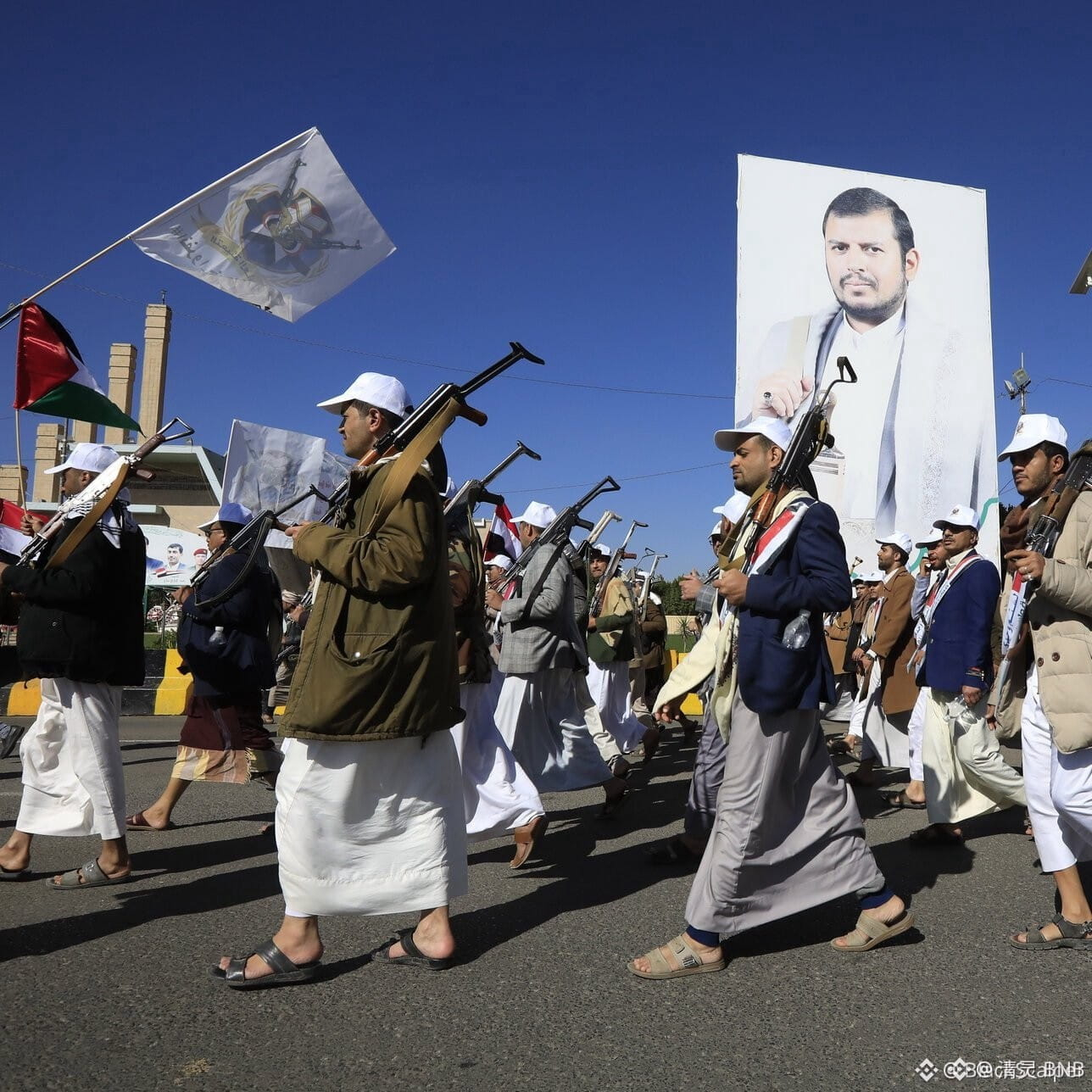
🚨 RUTE PERDAGANGAN LAUT MERAH KEMBALI MENJADI SOROTAN
Yaman sangat bergantung pada makanan dan gandum impor karena konflik, keterbatasan lahan pertanian, dan tekanan iklim telah membatasi produksi domestik.
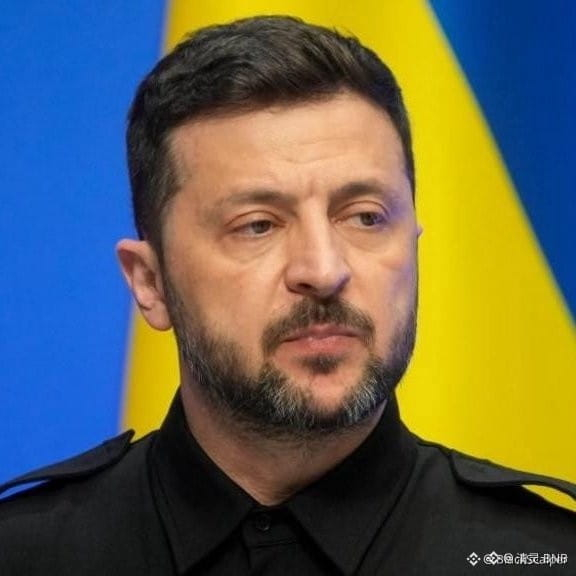
Ukraina telah menjadi pemasok gandum penting bagi pasar global, memunculkan pertanyaan tentang bagaimana gangguan Laut Merah berikutnya dapat memengaruhi pengiriman komersial dan pasokan pangan ke Yaman.
Apakah meningkatnya ketegangan regional dapat memberi tekanan lebih besar pada rute perdagangan penting ini? 👀
$XLM $HYPE $XRP
🚨 RUTE PERDAGANGAN LAUT MERAH KEMBALI MENJADI SOROTAN
Yaman sangat bergantung pada makanan dan gandum impor karena konflik, keterbatasan lahan pertanian, dan tekanan iklim telah membatasi produksi domestik.
Ukraina telah menjadi pemasok gandum penting bagi pasar global, memunculkan pertanyaan tentang bagaimana gangguan Laut Merah berikutnya dapat memengaruhi pengiriman komersial dan pasokan pangan ke Yaman.
Apakah meningkatnya ketegangan regional dapat memberi tekanan lebih besar pada rute perdagangan penting ini? 👀
$XLM $HYPE $XRP
Yaman sangat bergantung pada makanan dan gandum impor karena konflik, keterbatasan lahan pertanian, dan tekanan iklim telah membatasi produksi domestik.
Ukraina telah menjadi pemasok gandum penting bagi pasar global, memunculkan pertanyaan tentang bagaimana gangguan Laut Merah berikutnya dapat memengaruhi pengiriman komersial dan pasokan pangan ke Yaman.
Apakah meningkatnya ketegangan regional dapat memberi tekanan lebih besar pada rute perdagangan penting ini? 👀
$XLM $HYPE $XRP
96
·
--
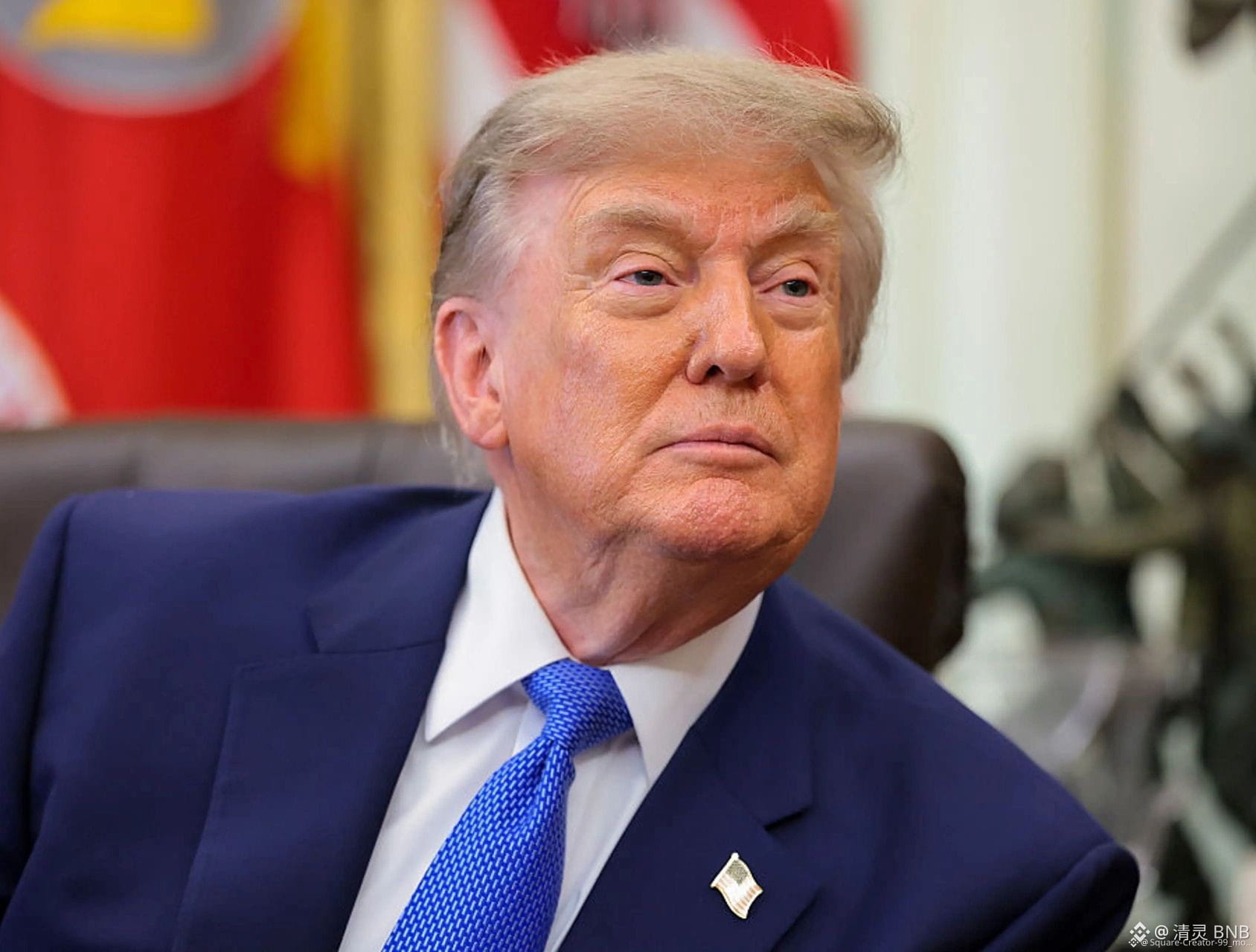
🚨 KRIPTO KEMBALI MENJADI SOROTAN
$SYN menunjukkan pergerakan besar, sementara $LSK dan $ZEC juga terdorong lebih tinggi saat para trader merespons komentar kripto terbaru dari Trump.
Trump menyebut kripto sebagai “sangat kuat” dan menyoroti meningkatnya penggunaan Bitcoin. Menyusul perkembangan terbaru dari CLARITY Act kemarin, komentarnya mendapat banyak perhatian dari pasar.
Pertanyaan yang lebih besar tetap: kapan AS akhirnya mendapatkan aturan kripto yang jelas dan mudah dipahami?
$SYN $LSK $ZEC
#TrumpCryptoSupport #BullMarket
🚨 KRIPTO KEMBALI MENJADI SOROTAN
$SYN menunjukkan pergerakan besar, sementara $LSK dan $ZEC juga terdorong lebih tinggi saat para trader merespons komentar kripto terbaru dari Trump.
Trump menyebut kripto sebagai “sangat kuat” dan menyoroti meningkatnya penggunaan Bitcoin. Menyusul perkembangan terbaru dari CLARITY Act kemarin, komentarnya mendapat banyak perhatian dari pasar.
Pertanyaan yang lebih besar tetap: kapan AS akhirnya mendapatkan aturan kripto yang jelas dan mudah dipahami?
$SYN $LSK $ZEC
#TrumpCryptoSupport #BullMarket
$SYN menunjukkan pergerakan besar, sementara $LSK dan $ZEC juga terdorong lebih tinggi saat para trader merespons komentar kripto terbaru dari Trump.
Trump menyebut kripto sebagai “sangat kuat” dan menyoroti meningkatnya penggunaan Bitcoin. Menyusul perkembangan terbaru dari CLARITY Act kemarin, komentarnya mendapat banyak perhatian dari pasar.
Pertanyaan yang lebih besar tetap: kapan AS akhirnya mendapatkan aturan kripto yang jelas dan mudah dipahami?
$SYN $LSK $ZEC
#TrumpCryptoSupport #BullMarket
188
·
--
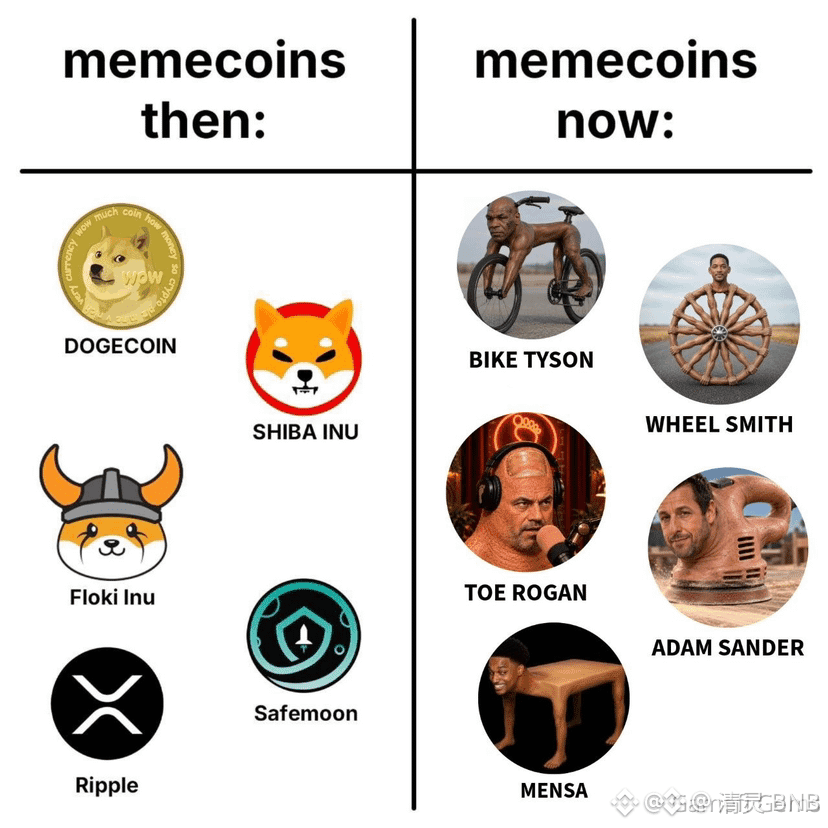
Meme coin bisa bergerak cepat, tapi risikonya bergerak sama cepatnya. 👀
Harga mereka sering digerakkan oleh hype komunitas, narasi yang sedang tren, dan spekulasi. Ada yang mampu membangun komunitas yang kuat dan bertahan selama bertahun-tahun, sementara yang lain meredup begitu perhatian hilang.
Sebelum terjun ke meme coin apa pun, cek market cap, likuiditas, distribusi token, dan risiko smart contract. Jangan pernah biarkan hype menggantikan riset.
#FedRateWatch #Meme #MemeToDream
Meme coin bisa bergerak cepat, tapi risikonya bergerak sama cepatnya. 👀
Harga mereka sering digerakkan oleh hype komunitas, narasi yang sedang tren, dan spekulasi. Ada yang mampu membangun komunitas yang kuat dan bertahan selama bertahun-tahun, sementara yang lain meredup begitu perhatian hilang.
Sebelum terjun ke meme coin apa pun, cek market cap, likuiditas, distribusi token, dan risiko smart contract. Jangan pernah biarkan hype menggantikan riset.
#FedRateWatch #Meme #MemeToDream
Harga mereka sering digerakkan oleh hype komunitas, narasi yang sedang tren, dan spekulasi. Ada yang mampu membangun komunitas yang kuat dan bertahan selama bertahun-tahun, sementara yang lain meredup begitu perhatian hilang.
Sebelum terjun ke meme coin apa pun, cek market cap, likuiditas, distribusi token, dan risiko smart contract. Jangan pernah biarkan hype menggantikan riset.
#FedRateWatch #Meme #MemeToDream
15
·
--
5 altcoin yang sedang saya pantau secara ketat untuk ekspansi pasar besar berikutnya 👀
$ONDO → $1.50–$2.50
$FET → $0.80–$1.50
$WLD → $1.50–$3.00
$SEI → $0.15–$0.30
$APT → $3–$6
Ini adalah zona target saya, bukan jaminan “moon call”. Jika likuiditas kembali dan altcoin meraih momentum lagi, ini rentang yang akan saya pantau.
Yang mana yang kamu dukung dari sini? 🚀
#Altcoins #CryptoUniverseOfficial
5 altcoin yang sedang saya pantau secara ketat untuk ekspansi pasar besar berikutnya 👀
$ONDO → $1.50–$2.50
$FET → $0.80–$1.50
$WLD → $1.50–$3.00
$SEI → $0.15–$0.30
$APT → $3–$6
Ini adalah zona target saya, bukan jaminan “moon call”. Jika likuiditas kembali dan altcoin meraih momentum lagi, ini rentang yang akan saya pantau.
Yang mana yang kamu dukung dari sini? 🚀
#Altcoins #CryptoUniverseOfficial
$ONDO → $1.50–$2.50
$FET → $0.80–$1.50
$WLD → $1.50–$3.00
$SEI → $0.15–$0.30
$APT → $3–$6
Ini adalah zona target saya, bukan jaminan “moon call”. Jika likuiditas kembali dan altcoin meraih momentum lagi, ini rentang yang akan saya pantau.
Yang mana yang kamu dukung dari sini? 🚀
#Altcoins #CryptoUniverseOfficial

229
·
--
🚀 CATHIE WOOD MENURUNKAN ANGKA BESAR STARSHIP
Cathie Wood mengatakan satu peluncuran Starship pada akhirnya bisa menghasilkan sekitar $1 MILIAR pendapatan.
Jika SpaceX mencapai target Elon Musk yaitu hingga 10.000 penerbangan per tahun pada tahun 2030, perhitungan itu akan mengimplikasikan pendapatan tahunan yang sangat besar sebesar $10 TRILIUN.
Jika asumsi yang ambisius itu suatu hari benar-benar terwujud, pembicaraan tentang valuasi SpaceX $1,8T saat ini bisa terlihat sangat berbeda jika dilihat dari waktu ke belakang. 👀
$SPCXB
🚀 CATHIE WOOD MENURUNKAN ANGKA BESAR STARSHIP
Cathie Wood mengatakan satu peluncuran Starship pada akhirnya bisa menghasilkan sekitar $1 MILIAR pendapatan.
Jika SpaceX mencapai target Elon Musk yaitu hingga 10.000 penerbangan per tahun pada tahun 2030, perhitungan itu akan mengimplikasikan pendapatan tahunan yang sangat besar sebesar $10 TRILIUN.
Jika asumsi yang ambisius itu suatu hari benar-benar terwujud, pembicaraan tentang valuasi SpaceX $1,8T saat ini bisa terlihat sangat berbeda jika dilihat dari waktu ke belakang. 👀
$SPCXB
Cathie Wood mengatakan satu peluncuran Starship pada akhirnya bisa menghasilkan sekitar $1 MILIAR pendapatan.
Jika SpaceX mencapai target Elon Musk yaitu hingga 10.000 penerbangan per tahun pada tahun 2030, perhitungan itu akan mengimplikasikan pendapatan tahunan yang sangat besar sebesar $10 TRILIUN.
Jika asumsi yang ambisius itu suatu hari benar-benar terwujud, pembicaraan tentang valuasi SpaceX $1,8T saat ini bisa terlihat sangat berbeda jika dilihat dari waktu ke belakang. 👀
$SPCXB

43
·
--
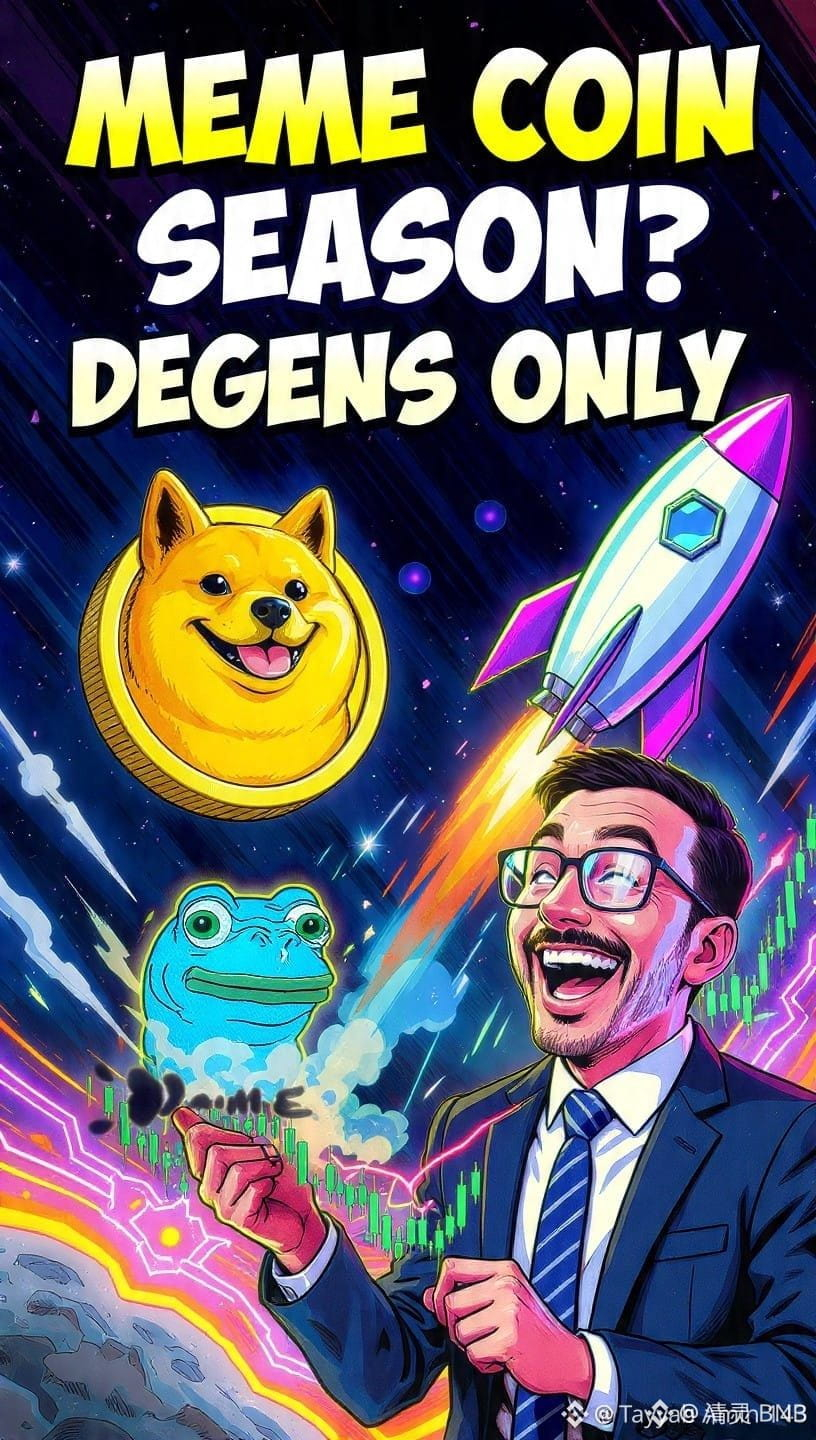
😂 MUSIM MEME COIN SUDAH MULAI LAGI? MODE DEGEN AKTIF!
Buku pedoman meme coin tidak resmi:
1. Tanpa FA — cukup vibes
2. Tanpa TA — candle hijau sudah cukup 😂
3. Tanpa strategi — beli, berharap, dan saksikan kekacauan
$DOGE, $PEPE, $SHIB, $FLOKI…
Satu candle hijau dan tiba-tiba semua orang jadi jenius pasar. 🧠🚀
Satu candle merah dan jadinya “crypto itu penipuan!” 😭
Bukan nasihat keuangan — hanya hiburan keuangan. 😂
Meme coin apa yang lagi ada di tas kamu sekarang? 👇
#BinanceSquare #MemeCoins #DOGE #PEPE #SHIB #Crypto #DYOR
😂 MUSIM MEME COIN SUDAH MULAI LAGI? MODE DEGEN AKTIF!
Buku pedoman meme coin tidak resmi:
1. Tanpa FA — cukup vibes
2. Tanpa TA — candle hijau sudah cukup 😂
3. Tanpa strategi — beli, berharap, dan saksikan kekacauan
$DOGE, $PEPE, $SHIB, $FLOKI…
Satu candle hijau dan tiba-tiba semua orang jadi jenius pasar. 🧠🚀
Satu candle merah dan jadinya “crypto itu penipuan!” 😭
Bukan nasihat keuangan — hanya hiburan keuangan. 😂
Meme coin apa yang lagi ada di tas kamu sekarang? 👇
#BinanceSquare #MemeCoins #DOGE #PEPE #SHIB #Crypto #DYOR
Buku pedoman meme coin tidak resmi:
1. Tanpa FA — cukup vibes
2. Tanpa TA — candle hijau sudah cukup 😂
3. Tanpa strategi — beli, berharap, dan saksikan kekacauan
$DOGE, $PEPE, $SHIB, $FLOKI…
Satu candle hijau dan tiba-tiba semua orang jadi jenius pasar. 🧠🚀
Satu candle merah dan jadinya “crypto itu penipuan!” 😭
Bukan nasihat keuangan — hanya hiburan keuangan. 😂
Meme coin apa yang lagi ada di tas kamu sekarang? 👇
#BinanceSquare #MemeCoins #DOGE #PEPE #SHIB #Crypto #DYOR
138
·
--
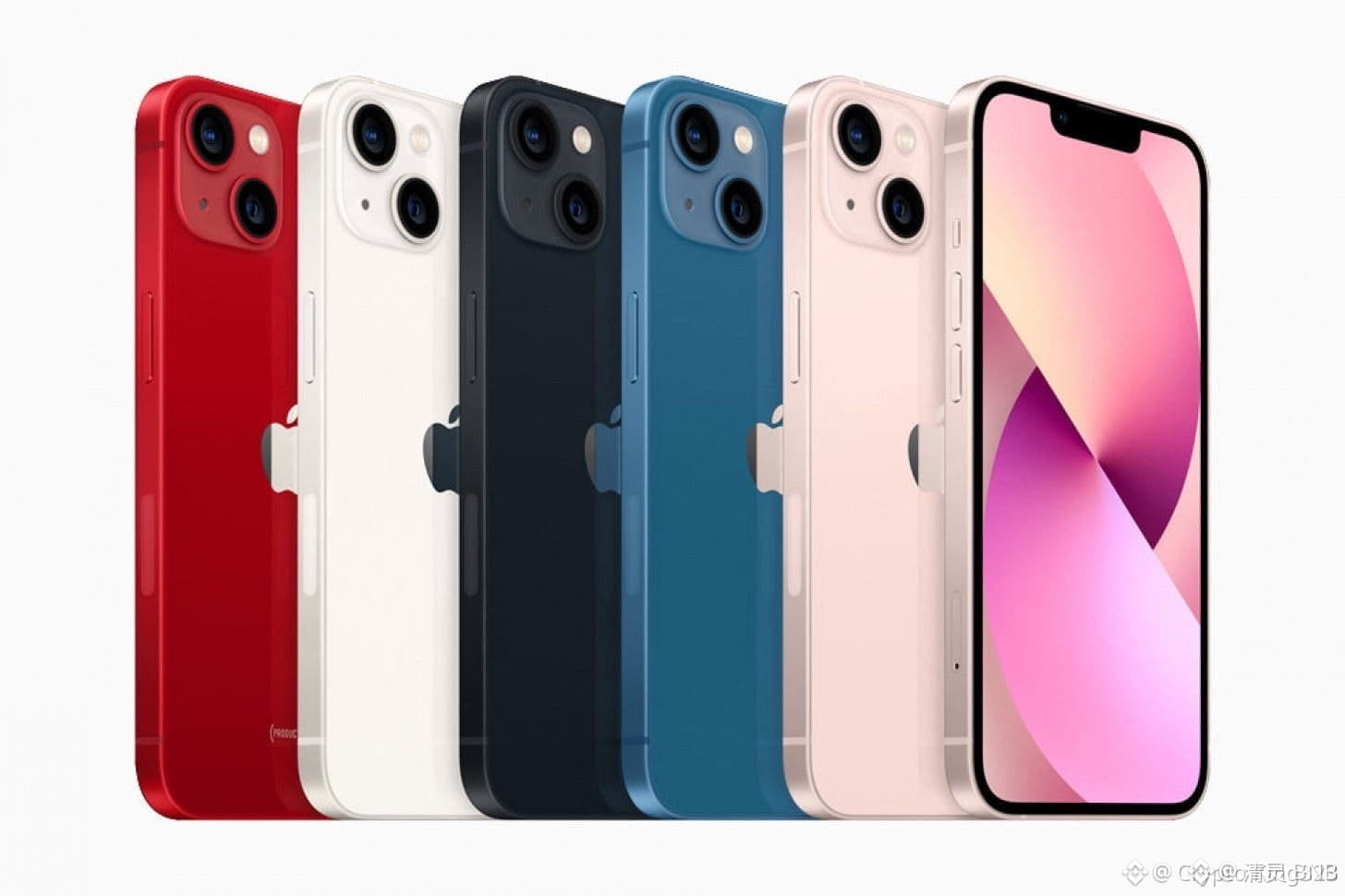
Saat $SHIB menyentuh $4, aku akan membeli seluruh seri iPhone 😂🚀
Saat $SHIB menyentuh $4, aku akan membeli seluruh seri iPhone 😂🚀
1
276
·
--
Terverifikasi
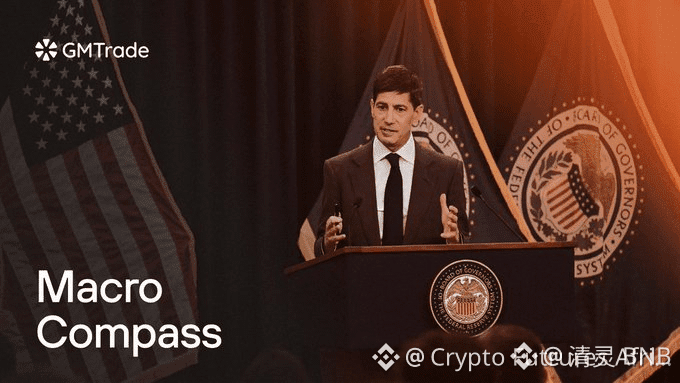
🚨 #FedRateWatch — SEMUA MATA TERTUJU PADA THE FED 🇺🇸
16 September adalah hari besar bagi pasar.
Keputusan suku bunga FOMC dan proyeksi tiba pada pukul 2:00 PM ET, diikuti konferensi pers ketua The Fed pada pukul 2:30 PM ET.
Pasar sangat menyoroti kemungkinan kenaikan suku bunga 25 bps. Namun keputusan itu sendiri hanya sebagian dari ceritanya.
Fokus utamanya akan ada pada dot plot dan panduan The Fed: apakah ini hanya langkah sekali, atau bisa ada pengetatan lanjutan?
Waspadai volatilitas menjelang pengumuman. 👀
$AKE $CROSS $SYN
#FOMC #FedRateWatch #Crypto
🚨 #FedRateWatch — SEMUA MATA TERTUJU PADA THE FED 🇺🇸
16 September adalah hari besar bagi pasar.
Keputusan suku bunga FOMC dan proyeksi tiba pada pukul 2:00 PM ET, diikuti konferensi pers ketua The Fed pada pukul 2:30 PM ET.
Pasar sangat menyoroti kemungkinan kenaikan suku bunga 25 bps. Namun keputusan itu sendiri hanya sebagian dari ceritanya.
Fokus utamanya akan ada pada dot plot dan panduan The Fed: apakah ini hanya langkah sekali, atau bisa ada pengetatan lanjutan?
Waspadai volatilitas menjelang pengumuman. 👀
$AKE $CROSS $SYN
#FOMC #FedRateWatch #Crypto
16 September adalah hari besar bagi pasar.
Keputusan suku bunga FOMC dan proyeksi tiba pada pukul 2:00 PM ET, diikuti konferensi pers ketua The Fed pada pukul 2:30 PM ET.
Pasar sangat menyoroti kemungkinan kenaikan suku bunga 25 bps. Namun keputusan itu sendiri hanya sebagian dari ceritanya.
Fokus utamanya akan ada pada dot plot dan panduan The Fed: apakah ini hanya langkah sekali, atau bisa ada pengetatan lanjutan?
Waspadai volatilitas menjelang pengumuman. 👀
$AKE $CROSS $SYN
#FOMC #FedRateWatch #Crypto
679
·
--
Aku menunggu koin-koin ini agar gerak ke Bulan 🚀🚀
$ZEC → $25,000
$DOT → $10
$LSK → $5
$LSK sudah mulai bikin kegaduhan serius… yang mana bergerak berikutnya? 👀🔥
Aku menunggu koin-koin ini agar gerak ke Bulan 🚀🚀
$ZEC → $25,000
$DOT → $10
$LSK → $5
$LSK sudah mulai bikin kegaduhan serius… yang mana bergerak berikutnya? 👀🔥
$ZEC → $25,000
$DOT → $10
$LSK → $5
$LSK sudah mulai bikin kegaduhan serius… yang mana bergerak berikutnya? 👀🔥

374
·
--
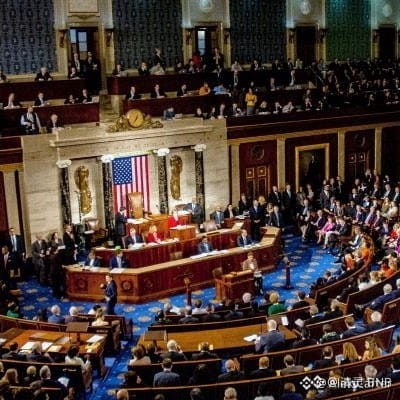
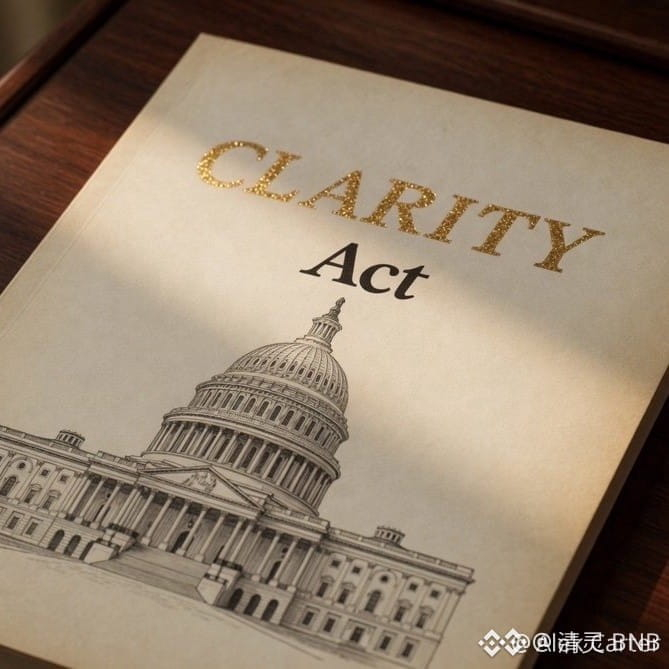
🚨 CLARITY ACT MENAMBAH BENTURAN BESAR DI JALAN SENAT 🇺🇸
Pemungutan suara Senat terbaru, menurut laporan, berakhir dengan hasil 49–50, gagal mencapai 60 suara yang dibutuhkan untuk meloloskan legislasi tersebut.
Setelah berbulan-bulan negosiasi, arah menuju struktur pasar kripto AS yang lebih jelas kembali menjadi tidak pasti.
Ini tidak berarti mendorong regulasi kripto secara lebih luas akan berakhir, tetapi ini merupakan kemunduran besar bagi upaya untuk mendorong RUU tersebut maju.
Kini pasar menoleh ke apa yang terjadi selanjutnya. 👀
#FedRateWatch #ClarityActOddsHalveOnPolymarket #CryptoNews
🚨 CLARITY ACT MENAMBAH BENTURAN BESAR DI JALAN SENAT 🇺🇸
Pemungutan suara Senat terbaru, menurut laporan, berakhir dengan hasil 49–50, gagal mencapai 60 suara yang dibutuhkan untuk meloloskan legislasi tersebut.
Setelah berbulan-bulan negosiasi, arah menuju struktur pasar kripto AS yang lebih jelas kembali menjadi tidak pasti.
Ini tidak berarti mendorong regulasi kripto secara lebih luas akan berakhir, tetapi ini merupakan kemunduran besar bagi upaya untuk mendorong RUU tersebut maju.
Kini pasar menoleh ke apa yang terjadi selanjutnya. 👀
#FedRateWatch #ClarityActOddsHalveOnPolymarket #CryptoNews
Pemungutan suara Senat terbaru, menurut laporan, berakhir dengan hasil 49–50, gagal mencapai 60 suara yang dibutuhkan untuk meloloskan legislasi tersebut.
Setelah berbulan-bulan negosiasi, arah menuju struktur pasar kripto AS yang lebih jelas kembali menjadi tidak pasti.
Ini tidak berarti mendorong regulasi kripto secara lebih luas akan berakhir, tetapi ini merupakan kemunduran besar bagi upaya untuk mendorong RUU tersebut maju.
Kini pasar menoleh ke apa yang terjadi selanjutnya. 👀
#FedRateWatch #ClarityActOddsHalveOnPolymarket #CryptoNews
29
·
--
Saw +2% and thought, “Ahh, another normal pump.” 😂
Checked again 2 minutes later… +50% 💀🚀
Bro wasn’t pumping — bro had a PhD in ALPHA. 😂
Basically my story with $BULLA, $LSK & $龙虾.
#Crypto #Altcoins
Saw +2% and thought, “Ahh, another normal pump.” 😂
Checked again 2 minutes later… +50% 💀🚀
Bro wasn’t pumping — bro had a PhD in ALPHA. 😂
Basically my story with $BULLA, $LSK & $龙虾.
#Crypto #Altcoins
Checked again 2 minutes later… +50% 💀🚀
Bro wasn’t pumping — bro had a PhD in ALPHA. 😂
Basically my story with $BULLA, $LSK & $龙虾.
#Crypto #Altcoins
1
24
·
--
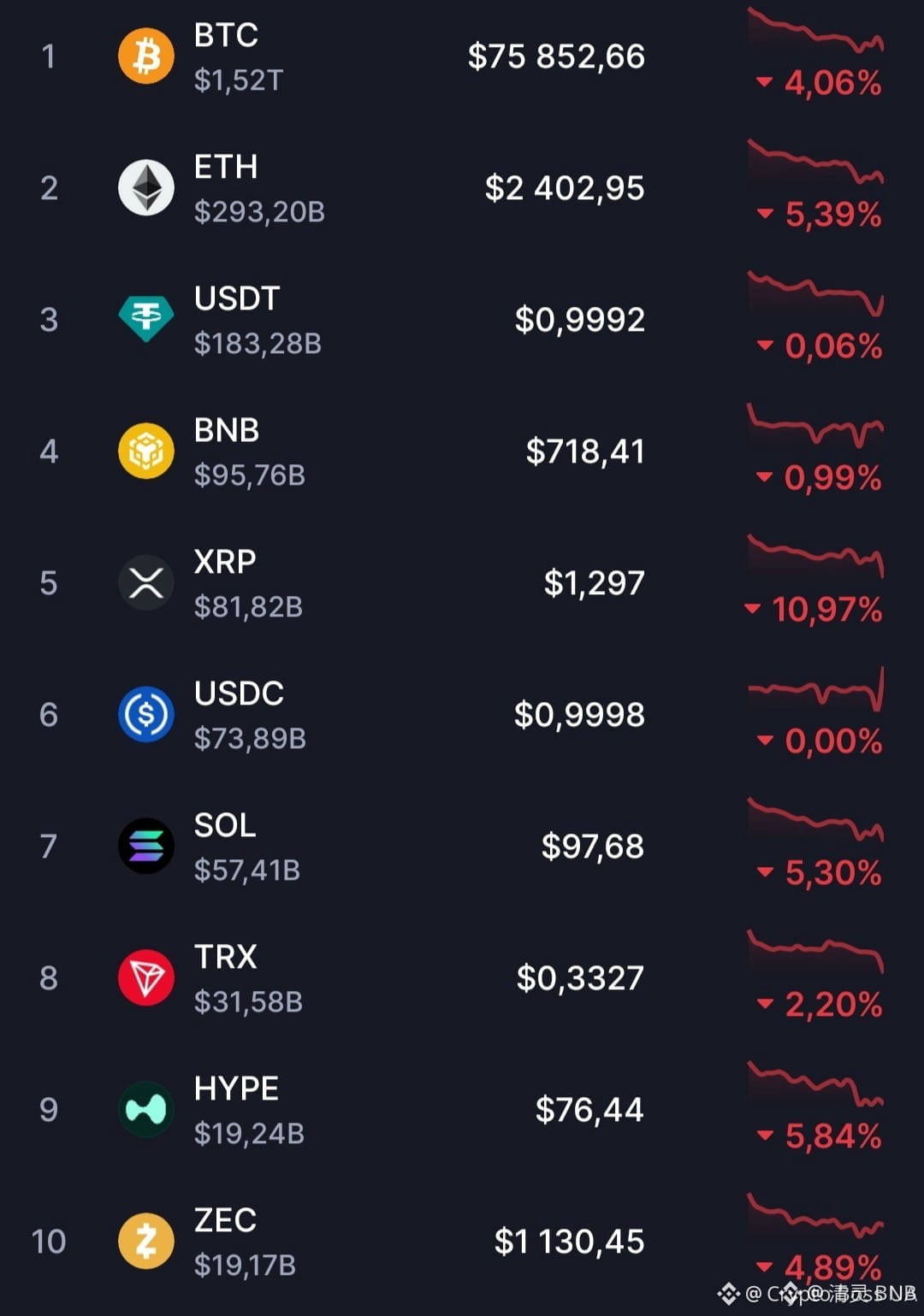
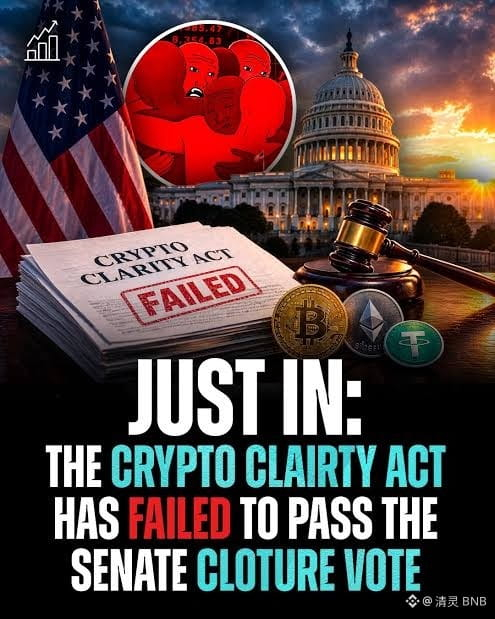
🚨 KRIPTO BEREAKSI SAAT CLARITY ACT TERHAMBAT DI JALUR
Inilah cara pasar kripto bereaksi setelah berita terbaru, dengan tekanan jual dan ketidakpastian yang kembali muncul di seluruh pasar. 📉📊
Senat AS menggelar pemungutan suara prosedural terkait CLARITY Act, namun upaya tersebut dilaporkan gagal memperoleh 60 suara yang dibutuhkan untuk melangkah lebih jauh.
Kegagalan ini berarti rancangan undang-undang tidak bisa maju melalui tahap prosedural ini untuk saat ini. Namun, kegagalan dalam pemungutan suara cloture tidak berarti undang-undangnya pasti mati secara permanen atau otomatis dicabut untuk sepanjang tahun.
Bagi para trader kripto, kabar yang lebih besar sekarang adalah ketidakpastian. Pantau $BTC dengan saksama dan bersiaplah menghadapi volatilitas saat pasar mencerna kabar regulasi.
#CryptoNews #CLARITYAct
🚨 KRIPTO BEREAKSI SAAT CLARITY ACT TERHAMBAT DI JALUR
Inilah cara pasar kripto bereaksi setelah berita terbaru, dengan tekanan jual dan ketidakpastian yang kembali muncul di seluruh pasar. 📉📊
Senat AS menggelar pemungutan suara prosedural terkait CLARITY Act, namun upaya tersebut dilaporkan gagal memperoleh 60 suara yang dibutuhkan untuk melangkah lebih jauh.
Kegagalan ini berarti rancangan undang-undang tidak bisa maju melalui tahap prosedural ini untuk saat ini. Namun, kegagalan dalam pemungutan suara cloture tidak berarti undang-undangnya pasti mati secara permanen atau otomatis dicabut untuk sepanjang tahun.
Bagi para trader kripto, kabar yang lebih besar sekarang adalah ketidakpastian. Pantau $BTC dengan saksama dan bersiaplah menghadapi volatilitas saat pasar mencerna kabar regulasi.
#CryptoNews #CLARITYAct
Inilah cara pasar kripto bereaksi setelah berita terbaru, dengan tekanan jual dan ketidakpastian yang kembali muncul di seluruh pasar. 📉📊
Senat AS menggelar pemungutan suara prosedural terkait CLARITY Act, namun upaya tersebut dilaporkan gagal memperoleh 60 suara yang dibutuhkan untuk melangkah lebih jauh.
Kegagalan ini berarti rancangan undang-undang tidak bisa maju melalui tahap prosedural ini untuk saat ini. Namun, kegagalan dalam pemungutan suara cloture tidak berarti undang-undangnya pasti mati secara permanen atau otomatis dicabut untuk sepanjang tahun.
Bagi para trader kripto, kabar yang lebih besar sekarang adalah ketidakpastian. Pantau $BTC dengan saksama dan bersiaplah menghadapi volatilitas saat pasar mencerna kabar regulasi.
#CryptoNews #CLARITYAct
1
189
Masuk untuk menjelajahi konten lainnya
Bergabunglah dengan pengguna kripto global di Binance Square
⚡️ Dapatkan informasi terbaru dan berguna tentang kripto.
💬 Dipercayai oleh bursa kripto terbesar di dunia.
👍 Temukan wawasan nyata dari kreator terverifikasi.
Email/Nomor Ponsel
Topik Sedang Tren
AIStocksWhatNext
610,688 penayangan
4,602 Berdiskusi
Bagikan & Menangkan Reward Traffic dalam Kampanye Hashtag Tren kami
✨Topik: Peluang Investasi Lain Apa yang Masih Ada saat Saham AI Terus Naik?
👉Cara Bergabung:
Publikasikan postingan atau artikel singkat dengan hashtag #AIStocksWhatNext
Bagikan apakah Anda bullish atau bearish, serta unggah kepemilikan saham AI atau trading Anda — menggunakan trade widget dapat meningkatkan kelayakan Anda.
Anda juga dapat memperkuat postingan dengan membagikan data atau grafik, serta menghindari gambar yang dihasilkan AI.
✍️Buat konten berdasarkan sudut pandang berikut:
- Nvidia mengatakan penjualan chip akan menjadi dua kali lipat tahun depan, dan perusahaan-perusahaan AI teratas terus meraih pendapatan rekor, pengeluaran komputasi di balik itu juga sangat besar. Apakah permintaan AI benar-benar sedang meroket? Dan berapa lama bisa bertahan? Saham AI naik di seluruh papan. Ini benar terobosan nyata, atau hanya pemantulan jangka pendek?
- Para pemimpin industri menyerukan untuk memperlambat pengembangan AI, sementara Trump berencana membangun “AI Force”, dengan mengklaim AI bisa menyumbang 25% dari PDB AS di masa depan. Anda ada di pihak yang mana? Apakah dukungan di tingkat negara bagian akan menjadi kemenangan jangka panjang bagi saham AI?
- Apakah Anda membeli saham AI? Bagikan trade/kepemilikan AI Anda dengan trade sharing widget kami.
⏰Periode Kampanye:
- 2026-09-22 7:00 - 2026-09-24 4:00 UTC
🎁Hadiah:
- Postingan yang memenuhi syarat dan mematuhi pedoman di atas serta berisi lebih dari 100 kata akan ditinjau dan mungkin mendapatkan dorongan traffic acak sebesar 500 hingga 3.000 tayangan. Anda akan menerima notifikasi dari feed secretary jika postingan Anda dipilih.
- Berkesempatan untuk artikel Anda ditampilkan di Binance Square Official
Butuh ide untuk postingan Anda? Kunjungi halaman topik #AIStocksWhatNext atau Square Guide on How to Post for Better Reach.
Binance Square Official
·Disukai 465 Kali
·1.2M penayangan
21SharesLaunchesEuropesFirstZcashETP
6,130 penayangan
274 Berdiskusi
CardanoJoinsX402PaymentStandard
4,592 penayangan
224 Berdiskusi