

Haseeb Ghiffari
1.3k Posting
Haseeb Ghiffari
Laporkan
Blokir Pengguna
98 Mengikuti
16.7K+ Pengikut
1.5K+ Disukai
Posting
Semua
Kuotasi
Live
PINNED
·
--
Bullish
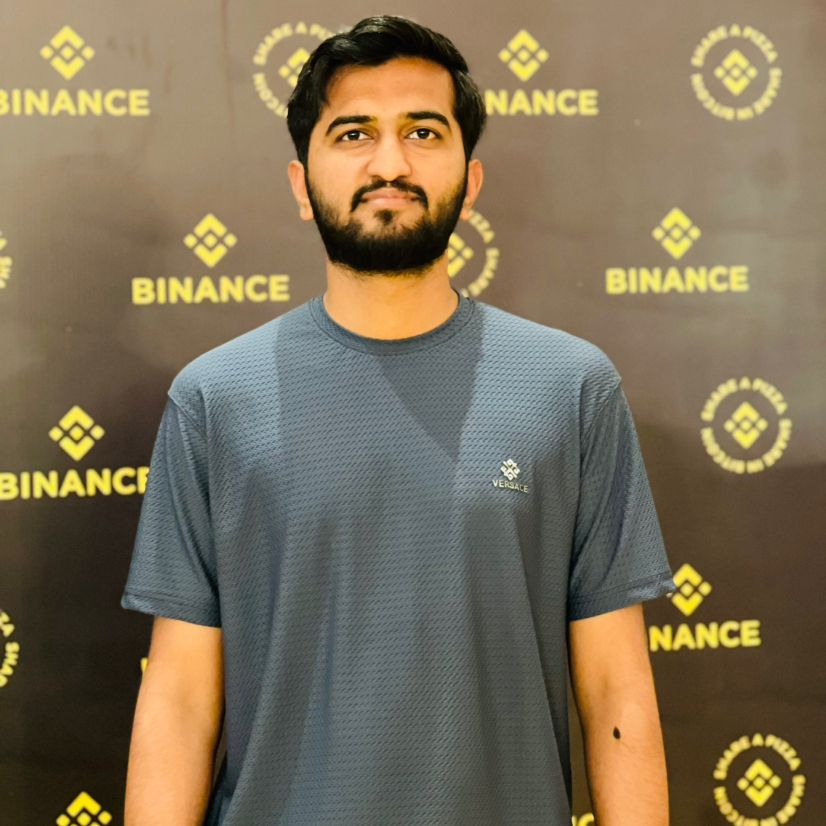
Hari Pizza Binance di Lahore dan saya ada di sana 🇵🇰
Bertemu dengan komunitas, mendengar cerita, merasakan keyakinan. Inilah alasan kita bertahan.
16 tahun yang lalu seorang pria membayar 10.000 $BTC untuk pizza. Hari ini kita merayakannya seperti seorang legenda. Sangat pantas.
Masih di sini. Masih membangun. Masih percaya. 🧡
#BinancePizzaDay #BinancePizza #Binancepakistan #communitymeetup
Hari Pizza Binance di Lahore dan saya ada di sana 🇵🇰
Bertemu dengan komunitas, mendengar cerita, merasakan keyakinan. Inilah alasan kita bertahan.
16 tahun yang lalu seorang pria membayar 10.000 $BTC untuk pizza. Hari ini kita merayakannya seperti seorang legenda. Sangat pantas.
Masih di sini. Masih membangun. Masih percaya. 🧡
#BinancePizzaDay #BinancePizza #Binancepakistan #communitymeetup
Bertemu dengan komunitas, mendengar cerita, merasakan keyakinan. Inilah alasan kita bertahan.
16 tahun yang lalu seorang pria membayar 10.000 $BTC untuk pizza. Hari ini kita merayakannya seperti seorang legenda. Sangat pantas.
Masih di sini. Masih membangun. Masih percaya. 🧡
#BinancePizzaDay #BinancePizza #Binancepakistan #communitymeetup
8
12
207
·
--
Bullish
Perhatikan sesuatu yang janggal dalam aktivitas terbaru Dusk: daftar blokir penerima Web Wallet mulai aktif hampir segera setelah insiden 16 Agustus, tetapi jembatannya sendiri masih dalam keadaan dijeda bahkan setelah seminggu setengah. Kesenjangan itulah yang terus saya pikirkan.
Mengirimkan daftar blokir itu cepat—itu cuma kode. Membuka kembali sebuah jembatan berarti mempercayai pengaturan operasional yang sama yang baru saja dikompromikan, atau membangun ulang sebagian komponennya, dan itu memakan waktu lebih lama daripada catatan pembaruan. Tim $DUSK menandai sejumlah kecil transaksi selama jangka waktu insiden dan mengatakan tidak ada kerugian pengguna yang diharapkan, yang menurut saya mungkin benar, tetapi "tidak ada kerugian yang diharapkan" dan "aman untuk dibuka kembali" jelas dua standar yang berbeda di dalam.
Ini hal kecil, tapi membuat saya merasa lebih yakin dengan proses #dusk daripada yang saya kira. Kehati-hatian yang lambat setelah insiden terdengar lebih meyakinkan bagi saya daripada pernyataan aman-untuk-semua yang cepat.
Namun demikian, produk yang berjalan dengan jembatan yang sudah mati lebih dari seminggu adalah sinyal tersendiri. @Dusk_Foundation belum mengatakan kapan hal itu akan berubah.
Perhatikan sesuatu yang janggal dalam aktivitas terbaru Dusk: daftar blokir penerima Web Wallet mulai aktif hampir segera setelah insiden 16 Agustus, tetapi jembatannya sendiri masih dalam keadaan dijeda bahkan setelah seminggu setengah. Kesenjangan itulah yang terus saya pikirkan.
Mengirimkan daftar blokir itu cepat—itu cuma kode. Membuka kembali sebuah jembatan berarti mempercayai pengaturan operasional yang sama yang baru saja dikompromikan, atau membangun ulang sebagian komponennya, dan itu memakan waktu lebih lama daripada catatan pembaruan. Tim $DUSK menandai sejumlah kecil transaksi selama jangka waktu insiden dan mengatakan tidak ada kerugian pengguna yang diharapkan, yang menurut saya mungkin benar, tetapi "tidak ada kerugian yang diharapkan" dan "aman untuk dibuka kembali" jelas dua standar yang berbeda di dalam.
Ini hal kecil, tapi membuat saya merasa lebih yakin dengan proses #dusk daripada yang saya kira. Kehati-hatian yang lambat setelah insiden terdengar lebih meyakinkan bagi saya daripada pernyataan aman-untuk-semua yang cepat.
Namun demikian, produk yang berjalan dengan jembatan yang sudah mati lebih dari seminggu adalah sinyal tersendiri. @Dusk belum mengatakan kapan hal itu akan berubah.
Mengirimkan daftar blokir itu cepat—itu cuma kode. Membuka kembali sebuah jembatan berarti mempercayai pengaturan operasional yang sama yang baru saja dikompromikan, atau membangun ulang sebagian komponennya, dan itu memakan waktu lebih lama daripada catatan pembaruan. Tim $DUSK menandai sejumlah kecil transaksi selama jangka waktu insiden dan mengatakan tidak ada kerugian pengguna yang diharapkan, yang menurut saya mungkin benar, tetapi "tidak ada kerugian yang diharapkan" dan "aman untuk dibuka kembali" jelas dua standar yang berbeda di dalam.
Ini hal kecil, tapi membuat saya merasa lebih yakin dengan proses #dusk daripada yang saya kira. Kehati-hatian yang lambat setelah insiden terdengar lebih meyakinkan bagi saya daripada pernyataan aman-untuk-semua yang cepat.
Namun demikian, produk yang berjalan dengan jembatan yang sudah mati lebih dari seminggu adalah sinyal tersendiri. @Dusk belum mengatakan kapan hal itu akan berubah.
4
120
·
--
Bullish
Menghabiskan waktu untuk tugas Dusk di CreatorPad dan hal yang terus kupikirkan setelahnya bukanlah teknologinya, melainkan penataannya. Pada 16 Agustus, alamat bridge diberi tanda, dinonaktifkan, dan didaur ulang sebelum kebanyakan pengguna bahkan menyadari ada yang tidak beres. Sebuah daftar blokir dipasang. Binance diikutkan hanya setelah sebagian alur yang mencurigakan menyentuh platform mereka.
Jadi urutannya adalah: deteksi internal, penahanan internal, lalu koordinasi eksternal. Pengguna reguler mengetahuinya belakangan, jika memang sempat.
Itu tidak selalu buruk—kamu tidak ingin insiden terkait bridge menjadi tren sebelum ditangani. Tapi itu mengubah cara pikirku tentang klaim "self-custody" seputar $DUSK . Self-custody memang nyata untuk dana kamu, tentu saja, tetapi respons terhadap ancaman tetap sangat terpusat dalam praktiknya. Seseorang dengan visibilitas tingkat administrator melihat ini sebelum siapa pun di on-chain.
Bukan kritik secara tepat. Hanya mencatat celah antara narasi privasi dan cara kerja respons insiden yang sebenarnya.
#dusk @Dusk_Foundation
Menghabiskan waktu untuk tugas Dusk di CreatorPad dan hal yang terus kupikirkan setelahnya bukanlah teknologinya, melainkan penataannya. Pada 16 Agustus, alamat bridge diberi tanda, dinonaktifkan, dan didaur ulang sebelum kebanyakan pengguna bahkan menyadari ada yang tidak beres. Sebuah daftar blokir dipasang. Binance diikutkan hanya setelah sebagian alur yang mencurigakan menyentuh platform mereka.
Jadi urutannya adalah: deteksi internal, penahanan internal, lalu koordinasi eksternal. Pengguna reguler mengetahuinya belakangan, jika memang sempat.
Itu tidak selalu buruk—kamu tidak ingin insiden terkait bridge menjadi tren sebelum ditangani. Tapi itu mengubah cara pikirku tentang klaim "self-custody" seputar $DUSK . Self-custody memang nyata untuk dana kamu, tentu saja, tetapi respons terhadap ancaman tetap sangat terpusat dalam praktiknya. Seseorang dengan visibilitas tingkat administrator melihat ini sebelum siapa pun di on-chain.
Bukan kritik secara tepat. Hanya mencatat celah antara narasi privasi dan cara kerja respons insiden yang sebenarnya.
#dusk @Dusk
Jadi urutannya adalah: deteksi internal, penahanan internal, lalu koordinasi eksternal. Pengguna reguler mengetahuinya belakangan, jika memang sempat.
Itu tidak selalu buruk—kamu tidak ingin insiden terkait bridge menjadi tren sebelum ditangani. Tapi itu mengubah cara pikirku tentang klaim "self-custody" seputar $DUSK . Self-custody memang nyata untuk dana kamu, tentu saja, tetapi respons terhadap ancaman tetap sangat terpusat dalam praktiknya. Seseorang dengan visibilitas tingkat administrator melihat ini sebelum siapa pun di on-chain.
Bukan kritik secara tepat. Hanya mencatat celah antara narasi privasi dan cara kerja respons insiden yang sebenarnya.
#dusk @Dusk
4
134
·
--
Bullish
Saya mengecek lagi status jembatan milik @Dusk_Foundation minggu ini dan masih ditutup. Pesan yang sama seperti sebelumnya: tinjauan keamanan masih berlangsung, belum ada tanggal pembukaan kembali yang dikonfirmasi. Pada titik ini, data yang lebih menarik adalah itu, bukan insidennya sendiri.
Rantai utama $DUSK tidak pernah berhenti—itu sudah jelas sejak awal. Yang kurang jelas adalah seberapa “sementara” jeda seperti ini sebenarnya, jika dikaitkan dengan peluncuran yang lebih besar, dalam hal ini DuskEVM. Tim tersebut secara tegas menghubungkan pembukaan kembali jembatan dengan memastikan peluncuran itu berjalan dengan benar, jadi urutannya bukan hanya soal memperbaiki dompet, melainkan juga tentang tidak terburu-buru mengerjakan dua hal sekaligus.
Saya masuk dengan ekspektasi cerita cepat: tambal lalu buka kembali. Yang saya lihat justru sebuah tim memilih untuk duduk di tengah yang tidak nyaman, secara publik, lebih lama daripada yang bisa ditoleransi kebanyakan proyek.
Belum yakin itu disiplin atau memang seberapa lama tinjauan ini benar-benar memakan waktu. Kurasa itulah satu hal yang tidak bisa diverifikasi dari luar.
#dusk
Saya mengecek lagi status jembatan milik @Dusk minggu ini dan masih ditutup. Pesan yang sama seperti sebelumnya: tinjauan keamanan masih berlangsung, belum ada tanggal pembukaan kembali yang dikonfirmasi. Pada titik ini, data yang lebih menarik adalah itu, bukan insidennya sendiri.
Rantai utama $DUSK tidak pernah berhenti—itu sudah jelas sejak awal. Yang kurang jelas adalah seberapa “sementara” jeda seperti ini sebenarnya, jika dikaitkan dengan peluncuran yang lebih besar, dalam hal ini DuskEVM. Tim tersebut secara tegas menghubungkan pembukaan kembali jembatan dengan memastikan peluncuran itu berjalan dengan benar, jadi urutannya bukan hanya soal memperbaiki dompet, melainkan juga tentang tidak terburu-buru mengerjakan dua hal sekaligus.
Saya masuk dengan ekspektasi cerita cepat: tambal lalu buka kembali. Yang saya lihat justru sebuah tim memilih untuk duduk di tengah yang tidak nyaman, secara publik, lebih lama daripada yang bisa ditoleransi kebanyakan proyek.
Belum yakin itu disiplin atau memang seberapa lama tinjauan ini benar-benar memakan waktu. Kurasa itulah satu hal yang tidak bisa diverifikasi dari luar.
#dusk
Rantai utama $DUSK tidak pernah berhenti—itu sudah jelas sejak awal. Yang kurang jelas adalah seberapa “sementara” jeda seperti ini sebenarnya, jika dikaitkan dengan peluncuran yang lebih besar, dalam hal ini DuskEVM. Tim tersebut secara tegas menghubungkan pembukaan kembali jembatan dengan memastikan peluncuran itu berjalan dengan benar, jadi urutannya bukan hanya soal memperbaiki dompet, melainkan juga tentang tidak terburu-buru mengerjakan dua hal sekaligus.
Saya masuk dengan ekspektasi cerita cepat: tambal lalu buka kembali. Yang saya lihat justru sebuah tim memilih untuk duduk di tengah yang tidak nyaman, secara publik, lebih lama daripada yang bisa ditoleransi kebanyakan proyek.
Belum yakin itu disiplin atau memang seberapa lama tinjauan ini benar-benar memakan waktu. Kurasa itulah satu hal yang tidak bisa diverifikasi dari luar.
#dusk
4
106
·
--
Bullish
Mencari sesuatu untuk ditulis tentang $DUSK untuk CreatorPad dan malah menemukan pemberitahuan insiden @Dusk_Foundation bridge dari 16 Agustus, bukan halaman roadmap. Kalimat yang membuatku berhenti: "a team-managed wallet used in bridge operations." Untuk proyek yang sangat bertumpu pada pesan terdesentralisasi, patuh, self-custodial, itu semacam pengakuan yang cukup gamblang bahwa ada kunci yang dikendalikan manusia di suatu tempat dalam jalur bridge.
Tidak ada sesuatu yang benar-benar fatal yang terjadi, menurut klaim mereka sendiri. Alamat dinonaktifkan dan didaur ulang, layanan bridge dihentikan sementara, sejumlah kecil transaksi terjadi dalam rentang waktu tersebut, dan koordinasi dengan Binance menutup sebagian alur. DuskDS sendiri tidak disentuh.
Yang berubah bagiku bukan tingkat keseriusannya, melainkan cara penyajiannya. Selama ini aku menganggap "self-custody" sebagai sesuatu yang berlaku di mana-mana dalam tumpukan. Itu berlaku untuk wallet pengguna. Namun itu tidak otomatis berlaku untuk infrastruktur yang memindahkan aset antar-chain atas nama mereka, dan inilah perbedaan yang sebagian besar pengguna, termasuk aku, sering abaikan.
Bridge masih offline saat mereka menyelesaikan penguatan (hardening). Aku belum yakin celah itu bisa tertutup hanya dengan monitoring yang lebih baik.
#dusk @Dusk_Foundation
Mencari sesuatu untuk ditulis tentang $DUSK untuk CreatorPad dan malah menemukan pemberitahuan insiden @Dusk bridge dari 16 Agustus, bukan halaman roadmap. Kalimat yang membuatku berhenti: "a team-managed wallet used in bridge operations." Untuk proyek yang sangat bertumpu pada pesan terdesentralisasi, patuh, self-custodial, itu semacam pengakuan yang cukup gamblang bahwa ada kunci yang dikendalikan manusia di suatu tempat dalam jalur bridge.
Tidak ada sesuatu yang benar-benar fatal yang terjadi, menurut klaim mereka sendiri. Alamat dinonaktifkan dan didaur ulang, layanan bridge dihentikan sementara, sejumlah kecil transaksi terjadi dalam rentang waktu tersebut, dan koordinasi dengan Binance menutup sebagian alur. DuskDS sendiri tidak disentuh.
Yang berubah bagiku bukan tingkat keseriusannya, melainkan cara penyajiannya. Selama ini aku menganggap "self-custody" sebagai sesuatu yang berlaku di mana-mana dalam tumpukan. Itu berlaku untuk wallet pengguna. Namun itu tidak otomatis berlaku untuk infrastruktur yang memindahkan aset antar-chain atas nama mereka, dan inilah perbedaan yang sebagian besar pengguna, termasuk aku, sering abaikan.
Bridge masih offline saat mereka menyelesaikan penguatan (hardening). Aku belum yakin celah itu bisa tertutup hanya dengan monitoring yang lebih baik.
#dusk @Dusk
Tidak ada sesuatu yang benar-benar fatal yang terjadi, menurut klaim mereka sendiri. Alamat dinonaktifkan dan didaur ulang, layanan bridge dihentikan sementara, sejumlah kecil transaksi terjadi dalam rentang waktu tersebut, dan koordinasi dengan Binance menutup sebagian alur. DuskDS sendiri tidak disentuh.
Yang berubah bagiku bukan tingkat keseriusannya, melainkan cara penyajiannya. Selama ini aku menganggap "self-custody" sebagai sesuatu yang berlaku di mana-mana dalam tumpukan. Itu berlaku untuk wallet pengguna. Namun itu tidak otomatis berlaku untuk infrastruktur yang memindahkan aset antar-chain atas nama mereka, dan inilah perbedaan yang sebagian besar pengguna, termasuk aku, sering abaikan.
Bridge masih offline saat mereka menyelesaikan penguatan (hardening). Aku belum yakin celah itu bisa tertutup hanya dengan monitoring yang lebih baik.
#dusk @Dusk
5
141
·
--
Bullish
Sadar kalau transfer jembatan saya tidak kunjung terkonfirmasi, jadi saya menyelidiki. Tim Dusk telah menonaktifkan operasi jembatan pada 16 Agustus setelah melihat aktivitas tidak beraturan yang terkait dengan sebuah wallet yang mereka kendalikan, lalu mendaur ulang alamat-alamatnya sebelum dibuka kembali. $DUSK #dusk @Dusk_Foundation
Yang membuat saya berpikir bukanlah percobaan eksploitnya—itu memang terjadi di mana-mana—melainkan seberapa cepat responsnya terlihat dari luar. Jeda, kendalikan, daur ulang, lanjutkan lagi. Tanpa kepanikan, tanpa tumpukan pembahasan pascakejadian yang berlarut-larut. Hampir seperti prosedur.
Saya mengira proyek yang sedemikian fokus pada kepatuhan akan memperlakukan setiap insiden sebagai peristiwa pengungkapan terlebih dahulu. Namun yang terjadi justru seperti penanganan operasi internal untuk risiko rutin, dan komunitas sebagian besar baru mengetahuinya setelah kejadian lewat pemantauan wallet, bukan lewat pengumuman.
Entah itu disiplin atau hanya insiden yang cukup kecil sehingga tidak perlu respons yang lebih besar. Bagaimanapun, ritmenya berbeda dari yang saya bayangkan dari proyek "keuangan onchain yang teregulasi".
Sadar kalau transfer jembatan saya tidak kunjung terkonfirmasi, jadi saya menyelidiki. Tim Dusk telah menonaktifkan operasi jembatan pada 16 Agustus setelah melihat aktivitas tidak beraturan yang terkait dengan sebuah wallet yang mereka kendalikan, lalu mendaur ulang alamat-alamatnya sebelum dibuka kembali. $DUSK #dusk @Dusk
Yang membuat saya berpikir bukanlah percobaan eksploitnya—itu memang terjadi di mana-mana—melainkan seberapa cepat responsnya terlihat dari luar. Jeda, kendalikan, daur ulang, lanjutkan lagi. Tanpa kepanikan, tanpa tumpukan pembahasan pascakejadian yang berlarut-larut. Hampir seperti prosedur.
Saya mengira proyek yang sedemikian fokus pada kepatuhan akan memperlakukan setiap insiden sebagai peristiwa pengungkapan terlebih dahulu. Namun yang terjadi justru seperti penanganan operasi internal untuk risiko rutin, dan komunitas sebagian besar baru mengetahuinya setelah kejadian lewat pemantauan wallet, bukan lewat pengumuman.
Entah itu disiplin atau hanya insiden yang cukup kecil sehingga tidak perlu respons yang lebih besar. Bagaimanapun, ritmenya berbeda dari yang saya bayangkan dari proyek "keuangan onchain yang teregulasi".
Yang membuat saya berpikir bukanlah percobaan eksploitnya—itu memang terjadi di mana-mana—melainkan seberapa cepat responsnya terlihat dari luar. Jeda, kendalikan, daur ulang, lanjutkan lagi. Tanpa kepanikan, tanpa tumpukan pembahasan pascakejadian yang berlarut-larut. Hampir seperti prosedur.
Saya mengira proyek yang sedemikian fokus pada kepatuhan akan memperlakukan setiap insiden sebagai peristiwa pengungkapan terlebih dahulu. Namun yang terjadi justru seperti penanganan operasi internal untuk risiko rutin, dan komunitas sebagian besar baru mengetahuinya setelah kejadian lewat pemantauan wallet, bukan lewat pengumuman.
Entah itu disiplin atau hanya insiden yang cukup kecil sehingga tidak perlu respons yang lebih besar. Bagaimanapun, ritmenya berbeda dari yang saya bayangkan dari proyek "keuangan onchain yang teregulasi".
3
5
230
·
--
Bullish
Menyelesaikan tugas di CreatorPad pada $DUSK dan akhirnya terjebak pada sesuatu yang kecil. @Dusk_Foundation pembaruan milik sendiri pada jeda jembatan 16 Agustus menyebutkan aktivitas mencurigakan itu terkait dengan "dompet yang dikelola tim yang digunakan dalam operasi jembatan." #dusk
Saya sempat mengira jembatan itu, mengingat seberapa banyak Dusk membahas kepatuhan dan infrastruktur kelas institusional, akan semakin jauh dari titik kegagalan tunggal seperti itu. Nyatanya tidak. Dompet yang dikendalikan tim berada cukup dekat dengan alur jembatan sehingga upaya peretasan terhadapnya saja sudah cukup untuk memaksa jeda penuh.
Reaksi saya beragam. Di satu sisi, menjeda dengan cepat dan mendaur ulang alamat adalah langkah yang tepat, dan tidak ada dana yang hilang. Di sisi lain, ini pengingat bahwa "keuangan onchain yang teregulasi" masih berjalan melalui keamanan operasional yang sangat tradisional di beberapa titik, apa pun seberapa banyak mesin ZK yang berada di lapisan bawahnya.
Tidak yakin itu benar-benar sebuah kelemahan. Mungkin itulah yang sebenarnya terlihat dari infrastruktur yang mengutamakan kepatuhan begitu Anda melewati presentasi pitch deck. Masih memikirkannya.
Menyelesaikan tugas di CreatorPad pada $DUSK dan akhirnya terjebak pada sesuatu yang kecil. @Dusk pembaruan milik sendiri pada jeda jembatan 16 Agustus menyebutkan aktivitas mencurigakan itu terkait dengan "dompet yang dikelola tim yang digunakan dalam operasi jembatan." #dusk
Saya sempat mengira jembatan itu, mengingat seberapa banyak Dusk membahas kepatuhan dan infrastruktur kelas institusional, akan semakin jauh dari titik kegagalan tunggal seperti itu. Nyatanya tidak. Dompet yang dikendalikan tim berada cukup dekat dengan alur jembatan sehingga upaya peretasan terhadapnya saja sudah cukup untuk memaksa jeda penuh.
Reaksi saya beragam. Di satu sisi, menjeda dengan cepat dan mendaur ulang alamat adalah langkah yang tepat, dan tidak ada dana yang hilang. Di sisi lain, ini pengingat bahwa "keuangan onchain yang teregulasi" masih berjalan melalui keamanan operasional yang sangat tradisional di beberapa titik, apa pun seberapa banyak mesin ZK yang berada di lapisan bawahnya.
Tidak yakin itu benar-benar sebuah kelemahan. Mungkin itulah yang sebenarnya terlihat dari infrastruktur yang mengutamakan kepatuhan begitu Anda melewati presentasi pitch deck. Masih memikirkannya.
Saya sempat mengira jembatan itu, mengingat seberapa banyak Dusk membahas kepatuhan dan infrastruktur kelas institusional, akan semakin jauh dari titik kegagalan tunggal seperti itu. Nyatanya tidak. Dompet yang dikendalikan tim berada cukup dekat dengan alur jembatan sehingga upaya peretasan terhadapnya saja sudah cukup untuk memaksa jeda penuh.
Reaksi saya beragam. Di satu sisi, menjeda dengan cepat dan mendaur ulang alamat adalah langkah yang tepat, dan tidak ada dana yang hilang. Di sisi lain, ini pengingat bahwa "keuangan onchain yang teregulasi" masih berjalan melalui keamanan operasional yang sangat tradisional di beberapa titik, apa pun seberapa banyak mesin ZK yang berada di lapisan bawahnya.
Tidak yakin itu benar-benar sebuah kelemahan. Mungkin itulah yang sebenarnya terlihat dari infrastruktur yang mengutamakan kepatuhan begitu Anda melewati presentasi pitch deck. Masih memikirkannya.
4
182
·
--
Bullish
Saya kembali ke integrasi tokenized-stock TermMax dengan Ondo Global Markets dan kali ini menanyakan pertanyaan yang lebih sulit: sebenarnya apa yang sedang diberi harga di sini?
Pinjaman fixed-rate dengan jaminan NVDAon atau TSLAon bukan sekadar bungkus DeFi pada sebuah saham. Itu adalah taruhan bahwa likuidasi di rantai bisa bergerak secepat margin call dunia nyata, pada aset yang diperdagangkan enam setengah jam sehari, bukan 24/7.
Platform sekuritas tokenized milik Ondo memiliki TVL lebih dari $350 juta, yang terdengar besar sampai Anda menyadari penggunaan di dalam pasar TermMax sendiri masih tipis dibandingkan dengan loop inti USDC.
Kesenjangan itu menunjukkan bahwa kurva permintaan ada di atas kertas sebelum benar-benar muncul di rantai. Institusi menginginkan kepastian tingkat. Mereka belum sepenuhnya yakin bahwa kontrak pintar dapat menangani likuidasi ekuitas seperti yang dilakukan prime broker.
Saya tidak yakin kepercayaan itu akan terbentuk dengan cepat. Tapi saya yakin TermMax mengajukan pertanyaan yang tepat sejak awal.
#TermMax @termmax
Saya kembali ke integrasi tokenized-stock TermMax dengan Ondo Global Markets dan kali ini menanyakan pertanyaan yang lebih sulit: sebenarnya apa yang sedang diberi harga di sini?
Pinjaman fixed-rate dengan jaminan NVDAon atau TSLAon bukan sekadar bungkus DeFi pada sebuah saham. Itu adalah taruhan bahwa likuidasi di rantai bisa bergerak secepat margin call dunia nyata, pada aset yang diperdagangkan enam setengah jam sehari, bukan 24/7.
Platform sekuritas tokenized milik Ondo memiliki TVL lebih dari $350 juta, yang terdengar besar sampai Anda menyadari penggunaan di dalam pasar TermMax sendiri masih tipis dibandingkan dengan loop inti USDC.
Kesenjangan itu menunjukkan bahwa kurva permintaan ada di atas kertas sebelum benar-benar muncul di rantai. Institusi menginginkan kepastian tingkat. Mereka belum sepenuhnya yakin bahwa kontrak pintar dapat menangani likuidasi ekuitas seperti yang dilakukan prime broker.
Saya tidak yakin kepercayaan itu akan terbentuk dengan cepat. Tapi saya yakin TermMax mengajukan pertanyaan yang tepat sejak awal.
#TermMax @TermMax
Pinjaman fixed-rate dengan jaminan NVDAon atau TSLAon bukan sekadar bungkus DeFi pada sebuah saham. Itu adalah taruhan bahwa likuidasi di rantai bisa bergerak secepat margin call dunia nyata, pada aset yang diperdagangkan enam setengah jam sehari, bukan 24/7.
Platform sekuritas tokenized milik Ondo memiliki TVL lebih dari $350 juta, yang terdengar besar sampai Anda menyadari penggunaan di dalam pasar TermMax sendiri masih tipis dibandingkan dengan loop inti USDC.
Kesenjangan itu menunjukkan bahwa kurva permintaan ada di atas kertas sebelum benar-benar muncul di rantai. Institusi menginginkan kepastian tingkat. Mereka belum sepenuhnya yakin bahwa kontrak pintar dapat menangani likuidasi ekuitas seperti yang dilakukan prime broker.
Saya tidak yakin kepercayaan itu akan terbentuk dengan cepat. Tapi saya yakin TermMax mengajukan pertanyaan yang tepat sejak awal.
#TermMax @TermMax
5
293
·
--
Bullish
#dusk $DUSK @Dusk_Foundation
Saya selalu agak curiga pada proyek yang menjadikan “ramah regulasi” sebagai poin jual di awal—biasanya itu berarti pengiriman lebih lambat dan desentralisasi yang lebih lemah.
Dusk membuat saya meninjau ulang asumsi itu.
Terkena label sebagai MiCA-aligned L1 bukan sekadar centang kepatuhan, melainkan terhubung langsung dengan hal-hal seperti hubungan NPEX. Sebuah venue berlisensi di bawah EU DLT Pilot Regime yang benar-benar sedang mengeksplorasi penerbitan dan penyelesaian di infrastruktur Dusk. Ini bukan obrolan RWA hipotetis—ini pengujian rel nyata di pasar yang teregulasi.
Tegangan yang terus saya hadapi adalah: menjadi lebih awal dari regulasi berarti membangun mengikuti aturan yang masih setengah tertulis. MiCA sendiri masih diinterpretasikan per kasus di seluruh EU.
Jadi, apakah Dusk lebih dulu dari kurva, atau hanya yang pertama tersingkap jika kurvanya ternyata melengkung berbeda dari perkiraan.
Jujur saja, saya belum yakin. Tapi ini pertama kalinya “patuh sejak desainnya” membuat saya penasaran, bukan langsung skeptis.
Kamu ada di sisi yang mana—keuntungan first-mover atau risiko first-mover?
#dusk $DUSK @Dusk
Saya selalu agak curiga pada proyek yang menjadikan “ramah regulasi” sebagai poin jual di awal—biasanya itu berarti pengiriman lebih lambat dan desentralisasi yang lebih lemah.
Dusk membuat saya meninjau ulang asumsi itu.
Terkena label sebagai MiCA-aligned L1 bukan sekadar centang kepatuhan, melainkan terhubung langsung dengan hal-hal seperti hubungan NPEX. Sebuah venue berlisensi di bawah EU DLT Pilot Regime yang benar-benar sedang mengeksplorasi penerbitan dan penyelesaian di infrastruktur Dusk. Ini bukan obrolan RWA hipotetis—ini pengujian rel nyata di pasar yang teregulasi.
Tegangan yang terus saya hadapi adalah: menjadi lebih awal dari regulasi berarti membangun mengikuti aturan yang masih setengah tertulis. MiCA sendiri masih diinterpretasikan per kasus di seluruh EU.
Jadi, apakah Dusk lebih dulu dari kurva, atau hanya yang pertama tersingkap jika kurvanya ternyata melengkung berbeda dari perkiraan.
Jujur saja, saya belum yakin. Tapi ini pertama kalinya “patuh sejak desainnya” membuat saya penasaran, bukan langsung skeptis.
Kamu ada di sisi yang mana—keuntungan first-mover atau risiko first-mover?
Saya selalu agak curiga pada proyek yang menjadikan “ramah regulasi” sebagai poin jual di awal—biasanya itu berarti pengiriman lebih lambat dan desentralisasi yang lebih lemah.
Dusk membuat saya meninjau ulang asumsi itu.
Terkena label sebagai MiCA-aligned L1 bukan sekadar centang kepatuhan, melainkan terhubung langsung dengan hal-hal seperti hubungan NPEX. Sebuah venue berlisensi di bawah EU DLT Pilot Regime yang benar-benar sedang mengeksplorasi penerbitan dan penyelesaian di infrastruktur Dusk. Ini bukan obrolan RWA hipotetis—ini pengujian rel nyata di pasar yang teregulasi.
Tegangan yang terus saya hadapi adalah: menjadi lebih awal dari regulasi berarti membangun mengikuti aturan yang masih setengah tertulis. MiCA sendiri masih diinterpretasikan per kasus di seluruh EU.
Jadi, apakah Dusk lebih dulu dari kurva, atau hanya yang pertama tersingkap jika kurvanya ternyata melengkung berbeda dari perkiraan.
Jujur saja, saya belum yakin. Tapi ini pertama kalinya “patuh sejak desainnya” membuat saya penasaran, bukan langsung skeptis.
Kamu ada di sisi yang mana—keuntungan first-mover atau risiko first-mover?
3
4
159
·
--
Bullish
Awalnya saya mengira sistem poin hanyalah gamifikasi—leaderboard lain untuk membuat dompet terus login sebelum TGE. Lalu saya melihat bagaimana XP, AP, dan MP disusun agar diselesaikan secara independen, bukan digabung menjadi satu skor.
Itu mengubah insentif sepenuhnya. Volume farming dompet melalui leverage loop terakumulasi secara berbeda dibandingkan dengan seseorang yang memegang posisi hingga jatuh tempo. Jika jalur-jalur itu diselesaikan secara terpisah, maka airdrop bukan memberi penghargaan atas aktivitas, melainkan atas jenis aktivitas tertentu—dan kebanyakan farmer tidak akan tahu jenis yang dimaksud sampai alokasi dipublikasikan setelahnya.
15% dari 1B token dialokasikan ke komunitas, langsung dibuka, tanpa vesting. Itu terlihat murah hati di atas kertas. Tapi kemurahan hati hanya berarti jika rumusnya menghargai pengguna yang benar-benar membangun $90M dalam deposit yang diklaim, bukan yang hanya menyentuh protokol sekali untuk badge.
Lima hari menjelang, tak seorang pun di luar tim yang tahu bobotannya. Biasanya sinyal sebenarnya muncul di saat seperti itulah—bukan di slide tokenomics, melainkan pada siapa yang tetap diam versus siapa yang mulai mengajukan pertanyaan.
#termmax @termmax
Awalnya saya mengira sistem poin hanyalah gamifikasi—leaderboard lain untuk membuat dompet terus login sebelum TGE. Lalu saya melihat bagaimana XP, AP, dan MP disusun agar diselesaikan secara independen, bukan digabung menjadi satu skor.
Itu mengubah insentif sepenuhnya. Volume farming dompet melalui leverage loop terakumulasi secara berbeda dibandingkan dengan seseorang yang memegang posisi hingga jatuh tempo. Jika jalur-jalur itu diselesaikan secara terpisah, maka airdrop bukan memberi penghargaan atas aktivitas, melainkan atas jenis aktivitas tertentu—dan kebanyakan farmer tidak akan tahu jenis yang dimaksud sampai alokasi dipublikasikan setelahnya.
15% dari 1B token dialokasikan ke komunitas, langsung dibuka, tanpa vesting. Itu terlihat murah hati di atas kertas. Tapi kemurahan hati hanya berarti jika rumusnya menghargai pengguna yang benar-benar membangun $90M dalam deposit yang diklaim, bukan yang hanya menyentuh protokol sekali untuk badge.
Lima hari menjelang, tak seorang pun di luar tim yang tahu bobotannya. Biasanya sinyal sebenarnya muncul di saat seperti itulah—bukan di slide tokenomics, melainkan pada siapa yang tetap diam versus siapa yang mulai mengajukan pertanyaan.
#termmax @TermMax
Itu mengubah insentif sepenuhnya. Volume farming dompet melalui leverage loop terakumulasi secara berbeda dibandingkan dengan seseorang yang memegang posisi hingga jatuh tempo. Jika jalur-jalur itu diselesaikan secara terpisah, maka airdrop bukan memberi penghargaan atas aktivitas, melainkan atas jenis aktivitas tertentu—dan kebanyakan farmer tidak akan tahu jenis yang dimaksud sampai alokasi dipublikasikan setelahnya.
15% dari 1B token dialokasikan ke komunitas, langsung dibuka, tanpa vesting. Itu terlihat murah hati di atas kertas. Tapi kemurahan hati hanya berarti jika rumusnya menghargai pengguna yang benar-benar membangun $90M dalam deposit yang diklaim, bukan yang hanya menyentuh protokol sekali untuk badge.
Lima hari menjelang, tak seorang pun di luar tim yang tahu bobotannya. Biasanya sinyal sebenarnya muncul di saat seperti itulah—bukan di slide tokenomics, melainkan pada siapa yang tetap diam versus siapa yang mulai mengajukan pertanyaan.
#termmax @TermMax
4
116
·
--
Bullish
#dusk $DUSK @Dusk_Foundation
Privasi dan EVM biasanya tidak berada dalam satu kalimat yang sama. Kebanyakan rantai privasi meminta Anda meninggalkan seluruh perangkat tooling Ethereum, dan justru itulah alasan Hedger Alpha membuat saya berhenti dan membaca dokumennya dua kali.
Ini menggabungkan enkripsi homomorfik dengan zero-knowledge proofs, bukan sekadar ZK saja seperti yang cenderung menjadi sandaran sebagian besar sistem privasi DeFi. HE memungkinkan komputasi terjadi langsung pada nilai yang terenkripsi, sementara ZK membuktikan bahwa komputasi dilakukan dengan benar. Bersama-sama, saldo dan jumlah tetap tersembunyi, tetapi transaksi tetap dapat diverifikasi.
Hal yang terus saya pikirkan adalah label "alpha". Ini sudah aktif di testnet DuskEVM sekarang, artinya bisa diuji—bukan sekadar teoritis. Untuk sebuah chain yang dibangun di sekitar keuangan yang teregulasi, perbedaan antara private dan hidden terasa lebih penting daripada yang terdengar.
Masih sangat awal. Masih testnet. Tapi transaksi rahasia pada layer yang kompatibel dengan EVM bukan sesuatu yang saya perkirakan akan terlihat sudah berjalan secepat ini.
Penasaran bagaimana hal ini bertahan ketika volume transaksi nyata mulai menembusnya
#dusk $DUSK @Dusk
Privasi dan EVM biasanya tidak berada dalam satu kalimat yang sama. Kebanyakan rantai privasi meminta Anda meninggalkan seluruh perangkat tooling Ethereum, dan justru itulah alasan Hedger Alpha membuat saya berhenti dan membaca dokumennya dua kali.
Ini menggabungkan enkripsi homomorfik dengan zero-knowledge proofs, bukan sekadar ZK saja seperti yang cenderung menjadi sandaran sebagian besar sistem privasi DeFi. HE memungkinkan komputasi terjadi langsung pada nilai yang terenkripsi, sementara ZK membuktikan bahwa komputasi dilakukan dengan benar. Bersama-sama, saldo dan jumlah tetap tersembunyi, tetapi transaksi tetap dapat diverifikasi.
Hal yang terus saya pikirkan adalah label "alpha". Ini sudah aktif di testnet DuskEVM sekarang, artinya bisa diuji—bukan sekadar teoritis. Untuk sebuah chain yang dibangun di sekitar keuangan yang teregulasi, perbedaan antara private dan hidden terasa lebih penting daripada yang terdengar.
Masih sangat awal. Masih testnet. Tapi transaksi rahasia pada layer yang kompatibel dengan EVM bukan sesuatu yang saya perkirakan akan terlihat sudah berjalan secepat ini.
Penasaran bagaimana hal ini bertahan ketika volume transaksi nyata mulai menembusnya
Privasi dan EVM biasanya tidak berada dalam satu kalimat yang sama. Kebanyakan rantai privasi meminta Anda meninggalkan seluruh perangkat tooling Ethereum, dan justru itulah alasan Hedger Alpha membuat saya berhenti dan membaca dokumennya dua kali.
Ini menggabungkan enkripsi homomorfik dengan zero-knowledge proofs, bukan sekadar ZK saja seperti yang cenderung menjadi sandaran sebagian besar sistem privasi DeFi. HE memungkinkan komputasi terjadi langsung pada nilai yang terenkripsi, sementara ZK membuktikan bahwa komputasi dilakukan dengan benar. Bersama-sama, saldo dan jumlah tetap tersembunyi, tetapi transaksi tetap dapat diverifikasi.
Hal yang terus saya pikirkan adalah label "alpha". Ini sudah aktif di testnet DuskEVM sekarang, artinya bisa diuji—bukan sekadar teoritis. Untuk sebuah chain yang dibangun di sekitar keuangan yang teregulasi, perbedaan antara private dan hidden terasa lebih penting daripada yang terdengar.
Masih sangat awal. Masih testnet. Tapi transaksi rahasia pada layer yang kompatibel dengan EVM bukan sesuatu yang saya perkirakan akan terlihat sudah berjalan secepat ini.
Penasaran bagaimana hal ini bertahan ketika volume transaksi nyata mulai menembusnya
Solid approach
0%
Too early to tell
50%
Overengineered
50%
2 Voting • Voting ditutup
2
4
117
·
--
Bullish
Tepat waktu yang lucu di @termmax . Whitepaper TGE dirilis, dan di rentang yang sama TVL turun sekitar 7% dalam 30 hari, menjadi kira-kira $31M.
Biasanya protokol mencoba masuk ke TGE dengan angka pertumbuhan yang mengarah ke atas. Yang ini meluncurkan tokenomics sementara kurva penggunaan yang mendasarinya justru melengkung ke arah sebalik.
Itu tidak otomatis bersifat bearish. Pinjaman dengan suku bunga tetap bukan produk berbasis momentum—TVL secara alami bernafas mengikuti jatuh tempo yang bergulir dan spread suku bunga yang bergeser. Penurunan selama periode makro yang volatil tidak sama dengan pengguna yang kehilangan keyakinan.
Namun, optik tetap penting untuk peluncuran token. Materinya adalah "infrastruktur untuk DeFi pendapatan tetap". Infrastruktur membutuhkan modal yang lengket, bukan modal yang berputar keluar tepat sebelum lapisan insentif mulai aktif.
Saya ingin melihat TVL 30 hari ke depan sebelum menafsirkan apa pun dari angka-angka di whitepaper.
#termmax
Apa yang menjelaskan penurunan TVL?
Tepat waktu yang lucu di @TermMax . Whitepaper TGE dirilis, dan di rentang yang sama TVL turun sekitar 7% dalam 30 hari, menjadi kira-kira $31M.
Biasanya protokol mencoba masuk ke TGE dengan angka pertumbuhan yang mengarah ke atas. Yang ini meluncurkan tokenomics sementara kurva penggunaan yang mendasarinya justru melengkung ke arah sebalik.
Itu tidak otomatis bersifat bearish. Pinjaman dengan suku bunga tetap bukan produk berbasis momentum—TVL secara alami bernafas mengikuti jatuh tempo yang bergulir dan spread suku bunga yang bergeser. Penurunan selama periode makro yang volatil tidak sama dengan pengguna yang kehilangan keyakinan.
Namun, optik tetap penting untuk peluncuran token. Materinya adalah "infrastruktur untuk DeFi pendapatan tetap". Infrastruktur membutuhkan modal yang lengket, bukan modal yang berputar keluar tepat sebelum lapisan insentif mulai aktif.
Saya ingin melihat TVL 30 hari ke depan sebelum menafsirkan apa pun dari angka-angka di whitepaper.
#termmax
Apa yang menjelaskan penurunan TVL?
Biasanya protokol mencoba masuk ke TGE dengan angka pertumbuhan yang mengarah ke atas. Yang ini meluncurkan tokenomics sementara kurva penggunaan yang mendasarinya justru melengkung ke arah sebalik.
Itu tidak otomatis bersifat bearish. Pinjaman dengan suku bunga tetap bukan produk berbasis momentum—TVL secara alami bernafas mengikuti jatuh tempo yang bergulir dan spread suku bunga yang bergeser. Penurunan selama periode makro yang volatil tidak sama dengan pengguna yang kehilangan keyakinan.
Namun, optik tetap penting untuk peluncuran token. Materinya adalah "infrastruktur untuk DeFi pendapatan tetap". Infrastruktur membutuhkan modal yang lengket, bukan modal yang berputar keluar tepat sebelum lapisan insentif mulai aktif.
Saya ingin melihat TVL 30 hari ke depan sebelum menafsirkan apa pun dari angka-angka di whitepaper.
#termmax
Apa yang menjelaskan penurunan TVL?
Normal maturity cycle
50%
Users derisking early
50%
Just macro conditions
0%
2 Voting • Voting ditutup
2
6
106
·
--
Bullish
#dusk $DUSK @Dusk_Foundation hampir terlewat saat membahas Hedger di writeup DuskEVM, lalu kembali dan membacanya dua kali.
semua orang menyebut ini "EVM yang menjaga privasi," tapi Hedger adalah bagian privasi yang sebenarnya: enkripsi homomorfik ditambah bukti ZK, yang dilapiskan pada DuskEVM—bukan sesuatu yang dibenamkan ke EVM itu sendiri.
itu klaim yang jauh berbeda. lapisan EVM hanya sekadar alat bantu Solidity. privasi dipasang tambahan secara terpisah.
membuatku bertanya-tanya apakah "privacy-preserving" di sini lebih banyak pekerjaan branding daripada kerja arsitektur. bukan bilang itu salah, tapi ini sistem berlapis yang berpura-pura menjadi satu hal.
bagi para pembangun yang butuh eksekusi yang rahasia, itu langkah integrasi ekstra, bukan default. penting untuk diketahui sebelum menganggap ini bekerja seperti rantai yang privasi-natif secara langsung.
masih membentuk opini apakah itu pilihan modular yang cerdas atau gesekan tambahan yang dibalut sebagai fleksibilitas.
#dusk $DUSK @Dusk hampir terlewat saat membahas Hedger di writeup DuskEVM, lalu kembali dan membacanya dua kali.
semua orang menyebut ini "EVM yang menjaga privasi," tapi Hedger adalah bagian privasi yang sebenarnya: enkripsi homomorfik ditambah bukti ZK, yang dilapiskan pada DuskEVM—bukan sesuatu yang dibenamkan ke EVM itu sendiri.
itu klaim yang jauh berbeda. lapisan EVM hanya sekadar alat bantu Solidity. privasi dipasang tambahan secara terpisah.
membuatku bertanya-tanya apakah "privacy-preserving" di sini lebih banyak pekerjaan branding daripada kerja arsitektur. bukan bilang itu salah, tapi ini sistem berlapis yang berpura-pura menjadi satu hal.
bagi para pembangun yang butuh eksekusi yang rahasia, itu langkah integrasi ekstra, bukan default. penting untuk diketahui sebelum menganggap ini bekerja seperti rantai yang privasi-natif secara langsung.
masih membentuk opini apakah itu pilihan modular yang cerdas atau gesekan tambahan yang dibalut sebagai fleksibilitas.
semua orang menyebut ini "EVM yang menjaga privasi," tapi Hedger adalah bagian privasi yang sebenarnya: enkripsi homomorfik ditambah bukti ZK, yang dilapiskan pada DuskEVM—bukan sesuatu yang dibenamkan ke EVM itu sendiri.
itu klaim yang jauh berbeda. lapisan EVM hanya sekadar alat bantu Solidity. privasi dipasang tambahan secara terpisah.
membuatku bertanya-tanya apakah "privacy-preserving" di sini lebih banyak pekerjaan branding daripada kerja arsitektur. bukan bilang itu salah, tapi ini sistem berlapis yang berpura-pura menjadi satu hal.
bagi para pembangun yang butuh eksekusi yang rahasia, itu langkah integrasi ekstra, bukan default. penting untuk diketahui sebelum menganggap ini bekerja seperti rantai yang privasi-natif secara langsung.
masih membentuk opini apakah itu pilihan modular yang cerdas atau gesekan tambahan yang dibalut sebagai fleksibilitas.
Modular privacy is smarter
100%
Bolted-on privacy add friction
0%
Need to see it live first
0%
1 Voting • Voting ditutup
1
4
169
·
--
Bullish
Setiap siklus menghasilkan seratus protokol untuk memecahkan masalah yang tidak pernah dimiliki orang. Peluncuran TermMax terasa berbeda, dan aku mengatakannya dengan enggan, karena aku pernah salah tentang "berbeda" sebelumnya.
Laju yang tidak stabil bukanlah bug yang orang-orang pelajari untuk ditoleransi—itu adalah luka yang dibuka kembali oleh pasar di setiap siklus. Pemberi pinjaman terbakar oleh imbal hasil yang tidak dapat diprediksi. Peminjam terbakar oleh biaya yang tidak dapat diprediksi. Memperbaikinya bukanlah rekayasa cerdas demi rekayasa itu sendiri.
Ini menangani sesuatu yang terus ditemui pasar, bukan sesuatu yang diciptakan pasar untuk membenarkan sebuah token. Yang benar-benar menarik perhatianku, meski begitu, adalah pendekatan proof of reserves (bukti cadangan). Setelah FTX, semua orang menunjuk ke alamat dompet sebagai bukti solvabilitas, yang kurang lebih seperti membuktikan kamu stabil secara finansial dengan menunjukkan seseorang foto kartu bankmu.
Bukti ZK bekerja dengan cara yang berbeda—mereka memverifikasi bahwa matematika yang mendasarinya benar tanpa mengungkap satu pun posisi. Itu benar-benar bukti, bukan sekadar performa. Tidak ada dari ini yang menjamin adopsi akan bertahan melewati kebisingan peluncuran token. Konfirmasi mainnet adalah tonggak, bukan putaran kemenangan. Aku tertarik. Tapi aku belum yakin.
#TermMax @termmax
Setiap siklus menghasilkan seratus protokol untuk memecahkan masalah yang tidak pernah dimiliki orang. Peluncuran TermMax terasa berbeda, dan aku mengatakannya dengan enggan, karena aku pernah salah tentang "berbeda" sebelumnya.
Laju yang tidak stabil bukanlah bug yang orang-orang pelajari untuk ditoleransi—itu adalah luka yang dibuka kembali oleh pasar di setiap siklus. Pemberi pinjaman terbakar oleh imbal hasil yang tidak dapat diprediksi. Peminjam terbakar oleh biaya yang tidak dapat diprediksi. Memperbaikinya bukanlah rekayasa cerdas demi rekayasa itu sendiri.
Ini menangani sesuatu yang terus ditemui pasar, bukan sesuatu yang diciptakan pasar untuk membenarkan sebuah token. Yang benar-benar menarik perhatianku, meski begitu, adalah pendekatan proof of reserves (bukti cadangan). Setelah FTX, semua orang menunjuk ke alamat dompet sebagai bukti solvabilitas, yang kurang lebih seperti membuktikan kamu stabil secara finansial dengan menunjukkan seseorang foto kartu bankmu.
Bukti ZK bekerja dengan cara yang berbeda—mereka memverifikasi bahwa matematika yang mendasarinya benar tanpa mengungkap satu pun posisi. Itu benar-benar bukti, bukan sekadar performa. Tidak ada dari ini yang menjamin adopsi akan bertahan melewati kebisingan peluncuran token. Konfirmasi mainnet adalah tonggak, bukan putaran kemenangan. Aku tertarik. Tapi aku belum yakin.
#TermMax @TermMax
Laju yang tidak stabil bukanlah bug yang orang-orang pelajari untuk ditoleransi—itu adalah luka yang dibuka kembali oleh pasar di setiap siklus. Pemberi pinjaman terbakar oleh imbal hasil yang tidak dapat diprediksi. Peminjam terbakar oleh biaya yang tidak dapat diprediksi. Memperbaikinya bukanlah rekayasa cerdas demi rekayasa itu sendiri.
Ini menangani sesuatu yang terus ditemui pasar, bukan sesuatu yang diciptakan pasar untuk membenarkan sebuah token. Yang benar-benar menarik perhatianku, meski begitu, adalah pendekatan proof of reserves (bukti cadangan). Setelah FTX, semua orang menunjuk ke alamat dompet sebagai bukti solvabilitas, yang kurang lebih seperti membuktikan kamu stabil secara finansial dengan menunjukkan seseorang foto kartu bankmu.
Bukti ZK bekerja dengan cara yang berbeda—mereka memverifikasi bahwa matematika yang mendasarinya benar tanpa mengungkap satu pun posisi. Itu benar-benar bukti, bukan sekadar performa. Tidak ada dari ini yang menjamin adopsi akan bertahan melewati kebisingan peluncuran token. Konfirmasi mainnet adalah tonggak, bukan putaran kemenangan. Aku tertarik. Tapi aku belum yakin.
#TermMax @TermMax
Real fix, not hype
0%
Adoption is the real test
0%
ZK proof earns my trust
100%
2 Voting • Voting ditutup
1
5
125
·
--
Bullish
#dusk $DUSK @Dusk_Foundation
Saya selalu menganggap transaksi rahasia dan kompatibilitas EVM itu berlawanan. Sembunyikan datanya atau buat bisa diprogram—pilih salah satu.
Hedger Alpha yang mulai live di testnet DuskEVM membuat saya mempertanyakan itu. Ia menggunakan enkripsi homomorfik bersama bukti pengetahuan nol untuk menjaga saldo dan jumlah transfer tetap tersembunyi, sementara logika transaksinya sendiri tetap sepenuhnya kompatibel dengan EVM.
Yang menarik bukanlah jumlahnya disembunyikan. Banyak rantai privasi lain bisa melakukan itu. Yang menarik adalah komputasinya terjadi di lingkungan yang sudah diketahui para pengembang cara membangunnya, tanpa mereka harus mempelajari paradigma kriptografi baru hanya untuk mengirimkan sesuatu.
Saya masih berhati-hati di sini. Perangkat lunak Alpha di testnet tidak sama dengan pemrosesan DeFi rahasia kelas produksi yang menangani nilai nyata. Enkripsi homomorfik itu mahal secara komputasi, dan belum ada yang membuktikan bahwa ini bisa diskalakan di bawah beban nyata.
Apakah Anda akan mempercayai saldo tersembunyi di rantai EVM baru?
#dusk $DUSK @Dusk
Saya selalu menganggap transaksi rahasia dan kompatibilitas EVM itu berlawanan. Sembunyikan datanya atau buat bisa diprogram—pilih salah satu.
Hedger Alpha yang mulai live di testnet DuskEVM membuat saya mempertanyakan itu. Ia menggunakan enkripsi homomorfik bersama bukti pengetahuan nol untuk menjaga saldo dan jumlah transfer tetap tersembunyi, sementara logika transaksinya sendiri tetap sepenuhnya kompatibel dengan EVM.
Yang menarik bukanlah jumlahnya disembunyikan. Banyak rantai privasi lain bisa melakukan itu. Yang menarik adalah komputasinya terjadi di lingkungan yang sudah diketahui para pengembang cara membangunnya, tanpa mereka harus mempelajari paradigma kriptografi baru hanya untuk mengirimkan sesuatu.
Saya masih berhati-hati di sini. Perangkat lunak Alpha di testnet tidak sama dengan pemrosesan DeFi rahasia kelas produksi yang menangani nilai nyata. Enkripsi homomorfik itu mahal secara komputasi, dan belum ada yang membuktikan bahwa ini bisa diskalakan di bawah beban nyata.
Apakah Anda akan mempercayai saldo tersembunyi di rantai EVM baru?
Saya selalu menganggap transaksi rahasia dan kompatibilitas EVM itu berlawanan. Sembunyikan datanya atau buat bisa diprogram—pilih salah satu.
Hedger Alpha yang mulai live di testnet DuskEVM membuat saya mempertanyakan itu. Ia menggunakan enkripsi homomorfik bersama bukti pengetahuan nol untuk menjaga saldo dan jumlah transfer tetap tersembunyi, sementara logika transaksinya sendiri tetap sepenuhnya kompatibel dengan EVM.
Yang menarik bukanlah jumlahnya disembunyikan. Banyak rantai privasi lain bisa melakukan itu. Yang menarik adalah komputasinya terjadi di lingkungan yang sudah diketahui para pengembang cara membangunnya, tanpa mereka harus mempelajari paradigma kriptografi baru hanya untuk mengirimkan sesuatu.
Saya masih berhati-hati di sini. Perangkat lunak Alpha di testnet tidak sama dengan pemrosesan DeFi rahasia kelas produksi yang menangani nilai nyata. Enkripsi homomorfik itu mahal secara komputasi, dan belum ada yang membuktikan bahwa ini bisa diskalakan di bawah beban nyata.
Apakah Anda akan mempercayai saldo tersembunyi di rantai EVM baru?
Yes, if audited well
50%
No, too early to trust
50%
2 Voting • Voting ditutup
2
4
148
·
--
Bullish
Setiap siklus menghasilkan selusin protokol yang menyelesaikan masalah yang diciptakan pasar untuk mereka. TermMax tidak melakukan itu, dan itulah satu-satunya alasan saya terus membaca melewati pengumuman mainnet.
Masalah yang sebenarnya dikejar—dan itu membosankan—adalah: tidak ada pihak dalam pinjaman DeFi yang bisa membuktikan solvabilitas tanpa meminta Anda untuk percaya sebuah tangkapan layar. Setelah FTX, "proof of reserves" menjadi sekadar alamat dompet dan doa—versi kripto untuk menunjukkan seseorang foto saldo rekening Anda alih-alih laporan.
Pendekatan ZK TermMax membuktikan bahwa matematika yang mendasarinya benar tanpa mengekspos akun itu sendiri. Ini perbaikan yang nyata, bukan sekadar rebranding. Saya sudah melihat protokol pinjaman fixed-rate menjanjikan stabilitas sebelumnya dan langsung jatuh saat volatilitas yang sebenarnya muncul.
Tidak ada yang di sini menjamin yang satu ini berbeda. Mainnet sudah berjalan, klaimnya bisa diuji sekarang, dan dapat diuji adalah lebih banyak daripada yang ditawarkan kebanyakan proyek. Saya ingin percaya bahwa kegagalan berulang akhirnya punya jawabannya. Tapi saya belum sampai di sana.
#TermMax @termmax
Setiap siklus menghasilkan selusin protokol yang menyelesaikan masalah yang diciptakan pasar untuk mereka. TermMax tidak melakukan itu, dan itulah satu-satunya alasan saya terus membaca melewati pengumuman mainnet.
Masalah yang sebenarnya dikejar—dan itu membosankan—adalah: tidak ada pihak dalam pinjaman DeFi yang bisa membuktikan solvabilitas tanpa meminta Anda untuk percaya sebuah tangkapan layar. Setelah FTX, "proof of reserves" menjadi sekadar alamat dompet dan doa—versi kripto untuk menunjukkan seseorang foto saldo rekening Anda alih-alih laporan.
Pendekatan ZK TermMax membuktikan bahwa matematika yang mendasarinya benar tanpa mengekspos akun itu sendiri. Ini perbaikan yang nyata, bukan sekadar rebranding. Saya sudah melihat protokol pinjaman fixed-rate menjanjikan stabilitas sebelumnya dan langsung jatuh saat volatilitas yang sebenarnya muncul.
Tidak ada yang di sini menjamin yang satu ini berbeda. Mainnet sudah berjalan, klaimnya bisa diuji sekarang, dan dapat diuji adalah lebih banyak daripada yang ditawarkan kebanyakan proyek. Saya ingin percaya bahwa kegagalan berulang akhirnya punya jawabannya. Tapi saya belum sampai di sana.
#TermMax @TermMax
Masalah yang sebenarnya dikejar—dan itu membosankan—adalah: tidak ada pihak dalam pinjaman DeFi yang bisa membuktikan solvabilitas tanpa meminta Anda untuk percaya sebuah tangkapan layar. Setelah FTX, "proof of reserves" menjadi sekadar alamat dompet dan doa—versi kripto untuk menunjukkan seseorang foto saldo rekening Anda alih-alih laporan.
Pendekatan ZK TermMax membuktikan bahwa matematika yang mendasarinya benar tanpa mengekspos akun itu sendiri. Ini perbaikan yang nyata, bukan sekadar rebranding. Saya sudah melihat protokol pinjaman fixed-rate menjanjikan stabilitas sebelumnya dan langsung jatuh saat volatilitas yang sebenarnya muncul.
Tidak ada yang di sini menjamin yang satu ini berbeda. Mainnet sudah berjalan, klaimnya bisa diuji sekarang, dan dapat diuji adalah lebih banyak daripada yang ditawarkan kebanyakan proyek. Saya ingin percaya bahwa kegagalan berulang akhirnya punya jawabannya. Tapi saya belum sampai di sana.
#TermMax @TermMax
4
109
·
--
Bullish
Cek DUSK lagi setelah beberapa saat dan jumlahnya tidak bergerak sejauh yang aku kira, mengingat semua yang sedang dikirim di latar belakang, berada di sekitar enam sen, dengan kapitalisasi pasar melayang di kisaran tiga puluh juta. DuskEVM sudah live di testnet, kompatibilitas Solidity pada dasarnya sudah ada, dan Dusk baru saja merilis bagian baru tentang tokenisasi pasar privat UKM yang terhubung dengan pekerjaan NPEX.
Semua itu tidak terlihat di grafik. Bagian itulah yang terus membuatku bertanya-tanya. Kesenjangan antara "infrastruktur makin matang" dan "modal benar-benar mengalir melewatinya" belum banyak tertutup tahun ini. NPEX masih menjadi sinyal nyata terkuat yang mereka miliki, dan itu adalah pipeline teregulasi yang bergerak pelan sesuai desain; MTF tidak onboarding penerbit dalam semalam.
Jadi pertanyaannya sebenarnya bukan lagi apakah teknologinya sudah bekerja. Melainkan apakah pasar bersedia menunggu timeline yang benar-benar institusional, atau apakah pasar terus memberi harga DUSK seperti sebuah rantai yang sudah melewatkan jendelanya. Menurutku itu belum dipastikan, dan aku juga tidak yakin enam bulan membangun mengubah jawabannya—baik ke arah mana pun.
#dusk $DUSK @Dusk_Foundation
Cek DUSK lagi setelah beberapa saat dan jumlahnya tidak bergerak sejauh yang aku kira, mengingat semua yang sedang dikirim di latar belakang, berada di sekitar enam sen, dengan kapitalisasi pasar melayang di kisaran tiga puluh juta. DuskEVM sudah live di testnet, kompatibilitas Solidity pada dasarnya sudah ada, dan Dusk baru saja merilis bagian baru tentang tokenisasi pasar privat UKM yang terhubung dengan pekerjaan NPEX.
Semua itu tidak terlihat di grafik. Bagian itulah yang terus membuatku bertanya-tanya. Kesenjangan antara "infrastruktur makin matang" dan "modal benar-benar mengalir melewatinya" belum banyak tertutup tahun ini. NPEX masih menjadi sinyal nyata terkuat yang mereka miliki, dan itu adalah pipeline teregulasi yang bergerak pelan sesuai desain; MTF tidak onboarding penerbit dalam semalam.
Jadi pertanyaannya sebenarnya bukan lagi apakah teknologinya sudah bekerja. Melainkan apakah pasar bersedia menunggu timeline yang benar-benar institusional, atau apakah pasar terus memberi harga DUSK seperti sebuah rantai yang sudah melewatkan jendelanya. Menurutku itu belum dipastikan, dan aku juga tidak yakin enam bulan membangun mengubah jawabannya—baik ke arah mana pun.
#dusk $DUSK @Dusk
Semua itu tidak terlihat di grafik. Bagian itulah yang terus membuatku bertanya-tanya. Kesenjangan antara "infrastruktur makin matang" dan "modal benar-benar mengalir melewatinya" belum banyak tertutup tahun ini. NPEX masih menjadi sinyal nyata terkuat yang mereka miliki, dan itu adalah pipeline teregulasi yang bergerak pelan sesuai desain; MTF tidak onboarding penerbit dalam semalam.
Jadi pertanyaannya sebenarnya bukan lagi apakah teknologinya sudah bekerja. Melainkan apakah pasar bersedia menunggu timeline yang benar-benar institusional, atau apakah pasar terus memberi harga DUSK seperti sebuah rantai yang sudah melewatkan jendelanya. Menurutku itu belum dipastikan, dan aku juga tidak yakin enam bulan membangun mengubah jawabannya—baik ke arah mana pun.
#dusk $DUSK @Dusk
4
5
121
·
--
Bullish
Tidak setiap postingan Dusk tahun ini berakhir menjadi sorotan peluncuran mainnet. Pada bulan Januari, jembatan EVM menjadi sasaran serangan; sebuah dompet penandatanganan yang telah dikompromikan memungkinkan seseorang membawa kabur dengan sebagian besar DUSK yang bernilai.
Ini bukanlah cacat pada protokol inti, dan saya rasa pembedaan itu memang penting—jembatan dan base chain gagal karena alasan yang sangat berbeda. Namun pembedaan seperti itu jarang tersampaikan dengan semestinya ketika para pemegang aset memantau pergerakan harga yang justru bergerak ke arah yang salah.
Hal yang paling melekat pada saya adalah betapa banyak dari gaya promosi institusional kripto yang berhadapan langsung dengan jenis peristiwa seperti ini. Anda bisa membangun zero-knowledge proofs dan selective disclosure, tetapi tetap bisa kehilangan dana hanya karena hal yang sesederhana salah urus kunci. Dusk terus membangun meskipun itu terjadi; kesiapan Boreas dan DuskEVM tidak berhenti.
Tapi setiap narasi keuangan teregulasi juga harus bertahan menghadapi momen-momen buruknya, bukan hanya hari-hari peluncurannya. Saya lebih tertarik pada bagaimana mereka merespons kegagalan daripada bagaimana mereka mengumumkan keberhasilan.
@Dusk_Foundation #dusk $DUSK
Tidak setiap postingan Dusk tahun ini berakhir menjadi sorotan peluncuran mainnet. Pada bulan Januari, jembatan EVM menjadi sasaran serangan; sebuah dompet penandatanganan yang telah dikompromikan memungkinkan seseorang membawa kabur dengan sebagian besar DUSK yang bernilai.
Ini bukanlah cacat pada protokol inti, dan saya rasa pembedaan itu memang penting—jembatan dan base chain gagal karena alasan yang sangat berbeda. Namun pembedaan seperti itu jarang tersampaikan dengan semestinya ketika para pemegang aset memantau pergerakan harga yang justru bergerak ke arah yang salah.
Hal yang paling melekat pada saya adalah betapa banyak dari gaya promosi institusional kripto yang berhadapan langsung dengan jenis peristiwa seperti ini. Anda bisa membangun zero-knowledge proofs dan selective disclosure, tetapi tetap bisa kehilangan dana hanya karena hal yang sesederhana salah urus kunci. Dusk terus membangun meskipun itu terjadi; kesiapan Boreas dan DuskEVM tidak berhenti.
Tapi setiap narasi keuangan teregulasi juga harus bertahan menghadapi momen-momen buruknya, bukan hanya hari-hari peluncurannya. Saya lebih tertarik pada bagaimana mereka merespons kegagalan daripada bagaimana mereka mengumumkan keberhasilan.
@Dusk #dusk $DUSK
Ini bukanlah cacat pada protokol inti, dan saya rasa pembedaan itu memang penting—jembatan dan base chain gagal karena alasan yang sangat berbeda. Namun pembedaan seperti itu jarang tersampaikan dengan semestinya ketika para pemegang aset memantau pergerakan harga yang justru bergerak ke arah yang salah.
Hal yang paling melekat pada saya adalah betapa banyak dari gaya promosi institusional kripto yang berhadapan langsung dengan jenis peristiwa seperti ini. Anda bisa membangun zero-knowledge proofs dan selective disclosure, tetapi tetap bisa kehilangan dana hanya karena hal yang sesederhana salah urus kunci. Dusk terus membangun meskipun itu terjadi; kesiapan Boreas dan DuskEVM tidak berhenti.
Tapi setiap narasi keuangan teregulasi juga harus bertahan menghadapi momen-momen buruknya, bukan hanya hari-hari peluncurannya. Saya lebih tertarik pada bagaimana mereka merespons kegagalan daripada bagaimana mereka mengumumkan keberhasilan.
@Dusk #dusk $DUSK
4
4
200
·
--
Bullish
Sebuah institusi keuangan tradisional baru saja menjalankan sebuah workflow live di Dusk. Bukan pengumuman uji coba. Bukan memo. Ini proses produksi yang benar-benar berjalan, secara senyap dipindahkan ke on-chain. Beda itu penting—lebih daripada kedengarannya.
Rilis pers adalah pemasaran; workflow produksi adalah komitmen, jenis yang tidak dilakukan institusi dengan mudah karena membatalkannya itu mahal dan memalukan. Mekanisme inti Dusk di sini adalah kepatuhan on-chain tanpa paparan, yang lebih mudah dijelaskan daripada kebanyakan jargon kripto: seperti proses pemeriksaan keamanan bandara tanpa harus mengosongkan tas Anda ke konveyor agar orang asing bisa memeriksanya.
Otoritas memverifikasi apa yang harus diverifikasi. Orang lain tidak melihat apa pun. Bagi institusi yang sekaligus terikat oleh regulasi dan kewajiban kerahasiaan, itu bukan sekadar nilai tambah—melainkan penghambat utama yang tersingkir.
Saya sudah terlalu sering melihat cerita “adopsi institusional” menguap hanya karena judul. Ini bukan sekadar judul. Tapi satu workflow bukanlah tren, dan kerangka regulasi bisa berubah dalam semalam di sebuah proyek. Saya sekarang terpaksa mulai memperhatikan. Apakah perhatian itu memang beralasan, saya jujur belum tahu.
@Dusk_Foundation $DUSK #dusk
Sebuah institusi keuangan tradisional baru saja menjalankan sebuah workflow live di Dusk. Bukan pengumuman uji coba. Bukan memo. Ini proses produksi yang benar-benar berjalan, secara senyap dipindahkan ke on-chain. Beda itu penting—lebih daripada kedengarannya.
Rilis pers adalah pemasaran; workflow produksi adalah komitmen, jenis yang tidak dilakukan institusi dengan mudah karena membatalkannya itu mahal dan memalukan. Mekanisme inti Dusk di sini adalah kepatuhan on-chain tanpa paparan, yang lebih mudah dijelaskan daripada kebanyakan jargon kripto: seperti proses pemeriksaan keamanan bandara tanpa harus mengosongkan tas Anda ke konveyor agar orang asing bisa memeriksanya.
Otoritas memverifikasi apa yang harus diverifikasi. Orang lain tidak melihat apa pun. Bagi institusi yang sekaligus terikat oleh regulasi dan kewajiban kerahasiaan, itu bukan sekadar nilai tambah—melainkan penghambat utama yang tersingkir.
Saya sudah terlalu sering melihat cerita “adopsi institusional” menguap hanya karena judul. Ini bukan sekadar judul. Tapi satu workflow bukanlah tren, dan kerangka regulasi bisa berubah dalam semalam di sebuah proyek. Saya sekarang terpaksa mulai memperhatikan. Apakah perhatian itu memang beralasan, saya jujur belum tahu.
@Dusk $DUSK #dusk
Rilis pers adalah pemasaran; workflow produksi adalah komitmen, jenis yang tidak dilakukan institusi dengan mudah karena membatalkannya itu mahal dan memalukan. Mekanisme inti Dusk di sini adalah kepatuhan on-chain tanpa paparan, yang lebih mudah dijelaskan daripada kebanyakan jargon kripto: seperti proses pemeriksaan keamanan bandara tanpa harus mengosongkan tas Anda ke konveyor agar orang asing bisa memeriksanya.
Otoritas memverifikasi apa yang harus diverifikasi. Orang lain tidak melihat apa pun. Bagi institusi yang sekaligus terikat oleh regulasi dan kewajiban kerahasiaan, itu bukan sekadar nilai tambah—melainkan penghambat utama yang tersingkir.
Saya sudah terlalu sering melihat cerita “adopsi institusional” menguap hanya karena judul. Ini bukan sekadar judul. Tapi satu workflow bukanlah tren, dan kerangka regulasi bisa berubah dalam semalam di sebuah proyek. Saya sekarang terpaksa mulai memperhatikan. Apakah perhatian itu memang beralasan, saya jujur belum tahu.
@Dusk $DUSK #dusk
2
4
232
·
--
Bullish
Saya lelah dengan koin privasi yang menjanjikan kerahasiaan namun tidak memberikan apa pun yang tidak akan disentuh regulator. Jadi pencatatan tier-one untuk $DUSK, full pairs dan semuanya, seharusnya terasa seperti sekadar kebisingan lagi di pasar yang menghargai kebisingan.
Namun itu tidak sepenuhnya terjadi. Gagasan inti Dusk Foundation adalah transaksi yang di-*shield*. Cara paling sederhana yang bisa saya sampaikan begini: kartu pos dan amplop tertutup sama-sama diantar, tetapi hanya amplop yang menjaga isi di dalamnya agar tidak diketahui oleh siapa pun yang menanganinya di tengah perjalanan.
Cel sering ini tidak pernah benar-benar ditutup oleh kebanyakan blockchain. Public ledger memang didesain seperti kartu pos. Dusk mencoba membangun “amplop” tanpa merusak sistem pengirimannya—ini masalah yang lebih sulit daripada yang terdengar, dan banyak tim gagal mengerjakannya dengan diam-diam.
Saya belum yakin ini akan bertahan saat berhadapan dengan gesekan regulasi yang nyata. Saya juga belum yakin pasar akan memberi penghargaan pada infrastruktur yang mengandalkan permainan struktur dibanding permainan narasi; secara historis, itu tidak pernah terjadi. Tapi penalaran di balik yang ini bertahan lebih lama daripada kebanyakan penalaran yang diuji oleh tekanan. Itu cukup langka untuk terus dipantau.
@Dusk_Foundation $DUSK #dusk
Saya lelah dengan koin privasi yang menjanjikan kerahasiaan namun tidak memberikan apa pun yang tidak akan disentuh regulator. Jadi pencatatan tier-one untuk $DUSK , full pairs dan semuanya, seharusnya terasa seperti sekadar kebisingan lagi di pasar yang menghargai kebisingan.
Namun itu tidak sepenuhnya terjadi. Gagasan inti Dusk Foundation adalah transaksi yang di-*shield*. Cara paling sederhana yang bisa saya sampaikan begini: kartu pos dan amplop tertutup sama-sama diantar, tetapi hanya amplop yang menjaga isi di dalamnya agar tidak diketahui oleh siapa pun yang menanganinya di tengah perjalanan.
Cel sering ini tidak pernah benar-benar ditutup oleh kebanyakan blockchain. Public ledger memang didesain seperti kartu pos. Dusk mencoba membangun “amplop” tanpa merusak sistem pengirimannya—ini masalah yang lebih sulit daripada yang terdengar, dan banyak tim gagal mengerjakannya dengan diam-diam.
Saya belum yakin ini akan bertahan saat berhadapan dengan gesekan regulasi yang nyata. Saya juga belum yakin pasar akan memberi penghargaan pada infrastruktur yang mengandalkan permainan struktur dibanding permainan narasi; secara historis, itu tidak pernah terjadi. Tapi penalaran di balik yang ini bertahan lebih lama daripada kebanyakan penalaran yang diuji oleh tekanan. Itu cukup langka untuk terus dipantau.
@Dusk $DUSK #dusk
Namun itu tidak sepenuhnya terjadi. Gagasan inti Dusk Foundation adalah transaksi yang di-*shield*. Cara paling sederhana yang bisa saya sampaikan begini: kartu pos dan amplop tertutup sama-sama diantar, tetapi hanya amplop yang menjaga isi di dalamnya agar tidak diketahui oleh siapa pun yang menanganinya di tengah perjalanan.
Cel sering ini tidak pernah benar-benar ditutup oleh kebanyakan blockchain. Public ledger memang didesain seperti kartu pos. Dusk mencoba membangun “amplop” tanpa merusak sistem pengirimannya—ini masalah yang lebih sulit daripada yang terdengar, dan banyak tim gagal mengerjakannya dengan diam-diam.
Saya belum yakin ini akan bertahan saat berhadapan dengan gesekan regulasi yang nyata. Saya juga belum yakin pasar akan memberi penghargaan pada infrastruktur yang mengandalkan permainan struktur dibanding permainan narasi; secara historis, itu tidak pernah terjadi. Tapi penalaran di balik yang ini bertahan lebih lama daripada kebanyakan penalaran yang diuji oleh tekanan. Itu cukup langka untuk terus dipantau.
@Dusk $DUSK #dusk
3
4
106
Masuk untuk menjelajahi konten lainnya
Bergabunglah dengan pengguna kripto global di Binance Square
⚡️ Dapatkan informasi terbaru dan berguna tentang kripto.
💬 Dipercayai oleh bursa kripto terbesar di dunia.
👍 Temukan wawasan nyata dari kreator terverifikasi.
Email/Nomor Ponsel
Topik Sedang Tren
EarningsSeason
1.5M penayangan
7,306 Berdiskusi
Sesi 2 Musim Laporan Keuangan: Laporan Keuangan Tesla & Meta — Semua Mata Tertuju pada Magnificent 7
Binance Square Official
·Disukai 636 Kali
·1.1M penayangan
NEAROpensVoteToCutAnnualIssuanceTo1.6%
2,732 penayangan
143 Berdiskusi
SixBlockchainGroupsAskSECToCodifyDigitalCommodityDefinition
915 penayangan
42 Berdiskusi