
@Plasma I didn’t come to Plasma to chase the next wave of blockchain innovation. I came because the problem felt tangible and urgent. For a huge number of people, moving money is still harder than it should be. Transfers are slow, costs are unpredictable, and systems break under pressure, especially in regions where stablecoins aren’t a novelty but a lifeline. Plasma was created around a simple belief: financial infrastructure should do its job quietly and well, without forcing users to care how it works behind the scenes.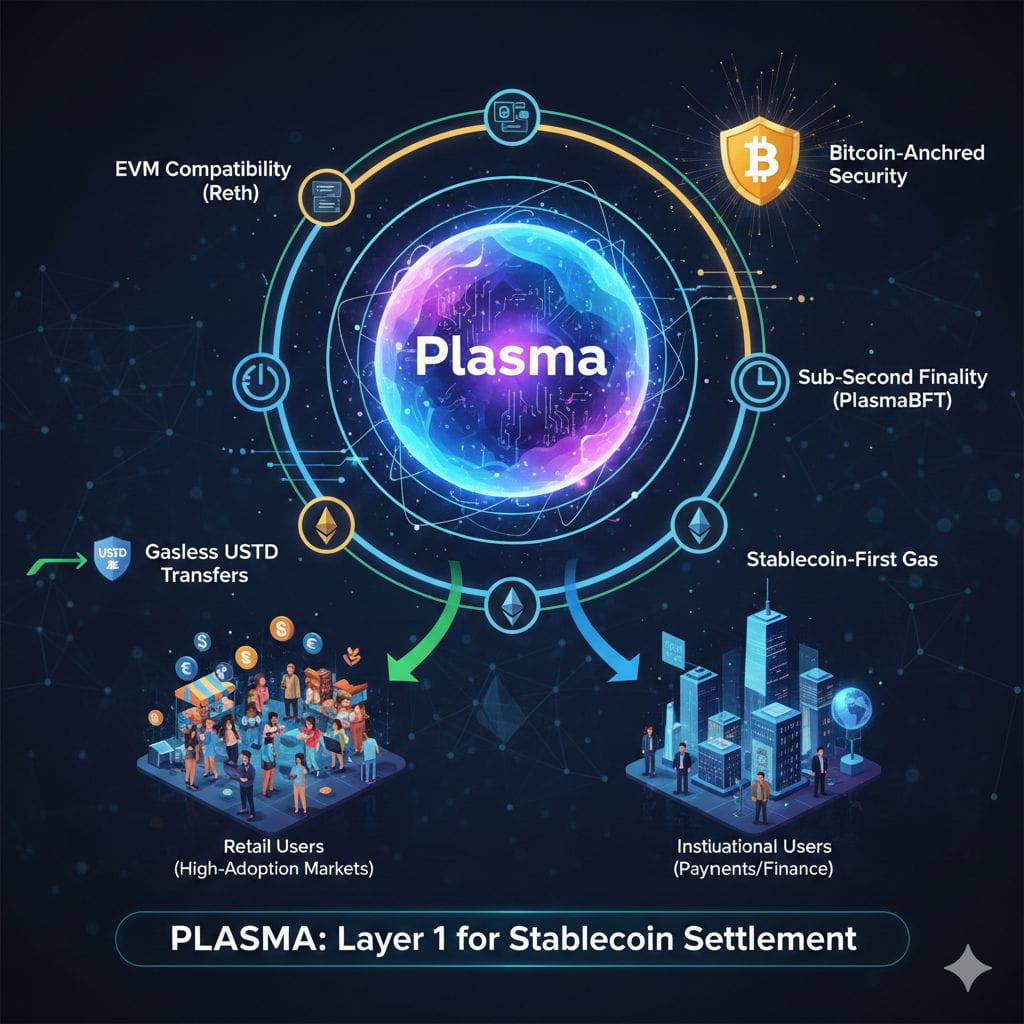
Everything we do starts with trust, not as a slogan but as a design requirement. Stablecoins already move real value for millions, yet the rails underneath them often feel unreliable. Fees jump unexpectedly, transactions stall, and everyday transfers demand technical know-how that most people shouldn’t need. We’re building a Layer 1 where stablecoin settlement is the core mission. Sub-second finality, gas models built around stablecoins, and gasless transfers aren’t marketing talking points internally. They’re expectations, because people depend on these systems working consistently.
What keeps the work grounded is knowing this goes beyond “crypto.” These are payments systems. They touch payroll, commerce, accounting, and savings. Institutions need certainty, and individuals need peace of mind that their money will arrive intact. Tying our security to Bitcoin isn’t about ideology; it’s about durability and neutrality. We want what we’re building to survive market cycles, organizational changes, and even the people who originally built it.
Inside plasma the environment is deliberate and demanding in the right way. Ownership is taken seriously. If you notice a flaw or see a better path forward, you’re expected to step into the conversation. Curiosity is encouraged, but accountability matters just as much. Every decision has real-world implications, and that awareness slows us down in a healthy way. We spend a lot of time thinking through what happens next, and then what happens after that.
We don’t rush complexity. Whether we’re debating consensus choices, working through EVM compatibility, or refining a gas model that doesn’t penalize users, the approach is careful and methodical. There’s a shared understanding that infrastructure rewards patience. Disagreements are normal, assumptions are challenged, minds change, and decisions are documented so future work isn’t built on guesswork.
The culture is genuinely collaborative without feeling staged. Good ideas aren’t tied to titles, and they tend to surface because people actually listen. Being distributed across time zones means trust and clarity are essential. Communication is thoughtful, writing is taken seriously, and meetings exist for a reason. Relationships form through solving hard problems together, not forced interaction.
What ultimately makes this feel meaningful is the understated impact. It’s easy to lose sight of it day to day, but stepping back reminds you that these systems may be relied on during critical moments — paying employees, moving savings, keeping businesses afloat. That responsibility carries real ethical weight, and it shapes how the team approaches the work.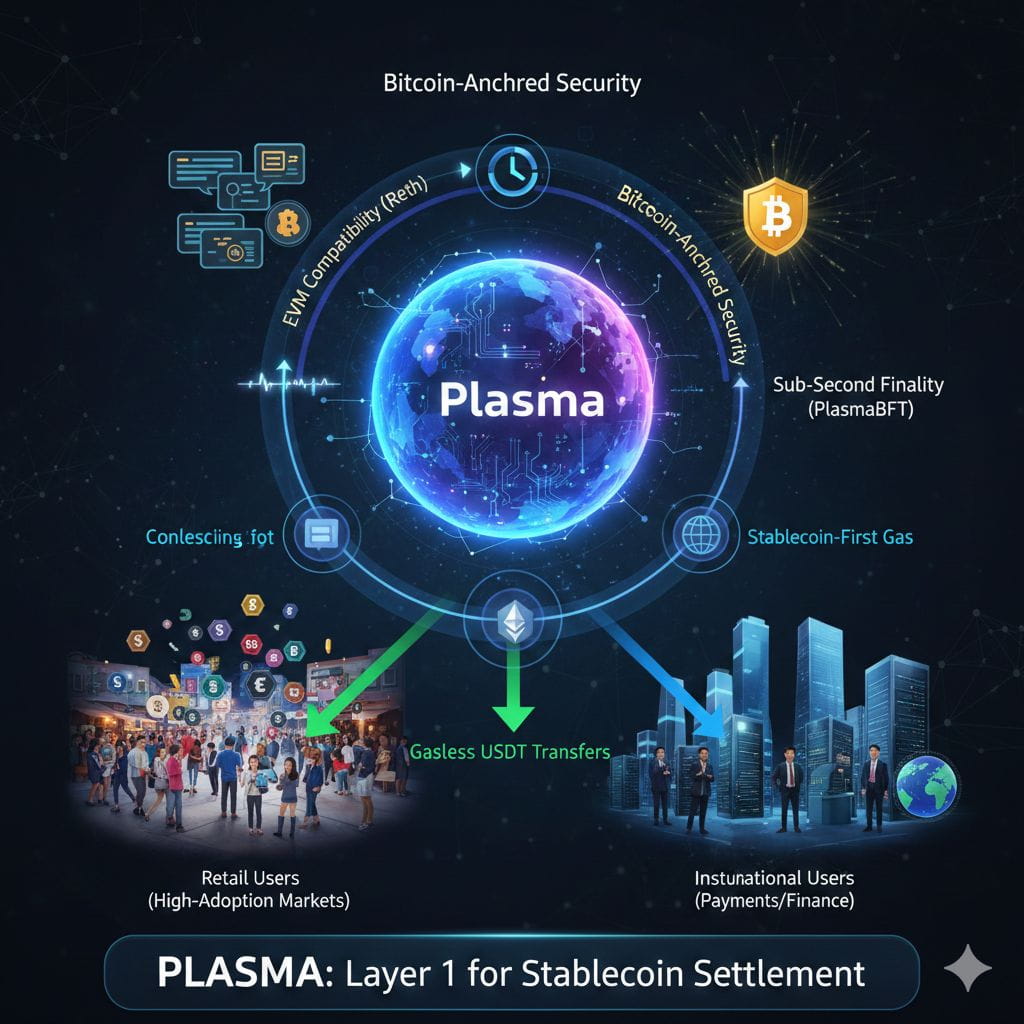
The people who thrive here are usually patient, reflective, and comfortable carrying responsibility. They care more about getting things right than being seen. They’re open to learning, willing to be wrong, and committed to improving the system incrementally. They understand that important work often looks quiet while it’s happening.
@Plasma At the end of the day, Plasma isn’t about speed or spectacle. It’s about building something dependable enough to fade into the background. Infrastructure that works when it matters, endures beyond short-term trends, and earns confidence over time. That’s the kind of work that matters, and the kind of thing worth building together.
