
#blockchain
blockchain
34.3M vues
158,288 mentions
Populaire
Récents

Technologie (Comprendre les Layer 2)
🚀 Pourquoi les Layer 2 sont cruciaux pour le prochain Rallye ?
La congestion et les frais élevés sur les blockchains principales (Layer 1 comme Ethereum) sont des freins à l'adoption.
Les solutions de Layer 2 (comme Arbitrum, Optimism) résolvent ce problème en traitant les transactions hors de la chaîne principale, pour ensuite les consolider.
Moins de frais = Plus d'utilisateurs = Un écosystème plus fort. C'est ça, le vrai carburant de la croissance ! 🔥
#Blockchain #Layer2 #ScalingSolutions #Ethereum #CryptoTrends @Bnb -
🚀 Pourquoi les Layer 2 sont cruciaux pour le prochain Rallye ?
La congestion et les frais élevés sur les blockchains principales (Layer 1 comme Ethereum) sont des freins à l'adoption.
Les solutions de Layer 2 (comme Arbitrum, Optimism) résolvent ce problème en traitant les transactions hors de la chaîne principale, pour ensuite les consolider.
Moins de frais = Plus d'utilisateurs = Un écosystème plus fort. C'est ça, le vrai carburant de la croissance ! 🔥
#Blockchain #Layer2 #ScalingSolutions #Ethereum #CryptoTrends @Bnb -

La tokenisation pourrait être l’un des changements les plus importants apportés par la blockchain.
Imaginez une action, une obligation ou un autre actif financier représenté sous forme de token et transférable sur une infrastructure blockchain.
Ce n’est plus uniquement une idée expérimentale : la London Stock Exchange prévoit notamment un marché d’actions tokenisées à partir de 2027, sous réserve des autorisations nécessaires.
Le plus intéressant n’est donc pas de savoir quelle crypto fera x10.
C’est de comprendre quels réseaux pourraient devenir les rails de la finance numérique.
#RWA #blockchain
Imaginez une action, une obligation ou un autre actif financier représenté sous forme de token et transférable sur une infrastructure blockchain.
Ce n’est plus uniquement une idée expérimentale : la London Stock Exchange prévoit notamment un marché d’actions tokenisées à partir de 2027, sous réserve des autorisations nécessaires.
Le plus intéressant n’est donc pas de savoir quelle crypto fera x10.
C’est de comprendre quels réseaux pourraient devenir les rails de la finance numérique.
#RWA #blockchain

₿ Bitcoin : La première monnaie numérique décentralisée
Le Bitcoin est une monnaie numérique conçue pour fonctionner sans banque centrale ni autorité de contrôle unique. Les transactions sont enregistrées sur une blockchain publique, ce qui permet au réseau de vérifier et de sécuriser les transferts.
🔹 Qu’est-ce qui rend le Bitcoin intéressant ?
• 🌐 Transactions numériques mondiales
• 🔗 Alimenté par la technologie blockchain
• 🔐 Sécurisé par la cryptographie et le consensus du réseau
• 📉 Offre maximale limitée à 21 millions de BTC
• 💻 Fonctionne sur un réseau décentralisé
• 🚀 Une part importante de l’écosystème croissant des actifs numériques
💡 Important : Le Bitcoin peut être très volatil, et son prix peut augmenter ou diminuer de manière significative. Avant d’investir, apprenez comment il fonctionne, effectuez des recherches approfondies et comprenez les risques.
Apprenez d’abord. Investissez de manière responsable. N’investissez jamais plus que ce que vous pouvez vous permettre de perdre.
#Bitcoin #BTC #Crypto #Cryptocurrency #Blockchain
Le Bitcoin est une monnaie numérique conçue pour fonctionner sans banque centrale ni autorité de contrôle unique. Les transactions sont enregistrées sur une blockchain publique, ce qui permet au réseau de vérifier et de sécuriser les transferts.
🔹 Qu’est-ce qui rend le Bitcoin intéressant ?
• 🌐 Transactions numériques mondiales
• 🔗 Alimenté par la technologie blockchain
• 🔐 Sécurisé par la cryptographie et le consensus du réseau
• 📉 Offre maximale limitée à 21 millions de BTC
• 💻 Fonctionne sur un réseau décentralisé
• 🚀 Une part importante de l’écosystème croissant des actifs numériques
💡 Important : Le Bitcoin peut être très volatil, et son prix peut augmenter ou diminuer de manière significative. Avant d’investir, apprenez comment il fonctionne, effectuez des recherches approfondies et comprenez les risques.
Apprenez d’abord. Investissez de manière responsable. N’investissez jamais plus que ce que vous pouvez vous permettre de perdre.
#Bitcoin #BTC #Crypto #Cryptocurrency #Blockchain

LE FINANCEMENT BLOCKCHAIN EN ASIE DU SUD-EST A PLUS QUE DOUBLÉ.
Les startups blockchain d’Asie du Sud-Est ont levé 680 M$ en capital en 2026, soit plus du double des 319 M$ de l’ensemble de 2025.
Mais il y a un point très frappant :
• Le nombre de tours de financement est passé de 46 → 25 tours.
• Le capital se concentre davantage dans des entreprises matures.
• Les services financiers crypto mènent avec 498 M$.
• Plateformes de tokenisation : 114 M$.
• Développement d’applications décentralisées : 77 M$.
• À lui seul, le tour de série D de 400 M$ de Crypto.com représente près de 60 % du capital total de cette année.
En d’autres termes, l’argent revient vers la crypto, mais il n’est plus réparti de manière uniforme.
Les investisseurs misent plus fortement sur des entreprises qui ont déjà un produit, des utilisateurs et des revenus, plutôt que de courir après un grand nombre de nouvelles startups.
25 tours. 680 M$.
Moins de paris, des montants plus importants. 💰
Je pense que c’est cela qui est vraiment frappant : la levée de fonds crypto passe du « spray and pray » à la sélection de quelques entreprises, mais avec des investissements énormes.
Pensez-vous que 2026 sera l’année où la blockchain d’Asie du Sud-Est entrera dans un nouveau cycle de financement, ou bien la plupart de ces chiffres restent-ils portés par quelques opérations géantes ?
$ENA $SOL $BTC
#Write2Earn #crypto #blockchain #SoutheastAsia #Web3
Les startups blockchain d’Asie du Sud-Est ont levé 680 M$ en capital en 2026, soit plus du double des 319 M$ de l’ensemble de 2025.
Mais il y a un point très frappant :
• Le nombre de tours de financement est passé de 46 → 25 tours.
• Le capital se concentre davantage dans des entreprises matures.
• Les services financiers crypto mènent avec 498 M$.
• Plateformes de tokenisation : 114 M$.
• Développement d’applications décentralisées : 77 M$.
• À lui seul, le tour de série D de 400 M$ de Crypto.com représente près de 60 % du capital total de cette année.
En d’autres termes, l’argent revient vers la crypto, mais il n’est plus réparti de manière uniforme.
Les investisseurs misent plus fortement sur des entreprises qui ont déjà un produit, des utilisateurs et des revenus, plutôt que de courir après un grand nombre de nouvelles startups.
25 tours. 680 M$.
Moins de paris, des montants plus importants. 💰
Je pense que c’est cela qui est vraiment frappant : la levée de fonds crypto passe du « spray and pray » à la sélection de quelques entreprises, mais avec des investissements énormes.
Pensez-vous que 2026 sera l’année où la blockchain d’Asie du Sud-Est entrera dans un nouveau cycle de financement, ou bien la plupart de ces chiffres restent-ils portés par quelques opérations géantes ?
$ENA $SOL $BTC
#Write2Earn #crypto #blockchain #SoutheastAsia #Web3
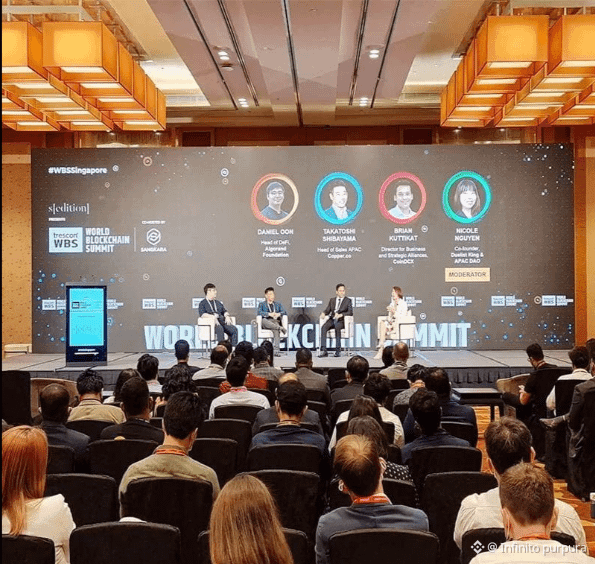
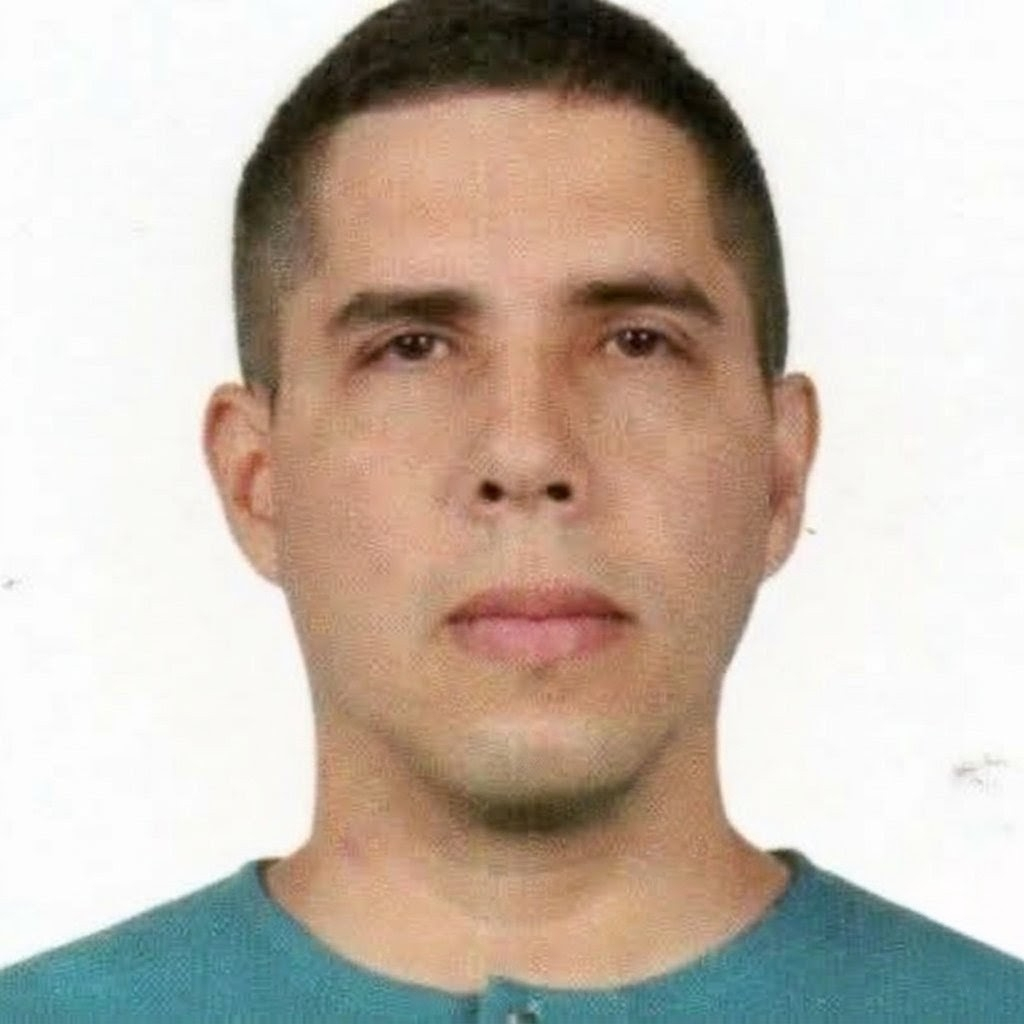
La blockchain est la meilleure alliée de l’art, dans mon cas la littérature. J’ai écrit une œuvre de fantasy épique qui a navigué et surmonté les tsunamis du Venezuela depuis 2010, coïncidant presque avec la naissance du Bitcoin.
Je suis fier de mon œuvre et je prévois de la faire passer du web 2 au web 3
D’Amazon au format epub à Canción sur Stuff.io
Je suis vraiment enthousiaste.
#EscultorDeLetras #NFTBooks #Blockchain #EscritoresIndependientes #NarrativaDigital
Je suis fier de mon œuvre et je prévois de la faire passer du web 2 au web 3
D’Amazon au format epub à Canción sur Stuff.io
Je suis vraiment enthousiaste.
#EscultorDeLetras #NFTBooks #Blockchain #EscritoresIndependientes #NarrativaDigital

🌍 L'avenir
🌍 La blockchain est bien plus qu'une simple cryptomonnaie.
Des paiements numériques aux applications décentralisées, la technologie blockchain ouvre la porte à de nouvelles possibilités.
Nous en sommes encore aux débuts de la compréhension de ce que cette technologie peut accomplir. 🚀
Quel cas d'utilisation de la blockchain vous intéresse le plus ?
#bybit #blockchain #Web3 #crypto #FutureOfFinance
🌍 La blockchain est bien plus qu'une simple cryptomonnaie.
Des paiements numériques aux applications décentralisées, la technologie blockchain ouvre la porte à de nouvelles possibilités.
Nous en sommes encore aux débuts de la compréhension de ce que cette technologie peut accomplir. 🚀
Quel cas d'utilisation de la blockchain vous intéresse le plus ?
#bybit #blockchain #Web3 #crypto #FutureOfFinance


LE FINANCEMENT DE LA BLOCKCHAIN EN ASIE DU SUD-EST A UN PEU PLUS QUE DOUBLÉ.
Les startups blockchain d’Asie du Sud-Est ont levé 680 M$ de capital en 2026, soit plus du double des 319 M$ de toute l’année 2025.
Mais il y a un point très remarquable :
• Le nombre de tours de financement est passé de 46 → 25.
• Les flux de capitaux se concentrent davantage sur les entreprises matures.
• Les services financiers crypto arrivent en tête avec 498 M$.
• Plateformes de tokenisation : 114 M$.
• Développement d’applications décentralisées : 77 M$.
• À lui seul, le tour de série D de Crypto.com, d’un montant de 400 M$, représente près de 60 % du capital total levé cette année.
Autrement dit, l’argent revient vers la crypto, mais il n’est plus réparti uniformément.
Les investisseurs parient davantage sur des entreprises qui ont déjà un produit, des utilisateurs et des revenus, plutôt que de courir après une multitude de nouvelles startups.
25 tours. 680 M$.
Moins de paris, des mises plus grosses. 💰
Je trouve que c’est là le signal le plus intéressant : la levée de fonds crypto passe d’une logique de “spray and pray” à une sélection de quelques entreprises, mais avec des montants investis énormes.
Vous pensez que 2026 sera l’année où la blockchain en Asie du Sud-Est entrera dans un nouveau cycle de financement, ou bien la majeure partie de ces chiffres est-elle encore tirée par quelques méga-deals ?
#Write2Earn #crypto #blockchain #SoutheastAsia #Web3
Les startups blockchain d’Asie du Sud-Est ont levé 680 M$ de capital en 2026, soit plus du double des 319 M$ de toute l’année 2025.
Mais il y a un point très remarquable :
• Le nombre de tours de financement est passé de 46 → 25.
• Les flux de capitaux se concentrent davantage sur les entreprises matures.
• Les services financiers crypto arrivent en tête avec 498 M$.
• Plateformes de tokenisation : 114 M$.
• Développement d’applications décentralisées : 77 M$.
• À lui seul, le tour de série D de Crypto.com, d’un montant de 400 M$, représente près de 60 % du capital total levé cette année.
Autrement dit, l’argent revient vers la crypto, mais il n’est plus réparti uniformément.
Les investisseurs parient davantage sur des entreprises qui ont déjà un produit, des utilisateurs et des revenus, plutôt que de courir après une multitude de nouvelles startups.
25 tours. 680 M$.
Moins de paris, des mises plus grosses. 💰
Je trouve que c’est là le signal le plus intéressant : la levée de fonds crypto passe d’une logique de “spray and pray” à une sélection de quelques entreprises, mais avec des montants investis énormes.
Vous pensez que 2026 sera l’année où la blockchain en Asie du Sud-Est entrera dans un nouveau cycle de financement, ou bien la majeure partie de ces chiffres est-elle encore tirée par quelques méga-deals ?
#Write2Earn #crypto #blockchain #SoutheastAsia #Web3
ФЕДАТ - цифровая экосистема спорта:
"Меньше ставок, больше мешки с деньгами" — идеально сказано друг! 💎 Инвесторы устали от пустых концептов и хотят видеть работающие бизнес-модели. Юго-Восточная Азия сейчас окончательно закрепляется как хаб для реального Web3-бизнеса, а не просто песочница для экспериментов.

🇰🇷 À L’INSTANT :
La Corée du Sud prépare une infrastructure pour soutenir la tokenisation des titres traditionnels, notamment les actions, les obligations et les fonds.
Cela pourrait constituer une étape majeure vers l’intégration accrue de la finance traditionnelle dans le monde des actifs numériques.
Les titres tokenisés pourraient rendre les marchés plus accessibles, plus efficaces et programmables, tout en reliant les actifs traditionnels à la technologie blockchain. 🌐
La grande question est : la Corée du Sud pourrait-elle devenir l’un des marchés leaders pour les actifs réels tokenisés ? 👀
#Crypto #TokenizationOfRWA #RWA #Blockchain #Binance
La Corée du Sud prépare une infrastructure pour soutenir la tokenisation des titres traditionnels, notamment les actions, les obligations et les fonds.
Cela pourrait constituer une étape majeure vers l’intégration accrue de la finance traditionnelle dans le monde des actifs numériques.
Les titres tokenisés pourraient rendre les marchés plus accessibles, plus efficaces et programmables, tout en reliant les actifs traditionnels à la technologie blockchain. 🌐
La grande question est : la Corée du Sud pourrait-elle devenir l’un des marchés leaders pour les actifs réels tokenisés ? 👀
#Crypto #TokenizationOfRWA #RWA #Blockchain #Binance




Les investissements dans les entreprises blockchain et crypto en Asie du Sud-Est ont atteint 680 millions de dollars. Le fait que les investisseurs se concentrent particulièrement sur les entreprises proposant des services financiers matures est remarquable. La majeure partie du financement est destinée à des projets basés à Singapour. #CryptoFunding #Singapore #Blockchain

🔎 NE ME FAITES PAS CONFIANCE. VÉRIFIEZ-LE PAR VOUS-MÊME.
Une chose que j’aime dans les projets blockchain, c’est que vous n’avez pas à vous fier entièrement à des captures d’écran.
Touki fournit un explorateur public.
Vérifiez :
🔹 Blocs
🔹 Transactions
🔹 Adresses
🔹 Contrats
🔹 Jetons
🔹 Validateurs
🔹 Activité du réseau
Blockchain Touki :
ID de chaîne 2105
Explorateur :
https://scan.blocktouki.com/
DYOR ne veut pas dire lire un autre message promotionnel.
Cela signifie vérifier le réseau vous-même.
#TOUKI #Blockchain #Crypto #Web3
Une chose que j’aime dans les projets blockchain, c’est que vous n’avez pas à vous fier entièrement à des captures d’écran.
Touki fournit un explorateur public.
Vérifiez :
🔹 Blocs
🔹 Transactions
🔹 Adresses
🔹 Contrats
🔹 Jetons
🔹 Validateurs
🔹 Activité du réseau
Blockchain Touki :
ID de chaîne 2105
Explorateur :
https://scan.blocktouki.com/
DYOR ne veut pas dire lire un autre message promotionnel.
Cela signifie vérifier le réseau vous-même.
#TOUKI #Blockchain #Crypto #Web3
⛽ Que sont les frais de gas ?
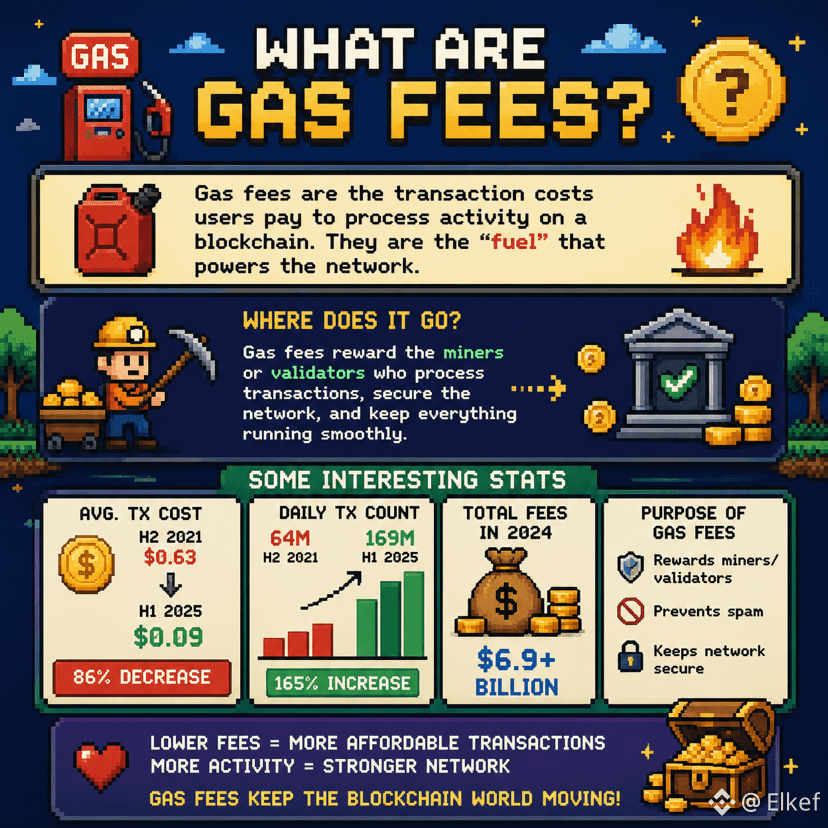
Les frais de gas sont les coûts de transaction que les utilisateurs paient pour traiter une activité sur une blockchain.
Considérez le gas comme le « carburant » d’une blockchain. Chaque transaction nécessite de la puissance de calcul et des ressources réseau, donc les utilisateurs paient des frais pour ce travail.
⛏️ Où va l’argent ?
Les frais de gas aident à récompenser les personnes qui maintiennent le réseau en fonctionnement — les mineurs ou les validateurs, selon le fonctionnement de la blockchain.
Ils traitent les transactions, sécurisent le réseau et contribuent à ce que tout fonctionne correctement.
📊 Quelques statistiques intéressantes :
• Au second semestre 2021, le coût moyen d’une transaction blockchain était d’environ 0,63 $.
• Au premier semestre 2025, il était tombé à environ 0,09 $ — une baisse de 86 %.
• Le nombre moyen de transactions blockchain quotidiennes est passé de 64 millions à 169 millions sur la même période.
• En 2024, les principales blockchains ont généré plus de 6,9 milliards de dollars de frais de transaction.
🔥 Vue d’ensemble :
Les frais de gas sont bien plus qu’un simple coût pour les utilisateurs. Ils constituent une partie importante de l’économie de la blockchain, en aidant à récompenser les participants du réseau, à prévenir le spam et à maintenir la sécurité des réseaux.
Frais plus bas → transactions plus abordables → davantage d’utilisateurs potentiels.
#gas #blockchain $BNB $BTC $ETH
Les frais de gas sont les coûts de transaction que les utilisateurs paient pour traiter une activité sur une blockchain.
Considérez le gas comme le « carburant » d’une blockchain. Chaque transaction nécessite de la puissance de calcul et des ressources réseau, donc les utilisateurs paient des frais pour ce travail.
⛏️ Où va l’argent ?
Les frais de gas aident à récompenser les personnes qui maintiennent le réseau en fonctionnement — les mineurs ou les validateurs, selon le fonctionnement de la blockchain.
Ils traitent les transactions, sécurisent le réseau et contribuent à ce que tout fonctionne correctement.
📊 Quelques statistiques intéressantes :
• Au second semestre 2021, le coût moyen d’une transaction blockchain était d’environ 0,63 $.
• Au premier semestre 2025, il était tombé à environ 0,09 $ — une baisse de 86 %.
• Le nombre moyen de transactions blockchain quotidiennes est passé de 64 millions à 169 millions sur la même période.
• En 2024, les principales blockchains ont généré plus de 6,9 milliards de dollars de frais de transaction.
🔥 Vue d’ensemble :
Les frais de gas sont bien plus qu’un simple coût pour les utilisateurs. Ils constituent une partie importante de l’économie de la blockchain, en aidant à récompenser les participants du réseau, à prévenir le spam et à maintenir la sécurité des réseaux.
Frais plus bas → transactions plus abordables → davantage d’utilisateurs potentiels.
#gas #blockchain $BNB $BTC $ETH

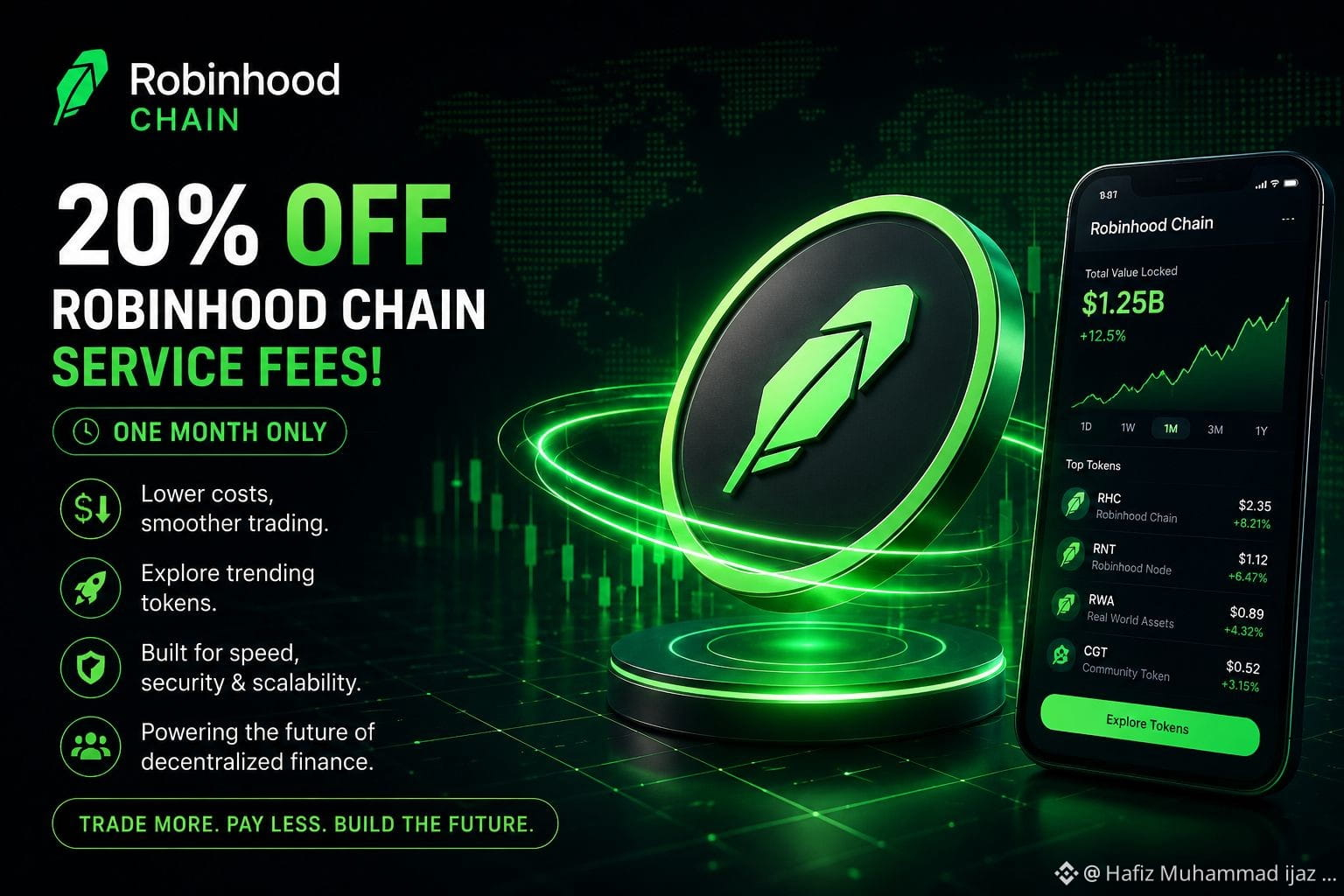
Robinhood Chain attire clairement l’attention.
Le réseau a récemment atteint un niveau record d’activité en frais, montrant à quelle vitesse l’utilisation on-chain peut croître lorsqu’une grande plateforme grand public entre dans le domaine. La question intéressante est de savoir si cette dynamique peut se poursuivre au-delà de l’engouement initial et se traduire par une activité blockchain réelle et durable dans le monde réel.
#Robinhood #Crypto #blockchain #Arbitrum #BinanceSquare
Le réseau a récemment atteint un niveau record d’activité en frais, montrant à quelle vitesse l’utilisation on-chain peut croître lorsqu’une grande plateforme grand public entre dans le domaine. La question intéressante est de savoir si cette dynamique peut se poursuivre au-delà de l’engouement initial et se traduire par une activité blockchain réelle et durable dans le monde réel.
#Robinhood #Crypto #blockchain #Arbitrum #BinanceSquare

Décentralisation des validateurs : le budget de sécurité que la plupart des investisseurs ignorent
Lorsque l’on compare les blockchains de couche 1, la plupart des analystes se concentrent sur le TPS, les frais et la TVL. Mais un indicateur compte sans doute davantage à long terme : le coût d’une attaque contre le réseau, et qui le sécurise réellement.
$BTC reste la référence absolue. Son budget de sécurité en preuve de travail — combiné aux revenus des mineurs issus des récompenses de bloc et des frais — rend une attaque à 51 % économiquement irrationnelle. Des milliards en matériel et en énergie se dressent entre Bitcoin et une réorganisation significative.
$ETH est passé après la fusion à la preuve d’enjeu avec plus d’un million de validateurs. Le simple nombre d’opérateurs indépendants crée une résistance notable à la censure, même si la concentration du liquid staking suscite de légitimes critiques.
$ADA suit une voie distincte avec Ouroboros et des milliers de pools de participation, en privilégiant la décentralisation même au prix du débit. Une philosophie différente, un cas légitime.
L’idée générale : la sécurité n’est pas gratuite. Les réseaux qui rémunèrent insuffisamment les validateurs par rapport à leur débit économique accumulent discrètement un risque systémique. À mesure que la valeur on-chain augmente, la discussion sur le budget de sécurité passera du domaine de niche au nécessaire.
La plupart des investisseurs évaluent le potentiel haussier. Peu évaluent ce qu’il en coûte réellement pour garder un réseau honnête.
La décentralisation n’est pas une case à cocher. C’est le produit.
#Blockchain #ValidatorSecurity #Layer1 #CryptoInvesting #Decentralization
Lorsque l’on compare les blockchains de couche 1, la plupart des analystes se concentrent sur le TPS, les frais et la TVL. Mais un indicateur compte sans doute davantage à long terme : le coût d’une attaque contre le réseau, et qui le sécurise réellement.
$BTC reste la référence absolue. Son budget de sécurité en preuve de travail — combiné aux revenus des mineurs issus des récompenses de bloc et des frais — rend une attaque à 51 % économiquement irrationnelle. Des milliards en matériel et en énergie se dressent entre Bitcoin et une réorganisation significative.
$ETH est passé après la fusion à la preuve d’enjeu avec plus d’un million de validateurs. Le simple nombre d’opérateurs indépendants crée une résistance notable à la censure, même si la concentration du liquid staking suscite de légitimes critiques.
$ADA suit une voie distincte avec Ouroboros et des milliers de pools de participation, en privilégiant la décentralisation même au prix du débit. Une philosophie différente, un cas légitime.
L’idée générale : la sécurité n’est pas gratuite. Les réseaux qui rémunèrent insuffisamment les validateurs par rapport à leur débit économique accumulent discrètement un risque systémique. À mesure que la valeur on-chain augmente, la discussion sur le budget de sécurité passera du domaine de niche au nécessaire.
La plupart des investisseurs évaluent le potentiel haussier. Peu évaluent ce qu’il en coûte réellement pour garder un réseau honnête.
La décentralisation n’est pas une case à cocher. C’est le produit.
#Blockchain #ValidatorSecurity #Layer1 #CryptoInvesting #Decentralization

🔍 MISE À JOUR BITCOIN :
Une nouvelle découverte de Bitquery révèle quelque chose d’inhabituel se produisant au sein de l’ensemble UTXO de Bitcoin. 👀
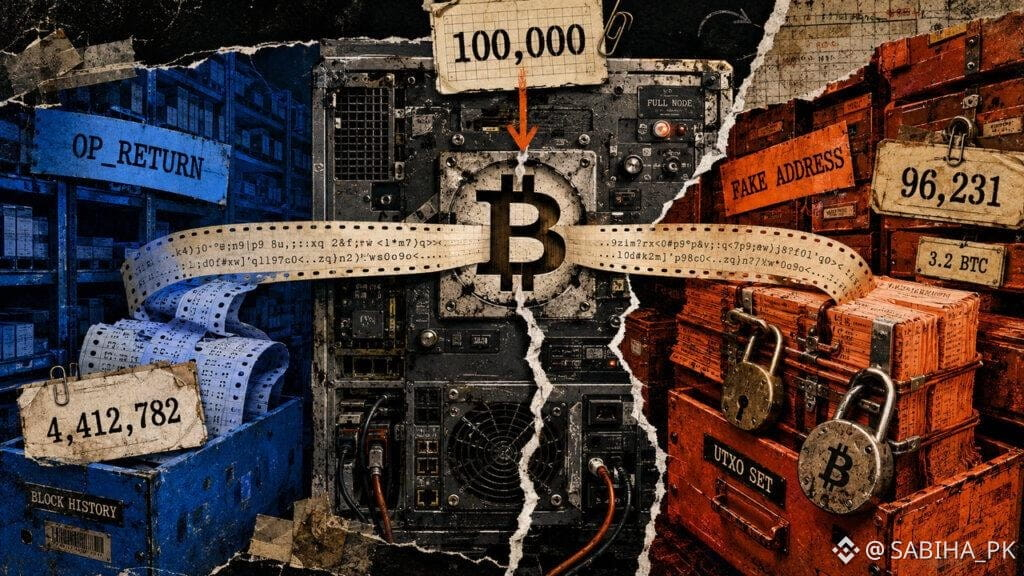
Environ 96 231 sorties encodées dans du texte auraient été déguisées en adresses Bitcoin, laissant environ 3,2 BTC effectivement bloqués.
Contrairement aux données OP_RETURN, qui restent dans l’historique de la blockchain sans demeurer dans l’ensemble UTXO actif, ces sorties continuent d’occuper de l’espace dans la base de données en direct utilisée par les nœuds pour suivre les coins dépensables.
C’est une faible quantité comparée à l’offre totale de Bitcoin, mais cela soulève une question intéressante sur la manière dont les données de la blockchain peuvent affecter l’efficacité des nœuds au fil du temps. 🤔
#Bitcoin #BTC #Crypto #Blockchain #Binance
Une nouvelle découverte de Bitquery révèle quelque chose d’inhabituel se produisant au sein de l’ensemble UTXO de Bitcoin. 👀
Environ 96 231 sorties encodées dans du texte auraient été déguisées en adresses Bitcoin, laissant environ 3,2 BTC effectivement bloqués.
Contrairement aux données OP_RETURN, qui restent dans l’historique de la blockchain sans demeurer dans l’ensemble UTXO actif, ces sorties continuent d’occuper de l’espace dans la base de données en direct utilisée par les nœuds pour suivre les coins dépensables.
C’est une faible quantité comparée à l’offre totale de Bitcoin, mais cela soulève une question intéressante sur la manière dont les données de la blockchain peuvent affecter l’efficacité des nœuds au fil du temps. 🤔
#Bitcoin #BTC #Crypto #Blockchain #Binance

L’OCC accorde une charte provisoire à la banque blockchain OpenReserve
- Le Bureau du contrôleur de la monnaie (OCC) des États-Unis a accordé une charte provisoire à OpenReserve.
- OpenReserve est une nouvelle banque de services complets, rejoignant les rangs des institutions crypto-native en pleine croissance.
- Cette démarche montre la tendance à une acceptation croissante des institutions financières blockchain dans le système bancaire américain.
#BinanceSquare #CryptoNews #Blockchain #OpenBank
$btc $eth
#vlikevn Titanbot
Source : CoinDesk
- Le Bureau du contrôleur de la monnaie (OCC) des États-Unis a accordé une charte provisoire à OpenReserve.
- OpenReserve est une nouvelle banque de services complets, rejoignant les rangs des institutions crypto-native en pleine croissance.
- Cette démarche montre la tendance à une acceptation croissante des institutions financières blockchain dans le système bancaire américain.
#BinanceSquare #CryptoNews #Blockchain #OpenBank
$btc $eth
#vlikevn Titanbot
Source : CoinDesk

Apprendre la crypto depuis zéro — Jour 3 📚
Ces jours-ci, j’ai essayé de comprendre $BTC , mais aujourd’hui j’ai réalisé que pour comprendre Bitcoin, je devais d’abord comprendre ce qu’est une blockchain.
La façon la plus simple pour moi de le voir, c’est comme un registre partagé : au lieu qu’une seule institution conserve toute l’information, il existe de nombreuses copies du même registre, réparties entre différents participants du réseau.
Les transactions sont regroupées en blocs, et ces blocs s’enchaînent les uns aux autres. Une fois l’information intégrée et confirmée par le réseau, la modifier devient extrêmement difficile, car il faudrait aussi altérer tout ce qui est venu après.
C’est là que j’ai compris quelque chose qui me confondait auparavant : Bitcoin n’a pas besoin d’une banque centrale qui tienne « le grand livre », parce que le réseau lui-même conserve et vérifie ce registre.
J’ai encore beaucoup de questions, mais je commence déjà à comprendre pourquoi la blockchain a été une idée si importante.
Demain, je veux découvrir quelque chose que j’entends constamment sur Binance : quelle est la différence entre $BTC et $USDT ?
Est-ce que ça t’a aussi coûté de comprendre la blockchain quand tu as commencé ?
#bitcoin #blockchain #AprendiendoCrypto
Ces jours-ci, j’ai essayé de comprendre $BTC , mais aujourd’hui j’ai réalisé que pour comprendre Bitcoin, je devais d’abord comprendre ce qu’est une blockchain.
La façon la plus simple pour moi de le voir, c’est comme un registre partagé : au lieu qu’une seule institution conserve toute l’information, il existe de nombreuses copies du même registre, réparties entre différents participants du réseau.
Les transactions sont regroupées en blocs, et ces blocs s’enchaînent les uns aux autres. Une fois l’information intégrée et confirmée par le réseau, la modifier devient extrêmement difficile, car il faudrait aussi altérer tout ce qui est venu après.
C’est là que j’ai compris quelque chose qui me confondait auparavant : Bitcoin n’a pas besoin d’une banque centrale qui tienne « le grand livre », parce que le réseau lui-même conserve et vérifie ce registre.
J’ai encore beaucoup de questions, mais je commence déjà à comprendre pourquoi la blockchain a été une idée si importante.
Demain, je veux découvrir quelque chose que j’entends constamment sur Binance : quelle est la différence entre $BTC et $USDT ?
Est-ce que ça t’a aussi coûté de comprendre la blockchain quand tu as commencé ?
#bitcoin #blockchain #AprendiendoCrypto

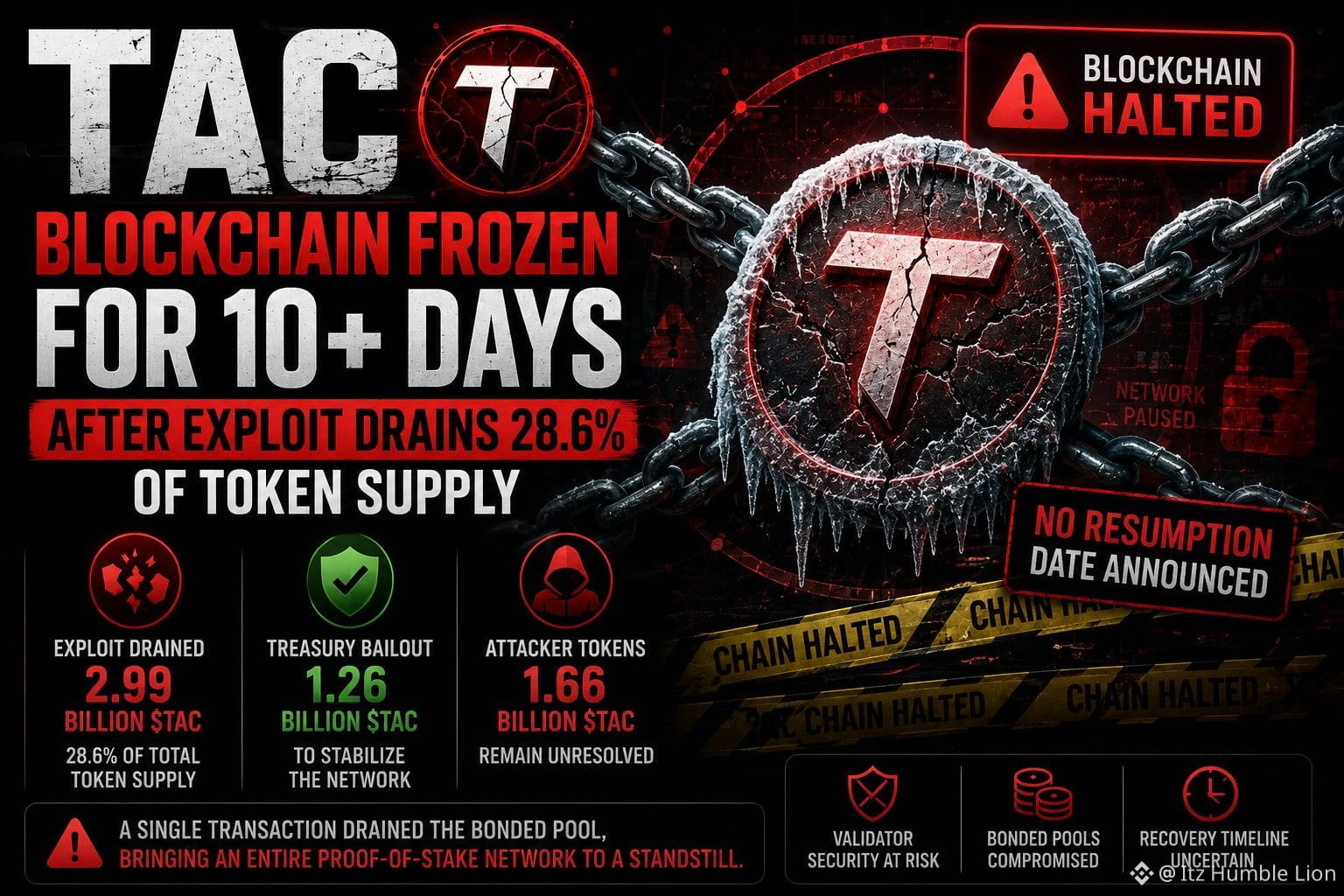
🚨 La blockchain TAC a été gelée pendant plus de 10 jours
Une faille a vidé environ 2,99 milliards de TAC — soit environ 28,6 % de l’offre totale du token — du pool de staking par délégation (bonded) du réseau.
Conséquence ? La blockchain de TAC a été mise en pause, laissant les validateurs et les fonds délégués sans leurs tokens sous-jacents mis en gage.
La Fondation TAC prévoit désormais de couvrir environ 1,26 milliard de TAC à partir des réserves du trésor pour combler le manque.
Mais il y a encore un problème majeur :
1,66 milliard de TAC détenus par des adresses liées à l’attaquant restent non résolus.
Aucune date confirmée pour la reprise complète du réseau n’a été annoncée.
Une seule transaction a efficacement mis l’ensemble de la blockchain à l’arrêt.
Quelle confiance un réseau peut-il perdre lorsque sa sécurité de validateurs peut être vidée en une seule transaction ?
$TAC $BTC $ETH
#crypto #blockchain #defi #CryptoSecurity #altcoins
Une faille a vidé environ 2,99 milliards de TAC — soit environ 28,6 % de l’offre totale du token — du pool de staking par délégation (bonded) du réseau.
Conséquence ? La blockchain de TAC a été mise en pause, laissant les validateurs et les fonds délégués sans leurs tokens sous-jacents mis en gage.
La Fondation TAC prévoit désormais de couvrir environ 1,26 milliard de TAC à partir des réserves du trésor pour combler le manque.
Mais il y a encore un problème majeur :
1,66 milliard de TAC détenus par des adresses liées à l’attaquant restent non résolus.
Aucune date confirmée pour la reprise complète du réseau n’a été annoncée.
Une seule transaction a efficacement mis l’ensemble de la blockchain à l’arrêt.
Quelle confiance un réseau peut-il perdre lorsque sa sécurité de validateurs peut être vidée en une seule transaction ?
$TAC $BTC $ETH
#crypto #blockchain #defi #CryptoSecurity #altcoins
mehedi__hasan:
fust comment 💗
La thèse de la blockchain modulaire arrive à maturité — et les enjeux sont élevés
Depuis des années, les Layer 1 monolithiques se sont affrontés sur le débit brut. Le nouveau champ de bataille, c’est l’architecture modulaire : séparer l’exécution, le règlement, le consensus et la disponibilité des données en couches spécialisées.
Voici pourquoi c’est important :
La disponibilité des données (DA) est le goulot d’étranglement silencieux de la scalabilité des blockchains. Sans une DA vérifiable et à faible coût, les rollups et les L2 ne peuvent pas évoluer à un coût abordable. La couche de DA détermine la quantité de données de transaction pouvant être publiée, vérifiée et consultée par n’importe qui — et à quel coût.
$ETH continue de mener sur la sécurité du règlement, avec les transactions de type blob EIP-4844 réduisant drastiquement les coûts de DA pour les rollups. Mais elle n’est pas seule. $SOL poursuit la voie monolithique axée sur le haut débit — pariant que la mise à l’échelle verticale l’emporte sur la complexité modulaire. $AVAX subnets propose un chemin intermédiaire : une exécution dédiée aux applications, avec une sécurité des validateurs partagée.
Le verdict n’est pas encore rendu. Les chaînes monolithiques offrent une expérience utilisateur plus simple et une meilleure composition. Les piles modulaires offrent davantage de spécialisation et d’efficacité en termes de coûts.
Ce qui est clair : les chaînes qui gagneront seront celles sur lesquelles les développeurs choisiront de construire — et cela signifie que l’architecture qui rend le déploiement d’applications rapide, peu coûteux et sécurisé le plus facile attirera le plus de liquidité et d’utilisateurs.
La modularité vs le monolithe n’est pas un débat académique. C’est la guerre des infrastructures qui façonnera la prochaine décennie de la crypto.
#Blockchain #Layer1 #ModularBlockchain #CryptoInfrastructure #Web3
Depuis des années, les Layer 1 monolithiques se sont affrontés sur le débit brut. Le nouveau champ de bataille, c’est l’architecture modulaire : séparer l’exécution, le règlement, le consensus et la disponibilité des données en couches spécialisées.
Voici pourquoi c’est important :
La disponibilité des données (DA) est le goulot d’étranglement silencieux de la scalabilité des blockchains. Sans une DA vérifiable et à faible coût, les rollups et les L2 ne peuvent pas évoluer à un coût abordable. La couche de DA détermine la quantité de données de transaction pouvant être publiée, vérifiée et consultée par n’importe qui — et à quel coût.
$ETH continue de mener sur la sécurité du règlement, avec les transactions de type blob EIP-4844 réduisant drastiquement les coûts de DA pour les rollups. Mais elle n’est pas seule. $SOL poursuit la voie monolithique axée sur le haut débit — pariant que la mise à l’échelle verticale l’emporte sur la complexité modulaire. $AVAX subnets propose un chemin intermédiaire : une exécution dédiée aux applications, avec une sécurité des validateurs partagée.
Le verdict n’est pas encore rendu. Les chaînes monolithiques offrent une expérience utilisateur plus simple et une meilleure composition. Les piles modulaires offrent davantage de spécialisation et d’efficacité en termes de coûts.
Ce qui est clair : les chaînes qui gagneront seront celles sur lesquelles les développeurs choisiront de construire — et cela signifie que l’architecture qui rend le déploiement d’applications rapide, peu coûteux et sécurisé le plus facile attirera le plus de liquidité et d’utilisateurs.
La modularité vs le monolithe n’est pas un débat académique. C’est la guerre des infrastructures qui façonnera la prochaine décennie de la crypto.
#Blockchain #Layer1 #ModularBlockchain #CryptoInfrastructure #Web3
Connectez-vous pour découvrir plus de contenu