
#decentralizedstorage
decentralizedstorage
230,777 vues
2,299 mentions
Populaire
Récents

·
--
Voir la traduction
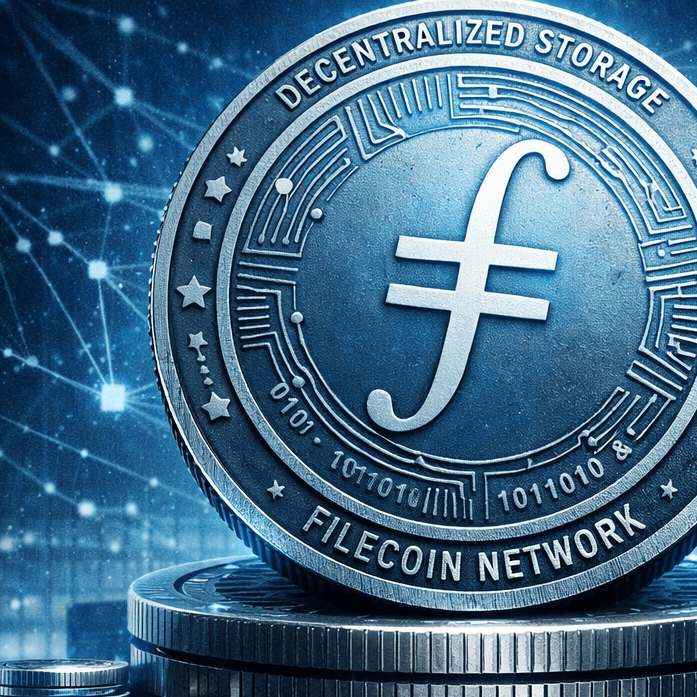
$FIL Filecoin is building a decentralized storage network where data can be stored and retrieved without relying on a single centralized provider.
🔹 Verifiable storage through Proof-of-Replication & Proof-of-Spacetime
🔹 Open marketplace for storage providers
🔹 Content-addressed data with IPFS
🔹 Flexible tradeoffs between cost, speed & redundancy
🔹 Smart contracts through the Filecoin Virtual Machine (FVM)
Filecoin turns storage into an open, verifiable and programmable layer for the decentralized internet. 🚀
#Filecoin #FIL #Web3 #DePIN #DecentralizedStorage
$FIL Filecoin is building a decentralized storage network where data can be stored and retrieved without relying on a single centralized provider.
🔹 Verifiable storage through Proof-of-Replication & Proof-of-Spacetime
🔹 Open marketplace for storage providers
🔹 Content-addressed data with IPFS
🔹 Flexible tradeoffs between cost, speed & redundancy
🔹 Smart contracts through the Filecoin Virtual Machine (FVM)
Filecoin turns storage into an open, verifiable and programmable layer for the decentralized internet. 🚀
#Filecoin #FIL #Web3 #DePIN #DecentralizedStorage
🔹 Verifiable storage through Proof-of-Replication & Proof-of-Spacetime
🔹 Open marketplace for storage providers
🔹 Content-addressed data with IPFS
🔹 Flexible tradeoffs between cost, speed & redundancy
🔹 Smart contracts through the Filecoin Virtual Machine (FVM)
Filecoin turns storage into an open, verifiable and programmable layer for the decentralized internet. 🚀
#Filecoin #FIL #Web3 #DePIN #DecentralizedStorage
67
·
--
$FIL Filecoin construit un réseau de stockage décentralisé conçu pour rendre le stockage des données plus ouvert, vérifiable et résilient.
🔹 Stockage de données décentralisé
🔹 Stockage vérifiable grâce à des preuves cryptographiques
🔹 Un marché mondial reliant les fournisseurs de stockage et les utilisateurs
🔹 Conçu pour une économie des données plus ouverte
Filecoin, c’est plus que du stockage : c’est une infrastructure pour le web décentralisé.
#Filecoin #FIL #Web3 #DePIN #DecentralizedStorage
$FIL Filecoin construit un réseau de stockage décentralisé conçu pour rendre le stockage des données plus ouvert, vérifiable et résilient.
🔹 Stockage de données décentralisé
🔹 Stockage vérifiable grâce à des preuves cryptographiques
🔹 Un marché mondial reliant les fournisseurs de stockage et les utilisateurs
🔹 Conçu pour une économie des données plus ouverte
Filecoin, c’est plus que du stockage : c’est une infrastructure pour le web décentralisé.
#Filecoin #FIL #Web3 #DePIN #DecentralizedStorage
🔹 Stockage de données décentralisé
🔹 Stockage vérifiable grâce à des preuves cryptographiques
🔹 Un marché mondial reliant les fournisseurs de stockage et les utilisateurs
🔹 Conçu pour une économie des données plus ouverte
Filecoin, c’est plus que du stockage : c’est une infrastructure pour le web décentralisé.
#Filecoin #FIL #Web3 #DePIN #DecentralizedStorage
42
·
--
$FIL Filecoin construit un réseau de stockage décentralisé où les données peuvent être stockées et récupérées sans dépendre d’un unique fournisseur centralisé.
🔹 La preuve de réplication vérifie des copies de données uniques
🔹 La preuve d’horodatage vérifie que les données restent stockées dans le temps
🔹 Les fournisseurs de stockage se font concurrence sur un marché ouvert du stockage
🔹 Des preuves cryptographiques rendent le stockage vérifiable publiquement
Filecoin transforme le stockage inutilisé en une ressource mondiale, vérifiable, pour le web décentralisé.
#Filecoin #FIL #DePIN #Web3 #DecentralizedStorage
$FIL Filecoin construit un réseau de stockage décentralisé où les données peuvent être stockées et récupérées sans dépendre d’un unique fournisseur centralisé.
🔹 La preuve de réplication vérifie des copies de données uniques
🔹 La preuve d’horodatage vérifie que les données restent stockées dans le temps
🔹 Les fournisseurs de stockage se font concurrence sur un marché ouvert du stockage
🔹 Des preuves cryptographiques rendent le stockage vérifiable publiquement
Filecoin transforme le stockage inutilisé en une ressource mondiale, vérifiable, pour le web décentralisé.
#Filecoin #FIL #DePIN #Web3 #DecentralizedStorage
🔹 La preuve de réplication vérifie des copies de données uniques
🔹 La preuve d’horodatage vérifie que les données restent stockées dans le temps
🔹 Les fournisseurs de stockage se font concurrence sur un marché ouvert du stockage
🔹 Des preuves cryptographiques rendent le stockage vérifiable publiquement
Filecoin transforme le stockage inutilisé en une ressource mondiale, vérifiable, pour le web décentralisé.
#Filecoin #FIL #DePIN #Web3 #DecentralizedStorage
249


·
--
Viennent d’être ajoutés $FIL autour de 0,812 $. Je surveille ce niveau car le récit du stockage décentralisé de Filecoin conserve encore une grande pertinence, tandis que la demande en infrastructure de données continue de croître.
Ce qui m’intéresse le plus, c’est le rôle du réseau dans le stockage et la récupération des données au sein d’un marché décentralisé, avec un chevauchement croissant entre le stockage, le Web3 et l’infrastructure liée à l’IA.
Si les acheteurs commencent à intervenir avec un volume plus important, FIL pourrait avoir de la place pour un mouvement de reprise solide.
TP : 0,92–1,05
#fil #Filecoin #DecentralizedStorage #DePIN
$FIL
{future}(FILUSDT)
Viennent d’être ajoutés $FIL autour de 0,812 $. Je surveille ce niveau car le récit du stockage décentralisé de Filecoin conserve encore une grande pertinence, tandis que la demande en infrastructure de données continue de croître.
Ce qui m’intéresse le plus, c’est le rôle du réseau dans le stockage et la récupération des données au sein d’un marché décentralisé, avec un chevauchement croissant entre le stockage, le Web3 et l’infrastructure liée à l’IA.
Si les acheteurs commencent à intervenir avec un volume plus important, FIL pourrait avoir de la place pour un mouvement de reprise solide.
TP : 0,92–1,05
#fil #Filecoin #DecentralizedStorage #DePIN
$FIL
Ce qui m’intéresse le plus, c’est le rôle du réseau dans le stockage et la récupération des données au sein d’un marché décentralisé, avec un chevauchement croissant entre le stockage, le Web3 et l’infrastructure liée à l’IA.
Si les acheteurs commencent à intervenir avec un volume plus important, FIL pourrait avoir de la place pour un mouvement de reprise solide.
TP : 0,92–1,05
#fil #Filecoin #DecentralizedStorage #DePIN
$FIL
3
215

·
--
Dans l’évolution des réseaux de stockage décentralisés, les marchés de capacité et de récupération continuent d’attirer une demande mesurée de la part d’applications gourmandes en données. À mesure que les besoins liés à l’IA et à l’archivage s’étendent, des protocoles fondés sur une utilité réelle font preuve d’une résilience plus discrète. En écho aux récits d’infrastructure de 2021 qui récompensaient le déploiement pratique plutôt que la simple spéculation, ce chapitre affiche une probabilité de 62 % de progrès stable au fil de la saison si les indicateurs d’utilisation et les intégrations de partenariats continuent de s’amplifier.
{spot}(FILUSDT)
$FIL #RadaRI102 #CoinVahini #Filecoin #DecentralizedStorage
Dans l’évolution des réseaux de stockage décentralisés, les marchés de capacité et de récupération continuent d’attirer une demande mesurée de la part d’applications gourmandes en données. À mesure que les besoins liés à l’IA et à l’archivage s’étendent, des protocoles fondés sur une utilité réelle font preuve d’une résilience plus discrète. En écho aux récits d’infrastructure de 2021 qui récompensaient le déploiement pratique plutôt que la simple spéculation, ce chapitre affiche une probabilité de 62 % de progrès stable au fil de la saison si les indicateurs d’utilisation et les intégrations de partenariats continuent de s’amplifier.
$FIL #RadaRI102 #CoinVahini #Filecoin #DecentralizedStorage
$FIL #RadaRI102 #CoinVahini #Filecoin #DecentralizedStorage
1
205
·
--
$FIL Filecoin construit un internet plus ouvert et vérifiable pour les données. 🌐
Grâce au stockage décentralisé, aux preuves cryptographiques, aux marchés ouverts et aux données adressées par leur contenu, Filecoin permet à chacun de stocker et de récupérer des informations sans dépendre d’un seul fournisseur centralisé.
Pour les développeurs, il propose des outils pour intégrer le stockage, la récupération, les smart contracts et les applications onchain.
L’avenir des données est décentralisé. 🚀
#Filecoin #FIL #Web3 #DePIN #DecentralizedStorage
$FIL Filecoin construit un internet plus ouvert et vérifiable pour les données. 🌐
Grâce au stockage décentralisé, aux preuves cryptographiques, aux marchés ouverts et aux données adressées par leur contenu, Filecoin permet à chacun de stocker et de récupérer des informations sans dépendre d’un seul fournisseur centralisé.
Pour les développeurs, il propose des outils pour intégrer le stockage, la récupération, les smart contracts et les applications onchain.
L’avenir des données est décentralisé. 🚀
#Filecoin #FIL #Web3 #DePIN #DecentralizedStorage
Grâce au stockage décentralisé, aux preuves cryptographiques, aux marchés ouverts et aux données adressées par leur contenu, Filecoin permet à chacun de stocker et de récupérer des informations sans dépendre d’un seul fournisseur centralisé.
Pour les développeurs, il propose des outils pour intégrer le stockage, la récupération, les smart contracts et les applications onchain.
L’avenir des données est décentralisé. 🚀
#Filecoin #FIL #Web3 #DePIN #DecentralizedStorage
83

·
--

Article
Siacoin explose de 40 % — est-ce le renouveau du stockage décentralisé ?Dans un marché où la plupart des cryptomonnaies ont du mal à trouver une direction, un projet vétéran a décidé de faire une déclaration. $SC , le token natif de Siacoin, vient tout juste d’enregistrer un énorme rallye de 39,61 % en une seule journée, bondissant d’un plus bas de 0,000593 $ à un plus haut de 0,000843 $. Actuellement, le token s’échange autour de 0,000829 $. Ce projet de stockage décentralisé se retrouve soudainement sous les projecteurs de tout le monde. 👀
Mais s’agit-il d’un véritable renouveau ou simplement d’un énième feu de paille ? Plongeons-y. 👇
Qu’est-ce qui alimente l’incendie ? 🔥
Domination massive des acheteurs : l’activité de trading sur 24 heures affiche 57,8 % d’acheteurs contre 42,2 % de vendeurs. Cela indique que la baisse est rachetée de manière agressive, un signe haussier.
Siacoin explose de 40 % — est-ce le renouveau du stockage décentralisé ?
Dans un marché où la plupart des cryptomonnaies ont du mal à trouver une direction, un projet vétéran a décidé de faire une déclaration. $SC , le token natif de Siacoin, vient tout juste d’enregistrer un énorme rallye de 39,61 % en une seule journée, bondissant d’un plus bas de 0,000593 $ à un plus haut de 0,000843 $. Actuellement, le token s’échange autour de 0,000829 $. Ce projet de stockage décentralisé se retrouve soudainement sous les projecteurs de tout le monde. 👀
Mais s’agit-il d’un véritable renouveau ou simplement d’un énième feu de paille ? Plongeons-y. 👇
Qu’est-ce qui alimente l’incendie ? 🔥
Domination massive des acheteurs : l’activité de trading sur 24 heures affiche 57,8 % d’acheteurs contre 42,2 % de vendeurs. Cela indique que la baisse est rachetée de manière agressive, un signe haussier.
Mais s’agit-il d’un véritable renouveau ou simplement d’un énième feu de paille ? Plongeons-y. 👇
Qu’est-ce qui alimente l’incendie ? 🔥
Domination massive des acheteurs : l’activité de trading sur 24 heures affiche 57,8 % d’acheteurs contre 42,2 % de vendeurs. Cela indique que la baisse est rachetée de manière agressive, un signe haussier.
129

⚙️ Nouvelle mise à jour pour Swarmfs prend en charge l’interface Bee HTTP
La version 0.8.0 de Swarmfs est sortie, ajoutant la prise en charge de l’interface de programmation d’applications Bee HTTP du réseau Ethereum Swarm. Cette mise à jour permet aux utilisateurs d’interagir plus efficacement avec le système de stockage décentralisé.
━━━━━━━━━━━━━━
📊 Impact : 📊 moyen
🏷️ DEFI
#Ethereum #DecentralizedStorage #Web3 #Blockchain
📰 Source : pypi.org
⚙️ Nouvelle mise à jour pour Swarmfs prend en charge l’interface Bee HTTP
La version 0.8.0 de Swarmfs est sortie, ajoutant la prise en charge de l’interface de programmation d’applications Bee HTTP du réseau Ethereum Swarm. Cette mise à jour permet aux utilisateurs d’interagir plus efficacement avec le système de stockage décentralisé.
━━━━━━━━━━━━━━
📊 Impact : 📊 moyen
🏷️ DEFI
#Ethereum #DecentralizedStorage #Web3 #Blockchain
📰 Source : pypi.org
La version 0.8.0 de Swarmfs est sortie, ajoutant la prise en charge de l’interface de programmation d’applications Bee HTTP du réseau Ethereum Swarm. Cette mise à jour permet aux utilisateurs d’interagir plus efficacement avec le système de stockage décentralisé.
━━━━━━━━━━━━━━
📊 Impact : 📊 moyen
🏷️ DEFI
#Ethereum #DecentralizedStorage #Web3 #Blockchain
📰 Source : pypi.org
81
·
--
$AR Arweave construit un foyer permanent pour les données sur Internet. 🌐
Son réseau de stockage décentralisé est conçu pour conserver l’information accessible à long terme, tandis que AR alimente l’écosystème.
La vision : des données qui durent au-delà des serveurs, des entreprises et du contrôle centralisé. 🔗
#Arweave #AR #Web3 #DecentralizedStorage
$AR Arweave construit un foyer permanent pour les données sur Internet. 🌐
Son réseau de stockage décentralisé est conçu pour conserver l’information accessible à long terme, tandis que AR alimente l’écosystème.
La vision : des données qui durent au-delà des serveurs, des entreprises et du contrôle centralisé. 🔗
#Arweave #AR #Web3 #DecentralizedStorage
Son réseau de stockage décentralisé est conçu pour conserver l’information accessible à long terme, tandis que AR alimente l’écosystème.
La vision : des données qui durent au-delà des serveurs, des entreprises et du contrôle centralisé. 🔗
#Arweave #AR #Web3 #DecentralizedStorage
151
·
--
$AR Arweave construit pour le long terme. 🧵
La vision : un réseau décentralisé où les données peuvent être stockées en permanence, accessibles sans dépendre d’une seule entreprise ou d’un seul serveur.
Avec $AR alimentant l’écosystème, Arweave transforme le stockage de données permanent en infrastructure pour le web décentralisé.
L’avenir d’Internet a besoin de mémoire. Arweave la construit. 🐘🔗
#Arweave #AR #Web3 #DePIN #DecentralizedStorage
$AR Arweave construit pour le long terme. 🧵
La vision : un réseau décentralisé où les données peuvent être stockées en permanence, accessibles sans dépendre d’une seule entreprise ou d’un seul serveur.
Avec $AR alimentant l’écosystème, Arweave transforme le stockage de données permanent en infrastructure pour le web décentralisé.
L’avenir d’Internet a besoin de mémoire. Arweave la construit. 🐘🔗
#Arweave #AR #Web3 #DePIN #DecentralizedStorage
La vision : un réseau décentralisé où les données peuvent être stockées en permanence, accessibles sans dépendre d’une seule entreprise ou d’un seul serveur.
Avec $AR alimentant l’écosystème, Arweave transforme le stockage de données permanent en infrastructure pour le web décentralisé.
L’avenir d’Internet a besoin de mémoire. Arweave la construit. 🐘🔗
#Arweave #AR #Web3 #DePIN #DecentralizedStorage
1
189

𝗤𝘜𝗘 𝗖𝗨𝗟𝗟𝗢𝗘 𝗠𝗢𝗨𝗩𝗘 𝗧𝗢 𝗗𝗘́𝗖𝗘𝗡𝗧𝗥𝗔𝗟𝗜𝗦𝗘 𝗟𝗘 𝗦𝗧𝗢𝗖𝗞𝗔𝗚𝗘 𝗦𝗧𝗢𝗖𝗞𝗘́ 𝗡𝗘 𝗦𝗜𝗚𝗡𝗜𝗙𝗜𝗘 𝗣𝗔𝗦 𝗩𝗥𝗔𝗜𝗠𝗘𝗡𝗧 𝗥𝗘𝗖𝗢𝗡𝗦𝗧𝗜𝗧𝗨𝗘𝗥 𝗩𝗢𝗧𝗥𝗘 𝗖𝗛𝗘𝗖𝗞?
C’est là que BTFS Storage3 devient intéressant.
Les développeurs peuvent interagir avec un stockage décentralisé via une interface compatible S3, tout en conservant des flux de travail familiers autour des buckets, des fichiers, des clés d’objets et des outils en ligne de commande.
L’architecture du stockage évolue, mais l’expérience de développement ne doit pas changer du jour au lendemain.
Une équipe peut commencer par stocker des ressources de site web ou des documents archivés, tester le système, puis déplacer progressivement davantage de charges de travail.
Les solutions d’infrastructure les plus solides finissent souvent par l’emporter en réduisant les frictions.
BTFS Storage3 adopte cette approche du stockage décentralisé.
#BitTorrent #TRONEcoStar #BTFS #Storage3 #DecentralizedStorage @JustinSun @BitTorrent_Official
𝗤𝘜𝗘 𝗖𝗨𝗟𝗟𝗢𝗘 𝗠𝗢𝗨𝗩𝗘 𝗧𝗢 𝗗𝗘́𝗖𝗘𝗡𝗧𝗥𝗔𝗟𝗜𝗦𝗘 𝗟𝗘 𝗦𝗧𝗢𝗖𝗞𝗔𝗚𝗘 𝗦𝗧𝗢𝗖𝗞𝗘́ 𝗡𝗘 𝗦𝗜𝗚𝗡𝗜𝗙𝗜𝗘 𝗣𝗔𝗦 𝗩𝗥𝗔𝗜𝗠𝗘𝗡𝗧 𝗥𝗘𝗖𝗢𝗡𝗦𝗧𝗜𝗧𝗨𝗘𝗥 𝗩𝗢𝗧𝗥𝗘 𝗖𝗛𝗘𝗖𝗞?
C’est là que BTFS Storage3 devient intéressant.
Les développeurs peuvent interagir avec un stockage décentralisé via une interface compatible S3, tout en conservant des flux de travail familiers autour des buckets, des fichiers, des clés d’objets et des outils en ligne de commande.
L’architecture du stockage évolue, mais l’expérience de développement ne doit pas changer du jour au lendemain.
Une équipe peut commencer par stocker des ressources de site web ou des documents archivés, tester le système, puis déplacer progressivement davantage de charges de travail.
Les solutions d’infrastructure les plus solides finissent souvent par l’emporter en réduisant les frictions.
BTFS Storage3 adopte cette approche du stockage décentralisé.
#BitTorrent #TRONEcoStar #BTFS #Storage3 #DecentralizedStorage @Justin Sun孙宇晨 @BitTorrent_Official
C’est là que BTFS Storage3 devient intéressant.
Les développeurs peuvent interagir avec un stockage décentralisé via une interface compatible S3, tout en conservant des flux de travail familiers autour des buckets, des fichiers, des clés d’objets et des outils en ligne de commande.
L’architecture du stockage évolue, mais l’expérience de développement ne doit pas changer du jour au lendemain.
Une équipe peut commencer par stocker des ressources de site web ou des documents archivés, tester le système, puis déplacer progressivement davantage de charges de travail.
Les solutions d’infrastructure les plus solides finissent souvent par l’emporter en réduisant les frictions.
BTFS Storage3 adopte cette approche du stockage décentralisé.
#BitTorrent #TRONEcoStar #BTFS #Storage3 #DecentralizedStorage @Justin Sun孙宇晨 @BitTorrent_Official
12

·
--
Imagine stocker vos fichiers sur un réseau alimenté par des millions d'appareils quotidiens au lieu des serveurs des grandes entreprises technologiques — c'est Autonomi.
Autonomi (ANT) est un écosystème décentralisé où les données sont stockées en toute sécurité à travers d'innombrables nœuds comme des ordinateurs portables et des téléphones, avec la confidentialité intégrée par défaut. Aucune entreprise unique ne le contrôle, et les nœuds se valident mutuellement de manière autonome sans intermédiaires. Pensez-y comme un cloud géré par la communauté où vous gardez la propriété de vos données. Le token ANT alimente ce réseau, actuellement échangé autour de 0,076 $ avec un gain quotidien de 6,6 % et une capitalisation boursière de 25,4 millions de dollars. Bien qu'il soit encore tôt, classé 711, la vision est audacieuse : une infrastructure Internet véritablement privée et résistante à la censure alimentée par des gens, pas des corporations.
#DecentralizedStorage #DataPrivacy
Ferez-vous confiance à vos fichiers personnels sur un réseau géré par des appareils d'inconnus au lieu de Google ou d'Amazon ?
Imagine stocker vos fichiers sur un réseau alimenté par des millions d'appareils quotidiens au lieu des serveurs des grandes entreprises technologiques — c'est Autonomi.
Autonomi (ANT) est un écosystème décentralisé où les données sont stockées en toute sécurité à travers d'innombrables nœuds comme des ordinateurs portables et des téléphones, avec la confidentialité intégrée par défaut. Aucune entreprise unique ne le contrôle, et les nœuds se valident mutuellement de manière autonome sans intermédiaires. Pensez-y comme un cloud géré par la communauté où vous gardez la propriété de vos données. Le token ANT alimente ce réseau, actuellement échangé autour de 0,076 $ avec un gain quotidien de 6,6 % et une capitalisation boursière de 25,4 millions de dollars. Bien qu'il soit encore tôt, classé 711, la vision est audacieuse : une infrastructure Internet véritablement privée et résistante à la censure alimentée par des gens, pas des corporations.
#DecentralizedStorage #DataPrivacy
Ferez-vous confiance à vos fichiers personnels sur un réseau géré par des appareils d'inconnus au lieu de Google ou d'Amazon ?
Autonomi (ANT) est un écosystème décentralisé où les données sont stockées en toute sécurité à travers d'innombrables nœuds comme des ordinateurs portables et des téléphones, avec la confidentialité intégrée par défaut. Aucune entreprise unique ne le contrôle, et les nœuds se valident mutuellement de manière autonome sans intermédiaires. Pensez-y comme un cloud géré par la communauté où vous gardez la propriété de vos données. Le token ANT alimente ce réseau, actuellement échangé autour de 0,076 $ avec un gain quotidien de 6,6 % et une capitalisation boursière de 25,4 millions de dollars. Bien qu'il soit encore tôt, classé 711, la vision est audacieuse : une infrastructure Internet véritablement privée et résistante à la censure alimentée par des gens, pas des corporations.
#DecentralizedStorage #DataPrivacy
Ferez-vous confiance à vos fichiers personnels sur un réseau géré par des appareils d'inconnus au lieu de Google ou d'Amazon ?
65
·
--
Imaginez stocker vos données sur un réseau géré par des millions d'appareils ordinaires, pas par des serveurs de grandes entreprises. Autonomi (ANT) construit exactement cela — une couche de stockage décentralisée où vos fichiers sont cryptés, fragmentés et distribués sur des ordinateurs et des téléphones ordinaires dans le monde entier. Aucune entreprise centrale ne détient vos clés ni ne décide qui accède à quoi. Les nœuds se valident mutuellement de manière autonome, ce qui signifie que le réseau fonctionne tout seul sans patrons ni intermédiaires. Pensez-y comme un disque dur mondial alimenté par la communauté où la vie privée n'est pas un ajout — c'est par défaut. Avec une capitalisation boursière d'environ 24,5 millions de dollars et le token en hausse de plus de 8% aujourd'hui, le projet prend du poids discrètement. Pour les débutants, c'est un aperçu de la promesse originale du Web3 : vous possédez vos données, pas la plateforme.
#Autonomi #StockageDécentralisé
Foulez-vous faire confiance à vos fichiers personnels sur un réseau alimenté par des appareils d'inconnus au lieu de Google ou AWS ?
Imaginez stocker vos données sur un réseau géré par des millions d'appareils ordinaires, pas par des serveurs de grandes entreprises. Autonomi (ANT) construit exactement cela — une couche de stockage décentralisée où vos fichiers sont cryptés, fragmentés et distribués sur des ordinateurs et des téléphones ordinaires dans le monde entier. Aucune entreprise centrale ne détient vos clés ni ne décide qui accède à quoi. Les nœuds se valident mutuellement de manière autonome, ce qui signifie que le réseau fonctionne tout seul sans patrons ni intermédiaires. Pensez-y comme un disque dur mondial alimenté par la communauté où la vie privée n'est pas un ajout — c'est par défaut. Avec une capitalisation boursière d'environ 24,5 millions de dollars et le token en hausse de plus de 8% aujourd'hui, le projet prend du poids discrètement. Pour les débutants, c'est un aperçu de la promesse originale du Web3 : vous possédez vos données, pas la plateforme.
#Autonomi #StockageDécentralisé
Foulez-vous faire confiance à vos fichiers personnels sur un réseau alimenté par des appareils d'inconnus au lieu de Google ou AWS ?
#Autonomi #StockageDécentralisé
Foulez-vous faire confiance à vos fichiers personnels sur un réseau alimenté par des appareils d'inconnus au lieu de Google ou AWS ?
56

·
--
Stockage de Gros Modèles d'IA sur des Réseaux Décentralisés 💾
Les énormes modèles d'IA ont besoin d'un stockage sûr et immuable. Les protocoles de stockage décentralisés Web3 s'améliorent pour héberger en toute sécurité les poids complets des LLM loin des points de défaillance uniques.
#DecentralizedStorage #Web3Infrastructure #AIModels #DataFreedom .
Stockage de Gros Modèles d'IA sur des Réseaux Décentralisés 💾
Les énormes modèles d'IA ont besoin d'un stockage sûr et immuable. Les protocoles de stockage décentralisés Web3 s'améliorent pour héberger en toute sécurité les poids complets des LLM loin des points de défaillance uniques.
#DecentralizedStorage #Web3Infrastructure #AIModels #DataFreedom .
Les énormes modèles d'IA ont besoin d'un stockage sûr et immuable. Les protocoles de stockage décentralisés Web3 s'améliorent pour héberger en toute sécurité les poids complets des LLM loin des points de défaillance uniques.
#DecentralizedStorage #Web3Infrastructure #AIModels #DataFreedom .
61
BINANCE SQUARE👁️ Eye Cache – L'avenir du stockage décentralisé
Les données deviennent l'actif le plus précieux au monde. Eye Cache vise à fournir un écosystème de stockage sécurisé, rapide et décentralisé conçu pour l'ère de l'IA et du Web3.
🔹 Architecture axée sur la vie privée
🔹 Décentralisé & Sécurisé
🔹 Accès aux données à grande vitesse
🔹 Conçu pour l'IA, les dApps & Web3
Alors que la demande de stockage de données continue de croître, les projets qui combinent scalabilité, sécurité et décentralisation pourraient jouer un rôle majeur dans la future économie numérique.
BINANCE SQUARE
👁️ Eye Cache – L'avenir du stockage décentralisé
Les données deviennent l'actif le plus précieux au monde. Eye Cache vise à fournir un écosystème de stockage sécurisé, rapide et décentralisé conçu pour l'ère de l'IA et du Web3.
🔹 Architecture axée sur la vie privée
🔹 Décentralisé & Sécurisé
🔹 Accès aux données à grande vitesse
🔹 Conçu pour l'IA, les dApps & Web3
Alors que la demande de stockage de données continue de croître, les projets qui combinent scalabilité, sécurité et décentralisation pourraient jouer un rôle majeur dans la future économie numérique.
Les données deviennent l'actif le plus précieux au monde. Eye Cache vise à fournir un écosystème de stockage sécurisé, rapide et décentralisé conçu pour l'ère de l'IA et du Web3.
🔹 Architecture axée sur la vie privée
🔹 Décentralisé & Sécurisé
🔹 Accès aux données à grande vitesse
🔹 Conçu pour l'IA, les dApps & Web3
Alors que la demande de stockage de données continue de croître, les projets qui combinent scalabilité, sécurité et décentralisation pourraient jouer un rôle majeur dans la future économie numérique.
139

·
--
Pourquoi le stockage devrait-il dépendre d’une seule entreprise ?
Internet est devenu résilient grâce à sa décentralisation.
Le stockage suit le même chemin.
BTFS Finder fournit une passerelle vers le stockage décentralisé, sans submerger les utilisateurs avec une complexité technique.
Téléversez des fichiers. Accédez-y facilement. Laissez le réseau BTFS gérer la distribution en coulisses.
La technologie peut être décentralisée, mais l’expérience reste étonnamment simple.
C’est ainsi que l’innovation atteint tout le monde.
🔗 https://finder.btfs.io/
@BitTorrent @justinsuntron #BitTorrent #BTFS #Web3 #DecentralizedStorage #TRONEcoStar
Pourquoi le stockage devrait-il dépendre d’une seule entreprise ?
Internet est devenu résilient grâce à sa décentralisation.
Le stockage suit le même chemin.
BTFS Finder fournit une passerelle vers le stockage décentralisé, sans submerger les utilisateurs avec une complexité technique.
Téléversez des fichiers. Accédez-y facilement. Laissez le réseau BTFS gérer la distribution en coulisses.
La technologie peut être décentralisée, mais l’expérience reste étonnamment simple.
C’est ainsi que l’innovation atteint tout le monde.
🔗 https://finder.btfs.io/
@BitTorrent @justinsuntron #BitTorrent #BTFS #Web3 #DecentralizedStorage #TRONEcoStar
Internet est devenu résilient grâce à sa décentralisation.
Le stockage suit le même chemin.
BTFS Finder fournit une passerelle vers le stockage décentralisé, sans submerger les utilisateurs avec une complexité technique.
Téléversez des fichiers. Accédez-y facilement. Laissez le réseau BTFS gérer la distribution en coulisses.
La technologie peut être décentralisée, mais l’expérience reste étonnamment simple.
C’est ainsi que l’innovation atteint tout le monde.
🔗 https://finder.btfs.io/
@BitTorrent @justinsuntron #BitTorrent #BTFS #Web3 #DecentralizedStorage #TRONEcoStar
1
15

·
--
🦈 LA GUERRE DE LA MÉMOIRE DE L’IA ne fait que commencer — $FIL AND $AR sont positionnés pour la prochaine vague 💥
📌 Alors que les gros titres hurlent au sujet des GPU, le vrai goulot d’étranglement pourrait être la mémoire. Les hyperscalers verrouillent l’approvisionnement en DRAM/NAND à long terme — et la même logique s’applique au stockage décentralisé. $FIL and $AR se situent à l’intersection de l’infrastructure IA et de la pérennité des données. 📊
🔥 L’histoire montre que les plus grands mouvements ont lieu quand le marché change de focus : du calcul vers l’infrastructure qui maintient le calcul productif. Les centres de données IA ont besoin d’une mémoire à haut débit et d’un stockage immuable. Ce n’est pas un élément secondaire — c’est une contrainte stratégique. 💡
💬 Vous suivez le récit sur le stockage, ou tout tourne-t-il pour vous autour des puces ? 👇
⚠️ Ceci ne constitue pas un conseil financier. Gérez toujours votre risque. 🛡️
🏷️ $FIL #Storage #AIInfrastructure #DecentralizedStorage #Narrative
🚀 🦈
🦈 LA GUERRE DE LA MÉMOIRE DE L’IA ne fait que commencer — $FIL AND $AR sont positionnés pour la prochaine vague 💥
📌 Alors que les gros titres hurlent au sujet des GPU, le vrai goulot d’étranglement pourrait être la mémoire. Les hyperscalers verrouillent l’approvisionnement en DRAM/NAND à long terme — et la même logique s’applique au stockage décentralisé. $FIL and $AR se situent à l’intersection de l’infrastructure IA et de la pérennité des données. 📊
🔥 L’histoire montre que les plus grands mouvements ont lieu quand le marché change de focus : du calcul vers l’infrastructure qui maintient le calcul productif. Les centres de données IA ont besoin d’une mémoire à haut débit et d’un stockage immuable. Ce n’est pas un élément secondaire — c’est une contrainte stratégique. 💡
💬 Vous suivez le récit sur le stockage, ou tout tourne-t-il pour vous autour des puces ? 👇
⚠️ Ceci ne constitue pas un conseil financier. Gérez toujours votre risque. 🛡️
🏷️ $FIL #Storage #AIInfrastructure #DecentralizedStorage #Narrative
🚀 🦈
📌 Alors que les gros titres hurlent au sujet des GPU, le vrai goulot d’étranglement pourrait être la mémoire. Les hyperscalers verrouillent l’approvisionnement en DRAM/NAND à long terme — et la même logique s’applique au stockage décentralisé. $FIL and $AR se situent à l’intersection de l’infrastructure IA et de la pérennité des données. 📊
🔥 L’histoire montre que les plus grands mouvements ont lieu quand le marché change de focus : du calcul vers l’infrastructure qui maintient le calcul productif. Les centres de données IA ont besoin d’une mémoire à haut débit et d’un stockage immuable. Ce n’est pas un élément secondaire — c’est une contrainte stratégique. 💡
💬 Vous suivez le récit sur le stockage, ou tout tourne-t-il pour vous autour des puces ? 👇
⚠️ Ceci ne constitue pas un conseil financier. Gérez toujours votre risque. 🛡️
🏷️ $FIL #Storage #AIInfrastructure #DecentralizedStorage #Narrative
🚀 🦈
331

Le réseau de stockage décentralisé BTFS est un élément souvent négligé de l’infrastructure de TRON qui apporte une valeur considérable à l’écosystème et différencie TRON des concurrents qui ne disposent pas de capacités de stockage intégrées. BTFS fournit un stockage de fichiers décentralisé via un réseau de nœuds qui stockent des fragments de fichiers sur une architecture distribuée, éliminant ainsi les points de défaillance uniques et le contrôle centralisé. Contrairement aux fournisseurs de stockage centralisé comme Amazon S3 ou Google Cloud, BTFS ne présente pas de point de défaillance unique, ne nécessite pas de faire confiance à une entité corporative qui pourrait être contrainte de censurer du contenu, et ne subit pas les risques de censure ou de suppression de contenu auxquels les fournisseurs centralisés font face. Pour les développeurs qui construisent sur TRON — via le pipeline créé par TRON Academy à ETHGlobal —, BTFS fournit la couche de stockage dont les applications décentralisées ont besoin pour les métadonnées, les fichiers de configuration et la documentation. Les métadonnées NFT doivent être conservées quelque part de façon permanente et non censurable. Les fichiers de configuration des DApp ont besoin d’un stockage distribué qui survit aux pannes de nœuds individuels sans interruption de service. La documentation institutionnelle relative à des actifs tokenisés — comme le fonds HLSCOPE de Hamilton Lane — bénéficie d’un stockage décentralisé qui garantit l’intégrité vérifiable des données et des registres infalsifiables. BTFS s’intègre nativement à l’écosystème de contrats intelligents de TRON : les développeurs peuvent ainsi écrire des contrats qui interagissent automatiquement avec les données stockées, sans oracles externes ni contrats de pont qui ajoutent de la complexité et une surface d’attaque accrue. Le token BTT incite les opérateurs de nœuds à fournir de la capacité de stockage, créant ainsi un mécanisme économique vertueux où la demande de stockage stimule la croissance des nœuds, laquelle entraîne l’expansion de la capacité de stockage, attirant à son tour davantage de demande de la part des développeurs et des institutions. Le TRX à trente-sept cents valorise la partie financière de l’infrastructure de TRON, mais sous-évalue la couche de stockage qui fait de TRON une plateforme technologique complète, plutôt qu’un simple réseau financier. @TRON DAO, @Justin Sun孙宇晨, #TRONEcoStar #BTFS #DecentralizedStorage #Infrastructure
Le réseau de stockage décentralisé BTFS est un élément souvent négligé de l’infrastructure de TRON qui apporte une valeur considérable à l’écosystème et différencie TRON des concurrents qui ne disposent pas de capacités de stockage intégrées. BTFS fournit un stockage de fichiers décentralisé via un réseau de nœuds qui stockent des fragments de fichiers sur une architecture distribuée, éliminant ainsi les points de défaillance uniques et le contrôle centralisé. Contrairement aux fournisseurs de stockage centralisé comme Amazon S3 ou Google Cloud, BTFS ne présente pas de point de défaillance unique, ne nécessite pas de faire confiance à une entité corporative qui pourrait être contrainte de censurer du contenu, et ne subit pas les risques de censure ou de suppression de contenu auxquels les fournisseurs centralisés font face. Pour les développeurs qui construisent sur TRON — via le pipeline créé par TRON Academy à ETHGlobal —, BTFS fournit la couche de stockage dont les applications décentralisées ont besoin pour les métadonnées, les fichiers de configuration et la documentation. Les métadonnées NFT doivent être conservées quelque part de façon permanente et non censurable. Les fichiers de configuration des DApp ont besoin d’un stockage distribué qui survit aux pannes de nœuds individuels sans interruption de service. La documentation institutionnelle relative à des actifs tokenisés — comme le fonds HLSCOPE de Hamilton Lane — bénéficie d’un stockage décentralisé qui garantit l’intégrité vérifiable des données et des registres infalsifiables. BTFS s’intègre nativement à l’écosystème de contrats intelligents de TRON : les développeurs peuvent ainsi écrire des contrats qui interagissent automatiquement avec les données stockées, sans oracles externes ni contrats de pont qui ajoutent de la complexité et une surface d’attaque accrue. Le token BTT incite les opérateurs de nœuds à fournir de la capacité de stockage, créant ainsi un mécanisme économique vertueux où la demande de stockage stimule la croissance des nœuds, laquelle entraîne l’expansion de la capacité de stockage, attirant à son tour davantage de demande de la part des développeurs et des institutions. Le TRX à trente-sept cents valorise la partie financière de l’infrastructure de TRON, mais sous-évalue la couche de stockage qui fait de TRON une plateforme technologique complète, plutôt qu’un simple réseau financier. @TRON DAO, @Justin Sun孙宇晨, #TRONEcoStar #BTFS #DecentralizedStorage #Infrastructure
9

·
--
Dans l'univers Web3, la decentralisation des Data Storage est cruciale. Elle garantit que les données sont réparties et sécurisées sur plusieurs nœuds, plutôt que d'être concentrées entre les mains d'une seule entité. Cela réduit les risques de pertes de données et améliore la résilience contre les attaques. #DecentralizedStorage #Web3 #DataSecurity
Dans l'univers Web3, la decentralisation des Data Storage est cruciale. Elle garantit que les données sont réparties et sécurisées sur plusieurs nœuds, plutôt que d'être concentrées entre les mains d'une seule entité. Cela réduit les risques de pertes de données et améliore la résilience contre les attaques. #DecentralizedStorage #Web3 #DataSecurity
87

·
--
Si vous continuez à courir après des mèmes surestimés tout en ignorant l’infrastructure réelle qui alimente l’essor de l’IA, stoppez maintenant.
La plupart des investisseurs particuliers s’engouffrent dans des projets d’IA « vaporware » au tout sommet, pour ensuite voir leurs pertes s’aggraver lorsque l’euphorie retombe. Ils ratent la vraie création de valeur, parce qu’ils ne regardent pas où se dirige la demande réelle en calcul et en stockage.
Regardez le monde de la finance traditionnelle pour vous remettre les idées en place. SanDisk vient de publier une hausse massive de son chiffre d’affaires de 175% d’une année sur l’autre, à 20,25 milliards de dollars, portée par une explosion stupéfiante de 437% des ventes aux centres de données. La révolution de l’IA a faim de stockage, et Wall Street finance du matériel physique pour la nourrir.
Pendant ce temps, des réseaux de stockage décentralisés comme $FIL and $AR cherchent à capter exactement cette même demande. Cela me rappelle les débuts du cloud computing, quand tout le monde doutait d’AWS, sauf qu’ici nous avons des protocoles blockchain qui concurrencent directement les géants historiques du matériel. Si ne serait-ce qu’une fraction de ces revenus historiques migre vers des réseaux décentralisés, l’écart de valorisation entre la tech traditionnelle et le stockage Web3 se réduira rapidement.
Pensez-vous que des réseaux décentralisés peuvent réellement rivaliser avec les géants du matériel historique, ou est-ce que le stockage Web3 restera un marché de niche ?
#AI #DecentralizedStorage #Crypto
Si vous continuez à courir après des mèmes surestimés tout en ignorant l’infrastructure réelle qui alimente l’essor de l’IA, stoppez maintenant.
La plupart des investisseurs particuliers s’engouffrent dans des projets d’IA « vaporware » au tout sommet, pour ensuite voir leurs pertes s’aggraver lorsque l’euphorie retombe. Ils ratent la vraie création de valeur, parce qu’ils ne regardent pas où se dirige la demande réelle en calcul et en stockage.
Regardez le monde de la finance traditionnelle pour vous remettre les idées en place. SanDisk vient de publier une hausse massive de son chiffre d’affaires de 175% d’une année sur l’autre, à 20,25 milliards de dollars, portée par une explosion stupéfiante de 437% des ventes aux centres de données. La révolution de l’IA a faim de stockage, et Wall Street finance du matériel physique pour la nourrir.
Pendant ce temps, des réseaux de stockage décentralisés comme $FIL and $AR cherchent à capter exactement cette même demande. Cela me rappelle les débuts du cloud computing, quand tout le monde doutait d’AWS, sauf qu’ici nous avons des protocoles blockchain qui concurrencent directement les géants historiques du matériel. Si ne serait-ce qu’une fraction de ces revenus historiques migre vers des réseaux décentralisés, l’écart de valorisation entre la tech traditionnelle et le stockage Web3 se réduira rapidement.
Pensez-vous que des réseaux décentralisés peuvent réellement rivaliser avec les géants du matériel historique, ou est-ce que le stockage Web3 restera un marché de niche ?
#AI #DecentralizedStorage #Crypto
La plupart des investisseurs particuliers s’engouffrent dans des projets d’IA « vaporware » au tout sommet, pour ensuite voir leurs pertes s’aggraver lorsque l’euphorie retombe. Ils ratent la vraie création de valeur, parce qu’ils ne regardent pas où se dirige la demande réelle en calcul et en stockage.
Regardez le monde de la finance traditionnelle pour vous remettre les idées en place. SanDisk vient de publier une hausse massive de son chiffre d’affaires de 175% d’une année sur l’autre, à 20,25 milliards de dollars, portée par une explosion stupéfiante de 437% des ventes aux centres de données. La révolution de l’IA a faim de stockage, et Wall Street finance du matériel physique pour la nourrir.
Pendant ce temps, des réseaux de stockage décentralisés comme $FIL and $AR cherchent à capter exactement cette même demande. Cela me rappelle les débuts du cloud computing, quand tout le monde doutait d’AWS, sauf qu’ici nous avons des protocoles blockchain qui concurrencent directement les géants historiques du matériel. Si ne serait-ce qu’une fraction de ces revenus historiques migre vers des réseaux décentralisés, l’écart de valorisation entre la tech traditionnelle et le stockage Web3 se réduira rapidement.
Pensez-vous que des réseaux décentralisés peuvent réellement rivaliser avec les géants du matériel historique, ou est-ce que le stockage Web3 restera un marché de niche ?
#AI #DecentralizedStorage #Crypto

294
Connectez-vous pour découvrir plus de contenu
Rejoignez la communauté mondiale des adeptes de cryptomonnaies sur Binance Square
⚡️ Suviez les dernières informations importantes sur les cryptomonnaies.
💬 Jugé digne de confiance par la plus grande plateforme d’échange de cryptomonnaies au monde.
👍 Découvrez les connaissances que partagent les créateurs vérifiés.
Adresse e-mail/Nº de téléphone
Sujets d’actualité
1
#BitcoinSurpasses$77000
3,292 vues
74 mentions
2
#ParadigmDisclosesZECHolding
4,051 vues
177 mentions
3
#BitcoinETFsShed$450M
15,120 vues
141 mentions
4
#USWeeklyJoblessClaimsFallTo196K
1,521 vues
113 mentions
5
#ArkhamSaysBlackRockBuys$1.5BInETH
747 vues
22 mentions
6
#ElSalvadorBTCHoldingsRiseTo7777
19,151 vues
434 mentions
7
#MemeLaunchpads82%OfArcDayOneVolume
26,138 vues
638 mentions
8
#OstiumLoanDisputeHearingSetInNYFederalCourt
21,595 vues
456 mentions
9
#HyperliquidUSDCSupplyOvertakesSolana
8,899 vues
223 mentions
10
#SKPoliceRefer18PolymarketUsersToProsecutors
15,247 vues
392 mentions