
#cryptoeducation
cryptoeducation
3.4M vues
18,790 mentions
Populaire
Récents

🚨 La plus grande erreur de ceux qui commencent sur le marché des cryptos n’est pas de choisir la mauvaise monnaie.
C’est **d’entrer sans avoir de plan de sortie**.
Vous pouvez anticiper la direction du $BTC et quand même perdre de l’argent si :
❌ Entrer trop tard
❌ Utiliser un effet de levier excessif
❌ Ne pas définir où sortir si l’analyse est erronée
❌ Risquer une part trop importante du capital sur une seule opération
❌ Prendre des décisions sous l’effet du FOMO
Avant de penser à “combien puis-je gagner ?”, posez-vous une autre question :
👉 **“Combien suis-je prêt à perdre si j’ai tort ?”**
Ce simple changement d’état d’esprit peut transformer complètement votre manière d’aborder le marché.
$BTC et $ETH restent parmi les actifs les plus observés du marché, mais aucune analyse n’élimine le risque.
Au final, le trading ne consiste pas à avoir toujours raison.
Il s’agit de **protéger le capital quand on a tort et de saisir les opportunités quand on a raison.**
Lequel de ces erreurs pensez-vous être la plus préjudiciable pour quelqu’un qui débute ?
#Bitcoin #BTC #Ethereum #ETH #Trading #BinanceSquare #CryptoEducation
C’est **d’entrer sans avoir de plan de sortie**.
Vous pouvez anticiper la direction du $BTC et quand même perdre de l’argent si :
❌ Entrer trop tard
❌ Utiliser un effet de levier excessif
❌ Ne pas définir où sortir si l’analyse est erronée
❌ Risquer une part trop importante du capital sur une seule opération
❌ Prendre des décisions sous l’effet du FOMO
Avant de penser à “combien puis-je gagner ?”, posez-vous une autre question :
👉 **“Combien suis-je prêt à perdre si j’ai tort ?”**
Ce simple changement d’état d’esprit peut transformer complètement votre manière d’aborder le marché.
$BTC et $ETH restent parmi les actifs les plus observés du marché, mais aucune analyse n’élimine le risque.
Au final, le trading ne consiste pas à avoir toujours raison.
Il s’agit de **protéger le capital quand on a tort et de saisir les opportunités quand on a raison.**
Lequel de ces erreurs pensez-vous être la plus préjudiciable pour quelqu’un qui débute ?
#Bitcoin #BTC #Ethereum #ETH #Trading #BinanceSquare #CryptoEducation

Voir la traduction
🧠 WHY YOU SHOULD NEVER CHASE A PUMP
A coin suddenly pumps 30%, 50%, or even 100%, and FOMO makes you feel like you're missing the next big opportunity.
But remember: a green candle is not an entry signal.
📌 Before entering, check:
📊 Is the move supported by real volume?
🔄 Has the price formed a healthy retest?
🎯 Where is your entry invalidation level?
⚠️ Is the risk-to-reward still worth taking?
The best traders don't chase every pump—they wait for a clear setup and confirmation. Sudden price spikes can reverse quickly, especially in highly volatile or thinly traded assets.
🔥 TRADER QUESTION:
Have you ever bought a coin because of FOMO and regretted it? 👇
$ZEC $DASH
#CryptoEducation #tradingtips #FOMO #Crypto #Binance
A coin suddenly pumps 30%, 50%, or even 100%, and FOMO makes you feel like you're missing the next big opportunity.
But remember: a green candle is not an entry signal.
📌 Before entering, check:
📊 Is the move supported by real volume?
🔄 Has the price formed a healthy retest?
🎯 Where is your entry invalidation level?
⚠️ Is the risk-to-reward still worth taking?
The best traders don't chase every pump—they wait for a clear setup and confirmation. Sudden price spikes can reverse quickly, especially in highly volatile or thinly traded assets.
🔥 TRADER QUESTION:
Have you ever bought a coin because of FOMO and regretted it? 👇
$ZEC $DASH
#CryptoEducation #tradingtips #FOMO #Crypto #Binance

📊 Qu’est-ce que l’offre totale en crypto ?
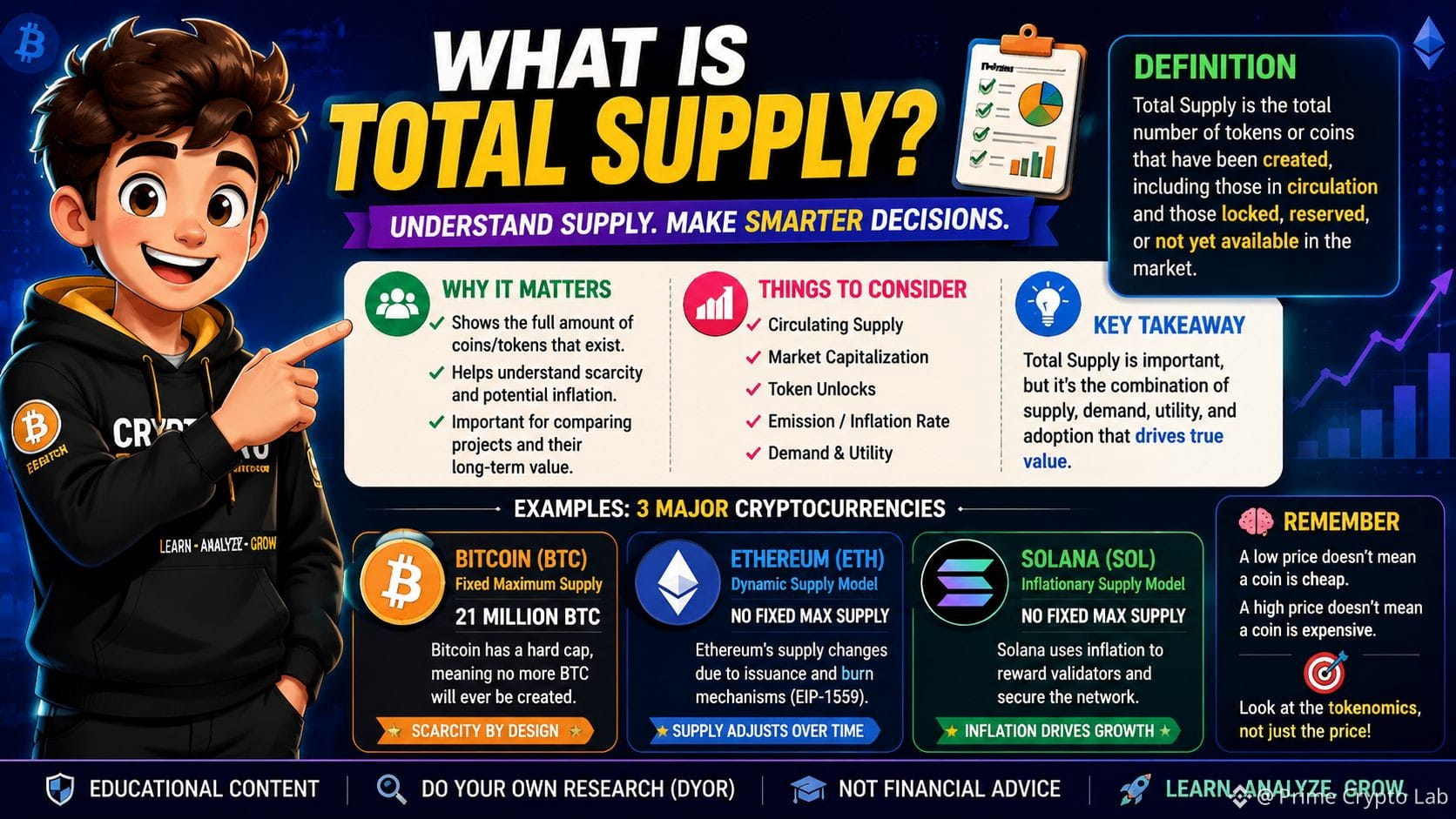
L’offre totale désigne le nombre total de jetons ou de pièces de cryptomonnaie qui ont été créés, y compris ceux actuellement en circulation ainsi que ceux qui sont bloqués, réservés ou autrement indisponibles sur le marché. C’est un indicateur important pour comprendre l’économie globale des jetons d’un projet et la pression potentielle sur l’offre future. Par exemple, Bitcoin $BTC a une offre maximale fixe, tandis que d’autres cryptomonnaies peuvent avoir différents modèles d’émission.
Comprendre l’offre totale peut aider les investisseurs à comparer les projets plus efficacement, mais elle ne doit pas être considérée isolément. Une offre totale élevée ne rend pas automatiquement une cryptomonnaie bon marché, et une offre plus faible ne la rend pas automatiquement plus précieuse. Les traders doivent également prendre en compte l’offre en circulation, la capitalisation boursière, les déblocages de jetons, les émissions et la demande. Ethereum $ETH a un modèle d’offre différent de celui de Bitcoin, tandis que Solana (SOL) utilise un modèle d’émission inflationniste, ce qui montre pourquoi les mécanismes d’offre sont importants lors de l’analyse de différents actifs.
Pour BTC, ETH et SOL, regardez toujours au-delà du prix du jeton et étudiez la structure sous-jacente de l’offre avant de prendre des décisions. $SOL est un bon exemple de pourquoi comprendre l’émission et l’offre future peut être tout aussi important que d’examiner le prix actuel du marché.
Prime Crypto Lab — Pas de battage, juste de la recherche.
DYOR | Contenu éducatif | Pas un conseil financier
#cryptoeducation #bitcoin #BTC☀️ #Ethereum✅
L’offre totale désigne le nombre total de jetons ou de pièces de cryptomonnaie qui ont été créés, y compris ceux actuellement en circulation ainsi que ceux qui sont bloqués, réservés ou autrement indisponibles sur le marché. C’est un indicateur important pour comprendre l’économie globale des jetons d’un projet et la pression potentielle sur l’offre future. Par exemple, Bitcoin $BTC a une offre maximale fixe, tandis que d’autres cryptomonnaies peuvent avoir différents modèles d’émission.
Comprendre l’offre totale peut aider les investisseurs à comparer les projets plus efficacement, mais elle ne doit pas être considérée isolément. Une offre totale élevée ne rend pas automatiquement une cryptomonnaie bon marché, et une offre plus faible ne la rend pas automatiquement plus précieuse. Les traders doivent également prendre en compte l’offre en circulation, la capitalisation boursière, les déblocages de jetons, les émissions et la demande. Ethereum $ETH a un modèle d’offre différent de celui de Bitcoin, tandis que Solana (SOL) utilise un modèle d’émission inflationniste, ce qui montre pourquoi les mécanismes d’offre sont importants lors de l’analyse de différents actifs.
Pour BTC, ETH et SOL, regardez toujours au-delà du prix du jeton et étudiez la structure sous-jacente de l’offre avant de prendre des décisions. $SOL est un bon exemple de pourquoi comprendre l’émission et l’offre future peut être tout aussi important que d’examiner le prix actuel du marché.
Prime Crypto Lab — Pas de battage, juste de la recherche.
DYOR | Contenu éducatif | Pas un conseil financier
#cryptoeducation #bitcoin #BTC☀️ #Ethereum✅

Voir la traduction
📚 Let's start learning Crypto!
It is very important to know how cryptocurrency works, what is Bitcoin, what is Blockchain.
💡 Learn first, then decide.
⚠️ There are risks in the Crypto market, so you should not make any decisions without understanding.
#crypt #bitcoin #Binance #cryptoeducation
It is very important to know how cryptocurrency works, what is Bitcoin, what is Blockchain.
💡 Learn first, then decide.
⚠️ There are risks in the Crypto market, so you should not make any decisions without understanding.
#crypt #bitcoin #Binance #cryptoeducation
Voir la traduction
💎 Long-Term Thinking
💎 Small steps can build big knowledge.
You don't need to start with a huge amount to begin learning about crypto. Start by understanding the technology, the market, and the risks.
Your first goal should be knowledge—not quick profit. 🧠
#Bybit #cryptoeducation #blockchain #Web3 3 #dyor
💎 Small steps can build big knowledge.
You don't need to start with a huge amount to begin learning about crypto. Start by understanding the technology, the market, and the risks.
Your first goal should be knowledge—not quick profit. 🧠
#Bybit #cryptoeducation #blockchain #Web3 3 #dyor

Voir la traduction
🚨 The biggest mistake new crypto investors make
Most people enter crypto looking for the next 100× coin.
But here’s what I’m learning 👇
📌 Don’t invest money you can’t afford to lose.
📌 Learn before chasing hype.
📌 Taking small profits is better than waiting for “moon.”
📌 Risk management can save your portfolio.
Crypto can change your life, but impatience can also empty your wallet.
I’m still learning every day, but one thing is clear:
The goal isn’t to get rich overnight. The goal is to survive long enough to catch the right opportunity. 🚀
Do you agree? 👀
#Crypto #Bitcoin #Binance #Investing #CryptoEducation
Most people enter crypto looking for the next 100× coin.
But here’s what I’m learning 👇
📌 Don’t invest money you can’t afford to lose.
📌 Learn before chasing hype.
📌 Taking small profits is better than waiting for “moon.”
📌 Risk management can save your portfolio.
Crypto can change your life, but impatience can also empty your wallet.
I’m still learning every day, but one thing is clear:
The goal isn’t to get rich overnight. The goal is to survive long enough to catch the right opportunity. 🚀
Do you agree? 👀
#Crypto #Bitcoin #Binance #Investing #CryptoEducation

La dure vérité que personne ne veut vous dire lors de votre premier jour de trading 📉
90 % des nouveaux traders quittent le marché avec de lourdes pertes au cours des 3 premiers mois... Vous savez pourquoi ?
Pas parce que le marché est "maudit" ou parce que les baleines surveillent spécialement votre portefeuille, mais à cause de trois erreurs catastrophiques que tout le monde commet sans exception :
Entrer sous l’effet du "FOMO" (la peur de rater une opportunité) : vous voyez une cryptomonnaie s’envoler sous vos yeux et vous entrez avec tout votre capital au sommet.
Ignorer totalement la gestion des risques : vous ouvrez une position avec un fort effet de levier (Futures) sans définir de stop loss, comme si vous jouiez au casino.
Courir après des recommandations aveugles : se fier à ce que disent les uns et les autres au lieu de comprendre vous-même l’analyse du marché.
Le profit dans la crypto, ce n’est pas un coup de génie pour choisir une monnaie qui monte ; le vrai profit, c’est savoir comment protéger votre argent quand le marché se retourne contre vous.
Question à tous, en toute franchise : quel est le plus gros montant perdu qui vous a fait mal au début de votre parcours, et quelle leçon en avez-vous tirée ? 👇 Partagez avec nous dans les commentaires pour que nous profitions des expériences des uns et des autres.
#Binance #cryptoeducation #USAugustJobGrowthNearlyTriplesForecast TradingPsychology #إدارة_لمخاطر ارة_المخاطر #عملات_رقمية
90 % des nouveaux traders quittent le marché avec de lourdes pertes au cours des 3 premiers mois... Vous savez pourquoi ?
Pas parce que le marché est "maudit" ou parce que les baleines surveillent spécialement votre portefeuille, mais à cause de trois erreurs catastrophiques que tout le monde commet sans exception :
Entrer sous l’effet du "FOMO" (la peur de rater une opportunité) : vous voyez une cryptomonnaie s’envoler sous vos yeux et vous entrez avec tout votre capital au sommet.
Ignorer totalement la gestion des risques : vous ouvrez une position avec un fort effet de levier (Futures) sans définir de stop loss, comme si vous jouiez au casino.
Courir après des recommandations aveugles : se fier à ce que disent les uns et les autres au lieu de comprendre vous-même l’analyse du marché.
Le profit dans la crypto, ce n’est pas un coup de génie pour choisir une monnaie qui monte ; le vrai profit, c’est savoir comment protéger votre argent quand le marché se retourne contre vous.
Question à tous, en toute franchise : quel est le plus gros montant perdu qui vous a fait mal au début de votre parcours, et quelle leçon en avez-vous tirée ? 👇 Partagez avec nous dans les commentaires pour que nous profitions des expériences des uns et des autres.
#Binance #cryptoeducation #USAugustJobGrowthNearlyTriplesForecast TradingPsychology #إدارة_لمخاطر ارة_المخاطر #عملات_رقمية


Voir la traduction
STON.fi Education , Why Stablecoin Liquidity Matters
Stablecoins are more than just a way to hold a dollar-like asset in DeFi.
They often act as a bridge between different tokens, markets, and trading strategies.
On a DEX such as STON.fi, pairs involving stablecoins can give traders a familiar reference asset while helping create deeper markets for volatile tokens.
For example:
Token ↔ USDT
can allow users to enter or exit a token position without first converting through a traditional bank or centralized exchange.
Stablecoin liquidity can therefore support:
🔹 Easier token swaps
🔹 More efficient market formation
🔹 Portfolio rebalancing
🔹 Cross-chain movement of value
🔹 Greater accessibility to DeFi markets
But stablecoins aren't completely risk-free. Users should still understand the specific stablecoin, its underlying mechanism, liquidity, and the risks of the protocol they're interacting with.
The bigger lesson:
A strong DeFi ecosystem needs more than exciting tokens.
It also needs reliable liquidity between assets.
Stablecoins can play an important role in creating those connections.
Sometimes, the most important asset in a trading ecosystem is the one designed to stay stable.
#STONfi #TON #CryptoEducation #Web @STONfi DEX $TON
Stablecoins are more than just a way to hold a dollar-like asset in DeFi.
They often act as a bridge between different tokens, markets, and trading strategies.
On a DEX such as STON.fi, pairs involving stablecoins can give traders a familiar reference asset while helping create deeper markets for volatile tokens.
For example:
Token ↔ USDT
can allow users to enter or exit a token position without first converting through a traditional bank or centralized exchange.
Stablecoin liquidity can therefore support:
🔹 Easier token swaps
🔹 More efficient market formation
🔹 Portfolio rebalancing
🔹 Cross-chain movement of value
🔹 Greater accessibility to DeFi markets
But stablecoins aren't completely risk-free. Users should still understand the specific stablecoin, its underlying mechanism, liquidity, and the risks of the protocol they're interacting with.
The bigger lesson:
A strong DeFi ecosystem needs more than exciting tokens.
It also needs reliable liquidity between assets.
Stablecoins can play an important role in creating those connections.
Sometimes, the most important asset in a trading ecosystem is the one designed to stay stable.
#STONfi #TON #CryptoEducation #Web @STONfi DEX $TON

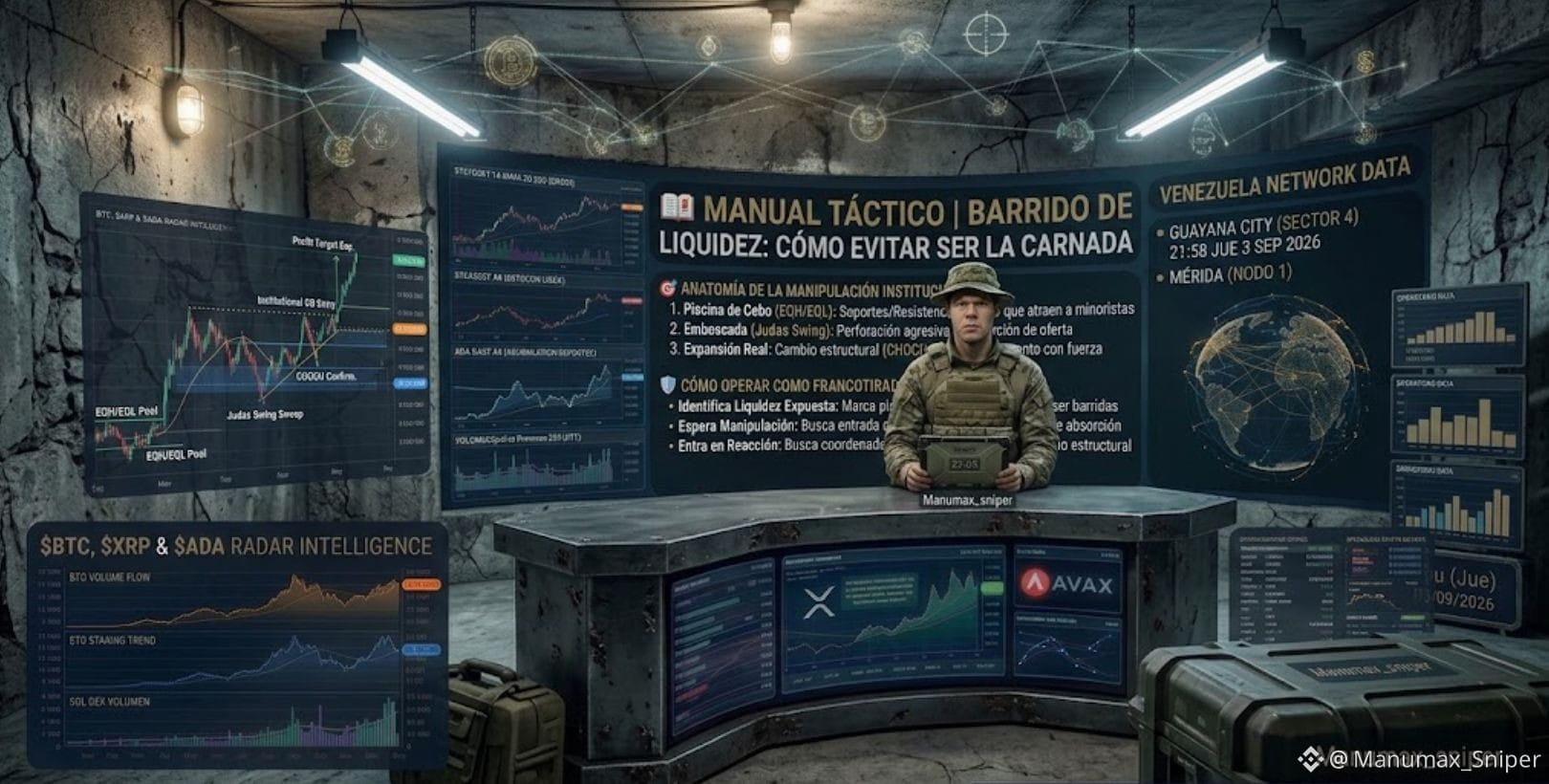
📖 MANUEL TACTIQUE | SWEEP DE LIQUIDITÉ : COMMENT ÉVITER D’ÊTRE LE LEURRE
Vous est-il déjà arrivé de placer votre entrée, de fixer votre Stop Loss, puis de voir le marché vous sortir exactement sur la mèche pour un centime avant de repartir immédiatement en ligne droite vers vos TP ? Ce n’était pas de la malchance : vous avez été victime d’un Sweep de Liquidité (Liquidity Sweep).
Les institutions et les algorithmes ne peuvent pas déplacer des positions de plusieurs millions sans liquidité. Pour exécuter des achats massifs, ils doivent déclencher les ordres vendeurs (Stop Loss) du marché de détail.
🎯 ANATOMIE DE LA MANIPULATION INSTITUTIONNELLE
1. Le Bassin à Appâts (EQH / EQL) : Le marché dessine des supports ou des résistances « parfaits » (plus bas ou plus hauts égaux). Le trader traditionnel voit un « support fort » et place son Stop Loss juste en dessous.
2. L’Embuscade (Judas Swing) : Le capital institutionnel injecte une rafale vendeuse qui perce le support, sort les particuliers par invalidation et absorbe toute cette offre accumulée à prix réduit.
3. La Vraie Expansion : Après avoir capturé la liquidité nécessaire, le prix change la structure interne (CHOCH) et se déplace avec force dans la direction initiale.
🛡️ COMMENT TRADER COMME UN SNIPER ET NON COMME UN LEURRE
Identifiez la Liquidité Exposée : Arrêtez d’acheter aveuglément sur des supports trop évidents. Marquez cette zone comme « bassin de liquidité à balayer ».
Attendez la Manipulation : Laissez d’abord le sweep se produire. L’entrée ne se cherche pas avant l’impact, mais après la mèche d’absorption.
Entrez sur la Réaction : Recherchez le point d’entrée dans le bloc d’ordre (Order Block) ou l’inefficience (FVG) qui se forme après le changement de structure sur des temporalités inférieures (15m/5m).
#cryptoeducation #trading #smc #BinanceSquare $BNB $BTC
Vous est-il déjà arrivé de placer votre entrée, de fixer votre Stop Loss, puis de voir le marché vous sortir exactement sur la mèche pour un centime avant de repartir immédiatement en ligne droite vers vos TP ? Ce n’était pas de la malchance : vous avez été victime d’un Sweep de Liquidité (Liquidity Sweep).
Les institutions et les algorithmes ne peuvent pas déplacer des positions de plusieurs millions sans liquidité. Pour exécuter des achats massifs, ils doivent déclencher les ordres vendeurs (Stop Loss) du marché de détail.
🎯 ANATOMIE DE LA MANIPULATION INSTITUTIONNELLE
1. Le Bassin à Appâts (EQH / EQL) : Le marché dessine des supports ou des résistances « parfaits » (plus bas ou plus hauts égaux). Le trader traditionnel voit un « support fort » et place son Stop Loss juste en dessous.
2. L’Embuscade (Judas Swing) : Le capital institutionnel injecte une rafale vendeuse qui perce le support, sort les particuliers par invalidation et absorbe toute cette offre accumulée à prix réduit.
3. La Vraie Expansion : Après avoir capturé la liquidité nécessaire, le prix change la structure interne (CHOCH) et se déplace avec force dans la direction initiale.
🛡️ COMMENT TRADER COMME UN SNIPER ET NON COMME UN LEURRE
Identifiez la Liquidité Exposée : Arrêtez d’acheter aveuglément sur des supports trop évidents. Marquez cette zone comme « bassin de liquidité à balayer ».
Attendez la Manipulation : Laissez d’abord le sweep se produire. L’entrée ne se cherche pas avant l’impact, mais après la mèche d’absorption.
Entrez sur la Réaction : Recherchez le point d’entrée dans le bloc d’ordre (Order Block) ou l’inefficience (FVG) qui se forme après le changement de structure sur des temporalités inférieures (15m/5m).
#cryptoeducation #trading #smc #BinanceSquare $BNB $BTC
📚 Éducation Crypto
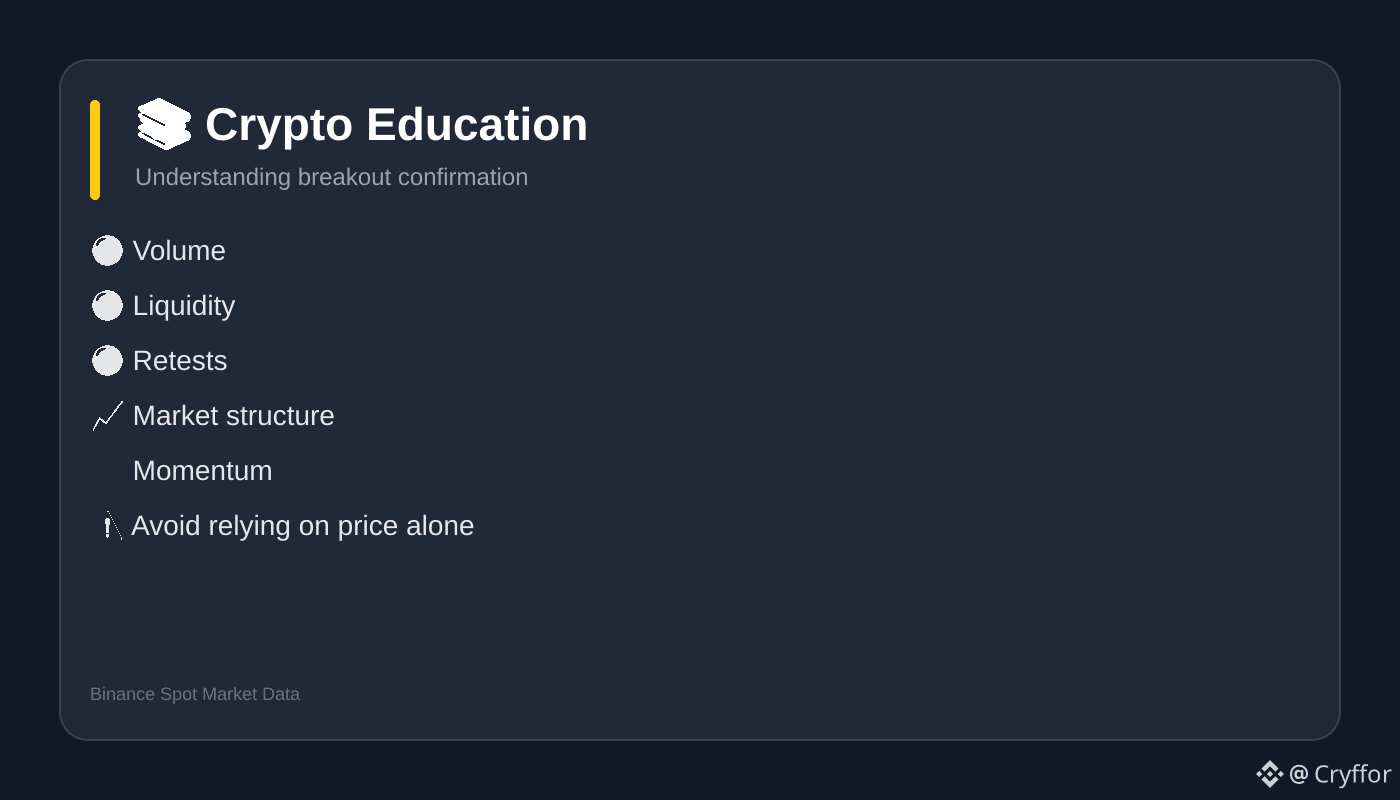
🔎 Pourquoi une cassure peut-elle échouer même lorsque le prix passe au-dessus de la résistance ?
Parce que le prix seul ne suffit pas.
📊 Les traders recherchent souvent une confirmation à partir de :
🟢 Volume de trading
🟢 Liquidité
🟢 Retests
📈 Structure temporelle supérieure
⚡ Momentum
⚠️ Une cassure avec une faible participation peut devenir une fausse cassure.
🧠 L’objectif est d’évaluer la structure dans son ensemble plutôt qu’une seule bougie.
👀 La confirmation compte.
🤔 Quelle confirmation recherchez-vous généralement ?
#CryptoEducation #Binance #Trading #TechnicalAnalysis
🔎 Pourquoi une cassure peut-elle échouer même lorsque le prix passe au-dessus de la résistance ?
Parce que le prix seul ne suffit pas.
📊 Les traders recherchent souvent une confirmation à partir de :
🟢 Volume de trading
🟢 Liquidité
🟢 Retests
📈 Structure temporelle supérieure
⚡ Momentum
⚠️ Une cassure avec une faible participation peut devenir une fausse cassure.
🧠 L’objectif est d’évaluer la structure dans son ensemble plutôt qu’une seule bougie.
👀 La confirmation compte.
🤔 Quelle confirmation recherchez-vous généralement ?
#CryptoEducation #Binance #Trading #TechnicalAnalysis

Voir $BTC trading à 79 799 $ et $ETH autour de 2 457 $, de nombreux débutants se demandent s’il faut cliquer sur « Acheter » ou placer une limite. Un ordre au marché prend instantanément le meilleur prix disponible : vous êtes exécuté tout de suite, mais le prix d’exécution exact peut varier, surtout sur des marchés qui bougent vite. Un ordre à cours limité vous permet de spécifier le prix que vous êtes prêt à payer ; la transaction ne s’exécute que si le marché atteint ce niveau.
Pour un test simple, placez un achat limité pour $BTC à 79 600 $. Si le prix baisse de 79 799 $ vers ce niveau, l’ordre sera exécuté, vous offrant une entrée légèrement meilleure qu’un ordre au marché. S’il n’atteint jamais 79 600 $, l’ordre reste ouvert et vous évitez de payer plus cher. Faites de même avec $ETH : fixez une limite à 2 440 $ pendant que le prix actuel est à 2 457 $.
L’essentiel est d’équilibrer patience et conditions de marché. Dans une fourchette serrée sur 24 heures, les ordres à cours limité peuvent améliorer votre point d’entrée, mais lors d’une cassure, ils pourraient vous laisser sur la touche. Comment décidez-vous quel type d’ordre correspond à votre style de trading ?
#CryptoEducation #TradingBasics #BinanceTips #GAMERXERO
Pour un test simple, placez un achat limité pour $BTC à 79 600 $. Si le prix baisse de 79 799 $ vers ce niveau, l’ordre sera exécuté, vous offrant une entrée légèrement meilleure qu’un ordre au marché. S’il n’atteint jamais 79 600 $, l’ordre reste ouvert et vous évitez de payer plus cher. Faites de même avec $ETH : fixez une limite à 2 440 $ pendant que le prix actuel est à 2 457 $.
L’essentiel est d’équilibrer patience et conditions de marché. Dans une fourchette serrée sur 24 heures, les ordres à cours limité peuvent améliorer votre point d’entrée, mais lors d’une cassure, ils pourraient vous laisser sur la touche. Comment décidez-vous quel type d’ordre correspond à votre style de trading ?
#CryptoEducation #TradingBasics #BinanceTips #GAMERXERO

🚨 BITCOIN EXPLIQUÉ COMME SI VOUS AVIEZ 2 ANS 🧸👇
Imaginez que vous avez 🍪 10 biscuits.
Vous donnez 2 biscuits à votre ami.
Maintenant, vous avez 8 biscuits.
Simple, non ? 😭
Bitcoin fonctionne avec une idée similaire :
🪙 Vous avez du BTC
➡️ Vous envoyez du BTC
➡️ Le réseau le vérifie ✅
➡️ La transaction est enregistrée 🔒
Pas de magie.
Pas de « argent gratuit ».
Juste de la technologie.
🧠 3 CHOSES À RETENIR
☑️ Bitcoin a une offre limitée : 21 MILLIONS de BTC
☑️ Les transactions sont enregistrées sur une blockchain publique 🔗
☑️ Le BTC peut MONTER 📈 ou DESCENDRE 📉
Et voici la partie que les débutants DOIVENT comprendre :
🚫 Le BTC qui monte ne signifie pas qu'il continuera à monter.
🚫 « Profit garanti » = 🚩
🚫 Quelqu'un qui dit « transaction sûre à 100 % » = 🚩🚩🚩
L'investisseur crypto le plus intelligent n'est pas celui qui crie :
« BTC TO THE MOON 🚀🚀🚀 »
C'est celui qui dit :
« Attendez… laissez-moi d'abord comprendre ce que j'achète. » 🧠
👇
$BTC
Si vous avez appris quelque chose grâce à ça, laissez un 🪙
Et si vous voulez davantage de crypto expliquée dans un langage extrêmement simple, suivez-moi. 👀
#Binance #Bitcoin #BTC #Crypto #Blockchain #CryptoEducation
Imaginez que vous avez 🍪 10 biscuits.
Vous donnez 2 biscuits à votre ami.
Maintenant, vous avez 8 biscuits.
Simple, non ? 😭
Bitcoin fonctionne avec une idée similaire :
🪙 Vous avez du BTC
➡️ Vous envoyez du BTC
➡️ Le réseau le vérifie ✅
➡️ La transaction est enregistrée 🔒
Pas de magie.
Pas de « argent gratuit ».
Juste de la technologie.
🧠 3 CHOSES À RETENIR
☑️ Bitcoin a une offre limitée : 21 MILLIONS de BTC
☑️ Les transactions sont enregistrées sur une blockchain publique 🔗
☑️ Le BTC peut MONTER 📈 ou DESCENDRE 📉
Et voici la partie que les débutants DOIVENT comprendre :
🚫 Le BTC qui monte ne signifie pas qu'il continuera à monter.
🚫 « Profit garanti » = 🚩
🚫 Quelqu'un qui dit « transaction sûre à 100 % » = 🚩🚩🚩
L'investisseur crypto le plus intelligent n'est pas celui qui crie :
« BTC TO THE MOON 🚀🚀🚀 »
C'est celui qui dit :
« Attendez… laissez-moi d'abord comprendre ce que j'achète. » 🧠
👇
$BTC
Si vous avez appris quelque chose grâce à ça, laissez un 🪙
Et si vous voulez davantage de crypto expliquée dans un langage extrêmement simple, suivez-moi. 👀
#Binance #Bitcoin #BTC #Crypto #Blockchain #CryptoEducation
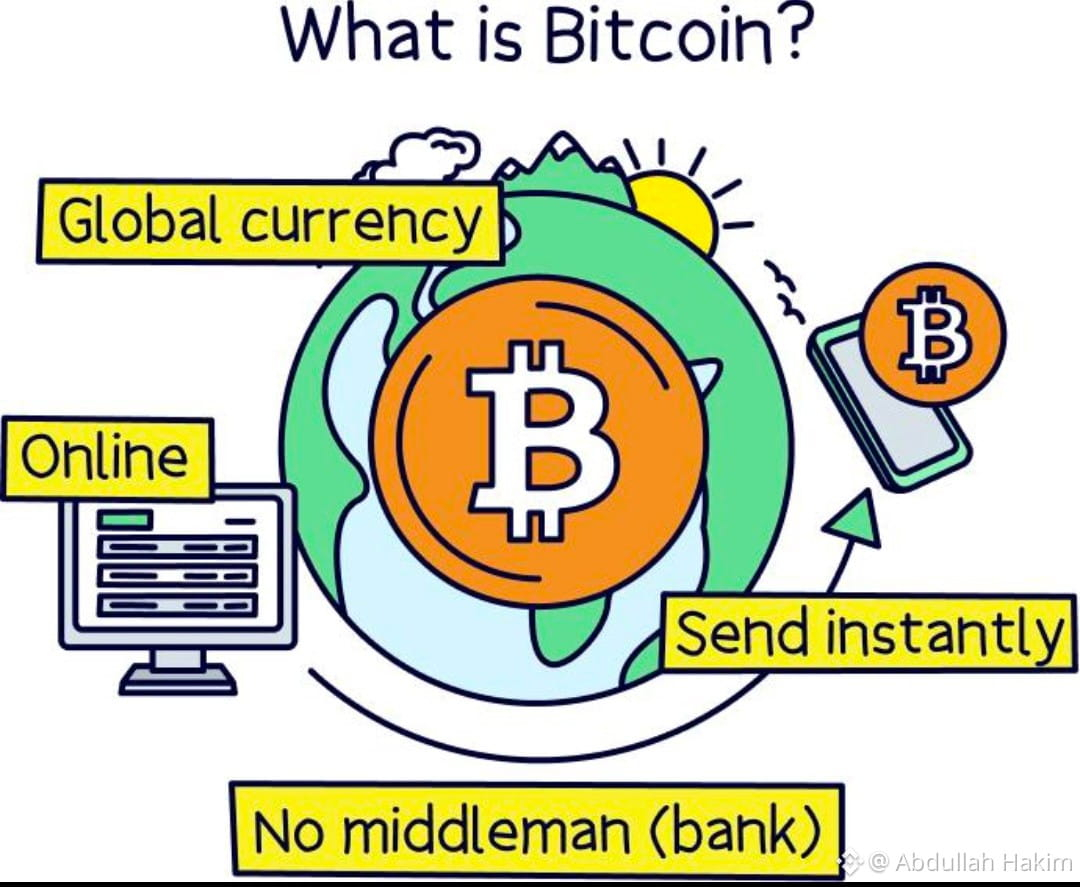
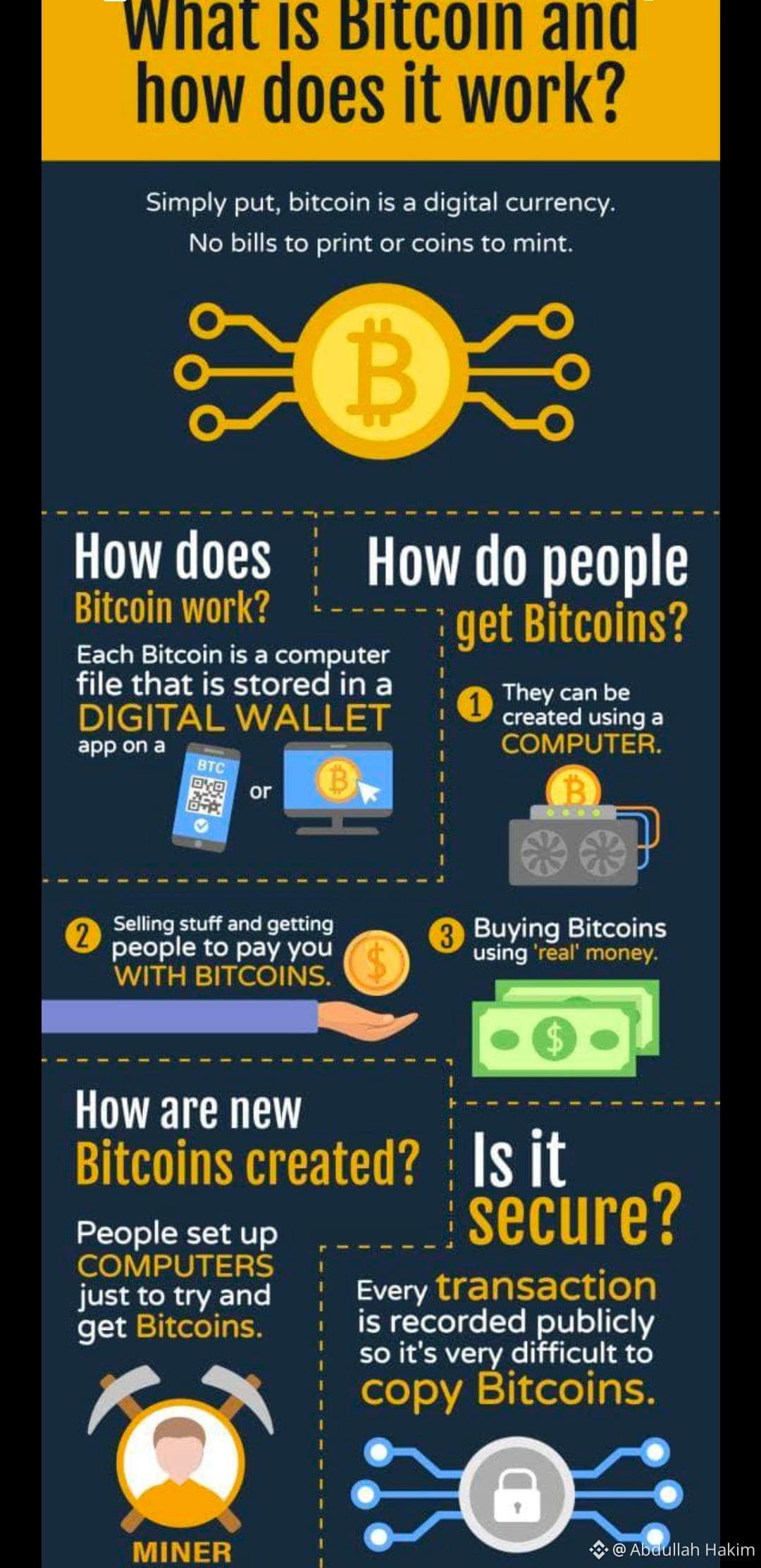
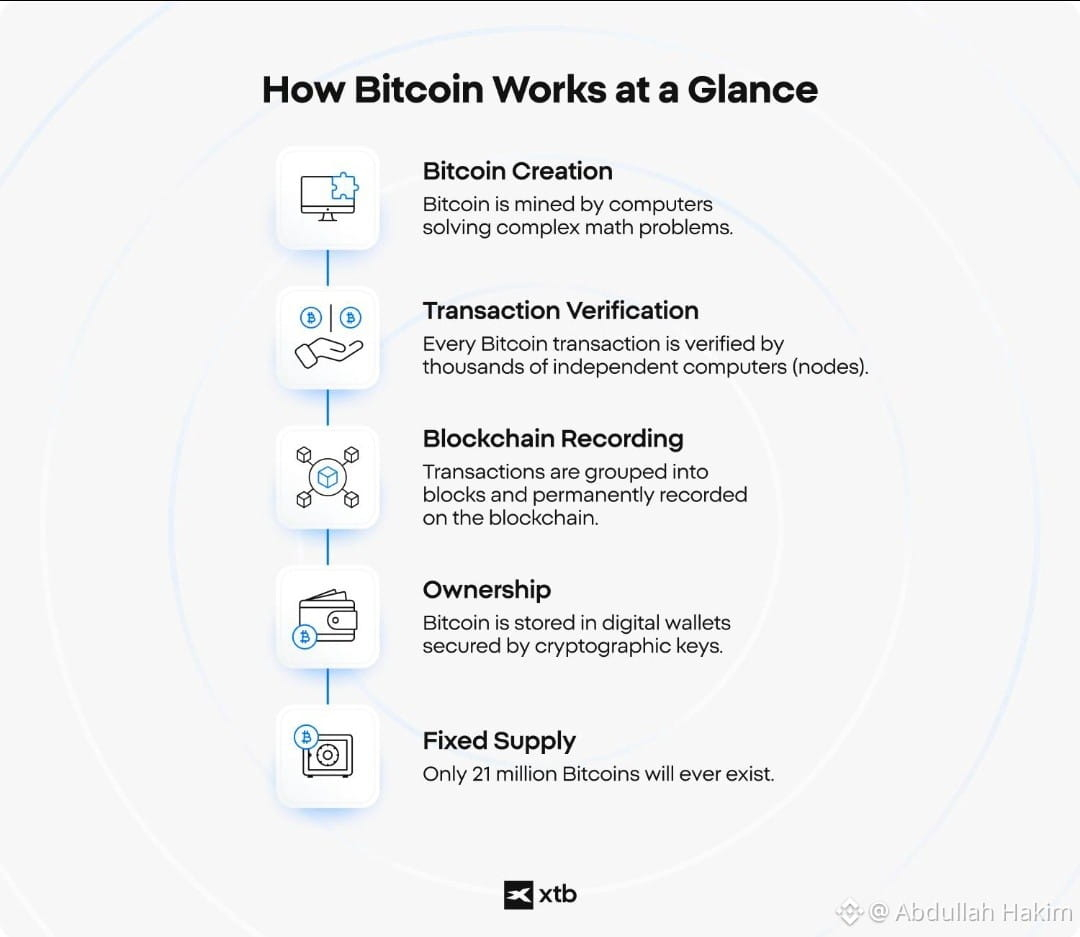
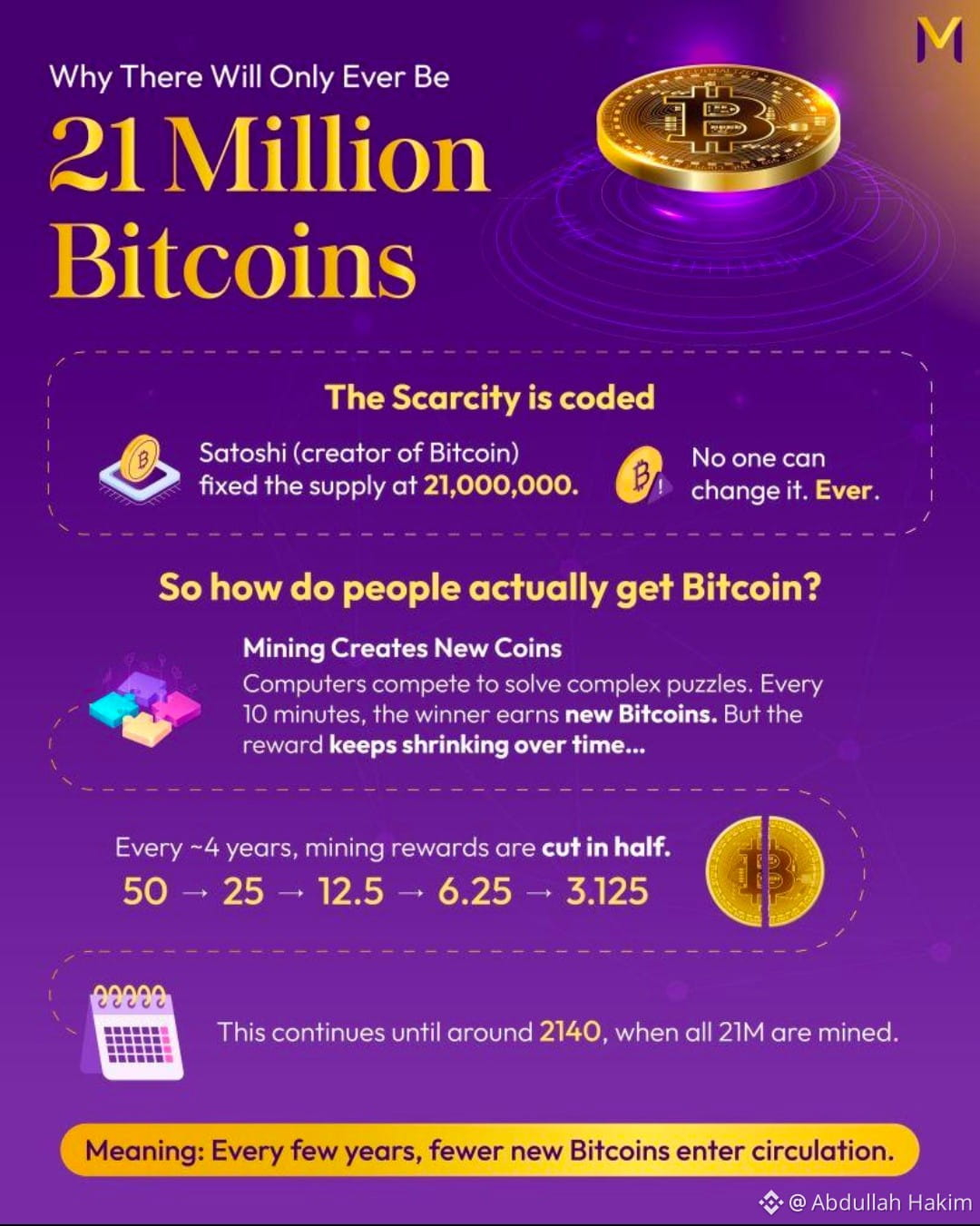

🚨 NOUVEAU DANS LA CRYPTO ? LISEZ CECI AVANT D'ACHETER DU $BTC
Bitcoin vient de nous montrer quelque chose d'important :
Une monnaie peut monter rapidement — puis replier tout aussi vite. 📉
Alors, avant d'entrer dans un trade, posez-vous 3 questions :
1️⃣ J'achète parce que j'ai un plan, ou parce que le prix est en train de s'envoler ?
2️⃣ Où sortirai-je si j'ai tort ?
3️⃣ Combien puis-je me permettre de perdre ?
Le but n'est pas de capter chaque mouvement.
Le but est de survivre assez longtemps pour saisir les bons. 🎯
Pas de FOMO. Pas de trading de revanche. Pas d'effet de levier inutile.
📌 Protégez d'abord votre capital. Les opportunités viendront toujours.
Quelle est la plus grosse erreur que vous avez commise lorsque vous avez commencé à trader la crypto ? 👇
#CryptoEducation $BTC
Bitcoin vient de nous montrer quelque chose d'important :
Une monnaie peut monter rapidement — puis replier tout aussi vite. 📉
Alors, avant d'entrer dans un trade, posez-vous 3 questions :
1️⃣ J'achète parce que j'ai un plan, ou parce que le prix est en train de s'envoler ?
2️⃣ Où sortirai-je si j'ai tort ?
3️⃣ Combien puis-je me permettre de perdre ?
Le but n'est pas de capter chaque mouvement.
Le but est de survivre assez longtemps pour saisir les bons. 🎯
Pas de FOMO. Pas de trading de revanche. Pas d'effet de levier inutile.
📌 Protégez d'abord votre capital. Les opportunités viendront toujours.
Quelle est la plus grosse erreur que vous avez commise lorsque vous avez commencé à trader la crypto ? 👇
#CryptoEducation $BTC

Voir la traduction
“The market is up.”
“The market is down.”
We hear these phrases all the time in crypto.
But what does “the market” actually mean?
The crypto market is the broader ecosystem where digital assets are bought, sold, and traded.
It isn’t just one coin, one platform, or one type of participant.
Different assets, buyers, sellers, platforms, and markets interact within this ecosystem.
And there’s one concept at the heart of price movement:
Supply & Demand
When the balance between buyers and sellers changes, prices can change too.
But price is only one part of the picture.
Understanding the market also means learning how to look at things like market capitalization, trading volume, and liquidity.
That’s why learning crypto is easier when you build the foundation first — one concept at a time.
💬 When you first entered crypto, what did you think “the market” actually meant?
Educational content only, not financial advice. DYOR and use official Binance sources.
#Binance #BinanceAcademy #learnwithbinance #CryptoEducation
“The market is down.”
We hear these phrases all the time in crypto.
But what does “the market” actually mean?
The crypto market is the broader ecosystem where digital assets are bought, sold, and traded.
It isn’t just one coin, one platform, or one type of participant.
Different assets, buyers, sellers, platforms, and markets interact within this ecosystem.
And there’s one concept at the heart of price movement:
Supply & Demand
When the balance between buyers and sellers changes, prices can change too.
But price is only one part of the picture.
Understanding the market also means learning how to look at things like market capitalization, trading volume, and liquidity.
That’s why learning crypto is easier when you build the foundation first — one concept at a time.
💬 When you first entered crypto, what did you think “the market” actually meant?
Educational content only, not financial advice. DYOR and use official Binance sources.
#Binance #BinanceAcademy #learnwithbinance #CryptoEducation

📚 10 MOTS CRYPTO QUE TOUT DÉBUTANT DEVRAIT CONNAÎTRE
₿ BTC — Bitcoin
🪙 Altcoin — Cryptomonnaie autre que le Bitcoin
💵 Stablecoin — Actif conçu pour la stabilité des prix
🔥 Burn — Suppression permanente de jetons
💧 Liquidité — Facilité d’achat/de vente
🐋 Whale — Grand participant du marché
📈 Bull — Perspectives de marché positives
🐻 Bear — Perspectives de marché négatives
⛓️ Blockchain — Technologie de registre distribué
🔐 Wallet — Outil de gestion des actifs/clés crypto
Enregistrez cette publication ! 📌
#CryptoEducation #Bitcoin #BinanceSquare
₿ BTC — Bitcoin
🪙 Altcoin — Cryptomonnaie autre que le Bitcoin
💵 Stablecoin — Actif conçu pour la stabilité des prix
🔥 Burn — Suppression permanente de jetons
💧 Liquidité — Facilité d’achat/de vente
🐋 Whale — Grand participant du marché
📈 Bull — Perspectives de marché positives
🐻 Bear — Perspectives de marché négatives
⛓️ Blockchain — Technologie de registre distribué
🔐 Wallet — Outil de gestion des actifs/clés crypto
Enregistrez cette publication ! 📌
#CryptoEducation #Bitcoin #BinanceSquare
Voir la traduction
📚 SPOT VS FUTURES — WHAT'S THE DIFFERENCE?
Spot: You buy/sell the actual asset.
Futures: You trade a contract whose value follows an underlying asset.
Futures can involve leverage, which can magnify both gains AND losses.
If you're new:
👉 Learn Spot first.
👉 Understand liquidation before using leverage.
👉 Never use leverage just because it's available.
Knowledge > excitement.
#CryptoEducation #Futures #SpotTrading #BinanceSquareFamily
Spot: You buy/sell the actual asset.
Futures: You trade a contract whose value follows an underlying asset.
Futures can involve leverage, which can magnify both gains AND losses.
If you're new:
👉 Learn Spot first.
👉 Understand liquidation before using leverage.
👉 Never use leverage just because it's available.
Knowledge > excitement.
#CryptoEducation #Futures #SpotTrading #BinanceSquareFamily
Connectez-vous pour découvrir plus de contenu