
Wan_OnChain
323 Publications

Wan_OnChain
Signaler
Bloquer l’utilisateur
📈Position Trader | 🚨News Agent | 📈📉Analysis | Monday - Friday 12.00PM UTC
Ouvert au trading
Trade régulièrement
9.6 mois
12 Suivis
454 Abonnés
479 J’aime
Publications
Portefeuille
Tous
Citations
Vidéos
·
--

Article
🇯🇵 La BOJ relève ses taux au plus haut niveau en 31 ansLa Banque du Japon (BOJ) a relevé le taux directeur de 1,00 % à 1,25 %, son plus haut niveau depuis 1995.
Cette décision a été prise par un vote de 7 contre 2 et fait partie de la normalisation de la politique monétaire du Japon après des années passées dans l’ère des taux d’intérêt ultra-basse.
Mais il y a un point intéressant : le yen s’est au contraire affaibli après cette décision.
Pourquoi le yen a-t-il chuté ?
Le marché avait déjà largement anticipé cette hausse de 25 points de base. En outre, deux membres de la BOJ se sont opposés à la hausse, tandis que la communication concernant la prochaine hausse ne donne pas la certitude que le resserrement sera agressif.
🇯🇵 La BOJ relève ses taux au plus haut niveau en 31 ans
La Banque du Japon (BOJ) a relevé le taux directeur de 1,00 % à 1,25 %, son plus haut niveau depuis 1995.
Cette décision a été prise par un vote de 7 contre 2 et fait partie de la normalisation de la politique monétaire du Japon après des années passées dans l’ère des taux d’intérêt ultra-basse.
Mais il y a un point intéressant : le yen s’est au contraire affaibli après cette décision.
Pourquoi le yen a-t-il chuté ?
Le marché avait déjà largement anticipé cette hausse de 25 points de base. En outre, deux membres de la BOJ se sont opposés à la hausse, tandis que la communication concernant la prochaine hausse ne donne pas la certitude que le resserrement sera agressif.
Cette décision a été prise par un vote de 7 contre 2 et fait partie de la normalisation de la politique monétaire du Japon après des années passées dans l’ère des taux d’intérêt ultra-basse.
Mais il y a un point intéressant : le yen s’est au contraire affaibli après cette décision.
Pourquoi le yen a-t-il chuté ?
Le marché avait déjà largement anticipé cette hausse de 25 points de base. En outre, deux membres de la BOJ se sont opposés à la hausse, tandis que la communication concernant la prochaine hausse ne donne pas la certitude que le resserrement sera agressif.

Follow For More
De Wan_OnChain
1
52
·
--
Article
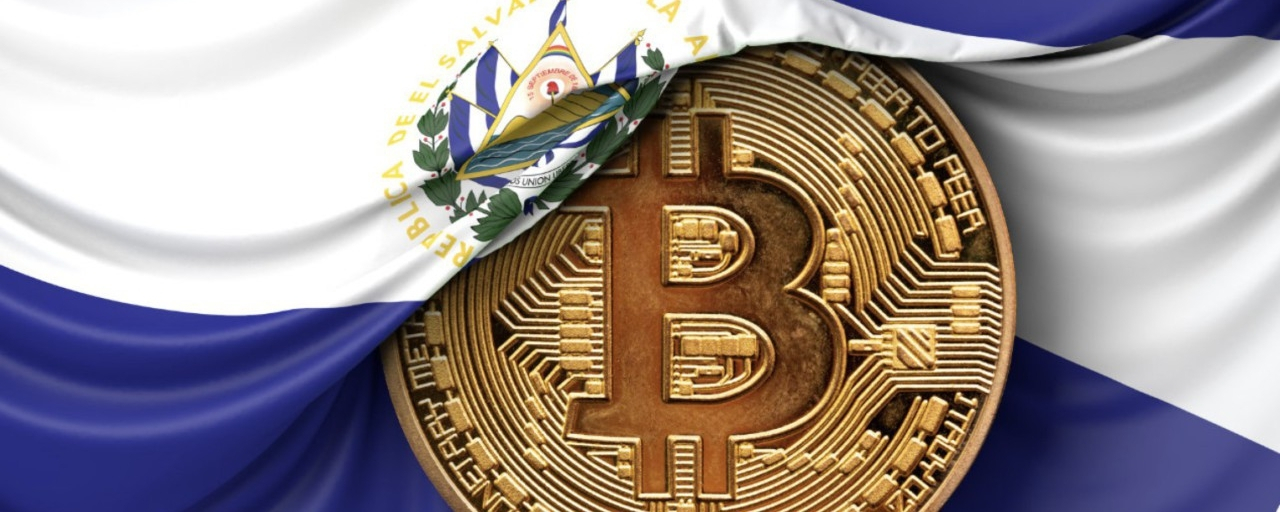
Les avoirs en Bitcoin d’El Salvador atteignent 7 777 BTC — Mais l’histoire du financement compte🇸🇻 Les avoirs en Bitcoin d’El Salvador auraient atteint 7 777 BTC, selon un rapport publié le 17 septembre.
Au prix de marché indiqué, la réserve vaut environ 594 millions de dollars, tandis que le prix d’acquisition moyen annoncé s’élève à quelque 55 718 dollars par BTC.
Cela porterait les avoirs à environ 162 millions de dollars de gains non réalisés, soit environ 37 % d’après les chiffres publiés.
Mais il y a un détail important que les investisseurs ne devraient pas négliger.
Le titre laisse entendre qu’El Salvador a simplement continué d’accumuler du Bitcoin grâce à sa stratégie quotidienne d’achat, bien connue.
Les avoirs en Bitcoin d’El Salvador atteignent 7 777 BTC — Mais l’histoire du financement compte
🇸🇻 Les avoirs en Bitcoin d’El Salvador auraient atteint 7 777 BTC, selon un rapport publié le 17 septembre.
Au prix de marché indiqué, la réserve vaut environ 594 millions de dollars, tandis que le prix d’acquisition moyen annoncé s’élève à quelque 55 718 dollars par BTC.
Cela porterait les avoirs à environ 162 millions de dollars de gains non réalisés, soit environ 37 % d’après les chiffres publiés.
Mais il y a un détail important que les investisseurs ne devraient pas négliger.
Le titre laisse entendre qu’El Salvador a simplement continué d’accumuler du Bitcoin grâce à sa stratégie quotidienne d’achat, bien connue.
Au prix de marché indiqué, la réserve vaut environ 594 millions de dollars, tandis que le prix d’acquisition moyen annoncé s’élève à quelque 55 718 dollars par BTC.
Cela porterait les avoirs à environ 162 millions de dollars de gains non réalisés, soit environ 37 % d’après les chiffres publiés.
Mais il y a un détail important que les investisseurs ne devraient pas négliger.
Le titre laisse entendre qu’El Salvador a simplement continué d’accumuler du Bitcoin grâce à sa stratégie quotidienne d’achat, bien connue.
Like And Follow
De Wan_OnChain
1
1
2
44
·
--
Haussier
Pourquoi ai-je acheté $MSFTB ?
J’ai acheté MSFT parce que je pense que Microsoft n’est pas seulement une grande entreprise technologique, mais aussi qu’elle dispose de solides fondamentaux d’entreprise et d’une diversification attrayante.
La croissance de Microsoft repose encore sur son activité cloud, Azure, ses logiciels d’entreprise et son expansion dans l’IA. Au T3 de l’exercice FY26, Microsoft a enregistré un chiffre d’affaires de 82,9 milliards de dollars, en hausse de 18 % d’une année sur l’autre, tandis que le résultat opérationnel atteignait 38,4 milliards de dollars, en hausse de 20 %.
J’ai aussi été attiré par la constance de Microsoft à offrir des rendements aux actionnaires. Microsoft verse actuellement un dividende trimestriel de 0,91 $ par action.
Ce qui me rend prudent, c’est l’évaluation (la valorisation) et le risque d’une bulle dans le secteur technologique. Par conséquent, je ne considère pas MSFT comme un actif sans risque. Je le vois plutôt comme une entreprise de qualité que je souhaite détenir, avec une entrée disciplinée et une gestion rigoureuse des risques.
Pour moi, acheter MSFT ne relève pas seulement de l’engouement pour l’IA, mais parce que je vois une combinaison intéressante de fondamentaux, de croissance de l’activité et de rendements aux actionnaires.💛
#TradeBStocks #BinanceAfrica
Pourquoi ai-je acheté $MSFTB ?
J’ai acheté MSFT parce que je pense que Microsoft n’est pas seulement une grande entreprise technologique, mais aussi qu’elle dispose de solides fondamentaux d’entreprise et d’une diversification attrayante.
La croissance de Microsoft repose encore sur son activité cloud, Azure, ses logiciels d’entreprise et son expansion dans l’IA. Au T3 de l’exercice FY26, Microsoft a enregistré un chiffre d’affaires de 82,9 milliards de dollars, en hausse de 18 % d’une année sur l’autre, tandis que le résultat opérationnel atteignait 38,4 milliards de dollars, en hausse de 20 %.
J’ai aussi été attiré par la constance de Microsoft à offrir des rendements aux actionnaires. Microsoft verse actuellement un dividende trimestriel de 0,91 $ par action.
Ce qui me rend prudent, c’est l’évaluation (la valorisation) et le risque d’une bulle dans le secteur technologique. Par conséquent, je ne considère pas MSFT comme un actif sans risque. Je le vois plutôt comme une entreprise de qualité que je souhaite détenir, avec une entrée disciplinée et une gestion rigoureuse des risques.
Pour moi, acheter MSFT ne relève pas seulement de l’engouement pour l’IA, mais parce que je vois une combinaison intéressante de fondamentaux, de croissance de l’activité et de rendements aux actionnaires.💛
#TradeBStocks #BinanceAfrica
J’ai acheté MSFT parce que je pense que Microsoft n’est pas seulement une grande entreprise technologique, mais aussi qu’elle dispose de solides fondamentaux d’entreprise et d’une diversification attrayante.
La croissance de Microsoft repose encore sur son activité cloud, Azure, ses logiciels d’entreprise et son expansion dans l’IA. Au T3 de l’exercice FY26, Microsoft a enregistré un chiffre d’affaires de 82,9 milliards de dollars, en hausse de 18 % d’une année sur l’autre, tandis que le résultat opérationnel atteignait 38,4 milliards de dollars, en hausse de 20 %.
J’ai aussi été attiré par la constance de Microsoft à offrir des rendements aux actionnaires. Microsoft verse actuellement un dividende trimestriel de 0,91 $ par action.
Ce qui me rend prudent, c’est l’évaluation (la valorisation) et le risque d’une bulle dans le secteur technologique. Par conséquent, je ne considère pas MSFT comme un actif sans risque. Je le vois plutôt comme une entreprise de qualité que je souhaite détenir, avec une entrée disciplinée et une gestion rigoureuse des risques.
Pour moi, acheter MSFT ne relève pas seulement de l’engouement pour l’IA, mais parce que je vois une combinaison intéressante de fondamentaux, de croissance de l’activité et de rendements aux actionnaires.💛
#TradeBStocks #BinanceAfrica
1
209
·
--
Article
Les pourparlers entre les États-Unis et l’Iran devraient commencer alors que Trump revient à la diplomatie
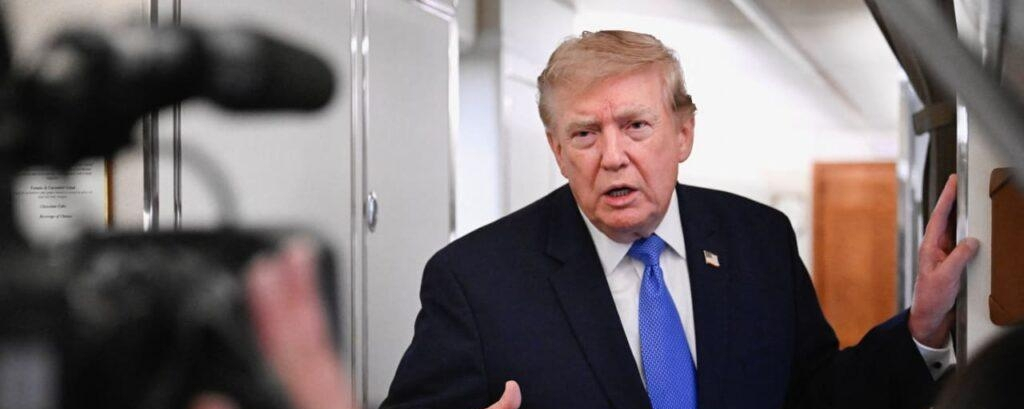
Isi KontenLes États-Unis et l’Iran devraient entamer une nouvelle série de pourparlers après que le président Donald Trump a annoncé que les négociations commenceraient lundi, à la suite de sa décision de suspendre des frappes militaires supplémentaires au profit de la diplomatie.
Selon Trump, l’objectif est de rechercher une solution négociée couvrant plusieurs questions clés, notamment :
Programme nucléaire de l’Iran
Sécurité régionale
La réouverture du détroit d’Ormuz
Stabilité à long terme au Moyen-Orient
Cependant, Trump a souligné qu’aucune date limite n’avait été fixée pour parvenir à un accord, affirmant que l’avancement des négociations déterminera les prochaines étapes.
Les pourparlers entre les États-Unis et l’Iran devraient commencer alors que Trump revient à la diplomatie Isi Konten
Les États-Unis et l’Iran devraient entamer une nouvelle série de pourparlers après que le président Donald Trump a annoncé que les négociations commenceraient lundi, à la suite de sa décision de suspendre des frappes militaires supplémentaires au profit de la diplomatie.
Selon Trump, l’objectif est de rechercher une solution négociée couvrant plusieurs questions clés, notamment :
Programme nucléaire de l’Iran
Sécurité régionale
La réouverture du détroit d’Ormuz
Stabilité à long terme au Moyen-Orient
Cependant, Trump a souligné qu’aucune date limite n’avait été fixée pour parvenir à un accord, affirmant que l’avancement des négociations déterminera les prochaines étapes.
Selon Trump, l’objectif est de rechercher une solution négociée couvrant plusieurs questions clés, notamment :
Programme nucléaire de l’Iran
Sécurité régionale
La réouverture du détroit d’Ormuz
Stabilité à long terme au Moyen-Orient
Cependant, Trump a souligné qu’aucune date limite n’avait été fixée pour parvenir à un accord, affirmant que l’avancement des négociations déterminera les prochaines étapes.
Follow Me :D
De Wan_OnChain
1
1
2
147
·
--
Article
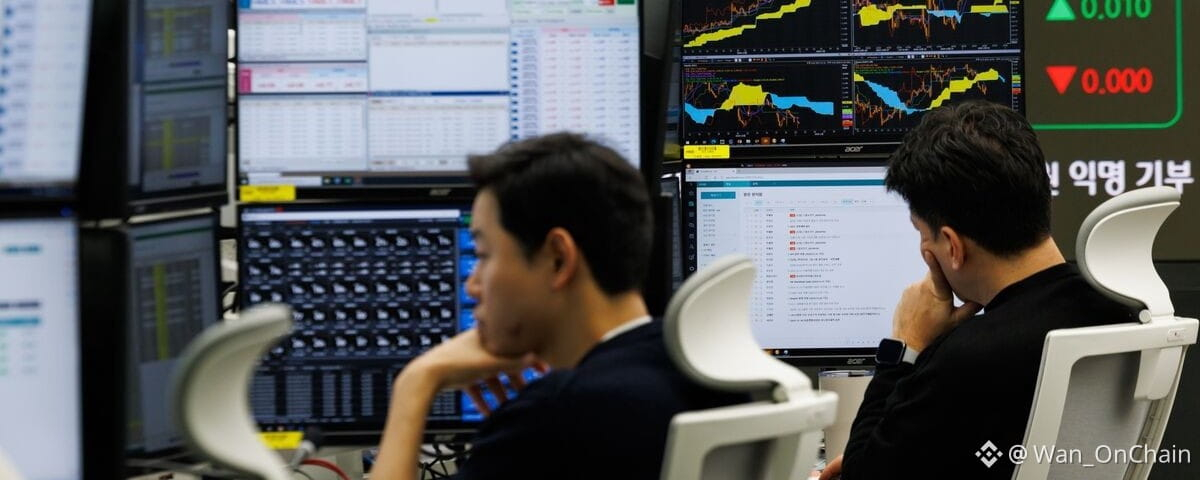
Les traders crypto coréens réduisent l’effet de levier à un niveau record sur trois mois alors que l’appétit pour le risque se refroiditLes traders de cryptomonnaies en Corée du Sud ont réduit leur utilisation de l’effet de levier au niveau le plus bas depuis trois mois, signe d’une approche plus prudente alors que l’incertitude macroéconomique et la volatilité récente du marché continuent de peser sur le sentiment.
Un effet de levier plus faible indique généralement que les traders privilégient la préservation du capital plutôt que la spéculation agressive. En empruntant moins, le marché devient moins exposé aux cascades de liquidations soudaines, ce qui peut contribuer à créer un environnement de trading plus sain.
Points clés
Les traders coréens réduisent l’effet de levier à son plus bas niveau sur 3 mois
Les traders crypto coréens réduisent l’effet de levier à un niveau record sur trois mois alors que l’appétit pour le risque se refroidit
Les traders de cryptomonnaies en Corée du Sud ont réduit leur utilisation de l’effet de levier au niveau le plus bas depuis trois mois, signe d’une approche plus prudente alors que l’incertitude macroéconomique et la volatilité récente du marché continuent de peser sur le sentiment.
Un effet de levier plus faible indique généralement que les traders privilégient la préservation du capital plutôt que la spéculation agressive. En empruntant moins, le marché devient moins exposé aux cascades de liquidations soudaines, ce qui peut contribuer à créer un environnement de trading plus sain.
Points clés
Les traders coréens réduisent l’effet de levier à son plus bas niveau sur 3 mois
Un effet de levier plus faible indique généralement que les traders privilégient la préservation du capital plutôt que la spéculation agressive. En empruntant moins, le marché devient moins exposé aux cascades de liquidations soudaines, ce qui peut contribuer à créer un environnement de trading plus sain.
Points clés
Les traders coréens réduisent l’effet de levier à son plus bas niveau sur 3 mois
Follow Me
De Wan_OnChain
1
111
·
--

Article
Les États-Unis frappent l’Iran pour la neuvième nuit consécutive alors que le conflit au Moyen-Orient s’intensifieLes États-Unis ont mené leur neuvième nuit consécutive de frappes aériennes contre des cibles militaires iraniennes, signalant que le conflit est entré dans une phase prolongée, sans signe immédiat de désescalade.
Selon le commandement central américain (CENTCOM), les dernières frappes visaient :
Sites de lancement de missiles
Systèmes de défense aérienne
Centres de commandement et de contrôle
Sites de surveillance côtière
Infrastructure de communications militaires
L’opération fait suite à une série d’attaques iraniennes contre les forces américaines et la navigation commerciale liée au détroit d’Ormuz, l’un des goulots énergétiques les plus importants au monde.
Les États-Unis frappent l’Iran pour la neuvième nuit consécutive alors que le conflit au Moyen-Orient s’intensifie
Les États-Unis ont mené leur neuvième nuit consécutive de frappes aériennes contre des cibles militaires iraniennes, signalant que le conflit est entré dans une phase prolongée, sans signe immédiat de désescalade.
Selon le commandement central américain (CENTCOM), les dernières frappes visaient :
Sites de lancement de missiles
Systèmes de défense aérienne
Centres de commandement et de contrôle
Sites de surveillance côtière
Infrastructure de communications militaires
L’opération fait suite à une série d’attaques iraniennes contre les forces américaines et la navigation commerciale liée au détroit d’Ormuz, l’un des goulots énergétiques les plus importants au monde.
Selon le commandement central américain (CENTCOM), les dernières frappes visaient :
Sites de lancement de missiles
Systèmes de défense aérienne
Centres de commandement et de contrôle
Sites de surveillance côtière
Infrastructure de communications militaires
L’opération fait suite à une série d’attaques iraniennes contre les forces américaines et la navigation commerciale liée au détroit d’Ormuz, l’un des goulots énergétiques les plus importants au monde.
Follow Me
De Wan_OnChain
2
162
·
--
Article
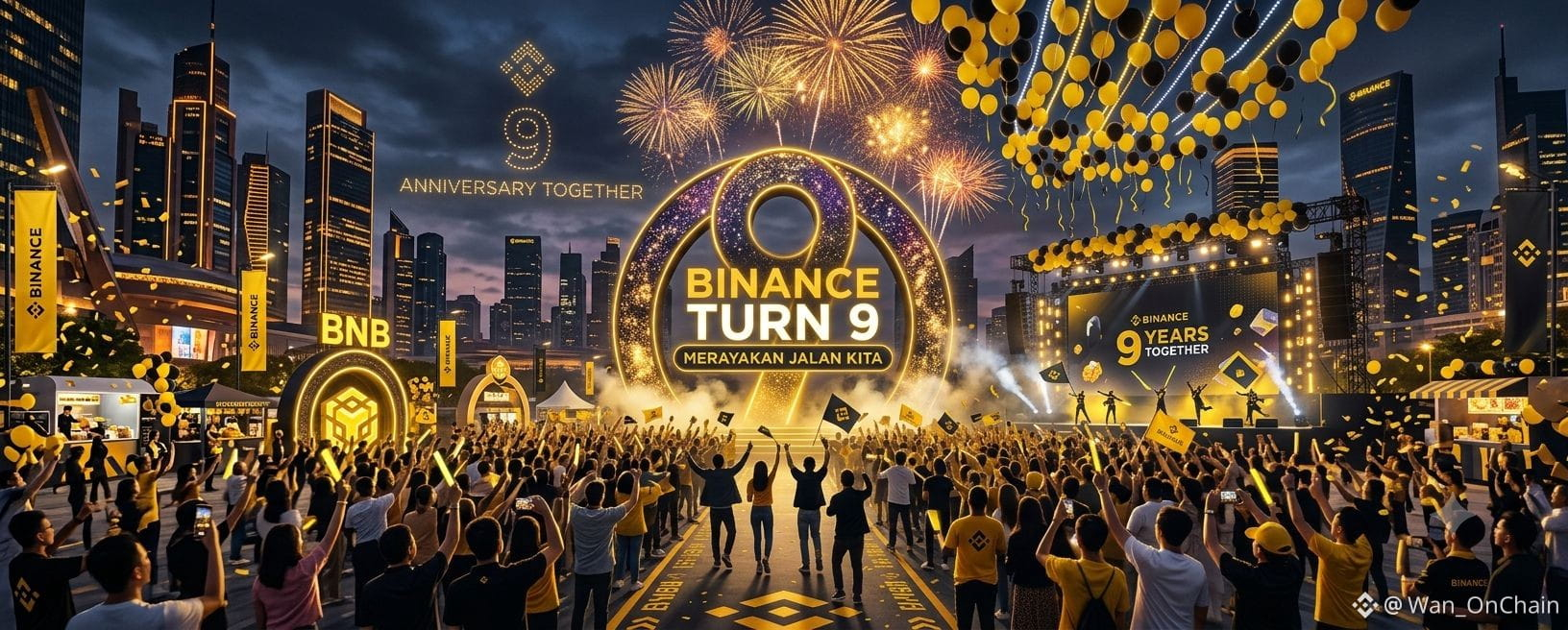
Joyeux anniversaire Binance Turn 9🎉🎆"Célébrons 9 ans de Binance de la meilleure façon : Partagez ! 🪙✨
Il n’y a aucune condition de follow ou de like aujourd’hui. Je veux juste célébrer ce moment avec vous, avec des cadeaux instantanés. 🥳
Qui avance vite peut
#BinanceTurns9 #JuneCPIFedHike20% #USJuneCPIEasesTo3.8%
Joyeux anniversaire Binance Turn 9🎉🎆
"Célébrons 9 ans de Binance de la meilleure façon : Partagez ! 🪙✨
Il n’y a aucune condition de follow ou de like aujourd’hui. Je veux juste célébrer ce moment avec vous, avec des cadeaux instantanés. 🥳
Qui avance vite peut
#BinanceTurns9 #JuneCPIFedHike20% #USJuneCPIEasesTo3.8%
Il n’y a aucune condition de follow ou de like aujourd’hui. Je veux juste célébrer ce moment avec vous, avec des cadeaux instantanés. 🥳
Qui avance vite peut
#BinanceTurns9 #JuneCPIFedHike20% #USJuneCPIEasesTo3.8%
2
102
·
--
Partiellement vrai

Article
Les demandes d’emploi au chômage aux États-Unis baissent à 215 K, renforçant la résilience du marché du travailDes données récentes sur le marché du travail américain ont montré que les nouvelles inscriptions au chômage ont baissé pour s’établir à 215 000 pour la semaine se terminant le 4 juillet, soit 2 000 de moins que la semaine précédente et en dessous des attentes des économistes.
Les derniers chiffres suggèrent que les licenciements restent historiquement faibles, ce qui indique que le marché du travail américain continue de faire preuve de résilience malgré un rythme d’embauche plus lent ces derniers mois.
Points clés :
Nouvelles inscriptions au chômage : 215 K (précédent : 217 K)
Sous les attentes du marché, autour de 218 K
Les demandes de prestations de chômage ont légèrement augmenté pour atteindre 1,814 million
Le marché du travail évolue dans un environnement de « recrutement lent, licenciement lent ».
Les demandes d’emploi au chômage aux États-Unis baissent à 215 K, renforçant la résilience du marché du travail
Des données récentes sur le marché du travail américain ont montré que les nouvelles inscriptions au chômage ont baissé pour s’établir à 215 000 pour la semaine se terminant le 4 juillet, soit 2 000 de moins que la semaine précédente et en dessous des attentes des économistes.
Les derniers chiffres suggèrent que les licenciements restent historiquement faibles, ce qui indique que le marché du travail américain continue de faire preuve de résilience malgré un rythme d’embauche plus lent ces derniers mois.
Points clés :
Nouvelles inscriptions au chômage : 215 K (précédent : 217 K)
Sous les attentes du marché, autour de 218 K
Les demandes de prestations de chômage ont légèrement augmenté pour atteindre 1,814 million
Le marché du travail évolue dans un environnement de « recrutement lent, licenciement lent ».
Les derniers chiffres suggèrent que les licenciements restent historiquement faibles, ce qui indique que le marché du travail américain continue de faire preuve de résilience malgré un rythme d’embauche plus lent ces derniers mois.
Points clés :
Nouvelles inscriptions au chômage : 215 K (précédent : 217 K)
Sous les attentes du marché, autour de 218 K
Les demandes de prestations de chômage ont légèrement augmenté pour atteindre 1,814 million
Le marché du travail évolue dans un environnement de « recrutement lent, licenciement lent ».
Follow Me
De Wan_OnChain
2
3
163
·
--
Vérifié
Article
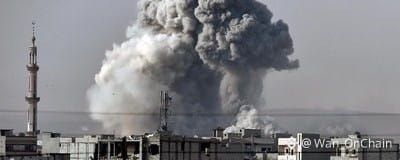
Les États-Unis lancent de nouvelles frappes contre l’Iran alors que les tensions à Hormuz s’intensifientLes États-Unis ont lancé une nouvelle vague de frappes militaires contre l’Iran, marquant une nouvelle escalade majeure du conflit après des attaques récentes contre la navigation commerciale dans le détroit d’Ormuz.
Selon le commandement central américain (CENTCOM), l’opération a visé plus de 80 sites militaires, notamment :
Des sites de lancement de missiles
Des positions de lancement de drones
Des systèmes de défense aérienne
Des actifs navals des Gardiens de la révolution islamique (IRGC)
Des infrastructures de commandement et de contrôle
Des responsables américains ont indiqué que les frappes ont été menées en réponse aux attaques iraniennes contre des navires commerciaux transitant par le détroit d’Ormuz et qu’elles visaient à protéger la liberté de navigation.
Les États-Unis lancent de nouvelles frappes contre l’Iran alors que les tensions à Hormuz s’intensifient
Les États-Unis ont lancé une nouvelle vague de frappes militaires contre l’Iran, marquant une nouvelle escalade majeure du conflit après des attaques récentes contre la navigation commerciale dans le détroit d’Ormuz.
Selon le commandement central américain (CENTCOM), l’opération a visé plus de 80 sites militaires, notamment :
Des sites de lancement de missiles
Des positions de lancement de drones
Des systèmes de défense aérienne
Des actifs navals des Gardiens de la révolution islamique (IRGC)
Des infrastructures de commandement et de contrôle
Des responsables américains ont indiqué que les frappes ont été menées en réponse aux attaques iraniennes contre des navires commerciaux transitant par le détroit d’Ormuz et qu’elles visaient à protéger la liberté de navigation.
Selon le commandement central américain (CENTCOM), l’opération a visé plus de 80 sites militaires, notamment :
Des sites de lancement de missiles
Des positions de lancement de drones
Des systèmes de défense aérienne
Des actifs navals des Gardiens de la révolution islamique (IRGC)
Des infrastructures de commandement et de contrôle
Des responsables américains ont indiqué que les frappes ont été menées en réponse aux attaques iraniennes contre des navires commerciaux transitant par le détroit d’Ormuz et qu’elles visaient à protéger la liberté de navigation.
Follow Me
De Wan_OnChain
2
105
·
--
Vérifié
Article
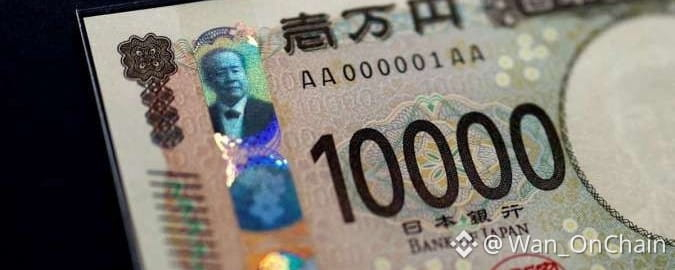
Le rendement des obligations japonaises à 10 ans atteint un plus haut en 30 ans alors que les inquiétudes budgétaires secouent les marchésLe marché des obligations d’État du Japon revient au premier plan après que le rendement de l’obligation japonaise à 10 ans (JGB) a atteint son plus haut niveau depuis environ 30 ans, reflétant des inquiétudes croissantes concernant la politique budgétaire et des attentes de resserrement monétaire à venir.
Ce mouvement fait suite aux inquiétudes des investisseurs selon lesquelles le dernier plan de politique économique du Japon pourrait annoncer :
Hausse des dépenses publiques
Émission obligataire accrue
Consolidation budgétaire plus lente
Pressions inflationnistes prolongées
Bien que des responsables japonais aient nié avoir exercé des pressions sur la Banque du Japon (BOJ) pour maintenir les taux d’intérêt bas, les marchés restent prudents quant aux perspectives à long terme de la dette du pays.
Le rendement des obligations japonaises à 10 ans atteint un plus haut en 30 ans alors que les inquiétudes budgétaires secouent les marchés
Le marché des obligations d’État du Japon revient au premier plan après que le rendement de l’obligation japonaise à 10 ans (JGB) a atteint son plus haut niveau depuis environ 30 ans, reflétant des inquiétudes croissantes concernant la politique budgétaire et des attentes de resserrement monétaire à venir.
Ce mouvement fait suite aux inquiétudes des investisseurs selon lesquelles le dernier plan de politique économique du Japon pourrait annoncer :
Hausse des dépenses publiques
Émission obligataire accrue
Consolidation budgétaire plus lente
Pressions inflationnistes prolongées
Bien que des responsables japonais aient nié avoir exercé des pressions sur la Banque du Japon (BOJ) pour maintenir les taux d’intérêt bas, les marchés restent prudents quant aux perspectives à long terme de la dette du pays.
Ce mouvement fait suite aux inquiétudes des investisseurs selon lesquelles le dernier plan de politique économique du Japon pourrait annoncer :
Hausse des dépenses publiques
Émission obligataire accrue
Consolidation budgétaire plus lente
Pressions inflationnistes prolongées
Bien que des responsables japonais aient nié avoir exercé des pressions sur la Banque du Japon (BOJ) pour maintenir les taux d’intérêt bas, les marchés restent prudents quant aux perspectives à long terme de la dette du pays.
Follow Me
De Wan_OnChain
3
236
·
--
Mon parcours crypto avec Binance a commencé en 2024, et voir comment l’écosystème continue d’innover pour son 9e anniversaire est incroyable. Sous le thème « Construit par vous », Binance partage un énorme pool de récompenses de 4 500 000 $ avec la communauté. J’ai déjà débloqué 2 étapes clés moi-même ! Que vous soyez un trader chevronné ou que vous commenciez tout juste, c’est le moment idéal pour rejoindre la plateforme, explorer ses fonctionnalités et réclamer votre part des récompenses. Scannez le code QR ci-dessous et construisons ensemble l’avenir du Web3 !
#BinanceTurns9 Binance fête ses 9 ans - Construit par vous
{spot}(BNBUSDT)
{spot}(SPCXBUSDT)
Mon parcours crypto avec Binance a commencé en 2024, et voir comment l’écosystème continue d’innover pour son 9e anniversaire est incroyable. Sous le thème « Construit par vous », Binance partage un énorme pool de récompenses de 4 500 000 $ avec la communauté. J’ai déjà débloqué 2 étapes clés moi-même ! Que vous soyez un trader chevronné ou que vous commenciez tout juste, c’est le moment idéal pour rejoindre la plateforme, explorer ses fonctionnalités et réclamer votre part des récompenses. Scannez le code QR ci-dessous et construisons ensemble l’avenir du Web3 !
#BinanceTurns9 Binance fête ses 9 ans - Construit par vous
#BinanceTurns9 Binance fête ses 9 ans - Construit par vous

3
49
·
--
Article
Le FMI met en garde : la tokenisation pourrait transférer le risque financier des institutions vers le codeLe Fonds monétaire international a averti que l’adoption rapide de la finance tokenisée pourrait remodeler fondamentalement le système financier mondial en déplaçant le risque des institutions financières traditionnelles vers les logiciels, les contrats intelligents et les infrastructures numériques.
D’après un récent rapport du FMI, la tokenisation offre d’importants avantages, notamment :
Règlement plus rapide
Actifs financiers programmables
Meilleure gestion de la liquidité
Coûts de transaction plus faibles
Cependant, à mesure que la logique financière se déplace de plus en plus vers des contrats intelligents, le FMI soutient que « le risque passe des institutions vers les infrastructures — et, en fin de compte, vers le code ».
Le FMI met en garde : la tokenisation pourrait transférer le risque financier des institutions vers le code
Le Fonds monétaire international a averti que l’adoption rapide de la finance tokenisée pourrait remodeler fondamentalement le système financier mondial en déplaçant le risque des institutions financières traditionnelles vers les logiciels, les contrats intelligents et les infrastructures numériques.
D’après un récent rapport du FMI, la tokenisation offre d’importants avantages, notamment :
Règlement plus rapide
Actifs financiers programmables
Meilleure gestion de la liquidité
Coûts de transaction plus faibles
Cependant, à mesure que la logique financière se déplace de plus en plus vers des contrats intelligents, le FMI soutient que « le risque passe des institutions vers les infrastructures — et, en fin de compte, vers le code ».
D’après un récent rapport du FMI, la tokenisation offre d’importants avantages, notamment :
Règlement plus rapide
Actifs financiers programmables
Meilleure gestion de la liquidité
Coûts de transaction plus faibles
Cependant, à mesure que la logique financière se déplace de plus en plus vers des contrats intelligents, le FMI soutient que « le risque passe des institutions vers les infrastructures — et, en fin de compte, vers le code ».
Follow Me
De Wan_OnChain
1
3
99
·
--
Article
Le KOSPI bondit de 2,7 % grâce à la flambée des puces IA, propulsant les marchés sud-coréensL’indice KOSPI de Corée du Sud a bondi d’environ 2,7 %, prolongeant son élan solide alors que l’optimisme des investisseurs concernant le secteur des semi-conducteurs pour l’IA a continué de stimuler les achats.
La reprise a été menée par de grands fabricants de puces, notamment Samsung Electronics et SK Hynix, dans un contexte d’attentes de demande mondiale soutenue pour les puces mémoire destinées à l’IA et l’infrastructure des centres de données.
Les gains reflètent une tendance plus large observée sur les marchés mondiaux, où les entreprises de semi-conducteurs restent au cœur du boom des investissements liés à l’IA. Une forte demande pour les puces mémoire à bande passante élevée (HBM) et pour du matériel informatique avancé pour l’IA continue de soutenir les attentes de résultats des principaux fabricants.
Le KOSPI bondit de 2,7 % grâce à la flambée des puces IA, propulsant les marchés sud-coréens
L’indice KOSPI de Corée du Sud a bondi d’environ 2,7 %, prolongeant son élan solide alors que l’optimisme des investisseurs concernant le secteur des semi-conducteurs pour l’IA a continué de stimuler les achats.
La reprise a été menée par de grands fabricants de puces, notamment Samsung Electronics et SK Hynix, dans un contexte d’attentes de demande mondiale soutenue pour les puces mémoire destinées à l’IA et l’infrastructure des centres de données.
Les gains reflètent une tendance plus large observée sur les marchés mondiaux, où les entreprises de semi-conducteurs restent au cœur du boom des investissements liés à l’IA. Une forte demande pour les puces mémoire à bande passante élevée (HBM) et pour du matériel informatique avancé pour l’IA continue de soutenir les attentes de résultats des principaux fabricants.
La reprise a été menée par de grands fabricants de puces, notamment Samsung Electronics et SK Hynix, dans un contexte d’attentes de demande mondiale soutenue pour les puces mémoire destinées à l’IA et l’infrastructure des centres de données.
Les gains reflètent une tendance plus large observée sur les marchés mondiaux, où les entreprises de semi-conducteurs restent au cœur du boom des investissements liés à l’IA. Une forte demande pour les puces mémoire à bande passante élevée (HBM) et pour du matériel informatique avancé pour l’IA continue de soutenir les attentes de résultats des principaux fabricants.
Follow Me
De Wan_OnChain
1
2
333
·
--

Article
L'Activité du Réseau Bitcoin Proche de Son Plus Haut Historique Malgré la Consolidation des PrixBitcoin montre une forte activité réseau sous-jacente même si l'action des prix reste relativement calme.
Selon une récente analyse on-chain de CryptoQuant, l'Indice d'Activité du Réseau Bitcoin a grimpé à moins de 7 % de son plus haut historique, tiré en grande partie par une montée des transactions on-chain plus petites. Le nombre de transactions quotidiennes a également dépassé 800 000, marquant l'une des périodes les plus chargées de l'histoire du réseau.
Les analystes ont noté que les transactions en dessous de 0,01 BTC représentent désormais environ 80 % de l'activité quotidienne - presque le double de leur part par rapport à 2023. Une grande partie de cette croissance est liée à l'utilisation accrue de protocoles tels qu'Ordinals et Runes, qui continuent d'élargir l'écosystème on-chain de Bitcoin.
L'Activité du Réseau Bitcoin Proche de Son Plus Haut Historique Malgré la Consolidation des Prix
Bitcoin montre une forte activité réseau sous-jacente même si l'action des prix reste relativement calme.
Selon une récente analyse on-chain de CryptoQuant, l'Indice d'Activité du Réseau Bitcoin a grimpé à moins de 7 % de son plus haut historique, tiré en grande partie par une montée des transactions on-chain plus petites. Le nombre de transactions quotidiennes a également dépassé 800 000, marquant l'une des périodes les plus chargées de l'histoire du réseau.
Les analystes ont noté que les transactions en dessous de 0,01 BTC représentent désormais environ 80 % de l'activité quotidienne - presque le double de leur part par rapport à 2023. Une grande partie de cette croissance est liée à l'utilisation accrue de protocoles tels qu'Ordinals et Runes, qui continuent d'élargir l'écosystème on-chain de Bitcoin.
Selon une récente analyse on-chain de CryptoQuant, l'Indice d'Activité du Réseau Bitcoin a grimpé à moins de 7 % de son plus haut historique, tiré en grande partie par une montée des transactions on-chain plus petites. Le nombre de transactions quotidiennes a également dépassé 800 000, marquant l'une des périodes les plus chargées de l'histoire du réseau.
Les analystes ont noté que les transactions en dessous de 0,01 BTC représentent désormais environ 80 % de l'activité quotidienne - presque le double de leur part par rapport à 2023. Une grande partie de cette croissance est liée à l'utilisation accrue de protocoles tels qu'Ordinals et Runes, qui continuent d'élargir l'écosystème on-chain de Bitcoin.
Follow Me
De Wan_OnChain
3
173
·
--
2
82
·
--
Article
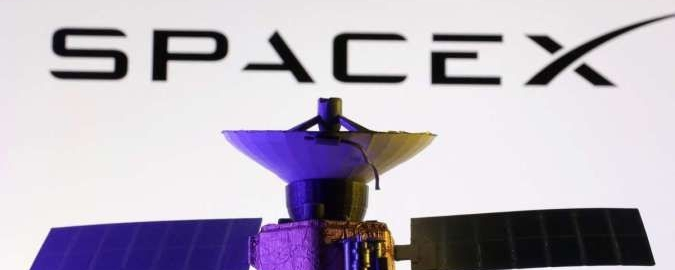
Le calendrier de blocage inhabituel de l'IPO de SpaceX attire l'attention des investisseursAlors que l'anticipation grandit autour de l'IPO très attendue de SpaceX, les investisseurs se concentrent de plus en plus sur un détail clé :
Le calendrier de blocage peu conventionnel de l'entreprise.
Contrairement aux IPO traditionnelles qui imposent généralement une période de blocage de 180 jours pour les insiders, SpaceX a adopté une structure de libération échelonnée conçue pour éviter qu'une vague massive de ventes d'insiders n'inonde le marché d'un seul coup.
Selon des dépôts et des rapports récents :
Jusqu'à 20 % des parts d'insiders éligibles pourraient devenir disponibles à la vente peu après que SpaceX publie son premier rapport trimestriel en tant qu'entreprise publique.
Le calendrier de blocage inhabituel de l'IPO de SpaceX attire l'attention des investisseurs
Alors que l'anticipation grandit autour de l'IPO très attendue de SpaceX, les investisseurs se concentrent de plus en plus sur un détail clé :
Le calendrier de blocage peu conventionnel de l'entreprise.
Contrairement aux IPO traditionnelles qui imposent généralement une période de blocage de 180 jours pour les insiders, SpaceX a adopté une structure de libération échelonnée conçue pour éviter qu'une vague massive de ventes d'insiders n'inonde le marché d'un seul coup.
Selon des dépôts et des rapports récents :
Jusqu'à 20 % des parts d'insiders éligibles pourraient devenir disponibles à la vente peu après que SpaceX publie son premier rapport trimestriel en tant qu'entreprise publique.
Le calendrier de blocage peu conventionnel de l'entreprise.
Contrairement aux IPO traditionnelles qui imposent généralement une période de blocage de 180 jours pour les insiders, SpaceX a adopté une structure de libération échelonnée conçue pour éviter qu'une vague massive de ventes d'insiders n'inonde le marché d'un seul coup.
Selon des dépôts et des rapports récents :
Jusqu'à 20 % des parts d'insiders éligibles pourraient devenir disponibles à la vente peu après que SpaceX publie son premier rapport trimestriel en tant qu'entreprise publique.
Follow Me
De Wan_OnChain
1
3
237
·
--
Article
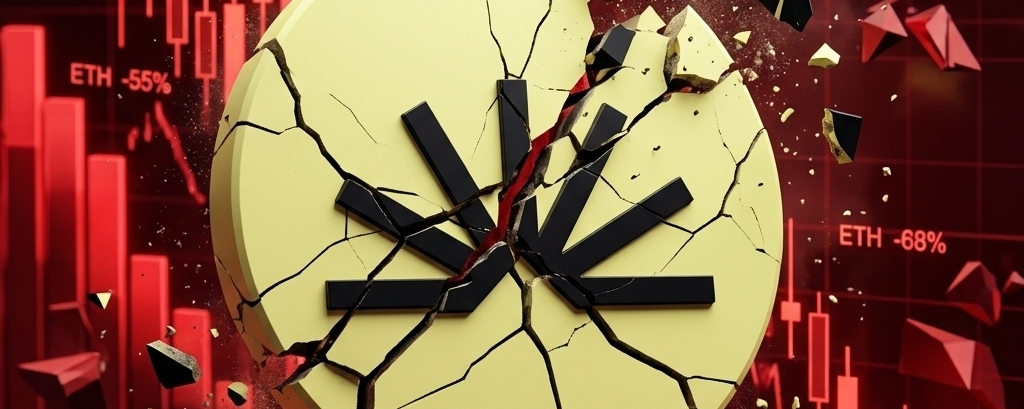
Sahara AI (SAHARA) s'effondre de 55% en 15 minutes, déclenchant des inquiétudes sur la manipulation du marchéLe secteur crypto axé sur l'IA a connu une volatilité renouvelée après que Sahara AI (SAHARA) a plongé d'environ 55% en seulement 15 minutes, suscitant une inquiétude généralisée parmi les traders et investisseurs.
Les données du marché ont montré que SAHARA s'effondrait rapidement avant d'essayer une récupération partielle, avec des pertes de plus de 50% sur plusieurs échanges au cours des 24 dernières heures.
À l'heure actuelle, Sahara AI n'a pas publié d'explication officielle concernant le mouvement de prix soudain.
Plusieurs facteurs sont étroitement surveillés par les participants du marché :
Activité potentielle de market maker
Sahara AI (SAHARA) s'effondre de 55% en 15 minutes, déclenchant des inquiétudes sur la manipulation du marché
Le secteur crypto axé sur l'IA a connu une volatilité renouvelée après que Sahara AI (SAHARA) a plongé d'environ 55% en seulement 15 minutes, suscitant une inquiétude généralisée parmi les traders et investisseurs.
Les données du marché ont montré que SAHARA s'effondrait rapidement avant d'essayer une récupération partielle, avec des pertes de plus de 50% sur plusieurs échanges au cours des 24 dernières heures.
À l'heure actuelle, Sahara AI n'a pas publié d'explication officielle concernant le mouvement de prix soudain.
Plusieurs facteurs sont étroitement surveillés par les participants du marché :
Activité potentielle de market maker
Les données du marché ont montré que SAHARA s'effondrait rapidement avant d'essayer une récupération partielle, avec des pertes de plus de 50% sur plusieurs échanges au cours des 24 dernières heures.
À l'heure actuelle, Sahara AI n'a pas publié d'explication officielle concernant le mouvement de prix soudain.
Plusieurs facteurs sont étroitement surveillés par les participants du marché :
Activité potentielle de market maker
Follow Me (SAHARA)
De Wan_OnChain
2
4
287
·
--
Vérifié
Article
La BCE devrait augmenter les taux de 25 points de base alors que les pressions inflationnistes persistentLes marchés intègrent de plus en plus une hausse des taux d'intérêt de 25 points de base de la Banque Centrale Européenne, alors que les décideurs continuent de lutter contre de nouvelles pressions inflationnistes dans la zone euro.
Les données récentes sur l'inflation dans la zone euro ont montré que l'inflation principale s'accélérait à 3,2 % en mai, bien au-dessus de l'objectif de 2 % de la BCE. La hausse des coûts énergétiques et une inflation des services plus forte que prévu ont renforcé les attentes selon lesquelles la banque centrale pourrait resserrer sa politique davantage.
Les analystes notent que plusieurs responsables de la BCE ont adopté un ton plus hawkish ces dernières semaines, soulignant que les risques inflationnistes demeurent élevés malgré un ralentissement de la croissance économique.
La BCE devrait augmenter les taux de 25 points de base alors que les pressions inflationnistes persistent
Les marchés intègrent de plus en plus une hausse des taux d'intérêt de 25 points de base de la Banque Centrale Européenne, alors que les décideurs continuent de lutter contre de nouvelles pressions inflationnistes dans la zone euro.
Les données récentes sur l'inflation dans la zone euro ont montré que l'inflation principale s'accélérait à 3,2 % en mai, bien au-dessus de l'objectif de 2 % de la BCE. La hausse des coûts énergétiques et une inflation des services plus forte que prévu ont renforcé les attentes selon lesquelles la banque centrale pourrait resserrer sa politique davantage.
Les analystes notent que plusieurs responsables de la BCE ont adopté un ton plus hawkish ces dernières semaines, soulignant que les risques inflationnistes demeurent élevés malgré un ralentissement de la croissance économique.
Les données récentes sur l'inflation dans la zone euro ont montré que l'inflation principale s'accélérait à 3,2 % en mai, bien au-dessus de l'objectif de 2 % de la BCE. La hausse des coûts énergétiques et une inflation des services plus forte que prévu ont renforcé les attentes selon lesquelles la banque centrale pourrait resserrer sa politique davantage.
Les analystes notent que plusieurs responsables de la BCE ont adopté un ton plus hawkish ces dernières semaines, soulignant que les risques inflationnistes demeurent élevés malgré un ralentissement de la croissance économique.
Follow Me
De Wan_OnChain
1
4
244
·
--
Vérifié

Article
JPMorgan, BofA et Citi conçoivent un réseau de dépôts tokenisés pour rivaliser avec les stablecoinsLes plus grandes banques des États-Unis—JPMorgan Chase, Bank of America et Citigroup—préparent apparemment le lancement d'un réseau national de dépôts tokenisés qui reliera le système bancaire traditionnel à l'infrastructure blockchain.
Ce projet sera géré par The Clearing House et devrait être opérationnel dans la première moitié de 2027.
Qu'est-ce qu'un « Réseau de Dépôts Tokenisés » ?
Contrairement aux stablecoins, les dépôts tokenisés sont :
Dépôts bancaires traditionnels
Représentés sous forme de tokens sur la blockchain
JPMorgan, BofA et Citi conçoivent un réseau de dépôts tokenisés pour rivaliser avec les stablecoins
Les plus grandes banques des États-Unis—JPMorgan Chase, Bank of America et Citigroup—préparent apparemment le lancement d'un réseau national de dépôts tokenisés qui reliera le système bancaire traditionnel à l'infrastructure blockchain.
Ce projet sera géré par The Clearing House et devrait être opérationnel dans la première moitié de 2027.
Qu'est-ce qu'un « Réseau de Dépôts Tokenisés » ?
Contrairement aux stablecoins, les dépôts tokenisés sont :
Dépôts bancaires traditionnels
Représentés sous forme de tokens sur la blockchain
Ce projet sera géré par The Clearing House et devrait être opérationnel dans la première moitié de 2027.
Qu'est-ce qu'un « Réseau de Dépôts Tokenisés » ?
Contrairement aux stablecoins, les dépôts tokenisés sont :
Dépôts bancaires traditionnels
Représentés sous forme de tokens sur la blockchain
Follow Me
De Wan_OnChain
1
5
284
Connectez-vous pour découvrir plus de contenu
Rejoignez la communauté mondiale des adeptes de cryptomonnaies sur Binance Square
⚡️ Suviez les dernières informations importantes sur les cryptomonnaies.
💬 Jugé digne de confiance par la plus grande plateforme d’échange de cryptomonnaies au monde.
👍 Découvrez les connaissances que partagent les créateurs vérifiés.
Adresse e-mail/Nº de téléphone
Sujets d’actualité
BOJRaisesRatesTo31YearHigh
16,278 vues
504 mentions
Bitcoin reprend la vedette alors que la pression macro ne parvient pas à entamer la demande de cryptomonnaies
Fatima_Tariq
·7 mentions J’aime
·5.2k vues
BuffettStepsDownAsBerkshireChairman
3,322 vues
177 mentions
XRPExchangeReservesHitSevenYearLow
6,558 vues
209 mentions