

Ummii_313
298 Publications

Ummii_313
Signaler
Bloquer l’utilisateur
Crypto Analyst 💯 Crypto Trader 📊 | Market Insights 💡BTC • ETH • Altcoins 👉Follow for Daily Updates 🚀
Ouvert au trading

Détenteur pour LUNC
Trade régulièrement
2.7 an(s)
18 Suivis
71 Abonnés
342 J’aime
Publications
Portefeuille
Tous
Citations
Vidéos

·
--
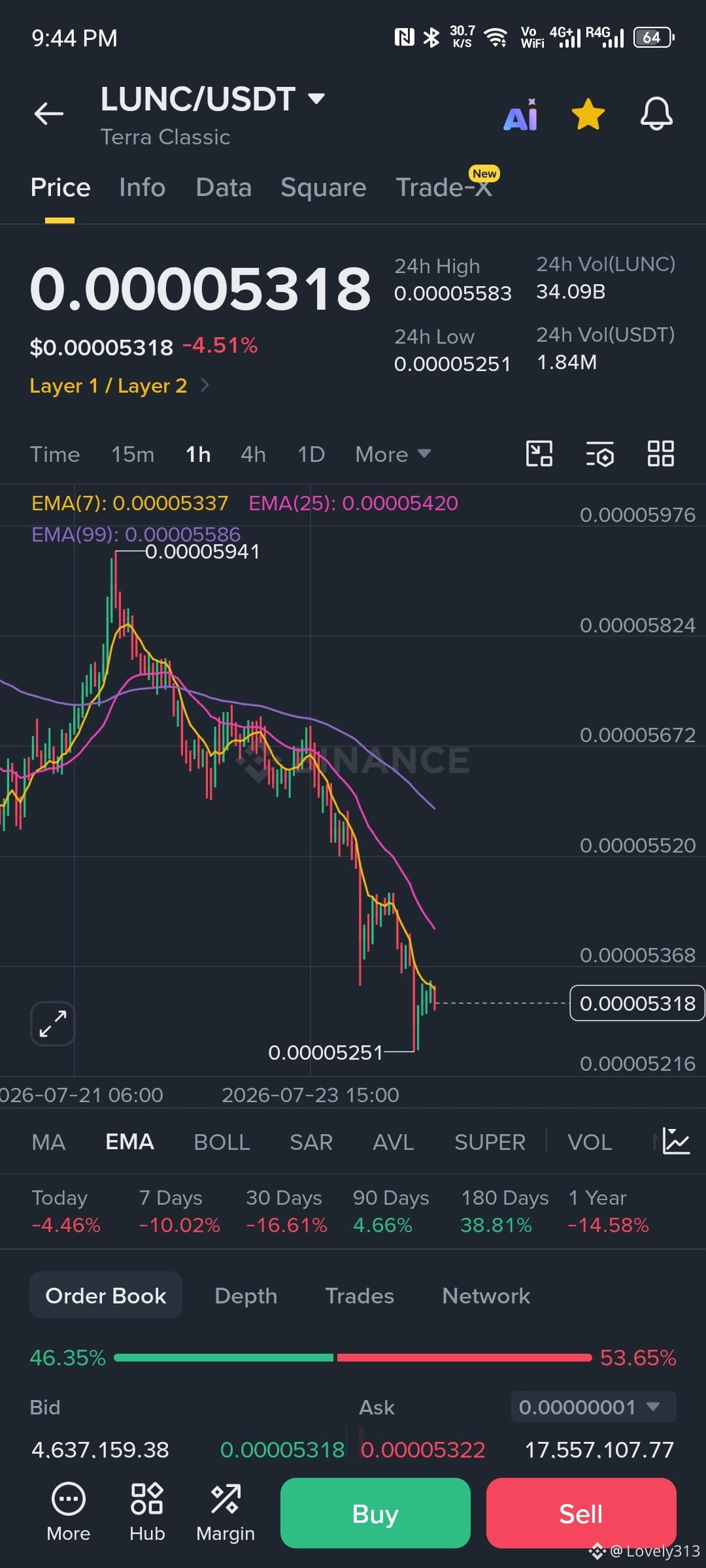
Seeing this condition of the $LUNC I think I should sell it now😥😥
$LUNC sʜᴏᴜʟᴅ ɪ sᴇʟʟ ᴏʀ ʜᴏʟᴅ?❓
#LUNC #ClassicLUNC #BinanceSquareTalks
Seeing this condition of the $LUNC I think I should sell it now😥😥
$LUNC sʜᴏᴜʟᴅ ɪ sᴇʟʟ ᴏʀ ʜᴏʟᴅ?❓
#LUNC #ClassicLUNC #BinanceSquareTalks
$LUNC sʜᴏᴜʟᴅ ɪ sᴇʟʟ ᴏʀ ʜᴏʟᴅ?❓
#LUNC #ClassicLUNC #BinanceSquareTalks
2
2
806
·
--
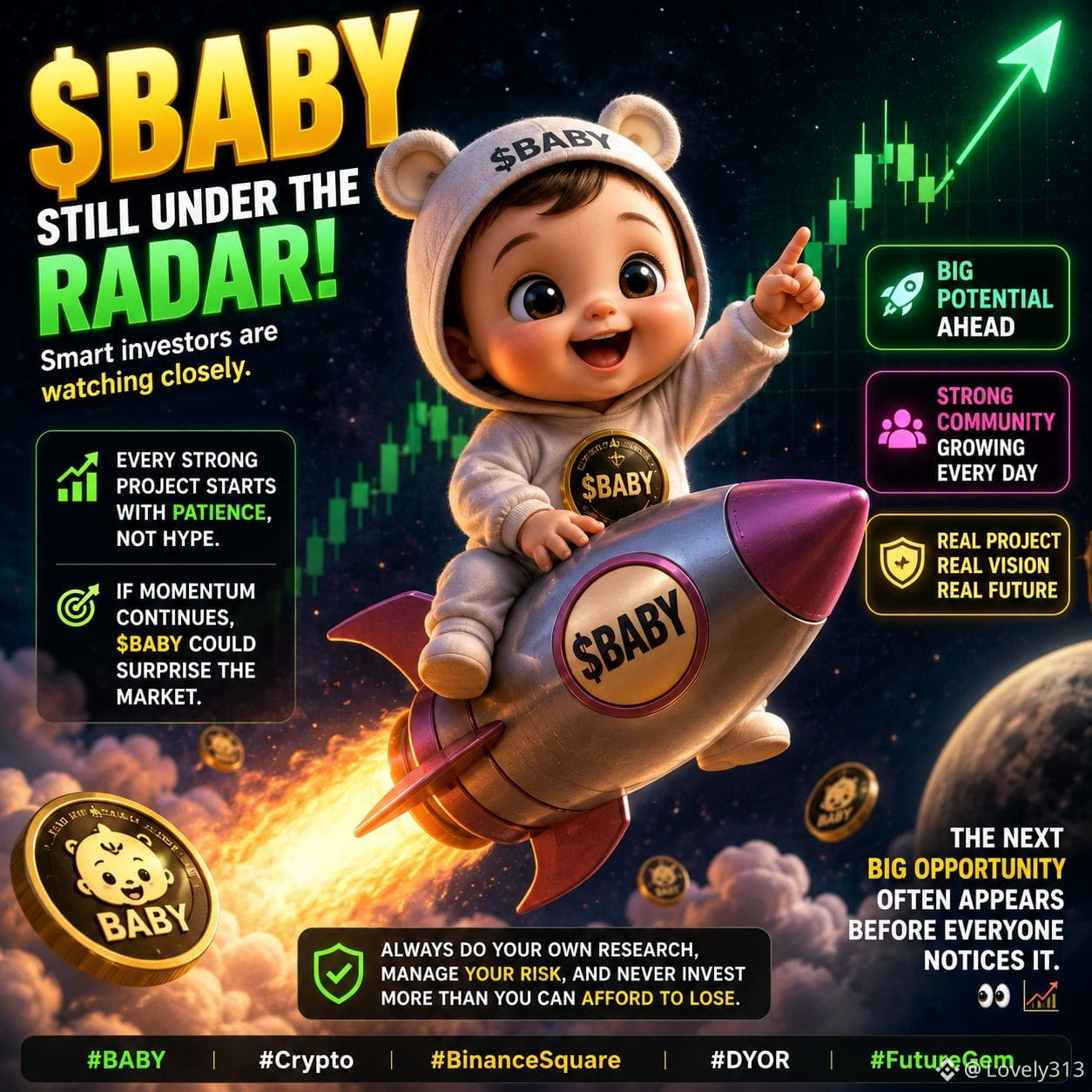
🚀 $BABY is still flying under the radar, but smart investors are watching closely. Every strong project starts with patience, not hype. If momentum continues and the community keeps growing, $BABY could surprise the market. Always do your own research, manage your risk, and never invest more than you can afford to lose. The next big opportunity often appears before everyone notices it. 👀📈 #BABY #Crypto #BinanceSquare
#baby $BABY @babylonlabs_io
🚀 $BABY is still flying under the radar, but smart investors are watching closely. Every strong project starts with patience, not hype. If momentum continues and the community keeps growing, $BABY could surprise the market. Always do your own research, manage your risk, and never invest more than you can afford to lose. The next big opportunity often appears before everyone notices it. 👀📈 #BABY #Crypto #BinanceSquare
#baby $BABY @BabylonLabs_io
#baby $BABY @BabylonLabs_io
77
·
--
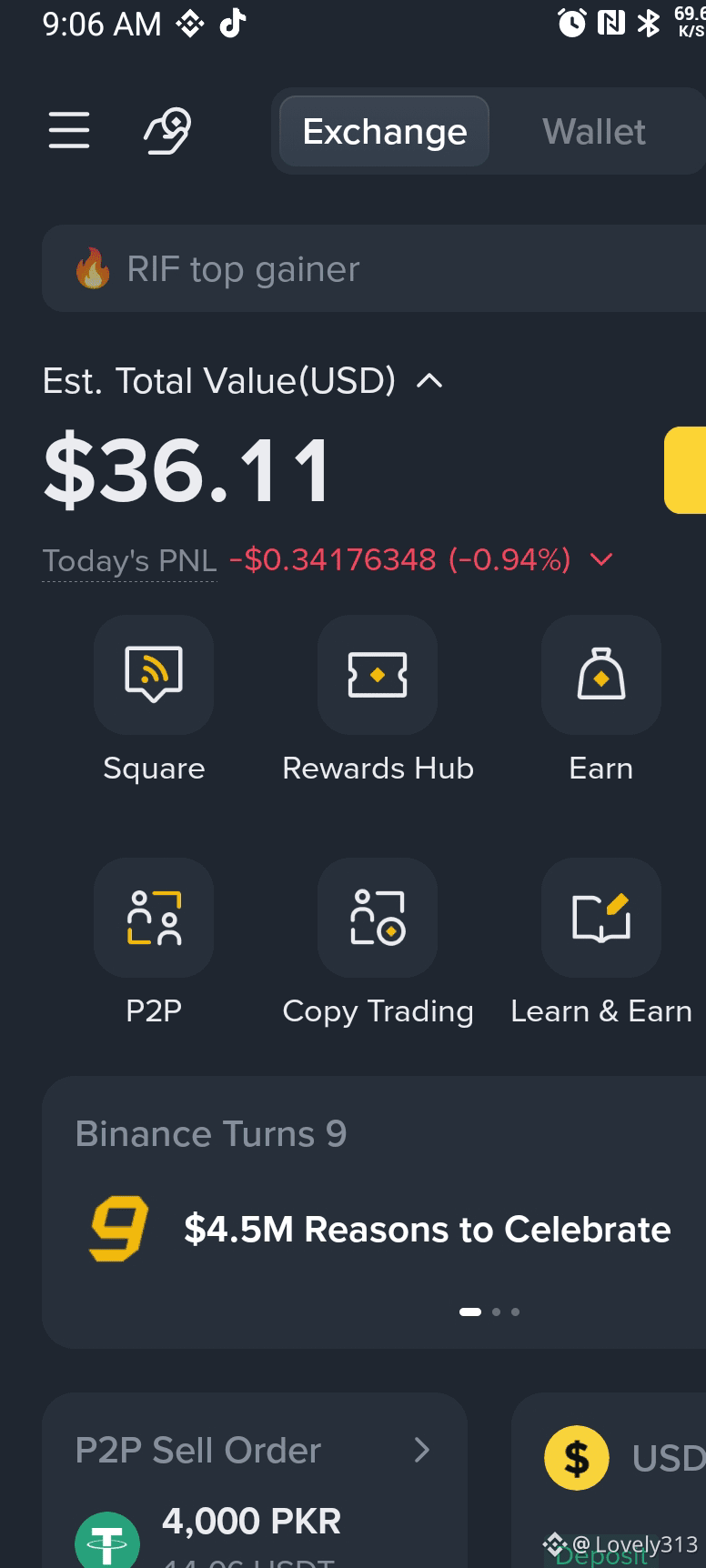
I have $36😛 what should I buy with it, you guys tell me?
I've heard a lot about $LUNC so I'll take the $LUNC If I have to take it, tell me what I should take.
#LUNC #altcoins #BinanceSquareTalks #Binance #BinanceSquare
I have $36😛 what should I buy with it, you guys tell me?
I've heard a lot about $LUNC so I'll take the $LUNC If I have to take it, tell me what I should take.
#LUNC #altcoins #BinanceSquareTalks #Binance #BinanceSquare
I've heard a lot about $LUNC so I'll take the $LUNC If I have to take it, tell me what I should take.
#LUNC #altcoins #BinanceSquareTalks #Binance #BinanceSquare
1
331
·
--
I also had $ADA 🥺
I sent that by mistake and now I'm very angry.😥😥
Because $ADA is also going up right now.
{future}(ADAUSDT)
#ADA #altcoins #meme_coin #BinanceSquareFamily
I also had $ADA 🥺
I sent that by mistake and now I'm very angry.😥😥
Because $ADA is also going up right now.
#ADA #altcoins #meme_coin #BinanceSquareFamily
I sent that by mistake and now I'm very angry.😥😥
Because $ADA is also going up right now.
#ADA #altcoins #meme_coin #BinanceSquareFamily

136
·
--
Everyone is ignoring $PEPE today... 💰💯
but I think this could be the biggest mistake of 2027. 👀
I Have 1 Million $PEPE
My Target🎯 __1$ ___0.50
Tell me what you think Am I right or wrong❓
#PEPE #Binance #BinanceSquareFamily BitcoinReclaims$65K
Everyone is ignoring $PEPE today... 💰💯
but I think this could be the biggest mistake of 2027. 👀
I Have 1 Million $PEPE
My Target🎯 __1$ ___0.50
Tell me what you think Am I right or wrong❓
#PEPE #Binance #BinanceSquareFamily BitcoinReclaims$65K
but I think this could be the biggest mistake of 2027. 👀
I Have 1 Million $PEPE
My Target🎯 __1$ ___0.50
Tell me what you think Am I right or wrong❓
#PEPE #Binance #BinanceSquareFamily BitcoinReclaims$65K

45
·
--
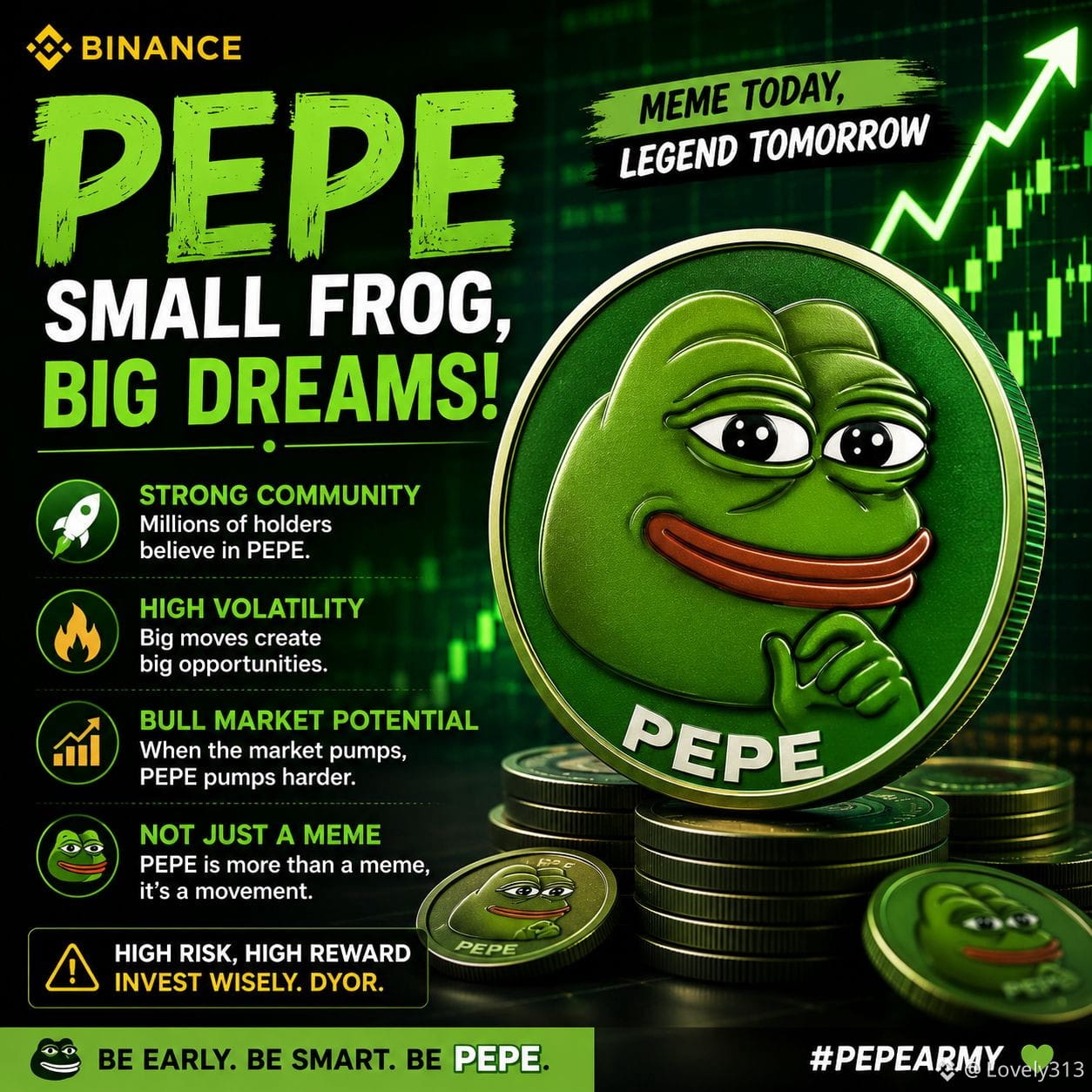
🐸 $PEPE is still on the watchlist for many investors.👀
Whenever the crypto market turns bullish $PEPE often shows strong momentum. But don't forget—meme coins are highly risky🤨
Don't make emotional decisions. Always do your own research (DYOR) and only invest what you can afford to lose.
What do you think is the next target for $PEPE ? 👇
#PEPE #Crypto #Binance #MemeCoin #Altcoins #DYOR
🐸 $PEPE is still on the watchlist for many investors.👀
Whenever the crypto market turns bullish $PEPE often shows strong momentum. But don't forget—meme coins are highly risky🤨
Don't make emotional decisions. Always do your own research (DYOR) and only invest what you can afford to lose.
What do you think is the next target for $PEPE ? 👇
#PEPE #Crypto #Binance #MemeCoin #Altcoins #DYOR
Whenever the crypto market turns bullish $PEPE often shows strong momentum. But don't forget—meme coins are highly risky🤨
Don't make emotional decisions. Always do your own research (DYOR) and only invest what you can afford to lose.
What do you think is the next target for $PEPE ? 👇
#PEPE #Crypto #Binance #MemeCoin #Altcoins #DYOR
93
·
--
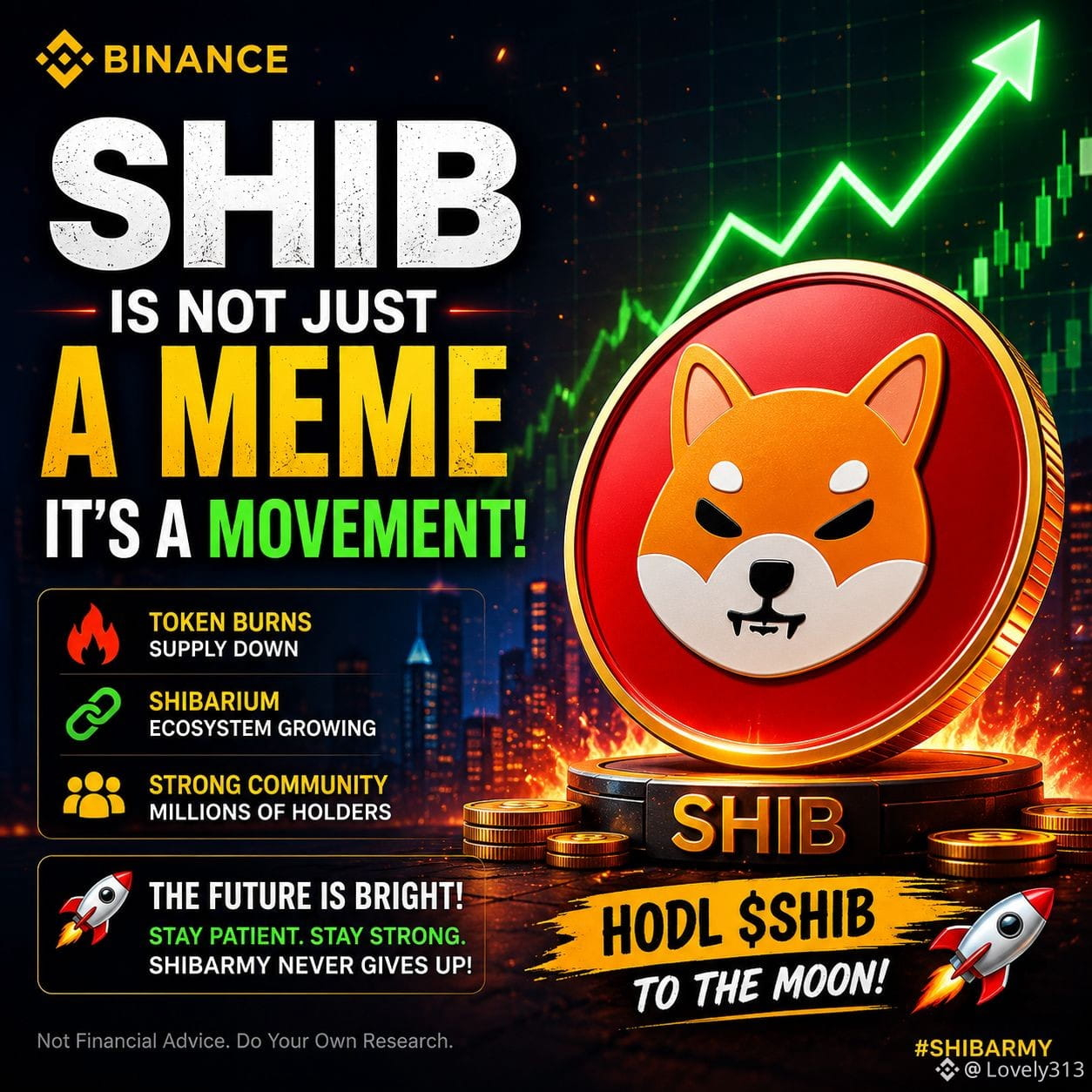
$SHIB is far from dead!
Shiba Inu continues to expand its ecosystem through Shibarium, token burns, and a strong global community. If the crypto market turns bullish, $SHIB could once again surprise everyone. . .
Smart investors watch utility, adoption, and market momentum—not just price.
💬 Are you still holding $SHIB in 2026?
#SHIB #ShibaInu #crypto #Binance #altcoins #Shibarium #MemeCoin #BullRun #HODL
$SHIB is far from dead!
Shiba Inu continues to expand its ecosystem through Shibarium, token burns, and a strong global community. If the crypto market turns bullish, $SHIB could once again surprise everyone. . .
Smart investors watch utility, adoption, and market momentum—not just price.
💬 Are you still holding $SHIB in 2026?
#SHIB #ShibaInu #crypto #Binance #altcoins #Shibarium #MemeCoin #BullRun #HODL
Shiba Inu continues to expand its ecosystem through Shibarium, token burns, and a strong global community. If the crypto market turns bullish, $SHIB could once again surprise everyone. . .
Smart investors watch utility, adoption, and market momentum—not just price.
💬 Are you still holding $SHIB in 2026?
#SHIB #ShibaInu #crypto #Binance #altcoins #Shibarium #MemeCoin #BullRun #HODL
164
·
--
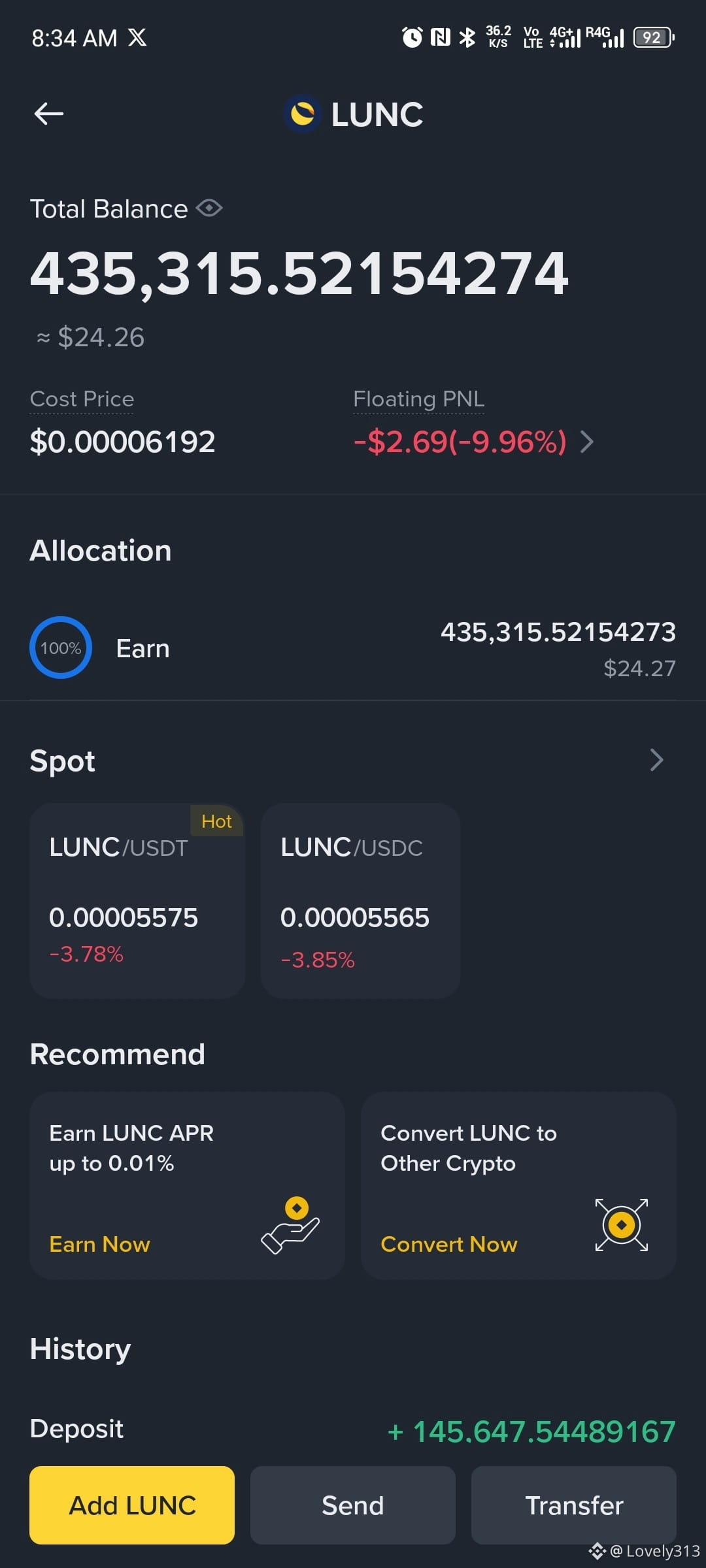
The $LUNC is going down a lot these days🥺 which means my target is still far away 😒
My Target🎯 $ 1 . . . . 👉0.5
INSHALLAH this dream of mine will come true in 2027/2028 😎$LUNC
{spot}(LUNCUSDT)
#SouthKoreaPreparesSecondCBDCPhase #BinanceSquareFamily
The $LUNC is going down a lot these days🥺 which means my target is still far away 😒
My Target🎯 $ 1 . . . . 👉0.5
INSHALLAH this dream of mine will come true in 2027/2028 😎$LUNC
#SouthKoreaPreparesSecondCBDCPhase #BinanceSquareFamily
My Target🎯 $ 1 . . . . 👉0.5
INSHALLAH this dream of mine will come true in 2027/2028 😎$LUNC
#SouthKoreaPreparesSecondCBDCPhase #BinanceSquareFamily
19
2.2k
·
--
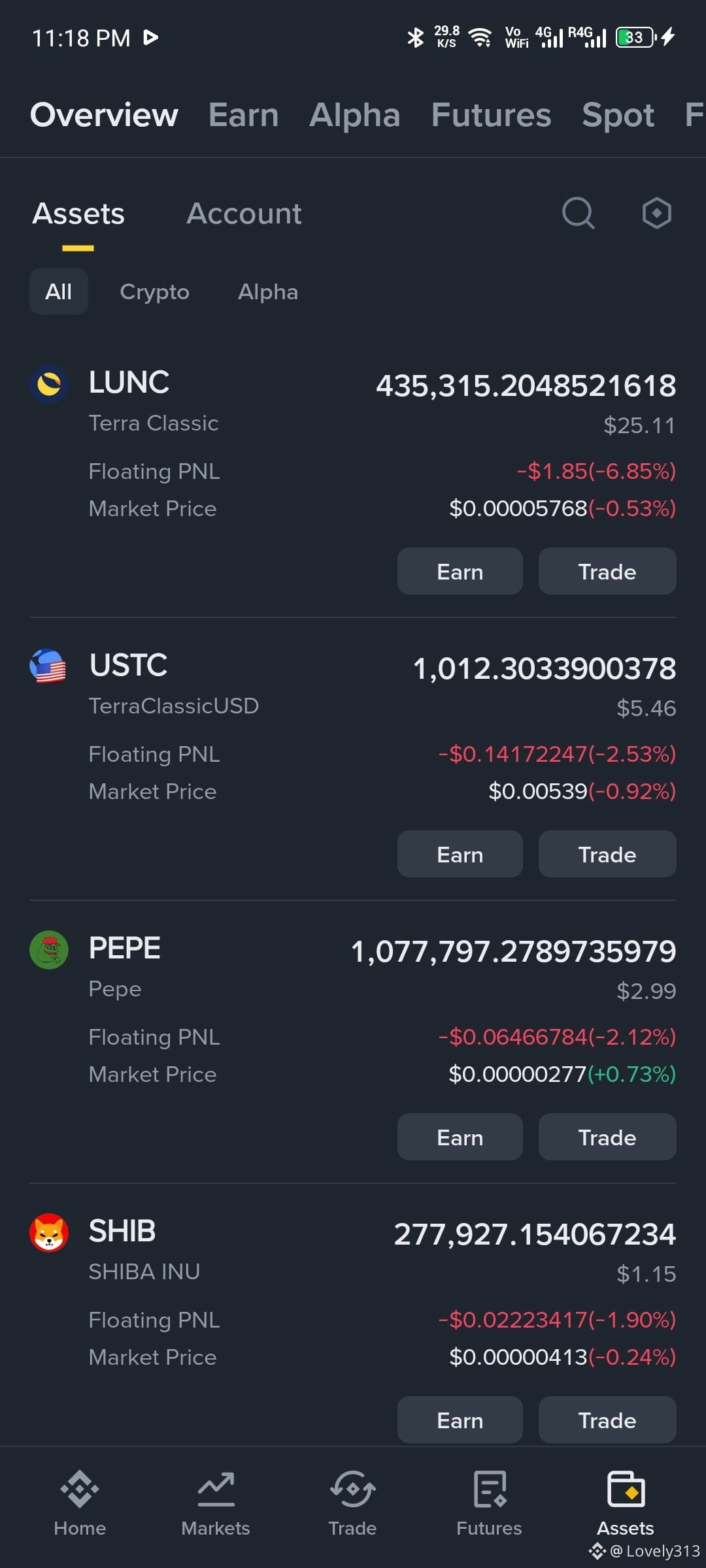
I will be a millionaire next year 2027😎
My Target🎯 1$ in all 🤙👀
$PEPE . . . $LUNC . . . $SHIB
😁👉What do you think is it possible or not ❓#LUNC #PEPE #SHIB #altcoins #memecoin🚀🚀🚀
I will be a millionaire next year 2027😎
My Target🎯 1$ in all 🤙👀
$PEPE . . . $LUNC . . . $SHIB
😁👉What do you think is it possible or not ❓#LUNC #PEPE #SHIB #altcoins #memecoin🚀🚀🚀
My Target🎯 1$ in all 🤙👀
$PEPE . . . $LUNC . . . $SHIB
😁👉What do you think is it possible or not ❓#LUNC #PEPE #SHIB #altcoins #memecoin🚀🚀🚀
10
12
5.2k
·
--
#BinancePickAndWin
⚽ The 2026 Football Challenge is live! I’ve already joined and made my picks.
Think you can predict the winners better than me?
Join through my shared link, make your predictions, and grab exciting rewards. Good luck to everyone! 🚀🏆 #BinancePickAndWin #BinanceSquareFamily
#BinancePickAndWin
⚽ The 2026 Football Challenge is live! I’ve already joined and made my picks.
Think you can predict the winners better than me?
Join through my shared link, make your predictions, and grab exciting rewards. Good luck to everyone! 🚀🏆 #BinancePickAndWin #BinanceSquareFamily
⚽ The 2026 Football Challenge is live! I’ve already joined and made my picks.
Think you can predict the winners better than me?
Join through my shared link, make your predictions, and grab exciting rewards. Good luck to everyone! 🚀🏆 #BinancePickAndWin #BinanceSquareFamily
12
·
--
Haussier
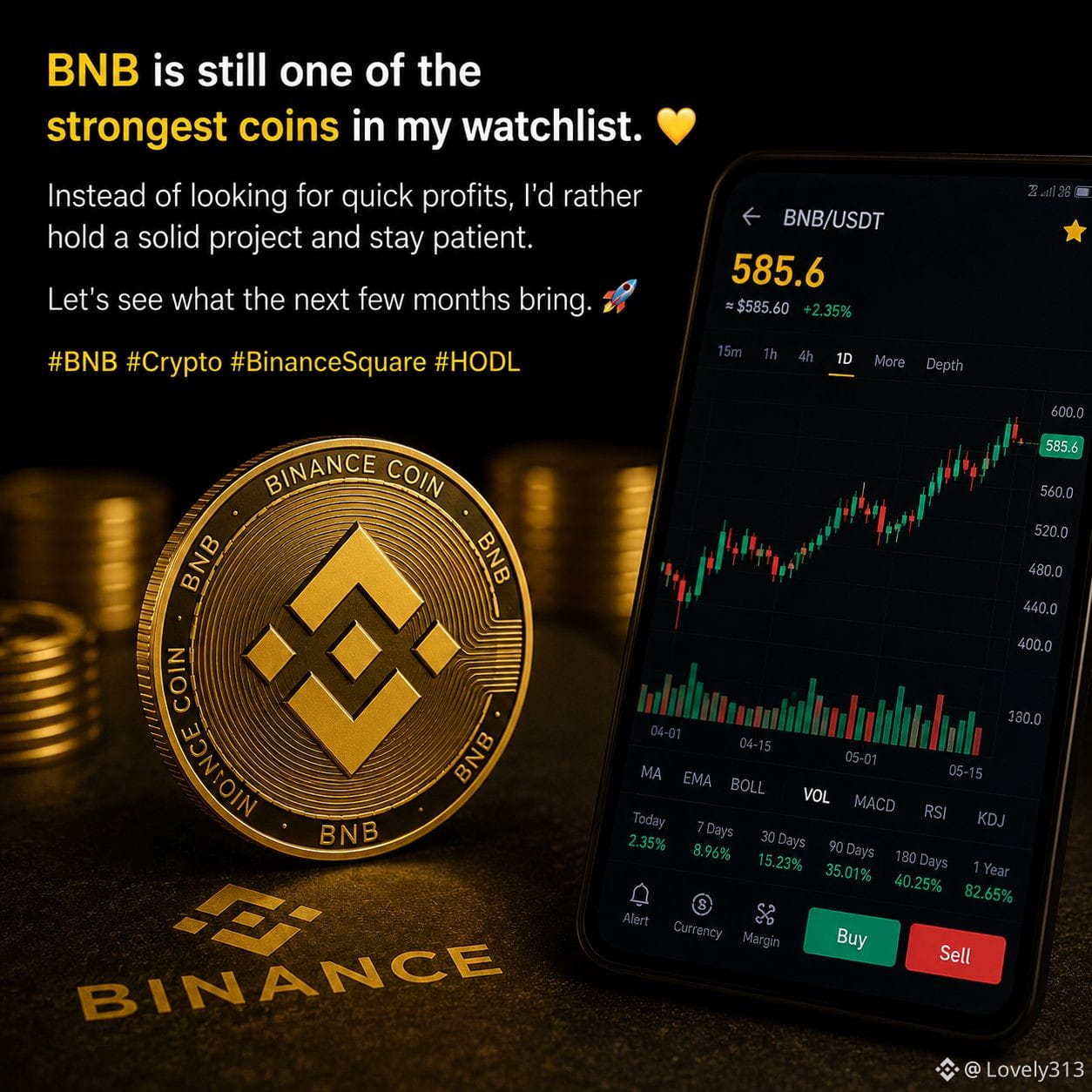
$BNB is still one of the strongest coins in my watchlist... 💛
Instead of looking for quick profits, I'd rather hold a solid project and stay patient.
👉Let's see what the next few months bring.
#BNB #Crypto #BinanceSquare $BNB
{spot}(BNBUSDT)
$BNB is still one of the strongest coins in my watchlist... 💛
Instead of looking for quick profits, I'd rather hold a solid project and stay patient.
👉Let's see what the next few months bring.
#BNB #Crypto #BinanceSquare $BNB
Instead of looking for quick profits, I'd rather hold a solid project and stay patient.
👉Let's see what the next few months bring.
#BNB #Crypto #BinanceSquare $BNB
91
·
--
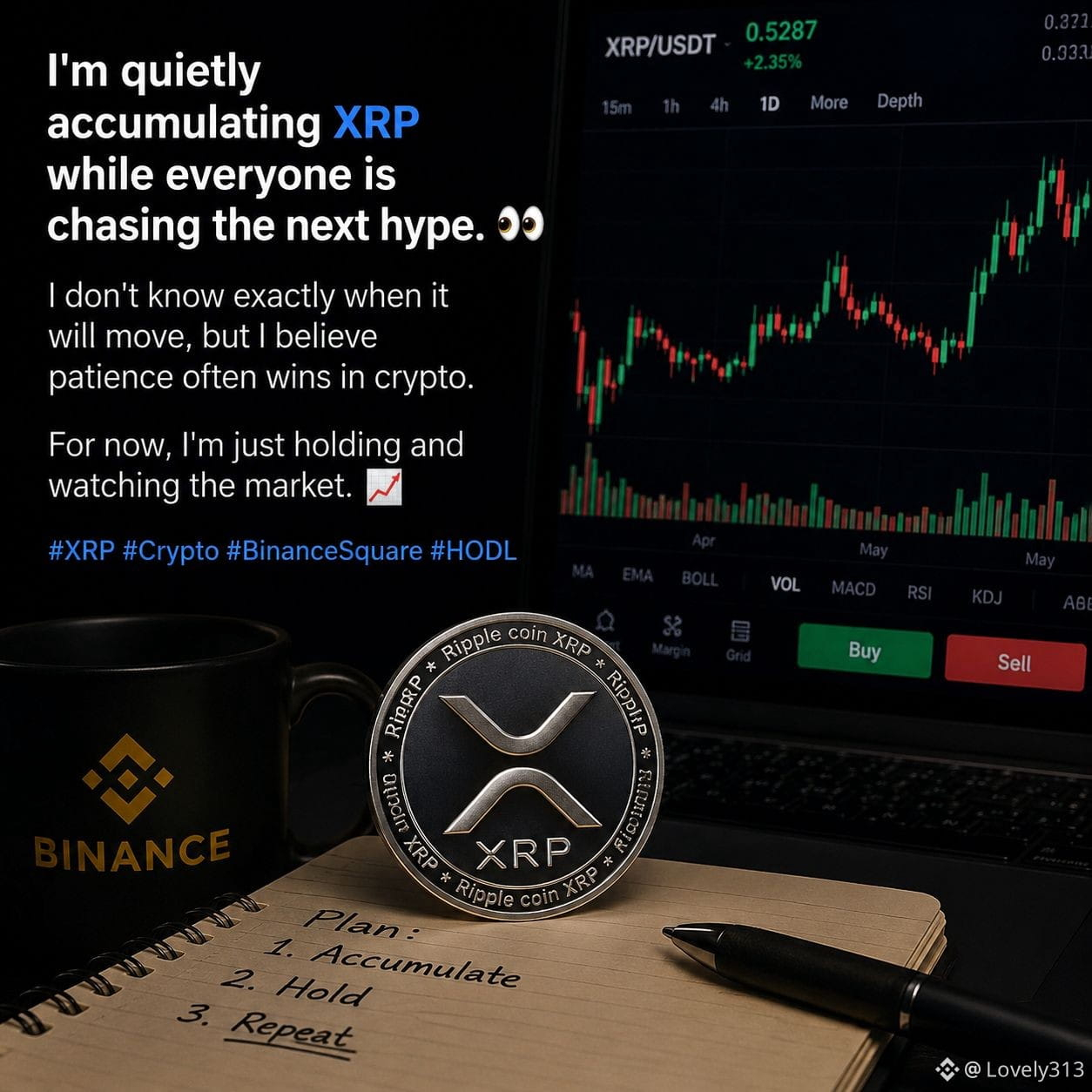
I'm quietly accumulating $XRP while everyone is chasing the next hype 👀
I don't know exactly when it will move, but I believe patience often wins in crypto. For now, I'm just holding and watching the market. 📈$XRP
{spot}(XRPUSDT)
#XRP #crypto #BinanceSquare #HODL
I'm quietly accumulating $XRP while everyone is chasing the next hype 👀
I don't know exactly when it will move, but I believe patience often wins in crypto. For now, I'm just holding and watching the market. 📈$XRP
#XRP #crypto #BinanceSquare #HODL
I don't know exactly when it will move, but I believe patience often wins in crypto. For now, I'm just holding and watching the market. 📈$XRP
#XRP #crypto #BinanceSquare #HODL
141
·
--
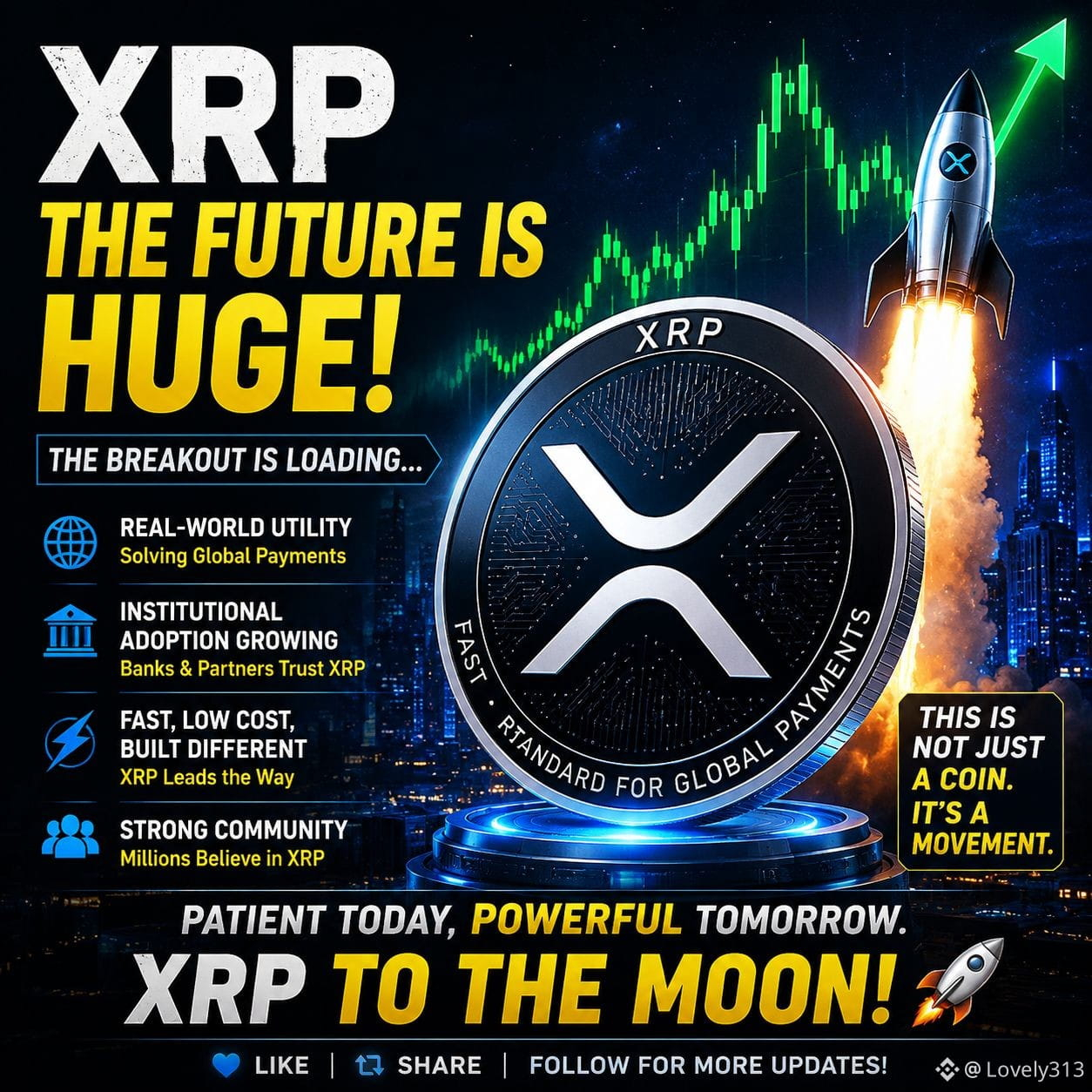
The Biggest $XRP Move May Still Be Ahead. . . 😯
Most people chase green candles. Smart investors accumulate before the breakout.
If $XRP reclaims major resistance, FOMO could return fast and the next rally may surprise the entire crypto market.
Stay patient. Stay disciplined. Opportunities reward those who prepare early.
💎 DYOR. This is not financial advice.
#xrp #Ripple #Crypto #BinanceSquare #BullRun #Altcoins
The Biggest $XRP Move May Still Be Ahead. . . 😯
Most people chase green candles. Smart investors accumulate before the breakout.
If $XRP reclaims major resistance, FOMO could return fast and the next rally may surprise the entire crypto market.
Stay patient. Stay disciplined. Opportunities reward those who prepare early.
💎 DYOR. This is not financial advice.
#xrp #Ripple #Crypto #BinanceSquare #BullRun #Altcoins
Most people chase green candles. Smart investors accumulate before the breakout.
If $XRP reclaims major resistance, FOMO could return fast and the next rally may surprise the entire crypto market.
Stay patient. Stay disciplined. Opportunities reward those who prepare early.
💎 DYOR. This is not financial advice.
#xrp #Ripple #Crypto #BinanceSquare #BullRun #Altcoins
90
·
--
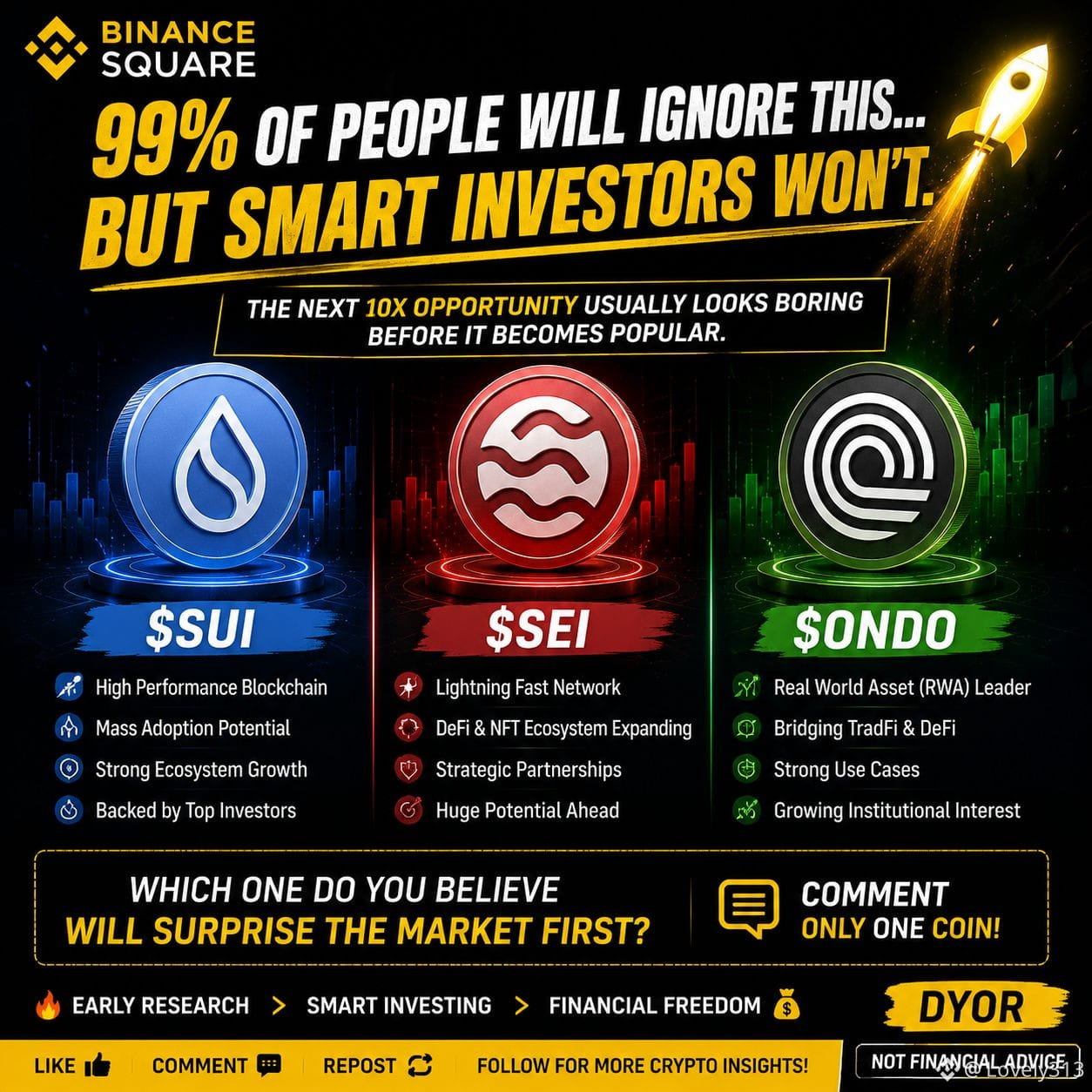
🚨 99% of people will ignore this… but smart investors won't.
The next 10x opportunity usually looks boring before it becomes popular.
👀 My watchlist today:
🔥 $SUI
🔥 $SEI
🔥 $ONDO
Which one do you believe will surprise the market first?
👇 Comment only ONE coin.
#BinanceSquare #altcoins #SUİ #SEI #ONDO #BullRun #DYOR #NFA
🚨 99% of people will ignore this… but smart investors won't.
The next 10x opportunity usually looks boring before it becomes popular.
👀 My watchlist today:
🔥 $SUI
🔥 $SEI
🔥 $ONDO
Which one do you believe will surprise the market first?
👇 Comment only ONE coin.
#BinanceSquare #altcoins #SUİ #SEI #ONDO #BullRun #DYOR #NFA
The next 10x opportunity usually looks boring before it becomes popular.
👀 My watchlist today:
🔥 $SUI
🔥 $SEI
🔥 $ONDO
Which one do you believe will surprise the market first?
👇 Comment only ONE coin.
#BinanceSquare #altcoins #SUİ #SEI #ONDO #BullRun #DYOR #NFA
151
·
--
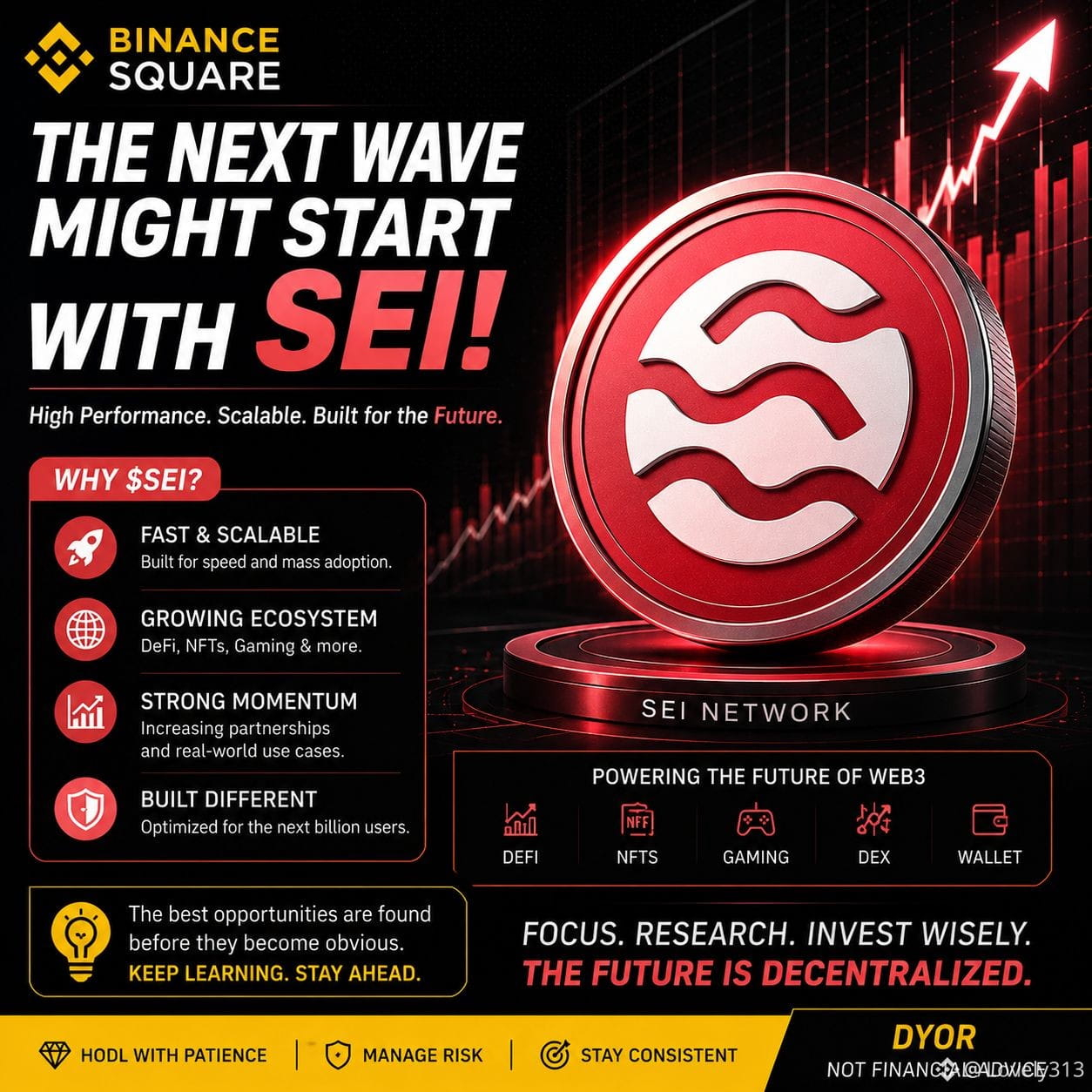
Don't ignore the quiet charts… that's where the biggest moves often begin. . . 🙂
$SEI is showing strong ecosystem growth and increasing adoption. If momentum continues, it could become one of the altcoins to watch in the next market wave.
$SEI
{spot}(SEIUSDT)
📊 Watch the trend.
💎 Invest with discipline.
🔍 Always DYOR.
#SEI #Crypto #Altcoins #BinanceSquare #BullRun #Investing #HODL #DYOR #NFA
Don't ignore the quiet charts… that's where the biggest moves often begin. . . 🙂
$SEI is showing strong ecosystem growth and increasing adoption. If momentum continues, it could become one of the altcoins to watch in the next market wave.
$SEI
📊 Watch the trend.
💎 Invest with discipline.
🔍 Always DYOR.
#SEI #Crypto #Altcoins #BinanceSquare #BullRun #Investing #HODL #DYOR #NFA
$SEI is showing strong ecosystem growth and increasing adoption. If momentum continues, it could become one of the altcoins to watch in the next market wave.
$SEI
📊 Watch the trend.
💎 Invest with discipline.
🔍 Always DYOR.
#SEI #Crypto #Altcoins #BinanceSquare #BullRun #Investing #HODL #DYOR #NFA
148
·
--
The next breakout often starts when the crowd is sleeping 👇
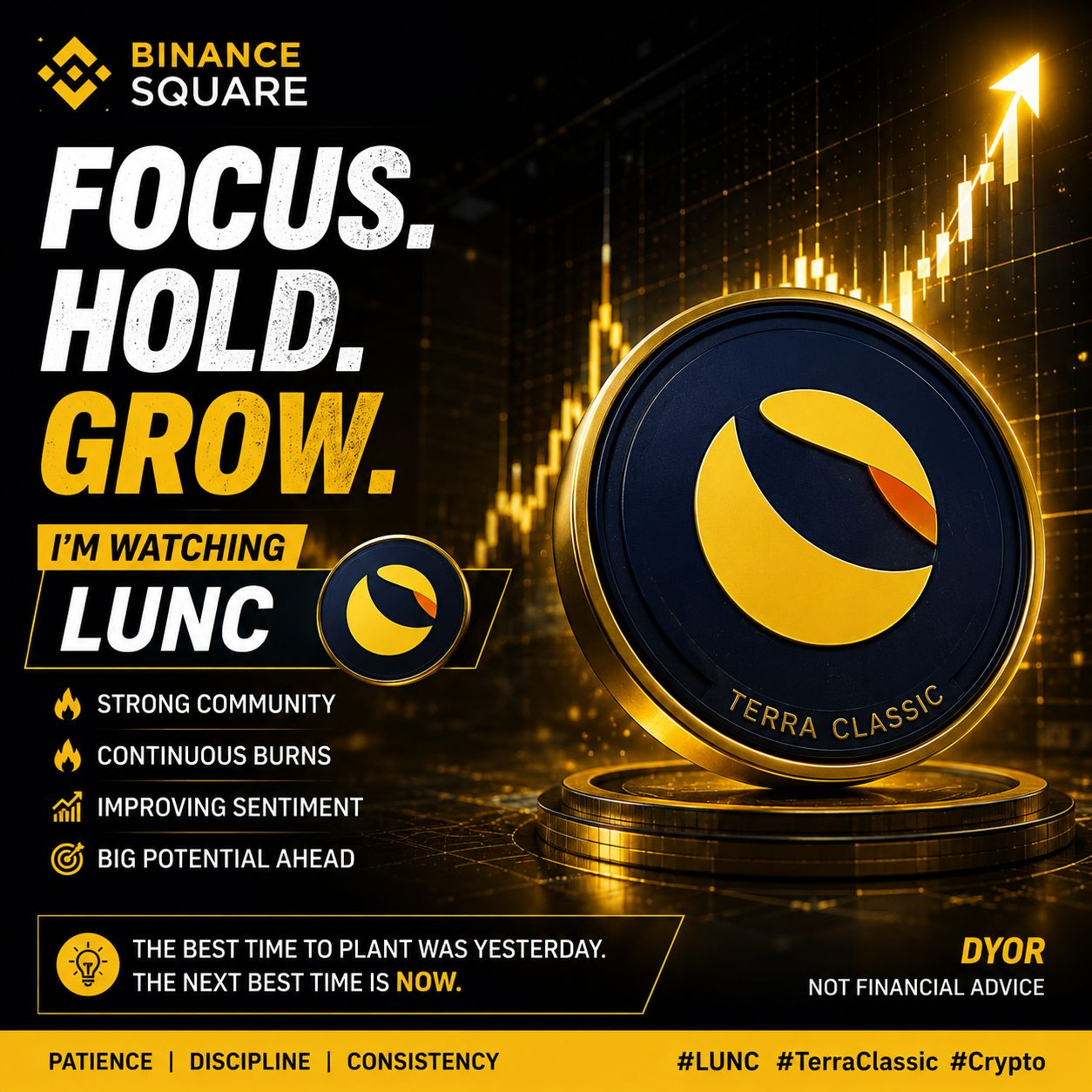
I'm keeping a close eye on $LUNC . Strong community support, continuous token burns, and improving sentiment could create interesting opportunities if momentum returns.
📈 Patience beats panic.
💎 Hold with a plan, not with emotions...
What's your target for $LUNC this bull cycle?
#LUNC #TerraClassic #Crypto #BinanceSquare #Altcoins #BullRun #HODL #CryptoInvesting #DYOR #NFA
The next breakout often starts when the crowd is sleeping 👇
I'm keeping a close eye on $LUNC . Strong community support, continuous token burns, and improving sentiment could create interesting opportunities if momentum returns.
📈 Patience beats panic.
💎 Hold with a plan, not with emotions...
What's your target for $LUNC this bull cycle?
#LUNC #TerraClassic #Crypto #BinanceSquare #Altcoins #BullRun #HODL #CryptoInvesting #DYOR #NFA
I'm keeping a close eye on $LUNC . Strong community support, continuous token burns, and improving sentiment could create interesting opportunities if momentum returns.
📈 Patience beats panic.
💎 Hold with a plan, not with emotions...
What's your target for $LUNC this bull cycle?
#LUNC #TerraClassic #Crypto #BinanceSquare #Altcoins #BullRun #HODL #CryptoInvesting #DYOR #NFA
3
276
·
--
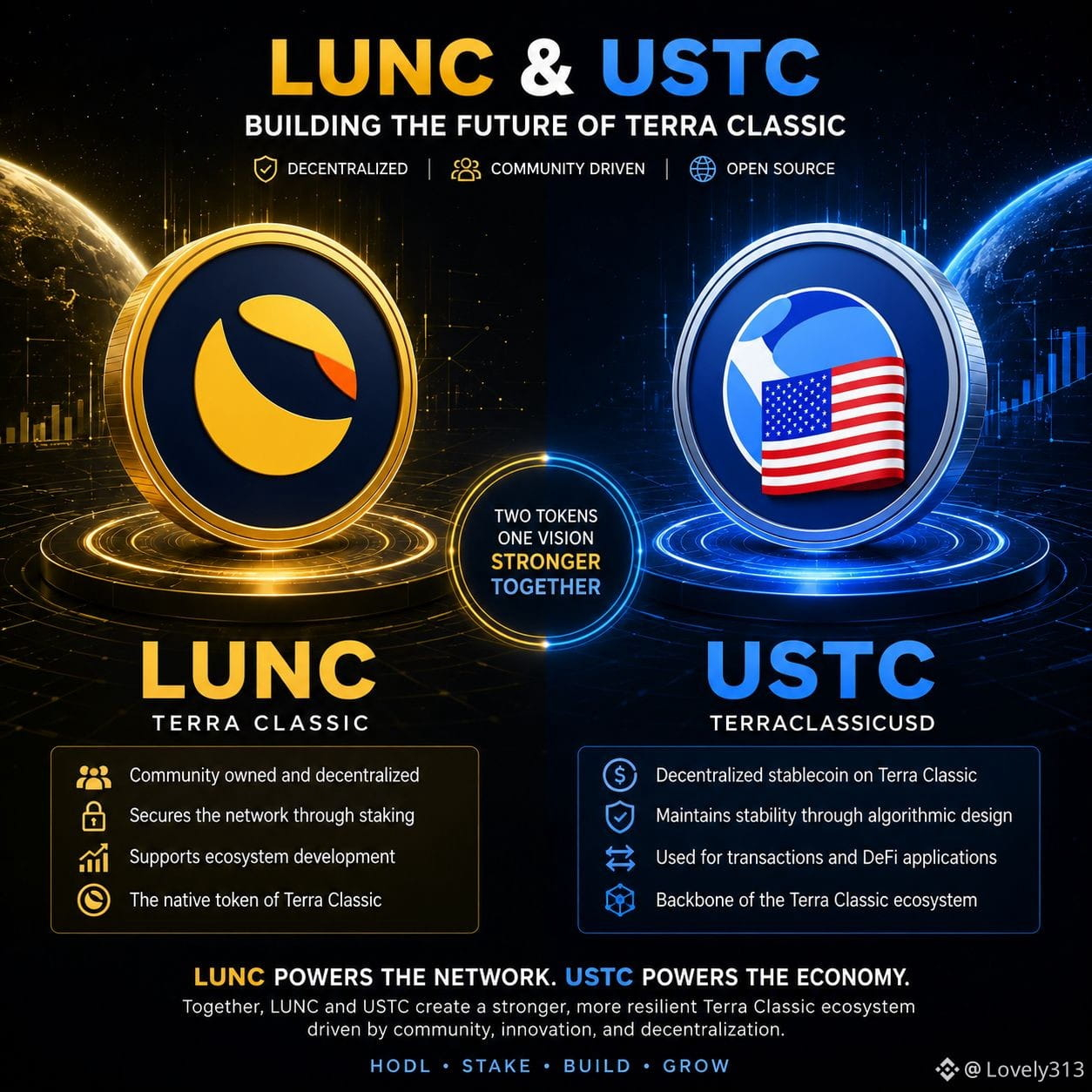
i think $LUNC is better than $USTC
What do you think guys?🤔
#LUNC #TarraClasic #Altcoins! #BinanceSquareFamily
i think $LUNC is better than $USTC
What do you think guys?🤔
#LUNC #TarraClasic #Altcoins! #BinanceSquareFamily
What do you think guys?🤔
#LUNC #TarraClasic #Altcoins! #BinanceSquareFamily
1
336
Connectez-vous pour découvrir plus de contenu
Rejoignez la communauté mondiale des adeptes de cryptomonnaies sur Binance Square
⚡️ Suviez les dernières informations importantes sur les cryptomonnaies.
💬 Jugé digne de confiance par la plus grande plateforme d’échange de cryptomonnaies au monde.
👍 Découvrez les connaissances que partagent les créateurs vérifiés.
Adresse e-mail/Nº de téléphone
Sujets d’actualité
BinanceLaunchesBinanceIntelligence
60,034 vues
807 mentions
🚨 BINANCE JUST PUT AI DIRECTLY INSIDE THE EXCHANGE — AND THIS COULD CHANGE HOW RETAIL TRADES.
Binance has officially launched Binance Intelligence, a new AI layer built into the Binance ecosystem. It combines three products:
Binance AI for everyday users,
Binance AI Pro for automated trading workflows,
and Agent OS for developers building financial agents.
The part traders should care about?
Binance AI can surface market briefs, smart alerts, PnL recaps and personalized information, while AI Pro is designed to turn a plain-English trading idea into a visual strategy workflow.
That means the next phase of exchange competition may not be:
lowest fees vs deepest liquidity.
It could be:
who gives traders the best AI execution layer.
If Binance Intelligence actually drives heavier user activity, automated strategies and higher trading frequency, watch $BNB first.
AI adoption ↑
→ Binance engagement ↑
→ trading activity ↑
→ ecosystem narrative strengthens.
The catalyst I’d watch now:
global rollout + AI Pro launch + measurable user adoption.
Because once AI stops just telling you what the market is doing…
…and starts helping build the trade itself?
That’s when this gets much bigger than another chatbot. 👀
#binancelaunchesbinanceintelligence #EvernorthXRPTreasuryCompletesSPACMerger #ADAGains10%Above$0.27 #ETHUp70%InQ3ButLiquidityFalls #EthStakingExitQueueHits2026High
KimHotbae
·21 mentions J’aime
·28.1k vues
StriveBuys2000BTCFor$169M
73 vues
28 mentions
EvernorthXRPTreasuryCompletesSPACMerger
50,185 vues
584 mentions