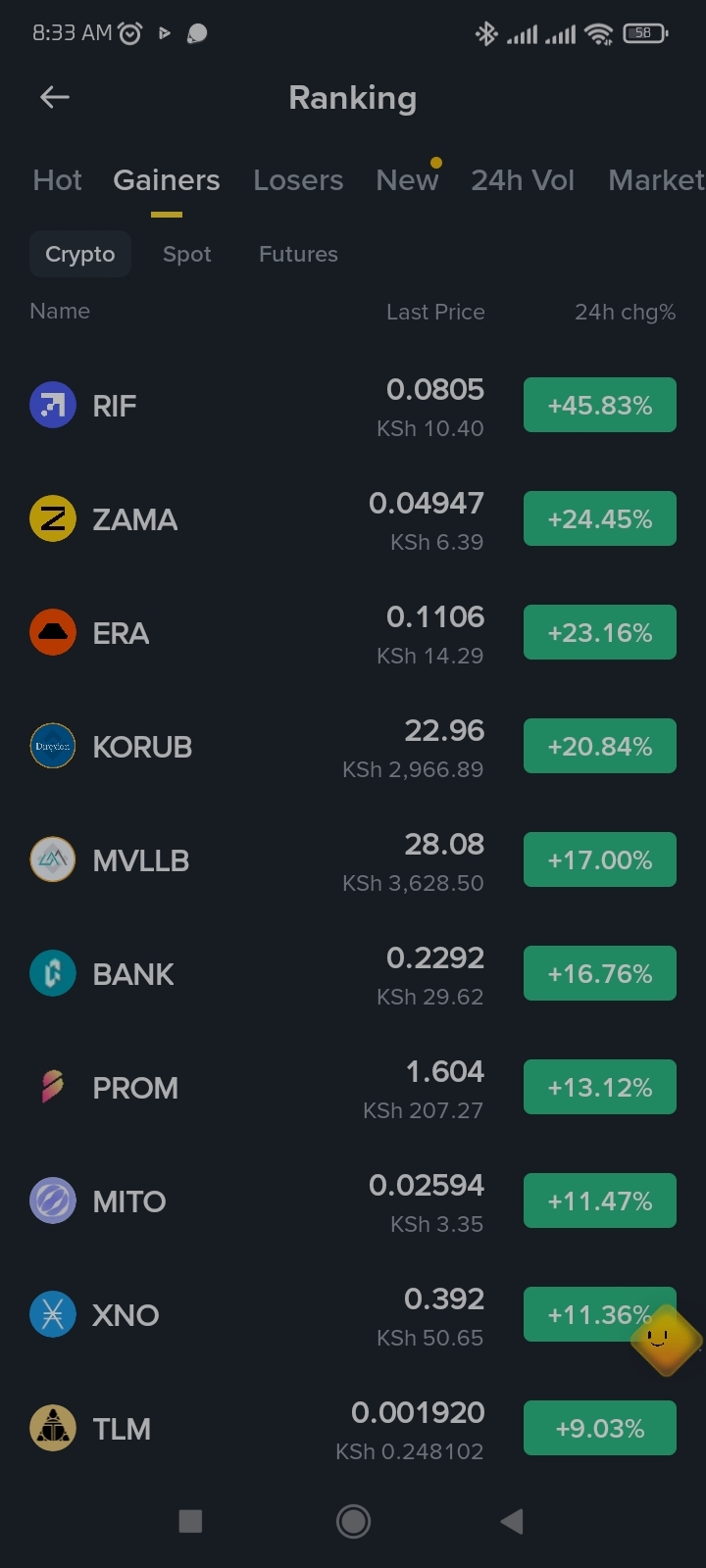
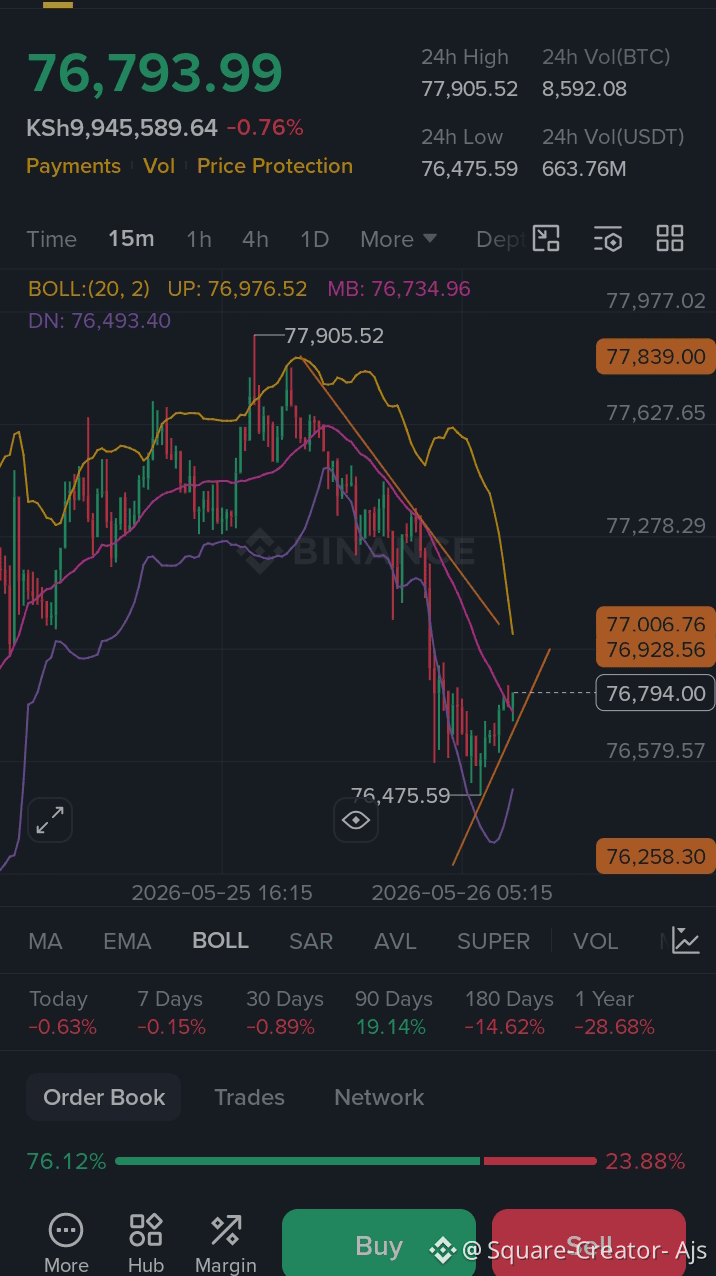
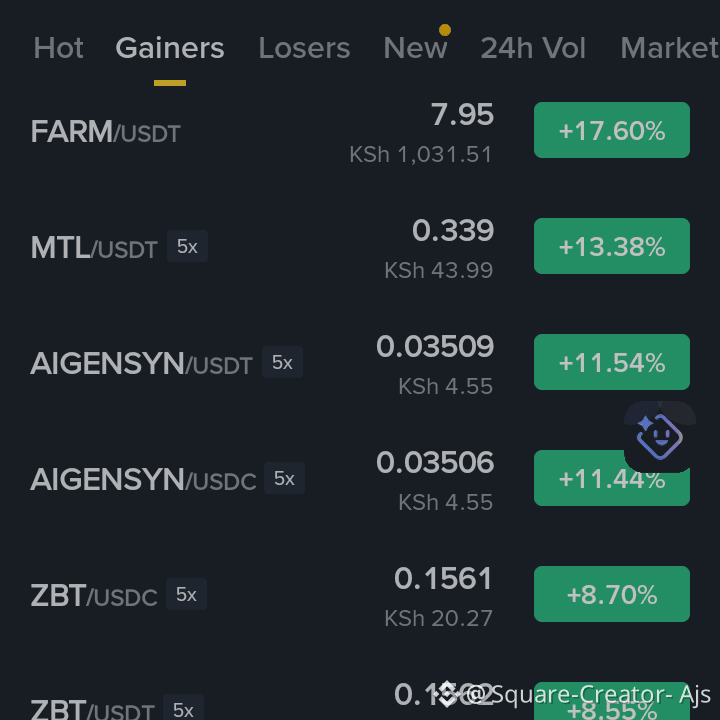
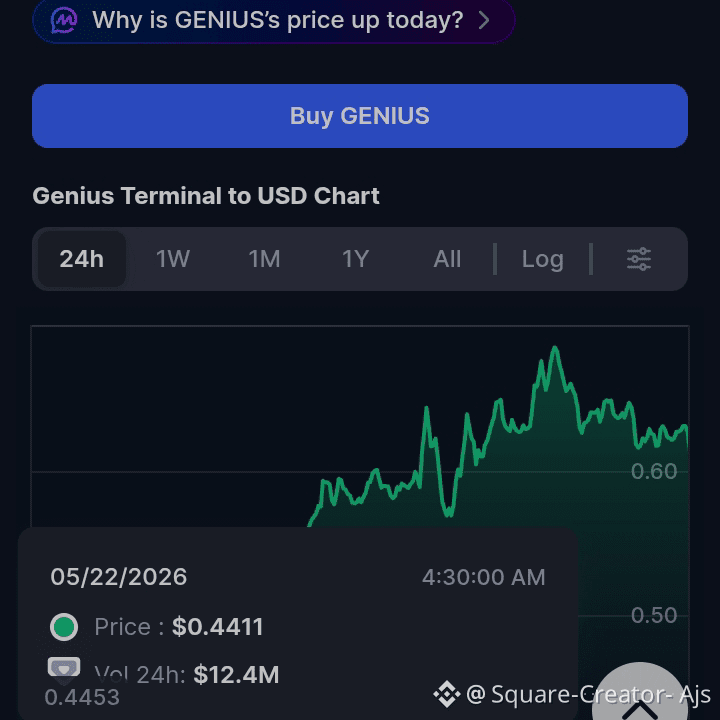
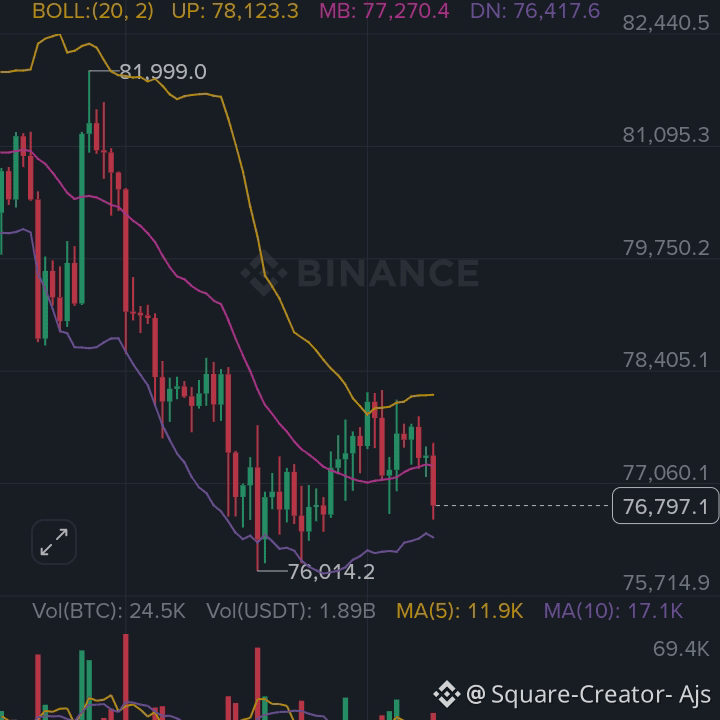
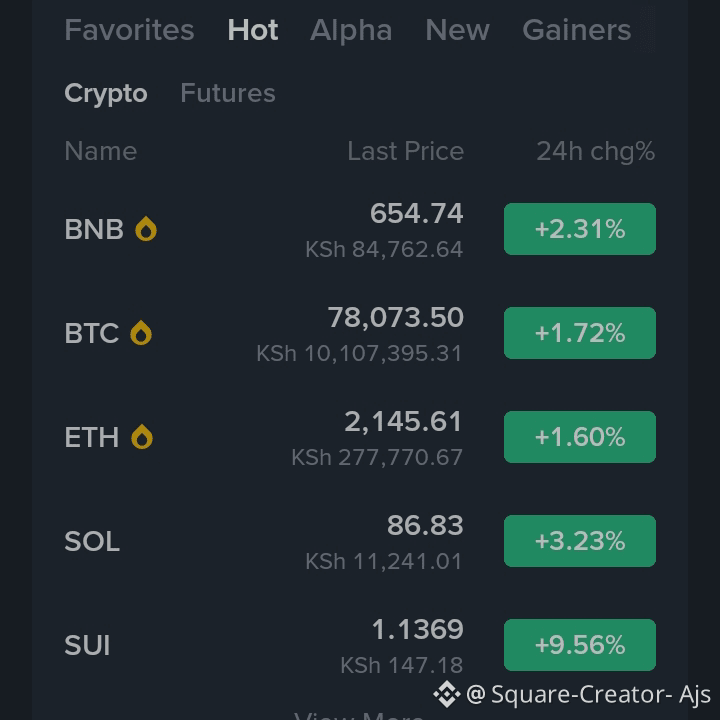
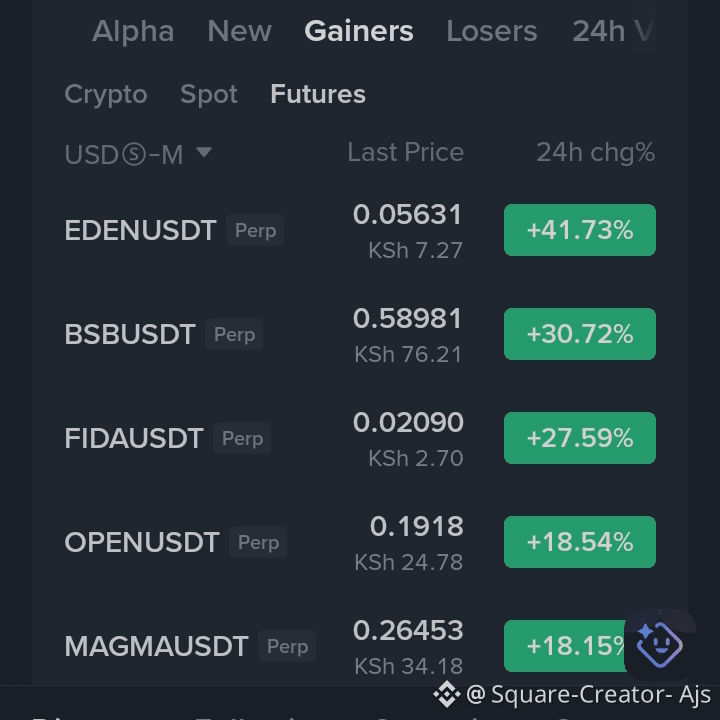
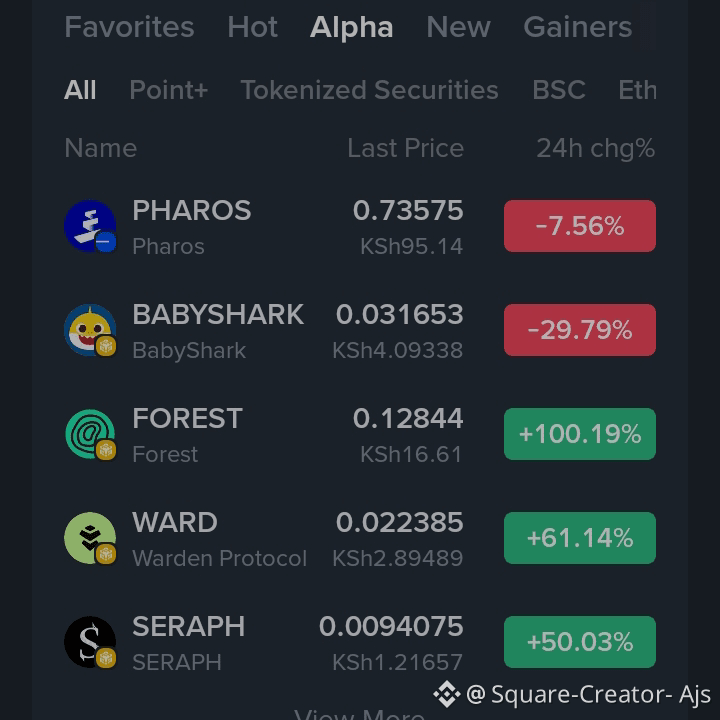
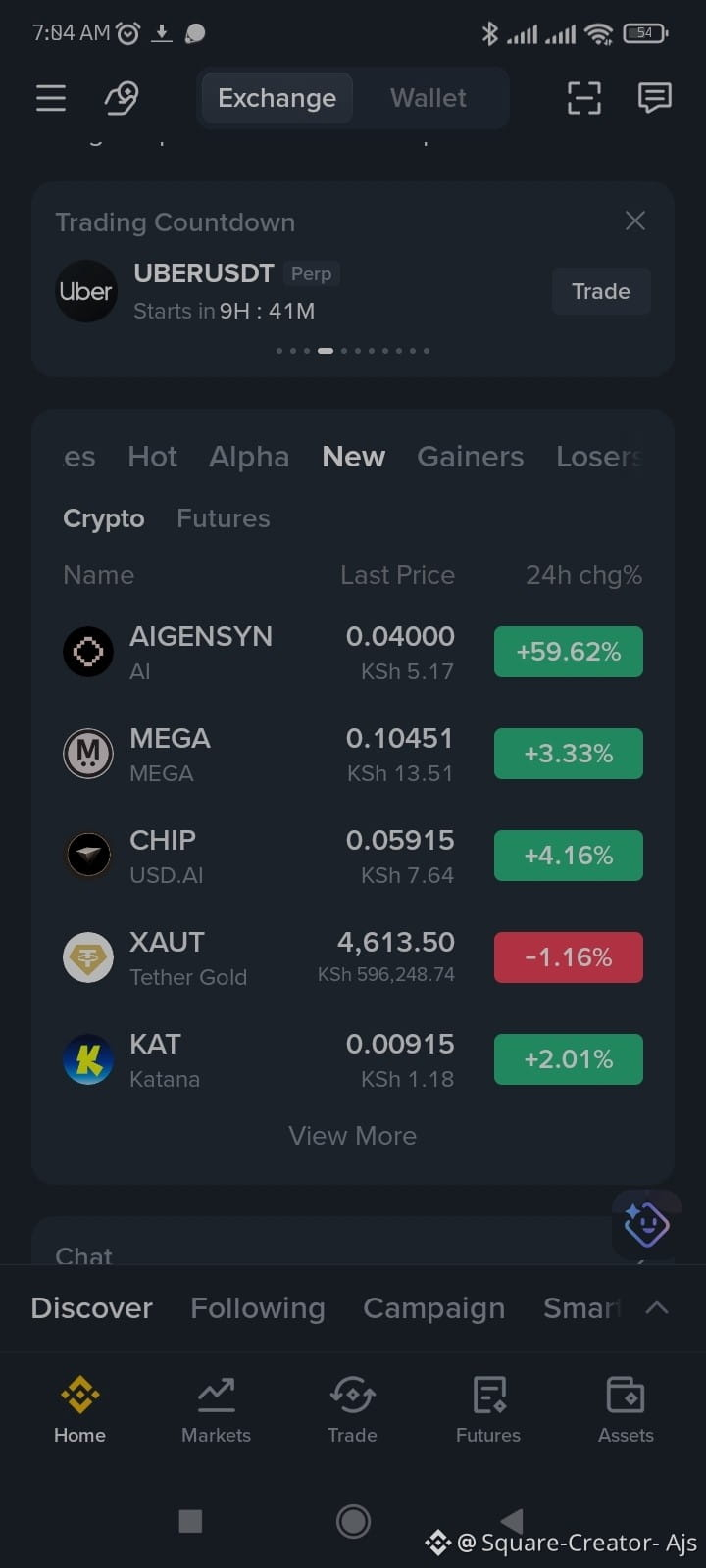
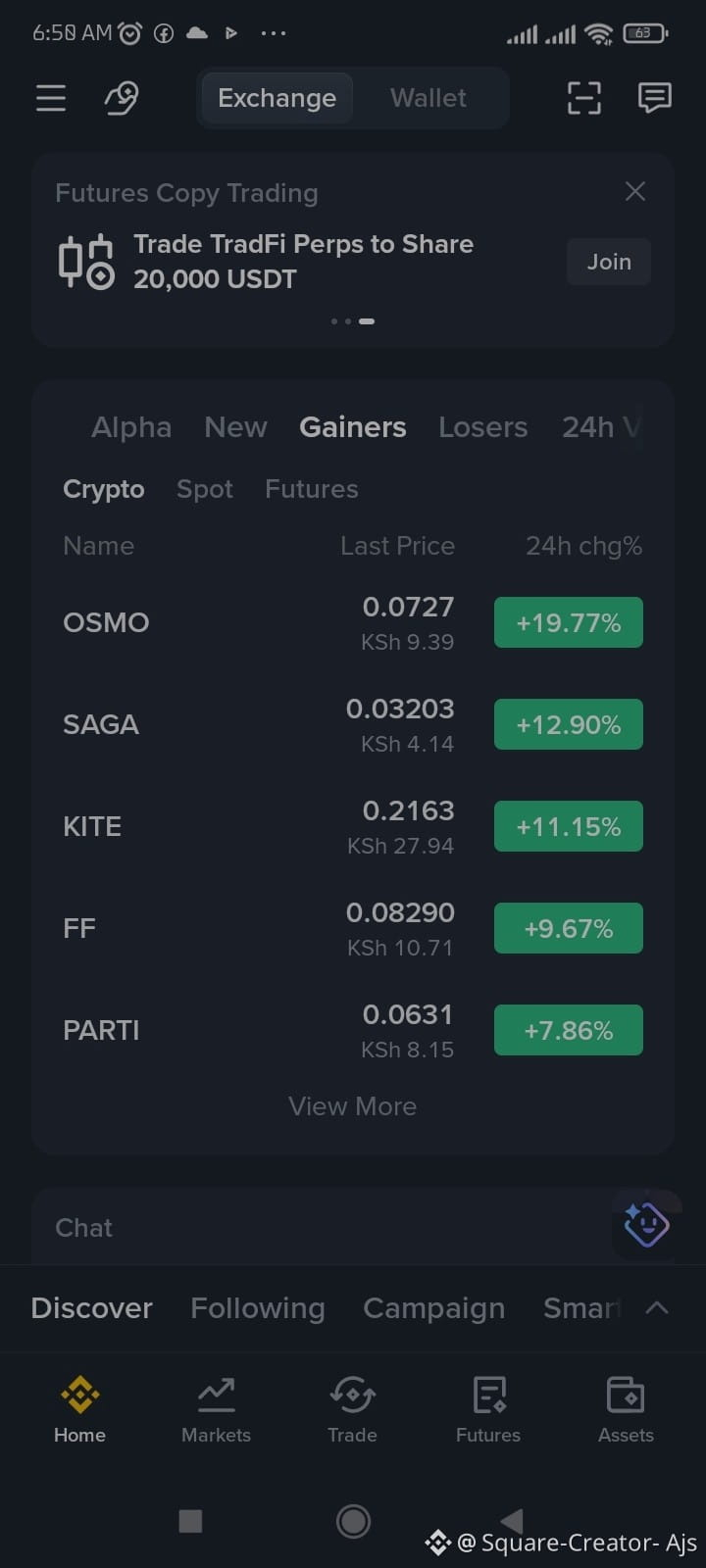
#btc- usdt months of consolidation might be over and market likely to resume downtrend structure , bearish signals rising $BTC am going shortcoz why not💰
$BTC is choppy, support under pressure making it kinda difficult for an upsurge. will the market continue to the downside or will there be a market shift to the upside?!?
Gold price breaks above $5000 for the first time #gold prices formed a bullish gap and moved above the psychological $5000 gap.the rally continues with prices climbing up the bullish momentum is being driven by a combination of a weaker us dollar and heightened demand for safe - haven assets shaped by the current environment
By linking supply and demand, bonding curves provide a mathematical framework to the crypto industry and can be used to automate pricing and liquidity.
Binance Academy
·
--
What Is a Bonding Curve in Crypto?
Disclaimer: This article is for educational purposes only. The information provided through Binance does not constitute advice or recommendation of investment or trading. Binance does not take responsibility for any of your investment decisions. Please seek professional advice before taking financial risks. Products mentioned in this article may not be available in your region.
Key Takeaways
By linking supply and demand, bonding curves provide a mathematical framework to the crypto industry and can be used to automate pricing and liquidity.
Projects can customize token price and distribution by applying different curves, including linear, exponential, logarithmic, and step-function curves.
While full self-sustainability is not guaranteed due to token volatility and risks, platforms like pump.fun show how bonding curves enable predictable token issuance and early market participation.
Introduction
Supply and demand are age-old economic principles that have shaped markets for centuries. They drive everything from the price of rare jewels to the value of everyday goods like milk and eggs. But how can these fundamental concepts be applied to the crypto industry, where assets solely exist in digital form?
The crypto landscape includes many mathematical concepts. One such concept is bonding curves, which define the relationship between the price and supply of a particular asset.
As more tokens are purchased, the price tends to increase, and as tokens are sold or removed from circulation, the price typically decreases. This is a traditional bonding curve model and a mechanism that tends to benefit early market participants and traders.
Bonding curves form an essential mathematical framework in tokenomics. Popular platforms like pump.fun rely on the bonding curves mechanism for their success in automating pricing, liquidity, and token distribution.
Given the significance of bonding curves, let's explore their function, the different types of curves, and their importance in the crypto industry.
What Are Bonding Curves?
Bonding curves are mathematical models that aim to create a direct correlation between the supply of crypto assets and their price. They are governed by an algorithm, meaning that a predefined formula automatically adjusts an asset's price based on its supply.
This is no different from how resources have been treated throughout history. When demand for a resource grows while its availability remains limited, its price tends to rise. Bonding curves try to apply the same principle in the crypto market, adjusting the price of tokens based on supply.
The pricing mechanism of bonding curves is managed by smart contracts, ensuring that their execution on blockchain networks is automatic, transparent, and decentralized.
How Do Bonding Curves Work?
The fundamental principle behind bonding curves is quite simple: the more tokens are bought, the more supply there is in circulation, which typically results in an increase in price. Conversely, the more tokens are sold, the less supply there is in circulation, decreasing the price.
To illustrate this point, imagine a new project that launches tokens using a bonding curve. Due to the low initial supply, those who buy the tokens first will most likely purchase them at a low price.
However, if the token gains popularity and more traders begin to purchase it, the supply in circulation will increase, and new tokens may be minted according to the bonding curve, causing the price to climb.
The automated nature of the bonding curve ensures liquidity as tokens continue to be bought or sold. Projects can customize bonding curve tokenomics by using mathematical models to define their own unique curves. There is no actual limit to the types of curves that can be used, but the most common ones take the form of linear, exponential, and logarithmic curves.
Linear bonding curves
The most simple mathematical model for this mechanism is a linear bonding curve. In this model, the price of a token increases in direct proportion to the number of tokens sold, adding to the total supply of tokens in circulation. The price will increase by a predetermined, fixed amount for every new token minted or sold.
Below is a simple representation of a linear bonding curve, which is the simplest form of a bonding curve.
Exponential bonding curves
In an exponential bonding curve, the price of a token at any given time depends exponentially on the supply in circulation. If tokens are purchased at double the rate, the price will more than double, meaning they can become much more expensive much faster.
Exponential curves typically reward early buyers the most, who can sell their tokens later when demand increases. Thus, projects that want to encourage early participation may employ this curve. While early buyers may take significant risks, they may also profit the most if the project is successful.
Below is a simple representation of an exponential bonding curve. As you can see, the increase in price accelerates as the number of tokens in circulation increases.
Logarithmic bonding curves
A logarithmic curve causes the price of tokens to rise quickly as more tokens are minted. However, as the supply continues to expand, the price begins to slow down. Typically, this model tends to benefit early traders the most since the initial spike eventually levels off.
A logarithmic curve can provide liquidity to a project via these first buyers who may be looking to make a quick, early profit. Below is a simple representation of a logarithmic bonding curve.
While linear, exponential, and logarithmic curves are common, there are also other types used in DeFi projects. These include step-function bonding curves for mile-stone-dependent price increases and S-curves for phased growth and stabilization. There are even inverse bonding curves, where the price of initial tokens might be higher, but as the supply grows, the price becomes cheaper for future buyers.
Practical Use of Bonding Curves
Having discussed the theory behind bonding curves, let's look at the practical usage of these mechanisms on the platform pump.fun. Built on the Solana blockchain, pump.fun is a decentralized token launch and exchange platform. Using smart contracts, it automates pricing, liquidity, and distribution.
Pump.fun allows users to create and distribute their own tokens, most commonly meme coins. These community-driven coins don’t have intrinsic value but can increase in price due to popularity. At the core of this platform are bonding curves, which determine how tokens are created, valued, and sold within the ecosystem.
Unlike many traditional cryptocurrencies and meme coins, which rely on speculative trading and hype, pump.fun employs a smooth bonding curve to promote price stability and transparency. This allows for clarity and predictability as the token price gradually increases or decreases using a predefined mathematical function as more tokens are bought or sold.
Let's imagine that a new token has just been launched. The bonding curve has predetermined that the price will start at 0.1 SOL for the first token and gradually increase as more tokens are sold.
For example, after the first 500 tokens are sold, the price could increase to 0.2 SOL, and after 1000 tokens, it might rise to 0.4 SOL. As the number of tokens sold continues to grow, the price will continue to increase smoothly, with the price increments becoming larger as the supply in circulation increases.
On pump.fun you can get a visual representation of the bonding curve progress. This percentage bar can increase or decrease depending on the tokens being bought or sold. Also, when a token reaches a specific market cap, it is crowned ‘king of the hill,’ a competition on pump.fun that increases the winning token's visibility until it is dethroned by another token.
Once the token reaches a specific market cap and the bonding curve progress bar nears 100%, it automatically transitions to Raydium for further trading. Essentially, pump.fun pairs a portion of the SOL raised through the bonding curve with the tokens to create a trading pool on Raydium. Below is a step-by-step process, as you’ll find on pump.fun.
This structure incentivizes early buyers with lower prices, while later buyers pay higher prices as more tokens are purchased. It also showcases how bonding curves can effectively be applied to DeFi, demonstrating its ability to potentially create somewhat self-sustaining markets driven purely by supply and demand dynamics.
Closing Thoughts
The age-old principle of supply and demand has shaped markets, and mathematical models try to provide a similar framework for managing digital assets in the crypto industry. As we have explored, bonding curves can provide liquidity and, at times, stability by applying the long-standing concepts of resource pricing to DeFi.
Platforms like pump.fun demonstrate the practical applications of bonding curves, emphasizing their ability to promote early participation and manage liquidity. As the principle of supply and demand has remained relevant in traditional markets for centuries, mathematical models like bonding curves may also follow a similar path of relevancy in the crypto industry.
Further Reading
What Is Tokenomics and Why Does It Matter?
Crypto Market Capitalization Explained
What Is Cryptocurrency and How Does It Work?
Disclaimer: This content is presented to you on an “as is” basis for general information and educational purposes only, without representation or warranty of any kind. It should not be construed as financial, legal or other professional advice, nor is it intended to recommend the purchase of any specific product or service. You should seek your own advice from appropriate professional advisors. Where the article is contributed by a third party contributor, please note that those views expressed belong to the third party contributor, and do not necessarily reflect those of Binance Academy. Please read our full disclaimer here for further details. Digital asset prices can be volatile. The value of your investment may go down or up and you may not get back the amount invested. You are solely responsible for your investment decisions and Binance Academy is not liable for any losses you may incur. This material should not be construed as financial, legal or other professional advice. For more information, see our Terms of Use and Risk Warning.
The TRUMP meme coin is a cryptocurrency launched on the Solana network as a way to celebrate Donald Trump's recent electoral victory ahead of his inauguration.
Binance Academy
·
--
What Is the Official Trump Meme Coin (TRUMP)?
Disclaimer: This article is for educational purposes only. The information provided through Binance does not constitute advice or recommendation of investment or trading. Binance does not take responsibility for any of your investment decisions. Please seek professional advice before taking financial risks. Products mentioned in this article may not be available in your region.
Key Takeaways
The TRUMP meme coin is a cryptocurrency launched on the Solana network as a way to celebrate Donald Trump's recent electoral victory ahead of his inauguration.
The meme coin saw a meteoric rise in market value shortly after its launch, surging by more than 300% hours after its release. TRUMP is the fastest-growing meme coin ever launched.
Despite the community hype, the project has sparked criticism over token distribution, potential conflicts of interest, and concerns about risks to traders and investors.
Introduction
In January 2025, the U.S. president-elect, Donald Trump, launched a meme coin called the Official Trump (TRUMP). The cryptocurrency project has quickly gained attention for its approach and quick growth, crossing the $10 billion market cap in less than two days.
What Is the Official Trump Meme Coin?
Launched on the Solana network, the TRUMP meme coin is a cryptocurrency introduced as a way to celebrate Donald Trump's recent electoral victory ahead of his inauguration.
Similar to other meme coins, the TRUMP token was inspired by internet memes and culture. However, unlike Bitcoin or Ethereum, which aim to solve specific problems, meme coins thrive on community engagement and popularity. Naturally, the “Official Trump” meme coin was significantly boosted by Trump’s influence as a political figure.
TRUMP Coin Announcement
The TRUMP coin was officially announced via Truth Social, Trump's social media platform. The announcement described it as a symbol of "winning" and invited supporters to join Trump's community by acquiring the meme coin. The slogan "Fight, Fight, Fight" has been prominently used in promotions in an attempt to emphasize unity and resilience among Trump’s supporters.
Supply and Distribution
The TRUMP coin launched with an initial supply of 200 million coins, with plans to release another 800 million over the next three years. This staggered distribution is supposed to maintain interest in the meme coin over time.
However, the project faced criticism due to the high centralization of tokens. 80% of the total supply will go to the coin creators and CiC Digital (an affiliate of the Trump Organization).
Source: GetTrumpMemes.com
Market Performance
Within 7 hours of its release, the TRUMP coin's market capitalization surged by more than 800%, reaching $3 billion. As of January 20, the coin’s market cap is around $12 billion after crossing the $15 billion mark one day prior.
Melania Trump's meme coin
Less than two days after the launch of the TRUMP coin, Trump’s spouse, Melania Trump, announced a new meme coin called MELANIA. Soon after Melania's meme coin was announced, Donald Trump shared it on social media, leading to a sharp decline in TRUMP's value, which dropped more than 50% in a matter of minutes.
Controversies and Ethical Concerns
Conflict of interest
The Trump Organization, through its affiliate CIC Digital LLC, reportedly holds a large portion of the TRUMP coin supply. Critics argue that this raises potential conflicts of interest, as those close to the project stand to benefit the most from its success.
Investor risks
Meme coins are known for their volatility, and TRUMP is no exception. The rapid rise and fall of its value have raised questions about investor risks. Critics warn that while the coin might bring short-term profits for some, it could lead to significant financial losses for others.
Impact on cryptocurrency
Some believe that high-profile projects like TRUMP and MELANIA could undermine efforts to legitimize cryptocurrencies. By focusing on popularity rather than real products, such coins tend to drive attention away from utility-focused projects, reinforcing stereotypes that the crypto market is strictly speculative.
What’s Next for the TRUMP Coin?
The future of the TRUMP meme coin is uncertain, as its success depends on multiple factors, including community support, market trends, and competition. The price of the TRUMP meme coin will also depend on how the market reacts to the additional supply that will be unlocked in the coming months and years.
Closing Thoughts
The Official Trump meme coin is a bold venture that combines internet culture with political branding. While it has achieved remarkable early success, it also raised many questions, from market volatility to ethical concerns.
Regardless of performance, the TRUMP coin is an interesting case study of how digital assets can intersect with culture, politics, and economics. Whether it will be remembered as a great success or a cautionary tale remains to be seen.
Further Reading
What Are Meme Coins?
What Is Phantom Wallet and How to Use It?
What Is Dogecoin?
Disclaimer: This content is presented to you on an “as is” basis for general information and educational purposes only, without representation or warranty of any kind. It should not be construed as financial, legal or other professional advice, nor is it intended to recommend the purchase of any specific product or service. You should seek your own advice from appropriate professional advisors. Where the article is contributed by a third party contributor, please note that those views expressed belong to the third party contributor, and do not necessarily reflect those of Binance Academy. Please read our full disclaimer here for further details. Digital asset prices can be volatile. The value of your investment may go down or up and you may not get back the amount invested. You are solely responsible for your investment decisions and Binance Academy is not liable for any losses you may incur. This material should not be construed as financial, legal or other professional advice. For more information, see our Terms of Use and Risk Warning.
Disclaimer: This article is for educational purposes only. The information provided through Binance does not constitute advice or recommendation of investment or trading. Binance does not take responsibility for any of your investment decisions. Please seek professional advice before taking financial risks.
Key Takeaways
Simon’s Cat is a popular book and animated series created by Simon Tofield that features a funny cat.
The Simon’s Cat brand has grown beyond its animation roots, branching out into mobile games, merchandise, and now the crypto space with the launch of its CAT token.
The CAT token blends Simon's Cat's humor and charm with Web3, offering fans interactive and fun blockchain experiences.
CAT is officially recognized by the Banijay Group, the company that owns the Simon’s Cat intellectual property.
The Simon's Cat Series
Simon’s Cat is a popular book and animated series created by British animator Simon Tofield that shows the funny and troublesome behavior of a fat (and often hungry) cat.
Since its debut in 2008, the series has garnered over 1.6 billion views on YouTube and more than 25 million followers across various social media platforms.
In 2024, the brand expanded into the cryptocurrency space by launching the CAT token, aiming to combine entertainment with blockchain technology and introduce Web3 opportunities to its fanbase.
What Is the Simon's Cat Token (CAT)?
Inspired by the series, the Simon’s Cat Token (CAT) token was launched in August 2024. According to their whitepaper, the CAT project represents the seamless integration of the Simon’s Cat intellectual property (IP) into the Web3 world.
The CAT project secured $6.85 million in funding through two sales: a private sale raising $2.6 million at $0.00222 per 1000 tokens and a public sale that brought in $4.25 million at $0.00278 per 1000 tokens.
CAT was initially launched on the BNB Smart Chain (BSC) and later made available on the Solana blockchain as well. As of December 2024, CAT’s total supply is roughly 8.1 trillion tokens, with a circulating supply of approximately 6.75 trillion.
CAT and 1000CAT: what’s the difference?
Since CAT’s token supply is high, Binance adopted 1000CAT as a separate version of the original CAT token. As the name suggests, a single 1000CAT token represents 1,000 CAT tokens. So, if CAT’s trading price is around $0.000038, 1000CAT should be trading around $0.038.
Simon’s Cat Mission
Hybrid integration
CAT combines the familiarity of Web2 with the innovation of Web3 to offer a user-friendly experience for fans at all levels of blockchain proficiency, from beginners to advanced users.
Community-driven engagement
One of the core goals of the CAT project is to provide Simon’s Cat’s large audience with exclusive events, interactive content, and unique opportunities to connect with the brand and Web3 community.
Global accessibility
Another mission of the project is to leverage popular blockchain platforms like BNB Chain and Solana to maximize trading liquidity and accessibility for fans worldwide.
Social responsibility
Staying true to Simon’s Cat’s values, CAT uses a percentage of its token supply to actively support animal welfare through strategic partnerships and charitable initiatives.
Simon’s Cat Key Products
1. Animated series with millions of followers and more than 4 billion views across social media platforms like Instagram, YouTube, and Facebook.
2. Mobile games with millions of downloads on Google Play and Apple Store:
Telegram Mini-App: Interactive quest game.
Crunch Time: A match-3 puzzle game.
Pop Time: A fun bubble shooter game with Simon’s Cat humor.
Story Time: A narrative-driven puzzle game.
3. Books and merchandise:
Branded collaborations with Primark and other retail companies.
Bestselling books include "Simon’s Cat in His Very Own Book" and "Simon’s Cat vs. the World."
4. Digital content: In addition to the series, the brand also works on comics and interactive content to keep fans engaged.
1000CAT on the Binance HODLer Airdrop
CAT was also part of the Binance HODLer Airdrop program, which rewards BNB holders with tokens based on snapshots of their BNB balances. The airdrops are automatically given to those who subscribe BNB to Simple Earn.
The HODLer Airdrop program distributed 1000CAT tokens to users who subscribed their BNB to Simple Earn products from December 9 to 12, 2024. 1000CAT was listed for trading on December 17, 2024, with the Seed Tag applied.
Closing Thoughts
Simon’s Cat has grown way beyond its animation roots, branching out into mobile games, merchandise, and now the crypto space with the CAT token. The brand’s business model uses Simon’s Cat’s popular IP to bring together the physical and digital worlds in an interesting way.
By combining Web2 and Web3 experiences, the CAT project keeps the fun spirit of Simon’s Cat alive while offering new engagement opportunities for fans worldwide. The roadmap also highlights real-world initiatives, such as community events and charity campaigns.
Further Reading
Your Guide to Binance Launchpad and Launchpool
What Are Pudgy Penguins (PENGU)?
What Is a Crypto Wallet and How to Choose the Right One?
Disclaimer: This content is presented to you on an “as is” basis for general information and educational purposes only, without representation or warranty of any kind. It should not be construed as financial, legal or other professional advice, nor is it intended to recommend the purchase of any specific product or service. You should seek your own advice from appropriate professional advisors. Where the article is contributed by a third party contributor, please note that those views expressed belong to the third party contributor, and do not necessarily reflect those of Binance Academy. Please read our full disclaimer here for further details. Digital asset prices can be volatile. The value of your investment may go down or up and you may not get back the amount invested. You are solely responsible for your investment decisions and Binance Academy is not liable for any losses you may incur. This material should not be construed as financial, legal or other professional advice. For more information, see our Terms of Use and Risk Warning.
Movement is a blockchain platform that builds on Ethereum’s foundation while adding its own innovations. It’s what’s called a Layer 2 (L2) solution,
Binance Academy
·
--
What Is Movement (MOVE)?
Disclaimer: This article is for educational purposes only. The information provided through Binance does not constitute advice or recommendation of investment or trading. Binance does not take responsibility for any of your investment decisions. Please seek professional advice before taking financial risks.
Key Takeaways
The Movement Project builds on Ethereum to offer faster, more efficient transactions and advanced security through its MoveVM and Move programming language.
Developers can use Move Rollups to create tailored Layer 2 solutions for various applications like DeFi, gaming, and supply chains.
The MOVE token has multiple use cases, including staking, governance, and cross-chain liquidity.
In December 2024, Binance offered an exclusive MOVE token airdrop as part of Binance’s HODLer Airdrops program.
What Is the Movement Project?
Movement is a blockchain platform that builds on Ethereum’s foundation while adding its own innovations. It’s what’s called a Layer 2 (L2) solution, meaning it operates on top of Ethereum to process transactions faster and more efficiently.
At its core, the Movement Project aims to address challenges related to scalability, transaction speed, interoperability, and security vulnerabilities. The Move programming language was originally developed by Meta (formerly Facebook) for its Diem/Libra blockchain project.
Move is known for its resource-oriented programming, which enhances security and efficiency in blockchain application development.
Key Features of the Movement Project
Interoperability
Movement connects MoveVM and Ethereum ecosystems, enabling developers to build DApps that operate across multiple blockchains. This composability is a game-changer for blockchain developers.
Security
Move is built with security in mind. It uses formal verification, a rigorous mathematical process that ensures smart contracts behave as intended. This approach reduces common vulnerabilities, like reentrancy attacks or accidental token duplication.
Speed and finality
One of the biggest pain points in blockchain today is waiting for transactions to be finalized. Movement's fast-finality system ensures transactions are confirmed in seconds. This is a massive improvement over traditional systems, where users might wait several minutes or even hours, depending on the type of rollup.
How the Movement Project Works
The Movement Project is built around a few key components:
MoveVM: A virtual machine that supports both Move and Ethereum-compatible code execution.
Decentralized Shared Sequencer (DSS): Ensures fair and censorship-resistant transaction processing.
Move Rollups: App-specific L2 solutions that enable developers to customize transaction settlement, data availability, and more.
MoveVM: the execution core
At the heart of the Movement Project is the MoveVM, a virtual machine that powers the execution of transactions. Unlike many blockchain systems that focus on one type of application or programming environment, the MoveVM is dual-compatible. It works with both:
Move Bytecode: For developers who want to use the cutting-edge features of the Move programming language.
Ethereum Virtual Machine (EVM) Bytecode: This ensures that existing Ethereum-based applications can be easily ported to the Movement ecosystem.
This means developers don’t have to choose between Move and Ethereum. They can use both simultaneously, building applications that take advantage of Ethereum’s large ecosystem while leveraging the advanced security and efficiency of the Move programming language.
Decentralized Shared Sequencer (DSS)
The DSS is like the traffic controller of the Movement ecosystem. It ensures that transactions are processed fairly, quickly, and without censorship. Some of its key benefits include:
Censorship resistance: No single entity can block or prioritize transactions.
Fairness: Protects users from front-running attacks, where someone jumps ahead in the transaction queue to gain an unfair advantage.
Interoperability: Enables seamless cross-chain operations within the Movement ecosystem.
DSS plays an important role in uniting Move-based and Ethereum-based networks, allowing liquidity and assets to flow across chains.
Move Rollups: custom L2 chains
Movement introduces a flexible architecture called Move Rollups, which are L2 solutions tailored for specific applications, such as DeFi, gaming, and supply chains. For example:
Developers can select from different settlement mechanisms like optimistic rollups, ZK-rollups, or Movement’s fast-finality system.
They can choose their preferred data availability services, such as Celestia or Ethereum's EIP-4844 blobs, to ensure their chains operate efficiently.
This modular approach means that whether you're building a DeFi app, a blockchain game, or a supply chain solution, you can tailor your blockchain setup to fit your needs.
The MOVE Token Use Cases
Staking: MOVE tokens can be staked to help secure the network and support decentralized transaction processing through the Decentralized Shared Sequencer (DSS).
Transaction fees: MOVE tokens can be used to pay transaction and smart contract execution fees within the Movement ecosystem.
Governance: MOVE holders can vote on proposals for protocol upgrades, operational changes, and community fund allocations.
Cross-chain liquidity: Facilitates asset transfers between Move-based and Ethereum-based chains, offering more interoperability.
Move Arena participation: MOVE can be used for staking and providing liquidity in the Move Arena, which supports application-specific chains.
Incentives and rewards: Distributed as rewards for developers and users through programs like Binance’s HODLer Airdrops.
Economic security: MOVE, alongside other tokens, is used in the multi-asset staking model to increase network security.
MOVE Airdrop on Binance
The MOVE token is a central part of the Movement project and ecosystem. In December 2024, Binance announced an exclusive MOVE airdrop for BNB HODLers. The airdrop was done through the Binance Airdrop Portal and part of Binance’s HODLer Airdrops program.
Eligibility: Binance users needed to stake their BNB in Simple Earn products. Historical snapshots of balances were used to calculate rewards.
Rewards: BNB holders received free MOVE tokens, which were distributed directly to their Spot Wallets.
Trading launch: MOVE was listed on Binance on December 9, 2024, with multiple trading pairs, such as MOVE/USDT, MOVE/BTC, and MOVE/BNB.
Closing Thoughts
The Movement Project is all about making blockchain faster, more secure, and easier to use. With tools like the Move programming language, MoveVM, and a decentralized sequencer, it connects Ethereum and Move ecosystems, giving developers many options to build cool apps.
Further Reading
What Are Modular Blockchains?
Optimistic vs. Zero-Knowledge Rollups: What’s the Difference?
What Are Bitcoin Layer 2 Networks?
Disclaimer: This content is presented to you on an “as is” basis for general information and educational purposes only, without representation or warranty of any kind. It should not be construed as financial, legal or other professional advice, nor is it intended to recommend the purchase of any specific product or service. You should seek your own advice from appropriate professional advisors. Where the article is contributed by a third party contributor, please note that those views expressed belong to the third party contributor, and do not necessarily reflect those of Binance Academy. Please read our full disclaimer here for further details. Digital asset prices can be volatile. The value of your investment may go down or up and you may not get back the amount invested. You are solely responsible for your investment decisions and Binance Academy is not liable for any losses you may incur. This material should not be construed as financial, legal or other professional advice. For more information, see our Terms of Use and Risk Warning.
Connectez-vous pour découvrir d’autres contenus
Rejoignez la communauté mondiale des adeptes de cryptomonnaies sur Binance Square
⚡️ Suviez les dernières informations importantes sur les cryptomonnaies.
💬 Jugé digne de confiance par la plus grande plateforme d’échange de cryptomonnaies au monde.
👍 Découvrez les connaissances que partagent les créateurs vérifiés.