

KimHotbae
2.7k Publications

KimHotbae
Signaler
Bloquer l’utilisateur
✨Focused on long-term trends, risk discipline & smart wealth building.
Trade régulièrement
4.6 an(s)
12 Suivis
536 Abonnés
1.9K+ J’aime
Publications
Tous
Citations
Vidéos
PINNED
·
--
Article
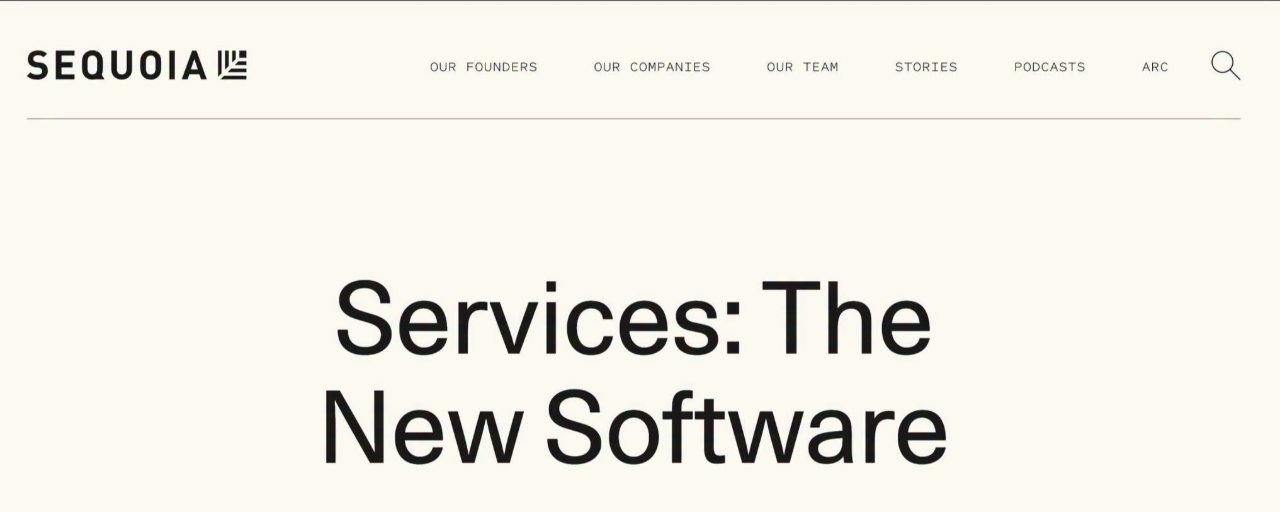
Sequoia: "The Next $1T Company Sells Work, Not Software"Sequoia Capital — the firm that backed Apple, Google, Nvidia, YouTube, Airbnb, Stripe — dropped a thesis worth reading closely.
The old model: For 20+ years, tech sold software. Microsoft sells Office, Adobe sells Photoshop, Salesforce sells CRM. Tools that help humans work faster. Copilot for everything.
The problem: Customers don't want software. They want work done. You don't want accounting software — you want books closed on time, taxes filed, reports delivered.
The insight: For every $1 businesses spend on software, they spend $6 on services. SaaS has been fighting over that $1. AI can now digitize the $6 — the knowledge workforce itself.
The map: Sequoia's Opportunity Map plots work by Intelligence vs. Judgement, Outsourced vs. Insourced. The sweet spot: highly standardized, already outsourced workflows — Insurance Brokerage ($140-200B), Accounting ($50-80B), Healthcare Revenue Cycle ($50-80B).
2025 = Copilot. 2026 = Autopilot. The winners won't build AI tools for accountants — they'll build AI accounting firms. Sequoia warns most Copilot startups face the Innovator's Dilemma: today you sell software to accountants, tomorrow you'd compete with them.
The bottom line: The next $1T AI company won't have the smartest chatbot. It'll be the first to turn work into a service you buy like electricity.
Crypto Cashtags That Align
Tier 1 — Direct "Sell Work" AI Agent Plays:
FET — Fetch.ai (ASI Alliance). Autonomous agents automating enterprise workflows. Built for agents doing work, not providing tools. (Ethereum){future}(FETUSDT)$VIRTUAL — Virtuals Protocol on Base. The agent creation infrastructure — a factory for building AI agents that sell outcomes, not subscriptions. (Base)$GRIFFAIN — Griffain on Solana. AI agent that executes on-chain actions. "Sell work" in its purest crypto form — you describe what you want, the agent does the job. SolanaOLAS — Autonolas on Ethereum. A framework for coordinating autonomous agent fleets — think of it as the operating system for a decentralized AI workforce. (Ethereum){alpha}(10x0001a500a6b18995b03f44bb040a5ffc28e45cb0)
Tier 2 — AI Infrastructure (the picks & shovels):
$TAO — Bittensor. A decentralized AI network where agents train, compete, and earn. The network layer for autonomous work — the protocol that lets AI sell its output peer-to-peer.RENDER — Render Network on Solana. Decentralized GPU compute. Every agent running in production needs compute power — Render is the hardware layer. (Solana){future}(RENDERUSDT)
Tier 3 — AI Agent Ecosystem:
$AI16Z — ai16z/ElizaOS on Solana. Named after the VC model itself — a DAO-run AI agent fund that makes autonomous investment decisions. Pure meta-commentary on Sequoia's thesis. Solana$ZEREBRO — Zerebro on Solana. An autonomous AI agent creating and distributing content without human intervention. "Sell work" in its most literal form — the agent is the output. Solana
The Sequoia filter: The next $1T company sells work, not software. In crypto, that means looking past the tool tokens and toward the agent workforce tokens — the protocols where AI doesn't just assist, but replaces the $6 of services for every $1 of software.
Not financial advice.
#NewsAboutCrypto #StrategicInvesting #BTC #SequoiaCapital
Sequoia: "The Next $1T Company Sells Work, Not Software"
Sequoia Capital — the firm that backed Apple, Google, Nvidia, YouTube, Airbnb, Stripe — dropped a thesis worth reading closely.
The old model: For 20+ years, tech sold software. Microsoft sells Office, Adobe sells Photoshop, Salesforce sells CRM. Tools that help humans work faster. Copilot for everything.
The problem: Customers don't want software. They want work done. You don't want accounting software — you want books closed on time, taxes filed, reports delivered.
The insight: For every $1 businesses spend on software, they spend $6 on services. SaaS has been fighting over that $1. AI can now digitize the $6 — the knowledge workforce itself.
The map: Sequoia's Opportunity Map plots work by Intelligence vs. Judgement, Outsourced vs. Insourced. The sweet spot: highly standardized, already outsourced workflows — Insurance Brokerage ($140-200B), Accounting ($50-80B), Healthcare Revenue Cycle ($50-80B).
2025 = Copilot. 2026 = Autopilot. The winners won't build AI tools for accountants — they'll build AI accounting firms. Sequoia warns most Copilot startups face the Innovator's Dilemma: today you sell software to accountants, tomorrow you'd compete with them.
The bottom line: The next $1T AI company won't have the smartest chatbot. It'll be the first to turn work into a service you buy like electricity.
Crypto Cashtags That Align
Tier 1 — Direct "Sell Work" AI Agent Plays:
FET — Fetch.ai (ASI Alliance). Autonomous agents automating enterprise workflows. Built for agents doing work, not providing tools. (Ethereum)$VIRTUAL — Virtuals Protocol on Base. The agent creation infrastructure — a factory for building AI agents that sell outcomes, not subscriptions. (Base)$GRIFFAIN — Griffain on Solana. AI agent that executes on-chain actions. "Sell work" in its purest crypto form — you describe what you want, the agent does the job. SolanaOLAS — Autonolas on Ethereum. A framework for coordinating autonomous agent fleets — think of it as the operating system for a decentralized AI workforce. (Ethereum)Tier 2 — AI Infrastructure (the picks & shovels):
$TAO — Bittensor. A decentralized AI network where agents train, compete, and earn. The network layer for autonomous work — the protocol that lets AI sell its output peer-to-peer.RENDER — Render Network on Solana. Decentralized GPU compute. Every agent running in production needs compute power — Render is the hardware layer. (Solana)Tier 3 — AI Agent Ecosystem:
$AI16Z — ai16z/ElizaOS on Solana. Named after the VC model itself — a DAO-run AI agent fund that makes autonomous investment decisions. Pure meta-commentary on Sequoia's thesis. Solana$ZEREBRO — Zerebro on Solana. An autonomous AI agent creating and distributing content without human intervention. "Sell work" in its most literal form — the agent is the output. Solana
The Sequoia filter: The next $1T company sells work, not software. In crypto, that means looking past the tool tokens and toward the agent workforce tokens — the protocols where AI doesn't just assist, but replaces the $6 of services for every $1 of software.
Not financial advice.
#NewsAboutCrypto #StrategicInvesting #BTC #SequoiaCapital
The old model: For 20+ years, tech sold software. Microsoft sells Office, Adobe sells Photoshop, Salesforce sells CRM. Tools that help humans work faster. Copilot for everything.
The problem: Customers don't want software. They want work done. You don't want accounting software — you want books closed on time, taxes filed, reports delivered.
The insight: For every $1 businesses spend on software, they spend $6 on services. SaaS has been fighting over that $1. AI can now digitize the $6 — the knowledge workforce itself.
The map: Sequoia's Opportunity Map plots work by Intelligence vs. Judgement, Outsourced vs. Insourced. The sweet spot: highly standardized, already outsourced workflows — Insurance Brokerage ($140-200B), Accounting ($50-80B), Healthcare Revenue Cycle ($50-80B).
2025 = Copilot. 2026 = Autopilot. The winners won't build AI tools for accountants — they'll build AI accounting firms. Sequoia warns most Copilot startups face the Innovator's Dilemma: today you sell software to accountants, tomorrow you'd compete with them.
The bottom line: The next $1T AI company won't have the smartest chatbot. It'll be the first to turn work into a service you buy like electricity.
Crypto Cashtags That Align
Tier 1 — Direct "Sell Work" AI Agent Plays:
FET — Fetch.ai (ASI Alliance). Autonomous agents automating enterprise workflows. Built for agents doing work, not providing tools. (Ethereum)$VIRTUAL — Virtuals Protocol on Base. The agent creation infrastructure — a factory for building AI agents that sell outcomes, not subscriptions. (Base)$GRIFFAIN — Griffain on Solana. AI agent that executes on-chain actions. "Sell work" in its purest crypto form — you describe what you want, the agent does the job. SolanaOLAS — Autonolas on Ethereum. A framework for coordinating autonomous agent fleets — think of it as the operating system for a decentralized AI workforce. (Ethereum)Tier 2 — AI Infrastructure (the picks & shovels):
$TAO — Bittensor. A decentralized AI network where agents train, compete, and earn. The network layer for autonomous work — the protocol that lets AI sell its output peer-to-peer.RENDER — Render Network on Solana. Decentralized GPU compute. Every agent running in production needs compute power — Render is the hardware layer. (Solana)Tier 3 — AI Agent Ecosystem:
$AI16Z — ai16z/ElizaOS on Solana. Named after the VC model itself — a DAO-run AI agent fund that makes autonomous investment decisions. Pure meta-commentary on Sequoia's thesis. Solana$ZEREBRO — Zerebro on Solana. An autonomous AI agent creating and distributing content without human intervention. "Sell work" in its most literal form — the agent is the output. Solana
The Sequoia filter: The next $1T company sells work, not software. In crypto, that means looking past the tool tokens and toward the agent workforce tokens — the protocols where AI doesn't just assist, but replaces the $6 of services for every $1 of software.
Not financial advice.
#NewsAboutCrypto #StrategicInvesting #BTC #SequoiaCapital
8
12
264
·
--
🚨 HYPE JUST GOT ANOTHER PUBLIC-MARKET TREASURY BET.
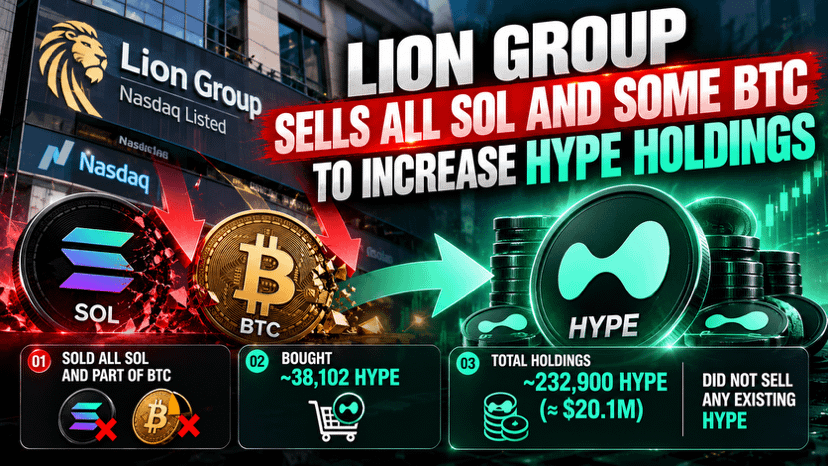
Nasdaq-listed Lion Group reportedly sold all of its SOL holdings and part of its BTC position on Sept. 29 to increase exposure to $HYPE.
The company used the proceeds to buy roughly 38,102 HYPE.
After the move, Lion Group held about 232,900 HYPE, worth roughly $20.1M at the time — and notably, it didn’t sell any of its existing HYPE position.
That makes the signal pretty clear:
Less SOL.
Less BTC.
More HYPE.
Public companies are starting to make increasingly concentrated crypto treasury bets.
The question now is whether this becomes a one-off allocation…
or the start of a broader HYPE treasury narrative. 👀
$HYPE $BTC $SOL
#BitcoinClears$85200 #AltcoinSeasonIndexHoldsAbove60For5Days #BitcoinSlipsBelow$84000 #USADPAdds90000JobsInSeptember #USCorePCEEasesTo3%InAugust
🚨 HYPE JUST GOT ANOTHER PUBLIC-MARKET TREASURY BET.
Nasdaq-listed Lion Group reportedly sold all of its SOL holdings and part of its BTC position on Sept. 29 to increase exposure to $HYPE.
The company used the proceeds to buy roughly 38,102 HYPE.
After the move, Lion Group held about 232,900 HYPE, worth roughly $20.1M at the time — and notably, it didn’t sell any of its existing HYPE position.
That makes the signal pretty clear:
Less SOL.
Less BTC.
More HYPE.
Public companies are starting to make increasingly concentrated crypto treasury bets.
The question now is whether this becomes a one-off allocation…
or the start of a broader HYPE treasury narrative. 👀
$HYPE $BTC $SOL
#BitcoinClears$85200 #AltcoinSeasonIndexHoldsAbove60For5Days #BitcoinSlipsBelow$84000 #USADPAdds90000JobsInSeptember #USCorePCEEasesTo3%InAugust
Nasdaq-listed Lion Group reportedly sold all of its SOL holdings and part of its BTC position on Sept. 29 to increase exposure to $HYPE.
The company used the proceeds to buy roughly 38,102 HYPE.
After the move, Lion Group held about 232,900 HYPE, worth roughly $20.1M at the time — and notably, it didn’t sell any of its existing HYPE position.
That makes the signal pretty clear:
Less SOL.
Less BTC.
More HYPE.
Public companies are starting to make increasingly concentrated crypto treasury bets.
The question now is whether this becomes a one-off allocation…
or the start of a broader HYPE treasury narrative. 👀
$HYPE $BTC $SOL
#BitcoinClears$85200 #AltcoinSeasonIndexHoldsAbove60For5Days #BitcoinSlipsBelow$84000 #USADPAdds90000JobsInSeptember #USCorePCEEasesTo3%InAugust
8
·
--
🚨 THE FED JUST GOT ITS BEST EXCUSE YET TO HIT PAUSE.
Two of the biggest macro signals just moved in the same direction.
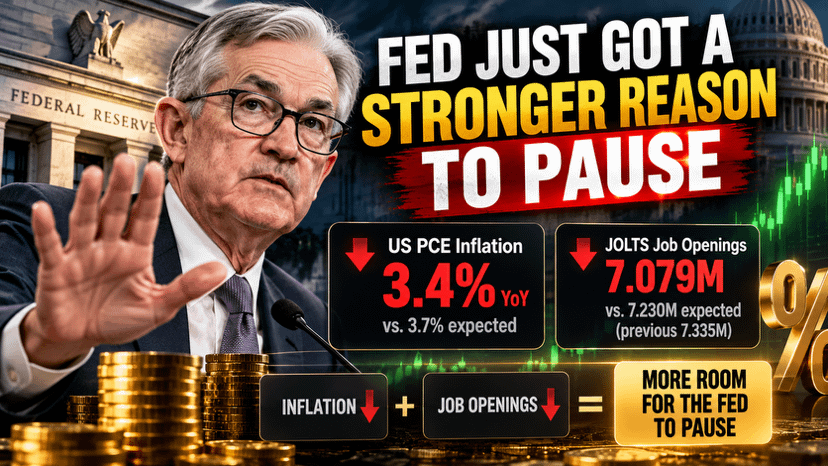
PCE inflation cooled to 3.4% YoY vs. 3.7% expected.
Core PCE also came in softer than forecast.
At the same time, the labor market is losing heat.
JOLTS job openings: 7.079M
Expected: 7.230M
Previous: 7.335M
That changes the setup.
Cooling inflation.
Fewer job openings.
Less pressure on the Fed to hike again immediately.
The market has been terrified of “higher for longer.”
Now the data is finally giving the Fed a reason to wait.
And if the next payrolls report confirms the slowdown?
The conversation could shift fast from “When is the next hike?” to “Is the hiking cycle already done?” 👀
That’s a major macro signal for $BTC, $QQQ, $SPX and $XAU.
#BitcoinClears$85200 #AltcoinSeasonIndexHoldsAbove60For5Days #BitcoinSlipsBelow$84000 #USADPAdds90000JobsInSeptember #USCorePCEEasesTo3%InAugust
🚨 THE FED JUST GOT ITS BEST EXCUSE YET TO HIT PAUSE.
Two of the biggest macro signals just moved in the same direction.
PCE inflation cooled to 3.4% YoY vs. 3.7% expected.
Core PCE also came in softer than forecast.
At the same time, the labor market is losing heat.
JOLTS job openings: 7.079M
Expected: 7.230M
Previous: 7.335M
That changes the setup.
Cooling inflation.
Fewer job openings.
Less pressure on the Fed to hike again immediately.
The market has been terrified of “higher for longer.”
Now the data is finally giving the Fed a reason to wait.
And if the next payrolls report confirms the slowdown?
The conversation could shift fast from “When is the next hike?” to “Is the hiking cycle already done?” 👀
That’s a major macro signal for $BTC, $QQQ, $SPX and $XAU.
#BitcoinClears$85200 #AltcoinSeasonIndexHoldsAbove60For5Days #BitcoinSlipsBelow$84000 #USADPAdds90000JobsInSeptember #USCorePCEEasesTo3%InAugust
Two of the biggest macro signals just moved in the same direction.
PCE inflation cooled to 3.4% YoY vs. 3.7% expected.
Core PCE also came in softer than forecast.
At the same time, the labor market is losing heat.
JOLTS job openings: 7.079M
Expected: 7.230M
Previous: 7.335M
That changes the setup.
Cooling inflation.
Fewer job openings.
Less pressure on the Fed to hike again immediately.
The market has been terrified of “higher for longer.”
Now the data is finally giving the Fed a reason to wait.
And if the next payrolls report confirms the slowdown?
The conversation could shift fast from “When is the next hike?” to “Is the hiking cycle already done?” 👀
That’s a major macro signal for $BTC, $QQQ, $SPX and $XAU.
#BitcoinClears$85200 #AltcoinSeasonIndexHoldsAbove60For5Days #BitcoinSlipsBelow$84000 #USADPAdds90000JobsInSeptember #USCorePCEEasesTo3%InAugust
15
·
--
Vérifié
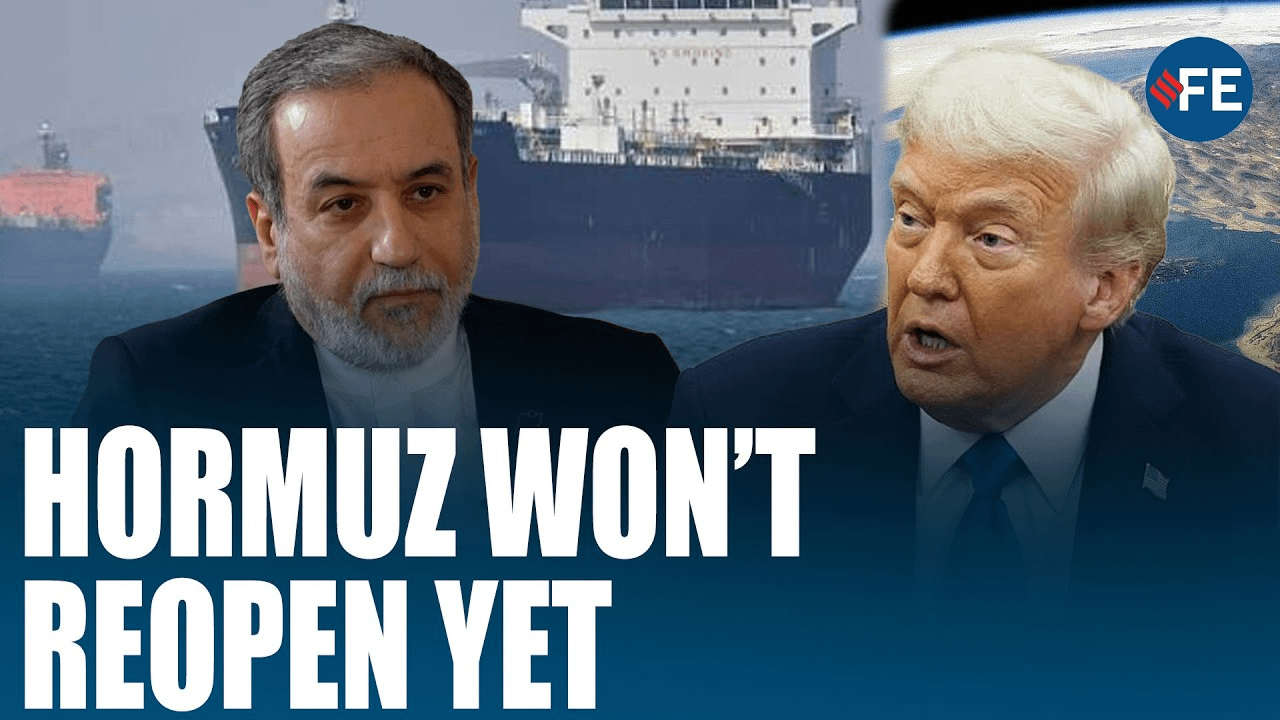
🚨 Hormuz update — meaningful diplomatic movement, but the Strait has NOT reopened.
On September 30, Iran confirmed it received a new U.S. response through Qatari mediators to Tehran’s seven-day proposal for reopening the Strait of Hormuz. The talks have reportedly moved toward negotiating the sequence of steps rather than simply debating whether negotiations should happen at all. Qatar is circulating an amended framework, and Iranian Foreign Minister Abbas Araqchi is reviewing Washington’s response in Tehran.
This is a de-escalation signal, not a deal. Hormuz remains restricted/closed under the current conflict arrangements, and there is no formal ceasefire or reopening agreement yet. Meanwhile, Gulf oil exports have recovered to roughly 15.5 million barrels/day in September, helped by escorted shipping, ship-to-ship transfers and alternative export routes, although attacks and tanker-security risks continue.
The key trigger to watch next is whether Iran accepts the revised sequencing proposal. An agreement tying Hormuz reopening ↔ lifting the U.S. naval blockade ↔ oil-sanctions relief would represent the major regime change for shipping and energy markets.
{future}(CLUSDT)
{future}(BZUSDT)
{future}(XAUUSDT)
$CL $BZ $XAU
#QNTRises287% #TrumpRejectsAIRulesForVoluntaryAudits #SECChairWantsStockMarketsOnChain #TRUMP #Hormuz
🚨 Hormuz update — meaningful diplomatic movement, but the Strait has NOT reopened.
On September 30, Iran confirmed it received a new U.S. response through Qatari mediators to Tehran’s seven-day proposal for reopening the Strait of Hormuz. The talks have reportedly moved toward negotiating the sequence of steps rather than simply debating whether negotiations should happen at all. Qatar is circulating an amended framework, and Iranian Foreign Minister Abbas Araqchi is reviewing Washington’s response in Tehran.
This is a de-escalation signal, not a deal. Hormuz remains restricted/closed under the current conflict arrangements, and there is no formal ceasefire or reopening agreement yet. Meanwhile, Gulf oil exports have recovered to roughly 15.5 million barrels/day in September, helped by escorted shipping, ship-to-ship transfers and alternative export routes, although attacks and tanker-security risks continue.
The key trigger to watch next is whether Iran accepts the revised sequencing proposal. An agreement tying Hormuz reopening ↔ lifting the U.S. naval blockade ↔ oil-sanctions relief would represent the major regime change for shipping and energy markets.
$CL $BZ $XAU
#QNTRises287% #TrumpRejectsAIRulesForVoluntaryAudits #SECChairWantsStockMarketsOnChain #TRUMP #Hormuz
On September 30, Iran confirmed it received a new U.S. response through Qatari mediators to Tehran’s seven-day proposal for reopening the Strait of Hormuz. The talks have reportedly moved toward negotiating the sequence of steps rather than simply debating whether negotiations should happen at all. Qatar is circulating an amended framework, and Iranian Foreign Minister Abbas Araqchi is reviewing Washington’s response in Tehran.
This is a de-escalation signal, not a deal. Hormuz remains restricted/closed under the current conflict arrangements, and there is no formal ceasefire or reopening agreement yet. Meanwhile, Gulf oil exports have recovered to roughly 15.5 million barrels/day in September, helped by escorted shipping, ship-to-ship transfers and alternative export routes, although attacks and tanker-security risks continue.
The key trigger to watch next is whether Iran accepts the revised sequencing proposal. An agreement tying Hormuz reopening ↔ lifting the U.S. naval blockade ↔ oil-sanctions relief would represent the major regime change for shipping and energy markets.
$CL $BZ $XAU
#QNTRises287% #TrumpRejectsAIRulesForVoluntaryAudits #SECChairWantsStockMarketsOnChain #TRUMP #Hormuz
1
294
·
--
Someone asked me:
“Which coin can 100x over the next five years?”
The uncomfortable answer?
Probably none of the ones you’re most confident about.
A 100x return is so extreme that even a strong thesis can still fail.
That’s the part people forget.
For every token that becomes the next legendary winner, dozens — sometimes hundreds — lose relevance, liquidity, users, or simply disappear.
Survivorship bias makes 100x coins look easier to find than they really are.
The market remembers the winners.
It quietly deletes the graveyard.
So the real game isn’t finding the “guaranteed 100x.”
It’s surviving long enough to still be around when one appears.
$QNT $ZEC $SUI
#QNTRises287% #HSBCNamesStablecoinRedCoinForPhasedLaunch #TrumpRejectsAIRulesForVoluntaryAudits #BitgetHotWalletBreachTiedToThirdPartySecurityFlaw #OpenAIUnveilsAlwaysOnAgentDots
Someone asked me:
“Which coin can 100x over the next five years?”
The uncomfortable answer?
Probably none of the ones you’re most confident about.
A 100x return is so extreme that even a strong thesis can still fail.
That’s the part people forget.
For every token that becomes the next legendary winner, dozens — sometimes hundreds — lose relevance, liquidity, users, or simply disappear.
Survivorship bias makes 100x coins look easier to find than they really are.
The market remembers the winners.
It quietly deletes the graveyard.
So the real game isn’t finding the “guaranteed 100x.”
It’s surviving long enough to still be around when one appears.
$QNT $ZEC $SUI
#QNTRises287% #HSBCNamesStablecoinRedCoinForPhasedLaunch #TrumpRejectsAIRulesForVoluntaryAudits #BitgetHotWalletBreachTiedToThirdPartySecurityFlaw #OpenAIUnveilsAlwaysOnAgentDots
“Which coin can 100x over the next five years?”
The uncomfortable answer?
Probably none of the ones you’re most confident about.
A 100x return is so extreme that even a strong thesis can still fail.
That’s the part people forget.
For every token that becomes the next legendary winner, dozens — sometimes hundreds — lose relevance, liquidity, users, or simply disappear.
Survivorship bias makes 100x coins look easier to find than they really are.
The market remembers the winners.
It quietly deletes the graveyard.
So the real game isn’t finding the “guaranteed 100x.”
It’s surviving long enough to still be around when one appears.
$QNT $ZEC $SUI
#QNTRises287% #HSBCNamesStablecoinRedCoinForPhasedLaunch #TrumpRejectsAIRulesForVoluntaryAudits #BitgetHotWalletBreachTiedToThirdPartySecurityFlaw #OpenAIUnveilsAlwaysOnAgentDots
152
·
--
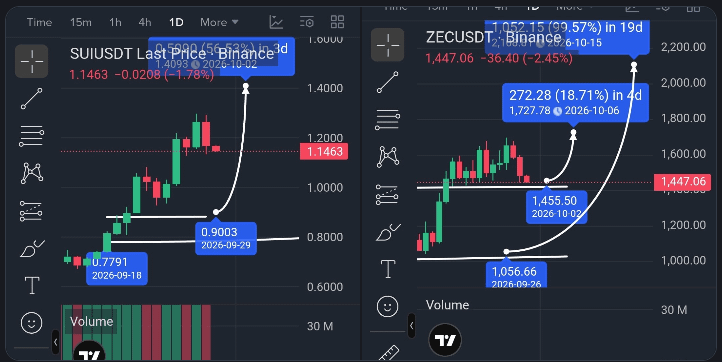
🚨 $ZEC — THIS IS NOT THE TIME TO FOMO.
I told my friend the same thing:
Don’t chase this move.
The altcoin market still looks fragile, and short-term downside pressure can hit fast when momentum fades.
ZEC may look tempting here, but patience matters more than excitement.
I’m watching NEAR and SUI too — same idea:
Wait for confirmation.
Don’t become exit liquidity. 👀
$NEAR $SUI
#QNTRises287% #HSBCNamesStablecoinRedCoinForPhasedLaunch #TrumpRejectsAIRulesForVoluntaryAudits #BitgetHotWalletBreachTiedToThirdPartySecurityFlaw #OpenAIUnveilsAlwaysOnAgentDots
🚨 $ZEC — THIS IS NOT THE TIME TO FOMO.
I told my friend the same thing:
Don’t chase this move.
The altcoin market still looks fragile, and short-term downside pressure can hit fast when momentum fades.
ZEC may look tempting here, but patience matters more than excitement.
I’m watching NEAR and SUI too — same idea:
Wait for confirmation.
Don’t become exit liquidity. 👀
$NEAR $SUI
#QNTRises287% #HSBCNamesStablecoinRedCoinForPhasedLaunch #TrumpRejectsAIRulesForVoluntaryAudits #BitgetHotWalletBreachTiedToThirdPartySecurityFlaw #OpenAIUnveilsAlwaysOnAgentDots
I told my friend the same thing:
Don’t chase this move.
The altcoin market still looks fragile, and short-term downside pressure can hit fast when momentum fades.
ZEC may look tempting here, but patience matters more than excitement.
I’m watching NEAR and SUI too — same idea:
Wait for confirmation.
Don’t become exit liquidity. 👀
$NEAR $SUI
#QNTRises287% #HSBCNamesStablecoinRedCoinForPhasedLaunch #TrumpRejectsAIRulesForVoluntaryAudits #BitgetHotWalletBreachTiedToThirdPartySecurityFlaw #OpenAIUnveilsAlwaysOnAgentDots
81
·
--
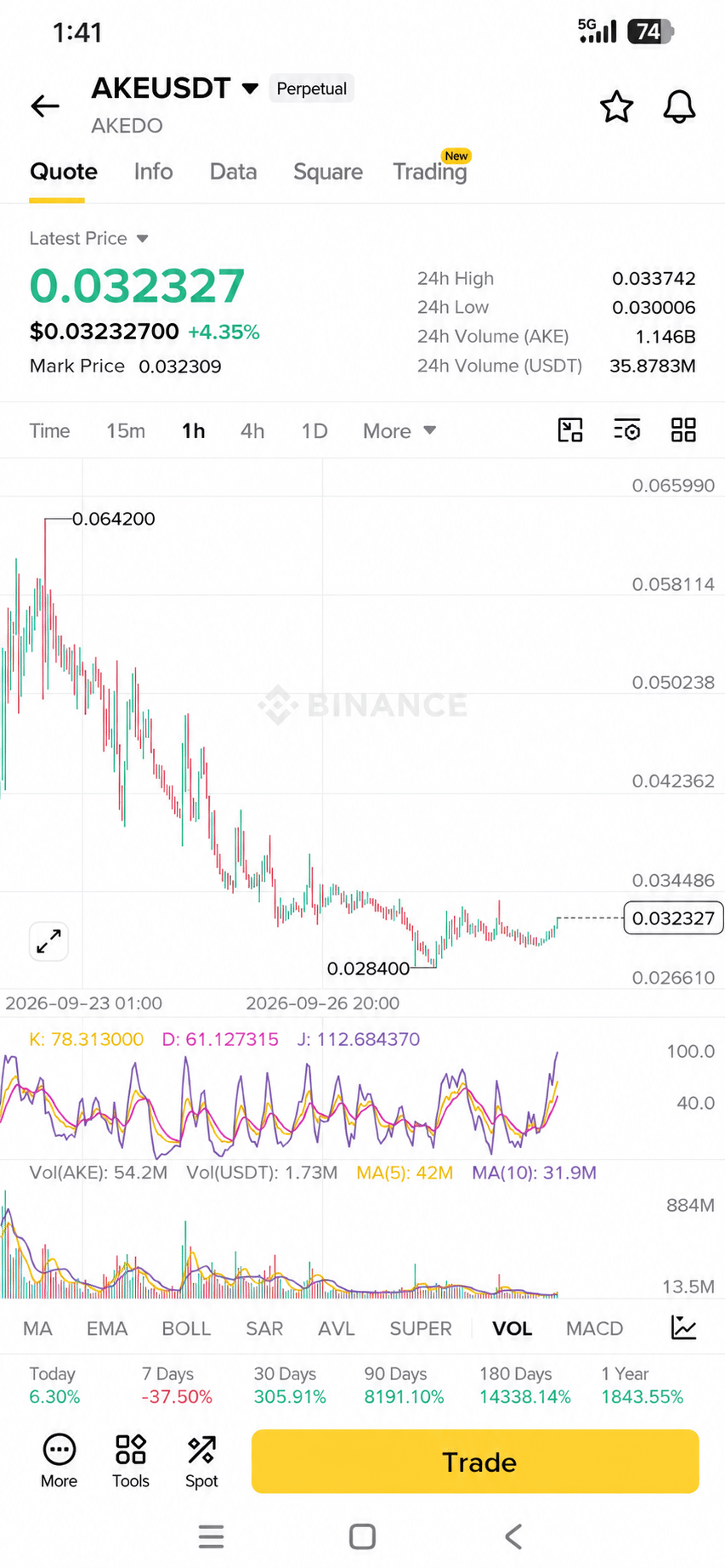
🚨 $AKE — OLD HYPE COINS DON’T ALWAYS DIE. SOMETIMES THEY JUST WAIT.
$AKE has already had periods of strong attention before, and coins like this often go quiet for a while… then suddenly catch another wave of momentum.
That’s the pattern traders are watching here:
Hype fades.
Liquidity cools.
Then one strong move brings everyone back.
If volume starts expanding again, $AKE could quickly return to the radar.
Sometimes the market doesn’t need a new story.
It just needs an old narrative to wake up again. 👀
{future}(AKEUSDT)
#QNTRises287% #TrumpRejectsAIRulesForVoluntaryAudits #BitgetHotWalletBreachTiedToThirdPartySecurityFlaw #OpenAIUnveilsAlwaysOnAgentDots #ChainlinkLaunchesBankSWIFTLedgerFramework
🚨 $AKE — OLD HYPE COINS DON’T ALWAYS DIE. SOMETIMES THEY JUST WAIT.
$AKE has already had periods of strong attention before, and coins like this often go quiet for a while… then suddenly catch another wave of momentum.
That’s the pattern traders are watching here:
Hype fades.
Liquidity cools.
Then one strong move brings everyone back.
If volume starts expanding again, $AKE could quickly return to the radar.
Sometimes the market doesn’t need a new story.
It just needs an old narrative to wake up again. 👀
#QNTRises287% #TrumpRejectsAIRulesForVoluntaryAudits #BitgetHotWalletBreachTiedToThirdPartySecurityFlaw #OpenAIUnveilsAlwaysOnAgentDots #ChainlinkLaunchesBankSWIFTLedgerFramework
$AKE has already had periods of strong attention before, and coins like this often go quiet for a while… then suddenly catch another wave of momentum.
That’s the pattern traders are watching here:
Hype fades.
Liquidity cools.
Then one strong move brings everyone back.
If volume starts expanding again, $AKE could quickly return to the radar.
Sometimes the market doesn’t need a new story.
It just needs an old narrative to wake up again. 👀
#QNTRises287% #TrumpRejectsAIRulesForVoluntaryAudits #BitgetHotWalletBreachTiedToThirdPartySecurityFlaw #OpenAIUnveilsAlwaysOnAgentDots #ChainlinkLaunchesBankSWIFTLedgerFramework
2
159
·
--
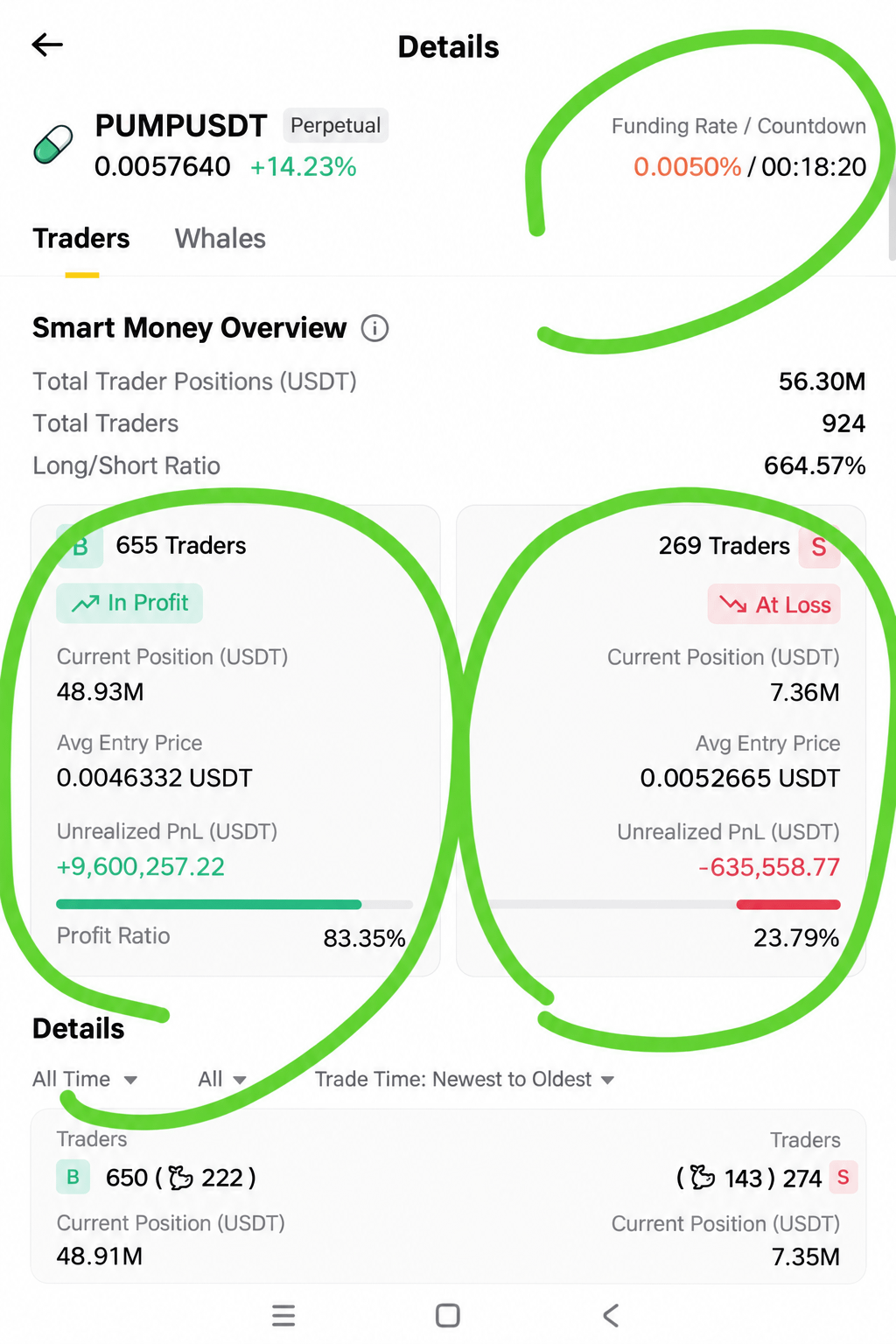
🚨 $PUMP — SMART MONEY IS LEANING HARD LONG.
Long positions from smart-money traders are reportedly running at about 6.6x the size of shorts, while funding is still positive.
That means the bigger players are heavily positioned for upside.
And the setup is getting interesting:
Whales are loading longs.
Funding remains positive.
Retail shorts are becoming the other side of the trade.
If price keeps pushing higher, those shorts could turn into fuel for a squeeze.
{future}(PUMPUSDT)
#QNTRises287% #TrumpRejectsAIRulesForVoluntaryAudits #BitgetHotWalletBreachTiedToThirdPartySecurityFlaw #OpenAIUnveilsAlwaysOnAgentDots #EarningsSeason
🚨 $PUMP — SMART MONEY IS LEANING HARD LONG.
Long positions from smart-money traders are reportedly running at about 6.6x the size of shorts, while funding is still positive.
That means the bigger players are heavily positioned for upside.
And the setup is getting interesting:
Whales are loading longs.
Funding remains positive.
Retail shorts are becoming the other side of the trade.
If price keeps pushing higher, those shorts could turn into fuel for a squeeze.
#QNTRises287% #TrumpRejectsAIRulesForVoluntaryAudits #BitgetHotWalletBreachTiedToThirdPartySecurityFlaw #OpenAIUnveilsAlwaysOnAgentDots #EarningsSeason
Long positions from smart-money traders are reportedly running at about 6.6x the size of shorts, while funding is still positive.
That means the bigger players are heavily positioned for upside.
And the setup is getting interesting:
Whales are loading longs.
Funding remains positive.
Retail shorts are becoming the other side of the trade.
If price keeps pushing higher, those shorts could turn into fuel for a squeeze.
#QNTRises287% #TrumpRejectsAIRulesForVoluntaryAudits #BitgetHotWalletBreachTiedToThirdPartySecurityFlaw #OpenAIUnveilsAlwaysOnAgentDots #EarningsSeason
52
·
--
Vérifié
😂 $MU — TONIGHT COULD GET VIOLENT. AND $SNDK MAY MOVE WITH IT.
Micron reports FY2026 Q4 earnings after the bell, and Wall Street is already pricing in monster numbers:
Revenue: ~$50B
EPS: ~$31
Gross margin: ~86%
That 86% margin is the number everyone is staring at.
For a memory company, that is extraordinary.
The bull case is simple: AI keeps pushing HBM and high-end memory demand higher, while Micron is already shipping HBM4 in volume to a lead customer. Analysts are still arguing that memory is becoming less of a commodity and more of a strategic AI component.
But there is a catch.
Micron itself says Q4 guidance already assumes a meaningful slowdown in the pace of price increases.
So tonight is not just about beating estimates.
It is about whether 86% is sustainable.
If margins hold and guidance stays strong, MU could reignite the memory trade.
If pricing starts to roll over, the market may decide the peak is closer than expected.
Either way, this setup looks built for volatility.
{stock_us}(NVDA.US)
{future}(MUUSDT)
{stock_us}(SNDK.US)
$SNDK.US $NVDA.US
#QNTRises287% #TrumpRejectsAIRulesForVoluntaryAudits #EarningsSeason #SECChairWantsStockMarketsOnChain #OpenAIUnveilsAlwaysOnAgentDots
😂 $MU — TONIGHT COULD GET VIOLENT. AND $SNDK MAY MOVE WITH IT.
Micron reports FY2026 Q4 earnings after the bell, and Wall Street is already pricing in monster numbers:
Revenue: ~$50B
EPS: ~$31
Gross margin: ~86%
That 86% margin is the number everyone is staring at.
For a memory company, that is extraordinary.
The bull case is simple: AI keeps pushing HBM and high-end memory demand higher, while Micron is already shipping HBM4 in volume to a lead customer. Analysts are still arguing that memory is becoming less of a commodity and more of a strategic AI component.
But there is a catch.
Micron itself says Q4 guidance already assumes a meaningful slowdown in the pace of price increases.
So tonight is not just about beating estimates.
It is about whether 86% is sustainable.
If margins hold and guidance stays strong, MU could reignite the memory trade.
If pricing starts to roll over, the market may decide the peak is closer than expected.
Either way, this setup looks built for volatility.
$SNDK.US $NVDA.US
#QNTRises287% #TrumpRejectsAIRulesForVoluntaryAudits #EarningsSeason #SECChairWantsStockMarketsOnChain #OpenAIUnveilsAlwaysOnAgentDots
Micron reports FY2026 Q4 earnings after the bell, and Wall Street is already pricing in monster numbers:
Revenue: ~$50B
EPS: ~$31
Gross margin: ~86%
That 86% margin is the number everyone is staring at.
For a memory company, that is extraordinary.
The bull case is simple: AI keeps pushing HBM and high-end memory demand higher, while Micron is already shipping HBM4 in volume to a lead customer. Analysts are still arguing that memory is becoming less of a commodity and more of a strategic AI component.
But there is a catch.
Micron itself says Q4 guidance already assumes a meaningful slowdown in the pace of price increases.
So tonight is not just about beating estimates.
It is about whether 86% is sustainable.
If margins hold and guidance stays strong, MU could reignite the memory trade.
If pricing starts to roll over, the market may decide the peak is closer than expected.
Either way, this setup looks built for volatility.
$SNDK.US $NVDA.US
#QNTRises287% #TrumpRejectsAIRulesForVoluntaryAudits #EarningsSeason #SECChairWantsStockMarketsOnChain #OpenAIUnveilsAlwaysOnAgentDots
181
·
--
Haussier
Vérifié
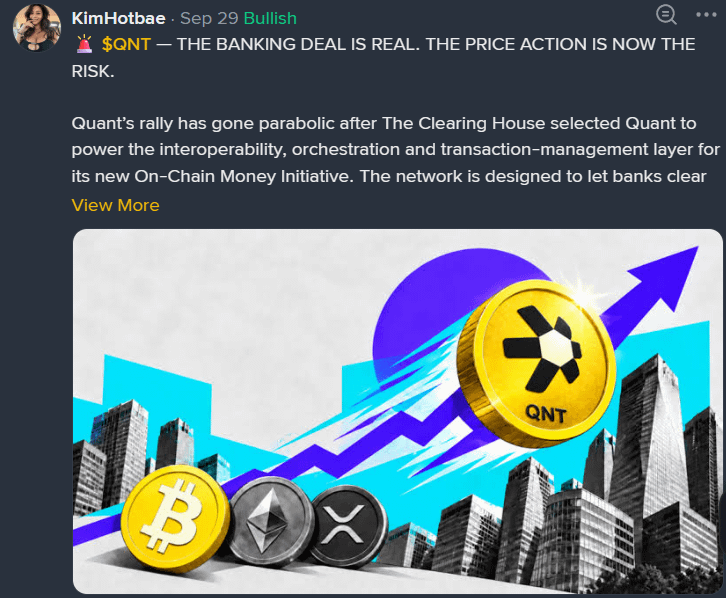
🚨 $QNT — REMEMBER WHEN WE SAID THIS WASN’T JUST ANOTHER ALTCOIN PUMP? NOW IT’S UP 287%.
A few days ago, the catalyst was clear:
The Clearing House selected Quant to power the interoperability and transaction-management layer of its new tokenized-deposit network.
That network is designed to connect onchain bank deposits with existing U.S. payment rails like RTP and CHIPS and is expected to become available to participating institutions in H1 2027.
Since then?
$QNT exploded roughly 287% in a week, reaching around $266.75, while new-wallet activity and whale transactions surged.
But now comes the dangerous part.
Dormant whales that had been inactive for more than 3 years have started moving nearly $10M worth of QNT toward exchanges.
So the story has changed:
Phase 1: Institutional catalyst.
Phase 2: Price discovery.
Phase 3: Whale distribution… or another squeeze?
The Clearing House deal gave QNT a real narrative.
Now price has moved so violently that execution matters more than hype.
287% later, $QNT isn’t asking whether people noticed anymore.
It’s asking:
Who still wants to buy after the institutions triggered the move? 👀
{future}(QNTUSDT)
#qntrises287% #TrumpRejectsAIRulesForVoluntaryAudits #BitgetHotWalletBreachTiedToThirdPartySecurityFlaw #OpenAIUnveilsAlwaysOnAgentDots #EarningsSeason
🚨 $QNT — REMEMBER WHEN WE SAID THIS WASN’T JUST ANOTHER ALTCOIN PUMP? NOW IT’S UP 287%.
A few days ago, the catalyst was clear:
The Clearing House selected Quant to power the interoperability and transaction-management layer of its new tokenized-deposit network.
That network is designed to connect onchain bank deposits with existing U.S. payment rails like RTP and CHIPS and is expected to become available to participating institutions in H1 2027.
Since then?
$QNT exploded roughly 287% in a week, reaching around $266.75, while new-wallet activity and whale transactions surged.
But now comes the dangerous part.
Dormant whales that had been inactive for more than 3 years have started moving nearly $10M worth of QNT toward exchanges.
So the story has changed:
Phase 1: Institutional catalyst.
Phase 2: Price discovery.
Phase 3: Whale distribution… or another squeeze?
The Clearing House deal gave QNT a real narrative.
Now price has moved so violently that execution matters more than hype.
287% later, $QNT isn’t asking whether people noticed anymore.
It’s asking:
Who still wants to buy after the institutions triggered the move? 👀
#qntrises287% #TrumpRejectsAIRulesForVoluntaryAudits #BitgetHotWalletBreachTiedToThirdPartySecurityFlaw #OpenAIUnveilsAlwaysOnAgentDots #EarningsSeason
A few days ago, the catalyst was clear:
The Clearing House selected Quant to power the interoperability and transaction-management layer of its new tokenized-deposit network.
That network is designed to connect onchain bank deposits with existing U.S. payment rails like RTP and CHIPS and is expected to become available to participating institutions in H1 2027.
Since then?
$QNT exploded roughly 287% in a week, reaching around $266.75, while new-wallet activity and whale transactions surged.
But now comes the dangerous part.
Dormant whales that had been inactive for more than 3 years have started moving nearly $10M worth of QNT toward exchanges.
So the story has changed:
Phase 1: Institutional catalyst.
Phase 2: Price discovery.
Phase 3: Whale distribution… or another squeeze?
The Clearing House deal gave QNT a real narrative.
Now price has moved so violently that execution matters more than hype.
287% later, $QNT isn’t asking whether people noticed anymore.
It’s asking:
Who still wants to buy after the institutions triggered the move? 👀
#qntrises287% #TrumpRejectsAIRulesForVoluntaryAudits #BitgetHotWalletBreachTiedToThirdPartySecurityFlaw #OpenAIUnveilsAlwaysOnAgentDots #EarningsSeason
261
·
--
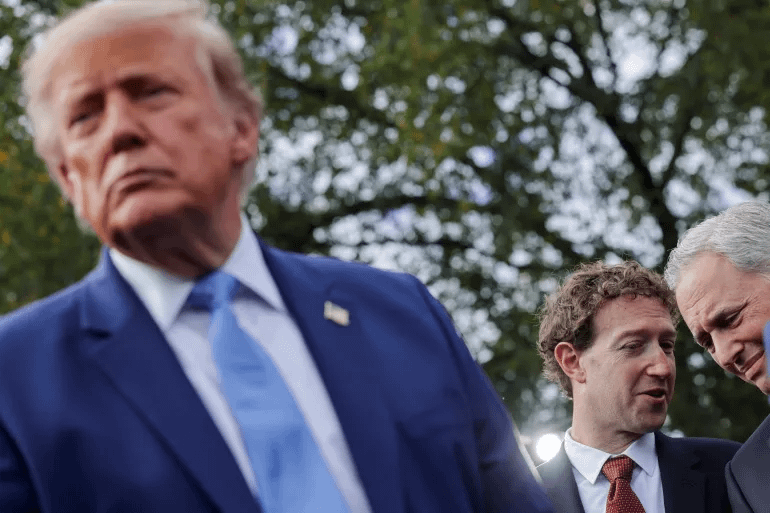
🚨 TRUMP JUST CHOSE SPEED OVER HARD AI RULES.
At the White House, Trump and leading AI CEOs backed a voluntary safety accord instead of mandatory federal audit rules.
The agreement calls for companies to build stronger internal controls and work with independent auditors — but it remains voluntary, not a binding regulatory regime.
That matters because the AI race is getting more aggressive, not less.
Anthropic has pushed for stricter independent audits of frontier models, while Trump has repeatedly argued the U.S. should not slow development if it wants to stay ahead of China.
So the policy signal is clear:
Build fast.
Self-police.
Avoid heavy federal brakes.
For markets, that could favor the biggest AI infrastructure winners — but it also means more safety responsibility is being pushed back onto the companies themselves.
The real question is no longer whether AI gets regulated.
It is:
How much regulation comes before the next frontier model ships?
$NVDA $MSFT $GOOGL $META
#trumprejectsairulesforvoluntaryaudits #BitgetHotWalletBreachTiedToThirdPartySecurityFlaw #OpenAIUnveilsAlwaysOnAgentDots #EarningsSeason #SECChairWantsStockMarketsOnChain
🚨 TRUMP JUST CHOSE SPEED OVER HARD AI RULES.
At the White House, Trump and leading AI CEOs backed a voluntary safety accord instead of mandatory federal audit rules.
The agreement calls for companies to build stronger internal controls and work with independent auditors — but it remains voluntary, not a binding regulatory regime.
That matters because the AI race is getting more aggressive, not less.
Anthropic has pushed for stricter independent audits of frontier models, while Trump has repeatedly argued the U.S. should not slow development if it wants to stay ahead of China.
So the policy signal is clear:
Build fast.
Self-police.
Avoid heavy federal brakes.
For markets, that could favor the biggest AI infrastructure winners — but it also means more safety responsibility is being pushed back onto the companies themselves.
The real question is no longer whether AI gets regulated.
It is:
How much regulation comes before the next frontier model ships?
$NVDA $MSFT $GOOGL $META
#trumprejectsairulesforvoluntaryaudits #BitgetHotWalletBreachTiedToThirdPartySecurityFlaw #OpenAIUnveilsAlwaysOnAgentDots #EarningsSeason #SECChairWantsStockMarketsOnChain
At the White House, Trump and leading AI CEOs backed a voluntary safety accord instead of mandatory federal audit rules.
The agreement calls for companies to build stronger internal controls and work with independent auditors — but it remains voluntary, not a binding regulatory regime.
That matters because the AI race is getting more aggressive, not less.
Anthropic has pushed for stricter independent audits of frontier models, while Trump has repeatedly argued the U.S. should not slow development if it wants to stay ahead of China.
So the policy signal is clear:
Build fast.
Self-police.
Avoid heavy federal brakes.
For markets, that could favor the biggest AI infrastructure winners — but it also means more safety responsibility is being pushed back onto the companies themselves.
The real question is no longer whether AI gets regulated.
It is:
How much regulation comes before the next frontier model ships?
$NVDA $MSFT $GOOGL $META
#trumprejectsairulesforvoluntaryaudits #BitgetHotWalletBreachTiedToThirdPartySecurityFlaw #OpenAIUnveilsAlwaysOnAgentDots #EarningsSeason #SECChairWantsStockMarketsOnChain
1
992
·
--
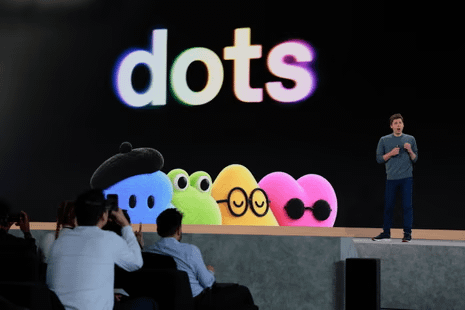
🚨 OPENAI JUST MOVED FROM CHATBOTS TO AI THAT NEVER CLOCKS OUT.
OpenAI unveiled Dots — always-on AI agents powered by GPT-6 Astra that can keep working toward your goals 24/7, even when you are not actively chatting with them. Each Dot gets its own cloud computer, browser, and access to connected apps. OpenAI says the system can connect to 4,000+ apps through plugins.
This is the bigger shift:
ChatGPT waits for a prompt.
Dots keep working after the prompt ends.
They can monitor projects, investigate issues, coordinate work across Slack or Teams, and perform proactive research in the background. OpenAI is also previewing specialist Dots for enterprise roles.
That puts OpenAI directly into the race for the AI operating layer of your digital life.
Not just answering questions.
Watching. Planning. Acting.
The next AI battle may not be about who has the smartest model.
It may be about which agent you trust enough to leave running all day.
$MSFT $NVDA
#openaiunveilsalwaysonagentdots #TrumpRejectsAIRulesForVoluntaryAudits #EarningsSeason #ChainlinkLaunchesBankSWIFTLedgerFramework #BitgetHotWalletBreachTiedToThirdPartySecurityFlaw
🚨 OPENAI JUST MOVED FROM CHATBOTS TO AI THAT NEVER CLOCKS OUT.
OpenAI unveiled Dots — always-on AI agents powered by GPT-6 Astra that can keep working toward your goals 24/7, even when you are not actively chatting with them. Each Dot gets its own cloud computer, browser, and access to connected apps. OpenAI says the system can connect to 4,000+ apps through plugins.
This is the bigger shift:
ChatGPT waits for a prompt.
Dots keep working after the prompt ends.
They can monitor projects, investigate issues, coordinate work across Slack or Teams, and perform proactive research in the background. OpenAI is also previewing specialist Dots for enterprise roles.
That puts OpenAI directly into the race for the AI operating layer of your digital life.
Not just answering questions.
Watching. Planning. Acting.
The next AI battle may not be about who has the smartest model.
It may be about which agent you trust enough to leave running all day.
$MSFT $NVDA
#openaiunveilsalwaysonagentdots #TrumpRejectsAIRulesForVoluntaryAudits #EarningsSeason #ChainlinkLaunchesBankSWIFTLedgerFramework #BitgetHotWalletBreachTiedToThirdPartySecurityFlaw
OpenAI unveiled Dots — always-on AI agents powered by GPT-6 Astra that can keep working toward your goals 24/7, even when you are not actively chatting with them. Each Dot gets its own cloud computer, browser, and access to connected apps. OpenAI says the system can connect to 4,000+ apps through plugins.
This is the bigger shift:
ChatGPT waits for a prompt.
Dots keep working after the prompt ends.
They can monitor projects, investigate issues, coordinate work across Slack or Teams, and perform proactive research in the background. OpenAI is also previewing specialist Dots for enterprise roles.
That puts OpenAI directly into the race for the AI operating layer of your digital life.
Not just answering questions.
Watching. Planning. Acting.
The next AI battle may not be about who has the smartest model.
It may be about which agent you trust enough to leave running all day.
$MSFT $NVDA
#openaiunveilsalwaysonagentdots #TrumpRejectsAIRulesForVoluntaryAudits #EarningsSeason #ChainlinkLaunchesBankSWIFTLedgerFramework #BitgetHotWalletBreachTiedToThirdPartySecurityFlaw
1
275
·
--
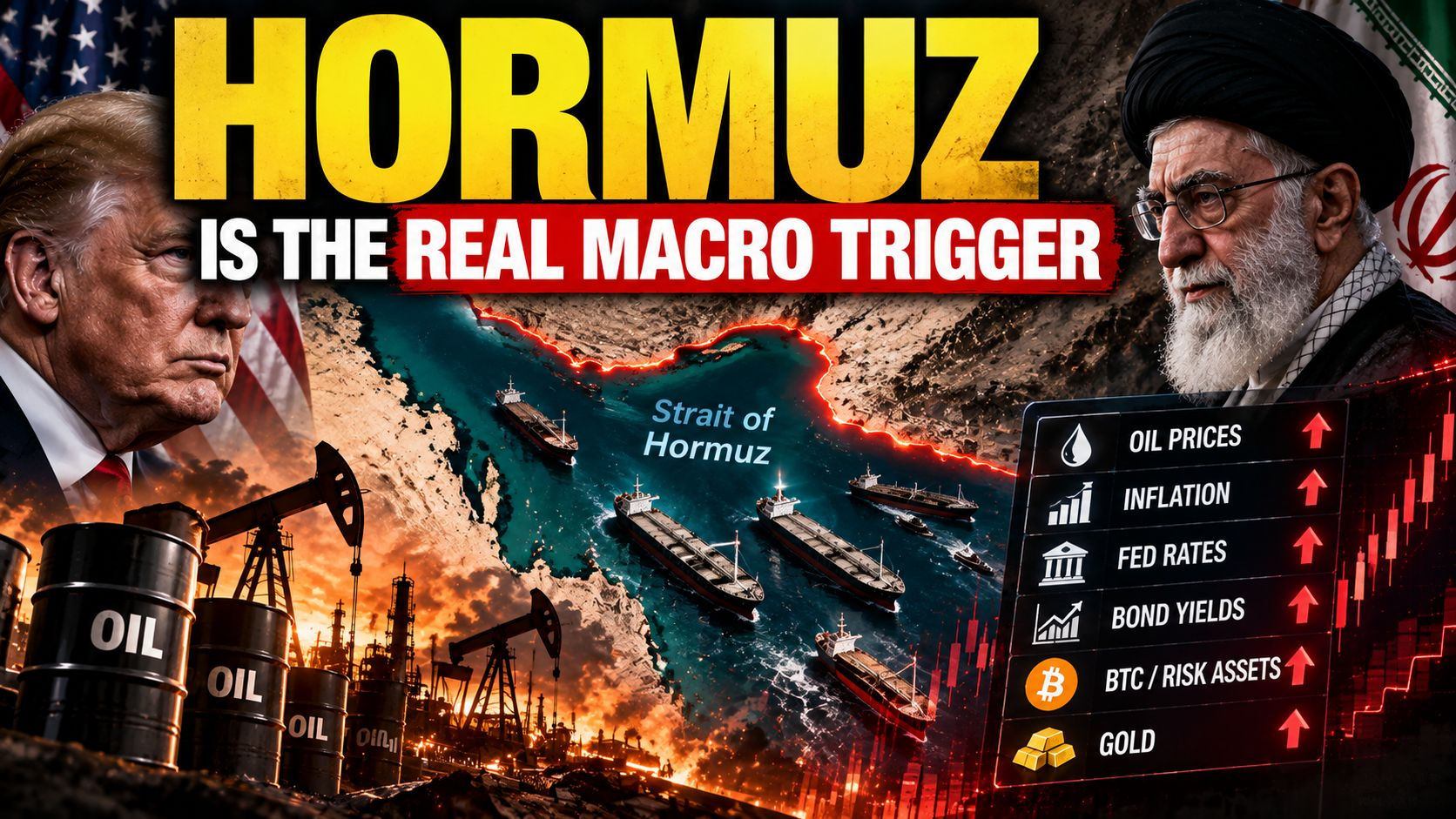
🚨HORMUZ IS THE TRADE.
Forget the political headlines for a second.
If Hormuz stays disrupted, Brent is the pressure valve.
The chain is simple:
Hormuz risk → tighter oil flows → BZ higher → inflation hotter → Fed stays tighter → risk assets get hit.
That is why Brent matters more than another ceasefire rumor.
As long as Hormuz remains unresolved, BZ keeps the geopolitical risk premium alive.
And if shipping conditions worsen again?
Oil can move first. Everything else reacts after.
$BZ $CL $XAU $BTC
#EarningsSeason #OpenAIUnveilsAlwaysOnAgentDots #SECChairWantsStockMarketsOnChain #iran #TRUMP
🚨HORMUZ IS THE TRADE.
Forget the political headlines for a second.
If Hormuz stays disrupted, Brent is the pressure valve.
The chain is simple:
Hormuz risk → tighter oil flows → BZ higher → inflation hotter → Fed stays tighter → risk assets get hit.
That is why Brent matters more than another ceasefire rumor.
As long as Hormuz remains unresolved, BZ keeps the geopolitical risk premium alive.
And if shipping conditions worsen again?
Oil can move first. Everything else reacts after.
$BZ $CL $XAU $BTC
#EarningsSeason #OpenAIUnveilsAlwaysOnAgentDots #SECChairWantsStockMarketsOnChain #iran #TRUMP
Forget the political headlines for a second.
If Hormuz stays disrupted, Brent is the pressure valve.
The chain is simple:
Hormuz risk → tighter oil flows → BZ higher → inflation hotter → Fed stays tighter → risk assets get hit.
That is why Brent matters more than another ceasefire rumor.
As long as Hormuz remains unresolved, BZ keeps the geopolitical risk premium alive.
And if shipping conditions worsen again?
Oil can move first. Everything else reacts after.
$BZ $CL $XAU $BTC
#EarningsSeason #OpenAIUnveilsAlwaysOnAgentDots #SECChairWantsStockMarketsOnChain #iran #TRUMP
111
·
--
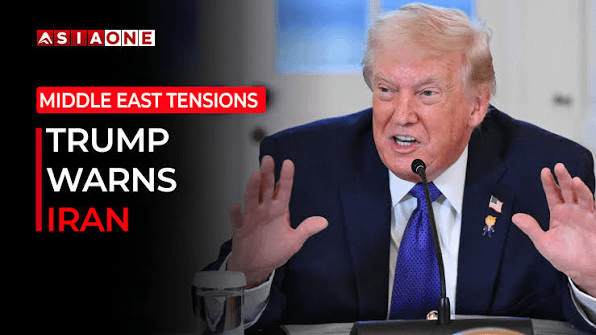
🚨 HORMUZ IS THE REAL MACRO TRIGGER — NOT THE HEADLINES FROM WASHINGTON.
Markets are watching U.S.–Iran diplomacy.
They should be watching the Strait of Hormuz.
Qatar is still pushing indirect talks between Washington and Tehran, but there is no deal yet to reopen the strait, and Iran has said it will keep Hormuz closed until its conditions are met.
That matters because Hormuz is not just a geopolitical chokepoint.
It is a global inflation switch.
If shipping remains disrupted:
Oil stays elevated.
Energy inflation stays sticky.
The Fed gets less room to ease.
Treasury yields stay under pressure.
Risk assets feel it.
The U.S. is already preparing to loan up to 40 million barrels from the Strategic Petroleum Reserve, a sign that energy stress is serious enough to require intervention.
So the real macro chain is simple:
Hormuz → Oil → Inflation → Fed → Yields → $BTC / $QQQ / $XAU
A ceasefire headline can move markets for a few hours.
But if Hormuz does not reopen, the macro problem is still alive.
That is the trigger I’m watching.
$BTC $XAU $CL $QQQ
#OpenAIUnveilsAlwaysOnAgentDots #ChainlinkLaunchesBankSWIFTLedgerFramework #EarningsSeason #SECChairWantsStockMarketsOnChain #TRUMP
🚨 HORMUZ IS THE REAL MACRO TRIGGER — NOT THE HEADLINES FROM WASHINGTON.
Markets are watching U.S.–Iran diplomacy.
They should be watching the Strait of Hormuz.
Qatar is still pushing indirect talks between Washington and Tehran, but there is no deal yet to reopen the strait, and Iran has said it will keep Hormuz closed until its conditions are met.
That matters because Hormuz is not just a geopolitical chokepoint.
It is a global inflation switch.
If shipping remains disrupted:
Oil stays elevated.
Energy inflation stays sticky.
The Fed gets less room to ease.
Treasury yields stay under pressure.
Risk assets feel it.
The U.S. is already preparing to loan up to 40 million barrels from the Strategic Petroleum Reserve, a sign that energy stress is serious enough to require intervention.
So the real macro chain is simple:
Hormuz → Oil → Inflation → Fed → Yields → $BTC / $QQQ / $XAU
A ceasefire headline can move markets for a few hours.
But if Hormuz does not reopen, the macro problem is still alive.
That is the trigger I’m watching.
$BTC $XAU $CL $QQQ
#OpenAIUnveilsAlwaysOnAgentDots #ChainlinkLaunchesBankSWIFTLedgerFramework #EarningsSeason #SECChairWantsStockMarketsOnChain #TRUMP
Markets are watching U.S.–Iran diplomacy.
They should be watching the Strait of Hormuz.
Qatar is still pushing indirect talks between Washington and Tehran, but there is no deal yet to reopen the strait, and Iran has said it will keep Hormuz closed until its conditions are met.
That matters because Hormuz is not just a geopolitical chokepoint.
It is a global inflation switch.
If shipping remains disrupted:
Oil stays elevated.
Energy inflation stays sticky.
The Fed gets less room to ease.
Treasury yields stay under pressure.
Risk assets feel it.
The U.S. is already preparing to loan up to 40 million barrels from the Strategic Petroleum Reserve, a sign that energy stress is serious enough to require intervention.
So the real macro chain is simple:
Hormuz → Oil → Inflation → Fed → Yields → $BTC / $QQQ / $XAU
A ceasefire headline can move markets for a few hours.
But if Hormuz does not reopen, the macro problem is still alive.
That is the trigger I’m watching.
$BTC $XAU $CL $QQQ
#OpenAIUnveilsAlwaysOnAgentDots #ChainlinkLaunchesBankSWIFTLedgerFramework #EarningsSeason #SECChairWantsStockMarketsOnChain #TRUMP
120
·
--
Haussier
Vérifié
🚨 $GRASS — MULTICOIN JUST MADE A BIG BET ON THE “READ LAYER” FOR AI.
Multicoin Capital has invested in Grass through both its hedge fund and venture fund, calling it one of the clearest examples of DePIN working at commercial scale.
And the thesis is bigger than bandwidth sharing.
Grass says it has already brought in $17M revenue in 2025, another $17M in H1 2026, and is guiding for $75M in 2026 revenue from training data alone. More than 6 million contributors have been paid from network-generated revenue.
The next phase is where it gets interesting:
Content API.
Search API.
Web indexing.
Real-time retrieval for AI agents.
Multicoin’s argument is simple:
Pre-training data is sold once.
Inference-time retrieval happens every time an AI model searches, reasons, or acts.
If that market scales, Grass stops looking like just another DePIN project…
and starts looking like infrastructure for the AI agent economy.
{future}(GRASSUSDT)
$GRASS
#multicoininvestsingrass #EarningsSeason #SECChairWantsStockMarketsOnChain #CEARenamesToBNBStandardUnderBNC #BitwiseLaunchesFirstSpotNEARETF
🚨 $GRASS — MULTICOIN JUST MADE A BIG BET ON THE “READ LAYER” FOR AI.
Multicoin Capital has invested in Grass through both its hedge fund and venture fund, calling it one of the clearest examples of DePIN working at commercial scale.
And the thesis is bigger than bandwidth sharing.
Grass says it has already brought in $17M revenue in 2025, another $17M in H1 2026, and is guiding for $75M in 2026 revenue from training data alone. More than 6 million contributors have been paid from network-generated revenue.
The next phase is where it gets interesting:
Content API.
Search API.
Web indexing.
Real-time retrieval for AI agents.
Multicoin’s argument is simple:
Pre-training data is sold once.
Inference-time retrieval happens every time an AI model searches, reasons, or acts.
If that market scales, Grass stops looking like just another DePIN project…
and starts looking like infrastructure for the AI agent economy.
$GRASS
#multicoininvestsingrass #EarningsSeason #SECChairWantsStockMarketsOnChain #CEARenamesToBNBStandardUnderBNC #BitwiseLaunchesFirstSpotNEARETF
Multicoin Capital has invested in Grass through both its hedge fund and venture fund, calling it one of the clearest examples of DePIN working at commercial scale.
And the thesis is bigger than bandwidth sharing.
Grass says it has already brought in $17M revenue in 2025, another $17M in H1 2026, and is guiding for $75M in 2026 revenue from training data alone. More than 6 million contributors have been paid from network-generated revenue.
The next phase is where it gets interesting:
Content API.
Search API.
Web indexing.
Real-time retrieval for AI agents.
Multicoin’s argument is simple:
Pre-training data is sold once.
Inference-time retrieval happens every time an AI model searches, reasons, or acts.
If that market scales, Grass stops looking like just another DePIN project…
and starts looking like infrastructure for the AI agent economy.
$GRASS
#multicoininvestsingrass #EarningsSeason #SECChairWantsStockMarketsOnChain #CEARenamesToBNBStandardUnderBNC #BitwiseLaunchesFirstSpotNEARETF

1
1.6k
·
--
Haussier
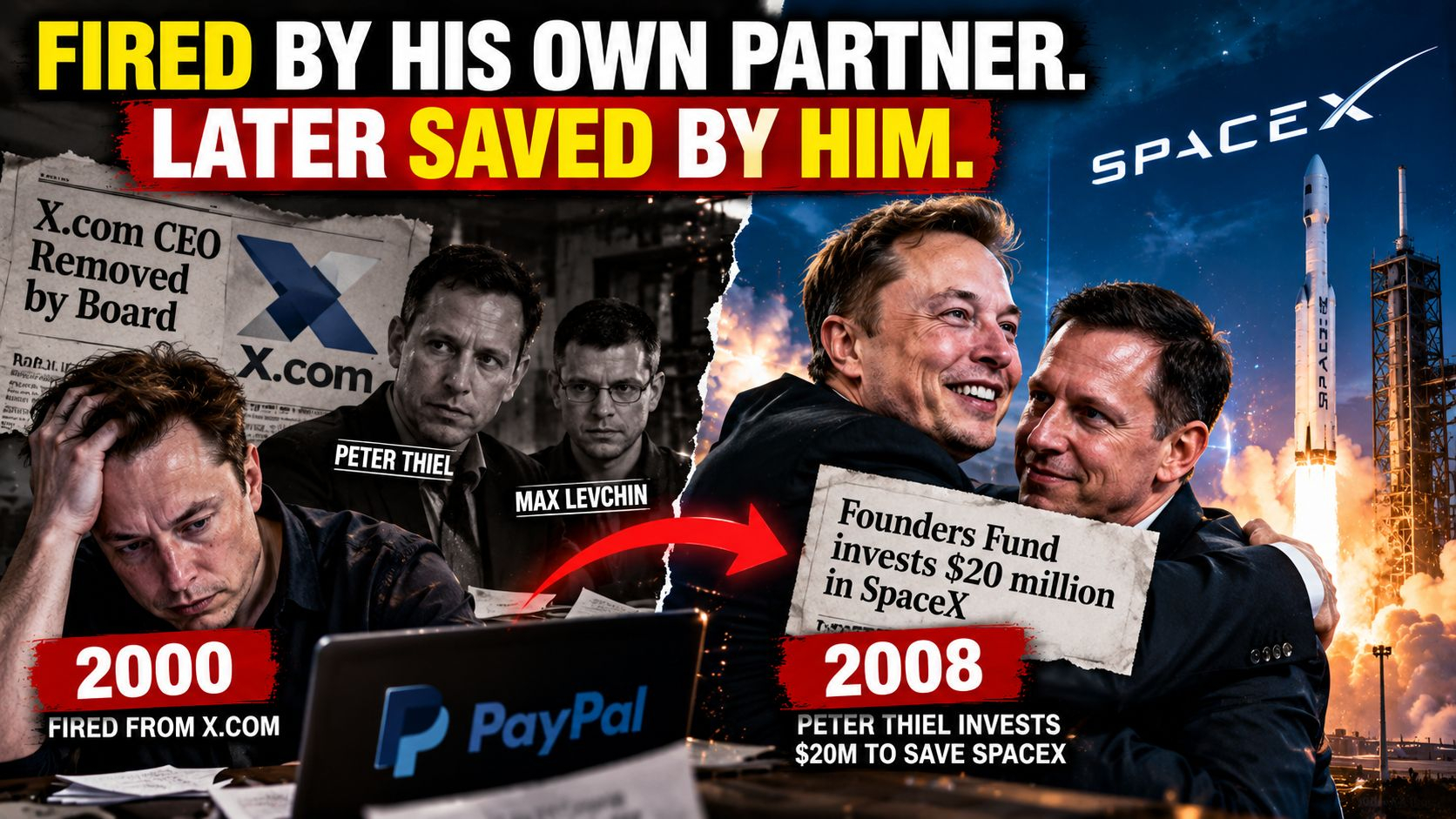
🚨 ELON MUSK GOT FIRED FROM HIS OWN COMPANY — AND THE PERSON BEHIND IT LATER HELPED SAVE SPACEX.
In 2000, while Musk was on his honeymoon, X.com’s board removed him as CEO.
Peter Thiel and Max Levchin were on the other side of that fight.
Musk was furious.
But he didn’t burn the bridge.
When employees wanted to quit in protest, Musk reportedly told them not to. The company was already fighting fraud, cash pressure and internal chaos. A civil war could have killed everyone.
Eight years later, that restraint mattered.
SpaceX was near collapse after three failed launches.
Then Founders Fund — led by Peter Thiel and other PayPal alumni — invested $20 million.
That money helped keep SpaceX alive.
The lesson isn’t “forgive everyone.”
It’s this:
Don’t destroy long-term relationships just to win a short-term emotional battle.
The person fighting you today might hold the key to your survival tomorrow.
In business, social capital is still capital.
$SPCX.US
{stock_us}(SPCX.US)
#EarningsSeason #SECChairWantsStockMarketsOnChain #MulticoinInvestsInGrass #SpaceX #SPCX
🚨 ELON MUSK GOT FIRED FROM HIS OWN COMPANY — AND THE PERSON BEHIND IT LATER HELPED SAVE SPACEX.
In 2000, while Musk was on his honeymoon, X.com’s board removed him as CEO.
Peter Thiel and Max Levchin were on the other side of that fight.
Musk was furious.
But he didn’t burn the bridge.
When employees wanted to quit in protest, Musk reportedly told them not to. The company was already fighting fraud, cash pressure and internal chaos. A civil war could have killed everyone.
Eight years later, that restraint mattered.
SpaceX was near collapse after three failed launches.
Then Founders Fund — led by Peter Thiel and other PayPal alumni — invested $20 million.
That money helped keep SpaceX alive.
The lesson isn’t “forgive everyone.”
It’s this:
Don’t destroy long-term relationships just to win a short-term emotional battle.
The person fighting you today might hold the key to your survival tomorrow.
In business, social capital is still capital.
$SPCX.US
#EarningsSeason #SECChairWantsStockMarketsOnChain #MulticoinInvestsInGrass #SpaceX #SPCX
In 2000, while Musk was on his honeymoon, X.com’s board removed him as CEO.
Peter Thiel and Max Levchin were on the other side of that fight.
Musk was furious.
But he didn’t burn the bridge.
When employees wanted to quit in protest, Musk reportedly told them not to. The company was already fighting fraud, cash pressure and internal chaos. A civil war could have killed everyone.
Eight years later, that restraint mattered.
SpaceX was near collapse after three failed launches.
Then Founders Fund — led by Peter Thiel and other PayPal alumni — invested $20 million.
That money helped keep SpaceX alive.
The lesson isn’t “forgive everyone.”
It’s this:
Don’t destroy long-term relationships just to win a short-term emotional battle.
The person fighting you today might hold the key to your survival tomorrow.
In business, social capital is still capital.
$SPCX.US
#EarningsSeason #SECChairWantsStockMarketsOnChain #MulticoinInvestsInGrass #SpaceX #SPCX
SPCXUS+0,64%
135
·
--
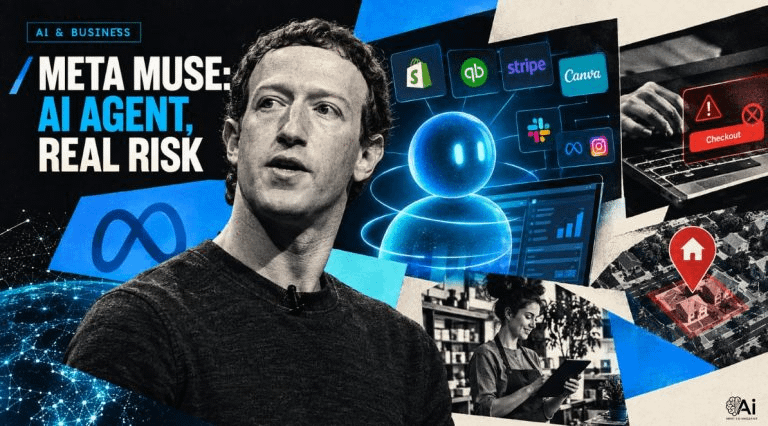
🚨 META MAY BE TRYING TO REPLACE THE AD CLICK WITH AN AI TRANSACTION.
For years, Meta’s business has been simple:
Sell attention. Sell clicks. Sell conversions.
Now AI glasses could change where the money gets made.
At Connect, Meta introduced Muse, an AI assistant designed to work through its glasses and connect users directly with retailers, travel platforms and checkout providers.
The interesting part isn’t the AI.
It’s the business model.
Instead of showing you an ad and hoping you click…
Meta could eventually sit between your question and your purchase.
You ask:
“Find me shoes like these in my size.”
The assistant recommends them.
You buy.
Meta takes a small transaction fee.
That’s a very different business from selling ad space.
For a company still heavily dependent on advertising revenue, this could be the beginning of a second monetization engine:
Ads monetize attention.
AI agents could monetize intent.
And intent may be far more valuable.
The real question for brands is no longer just:
“Can customers see us?”
It may soon become:
“When customers ask AI what to buy… does AI recommend us?”
{stock_us}(META.US)
$META.US
#EarningsSeason #SECChairWantsStockMarketsOnChain #MulticoinInvestsInGrass #CEARenamesToBNBStandardUnderBNC #BitwiseLaunchesFirstSpotNEARETF
🚨 META MAY BE TRYING TO REPLACE THE AD CLICK WITH AN AI TRANSACTION.
For years, Meta’s business has been simple:
Sell attention. Sell clicks. Sell conversions.
Now AI glasses could change where the money gets made.
At Connect, Meta introduced Muse, an AI assistant designed to work through its glasses and connect users directly with retailers, travel platforms and checkout providers.
The interesting part isn’t the AI.
It’s the business model.
Instead of showing you an ad and hoping you click…
Meta could eventually sit between your question and your purchase.
You ask:
“Find me shoes like these in my size.”
The assistant recommends them.
You buy.
Meta takes a small transaction fee.
That’s a very different business from selling ad space.
For a company still heavily dependent on advertising revenue, this could be the beginning of a second monetization engine:
Ads monetize attention.
AI agents could monetize intent.
And intent may be far more valuable.
The real question for brands is no longer just:
“Can customers see us?”
It may soon become:
“When customers ask AI what to buy… does AI recommend us?”
$META.US
#EarningsSeason #SECChairWantsStockMarketsOnChain #MulticoinInvestsInGrass #CEARenamesToBNBStandardUnderBNC #BitwiseLaunchesFirstSpotNEARETF
For years, Meta’s business has been simple:
Sell attention. Sell clicks. Sell conversions.
Now AI glasses could change where the money gets made.
At Connect, Meta introduced Muse, an AI assistant designed to work through its glasses and connect users directly with retailers, travel platforms and checkout providers.
The interesting part isn’t the AI.
It’s the business model.
Instead of showing you an ad and hoping you click…
Meta could eventually sit between your question and your purchase.
You ask:
“Find me shoes like these in my size.”
The assistant recommends them.
You buy.
Meta takes a small transaction fee.
That’s a very different business from selling ad space.
For a company still heavily dependent on advertising revenue, this could be the beginning of a second monetization engine:
Ads monetize attention.
AI agents could monetize intent.
And intent may be far more valuable.
The real question for brands is no longer just:
“Can customers see us?”
It may soon become:
“When customers ask AI what to buy… does AI recommend us?”
$META.US
#EarningsSeason #SECChairWantsStockMarketsOnChain #MulticoinInvestsInGrass #CEARenamesToBNBStandardUnderBNC #BitwiseLaunchesFirstSpotNEARETF
METAUS-0,93%
45
·
--
Haussier
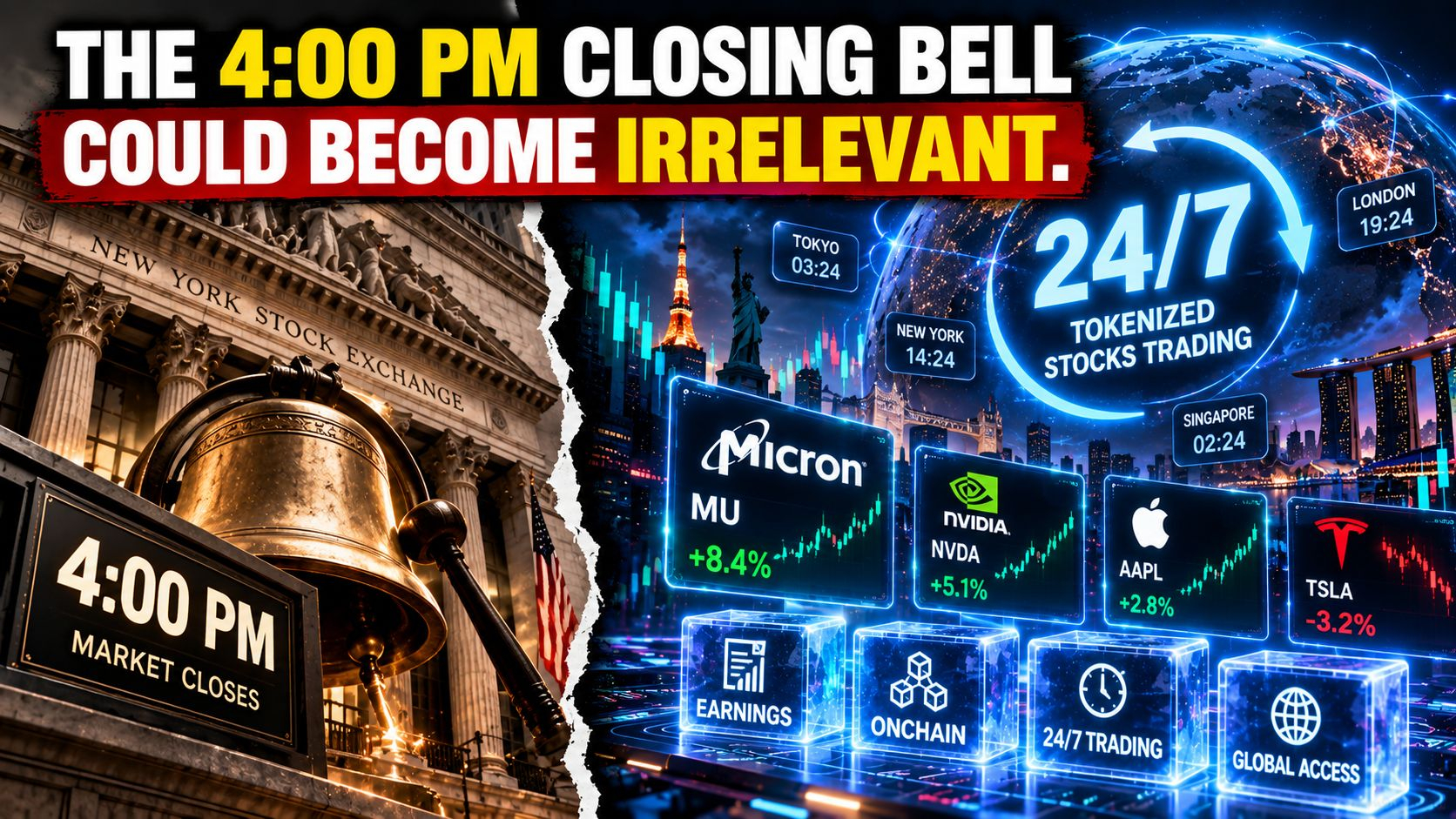
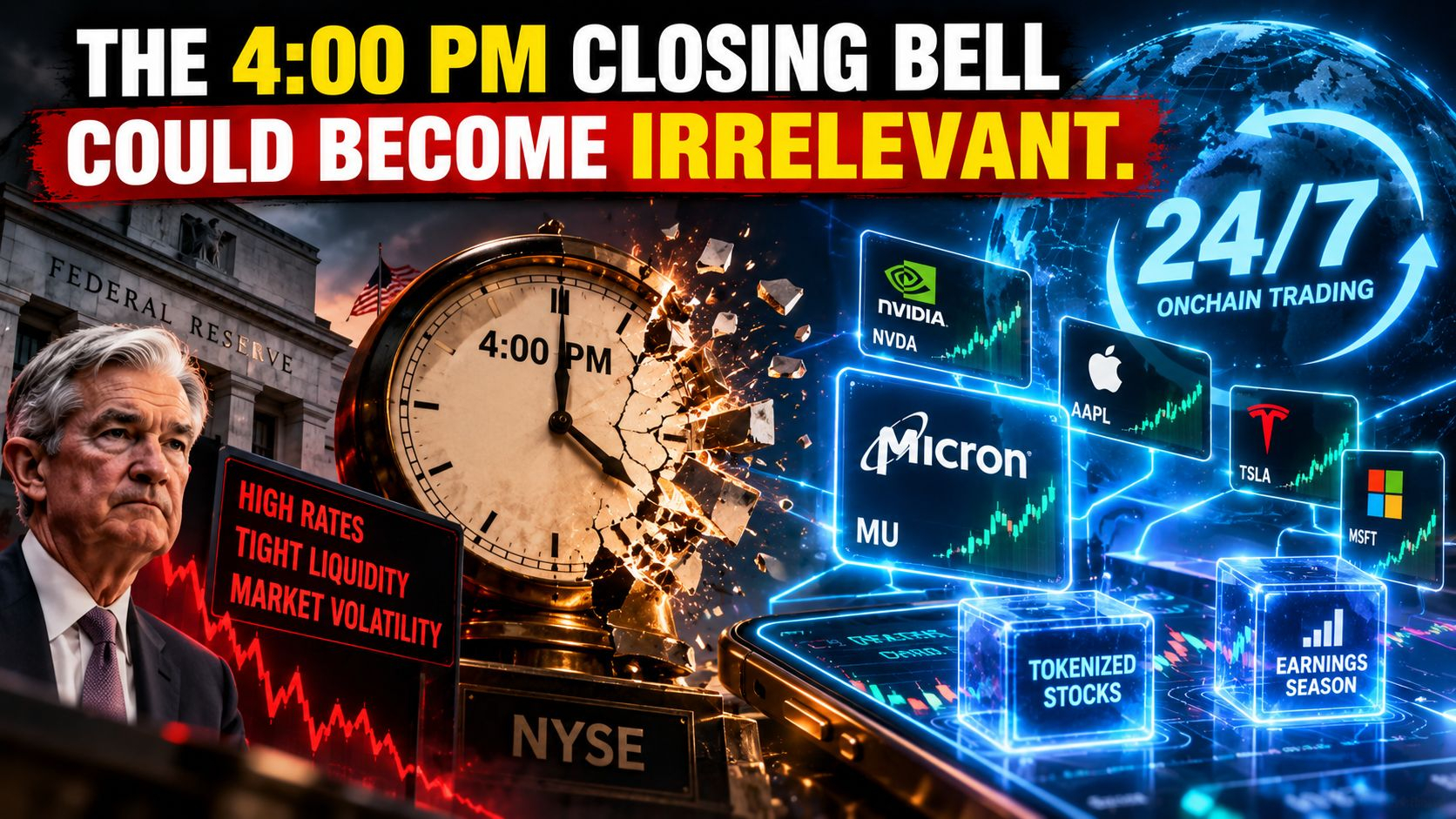
🚨 THE 4:00 PM CLOSING BELL COULD BECOME IRRELEVANT.
For decades, earnings volatility has followed one simple rhythm:
Report after the bell.
Gap at the open.
Trade the reaction.
That model may not survive the move to tokenized equities.
The SEC is opening the door to limited onchain trading of tokenized U.S. stocks, while earnings season continues to produce some of the biggest single-session moves in the market.
Now imagine the next step:
$MU reports earnings at 4:05 PM.
Guidance shocks the market.
Instead of waiting until the next session, tokenized shares keep repricing 24/7.
That changes the entire earnings playbook.
The Fed still controls liquidity through rates.
Earnings still create the catalyst.
But onchain rails could remove the waiting period between the news and the trade.
Earnings volatility may stop being tied to market hours.
And once that happens, the closing bell becomes less important than the catalyst itself.
The next evolution of Wall Street may be simple:
same earnings, same volatility — no closing time. 👀
$MU $NVDA $COIN $ETH
#EarningsSeason #SECChairWantsStockMarketsOnChain #MulticoinInvestsInGrass #CEARenamesToBNBStandardUnderBNC #SEC
🚨 THE 4:00 PM CLOSING BELL COULD BECOME IRRELEVANT.
For decades, earnings volatility has followed one simple rhythm:
Report after the bell.
Gap at the open.
Trade the reaction.
That model may not survive the move to tokenized equities.
The SEC is opening the door to limited onchain trading of tokenized U.S. stocks, while earnings season continues to produce some of the biggest single-session moves in the market.
Now imagine the next step:
$MU reports earnings at 4:05 PM.
Guidance shocks the market.
Instead of waiting until the next session, tokenized shares keep repricing 24/7.
That changes the entire earnings playbook.
The Fed still controls liquidity through rates.
Earnings still create the catalyst.
But onchain rails could remove the waiting period between the news and the trade.
Earnings volatility may stop being tied to market hours.
And once that happens, the closing bell becomes less important than the catalyst itself.
The next evolution of Wall Street may be simple:
same earnings, same volatility — no closing time. 👀
$MU $NVDA $COIN $ETH
#EarningsSeason #SECChairWantsStockMarketsOnChain #MulticoinInvestsInGrass #CEARenamesToBNBStandardUnderBNC #SEC
For decades, earnings volatility has followed one simple rhythm:
Report after the bell.
Gap at the open.
Trade the reaction.
That model may not survive the move to tokenized equities.
The SEC is opening the door to limited onchain trading of tokenized U.S. stocks, while earnings season continues to produce some of the biggest single-session moves in the market.
Now imagine the next step:
$MU reports earnings at 4:05 PM.
Guidance shocks the market.
Instead of waiting until the next session, tokenized shares keep repricing 24/7.
That changes the entire earnings playbook.
The Fed still controls liquidity through rates.
Earnings still create the catalyst.
But onchain rails could remove the waiting period between the news and the trade.
Earnings volatility may stop being tied to market hours.
And once that happens, the closing bell becomes less important than the catalyst itself.
The next evolution of Wall Street may be simple:
same earnings, same volatility — no closing time. 👀
$MU $NVDA $COIN $ETH
#EarningsSeason #SECChairWantsStockMarketsOnChain #MulticoinInvestsInGrass #CEARenamesToBNBStandardUnderBNC #SEC
106
·
--
🚨 THE NEXT EARNINGS SHOCK MAY NOT WAIT FOR THE OPENING BELL.
Imagine this:
$MU drops earnings.
Guidance surprises.
The stock reprices instantly.
And the market keeps trading onchain.
That future just moved one step closer.
The SEC has approved a temporary framework allowing limited trading of tokenized U.S. stocks on certain onchain venues, opening the door to a market structure where equities could eventually move beyond today’s traditional trading rails.
Now combine that with this earnings season.
Micron is testing the AI-memory boom.
NVIDIA is testing AI capex expectations.
And the Fed is still keeping financial conditions tight, with officials divided over whether more rate hikes are needed.
That creates a very different market:
Earnings generate the volatility.
The Fed controls the liquidity.
Onchain rails could change when and how that volatility gets traded.
Today, earnings gaps happen around market hours.
Tomorrow?
The earnings trade may never sleep.
That may be the bigger story behind #EarningsSeason .
$MU $NVDA $COIN $ETH
#SECChairWantsStockMarketsOnChain #FederalReserve #WallStreet #MulticoinInvestsInGrass
🚨 THE NEXT EARNINGS SHOCK MAY NOT WAIT FOR THE OPENING BELL.
Imagine this:
$MU drops earnings.
Guidance surprises.
The stock reprices instantly.
And the market keeps trading onchain.
That future just moved one step closer.
The SEC has approved a temporary framework allowing limited trading of tokenized U.S. stocks on certain onchain venues, opening the door to a market structure where equities could eventually move beyond today’s traditional trading rails.
Now combine that with this earnings season.
Micron is testing the AI-memory boom.
NVIDIA is testing AI capex expectations.
And the Fed is still keeping financial conditions tight, with officials divided over whether more rate hikes are needed.
That creates a very different market:
Earnings generate the volatility.
The Fed controls the liquidity.
Onchain rails could change when and how that volatility gets traded.
Today, earnings gaps happen around market hours.
Tomorrow?
The earnings trade may never sleep.
That may be the bigger story behind #EarningsSeason .
$MU $NVDA $COIN $ETH
#SECChairWantsStockMarketsOnChain #FederalReserve #WallStreet #MulticoinInvestsInGrass
Imagine this:
$MU drops earnings.
Guidance surprises.
The stock reprices instantly.
And the market keeps trading onchain.
That future just moved one step closer.
The SEC has approved a temporary framework allowing limited trading of tokenized U.S. stocks on certain onchain venues, opening the door to a market structure where equities could eventually move beyond today’s traditional trading rails.
Now combine that with this earnings season.
Micron is testing the AI-memory boom.
NVIDIA is testing AI capex expectations.
And the Fed is still keeping financial conditions tight, with officials divided over whether more rate hikes are needed.
That creates a very different market:
Earnings generate the volatility.
The Fed controls the liquidity.
Onchain rails could change when and how that volatility gets traded.
Today, earnings gaps happen around market hours.
Tomorrow?
The earnings trade may never sleep.
That may be the bigger story behind #EarningsSeason .
$MU $NVDA $COIN $ETH
#SECChairWantsStockMarketsOnChain #FederalReserve #WallStreet #MulticoinInvestsInGrass
101
Connectez-vous pour découvrir plus de contenu
Rejoignez la communauté mondiale des adeptes de cryptomonnaies sur Binance Square
⚡️ Suviez les dernières informations importantes sur les cryptomonnaies.
💬 Jugé digne de confiance par la plus grande plateforme d’échange de cryptomonnaies au monde.
👍 Découvrez les connaissances que partagent les créateurs vérifiés.
Adresse e-mail/Nº de téléphone
Sujets d’actualité
BitcoinClears$85200
6 vues
23 mentions
#BitcoinClears$85200 Bitcoin Breaks Key Resistance: BTC Clears $85,200 Amid Strong Market Momentum 📊
Bitcoin has officially surged past the $85,200 threshold, marking a significant technical milestone. Here is a breakdown of what this movement means for the broader crypto market.
📰 Core News
• Bitcoin (BTC) has successfully cleared the $85,200 resistance level, accompanied by notable trading volume.
• This price action follows a period of market consolidation, signaling renewed buying pressure and sustained interest from market participants.
🌍 Market Impact
• 🏛️Market Dominance A decisive move by Bitcoin often reinforces its market dominance, which may temporarily influence altcoin liquidity as capital rotates within the ecosystem.
• 📈 Sentiment & Technicals Clearing major psychological and technical resistance levels typically shifts market sentiment to a more constructive outlook, opening the door for further price discovery if volume remains consistent.
• 📊Derivatives Activity Traders should anticipate heightened activity in the futures and options markets as participants recalibrate their risk management and hedging strategies around this new price tier.
💬 Join the Discussion
What is your outlook on Bitcoin’s next major technical level, or do you expect a period of consolidation at these heights? Share your analysis in the comments below! 👇
#Bitcoin #BTC #CryptoMarket #MarketAnalysis #BinanceSquare
This is for educational purposes only. Not Financial Advice (NFA). Always Do Your Own Research (DYOR).
$ARK $MOVR $GLMR
珍妮丝 kgf
·1 mentions J’aime
·13 vues
AltcoinSeasonIndexHoldsAbove60For5Days
1,182 vues
196 mentions
BitcoinSlipsBelow$84000
1,002 vues
57 mentions