

R E N J A C K
8.6k Publications

R E N J A C K
Signaler
Bloquer l’utilisateur
Soft mind, sharp vision.I move in silence but aim with purpose..
Ouvert au trading
Trade régulièrement
1.1 an(s)
221 Suivis
16.8K+ Abonnés
17.5K+ J’aime
Publications
Portefeuille
Tous
Citations
Direct
·
--
Haussier
$XRP
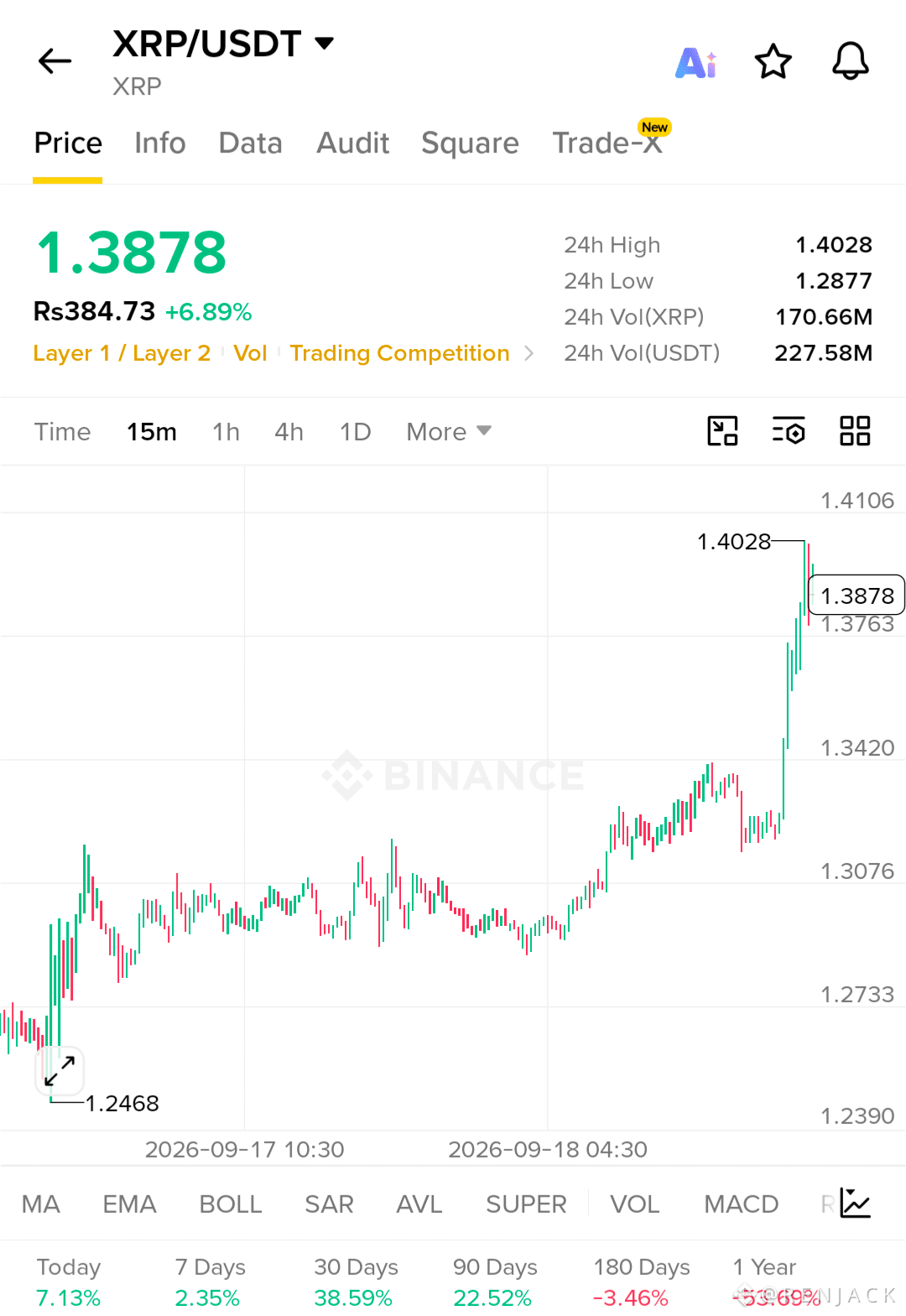
BULLISH BREAKOUT IGNITION
Buy Zone: $1.370–$1.385
EP: $1.375–$1.385
TP1: $1.403
TP2: $1.425
TP3: $1.450
SL: $1.350
Strong momentum above $1.37 — breakout continuation setup.
Let’s go $XRP
{spot}(XRPUSDT)
$XRP
BULLISH BREAKOUT IGNITION
Buy Zone: $1.370–$1.385
EP: $1.375–$1.385
TP1: $1.403
TP2: $1.425
TP3: $1.450
SL: $1.350
Strong momentum above $1.37 — breakout continuation setup.
Let’s go $XRP
BULLISH BREAKOUT IGNITION
Buy Zone: $1.370–$1.385
EP: $1.375–$1.385
TP1: $1.403
TP2: $1.425
TP3: $1.450
SL: $1.350
Strong momentum above $1.37 — breakout continuation setup.
Let’s go $XRP
1
706
·
--
Haussier
$SOL
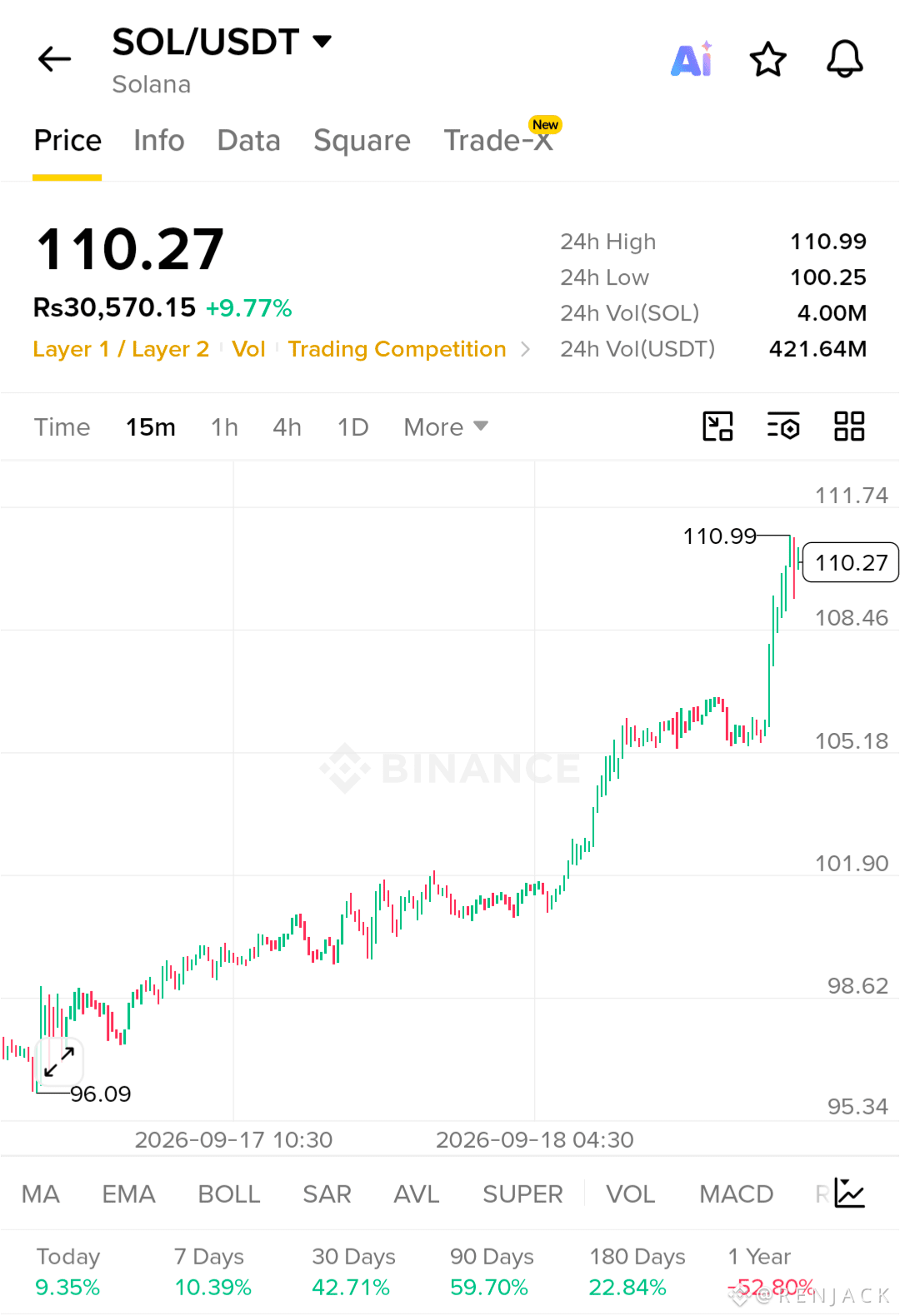
BULLISH BREAKOUT SURGING
Buy Zone: $108.20–$109.50
EP: $108.50–$109.50
TP1: $111.00
TP2: $113.00
TP3: $116.00
SL: $106.80
Strong momentum above $108 — breakout continuation setup.
Let’s go $SOL
{spot}(SOLUSDT)
$SOL
BULLISH BREAKOUT SURGING
Buy Zone: $108.20–$109.50
EP: $108.50–$109.50
TP1: $111.00
TP2: $113.00
TP3: $116.00
SL: $106.80
Strong momentum above $108 — breakout continuation setup.
Let’s go $SOL
BULLISH BREAKOUT SURGING
Buy Zone: $108.20–$109.50
EP: $108.50–$109.50
TP1: $111.00
TP2: $113.00
TP3: $116.00
SL: $106.80
Strong momentum above $108 — breakout continuation setup.
Let’s go $SOL
2
1.9k
·
--
Haussier
$ETH
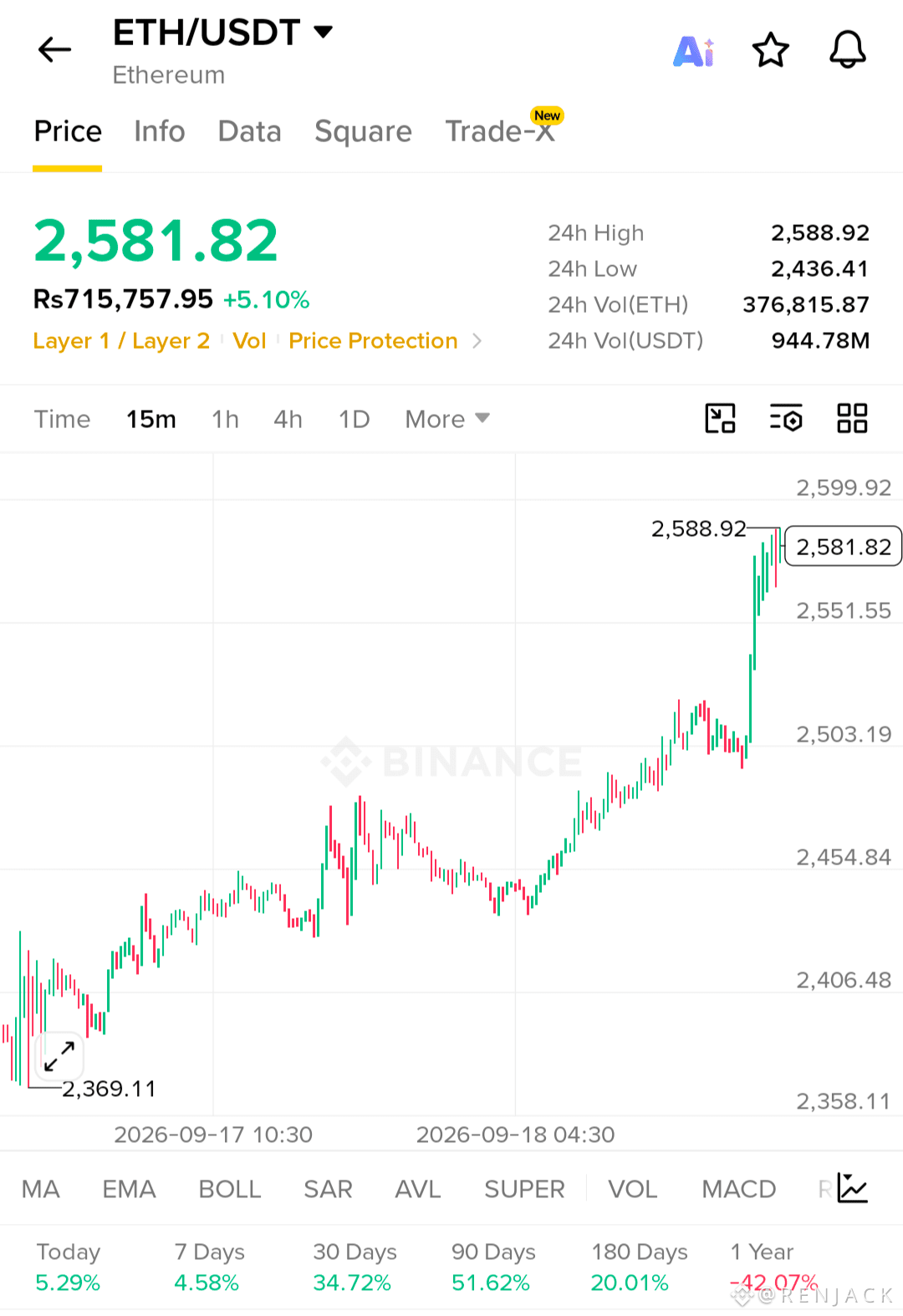
BULLISH BREAKOUT POWER
Buy Zone: $2,550–$2,575
EP: $2,560–$2,575
TP1: $2,590
TP2: $2,620
TP3: $2,660
SL: $2,525
Strong momentum above $2,550 — breakout continuation setup.
Let’s go $ETH
{spot}(ETHUSDT)
$ETH
BULLISH BREAKOUT POWER
Buy Zone: $2,550–$2,575
EP: $2,560–$2,575
TP1: $2,590
TP2: $2,620
TP3: $2,660
SL: $2,525
Strong momentum above $2,550 — breakout continuation setup.
Let’s go $ETH
BULLISH BREAKOUT POWER
Buy Zone: $2,550–$2,575
EP: $2,560–$2,575
TP1: $2,590
TP2: $2,620
TP3: $2,660
SL: $2,525
Strong momentum above $2,550 — breakout continuation setup.
Let’s go $ETH
192
·
--
Haussier
$BTC
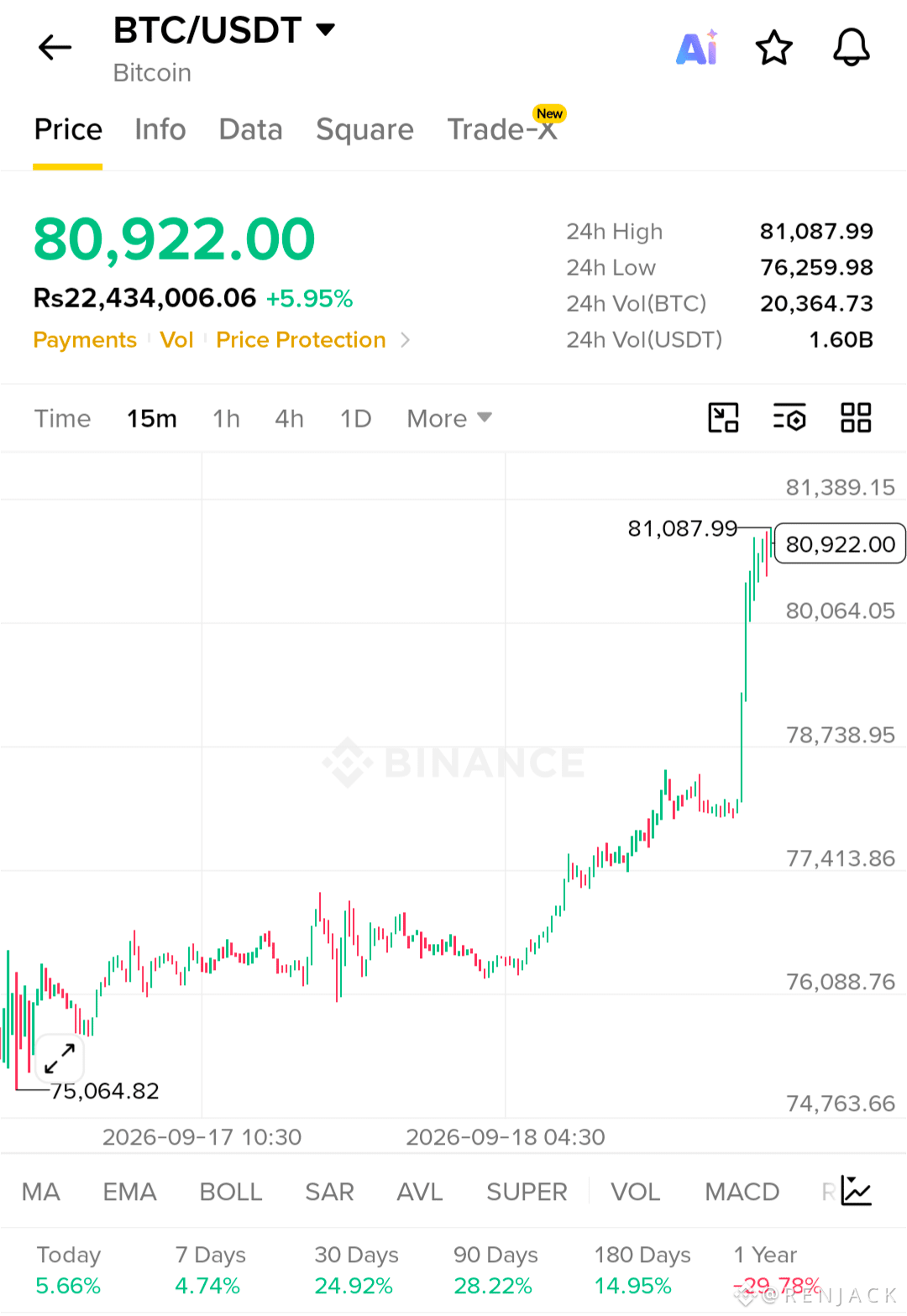
BULLISH BREAKOUT IN MOTION
Buy Zone: $80,000–$80,500
EP: $80,200–$80,500
TP1: $81,100
TP2: $81,800
TP3: $82,500
SL: $79,400
Strong momentum above $80K — continuation setup active.
Let’s go $BTC
{spot}(BTCUSDT)
$BTC
BULLISH BREAKOUT IN MOTION
Buy Zone: $80,000–$80,500
EP: $80,200–$80,500
TP1: $81,100
TP2: $81,800
TP3: $82,500
SL: $79,400
Strong momentum above $80K — continuation setup active.
Let’s go $BTC
BULLISH BREAKOUT IN MOTION
Buy Zone: $80,000–$80,500
EP: $80,200–$80,500
TP1: $81,100
TP2: $81,800
TP3: $82,500
SL: $79,400
Strong momentum above $80K — continuation setup active.
Let’s go $BTC
162
·
--
Haussier
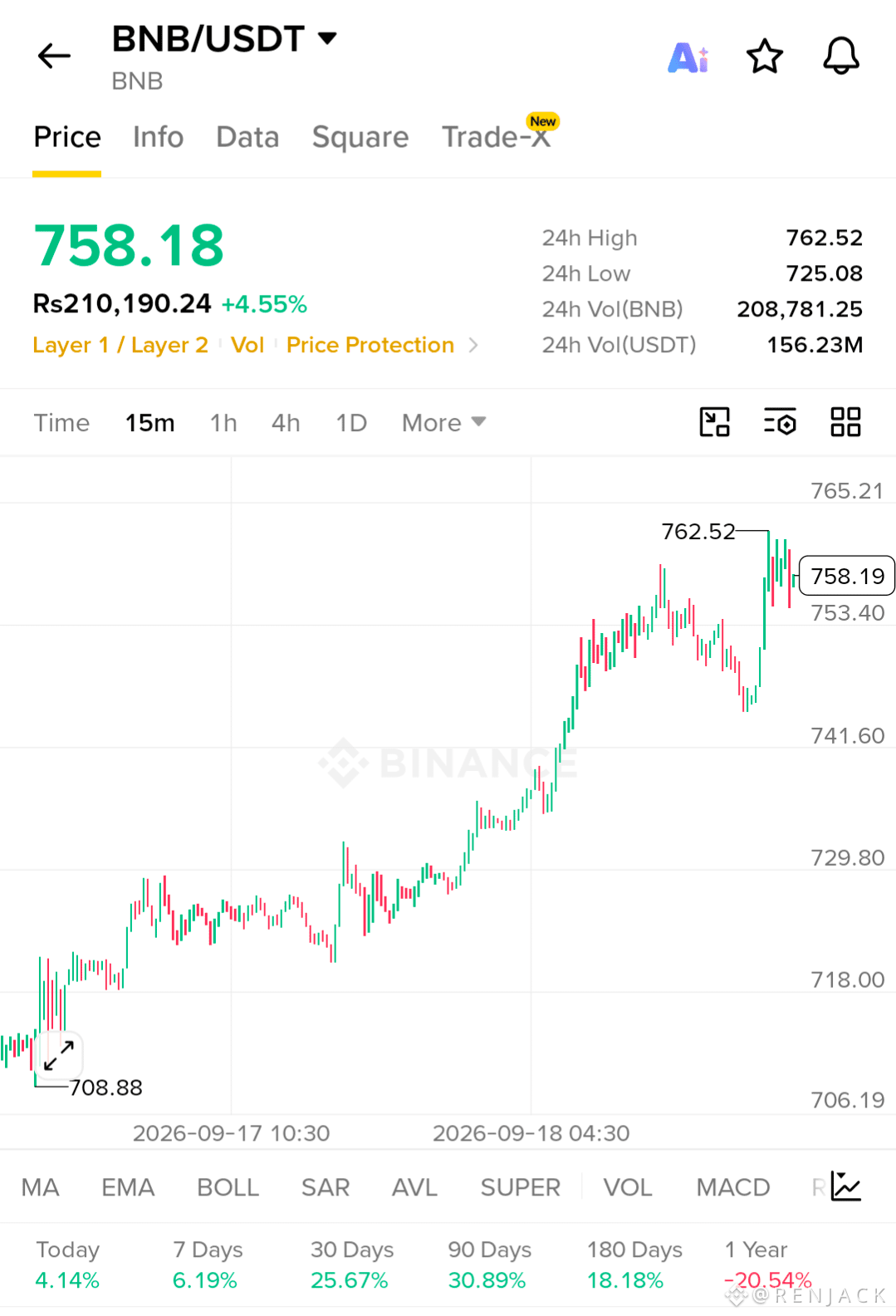
$BNB
BULLISH BREAKOUT SETUP
Buy Zone: $753.40–$758.20
EP: $756–$758
TP1: $762.50
TP2: $768.00
TP3: $775.00
SL: $748.00
Strong momentum above key support — watching for continuation.
Let’s go $BNB
{spot}(BNBUSDT)
$BNB
BULLISH BREAKOUT SETUP
Buy Zone: $753.40–$758.20
EP: $756–$758
TP1: $762.50
TP2: $768.00
TP3: $775.00
SL: $748.00
Strong momentum above key support — watching for continuation.
Let’s go $BNB
BULLISH BREAKOUT SETUP
Buy Zone: $753.40–$758.20
EP: $756–$758
TP1: $762.50
TP2: $768.00
TP3: $775.00
SL: $748.00
Strong momentum above key support — watching for continuation.
Let’s go $BNB
1
1
828
·
--
Haussier
🚨 U.S. CPI just gave the Fed another reason to stay hawkish.
Inflation came in hotter than expected, with CPI rising 0.4% in August and annual inflation reaching 3.4%. Core CPI also climbed 0.3% MoM and 2.4% YoY.
For crypto, this matters.
Higher inflation can keep rates higher for longer → yields rise → DXY strengthens → liquidity gets tighter.
And Bitcoin usually performs best when liquidity is flowing.
BTC can still rally, but calling a potential Fed hike bullish doesn’t make much sense. The real test now is simple:
Can BTC stay strong while yields, DXY and leverage rise?
If Bitcoin holds through that pressure, it could show strong underlying demand.
But if key support breaks, don’t be shocked.
At the end of the day, markets follow liquidity more than narratives. 👀
#CPIWatch
🚨 U.S. CPI just gave the Fed another reason to stay hawkish.
Inflation came in hotter than expected, with CPI rising 0.4% in August and annual inflation reaching 3.4%. Core CPI also climbed 0.3% MoM and 2.4% YoY.
For crypto, this matters.
Higher inflation can keep rates higher for longer → yields rise → DXY strengthens → liquidity gets tighter.
And Bitcoin usually performs best when liquidity is flowing.
BTC can still rally, but calling a potential Fed hike bullish doesn’t make much sense. The real test now is simple:
Can BTC stay strong while yields, DXY and leverage rise?
If Bitcoin holds through that pressure, it could show strong underlying demand.
But if key support breaks, don’t be shocked.
At the end of the day, markets follow liquidity more than narratives. 👀
#CPIWatch
Inflation came in hotter than expected, with CPI rising 0.4% in August and annual inflation reaching 3.4%. Core CPI also climbed 0.3% MoM and 2.4% YoY.
For crypto, this matters.
Higher inflation can keep rates higher for longer → yields rise → DXY strengthens → liquidity gets tighter.
And Bitcoin usually performs best when liquidity is flowing.
BTC can still rally, but calling a potential Fed hike bullish doesn’t make much sense. The real test now is simple:
Can BTC stay strong while yields, DXY and leverage rise?
If Bitcoin holds through that pressure, it could show strong underlying demand.
But if key support breaks, don’t be shocked.
At the end of the day, markets follow liquidity more than narratives. 👀
#CPIWatch

1
60
·
--
Haussier
$SOL is building a strong base around $98.50, with buyers defending the recent low and looking for a recovery toward resistance.
Buy Zone: $99.00–$99.40
EP: $99.30
TP1: $100.00
TP2: $100.95
TP3: $102.35
SL: $98.40
A clean break above $100 could bring stronger upside momentum.
Let's go $SOL
{spot}(SOLUSDT)
$SOL is building a strong base around $98.50, with buyers defending the recent low and looking for a recovery toward resistance.
Buy Zone: $99.00–$99.40
EP: $99.30
TP1: $100.00
TP2: $100.95
TP3: $102.35
SL: $98.40
A clean break above $100 could bring stronger upside momentum.
Let's go $SOL
Buy Zone: $99.00–$99.40
EP: $99.30
TP1: $100.00
TP2: $100.95
TP3: $102.35
SL: $98.40
A clean break above $100 could bring stronger upside momentum.
Let's go $SOL

66
·
--
Haussier
$牛来 is showing explosive bullish momentum after breaking out from the $0.10 area. Price is now consolidating after tagging $0.16100.
Buy Zone: $0.130–$0.135
EP: $0.134
TP1: $0.145
TP2: $0.153
TP3: $0.161
SL: $0.126
Hold above $0.126 and the next breakout could push toward fresh highs.
Let's go $牛来
{spot}(牛来USDT)
$牛来 is showing explosive bullish momentum after breaking out from the $0.10 area. Price is now consolidating after tagging $0.16100.
Buy Zone: $0.130–$0.135
EP: $0.134
TP1: $0.145
TP2: $0.153
TP3: $0.161
SL: $0.126
Hold above $0.126 and the next breakout could push toward fresh highs.
Let's go $牛来
Buy Zone: $0.130–$0.135
EP: $0.134
TP1: $0.145
TP2: $0.153
TP3: $0.161
SL: $0.126
Hold above $0.126 and the next breakout could push toward fresh highs.
Let's go $牛来

231
·
--
Haussier
$ETH is showing a bullish recovery after defending $2,405 support. Buyers are pushing back toward the $2,472 resistance.
Buy Zone: $2,450–$2,460
EP: $2,458
TP1: $2,472
TP2: $2,495
TP3: $2,520
SL: $2,440
Break above $2,472 could trigger the next upside move.
Let's go $ETH
{spot}(ETHUSDT)
$ETH is showing a bullish recovery after defending $2,405 support. Buyers are pushing back toward the $2,472 resistance.
Buy Zone: $2,450–$2,460
EP: $2,458
TP1: $2,472
TP2: $2,495
TP3: $2,520
SL: $2,440
Break above $2,472 could trigger the next upside move.
Let's go $ETH
Buy Zone: $2,450–$2,460
EP: $2,458
TP1: $2,472
TP2: $2,495
TP3: $2,520
SL: $2,440
Break above $2,472 could trigger the next upside move.
Let's go $ETH

125
·
--
Haussier
$BTC is showing a strong bounce from $76,464 support, with buyers trying to reclaim $77,600 resistance.
Buy Zone: $76,800–$77,100
EP: $77,000
TP1: $77,600
TP2: $78,250
TP3: $78,900
SL: $76,400
A clean break above $77,600 could open the way for the next push higher.
Let's go $BTC
{spot}(BTCUSDT)
$BTC is showing a strong bounce from $76,464 support, with buyers trying to reclaim $77,600 resistance.
Buy Zone: $76,800–$77,100
EP: $77,000
TP1: $77,600
TP2: $78,250
TP3: $78,900
SL: $76,400
A clean break above $77,600 could open the way for the next push higher.
Let's go $BTC
Buy Zone: $76,800–$77,100
EP: $77,000
TP1: $77,600
TP2: $78,250
TP3: $78,900
SL: $76,400
A clean break above $77,600 could open the way for the next push higher.
Let's go $BTC

274
·
--
Haussier
$BNB is looking ready for a bullish move after holding the $703.62 support zone.
Buy Zone: $710–$714
EP: $712
TP1: $718
TP2: $725
TP3: $732
SL: $703
Momentum could accelerate above $718. Stay disciplined and manage risk.
Let's go $BNB
{spot}(BNBUSDT)
$BNB is looking ready for a bullish move after holding the $703.62 support zone.
Buy Zone: $710–$714
EP: $712
TP1: $718
TP2: $725
TP3: $732
SL: $703
Momentum could accelerate above $718. Stay disciplined and manage risk.
Let's go $BNB
Buy Zone: $710–$714
EP: $712
TP1: $718
TP2: $725
TP3: $732
SL: $703
Momentum could accelerate above $718. Stay disciplined and manage risk.
Let's go $BNB

116
·
--
Haussier
🚨 JPMORGAN JUST MADE A HUGE MOVE INTO ETHEREUM EXPOSURE
Wall Street is paying attention. 👀
JPMorgan’s latest Q2 filing shows its position in BlackRock’s Ethereum ETF, $ETHA, jumped from roughly 267,000 shares to 1.17 MILLION shares.
That’s more than a 4x increase in just one quarter. 🔥
And JPMorgan didn’t stop there.
Its position in BlackRock’s Bitcoin ETF, $IBIT, also increased from about 8.3 million shares to 10.4 million shares, worth roughly $356 million at the end of June.
So one of the world’s biggest banks is showing significantly more exposure to both Bitcoin and Ethereum ETFs.
But there’s an important detail:
A 13F filing doesn’t tell us exactly why JPMorgan holds these positions. Some holdings can be connected to client activity or inventory, and 13F filings don’t show short positions.
Still, the size of the Ethereum increase is hard to ignore.
From 267K ETHA shares…
➡️ 1.17M shares.
That is a massive jump.
Institutional crypto exposure is clearly getting bigger, and Ethereum is increasingly becoming part of the conversation on Wall Street.
The big question now:
Is JPMorgan simply managing client exposure…
or is Wall Street preparing for a much bigger Ethereum story? 👀
Either way, this is a move crypto traders will be watching closely.If you want, I can also make this more explosive and viral-style while keeping every claim factual.
🚨 JPMORGAN JUST MADE A HUGE MOVE INTO ETHEREUM EXPOSURE
Wall Street is paying attention. 👀
JPMorgan’s latest Q2 filing shows its position in BlackRock’s Ethereum ETF, $ETHA, jumped from roughly 267,000 shares to 1.17 MILLION shares.
That’s more than a 4x increase in just one quarter. 🔥
And JPMorgan didn’t stop there.
Its position in BlackRock’s Bitcoin ETF, $IBIT, also increased from about 8.3 million shares to 10.4 million shares, worth roughly $356 million at the end of June.
So one of the world’s biggest banks is showing significantly more exposure to both Bitcoin and Ethereum ETFs.
But there’s an important detail:
A 13F filing doesn’t tell us exactly why JPMorgan holds these positions. Some holdings can be connected to client activity or inventory, and 13F filings don’t show short positions.
Still, the size of the Ethereum increase is hard to ignore.
From 267K ETHA shares…
➡️ 1.17M shares.
That is a massive jump.
Institutional crypto exposure is clearly getting bigger, and Ethereum is increasingly becoming part of the conversation on Wall Street.
The big question now:
Is JPMorgan simply managing client exposure…
or is Wall Street preparing for a much bigger Ethereum story? 👀
Either way, this is a move crypto traders will be watching closely.If you want, I can also make this more explosive and viral-style while keeping every claim factual.
Wall Street is paying attention. 👀
JPMorgan’s latest Q2 filing shows its position in BlackRock’s Ethereum ETF, $ETHA, jumped from roughly 267,000 shares to 1.17 MILLION shares.
That’s more than a 4x increase in just one quarter. 🔥
And JPMorgan didn’t stop there.
Its position in BlackRock’s Bitcoin ETF, $IBIT, also increased from about 8.3 million shares to 10.4 million shares, worth roughly $356 million at the end of June.
So one of the world’s biggest banks is showing significantly more exposure to both Bitcoin and Ethereum ETFs.
But there’s an important detail:
A 13F filing doesn’t tell us exactly why JPMorgan holds these positions. Some holdings can be connected to client activity or inventory, and 13F filings don’t show short positions.
Still, the size of the Ethereum increase is hard to ignore.
From 267K ETHA shares…
➡️ 1.17M shares.
That is a massive jump.
Institutional crypto exposure is clearly getting bigger, and Ethereum is increasingly becoming part of the conversation on Wall Street.
The big question now:
Is JPMorgan simply managing client exposure…
or is Wall Street preparing for a much bigger Ethereum story? 👀
Either way, this is a move crypto traders will be watching closely.If you want, I can also make this more explosive and viral-style while keeping every claim factual.


ETH+1,01%
JPMUS+0,06%
170
·
--
Haussier
🚨 STRAIT OF HORMUZ: A NEW SHIPPING ROUTE — BUT STILL NOT OPEN
Iran and Oman have agreed on a new temporary shipping corridor through the Strait of Hormuz, with parts of the route passing through Iranian and Omani territorial waters.
But here’s the twist: Iran is still saying the Strait itself will NOT fully reopen. 👀
Iran says reopening normal shipping depends on conditions being met, including an end to U.S. military pressure and other commitments from Washington.
The new corridor is basically an attempt to keep some maritime traffic moving while the bigger political fight continues.
And this matters far beyond the Middle East.
The Strait of Hormuz is one of the world's most important energy chokepoints. Before the current conflict, roughly one-fifth of global oil and LNG shipments passed through it.
Now shipping traffic has fallen sharply. Reuters reported only a handful of commodity vessels were passing through the waterway in recent days as tensions increased.
So the big question is:
Is this new corridor the first step toward reopening Hormuz… or simply a temporary workaround while tensions continue?
For now, the message from Tehran is clear:
A new route may be coming.
But Hormuz is still not fully open. 🚢🌍
And with oil, global trade, inflation and geopolitics all connected to this narrow waterway, the world will be watching every move very closely.If you want, I can also make this more explosive and viral-style, while still keeping it factual.
🚨 STRAIT OF HORMUZ: A NEW SHIPPING ROUTE — BUT STILL NOT OPEN
Iran and Oman have agreed on a new temporary shipping corridor through the Strait of Hormuz, with parts of the route passing through Iranian and Omani territorial waters.
But here’s the twist: Iran is still saying the Strait itself will NOT fully reopen. 👀
Iran says reopening normal shipping depends on conditions being met, including an end to U.S. military pressure and other commitments from Washington.
The new corridor is basically an attempt to keep some maritime traffic moving while the bigger political fight continues.
And this matters far beyond the Middle East.
The Strait of Hormuz is one of the world's most important energy chokepoints. Before the current conflict, roughly one-fifth of global oil and LNG shipments passed through it.
Now shipping traffic has fallen sharply. Reuters reported only a handful of commodity vessels were passing through the waterway in recent days as tensions increased.
So the big question is:
Is this new corridor the first step toward reopening Hormuz… or simply a temporary workaround while tensions continue?
For now, the message from Tehran is clear:
A new route may be coming.
But Hormuz is still not fully open. 🚢🌍
And with oil, global trade, inflation and geopolitics all connected to this narrow waterway, the world will be watching every move very closely.If you want, I can also make this more explosive and viral-style, while still keeping it factual.
Iran and Oman have agreed on a new temporary shipping corridor through the Strait of Hormuz, with parts of the route passing through Iranian and Omani territorial waters.
But here’s the twist: Iran is still saying the Strait itself will NOT fully reopen. 👀
Iran says reopening normal shipping depends on conditions being met, including an end to U.S. military pressure and other commitments from Washington.
The new corridor is basically an attempt to keep some maritime traffic moving while the bigger political fight continues.
And this matters far beyond the Middle East.
The Strait of Hormuz is one of the world's most important energy chokepoints. Before the current conflict, roughly one-fifth of global oil and LNG shipments passed through it.
Now shipping traffic has fallen sharply. Reuters reported only a handful of commodity vessels were passing through the waterway in recent days as tensions increased.
So the big question is:
Is this new corridor the first step toward reopening Hormuz… or simply a temporary workaround while tensions continue?
For now, the message from Tehran is clear:
A new route may be coming.
But Hormuz is still not fully open. 🚢🌍
And with oil, global trade, inflation and geopolitics all connected to this narrow waterway, the world will be watching every move very closely.If you want, I can also make this more explosive and viral-style, while still keeping it factual.


1
109
·
--
Haussier
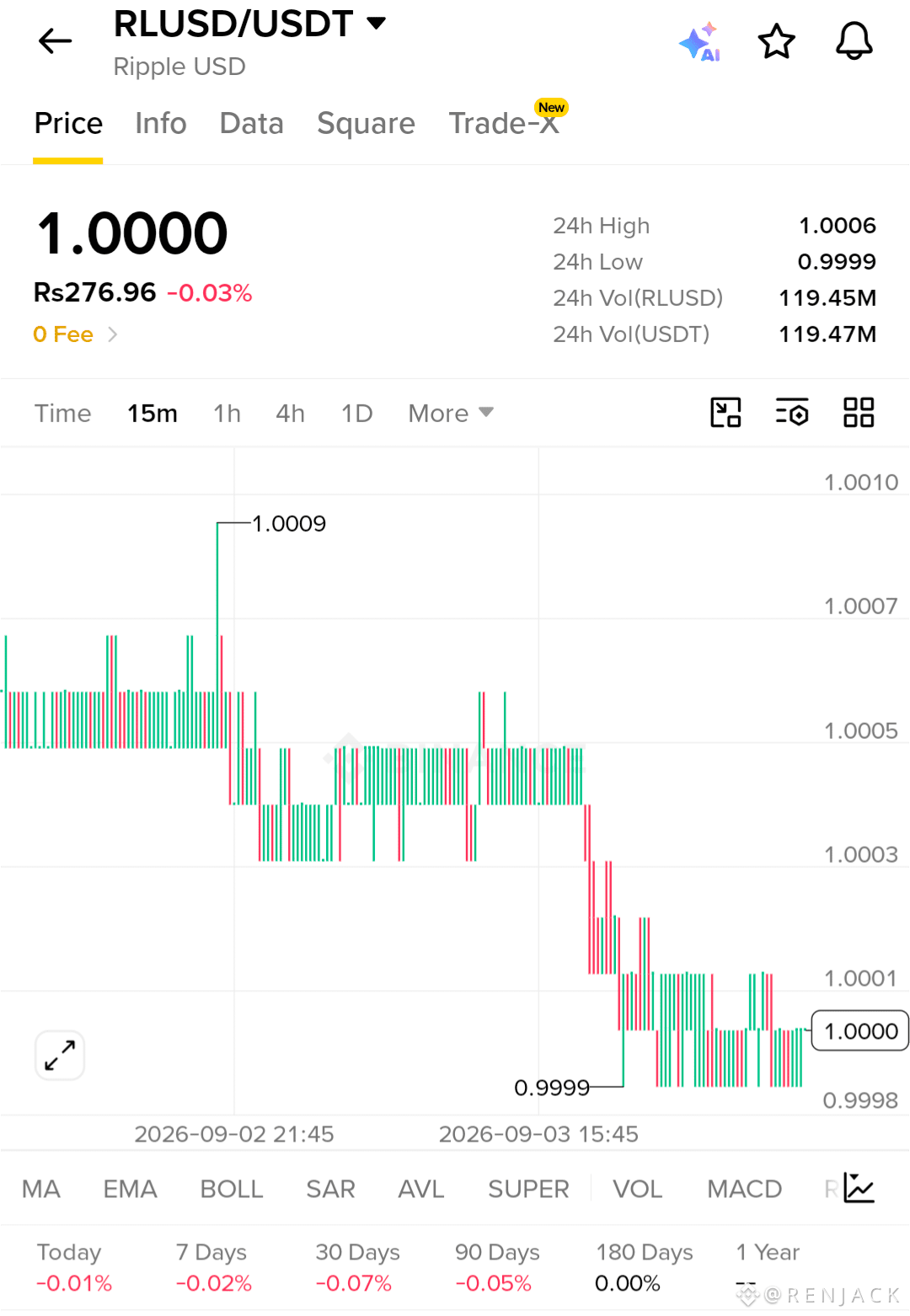
$RLUSD — Bulls are defending the 0.9999 support, with price stabilizing at 1.0000 for a potential breakout.
Buy Zone: 0.99995–1.00005
TP1: 1.00030
TP2: 1.00050
TP3: 1.00070
Stop Loss: 0.99990
EP: 0.99995–1.00005
TP: 1.00030 / 1.00050 / 1.00070
SL: 0.99990
Let’s go $RLUSD
{spot}(RLUSDUSDT)
$RLUSD — Bulls are defending the 0.9999 support, with price stabilizing at 1.0000 for a potential breakout.
Buy Zone: 0.99995–1.00005
TP1: 1.00030
TP2: 1.00050
TP3: 1.00070
Stop Loss: 0.99990
EP: 0.99995–1.00005
TP: 1.00030 / 1.00050 / 1.00070
SL: 0.99990
Let’s go $RLUSD
Buy Zone: 0.99995–1.00005
TP1: 1.00030
TP2: 1.00050
TP3: 1.00070
Stop Loss: 0.99990
EP: 0.99995–1.00005
TP: 1.00030 / 1.00050 / 1.00070
SL: 0.99990
Let’s go $RLUSD
39
·
--
Haussier
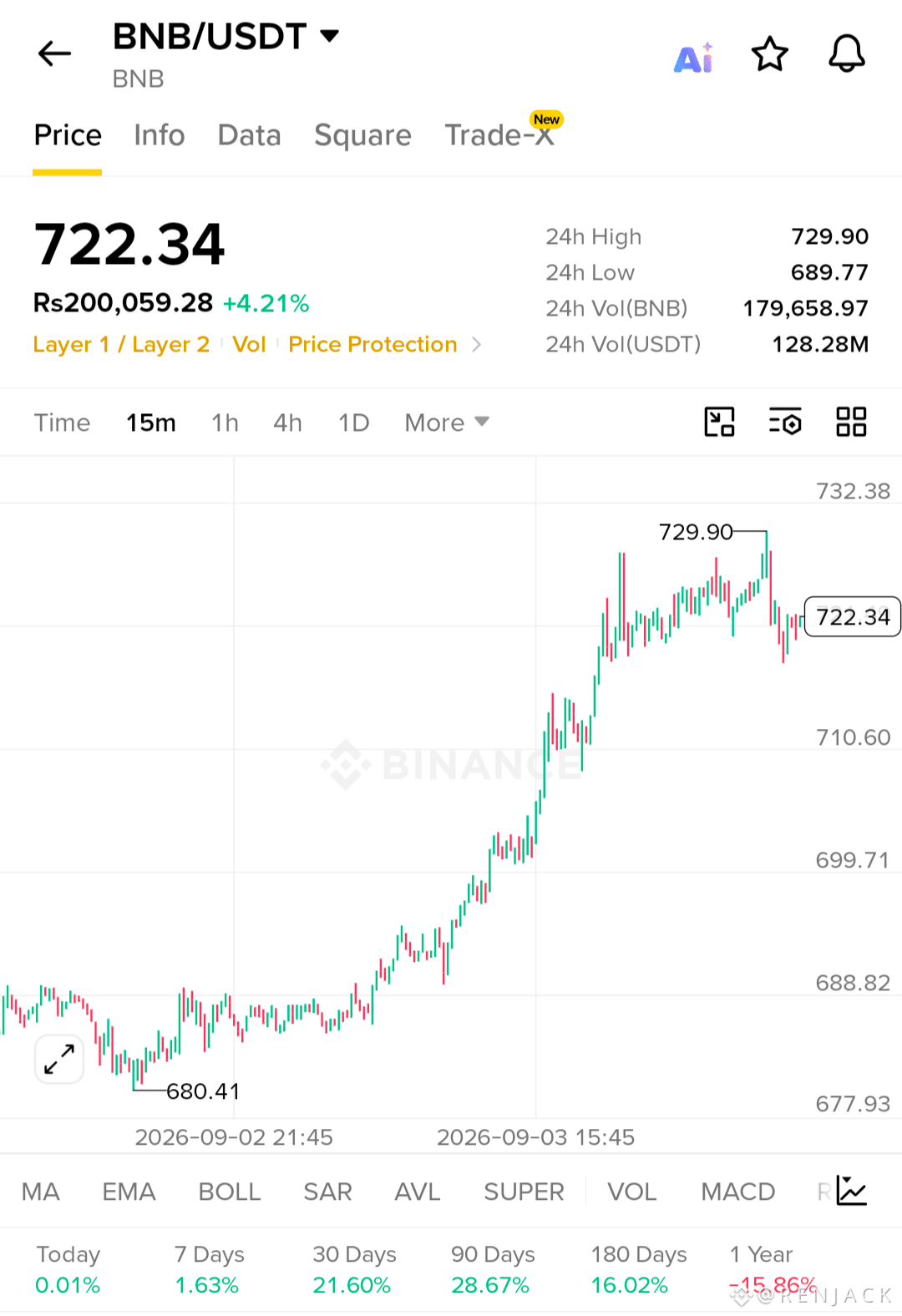
$BNB — Bulls are holding the breakout, with price consolidating near 722 and aiming for a fresh push above 729.90.
Buy Zone: 718–723
TP1: 726
TP2: 729.90
TP3: 735
Stop Loss: 710
EP: 718–723
TP: 726 / 729.90 / 735
SL: 710
Let’s go $BNB
{spot}(BNBUSDT)
$BNB — Bulls are holding the breakout, with price consolidating near 722 and aiming for a fresh push above 729.90.
Buy Zone: 718–723
TP1: 726
TP2: 729.90
TP3: 735
Stop Loss: 710
EP: 718–723
TP: 726 / 729.90 / 735
SL: 710
Let’s go $BNB
Buy Zone: 718–723
TP1: 726
TP2: 729.90
TP3: 735
Stop Loss: 710
EP: 718–723
TP: 726 / 729.90 / 735
SL: 710
Let’s go $BNB
14
·
--
Haussier
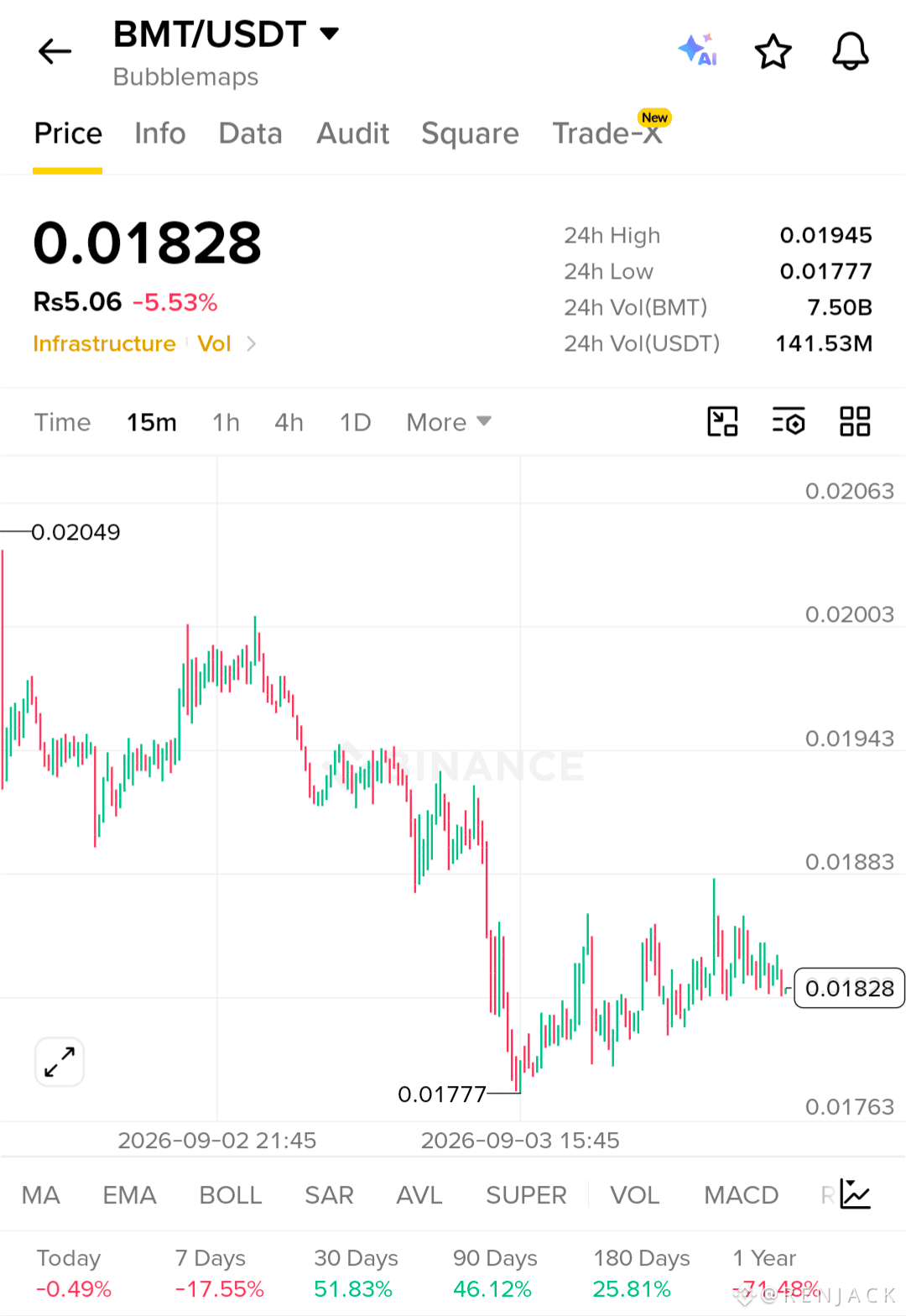
$BMT — Bulls are fighting back after the sharp drop, with price stabilizing above the 0.01777 support.
Buy Zone: 0.01815–0.01830
TP1: 0.01860
TP2: 0.01883
TP3: 0.01943
Stop Loss: 0.01775
EP: 0.01815–0.01830
TP: 0.01860 / 0.01883 / 0.01943
SL: 0.01775
Let’s go $BMT
{spot}(BMTUSDT)
$BMT — Bulls are fighting back after the sharp drop, with price stabilizing above the 0.01777 support.
Buy Zone: 0.01815–0.01830
TP1: 0.01860
TP2: 0.01883
TP3: 0.01943
Stop Loss: 0.01775
EP: 0.01815–0.01830
TP: 0.01860 / 0.01883 / 0.01943
SL: 0.01775
Let’s go $BMT
Buy Zone: 0.01815–0.01830
TP1: 0.01860
TP2: 0.01883
TP3: 0.01943
Stop Loss: 0.01775
EP: 0.01815–0.01830
TP: 0.01860 / 0.01883 / 0.01943
SL: 0.01775
Let’s go $BMT
27
·
--
Haussier
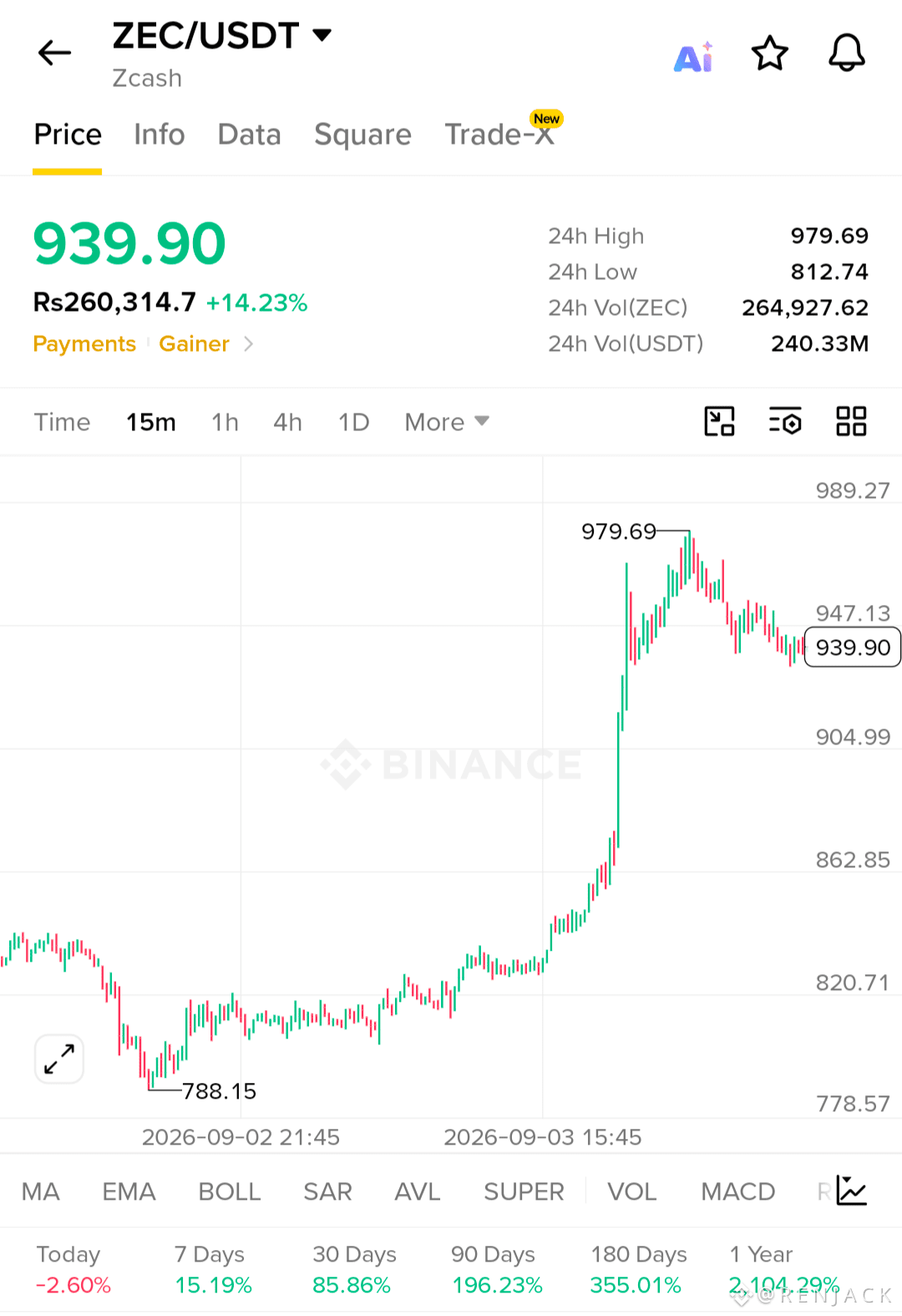
$ZEC — Bulls are charging after the massive breakout, with price consolidating near 940 and targeting the 979.69 high.
Buy Zone: 930–945
TP1: 955
TP2: 970
TP3: 980
Stop Loss: 905
EP: 930–945
TP: 955 / 970 / 980
SL: 905
Let’s go $ZEC
{spot}(ZECUSDT)
$ZEC — Bulls are charging after the massive breakout, with price consolidating near 940 and targeting the 979.69 high.
Buy Zone: 930–945
TP1: 955
TP2: 970
TP3: 980
Stop Loss: 905
EP: 930–945
TP: 955 / 970 / 980
SL: 905
Let’s go $ZEC
Buy Zone: 930–945
TP1: 955
TP2: 970
TP3: 980
Stop Loss: 905
EP: 930–945
TP: 955 / 970 / 980
SL: 905
Let’s go $ZEC
1
97
·
--
Haussier
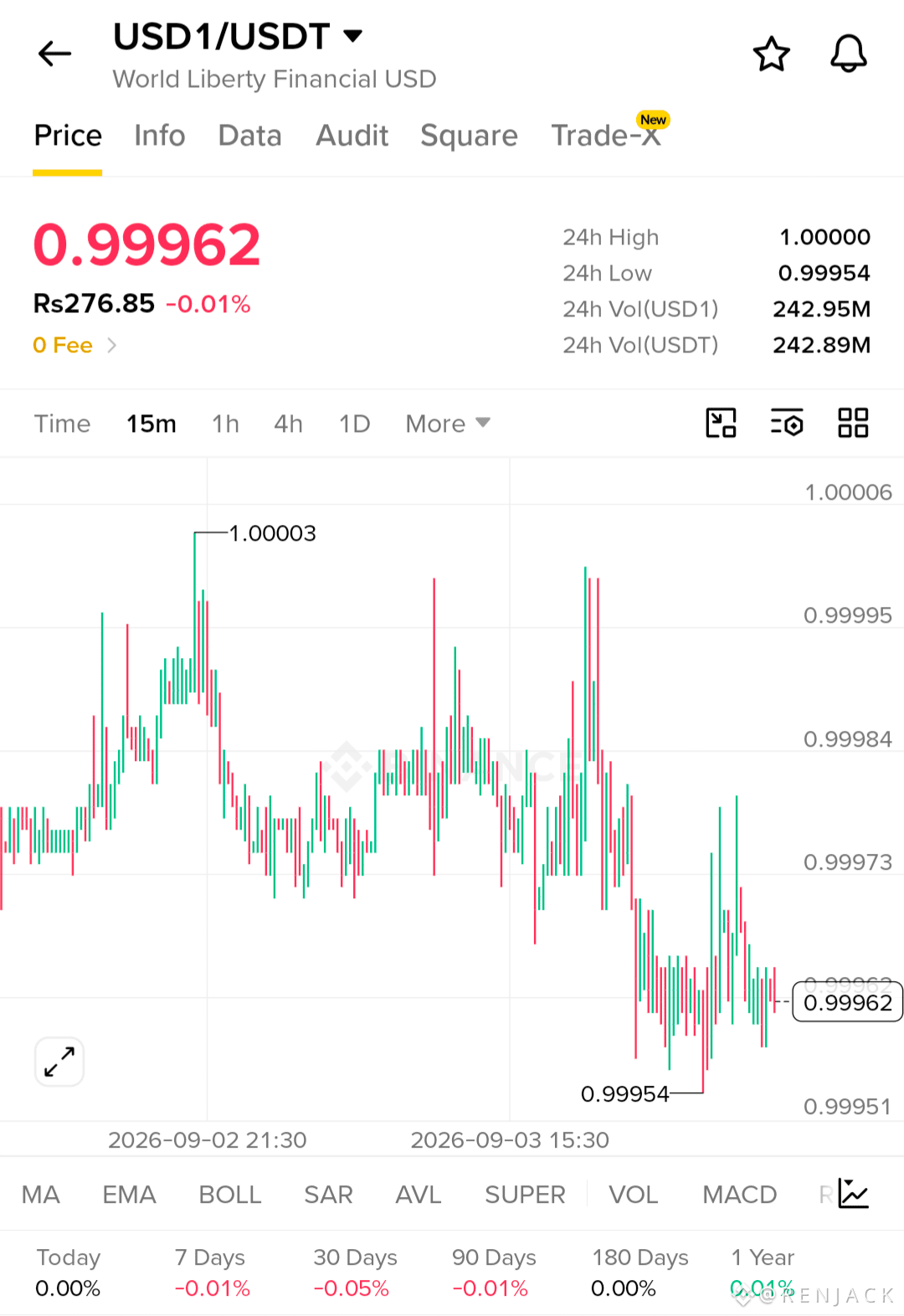
$USD1 — Bulls are defending the 0.99954 support, with price stabilizing for a potential move back toward 1.00000.
Buy Zone: 0.99960–0.99968
TP1: 0.99973
TP2: 0.99984
TP3: 1.00000
Stop Loss: 0.99954
EP: 0.99960–0.99968
TP: 0.99973 / 0.99984 / 1.00000
SL: 0.99954
Let’s go $USD1
{spot}(USD1USDT)
$USD1 — Bulls are defending the 0.99954 support, with price stabilizing for a potential move back toward 1.00000.
Buy Zone: 0.99960–0.99968
TP1: 0.99973
TP2: 0.99984
TP3: 1.00000
Stop Loss: 0.99954
EP: 0.99960–0.99968
TP: 0.99973 / 0.99984 / 1.00000
SL: 0.99954
Let’s go $USD1
Buy Zone: 0.99960–0.99968
TP1: 0.99973
TP2: 0.99984
TP3: 1.00000
Stop Loss: 0.99954
EP: 0.99960–0.99968
TP: 0.99973 / 0.99984 / 1.00000
SL: 0.99954
Let’s go $USD1
11
·
--
Haussier
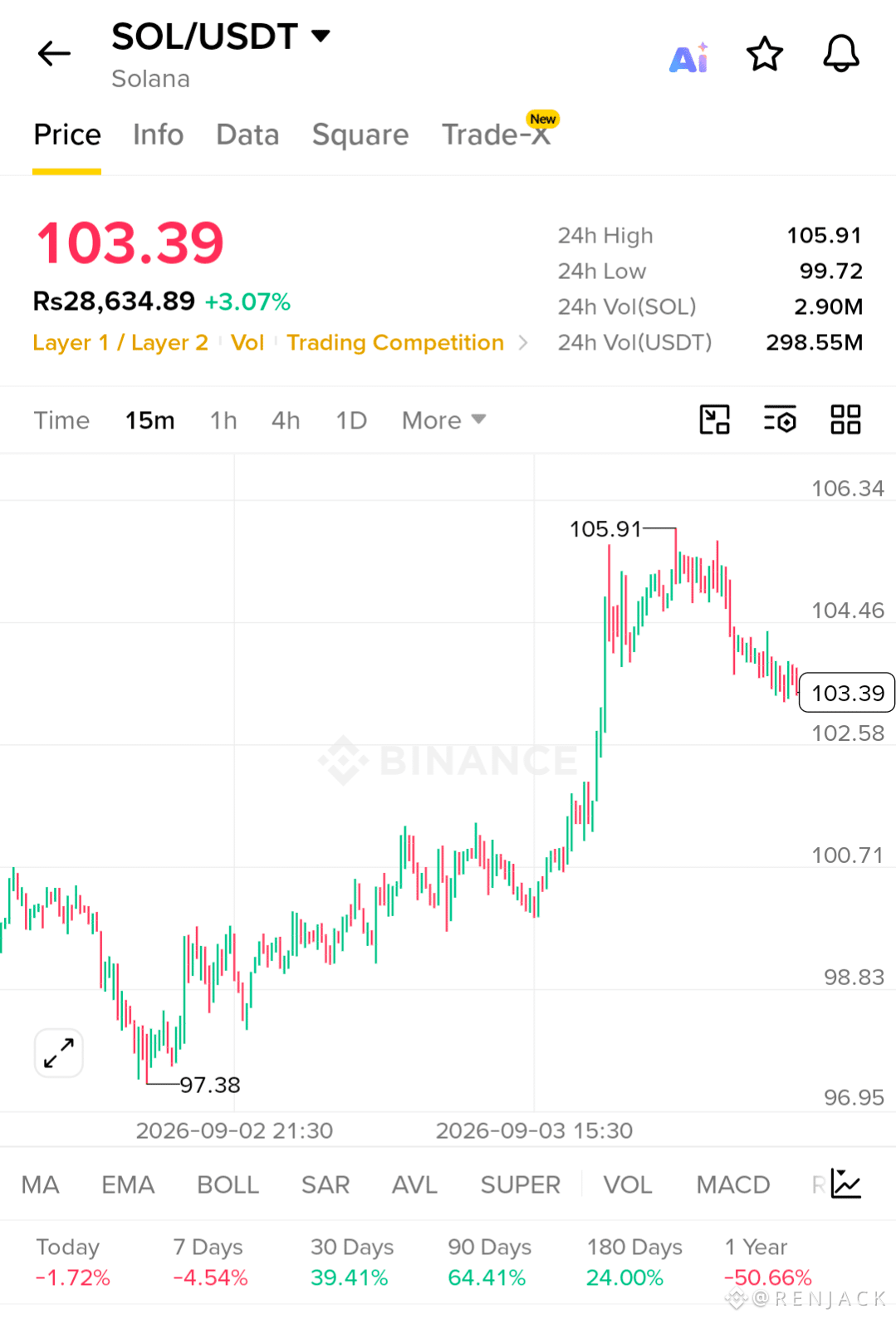
$SOL — Bulls are defending the breakout zone, with price holding above 102.58 and targeting the recent high.
Buy Zone: 102.70–103.40
TP1: 104.46
TP2: 105.50
TP3: 105.91
Stop Loss: 102.20
EP: 102.70–103.40
TP: 104.46 / 105.50 / 105.91
SL: 102.20
Let’s go $SOL
{spot}(SOLUSDT)
$SOL — Bulls are defending the breakout zone, with price holding above 102.58 and targeting the recent high.
Buy Zone: 102.70–103.40
TP1: 104.46
TP2: 105.50
TP3: 105.91
Stop Loss: 102.20
EP: 102.70–103.40
TP: 104.46 / 105.50 / 105.91
SL: 102.20
Let’s go $SOL
Buy Zone: 102.70–103.40
TP1: 104.46
TP2: 105.50
TP3: 105.91
Stop Loss: 102.20
EP: 102.70–103.40
TP: 104.46 / 105.50 / 105.91
SL: 102.20
Let’s go $SOL
66
·
--
Haussier
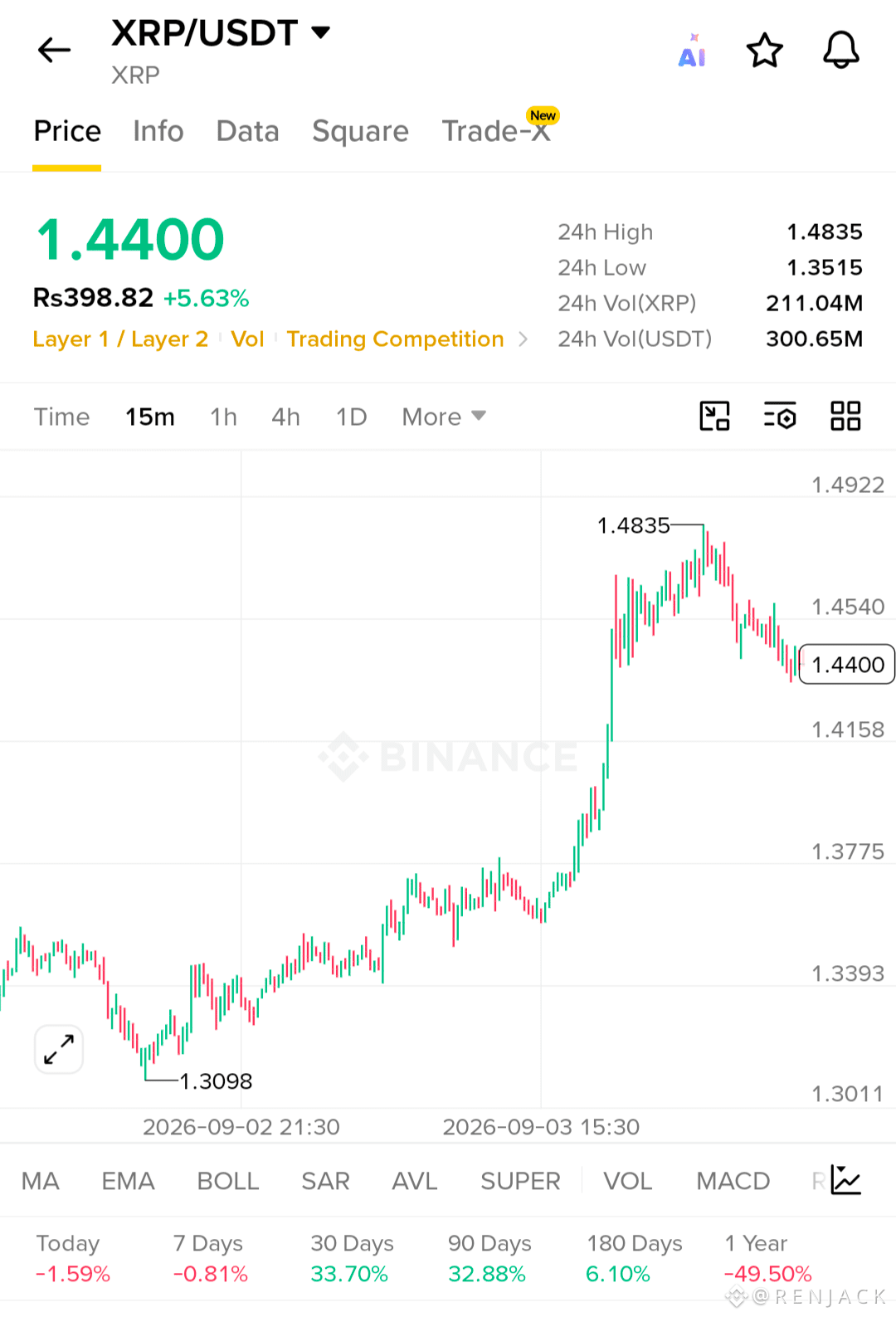
$XRP — Bulls are still in control after the explosive breakout, with price holding above the 1.4158 support.
Buy Zone: 1.4250–1.4400
TP1: 1.4540
TP2: 1.4750
TP3: 1.4835
Stop Loss: 1.4150
EP: 1.4250–1.4400
TP: 1.4540 / 1.4750 / 1.4835
SL: 1.4150
Let’s go $XRP
{spot}(XRPUSDT)
$XRP — Bulls are still in control after the explosive breakout, with price holding above the 1.4158 support.
Buy Zone: 1.4250–1.4400
TP1: 1.4540
TP2: 1.4750
TP3: 1.4835
Stop Loss: 1.4150
EP: 1.4250–1.4400
TP: 1.4540 / 1.4750 / 1.4835
SL: 1.4150
Let’s go $XRP
Buy Zone: 1.4250–1.4400
TP1: 1.4540
TP2: 1.4750
TP3: 1.4835
Stop Loss: 1.4150
EP: 1.4250–1.4400
TP: 1.4540 / 1.4750 / 1.4835
SL: 1.4150
Let’s go $XRP
127
Connectez-vous pour découvrir plus de contenu
Rejoignez la communauté mondiale des adeptes de cryptomonnaies sur Binance Square
⚡️ Suviez les dernières informations importantes sur les cryptomonnaies.
💬 Jugé digne de confiance par la plus grande plateforme d’échange de cryptomonnaies au monde.
👍 Découvrez les connaissances que partagent les créateurs vérifiés.
Adresse e-mail/Nº de téléphone
Sujets d’actualité
DriftHackVictimsBeginClaims
37,476 vues
509 mentions
🚨 $DRIFT HACK VICTIMS CAN NOW START CLAIMING
Victims of the Drift hack are beginning to receive access to the claims process.
After months of uncertainty, affected users finally have a path toward recovering their losses. 💰
If you were impacted, check the official claim details carefully and avoid fake links or scammers. ⚠️
$SOL
#DRIFT #solana #DriftHackVictimsBeginClaims $1000000BOB
Adeem Jutt
·1 mentions J’aime
·132 vues
SolanaTokenizedStockVolumeTops$4.4BInSeptember
5,670 vues
59 mentions
BitcoinSpotETFsDraw$6.34BInflowsInQ3
18,035 vues
175 mentions