

Trade With Masterz
10.2k Publications

Trade With Masterz
Signaler
Bloquer l’utilisateur
📈 VIP Trader | Crypto & Stock Specialist | Maximizing Gains with Strategy & Discipline
7 Suivis
3.7K+ Abonnés
12.8K+ J’aime
Publications
Tous
Citations
Vidéos
PINNED
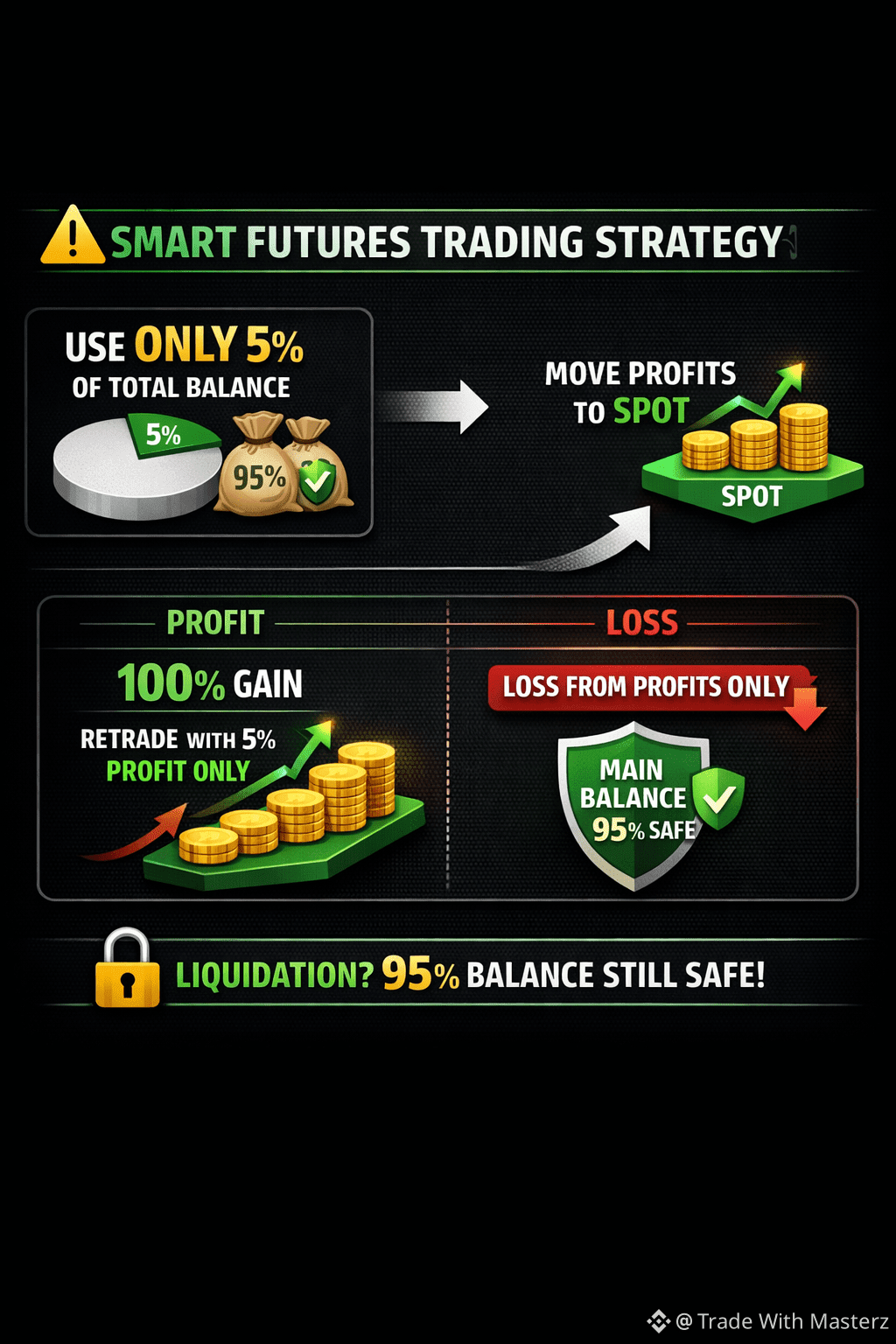
🟢Personally I use this Strategy✅
................................................................
🧠 Smart Risk Management Strategy (Read This!) 🟢
💥If you trade FUTURES, then:
👉 Use ONLY 5% of your total balance
❌ Never use full balance
💡 How it works:
• Trade futures with max 5% balance
• If you make profit → move profit to SPOT
• Even if liquidation happens 👉 95% balance stays
SAFE 🟢
📈 Example:
🟢If 5% balance makes 100% profit
➡️ Take only the profit, trade again with same 5%
📉 If loss happens:
• Loss will be from profit only
• Main balance remains untouched
⚠️ This way you survive long-term
🟢Capital safety > fast money
✅Simple ✅Effective ✅Disciplined
$BTC $ETH $SOL
🟢Personally I use this Strategy✅
................................................................
🧠 Smart Risk Management Strategy (Read This!) 🟢
💥If you trade FUTURES, then:
👉 Use ONLY 5% of your total balance
❌ Never use full balance
💡 How it works:
• Trade futures with max 5% balance
• If you make profit → move profit to SPOT
• Even if liquidation happens 👉 95% balance stays
SAFE 🟢
📈 Example:
🟢If 5% balance makes 100% profit
➡️ Take only the profit, trade again with same 5%
📉 If loss happens:
• Loss will be from profit only
• Main balance remains untouched
⚠️ This way you survive long-term
🟢Capital safety > fast money
✅Simple ✅Effective ✅Disciplined
$BTC $ETH $SOL
................................................................
🧠 Smart Risk Management Strategy (Read This!) 🟢
💥If you trade FUTURES, then:
👉 Use ONLY 5% of your total balance
❌ Never use full balance
💡 How it works:
• Trade futures with max 5% balance
• If you make profit → move profit to SPOT
• Even if liquidation happens 👉 95% balance stays
SAFE 🟢
📈 Example:
🟢If 5% balance makes 100% profit
➡️ Take only the profit, trade again with same 5%
📉 If loss happens:
• Loss will be from profit only
• Main balance remains untouched
⚠️ This way you survive long-term
🟢Capital safety > fast money
✅Simple ✅Effective ✅Disciplined
$BTC $ETH $SOL
5
4
46
2k
·
--
Baissier
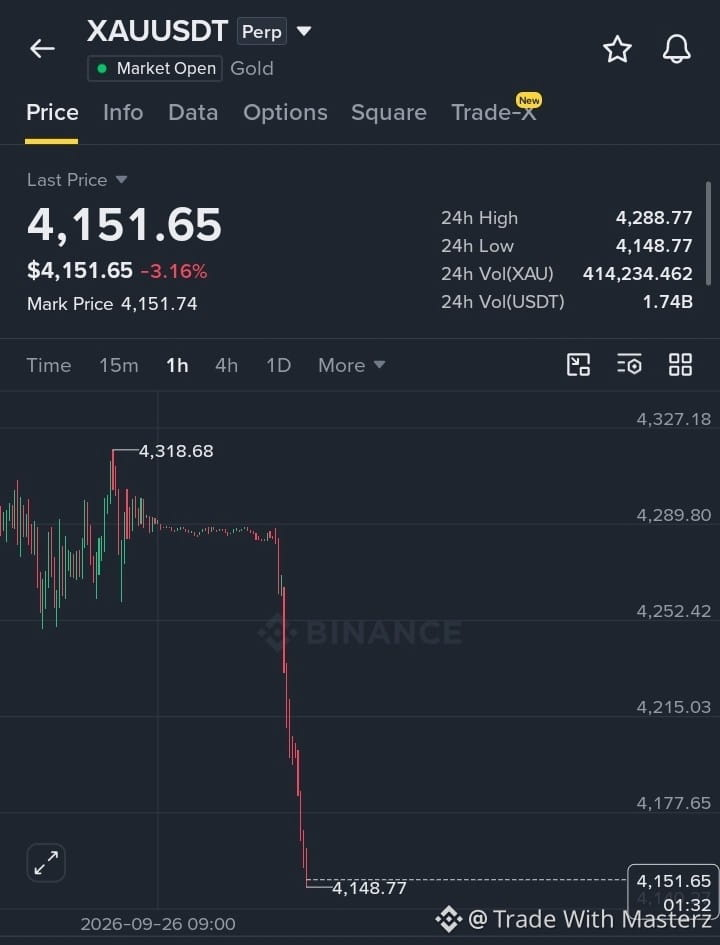
$XAU Gold is Crashing🤯
Should we Buy Here⁉️
{future}(XAUUSDT)
$XAU Gold is Crashing🤯
Should we Buy Here⁉️
Should we Buy Here⁉️
256
·
--
Haussier
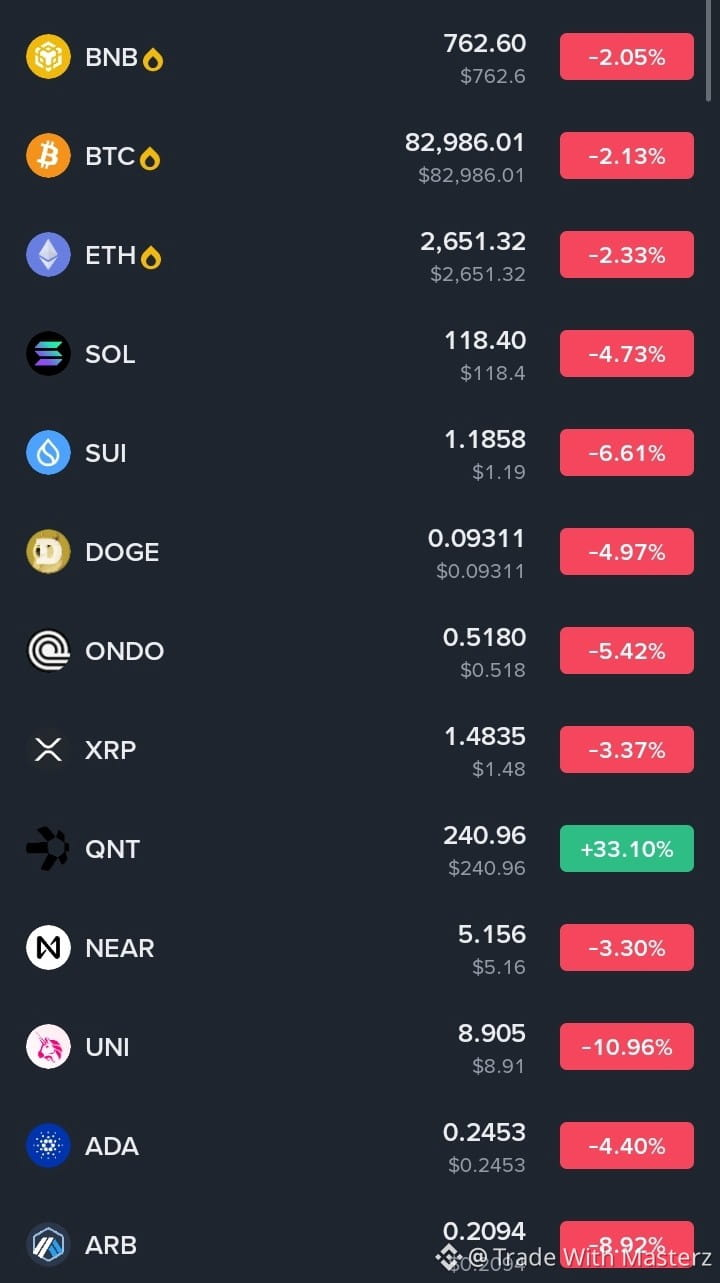
Market Red Now‼️
All Will be Green Soon🚀
Buy $ARB $ENA $ZEC 🚀
Market Red Now‼️
All Will be Green Soon🚀
Buy $ARB $ENA $ZEC 🚀
All Will be Green Soon🚀
Buy $ARB $ENA $ZEC 🚀
179
·
--
Haussier
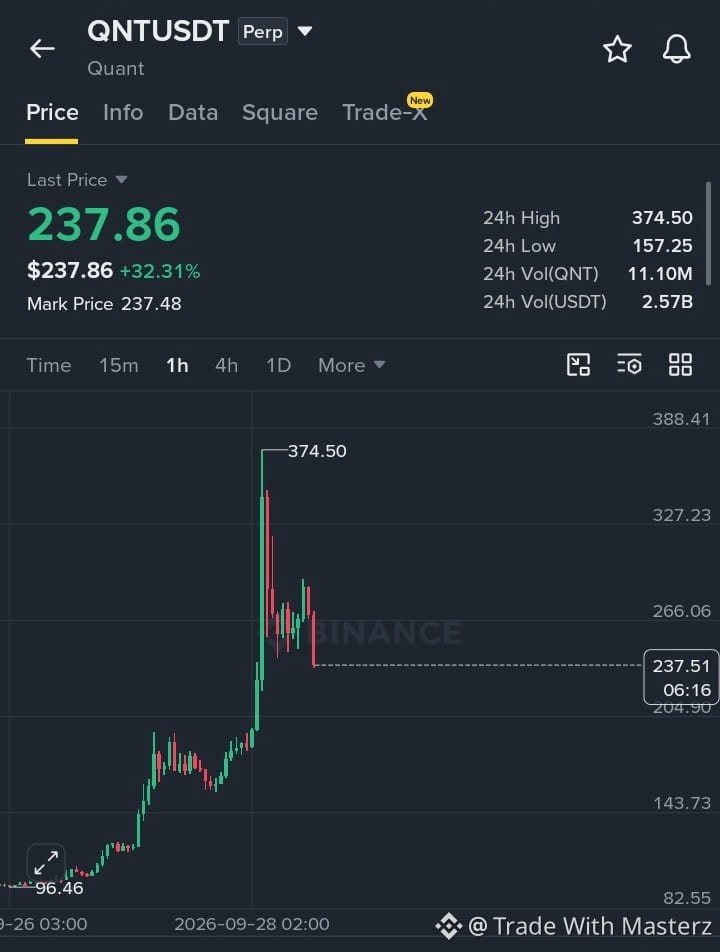
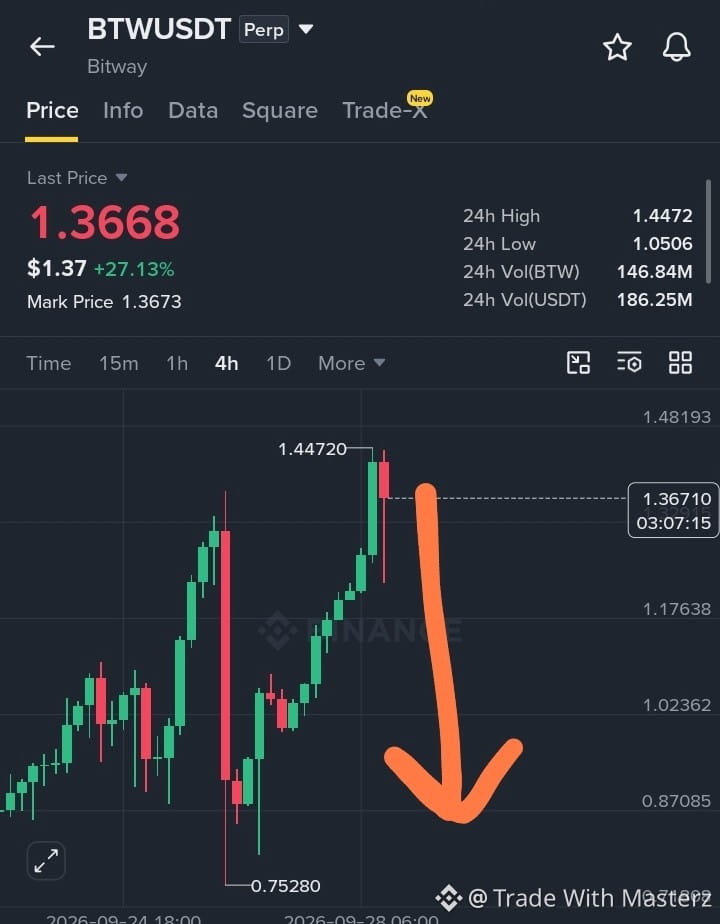
$QNT Will Hit 500💲
What You Think Guyz⁉️
{future}(QNTUSDT)
$QNT Will Hit 500💲
What You Think Guyz⁉️
What You Think Guyz⁉️
284
·
--
Baissier
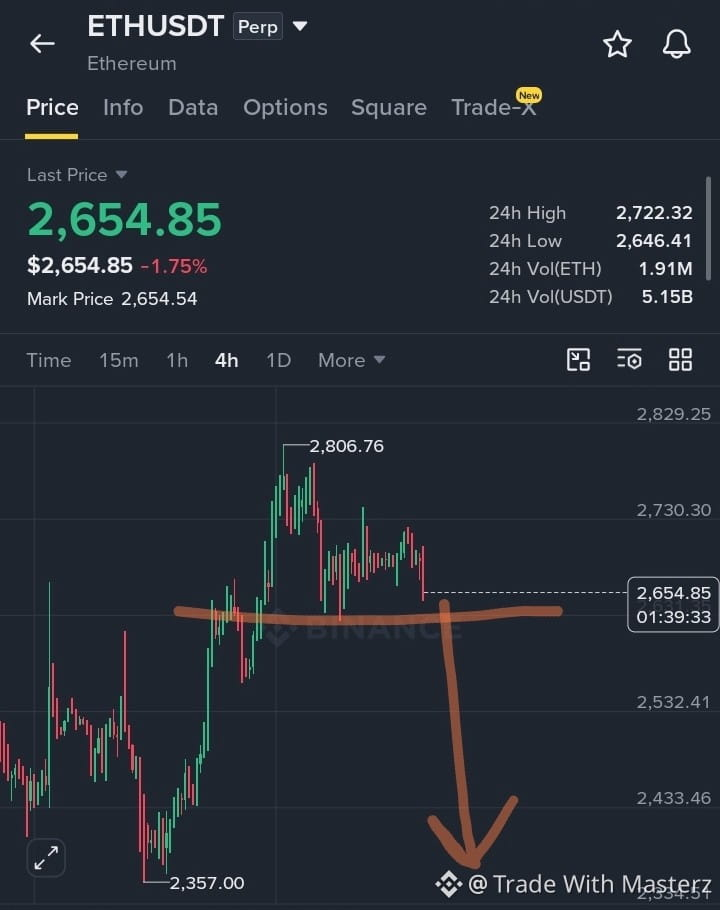
Breaking this Level $ETH
Crash Loading🫣
Watch Closely⭐
{future}(ETHUSDT)
Breaking this Level $ETH
Crash Loading🫣
Watch Closely⭐
Crash Loading🫣
Watch Closely⭐
193
·
--
Haussier
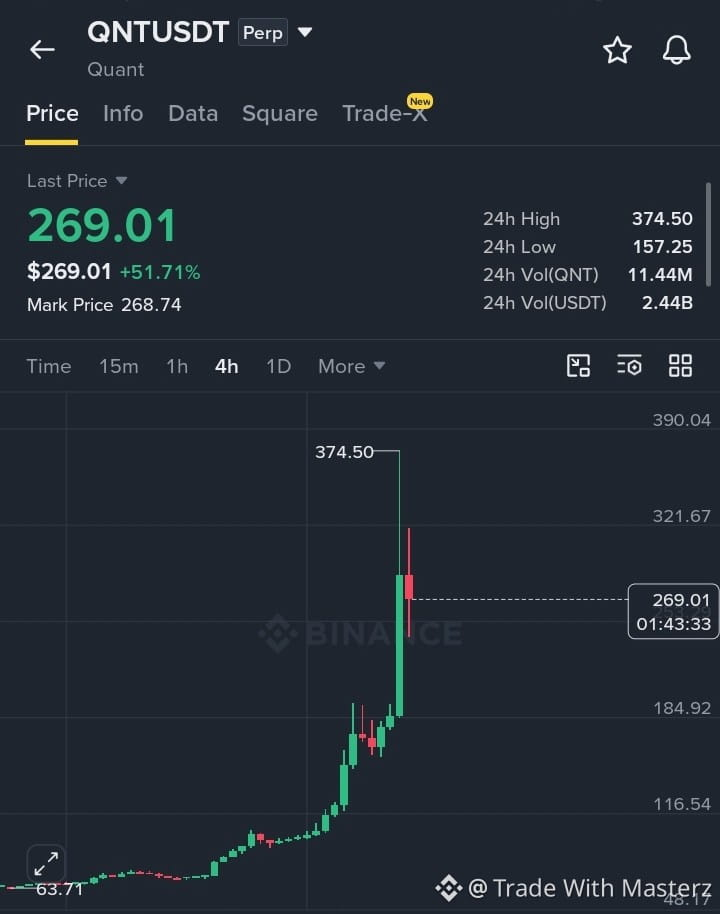
$QNT Don't You think Over Pumping....
{future}(QNTUSDT)
$QNT Don't You think Over Pumping....
1
420
·
--
Haussier
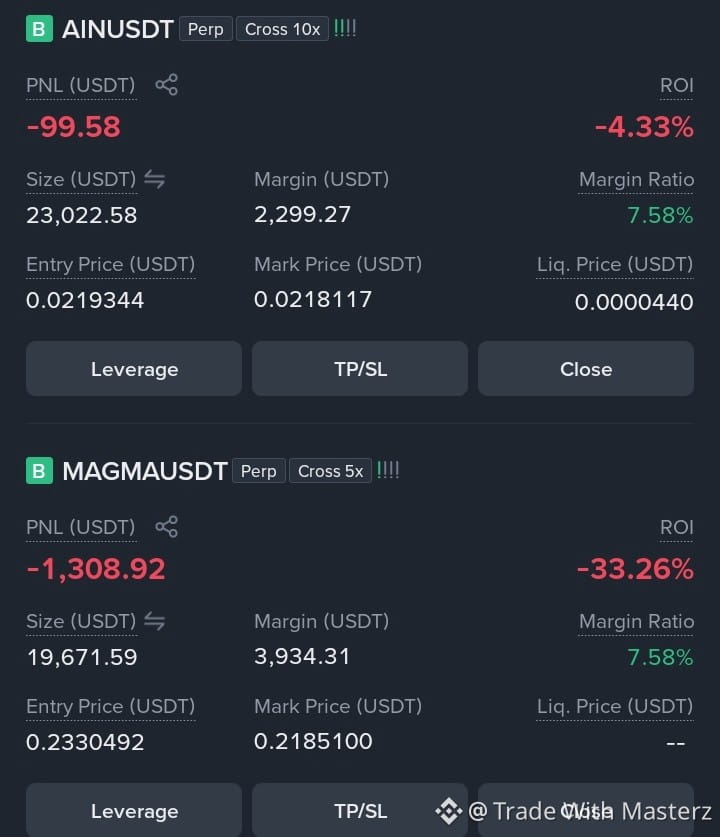
$MAGMA & $AIN Still Holding Long Position✅🚀
Adding More Here🔥
Just Hold Tight✅
{future}(AINUSDT)
$MAGMA & $AIN Still Holding Long Position✅🚀
Adding More Here🔥
Just Hold Tight✅
Adding More Here🔥
Just Hold Tight✅
1
436
·
--
Baissier
1
195
·
--
Haussier
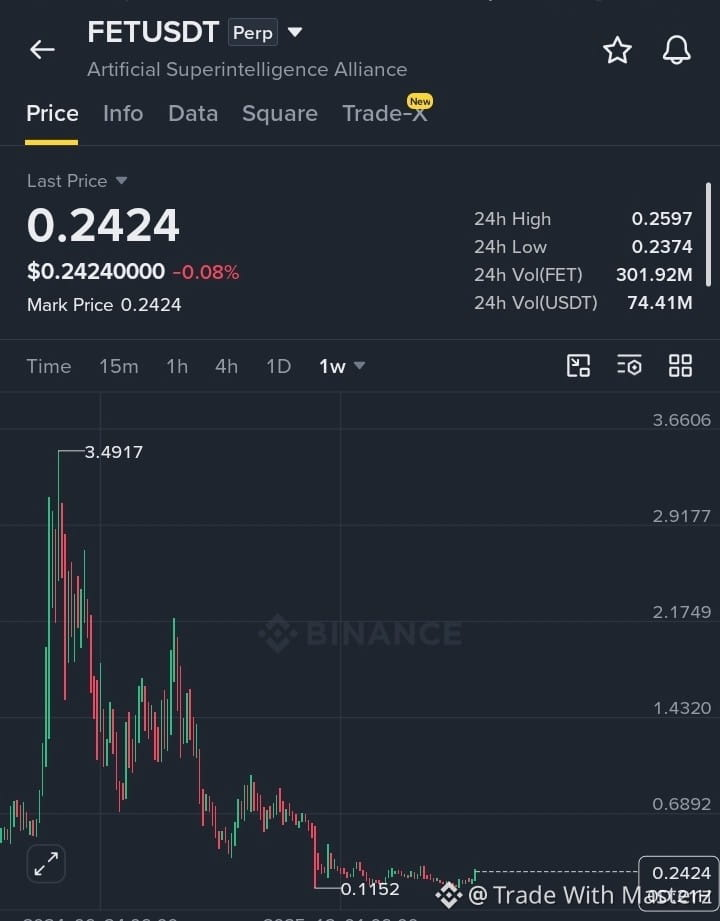
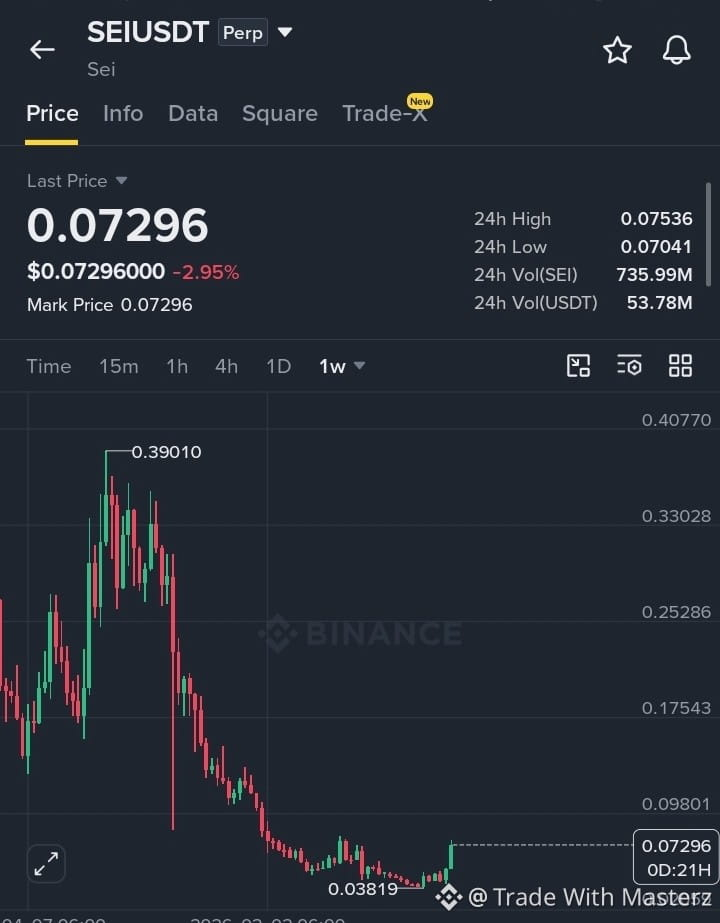
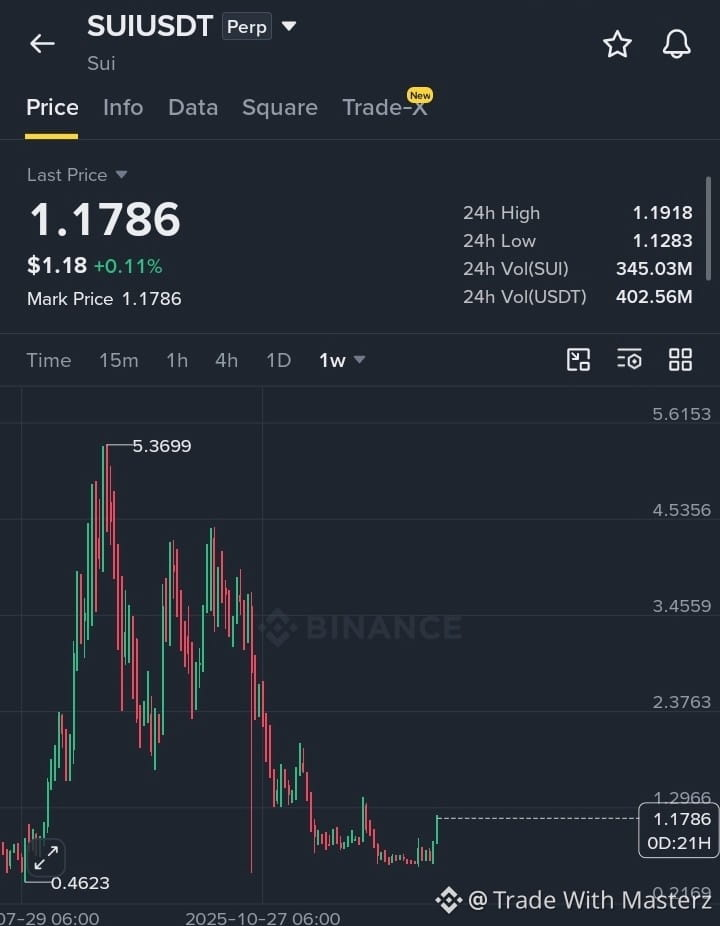
These Coins are Ready to Fly🤯
Its Time to Buy 🚀
$FET $SUI $SEI
These Coins are Ready to Fly🤯
Its Time to Buy 🚀
$FET $SUI $SEI
Its Time to Buy 🚀
$FET $SUI $SEI
193
·
--
Haussier
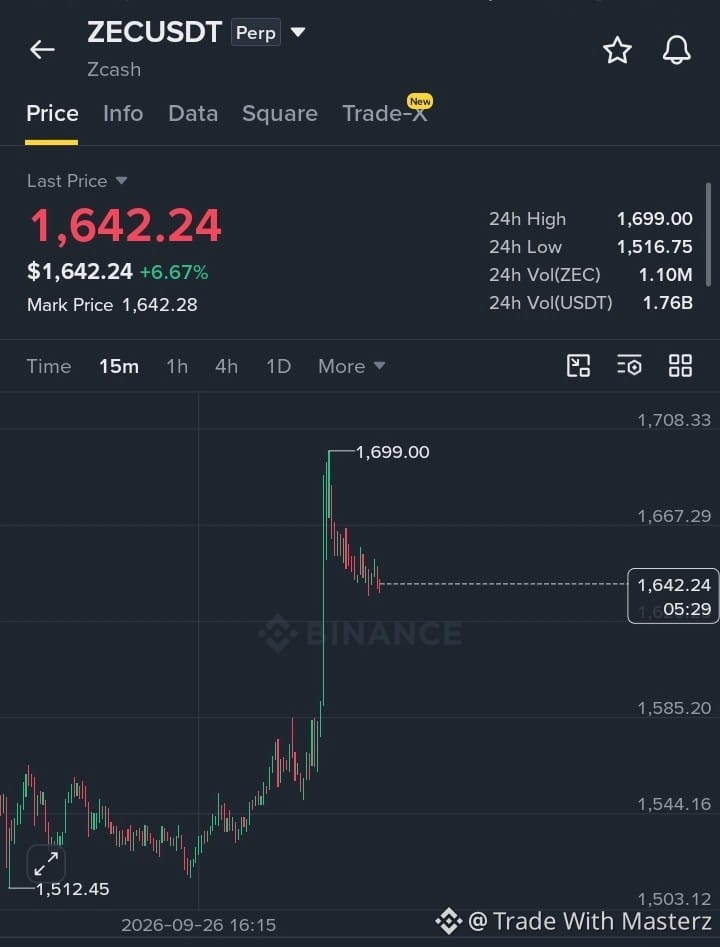
$ZEC Loading For 2000-2500💲
$SOL Preparing For 200💲
$BTC 100K Loading🚀
$ZEC Loading For 2000-2500💲
$SOL Preparing For 200💲
$BTC 100K Loading🚀
$SOL Preparing For 200💲
$BTC 100K Loading🚀
1
266
·
--
Haussier
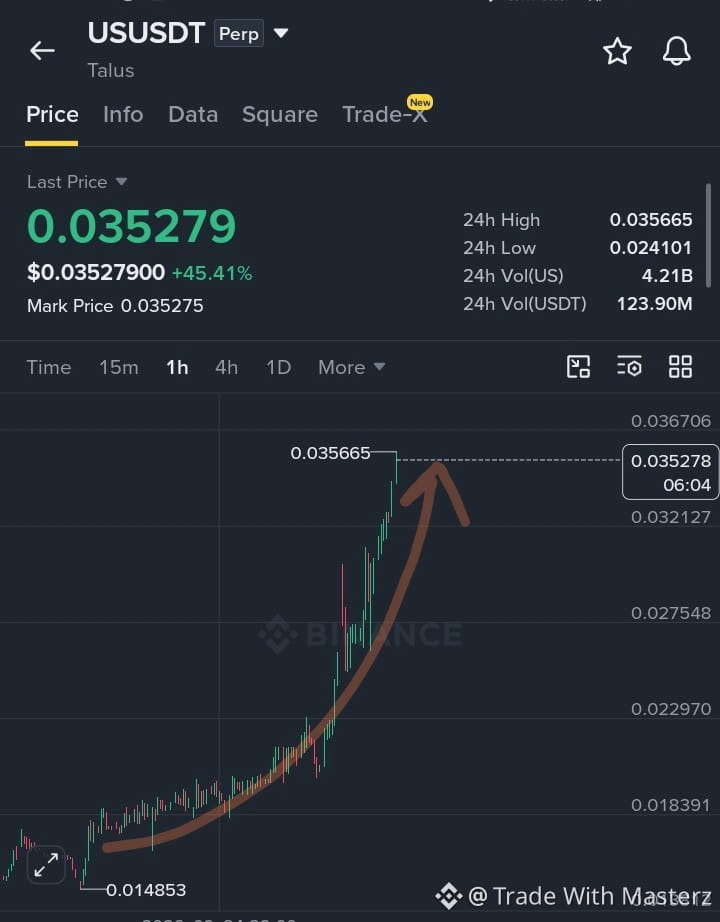
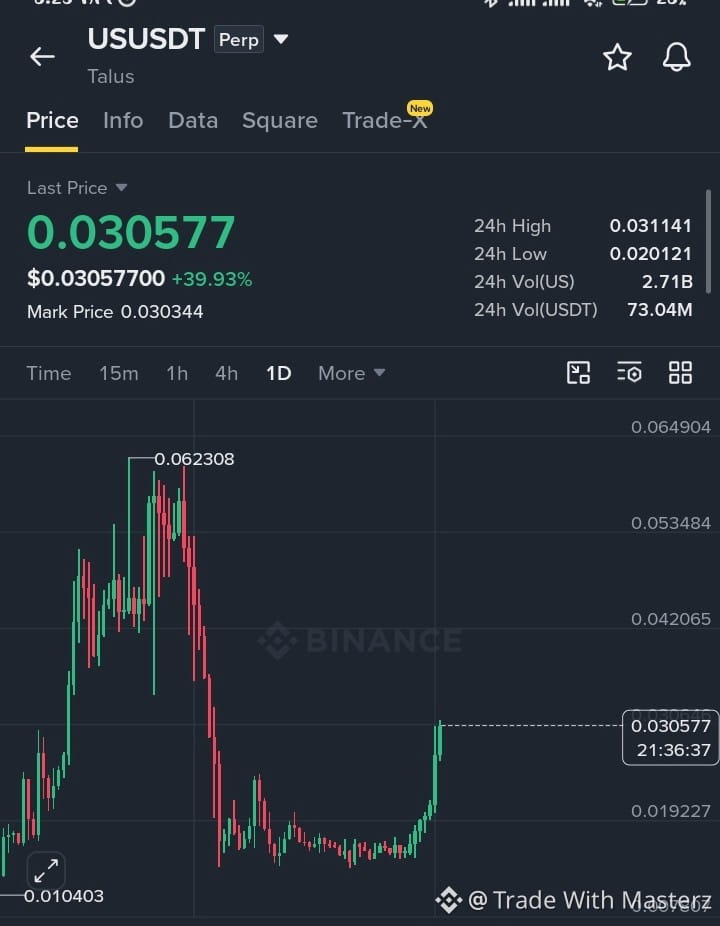
$US Day Chart Still Bullish🔥
Close Short Entry✅
Open Long Here & Hold Tight✅
{future}(USUSDT)
$US Day Chart Still Bullish🔥
Close Short Entry✅
Open Long Here & Hold Tight✅
Close Short Entry✅
Open Long Here & Hold Tight✅
135
·
--
Haussier
174
·
--
Haussier
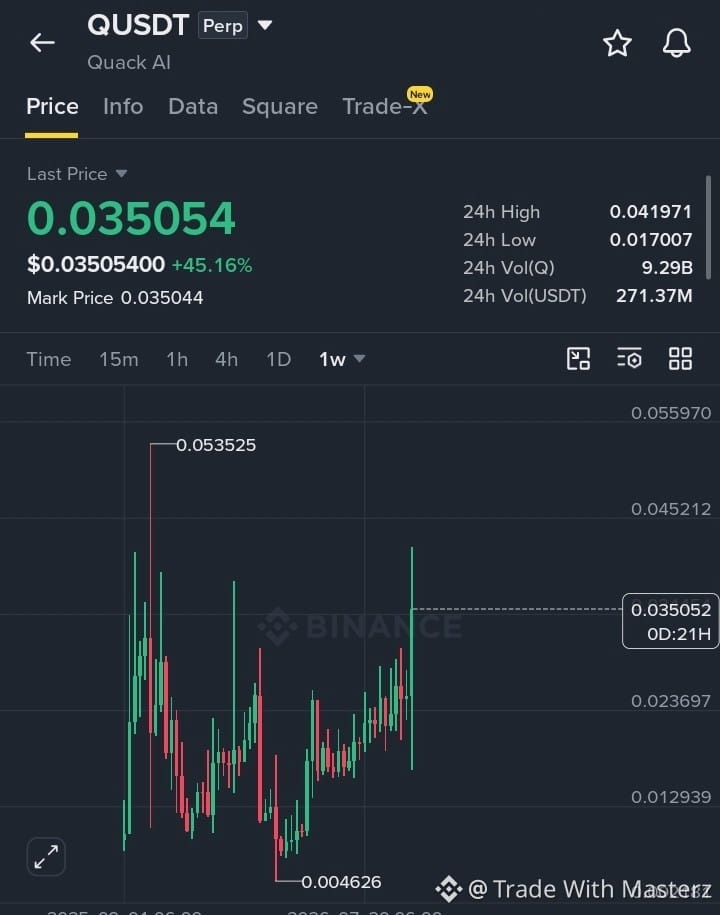
$Q Looking For Weekly Chart Breakout🔥🤯
If Breaks It Will Just Higher & Higher🚀🚀
{future}(QUSDT)
$Q Looking For Weekly Chart Breakout🔥🤯
If Breaks It Will Just Higher & Higher🚀🚀
If Breaks It Will Just Higher & Higher🚀🚀
198
·
--
Haussier
152
·
--
Baissier
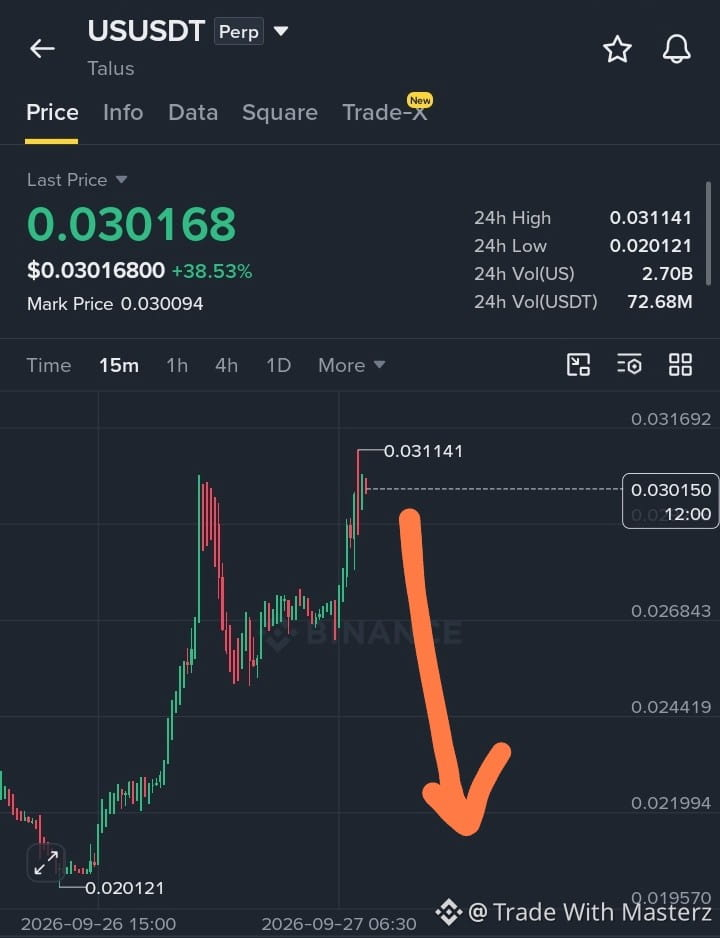
$US About To Crash ‼️
Opening Short Here✅
{future}(USUSDT)
$US About To Crash ‼️
Opening Short Here✅
Opening Short Here✅
175
·
--
Haussier
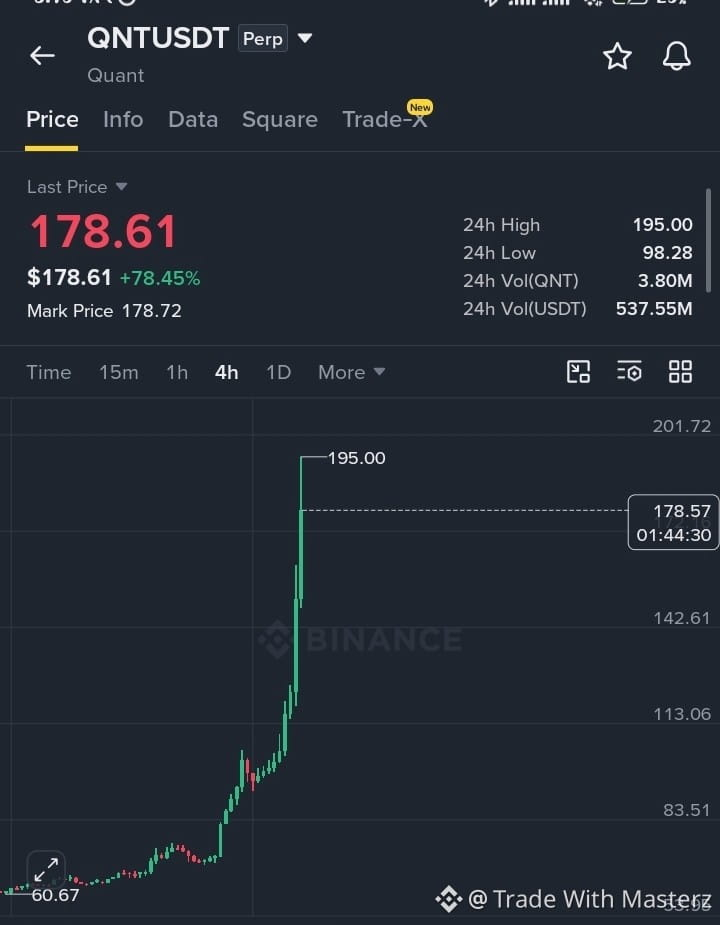
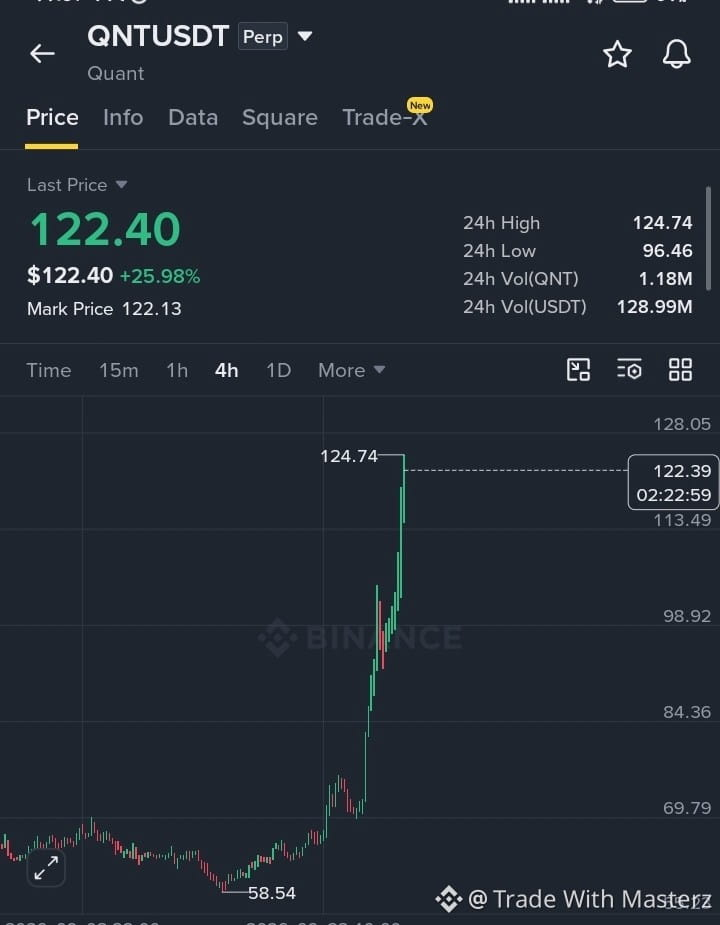
$QNT Just Pumped So Much🔥
From Last Week it Pumped 300%🔥
Still Rising🚀
{future}(QNTUSDT)
$QNT Just Pumped So Much🔥
From Last Week it Pumped 300%🔥
Still Rising🚀
From Last Week it Pumped 300%🔥
Still Rising🚀
311
·
--
Haussier
208
Connectez-vous pour découvrir plus de contenu
Rejoignez la communauté mondiale des adeptes de cryptomonnaies sur Binance Square
⚡️ Suviez les dernières informations importantes sur les cryptomonnaies.
💬 Jugé digne de confiance par la plus grande plateforme d’échange de cryptomonnaies au monde.
👍 Découvrez les connaissances que partagent les créateurs vérifiés.
Adresse e-mail/Nº de téléphone
Sujets d’actualité
NvidiaApproves$150BBuyback
1,516 vues
40 mentions
#NvidiaApproves$150BBuyback
Nvidia’s $150 Billion Buyback Shockwave: Is AI Cash Flow Driving the Next Market Rally? 🚀
The AI supercycle just sent shockwaves across tradfi and crypto markets! NVIDIA's Board of Directors authorized a massive $150 Billion increase to its share repurchase program, expanding the company's total remaining buyback authorization to $235 Billion.
This marks the largest share buyback authorization in U.S. corporate history, surpassing Apple’s $110 billion benchmark.
📰 Key Headlines & Market Breakdown
Record-Breaking Capital Return: NVIDIA founder and CEO Jensen Huang cited "once-in-a-generation platform shift to AI" and strong corporate cash flow as the main drivers behind returning capital to shareholders.
Defying Market Downturns: Despite broader equity pressure and rising U.S. Treasury yields, $NVDA shares surged over 3% on the announcement, showing institutional confidence in tech assets.
Spillover into Decentralized AI: Historically, major bullish headlines for NVIDIA trigger positive sentiment for decentralized AI infrastructure protocols (such as NEAR, RENDER, and FET), as web3 AI projects track broader AI sector valuations.
❓ Discussion Point
Nvidia announces a massive $150B buyback! Will tech stock gains bleed over into Bitcoin and AI tokens?
$RENDER
📊 Related Crypto Trade Signal: RENDER/USDT
Trade Bias: Bullish
Entry Zone: $5.20 – $5.45
Target 1 (TP1): $6.10
Target 2 (TP2): $6.85
Stop Loss (SL): $4.85
Leverage (Futures): 3x – 5x (Isolated)
Technical Rationale: RENDER tends to react strongly to Nvidia hardware and AI capital developments. Price is consolidating near key moving average support with rising spot volume following the $NVDAB
news.
#HackersDrainOver12.4MXRPFromDCENTWallets #CryptoNews #AITokens #TradingSignals
Lily星星
·1 mentions J’aime
·138 vues
OpenAIDelaysGPT6.1OverSafetyIssues
7,807 vues
342 mentions
AMDToAcquireWorldLabsFor$8.2B
910 vues
37 mentions